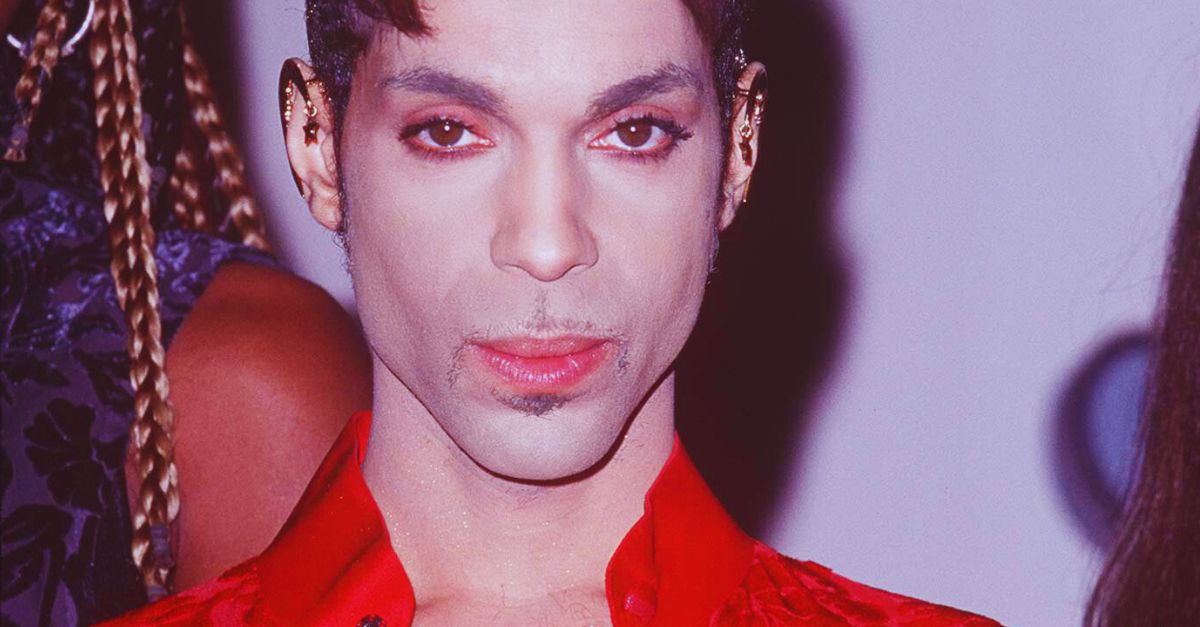
A Genius Who Stayed Hard To Read
Prince Rogers Nelson built a career on sharp control, slippery identities, and music that sounded like nobody else. Publicly, he looked unstoppable and almost untouchable. Privately, his worst problems stayed out of view until the very end.
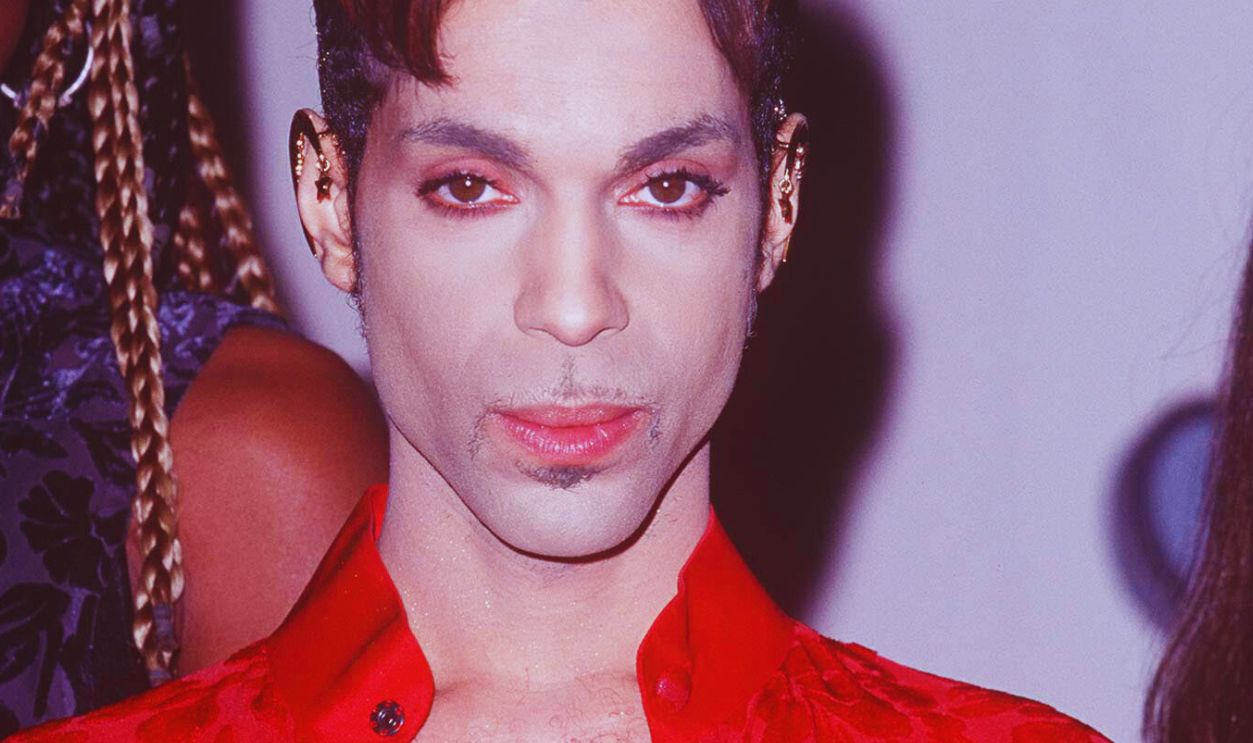
The Minneapolis Kid With Big Plans
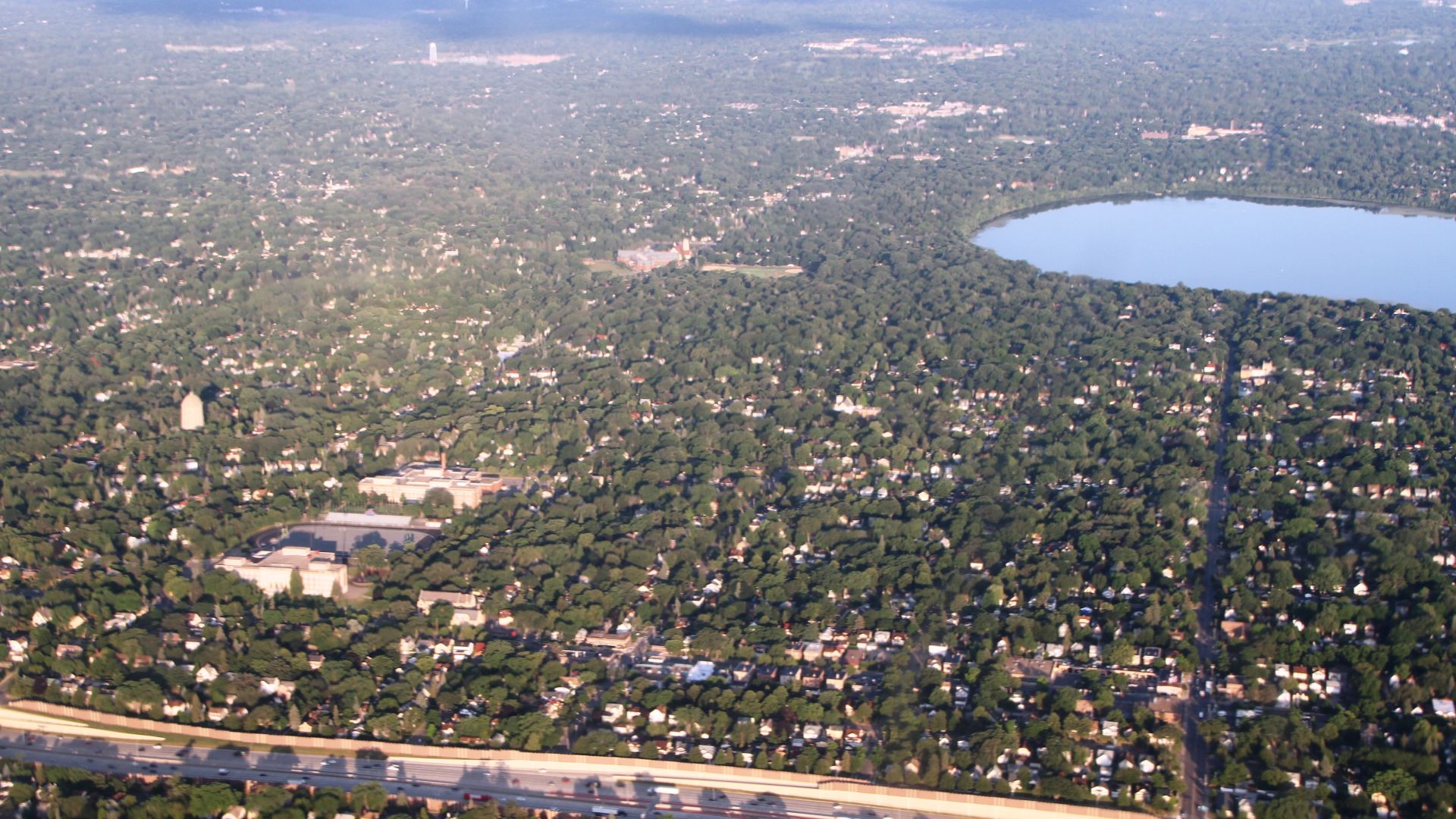
Prince was born on June 7, 1958, in Minneapolis, Minnesota. He grew up surrounded by music, and he took his stage name from his father’s jazz group. By his late teens, he was already pushing for the kind of creative control most artists only dream about.
The Deal That Let Him Run Everything
In 1977, Prince signed with Warner Bros. Records and negotiated unusual freedom for a new artist. His debut album, For You, came out in 1978. It only peaked at 162 on the charts, but it was a start. Plus, he wrote and produced the songs, and he played every instrument you hear—all 27 of them.
From the very beginning, Prince wasn't content to just be a frontman. He wanted to be the whole band.
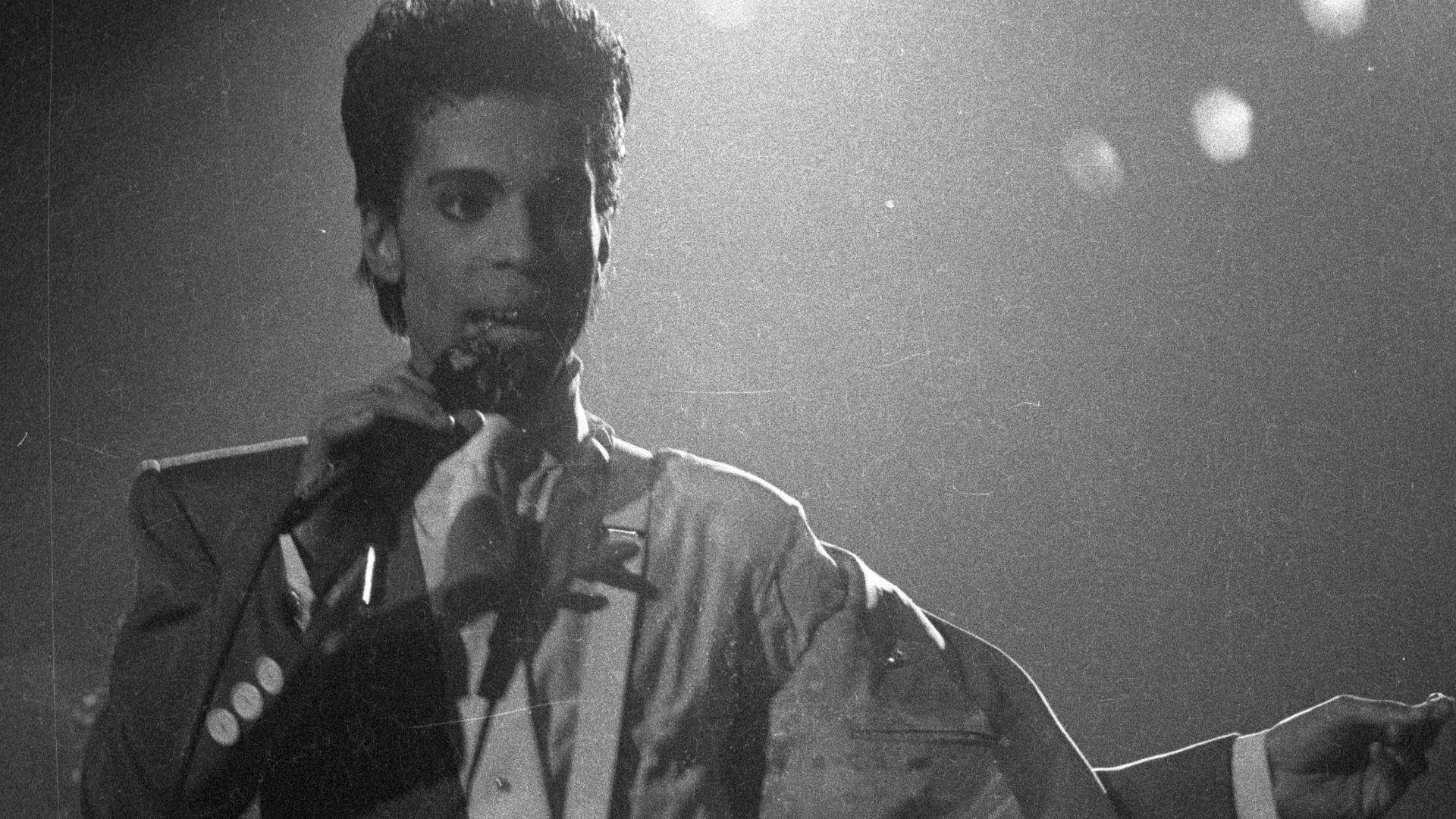 Yves Lorson, Wikimedia Commons
When The World Really Started Listening
After three more solid records in the next four years, he released the smash hit double album 1999 in 1982, turning Prince into a mainstream star. Then Purple Rain landed in 1984 and became a cultural takeover. The movie also cemented him as a magnetic performer who could sell a story as hard as a song.
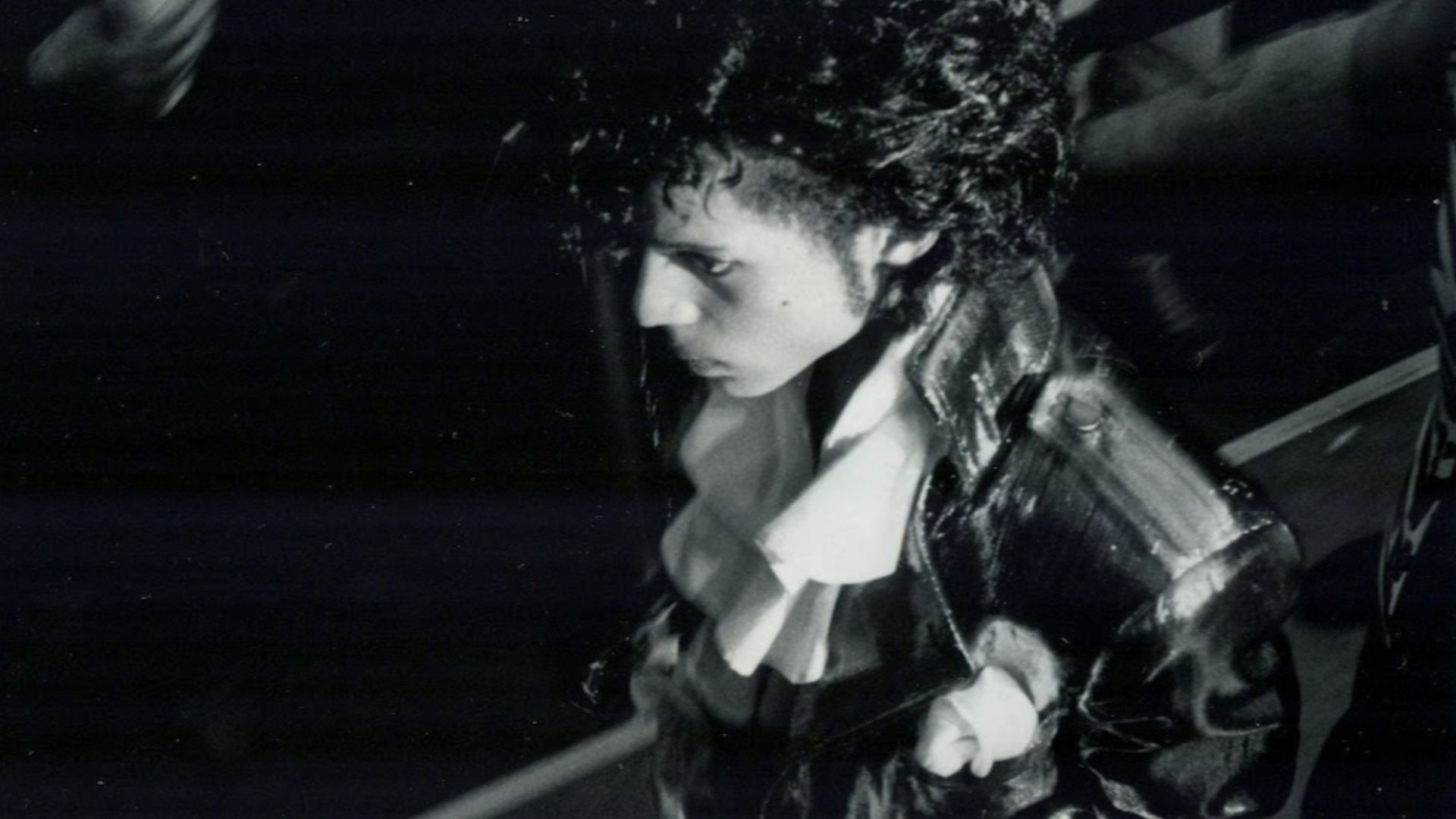 Gary Leonard; Distributed by Warner Bros., Wikimedia Commons
Dirty Mind, Clean Precision
Prince’s sensual lyrics were not an accident or a phase. Early albums like Dirty Mind (1980) and Controversy (1981) shocked prudish listeners, and he never let up. He's literally the reason albums come with the Parental Advisory label.
Tipper Gore heard her daughter listening to his song "Darling Nikki" and was so scandalized she founded the Parents Music Resource Center, which came up with the idea of the label.
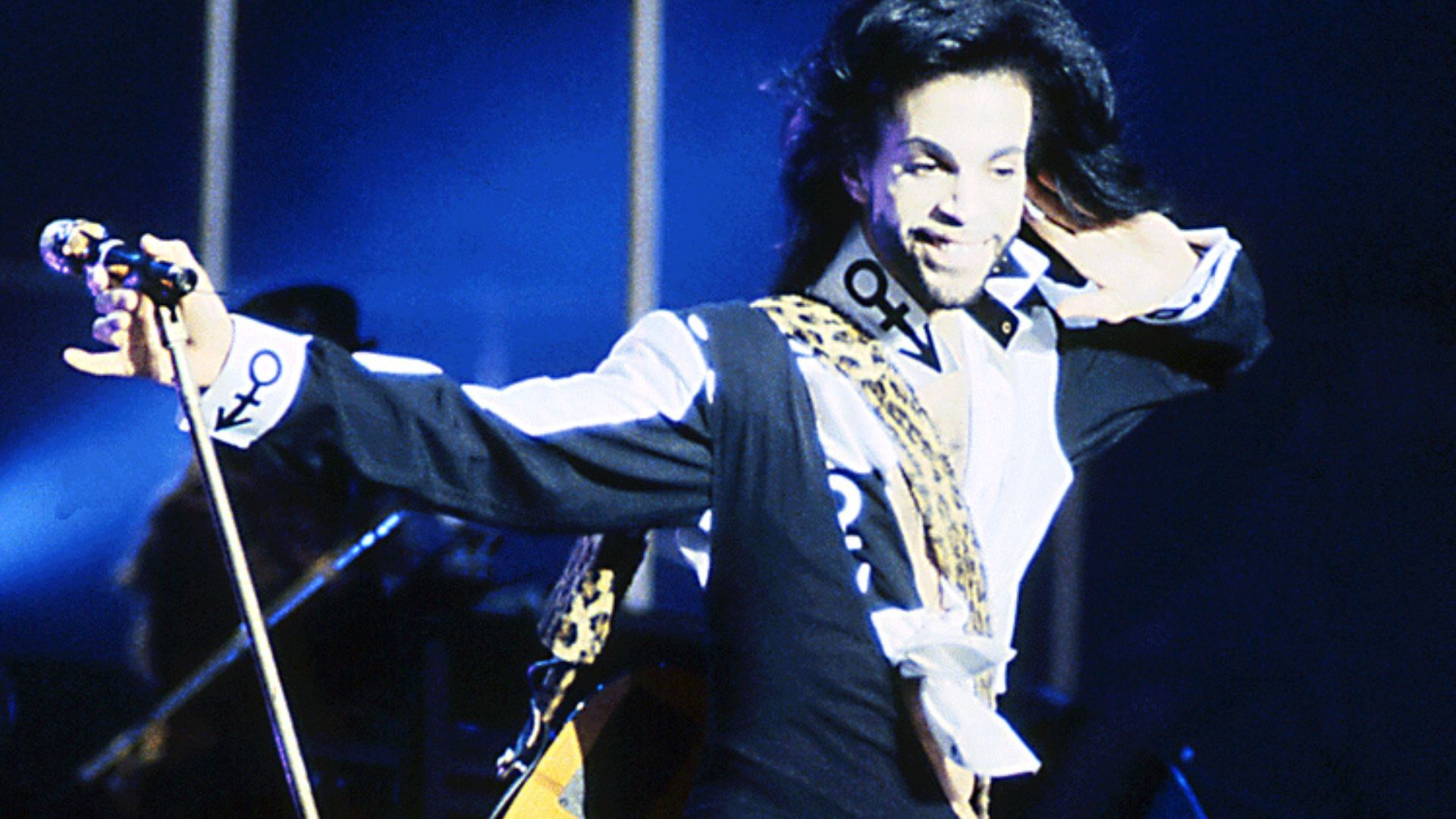 jimieye from flickr.com - https://www.flickr.com/photos/jimieye/, Wikimedia Commons
The Night Purple Rain Took Over
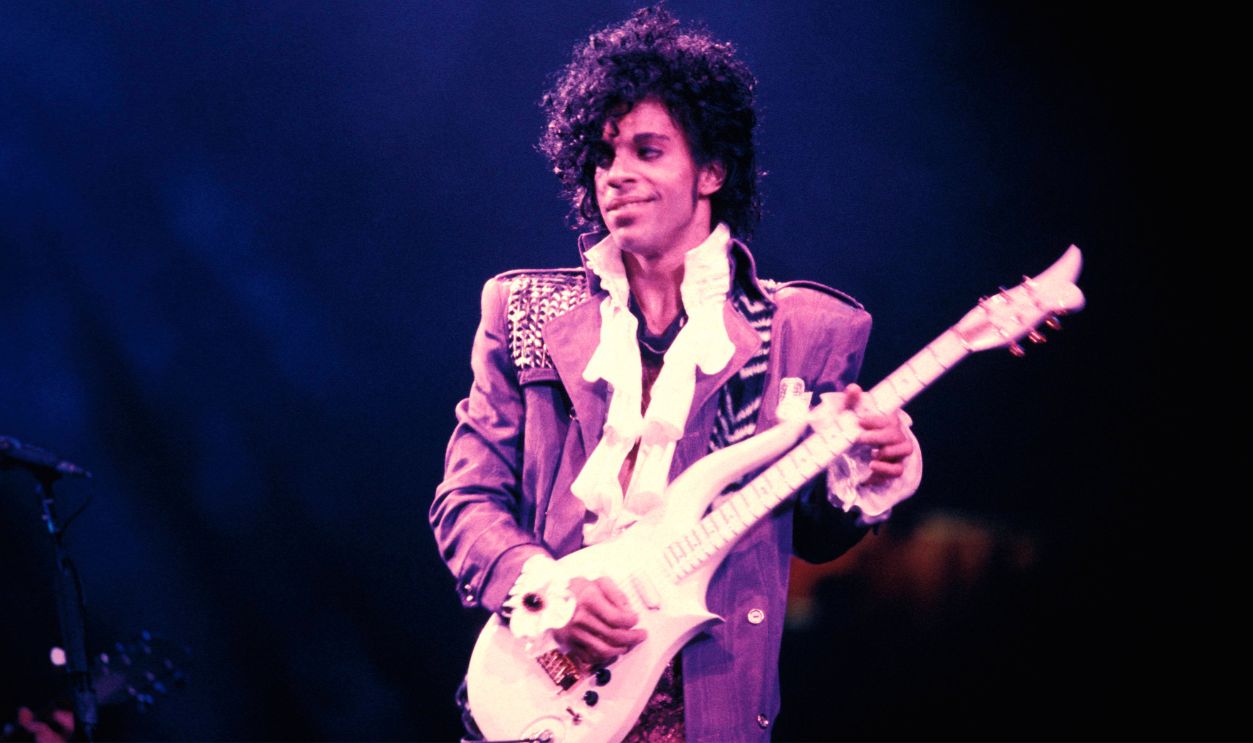
Never content to be "just" a musician, in 1984 Prince starred in the film Purple Rain and wrote the entire soundtrack himself. It won the Academy Award for Best Original Song Score, and three of the album's singles went platinum. Prince’s mix of rock, funk, pop, and gospel sounded fearless, and it made rivals scramble to catch up.
 Richard E. Aaron, Getty Images
Reinventing Pop At Full Speed
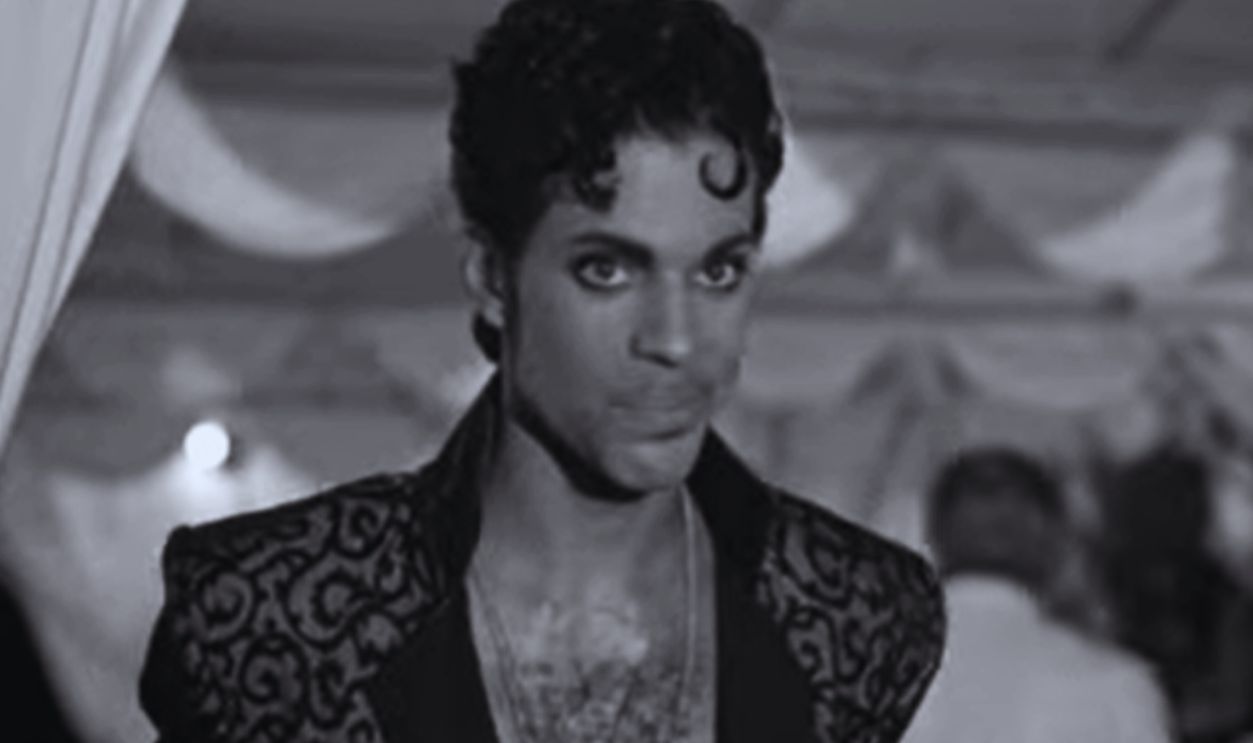
Prince followed Purple Rain with Around The World In A Day in 1985, refusing to repeat himself. In 1986, Parade arrived alongside the film Under The Cherry Moon. The movie did not match his musical success, but his instincts stayed stubbornly original.
 Screenshot from Under The Cherry Moon, Warner Bros. (1986)
His Bandmates Became Part Of The Mystery
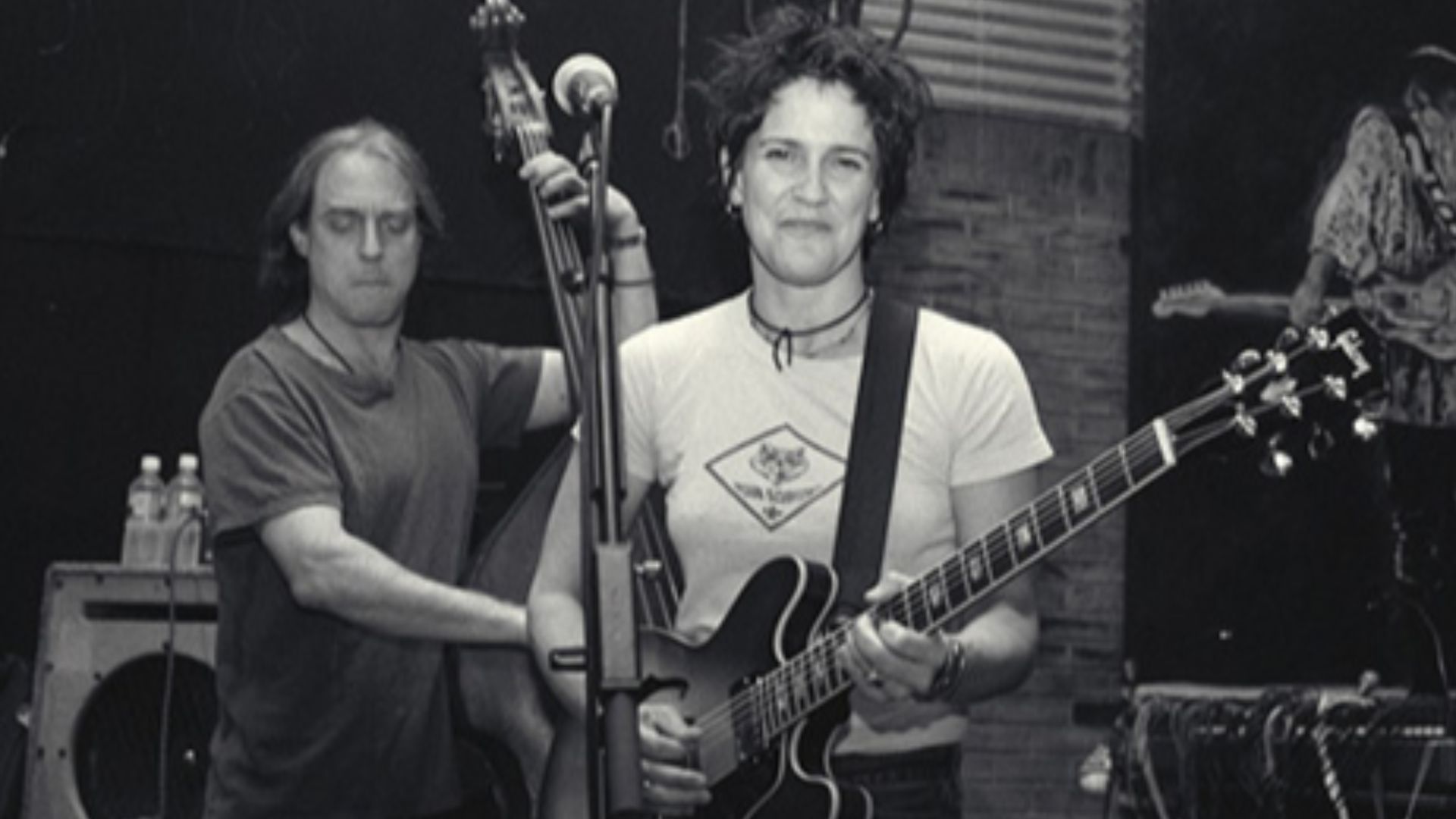
Prince's original band, The Revolution, helped shape the Purple Rain era, but Prince still kept the spotlight tight on himself. Band members Wendy Melvoin and Lisa Coleman became key creative partners in the mid-1980s. But by 1986, Prince suddenly disbanded the Revolution and fired both Melvoin and Coleman.
 Charlie Llewellin from Austin, USA, Wikimedia Commons
The Album That Felt Like A Secret Party
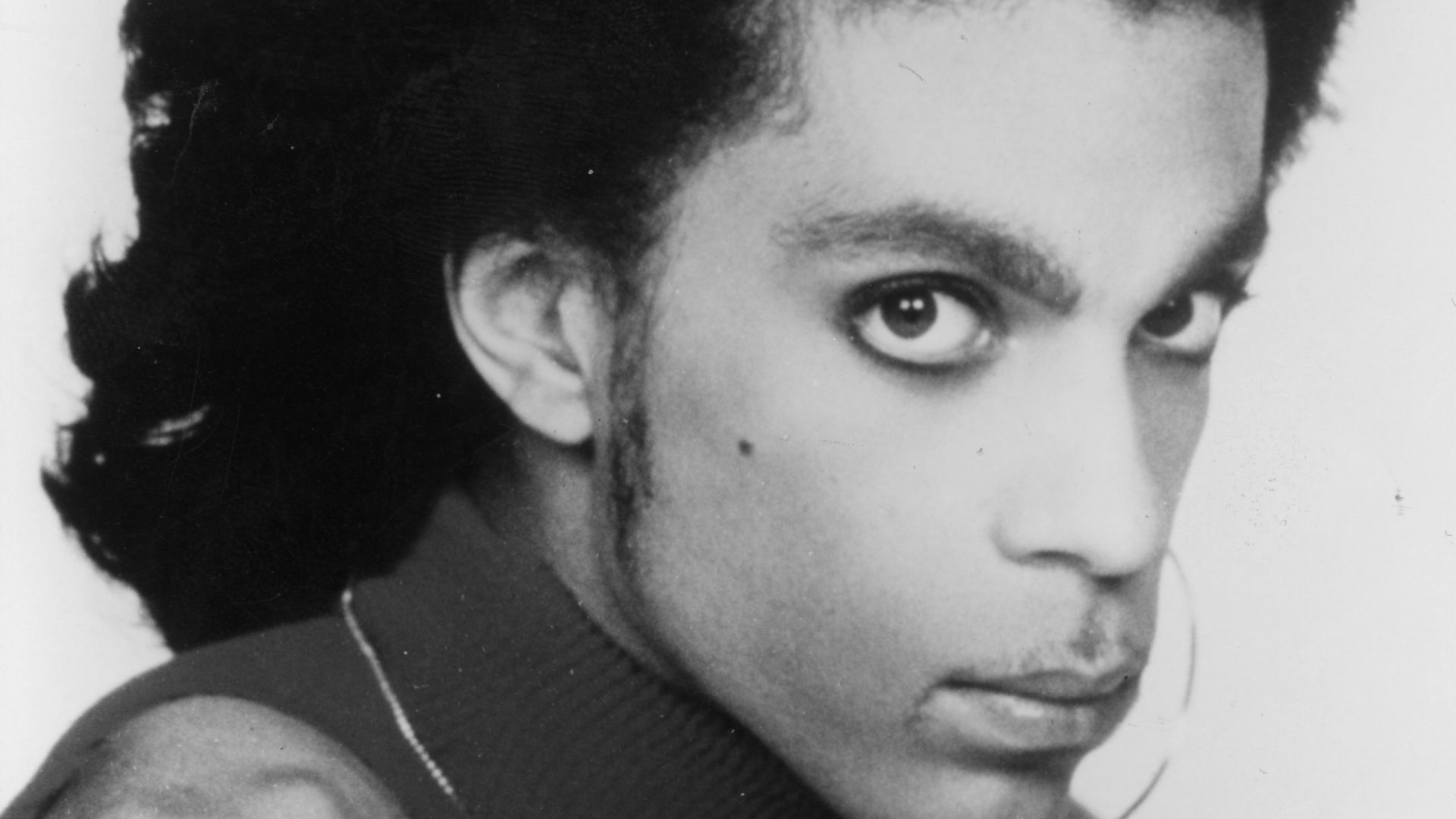
Sign O’ The Times was released in 1987 and is often cited as one of his greatest achievements. It blended social commentary, heartbreak, faith, avant-pop, R&B, and club-ready funk. Critics later treated it like proof that Prince was not just some hitmaker, but a once-in-a-generation composer.
 Warner-Elektra-Atlantic, Wikimedia Commons
When Prince Played Every Role At Once
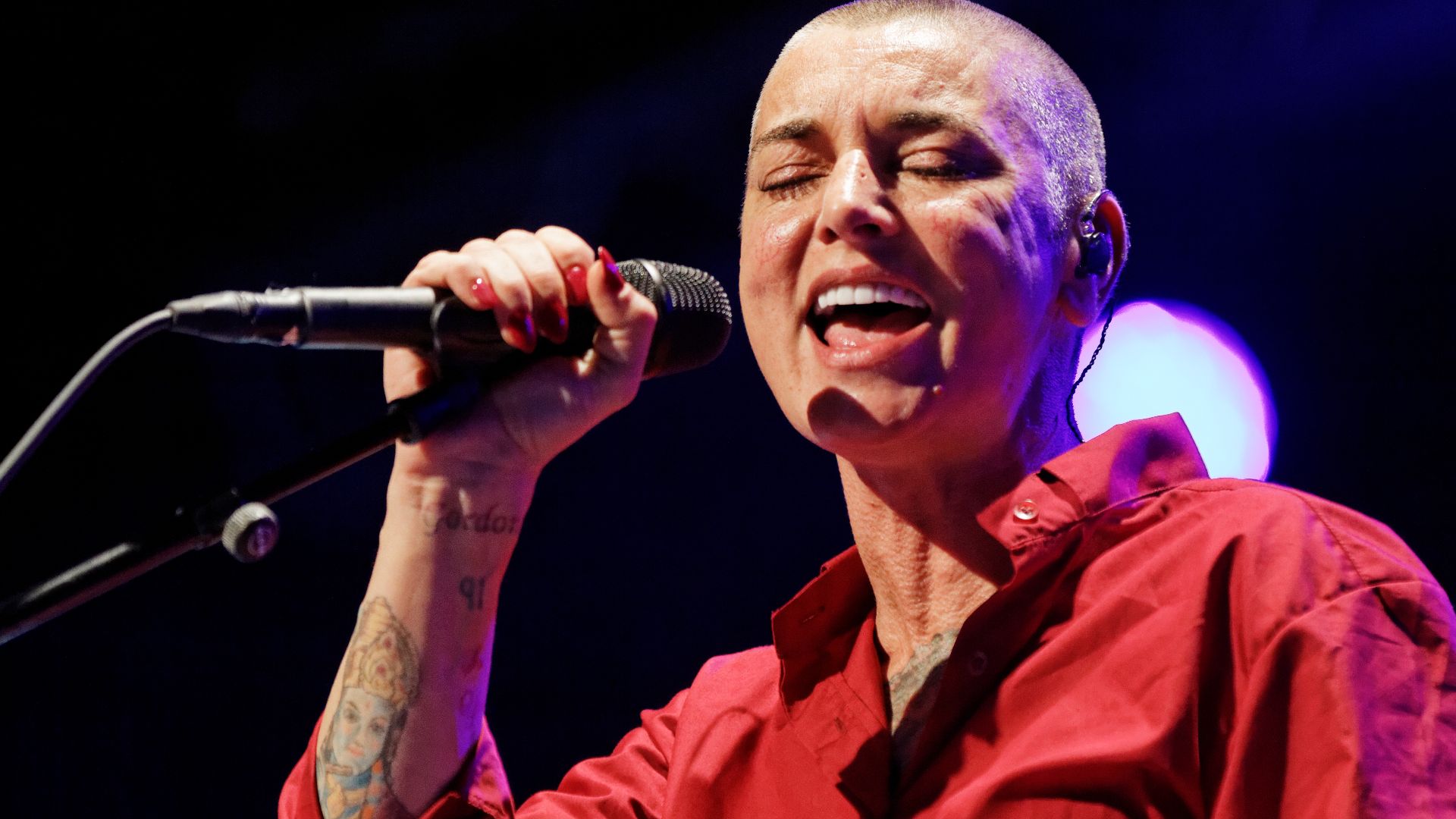
Prince wrote, produced, arranged, and performed at a level that made his peers look limited. He was so good that he was actually behind many other artists biggest songs, chief among them Sinéad O’Connor's “Nothing Compares 2 U.”
It wasn't much of a hit when Prince released it in 1985, but in 1990, O'Connor's version became a worldwide sensation.
 Thesupermat, Wikimedia Commons
The Name Change That Shocked The Industry
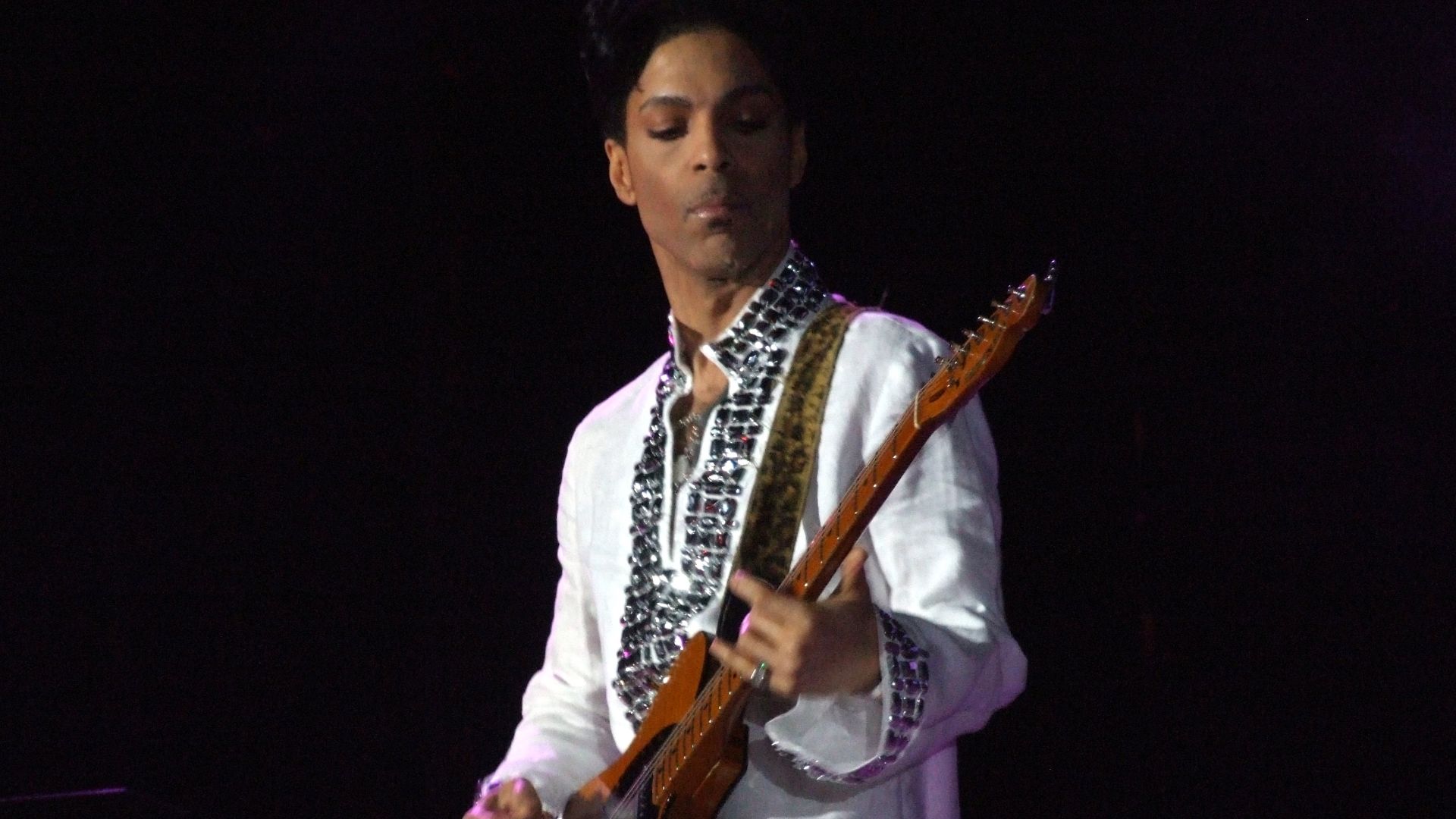
In 1993, Prince changed his name to an unpronounceable symbol that fans call the "Love Symbol." Many outlets began calling him “The Artist Formerly Known as Prince.” The move was tied to his fight with Warner Bros. over ownership, release schedules, and artistic freedom.
Slave On His Face, Fire In His Eyes
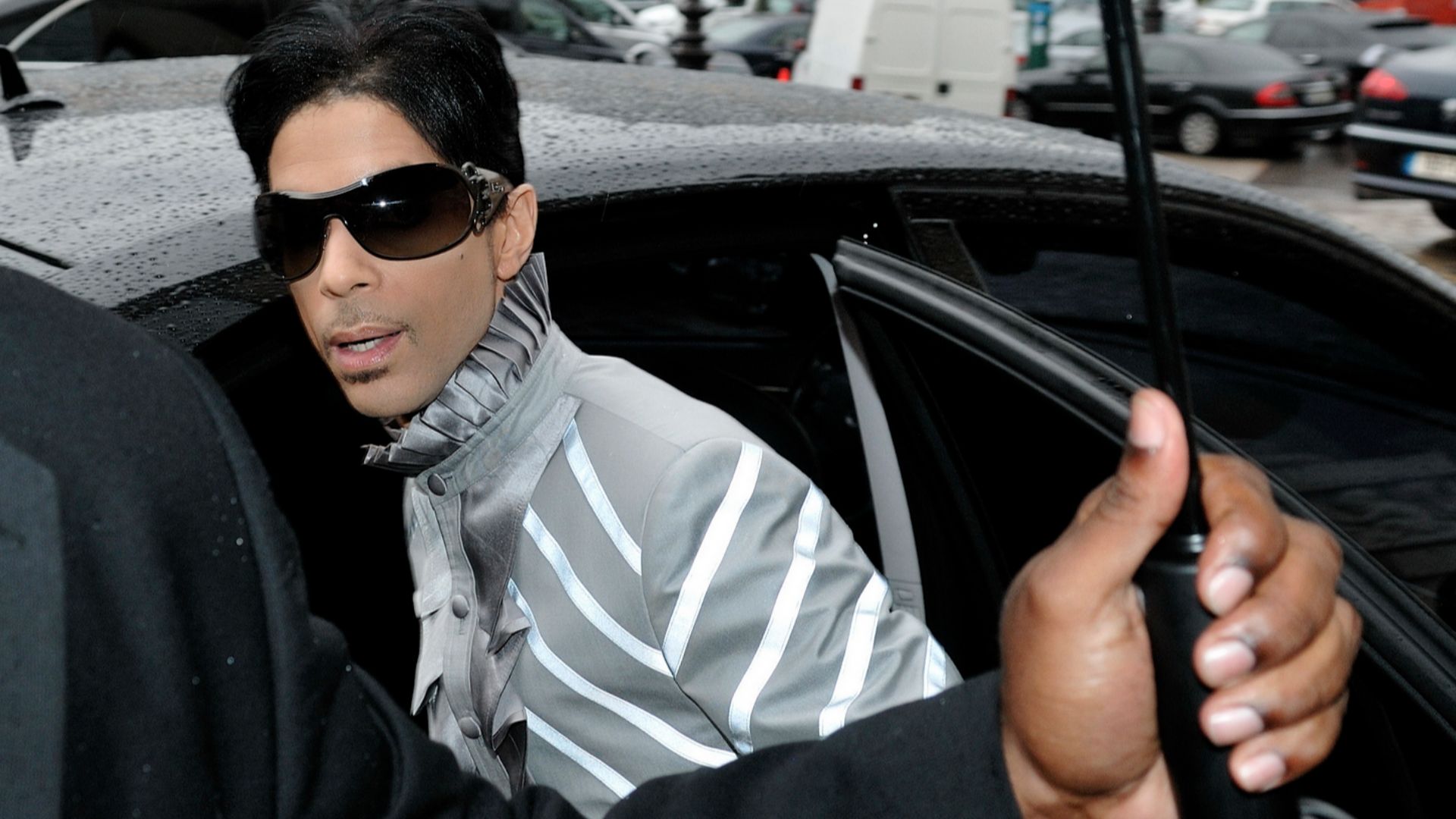
In the mid-1990s, Prince appeared with the word “slave” written on his face during his contract dispute. It was a blunt public statement from someone who usually preferred controlling the story quietly. The conflict helped turn him into a symbol for artists pushing back against label power.
 nicolas genin, Wikimedia Commons
Freedom, At A Cost
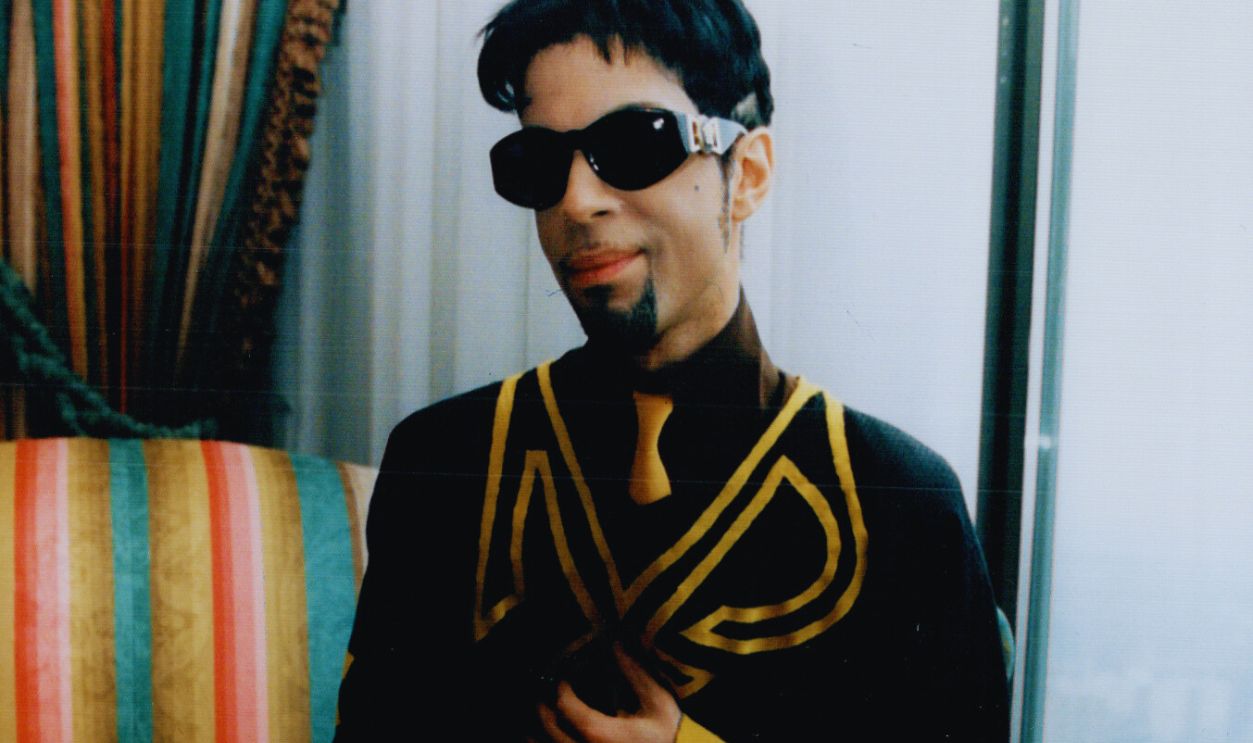
After 18 years, Prince was finally free from his contract with Warner Bros., and he celebrated with his 1996 album Emancipation, a title that doubled as a mission statement. The album marked a new era where he could release music on his terms, even if it meant he no longer had the major studio support.
The Heartbreak He Rarely Put On Display
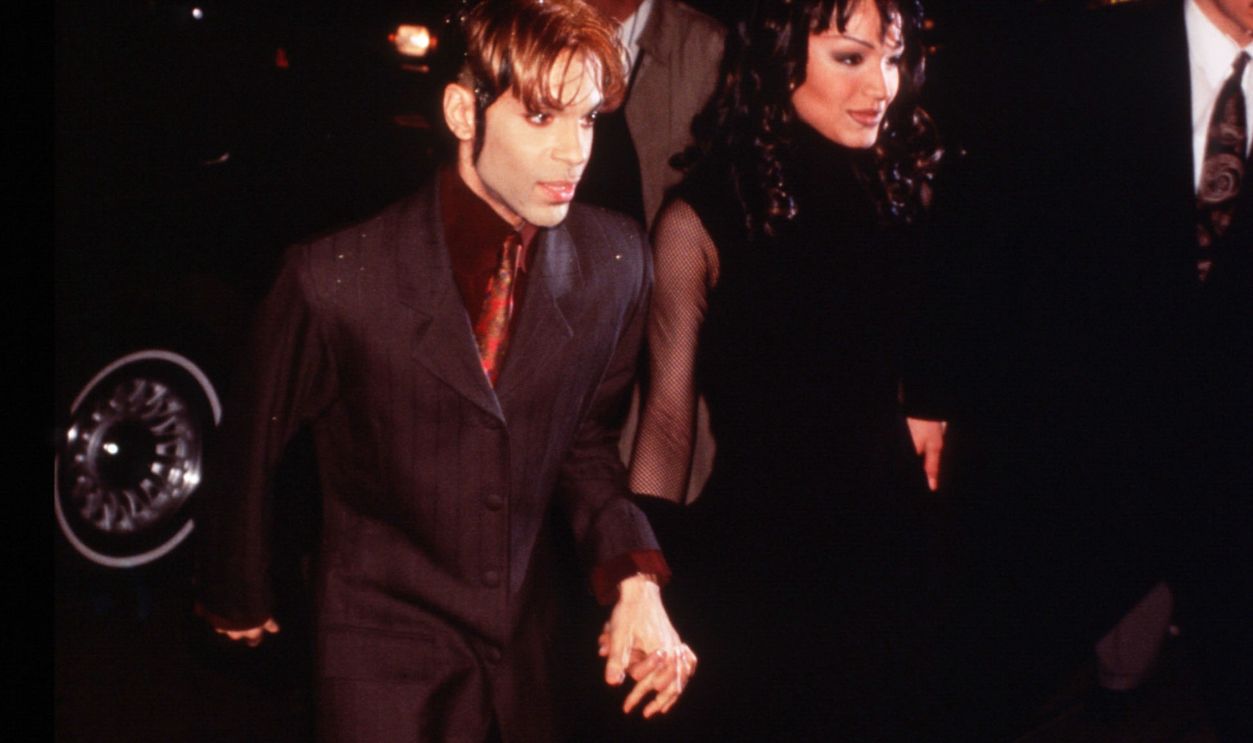
Prince married dancer and performer Mayte Garcia on February 14, 1996, when he was 37 and she was 22. Garcia says their son, Amiir, was born in 1996 and died shortly after birth, but Prince's intense privacy meant the story never reached the official record.
They tried again, but this time Garcia had a miscarriage. The toll on their marriage was too great, and they divorced in 2000.
A Quiet Shift Toward Faith
Over time, Prince became more open about his religious beliefs. He became a Jehovah’s Witness in 2001, and began avoiding some of the explicit material that had once defined his image. Fans noticed the shift, even if Prince still kept most of his private life locked down.
The Super Bowl Moment That Froze Time
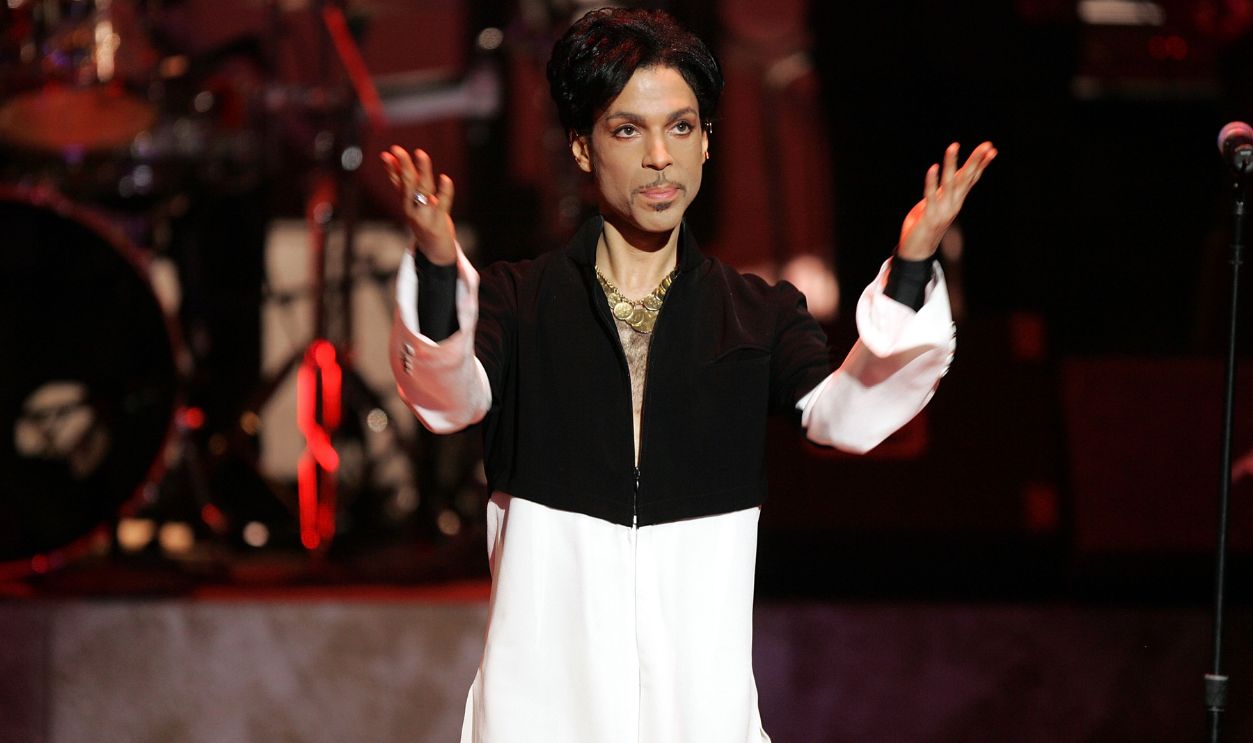
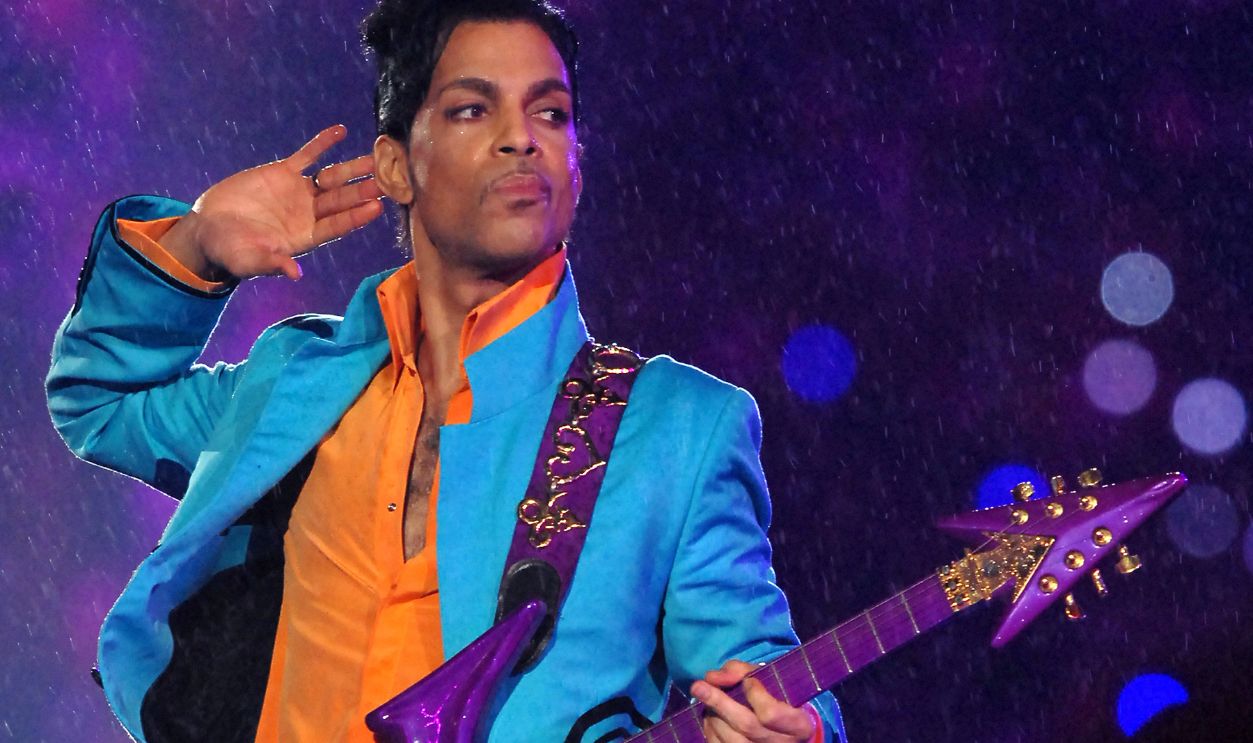
On February 4, 2007, Prince played the Super Bowl XLI halftime show in Miami Gardens, Florida. The performance, which went on despite pouring rain, became an instant classic. It reminded millions that he was not just a studio mastermind, but one of the best live performers on earth, even 40 years after signing his first record contract.
The Work Never Stopped
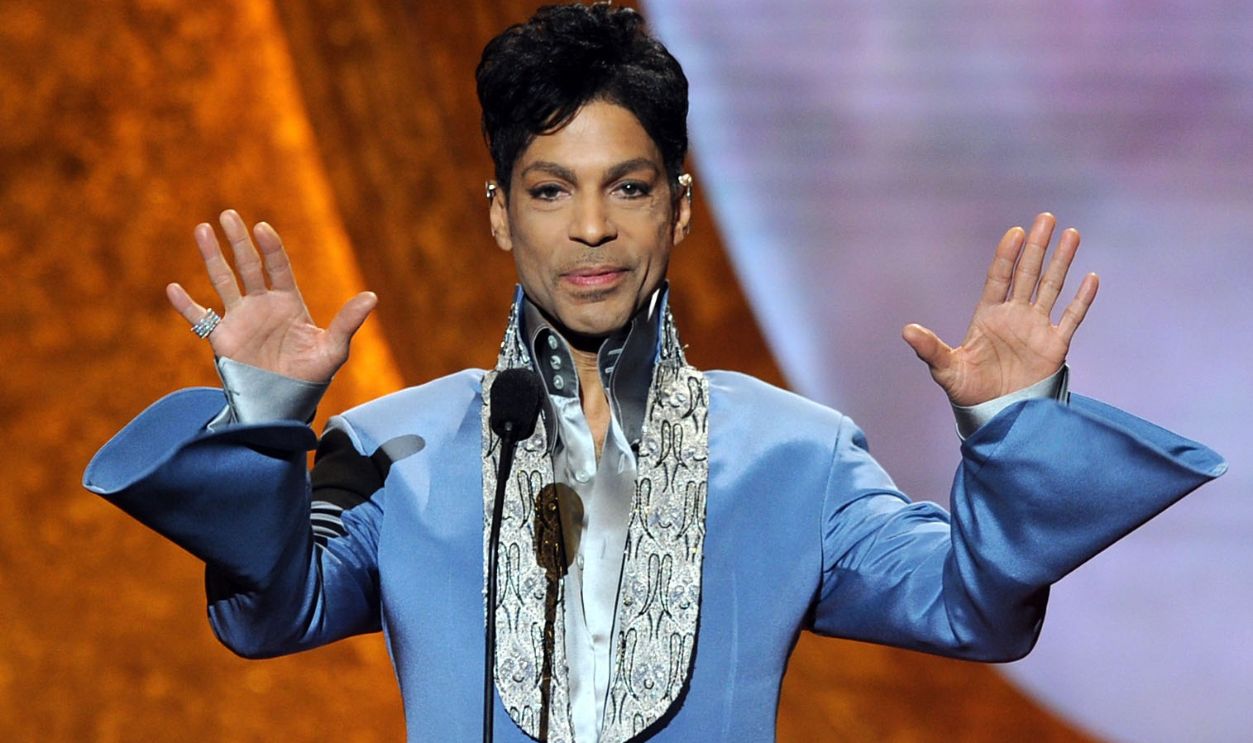
Even when his mainstream chart dominance cooled, Prince kept releasing music and touring. After his terrible experience with Warner Bros. towards the end, he built a direct relationship with fans through projects and deals that cut around the usual industry system. If you wanted Prince, you often had to follow his rules.
Paisley Park: The Fortress And The Factory
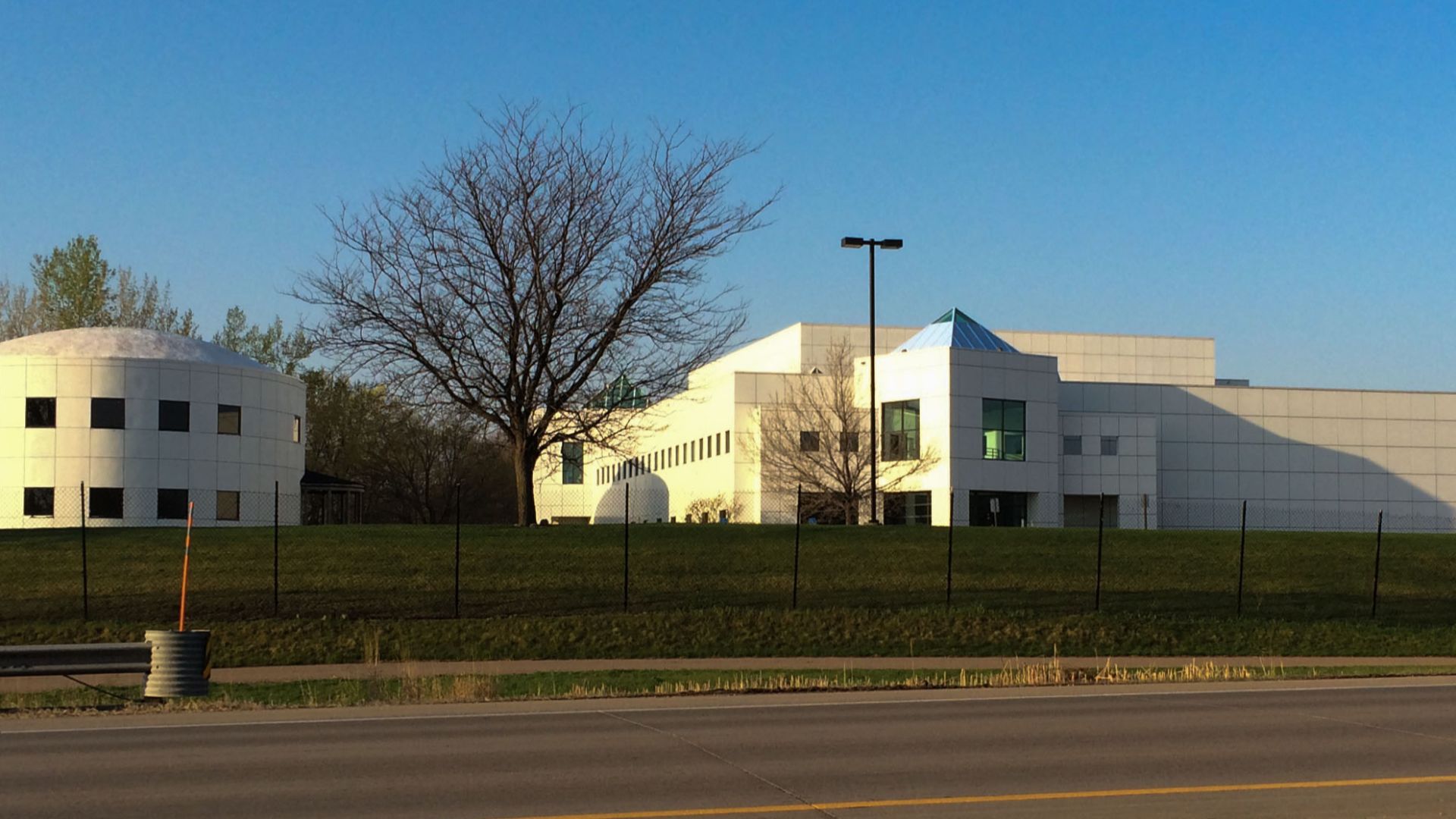
Prince's home in Chanhassen, Minnesota was called Paisley Park. Built in 1986/7 for $10 million, it was more than just Prince's "house." It was his headquarters, his studio, his creative lab, and his shield from the outside world. The privacy helped him work endlessly, but it also meant the public saw less and less of what he was going through.
 Bobak Ha'Eri, Wikimedia Commons
The Overdose Scare Before The End
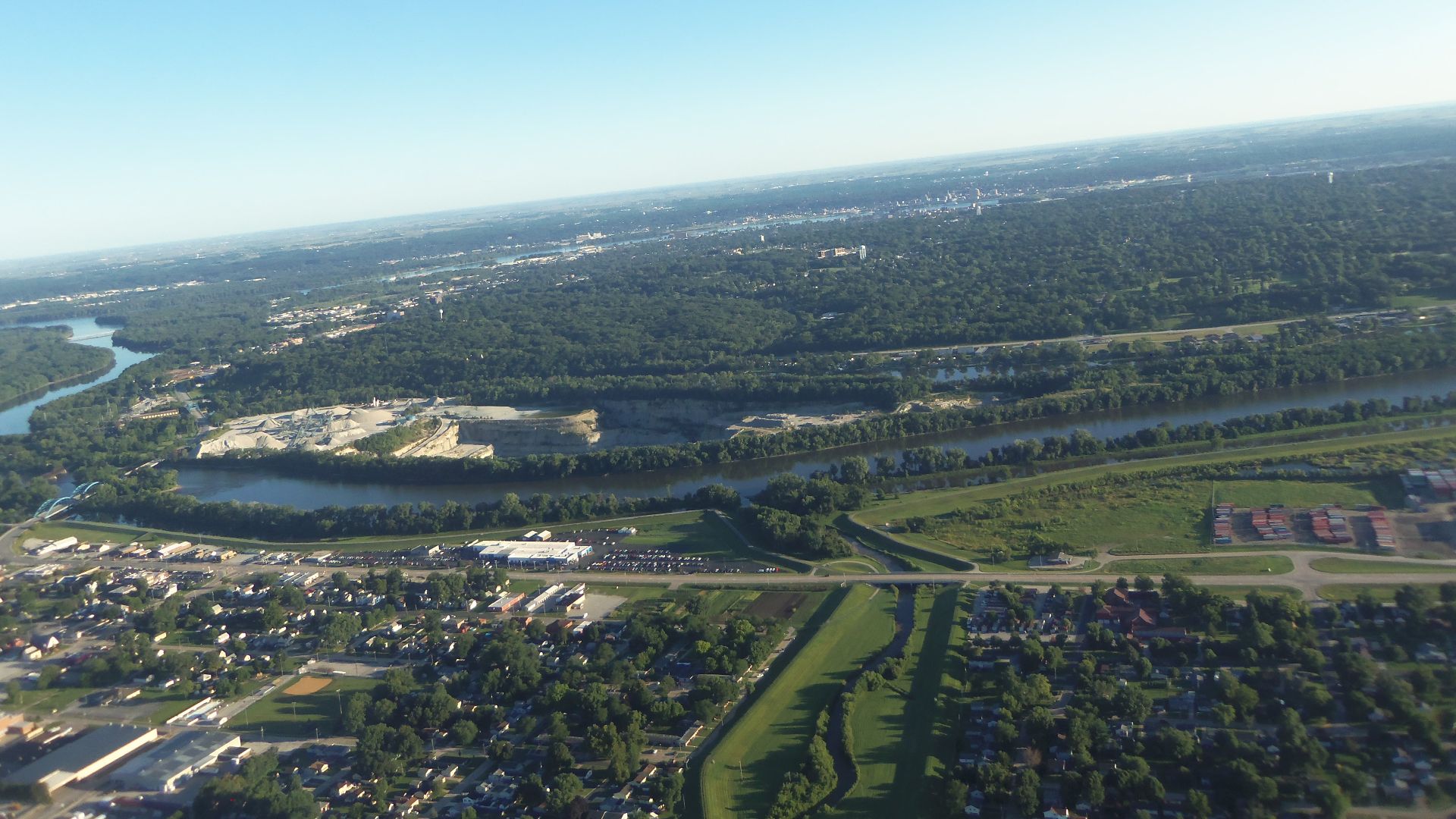
On April 15, 2016, Prince’s plane made an emergency landing in Illinois after he became ill. He was treated at a hospital and later released. In the days that followed, people close to him tried to get help to his home, but it wouldn't come fast enough.
 Farragutful, Wikimedia Commons
The Last Day At Paisley Park
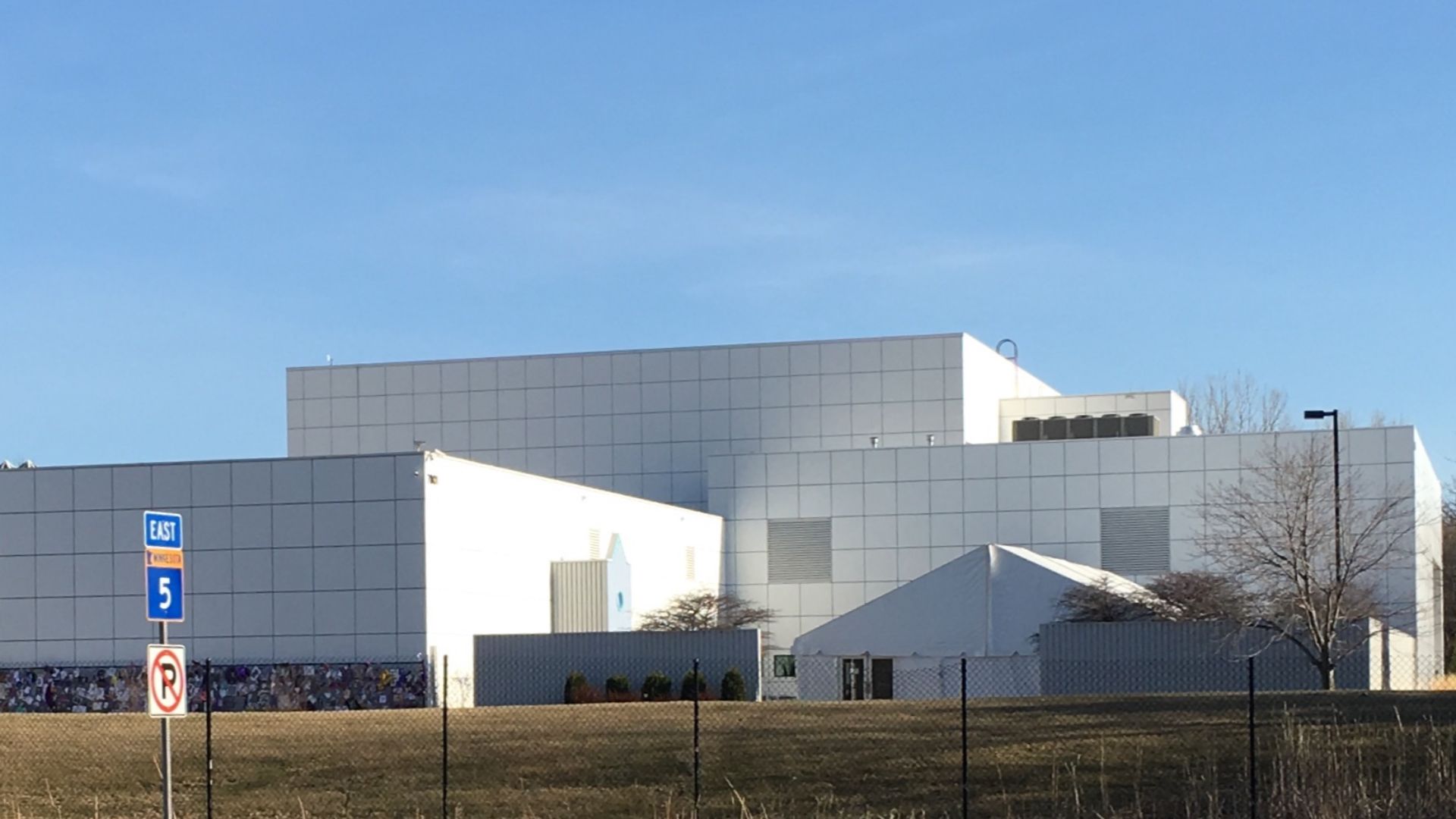
Prince was found unresponsive in an elevator at Paisley Park on April 21, 2016. He was pronounced dead by paramedics at 10:07 am that day, though they said he'd be gone for at least six hours already. He was 57 years old. The news hit hard because he had been working and performing so recently.
 Chris.Schiemann, Wikimedia Commons
The Autopsy Answered The Biggest Question
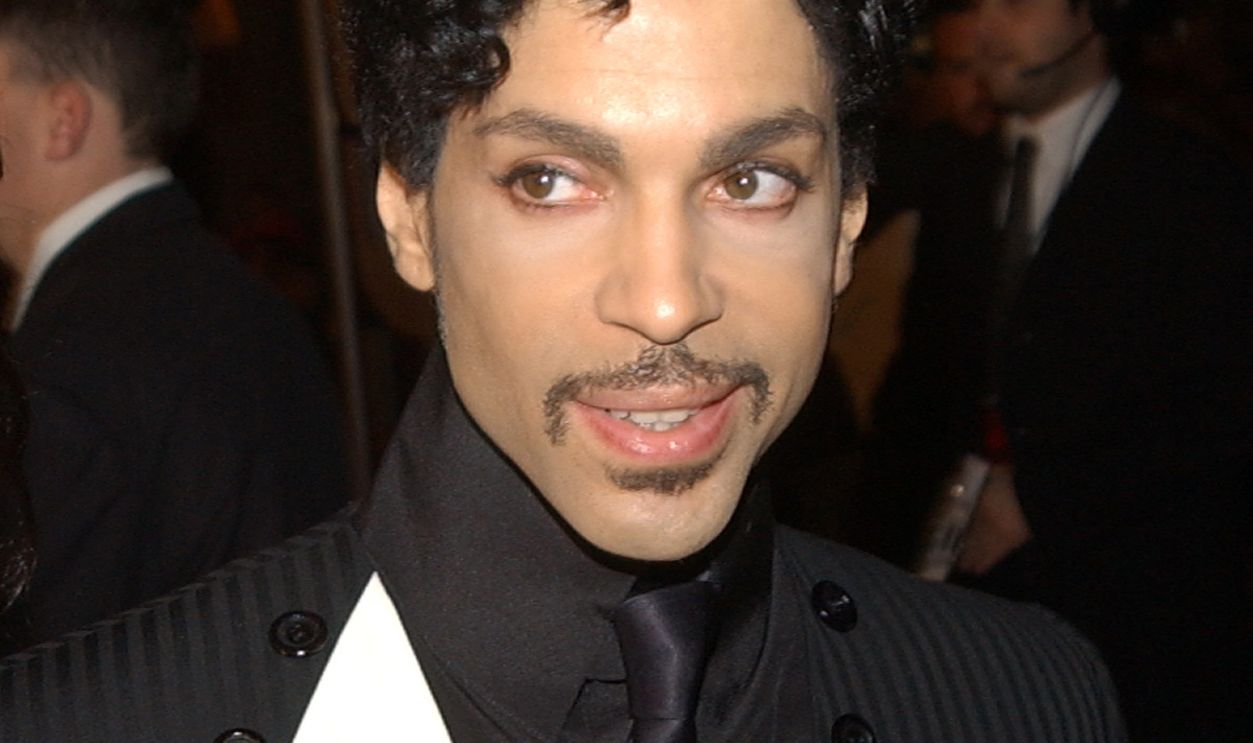
On June 2, 2016, the Midwest Medical Examiner’s Office announced Prince died from an accidental overdose of fentanyl. The official ruling cut through rumor and speculation. It confirmed that the private battle was not gossip, but the central tragedy of his last chapter.
The Investigation And What Authorities Found
In 2018, the Carver County Attorney’s Office announced no criminal charges would be filed in connection with Prince’s death. The statement cited limits in proving who had supplied the drugs that killed him. Even with intense attention, the paper trail could not answer everything people wanted to know.
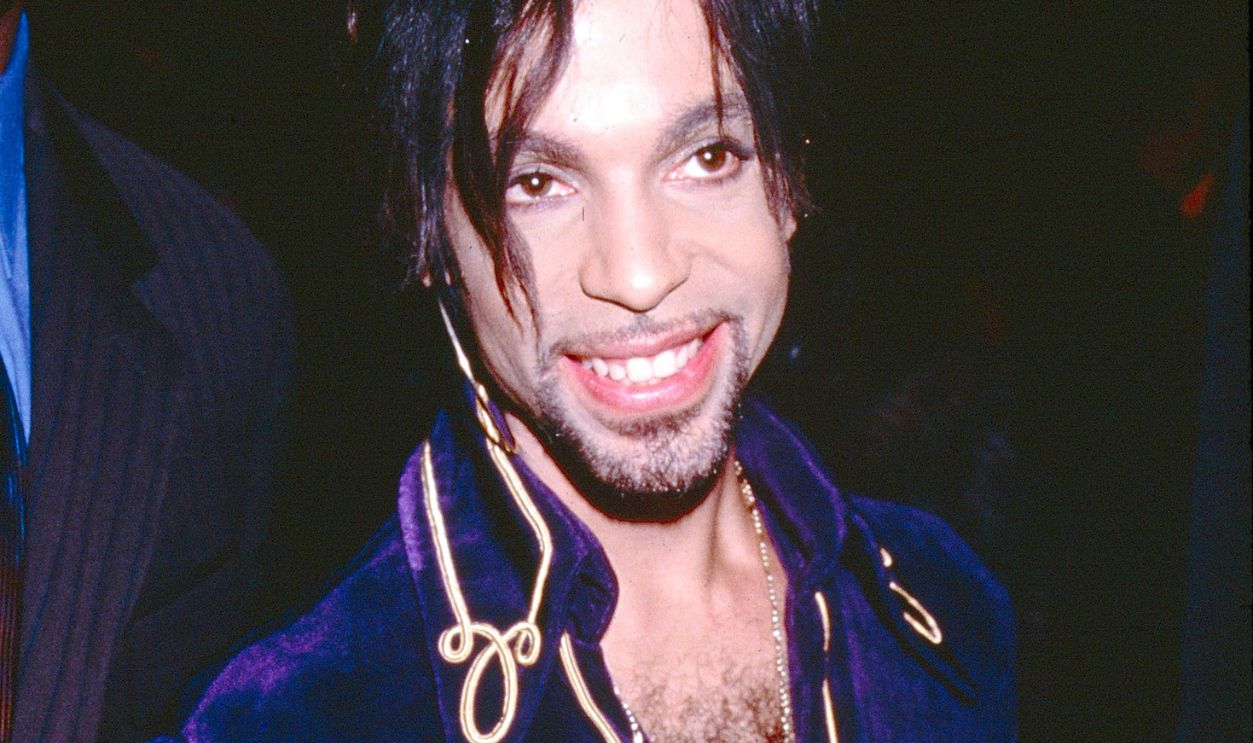
A Pain Problem That Stayed In The Shadows
After his death, investigators found evidence that Prince had been struggling with opioid addiction for quite a while. Court records and official reports later made clear that the problem was extremely serious by the end. The shock for many fans was how long it appeared to be hidden from public view.
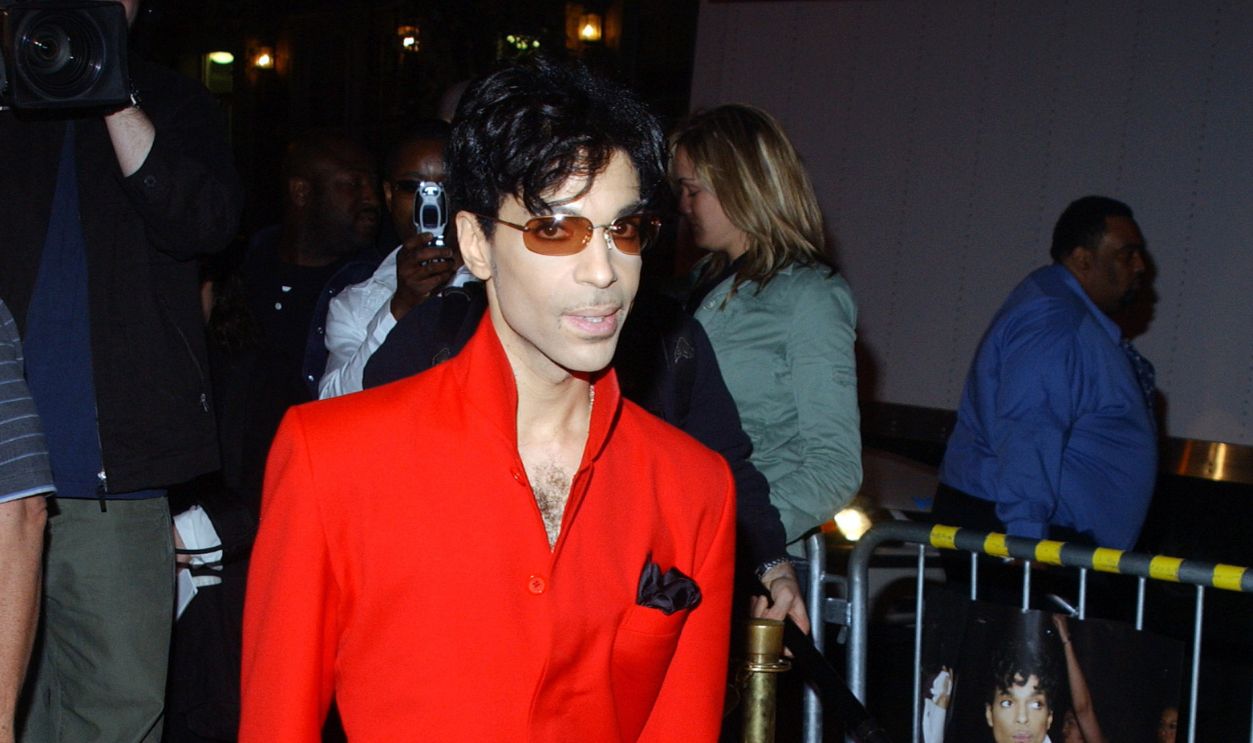 Debra L Rothenberg, Getty Images
How The Mystery Turned Into A Museum
Paisley Park opened for public tours in 2016, turning Prince’s private world into a place fans could finally step inside. Visitors saw pieces of his life that had stayed sealed off for decades. The openness was bittersweet though, because it came only after he was gone.
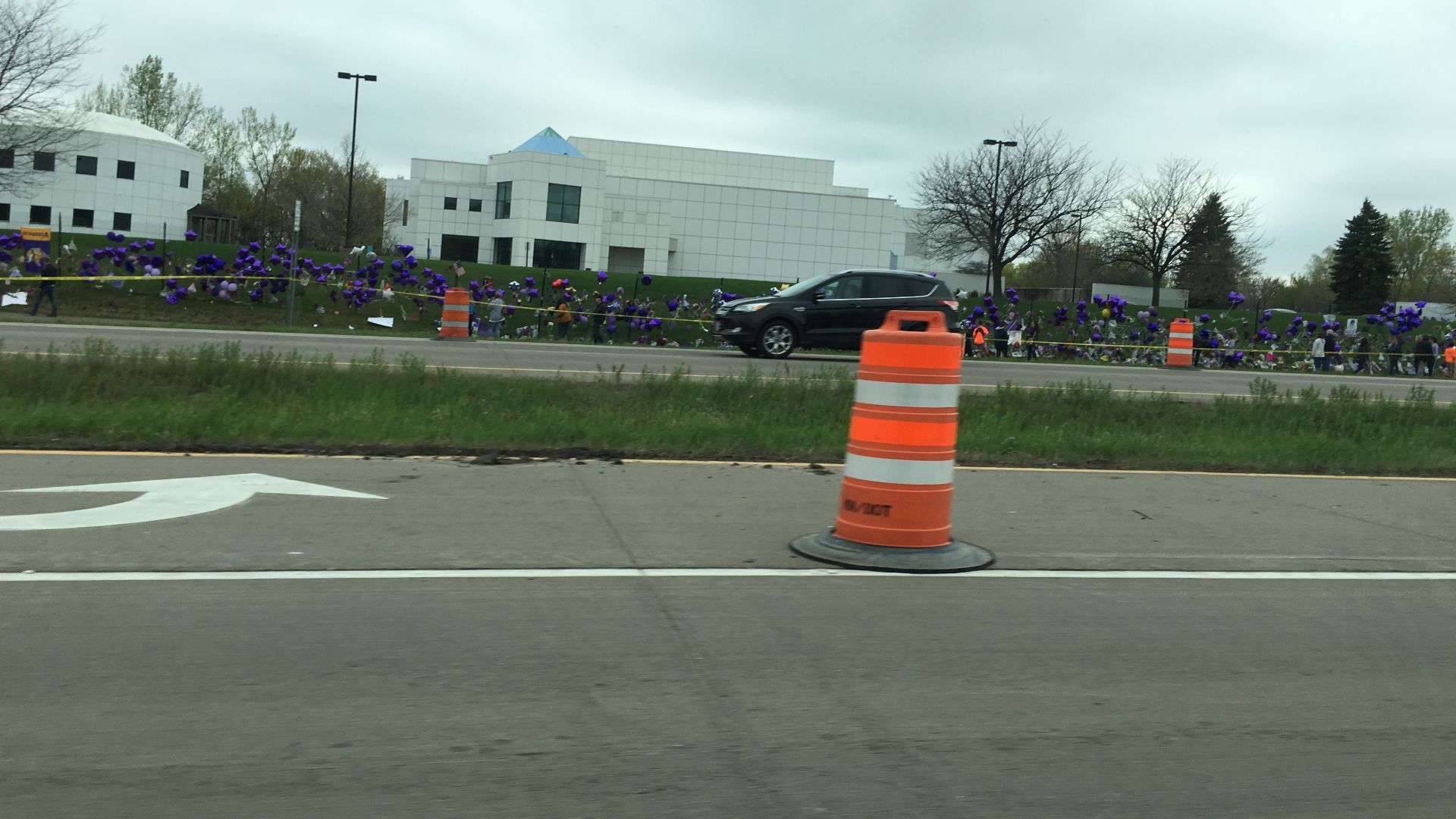 Thomas from Minneapolis, Wikimedia Commons
The Vault Was Not A Rumor
For years, people talked about Prince’s “Vault” as if it was legend. It was real, and after his death, it became a major focus for those managing his estate. What fans suspected was true: He recorded constantly and left behind a mountain of unreleased work.
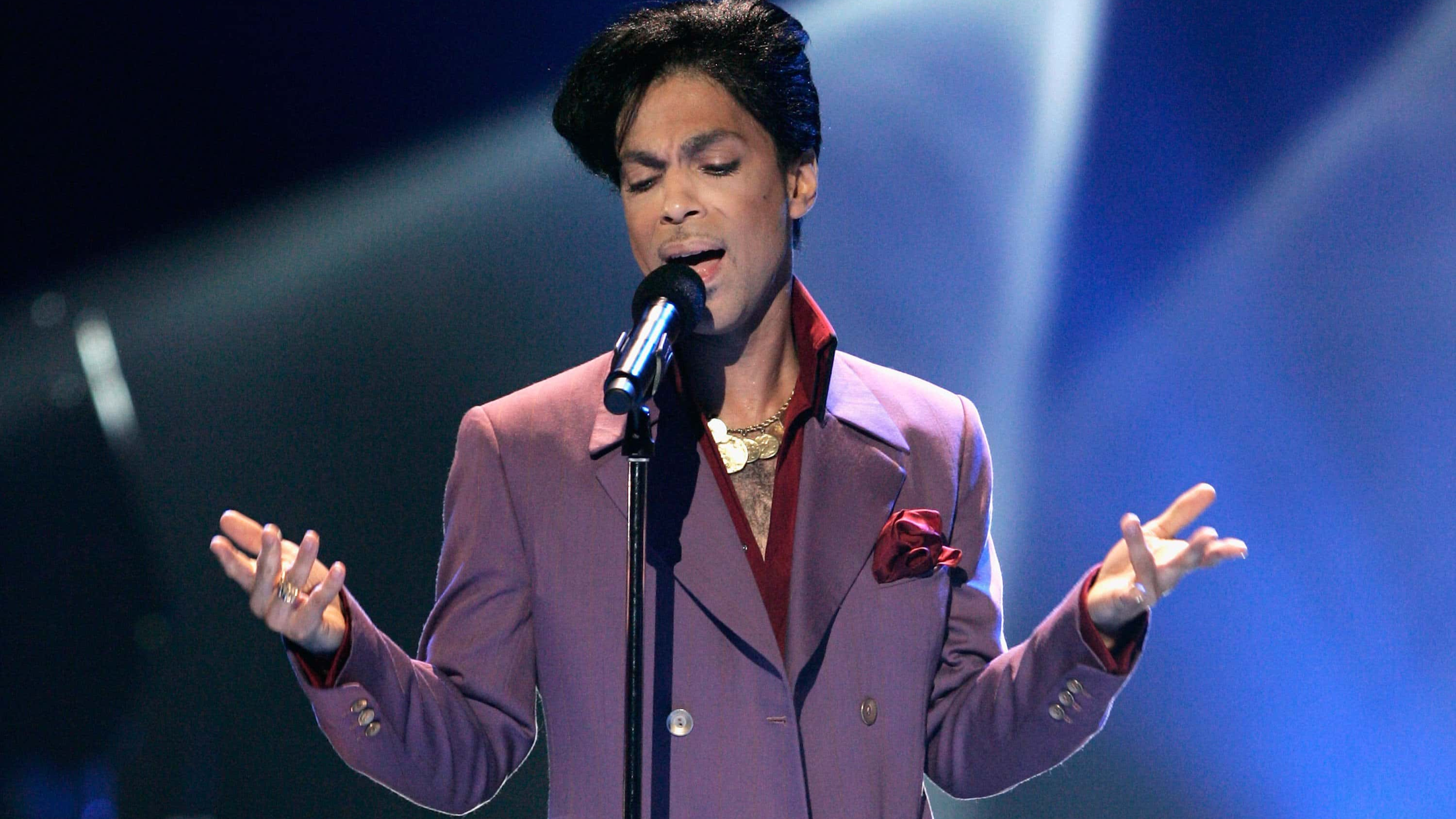
The Vault Begins To Open
After Prince’s death, archival projects out of the vault started arriving, offering a clearer picture of his work habits and range. Releases like Piano & A Microphone 1983 (2018) and expanded editions of key albums showed just how much material he kept back.
It confirmed what musicians had long whispered: Prince was always creating, even when nobody could see it.
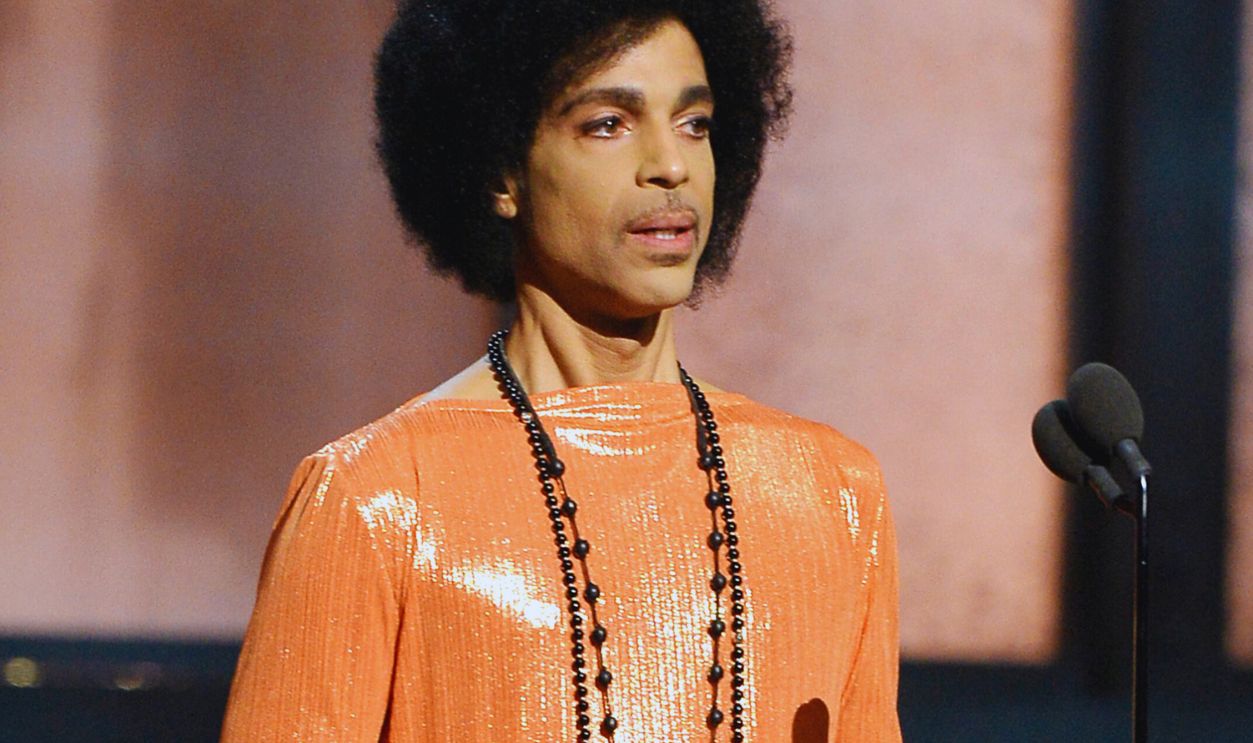 Kevork Djansezian, Getty Images
The Legacy: Genius, Control, And A Hidden Cost
Prince reshaped pop by refusing to stay in one lane, and by demanding control most artists never get. The same privacy that protected his creativity also made it easier for pain and addiction to stay out of view. In the end, the mystery was not a marketing trick, but a real wall that kept help from arriving in time.