
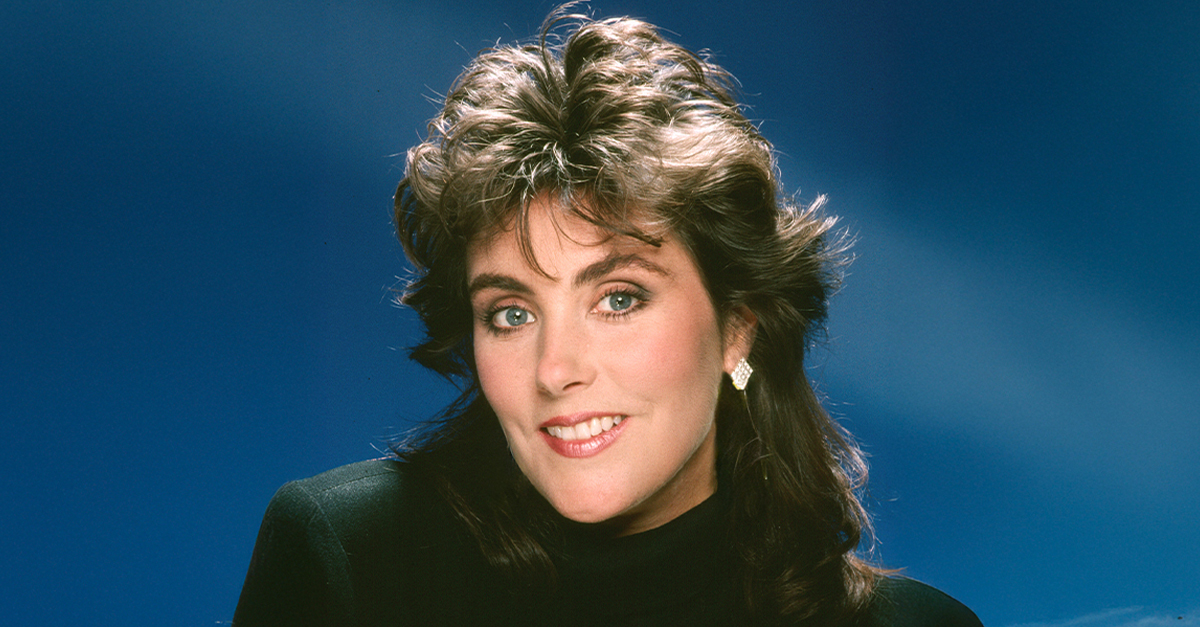
Voice Of A Decade
Laura Branigan’s rise in the 1980s was powered by a voice that could turn a pop song into an instant hit. Hits like “Gloria” and “Self Control” made her a fixture of the decade, but the momentum didn’t last forever. Her music faded from the spotlight, even as her talent remained undiminished. She was about to launch into a new chapter in her career, unaware that time was running out far faster than she realized.
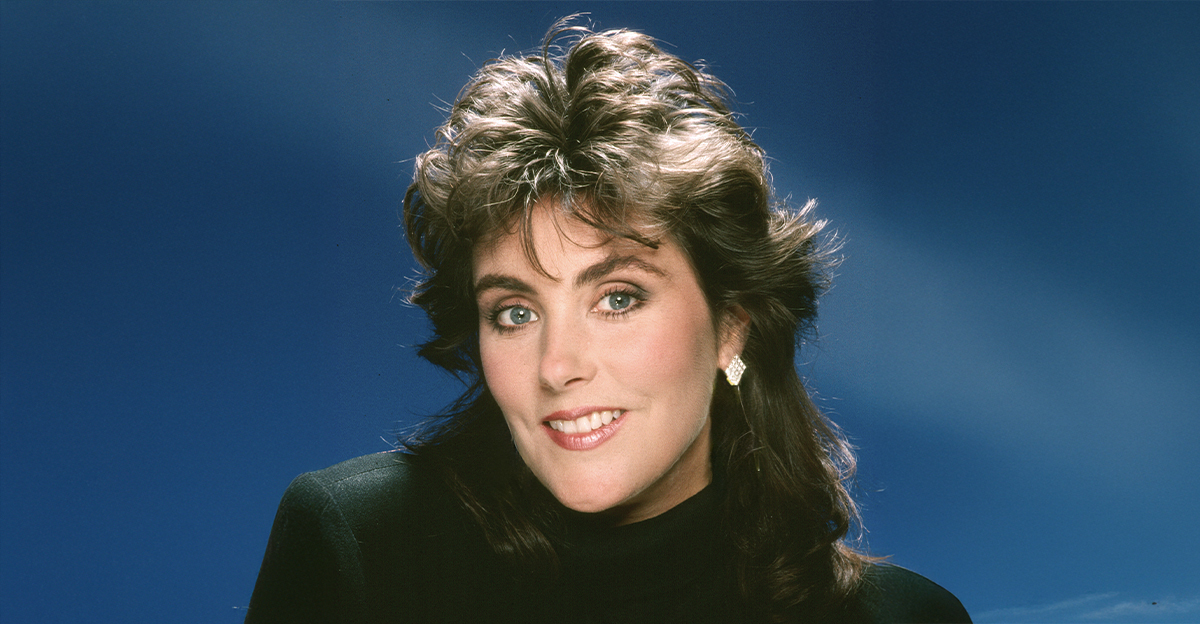
A Long Island Beginning
Laura Ann Branigan was born on July 3, 1952, in Mount Kisco, New York, and grew up in a modest home with four siblings in nearby Armonk, New York. From an early age, she showed a passion toward singing, performing in school productions and local events. Her ambition pushed her toward formal training, and a more structured artistic growth.
 Daniel Case, Wikimedia Commons
Formal Training And Early Discipline
Branigan enrolled at the American Academy of Dramatic Arts in New York City, where she studied acting and worked hard on her stage presence. The training helped shape her emotional delivery and confidence as a performer. Though acting was part of her focus, more and more it was music that became her primary outlet, leading her toward her first professional opportunities.

First Steps Into The Music Scene
In the early 70s, Branigan formed a folk-rock group called Meadow with classmates Walker Daniels and Chris Van Cleave. They released an album in 1973 titled The Friend Ship; while the music was very different from the kind of material Branigan would later be associated with, it showcased her emerging vocal power and songwriting. The group didn’t achieve major success, but it gave her valuable studio and touring experience.
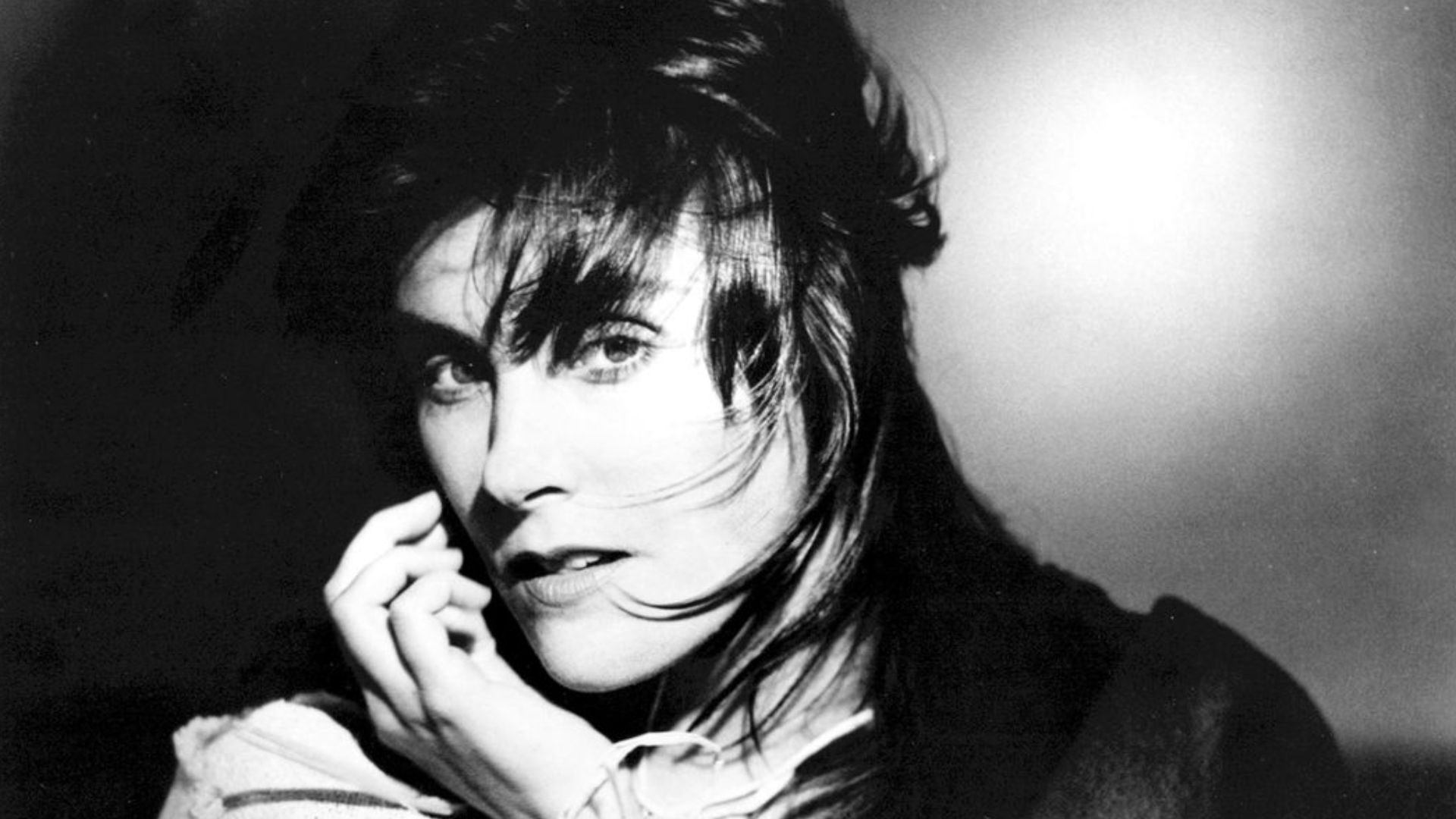 Distributed by Atlantic Records, Wikimedia Commons
The Meadow Experience
Working with Meadow exposed Branigan to the realities of the music industry, from recording sessions to small-scale performances. The band’s limited commercial reach was a clear indication that she needed to look elsewhere for growth. That search for broader exposure soon led to an intriguing opportunity on an international stage.
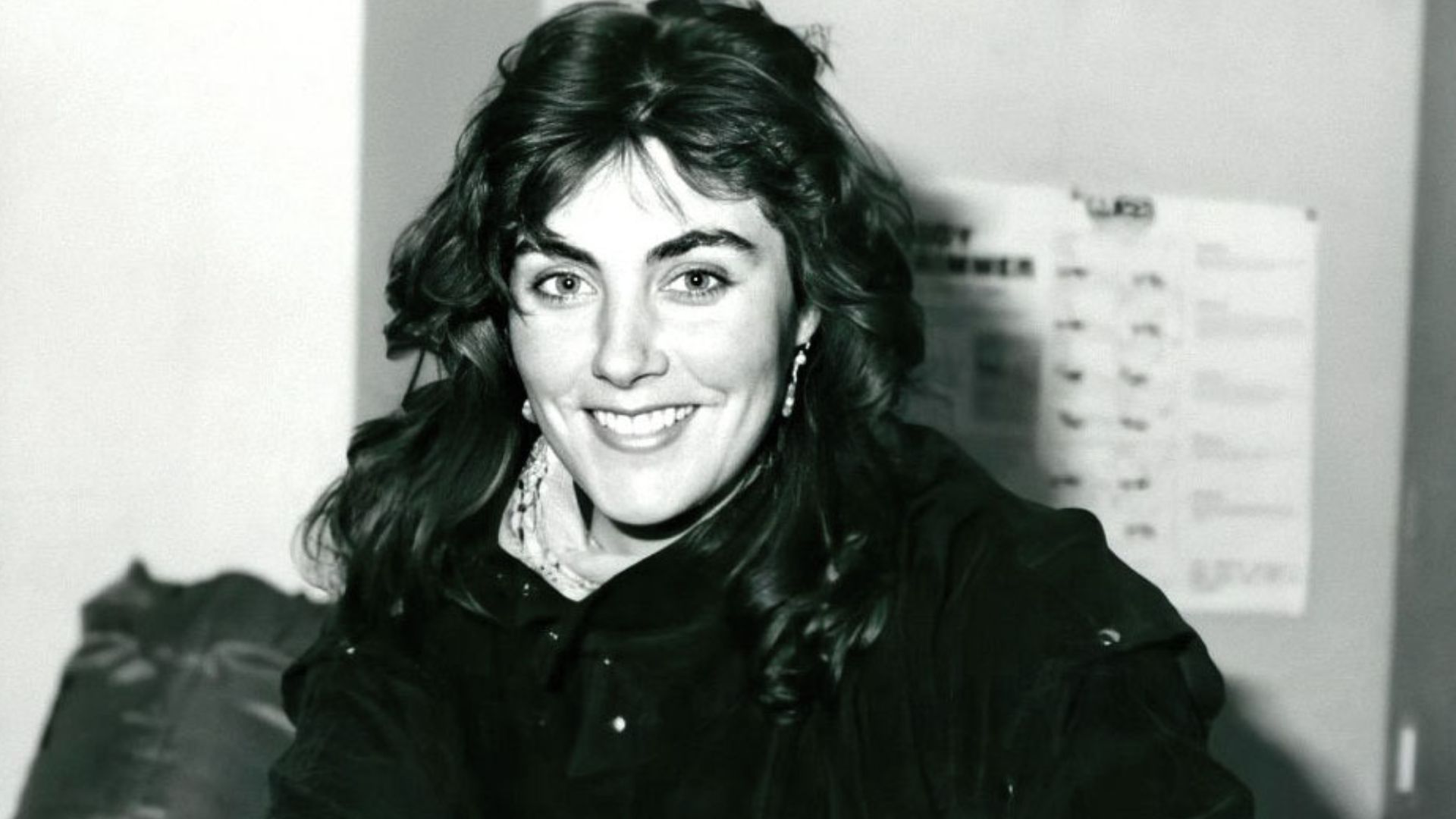 Universal Pictoral Press, Wikimedia Commons
Touring With Leonard Cohen
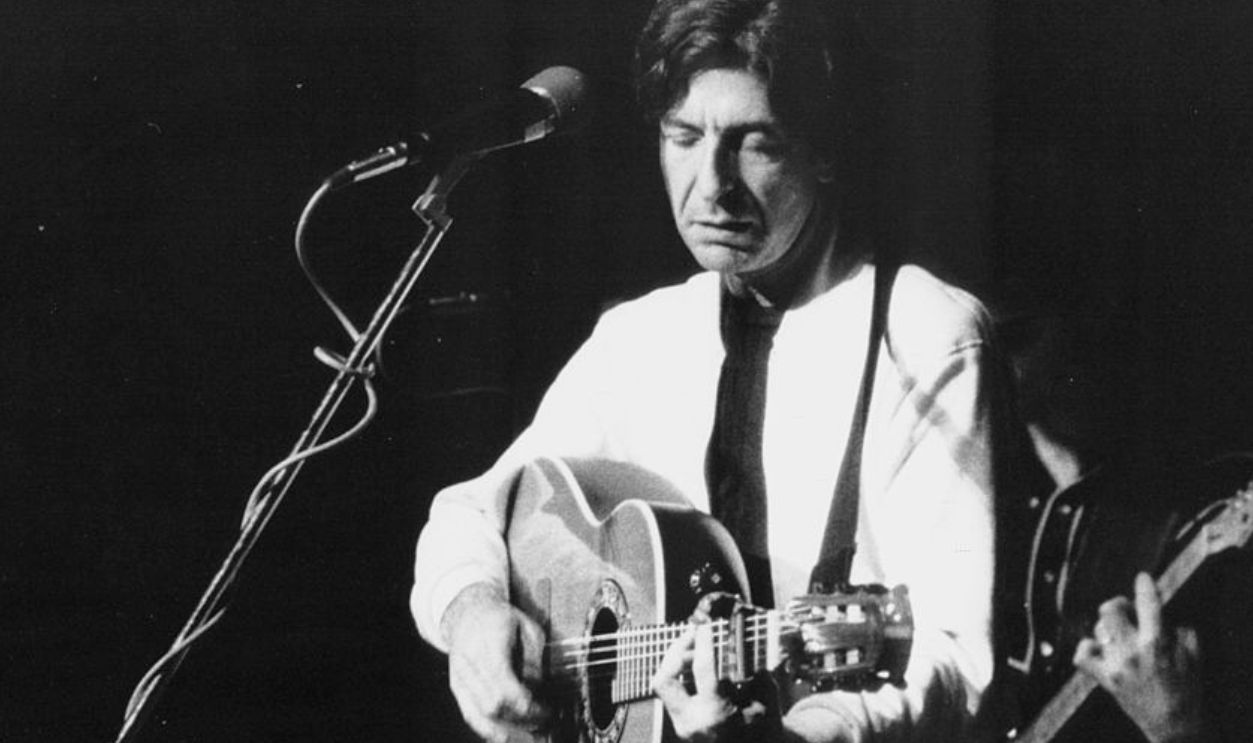
In 1976, Branigan toured Europe as a backup singer for Leonard Cohen, a major step up in her career. The experience sharpened her professionalism and introduced her to larger audiences. Performing night after night built her endurance and confidence. A transition into solo work beckoned.
A Solo Path Emerges
After returning from Europe, Branigan focused on getting a solo career off the ground. She recorded demos and worked hard to gain industry attention. Her powerful voice and stage training were strengths that made her stand out. This brought interest from major record executives who could hear right away the kind of potential she had.

Deal With Atlantic Records
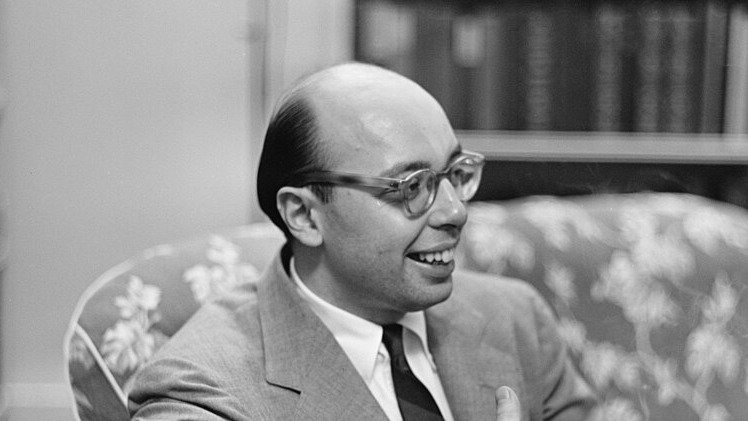
Branigan signed with Atlantic Records in 1979, a breakthrough moment that gave her access to top-tier production resources. The label’s co-founder, Ahmet Ertegun, reportedly saw strong potential in her voice and presence. With that backing, she began preparing material that would define her early career.
 The Library of Congress, Wikimedia Commons
A Voice Built For Drama
Branigan’s voice was distinctive, marked by a rich lower register and the ability to climb into powerful, sustained high notes. An alto or contralto, she had four octave range with dynamics that added a dramatic element to her performances. These qualities would drive the song that changed everything for her.
 Michael Ochs Archives, Getty Images
The Breakthrough With Gloria
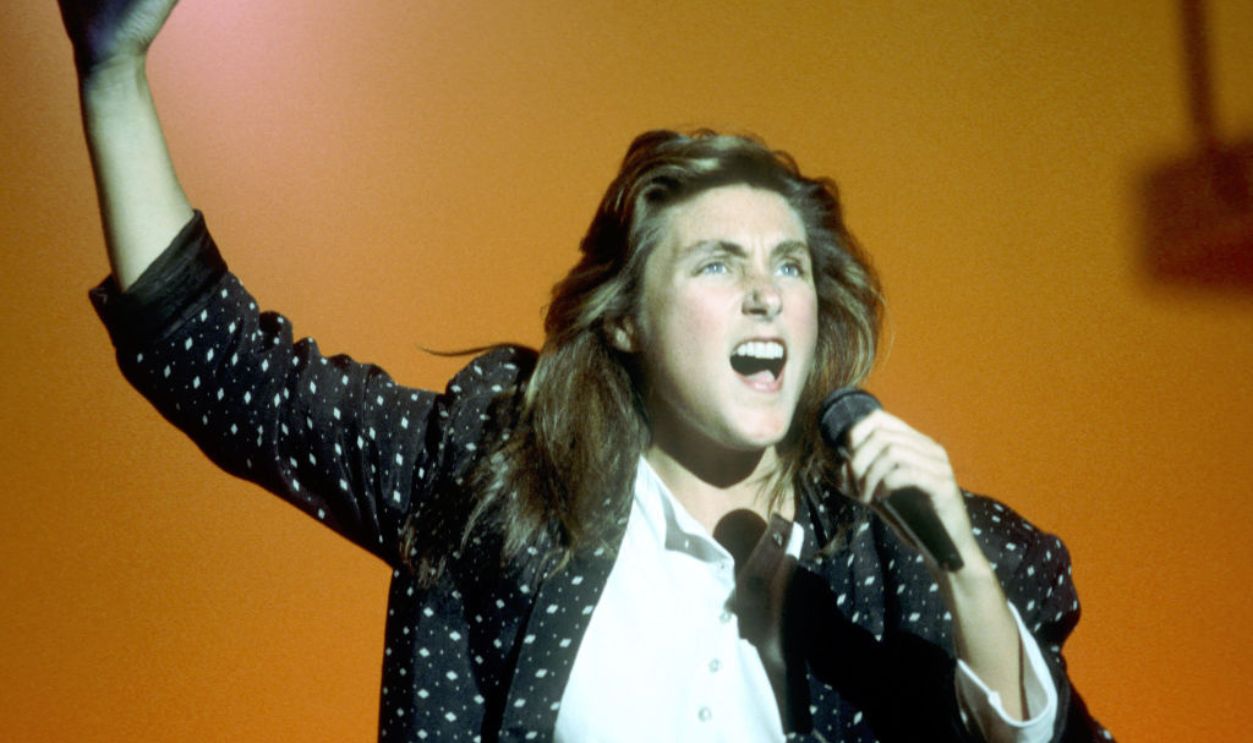
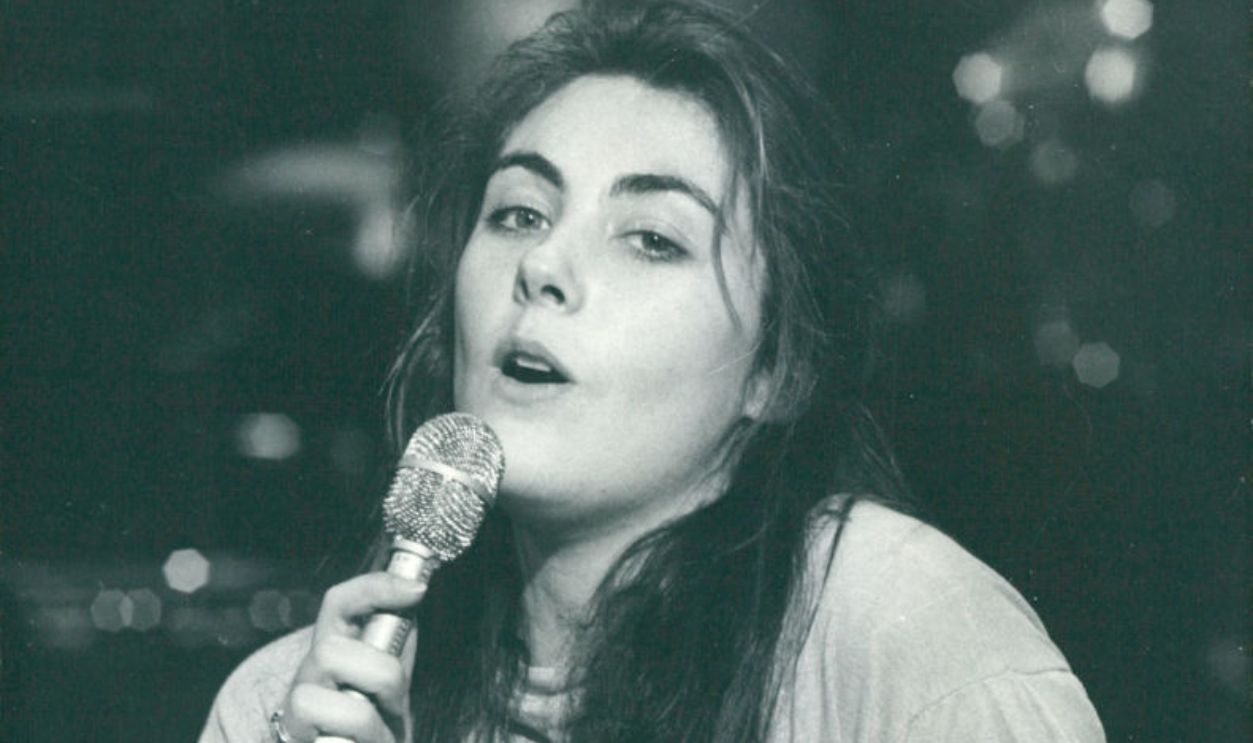
In June 1982, Branigan released “Gloria” as a single from her debut album Branigan. The reworked version of an Italian pop song became a massive hit. The track climbed high up into the Billboard Top 40 chart, where it would stay for 36 weeks, eventually going Platinum. It was also nominated for a Grammy Award for Best Song. Its success turned her into a sudden pop star and set higher expectations for what would come next.
 Die junge amerikanische Sängerin wird von der SFB-Big-Band begleitet.
Riding The Wave Of Success
Following the success of “Gloria,” Branigan became a regular presence on radio and television. She toured extensively and capitalized on her newfound fame. The momentum from her breakthrough created pressure to deliver another hit, something she achieved with her next major release.
Solid Follow-Up
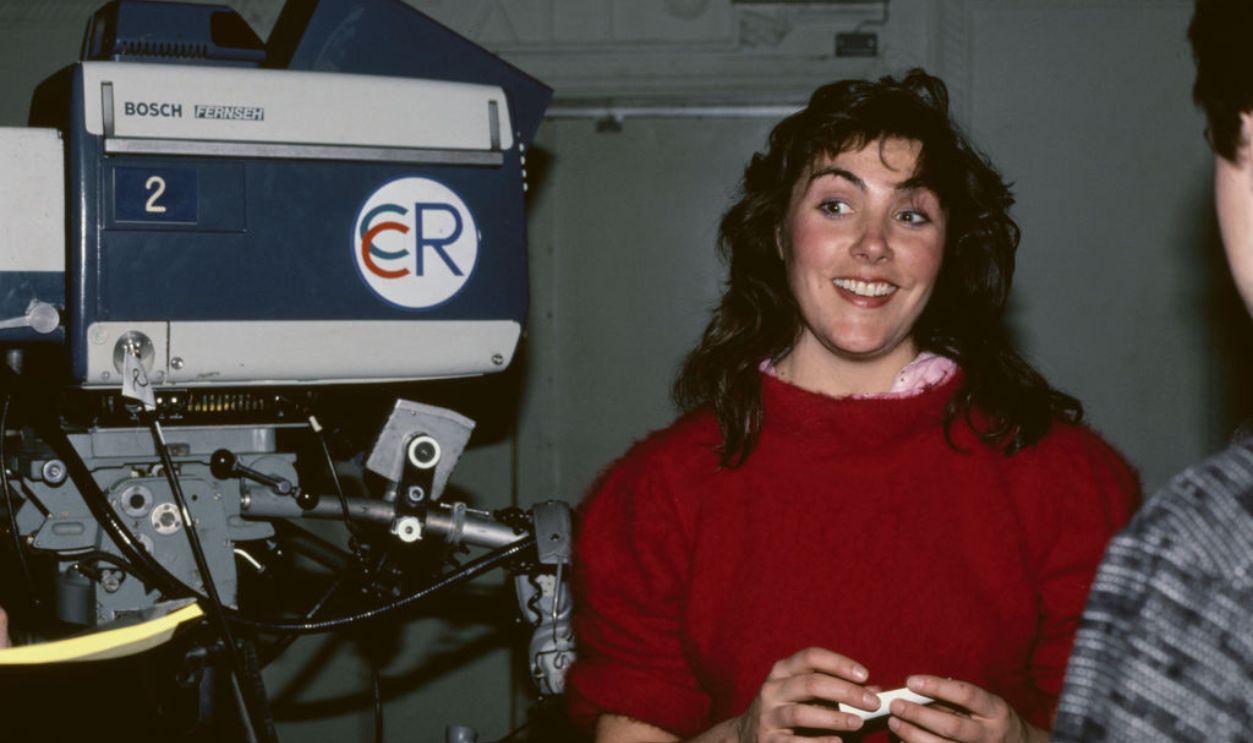
Released in 1983, Branigan’s second album Branigan 2 built directly on the previous year’s breakout success. The album featured the hit “Solitaire,” a dramatic, emotionally charged track that climbed into the Top 10, along with “How Am I Supposed To Live Without You,” that made it to number 12. It was a strong second act, and things were looking up for even bigger successes to come.
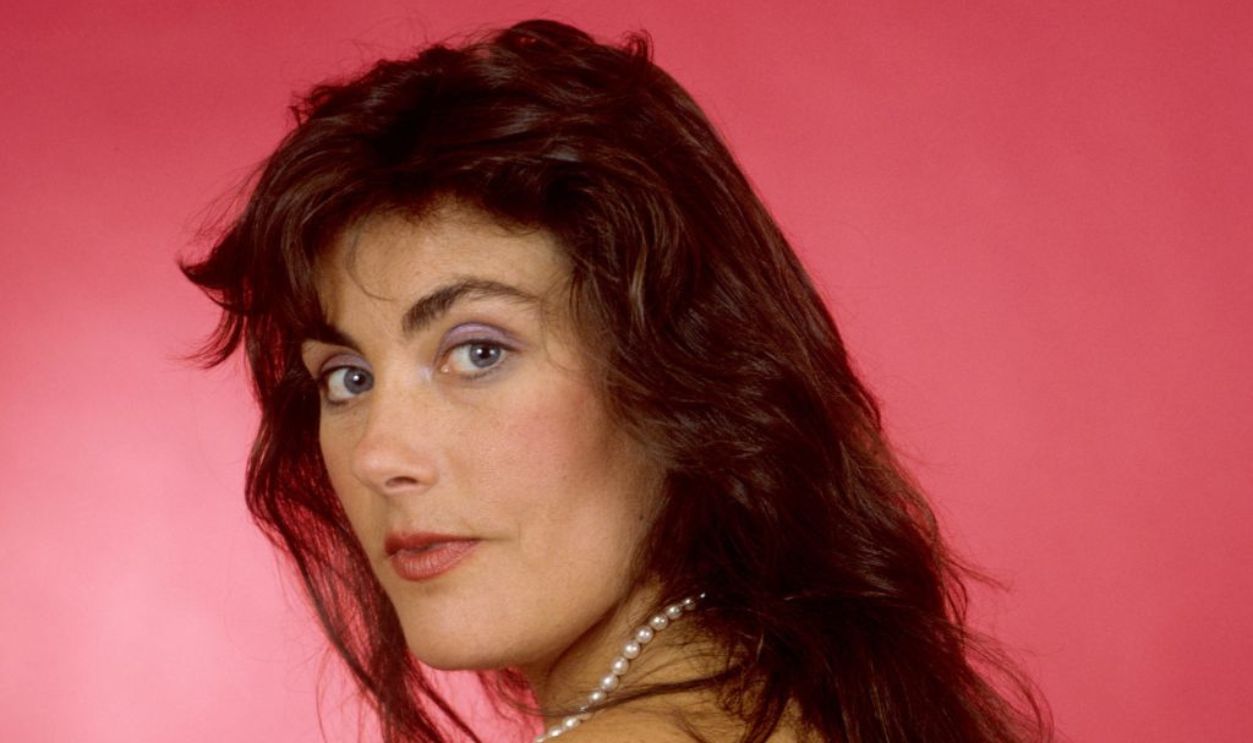 picture alliance, Getty Images
The Impact Of Self Control
In 1984, Branigan released the album Self Control. The single of the same name was another international hit that cemented her status in the pop landscape, reaching the number one spot in several countries and number four in the US. The song’s darker tone resonated strongly with audiences, and showed she was more than a one-hit wonder.
Expanding Her Sound
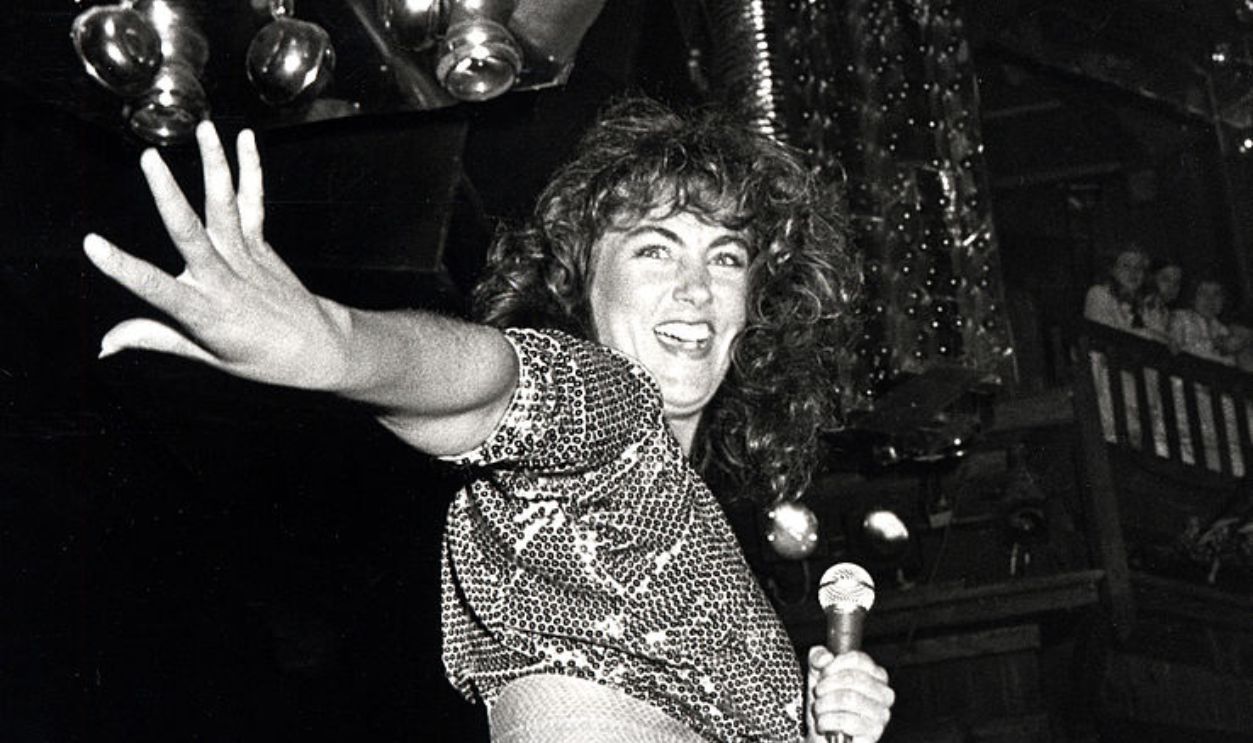
Throughout the mid-80s, Branigan experimented with different musical styles while maintaining her signature intensity. She recorded ballads and upbeat tracks alike, demonstrating versatility. All this helped her stay relevant, especially as her music was now starting to show up in popular films.
Hollywood Soundtrack Appearances
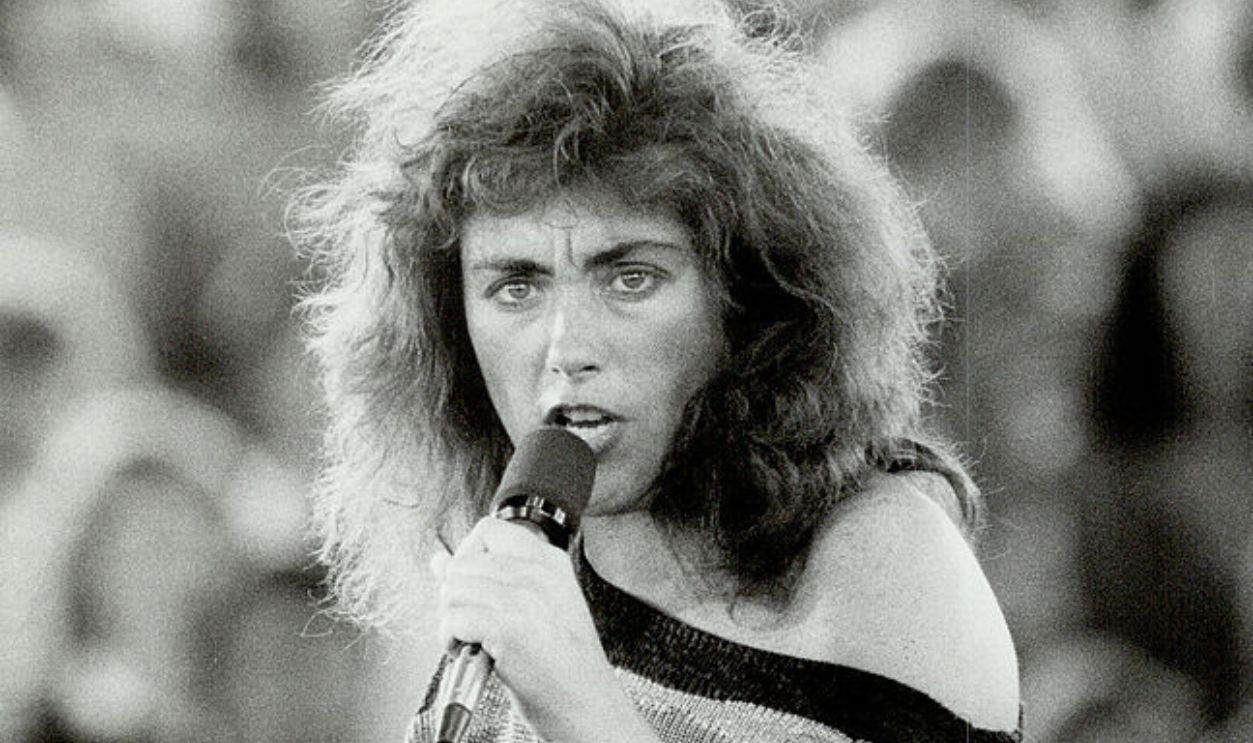
Branigan’s songs were featured in several movie soundtracks during the 1980s, further boosting her visibility. Tracks like “Hot Night” (Ghostbusters) and “Imagination” (Flashdance) grew her audience through film.
 Screenshot from Ghostbusters, Columbia Pictures (1984)
Demanding Career Pace
The constant touring, recording, and promotion took a toll. Like all artists do at one time or another, Branigan faced the challenge of sustaining momentum in a fast-moving industry. As the decade progressed, shifts in musical trends began to affect her commercial standing.
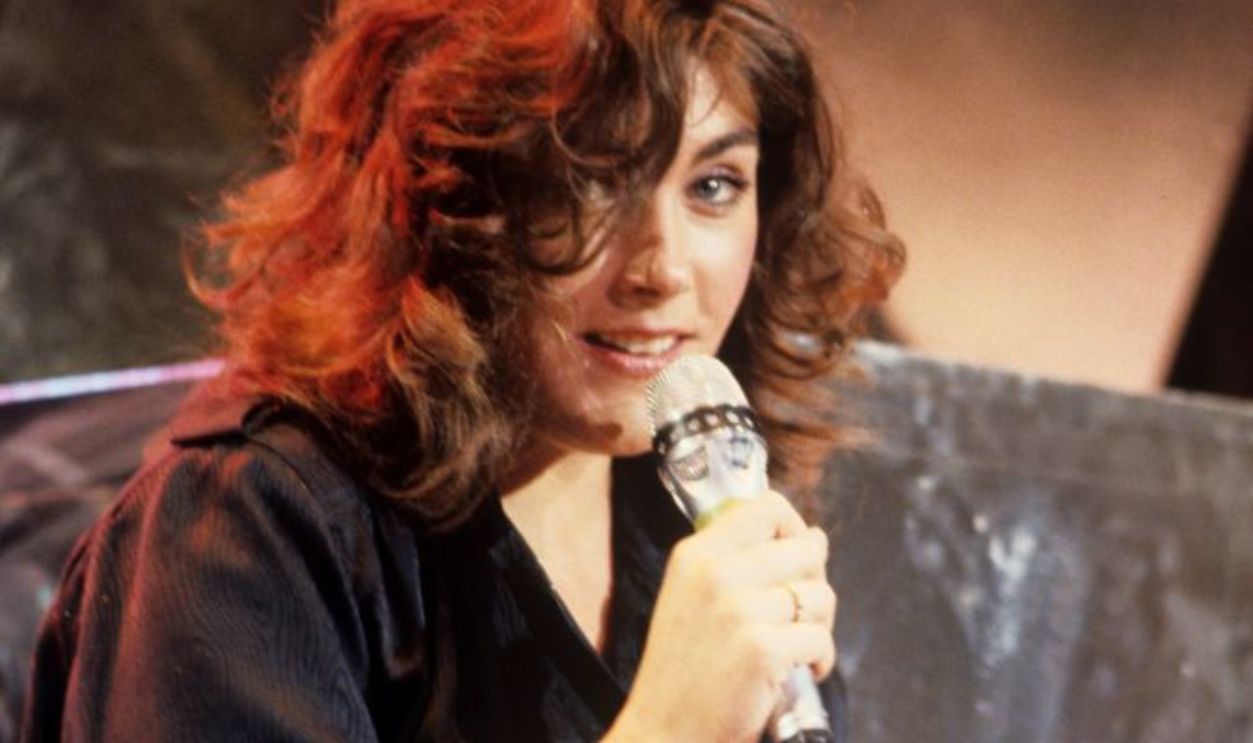 picture alliance, Getty Images
The Changing Landscape Of The 1990s
By the early 90s, Branigan’s chart success began to slow as new genres and artists dominated the airwaves. While she continued to record and perform, her visibility declined. This shift forced her to reconsider her direction and step back from the spotlight at times.
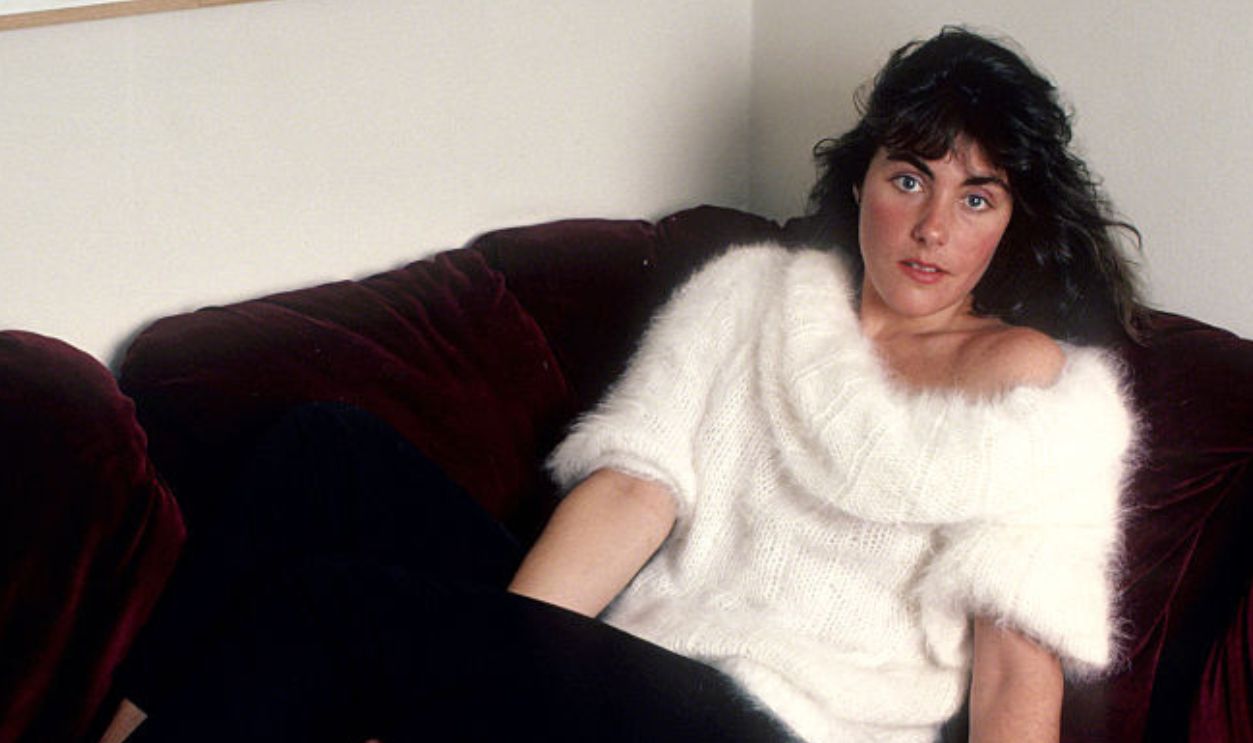
Personal Loss Strikes
In 1996, Branigan’s husband and manager, Larry Kruteck, passed away after a two-year battle with cancer. Having cared for him for the entire progression of his illness, Kruteck’s death deeply affected her. The emotional and physical exhaustion contributed to her withdrawal from the music industry.

Stepping Away From Music
After her husband’s death, Branigan largely stepped away from recording and touring. She focused on her personal life and health, taking time to recover from the emotional impact of the loss of her husband. The late 90s was a period of relative quiet that marked a major pause in her career.
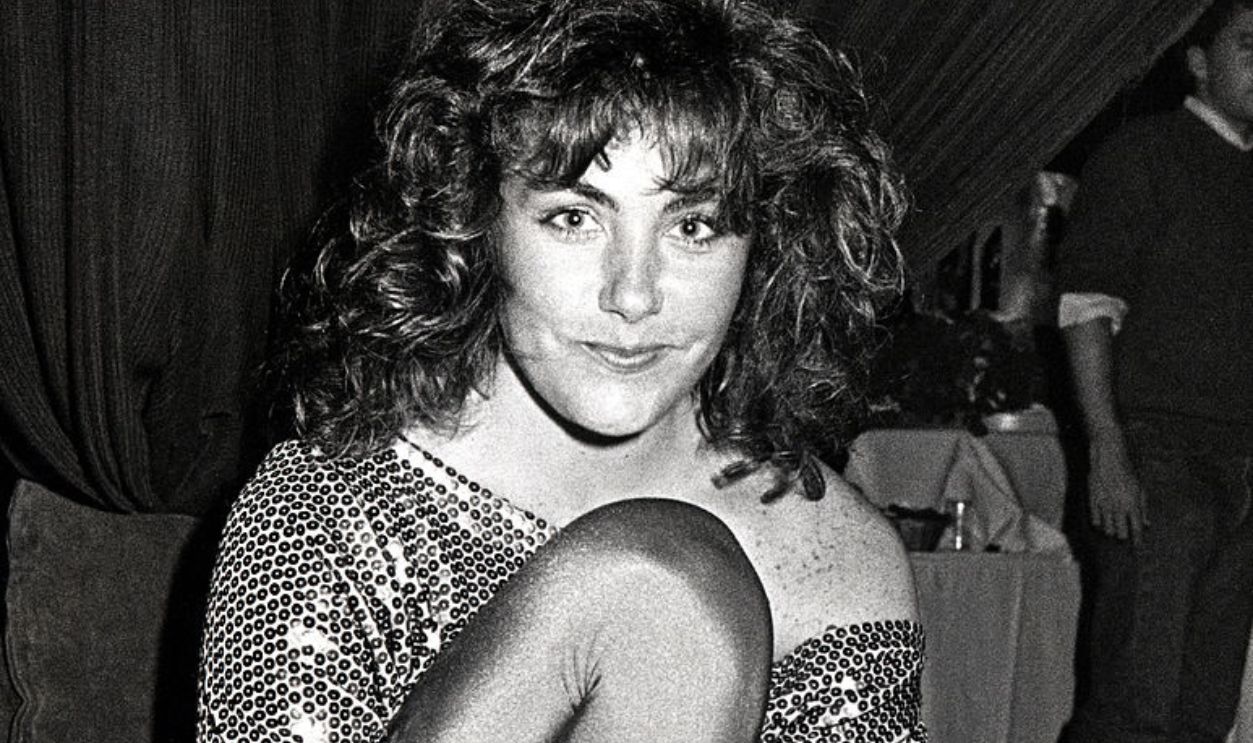
Eying A Comeback
In the early 2000s, Branigan started to explore a return to music. She worked on new material and considered different creative directions. She was determined to reestablish herself and show she wasn’t ready to leave music behind forever.

Freak Accident
In early 2001 Branigan suffered a serious setback when she fell off a ladder outside her New York home and broke both of her femurs. The accident forced her to postpone her comeback plans and go through a lengthy regimen of physio. It was a grueling interruption at the worst possible moment, delaying her rebuilding project.

The Janis Joplin Project
Branigan took on a role in the off-Broadway musical Love, Janis based on the life of Janis Joplin, allowing her to channel her powerful voice into a theatrical setting. While her participation was short-lived, the project highlighted her vocal strength and readiness to get back into public performance.
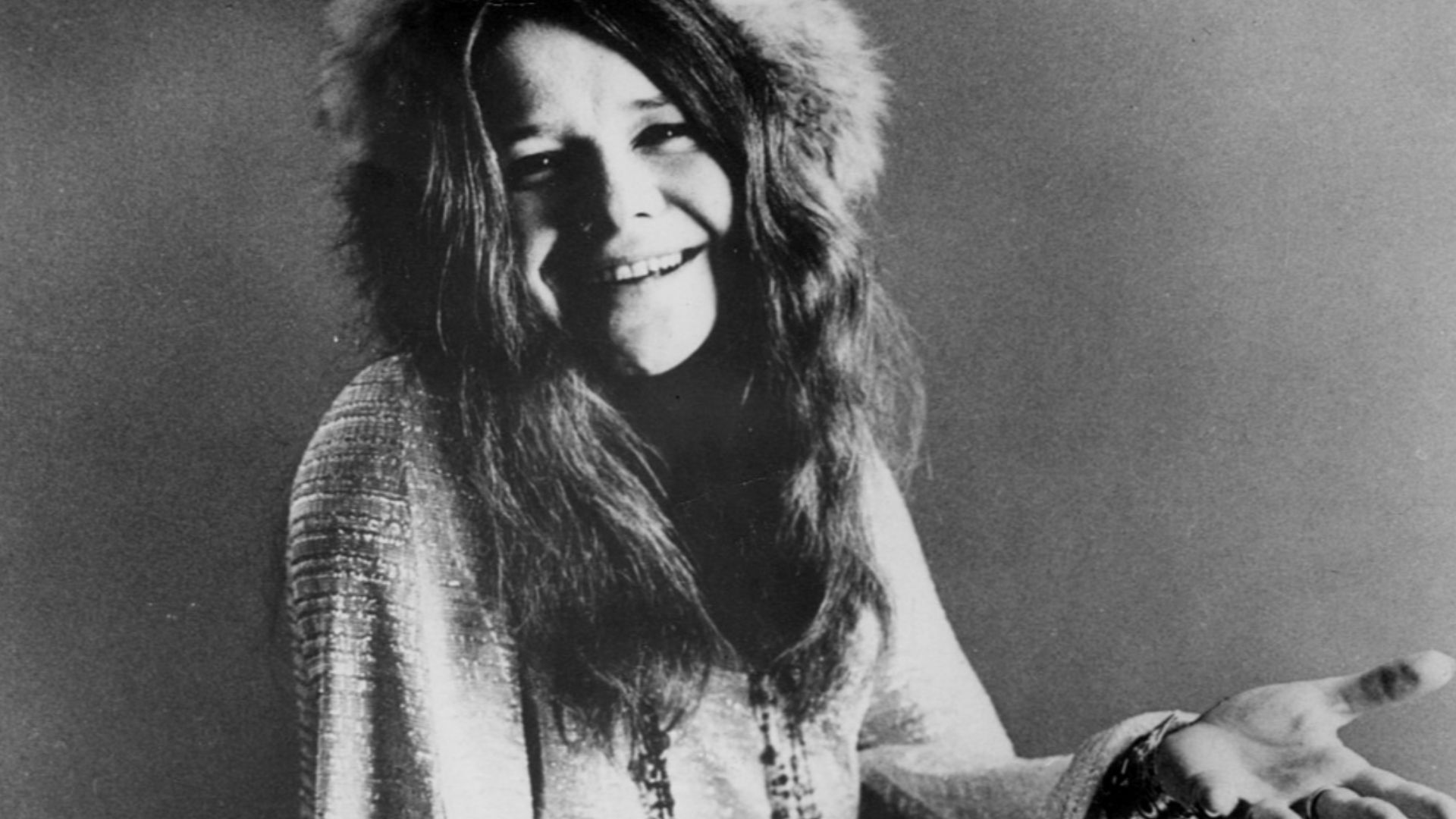 Albert B. Grossman Management (personal manager), New York., Wikimedia Commons
Work In Progress
In the early 2000s, Branigan was working on new recordings and planning future projects. She aimed to reconnect with audiences and reintroduce herself in a changing industry. These efforts suggested a renewed sense of purpose and creative energy. By 2004, she was working on an EP, writing a cookbook, and booking concerts. But at the same time she was having some problems.
Health Concerns Begin
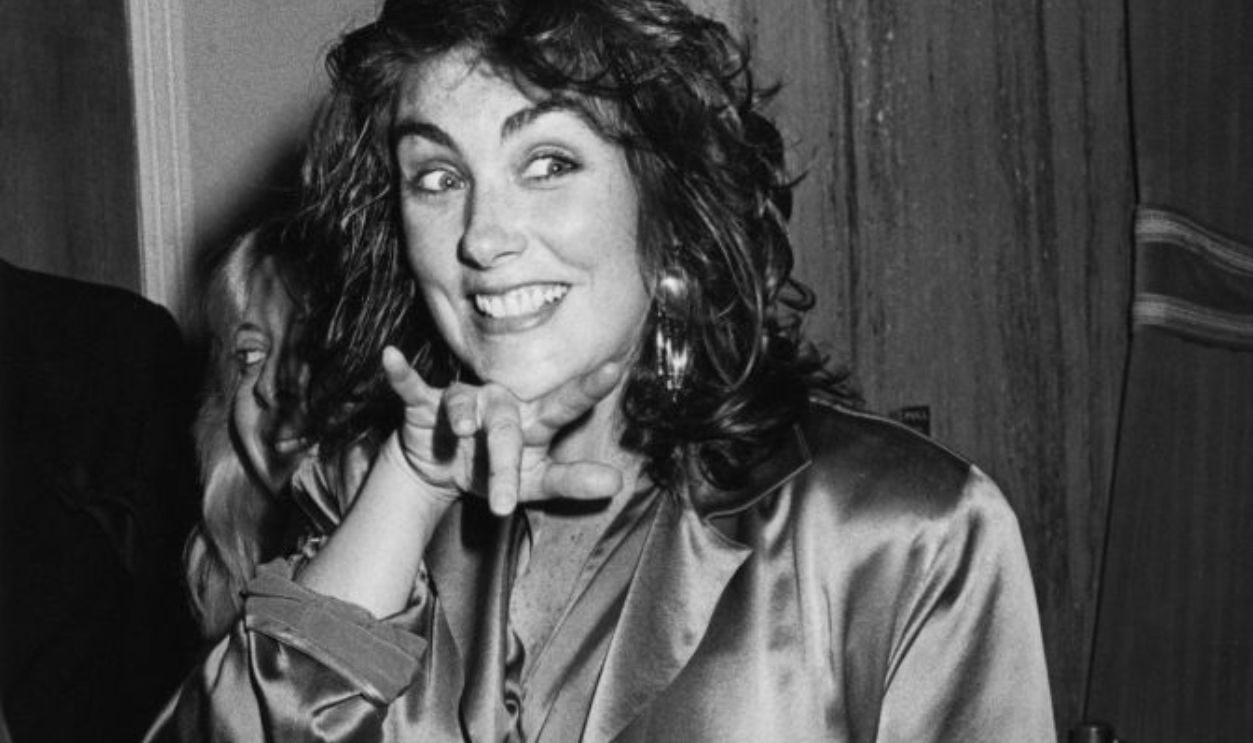
Around August 2004, Branigan started experiencing headaches and other symptoms that she reportedly didn’t really take all that seriously. The issue would prove to be far more serious than anyone could have believed. Despite these warning signs, she continued focusing on her comeback efforts.

The Ominous Warning Signs
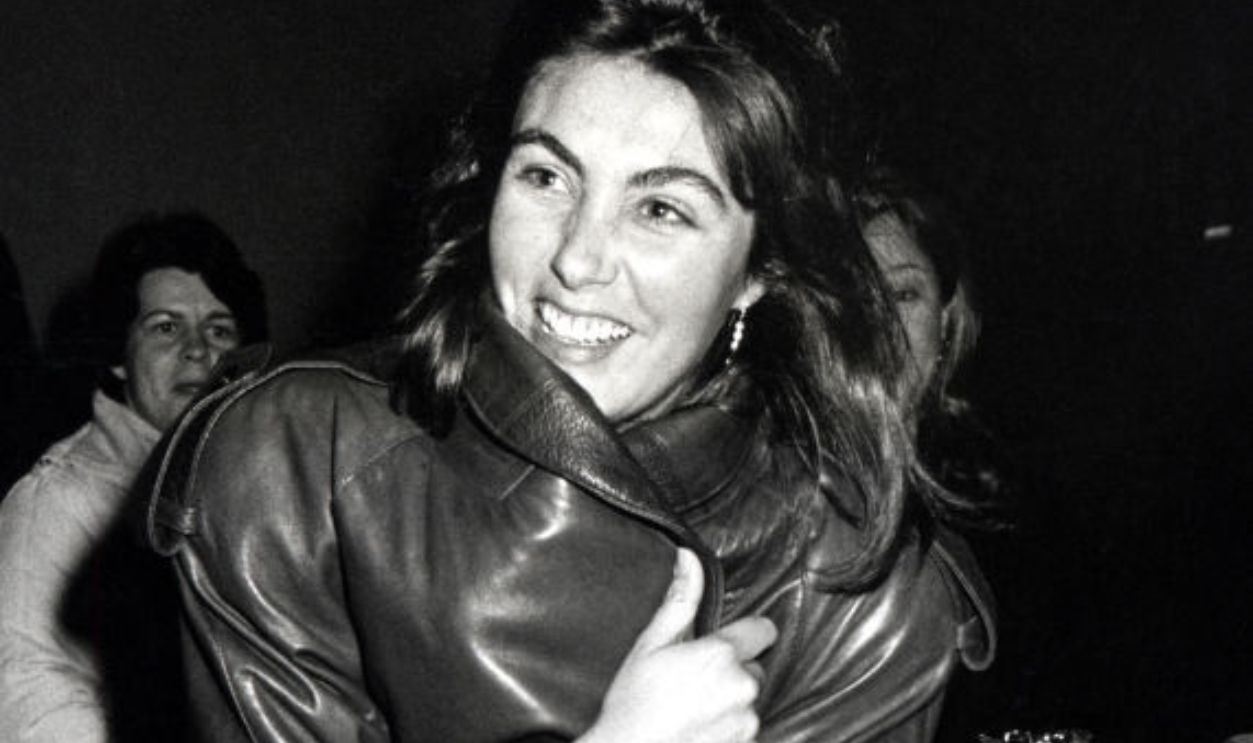
Friends and reports later indicated that Branigan had been dealing with increasing discomfort before her death. The symptoms, including persistent headaches over about a two-week period, hinted at an underlying condition. The unexplained health issue would soon lead to a devastating conclusion.
 Ron Galella, Ltd., Getty Images
A Sudden Passing
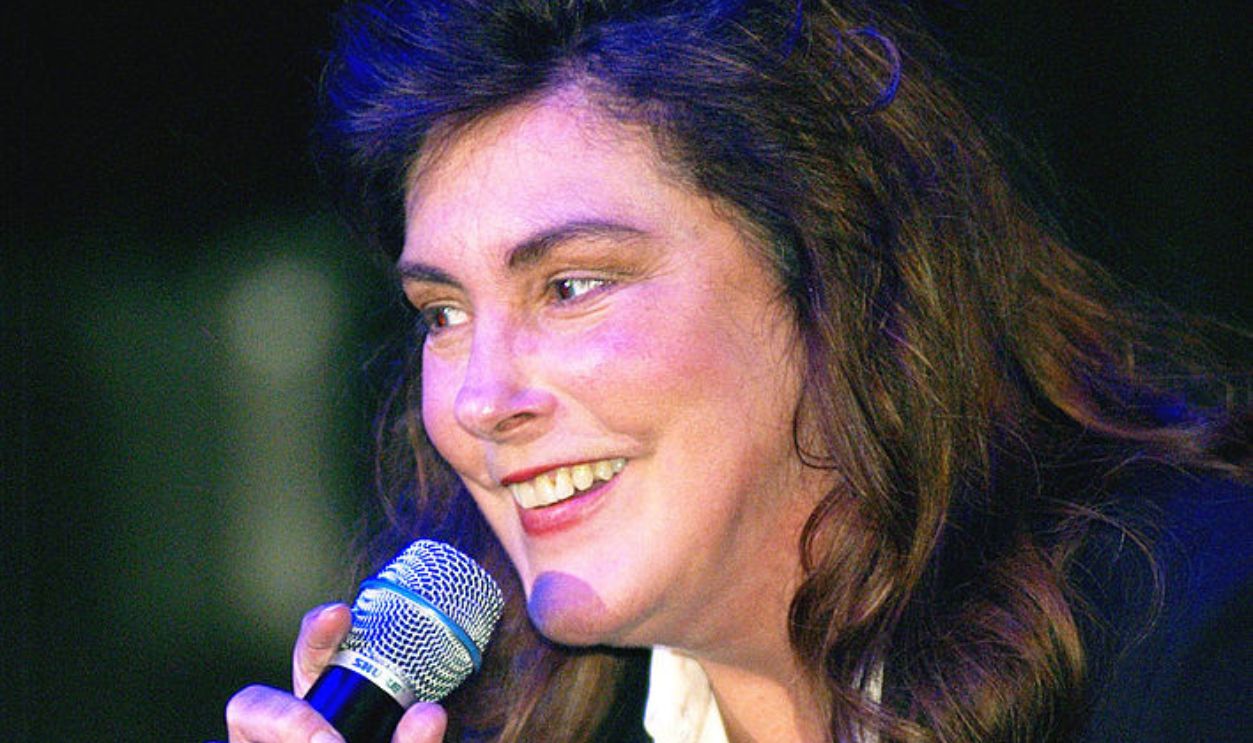
On August 26, 2004, Laura Branigan died unexpectedly at the age of 52 in her sleep from a brain aneurysm. Her death shocked family, friends, fans and all those who had worked with her. It brought a tragic end to her renewed dreams of a comeback and the projects she had been developing.
An Unexpected Revival Through Hockey
Years after her death, Branigan’s song Gloria found new life when the National Hockey League’s St. Louis Blues adopted it as their rallying anthem during their 2019 Stanley Cup win. The team’s success brought a flood of attention to the track, introducing it to a new generation of listeners.
 edwarddallas, Wikimedia Commons
Career Interrupted
At the time of her passing, Laura Branigan was actively trying to regain her presence in music. Her sudden death left those efforts unfinished. But the heights she reached, and the songs she sang with so much heart and soul are still unforgettable for millions.

You May Also Like:


,_Washington,_D.C.,_between_1938_and_1948)_(LOC)_(4931778959).jpg)