
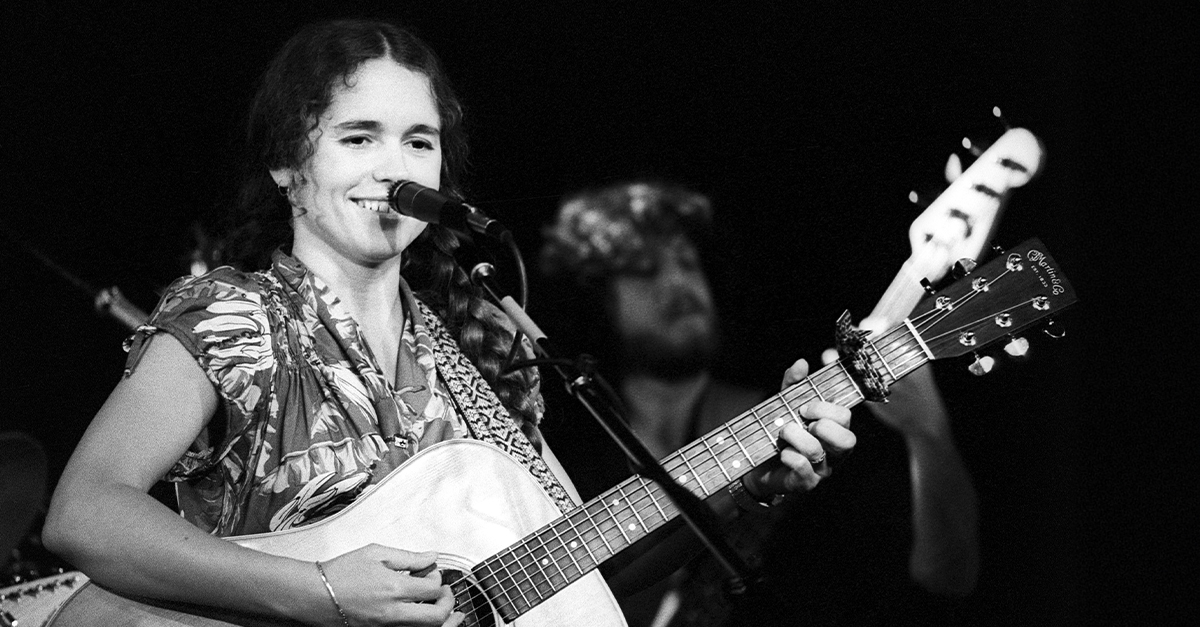
A Memorable Voice From The Late 70s
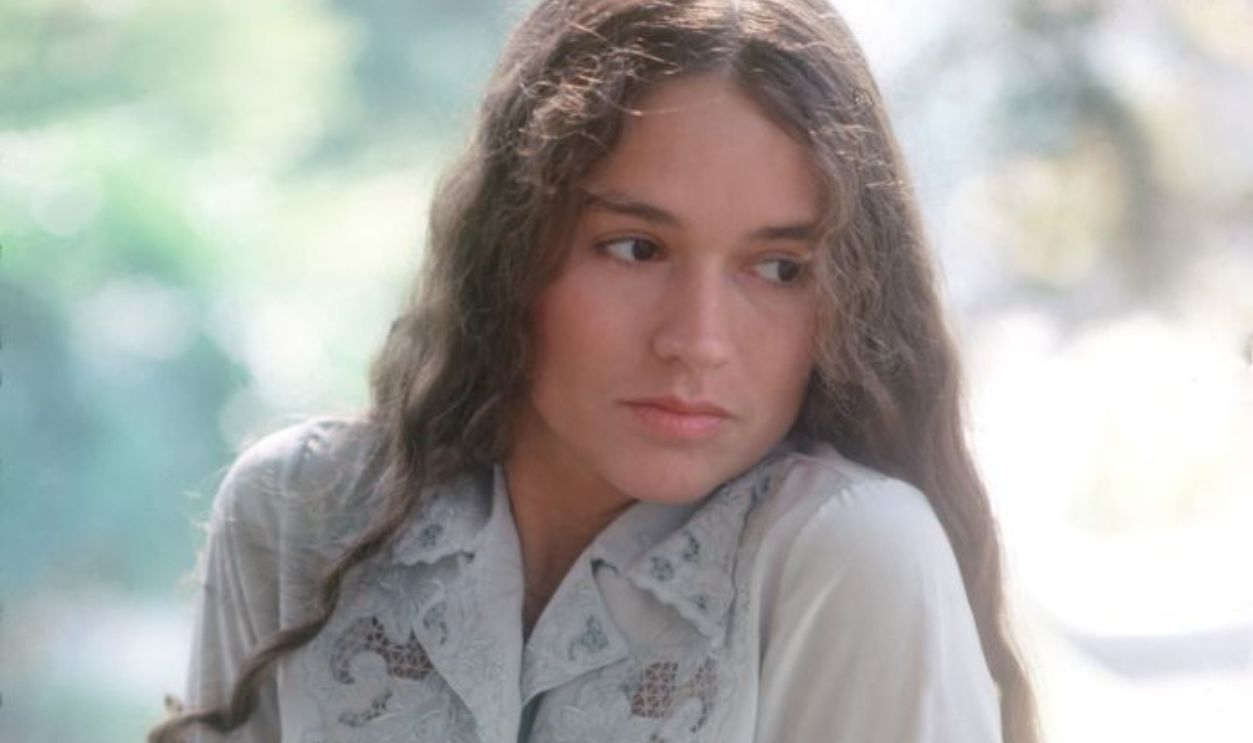
For a brief moment in the late 1970s, Nicolette Larson seemed to appear everywhere in American music. Her warm voice carried Neil Young’s song “Lotta Love” into the Top 10 and introduced millions of listeners to her distinctive sound. It wouldn't last, but let's start Nicolette's story at the beginning.
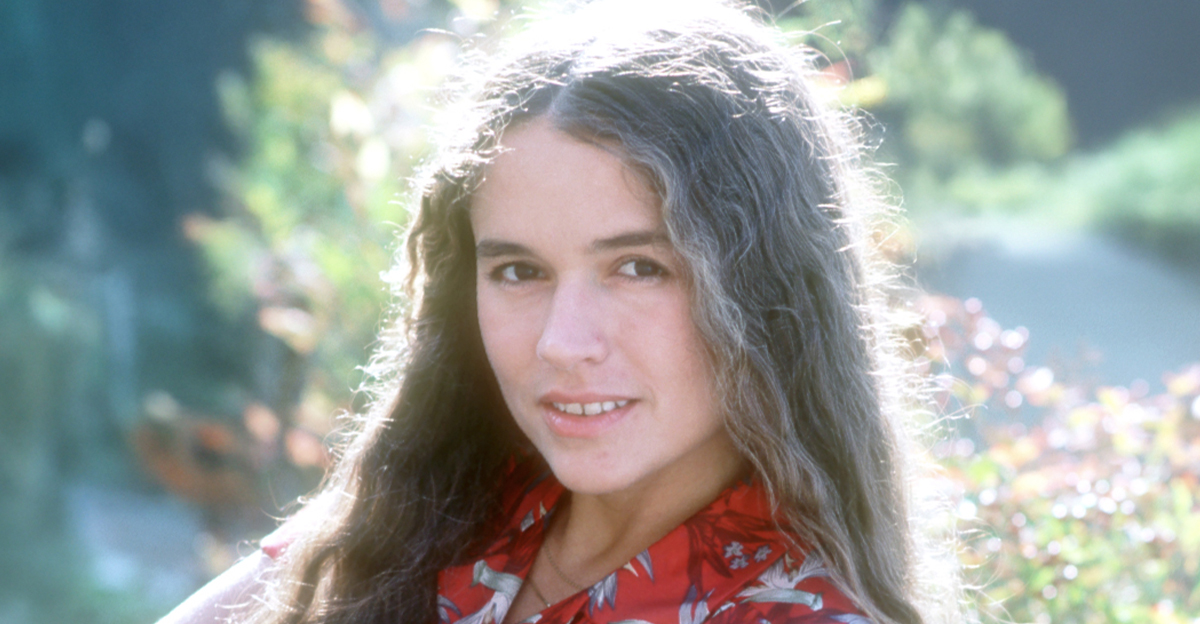 Michael Ochs Archives/Getty Images
Growing Up In Montana
Nicolette Larson was born on July 17, 1952 in Helena, Montana. Her father worked in education, and the family moved frequently around the western states during her childhood. Despite the relocations, Larson found an early love of singing that would eventually lead her to a professional music career.
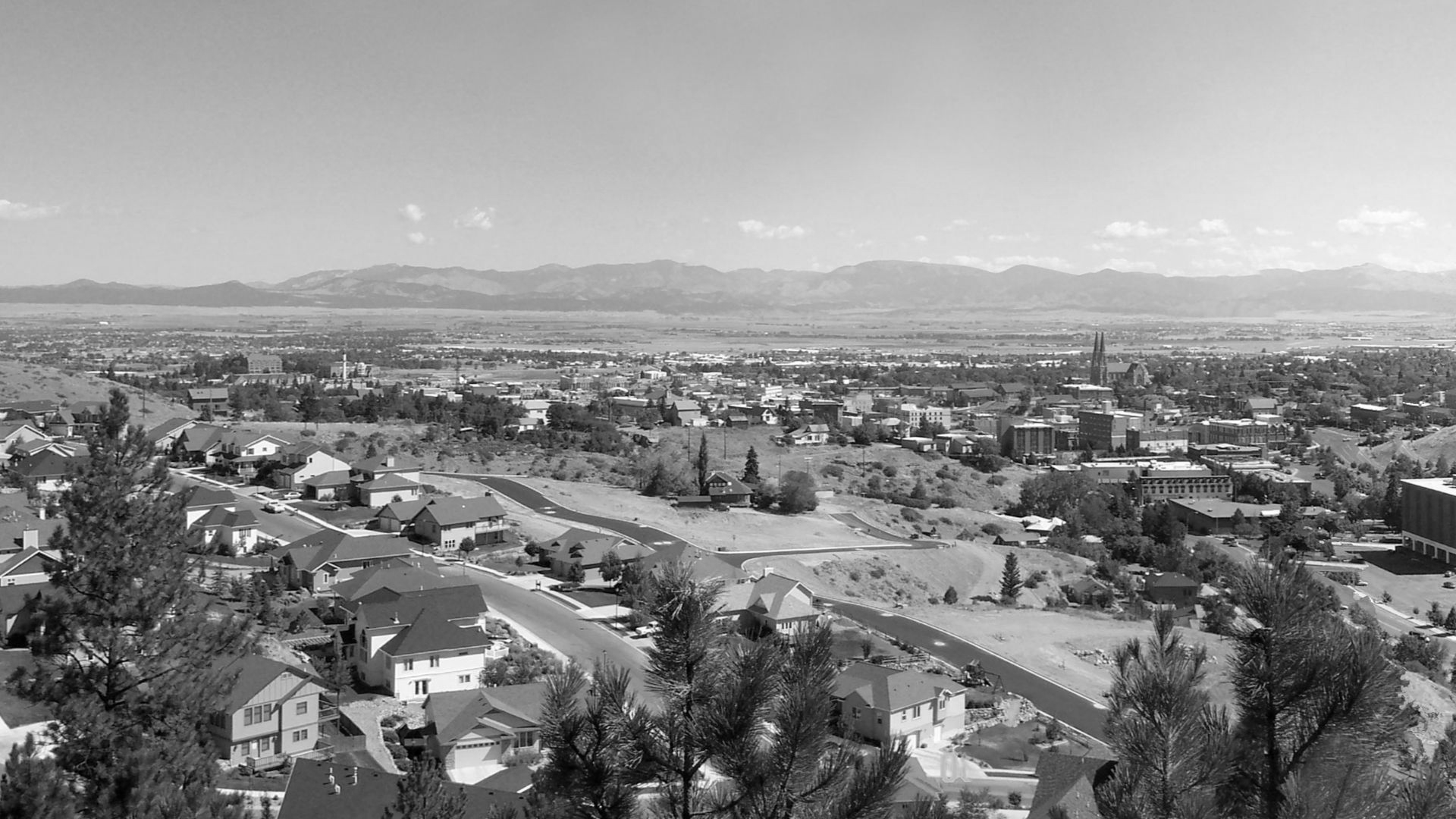 RTC at English Wikipedia, Wikimedia Commons
Childhood On The Move
Because her family pulled up stakes and moved often, Larson spent parts of her childhood in several states. These moves exposed her to many different regional music styles, including folk, country, and emerging rock influences. All of these influences helped shape the adaptable vocal style she later brought to the recording studio.
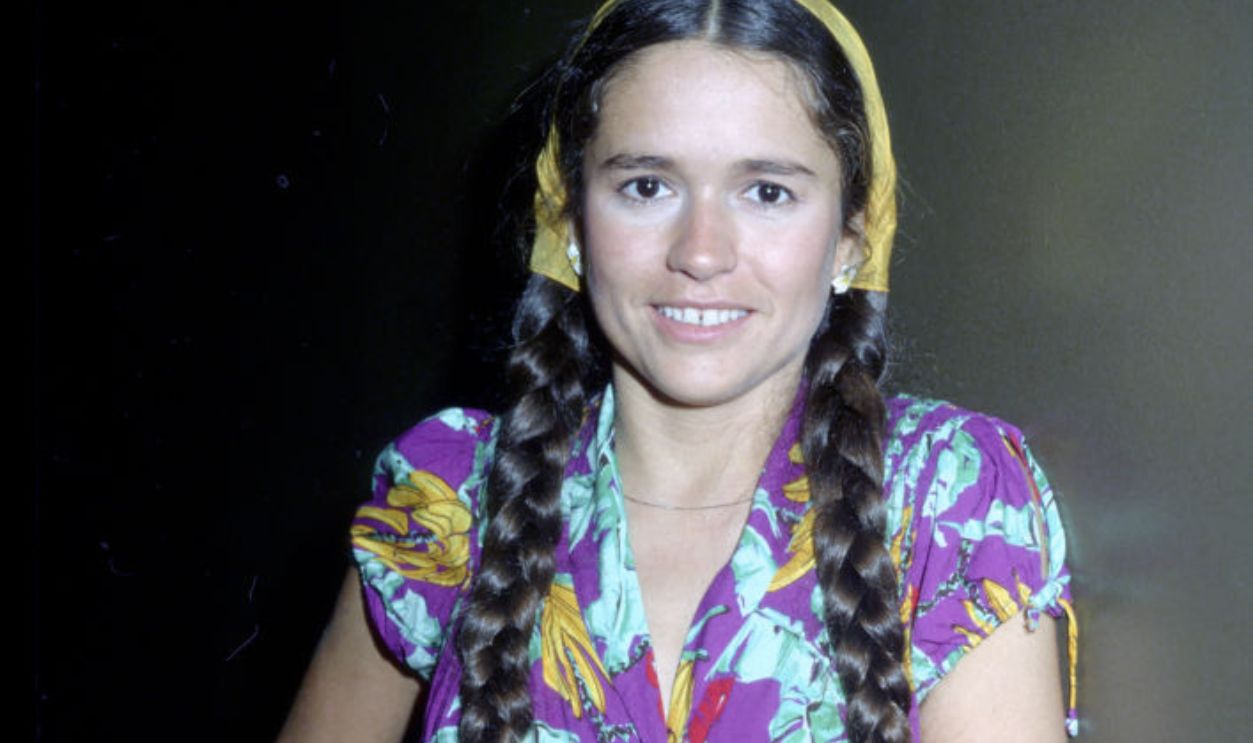 Michael Ochs Archives, Getty Images
College Years And Early Music Ambitions
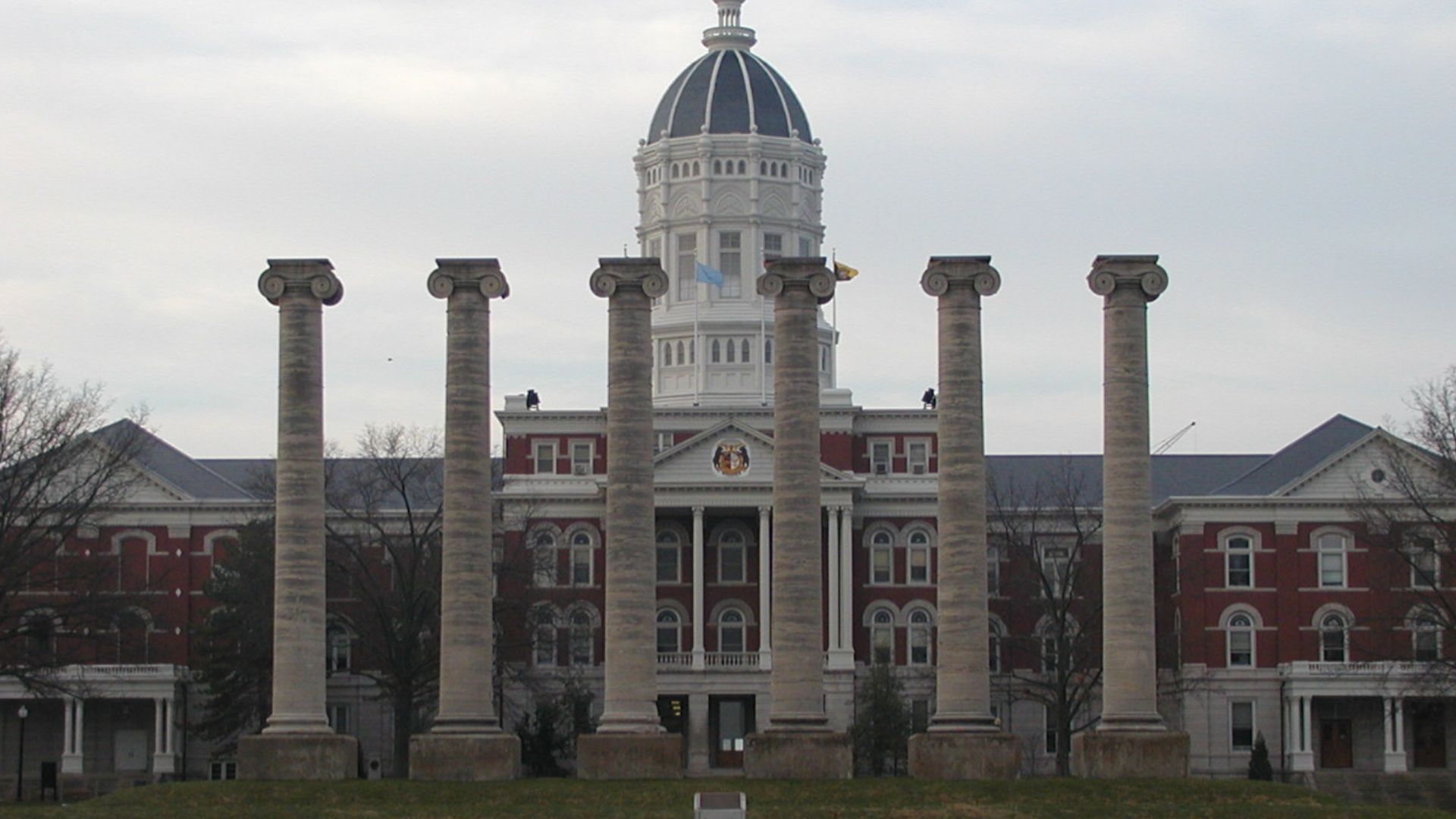
Larson attended the University of Missouri for a while but quickly found that her interests were pulling her irresistibly toward music rather than academics. Like a lot of young singers, she harbored dreams of performing professionally. That ambition encouraged her to head toward the center of the music industry.
Moving To California
In the early 70s Larson relocated to California, drawn by the thriving music scene around Los Angeles. The region abounded with musicians experimenting with country rock, folk, pop, and all kinds of different music. While working in a San Francisco record store, Larson scoured the scene hunting for opportunities as a singer and began working her way into the industry.

Working Backup Singer
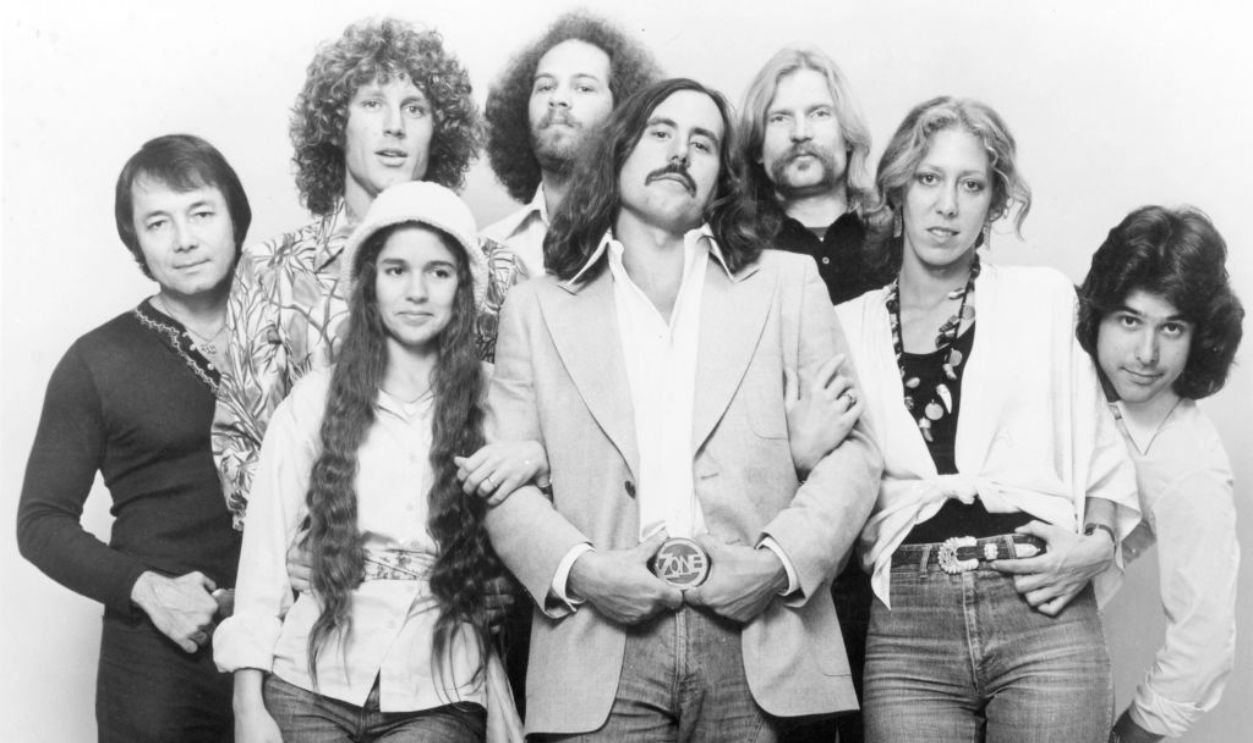
Larson’s earliest professional work came as a backup vocalist. She performed with songwriter Hoyt Axton’s touring band and also sang with Commander Cody and His Lost Planet Airmen. These experiences gave her important stage experience and helped her build connections in the California music community.
 Michael Ochs Archives, Getty Images
The California Country Rock Scene
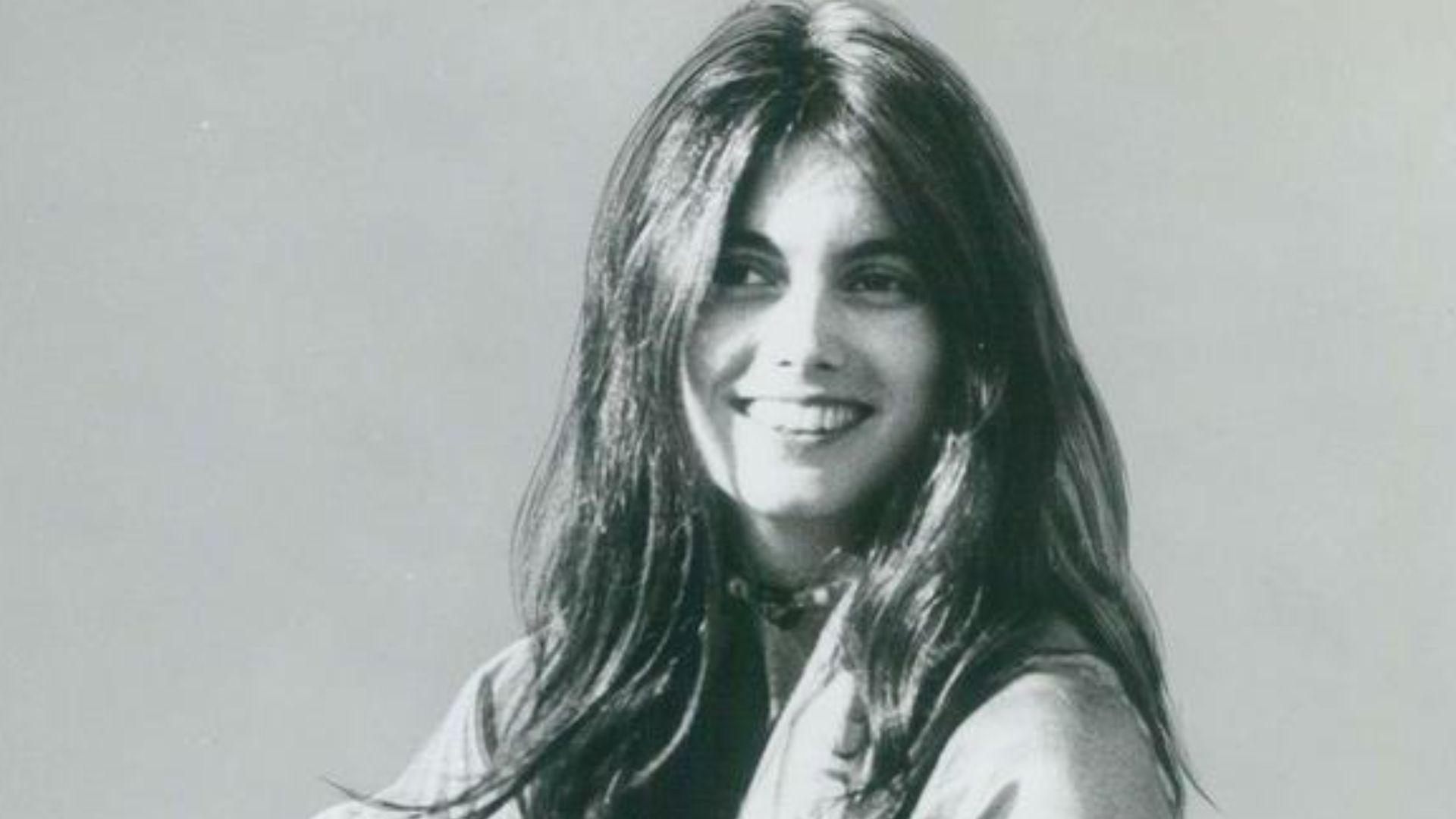
It wasn’t long before Larson found herself contributing background vocals to major label projects. She appeared on Emmylou Harris’s 1977 album Luxury Liner and worked with musicians such as Rodney Crowell, Guy Clark, and Linda Ronstadt. These sessions placed her within the influential California country rock crossover recording circle.
 Dan Reeder; Distributed by Warner/Reprise, Wikimedia Commons
Chance Meeting With Neil Young
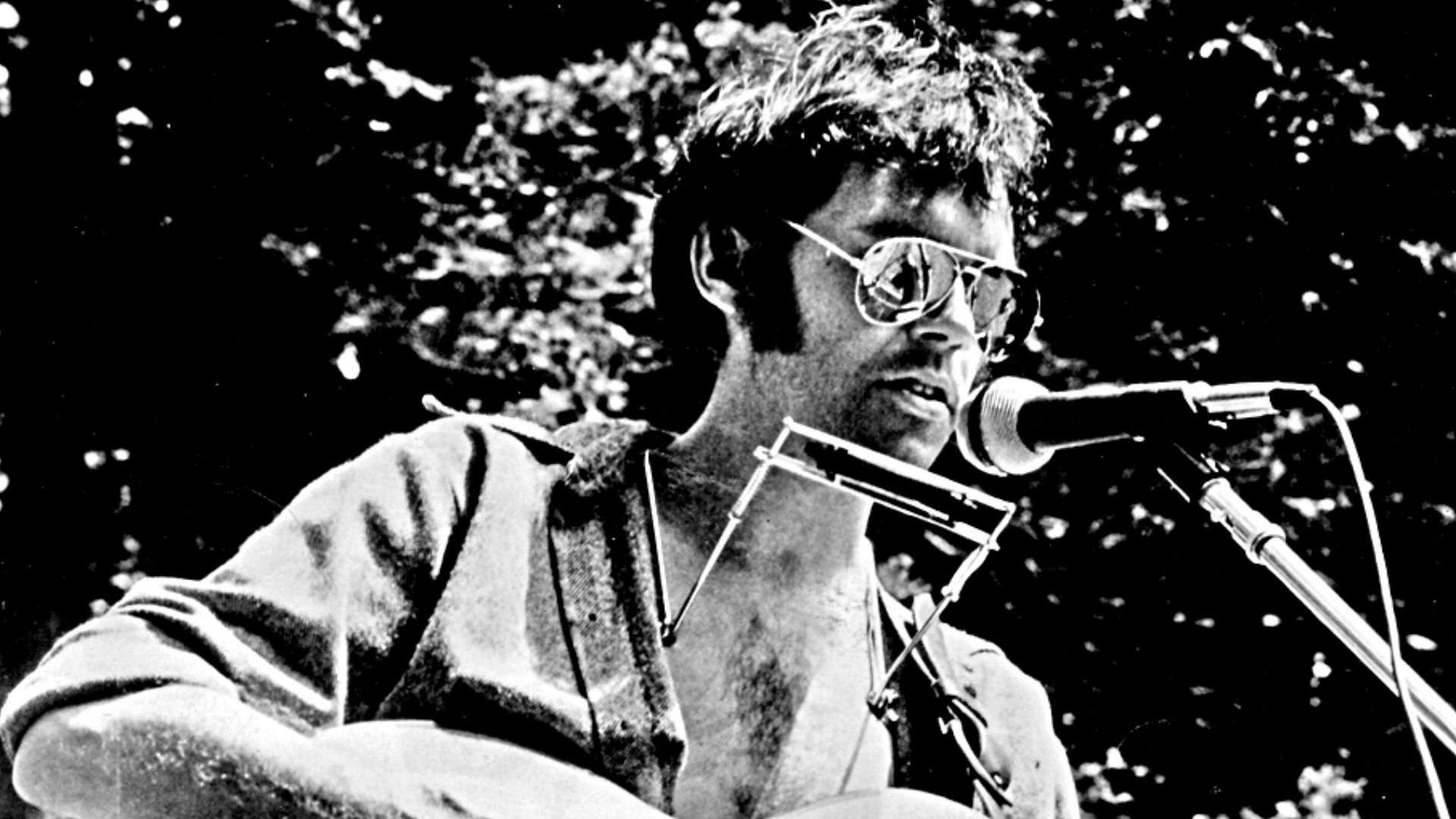
One of Larson’s most important professional encounters came when she met Neil Young. Young had been looking for a good backup singer, and Linda Ronstadt recommended Larson. Young quickly noticed the warmth and clarity of Larson’s voice. Before long he invited her to contribute to recording sessions for one of his upcoming projects.
 Warner/Reprise, Wikimedia Commons
A Songwriter’s Encouragement
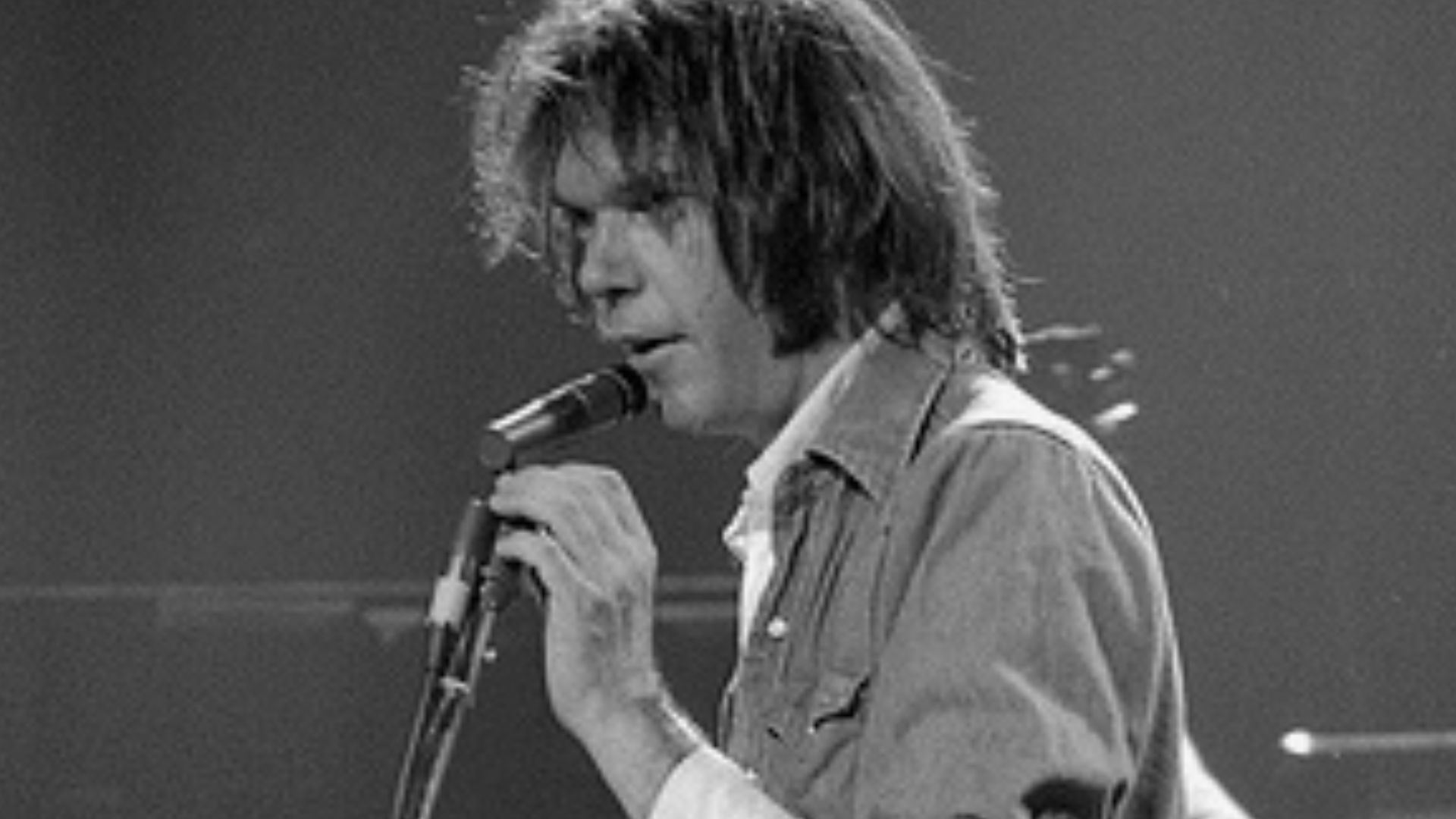
Larson sang background vocals during sessions for Neil Young’s 1977 album American Stars ’n Bars. While collaborating in the studio, Young couldn’t help but notice the emotional quality of her voice. He was convinced she could succeed as a solo artist, and he soon encouraged her to start recording her own material.
A Song Waiting For The Right Voice
During this period Young showed Larson a song he’d written but never released as a single himself. The track was called “Lotta Love.” Young believed deeply that the song matched Larson’s vocal style perfectly and suggested she record it. It was a decision that would soon change her career.
Recording “Lotta Love”
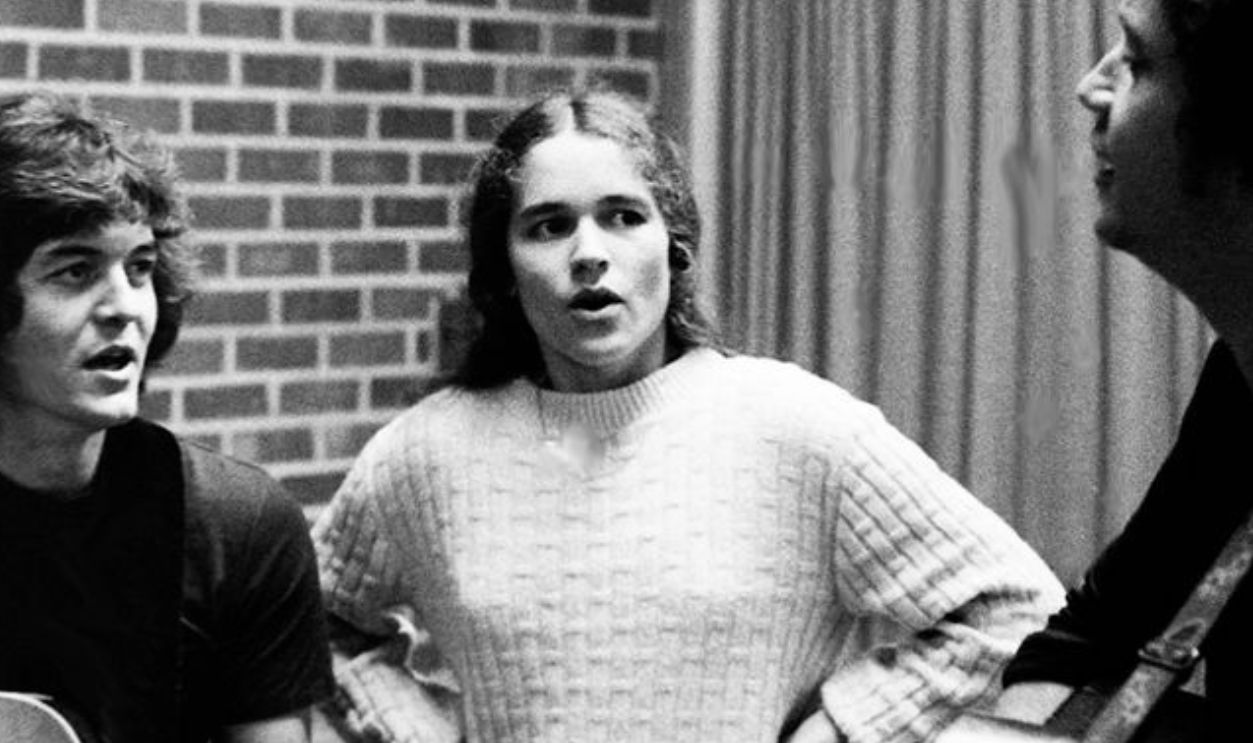
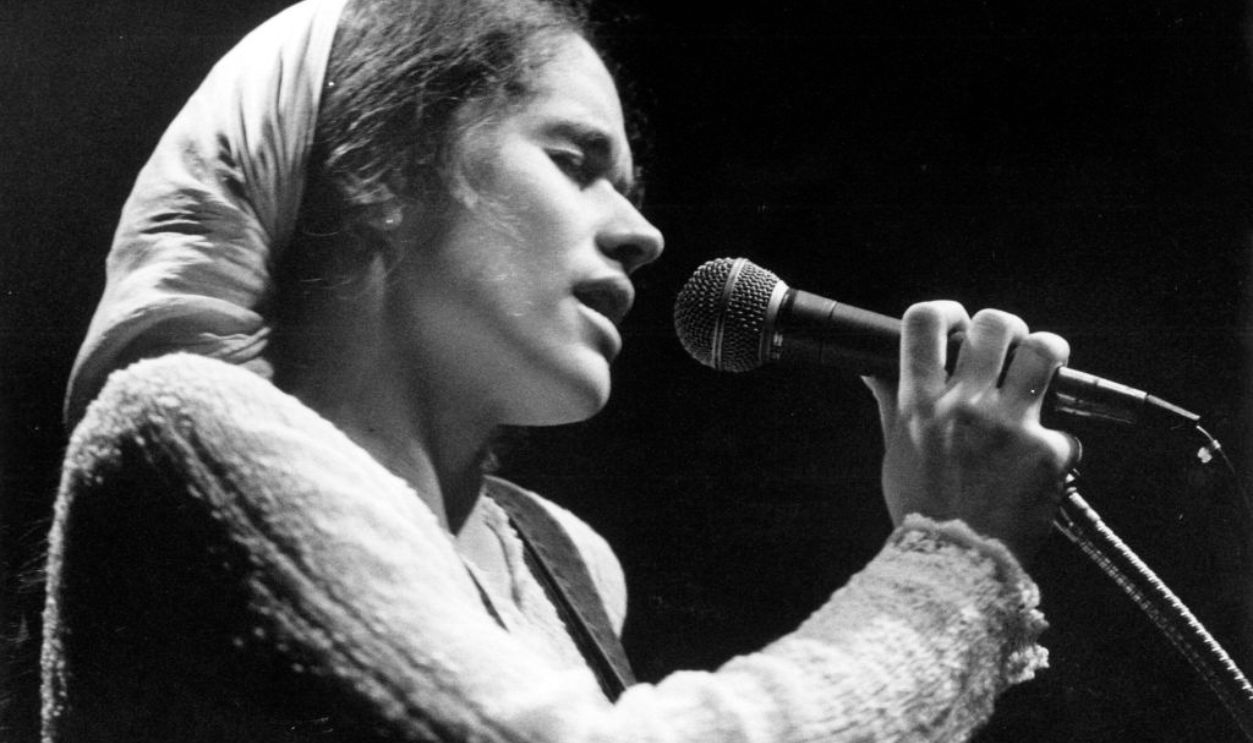
Larson recorded “Lotta Love” for her 1978 debut album Nicolette. The production was the perfect blend of soft rock melodies with country influences and showcased the warm tone that defined her voice. It sounded right at home on the airwaves of the very late 70s. When the single was released it quickly started to climb the charts and drawing national attention.
 Sherry Rayn Barnett, Getty Images
“Lotta Love” Becomes A Surprise Hit
The single reached number eight on the Billboard Hot 100 in early 1979. The success transformed Larson from a respected session singer into a recognized pop star. Radio stations embraced the song’s laid-back sound and audiences responded enthusiastically to her voice.
 Screenshot from Lotta Love by Nicolette Larson, Warner Bros. Records(1978)
The Success Of Her Debut Album
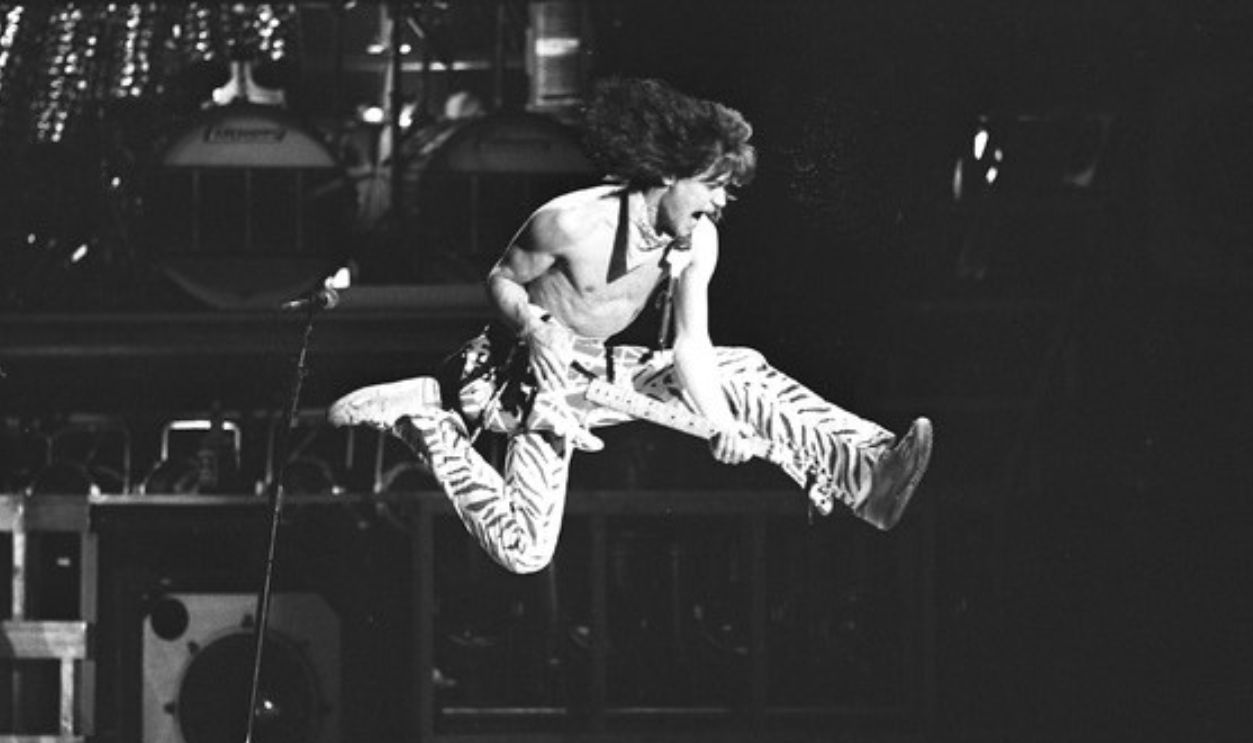
Larson’s debut album Nicolette gained significant attention following the success of “Lotta Love.” The record featured studio contributions of a long lost of musicians, including a young Eddie Van Halen, whose guitar work can be heard on the track “Can’t Get Away From You.” As a whole, the album demonstrated Larson’s ability to blend soft rock and country influences. All this confirmed she could succeed as a solo performer.
 UCLA Library Special Collections, Wikimedia Commons
Touring With Major Musicians
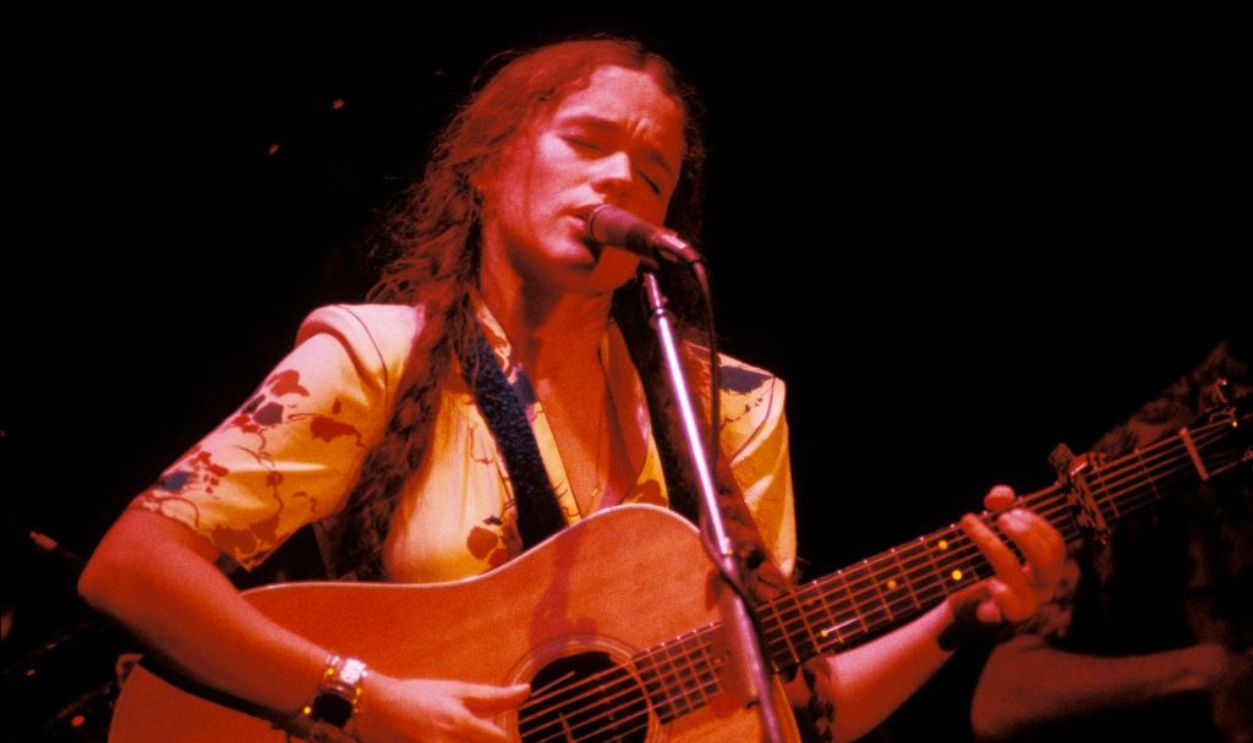
After her breakthrough, Larson toured with many different artists and performed for larger audiences across the country. Her calm stage presence and warm vocals translated well to live performance. Few singers exuded the joy of performance that Nicolette did. But all this touring also strengthened her reputation among musicians who admired her professionalism and musical versatility.
 Richard E. Aaron, Getty Images
Continued Studio Collaborations
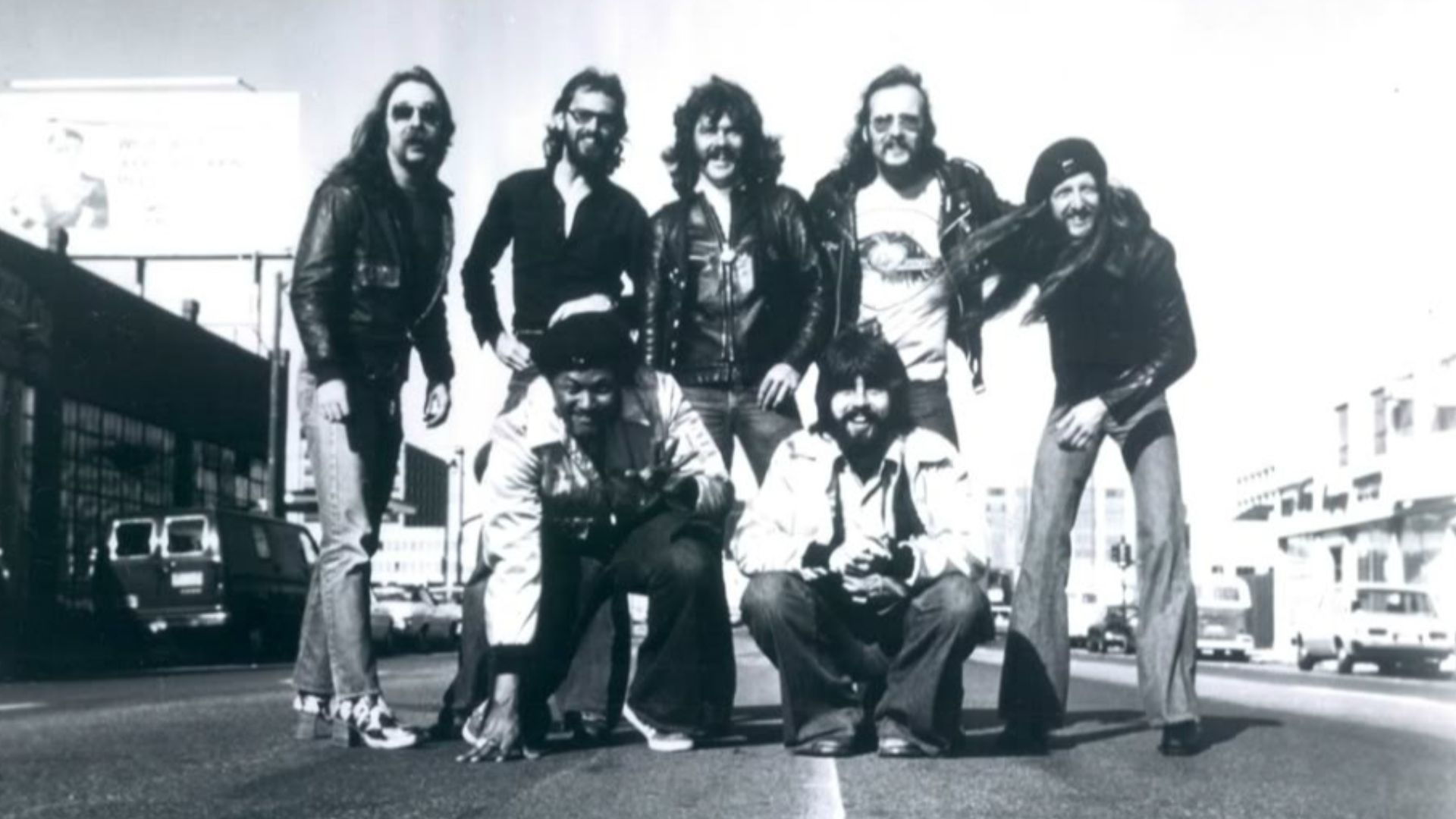
Even as her solo career developed, Larson continued contributing vocals to other musicians’ recordings. She collaborated with artists such as the Doobie Brothers, Linda Ronstadt, and Rita Coolidge. These sessions allowed her to remain connected to the collaborative studio culture that had helped launch her career.
 David Gest & Associates (the band's publicity agents), Wikimedia Commons
Turn Toward Nashville And Country Music
By the early 1980s Larson began moving more firmly toward country music. Her voice naturally suited the genre’s storytelling style. Producers in Nashville were already well aware of her potential and jumped at the chance to involve her in country recordings. This opened a new chapter in her musical career.
 Anonymous615, Wikimedia Commons
New Audience On Country Radio
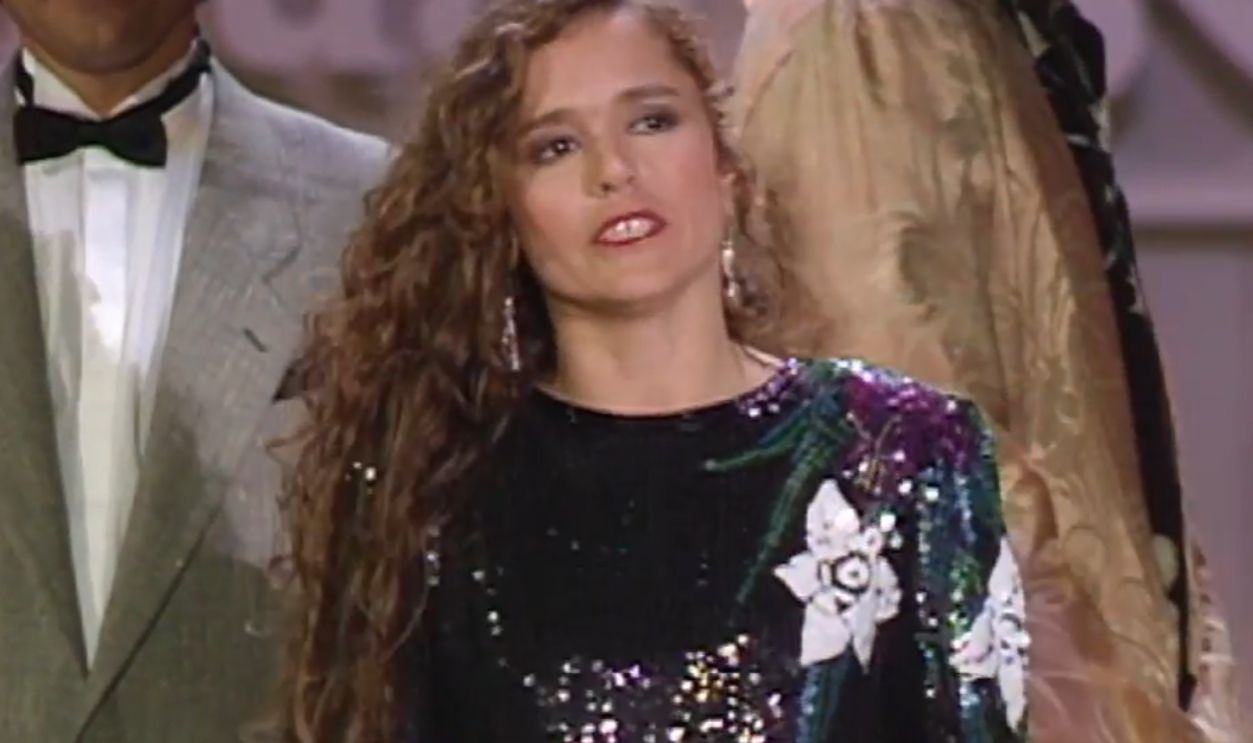
Larson released a sequence of several country albums in the 80s, which produced the hit “That’s How You Know When Love’s Right” in 1986, which went to number 9. Her ability to move between pop and country styles helped her stand out among singers of the era and attracted a loyal new audience. This culminated in her winning the Academy of Country Music’s award for Top New Female Vocalist for 1985.
 Screenshot from Academy of Country Music Awards, NBC (1985)
Marriage And Life Beyond The Stage
Along with her music during the 1980s Larson’s personal life also evolved. She married drummer Russ Kunkel, a respected session musician who had worked with a lot of the same artists in the California music circles that Larson had. Their relationship reflected the close network of friendships that often grew from studio collaborations.

Becoming A Mother
In 1990 Larson and Kunkel welcomed a daughter named Elsie. Motherhood brought new priorities into Larson’s life. While she went on recording and performing, raising her daughter became an important part of her later years.
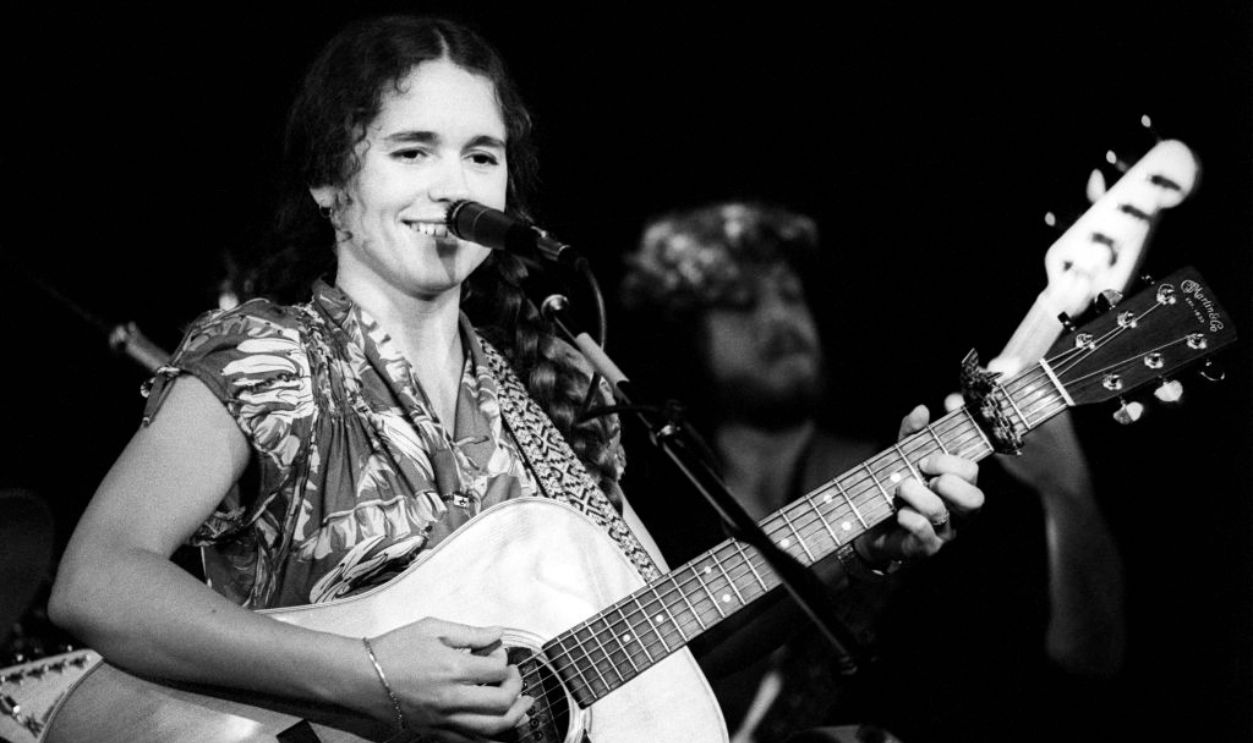
Continuing Musical Projects
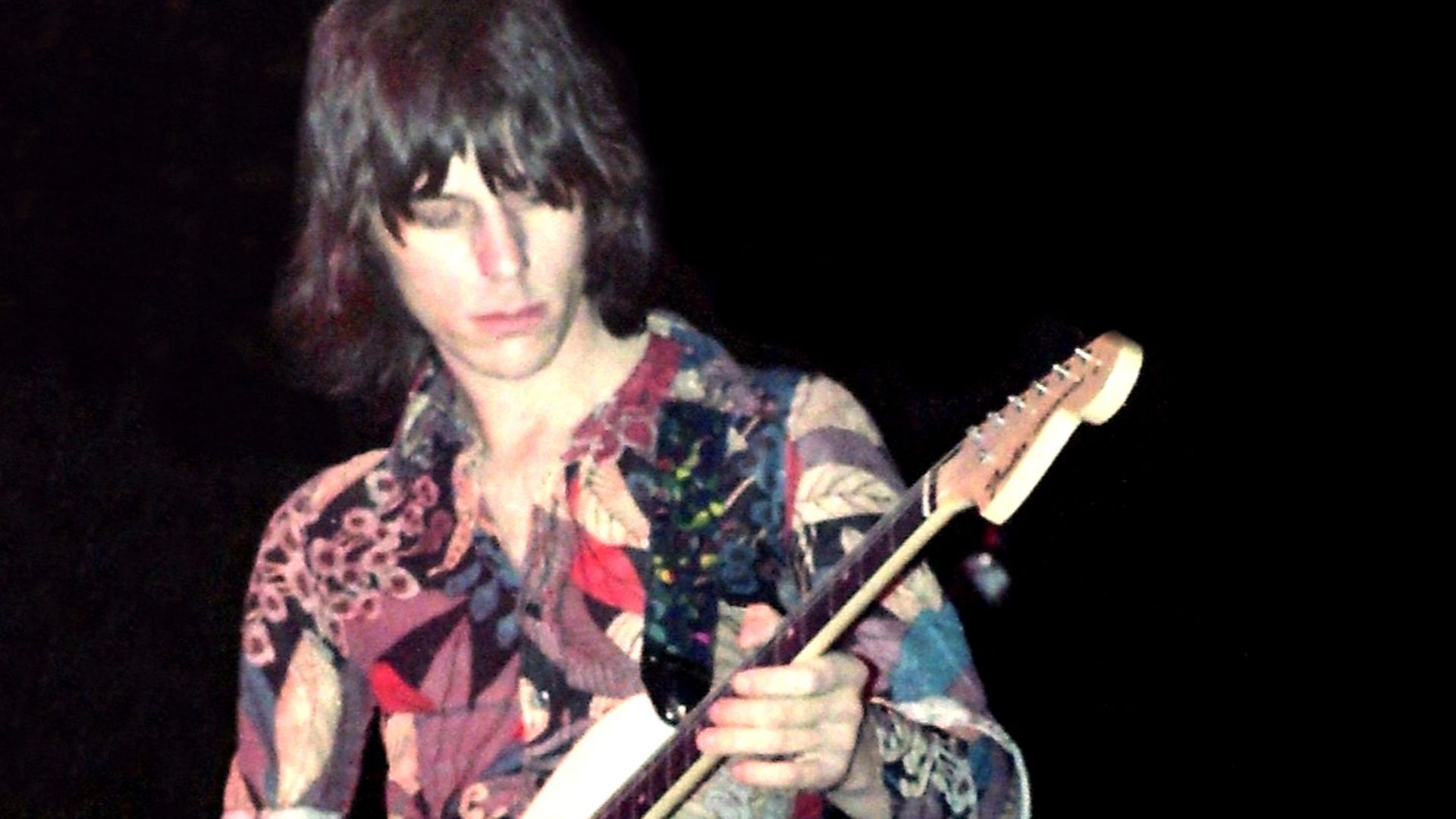
Throughout the late 1980s and early 1990s Larson continued recording and performing, while balancing work and family life. Projects included a performance with Jeff Beck on the song “I’d Die For This Dance” that appeared on the soundtrack for the movie Twins (1988), and providing backing vocals on several of the songs from Neil Young’s Harvest Moon (1992).
 Klaus Hiltscher, Wikimedia Commons
Health Problems
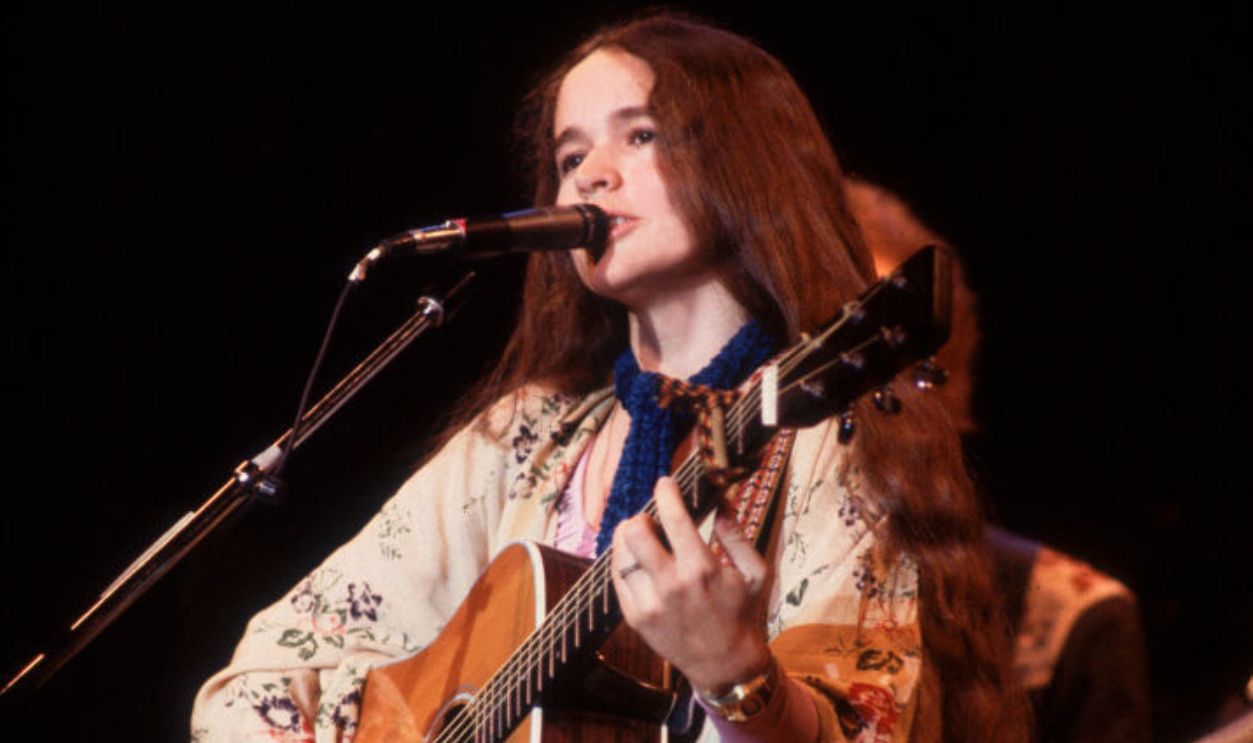
In the mid 1990s Larson began experiencing serious health problems. She suffered from cerebral edema, a condition that resulted from liver failure and involved swelling of the brain. The illness would ultimately bring her career and her life to a sudden and tragic end.
A Tragic And Unexpected Loss
Nicolette Larson died on December 16, 1997 in Los Angeles at the age of forty five. Her death shocked the music community because she’d remained active professionally without anyone really noticing any health problems she’d been having. Fans and fellow musicians mourned the loss of a singer whose voice had touched many listeners.

Tributes From Fellow Musicians
After her death, fellow artists remembered Larson for both her talent and her kindness. Linda Ronstadt praised her tone and natural warmth, while Emmylou Harris recalled her generosity in the studio. Many musicians gave credit to Larson for helping define the sound of California country rock.
![Collectie / Archief : Fotocollectie Anefo
Reportage / Serie : [ onbekend ]
Beschrijving : Zangeres Linda Ronstadt op Schiphol
Datum : 20 november 1976
Locatie : Noord-Holland, Schiphol
Trefwoorden : zangeressen
Fotograaf : Bogaerts, Rob / Anefo
Auteursrechthebbende : Nationaal Archief
Materiaalsoort : Negatief (zwart/wit)
Nummer archiefinventaris : bekijk toegang 2.24.01.05
Bestanddeelnummer : 928-8975](https://www.factinate.com/storage/app/media/theshot/2026/3/18/177383567056607e20300eeba98e6b4a07aaa23ef743fc0d1e.jpg) Rob Bogaerts / Anefo, Wikimedia Commons
Rob Bogaerts / Anefo, Wikimedia Commons
A Life Of Collaboration
Larson’s career is a great example of how important collaboration is with any kind of music. She contributed to all kinds of songs across rock and country genres and worked with many influential artists. Her ability to blend seamlessly into harmonies made her an invaluable studio partner.
Decades On
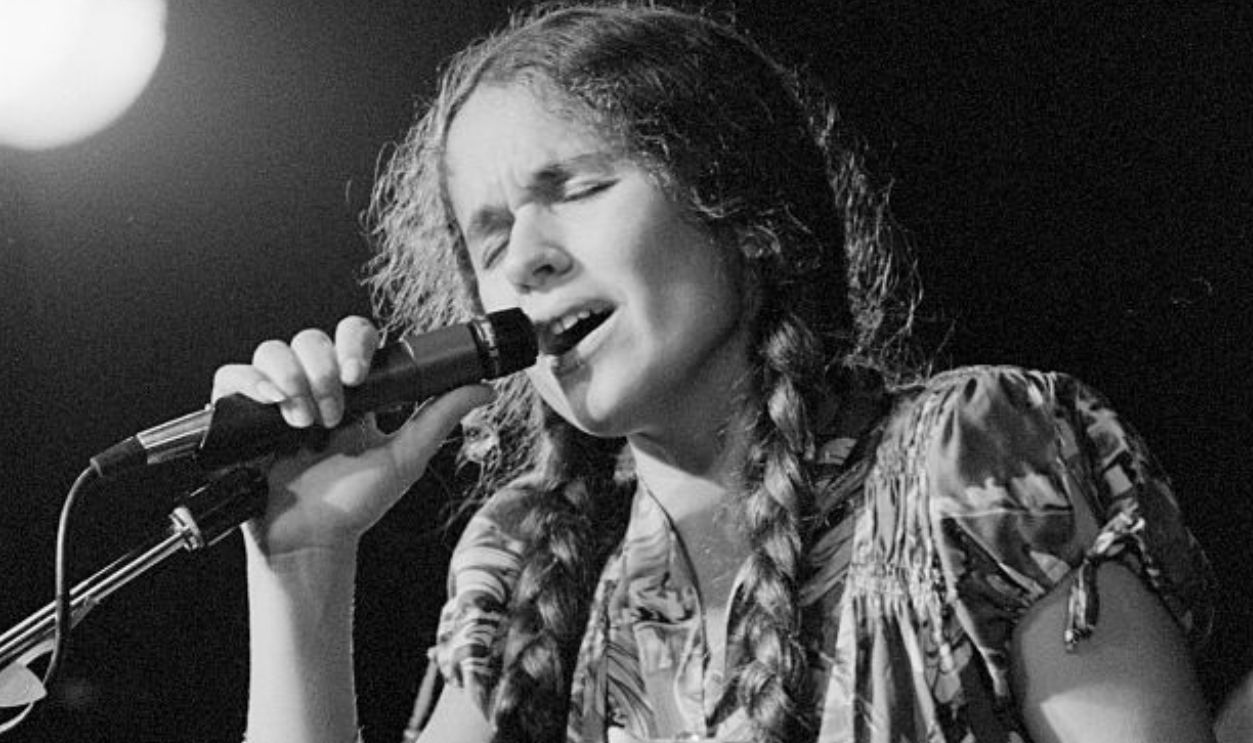
We lost her far too soon, but Nicolette Larson left behind a musical legacy that still resonates. Her musical journey from Montana to California reflected the winding path of a dedicated musician and an unforgettable voice.
 Michael Ochs Archives, Getty Images
You May Also Like:

.jpg)