The Star & The Businessman
Janis Joplin was one of the most dynamic musicians of the 1960s, but her life away from the stage was anything but stable. In the last years of her life, her manager’s worries about her lifestyle led her manager, Albert Grossman, to make an unusual business decision. It was a decision that triggered a legal fight that laid bare the ruthless commercialism of the business side of rock and roll.
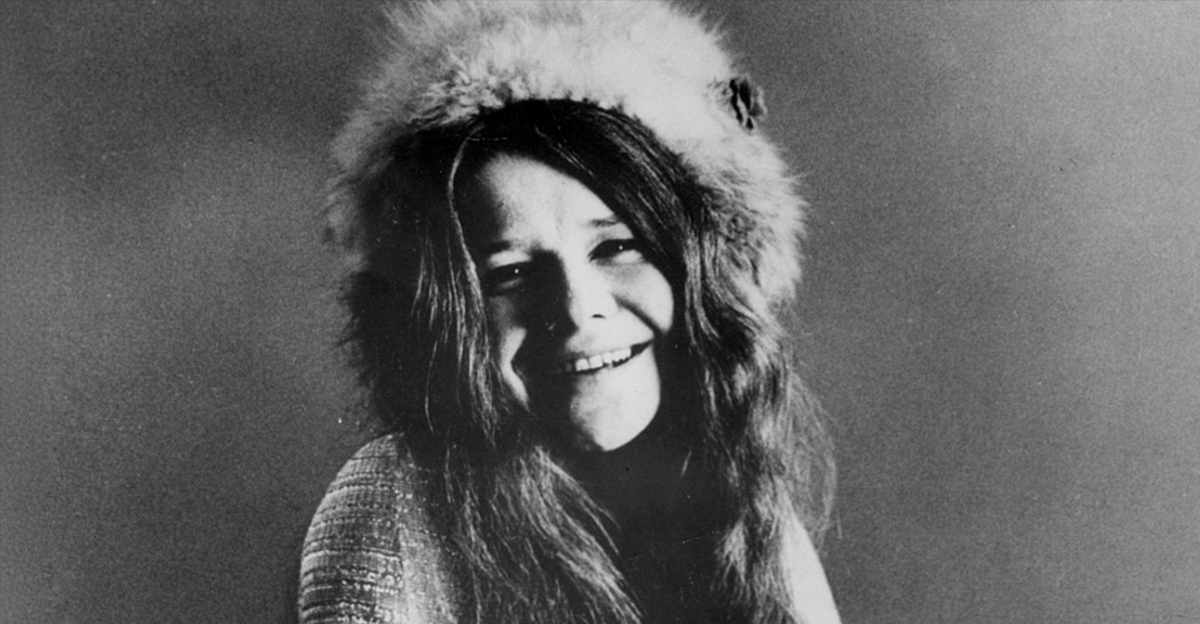
Janis Joplin’s Meteoric Rise
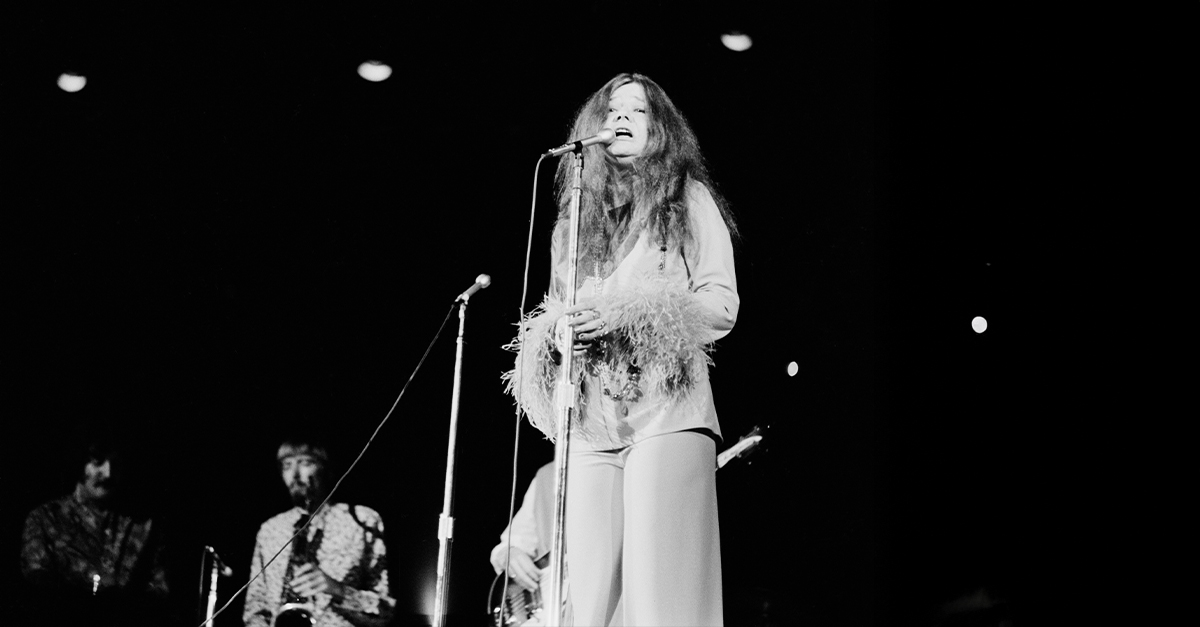
By the late 1960s, Joplin had emerged like a thunderbolt as one of the most electrifying voices in music. Initially breaking through with the band Big Brother and the Holding Company and then later on as the frontwoman for her own bands, she drew massive crowds, whom she rarely disappointed. With all of that success and status there also came responsibilities and financial expectations.

Albert Grossman Enters The Picture
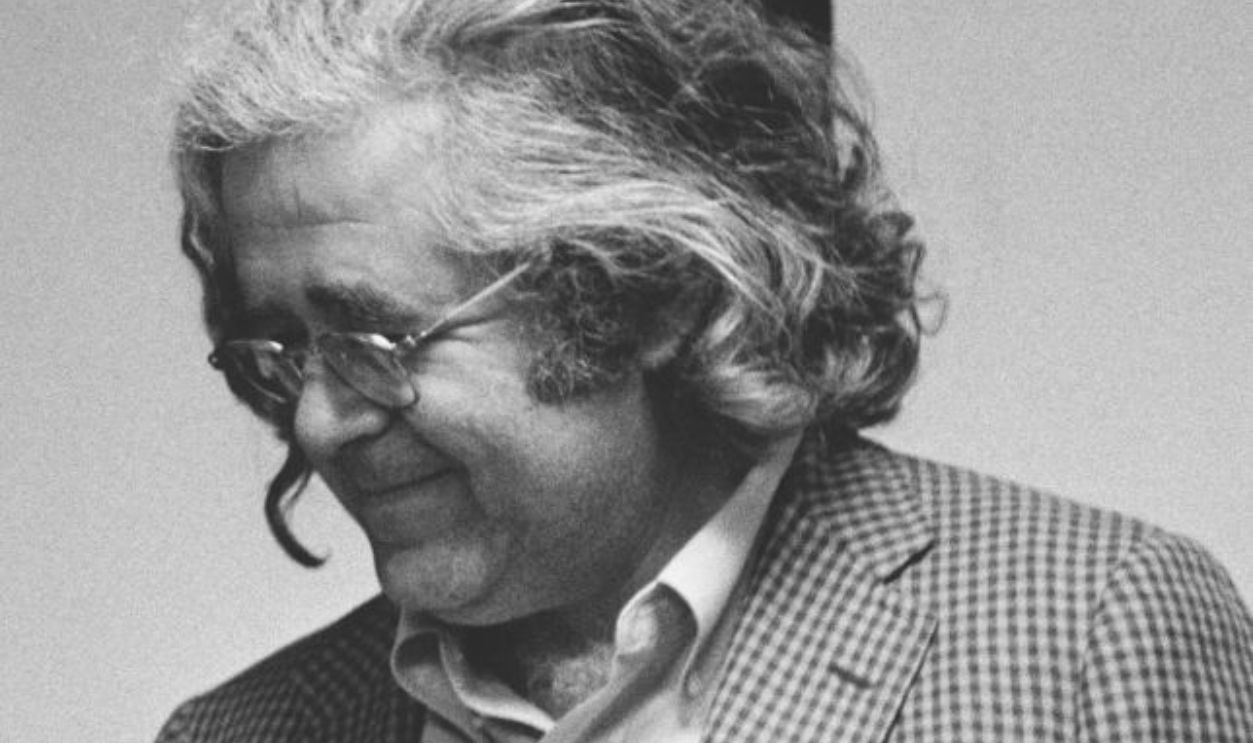
Albert Grossman was a highly influential music manager who was already representing a whole stable of successful performers including such 60s icons as Bob Dylan; Peter, Paul and Mary; and the Band. Grossman’s approach was a shrewd combination of artist advocacy and rigorous financial strategy, especially considering the volatile talent he was looking after.
 John Byrne Cooke Estate, Getty Images
She Signed On
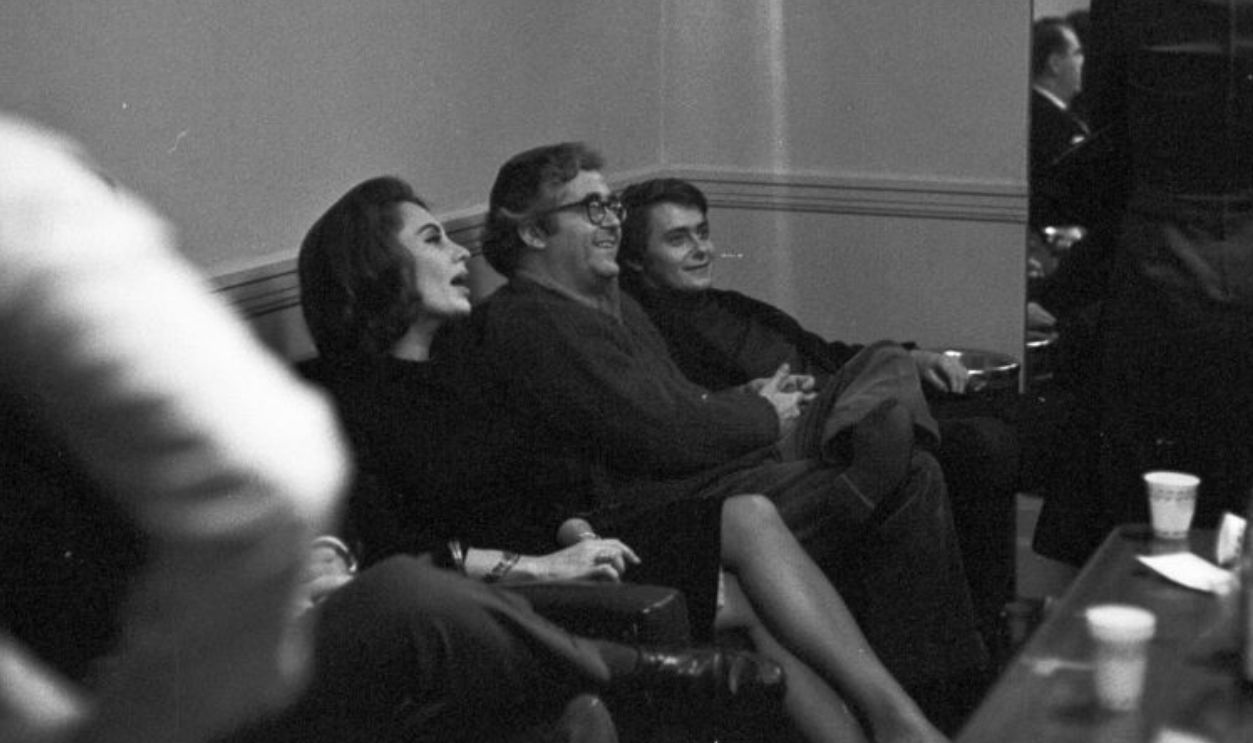
Joplin first connected with Albert Grossman in 1967, shortly after her breakthrough at the Monterey Pop Festival. Grossman was quickly able to see Joplin’s raw commercial potential and signed her to a management deal that brought sharper contract terms, national touring power, and far more professional oversight than she had ever had before.

Grossman’s Business Philosophy
Grossman took the inescapable view of a business manager that artists are both creative forces and financial enterprises. His management style emphasized leverage, protection, and preparation for worst-case scenarios. This conservative attitude influenced every major decision he made.
 John Byrne Cooke Estate, Getty Images
Growing Concerns Behind The Curtain
As Joplin’s fame spread and deepened, the people who were around her couldn’t help but notice her heavy substance use. While these kinds of excess were by no means uncommon in that era, even for people who weren’t rock stars, the risks surrounding her reliability began to raise some serious professional concerns.
 Grossman Glotzer Management Corporation, Wikimedia Commons
Why Grossman Considered Insurance
By 1969, the word had got around to Grossman that Joplin was using substances. From Grossman’s point of view, he had every reason to worry about tours, advances, and future earnings tied directly to Joplin’s stability, which made life insurance a pragmatic hedge against the potential financial fallout if something should happen to Joplin.

Taking Out The Life Insurance Policy
Grossman secured a life insurance policy on Joplin in 1969 that only applied in the case of her accidental death. This was made possible through the principle of insurable interest, in which Joplin was considered an asset to his business. The policy reportedly amounted to several hundred thousand dollars. It would pay Grossman $200,000, a reflection of Janis’ earning power and perceived risk.

He Paid The Premiums Personally
Grossman evidently paid the yearly premium of $3,500 himself rather than deducting the money from Joplin’s income. This reinforced to others that the policy was a calculated financial safeguard of his most lucrative client rather than some kind of exploitation.

He Staged An Intervention
It was becoming increasingly obvious that Joplin had a substance habit. Myra Friedman, Joplin’s publicist and close friend, said that she and Albert Grossman had staged an intervention with Joplin on one of the singer’s trips to New York over the winter of 1969–70. This was recounted in Friedman’s 1973 biography of Joplin, Buried Alive.
 Daniel Schwen, Wikimedia Commons
Janis Joplin’s Final Year
In 1970, Joplin continued recording and touring as her substance use persisted. She was still in the midst of recording sessions for her watershed album Pearl when tragedy struck. Joplin was found dead in a Los Angeles hotel room. Her tragic passing now activated the dormant policy taken out by Grossman years earlier. In the meantime, Grossman had troubles of his own.
 Jon Sullivan, Wikimedia Commons
Setback
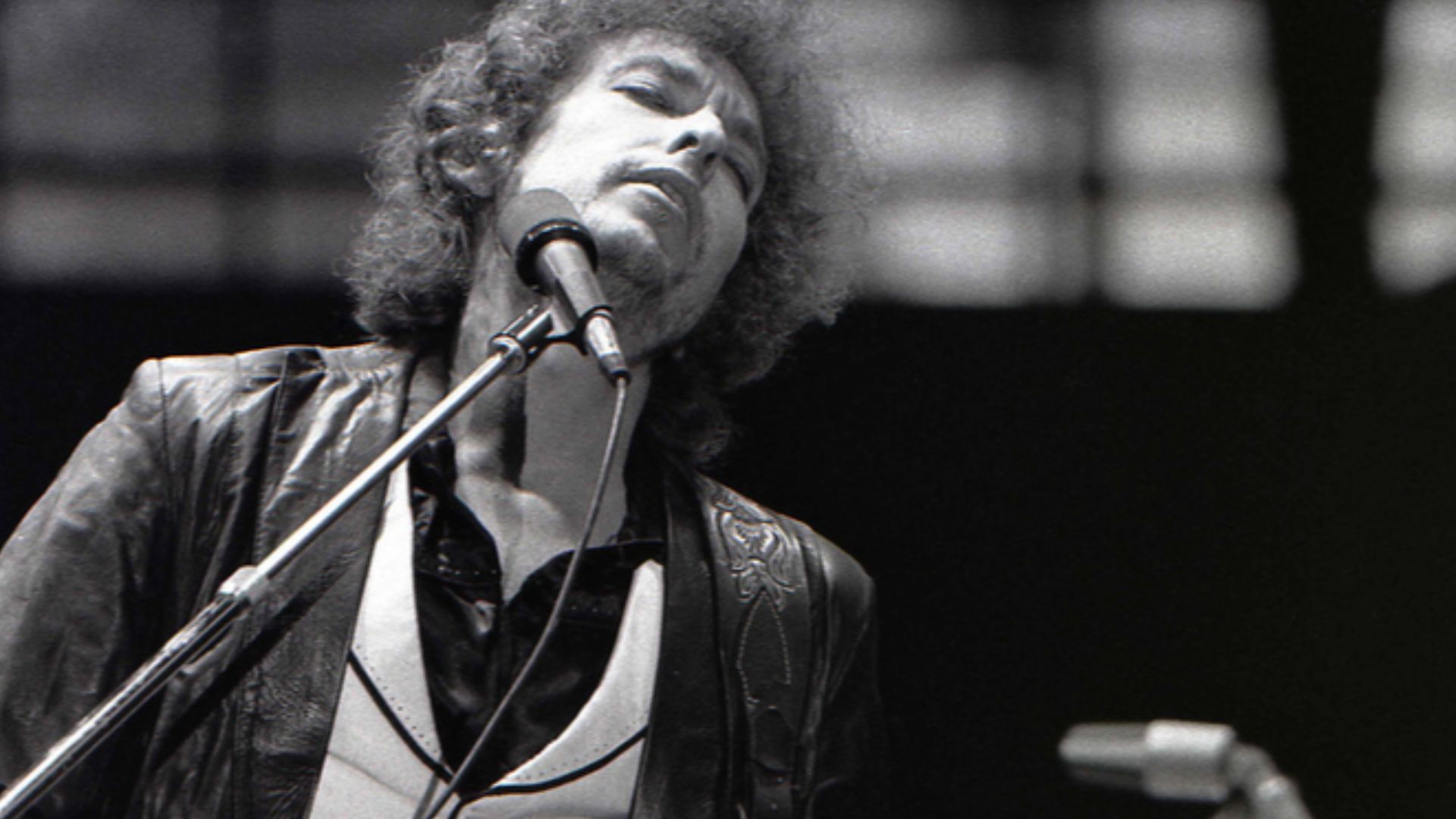
After a run of extraordinary success, Albert Grossman faced a sharp downturn in the early 70s. He was dismissed by Bob Dylan, and saw his lucrative association with Peter, Paul and Mary unravel as the group broke up. The loss of Joplin in 1970 was one more pillar pulled out. Grossman was in a state of financial uncertainty, personally shaken, and navigating an industry a lot less forgiving than the one he had dominated only a few years earlier.
 Chris Hakkens, Wikimedia Commons
He Put In A Claim
Shortly after Joplin’s death, Grossman filed a claim on the policy. What had once seemed like an abstract safeguard was now suddenly transformed into a serious legal and financial matter, drawing scrutiny from the insurance company and placing Grossman’s motives and legal standing under the microscope.

The Insurance Company Pushed Back
The insurer, San Francisco Associated Indemnity Corporation, contested the payout, arguing that Joplin’s death might not qualify for coverage under the terms of the policy. Their resistance to paying out now set the stage for a prolonged dispute that hinged not only on cause of death, but, as the insurers argued, on intent.
 Frank Schulenburg, Wikimedia Commons
The Defense Argues
The company based their argument around the disturbing idea that Joplin may have intentionally taken her own life, which would have voided the policy under contract exclusions. Though there was no evidence whatsoever that her death was anything but a tragic accident doing a risky activity, they also said there was no proof that that wasn’t the case.

Grossman’s Team Countered Vigorously
Grossman strongly disputed any suggestion that Joplin had taken her own life, pointing to the findings of LA County Medical Examiner Dr Thomas Noguchi. He also gathered up favorable witness accounts. He maintained that Joplin’s death, while tragic, was totally accidental, and that the insurer’s position was an unscrupulous legal maneuver rather than a conclusion supported by evidence.
 Anil1956 [1]; reworked by Acabashi., Wikimedia Commons
He Modified His Story
During the trial, Grossman adjusted his explanation for why he insured Janis Joplin, testifying that his original concern was the risk of a fatal plane crash since she toured frequently by air. It’s not known whether Grossman took out similar policies on his other clients, given that they must’ve frequently travelled by air as well.

Understanding Insurable Interest
At the heart of the case was the doctrine of insurable interest. Many people rightly question the ability of a person to take out a life insurance policy on someone else without their knowledge. But insurable interest means you can take out a policy on the other person if you stand to suffer financial loss from that person’s death. Grossman argued that Joplin’s earnings, contracts, and future projects easily satisfied this criteria.

A Court Battle Years In The Making
The dispute dragged on until 1974, with the civil courts finally examining whether Grossman had a legitimate financial stake and whether the policy had been executed in good faith. The case turned into a rare opportunity for the public to see the inner workings of how insurance law intersected with celebrity management.

The Court Ruled
Ultimately, the court ruled in Grossman’s favor, upholding both the validity of the policy and the absence of any evidence that Joplin’s death was anything other than a tragic accident. The decision reinforced the principle that insurable interest could extend beyond family relationships into the professional and contractual world.

A Candid Look At The Music Business
The lawsuit opened the lid onto how deeply commercial considerations were always at work below the surface of the late-60s counter-cultural music scene. Artists might themselves may sing about freedom and rebellion onstage, but behind the scenes, careers were insured, hedged, and legally defended just like any other high-value business enterprise.

Grossman’s Reputation After The Case
For a lot of music industry people, the insurance more or less confirmed what they’d always surmised about Grossman, whose image was that of the coldly calculating businessman. For others, Grossman’s move singled him out for his savvy and professionalism in what was a chaotic industry. Regardless of what anyone else thought, the case proved that Grossman was a guy who planned for realities that others preferred not to discuss.
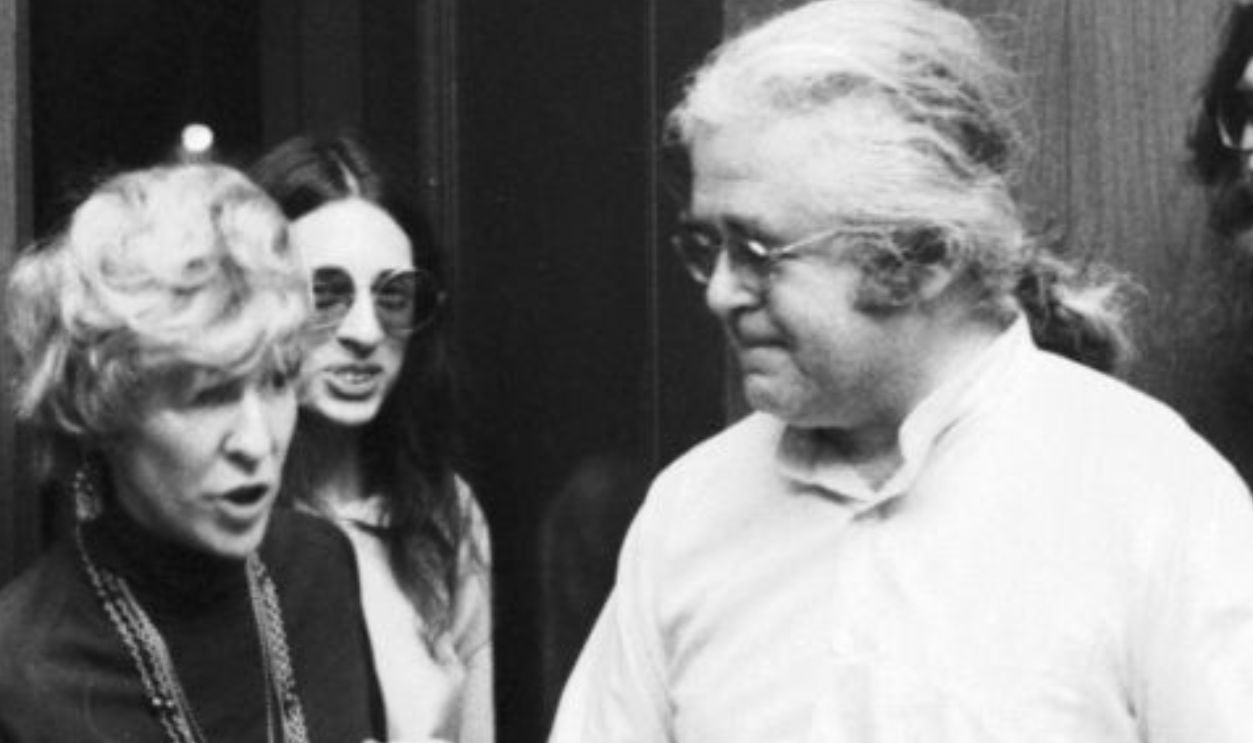 John Byrne Cooke Estate, Getty Images
Janis’s Story Can’t Be Told In Numbers
The insurance case never stood a chance of ever overshadowing Joplin’s musical impact; in fact, the event has largely been forgotten over the past five decades. Joplin’s impact is, and always will be, rooted in her amazing authenticity and her unforgettable performances that gave fans so much joy. Her influence on music since those days is arguably even bigger. Go put on one of her albums and remind yourself why.
You May Also Like:
A Complete List Of The Legendary Woodstock 1969 Performances