The Silence After the Music
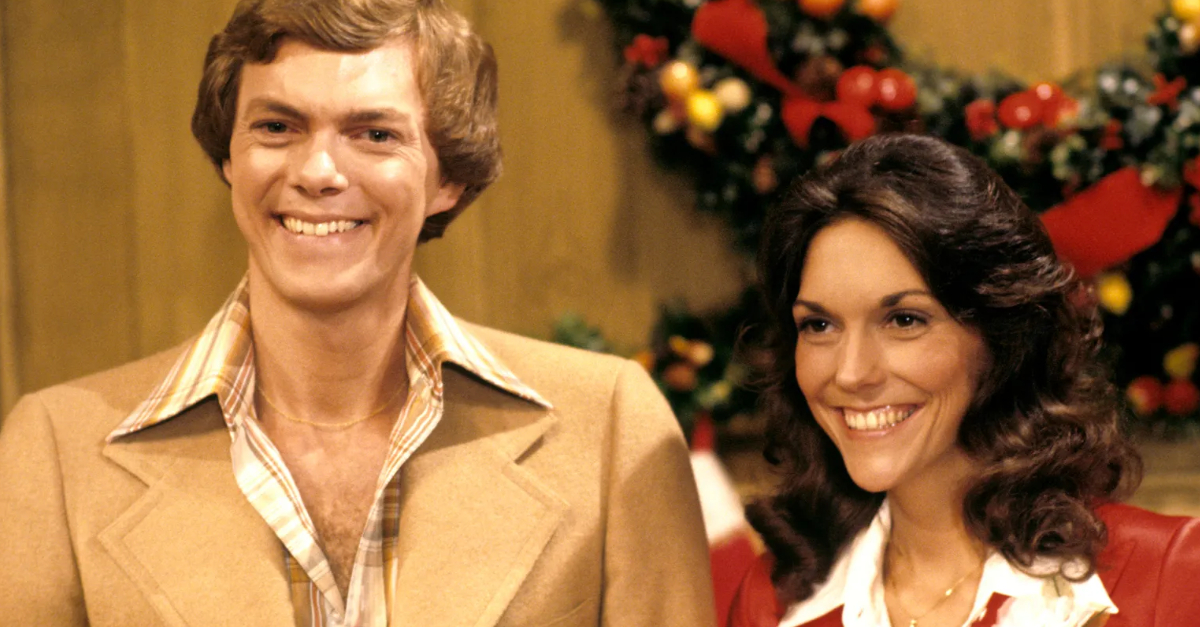
In the 70s, The Carpenters felt untouchable. Hit after hit. Television specials. Karen’s voice drifting from car radios across America. Then, in 1983, everything stopped. The world mourned her—but few stopped to wonder what happened to the brother who built the sound beside her. For Richard Carpenter, the future suddenly looked uncertain in ways no chart could measure.
A Brother and Sister With One Sound
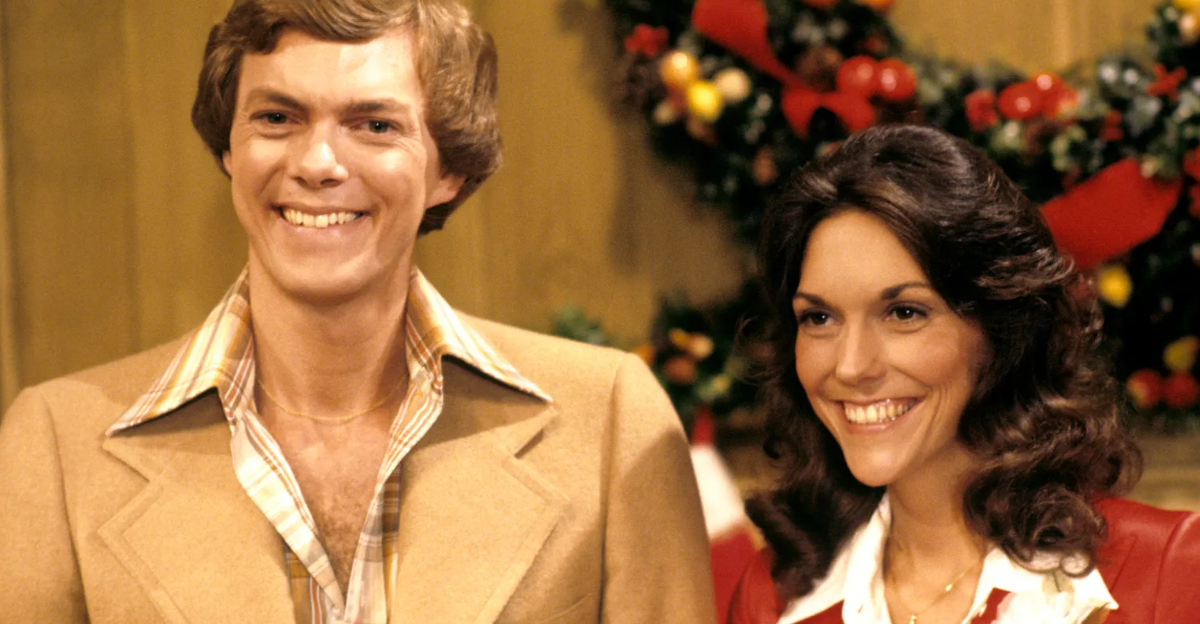
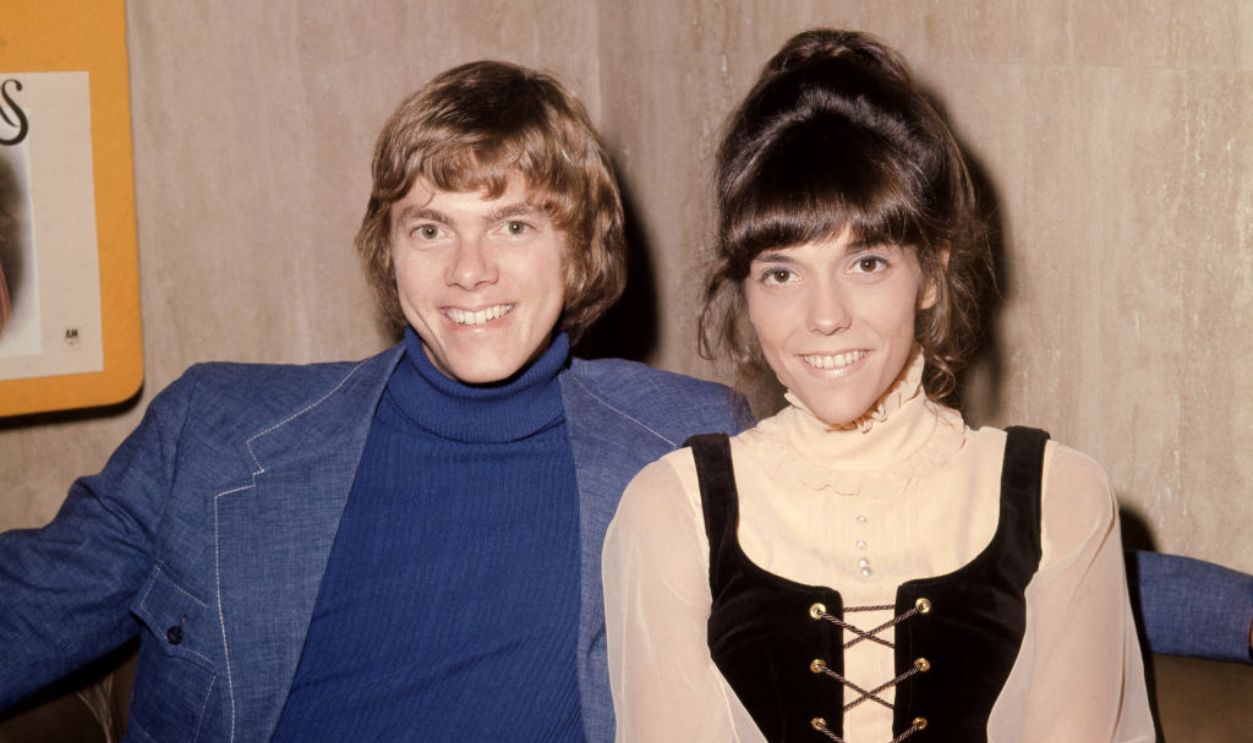
Before the fame, it was just Richard and Karen in Downey, California. He was the arranger and musical architect. She was the unmistakable voice. Their blend—lush harmonies, pristine production—made songs like Close to You and We’ve Only Just Begun instant classics.
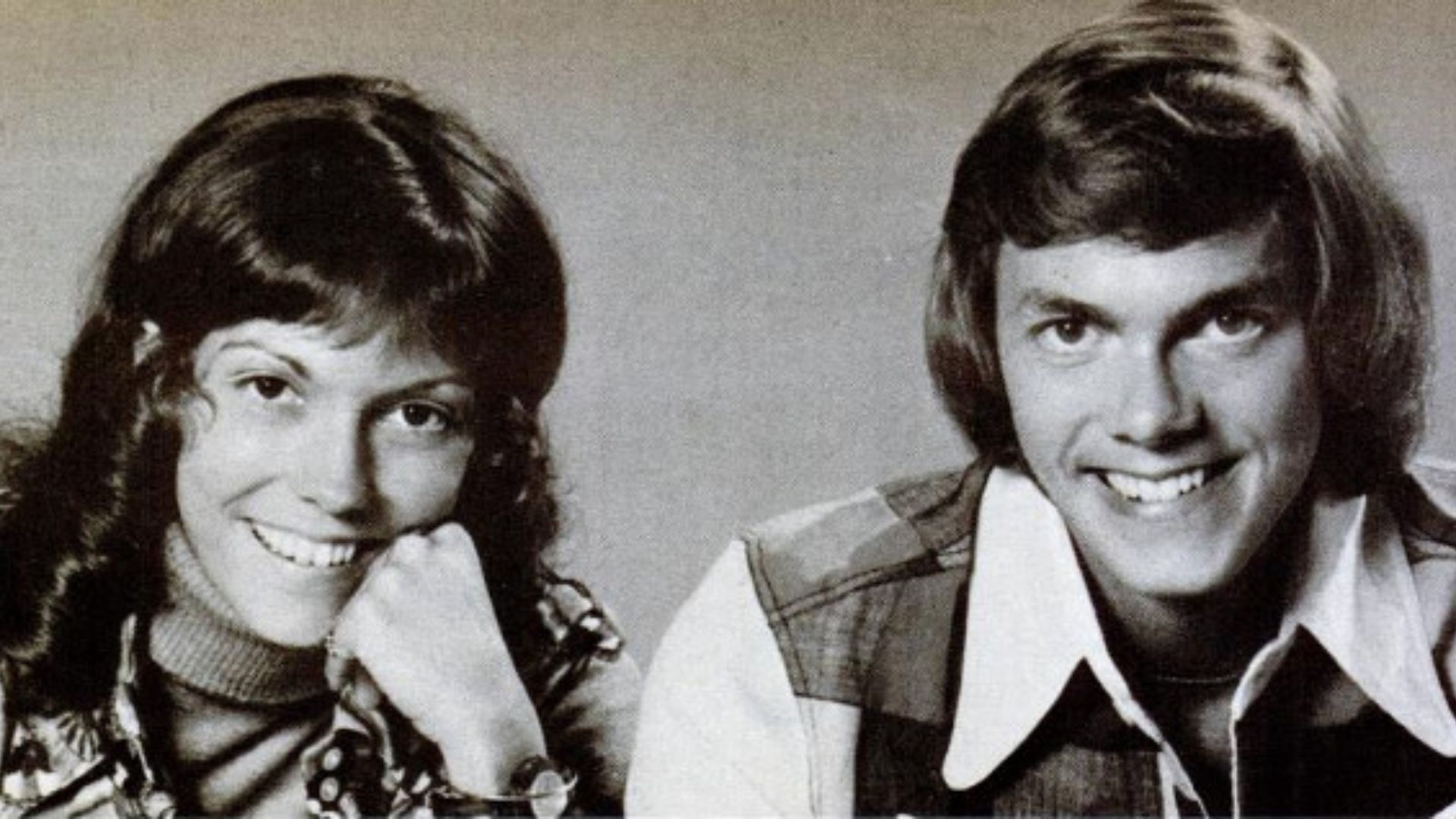 A&M Records (Life time: Published before 1978 without a copyright notice), Wikimedia Commons
Hitmakers of the 70s
Between 1970 and 1975, The Carpenters dominated adult contemporary charts. Multiple No. 1 hits. Grammy wins. Constant touring. Their wholesome image made them TV favorites. Behind the scenes, though, the pace was relentless—and the pressure constant.
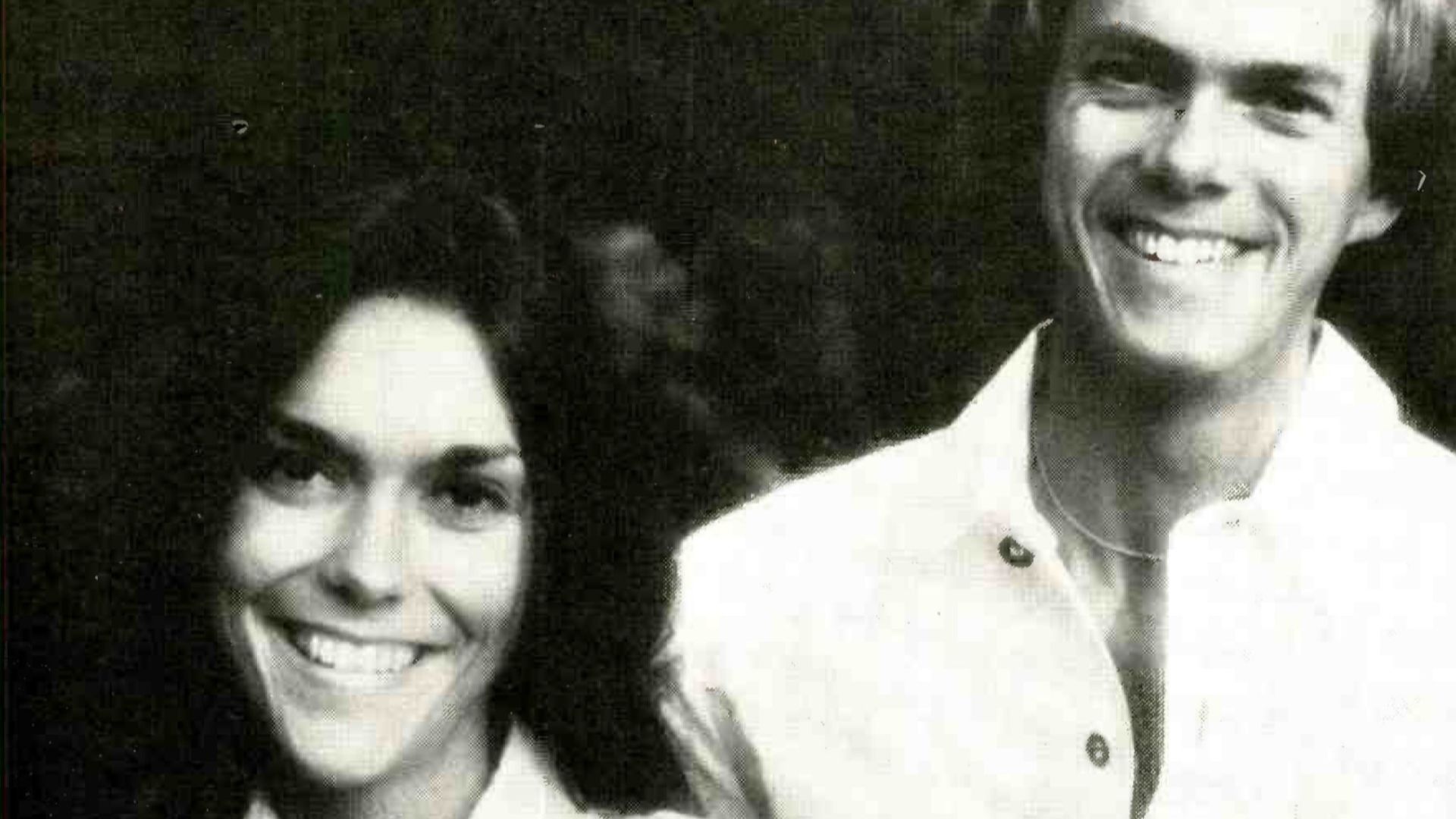 A&M Records, Wikimedia Commons
The Toll of Fame
Karen’s struggles became more visible in the late 70s. Richard was battling his own dependence on prescription sedatives and entered treatment in 1979. Even before tragedy struck, the duo’s world was already shifting under enormous emotional strain.

February 4, 1983
Karen Carpenter died at 32 from heart failure related to complications of anorexia nervosa. The news stunned fans. It also forced a national conversation about eating disorders at a time when few people openly discussed them. Richard lost more than a musical partner—he lost his sister.
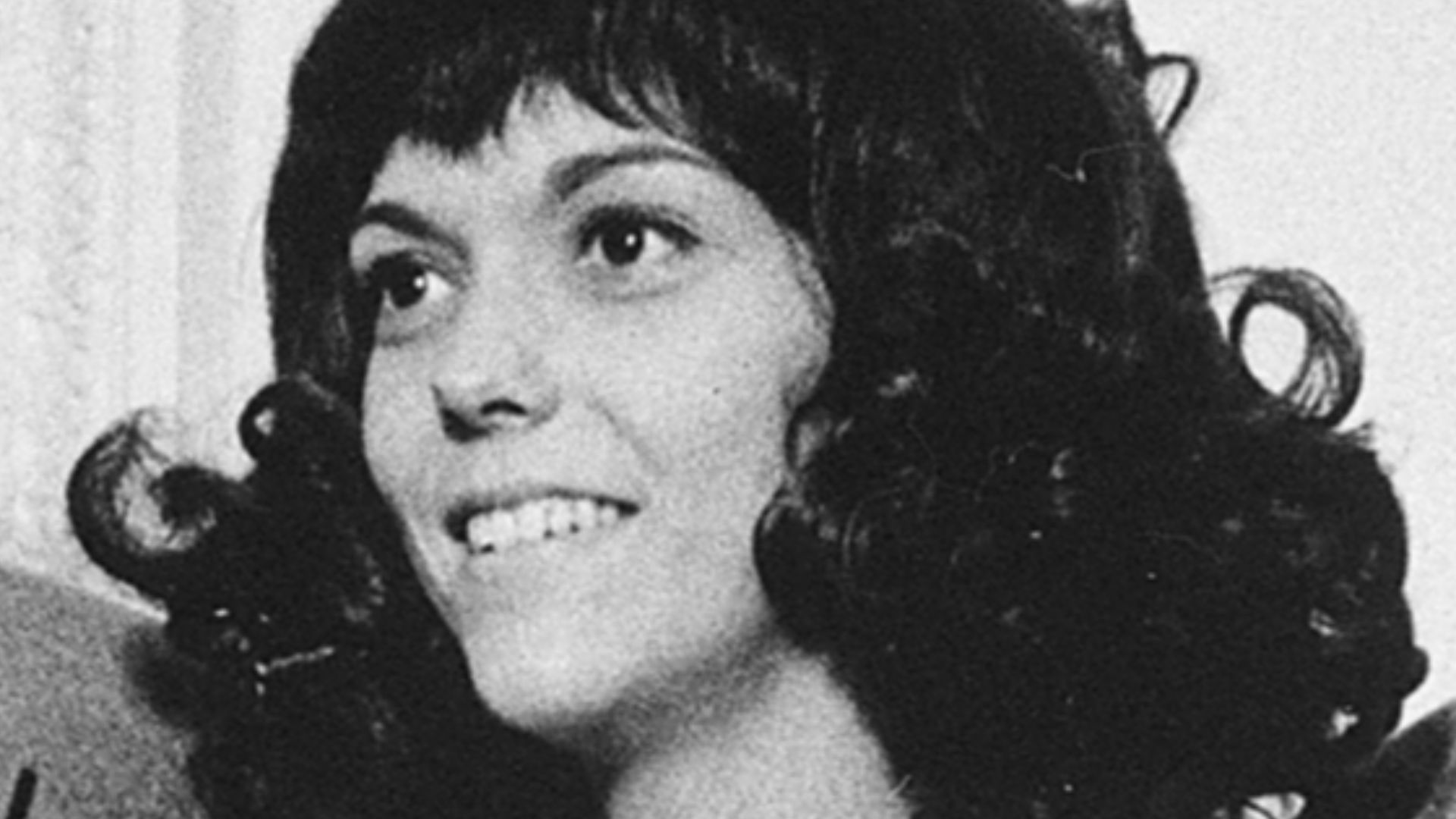 White House photo by Knudsen, Robert L., Wikimedia Commons
The Spotlight Goes Quiet
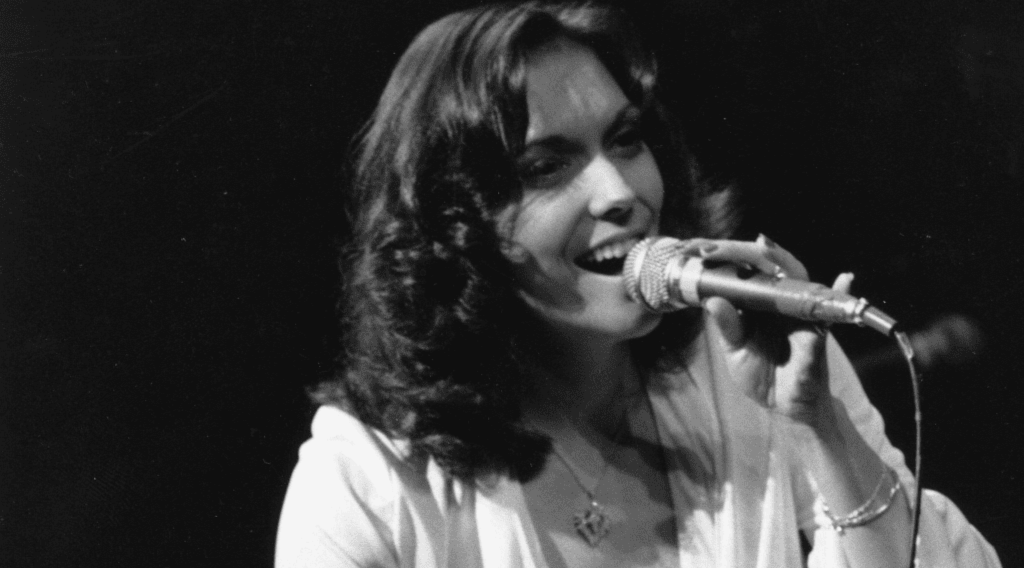
After her death, Richard didn’t rush into interviews or new projects. The tours stopped. The television appearances faded. For someone who had lived inside a sibling duo since childhood, the silence must have been deafening. The life he’d known—professionally and personally—had vanished almost overnight.
The Question Everyone Had
Could there even be a “Carpenters” without Karen? Richard understood what fans understood—her voice was irreplaceable. For a time, it wasn’t clear whether the music would continue at all. Everything they had built together seemed to hang in the balance.
Becoming the Keeper of the Sound
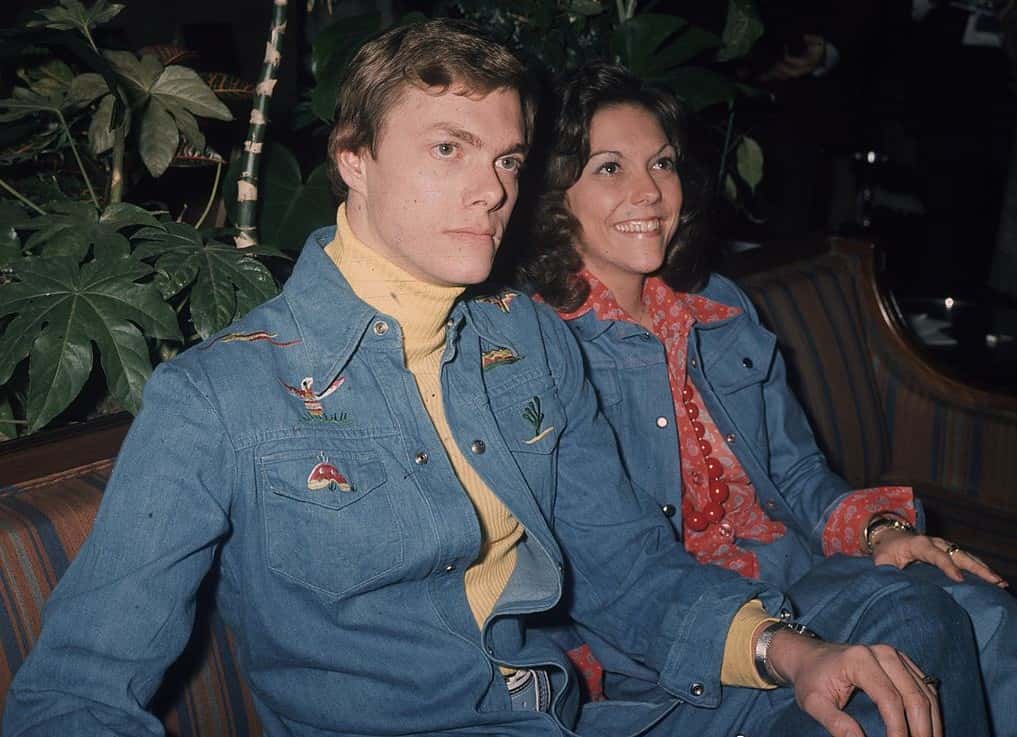
Richard took control of preserving The Carpenters’ catalog. He oversaw remasters, reissues, and compilation projects. He was meticulous about sound quality and presentation. If Karen’s voice was going to live on, it would be handled with care.
Refusing Sensationalism
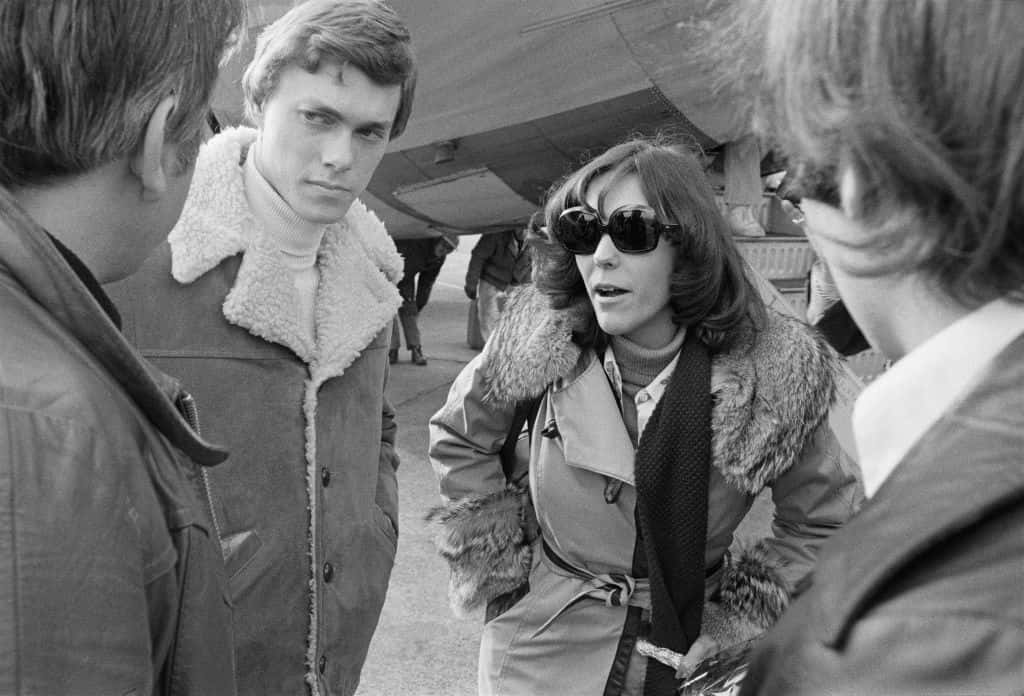
In the decades that followed, Richard declined projects he felt exploited Karen’s story. He pushed back against narratives that reduced her to tragedy alone. He consistently reminded interviewers that she was a world-class musician first.
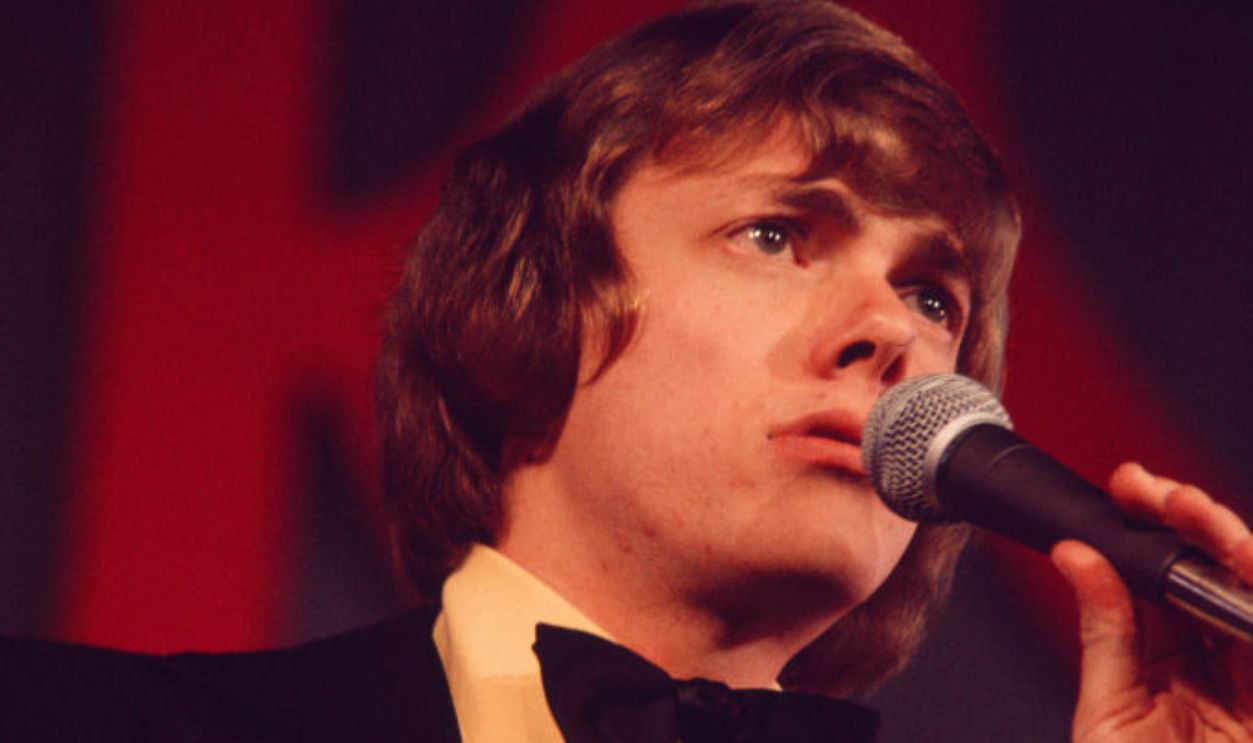 Koh Hasebe/Shinko Music, Getty Images
A Solo Step Forward
In 1987, he released the solo album Time. It wasn’t an attempt to chase 70s pop success. It was layered, thoughtful, and orchestral—very Richard. The commercial response was modest, but it marked a quiet return to creative work.
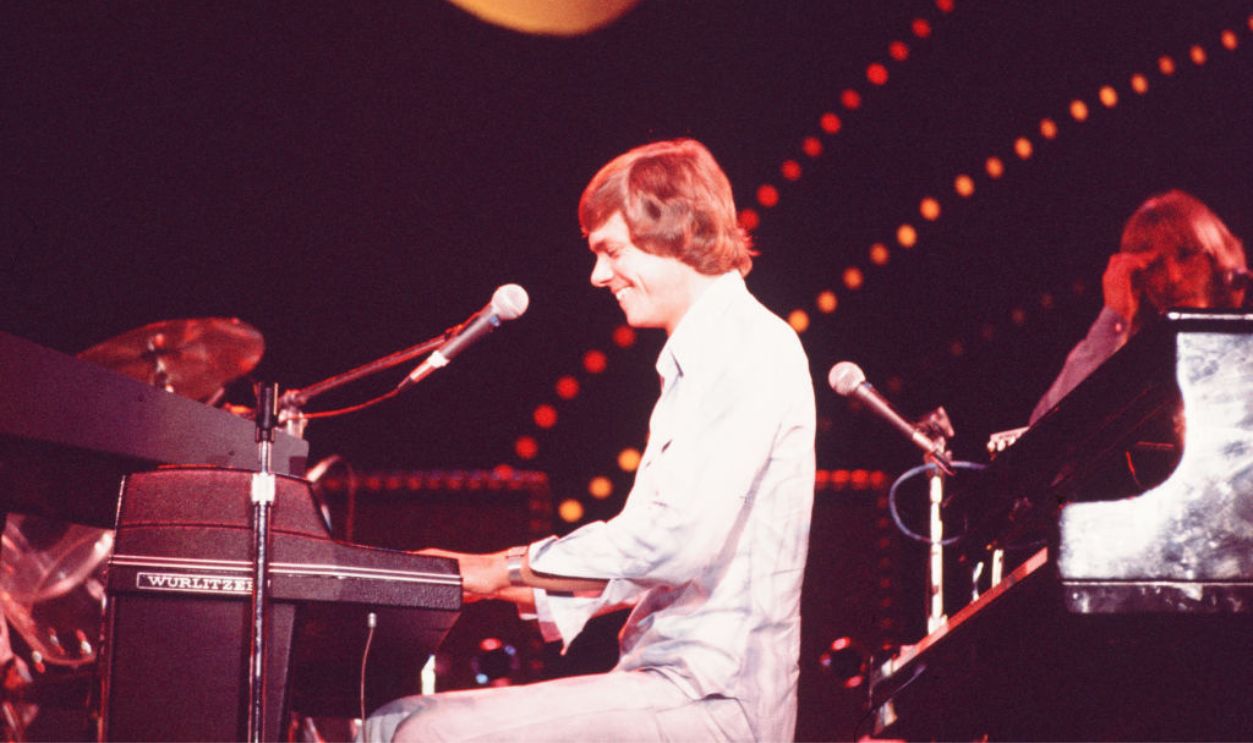 Koh Hasebe/Shinko Music, Getty Images
Marriage and Stability
In 1984, Richard married Mary Rudolph. After years of touring buses and studio marathons, he built something steadier. The couple would go on to have five children. For a man who grew up professionally intertwined with his sister, that grounding mattered.

A Different Kind of Legacy
Rather than dominate charts again, Richard focused on curating history. Box sets. Archival footage. Anniversary releases. Each project reinforced the idea that The Carpenters weren’t a relic—they were part of American pop canon.
The Orchestral Reimaginings
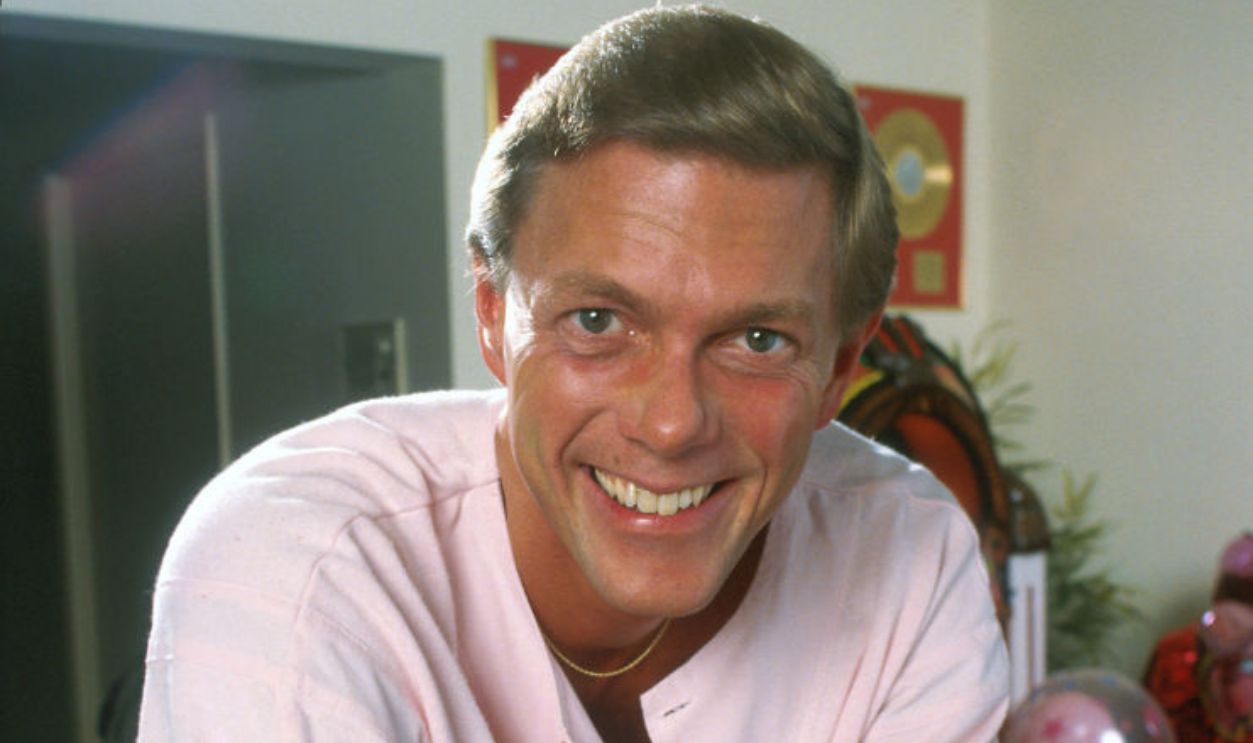
Richard also revisited classic recordings, enhancing them with new orchestral arrangements while keeping Karen’s original vocals intact. Some purists debated it. But for him, it was another way of keeping the music alive.
A Private Grief
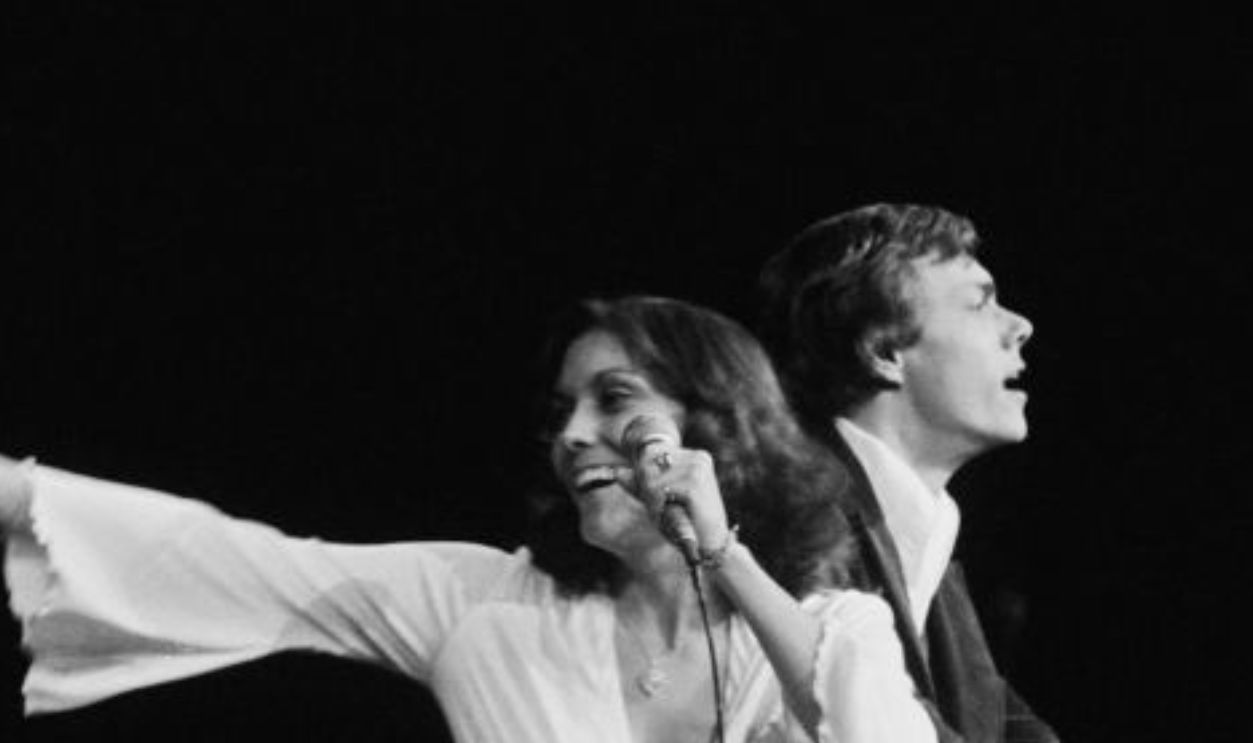
He has spoken candidly about how long grief lingers. Losing a sibling isn’t something you move on from. In the months after her death, the future was uncertain in a way no career plan could solve. But over time, gratitude slowly began to sit beside the sorrow.

Sobriety as Survival
Richard had entered treatment years before Karen’s death, confronting prescription sedative dependence at a critical moment. That stability became essential in 1983. Without it, the loss might have pulled him somewhere far darker. Recovery gave him footing when everything else felt unsteady.
The 90s Reassessment
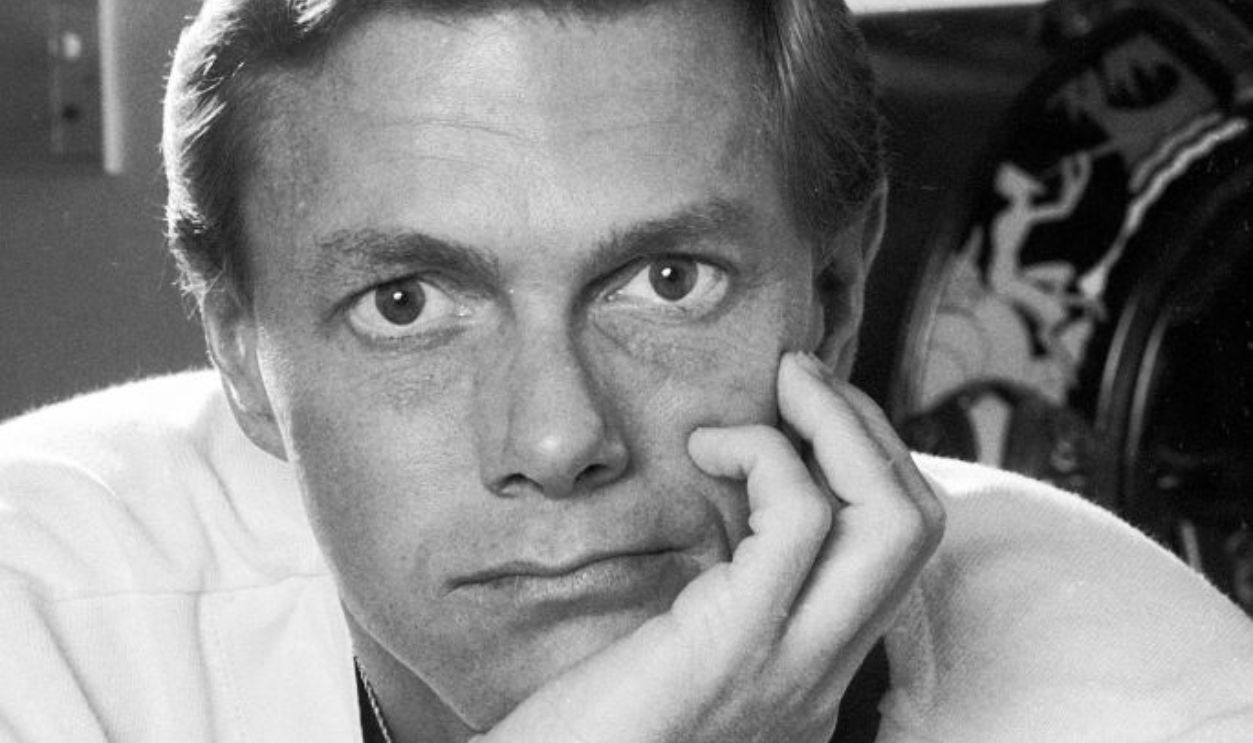
By the 90s, critics began reassessing The Carpenters’ catalog. What some once dismissed as soft became recognized as sophisticated pop craftsmanship. Richard watched as a new generation rediscovered the arrangements he had so carefully built.
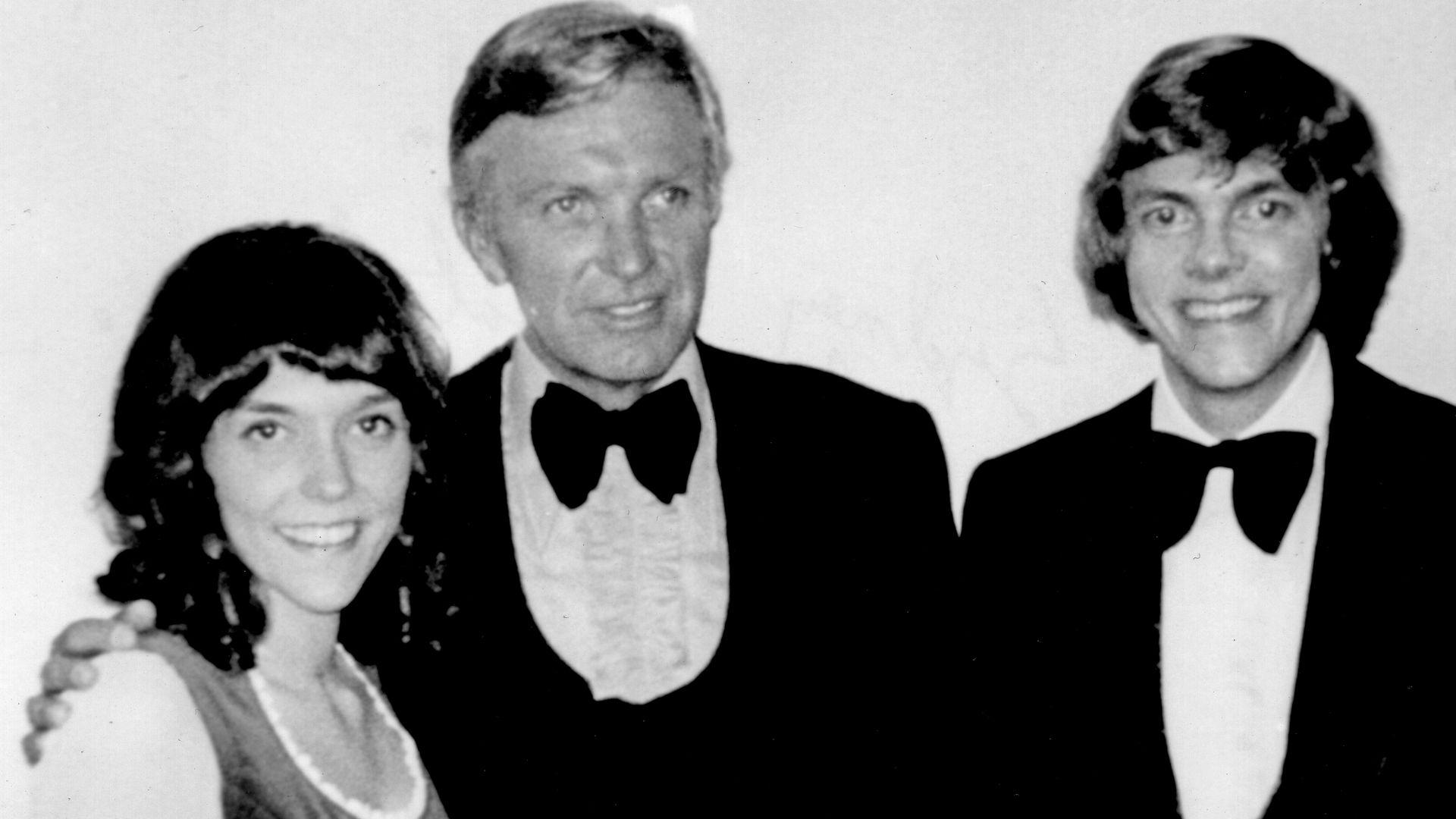 Unknown authorUnknown author, Wikimedia Commons
Holiday Staples That Never Left
Songs like Merry Christmas Darling never left radio rotation. Every December, Karen’s voice returned to living rooms across America. Richard understood something powerful—some music doesn’t fade. It settles into tradition.

Selective Performances
Over the years, Richard occasionally returned to the stage for tributes and symphony performances. These weren’t comeback tours. They were celebrations. The tone was reflective rather than nostalgic frenzy.
A Brother’s Protection
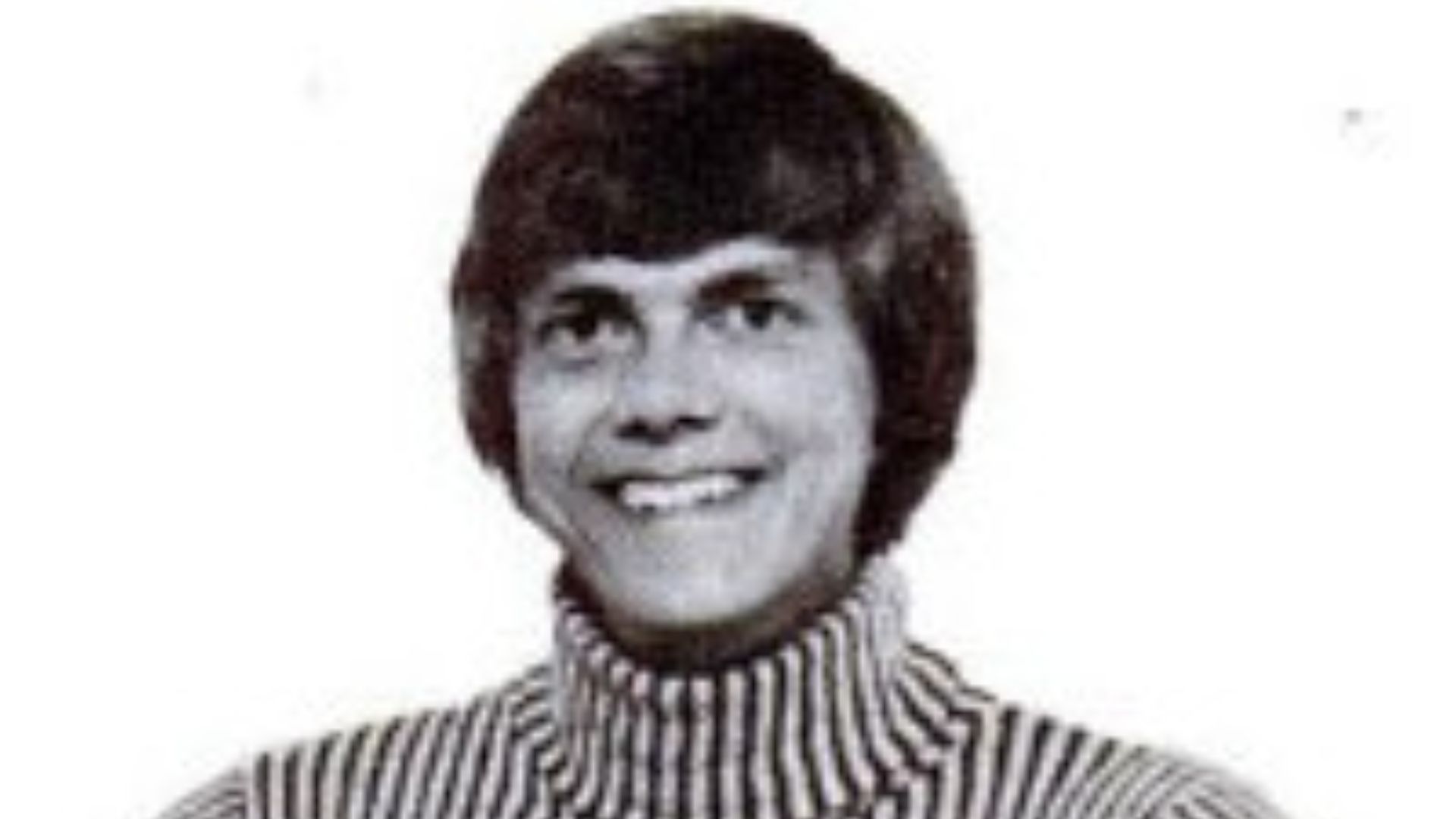
When biopics and dramatizations surfaced, Richard stayed protective. He supported honest storytelling—but resisted anything that distorted reality. In many ways, guarding Karen’s memory became part of his life’s work.
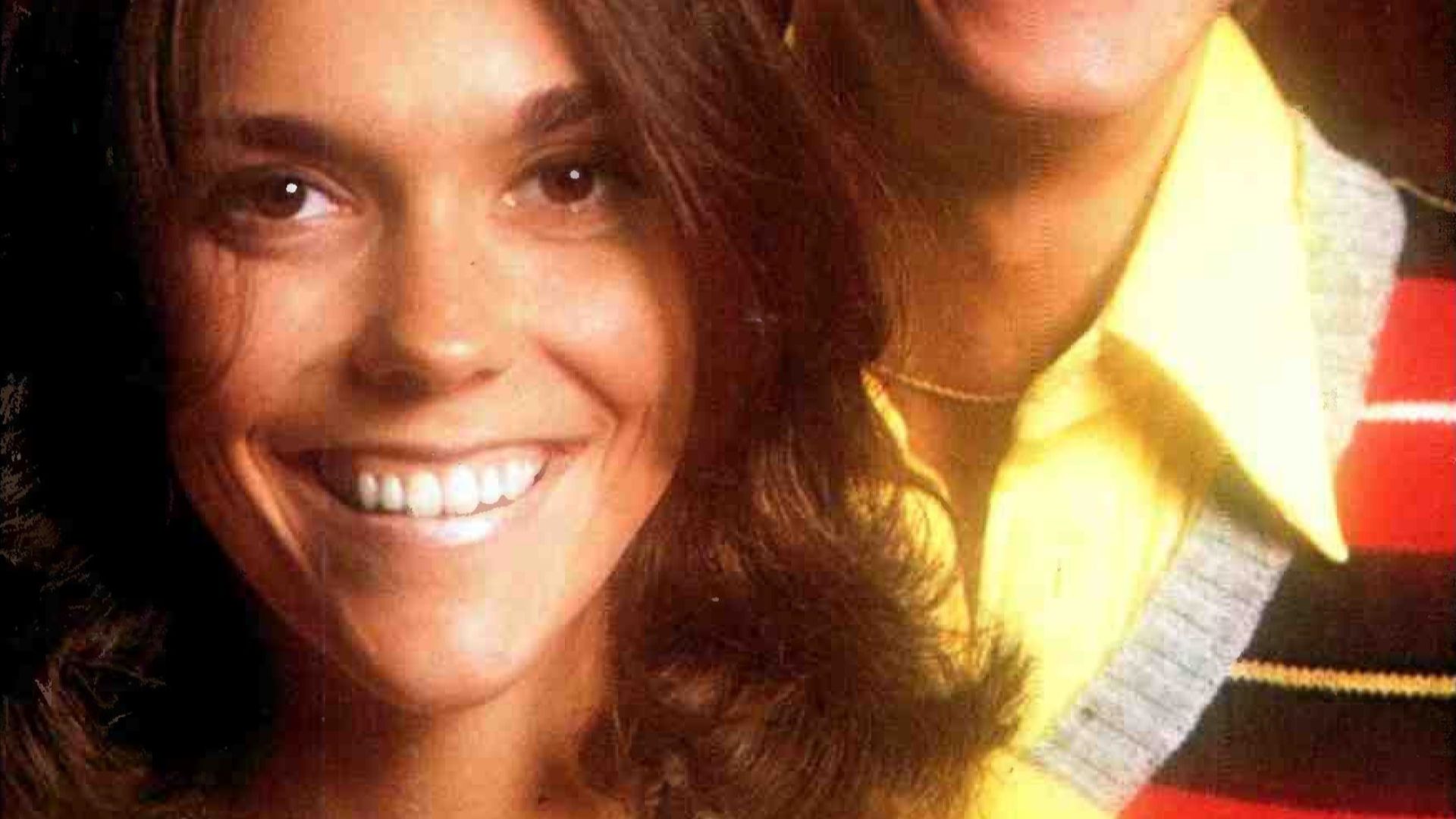 A&M Records, Wikimedia Commons
Family First
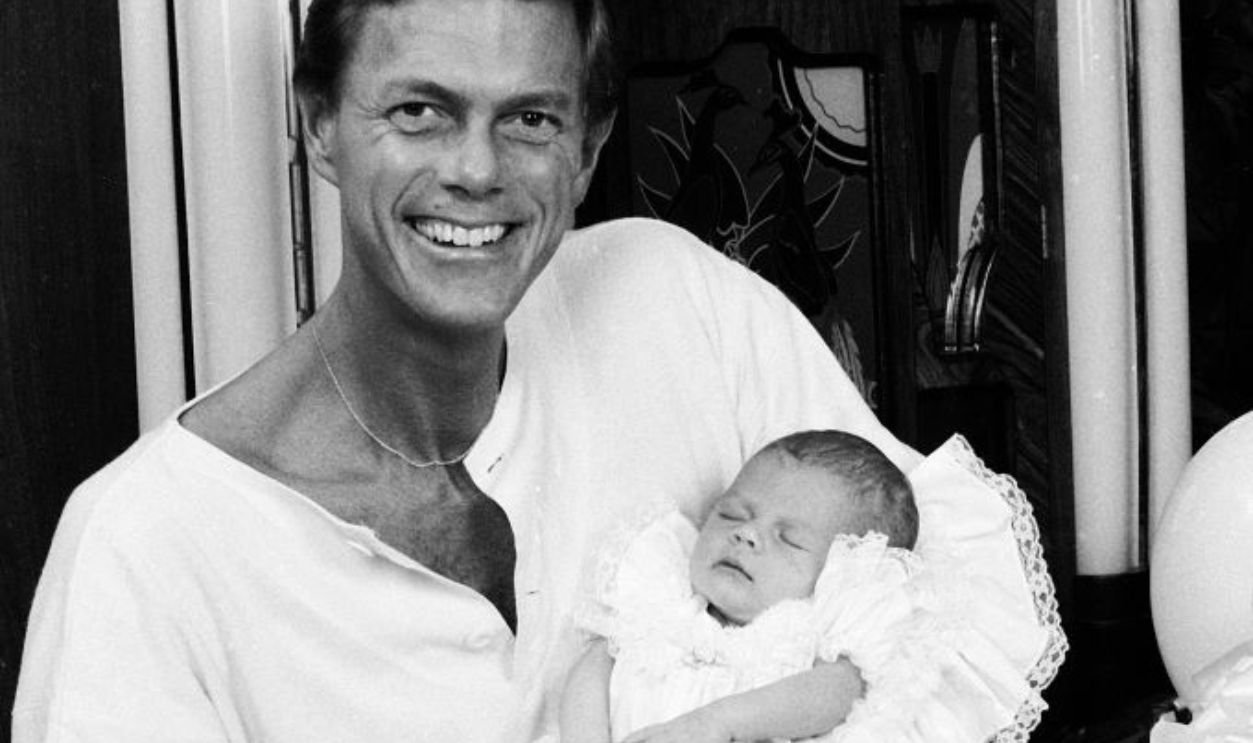
Away from headlines, Richard focused on raising his children and maintaining a long marriage—something rare in entertainment. After the chaos of 70s superstardom, normalcy became its own kind of achievement.
Still the Architect
Even today, when The Carpenters’ songs stream to new listeners, Richard’s arrangements are doing quiet work in the background. The harmonies, the piano lines, the orchestration—it was always a two-person creation.
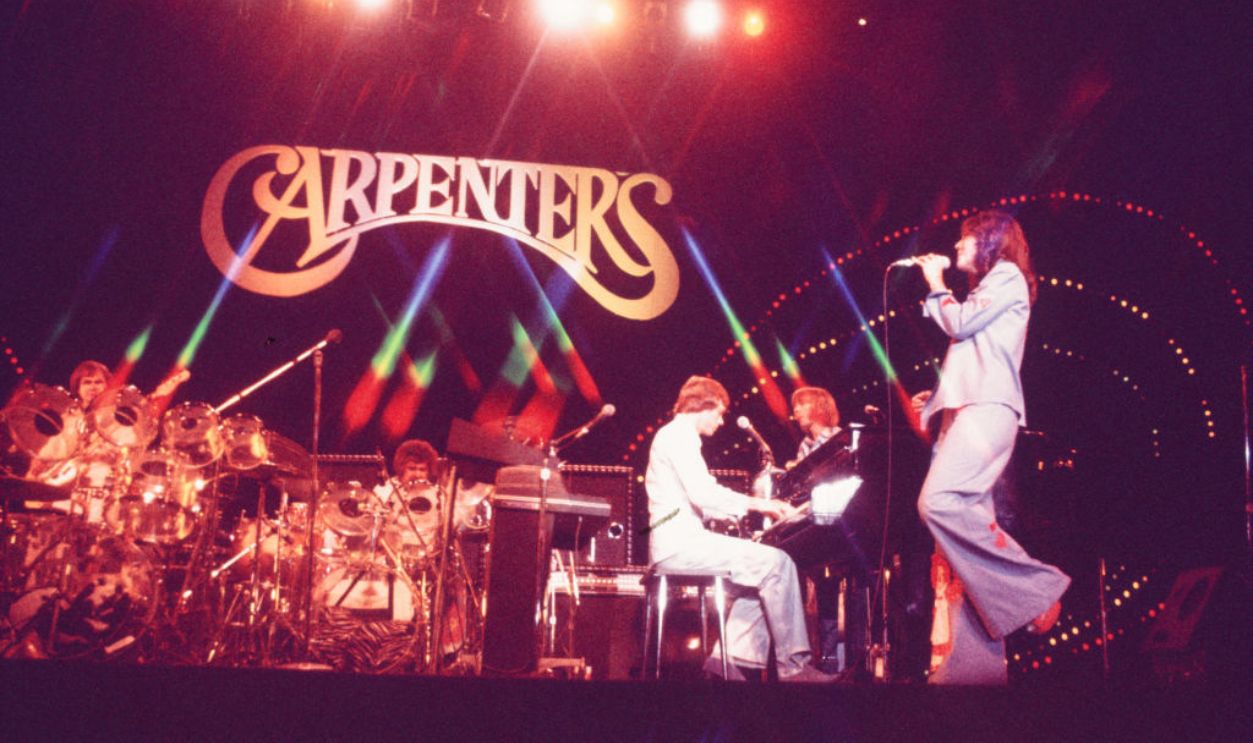 Koh Hasebe/Shinko Music, Getty Images
He Refused to Let It End There
For a moment in 1983, it would have been easy for everything to stop. The music. The momentum. Even the man behind the arrangements. Richard Carpenter had lost his sister, his creative partner, and the life they built together. He stood at the edge of losing everything. But he didn’t fall. Instead, he chose steadiness over collapse—protecting the music, honoring Karen’s voice, and quietly building a life that endured.
You Might Also Like:
Tom Laughlin took on bullies in “Billy Jack," but his off-screen battles were even fiercer.
Films That Get Better The Second Time You Watch