From The Shadow Of A Famous Name
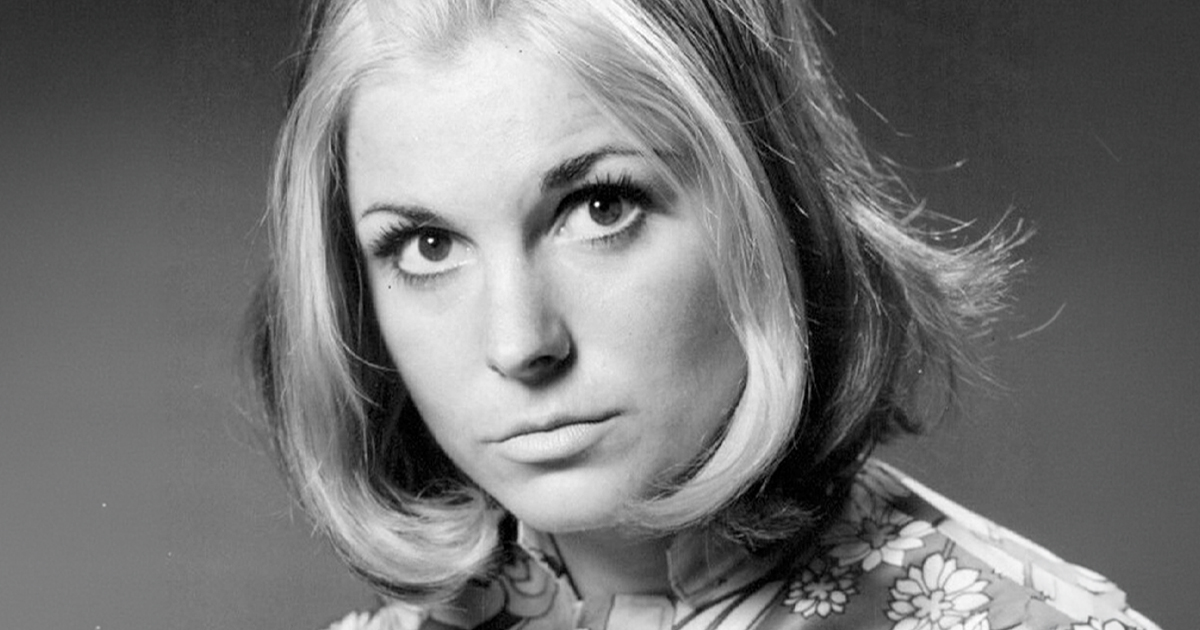
Rosanne Cash’s life and career unfolded under unusual pressure: raised inside American music royalty while quietly resisting being defined by it. From a complicated childhood as daughter to Johnny Cash to an 80s recording career, artistic respect, and personal reinvention, her life and career moved through several chapters. It all started with a young girl learning how to listen closely to everything happening around her.

Childhood: Fame And Instability
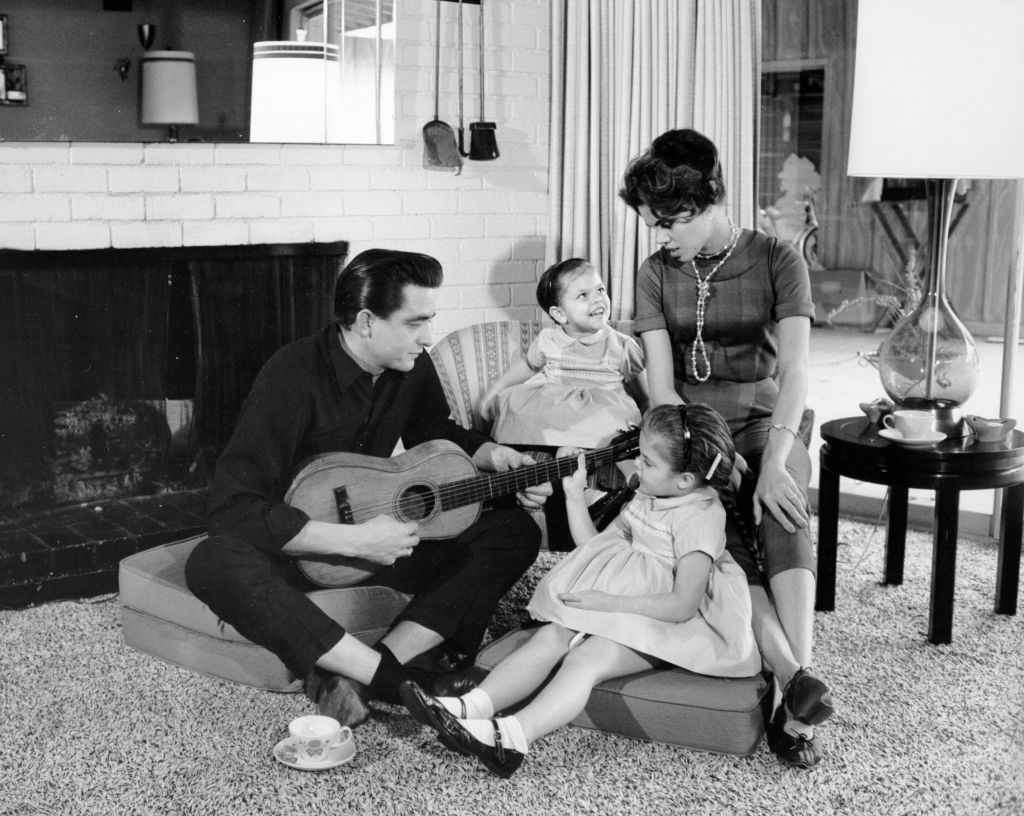
Born in Memphis in 1955 to Johnny and Vivian Cash, Rosanne Cash spent her early years moving between California and Tennessee as her father’s career picked up steam and her parents’ marriage fell apart. Johnny Cash’s frequent absences and struggles left emotional gaps, while fame hovered nearby but rarely felt very comforting. The uneasy childhood shaped her later life and music career.
 Michael Ochs Archives, Getty Images
In Johnny Cash’s Shadow
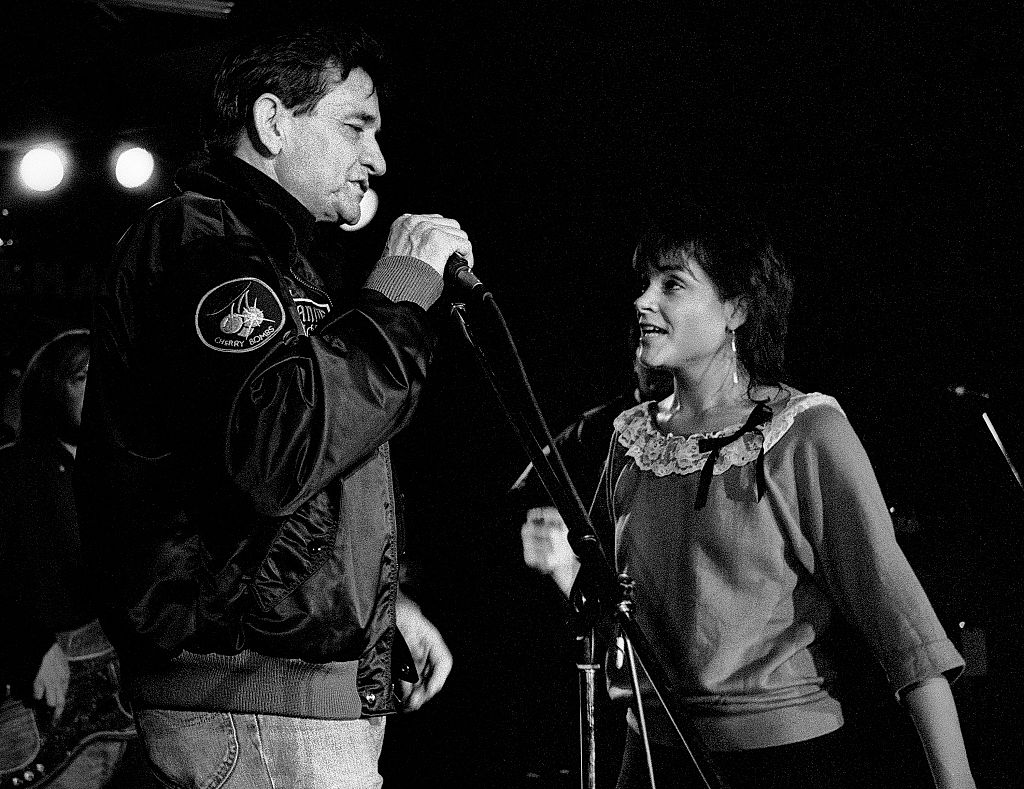
Rosanne’s relationship with Johnny Cash was marked by admiration and friction, especially as she grew older and more self-directed. Johnny Cash was demanding, often critical, but he encouraged her ambitions. She joined her father’s road show after high school, and worked her way up from wardrobe assistant (i.e., doing laundry), to background singer and occasional solo singer.
Musical Curiosity Beyond Country
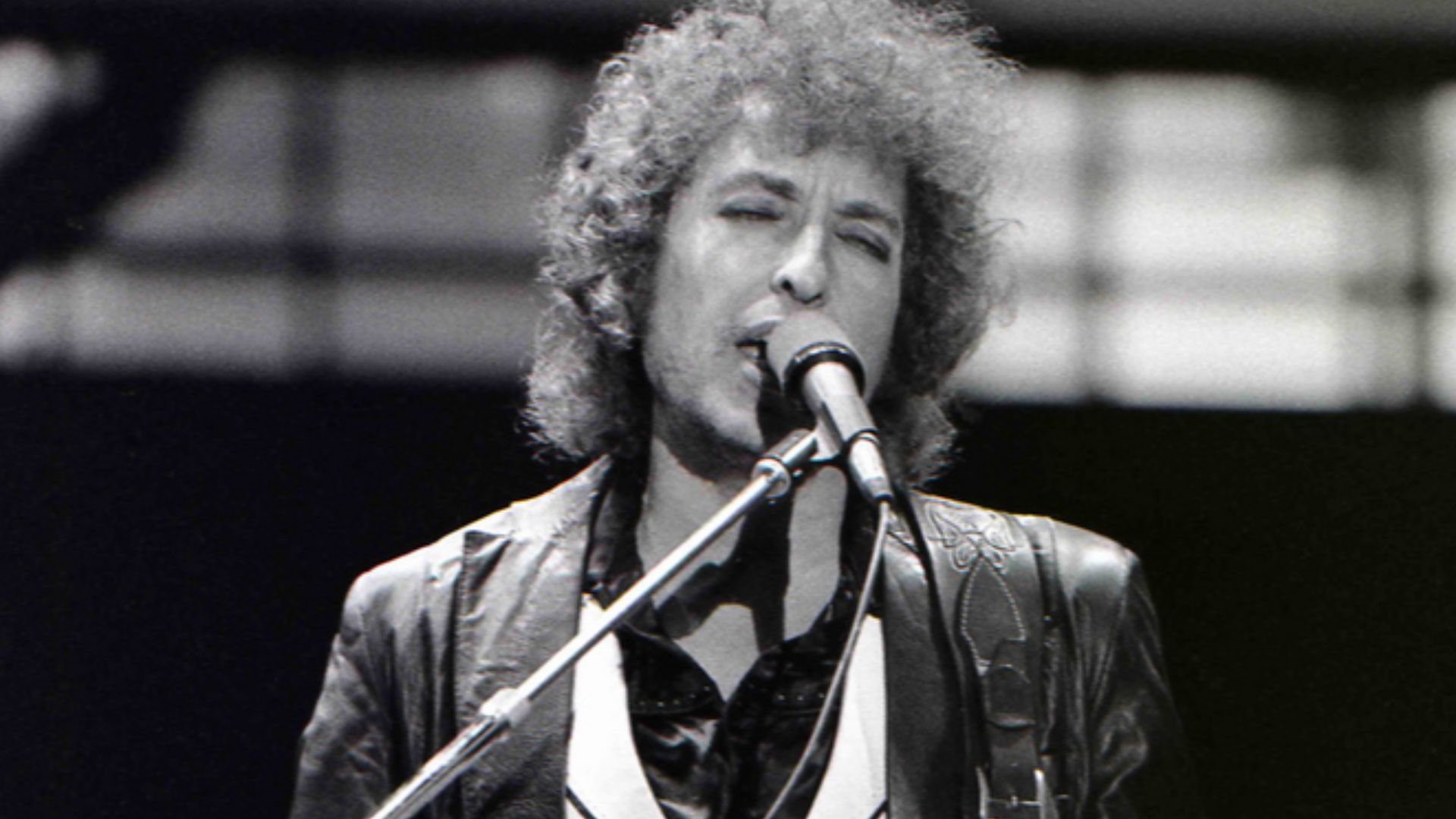
Despite her famous lineage, Rosanne gravitated toward folk, rock, and other music outside the country music scene. She absorbed Bob Dylan, Joni Mitchell, and other singer-songwriters, drawn to narrative complexity and emotional nuance. Those influences quietly guided her instincts, even as she at first resisted the idea of becoming a performer herself.
 Chris Hakkens, Wikimedia Commons
Formal Training And Early Musical Discipline
After high school, Rosanne studied acting and music in London, focusing on learning from the ground up instead of taking a shortcut based on her father’s celebrity. These efforts helped shape her phrasing and lyric interpretation while building confidence away from Nashville. These abilities generated professional opportunities tied more to songwriting than stardom as a lead performer.
First Public Step As A Singer
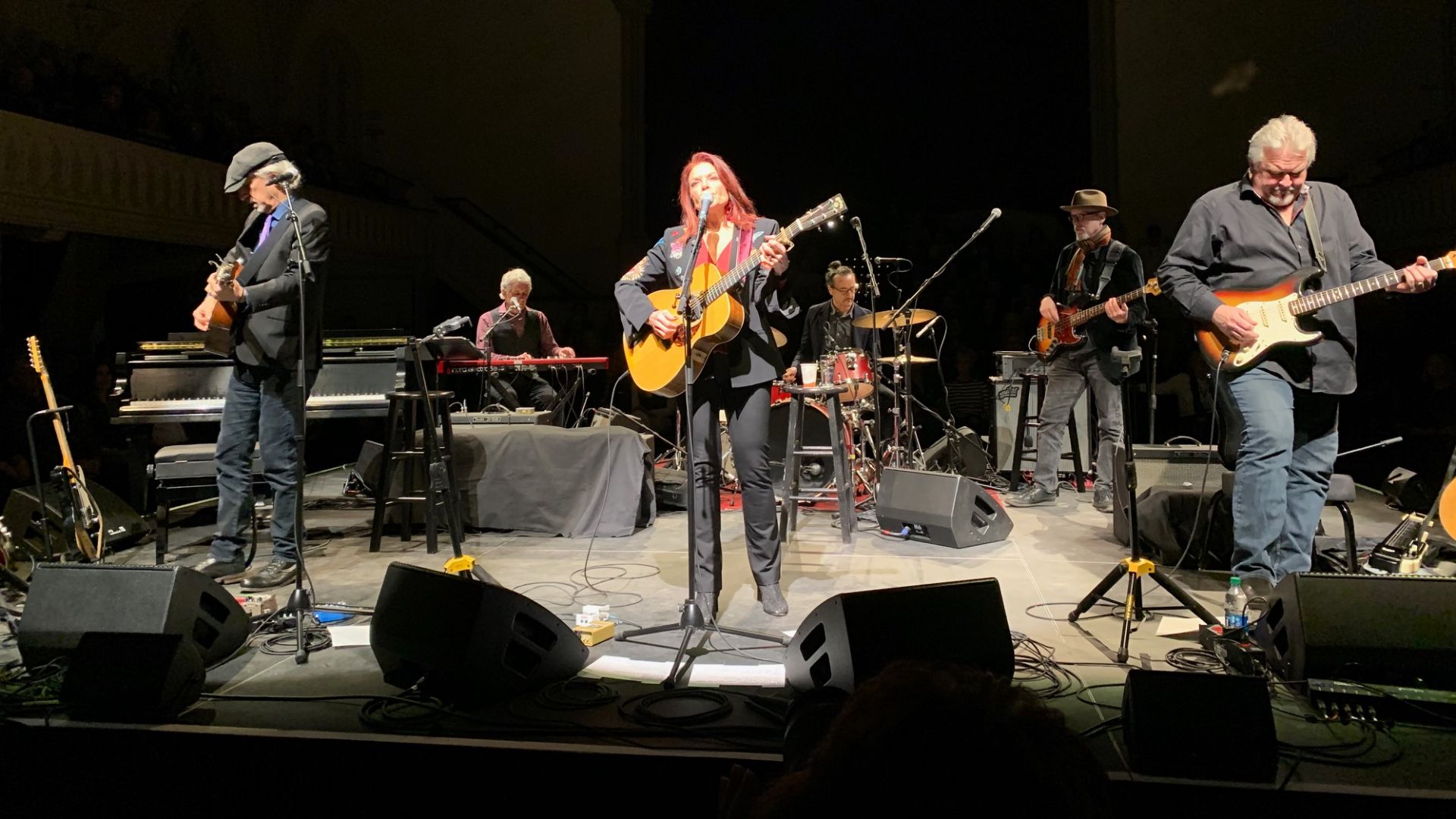
One of Rosanne’s earliest recordings came when she sang lead vocals on Kris Kristofferson’s “Broken Freedom Song,” an act that placed her inside serious songwriting circles. The collaboration showed her interpretive skill without leaning on her last name. That moment opened doors to publishing and recording conversations that soon followed.
 Michael Ochs Archives, Getty Images
First Songwriting Credit
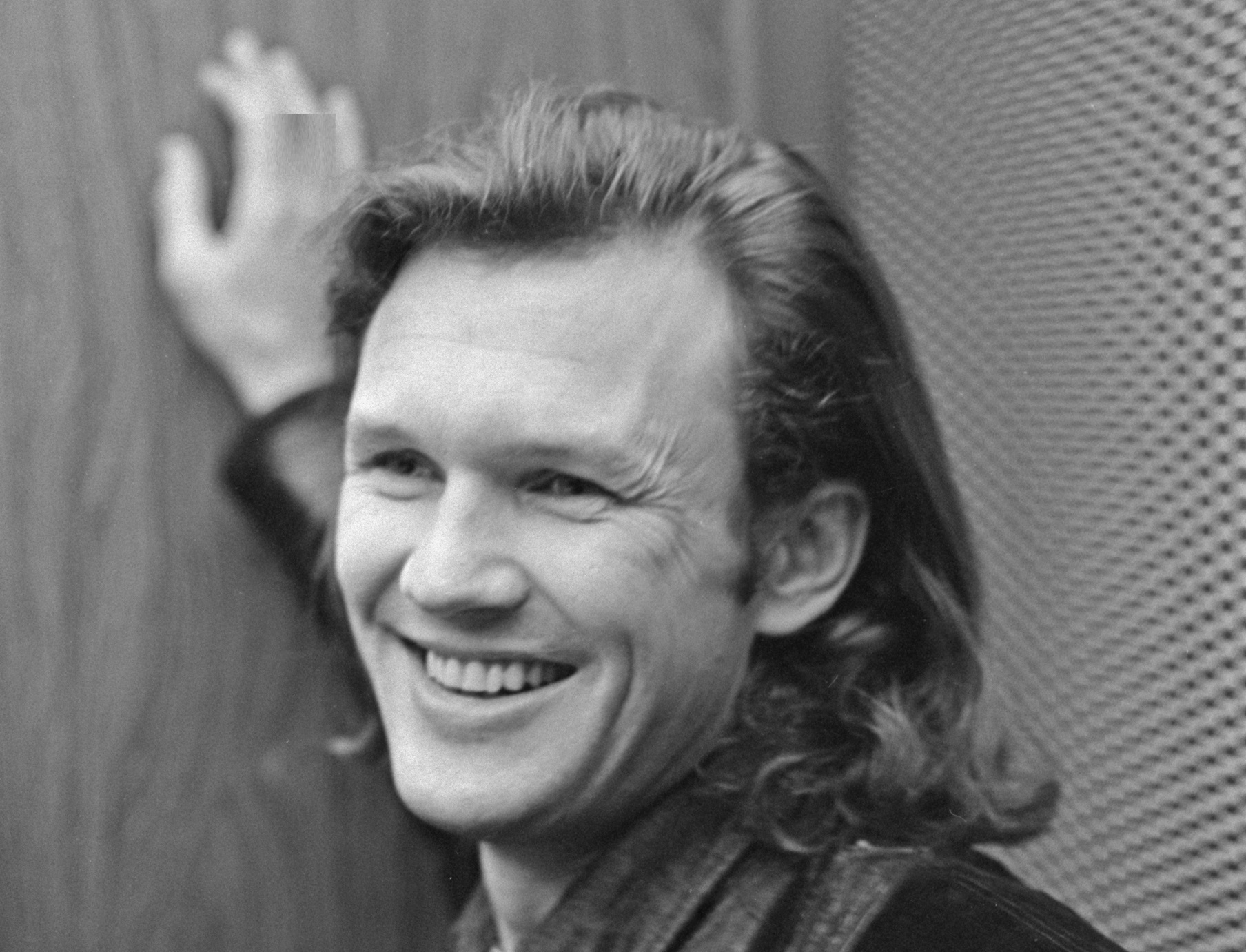
Rosanne earned her first songwriting credit, “Love Has Lost Again,” recorded by Johnny Cash in 1978. The song marked her official entry into the professional songwriting world, even as the famous family dynamic shaped her next steps.
 CBS Television, Wikimedia Commons
Rodney Crowell And Nashville
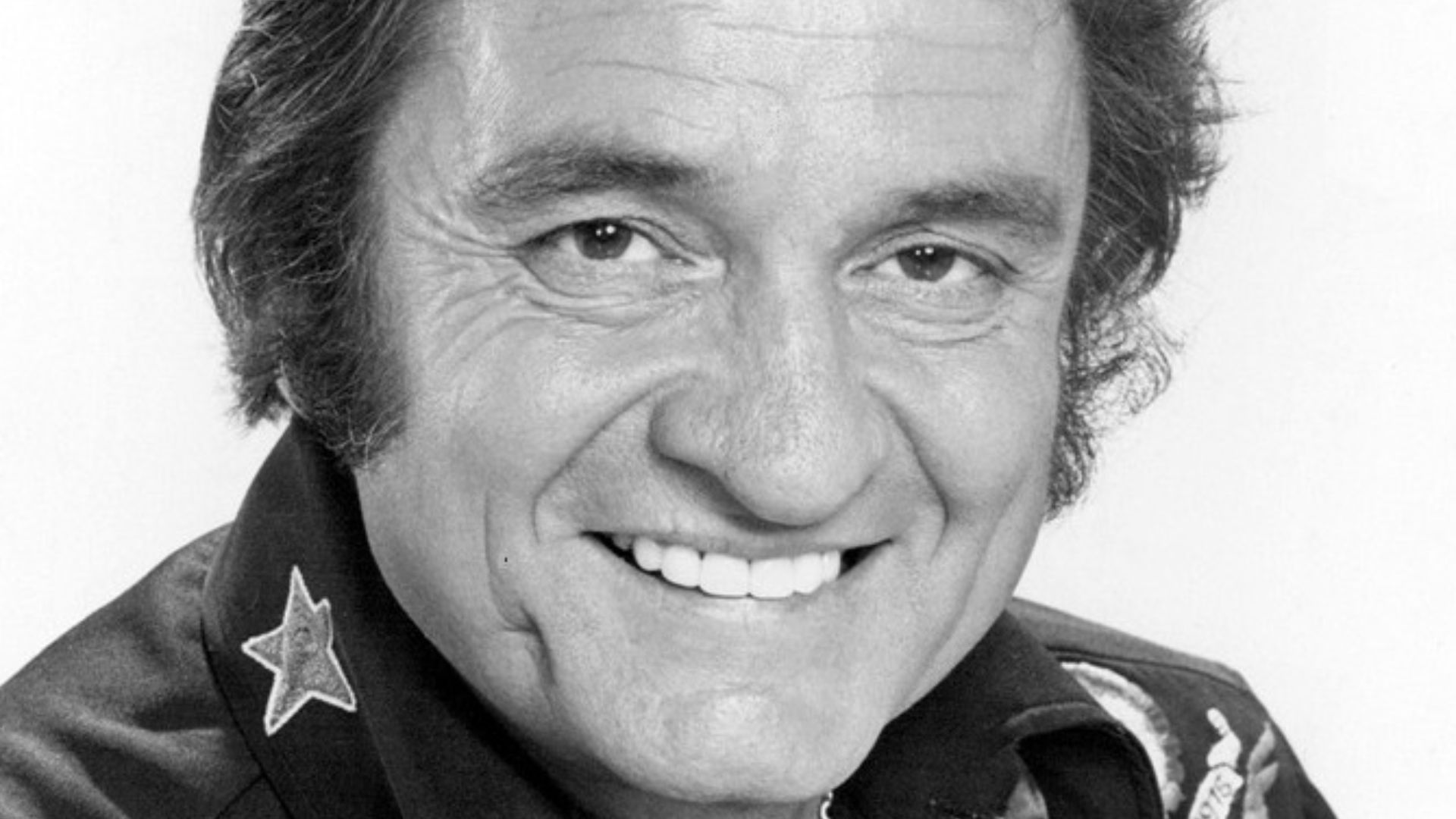
Around this time, Rosanne met songwriter and producer Rodney Crowell, who became both a creative partner and romantic anchor. Their relationship pulled her deeper into Nashville’s ecosystem, where she worked hard recording demos and refining her voice as a singer-songwriter. That partnership would soon help propel her first major career phase.
Early Albums
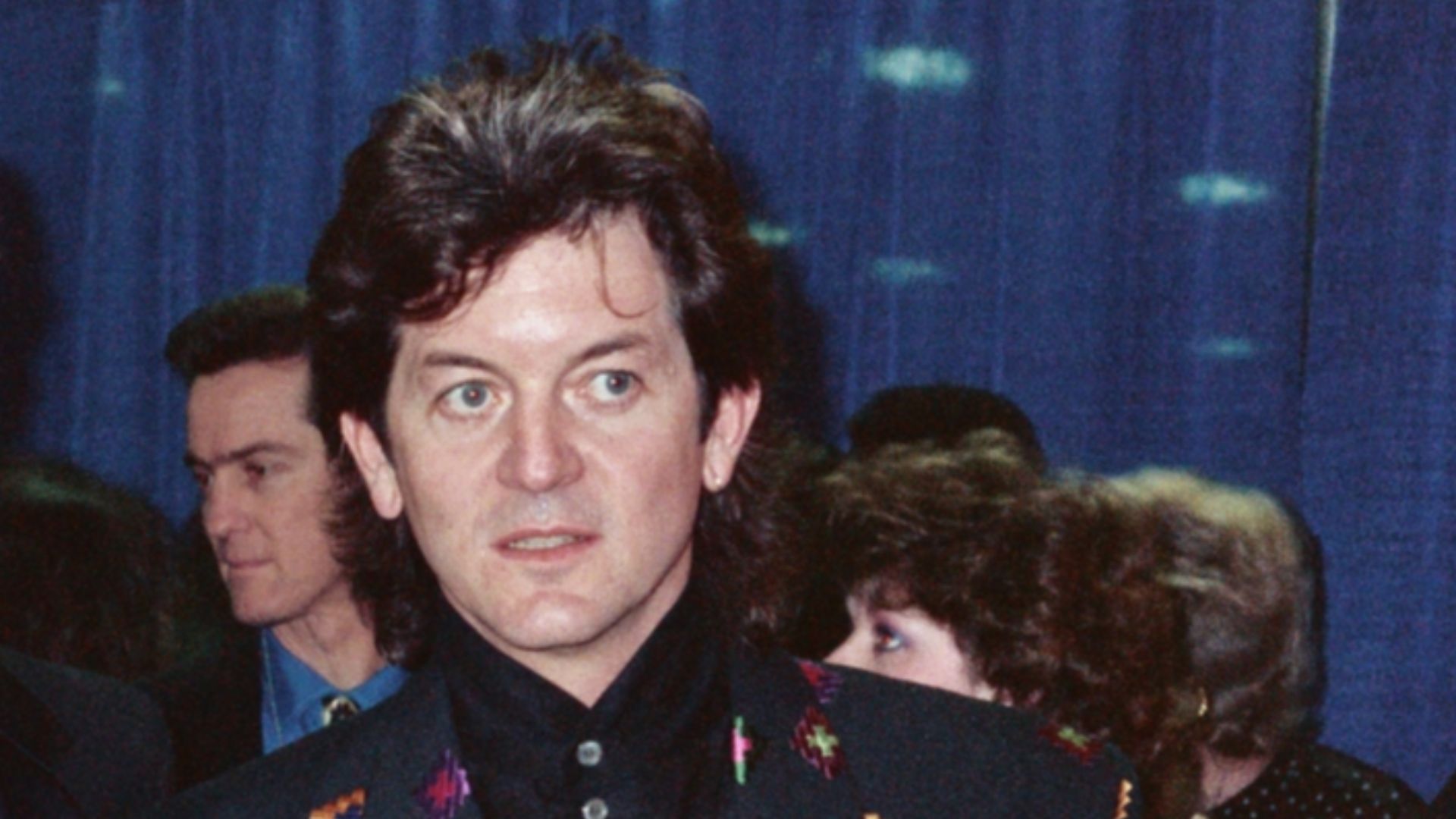
Rosanne married Rodney Crowell in 1979, and he produced her early albums, including Seven Year Ache. The collaboration balanced discipline and ambition, helping her sharpen commercial instincts without abandoning the introspection of her songwriting. As her confidence grew, so did her visibility, setting the stage for chart success that would test her independence.
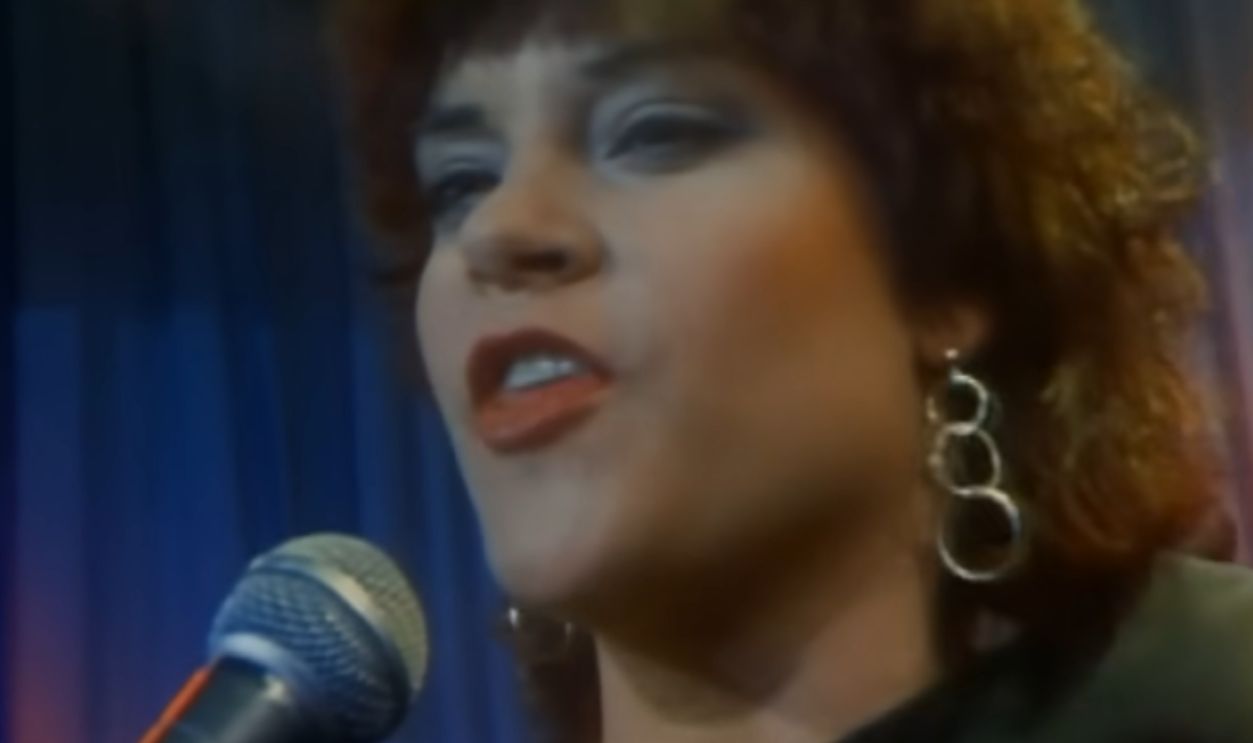 Screenshot from Seven Year Ache, Columbia Records (1981)
First Number One Hit And Sudden Visibility
In 1981, “Seven Year Ache” reached number one on the country charts, making Rosanne Cash a mainstream presence overnight. The success brought attention she hadn’t fully anticipated, along with industry pressure to conform. The tension between popularity and control over song development would now be an unavoidable factor in both her music and personal life.
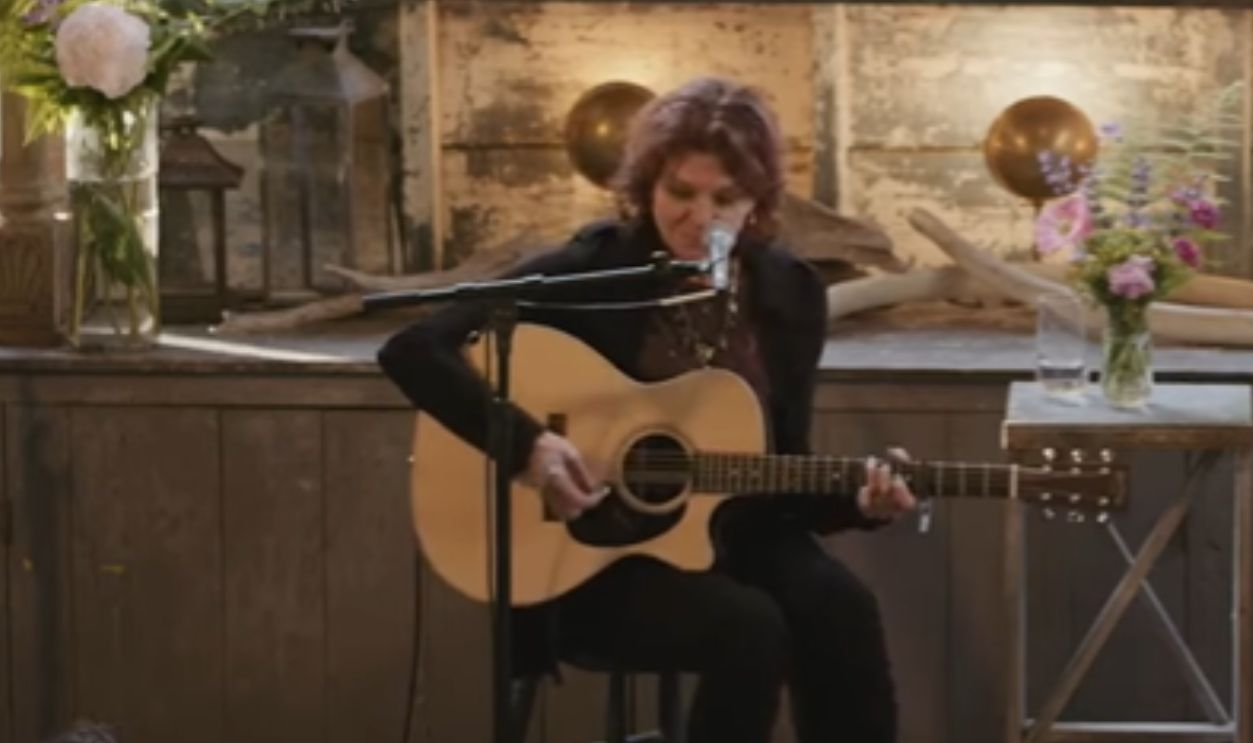 Screenshot from Seven Year Ache, Columbia Records (1981)
Grammy Loss And Public Disappointment
Rosanne received Grammy nominations early in her success but lost in a category she expected to win, a moment she later described as humbling. The disappointment sharpened her resolve rather than derailing it. Instead of retreating, she doubled down creatively, determined to write something unmistakably her own the following year.
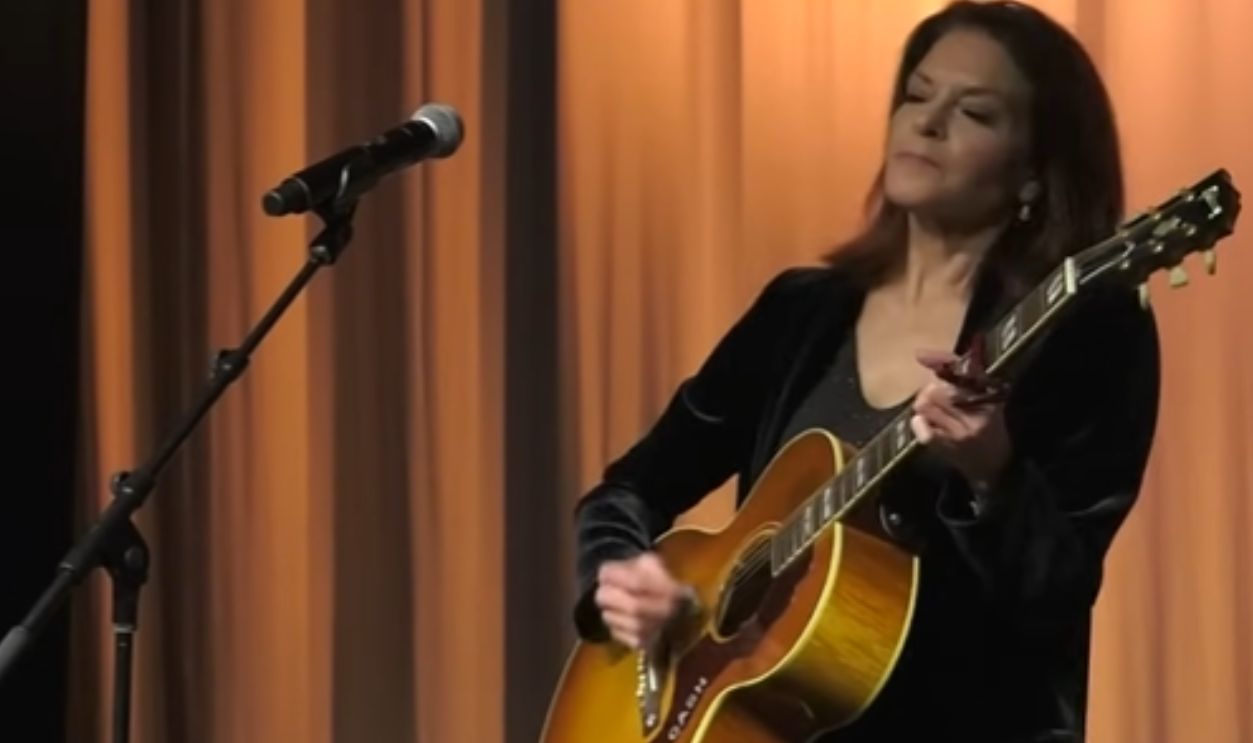 Screenshot from Seven Year Ache, Columbia Records (1981)
Winning The Grammy
Her breakthrough came in 1985 when “I Don’t Know Why You Don’t Want Me” won a Grammy, validating her artistic direction. Ironically, the song was written as a direct response to losing out on the Grammy Award the previous year. In any case, the song’s emotional clarity and restraint stood apart from the then-dominant country radio trends. That win marked a turning point, leading her toward more ambitious projects and creative autonomy.
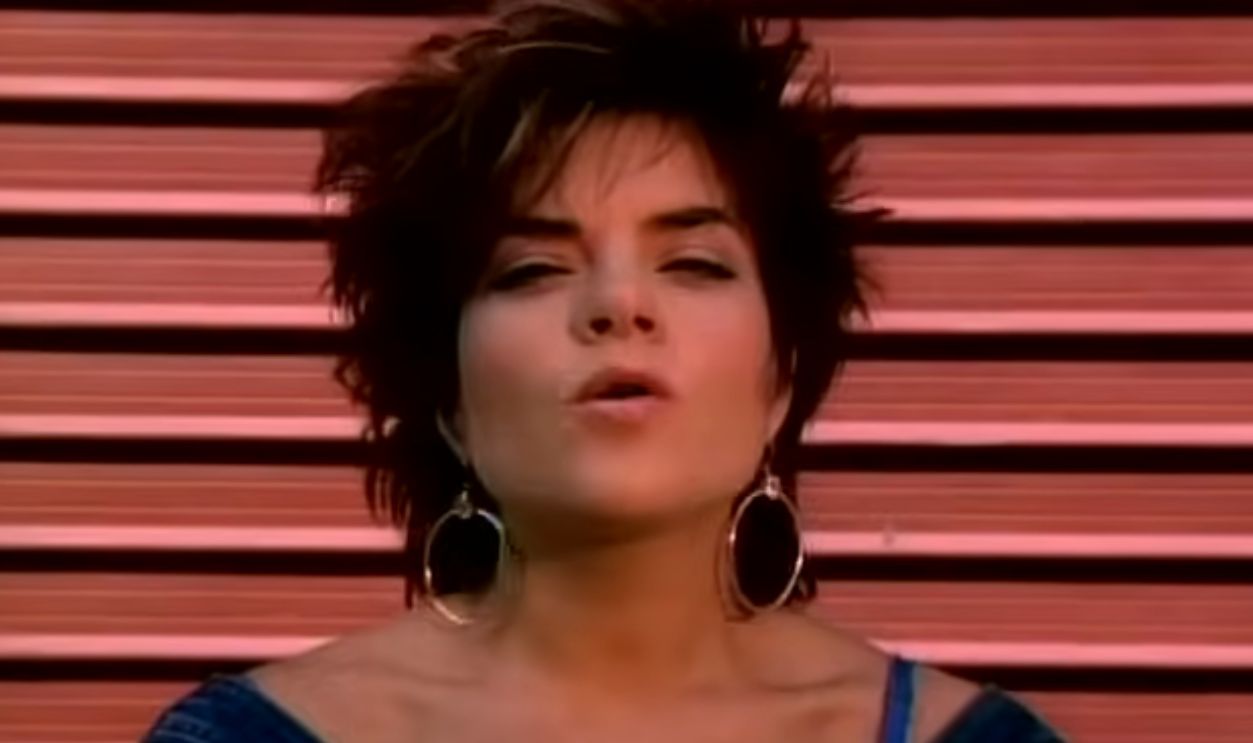 Screenshot from I Don’t Know Why You Don’t Want Me, Columbia Records (1981)
King’s Record Shop And Expanding Themes
With King’s Record Shop in 1987, Rosanne leaned into literary storytelling, pop sophistication, and adult emotional themes. The album produced multiple hits and critical praise, solidifying her as more than a singles artist. Its success gave her leverage to pursue deeper work, culminating in a major stylistic shift.
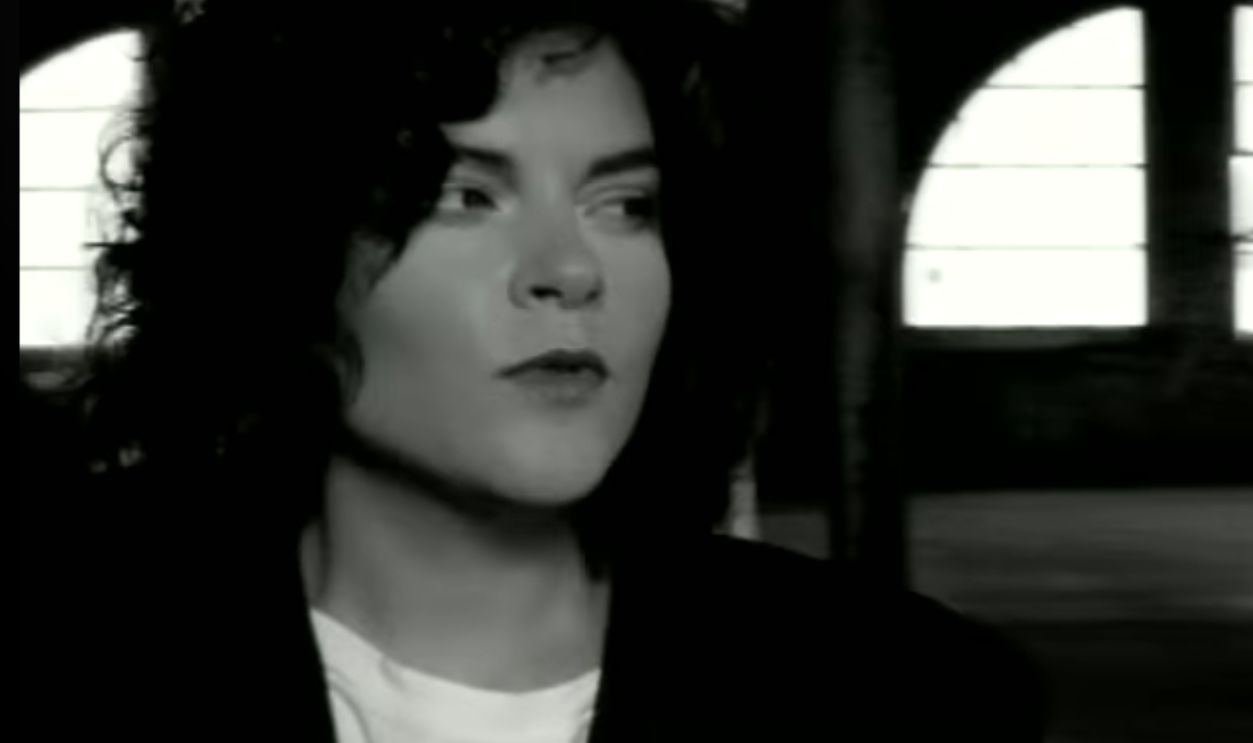 Screenshot from King’s Record Shop, Columbia Records (1987)
Interiors And Turning Inward
Released in 1990, Interiors explored divorce, anxiety, and emotional isolation with unusual frankness for country radio. The album divided audiences but marked a personal artistic high point. Rather than chase commercial formulas, Rosanne embraced vulnerability, a choice that soon intersected with upheaval in her personal life.
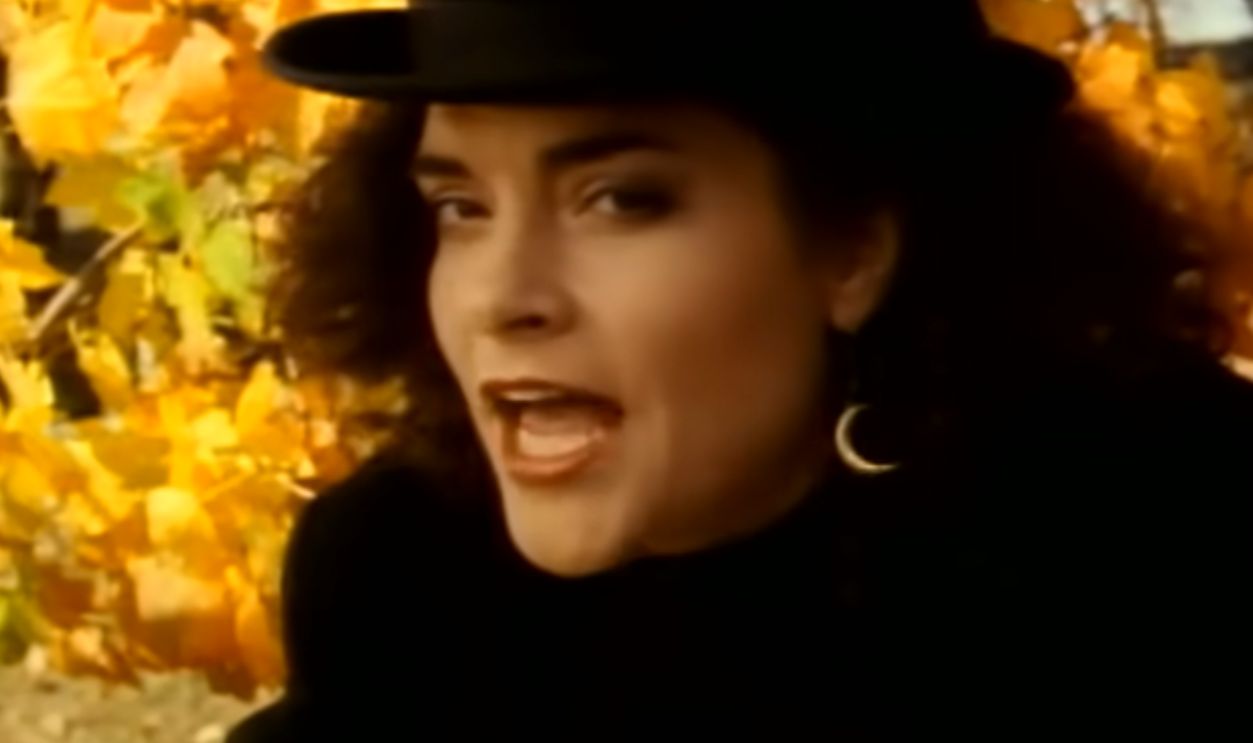 Screenshot from King’s Record Shop, Columbia Records (1987)
Divorce From Rodney Crowell And Career Reset
Rosanne’s marriage to Rodney Crowell ended in divorce in the early 1990s, closing a formative life chapter both personally and professionally. The separation forced her to look at everything she was doing, and reassess collaboration, identity, and control. As the confines of Nashville got stricter, she began looking elsewhere for creative renewal and emotional distance.
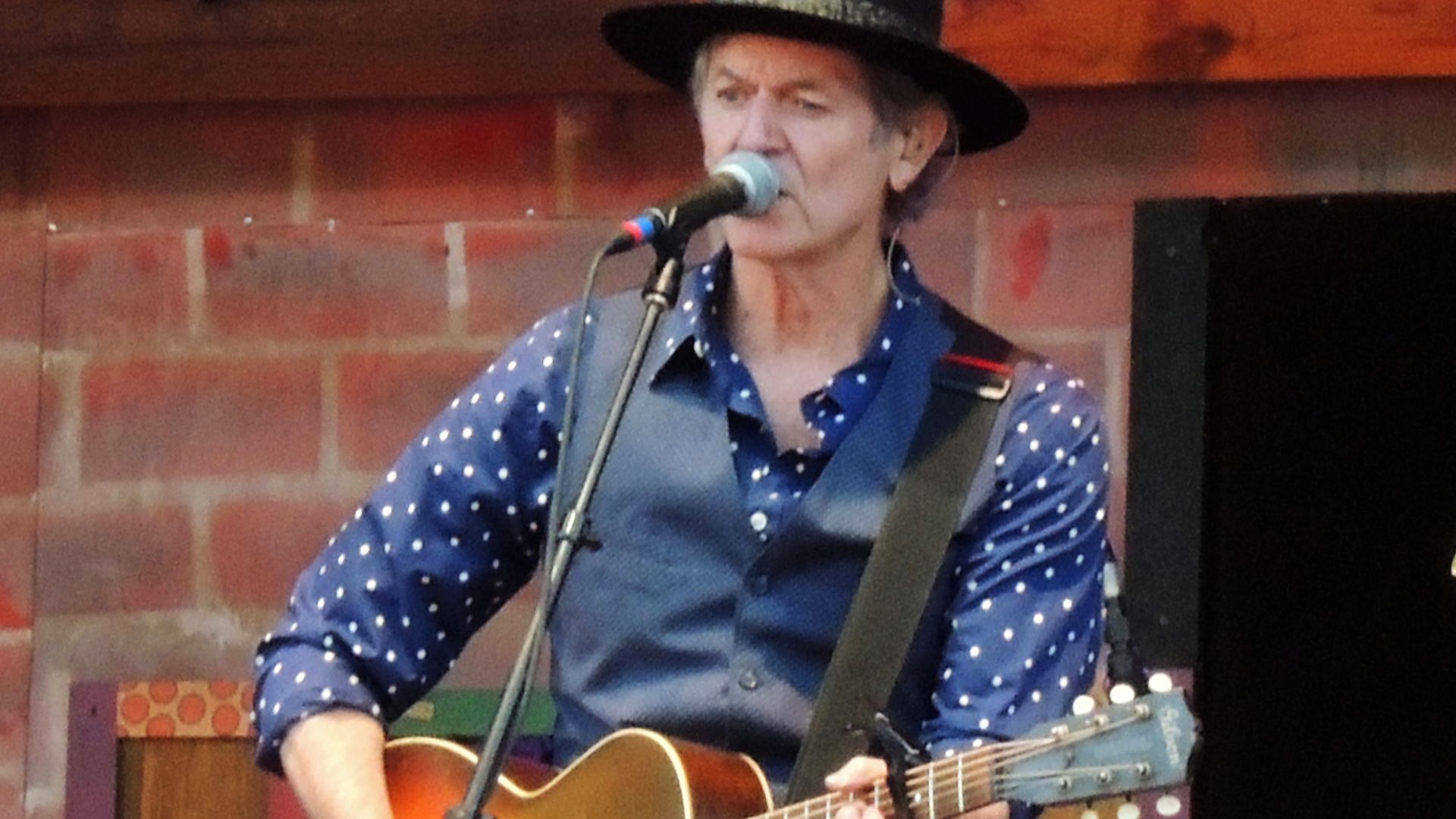 Doug Anderson, Wikimedia Commons
Carnegie Hall Performance With Johnny Cash
One great moment in this period was when Rosanne performed “I Still Miss Someone” with Johnny Cash at Carnegie Hall. The duet softened years of tension and offered mutual respect without words. It was a moment she later described as pivotal in her relationship with her famous dad, and laid the groundwork for more collaborations in subsequent years.
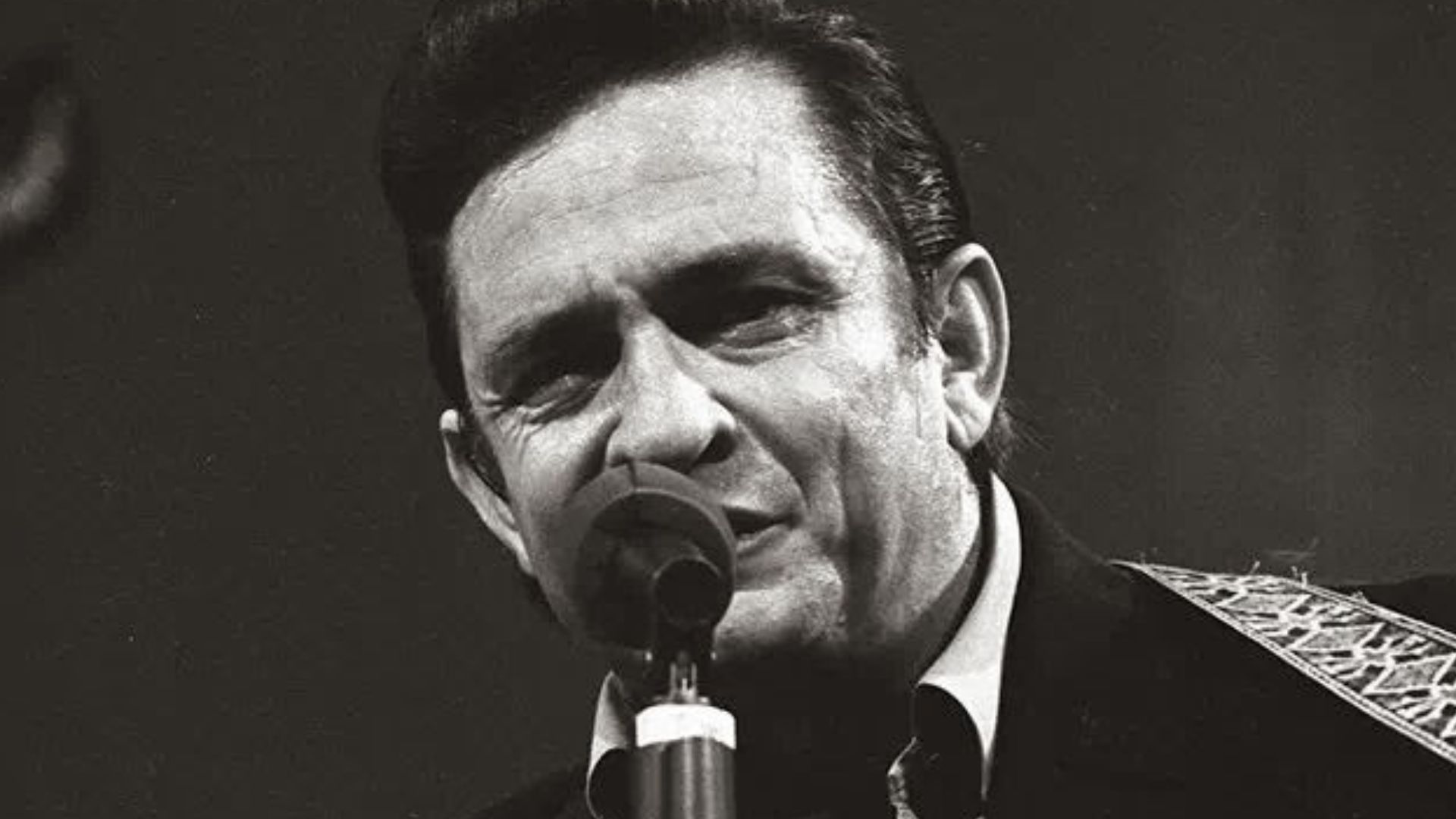 User:Johnnycash1950-2003, Wikimedia Commons
The Wheel And A Shift In Sound
With The Wheel (1993), Rosanne experimented with roots rock and Americana textures, signaling a break from strict country conventions. The album reflected a life in motion as she prepared to relocate and rebuild. That sense of movement mirrored her own big real-life move.
 Bryan Ledgard from Yorkshire, UK, Wikimedia Commons
Moving To New York And Reinvention
Relocating to New York in the mid-1990s distanced Rosanne from Nashville’s expectations and reconnected her with literary culture. The city encouraged broader influences, from poetry to political writing. It also introduced her to new collaborators, including a producer who would become central to her next chapter.
 Ron Baker (Kingsnake), Wikimedia Commons
Marriage And Creative Partnership
Rosanne married producer and guitarist John Leventhal, forming a partnership grounded in trust and shared aesthetics. Leventhal’s understated production complemented her evolving voice, allowing space for nuance and narrative. Together, they recorded albums based on a new sound and creative direction.

Emergence As A Published Writer
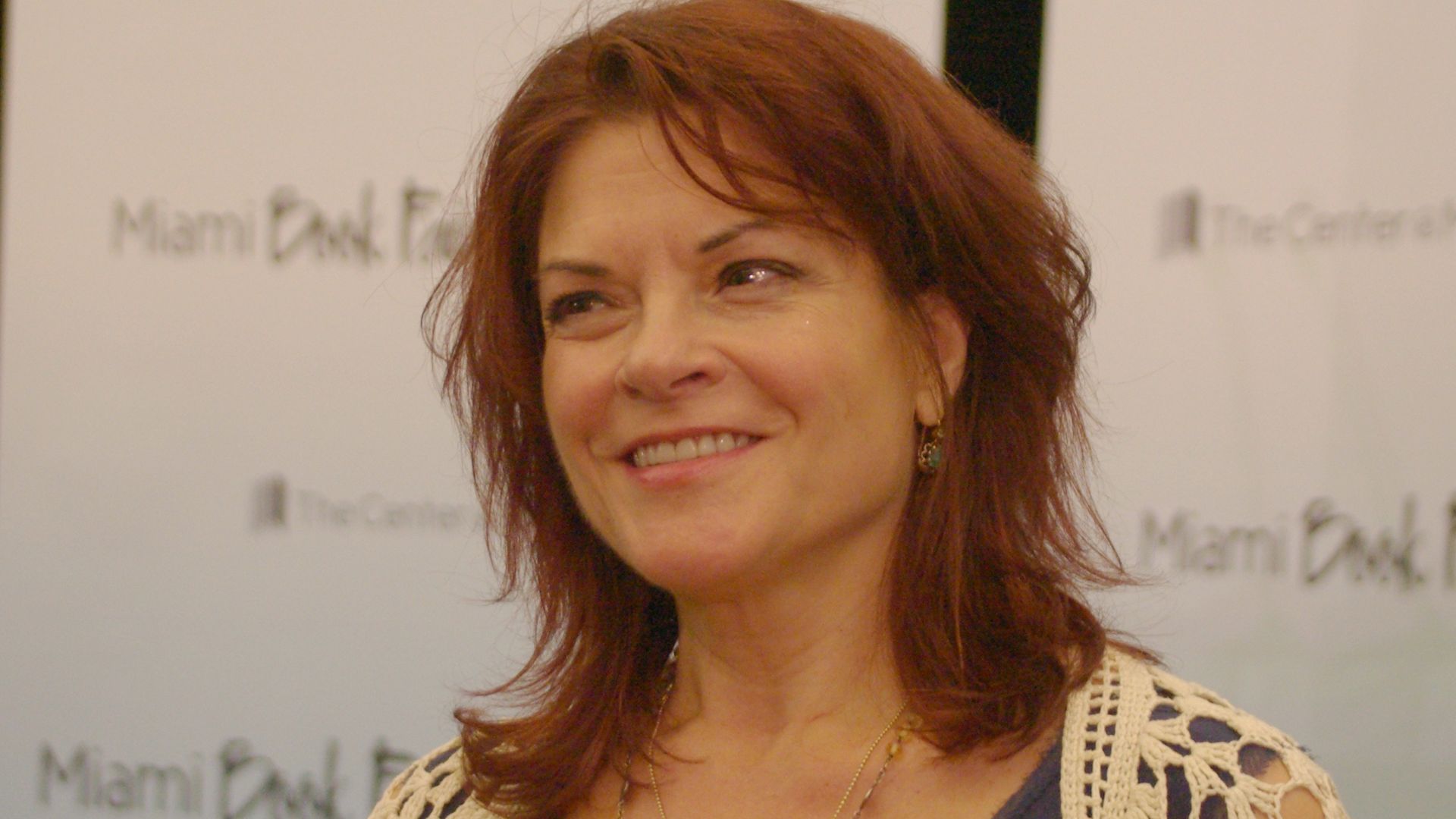
In the late 1990s and early 2000s, Rosanne began publishing essays and fiction, earning respect in literary circles her 1997 short story collection Bodies of Water was well reviewed. Her prose mirrored her songwriting: measured, precise, and emotionally layered. Writing became both an outlet and a discipline, reinforcing her identity as a storyteller beyond the recording studio.
 Rodrigo Fernández, Wikimedia Commons
Memoirs, Essays, And Literary Recognition
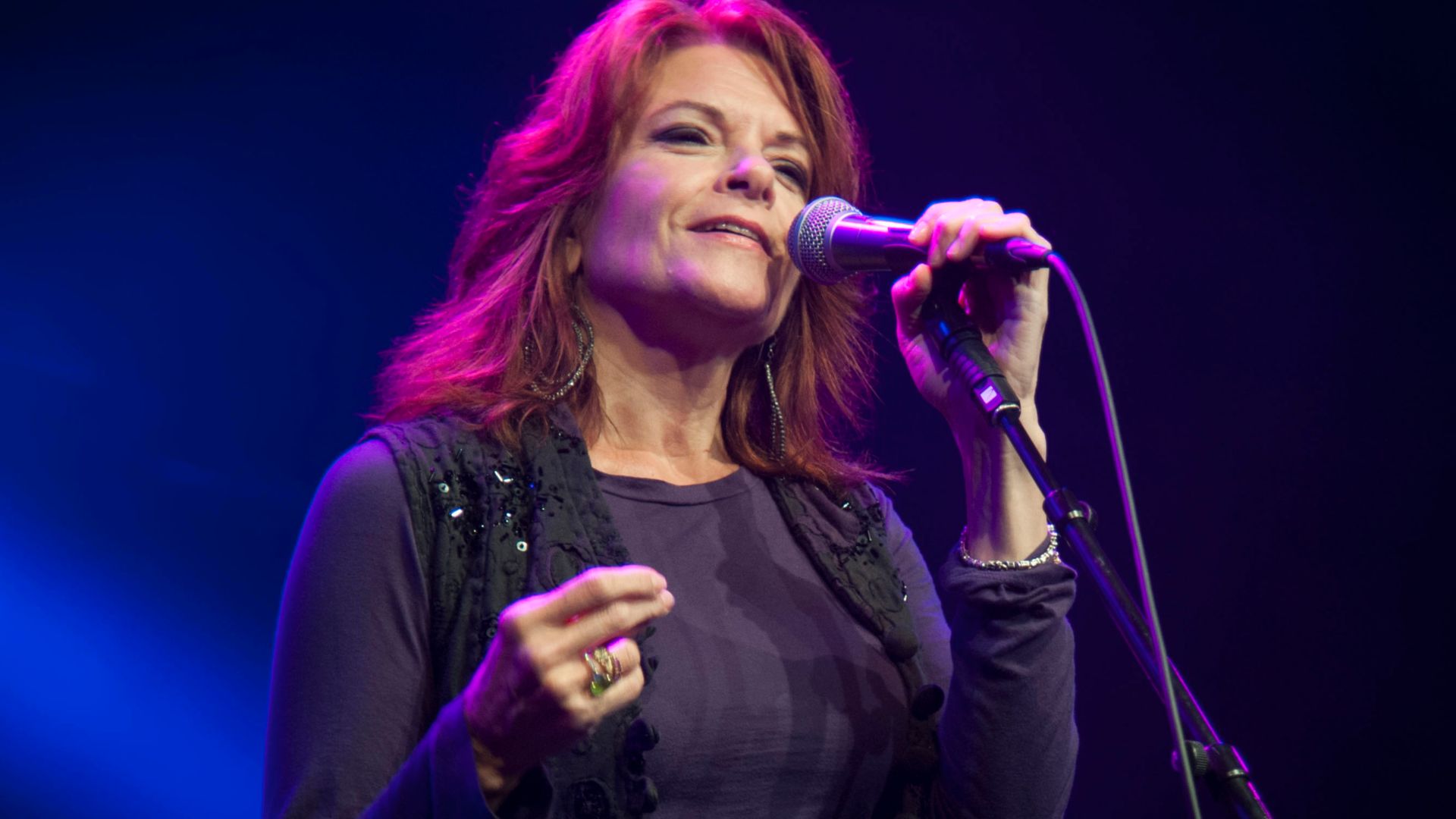
Rosanne’s books, including the 2010 memoir Composed; essay collections; and a children's book explored family, memory, and American identity without sentimentality. Critics praised her clarity and restraint, noting how writing offered her control absent in childhood. The growing confidence in her voice fed back into her music, enriching the emotional architecture of later albums.
 Bryan Ledgard, Wikimedia Commons
2003 Duet “September When It Comes”
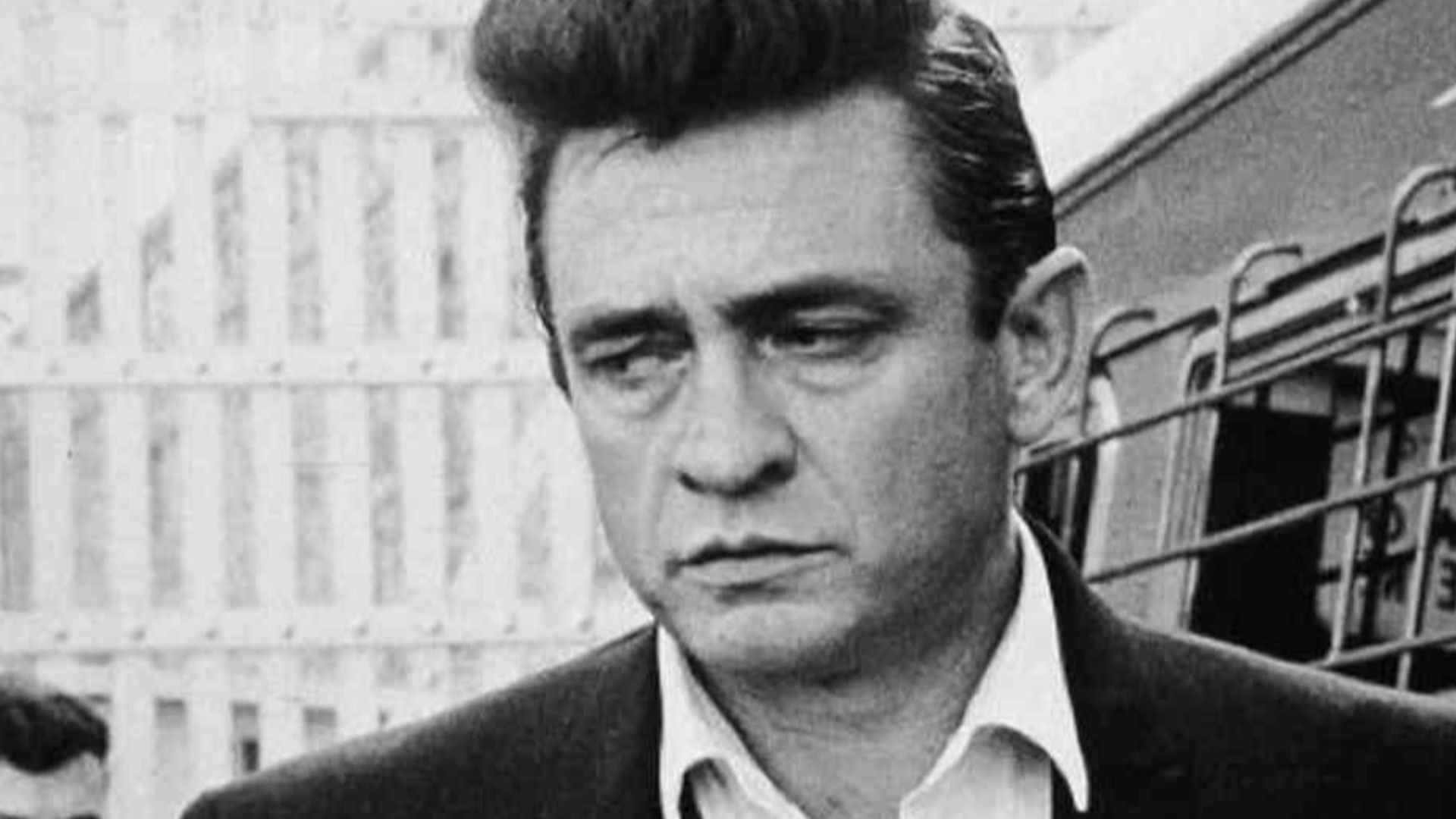
In 2003, Rosanne recorded “September When It Comes” with Johnny Cash, a meditation on aging and farewell. The duet was one of Johnny’s last recordings before his death later that month. Its quiet intimacy captured years of reconciliation, closing their musical dialogue with deliberate tenderness.
 Dillan Stradlin, Wikimedia Commons
Ancestral Links
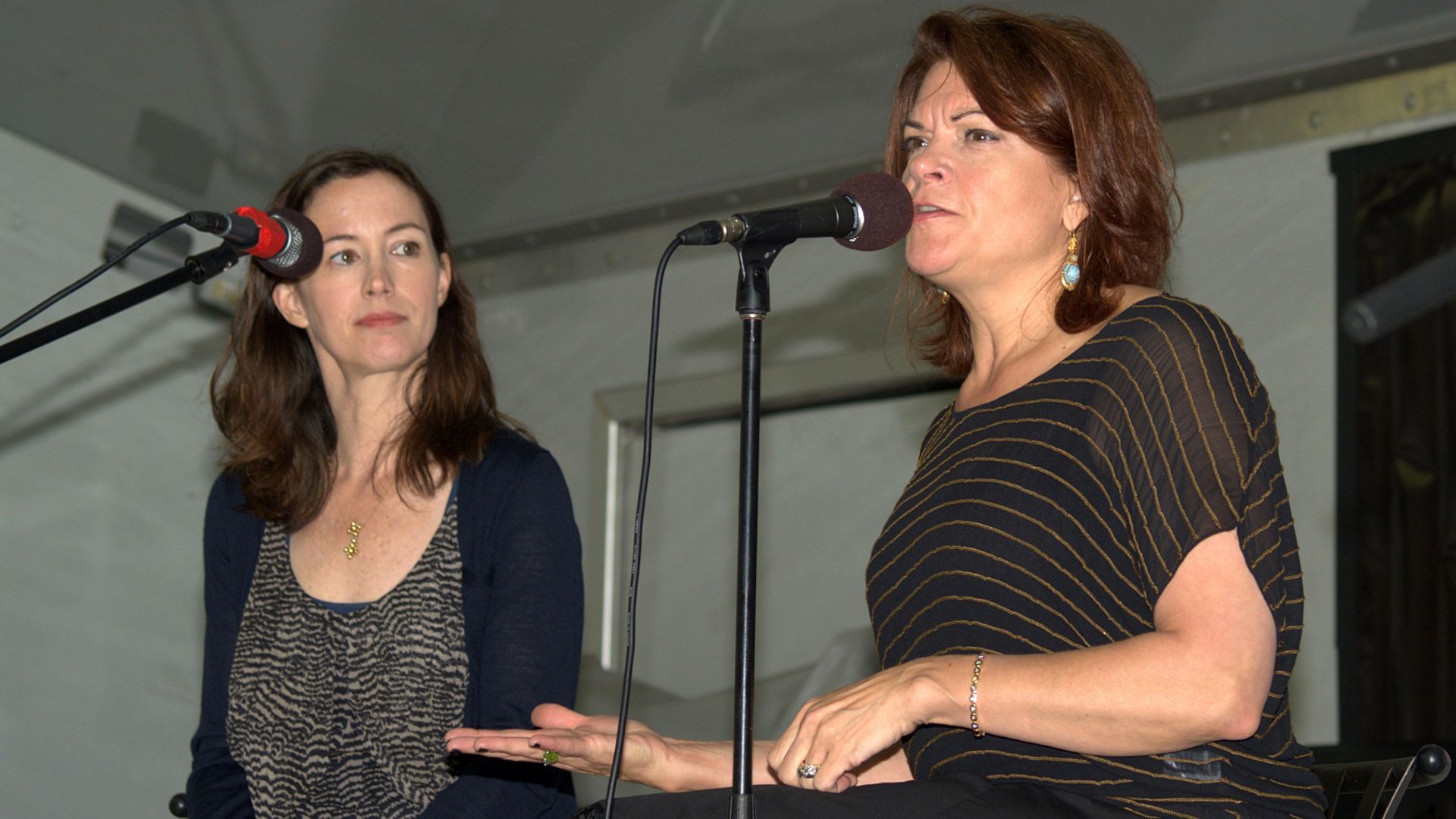
Through genealogical research, Rosanne discovered distant ancestral connections to African-American slaves, a revelation she has spoken about thoughtfully. Rather than sensationalize it, she treated the discovery as part of a broader American story, deepening her interest in history, accountability, and inherited narratives.
 David Shankbone, Wikimedia Commons
Surgery And Recovery
In 2007, Rosanne underwent brain surgery to treat an aneurysm, putting all thoughts of her career on hiatus. The physical and emotional recovery was slow and difficult. The experience sharpened her awareness of mortality and how much time we all have left on this earth. These were themes that quietly informed the work she would release in the years that followed.
 Bryan Ledgard, Wikimedia Commons
Late-Career Triumph
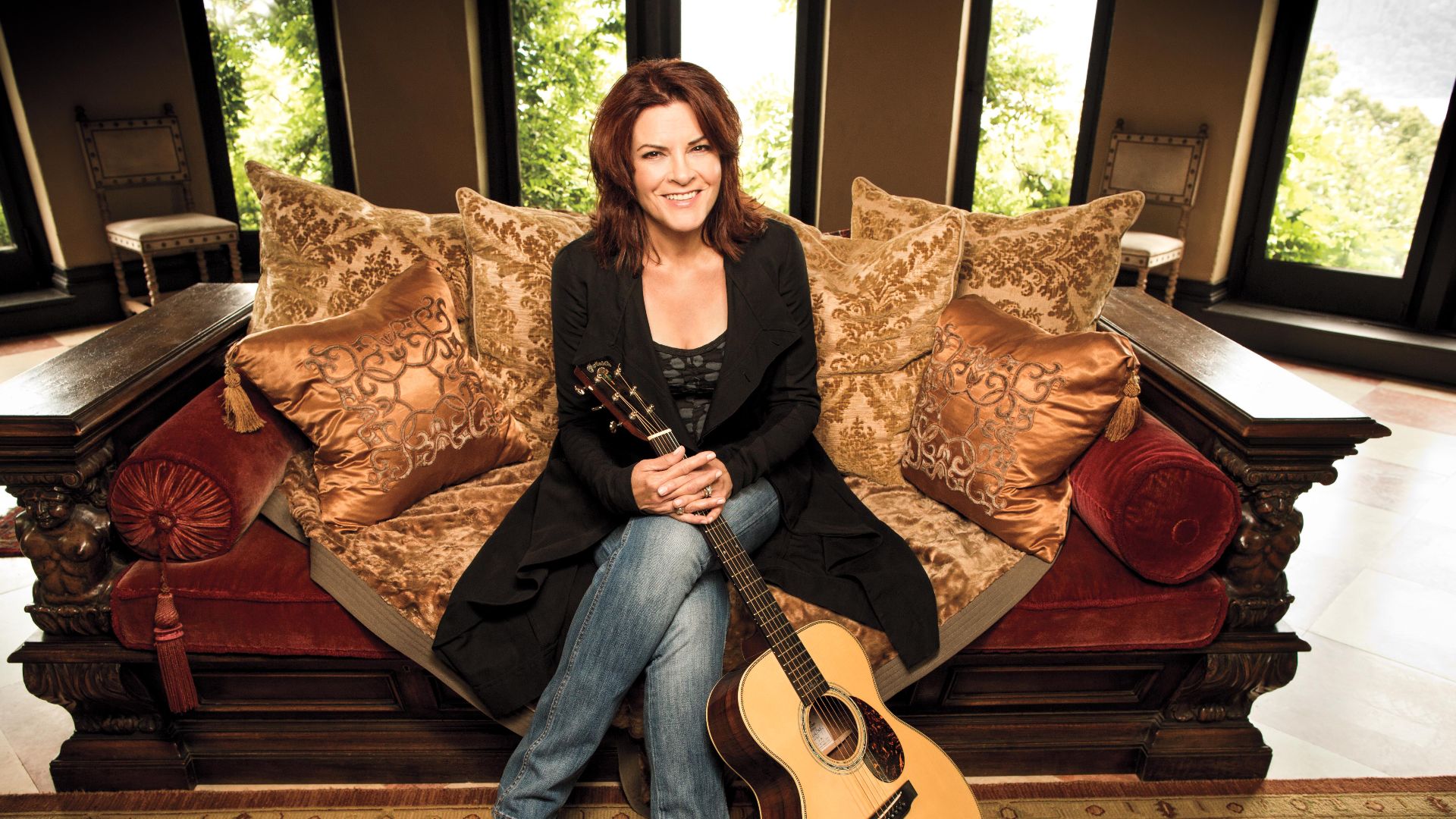
Released in 2014, The River and the Thread traced Southern history, family memory, and migration with disciplined storytelling. The album won multiple Grammy Awards, marking a career resurgence. The songs avoided reveling in nostalgia, and instead showed a mature approach to the stories of life’s journey. Fans and critics responded with enthusiasm. The album’s success reaffirmed her patient and diligent approach to the craft of songwriting.
Growth Through Change
Rosanne Cash’s career didn't unfold in a straight line. From early uncertainty to later-career clarity, each chapter followed the last with new discoveries and creative endeavors. Whether singing, writing songs, or writing books, Rosanne is a storyteller who makes us all want to stick around to see how it ends.
 Andy Witchger, Wikimedia Commons
You May Also Like:
The Life And Career Of The King Of Country, George Strait
June Carter Struggled In Secret