They Stayed True No Matter What
The phrase “sell out” gets thrown around a lot in music, probably because for many artists, it's hard to stay true to their identity, their art, and their fans when the industry pressures them to change for bigger paychecks or radio play. Some bands bend. Others break. And then there are those who never once veered from their principles, refusing to chase trends or dilute their sound, even when success beckoned. From punk icons to experimental rock visionaries, these bands proved that authenticity is more powerful than commercial convenience.
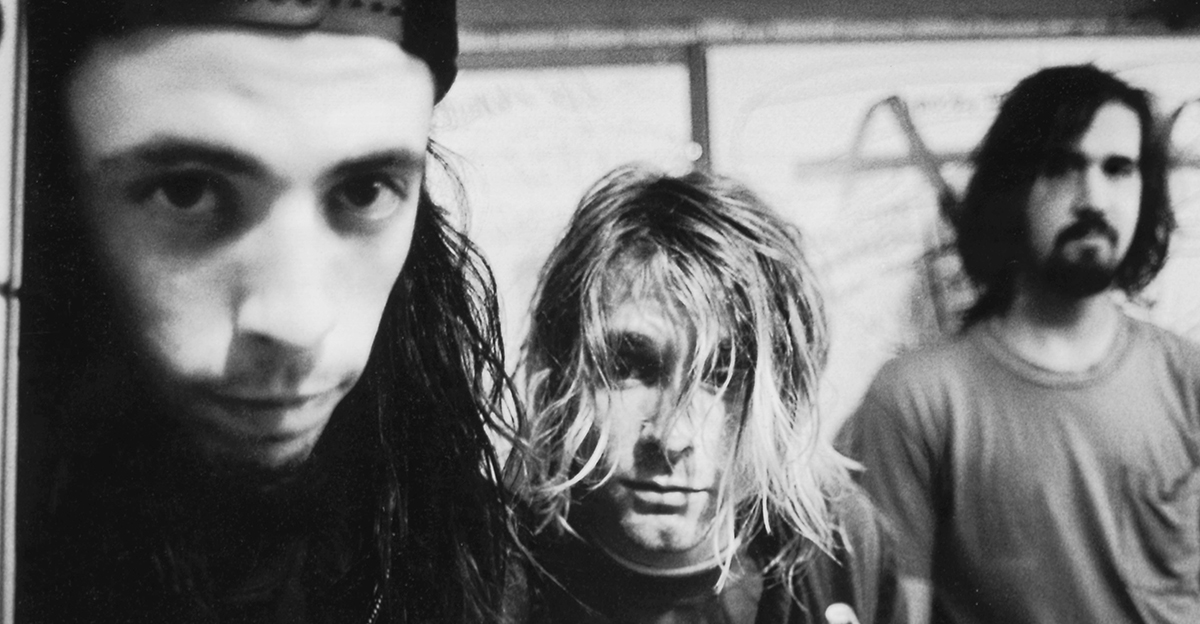
Nirvana
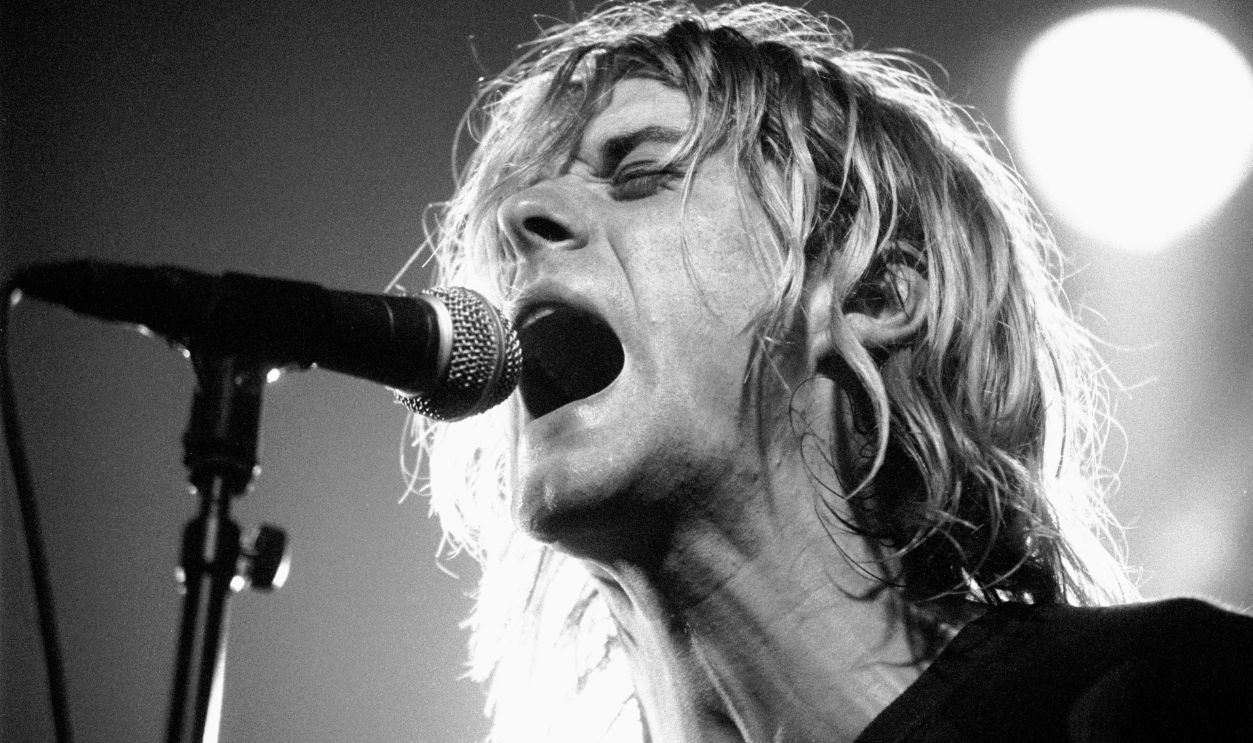
Nirvana exploded from the Seattle grunge scene into global fame with Nevermind, but rather than cashing in with a pop-friendly direction, Kurt Cobain steered them toward something rawer and more abrasive with In Utero. That record featured challenging themes and abrasive production that pushed against the polished sounds dominating the charts. Cobain fought fiercely to keep the band’s music rooted in emotional truth rather than mainstream appeal, even at the height of their fame.
 Frans Schellekens, Getty Images
Rage Against The Machine
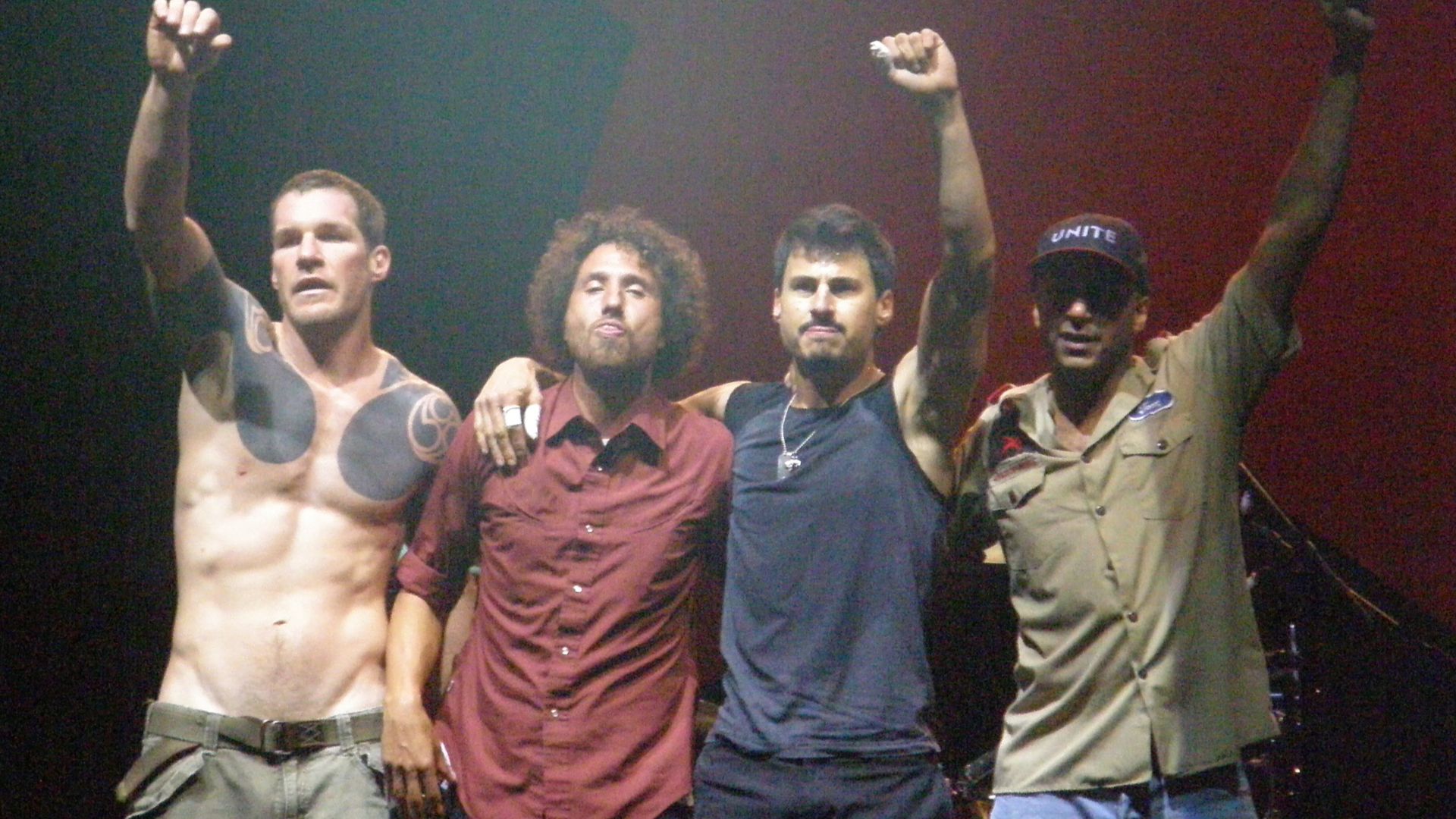
From the beginning, Rage Against The Machine fused heavy guitar with politically charged lyricism that attacked corporate power, war, and inequality. Even as their ferocious debut climbed the charts, they refused to soften their message. Their activism extended beyond music into support for causes like worker rights and social justice, and they resisted anything that seemed to dilute their voice or co-opt their message for commercial marketing. Their integrity wasn’t just in sound but in stance.
Oasis
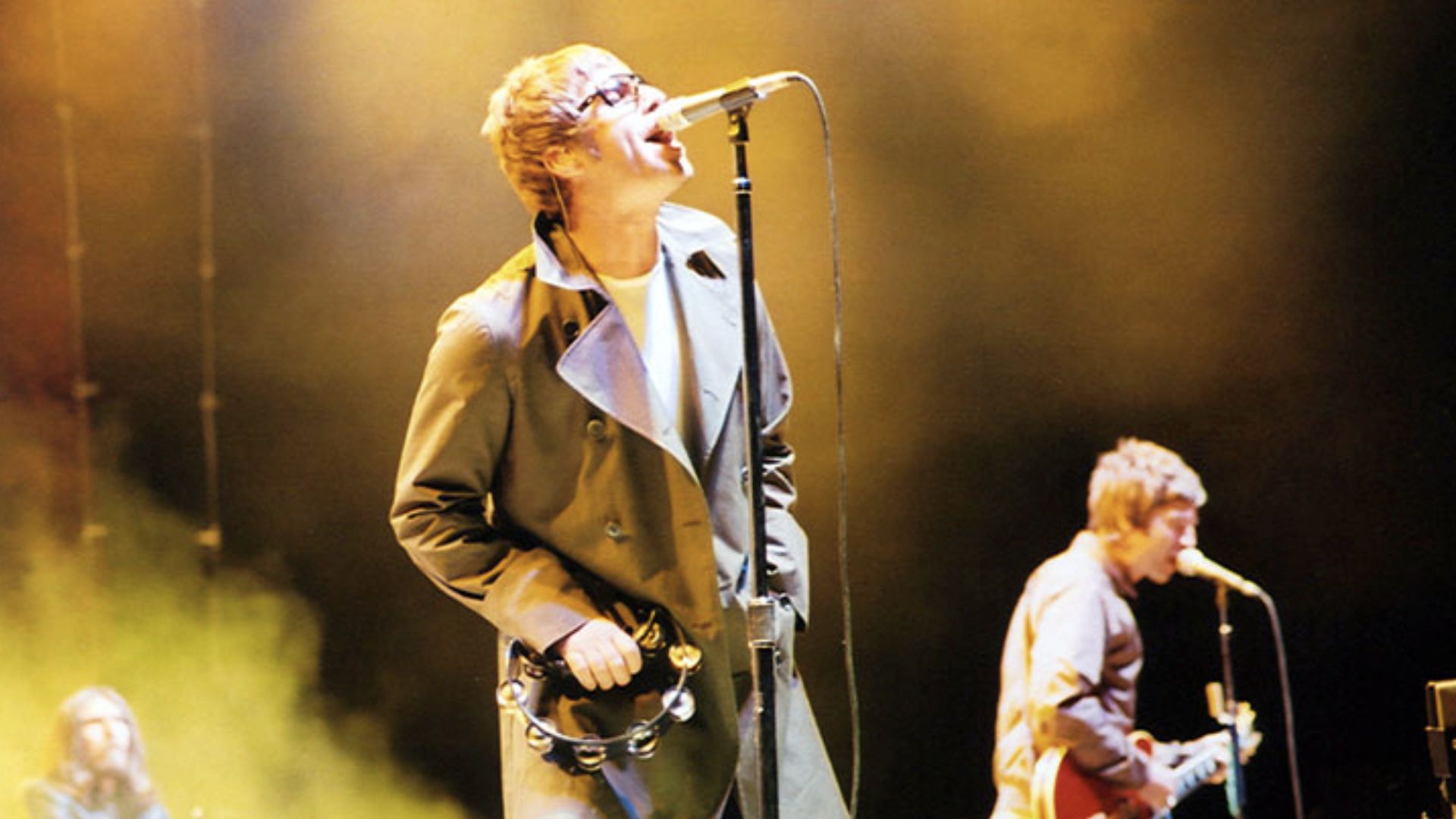
Oasis took the swagger of 90s British rock and married it to a fierce anti-sell-out attitude. While many bands softened for pop crossover success, Noel and Liam Gallagher refused to compromise, openly clashing with contemporaries and critics alike rather than tailoring their sound to be more marketable. Their DNA stayed rooted in rock tradition, unapologetic bravado, and stadium anthems that didn’t trade integrity for trend.
 Will Fresch, Wikimedia Commons
Tool
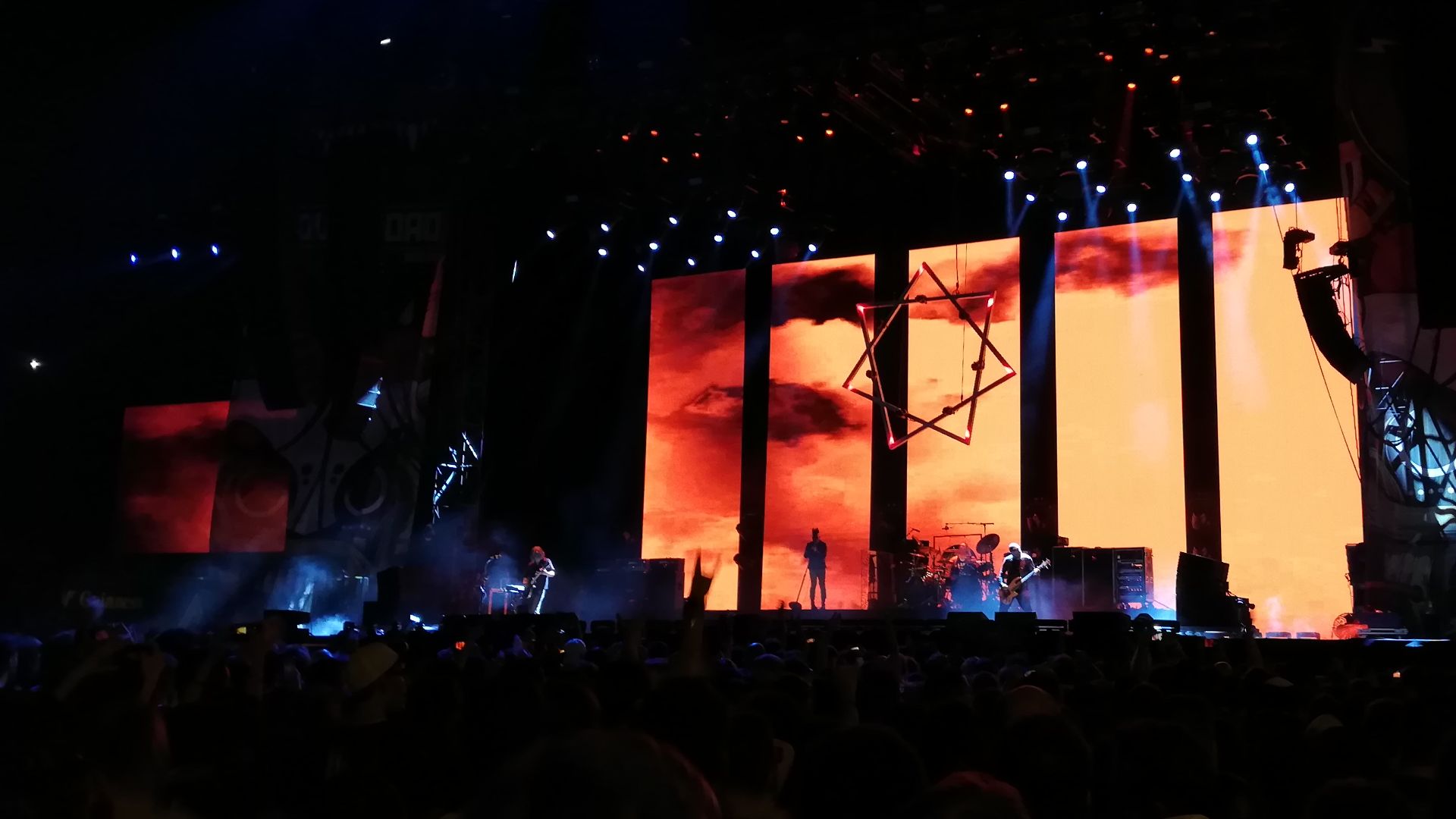
Tool’s refusal to sell out shows up in everything they do. They’ve come up with lengthy, complex compositions that defy radio formatting, vinyl with hidden tracks and cryptic artwork, and extended gaps between albums that frustrate executives more than fans. Tool never chased trends; they cultivated their own enigmatic, cerebral style across decades, ensuring every release stayed true to their artistic vision rather than what was popular at any given moment.
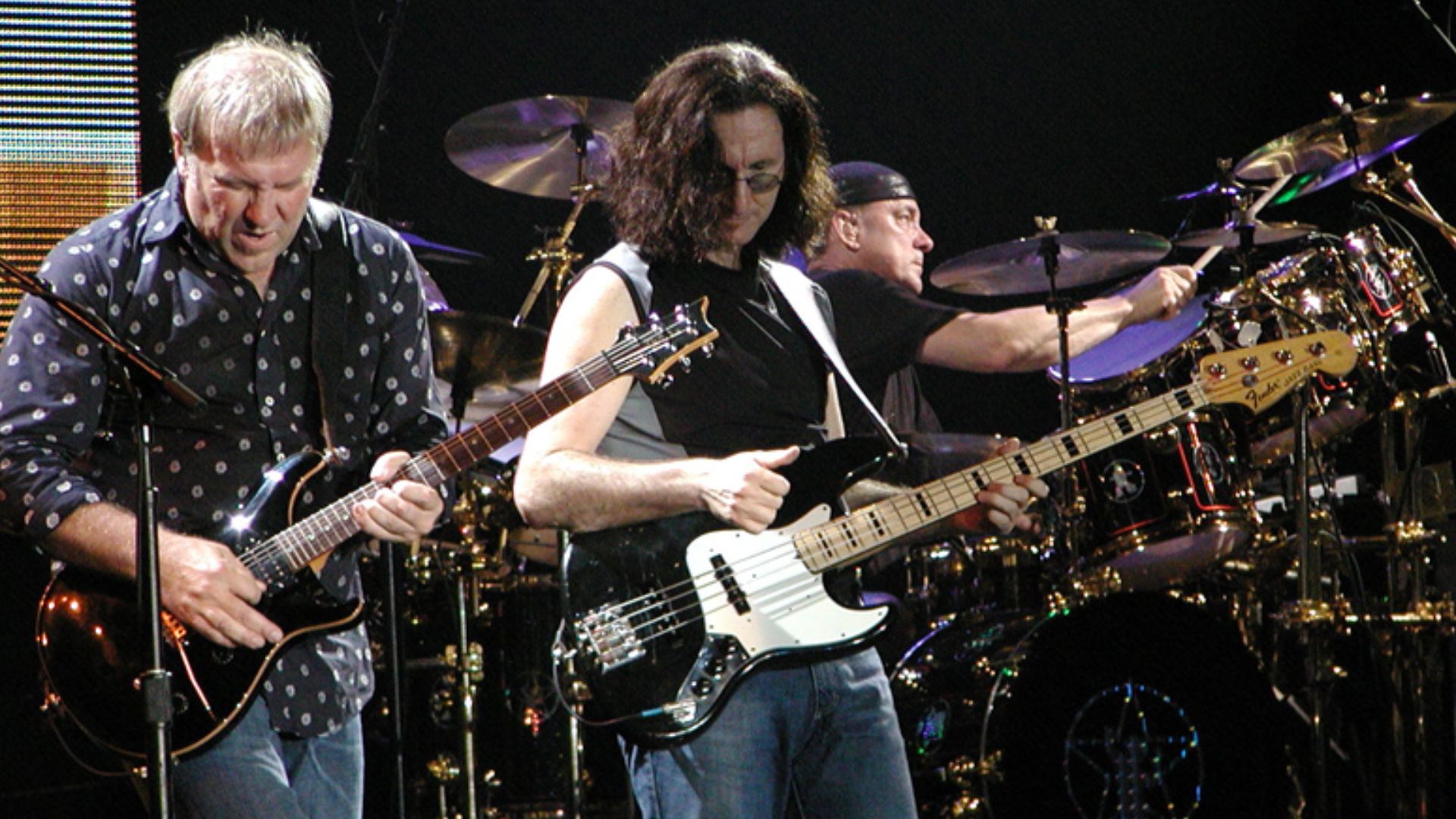
Rush
Progressive rock titans Rush built their reputation on technical mastery, intellectual themes, and rhythmic complexity that rarely fit neatly into mainstream rock categories. Instead of simplifying to chase hits, they doubled down on odd time signatures, philosophical lyrics, and virtuosic musicianship that appealed to listeners who wanted depth over easy hooks. Their fanbase stayed loyal because the band delivered consistently ambitious music instead of predictable formula.
 Enrico Frangi, Wikimedia Commons
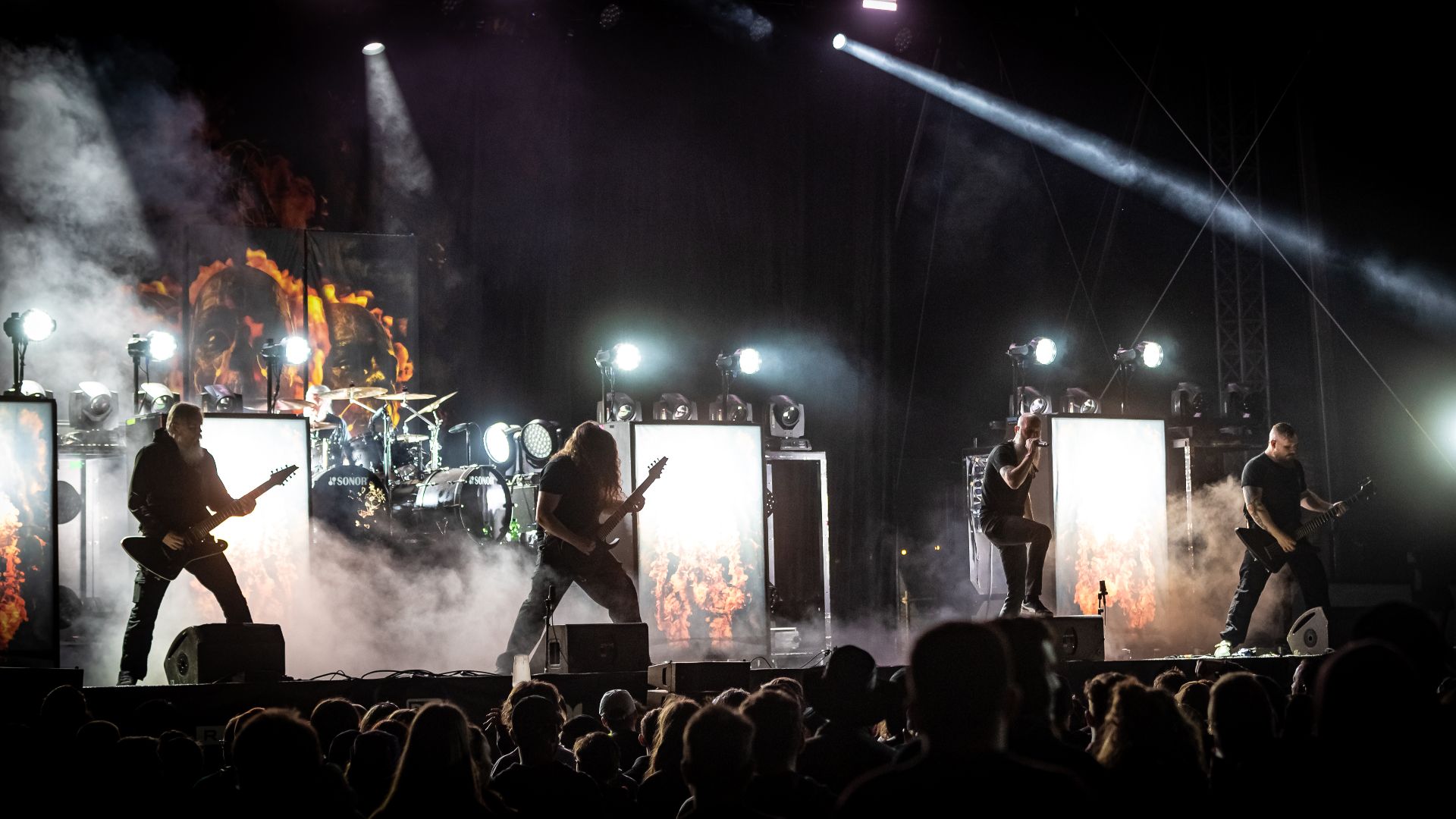
Meshuggah
Meshuggah is one of the most influential extreme metal bands and they’ve maintained their identity without bending to commercial pressures. Known for their polymetric rhythms and innovative aggression, they never simplified their sound for radio or pop markets. They’ve remained underground in spirit even as their influence spread wide, inspiring newer generations of metal and progressive bands while keeping their own uncompromising ethos intact.
 Andreas Lawen, [email protected], Wikimedia Commons
Melvins
The Melvins have always existed outside the mainstream conversation, long before “sludge metal” was even a term. Their slow, abrasive riffs, unpredictable song structures, and gravelly vocals never aimed to be commercial. Instead, they influenced countless heavier acts while steadfastly keeping their own flavor firmly away from trends. They kept touring small, writing weird, and staying true to rock’s raw, DIY roots.
 Enric likes Funk ;), Wikimedia Commons
Roger Waters
As a key creative force in Pink Floyd, Roger Waters helped push the band into conceptual masterpieces like The Wall, which critiqued fame, capitalism, and the very music industry itself. Waters has continued that critical bent in his solo work, often interrogating politics and power rather than pandering to commercial formulas. His projects aren’t built to please advertisers — they’re built to provoke, question, and challenge.
 Alterna2 http://www.alterna2.com, Wikimedia Commons
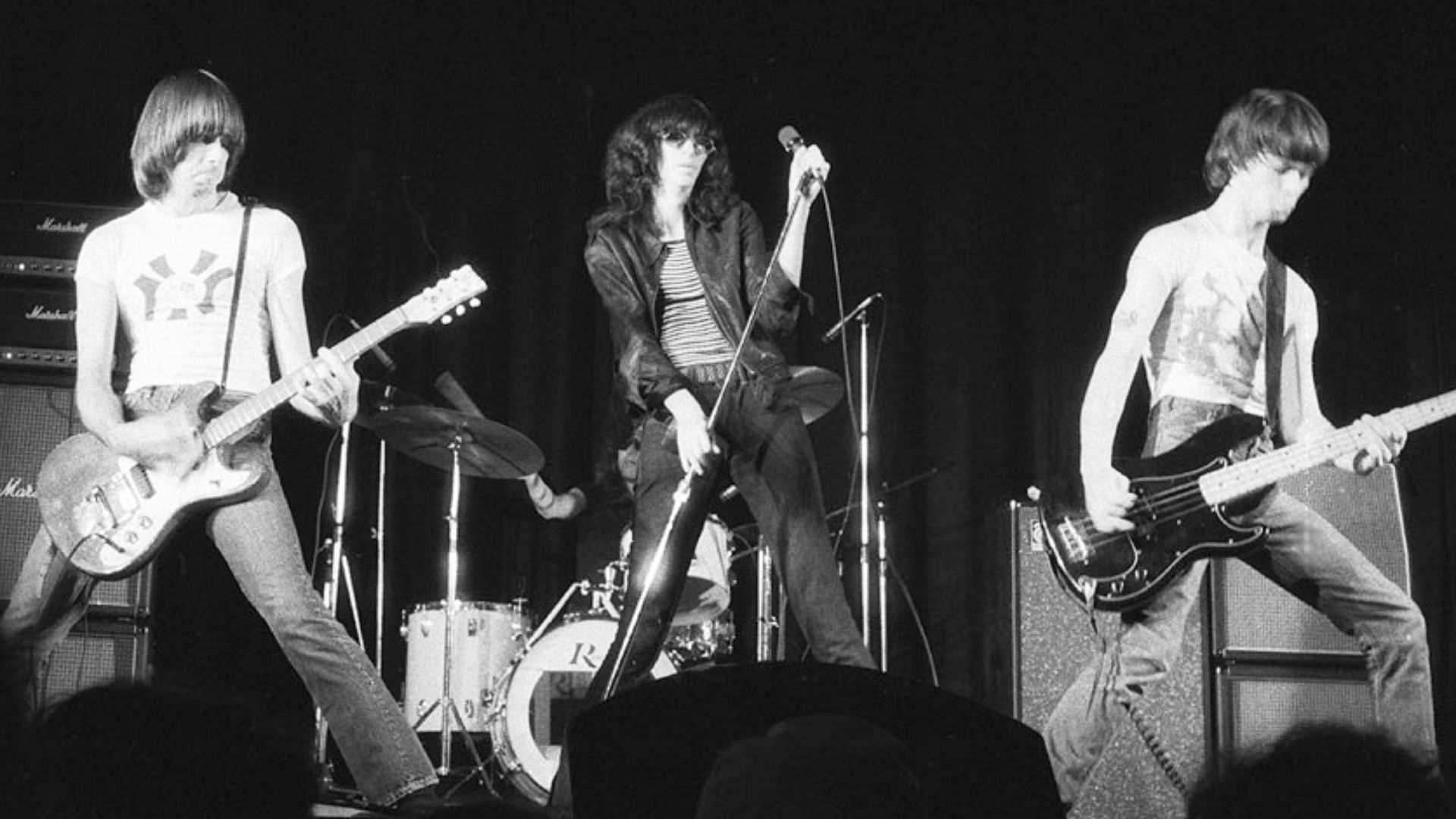
The Ramones
The Ramones are punk rock’s founding icons, and punk itself was born out of refusal — a rejection of glitter, excess, and the polished classic rock that dominated the 70s. Rapid tempos, short bursts of raw energy, and a “back to basics” attitude defined them. They didn’t chase chart success so much as artistic purity, and their influence reverberates because they stuck to that ethos even when mainstream attention arrived.
The Beastie Boys
The Beastie Boys started as a hardcore punk band before morphing into hip-hop innovators, but through all their transformations they resisted being defined by trends. They continually experimented — blending styles, incorporating unconventional influences, and tackling themes with nuance. Even their most popular albums retained a sense that they were making music for themselves and their community, not just for mass appeal.

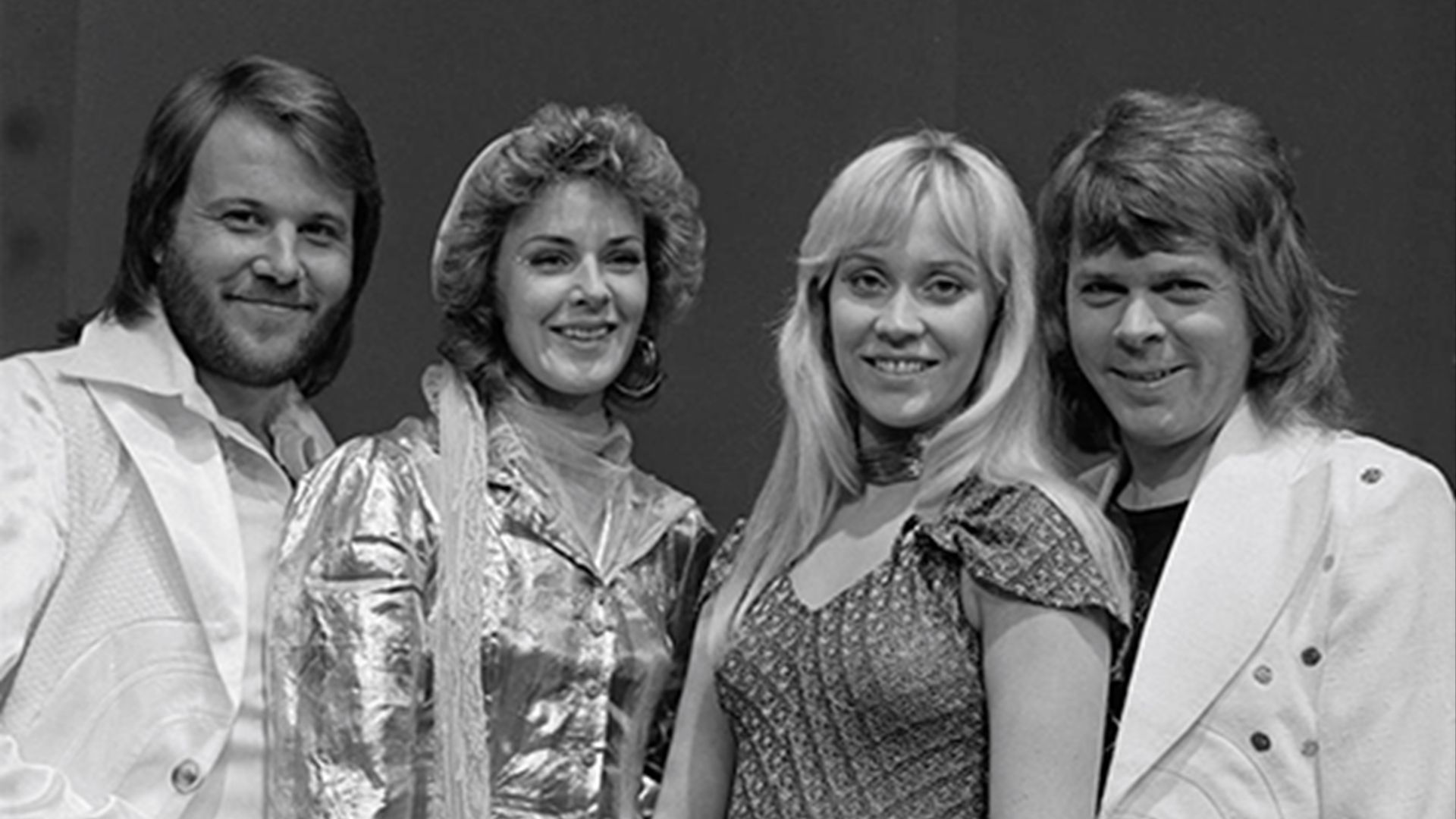
ABBA
While ABBA became one of the biggest pop acts ever, they never allowed their success to dilute their songwriting integrity. They wrote their own material, harmonized tightly, and infused their music with depth beyond disposable pop clichés. They never chased gimmicks or trends just to stay in the charts. Instead, they let their craft and distinctive songwriting speak for itself — and decades later, their catalog still feels personal, not packaged.
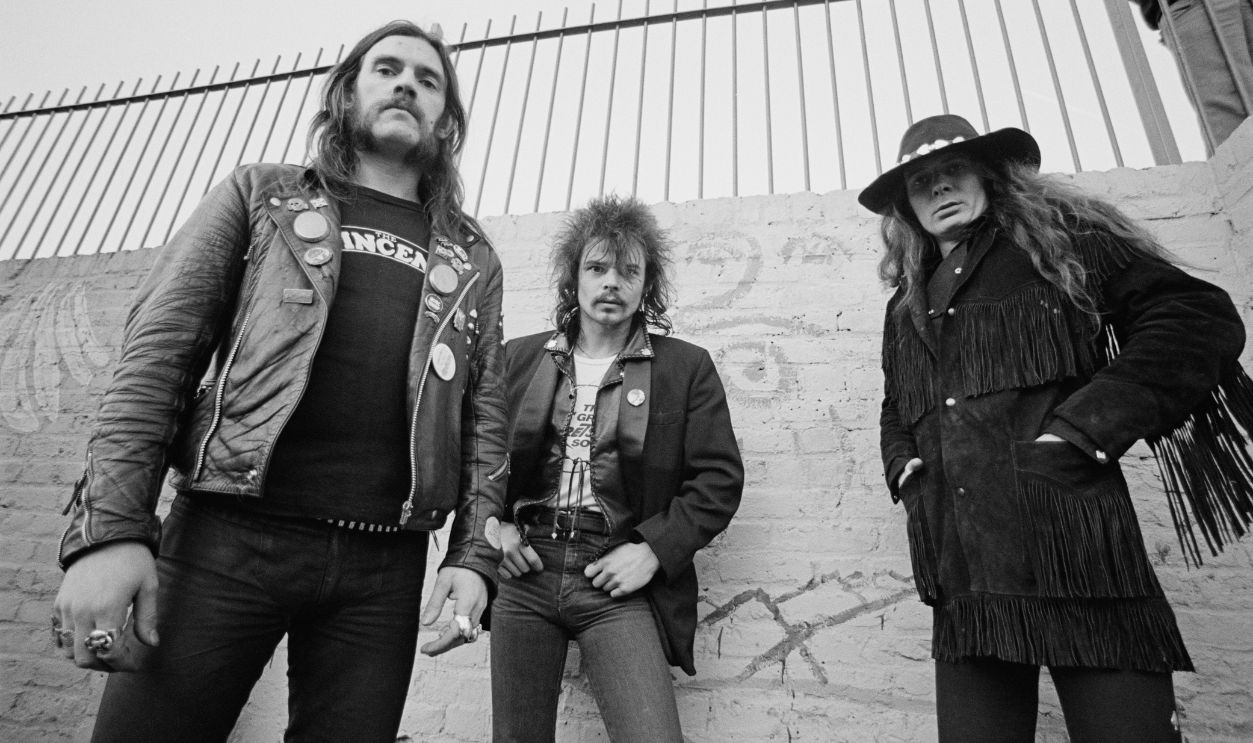
Motörhead
Motörhead existed on its own terms from the beginning. Lemmy’s gravelly vocals and the band’s relentless blend of punk energy and rock heaviness never looked for mainstream approval. They refused to soften their sound even during eras when metal splintered into glam or commercial sub-genres. To Motörhead, loud was loud, and integrity meant keeping it that way night after night.
Fugazi
Few bands represent anti-sell-out principles more than Fugazi. The Washington, D.C. hardcore group rejected major label offers outright and maintained a fiercely DIY ethic throughout their career. They avoided expensive venues, kept ticket prices low, sold no merch at shows, and let their art and values guide every decision. Ian MacKaye and the band made it clear that money and corporate influence were never going to dictate their path.
 Tim Trentham from Austin, USA, Wikimedia Commons
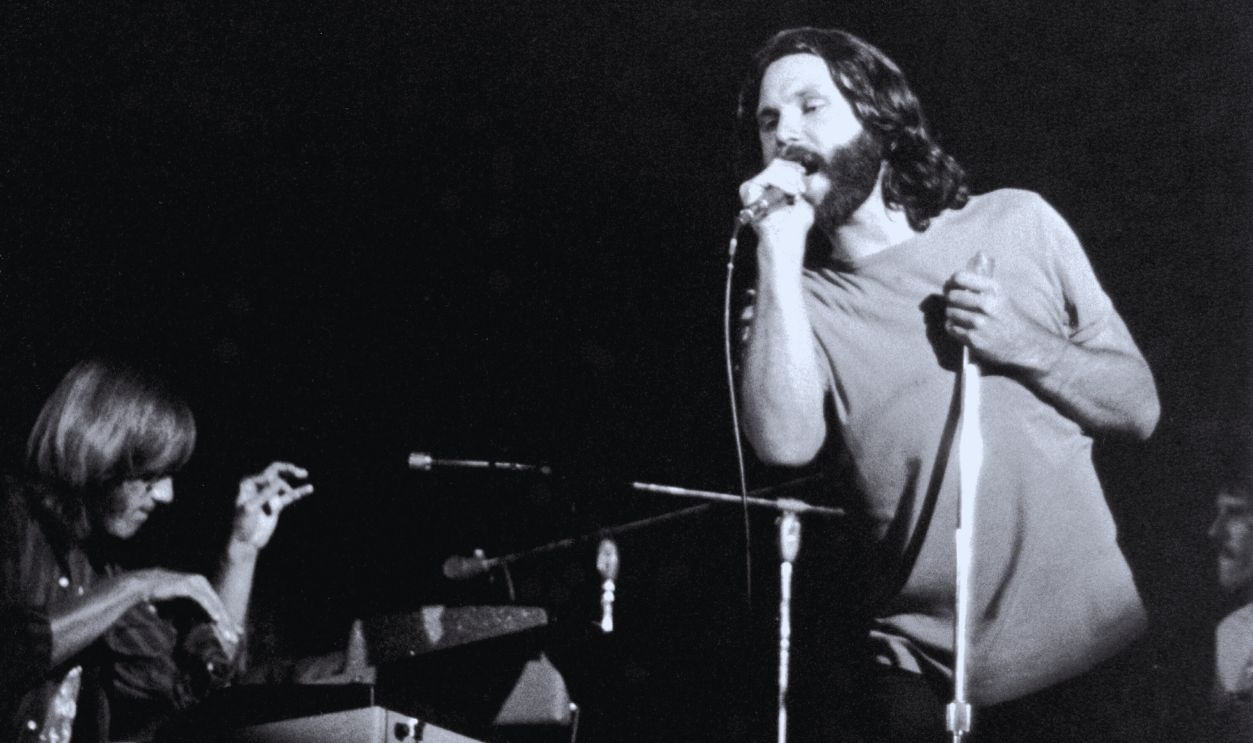
The Doors
The Doors emerged in the late 60s with a sound and attitude that felt dangerous, introspective, and unpredictable. Jim Morrison’s poetic oddity and the band’s refusal to water down their lyrical explorations kept them distinctive. While others chased chart formulas, The Doors pursued mystique and depth, creating songs that were at times haunting, sometimes controversial, and always unmistakably their own.
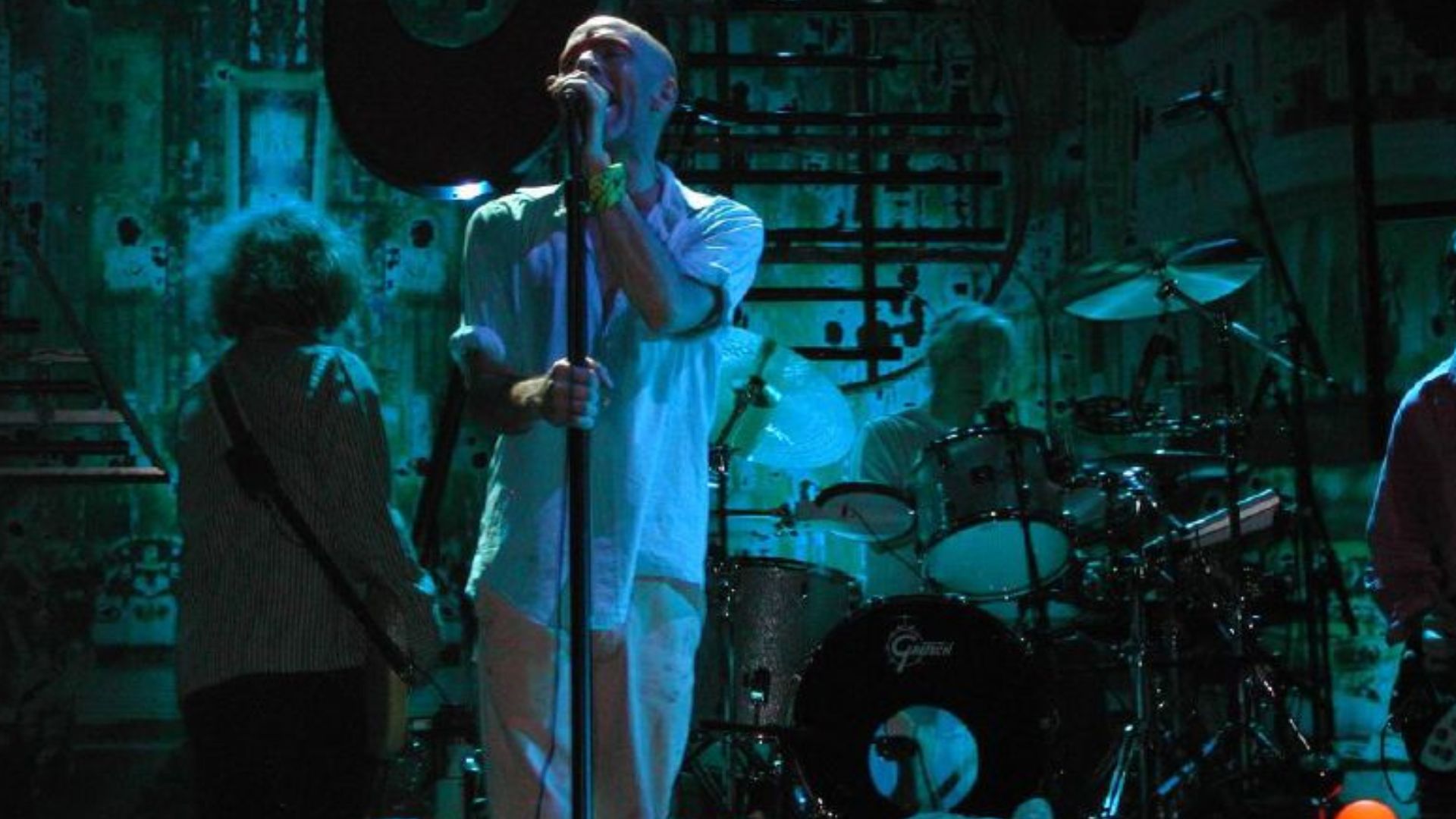
R.E.M.
R.E.M. started in the jangly college rock underground and stayed curious rather than commercial. They built their reputation on enigmatic melodies and literate lyrics long before they became stadium contenders. When the mainstream came calling, they didn’t simplify — they expanded their sound while keeping their core identity intact. Their evolution felt natural, not calculated, and they carried their authenticity into every phase of their career.
 Flickr user Stark (Stefano Andreoli), Wikimedia Commons
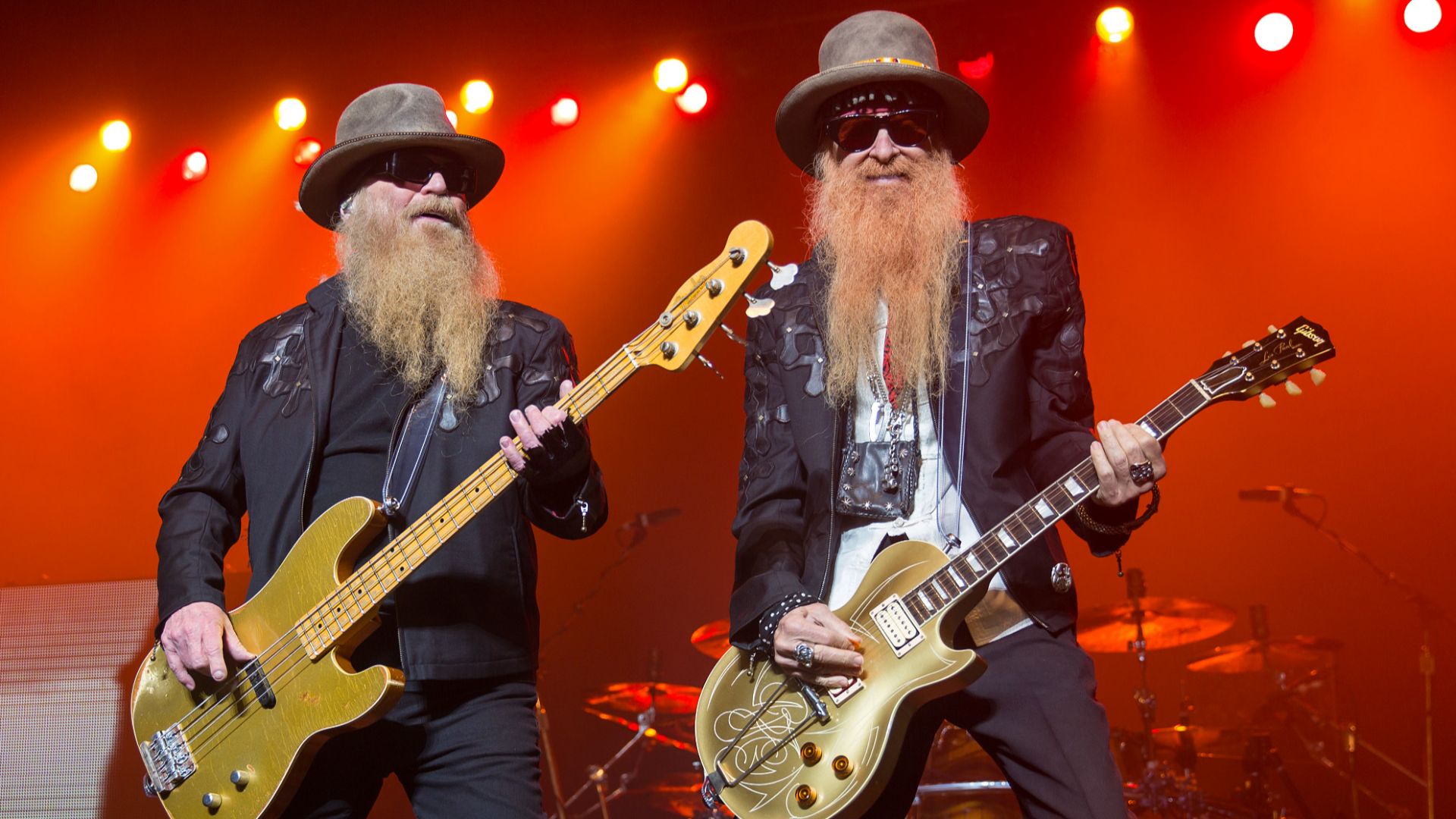
ZZ Top
Legendary for their bluesy swagger and bearded image, ZZ Top never chased fleeting rock trends or altered their gritty Texas sound just to appease executives. They kept their footprint in classic rock territory, building a catalog rooted in groove and attitude. Even as MTV spotlighted them later in the 80s with quirky videos, they still sounded like ZZ Top — not some label creation.
 Ralph Arvesen, Wikimedia Commons
Alice In Chains
Emerging from the Seattle grunge wave alongside Nirvana and Pearl Jam, Alice in Chains carved a niche with grim, introspective lyrics and heavy, harmonized guitars. Their sound felt too raw and haunting to fit radio’s typical mold, but they embraced it anyway. Even through lineup shifts and personal struggles, their music remained authentic — gritty, brooding, and resolutely true to their voice.
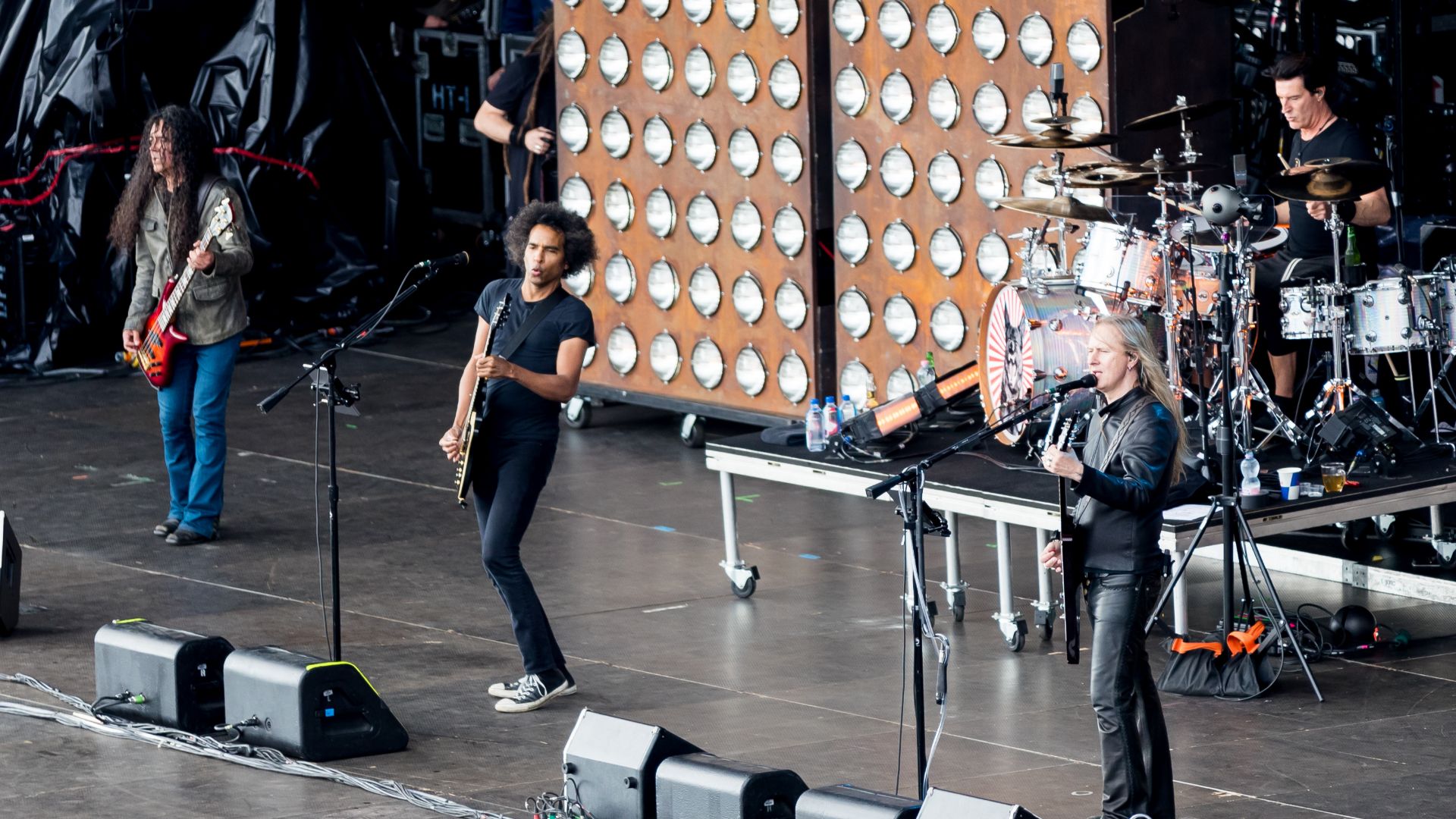 Sven Mandel, Wikimedia Commons
Pearl Jam
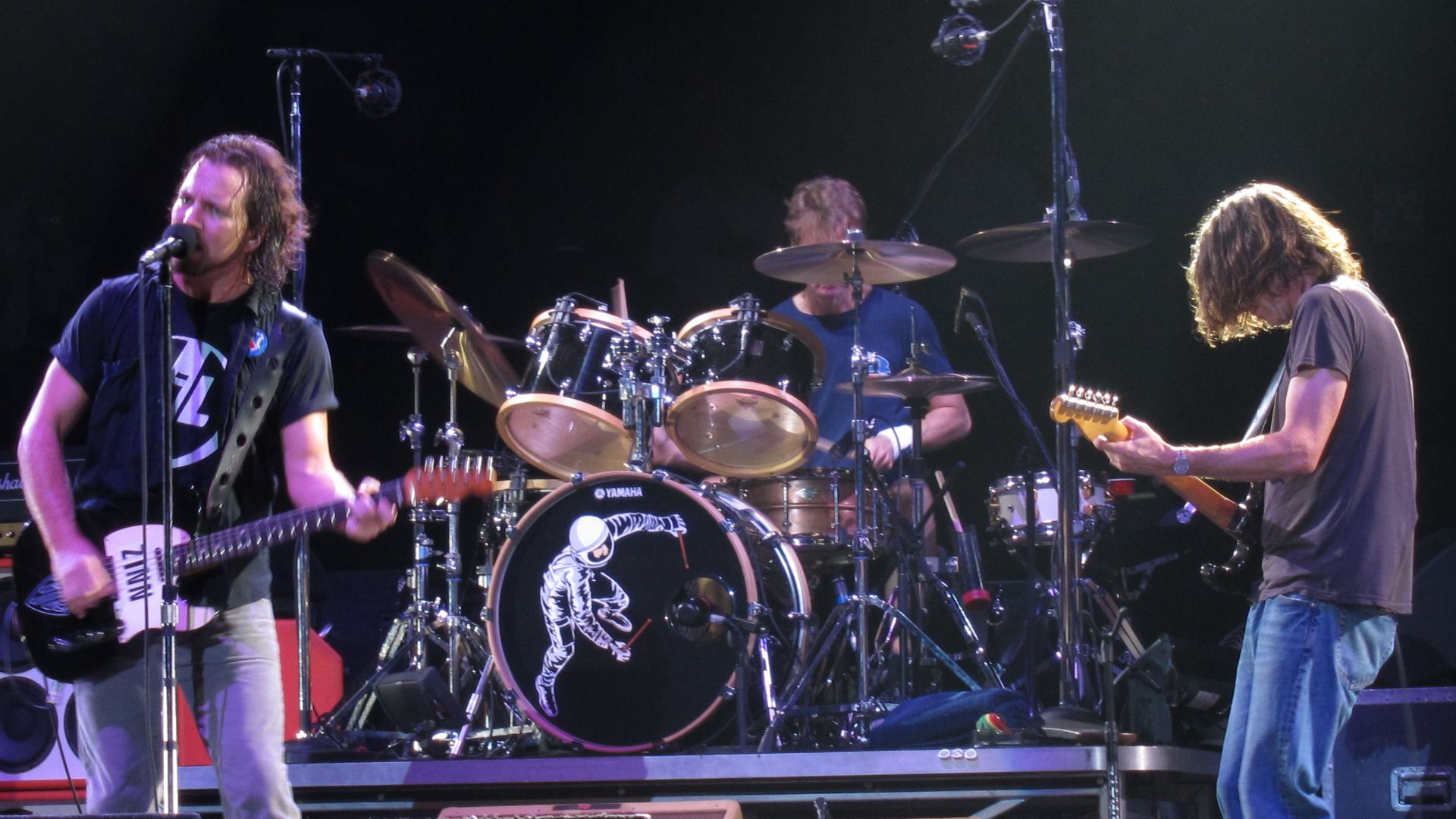
Pearl Jam famously battled Ticketmaster in the mid-90s, refusing to play in venues where ticket prices were excessively marked up. That decision cost them money and convenience, but reinforced their stance that fans came first. Musically, they refused formulas, exploring introspective and politically charged themes that didn’t always align with mainstream pop sensibilities. Their longevity is as much about principle as it is talent.
Slipknot
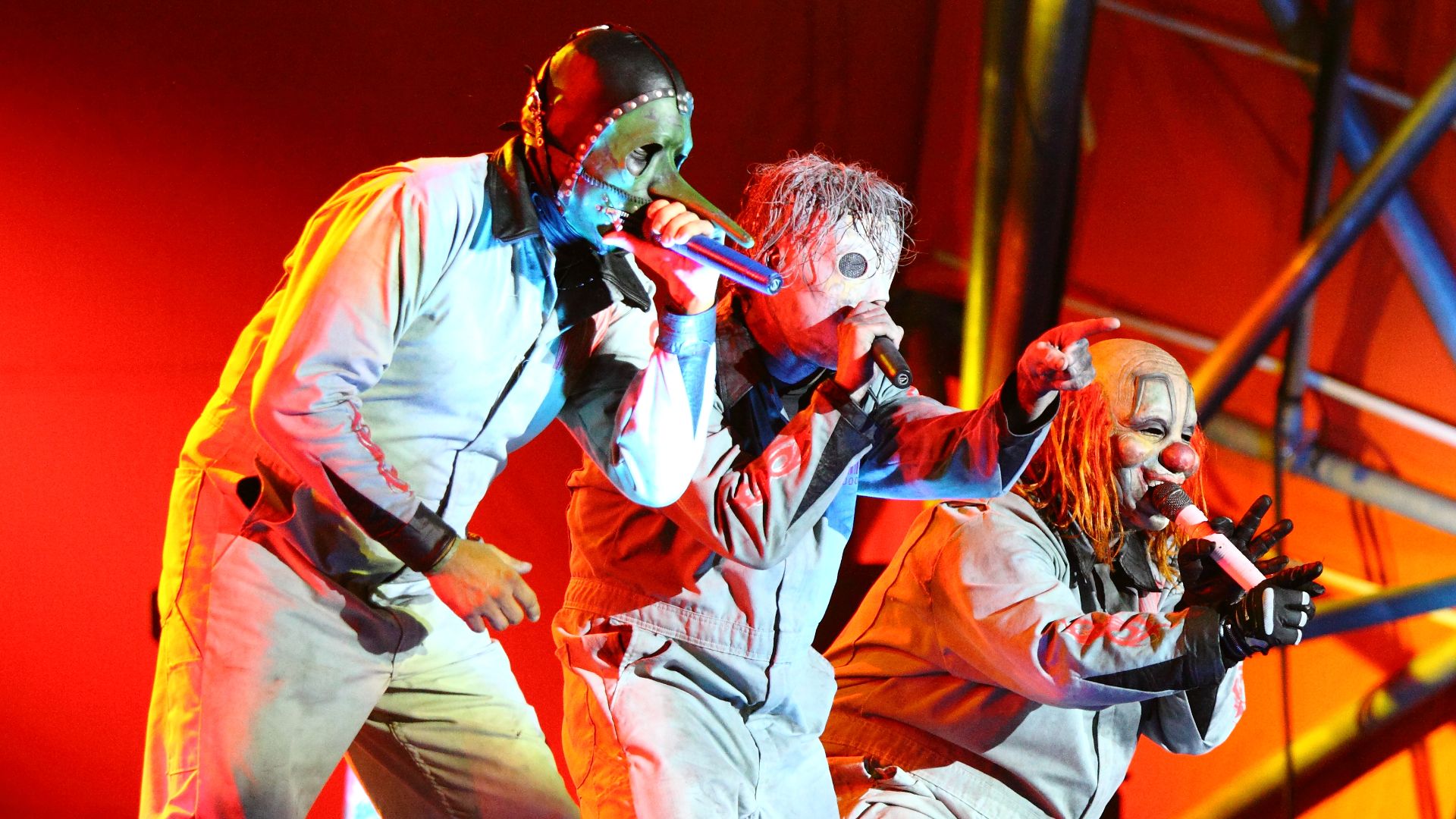
Slipknot arrived with masked intensity and a chaotic, aggressive sound that stood apart from commercial metal norms. Rather than simplify their image for broader appeal, they leaned into performance art, percussion chaos, and fan devotion. Their albums continued to evolve creatively while embracing the dark, raw energy that defined them, making them icons in metal even without chasing radio conventions.
 Morten Jensen, Wikimedia Commons
Radiohead
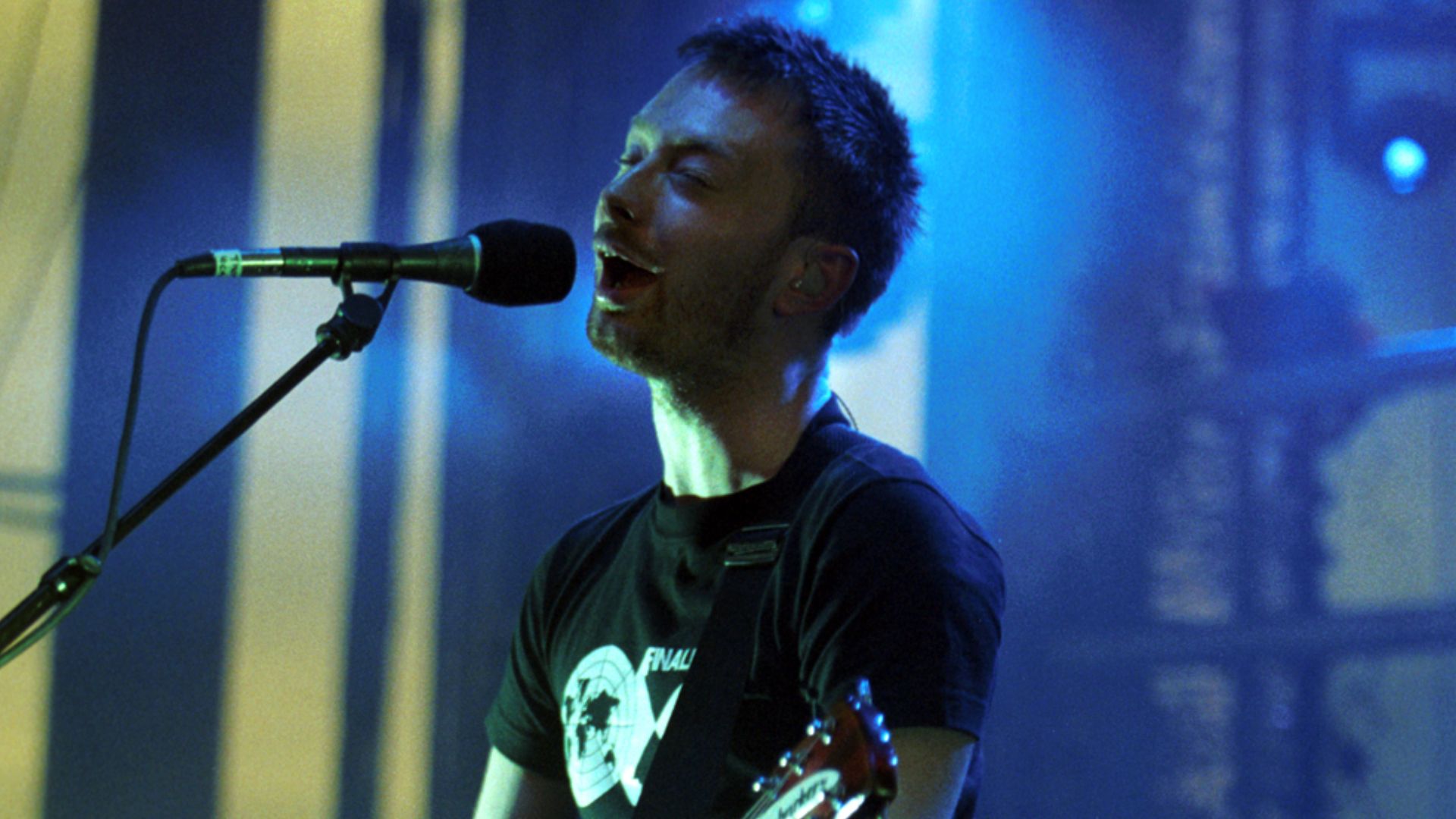
Radiohead’s journey from alternative rock beginnings to avant-garde explorations stands as one of rock’s boldest refusals to sell out. After OK Computer, they turned away from traditional songcraft into unfamiliar territory with Kid A and Amnesiac, blending electronic, jazz, and ambient influences. They’ve often challenged expectations rather than meet them, turning down predictable formulas in favor of risk and artistic growth. Their stance embodies resistance to industry norms while retaining a deeply devoted audience.
You May Also Like:
Indie Rock Songs That Turned Underground Bands Into Icons
Iconic Bands That Reinvented Themselves Without Losing Their Soul
Bands Younger Baby Boomers Loved That Most Older Boomers Don’t Remember At All