A Decision That Confused the Entire Music World
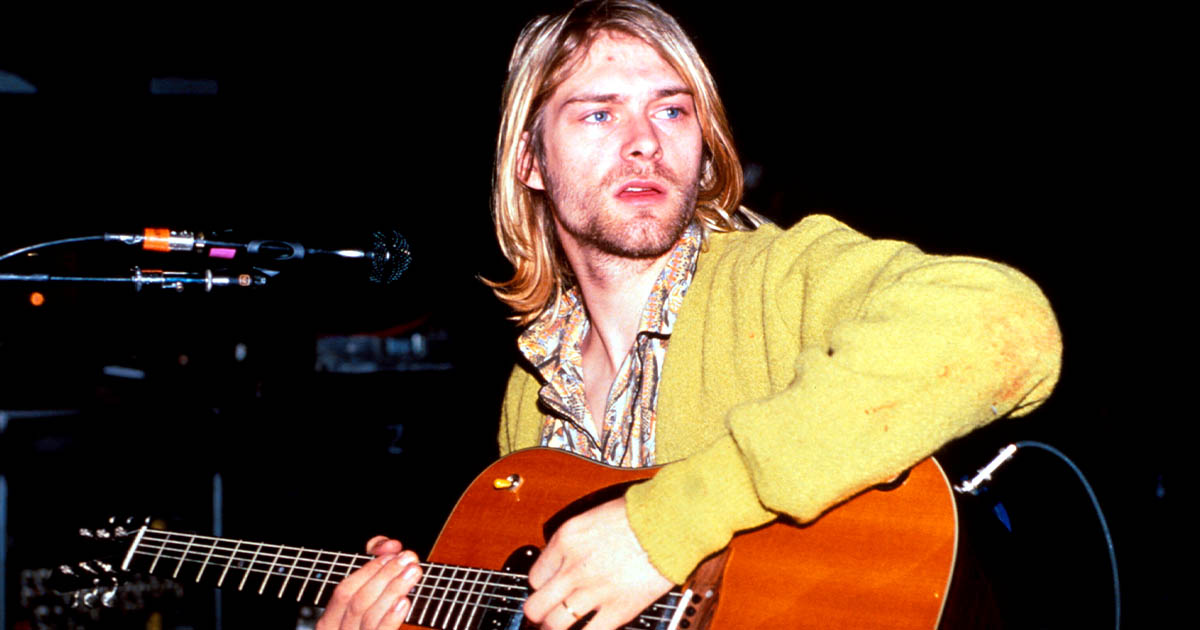
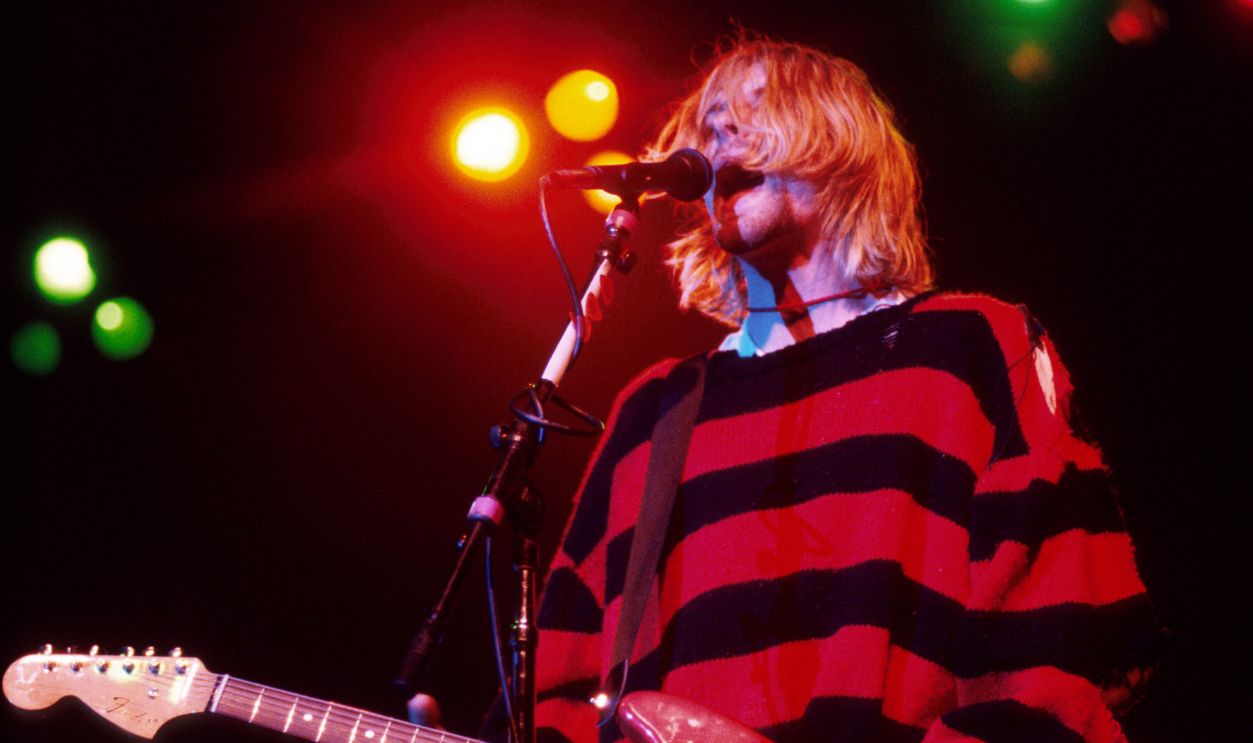
In 1992, at the peak of Nirvana’s fame, Kurt Cobain was offered something most artists dreamed of: the chance to headline Lollapalooza. It was the ultimate stamp of cultural dominance. And Kurt said no. To outsiders, it looked like defiance. To those who knew him, it looked like exhaustion.
Fame Arrived Faster Than He Could Process
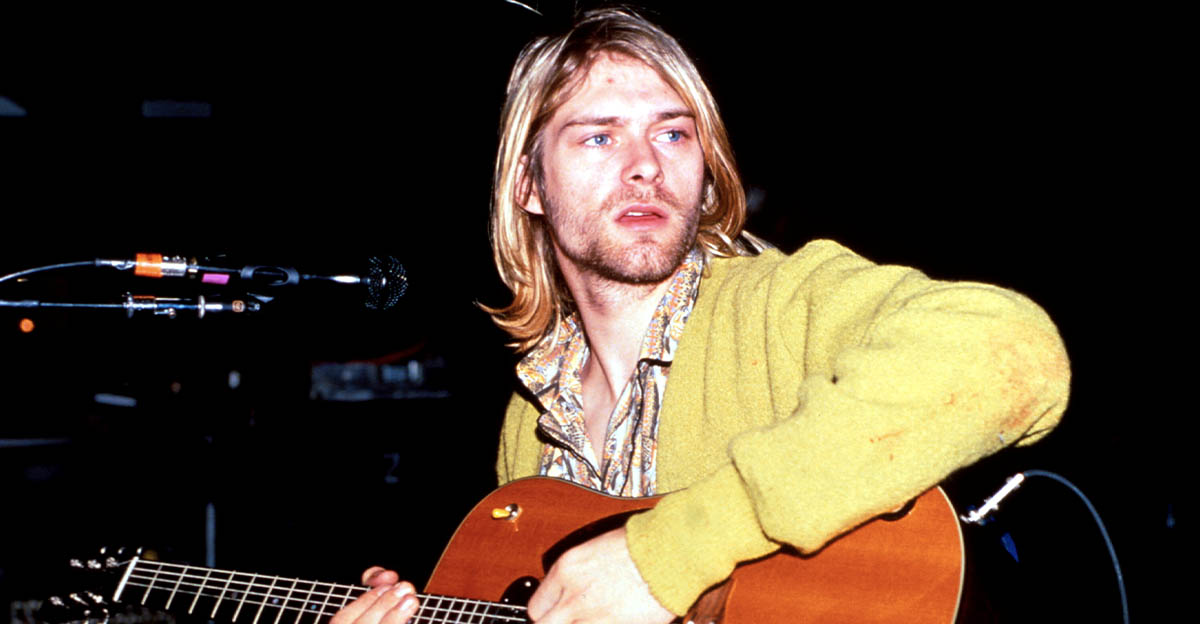
Just a year earlier, Nirvana had been a scrappy underground band. Then Nevermind exploded, and suddenly Kurt Cobain was everywhere — magazine covers, TV interviews, endless tours. The speed of it all left him dizzy. He once admitted, “I felt like I was in a machine that wouldn’t slow down.”
A Punk at Heart, Trapped in a Pop Moment
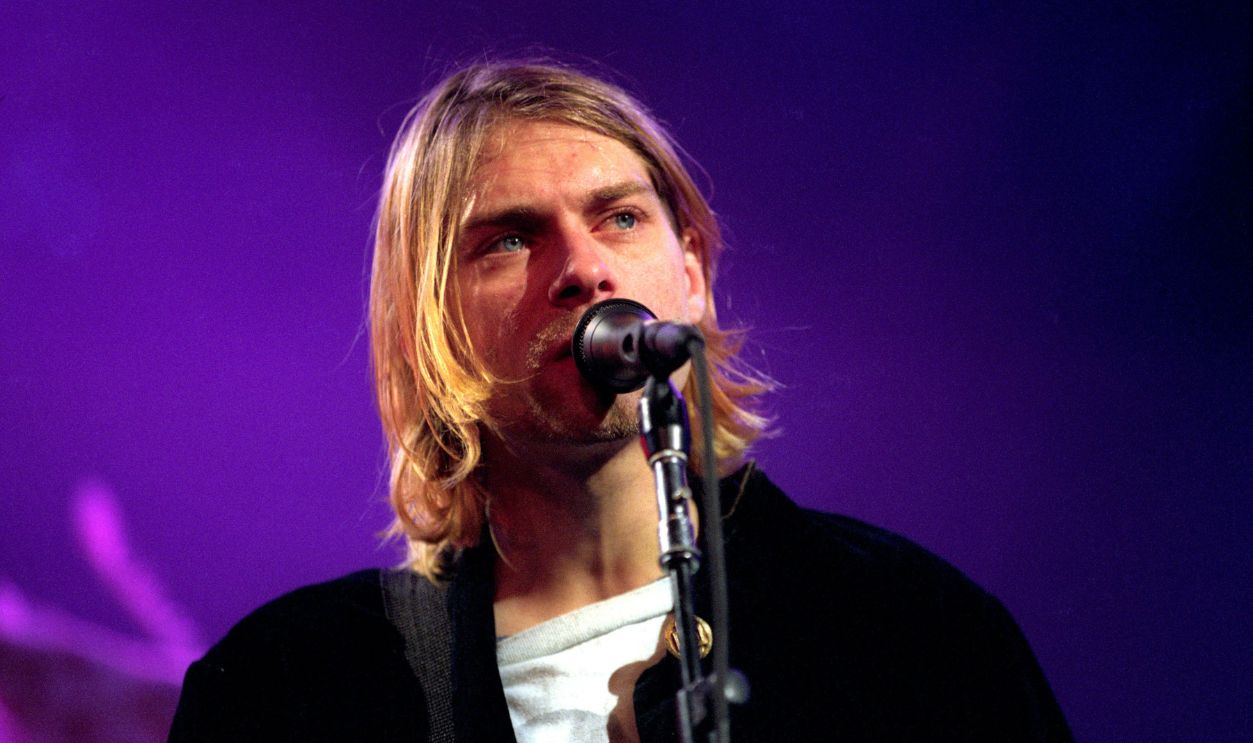
Kurt never wanted to be a rock god. He came from punk scenes where success was suspicious and sincerity mattered more than sales. Headlining a massive corporate-sponsored festival felt like crossing a line he wasn’t sure he could come back from.
Lollapalooza Represented Everything He Questioned
By 1992, Lollapalooza had grown from an alternative celebration into a cultural juggernaut. Kurt worried it symbolized the commercialization of the very movement he believed in. Saying no wasn’t about arrogance — it was about fear of becoming what he once mocked.
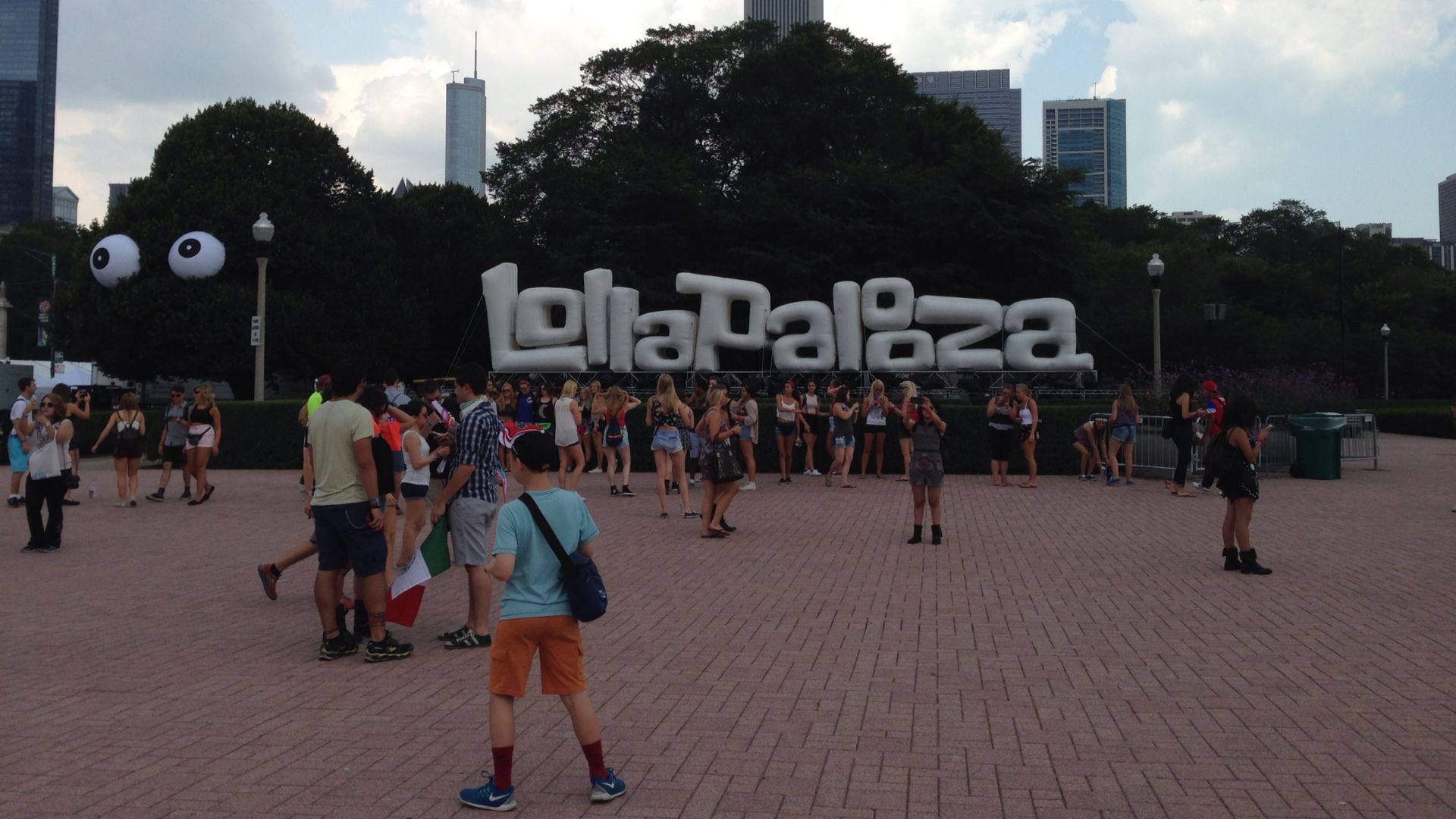 swimfinfan from Chicago, Wikimedia Commons
The Weight of Expectations Became Crushing
People wanted Kurt to speak for a generation. They wanted him to explain culture, politics, art, and youth — all while he was barely holding himself together. He once said, “I don’t know how I got here, and I don’t know how to get out.”
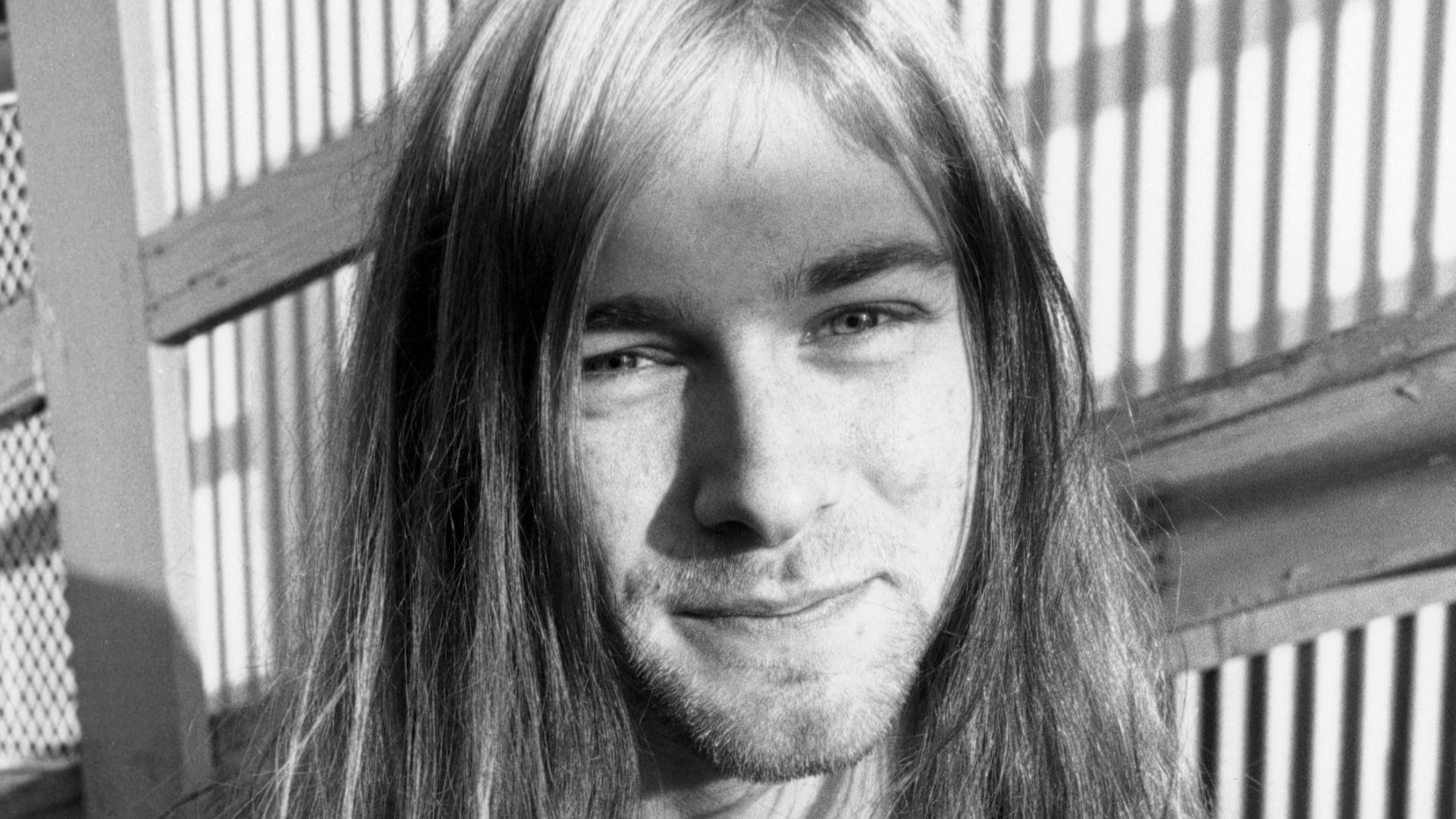 Alice Wheeler, Wikimedia Commons
Pain Was Always Lurking in the Background
Kurt’s chronic stomach pain haunted him constantly, often leaving him curled up backstage before shows. Touring made it worse. Big festivals meant longer days, louder noise, and less control — everything his body and mind struggled with.
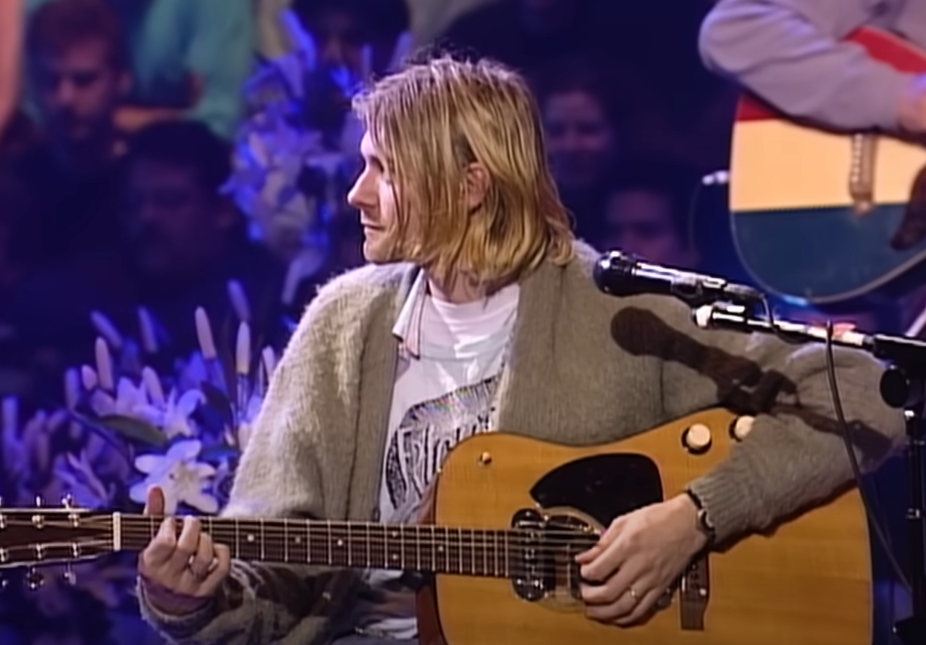 Screenshot from MTV, Unplugged (1989-)
The Pressure to Perform Joy Felt Fake
Headlining meant smiling, waving, and projecting confidence. Kurt didn’t feel any of that. He felt conflicted, numb, and angry that success didn’t bring peace. “The more people love you,” he said, “the lonelier it feels.”
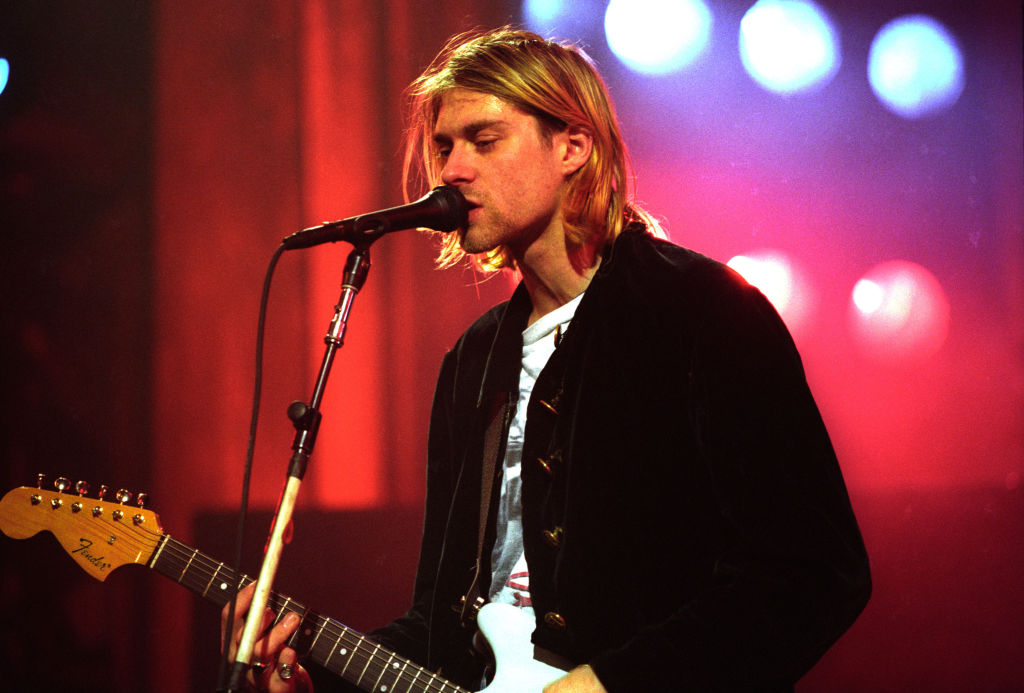
A Fear of Becoming a Symbol He Hated
Kurt worried Nirvana was being turned into a brand instead of a band. He feared losing the ability to challenge listeners if he became part of the mainstream machinery. Refusing Lollapalooza felt like one of the few remaining ways to assert control.
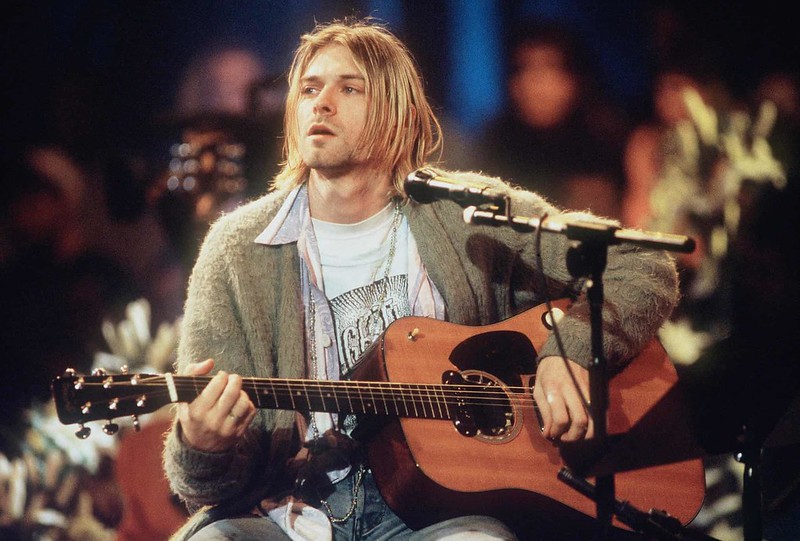
He Still Believed in the Music — Just Not the Circus
It wasn’t that Kurt didn’t care anymore. He cared too much. He loved music deeply and wanted it to mean something. Massive festivals blurred the line between art and spectacle in ways that unsettled him.
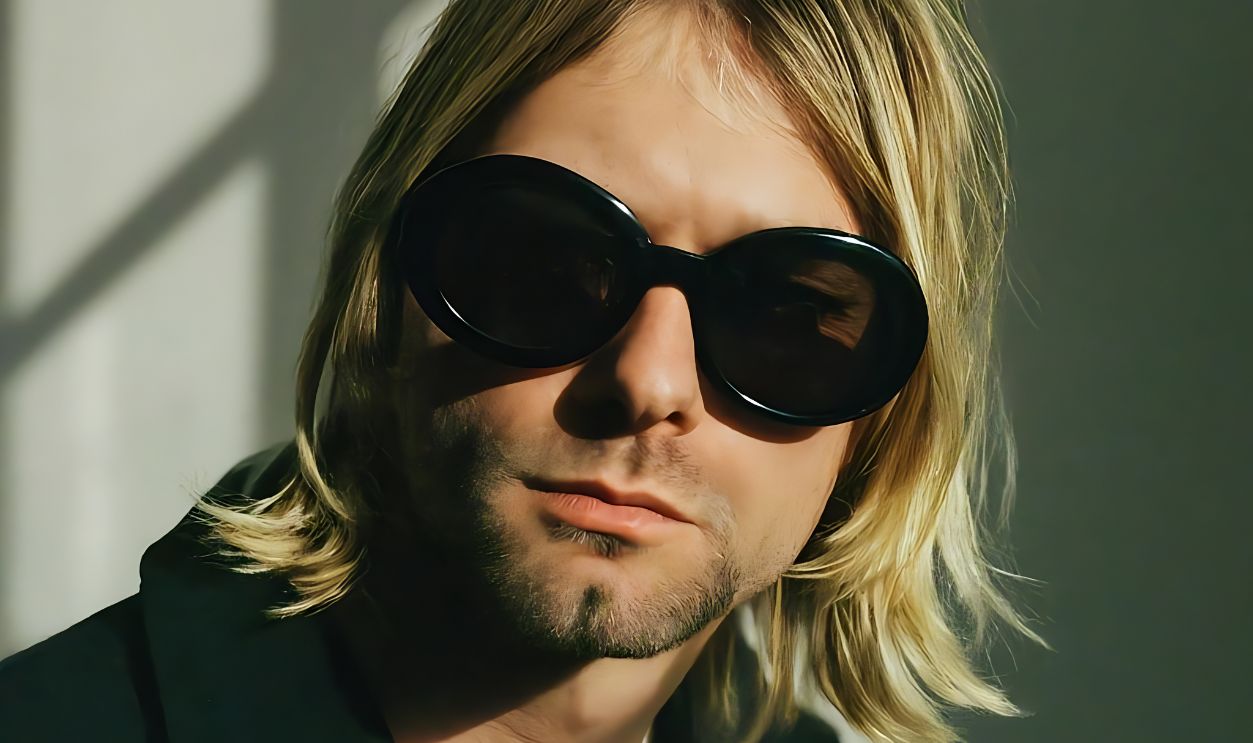
The Band Felt the Strain Too
Dave Grohl and Krist Novoselic felt the pressure as well, though they processed it differently. They supported Kurt but worried about him. Touring had become tense, unpredictable, and emotionally draining for everyone involved.
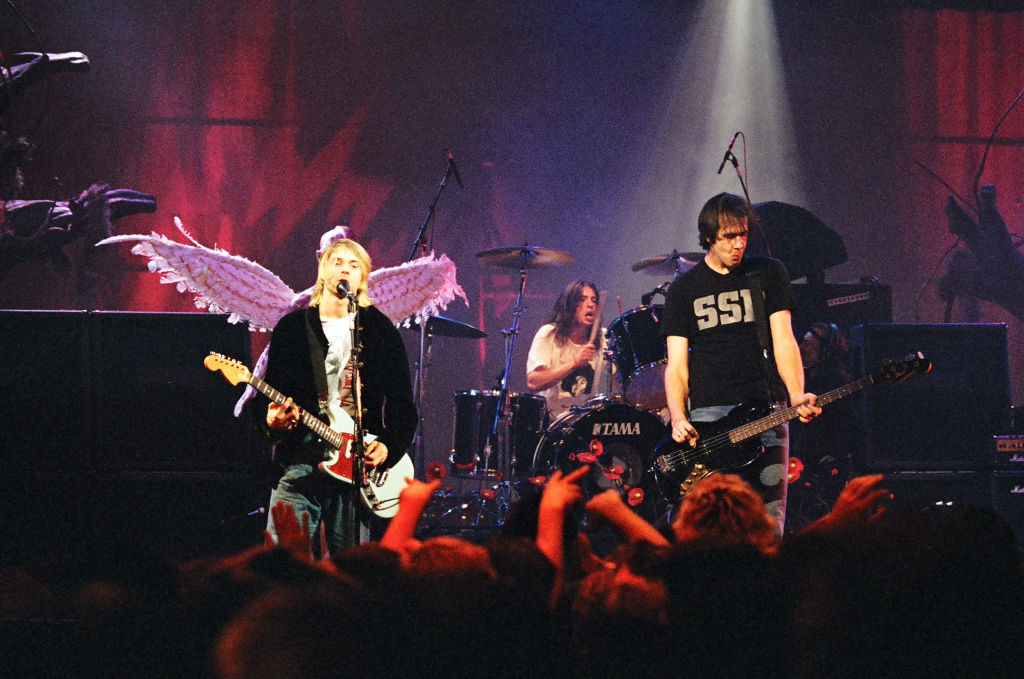
Fans Misread Silence as Arrogance
Some fans took the refusal personally. Others praised it as punk rebellion. The truth was quieter and sadder. Kurt wasn’t making a statement — he was trying to survive a moment that felt too big to escape.
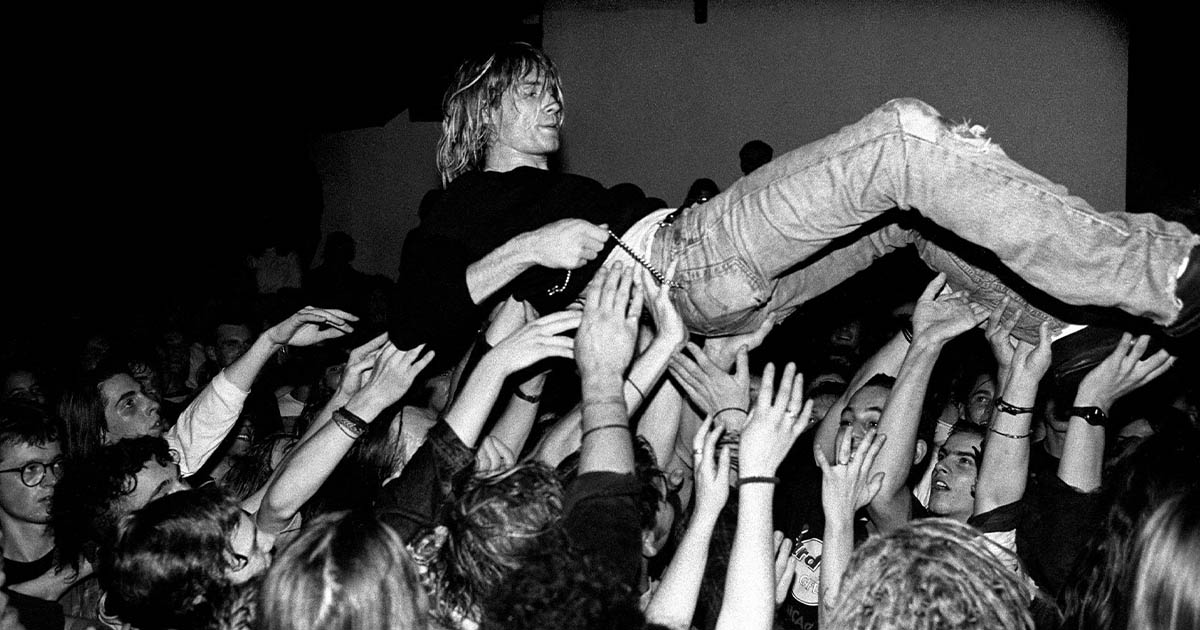
A Man Torn Between Visibility and Integrity
Kurt wanted to be heard but not owned. He wanted success without surrender. Those contradictions tore at him daily. Lollapalooza represented the moment when the two became impossible to reconcile.
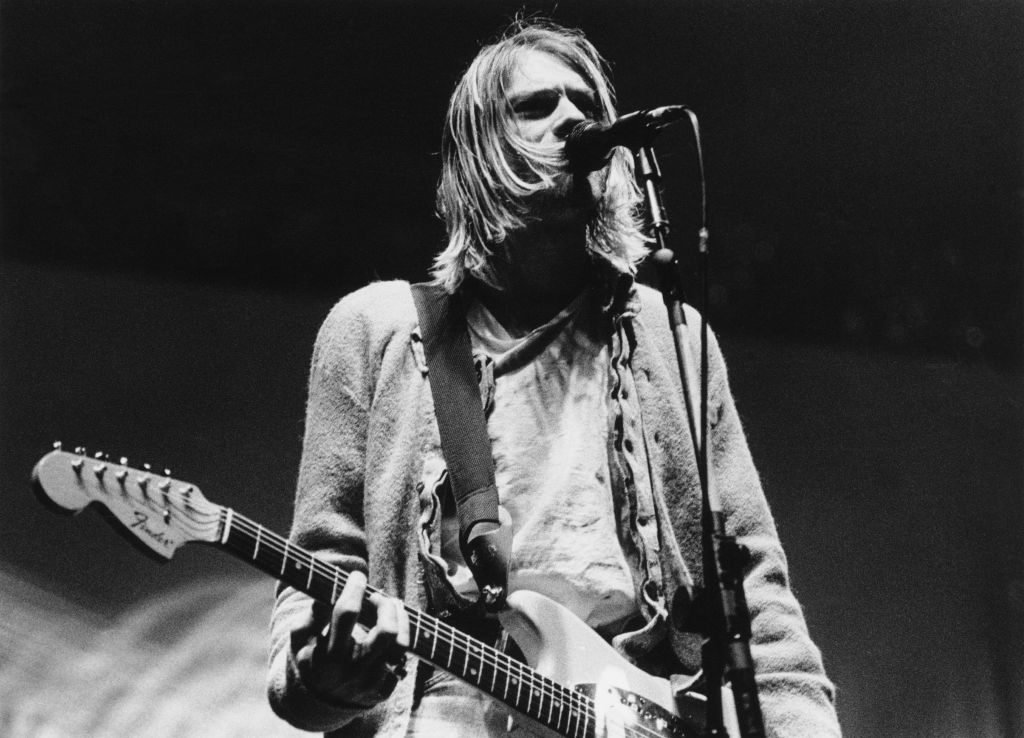 Raffaella Cavalieri, Getty Images
Moments of Humor Hid Deeper Cracks
Publicly, Kurt joked about fame and shrugged off questions. Privately, he was spiraling. Friends noticed mood swings, withdrawal, and a growing sense that he felt trapped by his own success.
Control Was Slipping, One Choice at a Time
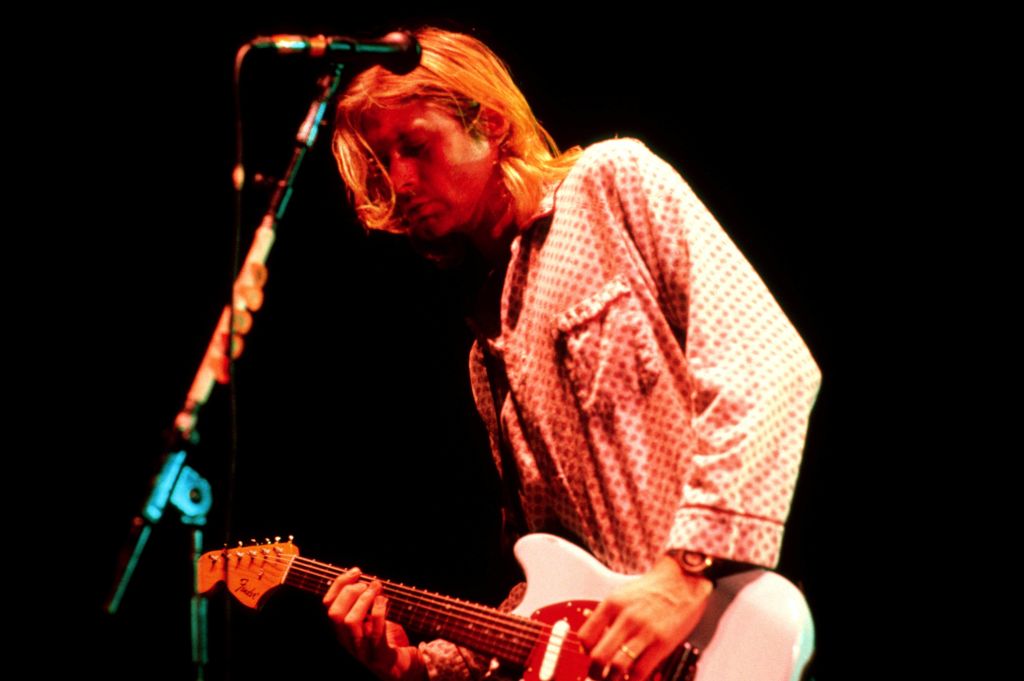
Refusing the festival gave him a brief sense of agency. For a moment, he wasn’t doing what was expected. But relief didn’t last. The machinery of fame kept rolling forward without asking if he was ready.
The Irony of Being Too Honest for Stardom
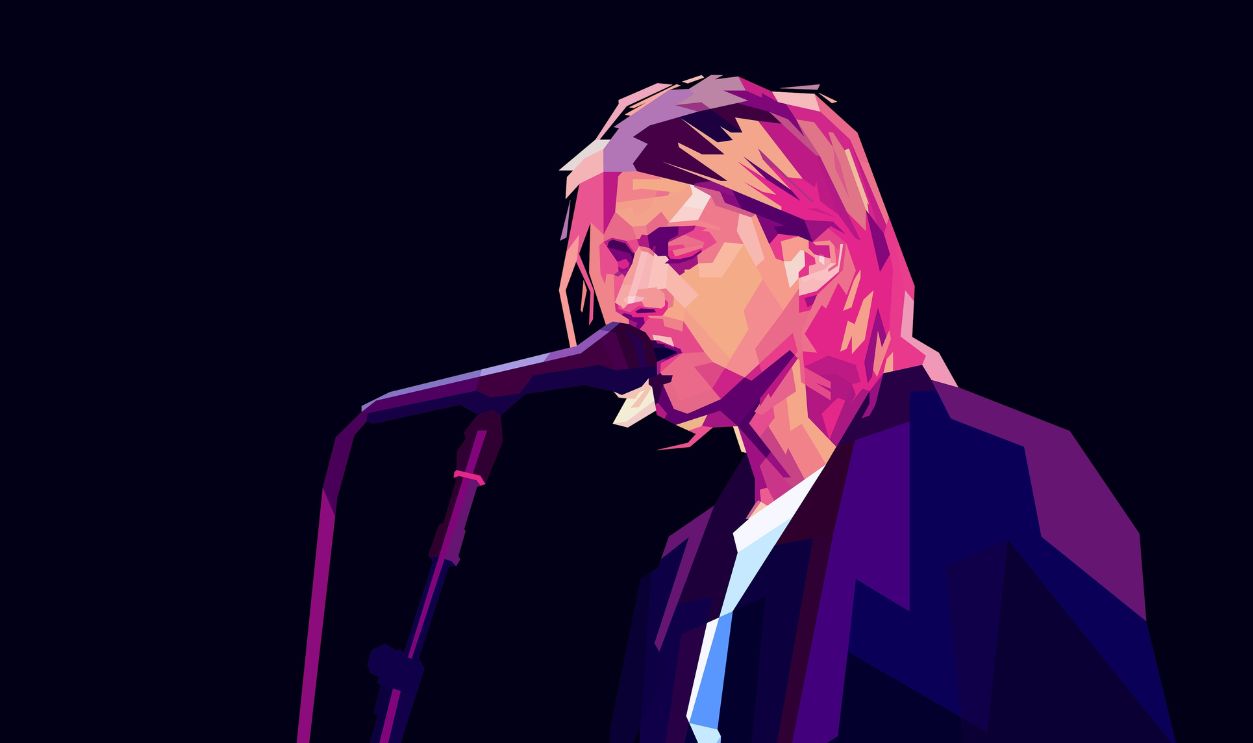
Kurt’s honesty was what made people love him — and what made fame unbearable. He couldn’t fake enthusiasm or detachment. Every contradiction cut deeper because he felt everything intensely.
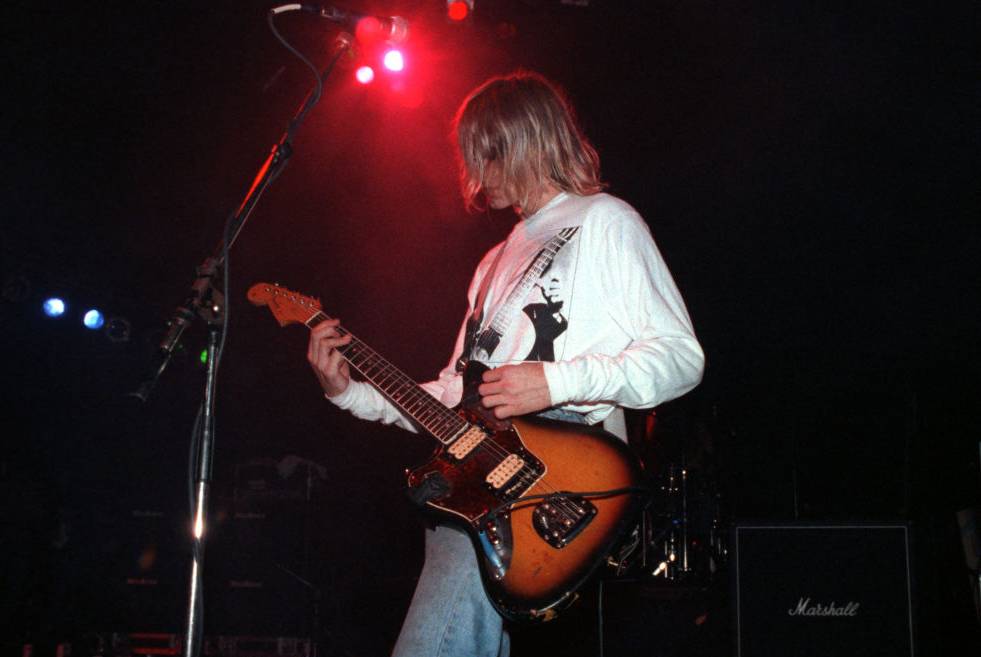
A Generation Saw Strength Where There Was Pain
Many fans saw courage in his refusal. Few saw how tired he was. Kurt never framed himself as a hero. He saw himself as confused, sensitive, and overwhelmed by attention he never asked for.
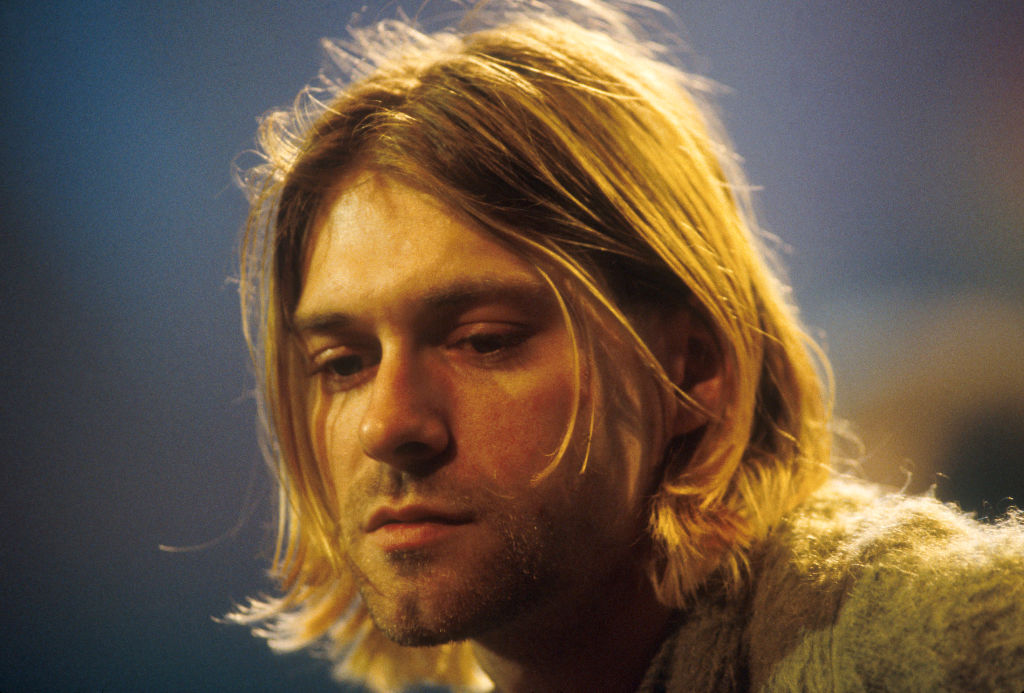
The Industry Didn’t Know How to Help Him
There were contracts, tours, interviews — but very little care. The industry knew how to sell Kurt Cobain, not how to protect him. Saying no to Lollapalooza was one of the few times he pushed back.
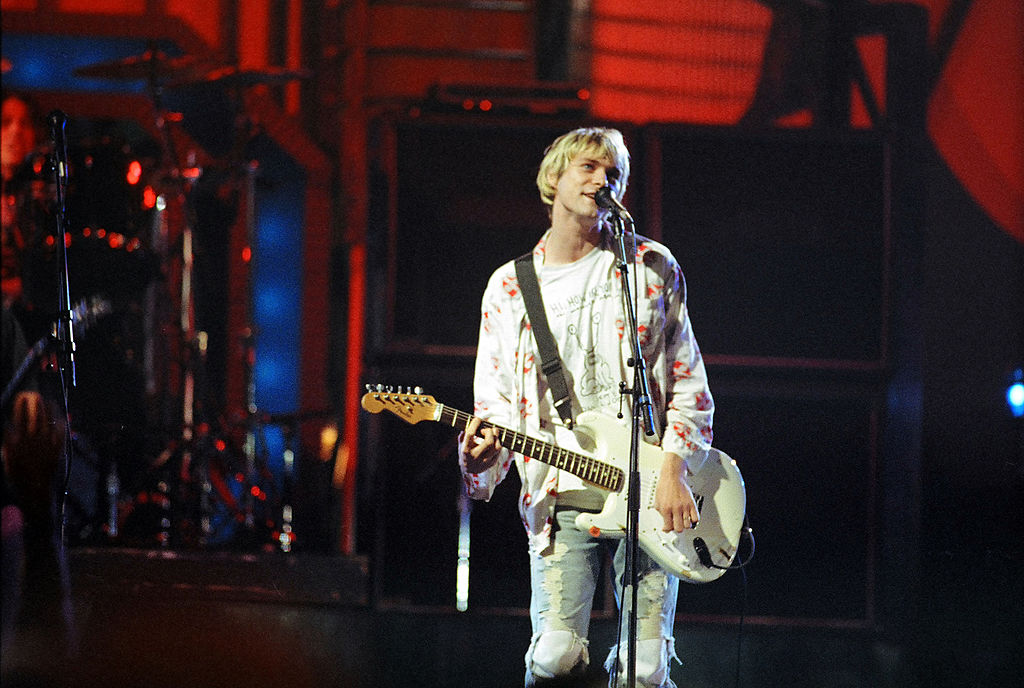
A Pattern of Resistance and Retreat
This wouldn’t be the last time Kurt resisted expectations. He alternated between defiance and withdrawal, trying to find balance in a world that demanded constant output.
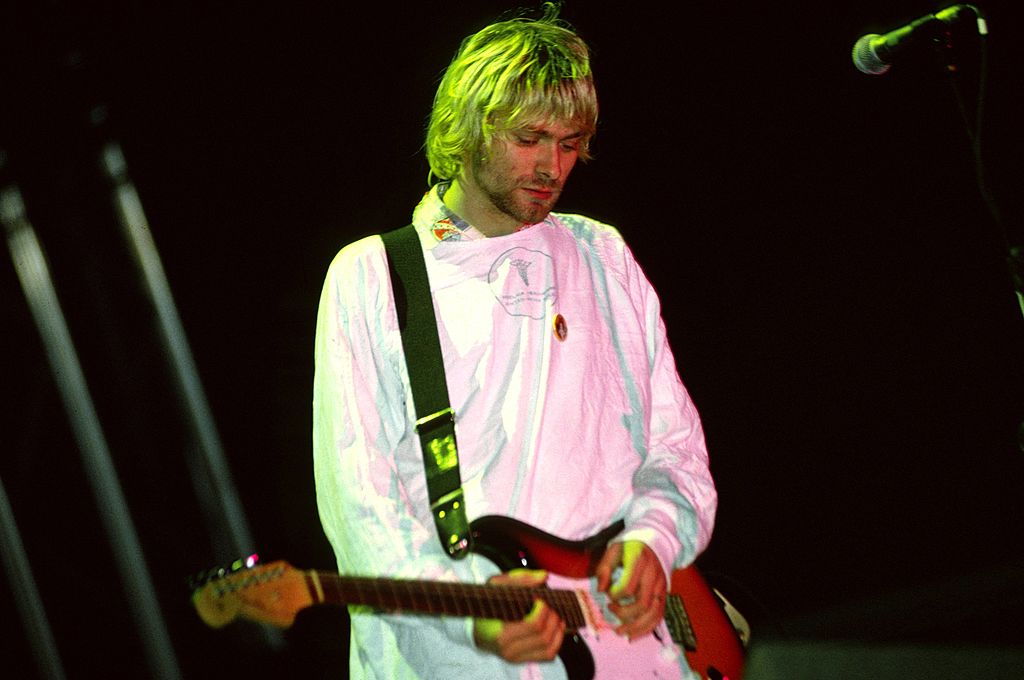
Looking Back, the Signs Feel Clearer
With hindsight, the refusal reads less like rebellion and more like exhaustion. It was the sound of someone questioning whether success was worth the cost.
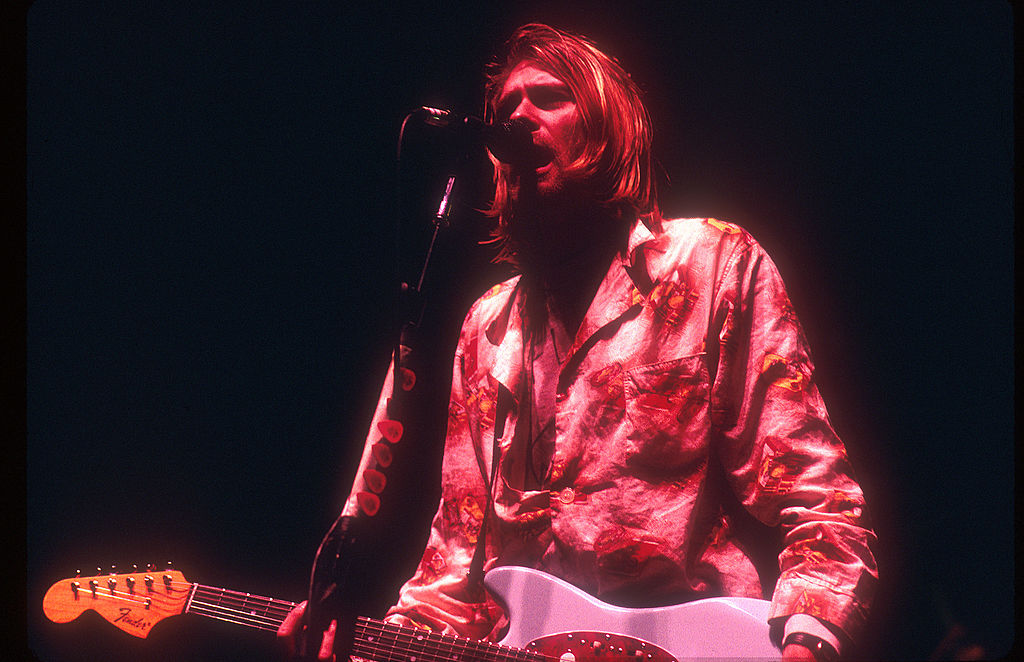
What That “No” Really Meant
Kurt Cobain didn’t refuse Lollapalooza because he thought he was above it. He refused because he felt buried by contradictions — loving music, hating fame, wanting connection, fearing exposure.
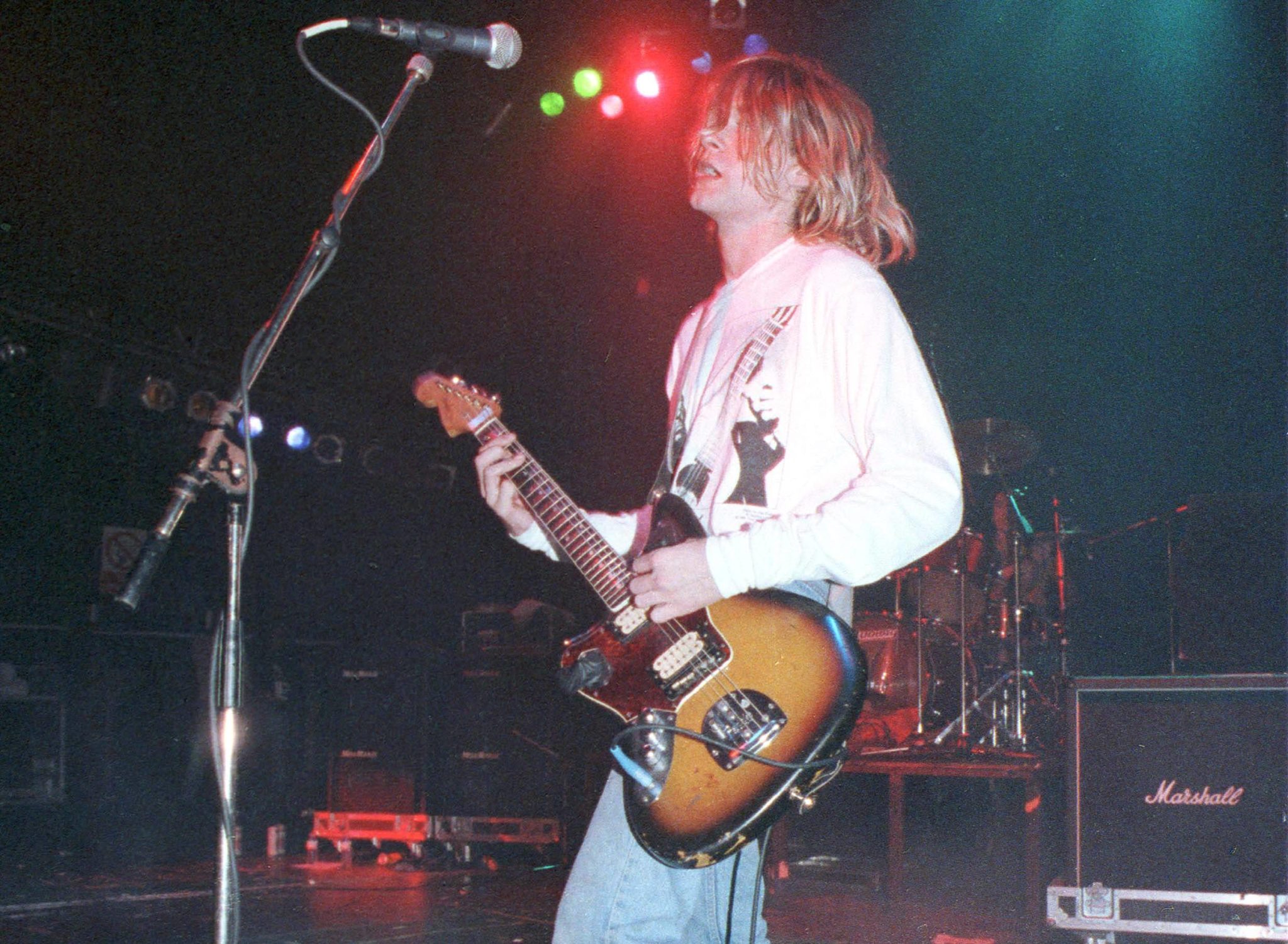
A Quiet Moment That Said Everything
In a career filled with loud guitars and explosive performances, that simple refusal stands out. It wasn’t shouted. It wasn’t dramatic. It was a quiet act of self-preservation from a man who desperately needed space.
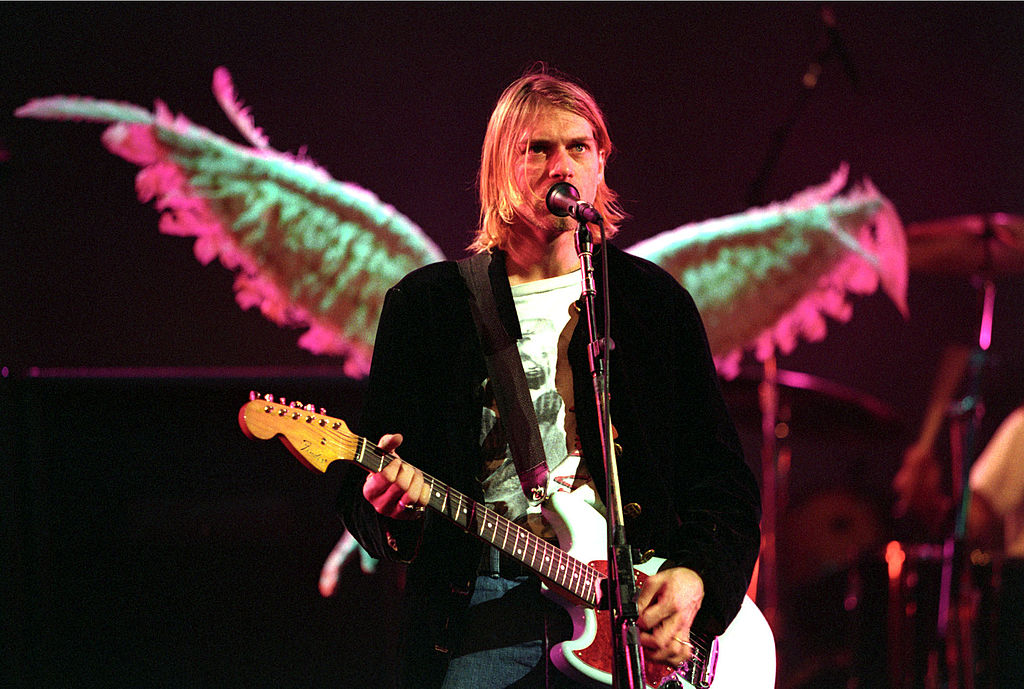
The Legacy of That Choice
Today, that moment feels haunting. Not because of what Nirvana missed — but because of what Kurt was trying to say without words. Sometimes, refusal is the clearest signal that something is breaking.
You May Also Like: