The Arrest That Nearly Ended It All — And Accidentally Saved The Rolling Stones
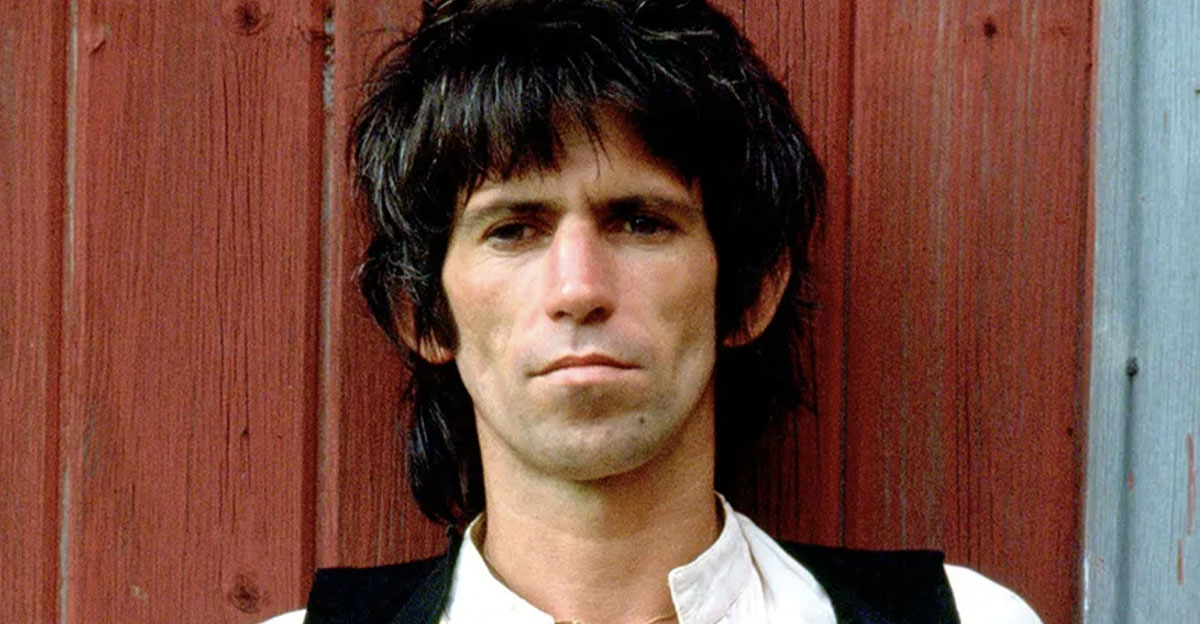
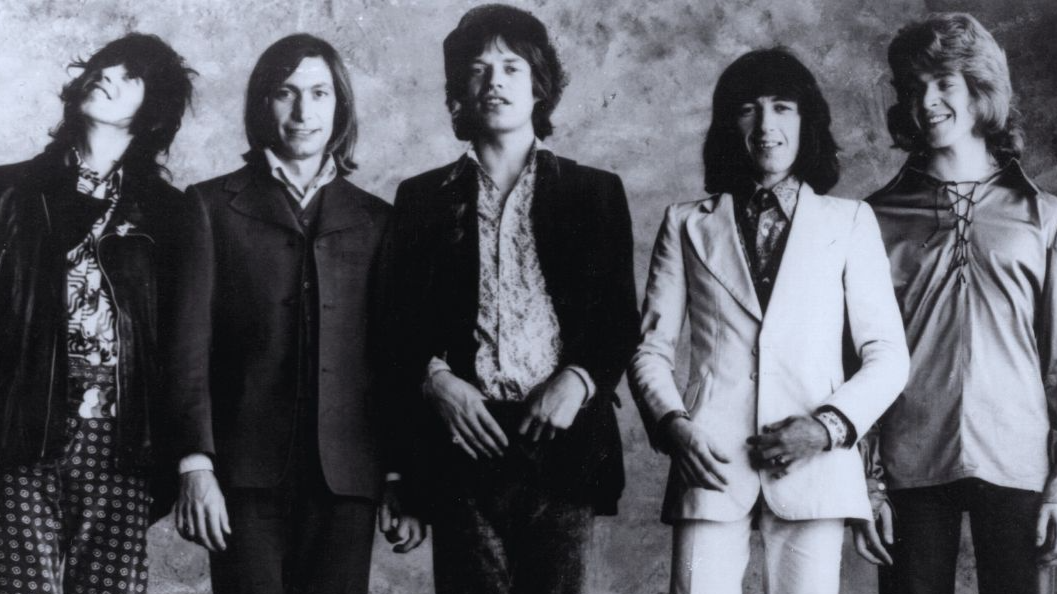
By the late 1970s, Keith Richards had become both a genius and a warning sign. His guitar shaped the sound of rock, and yet his dependence on hard substances was spiraling. Even friends wondered if he was living on momentum alone. “I was running on fumes,” Keith later admitted.
Trouble Brewing on the 1977 Tour
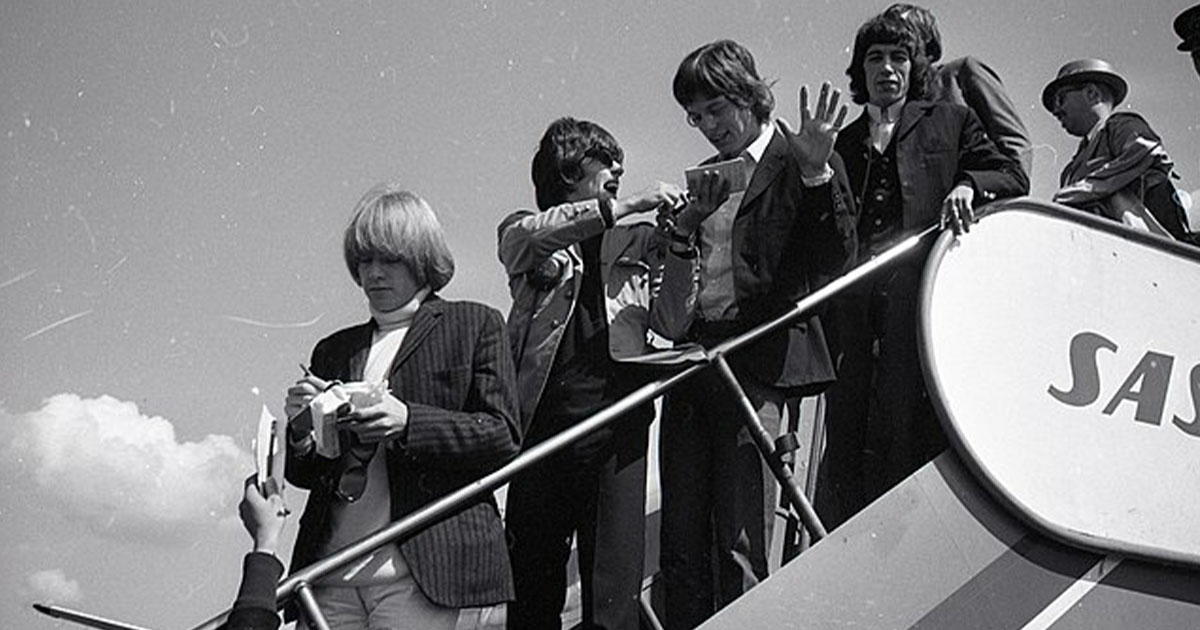
When The Rolling Stones prepared for their Canadian dates in early 1977, Keith wasn’t just battling exhaustion — he was being watched. Authorities had noticed his increasingly unpredictable behavior on tour. Fans saw swagger. The police saw something else: a musician edging toward collapse.
 Michael Ochs Archives, Getty Images
Toronto: The Night Everything Changed
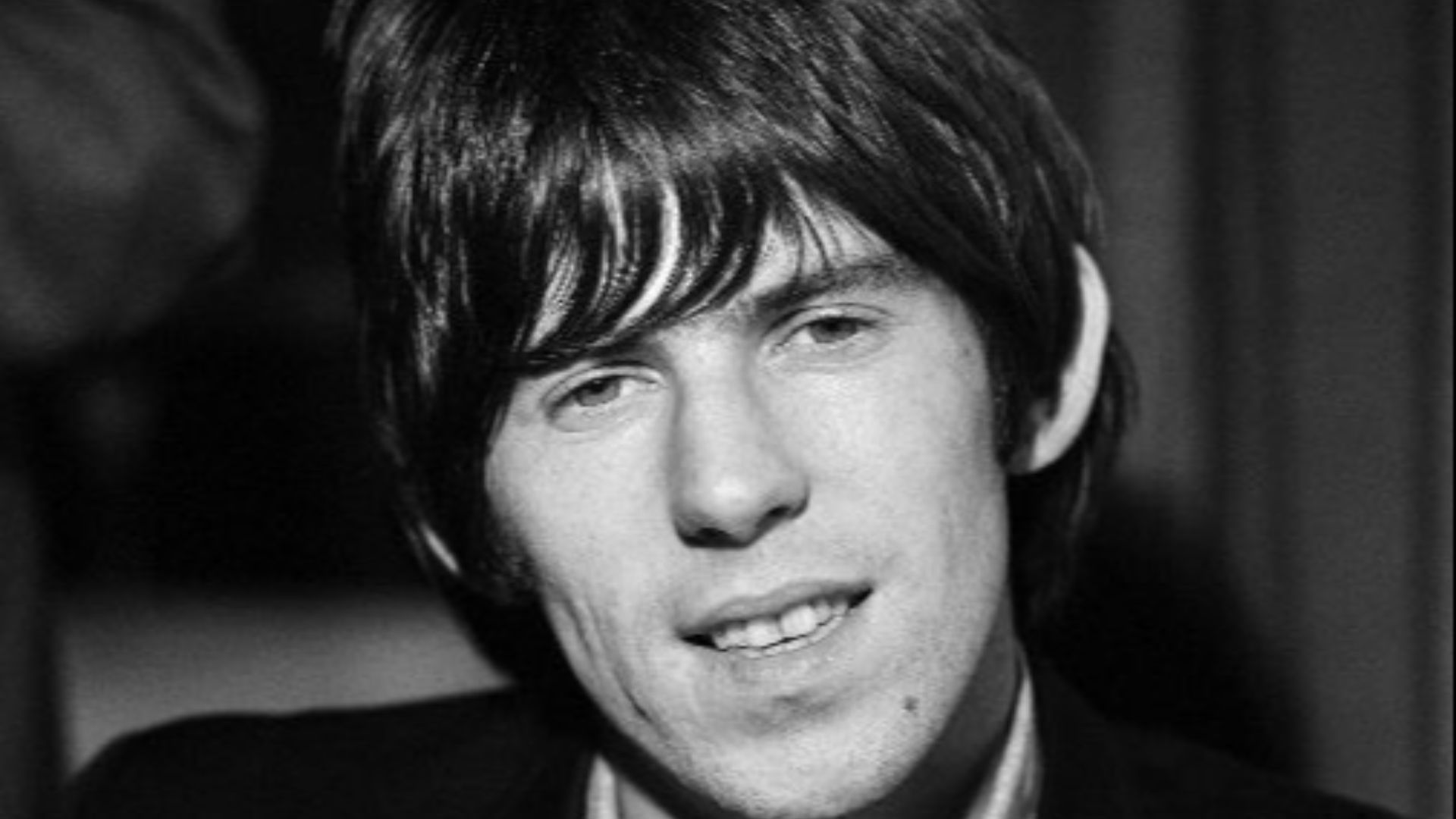
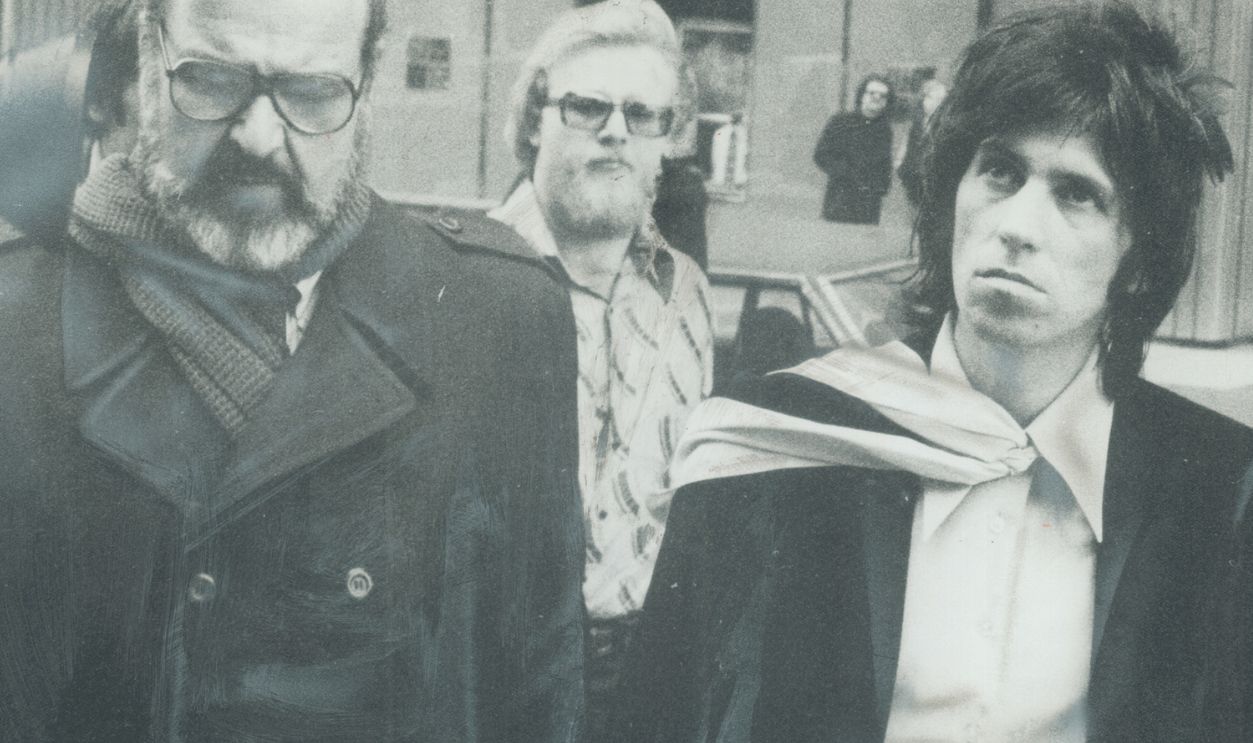
On February 27, 1977, police entered Keith’s hotel room at the Harbour Castle Hilton in Toronto. What they found — including traces of serious substances — led to Keith’s arrest. News spread instantly. Headlines declared it “the end of Keith Richards,” and possibly the end of The Rolling Stones altogether.
 Olavi Kaskisuo / Lehtikuva, Wikimedia Commons
Facing a Charge That Could End His Life
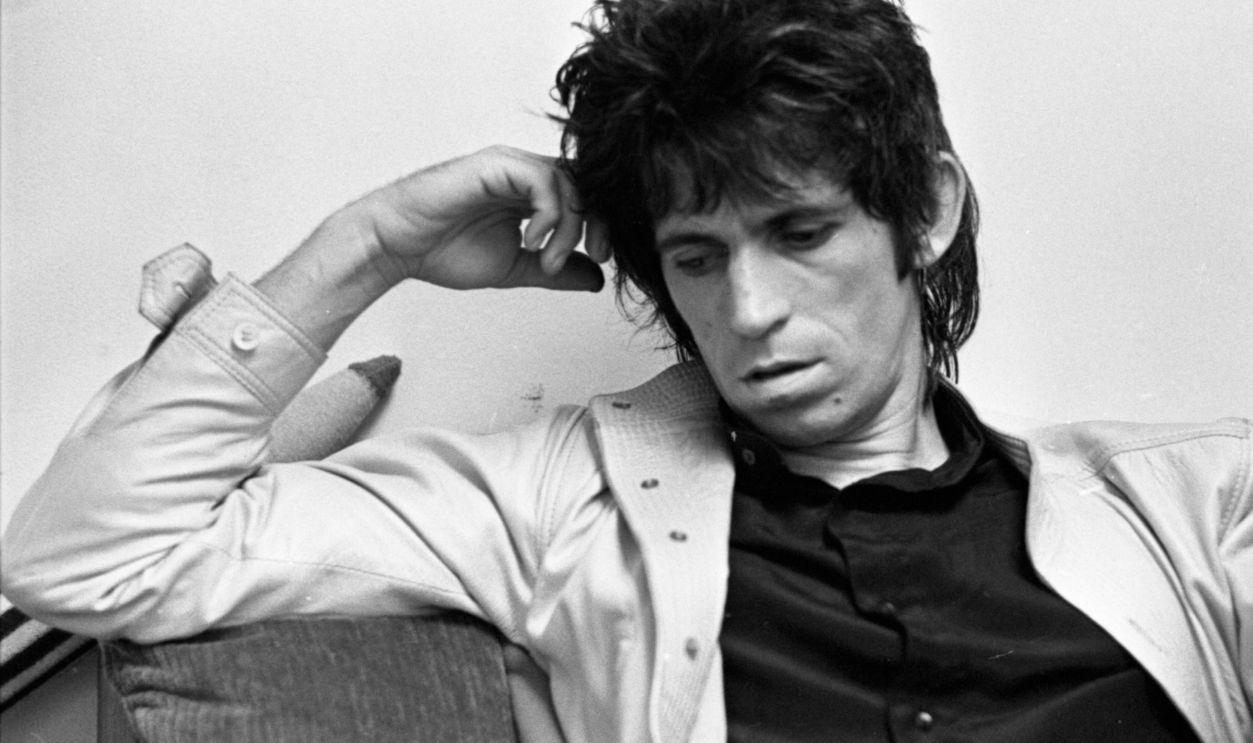
Keith was charged with possession of a controlled substance with intent to traffic — a charge that carried the possibility of years in prison. For the first time, even Keith’s own bandmates quietly wondered: What happens to the Stones if he goes away?
The World Reacts — And Fans Rally
Strangely, the public didn’t turn on him. Instead, fans wrote letters to the court begging for mercy. One Canadian mother famously wrote that Keith’s music had helped her disabled son smile. The judge later referenced these letters, noting the “extraordinary public compassion.”
Keith Begins to Understand the Stakes
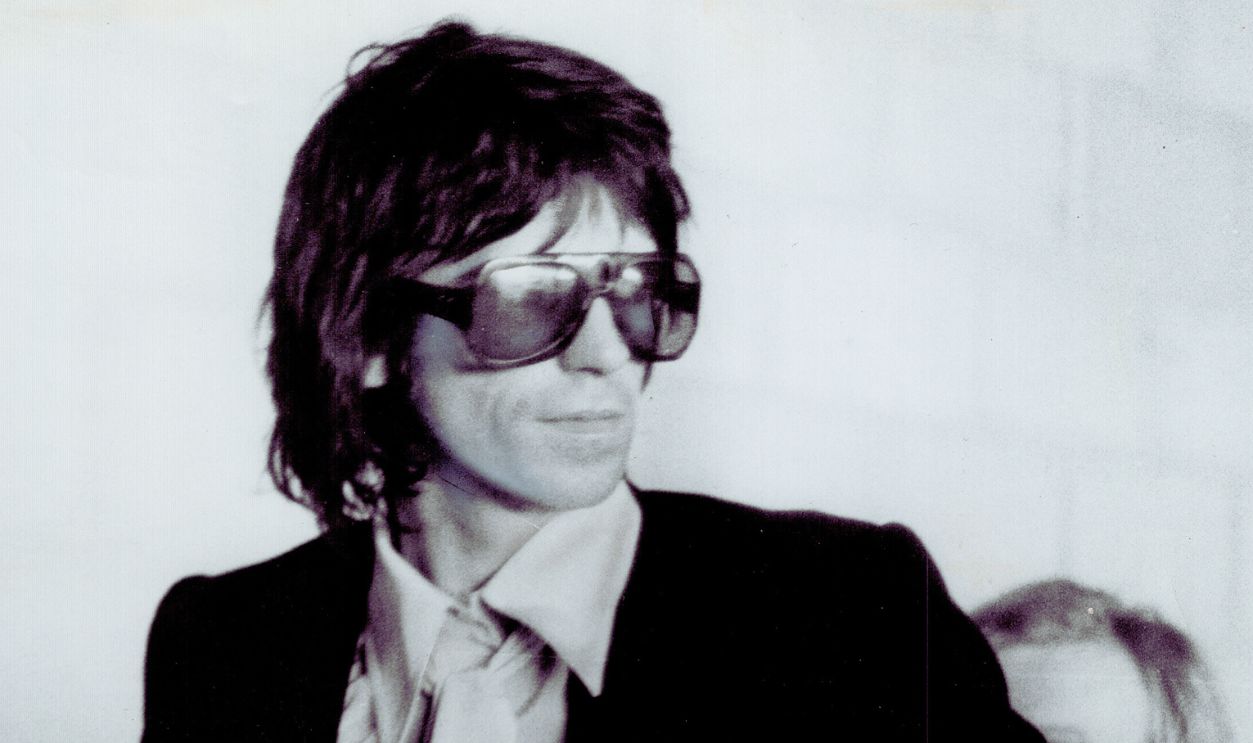
For years, Keith had brushed off warnings about his lifestyle. But this time felt different. “It was like someone grabbed me by the collar and said, ‘Wake up,’” he later said. Jail wasn’t a rumor anymore — it was a real possibility.
Anita Pallenberg and the Emotional Toll
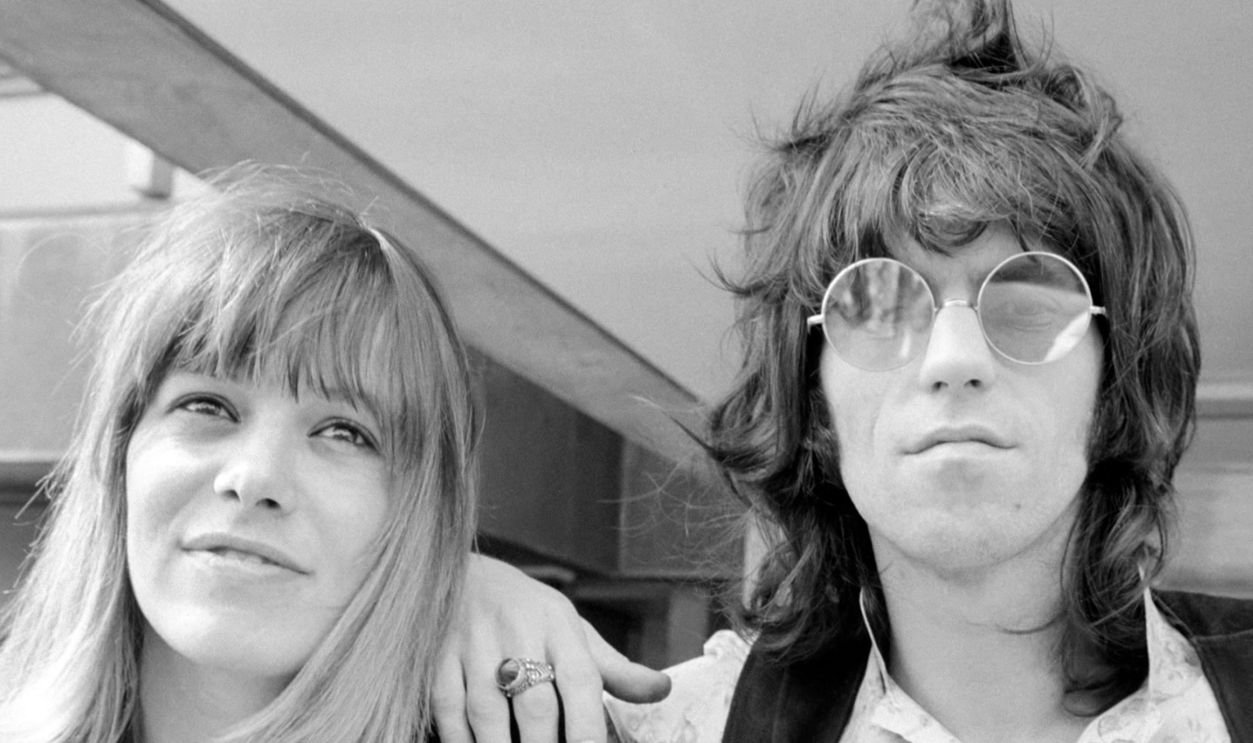
Keith’s longtime partner, Anita Pallenberg, was also struggling. Their relationship was fraying under the weight of his addiction, her own struggles, and the chaos around them. Friends said the couple felt “haunted,” desperate for a break neither knew how to take.
The Stones Hold Their Breath
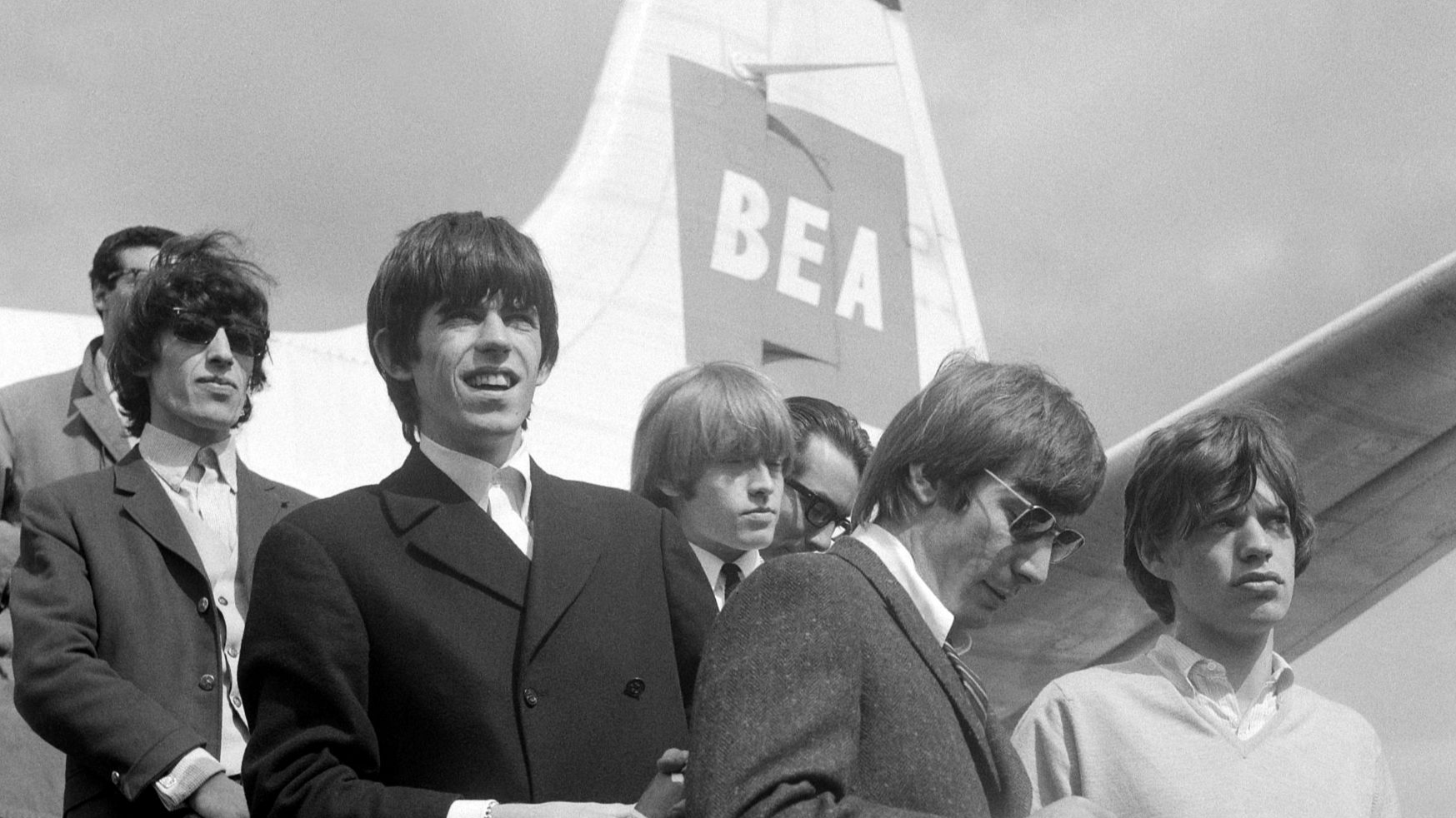
Mick Jagger tried to keep the band steady, but he admitted years later he wasn’t sure Keith would survive the ordeal. “We didn’t know if we’d ever play together again,” he said. It wasn’t drama — it was reality.
 Hugo van Gelderen (ANEFO), Wikimedia Commons
The Unexpected Break in the Case
During the trial, lawyers argued that Keith’s addiction made him a dependent, not a trafficker. It was enough to reduce the severity of the charge, but not enough to clear him. What the judge did next surprised the world.
A Sentence That Became a Lifeline
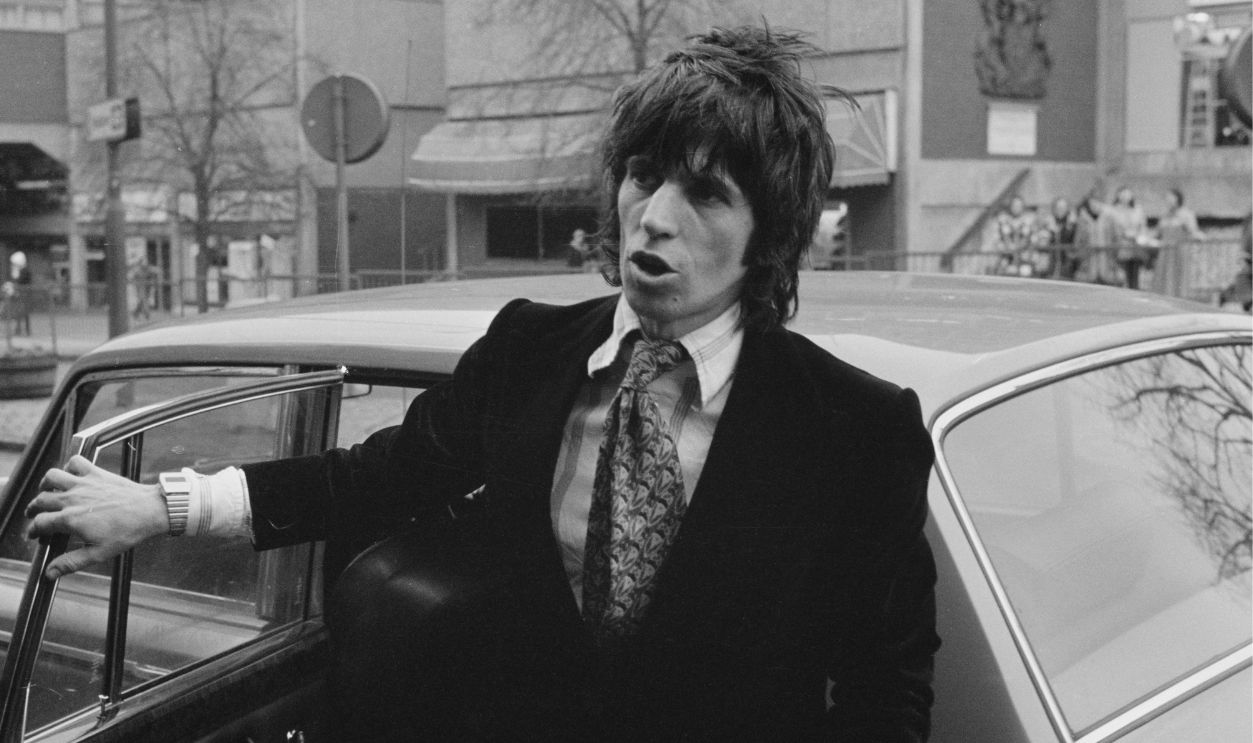
Keith was sentenced not to prison, but to play a charity concert for blind children in Ontario. It was an unprecedented decision — one that saved his career, his freedom, and his future. The judge said he wanted Keith to “give back something meaningful.”
 Magnolia677, Wikimedia Commons
The Concert That Changed Everything
Keith kept his promise. He played two benefit concerts for the Canadian National Institute for the Blind. He later said performing for those kids “hit something in me I didn’t know was still alive.” It wasn’t punishment. It was perspective.
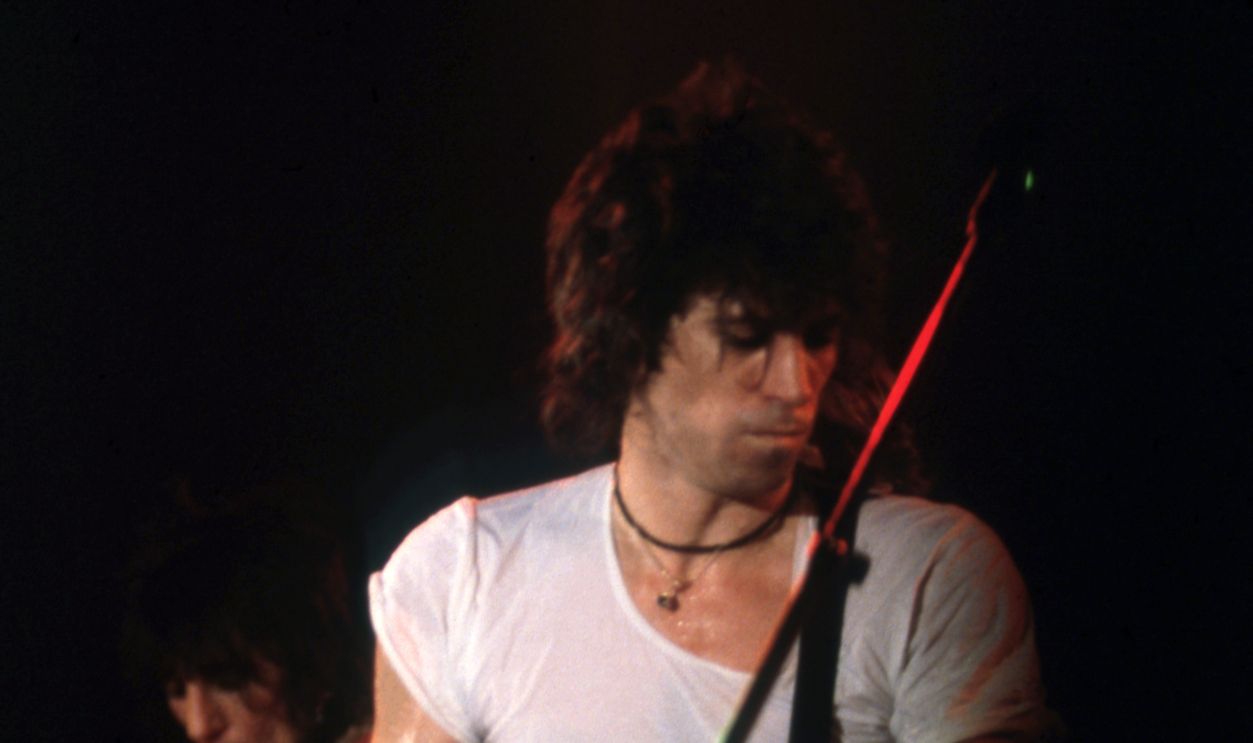
A Wake-Up Call Keith Couldn’t Ignore
After the trial, Keith made the decision he had avoided for years: he began stepping away from hard opiates. “I had to clean up,” he said simply. “Not just for me, but for the music.” For a man who lived “like a cat with nine lives,” this was the life he chose to keep.
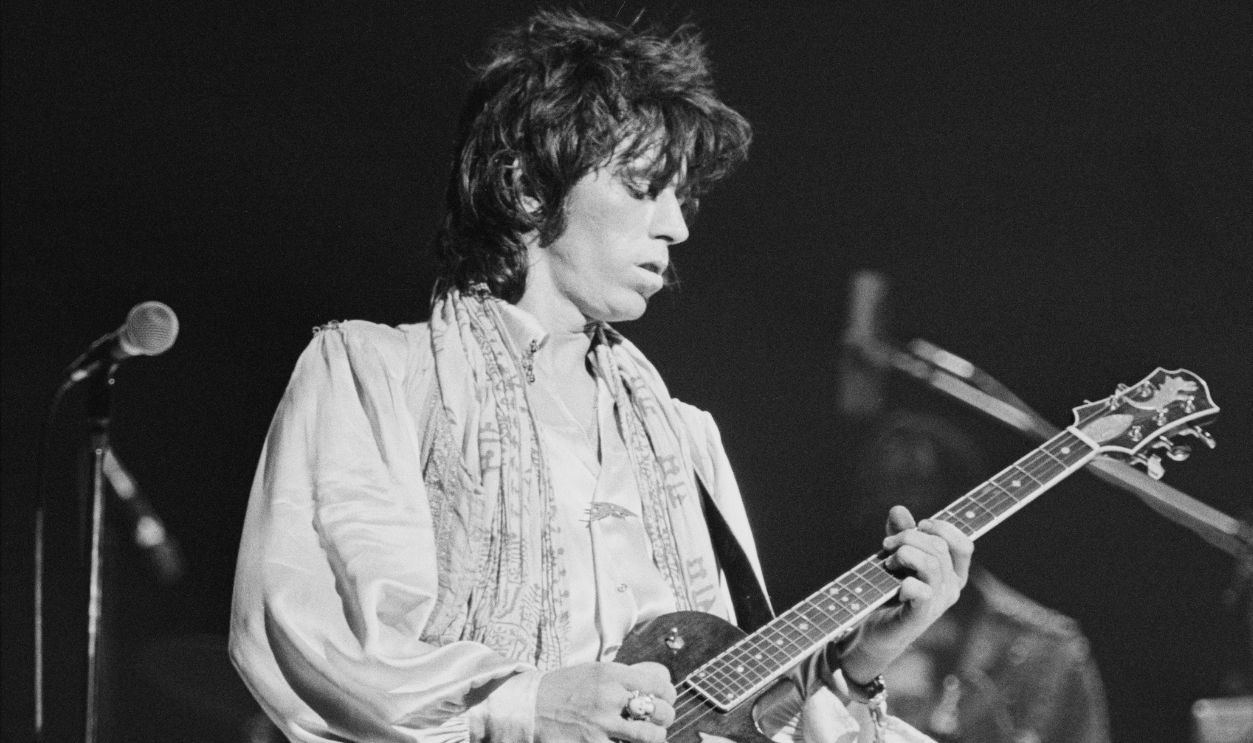
The Beginning of a New Rolling Stones Era
Once Keith got clean, the Stones became more focused, more cohesive, and strangely more united. Mick later admitted, “When Keith was present — really present — the band felt whole again.” Their comeback wasn’t just creative. It was emotional.
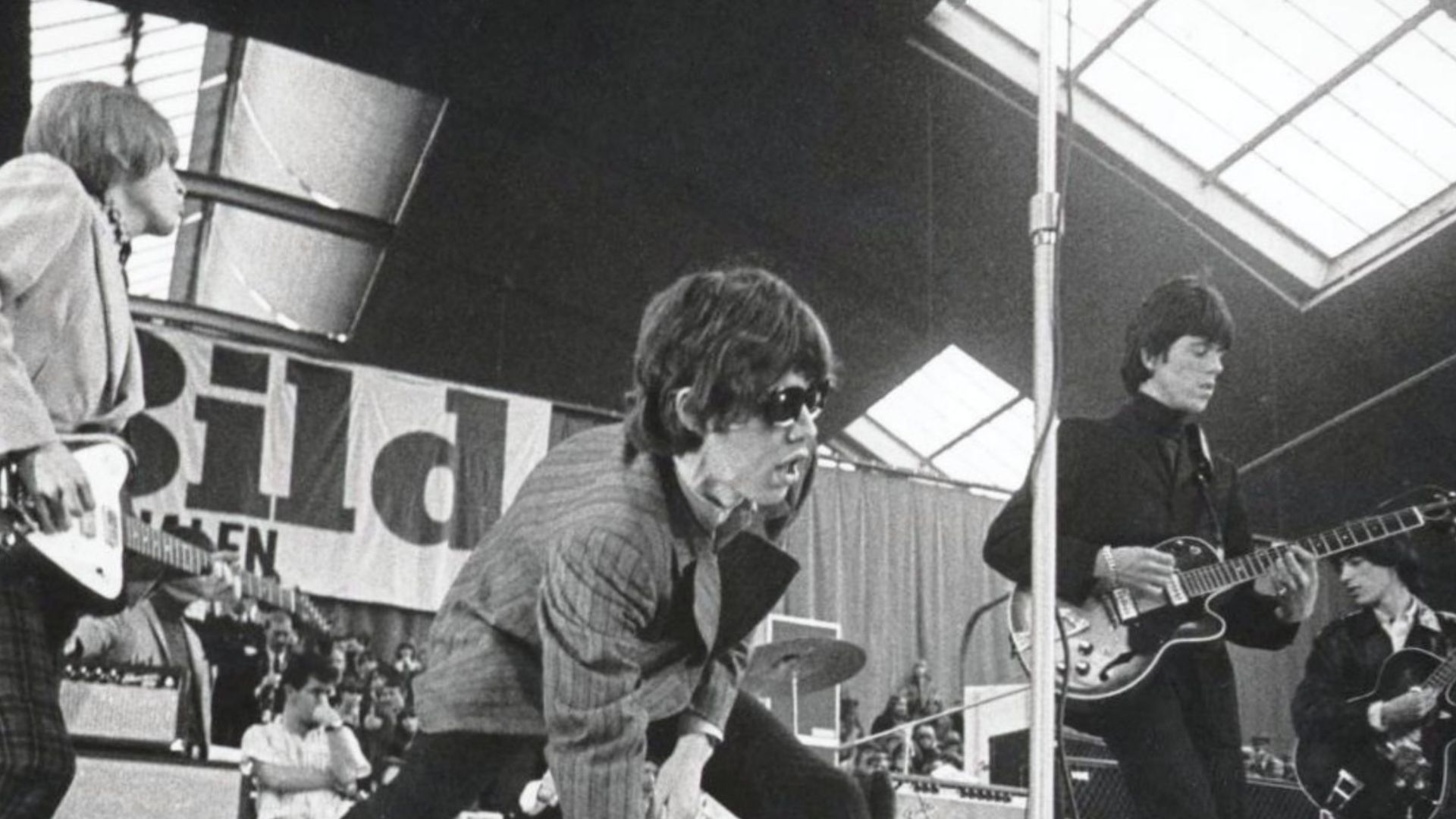 ingen uppgift, Wikimedia Commons
Making Some Girls — A Rebirth
In 1978, The Rolling Stones released Some Girls, an album many consider their late-career masterpiece. Keith played with sharper timing, clearer intention, and renewed hunger. Fans could hear it — the man was back.
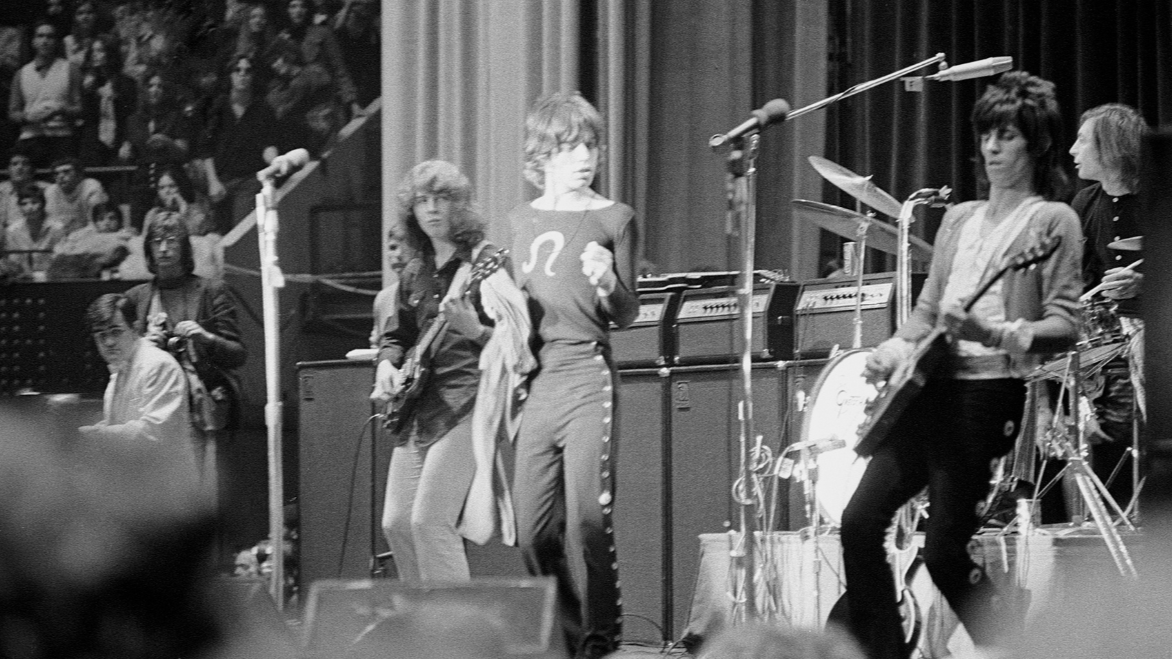 Michael Ochs Archives, Getty Images
Keith Takes Responsibility
Keith never hid from what happened in Toronto. Instead, he joked about it, talked openly about it, and framed it as a turning point. “I should thank Canada,” he once said. “They saved my life — and maybe the band too.”
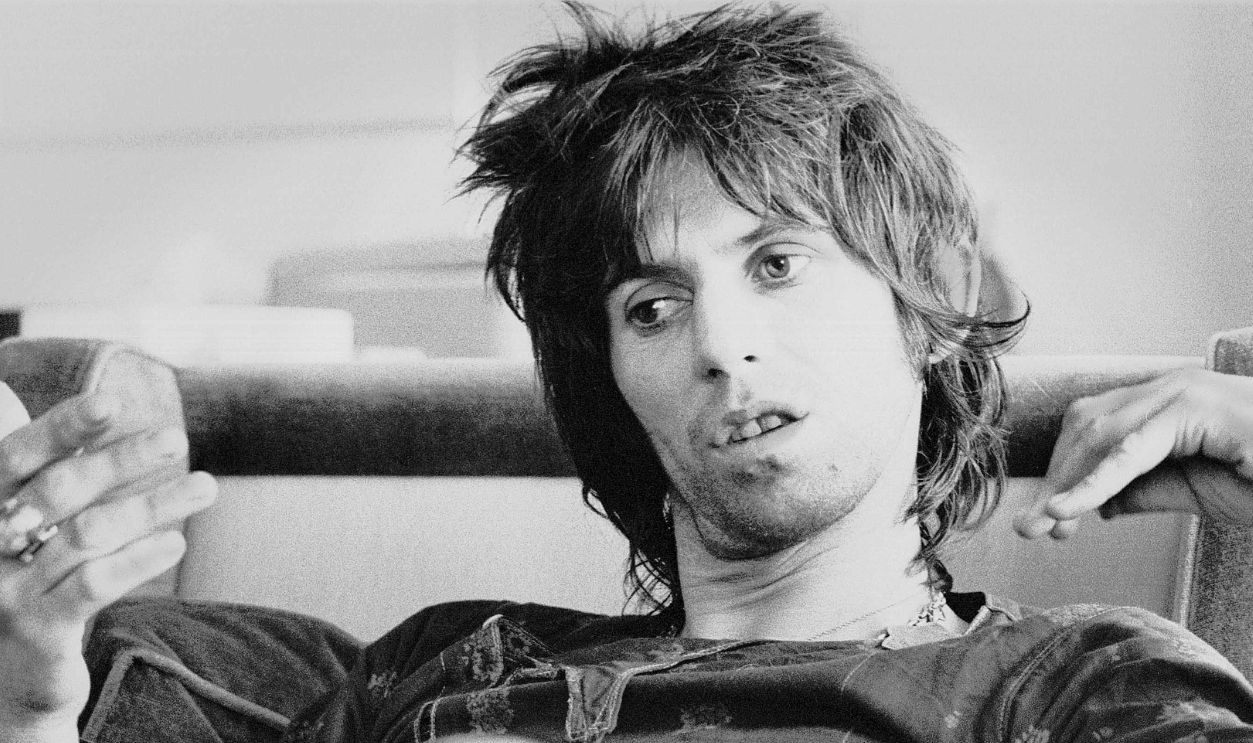 Gijsbert Hanekroot, Getty Images
A Friendship Renewed
Keith’s relationship with Mick also softened after the bust. Richards became more dependable, more grounded, and more willing to collaborate. Mick later said, “I got Keith back. Not the myth — the man.”
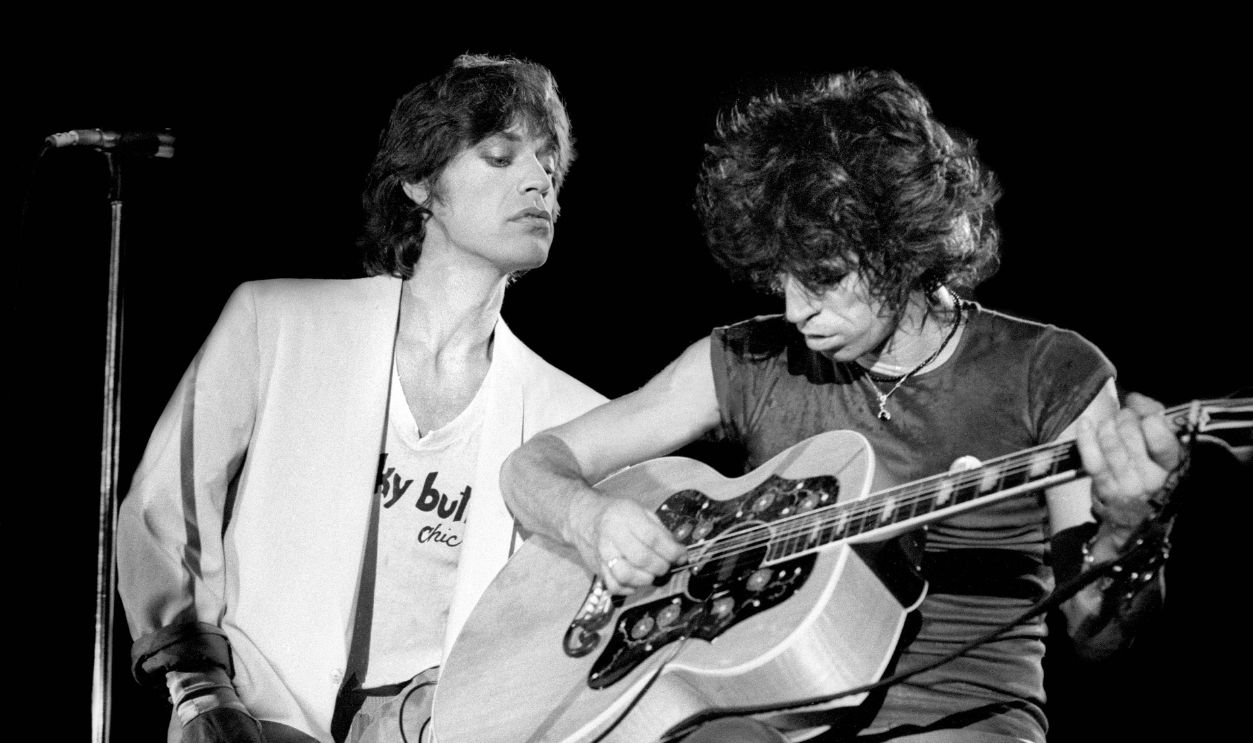 Richard E. Aaron, Getty Images
Becoming a Symbol of Survival
By the time the ’80s arrived, Keith Richards had become something unexpected: a symbol of endurance. Fans saw him as indestructible, but Keith corrected them: “It’s not that I can’t be broken. It’s that I keep standing up.”
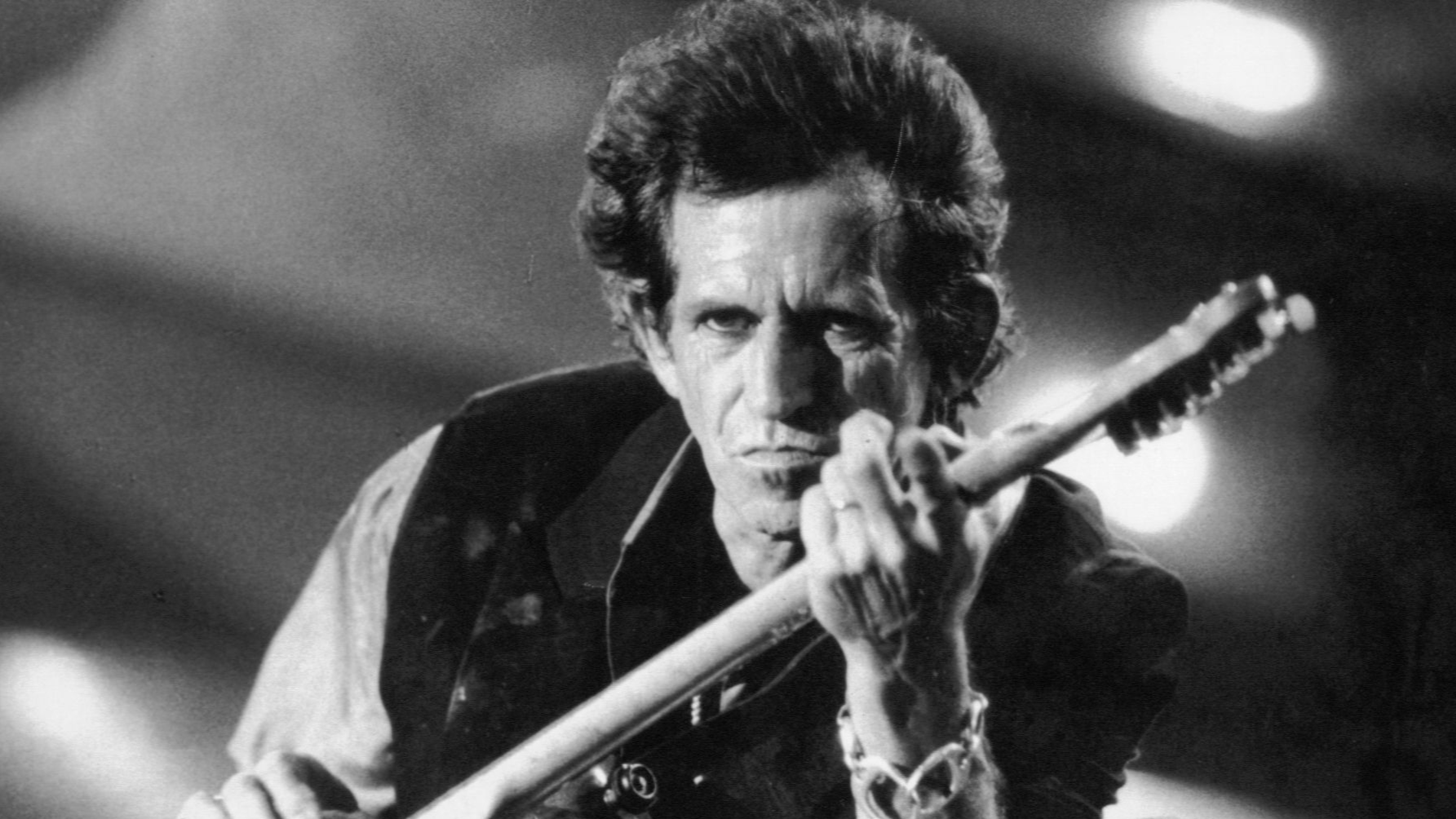 Machocarioca, Wikimedia Commons
The Softer Side of Keith Emerges
As he aged, Keith became more openly affectionate with fans, journalists, and even rivals. His daughter Alexandra once said, “My dad became warmer after the trial — he realized what he almost lost.”

Looking Back Without Flinching
Keith Richards has never tried to rewrite the past. “I made mistakes. Big ones,” he said. “But those mistakes gave me the life I have now.” The humility is real — and rare.
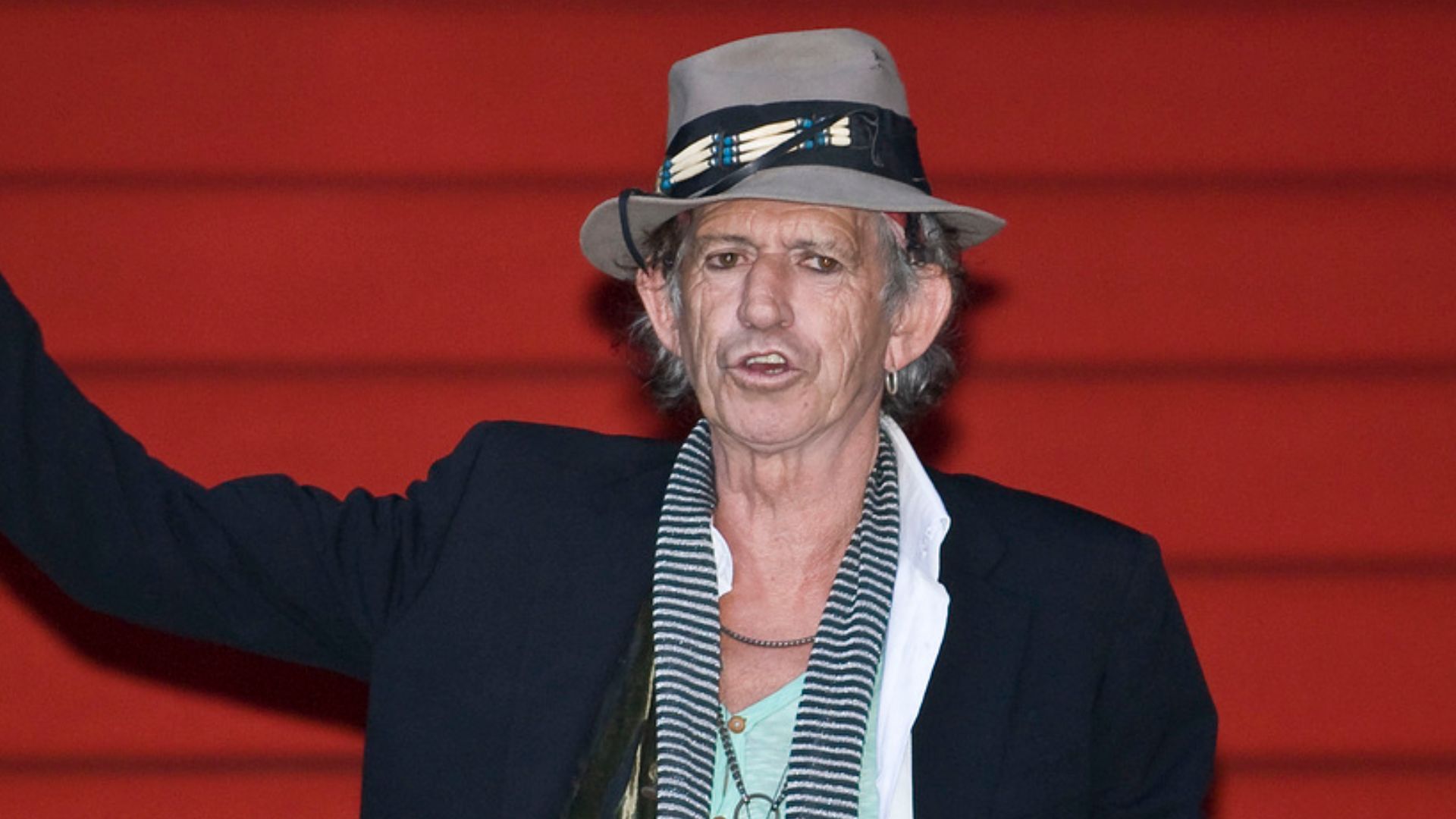
The Bust That Saved the Stones
In the end, what looked like the downfall of The Rolling Stones became the turning point that kept them alive. The arrest forced Keith to reclaim control of his life, helping the band stay together for decades to come. As Keith himself put it: “Toronto didn’t end me. It woke me up.”
You May Also Like: