Name That Tune…And The Band Too
Coming up with a band name is hard. Coming up with a song title is also hard. Well, in a two-birds-one-stone kind of move, some artists solved both problems at the same time—by just using the same name for everything. It’s bold, a little shameless, and sometimes surprisingly great.
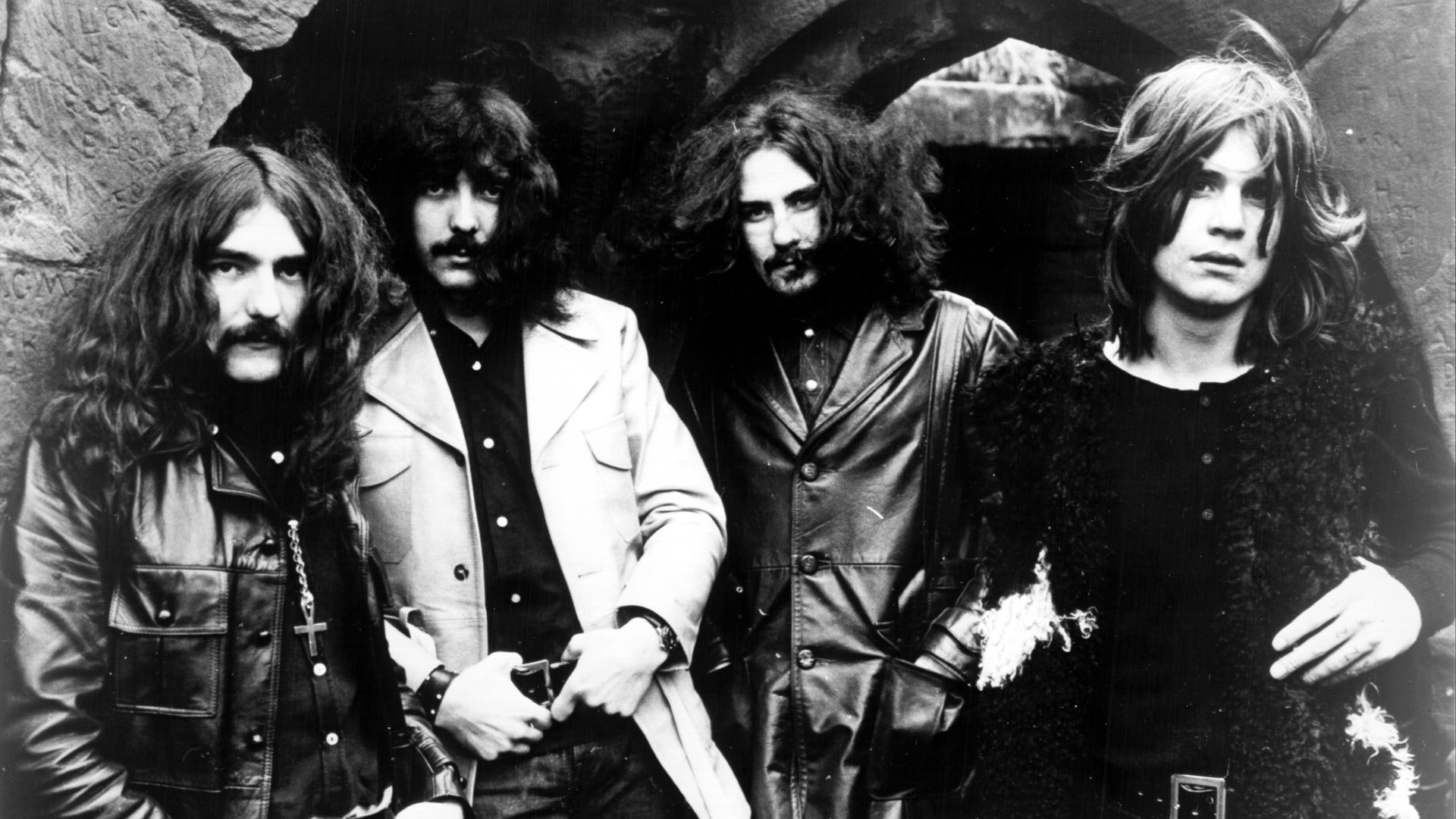
“Black Sabbath” (Black Sabbath)
If you’re going to invent heavy metal, you might as well name the song after the band. Black Sabbath opens with church bells, thunder, and one of the creepiest riffs ever recorded. Released in 1970, it basically announced that something darker had arrived in rock music—and the band made sure you remembered their name.
 Warner Bros. Records, Wikimedia Commons
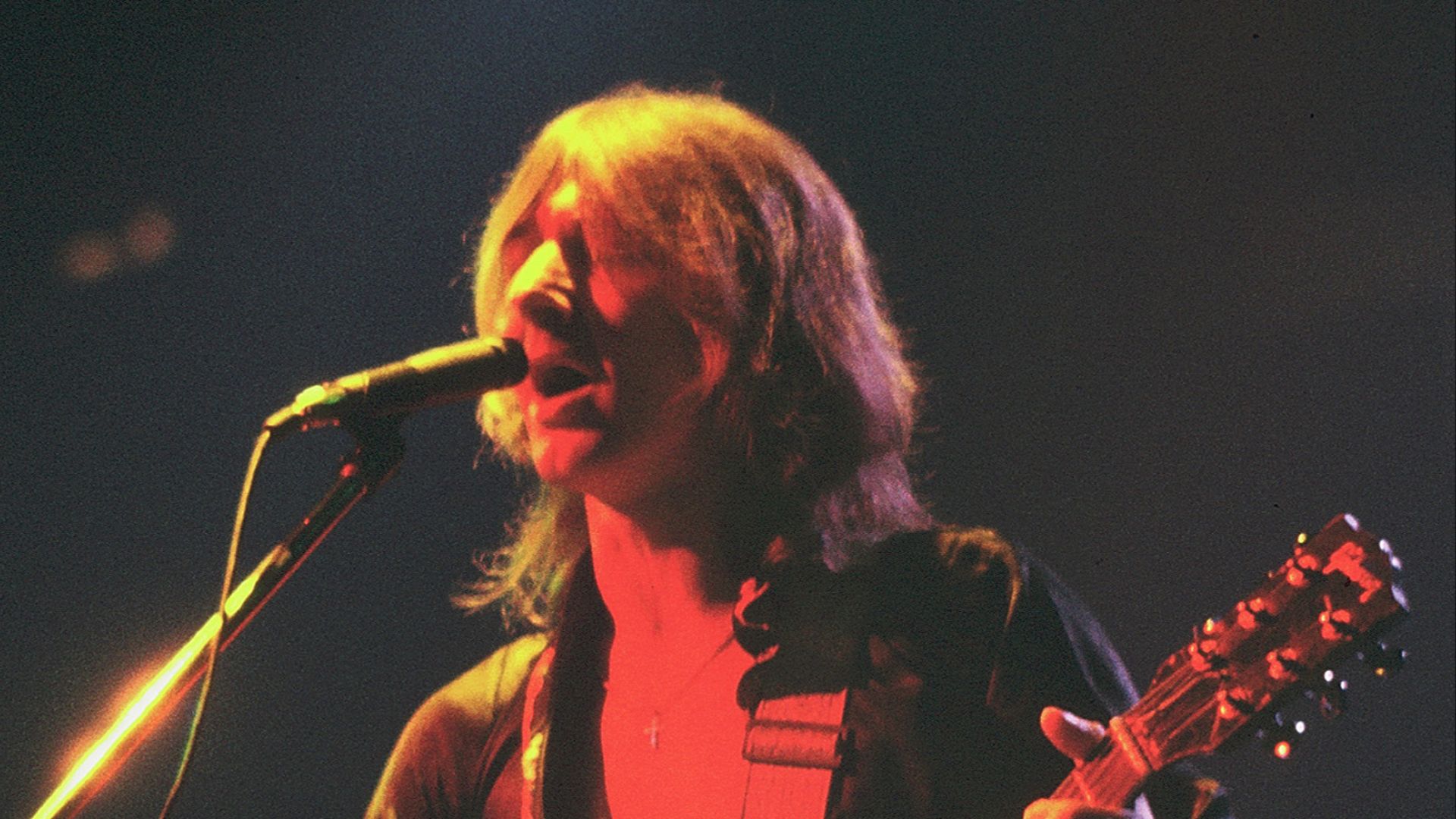
“Bad Company” (Bad Company)
Bad Company is the band, the album, and the song title. Triple branding before marketing departments got involved. The swaggering track became one of the group’s signature songs and a perfect introduction to their bluesy hard‑rock sound.
 Jim Summaria, Wikimedia Commons
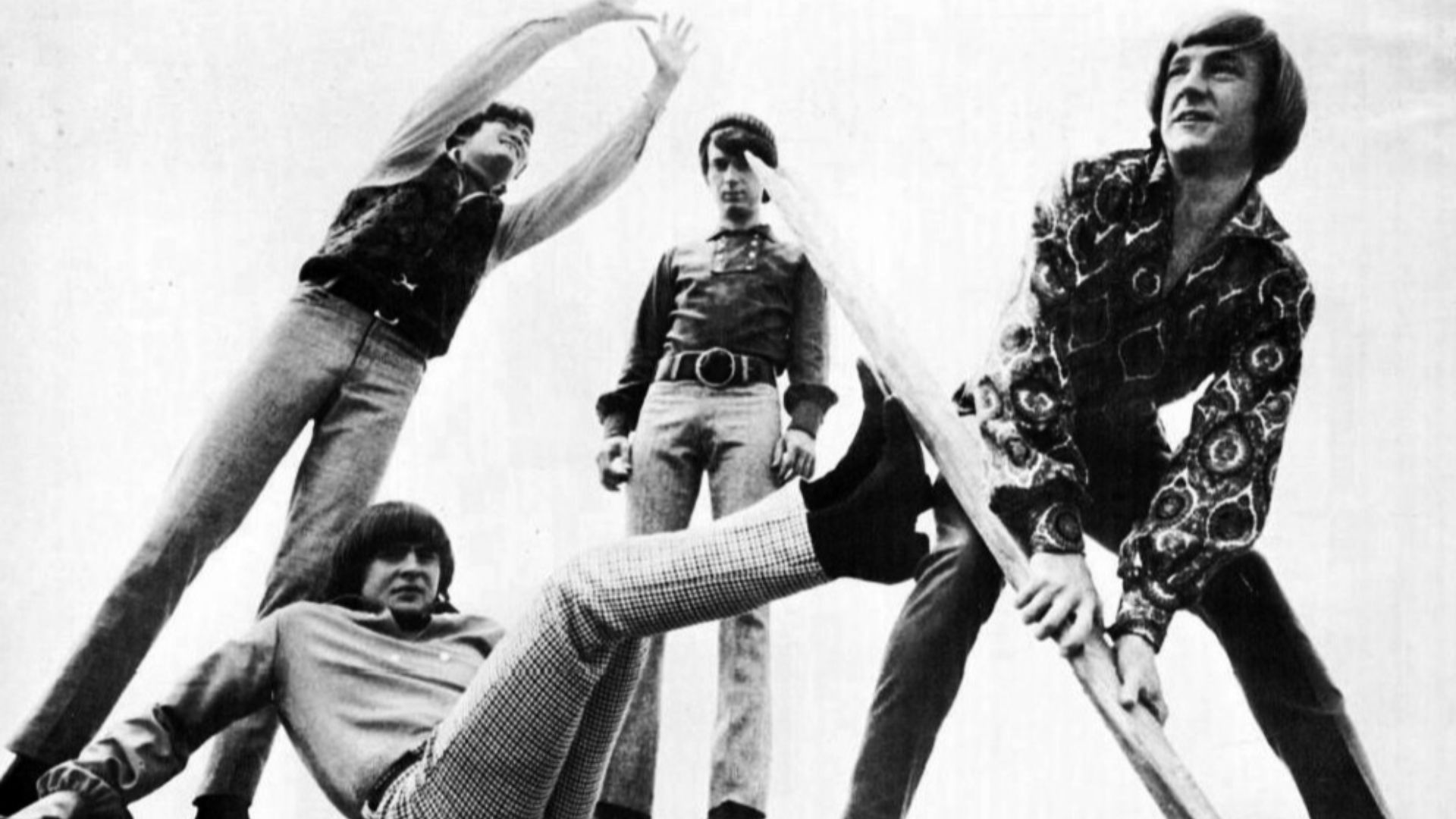
“Hey, Hey, We’re the Monkees” (The Monkees)
Few bands ever got a more cheerful introduction than this. The opening line basically waves hello to the audience before the show even begins—and fans have been singing along for decades.
 Colgems Records, Wikimedia Commons
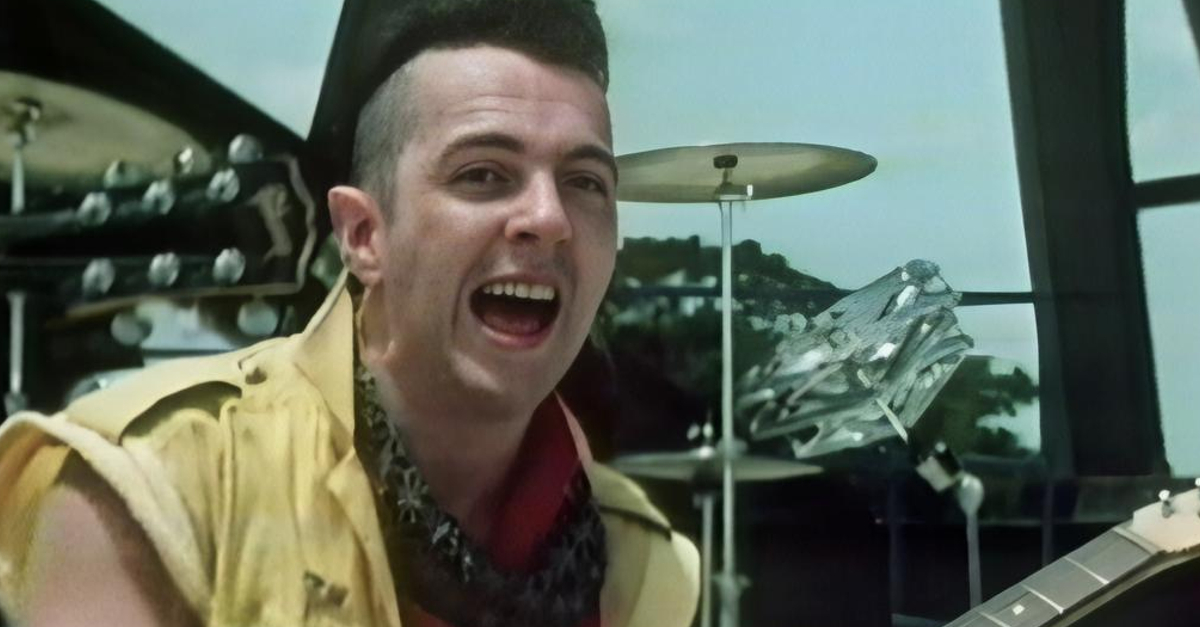
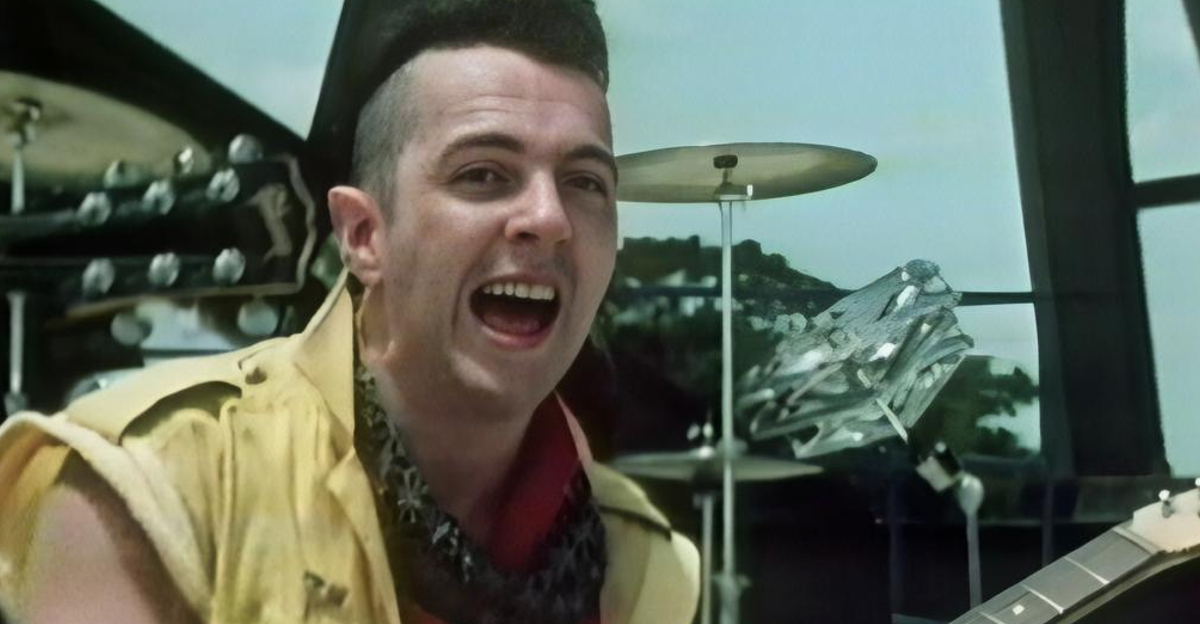
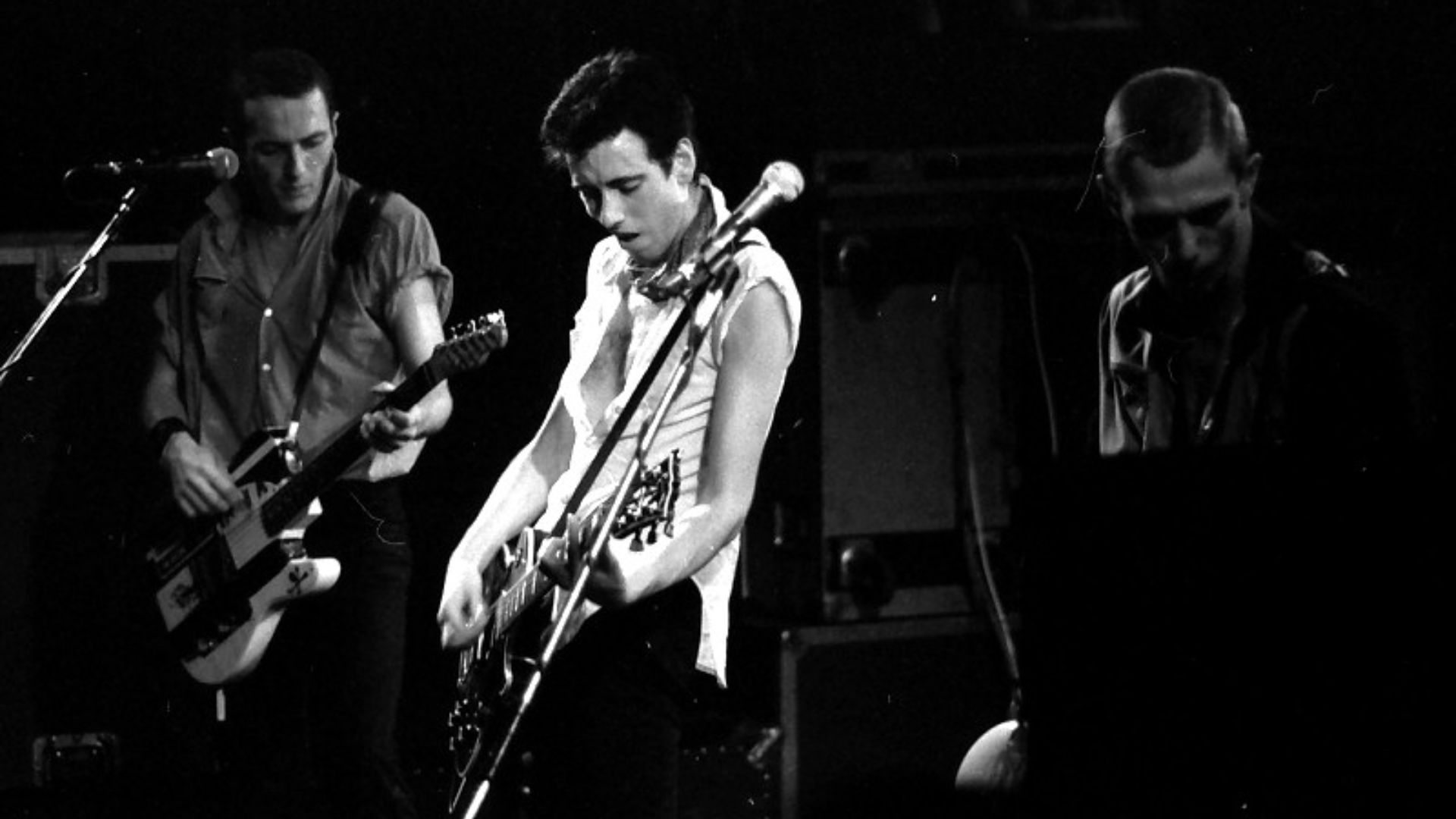
“This Is Radio Clash” (The Clash)
The Clash sounded like they were hijacking the airwaves with This Is Radio Clash. The title makes the band feel like a rebellious broadcast interrupting the system.
 Helge Øverås, Wikimedia Commons
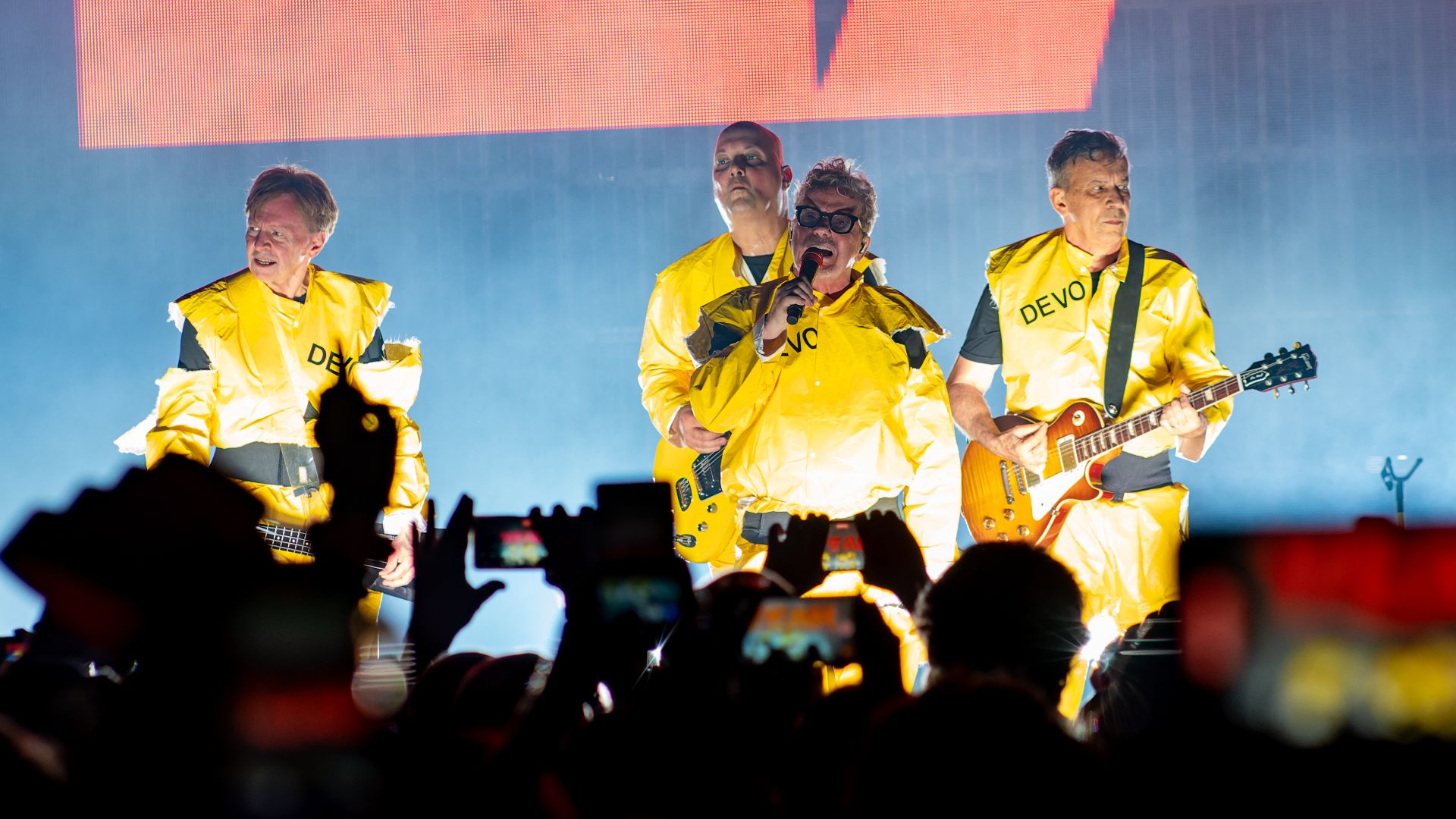
“We Are Devo” (Devo)
Devo built an entire philosophy around “de-evolution,” and We Are Devo serves as a mission statement. It’s quirky, robotic, and unmistakably Devo.
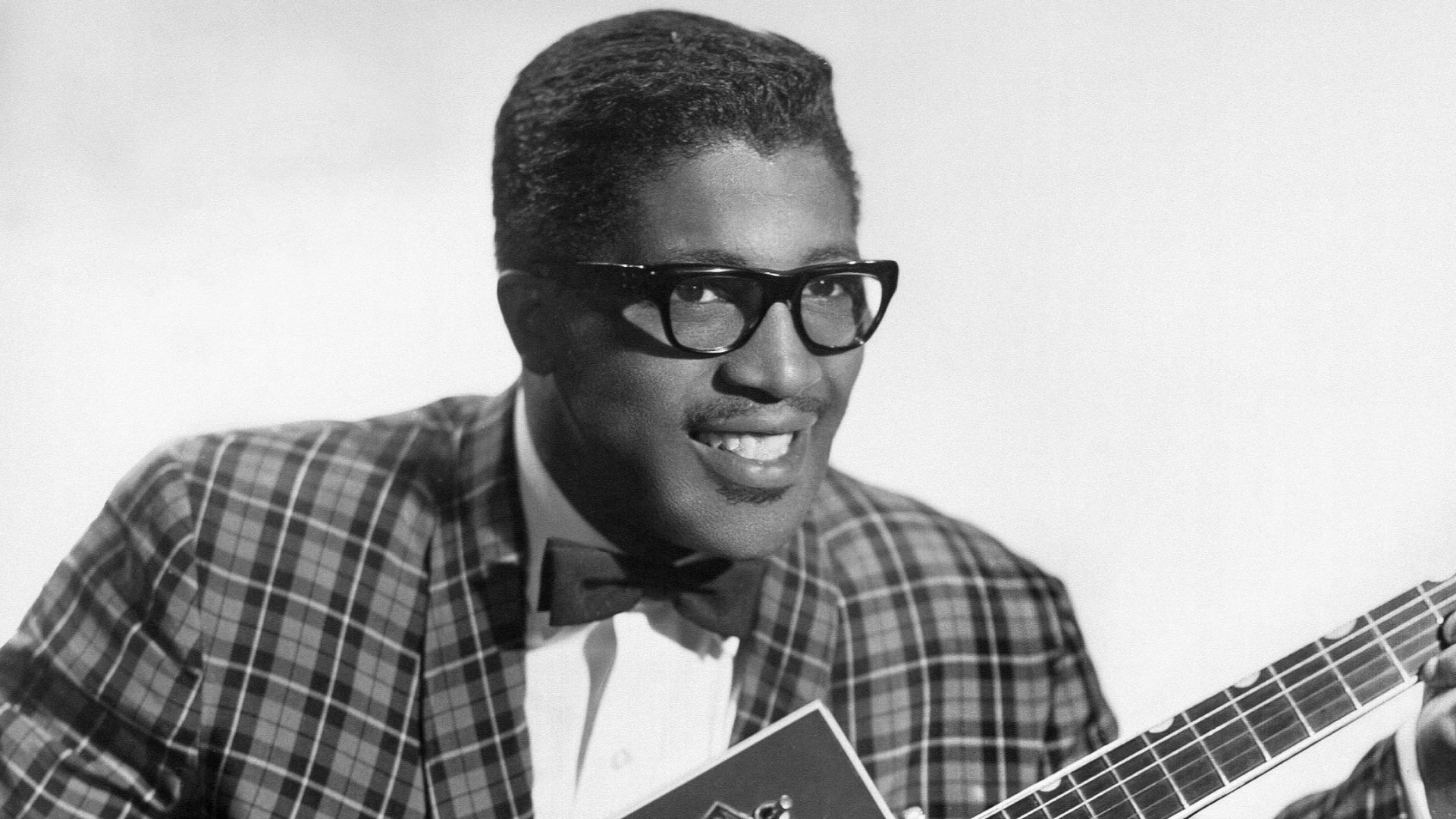
“Bo Diddley” (Bo Diddley)
Few artists introduced themselves with more swagger than Bo Diddley. His 1955 song Bo Diddley features the famous “Bo Diddley beat,” a rhythm that helped shape rock and roll. Also, imagine the confidence required to write a song where the hook is literally your own name.
 Published by Chess Records. Photographer unknown., Wikimedia Commons
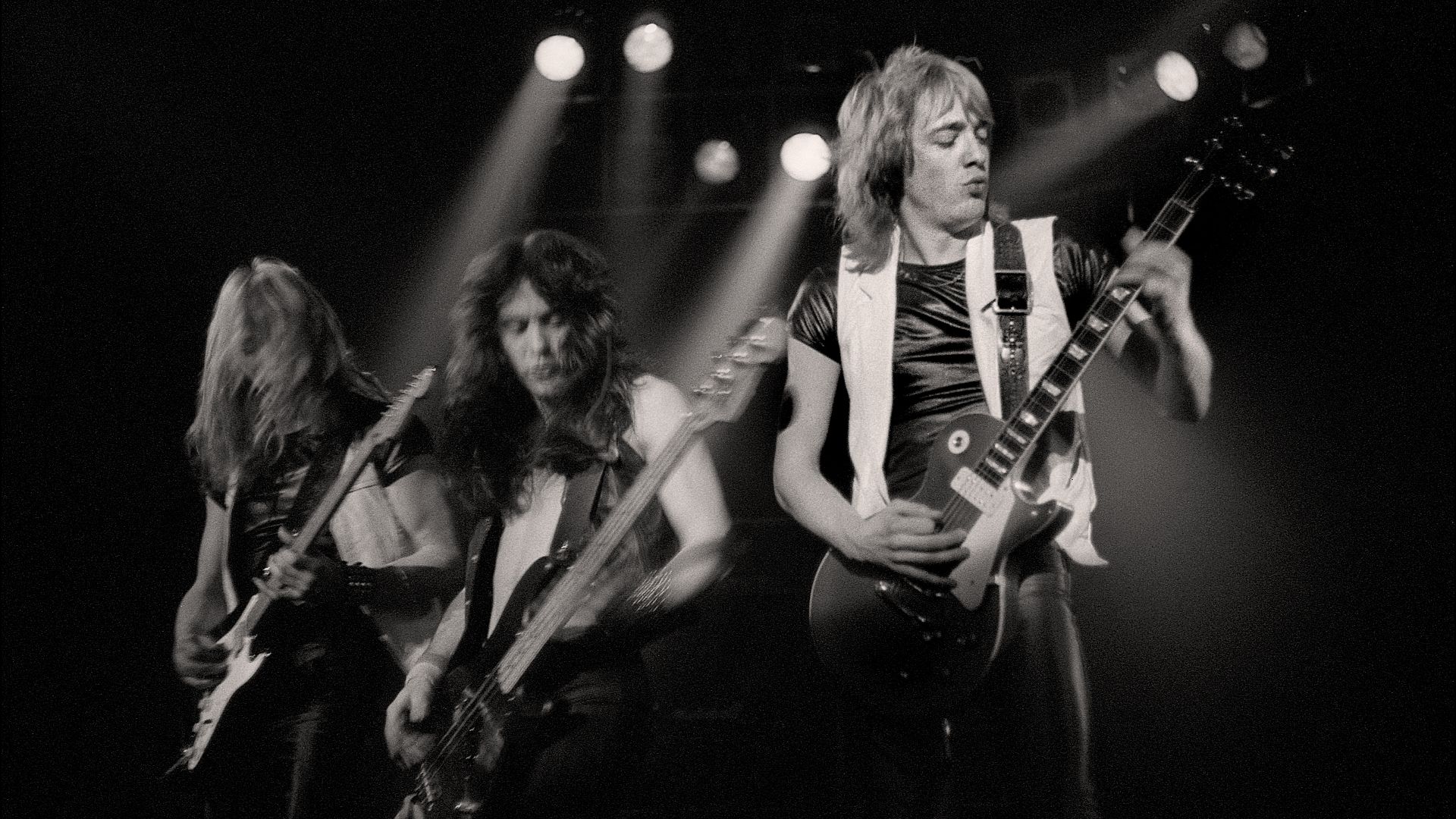
“Iron Maiden” (Iron Maiden)
Metal fans love when a band leans fully into the drama. Iron Maiden closes the band’s debut album with galloping riffs and the famous chant declaring the band’s name. Subtle? Not even a little. Memorable? Absolutely.
 Harry Potts, Wikimedia Commons
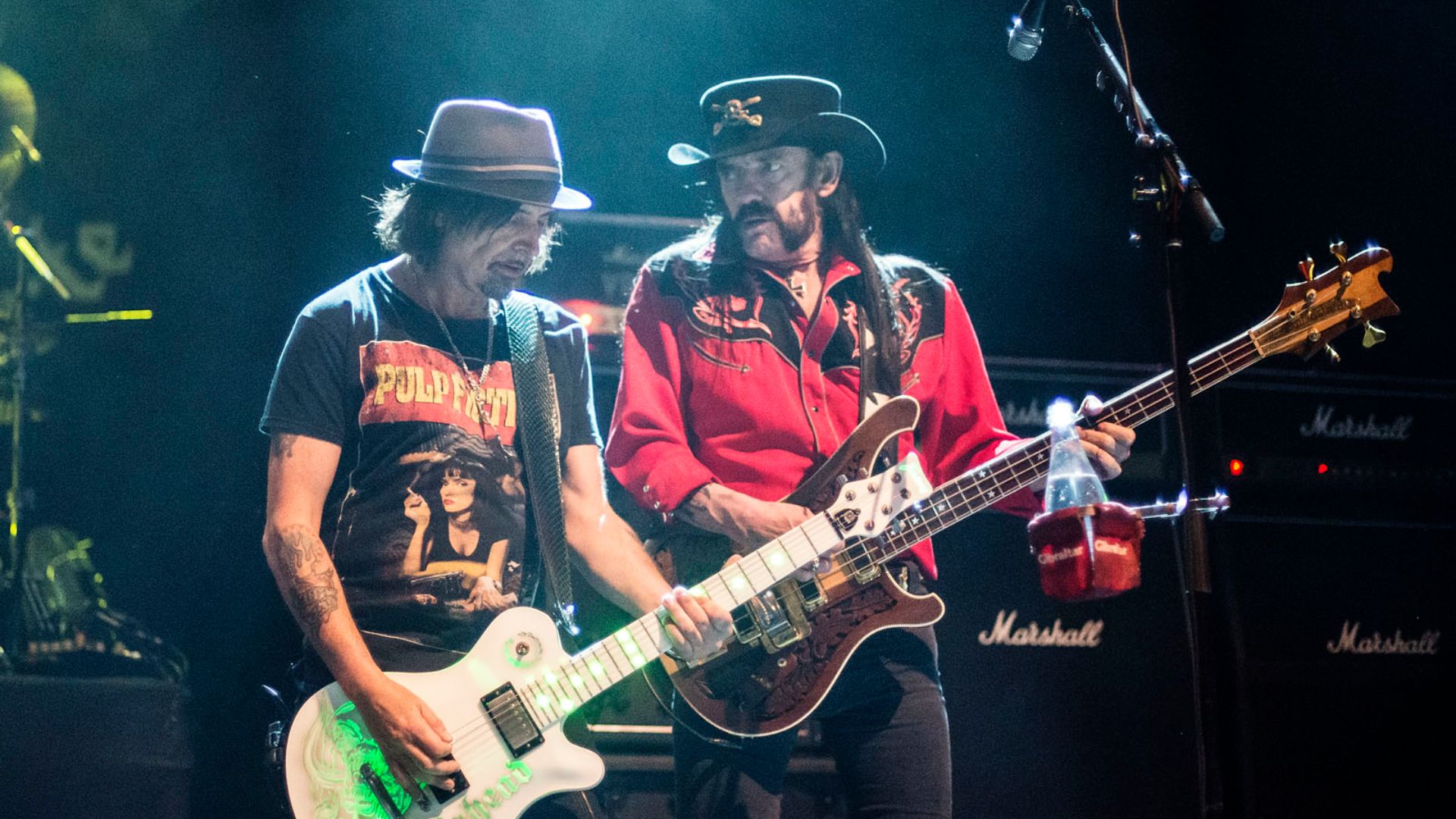
“Motörhead” (Motörhead)
The band actually took their name from this song, originally written by Lemmy while he was still in Hawkwind. When he formed his own group, the title stuck. Motörhead became both the band name and the perfect mission statement: loud, fast, and impossible to ignore.
 Jessica Branstetter, Wikimedia Commons
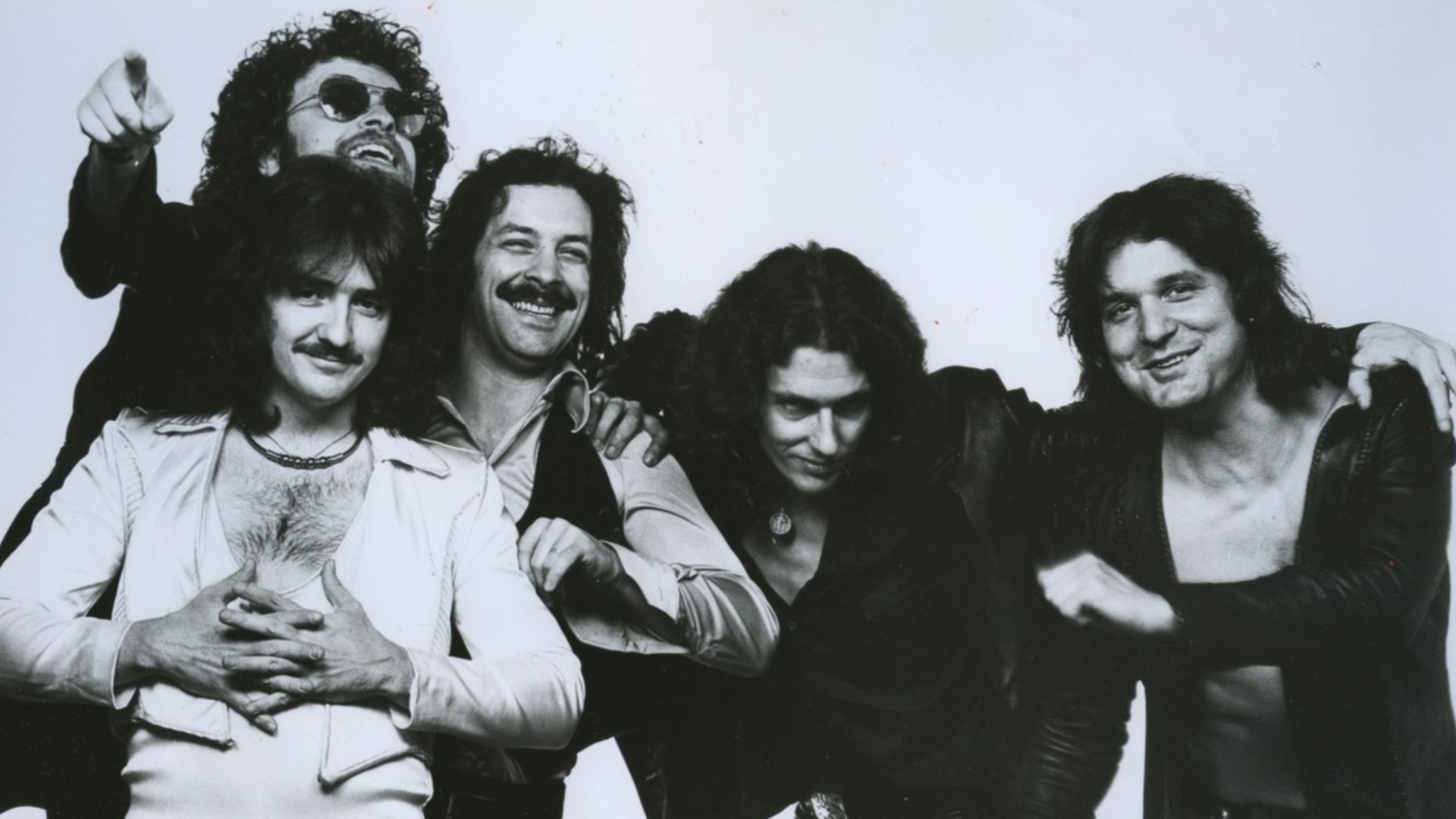
“Blue Öyster Cult” (Blue Öyster Cult)
Not every band writes a theme song, but Blue Öyster Cult did exactly that on their 1972 debut album. The track Blue Öyster Cult feels almost like an introduction to the band’s mysterious world—dark imagery, cryptic lyrics, and a sound that hinted at the cult following they’d soon develop.
 Eric Meola, Columbia Records, Wikimedia Commons
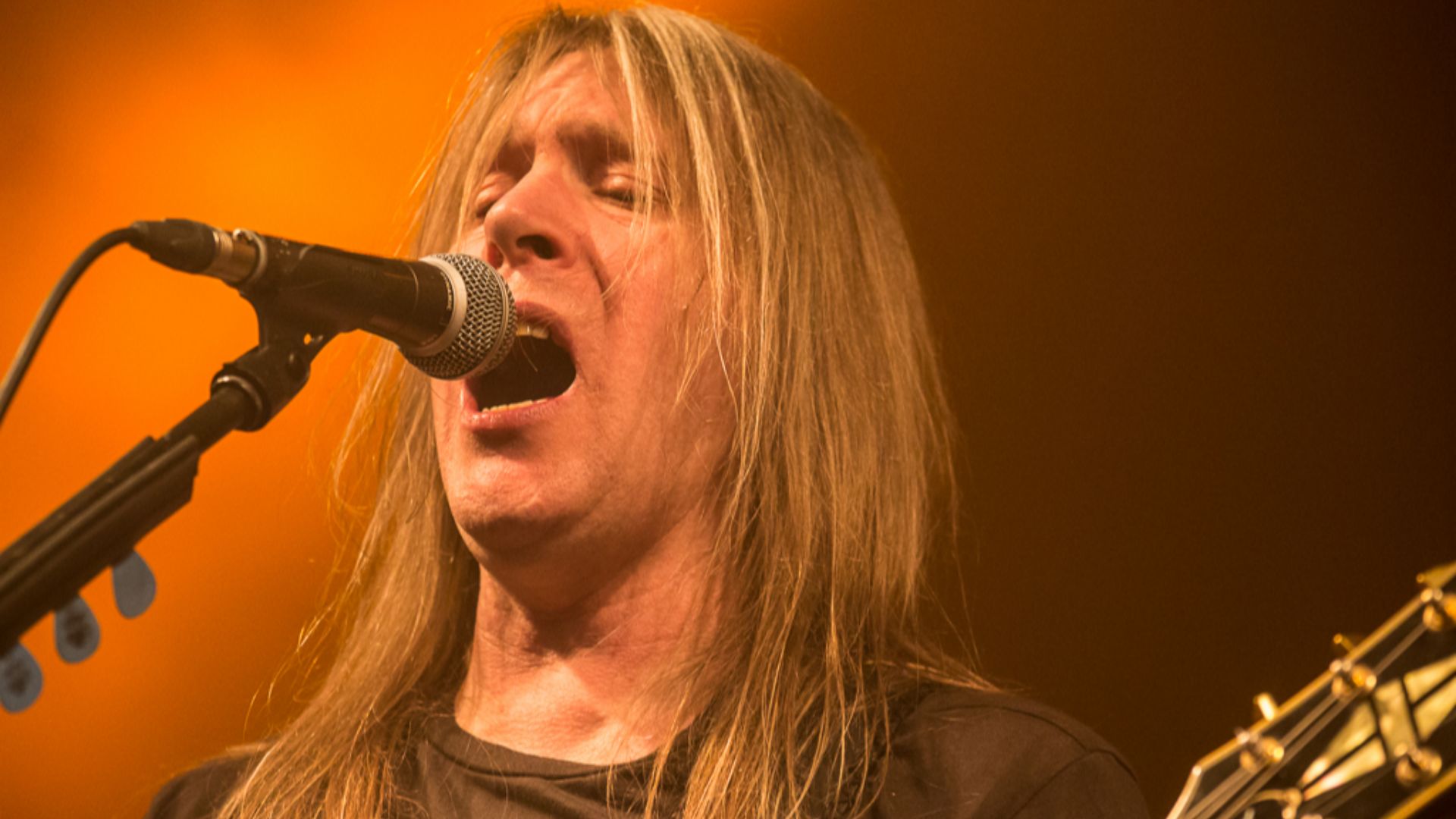
“Angel Witch” (Angel Witch)
The New Wave of British Heavy Metal produced plenty of dramatic names, but few got their own anthem like Angel Witch. The 1980 track opens with a haunting riff and quickly became a cult metal favorite.
 Florian Stangl from Bayern, Wikimedia Commons
“Minor Threat” (Minor Threat)
Hardcore punk bands didn’t waste time with long introductions, and Minor Threat proves it. The track clocks in at under two minutes but perfectly captures the band’s aggressive sound and DIY attitude. Loud, fast, and straight to the point—exactly what early‑80s hardcore fans wanted.

“Bad Religion” (Bad Religion)
Leave it to Bad Religion to turn their own name into a philosophical punk anthem. The song reflects the band’s long‑running interest in questioning authority, culture, and belief systems.
 Nicklas Andersson, http://www.carbonatedink.com/, Wikimedia Commons
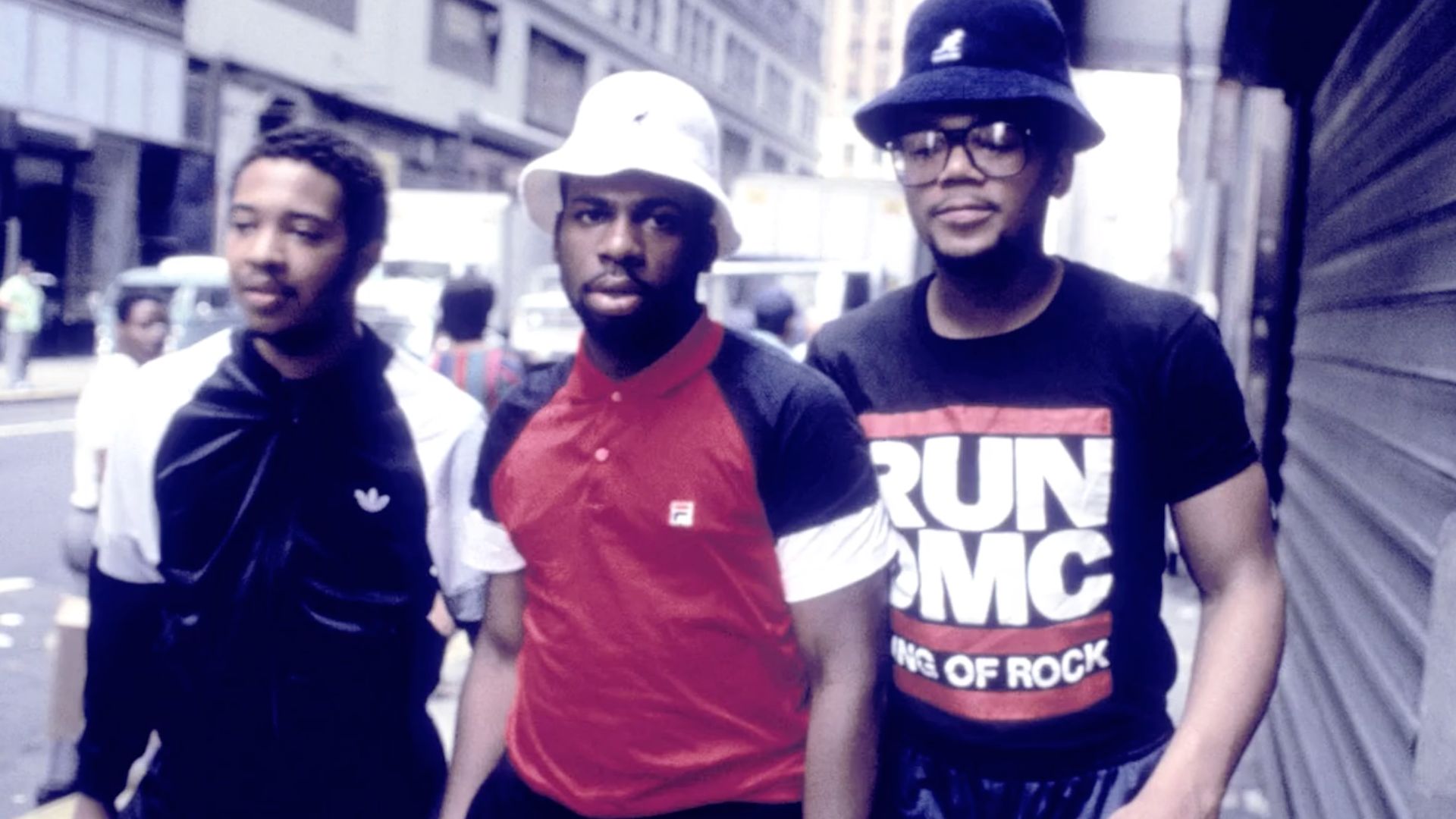
“Run-D.M.C.” (Run-D.M.C.)
Early hip‑hop loved bold introductions, and Run‑D.M.C. served exactly that purpose. The group literally raps their own name throughout the track, making sure everyone listening knew exactly who they were.
 Jeff Pinilla, Wikimedia Commons
“Talk Talk” (Talk Talk)
The British new wave band Talk Talk introduced themselves with a sleek synth‑pop track called Talk Talk. It helped launch their early career in the early 80s before the band later shifted toward more atmospheric and experimental music.
 Screenshot from "Talk Talk", EMI (1982)
“Living in a Box” (Living in a Box)
Yes—the band was called Living in a Box, and their biggest hit was also Living in a Box. The 1987 pop single became an international hit and remains one of the most memorable examples of a band naming a song after itself.
 Screenshot from "Living in a Box", Chrysalis Records (1987)
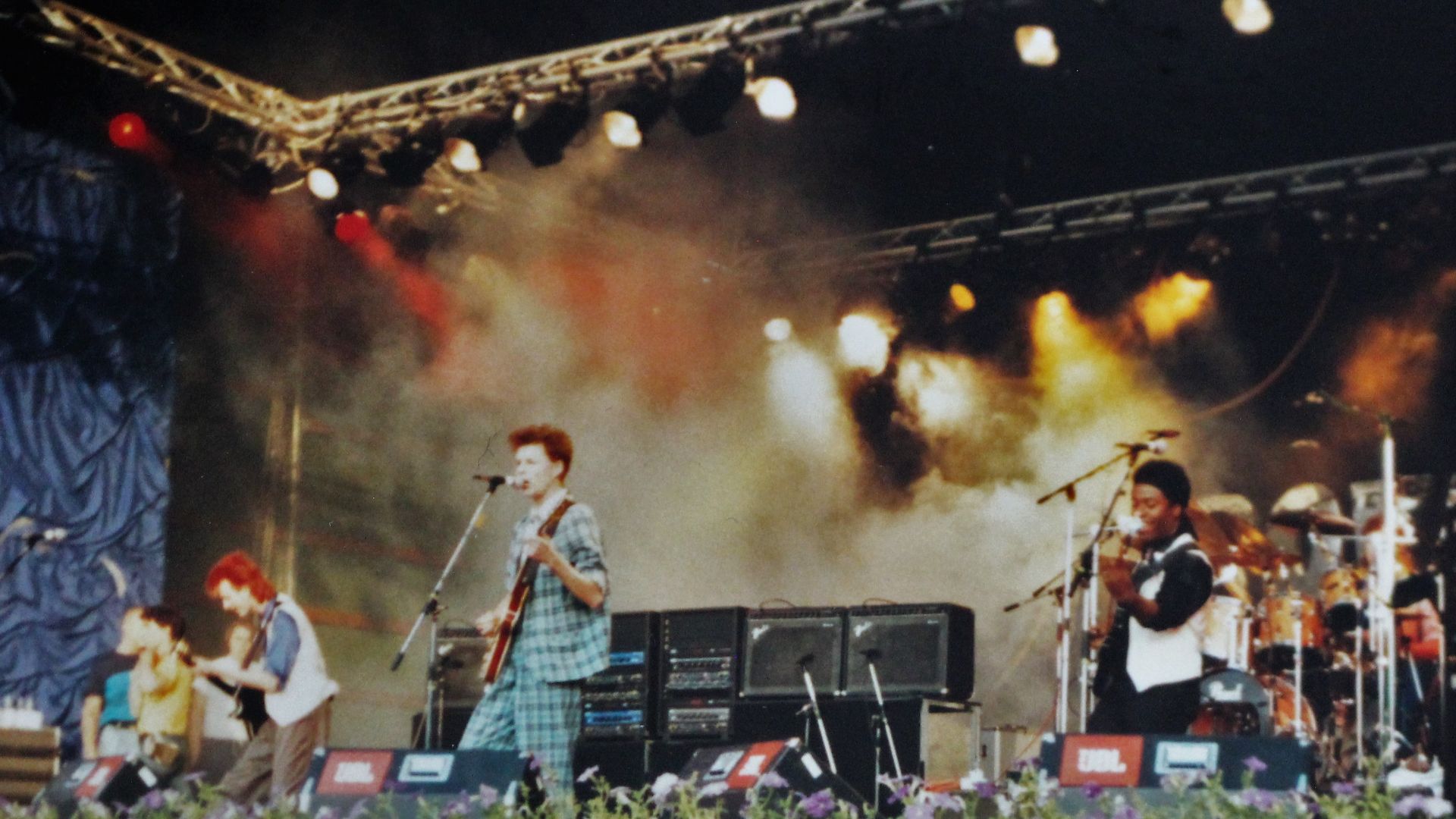
“Big Country” (Big Country)
Scottish rock band Big Country leaned into their name with Big Country, a soaring anthem that helped define their early success. The band’s distinctive guitar sound even mimicked bagpipes, giving their music a huge, unmistakable atmosphere.
 Accept-Finland, Wikimedia Commons
“Belle & Sebastian” (Belle & Sebastian)
Indie bands sometimes enjoy a little irony. Belle & Sebastian included a track called Belle & Sebastian, a gentle and thoughtful song that fits the band’s literary, introspective style.
 Marisa Privitera, Wikimedia Commons
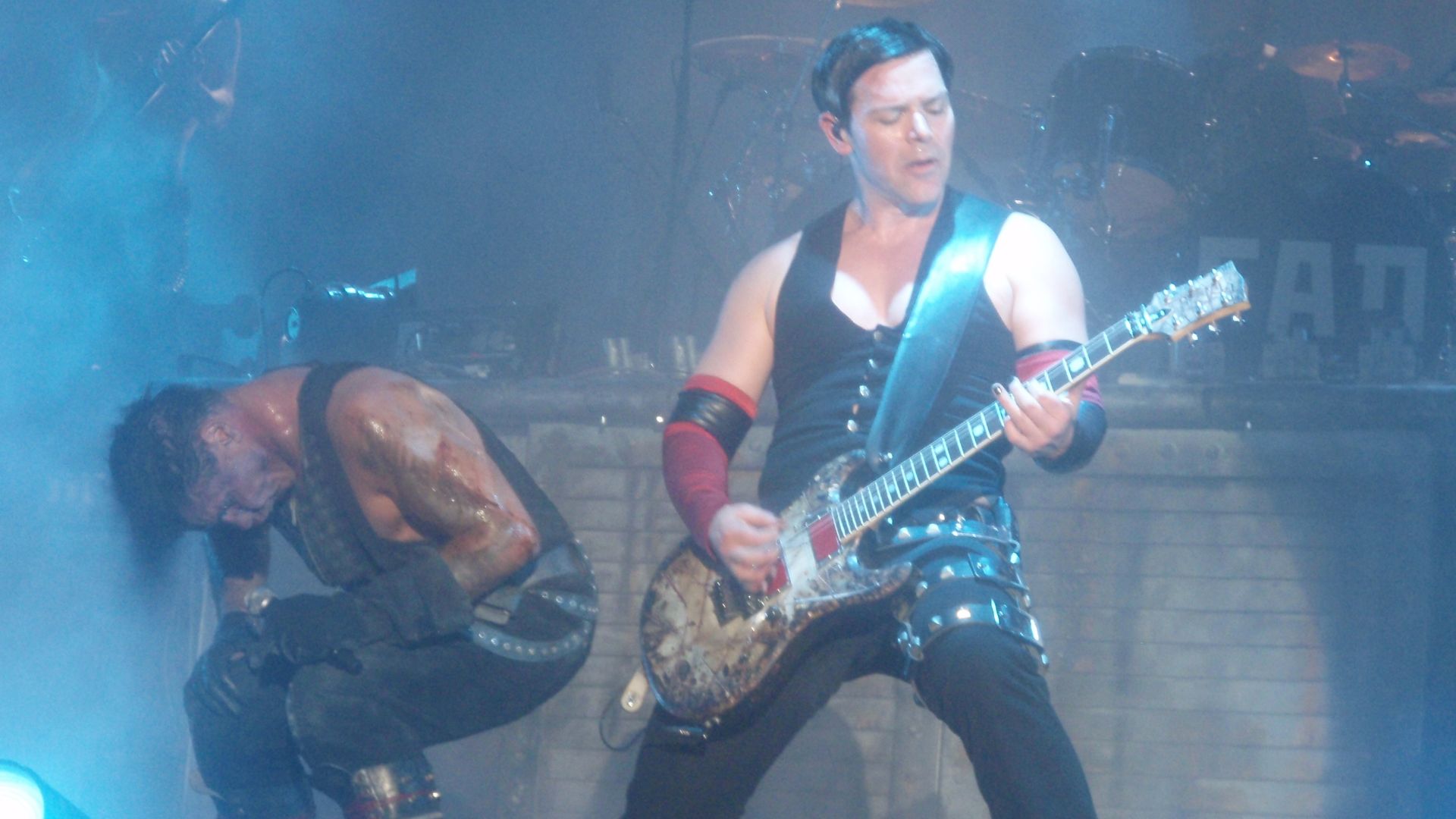
“Rammstein” (Rammstein)
German industrial metal band Rammstein delivered a dark, heavy track simply titled Rammstein. The song’s intensity helped establish the band’s dramatic sound and stage persona.
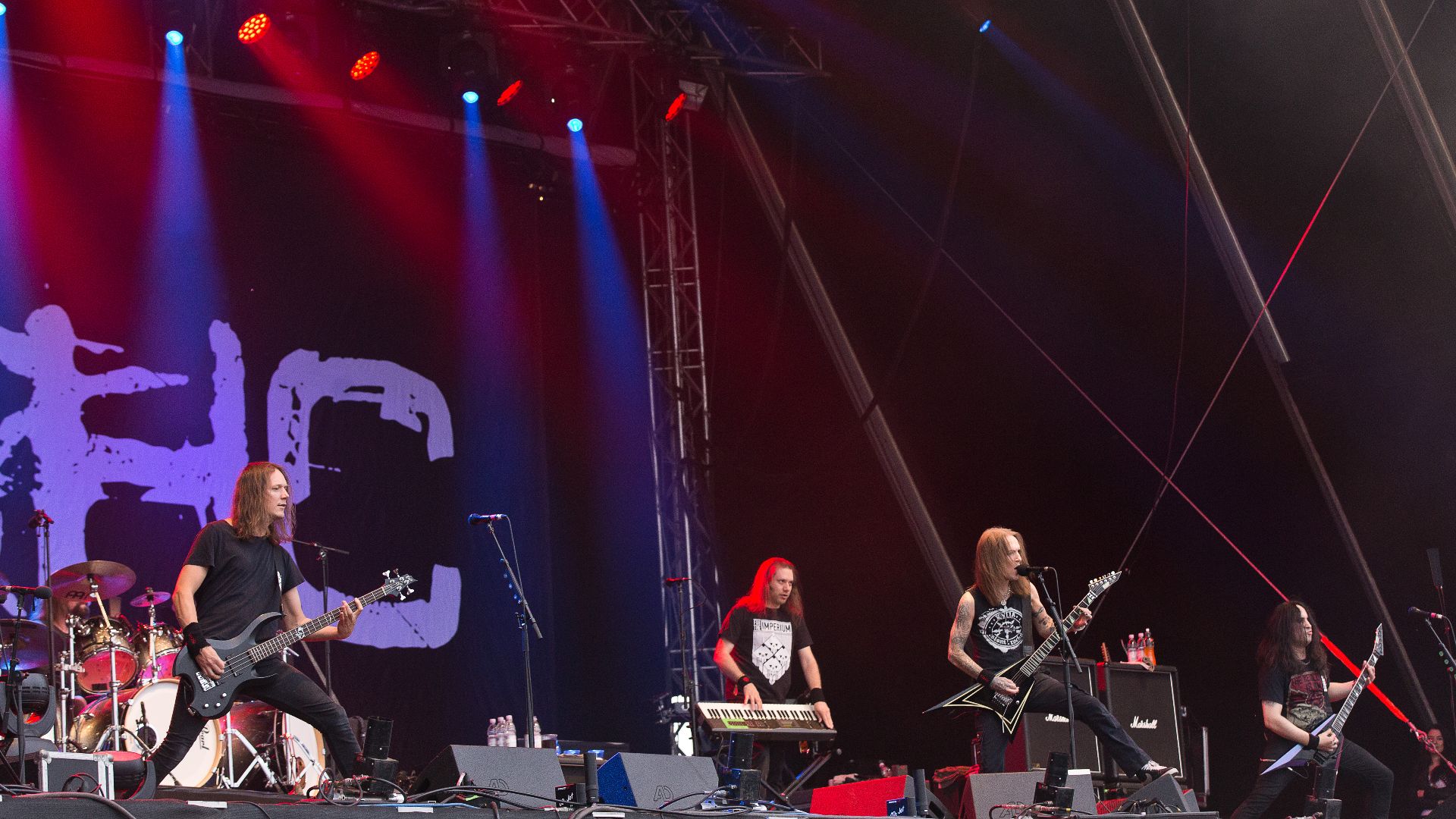
“Children of Bodom” (Children of Bodom)
The Finnish metal band named themselves after the mysterious Lake Bodom murders—and also recorded a track called Children of Bodom. It helped cement their reputation for lightning‑fast guitar work and melodic death metal.
 S. Bollmann, Wikimedia Commons
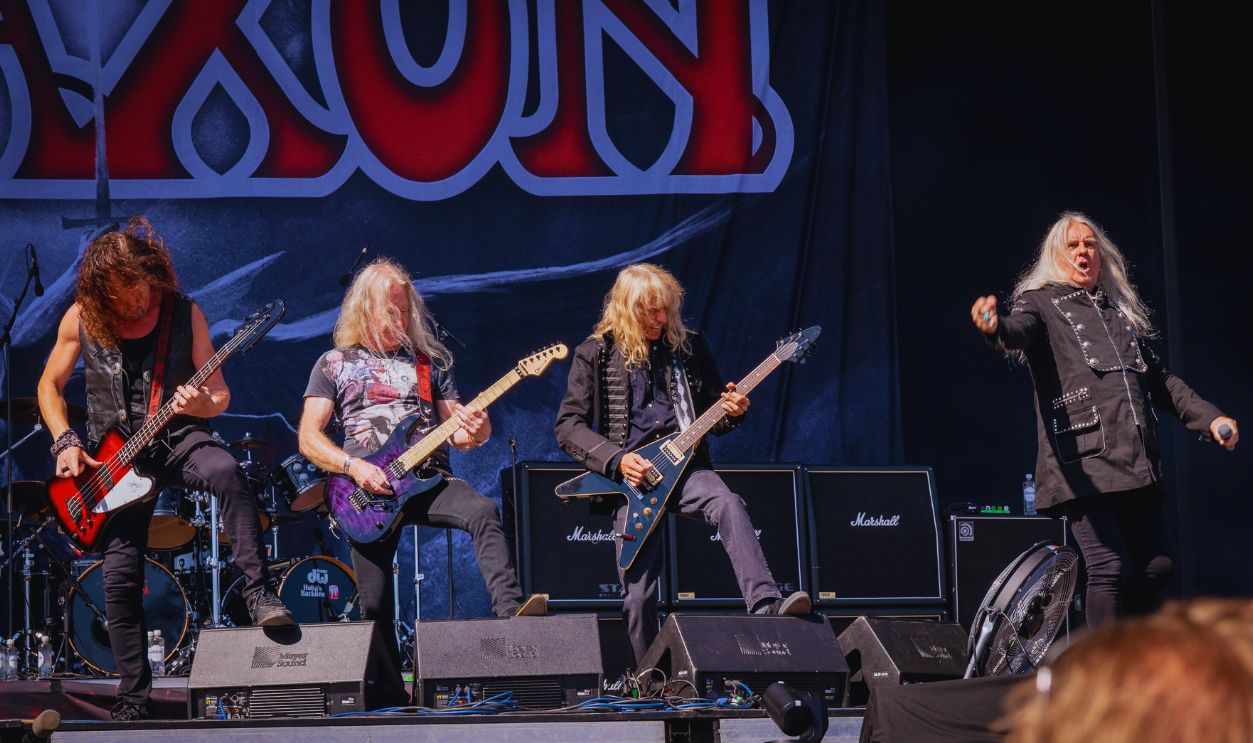
“Saxon” (Saxon)
British metal group Saxon included a track called Saxon on their debut album, capturing the band’s classic heavy‑metal style.
 Birgit Fostervold, Wikimedia Commons
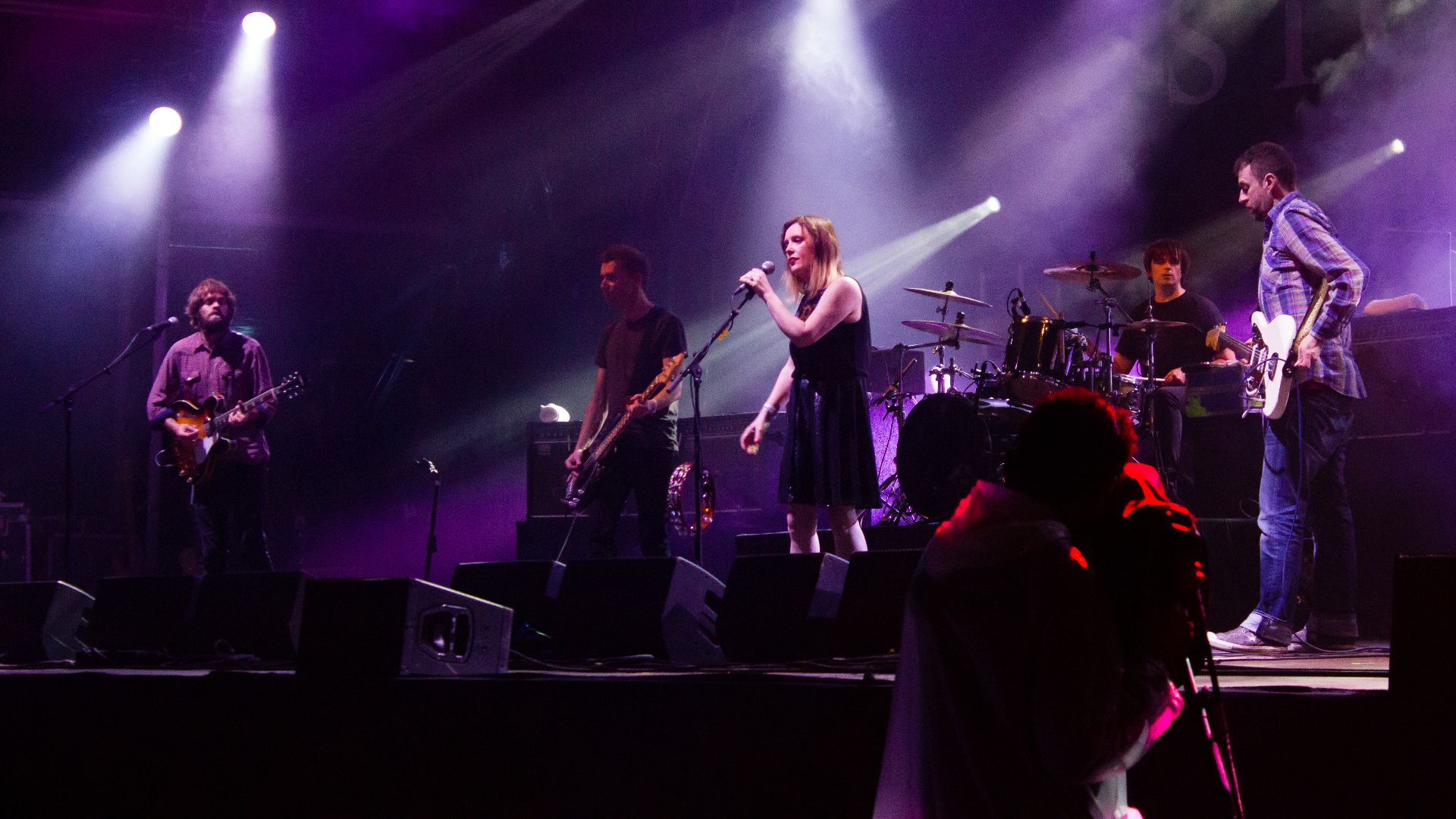
“Slowdive” (Slowdive)
Shoegaze pioneers Slowdive released a dreamy, atmospheric track called Slowdive early in their career. Swirling guitars and hazy vocals make it a perfect snapshot of the band’s signature sound.
“They Might Be Giants” (They Might Be Giants)
Alternative duo They Might Be Giants included a playful track called They Might Be Giants. It’s quirky, clever, and exactly the kind of offbeat humor the band built its career on.
 CharlesMichael2002, Wikimedia Commons
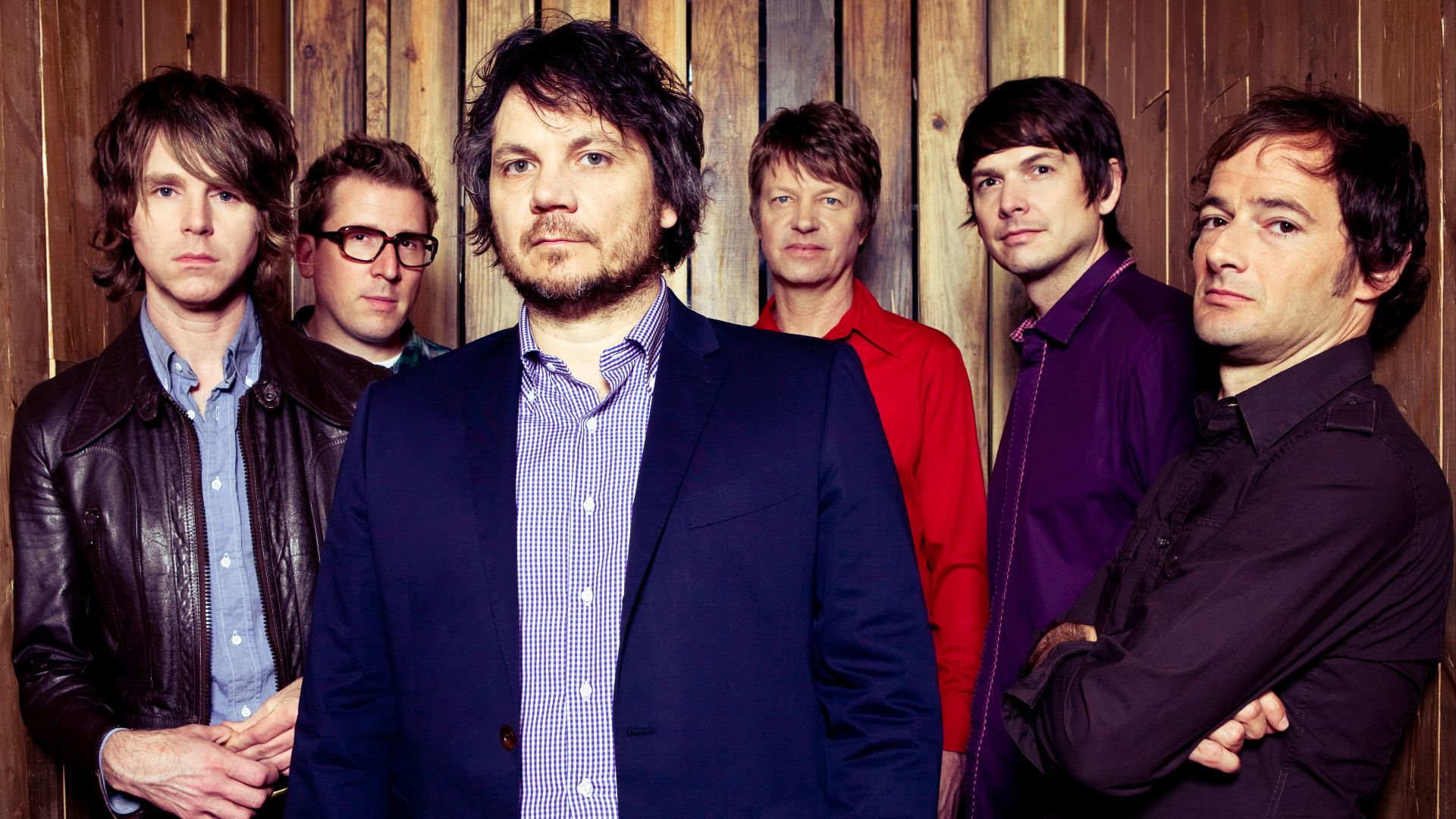
“Wilco (The Song)” (Wilco)
Wilco took the idea and ran with it. The chorus literally spells out the band’s name—turning the track into a playful introduction.
 Austin Nelson, Wikimedia Commons
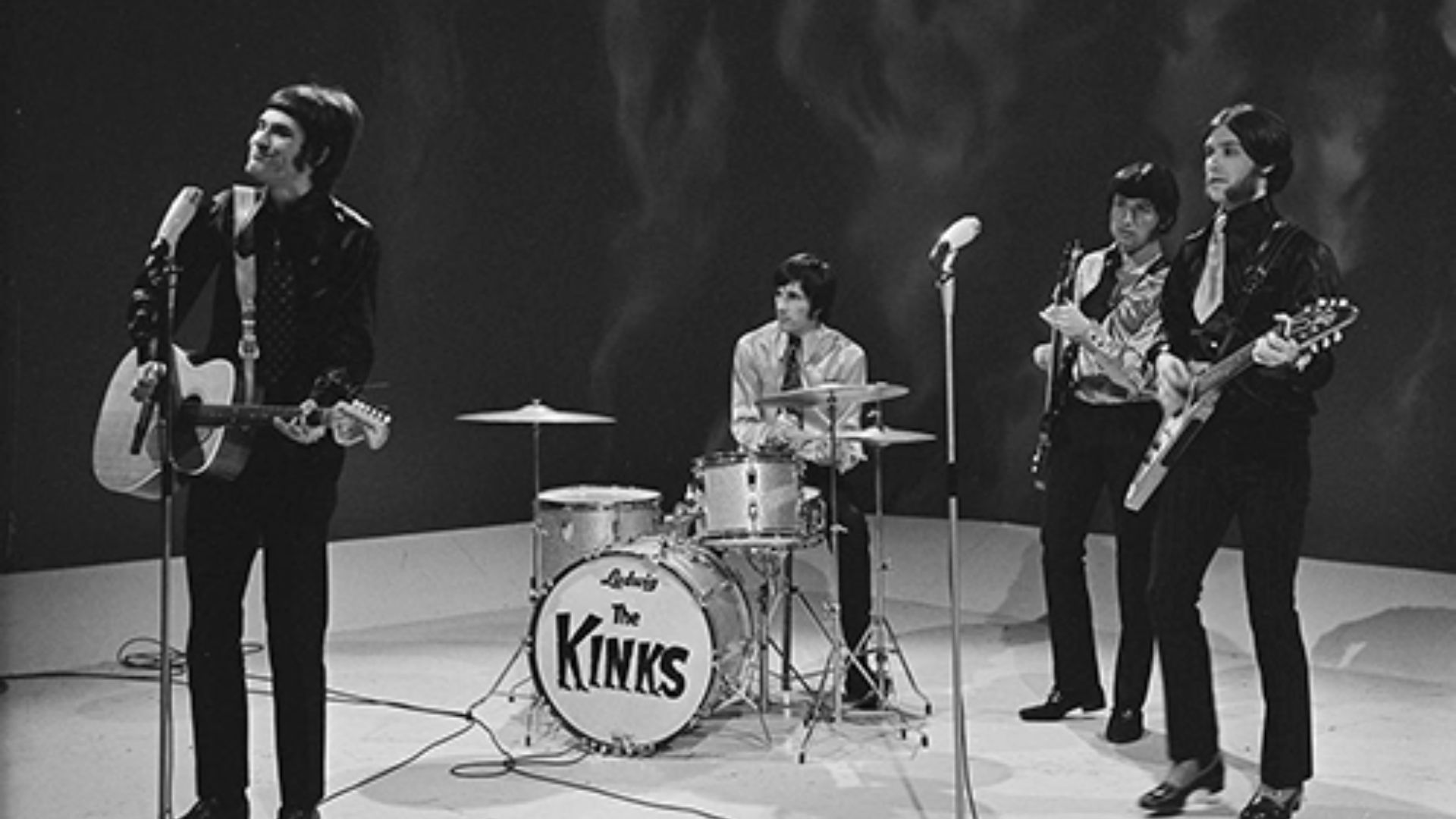
“The Kinks Are the Village Green Preservation Society” (The Kinks)
Ray Davies loved clever songwriting, and this famously long title proudly name‑checks the band while celebrating nostalgia and tradition.
 VARA. Photographer: W. Veenman, Wikimedia Commons
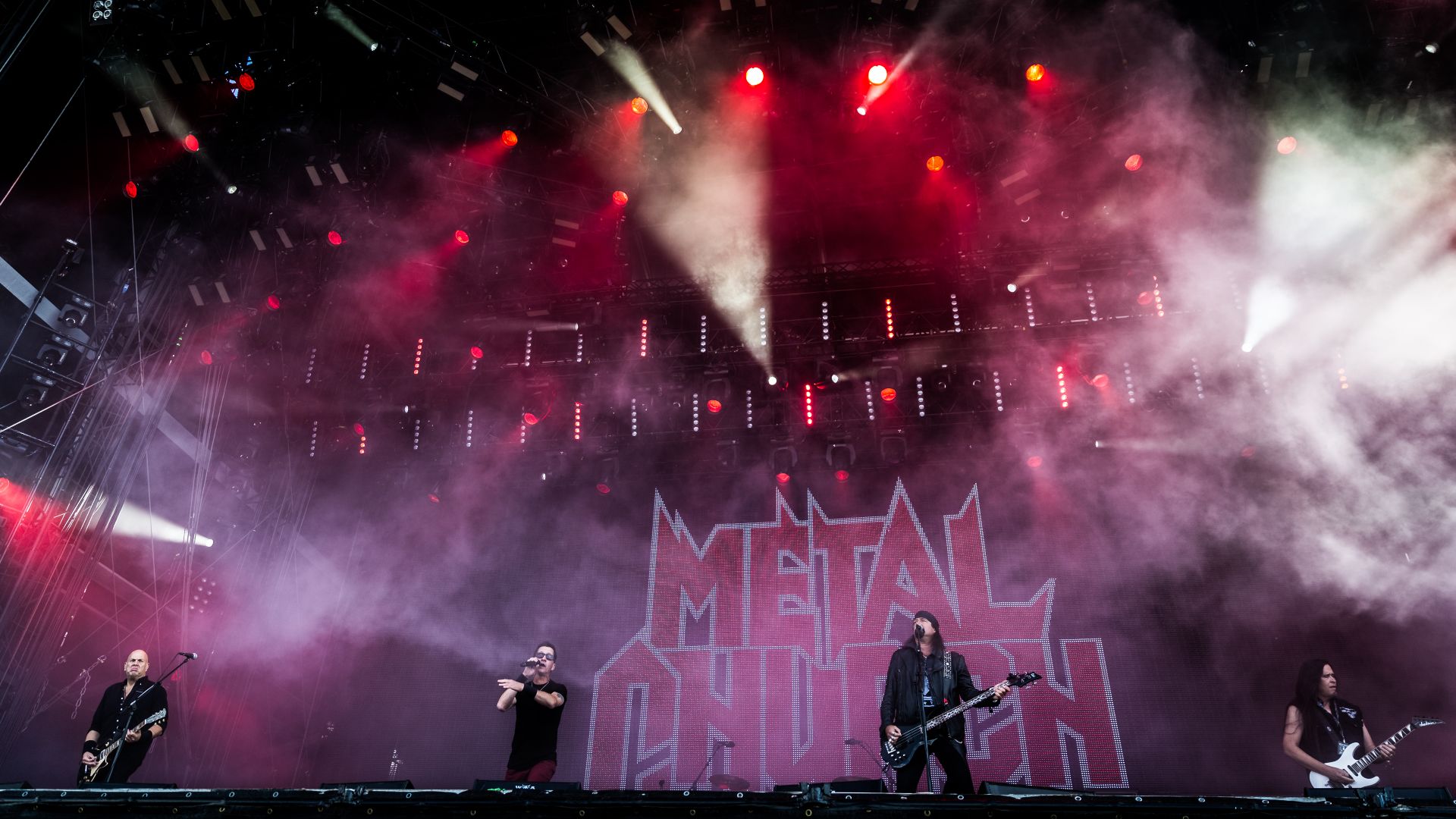
“Metal Church” (Metal Church)
When your band is called Metal Church, expectations are pretty clear. The song Metal Church delivers exactly what the name promises—big riffs and dramatic heavy‑metal energy.
 Andreas Lawen, Fotandi, Wikimedia Commons
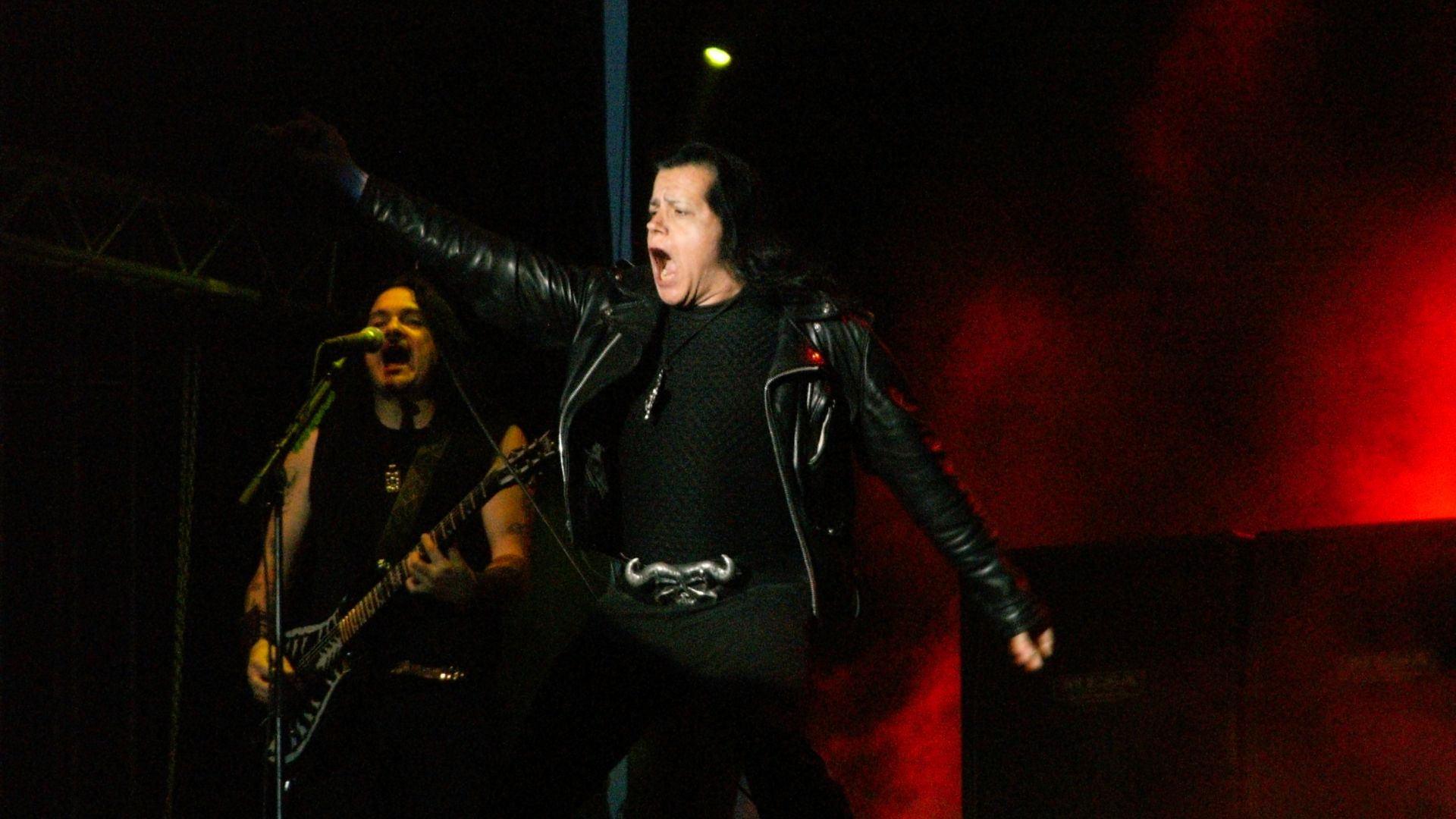
“Danzig” (Danzig)
After Misfits and Samhain, Glenn Danzig launched his band Danzig in the late 80s and included a track simply titled Danzig—an unmistakable introduction.
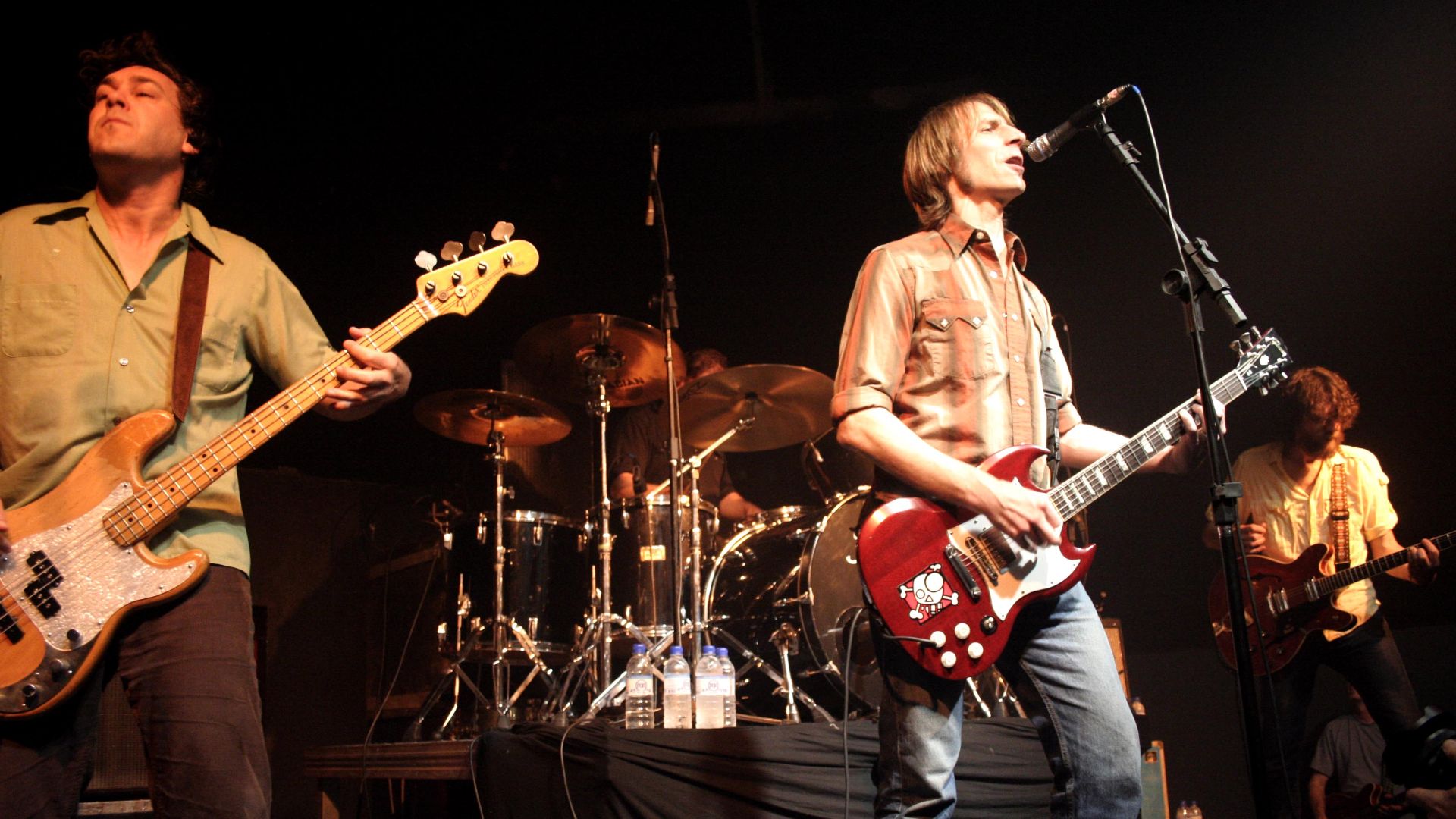
“Mudhoney” (Mudhoney)
Seattle’s Mudhoney helped lay the groundwork for the entire grunge explosion that followed. Their track Mudhoney leans into the band’s fuzzy, garage-punk sound—distorted guitars, a little chaos, and absolutely zero interest in sounding polished. In other words, exactly what fans loved about them.
 Daigo Oliva from São Paulo, Brasil, Wikimedia Commons
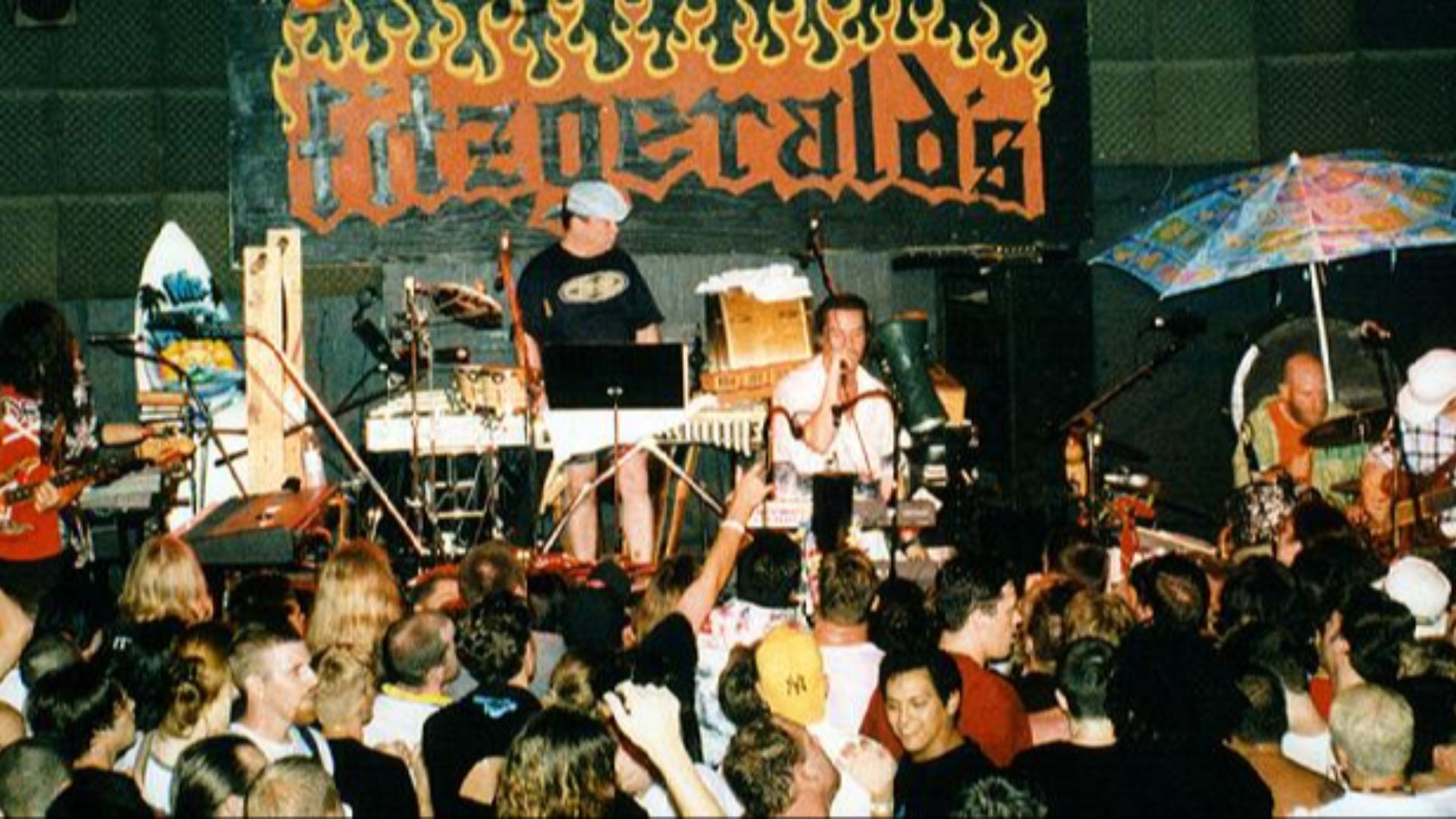
“Mr. Bungle” (Mr. Bungle)
Experimental rock band Mr. Bungle never exactly played by the rules. Their early demo included a track titled Mr. Bungle, which works as both an introduction and a warning that things are about to get very strange. With this band, that was basically the whole point.
 The original uploader was Mr Bungle at English Wikipedia., Wikimedia Commons
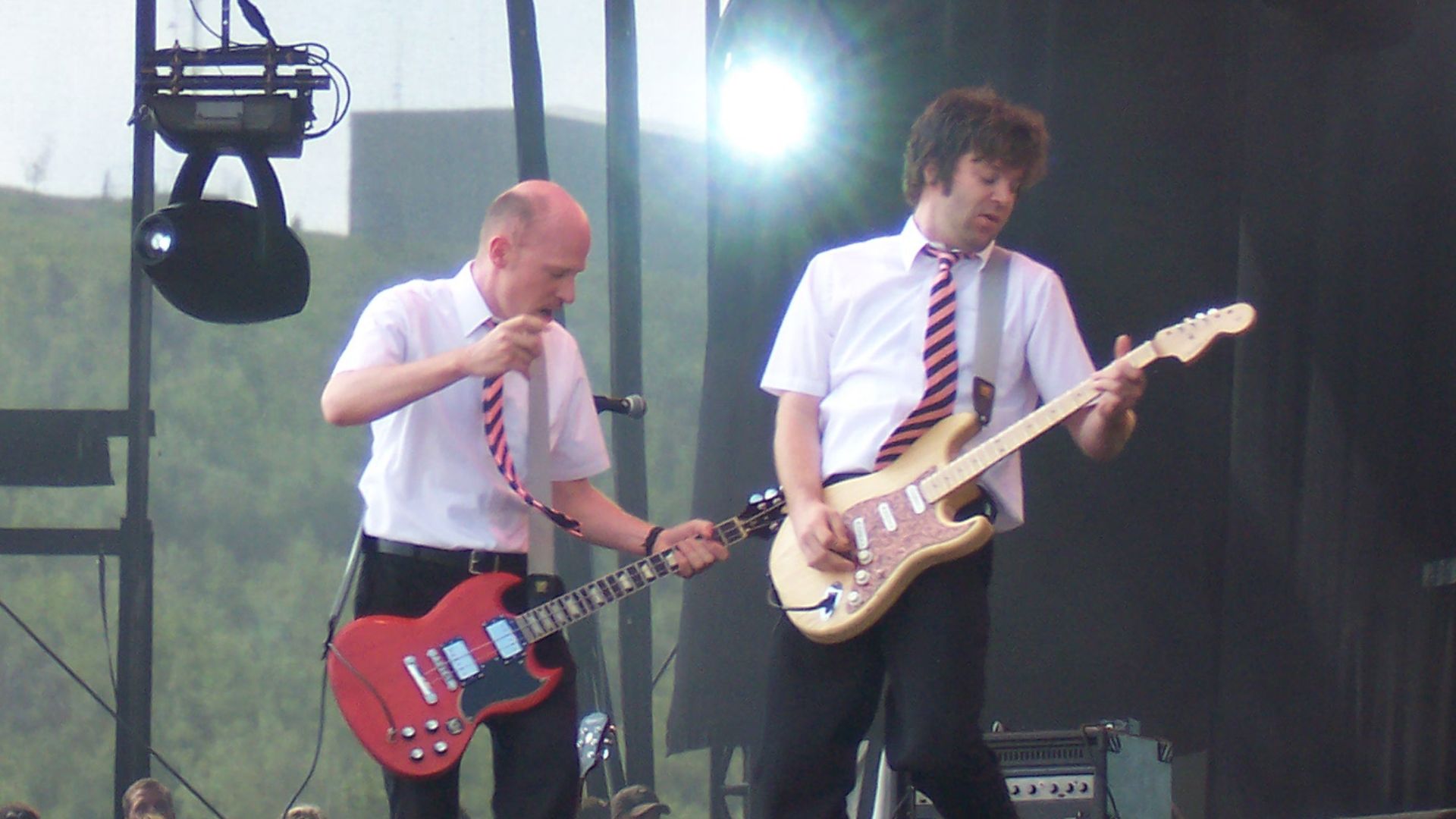
“The Presidents of the United States of America” (The Presidents of the United States of America)
Leave it to this wonderfully goofy 90s alt-rock band to go fully literal. Yes, they actually recorded a track called The Presidents of the United States of America. If you’re going to have a band name that long, you might as well lean into it.
 Danny Lechanteur, Wikimedia Commons
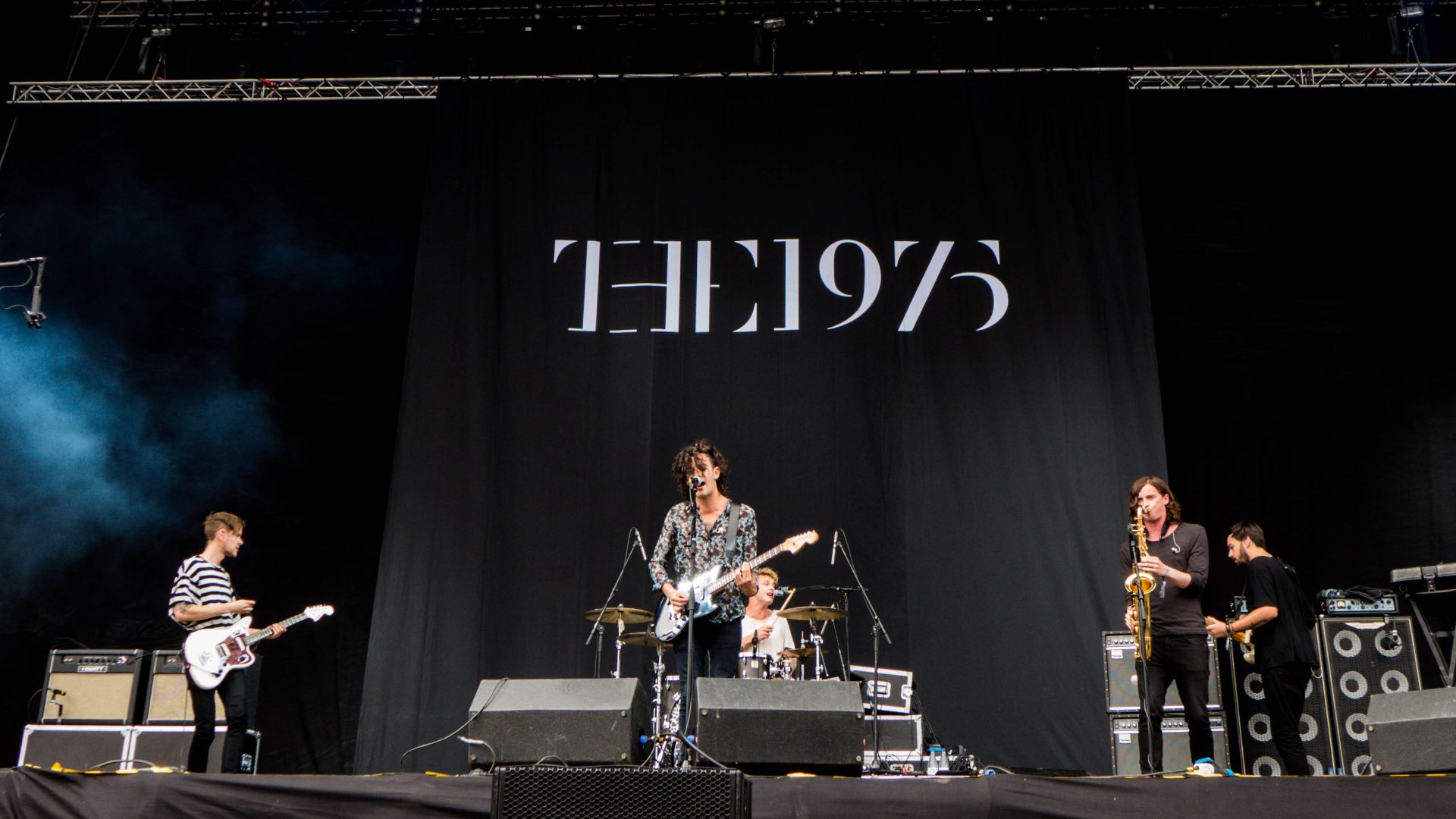
“The 1975” (The 1975)
The band made this a running joke—and a tradition. Nearly every album they release opens with a track titled The 1975. Each version sounds different, but it always serves as a kind of musical “hello, it’s us again.”
 Begoña from Errenteria, España, Wikimedia Commons
You Might Also Like:
Rock stars who thought fame would last forever. Now no one born after 2000 has even heard of them.
Songs Younger Baby Boomers Loved That Most Older Boomers Don’t Remember At All