From Stadium Tours To “Wait…Who?”
There was a time when these artists felt untouchable. Platinum albums. Sold-out arenas. MTV on constant rotation. They weren’t just famous—they were inevitable. The kind of famous that makes you assume it’ll last forever. And then… it doesn’t. Ask someone born after 2000 about them and you might get a polite smile and a quick Google search.
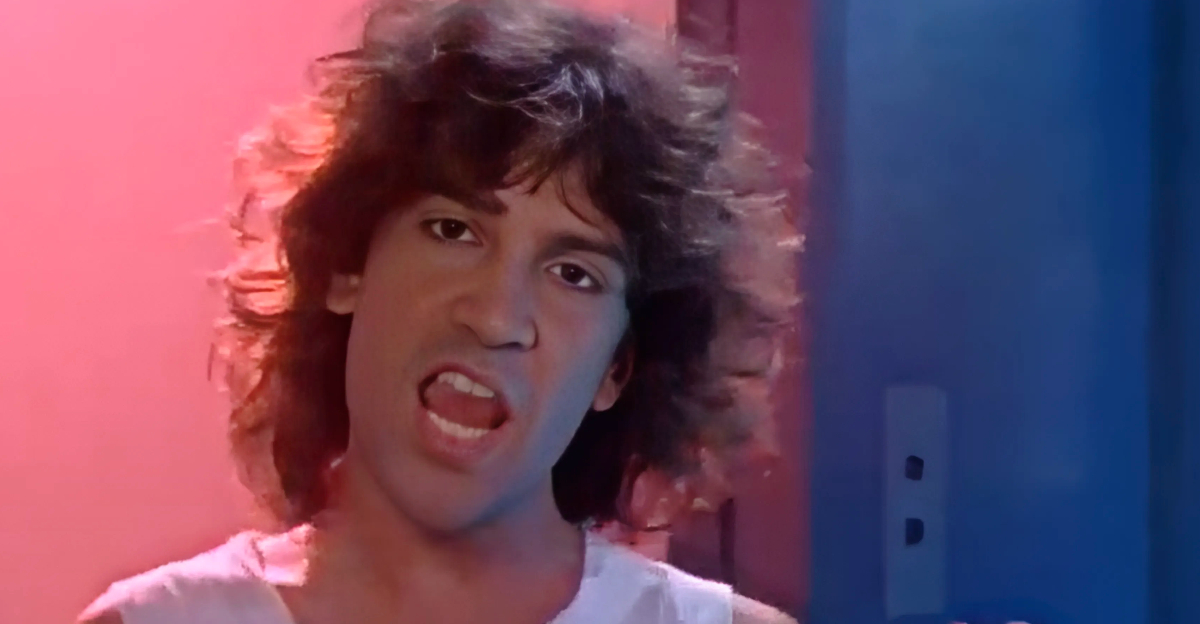
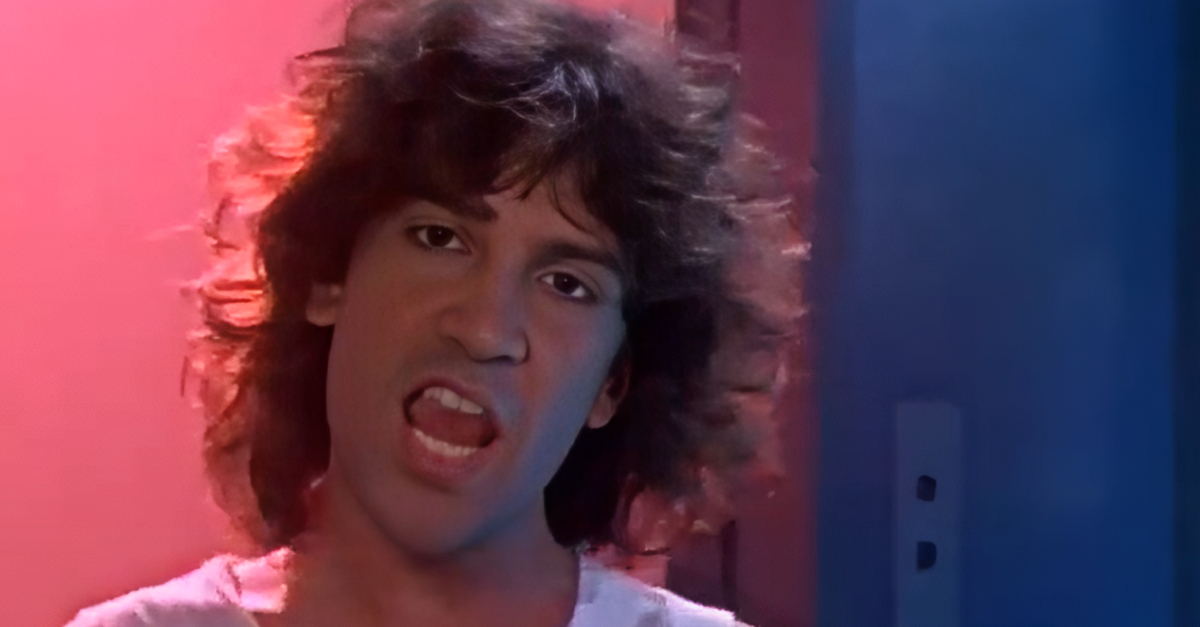
Billy Squier
In the early 80s, Squier was a rock-radio machine. Don’t Say No (1981) went triple platinum, powered by The Stroke and Lonely Is the Night. Then the 1984 Rock Me Tonite video—yes, that one—aired on MTV and derailed his tough-guy image almost overnight.
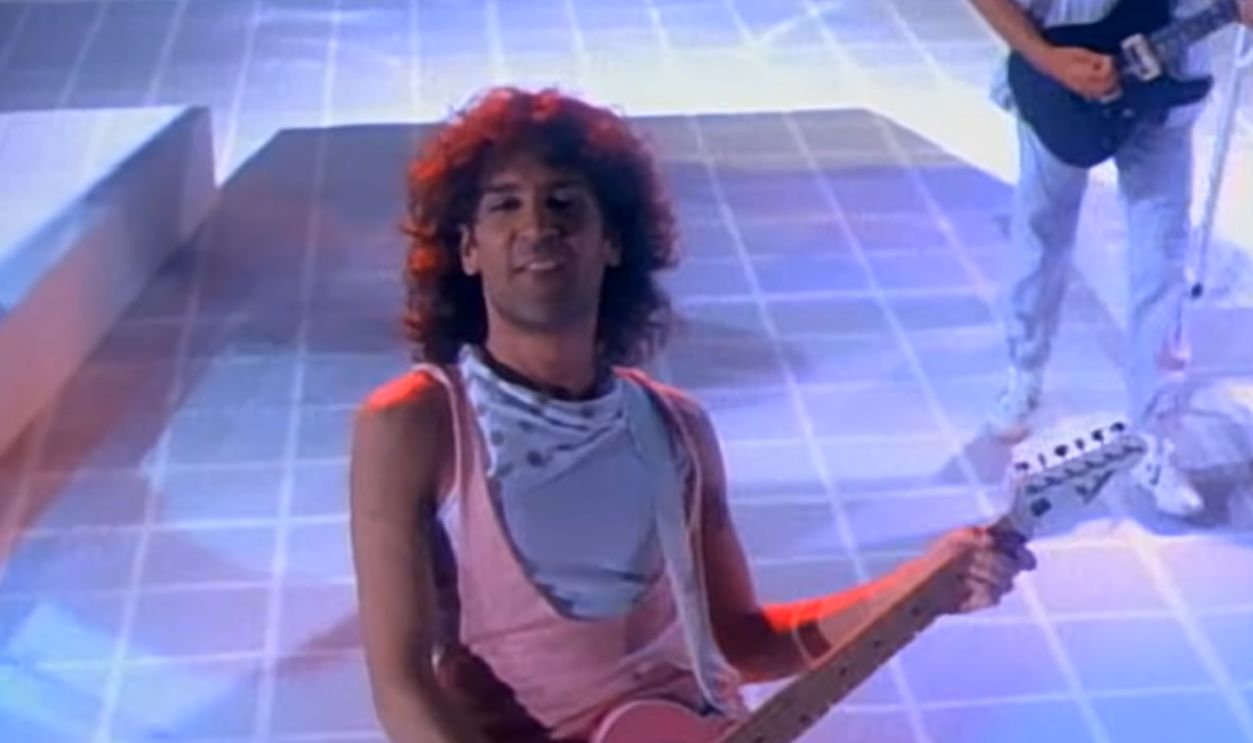 Screenshot from Rock Me Tonite, Billy Squier, Capitol Records (1984)
Terence Trent D’Arby
His 1987 debut Introducing the Hardline According to Terence Trent D’Arby sold millions worldwide. Wishing Well hit No. 1 on the Billboard Hot 100. Critics immediately compared him to Prince—same swagger, falsetto, and genre-blending ambition. He even made bold, Beatles-level claims in interviews. The confidence was sky-high. The long-term mainstream dominance…not so much.
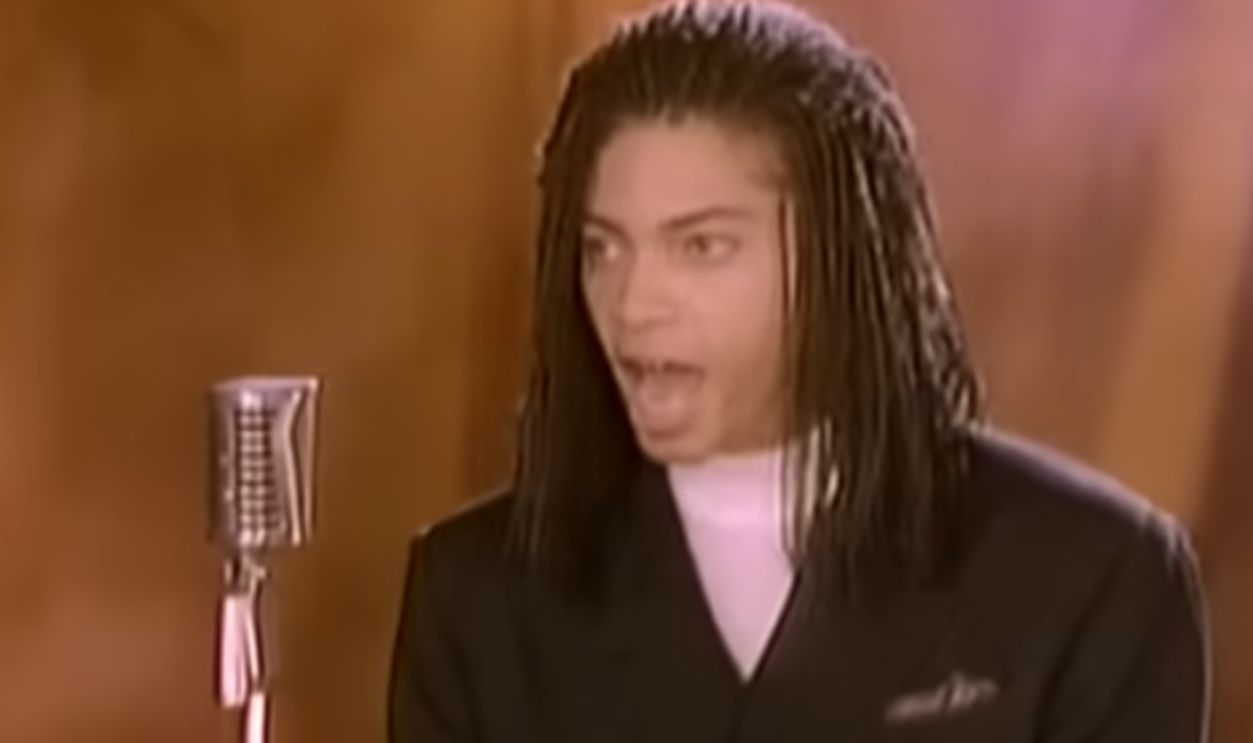 Screenshot from Wishing Well, Terence Trent D’Arby, Columbia Records (1987)
Mr. Mister
For a brief, glossy mid-80s moment, Mr. Mister ruled. Broken Wings and Kyrie both hit No. 1 in 1985. Their album Welcome to the Real World topped the Billboard 200. For a minute, they felt like permanent radio fixtures. Today, they’re mostly a “wait…who sang that again?” moment.
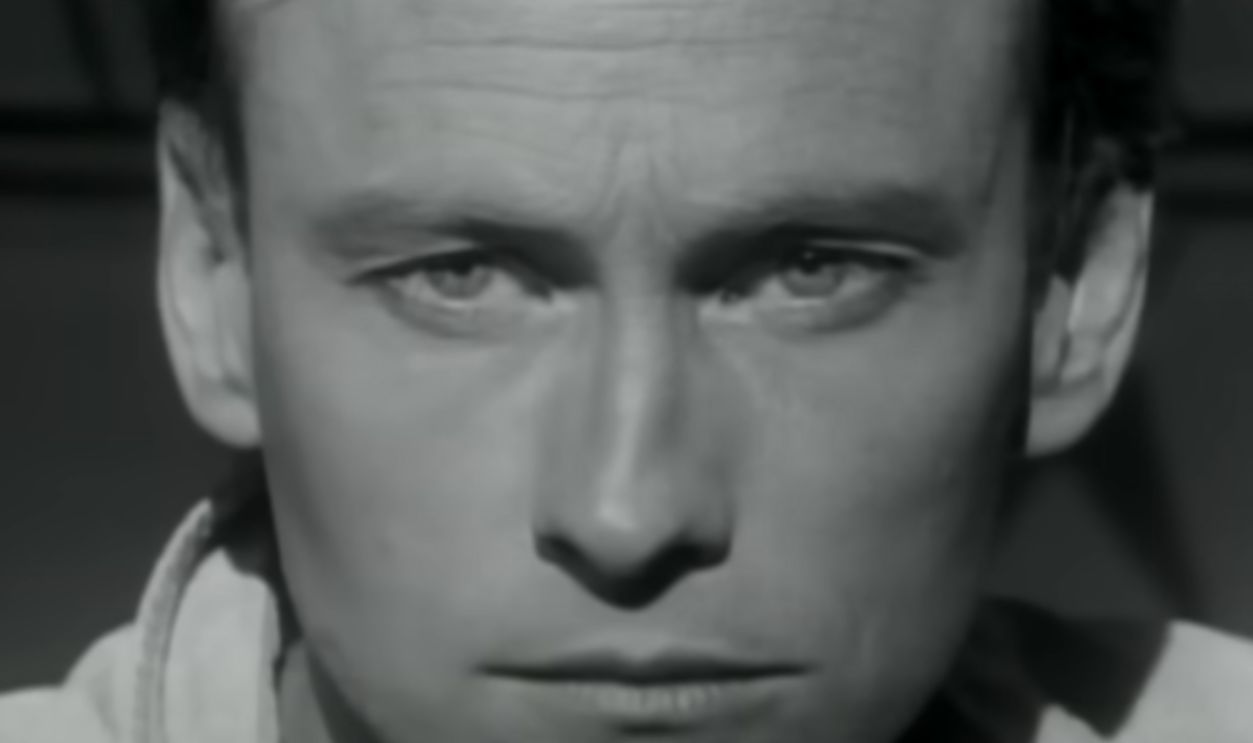 Screenshot from Broken Wings, Mr. Mister, RCA Records (1985)
Warrant
Cherry Pie (1990) went double platinum and became the band’s defining anthem. It was everywhere—MTV, radio, prom playlists. The problem? When your biggest hit is basically a dessert-themed catchphrase, it’s hard to convince people you’re deep. The song lasted. The mystique didn’t.
 Screenshot from Cherry Pie, Columbia (1990)
Men Without Hats
Yes, they can dance if they want to. The Safety Dance hit No. 3 in the U.S. in 1983 and topped charts internationally. For a minute, they were a global synth-pop staple. Today, the song survives mostly as a meme.
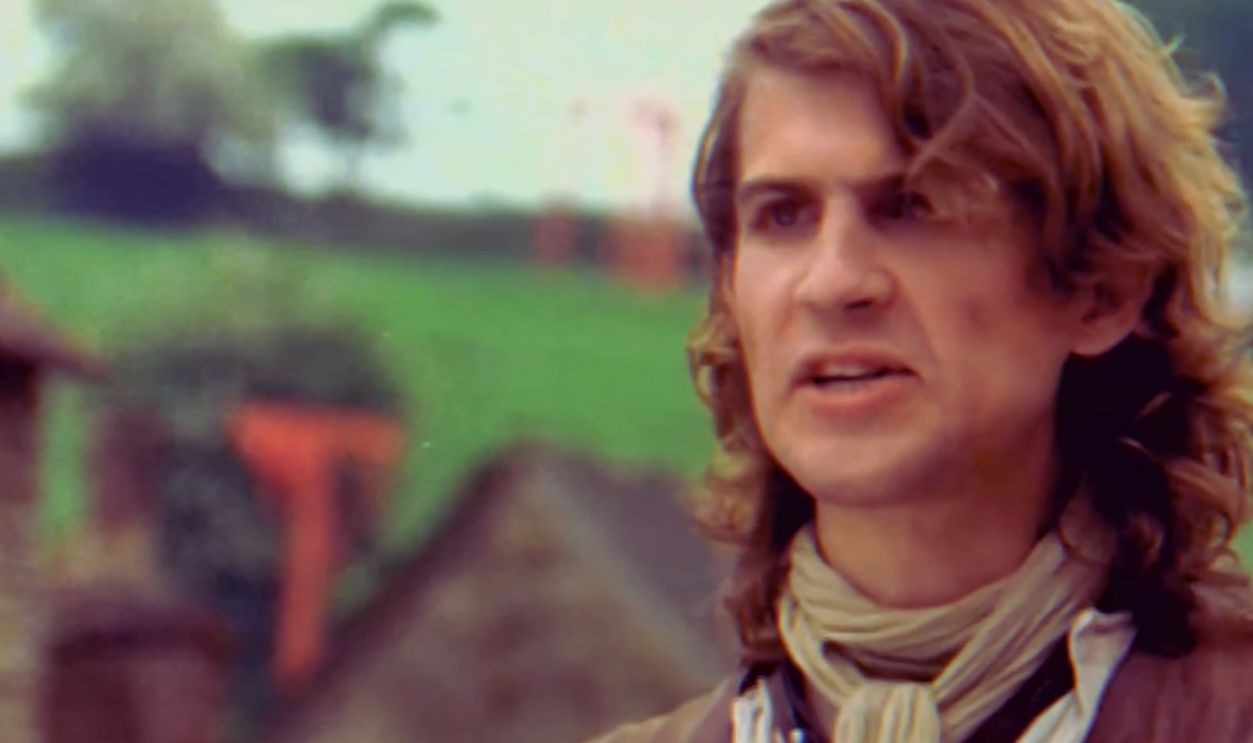 Screenshot from The Safety Dance, Virgin Records (1982)
Kajagoogoo
Too Shy hit No. 1 in the UK and cracked the U.S. Top 5 in 1983. Bassist Nick Beggs became instantly recognizable. The band split within a year. That’s a fast rise and fall—even by 80s standards. Their fame lasted about as long as it takes to Google how to spell their name.
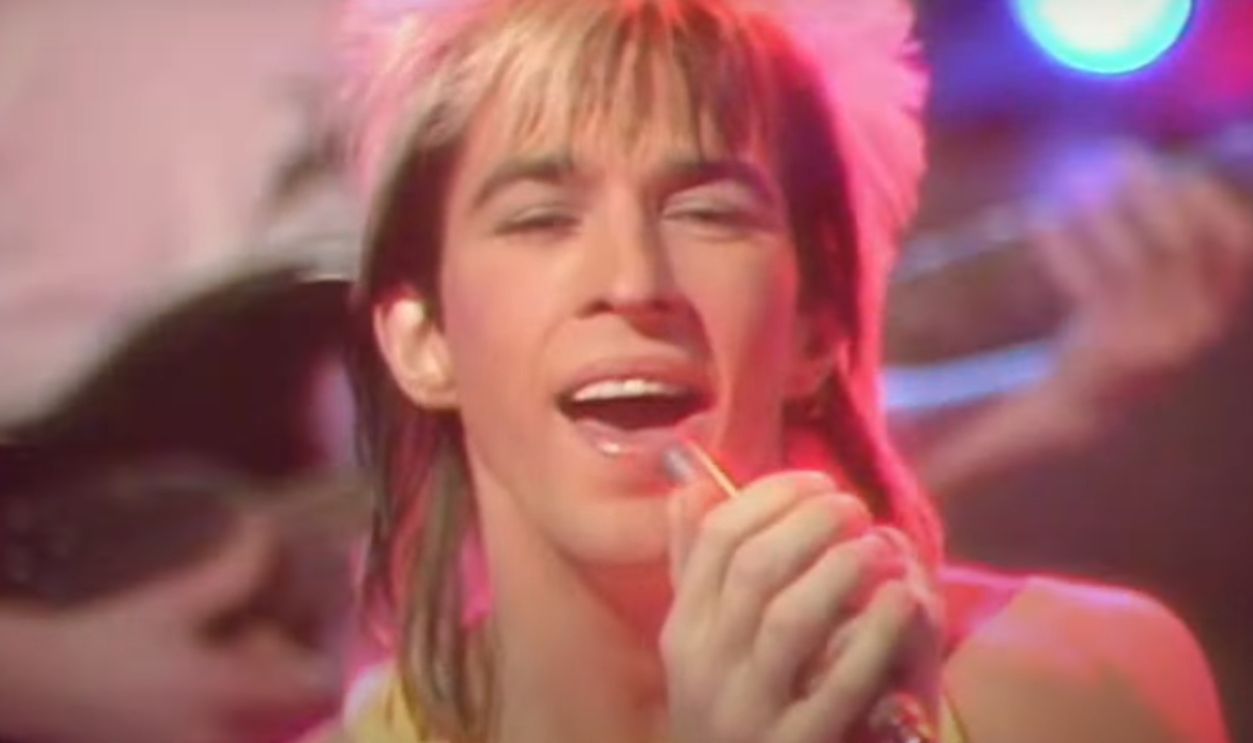 Screenshot from Too Shy, Kajagoogoo, EMI Records (1983)
A Flock of Seagulls
I Ran (So Far Away) became an MTV staple in 1982, and their self-titled debut went platinum. But while their musical fame faded pretty quickly, the “Flock of Seagulls haircut” somehow achieved immortality—now permanent shorthand for gloriously awful 80s fashion choices.
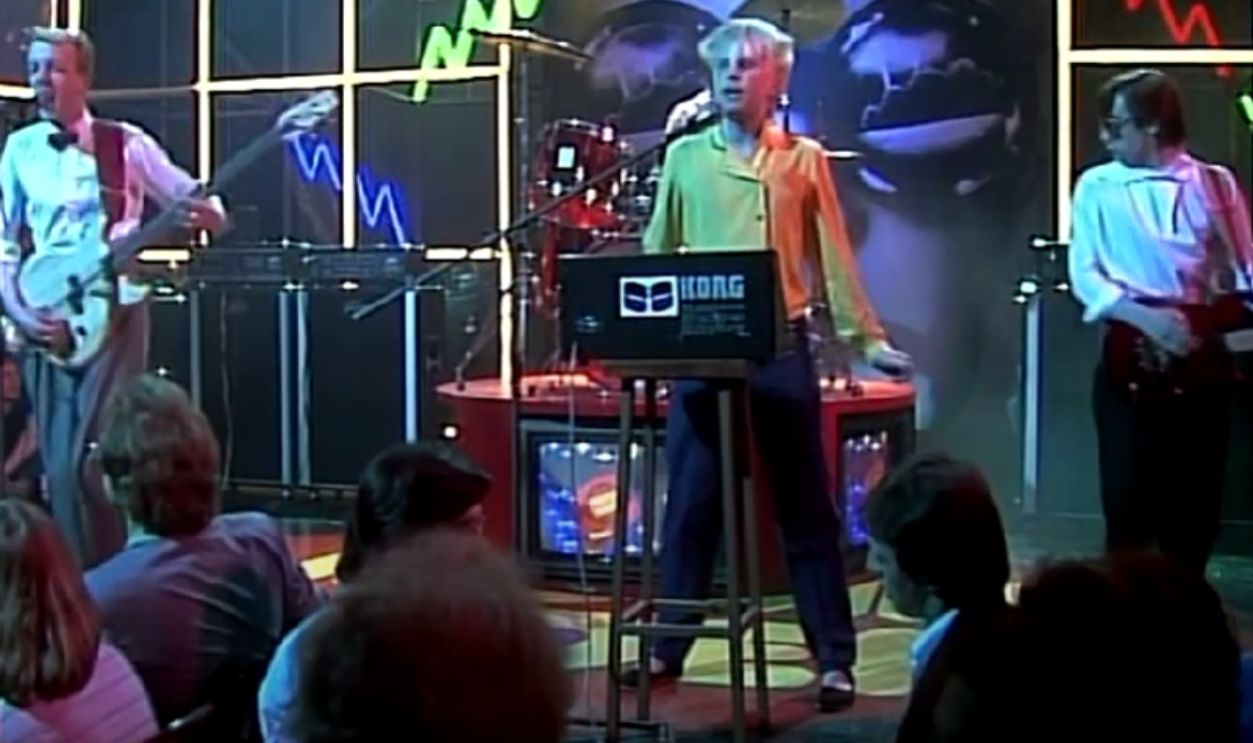 Screenshot from I Ran (So Far Away), A Flock of Seagulls, Jive Records (1982)
Nelson
Twin brothers. Matching blonde hair. The 1990 single (Can’t Live Without Your) Love and Affection hit No. 1. Their debut After the Rain went double platinum. Then the early 90s changed the vibe entirely. These days, mention a band of blonde brothers and you’re more likely to hear Hanson than Nelson—although does the younger generation even know who Hanson is either?
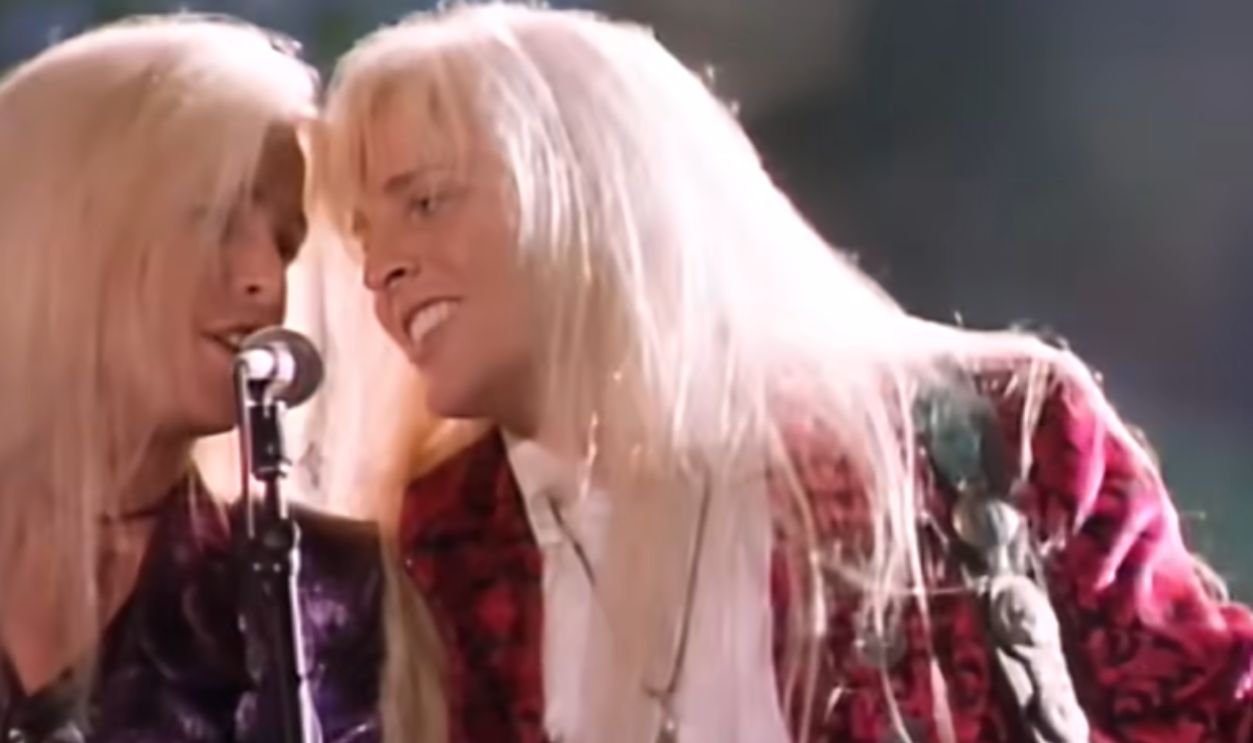 Screenshot from After the Rain, Nelson, DGC Records (1990)
Quiet Riot
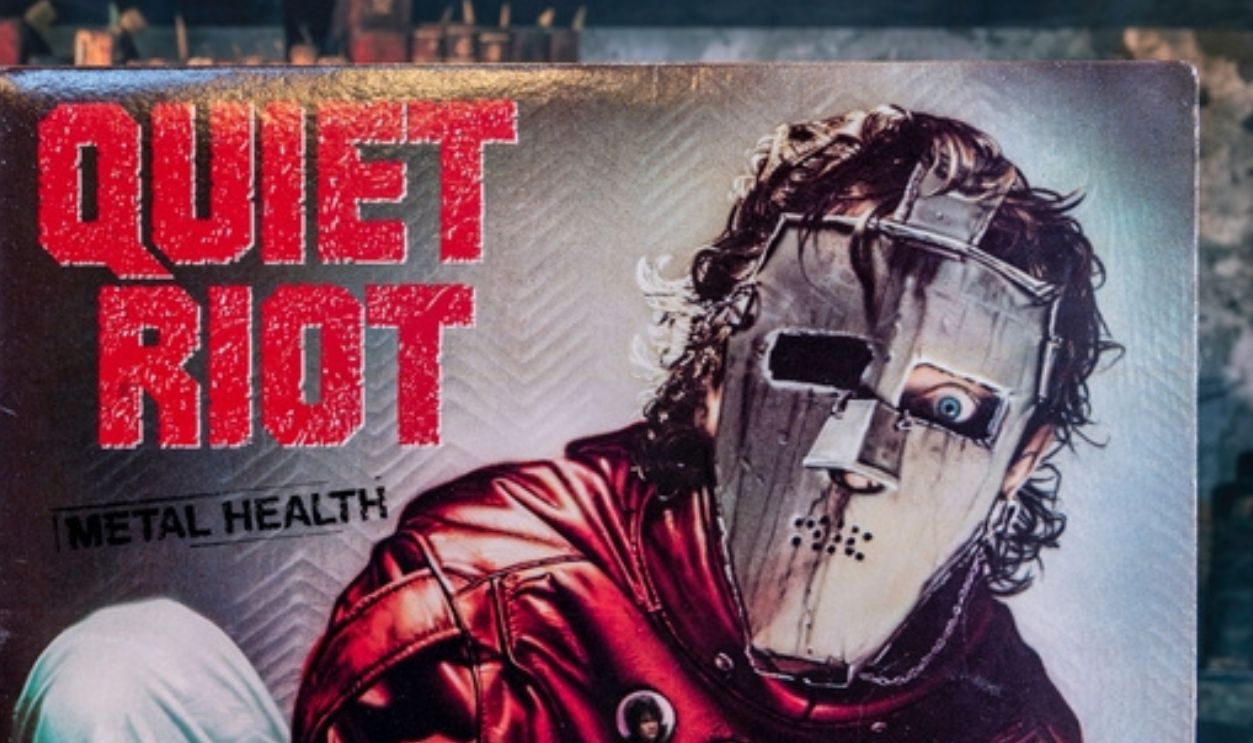
Metal Health (1983) was the first heavy metal album to hit No. 1 on the Billboard 200. Cum On Feel the Noize dominated MTV. They were briefly the loudest band in America. But dominance in 1983 didn’t guarantee 1993.
Hootie & the Blowfish
Their 1994 debut Cracked Rear View has sold over 20 million copies in the U.S. alone—one of the best-selling albums ever. How could they not believe fame was going to be long term? There’s even an early Friends episode built around going to a Hootie concert (and Monica getting a hickey from one of the “Blowfish”). They released plenty of albums after that—but even fans of the mega debut would struggle to name one, let alone anyone born after 2000.
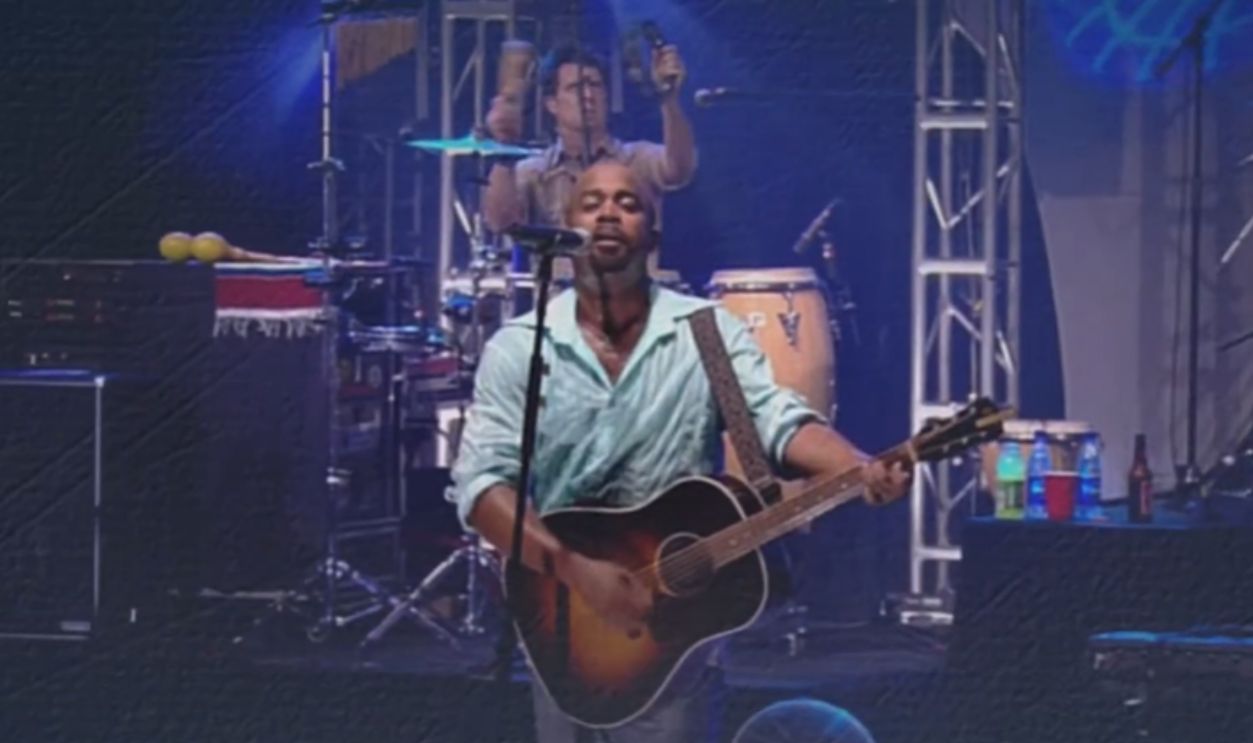 Screenshot from Cracked Rear View, Hootie & the Blowfish, Atlantic Records (1994)
The Rembrandts
Speaking of Friends, I’ll Be There for You became one of the most recognizable TV theme songs of all time. It topped charts worldwide and turned The Rembrandts into household names. For 10 years, millions of us heard that song every Thursday night. How could that not lead to lengthy fame? Well…try naming one other song of theirs.
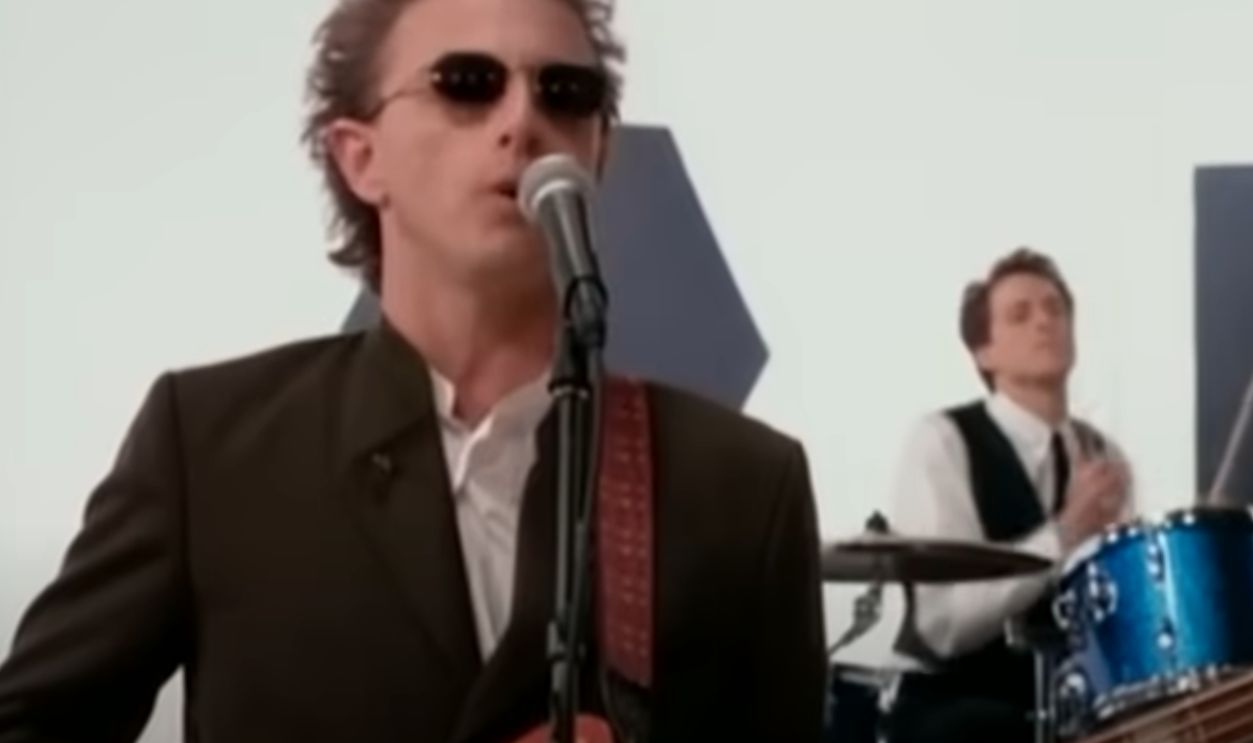 Screenshot from “I'll Be There for You,” The Rembrandts, Elektra (1994)
Spin Doctors
Pocket Full of Kryptonite (1991) went five times platinum. Two Princes and Little Miss Can’t Be Wrong were radio fixtures. For a while, they felt unavoidable. But some bands age like classic rock—and some age like a very specific 1992 CD collection in your cousin’s basement.
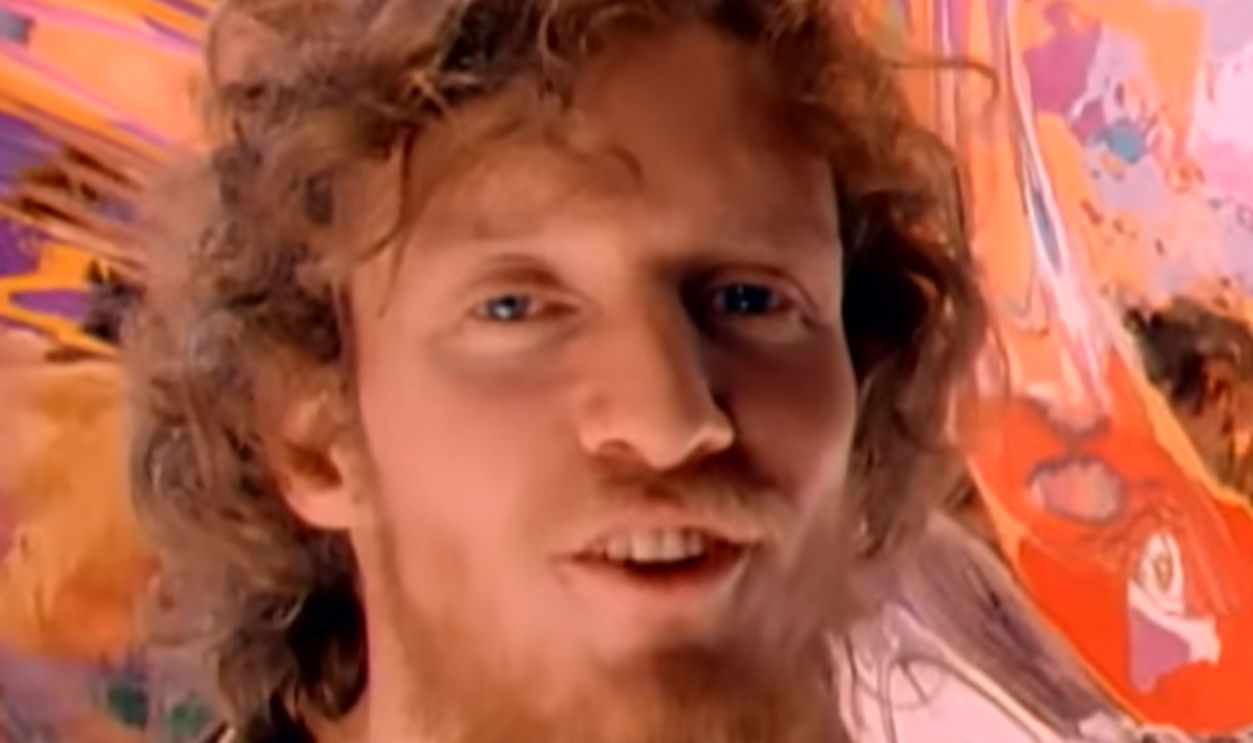 Screenshot from Little Miss Can’t Be Wrong, Spin Doctors, Epic Records (1994)
Extreme
More Than Words hit No. 1 in 1991 and showed a softer side of a hard rock band. They had real chops—but for listeners born after 2000, they’re basically a one-song Spotify algorithm suggestion between Boyz II Men and a “90s Love Ballads” playlist. And maybe Mr. Big (raise your hand if you remember To Be With You).
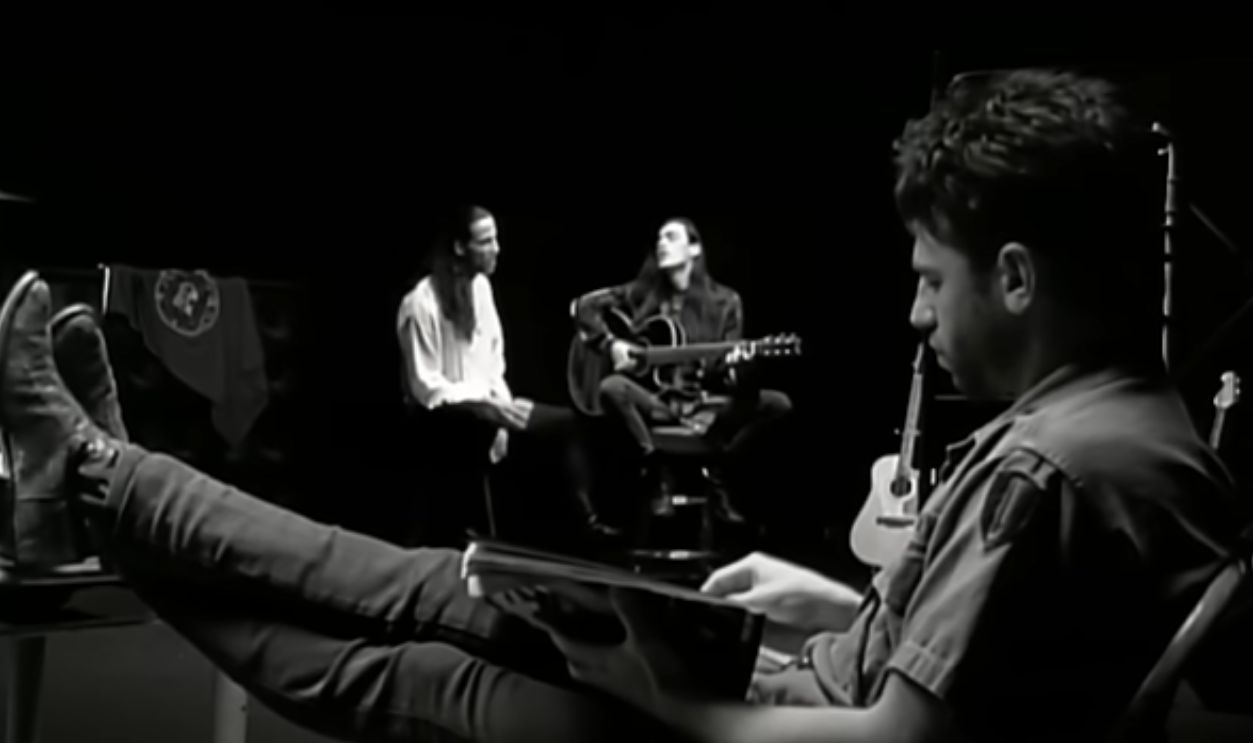 Screenshot from More Than Words, Extreme, A&M Records (1990)
Europe
The Final Countdown is still blasted ironically at sporting events. It hit No. 1 in 25 countries in 1986. The band filled arenas across Europe and beyond. But outside that one synth riff, younger generations struggle to name another song—unless they’ve heard it in Arrested Development or a dramatic boxing walkout montage.
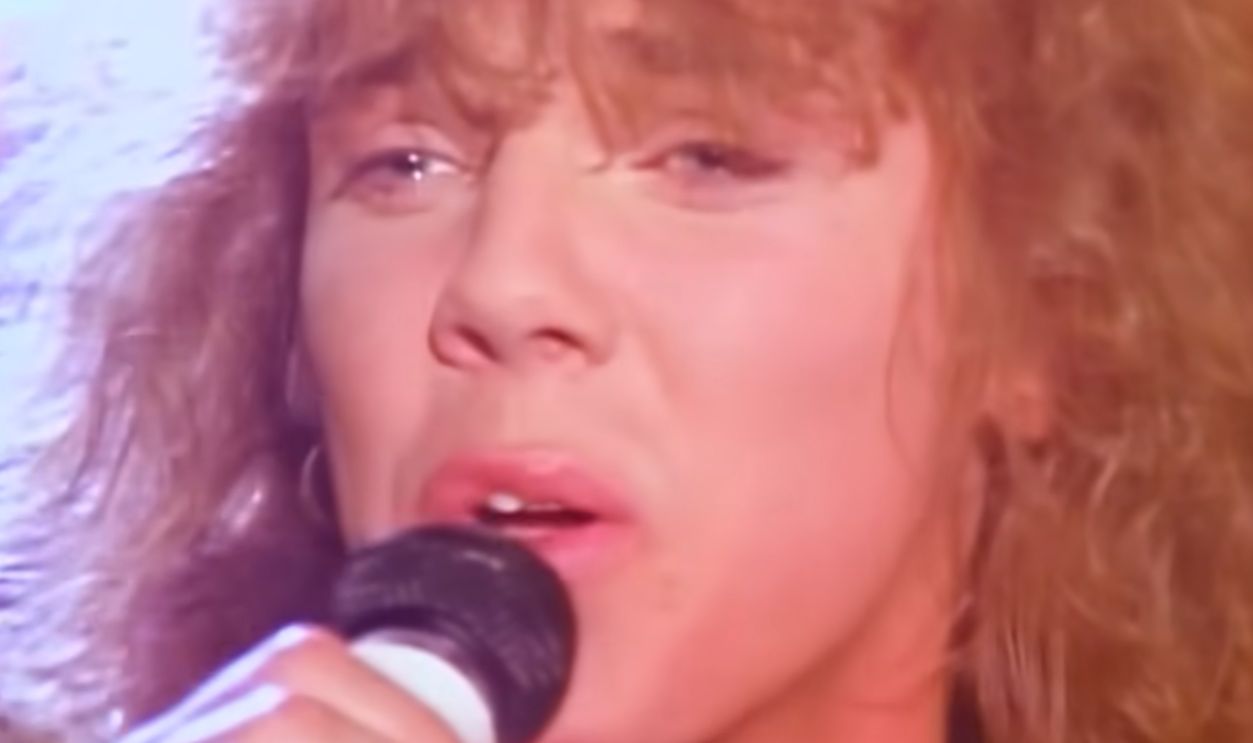 Screenshot from The Final Countdown, Epic (1986)
Night Ranger
Sister Christian peaked at No. 5 in 1984 and became an arena staple. The album Midnight Madness went platinum. Younger Boomers remember it from car stereos. Anyone born after 2000 mostly knows it from Boogie Nights—if that.
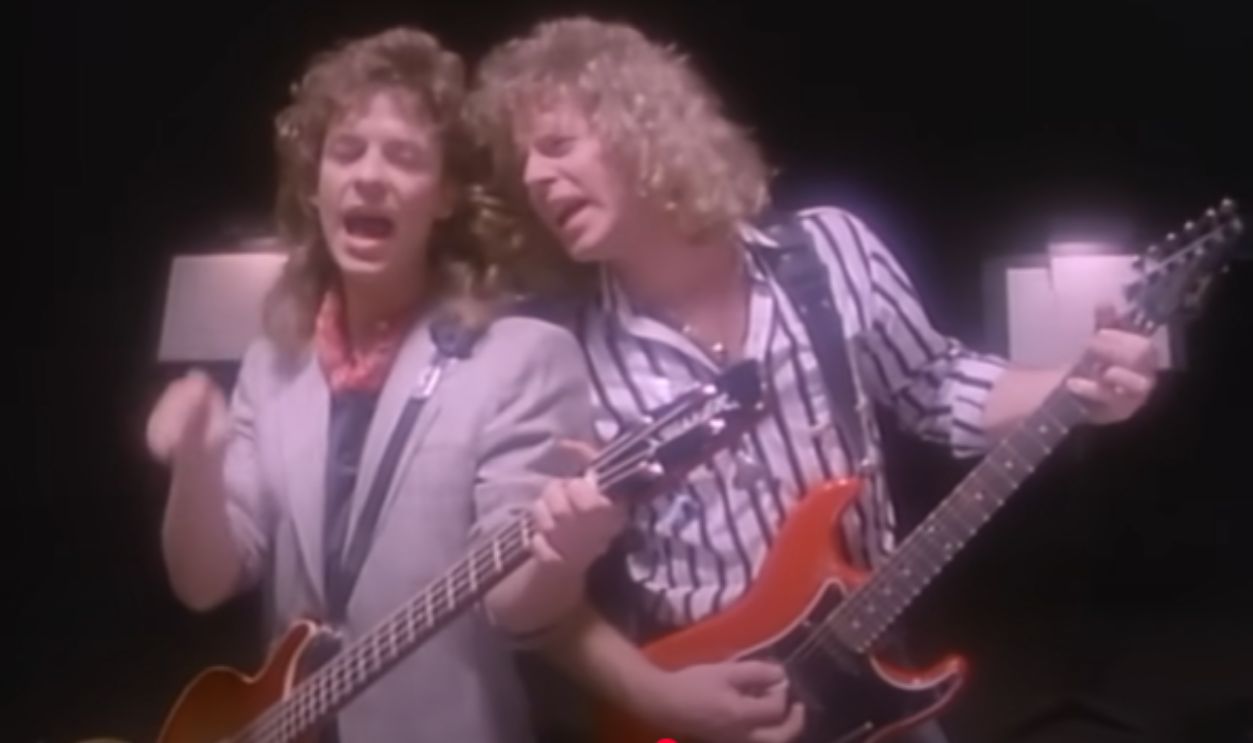 Screenshot from Sister Christian, Night Ranger, MCA Records (1984)
The Knack
My Sharona was the best-selling U.S. single of 1979. Their debut album Get the Knack went platinum in just weeks. Critics quickly labeled them “the next Beatles.” That’s a lot to live up to. Spoiler: they weren’t.
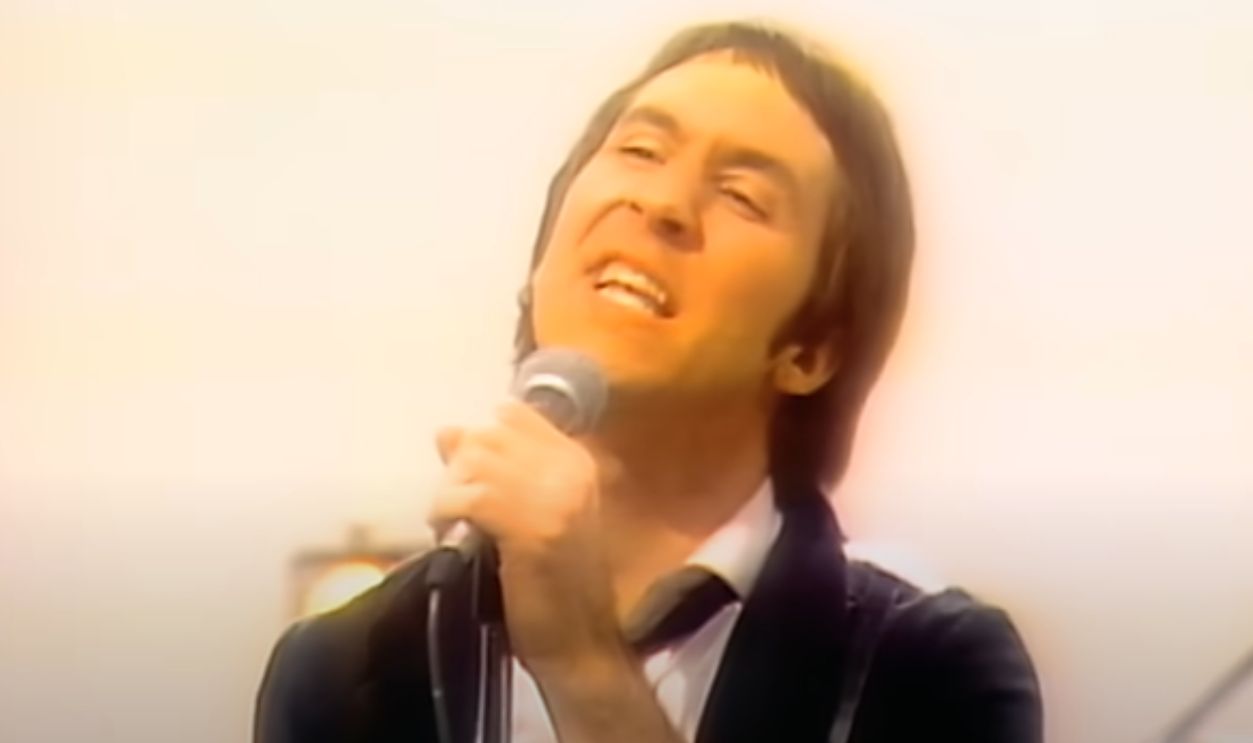 Screenshot from My Sharona, Capitol Records (1979)
Rick Astley
In 1987, Never Gonna Give You Up hit No. 1 in 25 countries. His debut album went multi-platinum. He stepped away from fame in the 90s. Then the mid-to-late 2000s rickrolling craze revived him online—but anyone born after 2000 was probably too young to even remember that pop culture comeback.
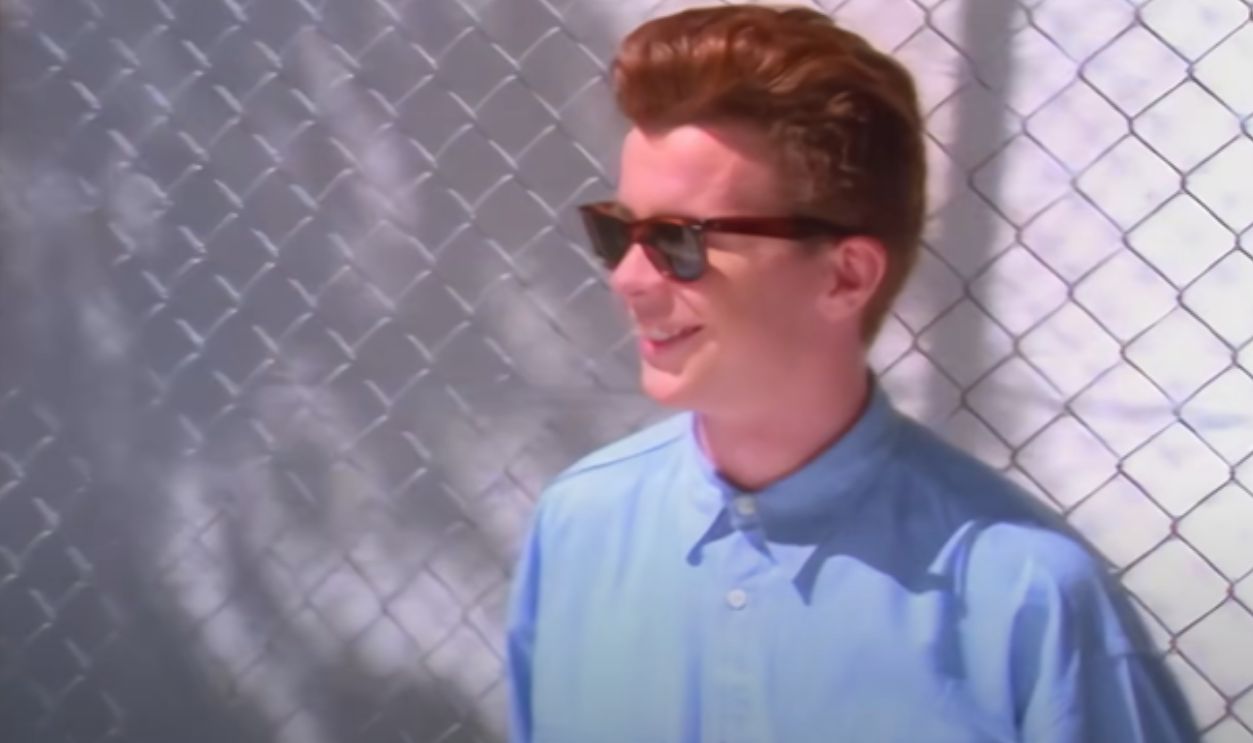 Screenshot from Never Gonna Give You Up, Rick Astley, RCA Records (1987)
Candlebox
Their 1993 self-titled debut went quadruple platinum, driven by Far Behind. They toured with the big names and looked ready for the long haul. But being “almost one of the defining bands of the decade” is a tough place to land. Close counts in horseshoes—not in rock history.
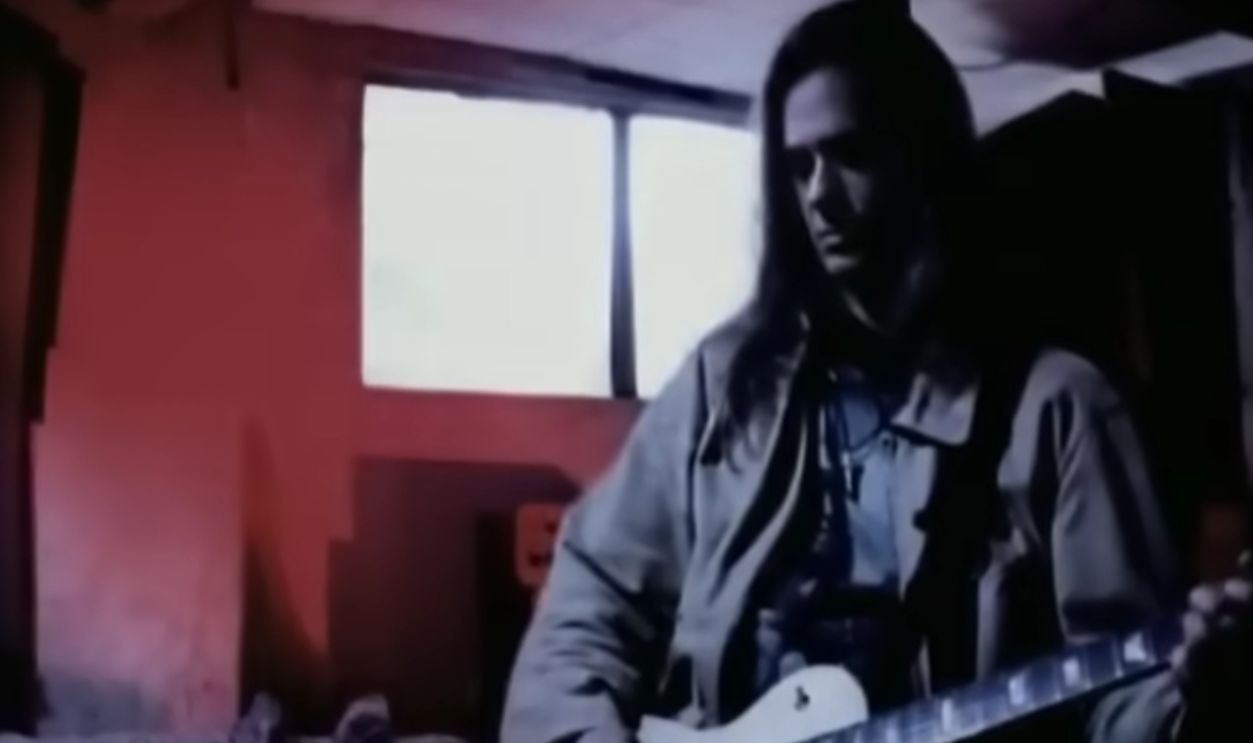 Screenshot from Far Behind, Candlebox, Sire Records(1993)
Skid Row
Their 1989 debut went five times platinum. 18 and Life and I Remember You were MTV staples. Sebastian Bach was a bona fide rock star. But unlike the OG Bach—you know, Johann Sebastian Bach—Skid Row’s version didn’t exactly become required listening in music class.
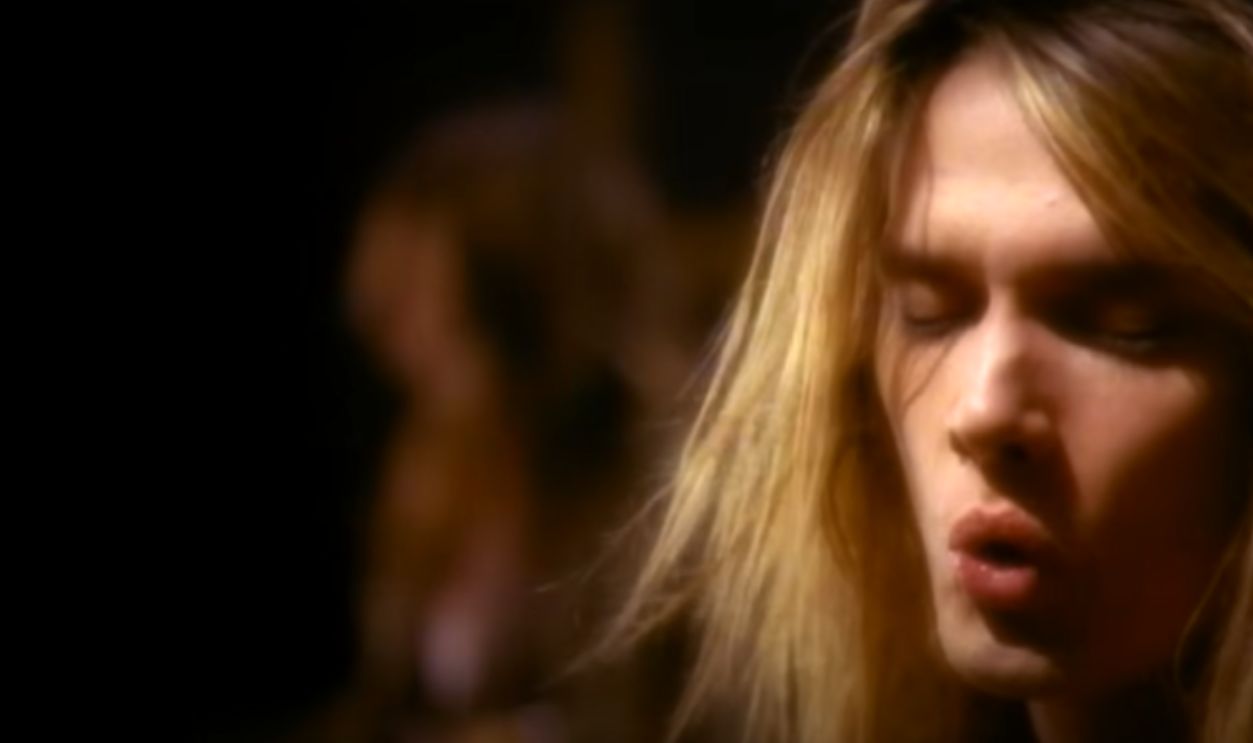 Screenshot from I Remember You, Skid Row, Atlantic Records (1989)
The Outfield
Your Love (1985) peaked at No. 6 and became a radio mainstay. The album Play Deep sold over two million copies in the U.S. Today, the song pops up in nostalgic playlists—but the band name rarely does.
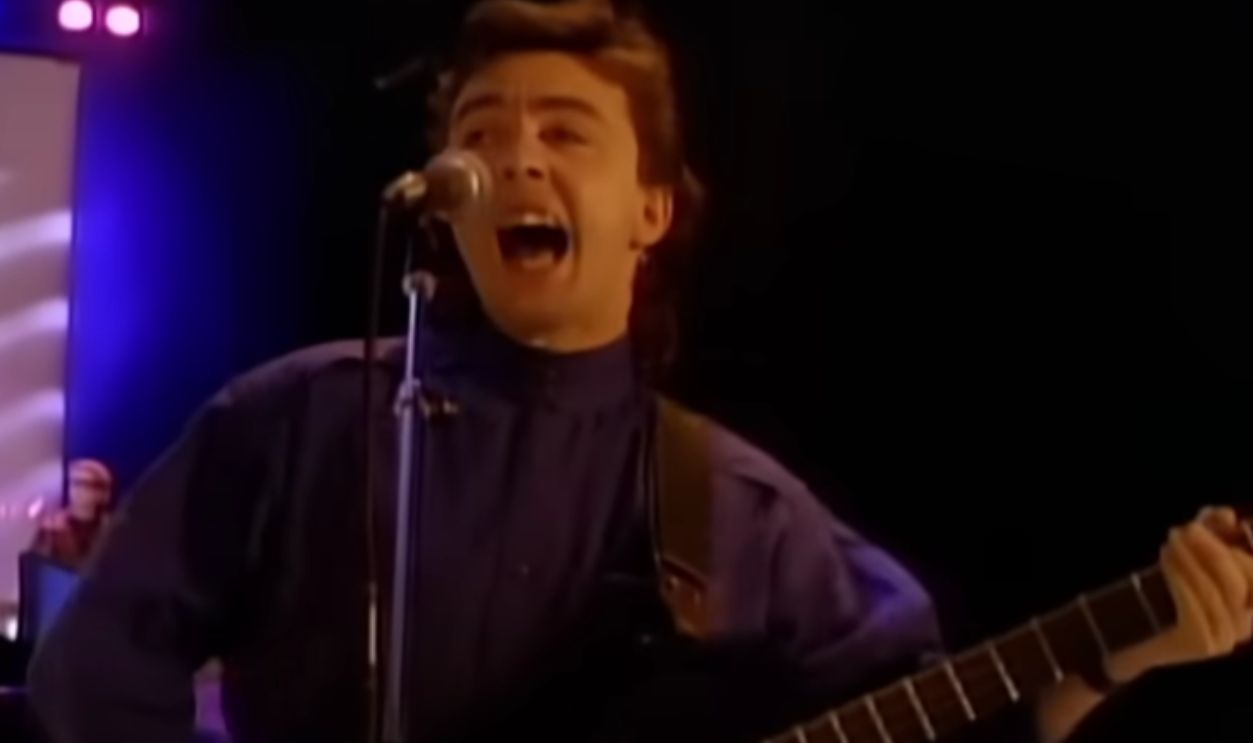 Screenshot from Your Love, The Outfield, Columbia Records (1985)
T’Pau
Heart and Soul cracked the U.S. Top 5 in 1987 after the band topped the UK charts with China in Your Hand. For a minute, they looked like the next big transatlantic pop-rock force. Big hair, dramatic vocals, arena-ready hooks. And then…radio moved on.
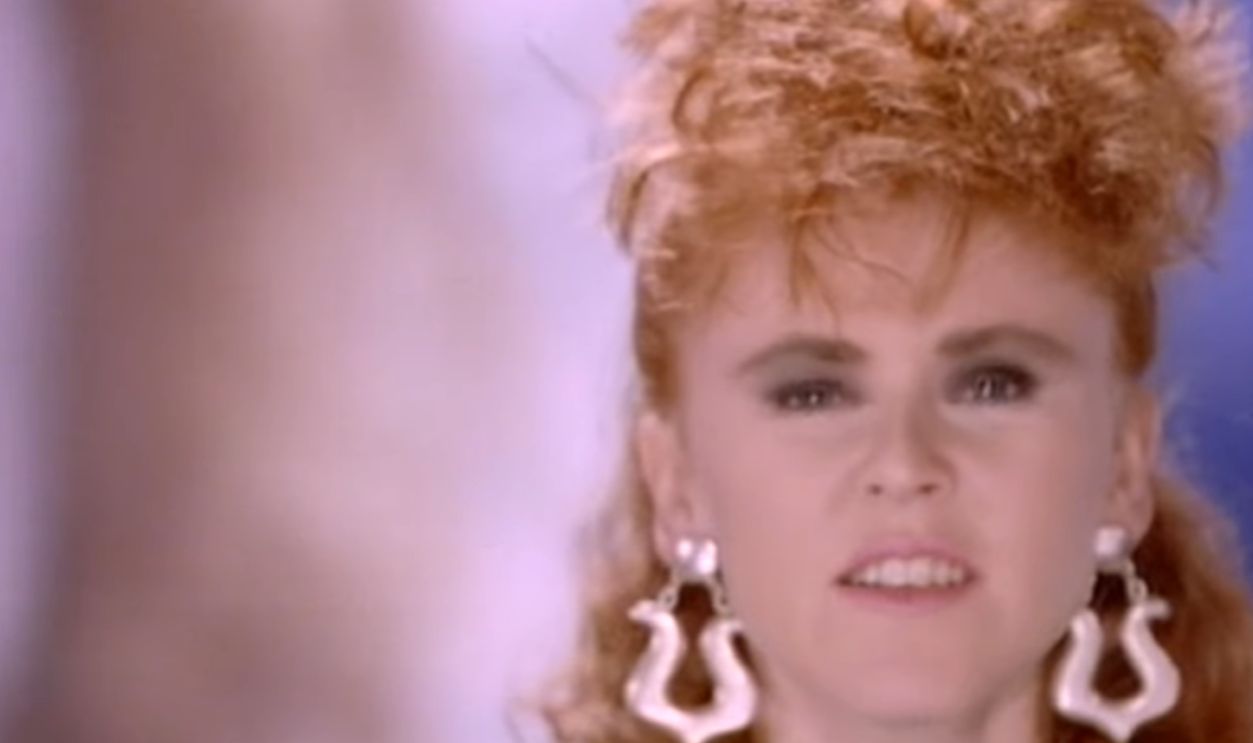 Screenshot from Heart and Soul, T’Pau, Virgin Records (1987)
Living in a Box
Yes, that was the band name. Living in a Box hit the U.S. Top 20 in 1987 and became an instant conversation starter. In the 80s, you had to be living in a box to not know who these guys were. These days, no matter where you’re living—or what you’re living in—the band is a total unknown entity.
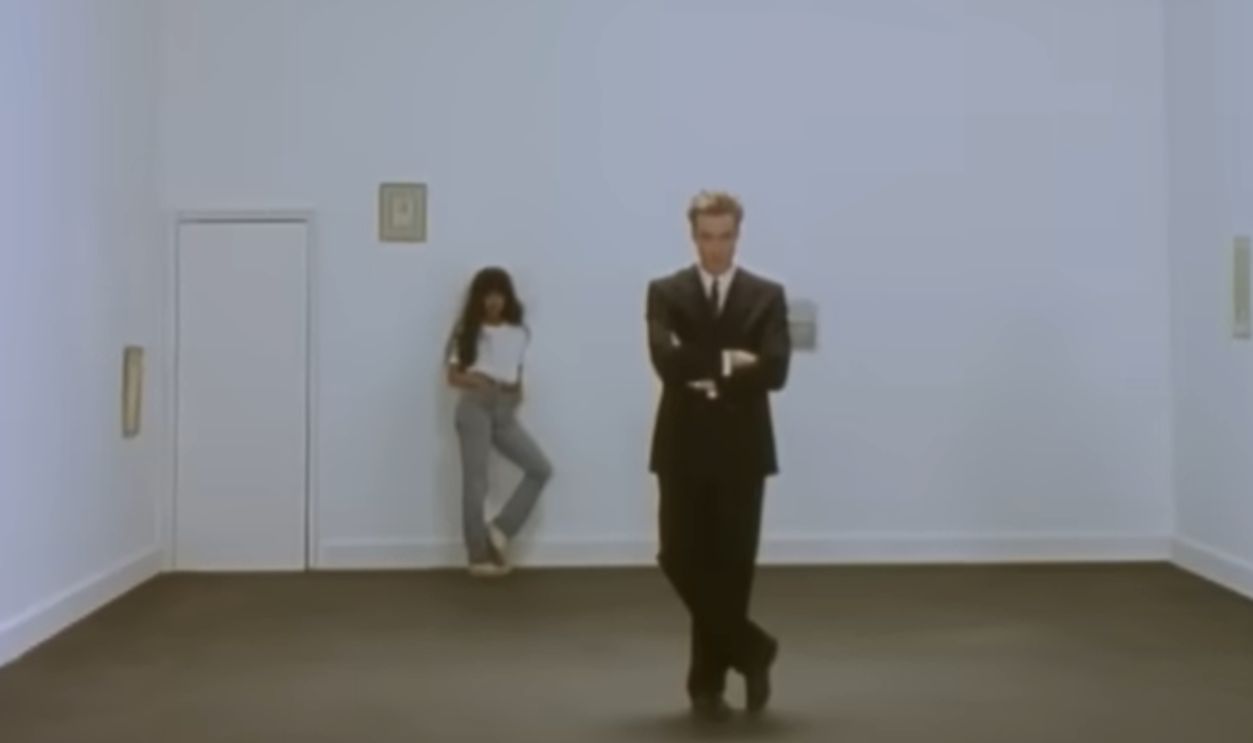 Screenshot from Living in a Box, Living in a Box, Chrysalis Records (1987)
Autograph
Turn Up the Radio became a mid-80s rock anthem and MTV regular, the kind of song that still shows up in every “Best of 80s Rock” playlist. For a moment, Autograph looked arena-bound. Today? The song gets remembered. The band name…not so much.
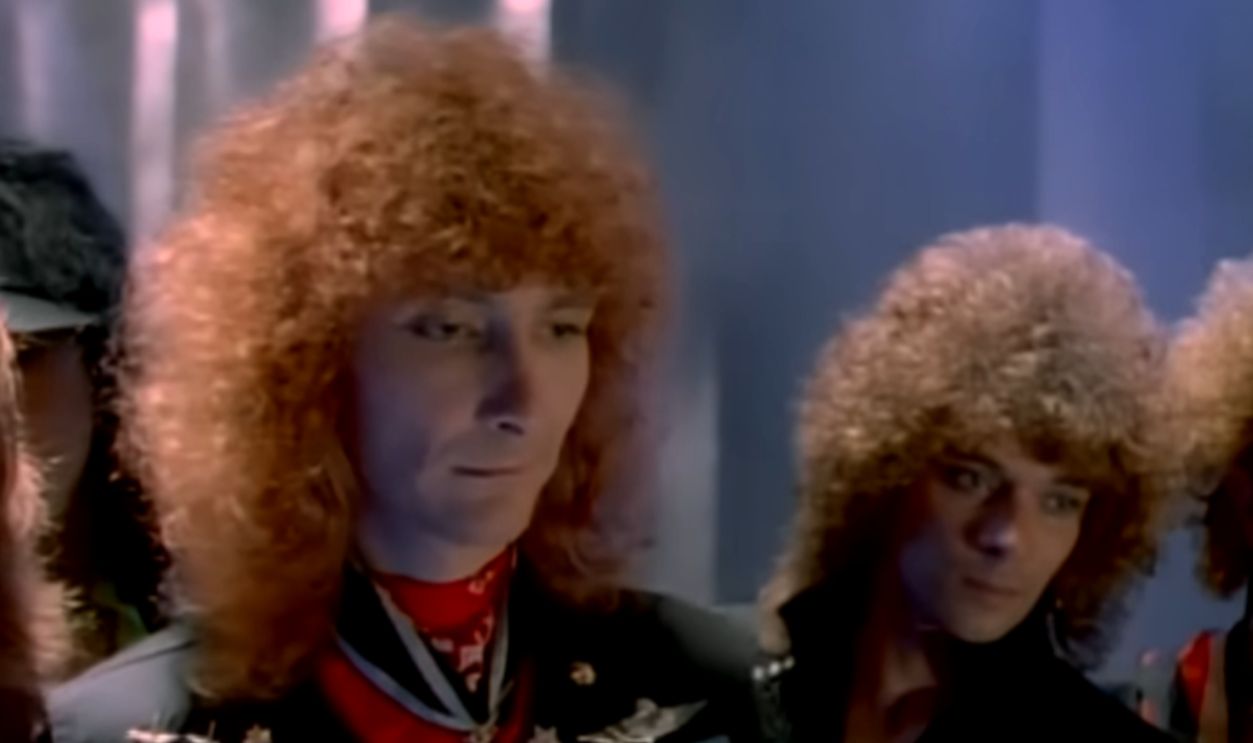 Screenshot from Turn Up the Radio, RCA Records (1984)
White Lion
When the Children Cry and Wait were MTV staples in the late 80s, and their 1987 album Pride went double platinum. For a minute, they looked like the thoughtful, slightly more serious future of hair metal. Then the 90s arrived—and so did flannel.
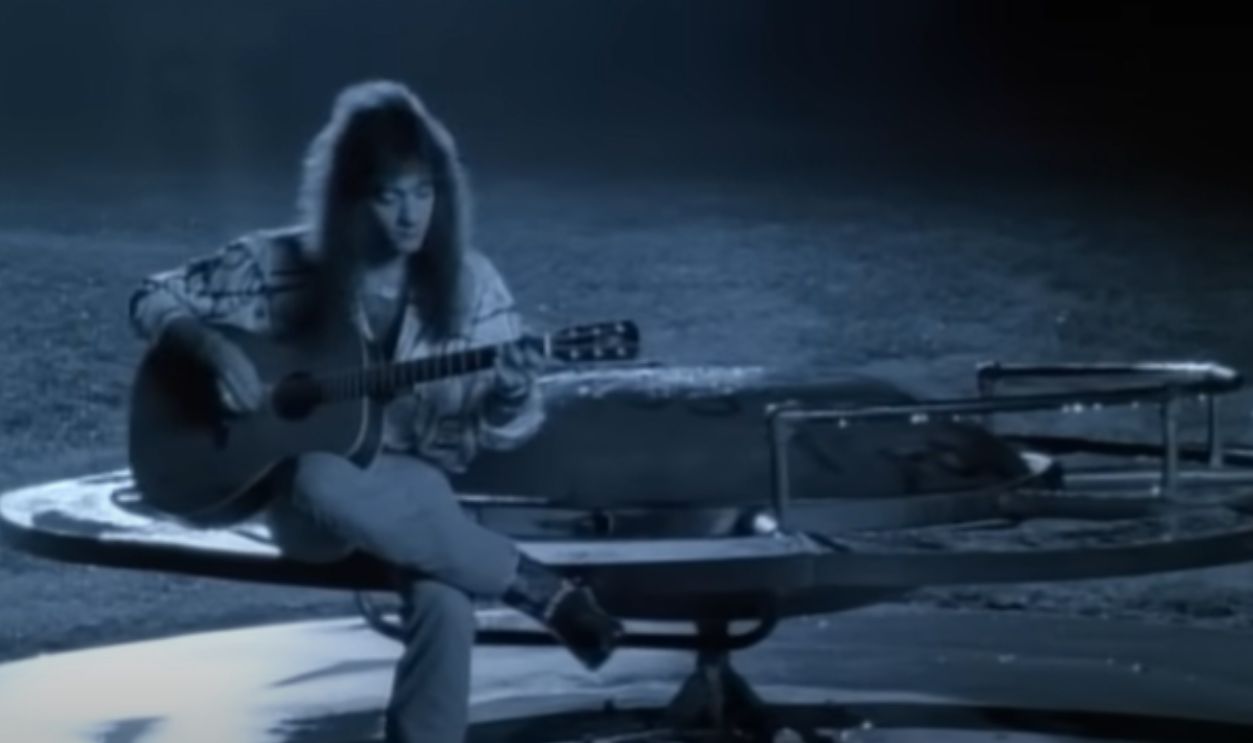 Screenshot from When the Children Cry, White Lion, Atlantic Records (1988)
Tesla
Not the car. The band. The Great Radio Controversy (1989) went multi-platinum, and Love Song became a power-ballad essential. Their acoustic live version of Signs was everywhere in 1990. They felt built for longevity. Then alternative rock changed the radio dial overnight.
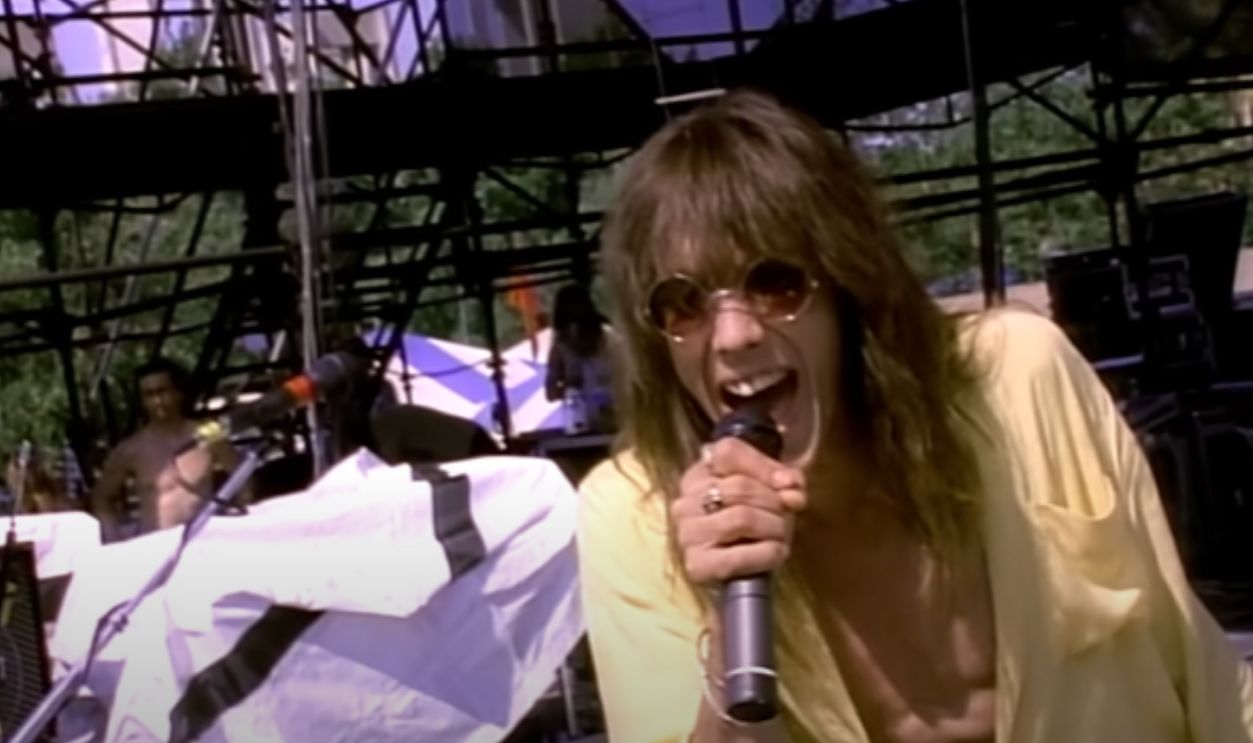 Screenshot from Love Song, Tesla, Geffen Records (1989)
Paula Abdul
Between 1988 and 1991, Paula Abdul was unstoppable. Forever Your Girl produced four No. 1 singles—Straight Up, Cold Hearted, Opposites Attract, and the title track. She wasn’t just big—she was choreography-on-MTV big. Today, she’s more likely remembered as a TV judge than a chart-dominating pop force.
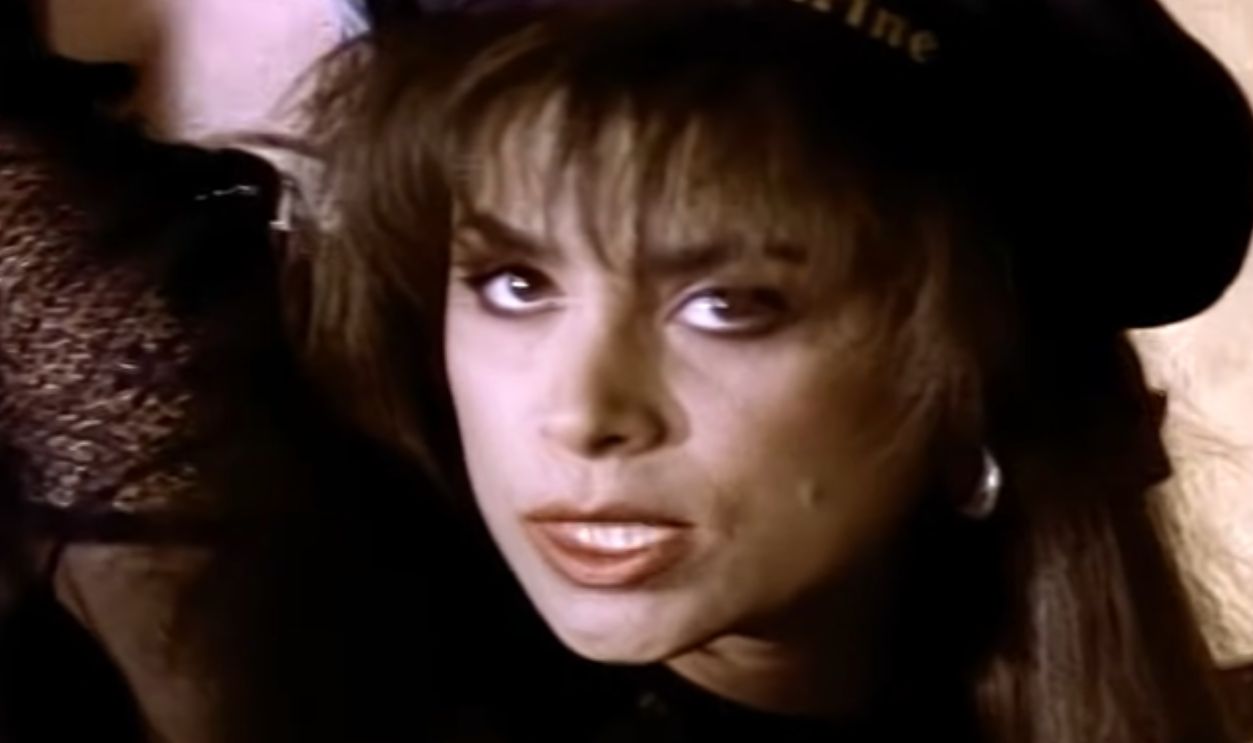 Screenshot from Cold Hearted, Virgin (1989)
Vanilla Ice
Ice Ice Baby was the first hip-hop single to top the Billboard Hot 100 in 1990. The album To the Extreme sold over 15 million copies worldwide. The fame was nuclear. The staying power? Complicated.
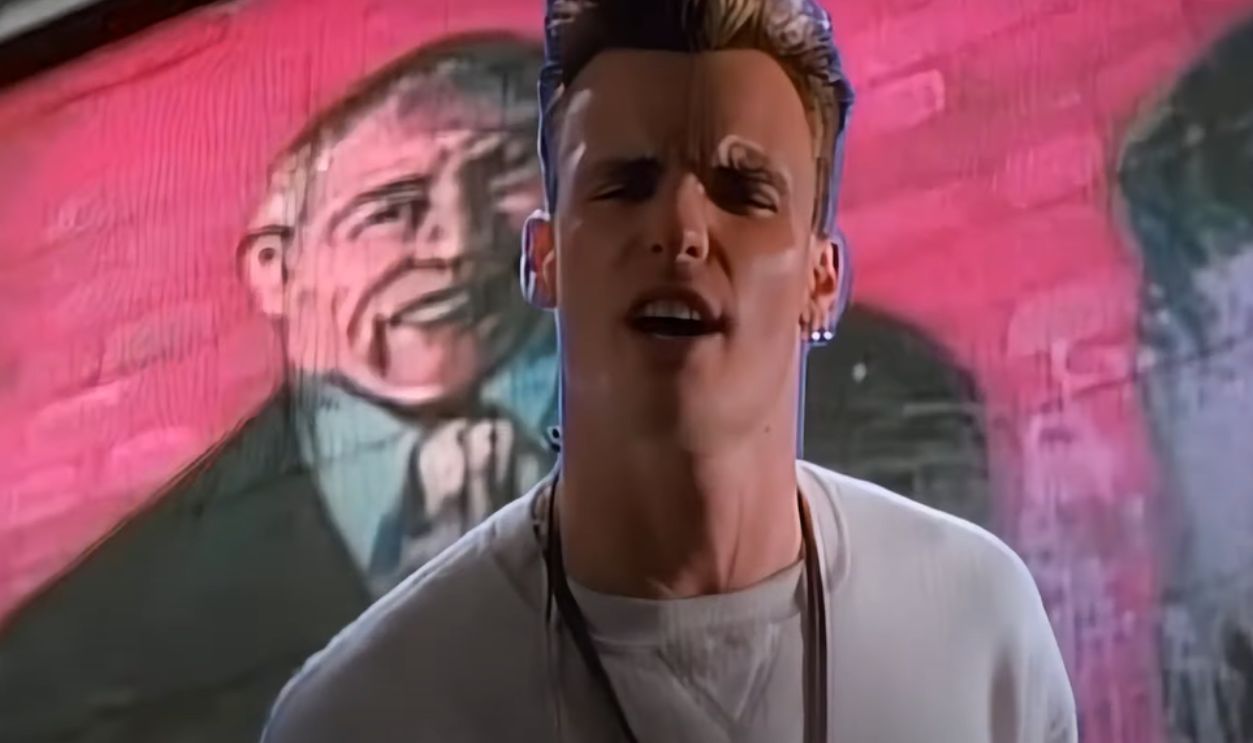 Screenshot from Ice Ice Baby, SBK Records (1990)
When Fame Has An Expiration Date
Every era crowns its kings and queens of rock. Some adapt. Some vanish. Some get rediscovered ironically. But fame—no matter how loud or platinum—rarely lasts forever. Especially when the next generation is already scrolling past it.
 Alyssa Kristine, Wikimedia Commons
You Might Also Like:
Post-Grunge Songs That Were Actually Good
Bands Younger Baby Boomers Loved That Most Older Boomers Don’t Remember At All
Forget The Critics: These Are The 50 Greatest Albums Of All Time—Do You Agree?