Big Hair, Bigger Priorities
The 80s didn’t just give us loud guitars and power ballads—it gave us commitment to hair. Teased, sprayed, curled, and defying several laws of physics, these bands understood one truth: if the hooks weren’t memorable, the hair absolutely had to be. And wow, did it deliver.
Cinderella
Cinderella leaned harder into blues rock than most of their peers, but the hair still screamed Sunset Strip. Tom Keifer’s lion’s mane deserved its own spotlight, even when the songs blurred together. You might forget the riffs, but not the silhouette.
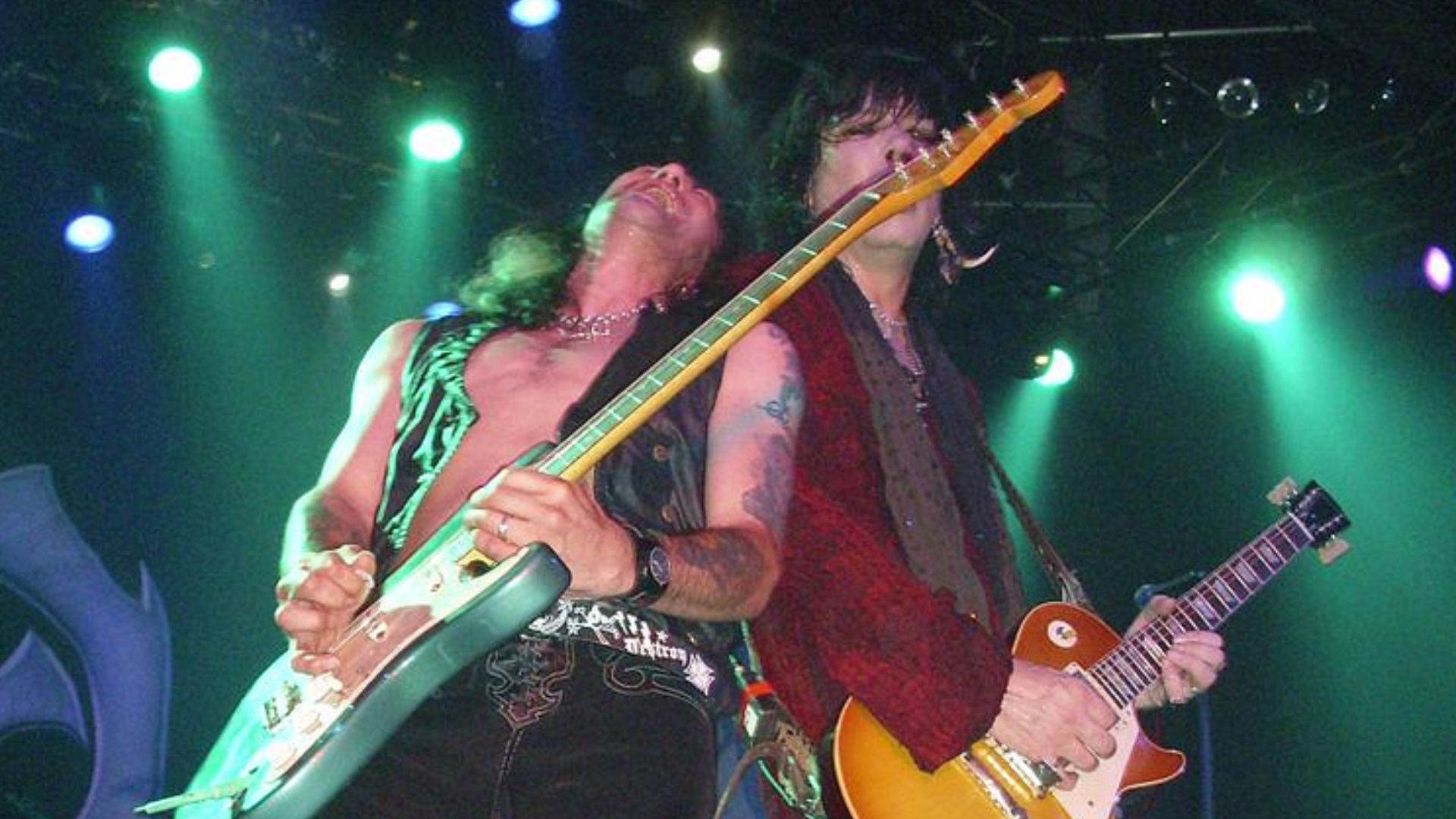 https://www.flickr.com/photos/vazzz/, Wikimedia Commons
Warrant
Warrant will always be linked to Cherry Pie, and that’s kind of the problem. The song was catchy, sure—but the hair was doing far more work (okay, maybe Bobbie Brown was doing most of the work, but the hair was a very close second). Big, glossy, and perfectly fluffed, it screamed MTV-ready even when the music itself felt completely disposable.
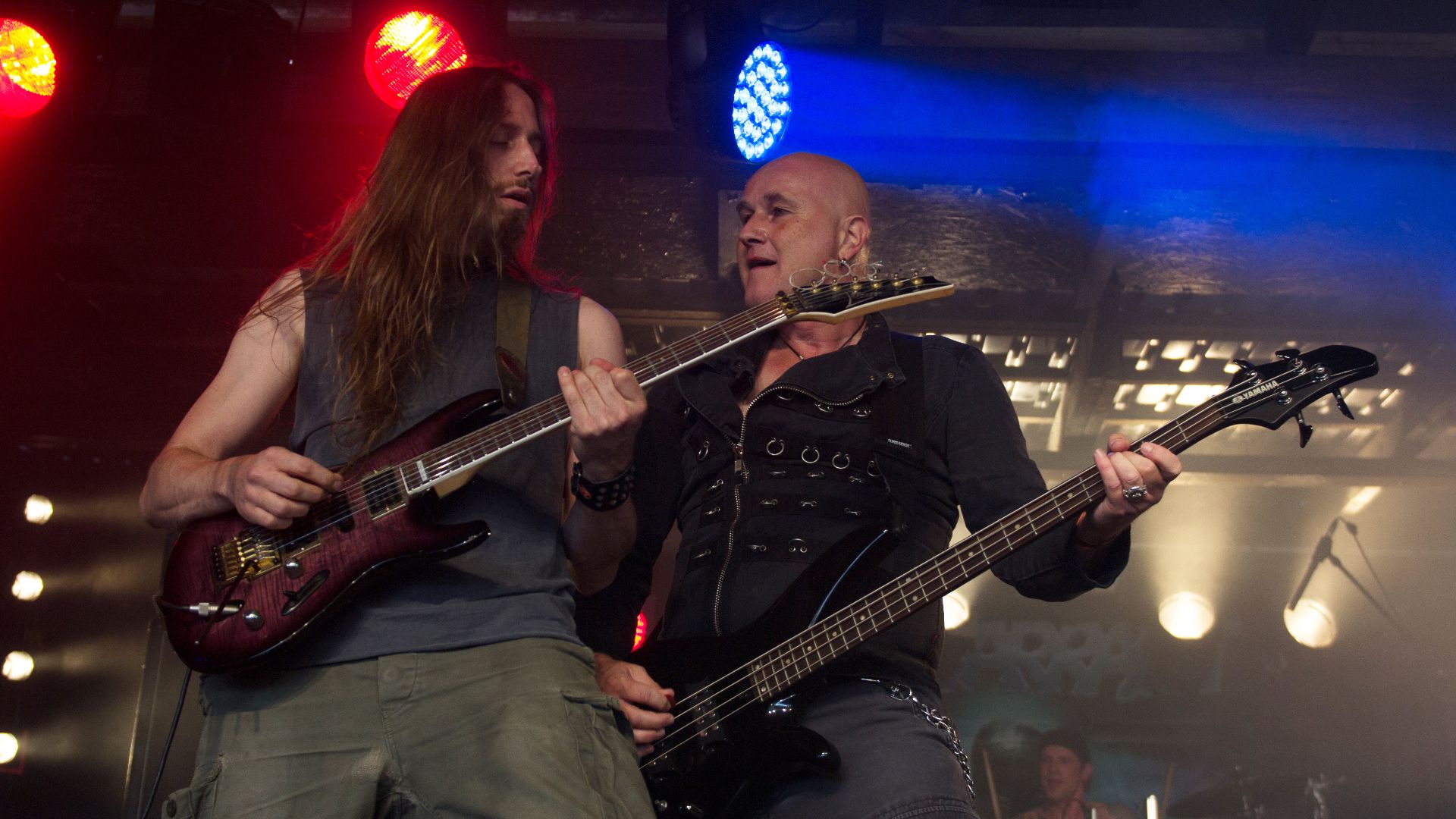 Frank Schwichtenberg, Wikimedia Commons
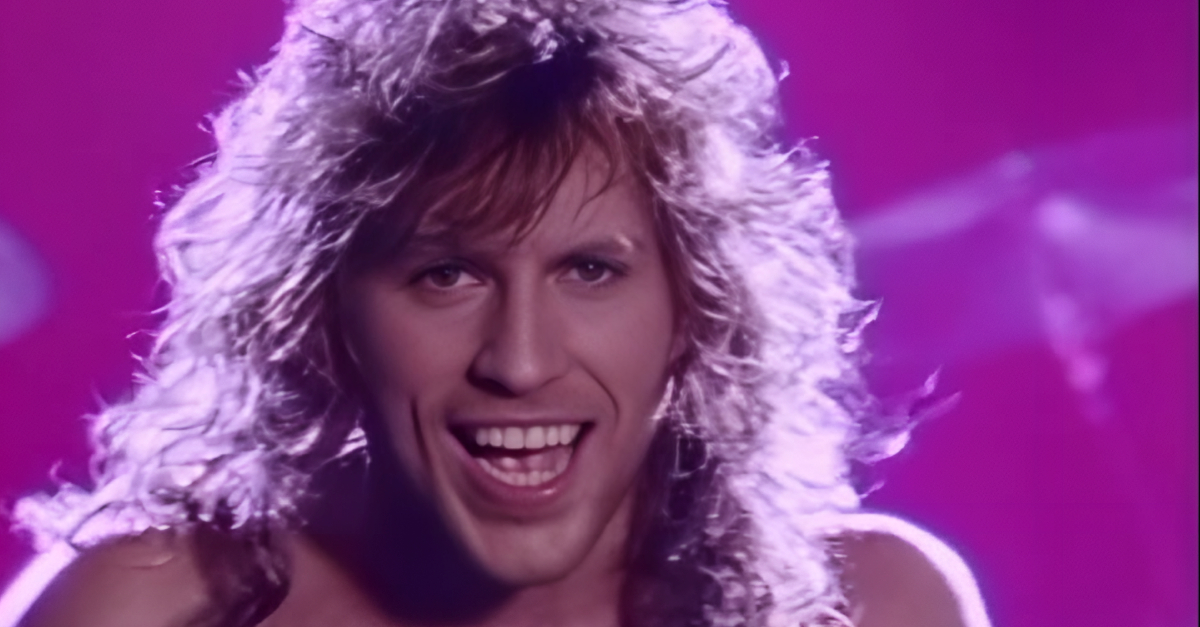
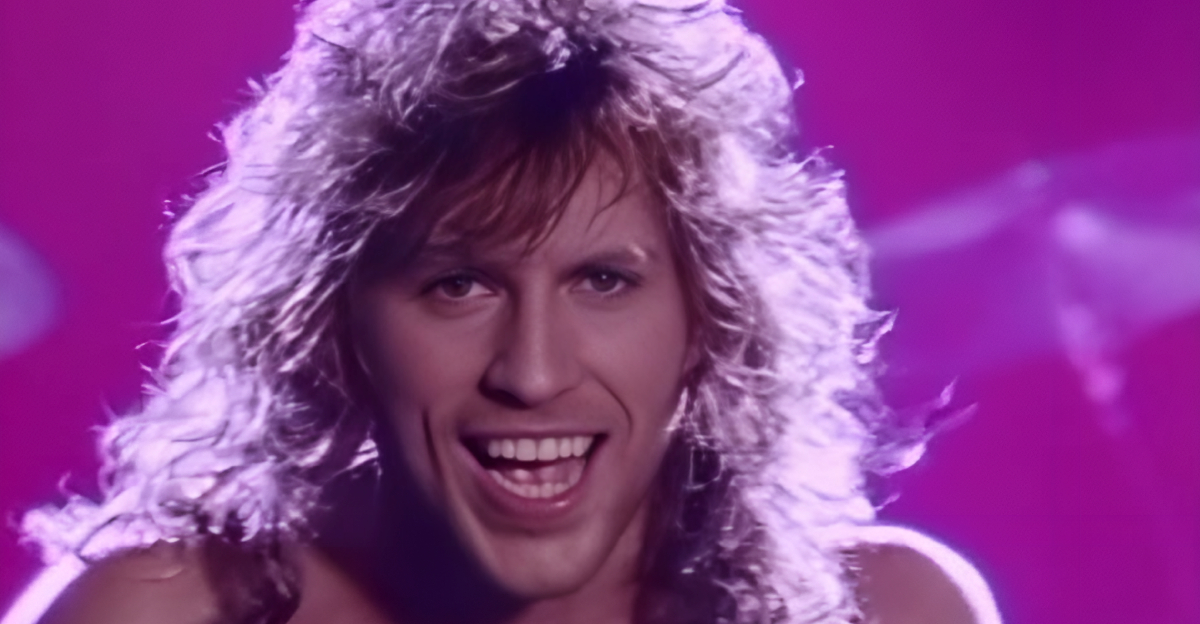
Winger
Winger became a punchline, but visually they were pure hair metal royalty. Kip Winger’s perfectly feathered mane made him look like he belonged on every magazine cover. The music aged awkwardly. The hair? Still iconic in a very specific, very 80s way.
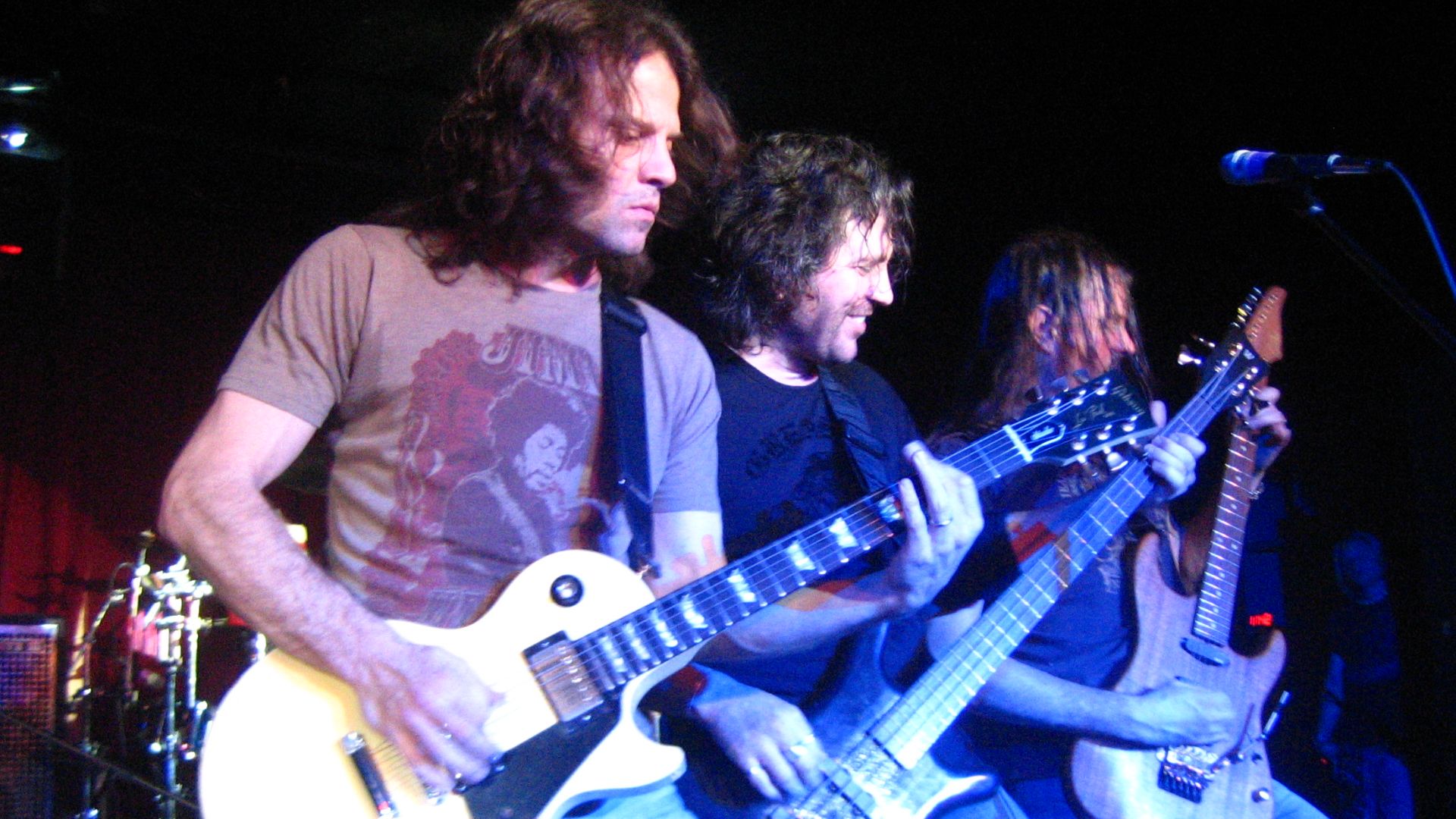
White Lion
White Lion had ambition, but their polished sound often lacked bite. What they didn’t lack was hair symmetry. Every strand looked carefully engineered, like it had gone through more rehearsals than the songs themselves. Style over substance—but immaculate style.
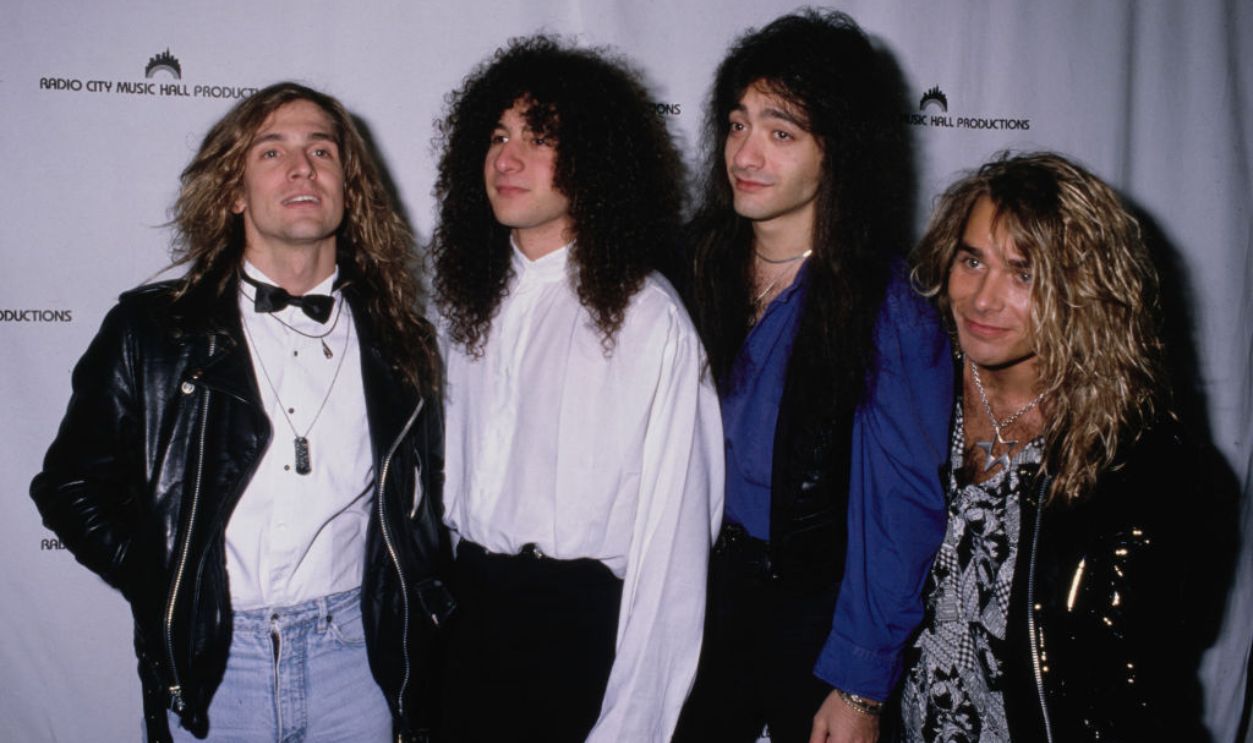
Poison
Poison’s songs were sugary, simple, and built for partying—not nuance. But Bret Michaels’ bandana-and-blond-curls combo became one of the most recognizable looks of the decade. Even people who can’t name a single track remember the hair. Mission accomplished.
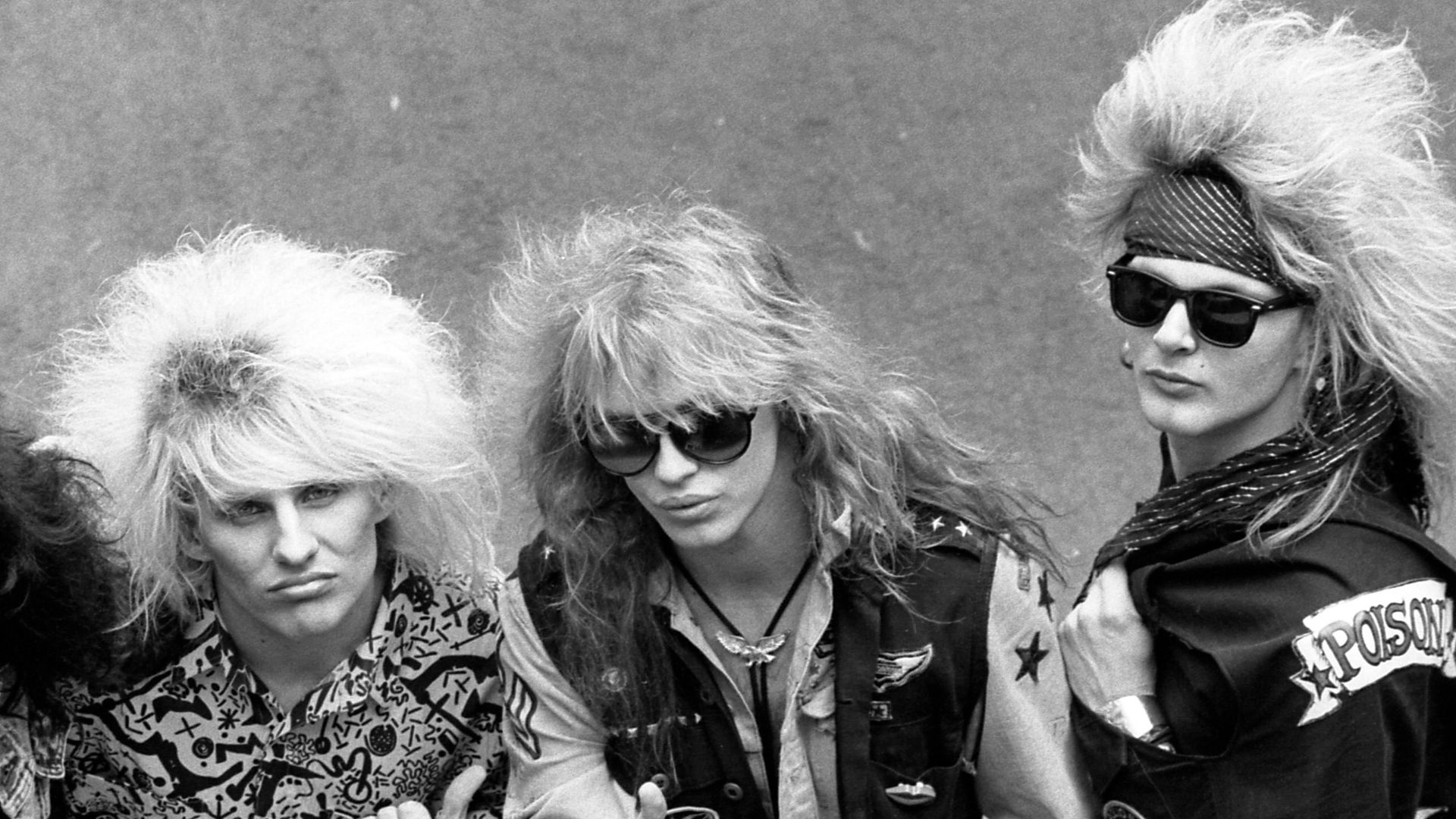 Patrick Downs, Los Angeles Times, Wikimedia Commons
Ratt
Ratt’s music was fine background noise for cruising, but the real star was the band’s glam-meets-snarl hair aesthetic. It was messy, teased, and aggressive—like it wanted to fight Aqua Net cans. You didn’t need great songs when you looked that dangerous.
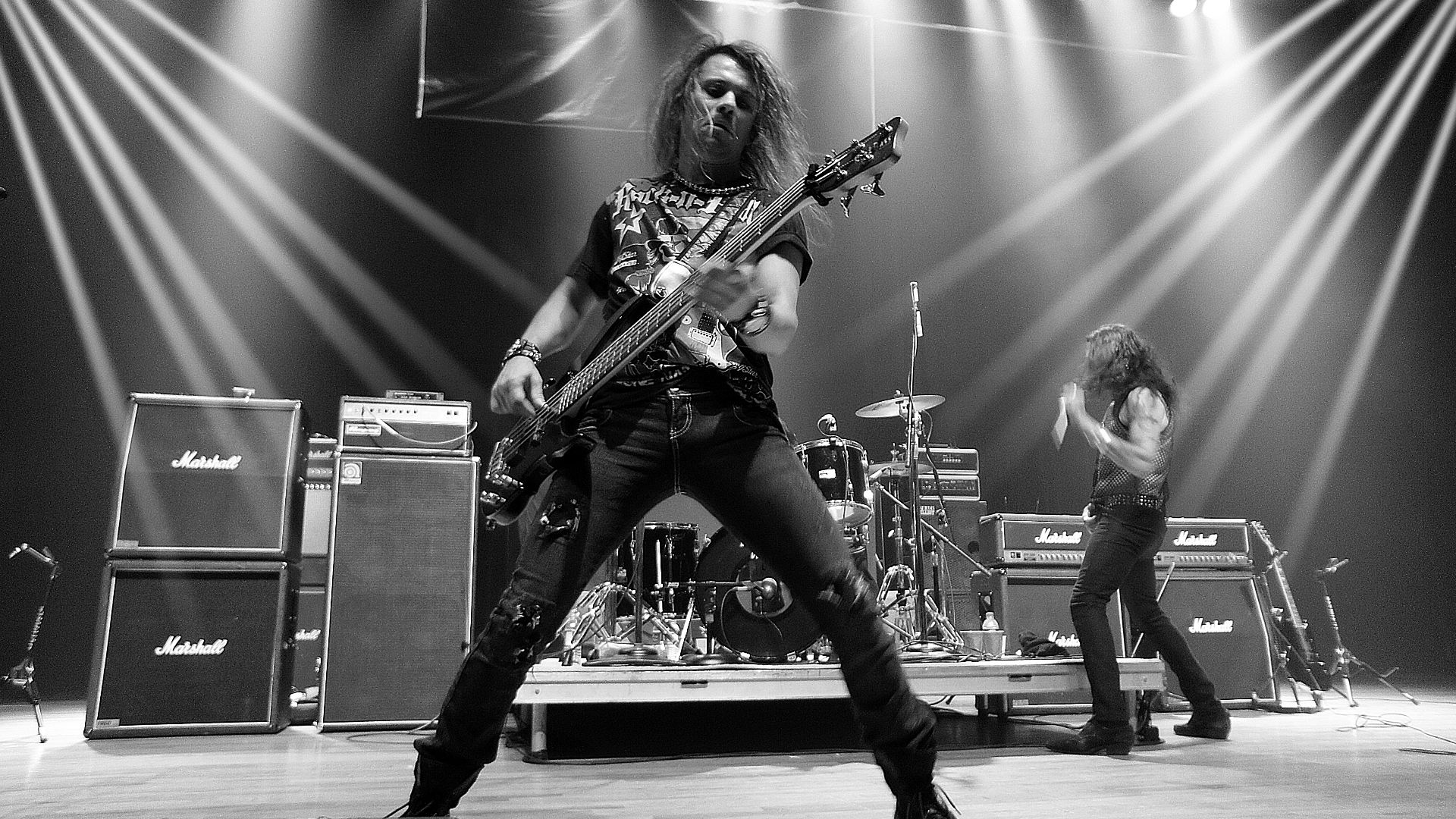 Ted Van Pelt, Wikimedia Commons
Dokken
Dokken flirted with being heavier and more serious, but still couldn’t escape the hair metal image. Towering blond layers and dramatic stage presence did a lot of the heavy lifting. The hair said arena rock, even when the songs said mid-tier.
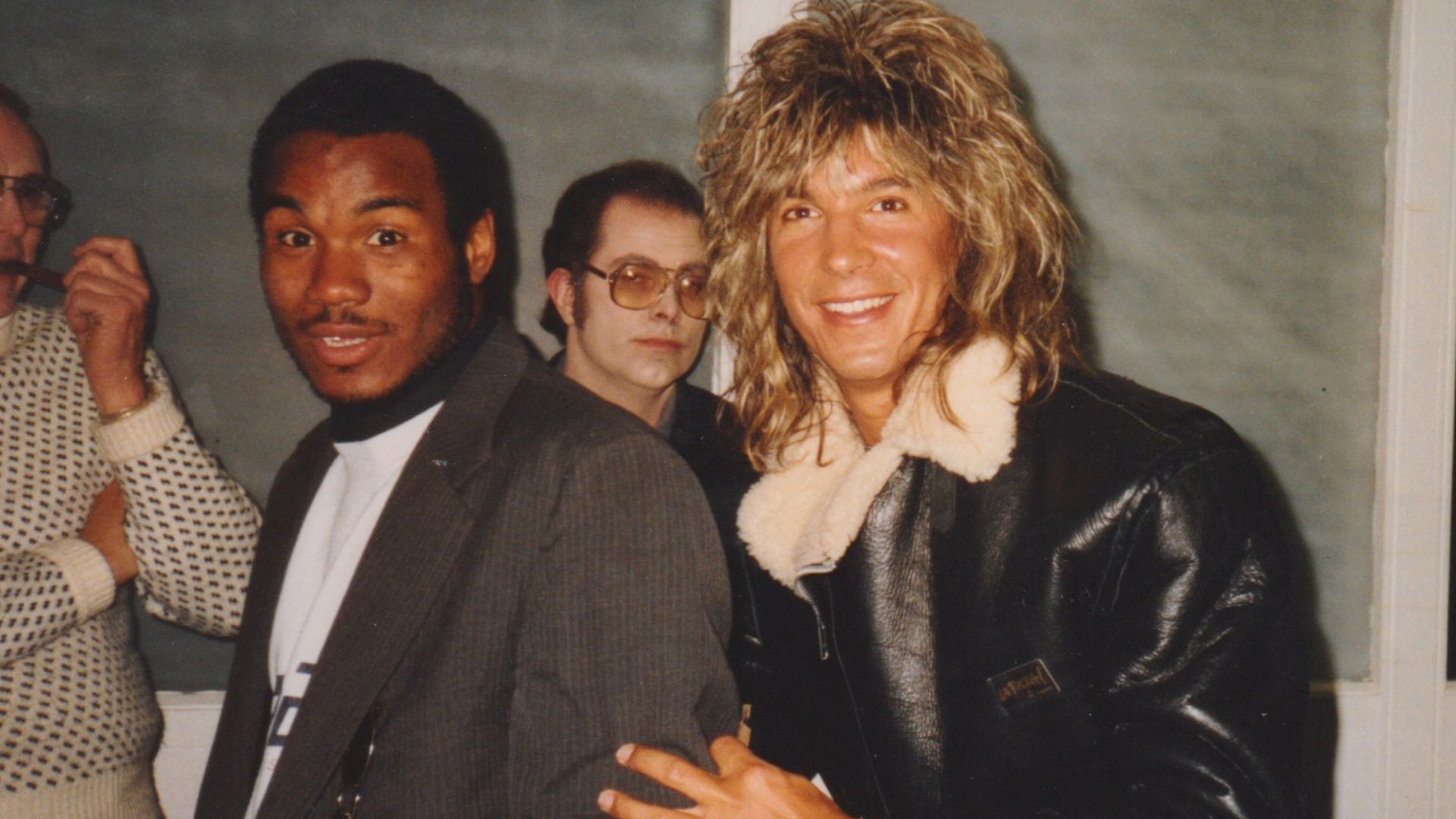
Faster Pussycat
The name alone promised chaos, and the hair delivered. Tangled, dirty-glam styles made the band look far more rebellious than their music actually was. They looked like they hadn’t slept in weeks—which was way more interesting than most of the tracks.
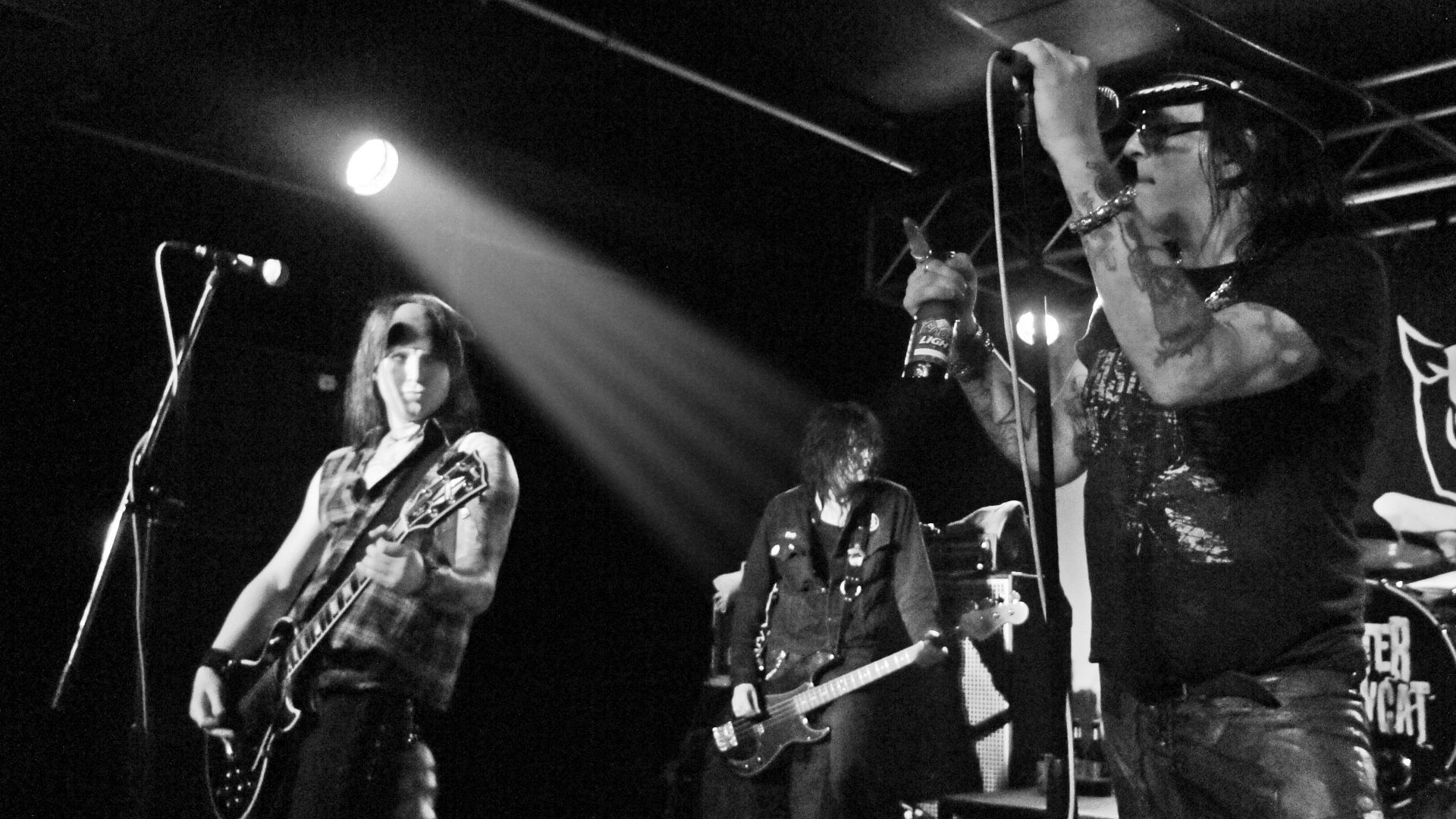 Ted Van Pelt, Wikimedia Commons
Slaughter
By the early 90s, Slaughter felt like hair metal’s last stand. The songs were slick and harmless, but Mark Slaughter’s flowing blond hair felt ripped straight from the genre’s golden age. It was a reminder of how long the look outlasted the sound.
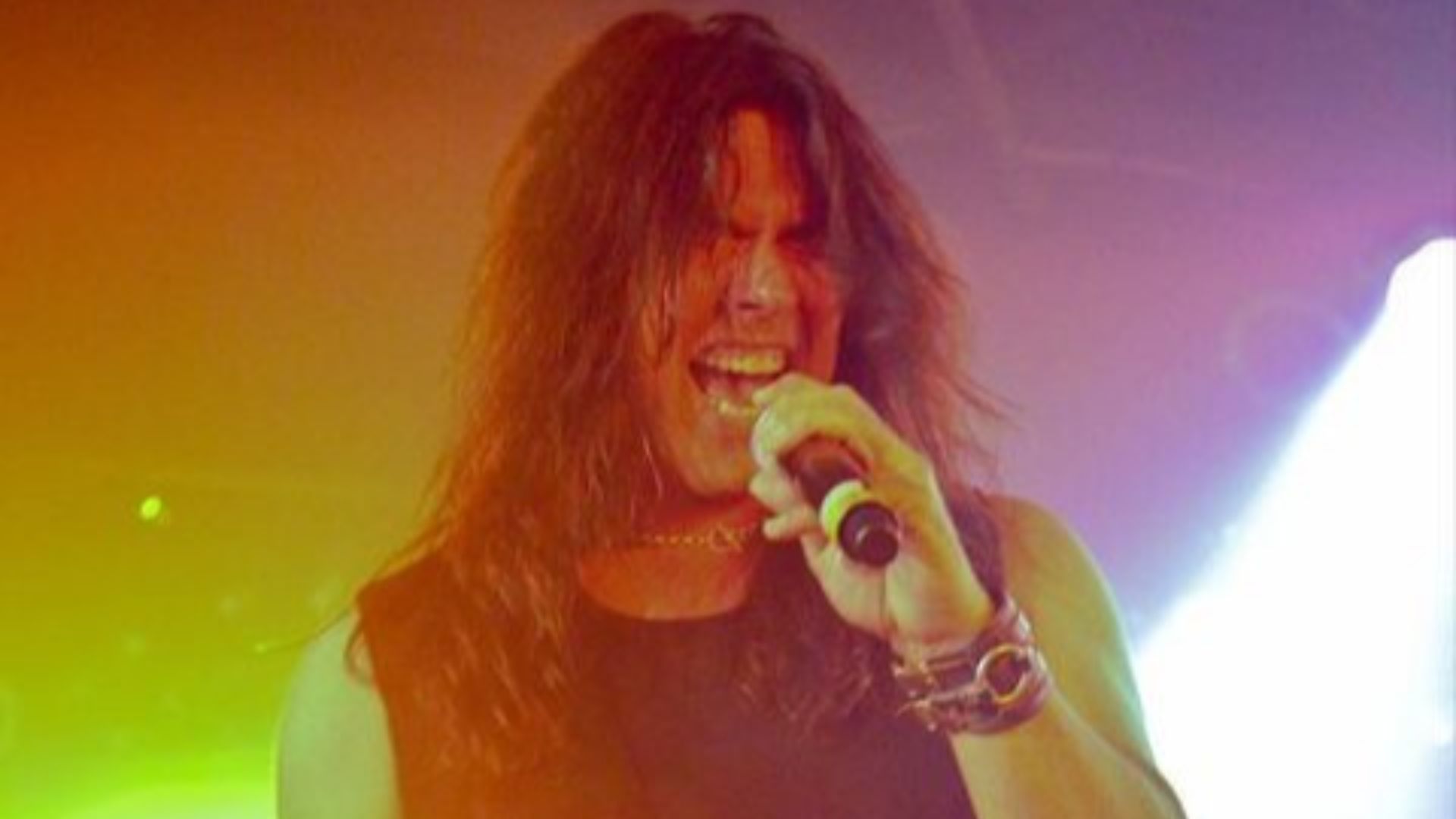 Stacie Huckeba, Wikimedia Commons
Britny Fox
Britny Fox leaned hard into glam visuals, sometimes at the expense of originality. But their hair was spectacular—huge, wild, and unapologetic. It was the kind of look that said, “We’re here to be seen,” whether or not you remembered the chorus.
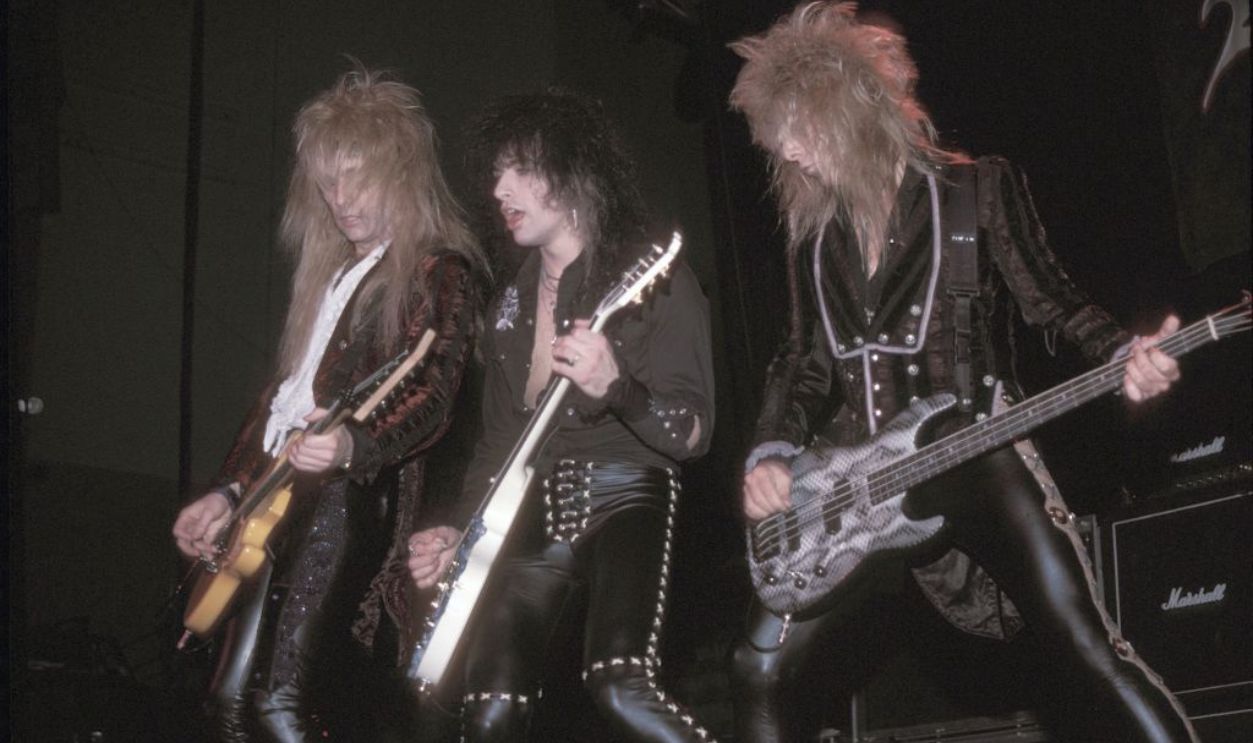
Trixter
Trixter arrived late to the party, but brought maximum shine. Their music felt safe and bubblegum-light, but the hair was flawless—glossy, youthful, and aggressively styled. They looked like hair metal’s final evolution… right before the genre collapsed.
 Great Eye Films, Wikimedia Commons
Quiet Riot (Post-Metal Health Era)
After their early success, Quiet Riot leaned more on image than innovation. The teased hair remained loud long after the songs stopped being essential. It was proof that once you build a hair legacy, it sticks—even when the sound fades.
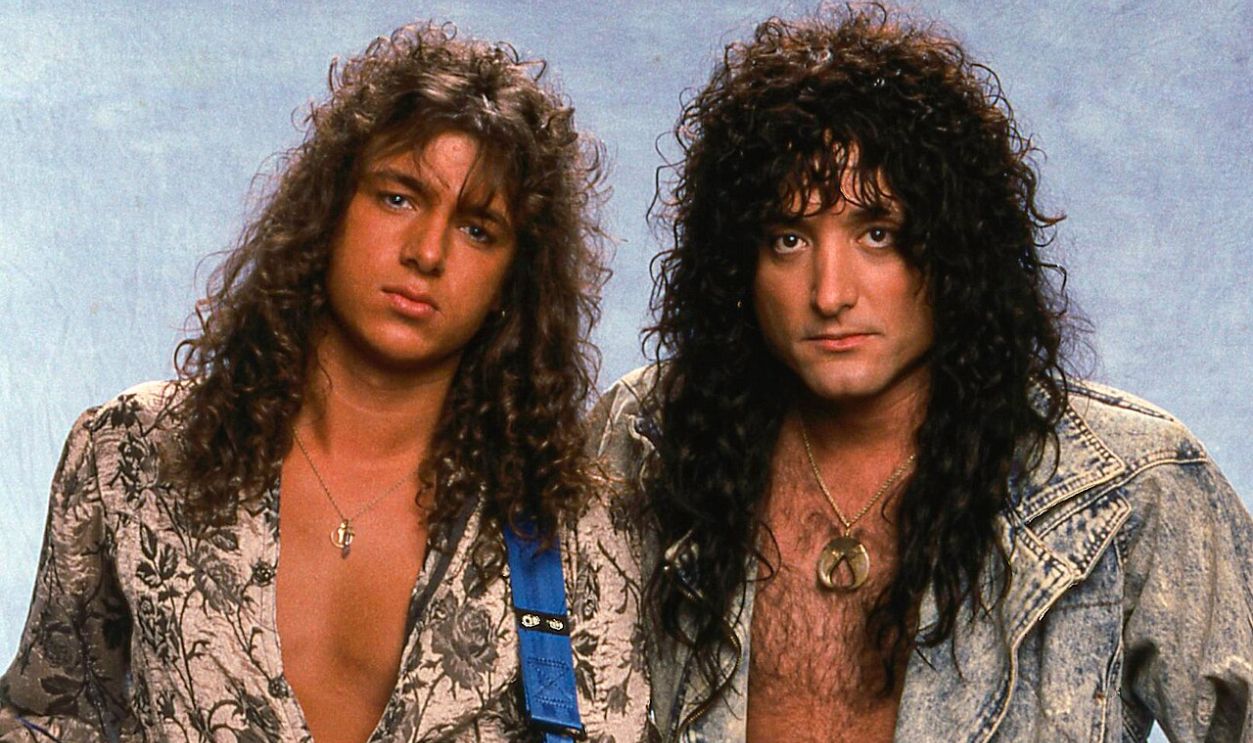 Fish123321, CC BY-SA 4.0, Wikimedia Commons
Great White
Great White aimed for bluesy credibility, but the music rarely justified the massive image. Jack Russell’s wild curls, however, were pure hair metal spectacle. Even when the songs drifted into sameness, the hair stayed loud, untamed, and impossible to ignore.
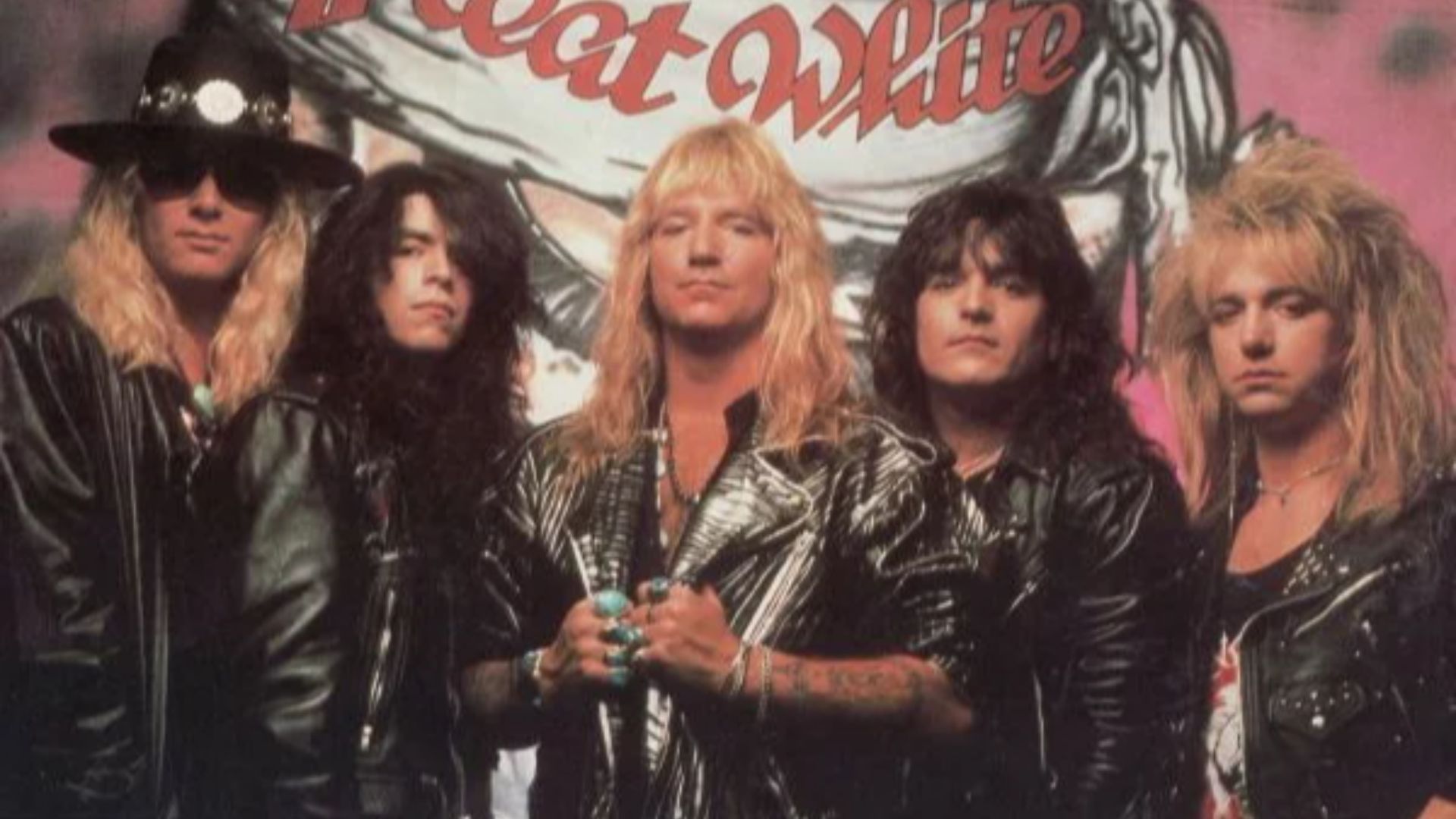 Kaluff Schneiderlin, Wikimedia Commons
Autograph
Autograph essentially built an entire career around Turn Up the Radio. The song stuck; the rest didn’t. What did last was the pristine, camera-ready hair that screamed late-80s MTV rotation—even when the band itself faded quickly.
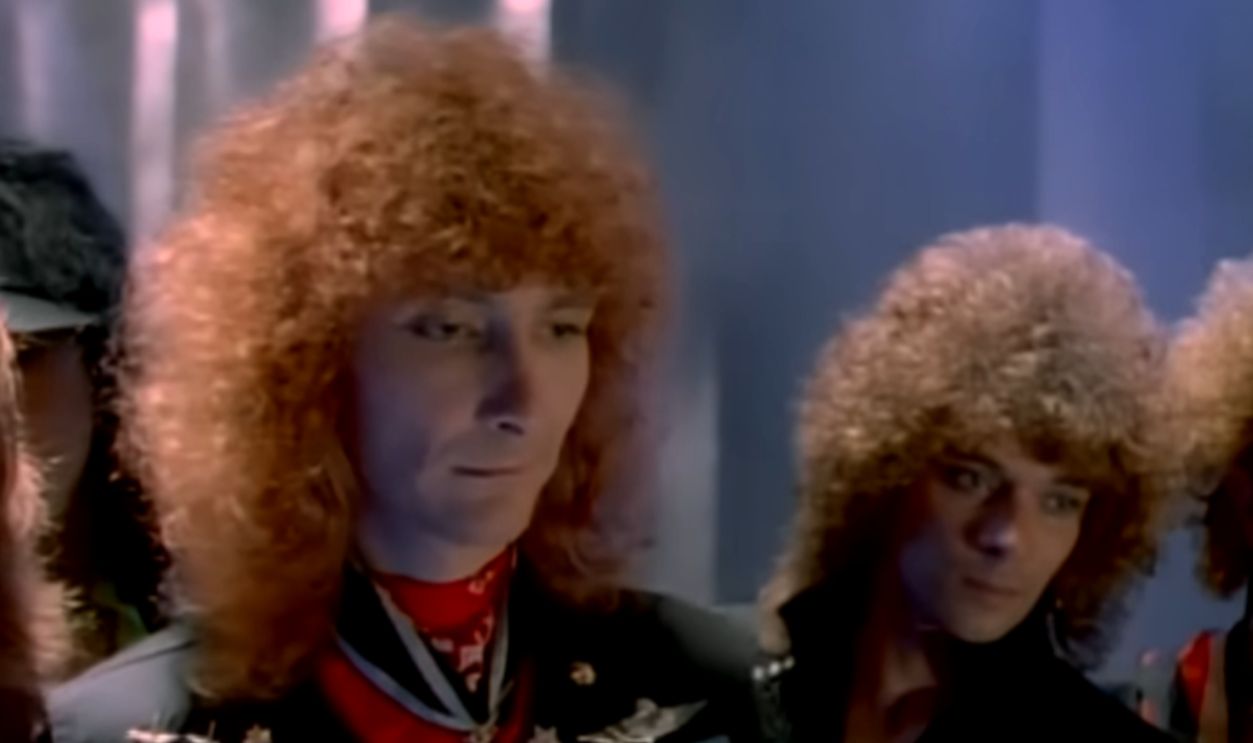 Screenshot from Turn Up the Radio, RCA Records (1984)
FireHouse
FireHouse specialized in clean, inoffensive hard rock that felt engineered for radio safety. The hair, on the other hand, went all in. Perfectly styled and endlessly glossy, it looked like it had more personality than most of the songs.
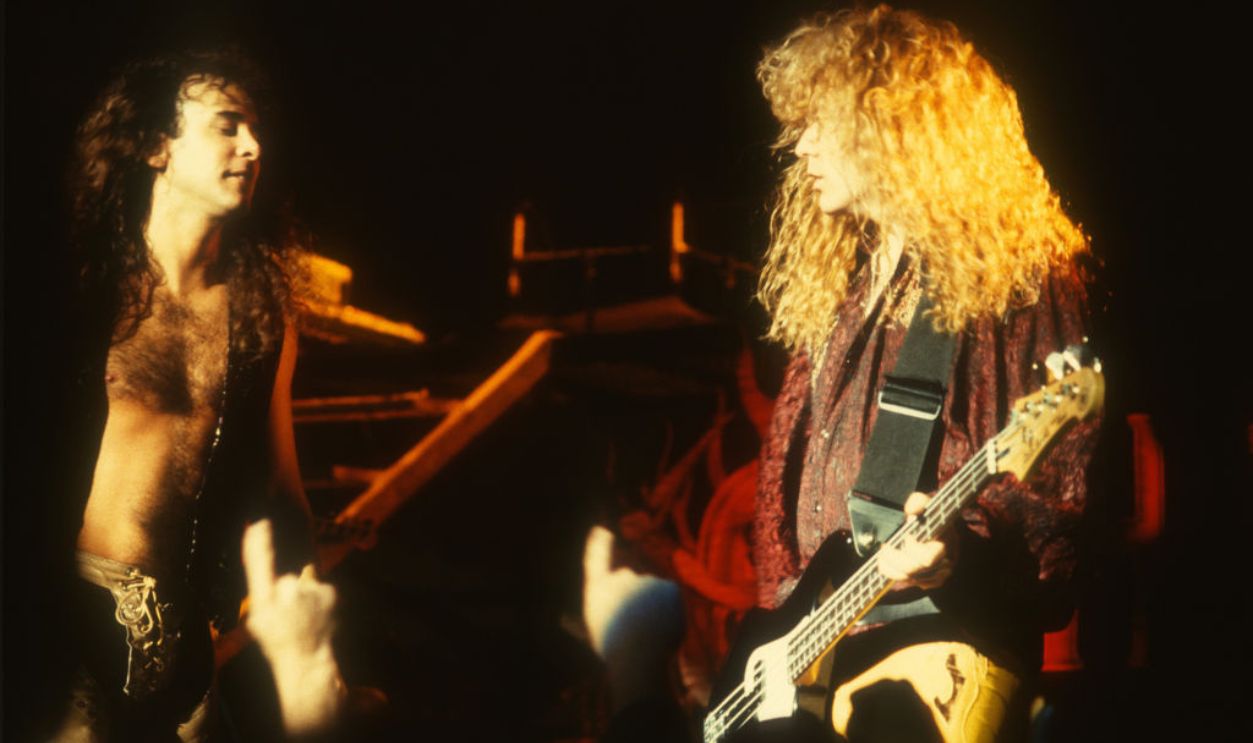
Danger Danger
Danger Danger leaned so hard into hair metal excess they almost became a parody of it. The music was loud, shallow, and forgettable—but the hair was fearless. Towering, teased, and unapologetically ridiculous, it fit the era perfectly.
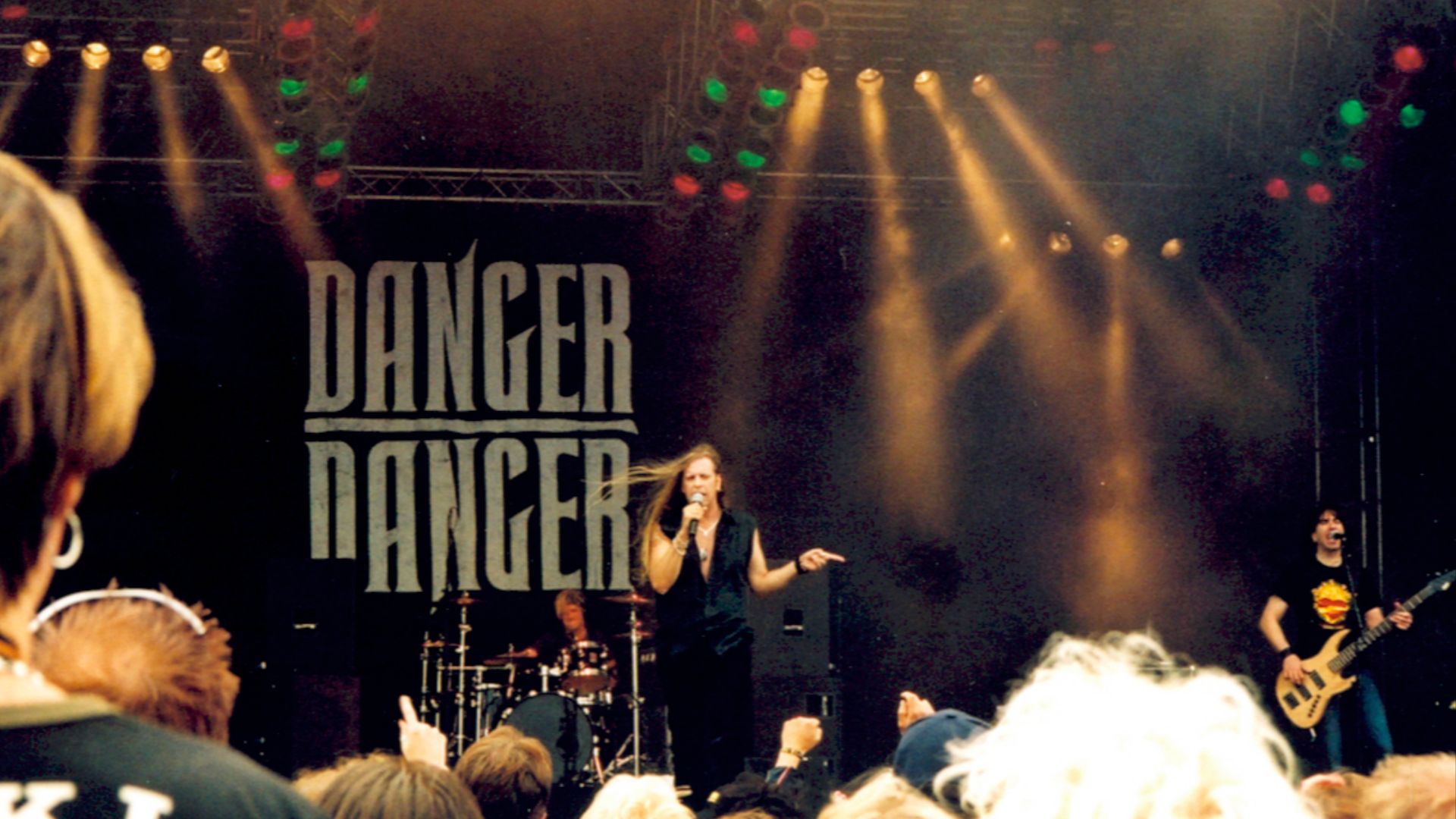
Kix
Kix earned respect as road warriors, but mainstream success never quite stuck. The hair did. Big, wild, and perpetually mid-blow, it captured everything fun and over-the-top about the genre—even when the songs failed to follow through.
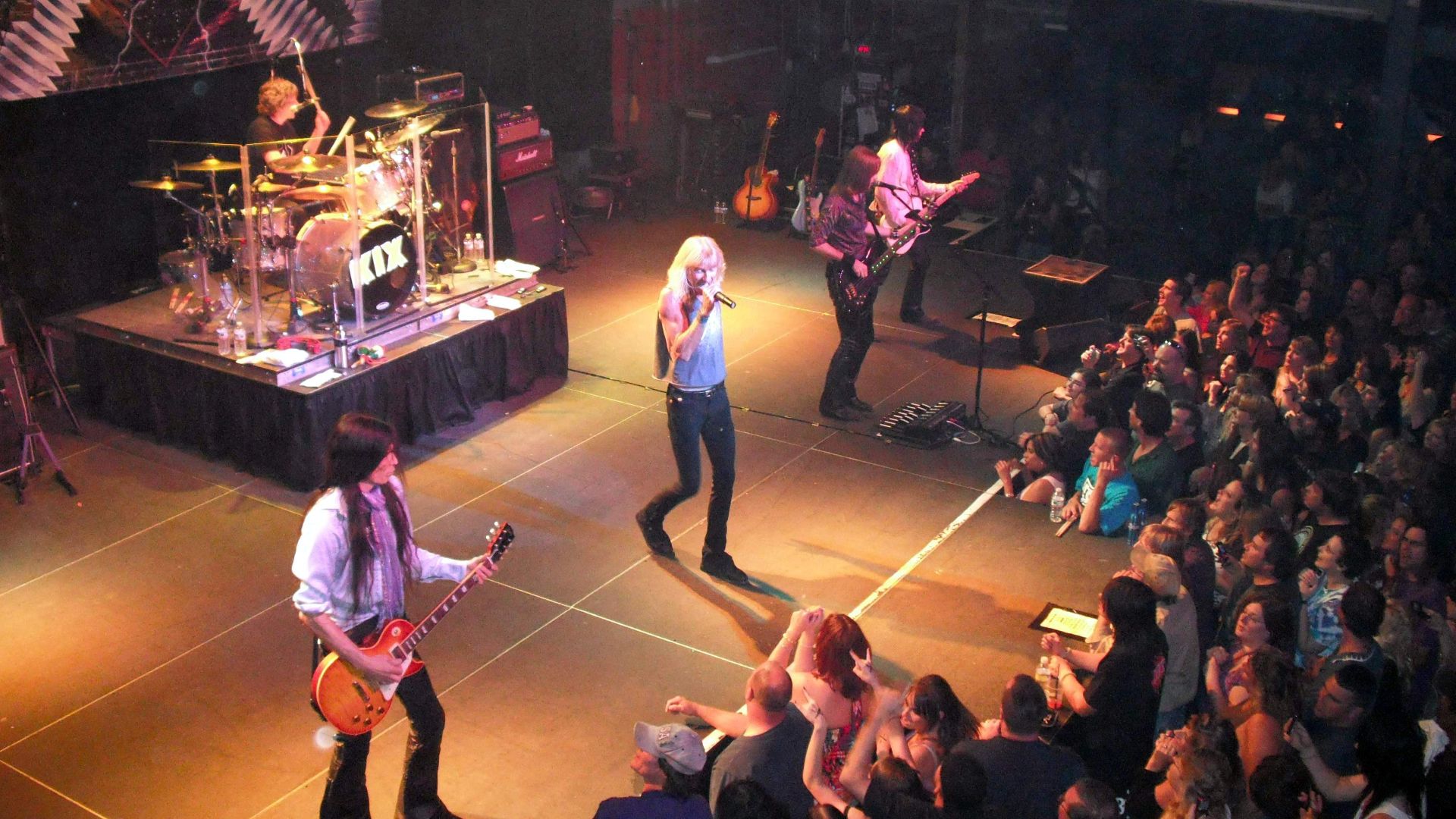 Ted Van Pelt, Wikimedia Commons
Enuff Z’Nuff
Enuff Z’Nuff brought psychedelic flair and Beatles influences, but the songs often got lost in the noise. Their hair, though, was unforgettable—striped, spiked, and utterly unrestrained. It felt like glam rock chaos turned up to eleven.
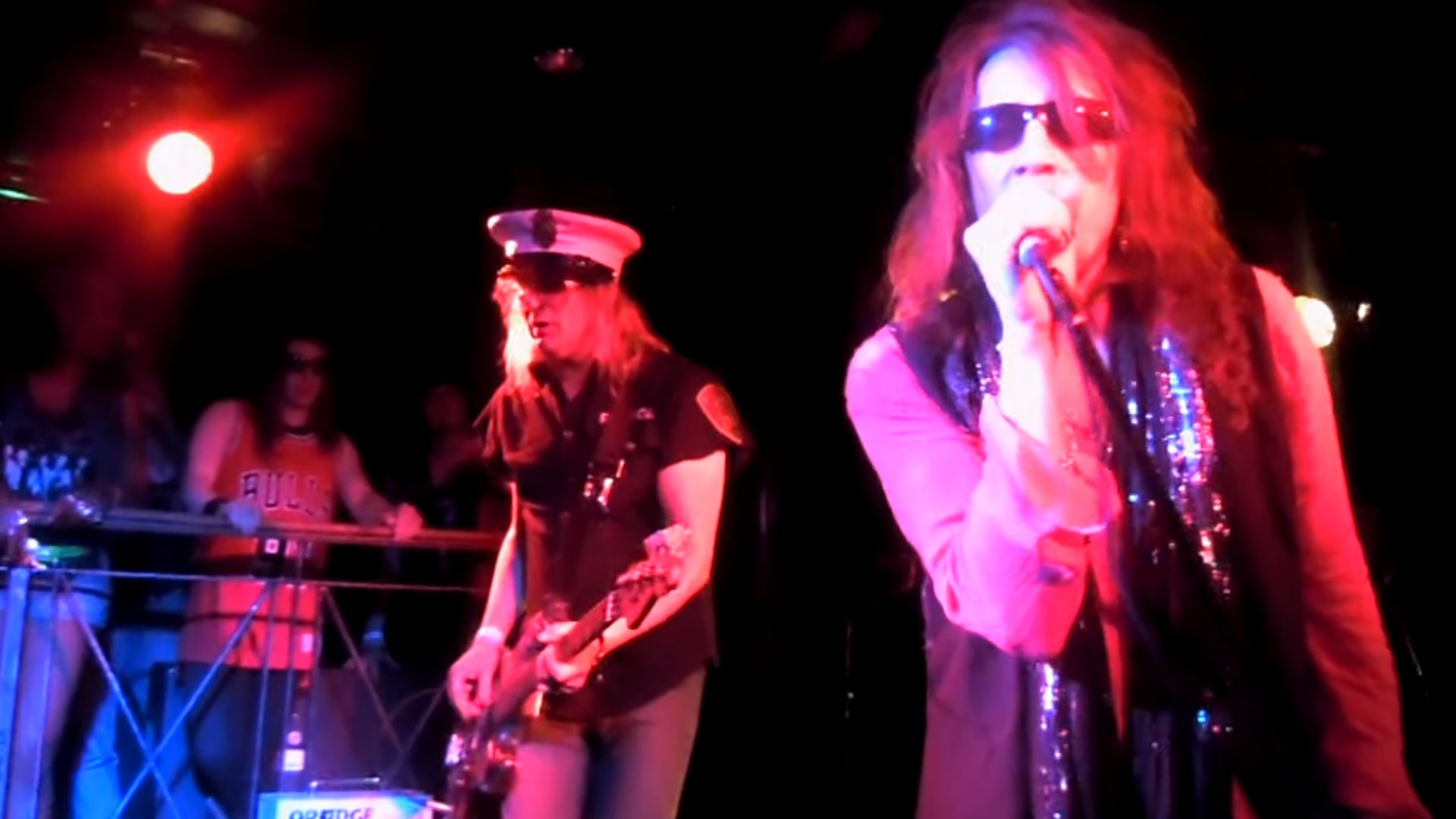
Pretty Boy Floyd
Pretty Boy Floyd never pretended subtlety mattered. The music was disposable, but the image was pure commitment. Enormous hair, neon colors, and maximum tease made sure you remembered the band—even if you couldn’t hum a single chorus.
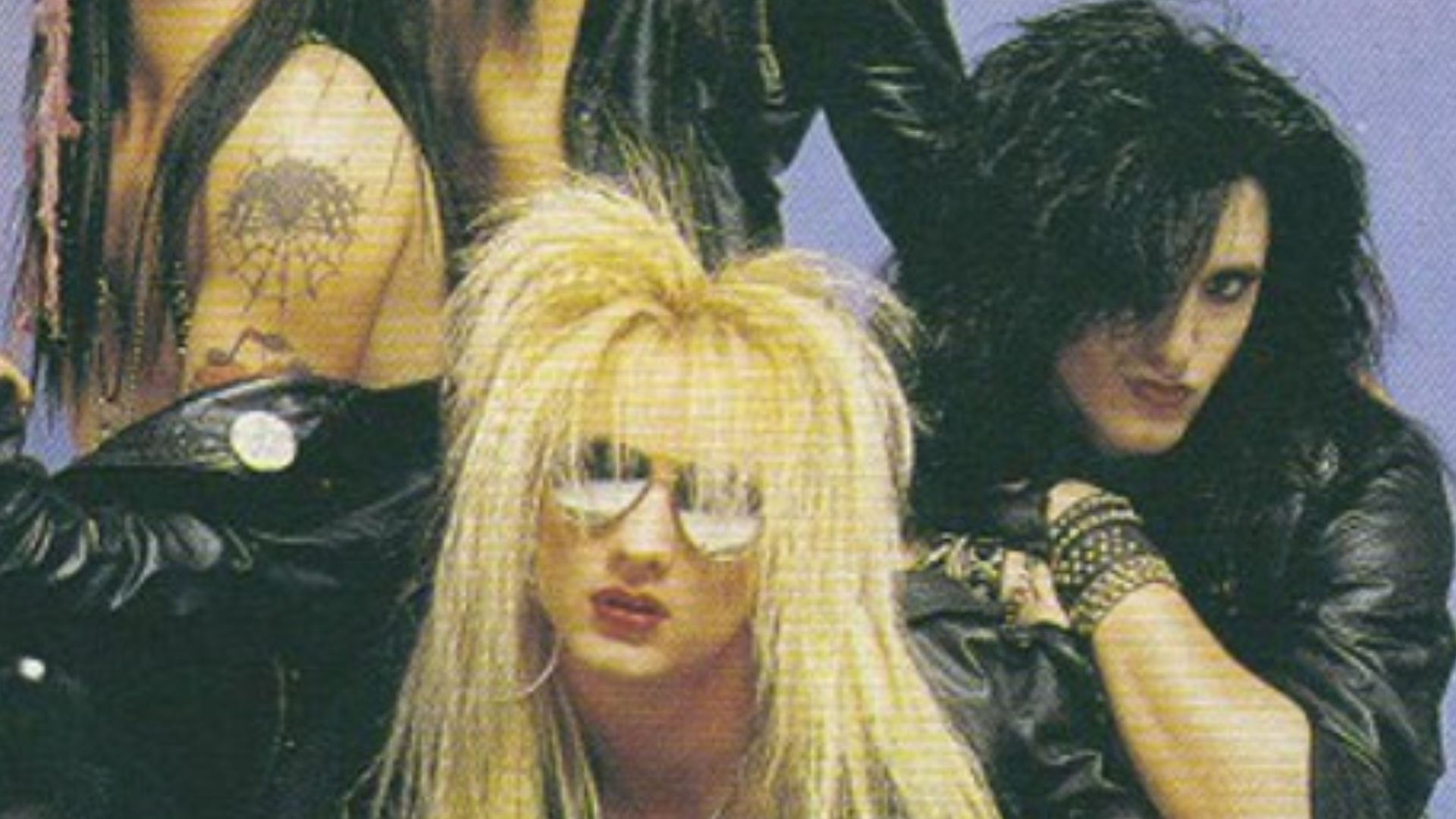
Steelheart
Steelheart’s songs leaned heavily on power-ballad drama, but substance was hit or miss. The hair, however, was flawless—long, flowing, and unapologetically romantic. It looked custom-built for slow-motion wind machines and MTV close-ups.
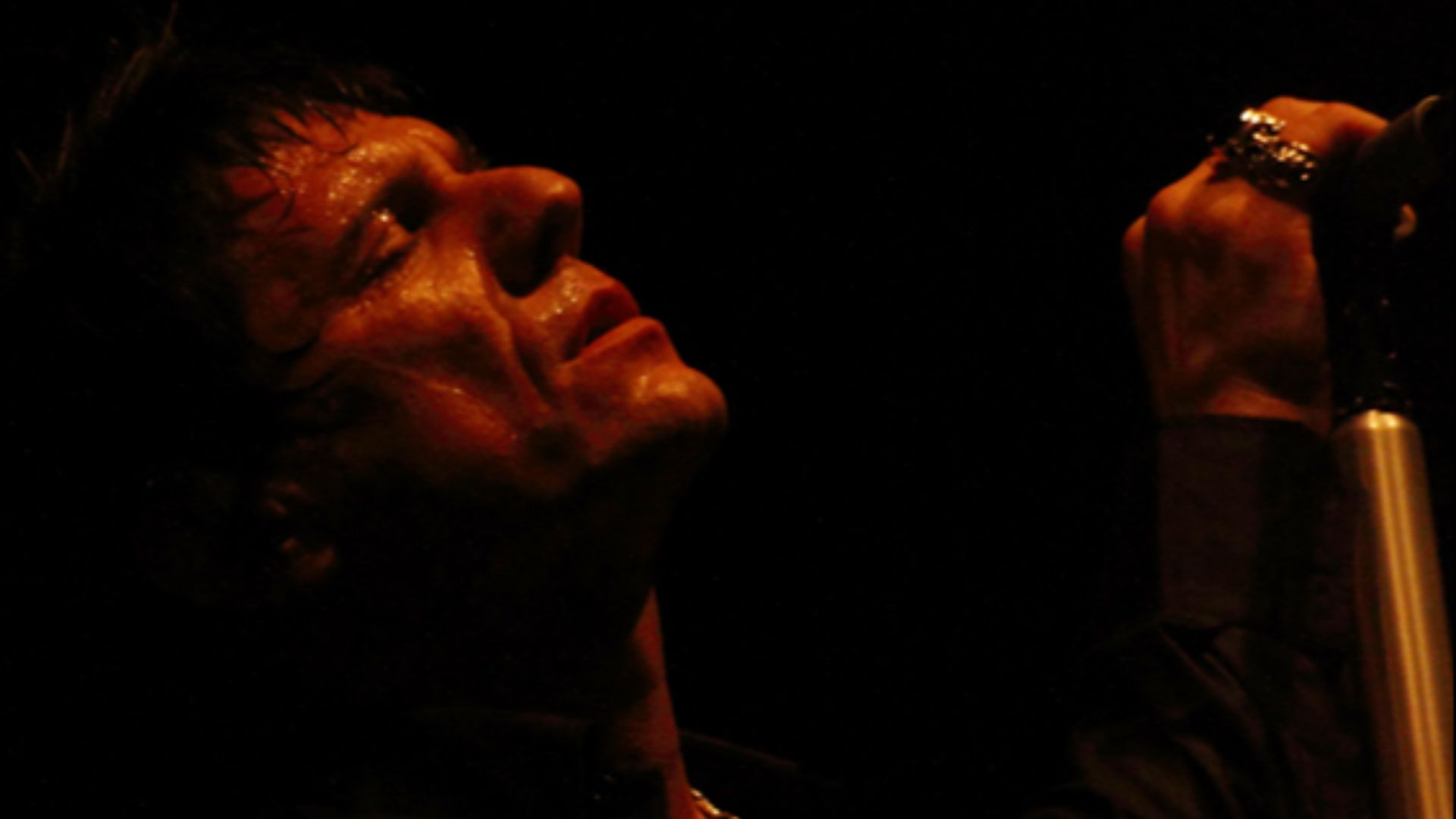 Simone van den Boom, Wikimedia Commons
Why The Hair Won
In the end, hair metal was never just about the music. It was about looking like a rock star. These bands may not have left behind timeless catalogs, but their hair became cultural shorthand for an entire era—and that might be the most 80s victory of all.
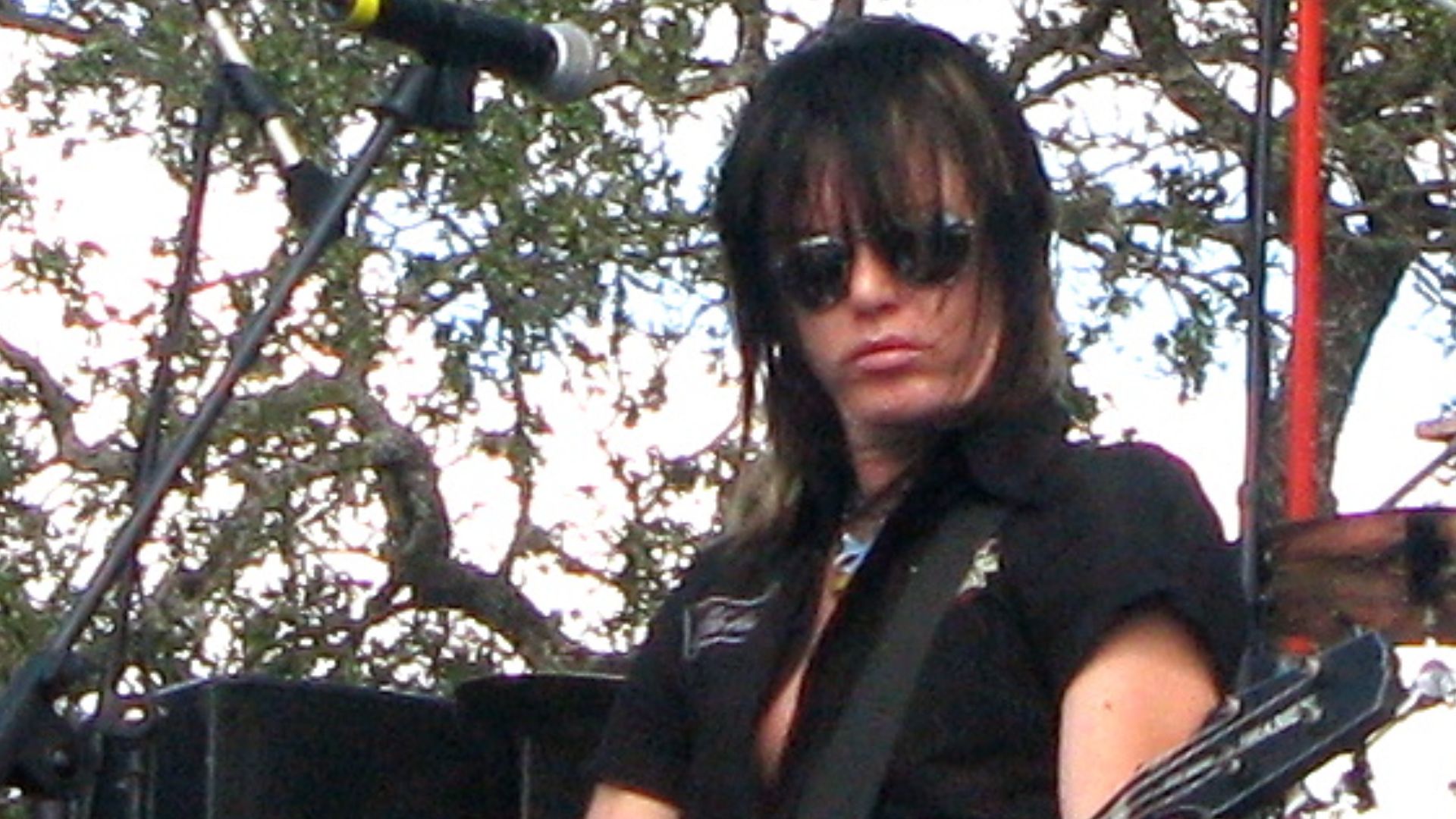 Movie Stars and Rockets, Wikimedia Commons
You Might Also Like:
Everyone Forgot These 1980s TV Shows Existed—Until Now
The Greatest One-Album Wonders Of The 80s