When Rock Music Got Bigger Than The Room
Arena rock is what happens when bands stop thinking about clubs and start thinking about thousands of people singing the same chorus at once. These are the artists who figured out how to write songs that felt massive, sounded incredible in huge spaces, and turned concerts into shared experiences. Big hooks, bigger emotions, and absolutely no subtlety required.
Aerosmith
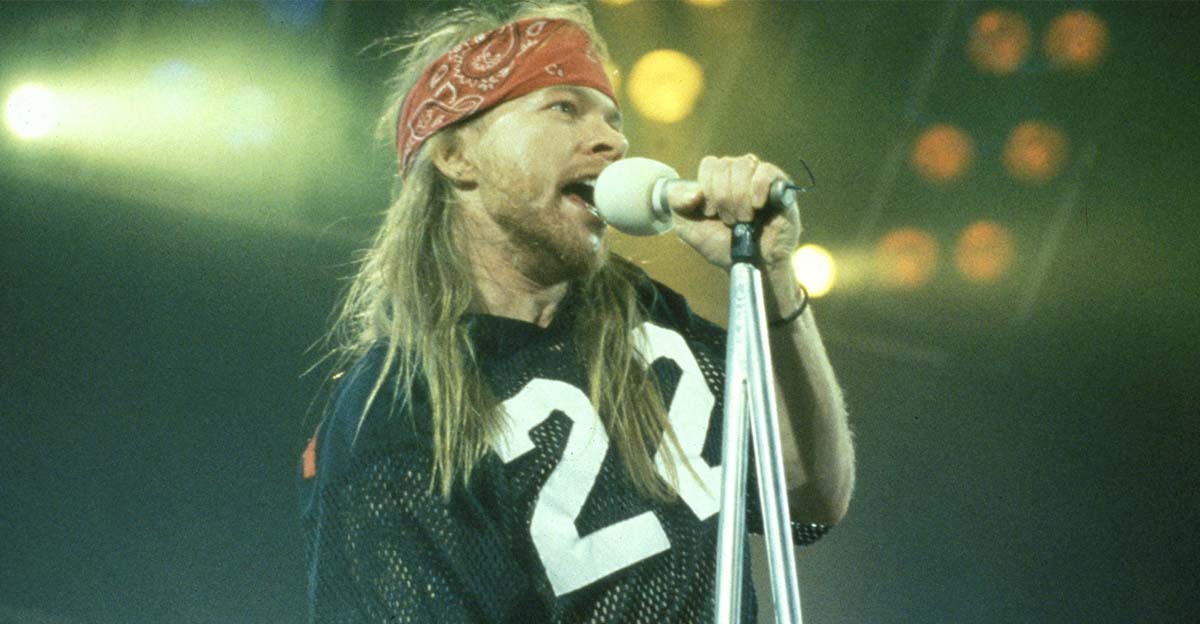
Aerosmith always had a dangerous edge, even when they were playing to packed arenas. Their mix of bluesy grit and glossy hard rock made songs like “Dream On” and “Sweet Emotion” feel both raw and anthemic. Steven Tyler’s wild stage presence turned every show into controlled chaos, which only made the crowds louder.
Bon Jovi
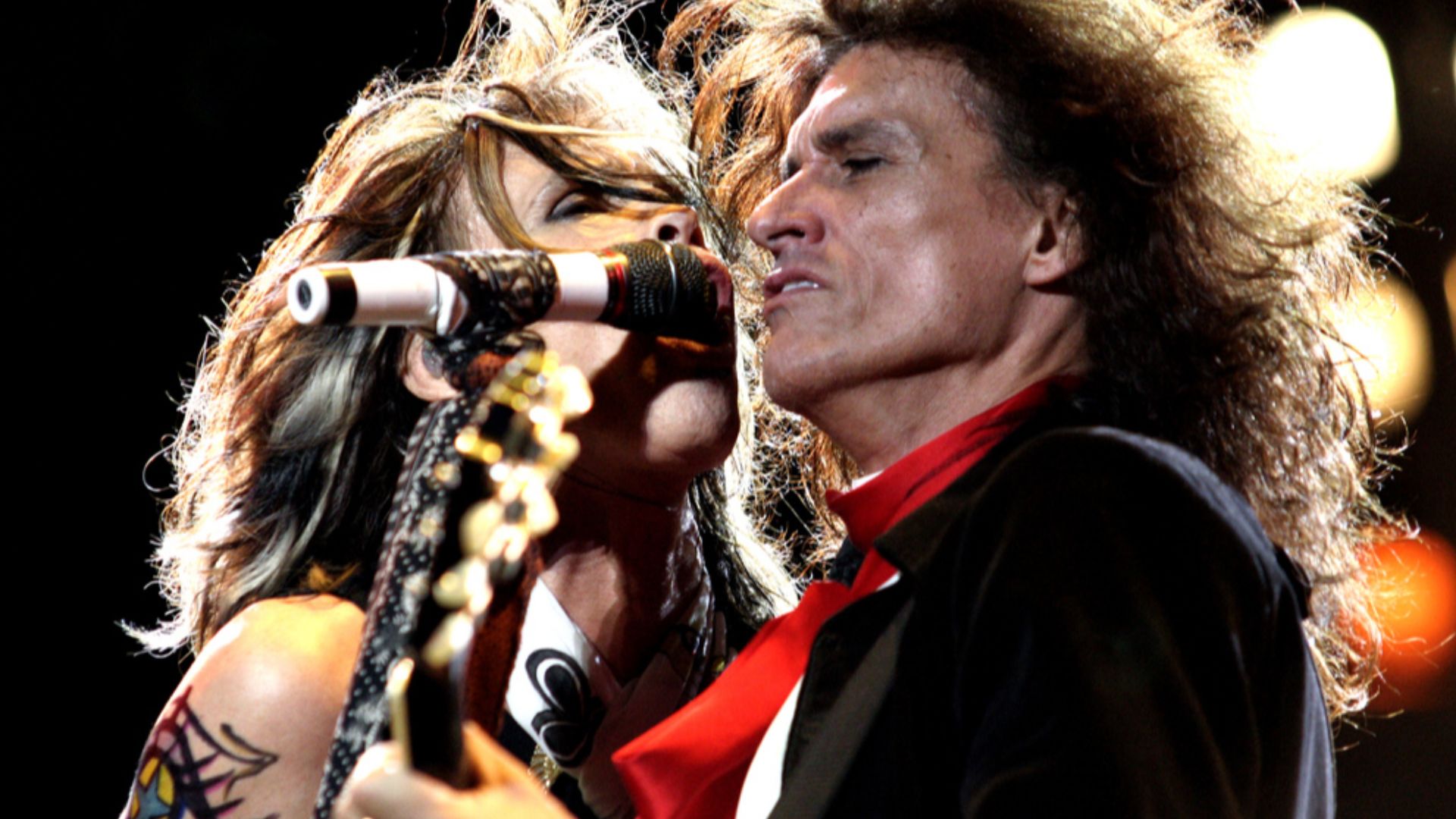
Bon Jovi mastered the art of the sing-along. Their songs are built around massive choruses that practically demand audience participation. Whether it’s “Livin’ on a Prayer” or “You Give Love a Bad Name,” their music feels tailor-made for waving arms, shouted lyrics, and stadium-sized optimism.
Journey
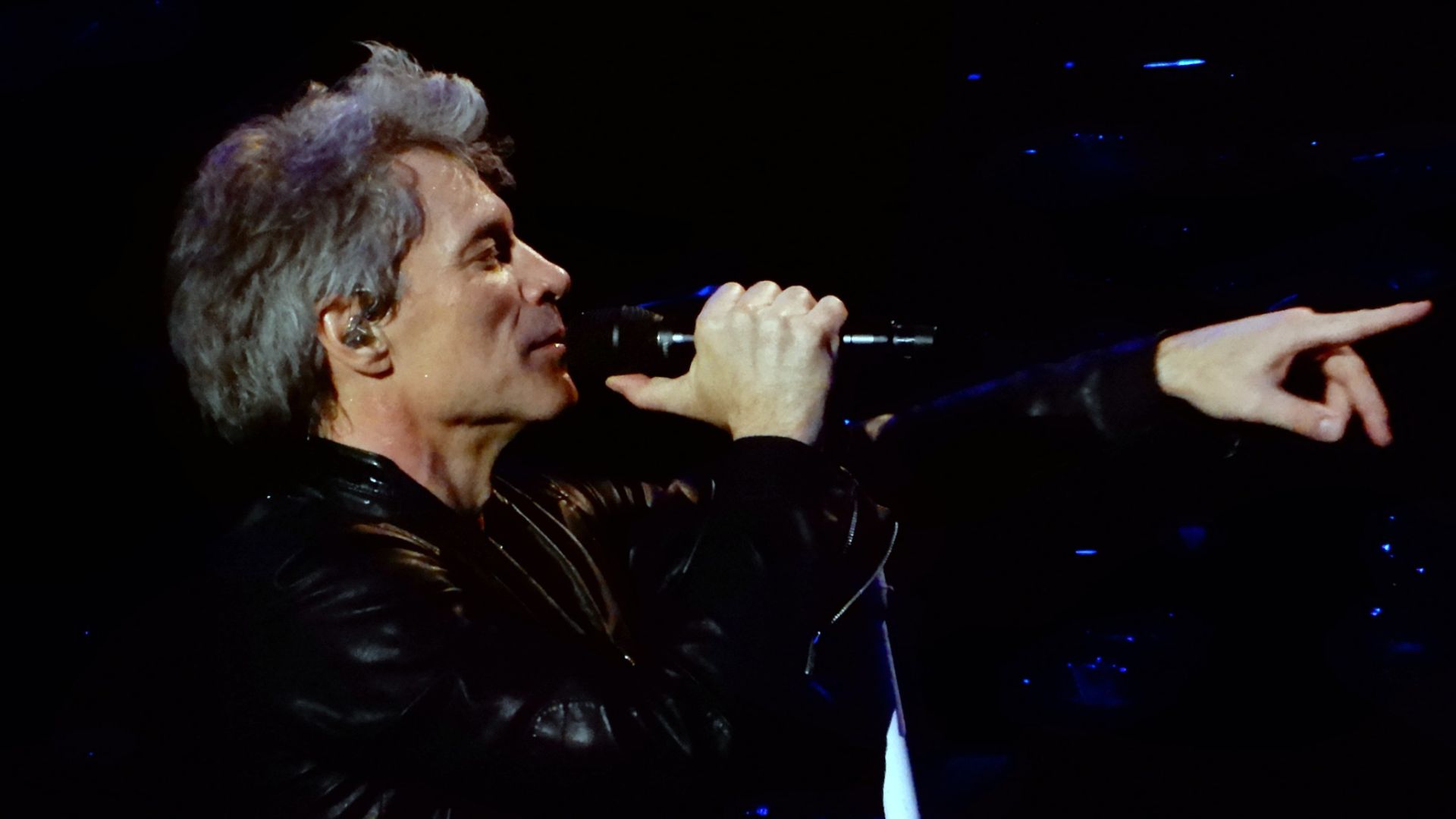
Journey leaned fully into emotion, melody, and big feelings. Steve Perry’s voice could soar over any crowd, and songs like “Don’t Stop Believin’” became universal anthems. Their music hits that sweet spot where it feels personal but still big enough to fill an arena effortlessly.
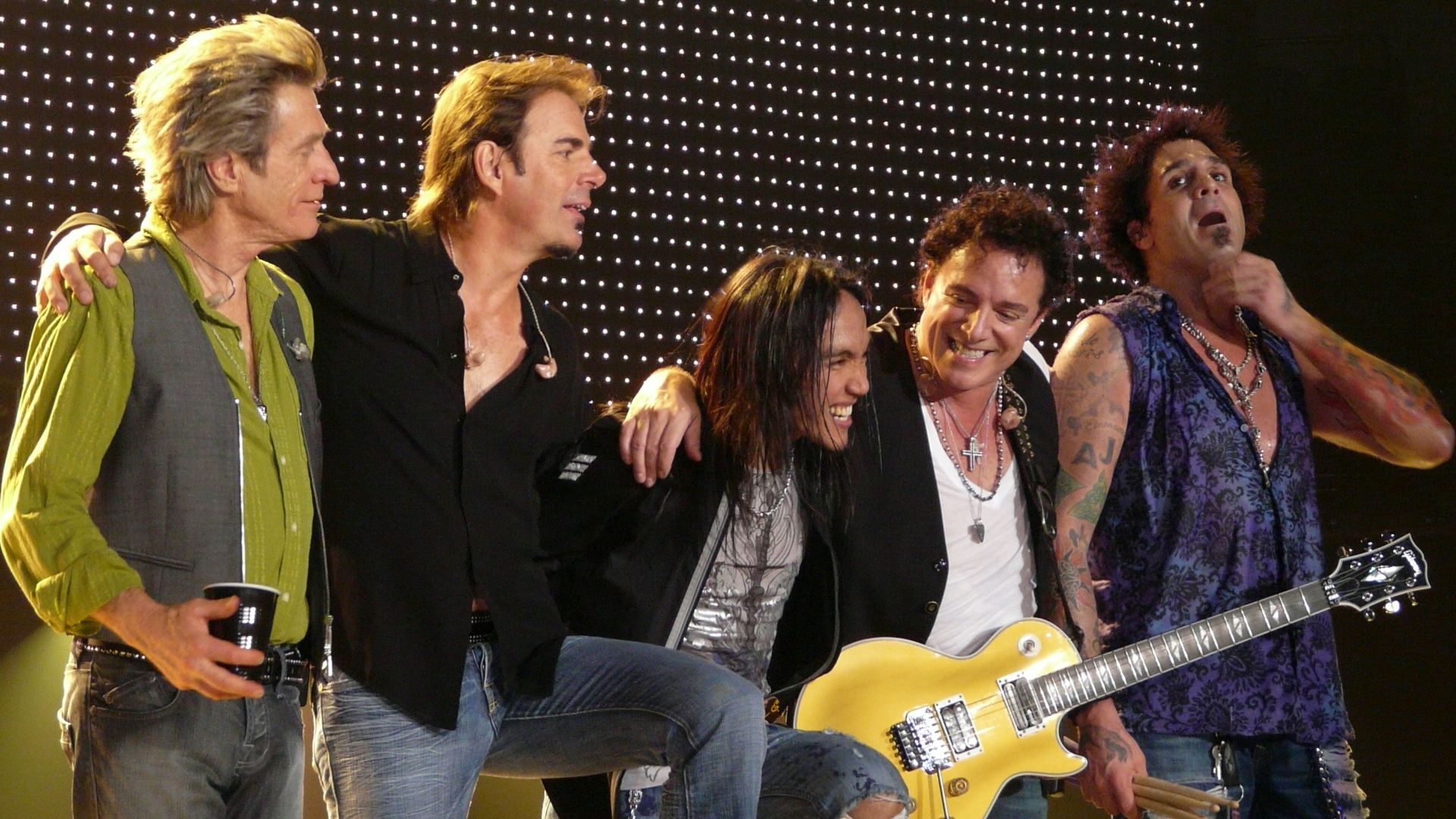 Matt Becker, Wikimedia Commons
Guns N’ Roses
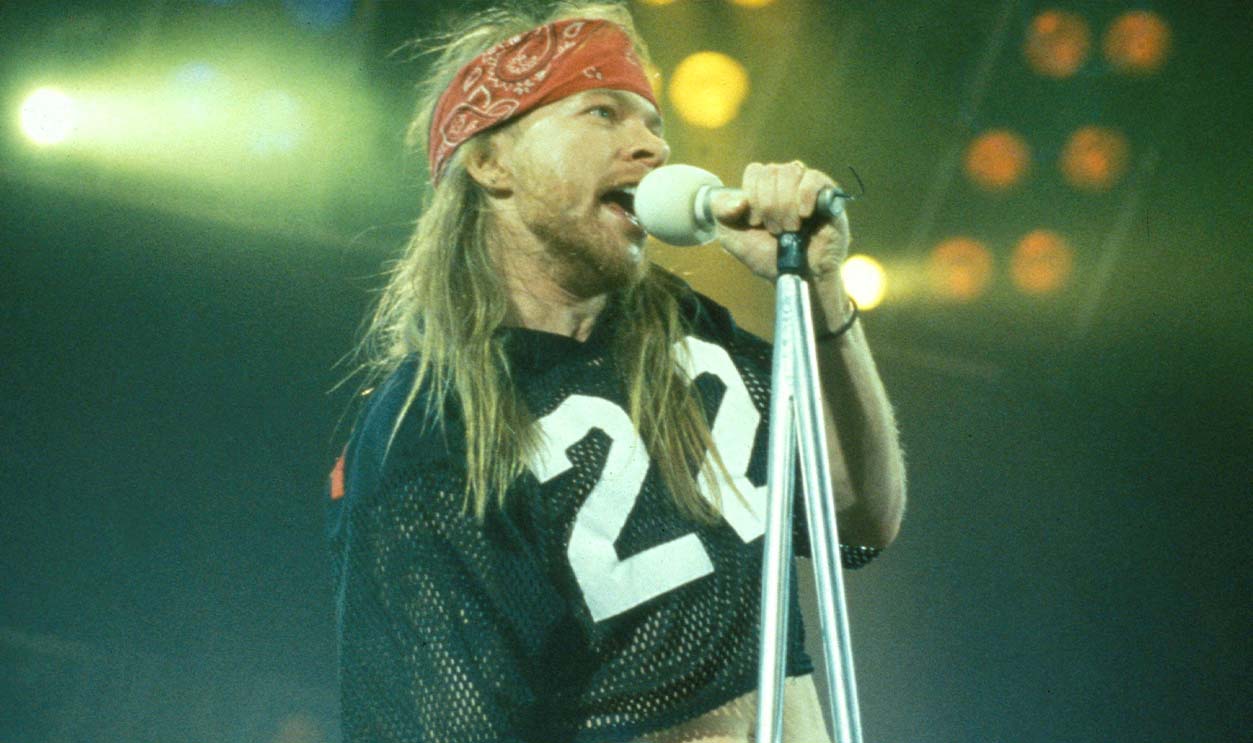
Guns N’ Roses brought grit back into big-venue rock. They sounded dangerous, unpredictable, and slightly out of control, even on the biggest stages. Slash’s guitar work and Axl Rose’s volatile vocals gave their shows a sense of tension that made every performance feel like it could go off the rails at any moment.
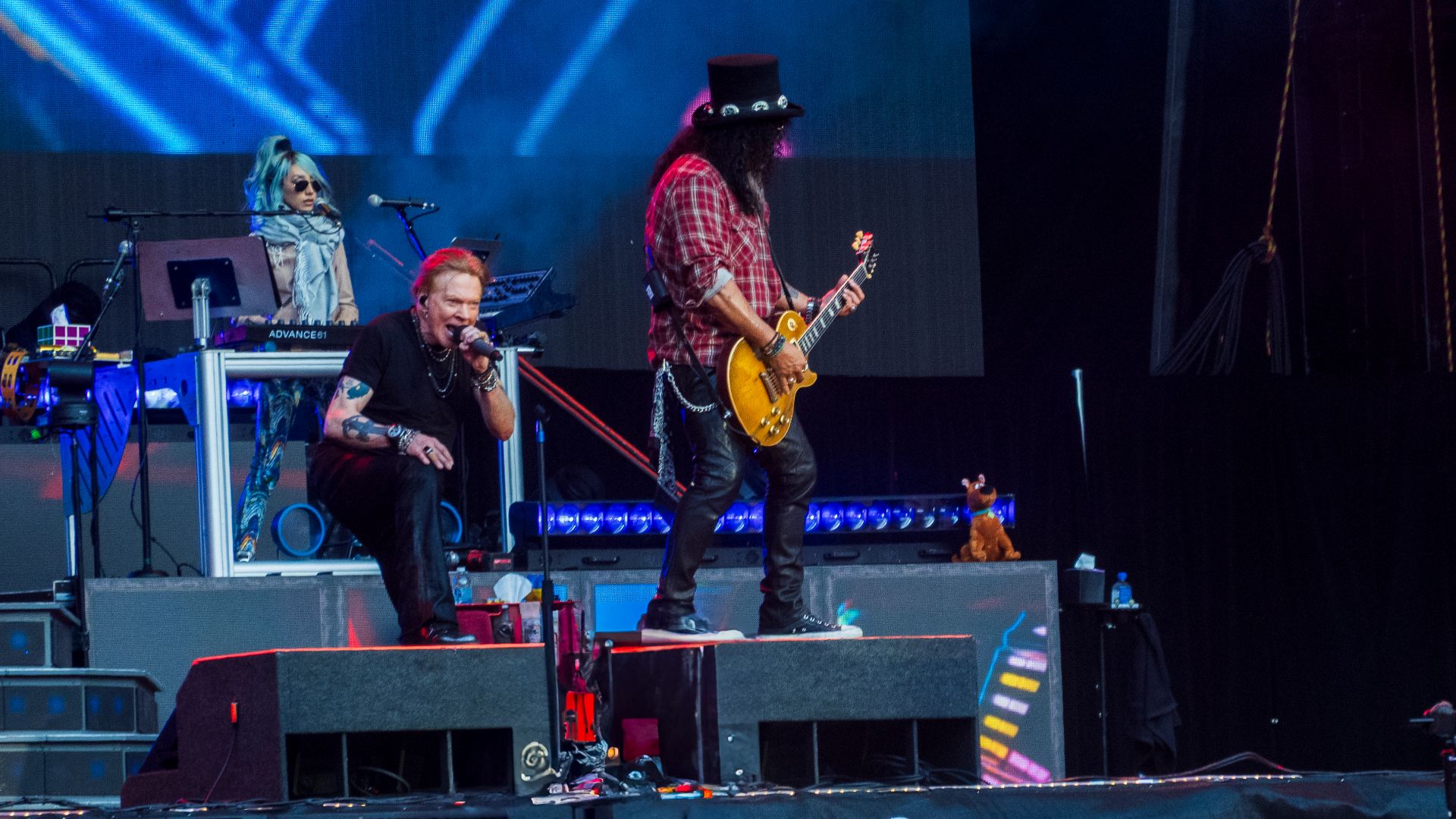
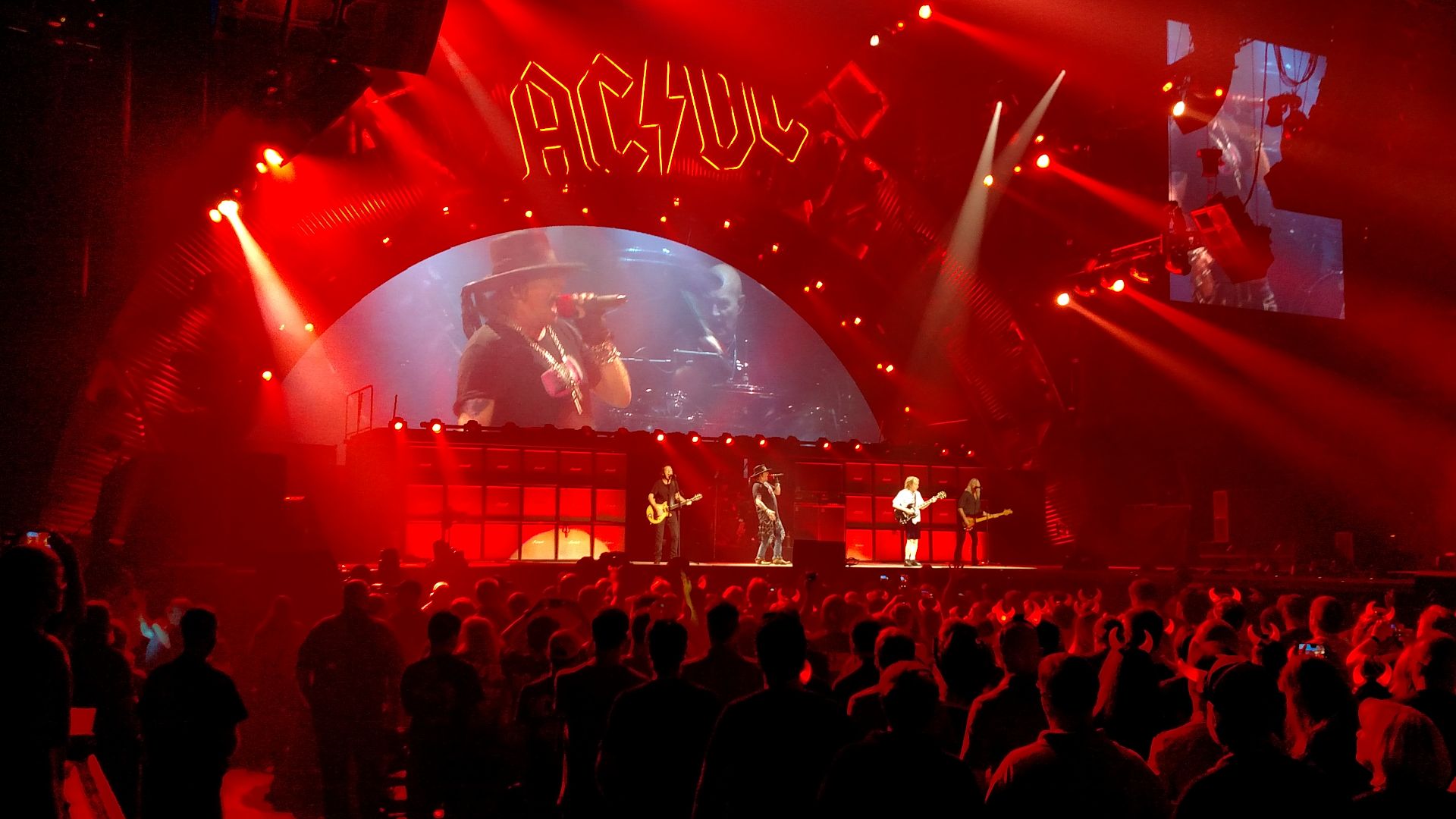
AC/DC
AC/DC never overcomplicated things, and that’s exactly why they worked so well live. Their songs are built on pounding rhythms and instantly recognizable riffs. Tracks like “Back in Black” and “Thunderstruck” turn entire crowds into one giant chanting mass without trying too hard.
Nine Inch Nails
Nine Inch Nails took arena-sized sound into darker territory. Instead of crowd-pleasing choruses, Trent Reznor focused on overwhelming atmosphere and intensity. Their live shows feel immersive and aggressive, proving that you don’t need traditional rock anthems to command massive spaces.
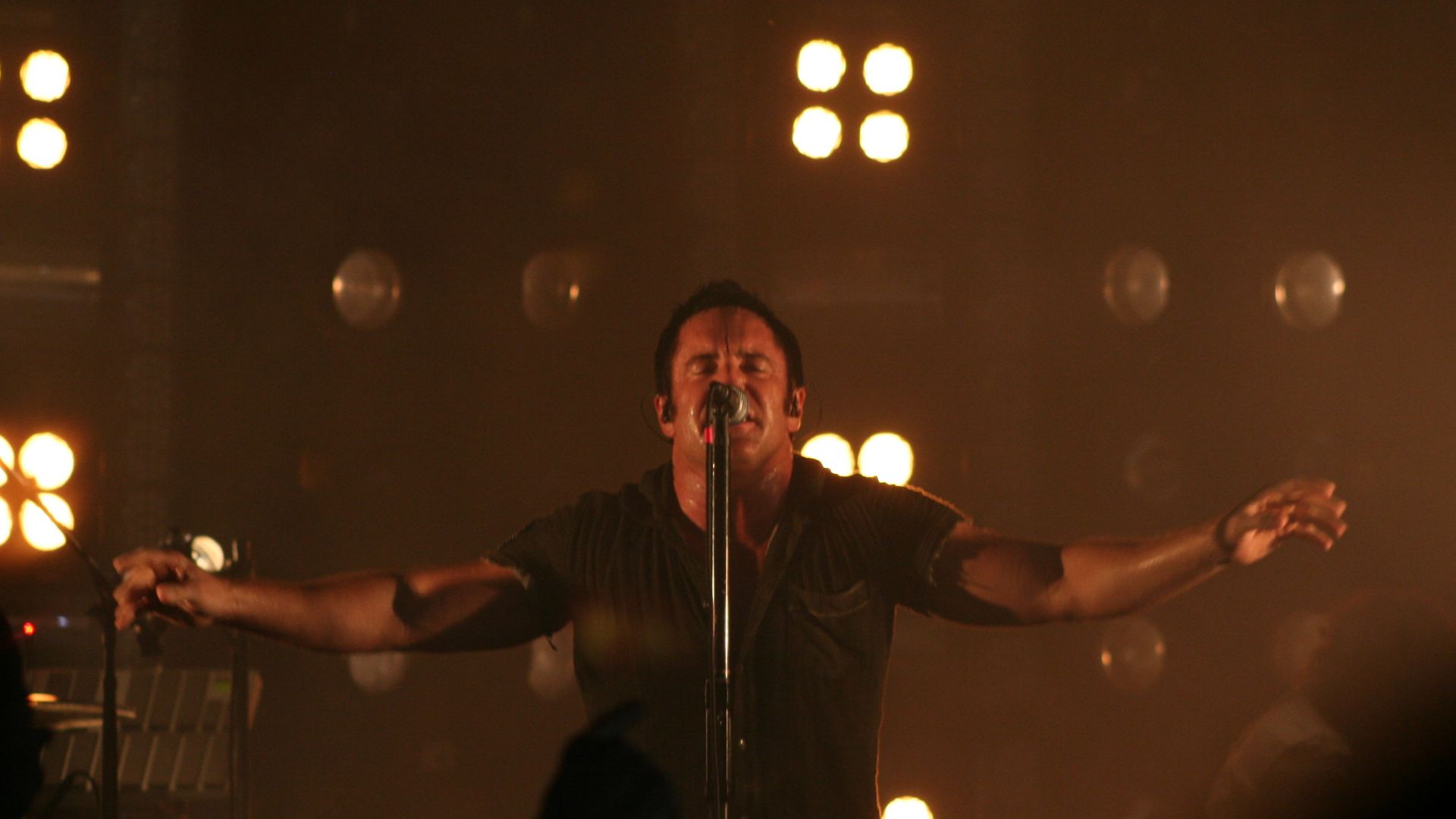 SomewhatDamaged2, Wikimedia Commons
David Bowie
Bowie understood that arenas are as much about spectacle as sound. His ability to reinvent himself kept his performances feeling fresh, theatrical, and unforgettable. Whether glam, soul, or experimental rock, Bowie knew how to make every era feel larger than life onstage.
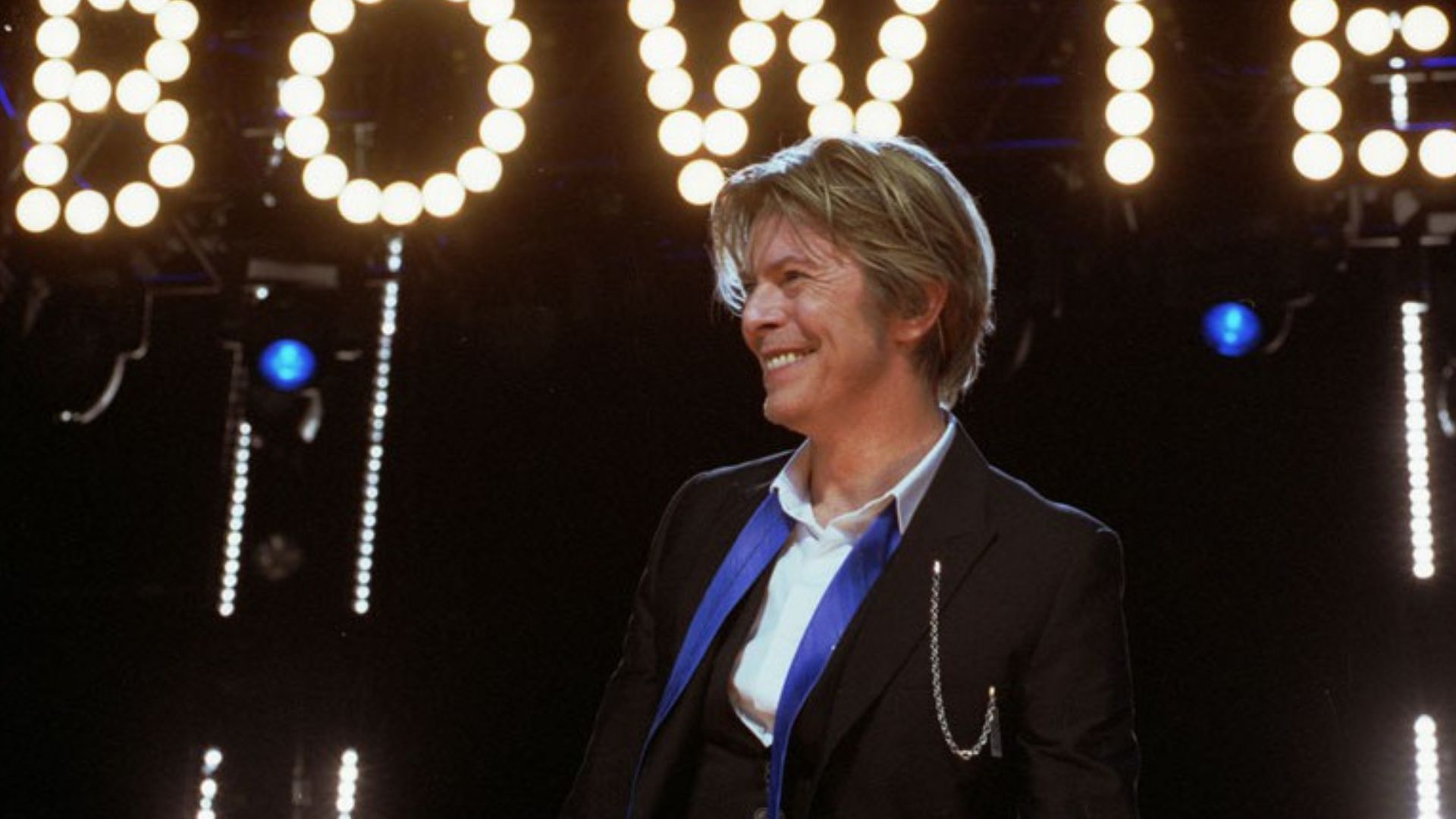 Adam Bielawski, Wikimedia Commons
The Who
The Who were playing loud, explosive rock before arena rock even had a name. Their live performances were chaotic and physical, driven by thunderous drums and massive guitar work. Songs like “Baba O’Riley” still feel designed to echo endlessly across a crowd.
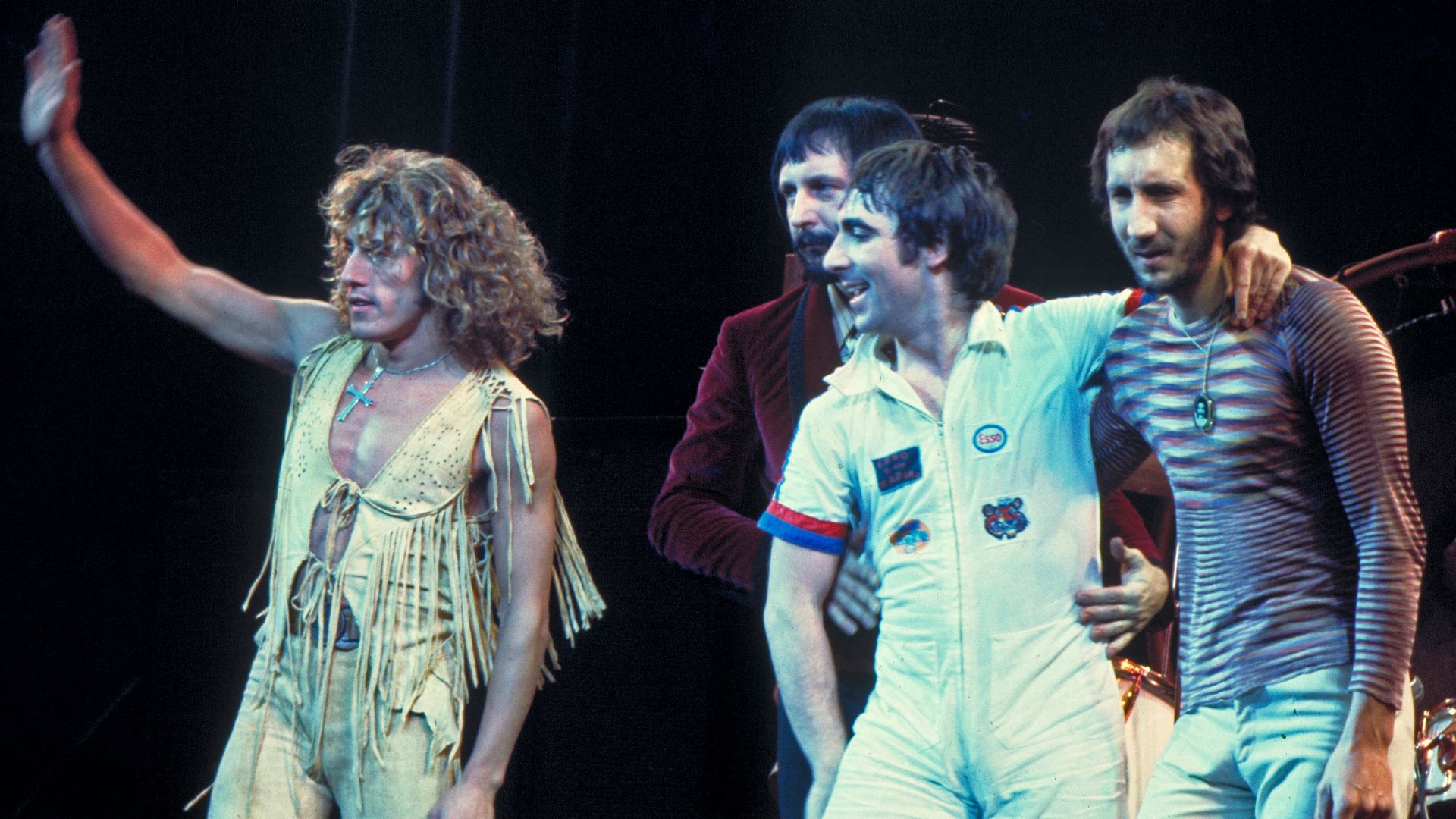 Jim Summaria, Wikimedia Commons
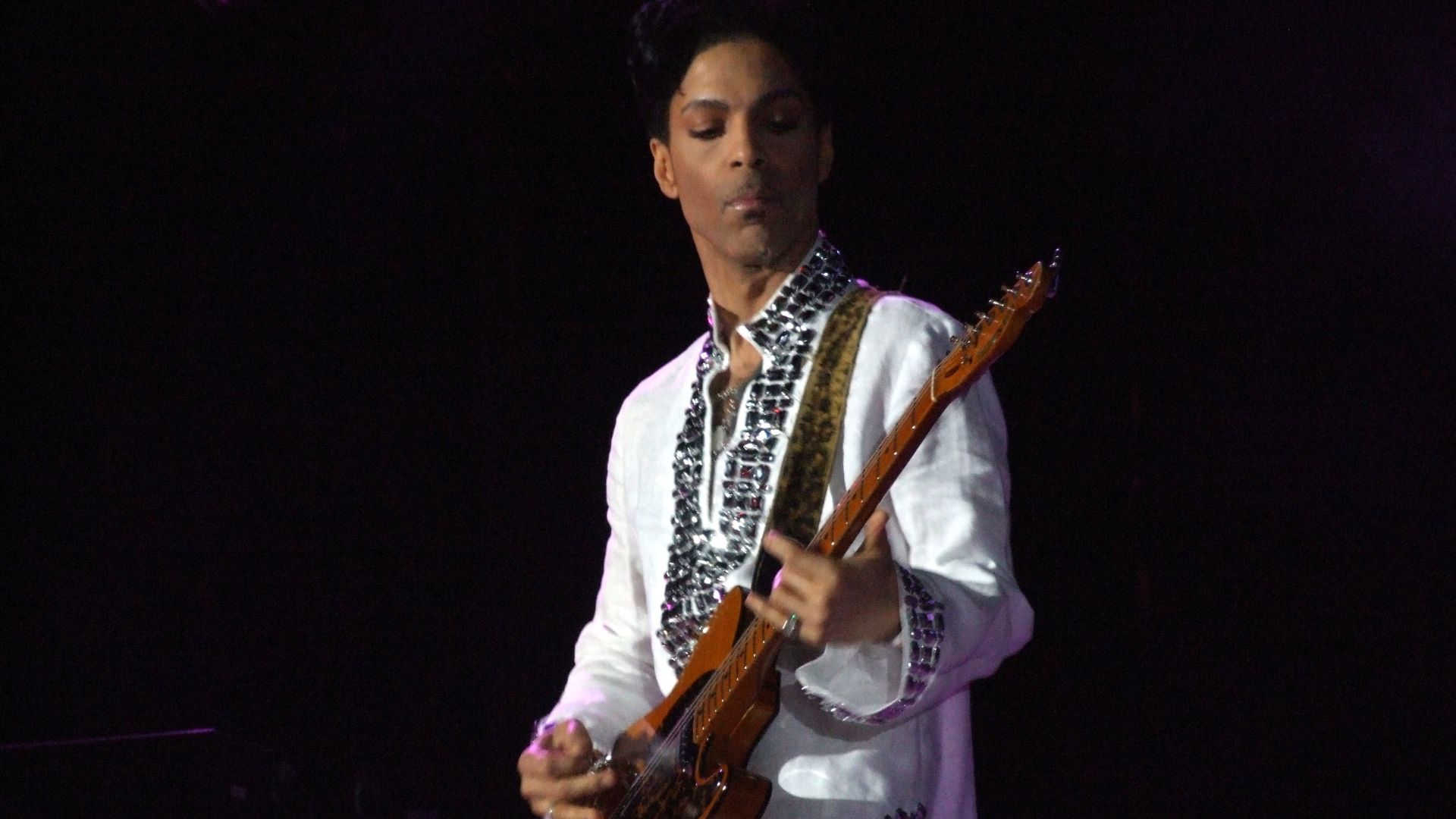
Prince
Prince treated every performance like a showdown between talent and expectation. His musicianship, confidence, and ability to blend funk, rock, and pop made his shows electric. When Prince played a large venue, it felt intimate and enormous at the same time, which is no small feat.
U2
U2 built their reputation on emotional connection. Their songs are often simple, but the way they build and expand in a live setting makes them powerful. Bono’s ability to connect directly with audiences helped turn concerts into something closer to communal experiences.
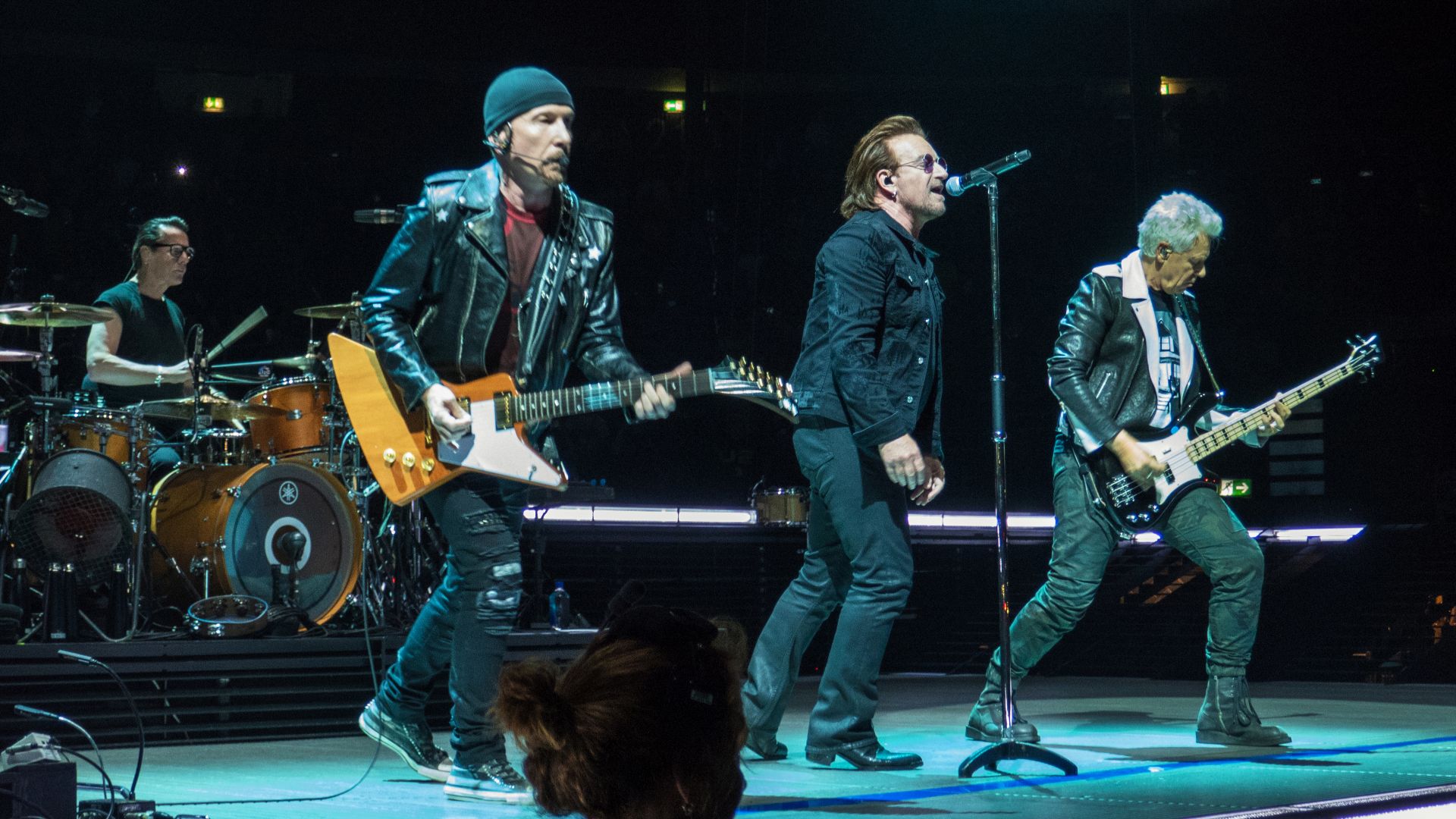 Petr (Happy24), Wikimedia Commons
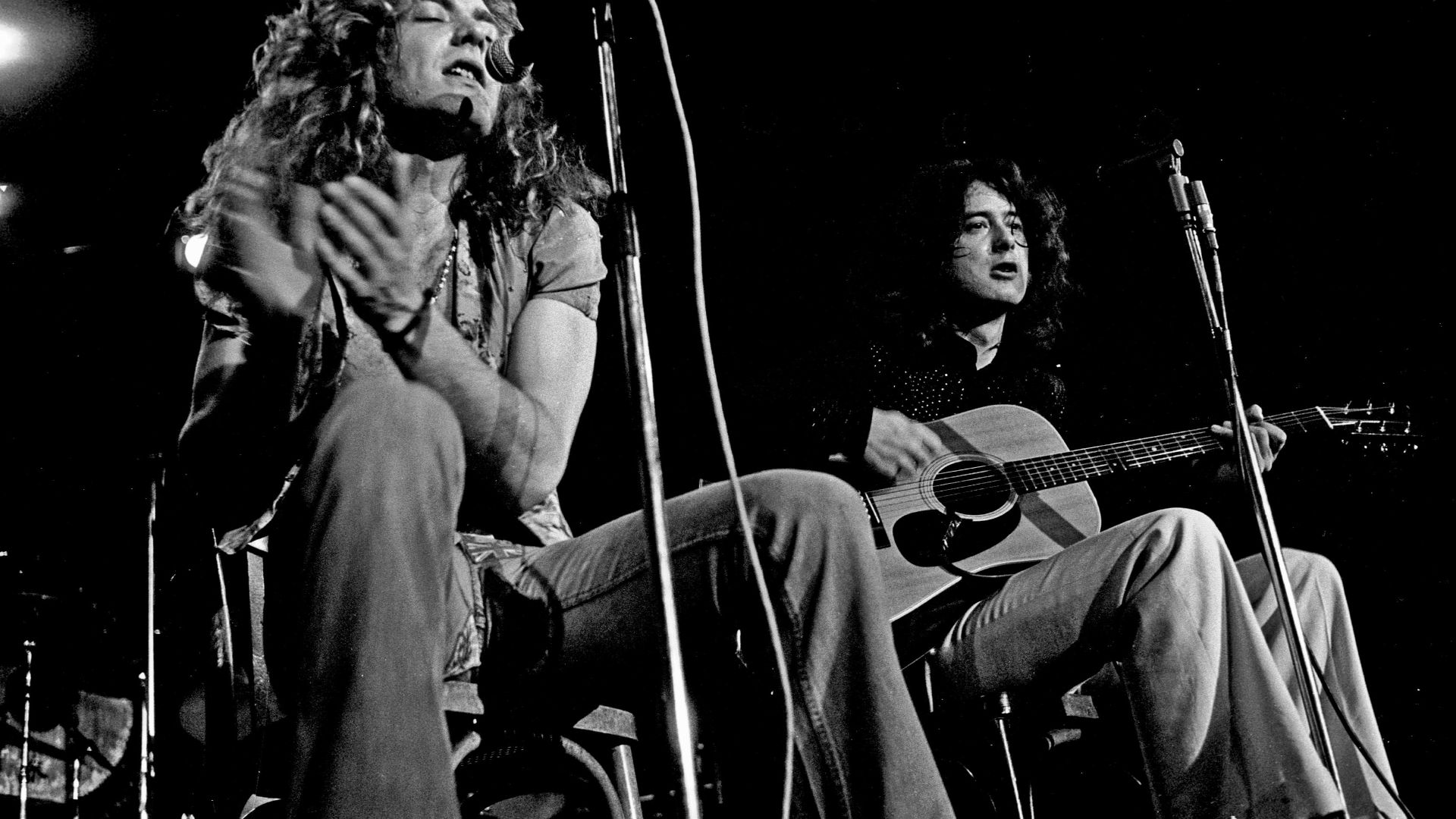
Led Zeppelin
Led Zeppelin didn’t just play big venues. They dominated them. Their mix of blues, mysticism, and sheer volume made their concerts feel almost mythical. Even when their songs were long or complex, they held massive crowds completely captive.
 Heinrich Klaffs, Wikimedia Commons
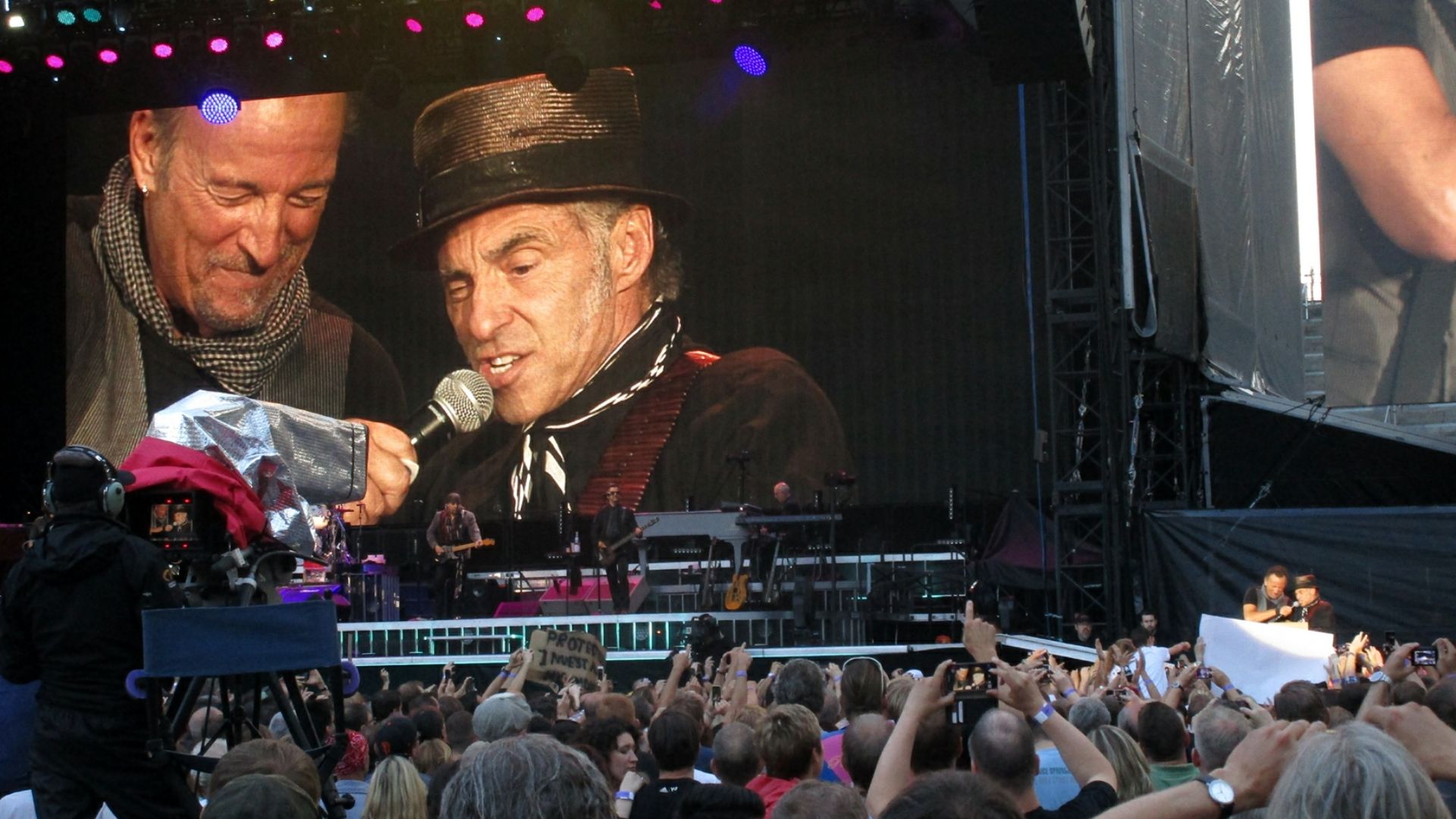
Bruce Springsteen And The E Street Band
Springsteen shows are legendary for a reason. He treats every crowd like it’s the most important one he’s ever played for. The E Street Band’s full, layered sound and Springsteen’s storytelling turn concerts into celebrations that feel personal no matter how big the venue gets.
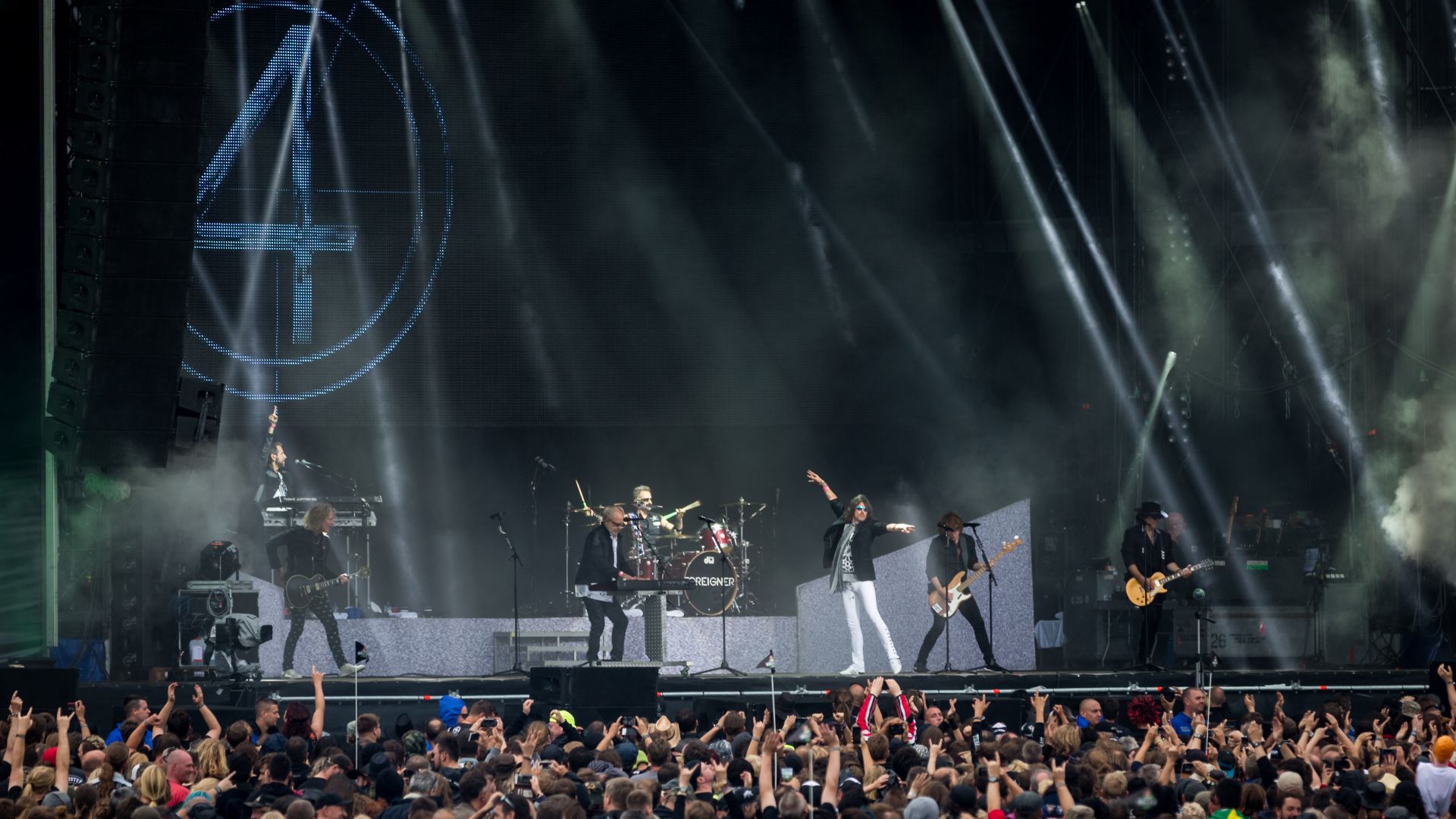
Foreigner
Foreigner knew how to write songs that hit immediately. Their hooks are clean, direct, and easy to latch onto. Tracks like “Juke Box Hero” feel almost autobiographical for anyone who ever dreamed of standing on a stage in front of thousands of people.
 Andreas Lawen, Fotandi, Wikimedia Commons
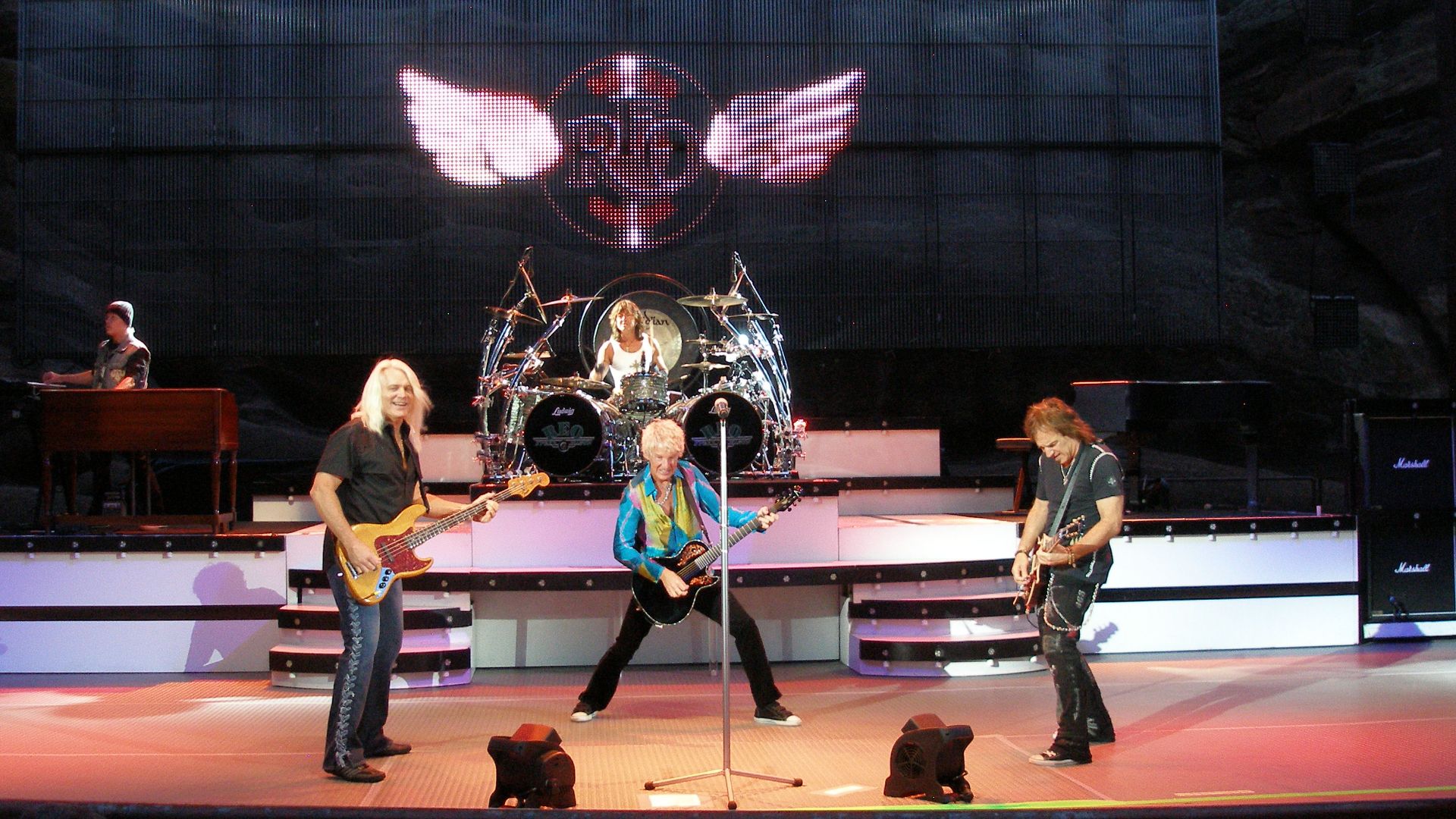
REO Speedwagon
REO Speedwagon leaned into emotion without apology. Their power ballads and mid-tempo rockers gave audiences moments to sing, sway, and feel everything at once. They thrived on creating connection rather than spectacle.
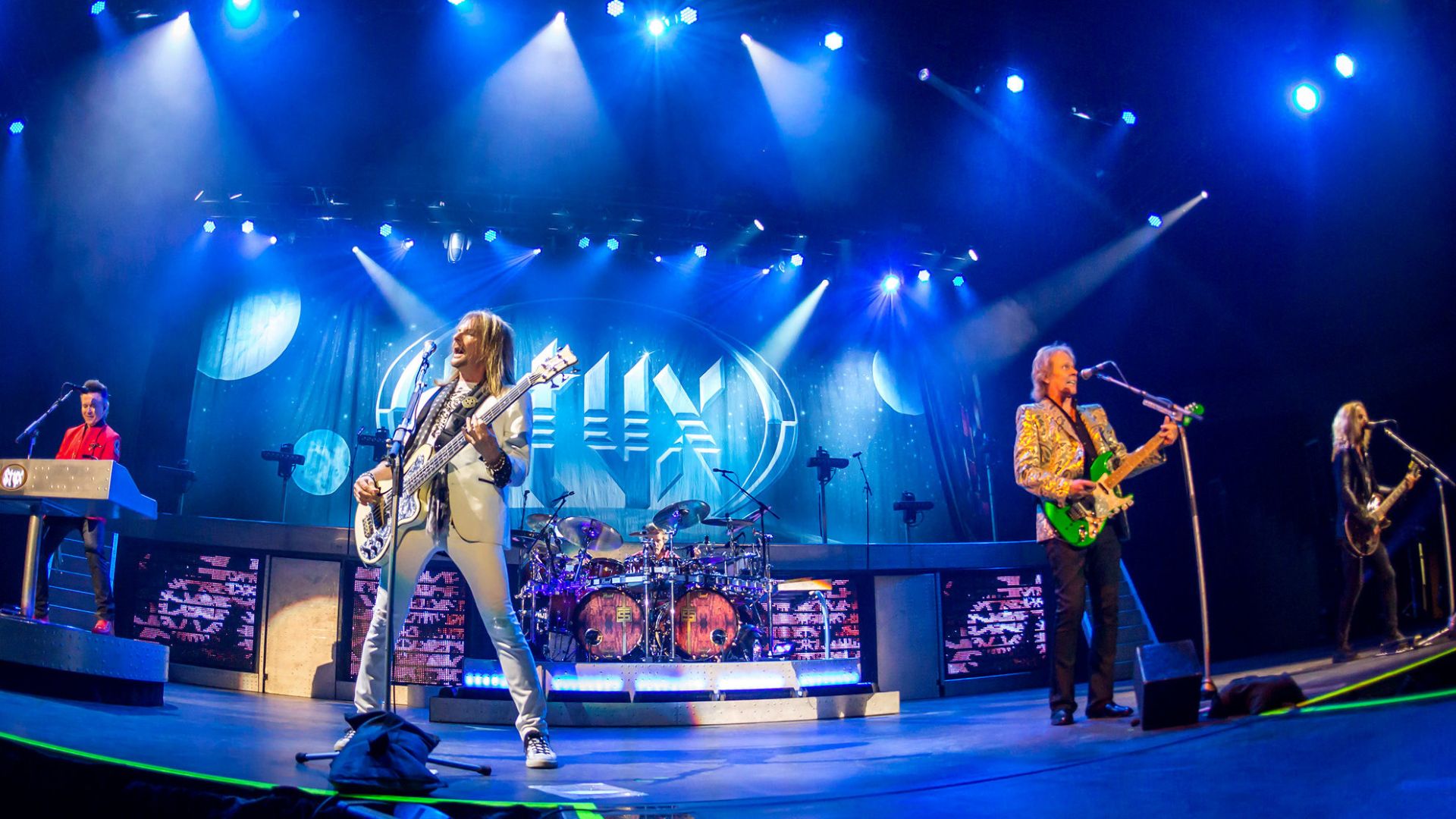
Styx
Styx walked the line between prog ambition and mainstream appeal. Their songs often build slowly before exploding into dramatic moments that work beautifully live. They proved you could be theatrical, technical, and still wildly accessible.
 Ralph Arvesen, Wikimedia Commons
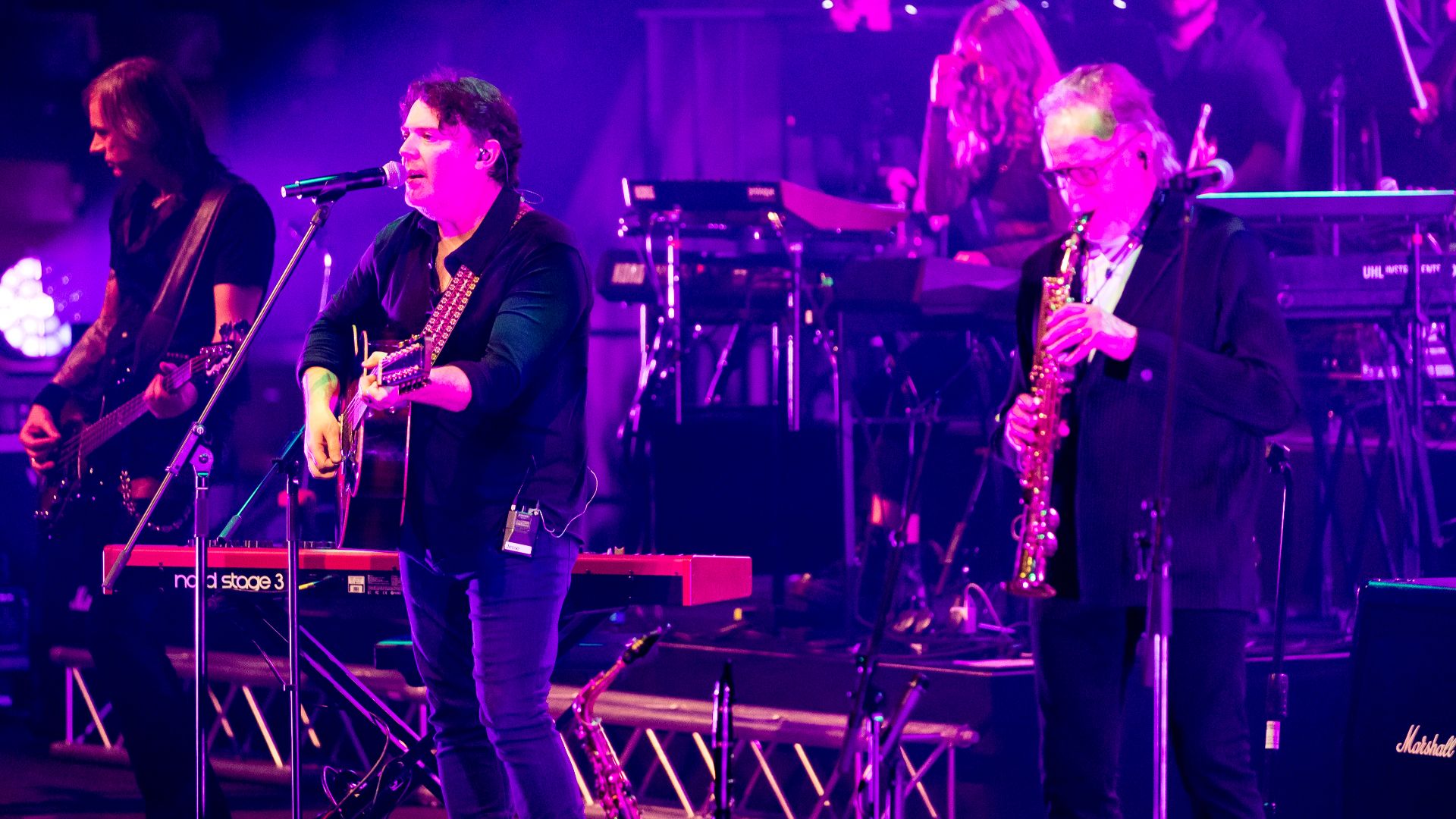
Supertramp
Supertramp brought a more polished, thoughtful sound to big venues. Their keyboard-driven songs and introspective lyrics stood out among louder, heavier acts. Somehow, even their quieter moments felt right at home in large spaces.
 Sven Mandel, Wikimedia Commons
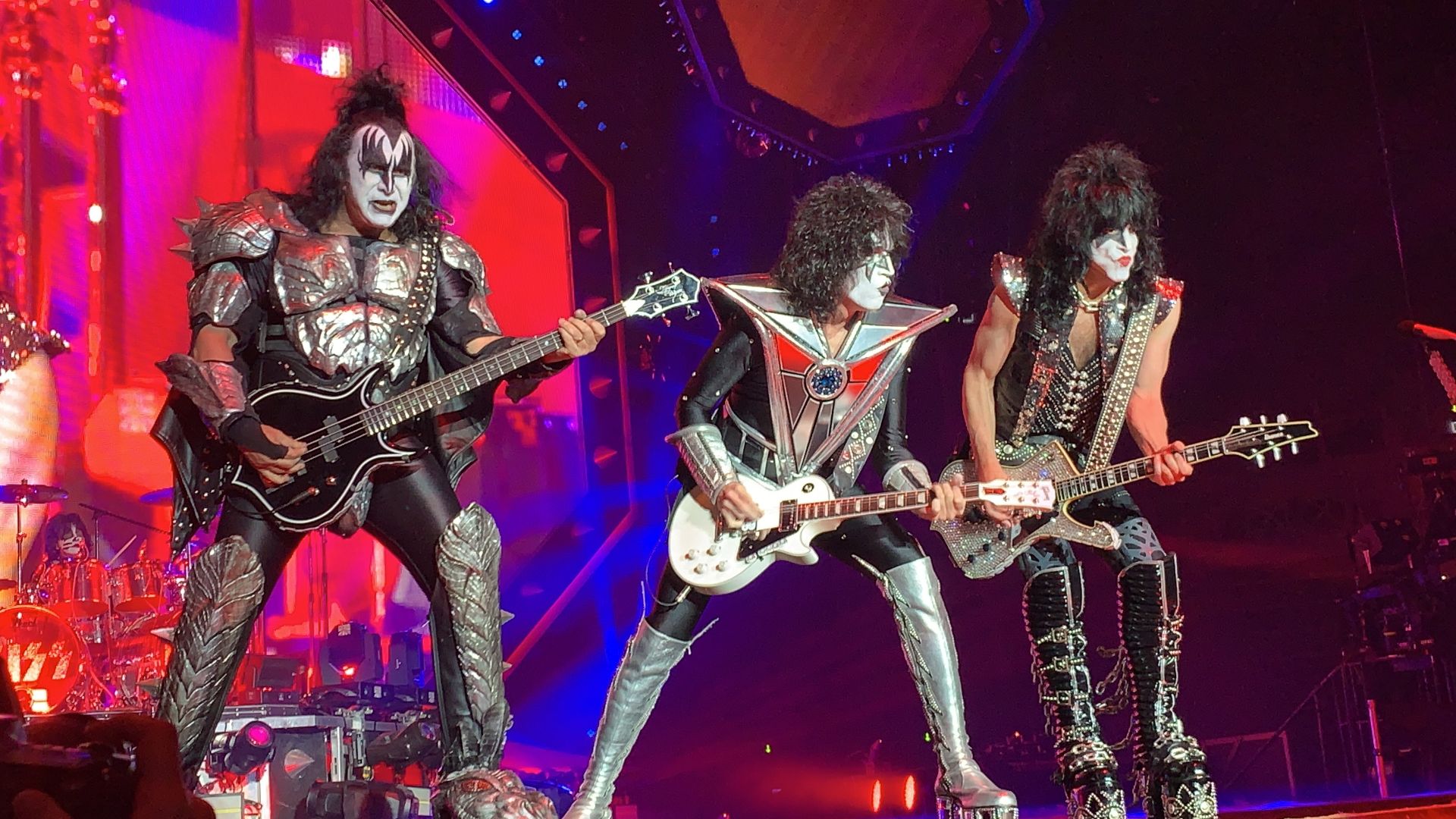
KISS
KISS understood that sometimes the show is the point. Fire, makeup, explosions, and simple chants turned their concerts into full-scale events. Whether you loved the music or not, you couldn’t ignore what was happening onstage.
 Nashville69, Wikimedia Commons
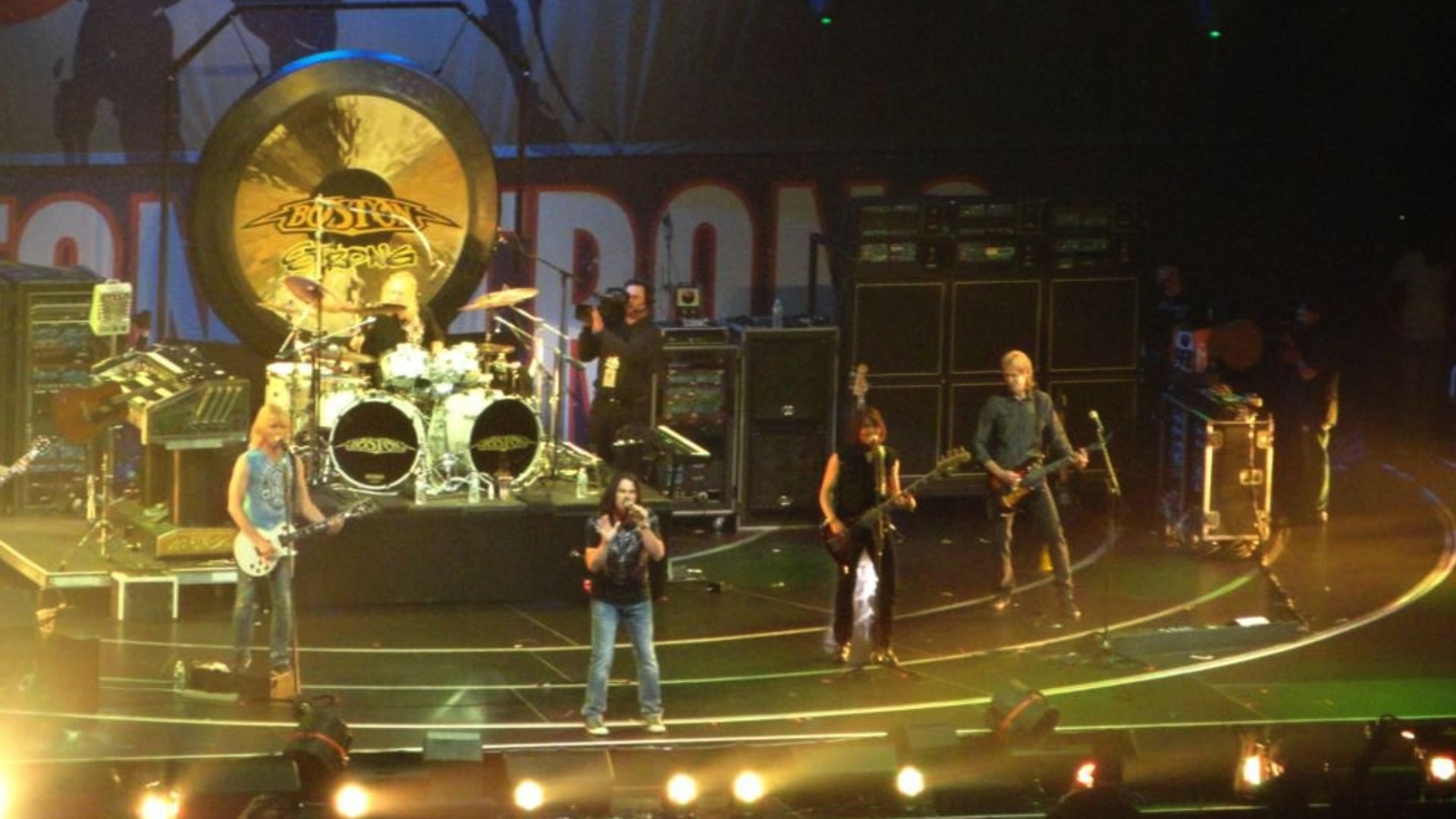
Boston
Boston’s sound was pristine and massive right out of the gate. Their debut album felt engineered to sound perfect at high volume. Songs like “More Than a Feeling” still hit hard decades later because they’re built on pure melodic lift.
 protestphotos1, Wikimedia Commons
ZZ Top
ZZ Top brought swagger and groove into big venues. Their blues roots gave their music weight, while their sense of humor kept things loose. They proved that arena rock didn’t have to be serious to be effective.
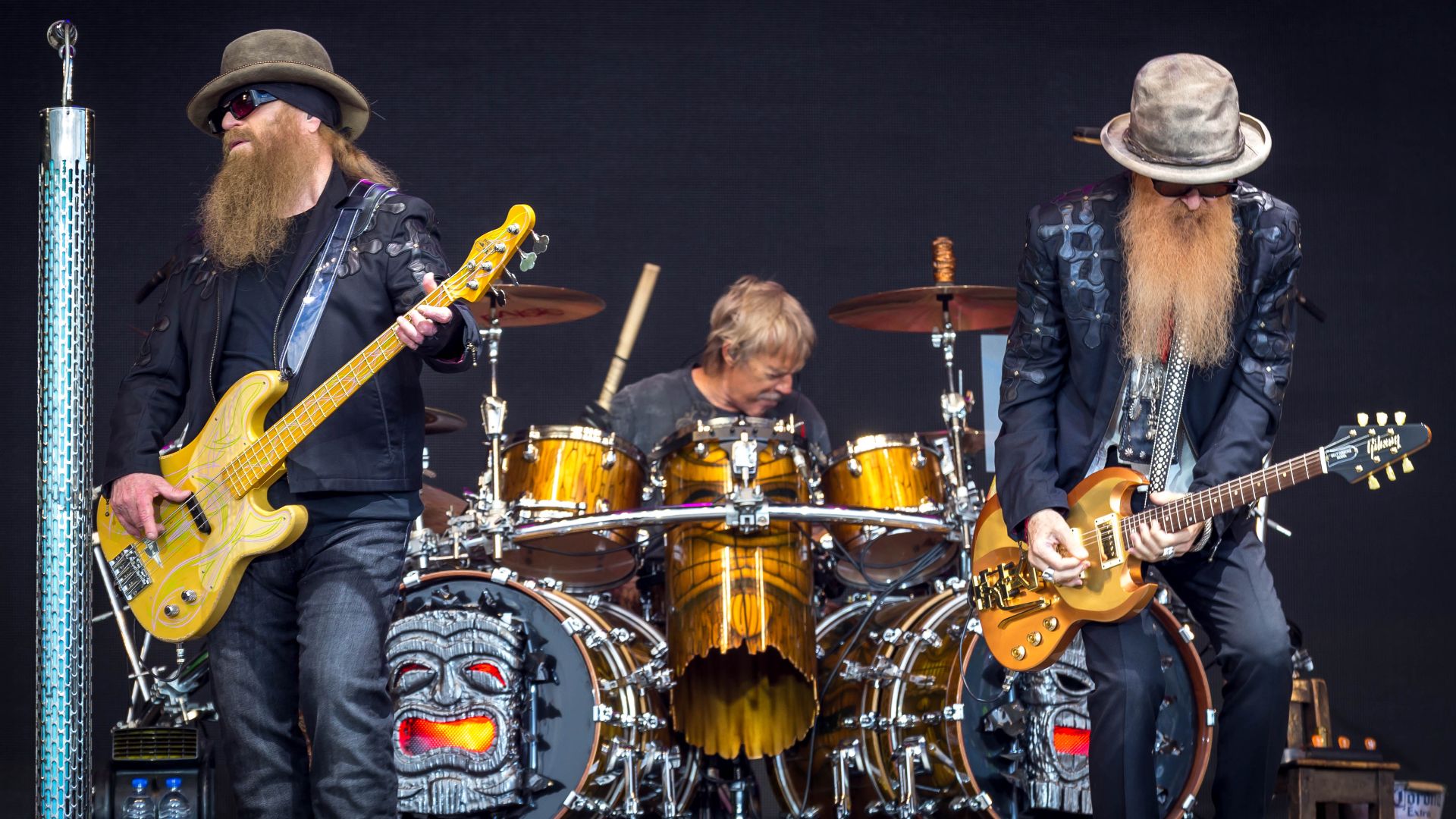 Brian Marks, Wikimedia Commons
Yes
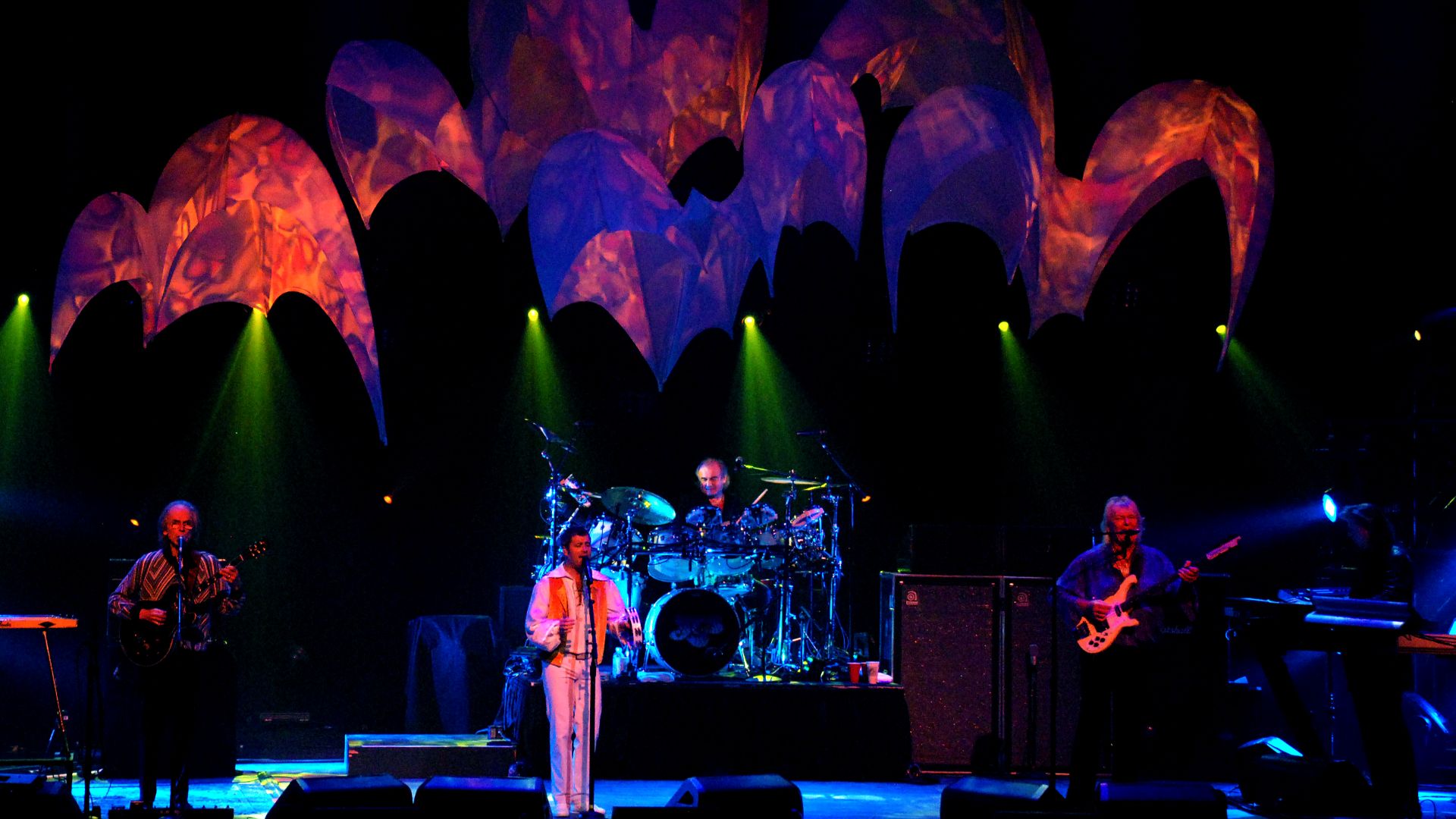
Yes showed that complexity and scale could coexist. Their intricate compositions and musicianship translated surprisingly well to large audiences. Songs like “Roundabout” managed to feel both expansive and precise, which is a rare combination.
You May Also Like:
Countless Musicians Imitated The California Sound, But These Bands Defined It
The Most Iconic Live Albums Ever Recorded