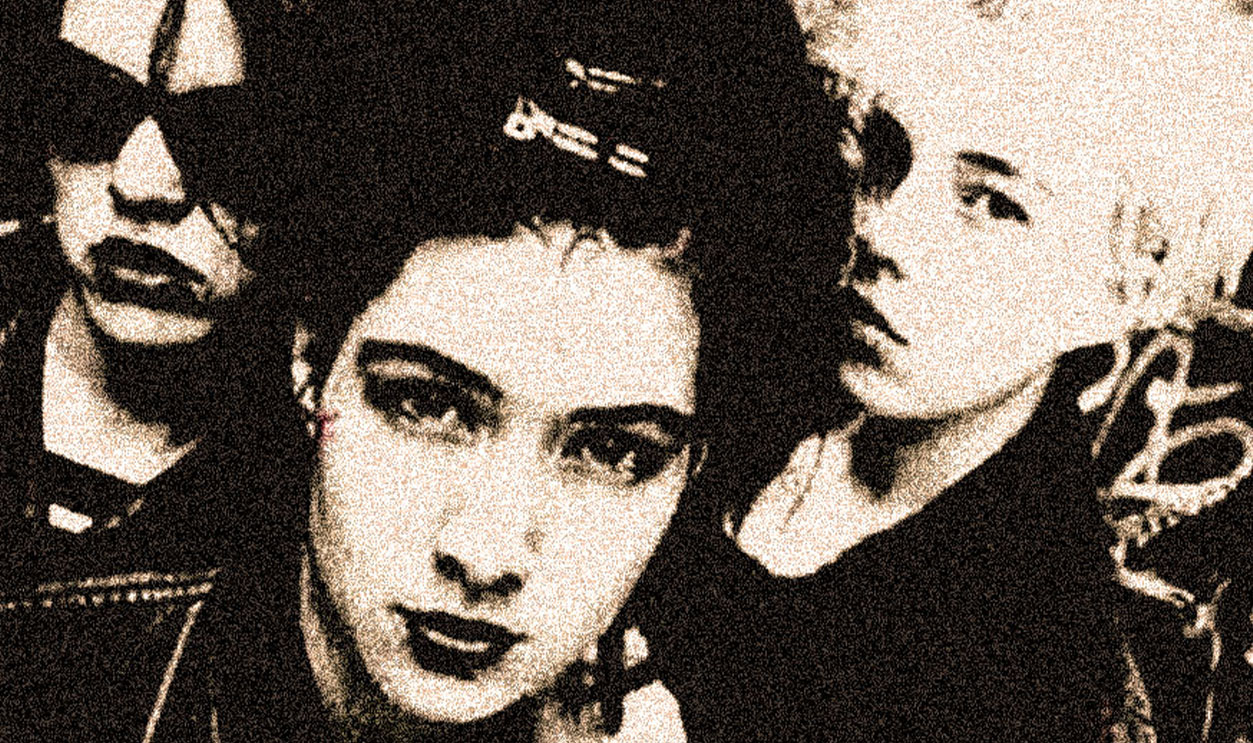
The Underground Of The 90s Still Echoes
While the mainstream rocked out to grunge and pop stars, a parallel universe of music was thriving. It was gritty, raw, experimental, political, and endlessly creative. Underground bands weren’t about radio hits or polished production. They were about emotion, authenticity, community, and pushing boundaries. Many of them never topped the charts, but they changed the game nonetheless.
Below are 20 bands whose music, attitude, and risk-taking helped define the 90s underground and left lasting ripples across genres.
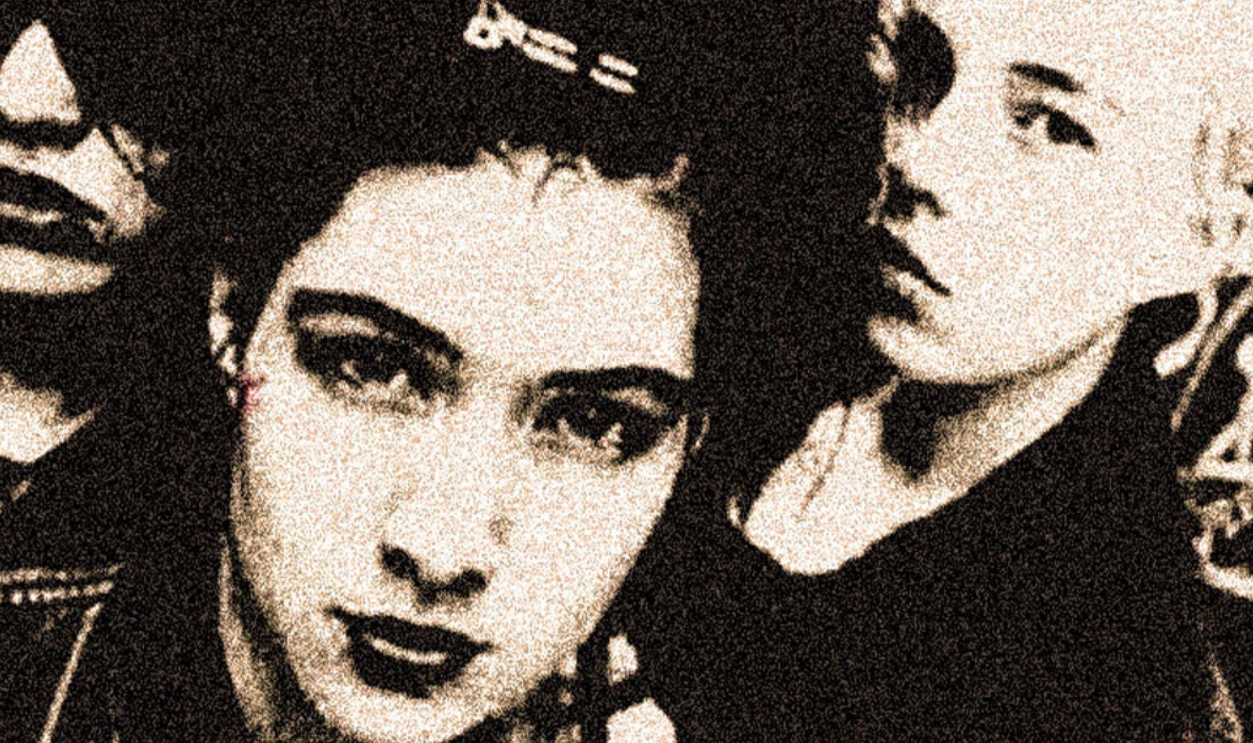
The Peechees
This San Francisco–area band brought a spiky, fast-paced punk energy to the early 90s underground. With sharp guitars and ferocious delivery, The Peechees channeled the DIY punk spirit and helped keep the flame of West Coast indie-punk alive even as grunge dominated. Their stripped-down urgency and raw sound offered a counterpoint to more polished mainstream rock.
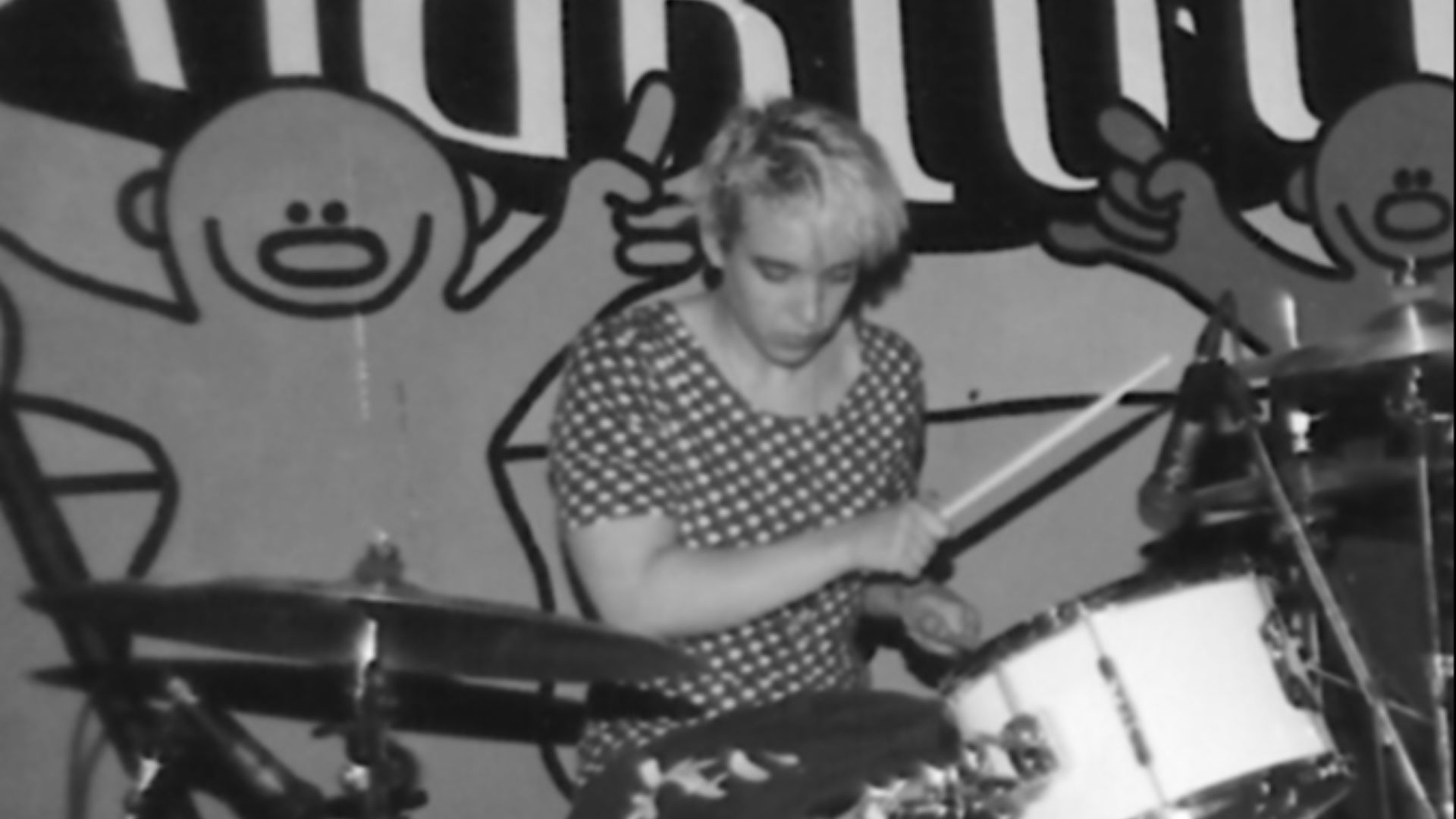
Servotron
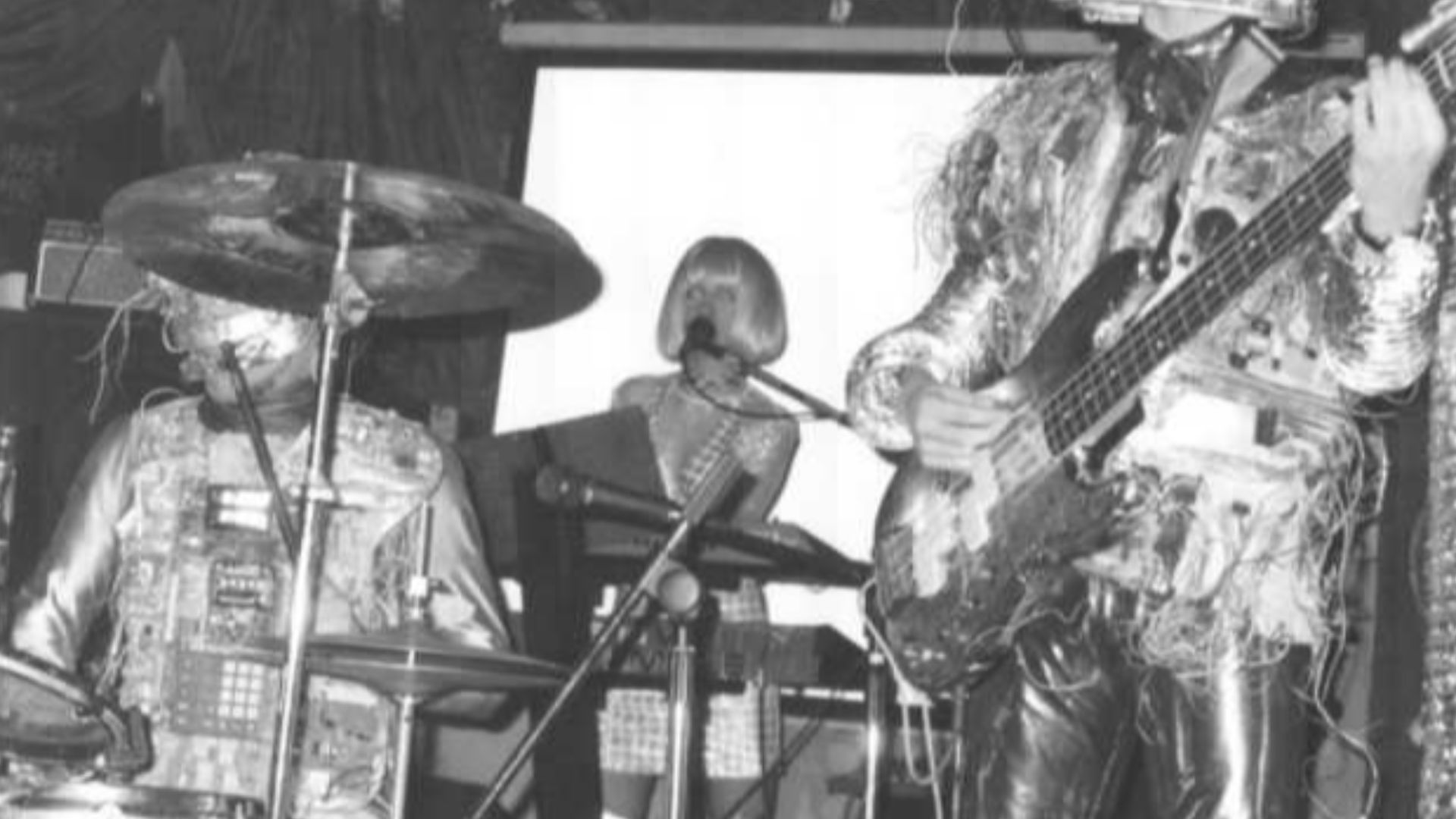
A uniquely conceptual act, Servotron blended punk, synths, and sci-fi absurdity to create a robotic, anarchic sound that stood out in the underground. Their bizarre themes and experimental approach pushed against musical norms, turning satire, electronics, and punk into something weirdly catchy. They embodied the 90s alternative spirit: if it sounds strange, that might just be the point.
 Jeff robertson at en.wikipedia, Wikimedia Commons
Sarge
Fronted by the fierce and charismatic vocalist, Sarge blended punk urgency with emotionally raw lyrics and expressive vocals. Their songs carried intimate personal themes and candid storytelling, giving indie-rock a human pulse. As part of the underground’s quieter but emotionally potent side, they carved out space for sensitive, introspective punk and indie voices during an era often defined by aggression.
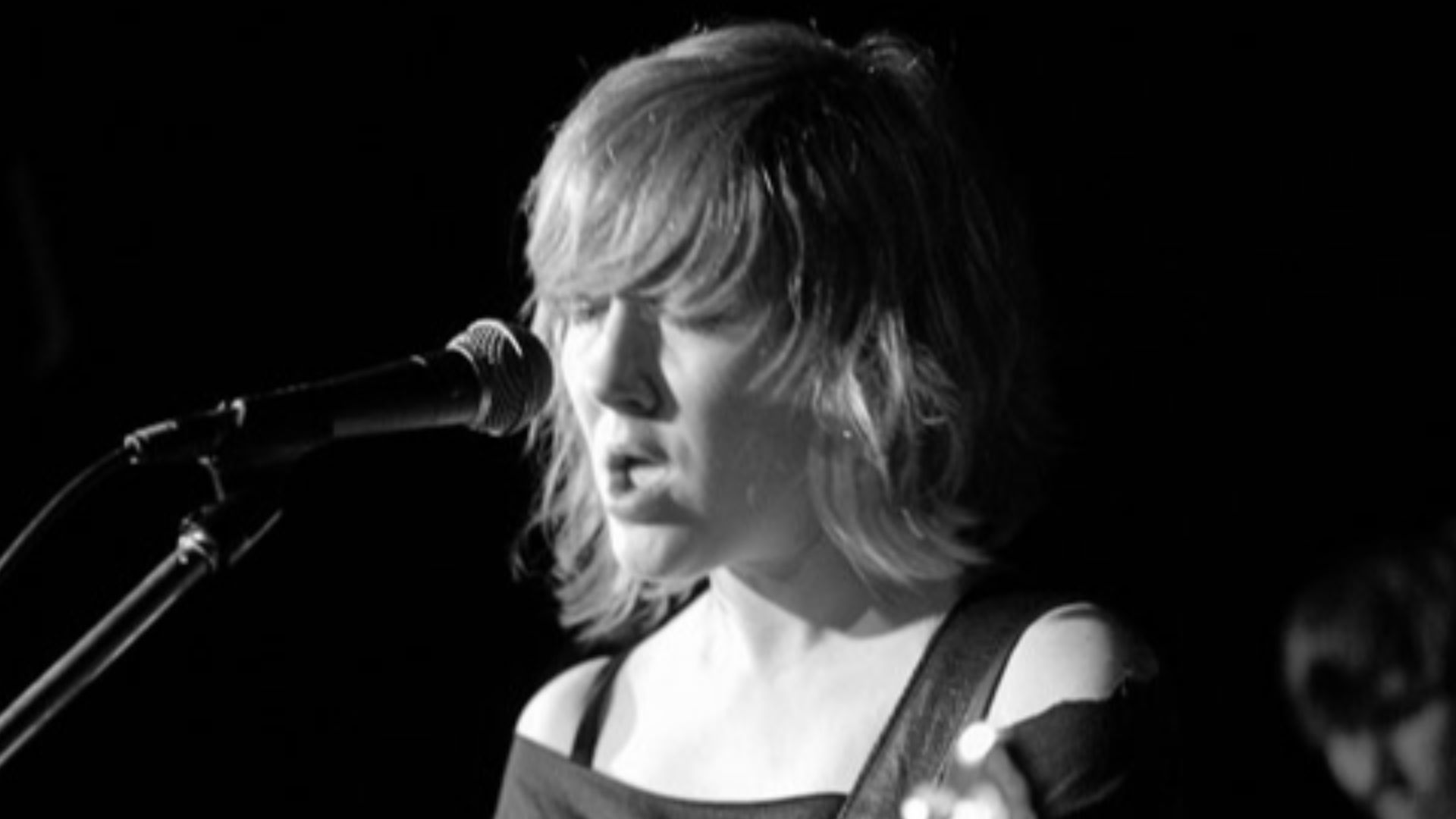 sevres-babylone from personal webpage, Wikimedia Commons
Born Against
Dragging hardcore punk into darker, more political territory, Born Against brought uncompromising intensity and outspoken critique to 90s underground punk. Their raw sound and confrontational lyrics challenged social complacency and amplified voices focusing on justice and resistance. In doing so, they helped ensure that punk’s rebellious core remained alive, loud, and relevant.
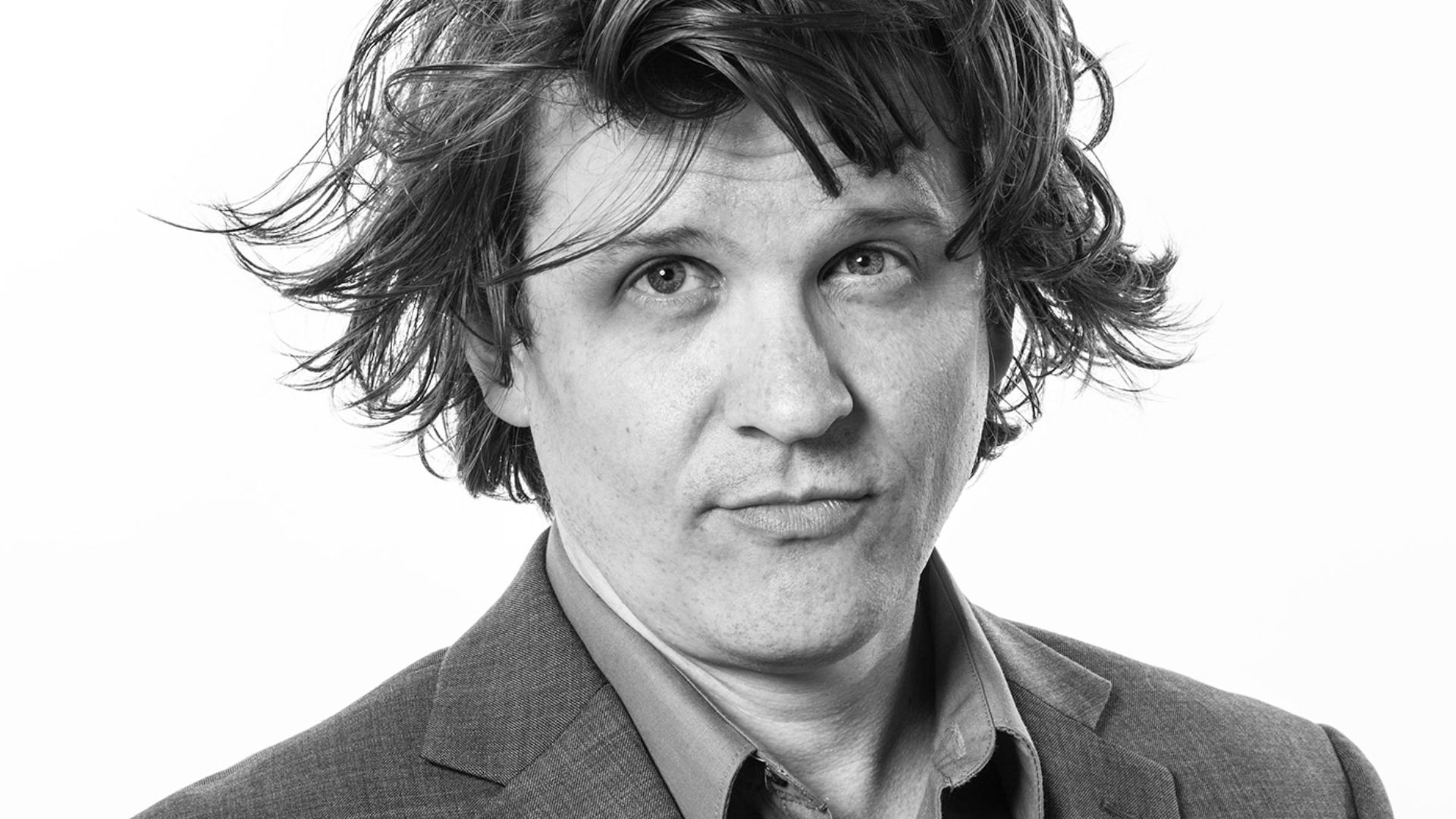
Discount
Emerging from the Southern punk/emo scene, Discount fused melodic hooks with punk’s edge, bringing introspective lyricism and emotional honesty to the underground. Their willingness to combine aggression with vulnerability laid groundwork for later emo and pop-punk bands. Discount showed that you could rage and reflect in the same breath.
 Sonikmatsuri at English Wikipedia, Wikimedia Commons
Nation Of Ulysses
With explosive energy, political radicalism, and a wild sense of performance, Nation of Ulysses helped push the boundaries of punk into avant-garde territory. Their jagged sound, shouted slogans, and anarchic live shows blurred the line between music and activism. They carved out a space for idealism, noise, and defiance during a time when alternative could have meant anything.
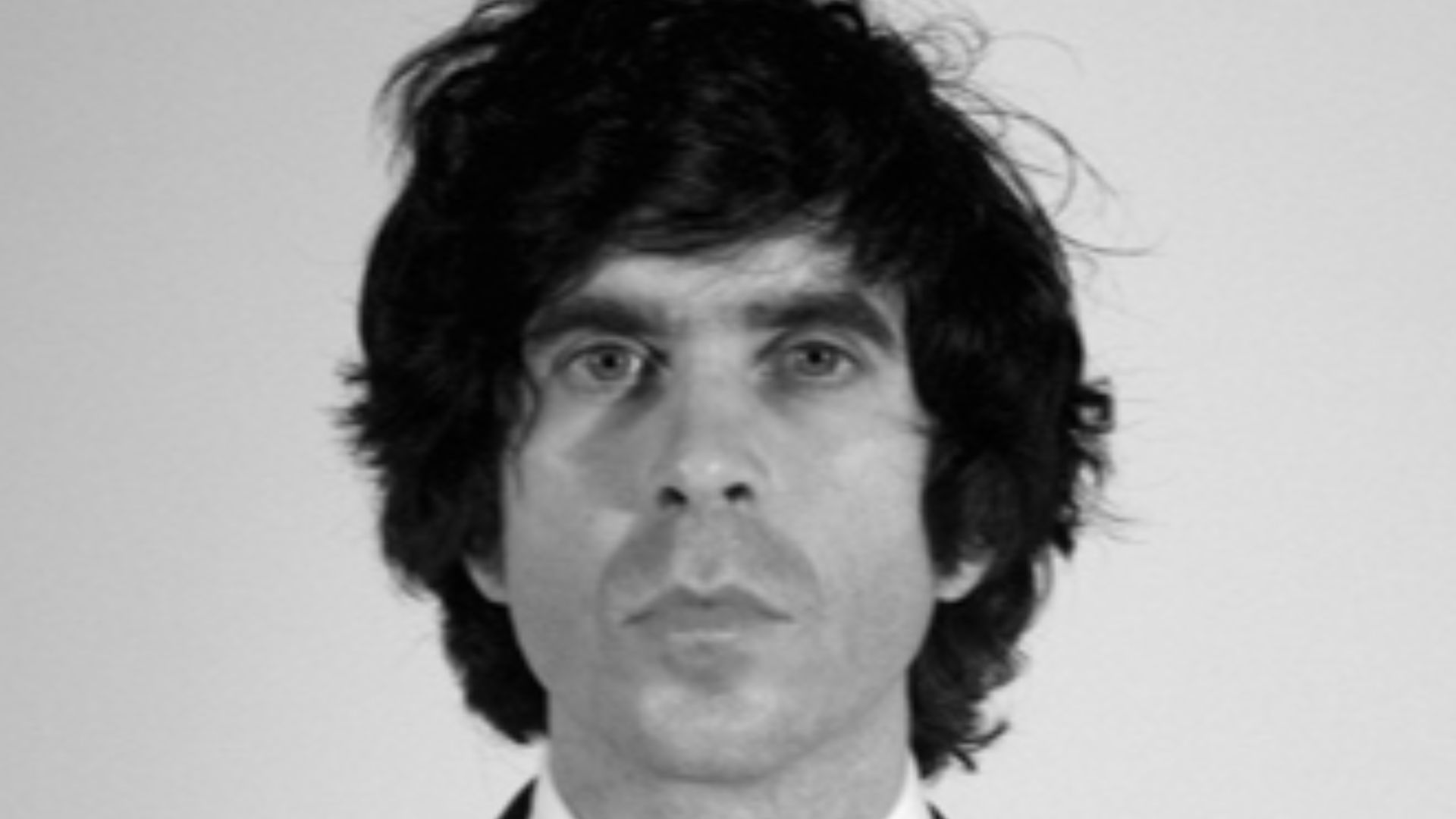 Bryan Whitson (Flickr profile and personal homepage), Wikimedia Commons
Bikini Kill
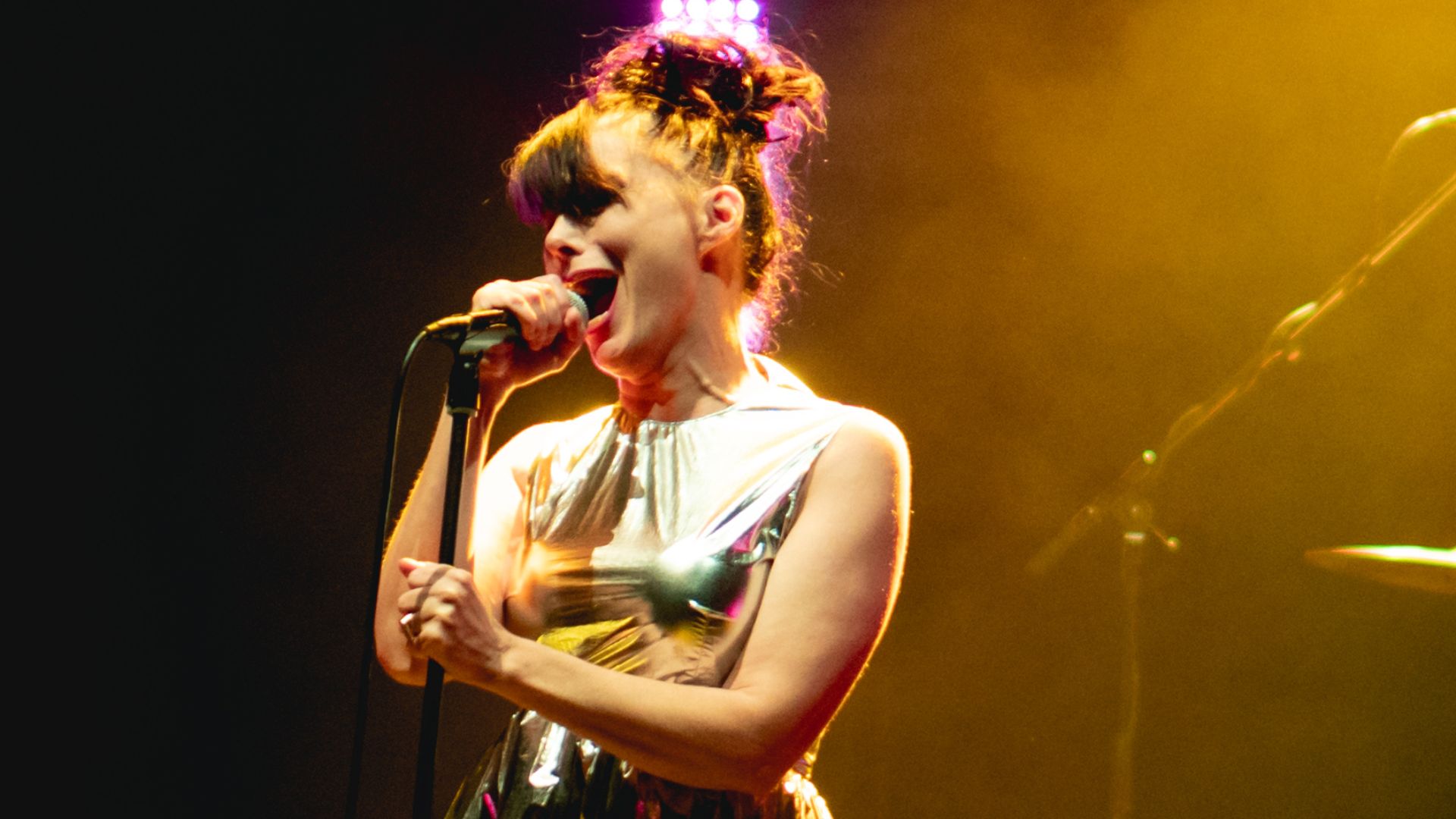
One of the most important bands of the Riot Grrrl movement, Bikini Kill gave voice to aggressive feminism, DIY aesthetics, and raw punk fury. Their confrontational lyrics and cathartic energy challenged gender norms and reclaimed punk for women, reshaping underground music culture forever.
Fugazi
Perhaps the single most influential 1990s underground band, Fugazi brought post-hardcore into wider consciousness with a blend of punk aggression, dub/reggae rhythms, and uncompromising political and social messaging. Their albums Repeater and In on the Kill Taker became pillars of the DIY underground. Their decision to reject major-label offers while selling out independent-venue shows helped prove that independence and integrity could be sustainable.
 Tim Trentham from Austin, USA, Wikimedia Commons
Jawbreaker
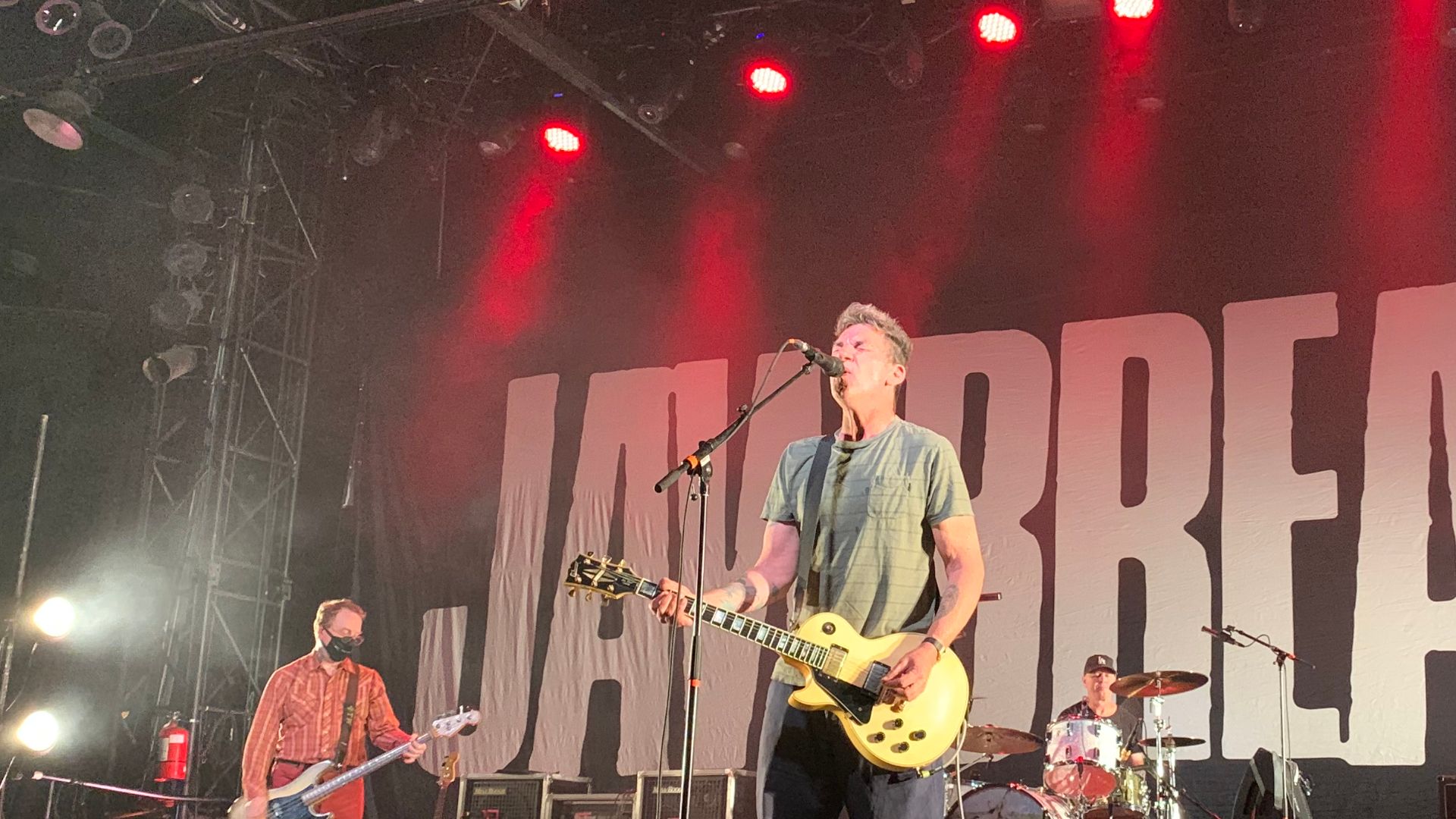
At the crossroads of punk, emo, and alternative rock, Jawbreaker’s raw emotional honesty and taut guitar work helped define the darker side of 90s underground rock. Their unvarnished lyrics about personal pain, identity, and disillusionment spoke to listeners who felt like outsiders—long before “emo” became a marketing category. Their rough edges and emotional depth influenced countless bands in underground punk and indie rock circles.
 AppalachianCentrist, Wikimedia Commons
Black 47
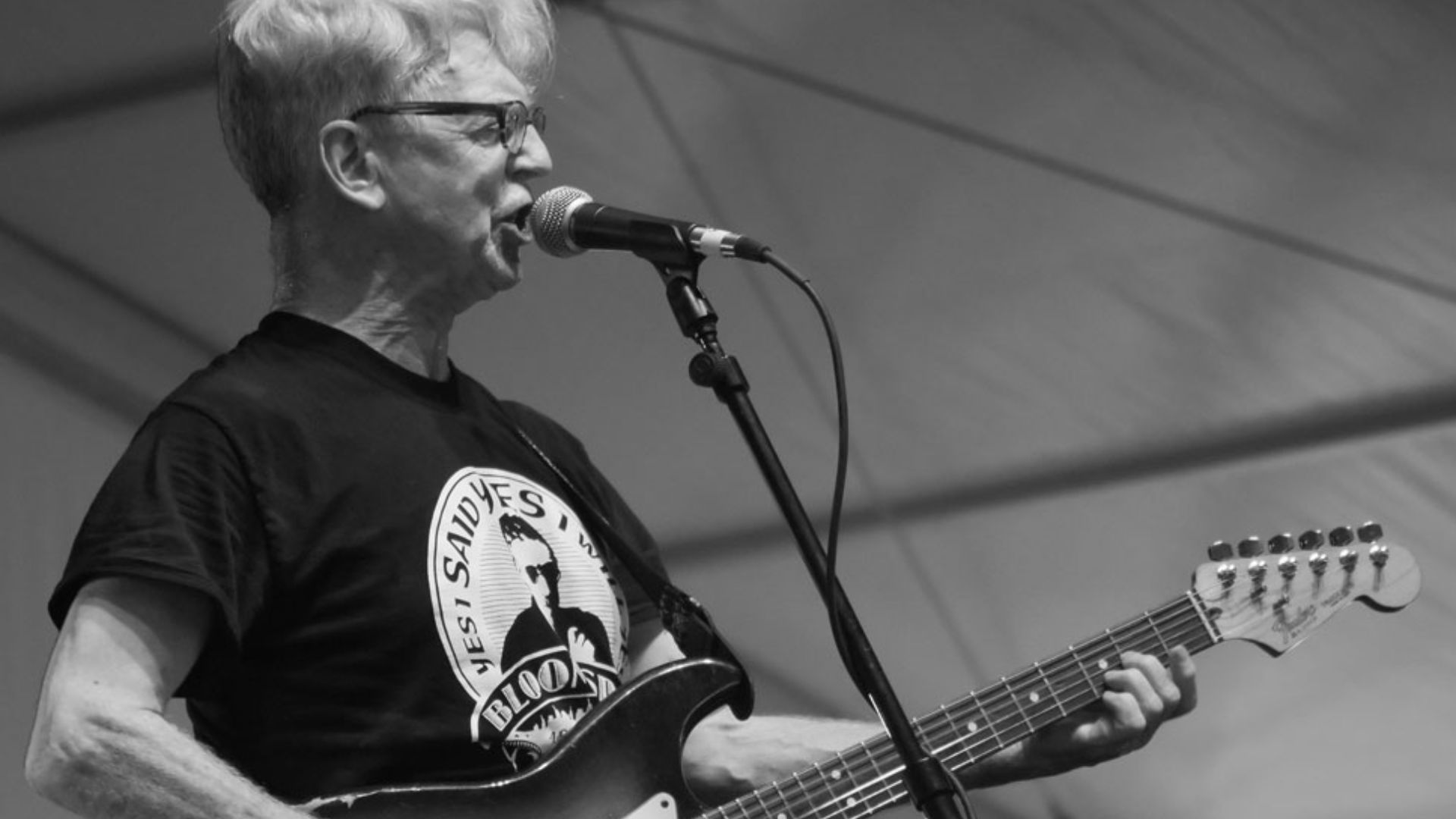
Blending rock, Celtic folk, and political storytelling, Black 47 forged a distinct path separate from mainstream rock trends. Their fusion of Irish-rooted melodies with gritty urban narratives brought cultural hybridity to underground music, offering a rare combination of heritage, protest, and rock sensibility during the 90s.
Blackstreet
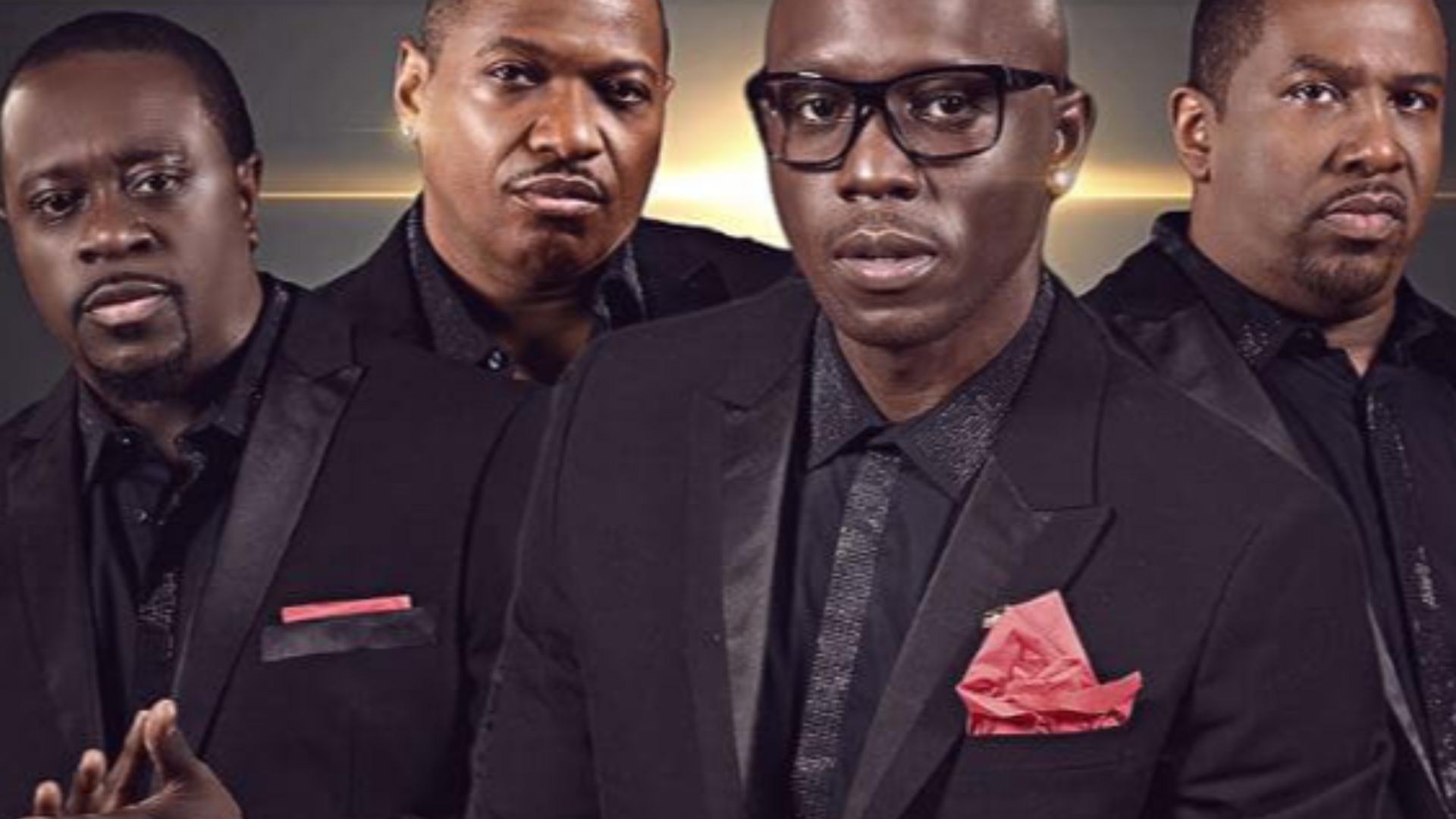
Though rooted in R&B rather than rock, Blackstreet contributed to the diversity of the 90s underground through their smooth harmonies, streetwise lyrics, and distinct sound on tracks like “No Diggity”. Their presence reminded listeners that underground culture was cross-genre, and that R&B could be as edgy, influential, and alternative as punk or rock.
 I Am Hip Hop Magazine, Wikimedia Commons
Cake
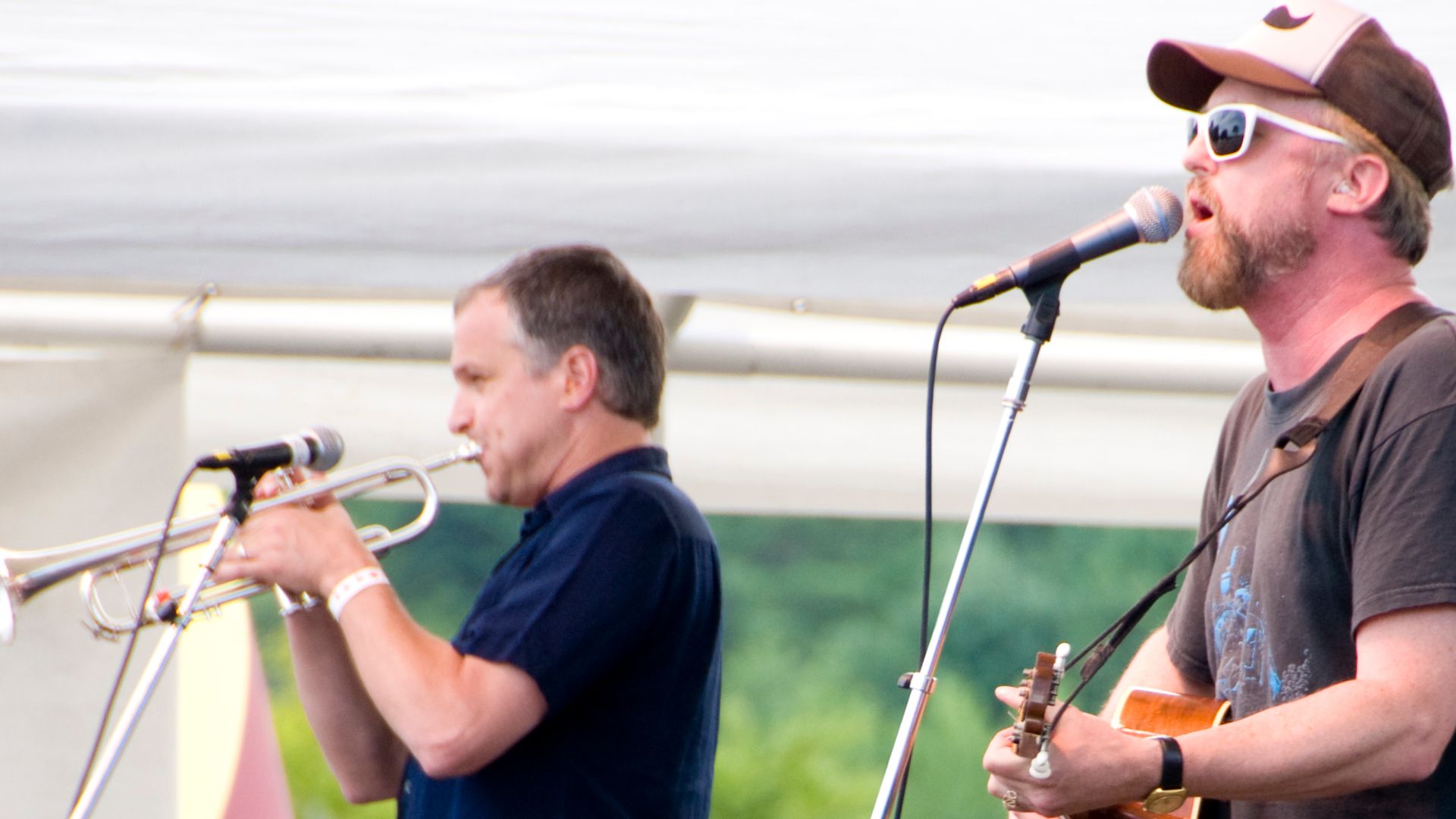
With B-movie humor, deadpan vocals, and genre-blending instrumentation (including trumpet and strains of funk), Cake carved out a unique niche in the 90s underground alt-rock scene. Their minimalist but clever songs—often ironic and effortlessly cool—proved that underground success didn’t require distortion or aggression. Their sound was dry, witty, and unmistakably their own.
Digital Underground
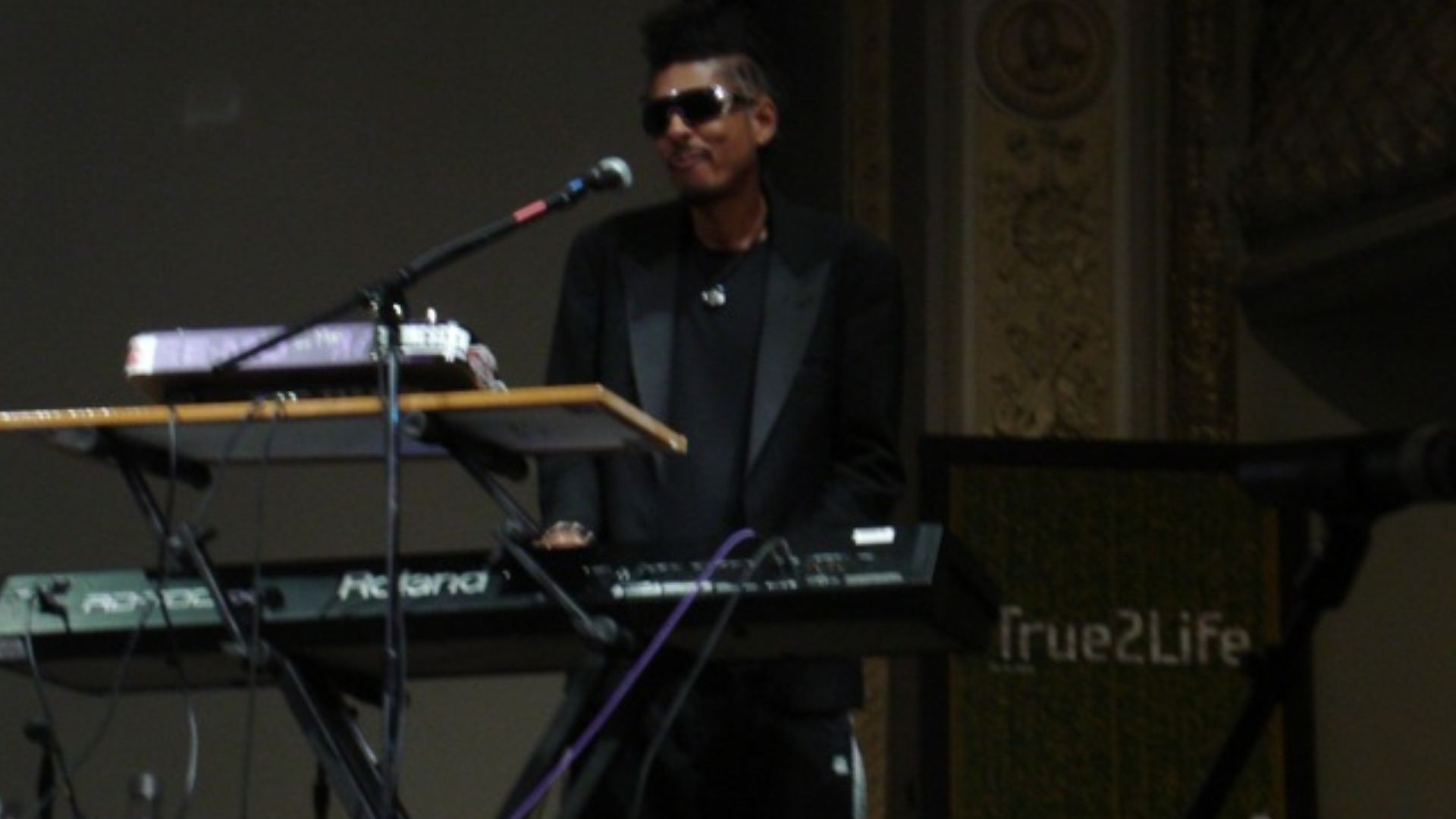
Representing the underground hip-hop edge of the 90s, Digital Underground fused funk grooves, playful sampling, and socially conscious lyrics. Their track “The Humpty Dance” introduced many to alternative rap’s humorous and experimental side—and influenced a generation of West Coast rappers seeking to blend party vibes with deeper messages. Their presence reminds us the underground wasn’t just guitar-driven.
 Creative Commons HQ from USA, Wikimedia Commons
Fountains of Wayne
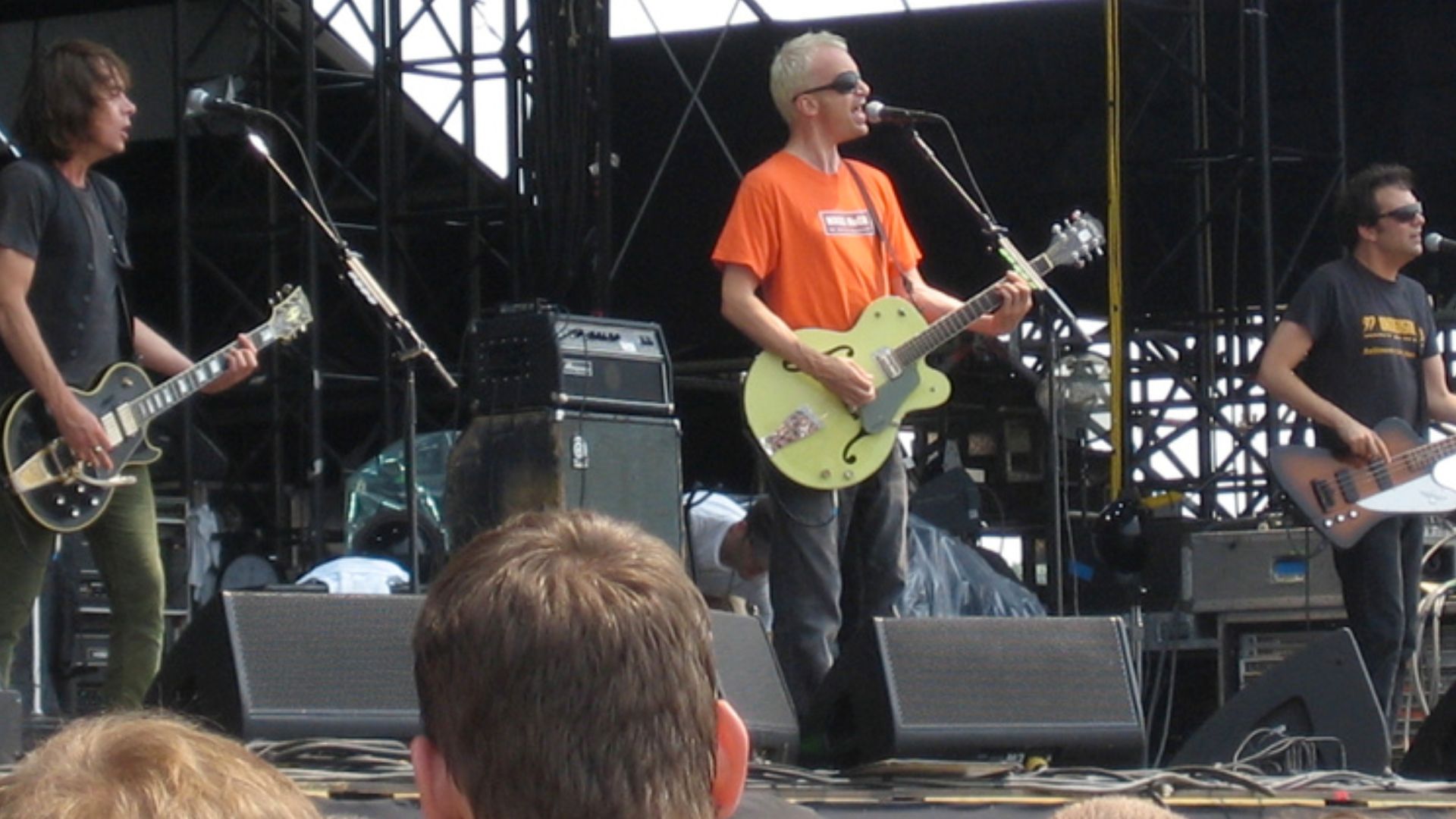
With melodic clarity, clever songwriting, and stories about suburban life, Fountains of Wayne offered a pop-pier, alternative-rock angle to the 90s underground. Songs like “Radiation Vibe” captured a wistful, everyday realism that resonated with listeners tired of angst but hungry for honest, catchy rock. They helped prove underground rock could be bright, witty, and melodic without losing edge.
 Rob Kennedy, Wikimedia Commons
Garbage
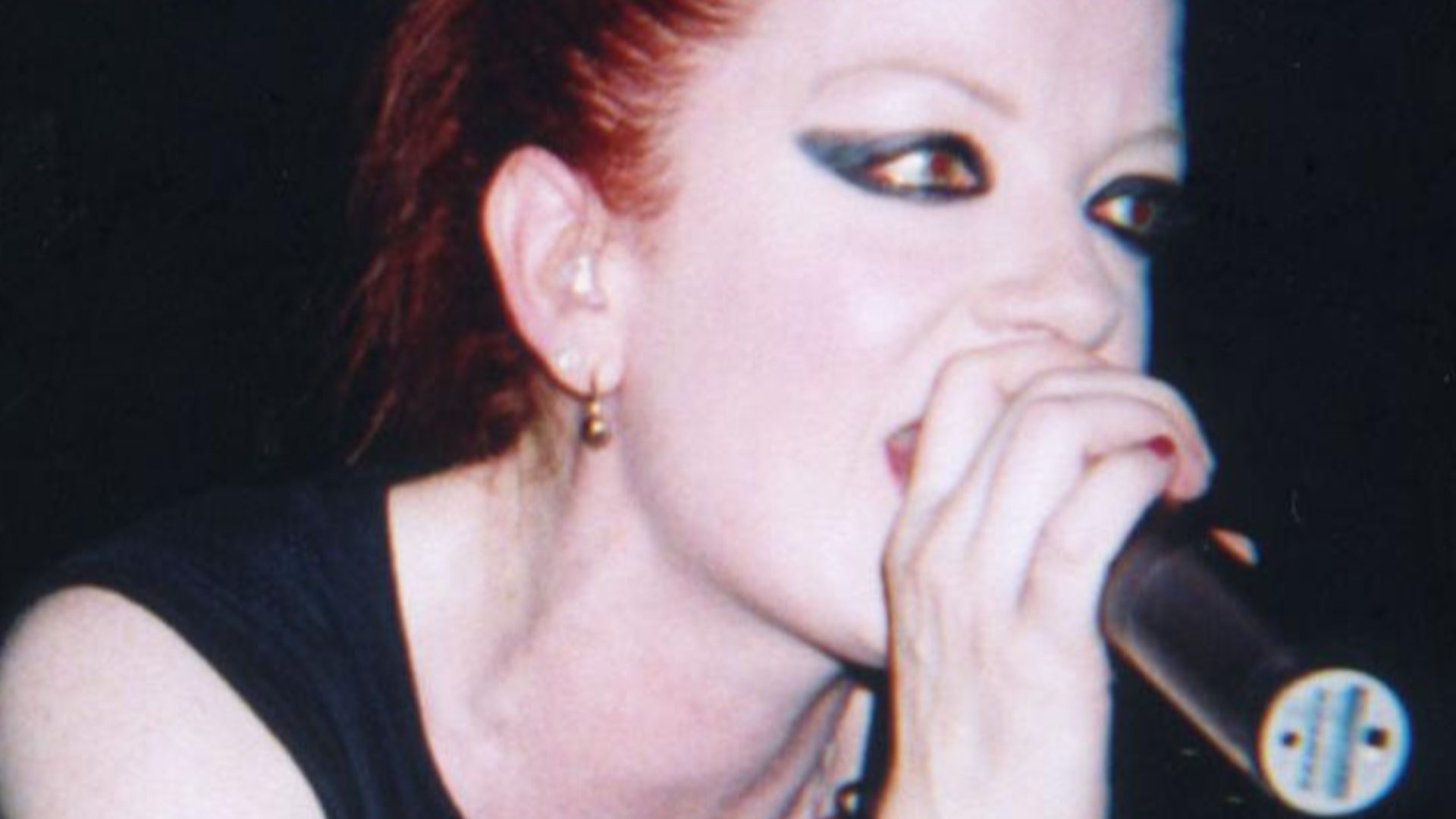
Fronted by Shirley Manson’s smoky vocals and built on industrial-rock textures, Garbage brought glamour, darkness, and grunge’s attitude into alt-rock. Their self-titled debut and hits like “Stupid Girl” and “Only Happy When It Rains” merged pop sensibility with gritty realism, offering a version of the 90s underground that was polished but potent, accessible but subversive.
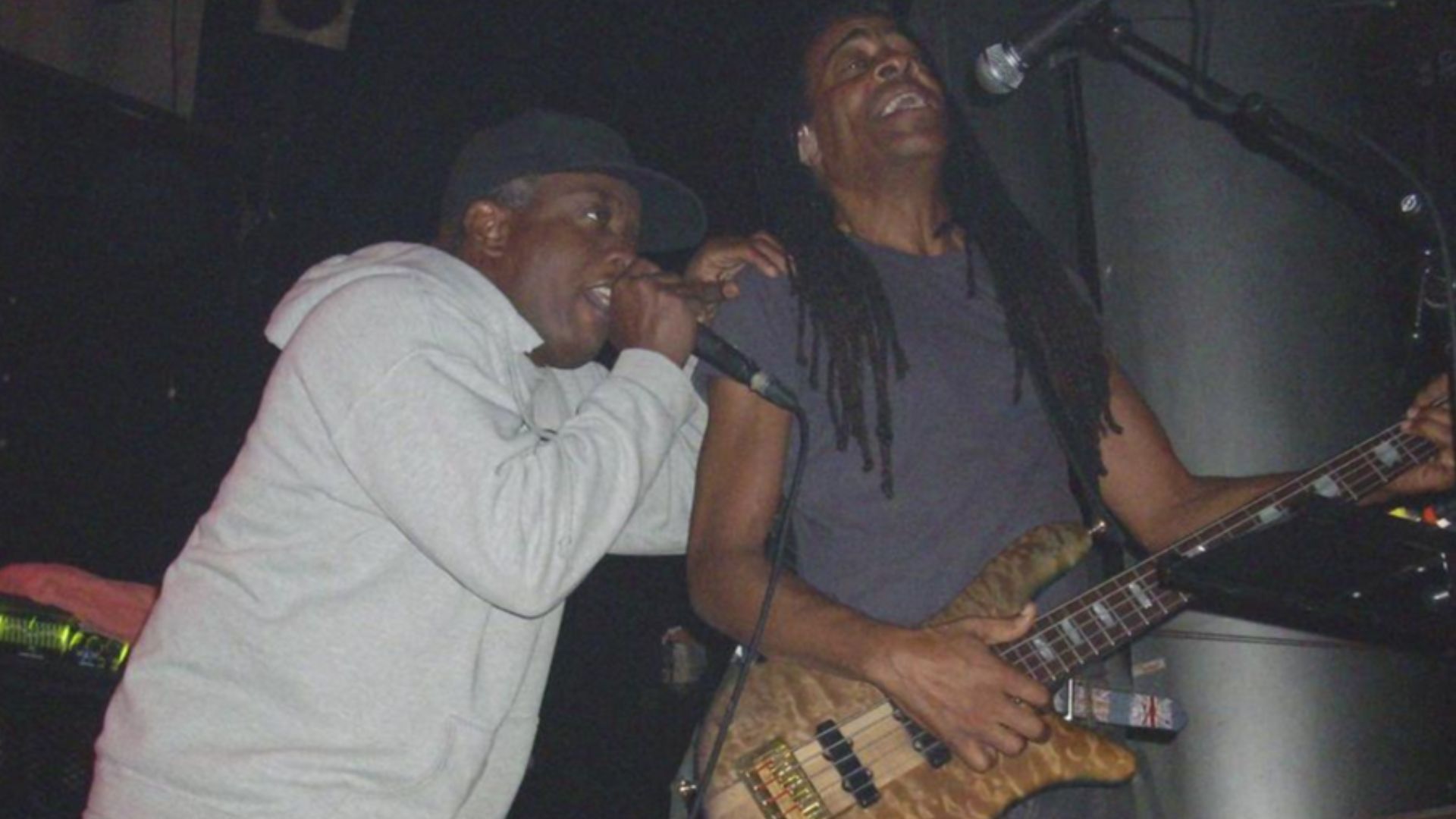
Living Colour
Although they started earlier, Living Colour carried their blend of hard rock, funk, and social commentary through the 90s underground—challenging rock norms with their racial diversity, technical chops, and genre fluidity. Their music reminded listeners that rock wasn’t strictly white, male, or formulaic, and helped open doors for a more inclusive underground.
Screaming Trees
Straddling grunge, psychedelic rock, and underground alt-rock, Screaming Trees offered hazy riffs, haunting vocals, and a psychedelic melancholy that resonated beyond the mainstream. Their album Sweet Oblivion captured a moment—part slacker-rock nostalgia, part alternative-rock promise—showcasing the diverse tones underground rock could carry in the 90s.
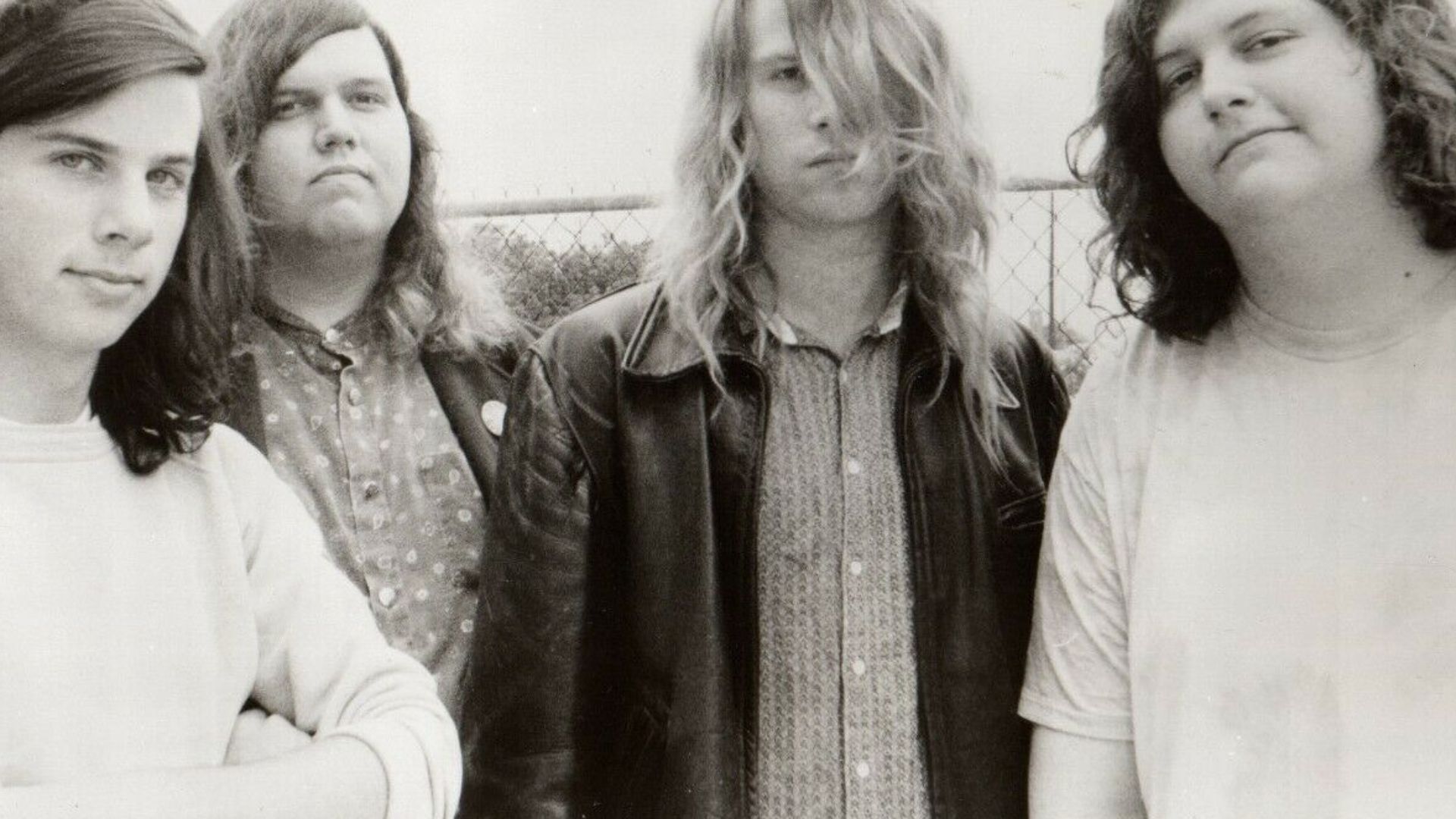 Naomi Petersen. Distributed by SST Records., Wikimedia Commons
The Verve
With swirling atmospherics, poetic lyrics, and a cinematic sense of scale, The Verve took alternative rock into dreamier, more introspective territory. While later hitting mainstream success, their early underground roots carried in their expansive soundscapes. Tracks like “Gravity Grave” and “Slide Away” embodied a kind of melancholic grandeur that widened what “underground rock” could sound like.
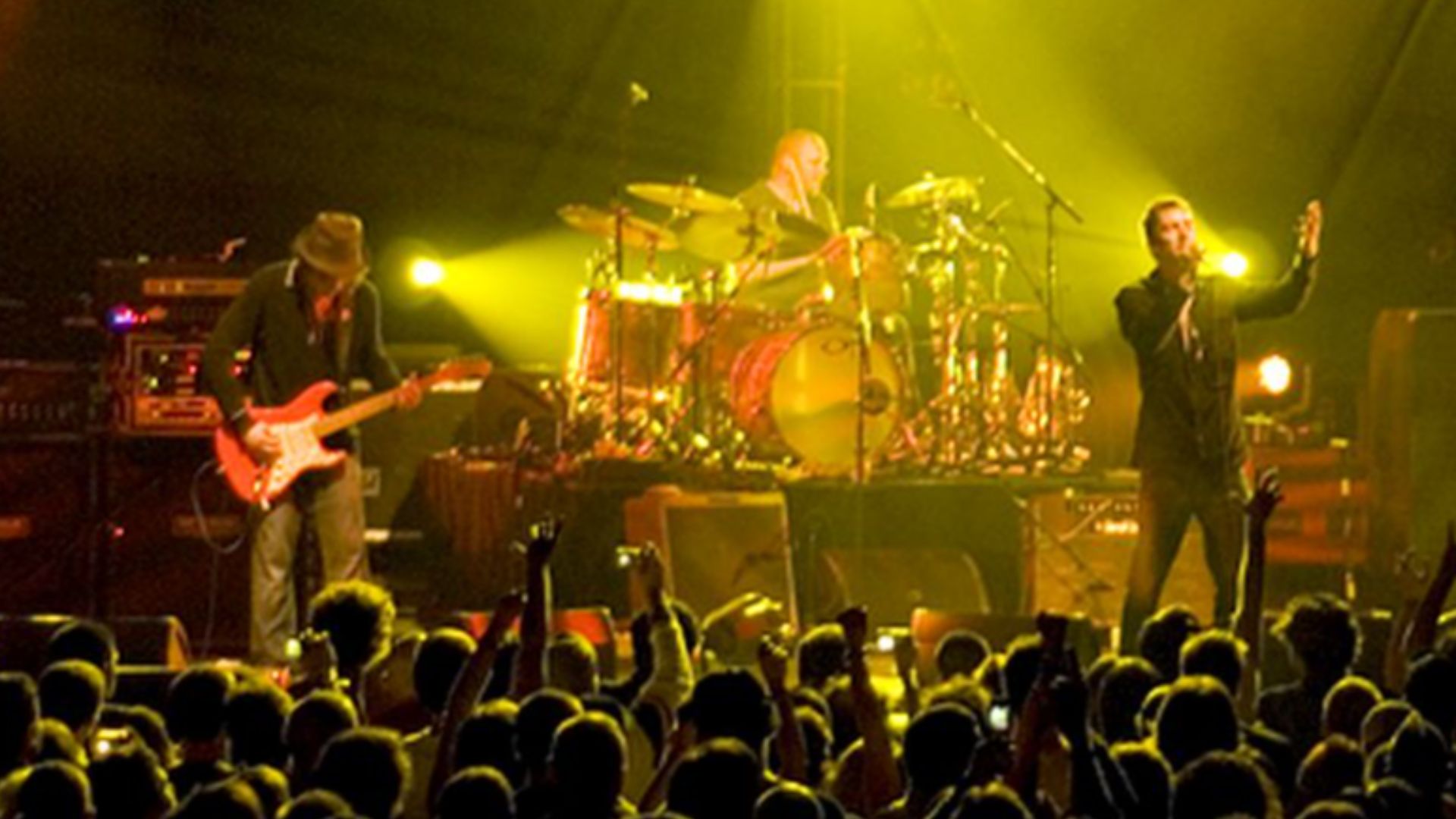 Maxcoles135, Wikimedia Commons
Buffalo Tom
Blending jangly guitars, earnest vocals, and introspective lyrics, Buffalo Tom offered a melodic, emotionally grounded alternative to more aggressive punk and hardcore scenes. Their music thrived in college-radio and indie-rock circuits, offering quiet authenticity and helping define the mid-90s underground’s warm, introspective side.
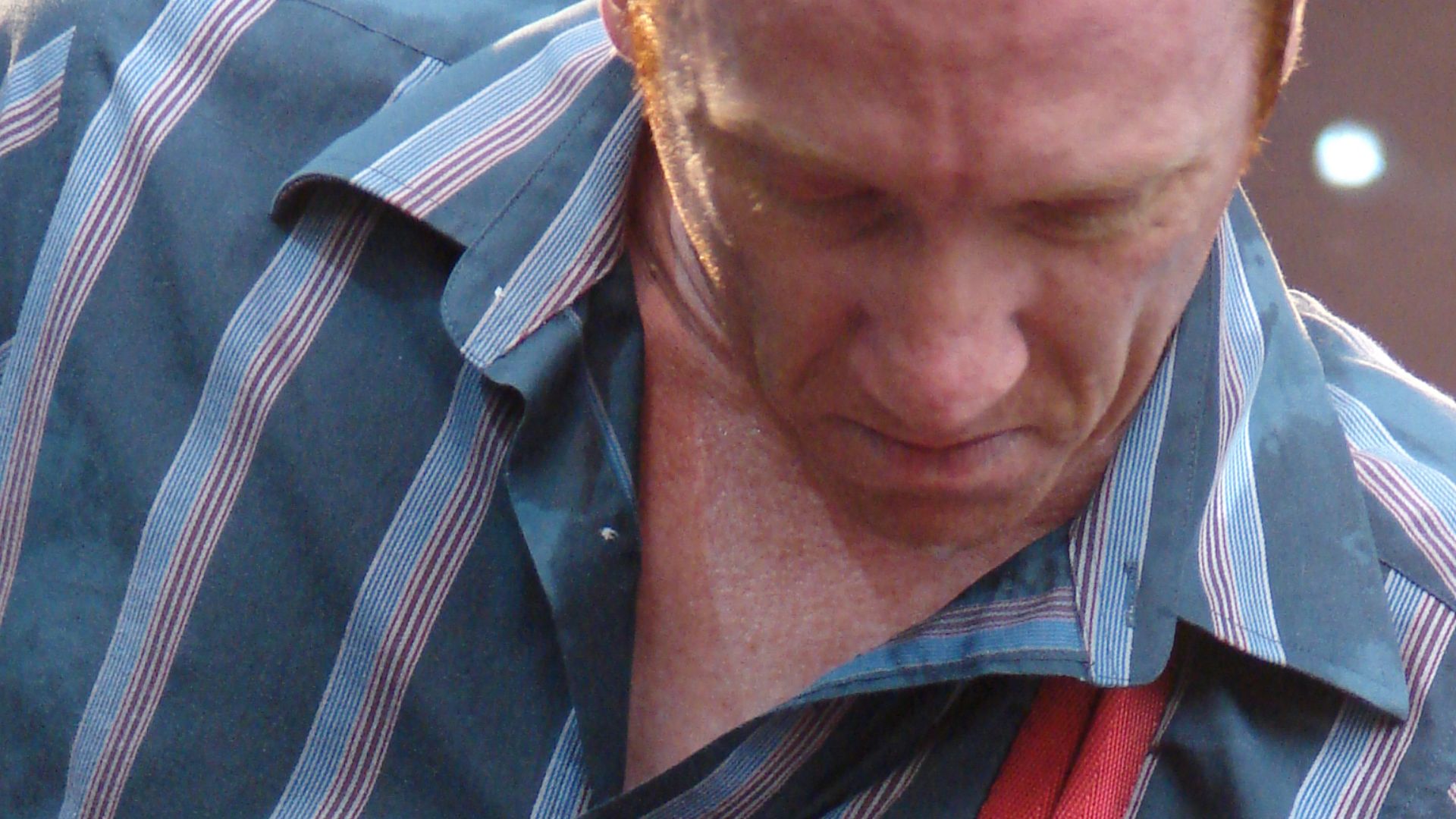 Yves Lorson, Wikimedia Commons
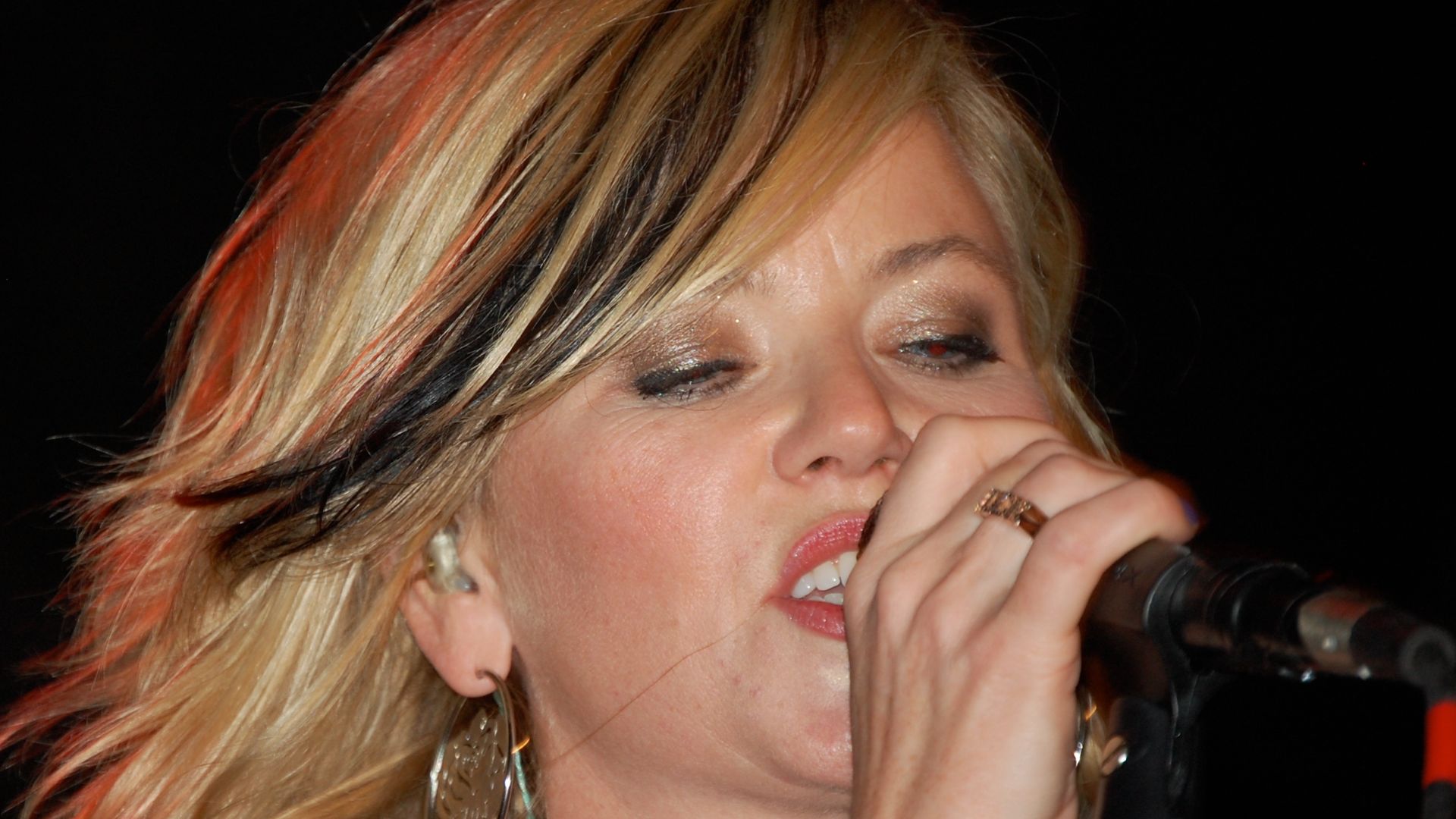
Letters to Cleo
With bright melodies, energetic guitars, and sing-along choruses, Letters to Cleo straddled the line between underground indie rock and mainstream alt-pop. Their tracks captured youthful yearning and melodic charm—a reminder that not all underground music was angsty or confrontational. Sometimes, it just wanted to be heard.
 georgia from brooklyn, usa, Wikimedia Commons
Why This Underground Still Matters
The 90s underground was more than just an alternative to mainstream radio; it was a proving ground for ideas, identity, and independence. These bands dared to be weird, loud, political, introspective, genre-defying. They laid the foundation for modern punk revivals, indie rock, alternative hip-hop, and the DIY ethic that powers countless bands today.
If you dig into their catalogs (the vinyl pressings, the cassette demos, the out-of-print LPs) you’ll find not just tracks but a spirit: a generation of artists who believed that music was more than commerce. They believed in art, community, and raw truth. And decades later, that belief still echoes.
 georgia from brooklyn, usa, Wikimedia Commons
You May Also Like:
Songs That Perfectly Capture The Spirit Of The ‘60s
Underrated B-Sides That Became Fan Favorites