A Sentence That Wouldn’t Let Go
In 1965, the Beatles were spending time in California when a brief conversation took an unexpected turn. Actor Peter Fonda made an offhand remark about death that caught John Lennon off guard—but lodged itself in his mind. Within months, that sentence would reappear inside a Beatles song that remains one of their most unsettling recordings.
A Strange Night in California
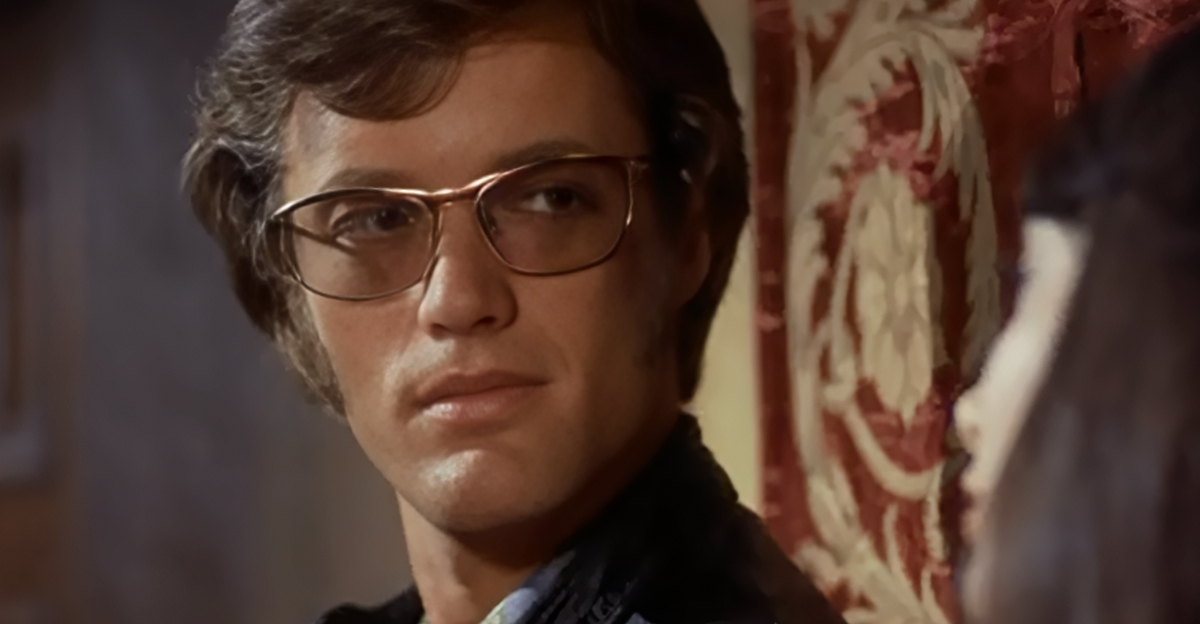
The moment happened in August 1965 at a rented house at 2850 Benedict Canyon Drive, above Los Angeles. Present that evening were John Lennon, George Harrison, Ringo Starr, Peter Fonda, and a small circle of visitors that included Byrds members Roger McGuinn and David Crosby. The group wasn’t just talking—they were in an altered, highly suggestible headspace, where emotions ran raw and ordinary conversations felt unusually intense and meaningful.
 Universal Pictures, Wikimedia Commons
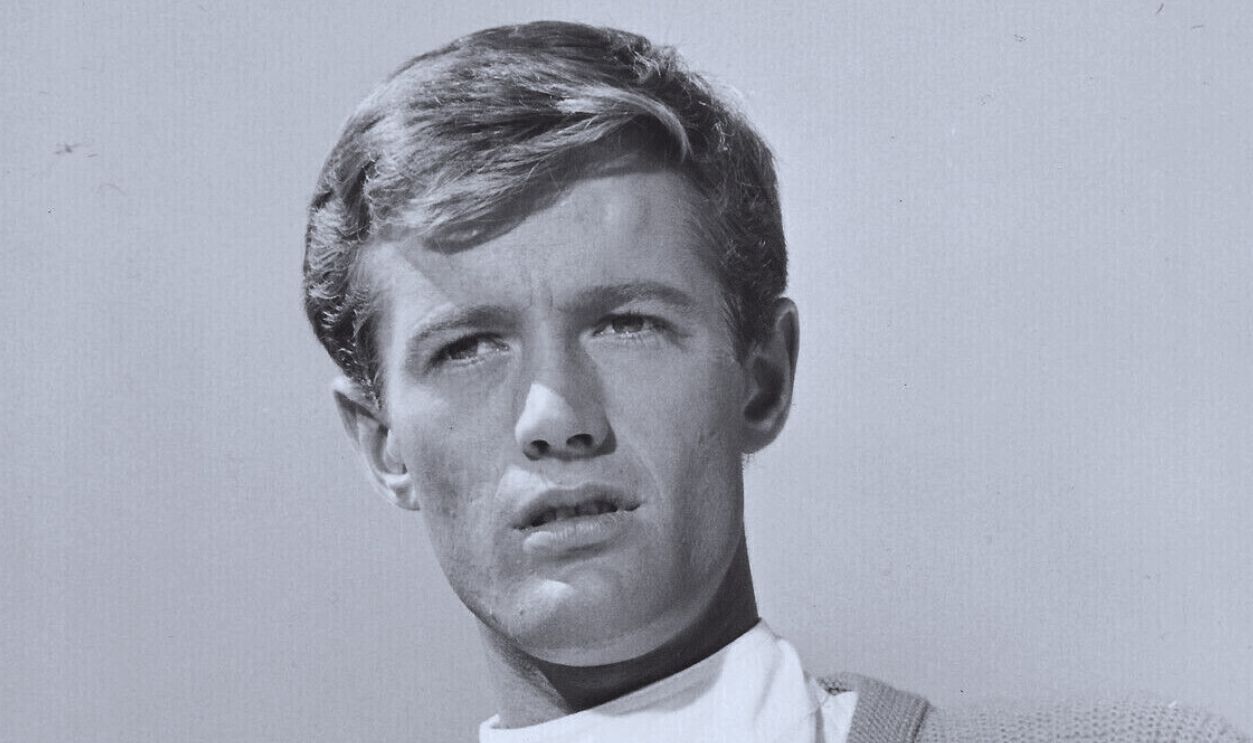
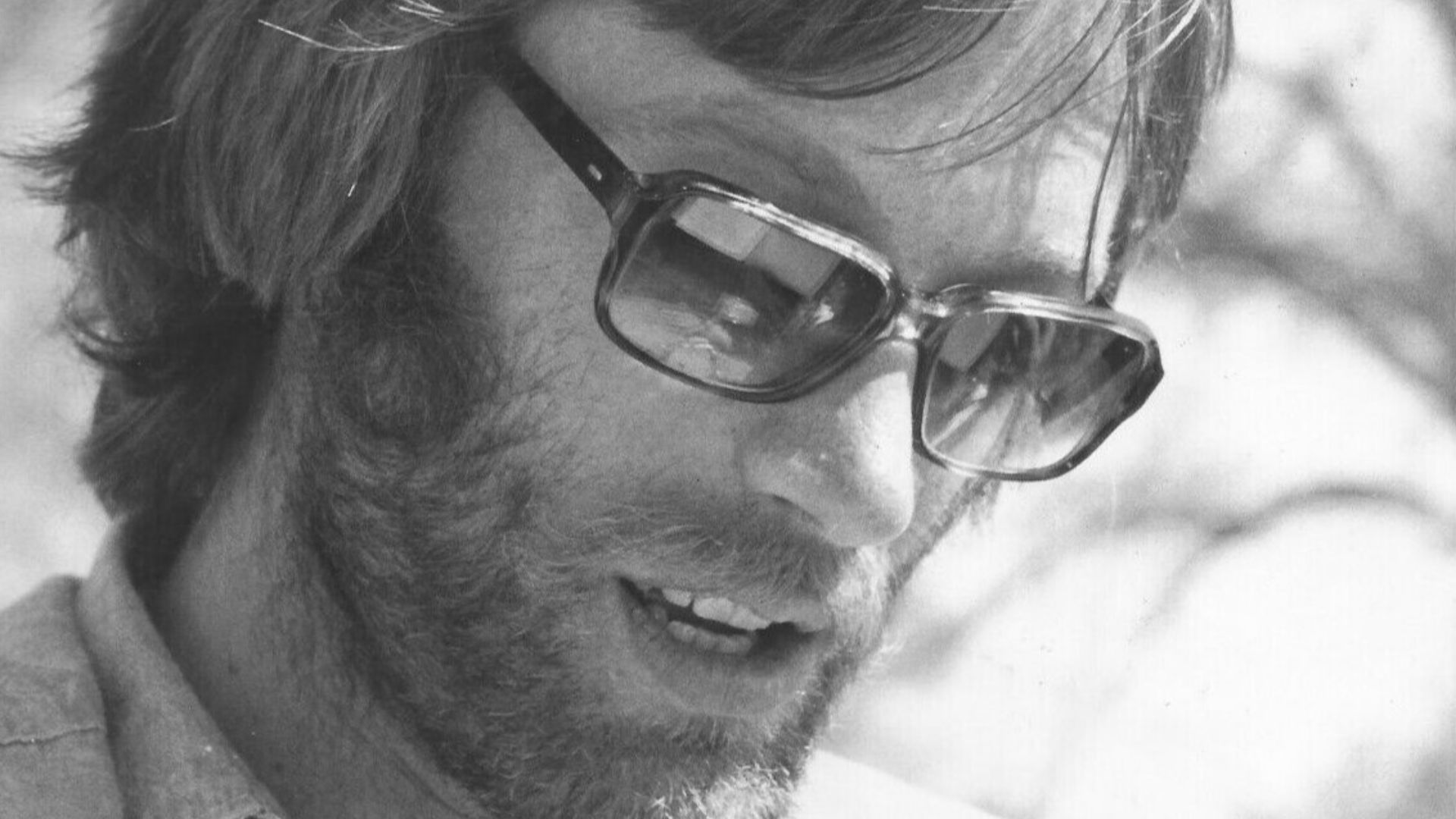
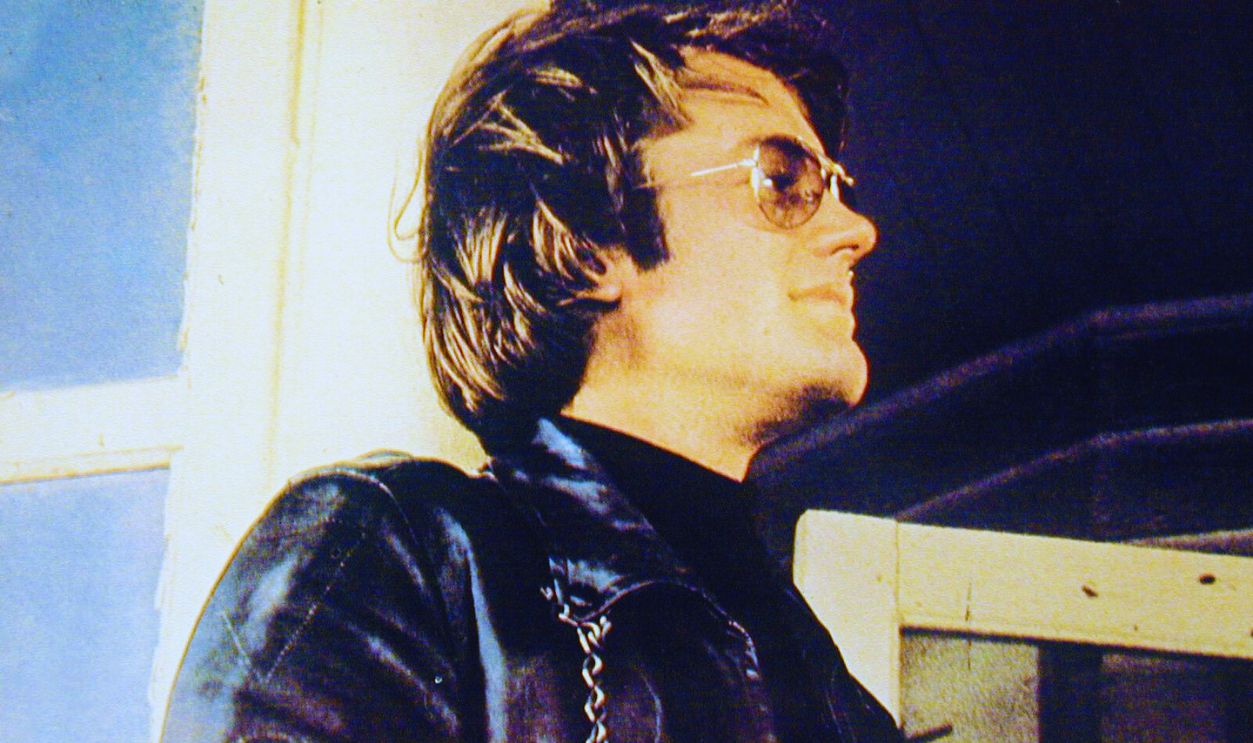
Peter Fonda Was There
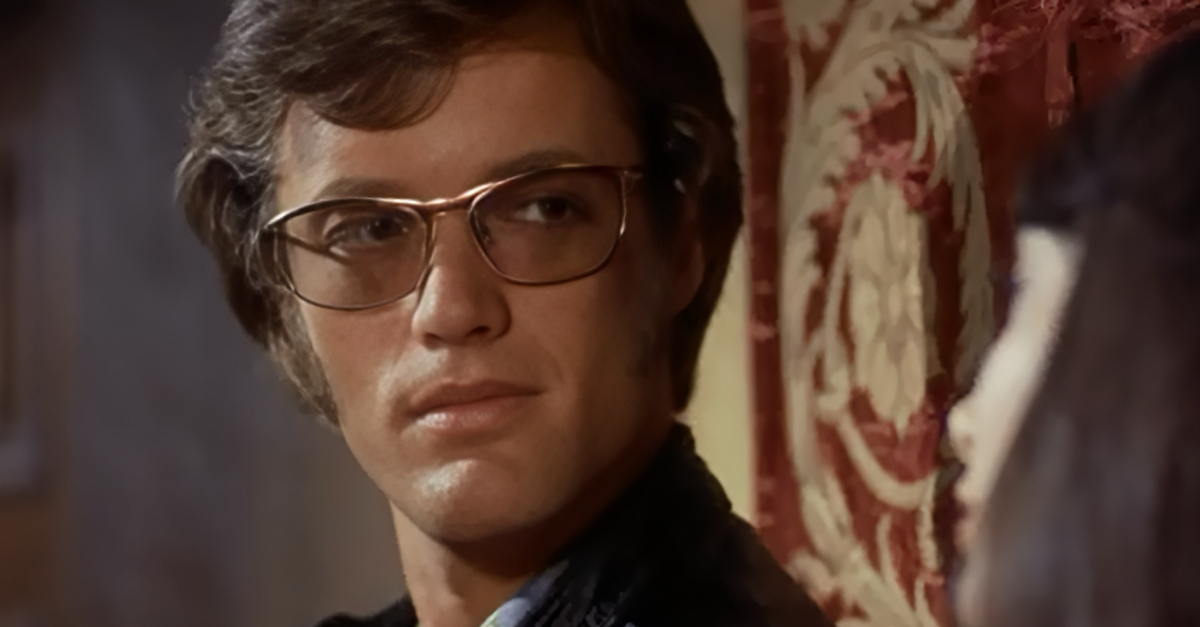
Peter Fonda wasn’t there as a celebrity guest so much as part of the scene. He had recently become part of Hollywood’s countercultural circles and crossed paths naturally with musicians passing through Los Angeles. Fonda later recalled that the group spent much of the night talking in fragments—ideas looping, thoughts repeating, and small comments taking on unexpected weight.
 not credited, Wikimedia Commons
A Line That Changed the Mood
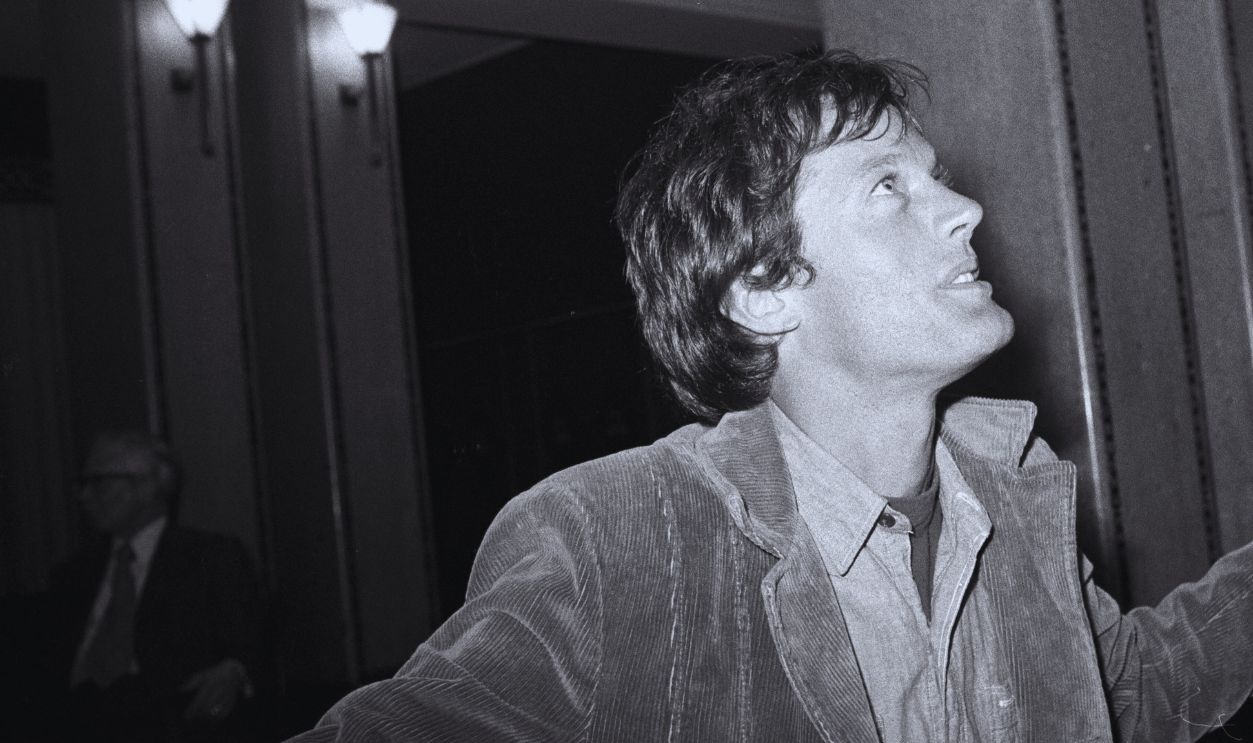
At one point, as the conversation turned abstract and inward, Fonda tried to reassure Lennon, who seemed overwhelmed. Calmly and without drama, he said, “I know what it’s like to be dead.” According to multiple accounts, the sentence landed wrong. The room fell quiet—not because of what Fonda meant, but because of how the words sounded in that moment.
 Fairchild Archive, Getty Images
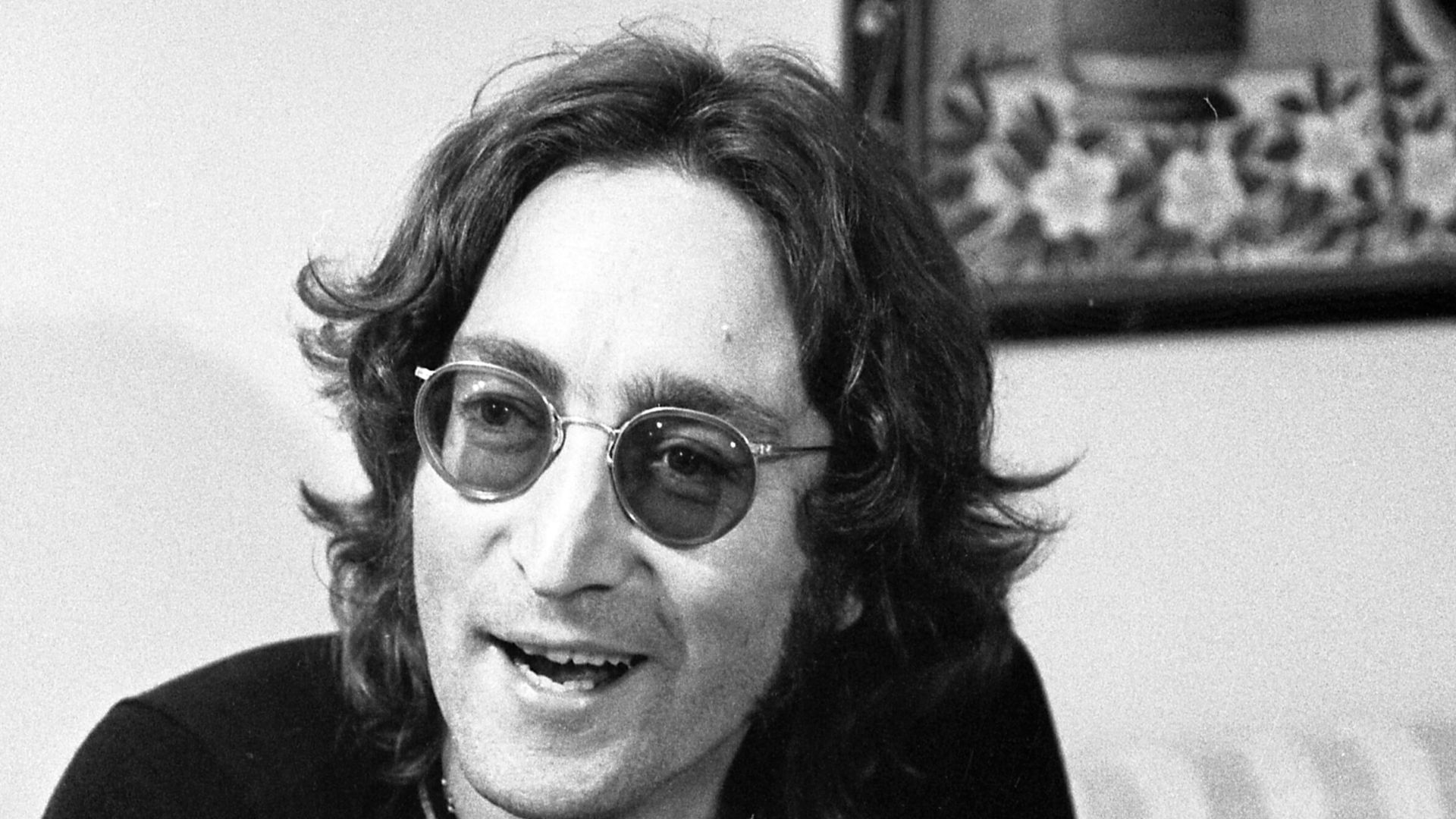
John Lennon Took It Personally
Lennon later admitted the comment disturbed him deeply. In interviews, he recalled that the words stuck with him long after the night ended. They weren’t abstract or poetic—they felt intrusive, almost invasive.
 Tony Barnard, Los Angeles Times, Wikimedia Commons
Fonda Tried to Explain
Peter Fonda later clarified that he wasn’t being metaphorical or dramatic. He was referring to a childhood medical emergency in which he had briefly been revived. To him, it was a strange but factual memory. To Lennon, it felt like a sentence that carried far more weight than its speaker intended.
Memory Has a Long Echo
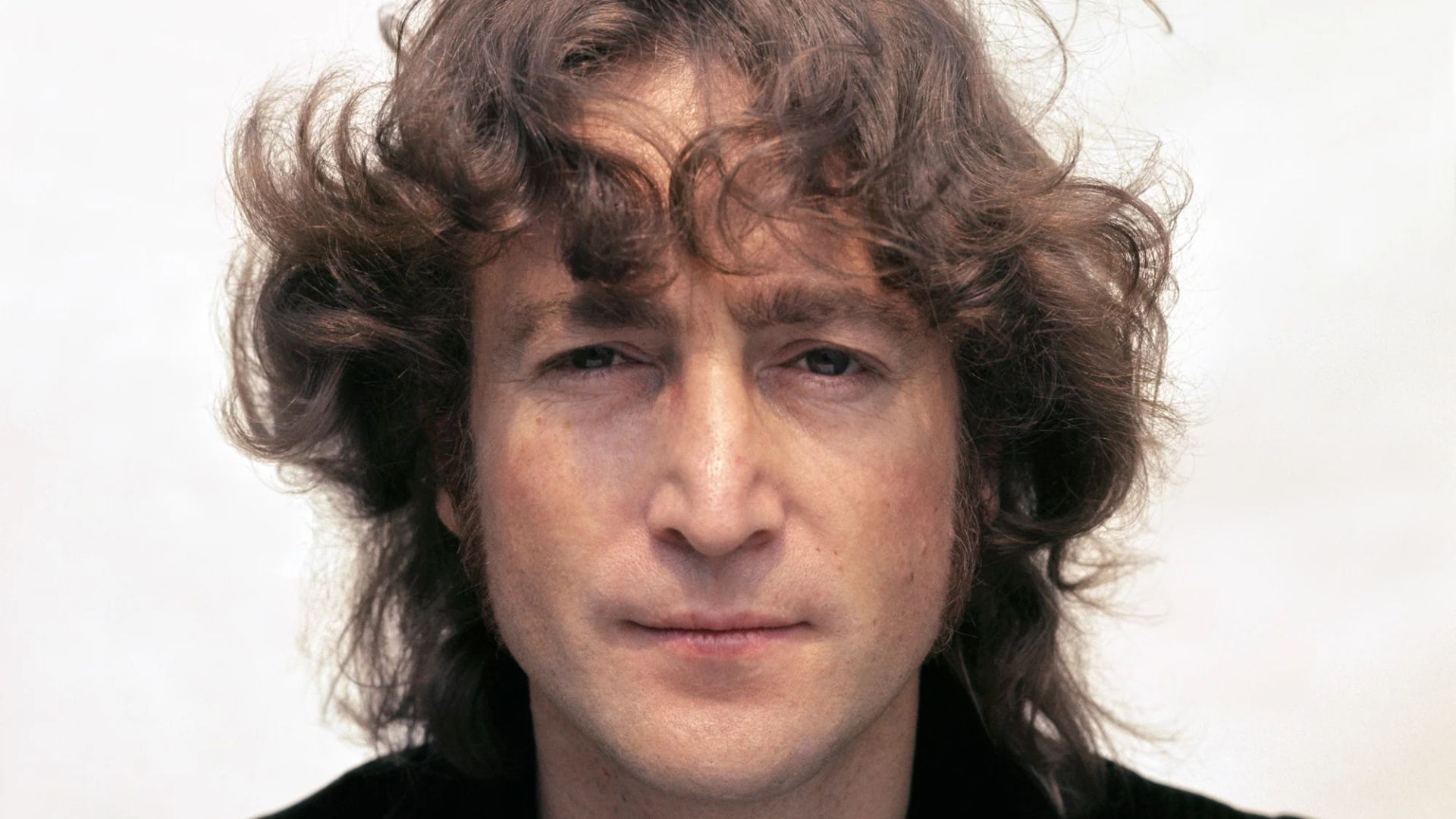
John Lennon was known for turning offhand remarks into creative fuel. In this case, the sentence replayed itself again and again. It wasn’t the story behind it that mattered—it was the way the words sounded, cold and final.
 Bob Gruen; Distributed by Capitol Records, Wikimedia Commons
From Conversation to Song
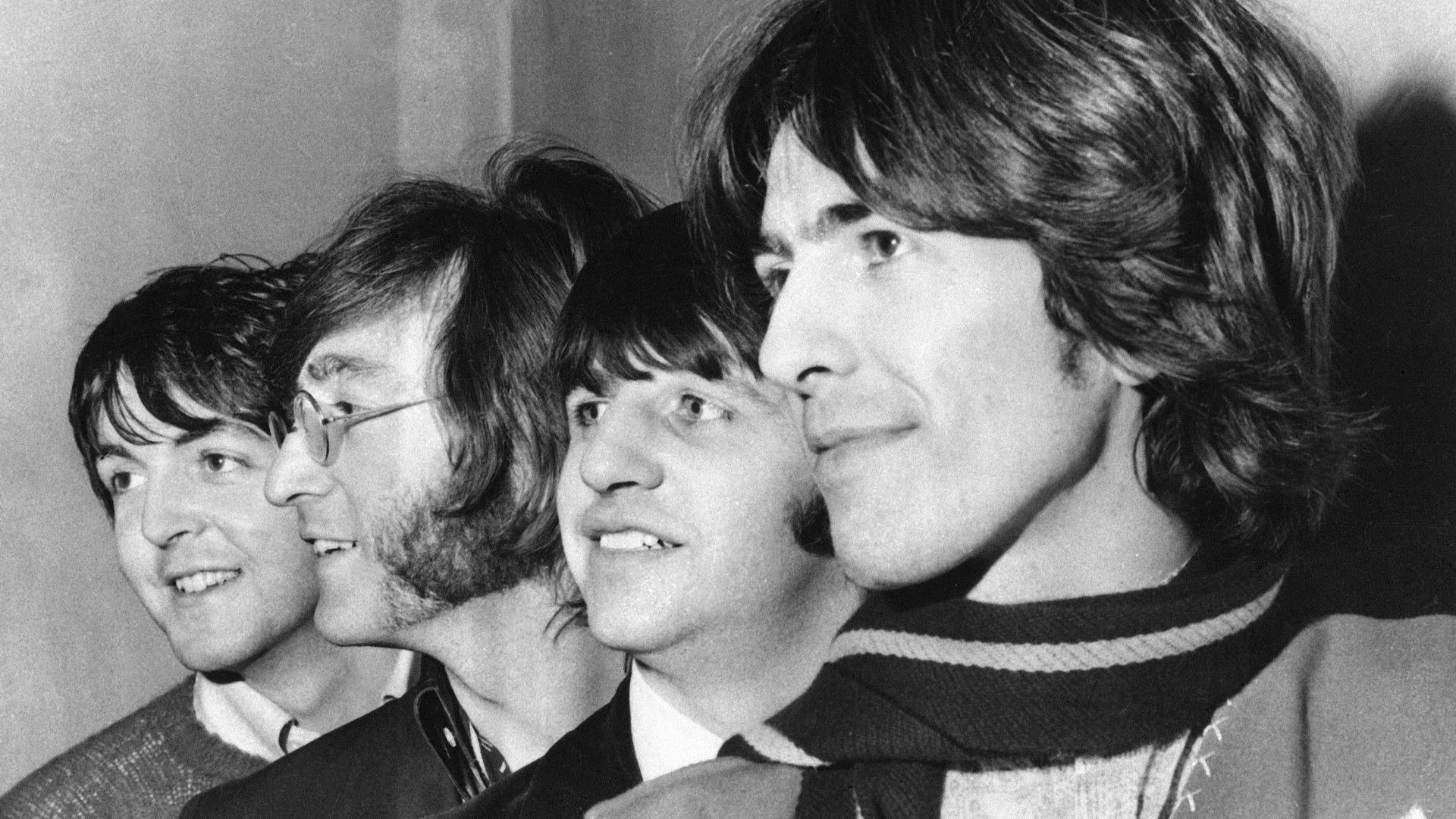
When the Beatles began working on material for Revolver, that sentence resurfaced. Lennon didn’t build a song around Peter Fonda as a person—but around the unsettling idea those words introduced.
 Associated Press, Wikimedia Commons
“She Said She Said” Takes Shape
The song She Said She Said emerged as one of the album’s most disorienting tracks. Its circular lyrics, fractured dialogue, and uneasy tone reflected the emotional residue of that night rather than a literal retelling.
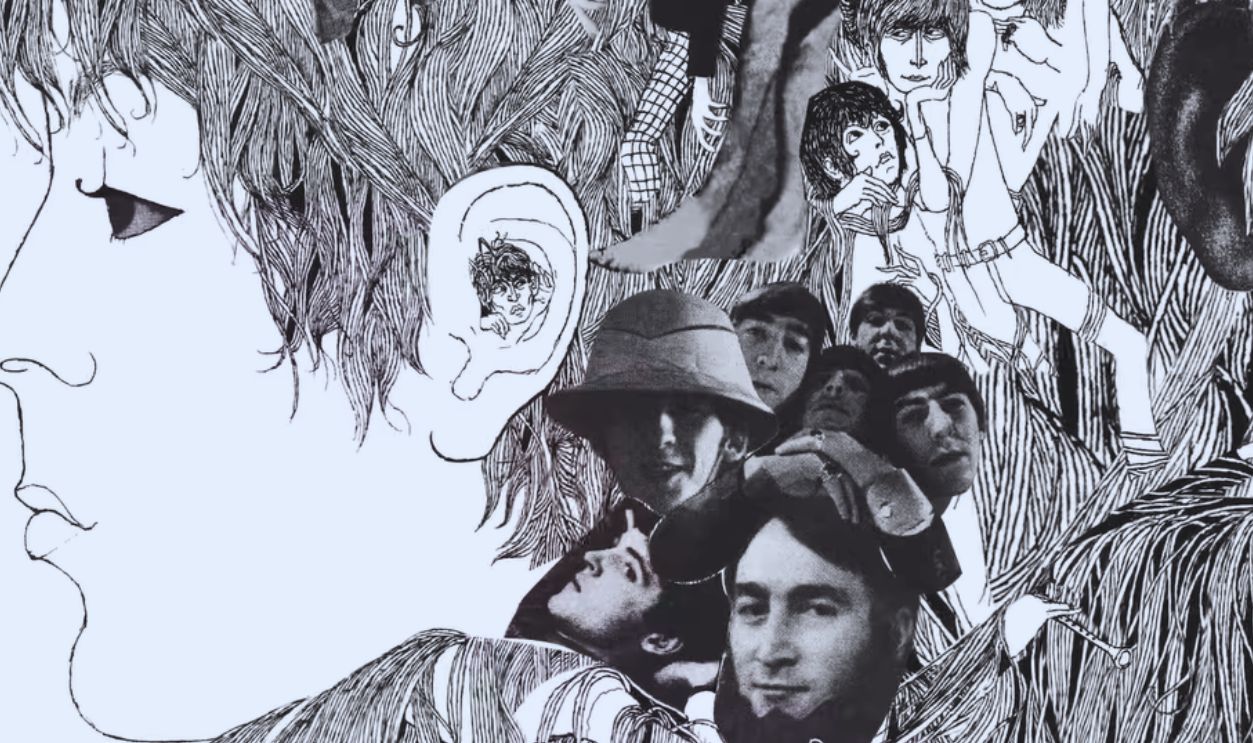 Screenshot from She Said She Said, The Beatles (1966)
The Quote Made It In
“I know what it’s like to be dead” appears almost unchanged in the song. Lennon later confirmed it was lifted directly from what Fonda had said, preserving the chill that first rattled him.
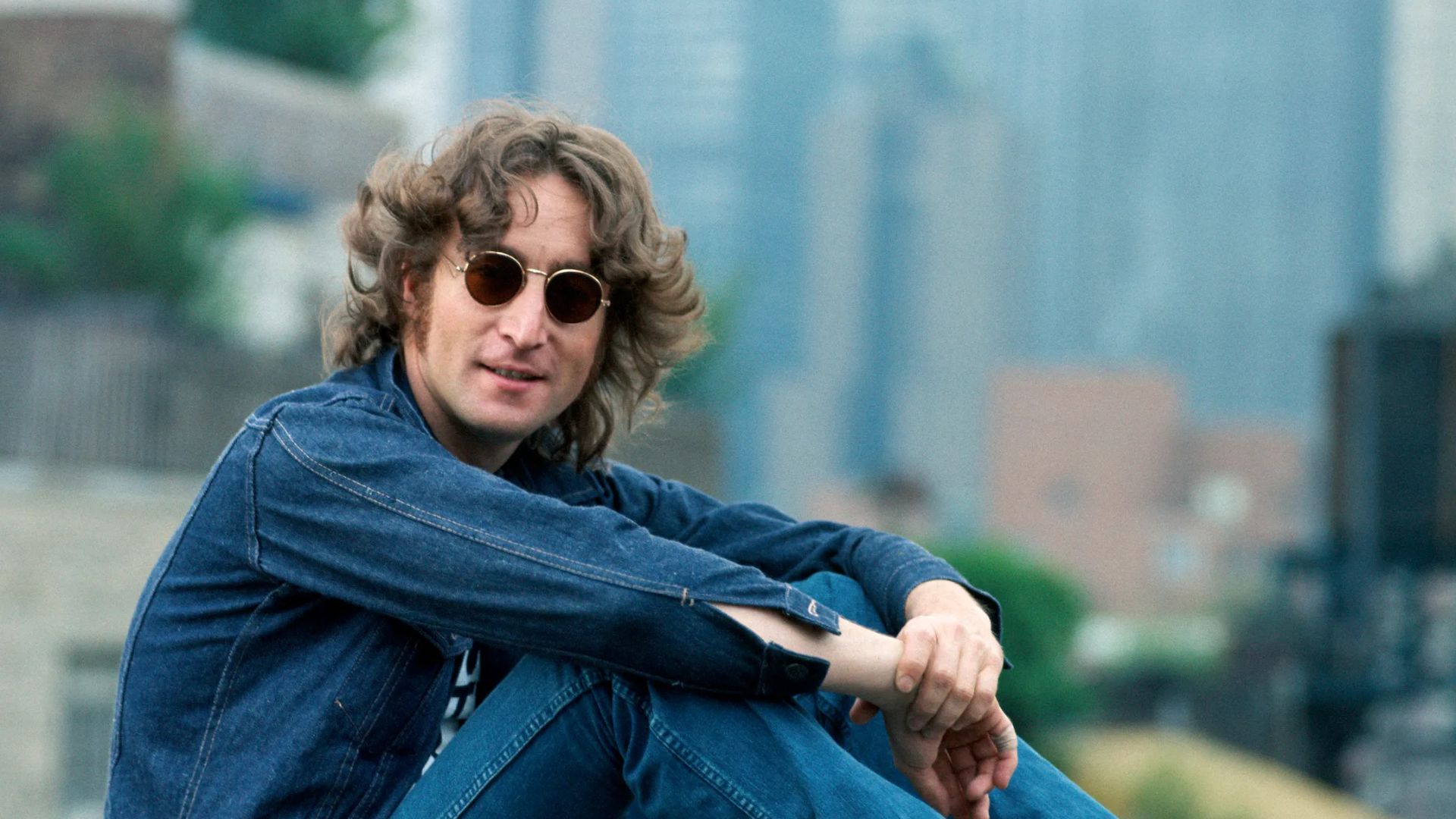 Bob Gruen; Distributed by Capitol Records, Wikimedia Commons
George Harrison Confirmed the Story
George Harrison backed up the origin years later, saying the song came directly from that California gathering. He remembered the moment clearly—and how quickly the atmosphere shifted after the remark.
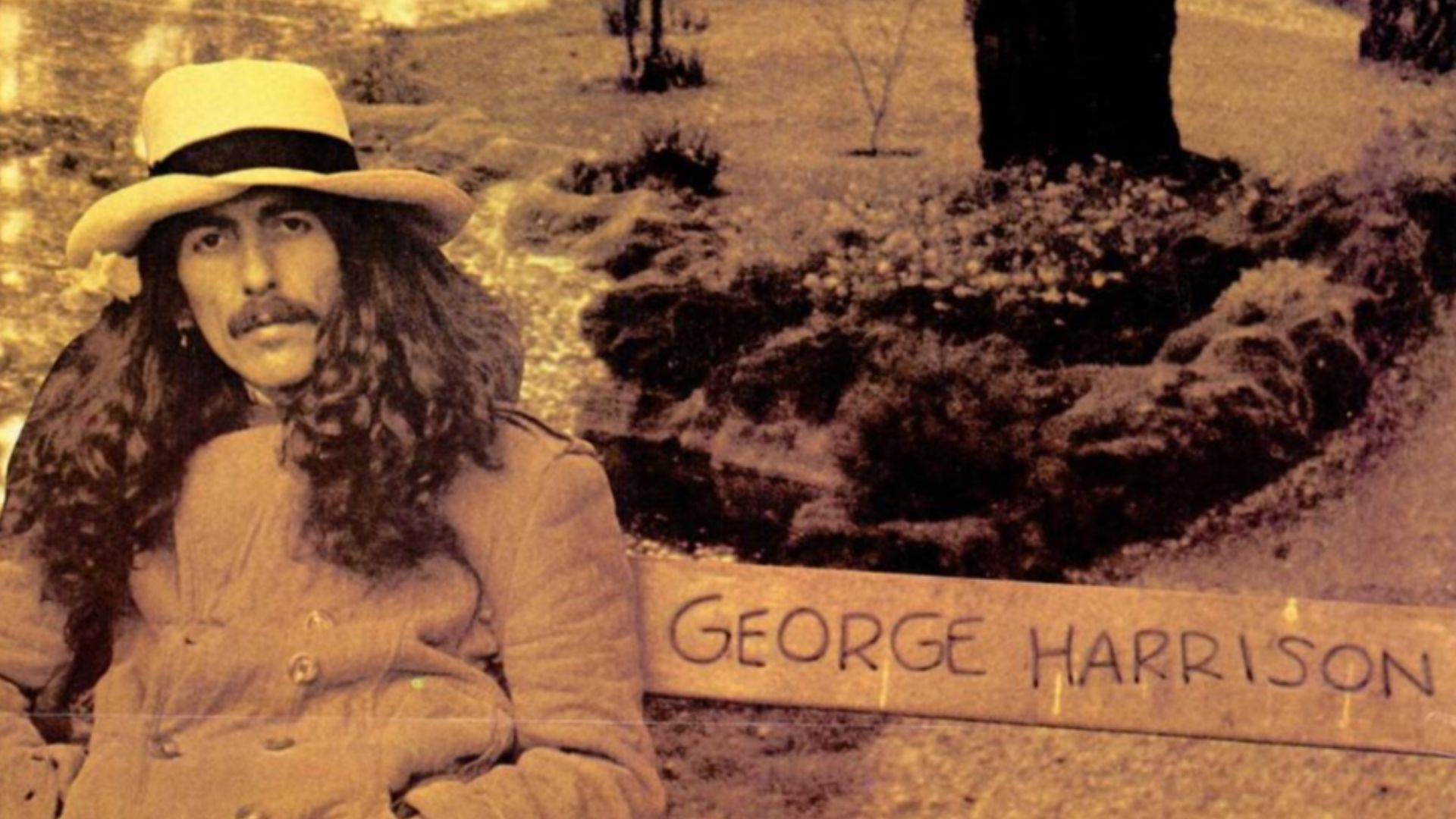 Apple Records, Wikimedia Commons
Paul McCartney Wasn’t There for the Finish
Paul McCartney later said he wasn’t heavily involved in the final recording of the track. Tensions were high, and the song’s creation reflected a band beginning to splinter creatively.
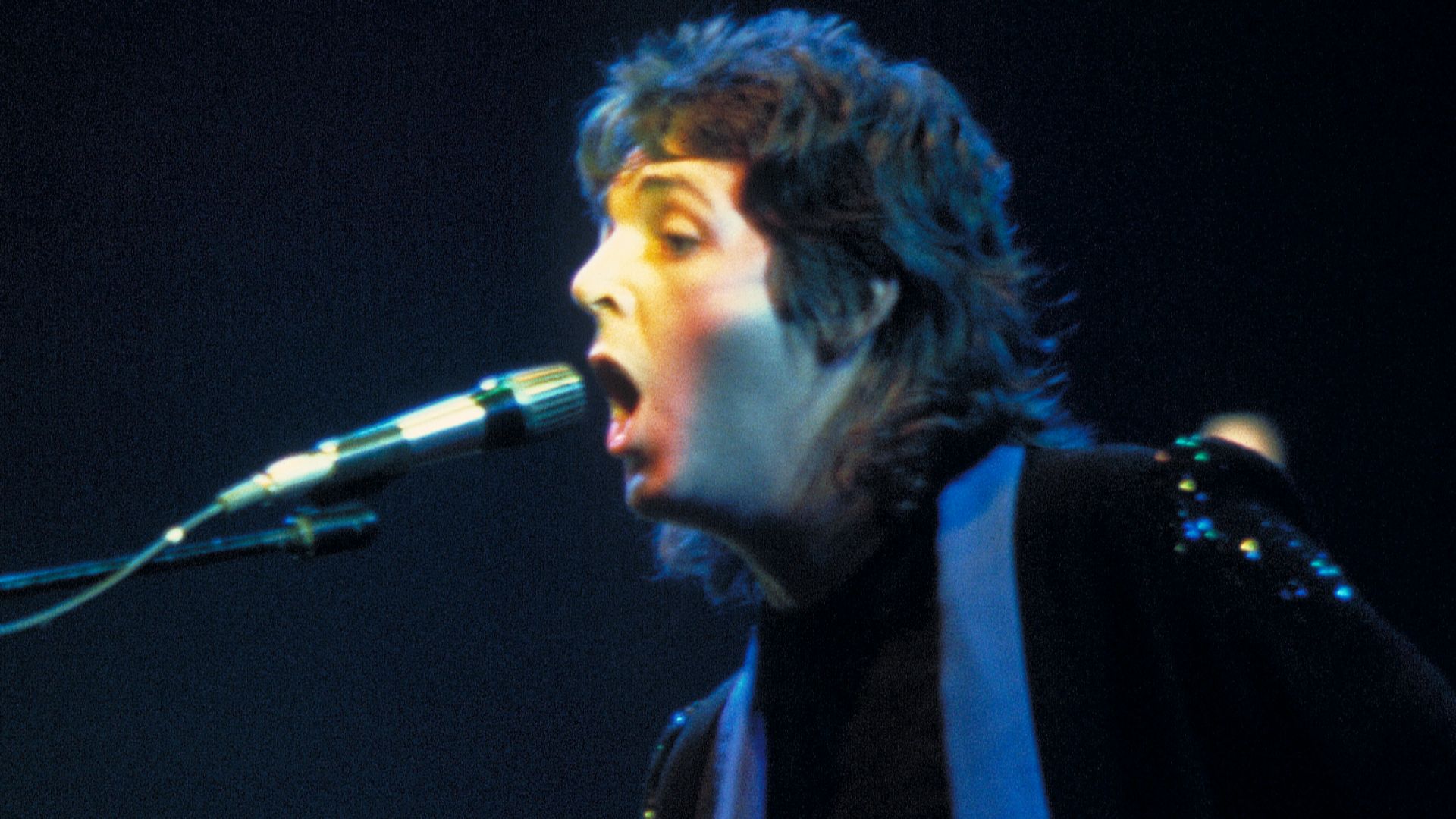 Cropped version by Mr. Frank; original photograph by Jim Summaria., Wikimedia Commons
A Song That Feels Unfinished—On Purpose
She Said She Said ends abruptly, without resolution. Many fans and critics believe that’s part of its power. The song doesn’t comfort or explain—it leaves listeners suspended, mirroring the unresolved feeling that lingered long after the original conversation ended.
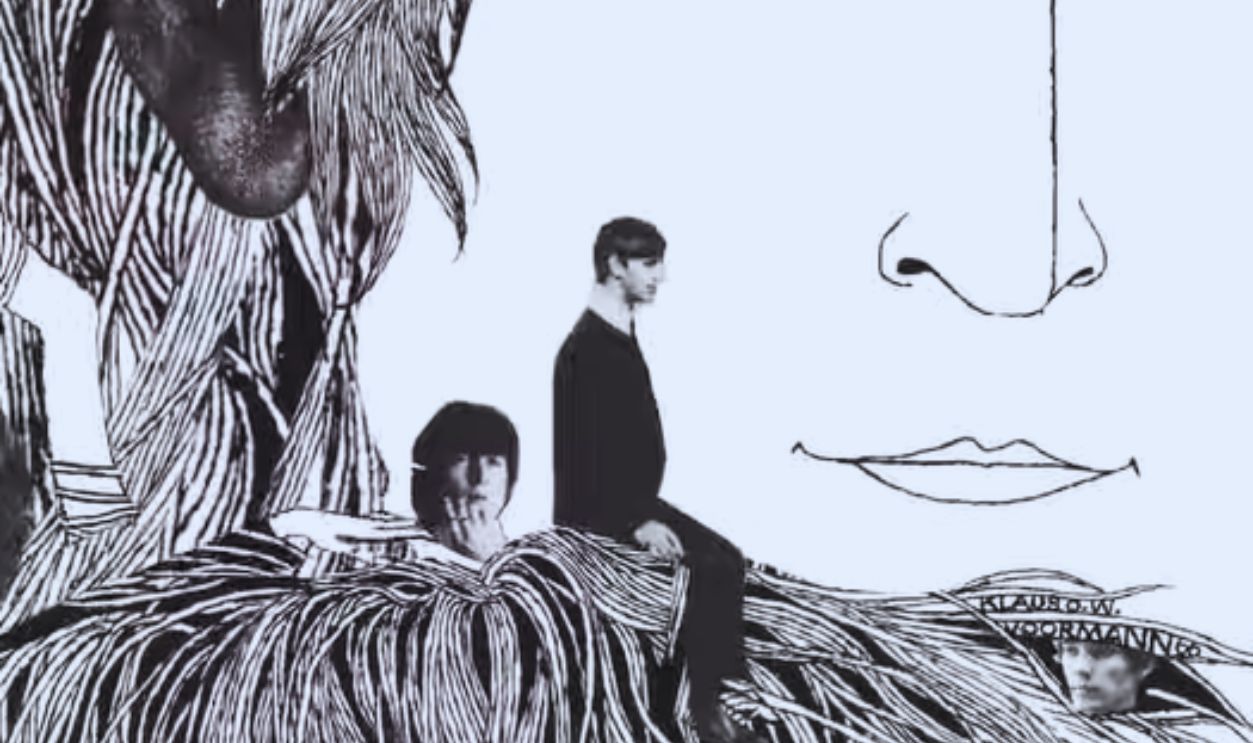 Screenshot from She Said She Said, The Beatles (1966)
Lennon and the Weight of the Line
Lennon later described how Fonda kept returning to the same sentence—“I know what it’s like to be dead”—repeating it more than once during the night. What may have been intended as reassurance instead began to feel intrusive, making the words impossible to ignore or shake afterward.
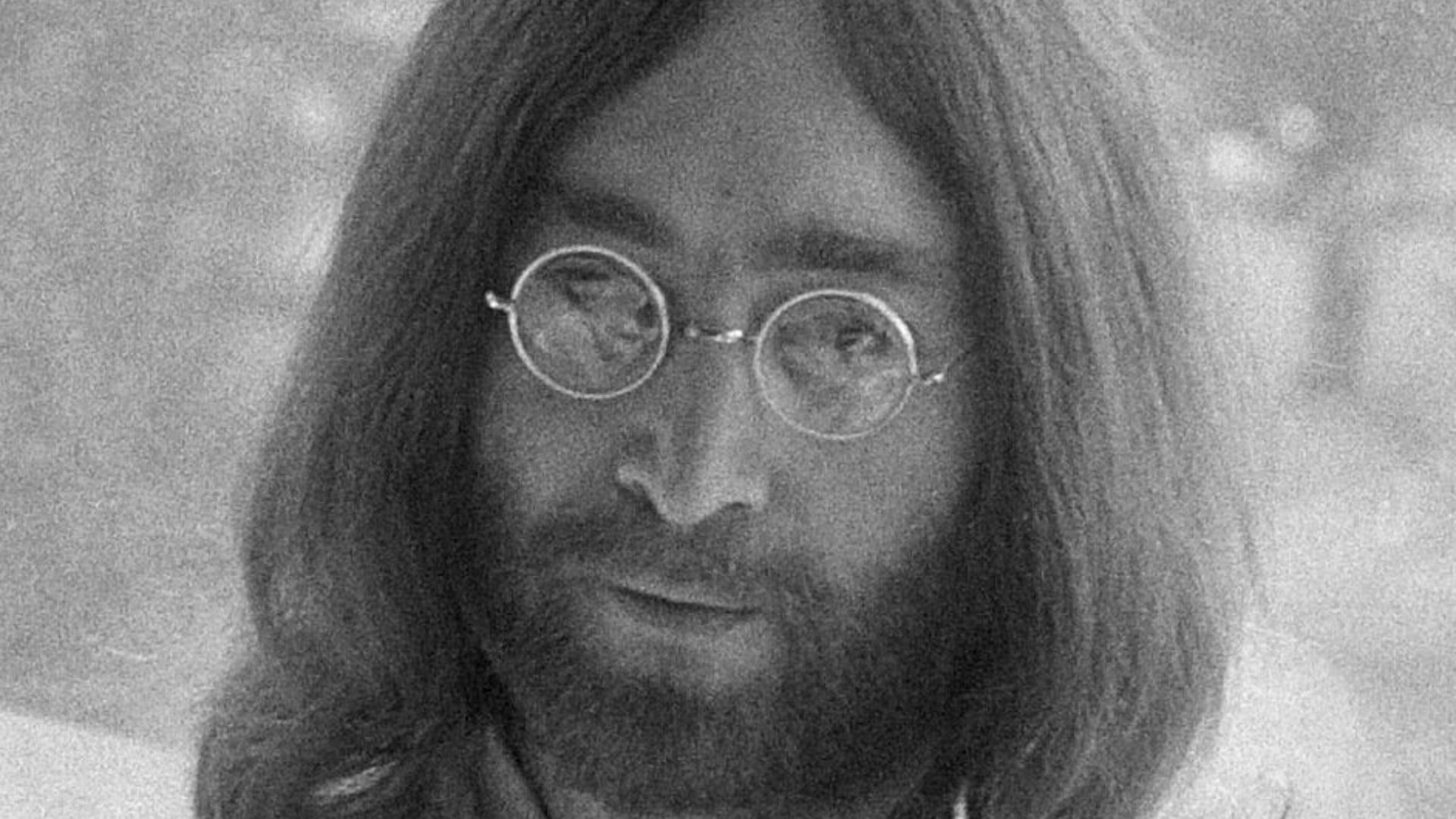 Eric Koch for Anefo, Wikimedia Commons
Fonda Heard the Song Later
Peter Fonda eventually learned his comment had inspired the track. He expressed surprise rather than pride, noting that he never intended to unsettle anyone. What felt casual to him had taken on a far heavier meaning once transformed into music.
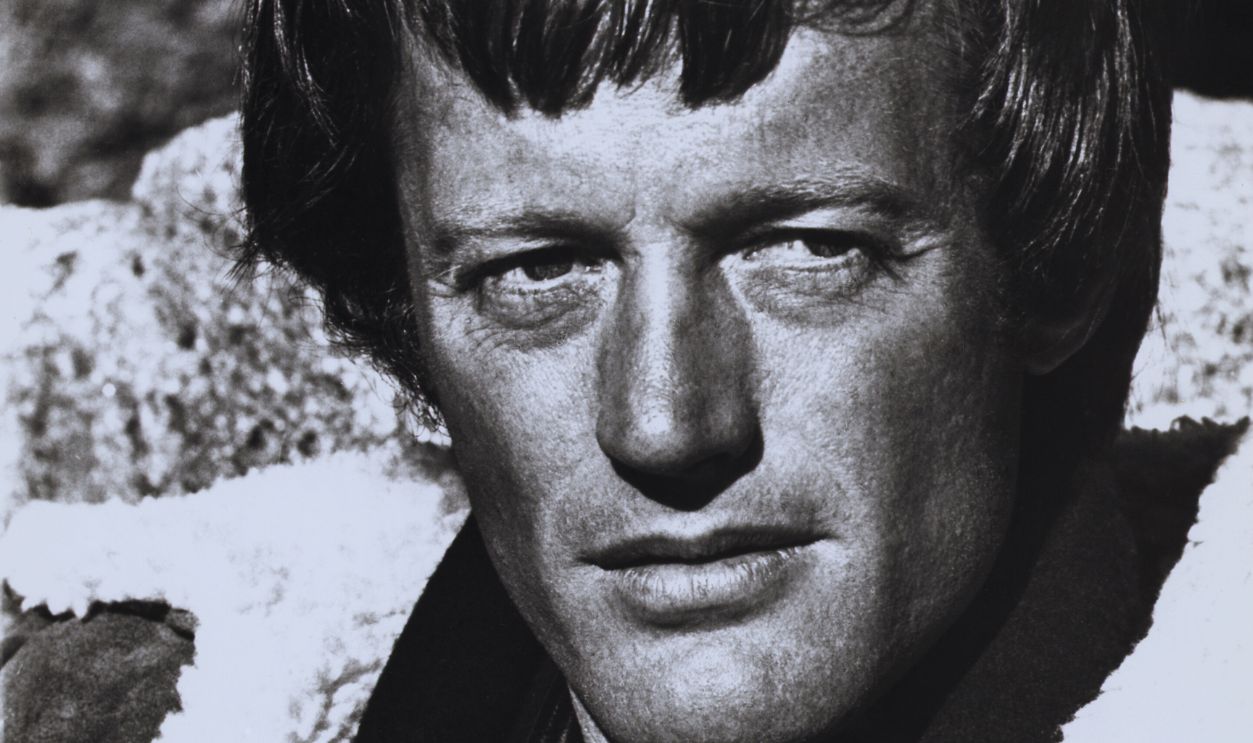
Not the Beatles’ Only Dark Origin
The Beatles often drew from real conversations, arguments, and uncomfortable moments. But this was different. The source wasn’t conflict or rivalry—it was an unguarded sentence that introduced a stark, existential idea no one in the room was prepared for.
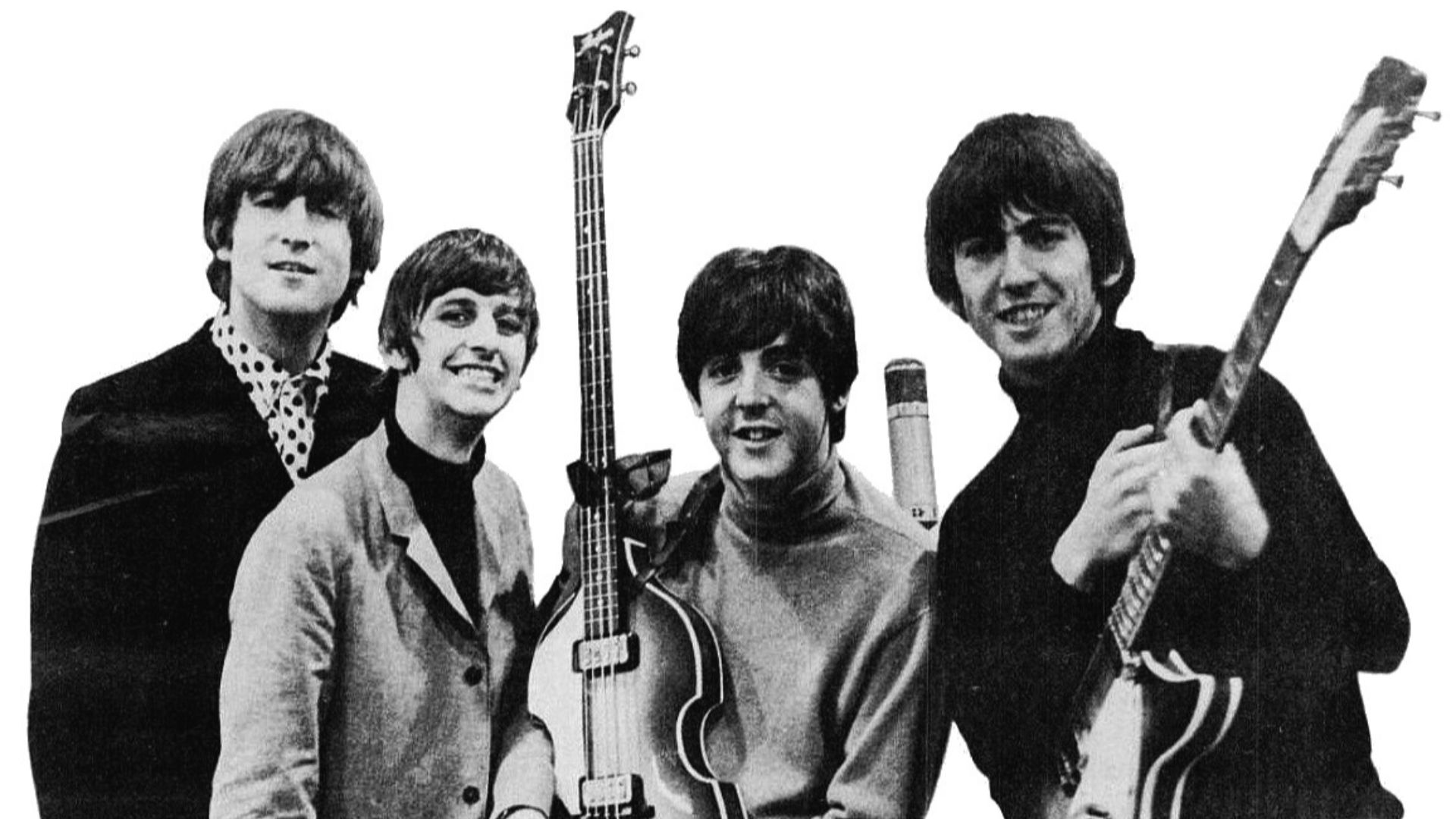
Why the Song Still Feels Different
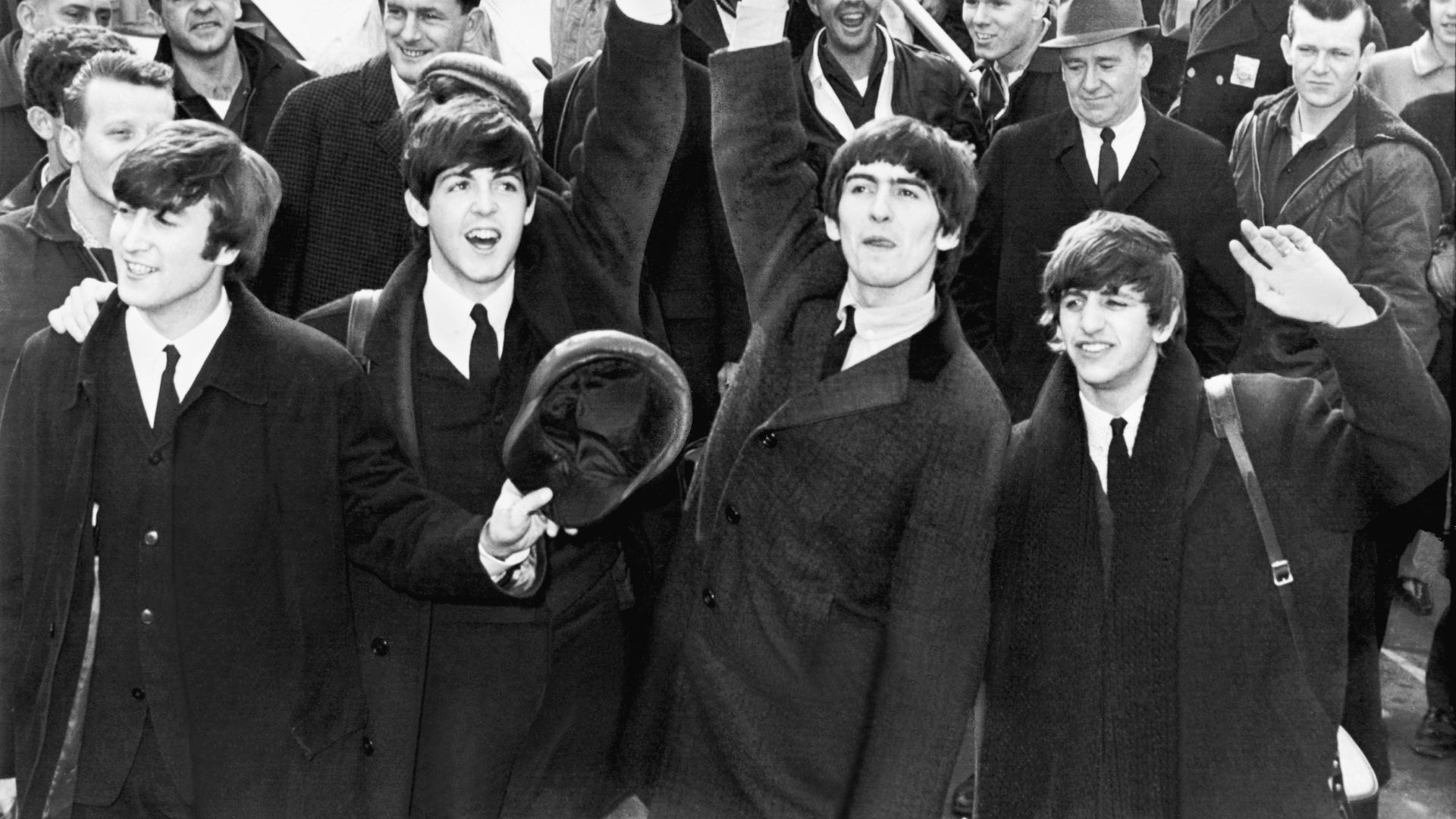
Even among the Beatles’ more experimental work, She Said She Said stands apart. It doesn’t guide the listener or offer clarity. Instead, it recreates a feeling—disorientation, intrusion, and unease—that never fully resolves.
 United Press International, photographer unknown, Wikimedia Commons
Fans Still Debate Its Meaning
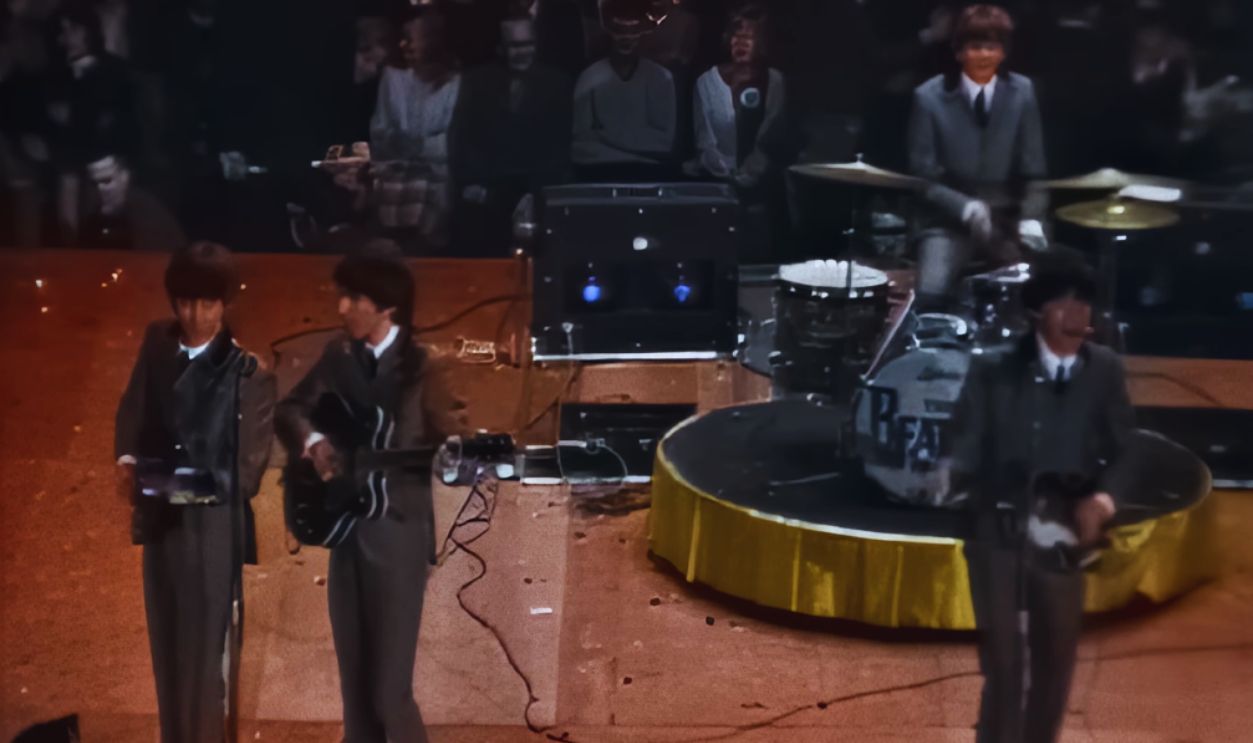
Listeners have spent decades dissecting the lyrics, searching for hidden symbolism or coded messages. Yet most historians agree the song’s power lies in its simplicity: it captures the emotional impact of hearing something that can’t be unheard.
 Screenshot from The Beatles – All My Loving (Live at the Washington Coliseum), The Beatles (1964)
A Moment That Outgrew Its Speaker
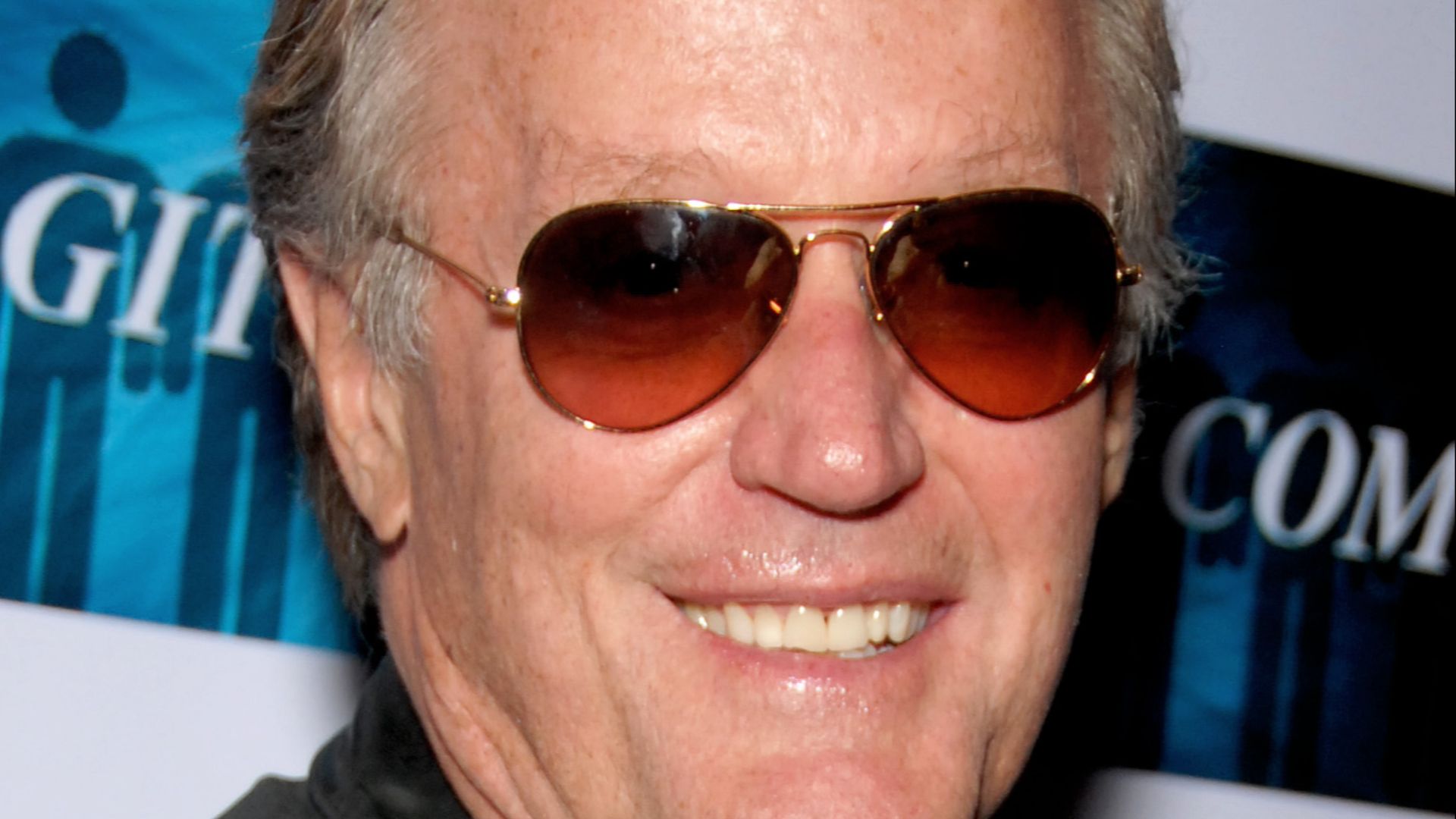
Peter Fonda moved on from the moment, but John Lennon did not. The sentence became embedded in a Beatles recording, separating itself from its speaker and evolving into a lasting piece of cultural history.
 No machine-readable author provided. Toglenn assumed (based on copyright claims)., Wikimedia Commons
When Reality Slips Into Art
Great songs don’t always begin with intention or planning. Sometimes they emerge from ordinary moments—words spoken without warning that find the right mind at the wrong time, then linger until they demand expression.

A Sentence That Outlived the Night
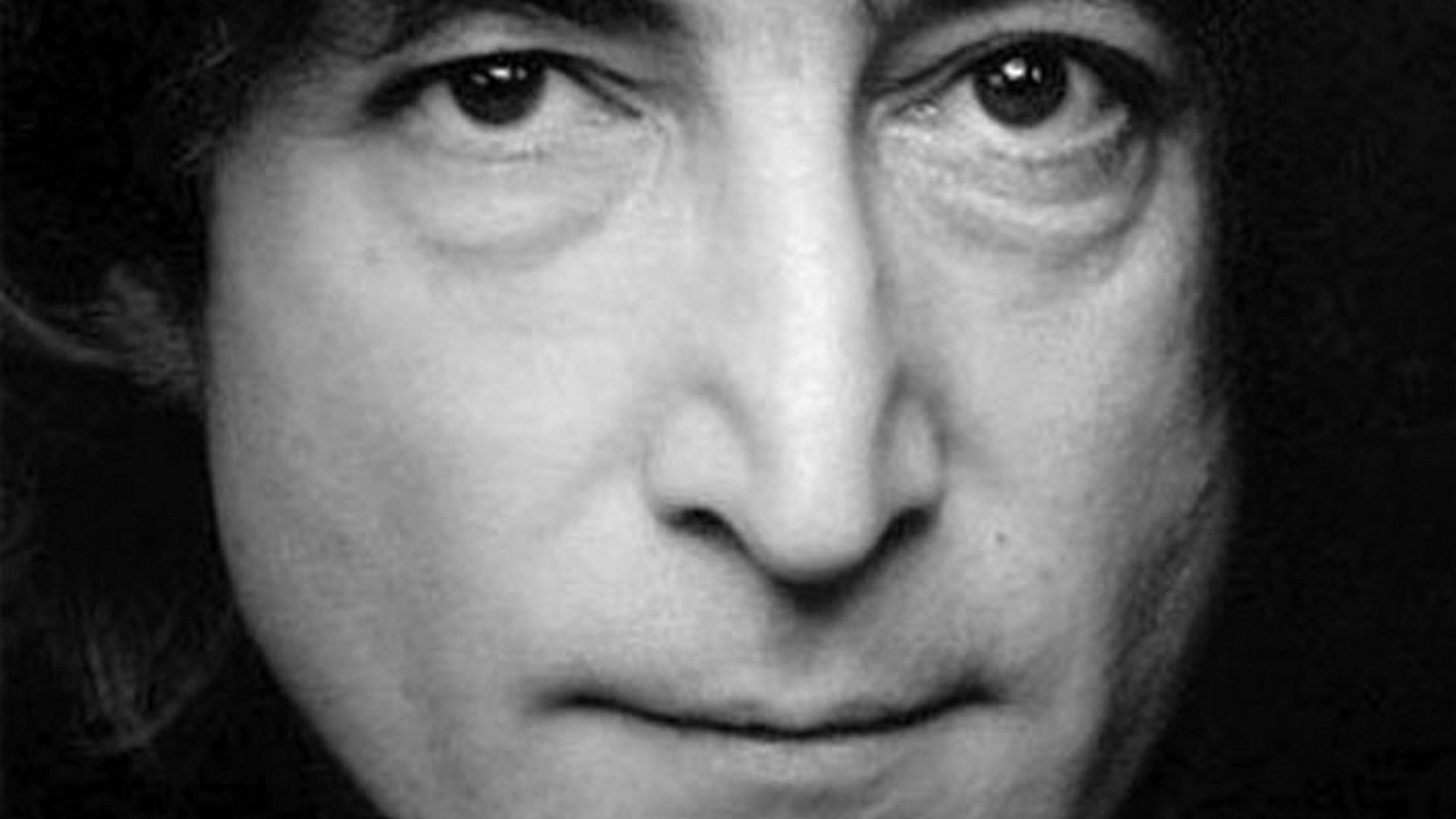
“I know what it’s like to be dead” was never meant to echo beyond that room. Instead, it became inseparable from one of the Beatles’ most haunting songs—proof that a single sentence can outlive everyone who heard it.
 Jack Mitchell, Wikimedia Commons
You Might Also Like:
The Beatles Didn’t Break Up Because of Yoko Ono—They Broke Up Because of These Songs