Everyone Knows the Story—Or Thinks They Do
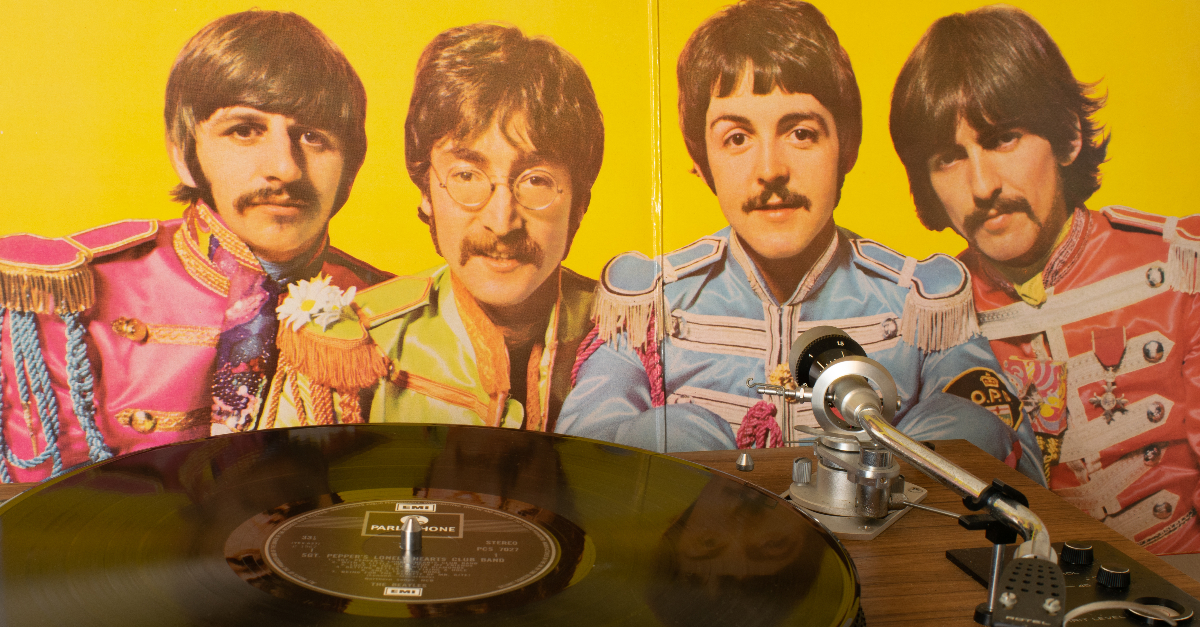
Ask why The Beatles broke up and you’ll usually hear the same answer, delivered confidently: Yoko Ono. It’s neat, simple, and wrong. The real reason is messier—and it was hiding in plain sight, pressed into vinyl.
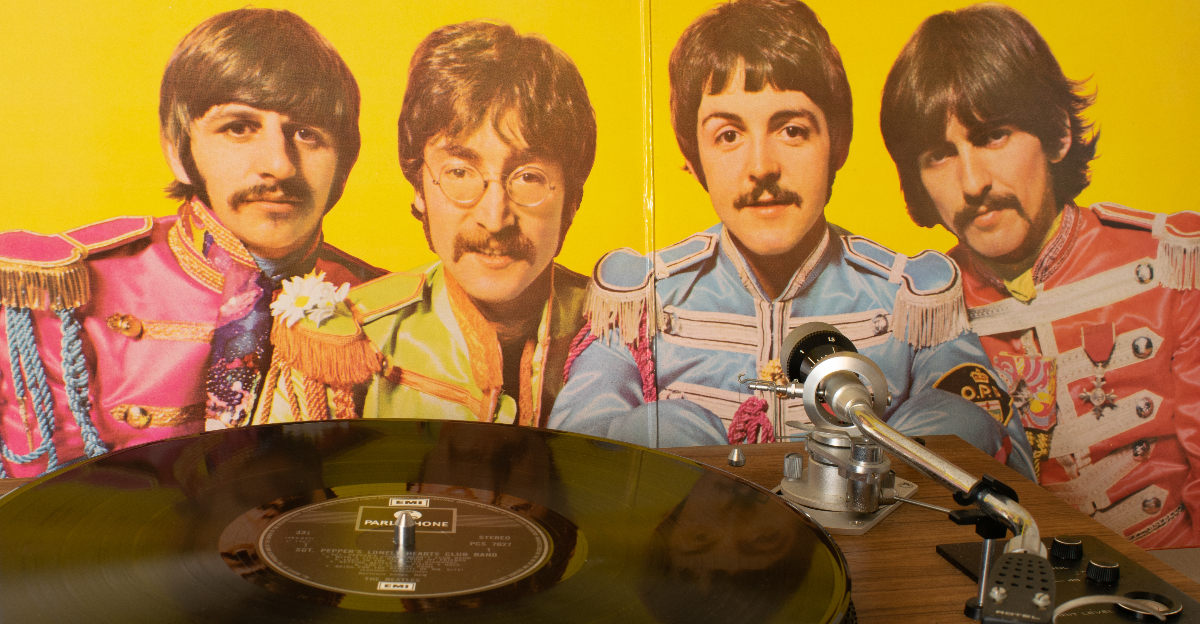
The Breakup Didn’t Happen All at Once
There was no single blowup, no dramatic walkout that ended everything. The band slowly stopped functioning the way it always had. By the late 60s, they were still recording—but not really together in the way that mattered.
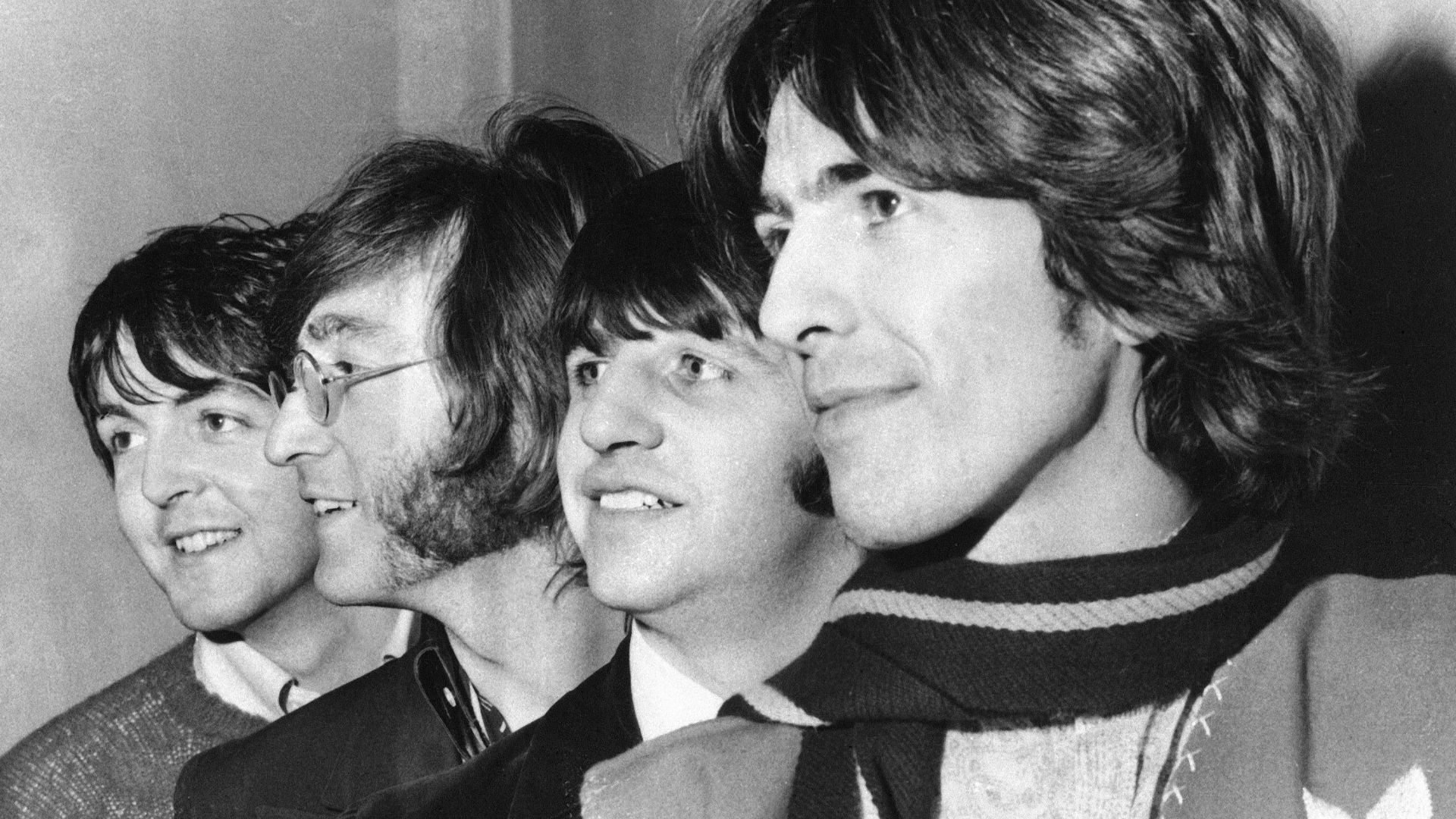 Associated Press, Wikimedia Commons
The Studio Became a Fault Line
Recording sessions stretched longer. Arguments became more personal. Decisions that once took minutes now took hours—or never got resolved. What changed wasn’t the people in the room. It was what they were bringing in with them.
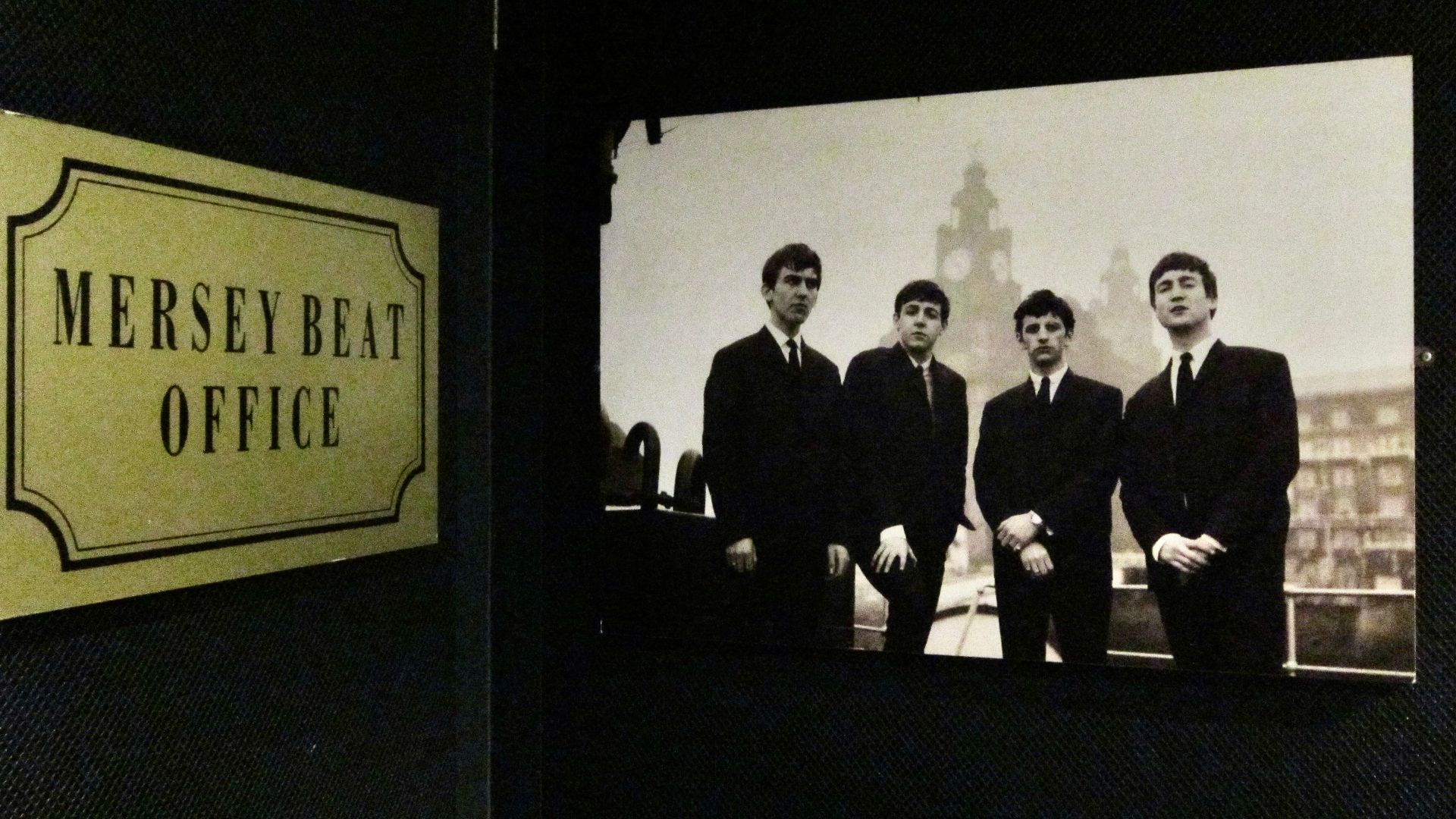
Songs Stopped Being Shared
Early Beatles songs were built together—lyrics tweaked, melodies reshaped, ideas challenged. Later songs arrived nearly finished, protected, and personal. John Lennon later summed it up bluntly: “After the White Album, I knew the band was finished… we were just backing musicians for each other.”
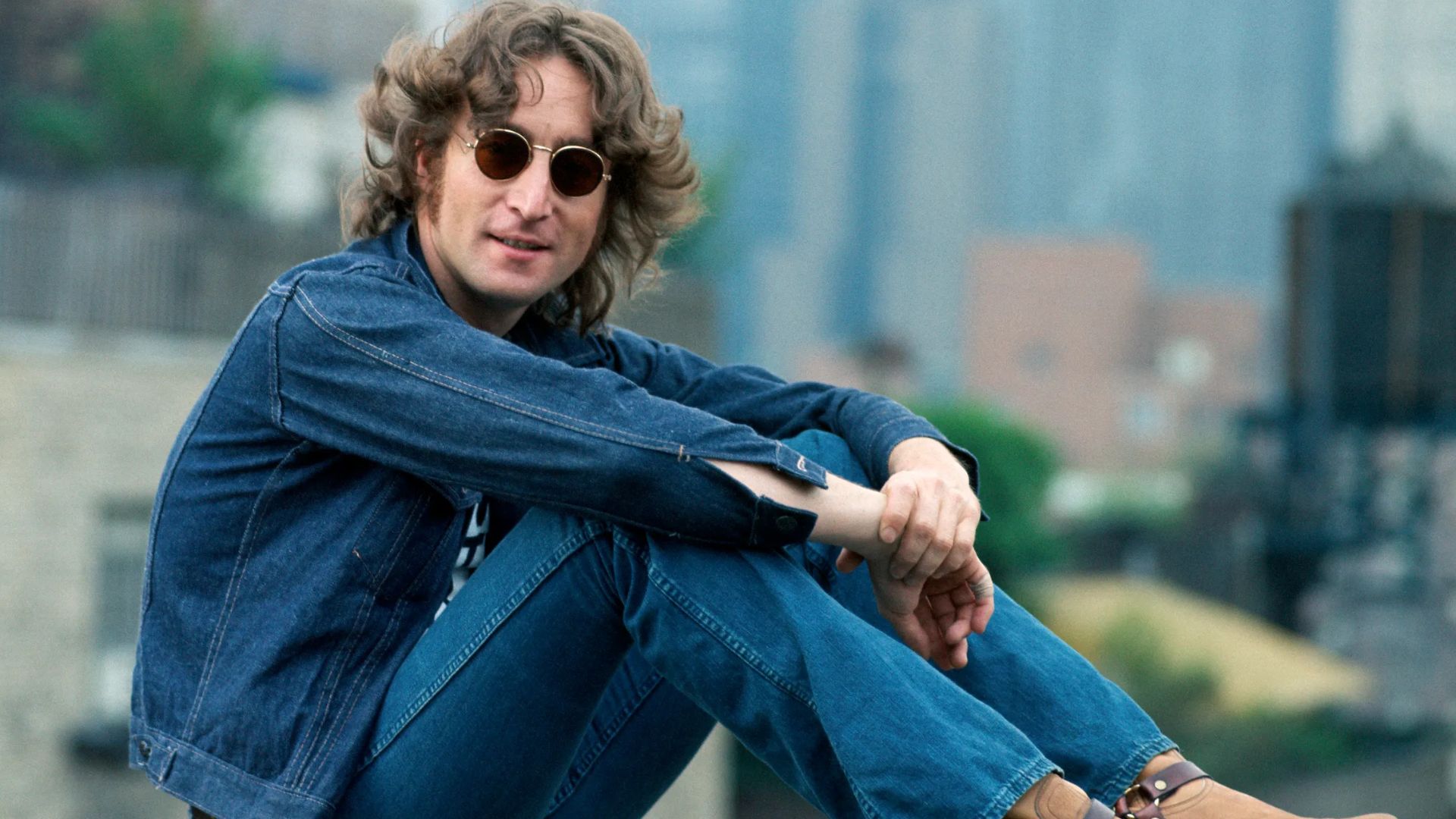 Bob Gruen; Distributed by Capitol Records, Wikimedia Commons
“Yesterday”
Paul McCartney later said he wrote Yesterday completely on his own and worried the other Beatles wouldn’t believe him. “I thought someone might have written it before,” he recalled. Released years before the breakup, the song didn’t cause tension—but it quietly proved a Beatle could create a defining hit without the band. The song’s success established a new creative reality.
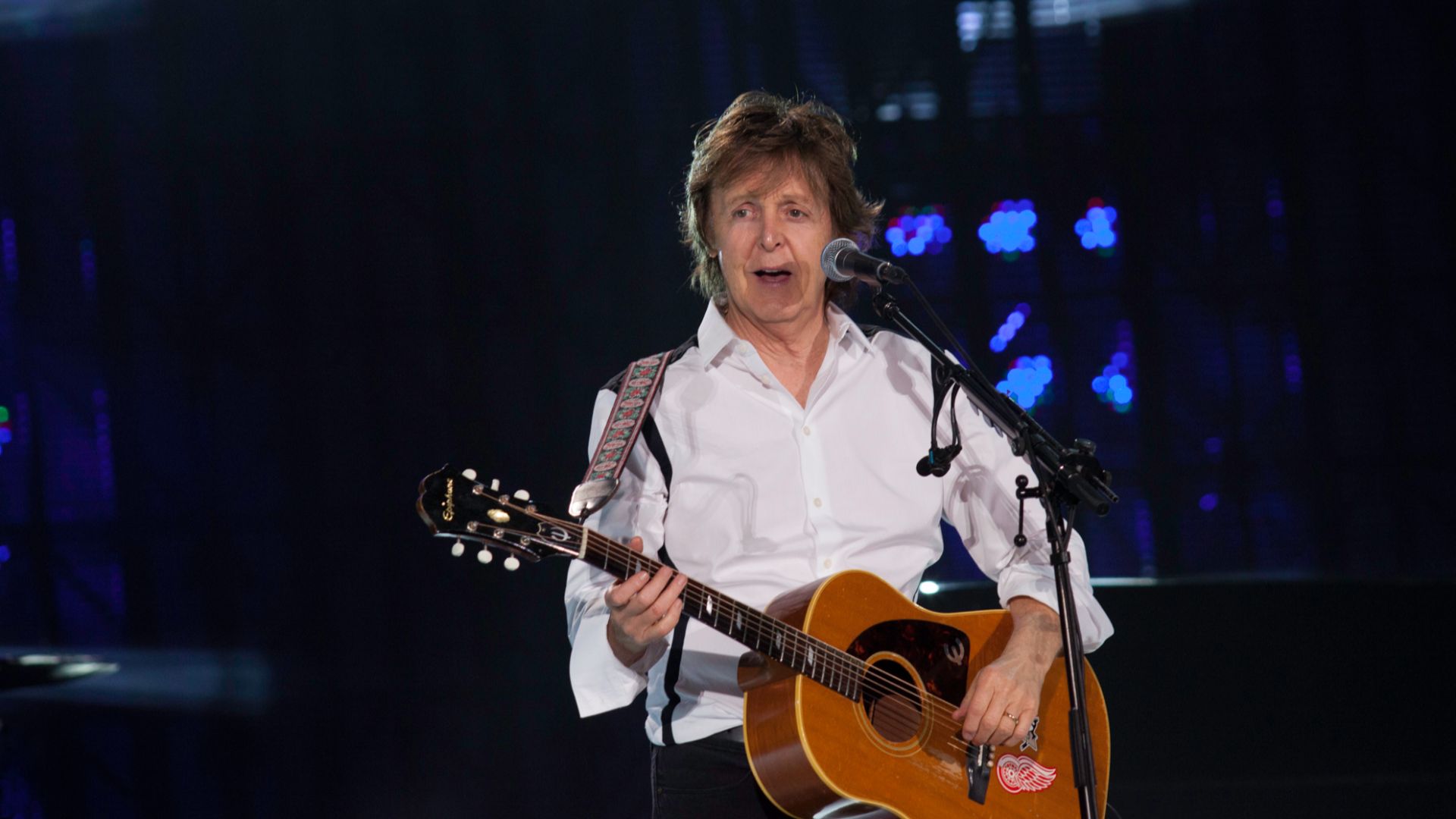 Jimmy Baikovicius from Montevideo, Uruguay, Wikimedia Commons
“Strawberry Fields Forever”
John Lennon called this song “one of my best,” but he was unhappy with how it turned out. Producer George Martin famously merged two different takes because Lennon couldn’t decide which direction he wanted. This came before open conflict—but marked a clear shift toward inward, individual songwriting that would later define the breakup years.

“Penny Lane”
Released as a double A-side with Strawberry Fields Forever, this song highlighted a widening split. McCartney later described it as deeply personal. While still functioning as a band publicly, the contrast between the two songs revealed how differently Lennon and McCartney were now thinking creatively.
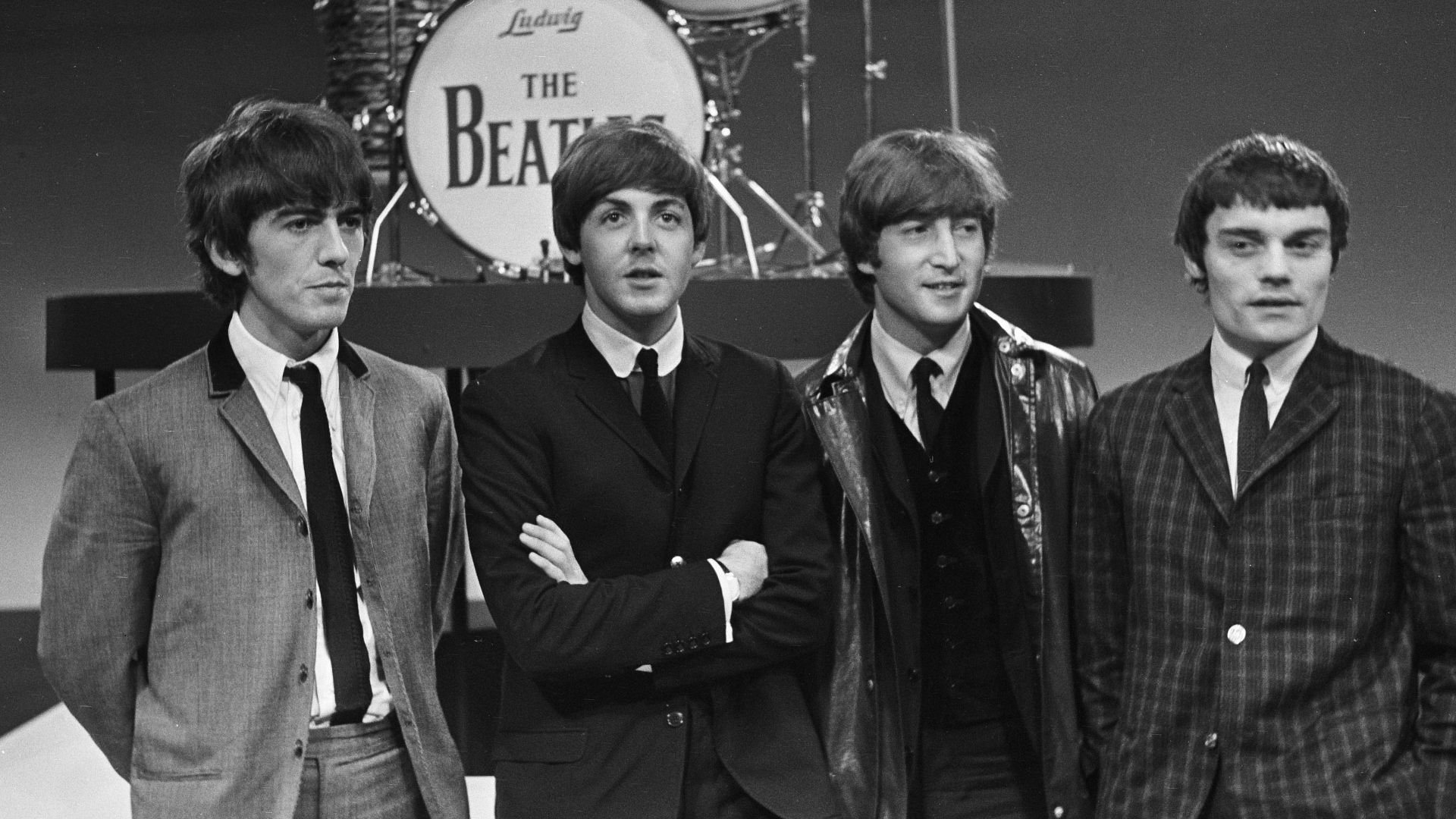 Eric Koch for Anefo, CC0, Wikimedia Commons
“A Day in the Life”
Often cited as collaboration, the song was largely division of labor. Lennon wrote the verses. McCartney wrote the middle section. George Martin confirmed they worked separately and assembled the track later. It was a high point—but also one of the last times their fractured process produced something unified.
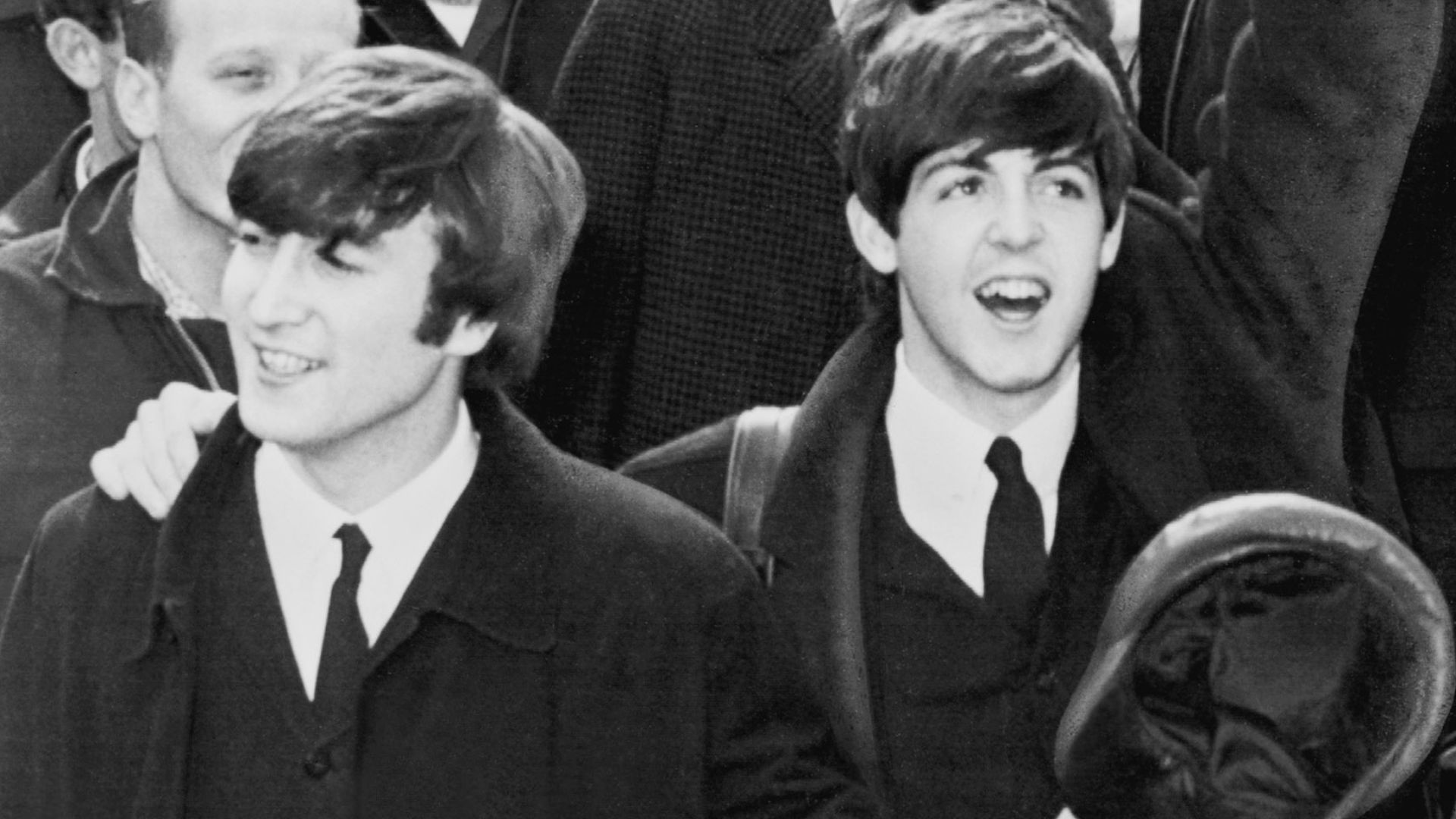 United Press International, photographer unknown, Wikimedia Commons
“All You Need Is Love”
Written by Lennon for a global broadcast, the song was intentionally simple. Lennon later dismissed much of his late-Beatles idealism, calling some of it naive. The song predates the collapse, but it highlighted the growing split between Lennon’s messaging and McCartney’s control over execution.
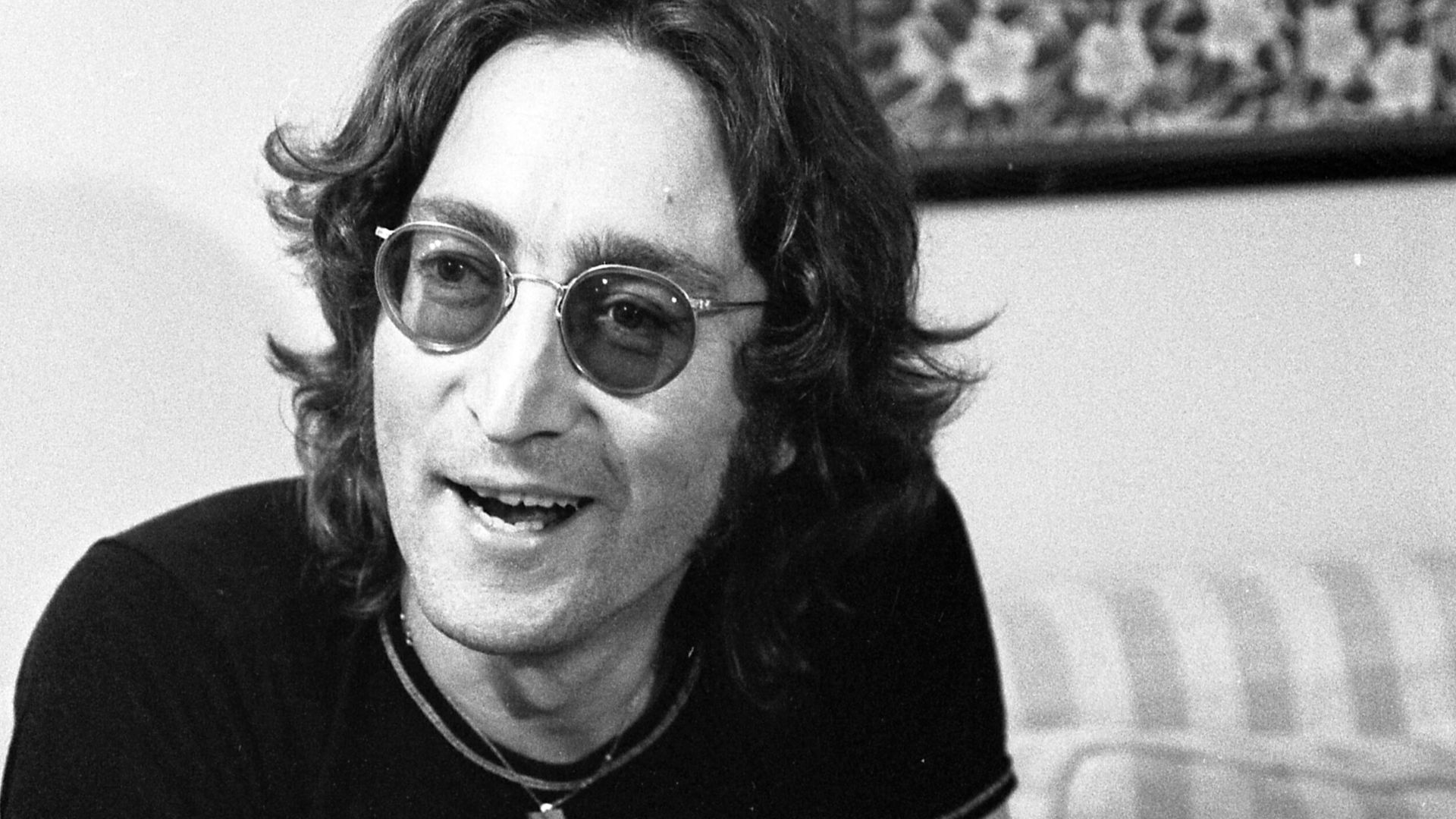 Tony Barnard, Los Angeles Times, Wikimedia Commons
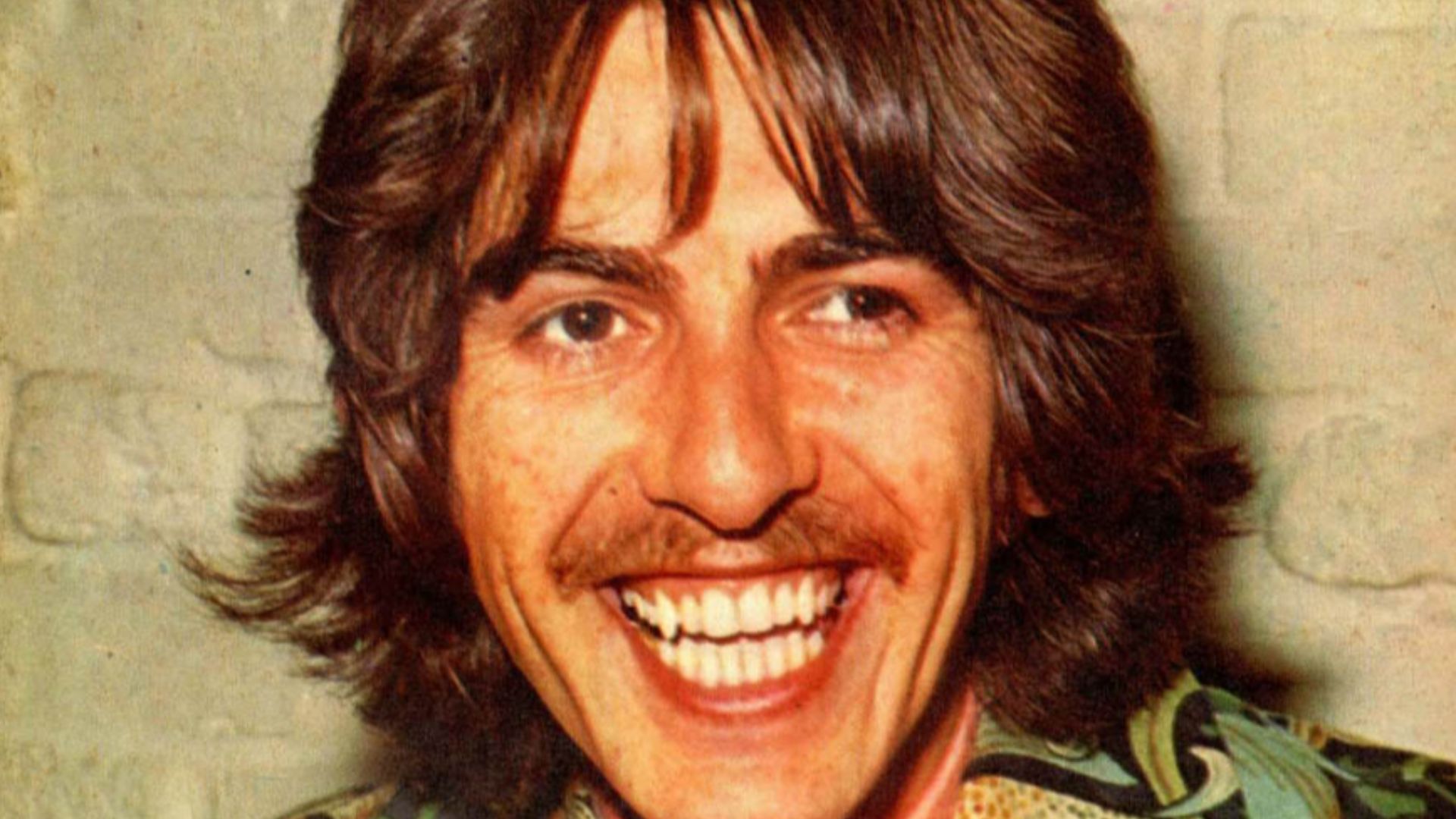
“While My Guitar Gently Weeps”
George Harrison struggled to get the band’s full attention during early sessions. He later said bringing in Eric Clapton changed the atmosphere immediately. Harrison would later explain his frustration more broadly: “I had so many songs by then, but there was only room for one or two on a Beatles album.”
 Unknown authorUnknown author, Wikimedia Commons
“Ob-La-Di, Ob-La-Da”
Lennon openly disliked the song and mocked it during sessions. Engineer Geoff Emerick later cited the recording as an example of how tense things had become. What should have been lighthearted turned exhausting.
 Eddie Janssens, Wikimedia Commons
“Revolution”
Lennon wanted a loud, aggressive release. McCartney pushed for restraint. Lennon later criticized the single version, saying it didn’t reflect what he intended. The disagreement wasn’t just musical—it was ideological.
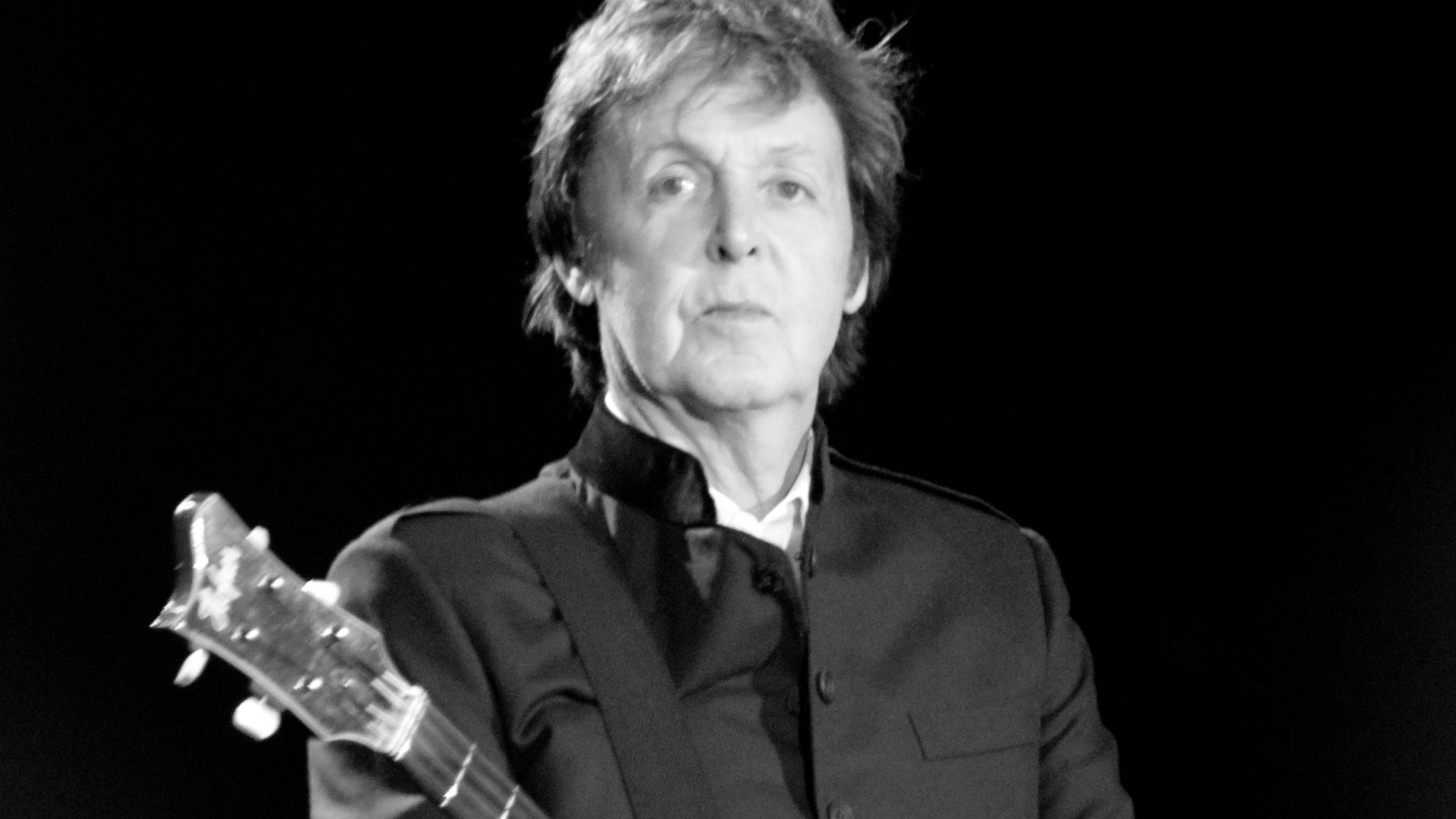
“Hey Jude”
Written almost entirely by McCartney, the song barely involved Lennon creatively. Lennon later said he felt the lyrics were subconsciously about him and Yoko. The emotional weight of the song underscored how personal Beatles songwriting had become.
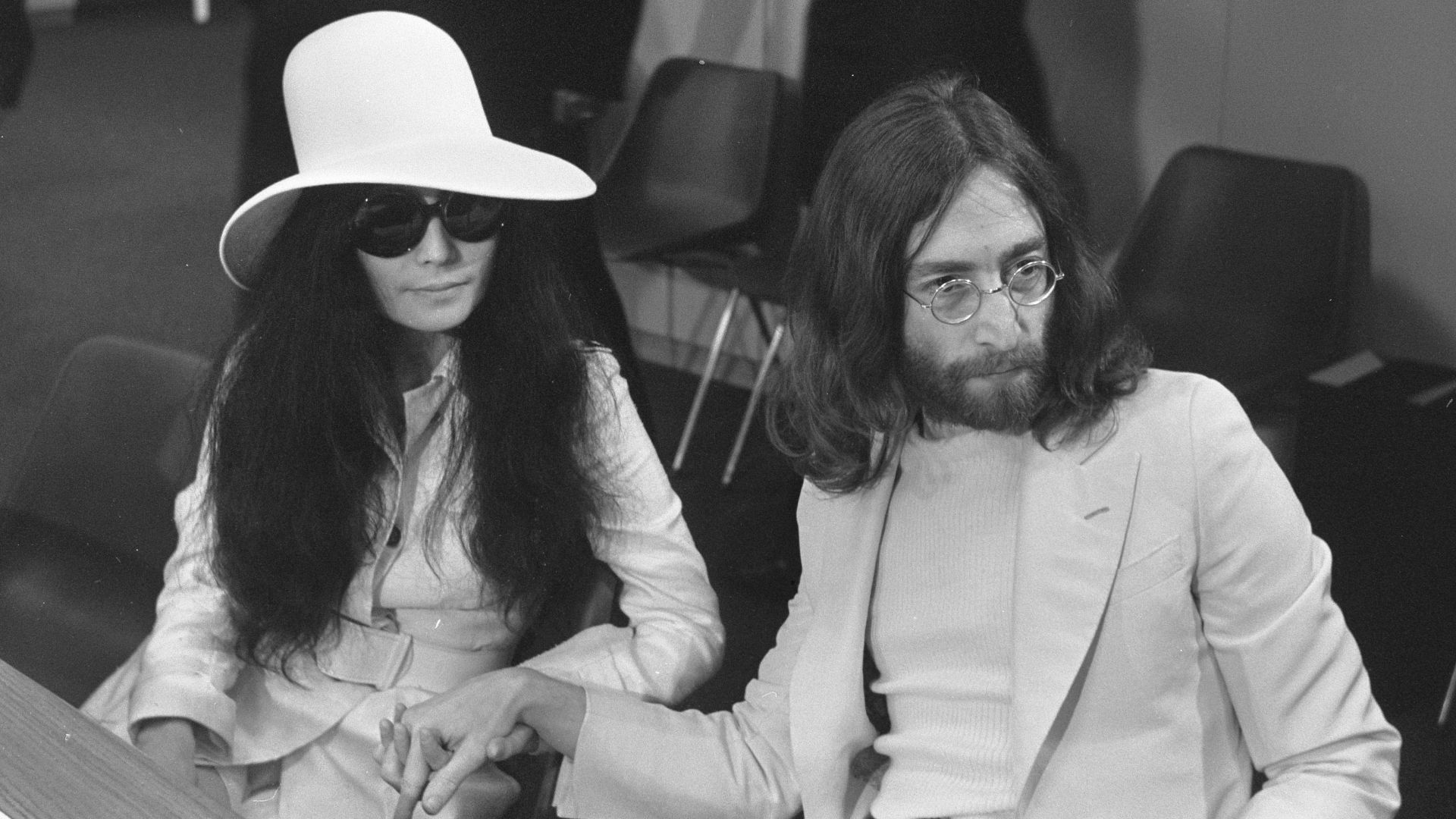 Joost Evers / Anefo, Wikimedia Commons
“Back in the U.S.S.R.”
Recorded while Ringo Starr temporarily quit the band. McCartney played drums on the track. Ringo later admitted he felt unappreciated and unsure whether the others even wanted him back.
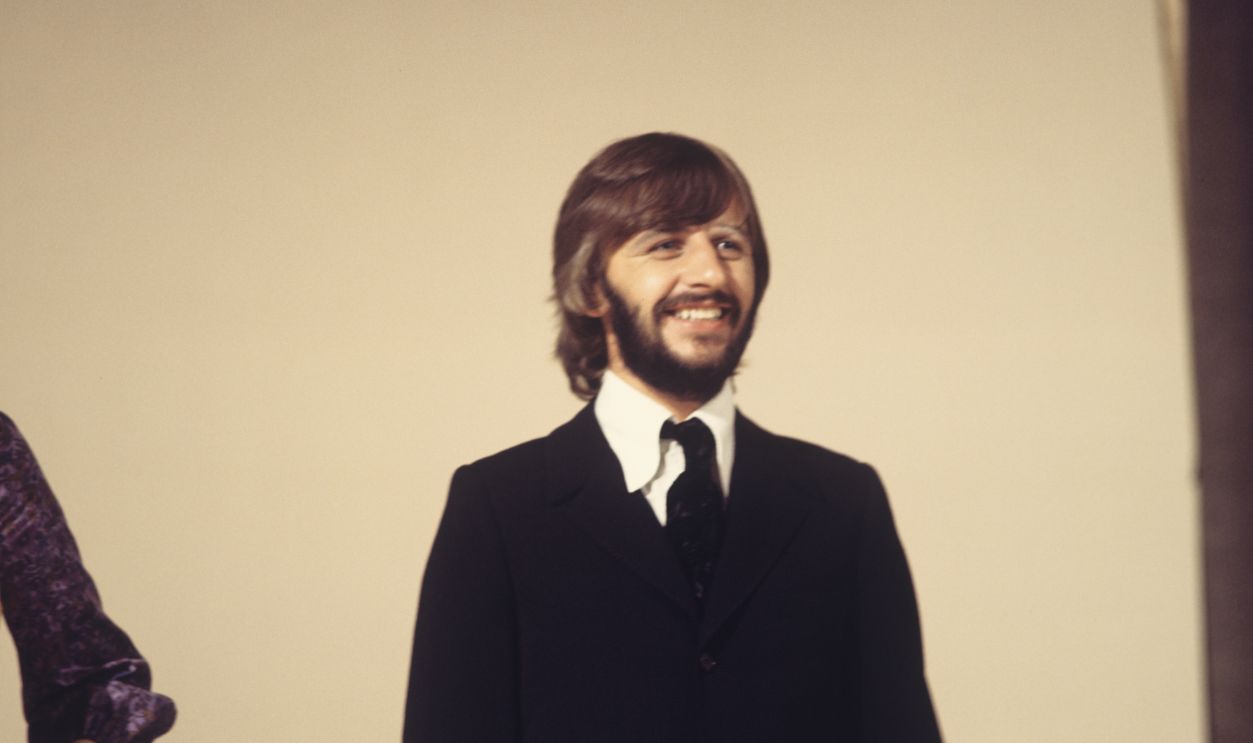
“Helter Skelter”
McCartney wrote the song to prove he could be louder and heavier than anyone else. Lennon later acknowledged the competitive edge creeping into their music. Songs were becoming statements, not shared experiments.
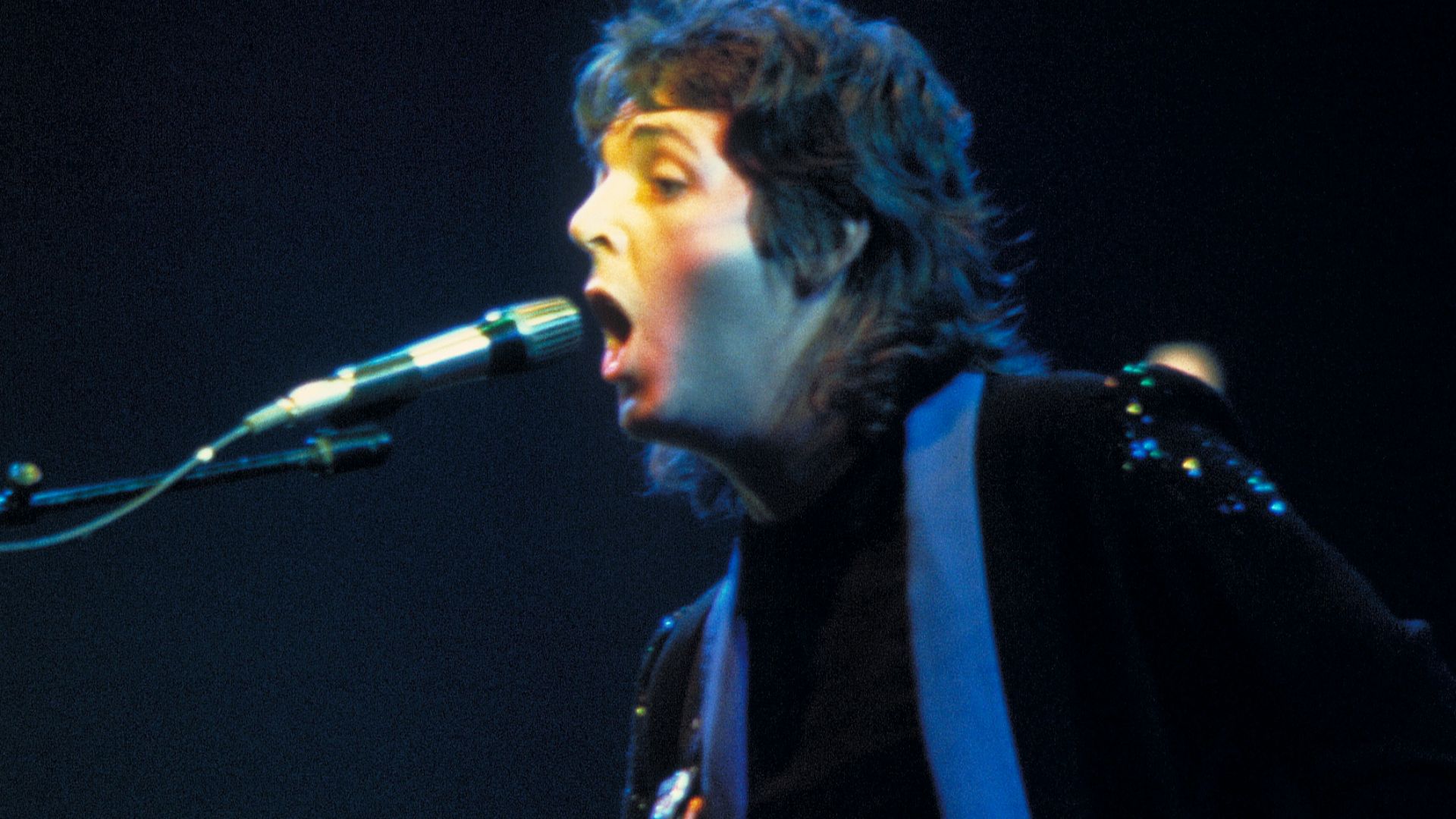 Jim Summaria., Wikimedia Commons
“Something”
George Harrison finally broke through with one of the band’s most celebrated songs. Frank Sinatra famously called it one of the greatest love songs ever written. Inside the band, it reinforced Harrison’s belief that his work deserved equal footing.
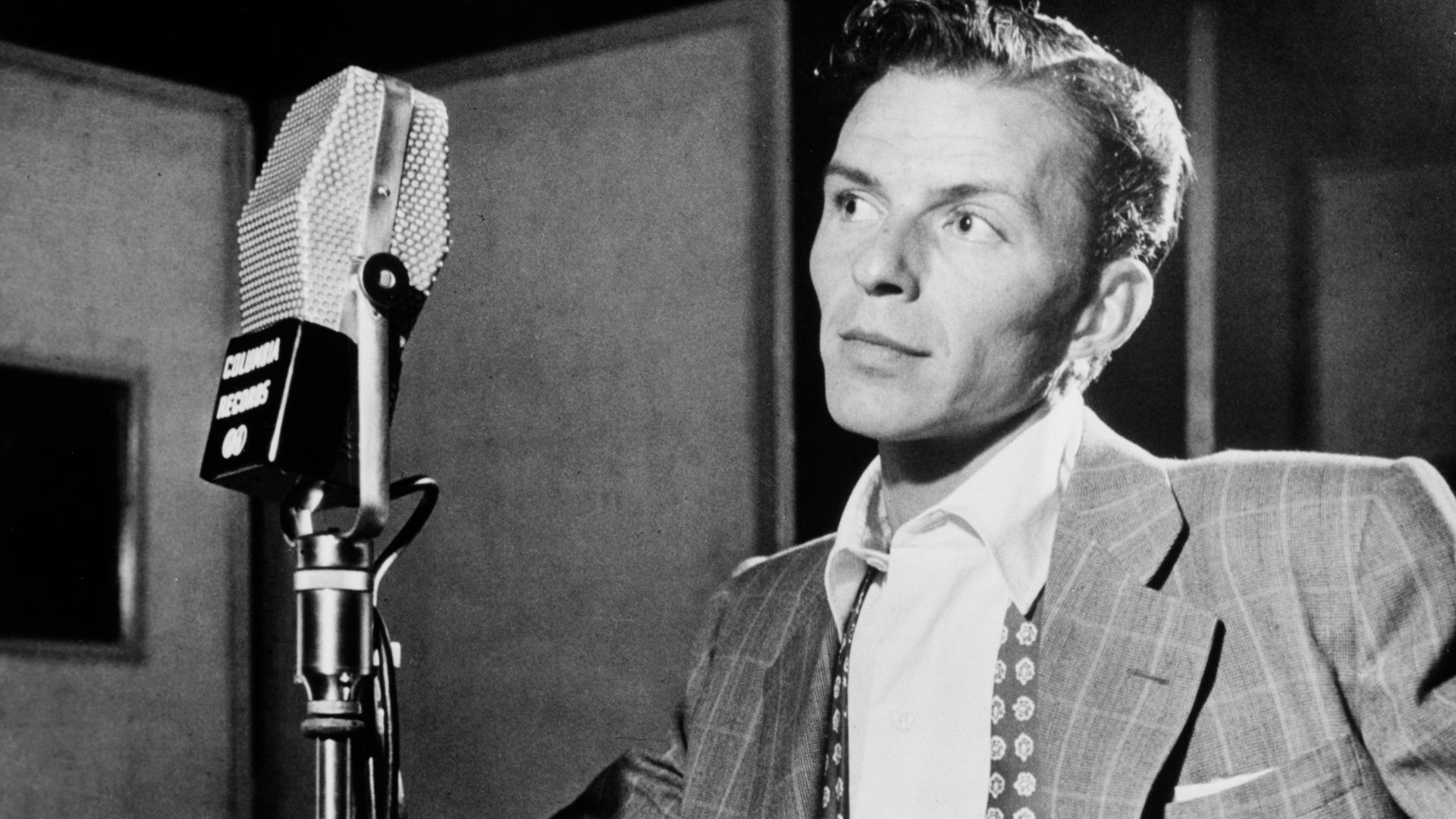 William P. Gottlieb, Wikimedia Commons
“Come Together”
Lennon dominated the song’s direction, bringing it in largely complete and steering its tone and structure. McCartney later criticized how individual parts—especially his bass line—were praised more than the song itself, a sign that collaboration had given way to comparison. By this stage, even compliments felt competitive rather than shared.
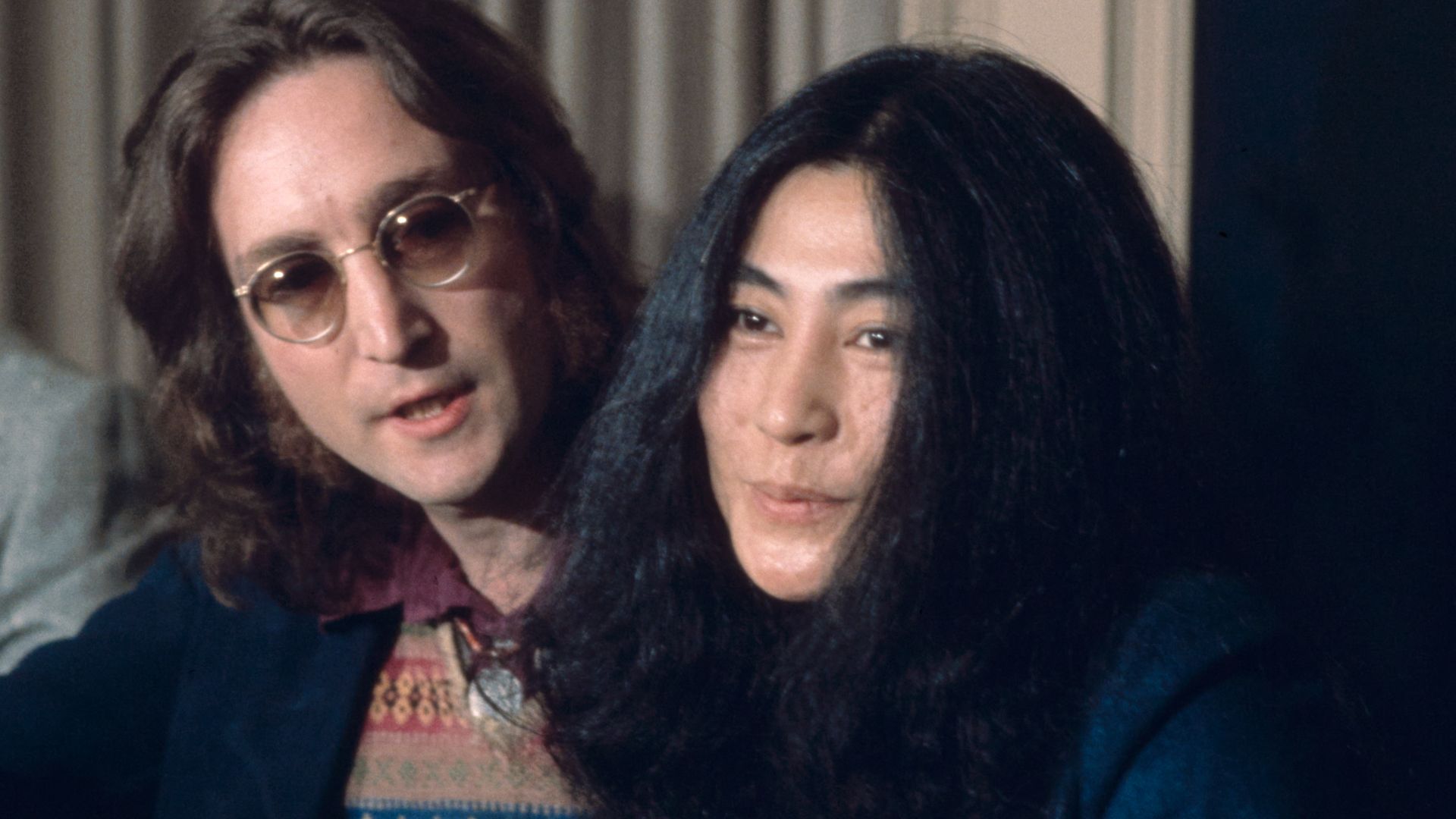 Bernard Gotfryd, Wikimedia Commons
“Maxwell’s Silver Hammer”
The recording sessions exhausted everyone involved and dragged on far longer than anyone wanted. Lennon skipped them entirely. Harrison complained openly about the song’s style. Ringo later put it bluntly: “It was the worst session ever… It was hell.” The track became shorthand for how drained and resentful the band had become.
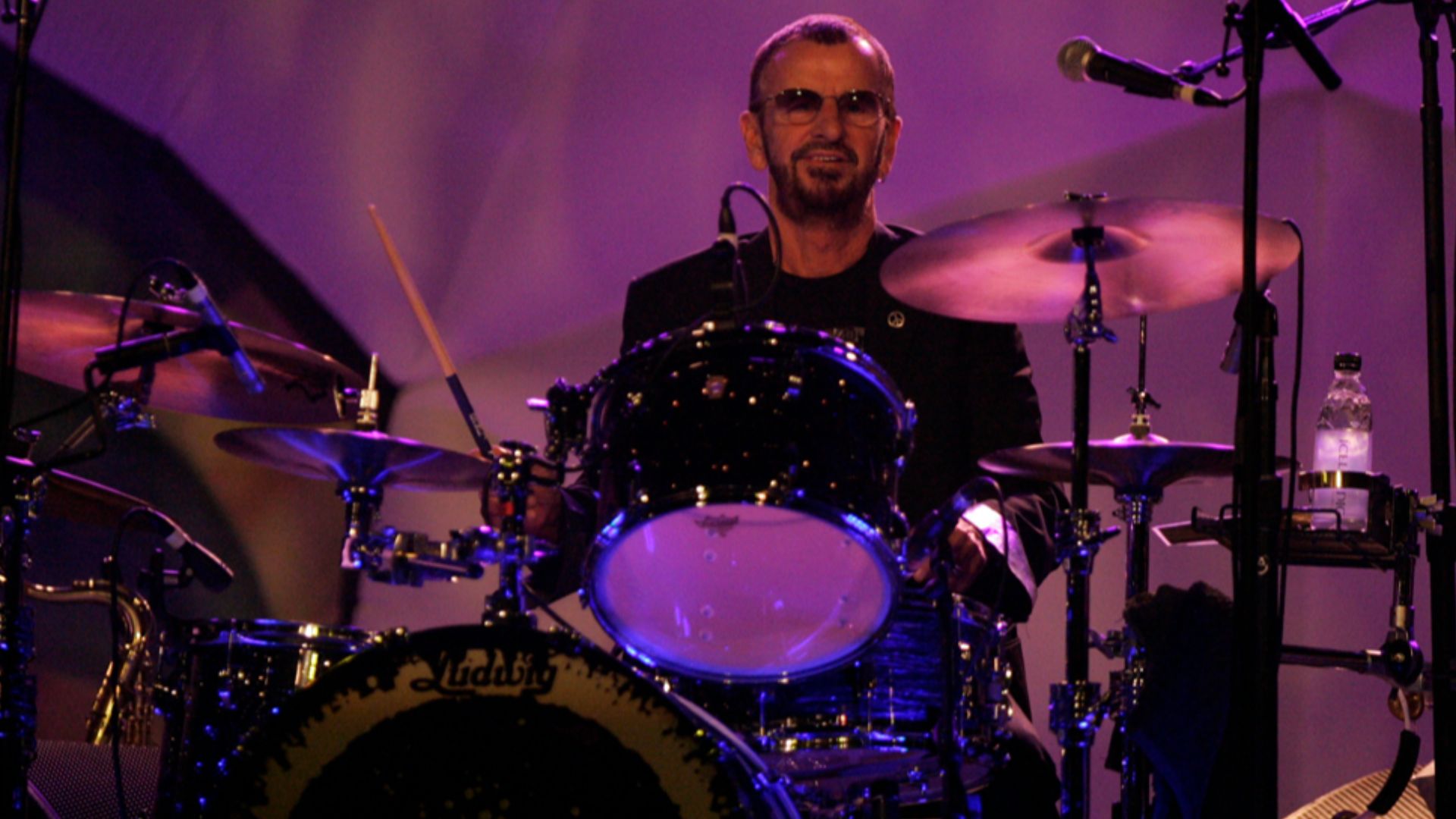 Eva Rinaldi from Sydney Australia, Wikimedia Commons
“Let It Be”
The sessions were filmed and later described by McCartney as painful to watch. Arguments over leadership, song choices, and creative control were no longer private—and no longer contained. The footage showed a band struggling to function in real time. The music survived. The process didn’t.
“The Long and Winding Road”
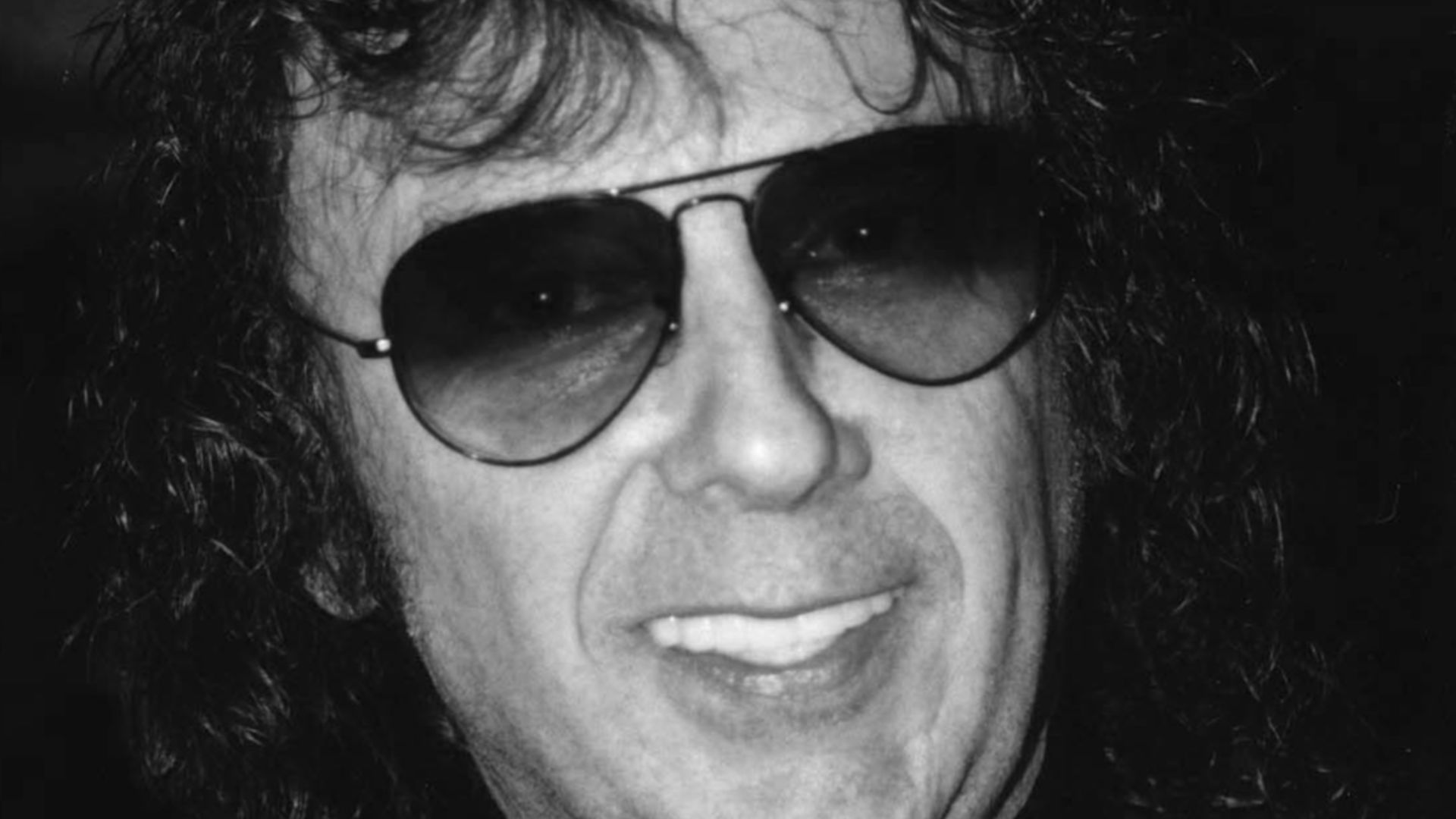
Phil Spector added orchestration without McCartney’s approval. McCartney was furious. Lennon defended the changes. McCartney later referred to it as “the final straw,” directly preceding his legal move to dissolve the partnership.
 Kingkongphoto & www.celebrity-photos.com from Laurel Maryland, USA, Wikimedia Commons
“Abbey Road”
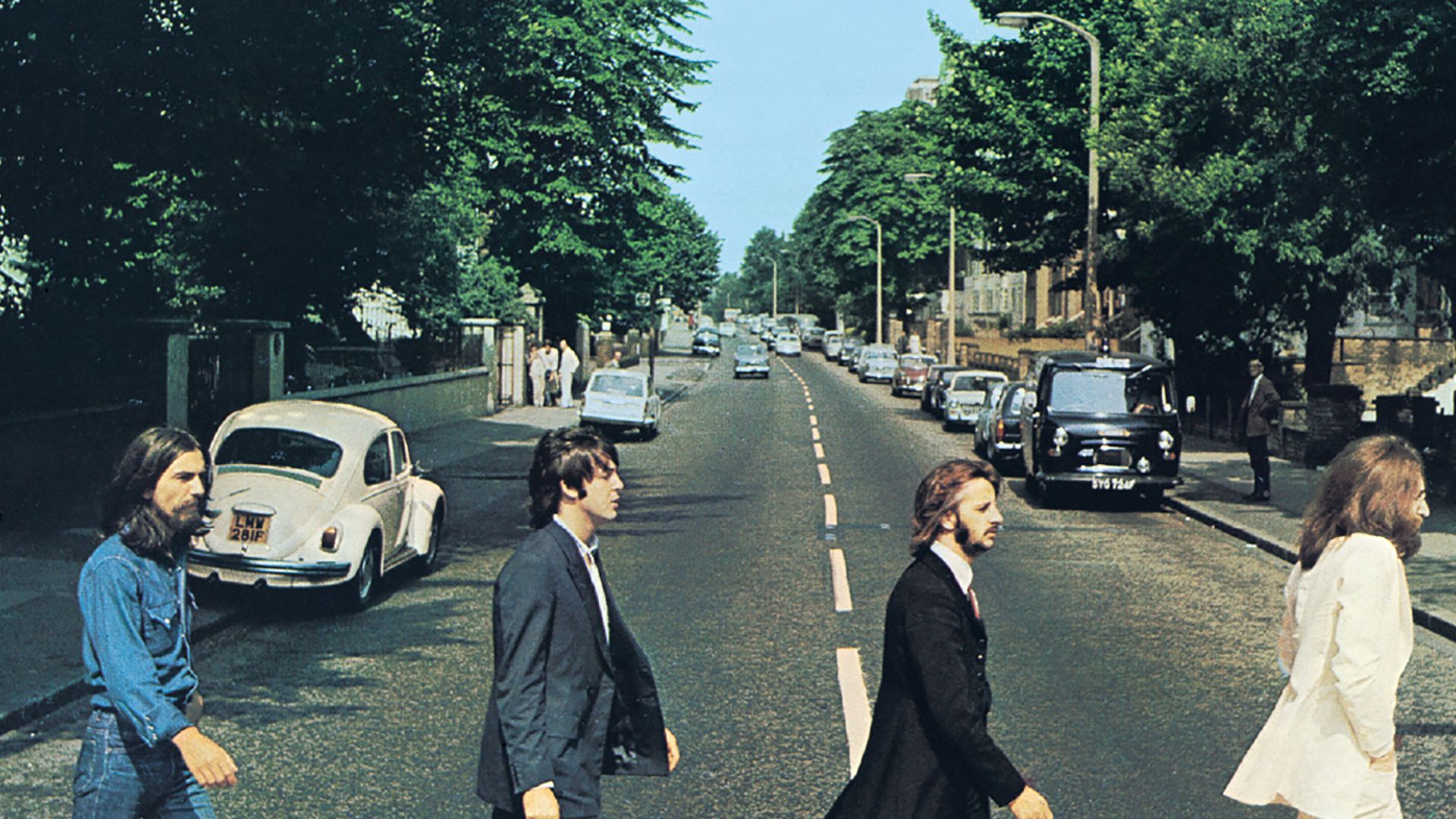
Despite its polish, this album was recorded with the understanding it might be the last. George Martin later said the band agreed to act professionally one final time.
 John Kosh (album design), Iain Macmillan (photograph), Wikimedia Commons
“I Me Mine”
Recorded without Lennon present, Harrison’s song title reflected exactly where things stood. Individual identity had replaced group purpose. By the time it was finished, the breakup was procedural.
You Might Also Like:
Peter Grant Was The Business Mastermind Behind Led Zeppelin
When Freddie Mercury told his bandmates “I’m so happy you’re here,” they knew it was goodbye.