A Force Of Nature
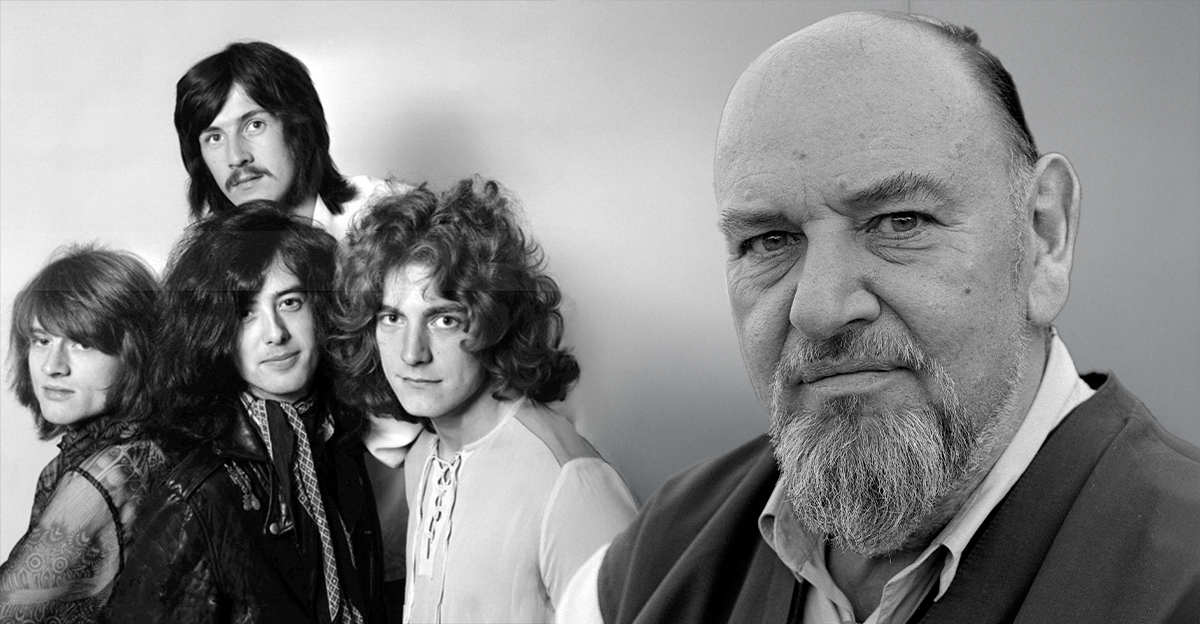
Peter Grant was Led Zeppelin’s manager. He was also a music industry disruptor with the size, brains, and negotiating skills to bend concert promoters and record labels to his will. From his rough South London start to his notoriously hardline touring demands, Grant was one of the main forces that turned Led Zeppelin from a great band into a major moneymaking enterprise. In doing so, he helped to change how rock bands of that era got paid.
Roots And A Hard Start
Grant was born in South Norwood, London in 1935 and was largely raised by his mother. He left school when he was still young and cycled his way through several jobs that, if they weren’t well paid, they at least taught him grit and hustle. This included stints in such things as factory work and delivering photos for the Reuters news agency. Those early years helped shape his blunt worldview and “take it or leave it” negotiating style.
Lessons In The World Of Entertainment
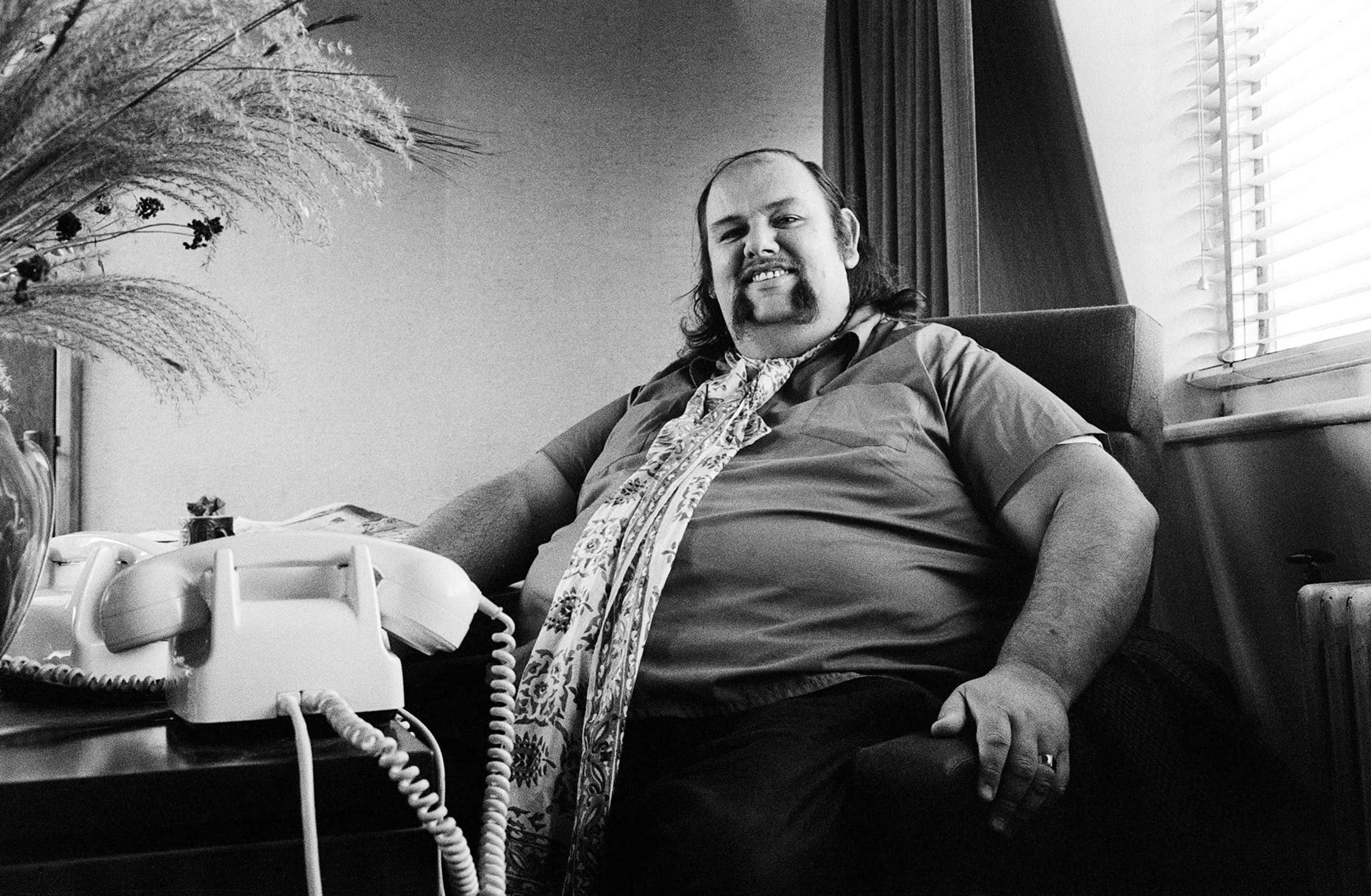
Before he ever managed anyone famous, Grant worked as a theatre stagehand. In this role he began to get a sense of how venues operated and tours worked. That firsthand experience later fuelled his confrontational attitude toward promoters about staffing, equipment, and money, because he understood the reality of live performance from the ground up.

National Service
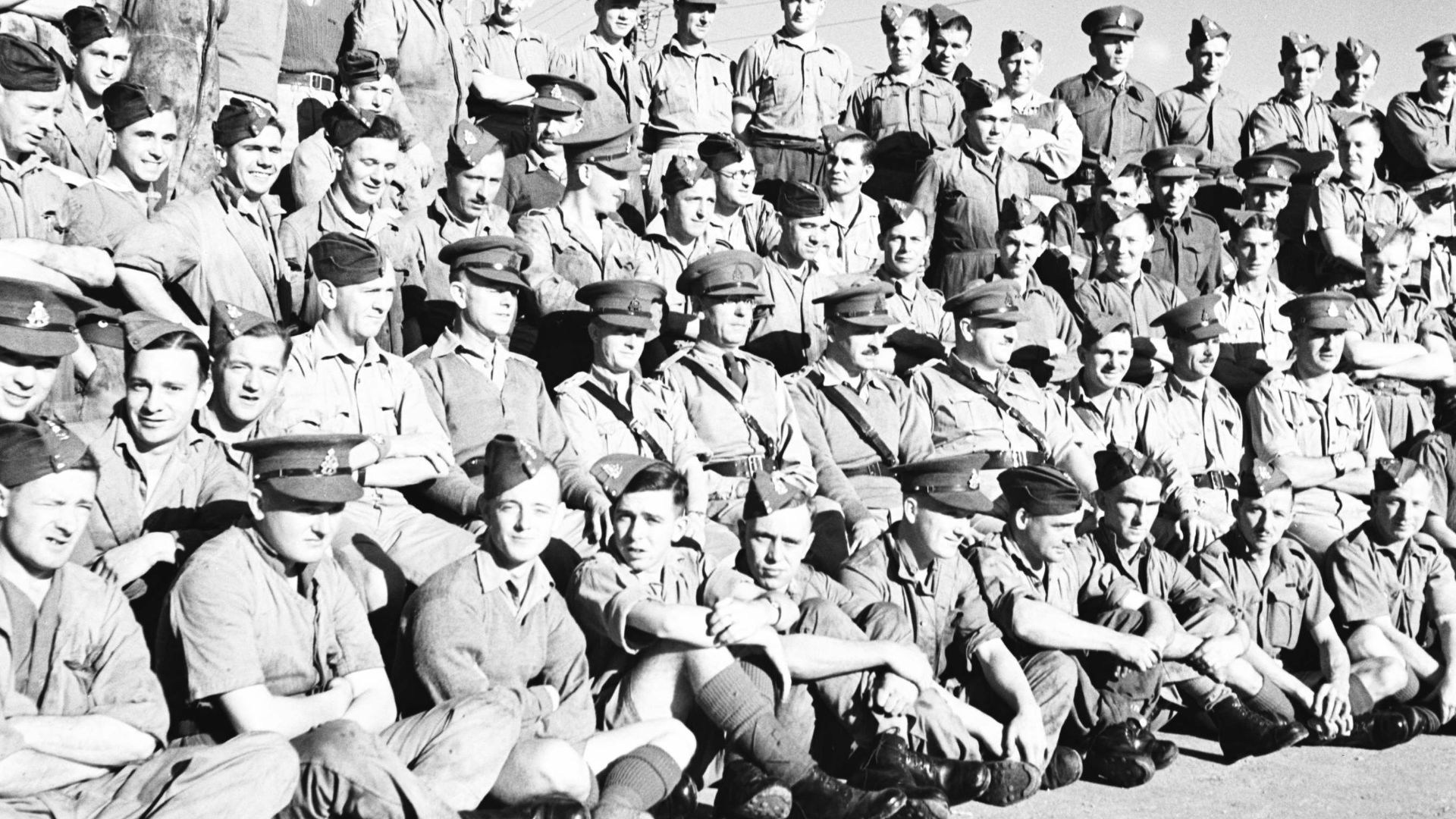
Grant completed compulsory national service in the Royal Army Ordnance Corps, where he attained the rank of corporal. The experience reinforced his sense of hierarchy and discipline, traits he later demanded from crews, promoters, and anyone who operated around his artists.
 Zoltan Kluger, Wikimedia Commons
Pugnacious Reputation
Grant worked in the 50s as a bouncer at London’s 2i’s Coffee Bar, a venue linked to early British rock stardom. As one can probably imagine, the job hardened his outlook on conflict, and taught him to control situations decisively. This was a habit that would follow him into the chaotic world of rock.
 The rakish fellow, Wikimedia Commons
Professional Wrestler
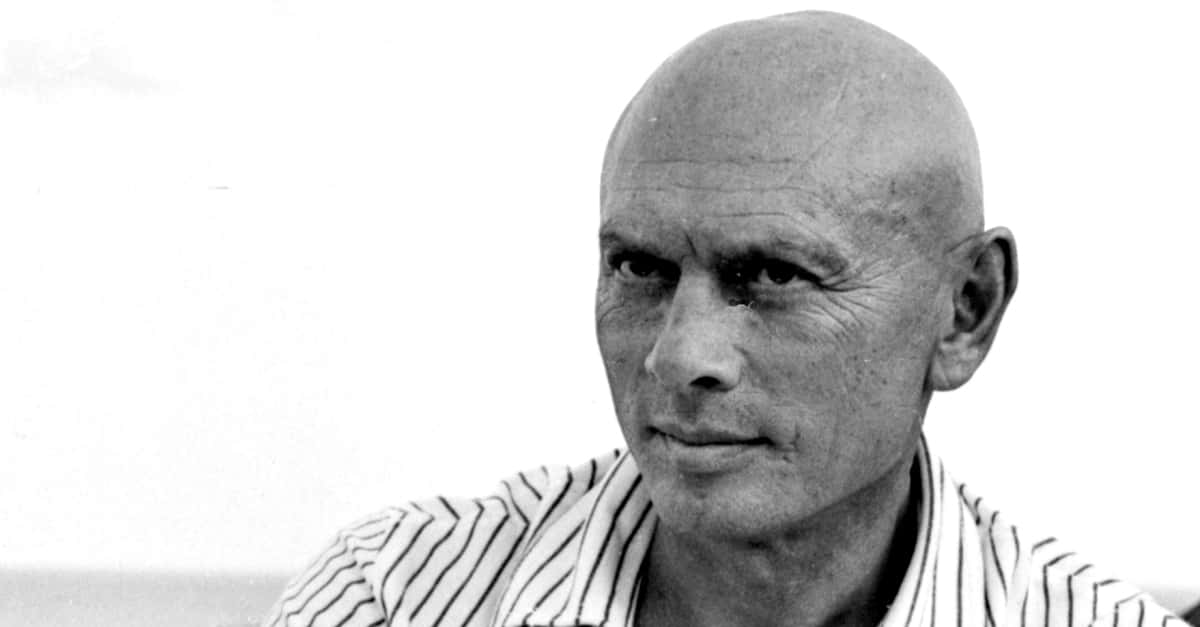
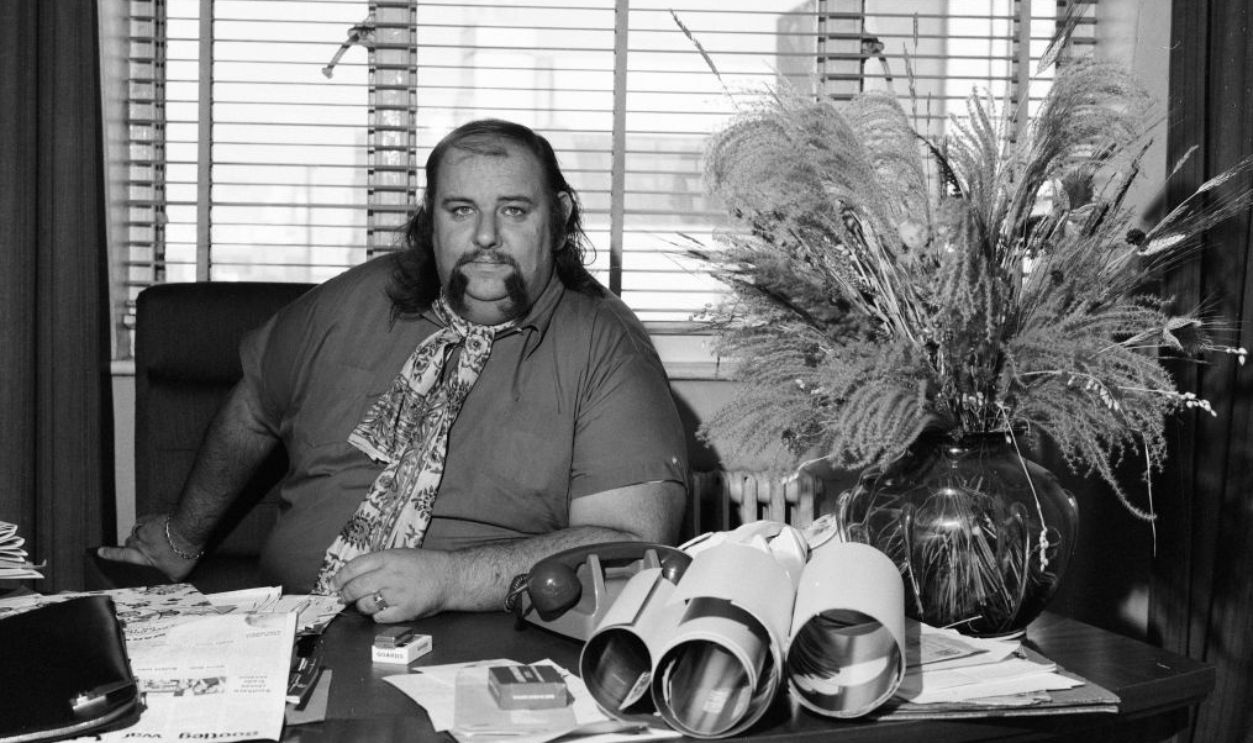
Peter Grant pursued a career as a professional wrestler with the help of 2i’s co-owner Paul Lincoln, who was a pro wrestler himself. Grant fought several televised bouts under aliases like “Count Massimo,” and “Count Bruno Alassio of Milan.” The stint kindled Grant’s interest in acting, and he haunted the film studios looking for work.
Stunt Double
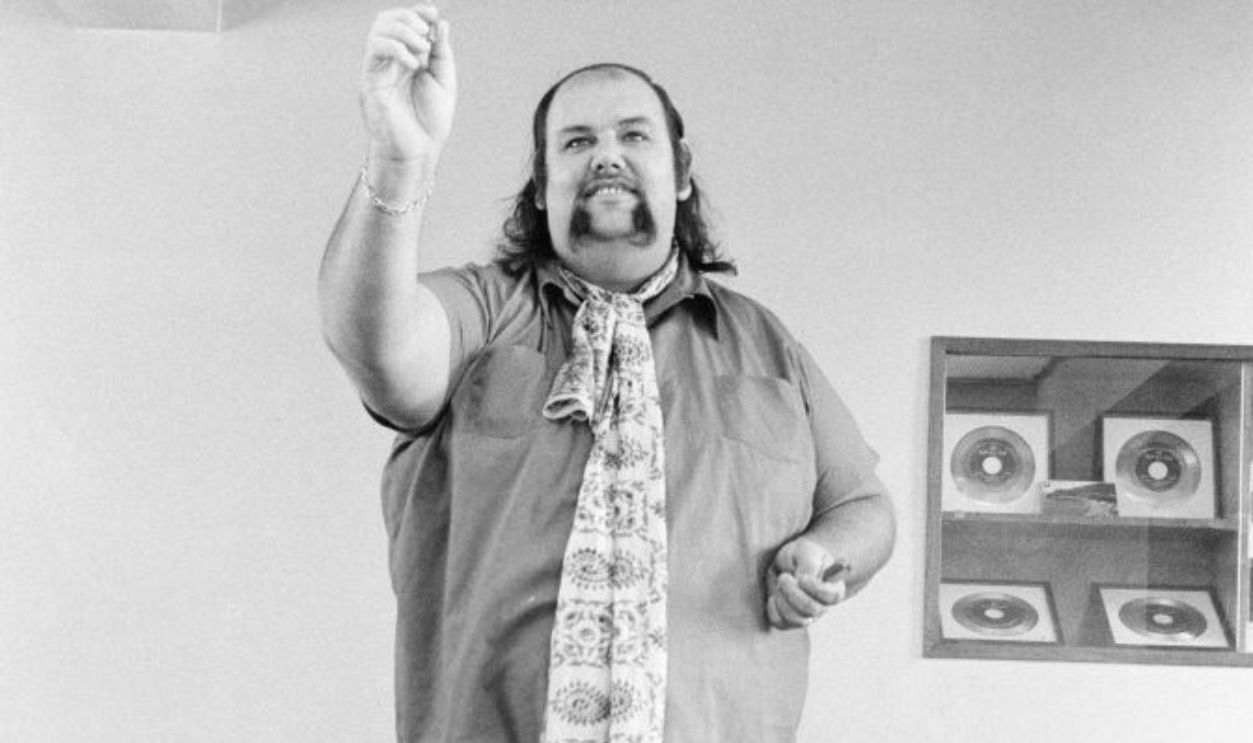
Grant eventually found work as a stuntman and occasional stand-in in films and TV shows. He played a crewmember on the Titanic in A Night to Remember (1958), and was a stunt double in the WWII classic The Guns of Navarone (1961). He also got frequent work on early episodes of The Benny Hill Show. The work gave him firsthand exposure to large-scale productions, tight schedules, and controlled chaos. It was an experience that would serve him well in his later role managing massive rock concert tours.
Don Arden And The Tour Manager Boot Camp
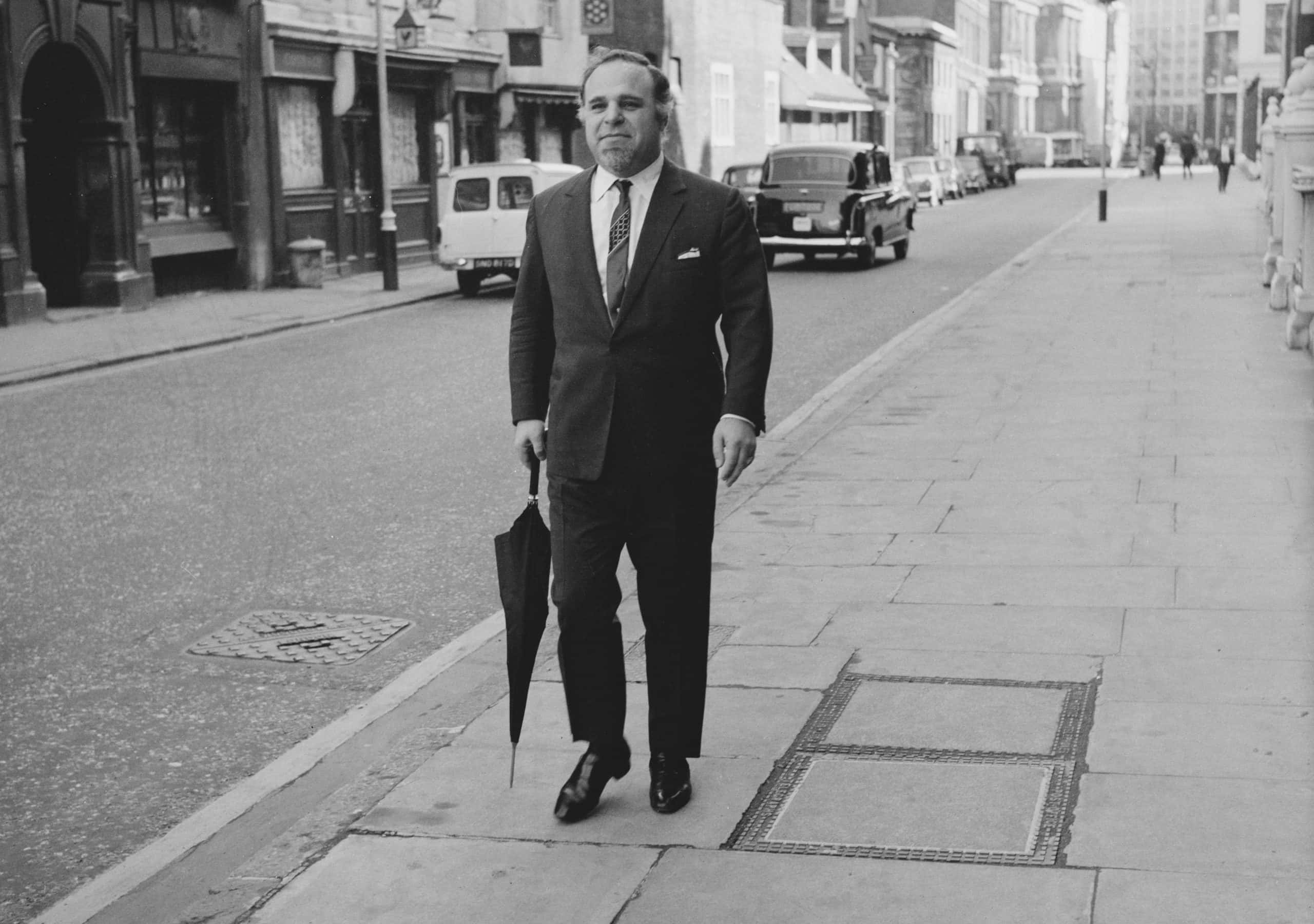
In 1963 Grant joined music promoter Don Arden, managing British tours for American artists. He quickly gained up-close and personal experience with the way promoters profited from bands and where musicians lost leverage. That observation fueled his later determination to turn the tables on the whole lot of them.
From Touring To Managing His Own Acts
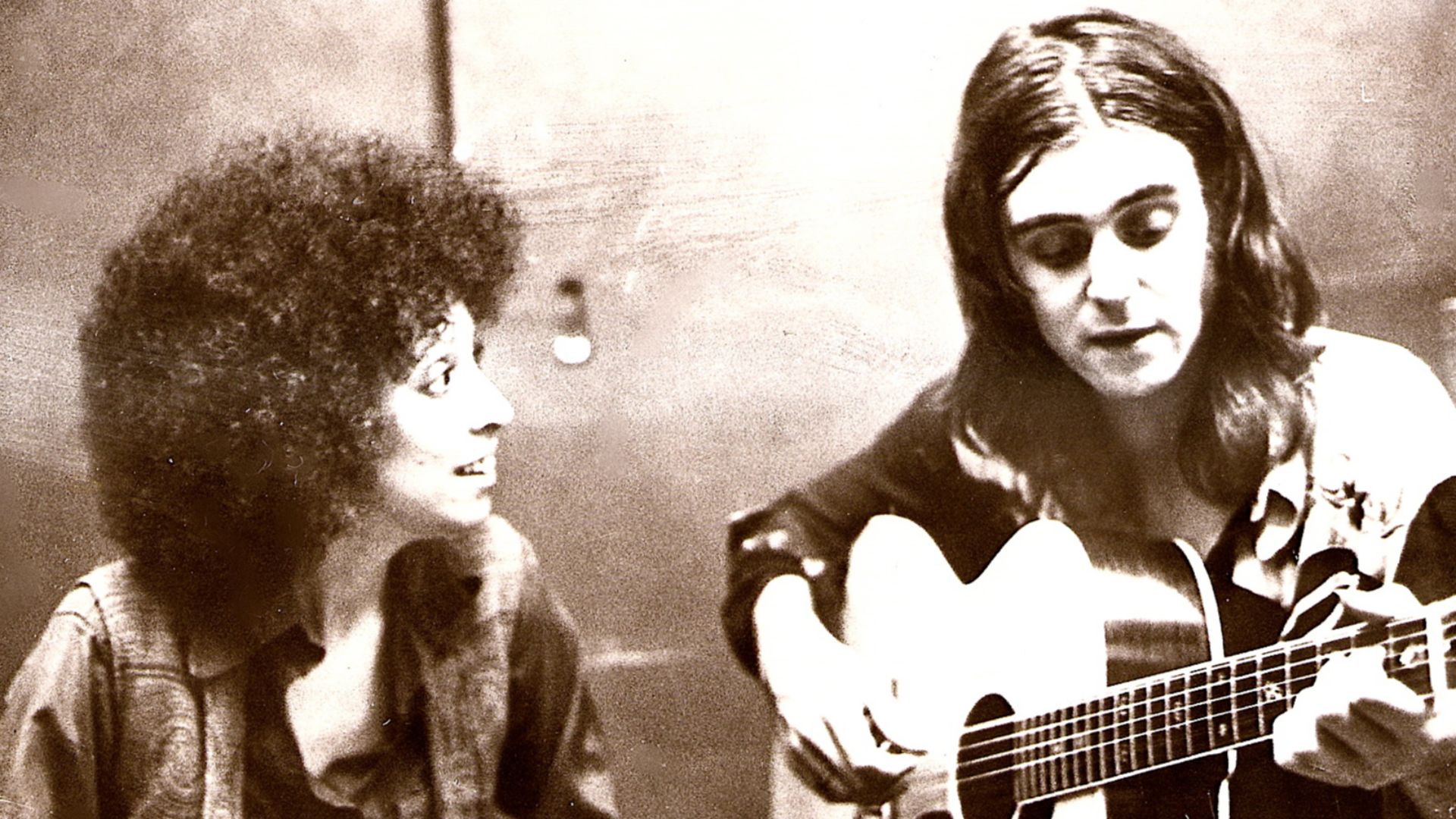
By the mid-60s, the rock ‘n’ roll era in Britain was enjoying a renaissance. Grant seamlessly transitioned into artist management, overseeing careers for such acts as the Nashville Teens, Terry Reid, and the Jeff Beck Group. These early management roles grew his chops in working with artists while running tours internationally.
 Dina Regine, Wikimedia Commons
The Yardbirds And Jimmy Page
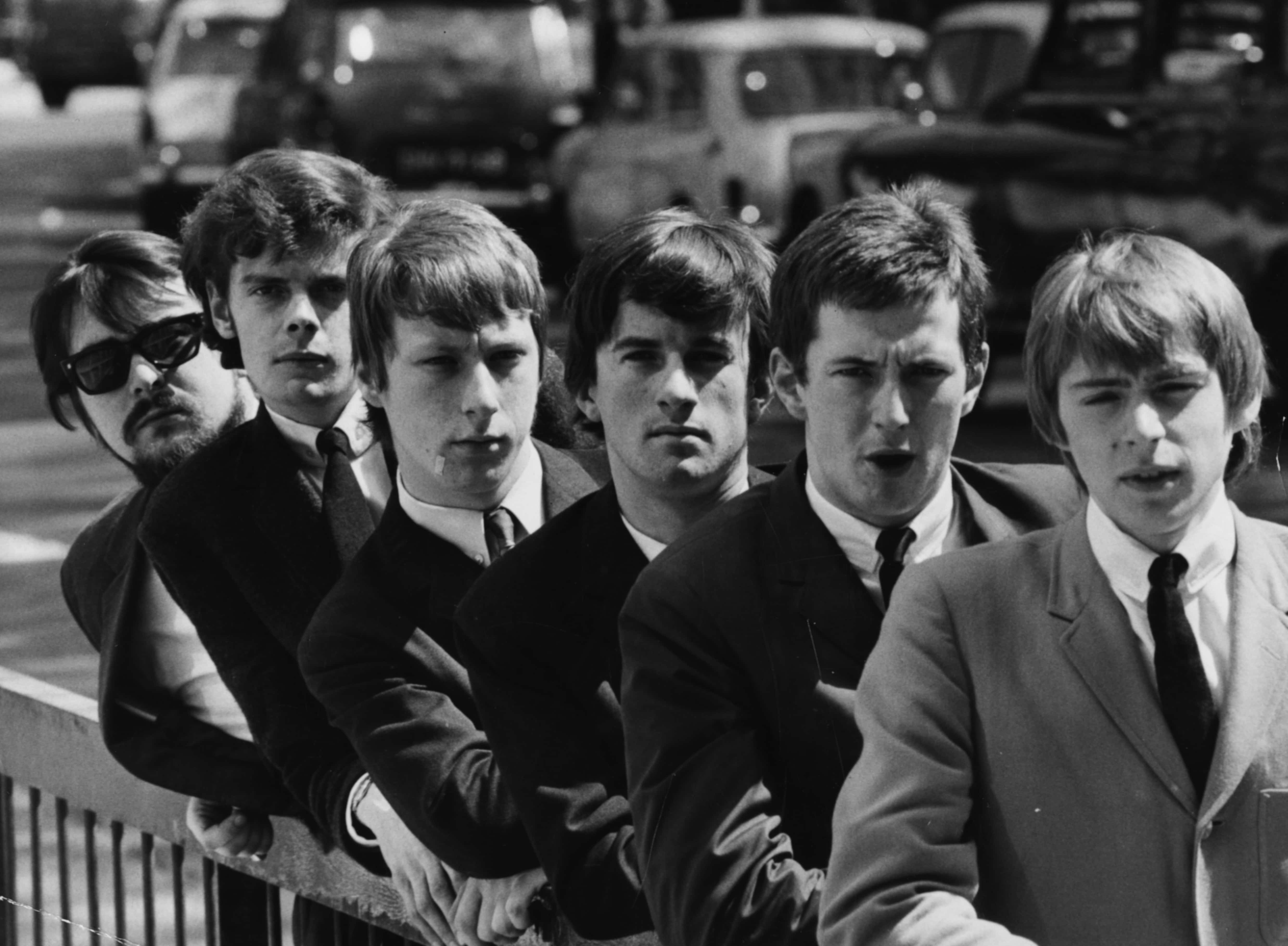
Grant took over management of British blues rockers The Yardbirds in late 1966, stepping into a band that struggled financially even though they toured constantly. It was around that time that he also connected with Yardbirds guitarist Jimmy Page and gained firsthand exposure to the young musician’s ambitions for the future. When the Yardbirds disbanded, Jimmy Page was ready to start the next chapter. So was Peter Grant.
 Evening Standard, Getty Images
He Acquired Led Zeppelin
Jimmy Page was determined to put together a new band from the ashes of the Yardbirds. This was the band that became Led Zeppelin. Grant became the band’s manager from its very beginning in 1968. That timing was important. Grant didn’t inherit an already successful band, but helped build the business structure while the music was forming, which gave him an enormous amount of authority and long-term leverage.
 Jim Summaria, CC BY-SA 3.0, Wikimedia Commons
The Band Came First
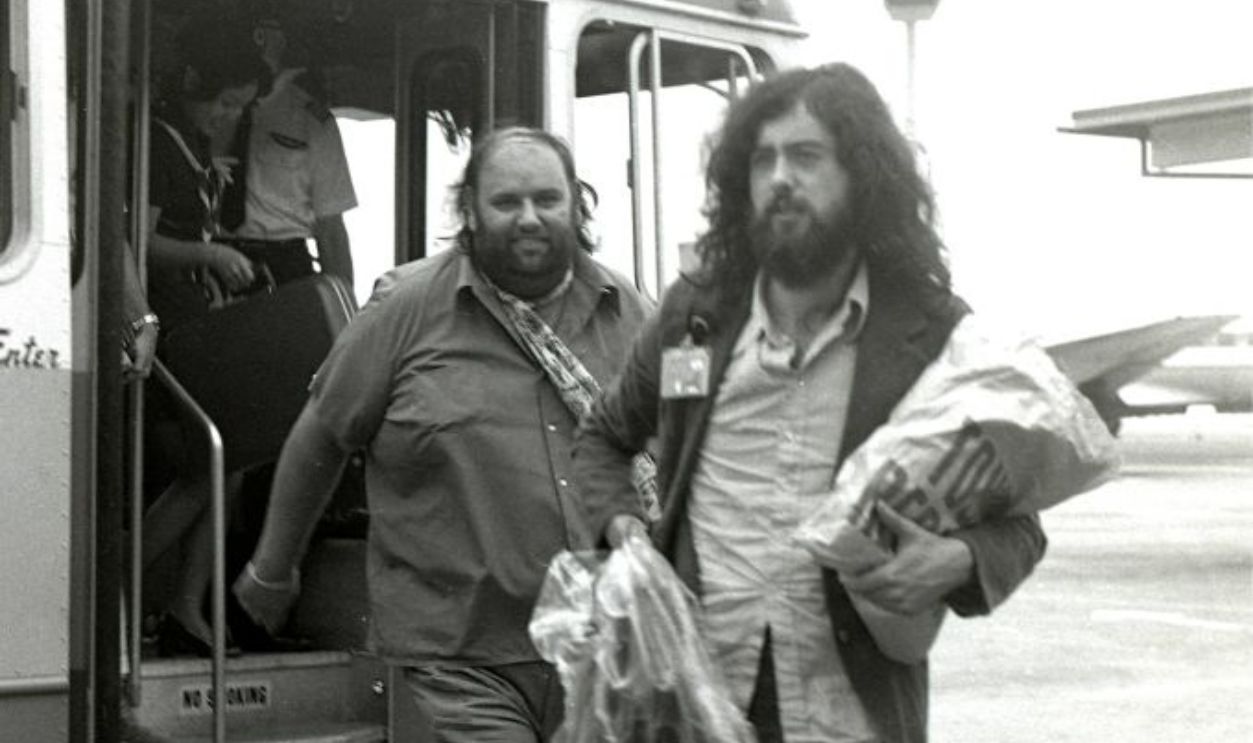
Grant’s public stance was simple: he served the band’s interests, not the record label’s or promoters’. Known for splitting profits five ways with the four band members, he reinforced the belief that he was a partner in the entire endeavor. That model strengthened his loyalty and meant he had a lot more at stake in his confrontations with outsiders.
 Robert Knight Archive, Getty Images
Record Deal
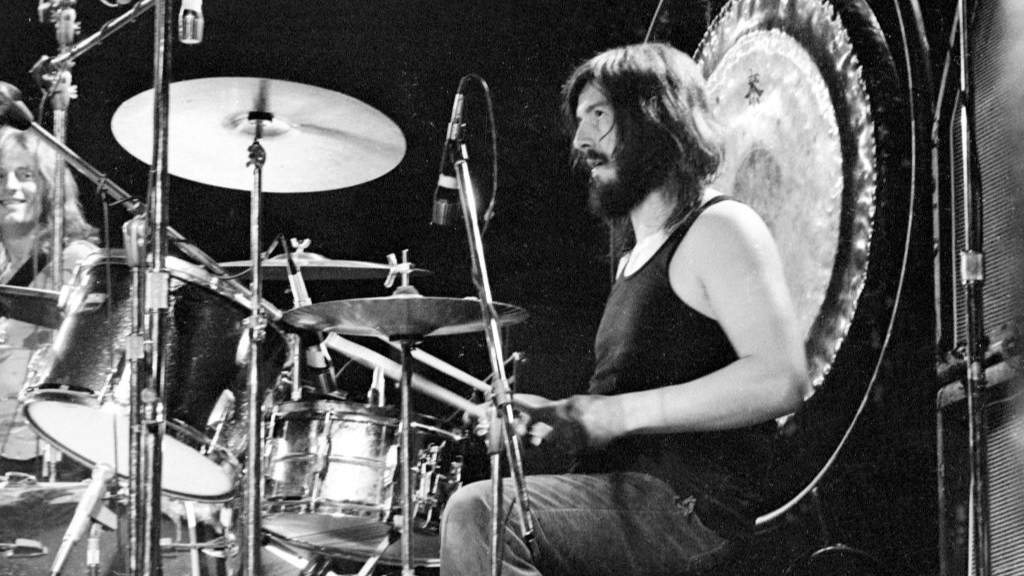
Peter Grant played a decisive role in securing Led Zeppelin’s landmark record deal with the prestigious Atlantic label in late 1968. Instead of shopping demos, Grant leveraged the band’s just-recorded debut album and growing live reputation. He nailed down a contract with Atlantic for $143,000, a huge sum at the time for a new artist. The agreement granted wide creative control and favorable royalties in excess of 7%, giving Led Zeppelin rare autonomy from the outset.
 Michael Ochs Archives, Getty Images
Turning Live Shows Into The Main Event
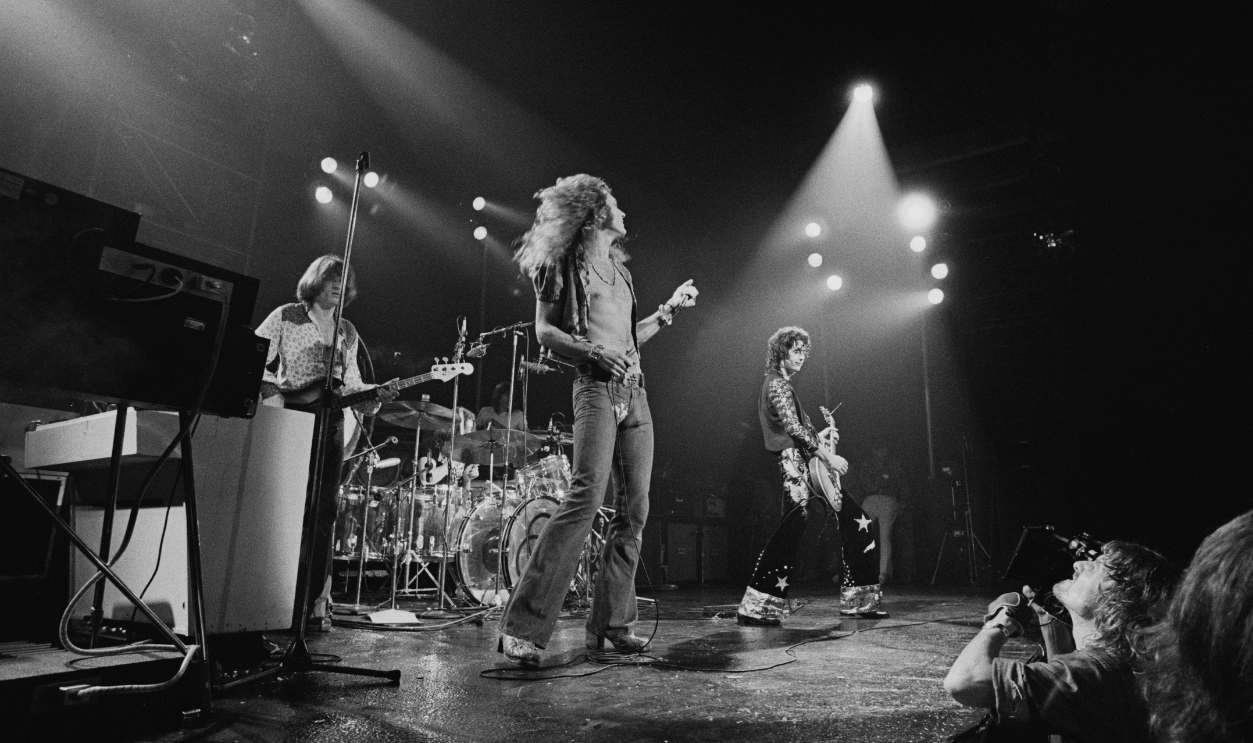
Grant limited Led Zeppelin’s television exposure, pushing the band toward touring as their primary outlet for engagement with the public. This made live performance the band’s most valuable revenue stream and gave Grant a great deal of leverage in his negotiating position with concert promoters. He was able to demand and receive far-reaching guarantees from promoters.
The Demand That Shocked Promoters
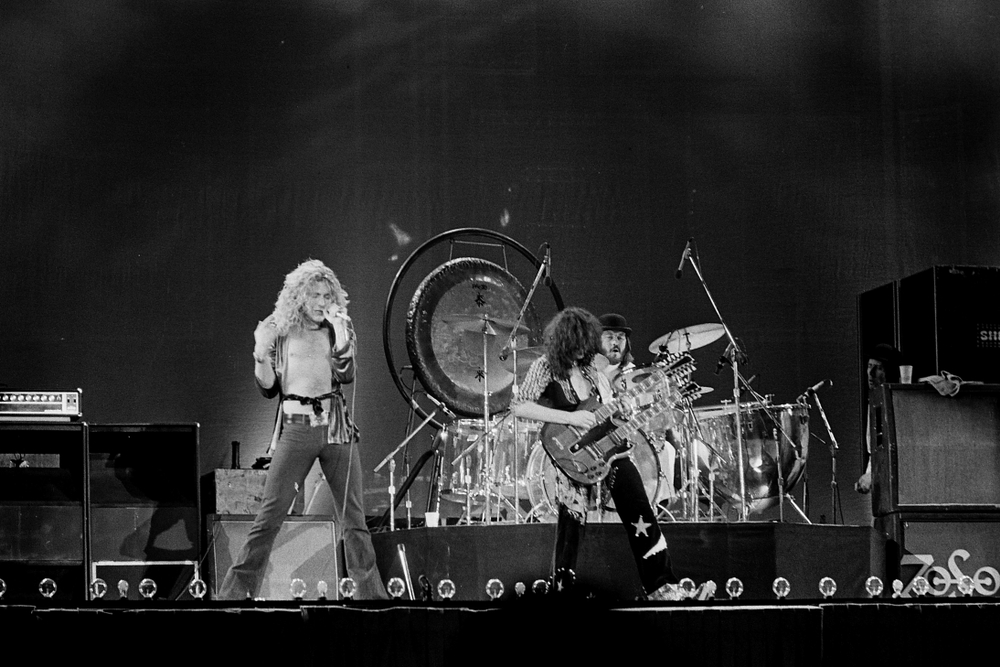
Grant shifted power toward artists by insisting that Led Zeppelin receive an extraordinary share of concert ticket sale revenue, often reported as 90% of the gate receipts. Promoters fumed over it, but most ended up accepting because the demand was paired with a “take it or leave it” attitude. Of course, Grant could only take this attitude because Led Zeppelin and their music were in such high demand.
 Bruce Alan Bennett, Shutterstock
Biggest Act In Town
Grant was able to hammer home his exorbitant demands for one simple reason: by the early 70s Led Zeppelin had become the biggest live concert draw in the United States. The 1973 North American tour was an especially successful one, bringing in over $4 million (US) in proceeds ($28 million adjusted for inflation). Later North American tours in 1975 and 1977 saw similar fan enthusiasm and sold out venues.
 Koh Hasebe/Shinko Music, Getty Images
New Rules And Conditions For Promoters
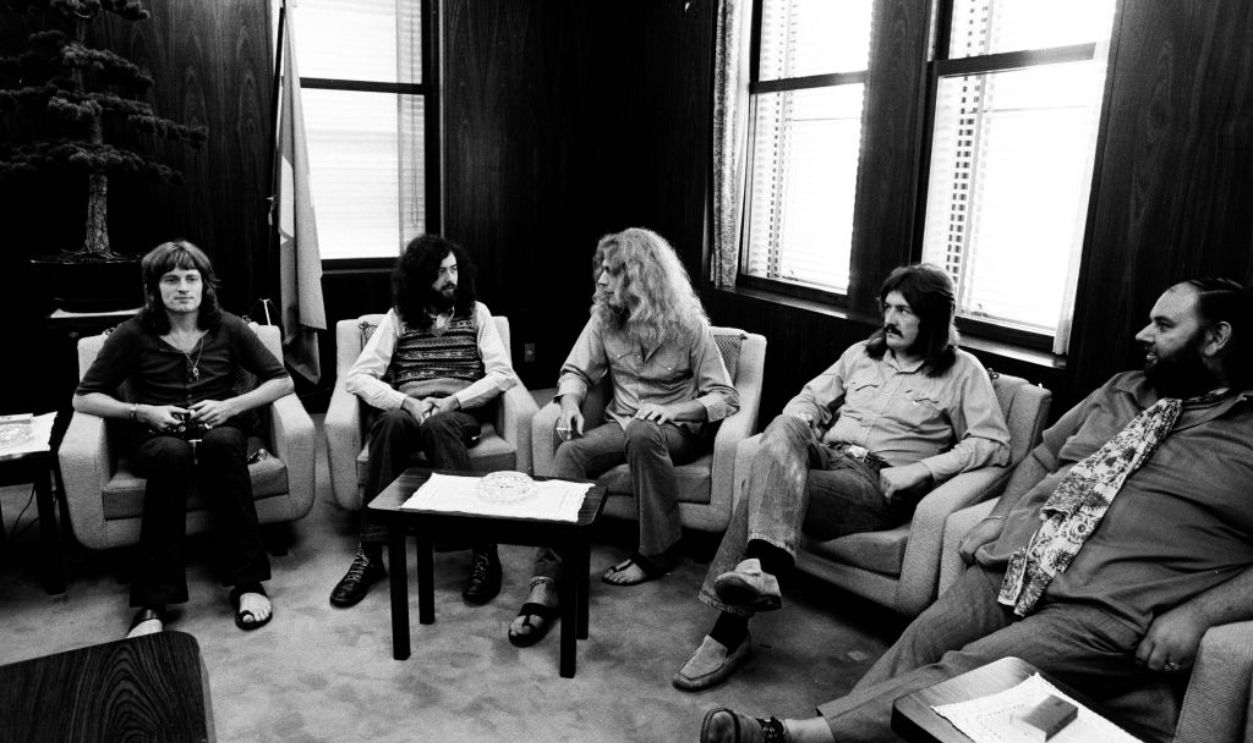
Grant’s touring deals weren’t just about cash, but control. Grant fought for better pay and conditions for the band and crew and would become famous for protecting Led Zeppelin from interference by promoters or record labels. Over time, this aggressive approach helped to raise the bar for other artists who could finally point to Led Zeppelin’s success as proof.
 Koh Hasebe/Shinko Music, Getty Images
Physical Presence
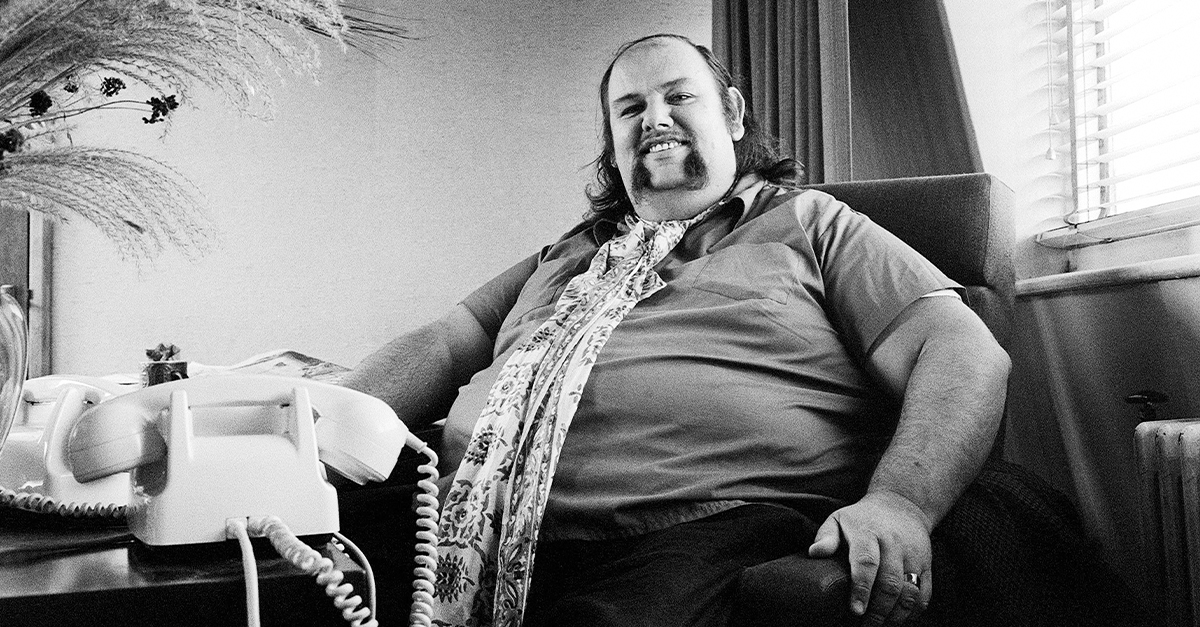
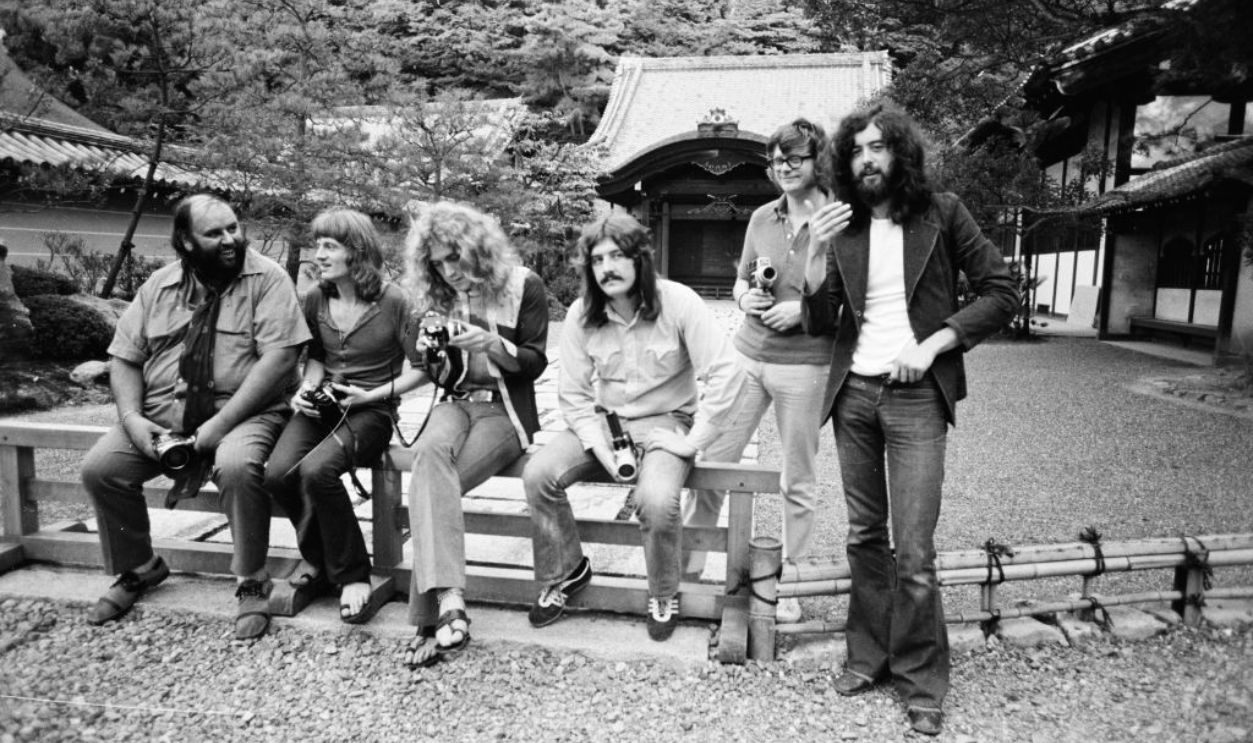
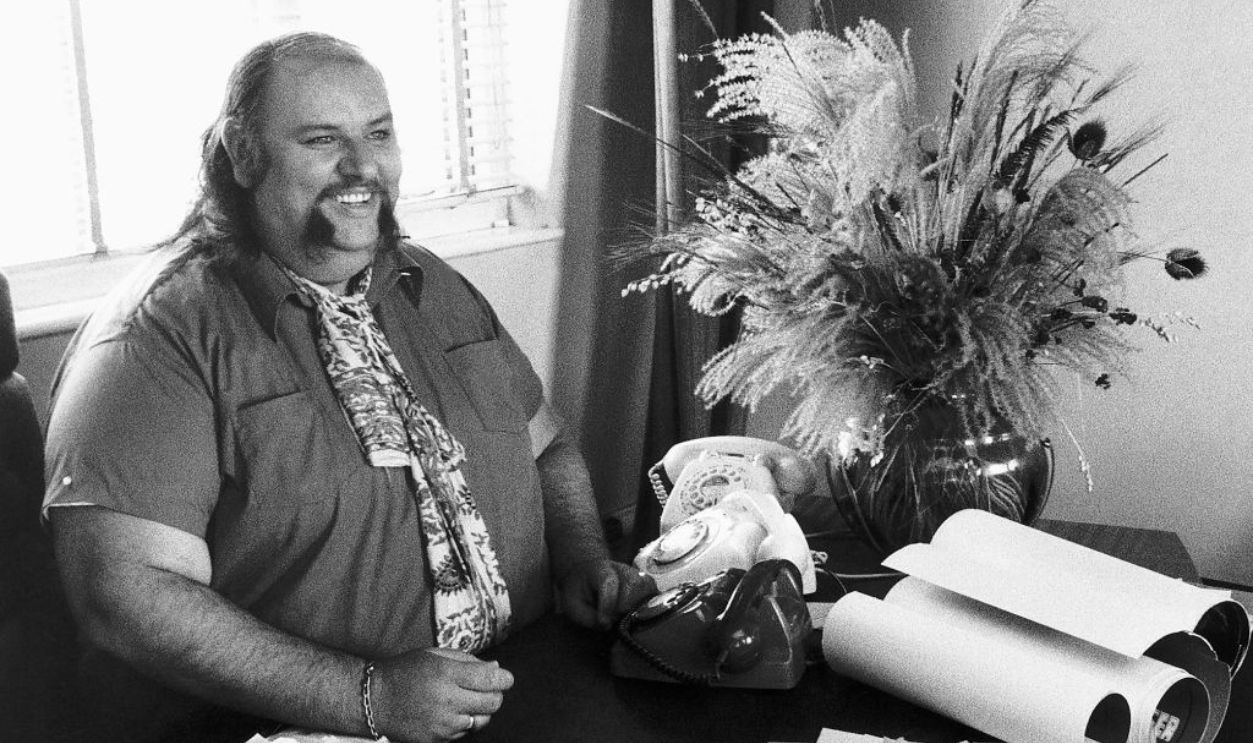
A great lumbering hulk of a man, Grant’s size and assertive demeanor became inseparable from his reputation. Promoters were said to have often found Grant intimidating without him even needing to raise his voice. His imposing presence subtly altered the psychology of negotiating sessions, making his demands tough to dismiss or stall.
 Koh Hasebe/Shinko Music, Getty Images
War On Bootlegs
Grant treated bootlegging (unauthorized recording) as theft, and he went after it personally with great zest. He took a heavy-handed attitude; he was well known for pressuring shops selling bootlegs. He also liked to monitor concert crowds for recording gear. The goal was straightforward: keep Zeppelin’s work scarce, valuable, and controlled, even if he gained enemies in the process.
Control Of The Catalog
One of the band's interesting policies was to refuse film soundtrack or advertising licensing of the band’s songs. Grant supported this “no soundtracks” stipulation as a way to build Led Zeppelin’s independence and creative control. Grant and Jimmy Page also refused to let the band release more than a handful of singles. These long-running creative policies shaped the band’s mystique: if you wanted to hear Led Zeppelin, so the logic went, you had to buy an album or go to one of their concerts.
 Evening Standard, Getty Images
Driven Performers
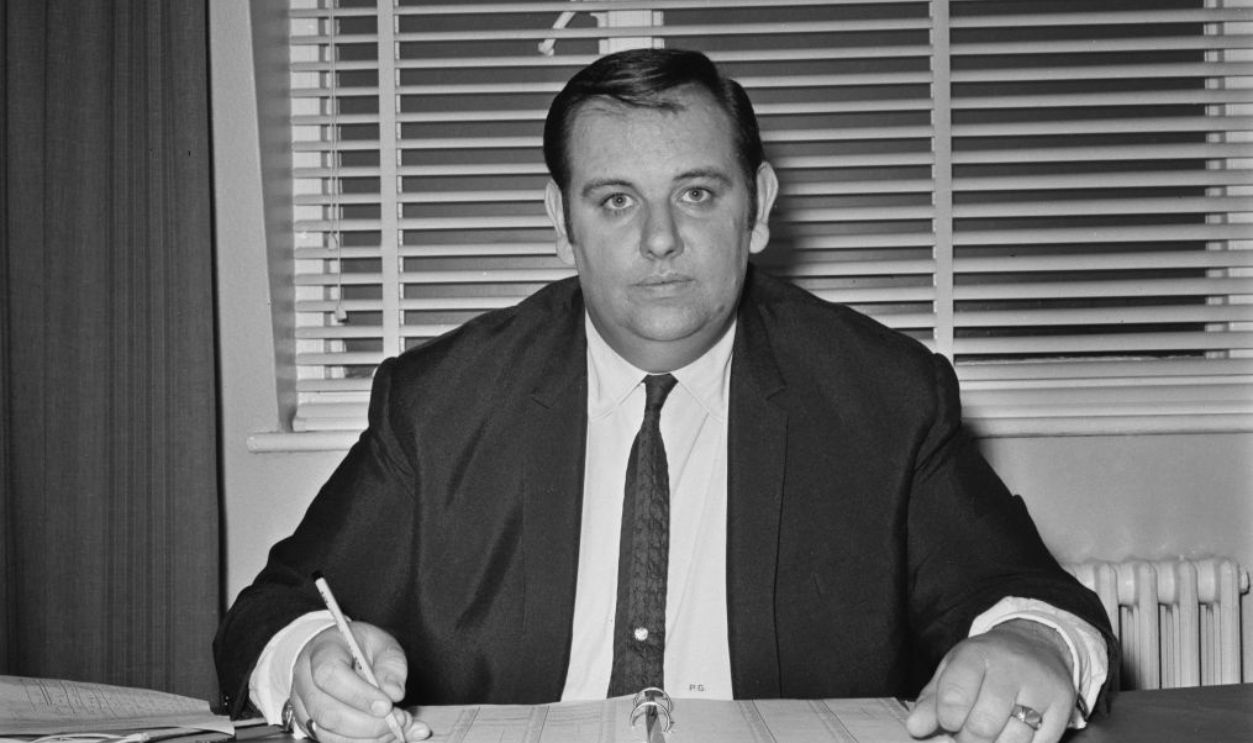
The rock world of the 60s and 70s was filled with great performers, but surprisingly few of these stars were able to put together a sustained band line-up or long term business foundation. Not so with Led Zeppelin. The band jelled very quickly as performers and were driven to succeed with constant writing, recording, and touring. Combined with Grant's business sense, it was an unstoppable combination.
Building An Empire With Swan Song Records
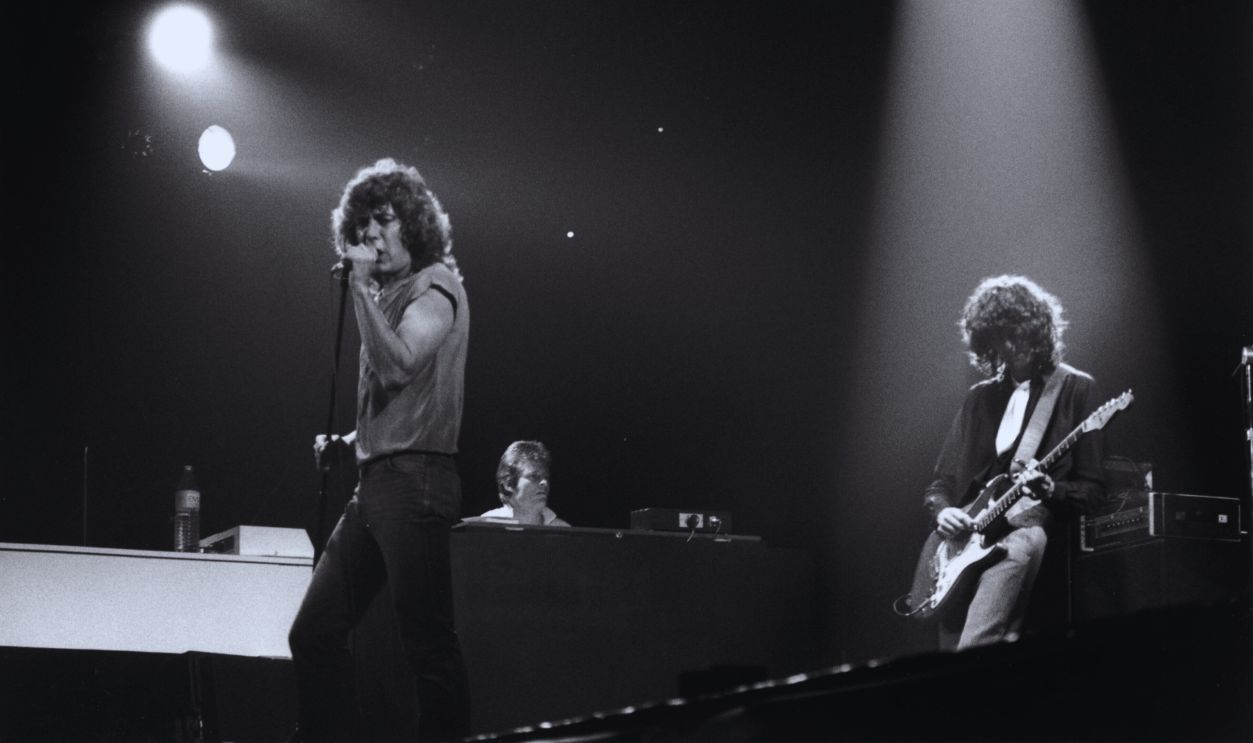
By the mid-70s, Grant’s power grew beyond the detailed nitty-gritty of touring; he was riding the tiger of a growing business infrastructure that had more money than it knew what to do with. He got involved with Led Zeppelin’s Swan Song record label and managed other major acts connected to the imprint, including Bad Company. It was a logical extension of his longstanding goal to reduce outside interference and keep control in house.
 Bruce Alan Bennett, Shutterstock
The Enforcer’s Dark Side
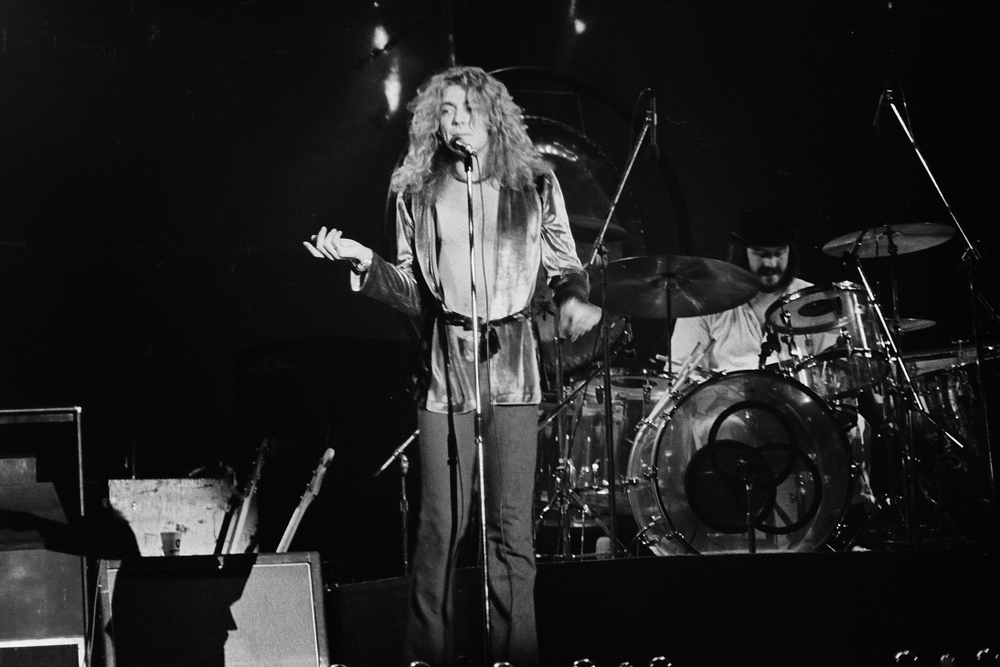
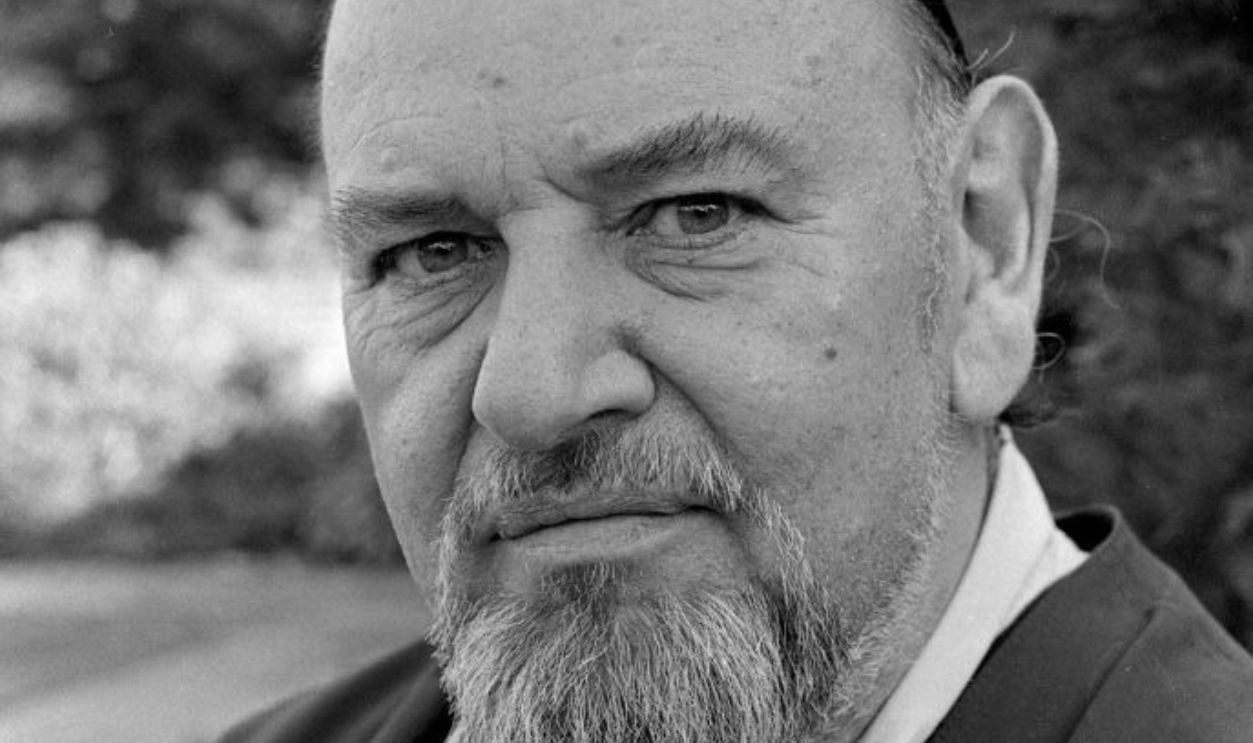
Grant was canny and strategic, but his reputation also included unpleasant elements of bullying and volatile behavior, especially as rock ‘n’ roll excess peaked in the late 70s. People around the band at the time have described Grant as protector and menace in equal measure, a man who could nurture his clients and intimidate everyone else who crossed his path. The combination of protectiveness and menace would reach the breaking point during Led Zeppelin's 1977 US tour.
Backstage Explosion
On July 23, 1977 at Oakland Coliseum’s Day on the Green music festival, tensions backstage between Led Zeppelin’s crew and venue staff boiled over. Accounts described a confrontation involving the band's head of security John Bindon and stage crew chief Jim Downey. A separate conflict involving Grant’s young son and a Coliseum security man then erupted into an ugly incident of assault, culminating in the severe beating of venue security staff members.
Charges And Fallout From Oakland
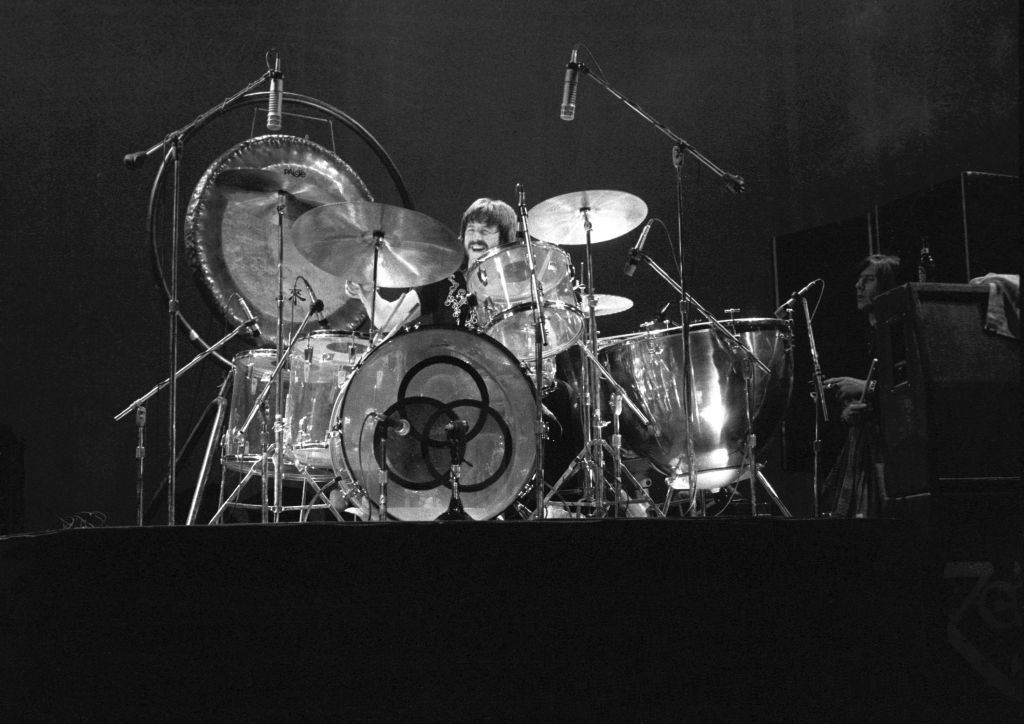
Grant, drummer John Bonham and others were arrested and charged in what became the most notorious instance of Led Zeppelin concert chaos. It brought unwelcome scrutiny and even talk of banning the band from the US. Though he was far from the only one at fault, Grant’s confrontational approach was counterproductive when combined with the paranoia and aggression of the band's security detail. Grant later lamented hiring John Bindon as the worst mistake of his career.
 Gijsbert Hanekroot, Getty Images
The End Of Led Zeppelin
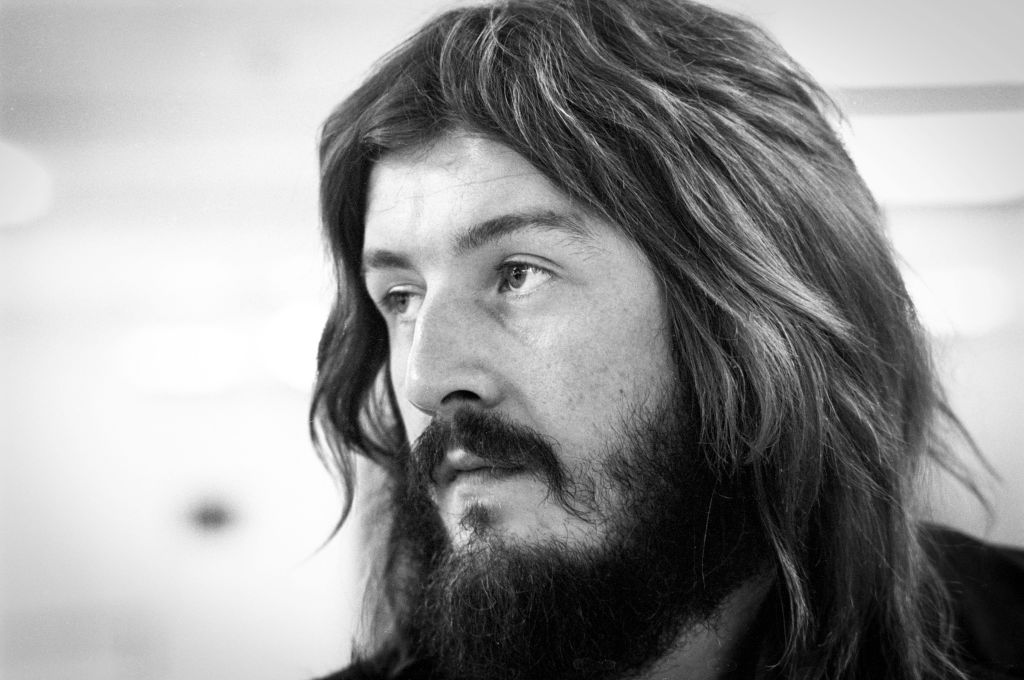
John Bonham’s sudden death in 1980 led to the breakup of Led Zeppelin, and it also ended Grant’s defining role. With the band gone and the Swan Song label eventually closing down, he drifted out of the spotlight. Accounts describe his post-Zeppelin years as a retirement to his Sussex estate in which he curbed his substance use and lost a significant amount of weight. It was a life far removed from the highly public moneymaking juggernaut he'd helped to create.
Family Life And Final Years
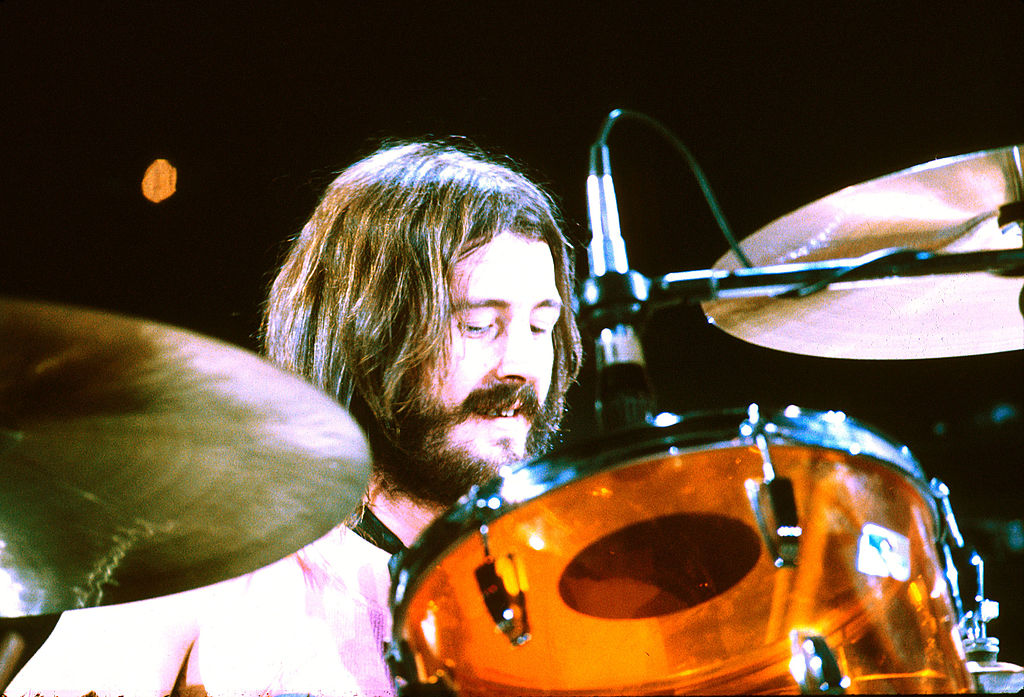
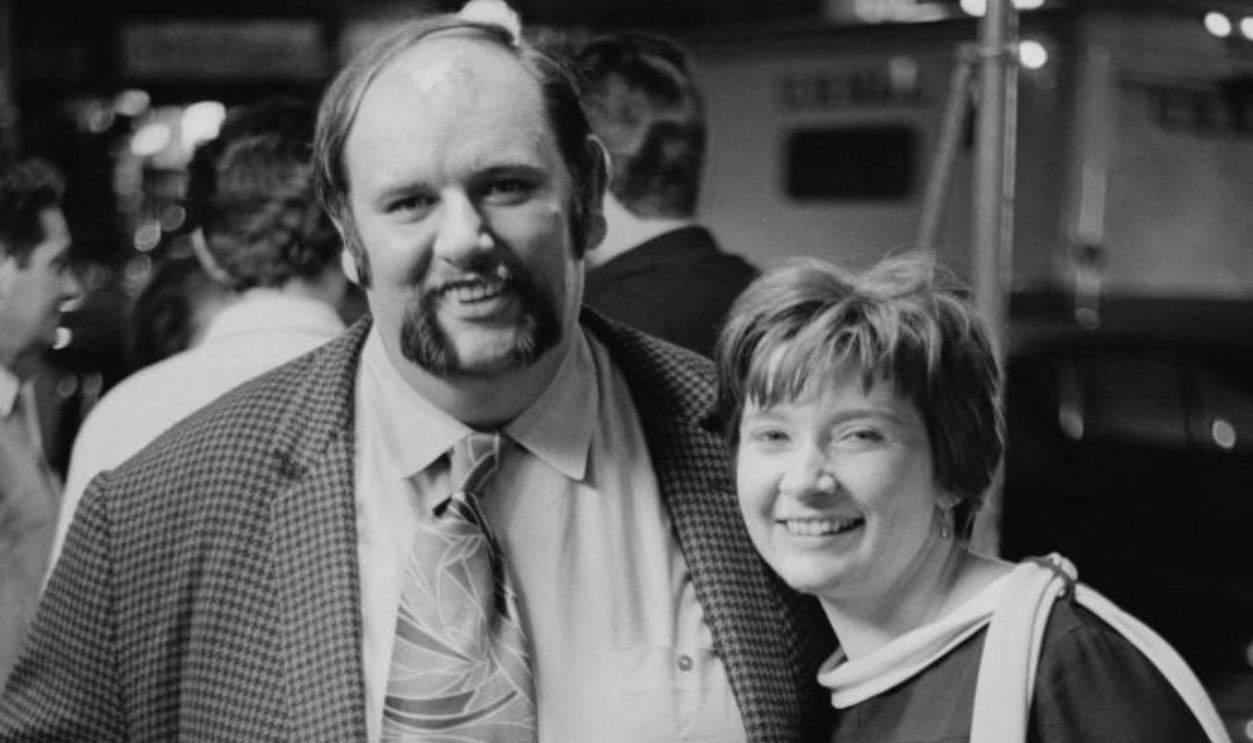
Grant was a father and family man away from the spotlight. His last public appearance was in July 1995 at the final night of the Page and Plant tour at Wembley Arena. Later that year Grant suffered a fatal heart attack while driving near Eastbourne. Sources say he was survived by his children, including son Warren, who was by his side at the end.
 Michael Ochs Archives, Getty Images
He Cast A Long Shadow
Today Grant is viewed as one of the most important and influential managers in rock history. He improved the pay and conditions for his musicians and helped shift the bargaining power of the live music business away from concert promoters. It may not have always been pretty, but Grant's fierce loyalty to his musicians and his impact on the music world is impossible to deny.
You May Also Like:
The Led Zeppelin Concert That Featured Phil Collins On Drums
The Betrayal That Nearly Broke Led Zeppelin