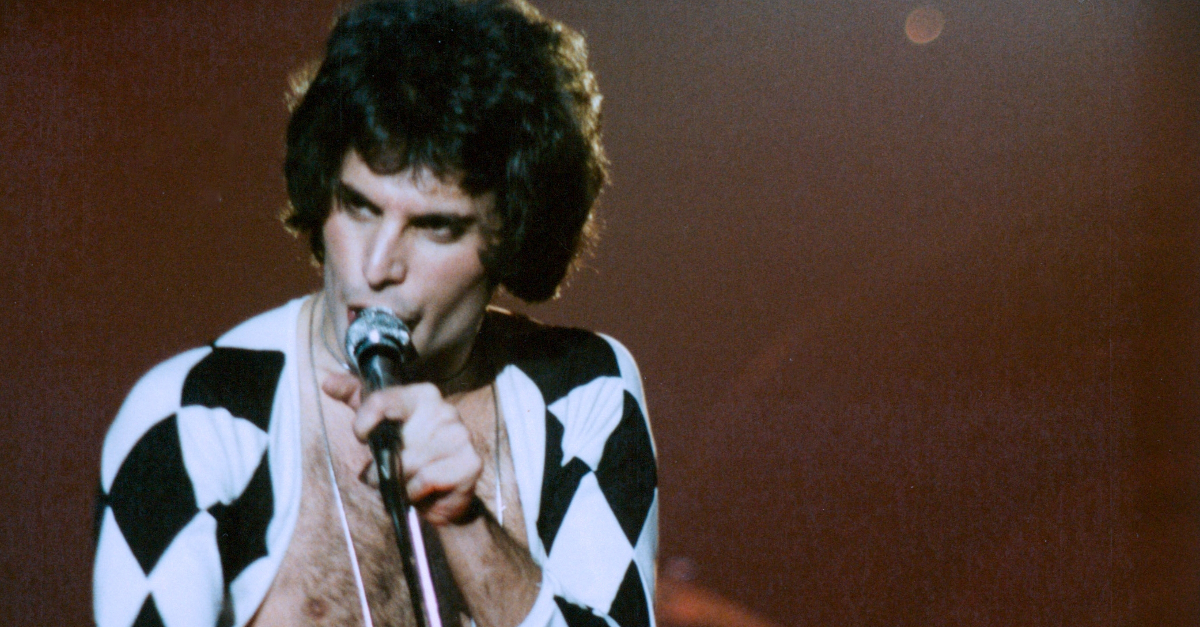
Freddie Mercury Didn’t Believe in Big Goodbyes
As Freddie Mercury’s health declined in 1991, he avoided dramatic farewells or emotional declarations. Friends and bandmates later recalled that he preferred calm, normal conversations and resisted turning his final days into a spectacle. But even without a formal goodbye, what he said—and didn’t say—left a lasting impact.
Freddie Knew His Time Was Limited
By late 1991, Freddie Mercury fully understood the severity of his illness. Those closest to him later confirmed there was no confusion about his condition. Despite extreme physical weakness, his mental clarity remained intact. He was making deliberate choices about how to spend what little energy he had left.
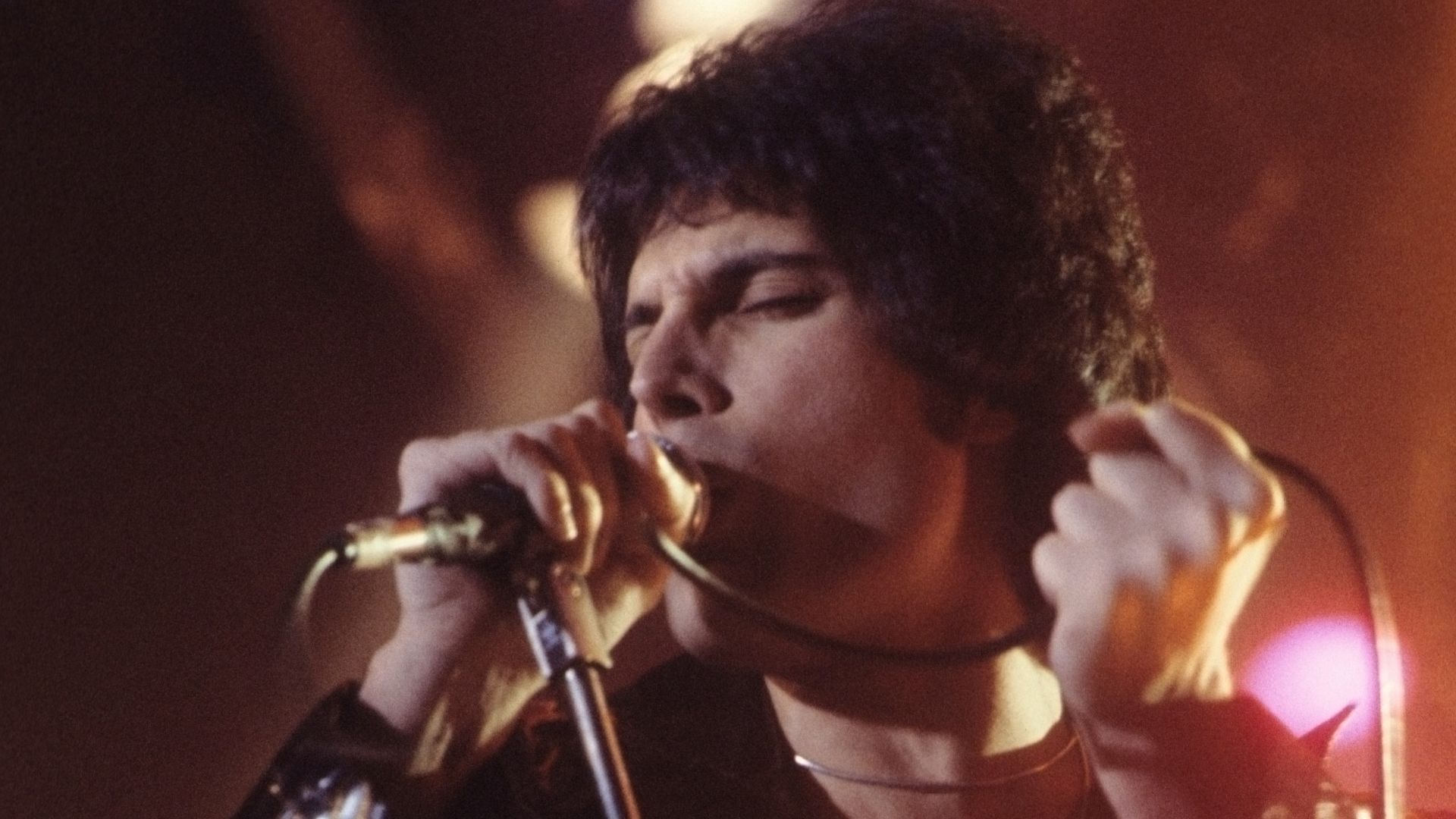 Carl Lender, Wikimedia Commons
Privacy Became a Priority
Freddie drastically reduced contact with the outside world during his final months. This wasn’t denial—it was control. He didn’t want his illness to become a public vigil, and he limited interactions to a very small circle. Those who were allowed close later said this was entirely his decision.
Work Took Precedence Over Conversation
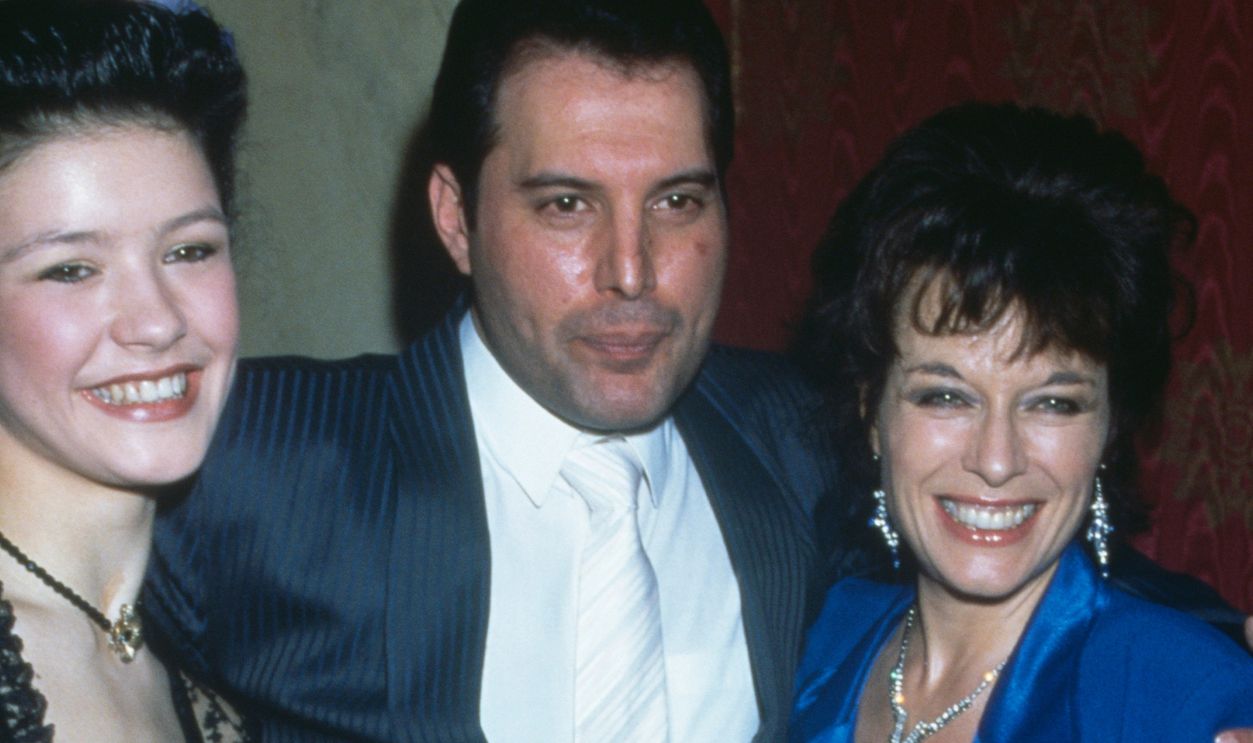
Rather than spending his remaining time on emotional discussions, Freddie focused on recording whenever he was physically able. Sessions were short and purposeful. He understood there would be no opportunity to revisit unfinished ideas later, and he worked with that reality in mind.
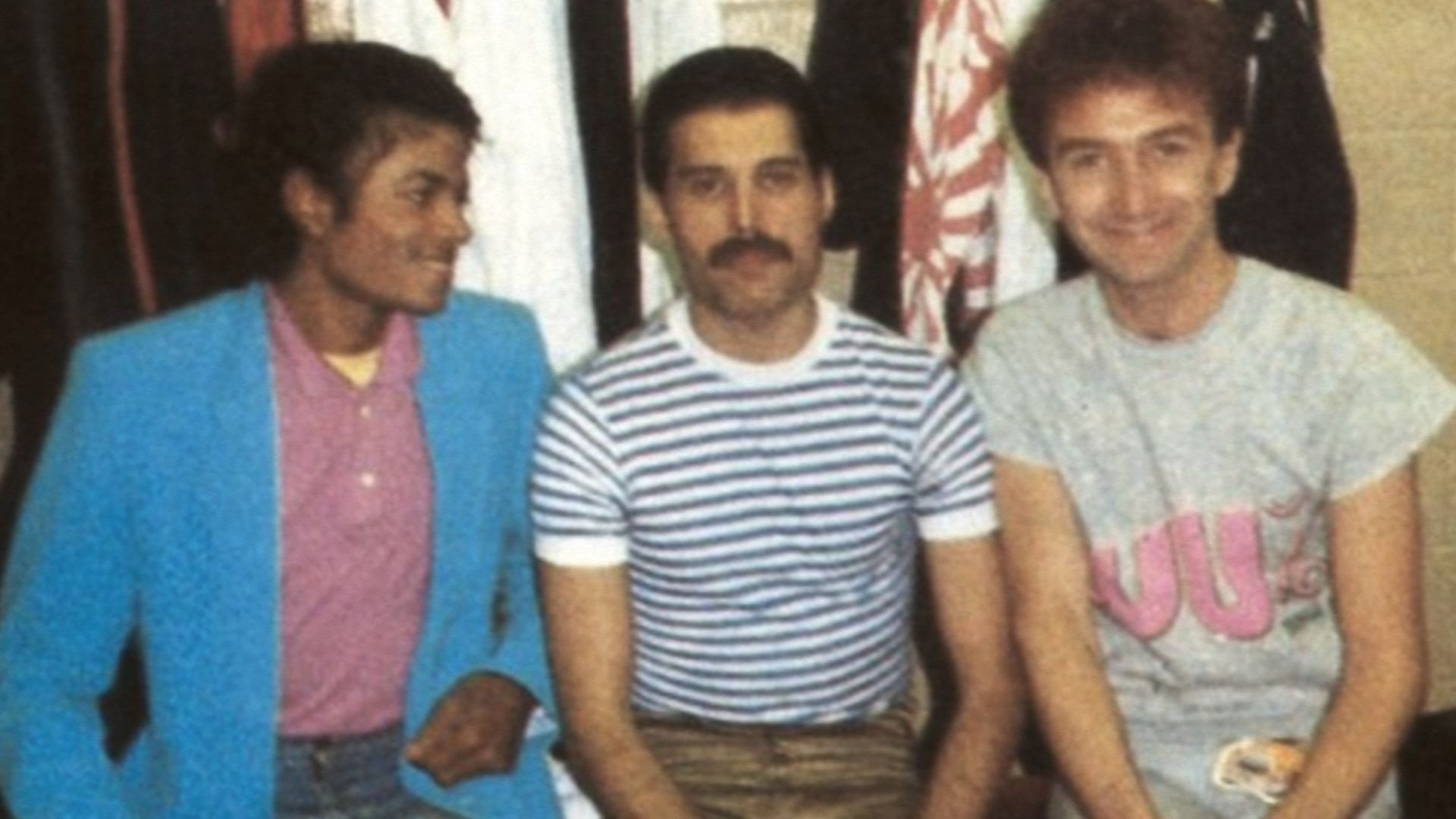 Comunità Queeniana, Wikimedia Commons
Brian May Noticed a Shift
Brian May later said Freddie became unusually decisive near the end. “He knew exactly what he wanted,” May recalled. There was no experimentation or second-guessing. Freddie wasn’t starting new ideas—he was completing things.
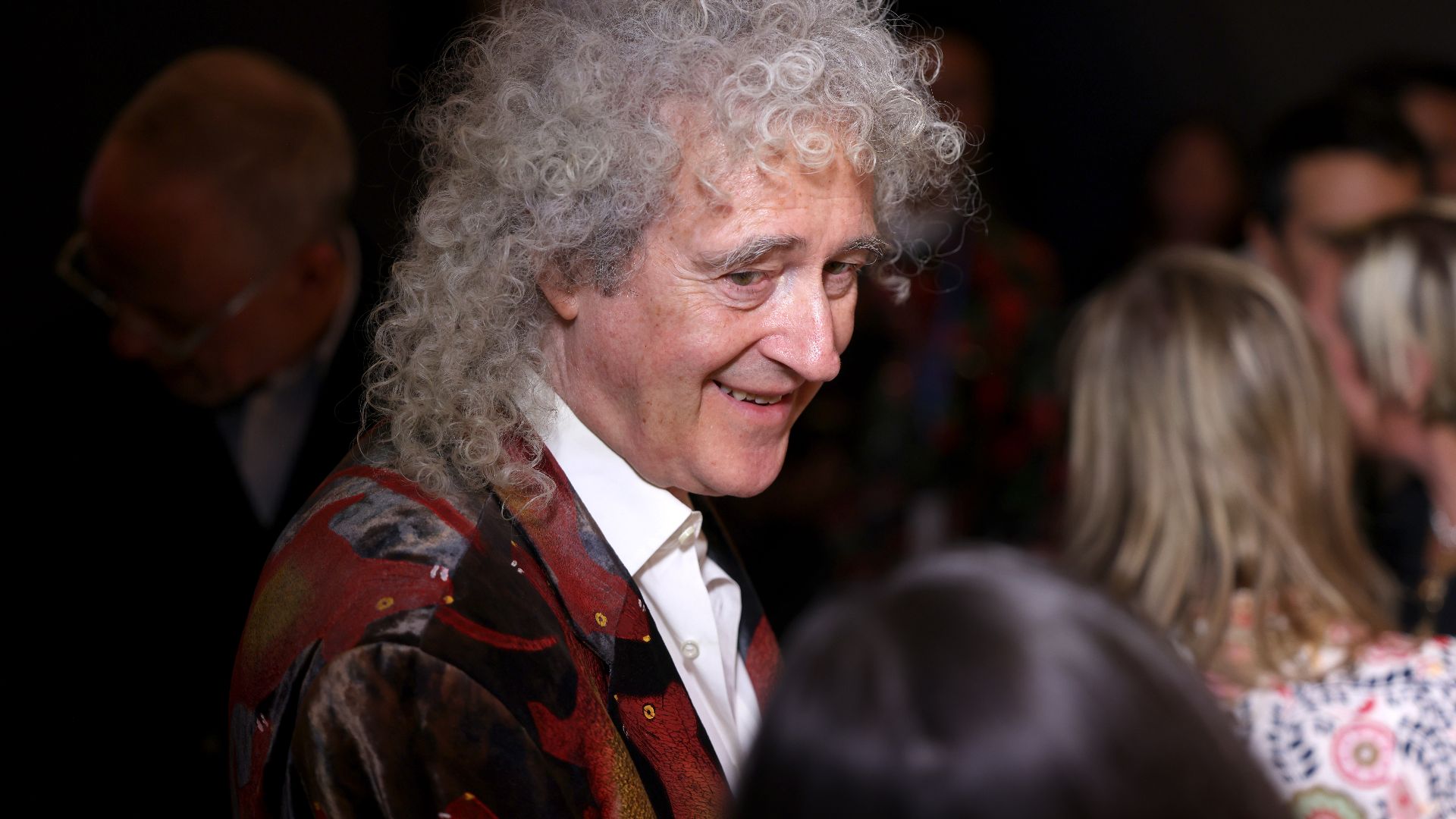 Gage Skidmore, Wikimedia Commons
Freddie Shifted Into Completion Mode
In his final studio sessions, Freddie arrived focused and prepared. He conserved energy, recorded what he could, and avoided unnecessary takes. Studio work during this period was about capturing usable performances—not perfection.
He Wanted As Much Captured As Possible
Much of Made in Heaven was later built around vocals and piano recordings Freddie left behind. Producer David Richards and the band completed arrangements after his death, shaping songs around what Freddie had already recorded. The album exists largely because of what he managed to leave behind.
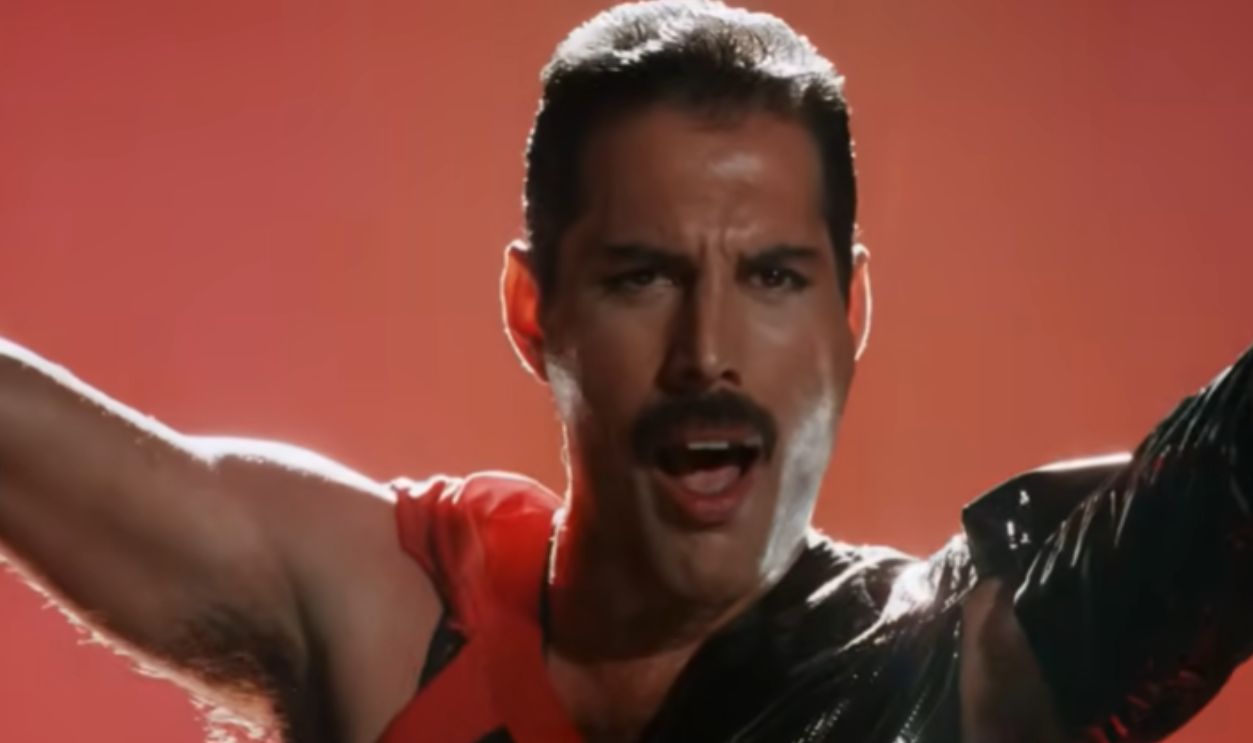 Screenshot from Made in Heaven, Parlophone (1995)
Recording Became Increasingly Difficult
As 1991 progressed, Freddie’s physical strength declined significantly. Even so, he continued recording whenever possible. Band members later said his determination to keep working was striking, especially given how unwell he had become.
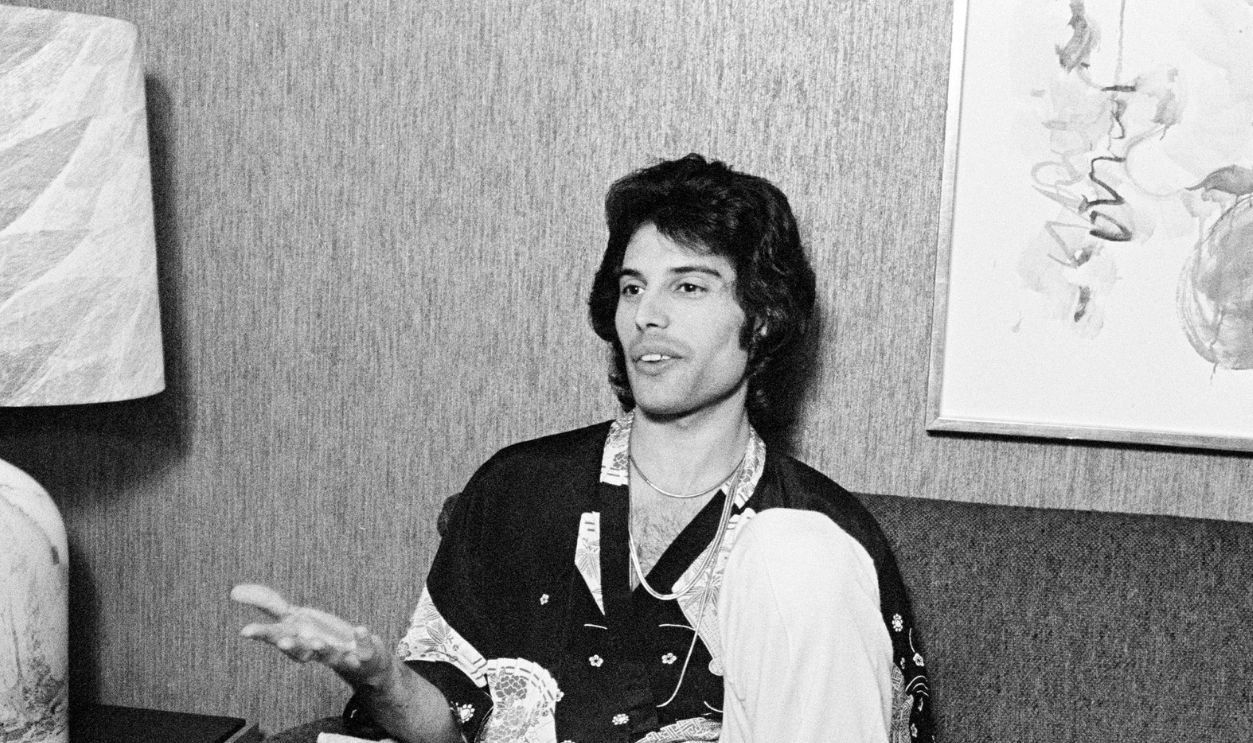
“A Winter’s Tale” Became His Final Complete Song
A Winter’s Tale is widely regarded as the last song Freddie Mercury fully wrote and recorded on his own. Brian May has confirmed Freddie completed the vocals knowing it would likely be his final original work. It was recorded quietly, without discussion of its significance.
 Screenshot from A Winter's Tale, Parlophone (1995)
Freddie Rejected the Idea of Musical Farewells
Brian May has said Freddie did not want lyrics discussed as goodbyes while recording. Songs later interpreted as farewells were treated practically in the studio. Freddie focused on finishing the work, not shaping a legacy statement.
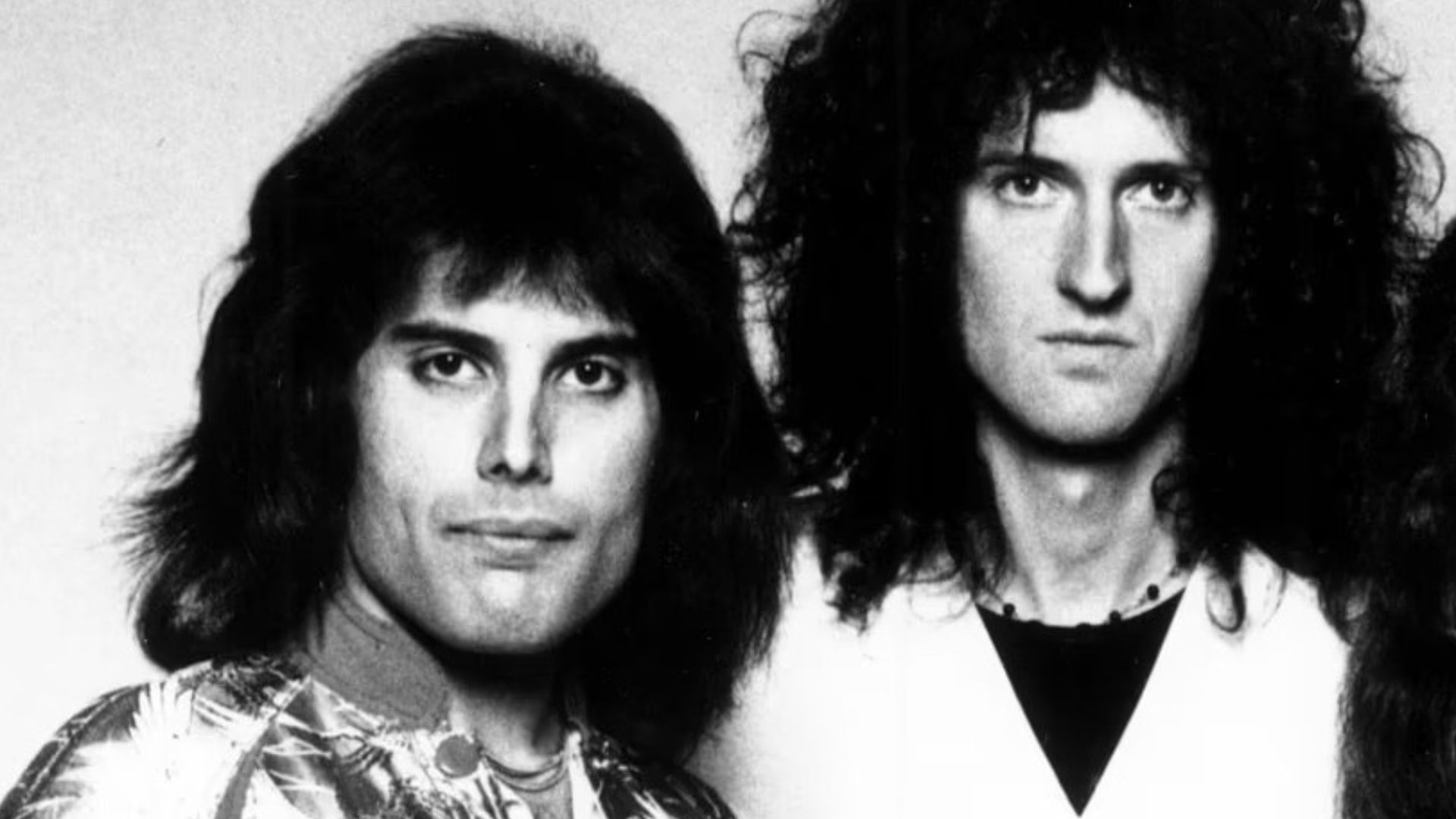 Koh Hasebe; Distributed by Elektra Records, Wikimedia Commons
“Mother Love” Marked the End
Freddie recorded all verses of Mother Love but was physically unable to finish the final chorus. When he stopped, he reportedly told the band he would return to complete it. He never did. Brian May later recorded the final verse himself.
 Screenshot from Mother Love, Parlophone (1995)
Vocals Were Preserved Wherever Possible
Songs like You Don’t Fool Me were constructed from vocal improvisations Freddie recorded during his final sessions. After his death, the band built full tracks around those fragments, preserving as much of his last recorded voice as possible.
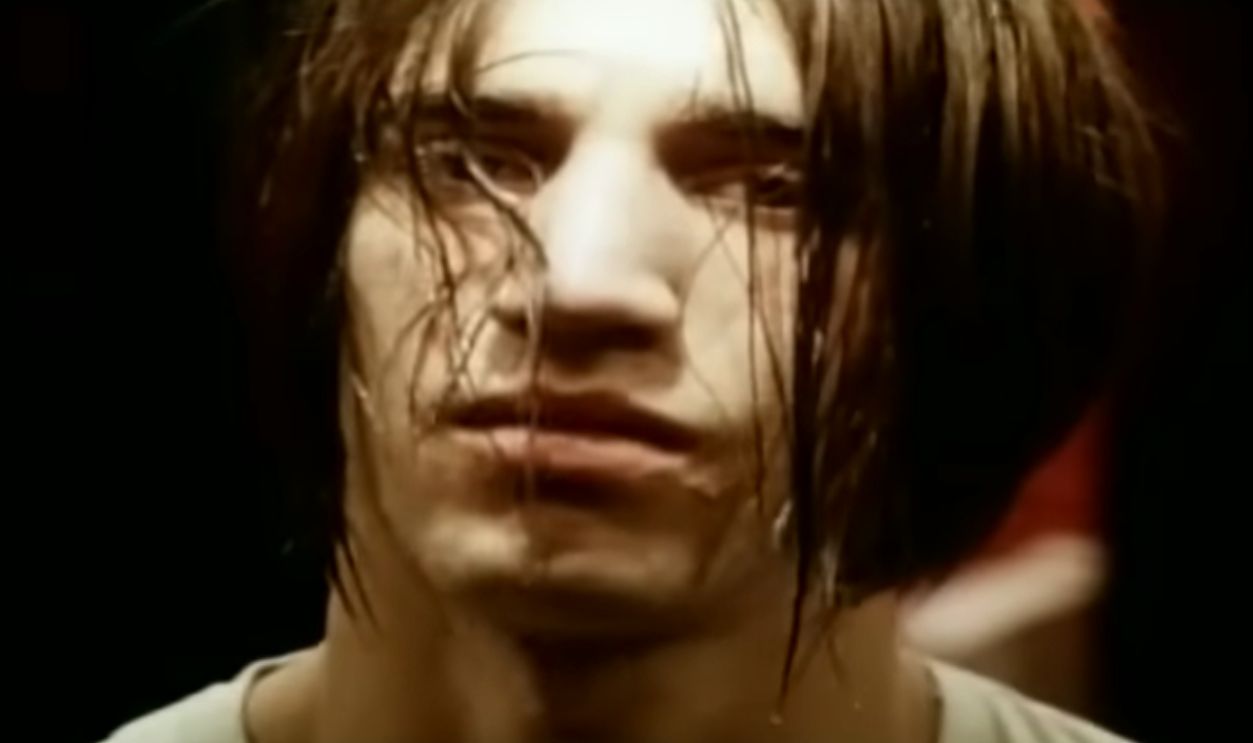 Screenshot from You Don't Fool Me, Parlophone (1995)
Clearing Up “The Show Must Go On”
Freddie did record the lead vocal for The Show Must Go On, though not in his very final days. Brian May initially doubted he could manage it. Freddie insisted he could—and delivered the vocal despite serious illness.
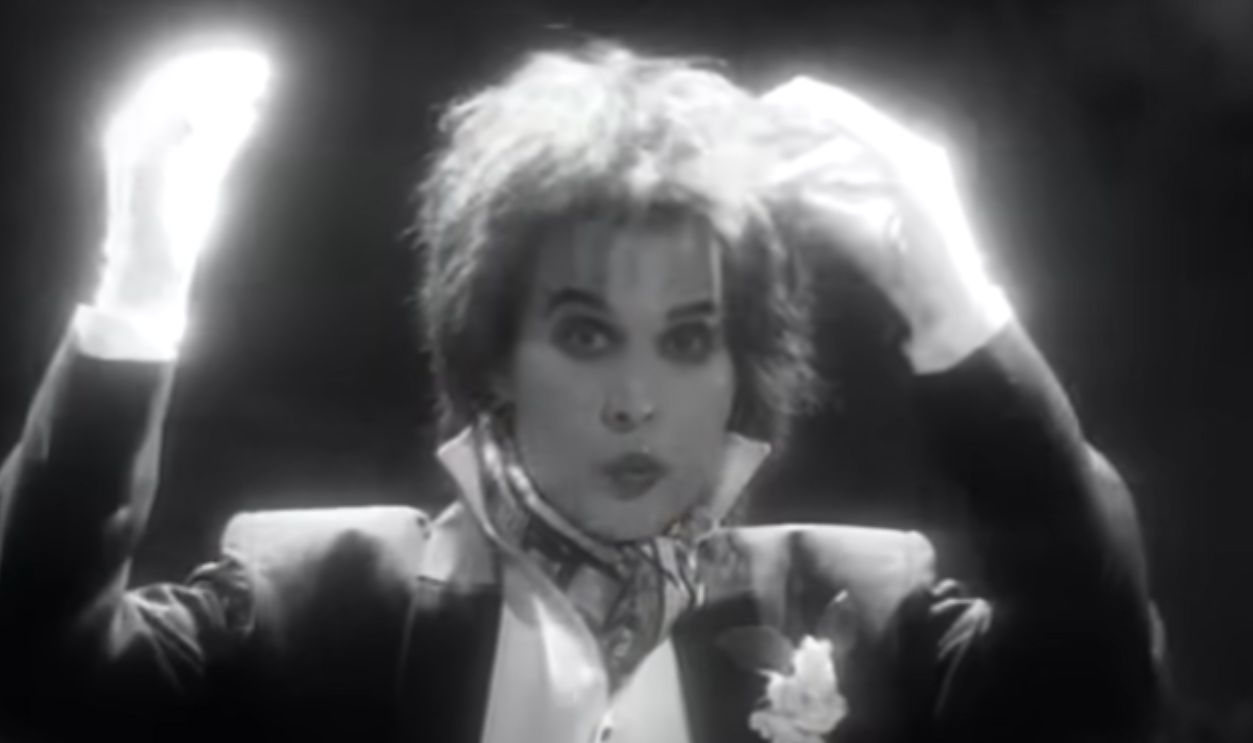 Screenshot from The Show Must Go On, Hollywood Records (1991)
Visits and Conversations Were Kept Private
During Freddie’s final months, interactions were deliberately limited and kept private. Accounts from those closest to him emphasize how controlled and undramatic he was about his condition. He did not want repeated check-ins or emotional scenes—only normal presence.
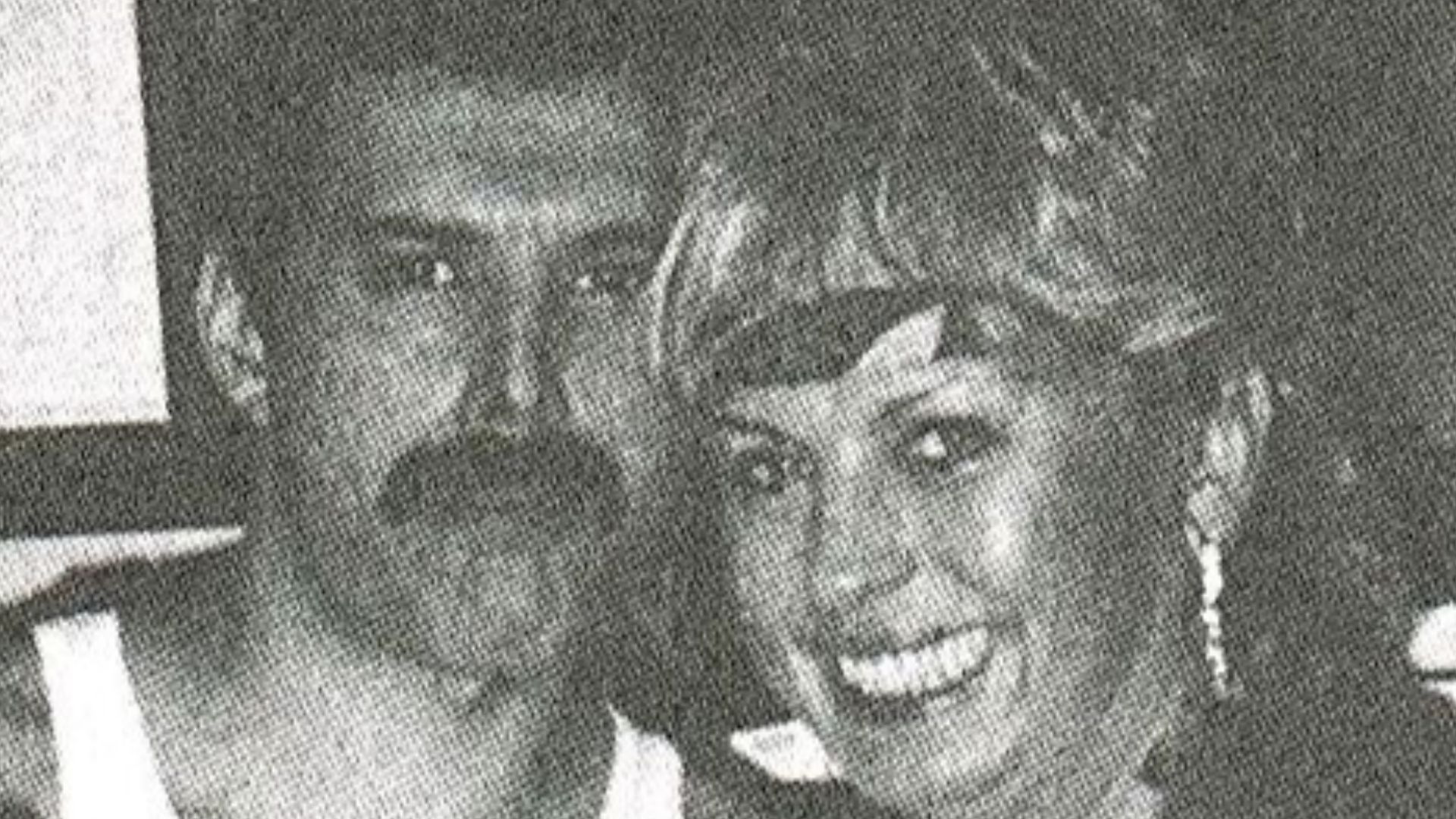 Unknown authorUnknown author, Wikimedia Commons
A Quiet Moment That Meant More Than a Farewell
Brian May later recalled a quiet conversation near the end in which Freddie expressed how much it meant to have him there—something along the lines of being “so happy you’re here.” There was no dramatic goodbye or final speech. The focus was simply on being together.
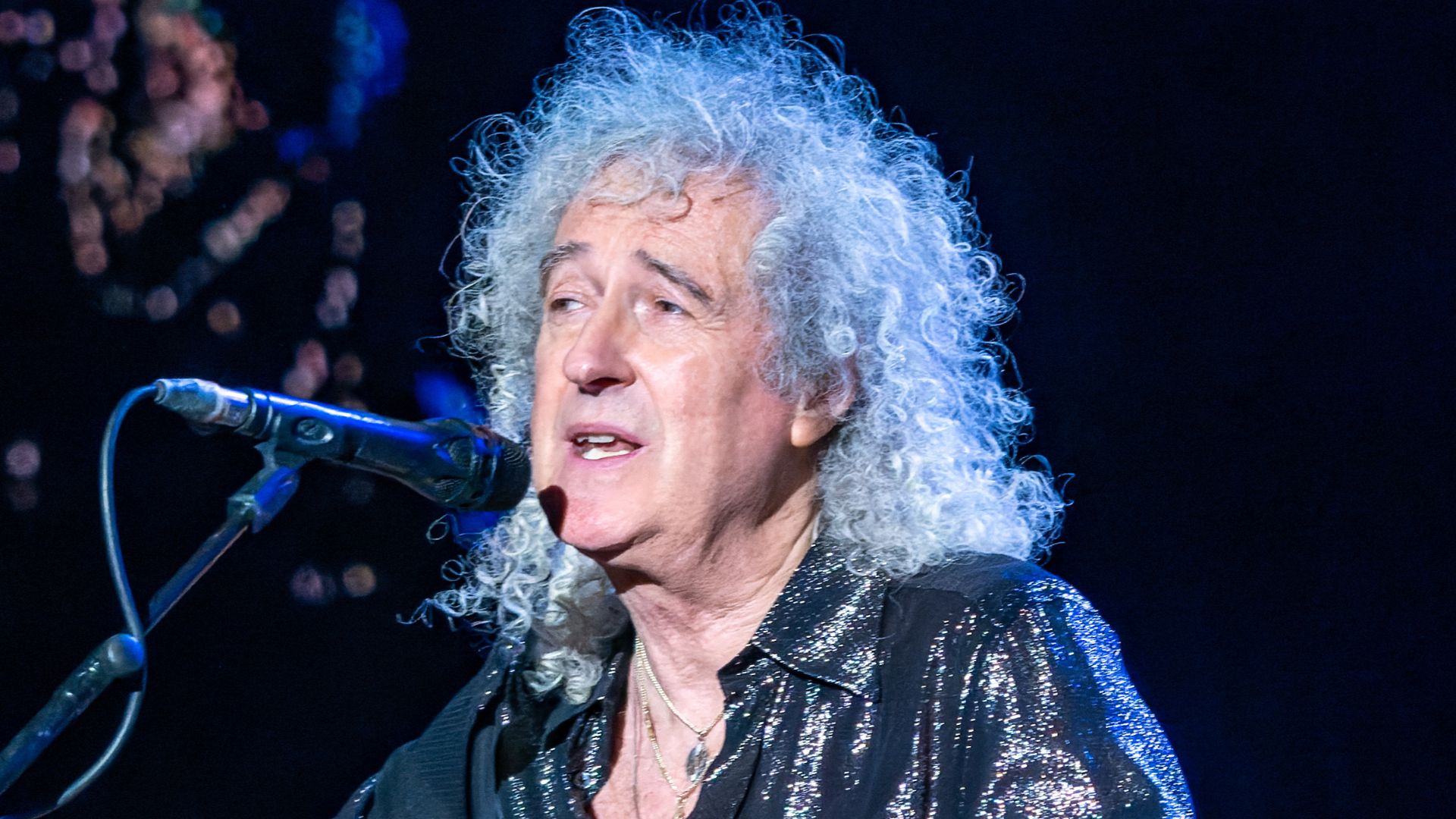
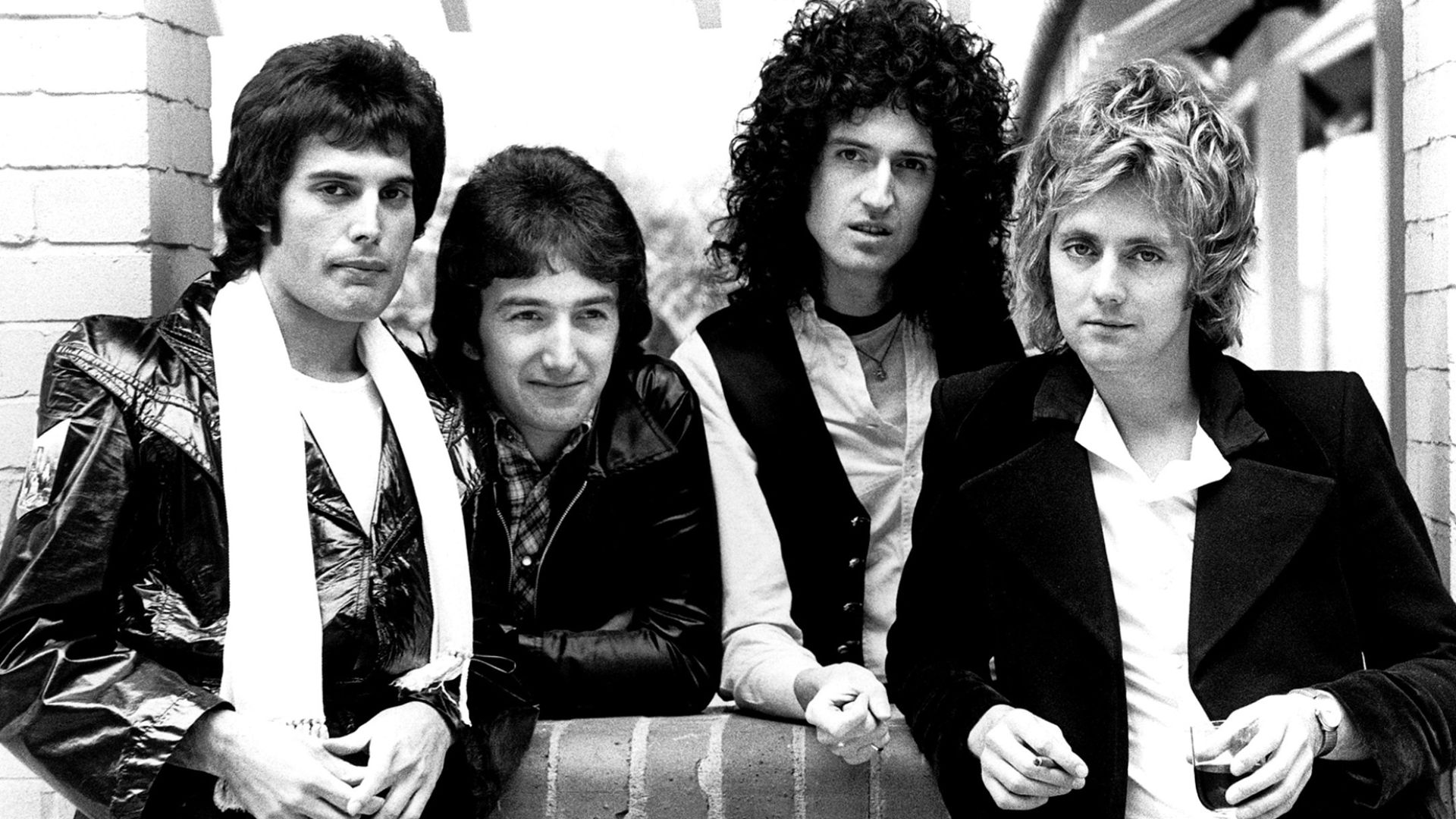
No Dramatic Farewell—By Design
Freddie didn’t frame these moments as final. There were no declarations, no last requests, and no attempt to define the situation out loud. Friends later said this restraint was intentional. By refusing to dramatize the moment, Freddie made his wishes clear without ever stating them directly.
 Christopher Hopper; distributed by Elektra Records, Wikimedia Commons
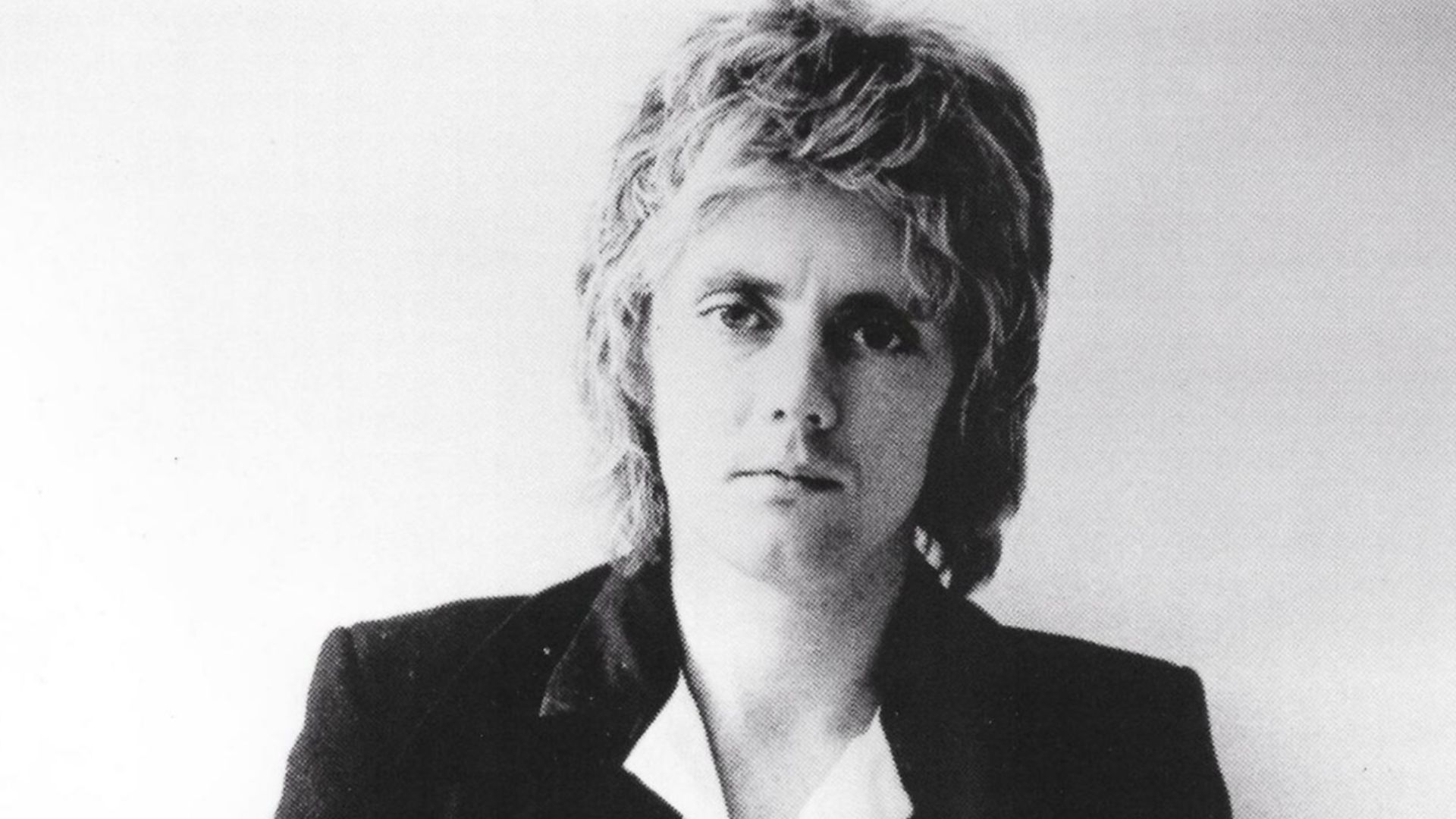
Roger Taylor Recognized the Finality
Roger Taylor later said Freddie’s final interactions felt unmistakably conclusive. There was no denial and no confusion about what was happening. Freddie wasn’t seeking reassurance or comfort—he was quietly closing things.
 Christopher Hopper; Distributed by Elektra Records, Wikimedia Commons
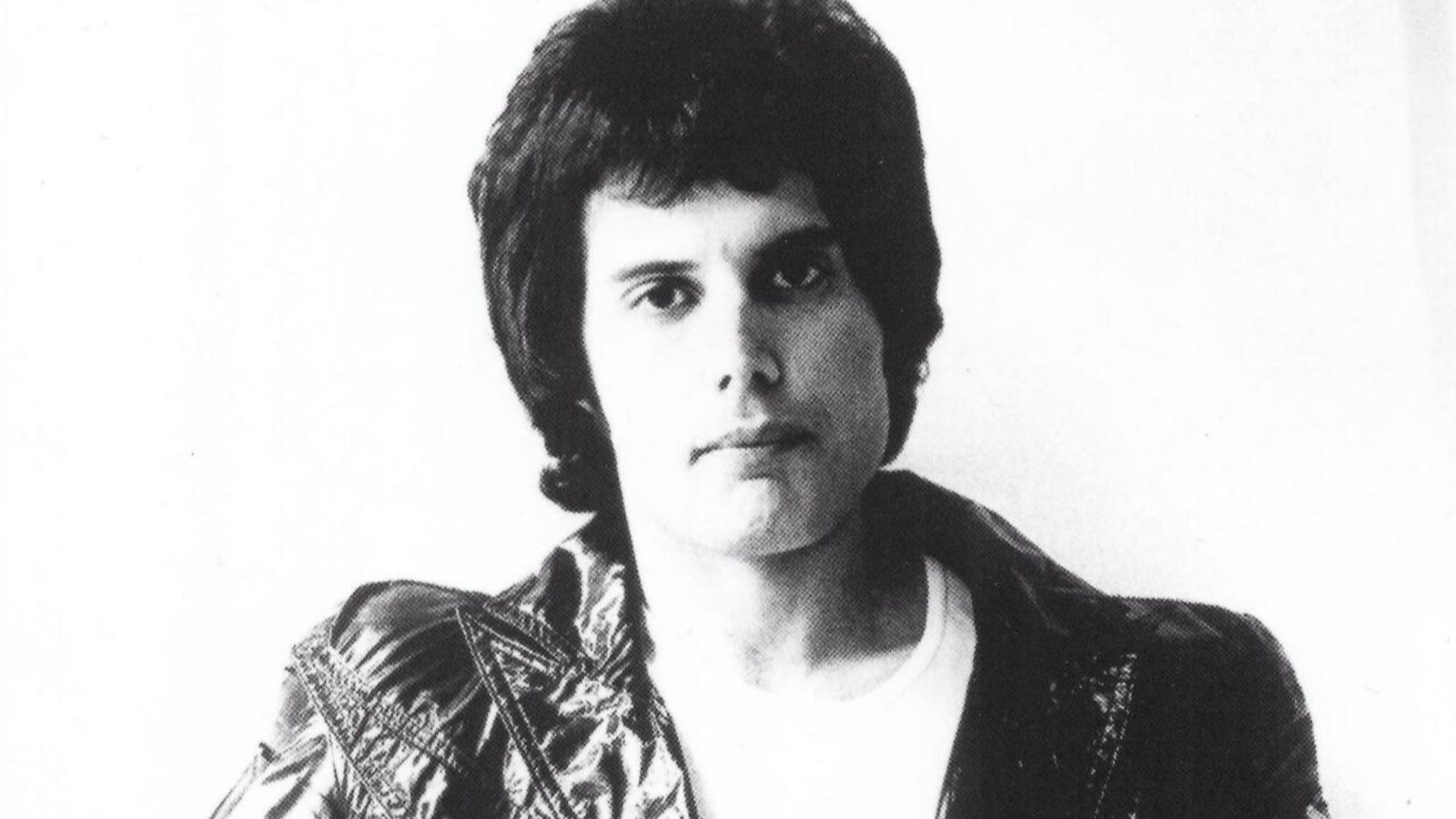
Why No One Pushed Further
Those closest to Freddie respected his boundaries. No one tried to force additional visits or conversations once it was clear what he wanted. They understood that pressing for more would only make things harder—and honoring his wishes mattered more.
 Christopher Hopper; Distributed by Elektra Records, Wikimedia Commons
The World Still Didn’t Know
Freddie kept his diagnosis private for years. He publicly confirmed he had AIDS on November 23, 1991—just one day before his death. Until then, Queen largely honored his request for silence despite widespread speculation and media attention.
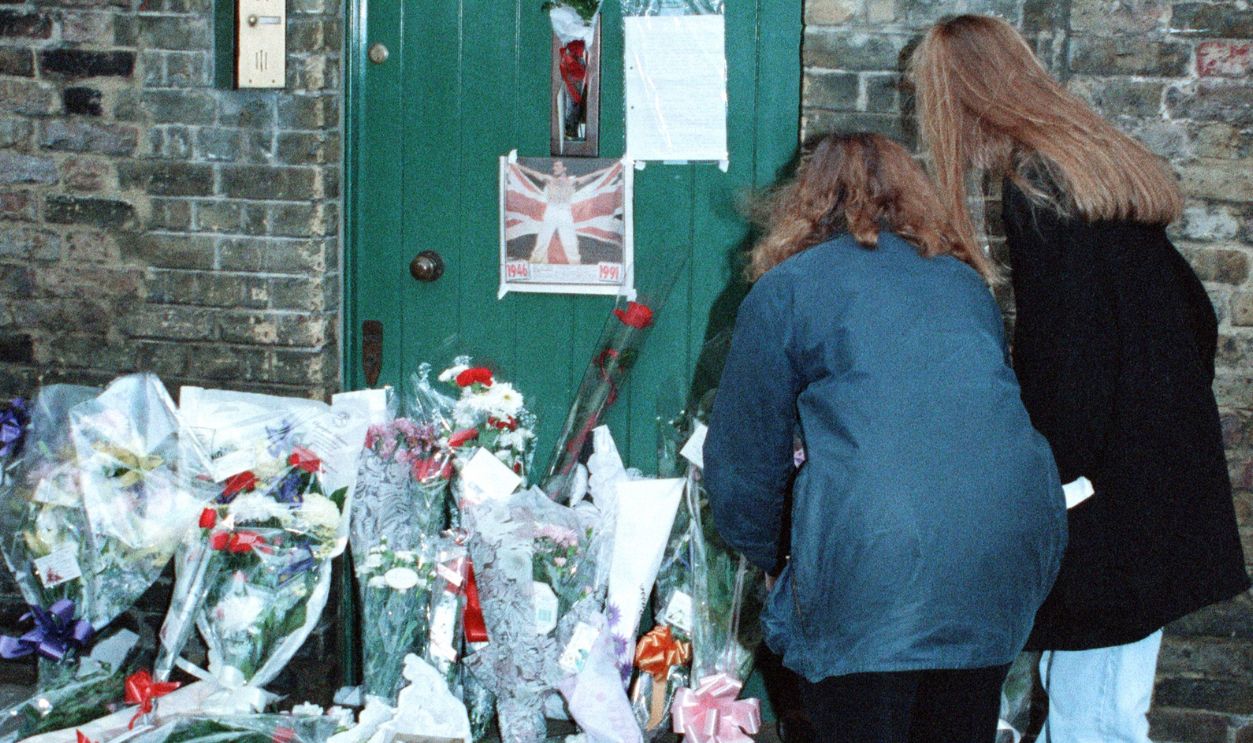
His Final Public Statement
Freddie’s final statement was brief and factual, confirming his illness without reflection or farewell language. It was released deliberately, on his terms, and without elaboration. Less than 24 hours later, he died at his home in London.
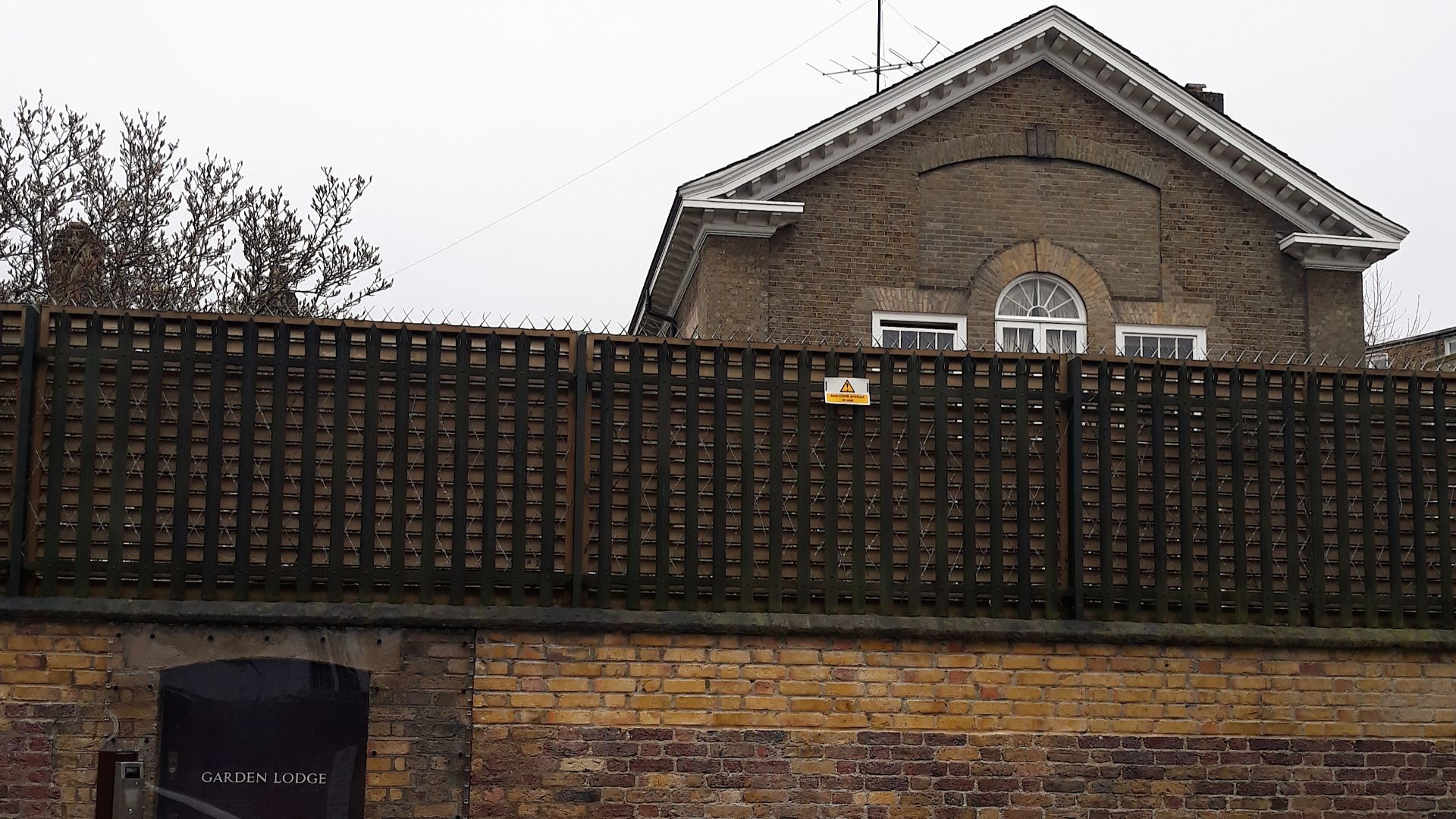 Enryonthecloud, Wikimedia Commons
A Goodbye That Fit Freddie Mercury
There was no final concert or public goodbye—by design. Freddie Mercury didn’t want his last days defined by illness or spectacle. His final interactions reflected that choice: calm, controlled, and focused on presence rather than parting words.
 Markus Schweizer, Wikimedia Commons
You Might Also Like:
The Musical And Scientific Genius Of Brian May
Scott Weiland: Rock’s Fast Burning Fuse
No One Ever Questions These "Music Legends" From The 1970s, But Do They Actually Hold Up?