Brilliant Chaos
Scott Weiland found incredible success shadowed by years of personal struggle. As the charismatic lead vocalist of Stone Temple Pilots and later Velvet Revolver, he helped define the era of alternative rock with his distinct voice and unpredictable style. But behind the fame was a lifetime of trauma, addiction, and instability that followed him from stage to stage, cutting short the career of a talent who once seemed unstoppable.
West Coast Kid
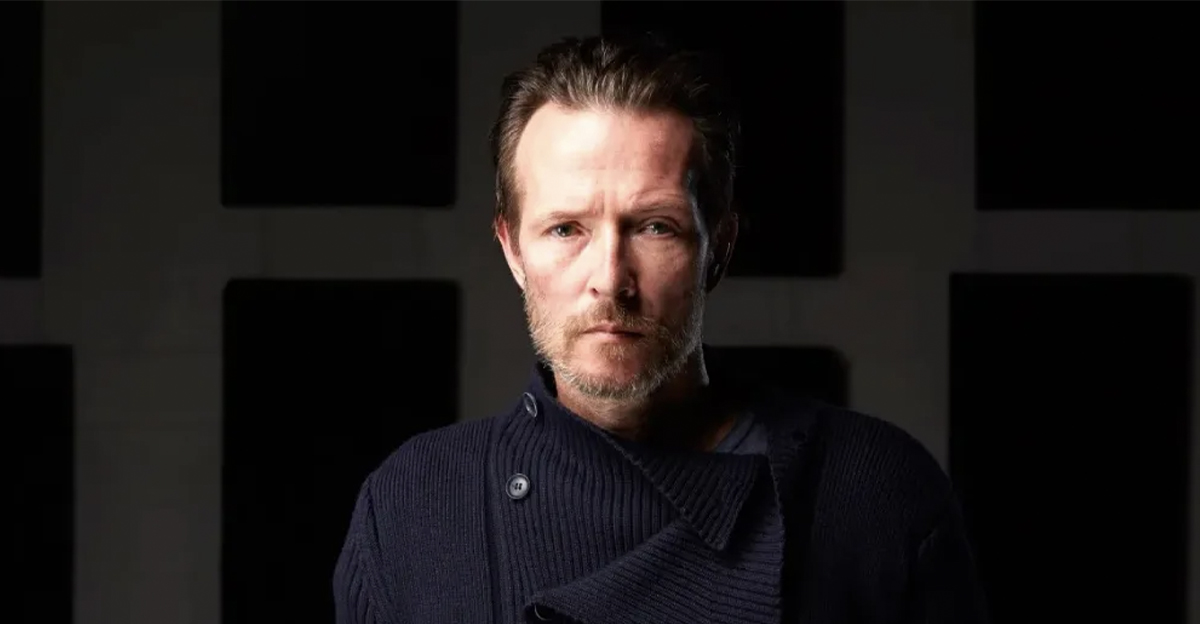
Scott Richard Kline was born October 27, 1967, in San Jose, California. After his parents split up, he was adopted by his stepfather; Scott now took the stepfather's surname, Weiland. His childhood involved moves between California and Ohio before his family settled back on the West Coast at fourteen. In these bleak years there was no indication that he would find success as a musician.

Starting Stone Temple Pilots
In the late 80s, Weiland teamed with brothers Dean and Robert DeLeo, and drummer Eric Kretz to form the band Mighty Joe Young. But after signing with Atlantic Records, they discovered the name was already in use by a blues musician. Inspired by the old STP motor oil stickers, they changed the name to Stone Temple Pilots. They built up a strong fan following in and around San Diego in the early 90s.
 Photo taken by Jeff Graham using Greg Kullberg's camera., Wikimedia Commons
Breakthrough
Stone Temple Pilots’ debut album Core was released in 1992, propelled by songs like “Plush,” and “Creep.” The record blended grunge influences with hard rock and quickly climbed the charts. Weiland’s distinctive baritone and unpredictable stage presence was immediately pivotal to the band’s breakthrough to mainstream success.
 Screenshot from Dead & Bloated, Atlantic Records (1992)
Dynamic Vocals And Stage Presence
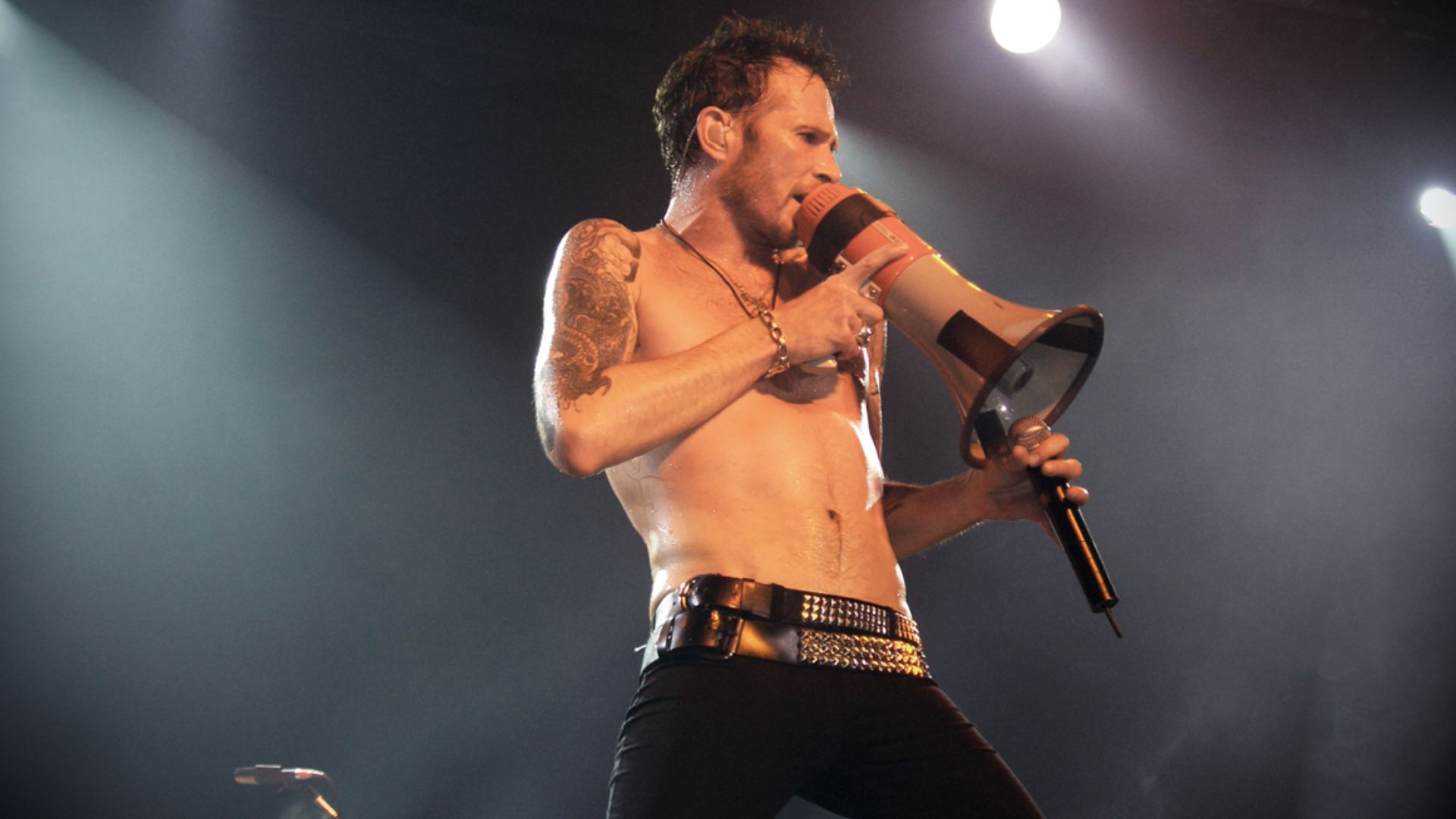
Weiland developed a reputation for his unusual vocal versatility and flamboyant performance style. Onstage, he frequently used a megaphone and changed looks dramatically from tour to tour, building a convincing image as a lead vocalist and visually driven frontman.
 De-fexxx666, Wikimedia Commons
Pilots Flying High
Stone Temple Pilots followed up through the mid-90s with the albums Purple (1994) and Tiny Music…Songs from the Vatican Gift Shop (1996). But it was during this successful run that Weiland first encountered legal troubles, convicted of buying crack in 1995. Sentenced to a year’s probation, it wouldn’t be his last run-in with the law.
 Screenshot from Interstate Love Song, Atlantic Records (1994)
Solo Debut: 12 Bar Blues
Amid internal conflict within Stone Temple Pilots, Weiland released his solo debut 12 Bar Blues in 1998. The album took on a more experimental, art-rock direction, with psychedelic production overtones and collaborations with musicians such as Daniel Lanois and Sheryl Crow. It showed his desire to push past the familiar STP formula.
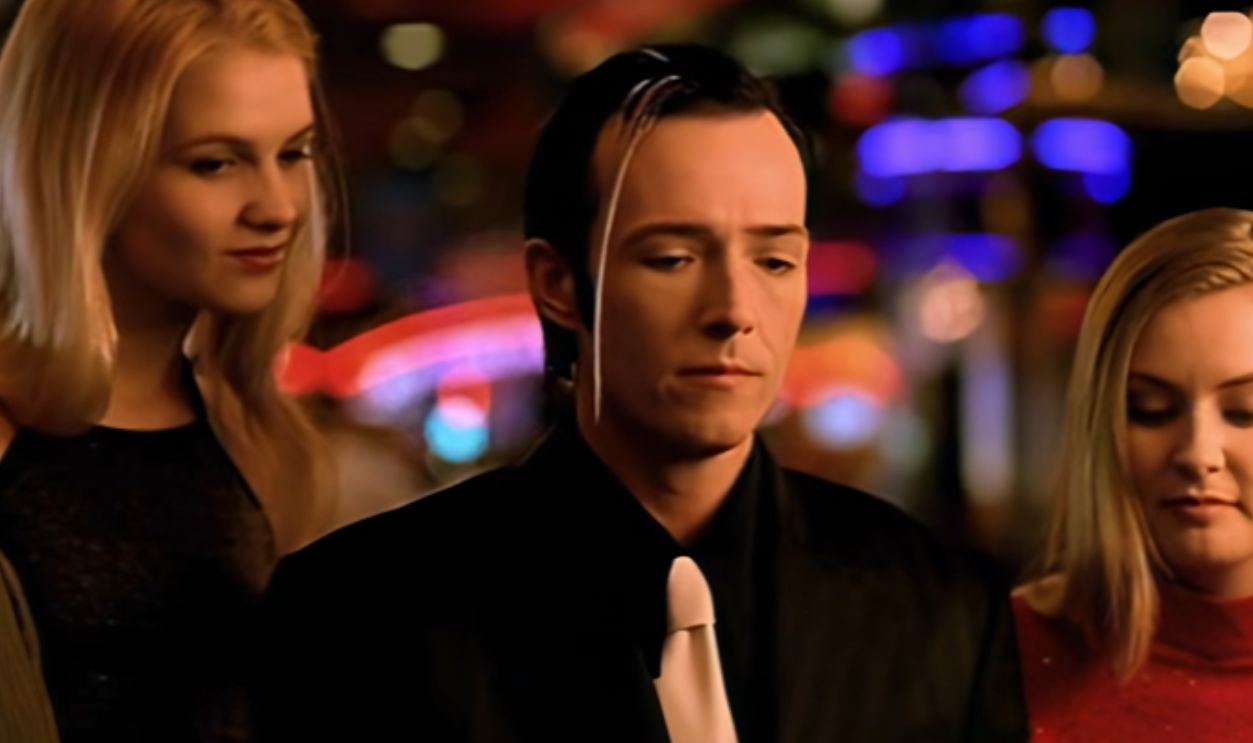 Screenshot from Barbarella, Atlantic Records (1998)
Success And Adversity
Stone Temple Pilots continued to enjoy success with a new album, No. 4 (1999), although things were not so rosy for Weiland. He spent five months behind bars for possession. Once he was out, he picked up musically where he’d left off. One project of note was his performance with the surviving members of the Doors for the VH1 Storytellers live music TV show where he sang their classics “Break On Through (To the Other Side)” and “Five to One.”
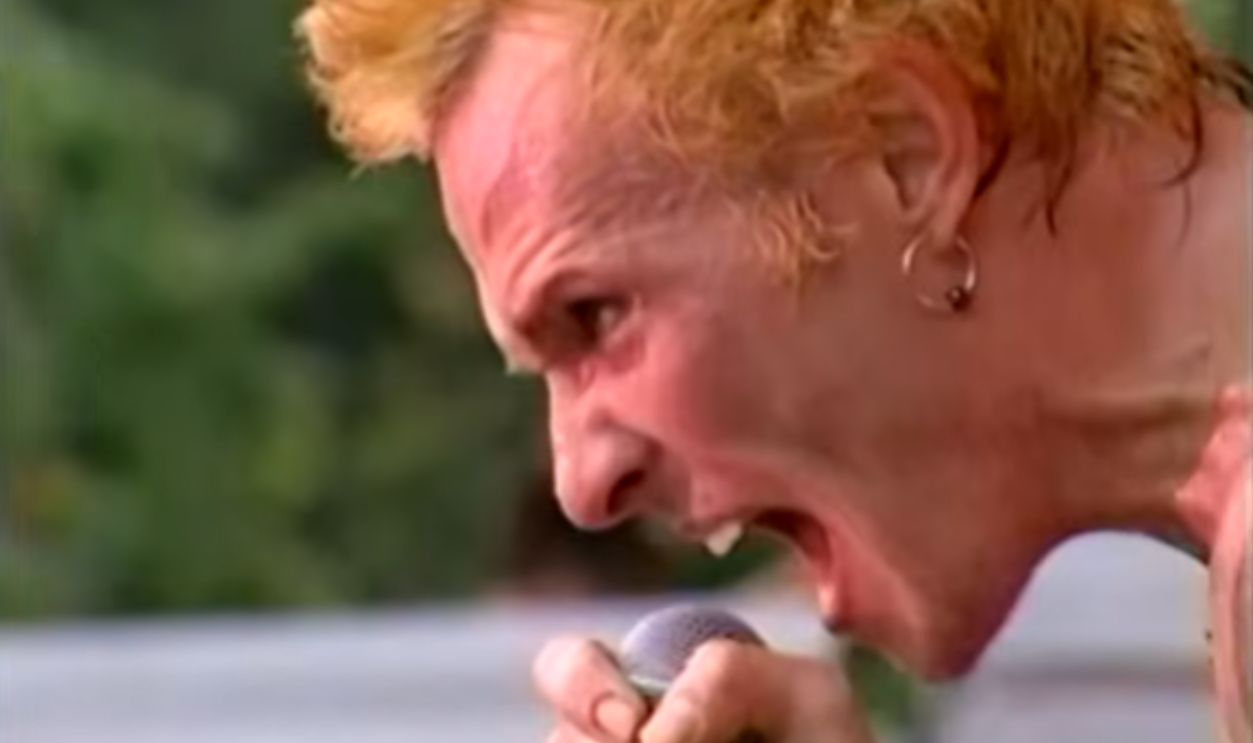 Screenshot from Down, Atlantic Records (1999)
Joining Velvet Revolver
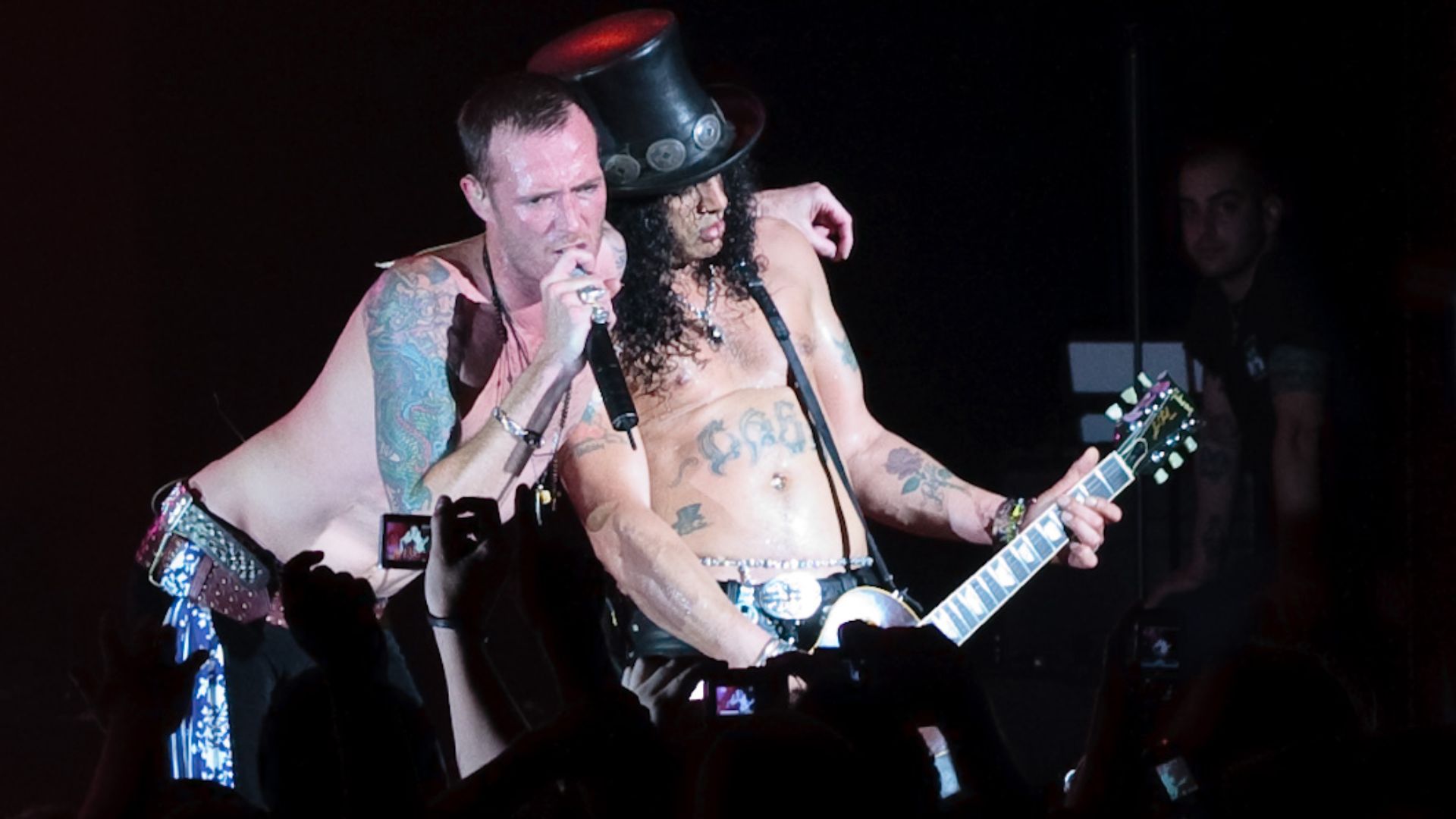
In 2003, after Stone Temple Pilots’ initial breakup, Weiland joined Velvet Revolver, a supergroup formed by former Guns N’ Roses members Slash, Duff McKagan, and Matt Sorum, along with guitarist Dave Kushner. The group was a great new platform for him, pairing his vocals with a harder, classic-rock-leaning guitar attack.
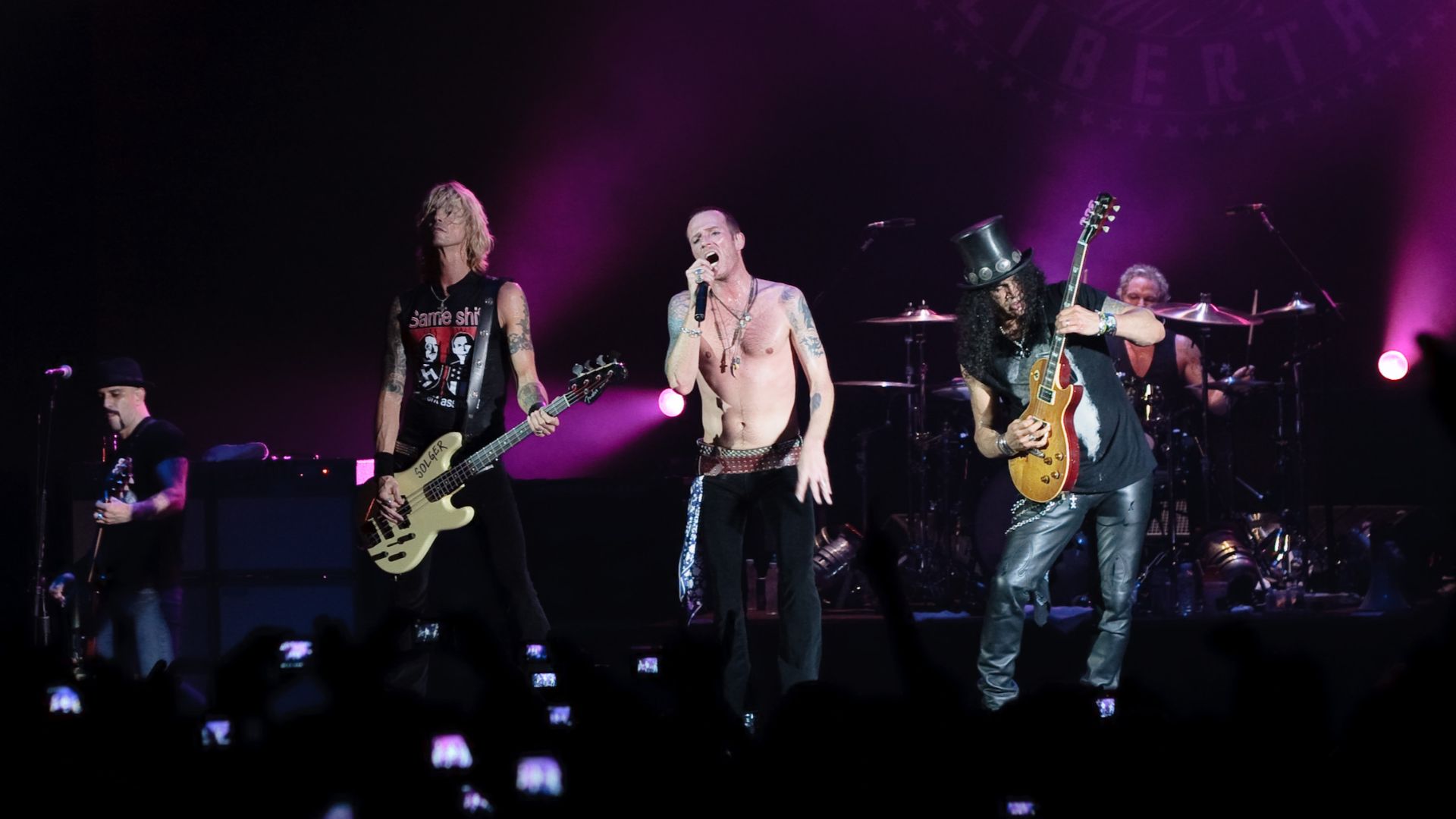 Kreepin Deth, Wikimedia Commons
Success Of Contraband
Velvet Revolver’s debut album Contraband, released in 2004, was a major commercial success. Powered by singles like “Slither” and “Fall to Pieces,” the record went multi-platinum and won a Grammy. It proved Weiland could thrive outside Stone Temple Pilots and it reestablished him at the forefront of mainstream rock.
 Screenshot from Dirty Little Thing, RCA Records (2004)
Libertad And Internal Tension
Velvet Revolver’s second album, Libertad, arrived in 2007 but didn’t match Contraband’s success. Behind the scenes, tensions were mounting. Weiland’s ongoing substance issues and conflicts with other band members strained relationships. By 2008, Velvet Revolver announced his departure, a disappointing ending to a fascinating chapter of his career amid public friction.
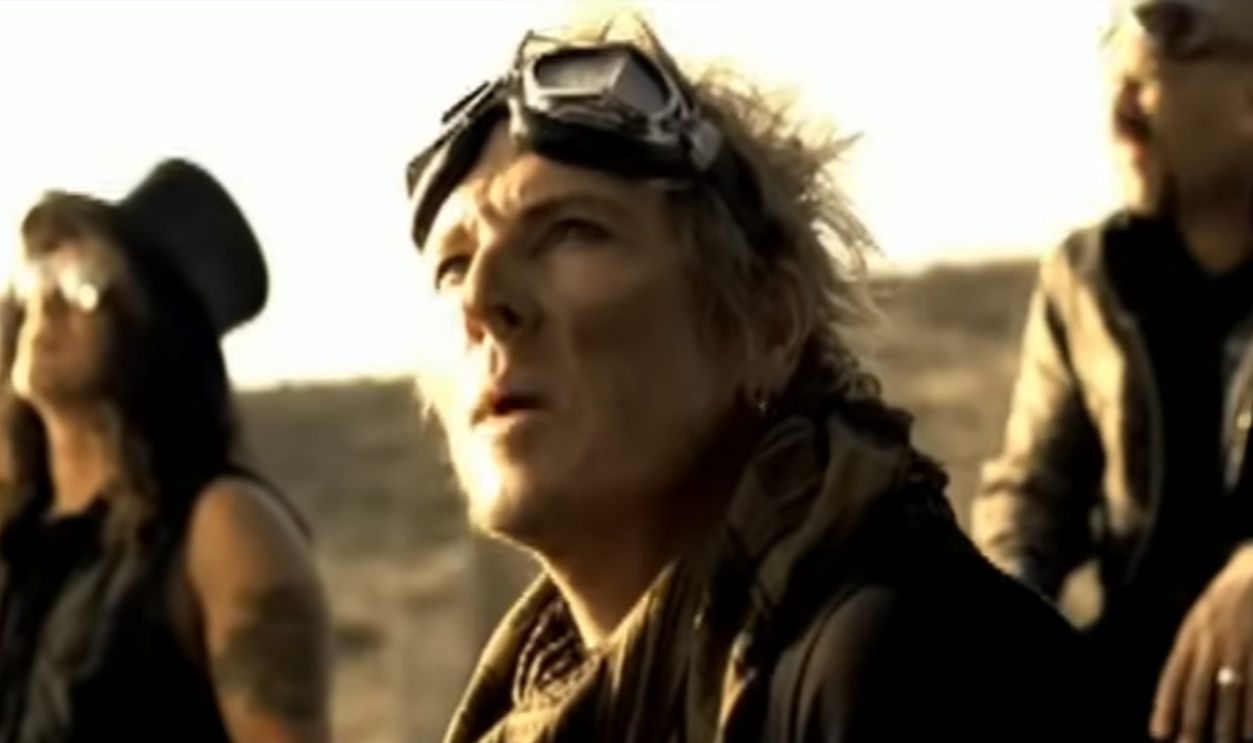 Screenshot from She Builds Quick Machines, RCA Records (2007)
Happy In Galoshes
Weiland continued his solo pursuits with the 2008 album Happy In Galoshes. The record showcased his restless creativity, blending alternative rock, pop, and experimental textures. Released in the aftermath of the tragic loss of his younger brother Michael, it underlined his drive to keep working and reinventing himself even as his life became increasingly unstable.
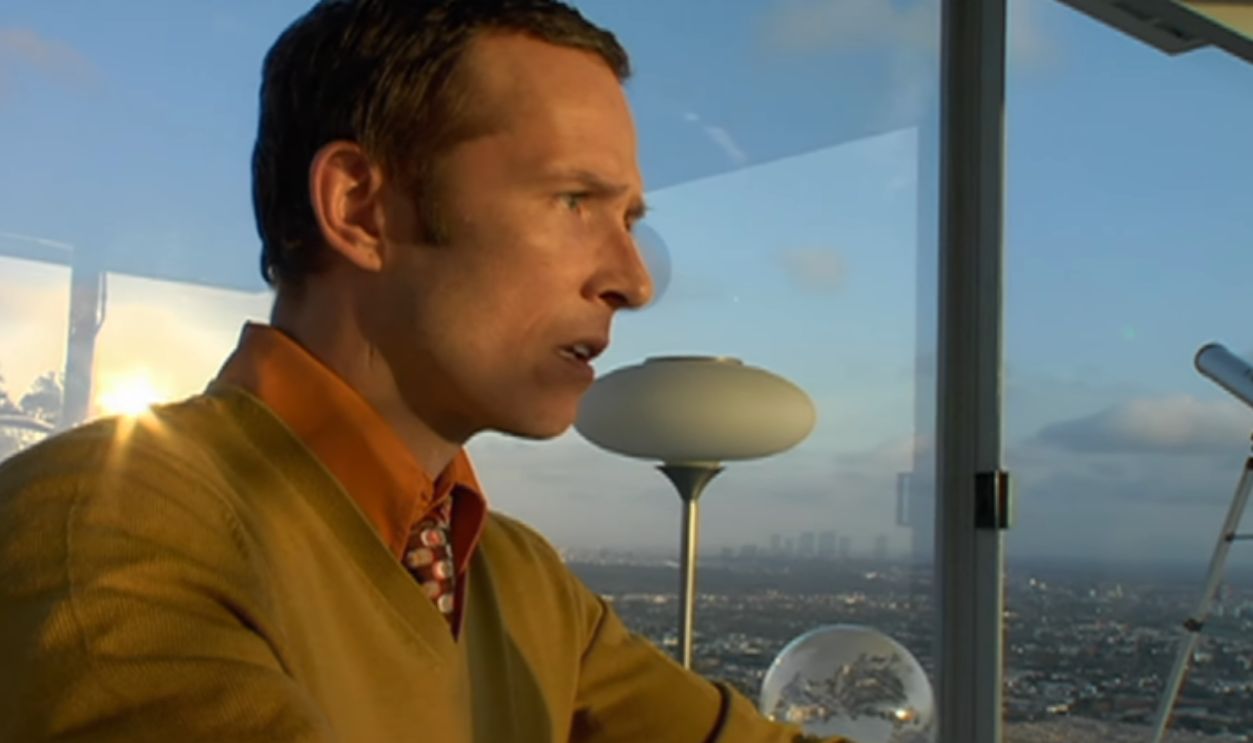 Screenshot from Missing Cleveland, Softdrive Records (2011)
Last Tenure With STP
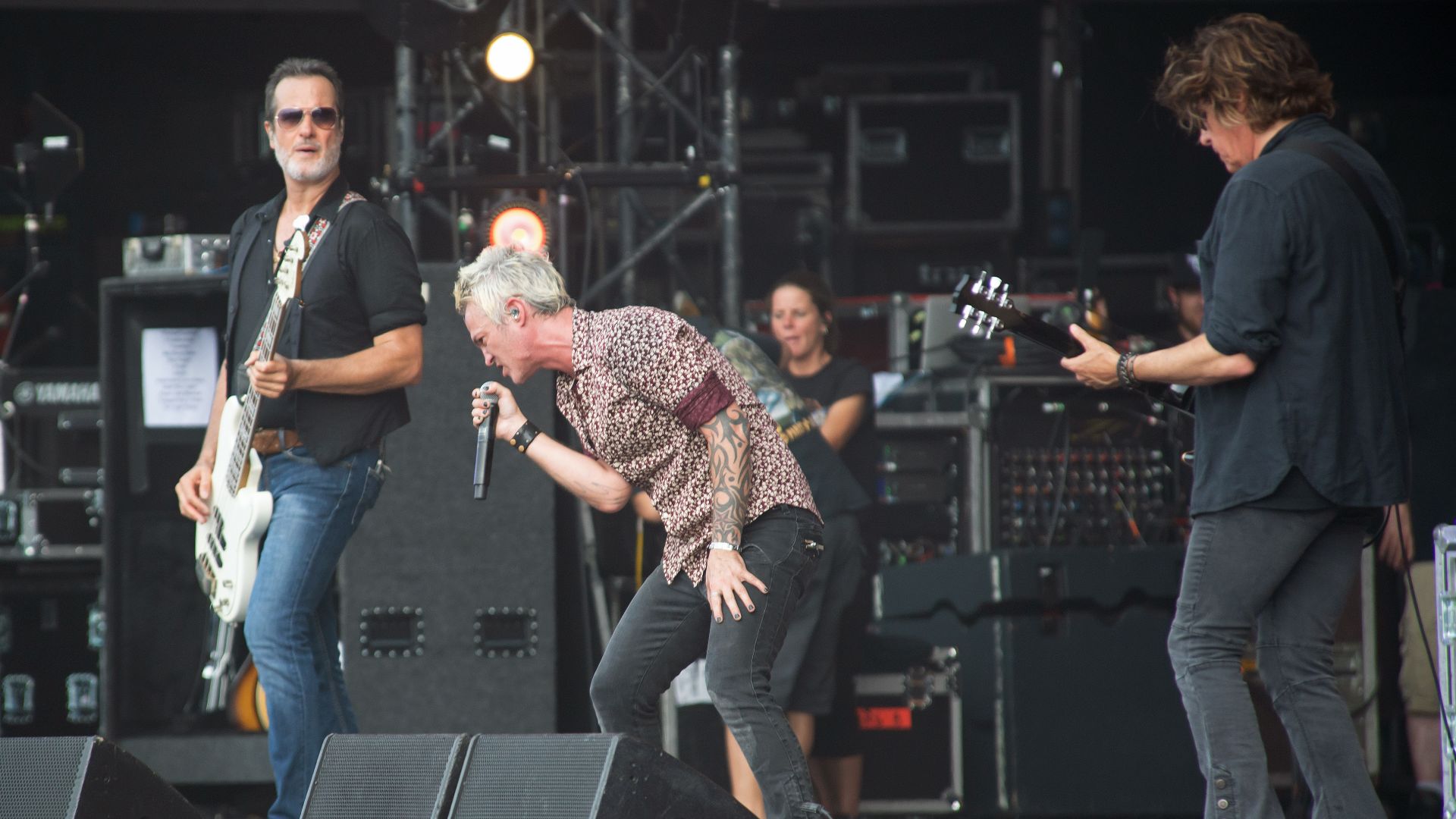
Despite all the internal tensions, legal troubles, and frequent hiatuses, Stone Temple Pilots reunited periodically with Weiland. Across his tenure as lead vocalist, the band released six studio albums, including a self-titled 2010 record, the product of their late 2000s reunion. His voice and writing were always essential to the group’s identity, but problems on tour in 2013 led to STP parting ways with Weiland for good. They fired him from the band. It was the end of an era.
Cover Albums And Autobiography
In 2011, he released A Compilation of Scott Weiland Cover Songs, featuring his interpretations of tracks by artists such as Nirvana, David Bowie, the Beatles, and others. The project was originally intended as a companion to his autobiography, Not Dead & Not for Sale, a reflection of his influences and an honest desire to reframe familiar material in his own style. He finished off 2011 with an album of Christmas songs, The Most Wonderful Time of the Year.
 Screenshot from But Not Tonight, Mute Records (1986)
Art Of Anarchy Collaboration
Weiland wrote lyrics and recorded vocals for the self-titled 2015 debut album by Art of Anarchy, a project that included guitarist Ron “Bumblefoot” Thal. But after the album's release, he distanced himself from the band, saying he had only been hired to write and record vocals and was never truly a full-fledged member. Angered, the other bandmembers sued Weiland for refusing to tour with them and support the album. The suit was still active as Weiland went on tour with his new band, The Wildabouts.

Blaster With The Wildabouts
His final studio album, Blaster, was released in March 2015 with his band Scott Weiland and the Wildabouts. The record aimed to reassert him as a rock frontman. Tragically, guitarist Jeremy Brown died one day before the album’s release, casting a dark shadow over what was meant to be a new beginning. But the tragedy wasn't over.
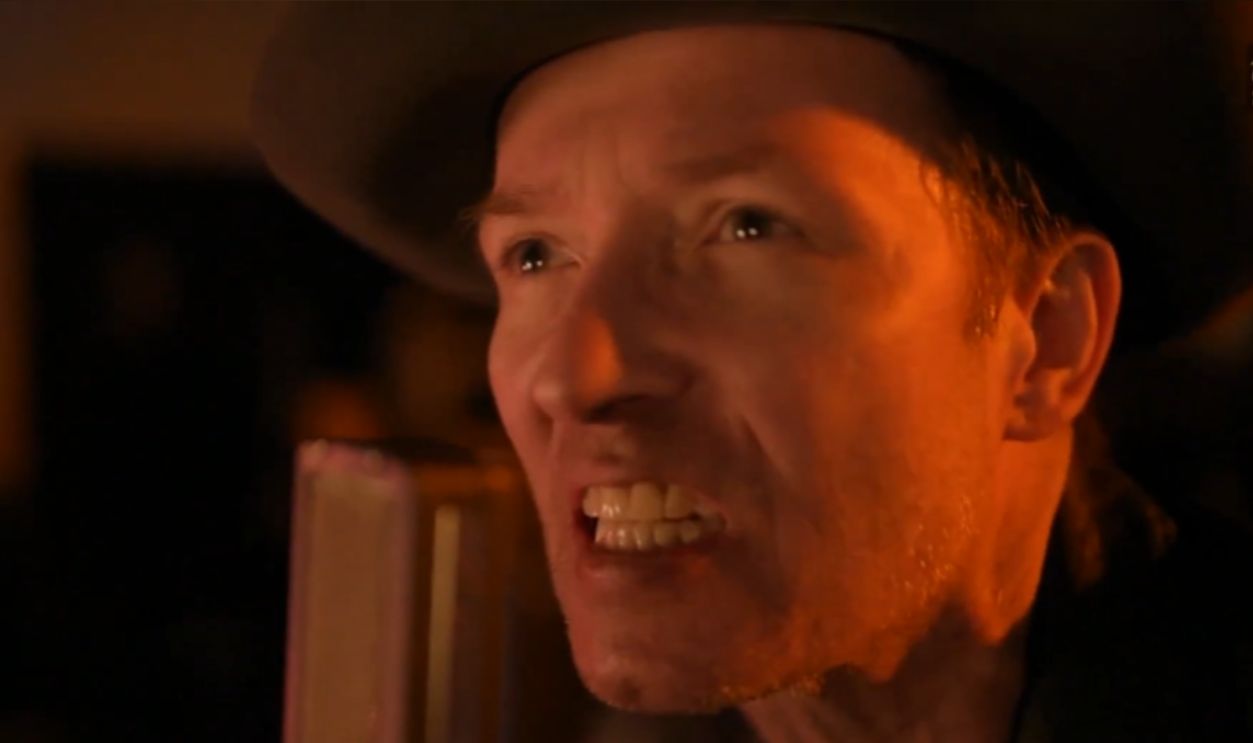 Screenshot from Way She Moves, Softdrive Records (2015)
Marriages And Fatherhood
Weiland married model Janina Castaneda in 1994; they later divorced. In 2000, he married Mary Forsberg, a model and writer, with whom he had a son and a daughter. Their tempestuous relationship, marked by addiction and conflict, ended in divorce in 2007, but he often spoke of his love for his children.

Early Trauma And Personal Struggles
Later in life, Weiland revealed the shattering truth that he had been sexually abused by an older boy when he was 12. The trauma was undoubtedly a major source of the lasting emotional struggles that he carried into adulthood. Weiland also revealed in 2001 that he was diagnosed as bipolar. Combined with family instability, Weiland had a complex psychological background that fuelled his later addictive and self-destructive behavior.
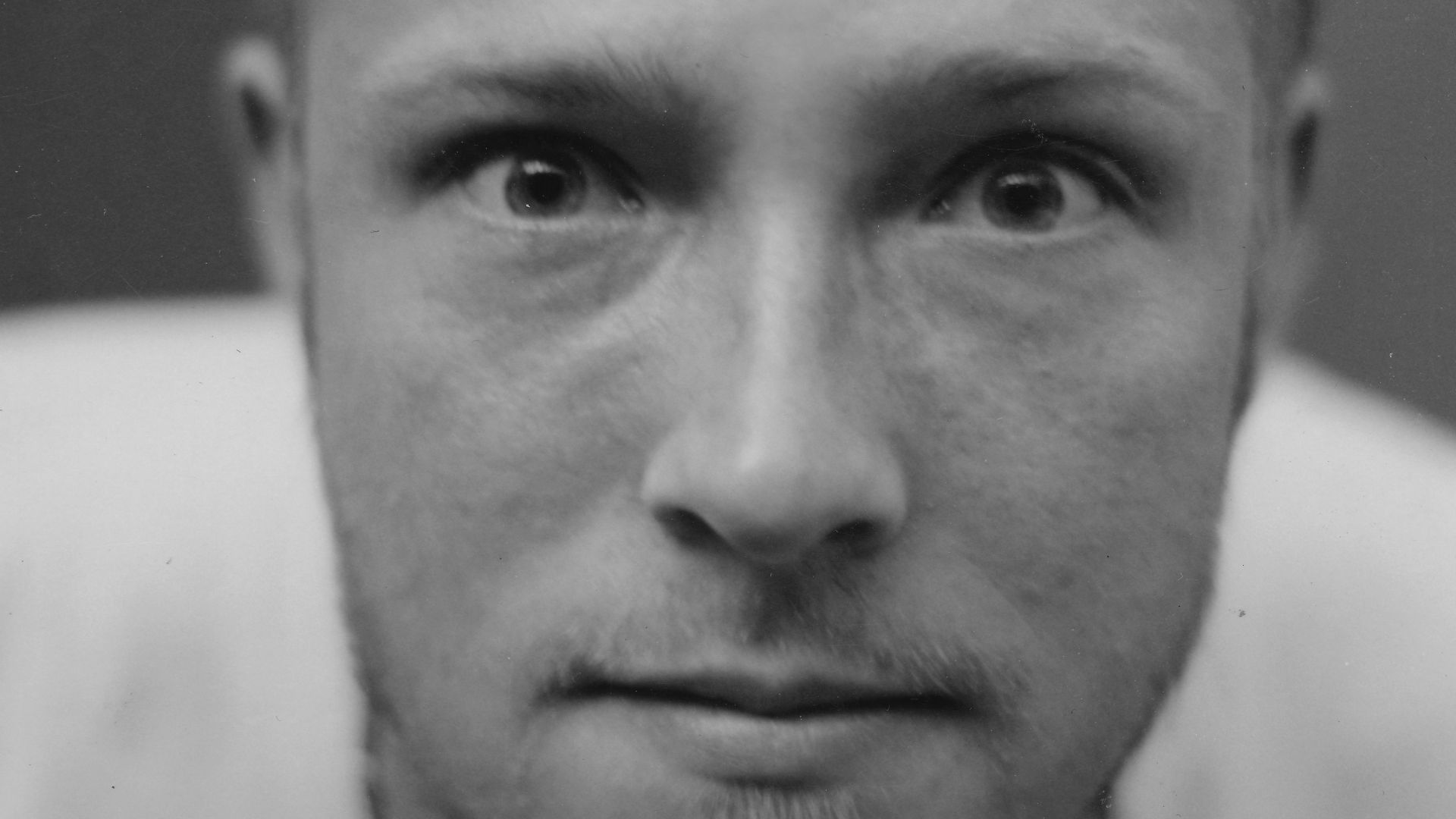 IthakaDarinPappas, Wikimedia Commons
Substance Problems
Weiland’s battles with substances were well known in the 1990s. He was arrested multiple times for possession and driving under the influence, and he entered rehab repeatedly. The struggles undermined tours, strained band relationships, and often overshadowed his musical achievements, a distressingly recurring pattern through his adult life.

Legal Troubles And Public Fallout
In addition to substance-related charges, Weiland faced probation violations and legal disputes tied to his behavior. His arrests and erratic conduct reinforced the image of a brilliant but chaotic frontman. The messy public incidents made it harder for him to maintain consistent artistic and professional momentum with Stone Temple Pilots or any other band.
Final Tour And Decline
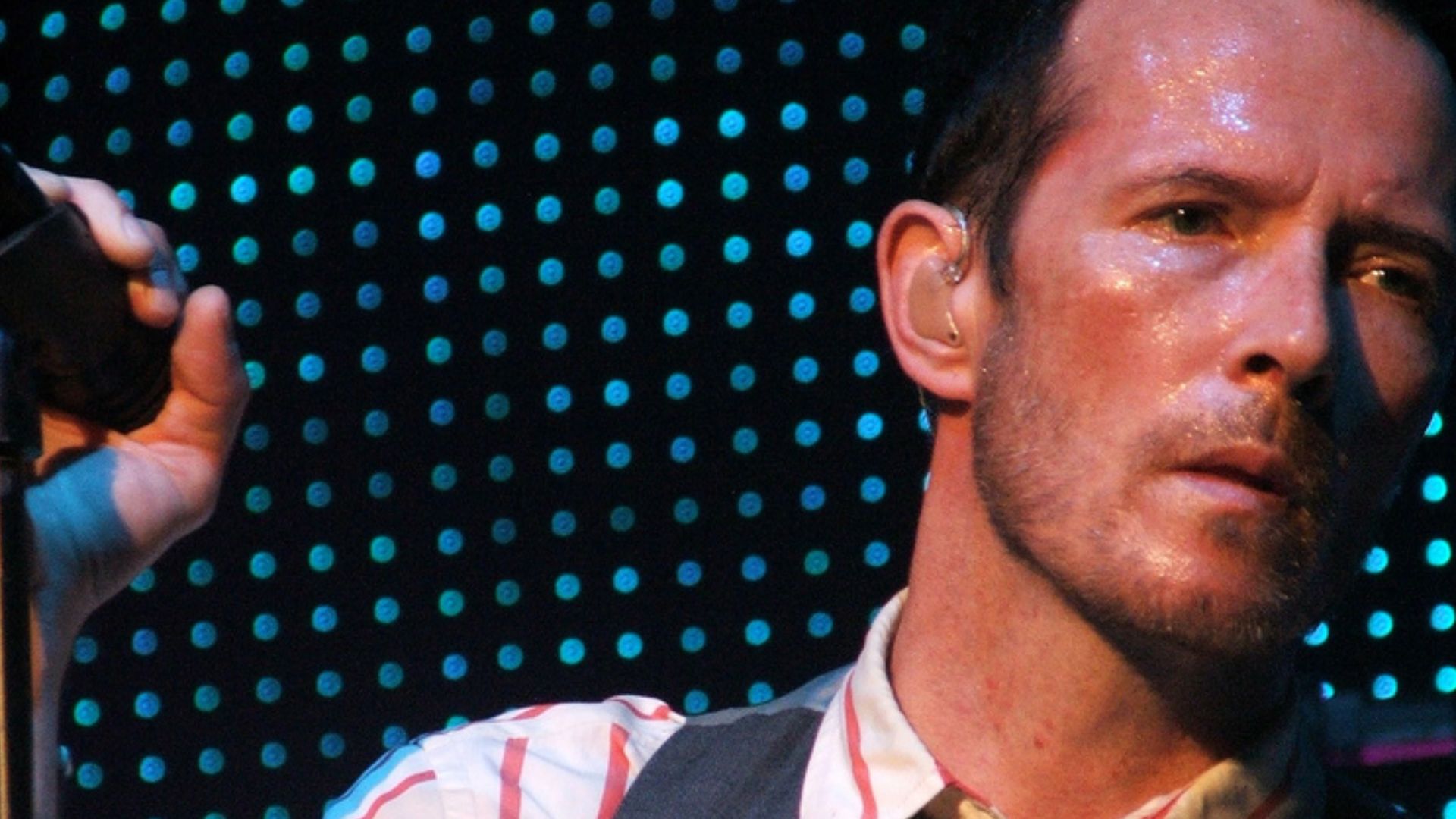
By late 2015, Weiland was touring small venues with his newest band the Wildabouts. Fans and critics reported troubling signs: missed notes, a detached stage presence, and shortened sets. Videos circulated online showing him seemingly disoriented onstage, prompting concern that his health had taken a downturn.

Last Ride
On December 3, 2015, while on tour in Bloomington, Minnesota, Weiland was found unresponsive on his tour bus before a scheduled show. Fans were greeted with the devastating news that Weiland was gone, as he was pronounced dead at the age of 48. Police discovered cocaine and prescription medications on the bus, raising questions right away about substance use in his final hours.
 Tyler Vigen, Wikimedia Commons
Contributing Health Factors
The Hennepin County medical examiner later ruled his death to have been due to an accidental excess of cocaine, MDA, and booze. The report also mentioned a history of cardiovascular disease, asthma, and long-term substance abuse as contributing factors. Years of physical strain and addiction had left Weiland fragile and vulnerable to a fatal collapse.
 Bobak Ha'Eri, Wikimedia Commons
Private Funeral
A private funeral was held on December 11, 2015, at Hollywood Forever Cemetery in Los Angeles. Family members, former Stone Temple Pilots and Velvet Revolver bandmates, and music-industry friends attended. The service was a quiet, intimate farewell to a singer whose life had unfolded in the public eye for decades.

Voice Above The Chaos
Across his work with Stone Temple Pilots, Velvet Revolver, solo projects, and other collaborations, Weiland contributed to album sales totaling over 50 million worldwide. The commercial impact placed him among the defining rock vocalists of the 1990s and 2000s, even as his personal life became increasingly chaotic behind the scenes.

Tributes From Fellow Musicians
Album sales, fame, and money are great, but Weiland earned something even more valuable: the respect of his fellow musicians. Many of them paid tribute to Weiland onstage, performing Stone Temple Pilots and Velvet Revolver songs in his honor. Former bandmates and peers issued statements about both his extraordinary talent and the difficulties that ultimately consumed him, painting a portrait of admiration mixed with sadness.
 Kreepin Deth, Wikimedia Commons
Posthumous Releases And Reissues
Since his passing, record labels continue to reissue albums and box sets featuring Weiland’s work with Stone Temple Pilots and other projects. All of these releases keep his legacy of recorded material in circulation, allowing long-time fans to revisit key eras of his career in remastered form. This also gives younger listeners the chance to discover his music for themselves.
 Screenshot from Sour Girl, Atlantic Records (2000)
A Career Of Highs And Lows
Across almost three decades, Weiland experienced dramatic peaks and shattering lows. The story of Scott’s life was one of constant restless creativity amid an ongoing battle with the personal demons that claimed his life, leaving behind a turbulent but brilliant body of work.
 Original uploader was CRL (dedicato a te pikkola) at it.wikipedia, Wikimedia Commons
You May Also Like:
The Greatest One-Album Wonders Of The 2000s
1994 Music Hits Fans Have Somehow Forgotten About