Legacies That Spark Debate
Decades of airplay and cultural praise have shaped how certain 1970s artists are remembered today. Yet popularity does not always equal influence or innovation. Looking closer, it’s confusing how some of the so-called legends earned their status.
KISS
Built on spectacle, face paint, and relentless merchandising, KISS dominated arenas more through image than musical complexity. Their songs relied on simple structures and repeated riffs, which fueled popularity but limited artistic growth. Compared with contemporaries, their influence leaned cultural rather than musical.
 Mercury Records, Wikimedia Commons
Grand Funk Railroad
Commercial success came quickly for Grand Funk Railroad, especially with early-1970s hard rock audiences. However, critics often noted basic arrangements and minimal experimentation. Although their raw energy connected with fans, the band rarely evolved stylistically.
 Watal Asanuma/Shinko Music, Getty Images
Peter Frampton
Few live albums shaped the decade like Frampton Comes Alive!, yet that success obscured a comparatively modest studio catalog. Frampton’s guitar talk-box technique was novel, but it didn’t translate into sustained creative breakthroughs. Over time, one defining moment came to outweigh broader artistic contributions.
 Carl Lender, CC BY-SA 3.0, Wikimedia Commons
The Doobie Brothers
Shifting sounds marked the Doobie Brothers’ 1970s journey, as the band moved between rugged rock and smoother, jazz-leaning pop. Though adaptability fueled commercial success, it blurred artistic identity. For many listeners, a few signature songs outweigh the influence of a fully cohesive catalog.
 Hans Peters for Anefo, Wikimedia Commons
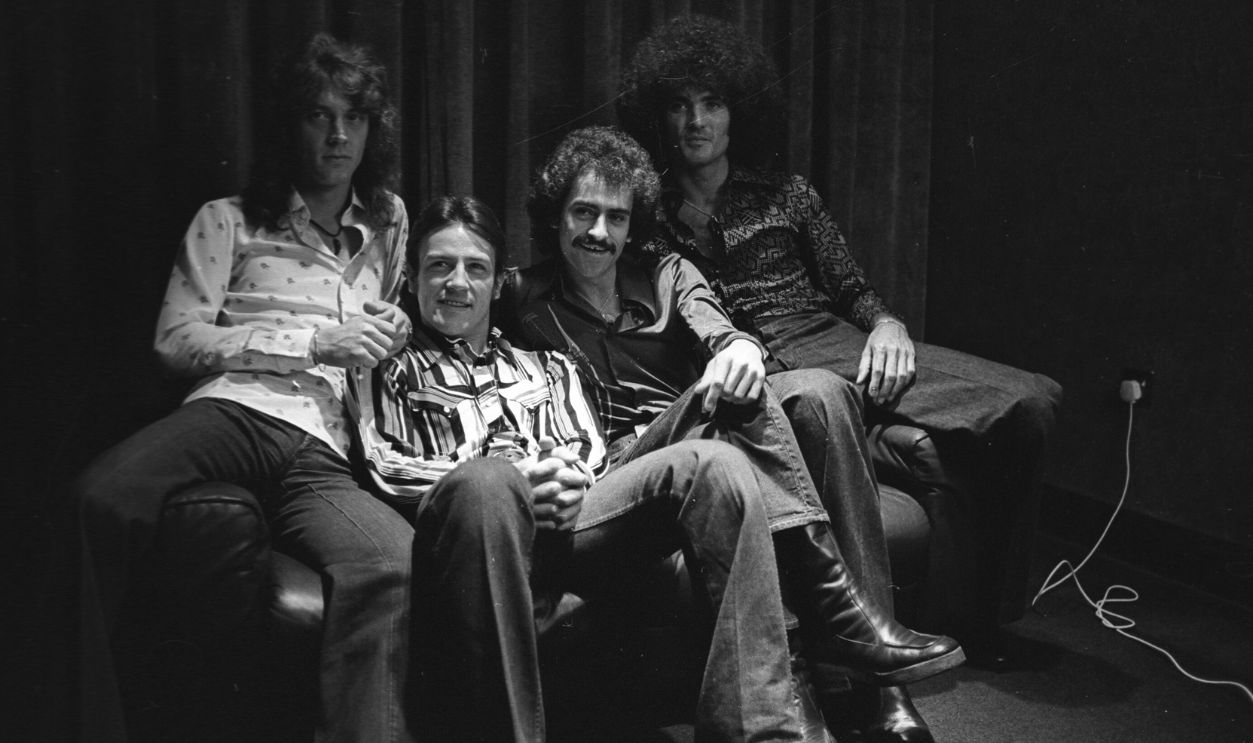
Cheap Trick
Known for combining sharp pop melodies with loud, playful rock, Cheap Trick carved out a distinctive presence. Still, consistency proved elusive throughout the 1970s. Several albums failed to match early promise despite some isolated hits.

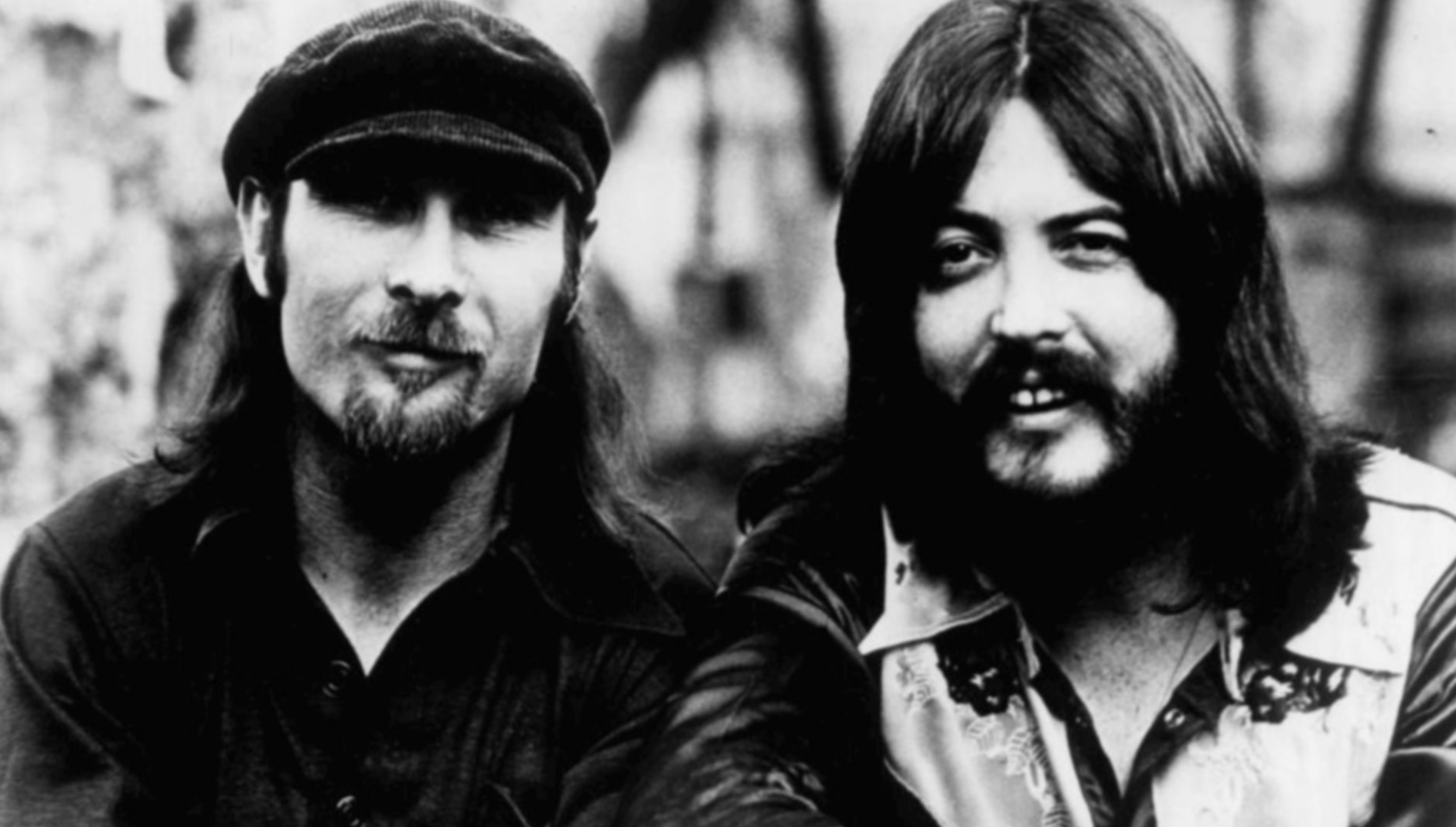
Seals And Crofts
Gentle harmonies and introspective themes helped Seals and Crofts find mainstream success in the early 1970s. Their music reflected the era’s softer sensibilities but lacked adaptability. As trends shifted, their narrow stylistic range reduced longevity.
 Warner Brothers Records, Wikimedia Commons
John Denver
Through earnest storytelling and simple melodic structures, John Denver became a household name across. Songs like “Take Me Home, Country Roads” and “Rocky Mountain High” connected through sincerity rather than complexity. Although commercially powerful, his catalog remained stylistically consistent.
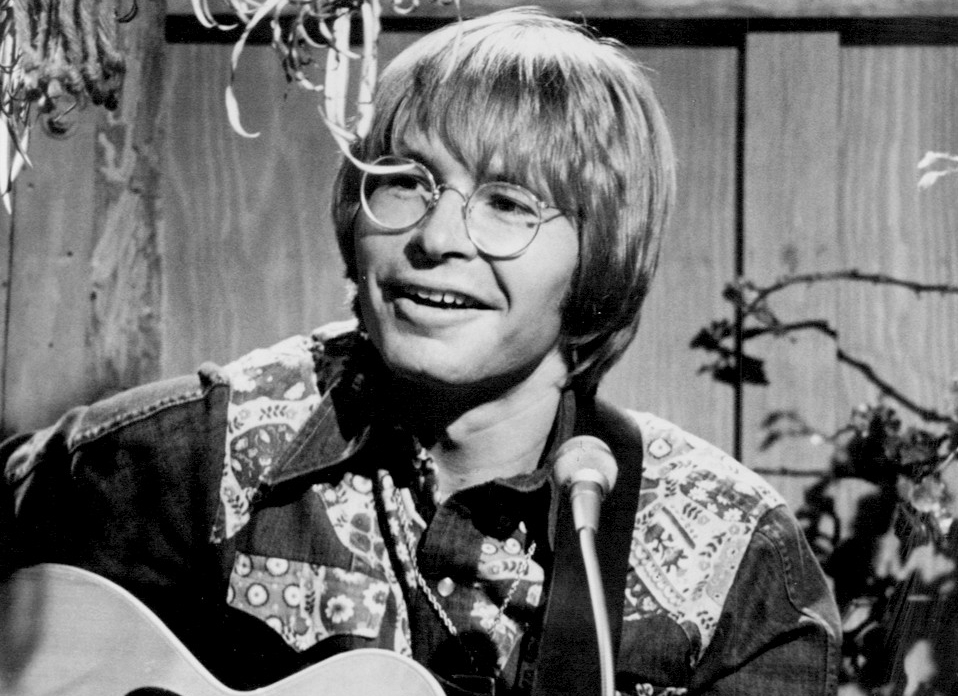 ABC Television, Wikimedia Commons
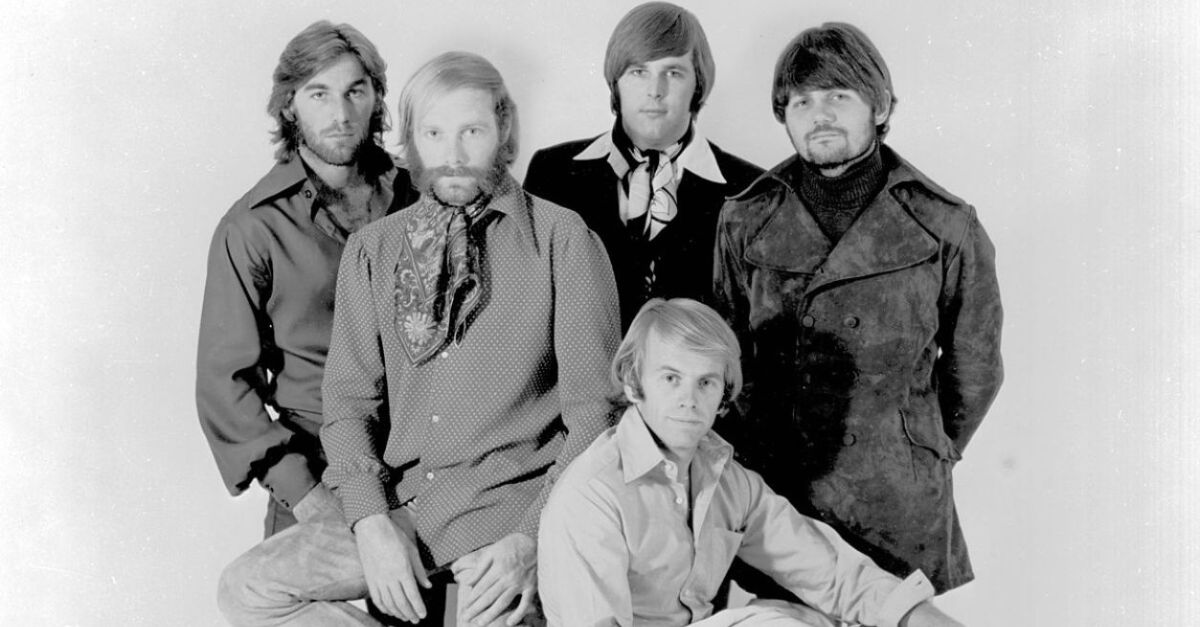
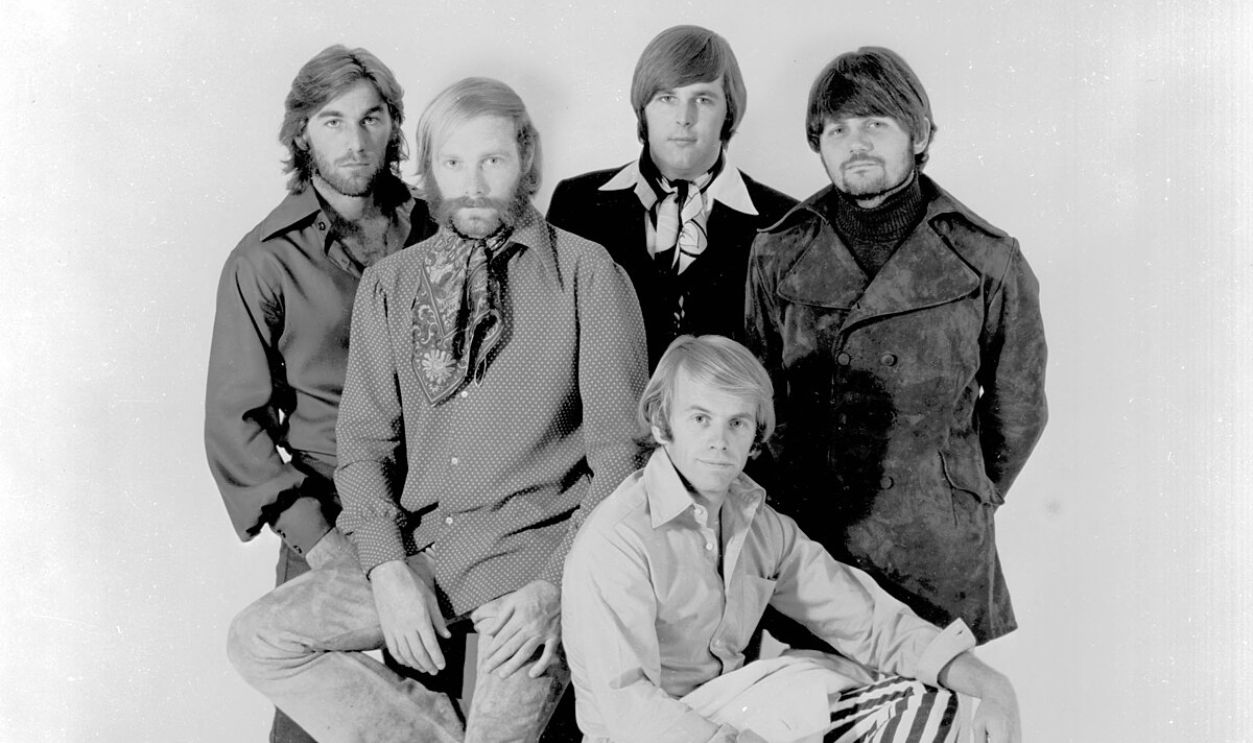
The Beach Boys
Once celebrated for the studio's intricate harmonies, The Beach Boys’ 1970s output struggled to match their 1960s peak. Internal conflicts and uneven releases weakened momentum. Their legacy is immense, but acclaim often reflects earlier achievements more than the artistic consistency of their later decade work.
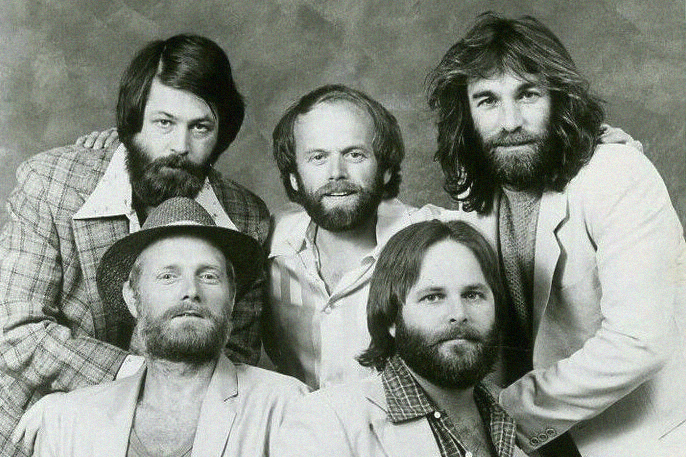 Caribou Records, Wikimedia Commons
Bad Company
Bad Company perfected a radio-friendly blend of blues-based rock that fit seamlessly into 1970s FM playlists. Their music was consistent and polished, though rarely adventurous. However, the band largely refined existing sounds instead of redefining them, and this limited their long-term influence within rock’s evolution.
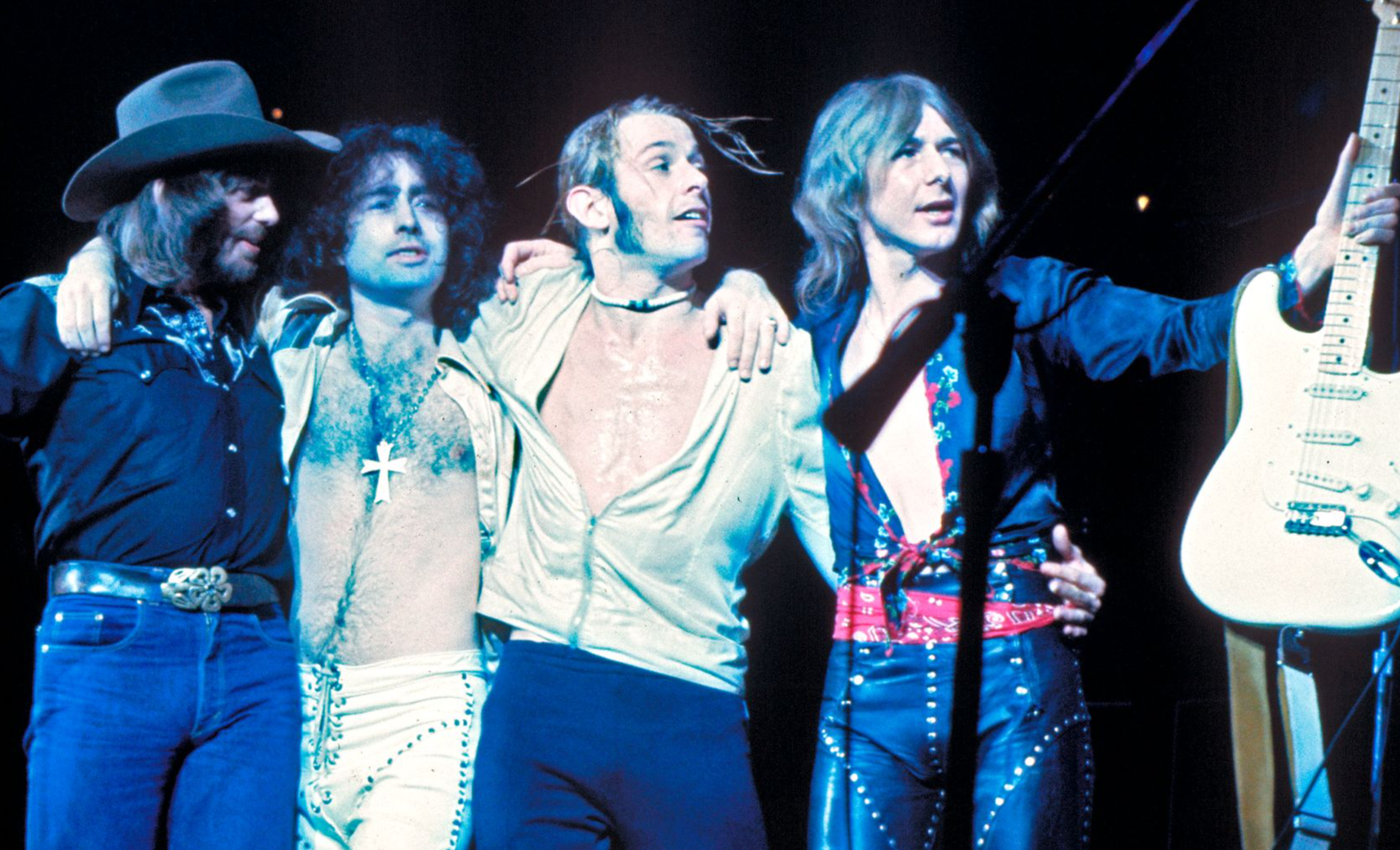 Jim Summaria, Wikimedia Commons
Rush
Technical precision and complex compositions inspired fierce loyalty and divided critics of Rush. Their virtuosic approach sometimes prioritized complexity over accessibility, and despite being influential within progressive rock, detractors argue that emotional connection lagged behind musicianship. This made their reputation feel outsized to broader mainstream audiences.

Foreigner
With slick production and crossover appeal, Foreigner became one of the decade’s most reliable hitmakers. Their songwriting emphasized accessibility and strong hooks, often at the expense of experimentation. Compared with more daring peers, their legacy doesn’t highlight a transformative impact on rock music.
 Distributed by Atlantic Records, Wikimedia Commons
Three Dog Night
Chart dominance came during the early 1970s with Naturally but Three Dog Night thrived by interpreting songs written by others. Their vocal blend was strong, yet their dependence on external songwriters limited artistic identity. To many, they’re considered overrated as they lacked original vision.
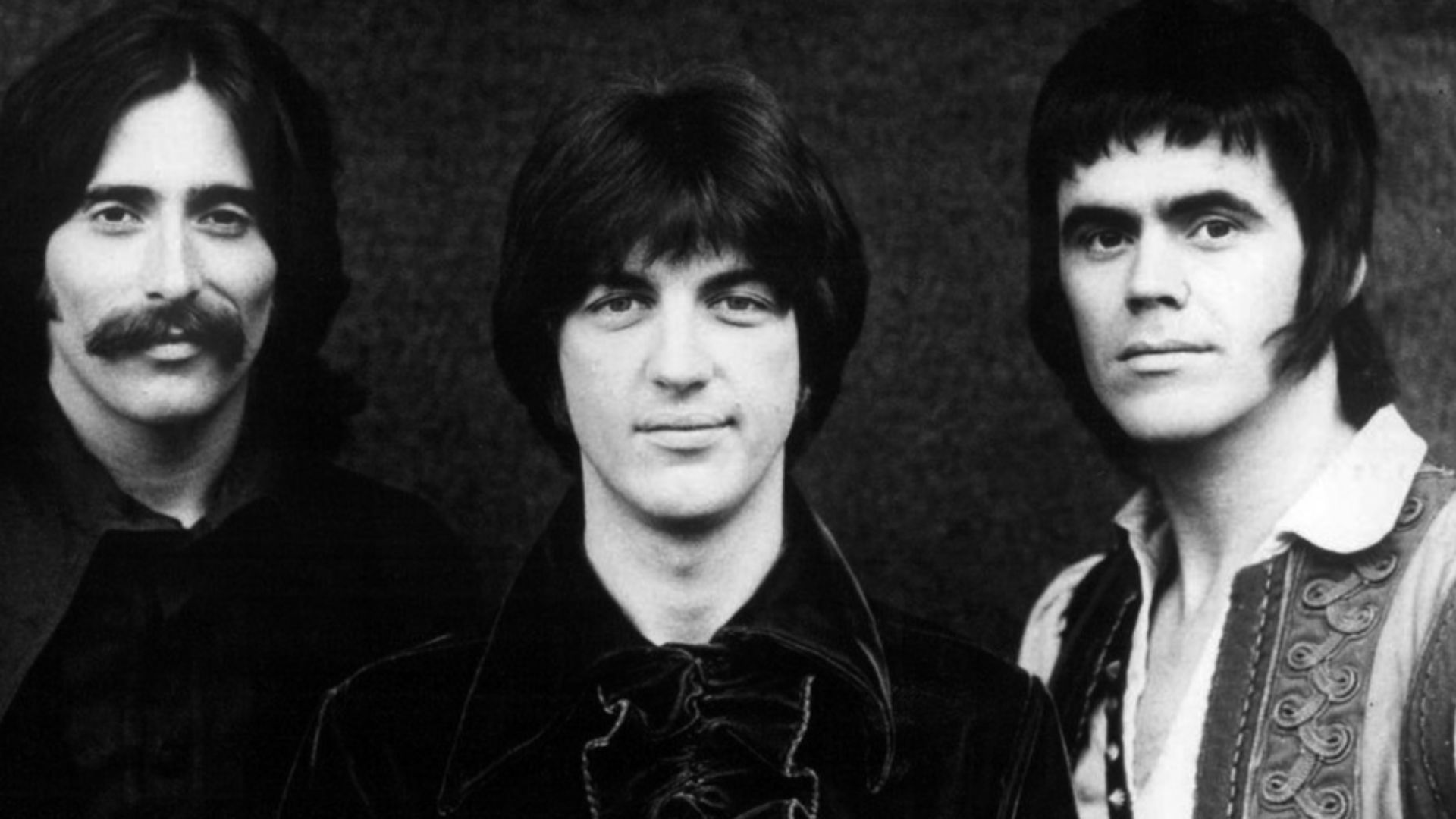 Contemporary Public Relations, Wikimedia Commons
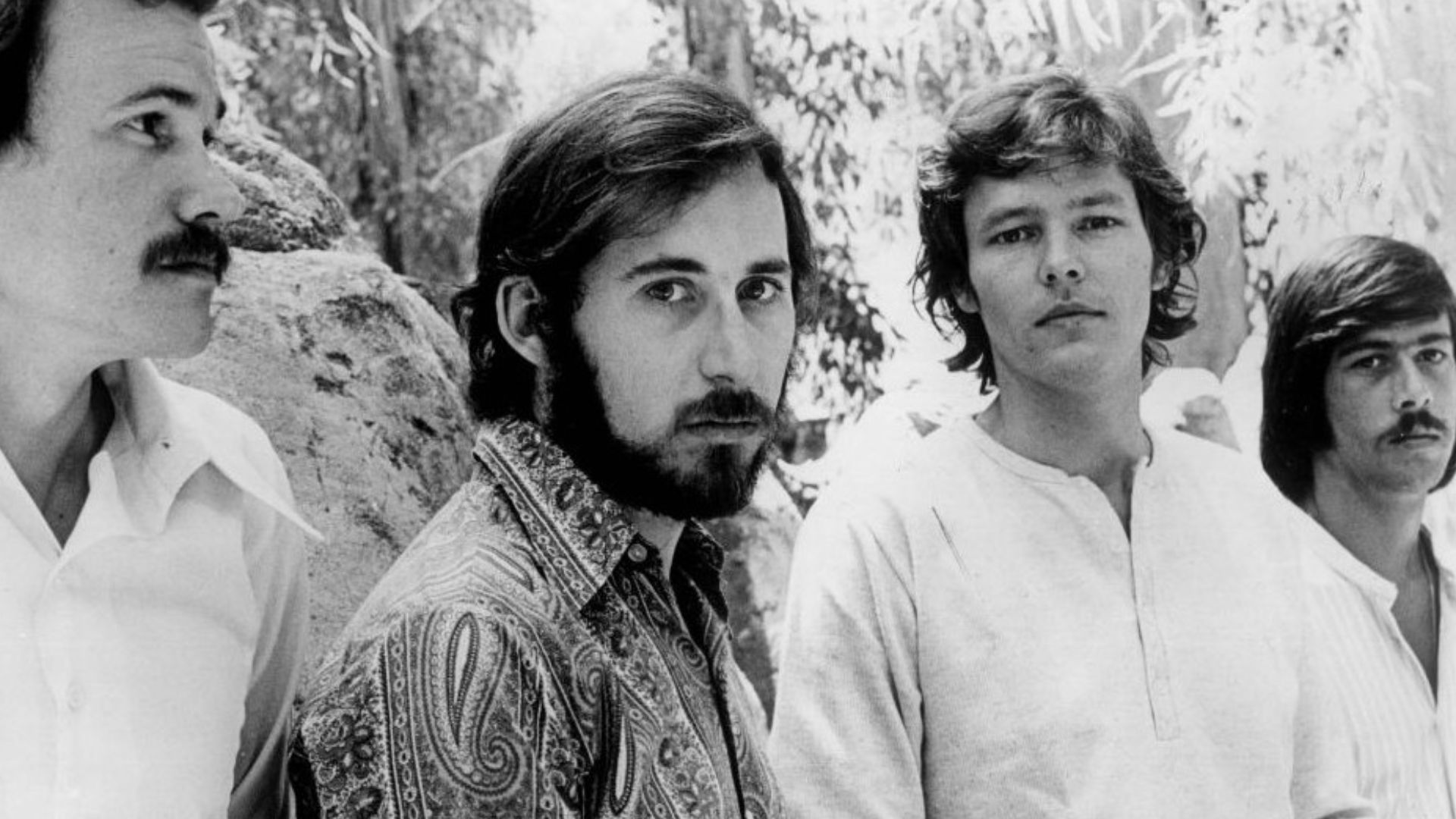
America
Comforting songs that resonated with mainstream audiences made America famous. Nevertheless, their work rarely challenged musical norms or expanded stylistic boundaries. Compared with folk rock peers, their influence remained gentle and culturally modest throughout the decade.
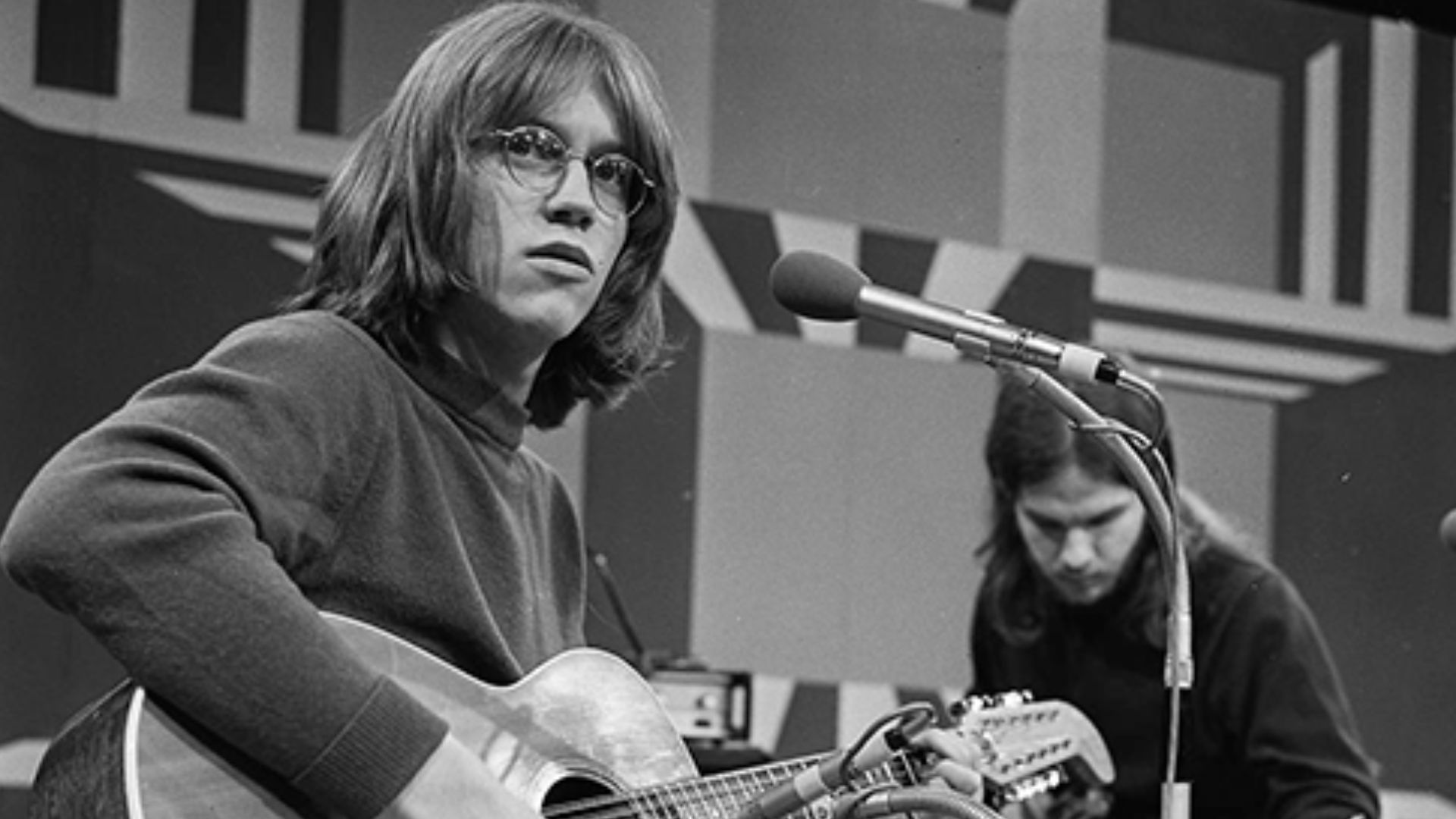
Bread
Anchored by intimate lyrics and melodic simplicity, soft rock balladry defined Bread’s success. Yet, their songs followed predictable structures with limited variation. Repetition weakened long-term impact, leading critics to view their legacy as pleasant but creatively restrained.
 Elektra Records, Wikimedia Commons
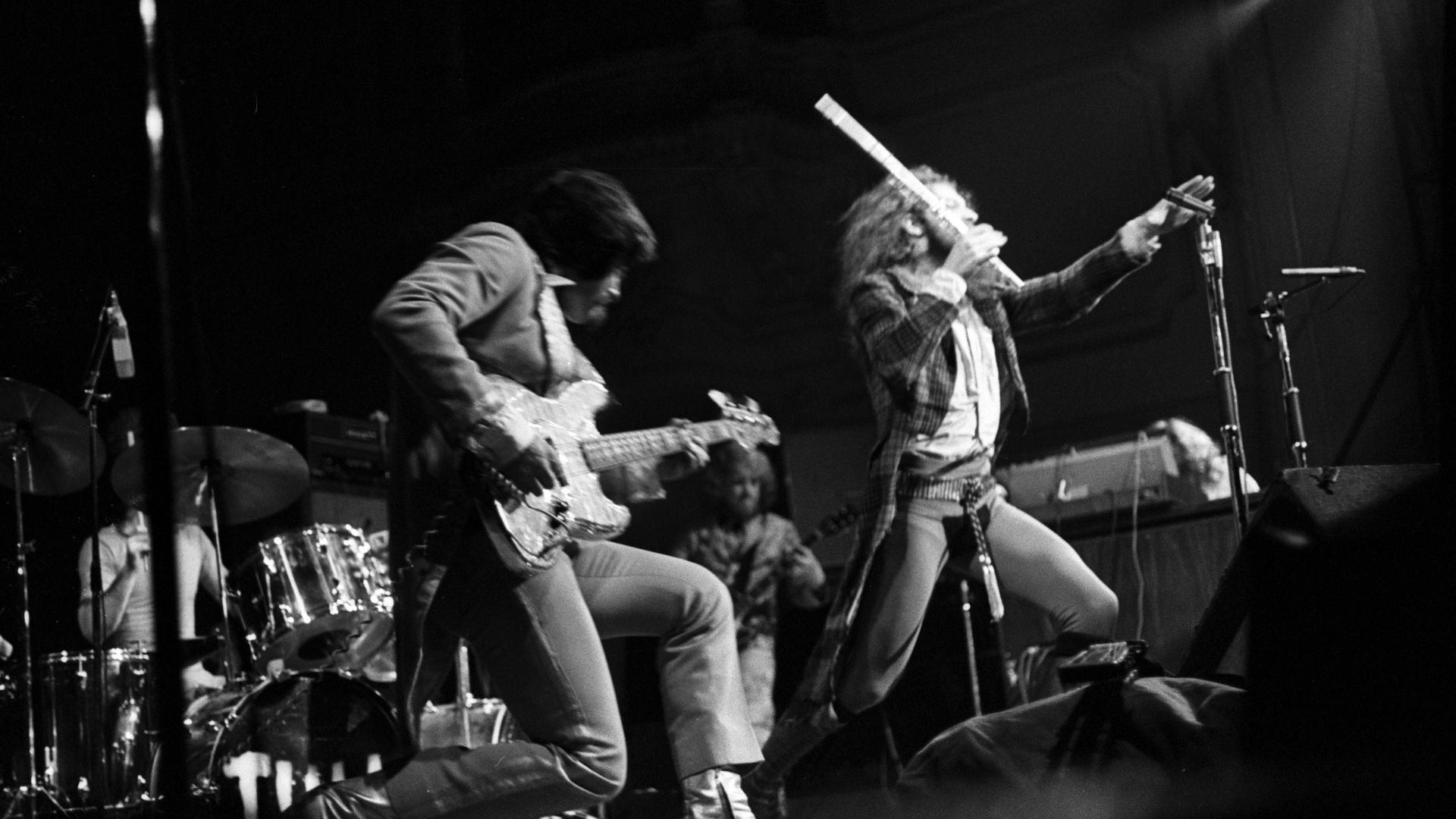
Jethro Tull
Jethro Tull fused folk, hard rock, and classical influences into an unmistakable sound, but these dense concepts and idiosyncratic songwriting limited mass appeal. Despite critical respect, their prominence often exceeded cultural reach, particularly when compared with progressive peers who shaped wider musical movements.
 Heinrich Klaffs, Wikimedia Commons
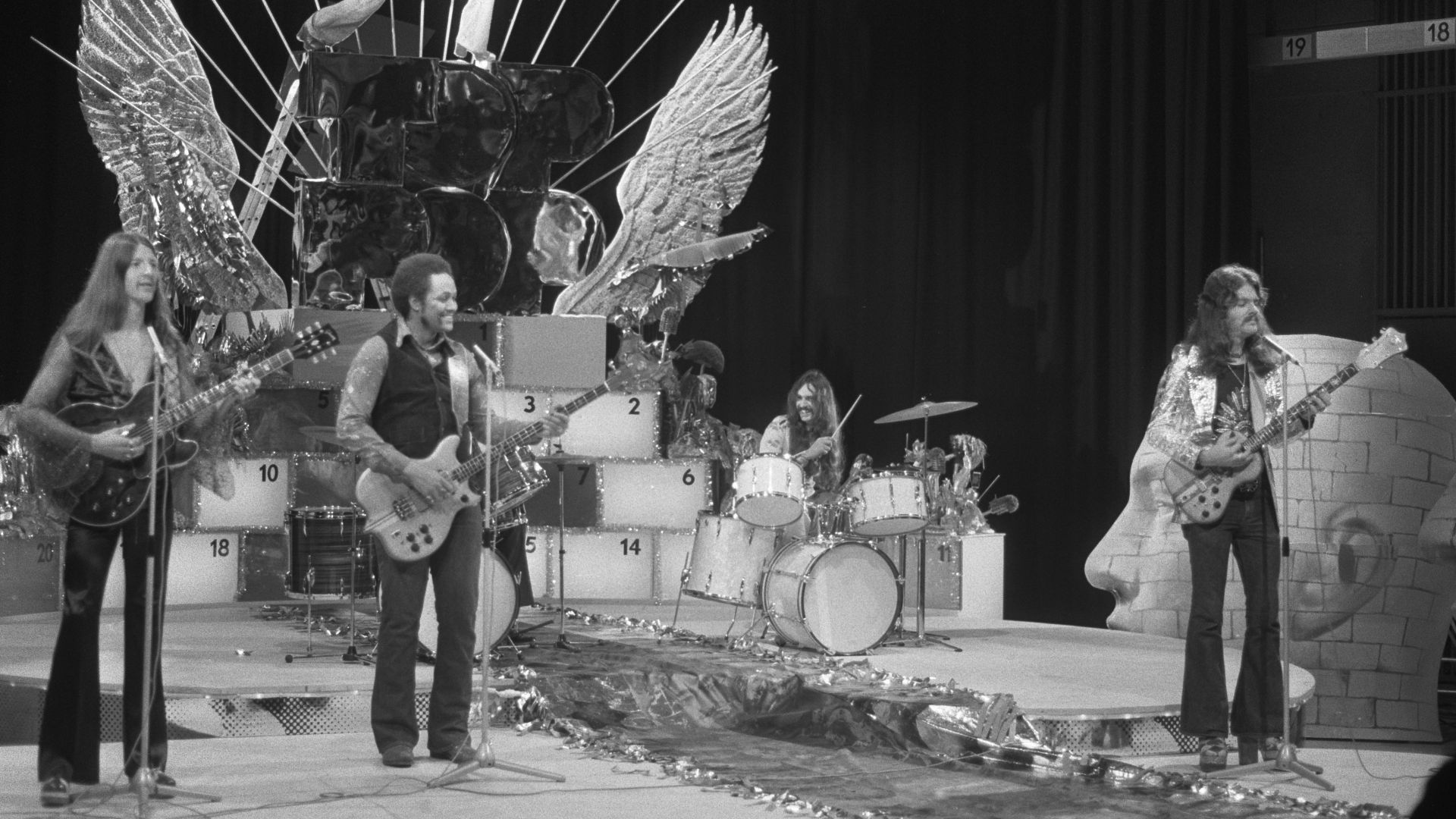
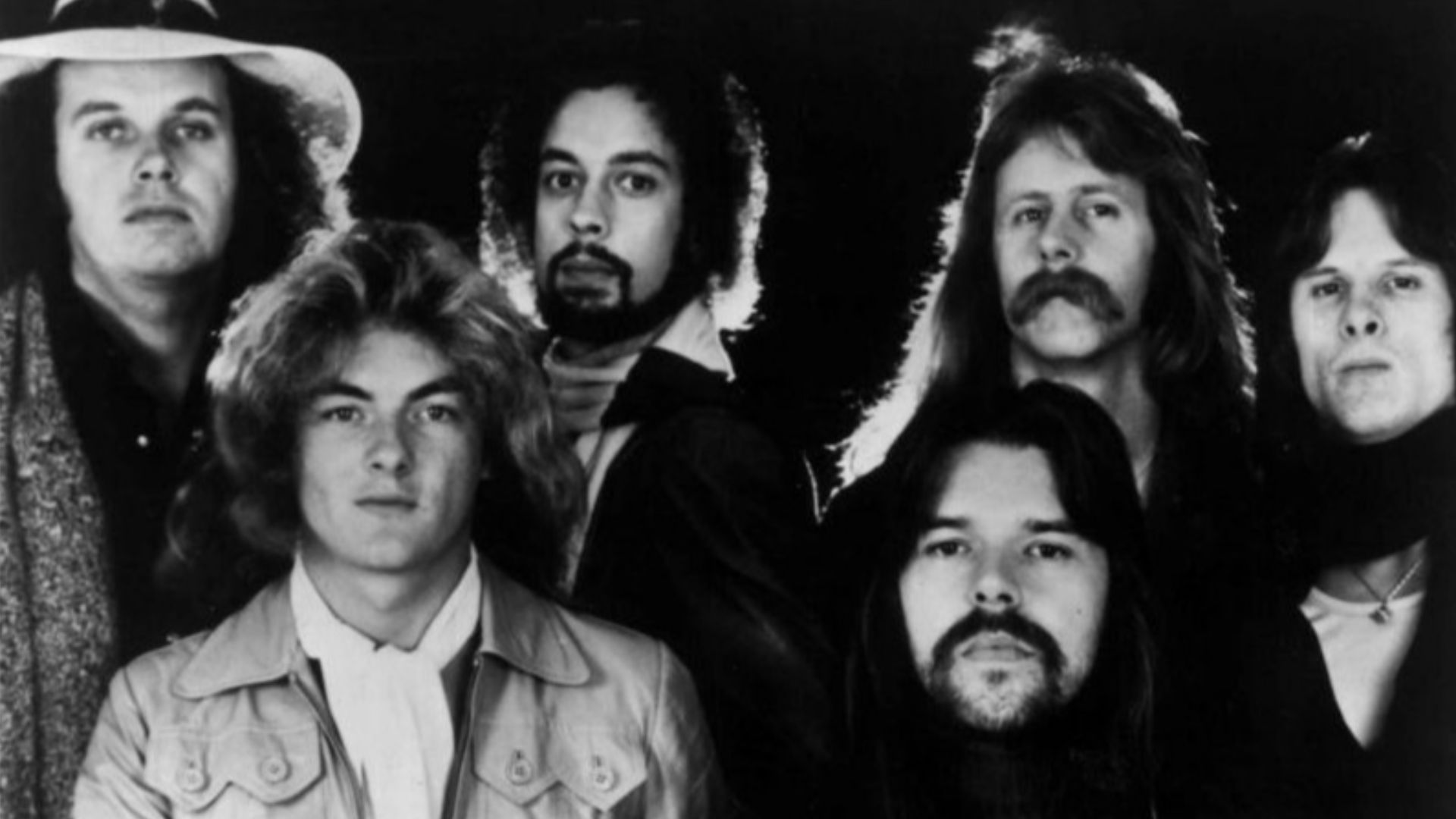
Bob Seger’s Silver Bullet Band
Rooted in heartland rock storytelling, Bob Seger’s Silver Bullet Band connected strongly with American listeners. Their straightforward approach emphasized relatability over experimentation, and the music rarely pushed stylistic boundaries. This led some to view Seger’s acclaim as driven more by resonance than reinvention.
 American Talent International (management), Wikimedia Commons
Steve Miller Band
Built around catchy singles and radio-savvy production, the Steve Miller Band excelled at crafting accessible hits. Nevertheless, album depth often lagged behind individual tracks, and lyrical themes stayed lightweight. Their lasting popularity reflects mass appeal more than sustained artistic ambition.
 Trance88 (talk), Wikimedia Commons
Journey
Journey’s late 1970s rise aligned with a broader shift toward polished arena rock. Steve Perry’s vocals elevated their sound, yet songwriting relied on familiar formulas. Commercial appeal grew rapidly, but experimentation and risk-taking remained secondary.
 Matt Becker, Wikimedia Commons
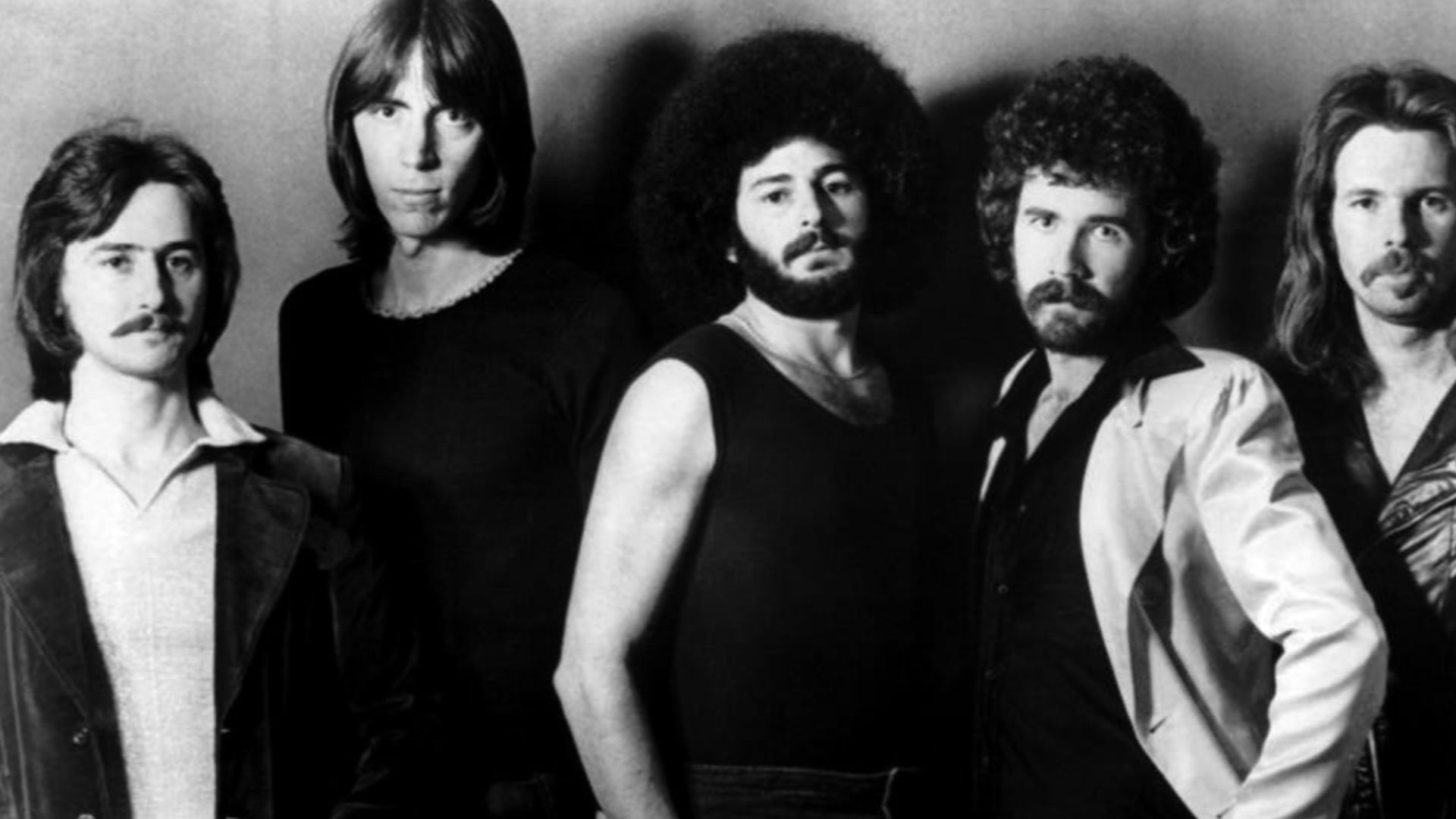
Boston
Although their debut delivered pristine production and instantly recognizable rock staples like “More Than a Feeling,” Boston’s rigid sonic formula and long gaps between releases limited creative growth. Technical perfection often replaced spontaneity, leaving a catalog admired for sound quality more than stylistic progression.
 Premier Talent Associates (management company), Wikimedia Commons
Ted Nugent
Ted Nugent built his reputation on aggressive guitar work and high-energy performances. His technical skill was undeniable, but songwriting often relied on repetition and shock value. Compared with innovative hard rock peers, Nugent’s catalog emphasized volume and attitude.

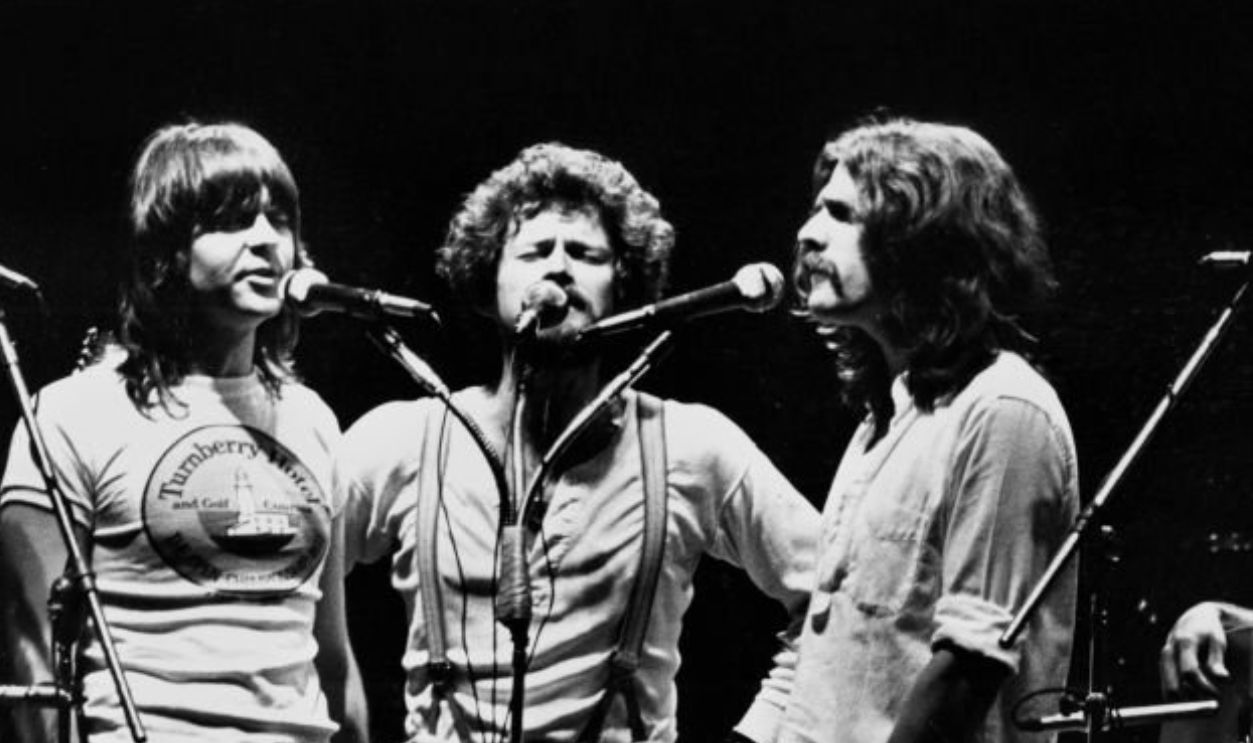
The Eagles
There’s no doubt that the Eagles achieved extraordinary commercial success through meticulous production and polished harmonies. However, their carefully controlled sound drew criticism for emotional distance and creative caution. Undeniably influential in shaping mainstream rock, detractors argue their acclaim exceeds the risks they took.
 Gijsbert Hanekroot, Getty Images
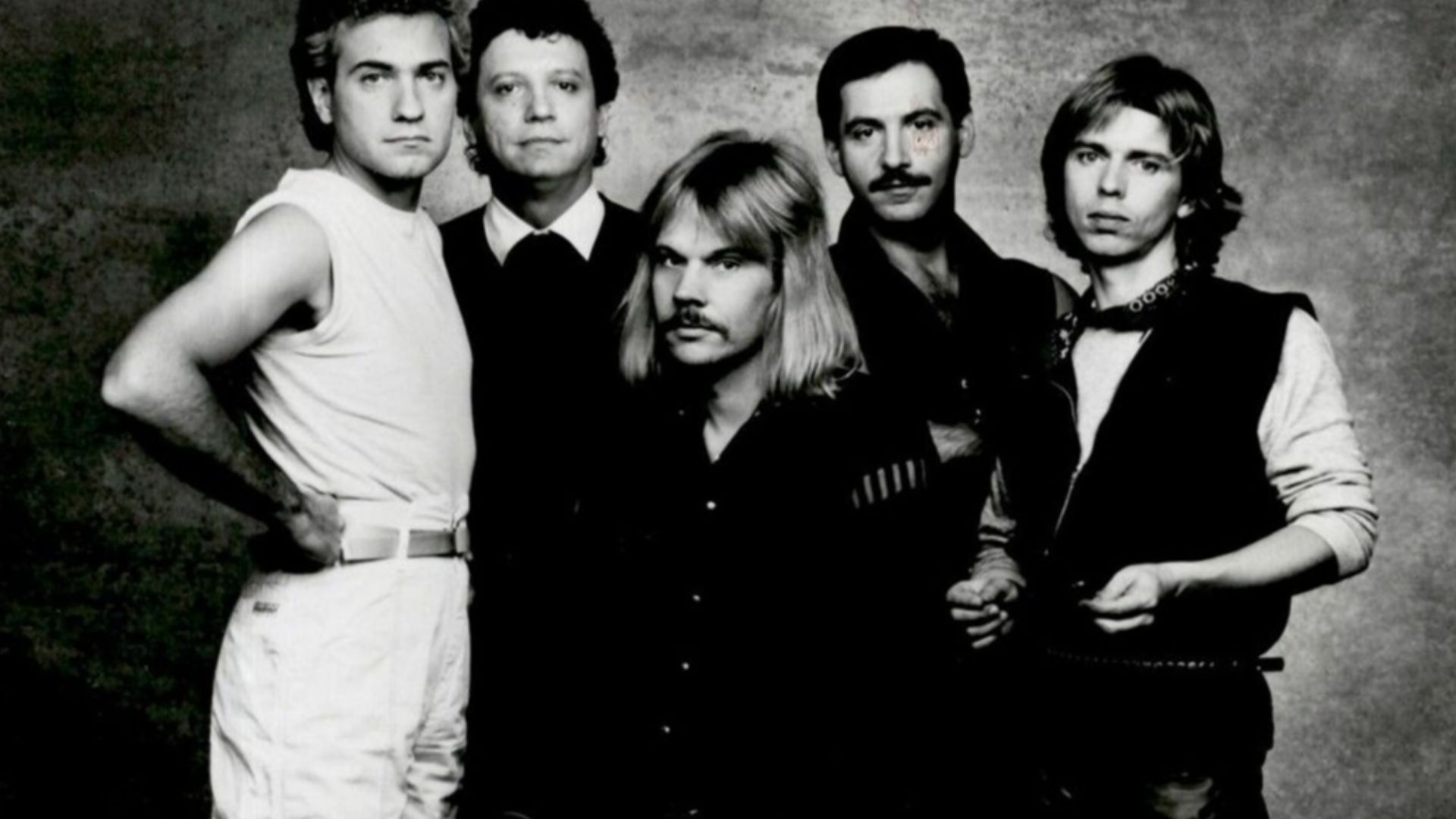
Styx
Creating a distinctive but divisive sound, Styx combined progressive rock ambition with radio-friendly hooks. Their theatrical concepts attracted large audiences, though critics often cited overproduction and uneven execution that lacked musical depth across their 1970s output.
 Front Line Management Company; Distributed by A&M Records, Wikimedia Commons
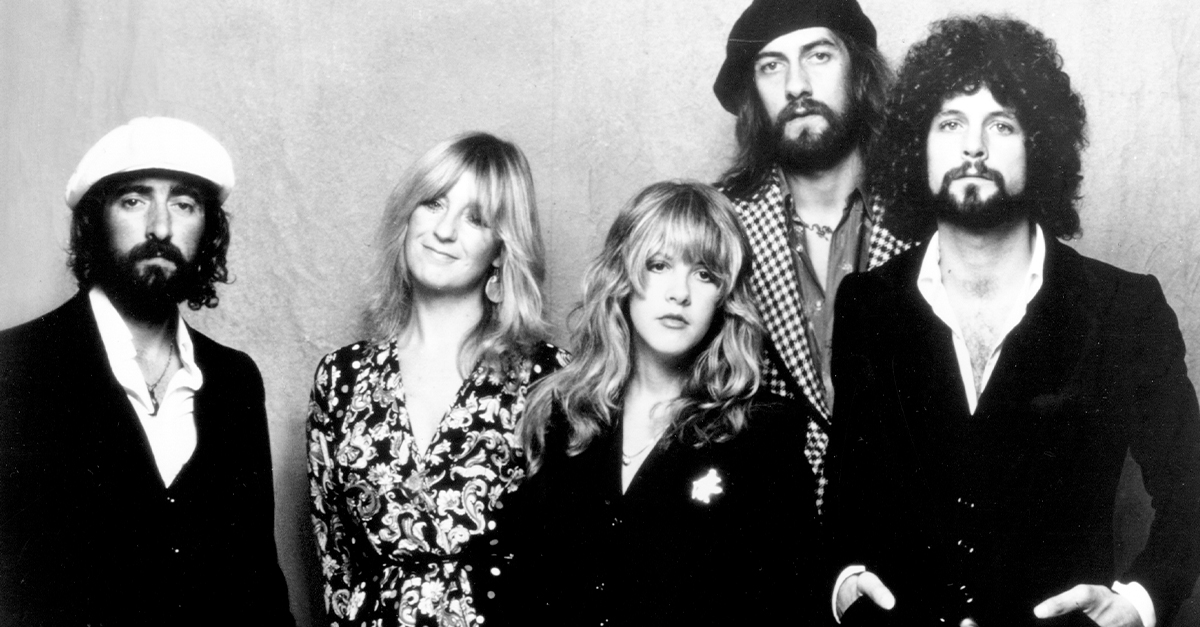
Fleetwood Mac (Post-1975)
Fleetwood Mac’s post-1975 transformation produced iconic albums and massive popularity. Yet some critics argue that personal drama and pristine pop skills overshadowed musical experimentation. Later success leaned more on songwriting accessibility than boundary-pushing innovation.
 Michael Ochs Archives, Getty Images
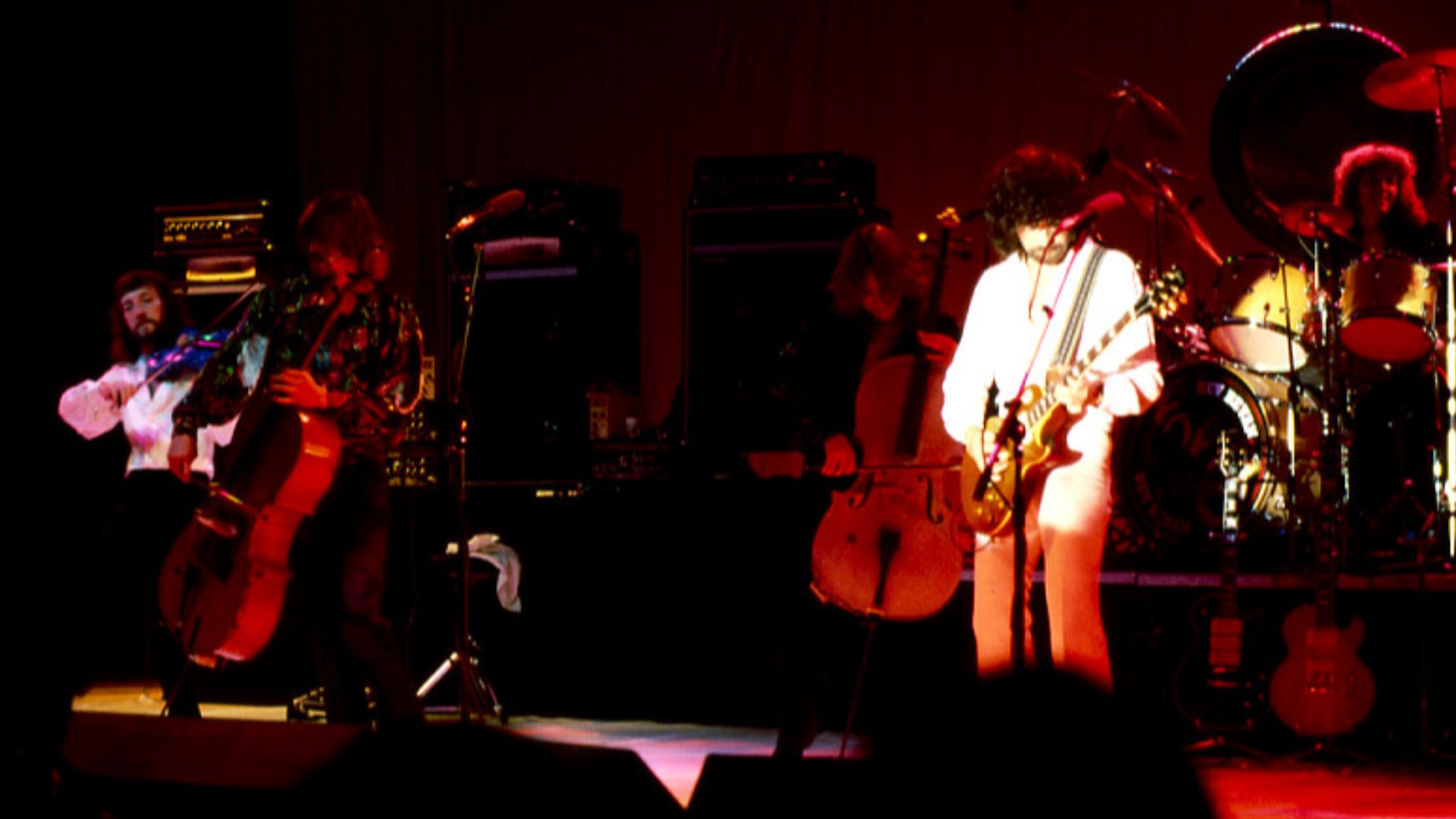
Electric Light Orchestra (ELO)
Orchestral textures and radio-friendly rock helped Electric Light Orchestra achieve a sound that felt ambitious and accessible. Beneath the lush arrangements, songwriting often followed familiar patterns. Critics have noted that production scale is sometimes substituted for experimentation.
 Helge Overas, Wikimedia Commons
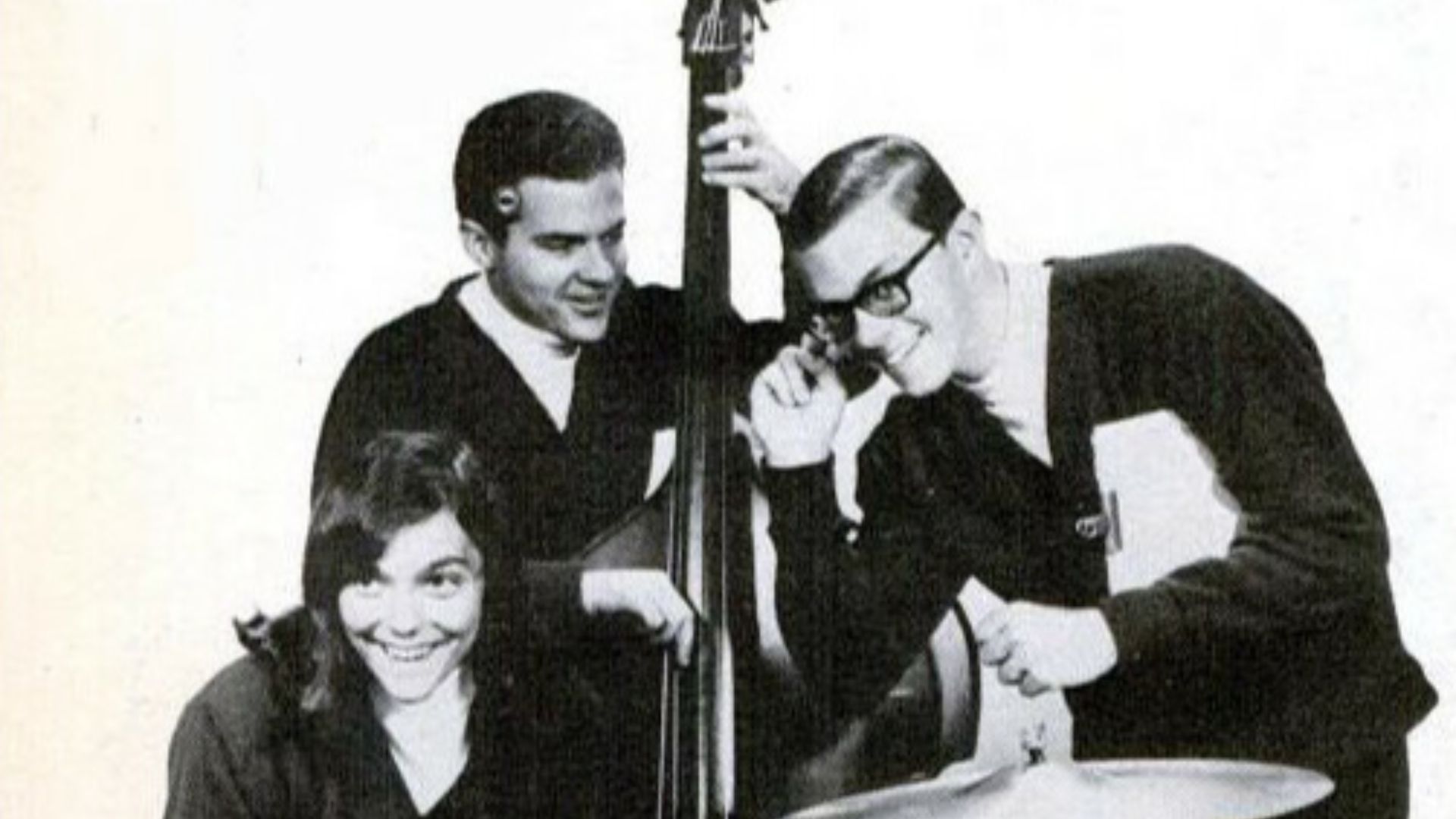
The Carpenters
Centered on remarkable vocal talent, the duo delivered impeccably crafted soft pop that dominated charts. However, their tightly controlled style left little room for exploration. While emotionally resonant, the music prioritized refinement over innovation.