No Ordinary Talent
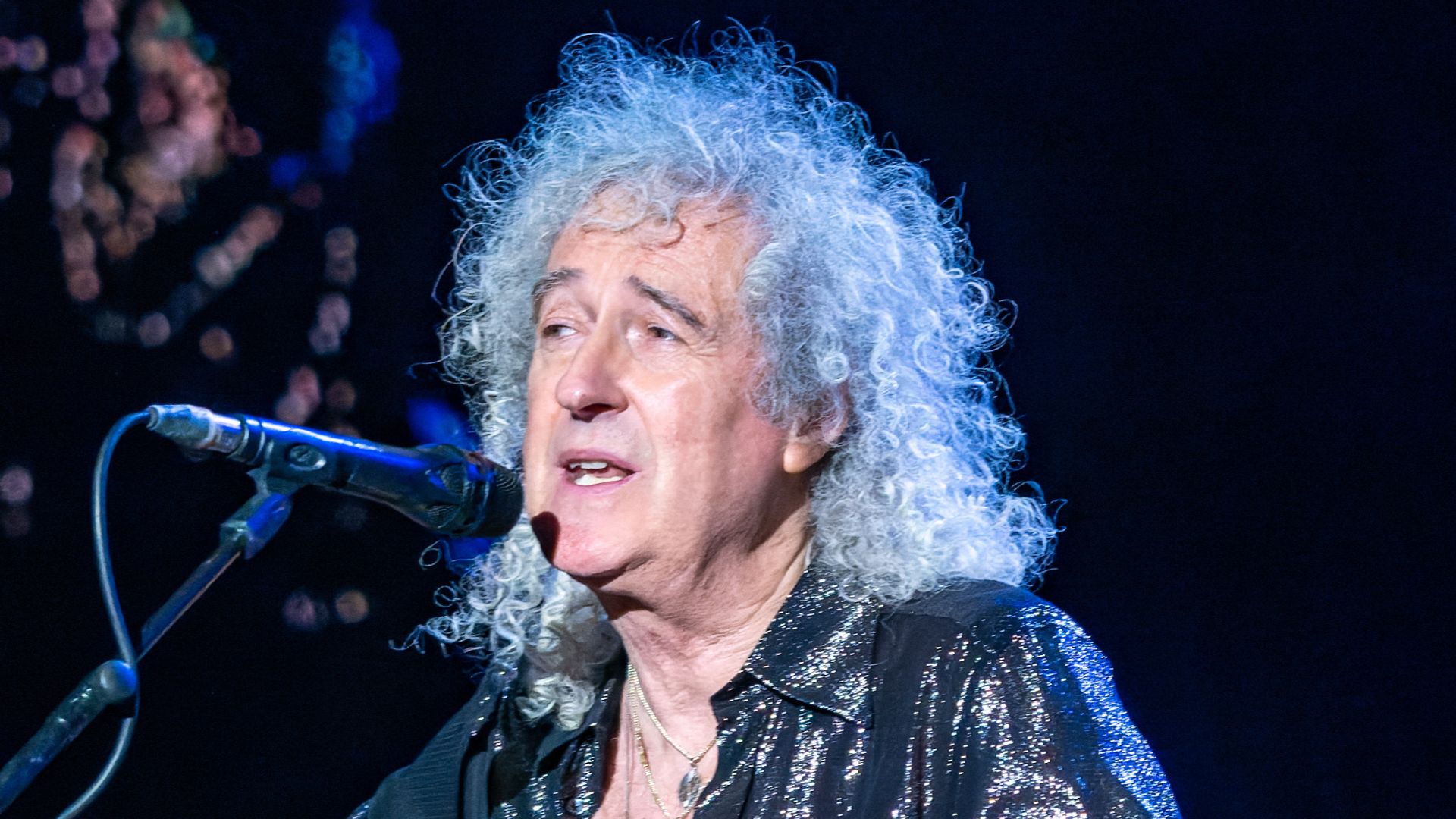
Brian May co-founded Queen while forging a formidable reputation as a guitarist, and later worked as an astrophysicist with NASA on far-reaching space exploration projects. We look back at his remarkable career accomplishments thus far.
A Childhood Of Music And Curiosity
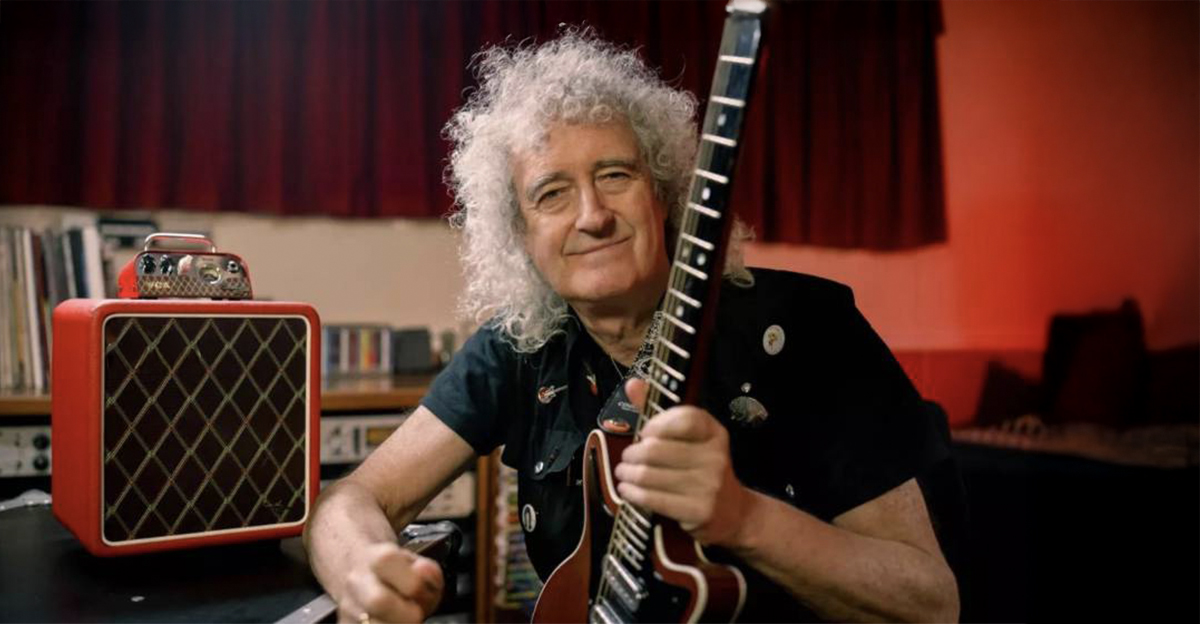
Brian Harold May was born in London in 1947 and grew up as an only child in a household that valued education and curiosity. His father, an electronics engineer, encouraged both music and science. From an early age, May showed equal fascination with sound and the mechanics behind it.
 Thomas Steffan by using Olympus Camedia C700, Wikimedia Commons
Building His First Guitar
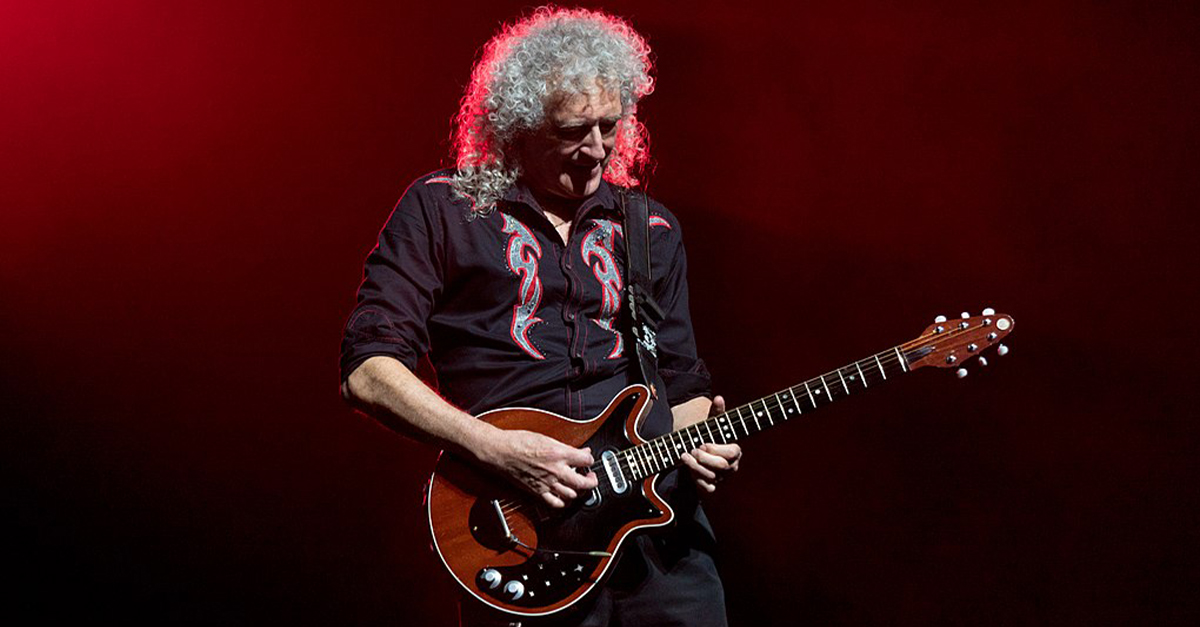
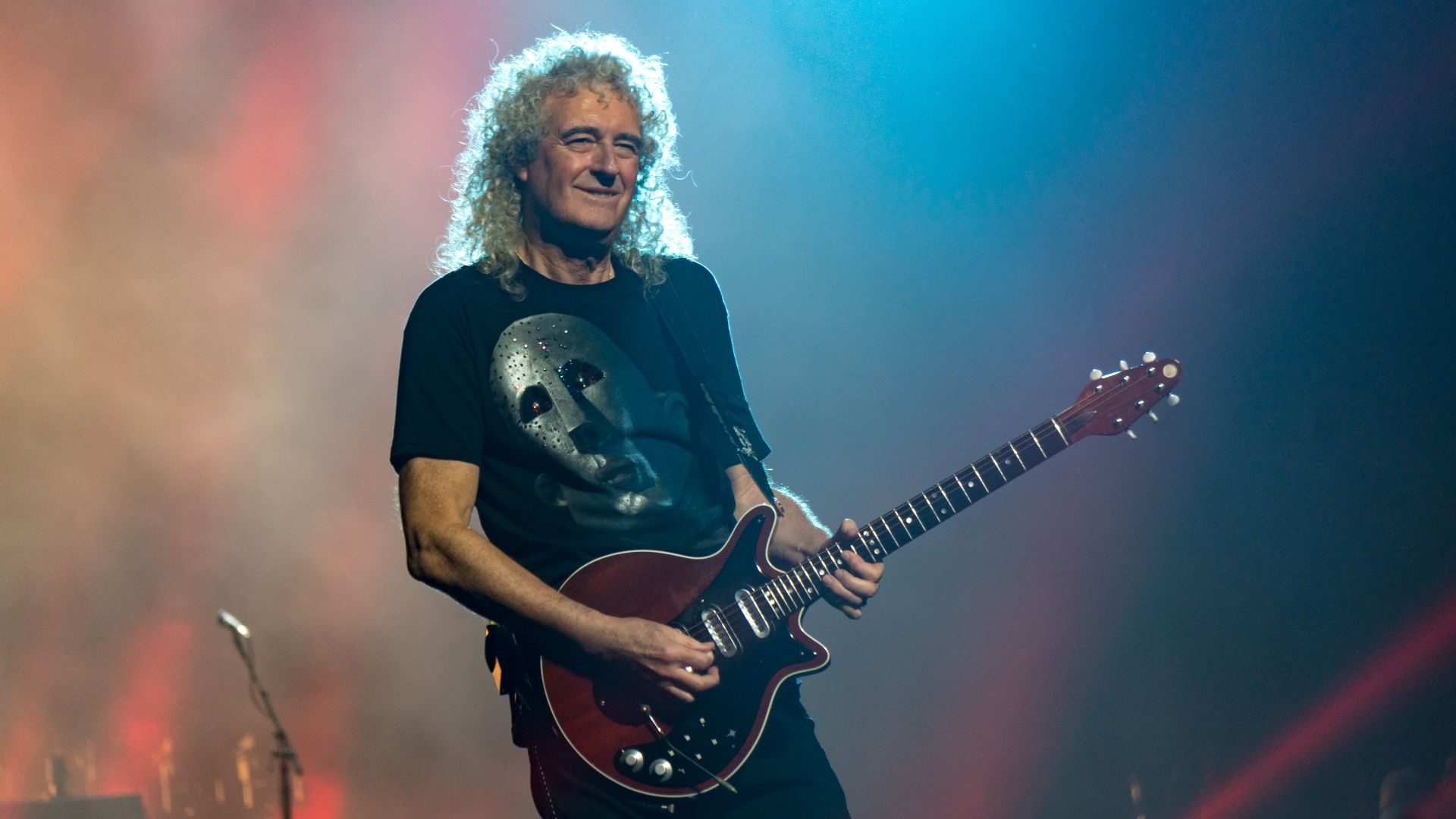
Like a lot of teenagers, May was interested in getting an electric guitar, but his family couldn’t afford one. Instead, he and his dad built one from scratch using household odds and ends. The result, later nicknamed the Red Special, produced a unique tone that would be a signature of his playing style.
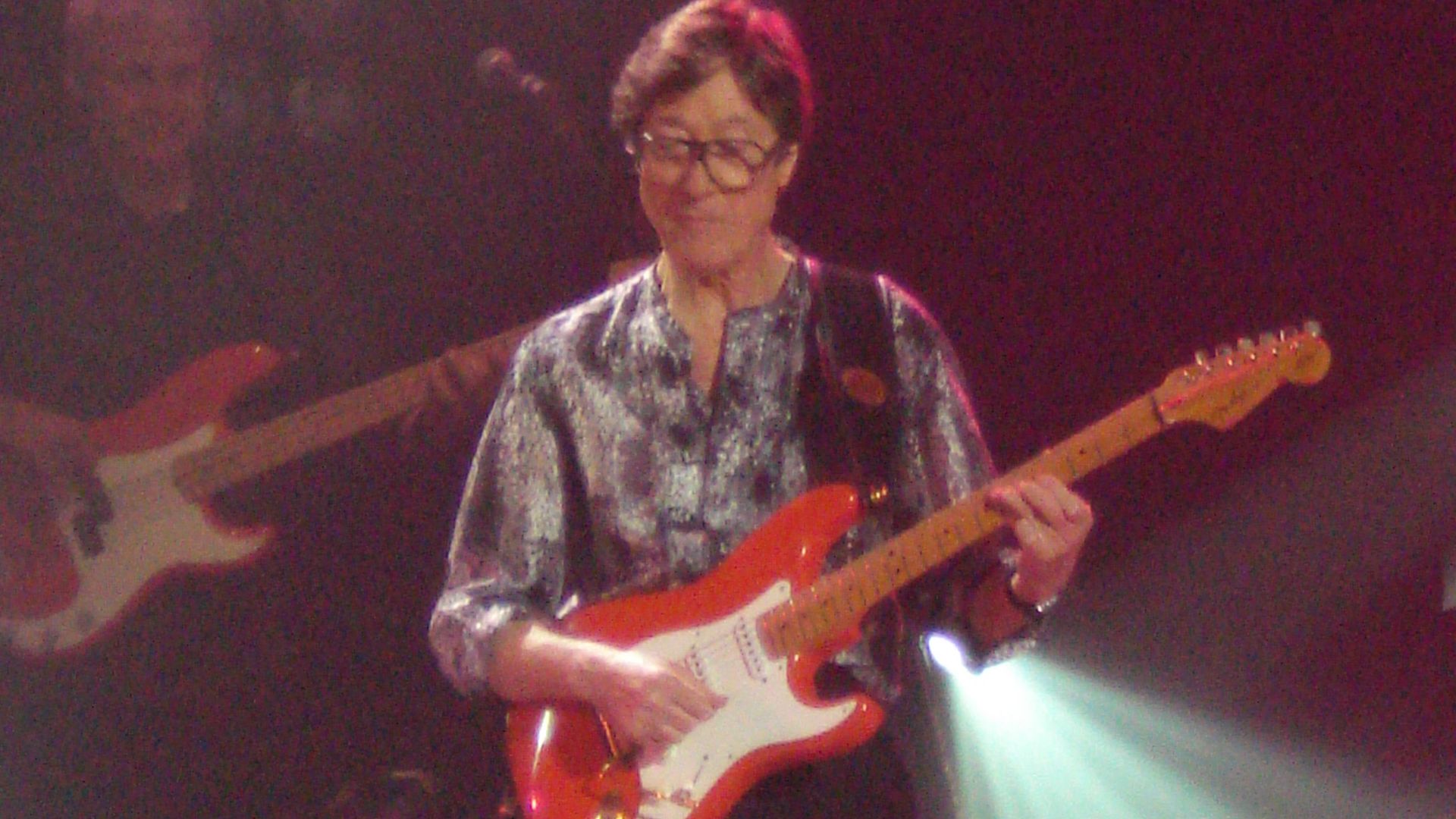
Early Musical Influences
May was influenced by guitarists like Hank Marvin of The Shadows, whose melodic playing style shaped his sense of phrasing. Rather than chasing high-speed riffs and complex solos, May focused on harmony and texture, giving the music an orchestral feel. This would later define his layered guitar arrangements within a band context.
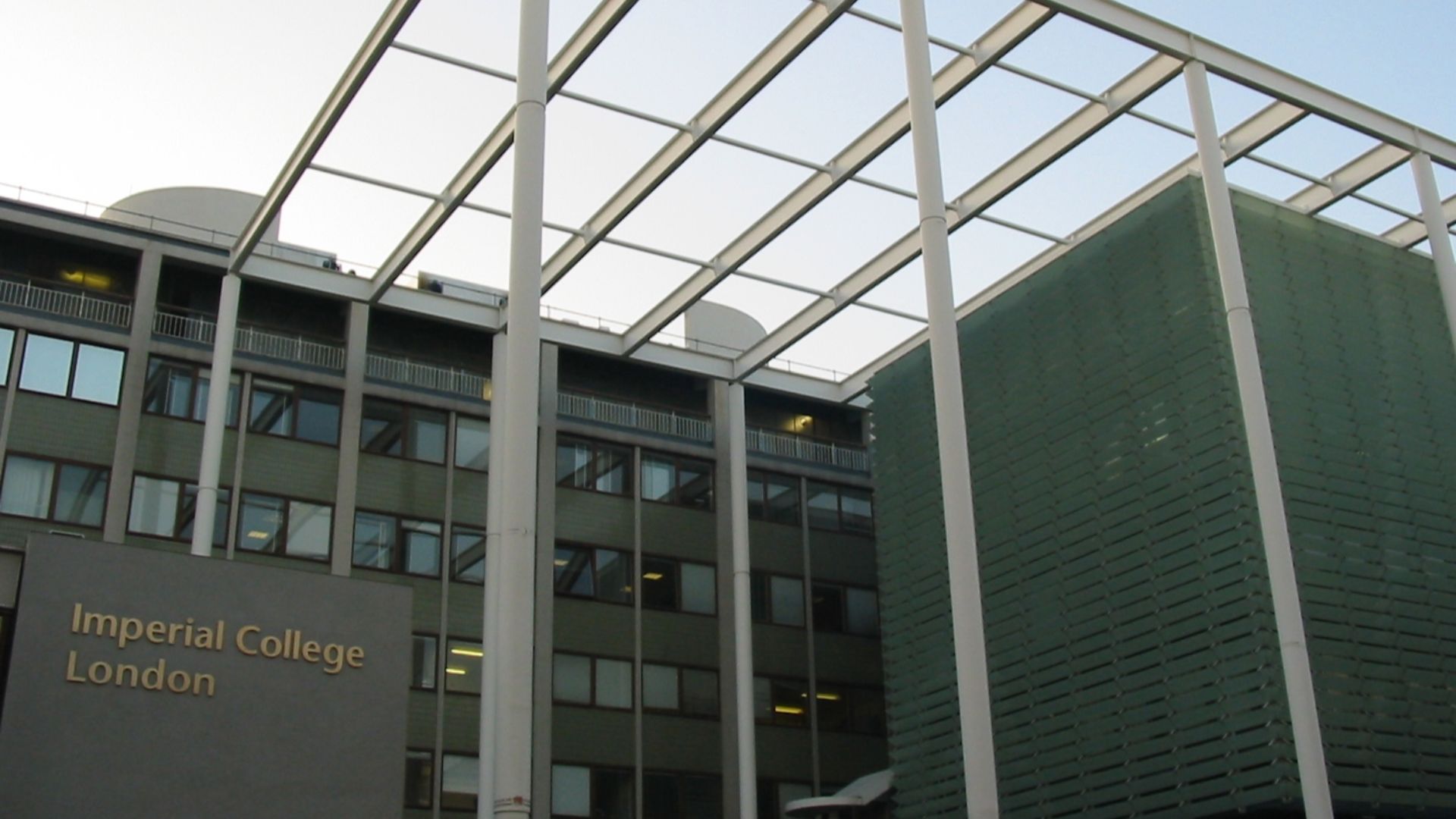
University And A Dual Path
While he continued to grow as a music prodigy, May enrolled at Imperial College London to study physics and astronomy. Hitting the books with this heavy academic work while also maintaining his music rehearsals, he managed to keep both paths alive. This dual commitment would continue on into the future, in a career that would always have one foot in the world of science and the other in rock ‘n’ roll.
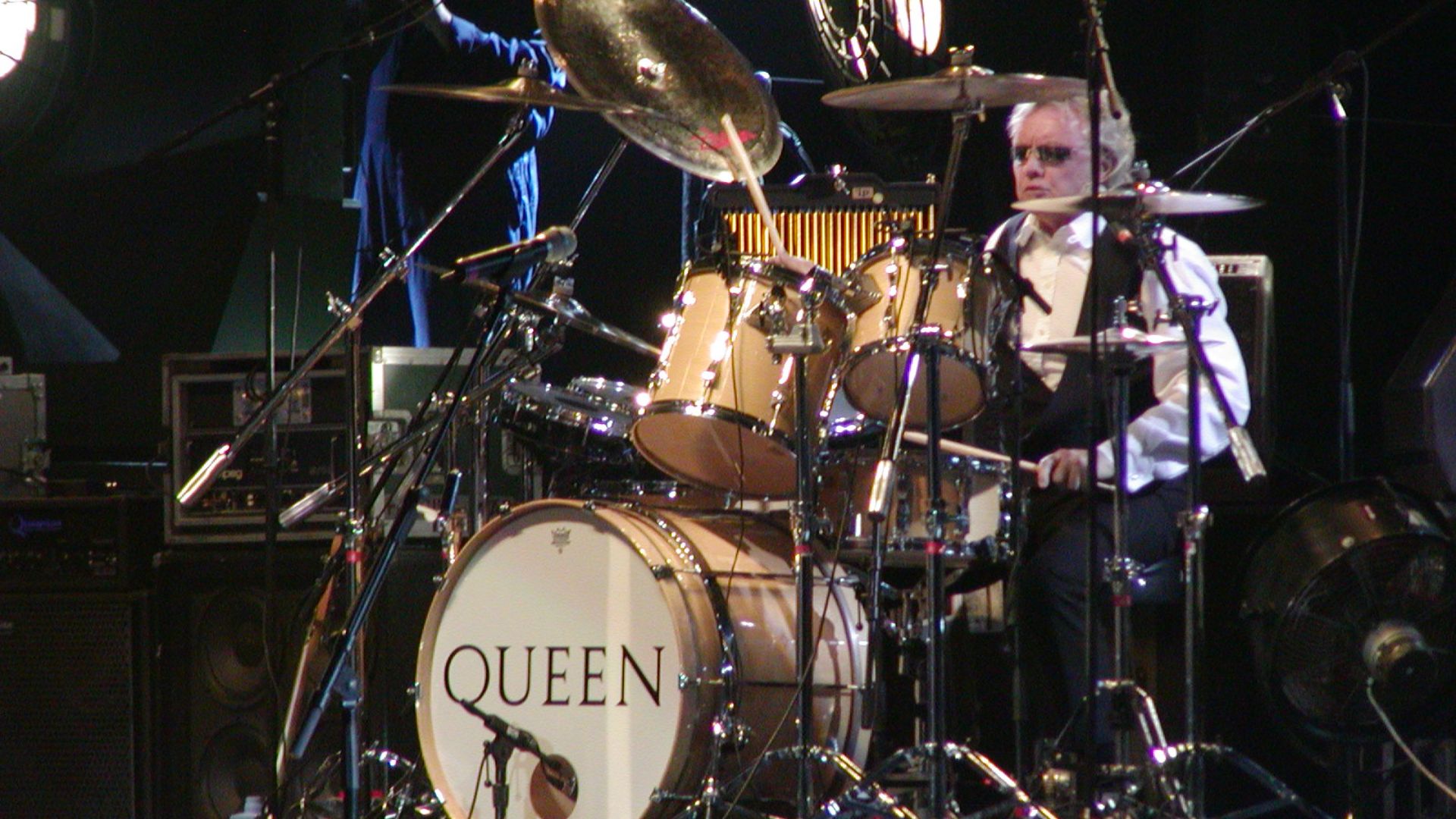
Forming Smile
In the late 60s, May formed the band Smile with drummer Roger Taylor and singer Tim Staffell. Smile performed around the London area and recorded some demos but they struggled mightily to break through. When Staffell left, he introduced May and Taylor to a charismatic friend of his. This gentleman was named Farrokh Bulsara.
Meeting Freddie Mercury
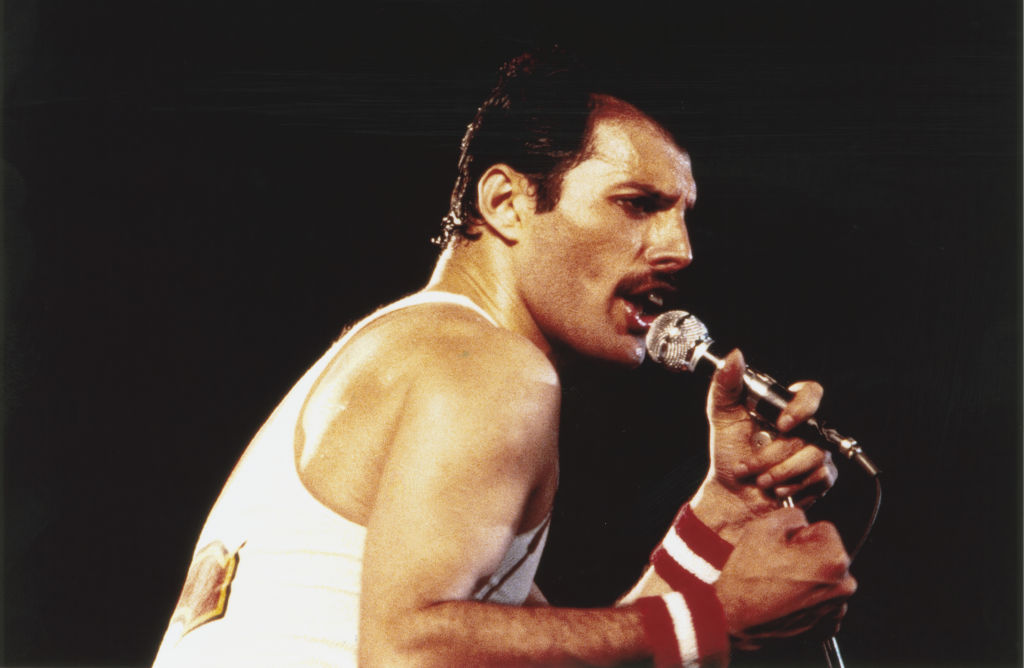
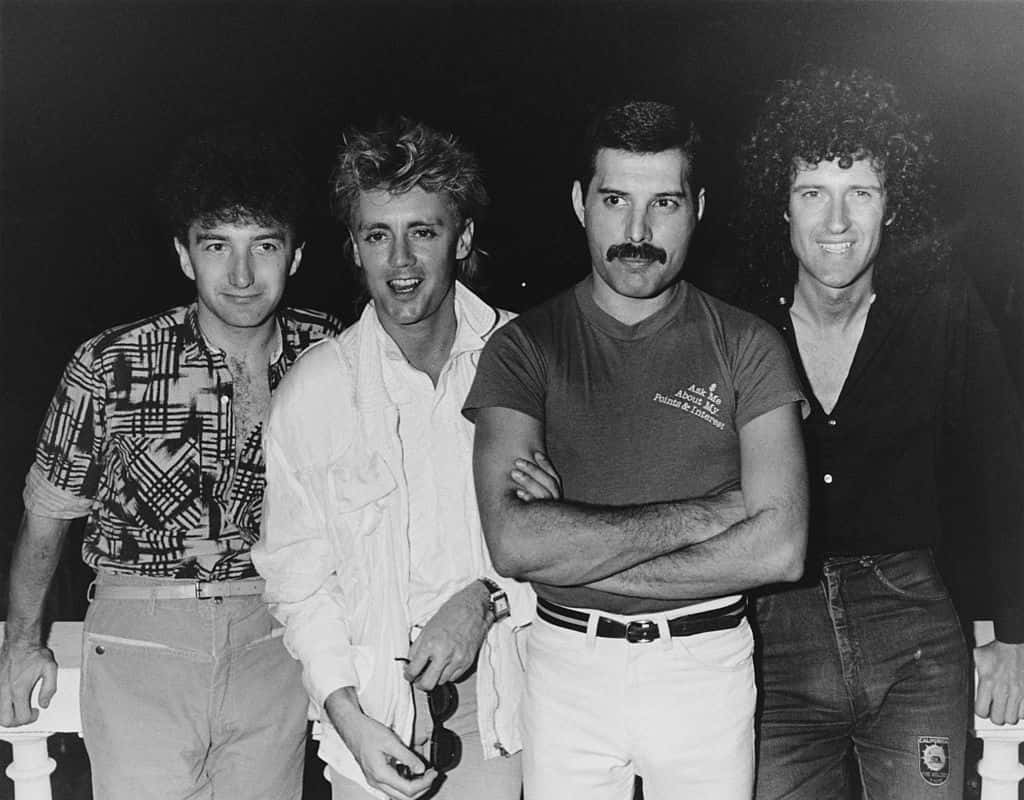
Farrokh Bulsara changed his name to Freddie Mercury and joined May and Taylor in 1970. Mercury’s theatrical antics contrasted sharply with May’s precise playing, but the chemistry was unmistakable. With bassist John Deacon soon added to the mix, the group changed its name to Queen, launching one of rock’s most distinctive bands.
Queen’s Early Years And Struggles
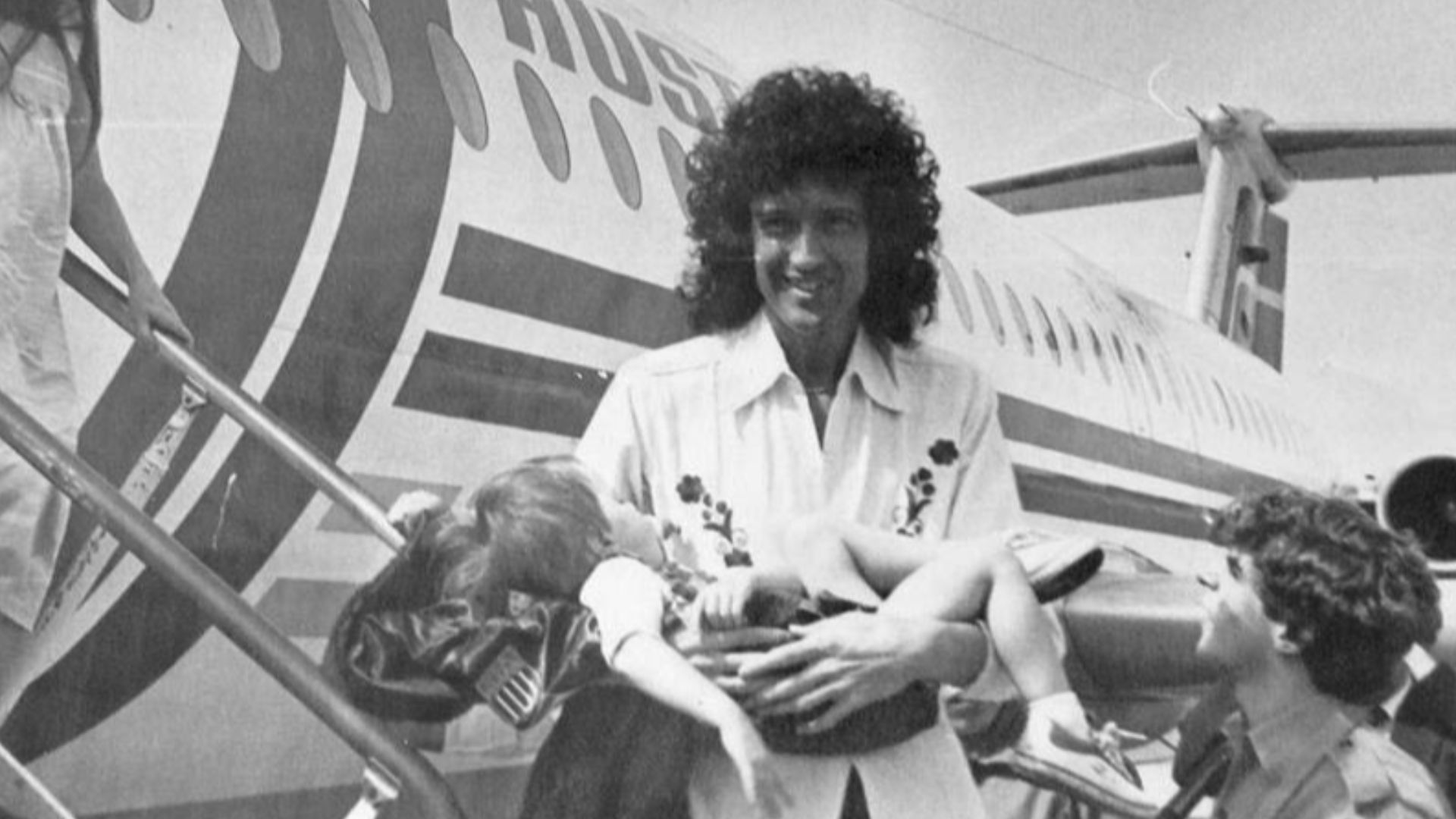
Queen’s early albums definitely got a mixed response along with modest sales. May worked on increasingly complex guitar harmonies, often stacking multiple tracks to generate orchestral effects without the help of keyboards. This kind of experimentation helped define Queen’s sound just as the band started to reach a wider audience.
 Unknown authorUnknown author, Wikimedia Commons
Breakthrough
By the mid-70s, Queen became one of the world’s biggest bands. Albums like Sheer Heart Attack (1974) and A Night at the Opera (1975) cemented their popularity. May’s guitar harmonies grew increasingly ambitious, supporting Mercury’s vocal theatrics while anchoring the band’s complex and elaborate songs.
Songwriter
May emerged as one of Queen’s principal songwriters, contributing tracks like “Keep Yourself Alive,” “Now I’m Here,” and “Fat Bottomed Girls” as just a few examples. This songwriting role positioned him not just as a guitarist, but as a creative force within the band.

Turns As Lead Vocalist
Freddie Mercury was always Queen’s primary singer, but May occasionally took lead vocals. Songs like “’39” and “Good Company” showcased his singing voice and folk influences. It marked May’s versatility and a glimpse of the creative paths he might one day explore independently.
Signature Sound
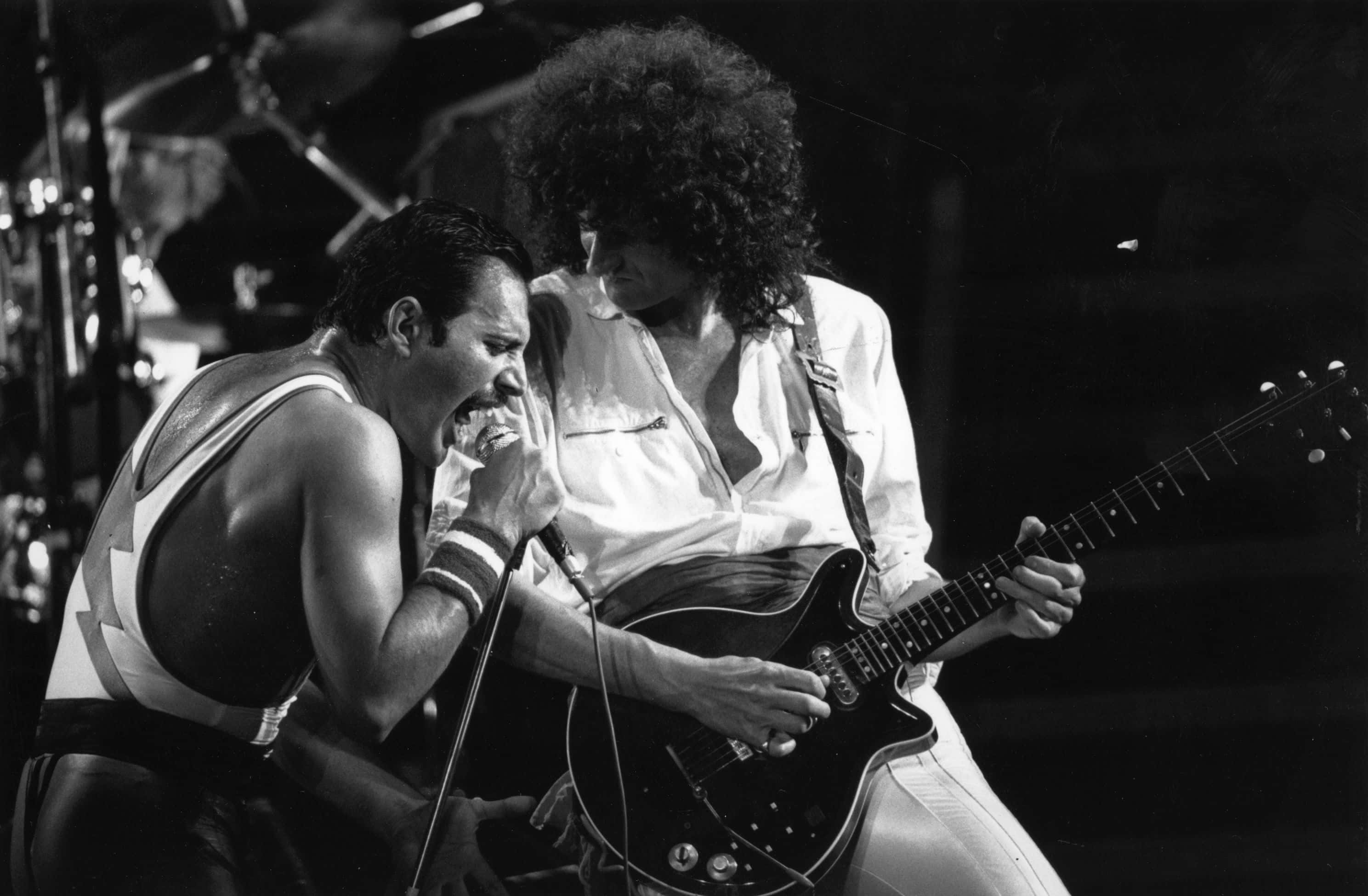
The Red Special guitar he’d built with his dad was still central to May’s sound. Combined with homemade effects and careful studio layering, his sound became instantly recognizable. Rather than adopting new gear trends, May constantly refined the same instrument, reinforcing his distinctive musical identity.
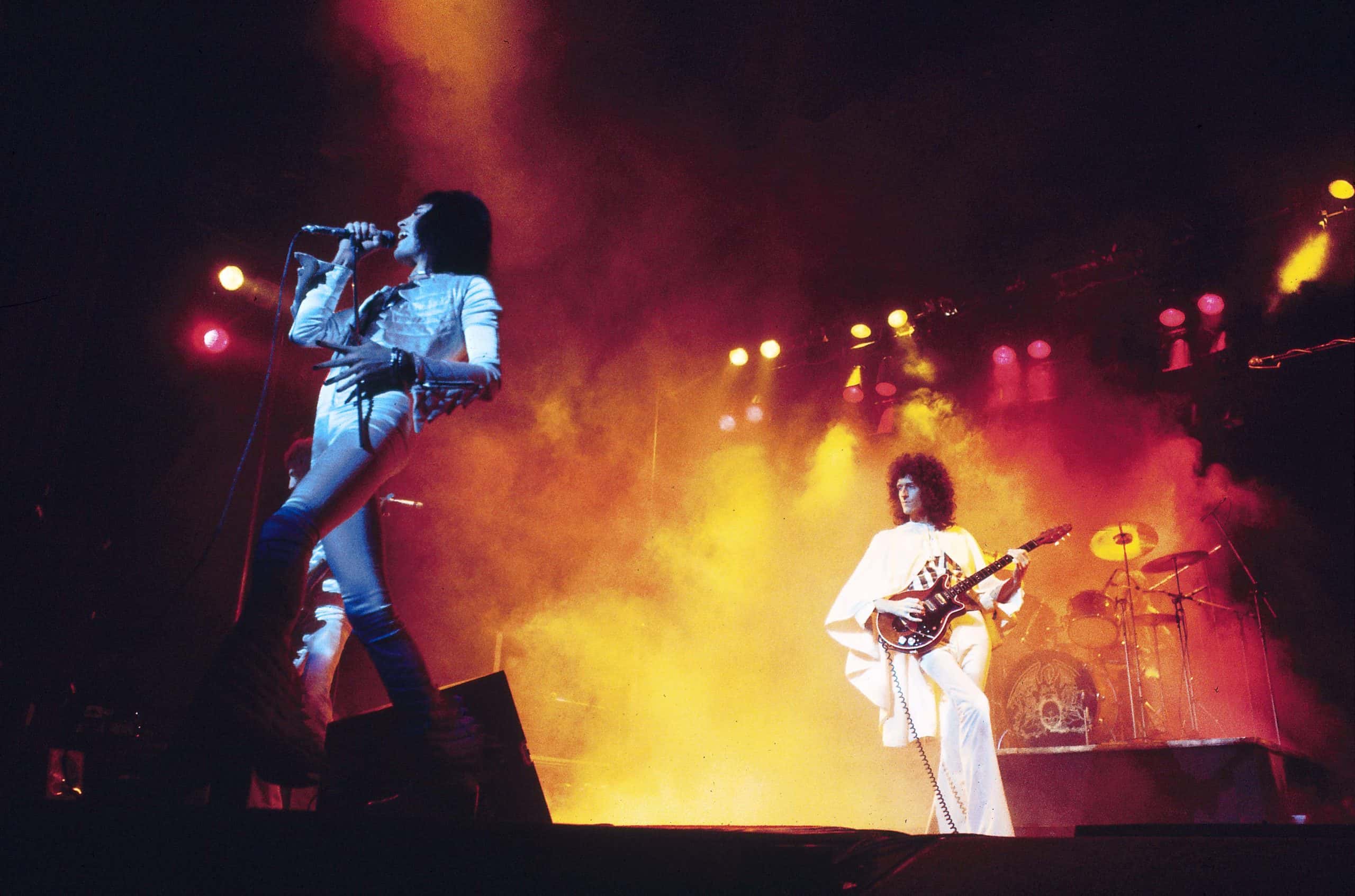
Live Aid And Peak Visibility
Queen performed at Live Aid in 1985 to help raise money for victims of the famine in Ethiopia. Their set is still marked by many as one of the greatest live sets in rock history. May’s controlled precision was the perfect counterbalance to Mercury’s flamboyant crowd command. The performance was a high point in Queen’s public profile, even as challenges loomed behind the scenes.
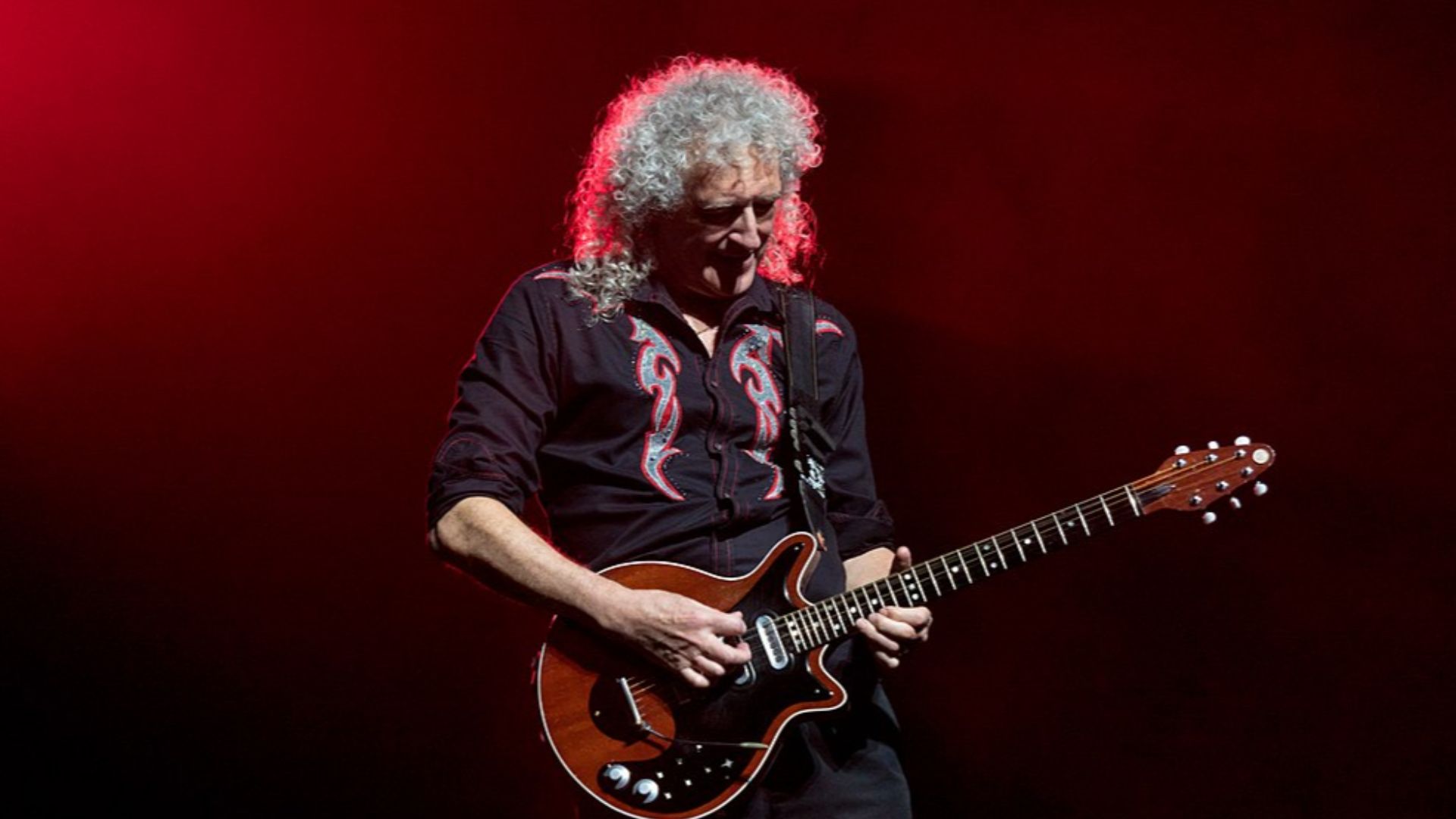 TheMillionaireWaltz, Wikimedia Commons
Difficult Years
As Freddie Mercury’s health declined in the late 80s, Queen continued recording. May remained as heavily involved as ever, contributing emotionally charged guitar work. The band worked quietly, aware that time was limited, and that these sessions would eventually take on a whole new meaning.
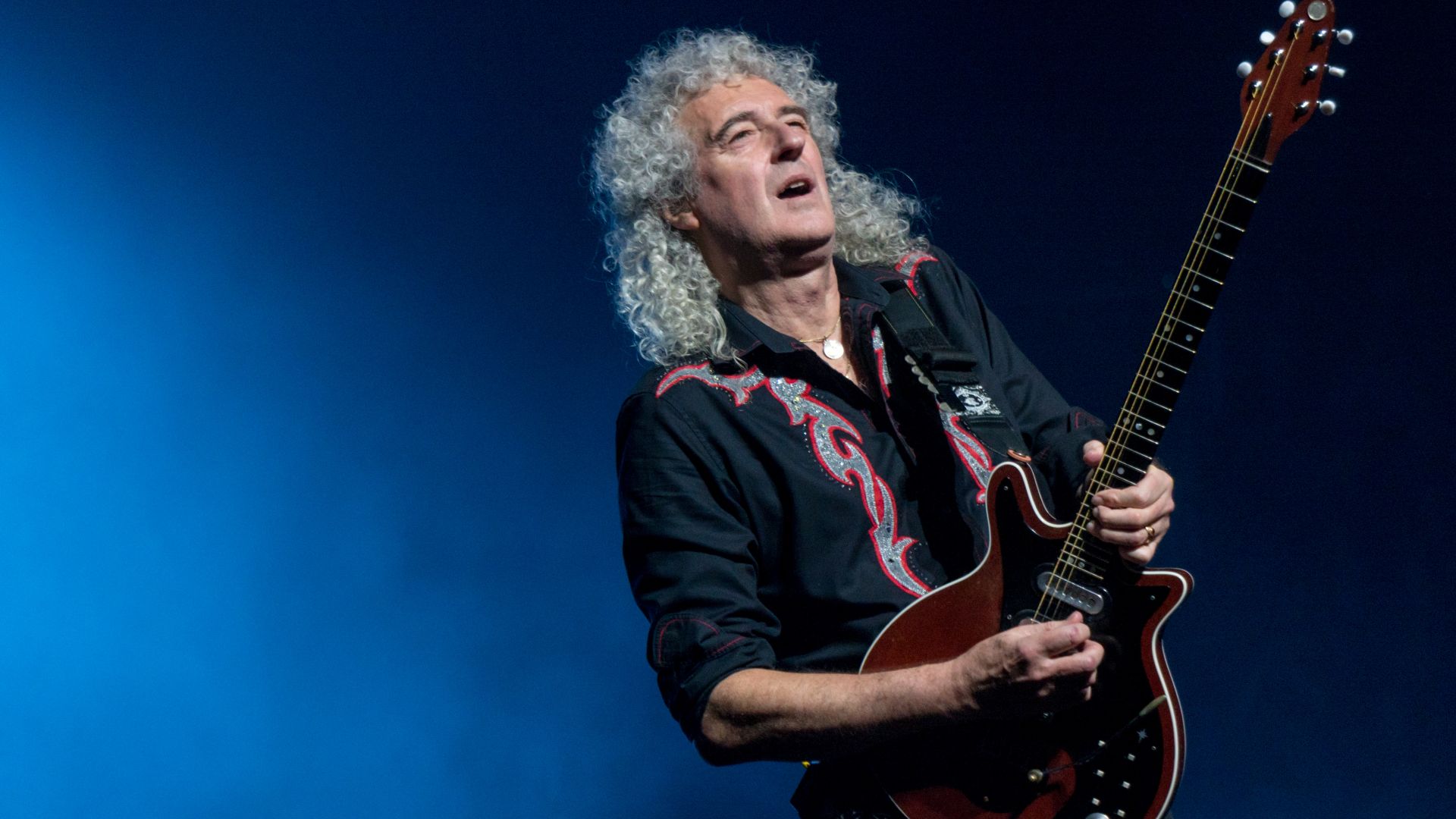
Death Of Freddie Mercury
Mercury died in 1991, leaving May devastated. Publicly he held himself in but privately he struggled with the loss. May later described this period as one of deep grief. The loss forced him to face life and music without his closest collaborator, pushing him toward solo work as a means of finding a way to carry on.
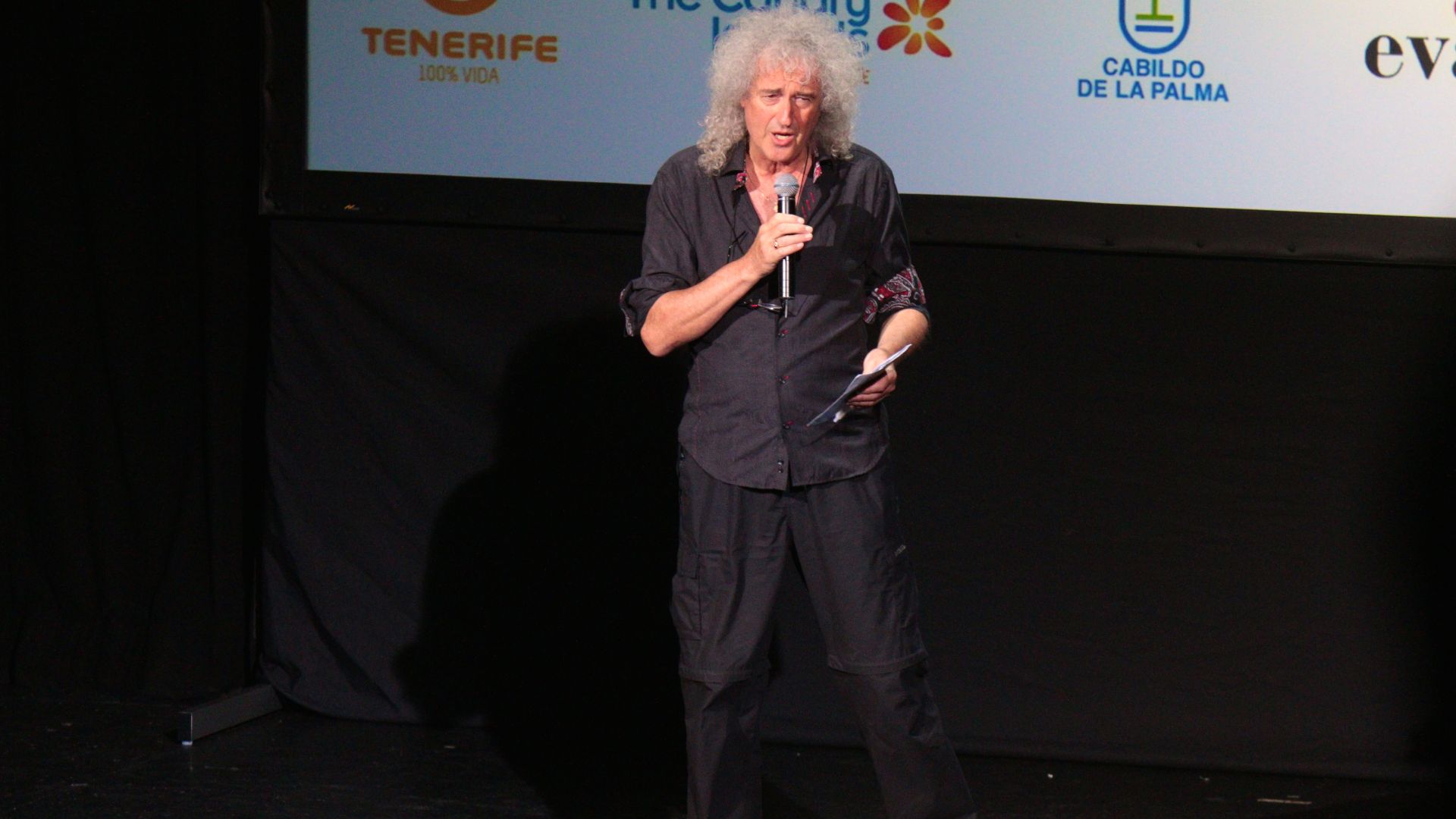 Victor R. Ruiz from Arinaga, Canary Islands, Spain, Wikimedia Commons
Recording A Solo Album
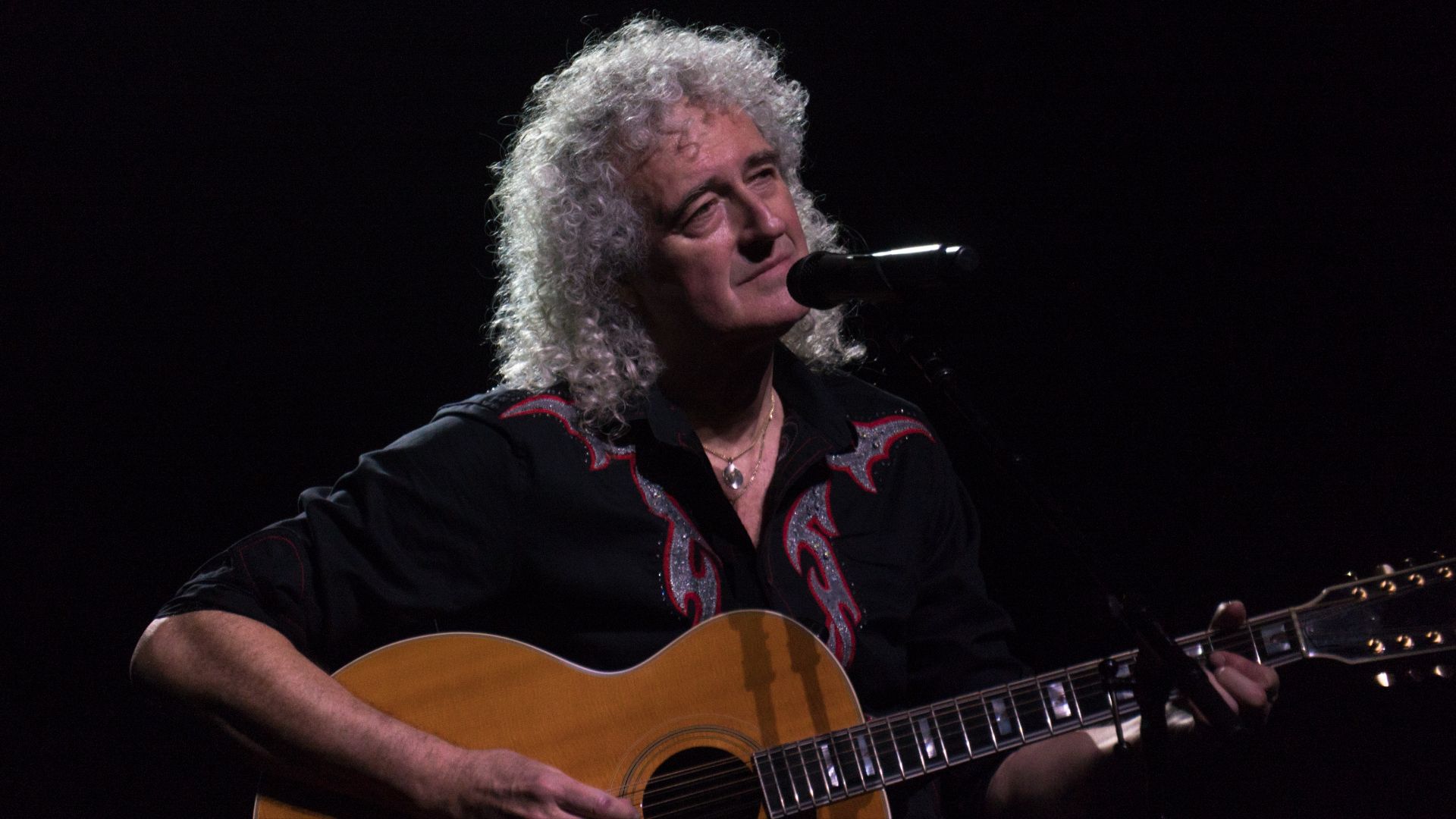
In 1992, May released Back to the Light, his first solo album. The project was a creative outlet for him and a personal recovery process. Two of the songs became Top-10 hits: “Too Much Love Will Kill You” and “Driven By You”. It was a successful attempt to rebuild his identity beyond Queen.
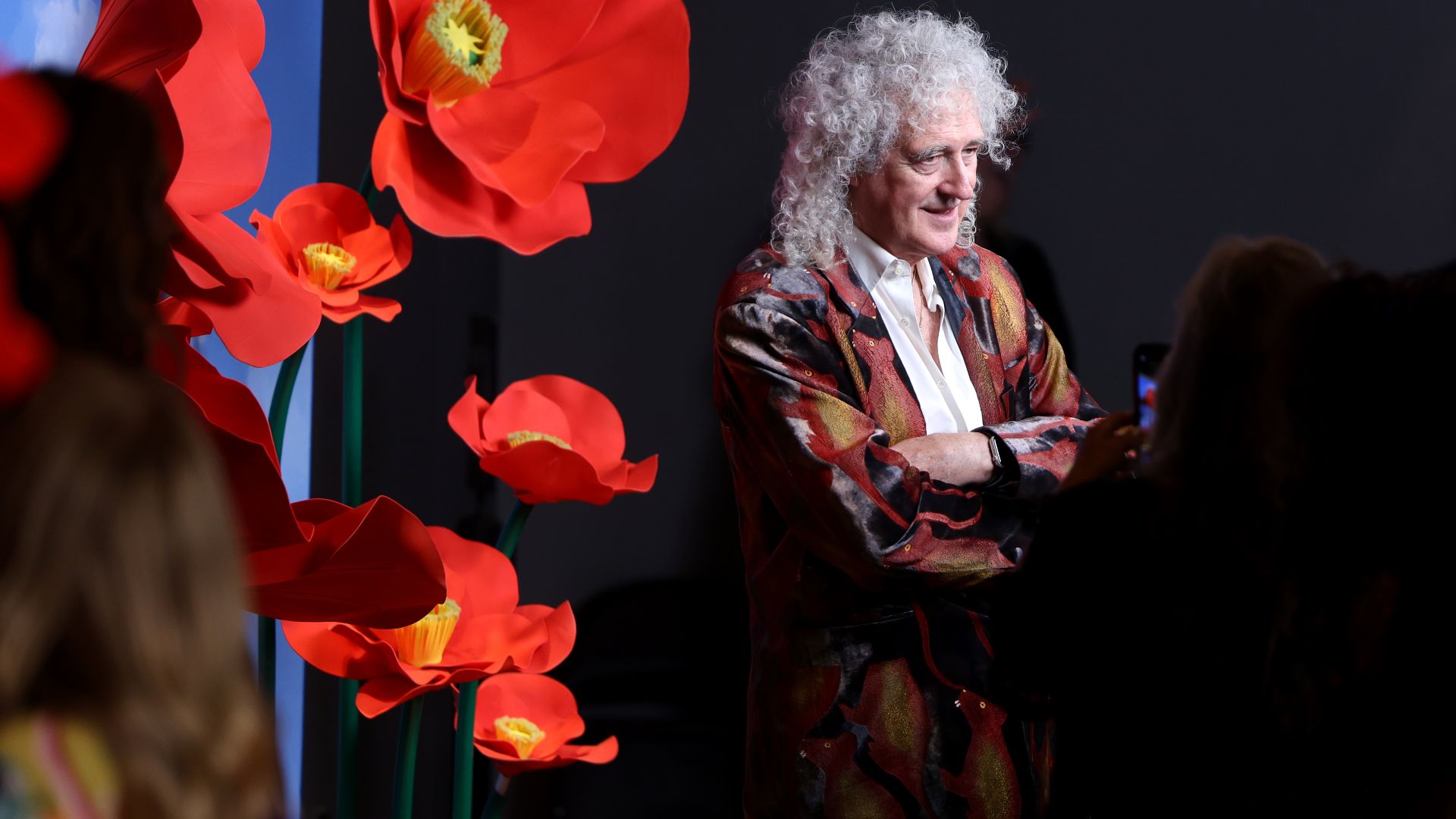 Gage Skidmore, Wikimedia Commons
Marriage To Anita Dobson
Brian May married British actress Anita Dobson in 2000. Dobson, best known for her role on the BBC soap EastEnders, became a calming presence for May following years of loss and upheaval. The two have spoken openly about supporting each other’s careers, with Dobson later touring alongside Queen and May frequently crediting her with helping him turn his personal life around.
Continuing Queen Projects
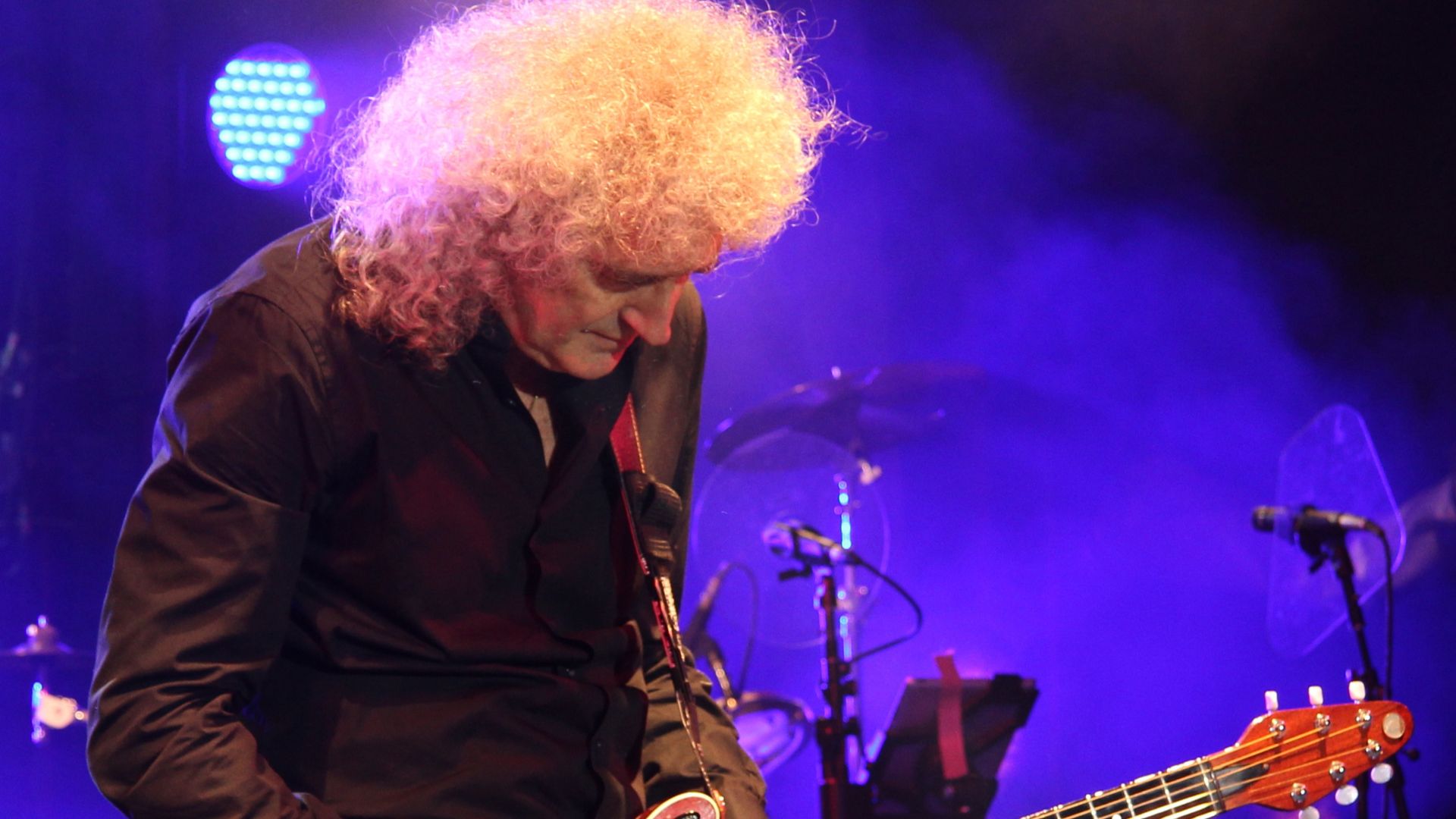
Through the 90s and 00s, May kept up his involvement in Queen-related projects, including tours with guest vocalists and publishing previously unreleased material from the past. These efforts kept the band’s music current while allowing May to pursue his other big passion.
Return To Astronomy
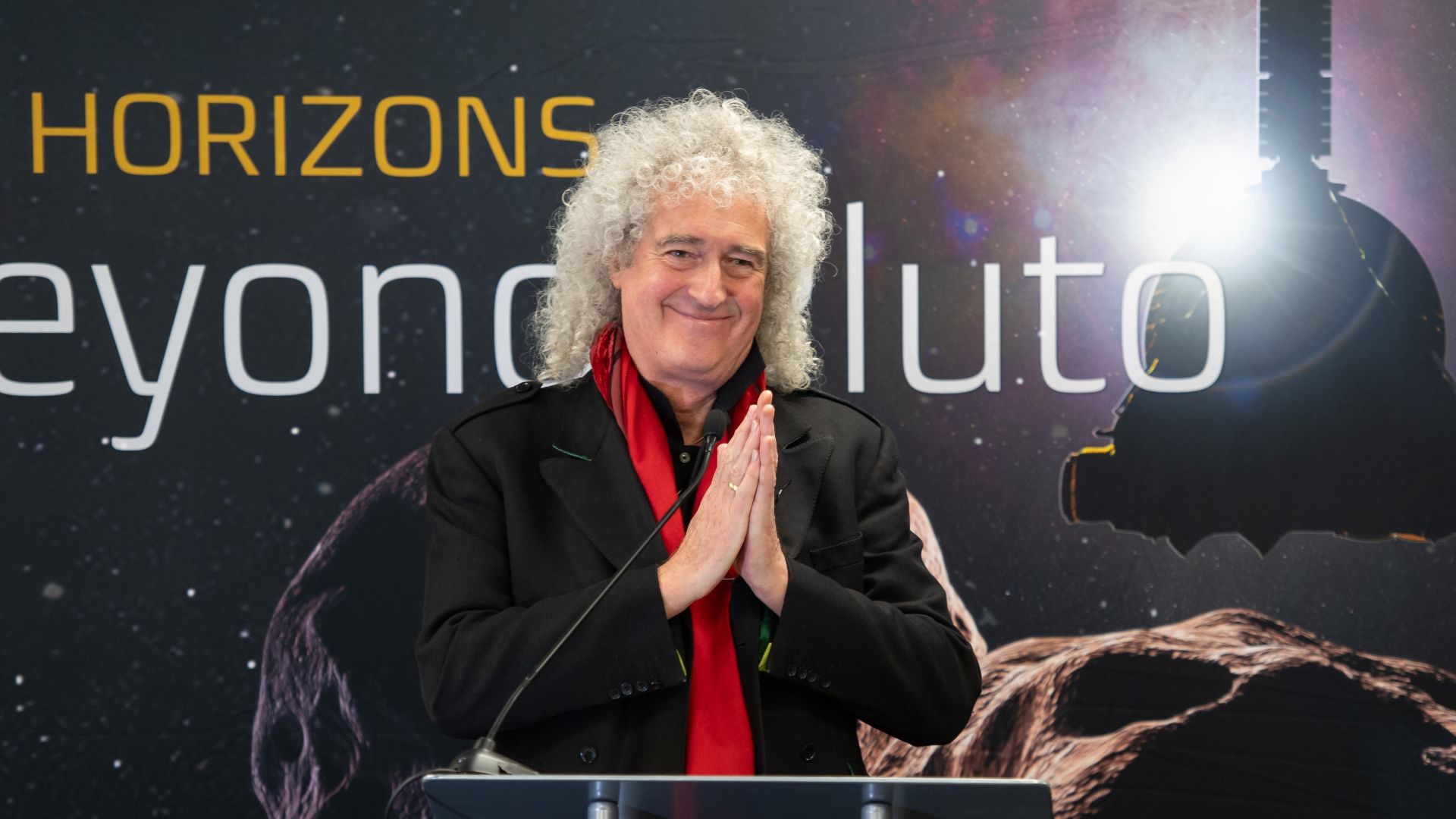
After decades away from the dusty halls of academia, May completed his PhD in astrophysics in 2007. His research focus was on interplanetary dust, a rare foray into formal scientific work by a rock musician. The achievement reconnected him with a fascinating realm of discovery that he had never fully abandoned.
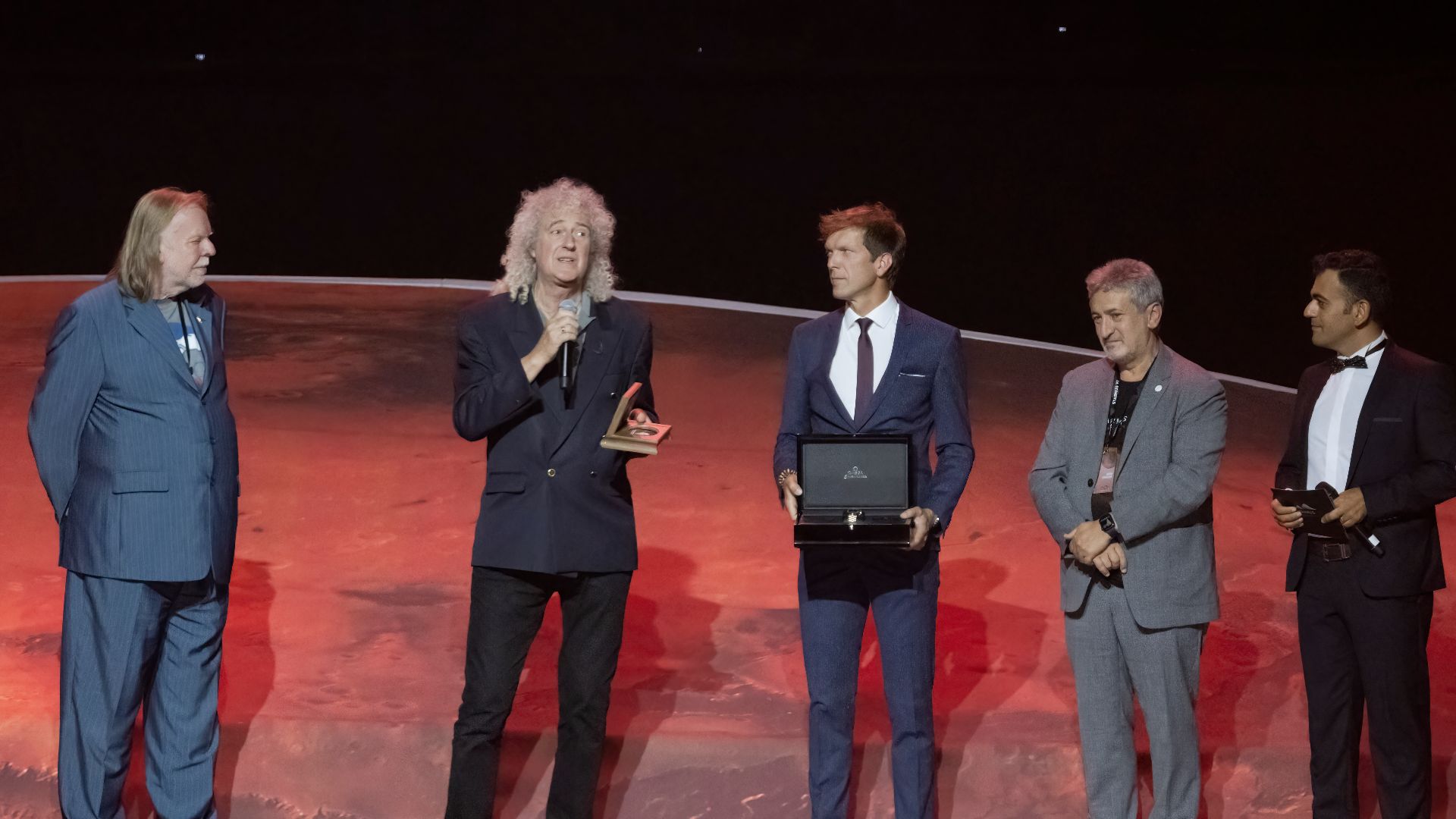 Aleksey Chalabyan a.k.a Xelgen, Wikimedia Commons
Published Scientific Work
May co-authored scientific papers and books related to astronomy, garnering respect within the academic community. His sustained engagement with research showed that science for him wasn’t a part-time hobby, but a consuming professional commitment. May’s command of the subject and ability to help laypeople understand it led to him receiving the Stephen Hawking Medal for Science Communication in 2022.
 Bill Ingalls, Wikimedia Commons
Working With NASA And Bennu
In 2023, May helped NASA visualize data from the OSIRIS-REx mission. This was the successful retrieval of a rock sample from asteroid Bennu by an unmanned space probe. May’s expertise in stereoscopic imaging contributed to public knowledge of the mission and its scientific importance.
 ESO/G. Huedepohl, Wikimedia Commons
Knighthood
In 2023, Brian May was knighted by King Charles III at Buckingham Palace. The knighthood recognized his services to music and charity, including decades of artistic achievement with Queen and his work supporting animal welfare and other causes.
Health Scare And Stroke
In September 2024, May suffered a minor stroke that temporarily affected movement in his left arm. He later spoke openly about recovery and rehabilitation. The incident forced him to slow down his musical and astronomical pursuits so he could gradually rebuild his strength.

Return To The Stage
After recovery, May returned to performing with Queen, touring alongside Roger Taylor and singer Adam Lambert. It was a continuation of a collaboration that began back in 2011 in the wake of Lambert’s performance of several Queen songs as a contestant on American Idol.

Defender Of Animals
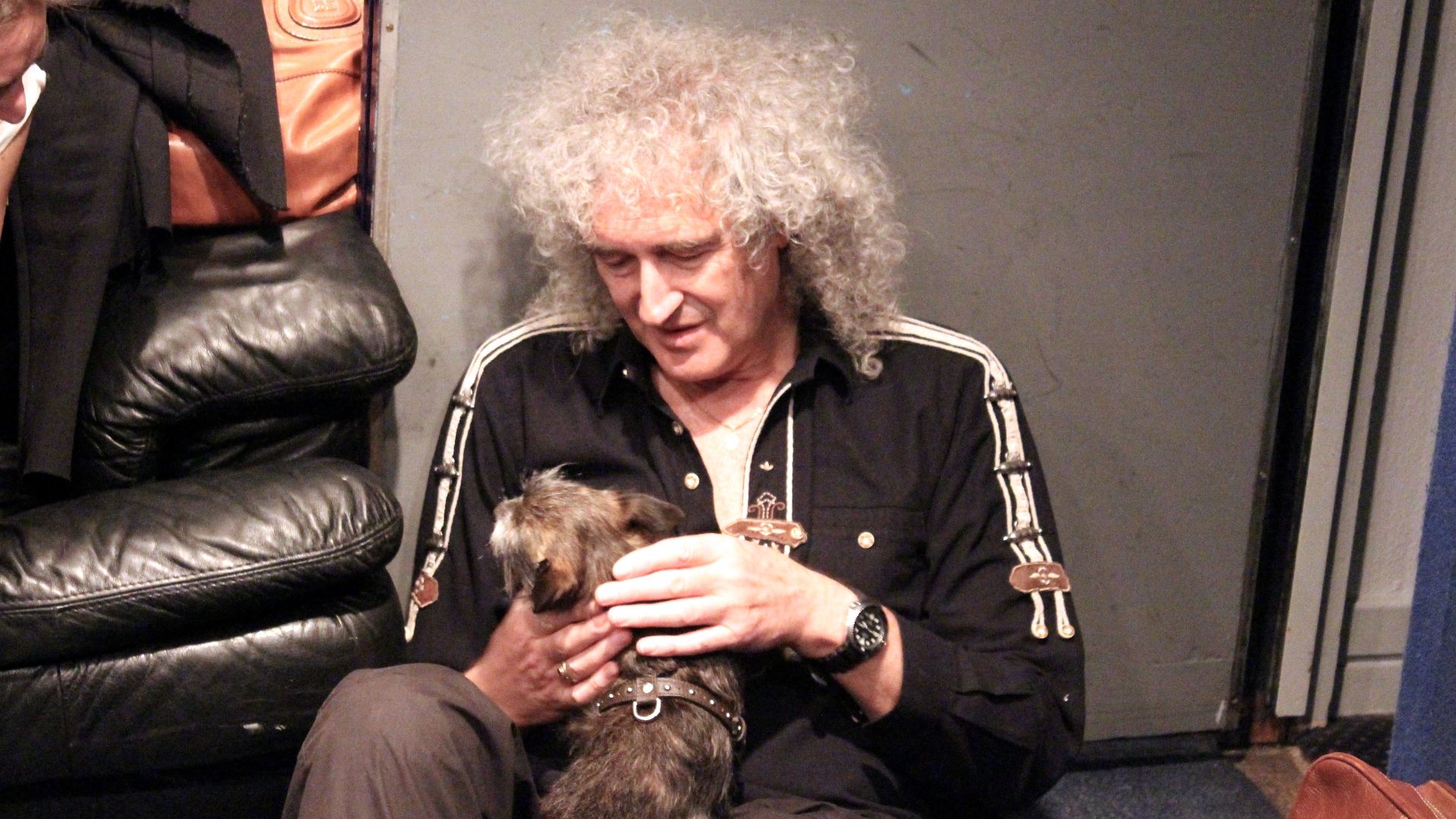
May has long been a vocal advocate for animal welfare. He also hasn’t been shy about his opposition to fox hunting and badger culling in the UK. He co-founded the group Save Me, which campaigns against sports and government-backed culls. May has stated that he wants to be remembered for his track record helping animals more than for his music or scientific work.
Looking Back, Looking Forward
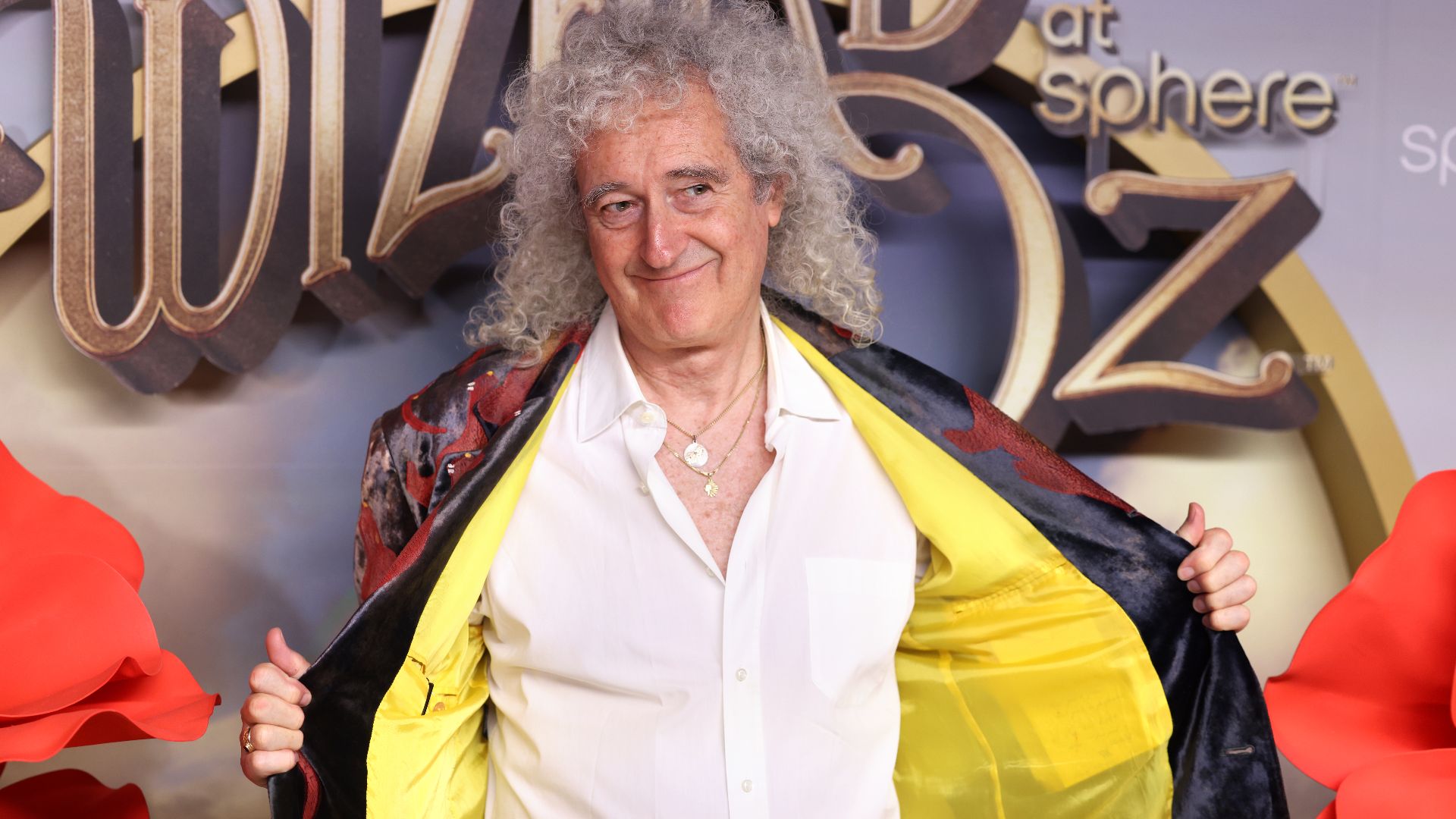
Though his musical legacy is assured, and he has had serious health scares in recent years, Brian May appears to be as intent as ever to get on with things. He performed with Roger Taylor, the BBC Symphony Orchestra& Singers, and the National Youth Choir in September 2025 for a 50th-anniversary presentation of “Bohemian Rhapsody.” It was just one more honor in a lifetime of achievement.
 Gage Skidmore, Wikimedia Commons
You May Also Like:
Songs That Became Stadium Anthems