The Festival That Could’ve Been
Mud. Half a million people. Hendrix at dawn. That’s the Woodstock we remember. But there were several major artists invited who didn’t make it—for one reason or another. Imagine if every confirmed invitee had said yes? We did.
So much so that we reconstructed the full three-day schedule in playing order—placing every confirmed invitee exactly where they realistically would’ve fit among the legends who actually took the stage (and omitting the bands that probably would’ve been cut had those artists said yes).
What do you think?
Friday Early Afternoon: Richie Havens
Woodstock almost didn’t start on time, and Havens basically had to stall while everyone figured things out. He turned that into magic. Even in this bigger, louder version of the weekend, he still feels like the right guy to open the gates. Calm. Grounded. A little improvised. Very Woodstock.
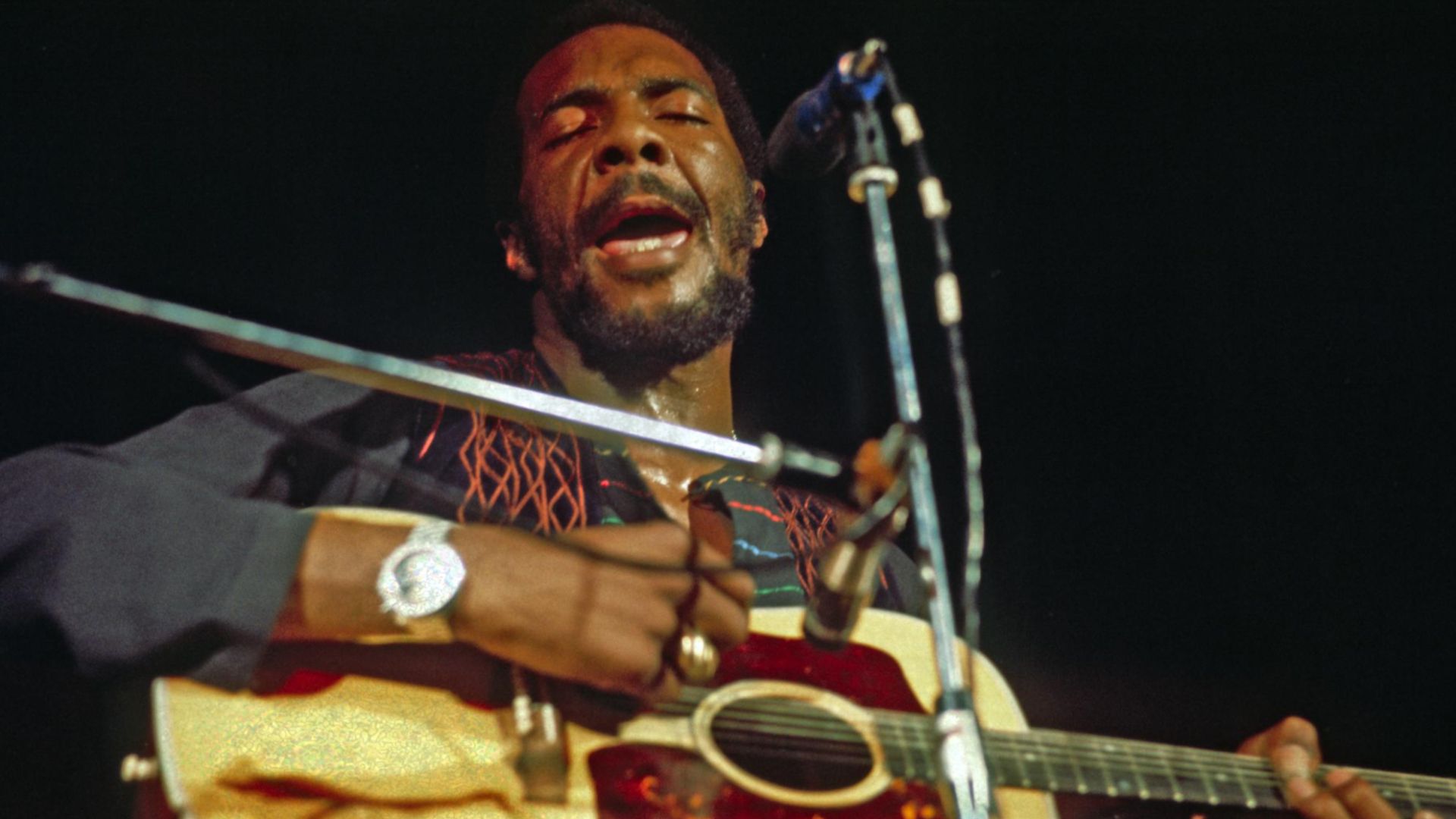 Heinrich Klaffs, Wikimedia Commons
Friday Afternoon: Sweetwater
They were originally supposed to open the real festival before delays reshuffled everything, so we’re giving them their proper daylight moment here. Woodstock wasn’t built on legends alone—it was built on discovery. Sweetwater’s mix of folk, rock, and flute-heavy weirdness is exactly the kind of slightly offbeat energy this weekend needs to get rolling.
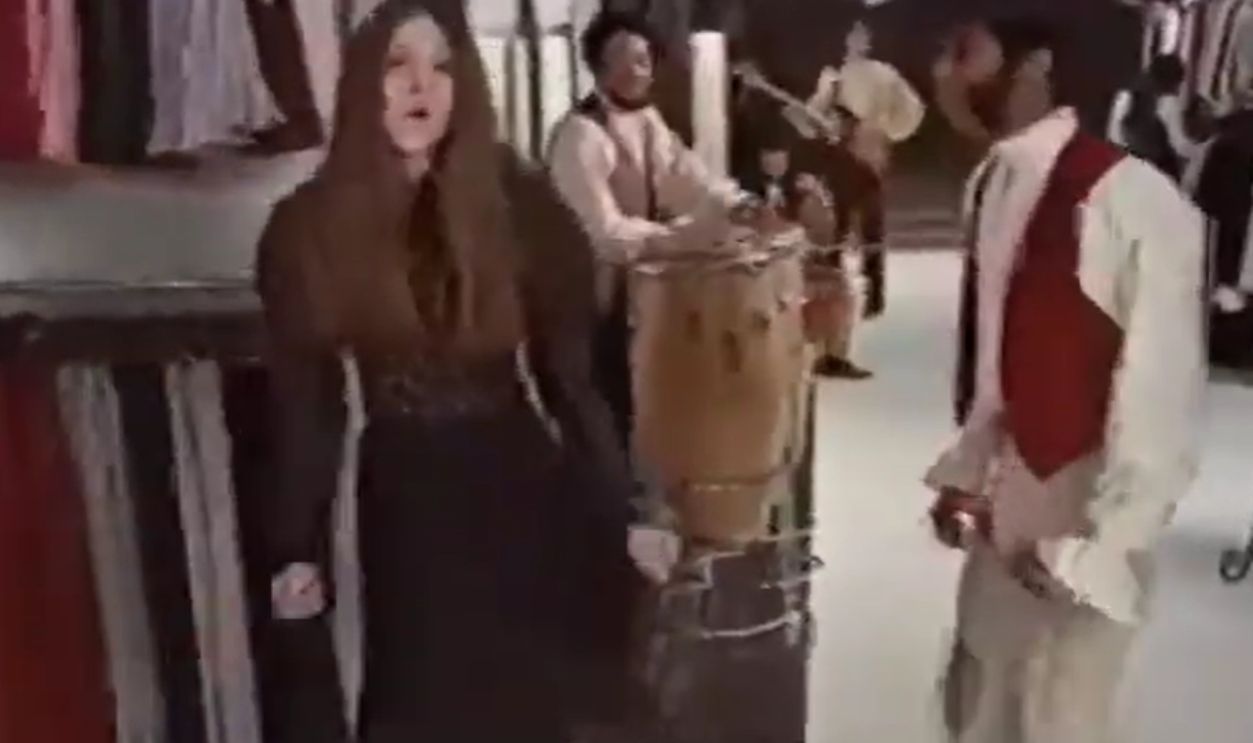 Screenshot from Why oh Why by Sweetwater, Warner Bros. Records (1968)
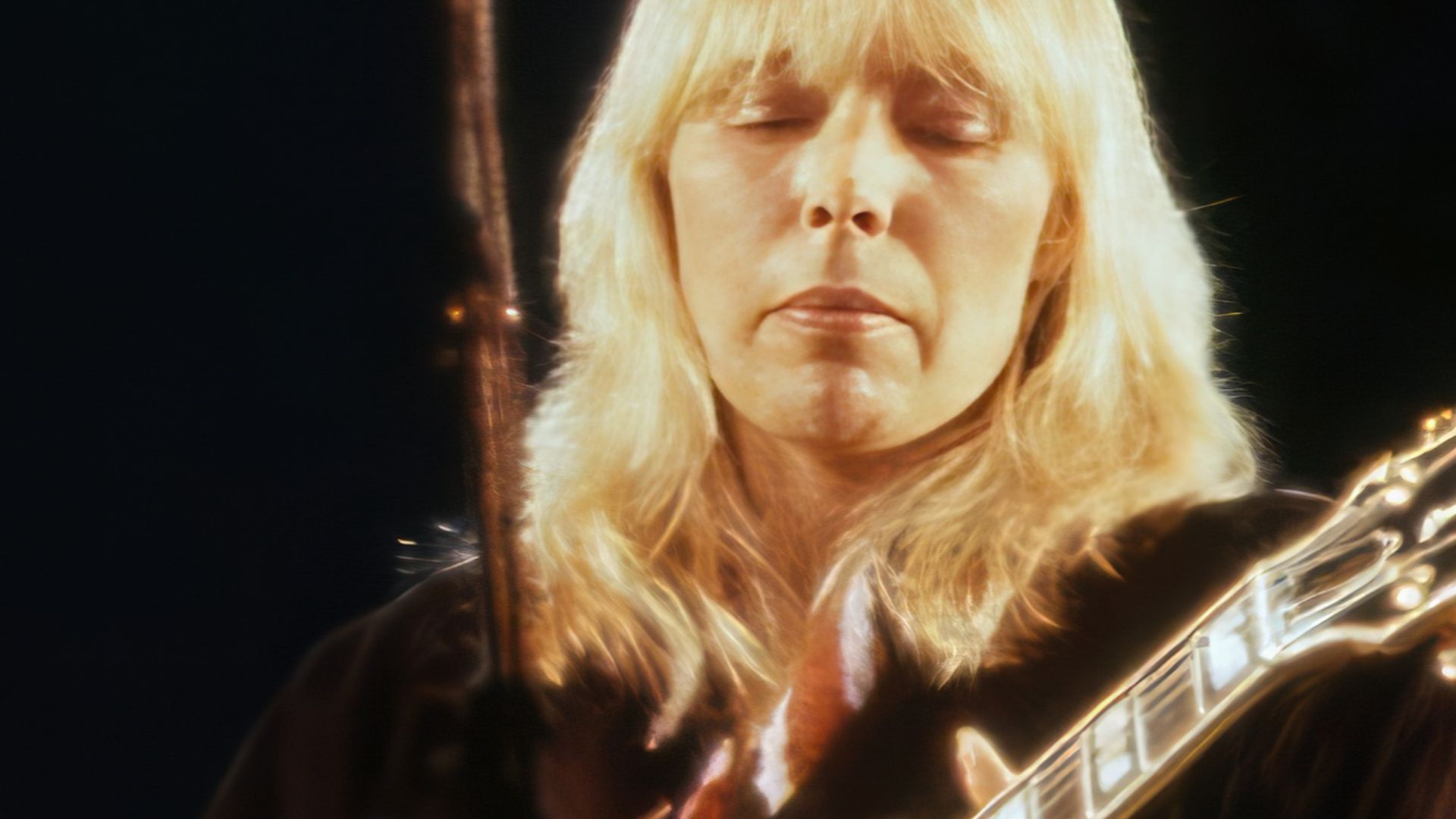
Friday Late Afternoon: Joni Mitchell
She was invited but skipped the real festival because of a TV appearance. In this version, she cancels the studio lights and chooses the mud. Late afternoon sun, half a million people settling in, and that voice floating over the field. You just know “Both Sides, Now” would’ve stopped people mid-conversation.
Friday Evening: Joan Baez
Baez wasn’t just a singer in 1969—she was part of the movement. Pregnant, outspoken, and completely steady in front of a sea of people. In this version, she still anchors Friday night, her voice cutting through the humidity as the field quiets down. And you can almost feel it—the sense that someone even bigger is about to walk on.
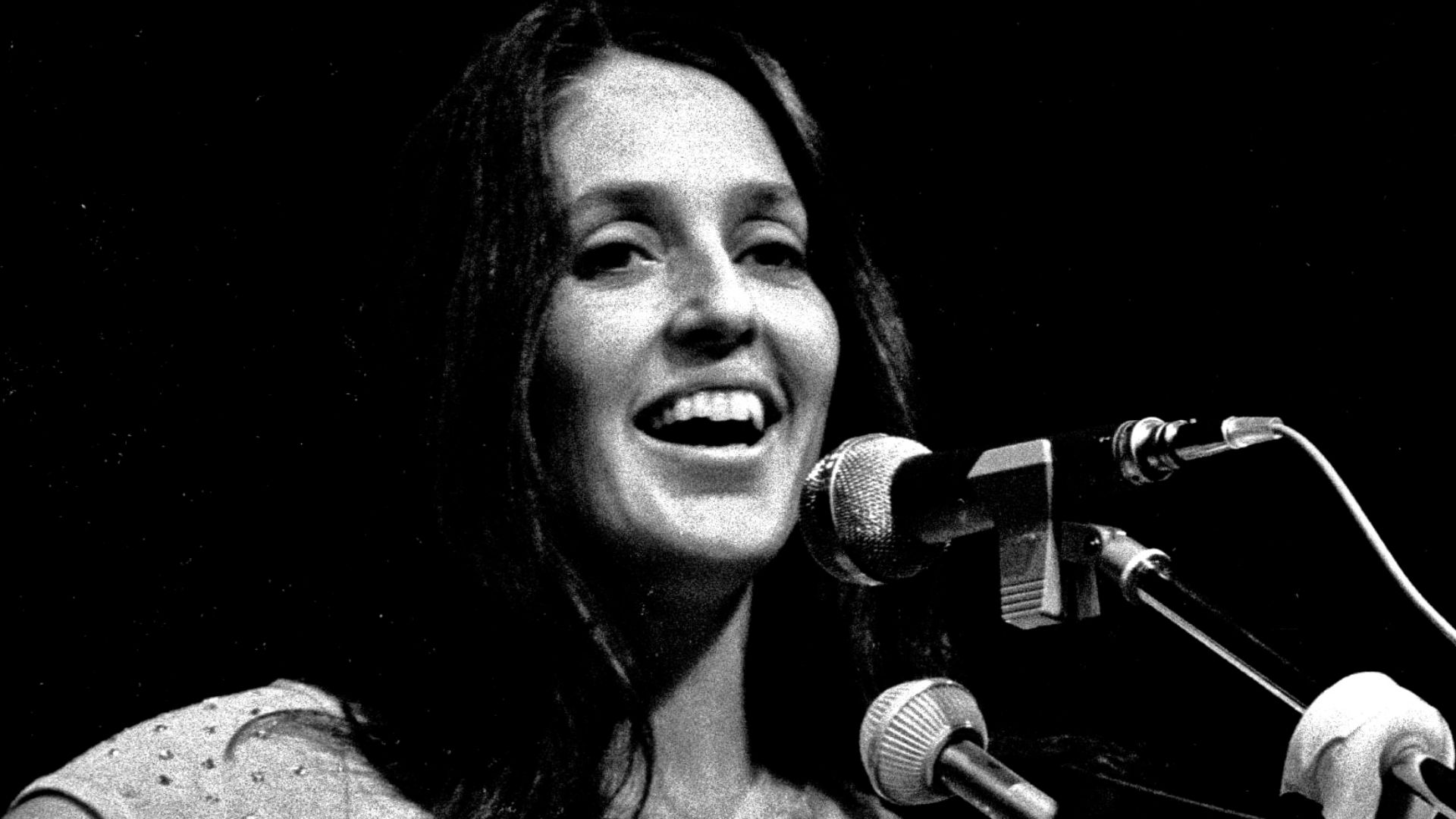 Heinrich Klaffs, Wikimedia Commons
Friday Night Headliner: Bob Dylan
And then he does. The guy who literally lived nearby and still didn’t play in real life finally walks on. In this alternate universe, he headlines Friday night backed by Robbie Robertson and The Band. A late-night “Like a Rolling Stone” rolling across Yasgur’s field doesn’t just close the night—it rewrites the weekend before Saturday even begins.
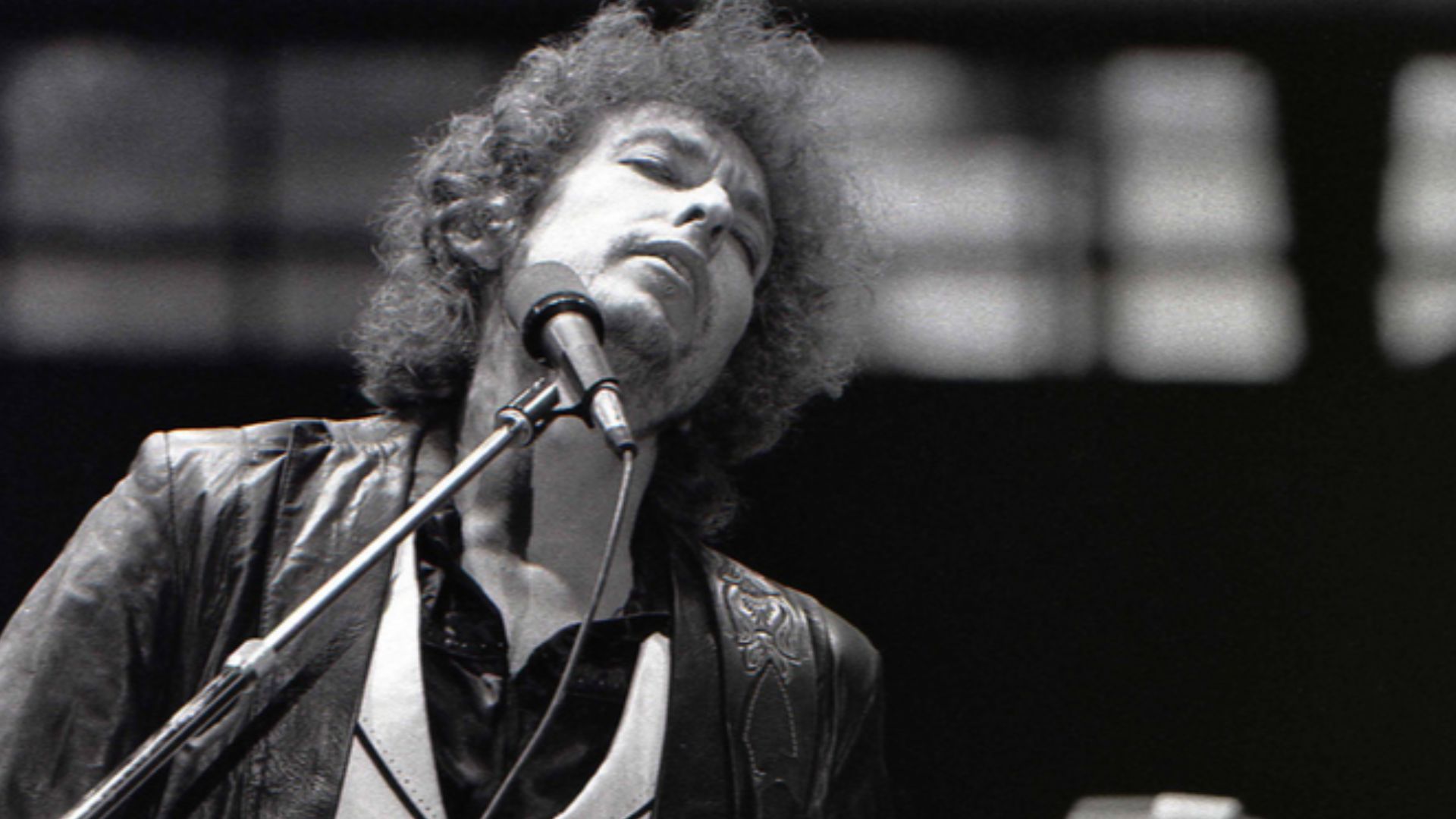 Chris Hakkens, Wikimedia Commons
Saturday Morning: Santana
In 1969, Santana weren’t exactly a household name, but Bill Graham, the legendary Fillmore promoter who helped shape the San Francisco rock scene, personally pushed to get them on the original bill. And we're going to take his advice and keep them on the bill. “Soul Sacrifice” didn’t just wake up the crowd—it created a star in real time.
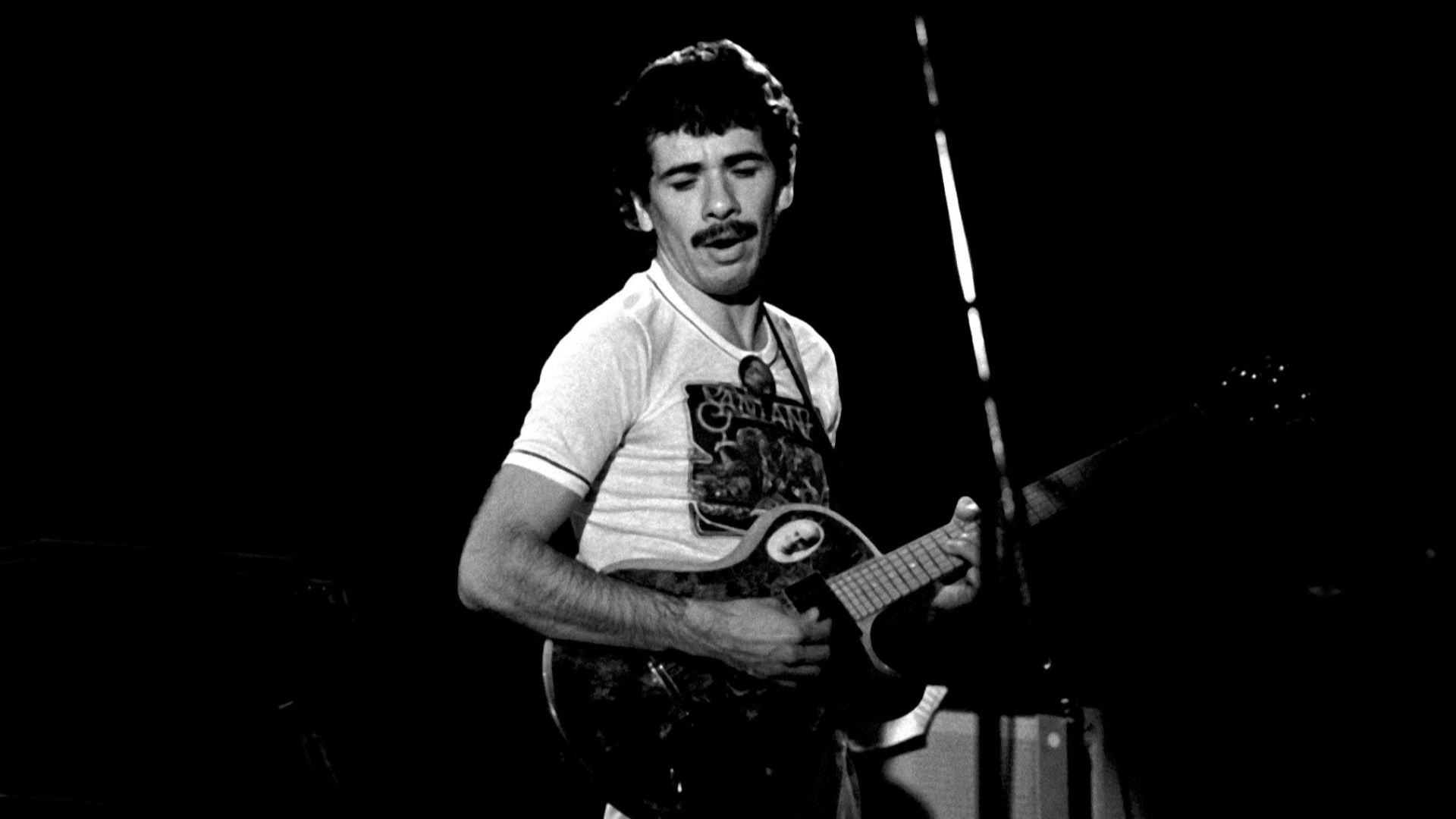 Heinrich Klaffs, Wikimedia Commons
Saturday Late Morning: Keef Hartley Band
They weren’t the biggest name on the original poster—but that’s kind of the point. Woodstock wasn’t just about superstars; it was about depth. The Keef Hartley Band brought serious British blues muscle, and someone has to bridge the gap between folk harmonies and full-blown rock chaos. We’re keeping them right where they were.
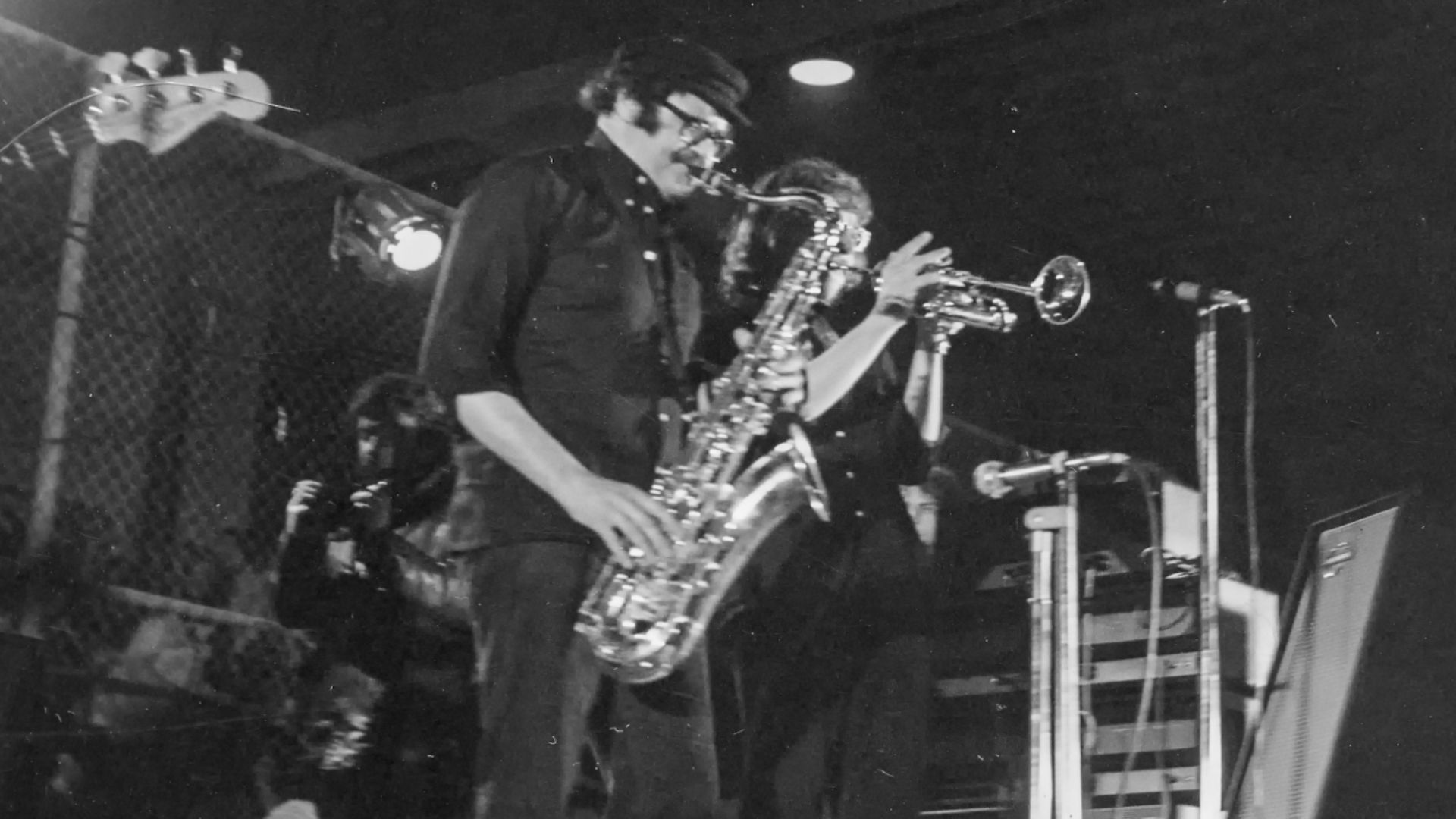 Monster4711, Wikimedia Commons
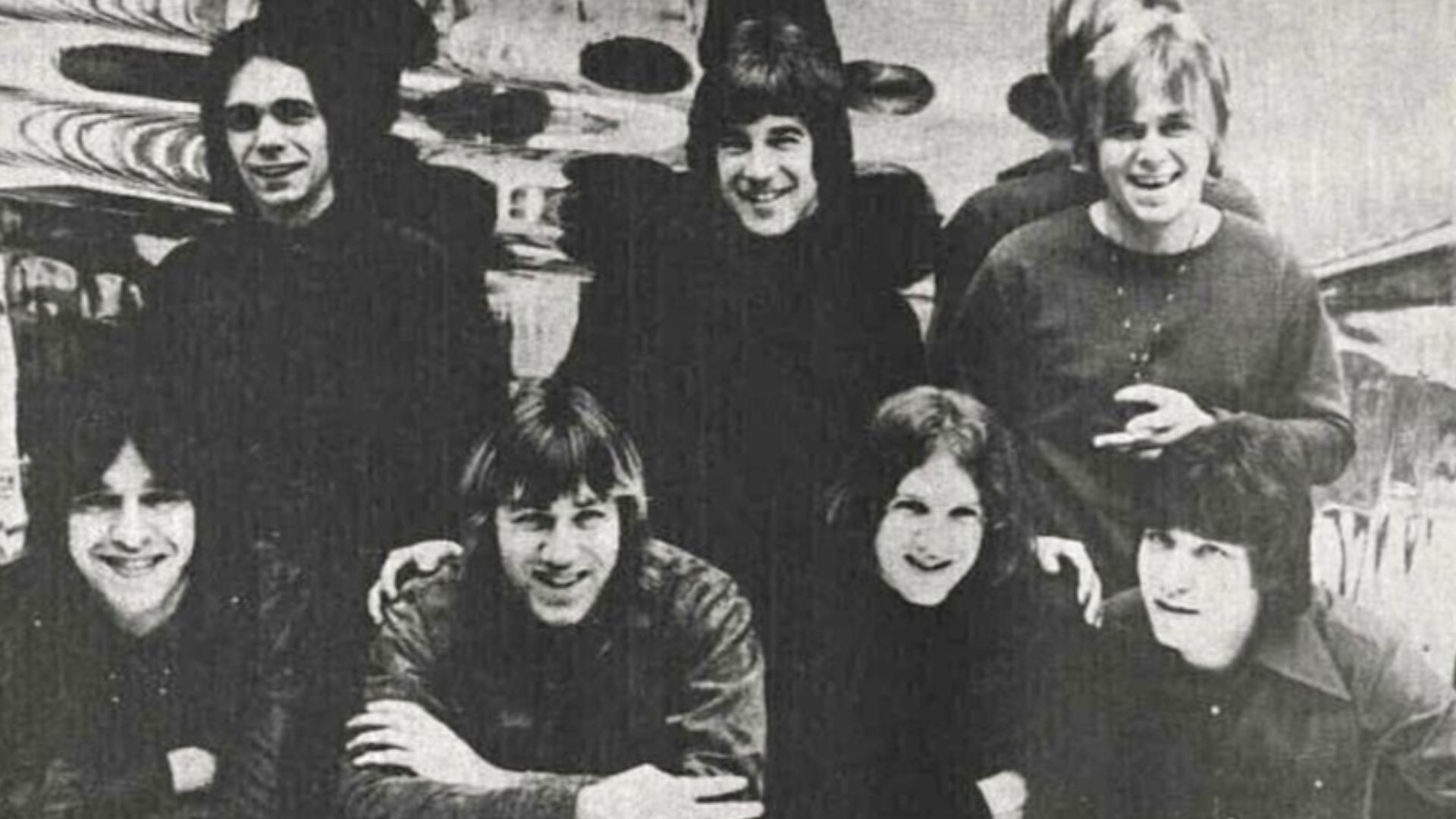
Saturday Midday: Chicago Transit Authority
They were in talks but didn’t make the final Woodstock bill—and that feels like a missed opportunity. In 1969, Chicago Transit Authority were already stretching rock in new directions with horns, jazz breaks, and long-form jams. In this version, we’re fixing that. Let them cook in the afternoon sun and watch the 70s quietly begin.
Saturday Afternoon: The Jeff Beck Group
They were reportedly booked before internal tensions blew the band apart. Timing, as they say. In this version, they actually make it to the stage intact. Rod Stewart on vocals, Ronnie Wood on bass, Jeff Beck doing things to a guitar that feel slightly illegal. This is the kind of late-afternoon set people would still argue about decades later.
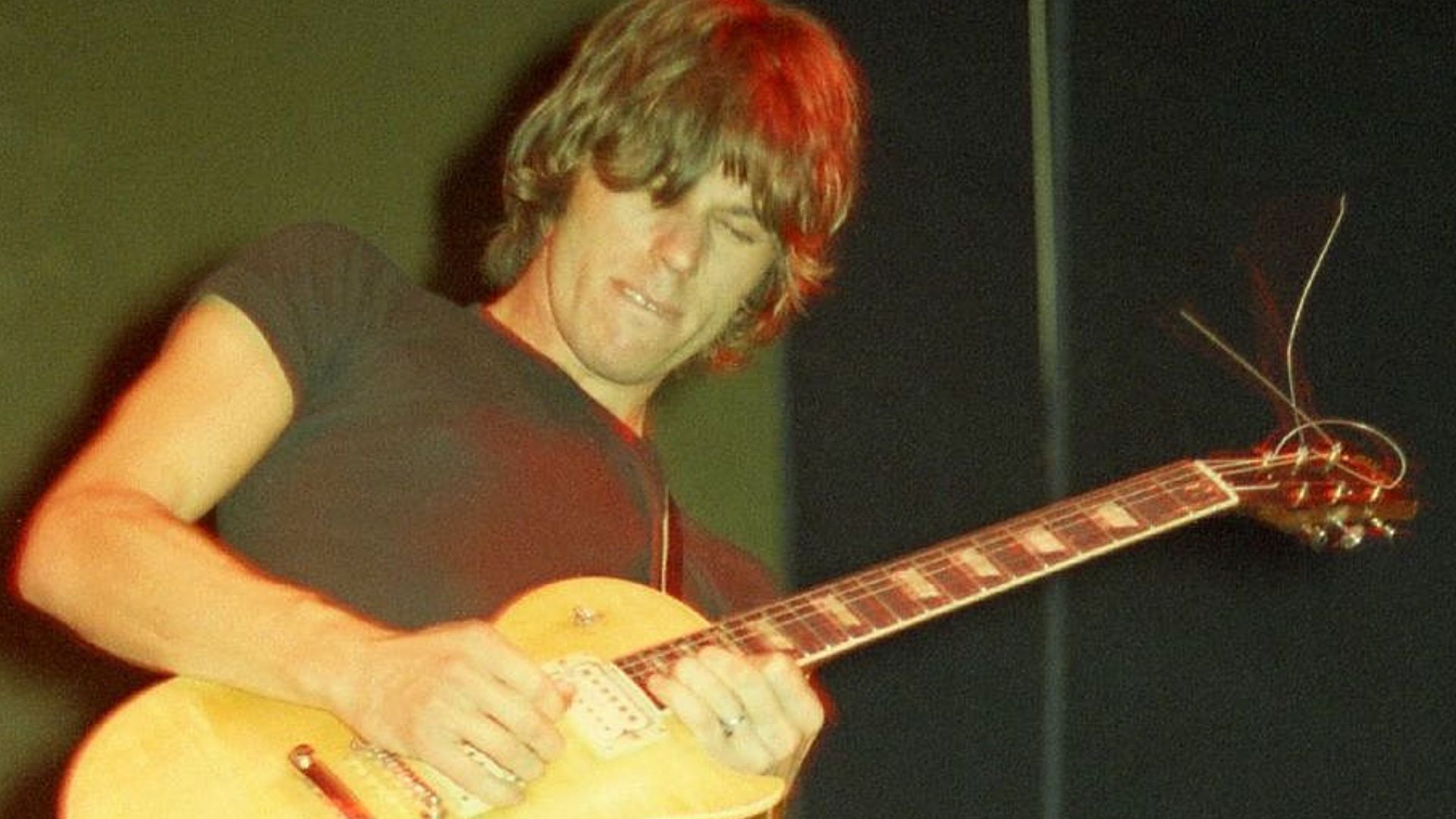 Grant Gouldon, Wikimedia Commons
Saturday Late Afternoon: The Who
You really think The Who are getting bumped just because The Rolling Stones showed up? Not a chance. By 1969, they were detonating stages on purpose. Tommy in the late afternoon, amps cranked, Townshend windmilling like he’s daring someone to top it. Good luck following that.
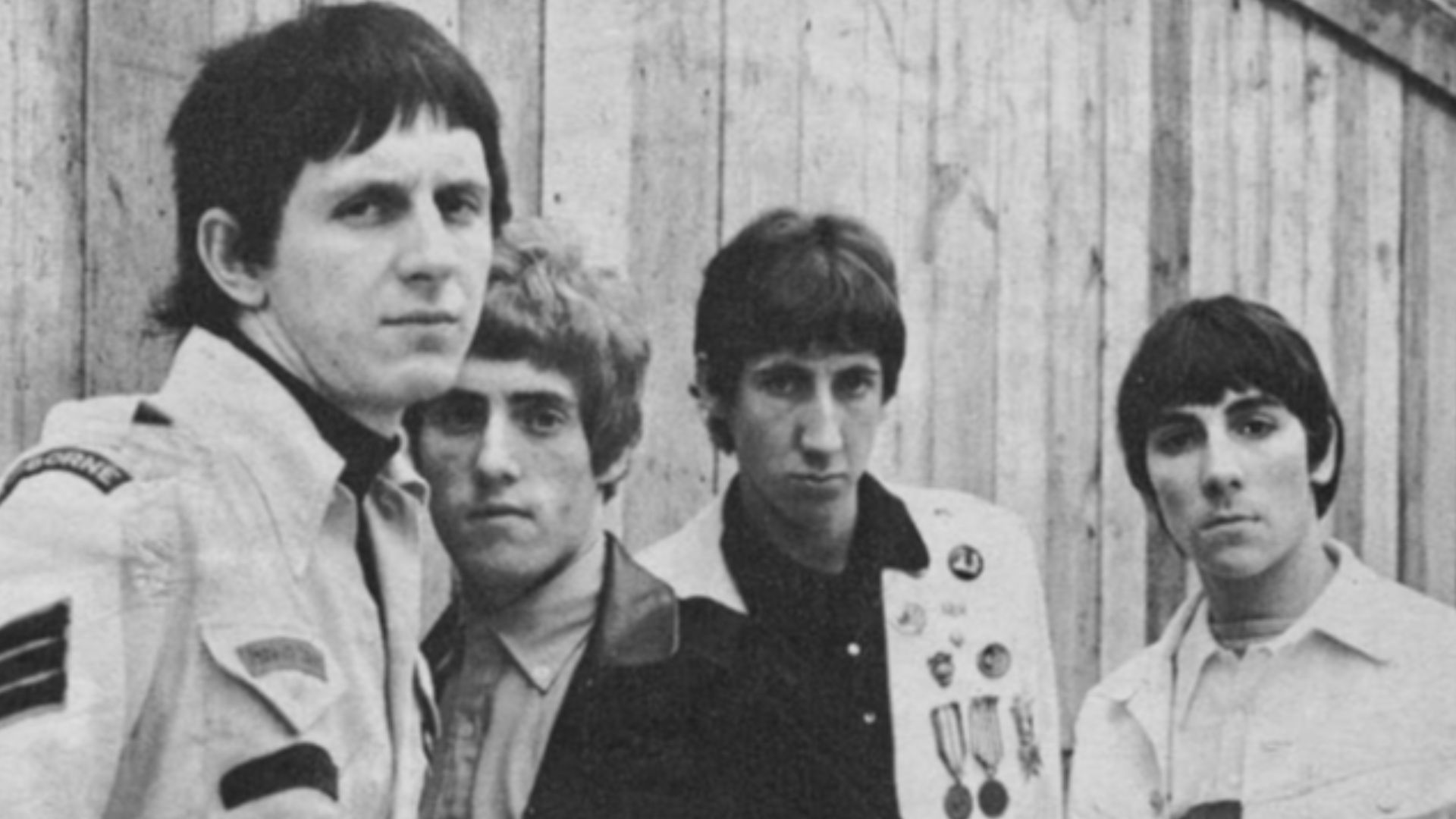 KRLA Beat/Beat Publications, Inc., Wikimedia Commons
Saturday Evening: The Doors
They reportedly declined, and Morrison wasn’t known for loving massive outdoor festivals. But imagine dusk settling over the crowd as he steps to the mic. “Light My Fire” stretches past ten minutes. “The End” lands after dark. Woodstock suddenly feels less peaceful—and far more unpredictable.
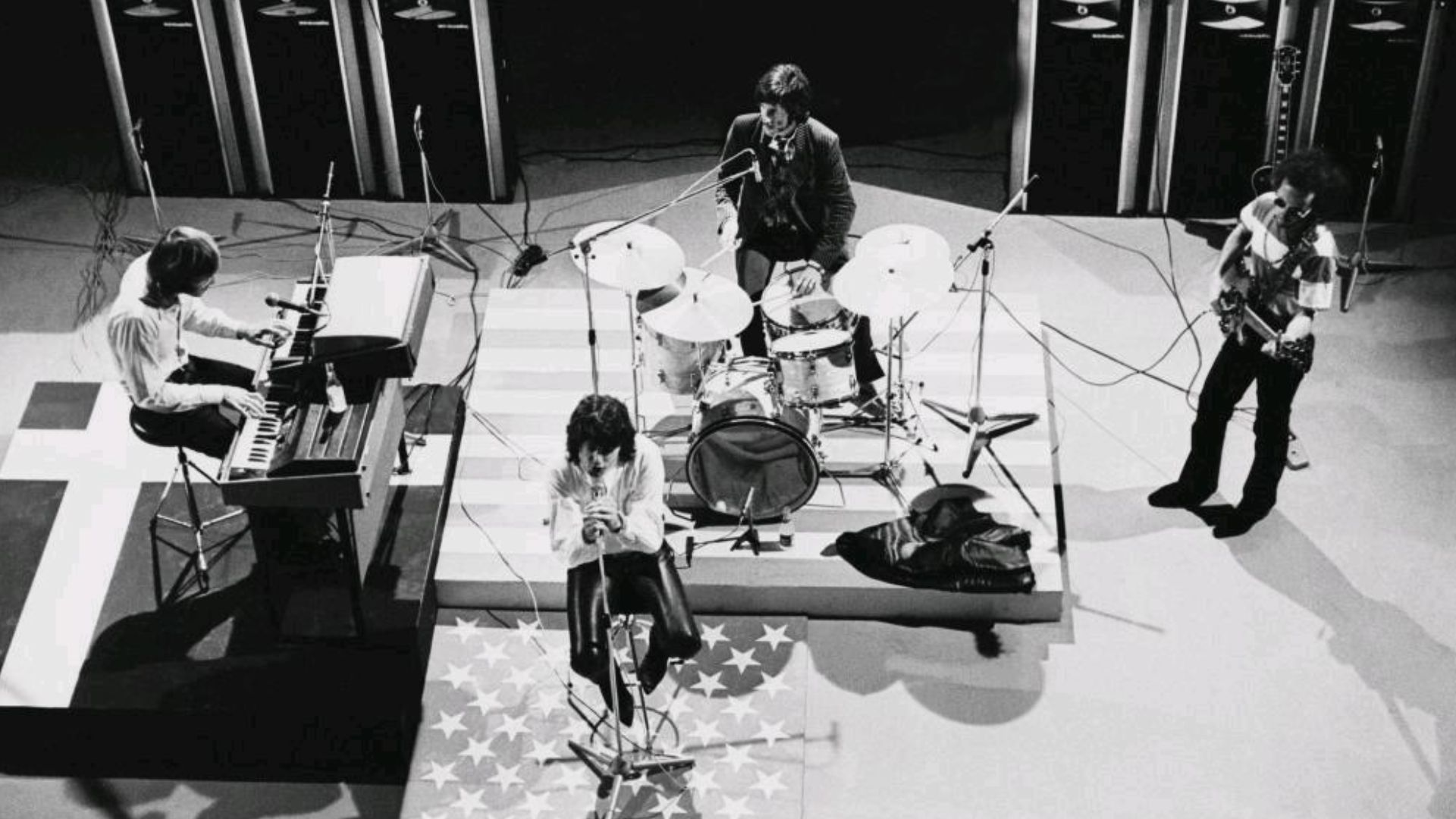 Polfoto/Jan Persson, Wikimedia Commons
Saturday Night: Led Zeppelin
They reportedly passed because they were told it wouldn’t be a big deal. By August 1969, that already looked like a miscalculation. A midnight “Dazed and Confused” with Jimmy Page’s violin bow scraping sparks off the amps would’ve rattled the hills—and instantly rewritten who owned the night.
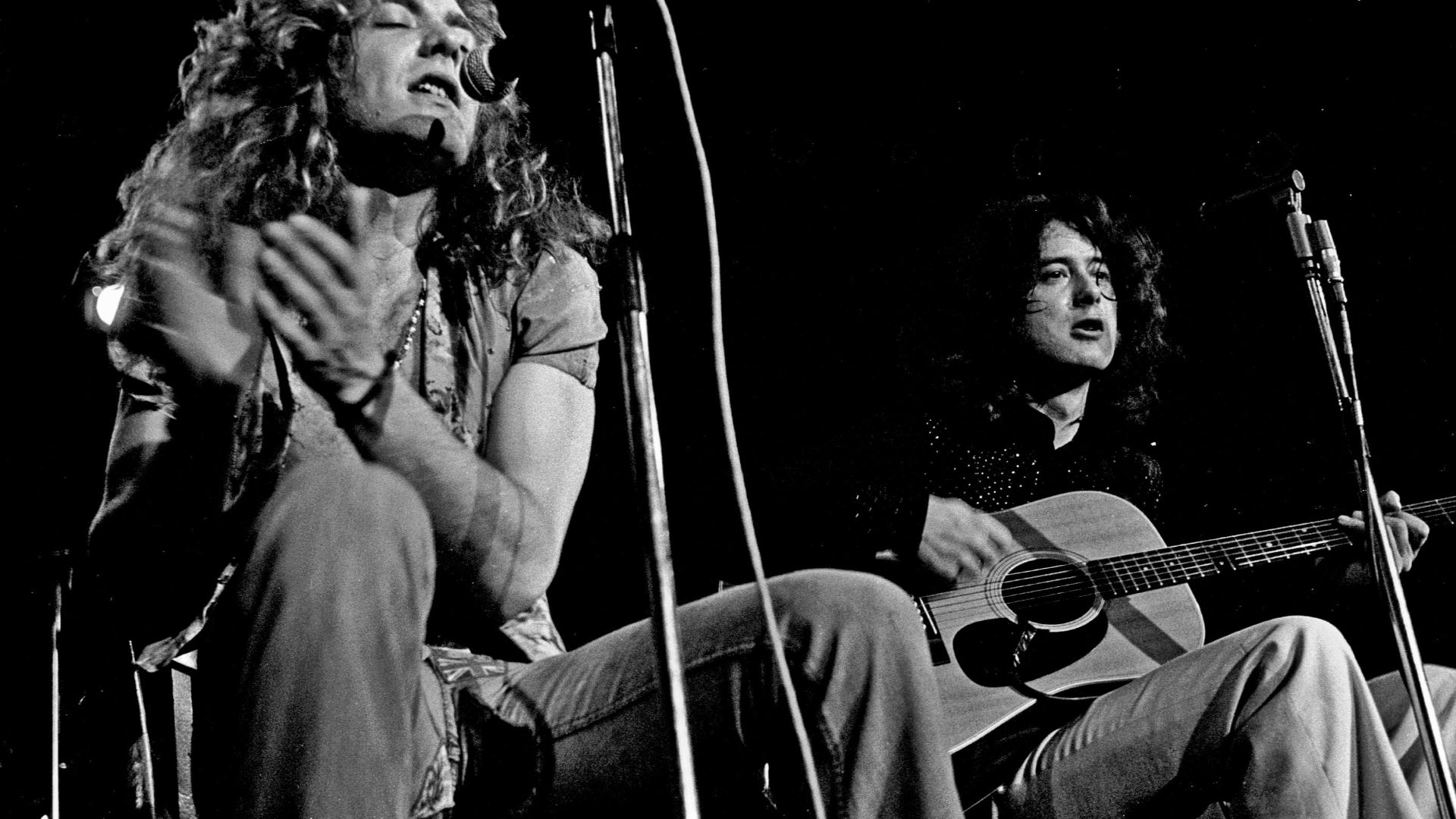 Heinrich Klaffs, Wikimedia Commons
Saturday Night Headliner: The Rolling Stones
Later that year the Stones were touring Let It Bleed and redefining dangerous cool. If they’d taken the Saturday night slot, “Gimme Shelter” under the darkening sky would’ve felt apocalyptic. The question then also becomes...Does Altamont still happen months later? Or does Woodstock become their defining live moment instead?
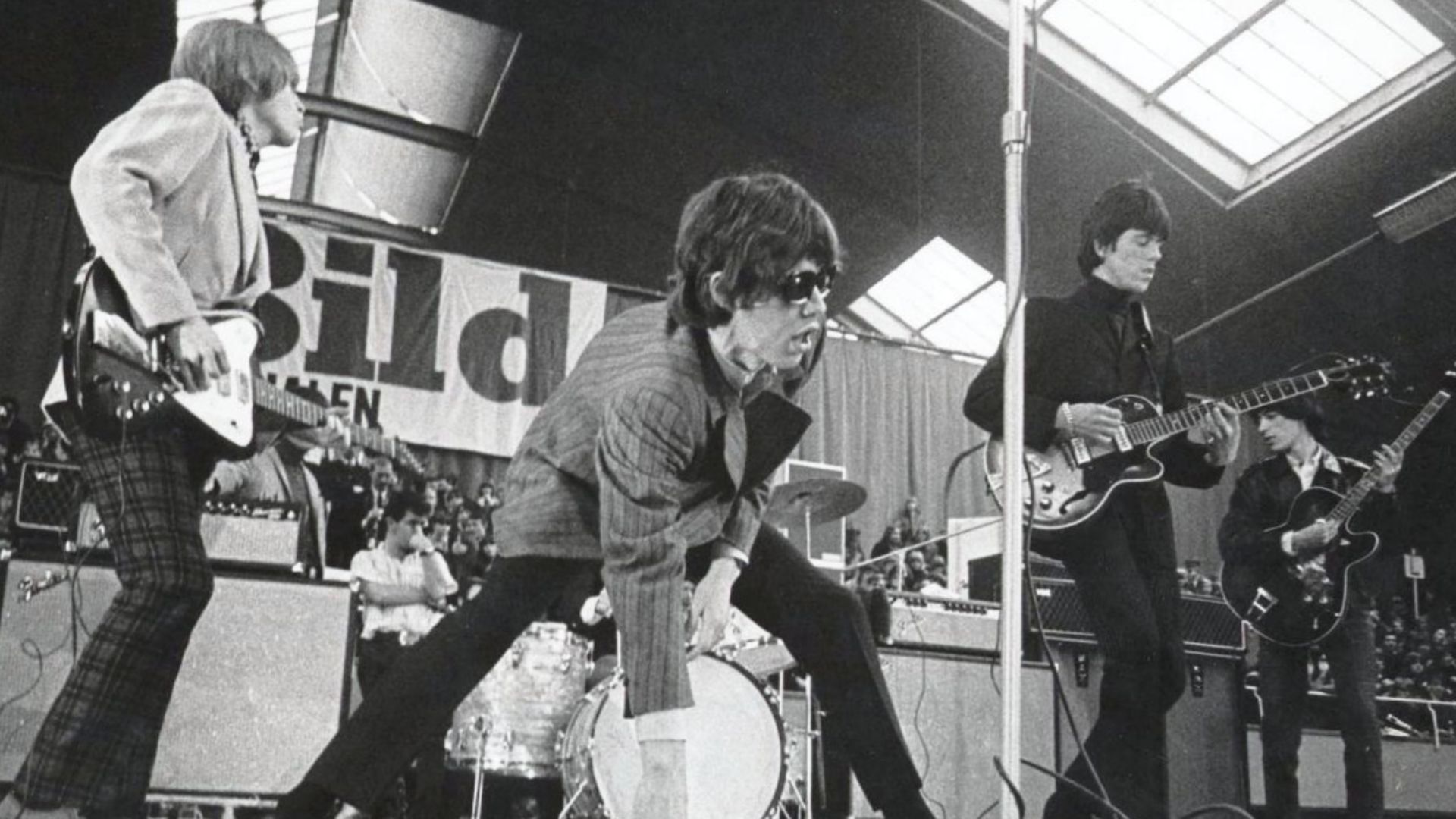 ingen uppgift, Wikimedia Commons
Sunday Morning: The Grateful Dead
Yes, their real Woodstock set was plagued by technical issues and, by some accounts, less-than-ideal conditions. But you don’t build a counterculture festival and leave out the Dead. Even in a stacked alternate version, they get their long, wandering Sunday slot. It’s practically tradition—and half the field wouldn’t forgive us otherwise.
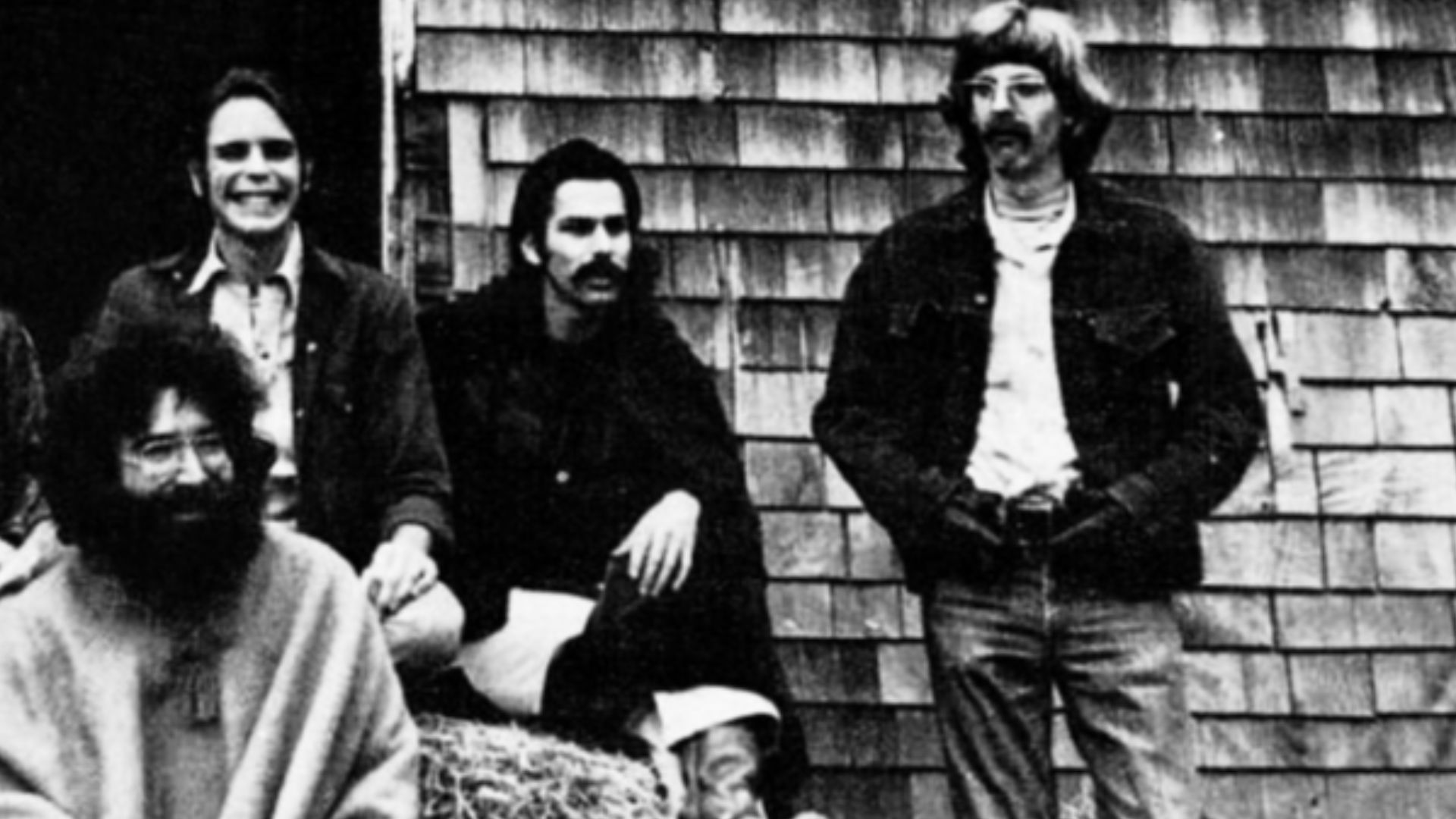 Herb Greene, Wikimedia Commons
Sunday Midday: Crosby, Stills, Nash & Young
They famously told the Woodstock crowd it was only their second time playing together. Imagine admitting that to half a million people. In this expanded version, the nerves are still there—but so are the harmonies. And when those voices lock in, suddenly nobody cares how new they are.
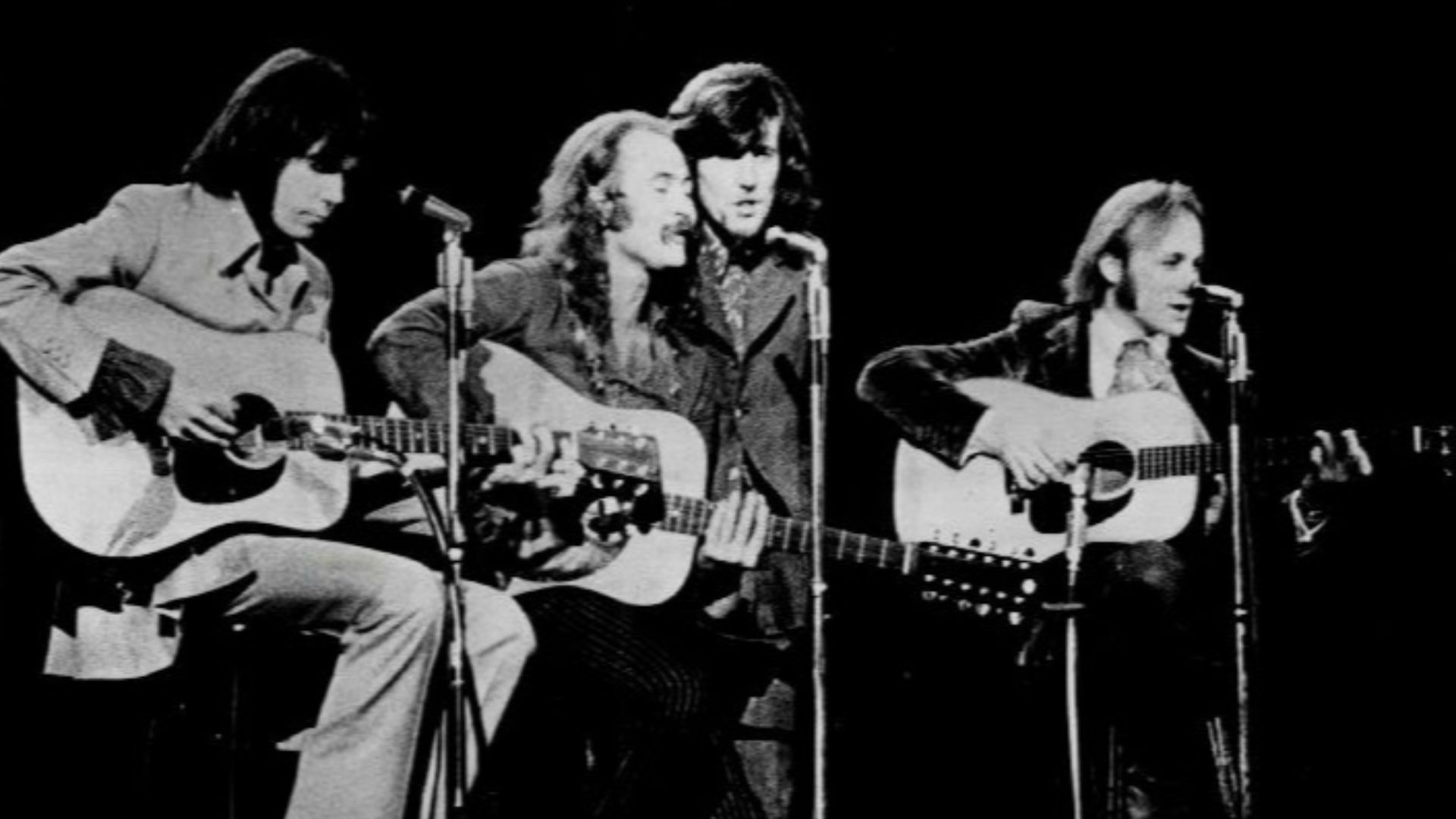 CMA-Creative Management Associates/Atlantic Records, Wikimedia Commons
Sunday Afternoon: Iron Butterfly
They were officially booked but never made it due to travel chaos. That alone earns them a second chance. If you’re building the biggest Woodstock imaginable, you don’t leave “In-A-Gadda-Da-Vida” on the runway. In this version, they land—and that riff rolls across the field for as long as they feel like playing it.
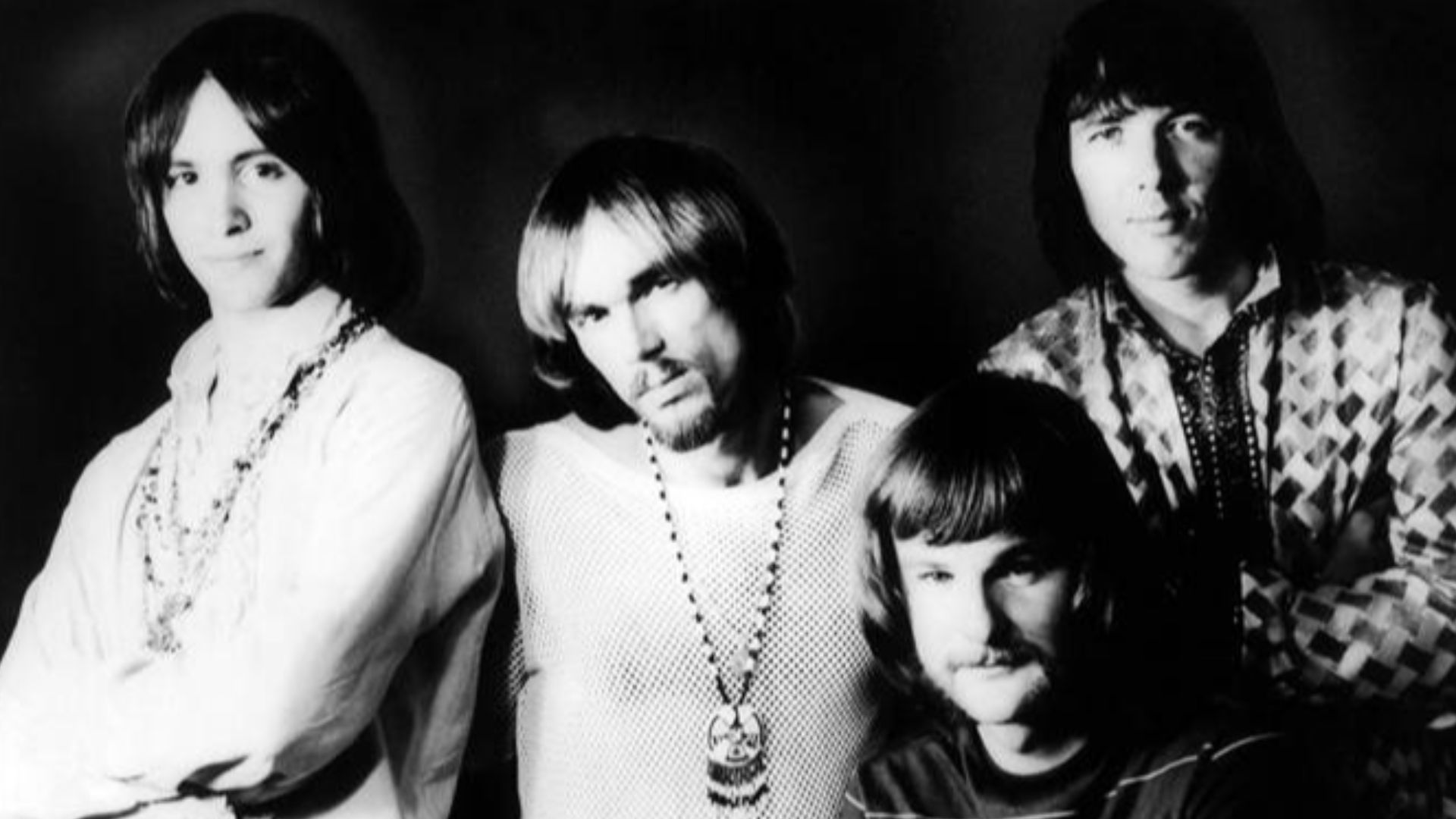 ATCO Records, Wikimedia Commons
Sunday Late Afternoon: Sly & the Family Stone
Their real set happened in the middle of the night and still felt like a party breaking out in the dark. Here, they hit earlier—but it’s the same jolt of electricity. “I Want to Take You Higher” isn’t a suggestion. It’s an order. And the field obeys.
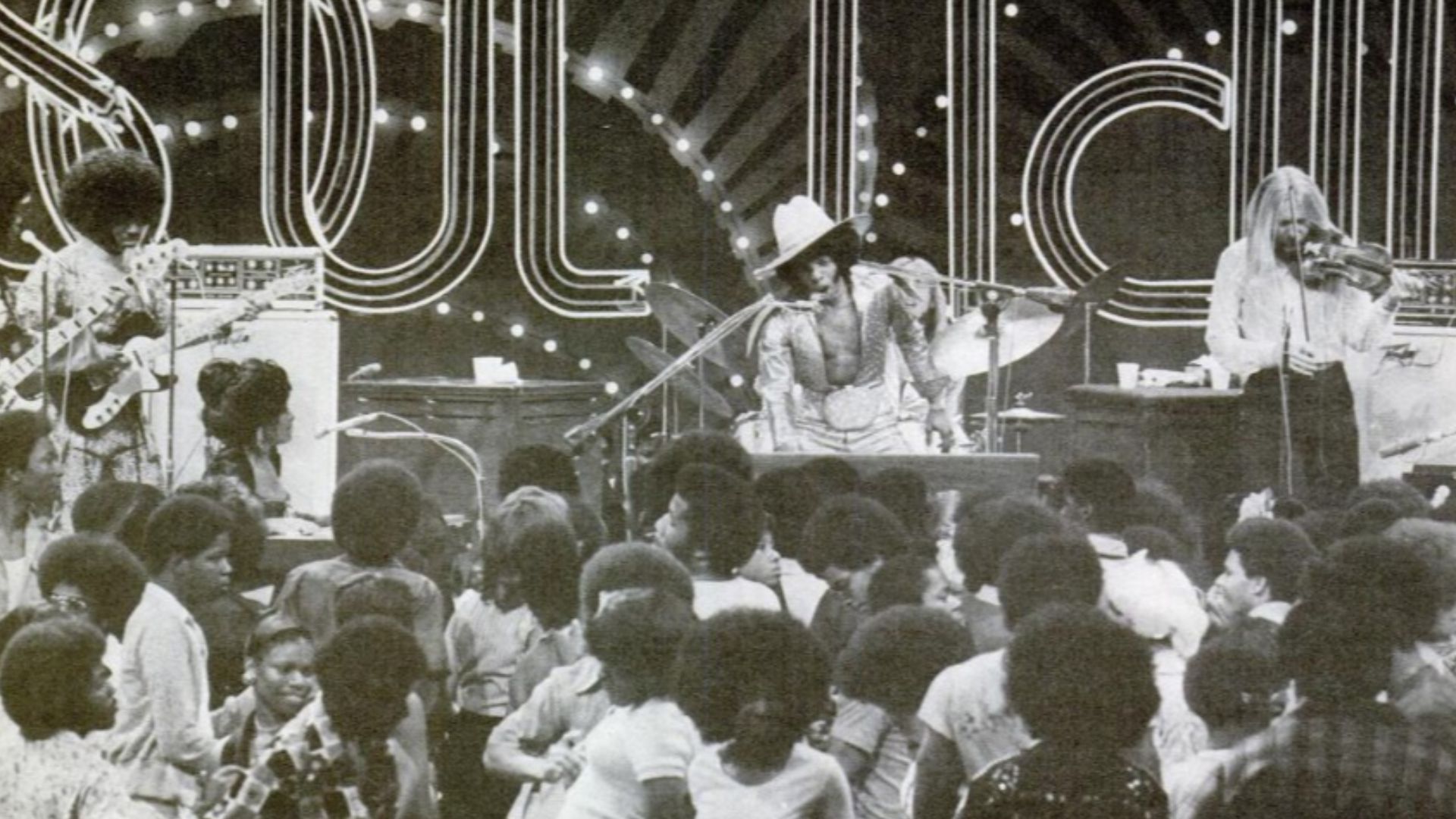
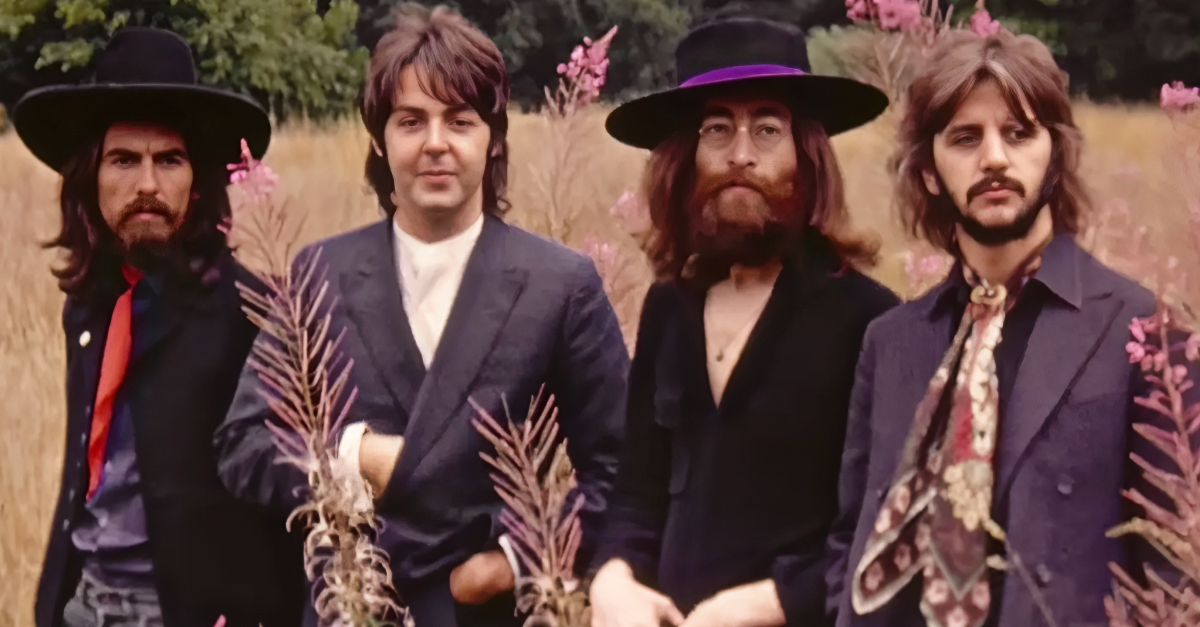
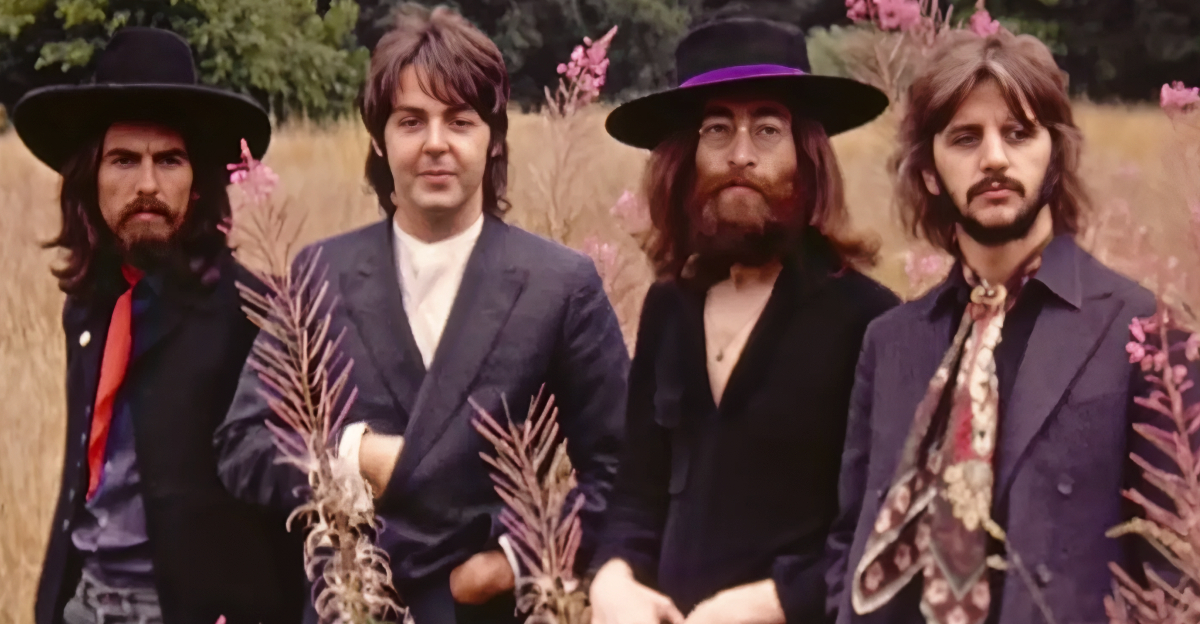
Sunday Evening: The Beatles
Yes, it’s the ultimate what-if—and no, we’re not pretending it was ever simple. Visa issues and internal band dynamics kept it from happening. But imagine the announcement rippling through the field. The Beatles. At Woodstock. Half a million people suddenly deciding they’re absolutely not leaving early.
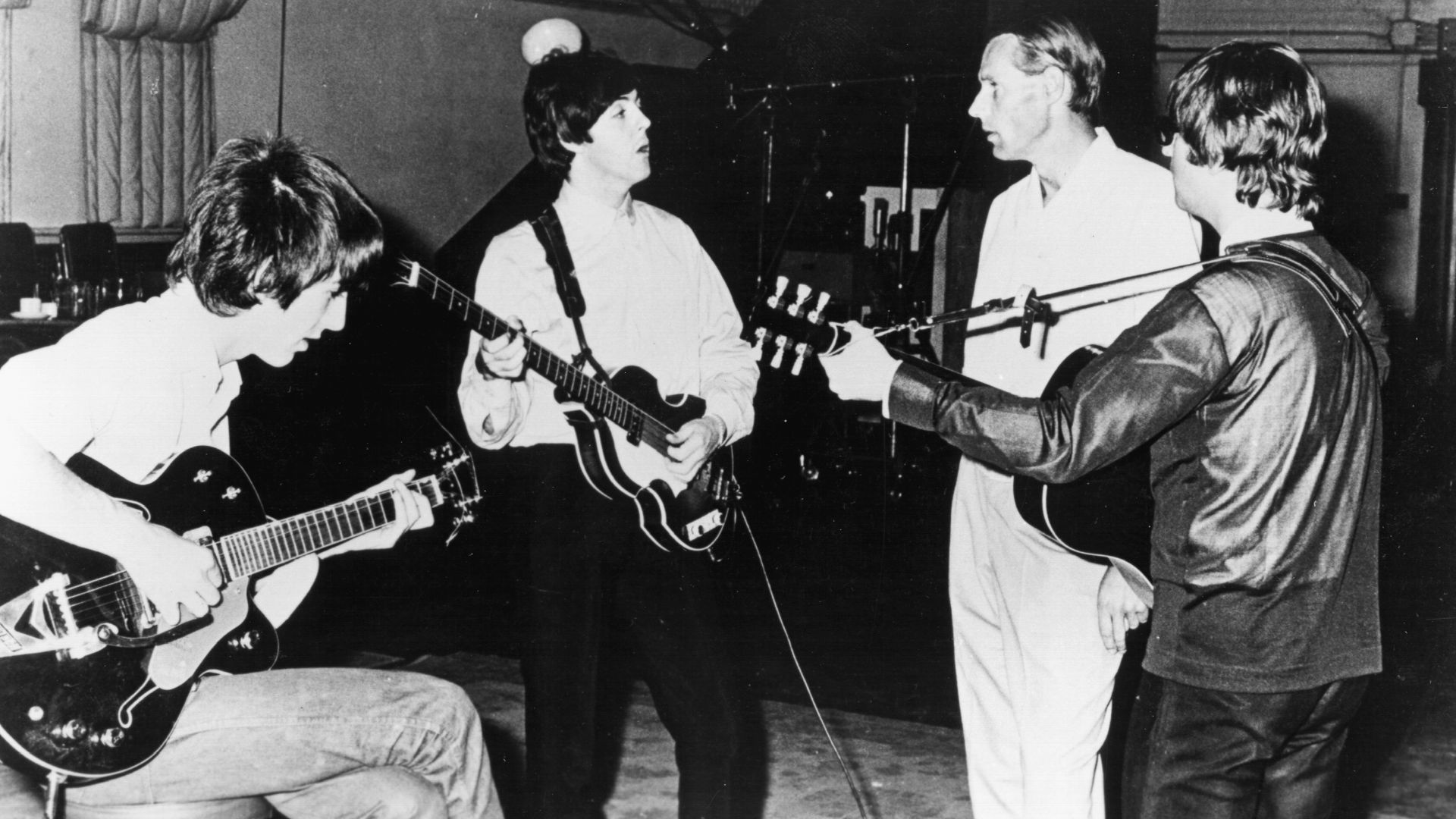 Capitol Records, Wikimedia Commons
Sunday Night: Jimi Hendrix
In reality, Hendrix closed Woodstock at dawn to a noticeably thinned-out crowd. In this expanded universe, does he really walk on after The Beatles? Does he still deliver “The Star-Spangled Banner” as the final note—or does he go on before the fab four and Beatlemania becomes the final sounds half a million people hear as they slowly walk back to their cars, because let’s be honest, far more people would’ve stuck around if The Beatles were announced as the closers?
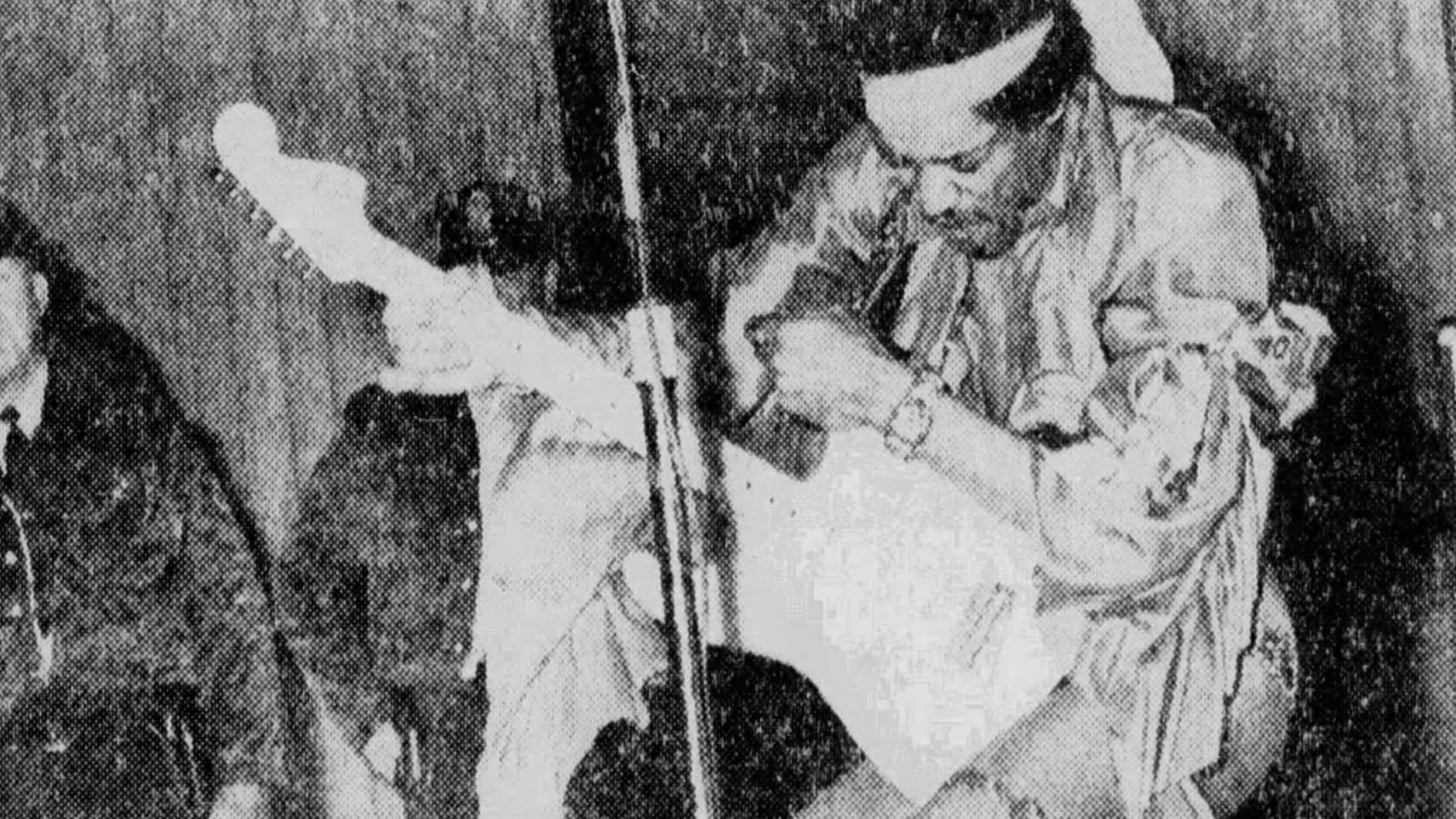 James Shearin, Wikimedia Commons
The Festival That Might’ve Changed Rock History
Dylan on Friday. Zeppelin and The Stones on Saturday. The Beatles and Hendrix fighting over the last note. Sounds unbeatable. But making room for that many giants probably means Quill, Bert Sommer, or the Incredible String Band get quietly erased from the poster.
What do you think? Is this the lineup that should’ve been—or did we get, in the end, the Woodstock that was meant to be?
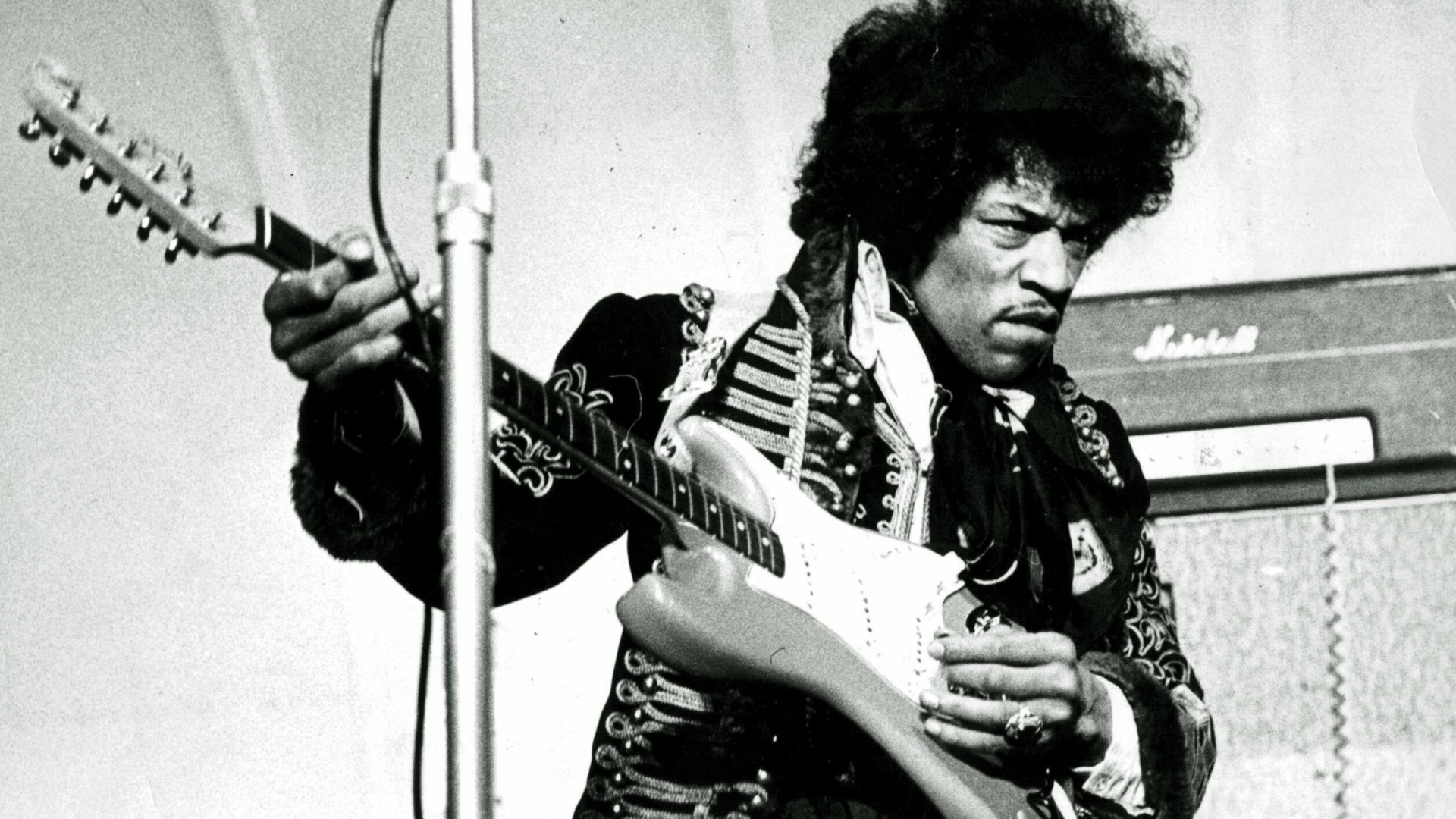 Original photographer unknown, Wikimedia Commons
You Might Also Like: