
Fame and Collapse
At one point, Boy George was one of the most recognizable faces on the planet. Then came years of chaos, a quiet comeback, and suddenly...criminal charges and prison.

The Face of 80s Pop Culture
Boy George became a defining figure of the 80s as the lead singer of Culture Club. His soulful voice and instantly recognizable look made him stand out in a crowded music scene, turning him into a global celebrity almost overnight.

Chart-Topping Global Success
Culture Club dominated charts with hits like Karma Chameleon, Time (Clock of the Heart), and Do You Really Want to Hurt Me. Their album Colour by Numbers sold millions of copies worldwide, making it one of the best-selling albums of the decade.
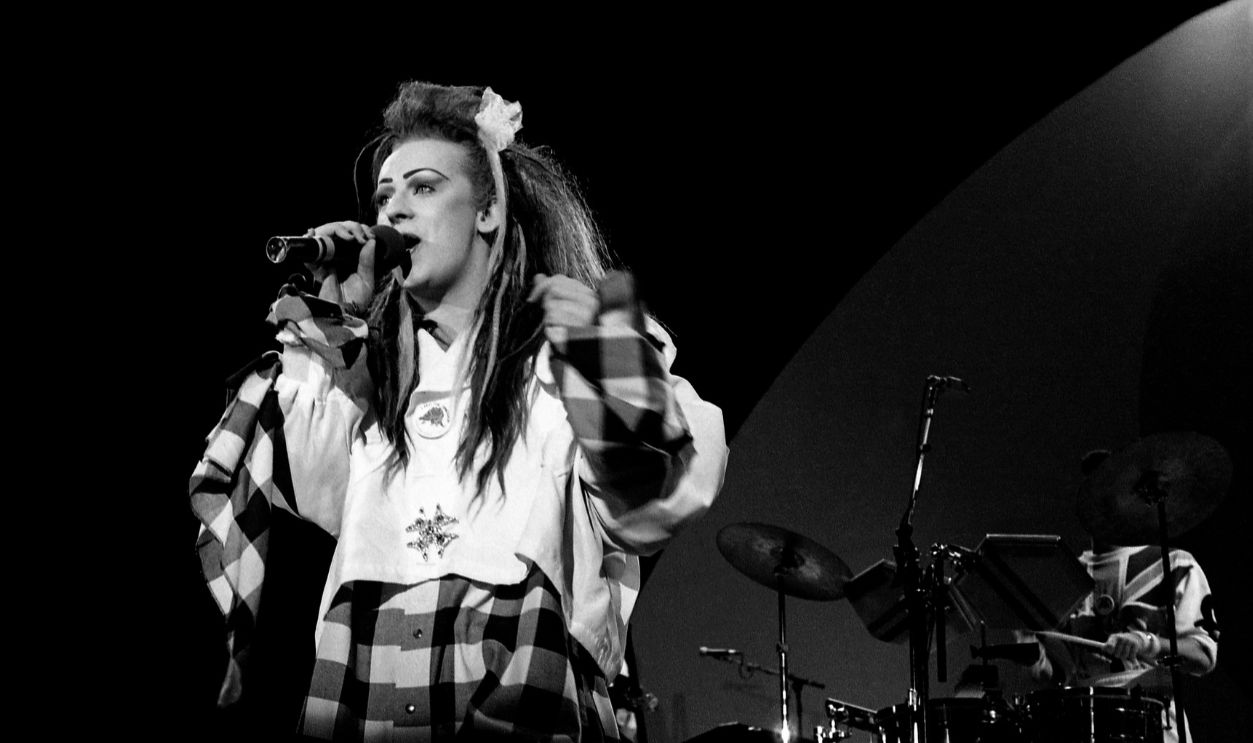
Breaking Barriers With Image
His androgynous style challenged mainstream norms in a way few artists had before. Heavy makeup, braided hair, and bold fashion choices made him a cultural lightning rod, earning both admiration and backlash across different audiences.
 Johnny Green - PA Images, Getty Images
Fame, Pressure, and a Downward Spiral
As fame intensified, his day-to-day reliability slipped. He missed appearances, arrived late to commitments, and his inconsistency became a growing concern for bandmates and industry professionals who relied on him.
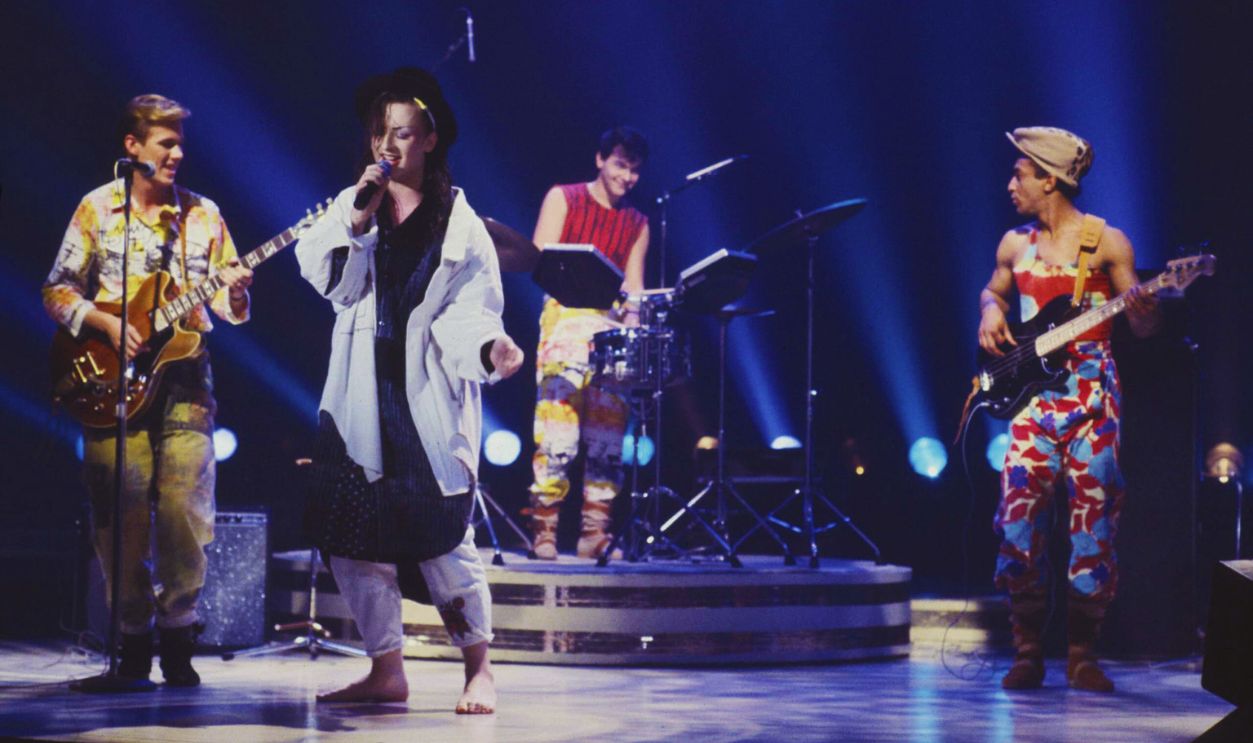
Tensions Within the Band
Strain grew within Culture Club, especially with drummer Jon Moss, with whom Boy George had a personal relationship. Arguments became more frequent, and communication broke down, making collaboration increasingly difficult.
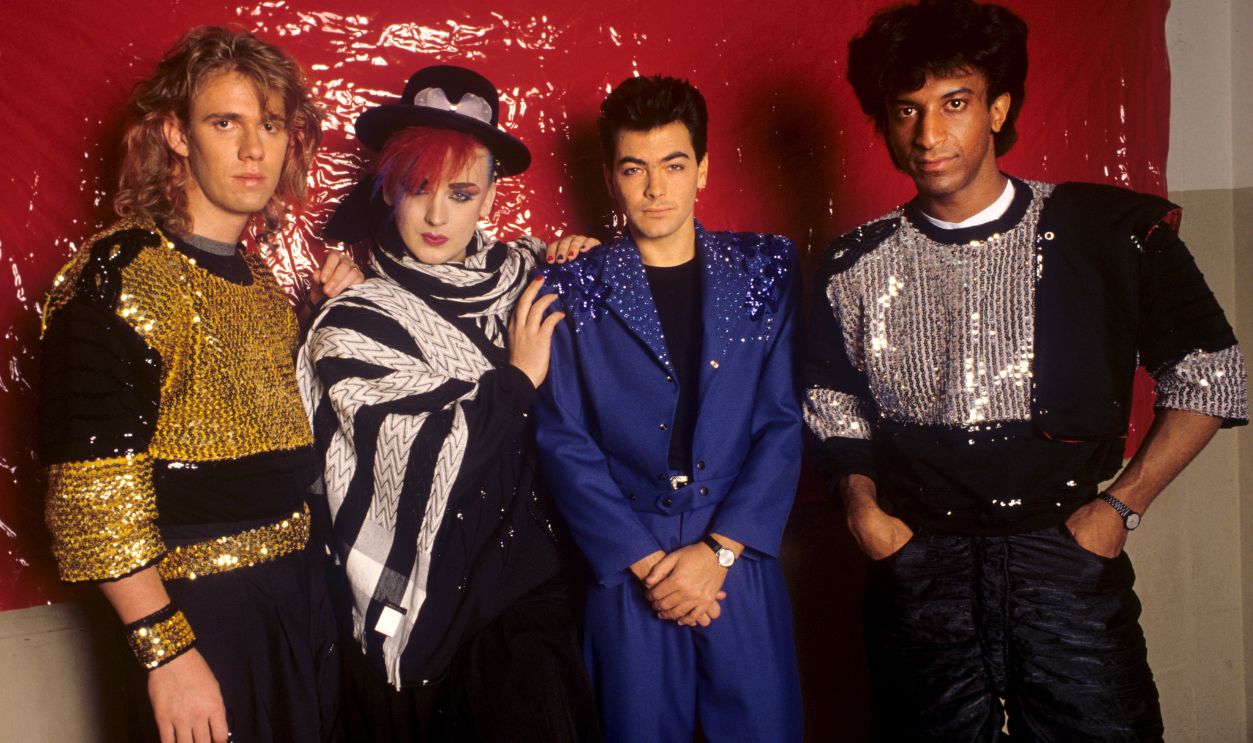 picture alliance, Getty Images
Strain on the Band and Public Image
Missed commitments and unpredictable behavior made touring schedules harder to maintain. Promoters and managers began losing confidence, and the band’s once-polished public image started to crack.
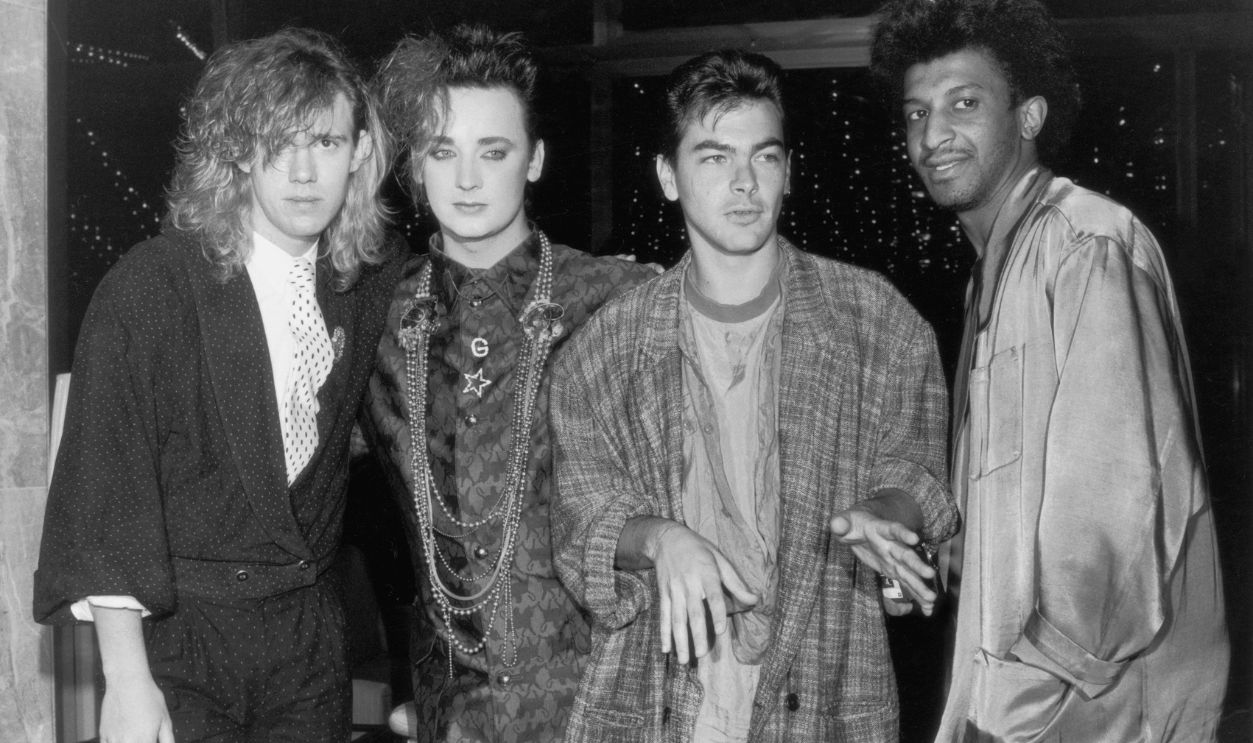
The Breakup of Culture Club
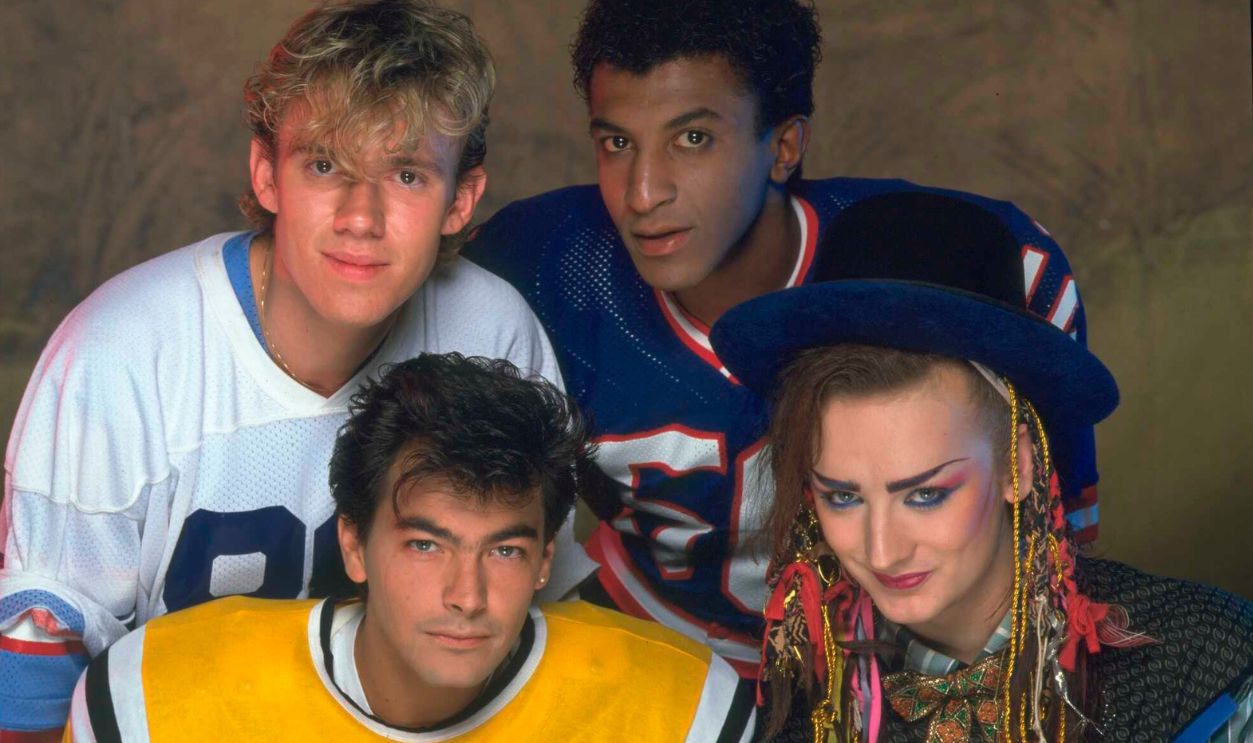
By 1986, the internal strain and external pressures led to the band’s breakup. What had been one of the most successful groups of the decade ended abruptly, leaving Boy George’s future in music uncertain.
Legal Trouble and Career Decline
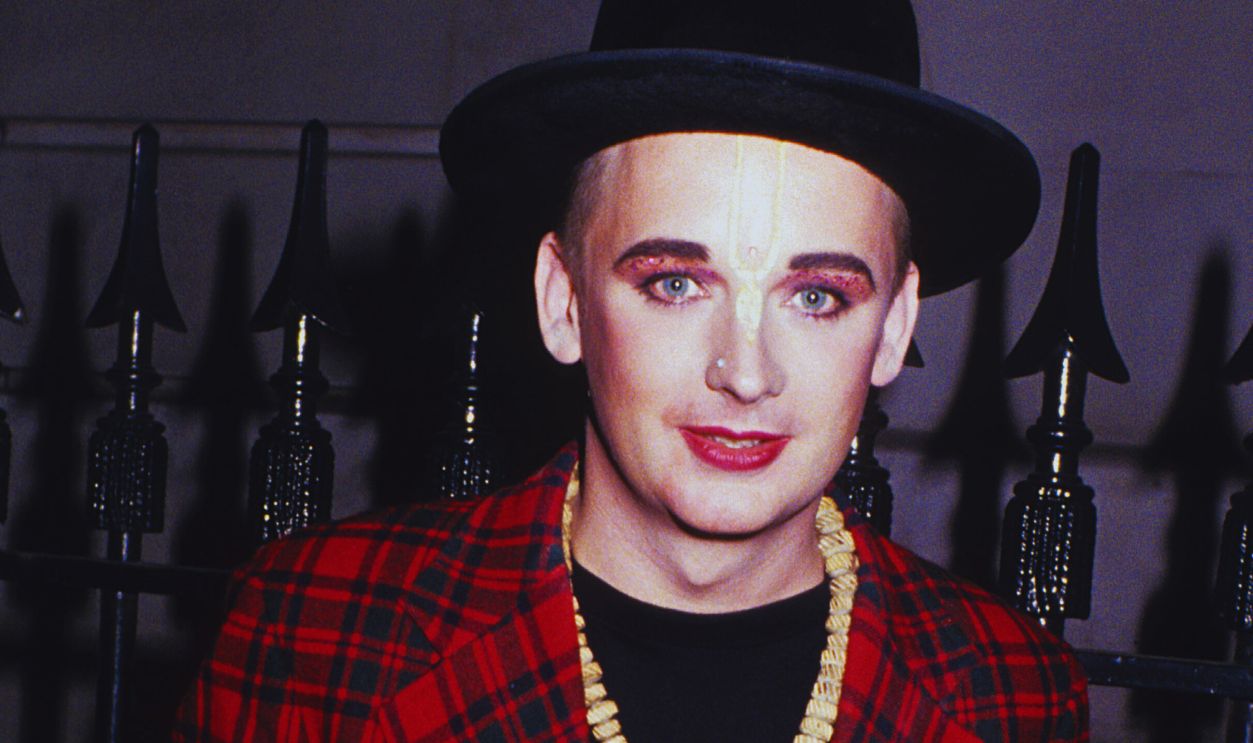
In 1986, he was arrested for possession and received a fine rather than a prison sentence. The headlines reinforced a narrative of instability, making it harder for him to regain industry trust.
Fading From the Spotlight
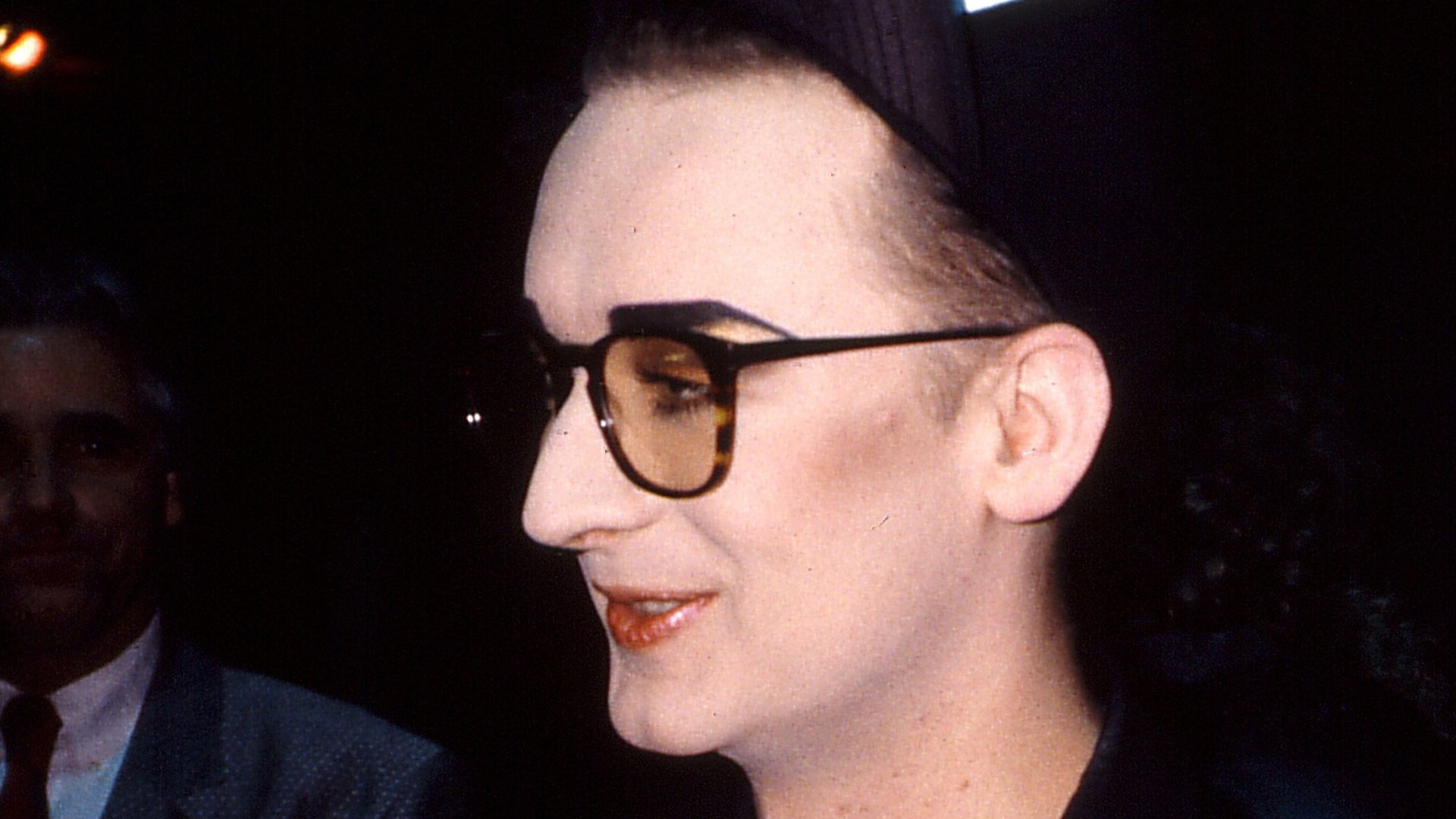
As the late 80s turned into the 90s, his presence on mainstream charts diminished. He remained well known, but no longer dominant, shifting from global superstar to a more niche figure.
 Harald Bischoff, Wikimedia Commons
Reinventing Himself in the 90s and 2000s
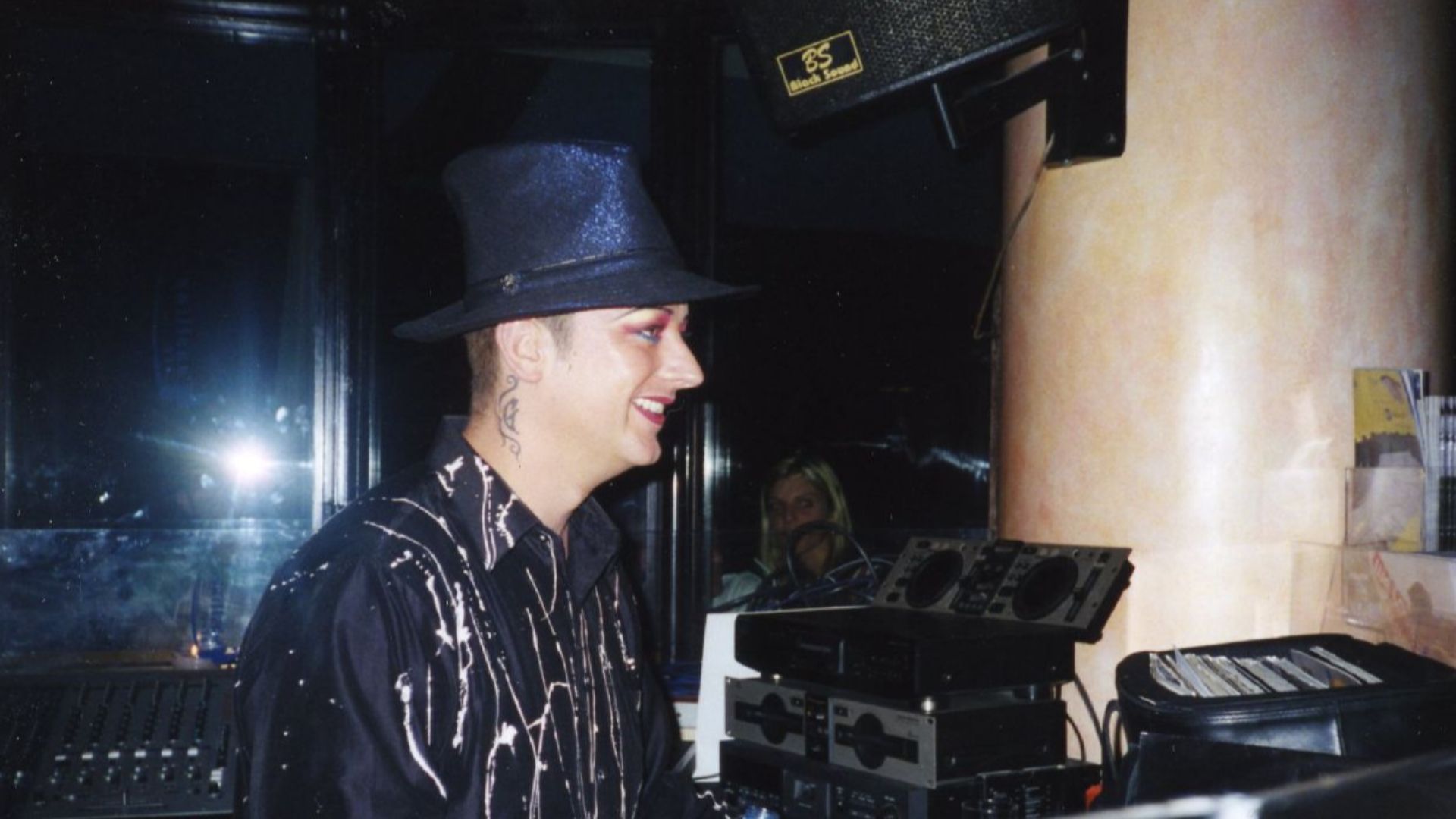
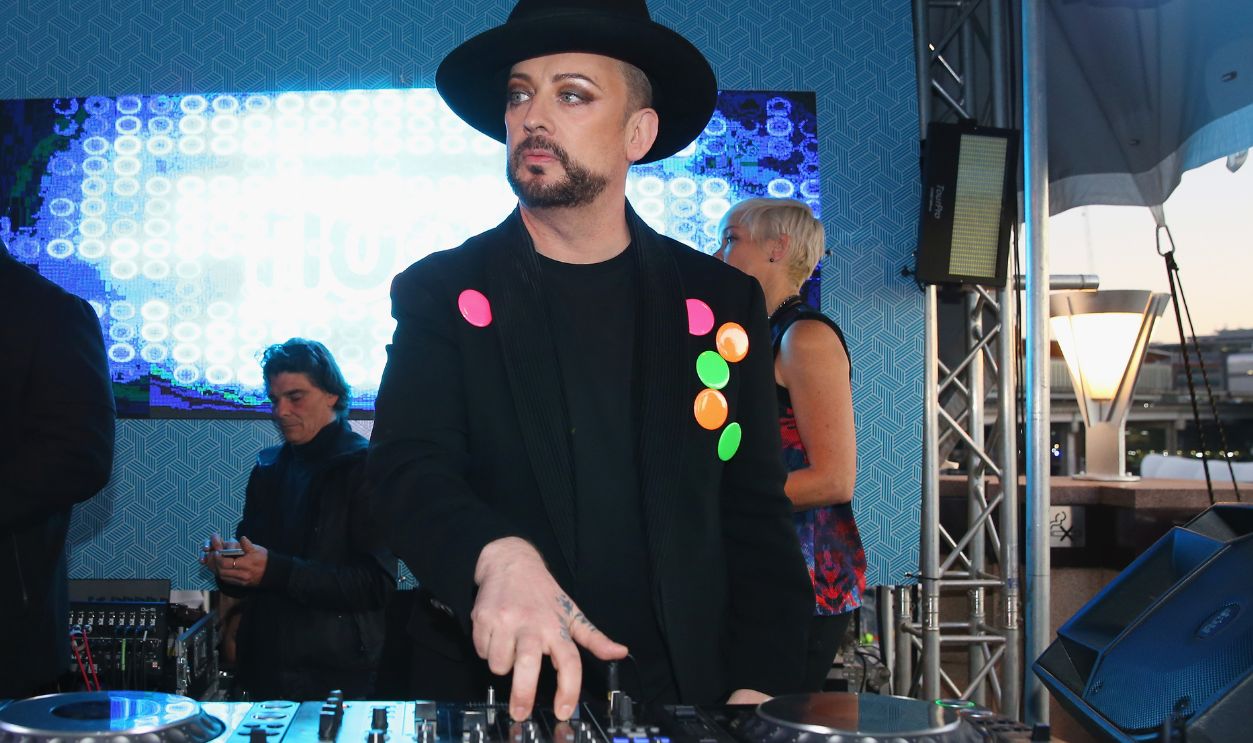
Instead of disappearing, he pivoted into DJing and electronic music, especially in the UK club scene. He also continued writing and performing, building a steady second phase of his career.
 Ben Sutherland, Wikimedia Commons
A Comeback Gains Momentum
By the early-to-mid 2000s, he was touring again and making more media appearances. Public perception began to soften, and there was growing interest in his return.
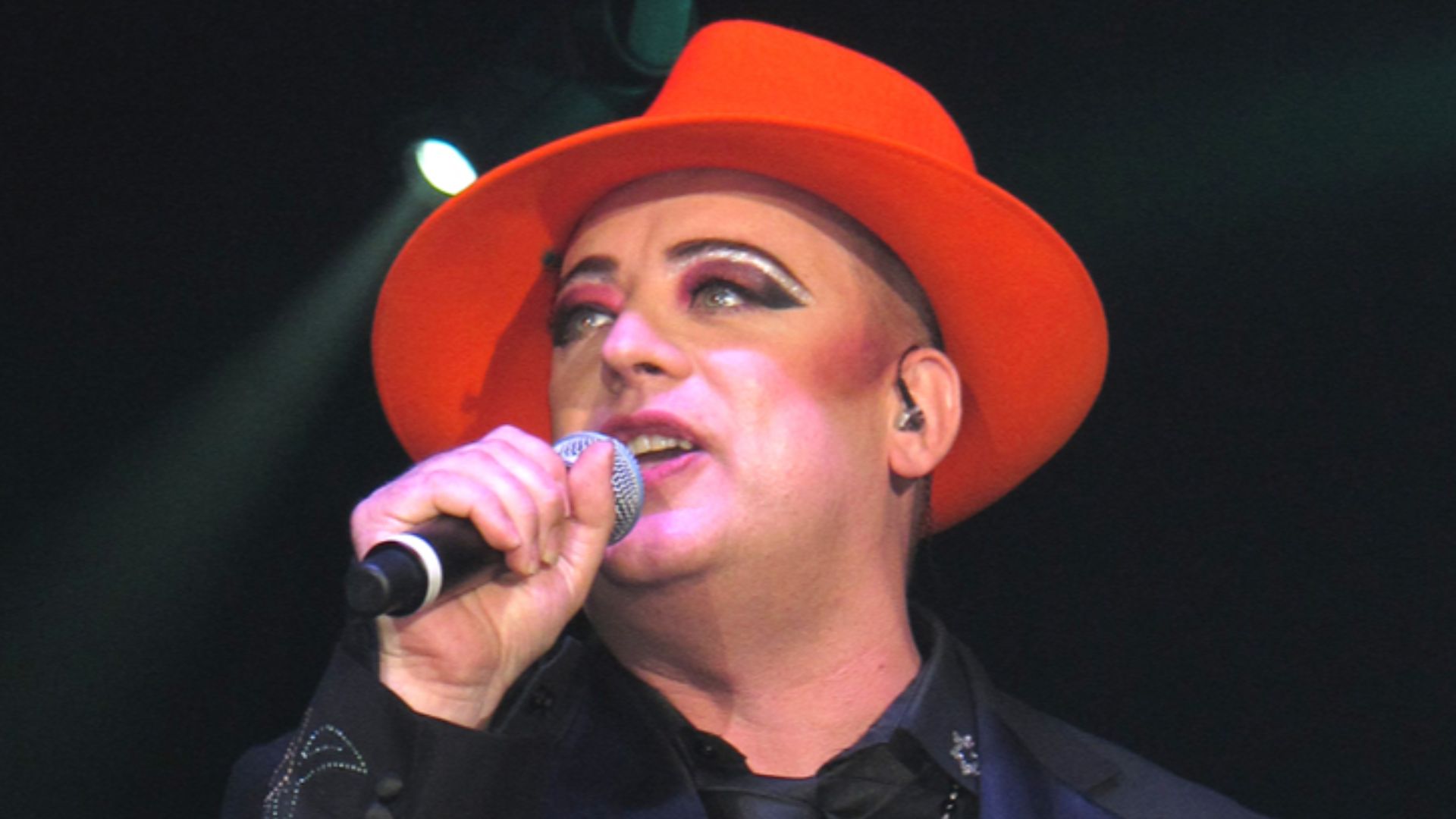 Andrew Hurley, Wikimedia Commons
The Incident That Changed Everything
In 2007, Boy George met Audun Carlsen, a Norwegian man, through a website. What began as a private encounter escalated into a situation that would lead to a criminal investigation.
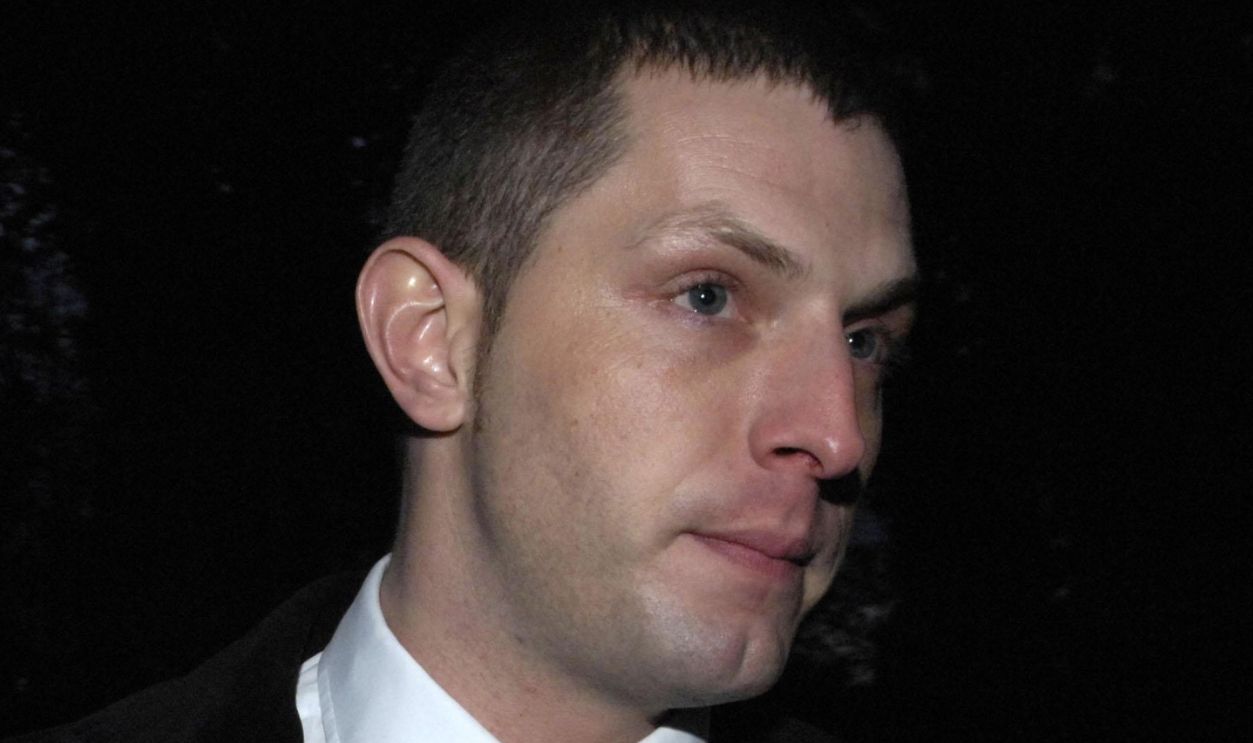 Tim Ireland - PA Images, Getty Images
Conflicting Accounts
Boy George said he believed Carlsen had accessed or interfered with his computer, prompting a confrontation. Carlsen alleged he was restrained and handcuffed to a wall fixture, leaving him fearful.
A Serious Criminal Charge
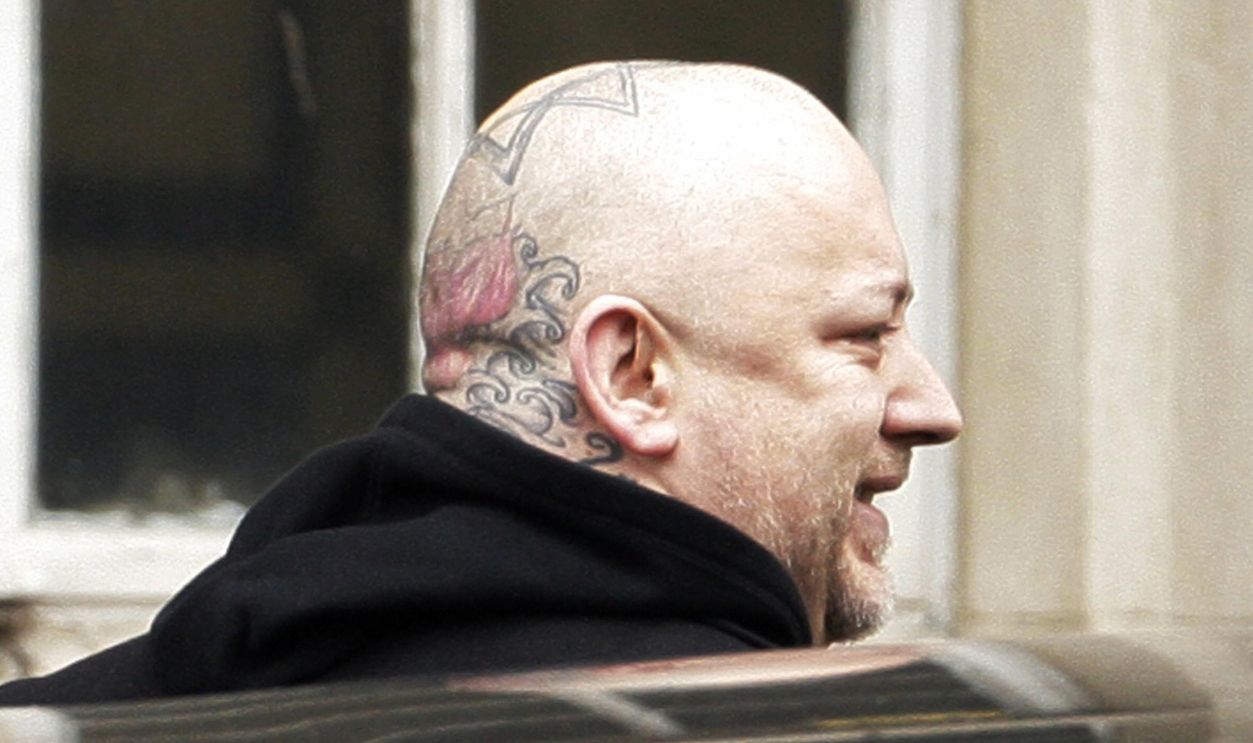
Authorities charged Boy George with false imprisonment, a serious offense under UK law. The case drew widespread media attention due to both the details and his celebrity status.
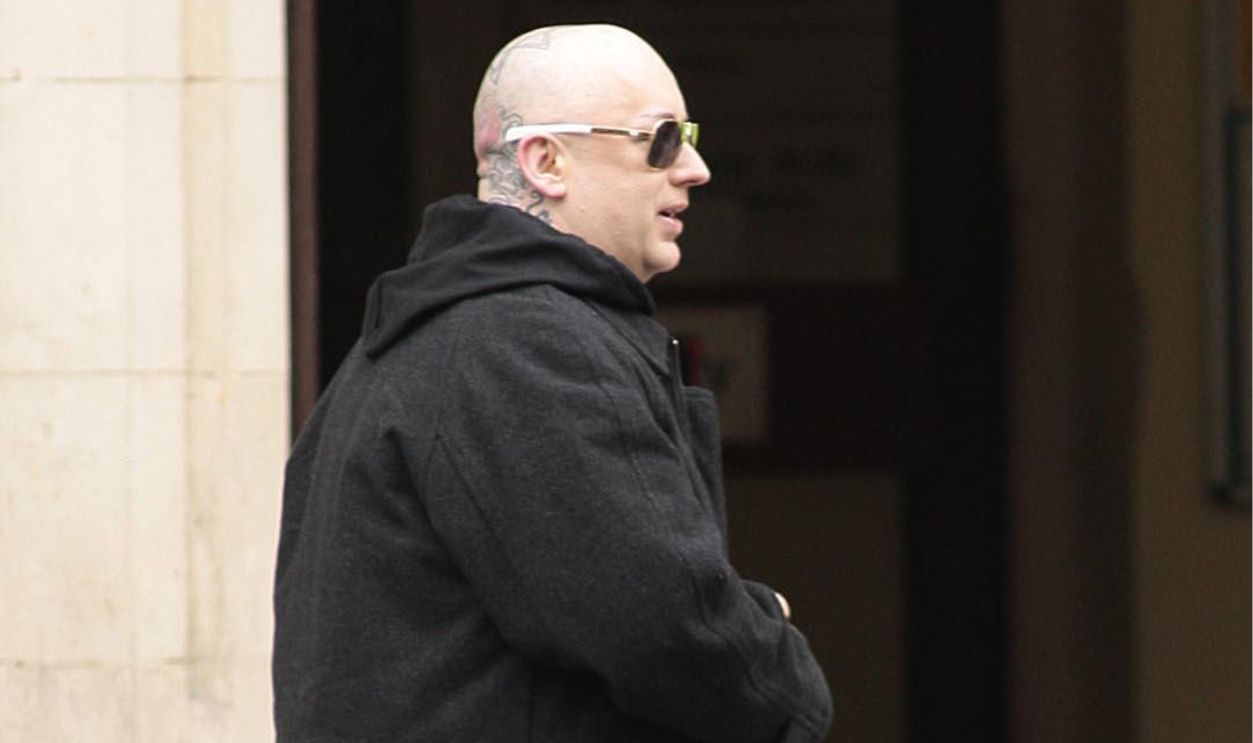 Carl Court - PA Images, Getty Images
The Trial and Conviction
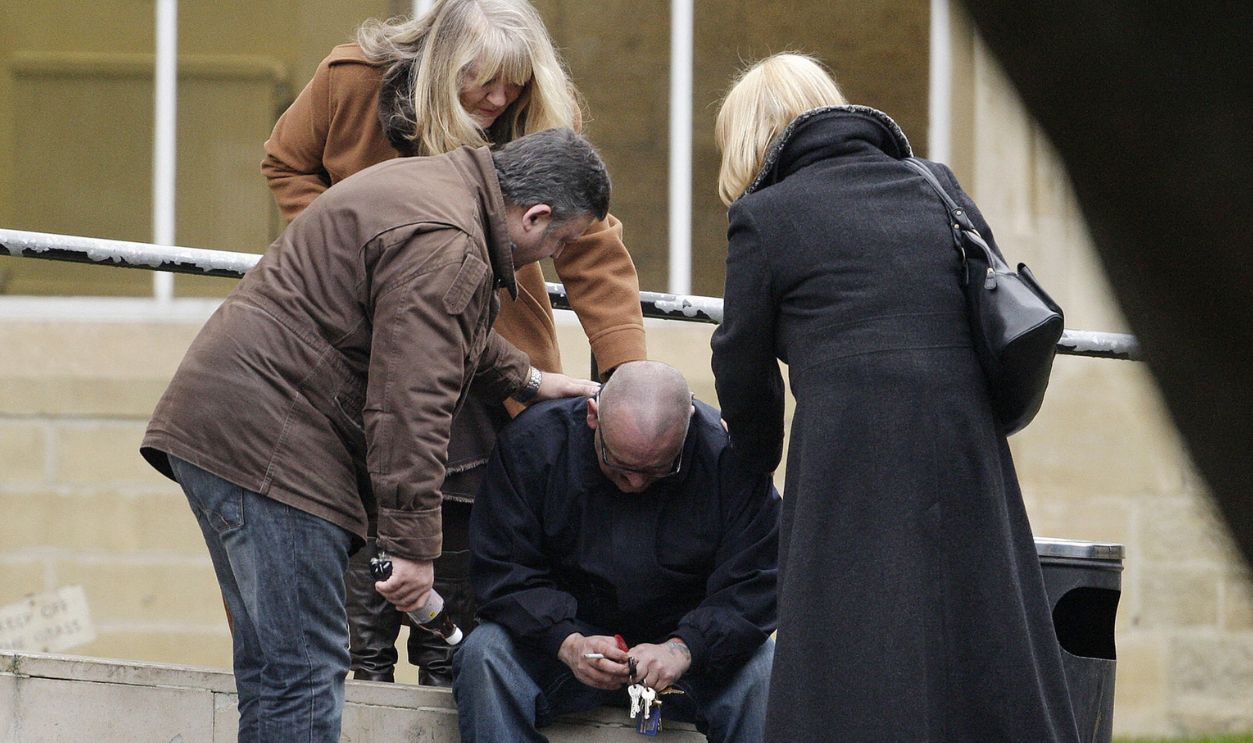
In 2009, the case went to trial. The jury found Boy George guilty of false imprisonment, concluding that Carlsen had been unlawfully restrained against his will.
Sentencing and Time Served
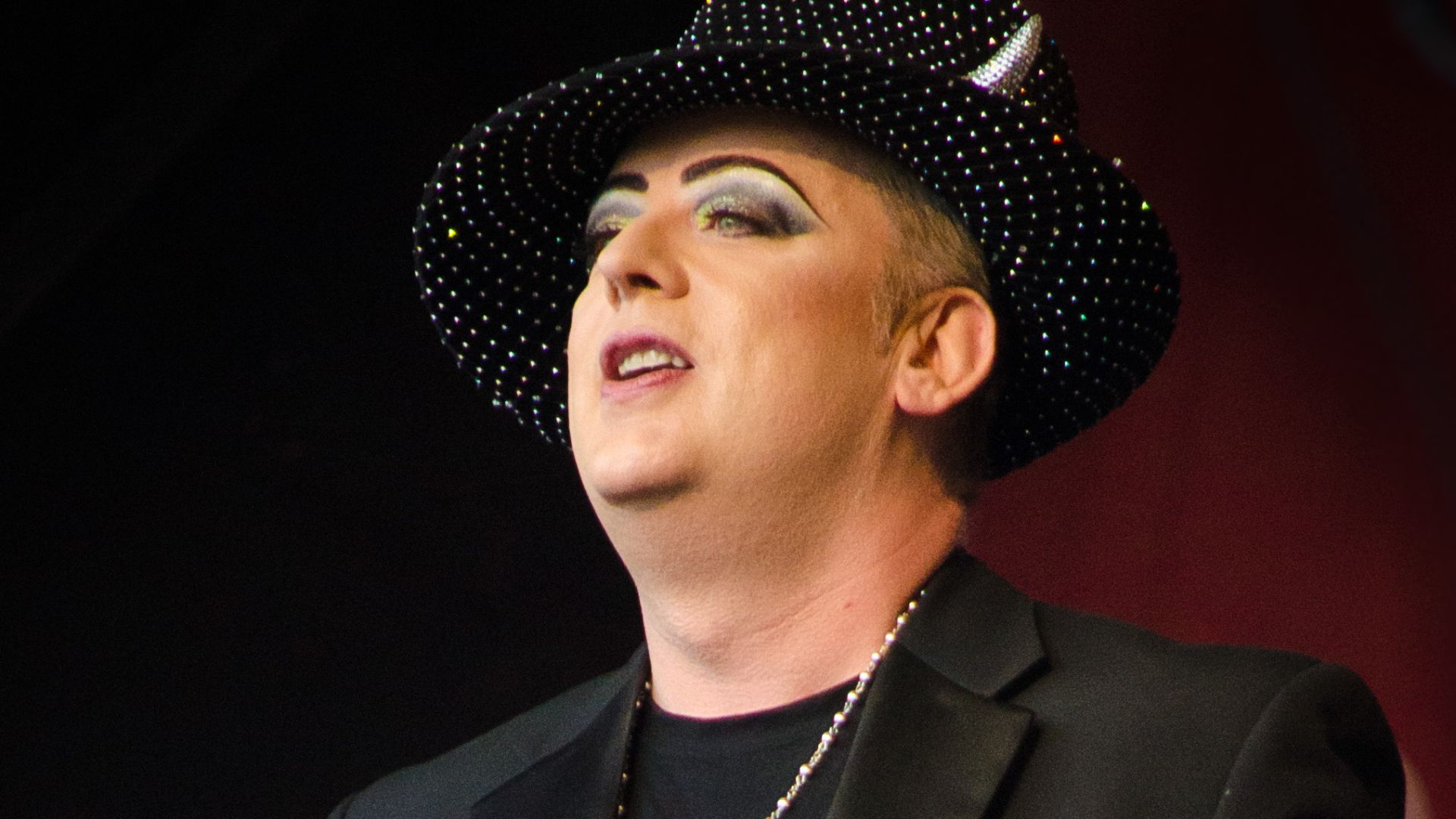
He received a 15-month prison sentence but served about four months before being released early for good behavior. Even with reduced time, the conviction marked a major turning point in his life.
 Garry Knight, Wikimedia Commons
A Public Fall From Fame
For someone who once dominated global pop culture, the image of Boy George entering prison was stark. The case overshadowed his comeback and permanently altered public perception.
 Eva Rinaldi, Wikimedia Commons
Reaction...and the Start of Another Comeback
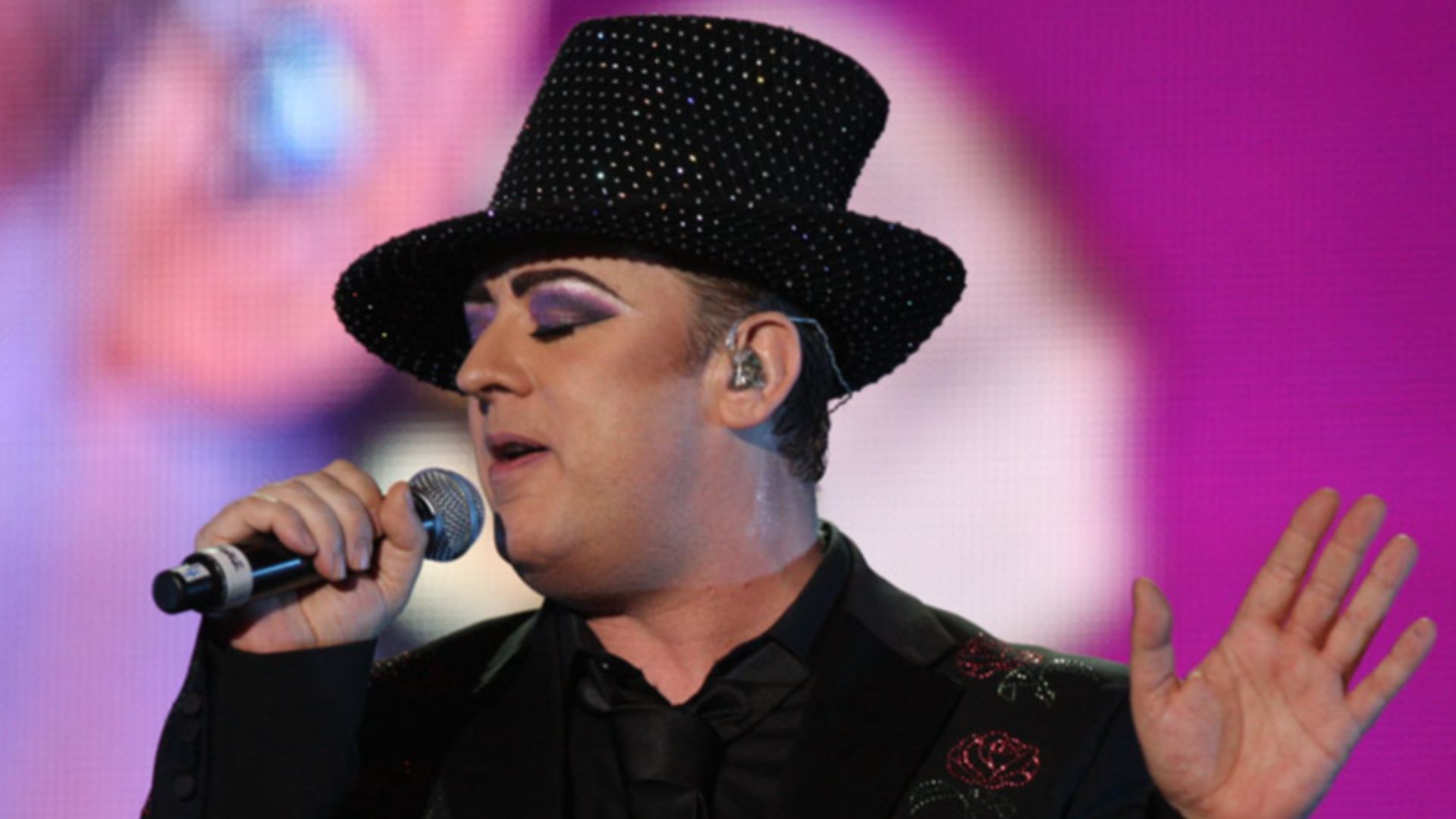
Public reaction was divided. Some saw accountability, others saw a troubled figure repeating old patterns. After his release, he quietly returned to music and DJing without seeking major headlines.
Back in the Spotlight, On His Own Terms
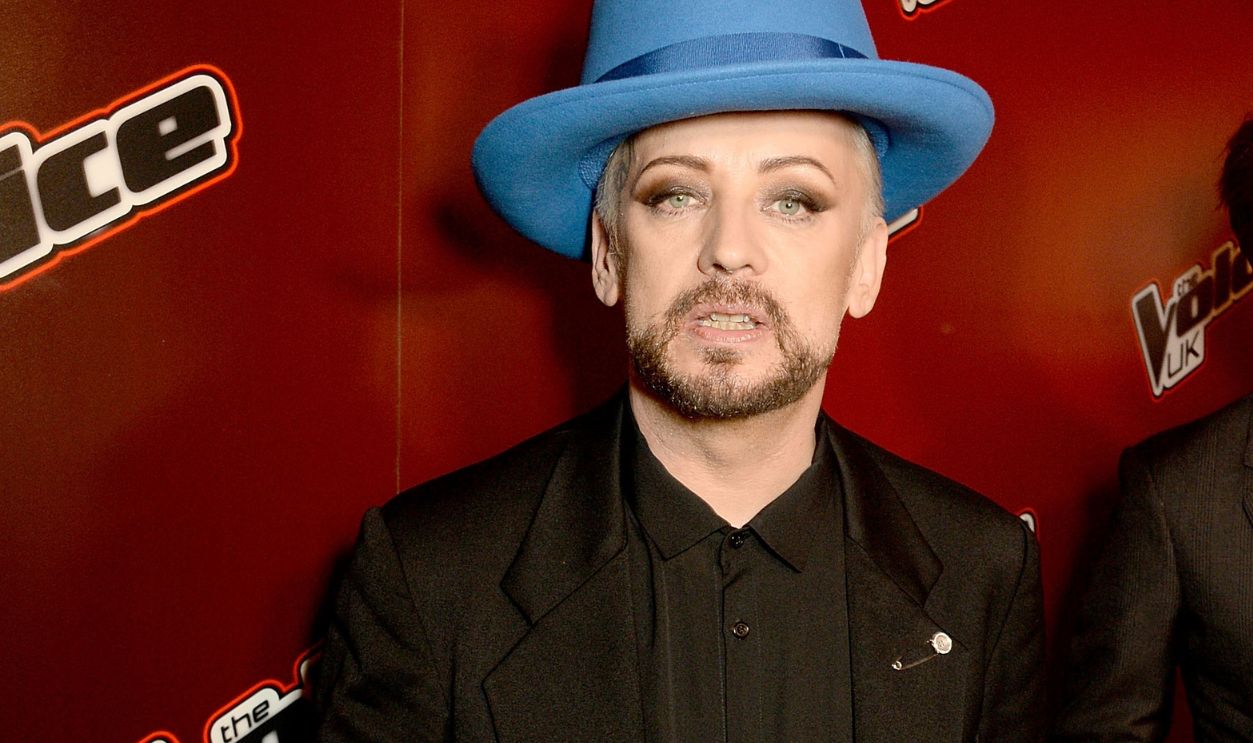
He later returned to wider visibility, including a role on The Voice UK. In interviews, he spoke openly about his past, acknowledging mistakes while reshaping his public narrative.
Growth and Personal Reflection
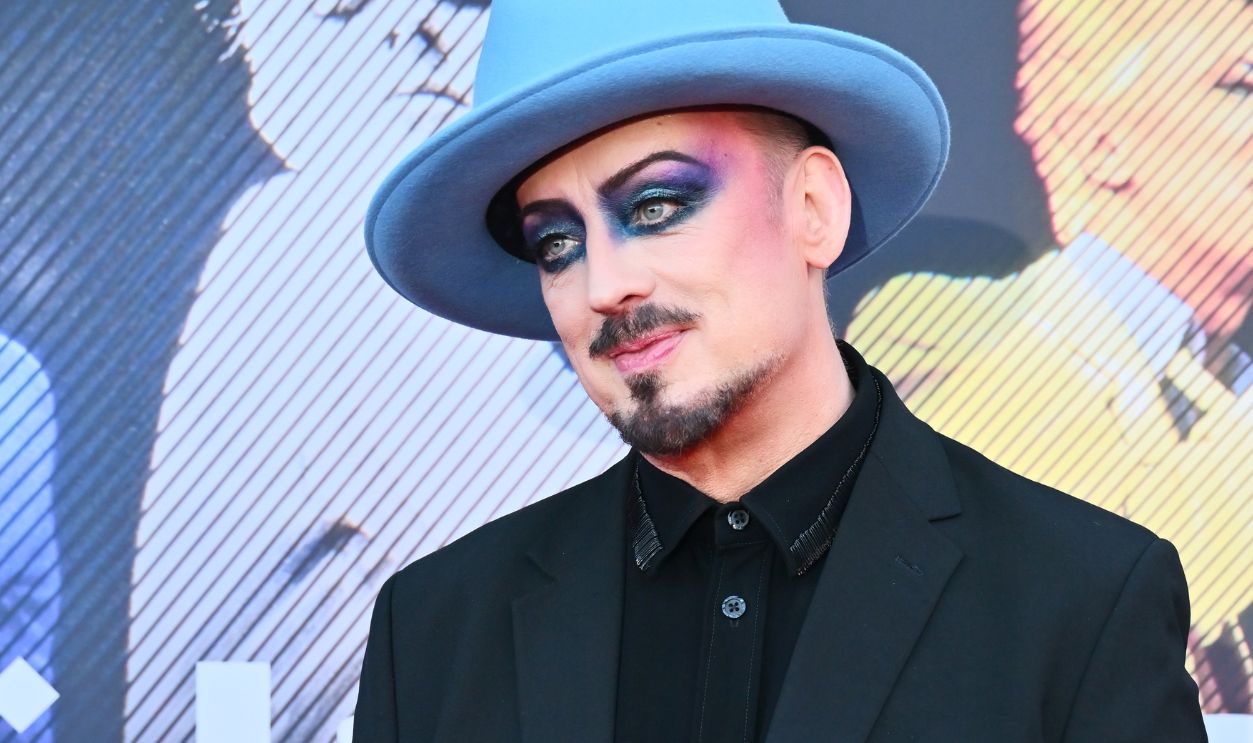
Over time, he emphasized discipline, routine, and self-awareness. He described his prison experience as a turning point that forced him to confront long-standing patterns.
A Complicated Legacy That Still Resonates
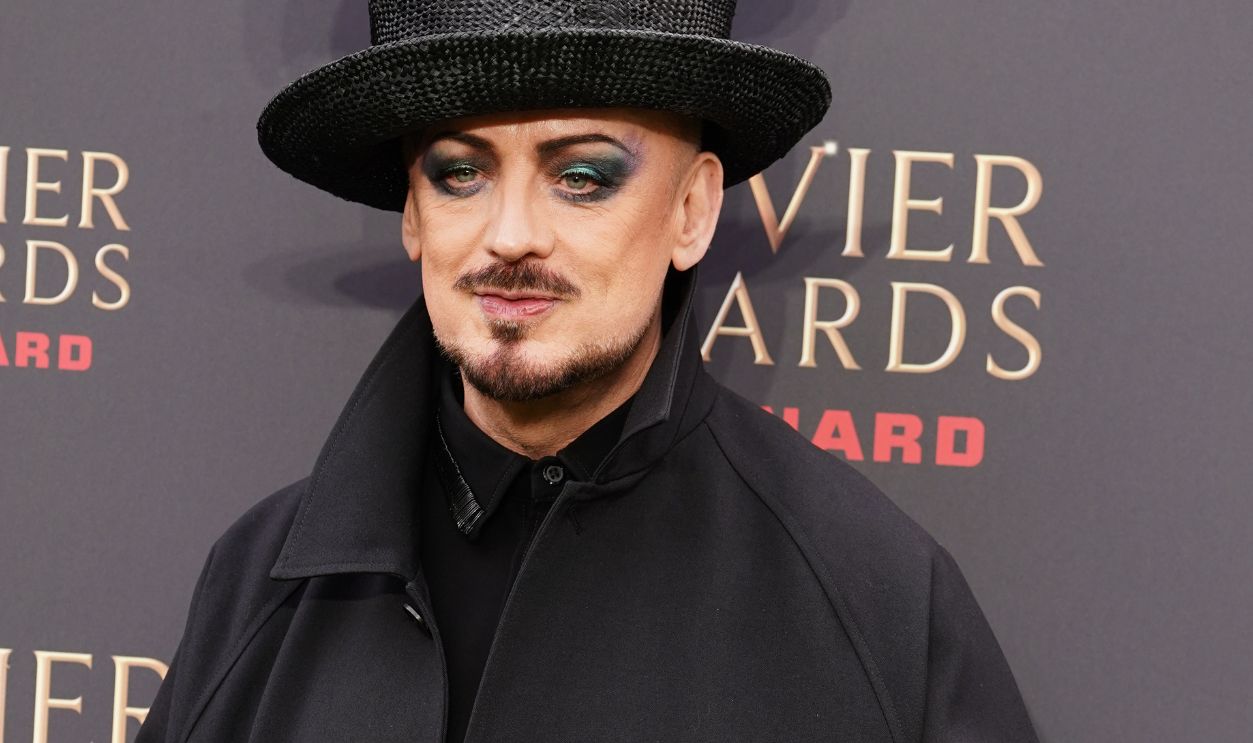
Boy George remains both a groundbreaking cultural figure and a controversial one. His story continues to resonate because it blends massive success with real consequences—and shows how difficult reinvention can be.
 Ian West - PA Images, Getty Images
You Might Also Like:
Rock stars who thought fame would last forever. Now no one born after 2000 has even heard of them.