Dolly Parton's Heart-Wrenching Backstory
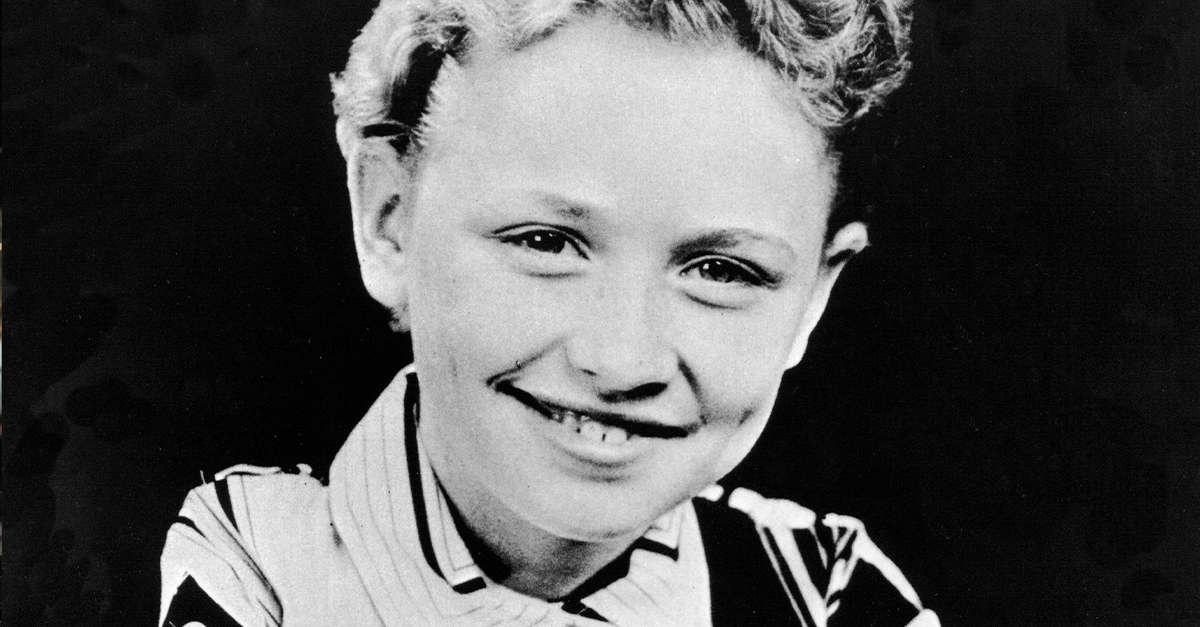
Dolly Parton’s story doesn’t begin with fame, it begins in a one-room cabin in the Smoky Mountains. Before the rhinestones and sold-out crowds, there was real hardship in her life. She grew up with very little, and those early years shaped not just her music, but the way she built her life and chose to give back.
 RCA Records, Wikimedia Commons
A One-Room Start
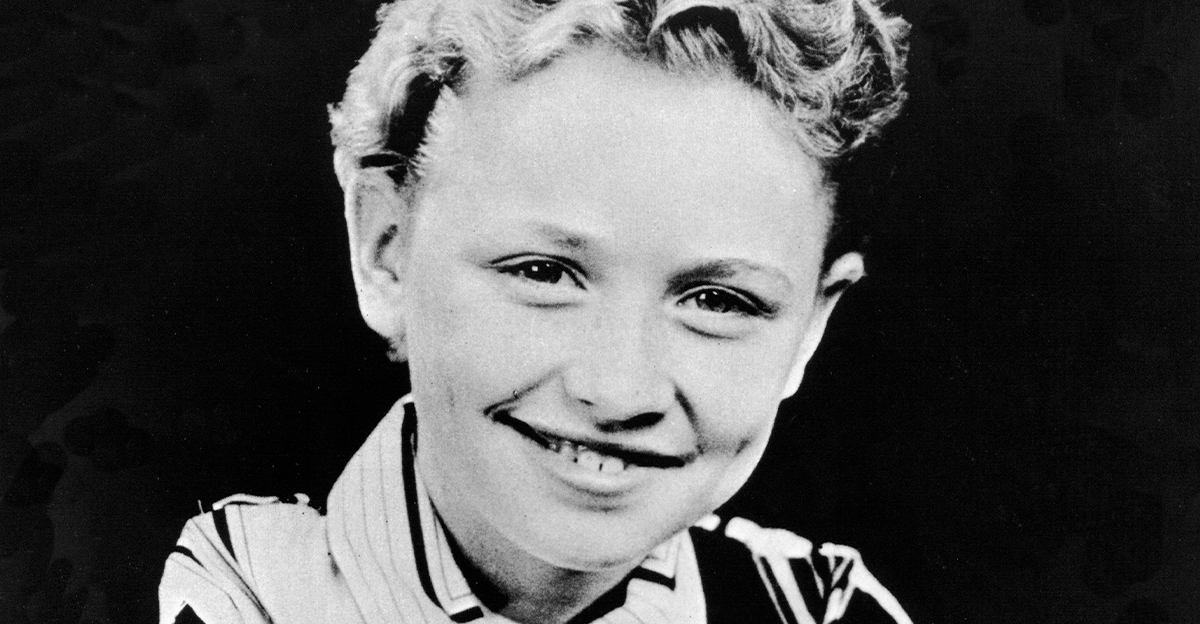
Dolly Parton was born in 1946 in rural Tennessee, one of 12 children living in a one-room cabin without electricity or indoor plumbing. Space was limited, privacy didn’t exist, and comfort was never guaranteed. Daily life was shaped by necessity rather than choice.
 Michael Ochs Archives, Getty Images
Paid In Cornmeal
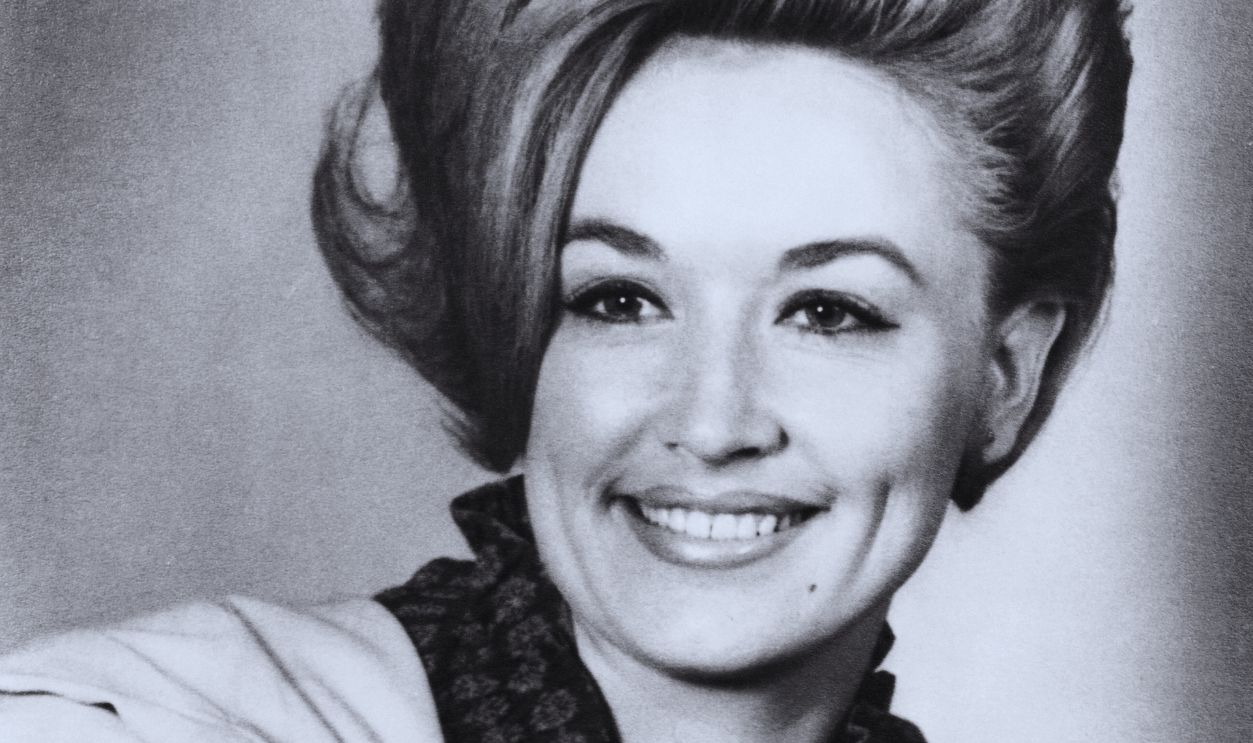
Her father didn’t have cash to pay the doctor when Dolly was born, so he paid with a sack of cornmeal. That detail wasn’t unusual, but rather reflected how often the family relied on barter instead of money, a system that defined how they survived.
 RCA Records, Wikimedia Commons
Survival Was Shared
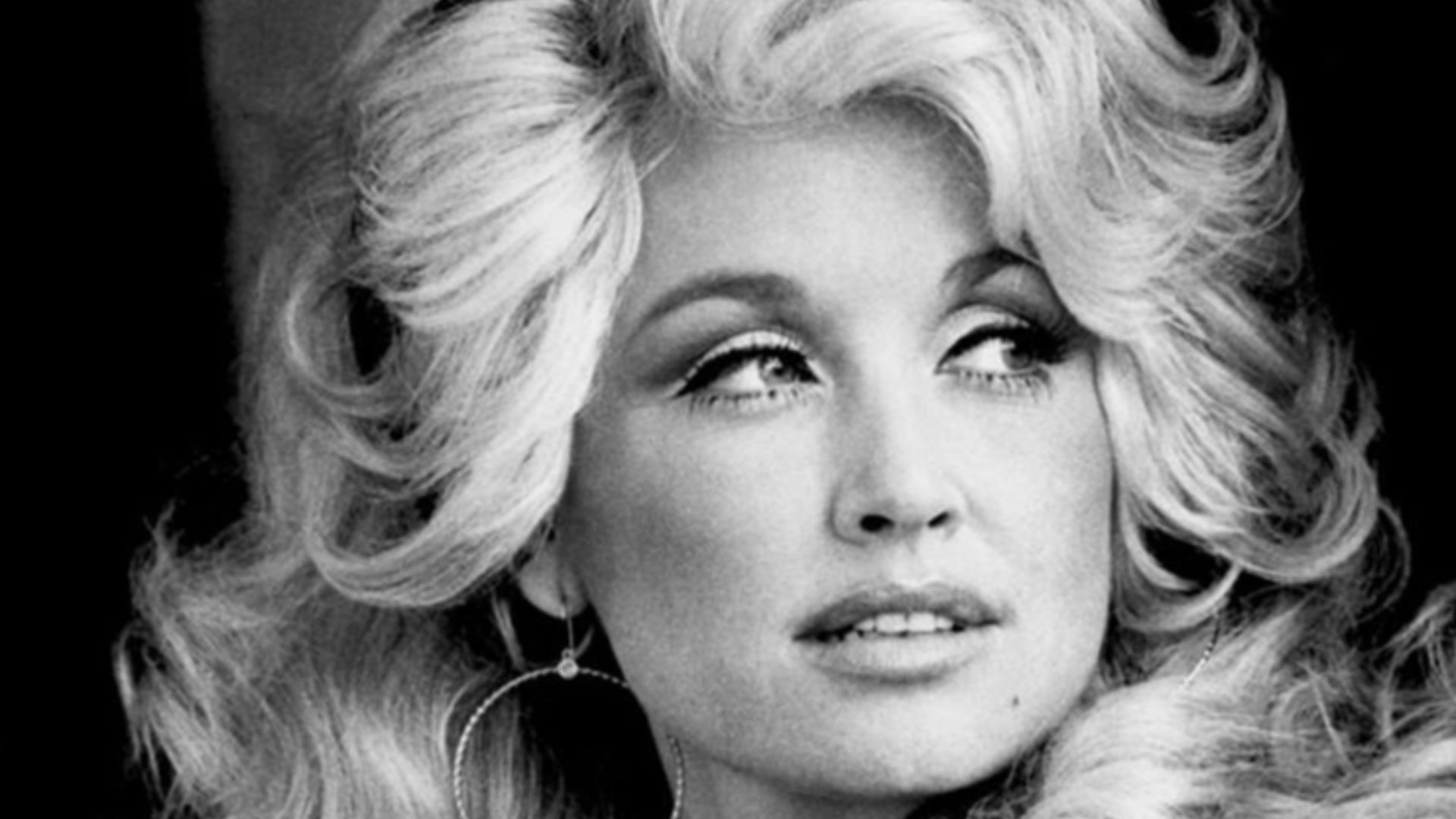
Every child in the household contributed. Dolly helped cook, clean, and care for younger siblings from an early age. Survival depended on everyone doing their part, and there was little room for rest or distraction.
She later shared, "We'd have to climb up on the chairs to peel potatoes, turnips or whatever. We were really helping out when Mama was not well, or in bed with a kid or having a new baby or whatever..."
Food, Heat, And Limits
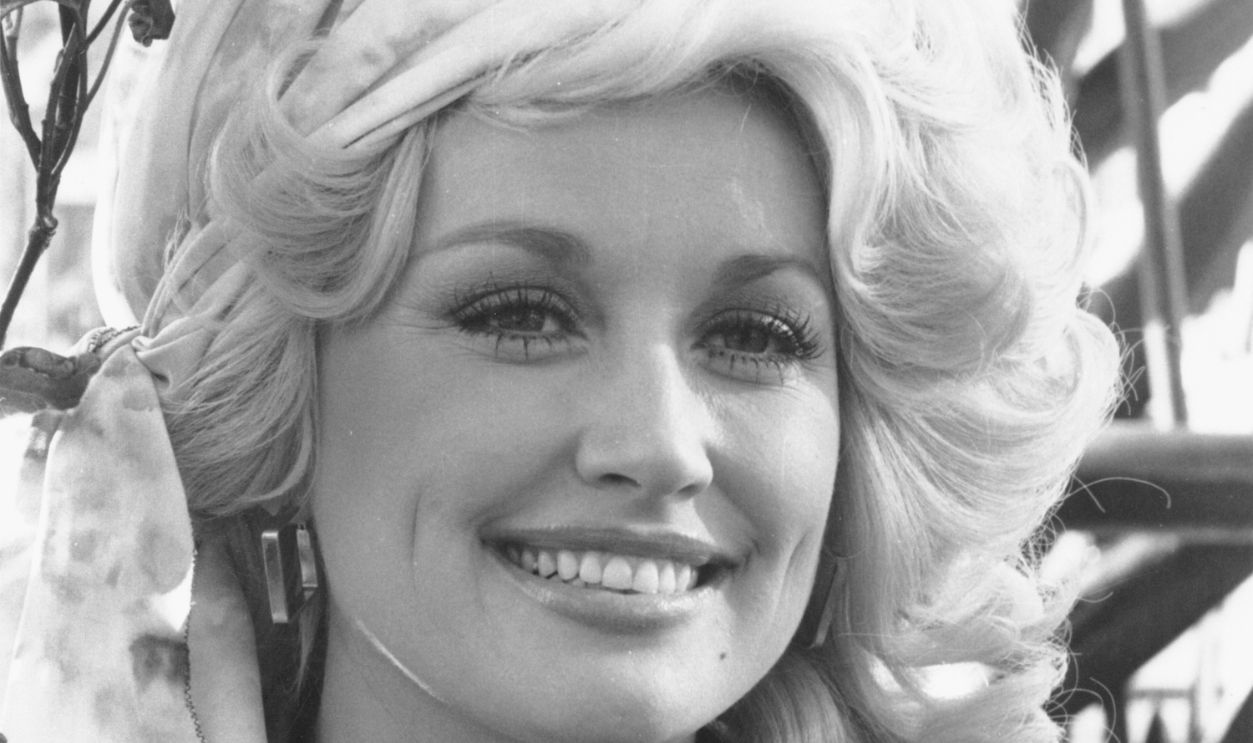
Meals were simple and sometimes uncertain, built from what the family could grow or trade. Winters were cold, with only a wood stove for heat. Daily life required constant effort just to meet basic needs, and nothing was ever taken for granted.
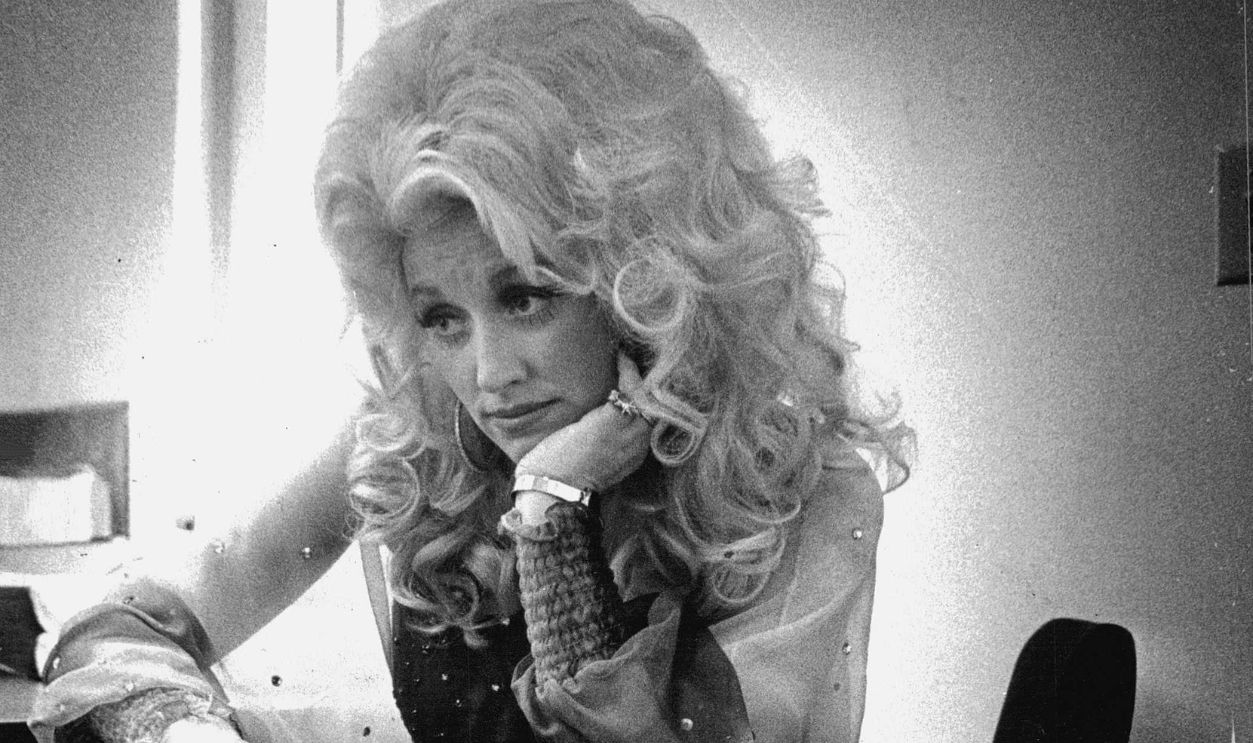 Star Tribune via Getty Images, Getty Images
Teased For What She Wore
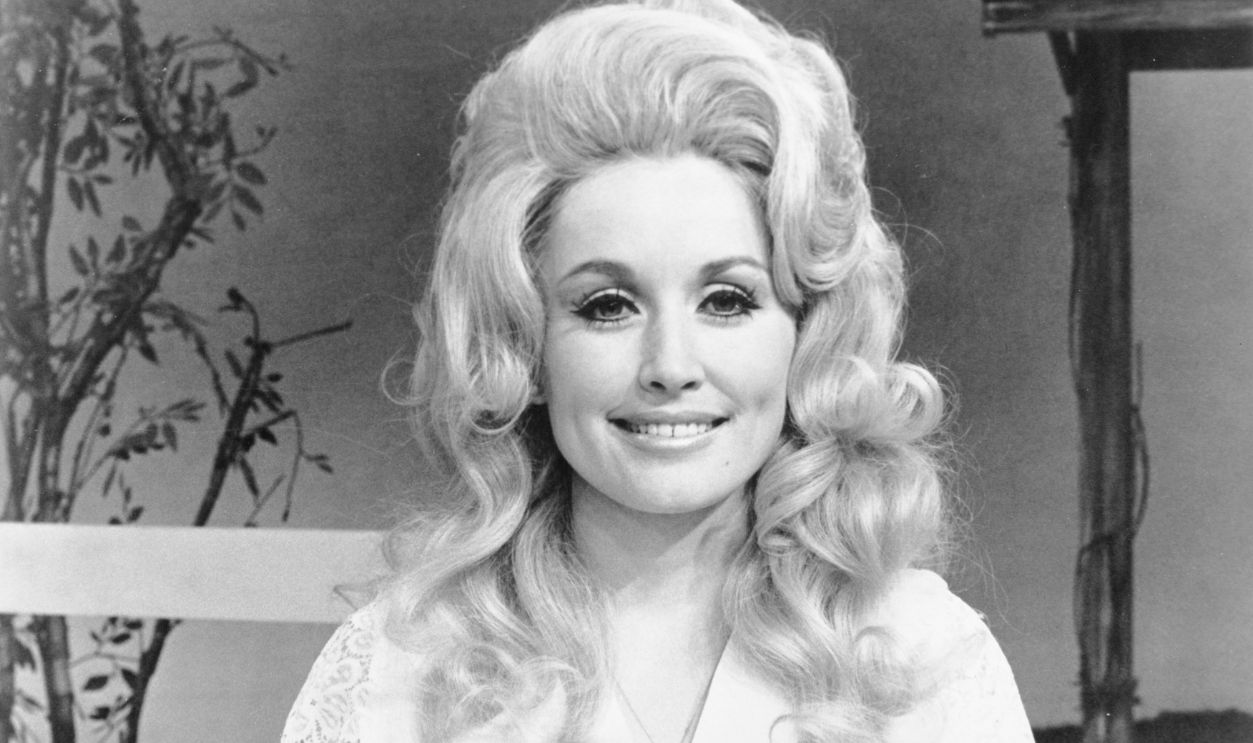
Dolly’s clothes were handmade from scraps, stitched together by her mother. At school, she stood out and was teased for how she looked. Those moments stayed with her, later becoming the foundation for one of her most personal songs.
 Michael Ochs Archives, Getty Images
The Meaning Behind The Coat
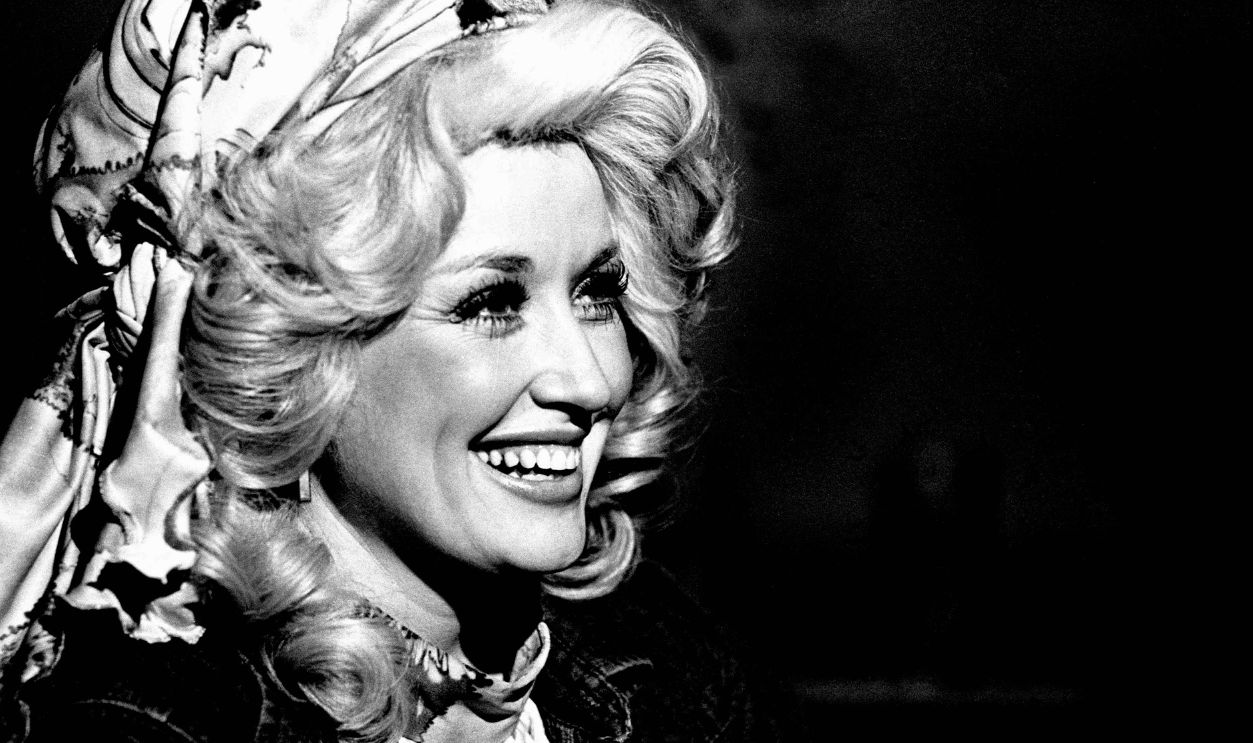
“Coat of Many Colors” came directly from Dolly's childhood. Her mother framed the patchwork coat as something meaningful, even beautiful. While others saw poverty, Dolly learned to see pride, creativity, and love in what little they had.
 Richard E. Aaron, Getty Images
What Poverty Took Away
Her father never learned to read or write, a reality that shaped Dolly’s understanding of poverty. It wasn’t just about money—it was about access, opportunity, and the things you never get the chance to learn.
Even so, she still recognized that her father's illiteracy didn't make him unintelligent. To Dolly, he was still one of the smartest people in her life, with a keen understanding of business. Her mother also had a lot to offer.
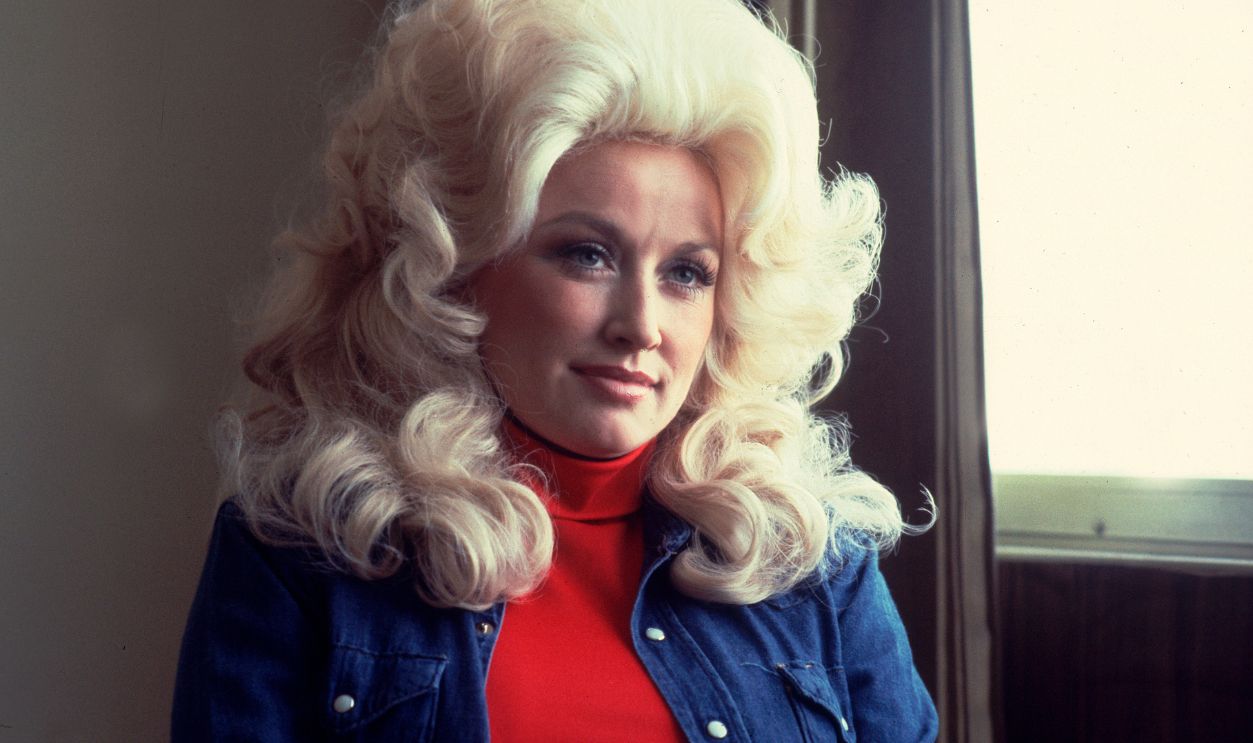
What Her Mother Gave Instead
While money was scarce, her mother filled the home with music, storytelling, and faith. Songs and stories became a kind of currency, giving Dolly both emotional grounding and a creative outlet that would later define her career. Her young life was rich with old ballads and Smoky Mountain folklore.
 Michael Ochs Archives, Getty Images
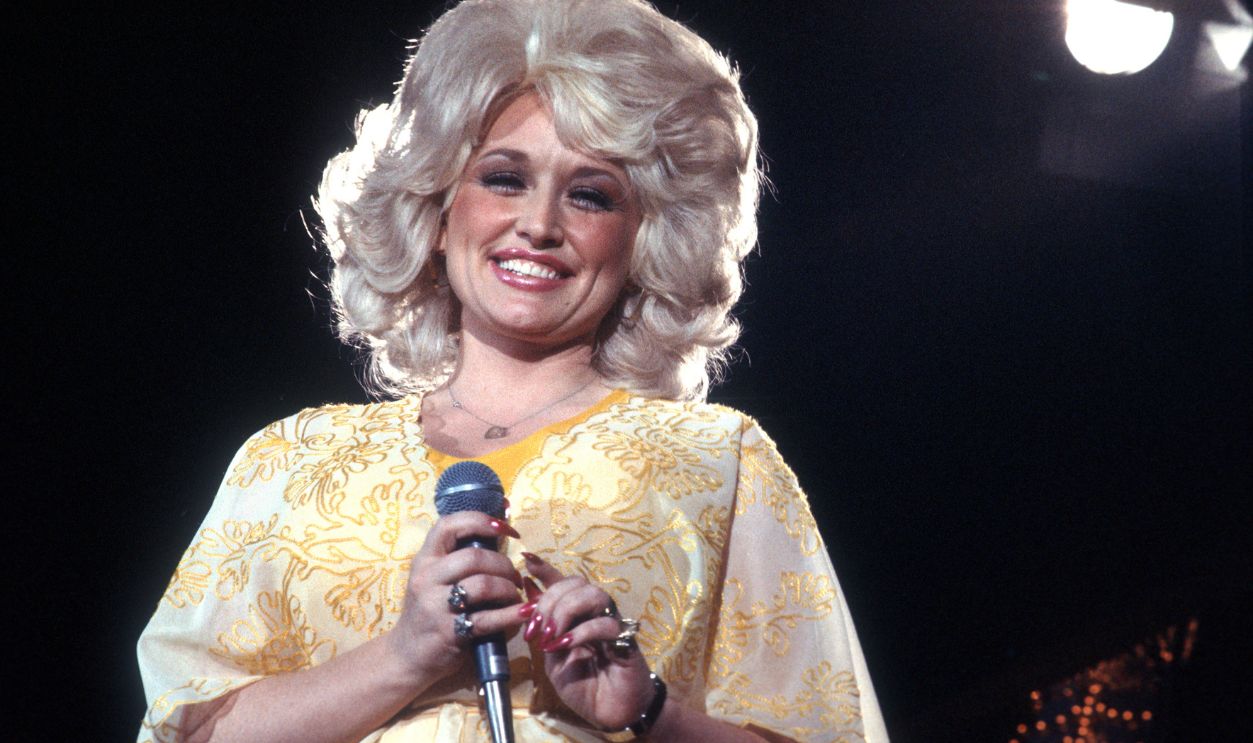
A Stage In Church
Dolly began singing in church, where she found her first audience. It gave her confidence and a sense that her voice mattered. Even in a small community, it was clear she had something that could take her beyond it.
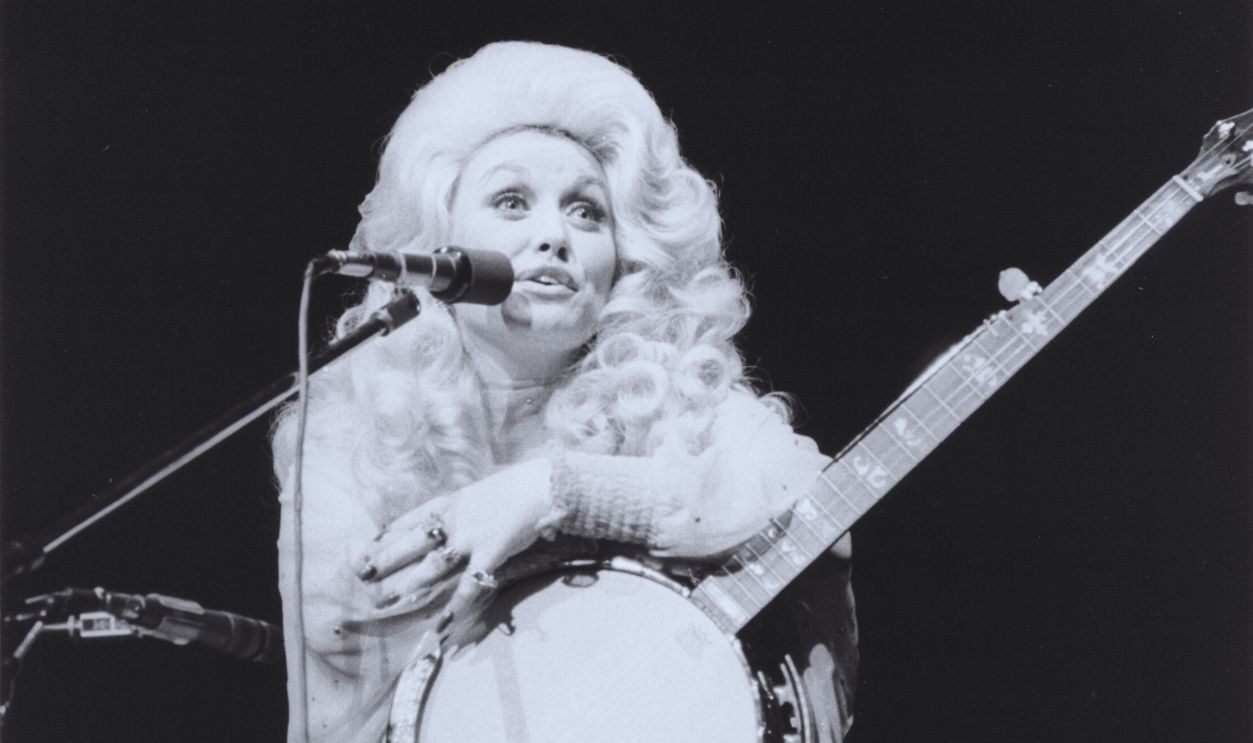
Learning From The Radio
She listened closely to country music on the radio, studying how songs were built and stories were told. It became an informal education, showing her a path out of poverty that felt distant but not impossible.
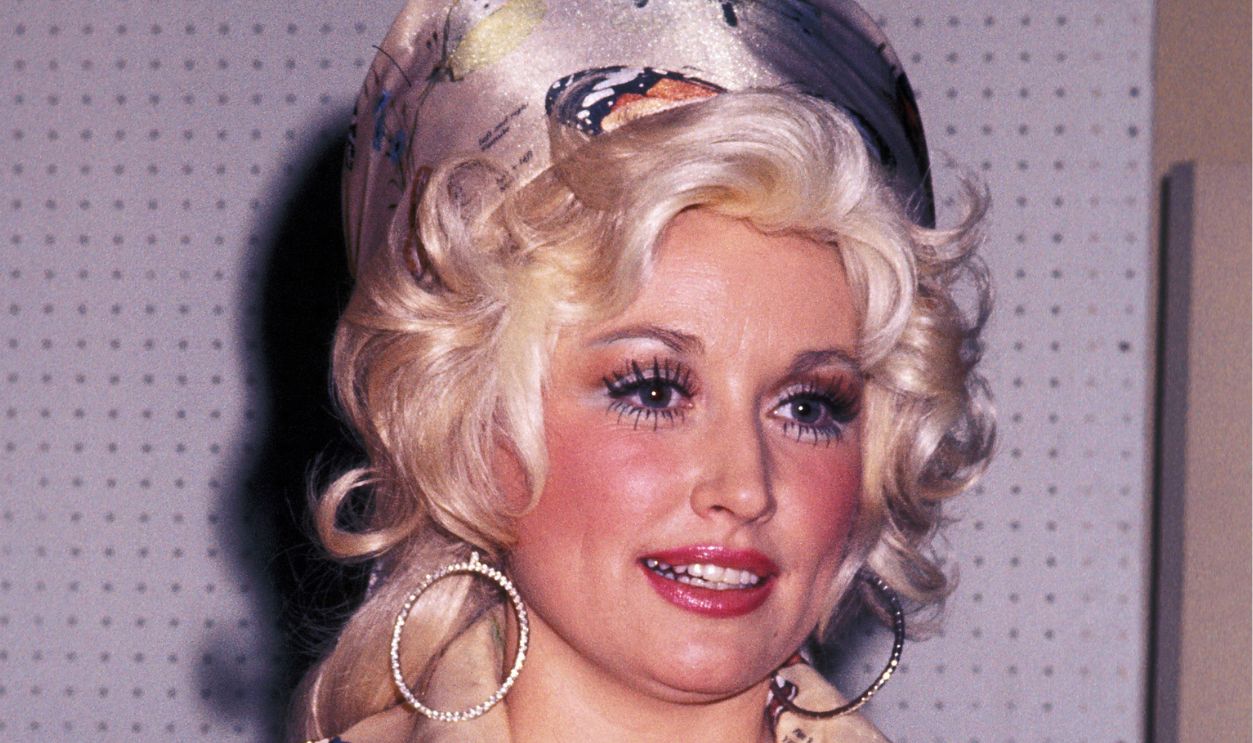
She Got Her First Guitar
After opening up to a real audience at church when she was only six, Dolly's interest in music only expanded. The next year, she began strumming on a homemade guitar. Then, when she was eight years old, she got a real treat: Her uncle presented her with a real guitar.
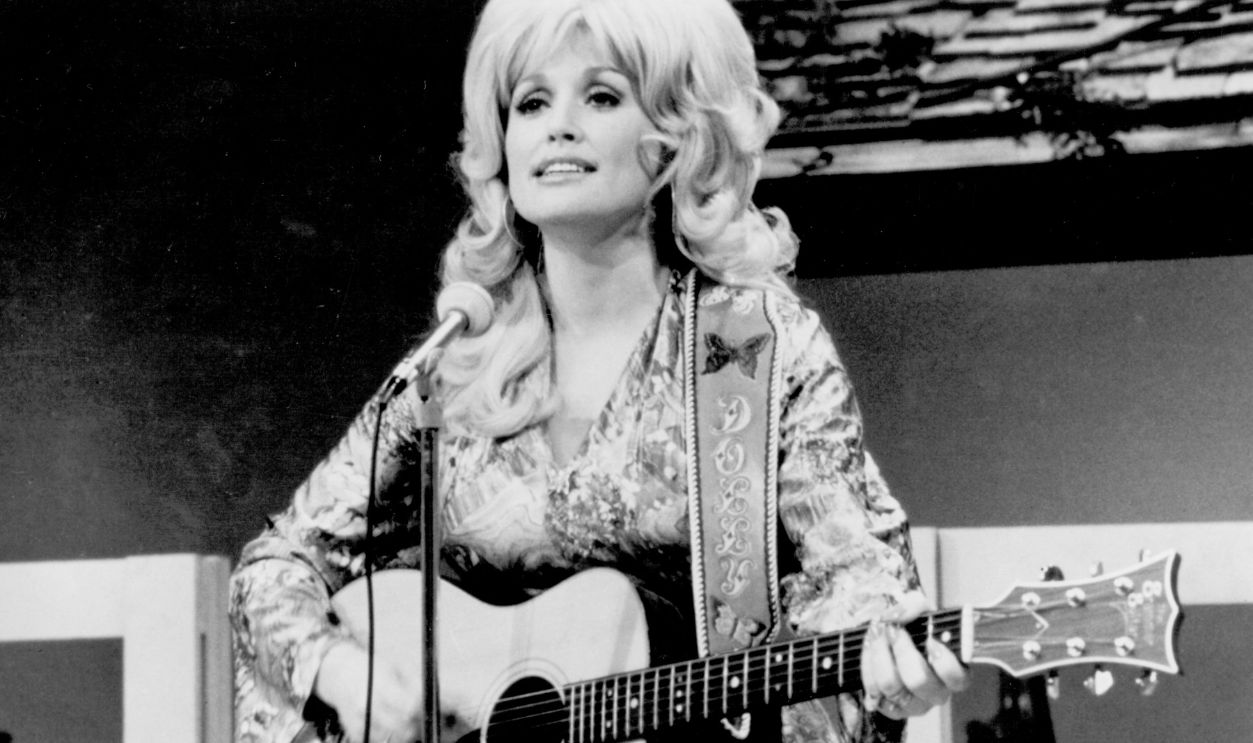 Michael Ochs Archives, Getty Images
Leaving With Nothing But Drive
After high school, Dolly moved to Nashville immediately. She didn’t have money or a safety net, but she had discipline. She approached songwriting like work, writing daily and looking for any opportunity to break through.
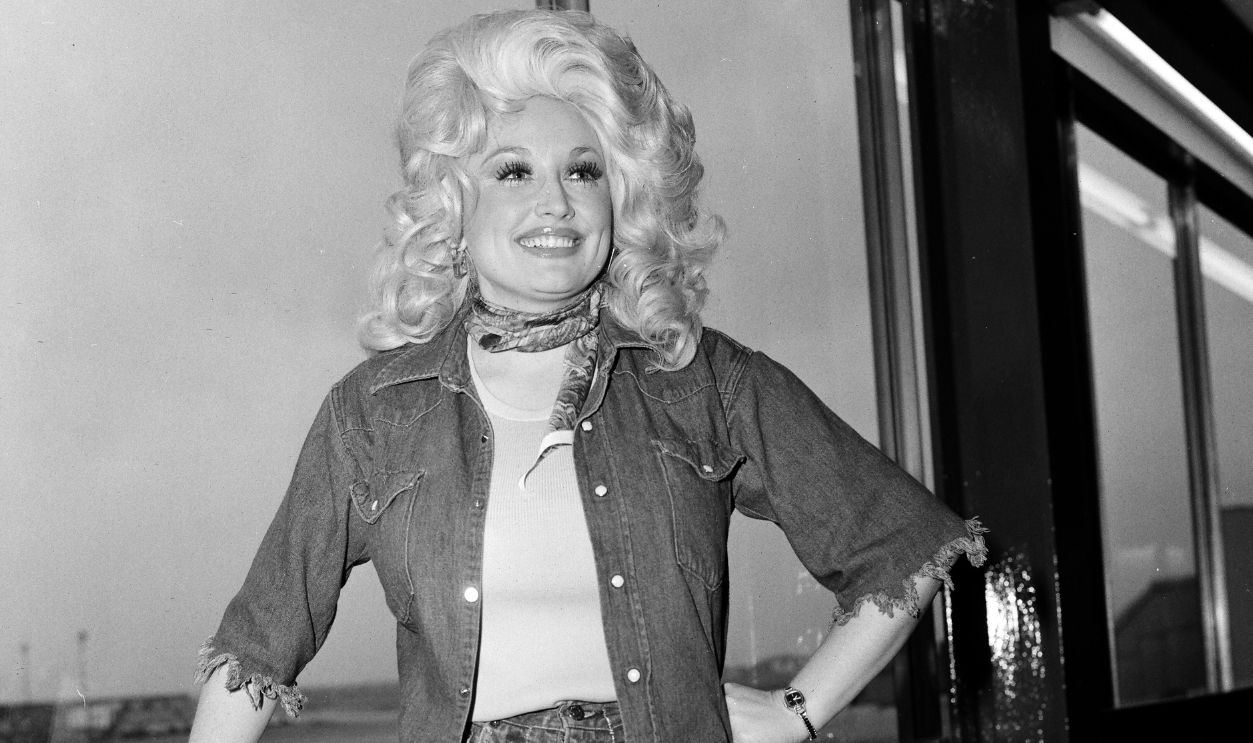
Writing Before Singing
Her first success came as a songwriter. She co-wrote “Put It Off Until Tomorrow,” which became a hit in 1966. It gave her credibility in the industry and proved she could succeed even before becoming a performer.
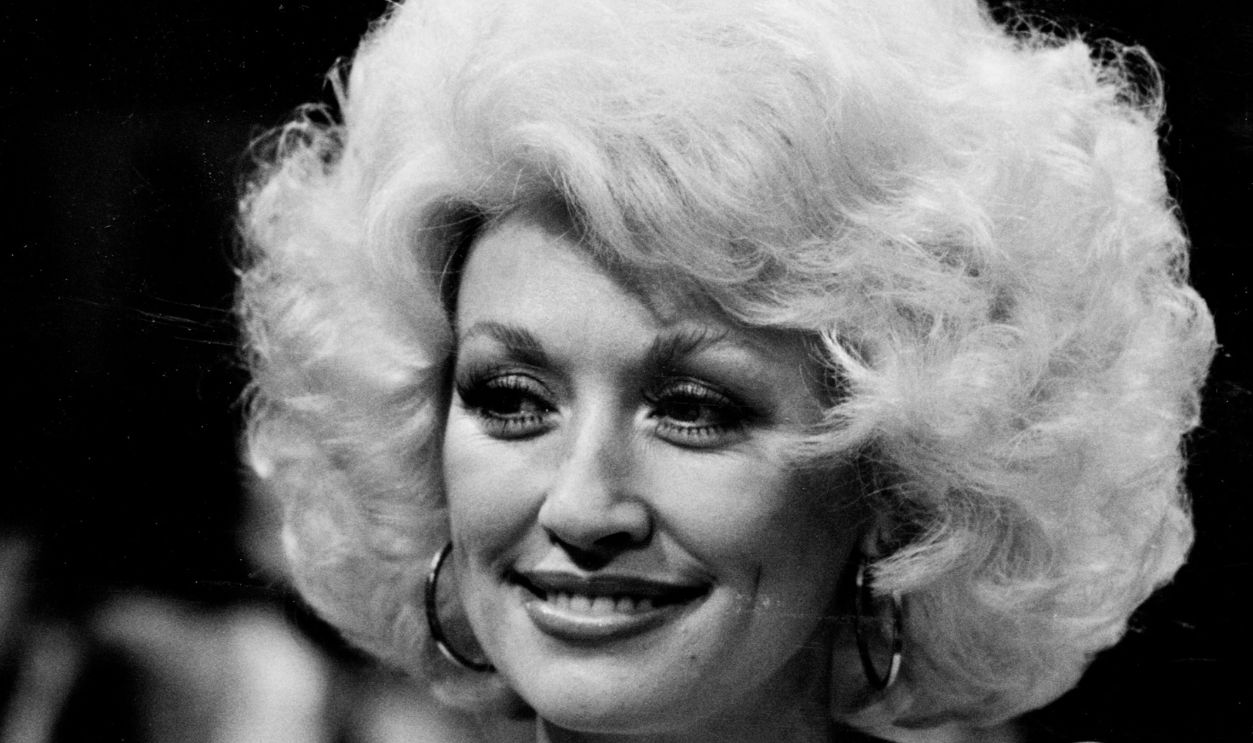
A National Platform
In 1967, she joined The Porter Wagoner Show, gaining national exposure. It introduced her to audiences across the country and helped her develop a public identity, even if she was initially seen as a supporting act.
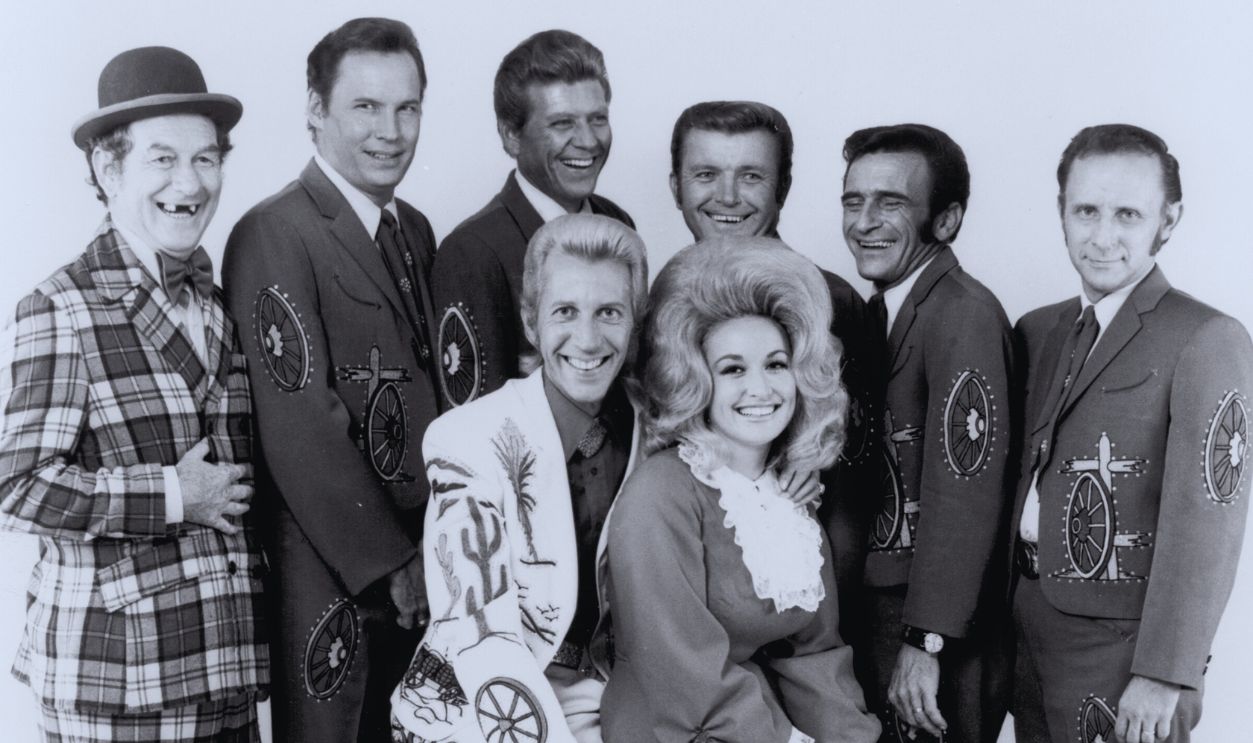 Michael Ochs Archives, Getty Images
A Song That Defined Her
“Jolene,” released in 1973, became a defining hit. Its simplicity and emotional clarity stood out, proving her ability to turn personal storytelling into something widely relatable and enduring.
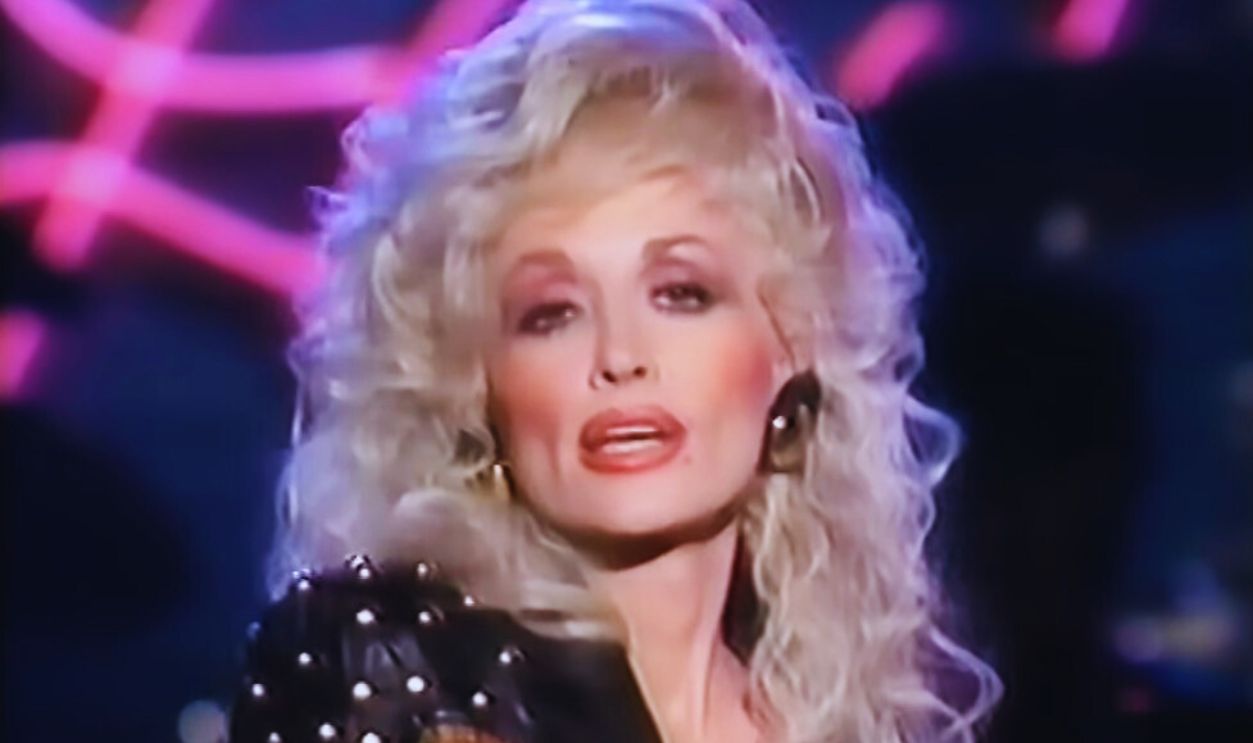 Screenshot from Jolene, RCA Records (1974)
Stepping Out On Her Own
Leaving Wagoner’s show was a calculated risk. It meant losing steady exposure, but it gave her independence. That decision allowed her to build a solo career based on her own voice and creative direction.
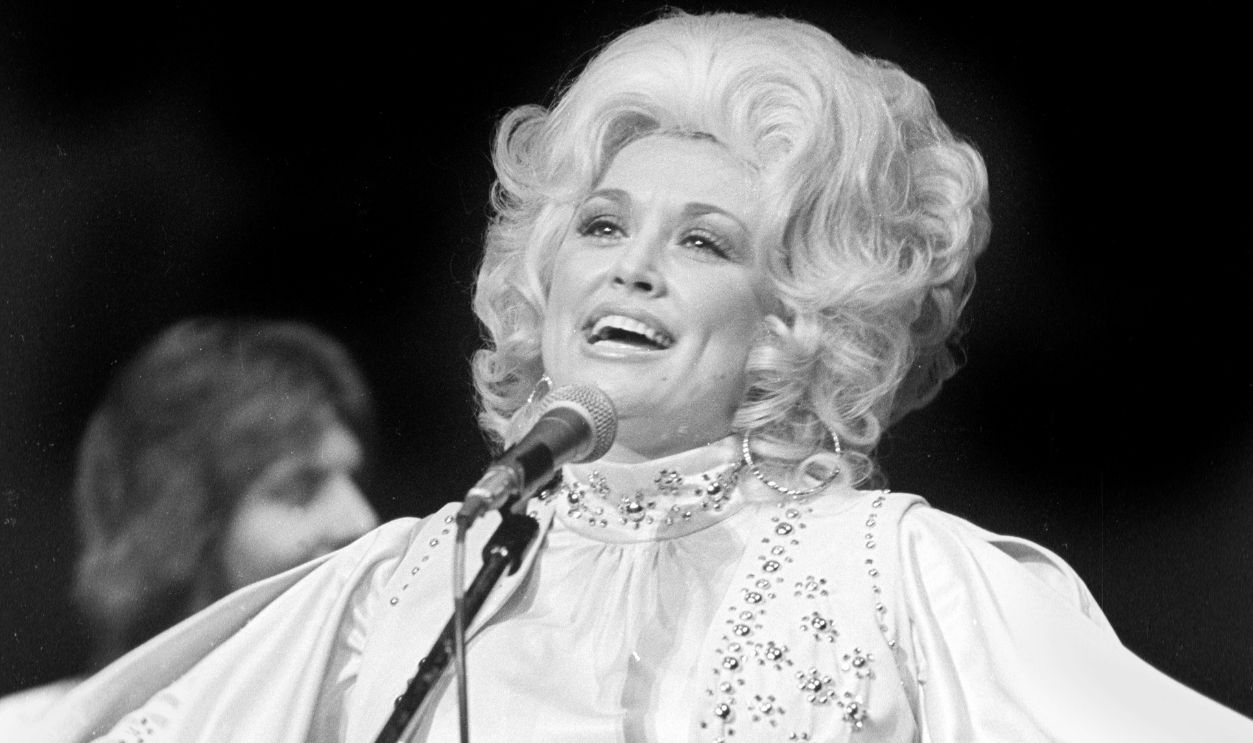
Crossing Into The Mainstream
By the late 1970s, Dolly moved beyond country into pop music. Songs like “Here You Come Again” expanded her audience and showed she could succeed outside traditional genre boundaries. It also garnered a nomination at the American Music Awards.
But music wasn't the only talent Dolly had up her sleeve.
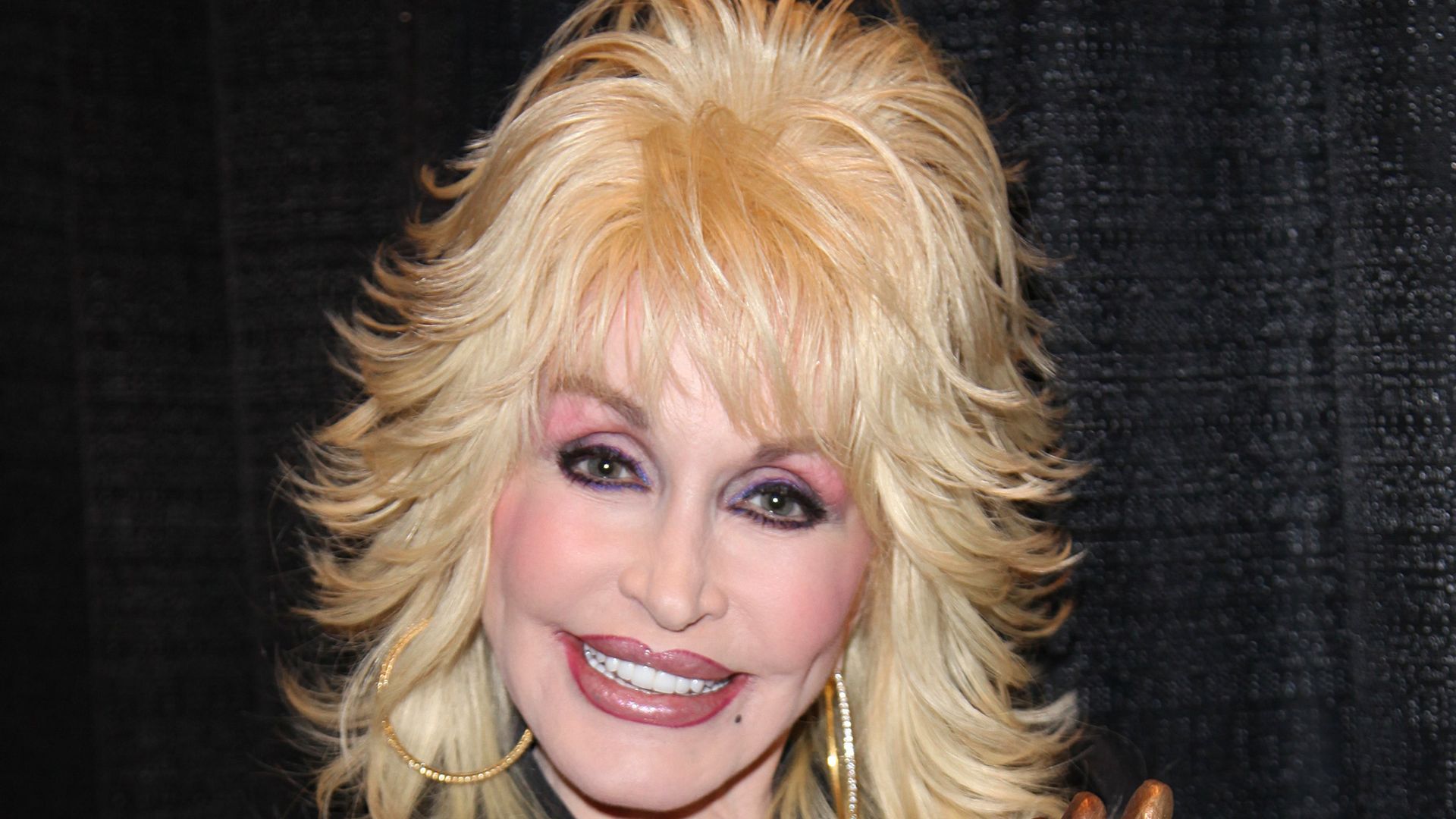 Curtis Hilbun, Wikimedia Commons
From Music To Movies
Dolly's role in 1980's 9 to 5 introduced her to a broader audience. The film and its theme song were both major successes, reinforcing her status as more than just a country artist.
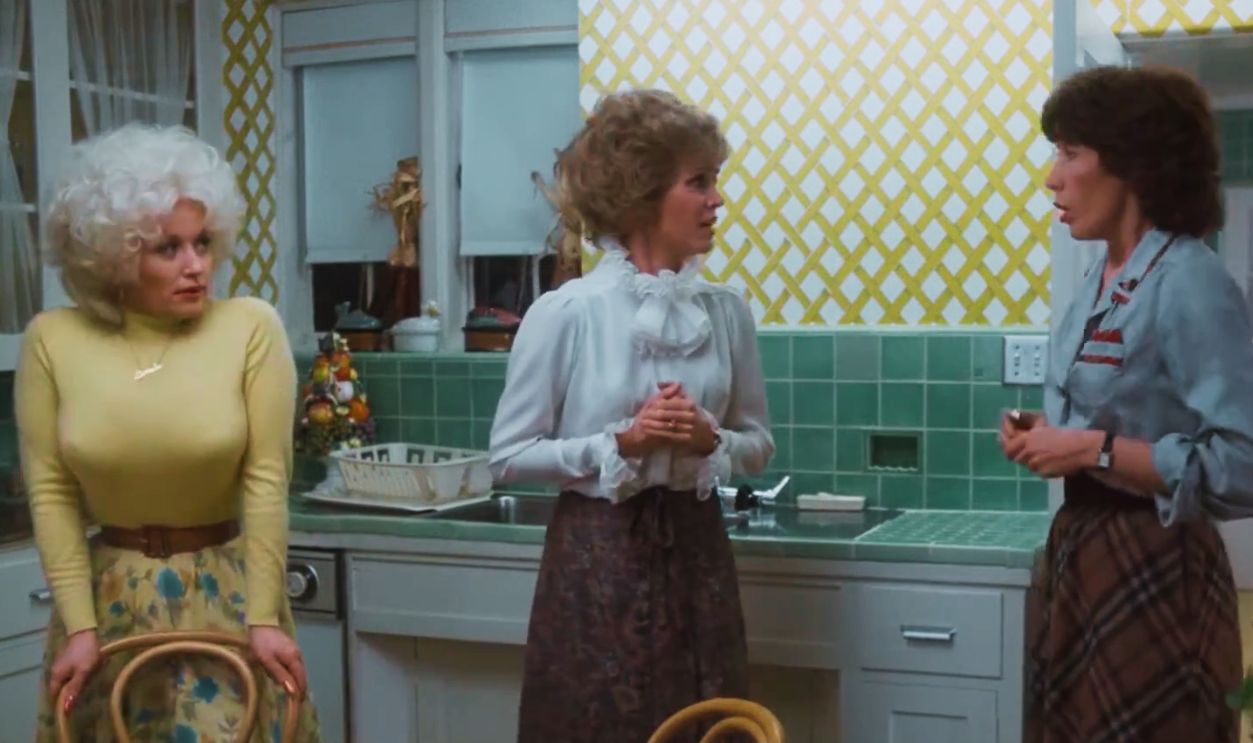 Screenshot from 9 to 5, 20th Century Fox (1980)
Turning Success Into Security
Dolly made deliberate business decisions, including retaining rights to her music. That control allowed her to build long-term financial stability, something her childhood made her determined to achieve.
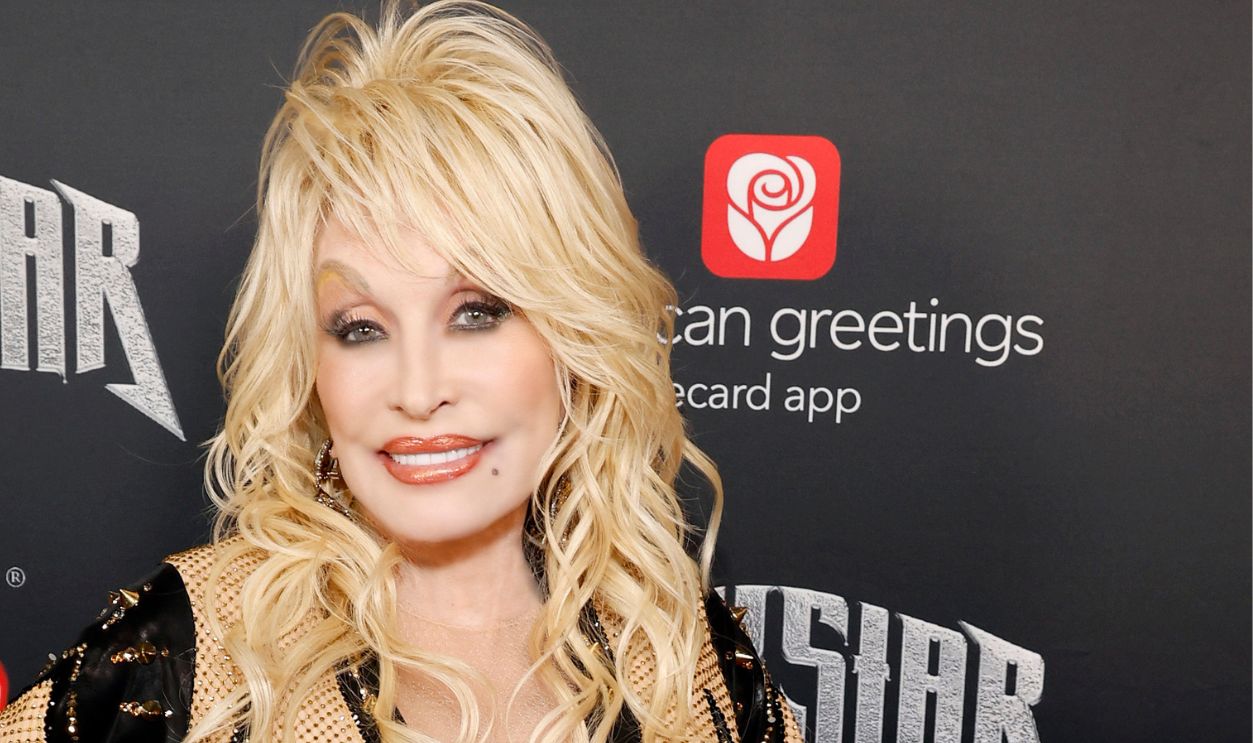
Poverty Shaped Her Priorities
Growing up without money made her practical and forward-thinking. Dolly didn’t just want success, she wanted control and security, ensuring she would never return to the conditions she grew up in.
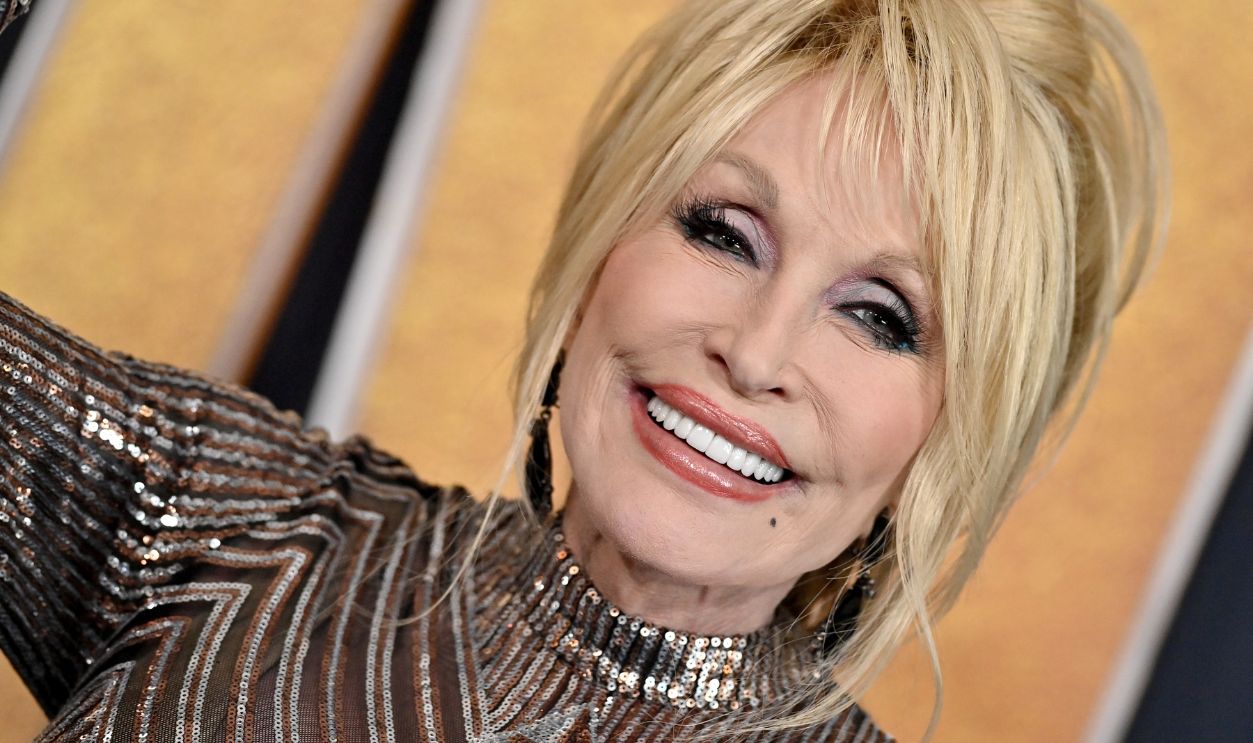 Axelle/Bauer-Griffin, Getty Images
Why Books Became Her Mission
Her father’s inability to read stayed with her. It shaped how she thought about opportunity, and it became the driving force behind one of her most important contributions outside of music.
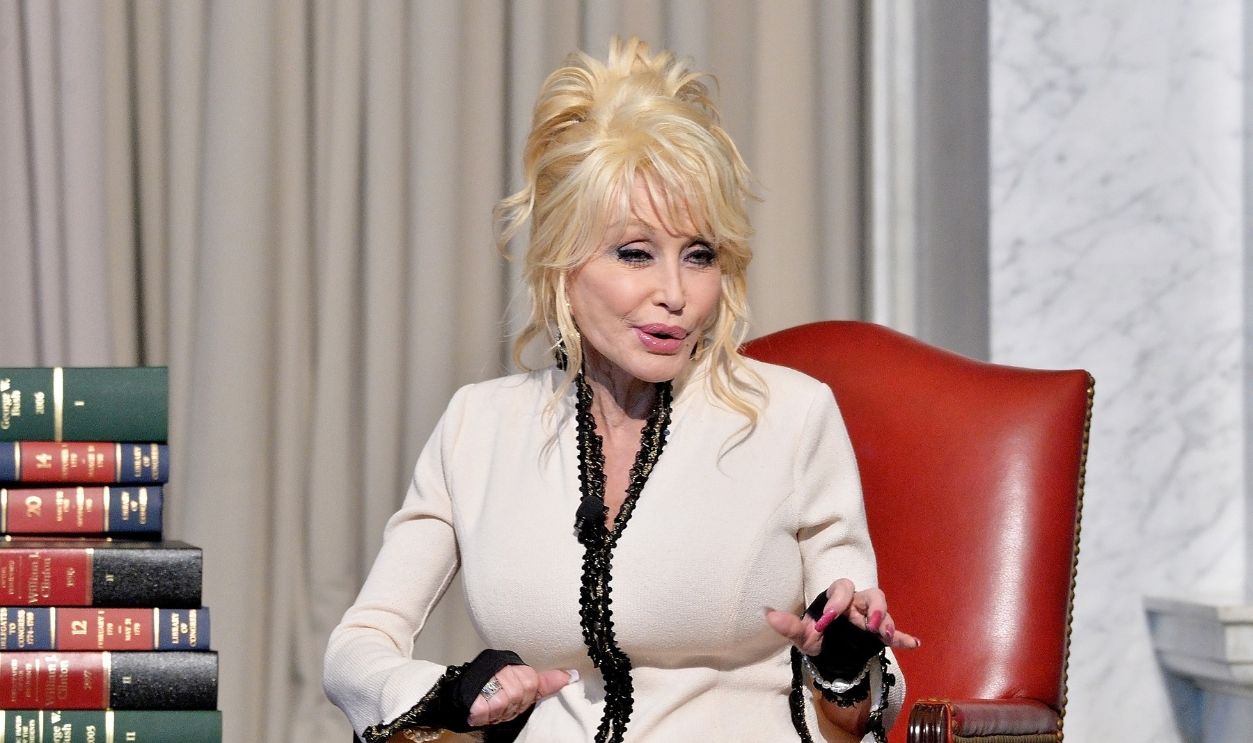
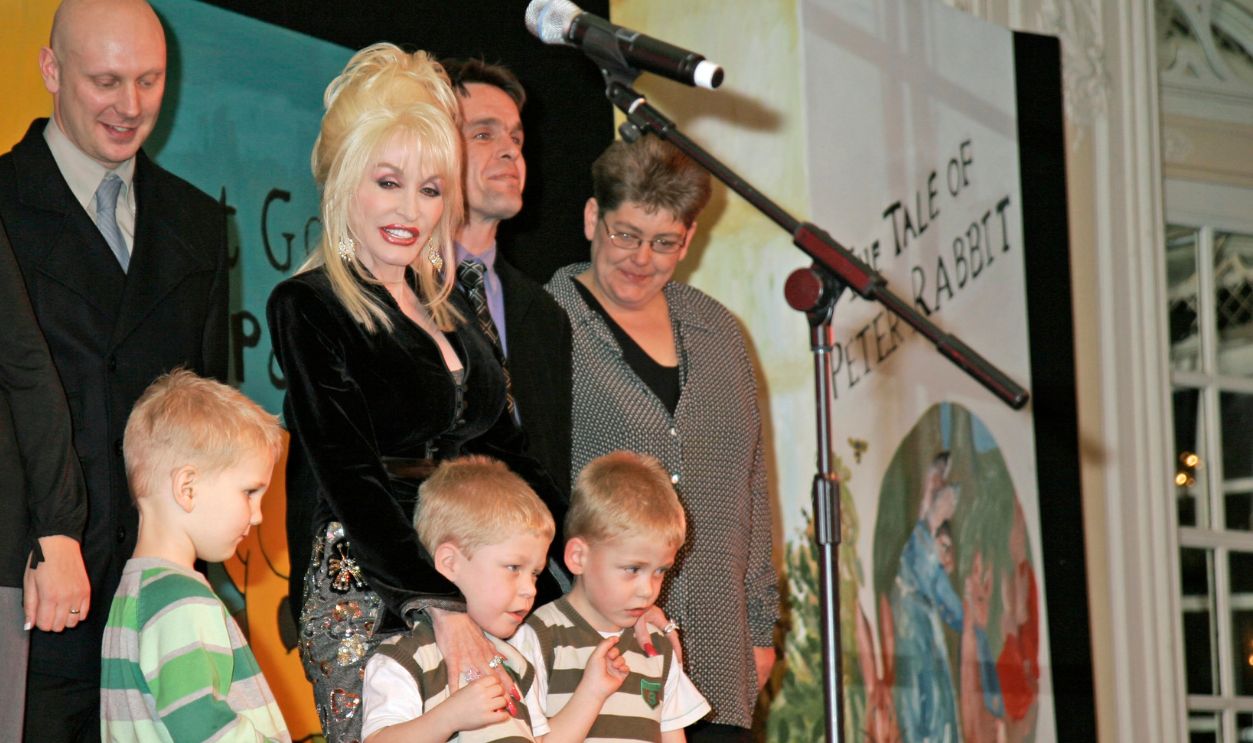
The Imagination Library
In 1995, she created the Imagination Library, sending free books to children from birth to age five. The goal was simple: remove barriers to literacy and give children access to something she knew could change their future.
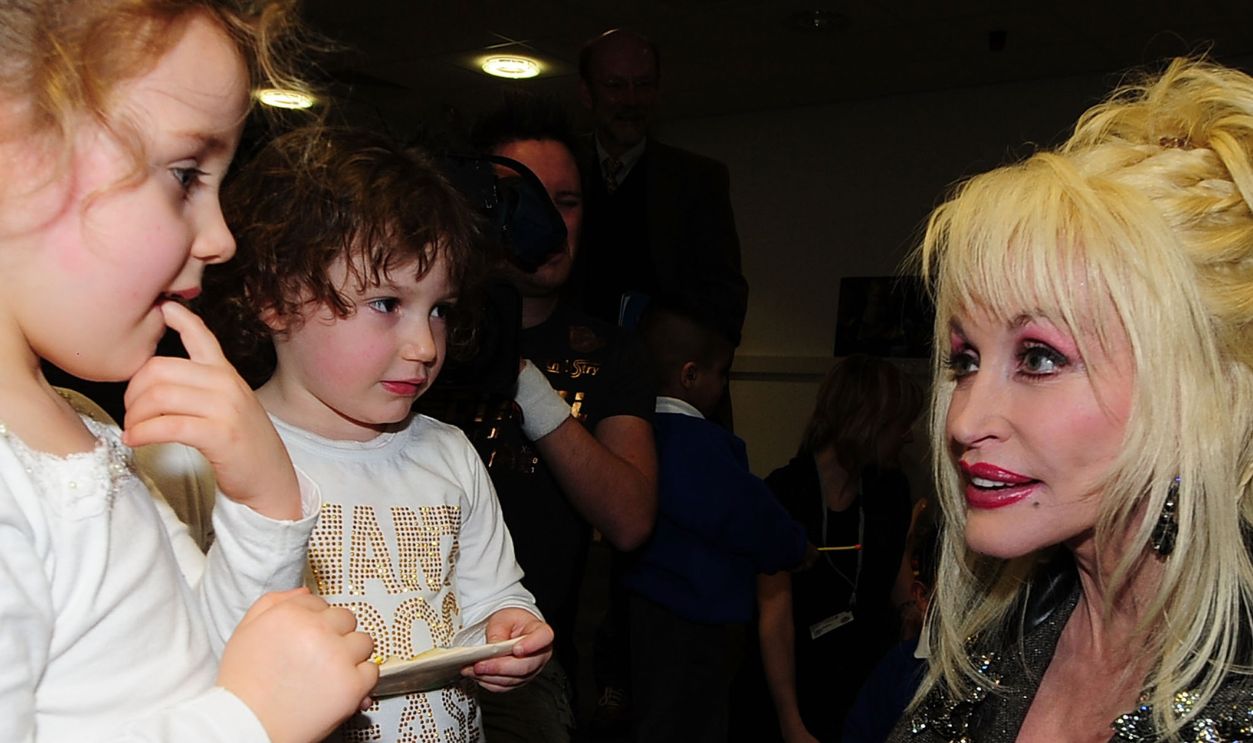
A Global Impact
The program has distributed hundreds of millions of books worldwide. It focuses on early access to reading and is available to everyone. Completely universal, there is no income requirement. Anyone in need can partake.
Helping When It Matters Most
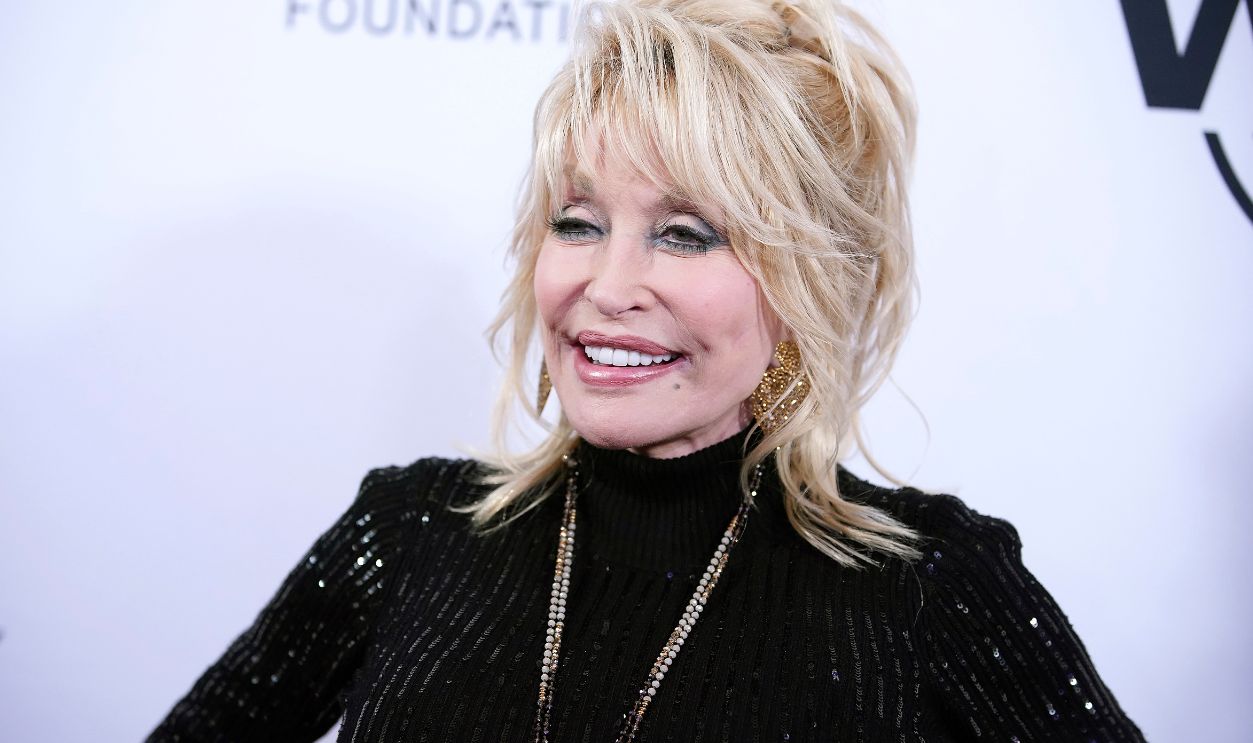
After the 2016 wildfires in Tennessee, Dolly created the My People Fund, providing financial support to families who lost their homes. It reflected her tendency to respond quickly and directly to real needs.
More Than A Career
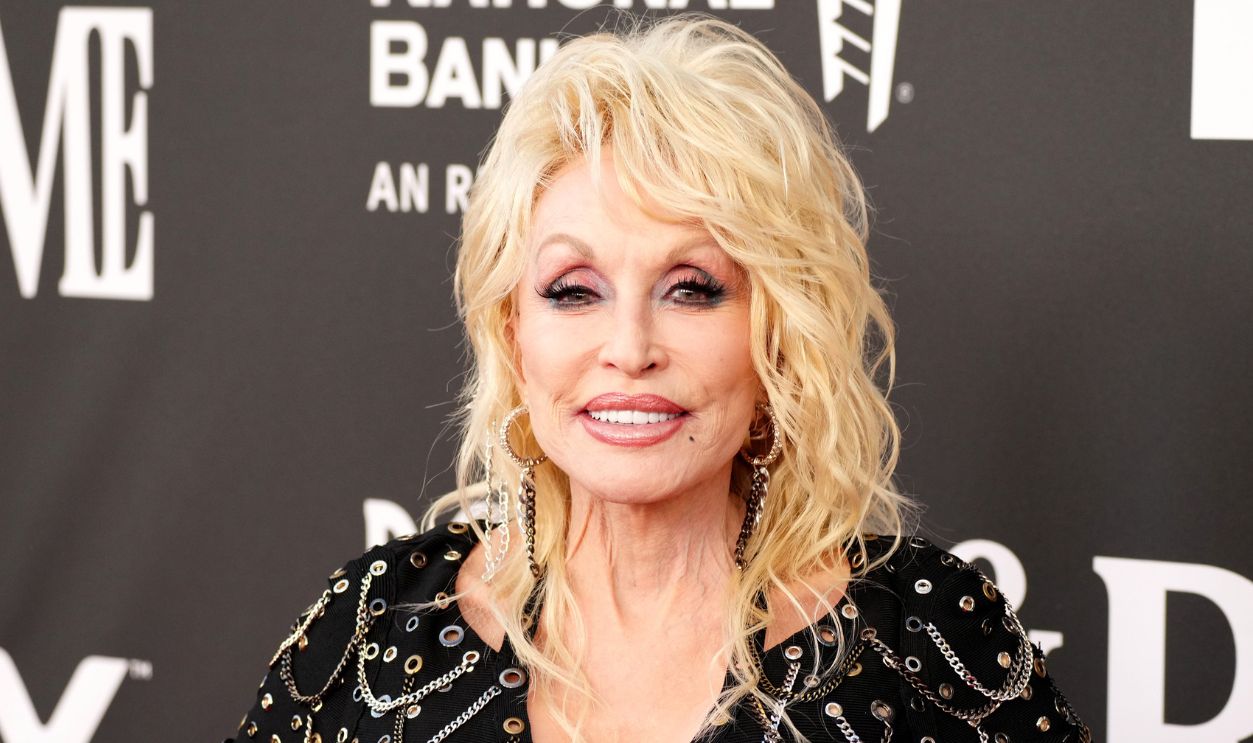
Dolly Parton didn’t just rise out of poverty, she carried its lessons with her. Her success is built on talent and persistence, but her legacy comes from how she used it to create opportunity for others. Her resilience proves that difficult roots can often lead to a more glorious trajectory in life.
You May Also Like:
Brilliant Folk Songs That Captured The Heart Of America
Singer-Songwriters So Good They Could’ve Made A Fortune Writing For Everyone Else