Stories, Struggles, And Songs That Still Echo
Folk music has always belonged to the people. It carries protest, heartbreak, humor, faith, and history in melodies simple enough for anyone to sing but powerful enough to move generations. Whether born from traditional roots or written during the great folk revival of the 20th century, these songs endure because they tell the truth plainly. They feel lived in and shared. And decades later, they still sound like they matter.
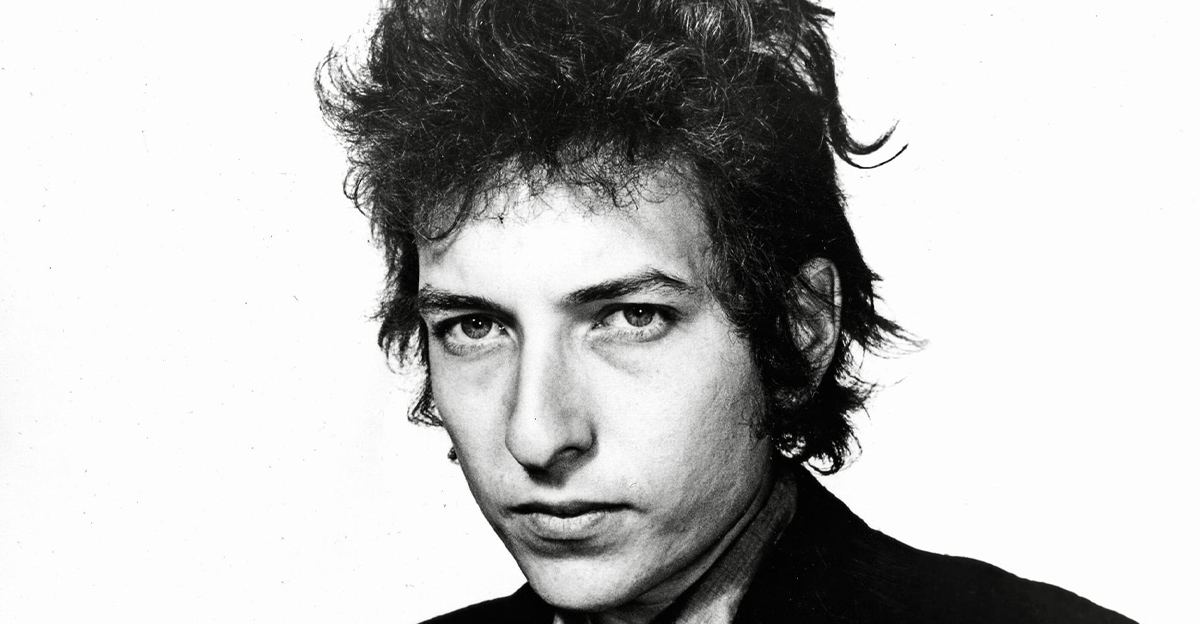 Daniel Kramer (Albert Grossman Management), Wikimedia Commons
"This Land Is Your Land" – Woody Guthrie
Written in 1940 as a response to the overly sentimental “God Bless America,” Woody Guthrie’s anthem celebrates shared ownership of the American landscape while quietly critiquing inequality. Often sung in schools in a simplified form, its original verses addressed poverty and exclusion. Its melody is welcoming, but its message carries deeper social weight.
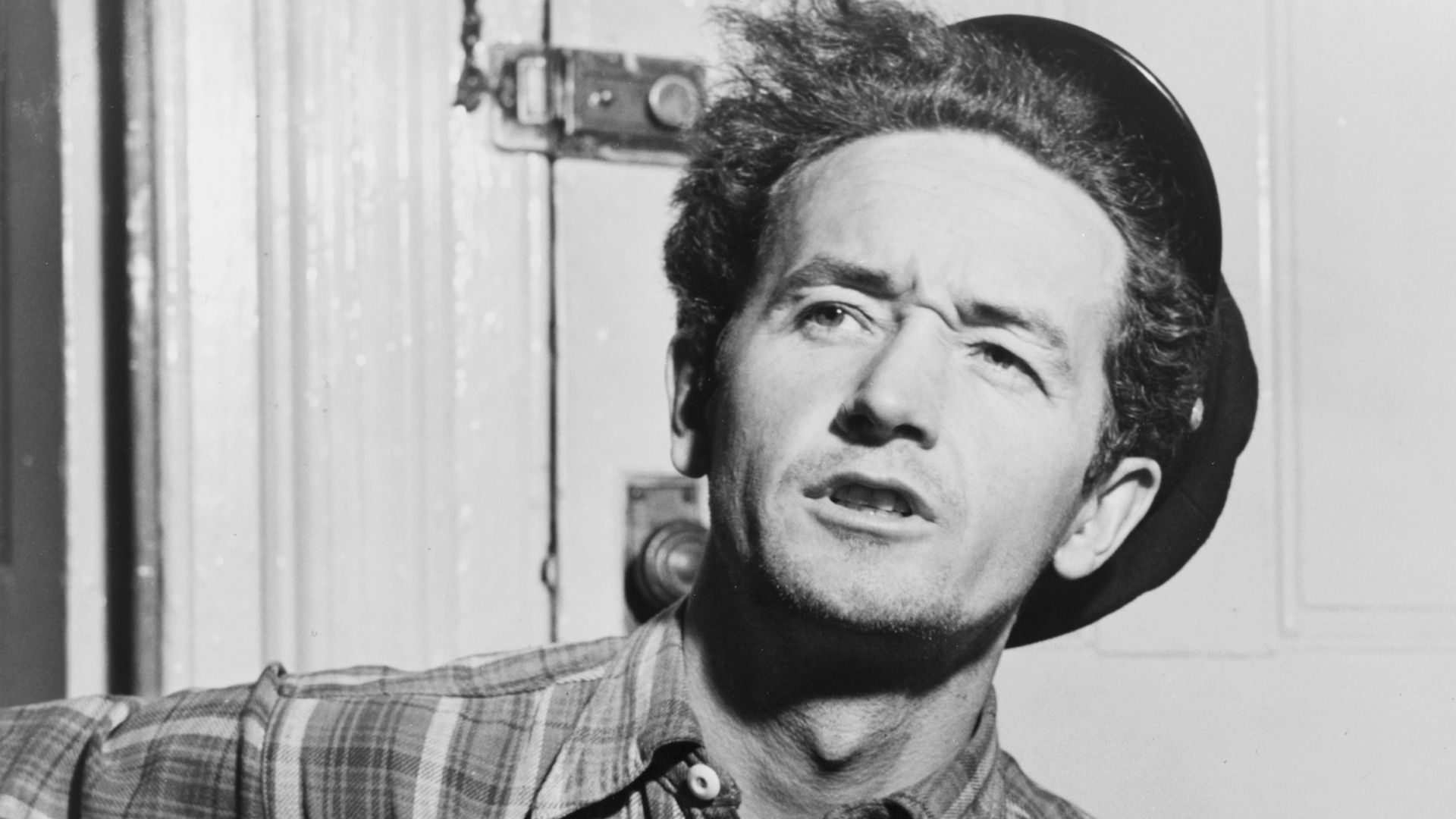 New York World-Telegram and the Sun staff photographer: Al Aumuller, Wikimedia Commons
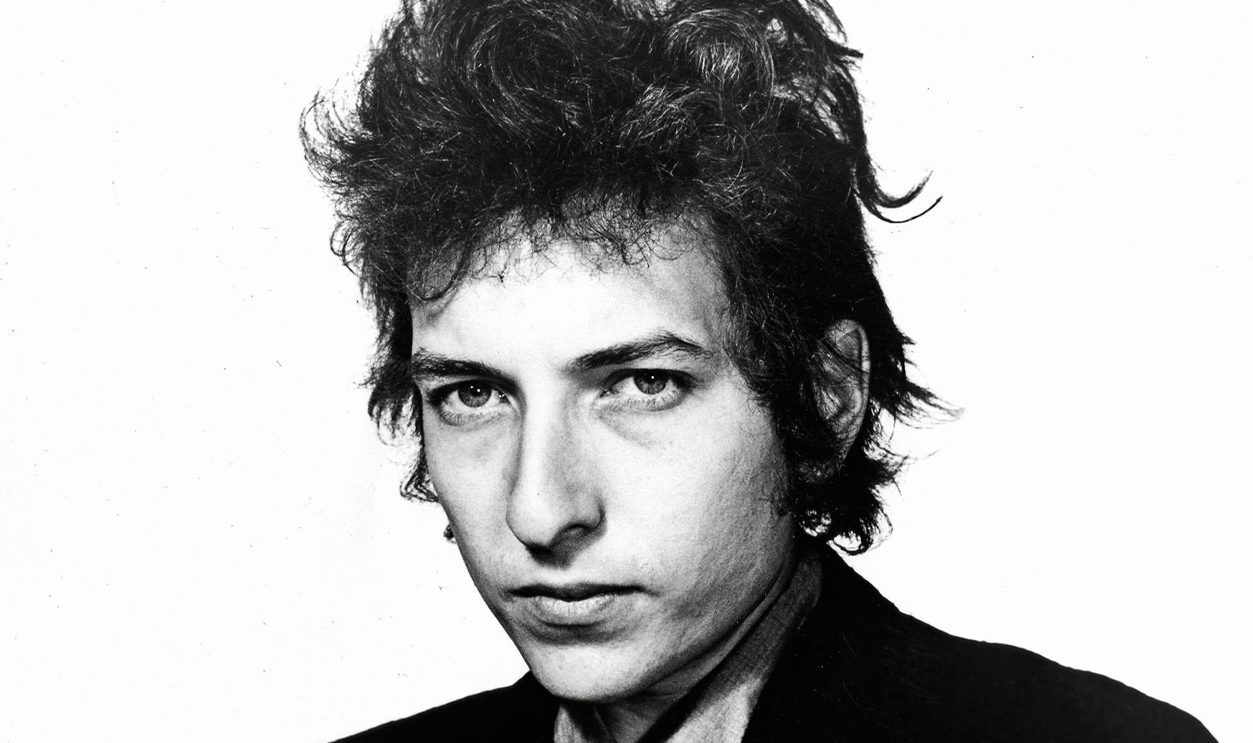
"Blowin' In The Wind" – Bob Dylan
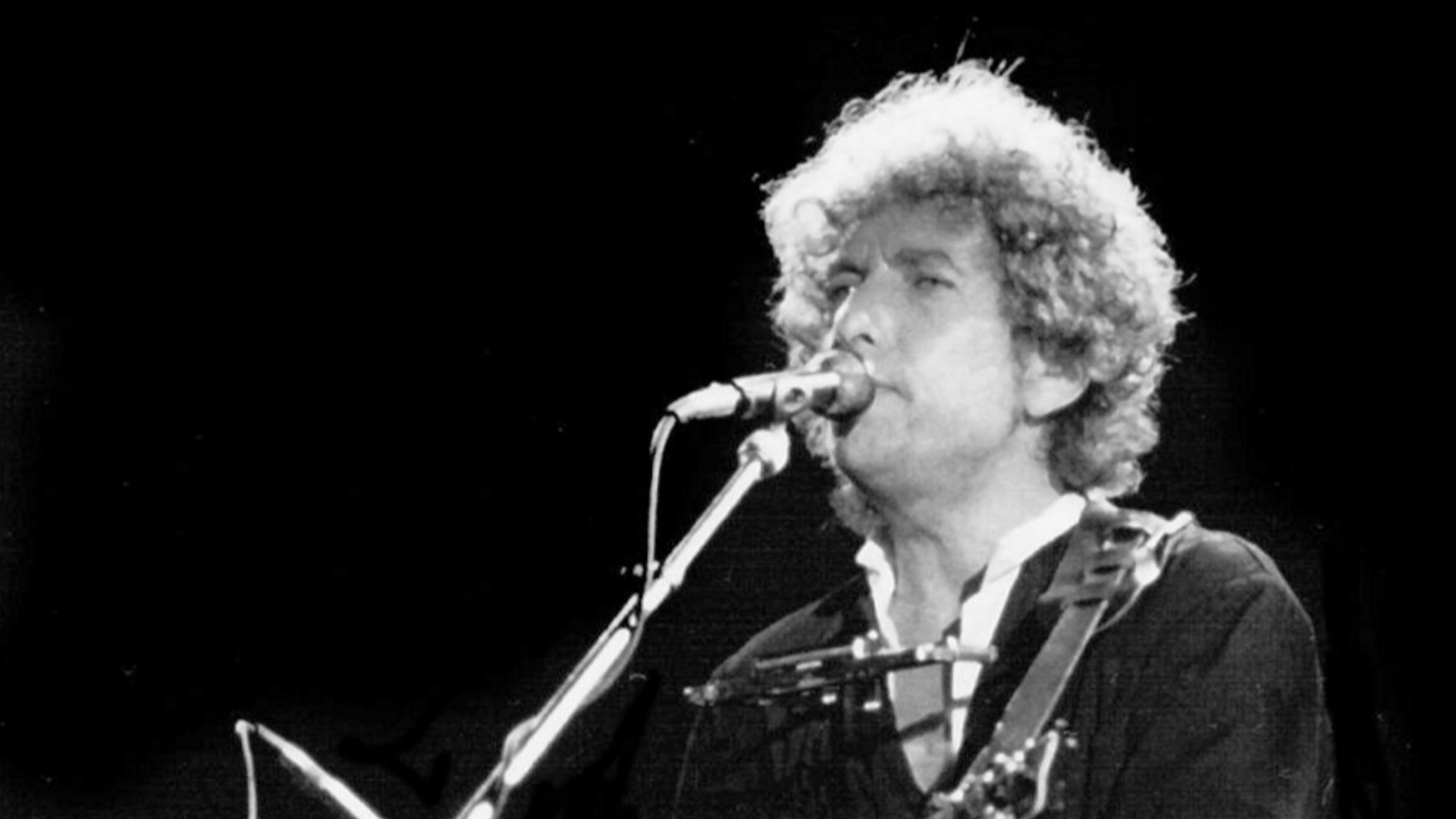
Bob Dylan wrote this in 1962, posing a series of rhetorical questions about war, freedom, and civil rights. The song became an anthem of the 1960s protest movement, especially after Peter, Paul and Mary popularized it. Its simplicity is its power, offering no direct answers but inviting listeners to confront uncomfortable truths.
"City Of New Orleans" – Steve Goodman
Steve Goodman wrote this reflective travel song about a fading passenger train line, capturing both nostalgia and quiet social commentary. The imagery of rural America drifting past the window feels intimate and cinematic. Later recorded by artists like Arlo Guthrie and Willie Nelson, it remains one of the most beloved modern folk compositions.
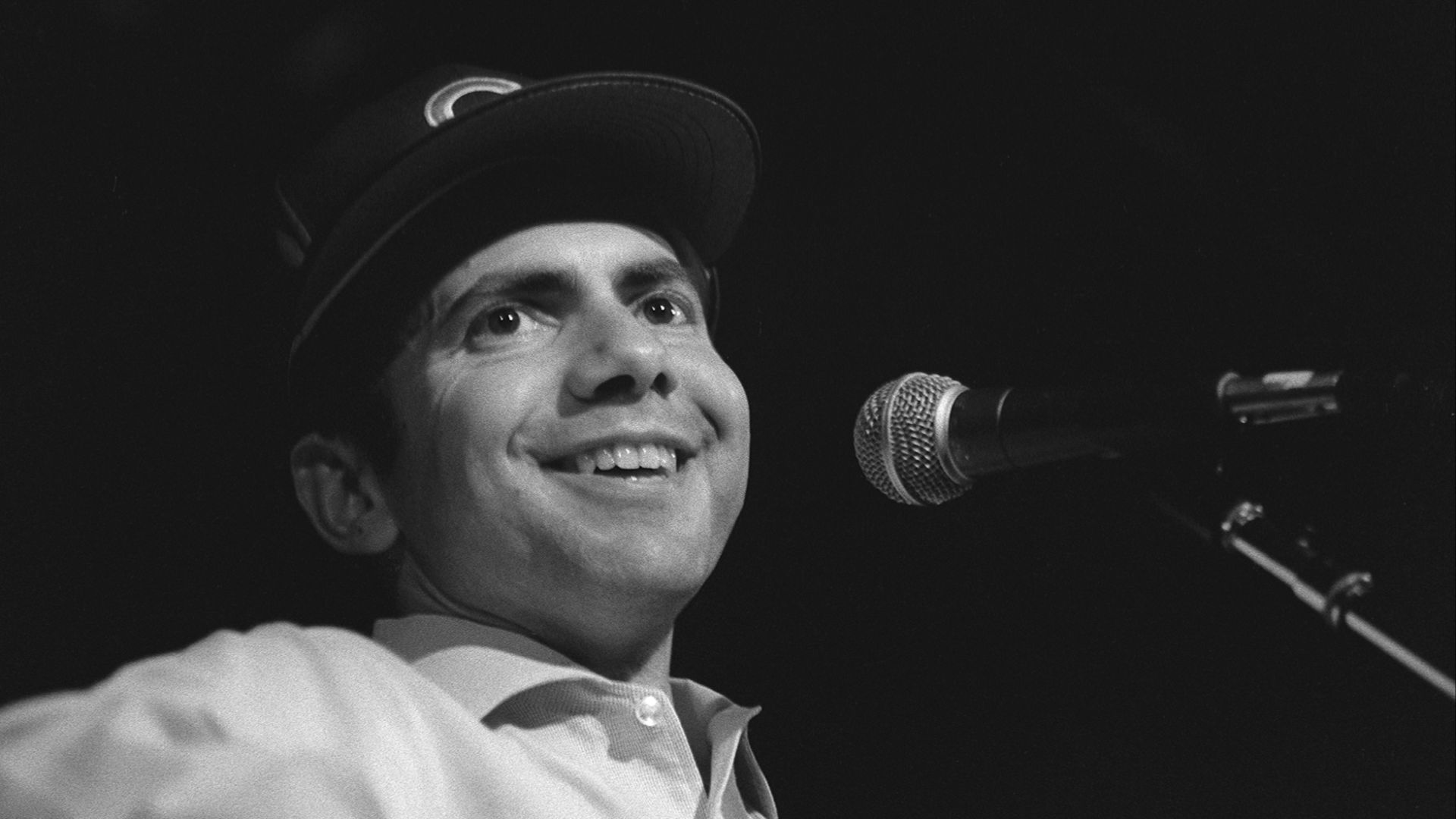 David Gans (Flickr user dgans, https://www.dgans.com/), Wikimedia Commons
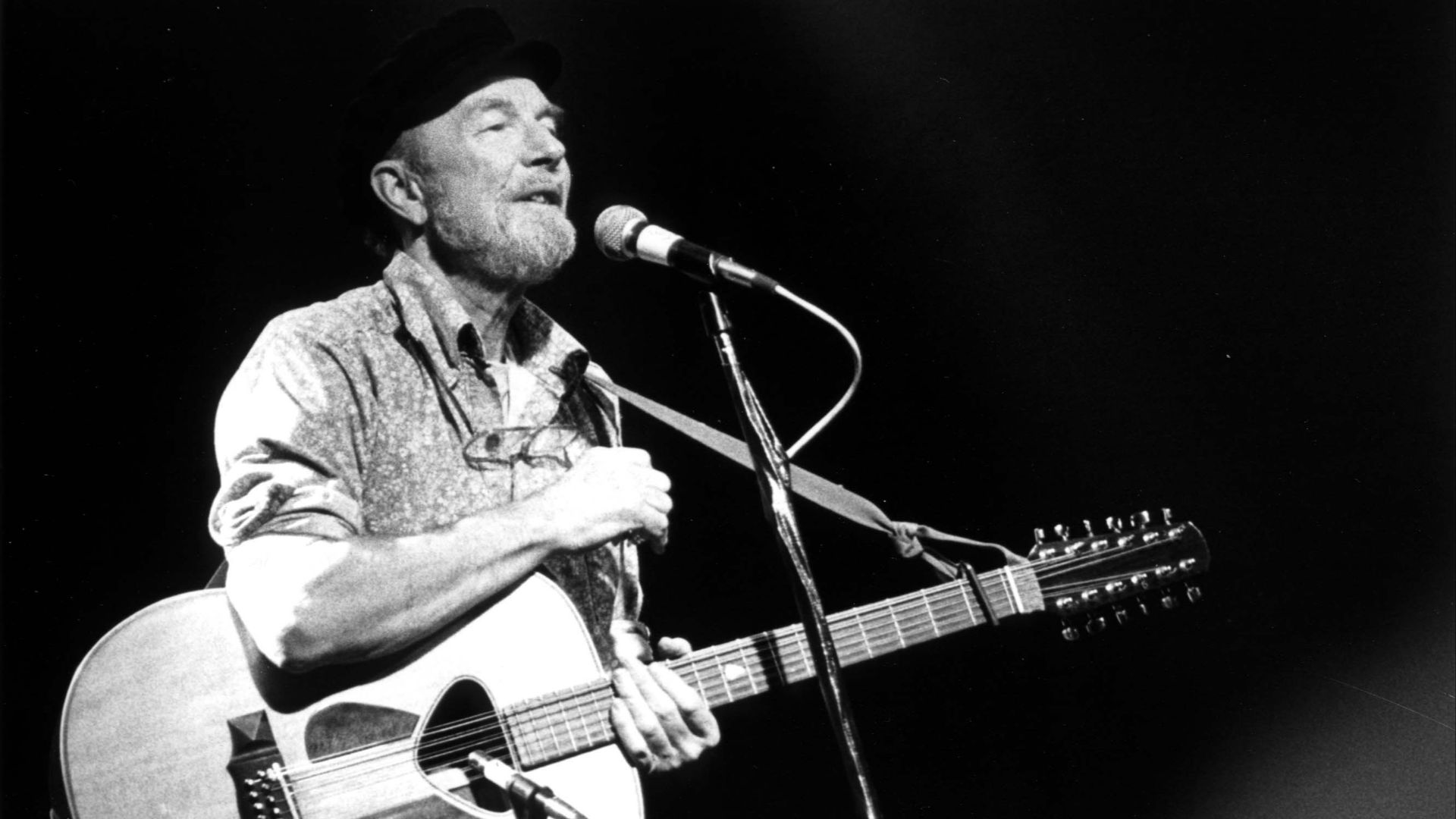
"If I Had A Hammer" – Pete Seeger
Originally written by Pete Seeger and Lee Hays in 1949, the song became widely known during the civil rights era. Its hammer, bell, and song symbolize justice and freedom. The straightforward chorus invites communal singing, which helped cement it as a rallying cry for equality and collective action.
 Josef SCHWARZ, Wikimedia Commons
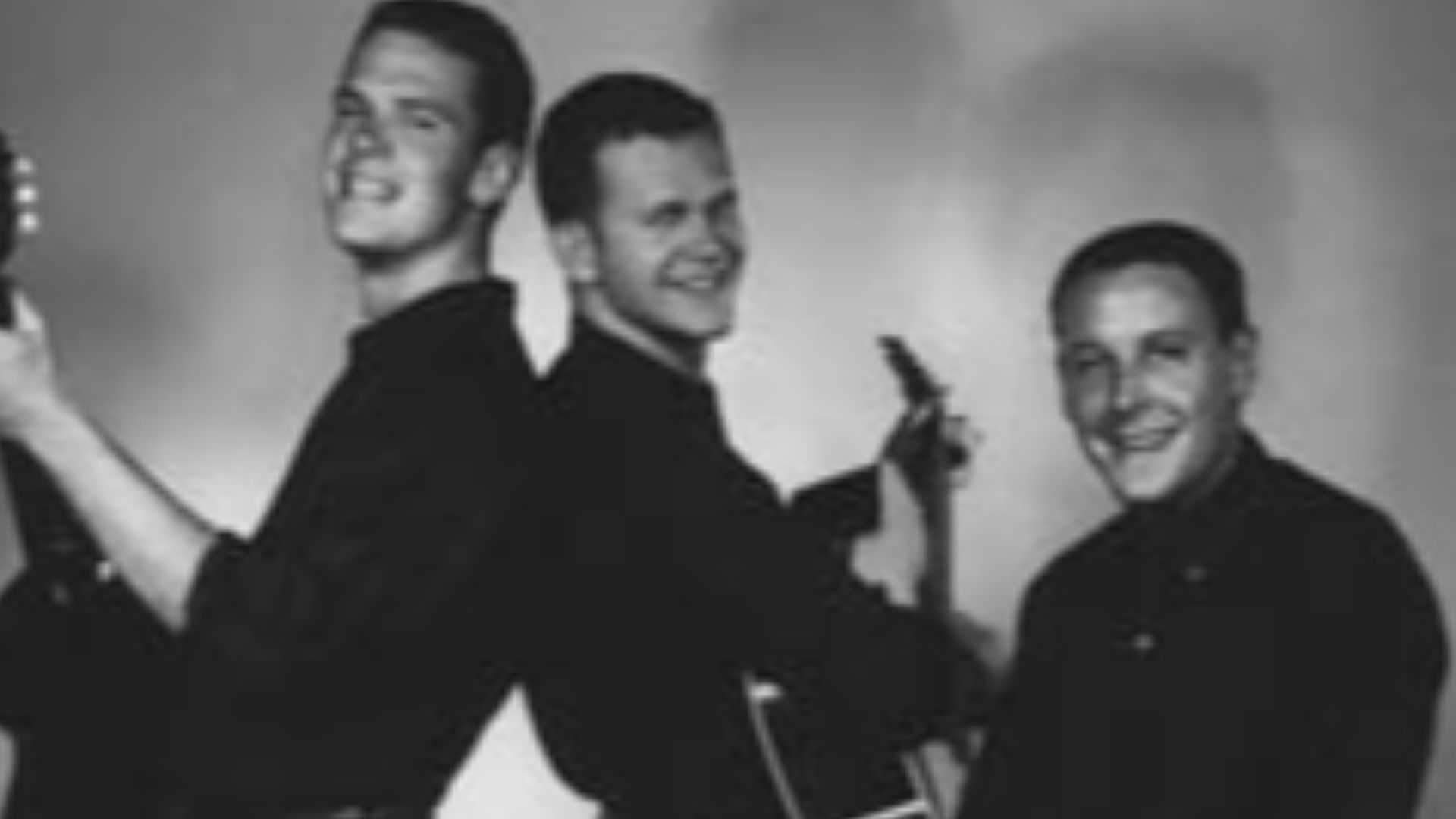
"Where Have All The Flowers Gone" – The Kingston Trio
Adapted from a Pete Seeger composition rooted in traditional lyrics, this song traces a haunting cycle of love and loss through generations. The repetition mirrors the endless pattern of war and mourning. Its gentle melody contrasts with the heavy subject matter, making its anti-war message quietly devastating.
 Unknown authorUnknown author, Wikimedia Commons
"Early Morning Rain" – Gordon Lightfoot
Gordon Lightfoot wrote this song after watching airplanes from an airport fence in Los Angeles while feeling homesick and broke. The lyrics capture longing and restlessness with vivid imagery. Its gentle guitar progression underscores the melancholy of someone stuck between destinations, both physically and emotionally.

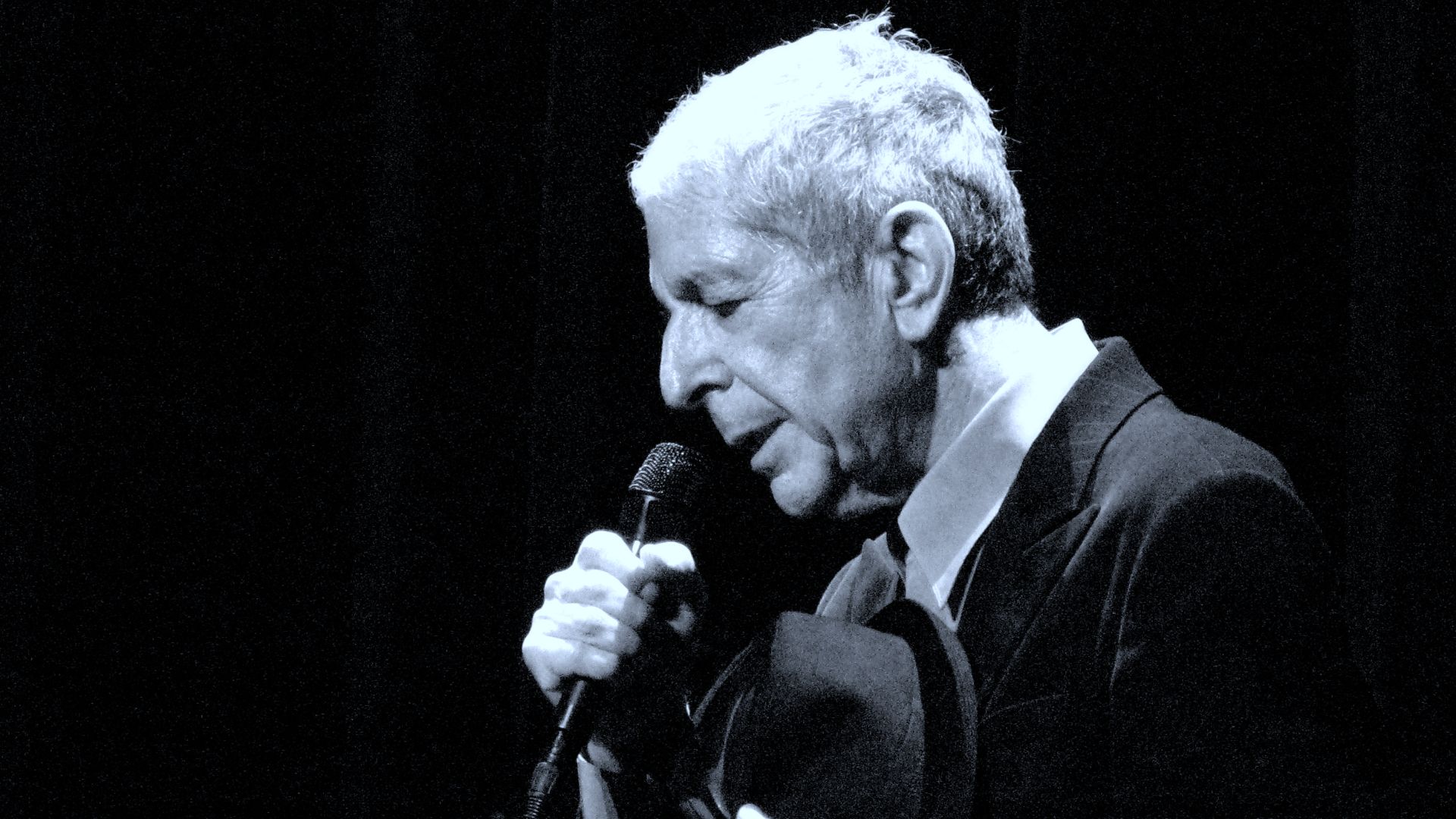
"Suzanne" – Leonard Cohen
Leonard Cohen’s “Suzanne” blends spiritual imagery with intimate storytelling. The song paints a portrait of a woman who leads the narrator through both romantic and mystical reflection. Its poetic lyrics and understated melody helped establish Cohen as one of folk music’s most literary voices.
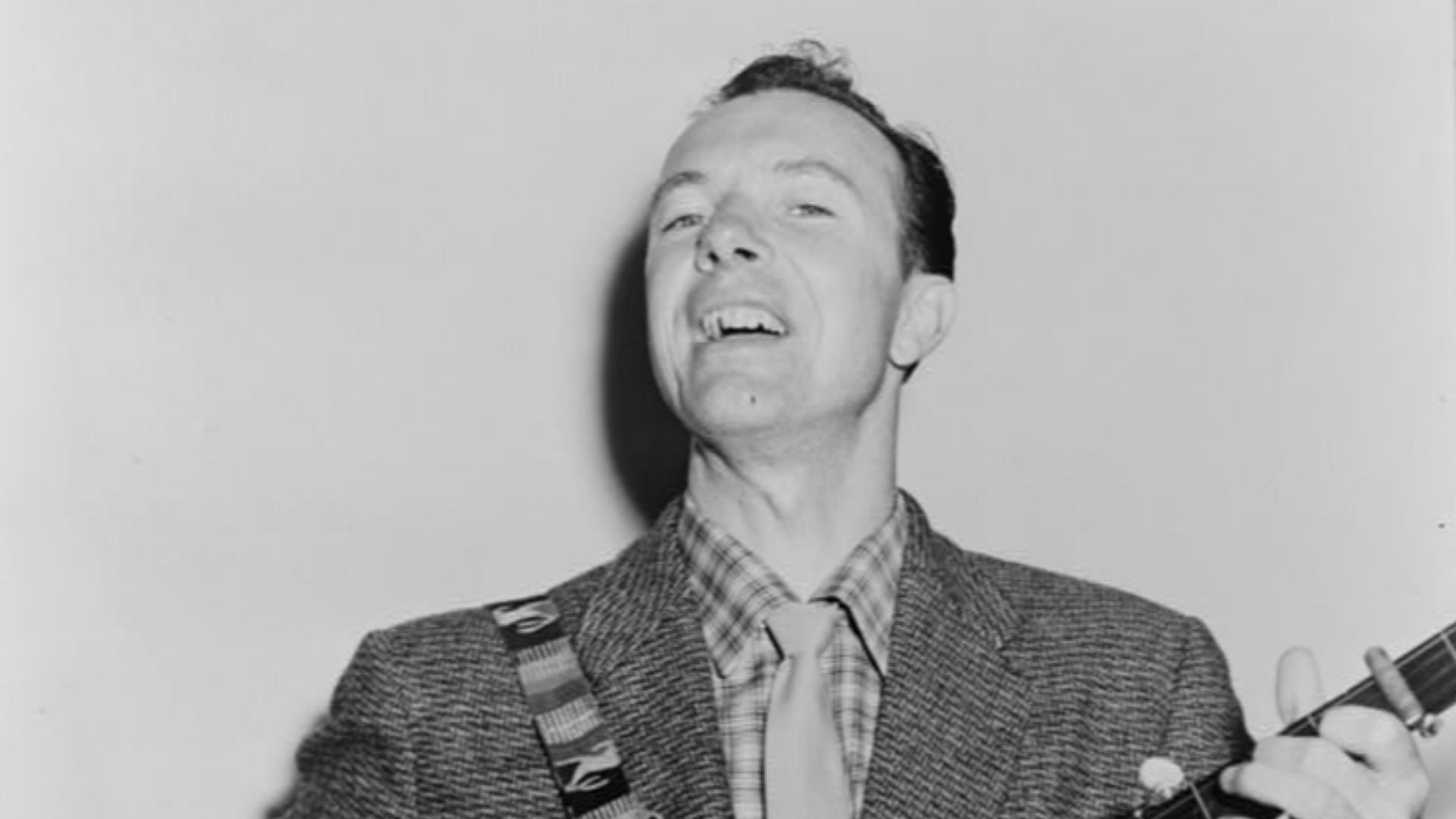
"We Shall Overcome" – Pete Seeger
Rooted in gospel tradition and popularized during the civil rights movement, this song became a unifying anthem for peaceful protest. Pete Seeger helped spread it widely, emphasizing its message of perseverance and hope. Its slow, steady cadence invites collective voices to rise together.
 The Library of Congress, Wikimedia Commons
"Four Strong Winds" – Ian And Sylvia
Written by Ian Tyson and recorded in 1963, this song reflects themes of distance and fractured relationships. Its sparse arrangement allows the melancholy lyrics to breathe. The imagery of prairie winds reinforces the emotional separation at the heart of the song.
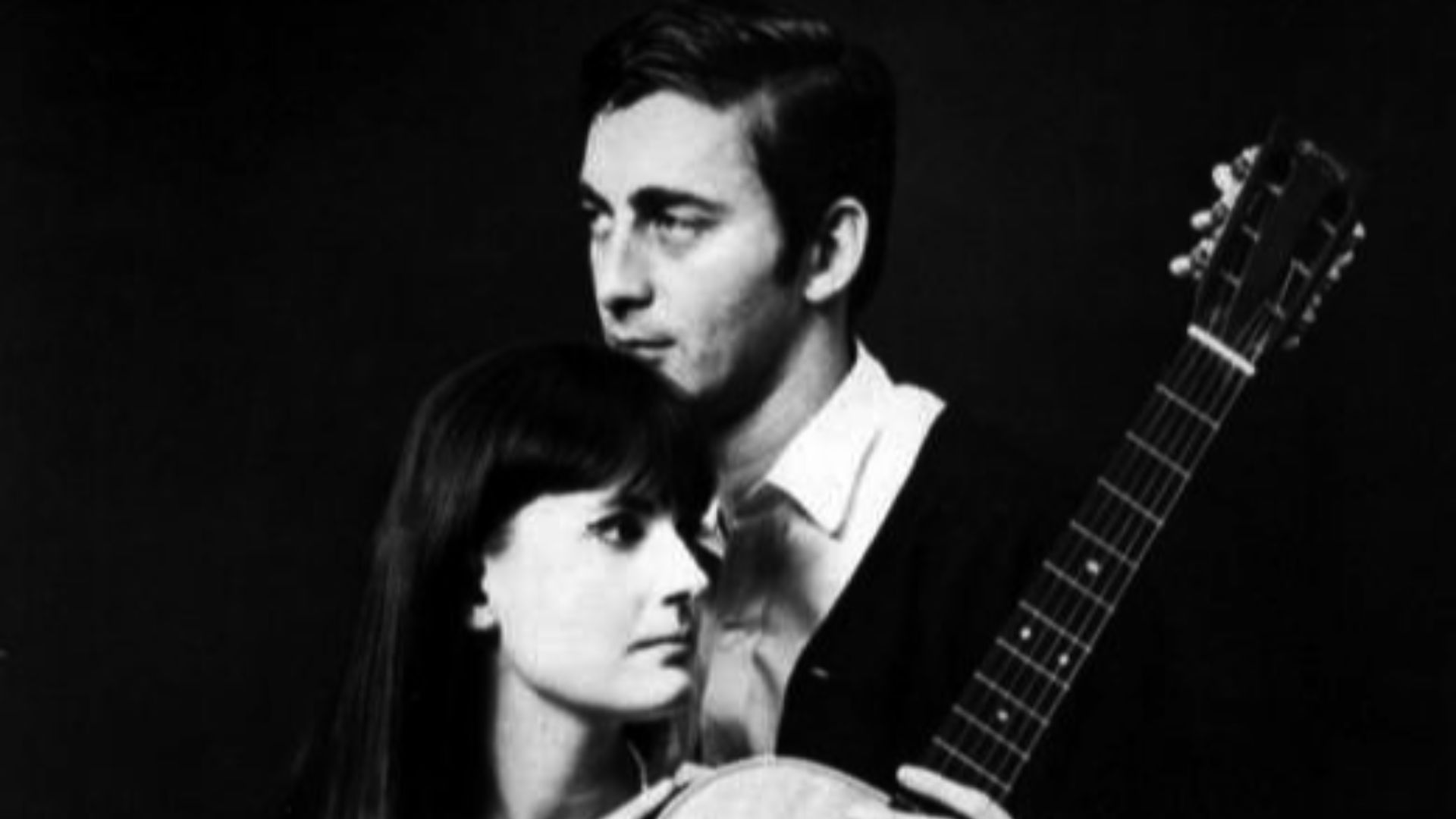 ITA/Albert Grossman (management), Wikimedia Commons
"Last Thing On My Mind" – Tom Paxton
Tom Paxton wrote this quietly devastating farewell song in the early 1960s. Rather than dramatizing heartbreak, it reflects on misunderstanding and regret with restraint. The conversational tone and simple melody make it feel deeply personal and relatable.
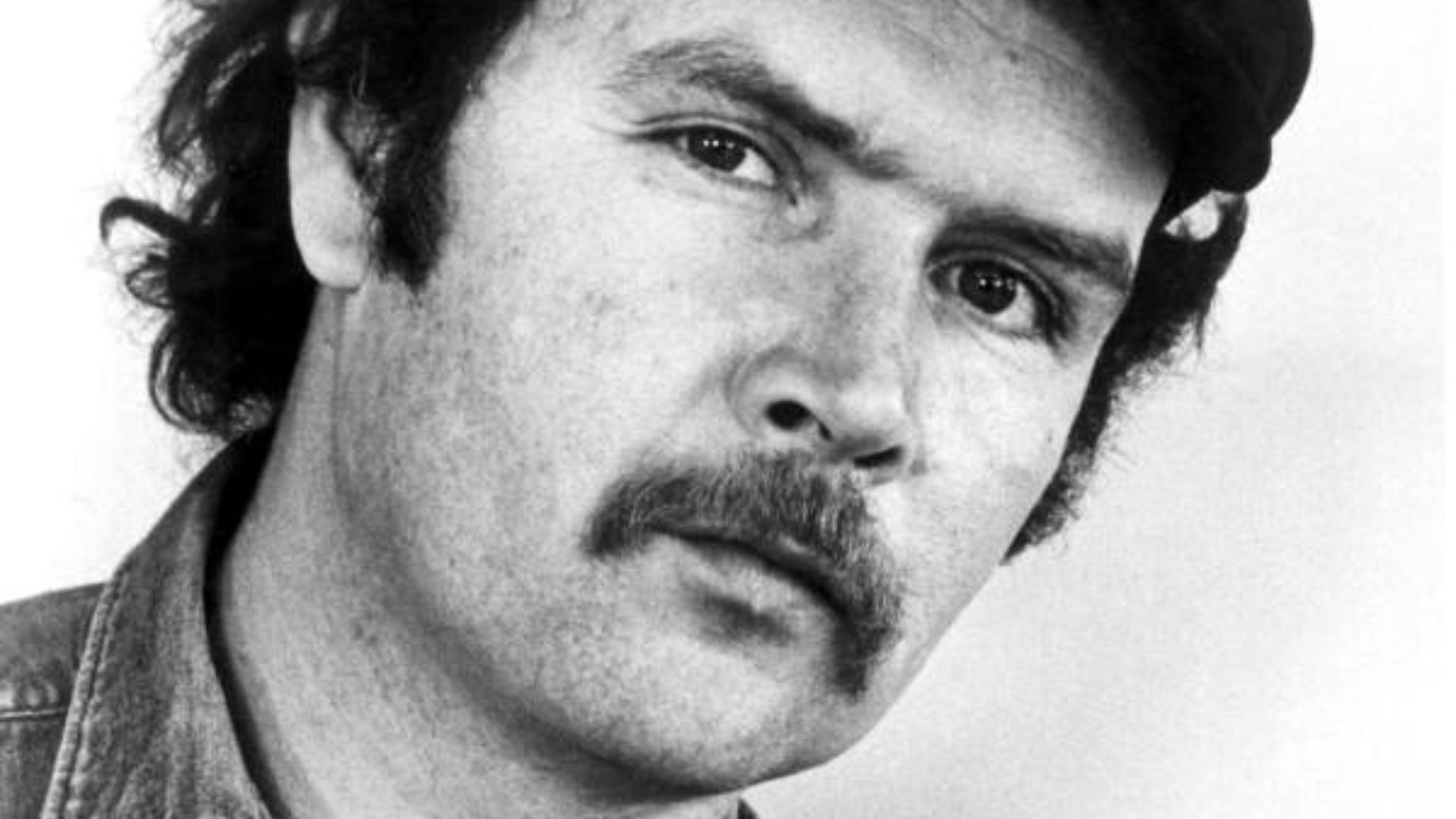 State Library and Archives of Florida, Wikimedia Commons
"The Circle Game" – Joni Mitchell
Joni Mitchell wrote this song in response to Neil Young’s “Sugar Mountain.” It reflects on the passage of time and the inevitability of change. With poetic imagery and gentle acoustic arrangement, Mitchell captures both the innocence of youth and the wisdom that comes with aging.
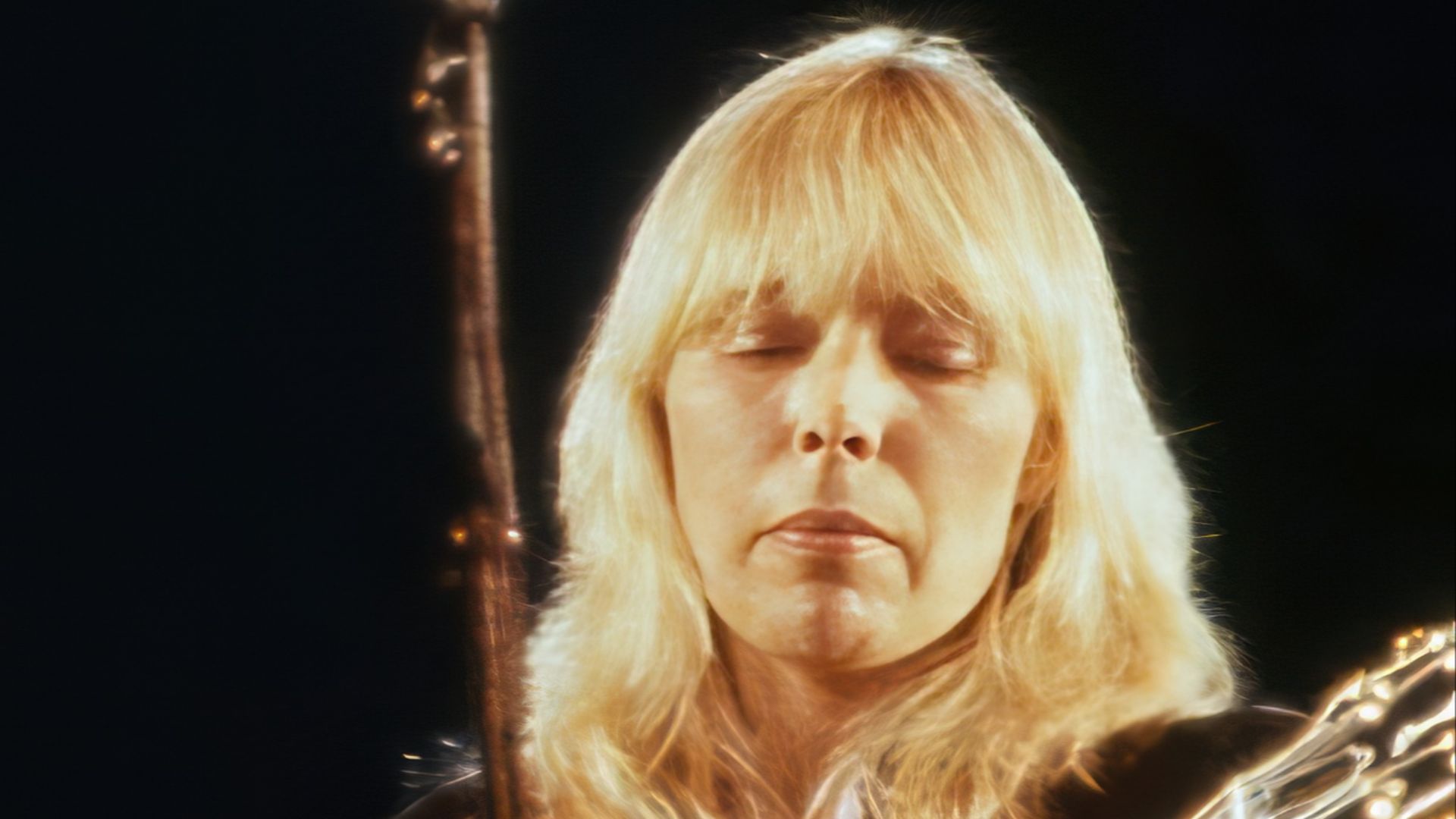
"Tom Dooley" – The Kingston Trio (Traditional)
Based on a 19th-century murder ballad, “Tom Dooley” brought traditional Appalachian storytelling into mainstream popularity in 1958. The Kingston Trio’s version revived interest in folk music during the pre-revival era. Its haunting melody preserves the stark morality tale at its core.
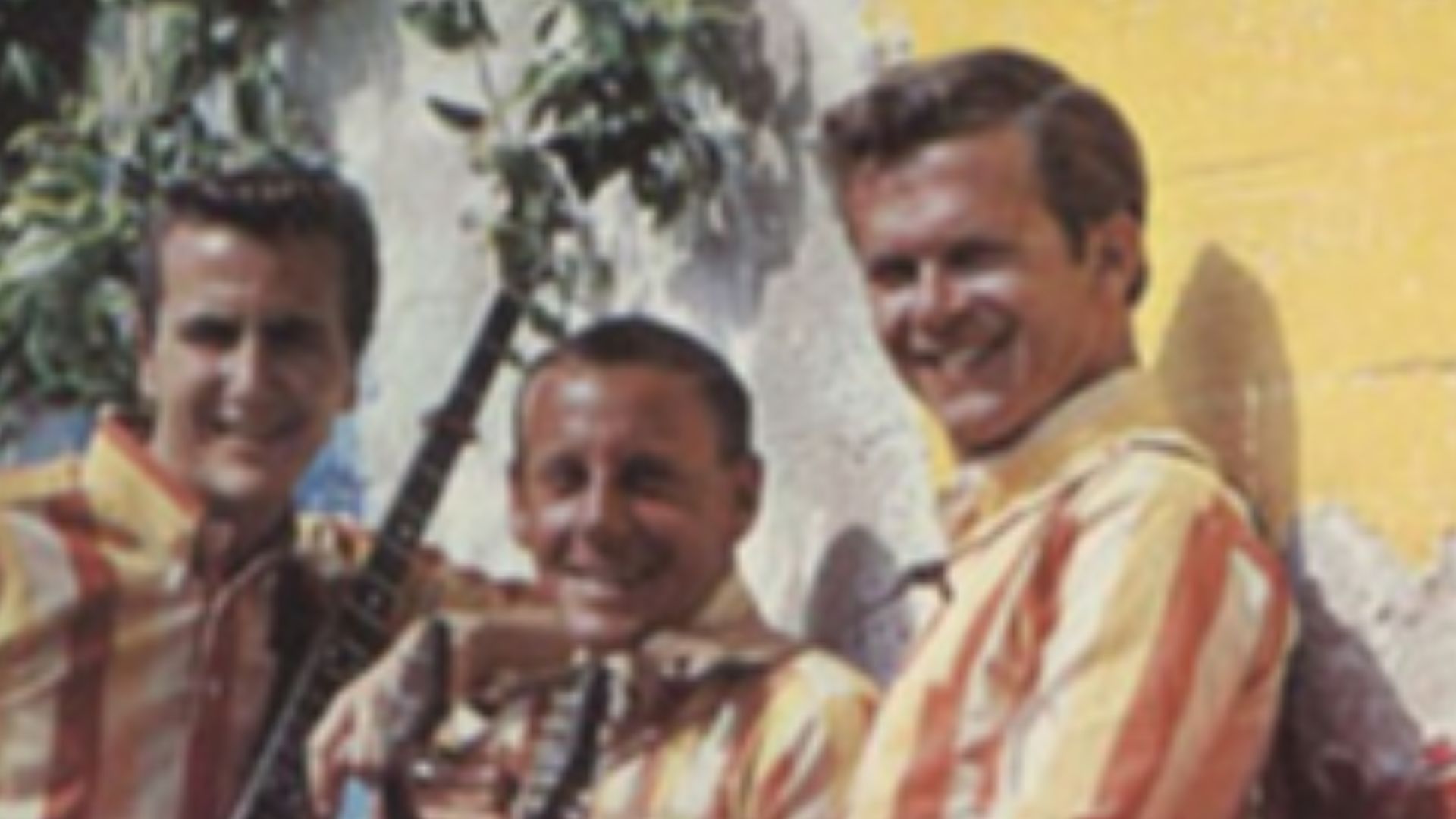 Unknown photographer for The Kingston Trio., Wikimedia Commons
"Both Sides Now" – Joni Mitchell
Written when Mitchell was just in her early twenties, “Both Sides Now” reflects on illusion and reality in love and life. The song’s delicate structure supports its reflective tone. It has been recorded by countless artists, but its introspective honesty remains unmistakably hers.
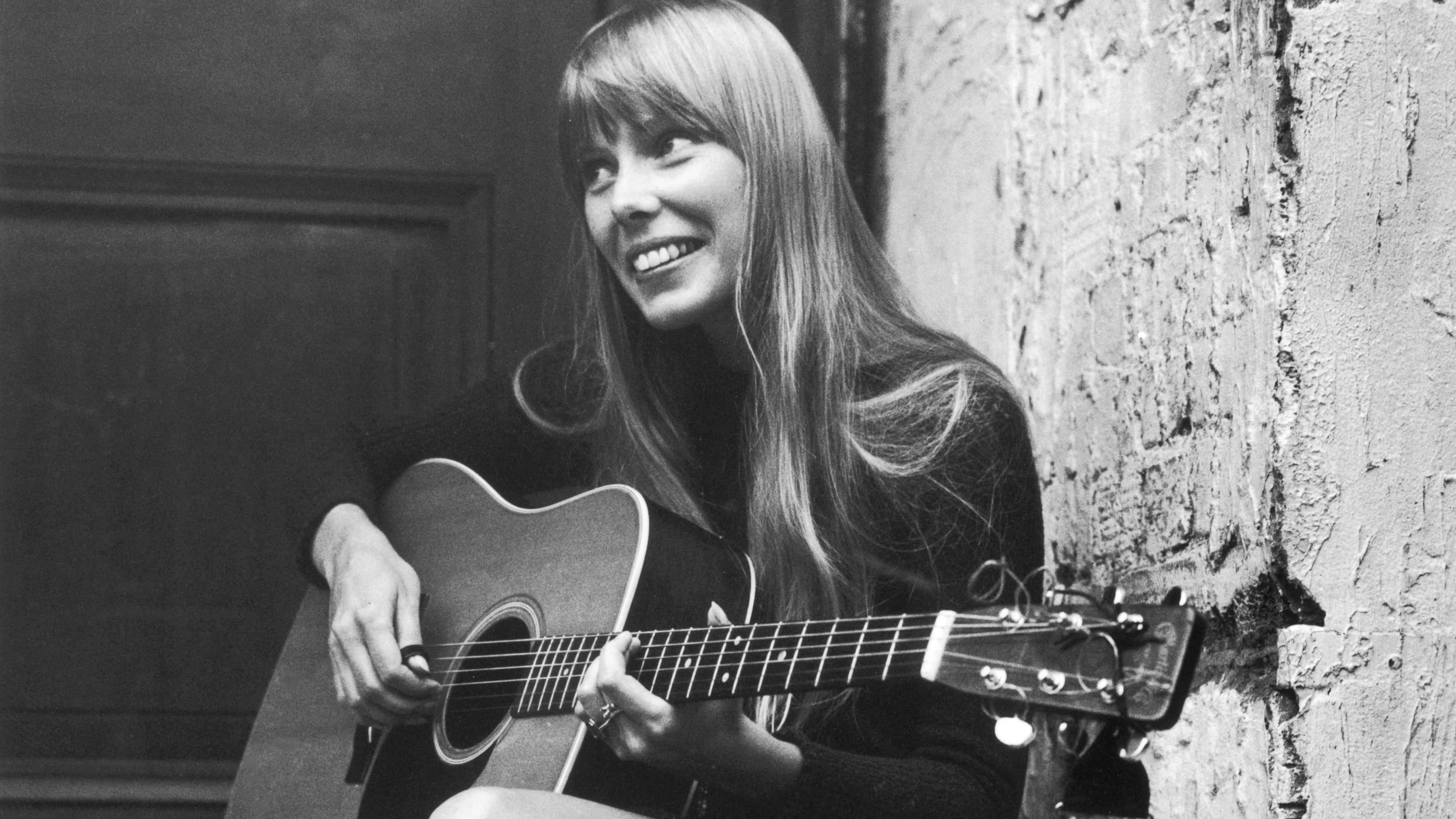
"Who Knows Where The Time Goes" – Sandy Denny
Sandy Denny’s composition became one of the most beautiful reflections on impermanence in folk music. Its gentle pacing and pastoral imagery create a sense of calm acceptance. The song’s emotional clarity helped establish Denny as one of Britain’s most revered folk voices.
 Island Records, Wikimedia Commons
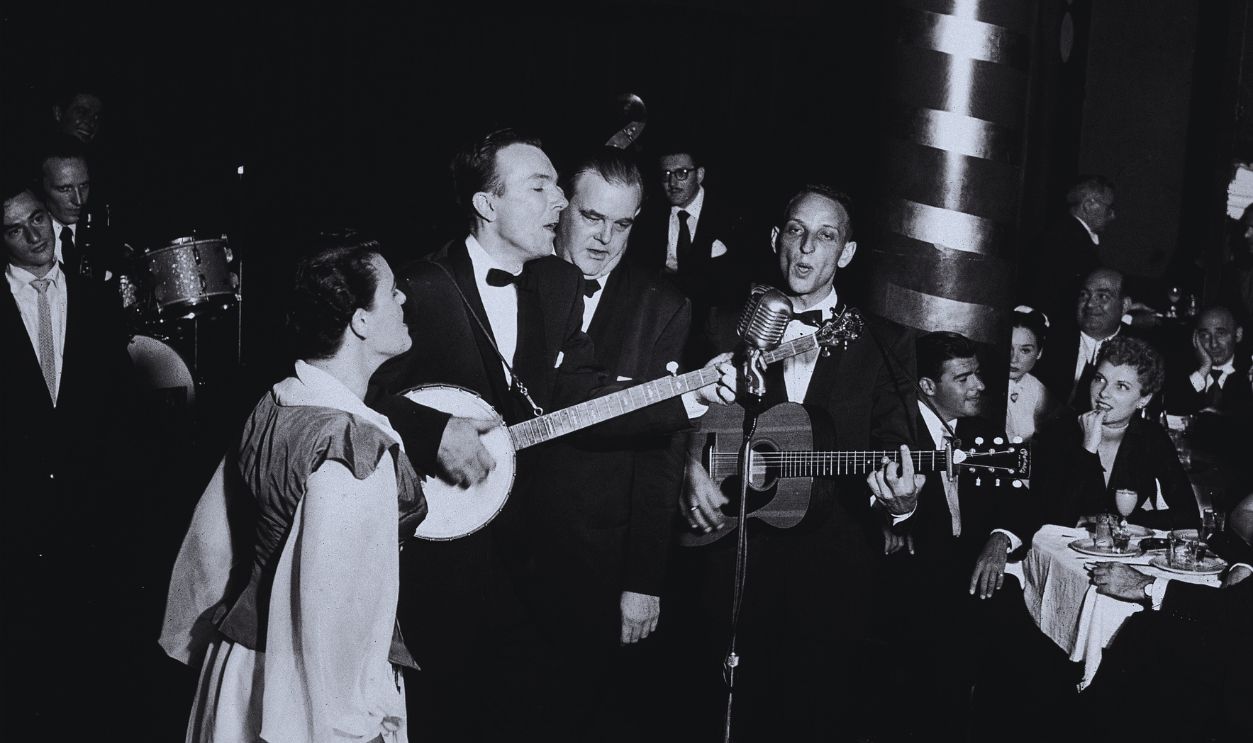
"Goodnight Irene" – The Weavers (Traditional)
Originally recorded by Huddie Ledbetter, known as Lead Belly, this traditional tune became a major hit when The Weavers released their version in 1950. Its mixture of melancholy and singalong warmth made it a cornerstone of the early folk revival movement.
 Charles Peterson, Getty Images
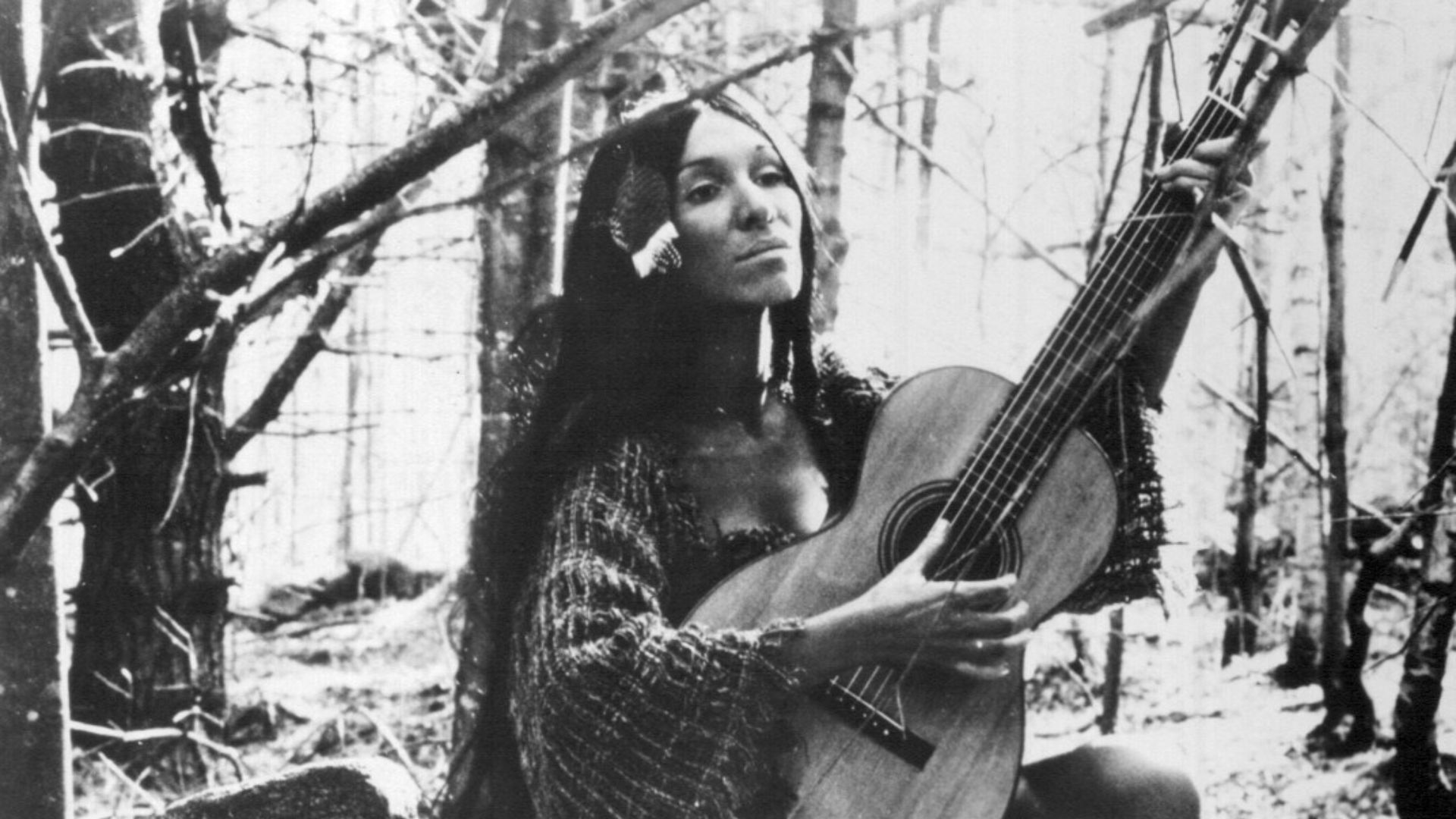
"Universal Soldier" – Buffy Sainte-Marie
Buffy Sainte-Marie wrote this sharp anti-war song in 1963, placing responsibility for war not just on leaders but on individuals who participate. Its direct language and stark melody challenge listeners to reflect on accountability and moral courage.
 CMA-Creative Management Associates, Los Angeles (management), Wikimedia Commons
"Don't Think Twice, It's Alright" – Bob Dylan
This early Dylan classic blends emotional detachment with subtle bitterness. The fingerpicked guitar pattern gives the song a rolling momentum, while the lyrics reveal a relationship dissolving without dramatic confrontation. Its conversational honesty became a hallmark of Dylan’s songwriting.
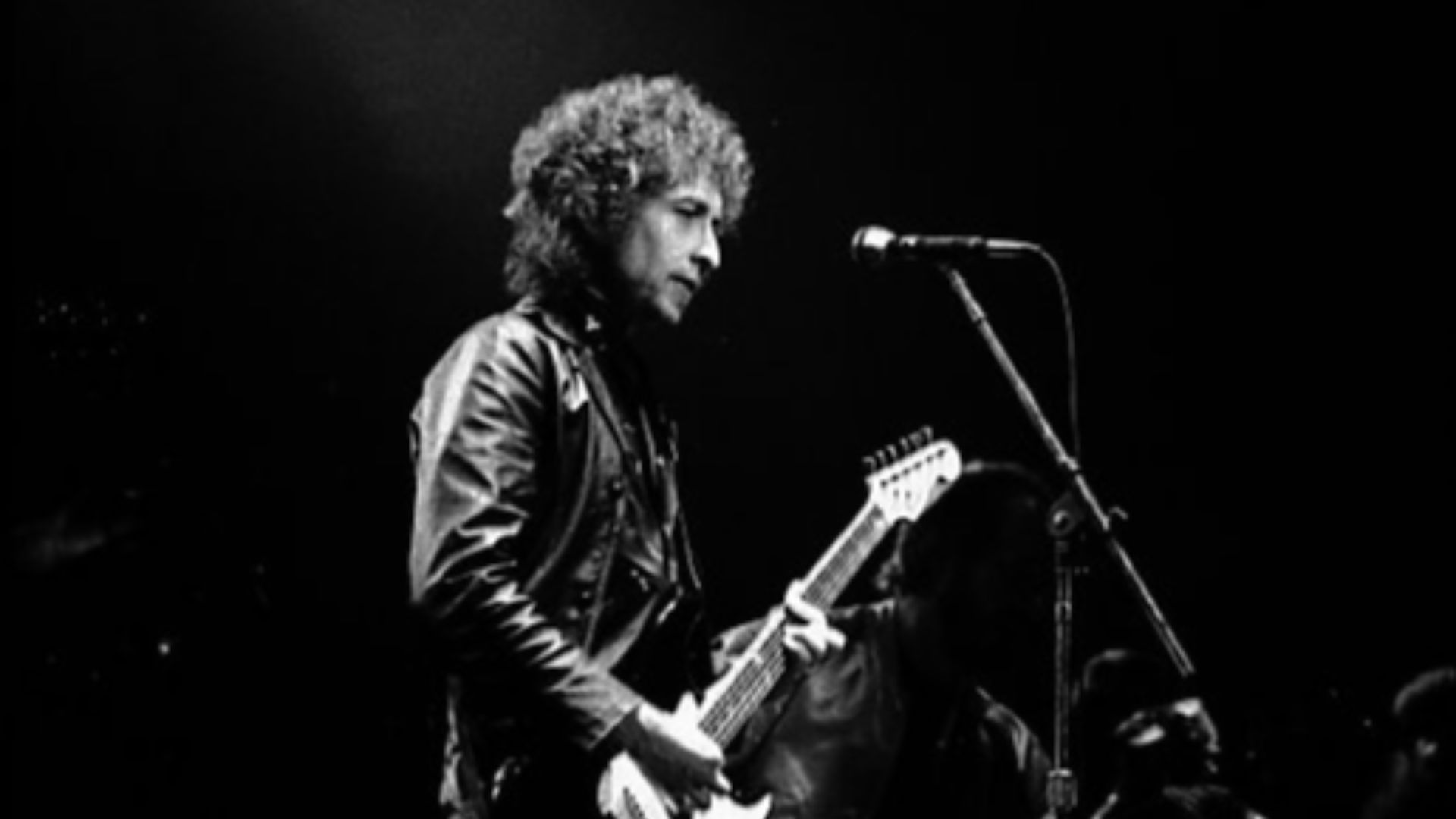
"Diamonds And Rust" – Joan Baez
Joan Baez wrote this autobiographical song reflecting on a past relationship with Bob Dylan. The lyrics balance nostalgia with emotional clarity, examining memory and disillusionment. Its detailed storytelling and graceful melody showcase Baez’s songwriting depth beyond her traditional roots.
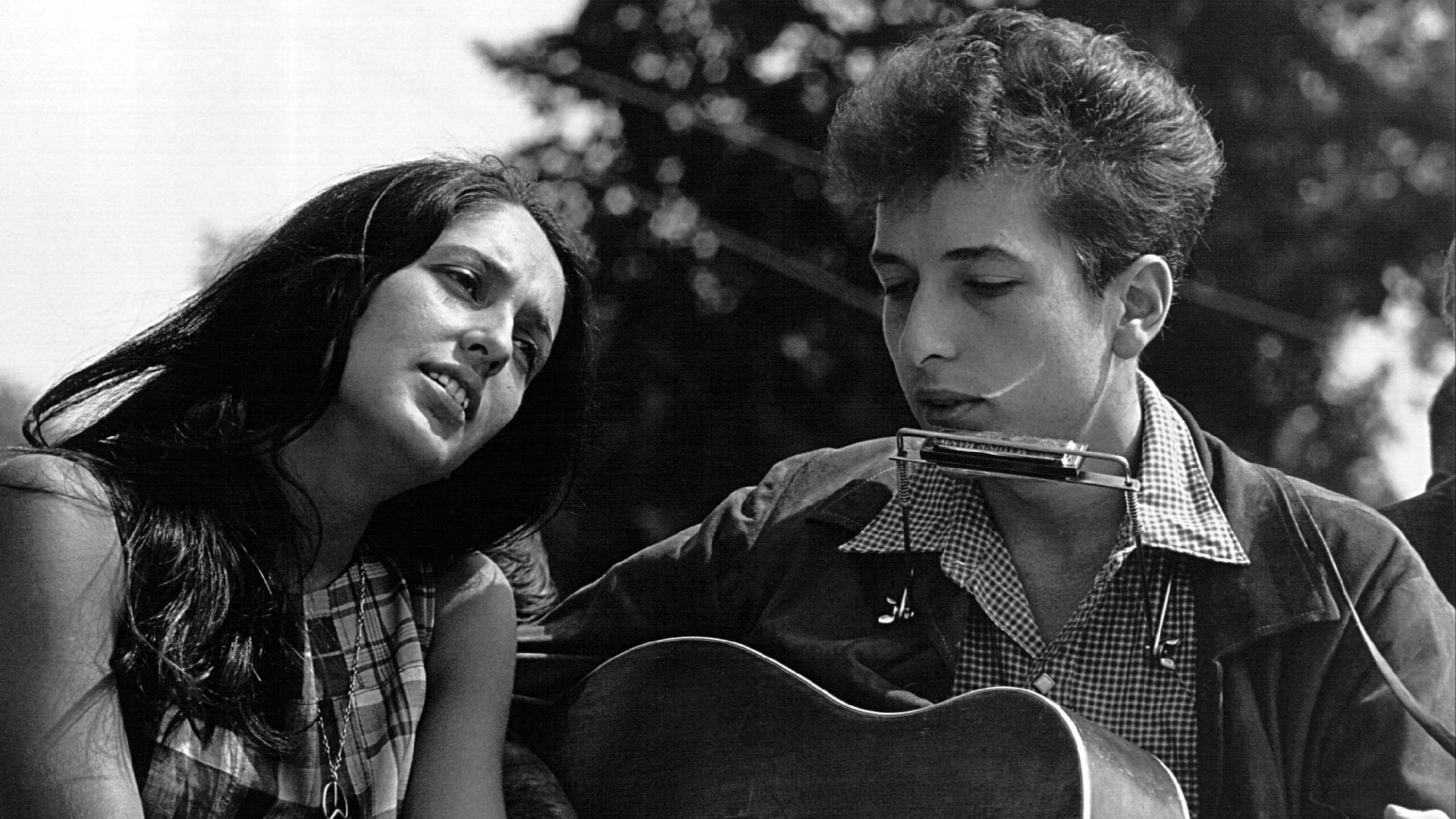 Rowland Scherman, National Archives and Records Administration, Wikimedia Commons
"Sounds Of Silence" – Simon & Garfunkel
Written by Paul Simon, this song captures alienation and quiet despair in modern society. Initially recorded acoustically, it gained massive popularity after an electric arrangement was added without the duo’s knowledge. Its haunting melody and poetic imagery helped define 1960s folk-rock.
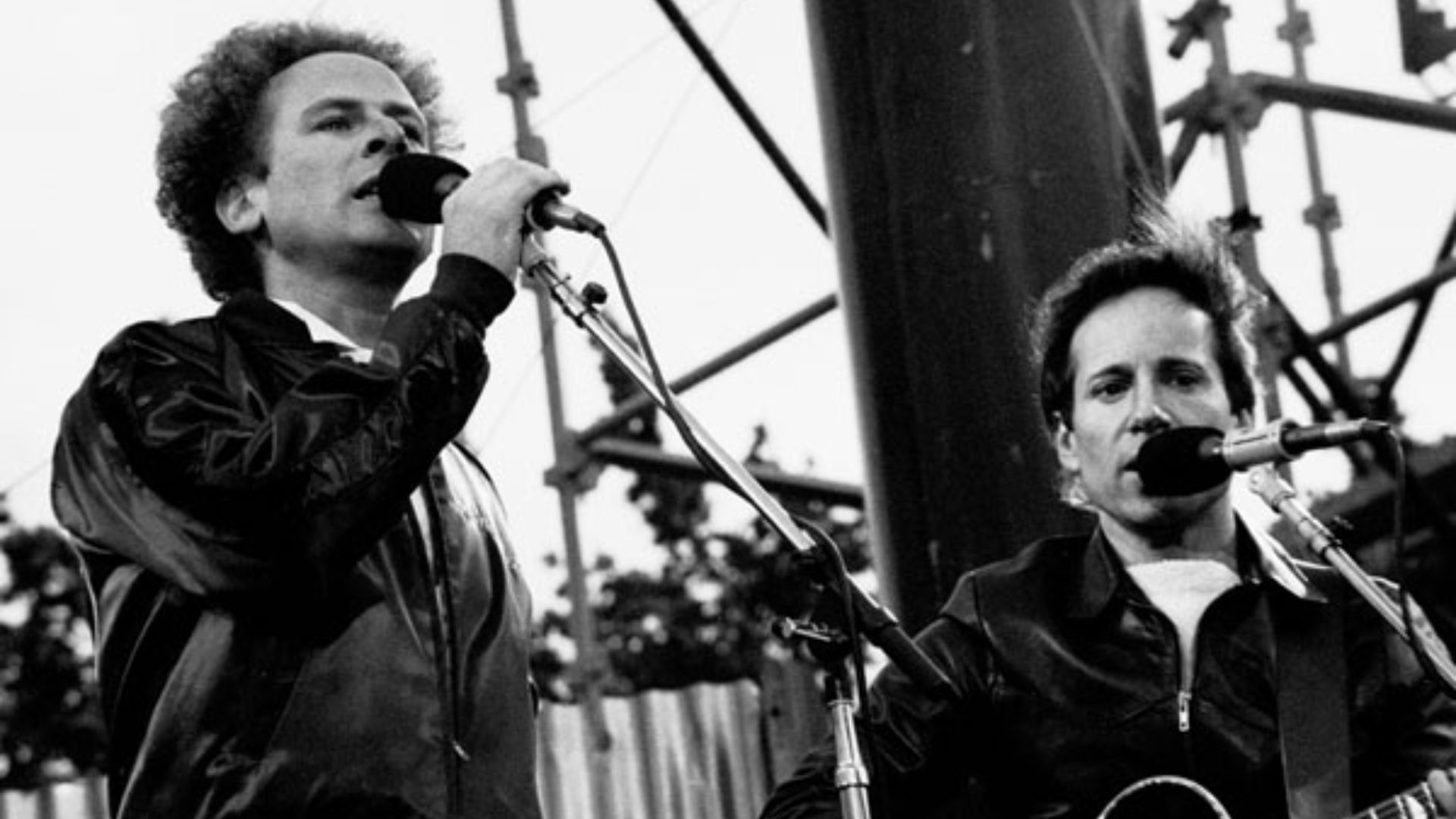 Eddie Mallin, Wikimedia Commons
"The Wreck Of The Edmund Fitzgerald" – Gordon Lightfoot
Lightfoot chronicled the 1975 sinking of a Great Lakes freighter with journalistic detail and emotional gravity. The song unfolds like a maritime ballad, honoring the lives lost while preserving the story in musical form. Its restrained arrangement heightens the solemn tone.
 Philip Halling , Wikimedia Commons
"Alice's Restaurant" – Arlo Guthrie
This eighteen-minute talking blues satire recounts a real-life encounter with draft authorities during the Vietnam War era. Blending humor and protest, Arlo Guthrie turned a personal anecdote into a countercultural statement. Its rambling storytelling style became a defining piece of folk satire.
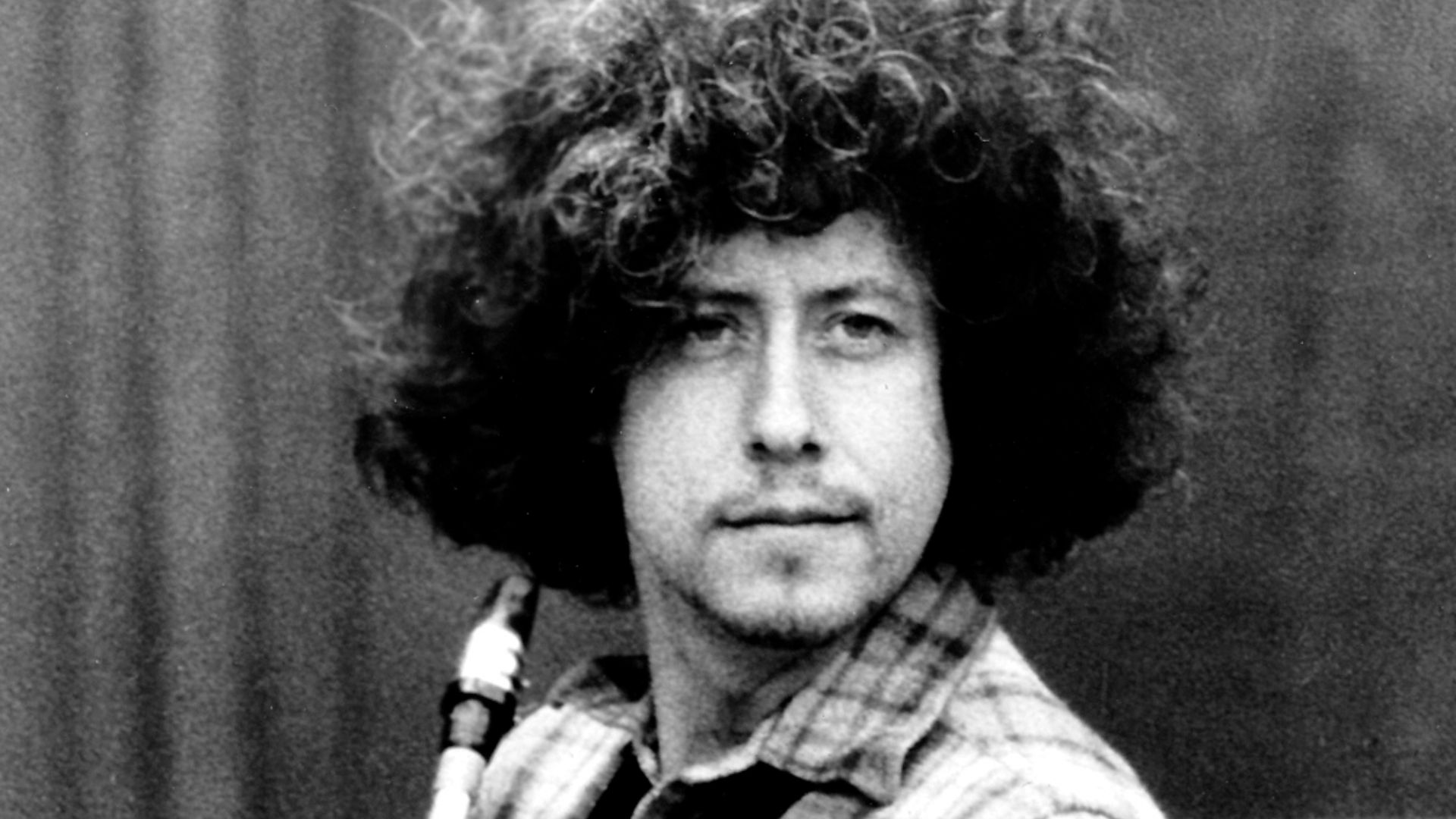 Warner Bros., Wikimedia Commons
"Turn, Turn, Turn!" – The Byrds (Pete Seeger)
Adapted from the Book of Ecclesiastes and arranged by Pete Seeger, the song was later electrified by The Byrds. Its timeless message about seasons and change resonates across generations. The Byrds’ jangly guitar gave it a folk-rock edge without losing its spiritual core.
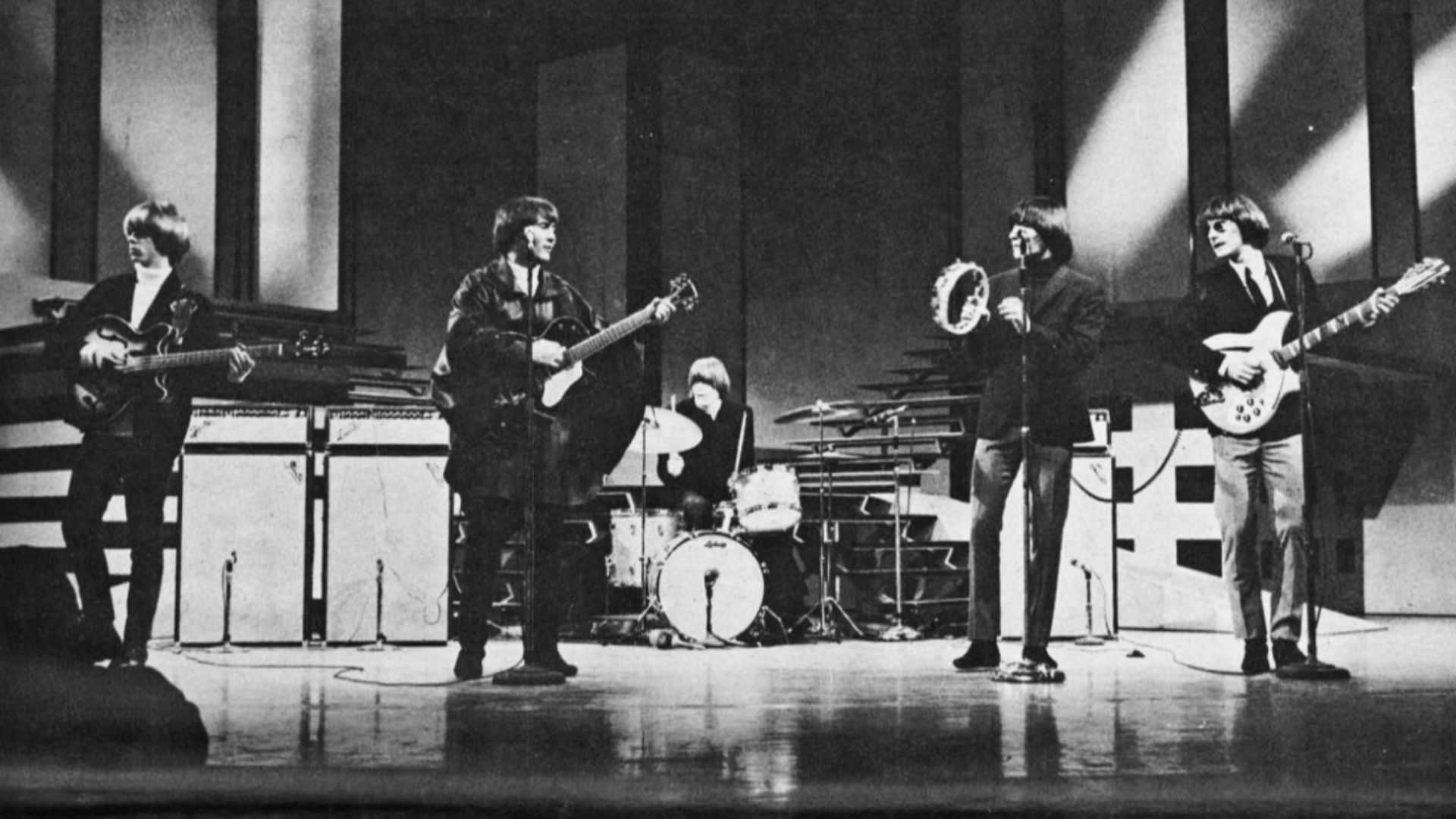
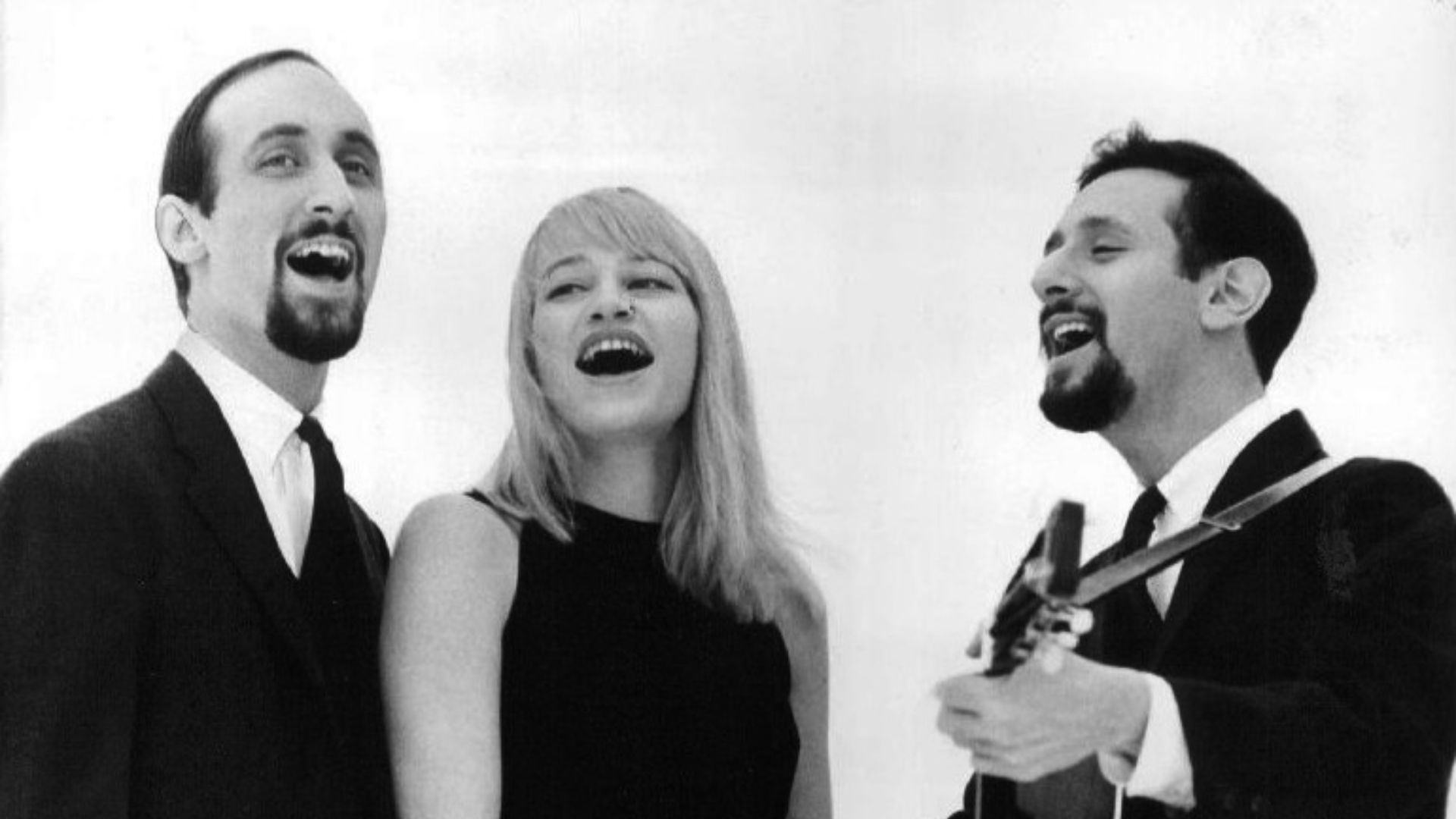
"Puff The Magic Dragon" – Peter, Paul And Mary
Often misunderstood, this gentle song tells a story about childhood innocence and the inevitability of growing up. Its simple melody and imaginative lyrics made it a staple of family singalongs. Beneath the whimsy lies a surprisingly poignant meditation on loss.
 International Talent Associates (management), Wikimedia Commons
"Thirsty Boots" – Eric Andersen
Eric Andersen’s “Thirsty Boots” became an anthem for wanderers and restless souls. The song encourages listeners to keep moving forward, seeking meaning and justice. Its hopeful tone and straightforward arrangement embody the folk revival’s spirit of idealism.
 Scott R. Sackett, Wikimedia Commons
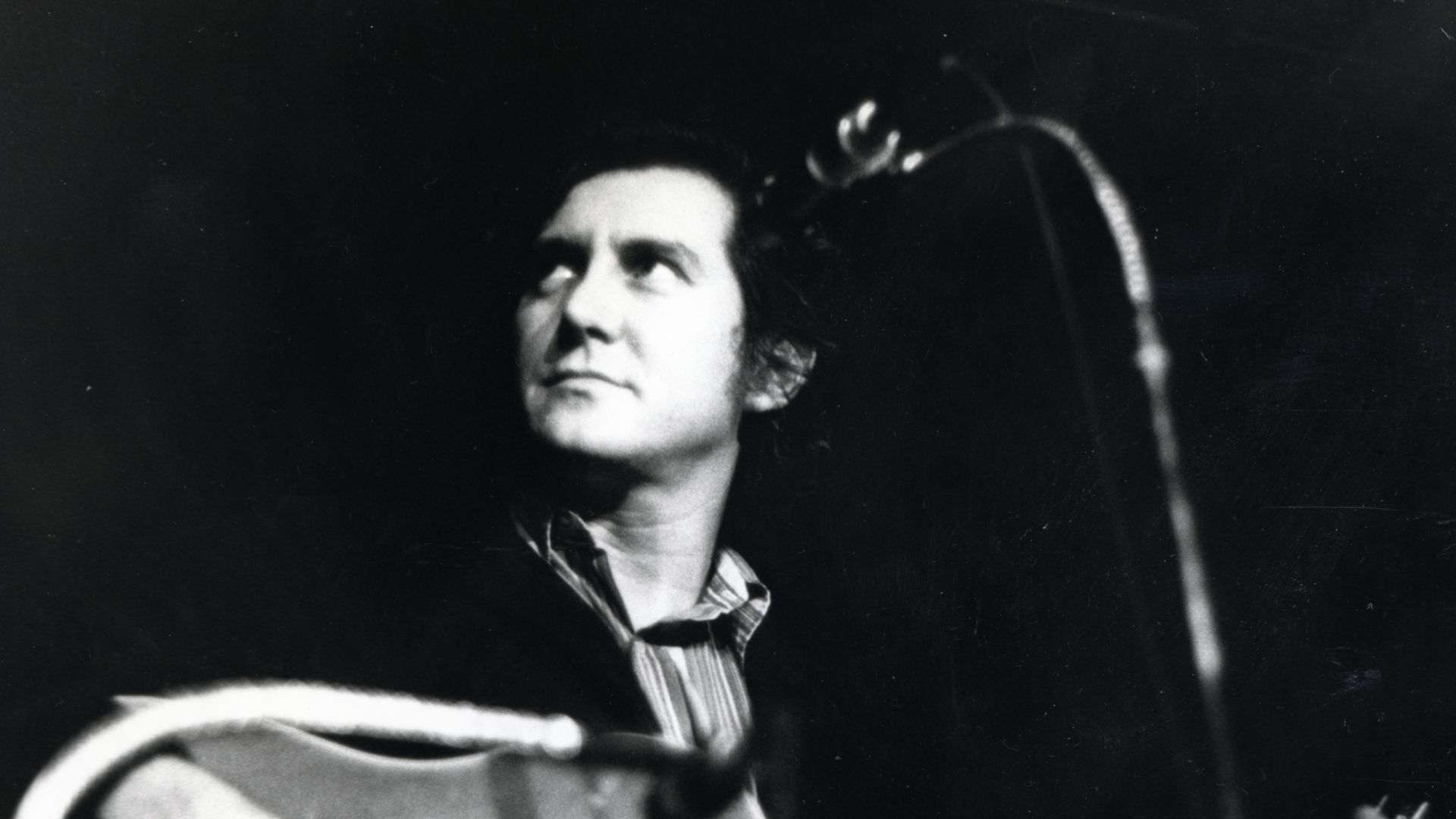
"There But For Fortune" – Phil Ochs
Phil Ochs wrote this reflective protest song about empathy and circumstance. It asks listeners to consider how easily anyone’s life could take a different path. The song’s gentle melody contrasts with its sobering message about inequality and shared humanity.
 Kenneth Tash, Wikimedia Commons
You May Also Like:
Epic Guitar Solos That Took Rock To A Whole New Level
Bands That Pioneered Psychedelic Rock And Blew Minds
Everyone Thought These Artists Were Washed Up Until Their Legendary Comeback Shocked The World