
When Six Strings Said More Than Words Ever Could
A truly great guitar solo doesn’t just fill space between verses; it tells its own story. It can turn a good song into a legendary one, push emotion over the edge, or completely redefine what the instrument is capable of. Some solos are technical masterclasses. Others are pure feeling. The best ones are both. From stadium-shaking climaxes to lightning-fast fretboard wizardry, these are the guitar solos that changed rock history forever.
 Koh Hasebe/Shinko Music/Getty Images
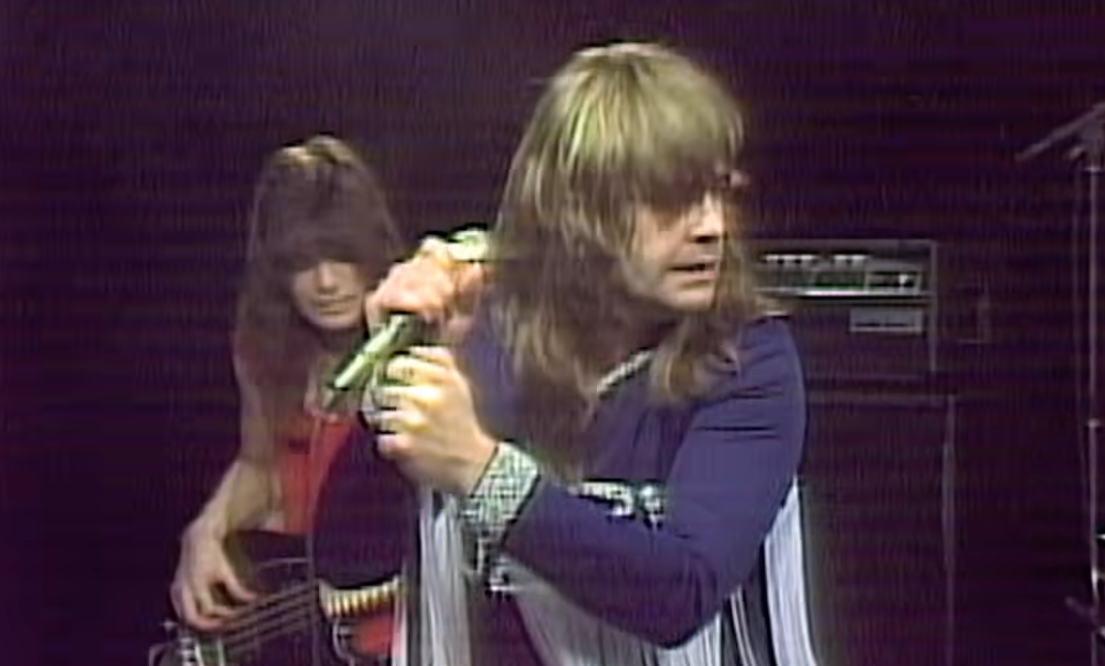
Randy Rhoads, “Crazy Train” By Ozzy Osbourne
Randy Rhoads brought classical precision into heavy metal and completely rewrote the rulebook. On “Crazy Train,” his solo blends rapid-fire alternate picking, harmonic minor runs, and aggressive phrasing that still feels melodic. It’s technical but never cold. Rhoads managed to make shredding feel musical, not mechanical. His work on Blizzard of Ozz launched Ozzy’s solo career and cemented Rhoads as one of metal’s most influential guitarists before his tragic early death.
 Screenshot from Crazy Train, Ozzy Osbourne, Jet Records (1980)
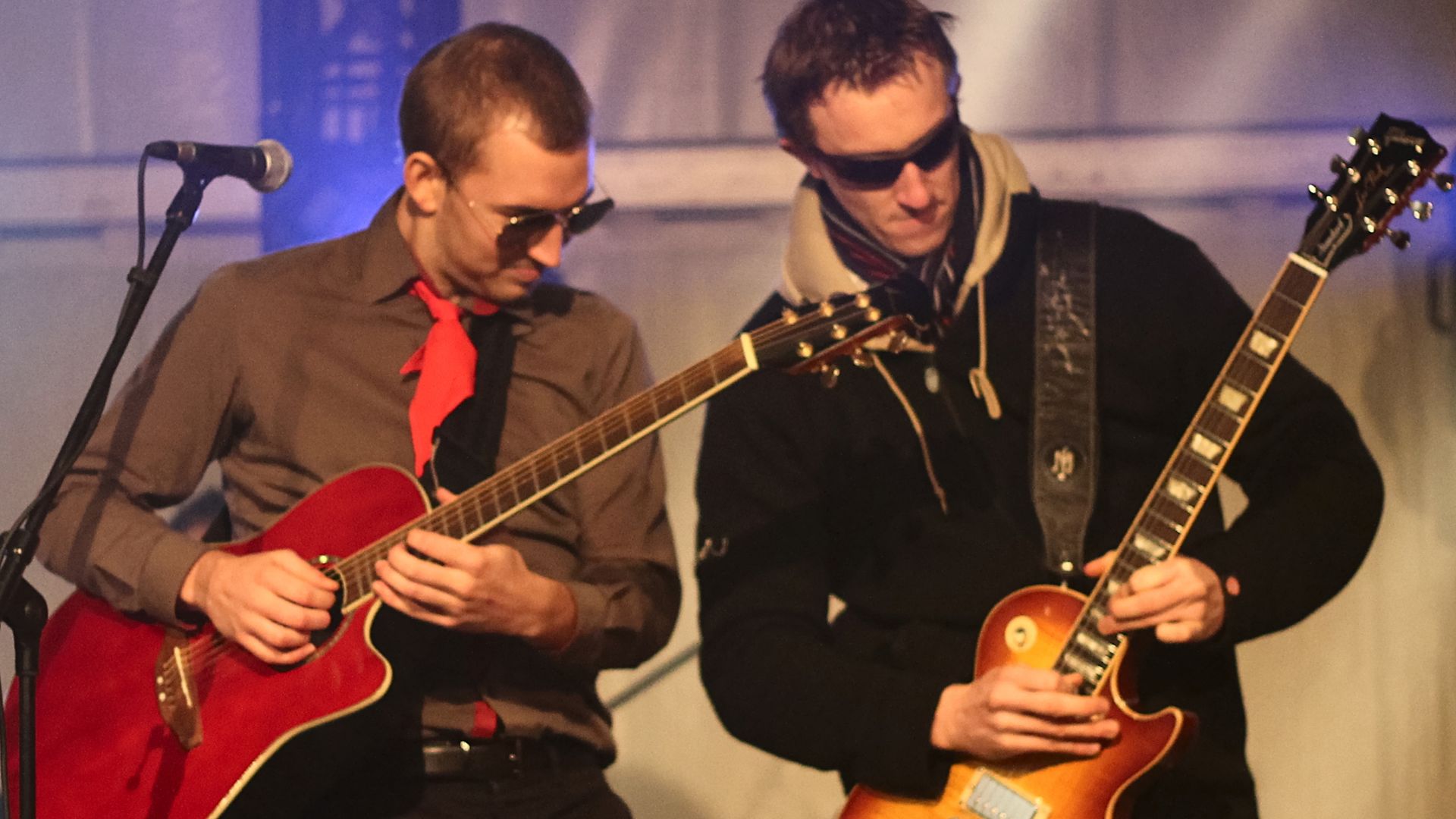
Allen Collins, “Free Bird” By Lynyrd Skynyrd
The final four minutes of “Free Bird” are practically a standalone guitar odyssey. Allen Collins’ soaring lead lines build gradually into one of the most famous extended solos in rock history. It’s less about flash and more about emotional escalation. The repeated melodic motifs create tension before exploding into full Southern rock glory. It’s the kind of solo that feels like lift-off.
 Nicolas Vollmer from Munich [Allemagne], Wikimedia Commons
Eddie Van Halen, “Beat It” By Michael Jackson
Eddie Van Halen reportedly recorded this solo for free, thinking no one would even know it was him. They knew. His explosive tapping, dive bombs, and fluid phrasing injected rock ferocity into a pop track that became a global hit. The solo doesn’t feel pasted in. It elevates the song’s tension and gives it a harder edge. It also helped bridge pop and rock audiences in a way that felt groundbreaking in 1983.
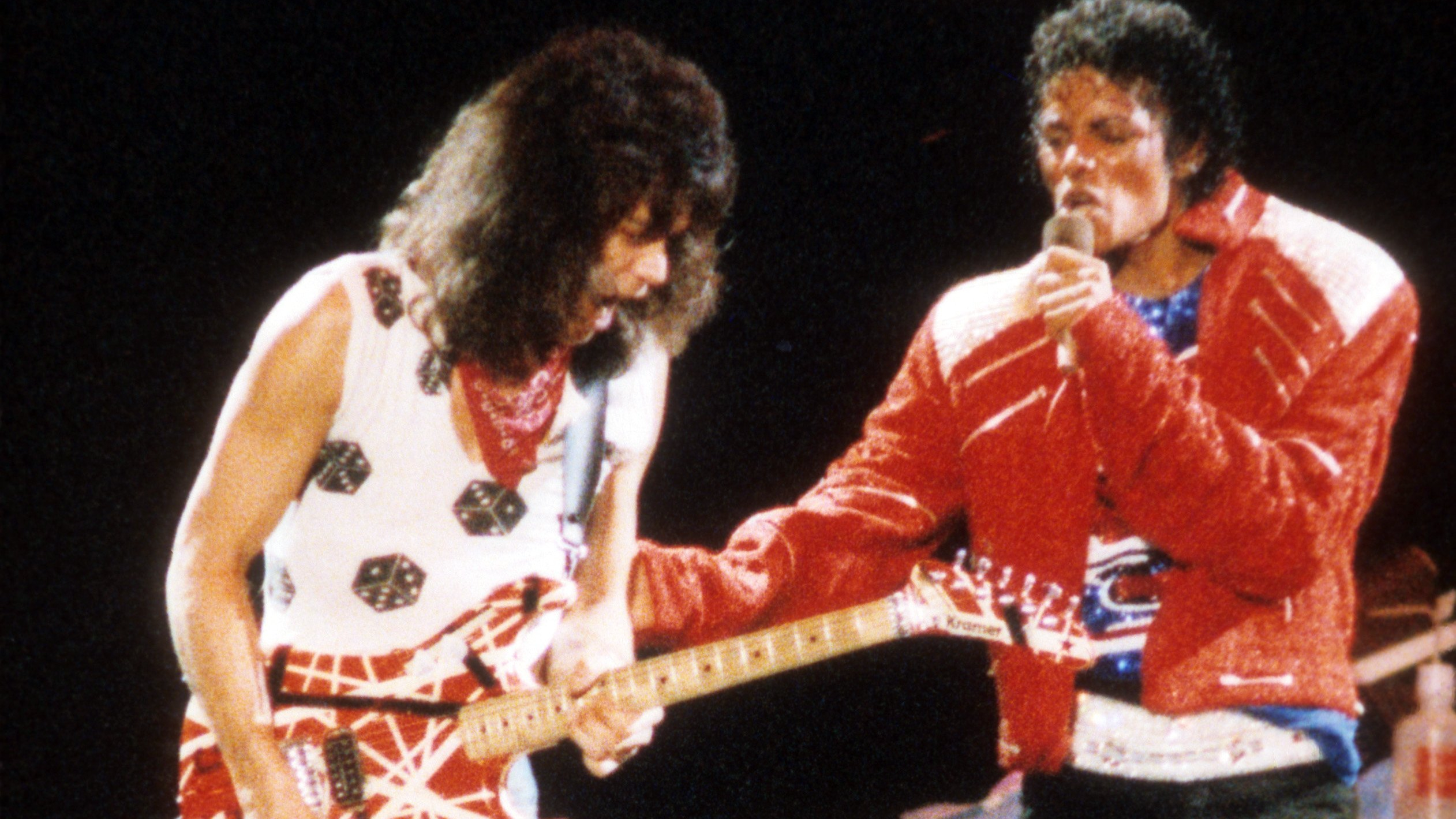 Michael Ochs Archives, Getty Images
Mark Knopfler, “Sultans Of Swing” By Dire Straits
Mark Knopfler doesn’t use a pick, and that fingerstyle approach gives “Sultans of Swing” its fluid, conversational tone. The solo dances rather than shreds, full of subtle bends and blues phrasing. Knopfler builds dynamics carefully, letting the guitar breathe. It’s a masterclass in restraint. There’s no excess here, just taste and timing that make every note count.
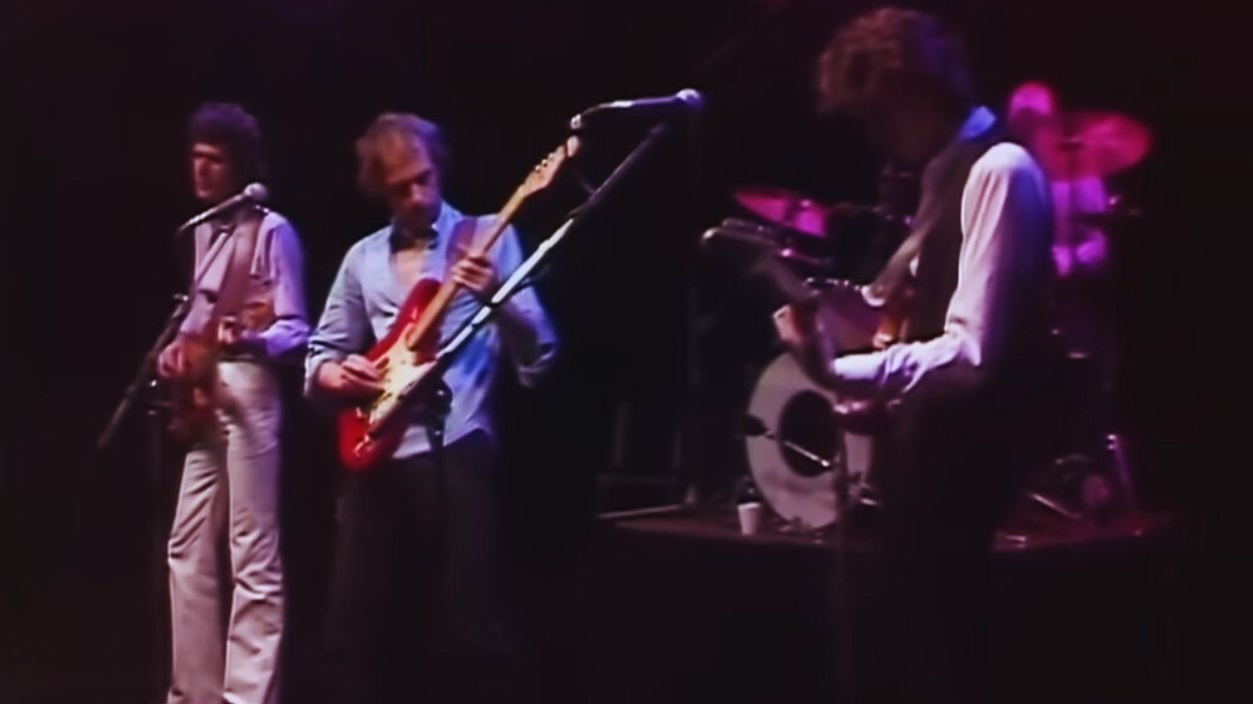 Screenshot from Sultans of Swing, Vertigo Records
Slash, “Sweet Child O’ Mine” By Guns N’ Roses
Slash’s solo in “Sweet Child O’ Mine” mirrors the emotional arc of the song itself. It begins melodic and controlled, then gradually grows more urgent and expressive. His tone is thick but clear, with bends that feel almost vocal. It’s not about speed, it’s about storytelling. That final ascending run before the fade-out feels like the perfect emotional release.
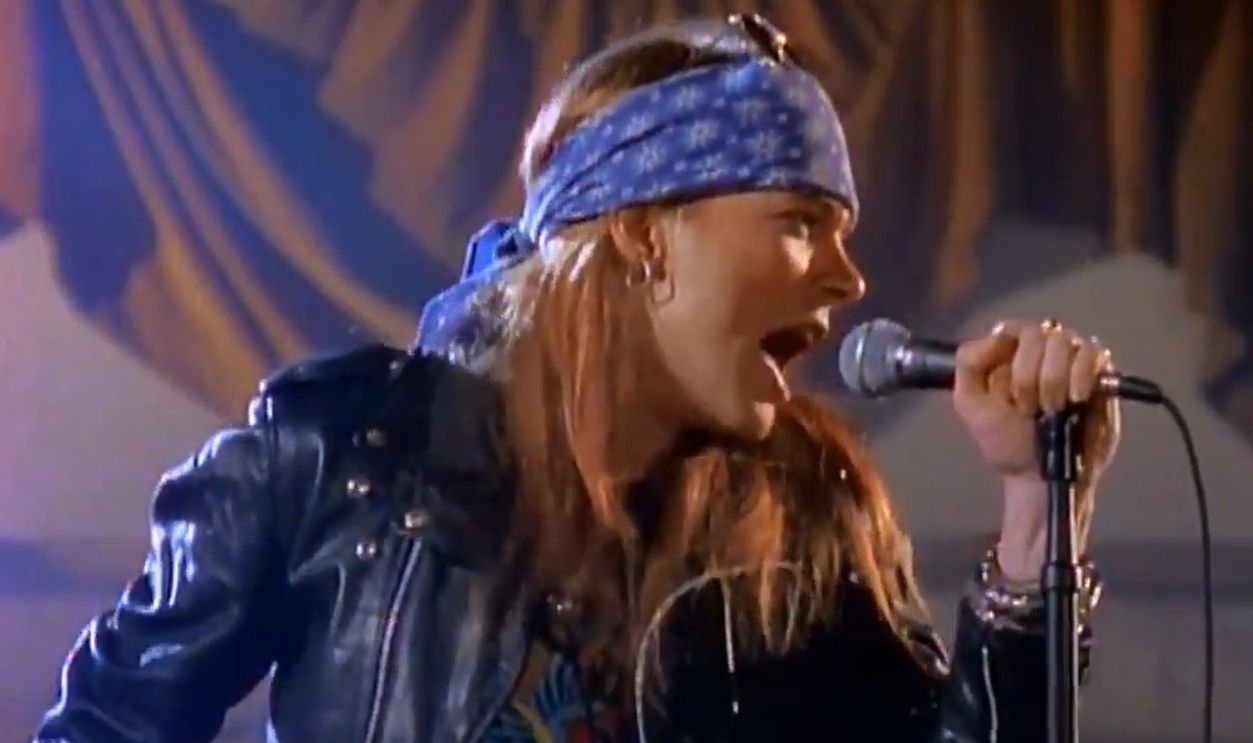 Screenshot from Sweet Child O’ Mine, Geffen (1988)
Don Felder And Joe Walsh, “Hotel California” By Eagles
Few solos feel as composed as the dual-guitar finale in “Hotel California.” Don Felder and Joe Walsh didn’t just improvise. They crafted a harmonized piece that plays like a conversation. The interplay between the two guitars gives the ending cinematic weight. It’s structured, precise, and completely unforgettable. That closing sequence might be one of rock’s most perfectly constructed guitar moments.
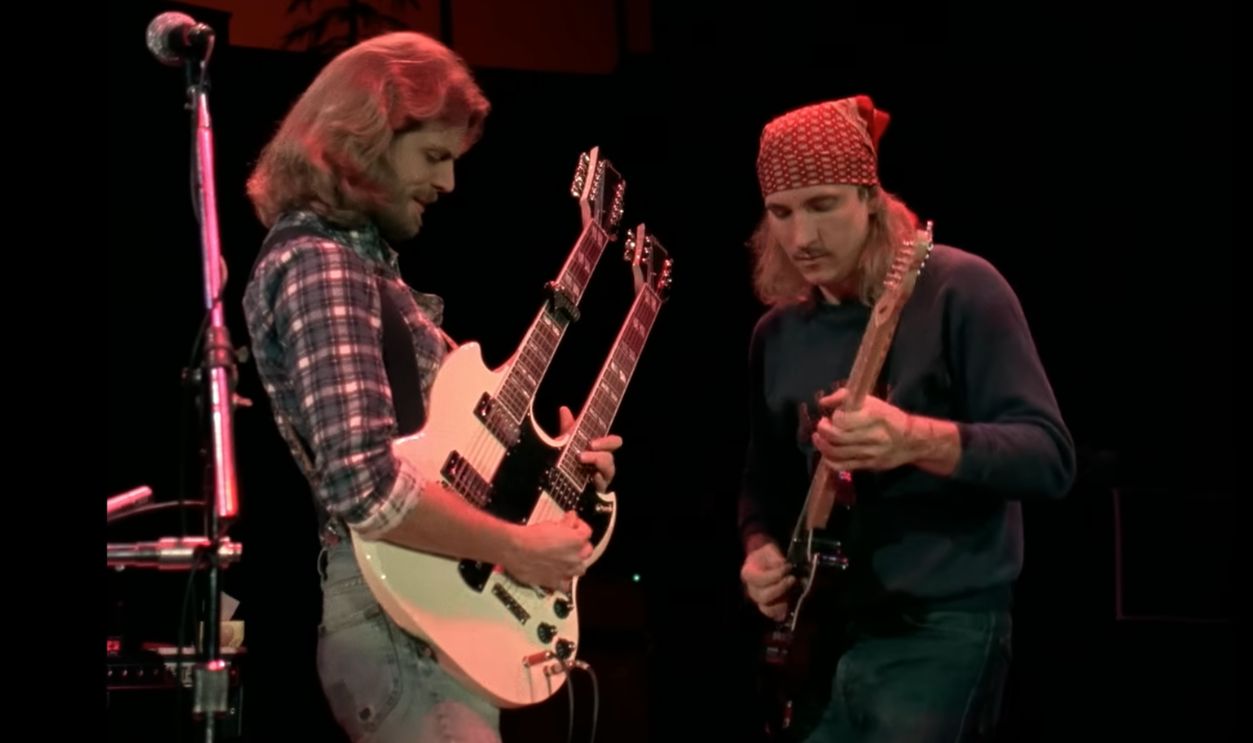 Screenshot from Hotel California, Asylum Records (1976)
Prince Rogers Nelson, “Purple Rain” By Prince
Prince stretched this solo live to astonishing lengths, especially during performances like the 1985 Syracuse show. On record, the solo is raw and emotional, packed with aching bends and gospel-like phrasing. Prince wasn’t just shredding; he was testifying. The notes feel almost vocal in their delivery. It’s heartbreak and triumph rolled into one soaring climax.
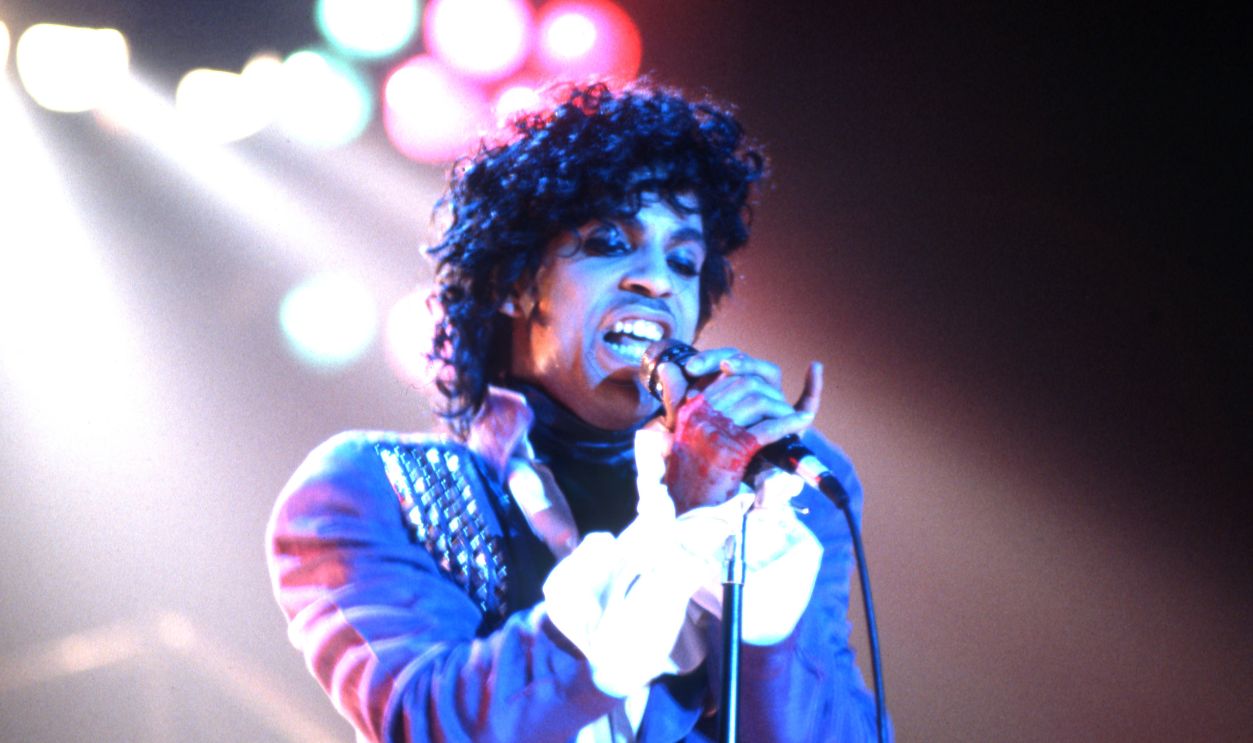
Jimmy Page, “Stairway To Heaven” By Led Zeppelin
Jimmy Page’s solo in “Stairway to Heaven” feels inevitable. The song builds slowly from acoustic folk to electric intensity, and when the solo arrives, it feels earned. Page recorded it in one take, and that spontaneity gives it raw emotional energy. The phrasing is expressive rather than overly technical. It’s dramatic, sweeping, and perfectly timed within the song’s grand structure.
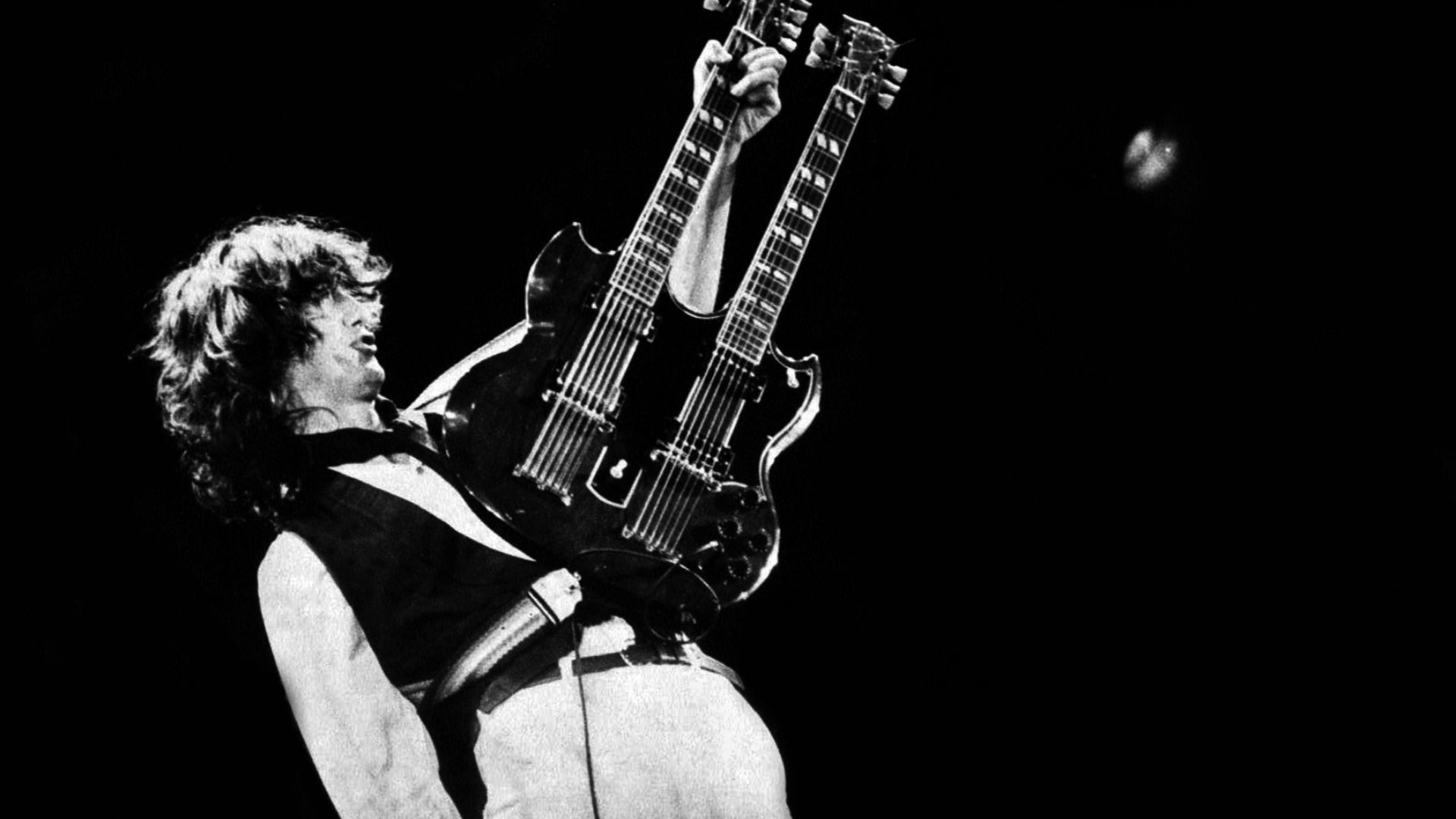 Andrew Smith, Wikimedia Commons
David Gilmour, “Comfortably Numb” By Pink Floyd
David Gilmour’s solo on “Comfortably Numb” is proof that feeling beats speed. His bends stretch and hang in the air, almost crying out. The tone is warm and sustained, allowing each note to resonate. The second solo in particular feels like pure emotion translated through strings. It’s haunting, patient, and devastatingly beautiful.
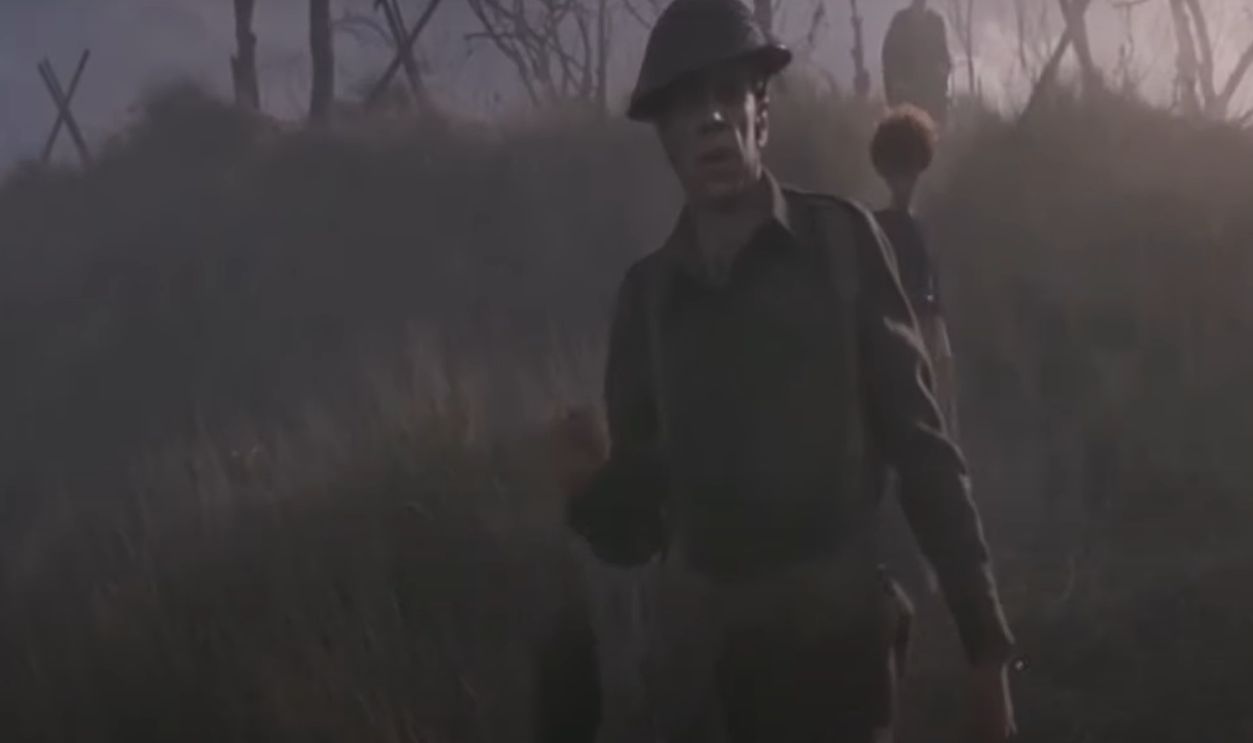 Screenshot from Comfortably Numb, Pink Floyd, Harvest Records (1979)
Eddie Van Halen, “Eruption” By Van Halen
“Eruption” changed guitar forever. Eddie Van Halen’s two-handed tapping technique stunned audiences in 1978. It wasn’t just flashy. It expanded what people thought the instrument could do. The piece feels explosive and playful at the same time. It’s less a song and more a statement. After “Eruption,” shredding entered a new era.
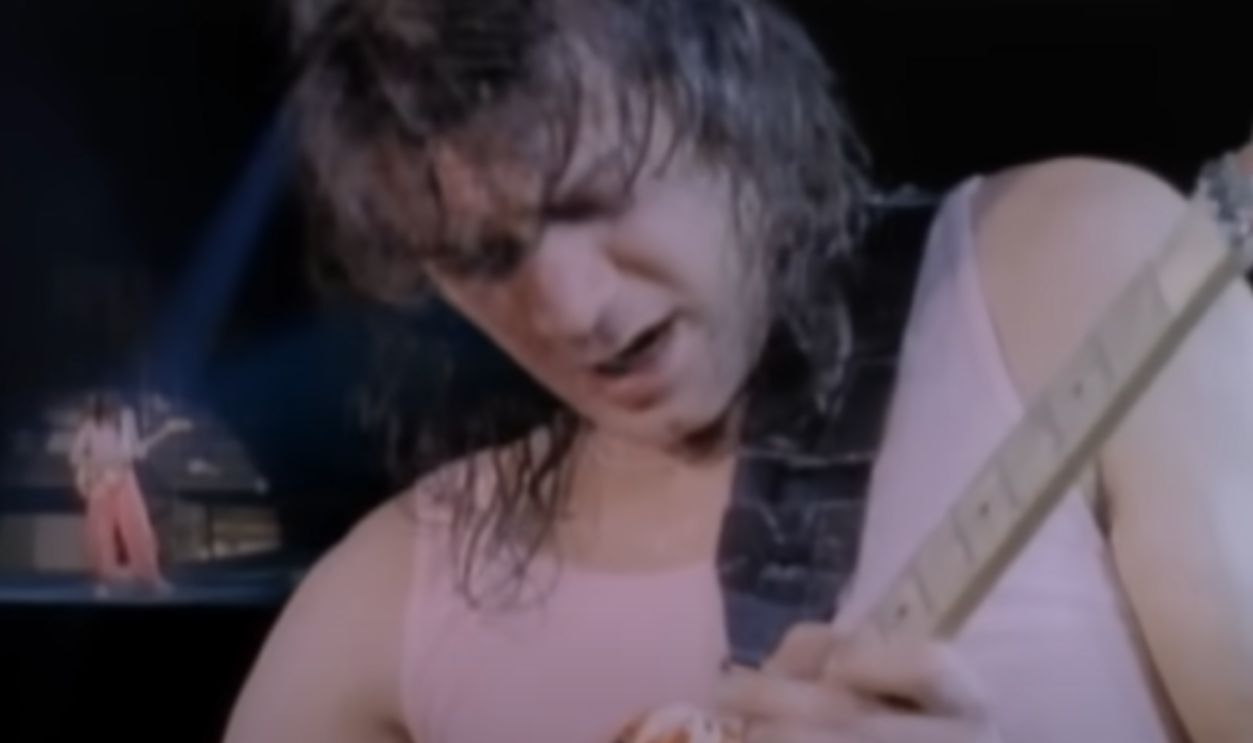 Screenshot from Eruption, Van Halen, Warner Bros. Records (1978)
Brian May, “Bohemian Rhapsody” By Queen
Brian May’s solo in “Bohemian Rhapsody” acts as the emotional bridge between ballad and operatic chaos. His tone, created using a homemade guitar and layered harmonies, feels orchestral. The solo is concise but incredibly expressive. May doesn’t overplay. He chooses notes that echo the song’s drama and theatrical flair.
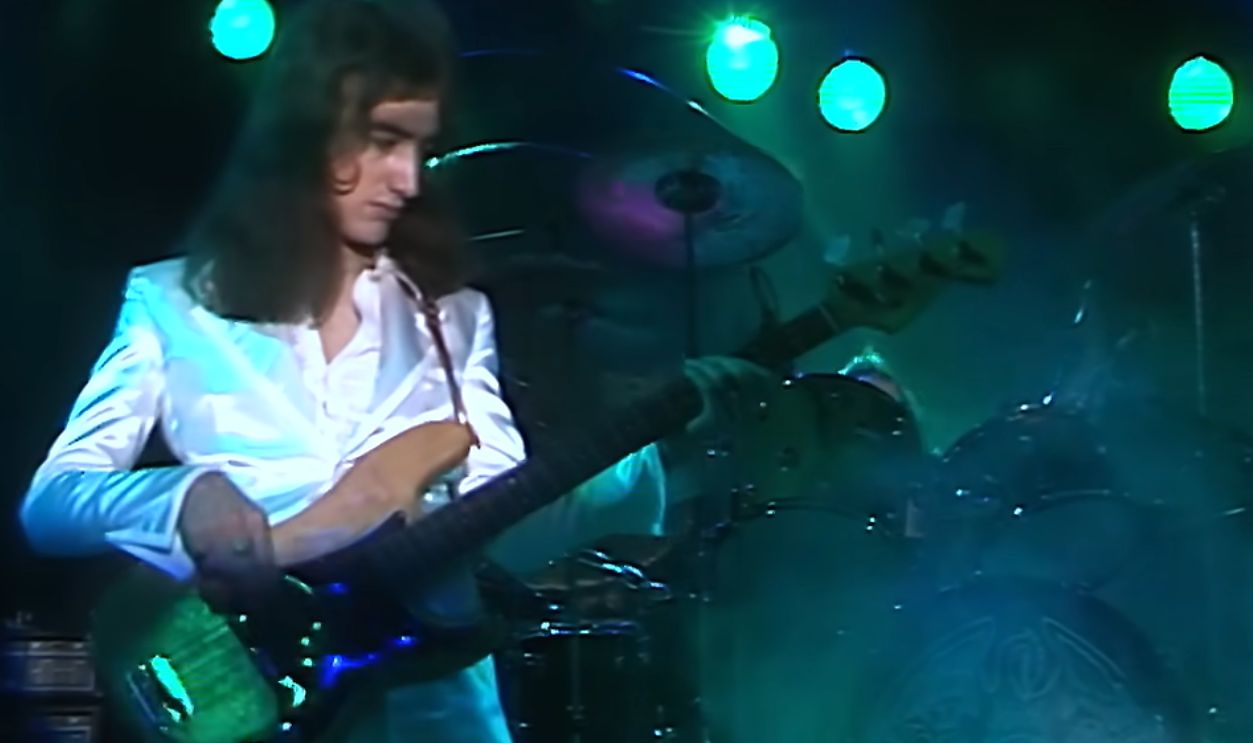 Screenshot from Bohemian Rhapsody, Queen Productions (1975)
Nancy Wilson, “Crazy On You” By Heart
Nancy Wilson’s opening acoustic intro is already iconic, but the electric solo later in the track delivers fire and finesse. She balances aggression with melody, proving technical skill and songwriting instincts can coexist beautifully. In an era dominated by male guitar heroes, Wilson carved her own space with authority and style.
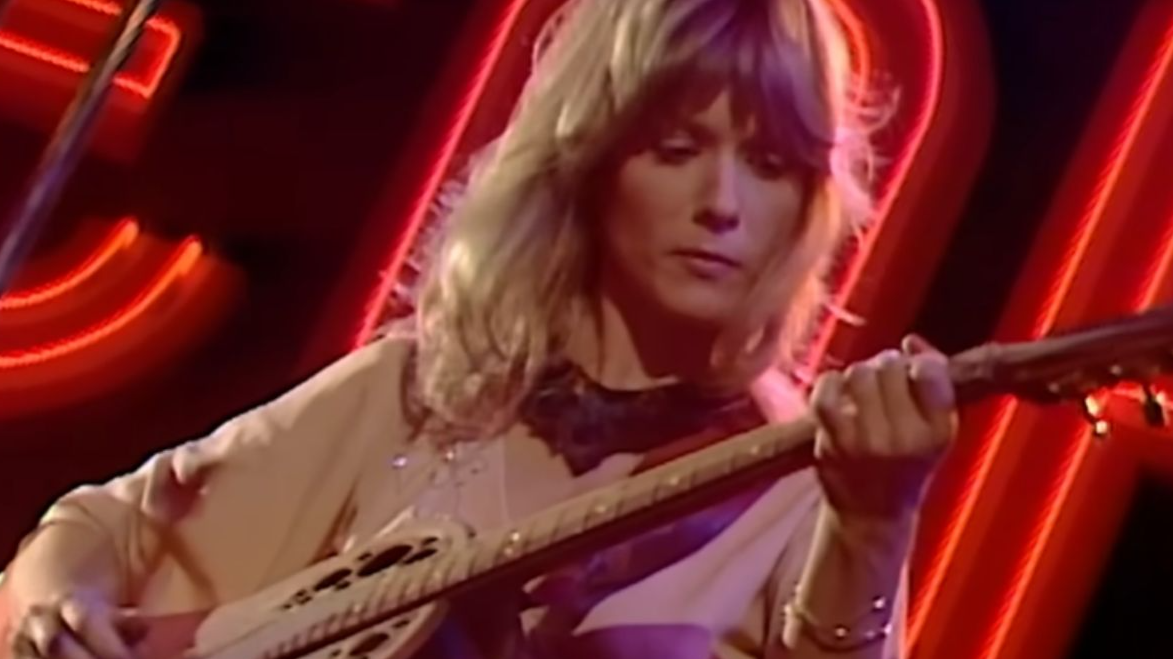 Screenshot from Crazy On You, Heart, Mushroom Records (1976)
Jimi Hendrix, “All Along The Watchtower” By The Jimi Hendrix Experience
Hendrix turned Bob Dylan’s folk song into a psychedelic storm. His solo work layers distortion, feedback, and wah effects into something explosive yet controlled. The phrasing feels spontaneous but intentional. Each note burns with intensity. Even Dylan later admitted Hendrix made the song his own.
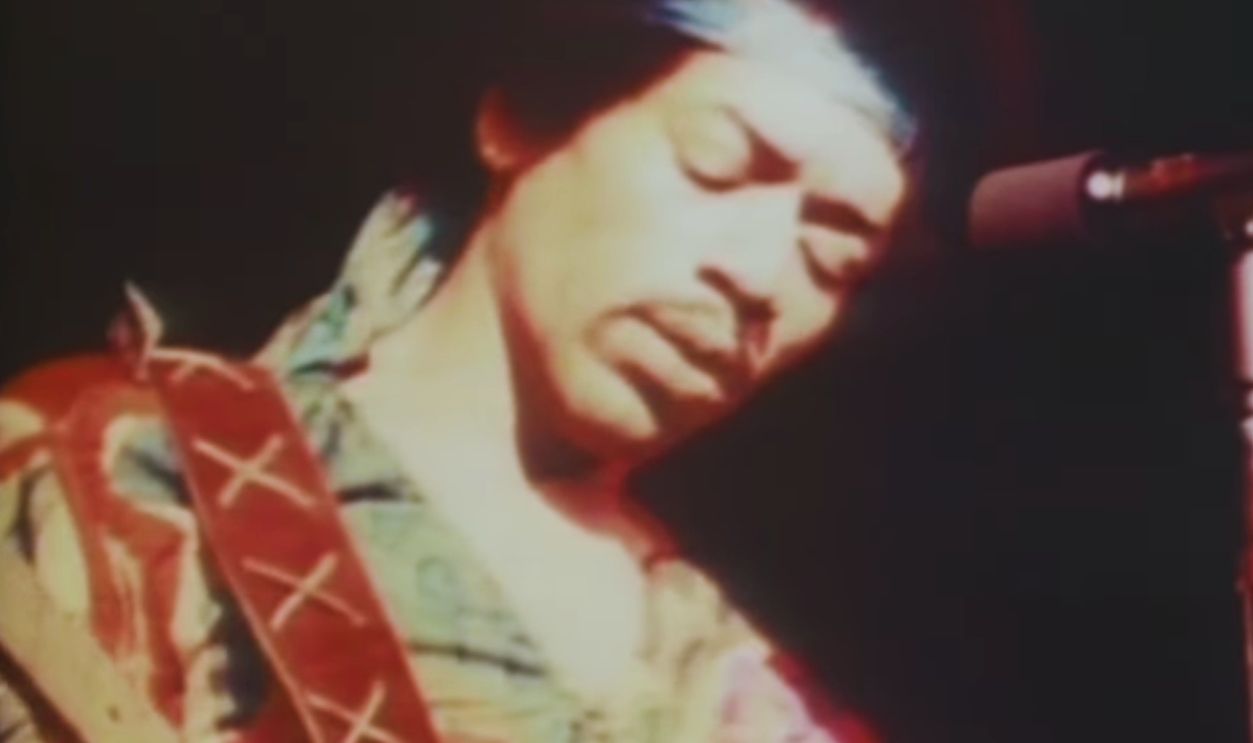 Screenshot from All Along the Watchtower, Reprise Records (1968)
Brian May, “Don’t Stop Me Now” By Queen
Short but punchy, this solo matches the song’s relentless energy. May keeps it tight and melodic, injecting brightness without slowing momentum. It’s proof that a solo doesn’t need to be long to be effective. It just needs to hit at exactly the right moment.
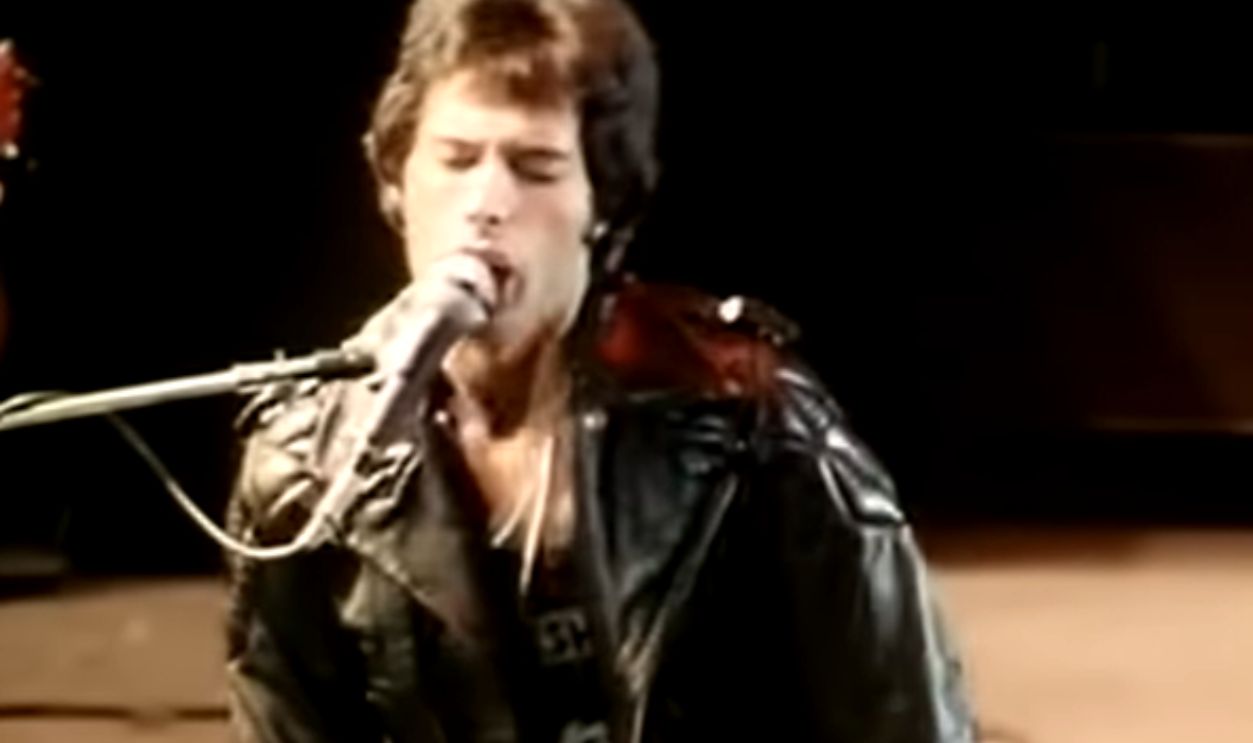 Screenshot from Don’t Stop Me Now, Elektra Records (1978)
Eric Clapton, “Key To The Highway” By Derek And The Dominos
Clapton’s playing here is steeped in blues tradition. His phrasing is relaxed, expressive, and deeply rooted in feel rather than flash. It’s conversational, almost intimate. You can hear the influence of Robert Johnson and B.B. King in every bend and vibrato.
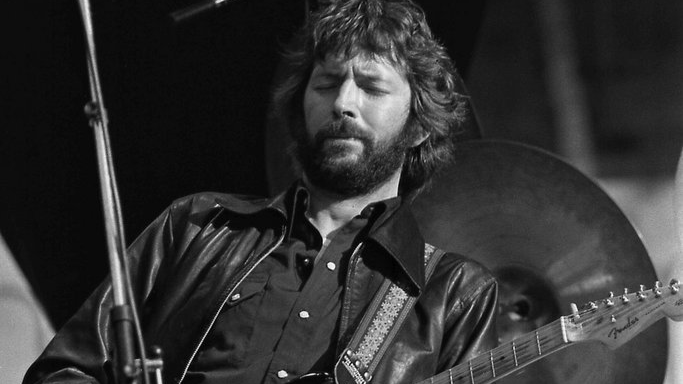 Chris Hakkens, CC BY-SA 2.0, Wikimedia Commons
Ritchie Blackmore, “Burn” By Deep Purple
Blackmore’s solo on “Burn” blends classical precision with hard rock aggression. His rapid scalar runs feel tight and disciplined, yet explosive. It’s technical without sounding sterile. Blackmore’s neoclassical influence helped define early heavy metal lead guitar.
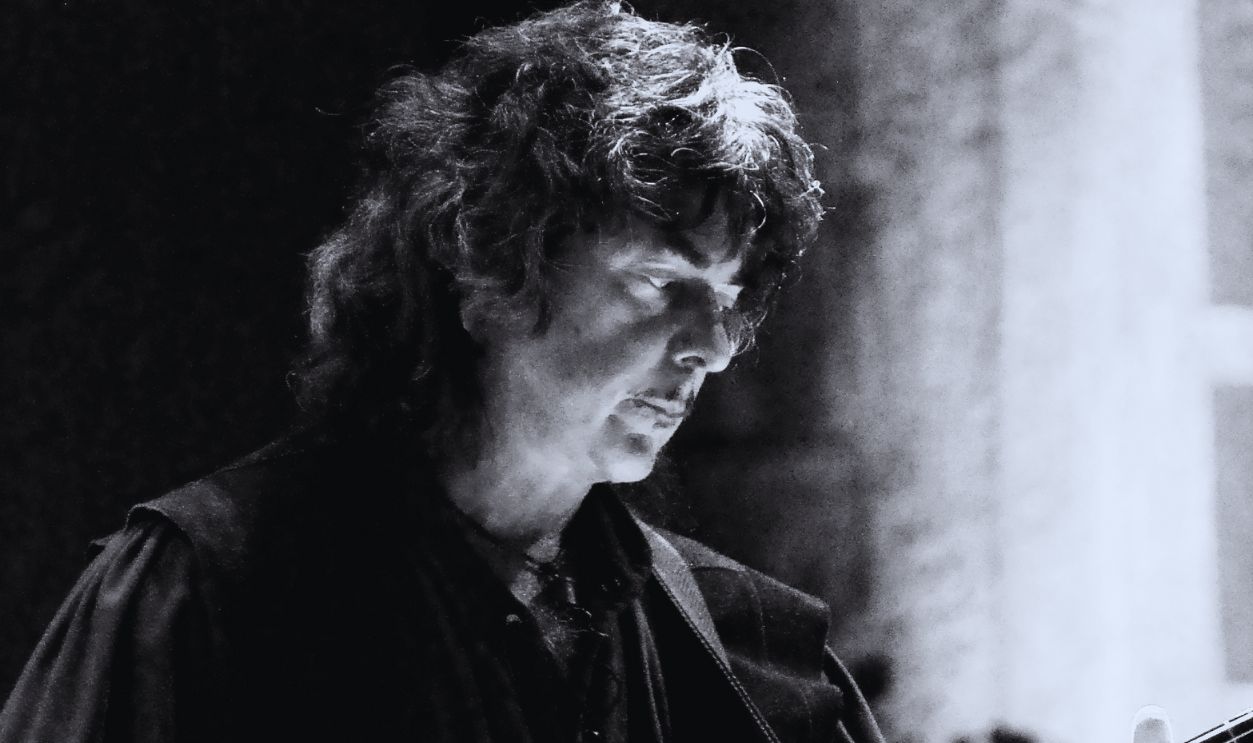
Carlos Santana, “Europa (Earth’s Cry Heaven’s Smile)” By Santana
Santana’s solo on “Europa” is all about tone and emotion. Released in 1976, the instrumental builds slowly, with Santana’s sustain-heavy phrasing almost singing over the band’s smooth Latin-infused groove. His vibrato is unmistakable, and every bend feels deliberate and soulful. Unlike many technically dazzling solos, this one breathes, rising and falling like a vocal performance.
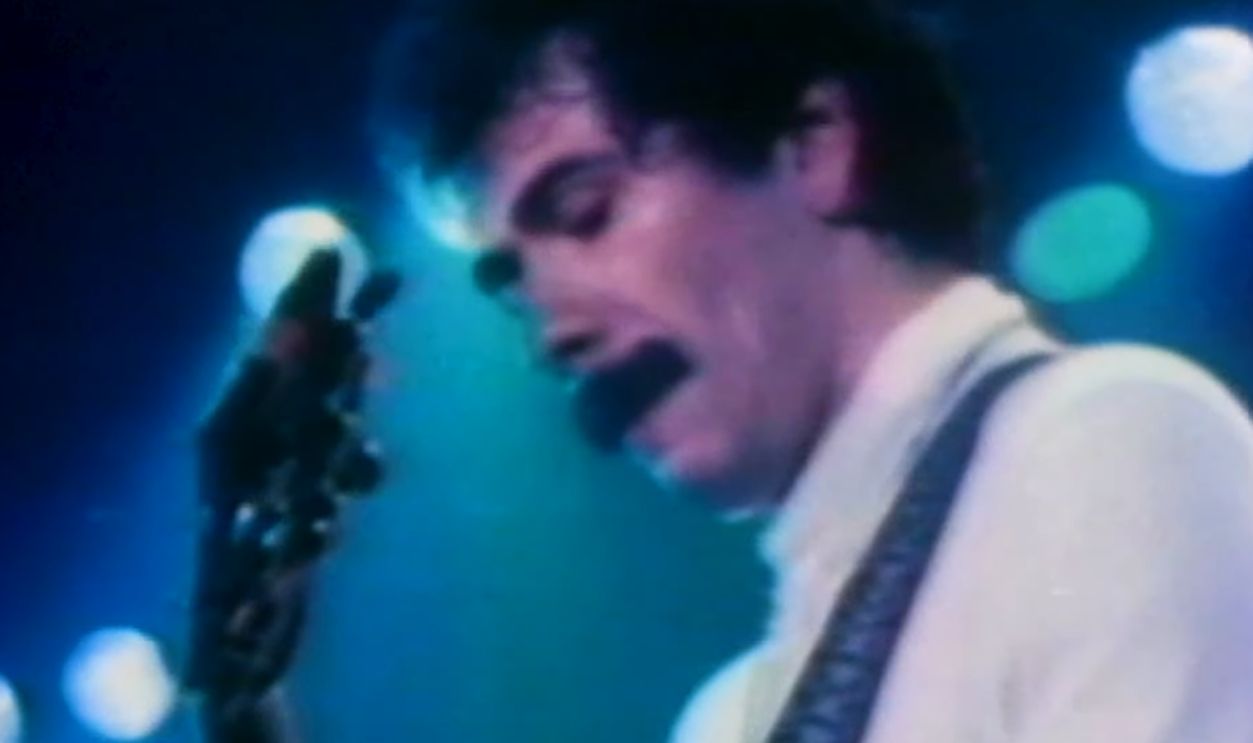 Screenshot from Europa (Earth’s Cry Heaven’s Smile), Santana, Columbia Records (1976)
George Harrison, “Carry That Weight” By The Beatles
While often overshadowed by larger Beatles moments, Harrison’s tasteful guitar work adds emotional weight to the Abbey Road medley. His melodic phrasing supports the song’s reflective tone, showing how subtlety can be just as powerful as flash.
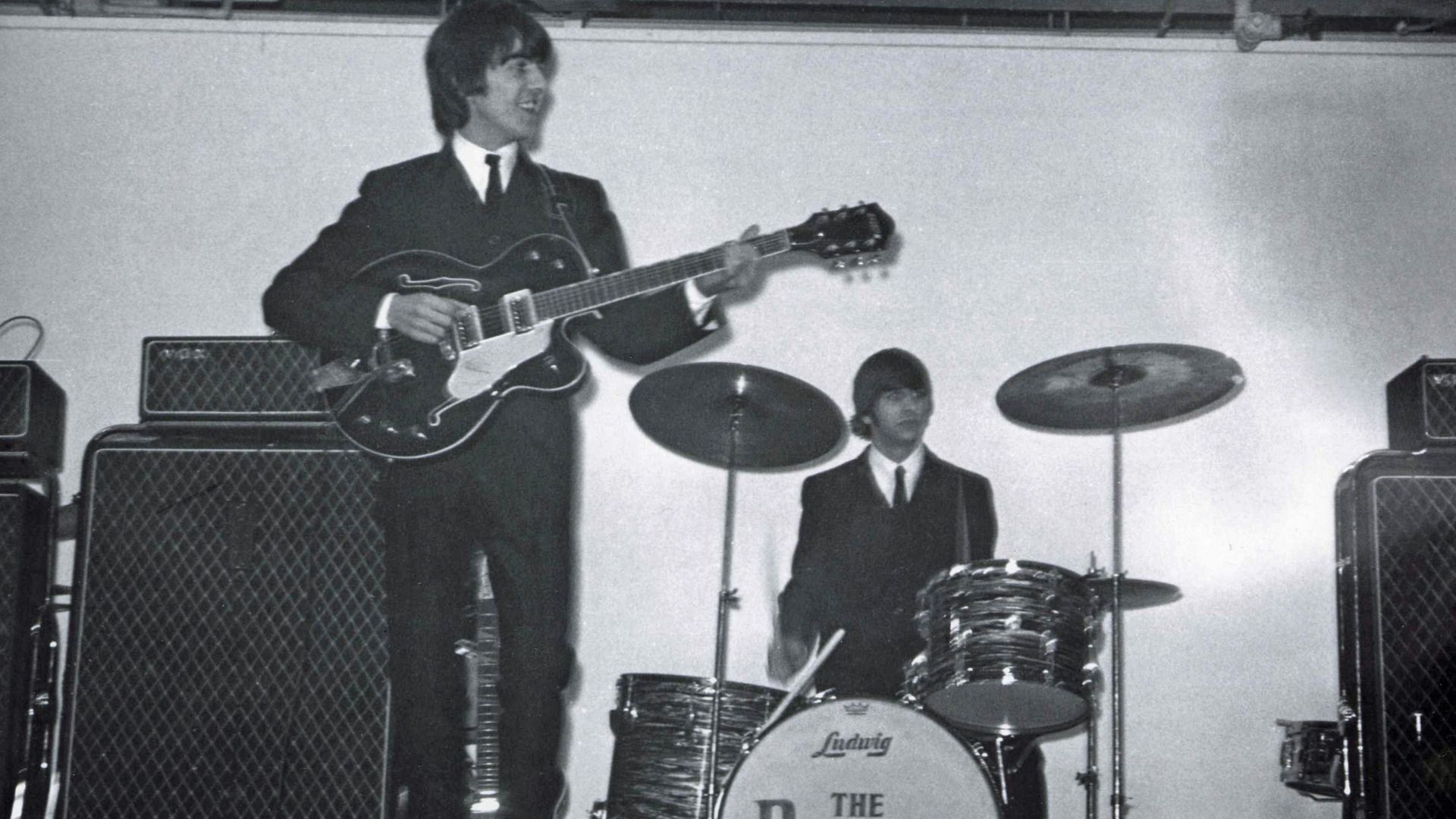 Public Record Office of Northern Ireland, Wikimedia Commons
Stevie Ray Vaughan, “Texas Flood” By Stevie Ray Vaughan
Stevie Ray Vaughan’s live performances of “Texas Flood” turned the song into a blues masterclass. His tone is thick and gritty, and his phrasing combines Texas swagger with deep Chicago blues roots. The solo feels like controlled chaos, bursting with energy but grounded in tradition.
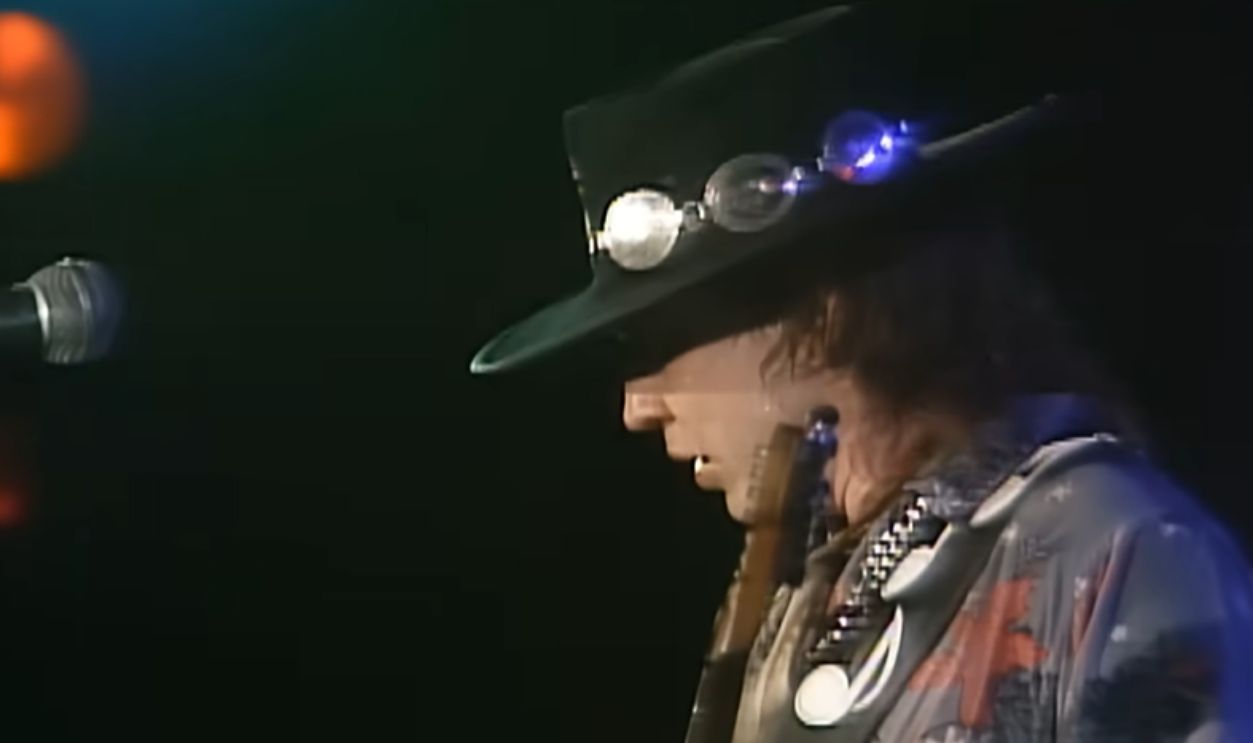 Screenshot from Texas Flood, Stevie Ray Vaughan, Epic Records (1983)
Eric Johnson, “Cliffs Of Dover” By Eric Johnson
“Cliffs of Dover” is precision wrapped in melody. Johnson’s tone is pristine, and his alternate picking technique is flawless. Yet the solo never feels mechanical. It’s uplifting and fluid, almost orchestral in its sweep. Technical brilliance meets melodic beauty.
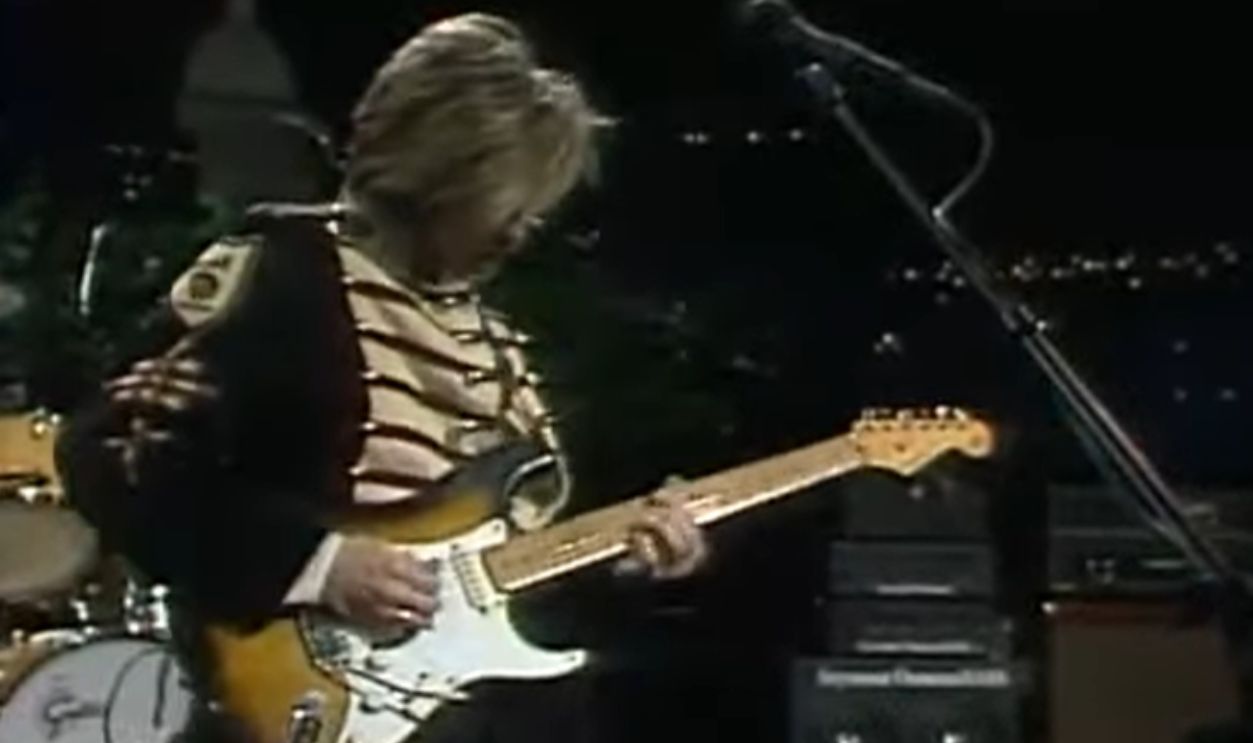 Screenshot from Cliffs of Dover, Eric Johnson, Reprise Records (1990
You May Also Like:
Songs With Face-Melting Guitar Solos



_(edit).png)