Purple Rebellion, Unplugged
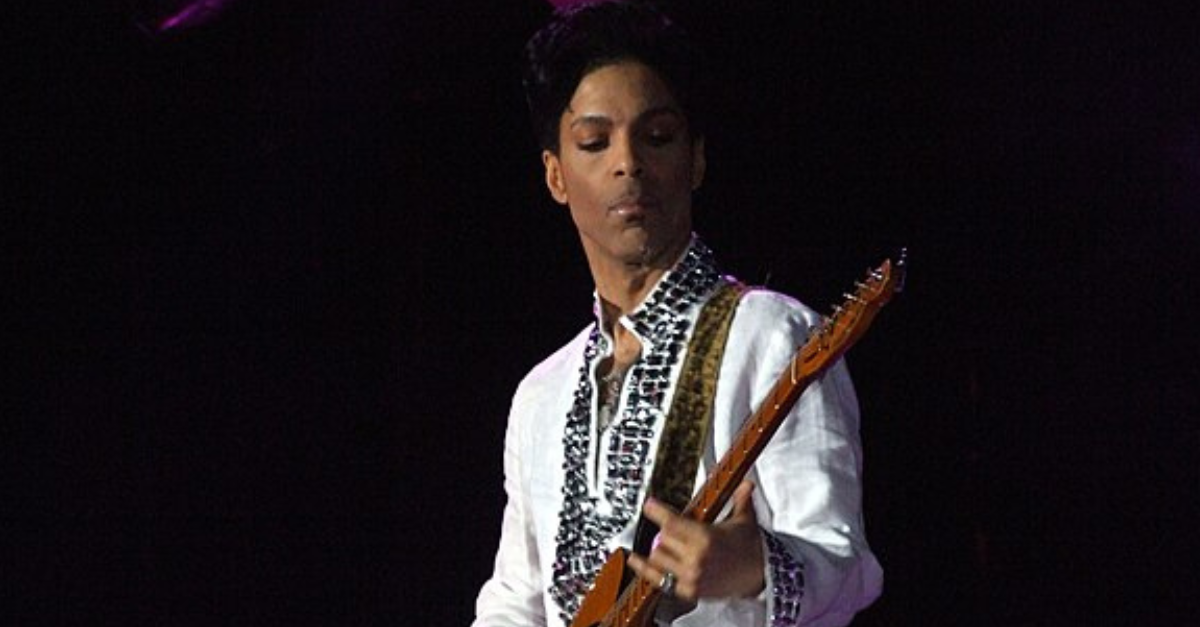
Before he was a symbol—literally—Prince was a one-man creative galaxy who refused to let anyone else hold the map. His battle with Warner Bros. in the 1990s wasn’t just a contract dispute; it was a loud, glitter-covered thesis about art, control, and what happens when a genius decides the entire industry is too small for him. What followed was part performance protest, part legal chess match, and entirely Prince.
 The Royal Beginning
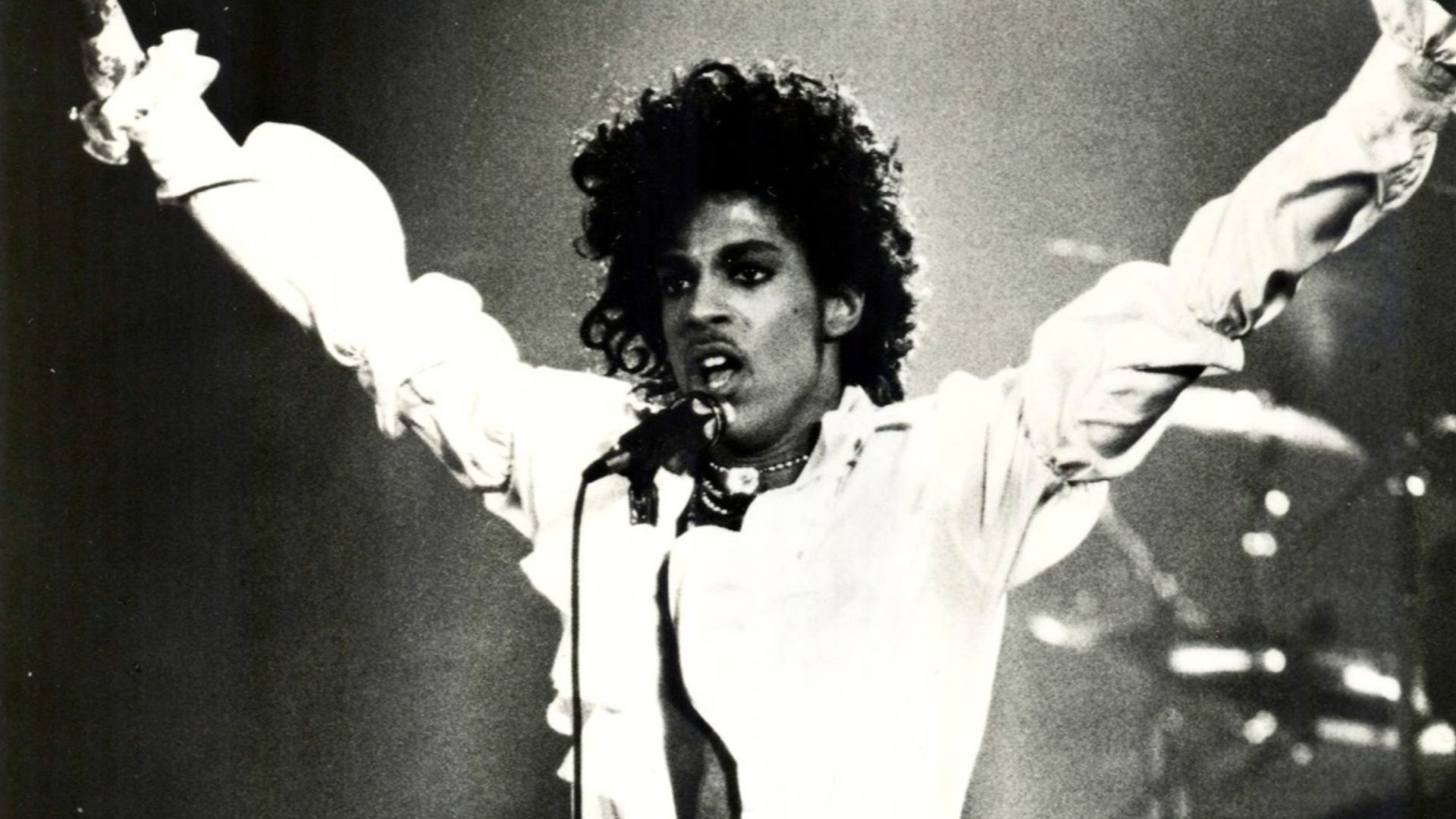
Prince emerged as a Minneapolis prodigy who played just about every instrument before most kids figured out the school lunch system. Early on, he made it clear he wasn’t built for creative limits. His first albums announced a musician who wrote, arranged, and produced everything himself, which should’ve been a hint that he wouldn’t be signing away power without a fight.
 Distributed by Warner Bros., Wikimedia Commons
A Sound Too Big For Categories
Genres were suggestions, not rules, and Prince treated them like neon-colored clay. Soul, rock, funk, pop—he blended it all effortlessly, making gatekeepers scramble to define him. As his fame grew, so did his desire to steer every piece of his output.
 jimi hughes from ballymena, n ireland - https://www.flickr.com/photos/jimieye/, Wikimedia Commons
Warner Bros. Steps Onto The Stage
By the early 1980s, Prince’s partnership with Warner Bros. had produced major commercial success and momentum. The label gave him reach; he delivered groundbreaking music. But even in those early years, Prince’s nonstop creative pace didn’t always align with Warner’s more cautious approach to releasing albums.

Purple Reign Meets Corporate Reality
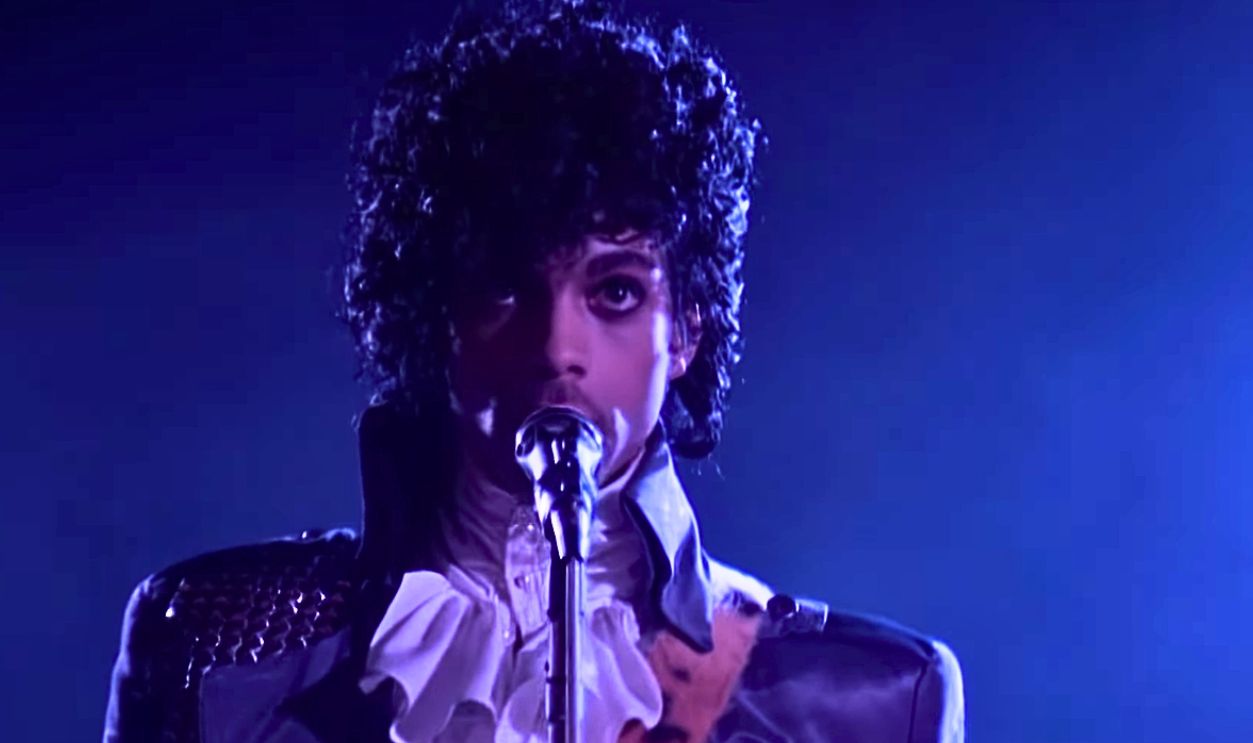
After the planet-shaking arrival of Purple Rain, Prince became one of the most bankable artists alive. To Warner executives, that meant protecting the brand and carefully pacing releases. To Prince, it meant he had earned total freedom. When the label tried to slow his output, he saw it as a constraint on the very creativity that made him valuable.
 Screenshot from Purple Rain, Warner Bros. Pictures (1984)
The Vault Becomes A Pressure Cooker
Prince famously stockpiled completed songs and albums in his Vault, a private universe of unreleased music. Warner wasn’t opposed to the Vault itself—they were concerned about oversaturating the market. Prince disagreed, and this difference in philosophy-his hunger to release versus their desire to pace-sparked deeper tension.
 nicolas genin, Wikimedia Commons
An Artist Who Refused To Be Managed
Prince didn’t just write songs; he built worlds. Trying to confine him within a corporate framework proved nearly impossible. Contracts, marketing schedules, and album pacing weren’t merely inconvenient—they were, to him, artistic intrusions.
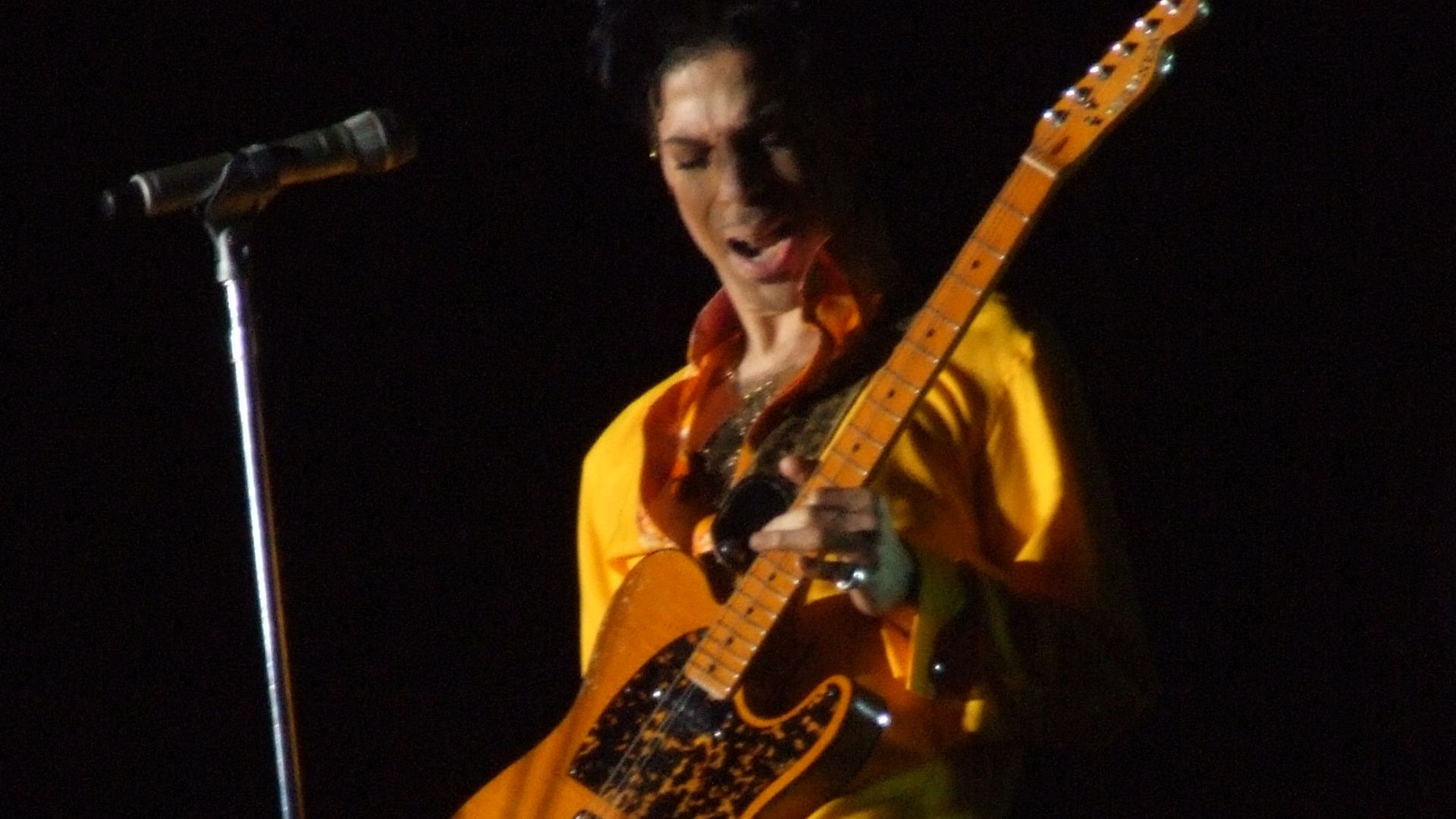 Scott Penner, Wikimedia Commons
The Turning Point: Ownership
At the heart of the conflict was ownership. Prince believed his master recordings should belong to him. Warner considered them part of its corporate catalog. This fundamental disagreement widened the gulf between them.
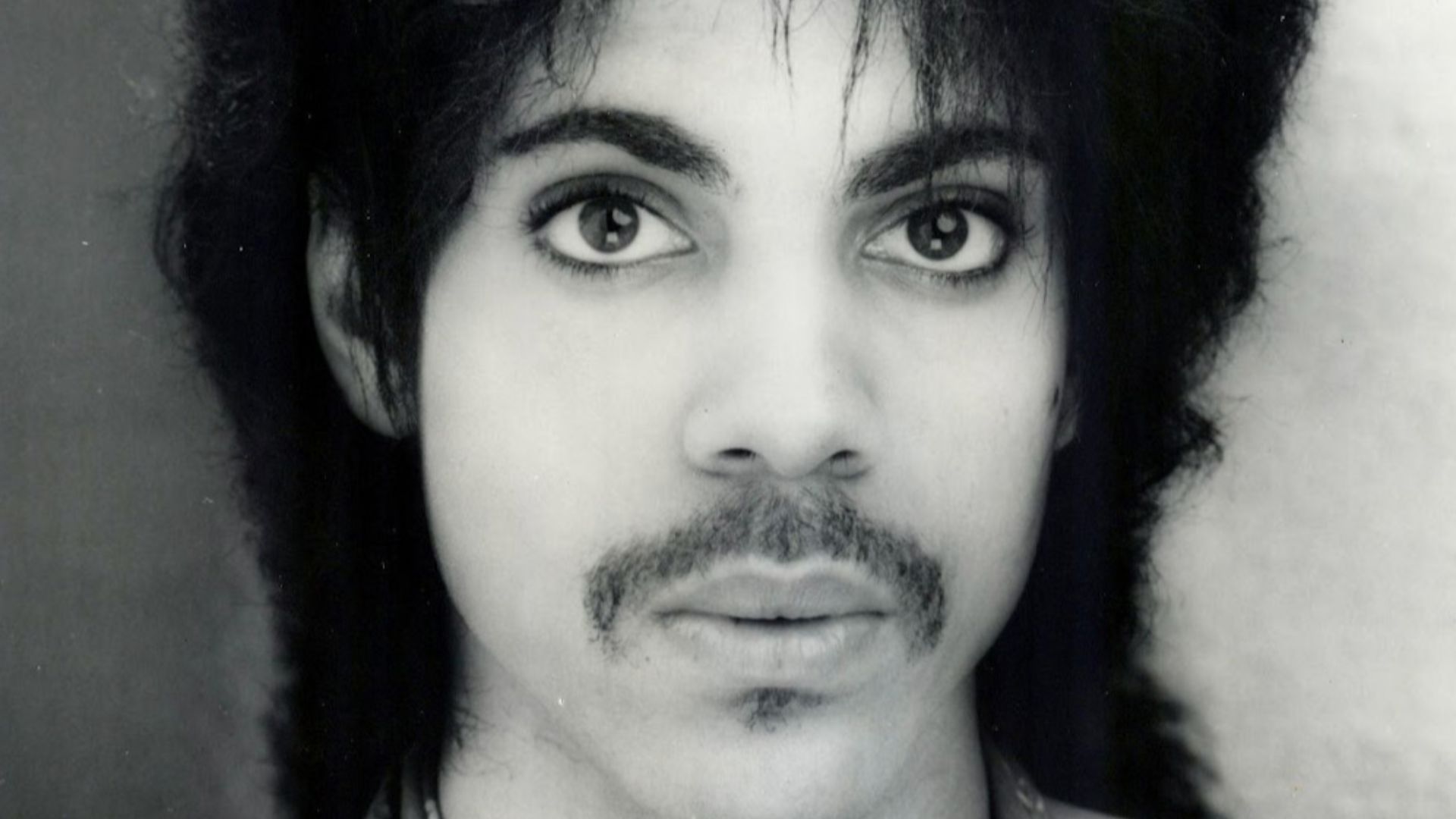 Distributed by Warner Bros. Records. Photographer unknown., Wikimedia Commons
When Prince Declared War
In the early 1990s, Prince hit a breaking point. He believed the label treated his work like a product it controlled rather than art he created. Warner defended its contractual rights, and the clash shifted from boardrooms to the public eye.
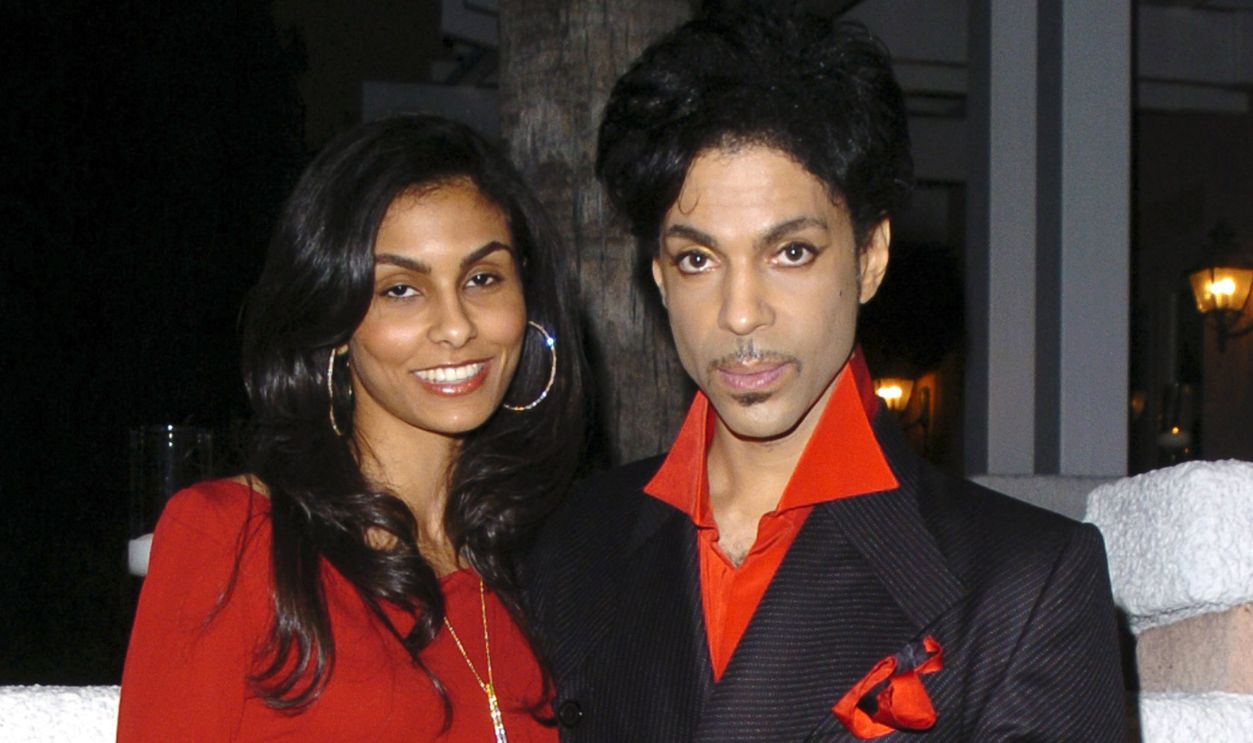
The Name Change Heard Around The World
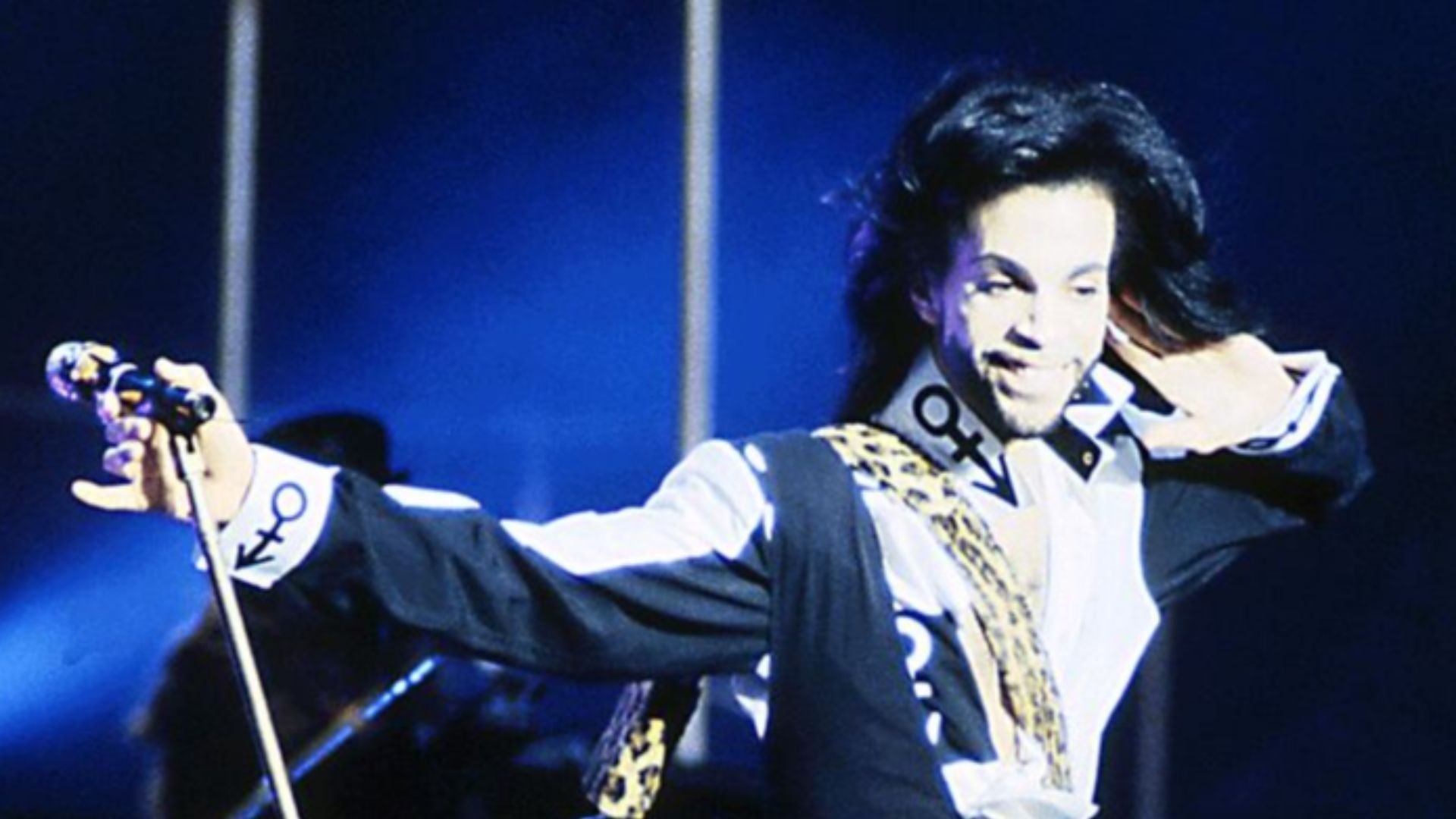
In 1993, Prince shocked the world by changing his stage name to an unpronounceable symbol. The press started calling him “the Artist Formerly Known as Prince,” but to him, it was a statement of independence. The move confused audiences—and put pressure on the label.
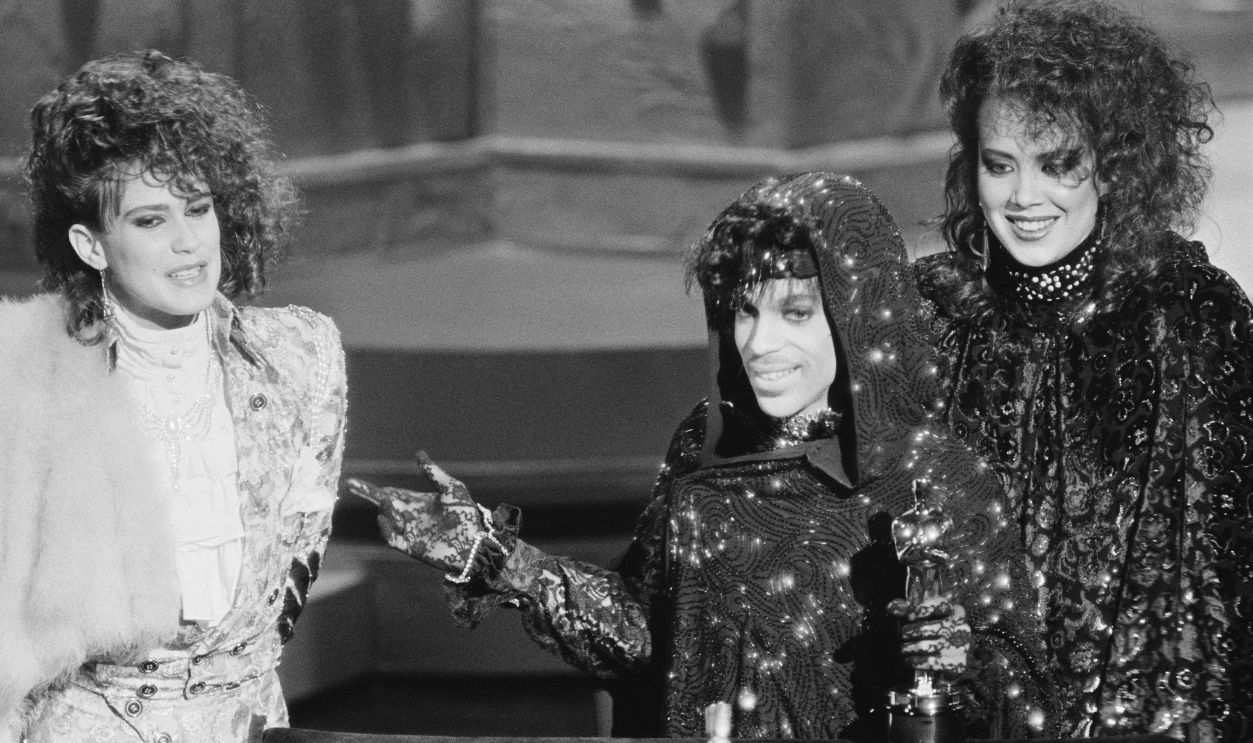
Why A Symbol Was A Strategy
The name change allowed him to create under a new identity while still delivering the remaining albums owed under the “Prince” contract. It was radical, surprising, and entirely strategic. It was a protest disguised as mystique.
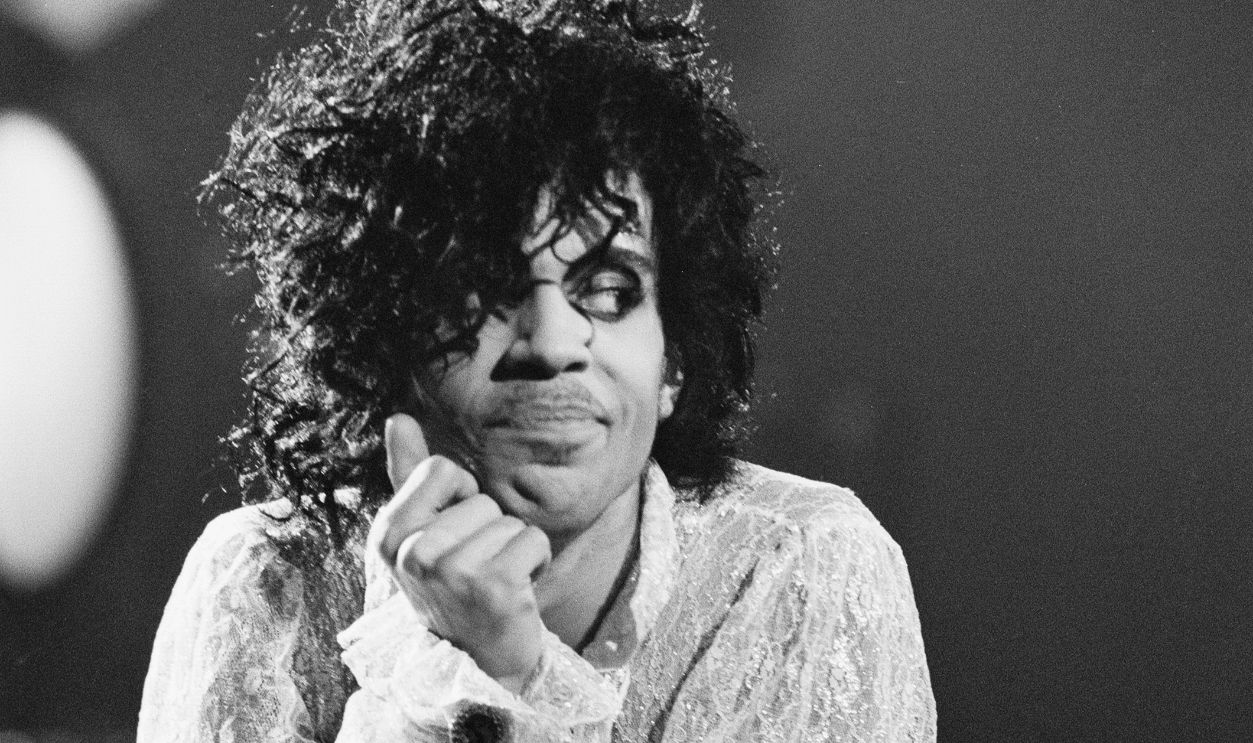
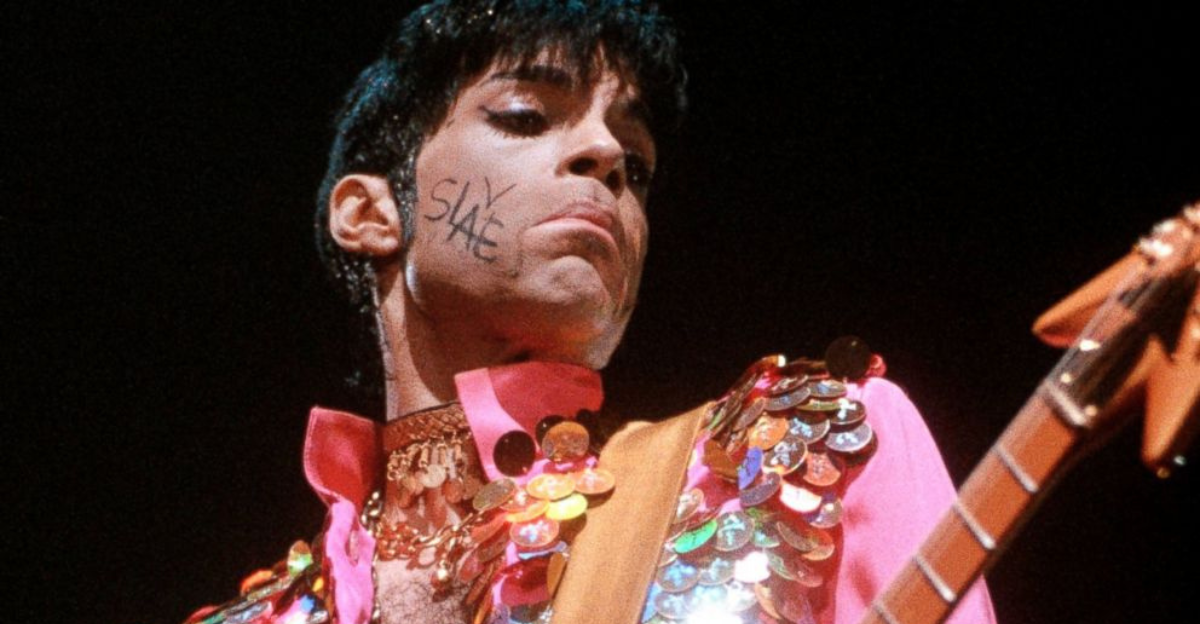
The Word Scrawled Across His Cheek
Then came the jarring visual that became synonymous with the dispute: “slave” written across his face during performances and public appearances. It wasn’t subtle. Prince wanted people to see his feelings about his contractual issues.
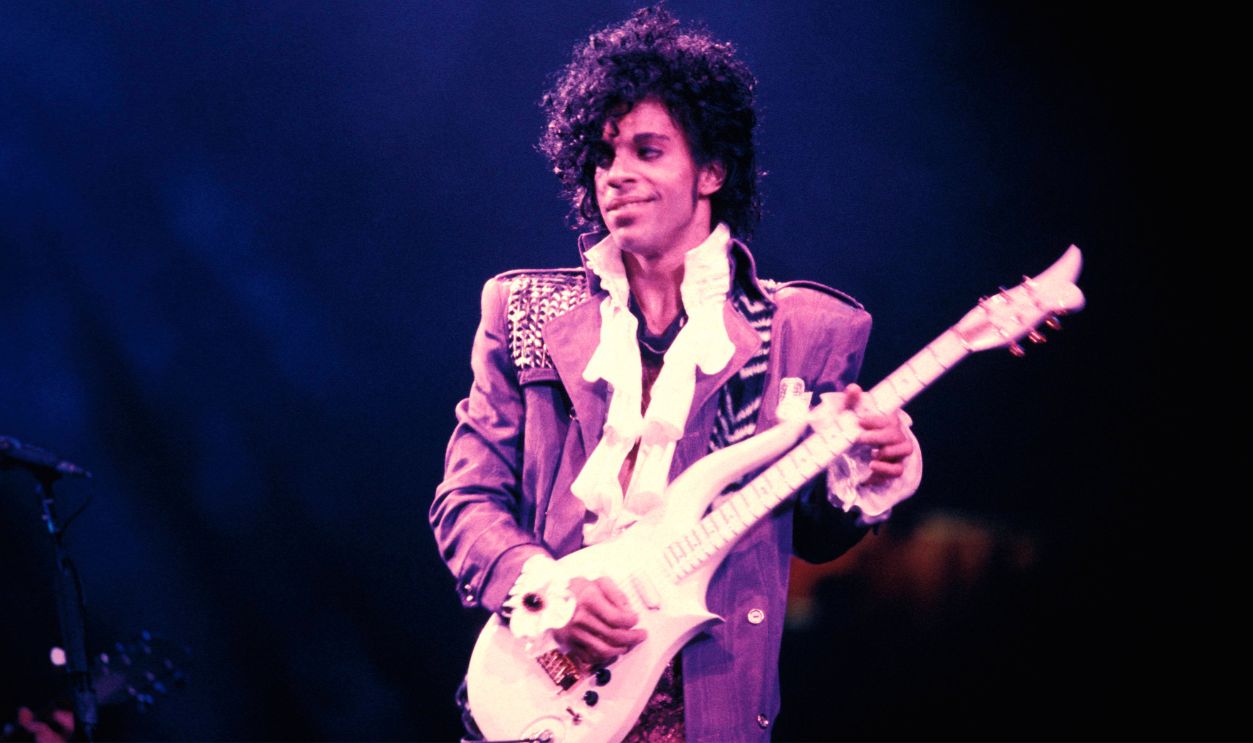 Richard E. Aaron, Getty Images
Mixed Reactions From The Public
Some observers were puzzled. Others saw it as an extreme gesture. But the message he intended was unmistakable: artistic control is not optional for a creator of his magnitude.
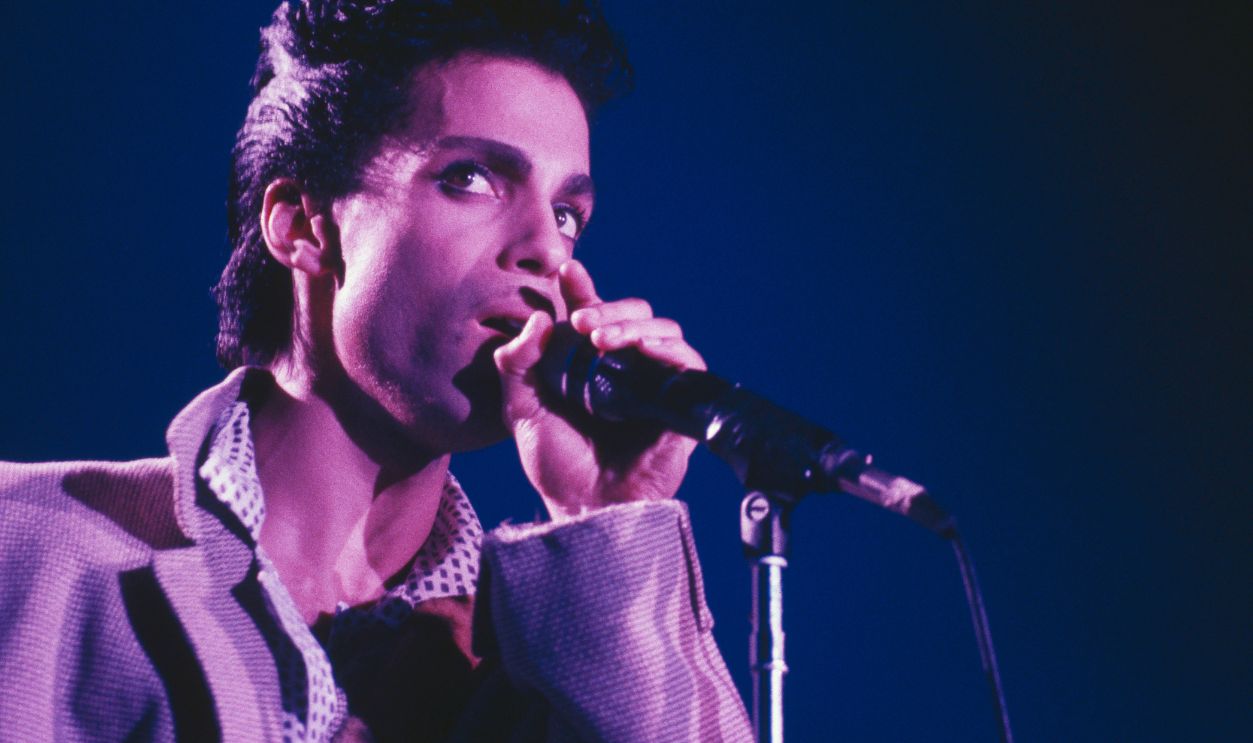
Meanwhile, The Music Didn’t Stop
Even during his most contentious period with Warner, Prince released a burst of albums—some classic, some experimental—all unmistakably his. The pace proved that even tension couldn’t restrain his creative momentum.
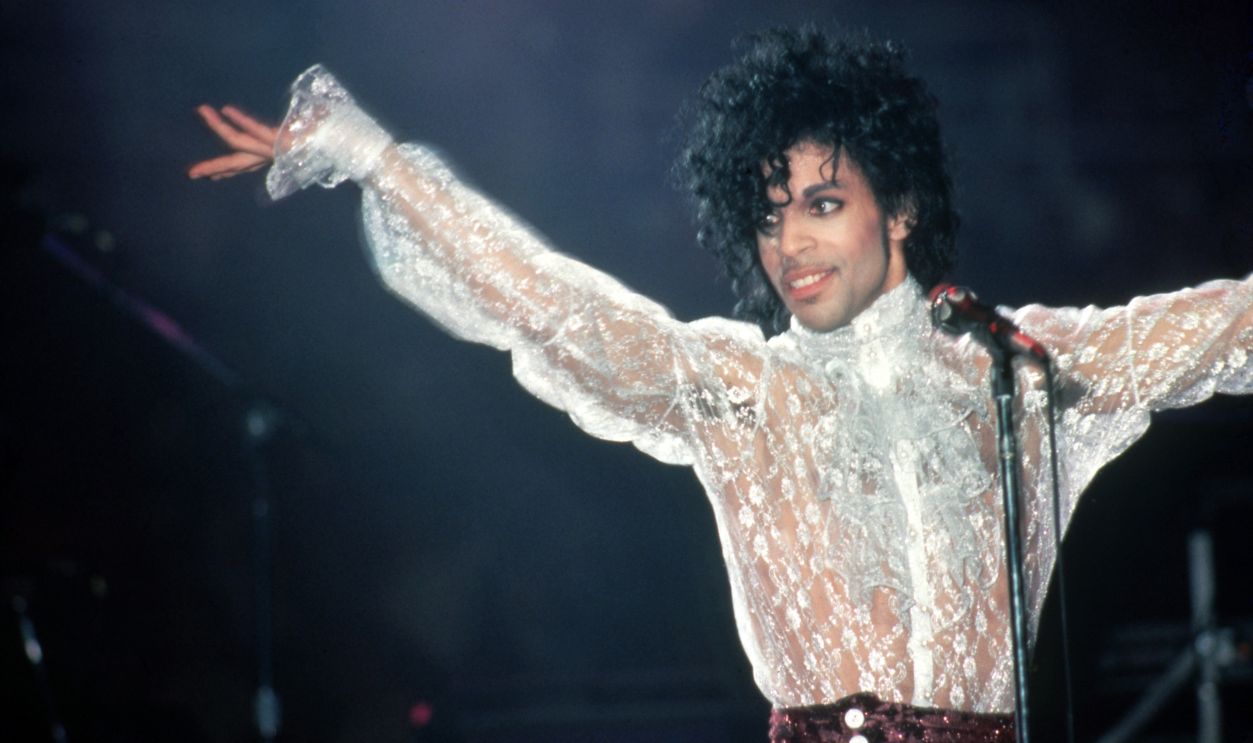
The New Power Generation Era
His band, the New Power Generation, became both a sonic playground and a creative outlet as he navigated the contract dispute. By channeling new sounds through collaborators, he found fresh ways to keep releasing material while fulfilling obligations.
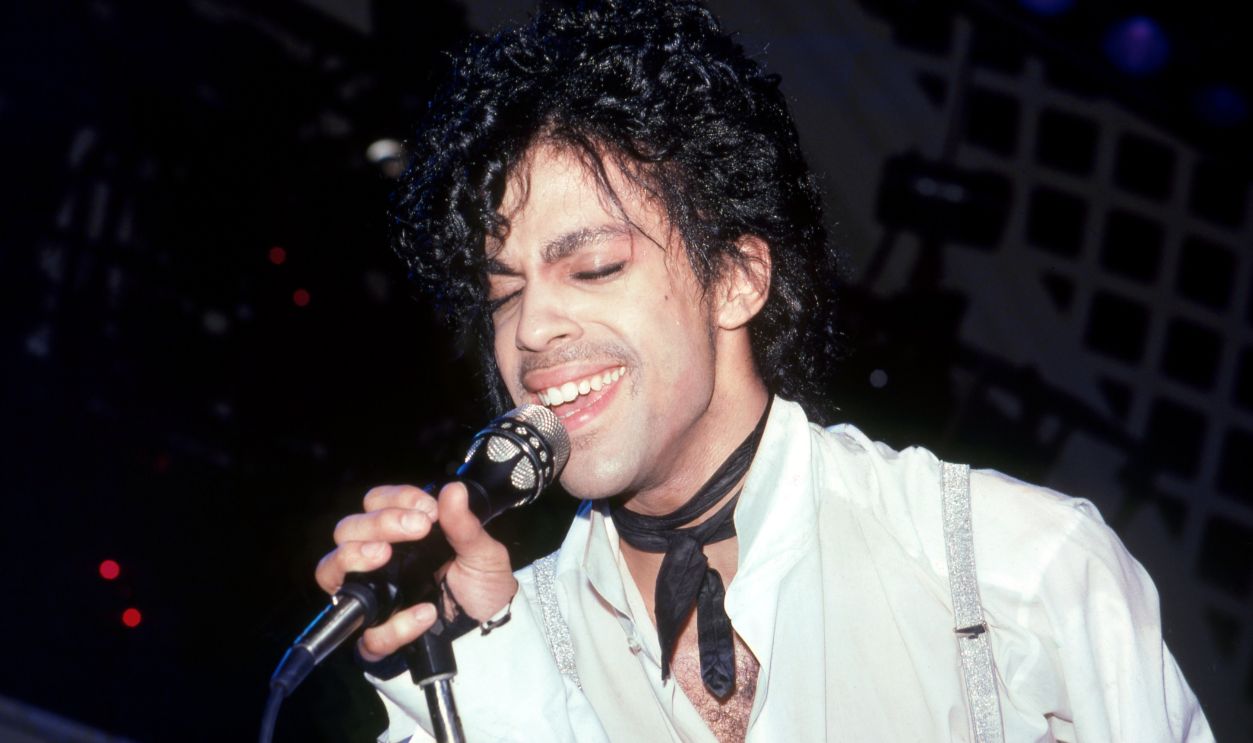
A Business Lesson Wrapped In Paisley
Prince’s public stance became a case study in how contracts, copyrights, and ownership shape the music world. Artists watching from the sidelines suddenly saw exactly how little control they often had.
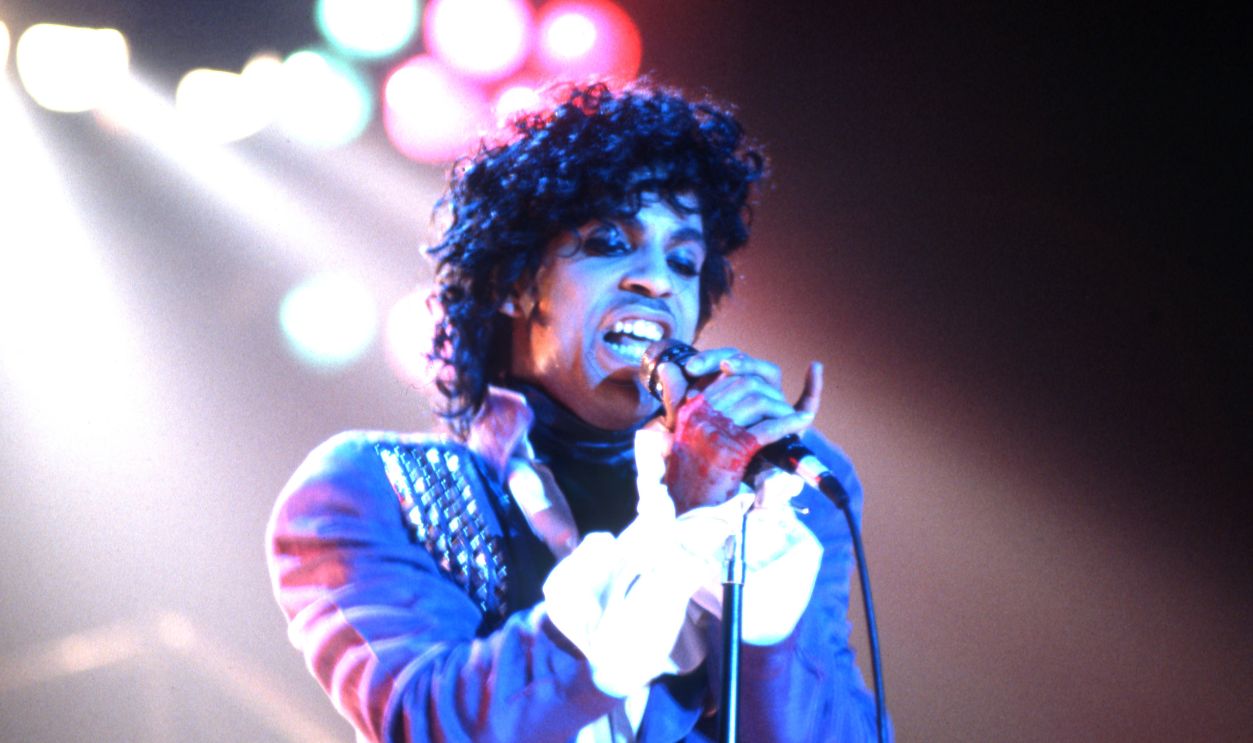
The Contract Finally Runs Out
After years of symbolic resistance and steady album delivery, Prince reached the end of his Warner contract. The label did not change its position on pacing releases—he simply met the terms and stepped out of the system that had frustrated him for so long.
Freedom At Last
In 2000, with the contract behind him, he reclaimed the name “Prince”. It marked the end of a long, theatrical showdown and the beginning of a new era in which he could finally chart his own course without corporate oversight.
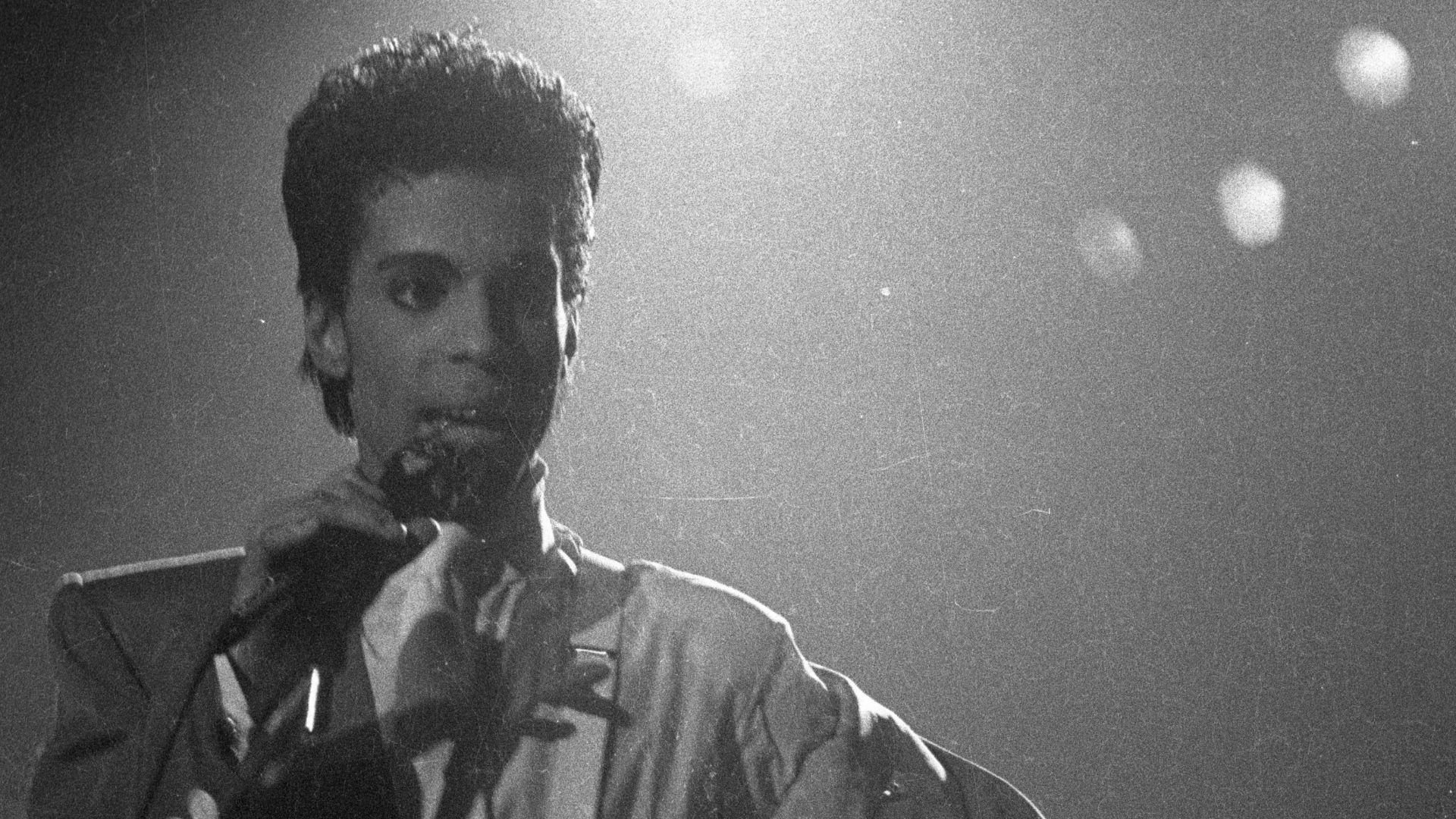 Yves Lorson, Wikimedia Commons
Building His Own Kingdom
Free from label constraints, Prince leaned harder into Paisley Park as the center of his creative world. It wasn’t new, but now it operated entirely on his terms. Distribution experiments, digital releases, and unconventional strategies became part of his independent blueprint.
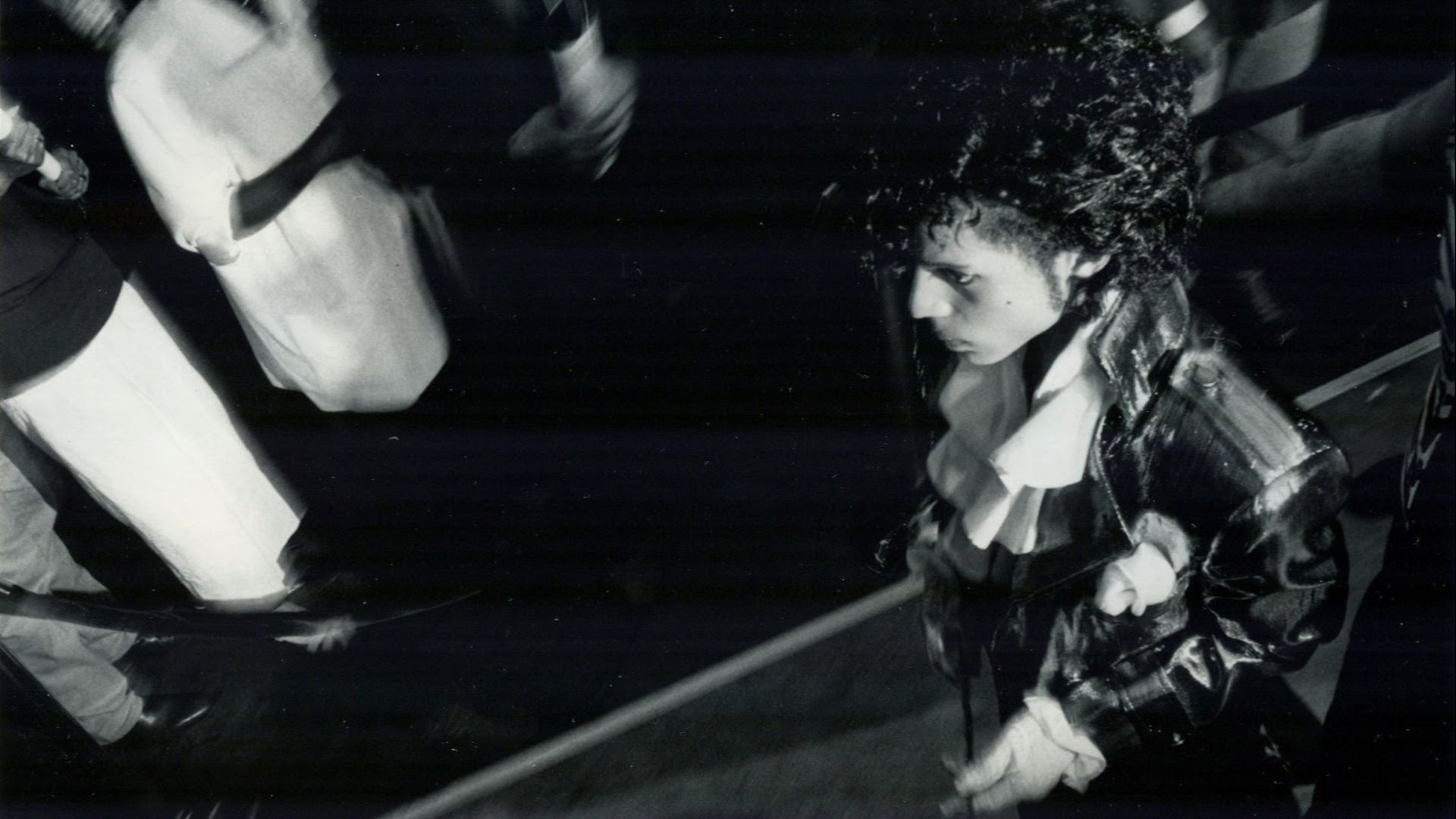 Gary Leonard; Distributed by Warner Bros., Wikimedia Commons
A Legacy Written In Purple Ink
Prince’s fight reshaped how artists think about ownership and autonomy. Younger musicians began challenging contracts and advocating for control of their work, following a path he illuminated long before it became a movement.
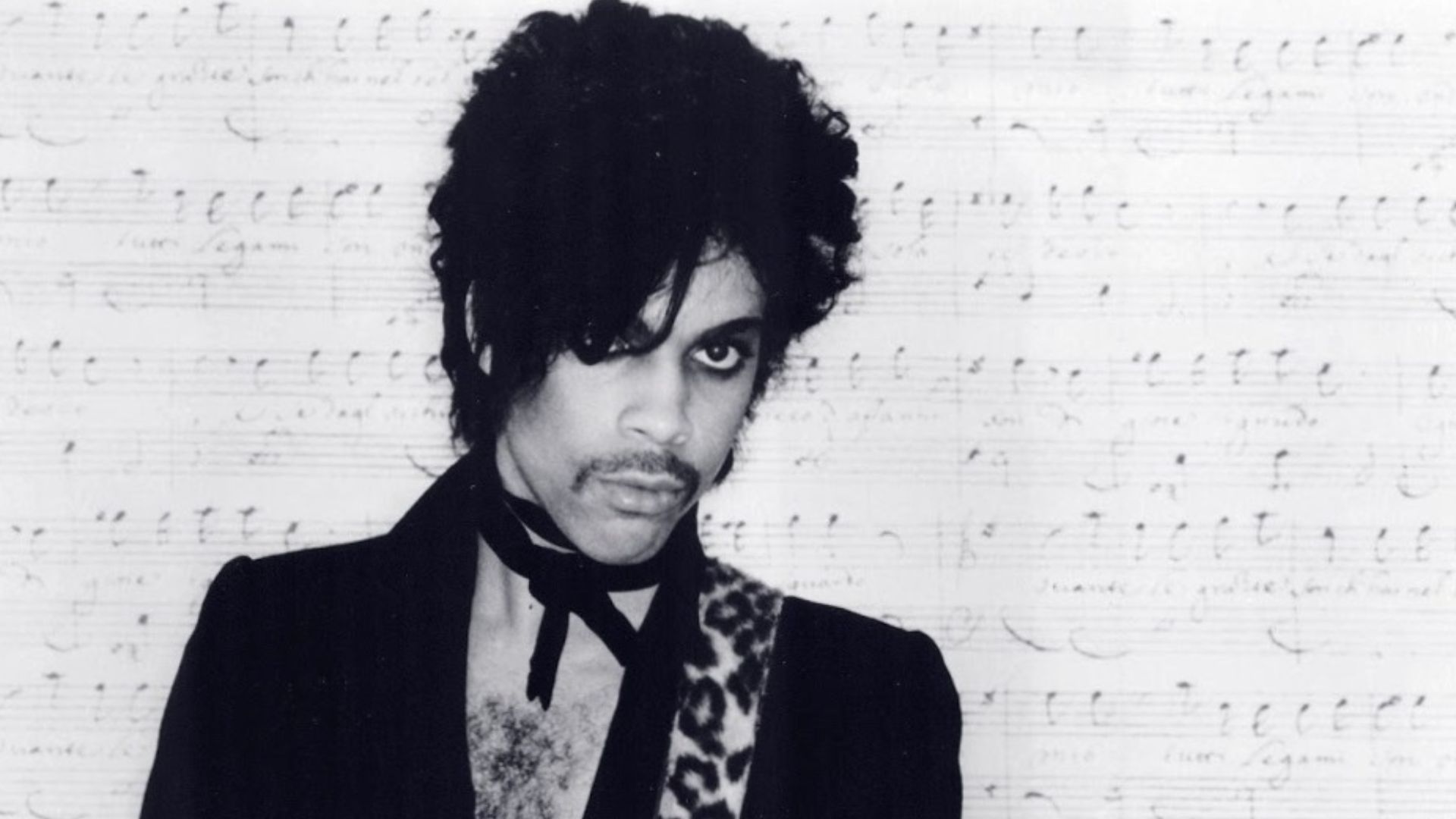 Allen Beaulieu; Distributed by Warner Bros. Records., Wikimedia Commons
Even After His Passing, The Message Remains
The questions he raised—who owns the art, who profits from it, and who gets to define the artist—continue to echo throughout the industry. His struggle didn’t end with him; it reshaped the conversation permanently.
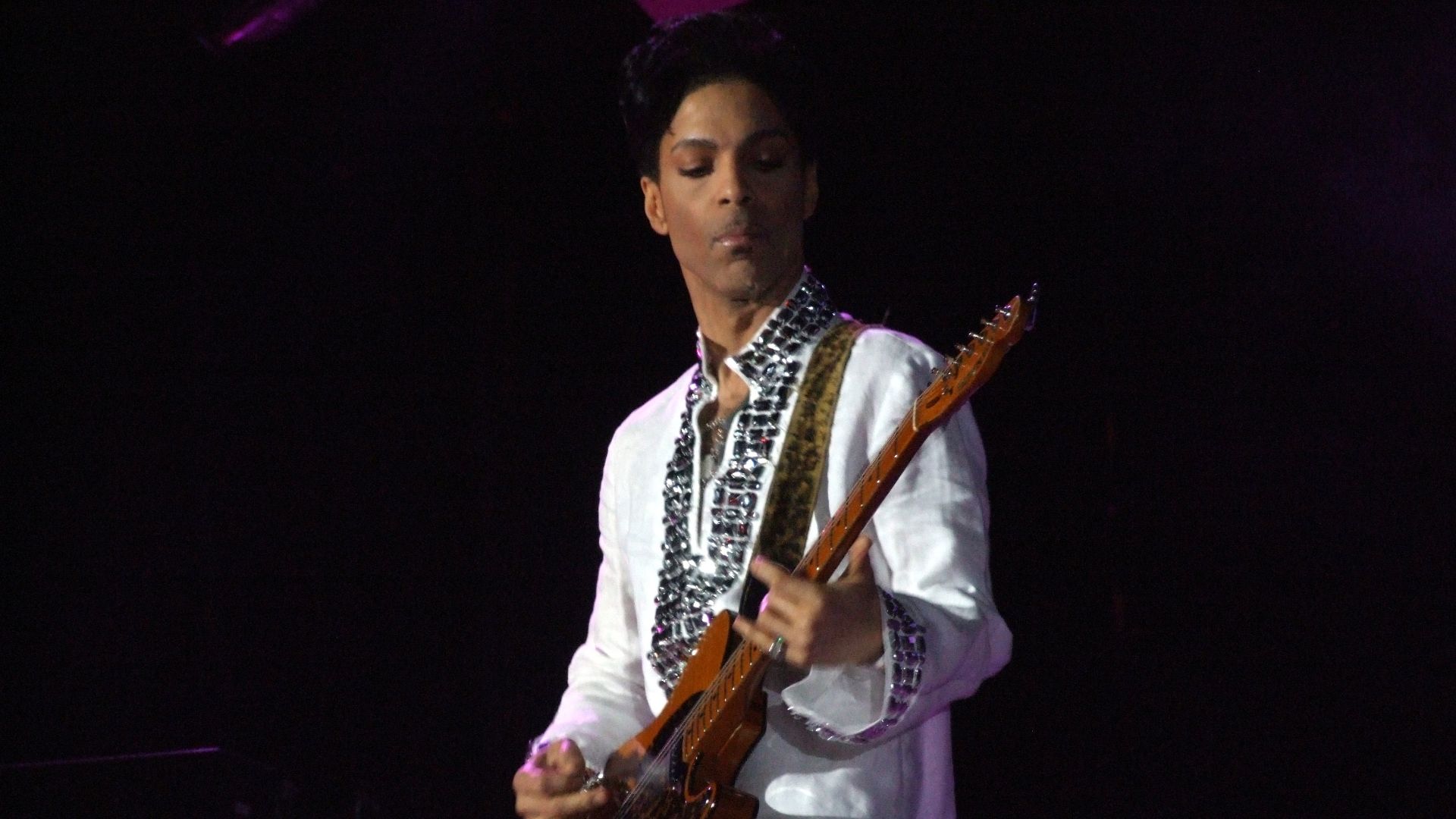
The Symbol Was Only The Beginning
In the end, Prince’s protest wasn’t just about one contract. It was about dignity, identity, and creative freedom. What he wrote on his face wasn’t drama for its own sake—it was a sharp reminder that genius refuses to be confined.
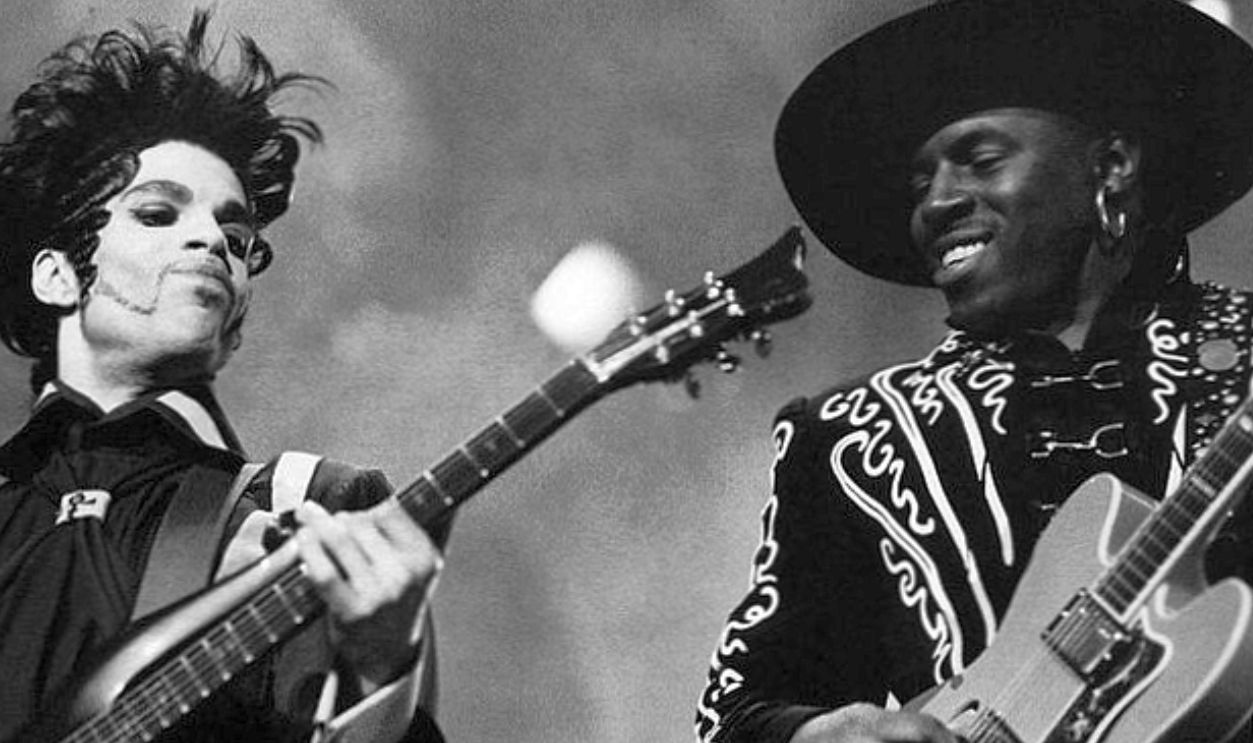 Levi Seacer, Wikimedia Commons
You May Also Like: