When Silence Has Its Own Groove
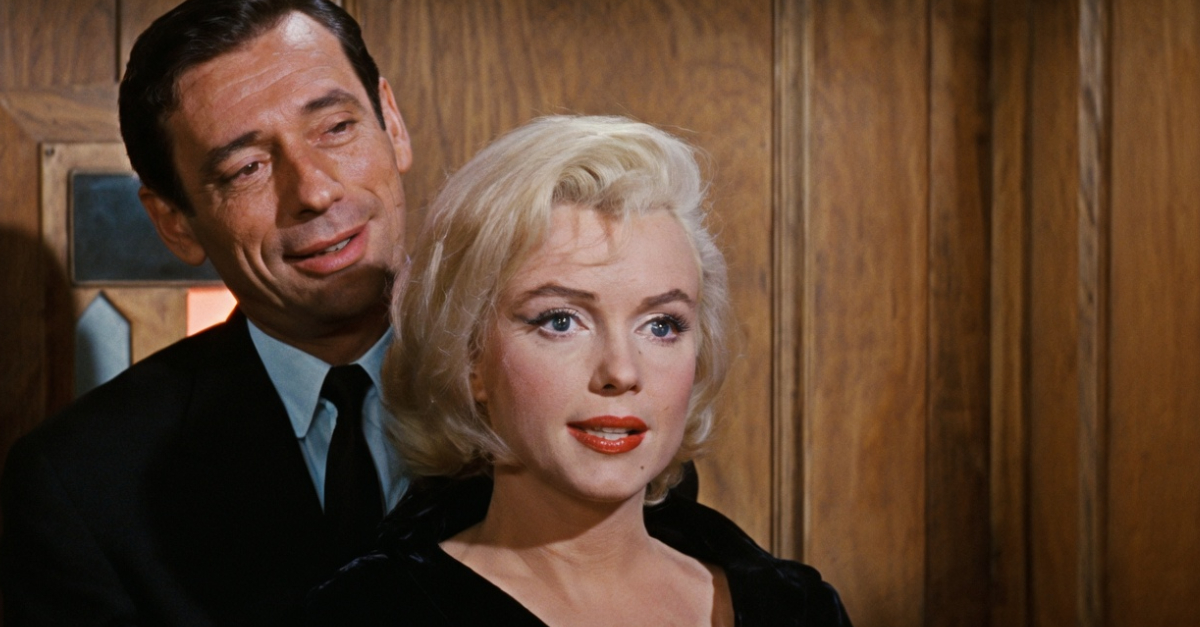
Before Bill Withers ever considered walking away from the spotlight, he had already carved his name into music history with songs that still feel like warm sunlight. His story isn’t the typical rise-and-fall arc—if anything, it’s the tale of a man who realized he didn’t need fame to validate his talent. Instead of clinging to the spotlight, he shrugged, stepped back, and proved that sometimes disappearing is the loudest statement an artist can make.
Born Far From Any Stage
Bill Withers didn’t grow up anywhere near a glittering entertainment hub. He was raised in a small West Virginia town, surrounded by coal mines instead of microphones. Those early years grounded him in a kind of emotional honesty that would one day define his songwriting.
A Childhood Marked By Quiet Observations
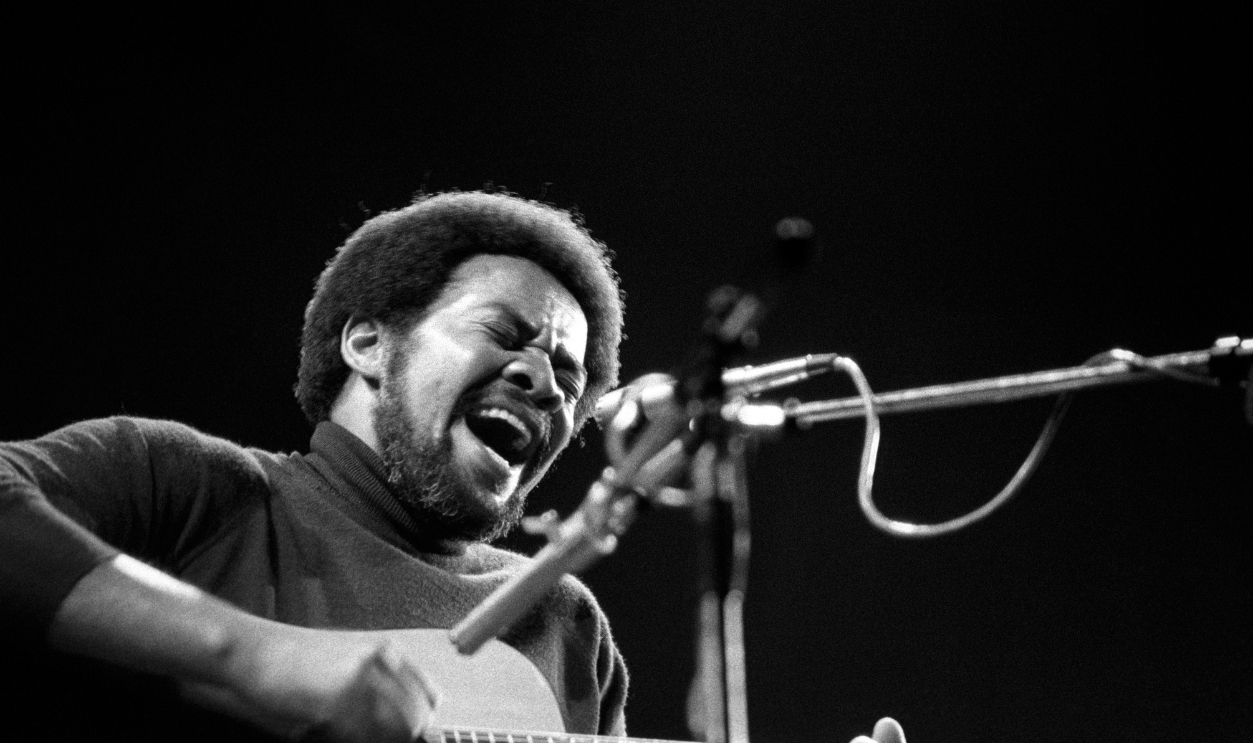
He struggled with a stutter as a kid, which made him more of an observer than a talker. That quiet vantage point helped him notice things other people overlooked. When he eventually started writing songs, those observations finally had a place to land.
 Sussex Records, Wikimedia Commons
Navy Years That Built His Discipline
Withers spent nearly a decade in the US Navy, where he learned structure, resilience, and how to keep moving even when things felt impossible. That experience would shape both his work ethic and his no-nonsense approach to the industry. It’s one of the rare times in music history when military discipline helped shape a soul icon.
 Australian National Maritime Museum on The Commons, Wikimedia Commons
A Factory Job And A Dream On The Side
After leaving the Navy, he worked assembling airplane toilets—yes, the glamorous life of a future Grammy winner. But he kept a notebook close, scribbling lyrics on lunch breaks. Fame wasn’t even the goal; he just wanted to tell the truth through music.
The Demo Tape That Changed Everything
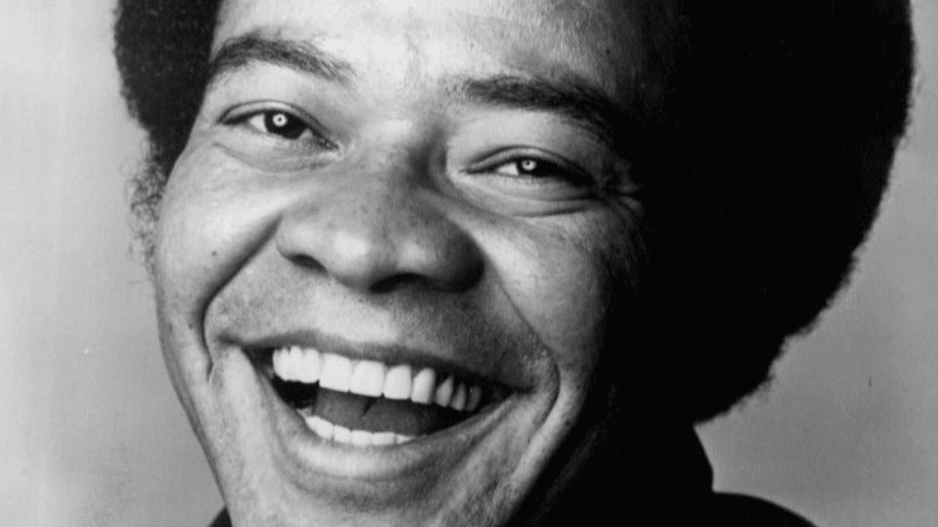
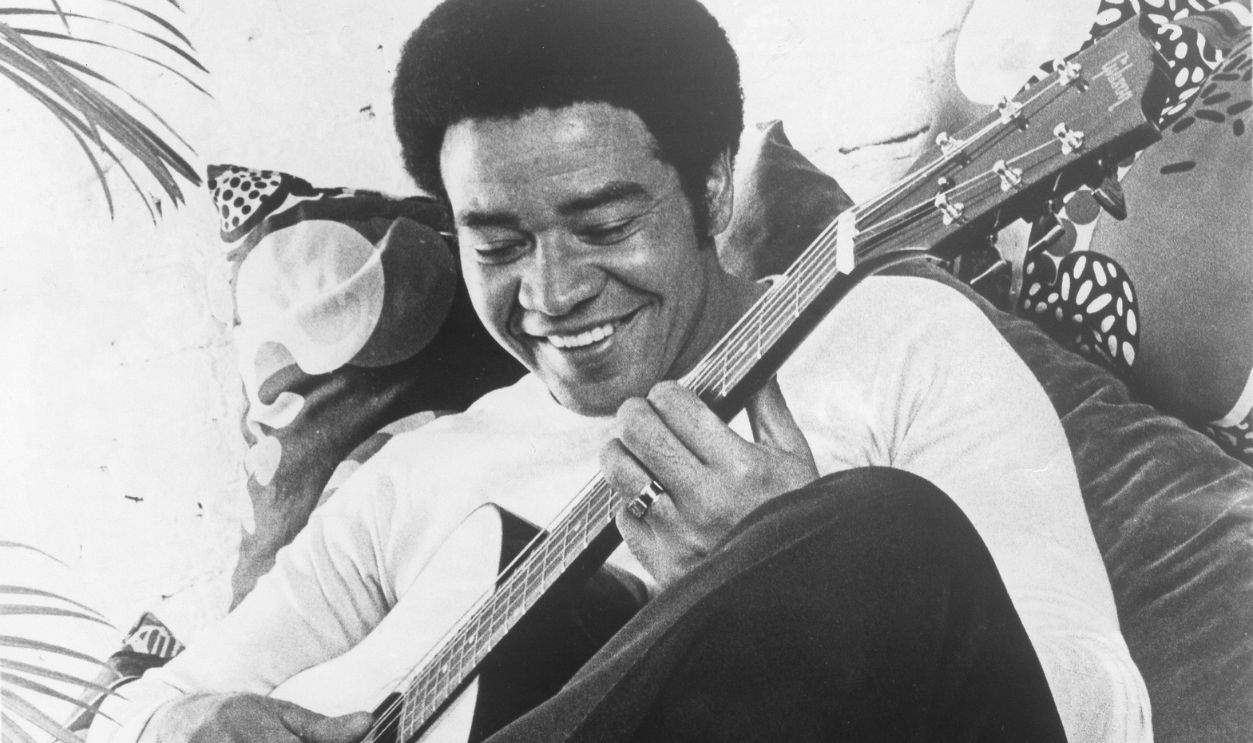
Withers scraped together enough money to record a demo. That music ended up in the hands of someone who actually listened. Soon after, he found himself with a record deal and a chance at something bigger than the assembly line.
 Michael Ochs Archives, Getty Images
His Breakout Wasn’t Flashy—It Was Human
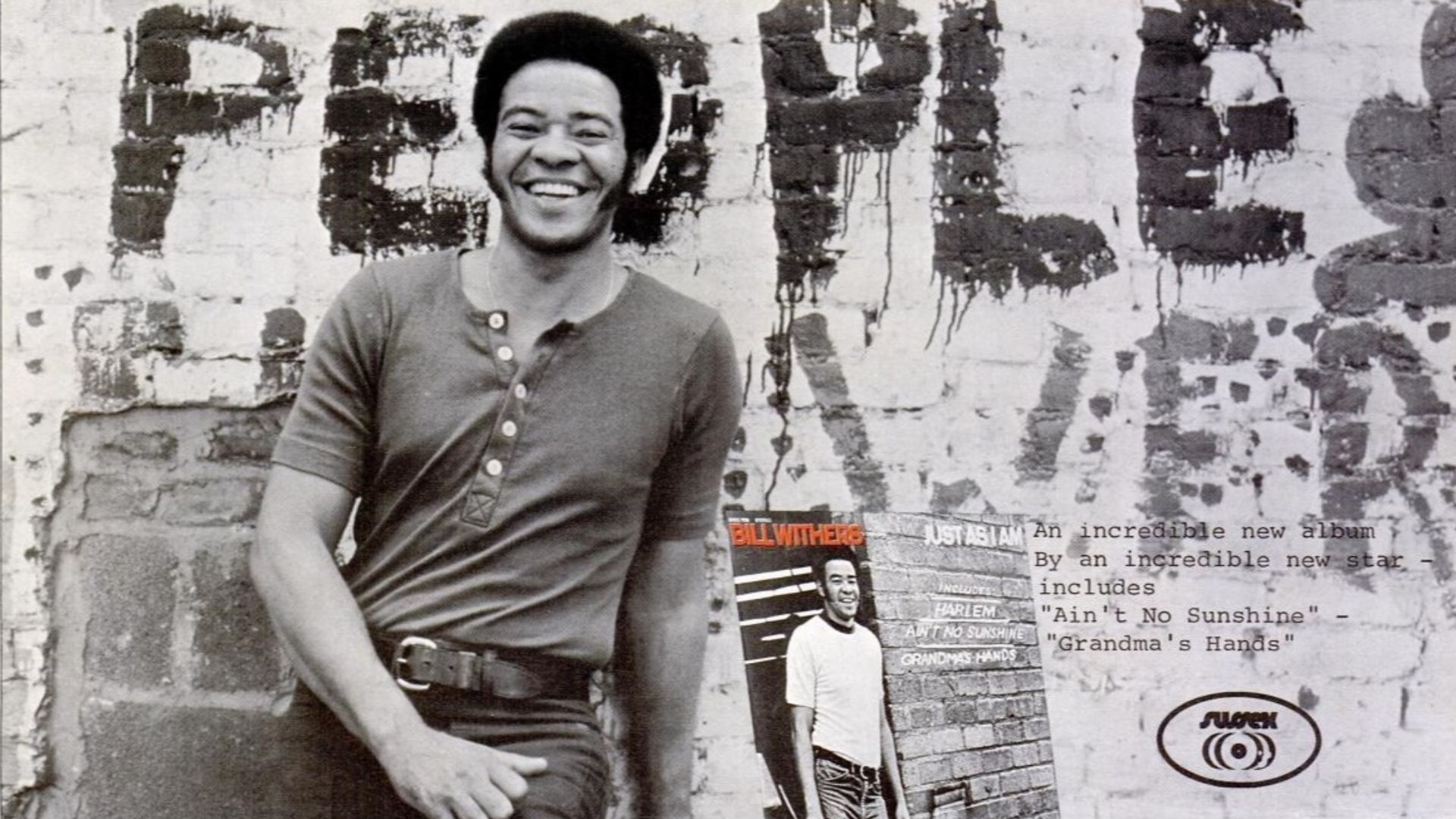
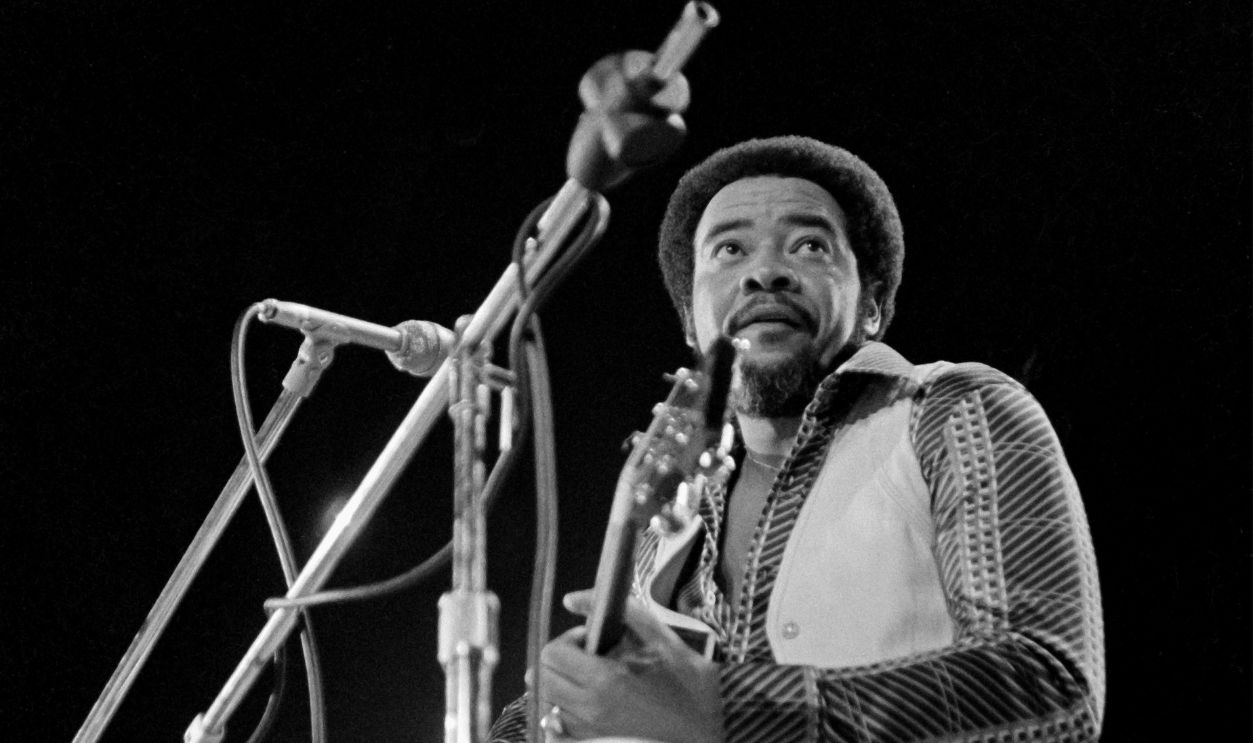
His first big hit didn’t explode because of hype; it resonated because it felt real. Ain’t No Sunshine wasn’t built on grand theatrics—it was built on sincerity. Its simplicity proved that authenticity can outshine even the most dramatic productions.
 Antonio Dickey, Getty ImagesThe “Just A Working Man” Album Covers
Even as he became a rising star, Withers refused to pretend he was something he wasn’t. He famously appeared on album covers still wearing his lunch-pail work clothes. It was his way of reminding people he came from a place where humility wasn’t optional.
A Soul Voice With Folk Storytelling
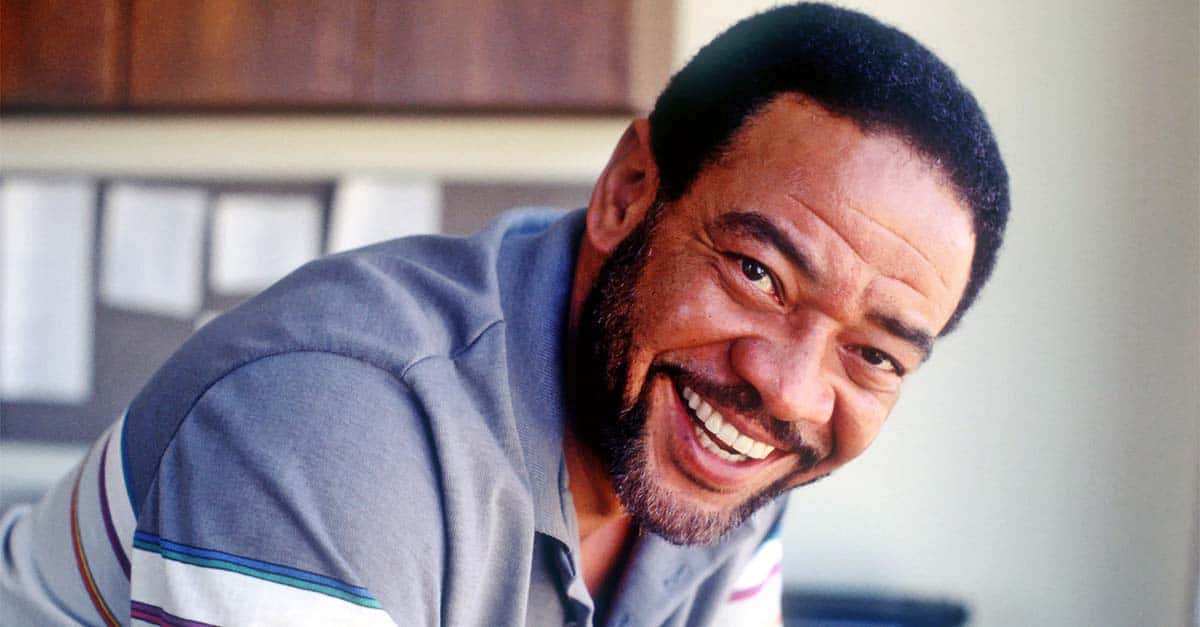
Withers blended genres like it was the most natural thing in the world. His voice carried the warmth of soul music, while his lyrics had the intimacy of folk storytelling. He created a lane no one else quite fit into.
 Gilles Petard, Getty ImagesLean On Me: A Song That Felt Like A Hug
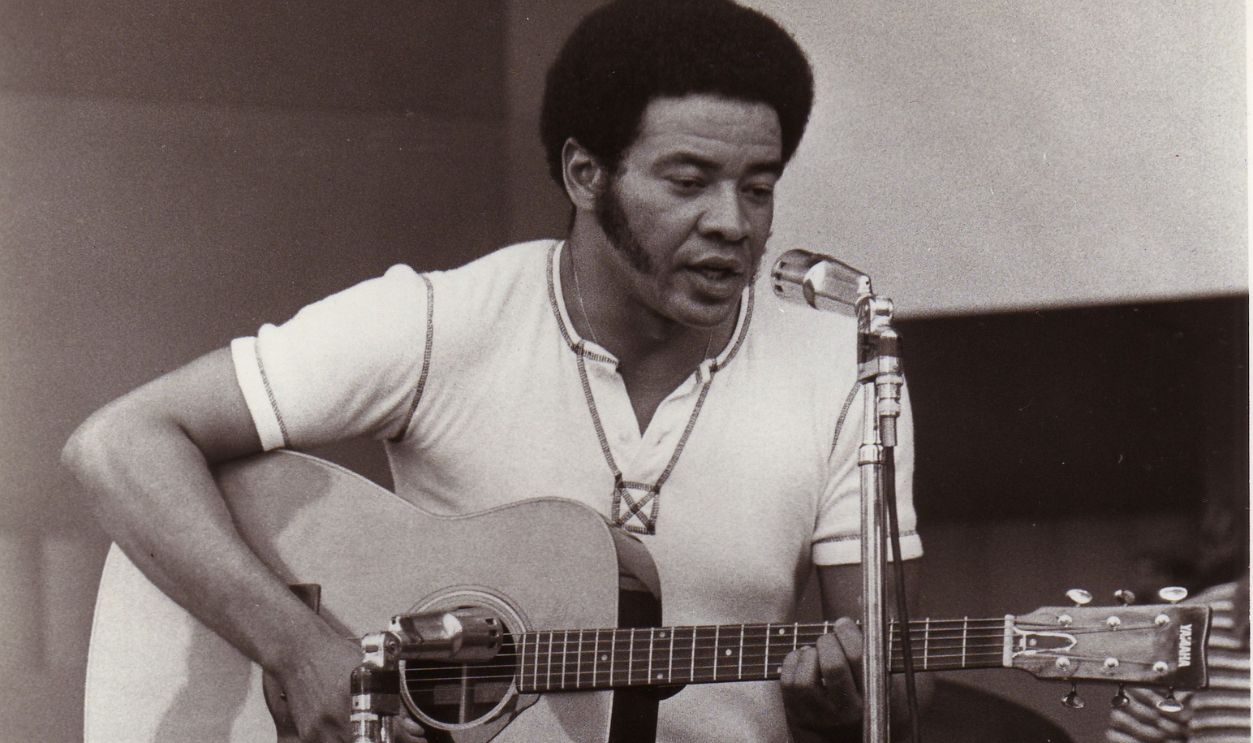
When he released Lean On Me, he tapped into something universal—connection, community, compassion. The song sounded like a neighbor reaching across the fence to help. It remains one of the most comforting anthems ever written.
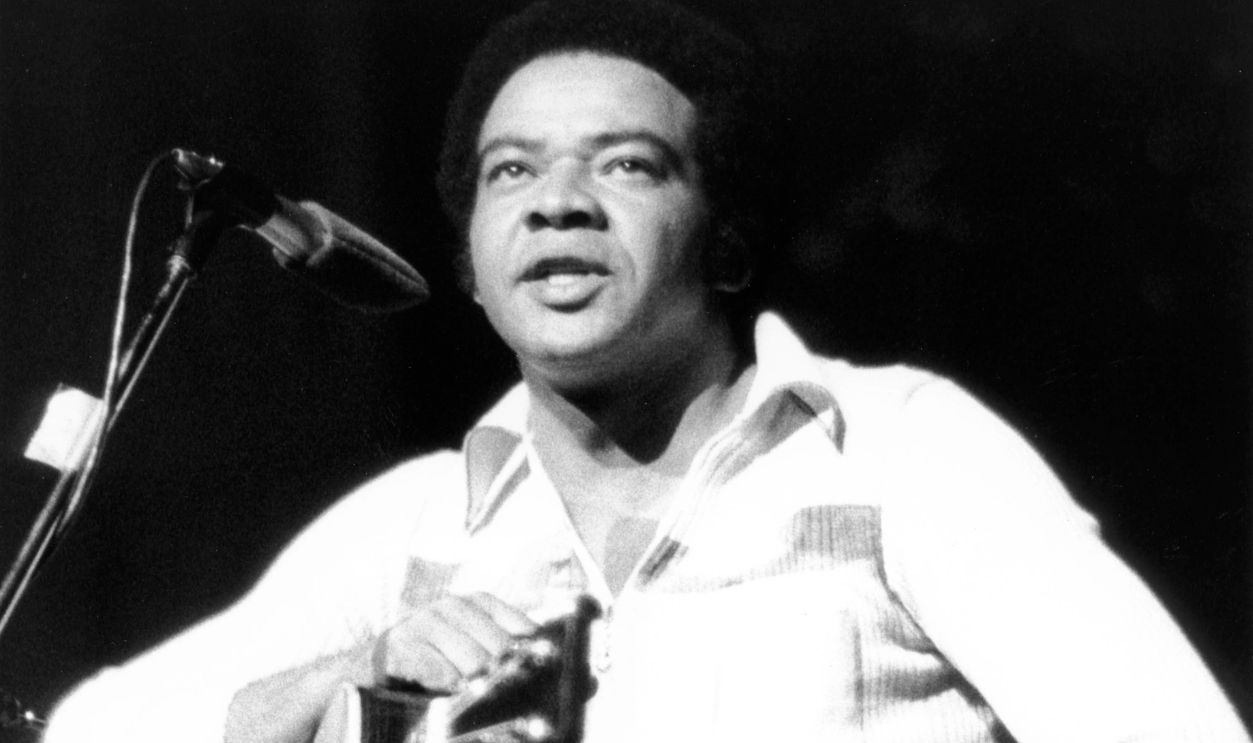
A Man Who Avoided Celebrity Life Like It Was A Trap
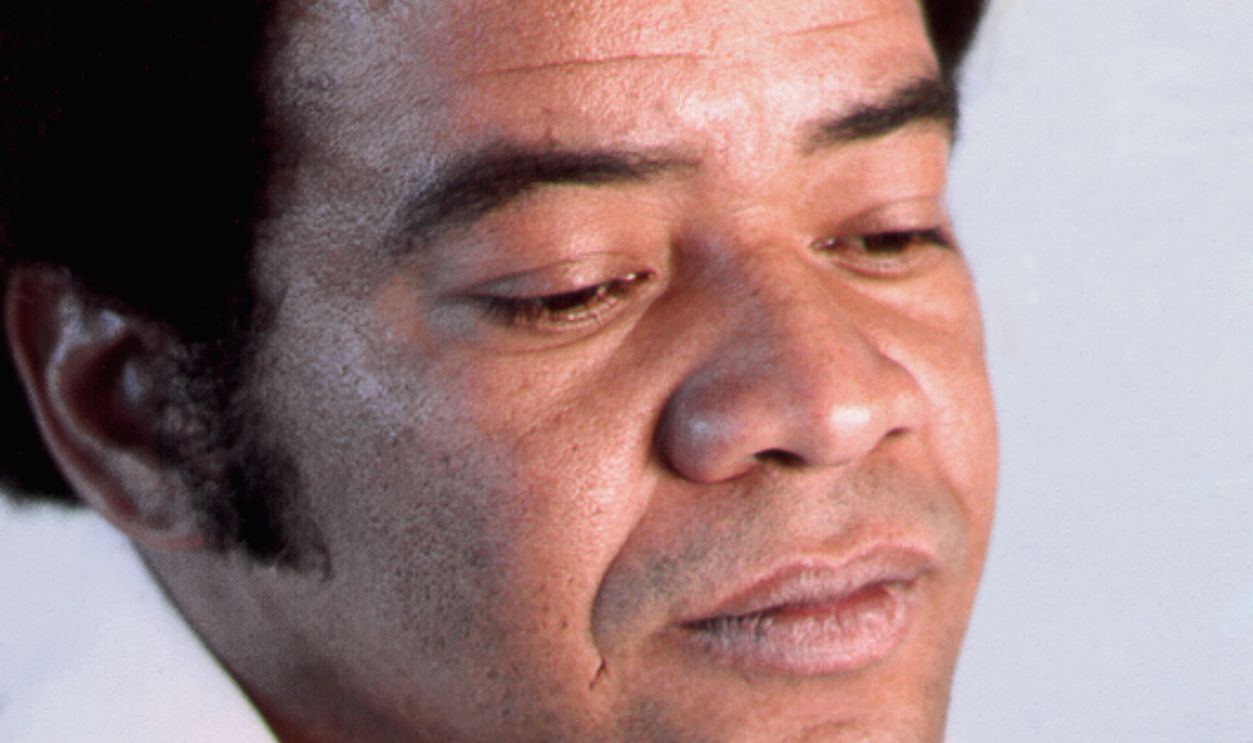
While others ran toward fame, Withers kept a safe distance. He didn’t crave the attention or the chaos that came with it. He valued privacy more than glitz.
 Michael Ochs Archives, Getty Images
Grammy Wins Didn’t Sway Him
He collected accolades with the same level of enthusiasm someone might have for coupons—nice, but not life-changing. Awards didn’t define his worth. The praise never meant as much to him as the peace of simply living his life.

Industry Politics Pushed Him Back
As he navigated record labels and executive opinions, he started to feel boxed in. People wanted to mold him, package him, and polish him into something that wasn’t him. Instead of bending, he backed away.

He Never Wanted To Be Controlled
Withers found the music business full of people who loved telling artists what to do. He wasn’t built for that kind of pressure. He wasn’t about to let executives dictate his creativity.
 onetwothreefourfive, Wikimedia Commons
Marriage, Family, And A Life Outside Spotlight
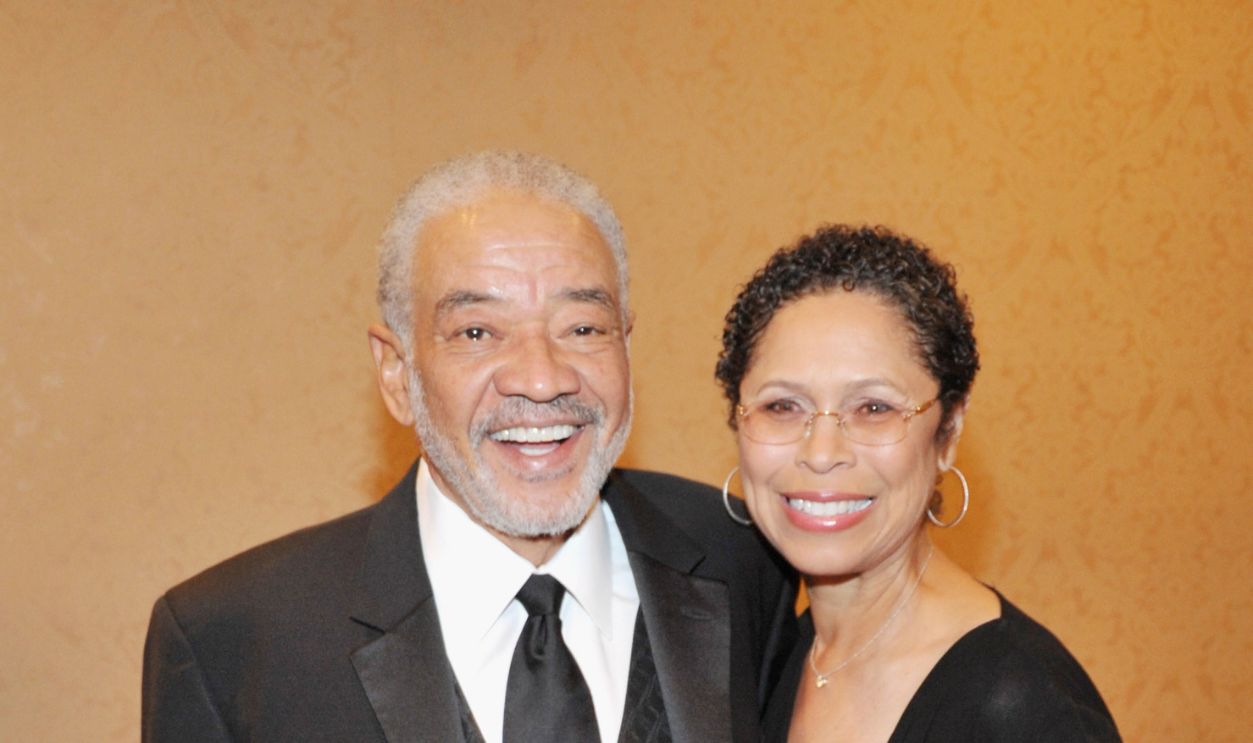
When he stepped away from the industry, he didn’t fall apart—he flourished. He focused on his marriage and raising his children. He discovered that the quiet moments were just as meaningful as the standing ovations.
 Dr. Billy Ingram, Getty ImagesHe Didn’t Miss The Stage
Unlike many performers who can’t live without applause, Withers didn’t crave it. He didn’t yearn for the stage lights or the roar of a crowd. If anything, he seemed relieved to leave all that noise behind.

His Songs Lived On Without Him
Even while he lived a low-key life, his music took on a life of its own. Generations discovered his songs through movies, covers, and cultural moments. He didn’t need to promote them—they promoted themselves.

When Asked Why He Quit, His Answers Were Legendary
Journalists often tried to coax dramatic explanations out of him. Withers simply shrugged and said he didn’t need the nonsense. He made it clear that quitting wasn’t a tragedy—it was a choice.
 ShutterstockA Legacy Built On Humanity, Not Hype
Withers left behind a catalog that feels timeless because it’s rooted in pure emotion. He didn’t chase trends or gimmicks. He wrote songs like someone writing letters to the human heart.

When He Passed, The World Felt It
When news of his passing spread, it wasn’t just the music industry that mourned—it was anyone who had ever felt comforted by his voice. His songs became shared grief, collective memory, and gratitude all at once. He may have stepped away from fame, but he never stepped out of the world’s affection. Getty Images
You may Also Like: