The Golden Age of Rock…And the Stories We Bought
The 1970s didn’t just produce legendary rock music—it produced legendary lies. Fans repeated these stories for decades, rarely stopping to ask if any of it was actually true. Spoiler: a lot of it wasn’t.
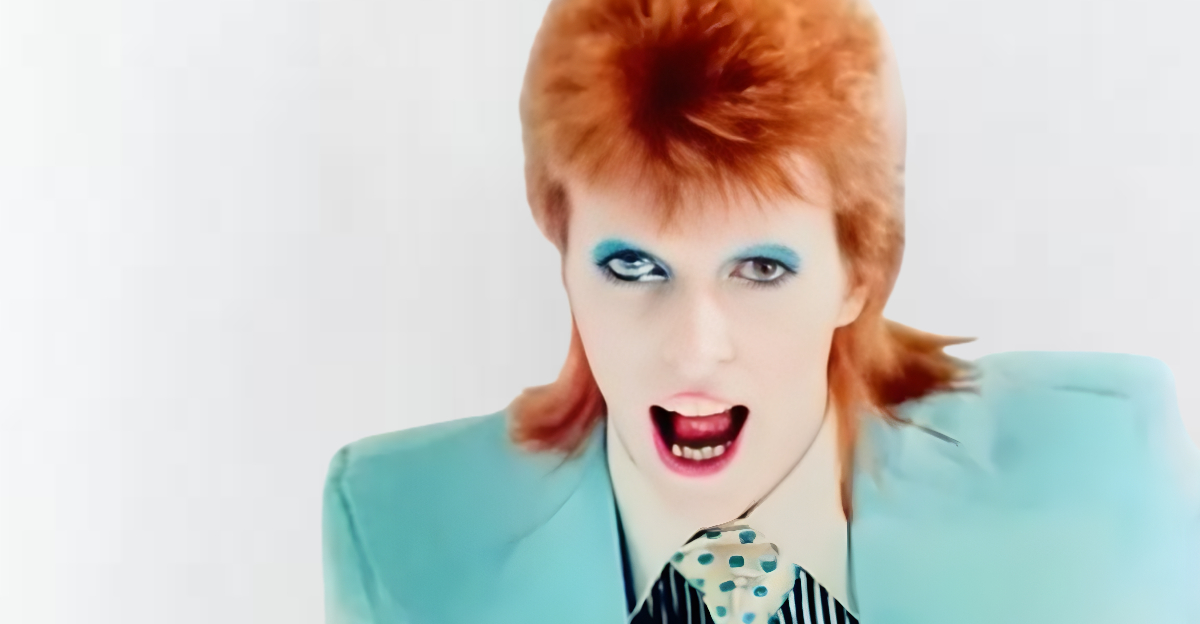
“We’re Breaking Up” (The Who)
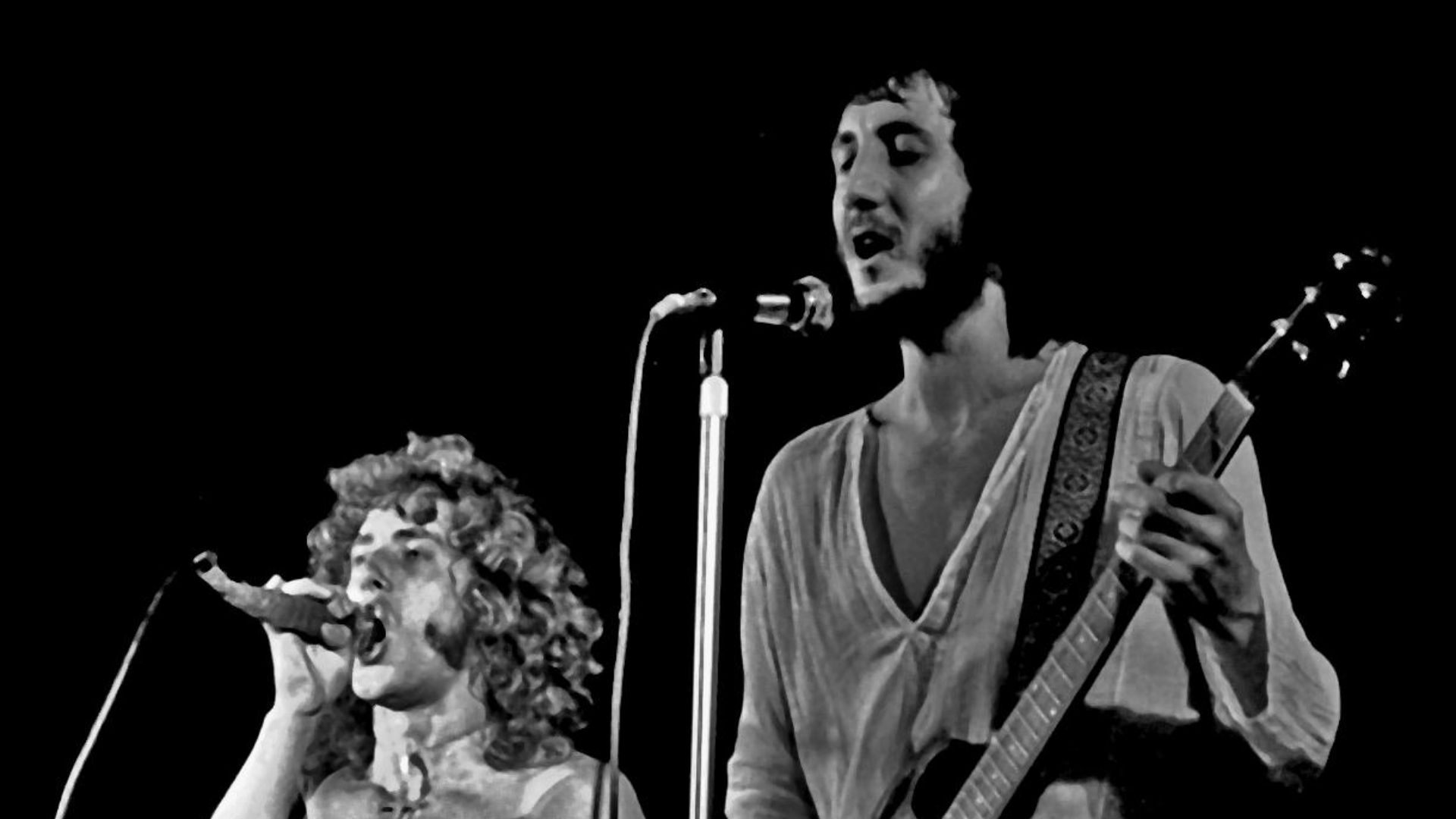
The Who “broke up” more times in the 70s than most people change cars. Each announcement came with solemn interviews and dramatic headlines…followed shortly by a reunion tour, new album, or both. Fans treated each farewell like the end of an era. In reality, it was often just contract pressure, exhaustion, or a perfectly timed reset button for publicity.
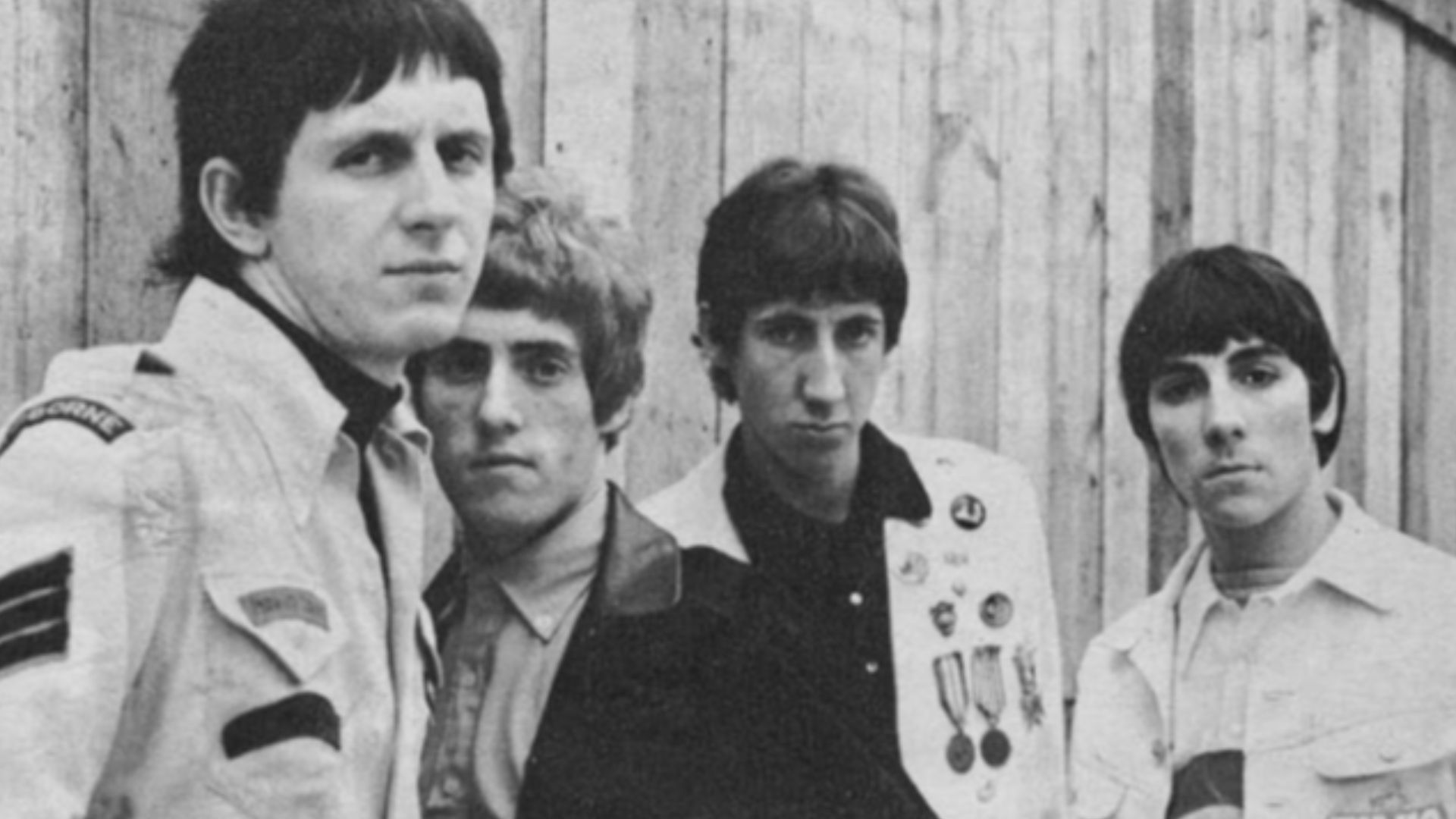 KRLA Beat/Beat Publications, Inc., Wikimedia Commons
“This Album Was Totally Spontaneous” (Led Zeppelin)
Led Zeppelin loved the idea that their music was raw, instinctual, and born in the moment. The truth? Jimmy Page planned obsessively. Songs were stitched together from older riffs, live improvisations, and careful studio layering. That mystique of effortless genius was great branding—but a lot of hard labor was quietly hiding behind it.
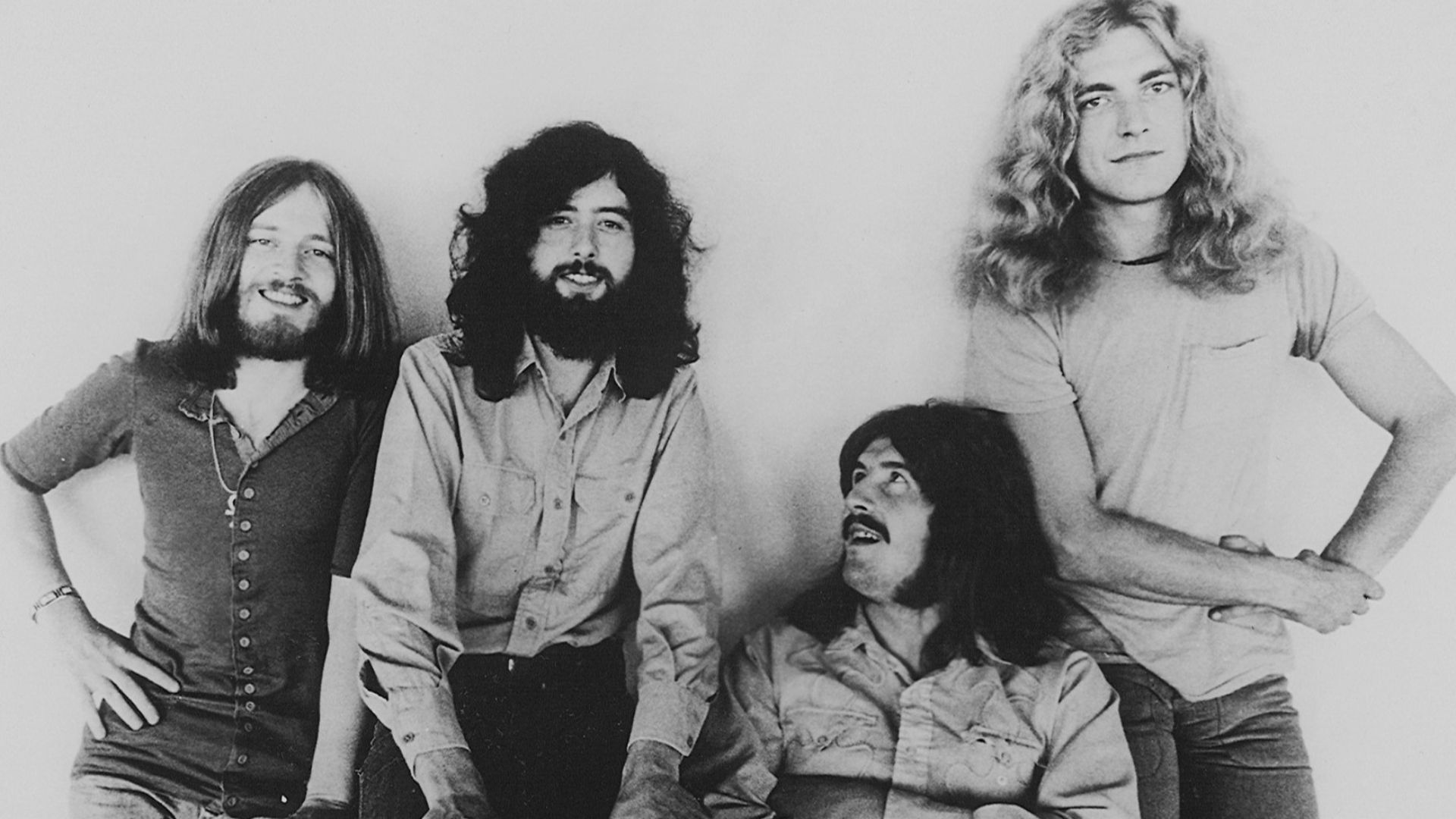 Atlantic Records, Wikimedia Commons
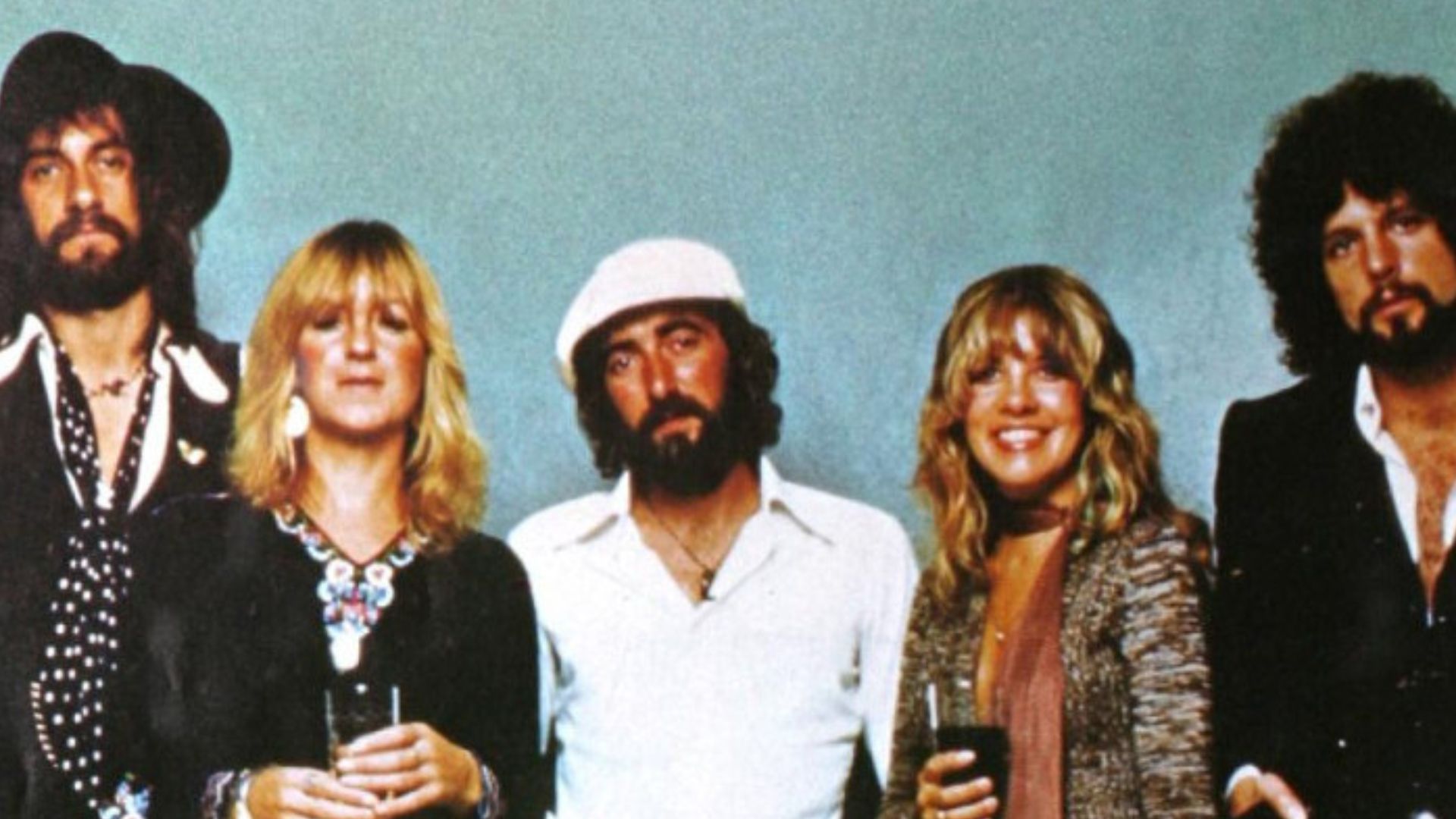
“We’re Just a Bunch of Friends Jamming” (Fleetwood Mac)
By the time Rumours was being made, Fleetwood Mac was a romantic demolition derby. Affairs, breakups, betrayals—sometimes within the same song. Publicly, they leaned into the idea of a tight-knit band capturing lightning in a bottle. Privately, they could barely be in the same room without exploding. Somehow, that chaos became pop perfection.
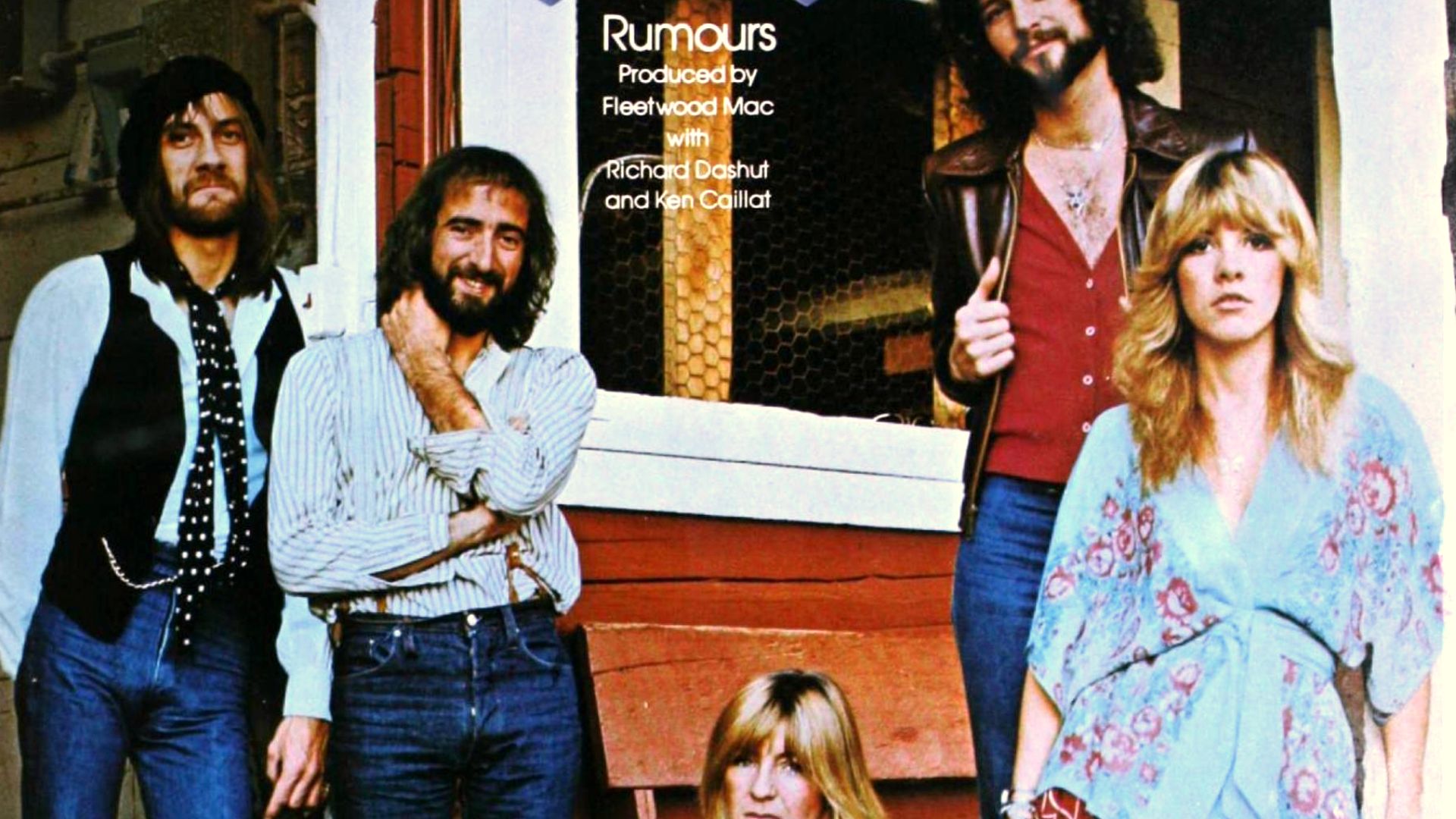 Warner Bros. Records, Wikimedia Commons
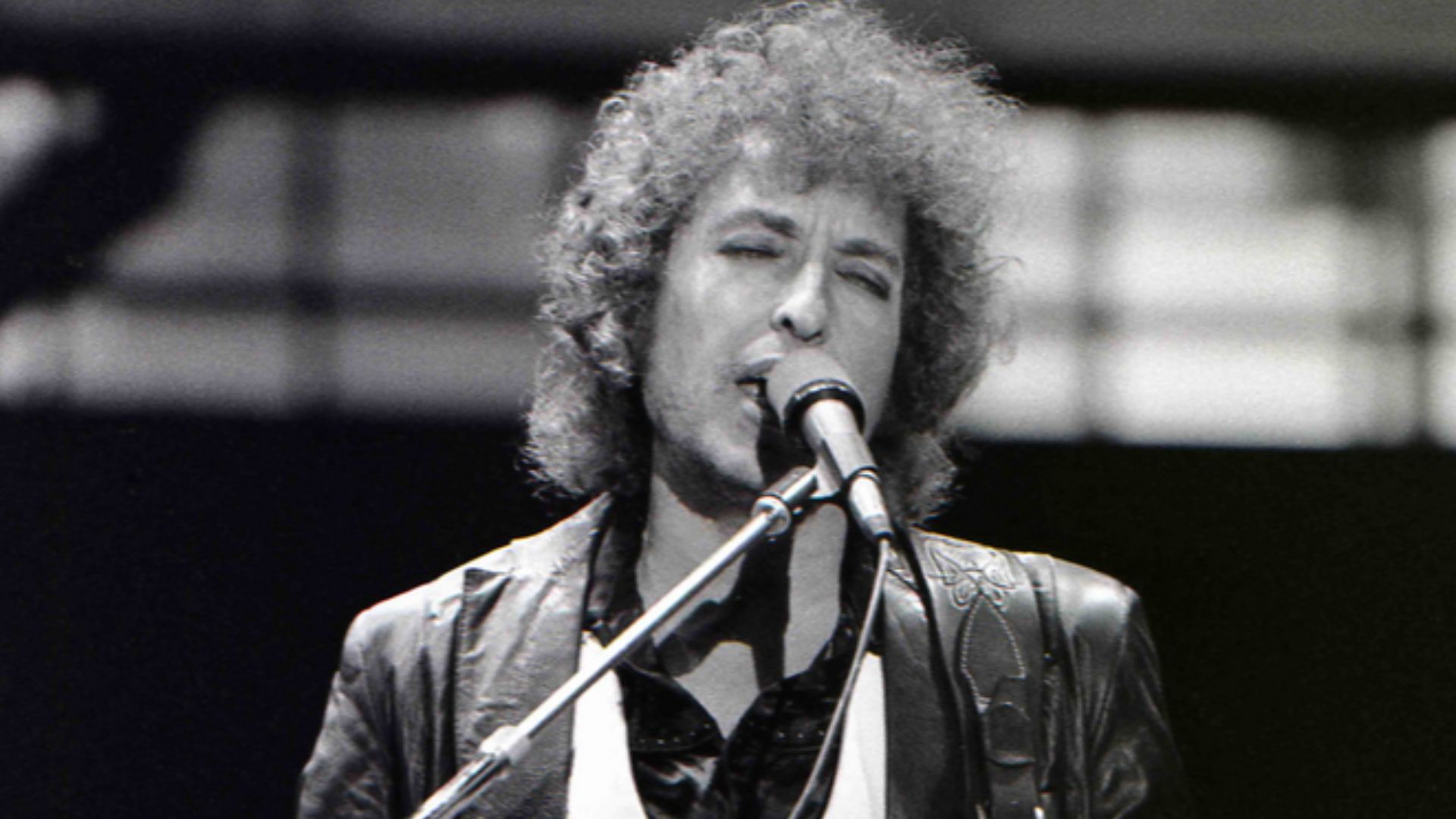
“This Song Has No Meaning” (Bob Dylan)
Dylan perfected the art of pretending his lyrics meant nothing at all. Asked about symbolism or intent, he’d shrug, deflect, or intentionally confuse interviewers. Fans still pored over every line like scripture. Whether it was mischief or self-protection, Dylan’s non-answers became their own kind of mythology.
 Chris Hakkens, Wikimedia Commons
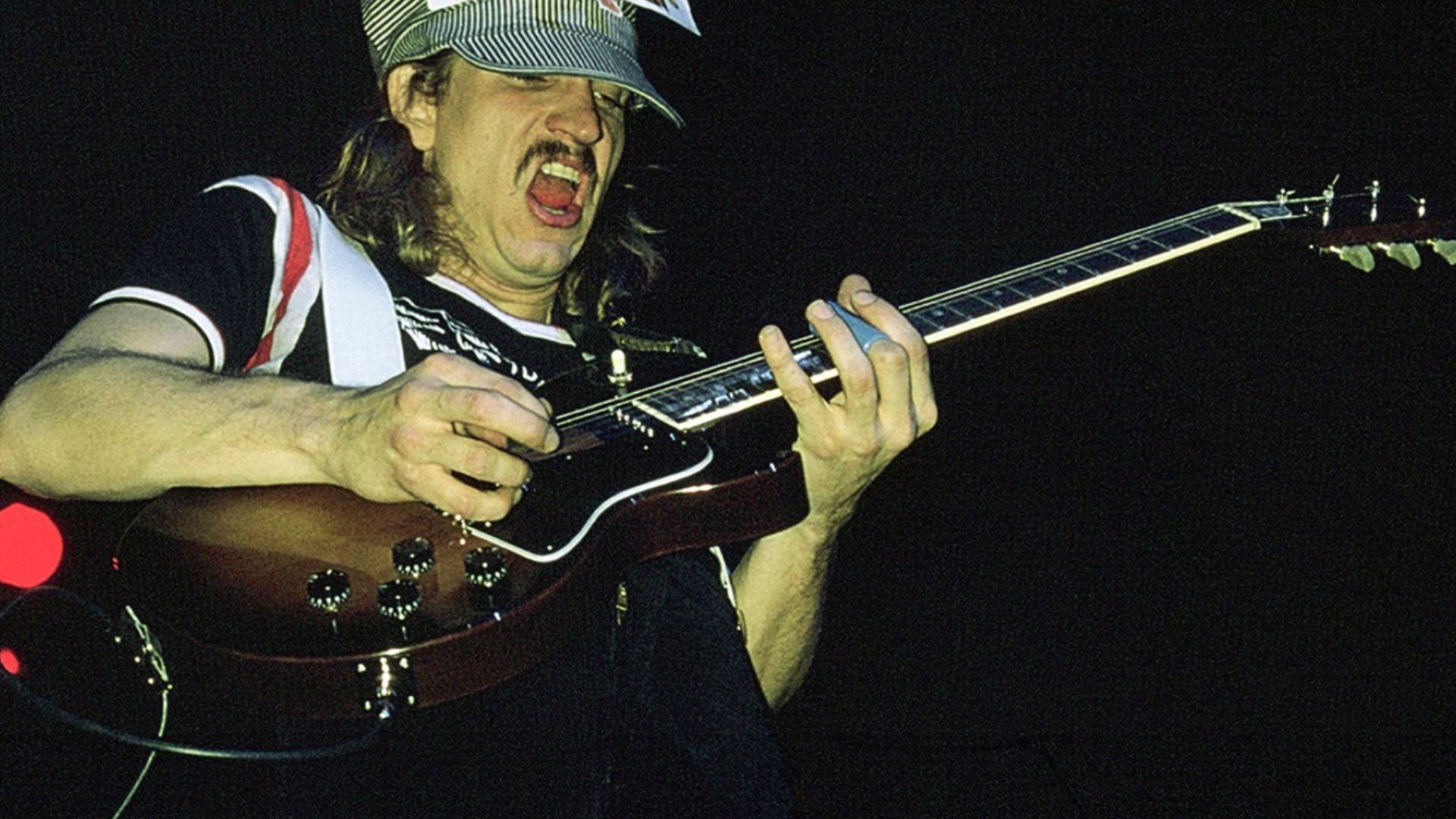
“We’re Definitely Not Political” (The Eagles)
The Eagles insisted they were just writing songs about relationships, life, and vibes—not politics. Then they released lyrics dripping with disillusionment, American decay, and cultural burnout. They weren’t lying exactly…they were just pretending no one noticed the subtext. Fans noticed. Everyone always notices.
 Jim Summaria, Wikimedia Commons
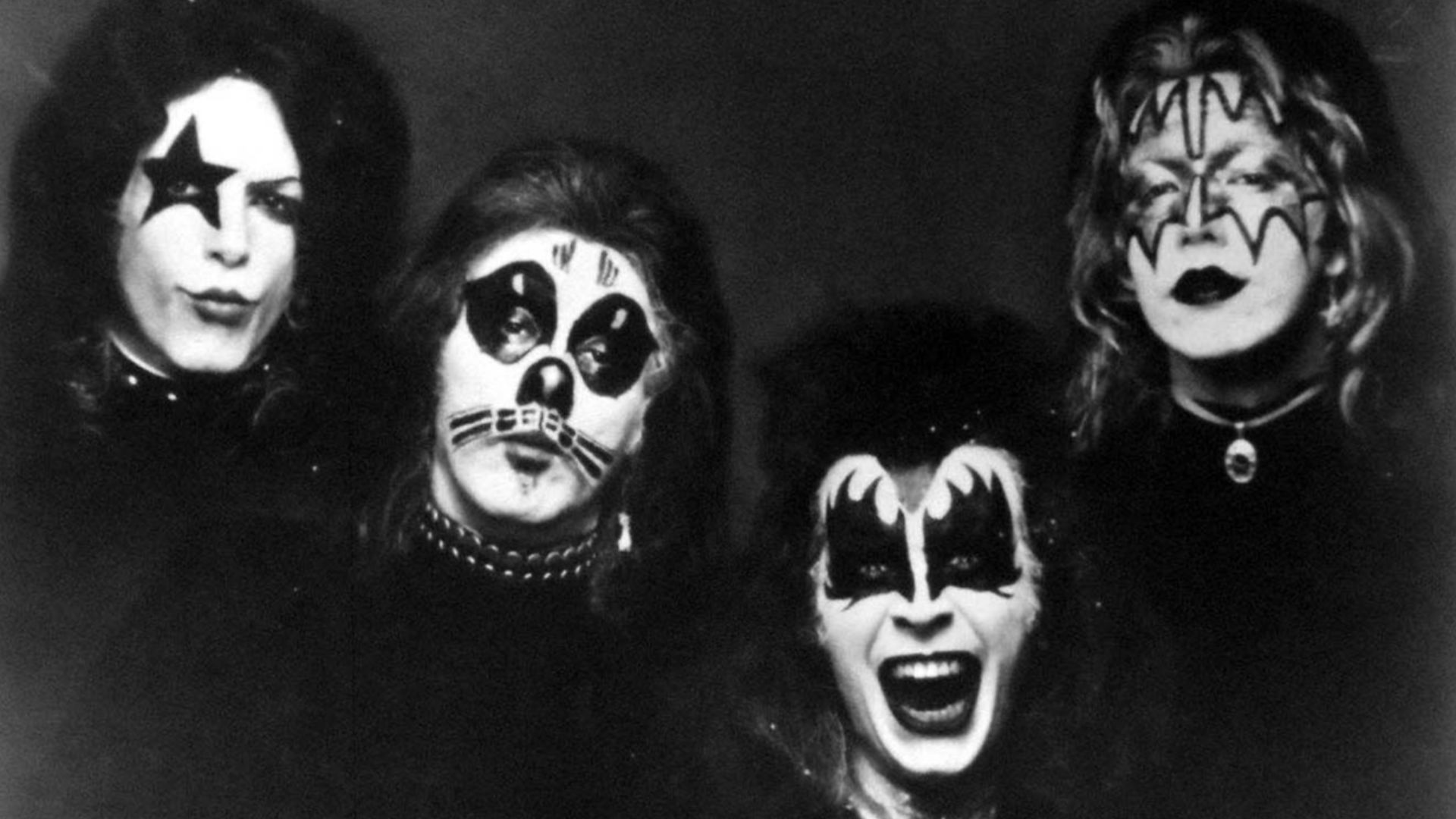
“We’re Total Anti-Establishment Rebels” (KISS)
KISS sold themselves as dangerous outsiders, thumbing their noses at authority. Behind the scenes, they were one of the most business-savvy, brand-conscious acts of the decade. Merch deals, licensing, marketing strategies—it was rock rebellion with a corporate playbook. Fans bought the attitude and the lunchboxes.
 Casablanca Records, Wikimedia Commons
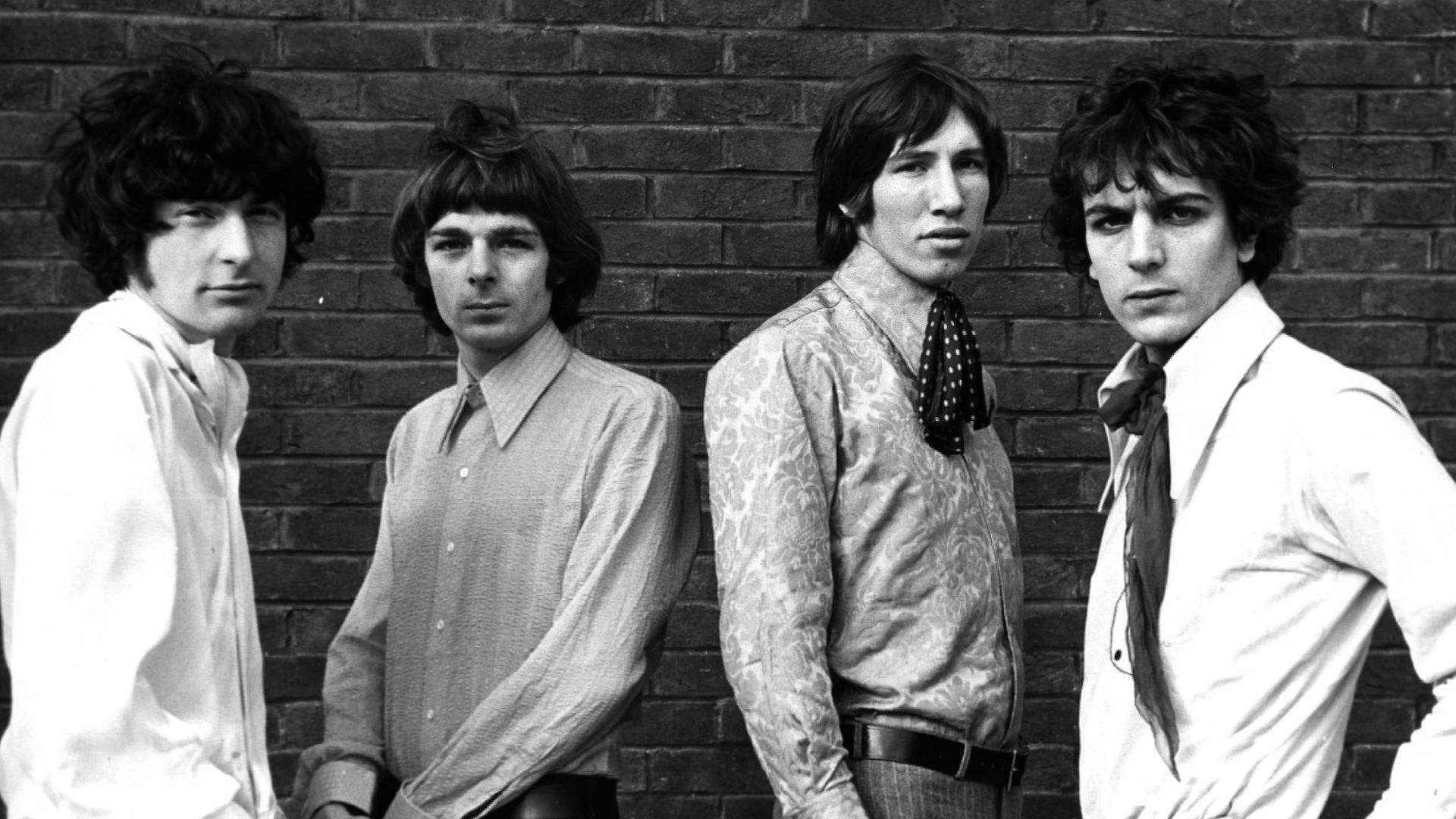
“This Is a Concept Album…Totally” (Pink Floyd)
Pink Floyd absolutely made real concept albums—but not every vaguely connected record was planned that way from the start. Sometimes themes emerged after the music existed. Sometimes interviews retroactively stitched meaning together. Fans didn’t care. Once the idea was planted, every sound effect became intentional genius.
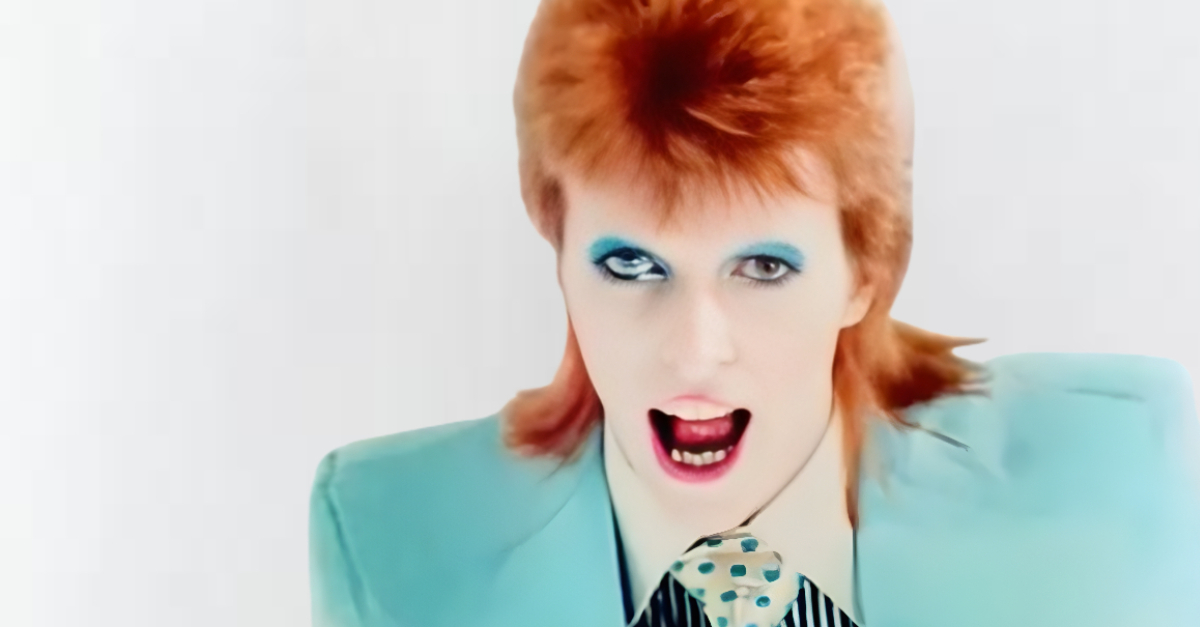
“We Hate Fame” (David Bowie)
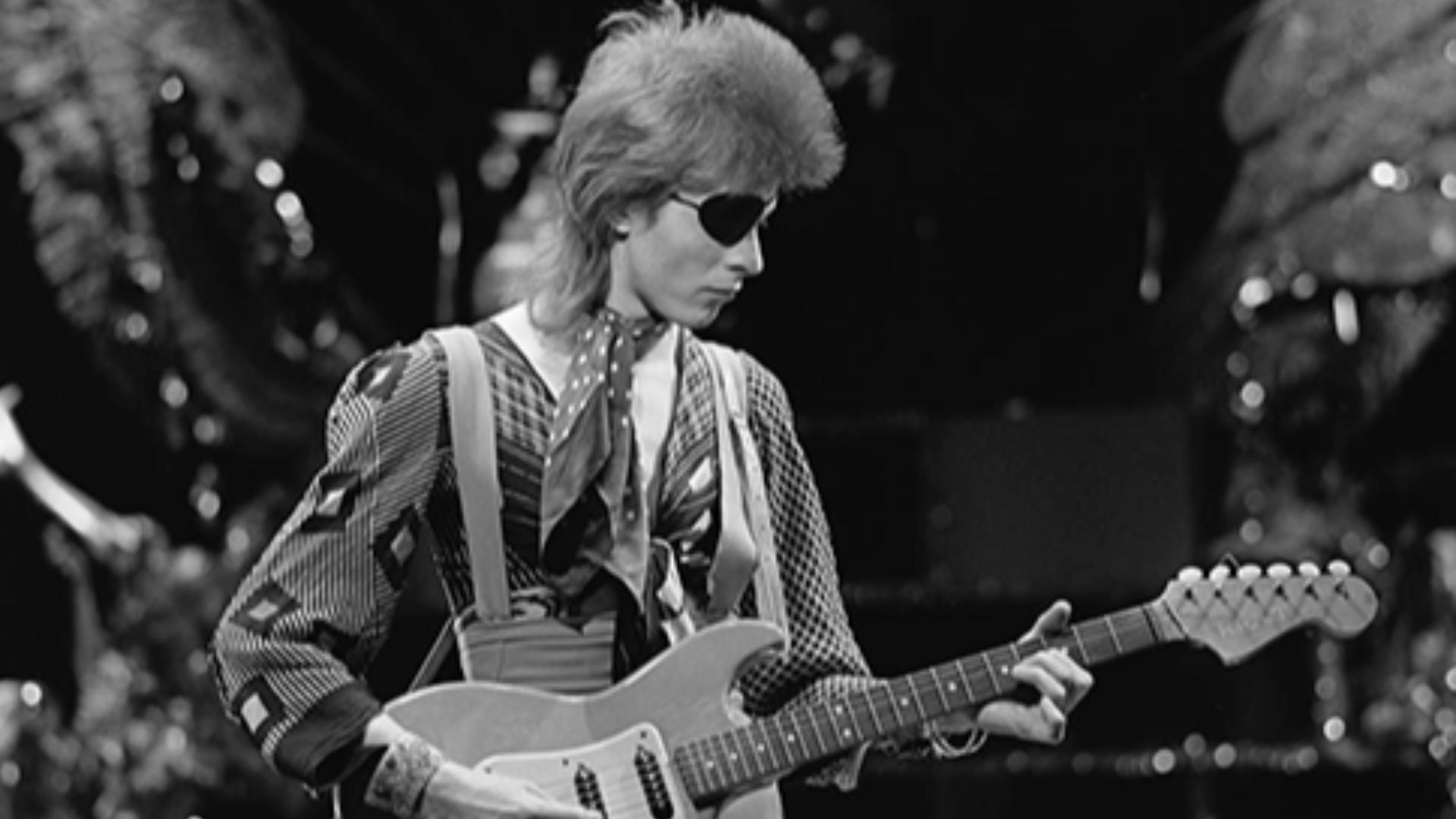
Bowie often spoke about rejecting stardom and dissolving his own personas. Yet he meticulously constructed those personas, fed them to the press, and knew exactly when to retire one and debut another. It wasn’t hypocrisy—it was theater. But the tortured-artist narrative made the spectacle feel deeper than it really was.
“This Was Recorded Live” (Multiple Bands)
A shocking number of “live” 70s albums were quietly cleaned up in the studio. Frampton Comes Alive! had guitar parts re-recorded. Kiss admitted years later that Alive! relied heavily on studio fixes. Even Live at Leeds by The Who—often cited as raw perfection—was edited and tightened. Bands swore what you heard was the real thing. Engineers swore they’d been back in the studio the next morning.
 Heinrich Klaffs, Wikimedia Commons
“We’re Not a Supergroup” (Crosby, Stills, Nash & Young)
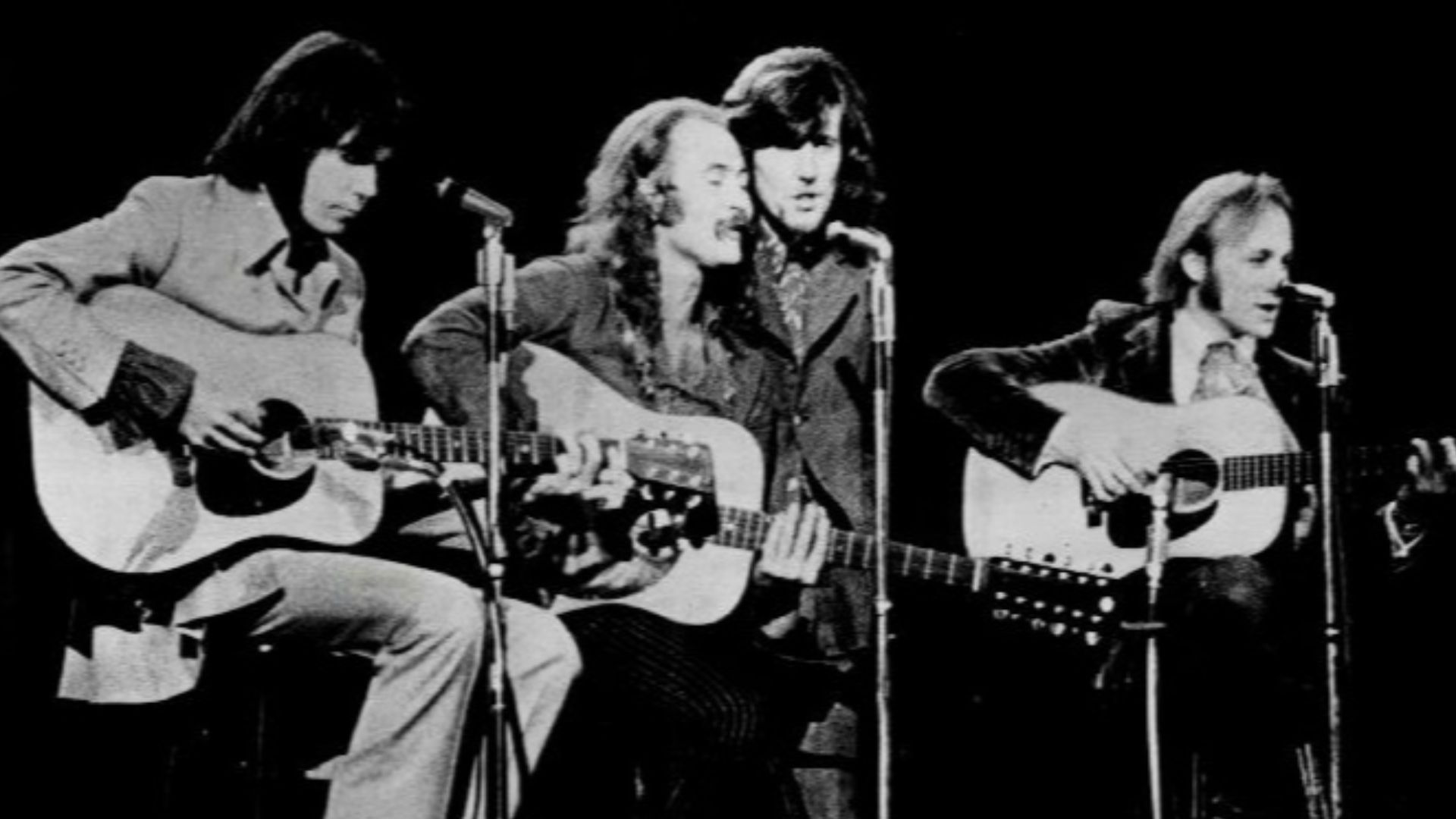
CSNY liked to downplay the star power, framing themselves as a natural collaboration rather than a calculated supergroup. The industry—and fans—knew better. Four big egos, four established careers, infinite tension. The denial didn’t last long, but it sounded nice while it did.
 CMA-Creative Management Associates/Atlantic Records, Wikimedia Commons
“We’re Basically Family” (The Rolling Stones)
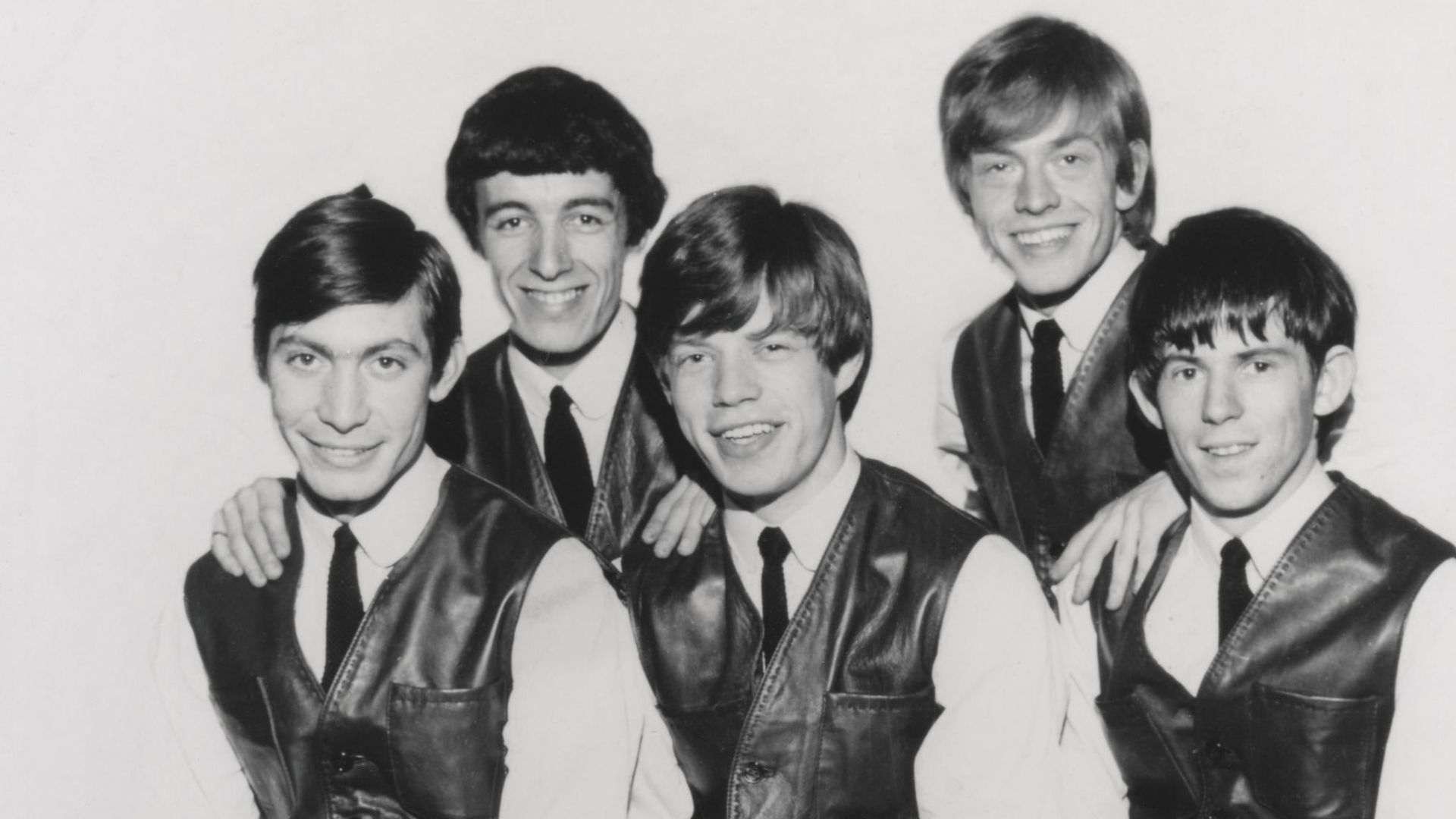
The Stones talked endlessly about brotherhood and loyalty. In reality, their relationships were often transactional, competitive, and fragile. Band members cycled in and out, friendships frayed, and money disputes simmered constantly. The family image helped sell longevity—even when the dinners were tense.
“This Album Saved Rock” (Everyone)
Every major release was sold as the record that would “save rock music.” Born to Run was framed as Bruce Springsteen’s make-or-break moment. Rumours was pitched as the album that would dominate the decade. Hotel California was marketed as a cultural reset. Sometimes it worked. Often it didn’t. But fans loved believing their purchase mattered historically.
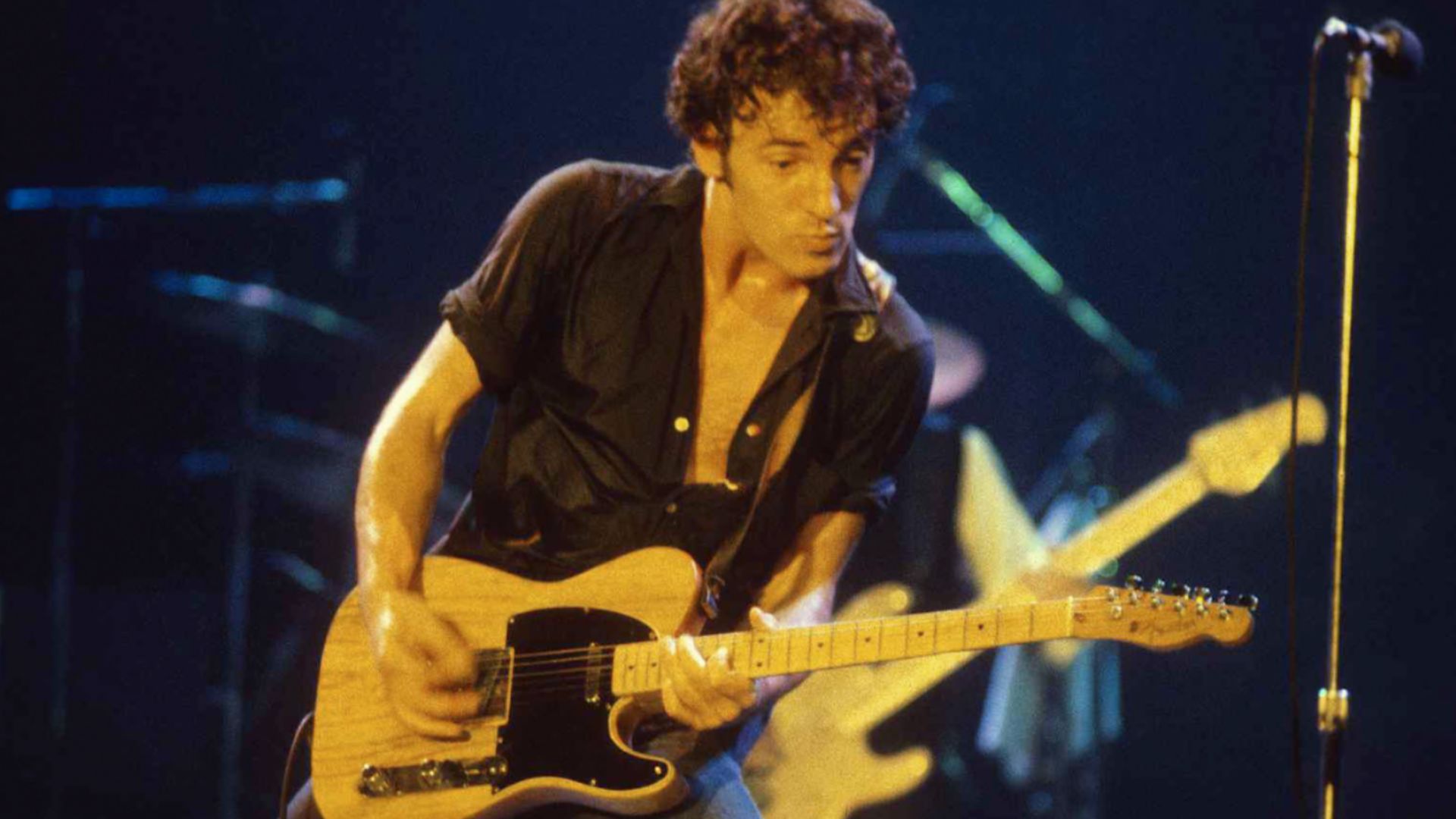 Carl Lender, Wikimedia Commons
“We’re Done After This Tour” (Elton John)
Elton announced retirements, farewells, and final tours with impressive regularity. Each time felt definitive. Each time was not. Whether driven by burnout, reinvention, or contractual leverage, the exits were rarely permanent. Fans cried. Tickets sold. The cycle continued.
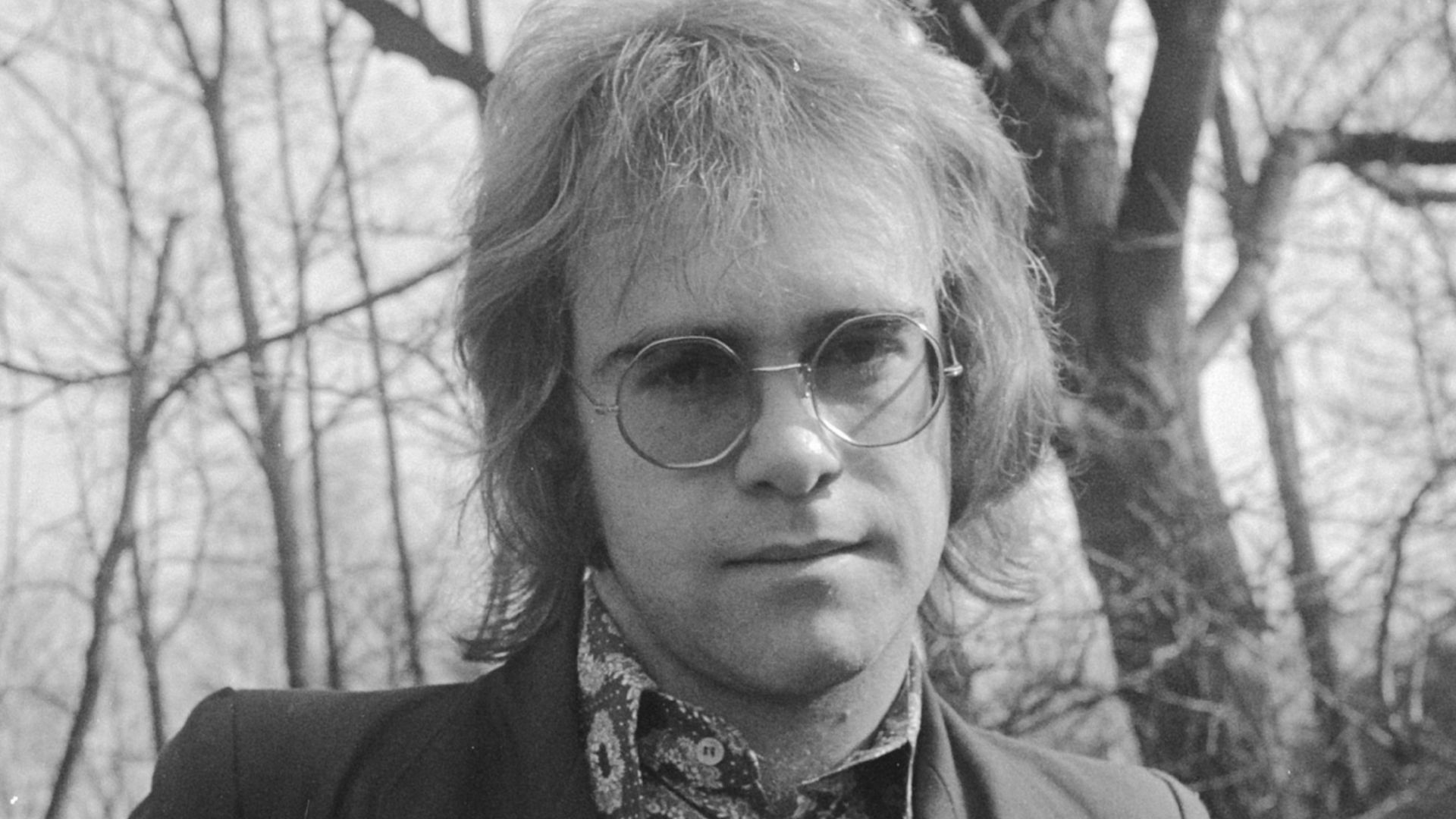 Bert Verhoeff for Anefo, Wikimedia Commons
“This Was All One Take” (Studio Legends)
Artists loved claiming impossible feats. John Lennon supposedly nailed vocals in one take. Led Zeppelin IV was said to be captured effortlessly. In reality, songs like Stairway to Heaven were built layer by layer across weeks. Producers knew the truth. Fans preferred the myth. One-take genius just sounded cooler than “take number thirty-seven finally worked.”
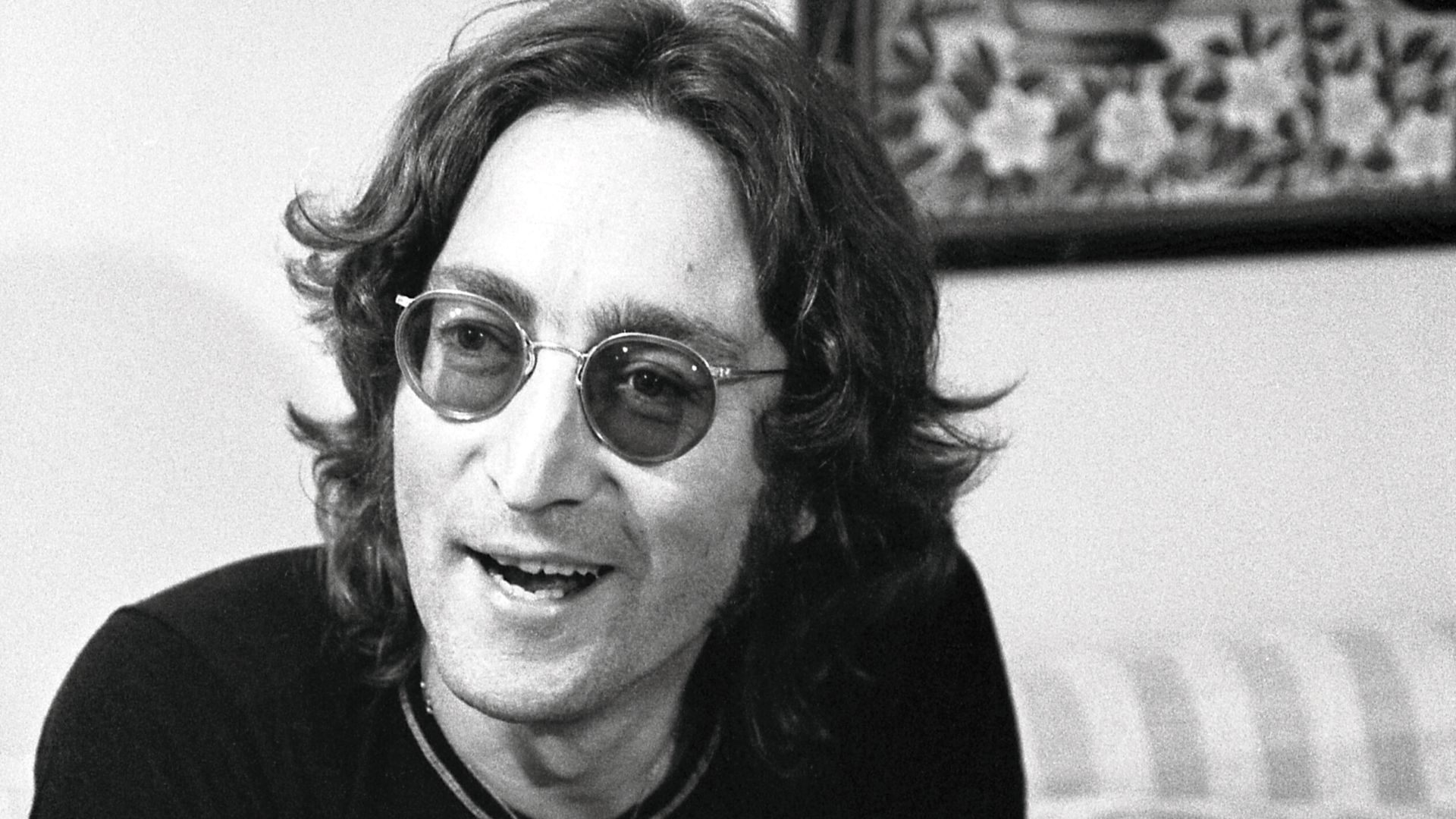 Tony Barnard, Los Angeles Times, Wikimedia Commons
“We Never Fought” (ABBA)
ABBA projected calm professionalism, even as personal relationships unraveled. They insisted tensions didn’t affect the music. The songs themselves suggested otherwise. Heartbreak rarely sounds that polished unless it’s being carefully managed.
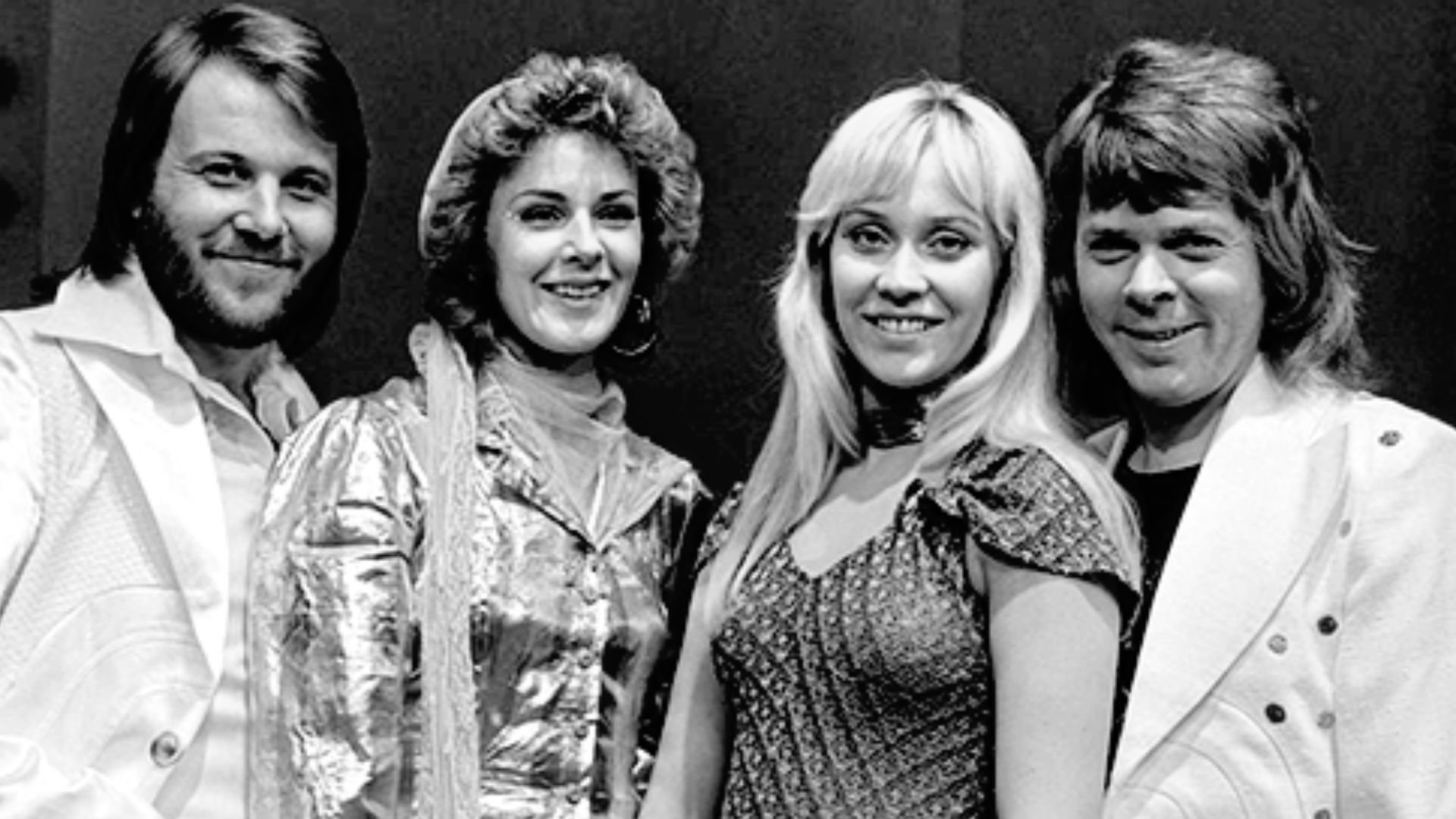
“We’re Not Influenced by Anyone” (Every Band Ever)
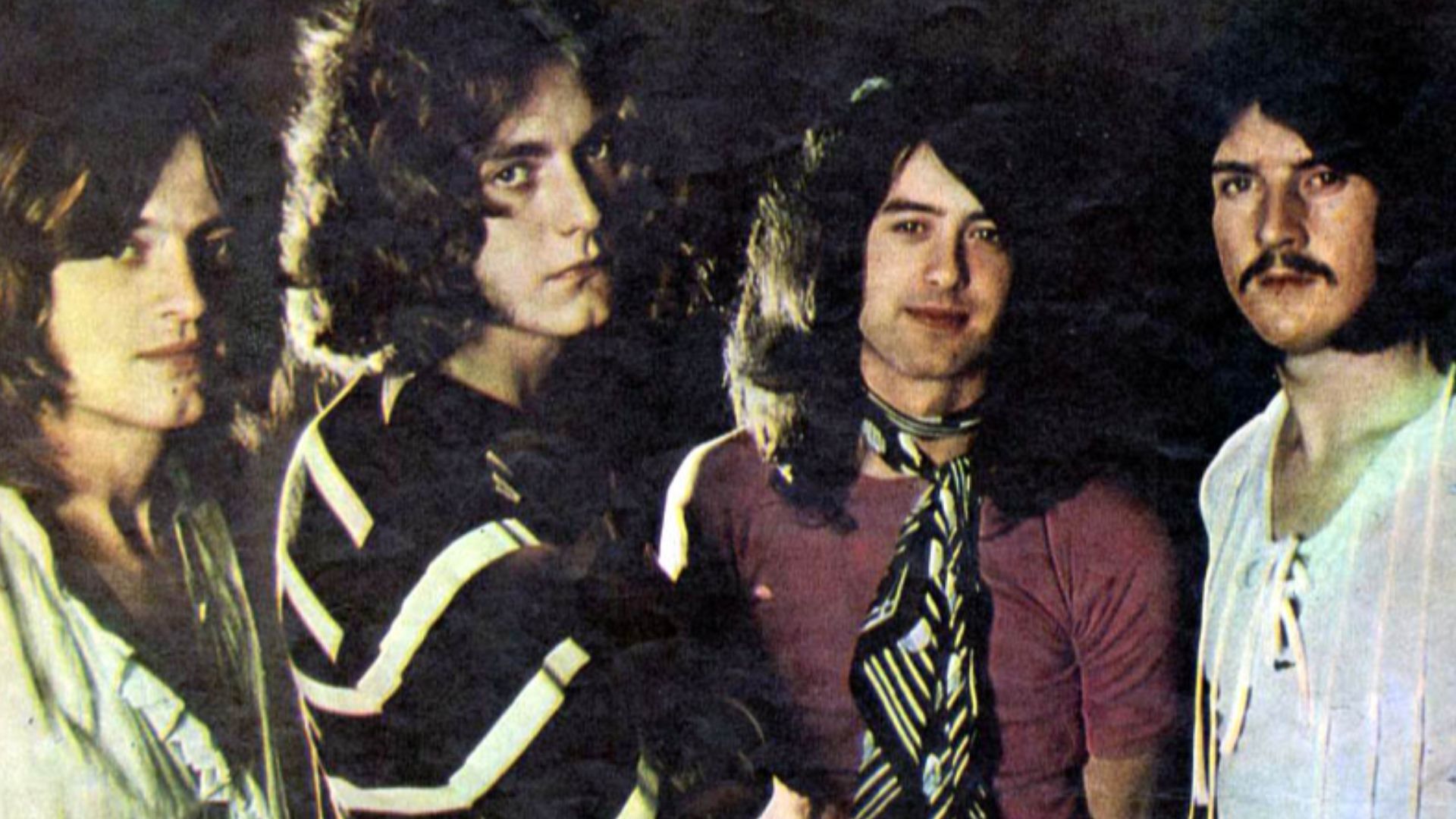
Bands insisted their sound came from nowhere but pure inspiration. Meanwhile, Led Zeppelin lifted heavily from blues artists like Willie Dixon. The Rolling Stones openly modeled themselves after American R&B. Even punk-adjacent acts borrowed classic rock structures. Admitting influence felt uncool. Fans heard it anyway—and usually didn’t mind.
 Unknown authorUnknown author, Wikimedia Commons
“This Is Our Real Sound” (Era-Hopping Bands)
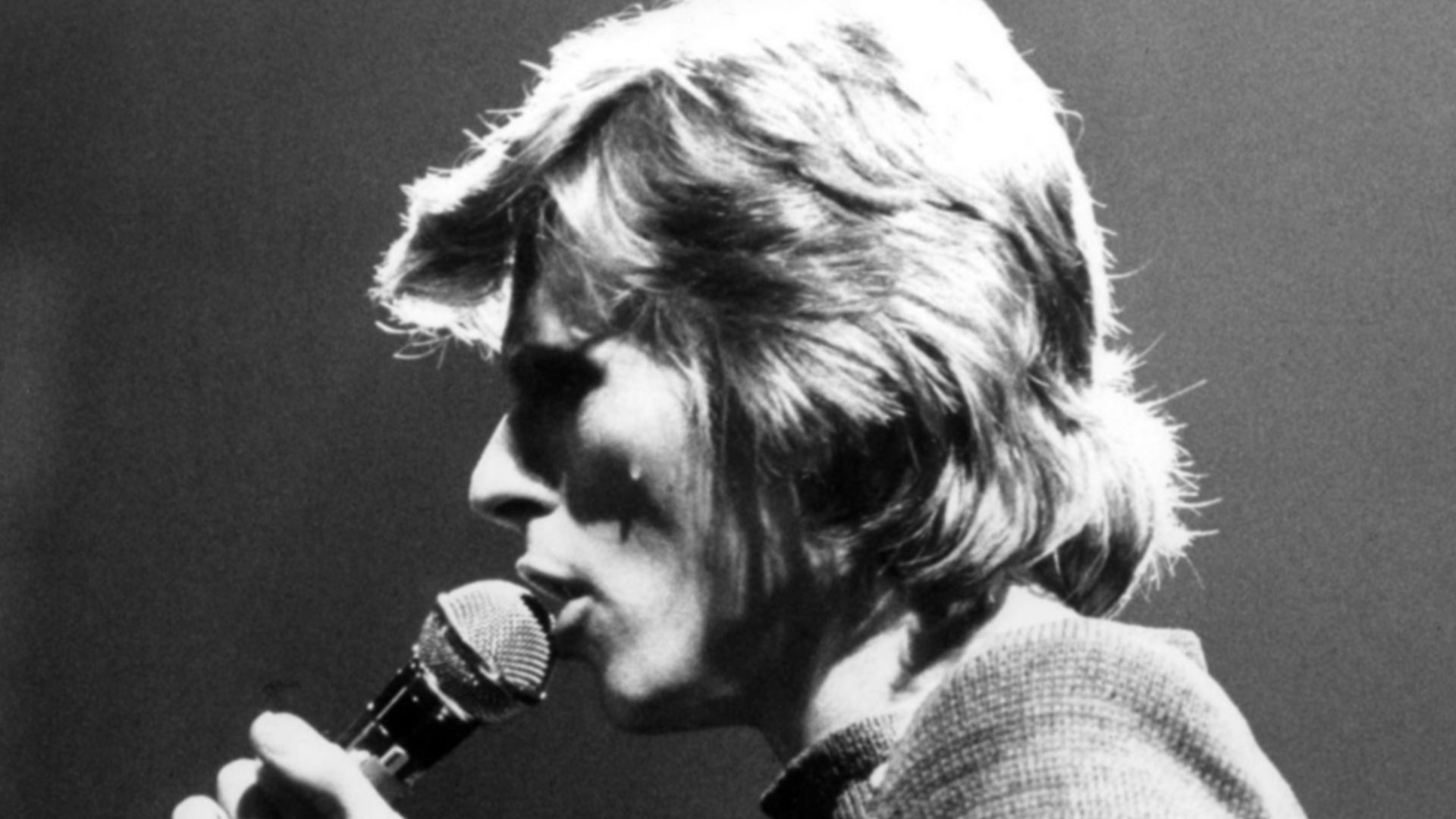
Plenty of bands claimed each new album finally represented their “true” identity. David Bowie said it repeatedly—from Ziggy Stardust to Station to Station. Yes went from prog epics to radio-friendly singles. Chicago slowly traded jazz-rock for ballads. Reinvention was survival. Calling it destiny just made it sound intentional.
 ABC Television, Wikimedia Commons
“We’re Totally Sober Now” (Take Your Pick)
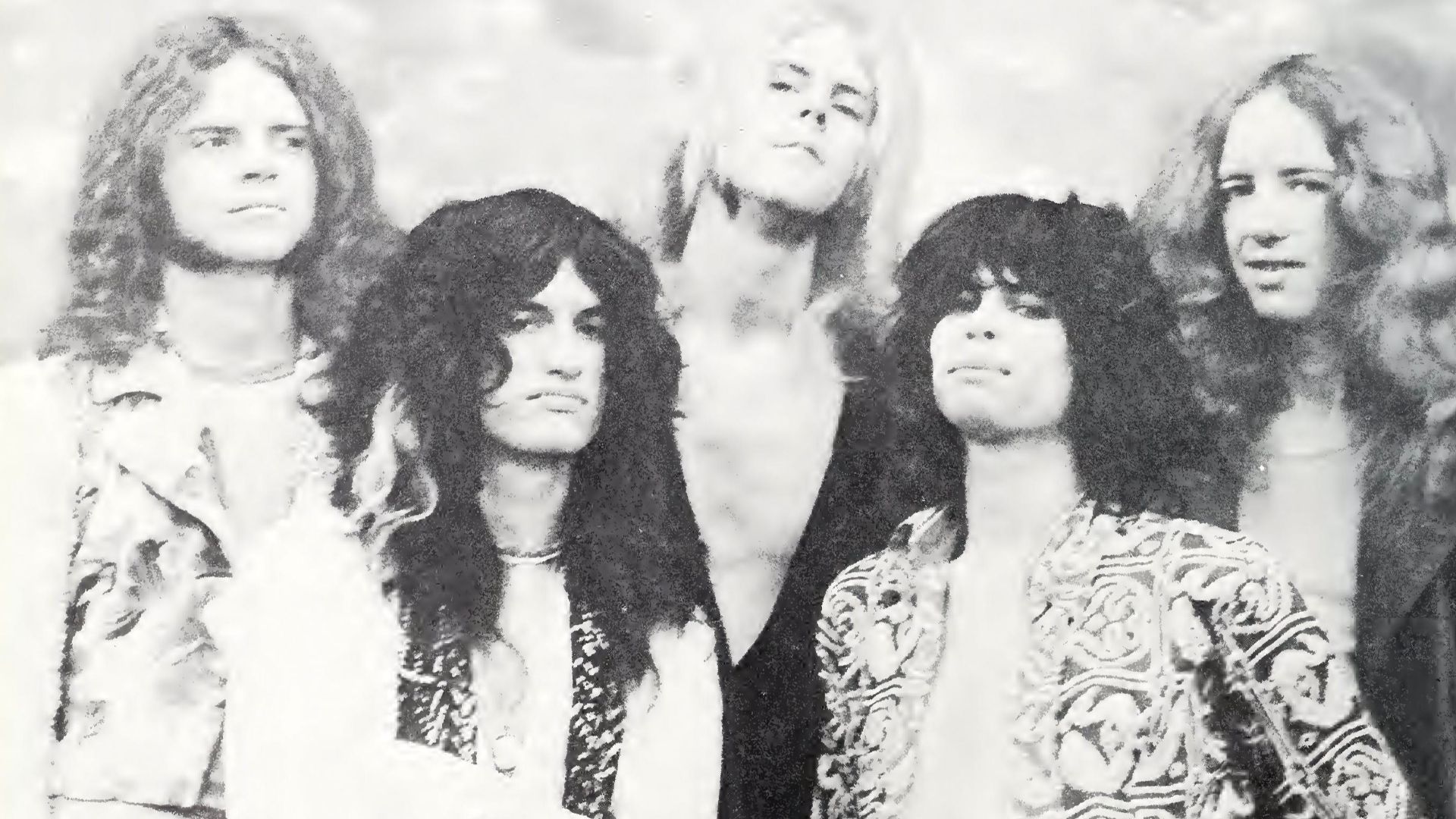
Sobriety announcements often arrived before sobriety did. The Rolling Stones talked clean living while recording Exile on Main St. in chaos. Aerosmith promised change long before it stuck. Press statements smoothed things over while reality lagged behind. Fans wanted redemption arcs. Bands wanted time.
 Columbia Records, Wikimedia Commons
“This Song Isn’t About Anyone” (Extremely About Someone)
Artists denied specifics even when the targets were obvious. Carly Simon insisted You’re So Vain wasn’t about one person—while everyone guessed anyway. Fleetwood Mac claimed Go Your Own Way wasn’t personal. It absolutely was. The denial just made the songs more fun to decode.

“We Hate the Press” (While Feeding the Press)
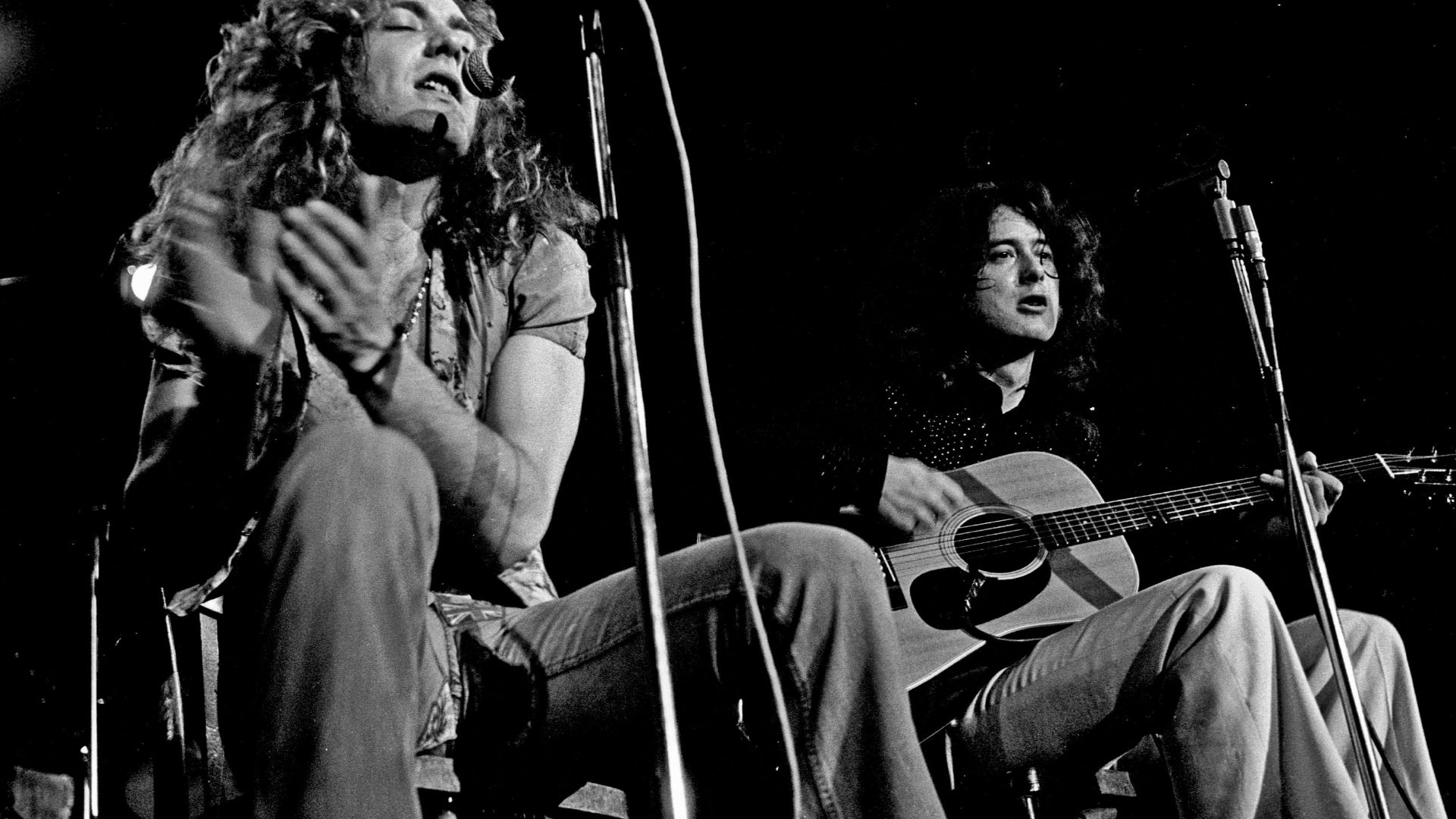
Bands complained endlessly about media intrusion—while granting exclusive interviews, posing carefully, and leaking just enough drama to stay relevant. The love-hate relationship was part of the ecosystem.
 Heinrich Klaffs, Wikimedia Commons
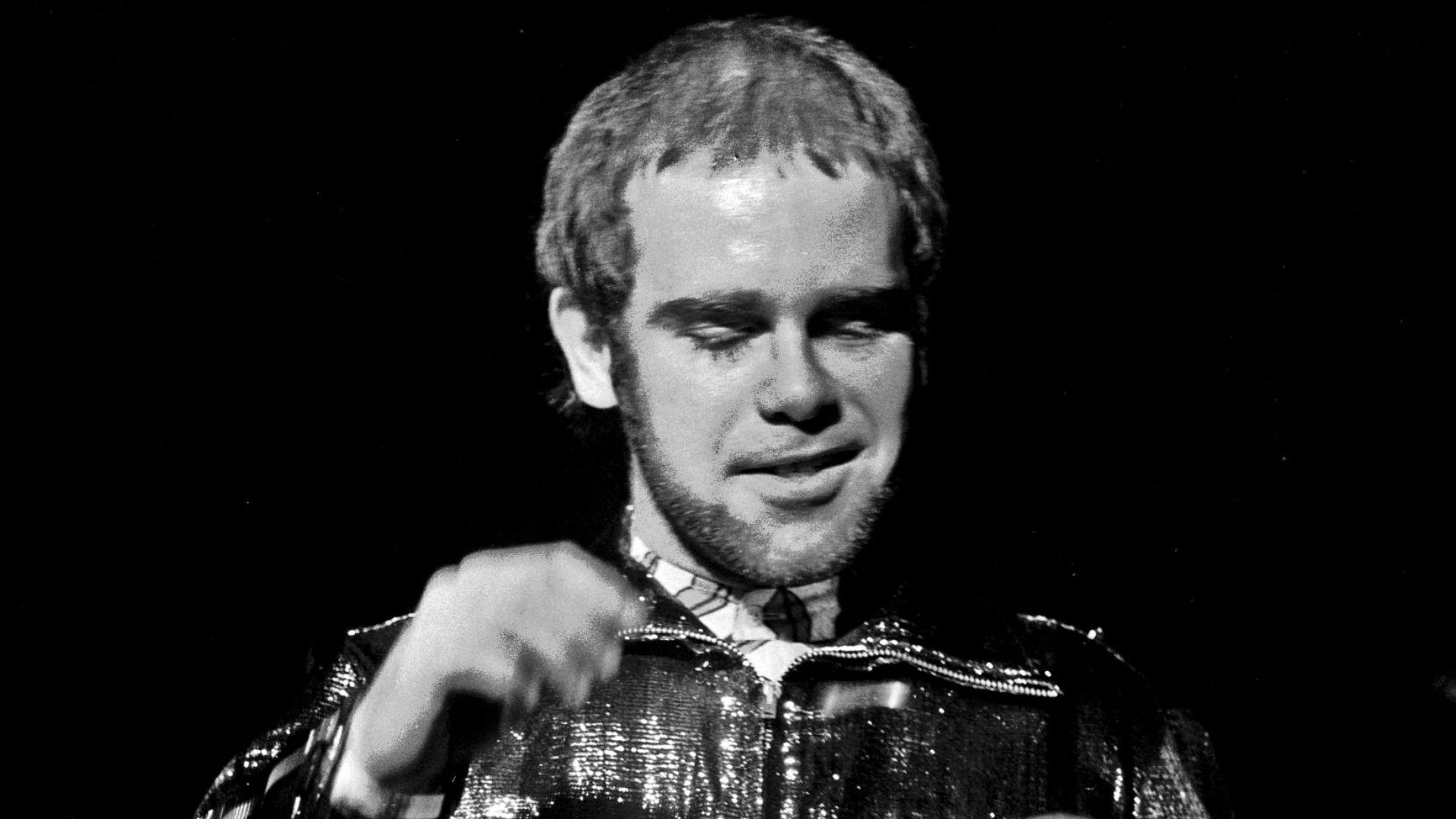
“We’re Just Like Our Fans” (Very Much Not)
Rock stars loved saying fame hadn’t changed them. Meanwhile, members of Led Zeppelin were traveling by private jet, Bowie was reinventing himself in luxury, and Elton John was collecting cars and costumes by the dozen. Fans didn’t need relatability. They just wanted the illusion not to crack completely.
 Heinrich Klaffs, Wikimedia Commons
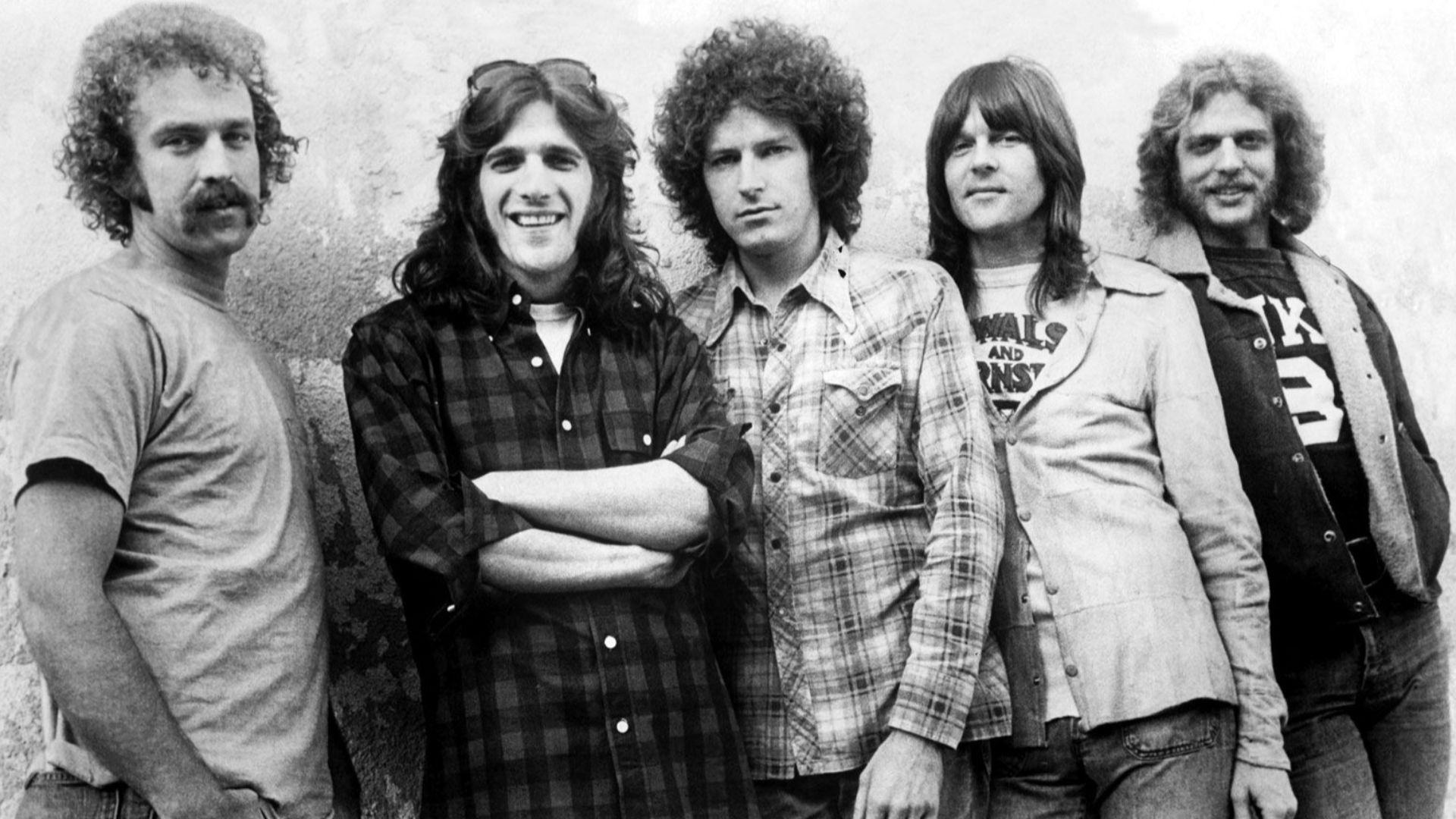
“This Is the End of an Era” (It Never Was)
Every breakup or lineup change was framed as the final chapter. The Who said it. The Eagles said it. Pink Floyd practically made an art form out of it. Albums were mourned. Tours were labeled “last ever.” Somehow, there was always another reunion waiting a few years down the road.
 Distributed by Asylum Records, Wikimedia Commons
Why We Believed Every Word
The 70s weren’t just about the music—they were about mythmaking. Fans wanted heroes. Labels wanted legends. Bands wanted control. The lies weren’t always cynical. Sometimes they were just stories that sounded better than the truth. And honestly? Rock wouldn’t feel the same without them.
 Warner Bros. Records, Wikimedia Commons
You Might Also Like:
For These 80s Hair Metal Bands, The Music Wasn't Great—But The Hair Was Amazing