This Argument Has Absolutely Happened Before
Every family has this argument. It usually starts with a record collection, ends with someone storming off, and somehow always involves The Beatles. To some people, they’re untouchable. To others, they’re overrated pioneers who’ve been mythologized beyond reason.
Meanwhile, the kids—or anyone under 30—are stuck in the middle, nodding politely, pretending not to Google things under the table, and wondering why no one has mentioned U2 yet.
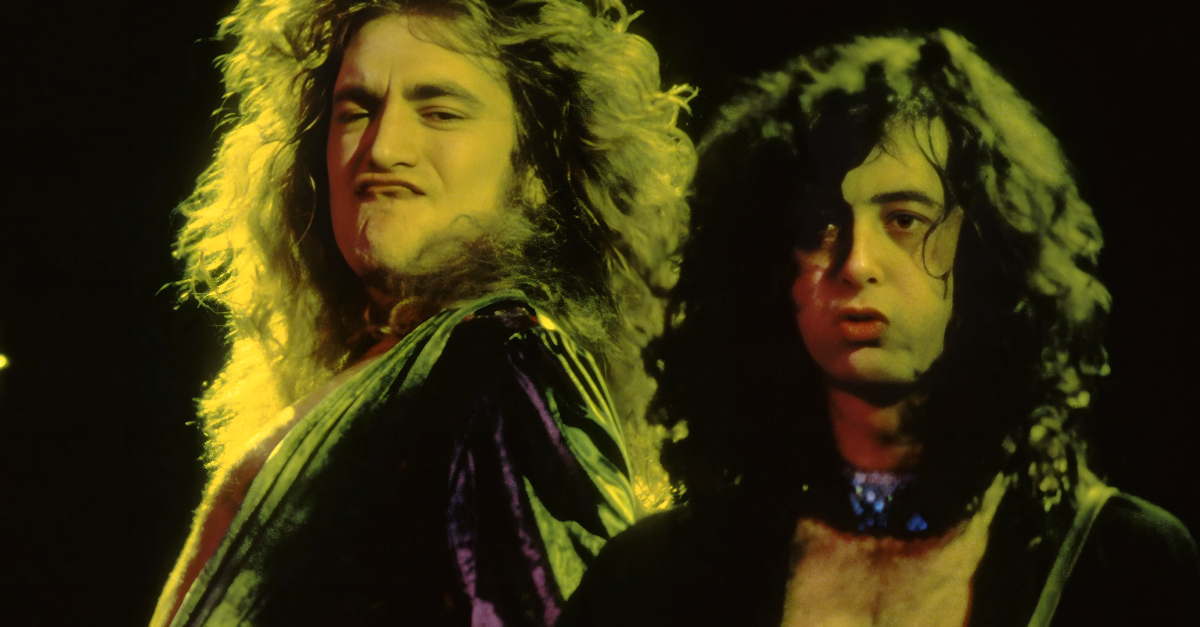
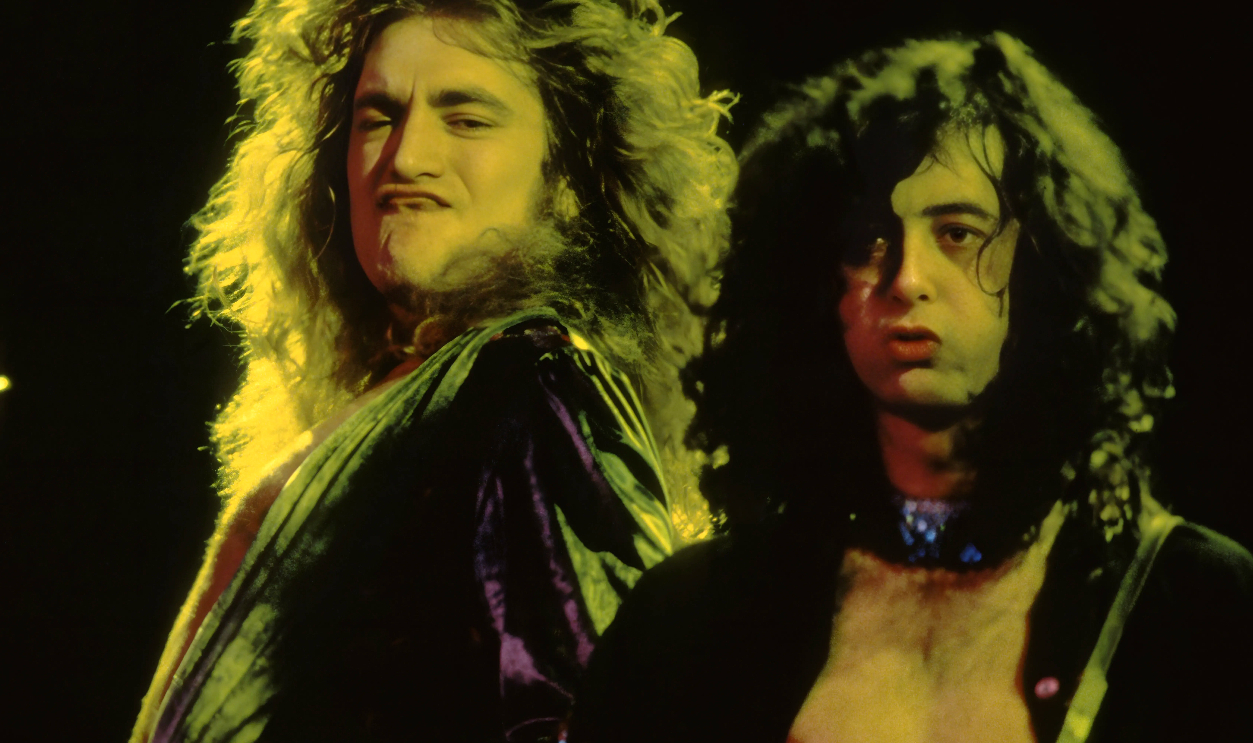 Images Press, Getty ImagesWhy the Dad Has a Real Case
The Beatles didn’t just make hit songs—they changed how bands worked. They wrote their own material, experimented openly in the studio, and turned albums into statements instead of collections of singles. Rolling Stone once called them “the most important artists of the rock era,” which sounds obvious until you realize how many bands—even the heavier, louder ones—were reacting directly to what The Beatles had already done.
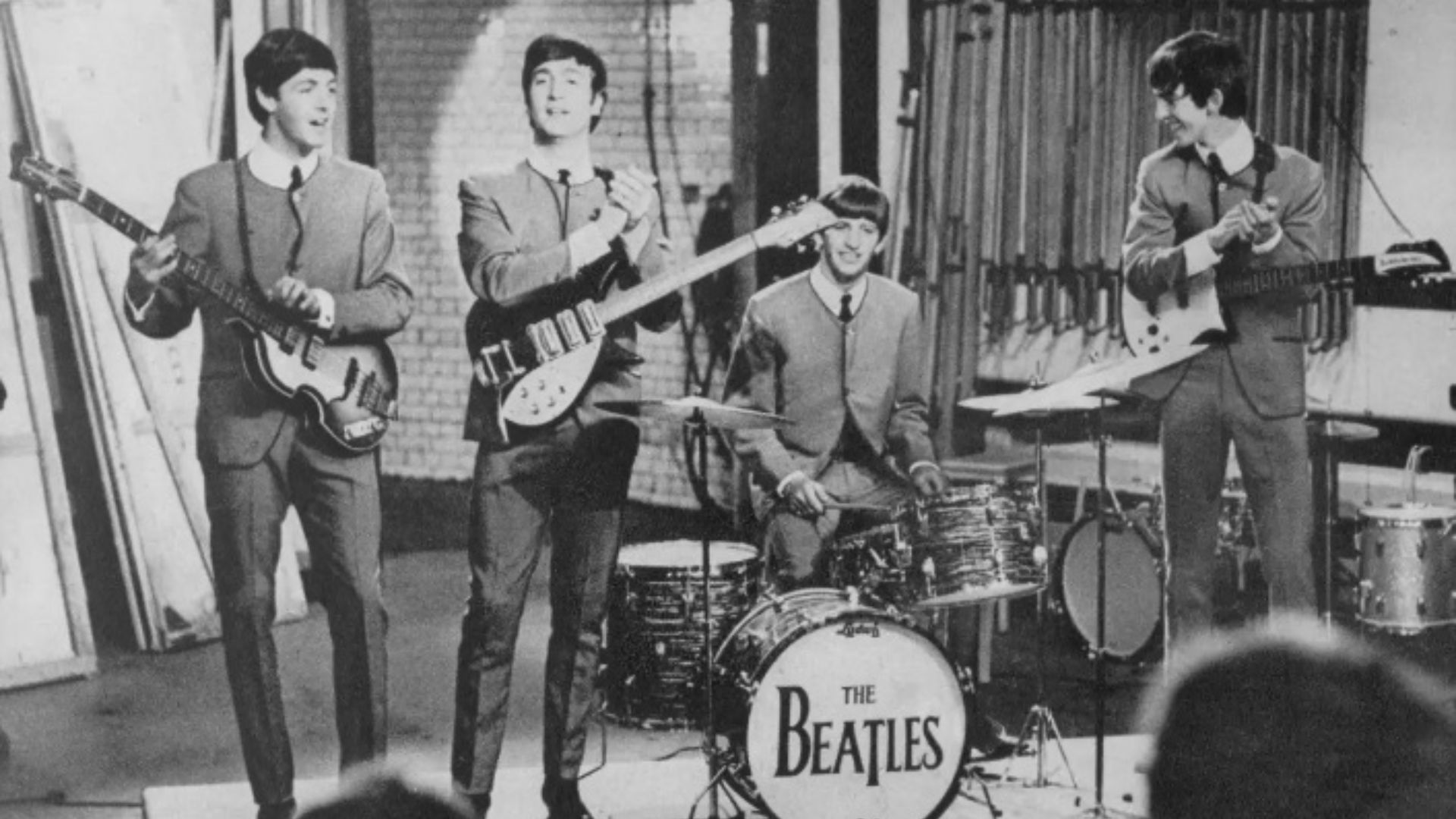 Unknown photographer, Wikimedia Commons
If We Were on Team Dad, This Is Where It Starts
If we were on Team Dad, the argument would start right here. The Beatles are still the best-selling music act of all time, with estimates around 600 million records sold worldwide. They also hold records for the most Billboard Hot 100 No. 1 songs and the most No. 1 albums. You don’t accidentally dominate charts like that across multiple generations.
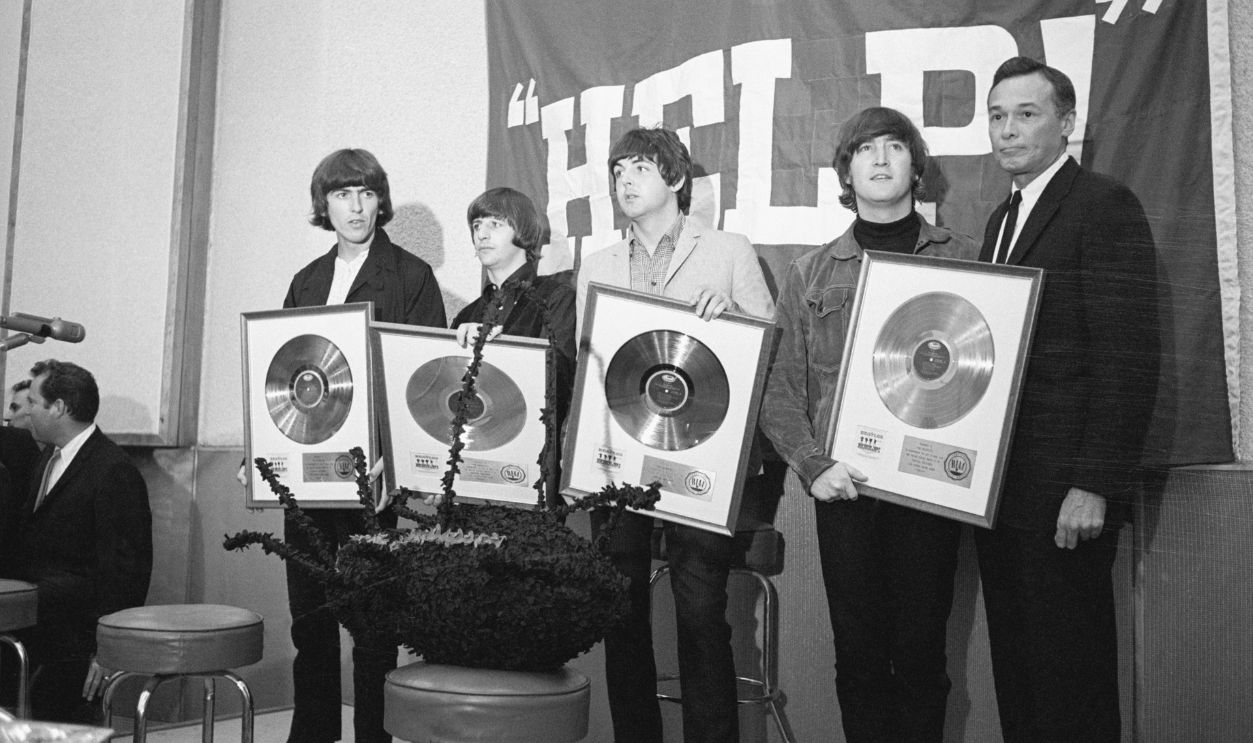
They Didn’t Just Break Records—They Changed Expectations
Before The Beatles, albums were often filler. After Rubber Soul and Revolver, albums became the main event. Sgt. Pepper’s Lonely Hearts Club Band didn’t just sell—it changed what artists thought albums could be. As New York Times critic Jon Pareles once put it, their real achievement wasn’t any single style, but how quickly and convincingly they moved between them.
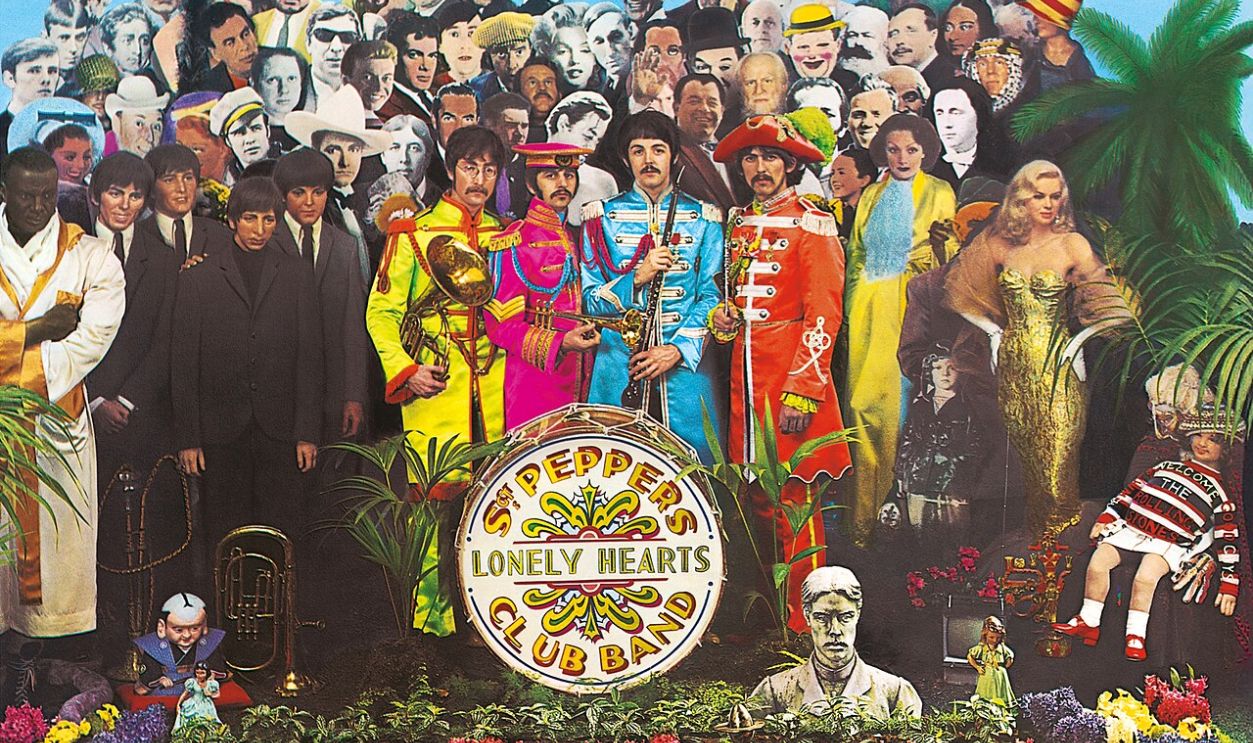 Peter Blake / Parlophone, Capitol Records, Wikimedia Commons
This Is Where the Uncle Starts Smiling
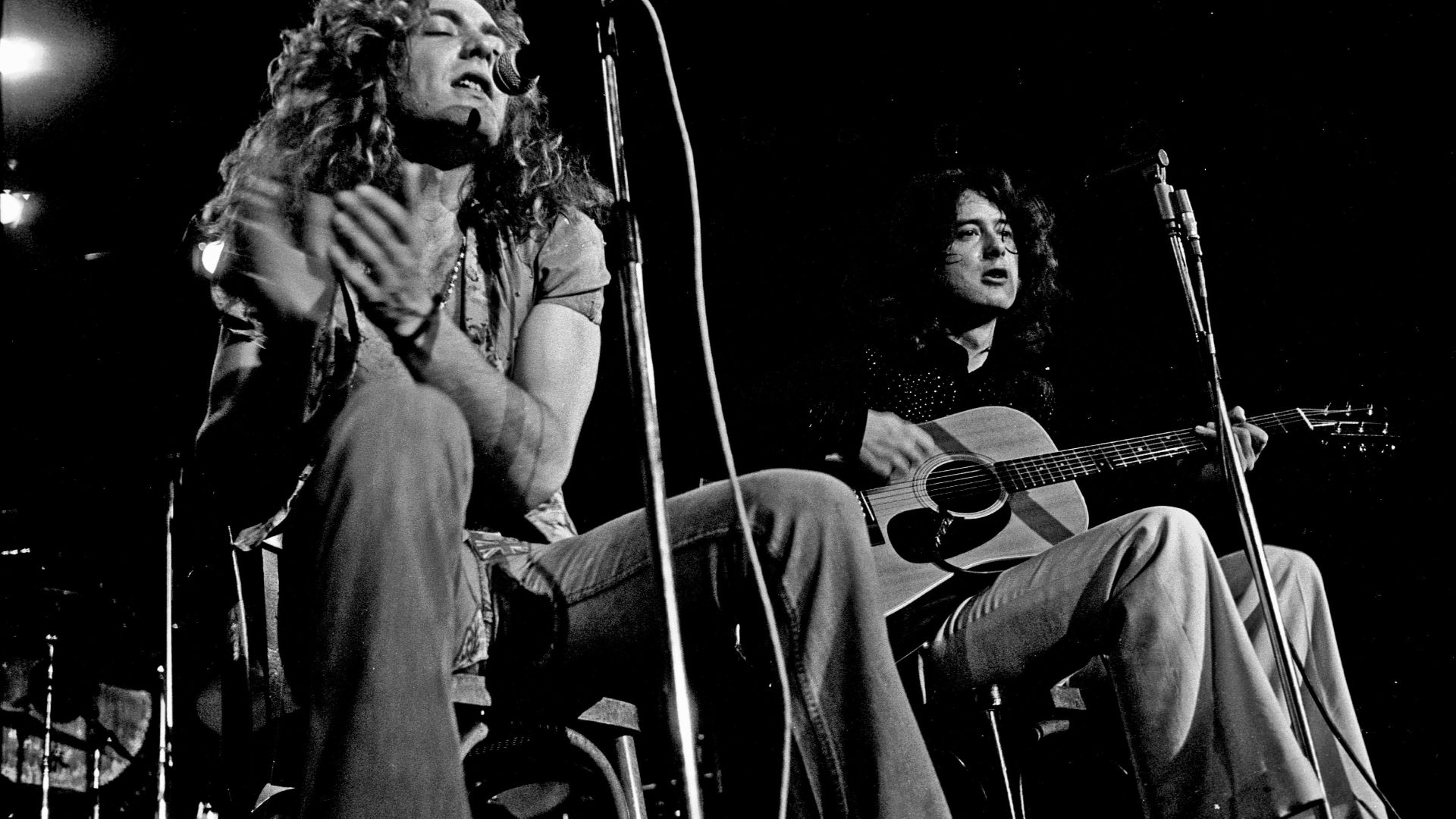
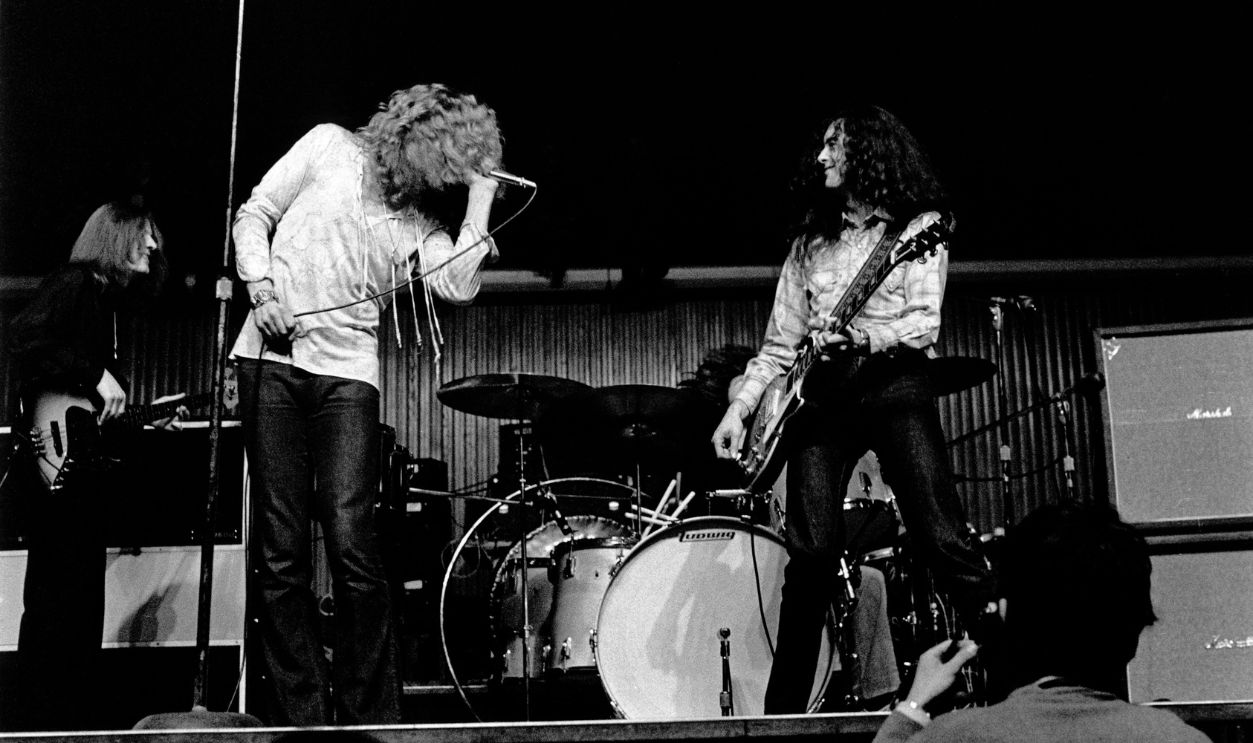
Because this is when Led Zeppelin enters the conversation. Zeppelin didn’t aim to be charming or universally loved. They aimed to sound massive. Heavier riffs, louder drums, and an attitude that suggested subtlety was optional.
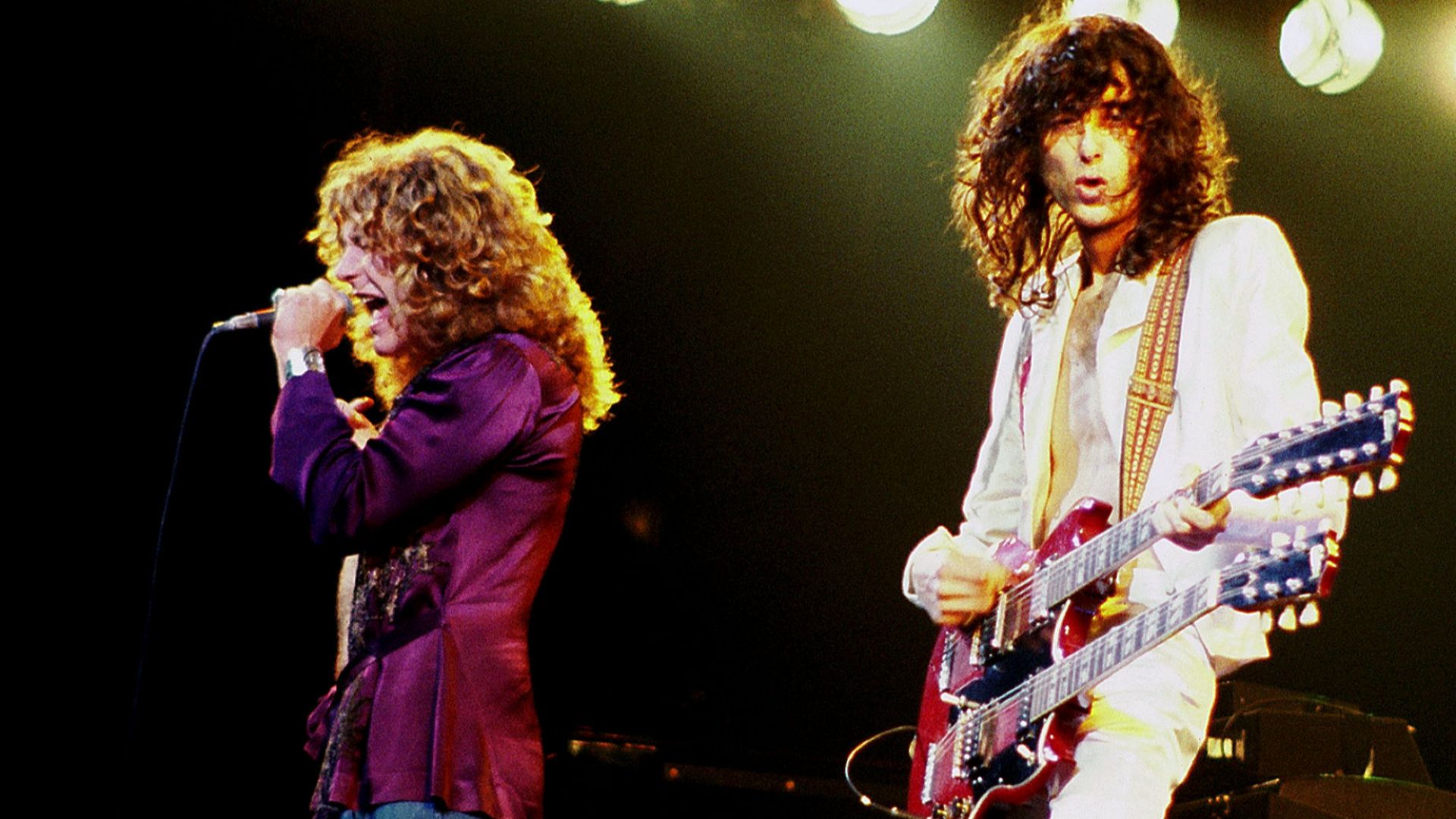 Jim Summaria, http://www.jimsummariaphoto.com/, Wikimedia Commons
Zeppelin Didn’t Hang Around Long—and Didn’t Need To
Led Zeppelin released only nine studio albums, and nearly all of them are considered essential. No awkward late-career phase. No slow fade. Music writer Cameron Crowe once summed it up neatly, saying Zeppelin took everything The Beatles opened up and pushed it to its rawest extremes.
 Heinrich Klaffs, Wikimedia Commons
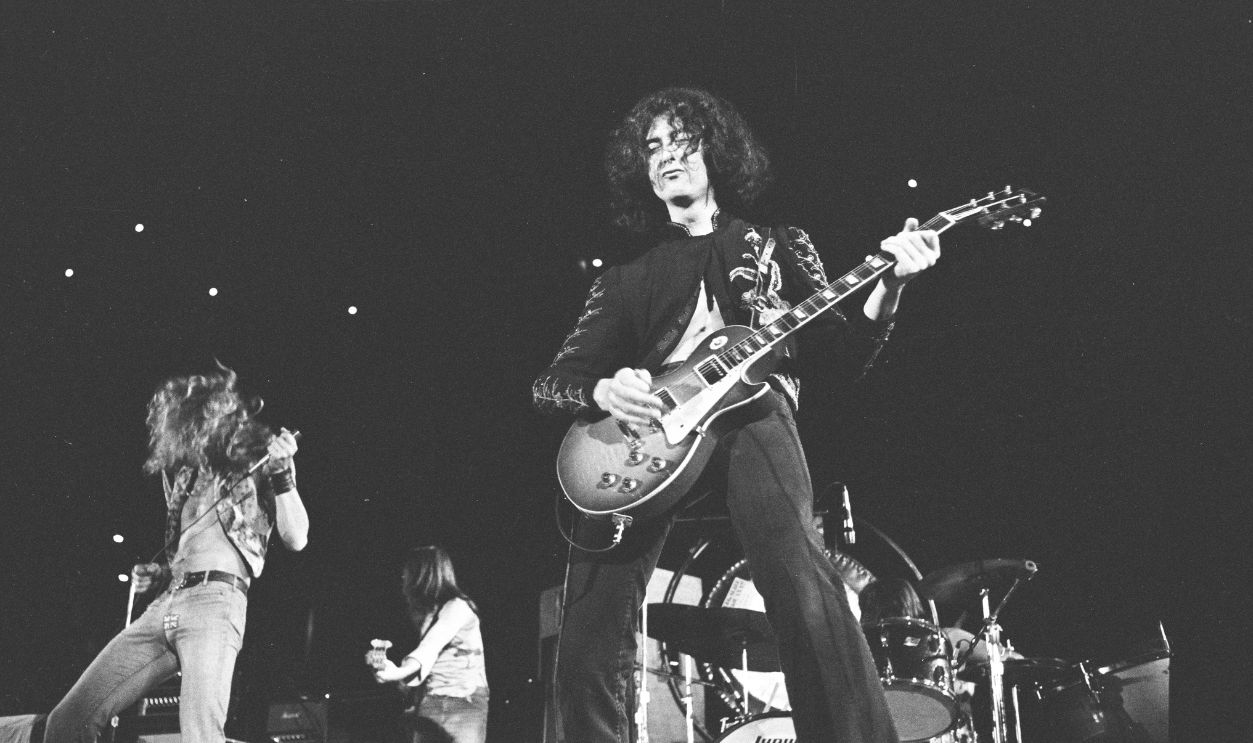
Jimmy Page Is Doing a Lot of the Uncle’s Work
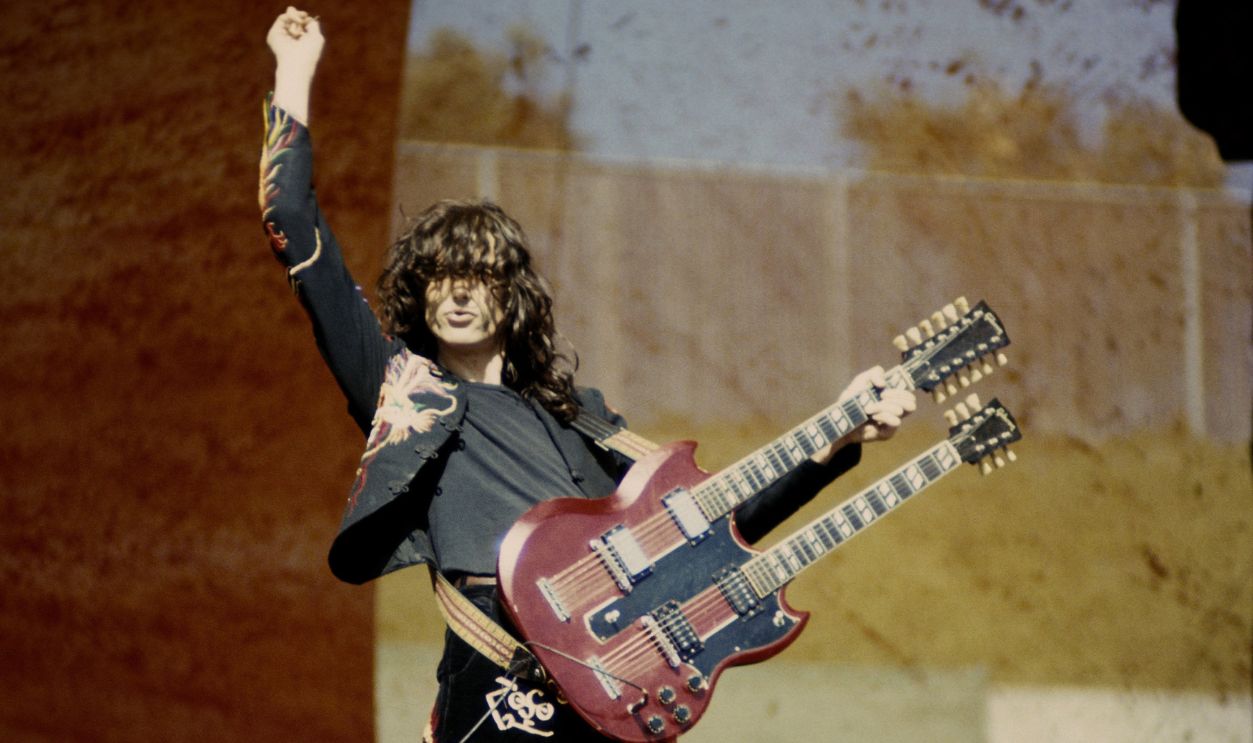
Jimmy Page routinely lands near the top of “greatest guitarist ever” lists, and it’s not just nostalgia talking. Zeppelin leaned hard into musicianship and feel. The Beatles weren’t trying to outplay anyone. Zeppelin absolutely was—and usually succeeded.
 Koh Hasebe/Shinko Music, Getty images
And Then Pink Floyd Drifts Into the Argument
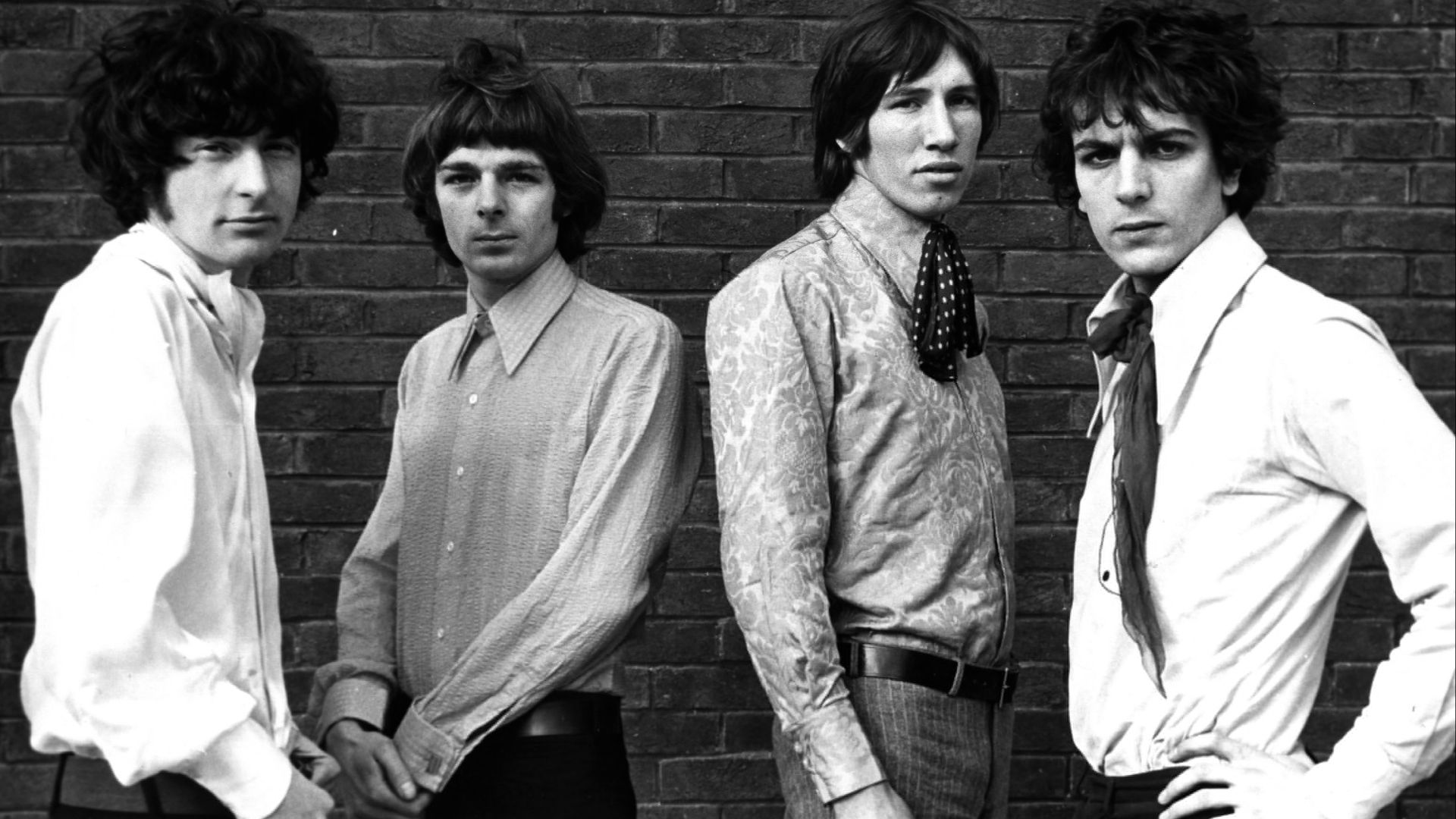
Pink Floyd doesn’t barge in. They float. Their albums aren’t just records—they’re experiences. Headphones on, lights down, suddenly you’re not sure how much time has passed. If greatness means atmosphere and emotional weight, Floyd belongs very high on the list.
 PinkFloyd1973.jpg: TimDuncan
derivative work: Mr. Frank (talk), Wikimedia Commons
PinkFloyd1973.jpg: TimDuncan
derivative work: Mr. Frank (talk), Wikimedia Commons
Pink Floyd’s Longevity Is Almost Unfair
Dark Side of the Moon spent over 900 weeks on the Billboard 200. That’s not a hot streak—that’s a permanent address. Pink Floyd albums are still being discovered decades later, usually followed by the same reaction: “Wait…this came out when?”
 Dave Bushe - https://www.flickr.com/people/davebushe/, Wikimedia Commons
What The Beatles Had That the Others Didn’t
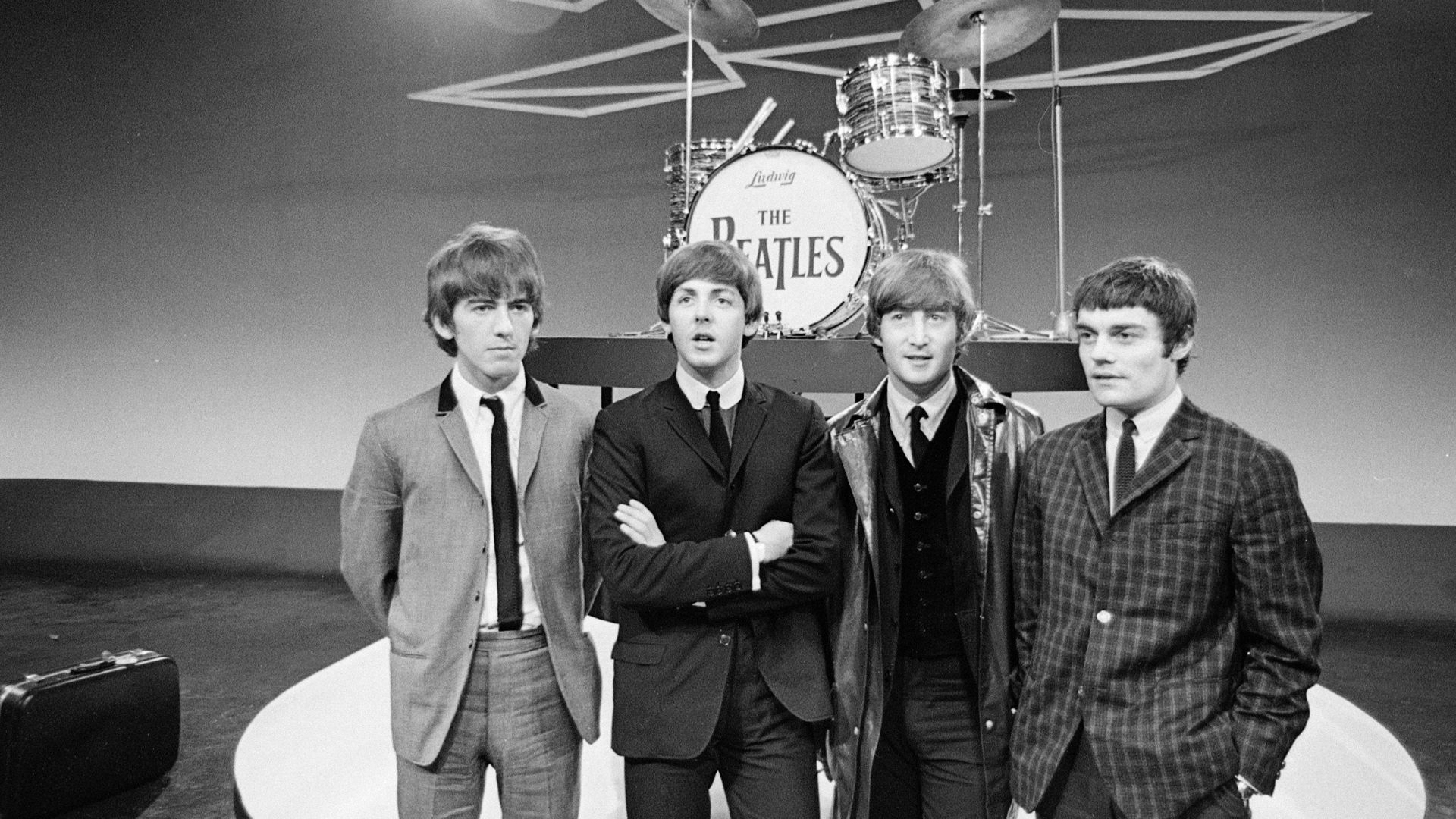
Range. The Beatles went from bubblegum pop to psychedelia to stripped-down rock in just a few years. They weren’t perfecting one sound—they were trying everything. Zeppelin and Floyd carved out lanes. The Beatles kept changing roads.
 Boer, Poppe de, Wikimedia Commons
Even John Lennon Tried to Downplay the Myth
Lennon once said, “We were just a band that made it very, very big.” He never loved the idea of The Beatles as untouchable legends. Still, even he admitted their timing—arriving just as youth culture exploded—was everything.
 Bob Gruen; Distributed by Capitol Records, Wikimedia Commons
Paul McCartney Knows This Debate Well
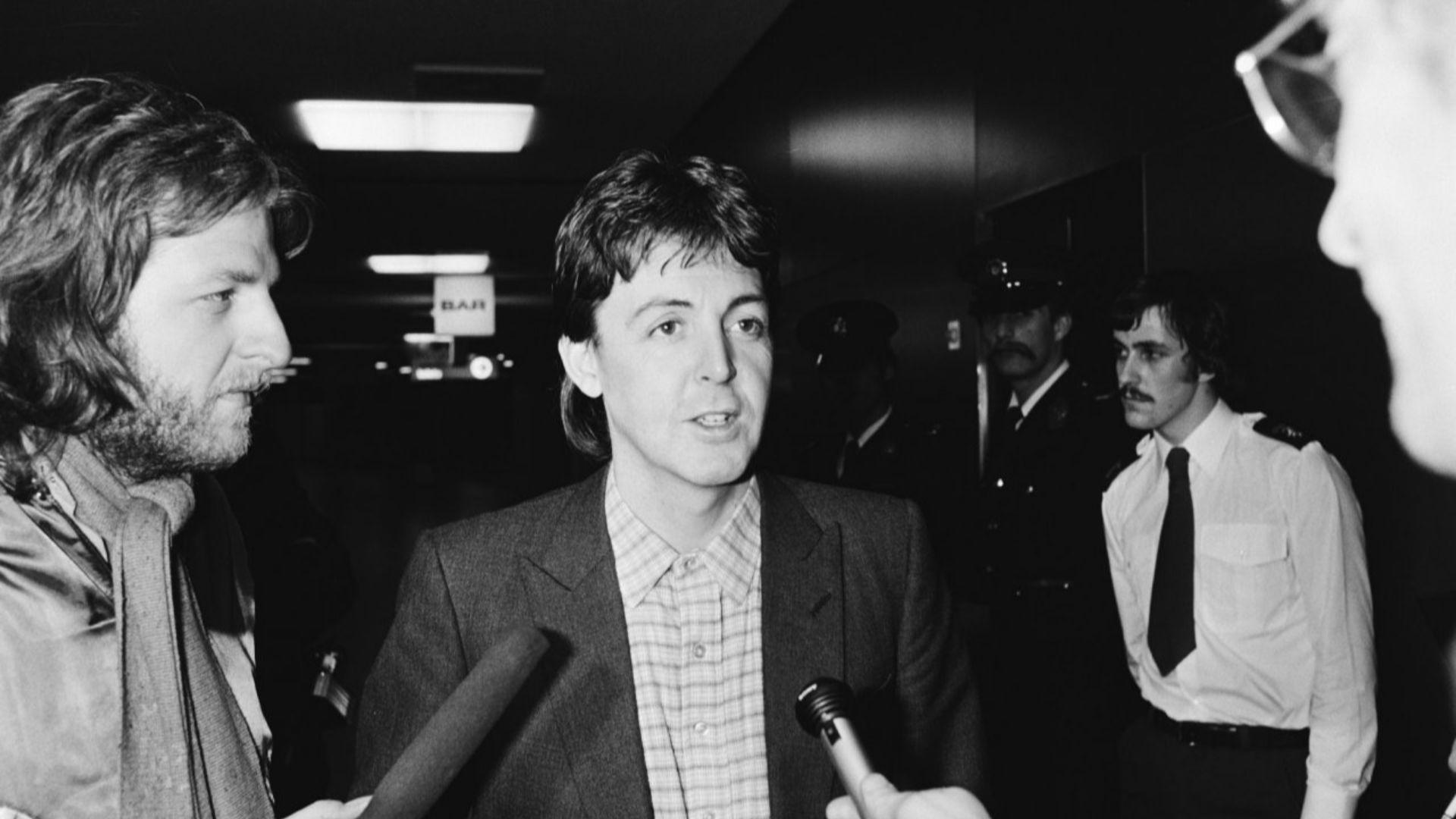
McCartney has praised Zeppelin and Pink Floyd for years, often saying there was room for all of them. But he’s also been clear about one thing: The Beatles showed what was possible first. That tends to matter more than people want to admit.
Zeppelin Didn’t Change Fashion—They Changed Volume
Led Zeppelin didn’t redefine youth culture the way The Beatles did. What they did was turn rock into something bigger, louder, and heavier. If greatness is measured in decibels, Zeppelin is a tough band to beat.
Pink Floyd Played the Long Game
Pink Floyd didn’t chase radio hits or quick wins. Their albums were designed to be listened to straight through, often multiple times. That approach didn’t always pay off immediately, but it aged extremely well. Many listeners don’t fully connect with Pink Floyd until later in life, when the themes start to land harder and feel more relevant.
 Hit Parader magazine, Wikimedia Commons
If “Greatest” Means Songwriting
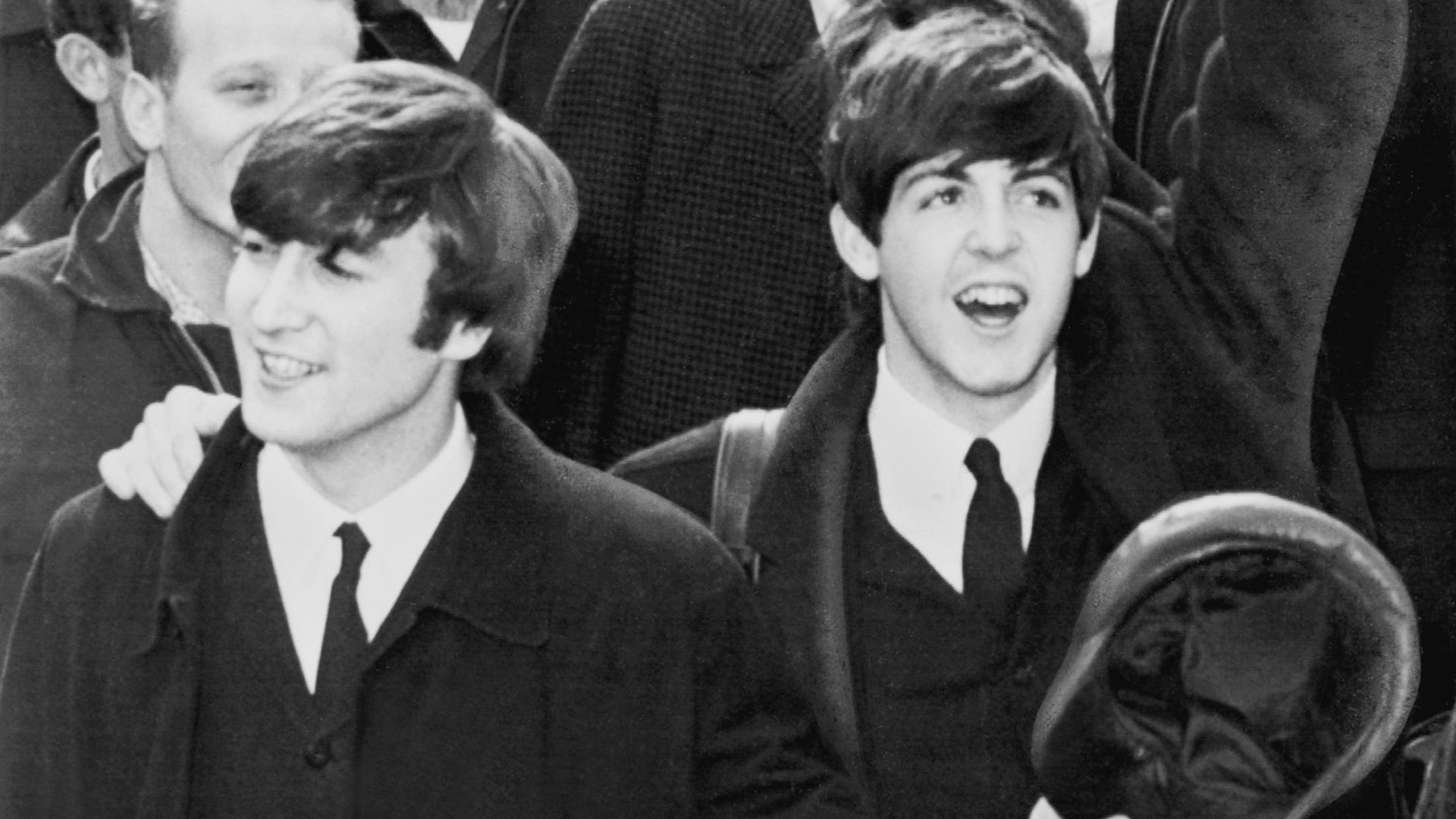
The Lennon–McCartney partnership is still the benchmark. Their songs have been covered by thousands of artists across genres, decades, and countries. That kind of adaptability doesn’t happen by accident. A strong Beatles song can survive a full rearrangement and still work, which says a lot about how well they were written at the core.
 United Press International, photographer unknown, Wikimedia Commons
If “Greatest” Means Technical Skill
This is where the dad’s argument gets harder to defend. Led Zeppelin and Pink Floyd pushed musicianship further, especially in terms of guitar work, production, and extended compositions. The Beatles weren’t trying to be technical masters in the same way. They focused more on songwriting, feel, and ideas than showing off how good they were at their instruments.
Influence Is Where the Dad Quietly Wins Again
Lester Bangs once wrote that The Beatles were the first rock band that made everyone else have to grow up. That influence goes beyond sound. They changed how bands approached albums, image, touring, and creative control. Zeppelin and Floyd influenced genres. The Beatles influenced the entire structure of modern rock bands.
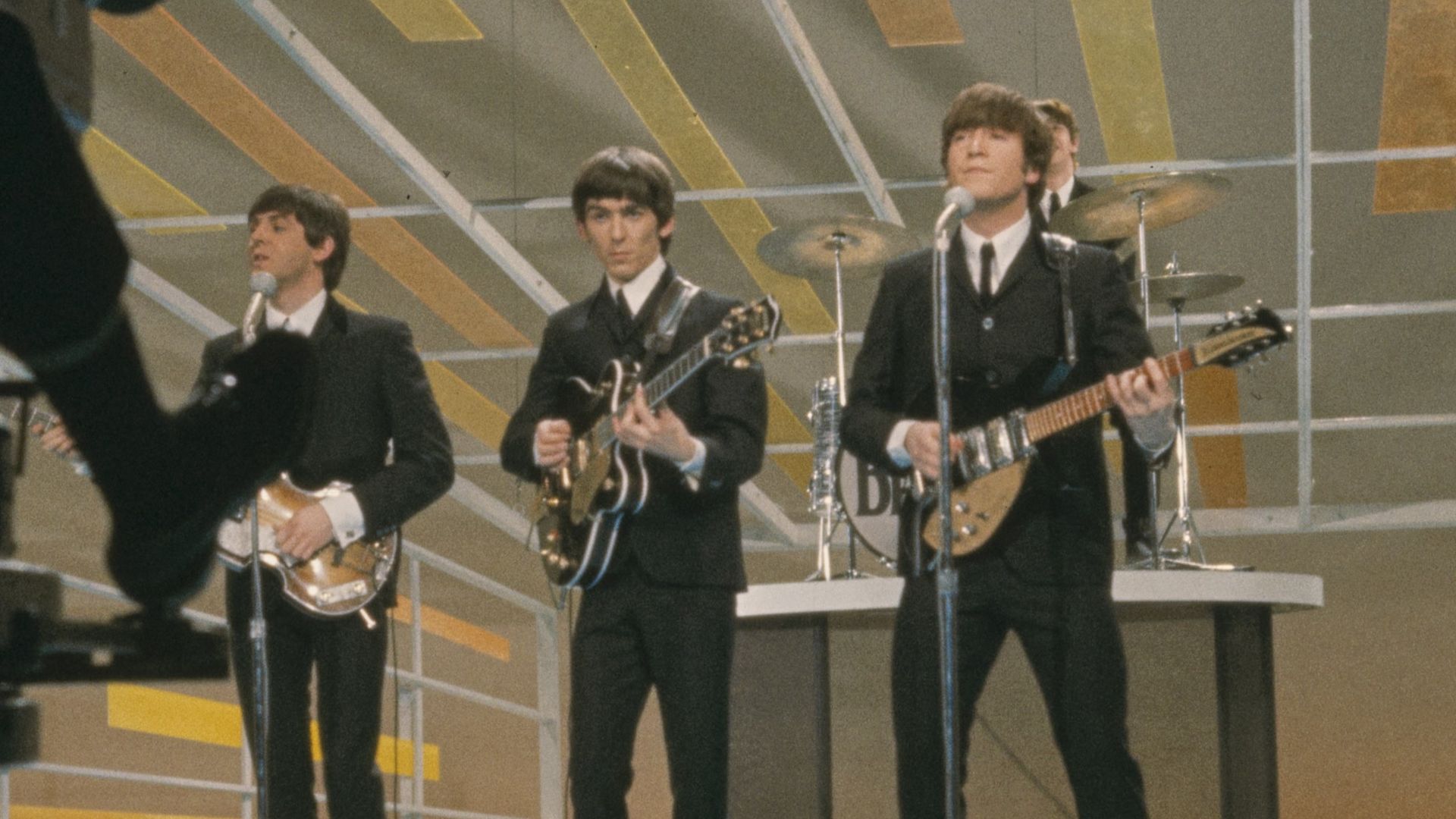 Bernard Gotfryd, Wikimedia Commons
Why This Argument Never Ends
The problem is that “greatest” means different things to different people. Some care about sales. Others care about innovation, musicianship, or emotional depth. Depending on what you value most, you’ll end up with a different answer—and that’s why this argument never really gets settled.
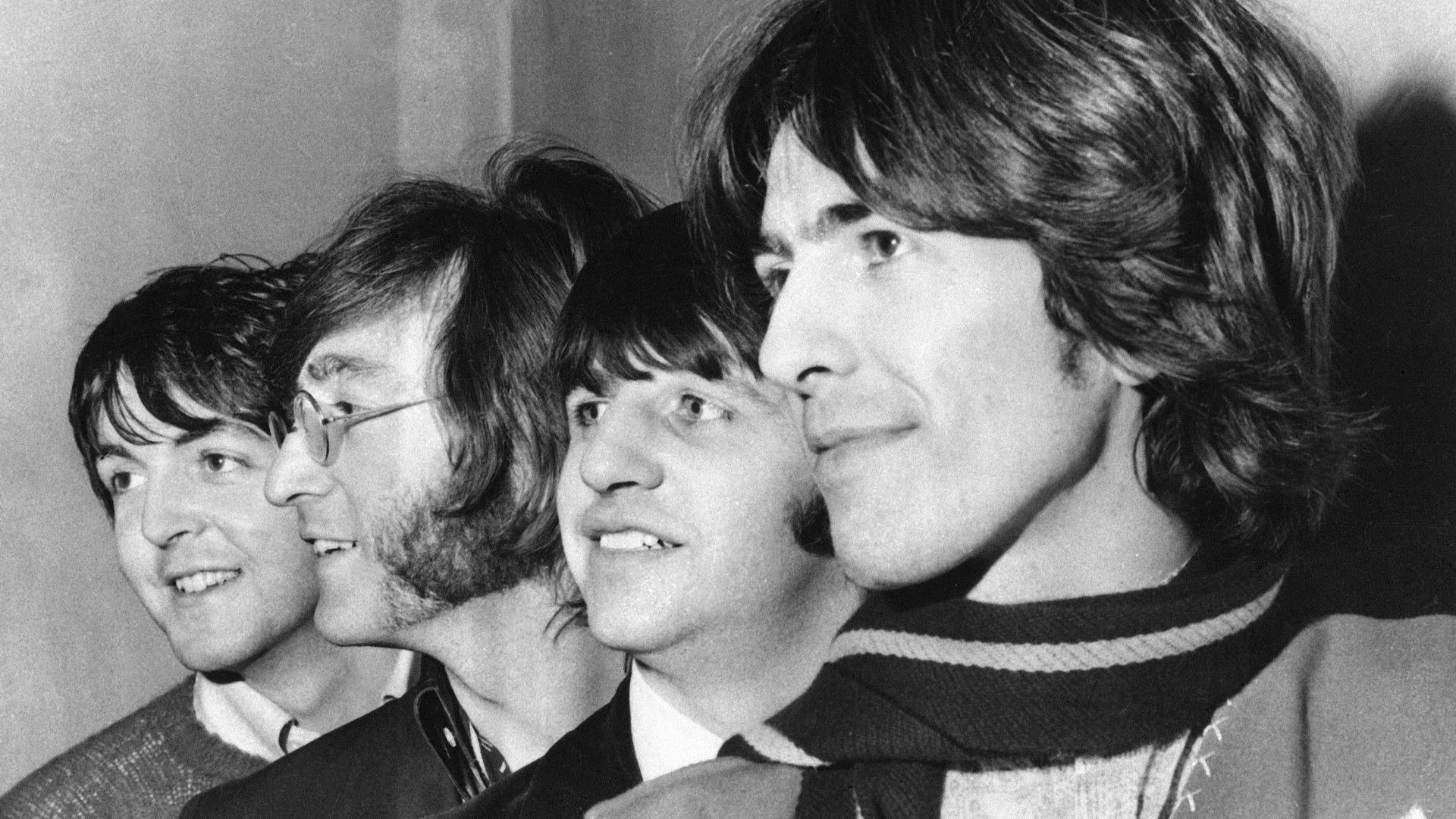 Associated Press, Wikimedia Commons
The Dad’s Case, Simplified
The Beatles arrived first, adapted quickly, and left an influence that still shows up everywhere. They changed expectations for what bands could do and how seriously popular music could be taken. If greatness means cultural impact and long-term influence, the dad’s argument holds together very well.
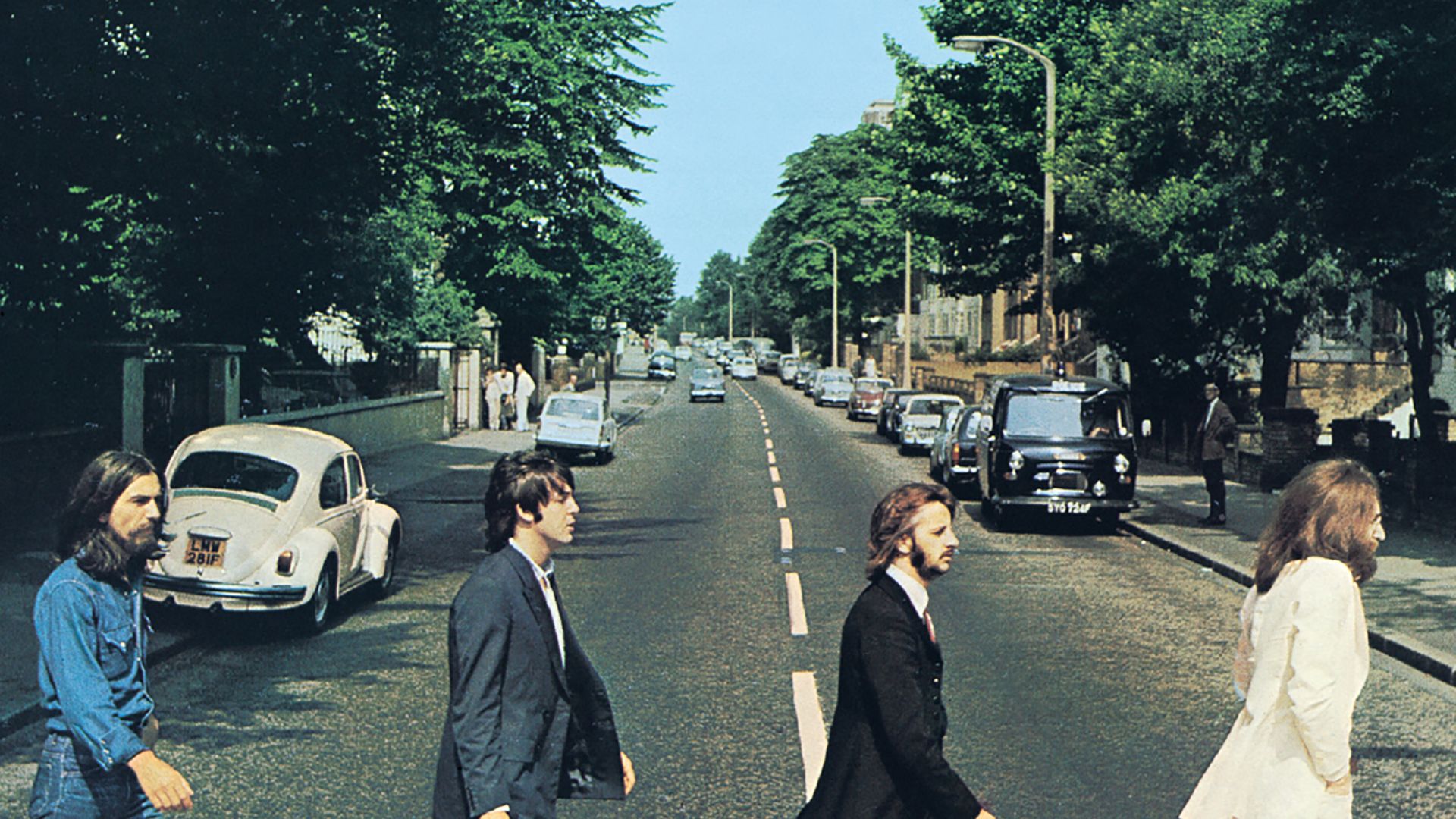 John Kosh (album design), Iain Macmillan (photograph), Wikimedia Commons
The Uncle’s Case, Simplified
Led Zeppelin and Pink Floyd took the ideas The Beatles helped normalize and pushed them further. They made heavier, moodier, more immersive records that appealed deeply to their audiences. If greatness means sound, scale, and technical ambition, the uncle’s argument makes real sense too.
 Andrew Smith, Wikimedia Commons
The Slightly Annoying Truth
The Beatles are probably the most important band of all time. Led Zeppelin and Pink Floyd might be better at specific things. Those two statements don’t cancel each other out, even though neither side of this argument likes hearing that.
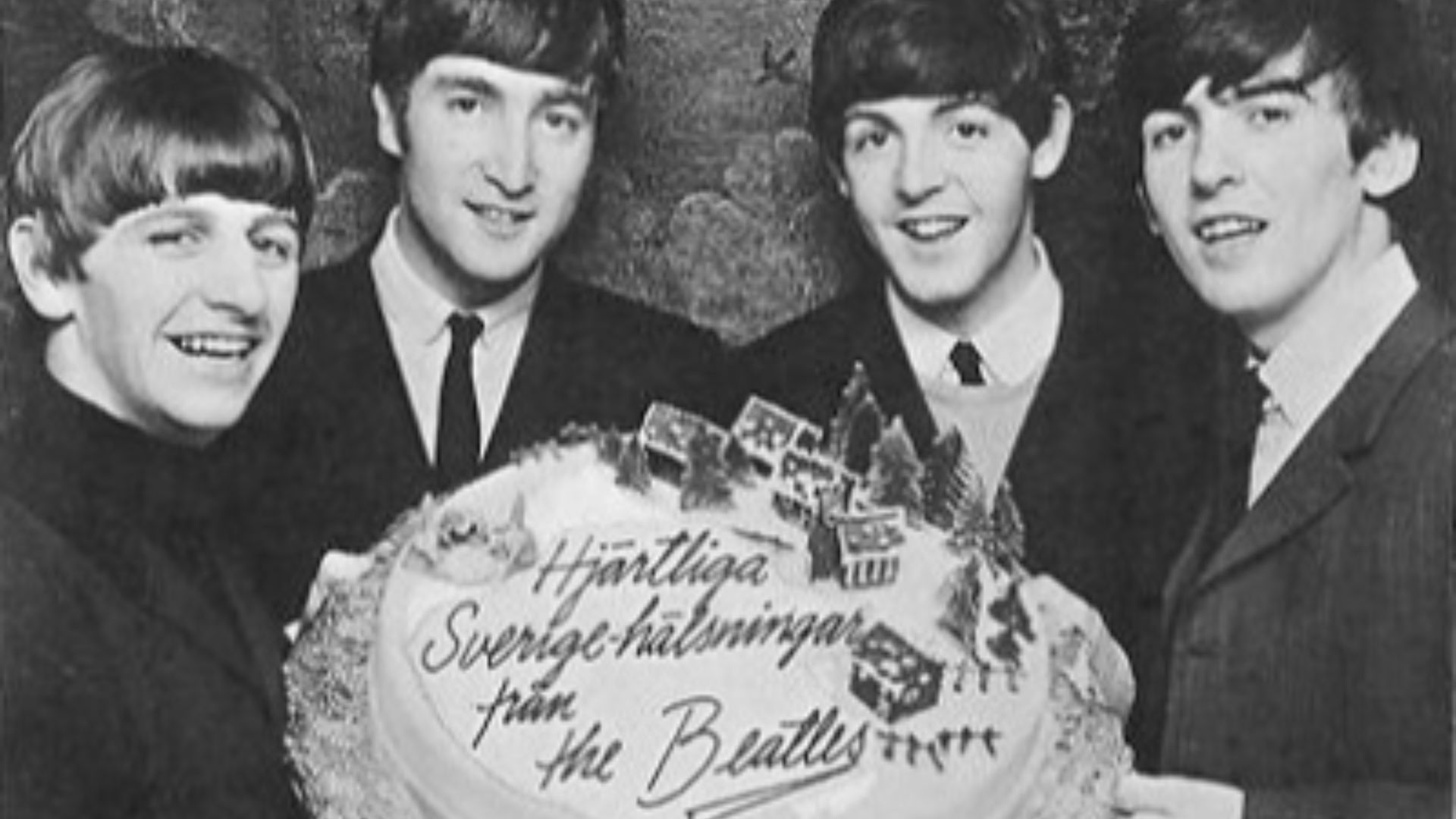
So…Which One of Them Is Right?
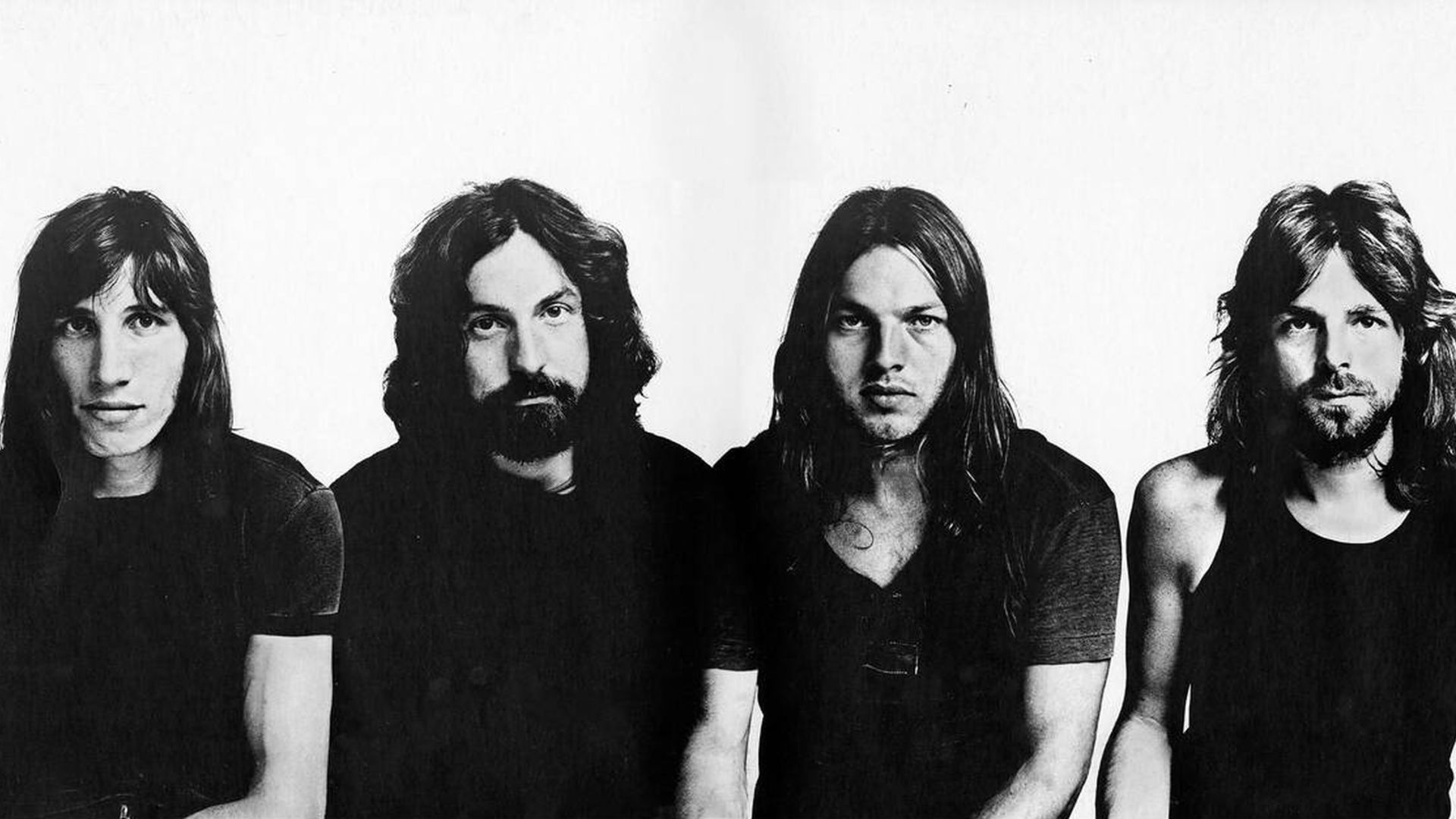
If you’re judging legacy and influence, Team Dad probably wins. If you’re judging musical depth and intensity, Team Uncle has a strong case. Either way, no one is changing their mind—and this argument is almost guaranteed to come up again. Is that answer a cop out? Maybe. But what if...
 Capitol Records, Wikimedia Commons
Or Maybe They’re Both Ignoring a Few Other Names
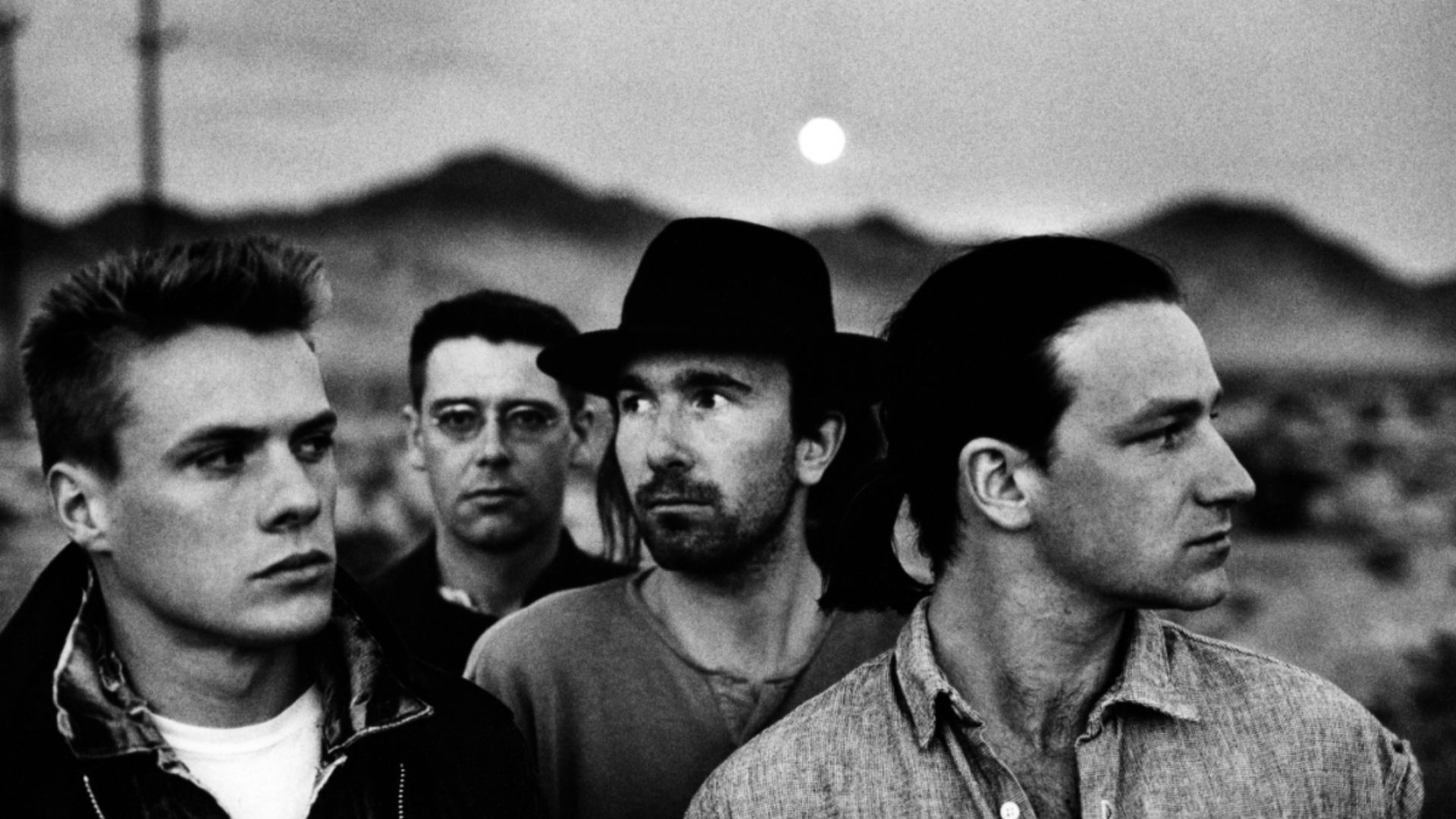
Of course, this argument assumes the list stops at three. It doesn’t. Bands like The Rolling Stones, The Who, U2, and even Radiohead regularly come up in the same conversations—for different reasons. Longevity, reinvention, cultural reach, or influence on later generations all shift the rankings. Depending on how you define “greatest,” both the dad and the uncle might be arguing the wrong shortlist.
 Anton Corbijn, Distributed by Island Records, Wikimedia Commons
You Might Also Like: