When Rock Hit the Stratosphere
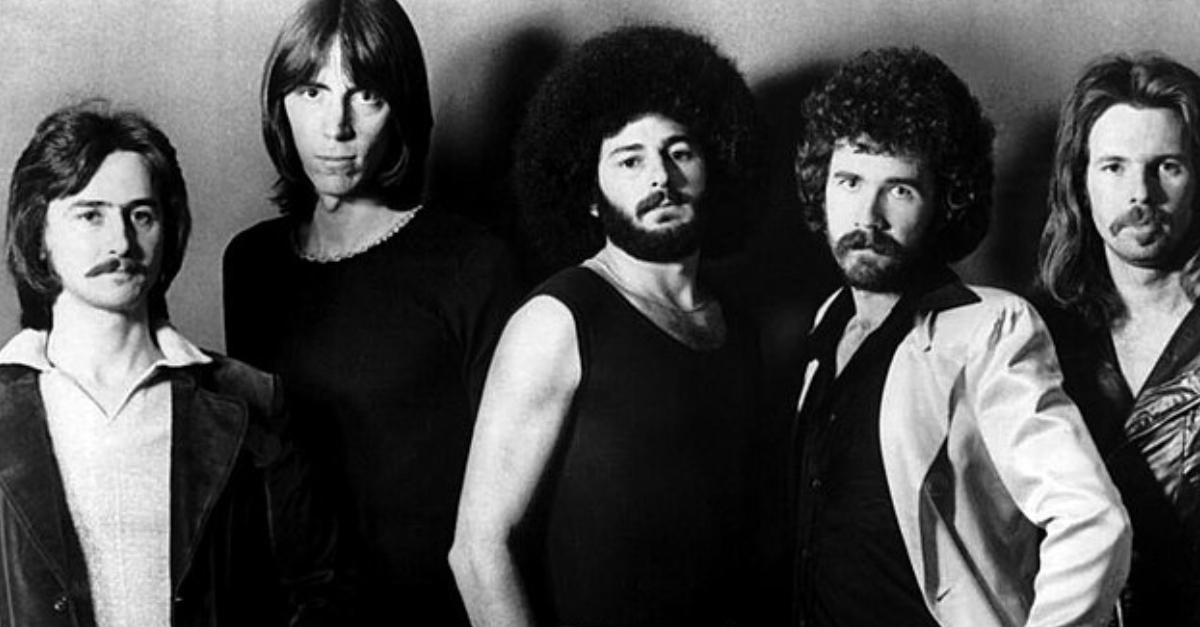
Boston’s 1976 debut wasn’t just huge—it was more than huge. Bad pun aside, the album really was a monster hit—and with tracks like More Than a Feeling, Peace of Mind, and Foreplay/Long Time, the brand-new band became arena headliners almost overnight. But monster hits attract monsters of a different kind—label executives, deadlines, and expectations that don’t leave much room for perfectionism.
Which, as they would soon learn, didn’t mesh well with the way Boston’s chief songwriter and composer, Tom Scholz, liked to work.
The Industry Wanted Speed
In the late 70s, rock bands weren’t expected to take their time. Labels wanted quick follow-ups to keep momentum going while radio and touring were still hot. Boston’s debut didn’t just make them stars—it put them on a schedule. The assumption from the industry was simple: get back in the studio and do it again, fast.
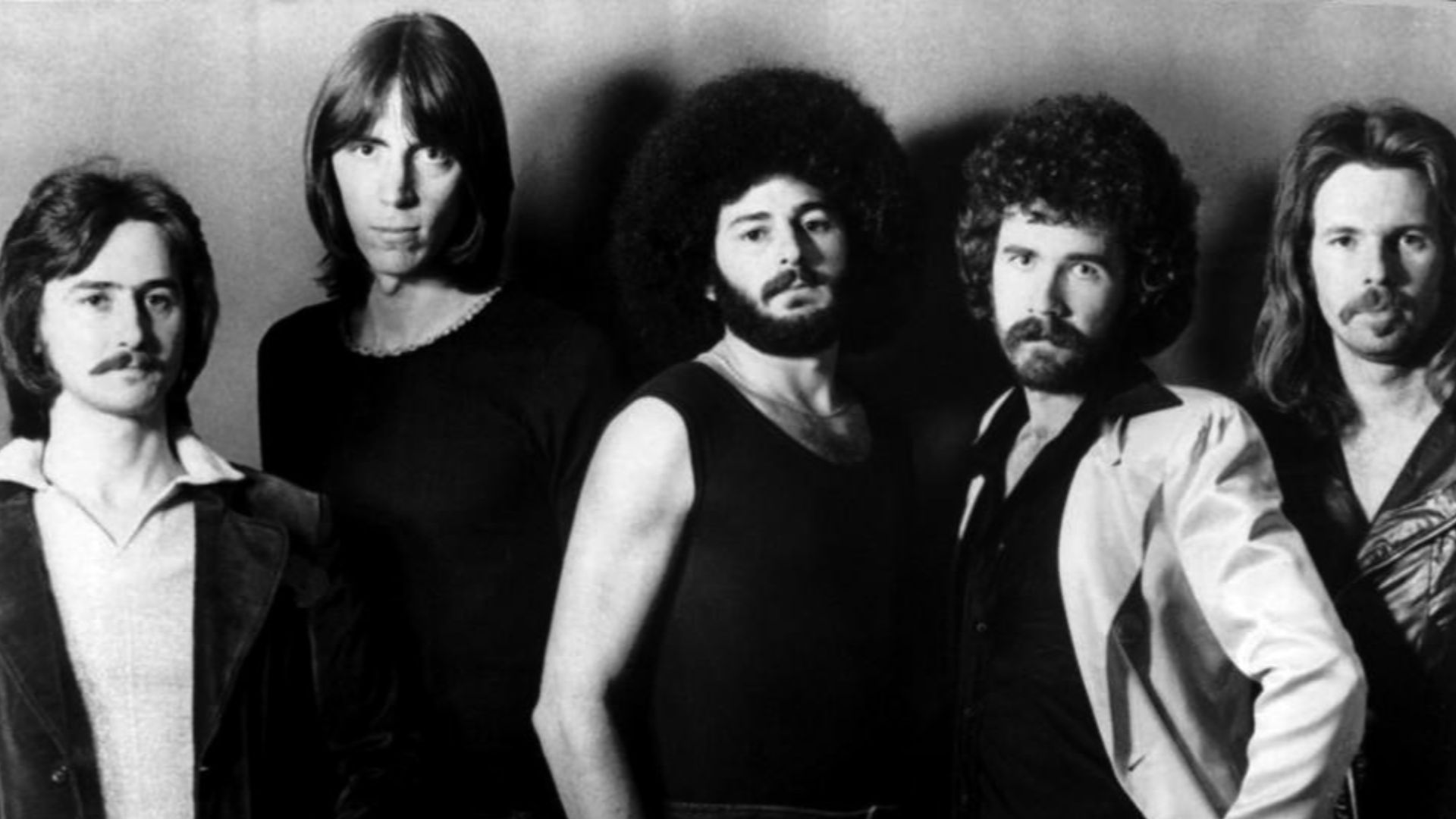 Premier Talent Associates (management company), Wikimedia Commons
Tom Scholz Wasn’t Built for Deadlines
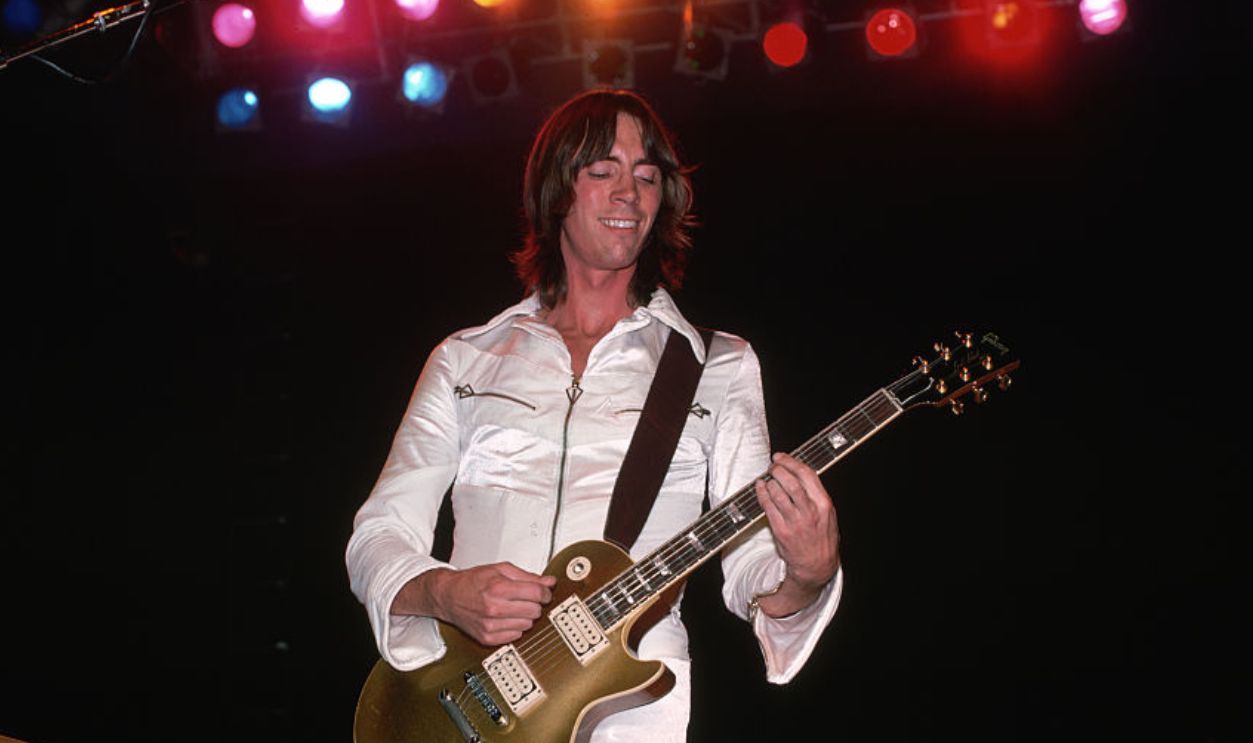
Scholz didn’t think like a typical rock star. He was an MIT-trained engineer who obsessed over sound and structure, often working alone and testing endless variations. As he once said, “I work mostly alone, and I try an enormous amount of ideas.” That approach helped create Boston’s sound—but it didn’t line up well with label expectations.
 Matt Becker, Wikimedia Commons
Two Years Felt Like Forever Back Then
Boston’s second album, Don’t Look Back, didn’t arrive until 1978—two years after the debut. Today, that gap feels normal. In the late 70s, it wasn’t. Fans noticed the wait. Executives noticed even more. The band was already pushing against how the system usually worked.
The Album Still Delivered
When Don’t Look Back finally landed, it debuted at No. 1 on the Billboard 200. The title track became a Top-5 hit, and A Man I’ll Never Be quickly turned into a fan favorite. Commercially, Boston hadn’t lost a step. But Scholz wasn't pleased...
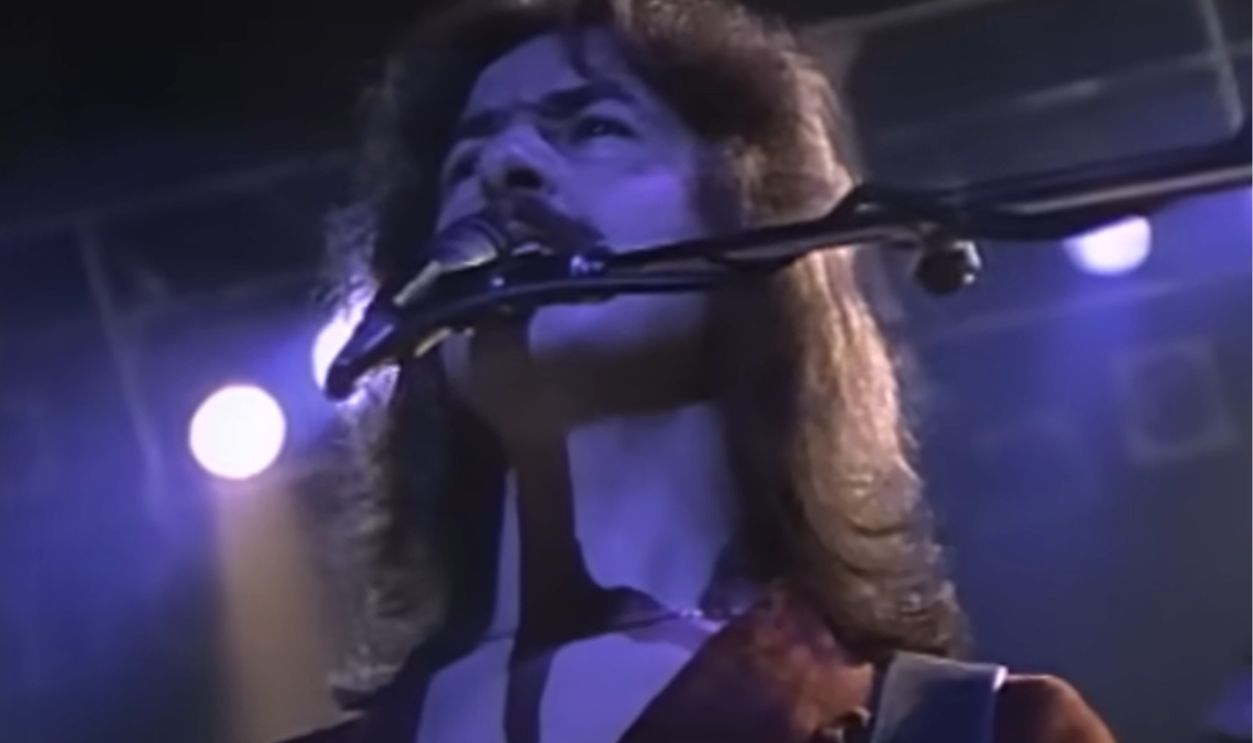 Screenshot from Don't Look Back, Epic Records (1978)
Perfection Has No Finish Line
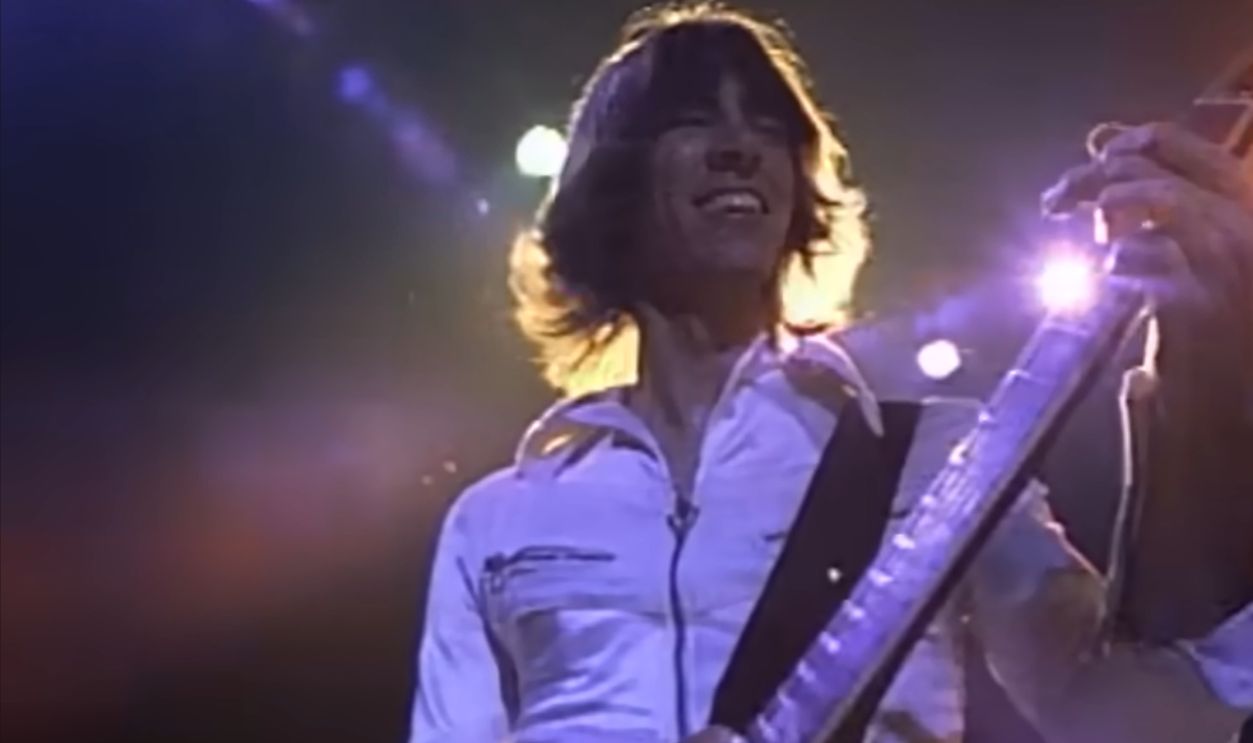
Scholz later explained that finishing an album had nothing to do with calendars. “I’m done with a record and a song when one of two things happens,” he said. “Either I’m so burnt out on it I can’t work on it anymore, or I’m scared to change anything because I really like what I’ve got.” That mindset made deadlines nearly impossible.
 Screenshot from Don't Look Back, Epic Records (1978)
The Delay That Looked Small in Hindsight
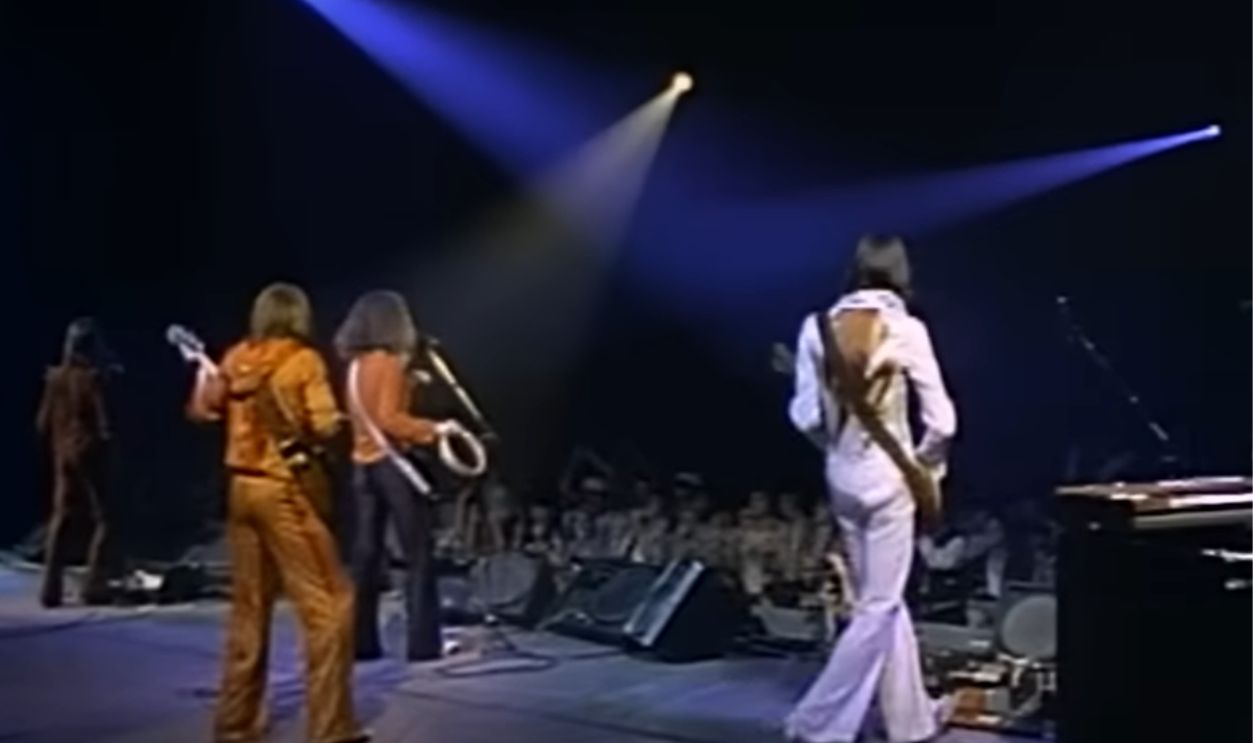
At the time, two years felt excessive. In hindsight, it was nothing. That delay would soon look brief compared to what followed. Whatever tension existed after Don’t Look Back was only a preview of how far things were about to spiral.
 Screenshot from Don't Look Back, Epic Records (1978)
Then the Silence Began
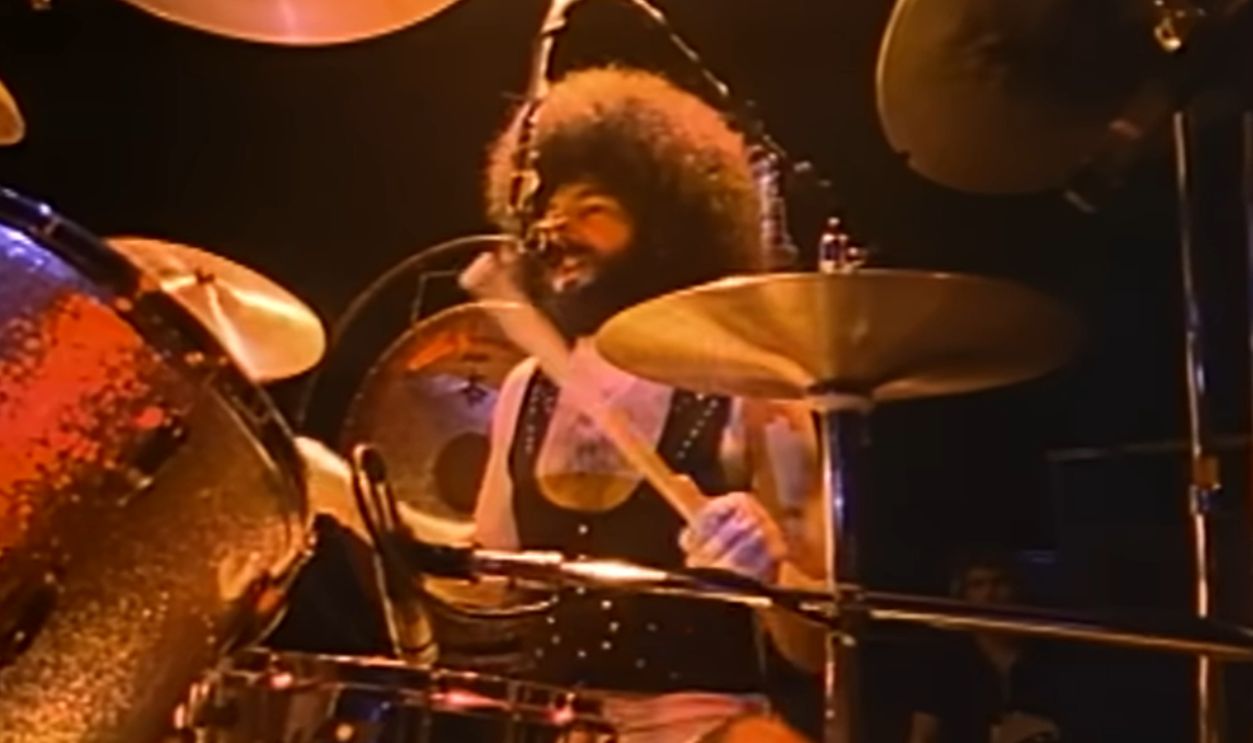
After 1978, Boston more or less disappeared. There were no new singles, no album announcements, and no clear updates. Months turned into years. While other bands adapted to changing tastes and technology, Boston seemed stuck in neutral, with fans left guessing what was going on.
 Screenshot from Don't Look Back, Epic Records (1978)
Perfection Turned Into Paralysis
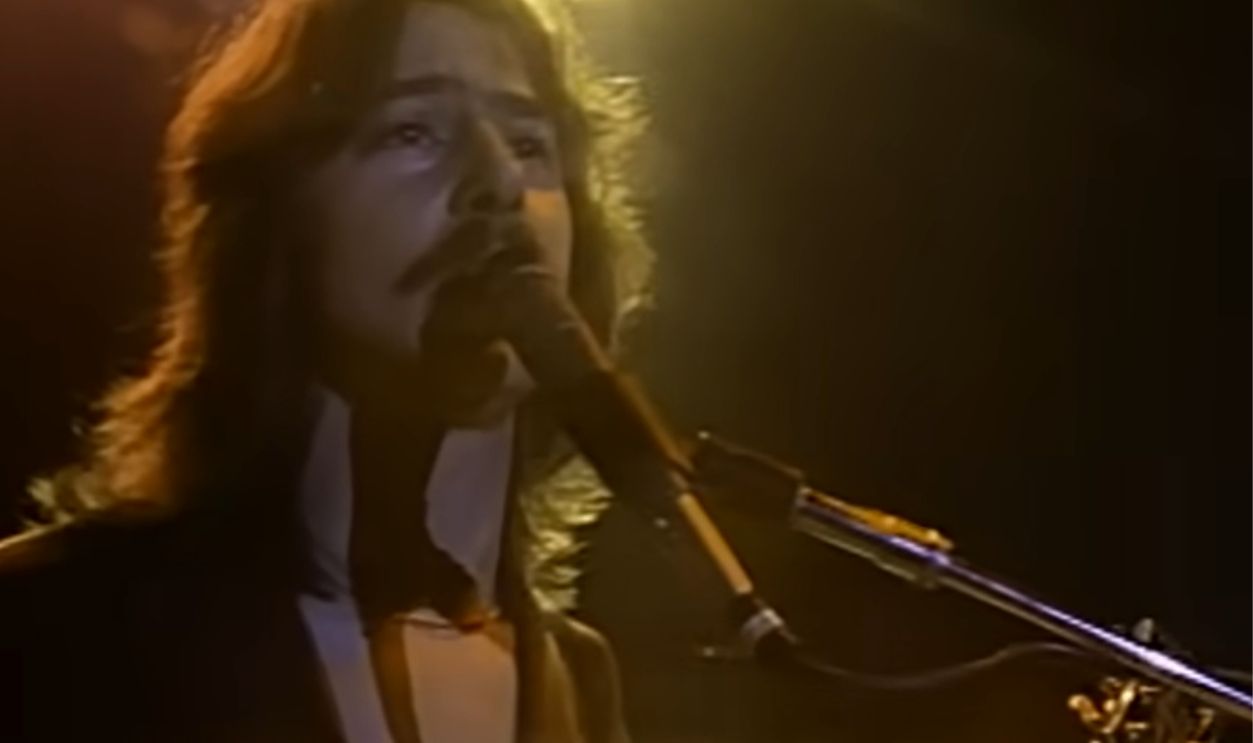
Scholz kept raising the bar. Songs were rewritten repeatedly. Entire tracks were scrapped and started over. “Sometimes I’ll record an entire song and then realize it isn’t in the best key for the vocalist,” he admitted. “Then I’ll re-record the whole thing.” That process slowed everything to a crawl.
 Screenshot from Don't Look Back, Epic Records (1978)
Recording Became Isolation
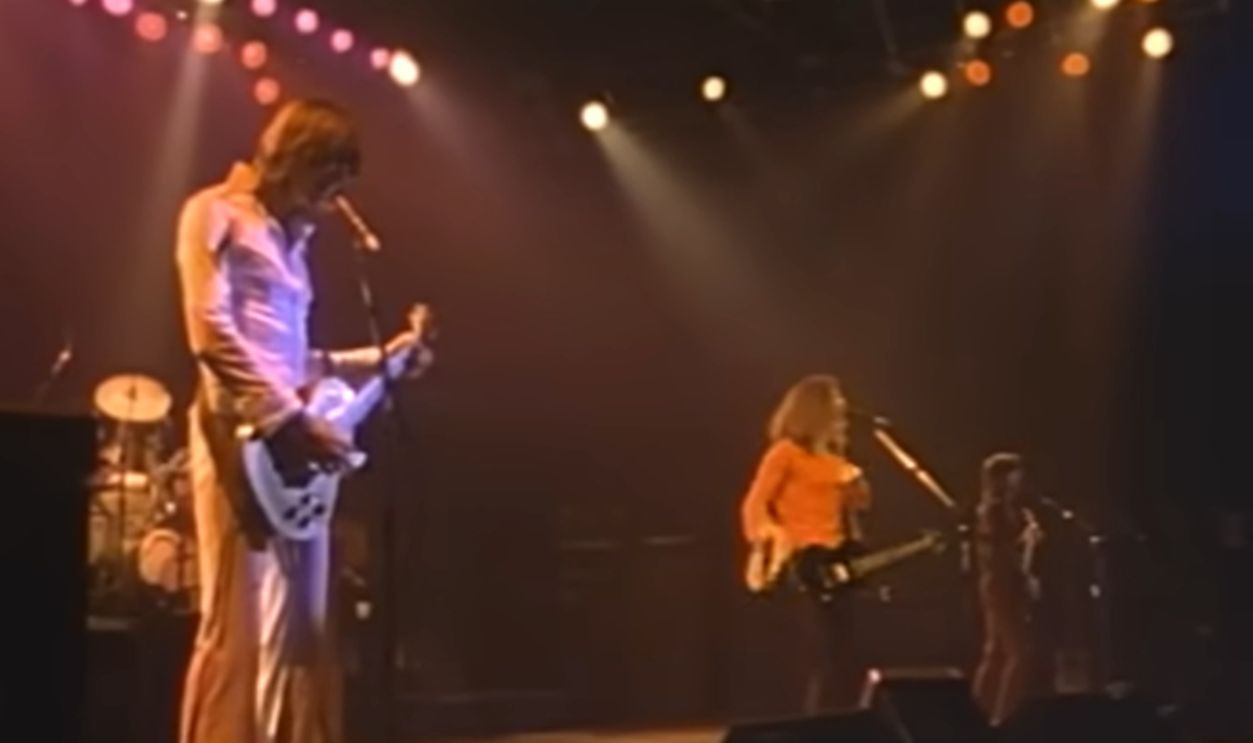
Instead of functioning as a full band, Scholz took on most of the writing, recording, producing, and engineering himself. The collaborative dynamic that defined Boston early on faded. What remained was a highly controlled process centered almost entirely around one person’s standards.
 Screenshot from Don't Look Back, Epic Records (1978)
A Storm Was Brewing Behind the Scenes
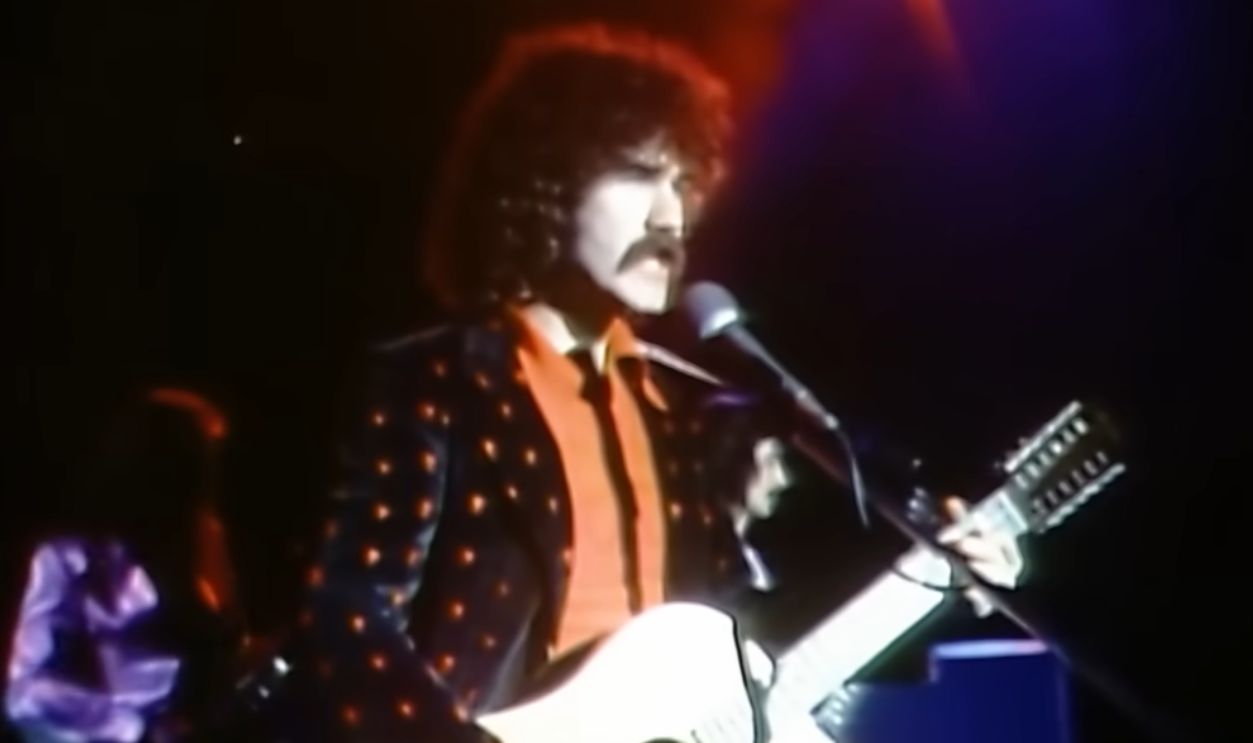
Behind the scenes, the delay was no longer just creative. It was quietly turning into a legal battle—one that would soon bring everything to a complete stop and make the long wait unavoidable rather than just frustrating.
 Screenshot from More Than a Feeling, Epic Records (1976)
The First Lawsuit: Scholz Pushes Back
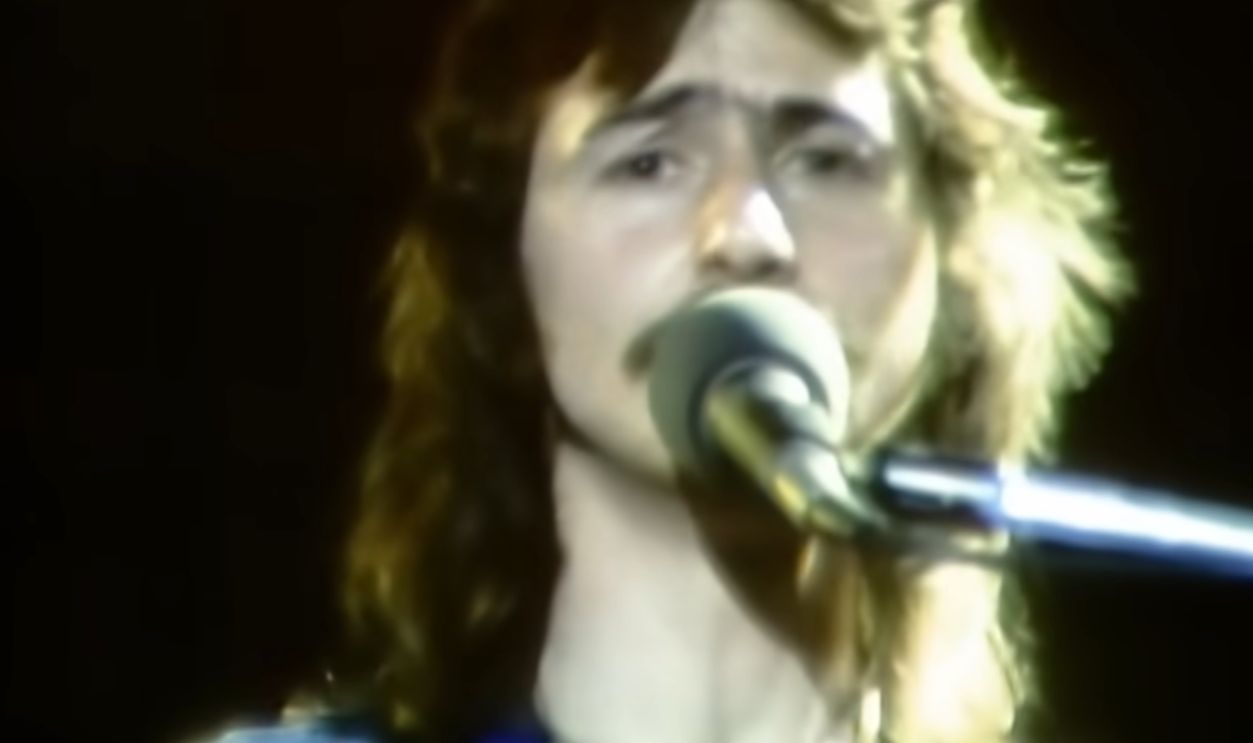
By the early 80s, Epic Records was openly pressuring Boston to deliver another album. Scholz felt boxed in and pushed too hard. In 1982, he sued the label, accusing Epic of breaching their contract and interfering with his creative process. From his perspective, releasing unfinished music wasn’t an option.
 Screenshot from More Than a Feeling, Epic Records (1976)
The Counterpunch That Froze the Band
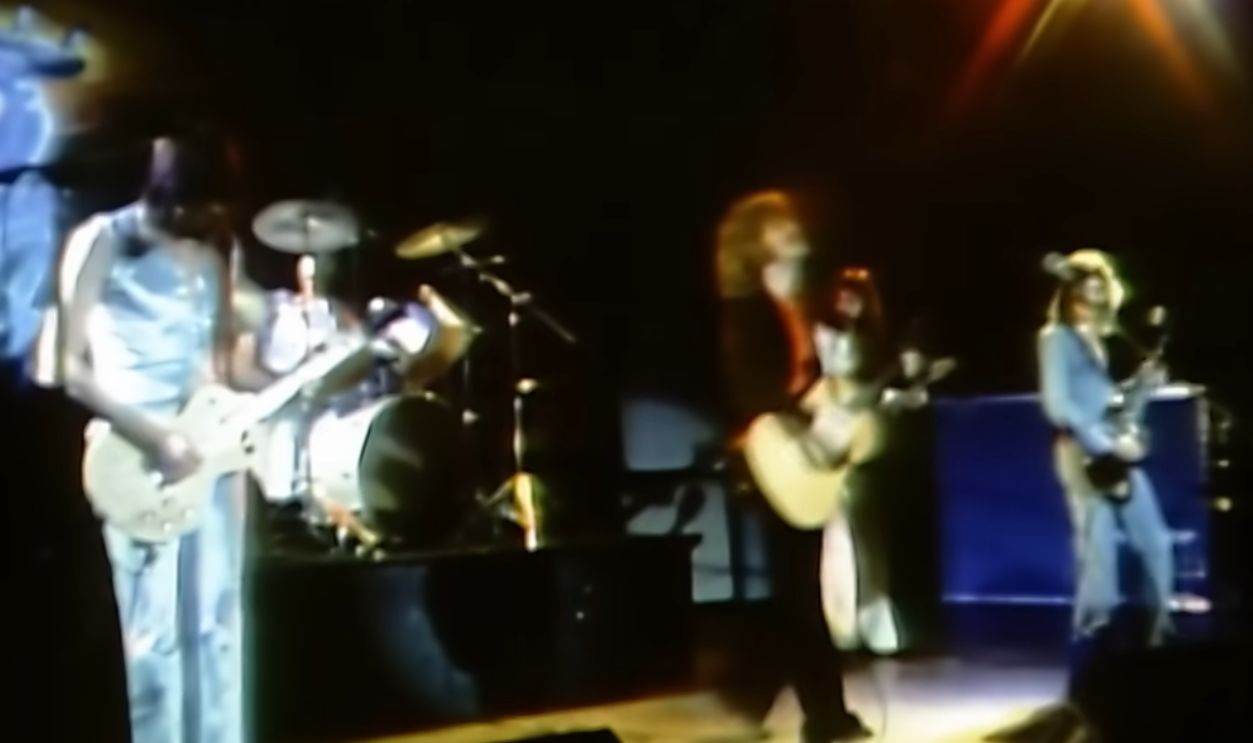
Epic Records responded with a countersuit, accusing Scholz of intentionally delaying work and failing to meet contractual obligations. What followed was years of legal back-and-forth. Albums stalled. Negotiations dragged on. Even when music existed, it couldn’t move forward cleanly. Boston was effectively locked in place.
 Screenshot from More Than a Feeling, Epic Records (1976)
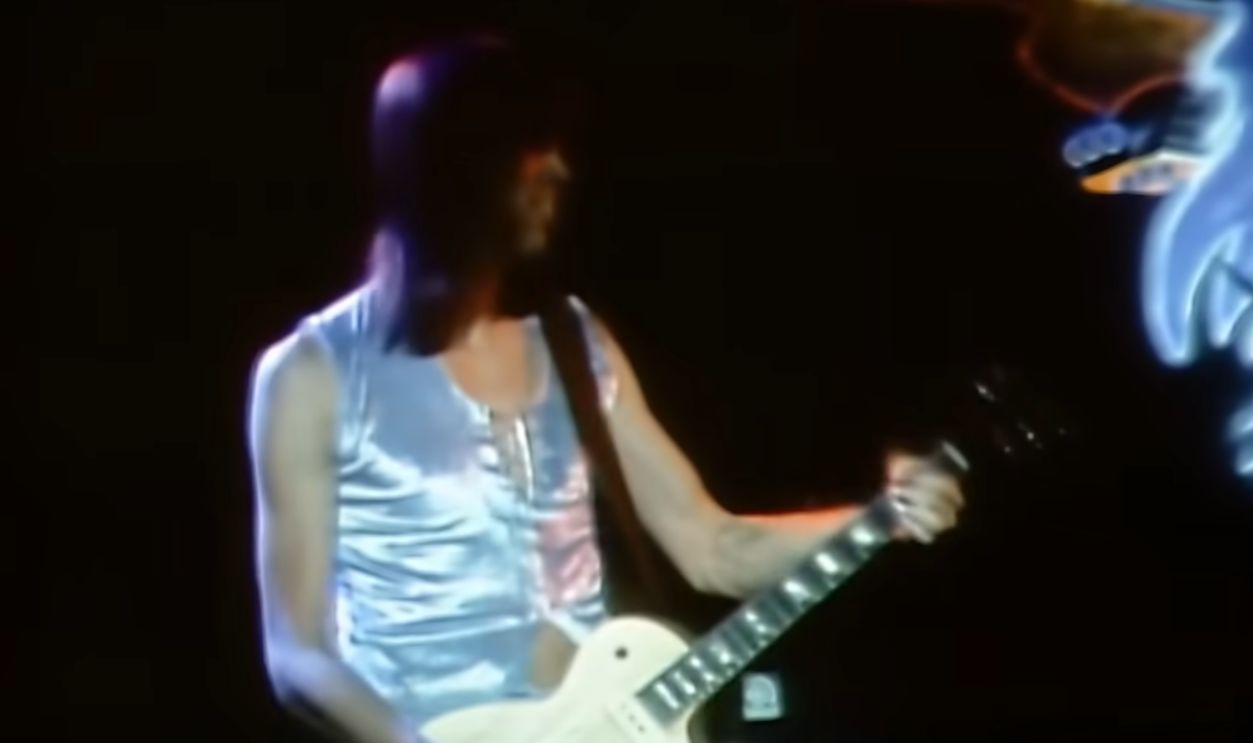
Why Third Stage Came Out on a Different Label
When the legal battle finally ended in the mid-1980s, Boston’s relationship with Epic was finished. Scholz signed with MCA Records instead, a deal that gave him more control and less pressure. The change wasn’t about promotion or money—it was about freedom. Only then could the next album move forward.
 Screenshot from More Than a Feeling, Epic Records (1976)
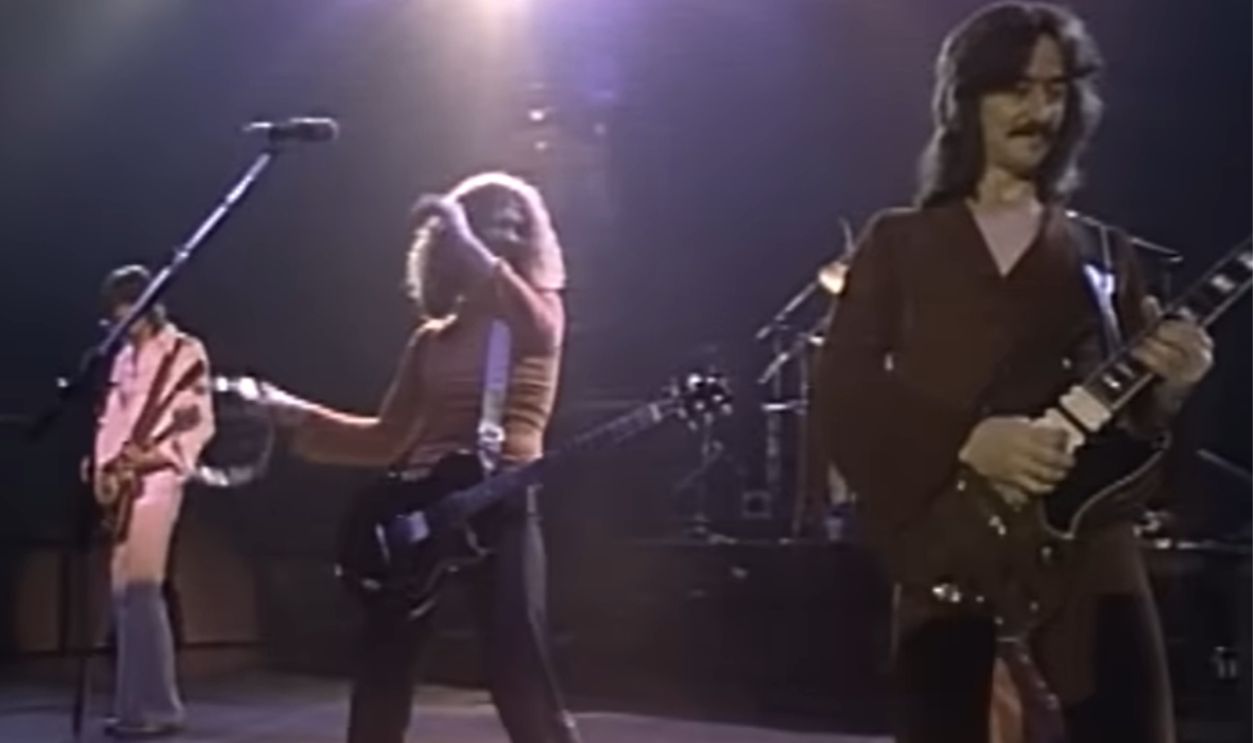
Eight Years Is an Eternity in Rock
By the time things were resolved, Boston hadn’t released a studio album in eight years. The music world had changed dramatically. MTV reshaped how bands broke through. New genres dominated the charts. Boston went from defining rock radio to feeling like a band from another era.
 Screenshot from Don't Look Back, Epic Records (1978)
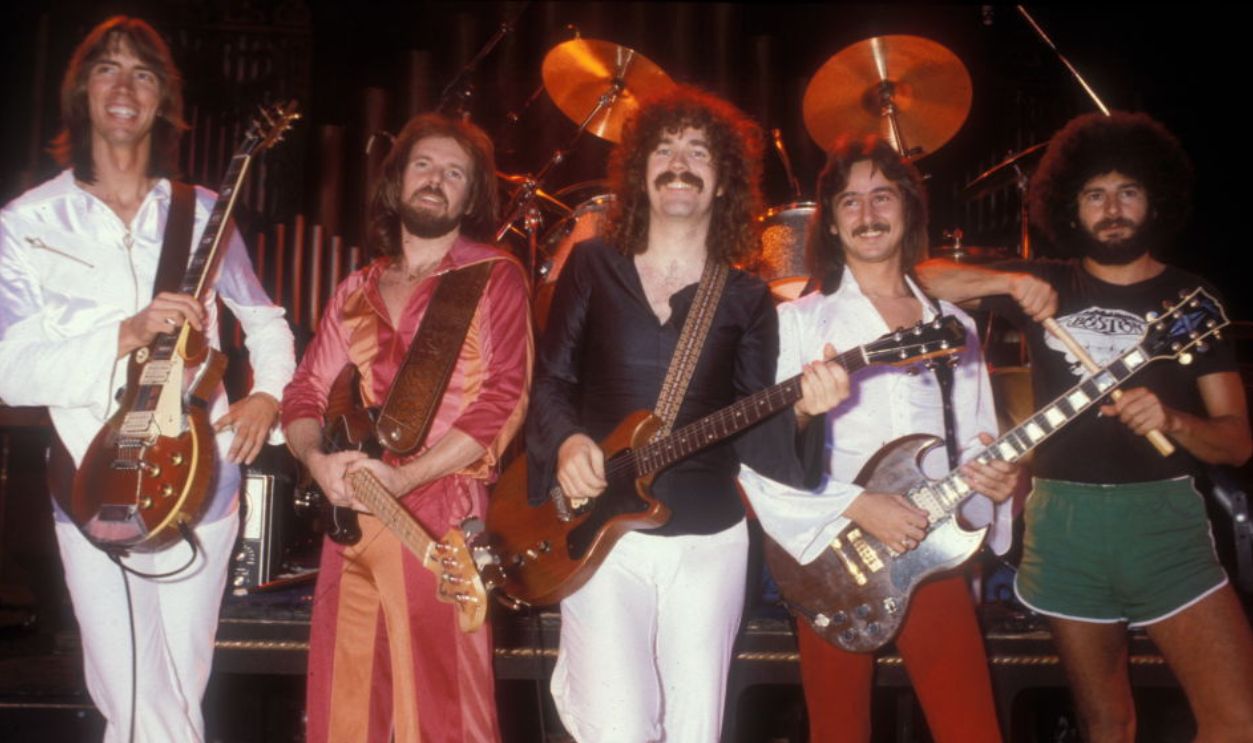
Finally, Third Stage Arrived
In 1986, Third Stage was finally released. Despite the long absence, it climbed to No. 1 on the Billboard 200. Fans showed up immediately, proving Boston still had an audience—even if the band had missed an entire musical generation along the way.
 Watal Asanuma/Shinko Music, Getty Images
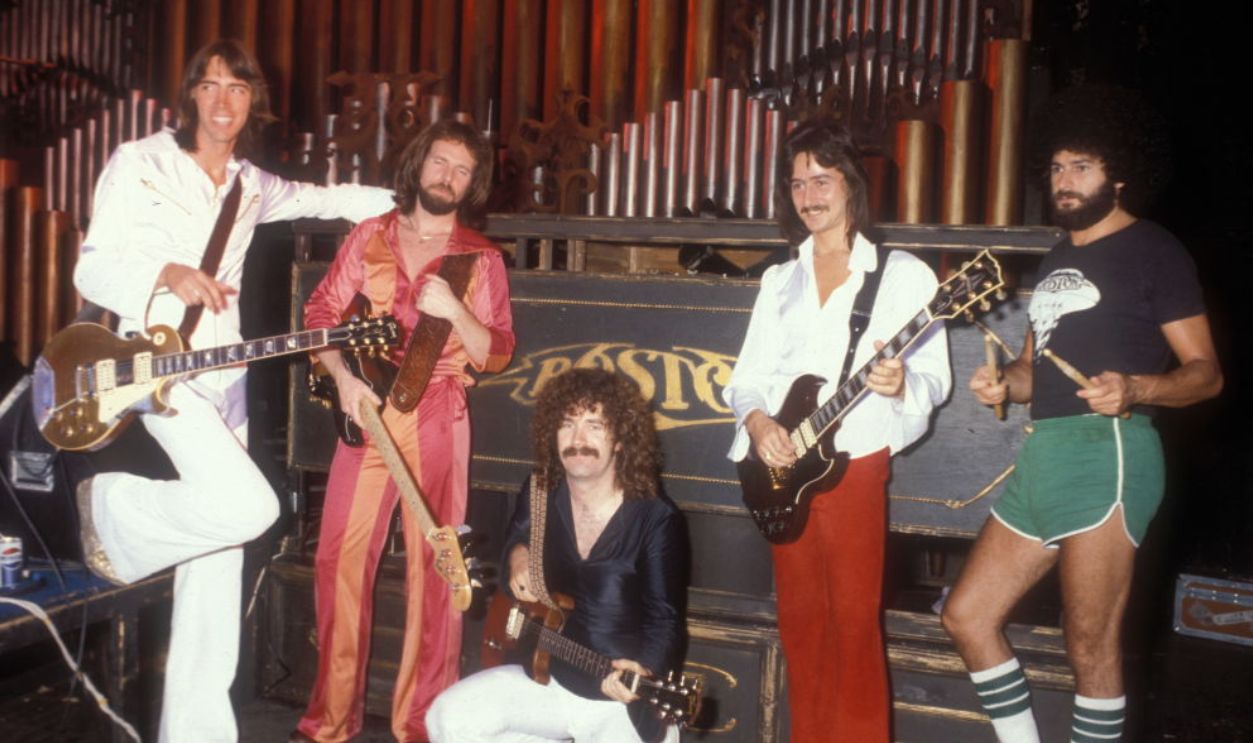
The Song That Made the Wait Worth It
The lead single Amanda became Boston’s only No. 1 hit on the Billboard Hot 100. For longtime fans, it felt like payoff after years of waiting. The song sounded unmistakably Boston—polished, emotional, and carefully constructed.
 Watal Asanuma/Shinko Music, Getty Images
More Proof the Band Still Had It
Other singles followed. We’re Ready reached the Top 10. Cool the Engines dominated rock radio. Can’tcha Say (You Believe in Me)/Still in Love became the band’s final Top-40 hit. The quality of the music was never the issue. Timing always was.
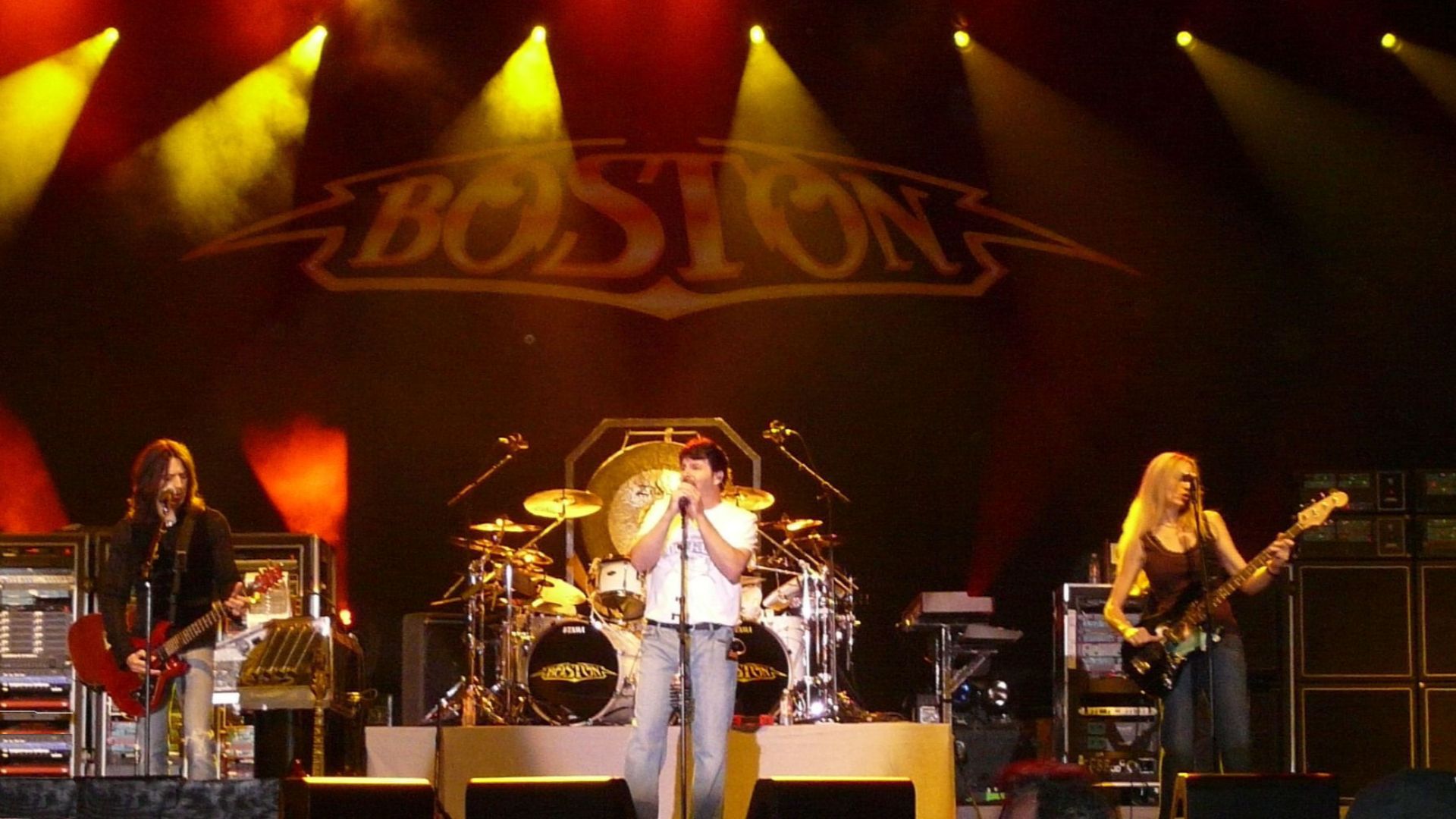 Matt Becker, Wikimedia Commons
But the Moment Had Passed
Even with its success, Third Stage didn’t restore Boston’s cultural dominance. The band returned to a faster-moving industry that didn’t reward long absences. They were still popular—but no longer central to the conversation.
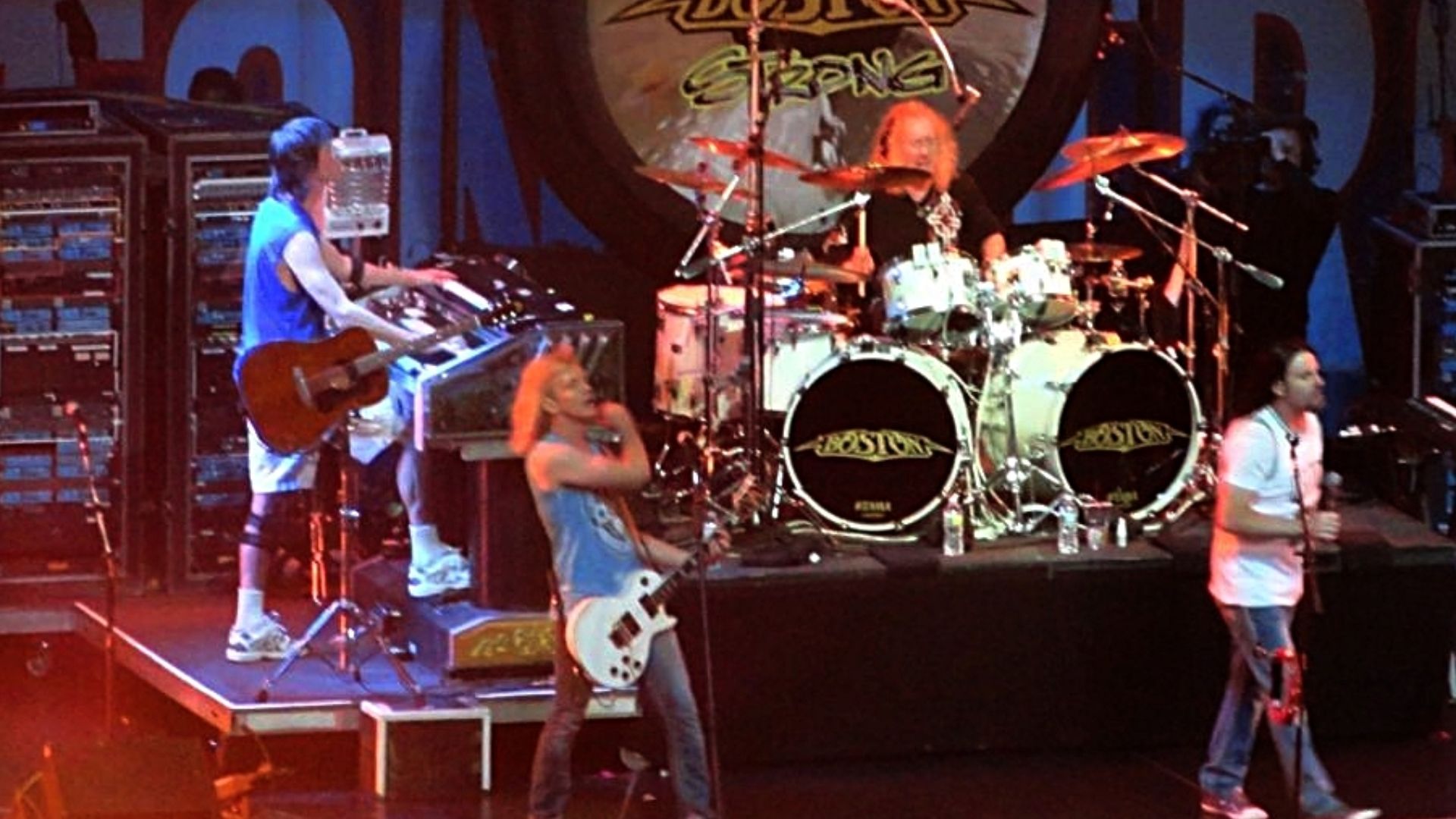 protestphotos1, Wikimedia Commons
The Band Was Permanently Changed
By the time Third Stage arrived, the original lineup was fractured. Boston was no longer a tight-knit group. It had effectively become a project centered on Scholz and vocalist Brad Delp, with much of the original chemistry gone.
Perfection Won—Momentum Lost
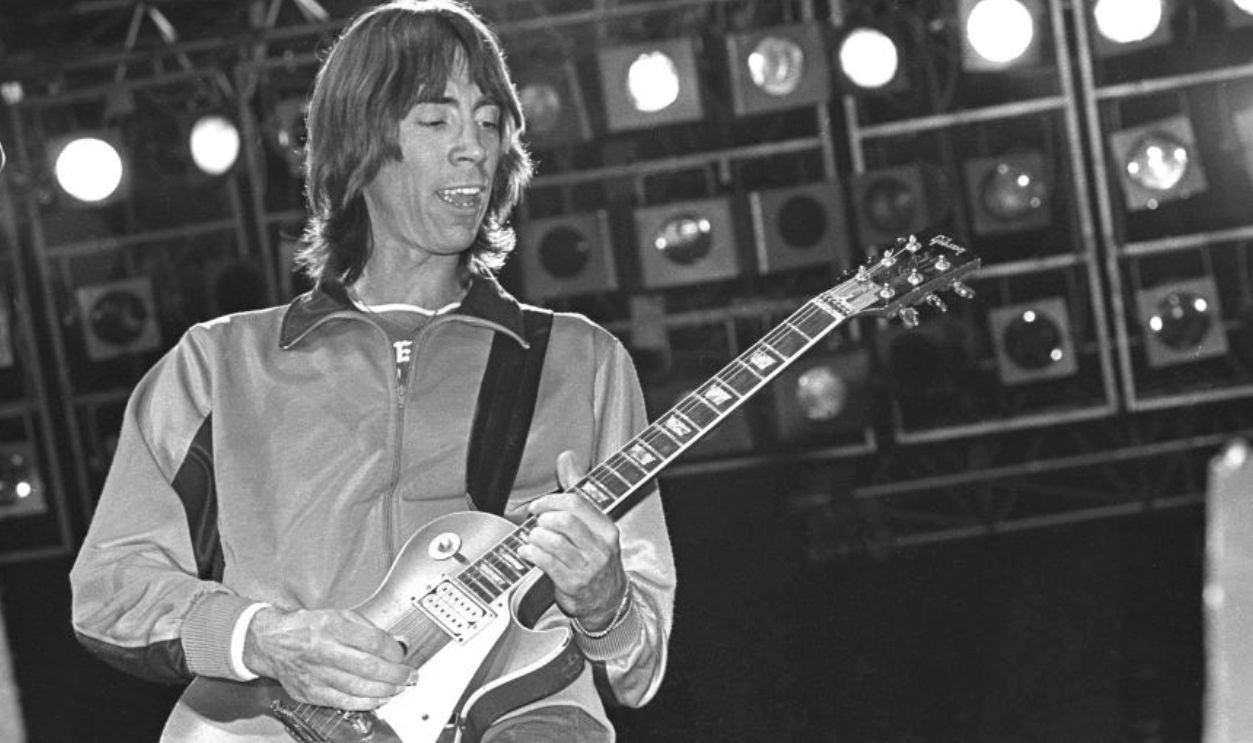
Scholz once summed it up simply: “I’m very easy to please—but I’m very picky about what ends up on a Boston album.” That pickiness created timeless songs. It also cost the band years of relevance and momentum they never fully regained. It also never went away...
And the Pattern Continued
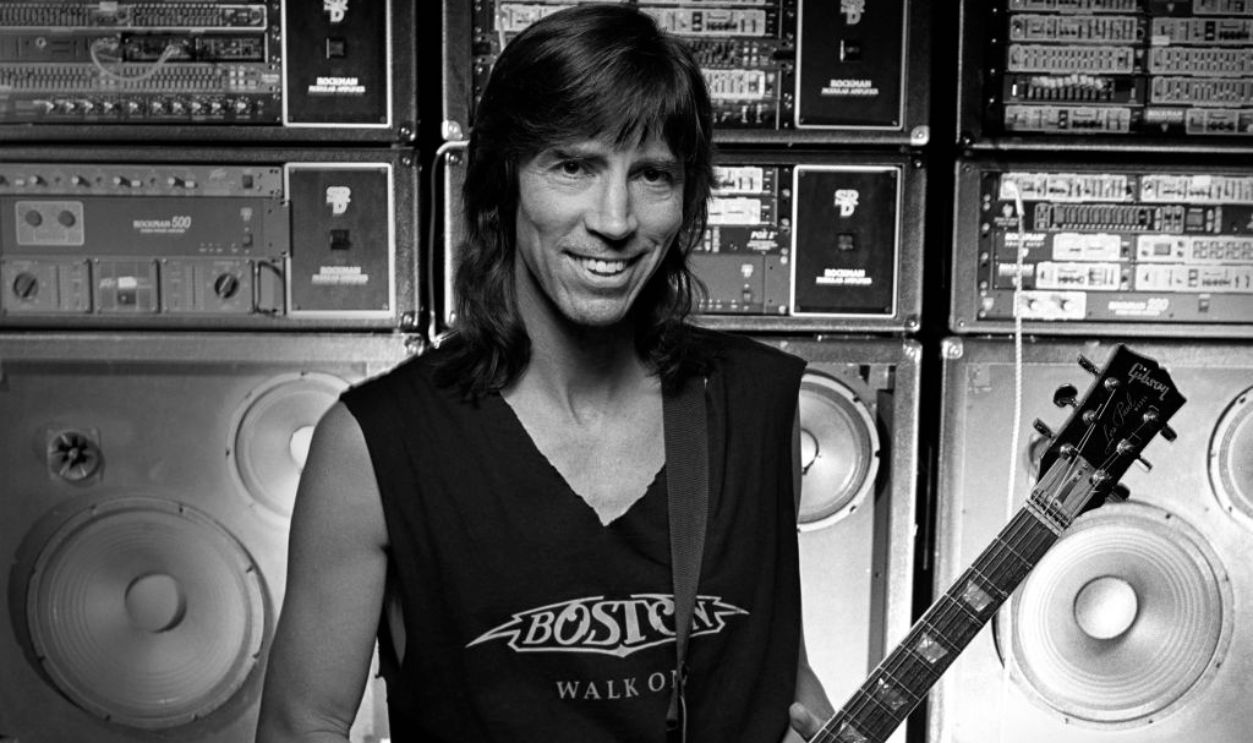
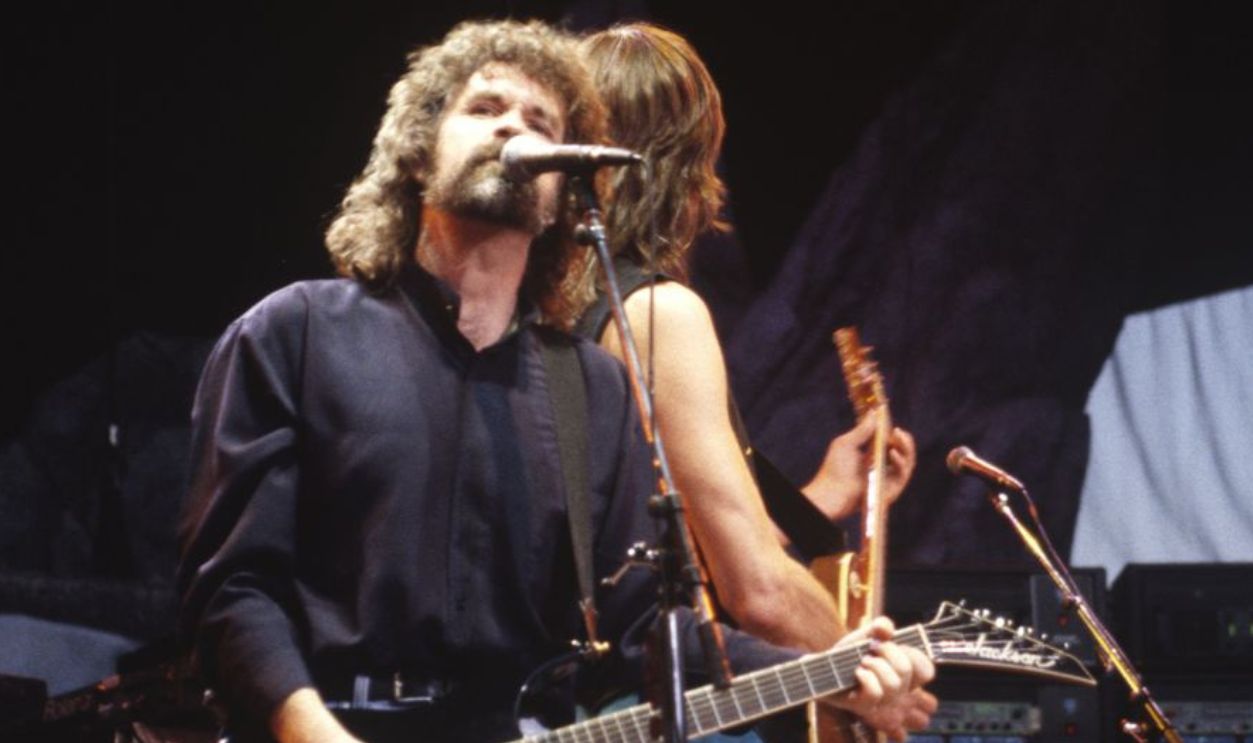
Boston wouldn’t release another studio album until Walk On in 1994—once again another eight-year gap. By then, fans weren’t shocked. Long waits had become part of the band’s identity.
A Band Defined by Waiting
Boston’s legacy isn’t just about big songs and massive sales. It’s also about long silences. Fans learned patience—and learned it again—every time they wondered if another album would ever arrive.
 protestphotos1, Wikimedia Commons
The Ultimate Rock Trade-Off
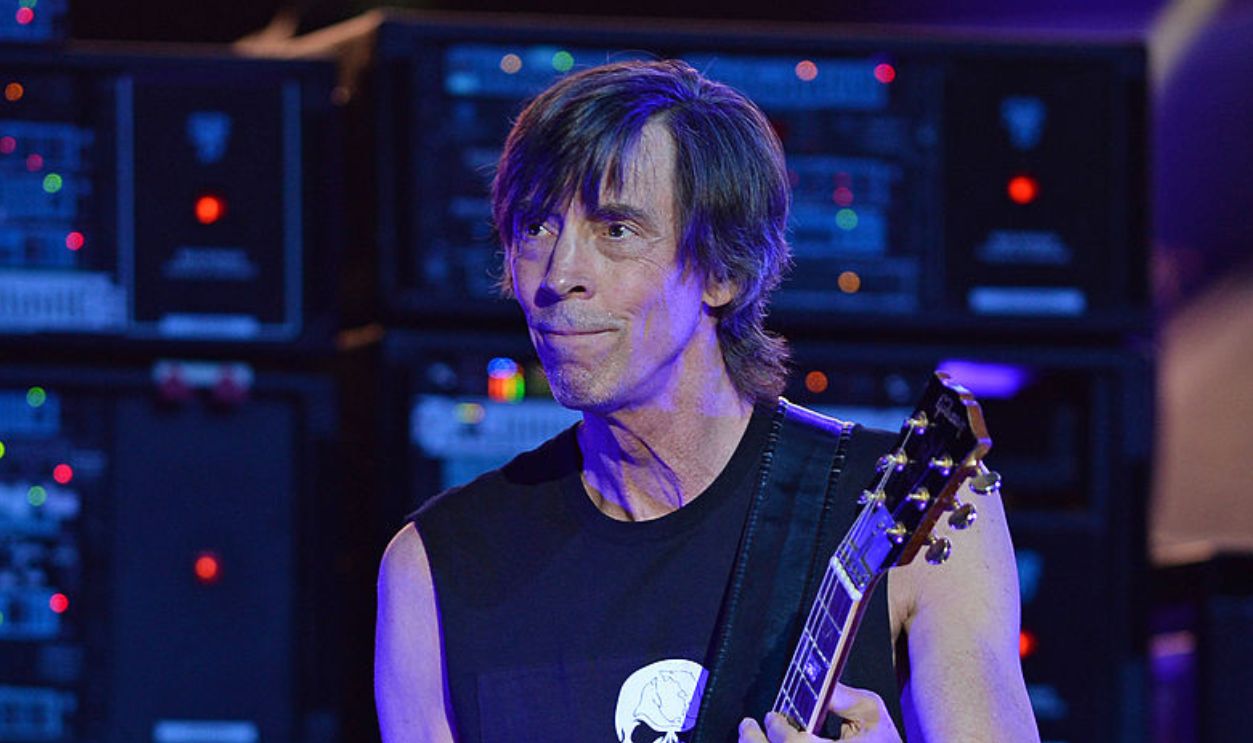
Tom Scholz proved that perfection can create lasting music. He also proved it can slow everything else to a halt. Boston didn’t disappear because they failed. They disappeared because nothing was ever finished quickly enough.
You Might Also Like:
1960s Bands Who Made One Perfect Album…Then Vanished
Bands That Were Too Weird For Radio—And Too Good To Ignore
Bands Boomers Love That Most Millennials Haven't Even Heard Of