The Gap Is Real
Boomers grew up in an era when radio ruled and albums were devoured start to finish. Millennials rely on playlists and algorithmic recommendations—which means a ton of boomer-beloved bands slipped through the cracks. These groups shaped entire decades, yet younger listeners barely recognize their names. Let’s fix that.
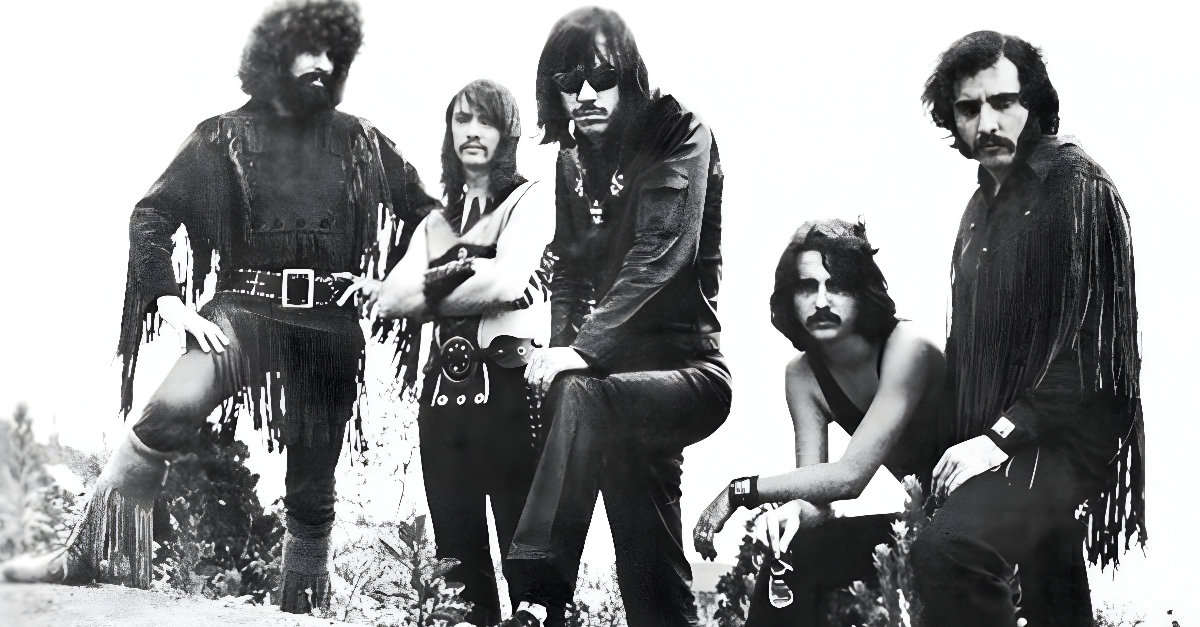
Steppenwolf (1967–1972)
Born to Be Wild (No. 2) gave the world the phrase “heavy metal thunder,” and Magic Carpet Ride became another massive hit. John Kay’s gravelly vocals gave the band its bite. Boomers know the deep cuts; younger listeners assume the hits were made purely for biker movies.
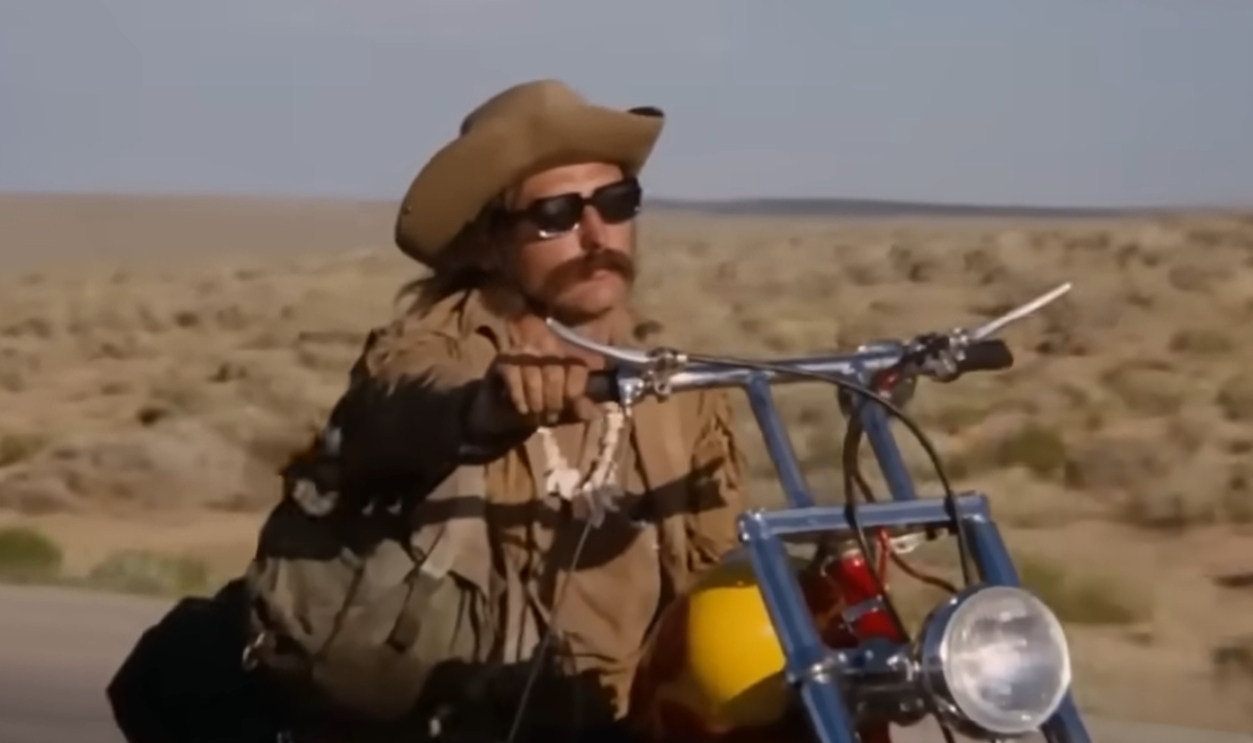 Screenshot from Born to Be Wild, RCA (1968)
America (1970–present)
With classics like A Horse with No Name (No. 1) and Sister Golden Hair (No. 1), America defined 70s soft-rock. Dewey Bunnell said their goal was “acoustic music with a breeze in it.” Boomers know their entire catalog; many millennials assume A Horse with No Name is a Neil Young deep cut.
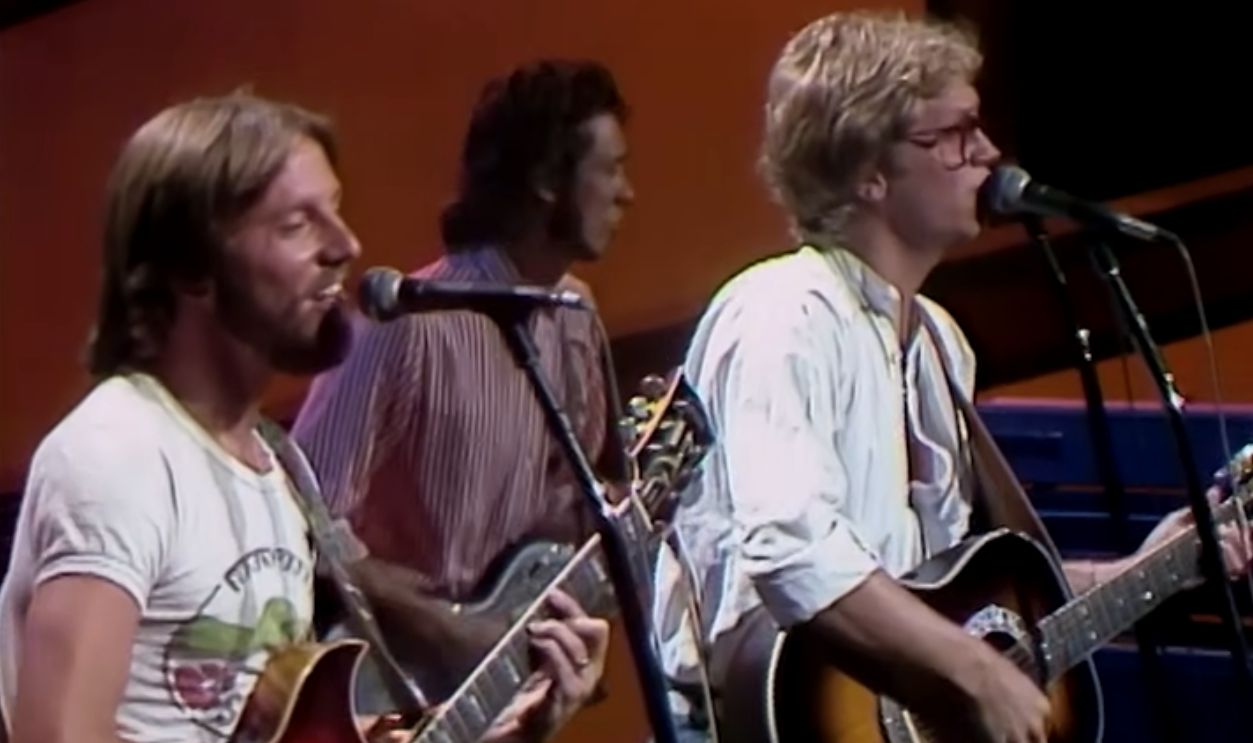 Screenshot from Sister Golden Hair, Warner Bros. Records (1975)
Bread (1968–1973)
Masters of soft-rock elegance, Bread scored a No. 1 hit with Make It With You and several more Top 10 singles. David Gates’ voice was unmistakable—smooth, steady, and instantly comforting. Boomers still love them. Millennials hear the songs everywhere… but rarely know they’re by Bread.
 Screenshot from Make It with You, Elektra Records (1970)
The Hollies (1962–present)
One of the British Invasion’s most consistent hit-makers, The Hollies charted over 20 Top 40 singles in the U.S. Their harmonies on songs like Bus Stop and He Ain’t Heavy, He’s My Brother are still striking. Younger listeners rarely make the connection between the hits and the band.
 Screenshot from He Ain’t Heavy, He’s My Brother, Parlophone Records (1969)
The Lovin’ Spoonful (1965–1969)
Summer in the City hit No. 1, and Do You Believe in Magic became a generational sing-along. John Sebastian said their goal was “music that felt like a good day.” Boomers embraced that vibe—while younger listeners often recognize the songs without knowing who recorded them.
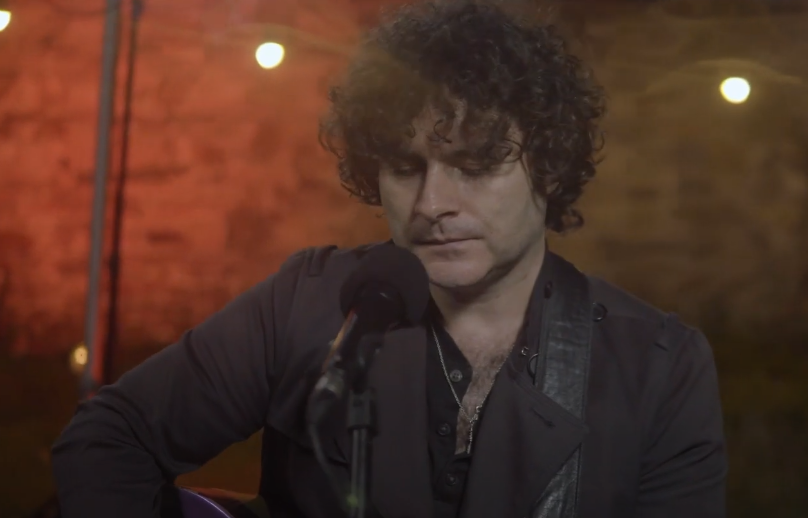 Screenshot from Summer in the City, Kama Sutra Records (1966
Blood, Sweat & Tears (1967–present)
Their 1968 album hit No. 1 and won Album of the Year, beating out the Beatles. Spinning Wheel and You’ve Made Me So Very Happy became huge singles. Their jazz-rock fusion was miles ahead of its time. Younger listeners rarely know who they are—yet know half the songs.
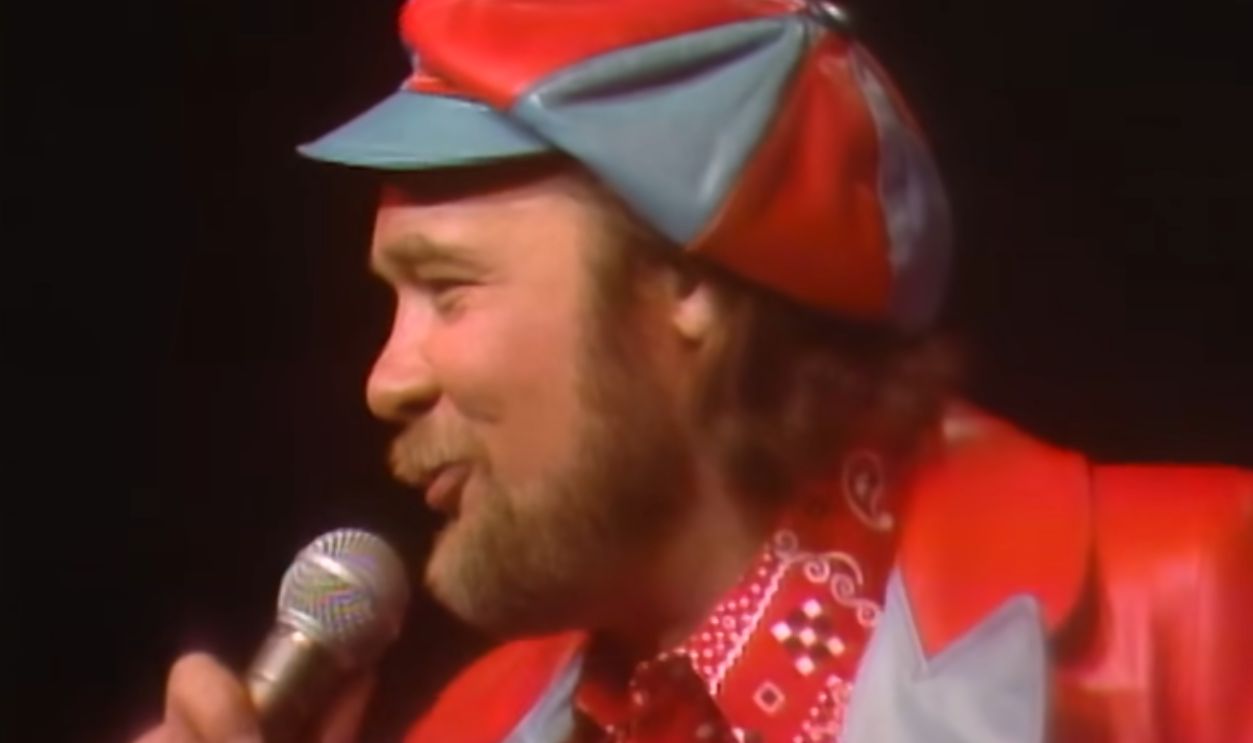 Screenshot from You’ve Made Me So Very Happy, Tamla Records (1967)
Poco (1968–2013)
Pioneers of country-rock long before it hit radio, Poco laid the groundwork that later fueled the Eagles. Songs like Crazy Love made waves on adult-contemporary charts. Richie Furay once said they were “too country for rock and too rock for country.” Boomers respected them; millennials barely know they existed.
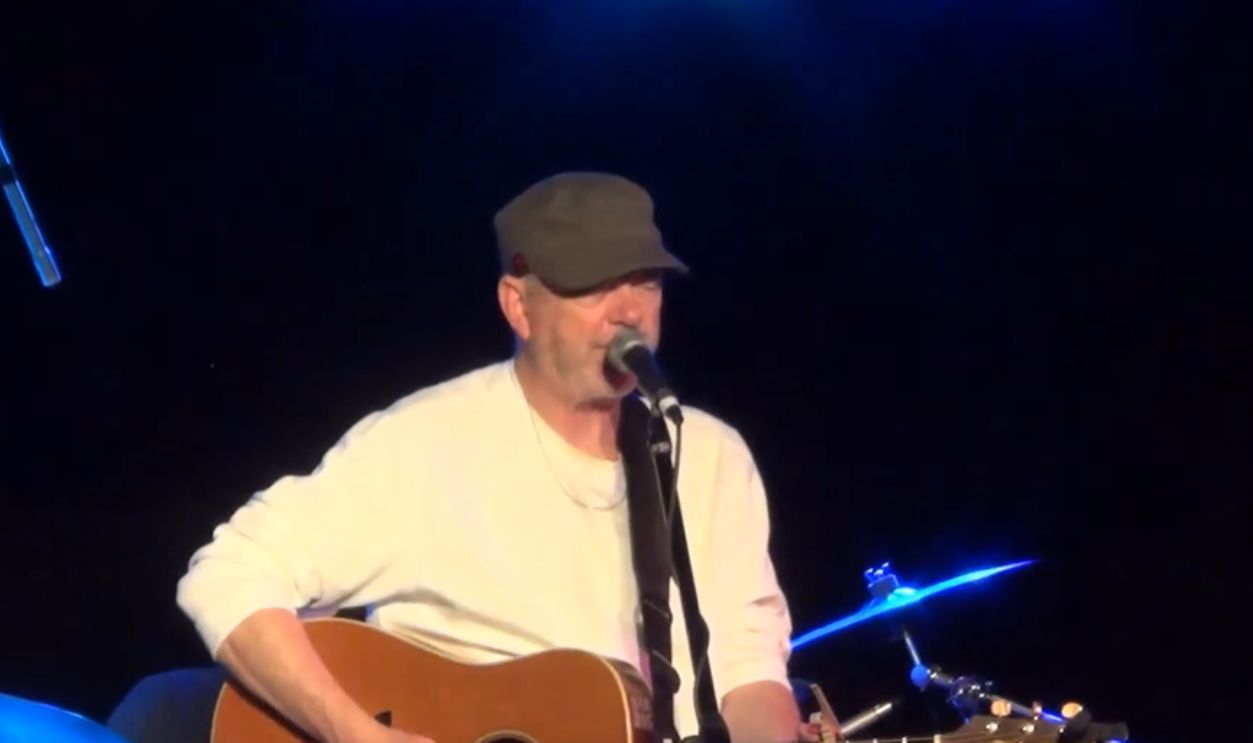 Screenshot from Crazy Love, Warner Bros. Records (1970)
Seals & Crofts (1969–1980)
Summer Breeze and Diamond Girl were enormous hits in the ’70s, and their harmonies helped define the era’s mellow sound. Jim Seals once called their style “soft but solid.” Boomers adored them. Many younger listeners only know Summer Breeze from modern covers.
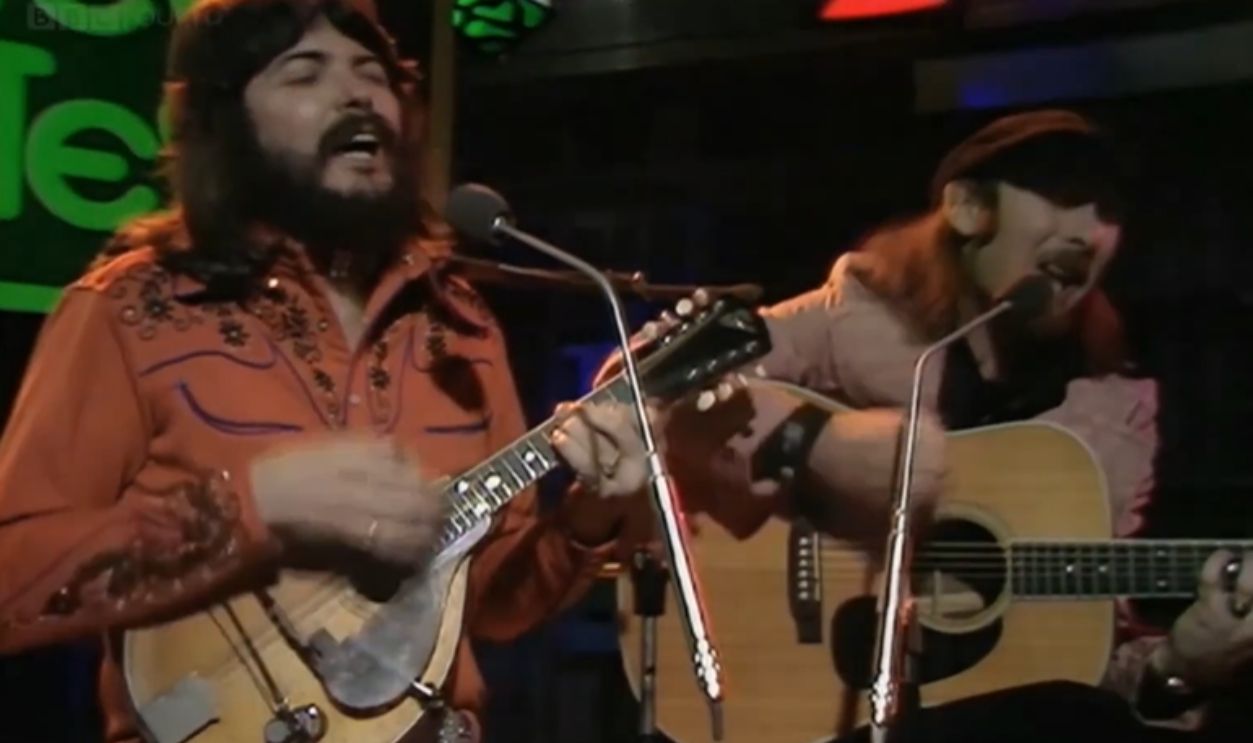 Screenshot from Summer Breeze, Warner Bros. Records (1972)
The Doobie Brothers—Early Era (1970–1975)
Before the Michael McDonald era, the Doobies churned out riff-driven hits like Listen to the Music and Long Train Runnin’. Tom Johnston’s gritty vocals powered the band’s early sound. Boomers know the difference between the eras immediately—millennials usually don’t even know there are eras.
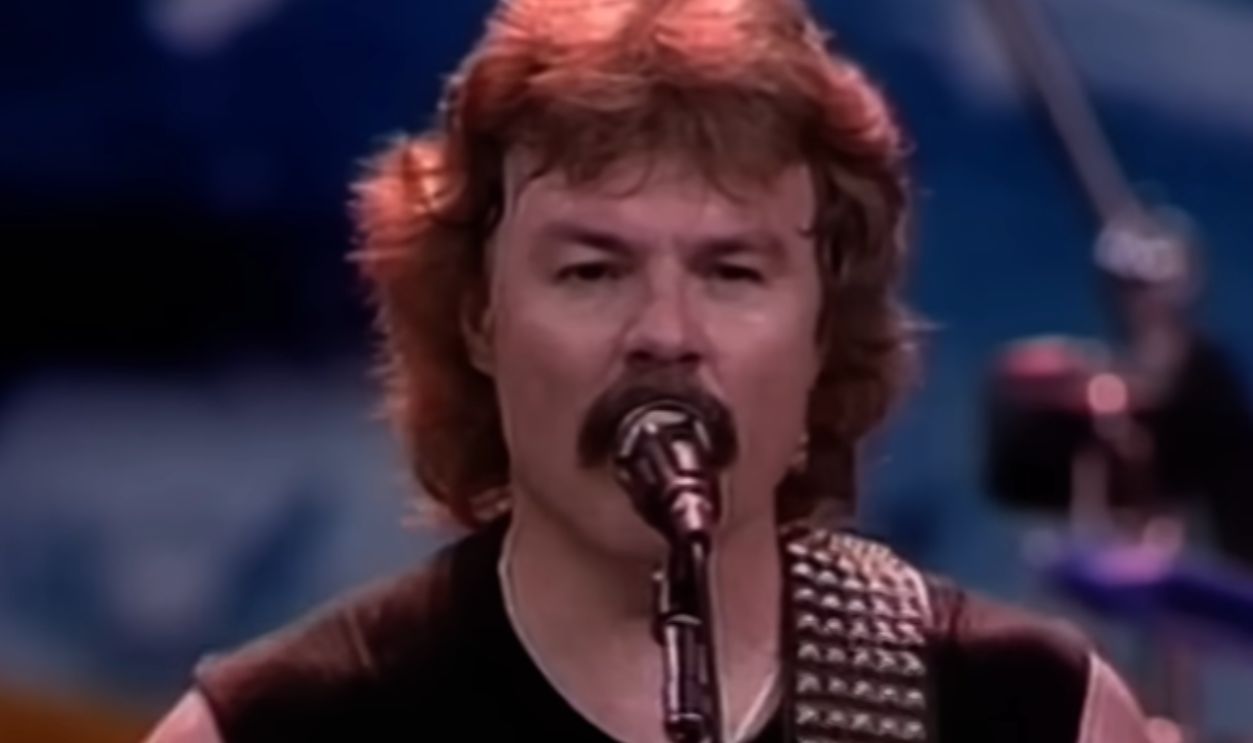 Screenshot from Long Train Runnin’, Warner Bros. Records (1973)
The Buckinghams (1966–1970)
Chicago’s sunshine-pop kings scored a No. 1 hit with Kind of a Drag in 1967, making them one of the biggest American bands of the year. Their bright horns and polished harmonies filled AM radio. Today, many younger listeners would assume “The Buckinghams” is a reality show filmed at Buckingham Palace.
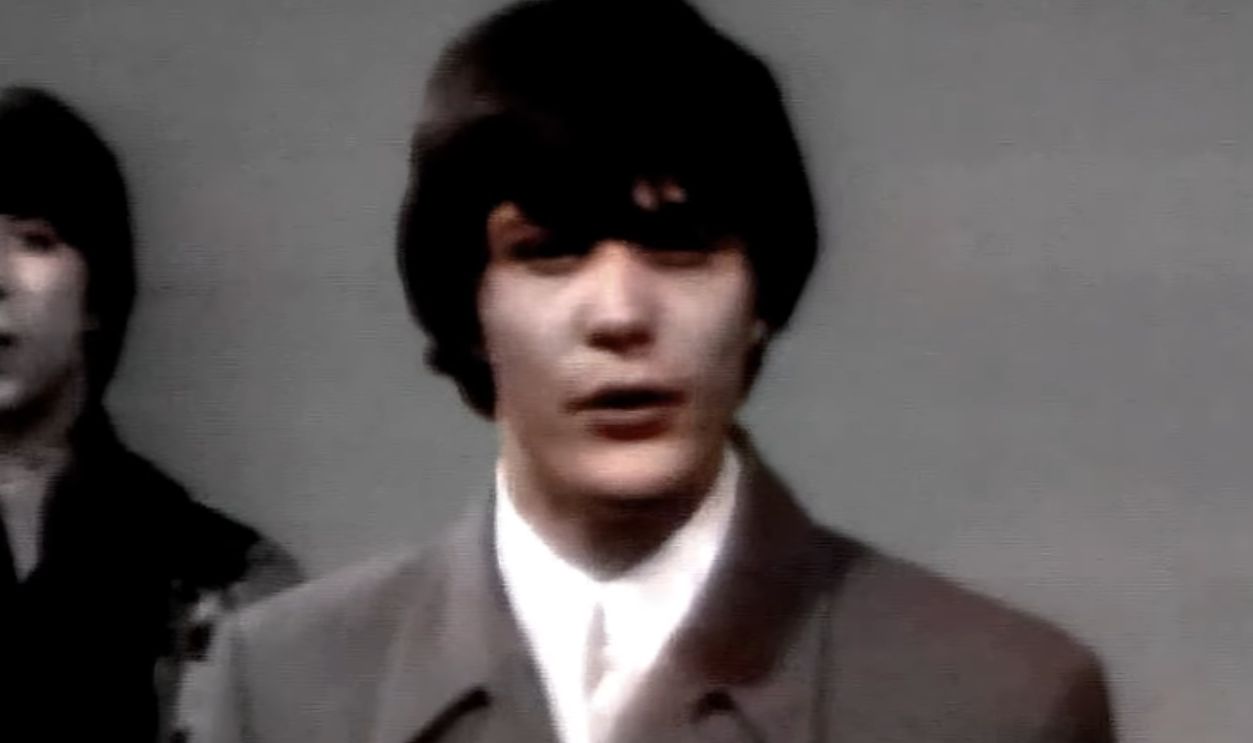 Screenshot from Kind of a Drag, USA Records (1967)
The Moody Blues (1964–1974)
With lush arrangements and poetic lyrics, The Moody Blues created rock’s first successful symphonic concept album with Days of Future Passed. Nights in White Satin became a massive international hit. Justin Hayward called the song “a feeling more than a melody.” Younger listeners rarely connect the name to the music.
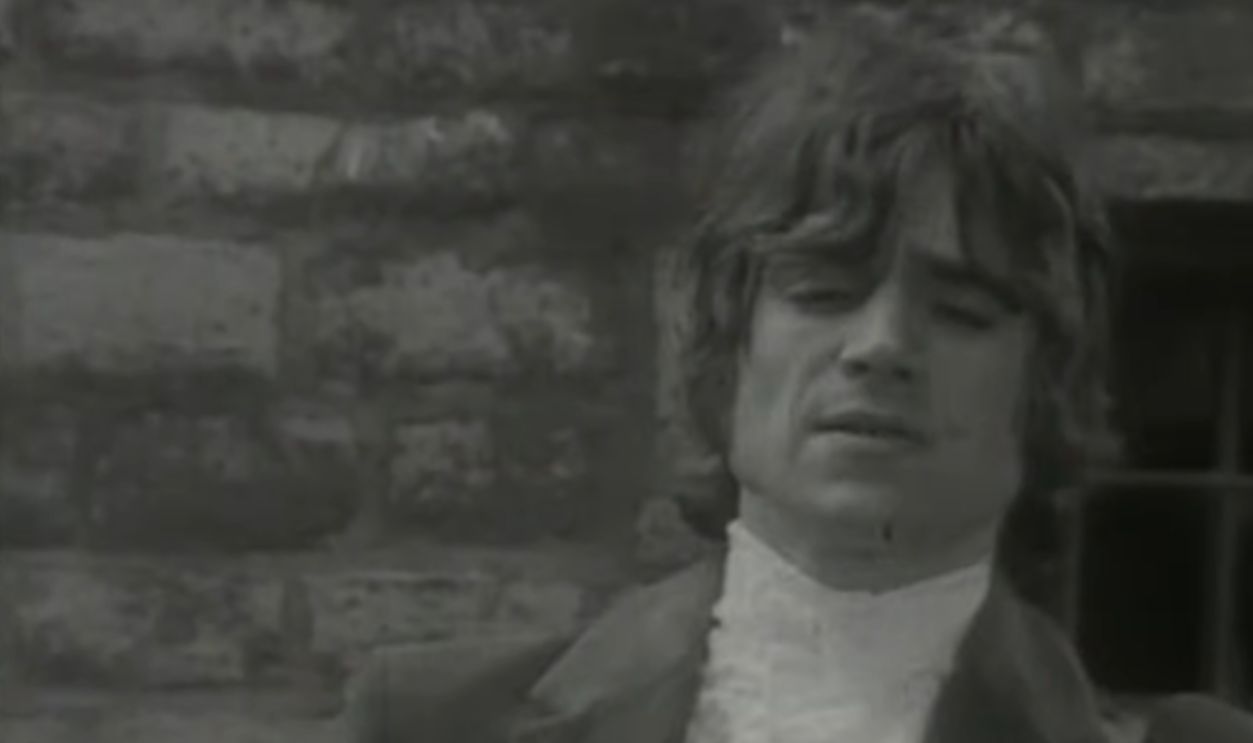 Screenshot from Nights in White Satin, Deram Records (1967)
The Byrds—Later Years (1968–1973)
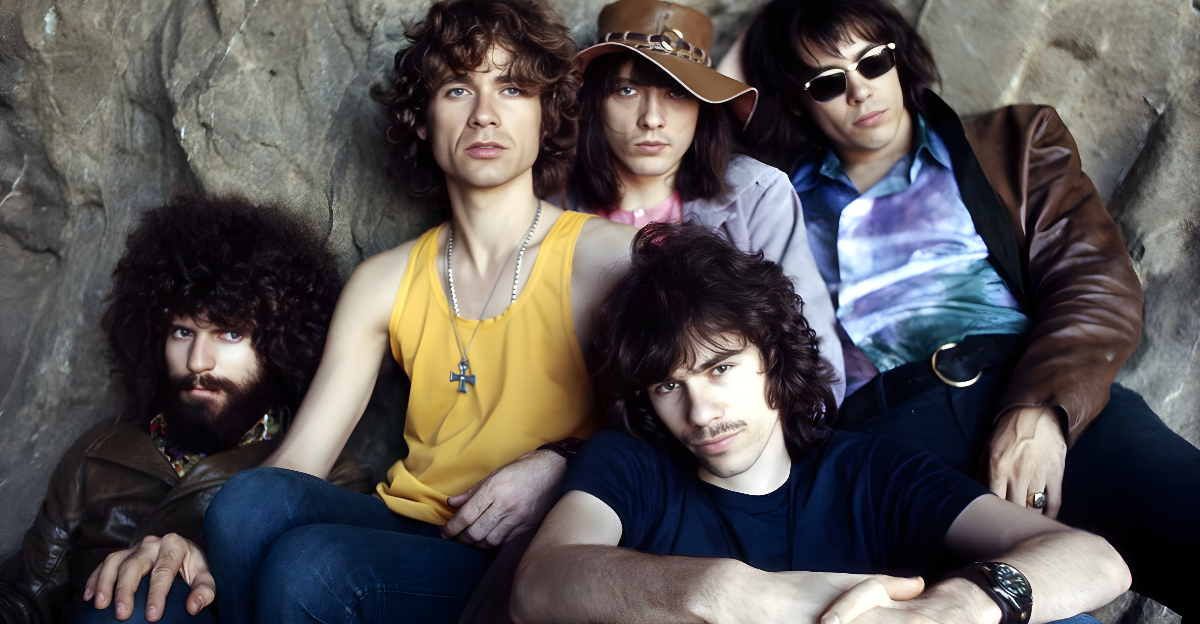
Most millennials know Turn! Turn! Turn!—and nothing else. But boomers remember the band’s influential later years, when Roger McGuinn steered them through psychedelia, folk-rock, and country-rock. Albums like Sweetheart of the Rodeo changed everything, even if younger listeners only discover them through old critics’ lists.
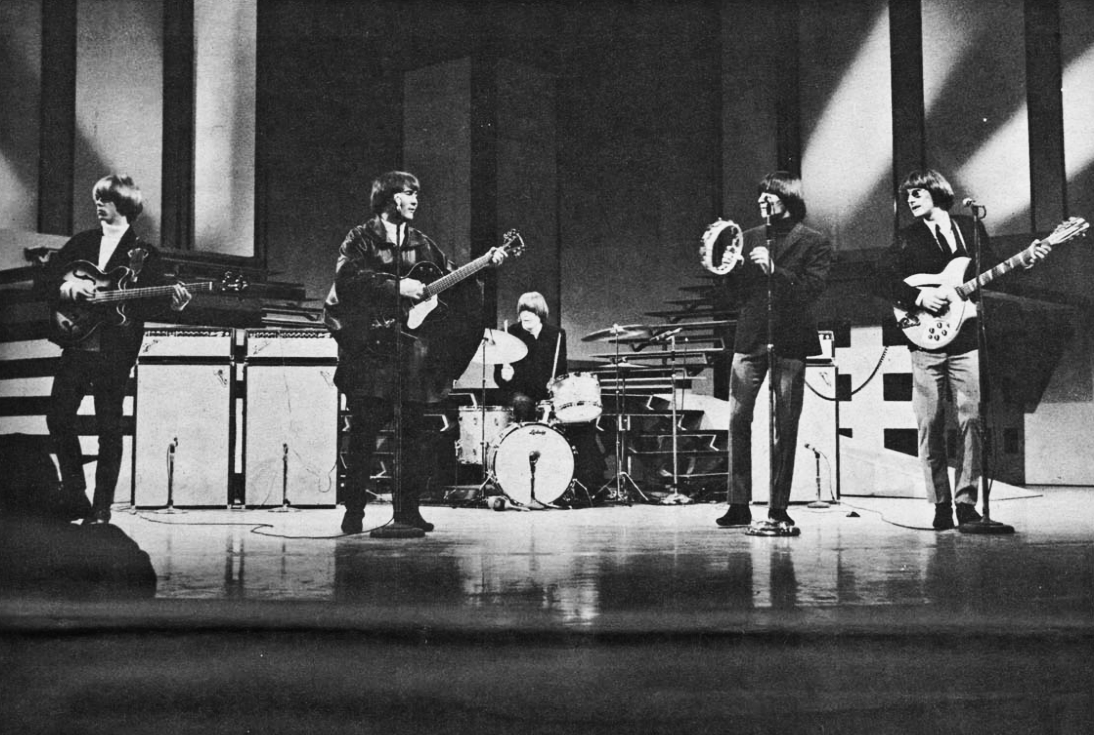 KRLA Beat, CC BY-SA 4.0 , Wikimedia Commons
The Youngbloods (1965–1972)
Get Together reached No. 5 in 1969 and became a peace-movement anthem. Jesse Colin Young later said, “That song belonged to everyone.” Boomers embraced their mellow warmth. Younger listeners might recognize the melody—but the band name rarely rings a bell.
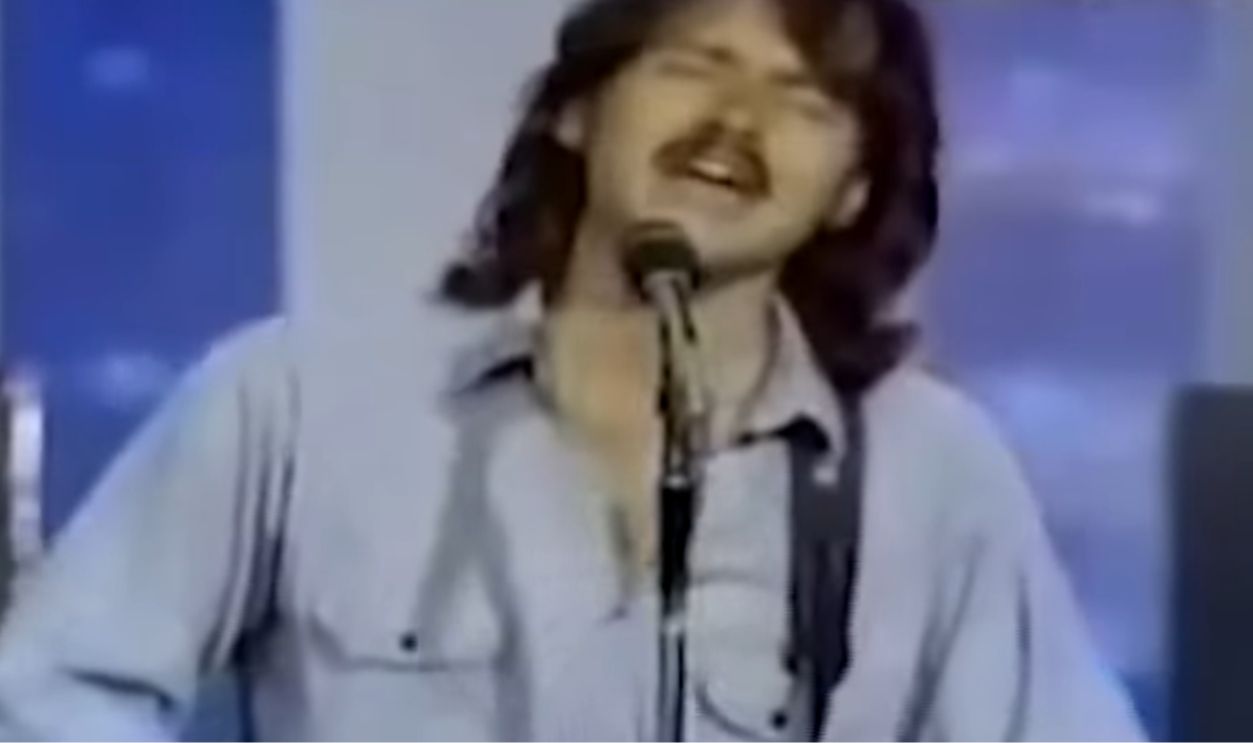 Screenshot from Get Together, RCA Victor (1967)
Moby Grape (1966–1969)
A brilliant San Francisco band undone by mismanagement, rushed releases, and internal chaos. Critics still praise their debut album as a lost masterpiece. They were the “band that should’ve been huge,” but never got the chance. Most younger listeners have never stumbled across them.
 Unknown Author, Wikimedia Commons
The Grass Roots (1965–1975)
With 14 Top 40 hits—including Midnight Confessions (No. 5)—The Grass Roots were radio staples. Their tight arrangements and bright horns defined late-’60s pop-rock. Boomers remember them instantly; younger listeners mostly hear the songs in movies without knowing the name behind them.
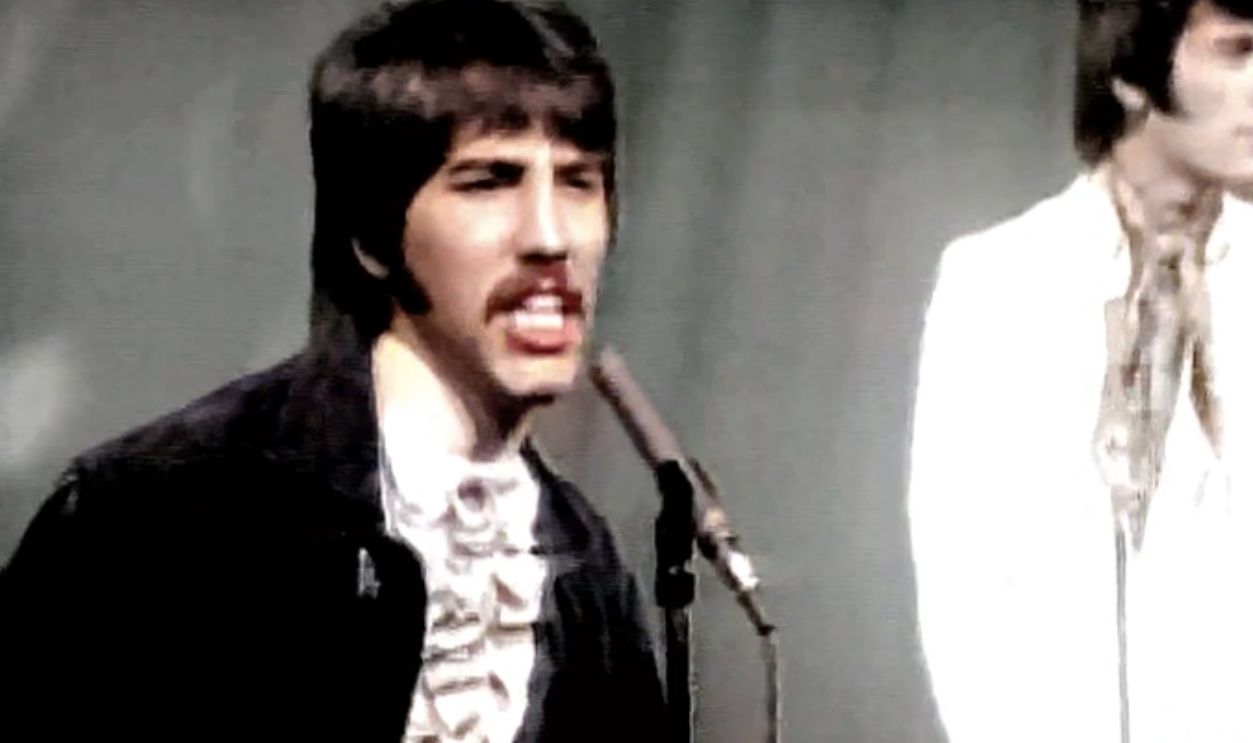 Screenshot from Midnight Confessions, ABC (1968)
The Rascals (1965–1972)
Boomers still love Good Lovin’ (No. 1) and Groovin’ (No. 1), songs that helped shape blue-eyed soul. Felix Cavaliere said their mission was simple: “Make people feel good.” They succeeded. Younger listeners enjoy the hits—but rarely learn who created them.
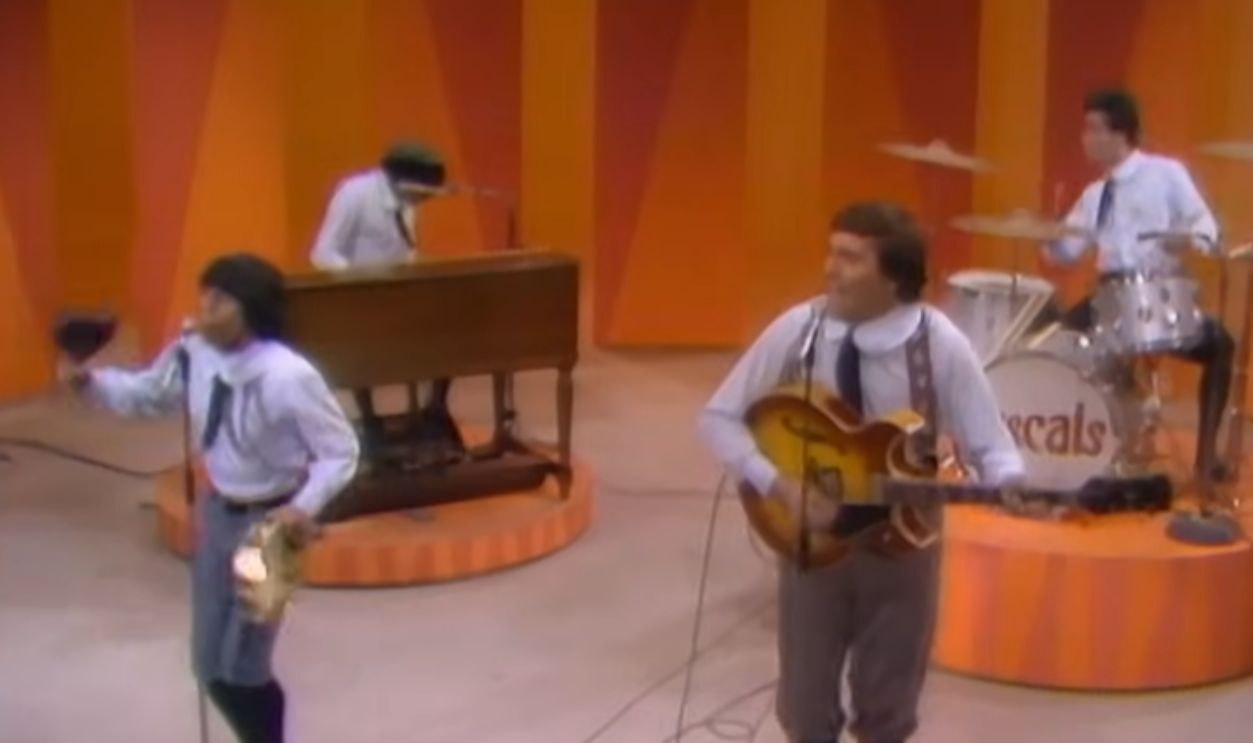 Screenshot from Good Lovin’, Atlantic Records (1966)
The Troggs (1964–2012)
Best known for Wild Thing (No. 1), The Troggs were raw, strange, and influential far beyond their biggest hit. Their notorious studio-argument tape became rock legend. Boomers knew their scrappy charm; millennials mostly know the song from movies and stadium playlists.
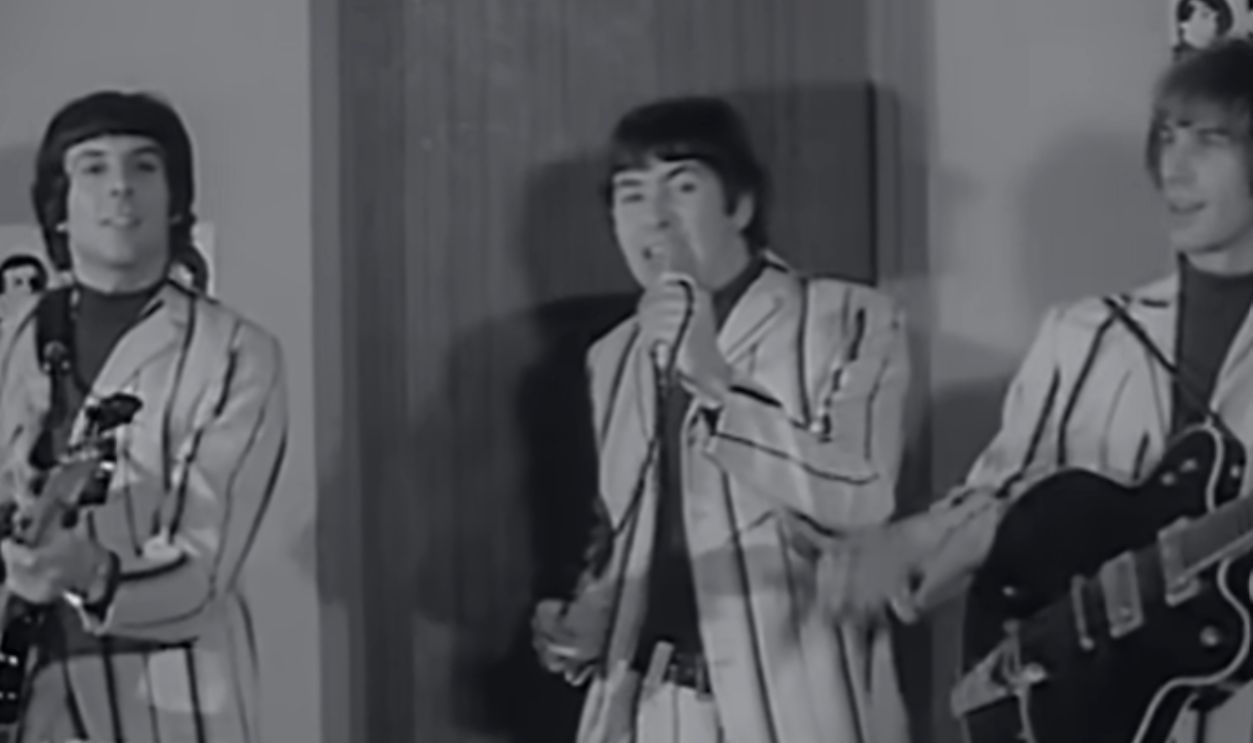 Screenshot from Wild Thing, Fontana Records (1966)
The Turtles (1965–1970)
Happy Together knocked Penny Lane out of the No. 1 spot in 1967. Howard Kaylan once joked, “We were America’s house band.” They mixed humor with immaculate harmonies. Younger listeners love the tune—but the band name often disappears into the haze of ’60s pop history.
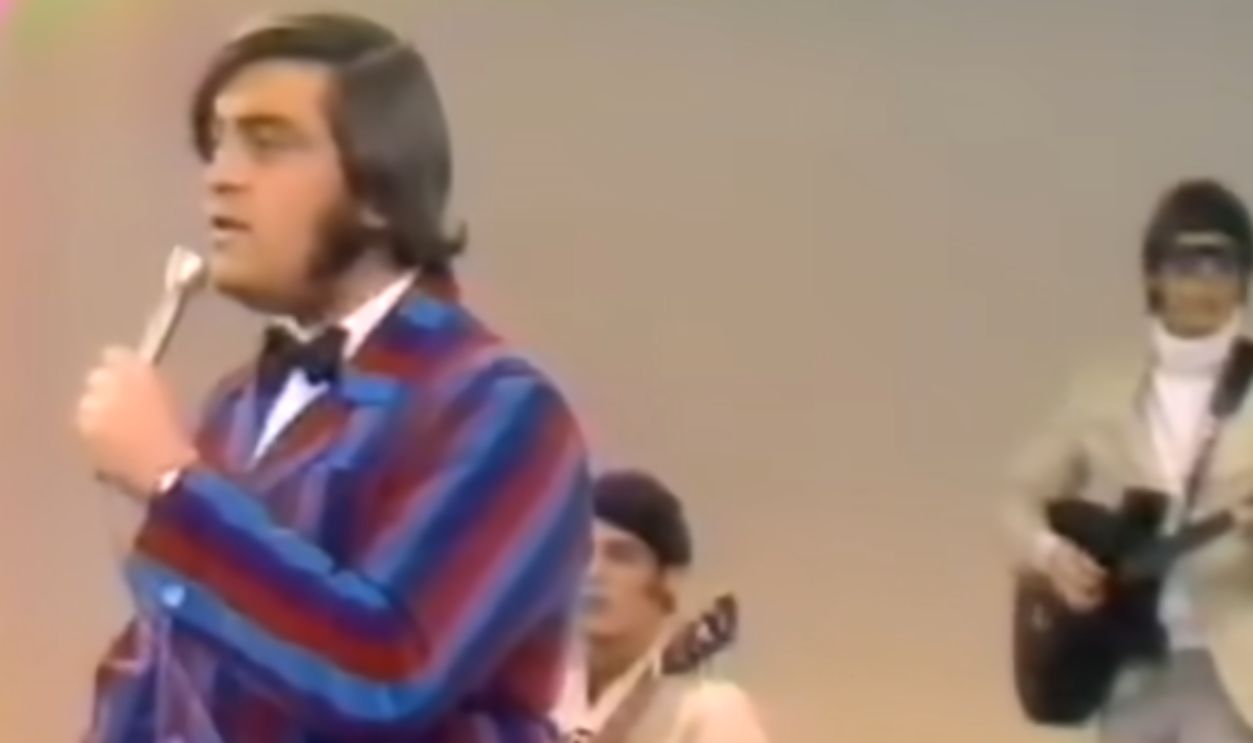 Screenshot from Happy Together, White Whale Records (1967)
Jay and the Americans (1960–1971)
With theatrical vocals and big arrangements, they scored multiple Top 10 hits, including Come a Little Bit Closer. Their influence reached far—Steely Dan’s Donald Fagen once praised Jay Traynor’s “classic voice.” Boomers remember them vividly; younger crowds rarely do.
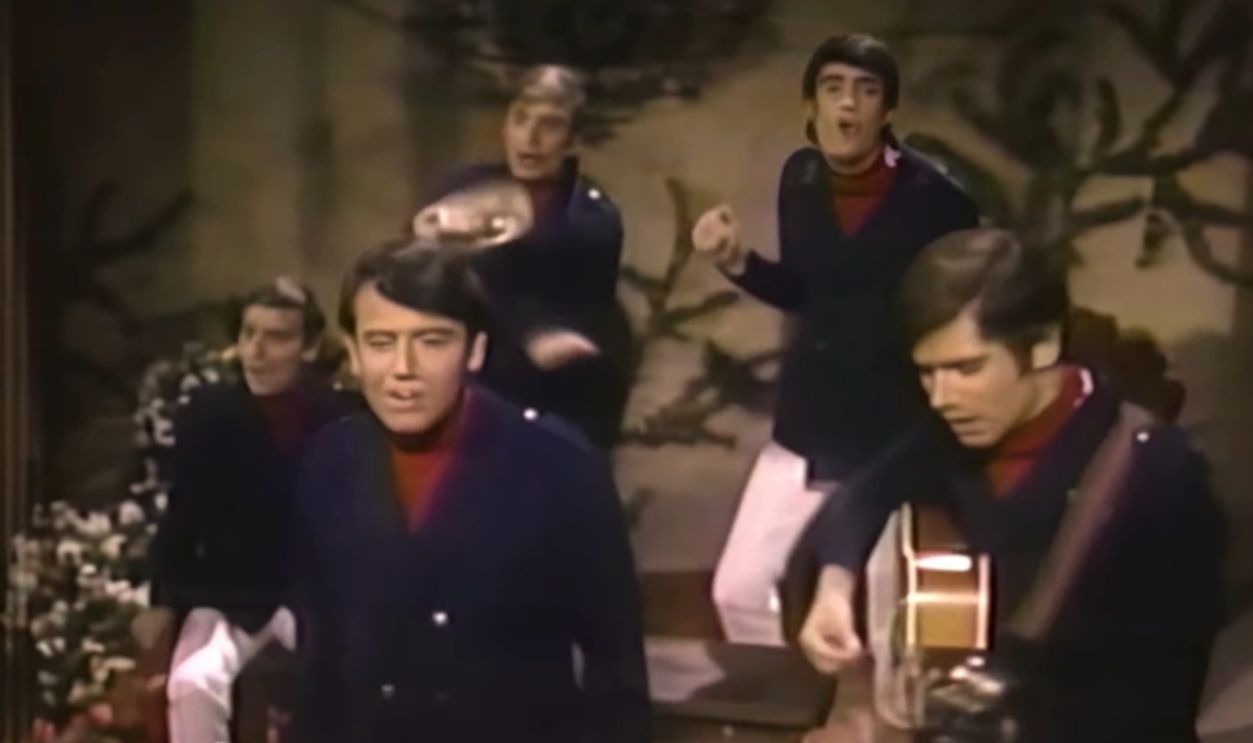 Screenshot from Come a Little Bit Closer, United Artists Records (1964)
The Association (1965–1978)
Windy and Cherish both hit No. 1, powered by gorgeous vocal layering. The band jokingly described themselves as “too clean-cut for critics.” Boomers loved their sunny sound; younger listeners often hear Windy in shows and commercials without knowing the band’s name.
 Screenshot from Windy, Warner Bros. Records (1967)
The Box Tops (1967–1970)
The Letter hit No. 1 with Alex Chilton—age 16—sounding like a grizzled soul singer. Chilton later said, “I sounded older than I felt.” Boomers treasure their blue-eyed-soul swagger. Younger listeners often know the hook but have no idea who performed it.
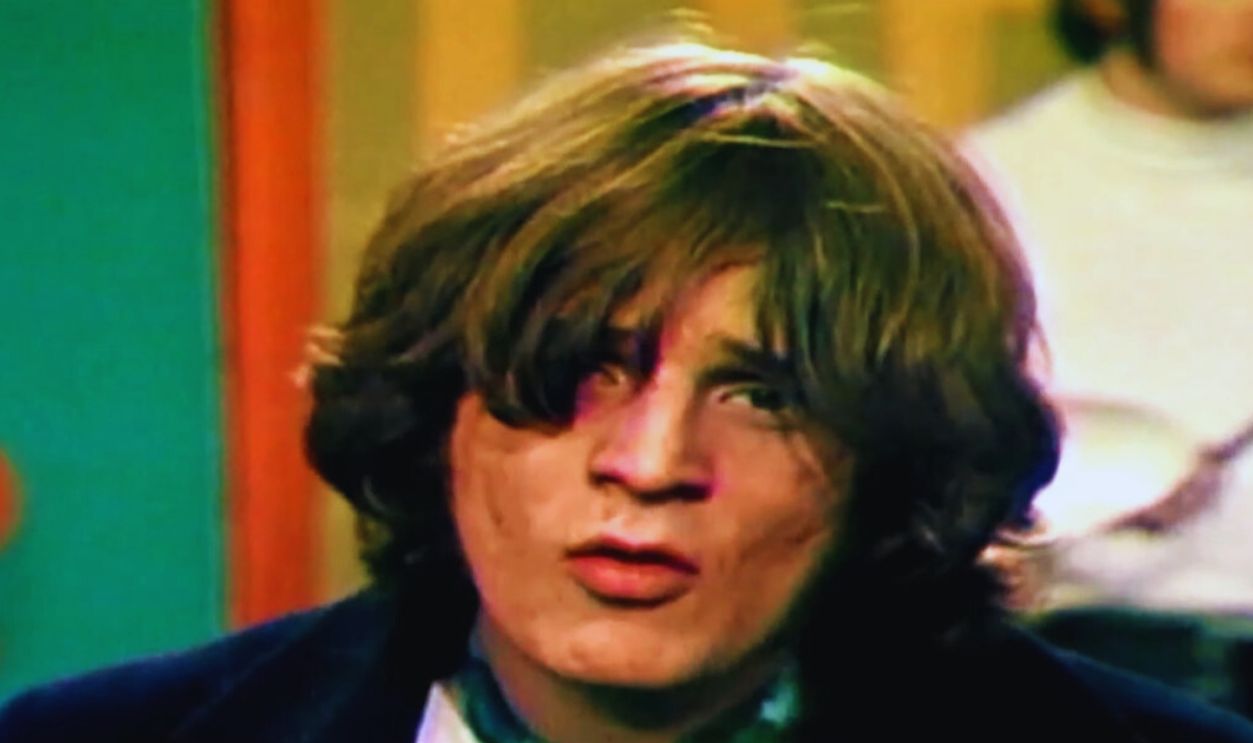 Screenshot from The Letter, Mala Records (1967)
The Zombies (1961–1968)
Their now-classic Odessey and Oracle was ignored at release, only to become a masterpiece decades later. Time of the Season eventually hit No. 1. Boomers recognized their brilliance early; younger listeners love the song but rarely know the band name.
 Screenshot from Time of the Season, CBS (1968)
Procol Harum (1967–1977)
A Whiter Shade of Pale became a global phenomenon and sold over 10 million copies. John Lennon once called it “a perfect record.” The band blended classical influences with psychedelic rock. Younger listeners know the song immediately—but not the group behind it.
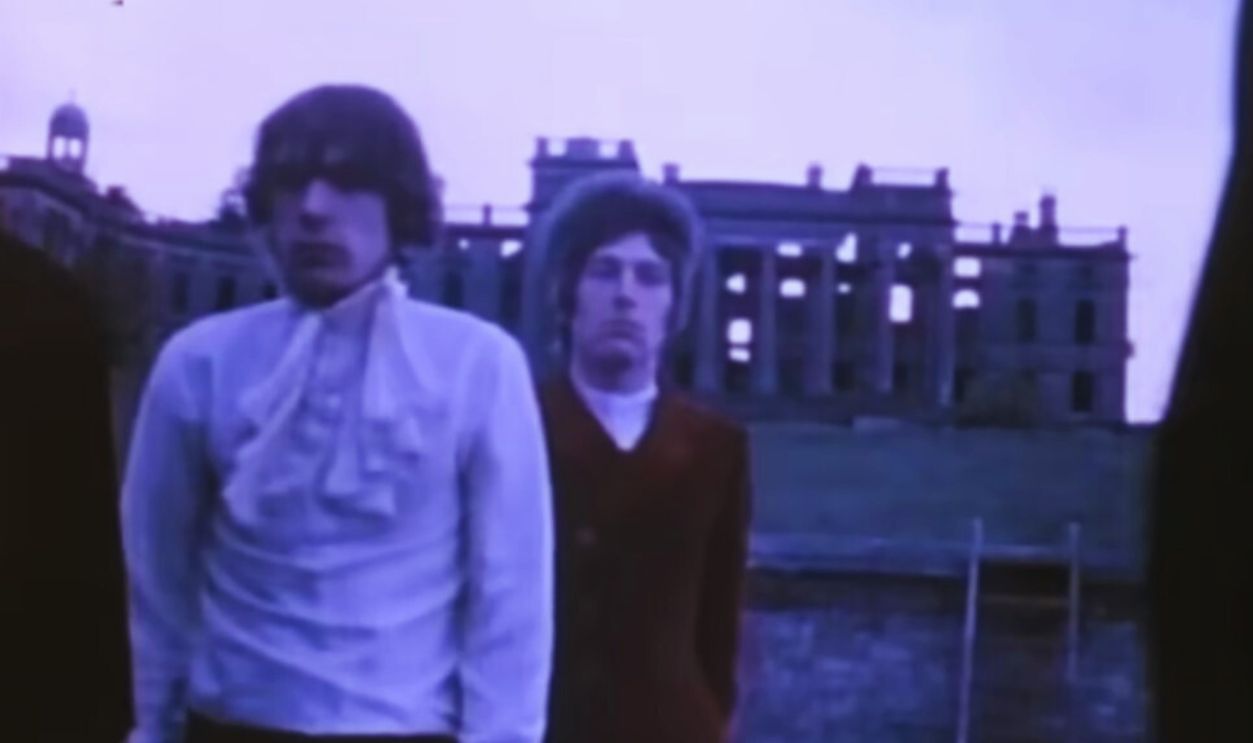 Screenshot from A Whiter Shade of Pale, Deram Records (1967)
The Kingston Trio (1957–1967)
Folk pioneers who scored multiple No. 1 albums, paving the way for the ’60s folk explosion. Bob Dylan credited them with opening the door for the entire movement. Boomers grew up with their clean harmonies; younger listeners rarely dig this far into pre-Dylan folk.
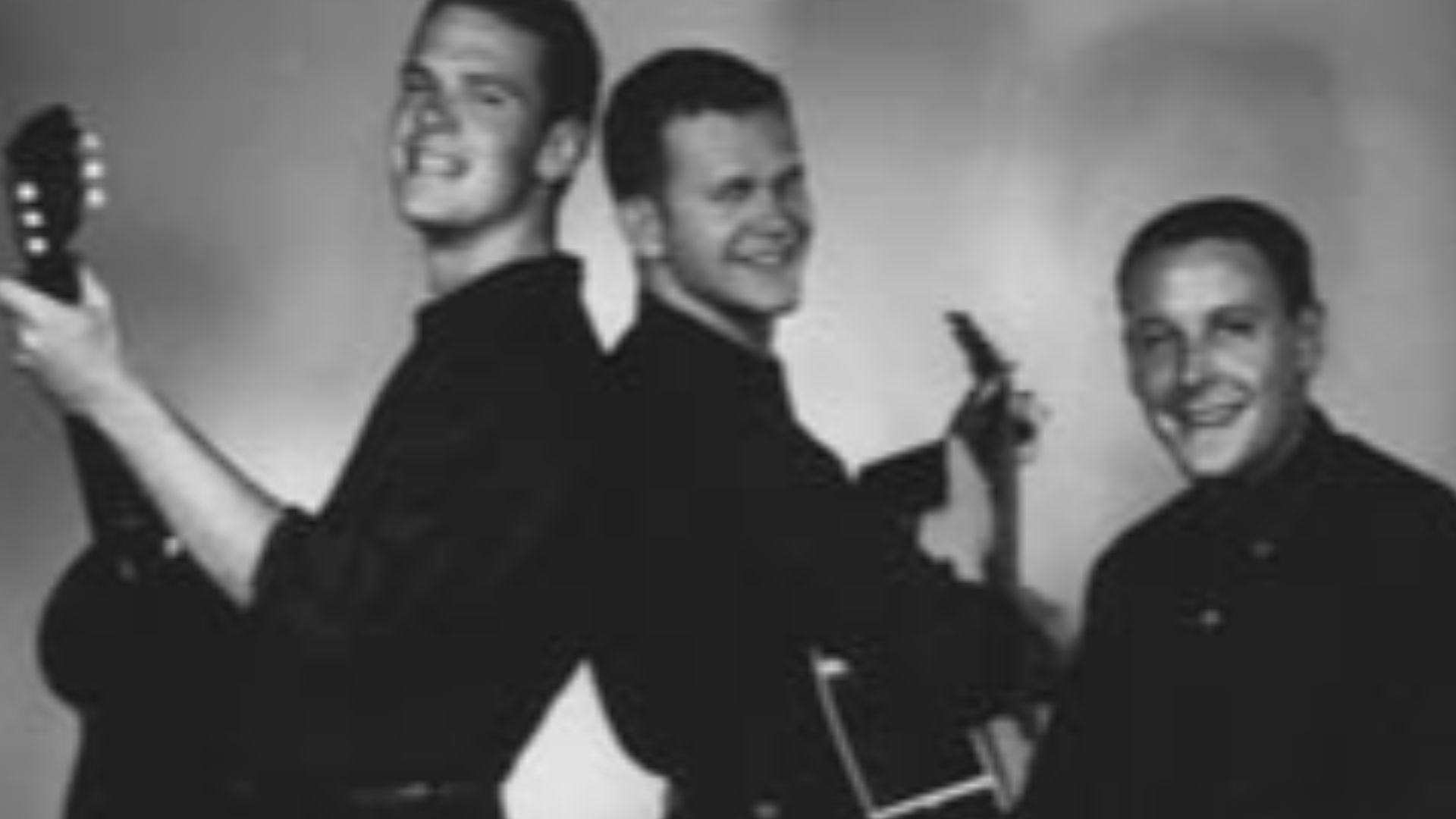 Unknown authorUnknown author, Wikimedia Commons
The Ides of March (1964–1973)
Their hit Vehicle climbed to No. 2 with its punchy horns and memorable riff. Jim Peterik later joked it was “the best song Chicago never recorded.” Boomers still turn it up. Younger listeners recognize the hook instantly but rarely know who performed it.
 Screenshot from Vehicle, Warner Bros. Records (1970)
You Might Also Like:
London Calling: The Greatest Songs About The British Capital