When Pop Culture Learned To Dance On TV
The moment MTV burst onto the scene, it didn’t just reshape music. It reshaped everything—style, language, teen bedrooms, and the way albums became cultural events. Suddenly, a record wasn’t just something you listened to. It was something you watched. These 20 albums didn’t just ride the MTV wave; they created it, fueled it, and made the network feel like a wild new frontier. Think neon, synths, leather, and that unmistakable sense that music had somehow gotten bigger, louder, and more cinematic.
Thriller, Michael Jackson (1982)
Jackson didn’t just release an album—he detonated a global pop phenomenon. Thriller fused lush production with earworm hooks, turning every track into a miniature event. MTV couldn’t resist the magnetic pull of his videos, and once the visuals hit heavy rotation, the album rocketed beyond anything pop had seen before. It reset the bar for what a superstar looked and sounded like.
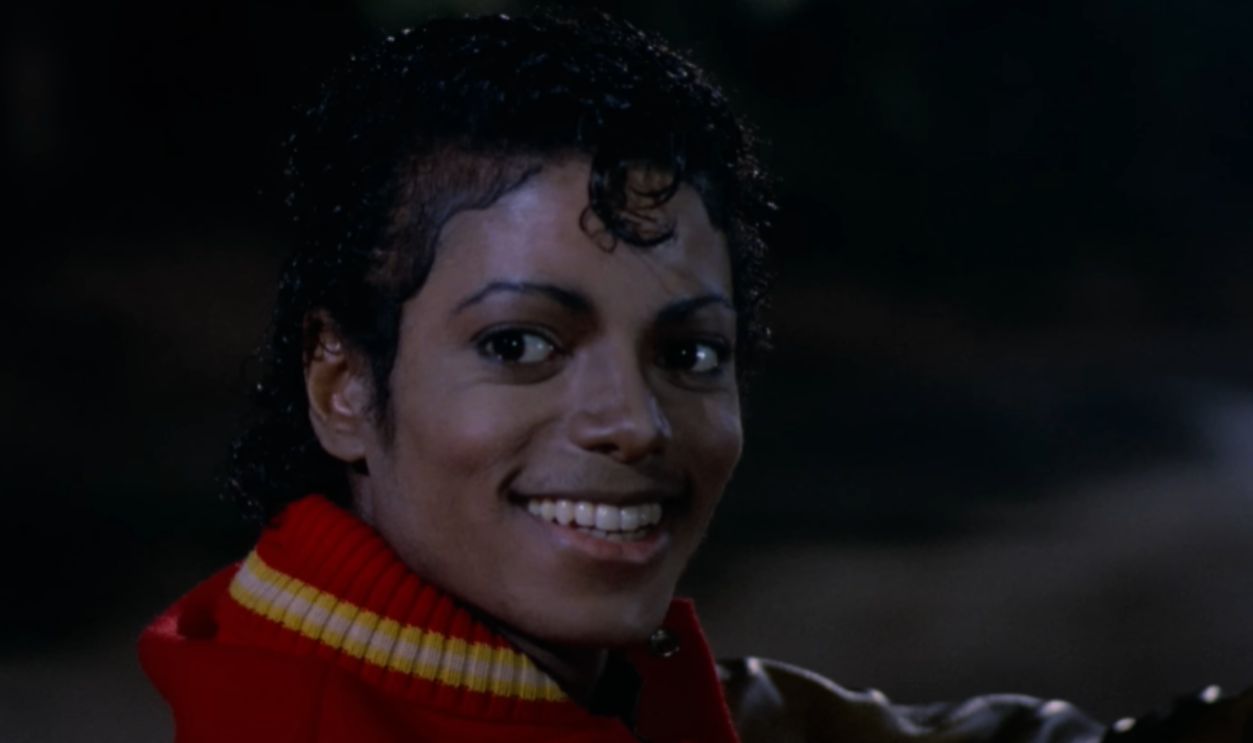 Screenshot from Thriller, Epic Records (1982)
Purple Rain, Prince and the Revolution (1984)
Prince brought theatrical flair, emotional punch, and electric unpredictability to the MTV era. Purple Rain played like a nonstop highlight reel, with each track unleashing a new mood, a new persona, or a new musical stunt. Prince made MTV feel like a stage he personally owned, and the album turned him into a mythic figure worldwide.
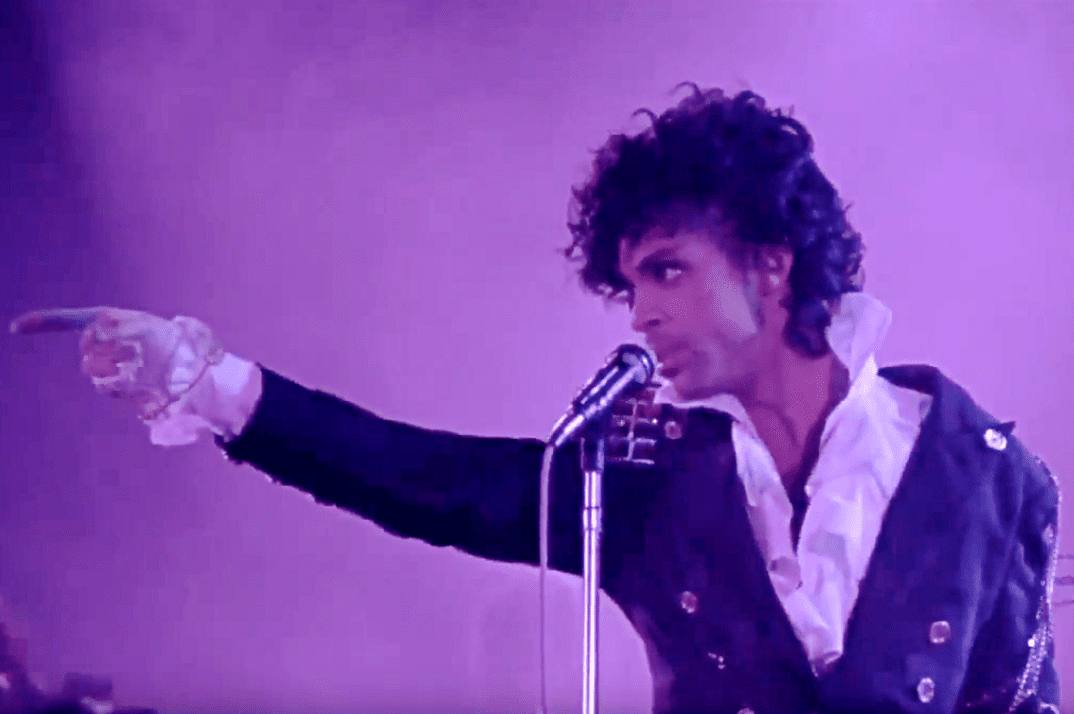 Screenshot from Purple Rain, Warner Bros. Records (1984)
She’s So Unusual, Cyndi Lauper (1983)
Lauper’s debut charged out of the gate with color, humor, and a sound that felt like opening a glitter cannon. Her quirky delivery and bright visuals made her an instant MTV darling. The combination of personality, powerhouse vocals, and eccentric flair created something irresistible, and it pushed pop into a bolder, more playful direction.
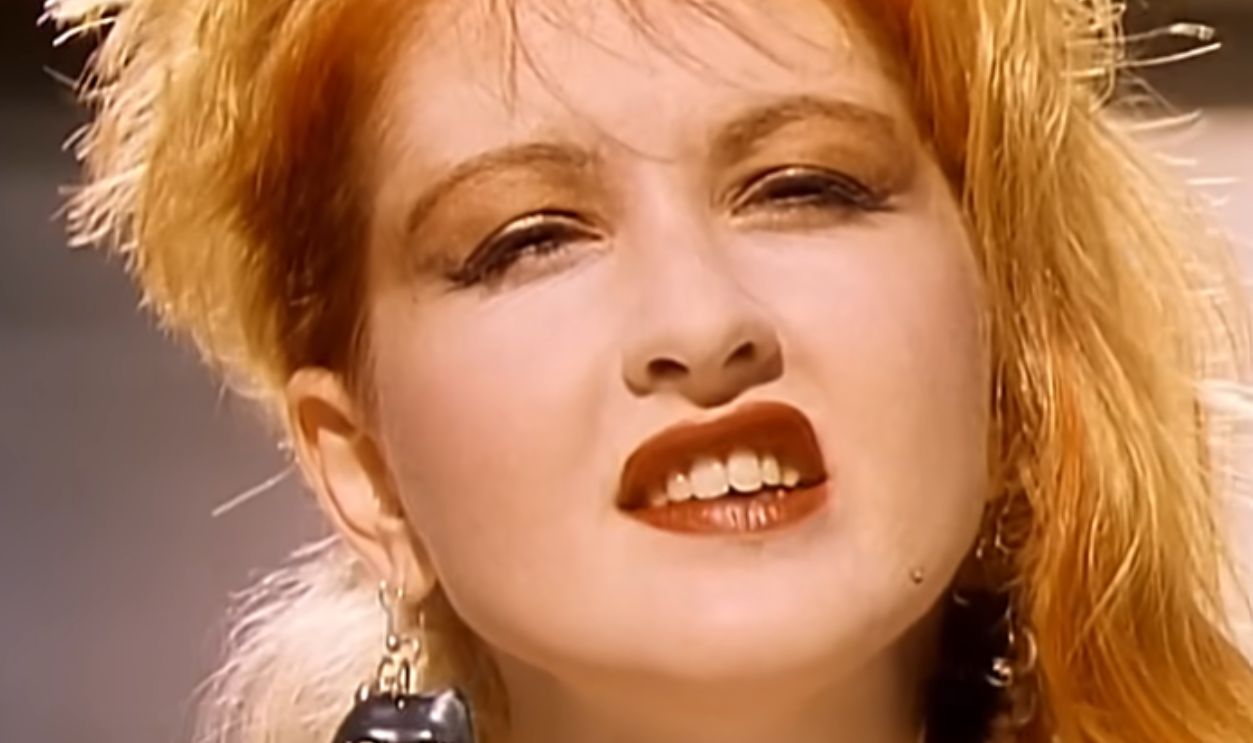 Screenshot from Whitney Houston, Arista Records (1985)
Rio, Duran Duran (1982)
The pretty-boy heartthrobs of the British new wave delivered pure eye candy wrapped in glossy synths. Rio wasn’t just music; it was a lifestyle pitch made of yachts, silk suits, and sun-soaked fantasy. MTV devoured it. With dazzling visuals and unforgettable hooks, the band became poster-favorites nearly overnight.
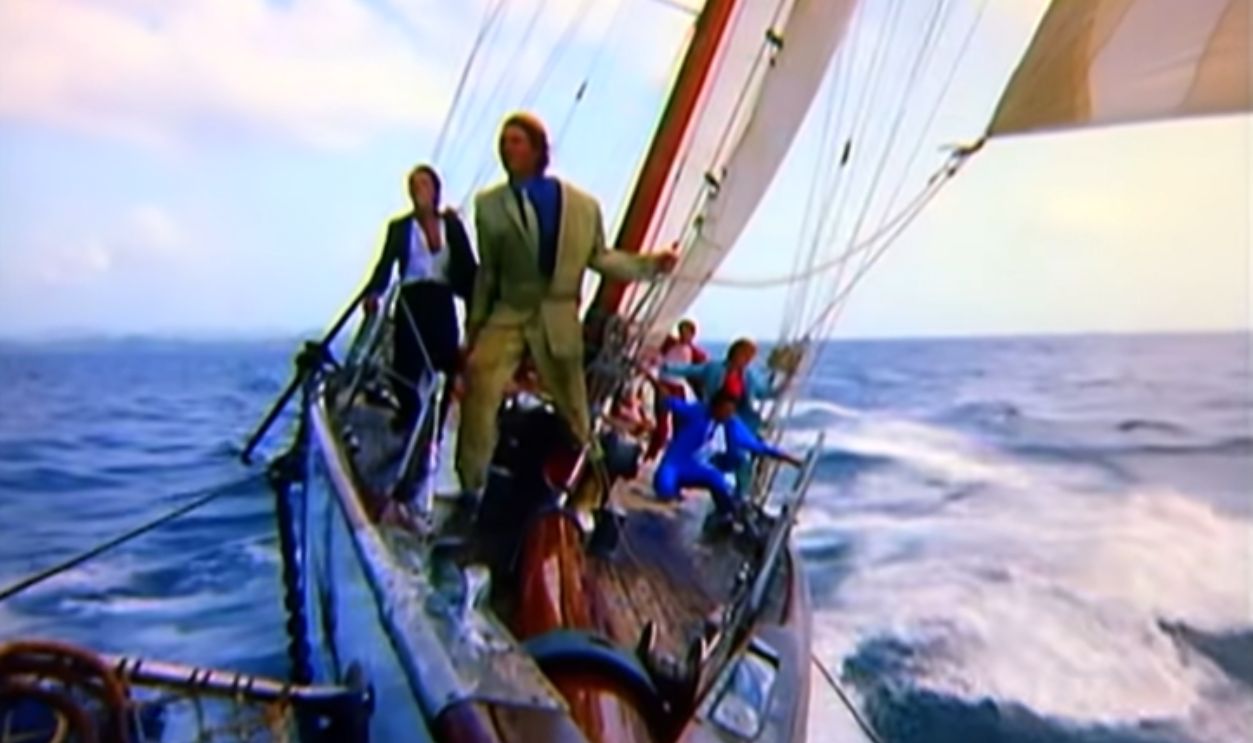 Screenshot from Rio, EMI Records (1982)
Like a Virgin, Madonna (1984)
Madonna’s second album cemented her as the reigning princess of provocation. Each track felt precision-engineered for MTV domination, pairing sharp pop instincts with a wink of rebellion. Her visuals turned heads, sparked discussions, and made her an unstoppable force. By the time she strutted into the mid-’80s, she wasn’t just famous—she was everywhere.
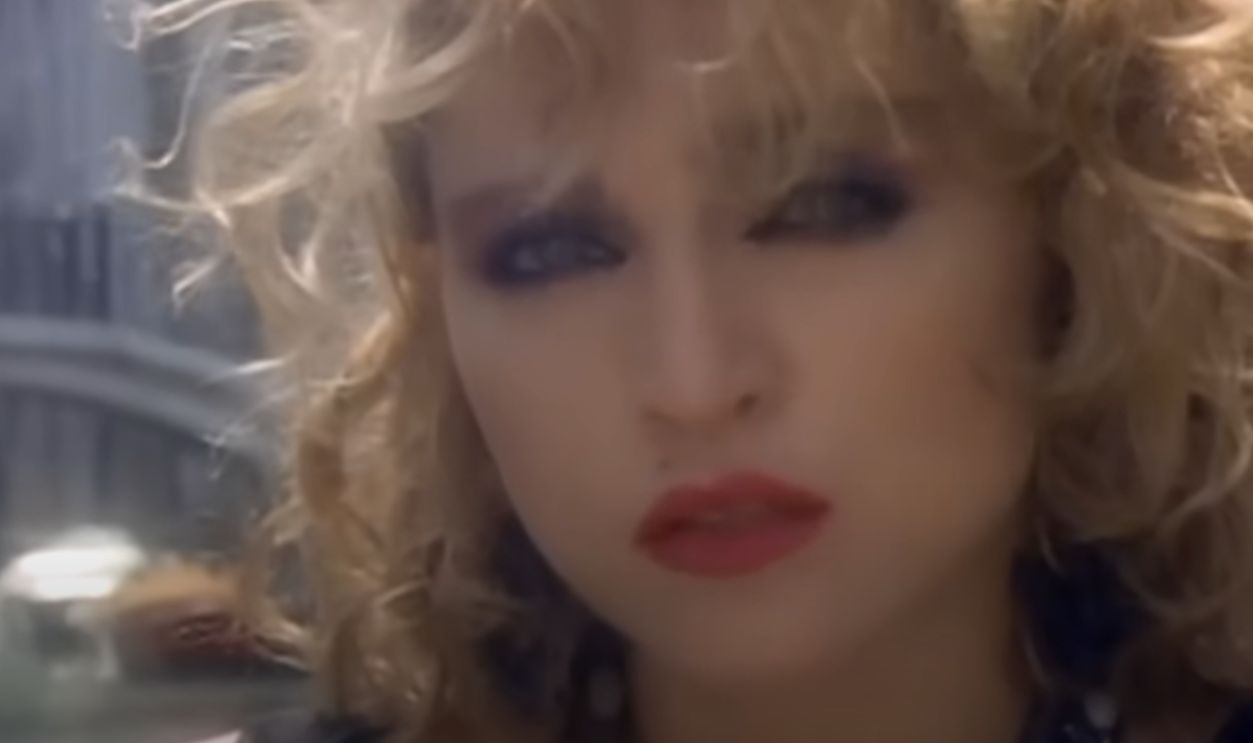 Screenshot from Like a Virgin, Sire Records / Warner Bros. Records (1984)
Let’s Dance, David Bowie (1983)
Bowie shed his earlier personas and stepped into something sleek, modern, and danceable. With the help of a masterful coproducer, he reinvented himself yet again, proving that reinvention wasn’t a trick—it was an art form. This version of Bowie was polished, charismatic, and completely dialed into MTV’s appetite for big personalities, making the album a defining moment of his career.
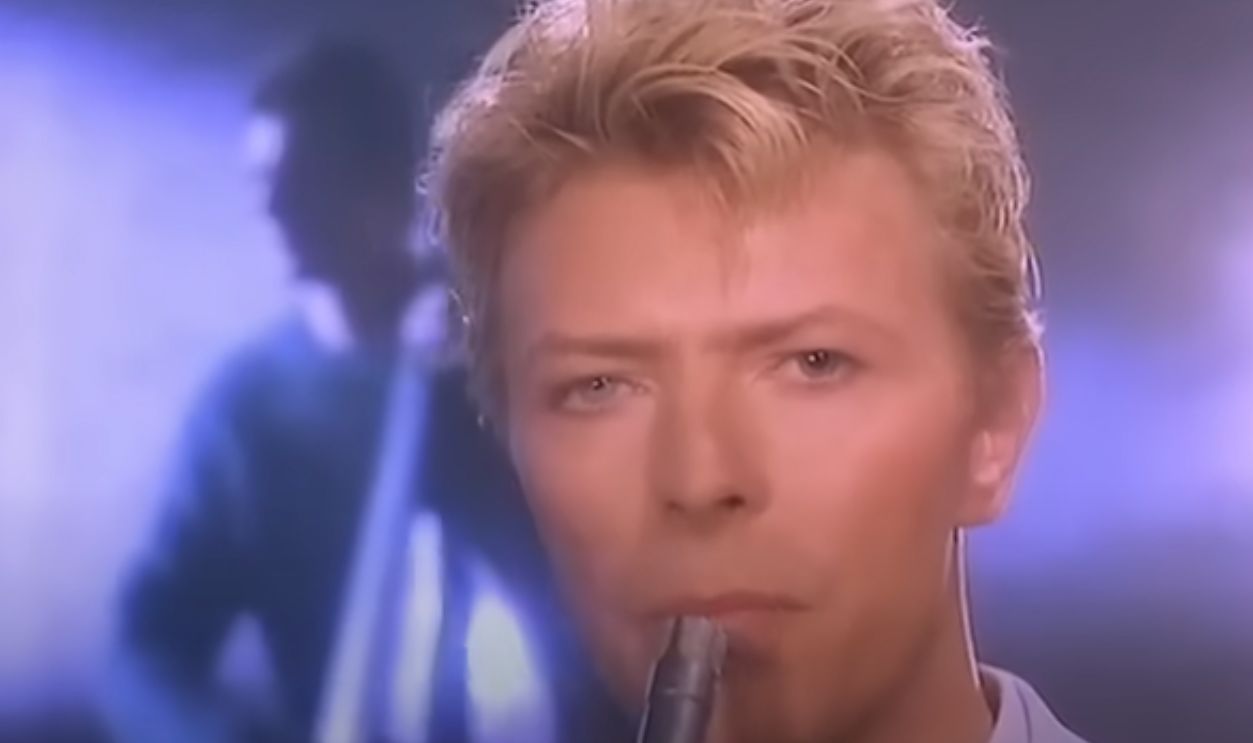 Screenshot from Let’s Dance, EMI Records / Capitol Records (1983)
Born in the USA, Bruce Springsteen (1984)
Springsteen’s anthemic, heartland-rock juggernaut became one of the decade’s most recognizable sonic snapshots. His videos captured the grit, sweat, and sincerity of his stage presence, making him feel both larger-than-life and deeply relatable. With hit after hit, the album turned him into the blue-collar hero MTV didn’t know it needed.
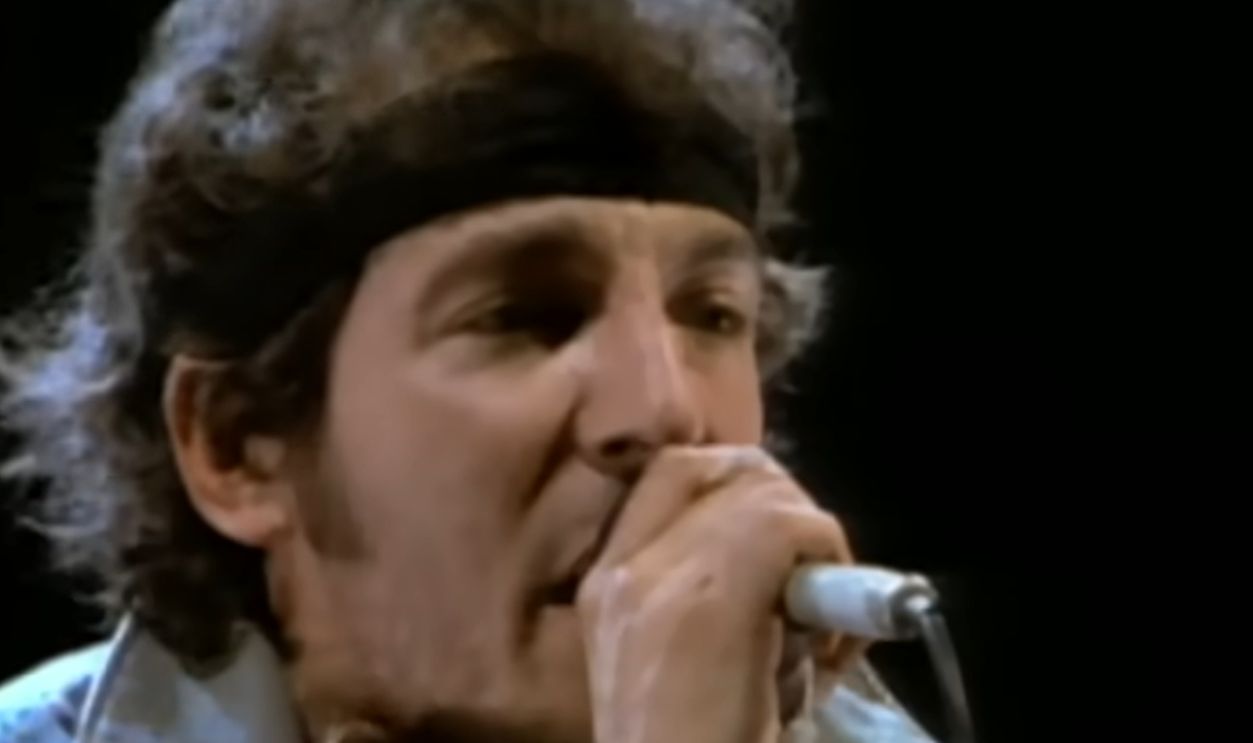 Screenshot from Born in the U.S.A., Columbia Records (1984)
Synchronicity, The Police (1983)
Moody, stylish, and bristling with tension, Synchronicity delivered some of the most memorable singles of the decade. The band’s striking visuals—shadowy rooms, candlelit labyrinths, slow-motion performances—gave MTV a sophisticated contrast to the era’s neon explosion. The album became a well-deserved victory lap for a trio at their peak.
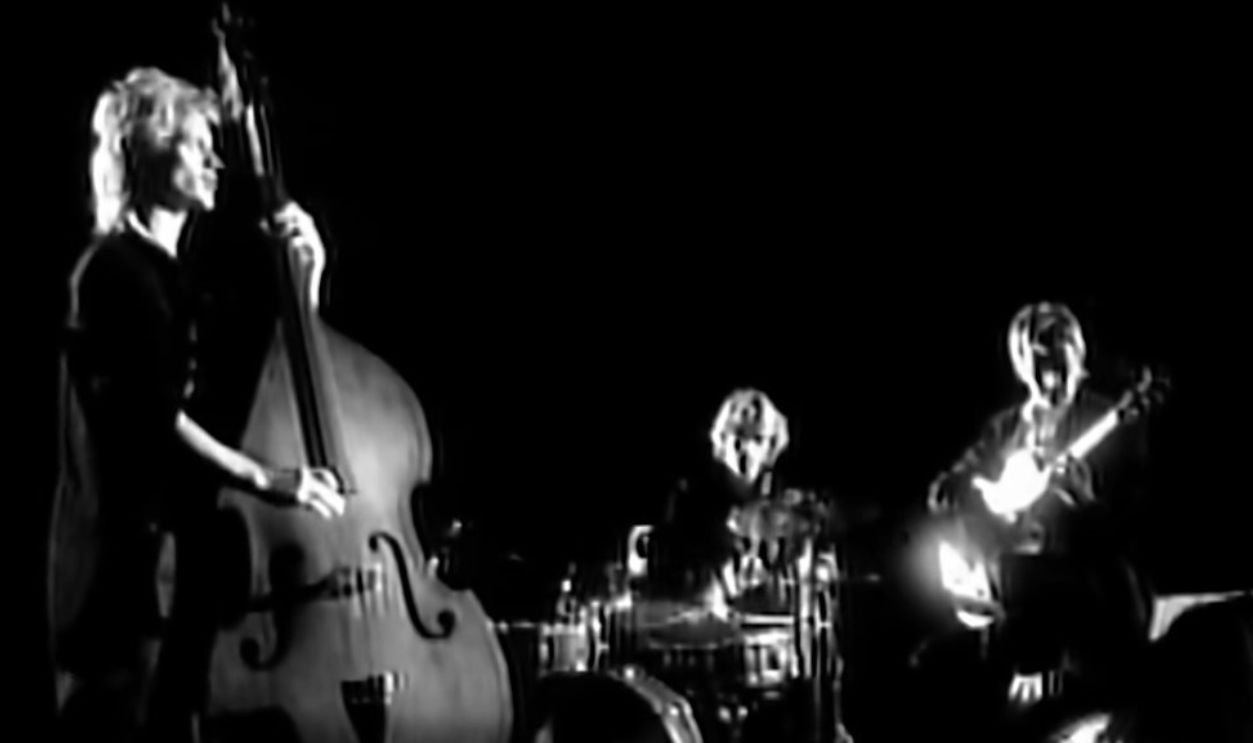 Screenshot from Synchronicity, A&M Records (1983)
An Innocent Man, Billy Joel (1983)
Joel’s nostalgic detour into mid-century styles became an unexpected MTV staple. His buoyant delivery and old-school influences felt surprisingly fresh alongside the decade’s futuristic sounds. The charm of the project—and its memorable video moments—helped Joel resonate with younger viewers, proving that retro could be modern when done right.
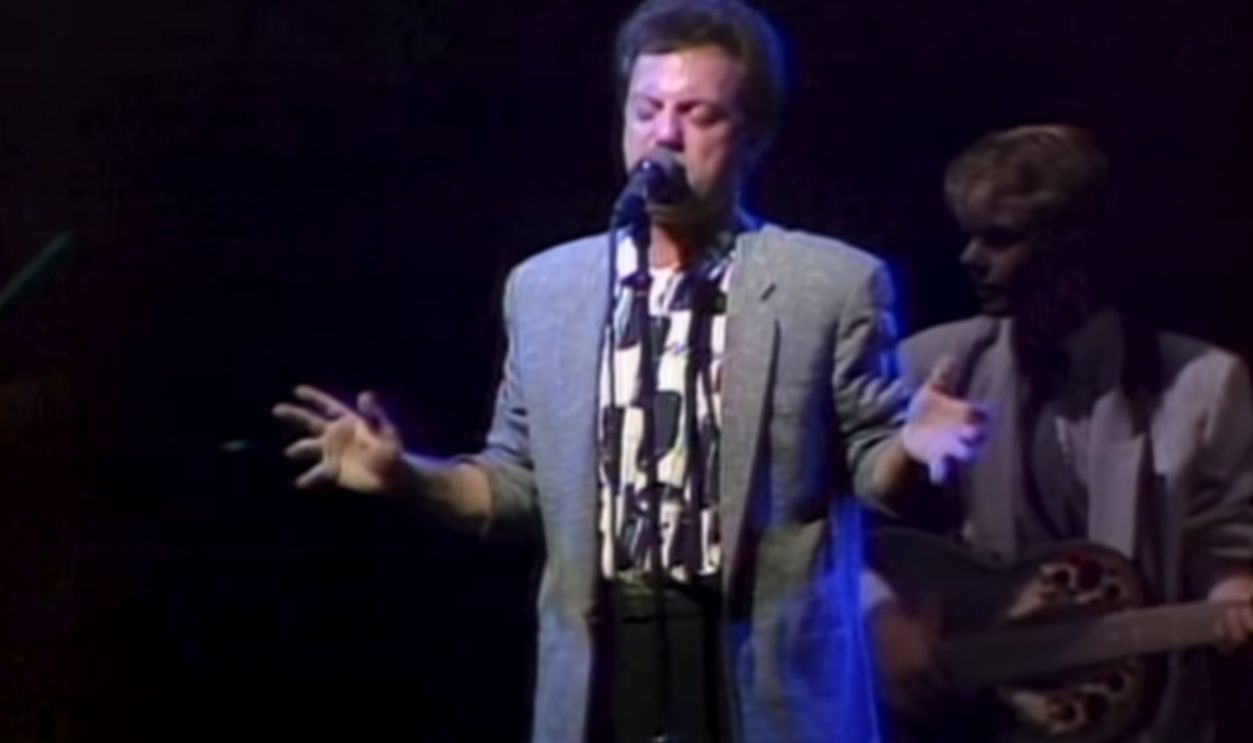 Screenshot from An Innocent Man, Columbia Records (1983)
1984, Van Halen (1984)
Hard rock swagger met synth-driven energy in a way that defined mid-’80s rebellion. Van Halen delivered riffs, absurd humor, and a sense of mischief tailor-made for MTV’s camera-ready culture. The band’s unforgettable antics and high-octane performances helped push rock deeper into the video age.
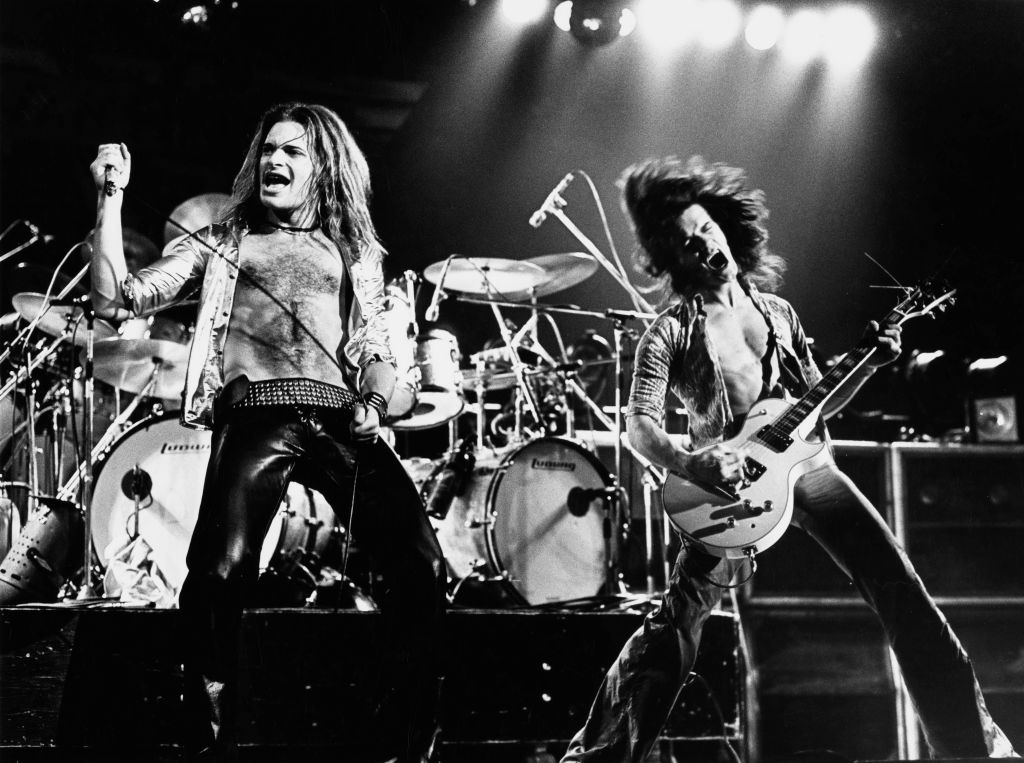
Raising Hell, Run-DMC (1986)
Rap’s defining breakout moment into mainstream America began with this album. The trio’s punchy delivery and streetwise swagger exploded across MTV and introduced millions to a genre poised for domination. Their fearless crossover collaboration showed that hip-hop had staying power—and that MTV audiences were ready for it.
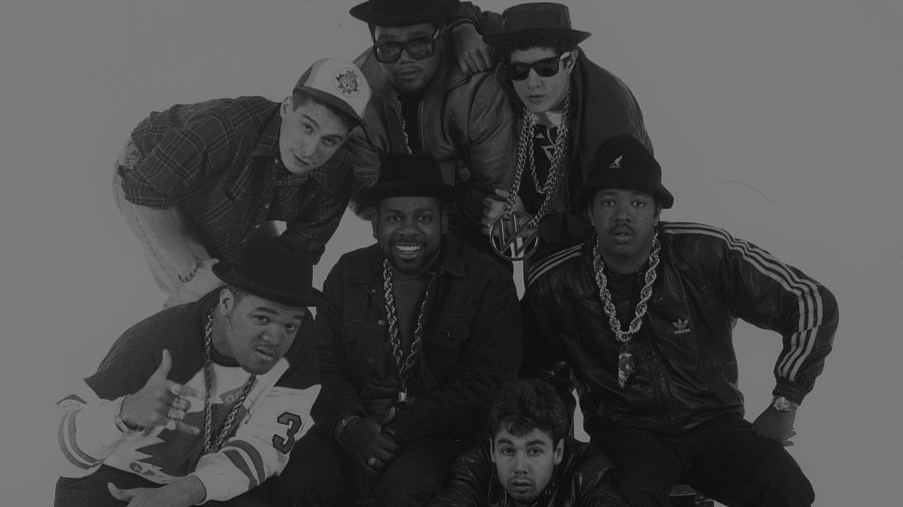 Laura Levine, Wikimedia Commons
Private Dancer, Tina Turner (1984)
Turner’s comeback wasn’t just triumphant; it was seismic. Her voice cut through the decade’s glossy production with raw power and unmistakable urgency. Paired with striking visuals, the album gave MTV viewers a master class in reinvention. Turner emerged not just restored, but unstoppable.
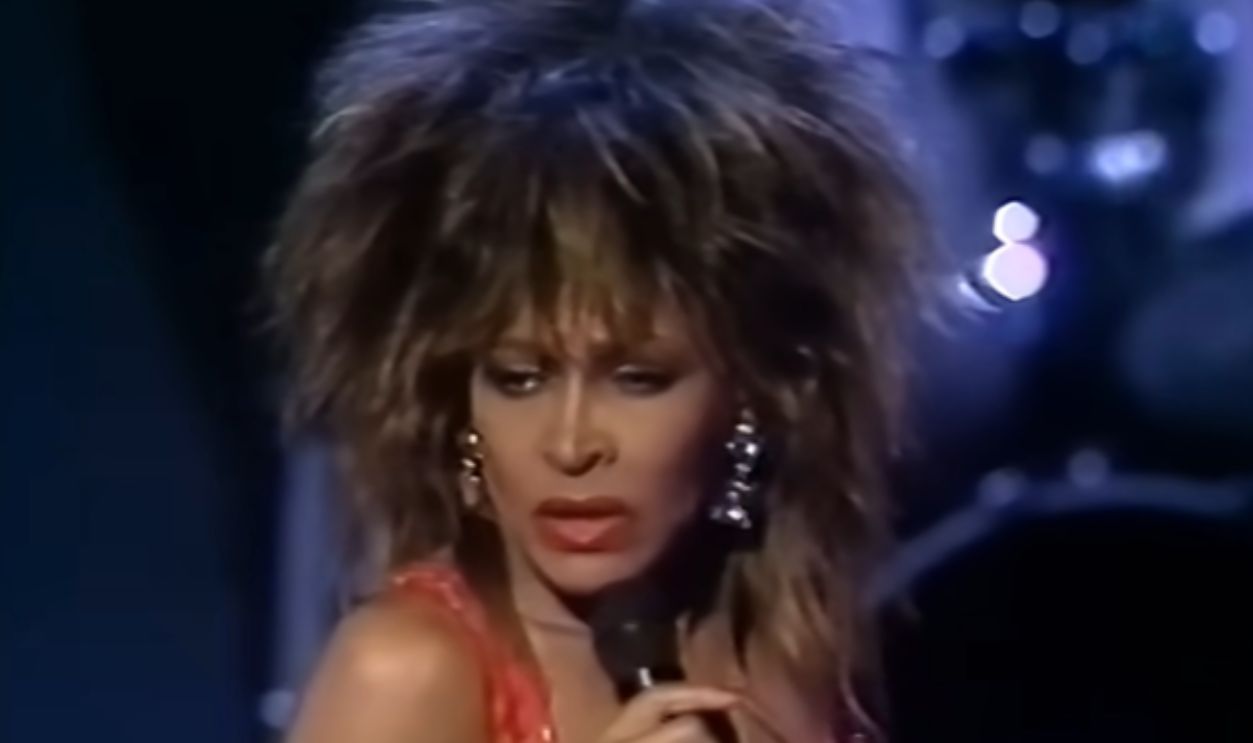 Screenshot from Private Dancer, Capitol Records / Parlophone (1984)
Whitney Houston, Whitney Houston (1985)
Houston’s debut arrived like a lightning bolt—pure, effortless vocal power that made everything else on the radio seem suddenly too small. Her videos were vibrant, joyful, and full of youthful charisma. MTV couldn’t get enough, and audiences were captivated by her elegance and star quality.
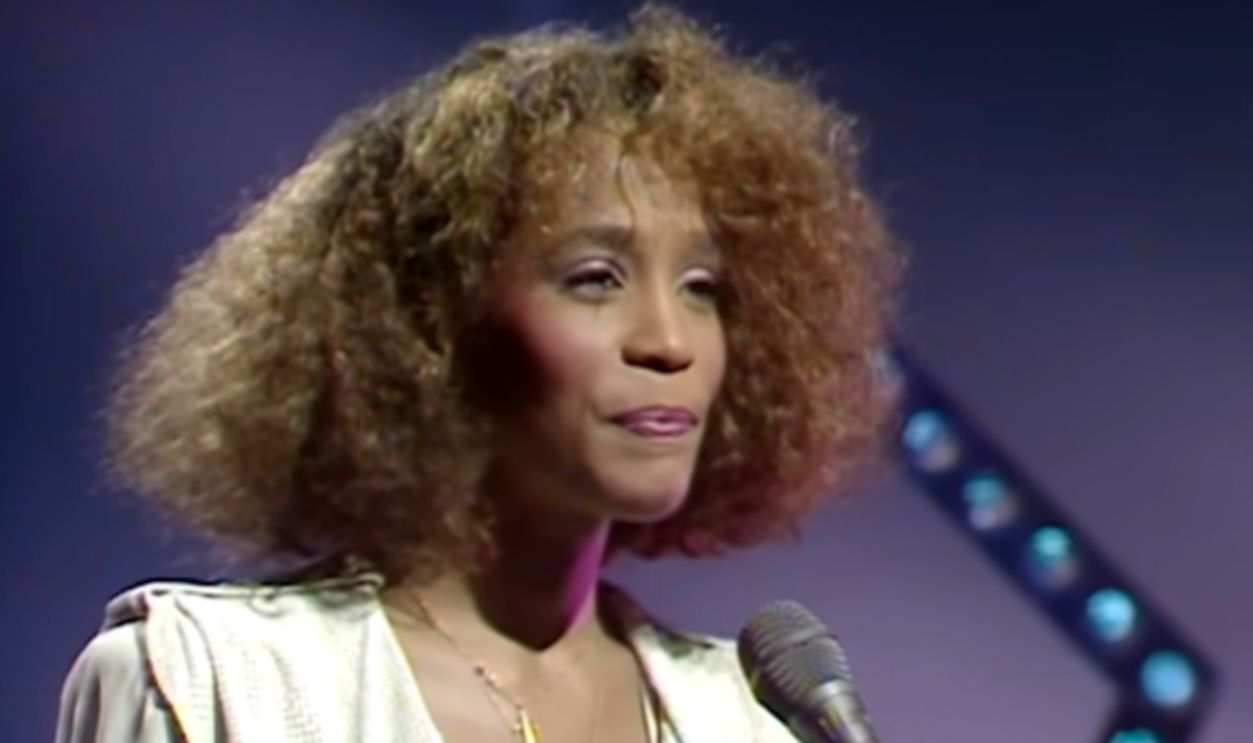 Screenshot from Whitney Houston, Arista Records (1985)
Graceland, Paul Simon (1986)
A bold, worldwide sonic journey, Graceland introduced new textures, rhythms, and collaborations to a mainstream audience hungry for something different. The album’s clever, playful visuals helped humanize its globe-spanning musical spirit. Simon found a second wind creatively, and MTV helped him share it widely.
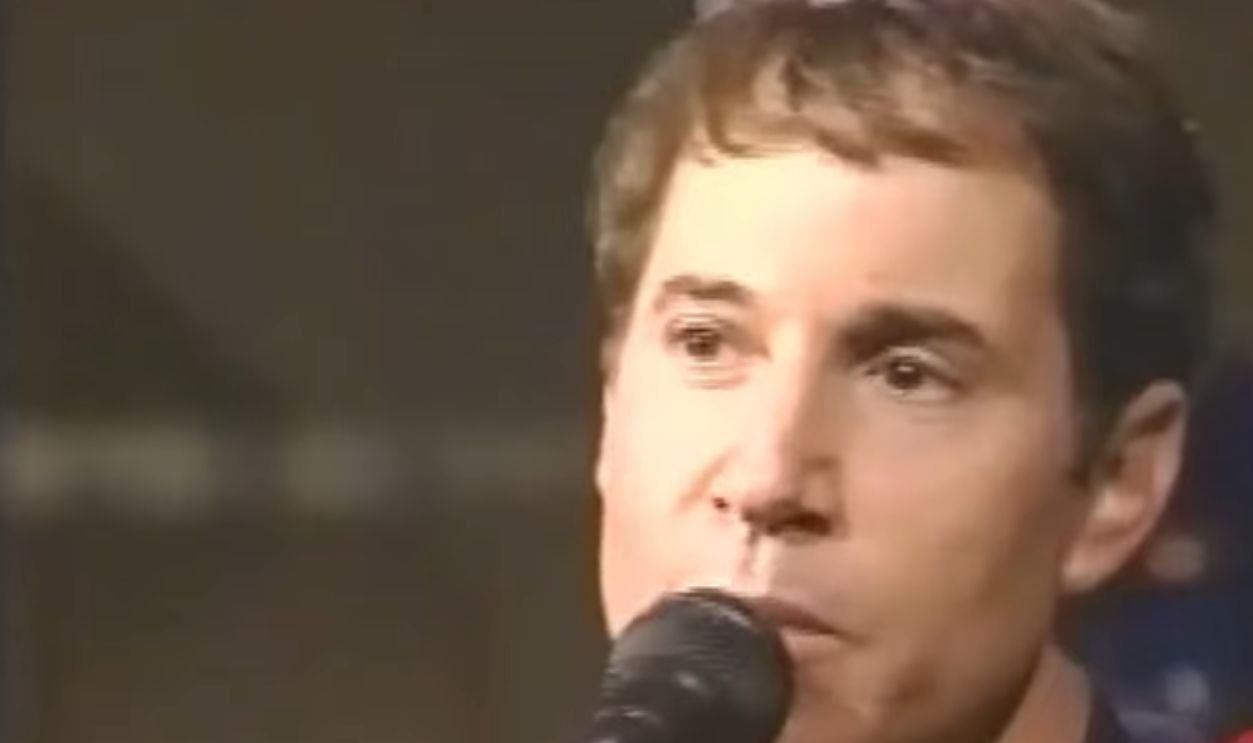 Screenshot from Graceland, Warner Bros. Records (1986)
Hysteria, Def Leppard (1987)
Big drums, bigger guitars, and even bigger choruses—Hysteria was rock maximalism perfected. The band’s decision to spotlight live performance paid off, giving MTV videos that felt energetic, unfiltered, and thrilling. The album became an anthem-packed cornerstone of late-’80s rock.
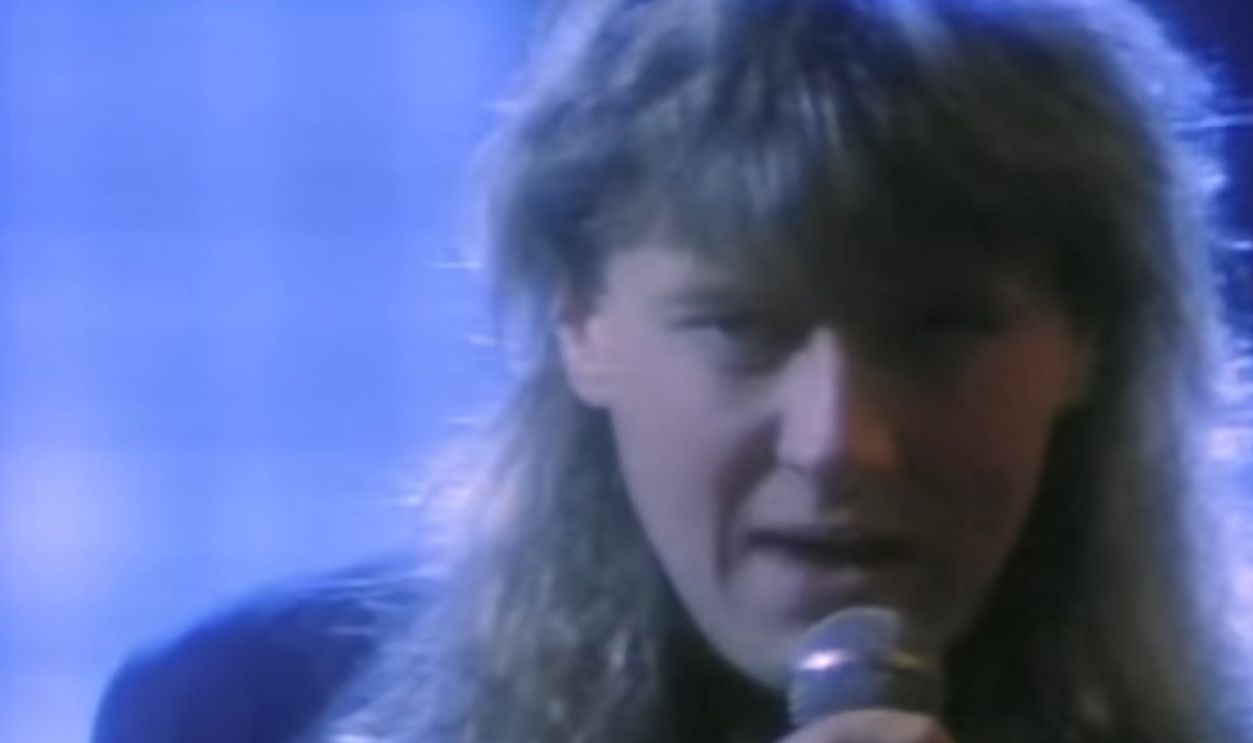 Screenshot from Hysteria, Mercury Records / Vertigo Records (1987)
Kick, INXS (1987)
Slick, modern, and effortlessly cool, INXS crafted a record that moved between swagger and sensuality. Their stylish aesthetic fit MTV’s vibe perfectly, and each video felt like a short film. The album’s dance-rock pulse helped define the sound of the tail end of the decade.
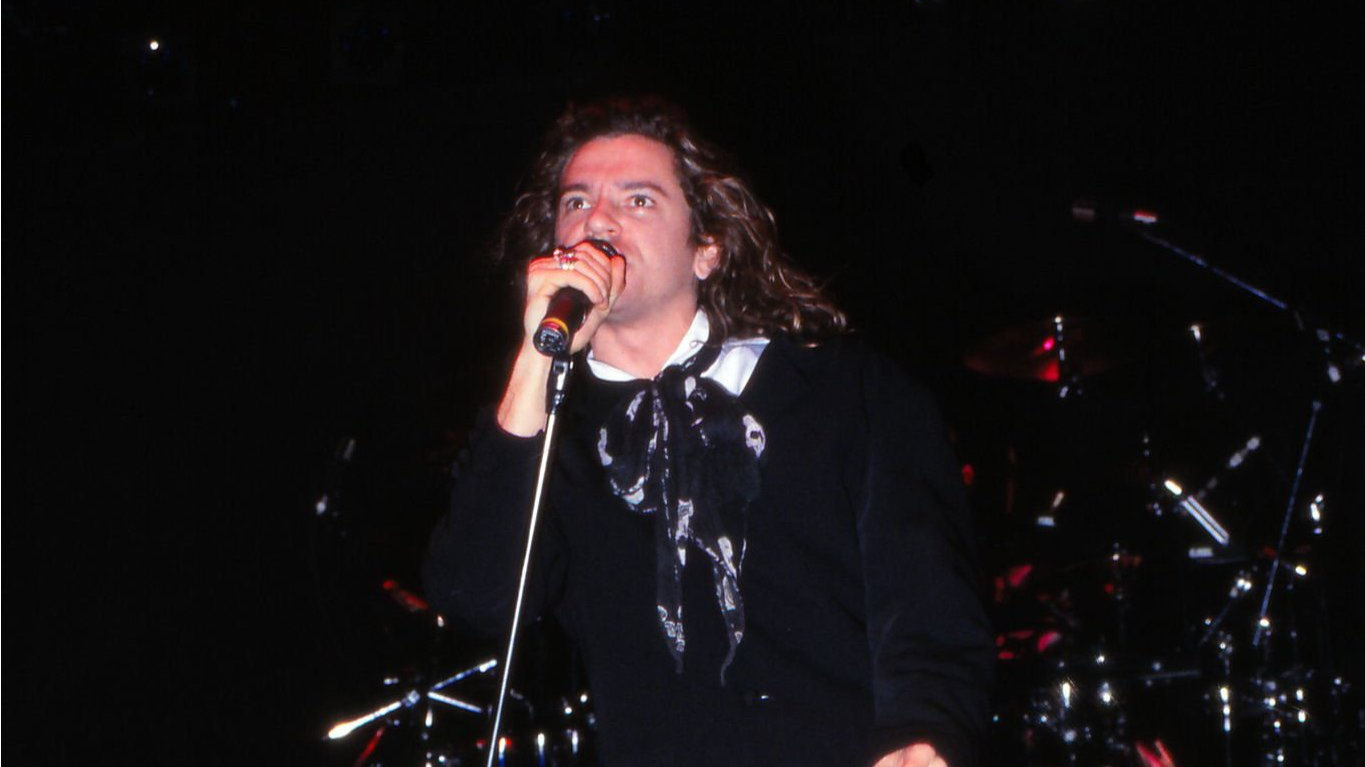
Learning to Crawl, The Pretenders (1984)
After hardship and lineup changes, the Pretenders returned with an album full of grit, emotion, and resilience. Chrissie Hynde’s evocative presence on screen gave the music a haunting intimacy. MTV amplified the band’s new chapter, turning tragedy into triumph.
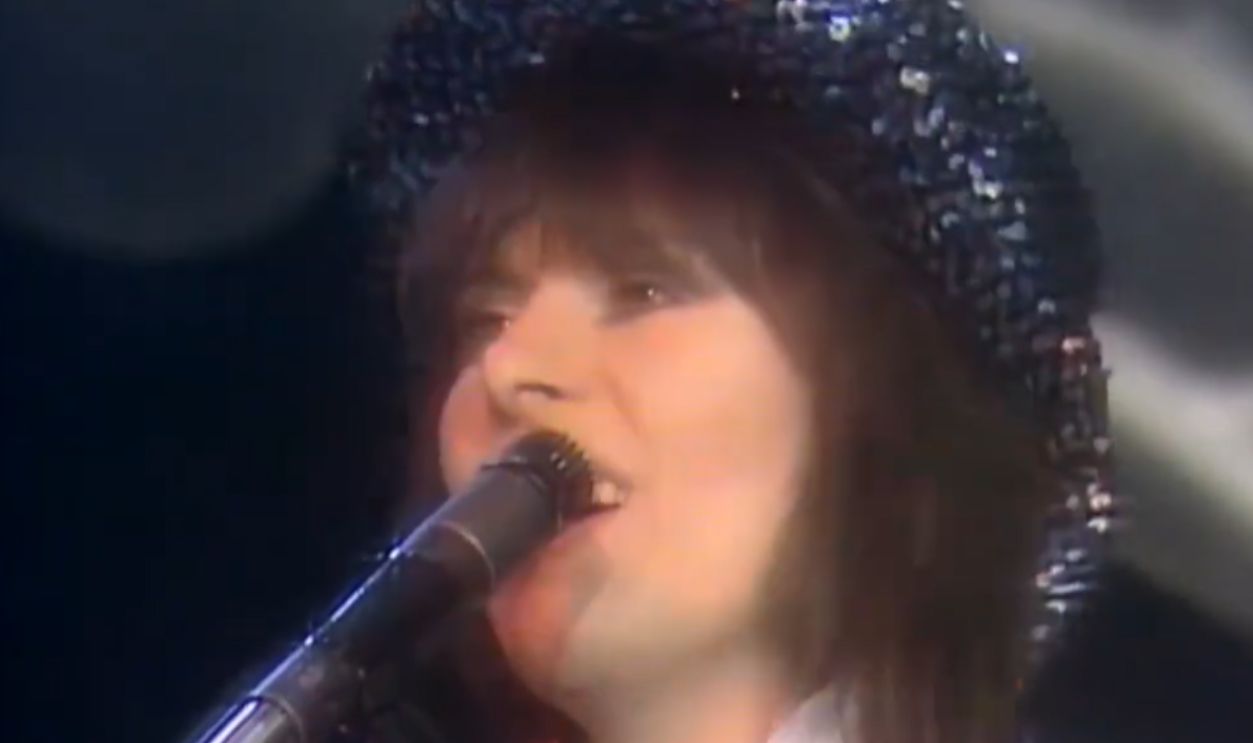 Screenshot from Middle of the Road, Sire Records / Warner Bros. Records (1983)
Eliminator, ZZ Top (1983)
Beards, cars, and blues-rock riffs collided into a strangely perfect combination for MTV airtime. With its memorable imagery and playful storytelling, the band reinvented themselves as video icons. Their flashy approach made Eliminator a runaway success—with a little help from a certain red hot rod.
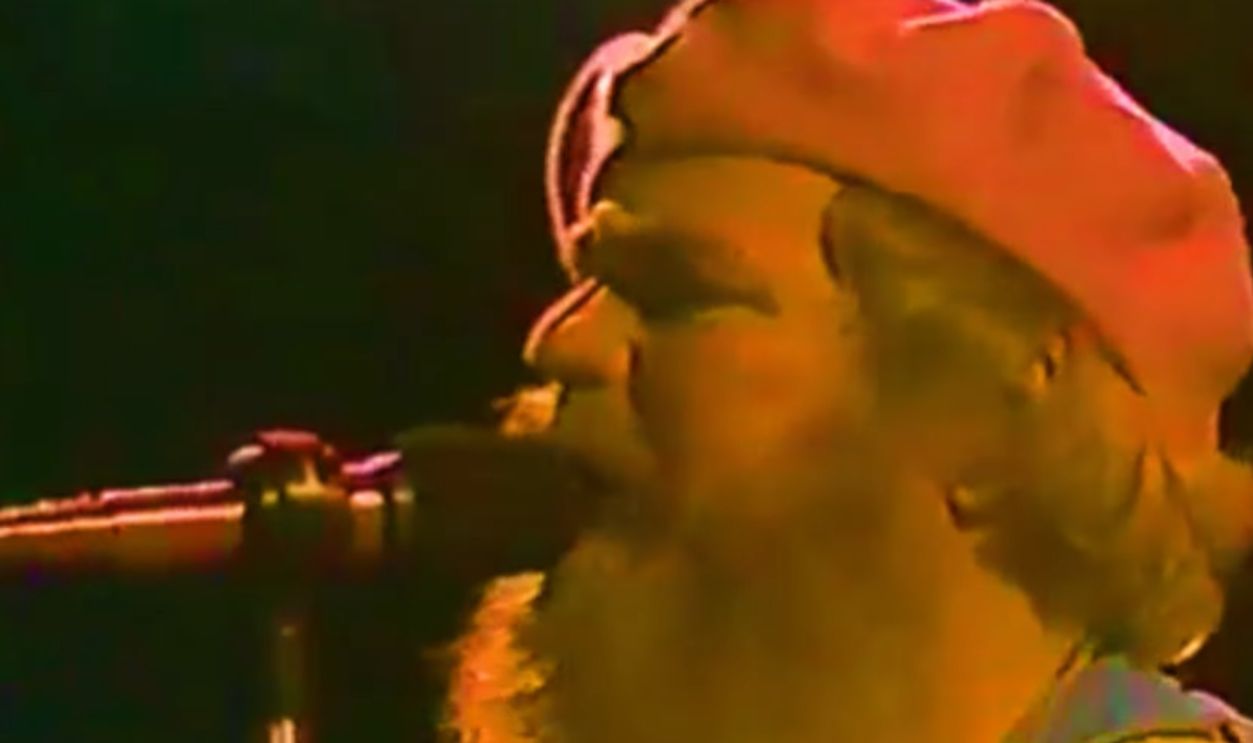 Screenshot from Eliminator, Warner Bros. Records (1983)
Faith, George Michael (1987)
Breaking out as a solo artist, Michael unleashed a confident blend of pop, soul, and striking visuals. Each single felt like an instant classic, and his flair for bold imagery made him a natural MTV star. The album marked a new chapter and showcased just how versatile he could be.
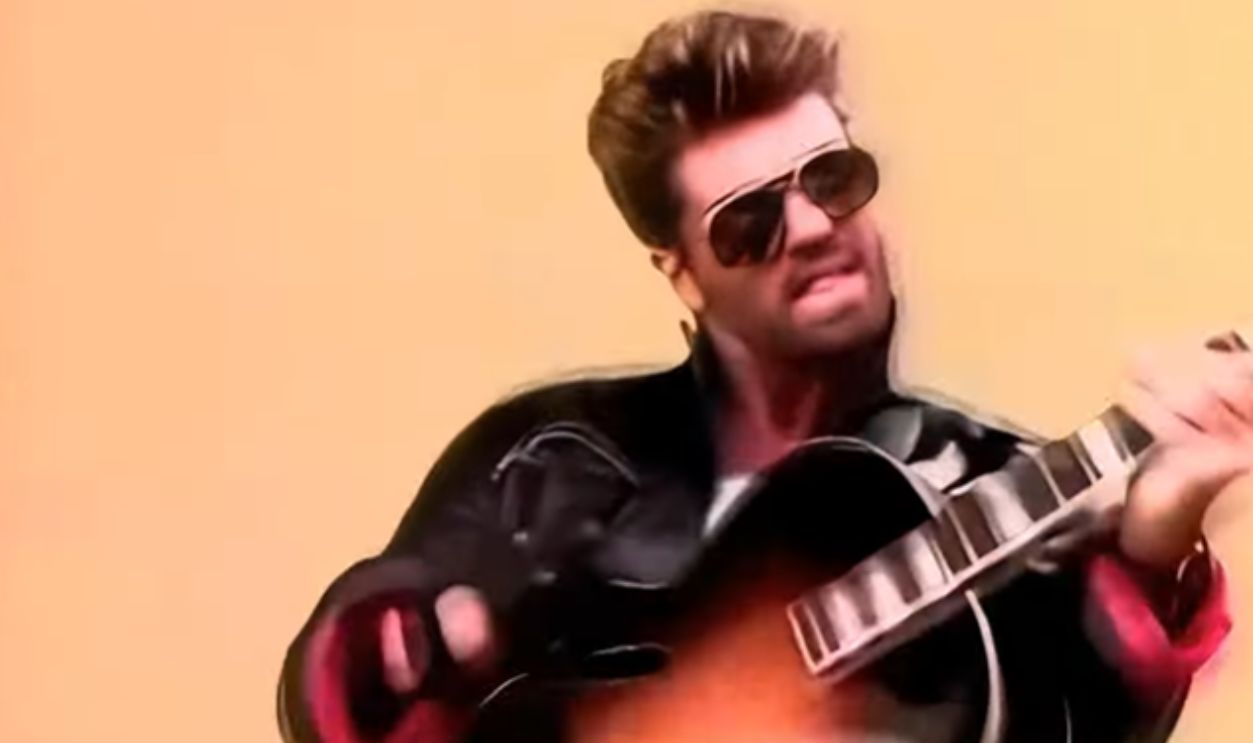 Screenshot from Faith, Columbia Records / Epic Records (1987)
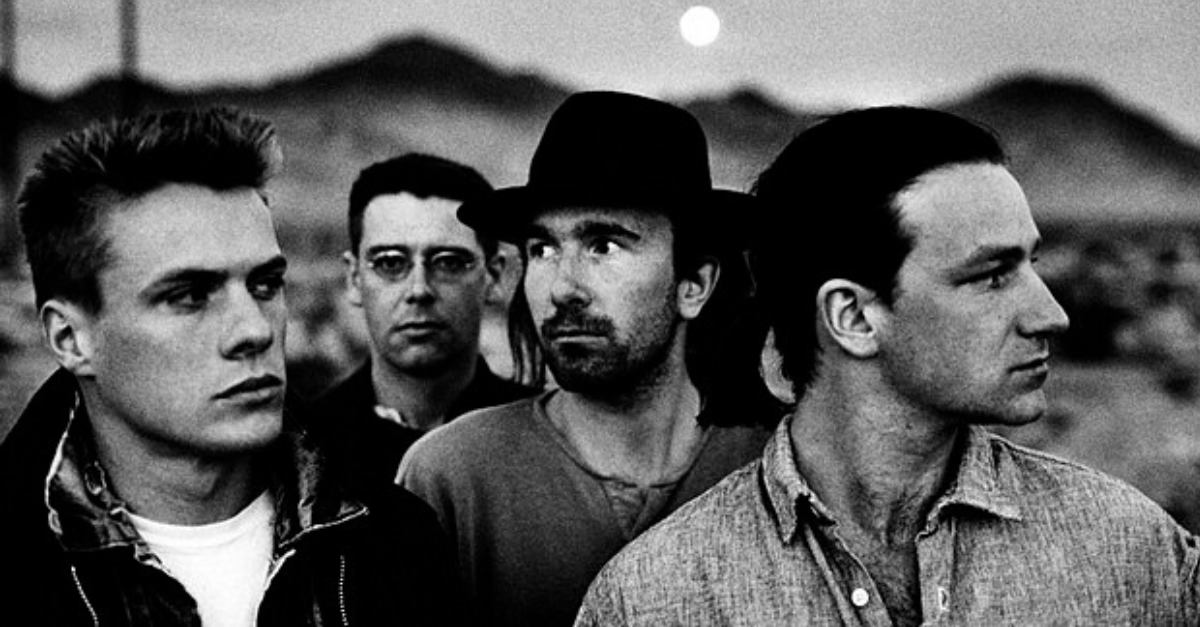
The Joshua Tree, U2 (1987)
Spiritual, sweeping, and cinematic, this album took U2 from rising rock contenders to full-on global phenomenon. Their rooftop performance clips became part of MTV legend, and the music’s ambition matched the visuals’ grandeur. The album became an instant cornerstone of modern rock.
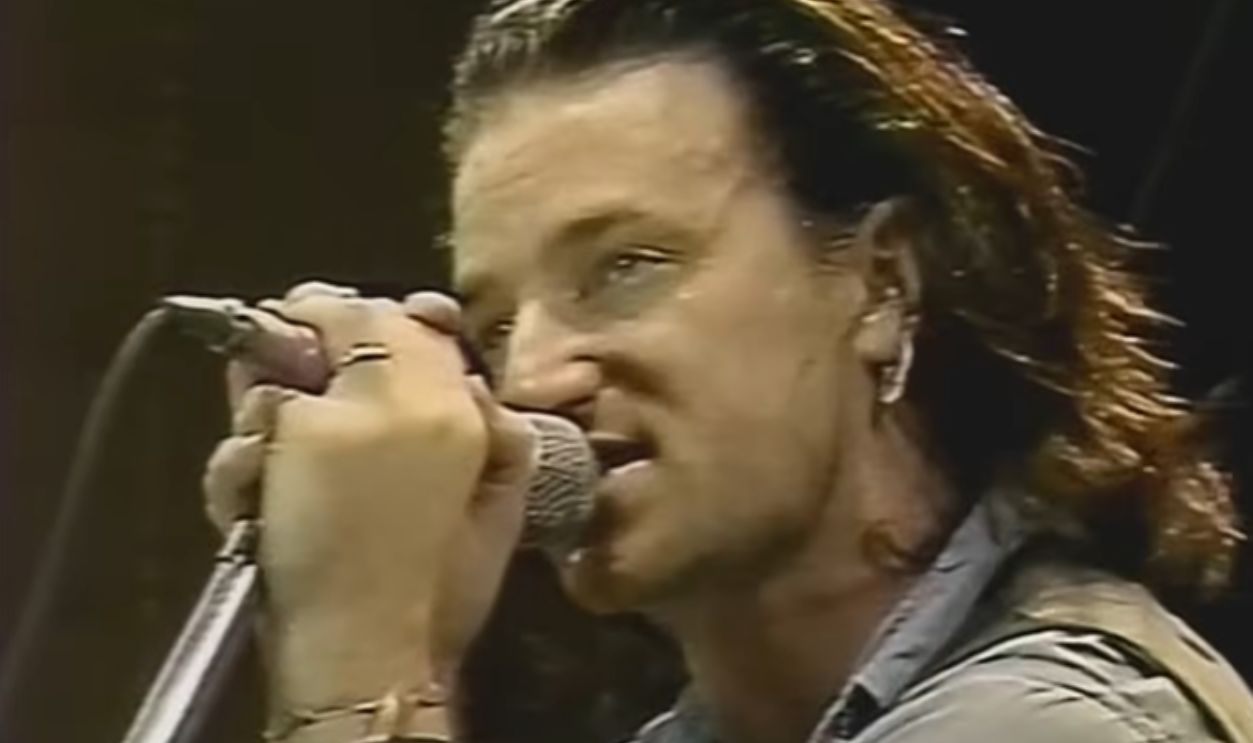 Screenshot from The Joshua Tree, Island Records / Mercury Records (1987)
You May Also Like:
The Greatest One-Album Wonders Of The 80s
Source: 1