Legends Under Scrutiny
Being influential doesn’t automatically mean being great. Several classic rock acts benefited from hype and exposure while delivering catalogs that remain uneven when examined beyond their biggest hits.
The Eagles
The Eagles burst onto the scene in 1971 and gave us the iconic “Hotel California”. But here's the thing—despite massive commercial wins, they faced criticism for playing it safe with formulaic songwriting. Internal drama and breakups didn't help either. They're more polished pop-rock than true innovators.
 Steve Alexander, Wikimedia Commons
The Doors
Jim Morrison's enigmatic presence built a cult following that still thrives today. The Doors' albums mixed moments of brilliance with forgettable filler tracks, though. Morrison's unpredictable behavior caused show cancellations and chaos. Overall, their legend relies more on mystique than consistent musical excellence.
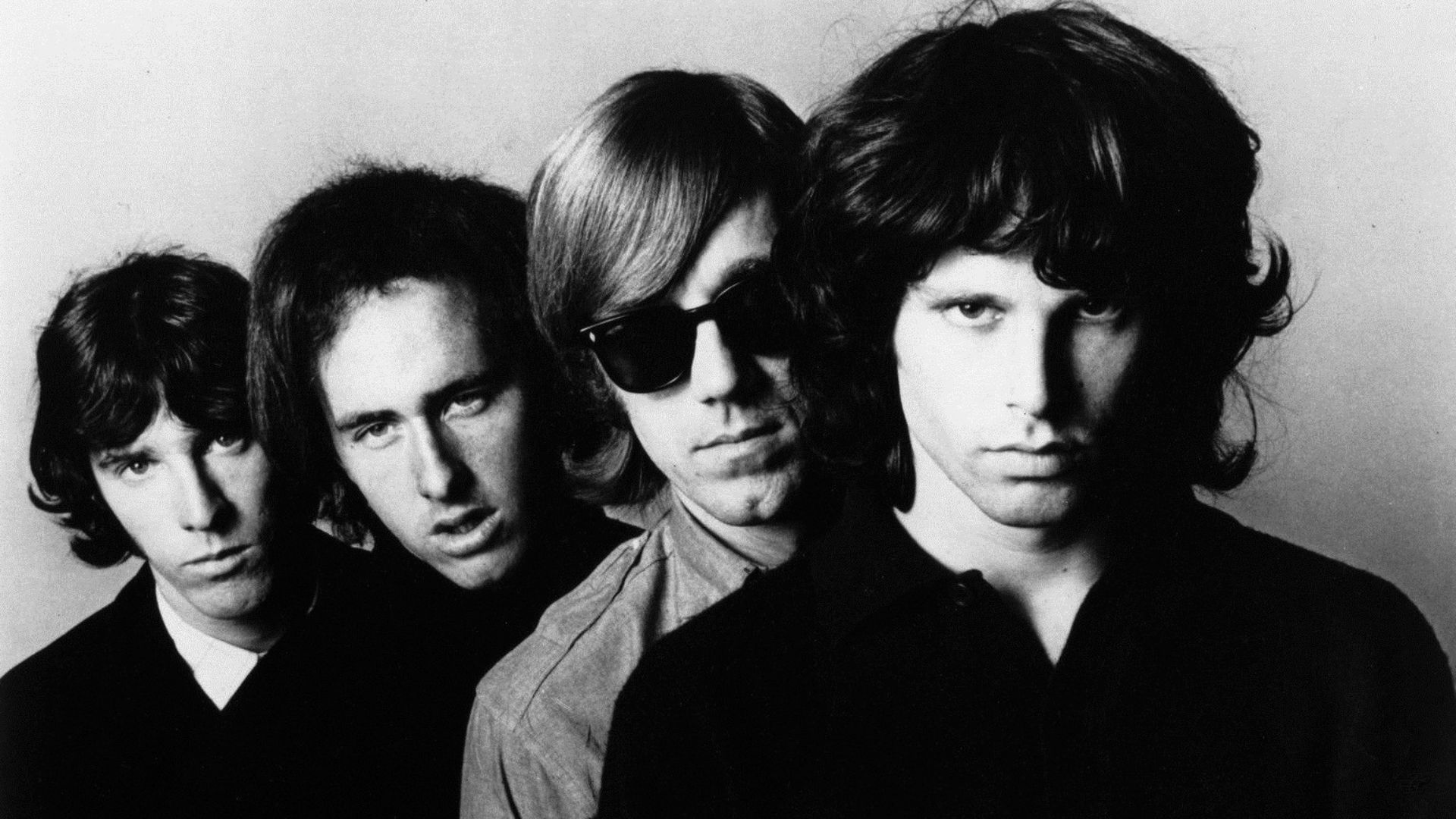 Joel Brodsky; Distributed by Elektra Records, Wikimedia Commons
Bon Jovi
Bon Jovi dominated the 1980s with massive arena anthems that packed stadiums. Critics weren't impressed, calling their lyrics cliche and pretty shallow. They relied on image more than genuine artistry to stay relevant. Commercial success far exceeded any critical respect they earned.
 Mercury Records, Wikimedia Commons
Boston
Their debut album in 1976 made Boston instant millionaires with massive sales. Later releases couldn't recreate that same magic or meet expectations. Scholz's perfectionist tendencies caused frustratingly slow album rollouts for fans. Fun fact: Tom Scholz was an MIT engineer who created the Rockman guitar amplifier.
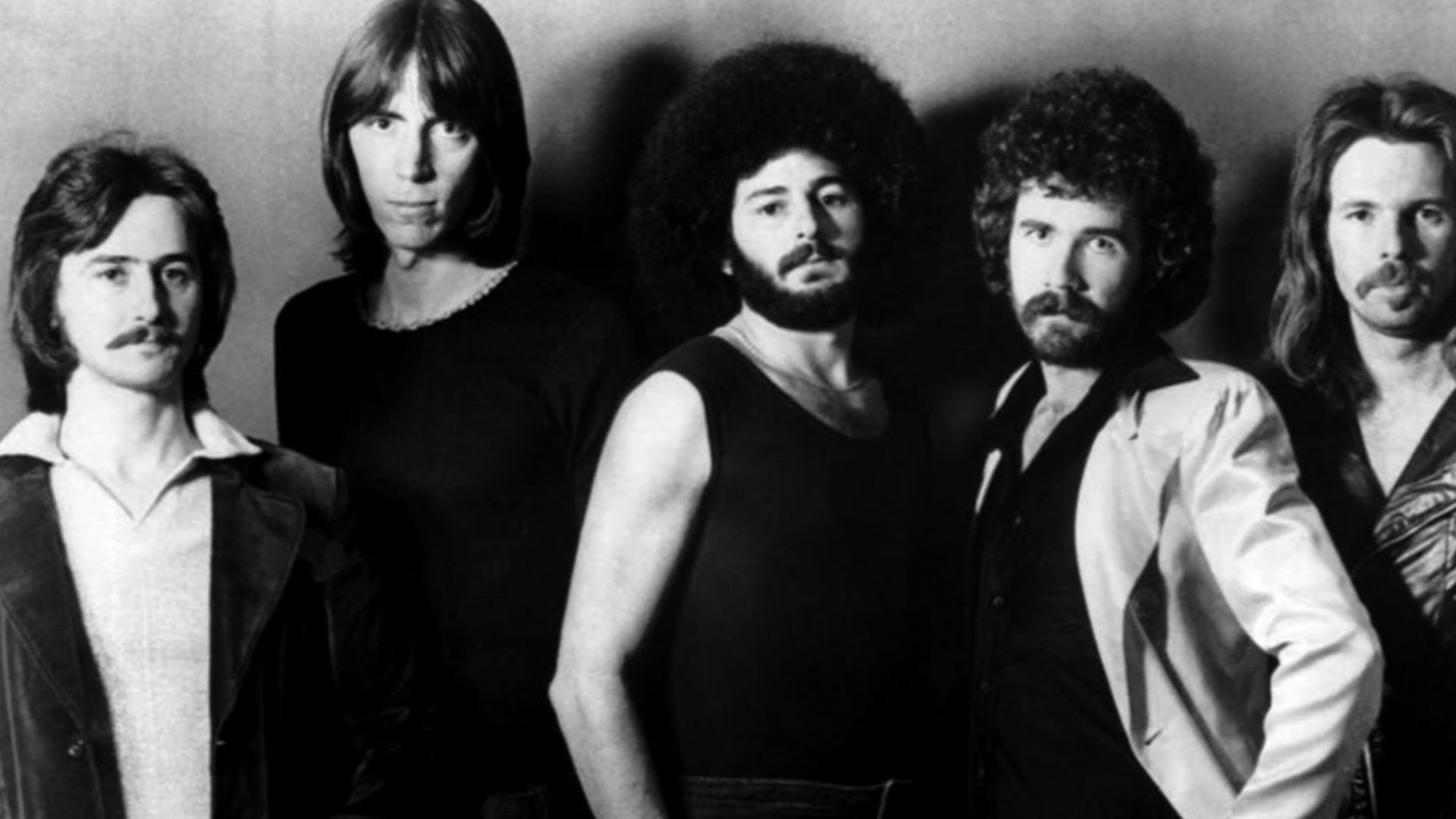 Premier Talent Associates (management company), Wikimedia Commons
Creedence Clearwater Revival (CCR)
CCR dominated the late '60s with massive hits like “Bad Moon Rising” everywhere. Band feuds tore them apart, leading to their breakup by 1972. Critics pointed out that their songs followed repetitive structures throughout albums. Their short career was inflated mostly by radio nostalgia over the decades.
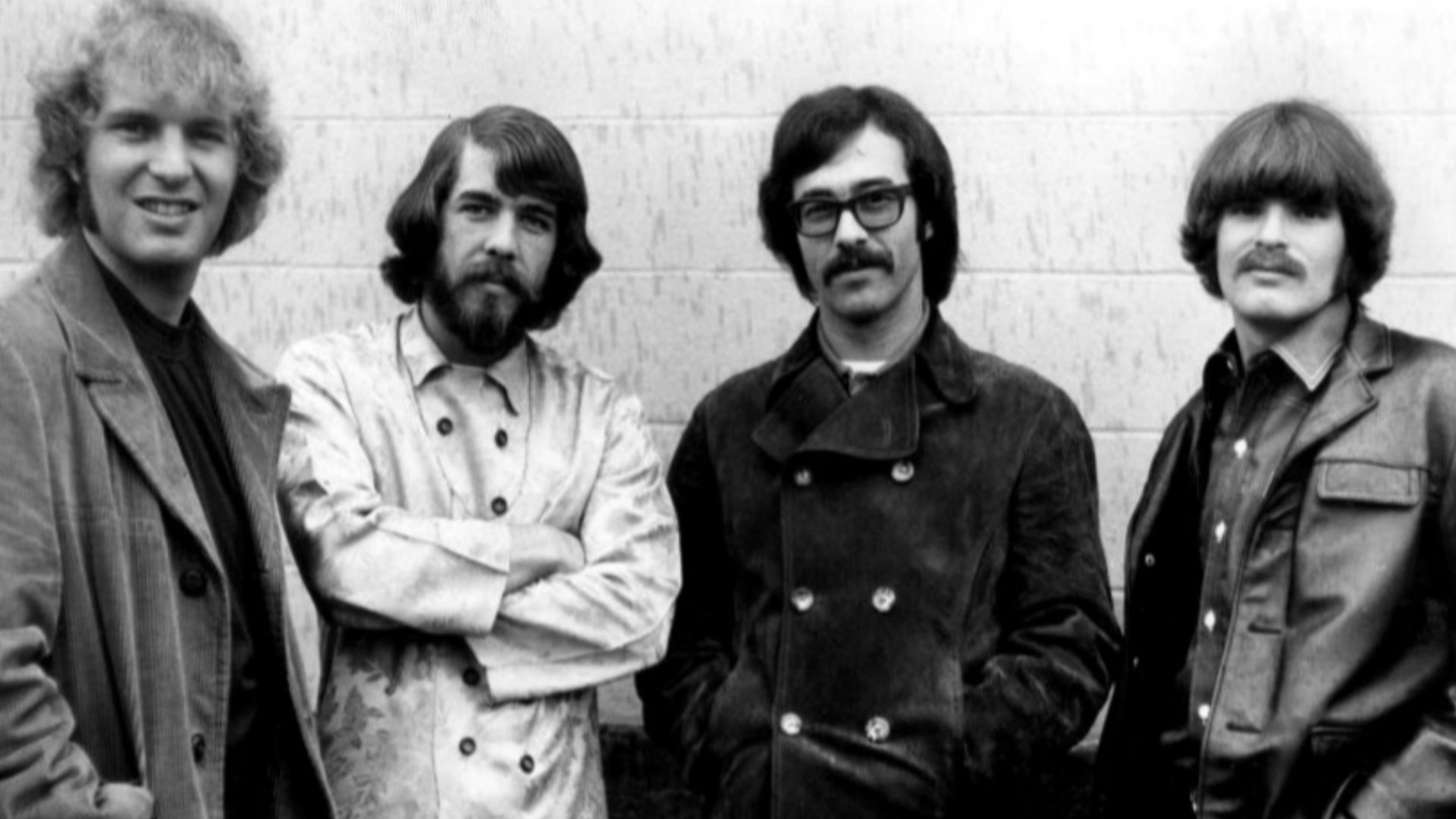 Fantasy Records, Wikimedia Commons
Journey
Journey's “Don't Stop Believin'” became their defining moment and karaoke staple everywhere. That overplayed anthem turned into a cliche from constant rotation, and the band leaned heavily on Steve Perry's powerful vocals to carry them. One massive hit overshadowed their otherwise inconsistent catalog completely.
 Matt Becker, Wikimedia Commons
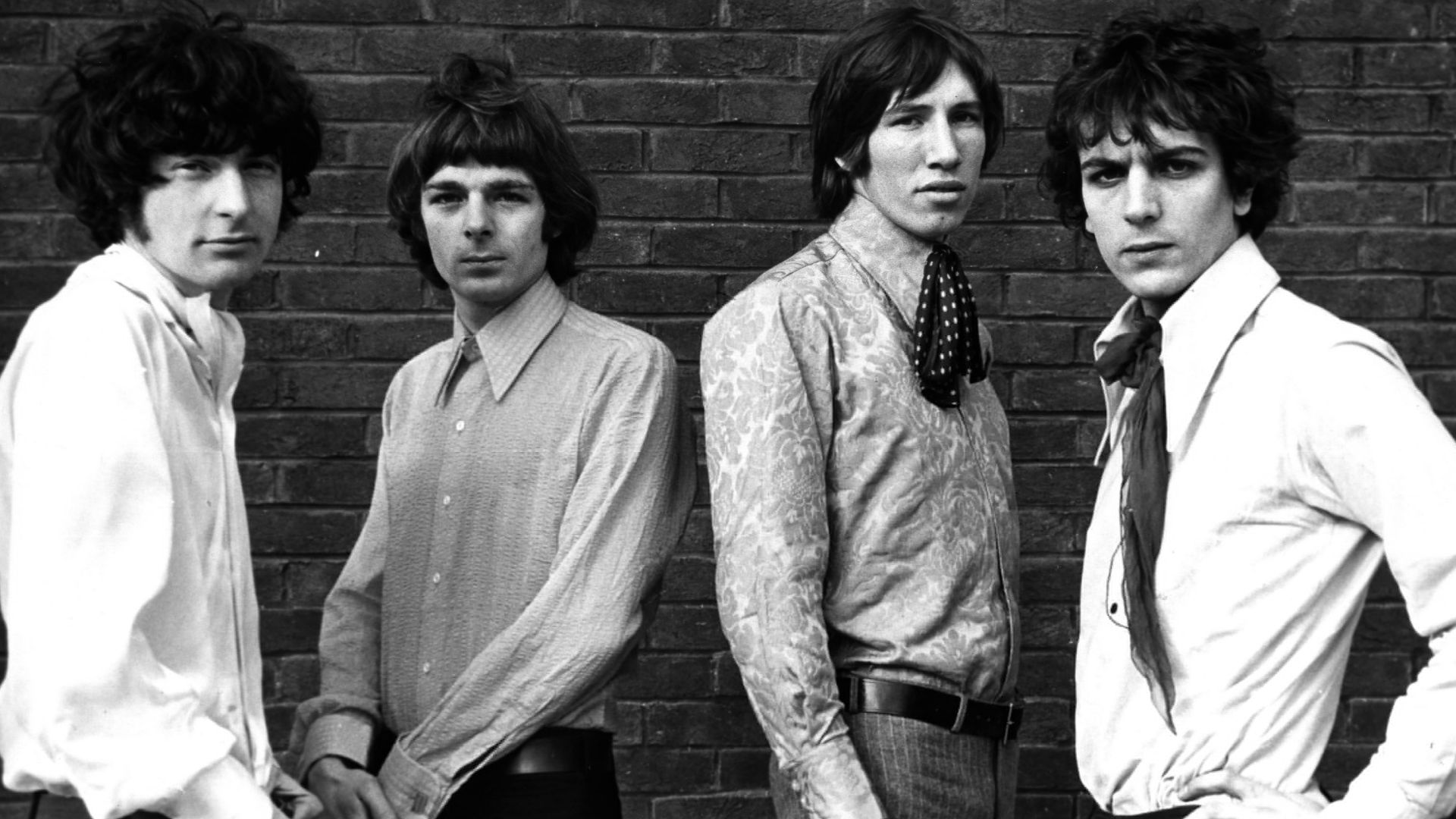
Pink Floyd
Dark Side of the Moon cemented Pink Floyd as absolute rock legends. However, Waters' ego issues caused major fractures that broke the band eventually, and many dismissed their work as overly pretentious with sprawling concepts.
Lynyrd Skynyrd
Controversial lyrics often drew criticism for Lynyrd Skynyrd, even as “Sweet Home Alabama” made them Southern rock icons. The 1977 plane crash reshaped their legacy, and nostalgia inflated their reputation. Survivors re‑formed in 1987, though constant lineup changes weakened cohesion.
 Andrew King, Wikimedia Commons
Led Zeppelin
Although hard rock owes its definition to Led Zeppelin's unforgettable iconic riffs, plagiarism accusations involving blues artists dogged them throughout their career persistently. Scandals emerged constantly from their notoriously excessive lifestyles and behavior.
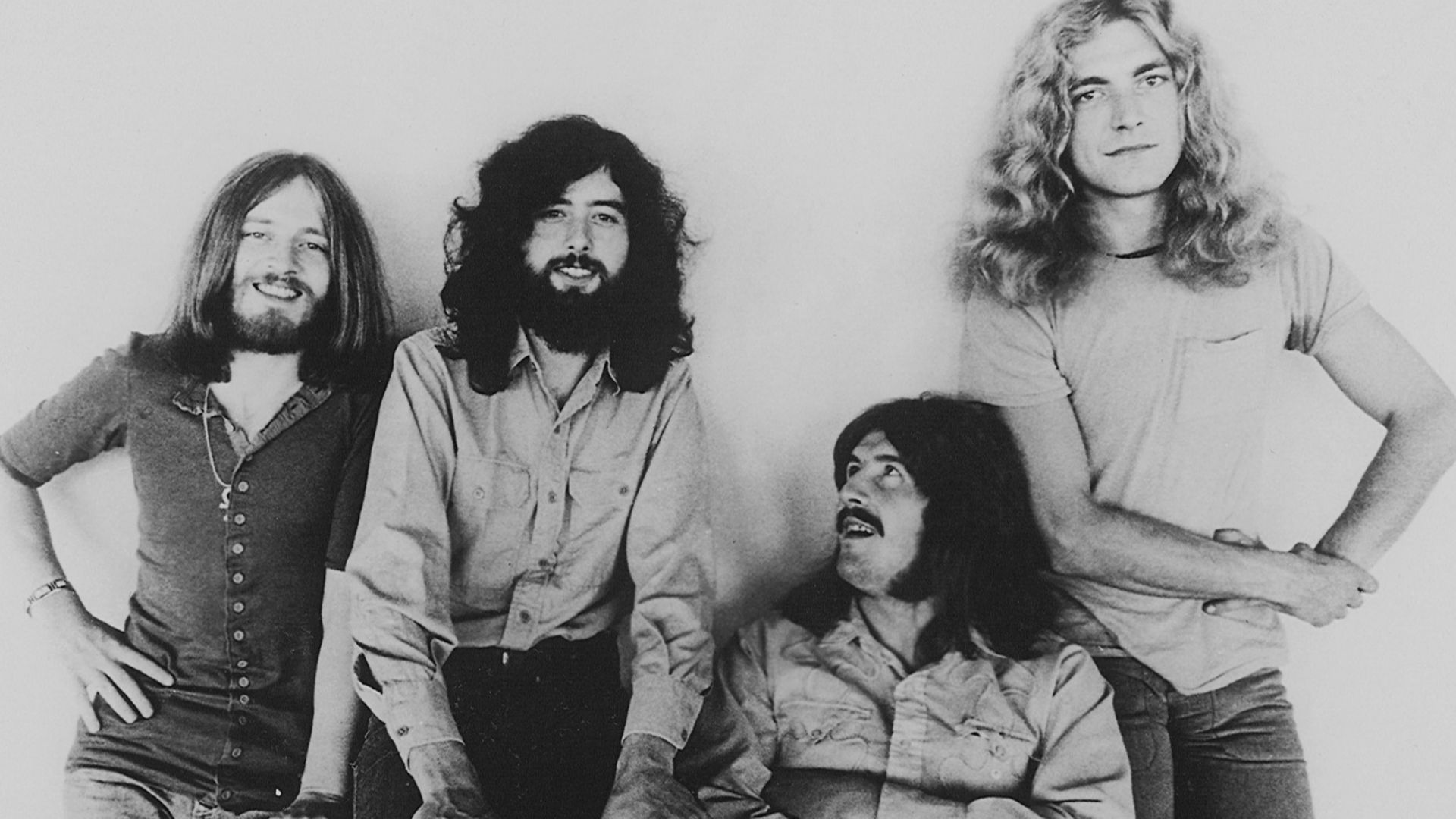 Atlantic Records, Wikimedia Commons
The Rolling Stones
The "greatest rock 'n' roll band" label still follows The Rolling Stones everywhere. Many of their albums feel uneven once you look beyond the hits. They've been touring for over 60 years, but some believe that longevity doesn't automatically translate to consistent greatness.
 Jim Pietryga, Wikimedia Commons
Queen
Freddie Mercury's magnetic charisma essentially carried Queen throughout their entire career. Their albums later jumped all over the place in quality and style. Some tracks got dismissed by critics as overly campy or theatrical. Still, their 1985 Live Aid performance is widely considered one of history's greatest live shows.
 Koh Hasebe; Distributed by Elektra Records, Wikimedia Commons
U2
When The Joshua Tree dropped, U2 dominated the '80s scene entirely. The band struggled to recapture that initial brilliance, and Songs of Innocence's forced iTunes release didn't help, either. Moreover, critics questioned whether Bono's activism served genuine causes or personal branding.

Styx
Styx scored big with hits like “Come Sail Away” and “Mr. Roboto,” but critics often mocked their theatrical excess and cheesy lyrics. Constant internal feuds weakened the band, and their arena success inflated their reputation beyond musical depth.
 Nirvanafanatic619 (talk), Wikimedia Commons
Aerosmith
Aerosmith built credibility through their early hits before any comeback attempts, and MTV ballads fueled their '80s resurgence. However, scandals involving drugs followed them relentlessly through the decades of performing. More commercial survivors than true innovators describes them accurately in reality.

Metallica
Initially hailed as heroes of heavy metal, Metallica’s reputation took a hit with the Napster lawsuit. Their experimental albums Load and St. Anger frustrated loyal fans. Though iconic, the band’s legacy remains uneven.
 Library of Congress Life, Wikimedia Commons
AC/DC
AC/DC built their fame on repetitive riffs and straightforward lyrics consistently. Most albums sound remarkably alike, offering few surprises to longtime listeners. Angus Young's schoolboy gimmick eventually wore thin after endless repetition over the years.
 Ed Vill from Caracas, Venezuela, Wikimedia Commons
Def Leppard
With Hysteria, Def Leppard reached mainstream stardom and dominated the ’80s rock scene. Critics noted their repetitive lyrics, and subsequent albums failed to match earlier success. Positioned closer to pop‑metal than classic rock pioneers, their enduring fame often overshadows their limited musical innovation.
 Kevin Nixon, Wikimedia Commons
Van Halen
Uneven releases defined much of Van Halen’s career, overshadowing their potential. Internal feuds also weakened the band’s image. Still, Eddie Van Halen’s revolutionary guitar style guaranteed their legacy and made them icons even as inconsistency marked their journey.
 GHOSTRIDER2112, Wikimedia Commons
The Grateful Dead
Unfocused songwriting and a drug‑tinged image left The Grateful Dead vulnerable to criticism. Studio albums lacked impact, but their marathon live shows created a cult audience. That following inflated their reputation, which shows how fame outweighed their uneven musical achievements.
 Chris Stone https://gratefulphoto.com, Wikimedia Commons
Fleetwood Mac
Fleetwood Mac delivered an absolute masterpiece with Rumours that defined an era. Their later albums felt uneven and mostly forgettable compared to that peak. Band drama and relationship chaos dominated headlines more than the music itself. One classic album essentially defines their entire legacy in rock history.

The Byrds
Constant lineup changes weakened The Byrds’ creative cohesion and hurt their consistency. While their early folk‑rock innovations were groundbreaking, subsequent albums failed to match that impact. Their influence is often overstated when measured against the uneven quality of their overall catalog.
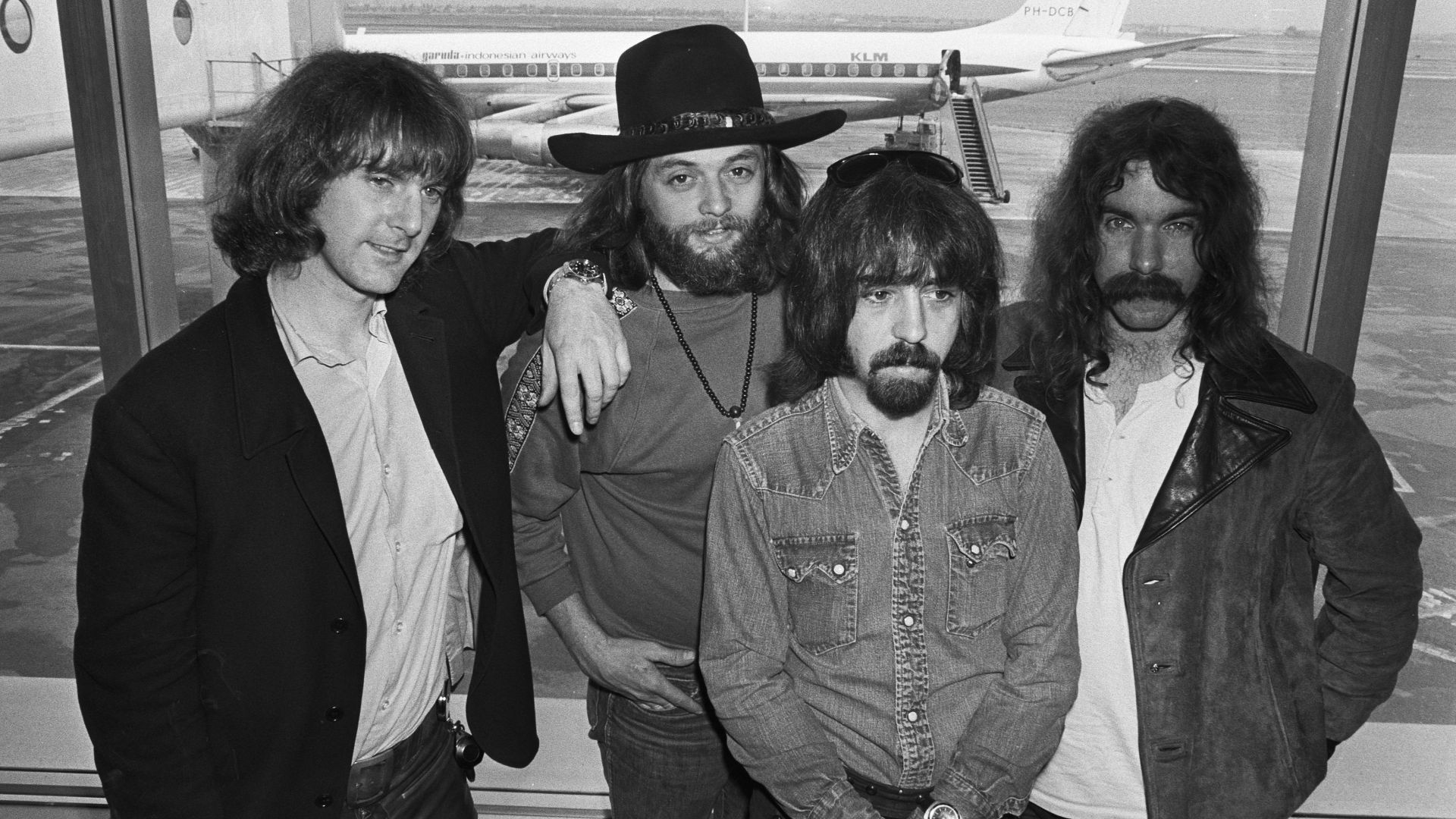 Joost Evers / Anefo, Wikimedia Commons
Santana
Santana rose to prominence after Woodstock with their distinctive Latin-rock sound. Pop collaborations dominated later work, diluting the originality they once possessed. Santana's spiritual persona occasionally overshadowed the uneven musical quality throughout releases.
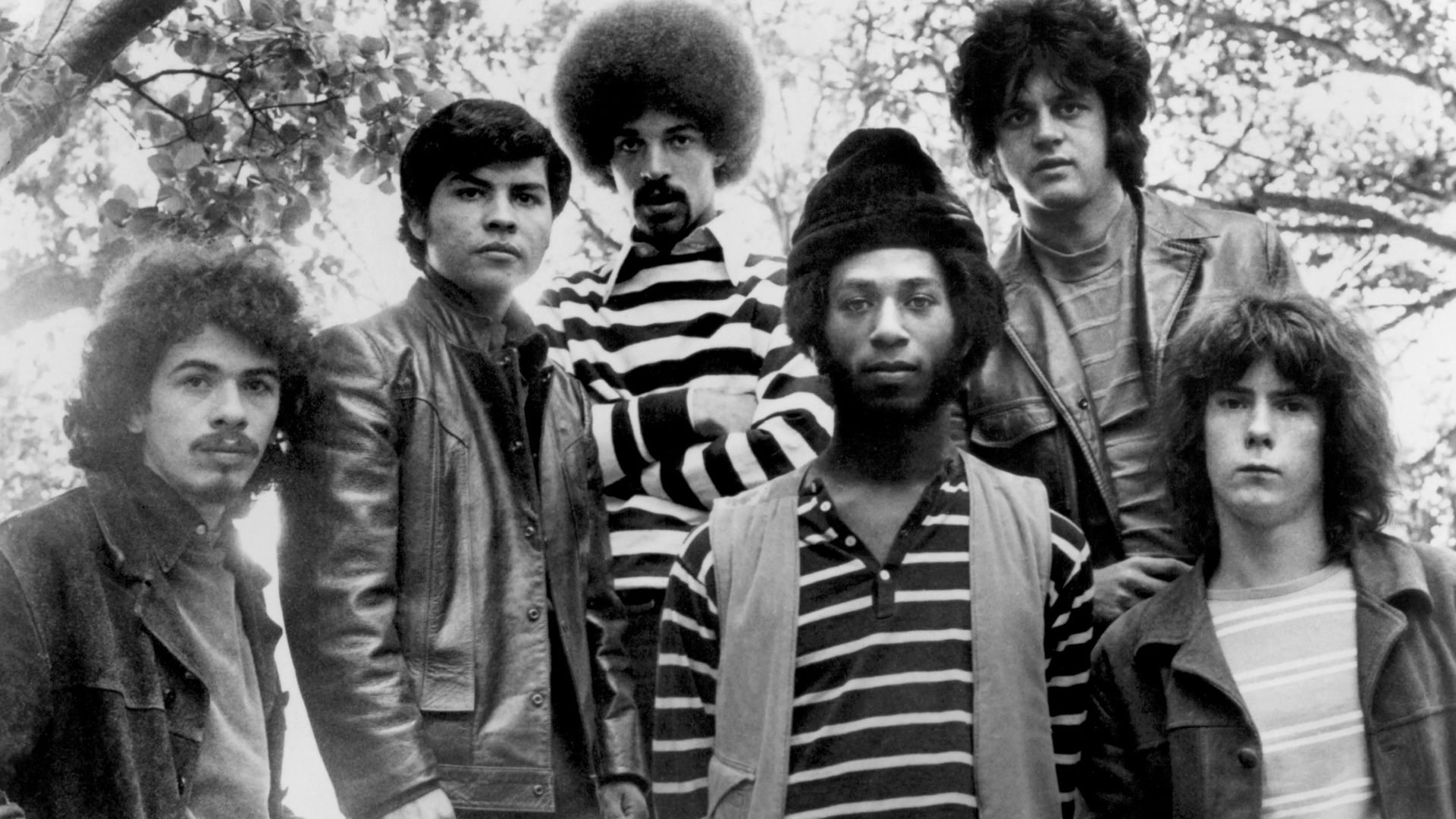 Distributed by Columbia Records, Wikimedia Commons
REO Speedwagon
REO Speedwagon broke through with Hi Infidelity in 1980, and their ballad “Keep On Loving You” became the first Billboard Hot 100 #1 of the 1980s. Yet many dismissed their songs as formulaic soft rock. Later albums never matched early success, leaving them remembered more for power ballads than artistry.
 Michael Osborn, Wikimedia Commons
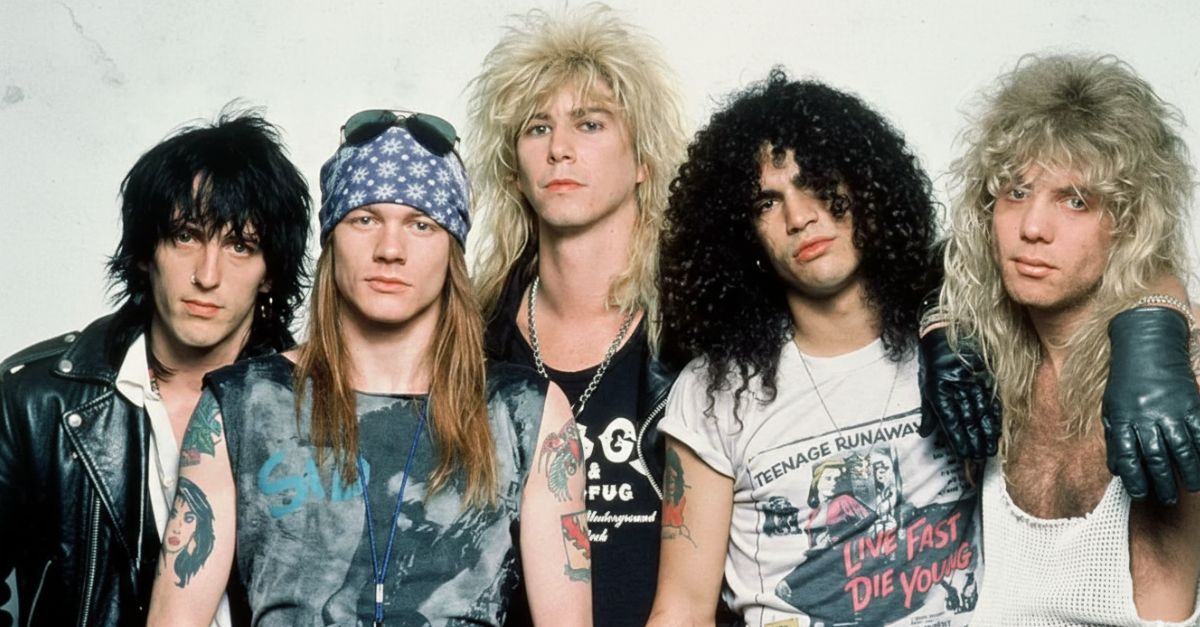
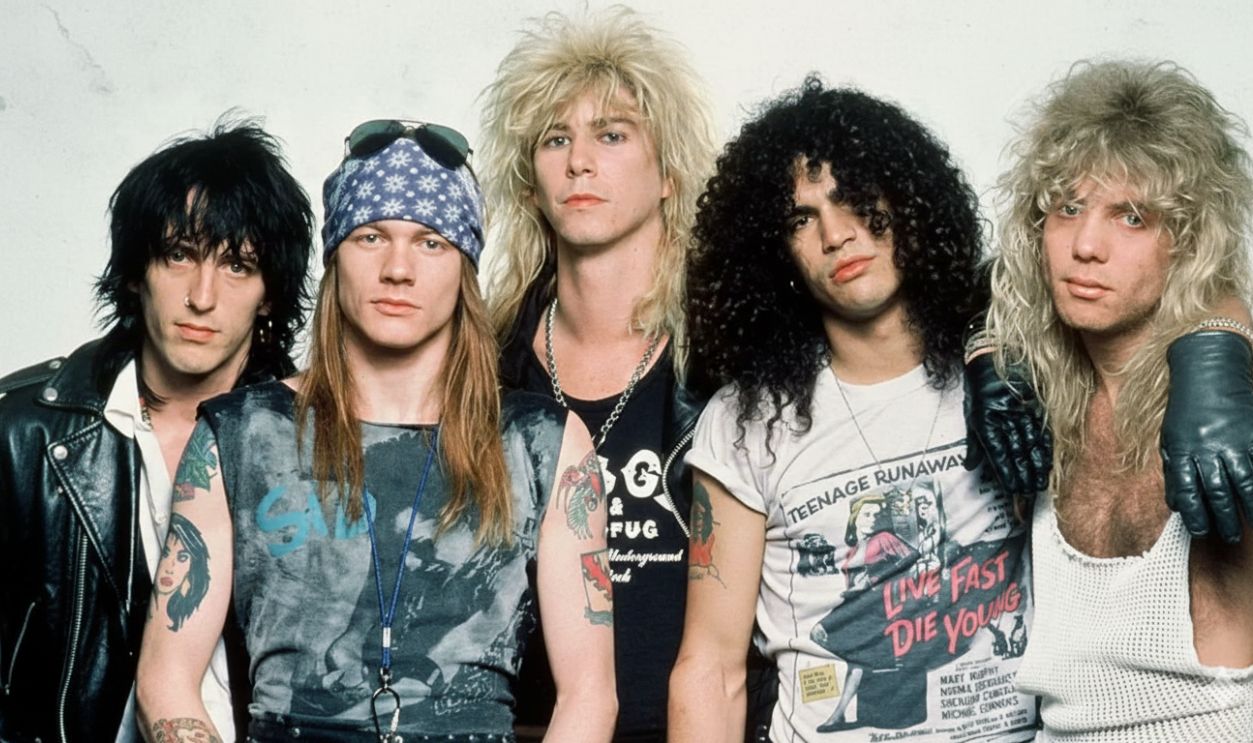
Guns N' Roses
Guns N' Roses delivered something groundbreaking with Appetite for Destruction initially. Follow-ups turned bloated and faced endless delays that frustrated everyone waiting. Rose's unpredictable behavior eventually and permanently left their reputation in tatters.

The Beach Boys
The Beach Boys' early surf hits became iconic symbols of California culture. Pet Sounds earned critical praise, but their later work felt weak. Brian Wilson's personal struggles seriously stalled the band's creative momentum completely. They represent nostalgia more than any sustained greatness over time.
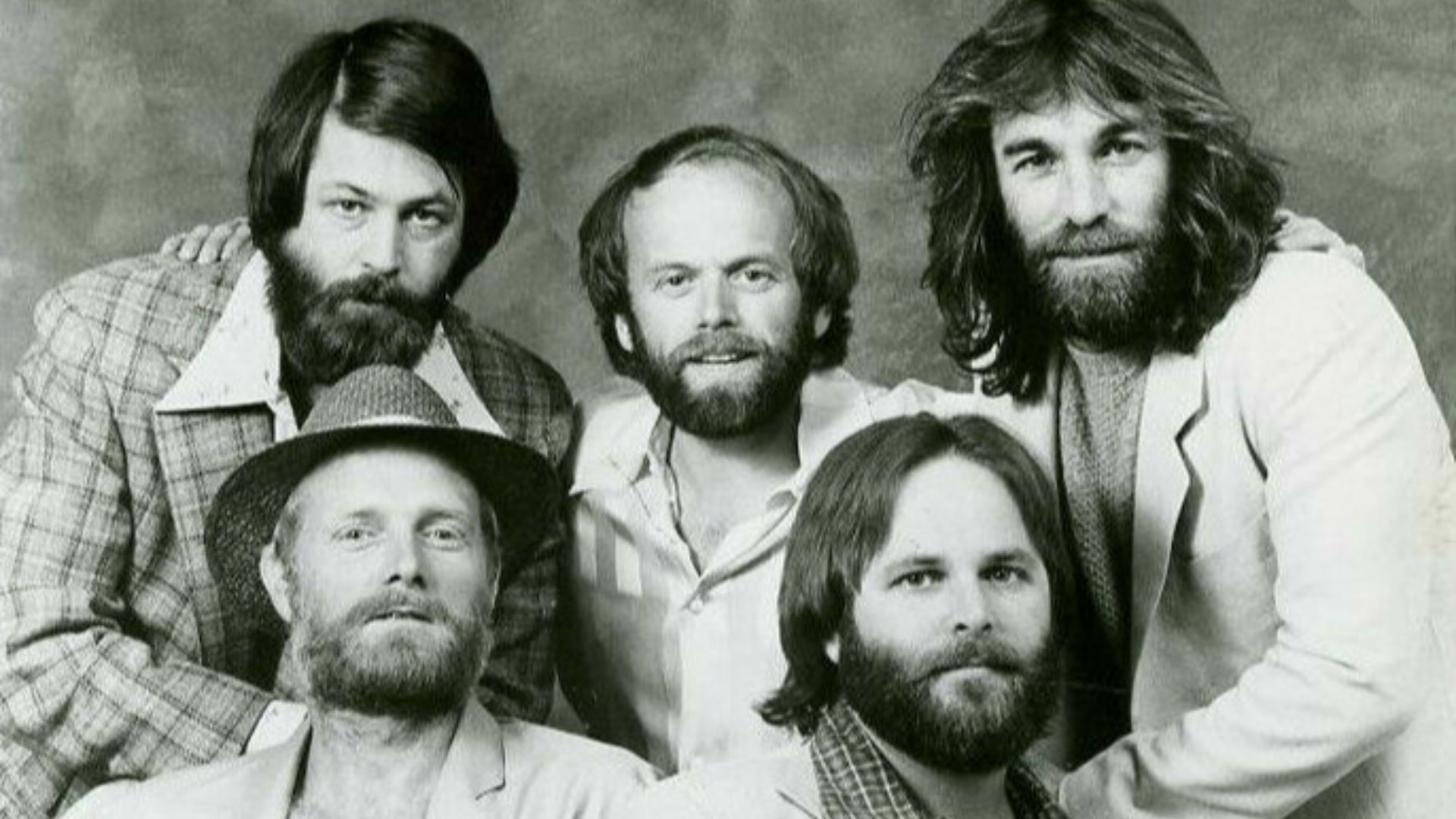 Caribou Records, Wikimedia Commons