
These Bands Never Fit the Frequencies
Some bands were too strange, too experimental, or too ahead of their time to fit neatly between Top 40 jingles and car-dealership ads. But their weirdness? That’s exactly what made them unforgettable. These groups never conquered radio—but they conquered everyone who actually listened.
The Residents
The eyeball masks, the anonymity, the avant-garde soundscapes—The Residents didn’t just avoid radio; they lived in an entirely different universe. Their albums felt like surreal puzzles rather than songs. You don’t hum The Residents. You step into their world and hope you make it out changed.
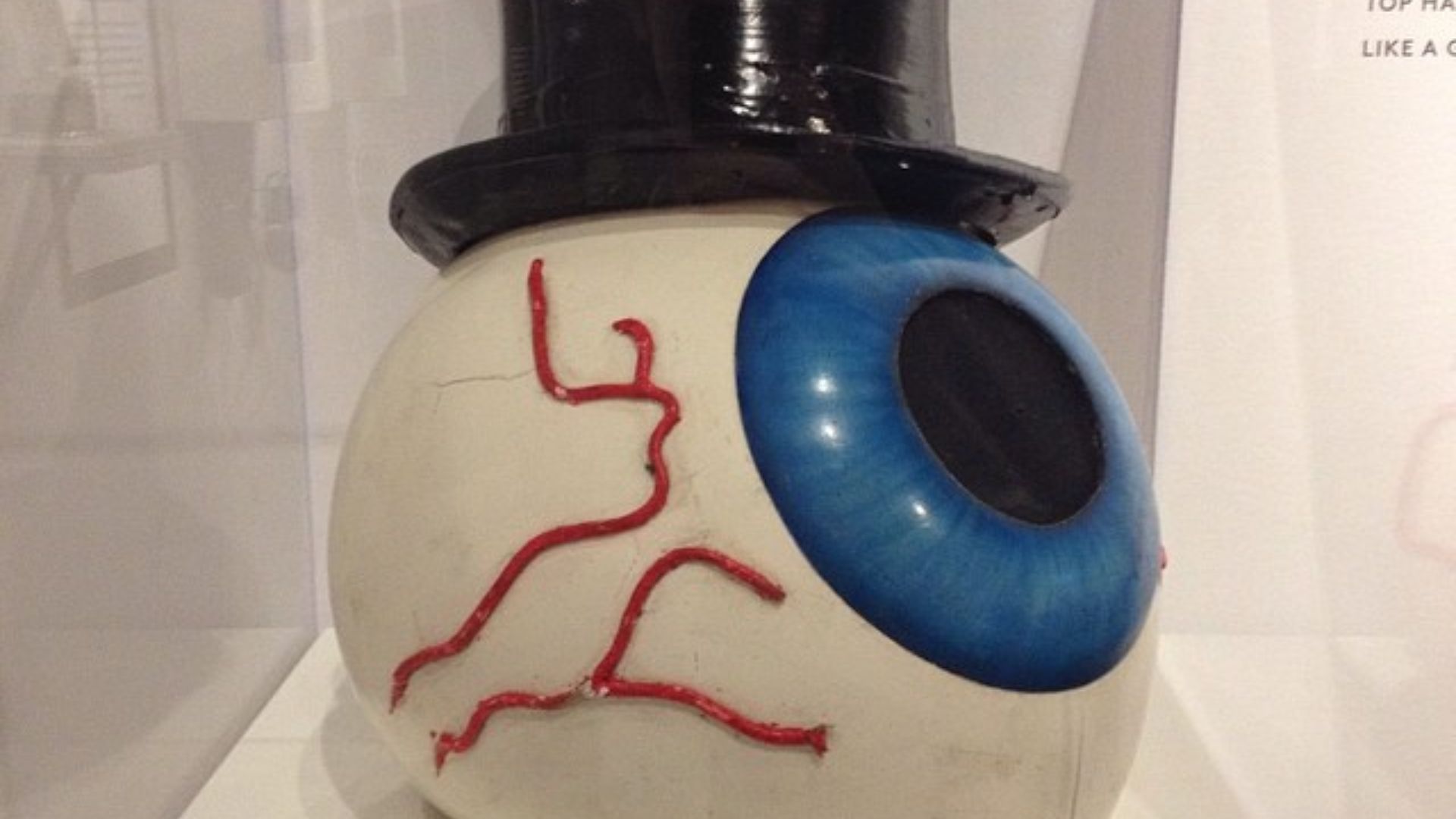 SarahStierch, Wikimedia Commons
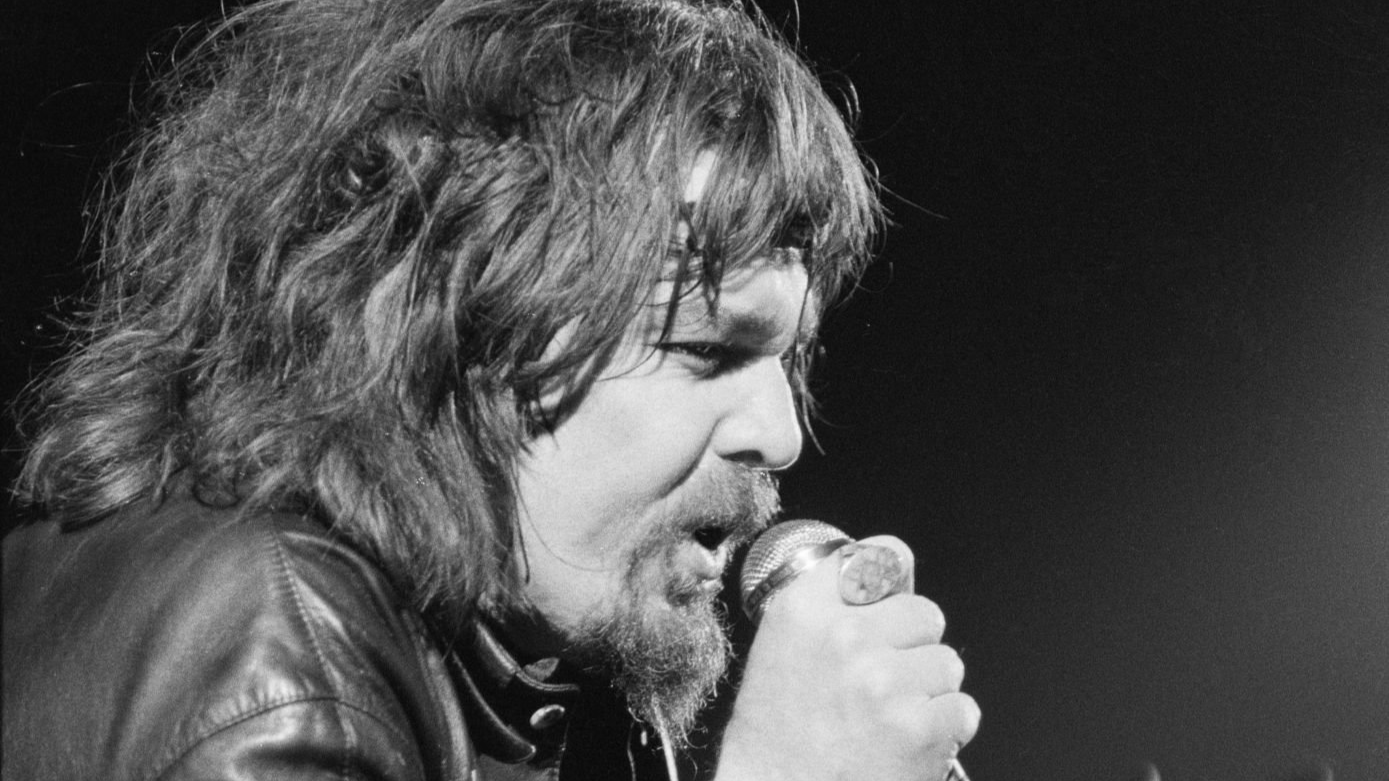
Captain Beefheart & His Magic Band
Trout Mask Replica is the gold standard of “what is happening?” brilliance. Beefheart’s jagged rhythms, surreal poetry, and impossible time signatures terrified radio programmers but electrified experimental music fans. It’s chaos with intention—one of the weirdest masterpieces ever recorded.
Ween
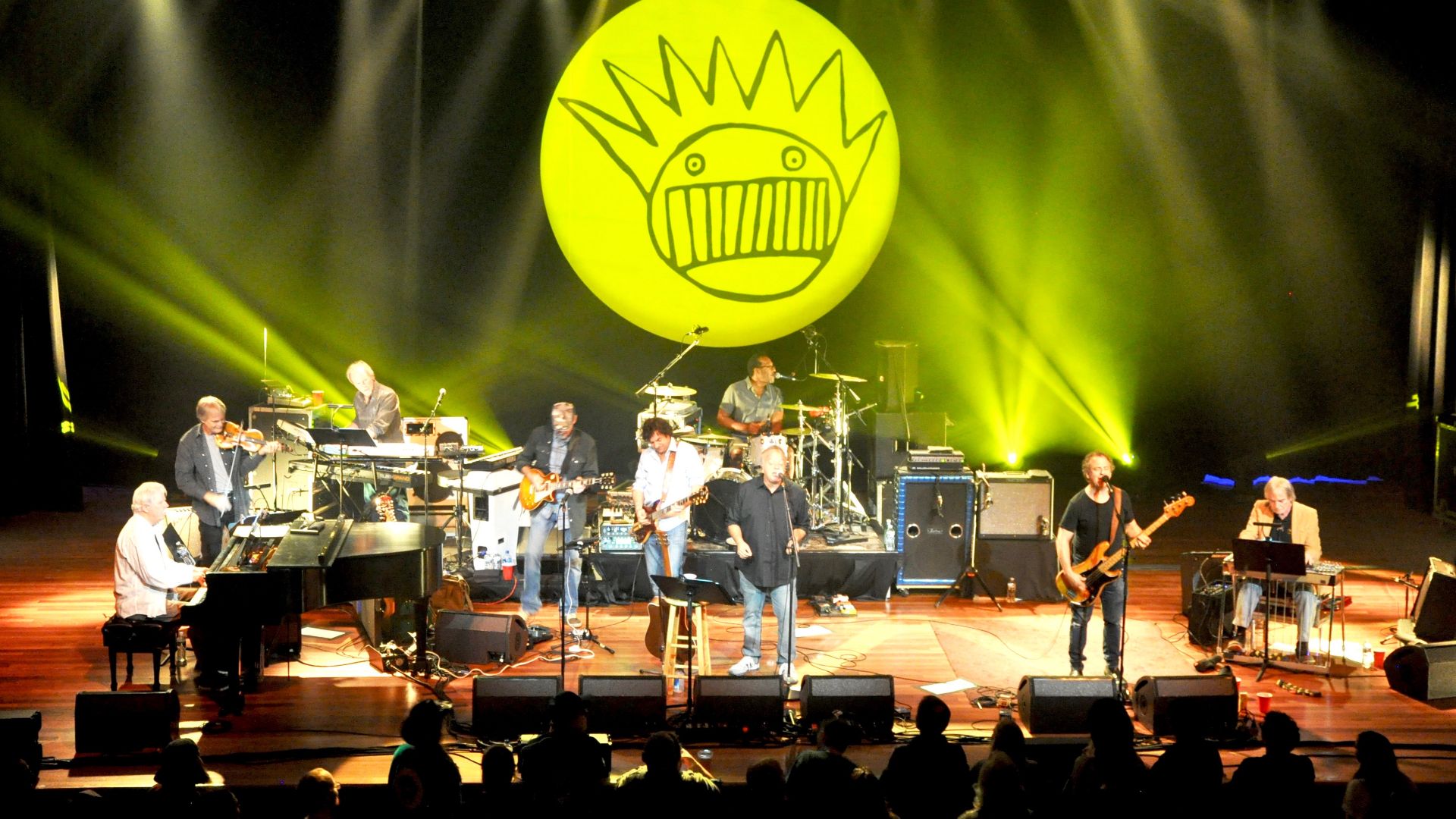
Was it parody? Sincerity? Controlled chaos? Yes. Ween jumped genres so fast radio programmers nearly fainted. Soft rock, punk, country, psychedelic oddities—every album was a dare. Their cult following still insists: you’ll never understand Ween until you surrender to the weird.
Mr. Bungle
Mike Patton’s playground of musical whiplash—ska, metal, carnival music, jazz, and pure absurdity, often within seconds. Radio had absolutely no idea what to do with them, but fans craving high-energy weirdness quickly crowned them kings of controlled musical anarchy.
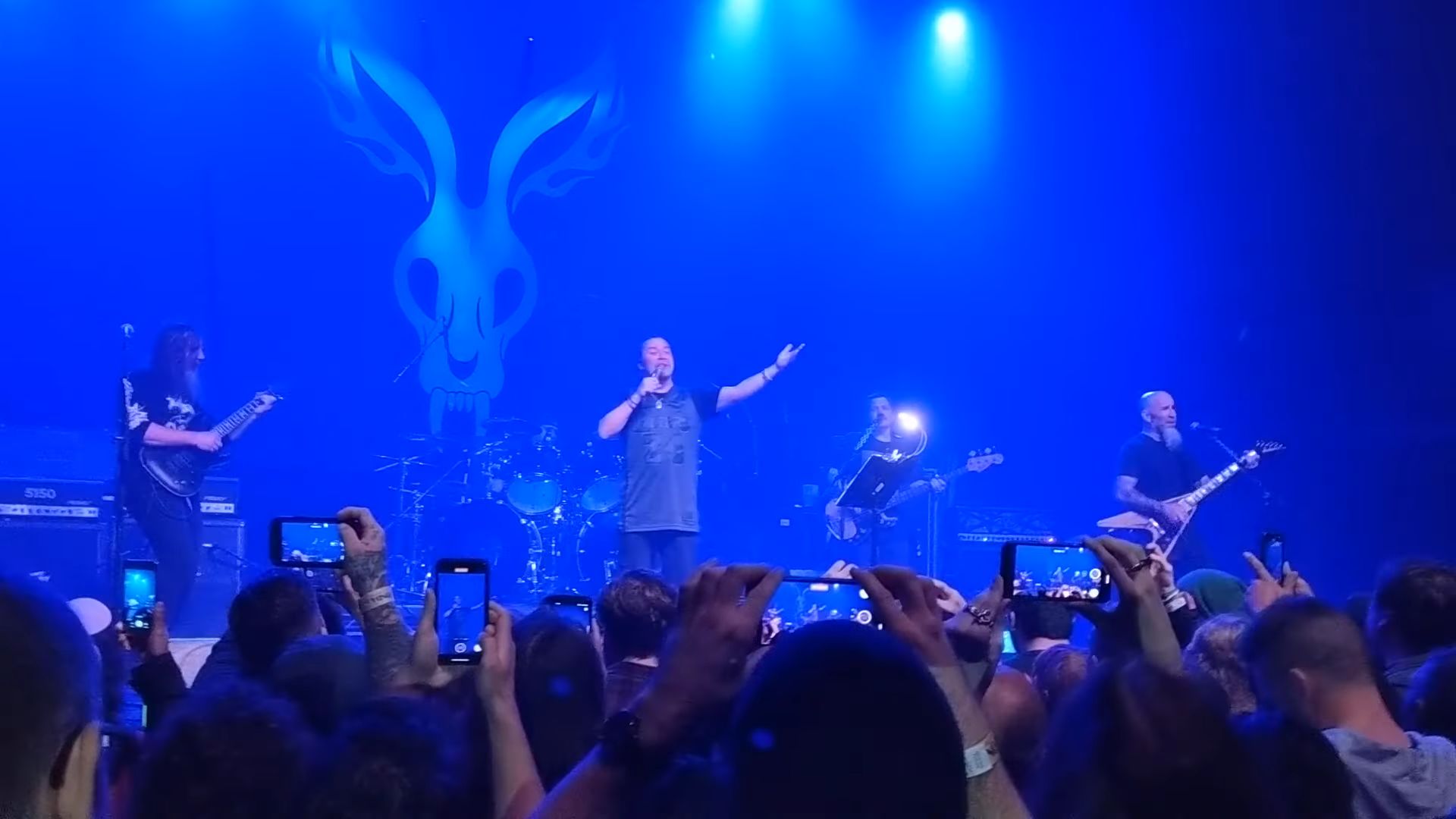 Heather Leah Kennedy, Wikimedia Commons
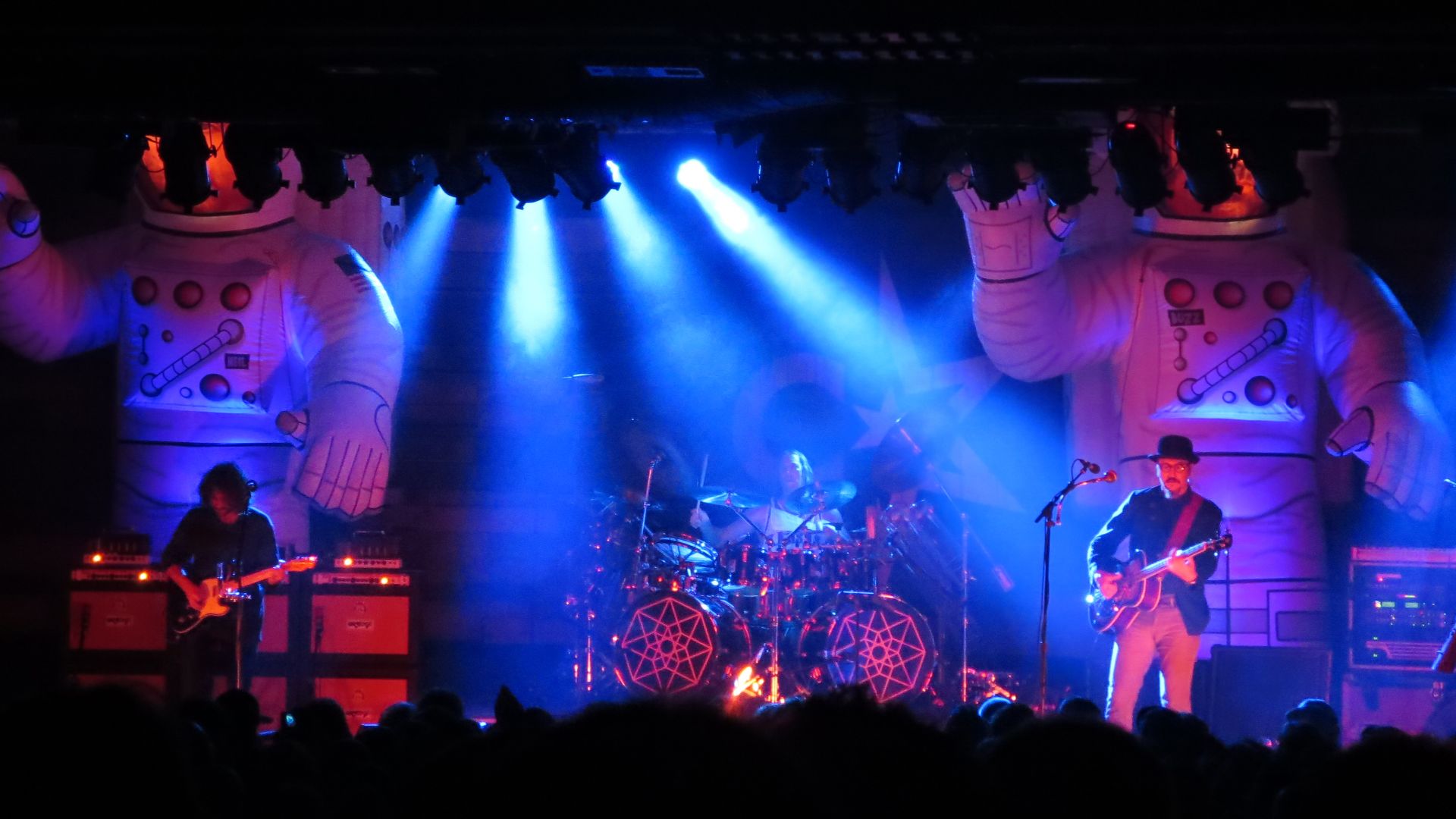
Primus
Les Claypool’s bass alone broke every rule of radio normalcy. Add the freak-funk grooves, oddball characters, and Claypool’s cartoon-narrator delivery, and Primus became delightfully un-radio-friendly. Their cult following? Massive. Their weird factor? Untouchable.
The Flaming Lips
Before the colorful cosmic pop era, the Lips spent years making fuzzed-out, deeply psychedelic experiments that radio backed away from politely. Their surreal lyrics, spacey textures, and big-feelings-meets-big-weirdness approach eventually made them icons anyway.
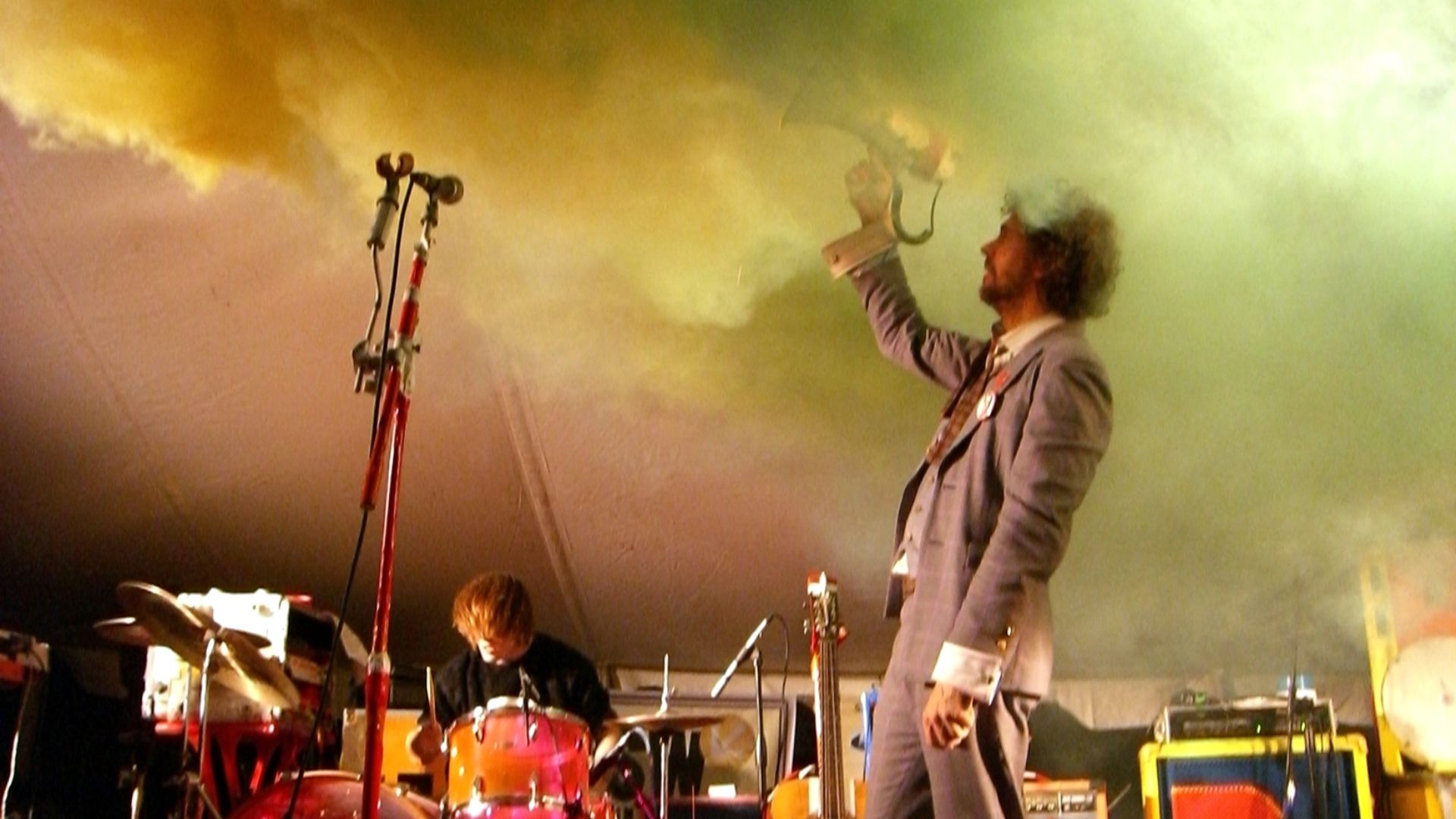 Flickr user Mrmatt, Wikimedia Commons
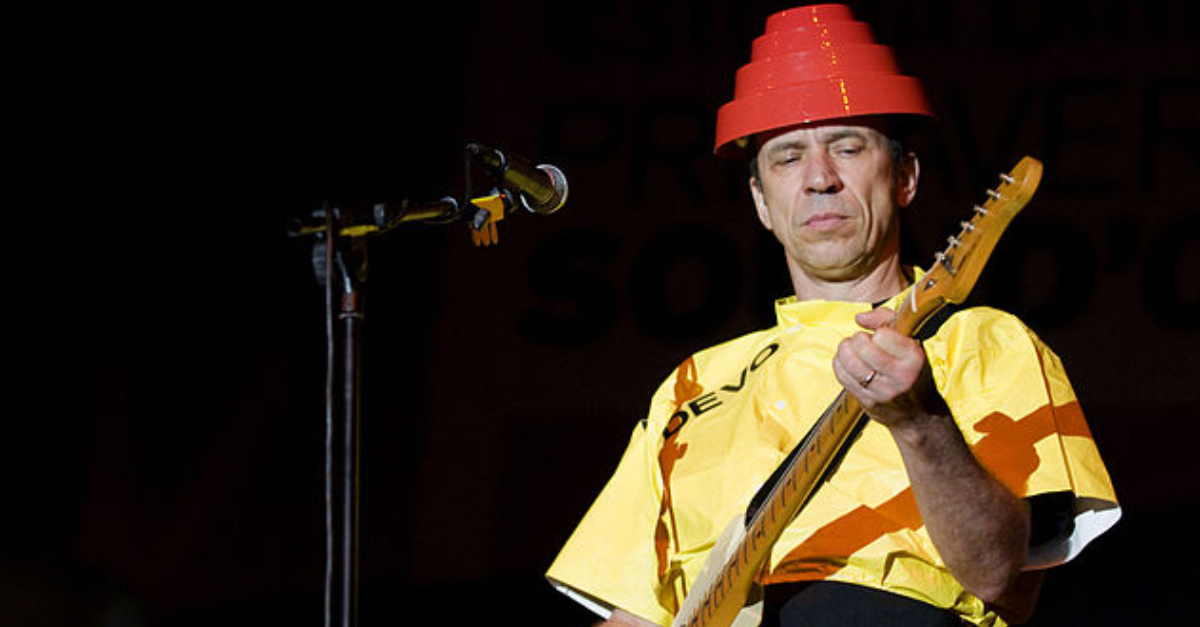
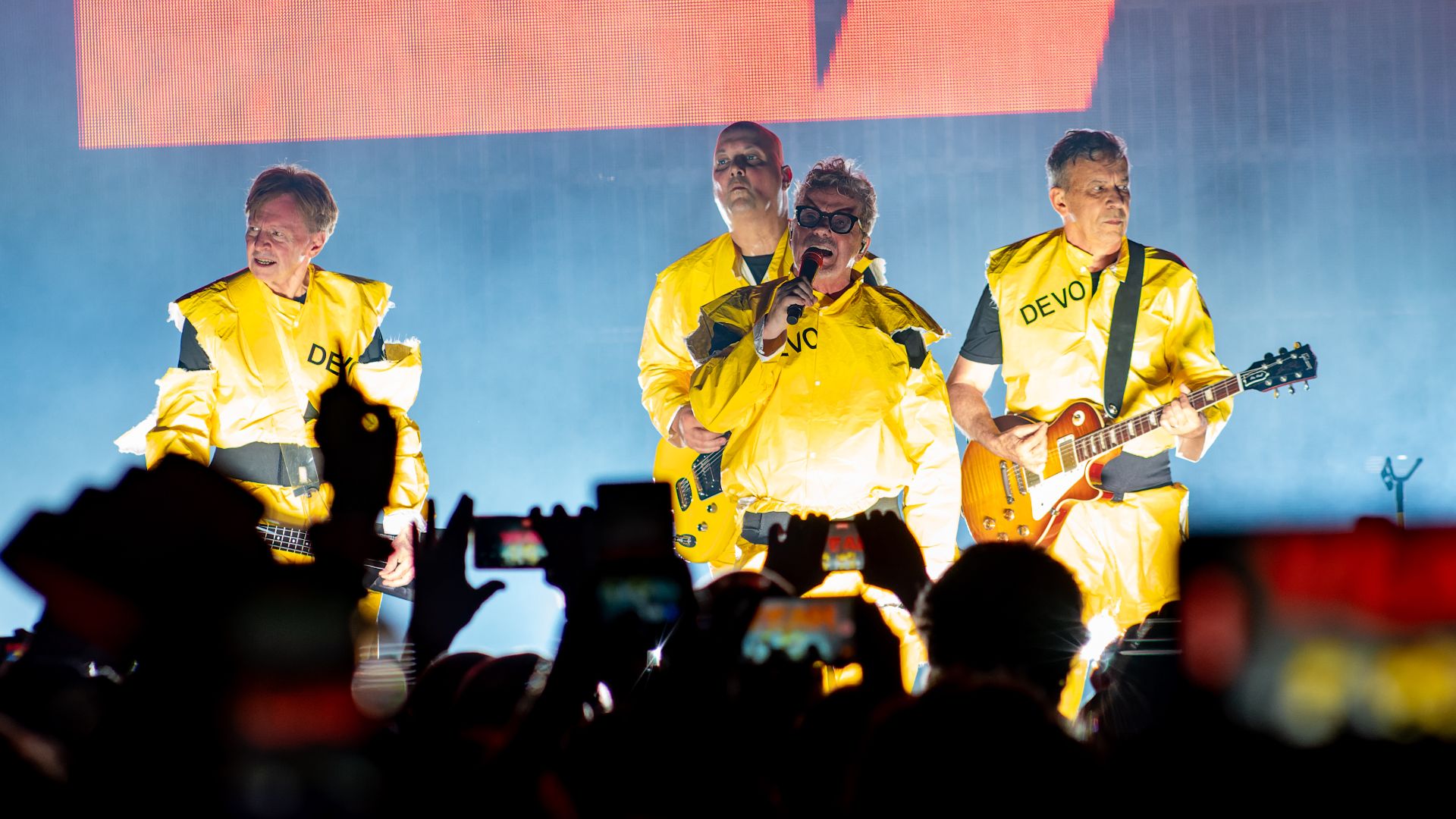
Devo
Synths, satire, robot choreography—Devo were basically performance artists disguised as a rock band. Radio never knew what to do with their stiff-limbed futurism, but fans loved their offbeat humor and genius hooks. They didn’t just predict the future—they arrived early.
Can
Ten-minute hypnotic jams, improvised polyrhythms, and songs that felt like portals instead of singles. Can invented huge chunks of experimental and electronic music, even if radio never understood them. They built a new musical language—and other artists studied it for decades.
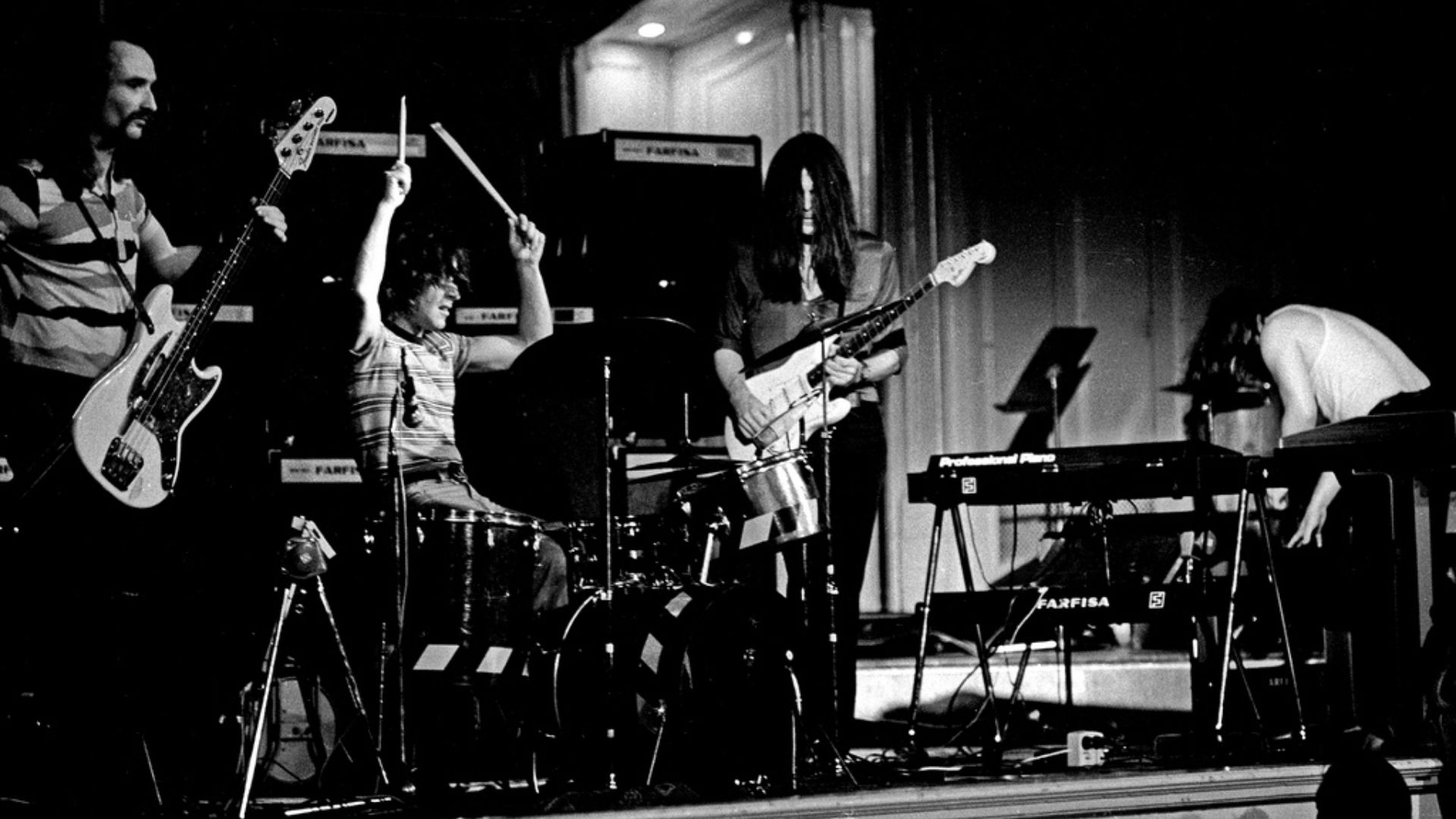 Heinrich Klaffs, Wikimedia Commons
The Shaggs
Their crooked rhythms, earnest vocals, and childlike charm split listeners into two camps: this is unlistenable and this is outsider-art perfection. Radio panicked, but music nerds embraced The Shaggs as the purest form of DIY brilliance ever put on tape.
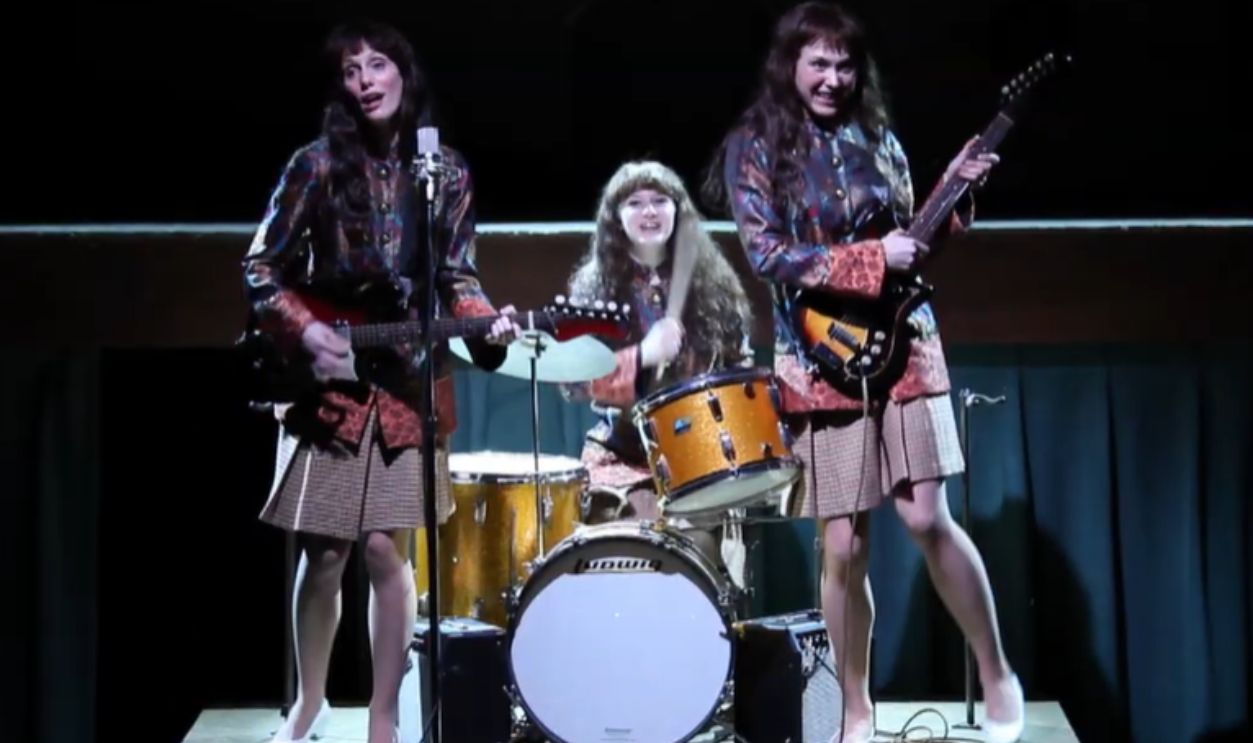 Screenshot from Philosophy of the World, Third World
Swans
Swans didn’t write songs—they constructed sonic catastrophes you survived. Crushing repetition, emotional intensity, and punishing volume made them radio poison but artistic legends. Fans walked away either spiritually rattled or spiritually awakened. No middle ground.
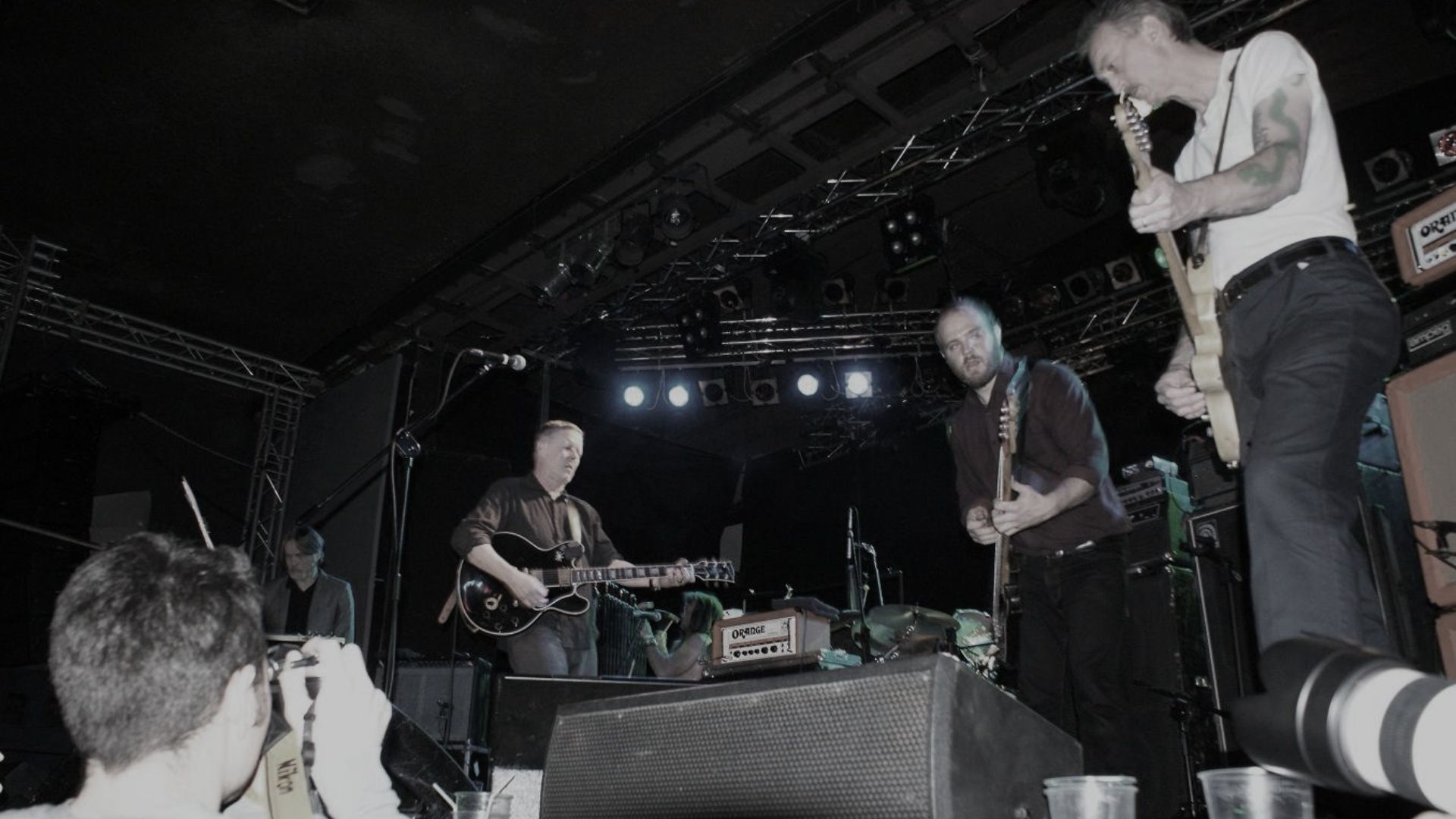
Of Montreal
Before the shimmering indie-pop era, Of Montreal produced theatrical, psychedelic albums that zig-zagged between genres mid-song. The flamboyance, surreal lyrics, and unpredictable live shows were far too wild for radio—but perfect for weird-pop obsessives.
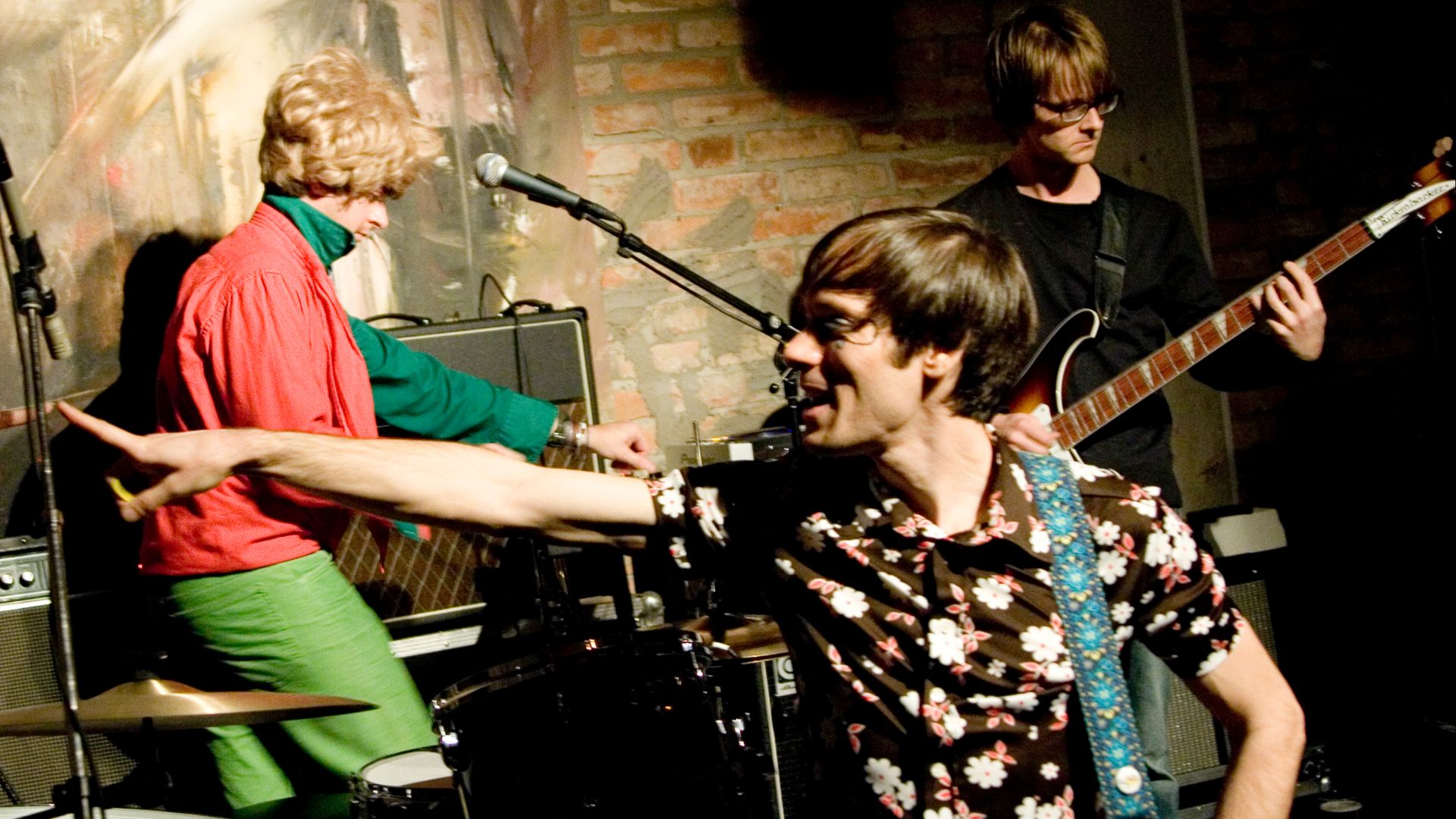 Jonas Riise Hamre, Wikimedia Commons
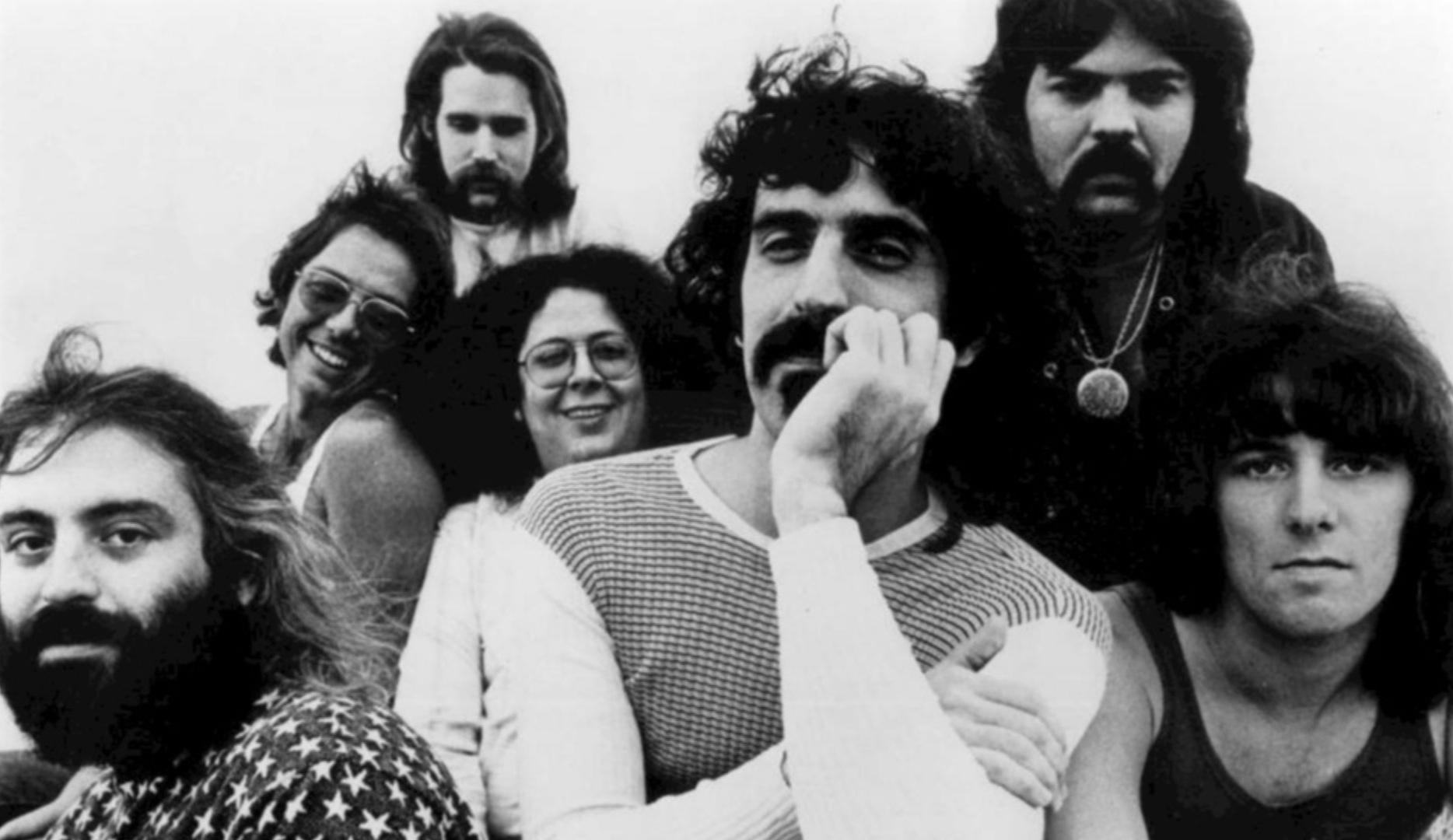
Frank Zappa & The Mothers of Invention
Zappa adored complex compositions and jokes radio absolutely could not play. His catalog blended virtuoso musicianship with absurdist humor and fearless experimentation. He didn’t just ignore radio conventions—he gleefully blew them up.
 Herb Cohen Management, Wikimedia Commons
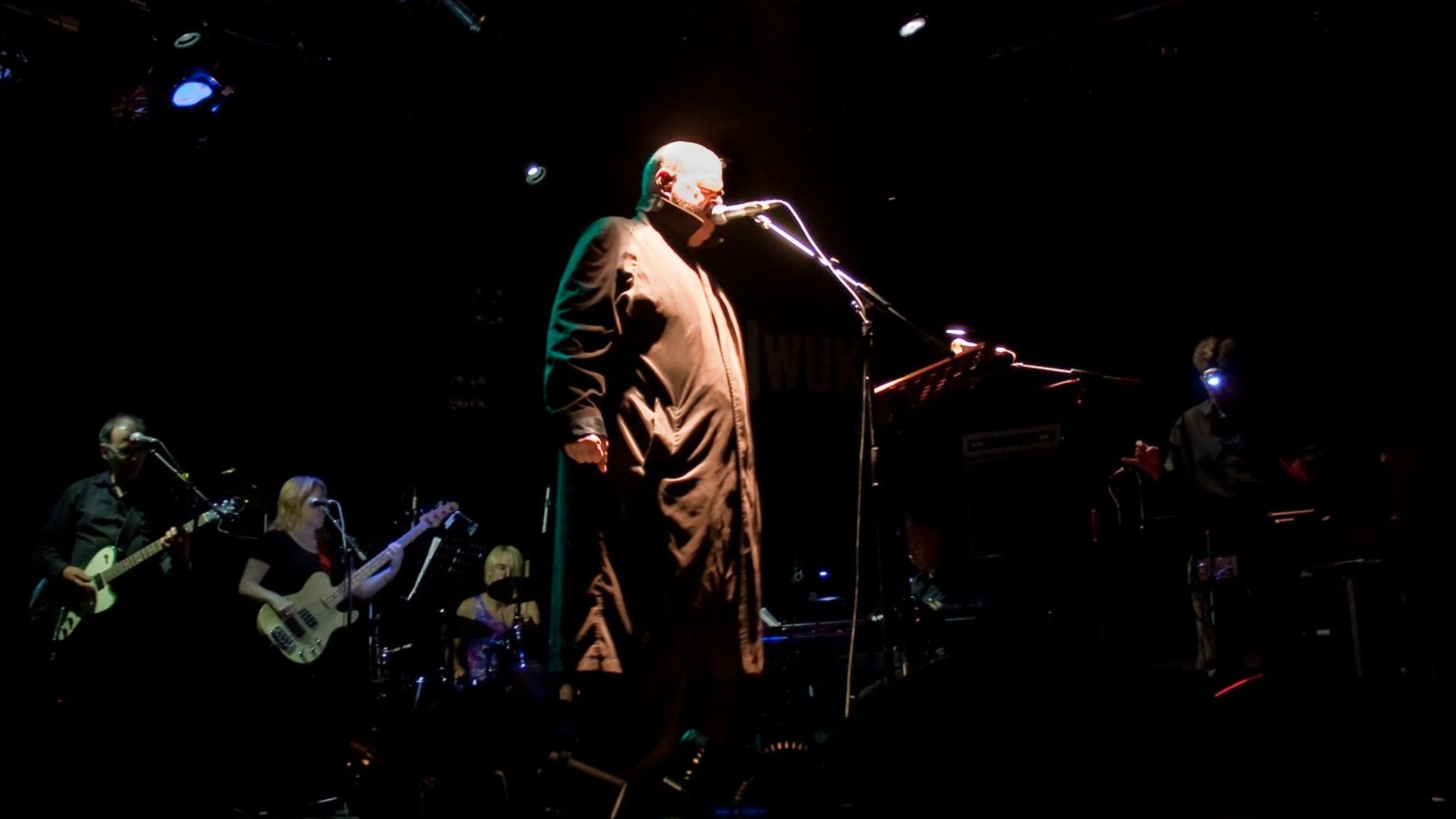
Pere Ubu
Part punk, part experimental rock, part broken radio broadcast, Pere Ubu thrived on jagged electronics and cryptic storytelling. No one could place them on a playlist, but underground fans fell in love with the chaos instantly. They’re a cult classic for a reason.
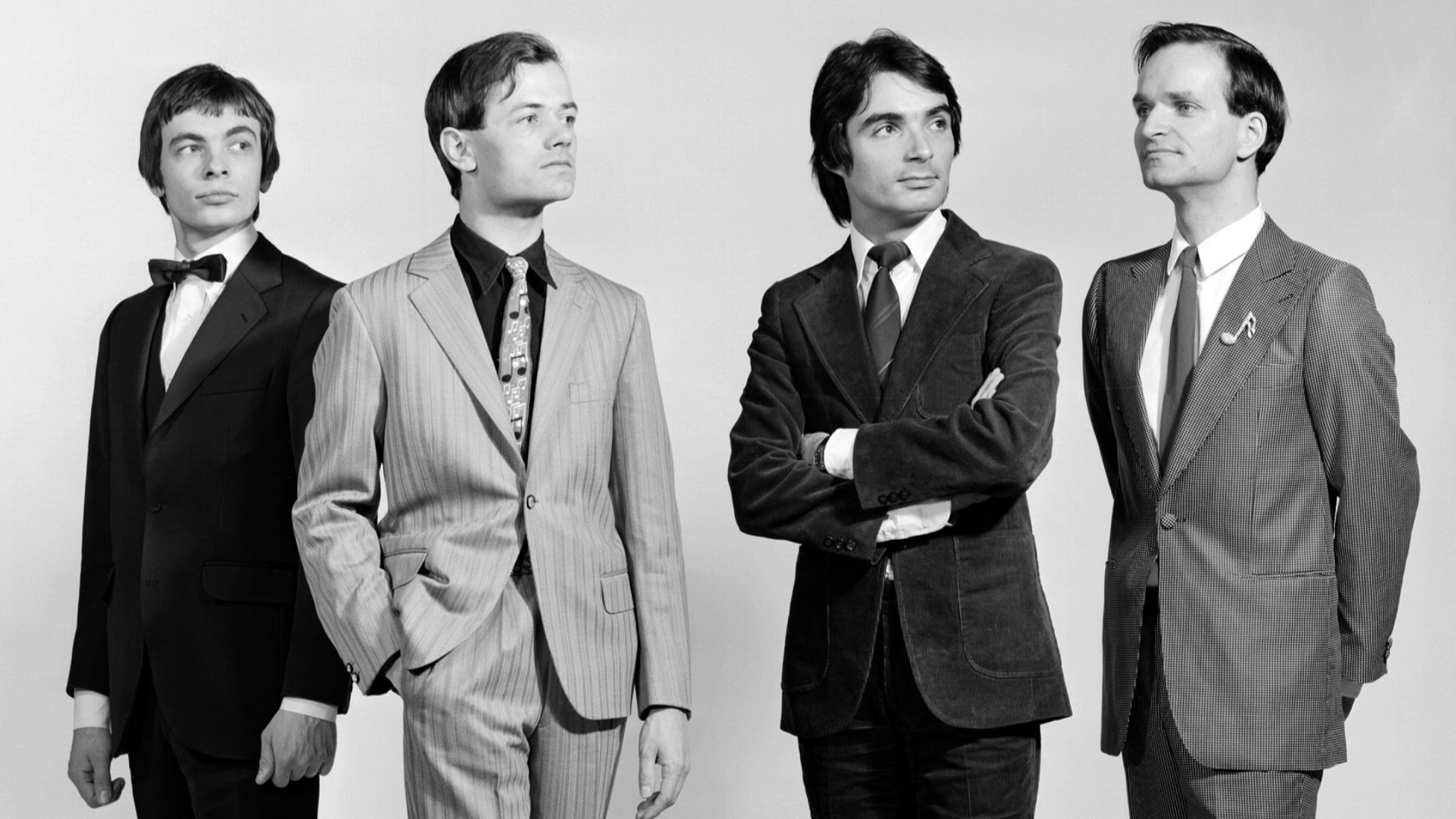
Kraftwerk
Early Kraftwerk sounded like machines whispering lullabies from another dimension. Too minimalist, too robotic, too ahead of its time for radio—but their strange electronic experiments became the blueprint for entire modern genres.
 Maurice Seymour Studio - New York, Wikimedia Commons
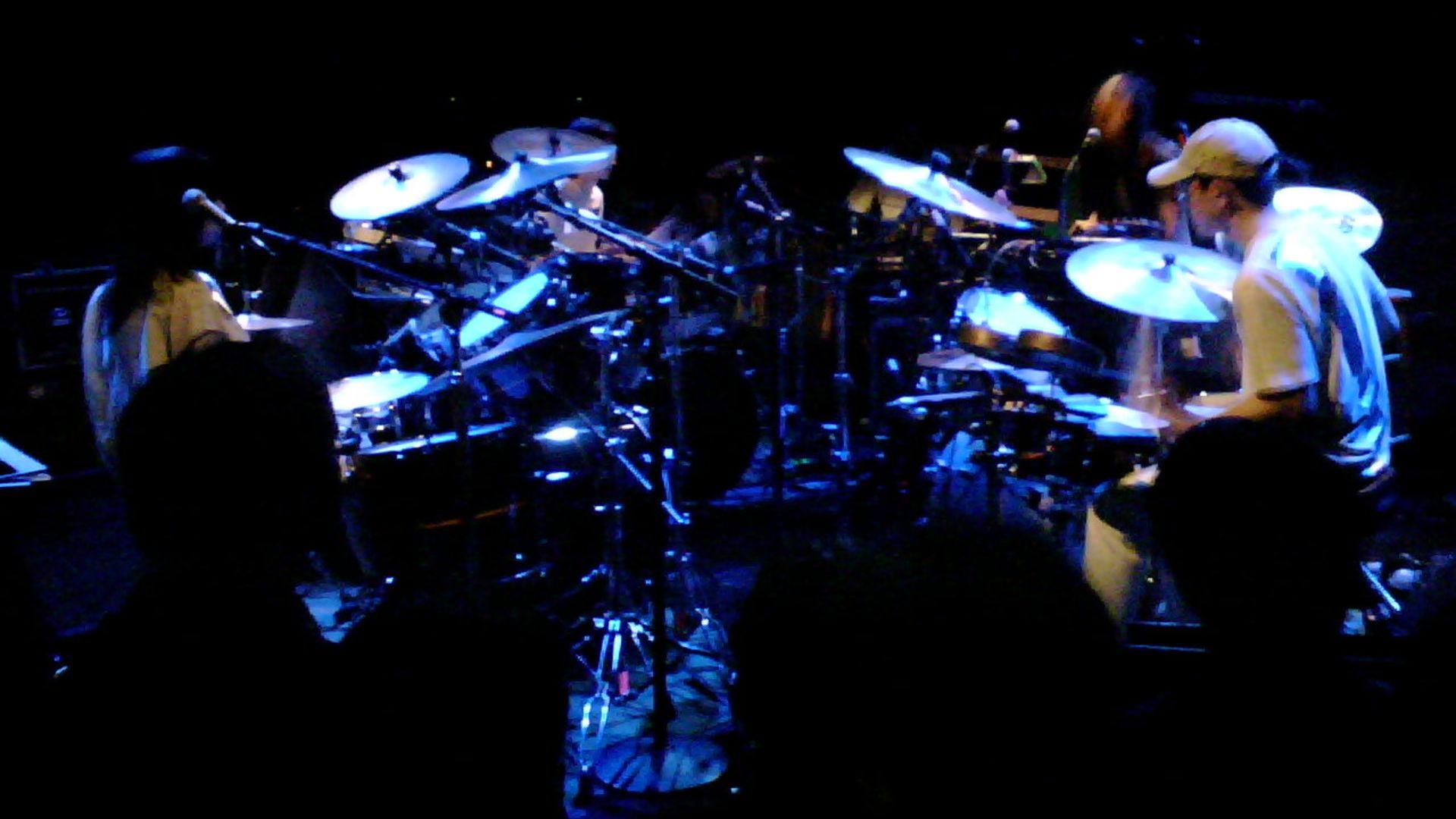
Boredoms
A joyful meltdown of Japanese noise-rock, tribal percussion, and unhinged energy. Radio couldn’t handle the chaos, but adventurous listeners adored their anything-goes unpredictability. Boredoms made music that sounded like evolution happening in real time.
The Fall
Mark E. Smith’s sneering vocals, cryptic rambling, and endless lineup changes created a band that never tried to be easy on the ears. Too abrasive for radio but too fascinating for obscurity, The Fall became the ultimate you either get it or you don’t band.
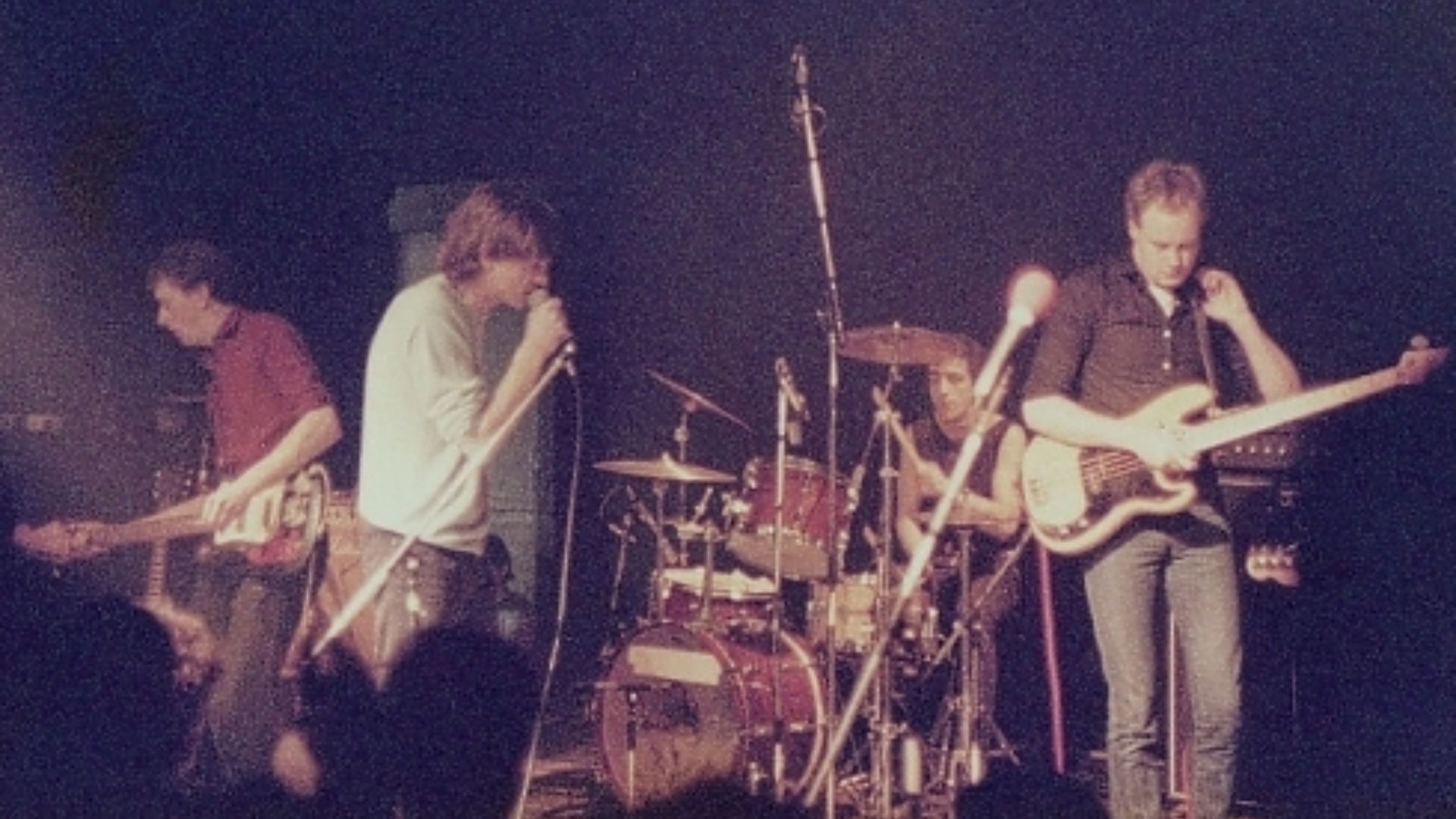 Gabi Hütköper The original uploader was Kekslover at English Wikipedia., Wikimedia Commons
Neutral Milk Hotel
In the Aeroplane Over the Sea wasn’t made for radio—it was made for late-night emotional unraveling. Its lo-fi fuzz, surreal lyrical imagery, and trembling intimacy made it a cult classic that grew quietly, then explosively, without a single radio hit.
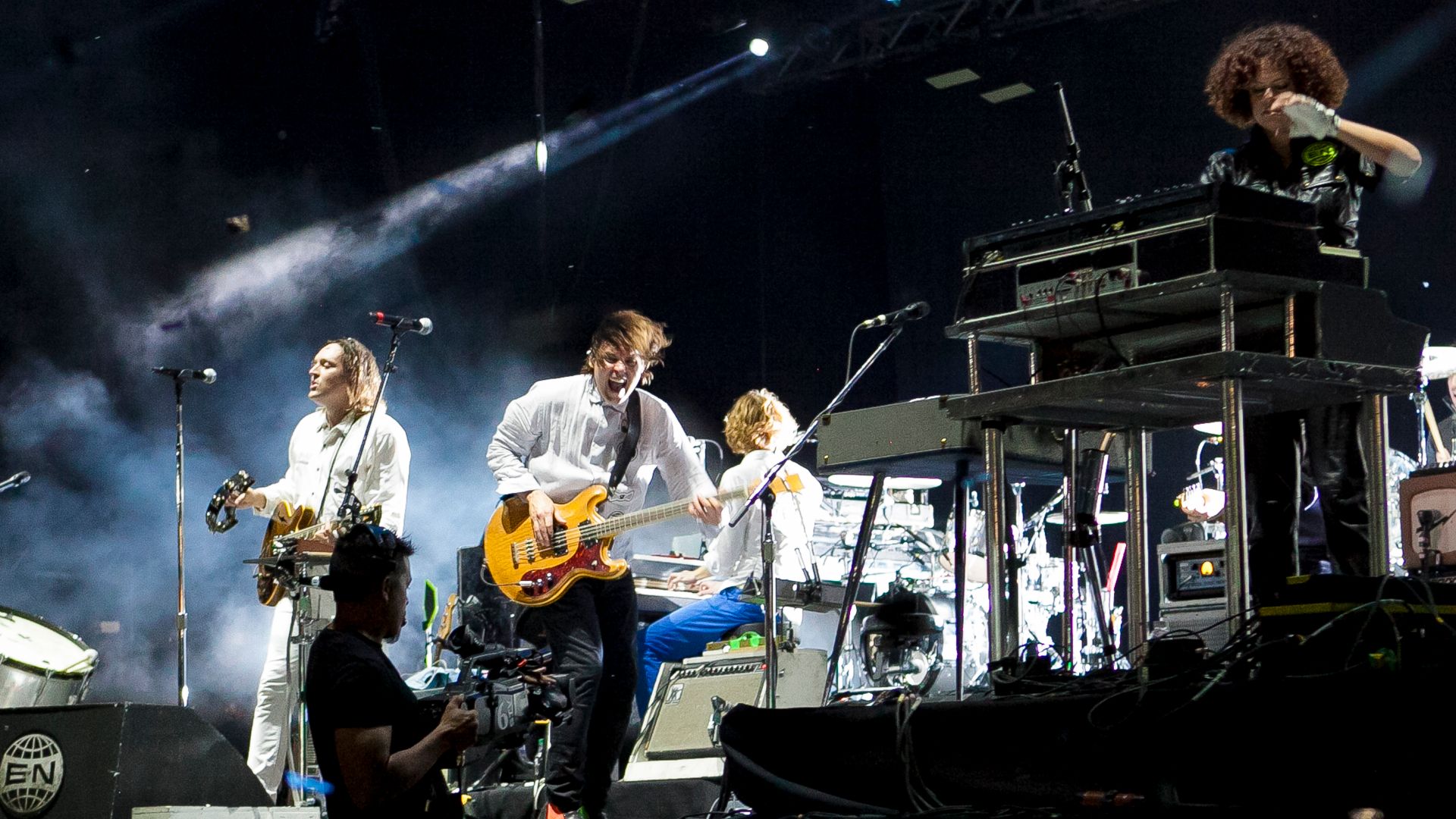 leonardo samrani from rosario, argentina, Wikimedia Commons
Animal Collective
Layered harmonies, tribal percussion, psychedelic loops—Animal Collective zigged every time radio expected them to zag. Their music blooms slowly, rewarding headphone listeners more than casual channel-surfers. Too weird for airwaves, too hypnotic to dismiss.
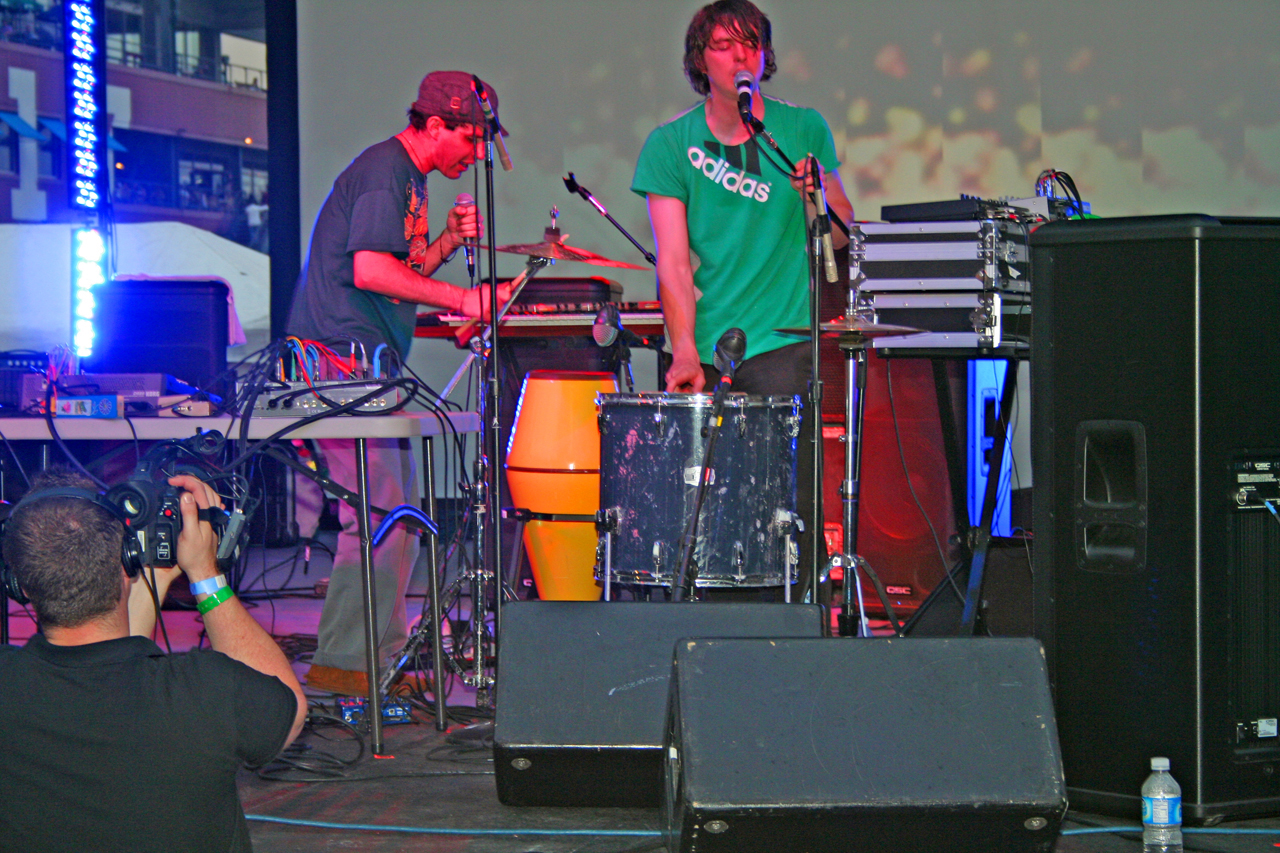 daniel arnold, CC BY-SA 2.0, Wikimedia Commons
Sun Ra & His Arkestra
Sun Ra claimed he was from Saturn—and honestly, it explains the music. Cosmic jazz odysseys, Afro-futurist costumes, and interstellar philosophy made them impossible for radio programmers but irresistible for open-minded fans. A galaxy of weird brilliance.
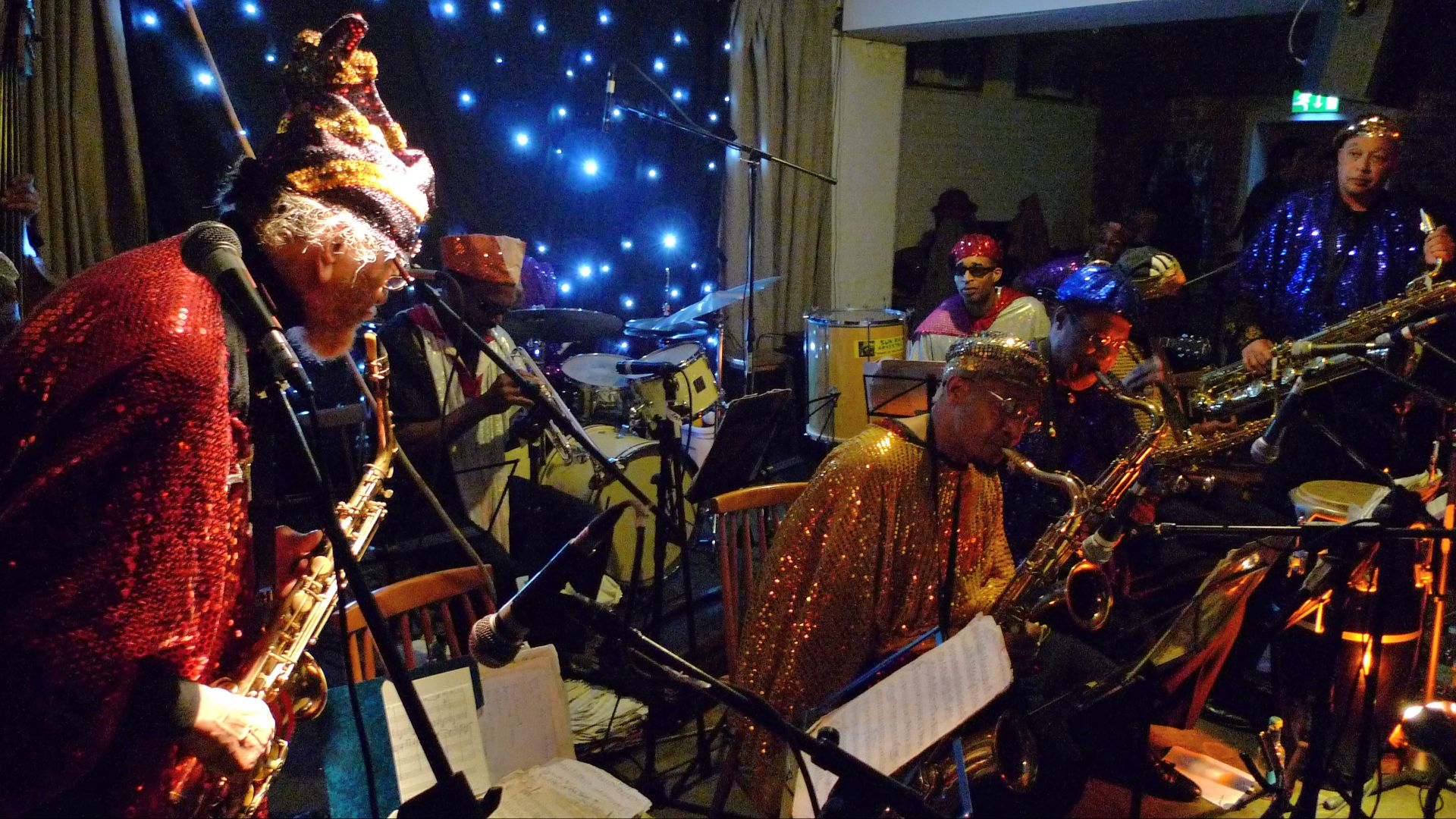 Andy Newcombe, Wikimedia Commons
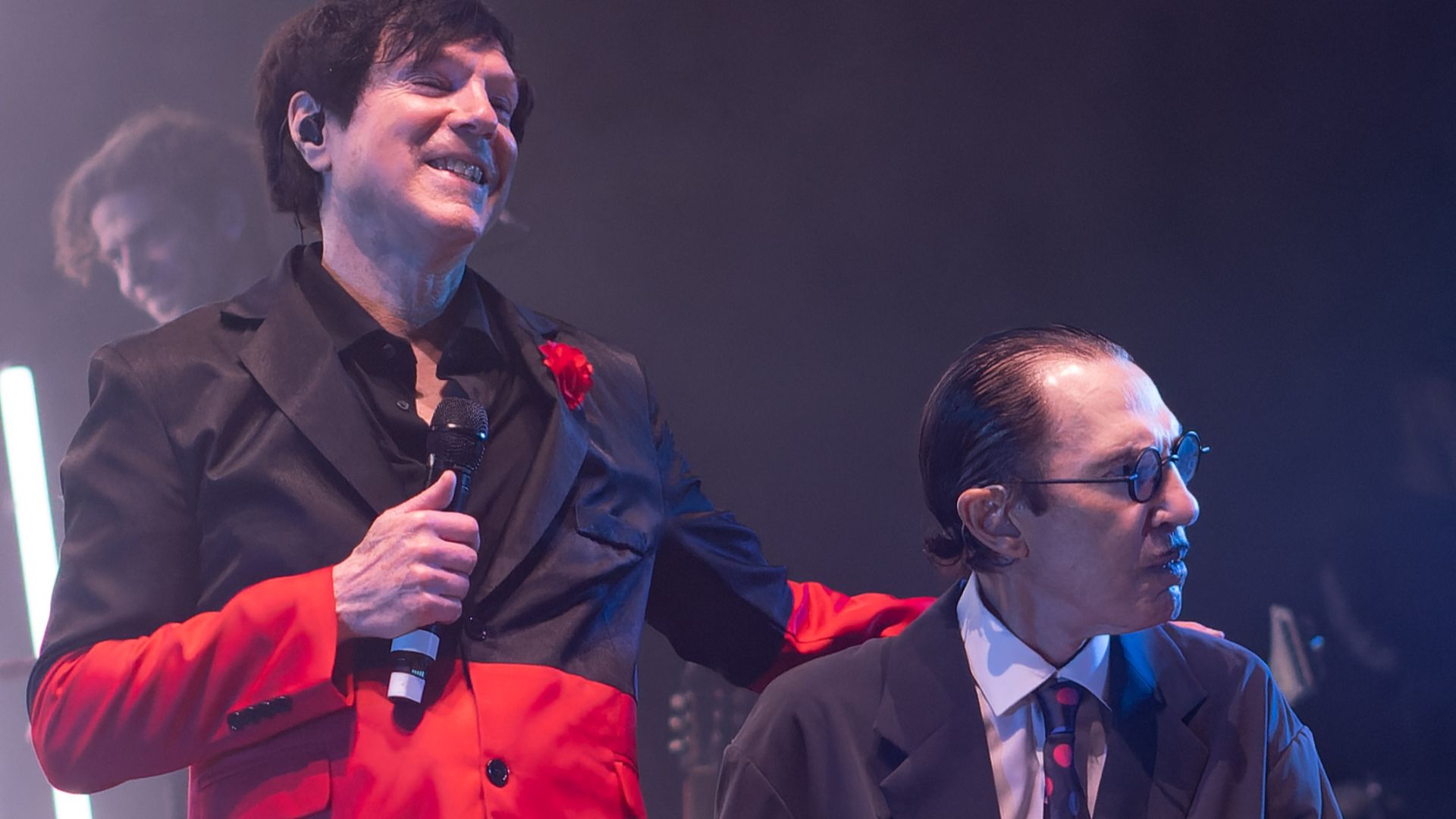
Sparks
Brothers Ron and Russell Mael built an entire career on operatic glam-pop oddities, theatrical vocals, and wonderfully bizarre humor. Sparks were too dramatic, too witty, and too unpredictable for mainstream radio—but perfect for people who love pop with a wink.
Talking Heads (Early Years)
Before the hits, Talking Heads were spiky, nervous art-school weirdos making jittery experimental rock. David Byrne’s anxious vocals alone confused radio programmers. Once they teamed up with Brian Eno, things got even stranger—and even better.
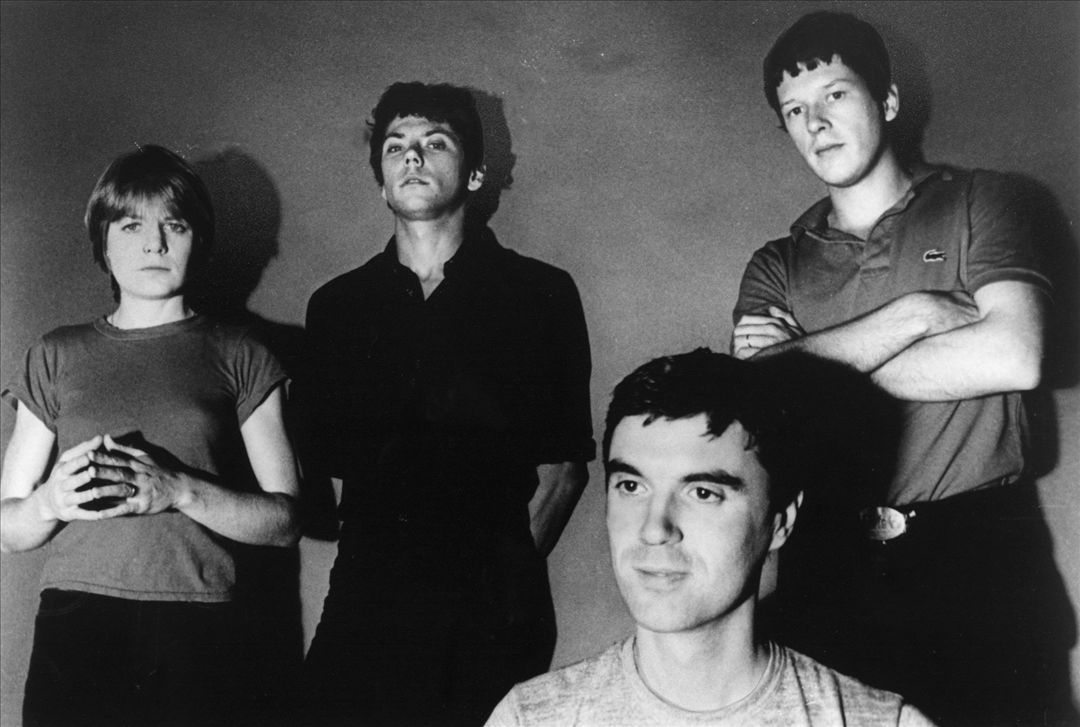 Sire Records, Wikimedia Commons
The Mars Volta
Epic prog-punk freakouts, labyrinthine song structures, and vocals that soared into another stratosphere. The Mars Volta never cared about radio—they cared about creating wild, sprawling universes inside every track. Fans of musical chaos worship them.
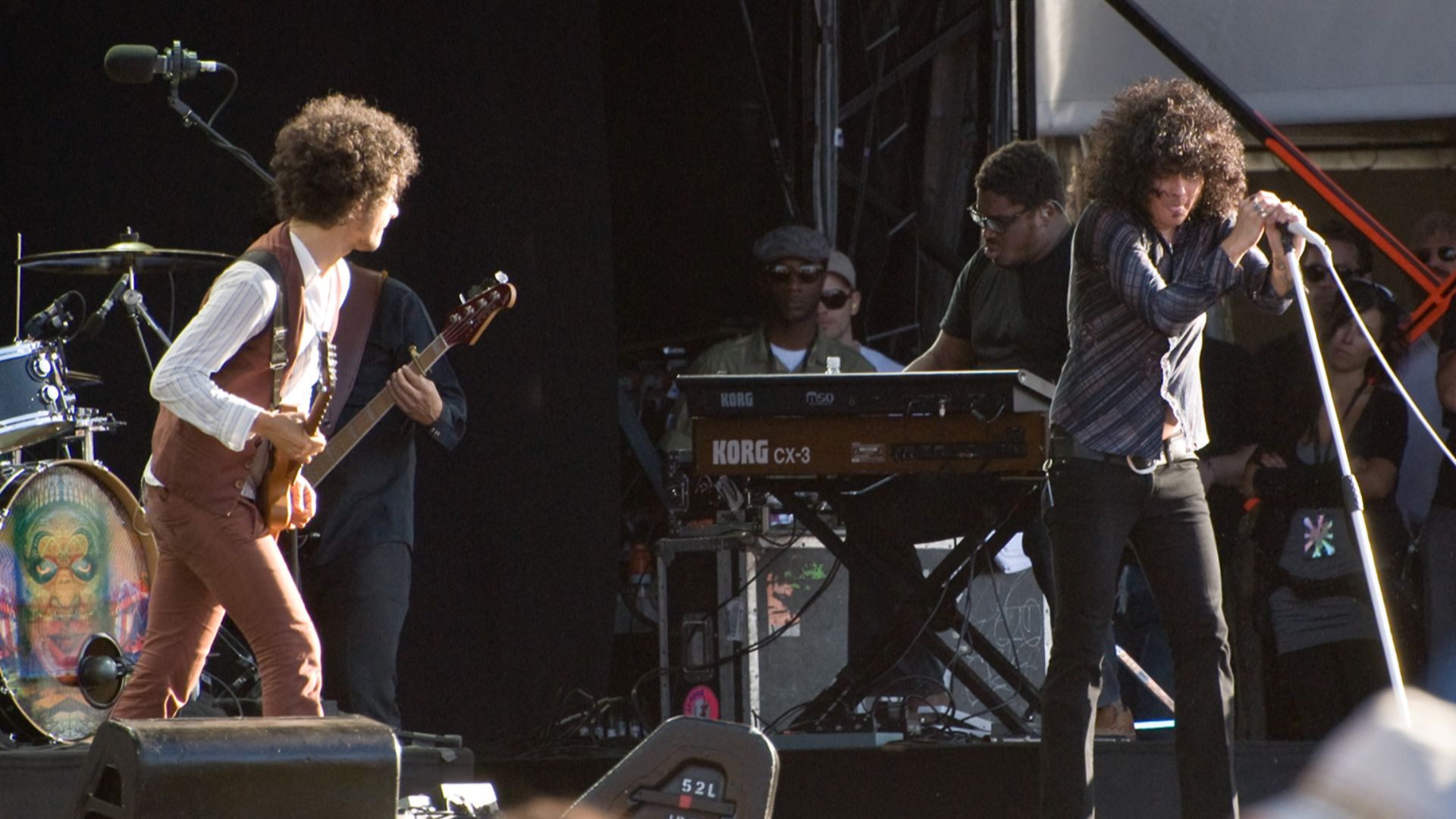 Steve Collis from Melbourne, Australia, Wikimedia Commons
Stereolab
Retro-futuristic lounge-pop blended with krautrock grooves and dreamy vocals? Radio had no clue what to do with that combination. But Stereolab’s hypnotic, calmly strange aesthetic built a fiercely loyal following. Smooth, spacey, and endlessly addictive.
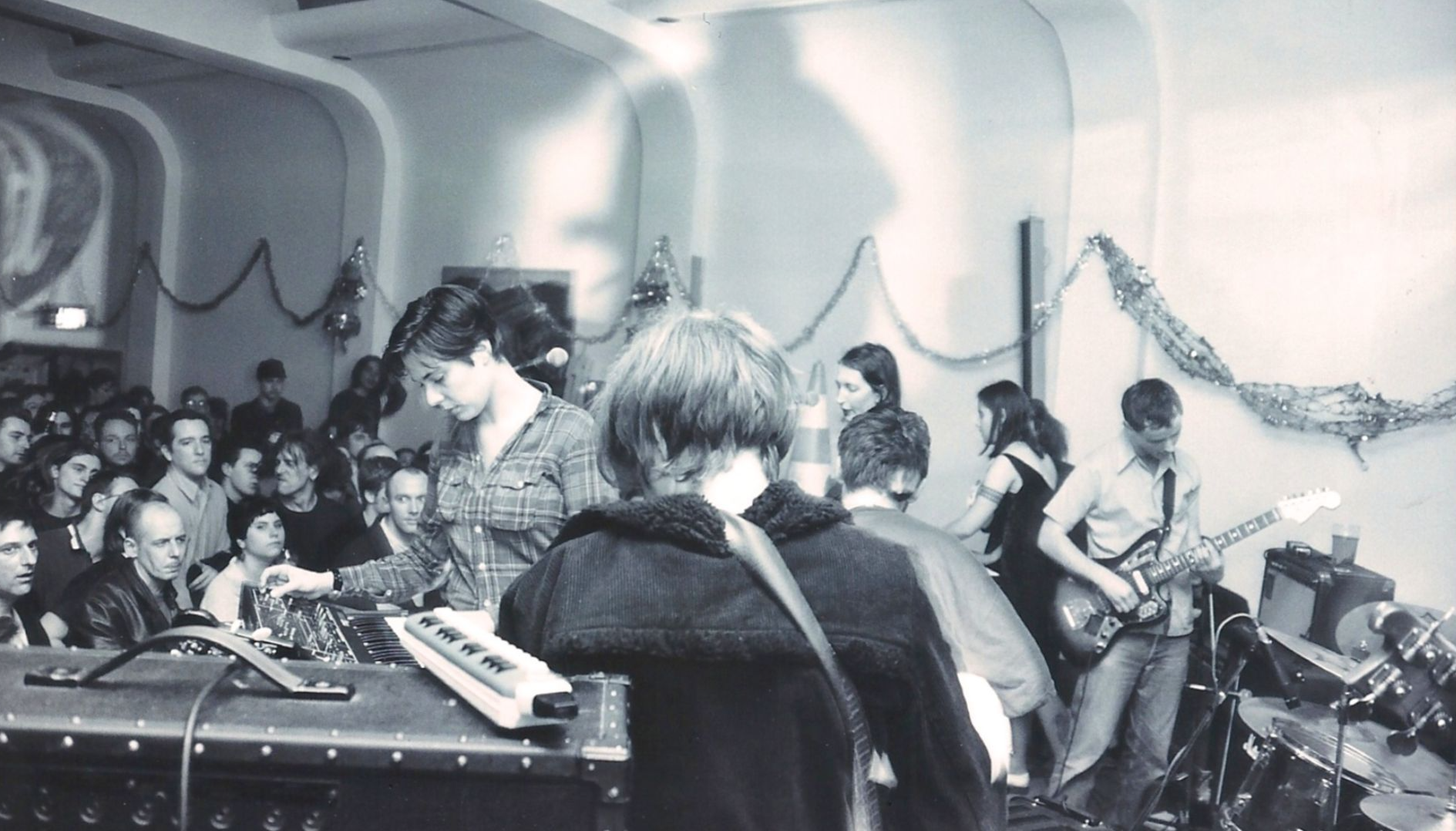 Greg Neate from Sussex, UK, Wikimedia Commons
King Gizzard & the Lizard Wizard
Every album is a new genre: microtonal metal, synth-pop, garage rock, prog odyssey—you never know what’s coming next. Radio couldn’t keep up even if it tried, but the band became a modern cult phenomenon through sheer creativity and fearless experimentation.
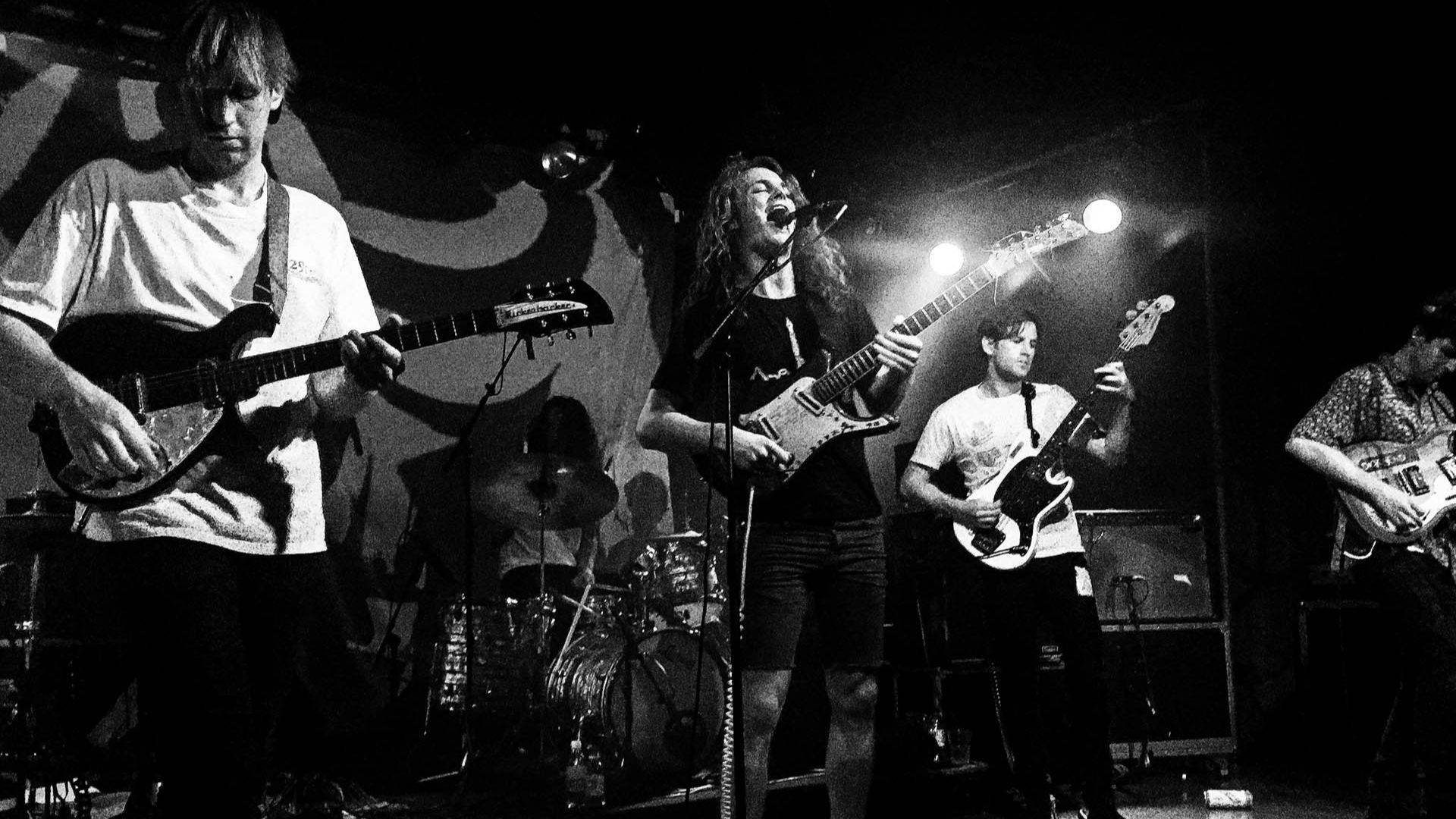 Paul Hudson, Wikimedia Commons
The B-52’s (Early Years)
Before Love Shack, The B-52’s were a gloriously oddball mix of surf-punk, new wave, and sci-fi camp. Yelping vocals, atomic-age kitsch, and dance-floor chaos made early radio programmers blink in confusion—but fans adored the joyful weirdness.
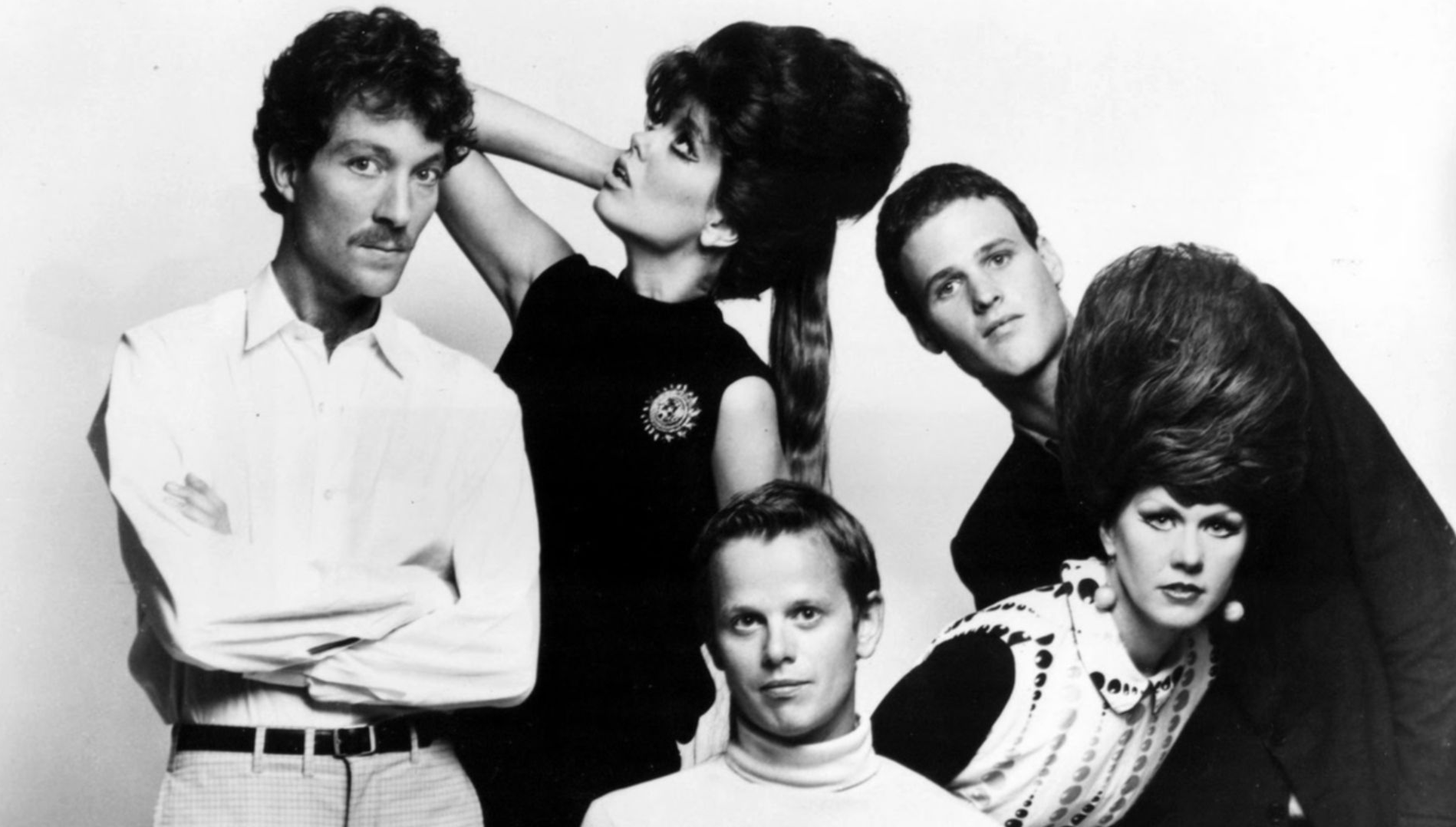 Lynn Goldsmith; Distributed by Warner Bros. Records, Wikimedia Commons
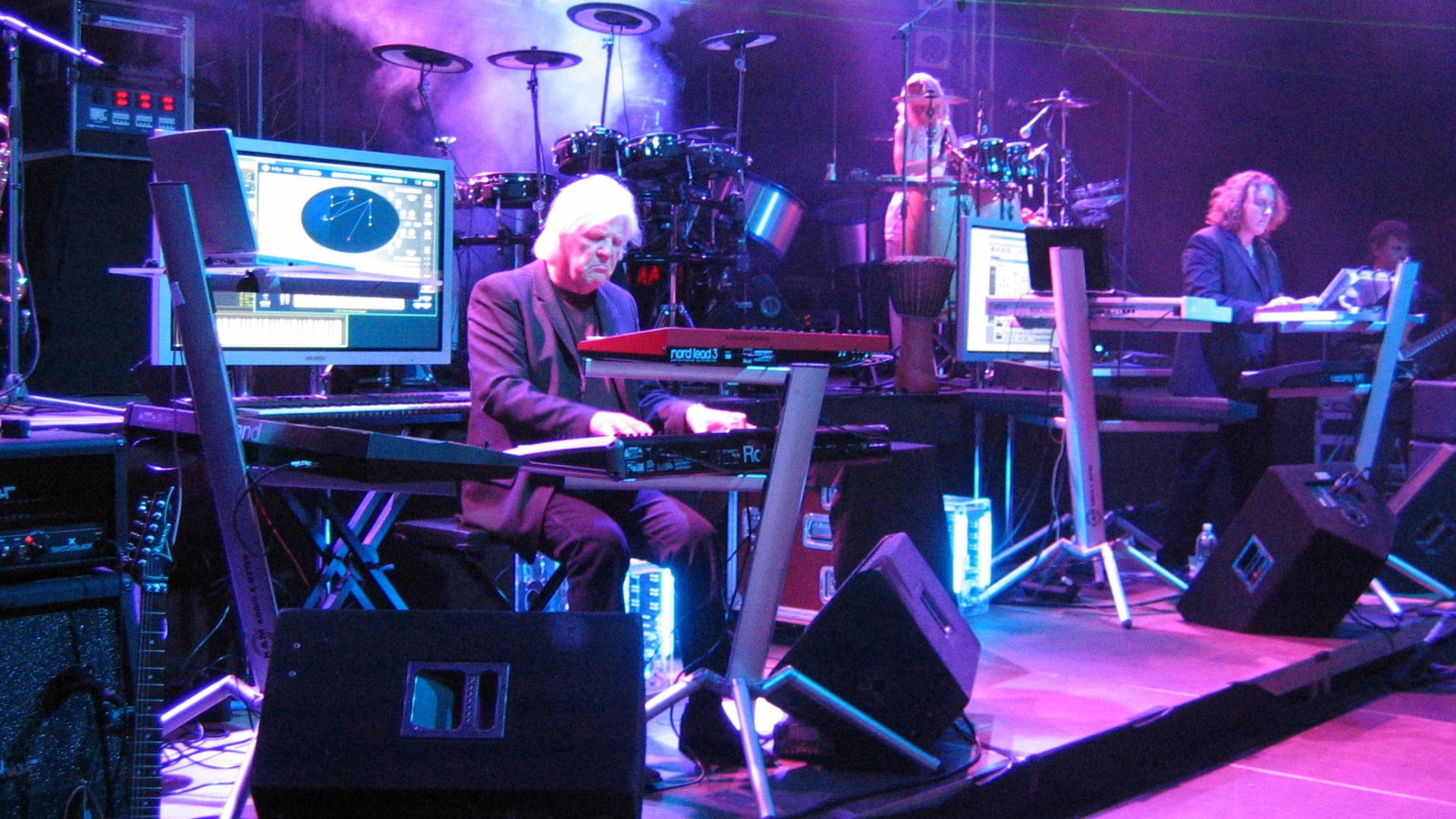
Tangerine Dream
Their sprawling electronic soundscapes weren’t built for three-minute radio edits—they were built for drifting, dreaming, and time-traveling. Tangerine Dream shaped ambient and film scores long before they were fashionable. Too atmospheric for radio—perfect for headphones.
Gong
Spacey prog jams, whimsical cosmic mythology, and glissando guitar lines gave Gong a sound that felt like a psychedelic cartoon floating through the universe. Radio never stood a chance, but prog lovers happily followed them into the cosmic fog.
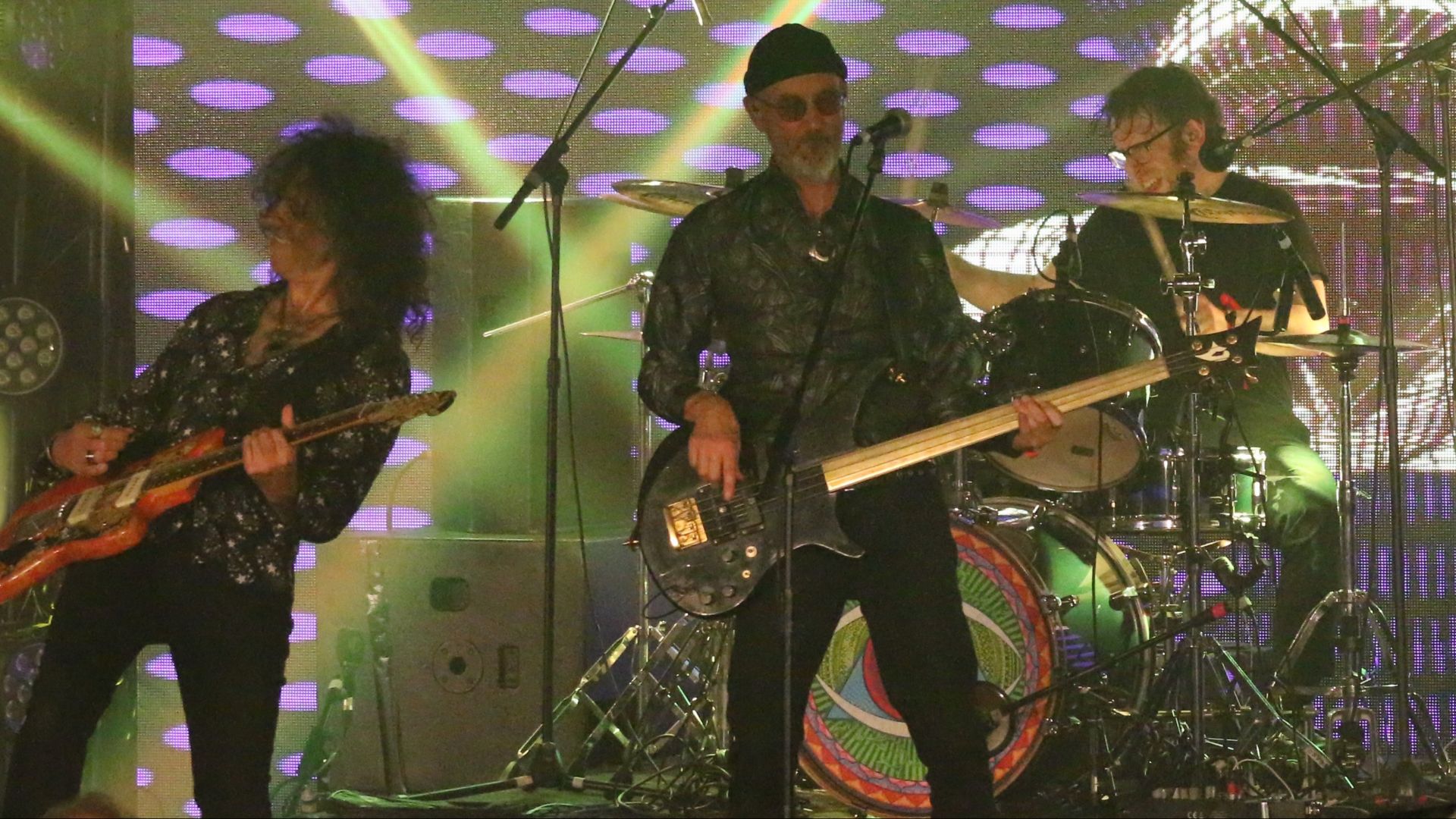 Steve Knight, Wikimedia Commons
You Might Also Like:
The Greatest One-Album Wonders Of The 80s
Songs That Became Stadium Anthems



.jpg)