Turns Out…They Might Like Today’s Music After All
You’ve heard it your whole life: music back in the 60s and 70s was the greatest era ever—and today’s music just can’t compete. But here’s a question: are you sure you’ve actually listened to today’s music?
Because there are plenty of modern bands that sound close enough to the old-school greats that fans will feel right at home. So we paired the boomer bands you grew up with with their modern-day doppelgängers you should check out. Do you agree with our choices?
 Bill Raymond/MPH Photos, Shutterstock
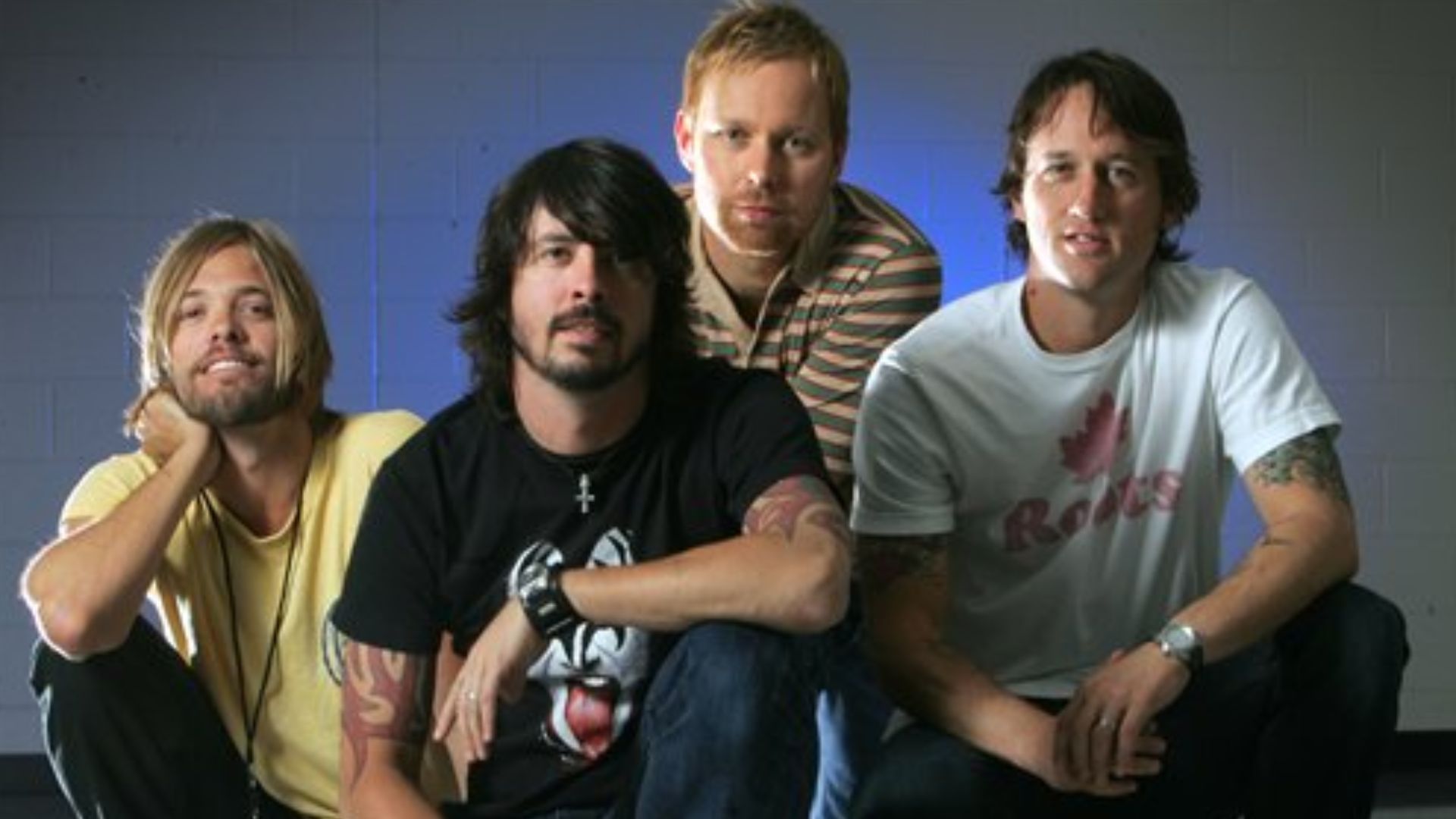
The Who / Foo Fighters
Explosive anthems and raw guitar power helped make The Who one of rock’s most electrifying bands. The Foo Fighters carry that same arena-ready energy today. With loud guitars, massive choruses, and high-energy performances, their music often feels like a modern continuation of the kind of stadium rock The Who helped define.
 http://recorder.blog.hu, Wikimedia Commons
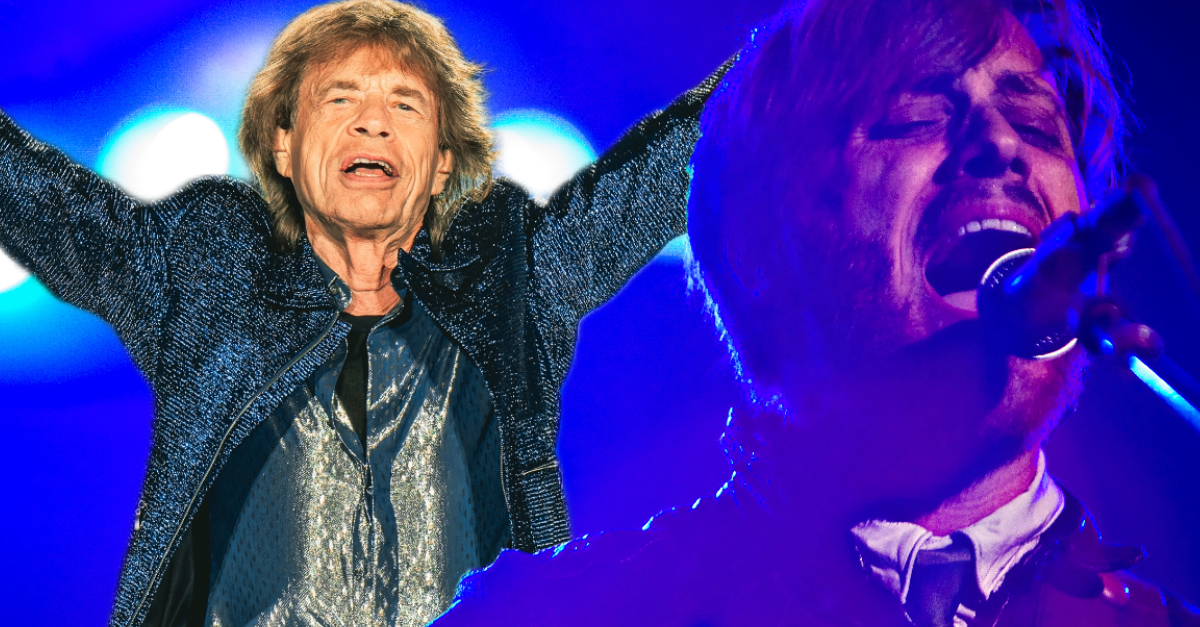
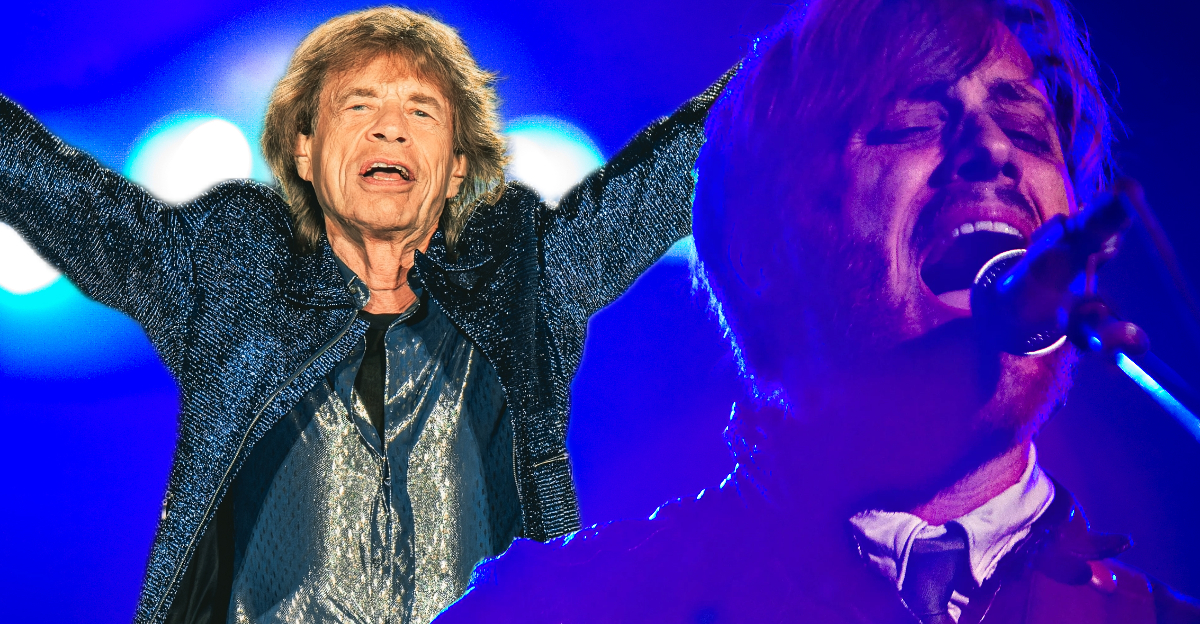
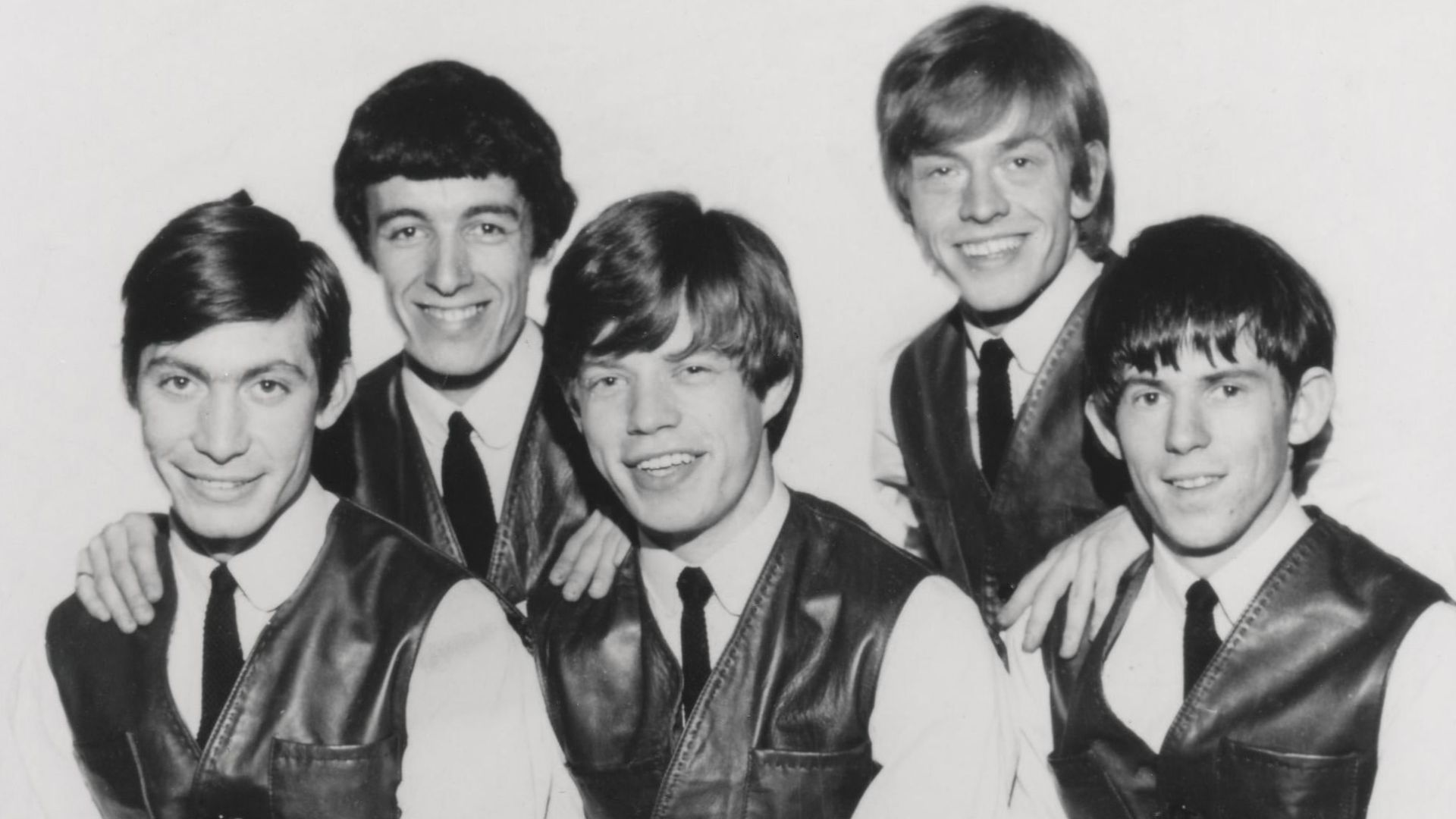
The Rolling Stones / The Black Keys
The blues-driven swagger of The Rolling Stones helped define rock attitude. The Black Keys operate in that same gritty blues-rock territory today. Their stripped-down guitar riffs, garage-rock energy, and love of classic blues traditions make them feel like a modern band cut from the same cloth as the early Stones.
The Beatles / Tame Impala
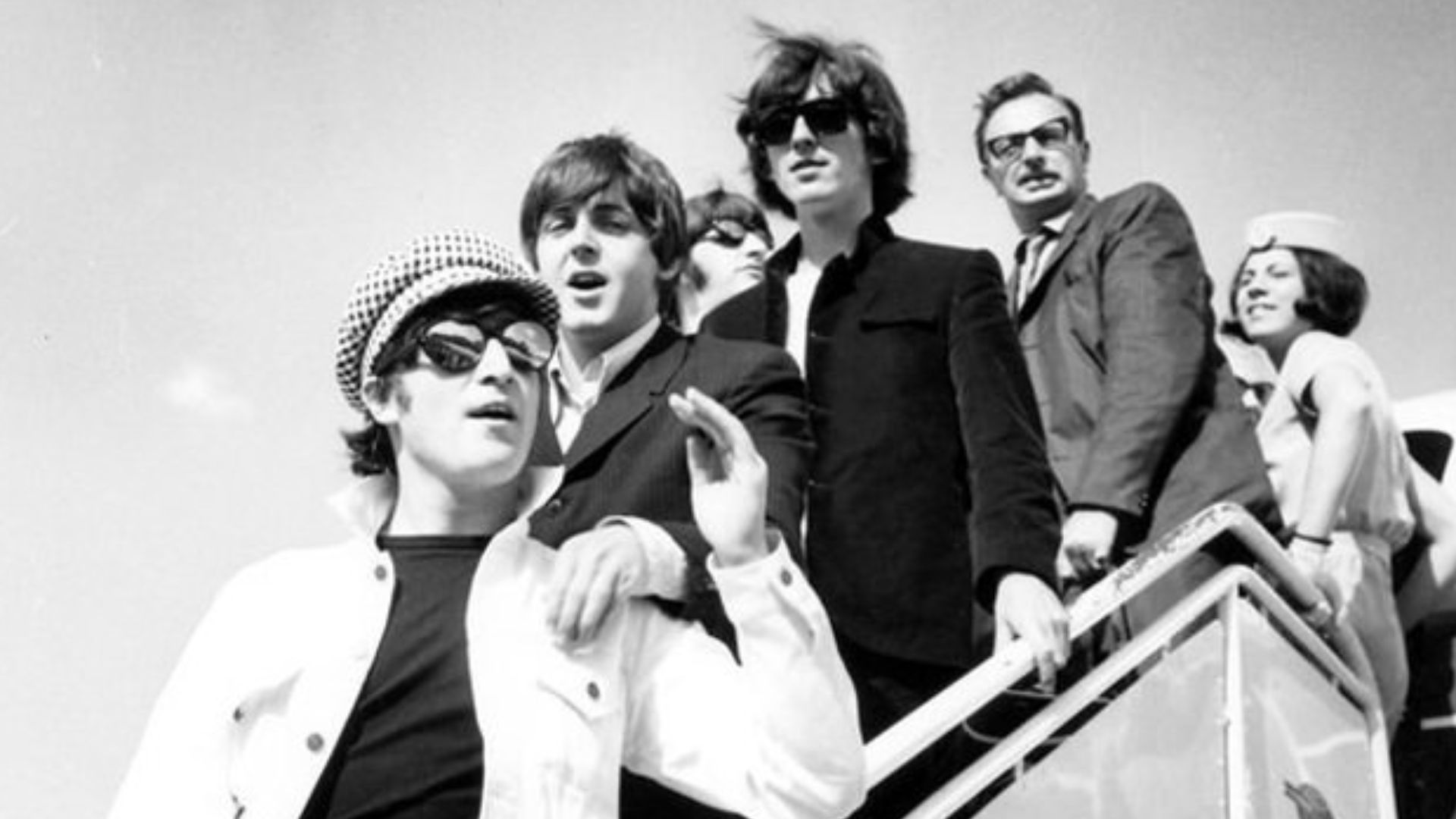
Few bands changed music more than The Beatles. By the late 60s they were experimenting with psychedelic sounds, layered production, and melodic songwriting that influenced generations of artists. Tame Impala captures that dreamy spirit today. Kevin Parker’s swirling guitars, colorful arrangements, and studio experimentation often feel like a modern extension of the Beatles’ more adventurous era.
 Iberia Airlines, Wikimedia Commons
The Cars / The 1975
The sleek new wave sound of The Cars blended catchy pop hooks with synths and sharp guitar riffs, helping define late-70s radio. The 1975 channels a similar mix of synth-pop, alternative rock, and polished production. Their music often balances nostalgic new-wave sounds with modern pop sensibilities, making them feel like a modern continuation of that stylish Cars formula.
 Begona from Errenteria, Espana, Wikimedia Commons
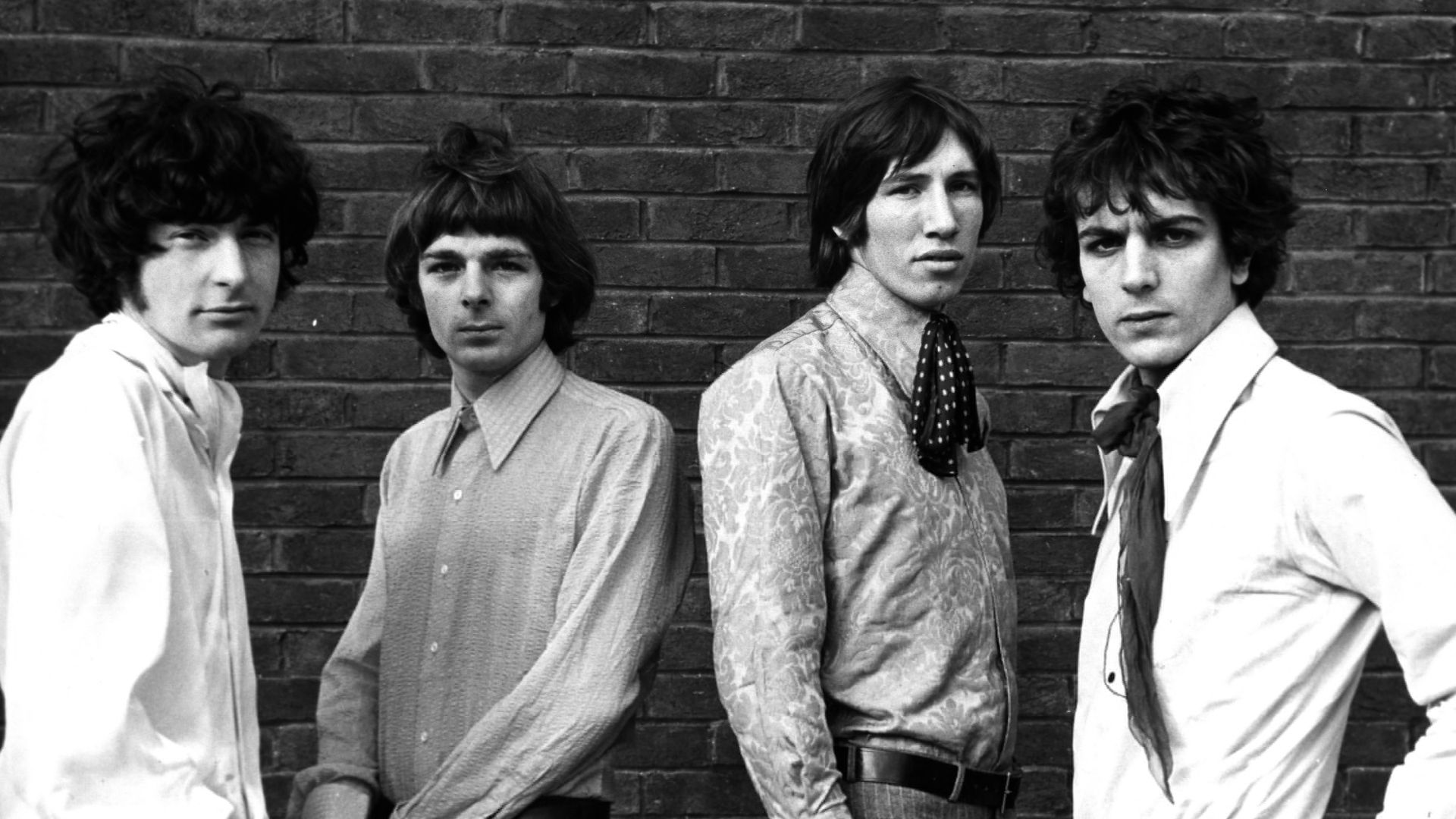
Pink Floyd / Radiohead
The atmospheric experimentation of Pink Floyd reshaped progressive rock. Radiohead carries a similar spirit of sonic exploration in modern alternative music. Albums like OK Computer and Kid A pushed rock into new territory in much the same way Pink Floyd did decades earlier.
The Kinks / The White Stripes
The punchy guitar riffs and clever songwriting of The Kinks helped shape garage rock. The White Stripes revived that stripped-down guitar energy decades later. Their raw sound and catchy riffs carry the same kind of rebellious spirit that powered many classic Kinks songs.
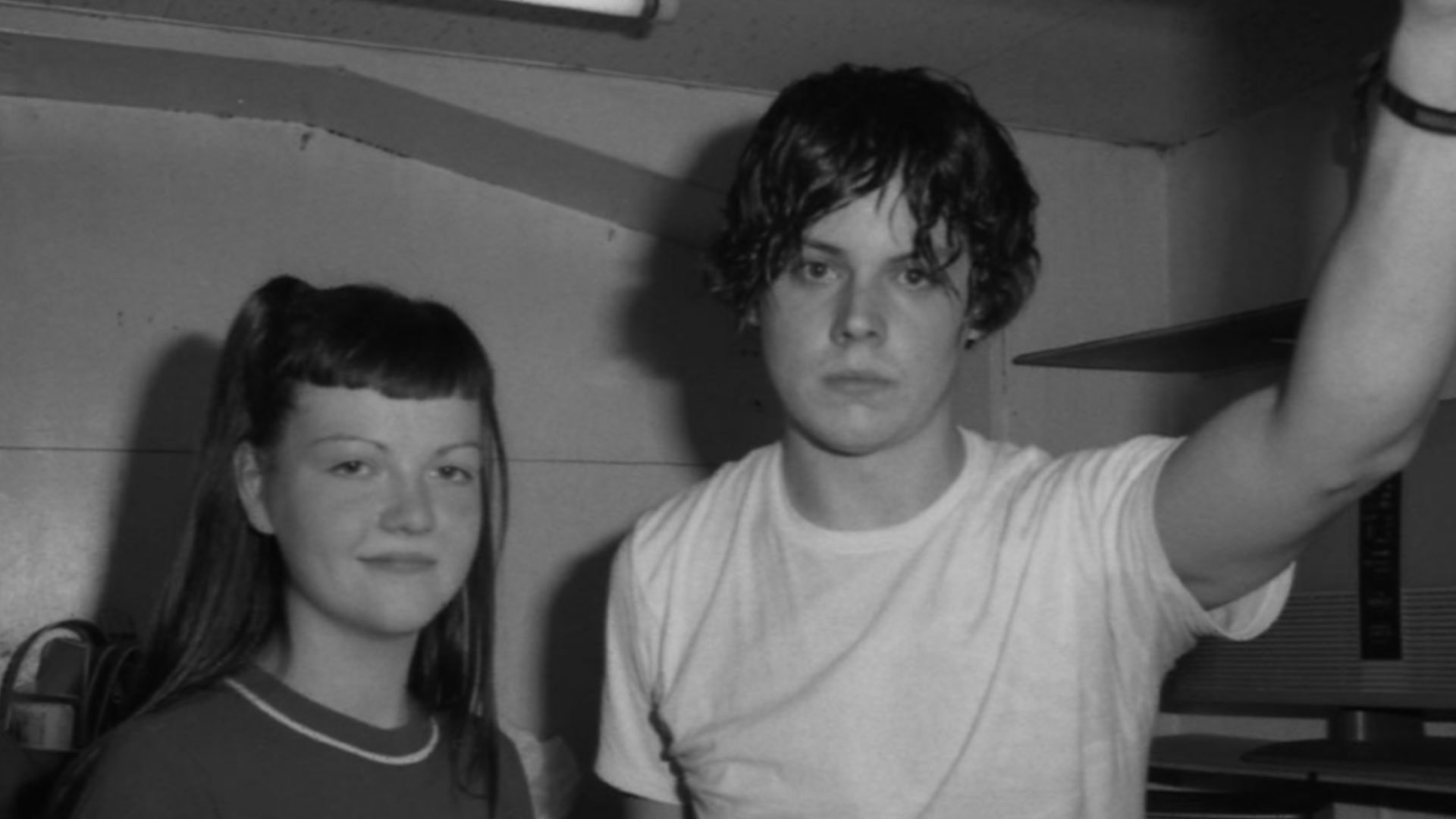 Masao Nakagami, Wikimedia Commons
Led Zeppelin / Greta Van Fleet
When Greta Van Fleet first appeared, plenty of listeners thought they had stumbled onto a lost Led Zeppelin recording. The soaring vocals, blues-heavy guitar riffs, and pounding drums feel strikingly familiar. While the band has continued developing its own sound, their early music in particular strongly echoes the thunderous rock Zeppelin perfected in the early 70s.
 Sven Mandel, Wikimedia Commons
Fleetwood Mac / HAIM
The harmony-driven pop-rock of Fleetwood Mac defined the late 70s. HAIM channels that same polished but relaxed sound with tight sister harmonies, rhythmic guitars, and catchy songwriting. Their music often feels like a modern cousin to the melodic style that made Fleetwood Mac’s Rumours one of the biggest albums in rock history.
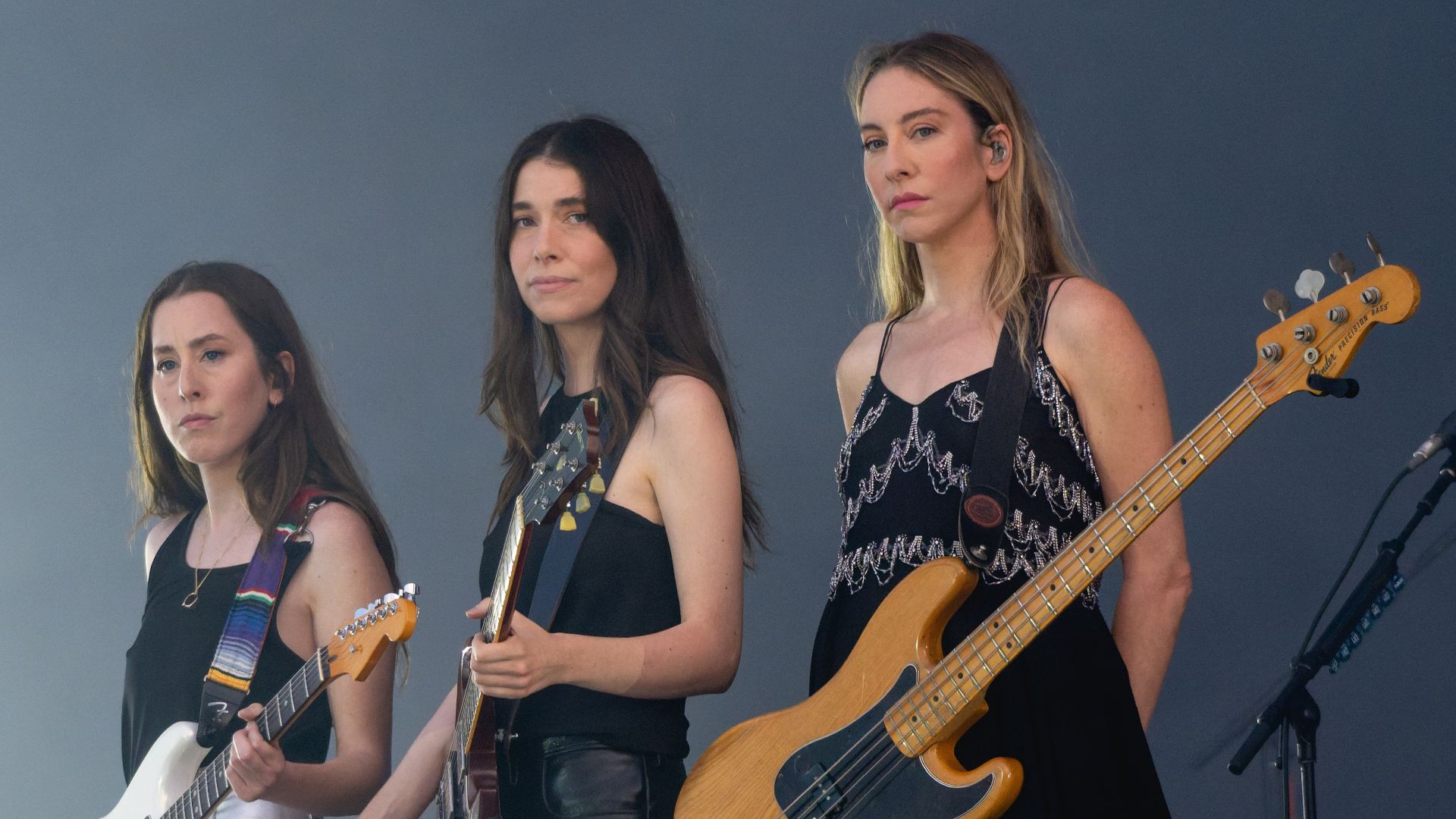
Black Sabbath / Ghost
The dark, heavy riffs of Black Sabbath helped invent heavy metal. Swedish band Ghost takes that same theatrical heaviness and gives it a modern spin. Beneath the costumes and dramatic stage show are big riffs and melodic hooks that feel heavily inspired by Sabbath’s blueprint.
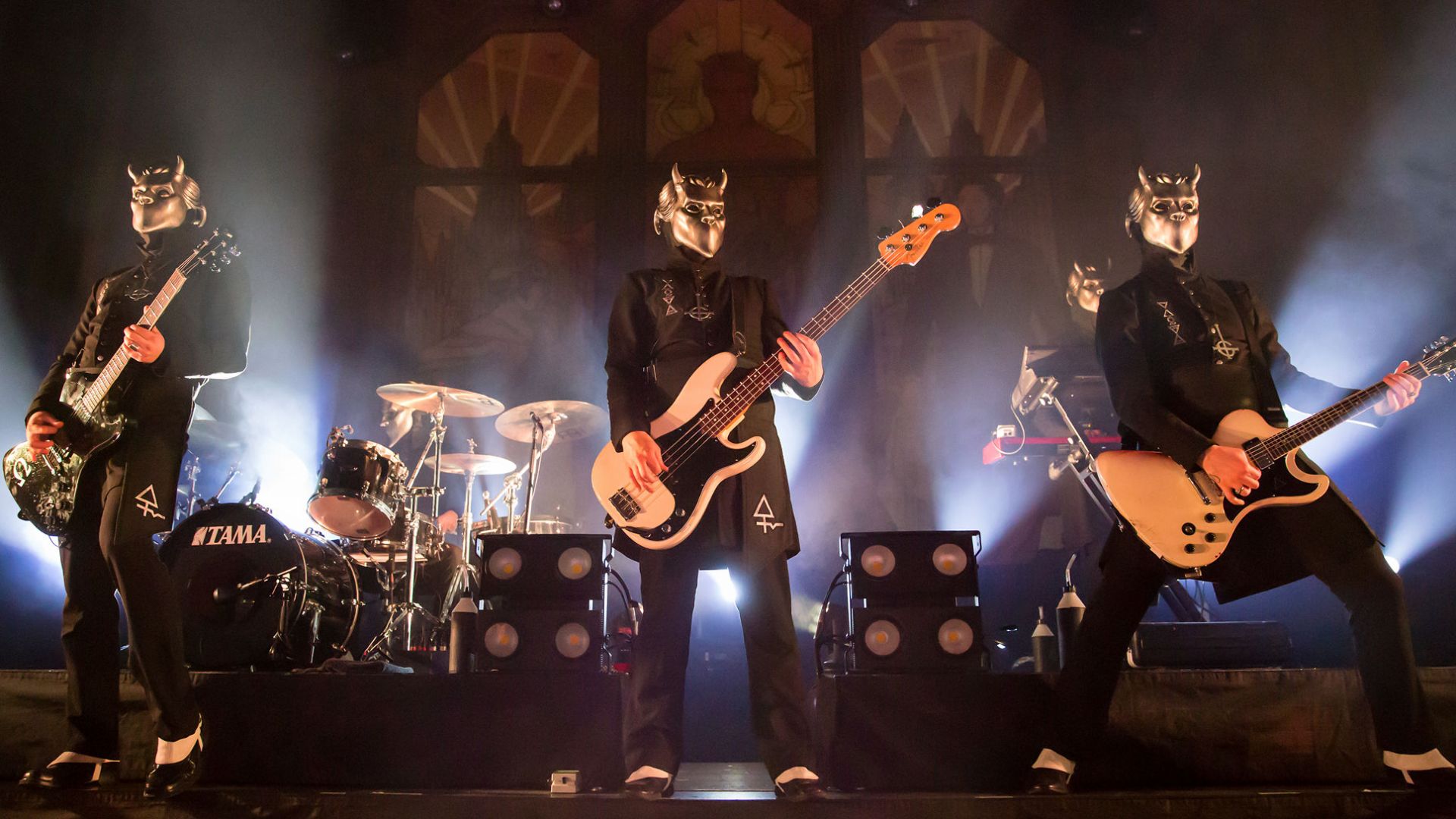 Ralph Arvesen, Wikimedia Commons
The Band / Mumford & Sons
Roots rock legends The Band helped define Americana music. Mumford & Sons revived that folk-rock spirit for modern audiences with acoustic instruments, emotional storytelling, and big sing-along choruses that echo the communal sound The Band helped popularize.
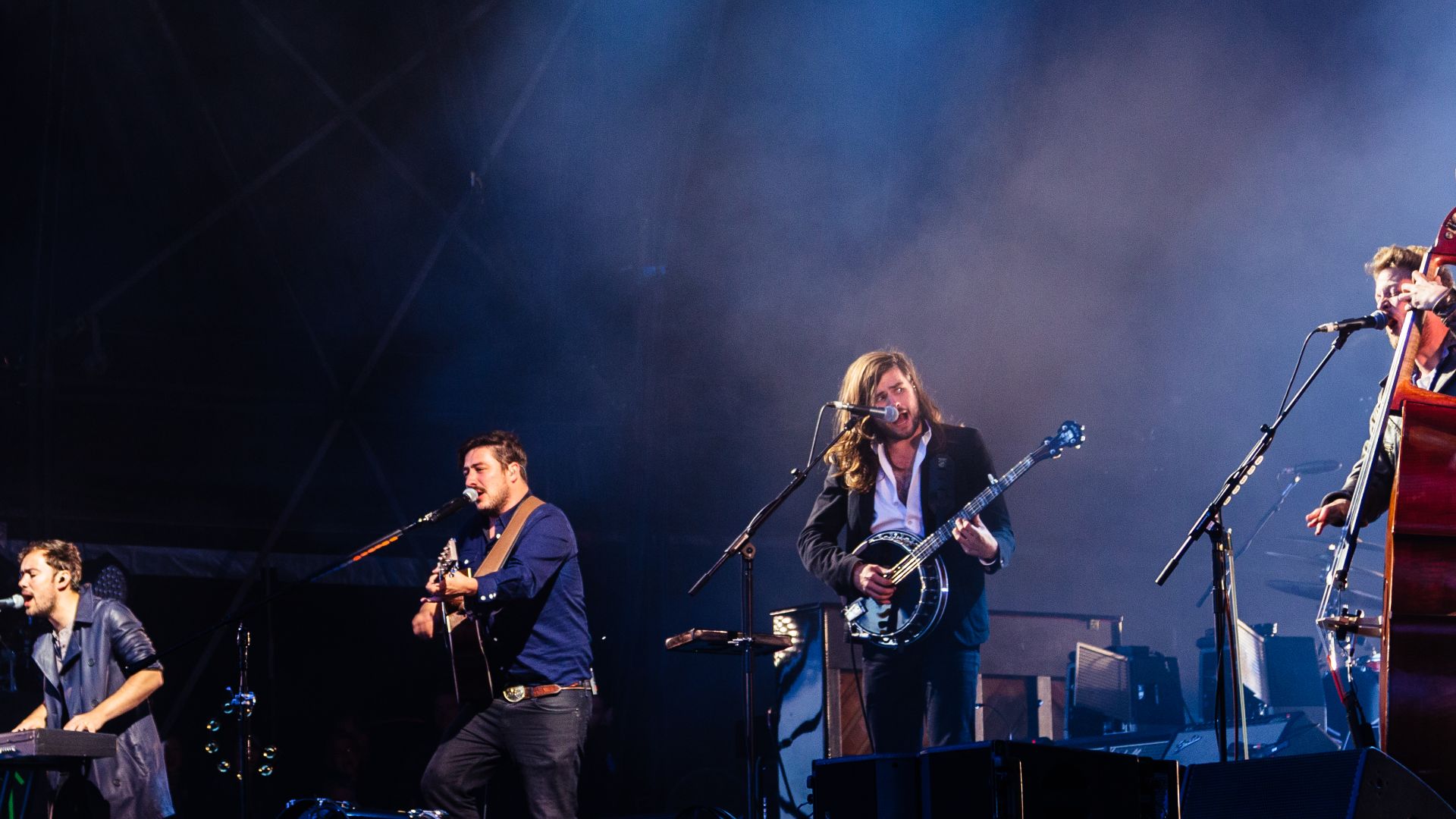 Stefan Schafer, Lich , Wikimedia Commons
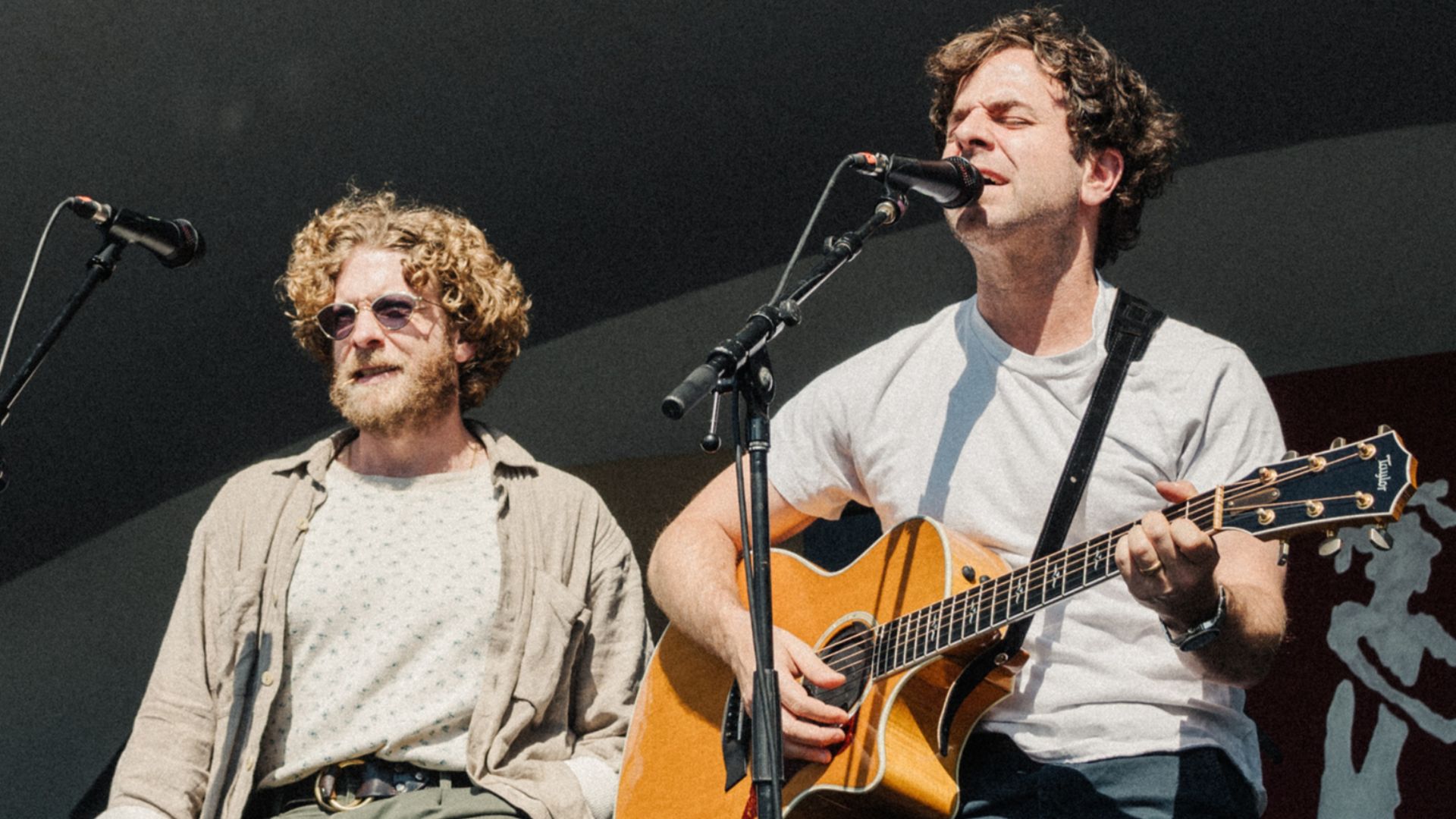
The Eagles / Dawes
The laid-back California rock sound of The Eagles still resonates today. Dawes draws heavily from that tradition, blending thoughtful lyrics with warm guitar tones and layered harmonies. Listening to Dawes can feel like discovering a modern band that grew up on the same canyon-country playlists as the Eagles.
 Levi Manchak, Wikimedia Commons
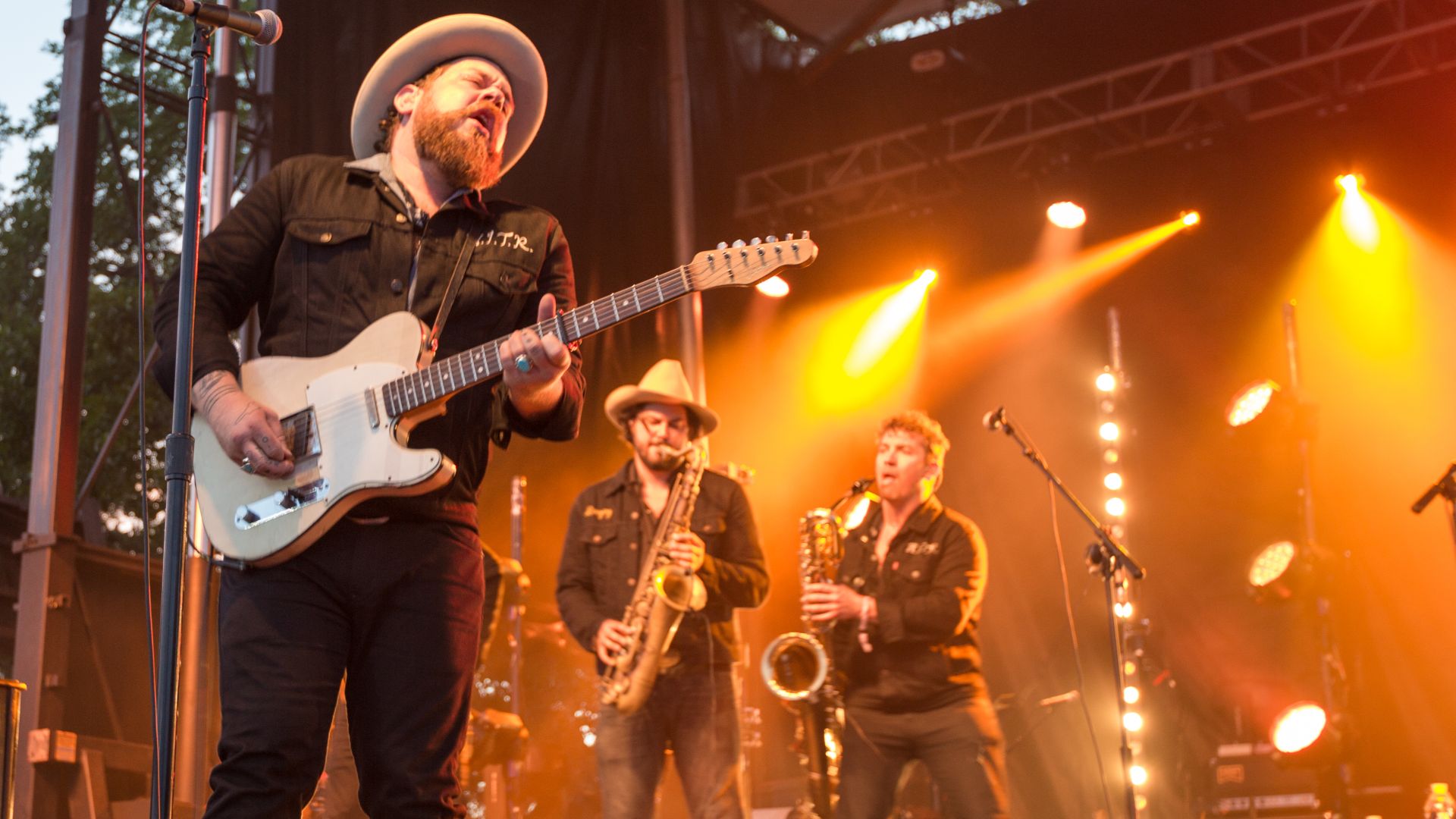
Creedence Clearwater Revival / Nathaniel Rateliff & The Night Sweats
Creedence Clearwater Revival built their reputation on swampy guitars, gritty vocals, and instantly catchy songs. Nathaniel Rateliff & The Night Sweats tap into that same rootsy blend of rock, soul, and Americana. Their music carries the same barroom warmth and feel-good groove that made CCR such a radio staple.
 Ryan Johnson from North Charleston, SC, United States, Wikimedia Commons
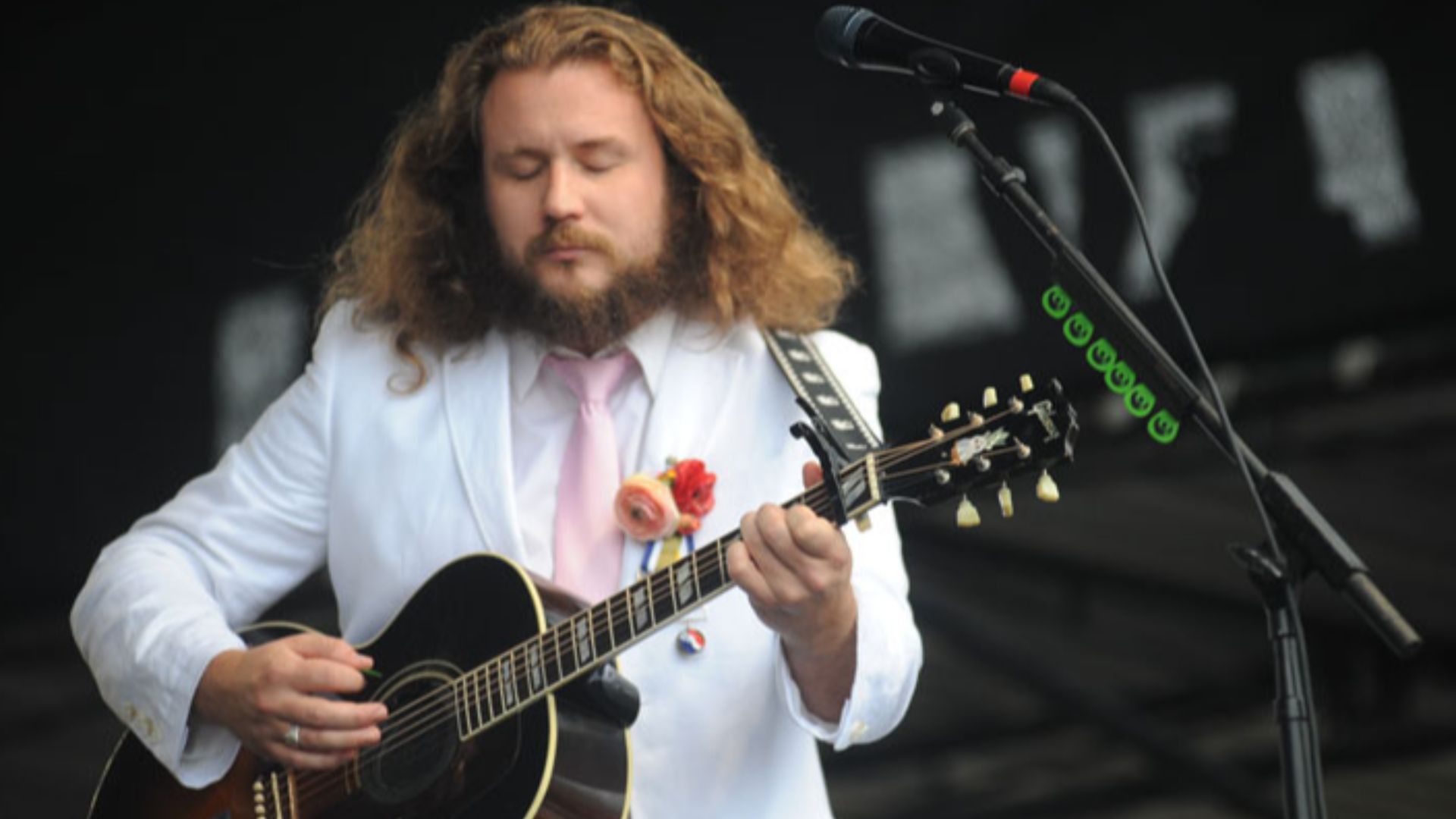
The Grateful Dead / My Morning Jacket
Improvisation and musical freedom made The Grateful Dead legendary. My Morning Jacket carries a similar adventurous spirit today. Their live shows often stretch songs into long, exploratory jams, and their music blends rock, soul, and psychedelia in ways Dead fans tend to appreciate.
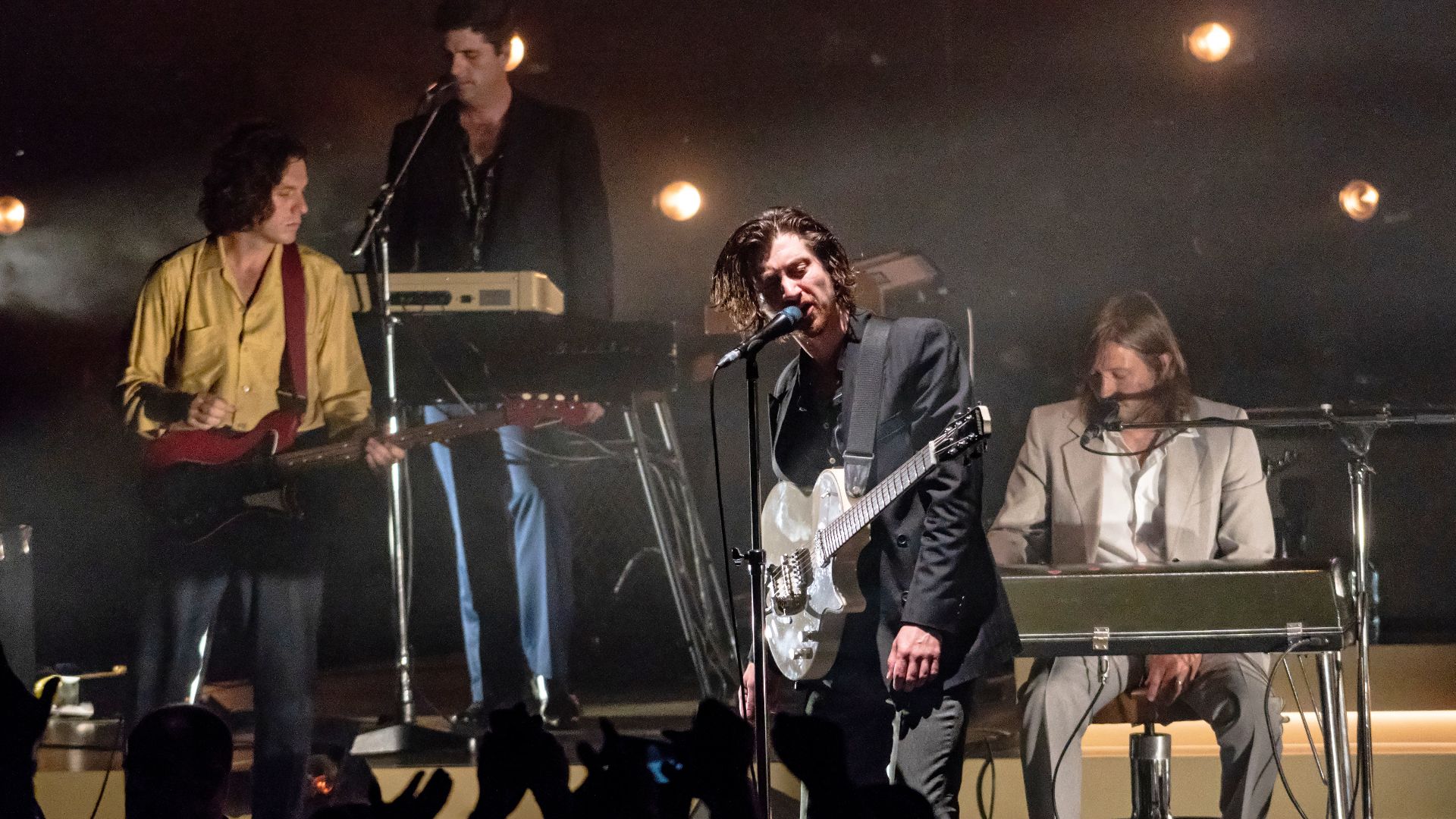
The Doors / Arctic Monkeys
The dark mystique of The Doors helped define late-60s psychedelic rock. Arctic Monkeys have leaned into a similar moody atmosphere on later albums, especially Tranquility Base Hotel & Casino. Alex Turner’s theatrical style occasionally channels the same smoky stage presence Jim Morrison made famous.
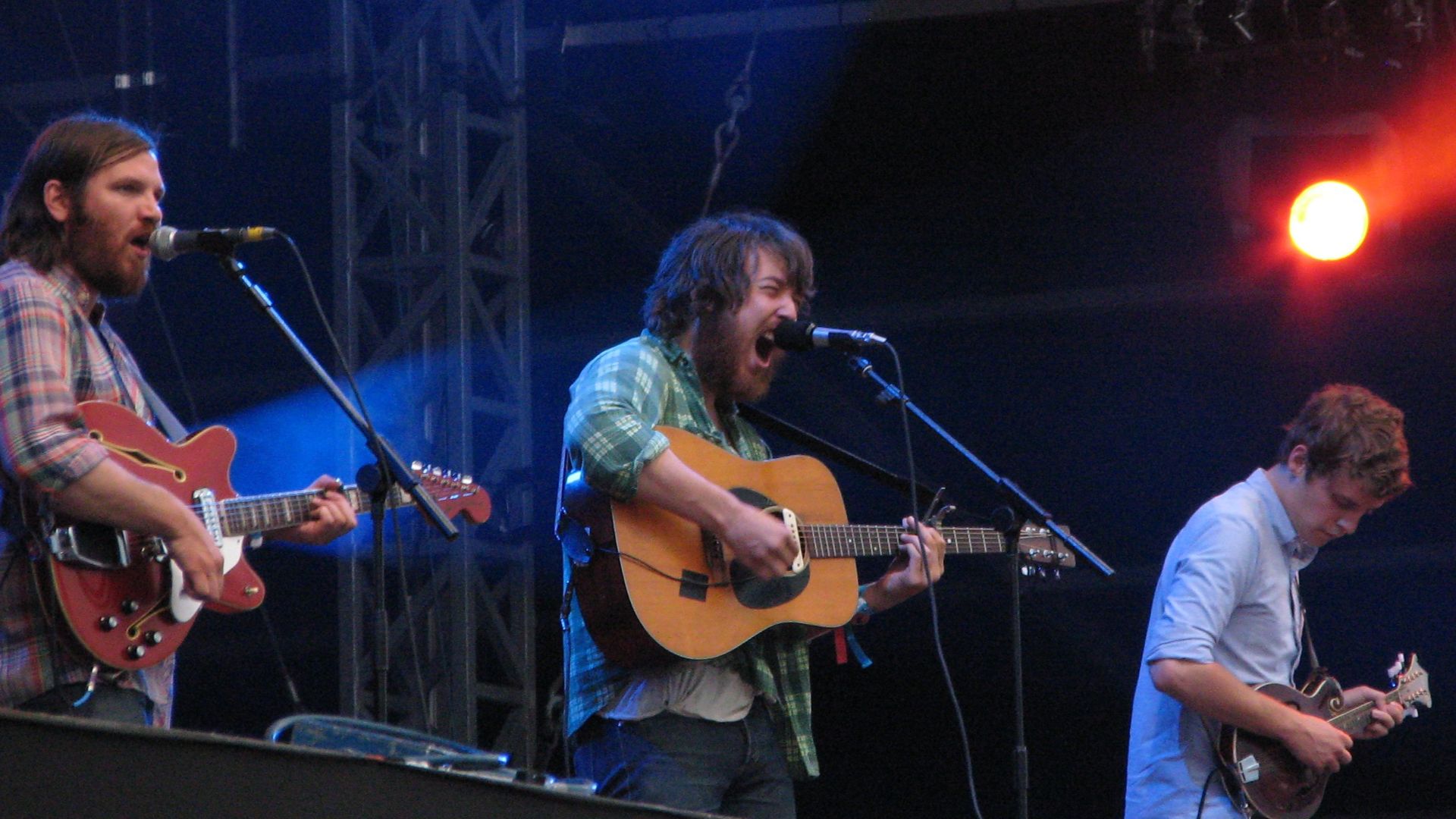
Crosby, Stills, Nash & Young / Fleet Foxes
Few bands perfected vocal harmony like Crosby, Stills, Nash & Young. Fleet Foxes carry that harmony-rich folk tradition into the modern era. Their layered vocals and acoustic arrangements feel rooted in the same musical soil that helped CSNY dominate the late 60s folk-rock scene.
 Mark Jeremy, Wikimedia Commons
David Bowie / St. Vincent
Few artists reinvented themselves as boldly as David Bowie. His blend of glam rock, art-rock experimentation, and theatrical performance changed music forever. St. Vincent channels that same fearless creativity today, constantly evolving her sound while blending rock with modern textures.
 Justin Higuchi, Wikimedia Commons
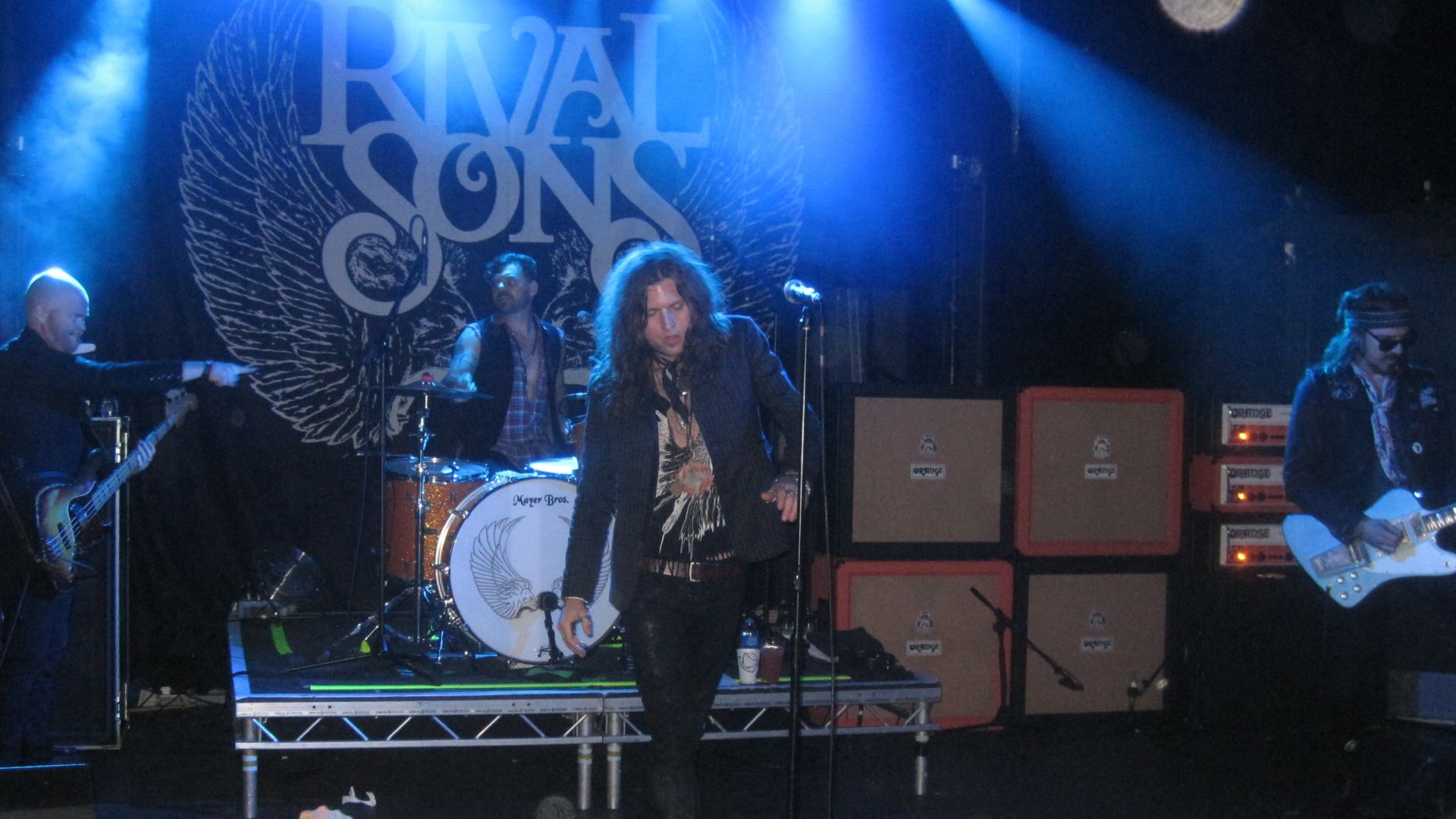
Deep Purple / Rival Sons
The roaring guitars and bluesy hard rock of Deep Purple helped shape early heavy metal. Rival Sons proudly carry that tradition today. Their powerful vocals and riff-heavy sound often feel like something that could have easily blasted from a 70s arena stage.
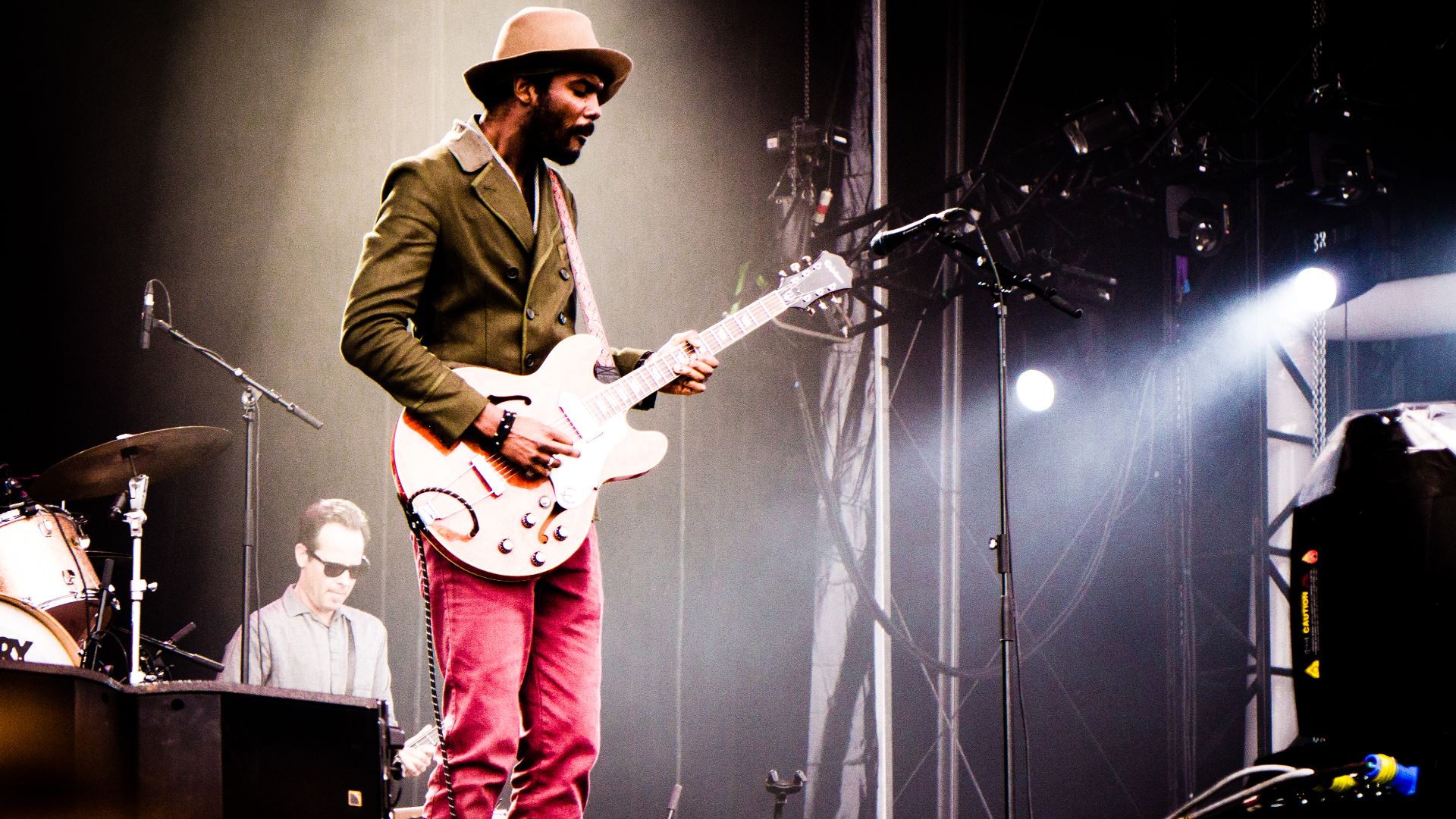
Jimi Hendrix Experience / Gary Clark Jr.
Few guitarists ever pushed the instrument further than Jimi Hendrix. Gary Clark Jr. draws from that same blues-rock foundation. His fuzzy guitar tone and soulful playing style clearly honor Hendrix while still sounding modern.
 Eddy BERTHIER from Brussels, Belgium, Wikimedia Commons
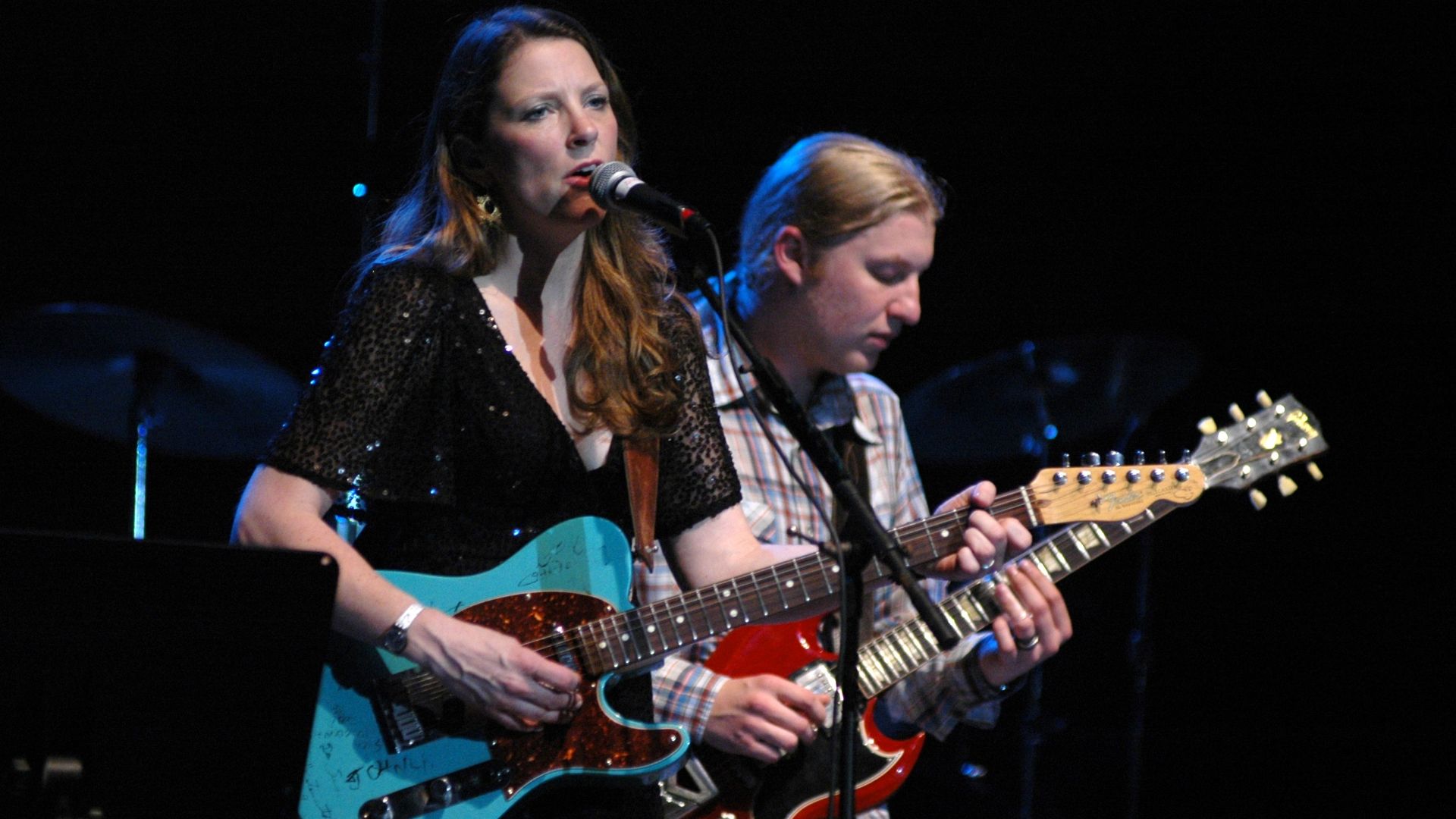
The Allman Brothers Band / Tedeschi Trucks Band
Southern rock reached its peak with The Allman Brothers Band. Tedeschi Trucks Band carries that bluesy southern sound proudly today. With Derek Trucks’ slide guitar and Susan Tedeschi’s soulful vocals, their music often feels like a natural continuation of the Allmans’ legacy.
 Carl Lender, Wikimedia Commons
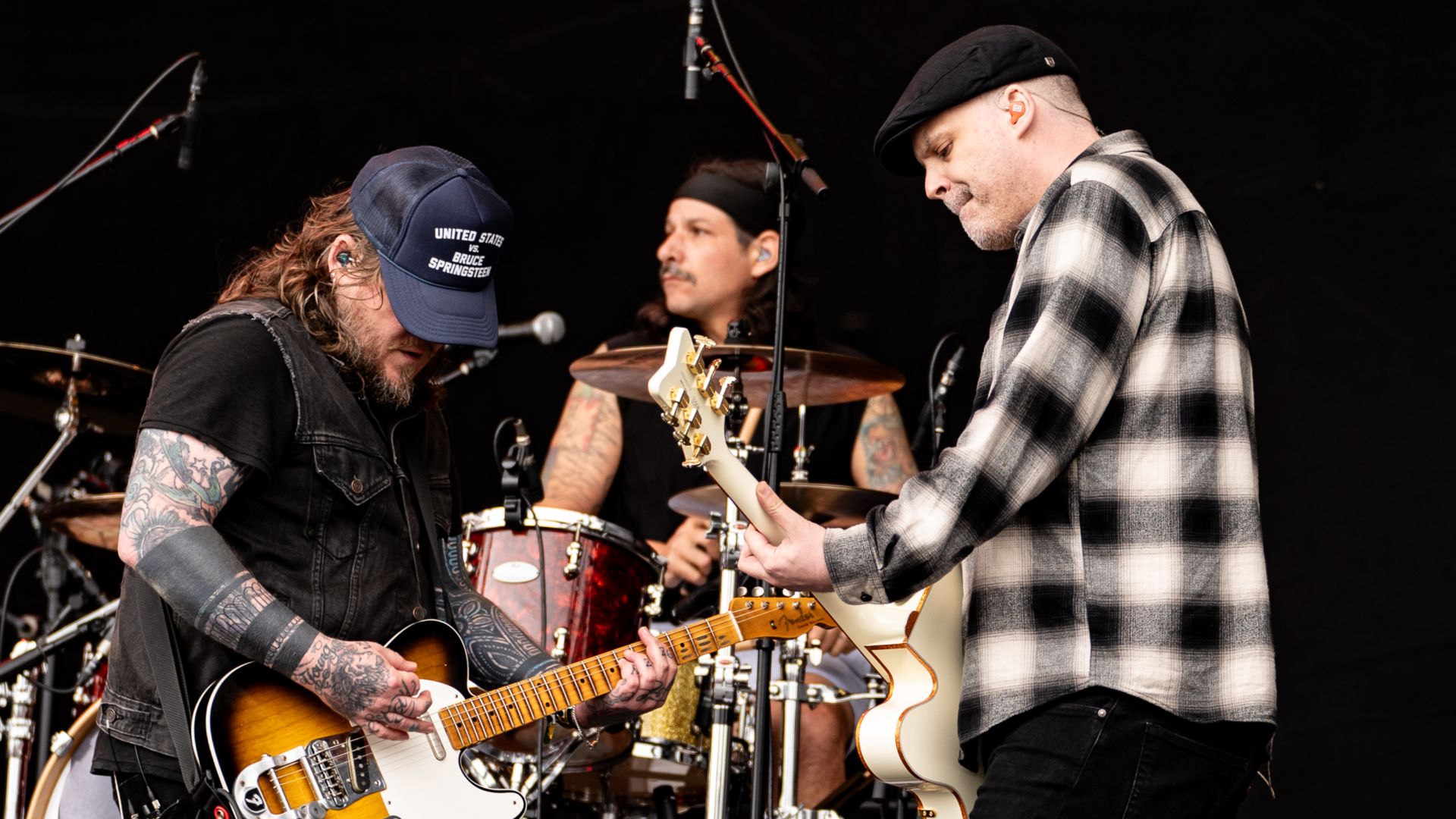
Bruce Springsteen & The E Street Band / The Gaslight Anthem
Few artists captured working-class storytelling and heartland rock quite like Bruce Springsteen & The E Street Band. The Gaslight Anthem carries that same spirit into the modern era. Frontman Brian Fallon has often cited Springsteen as a major influence, and their songs mix driving guitars, nostalgic lyrics, and blue-collar themes that feel right at home alongside the classic Springsteen playbook.
Steely Dan / Vulfpeck
The jazzy precision and groove-heavy songwriting of Steely Dan built a devoted following in the 70s. Modern funk-pop band Vulfpeck taps into a similar love of tight musicianship, smooth rhythms, and clever songwriting that feels equally focused on groove and craft.
![Cory Wong, on left, performing with Vulfpeck at the Crystal Ballroom in Portland, Oregon, on May 26, 2017.[1]](https://www.factinate.com/storage/app/media/theshot/2026/3/12/177333315846e5fa1b2dea70121039d2d4470c01175363055d.jpg) Chris Hahn, https://www.flickr.com/photos/newmodernscience/, Wikimedia Commons
Chris Hahn, https://www.flickr.com/photos/newmodernscience/, Wikimedia Commons
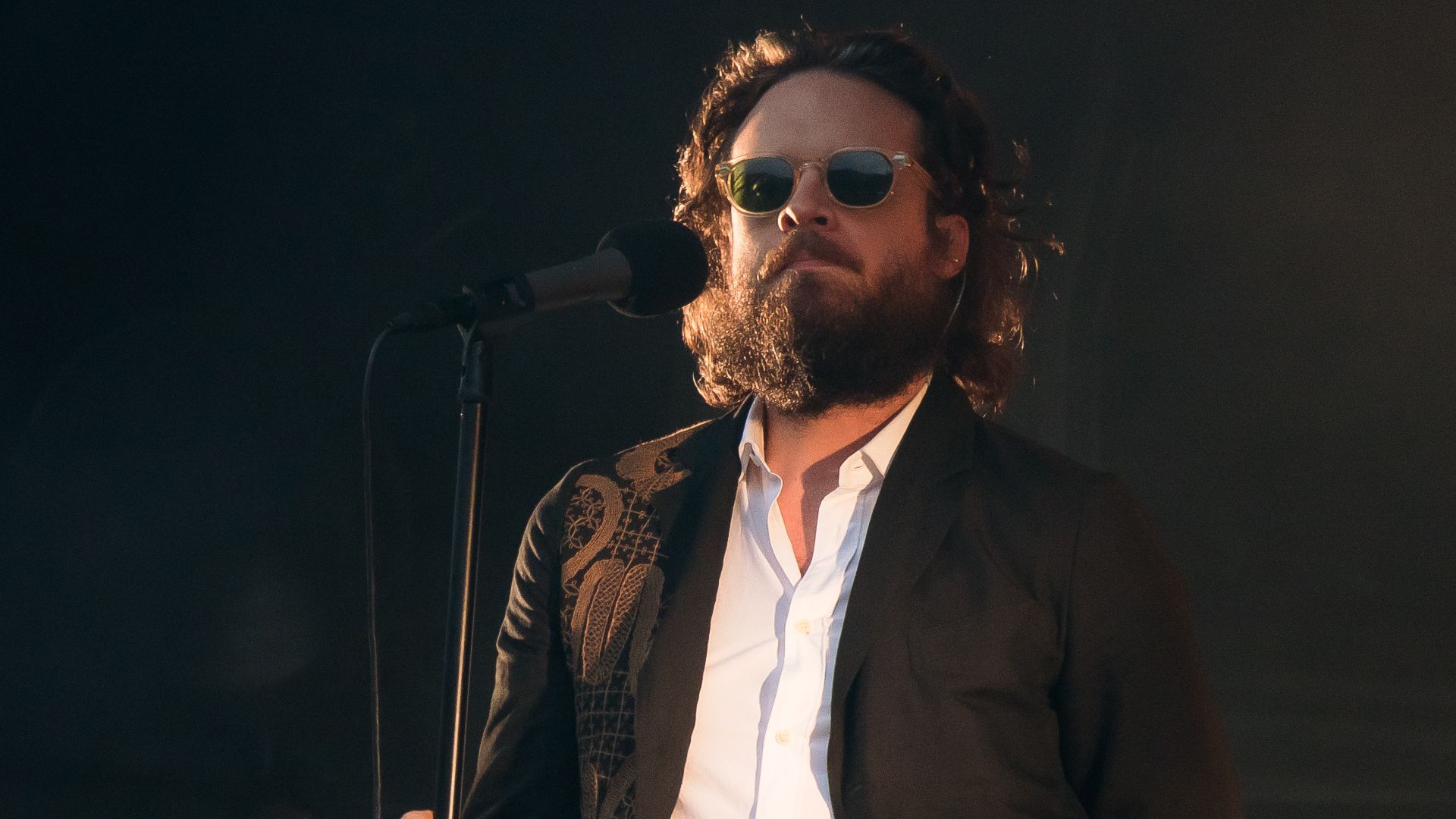
Bob Dylan / Father John Misty
The poetic songwriting of Bob Dylan reshaped what rock lyrics could be. Father John Misty taps into that same storytelling tradition. His songs often feel like clever observations about modern life set to music—something Dylan fans tend to recognize right away.
 Takahiro Kyono from Tokyo, Japan, Wikimedia Commons
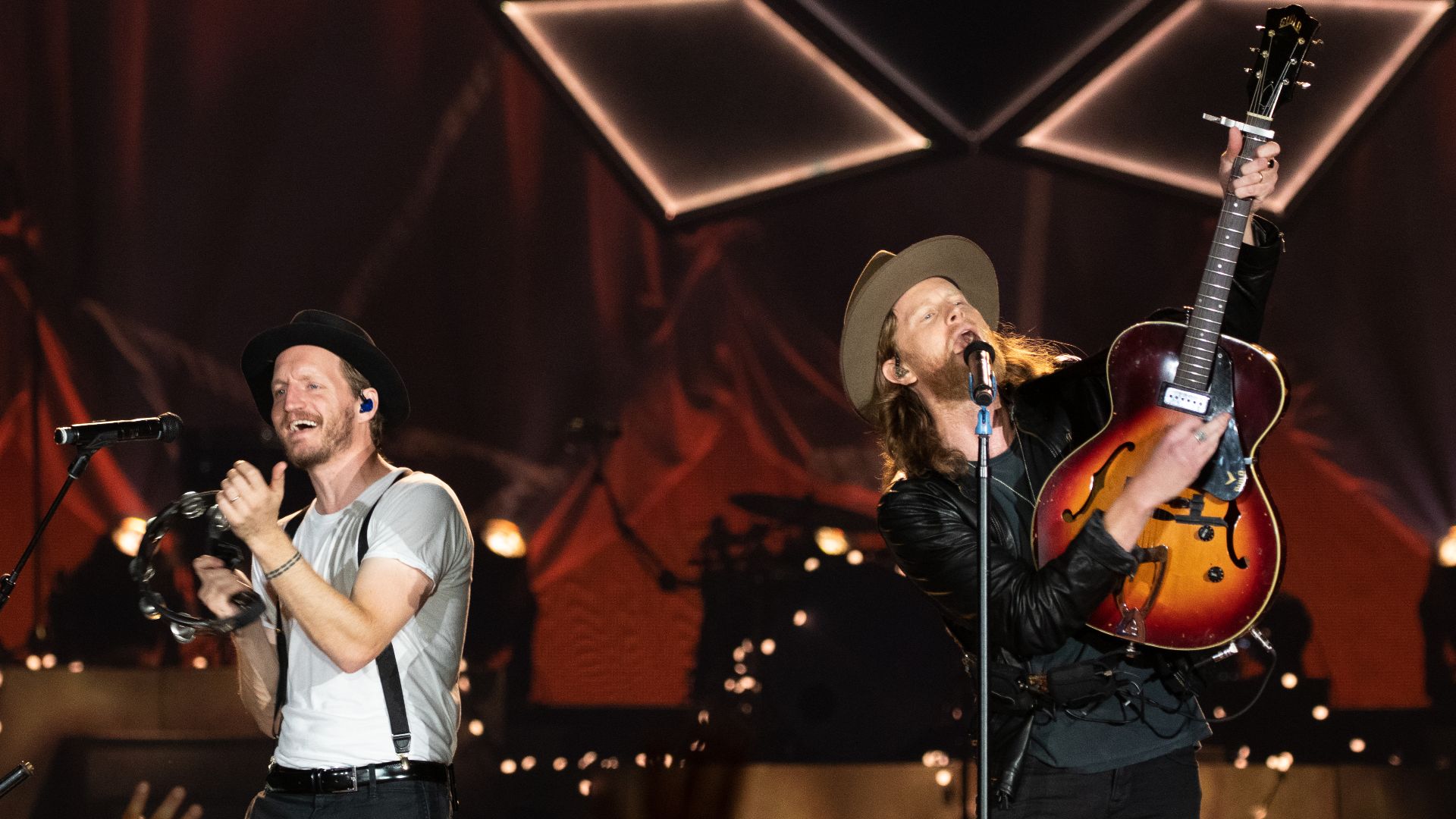
The Byrds / The Lumineers
Folk-rock pioneers The Byrds helped bring jangly guitars and poetic songwriting into the mainstream during the 60s. The Lumineers carry that same rootsy spirit today. Their acoustic-driven songs, storytelling lyrics, and stripped-down arrangements echo the kind of folk-rock sound The Byrds helped popularize.
 DiegoVigueras, Wikimedia Commons
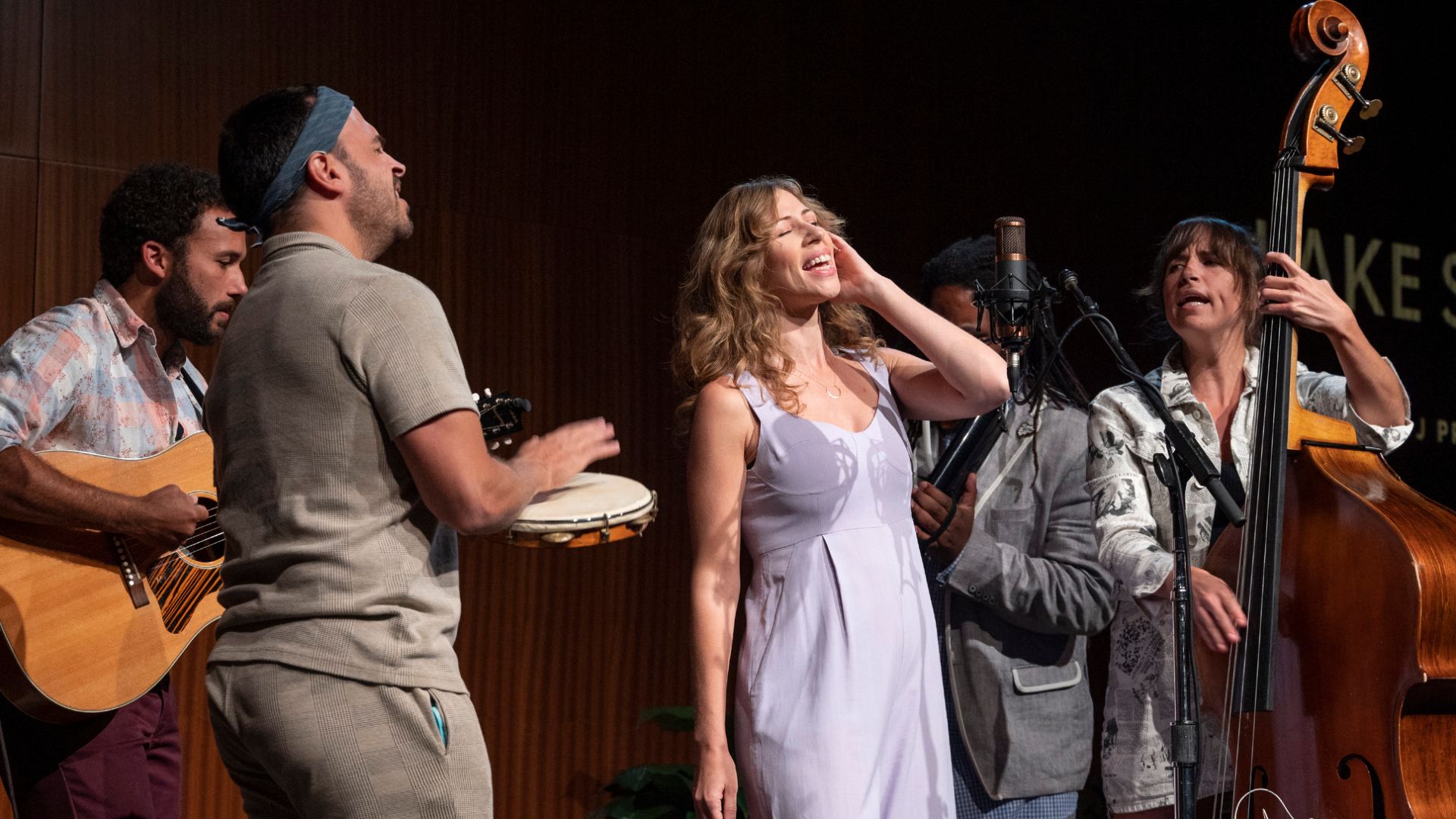
Chicago / Lake Street Dive
Early Chicago stood out for blending rock with jazz, soul, and horn-driven arrangements. Lake Street Dive taps into a similar mix of musical styles. Their songs combine pop hooks, soul grooves, and tight musicianship in a way that feels like a modern spin on the sophisticated band sound Chicago helped pioneer.
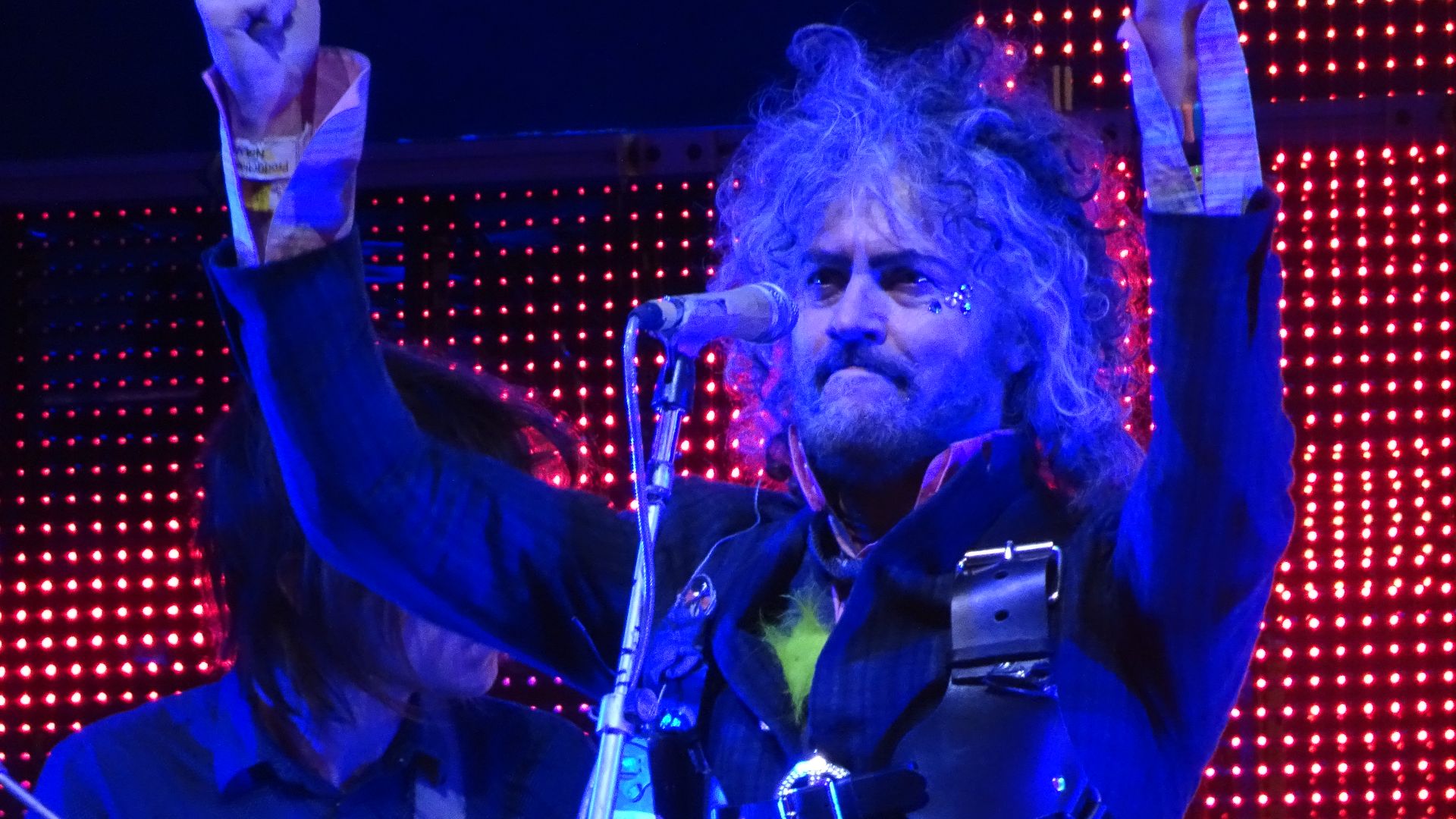
The Moody Blues / The Flaming Lips
Dreamy, orchestral, and sometimes wonderfully strange, The Moody Blues pushed rock music into more psychedelic territory in the late 60s. The Flaming Lips carry that experimental spirit forward today. Their music blends lush arrangements, surreal lyrics, and colorful production that feel right at home alongside the Moody Blues’ cosmic approach.
 dom fellowes, Wikimedia Commons
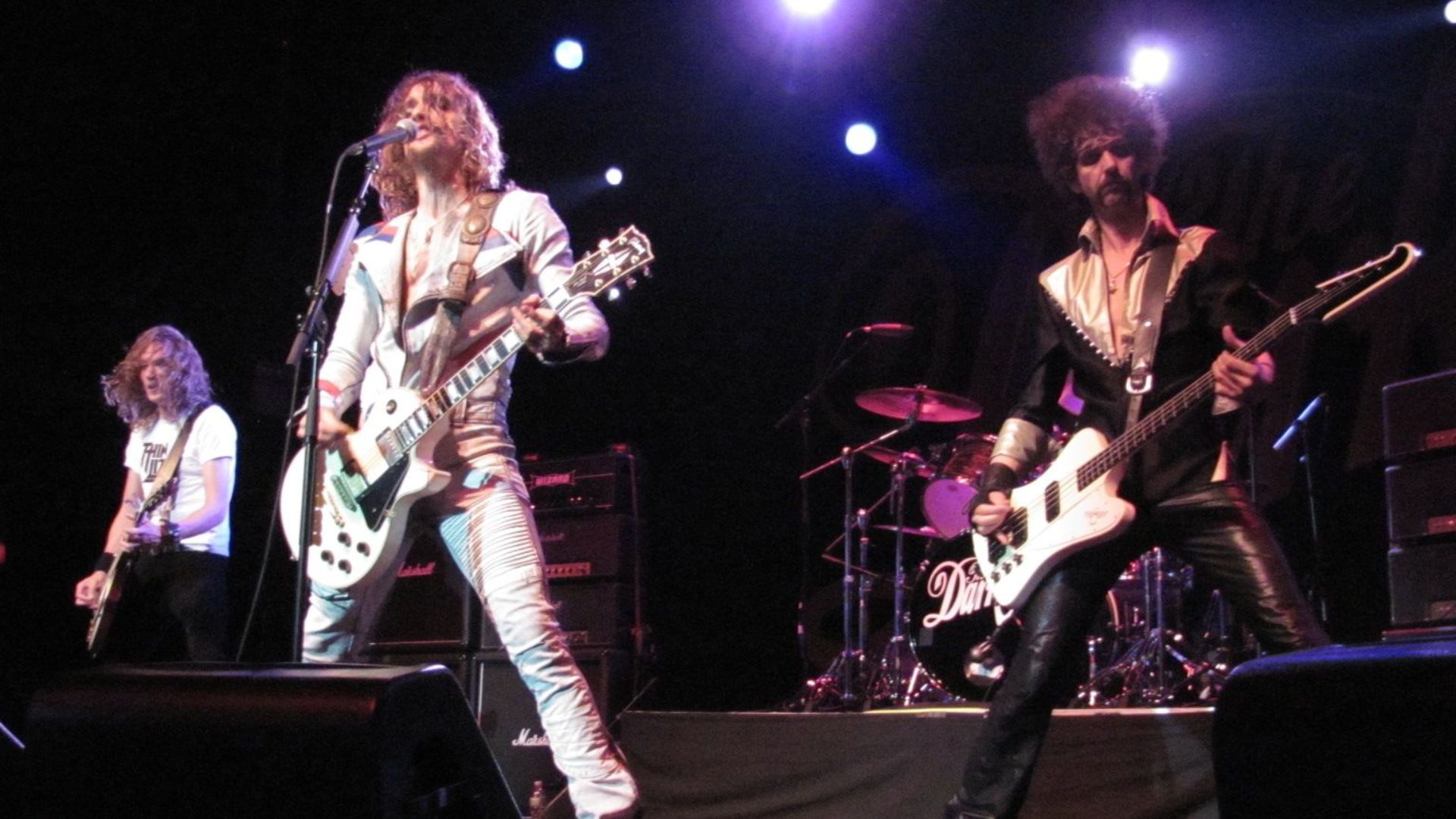
Boston / The Darkness
When Boston exploded onto the scene in the 70s, their soaring guitars and huge arena-ready hooks immediately stood out. The Darkness taps into that same larger-than-life rock energy. With dramatic vocals and big guitar riffs, their songs feel like a modern-day celebration of the kind of stadium rock Boston helped perfect.
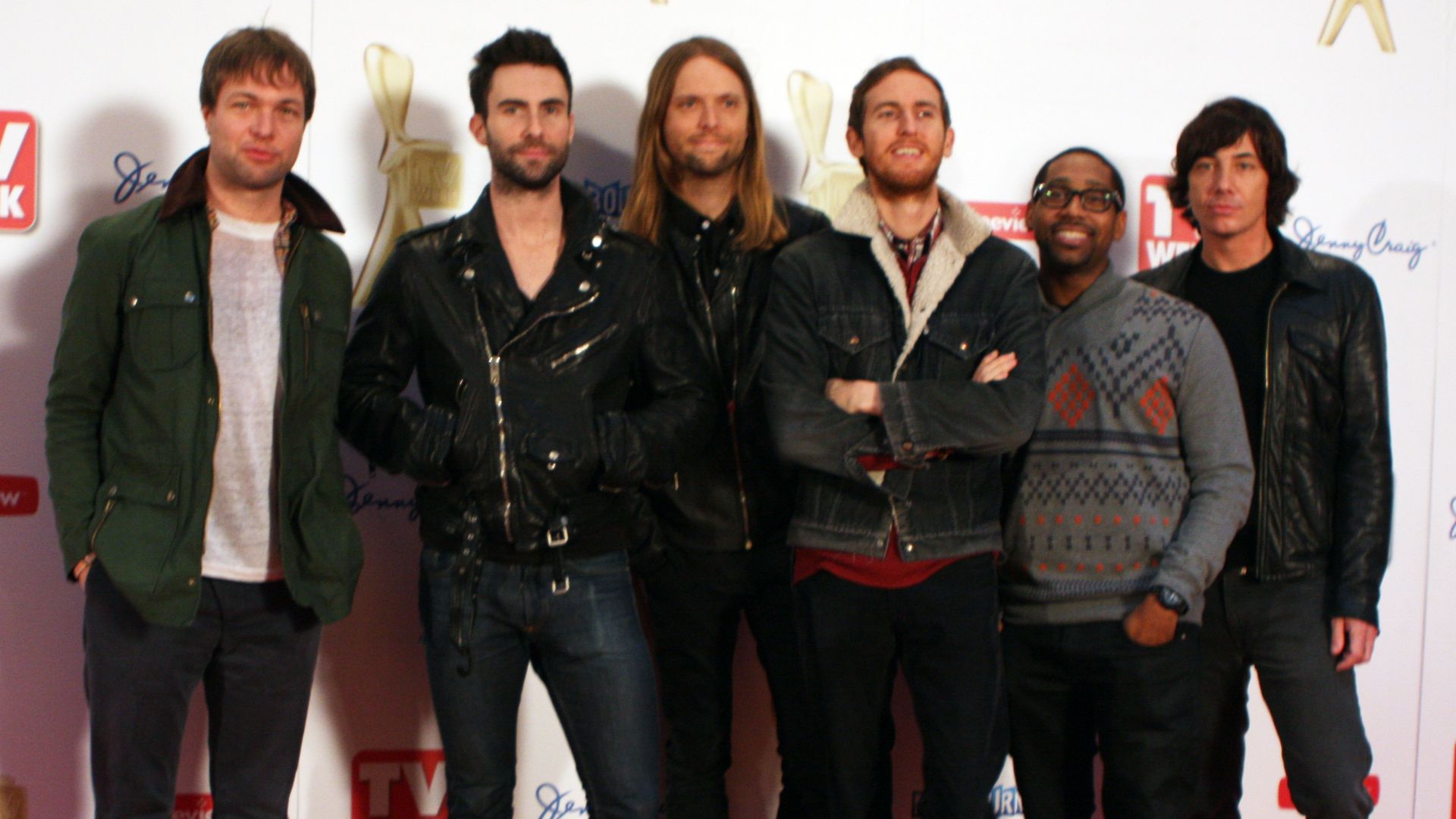
The Police / Maroon 5
With their mix of rock, pop, and reggae-influenced rhythms, The Police created a distinctive sound that dominated late-70s and early-80s radio. Early Maroon 5 tapped into a surprisingly similar groove-driven style—but mostly on their debut album Songs About Jane. Tracks from that first record feature tight rhythms, melodic bass lines, and pop-rock hooks that occasionally echo the kind of sound The Police made famous. After that album, though, Maroon 5’s music moved much more toward mainstream pop and away from that Police-like feel.
 Eva Rinaldi, Wikimedia Commons
You Might Also Like:
Songs That Have The Name Of The Band In The Title—How Many Do You Know?
Movies That Make Me Cry Every Single Time. How About You?