
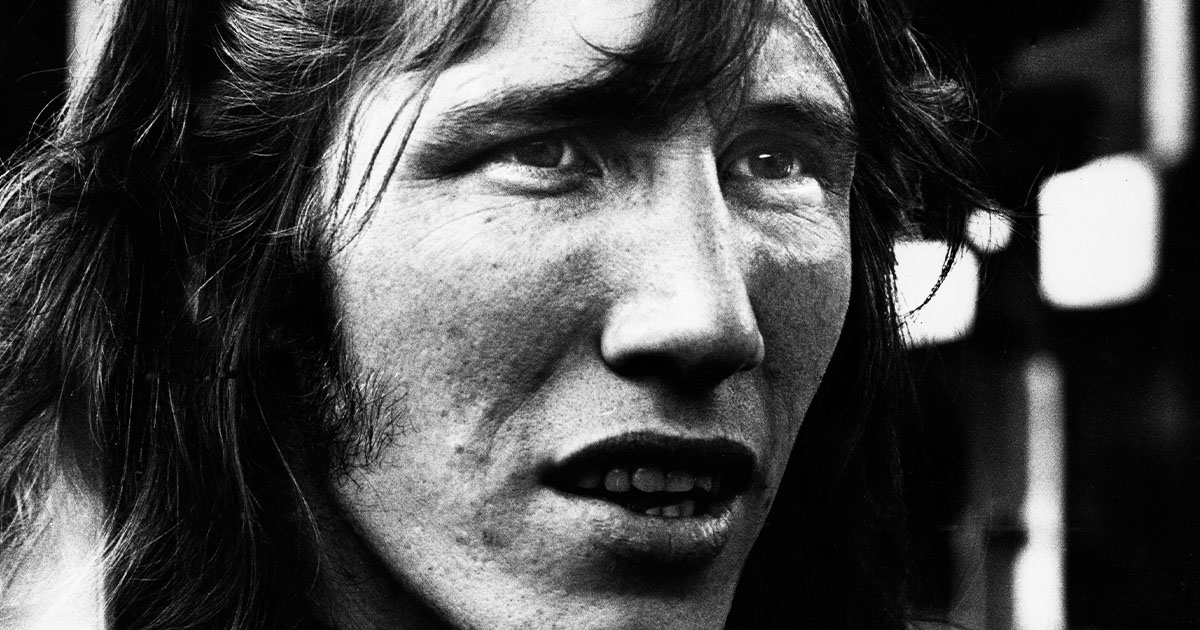
The Legal War That Redefined Rock
Pink Floyd began in the late 1960s as a psychedelic curiosity, born out of London’s underground scene. With Syd Barrett’s wild imagination steering the ship, they created something entirely new. When Barrett left, Roger Waters, David Gilmour, Nick Mason, and Richard Wright carried the torch — and turned Pink Floyd into one of the most visionary bands in rock history.
But as the band reached the height of fame, Roger Waters’ brilliance — and his battles — nearly tore the band apart. What followed was one of the most explosive breakups in rock history, a feud that changed the definition of artistic control forever.

Waters Finds His Voice
By the mid-1970s, Roger Waters had become the band’s driving creative force. He wasn’t just the bassist — he was the conceptual architect. The Dark Side of the Moon and Wish You Were Here reflected his growing philosophical and emotional depth. “I was obsessed with the human condition,” Waters later said. “Fame, greed, fear — that’s what drove me.”
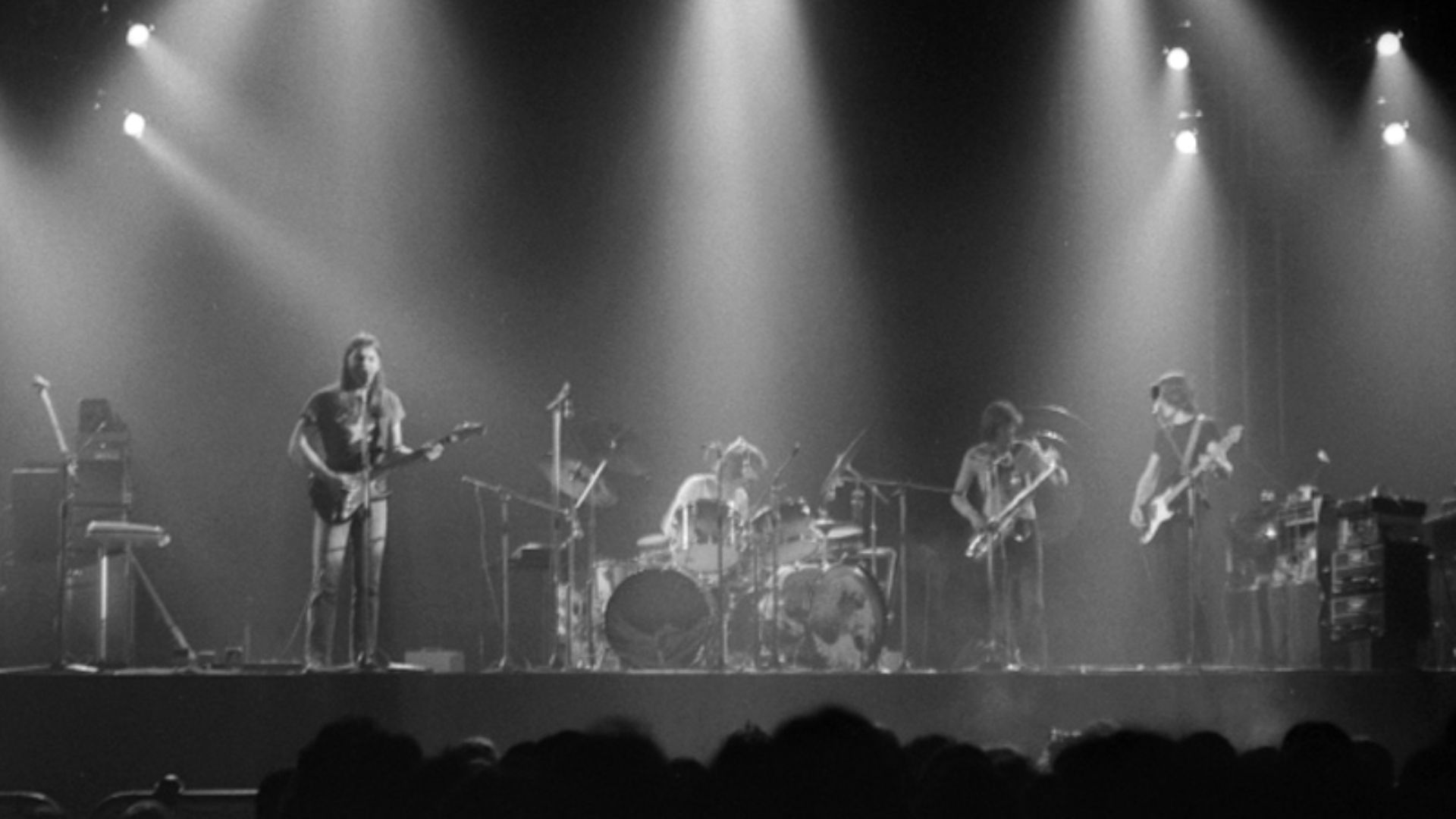
The Rise of Control
As Pink Floyd’s success grew, so did Waters’ influence. By the time Animals (1977) and The Wall (1979) arrived, he was steering nearly every creative decision. “Roger was brilliant,” Gilmour admitted. “But he wanted total control — and that’s when things got difficult.” The balance that had once defined Pink Floyd began to unravel.
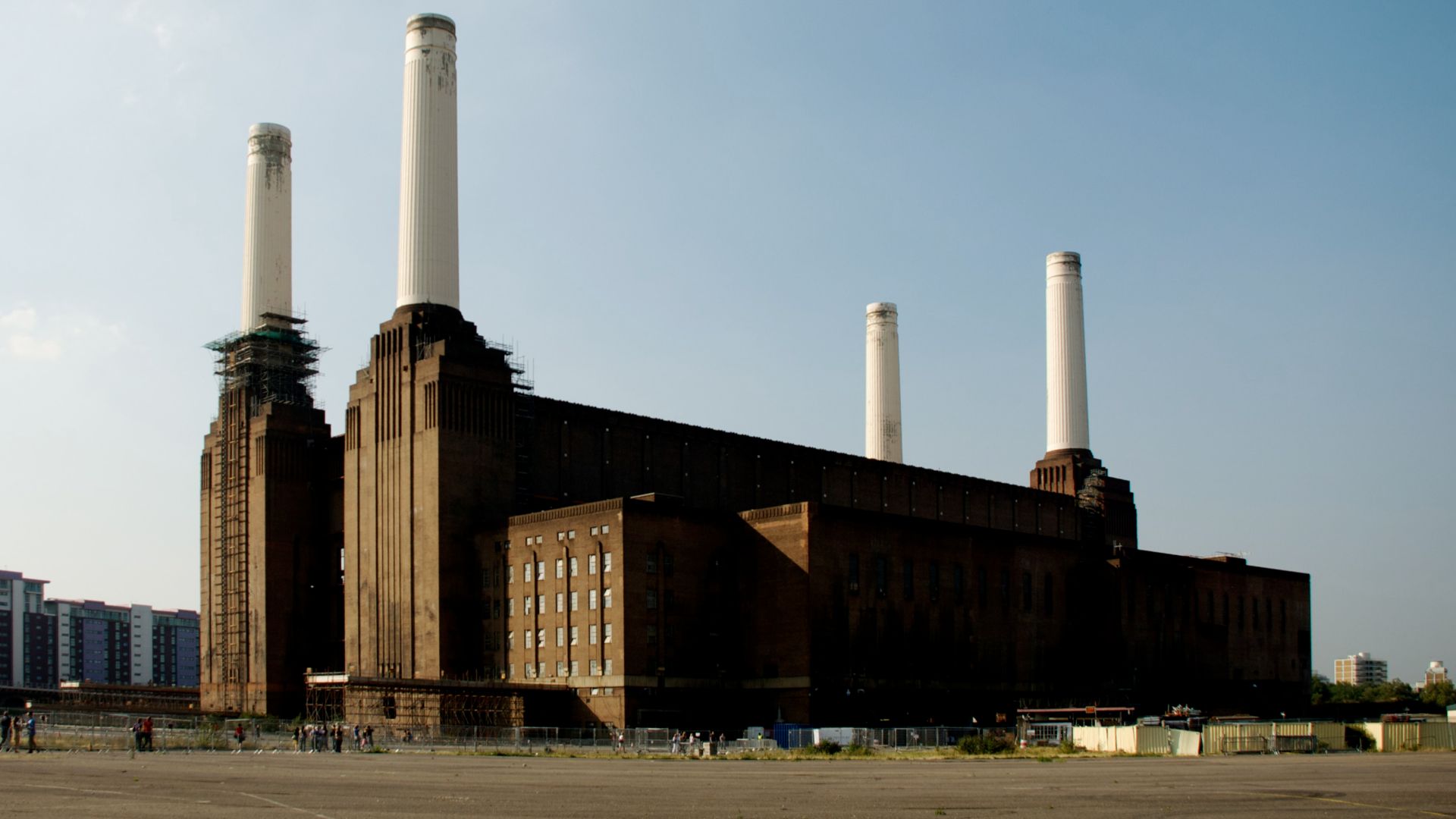 Gaetan Lee from London, UK, Wikimedia Commons
The Wall of Division
The Wall became both a masterpiece and a breaking point. The album’s themes of isolation and ego mirrored what was happening inside the band. Waters’ perfectionism pushed everyone to their limits. Richard Wright was even fired during the recording sessions — by Waters himself. “The irony,” Wright later said, “was that The Wall was about alienation — and we were living it.”

The Final Cut — and the Final Straw
In 1983, Pink Floyd released The Final Cut, an album so personal to Waters that it was practically a solo record. It was subtitled A Requiem for the Post-War Dream — by Roger Waters, performed by Pink Floyd. The other members were barely involved. “By then,” Gilmour said, “it didn’t feel like a band anymore.” The tension was unbearable.
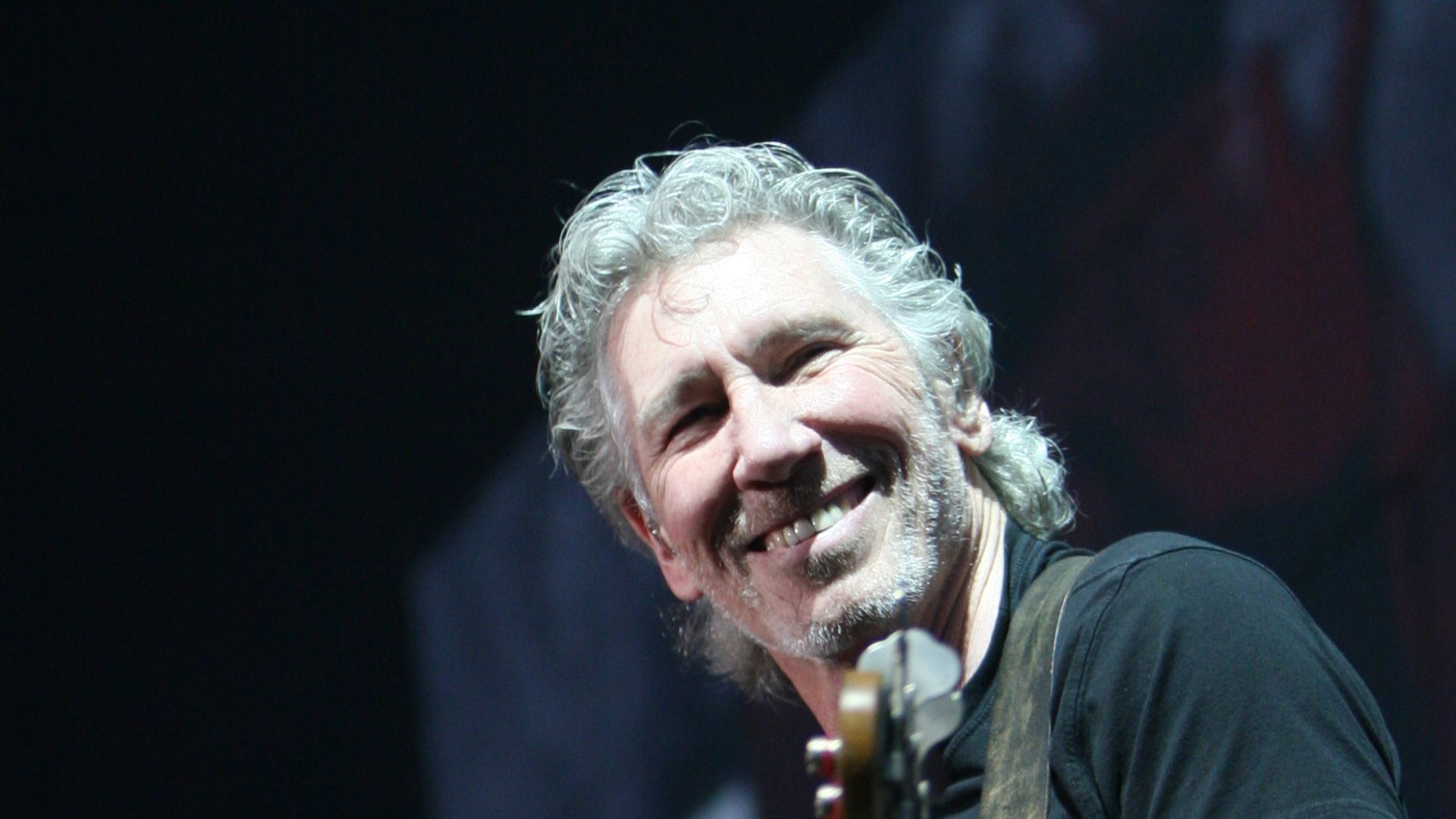 Alterna2, http://www.alterna2.com, Wikimedia Commons
Roger Walks Away
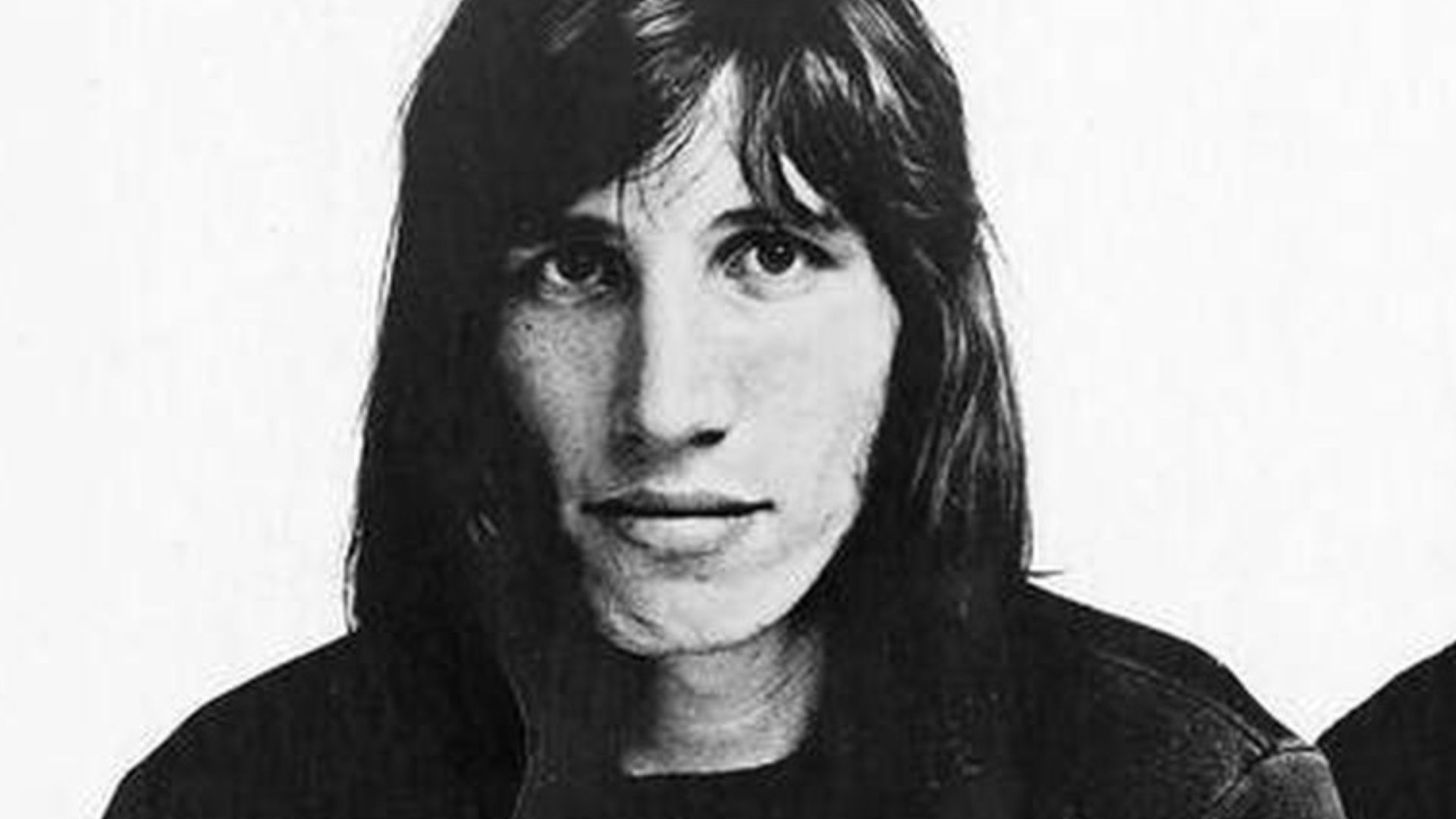
By late 1985, Waters had had enough. He announced that Pink Floyd was “a spent force.” He officially left the band, assuming that without him, it couldn’t go on. “It was my project,” he said bluntly in interviews. “I built it. I wrote it. It couldn’t continue without me.”
 Capitol Records, Wikimedia Commons
The Shock of Rebellion
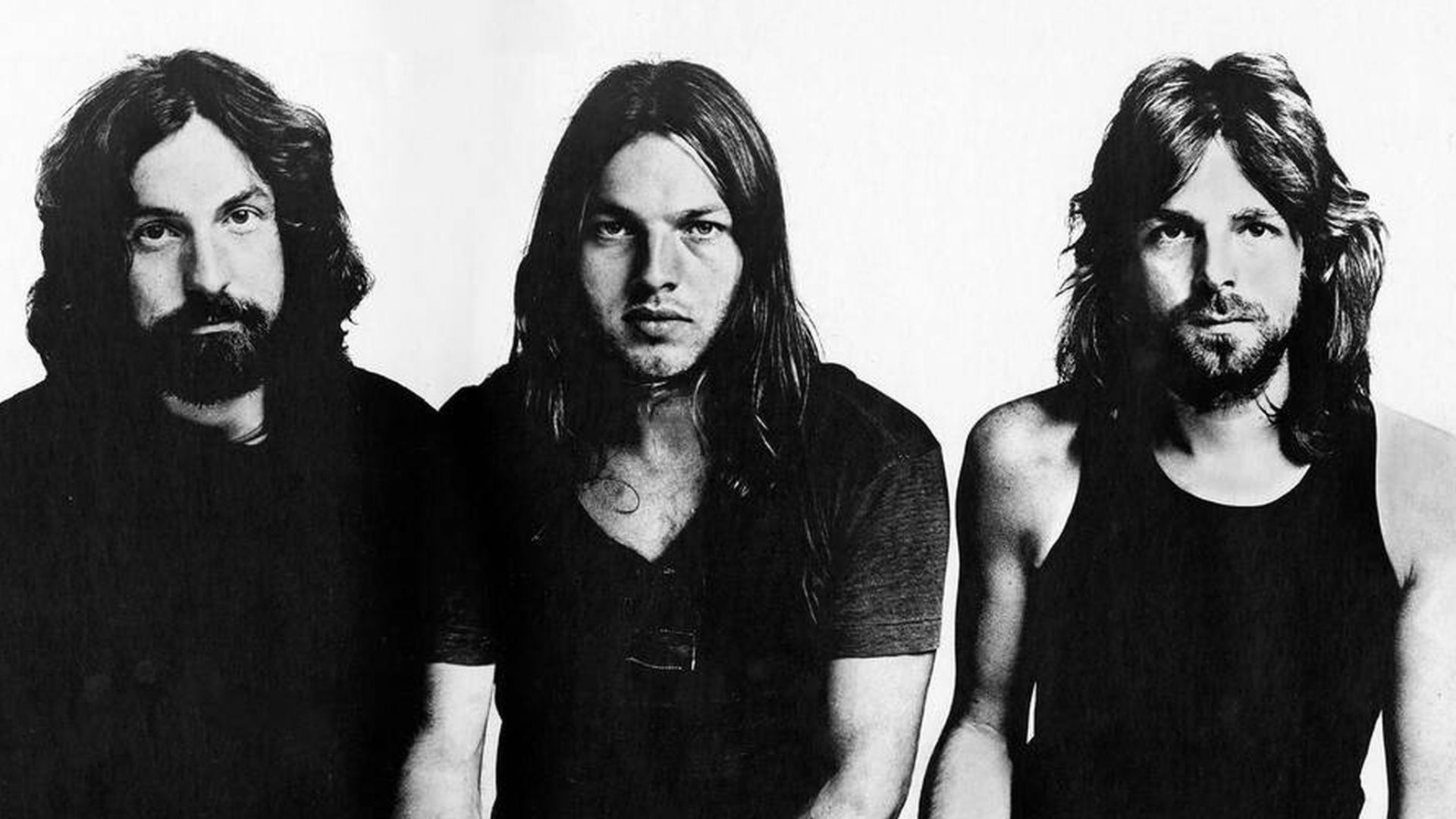
But Gilmour, Mason, and Wright didn’t agree. “We weren’t ready to let it die,” Gilmour said. They decided to carry on as Pink Floyd — without Waters. That decision sparked one of the most bitter and famous legal battles in music history.
 Capitol Records, Wikimedia Commons
The Lawsuit That Shook Rock
Waters sued his former bandmates in 1986, claiming ownership of the Pink Floyd name and its imagery. He argued that since he was the primary creative force, the band’s identity was inseparable from his work. “It was like watching a family divorce,” recalled their lawyer. “Years of resentment came pouring out.”
The Battle Over the Name
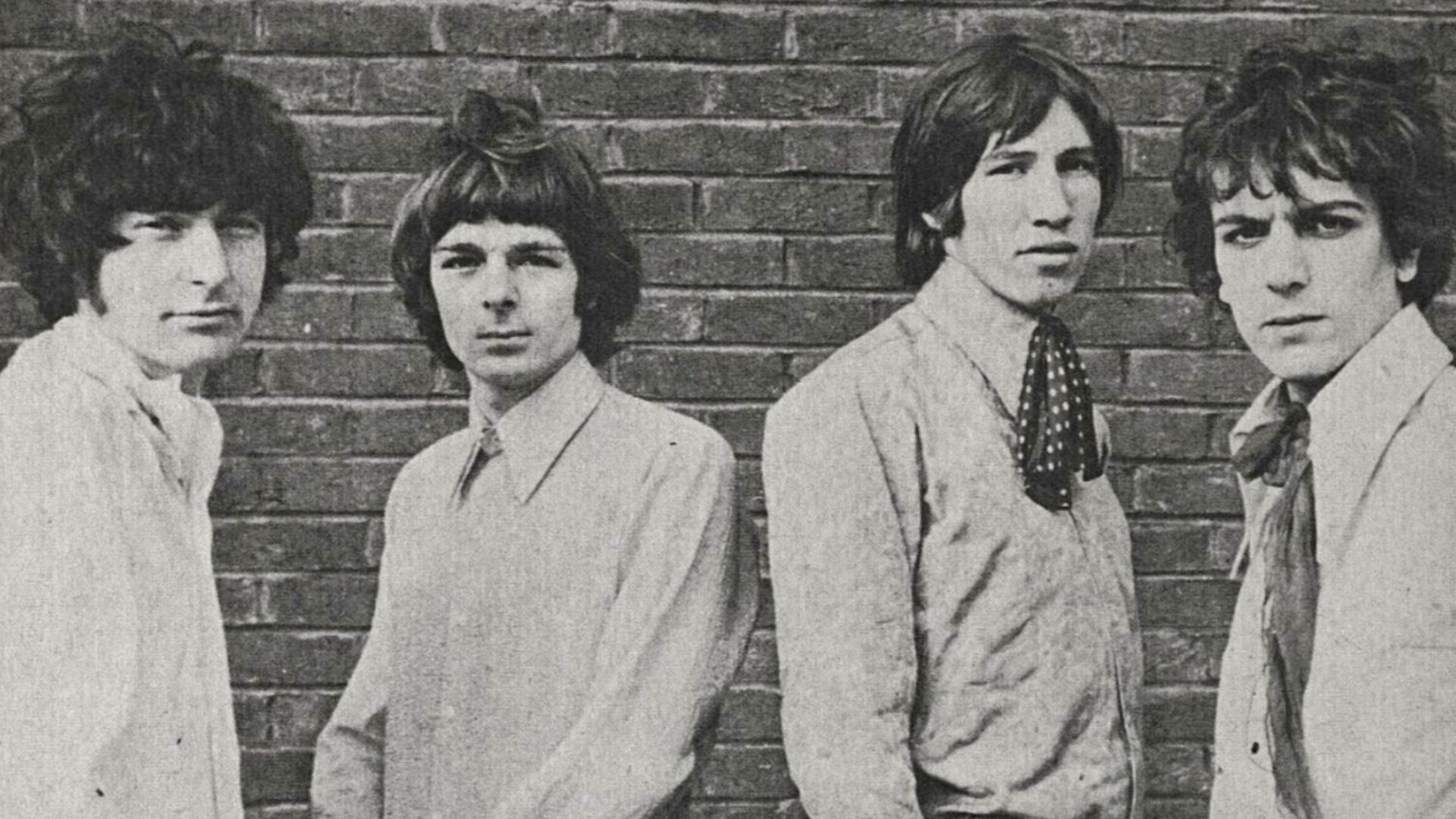
At the heart of the lawsuit was one question: who was Pink Floyd? Was it a collective, or was it the vision of one man? Waters insisted it was his creation. Gilmour and Mason argued that Pink Floyd was bigger than any single member. The court sided with Gilmour and Mason — allowing them to continue using the name.
 Craig ONeal, Wikimedia Commons
Waters’ Perspective
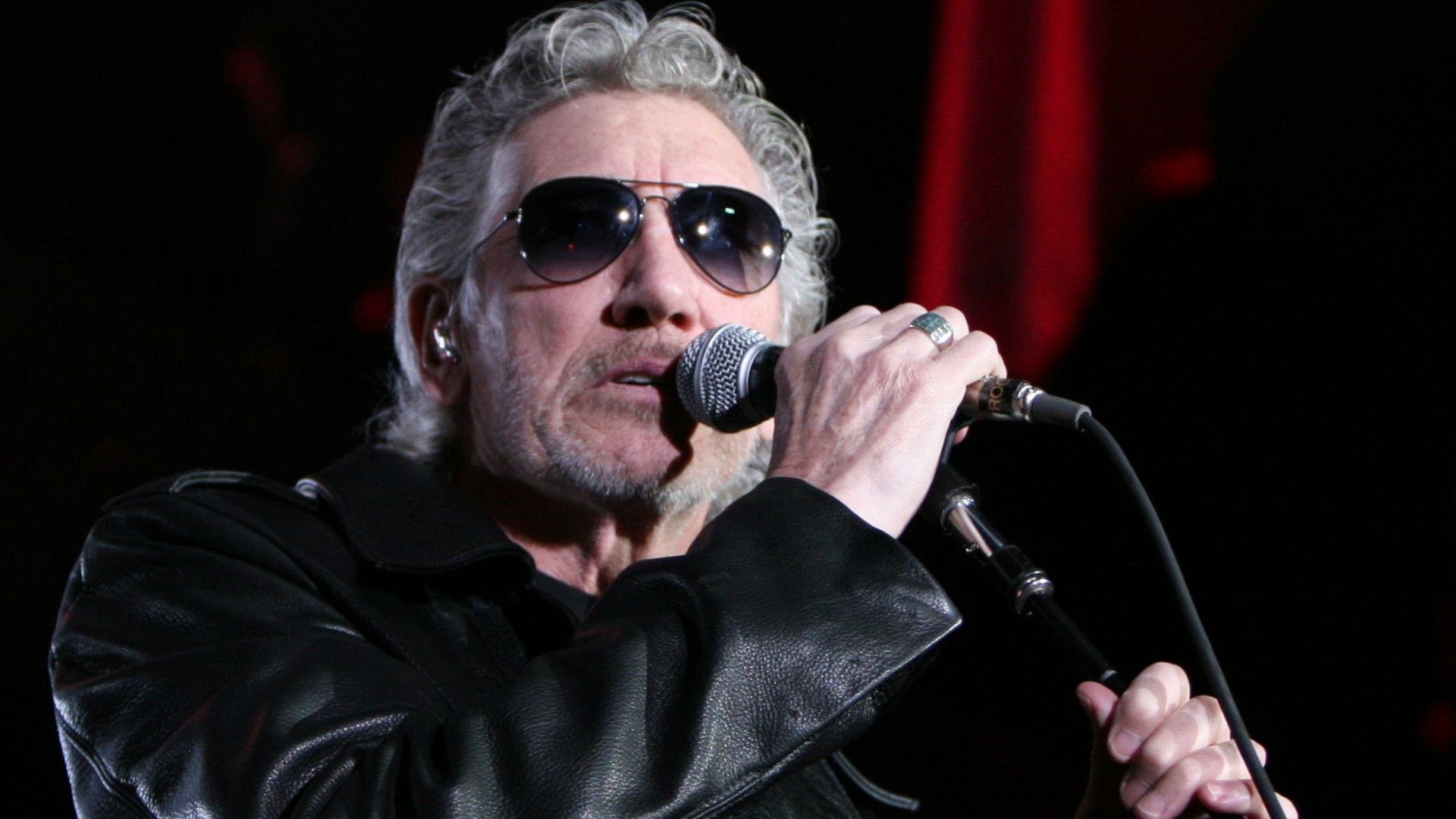
Roger Waters was furious but ultimately philosophical. “It was like they were running around in my clothes,” he once said. “But fine — I had to move on.” He launched a solo career, continuing to explore the same grand, political themes that had defined his work with Pink Floyd.
 Roeske, Robert, Wikimedia Commons
The Gilmour Era
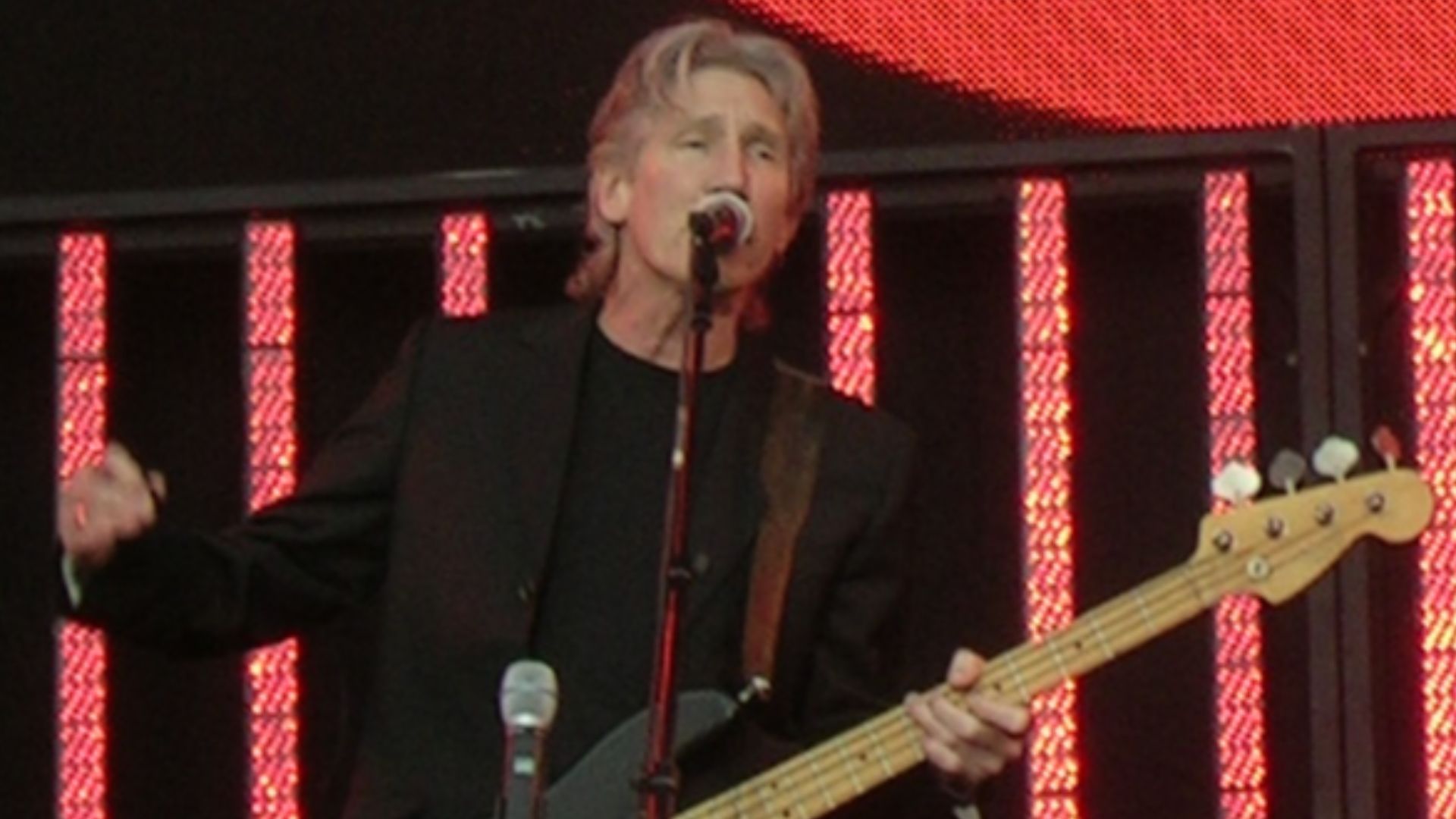
Gilmour, meanwhile, led a reborn Pink Floyd into a new chapter. Albums like A Momentary Lapse of Reason (1987) and The Division Bell (1994) carried a more ethereal, emotional tone — less political, more introspective. “We weren’t trying to replace Roger,” Gilmour said. “We just wanted to keep the spirit alive.”
 Christian Leonard Quale (Clq 16:17, 12 July 2006 (UTC)), Wikimedia Commons
The Fans Take Sides
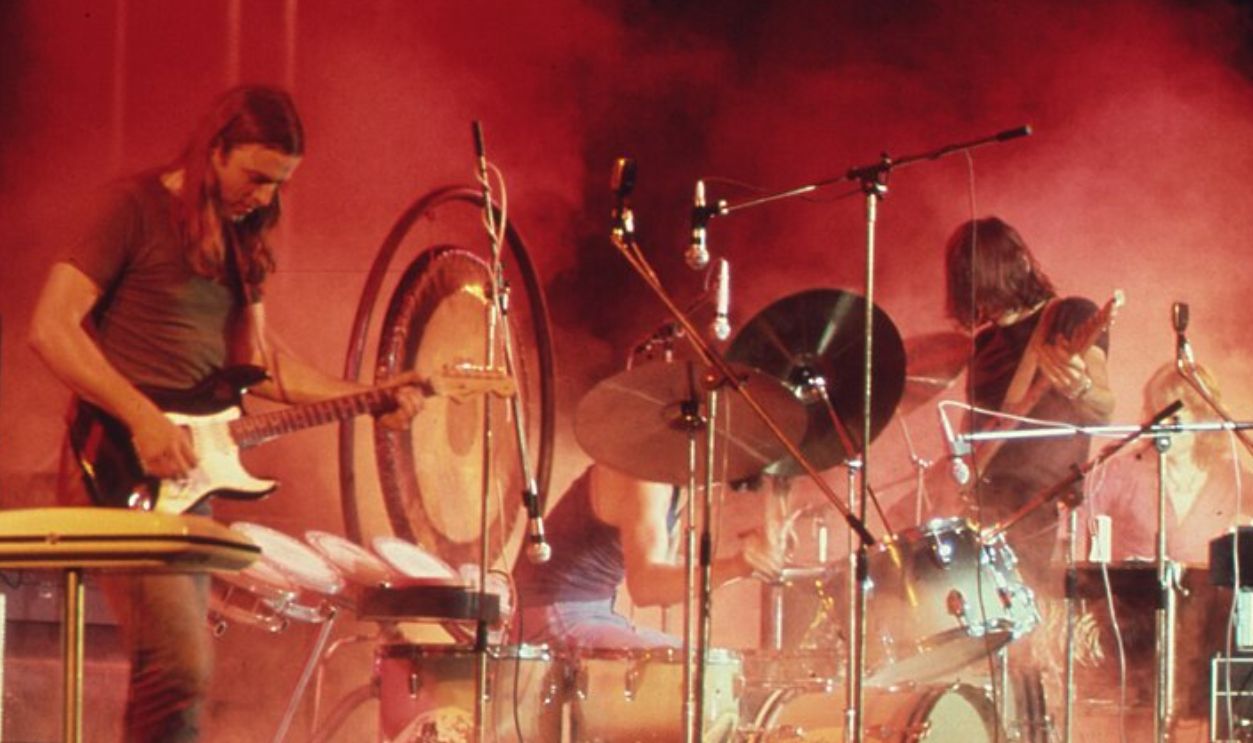
The split divided fans around the world. Some felt that Waters was Pink Floyd — the poet and visionary behind the lyrics. Others argued that Gilmour’s melodic soul and guitar work were equally essential. “It was heartbreaking,” Mason admitted. “We didn’t just lose a bandmate — we lost a brother.”
 Erik Calonius, Wikimedia Commons
A Bitterness That Lingered
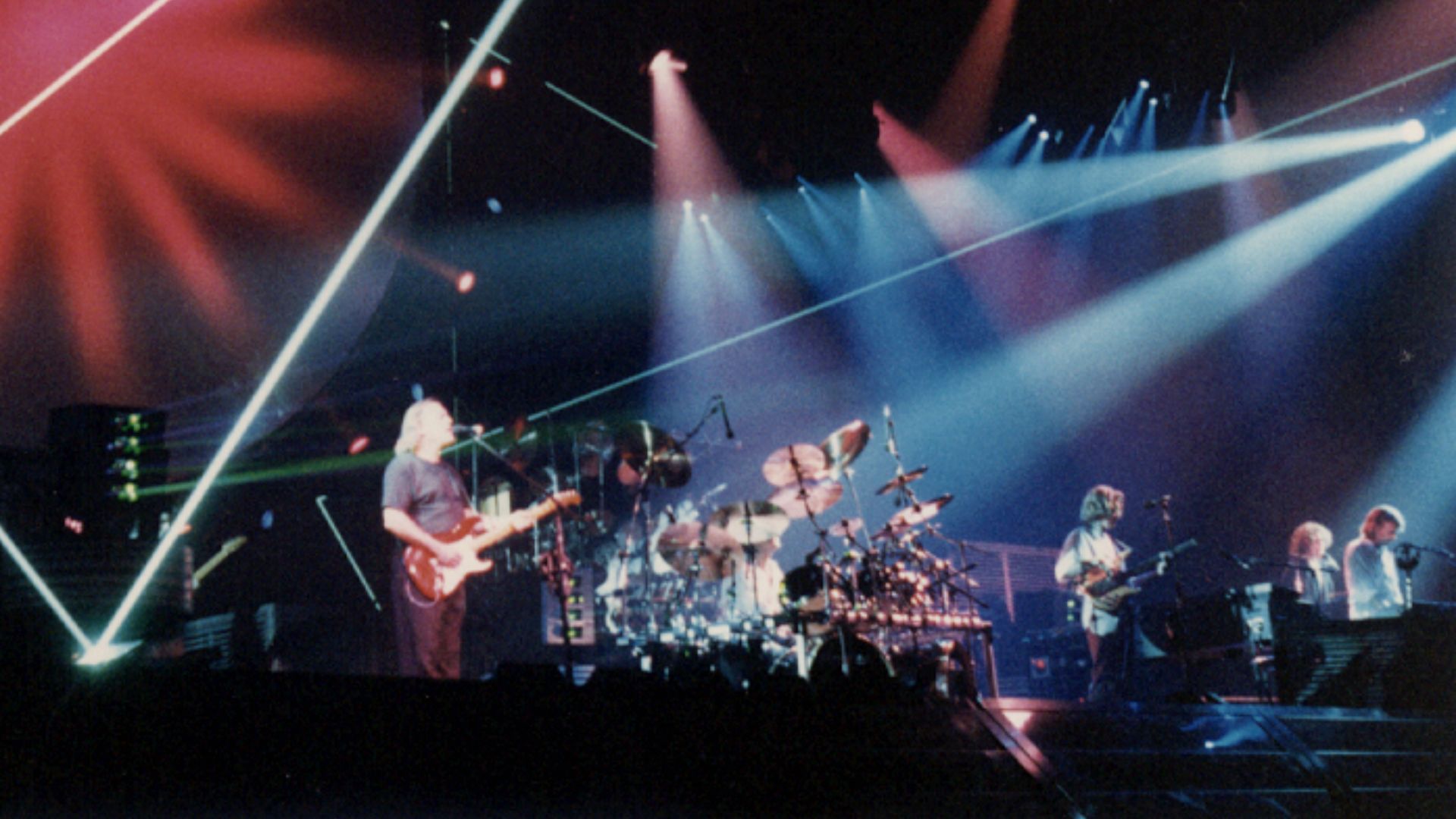
For decades, the feud remained icy. In interviews, Waters would take shots at Gilmour’s “lack of vision,” while Gilmour described Waters as “brilliant but impossible.” Still, they occasionally showed flashes of respect. “We made great art together,” Gilmour once said. “You can’t erase that.”
 Paul Carless, Wikimedia Commons
Redefining Ownership in Rock
The legal war set a precedent in the music industry. It forced artists and labels to reconsider who truly owns a band’s identity — the individuals, or the collective? Lawyers began adding new clauses to contracts after the “Pink Floyd case.” “It changed the way rock bands thought about power,” said one industry insider.
 Dave Bushe - https://www.flickr.com/people/davebushe/, Wikimedia Commons
The Reunion That Shocked Everyone
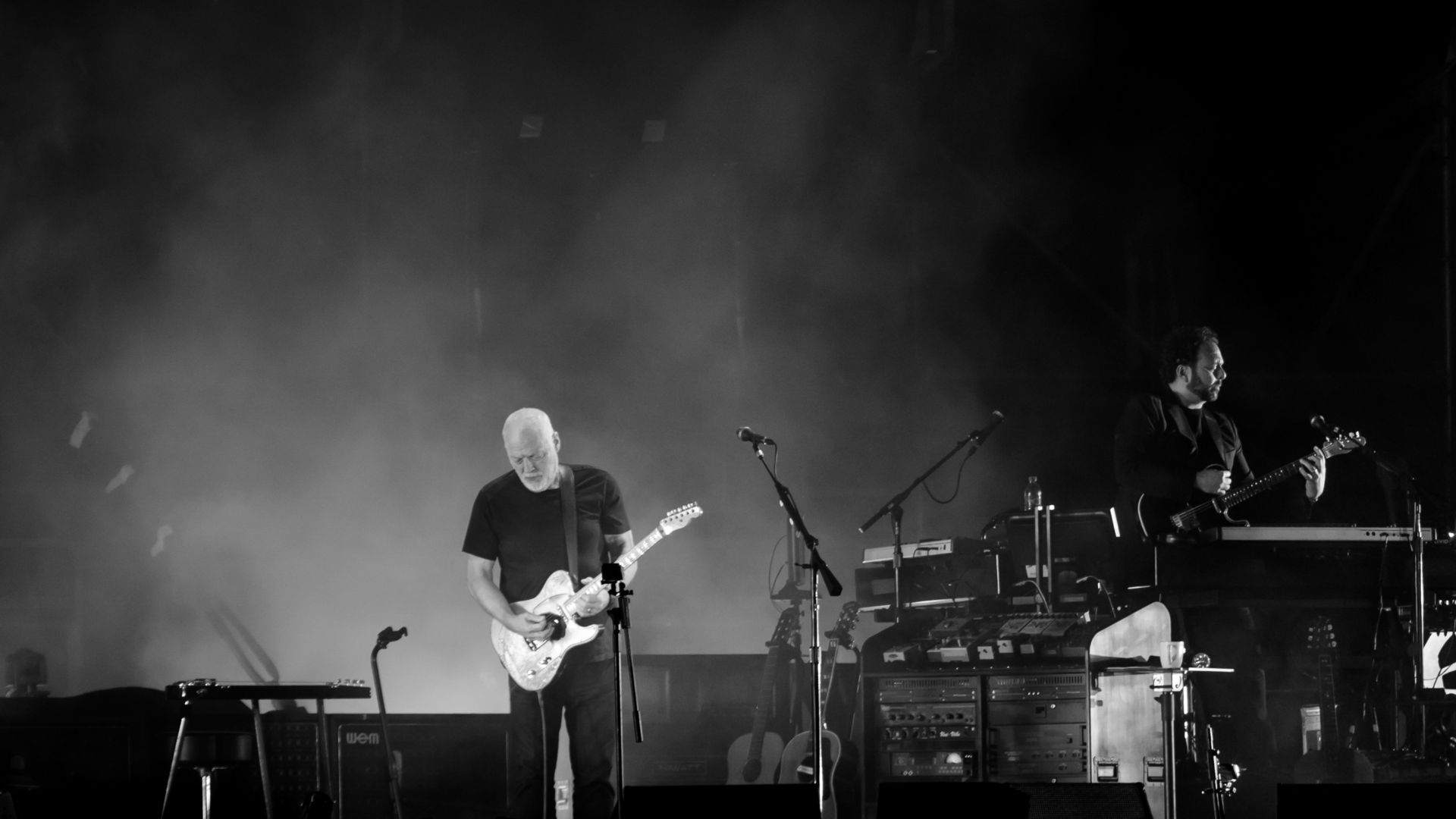
In 2005, after 24 years apart, Waters reunited with Gilmour, Mason, and Wright for Live 8. They performed four songs — Breathe, Money, Wish You Were Here, and Comfortably Numb. The crowd wept. “It was like coming home,” Waters said later. “We were older, and we’d learned to forgive.”
 Jimmy Baikovicius from Montevideo, Uruguay, Wikimedia Commons
The Legacy of The Wall
Even today, The Wall remains the ultimate symbol of both Waters’ genius and his isolation. It’s a reminder of how creative ambition can unite — and divide — even the greatest of collaborators. “The Wall was Roger’s therapy,” Gilmour said. “And the rest of us were the casualties.”

A Tale of Two Pink Floyds
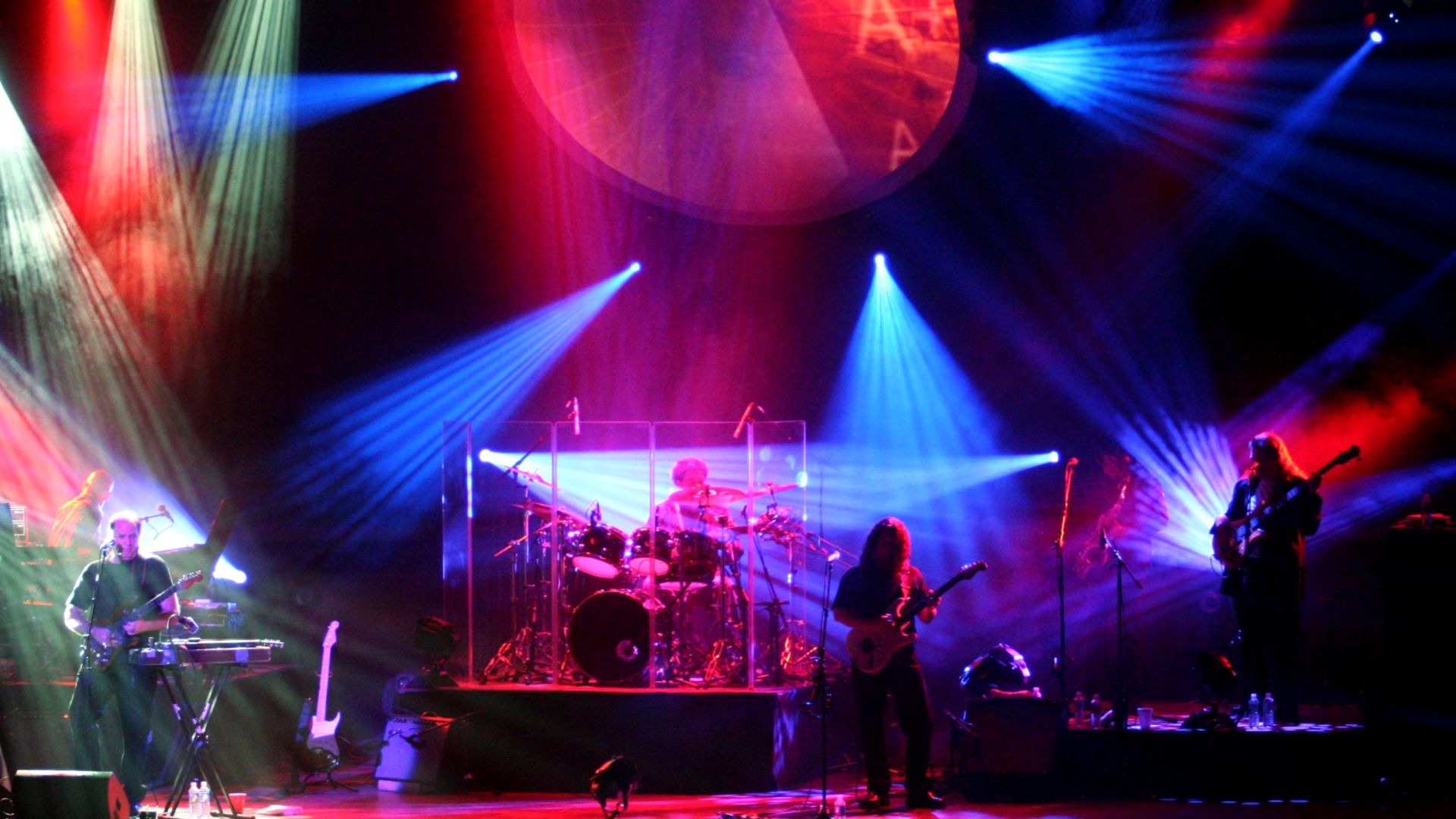
In the years since, Waters and Gilmour have continued to perform separately, each interpreting the band’s legacy in their own way. Waters’ concerts are grand, politically charged, and introspective. Gilmour’s are soulful, nostalgic, and full of grace. “It’s like two sides of the same coin,” said Mason. “Together, they tell the whole story.”
 Christian Leonard Quale (Clq 23:17, 12 July 2006 (UTC)), Wikimedia Commons
The Cost of Greatness
The Pink Floyd breakup remains one of rock’s most famous — not because of money or fame, but because it exposed the human fragility beneath genius. “We were four very different men,” Waters reflected. “And for a while, we created something bigger than ourselves.”
The Enduring Sound
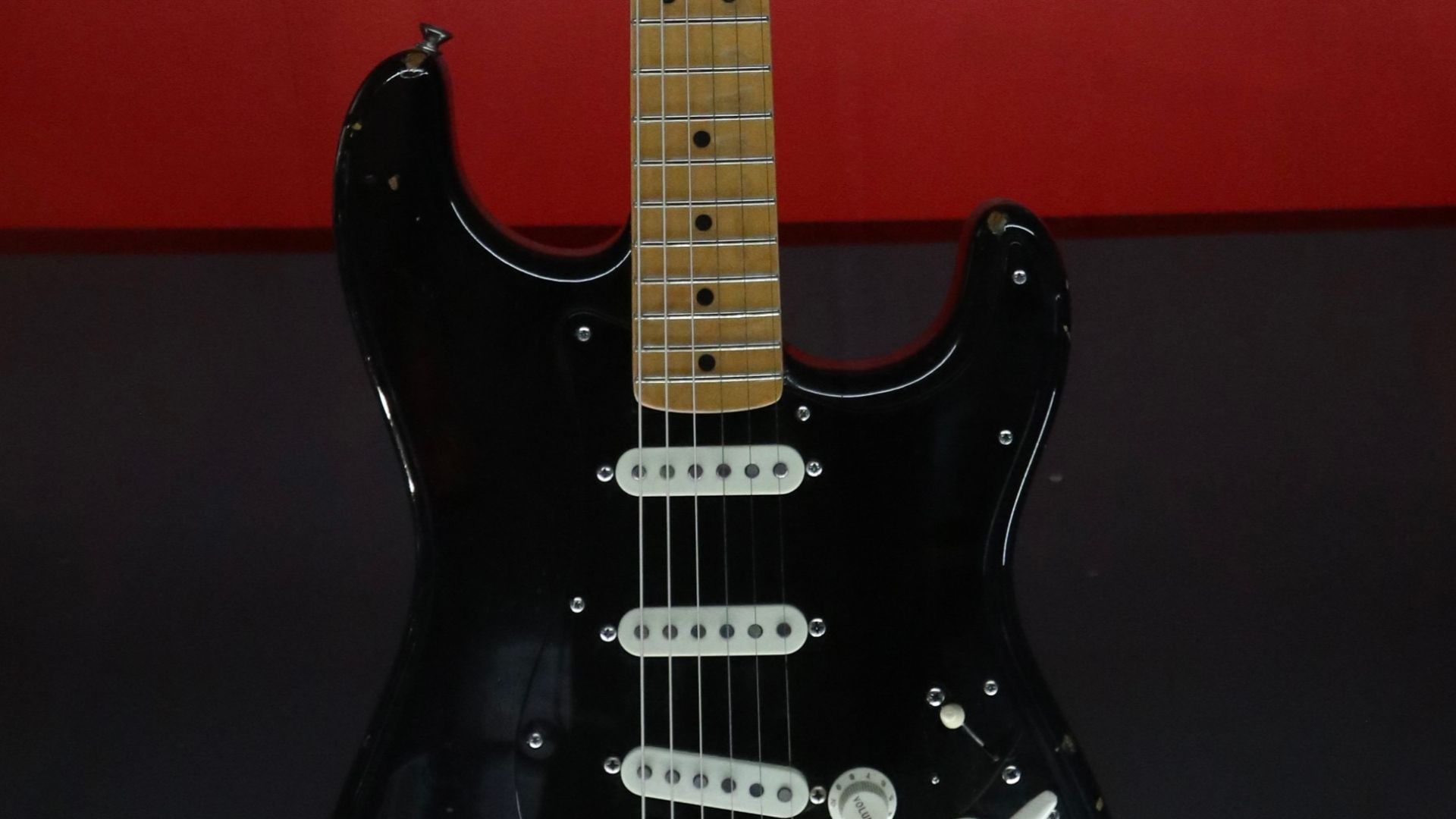
Even after all the lawsuits, anger, and silence, one truth remains: Pink Floyd’s music endures. Whether it’s Waters’ words or Gilmour’s guitar, the magic they created together continues to echo through time — a reminder that art, once born, belongs to everyone.
 Alterna2 http://www.alterna2.com, Wikimedia Commons
You May Also Like:

_-_NARA_-_553890.jpg)