When Milli Vanilli Became the Biggest Lie in Pop Music
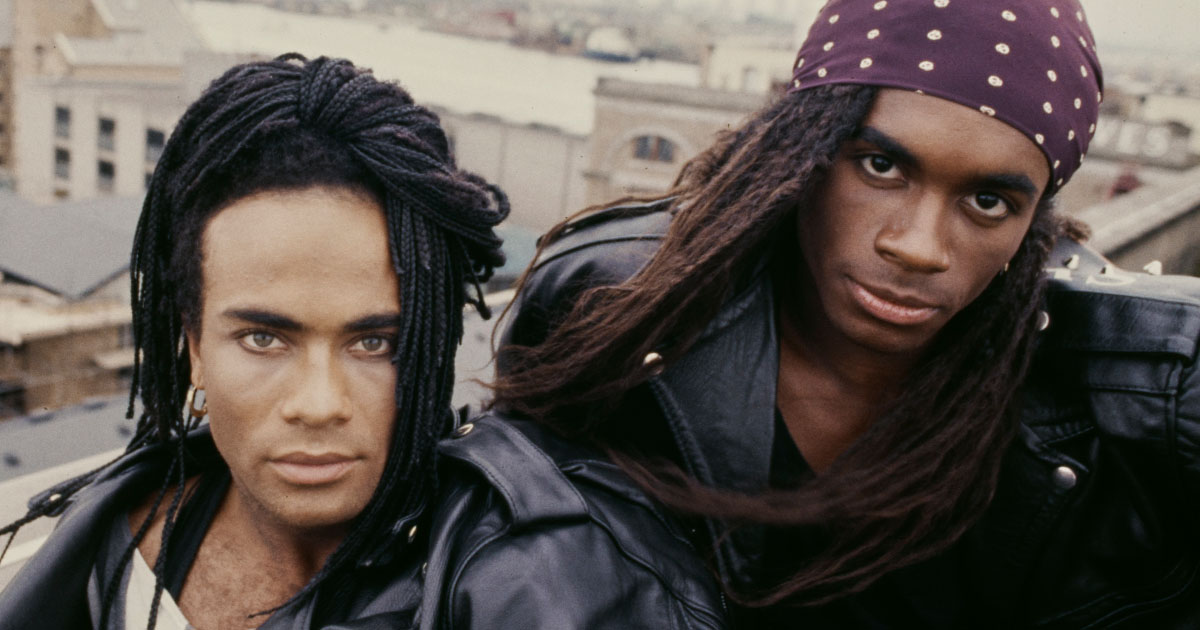
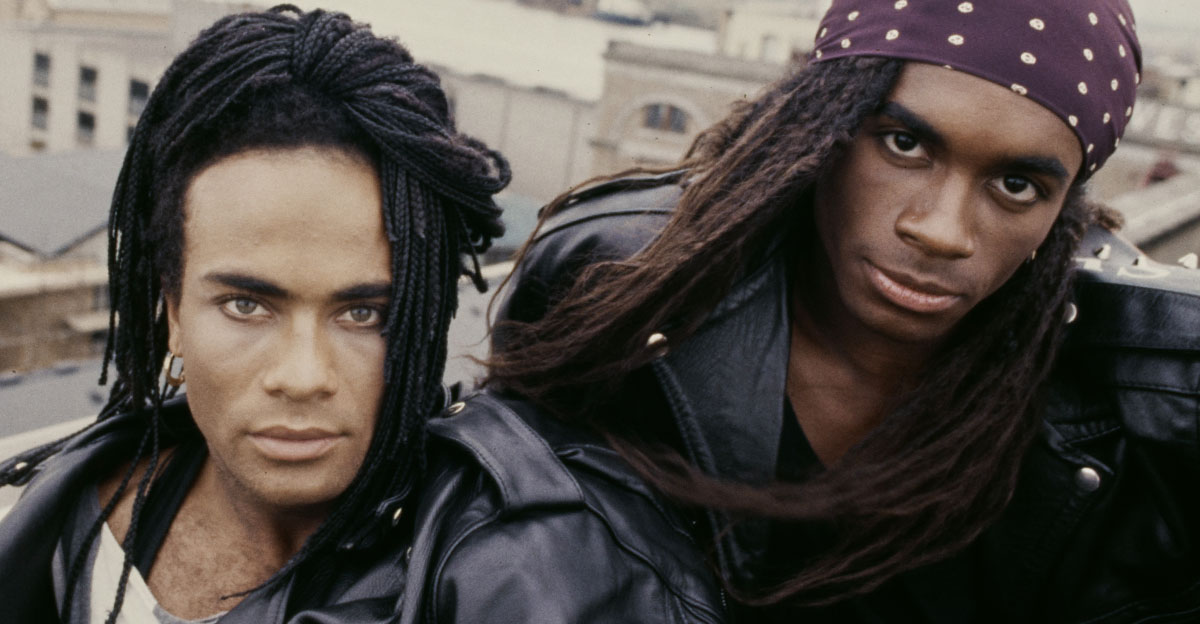
They were handsome, charismatic, and everywhere. For a brief, blinding moment at the end of the 1980s, Milli Vanilli looked like the future of pop music. Then the truth surfaced, and the illusion collapsed louder than any chart-topping hit.
 Michael Putland / Contributor via Getty Images
Two Outsiders Chasing the Same Dream
Rob Pilatus was born on June 8, 1964, in Munich, Germany. Fab Morvan was born on July 6, 1966, in Paris, France. Both grew up as Black men in predominantly white European societies, often feeling invisible or misunderstood. Music and movement became their language of survival.
 Michael Ochs Archives, Getty Images
Dance Before the Spotlight
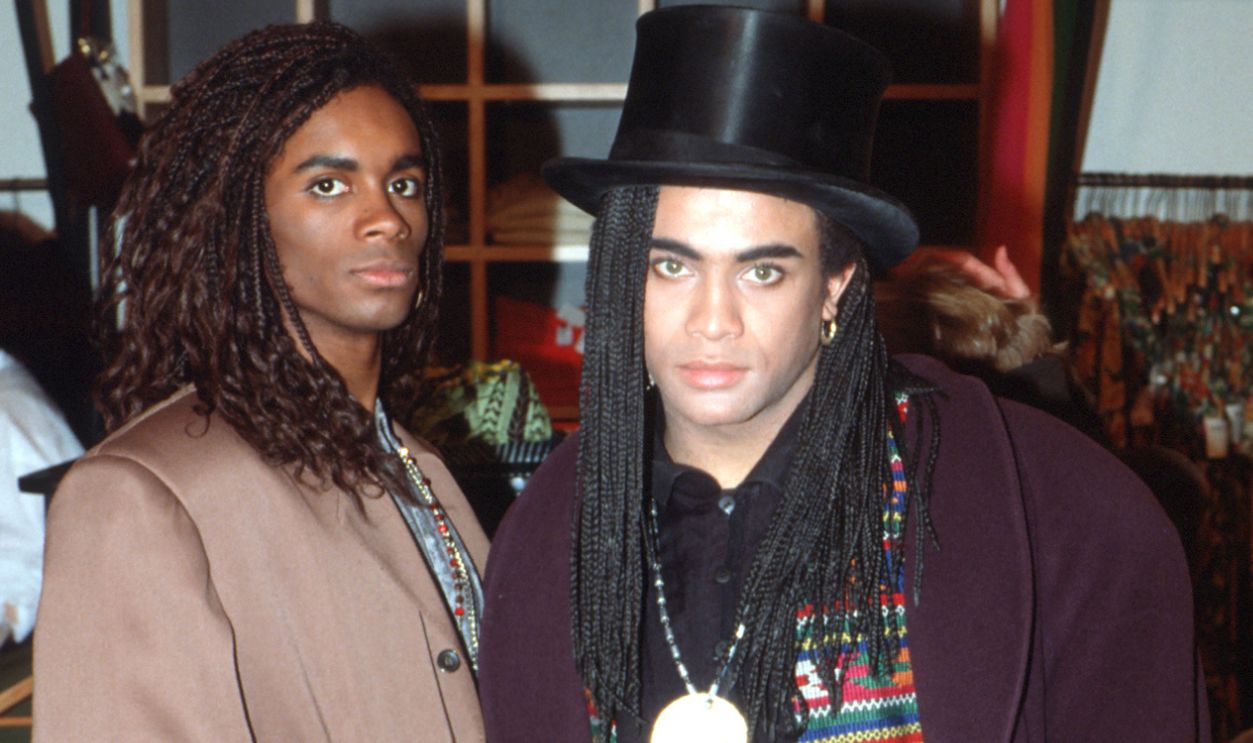
Before fame, Rob and Fab were dancers, club kids, and hustlers. They performed in clubs and modeled to make ends meet. Neither had industry power, but both had charisma. They wanted a way in, even if it meant trusting the wrong people.
Enter Frank Farian
Their lives changed when they met producer Frank Farian in 1988. Farian had already found success creating studio-driven pop acts like Boney M. He believed Rob and Fab had the look needed to sell records, even if they weren’t the voices.
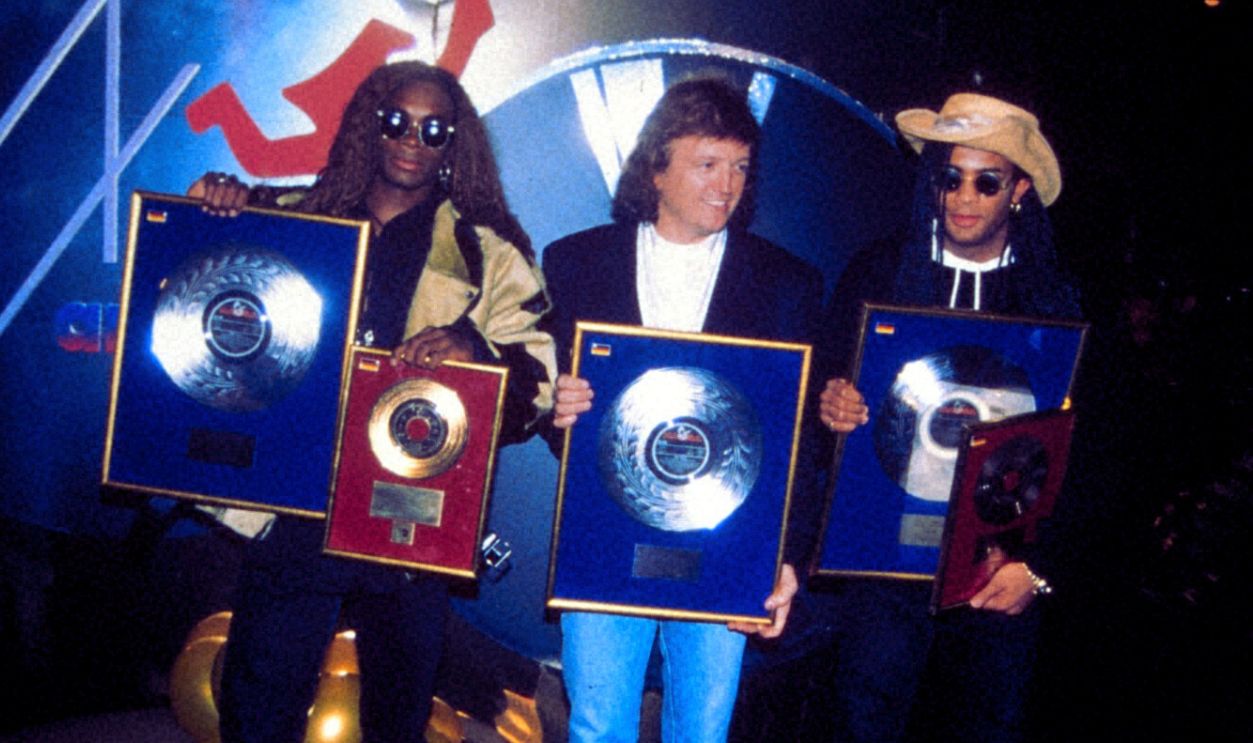
A Deal Built on Silence
Farian signed them under one condition. They would front the project, but they would not sing. Studio vocalists recorded the tracks, while Rob and Fab lip-synced publicly. The power imbalance was clear. They were replaceable faces, not decision-makers.
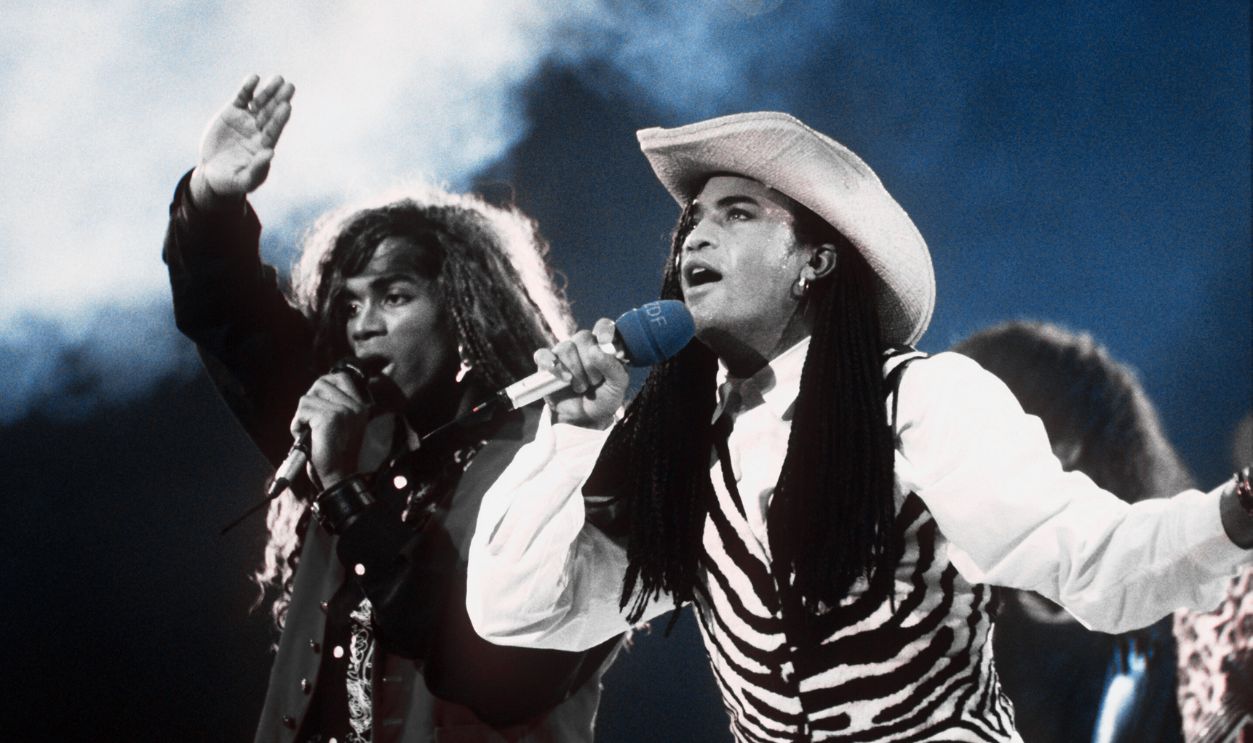 picture alliance, Getty Images
Naming the Illusion
The act was called Milli Vanilli, a name chosen for its sound, not meaning. It didn’t represent Rob or Fab’s identities. It represented a product. Still, the promise of success was hard to refuse.
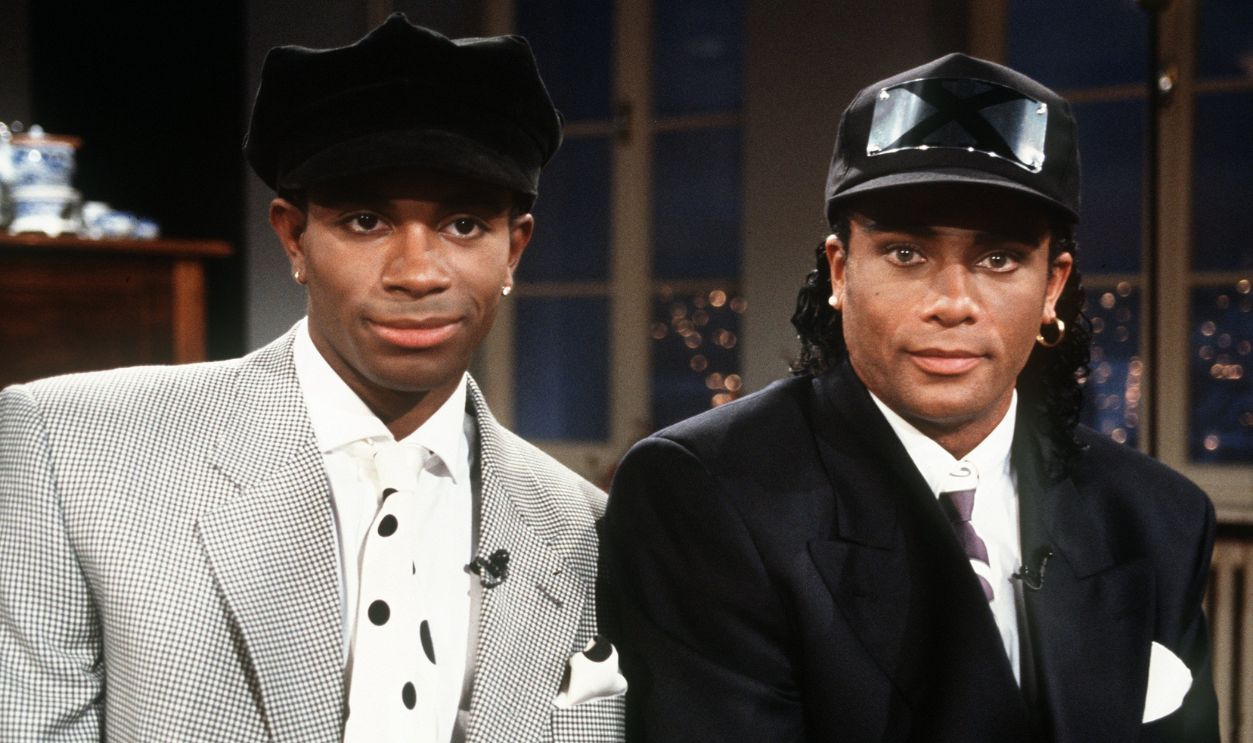 picture alliance, Getty Images
“Girl You Know It’s True” Takes Off
Their debut album All or Nothing, released internationally in 1988, exploded after “Girl You Know It’s True” became a hit. The song dominated radio in Europe, then America. Suddenly, Milli Vanilli were global stars.
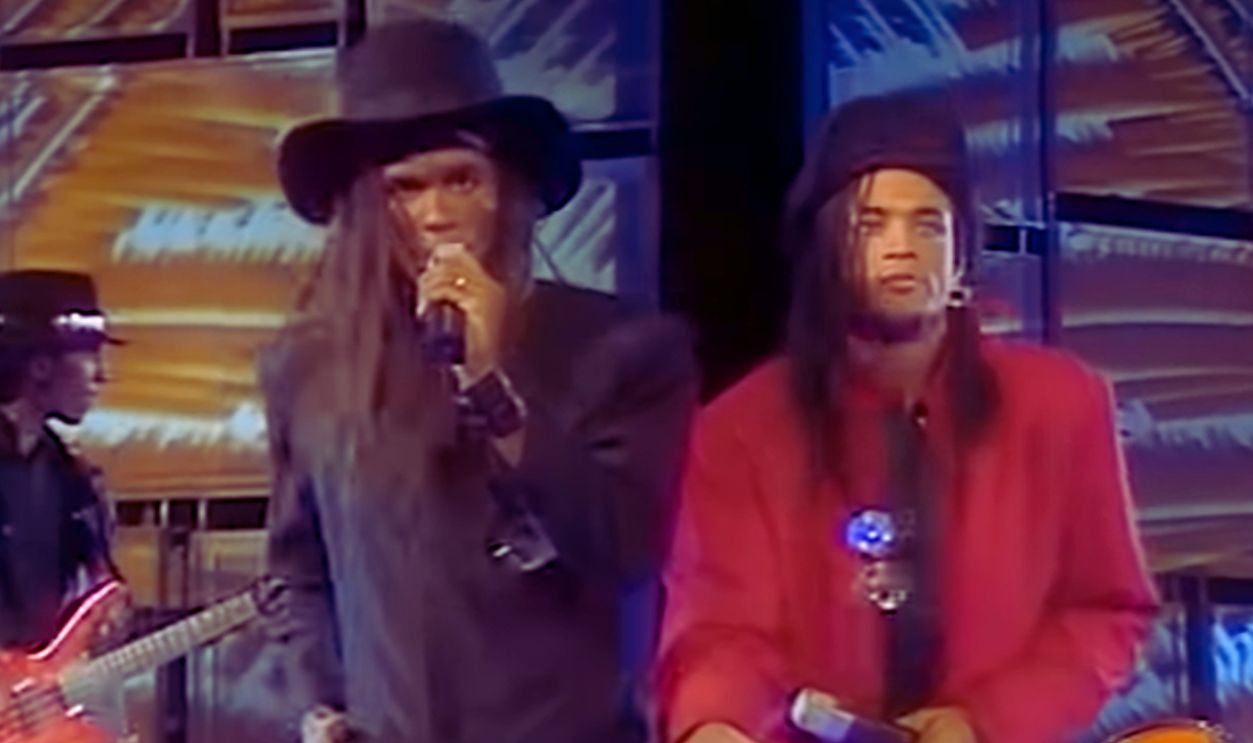 Screenshot from Girl You Know It’s True, Arista Records (1989)
Fame Moves Fast
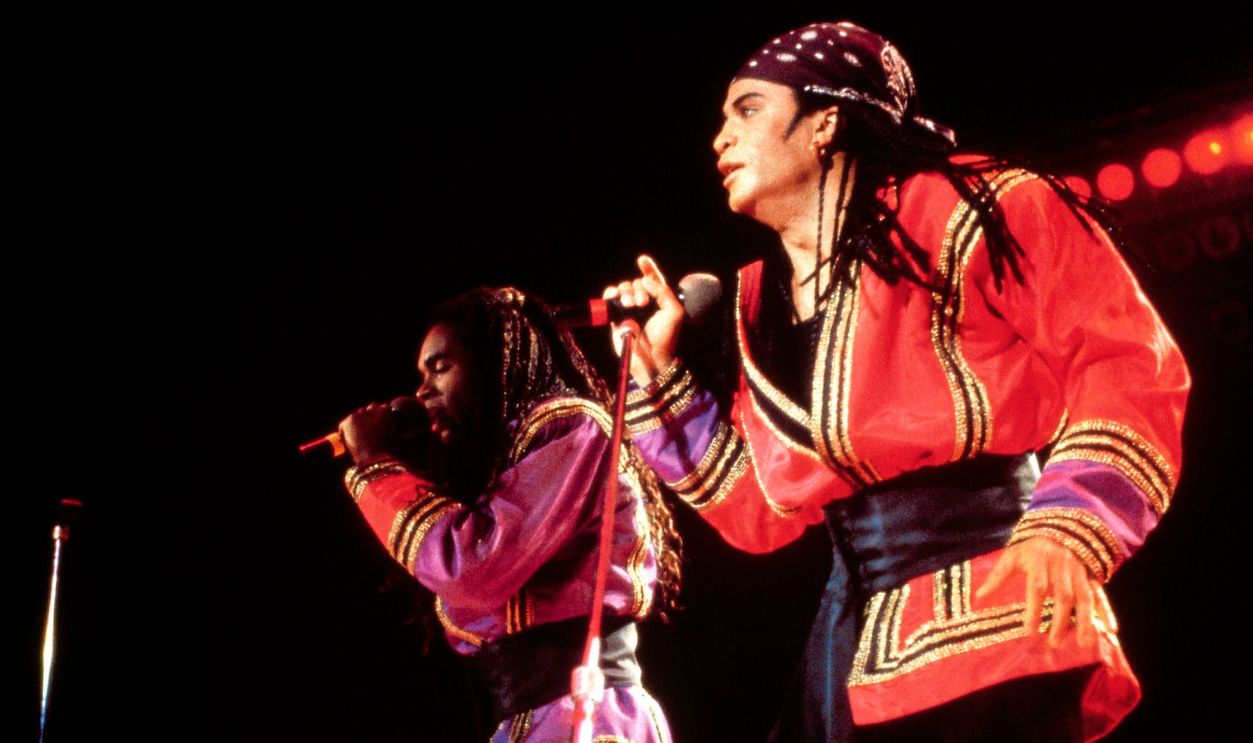
By 1989, Rob and Fab were performing on major stages, appearing on MTV, and attending award shows. Their look became iconic. Braided hair, bold outfits, constant smiles. No one questioned the voices yet.
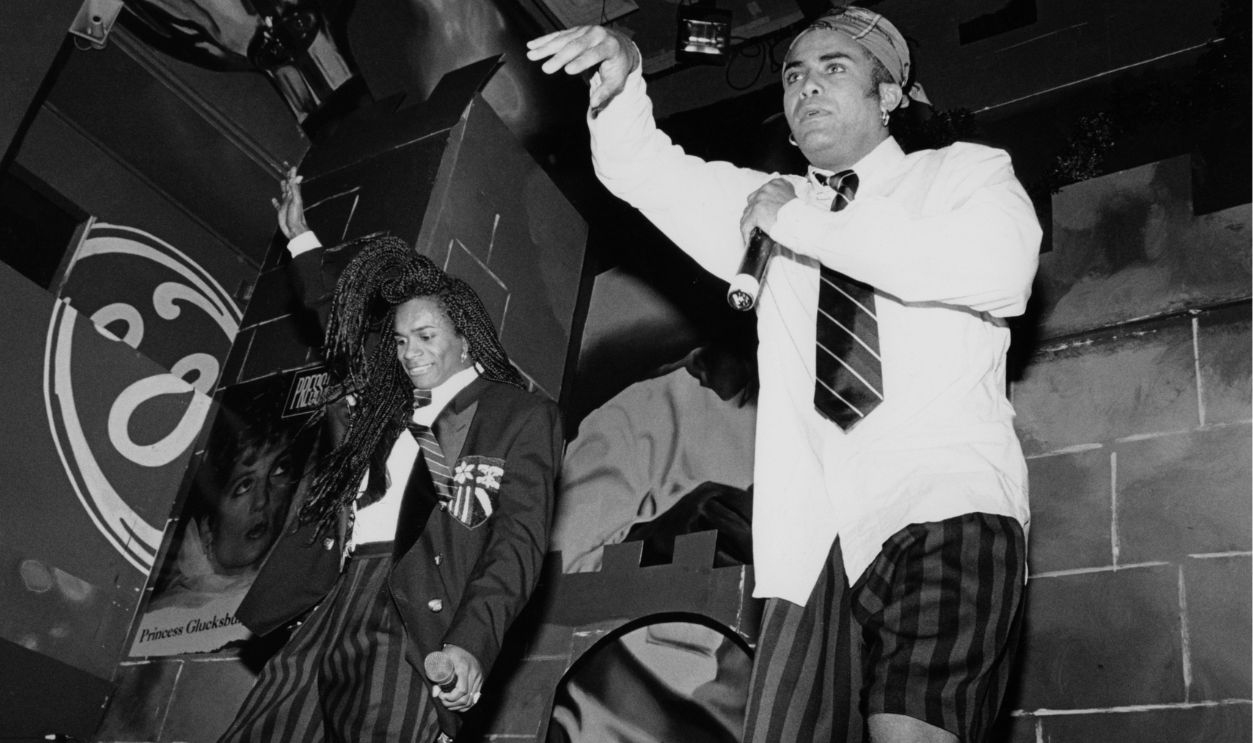 Catherine McGann, Getty Images
Crossing Into America
When the album was reworked and released in the United States as Girl You Know It’s True, it went multi-platinum. The act was marketed as authentic, soulful, and groundbreaking. Rob and Fab were celebrated as a fresh face of pop.
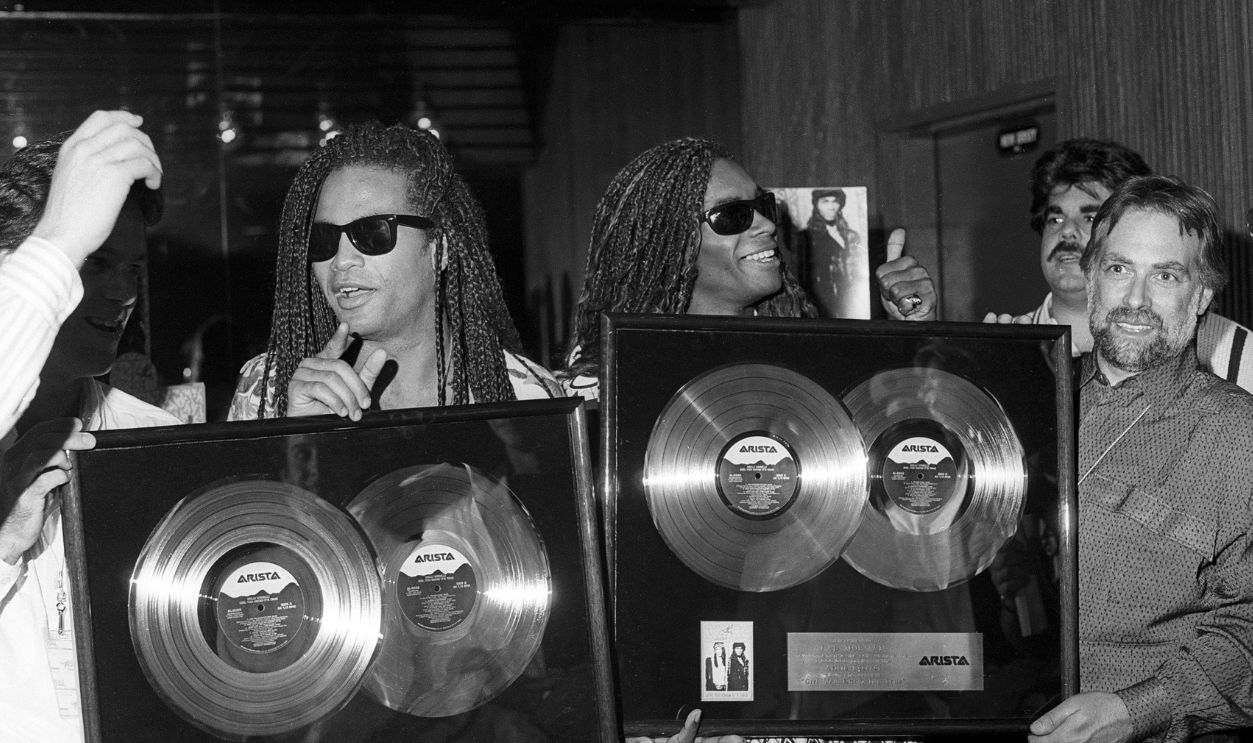
The Pressure to Pretend
Behind the scenes, the stress was unbearable. Rob later said he lived in constant fear of being exposed. Interviews required careful wording. Live performances required perfect timing. One mistake could end everything.
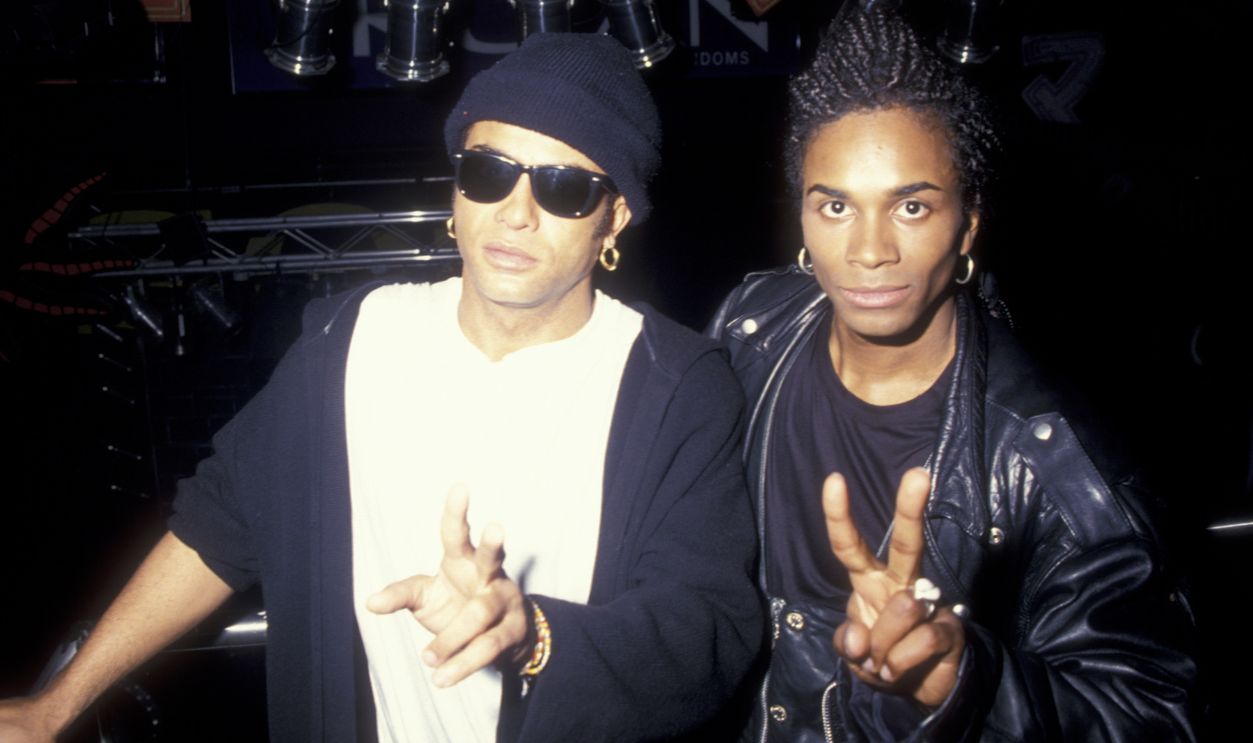
The First Crack on Stage
In July 1989, during a live performance at Club MTV in Bristol, Connecticut, the backing track skipped. The phrase “Girl, you know it’s…” looped repeatedly. Rob panicked and ran offstage. The crowd laughed. The industry took notes.
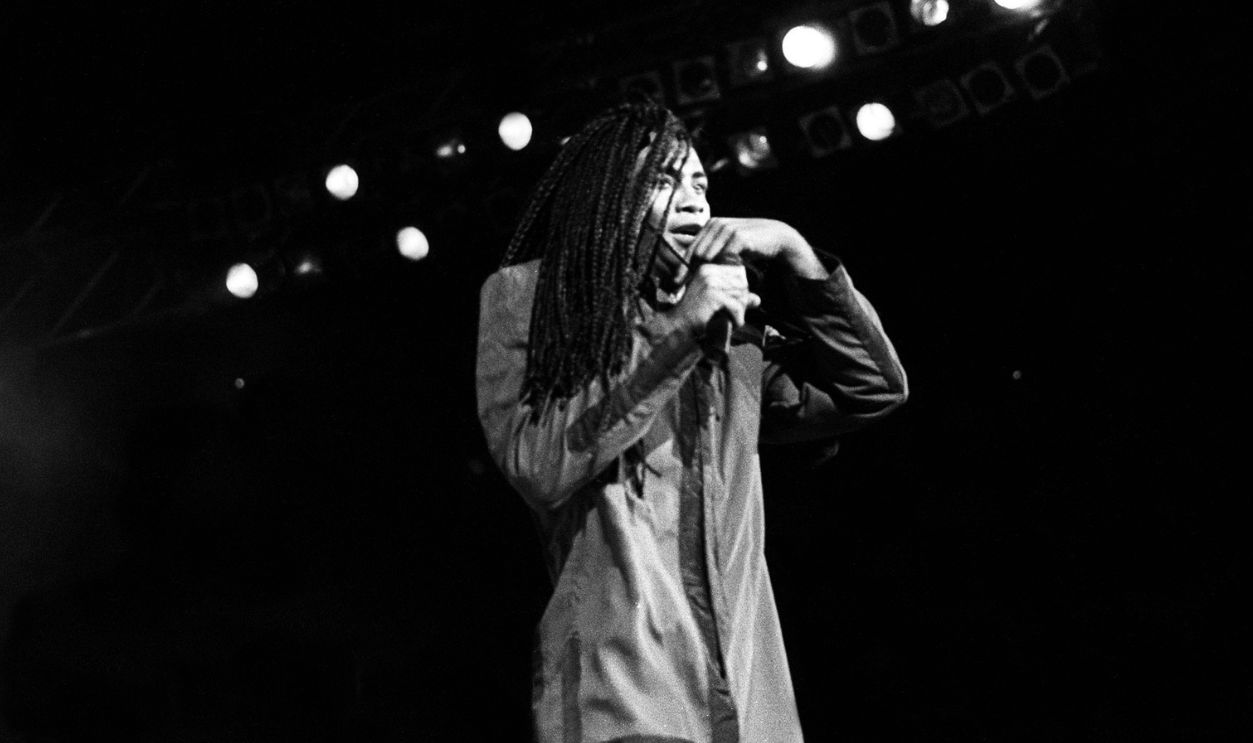
Whispers Turn Into Doubts
After the incident, rumors spread quietly. Some insiders suspected something was wrong. Still, the machine kept moving. There was too much money involved to stop.
The Grammy Night That Sealed It
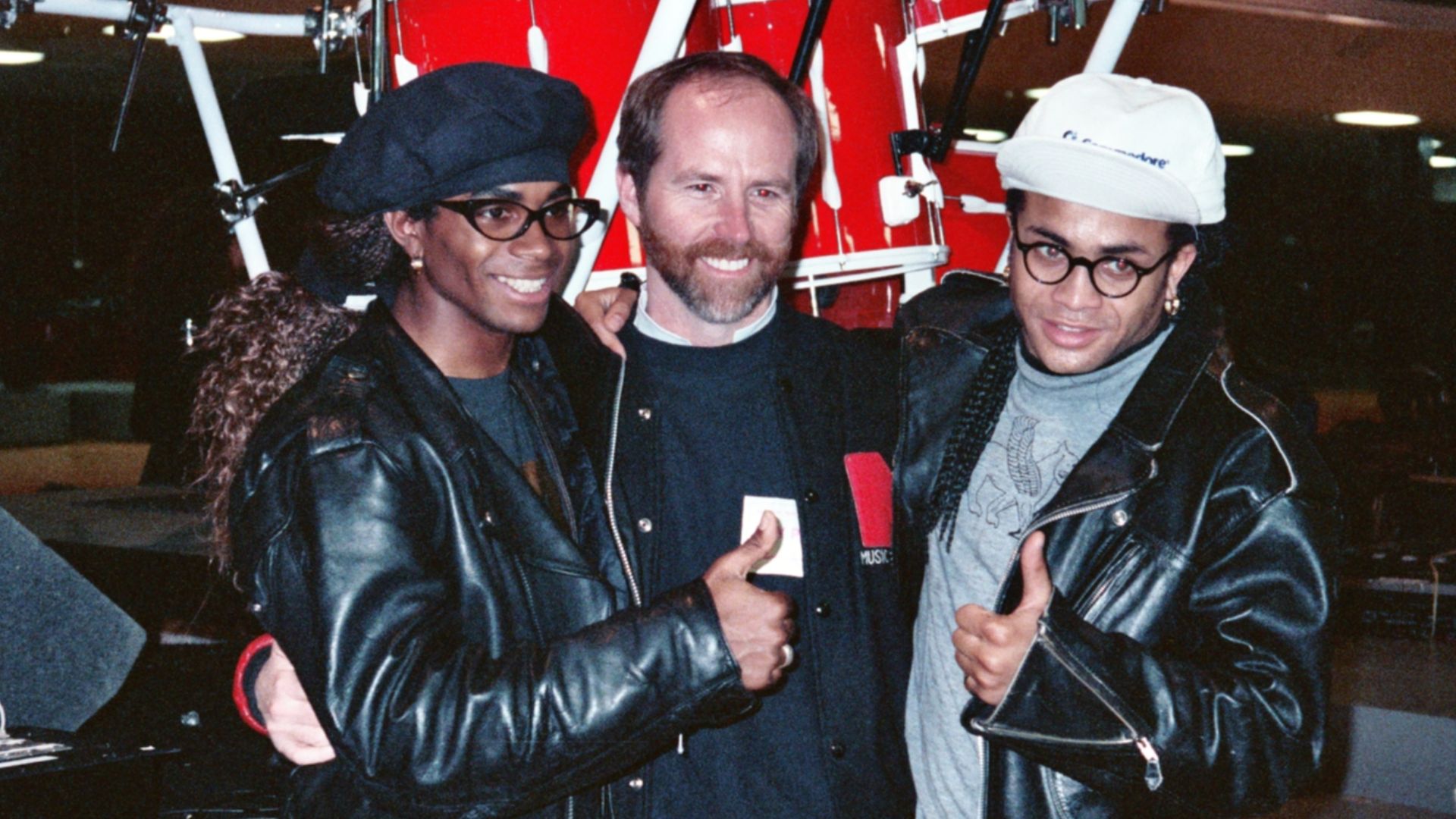
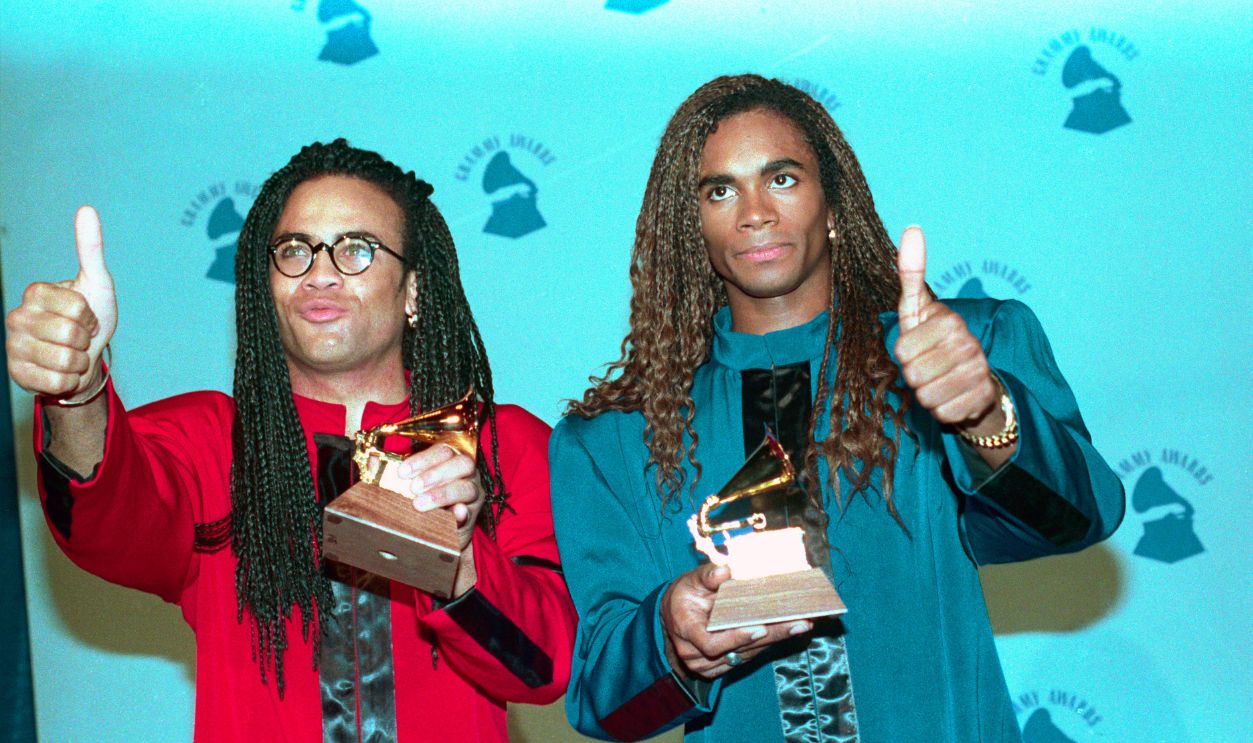
On February 21, 1990, Milli Vanilli won the Grammy Award for Best New Artist. Rob and Fab stood on stage, thanked the industry, and smiled. The moment should have been triumphant. Instead, it became infamous.
Guilt Beneath the Trophy
Fab later admitted that winning the Grammy felt wrong. “It didn’t feel like ours,” he said years later. The weight of the lie grew heavier with every celebration.
 Sven Mandel, Wikimedia Commons
The Truth Comes Out
In November 1990, Frank Farian publicly admitted that Rob and Fab did not sing on their recordings. The confession detonated instantly. Radio stations pulled their music. Apologies followed. Careers collapsed overnight.
The Grammy Is Taken Back
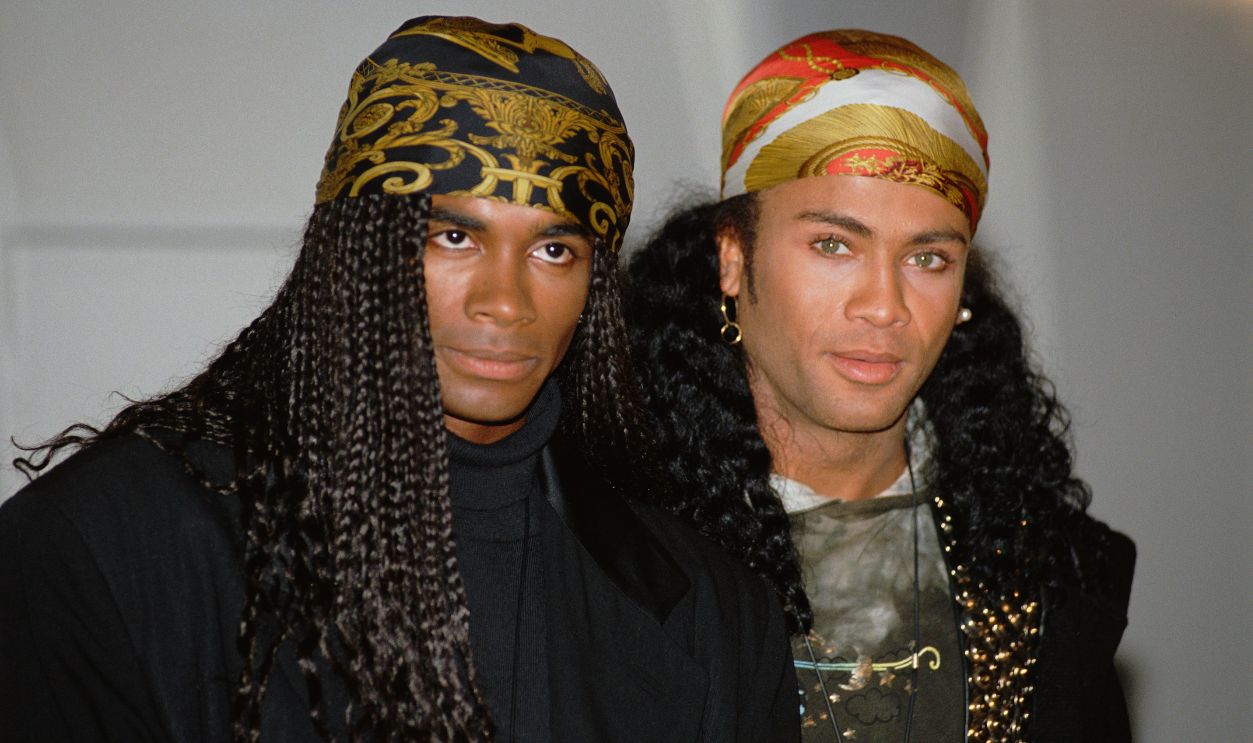
On November 19, 1990, the Recording Academy revoked Milli Vanilli’s Grammy. It was the first time in history a Grammy had been taken back. The industry distanced itself fast.
Public Humiliation
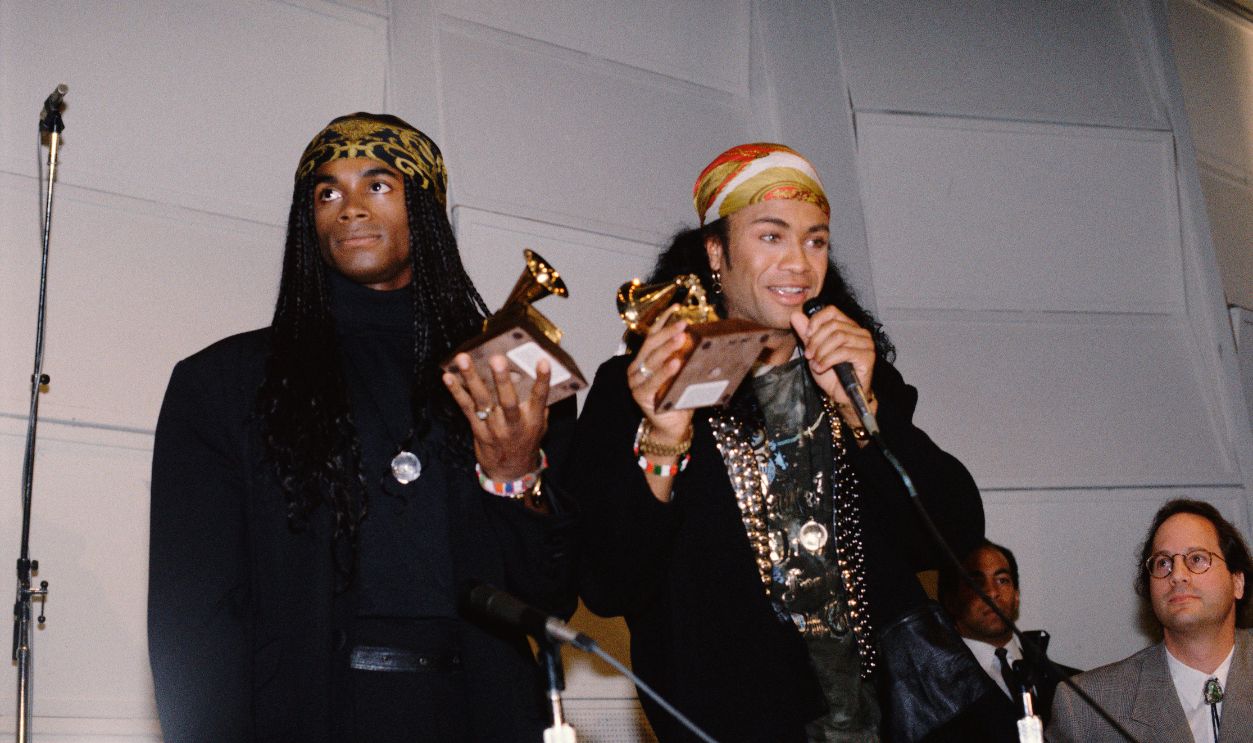
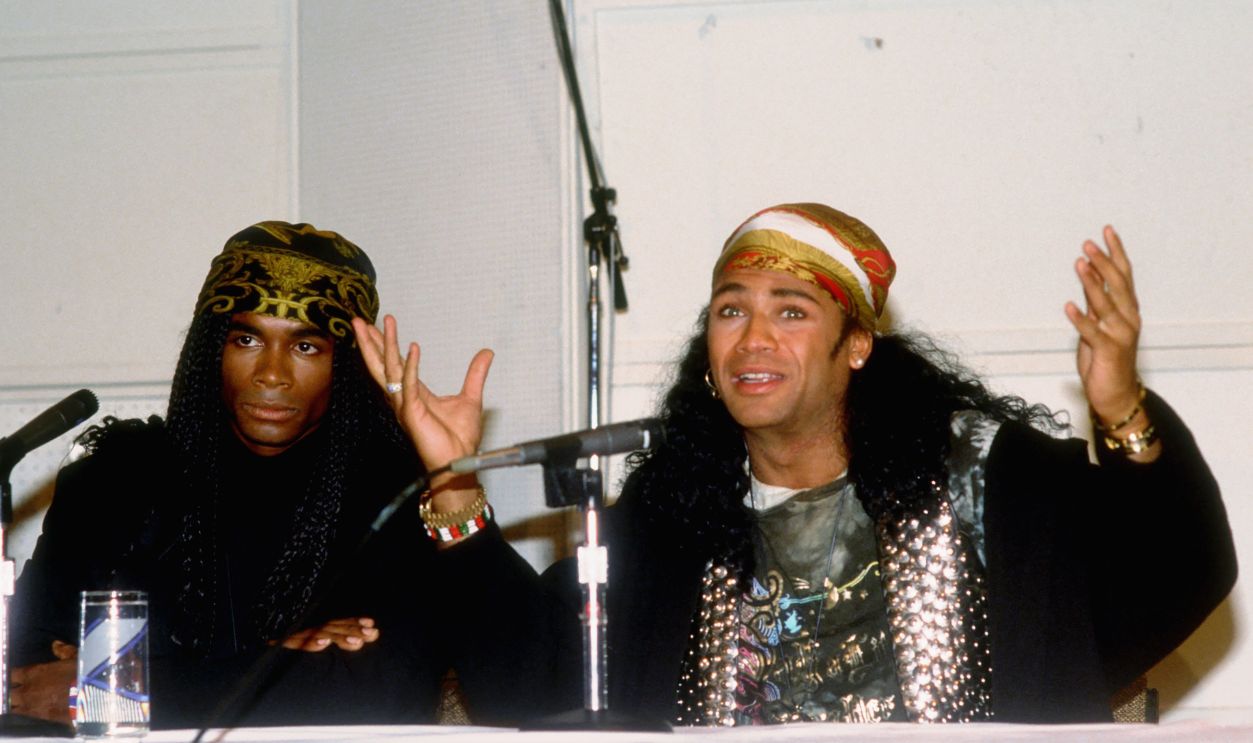
Rob and Fab held a press conference where they apologized. Rob struggled emotionally. “I was created by this system,” he said. The public mocked them. Late-night jokes followed. Compassion was rare.
 Michael Ochs Archives, Getty Images
Different Paths After the Fall
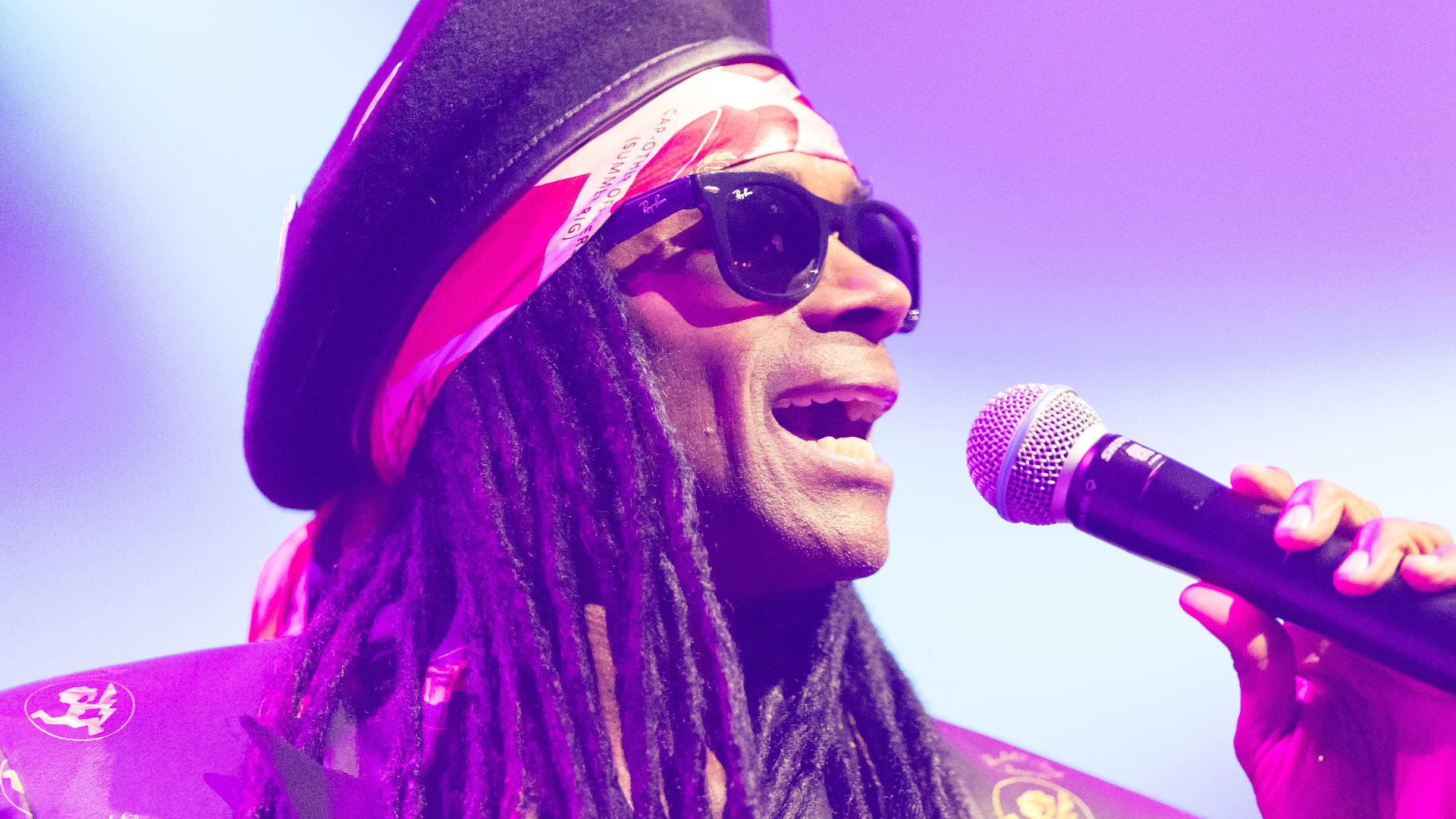
Fab Morvan slowly rebuilt his life, eventually returning to music under his own name. He spoke openly about exploitation and identity. Rob Pilatus, however, struggled deeply with shame, addiction, and loss of purpose.
 Sven Mandel, Wikimedia Commons
A Tragic End for Rob Pilatus
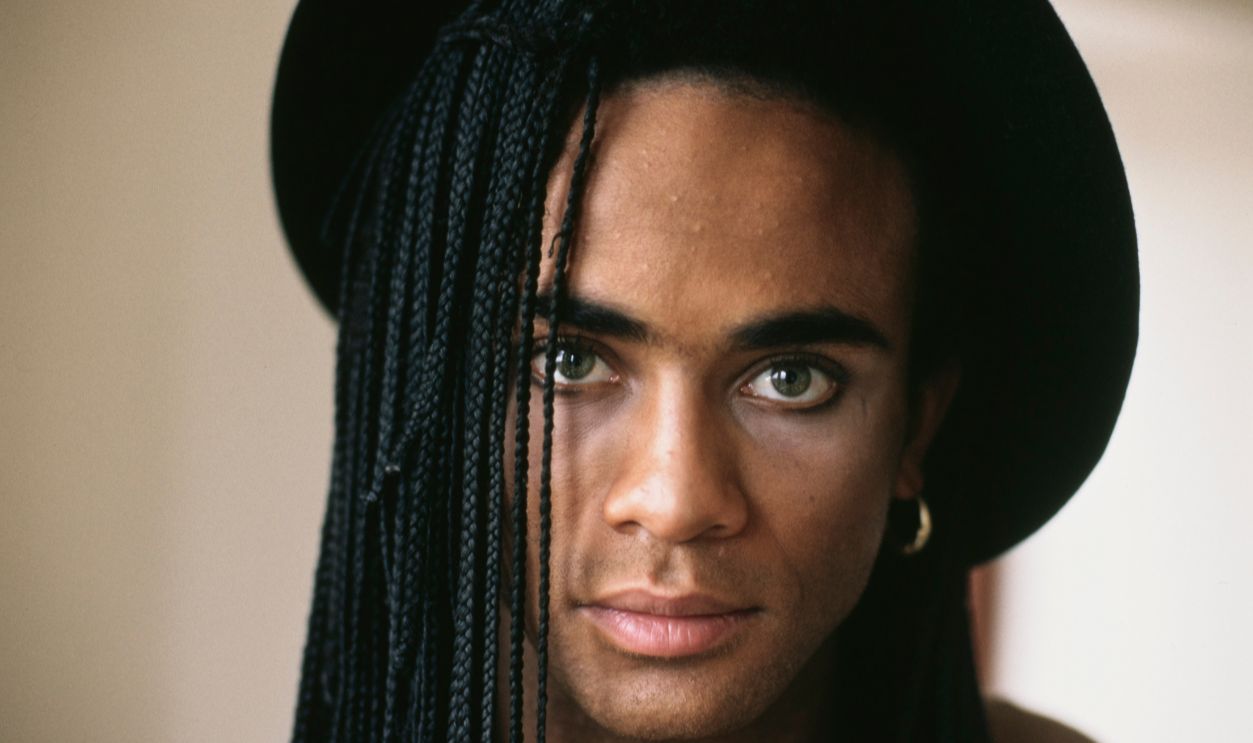
On April 3, 1998, Rob Pilatus died in Frankfurt, Germany, at age 32, from complications related to substance use. Fab later said, “Rob didn’t survive the lie.”
Rethinking Blame
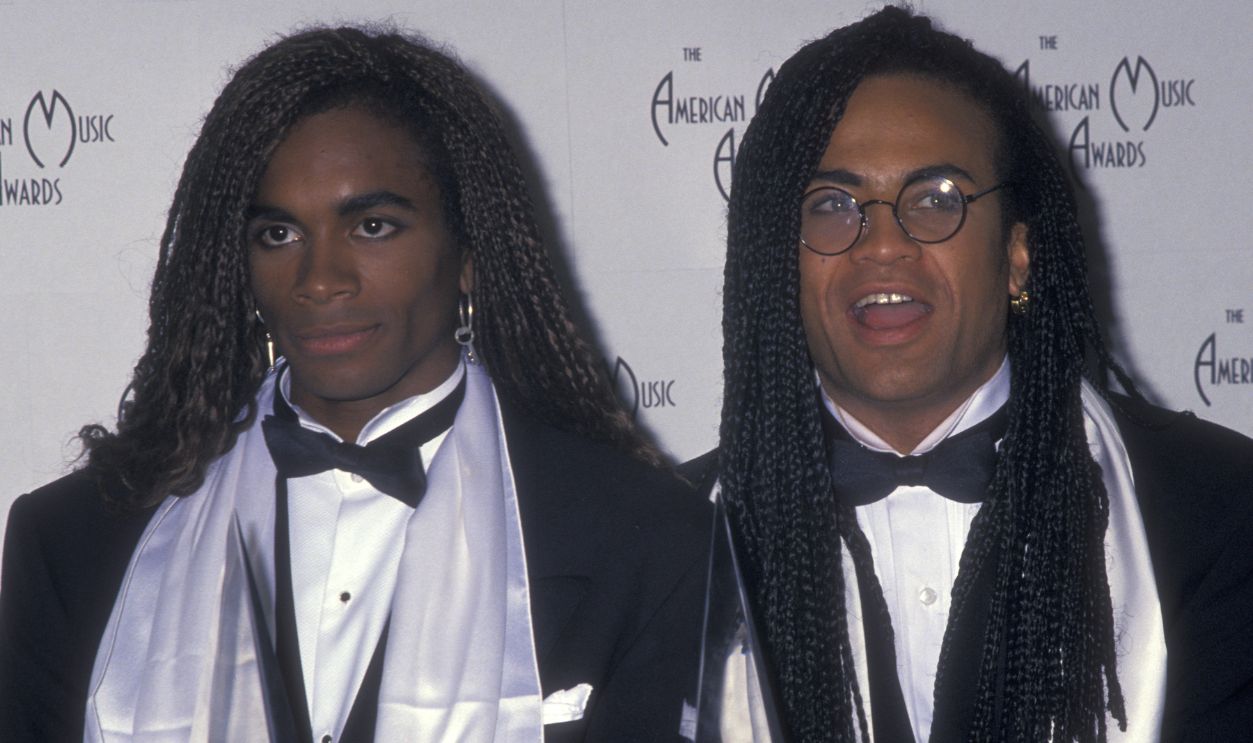
Over time, public opinion softened. Many began to see Rob and Fab as victims of an industry that valued image over humanity. They were punished for a system they didn’t control.
A Scandal That Changed Pop
Milli Vanilli forced the music industry to confront uncomfortable truths about authenticity, power, and exploitation. Lip-syncing wasn’t new, but the deception exposed how disposable performers could be.
The Legacy That Still Lingers
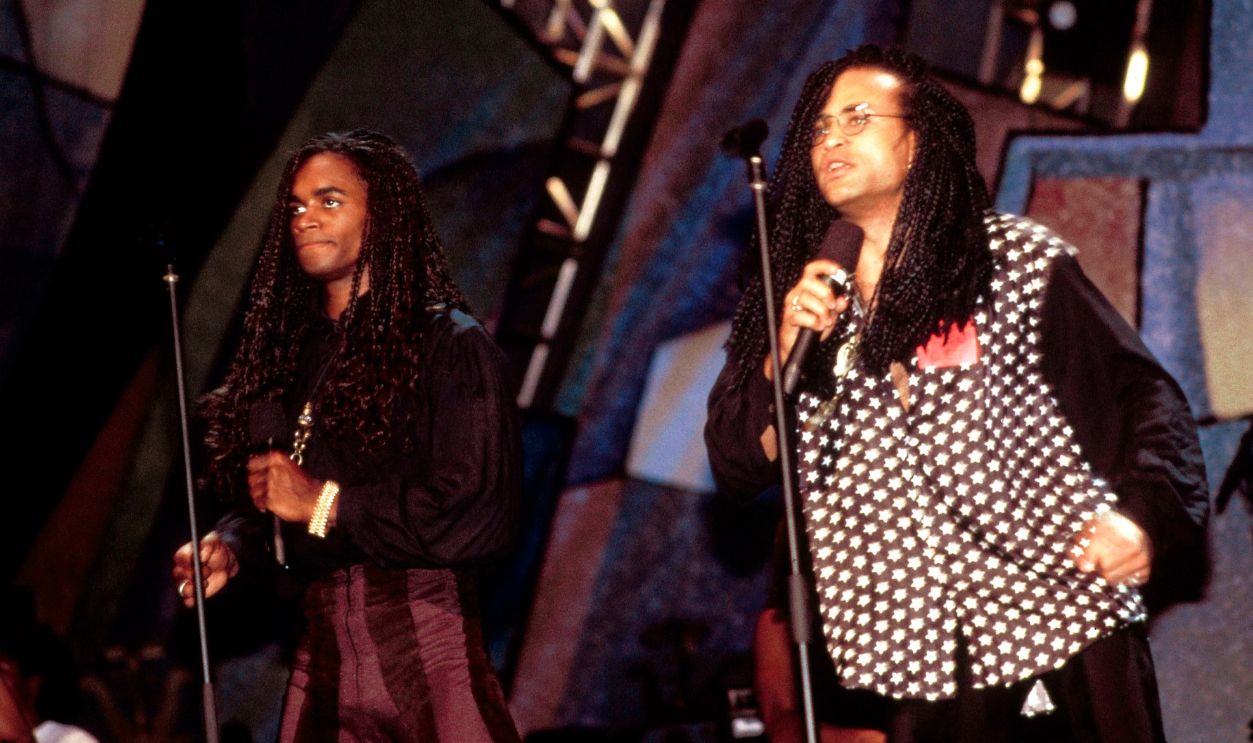
Decades later, Milli Vanilli remains a cautionary tale. Not just about fame, but about what happens when dreams are built on silence. Rob and Fab didn’t invent the lie. They just paid the highest price for it.
You May Also Like:
Trailblazing Facts About Hattie McDaniel, Hollywood Pioneer
41 Sultry Facts About Lena Horne, Hollywood's Velvet Voice
Sorrowful Facts About Princess Natasha Paley, The Haunted Beauty