When A Decade’s Soundtrack Becomes Our Shared Memory
The 2010s didn’t feel historic while we were living in them, but now they hit like a time capsule. It was the decade of late-night drives, viral dance crazes, earbuds permanently in, and pop songs that seemed to play everywhere at once. Whether they blasted from club speakers, soundtracked messy breakups, or looped endlessly on your phone, these tracks became emotional bookmarks. And hearing them now pulls you straight back to who you were, where you were, and how that moment felt.
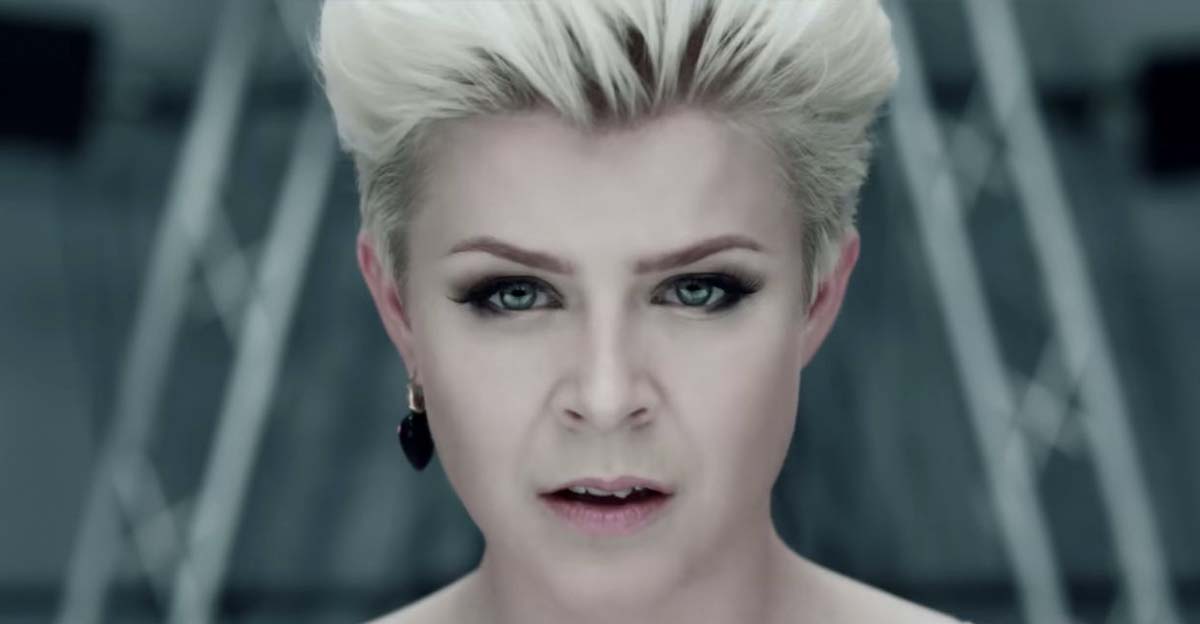
 Screenshot from Dancing on My Own, Konichiwa Records (2010)
Katy Perry – “Teenage Dream”
“Teenage Dream” sounds like summer bottled into three and a half minutes. It is pure optimism, glittery pop hooks, and the feeling that everything is still ahead of you. When it came out, it felt almost too bright to be real, but that's why it sticks. Hearing it now instantly brings back memories of car windows down, warm nights, and the kind of excitement you only get before real responsibility settles in.
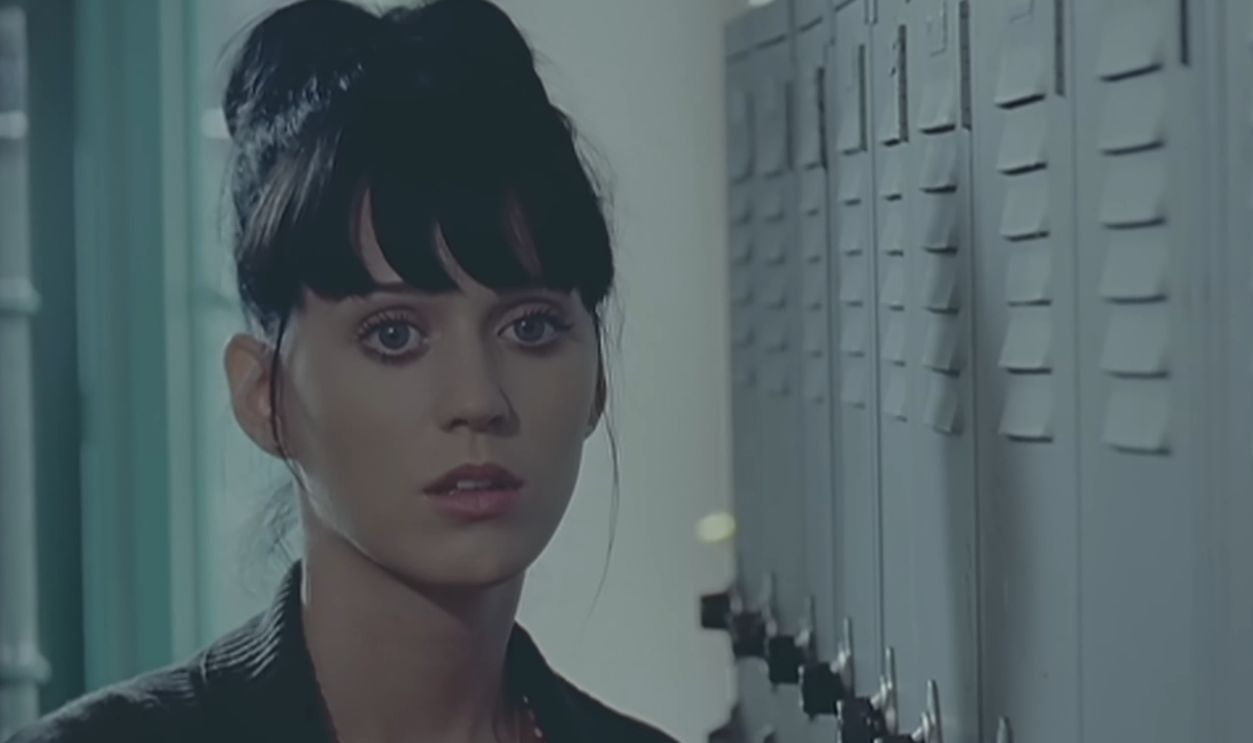 Screenshot from Teenage Dream, Capitol Records (2010)
Carly Rae Jepsen – “Call Me Maybe”
You couldn't escape this song in the early 2010s. It was everywhere, and somehow it never got truly annoying. The reason it worked is because it was simple and honest: just a crush, a phone number, a moment of confidence. It also perfectly captured the era when texting someone first felt like the biggest emotional gamble in the world.
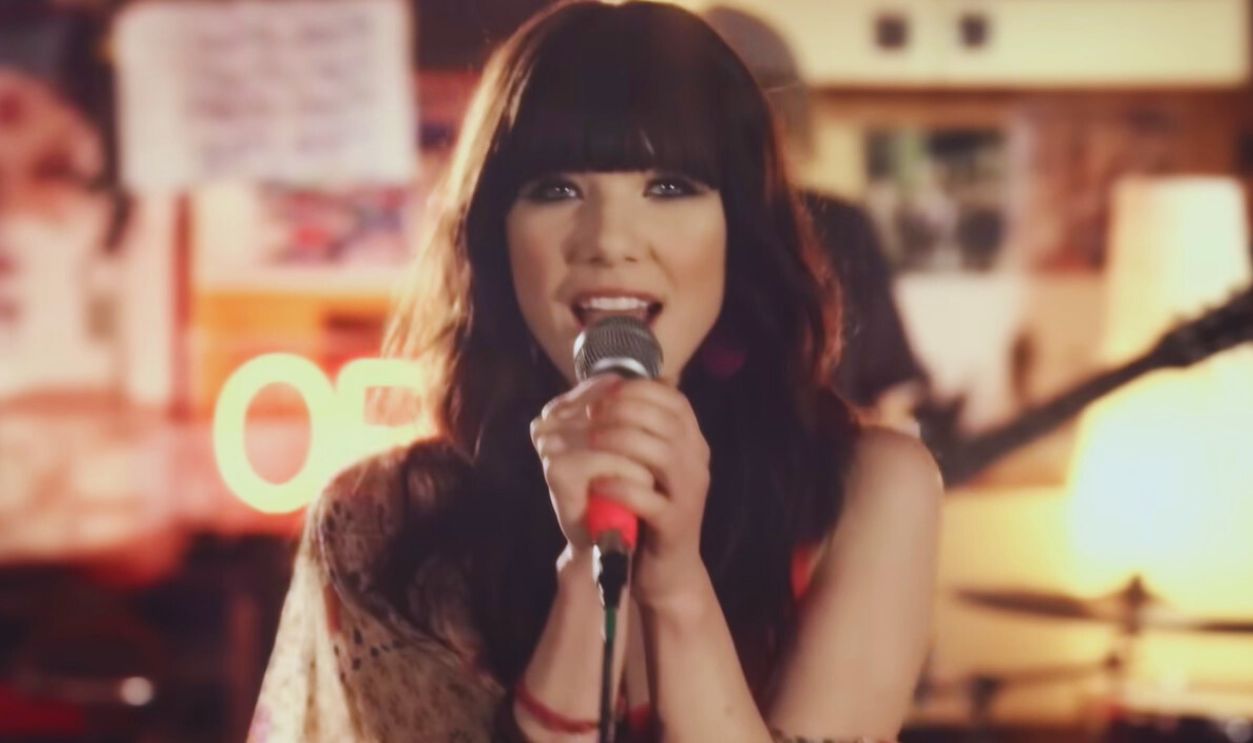 Screenshot from Call Me Maybe, Interscope Records (2011)
Ariana Grande – “Thank U, Next”
“Thank U, Next” felt like a reset button. Instead of a bitter breakup song, Ariana Grande turned personal chaos into something reflective and empowering. The track became more than music. It became a phrase people used to move on, laugh things off, and choose themselves. It marked a moment when pop stars started owning their narratives publicly and unapologetically.
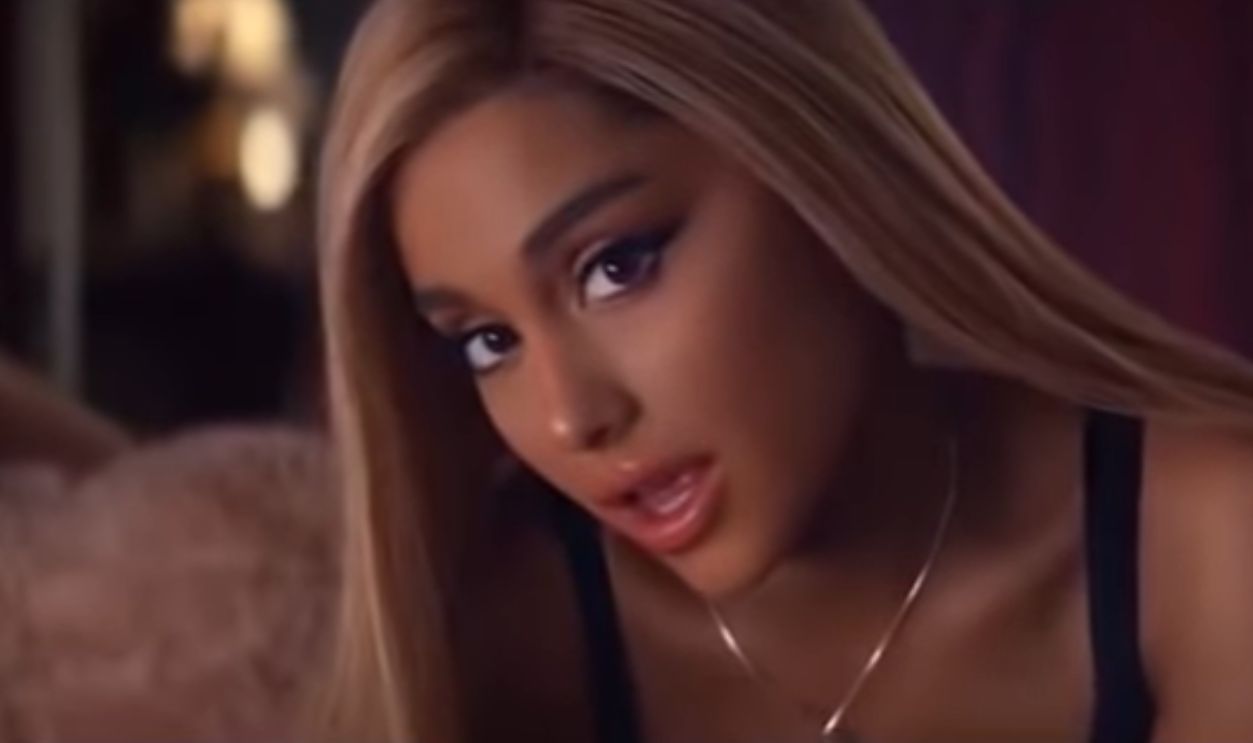 Screenshot from Thank U, Next, Republic Records (2018)
Lorde – “Royals”
When “Royals” hit, it sounded like nothing else on the radio. No glossy excess, no party fantasy. Just a quiet voice calling out the emptiness of luxury culture. Lorde made minimalism cool and gave a generation permission to reject flashy pop dreams in favor of something more grounded. It was the sound of skepticism turning into confidence.
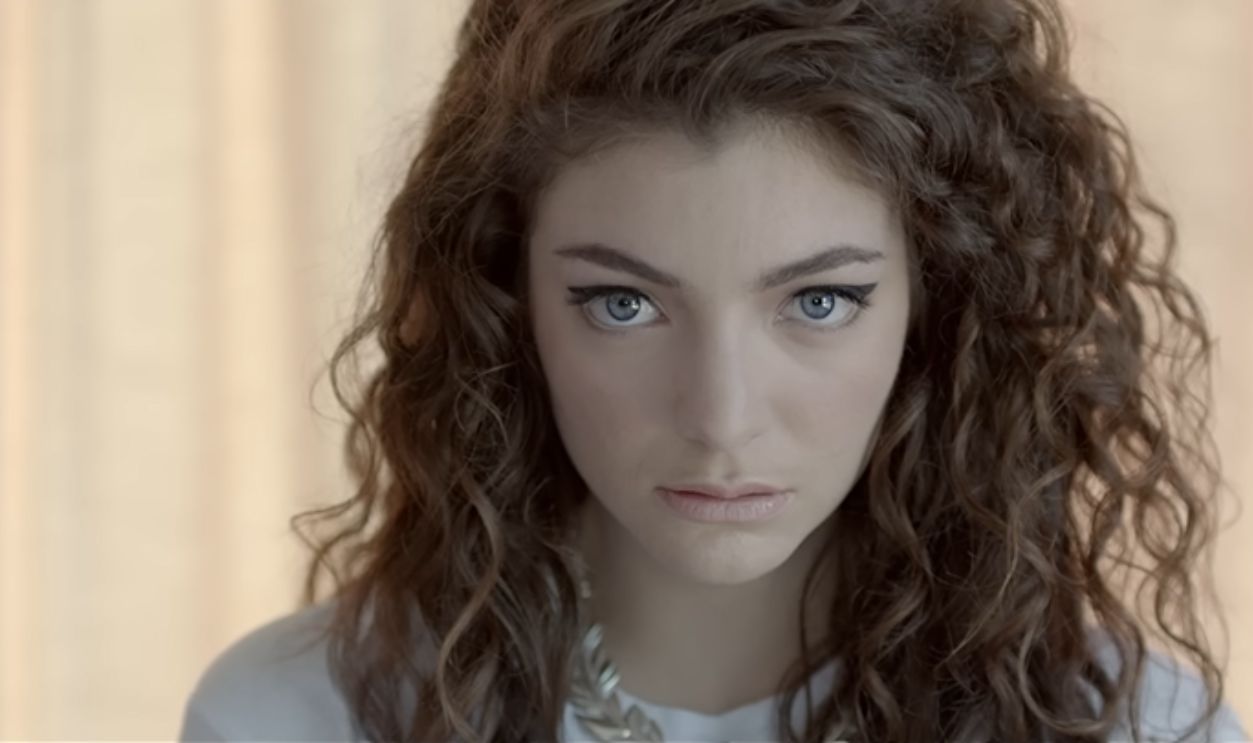 Screenshot from Royals, Universal Music Group (2013)
Rihanna feat Calvin Harris – “We Found Love”
This song defined the early 2010s club era. The beat hits instantly, and suddenly you are back in packed rooms, flashing lights, and emotional chaos disguised as fun. The lyrics hint at love being messy and addictive, but the music makes you chase it anyway. It still feels like freedom mixed with bad decisions in the best way.
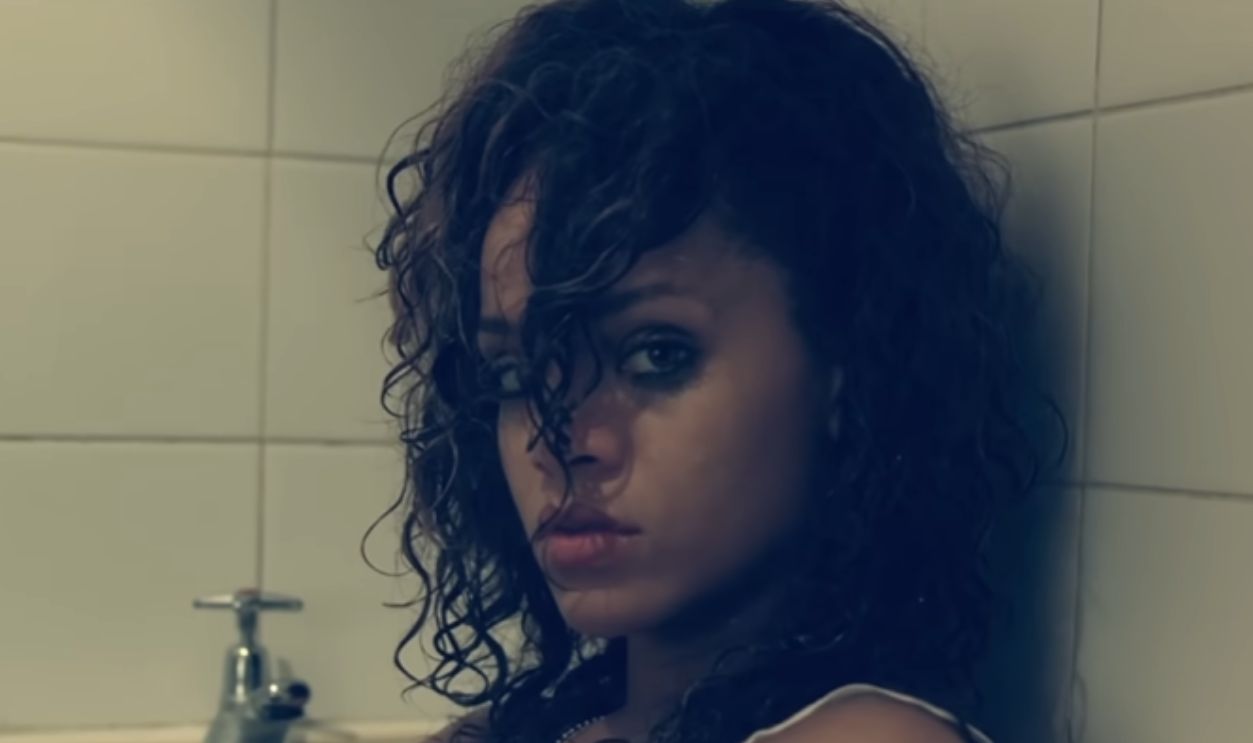 Screenshot from We Found Love, Def Jam Recordings (2011)
Grimes – “Oblivion”
“Oblivion” sits in a strange space between vulnerability and strength. The production is airy and danceable, but the lyrics are deeply personal and unsettling. Grimes made something that felt intimate and futuristic at the same time. It represents the side of the 2010s where pop leaned weird, DIY, and emotionally exposed.
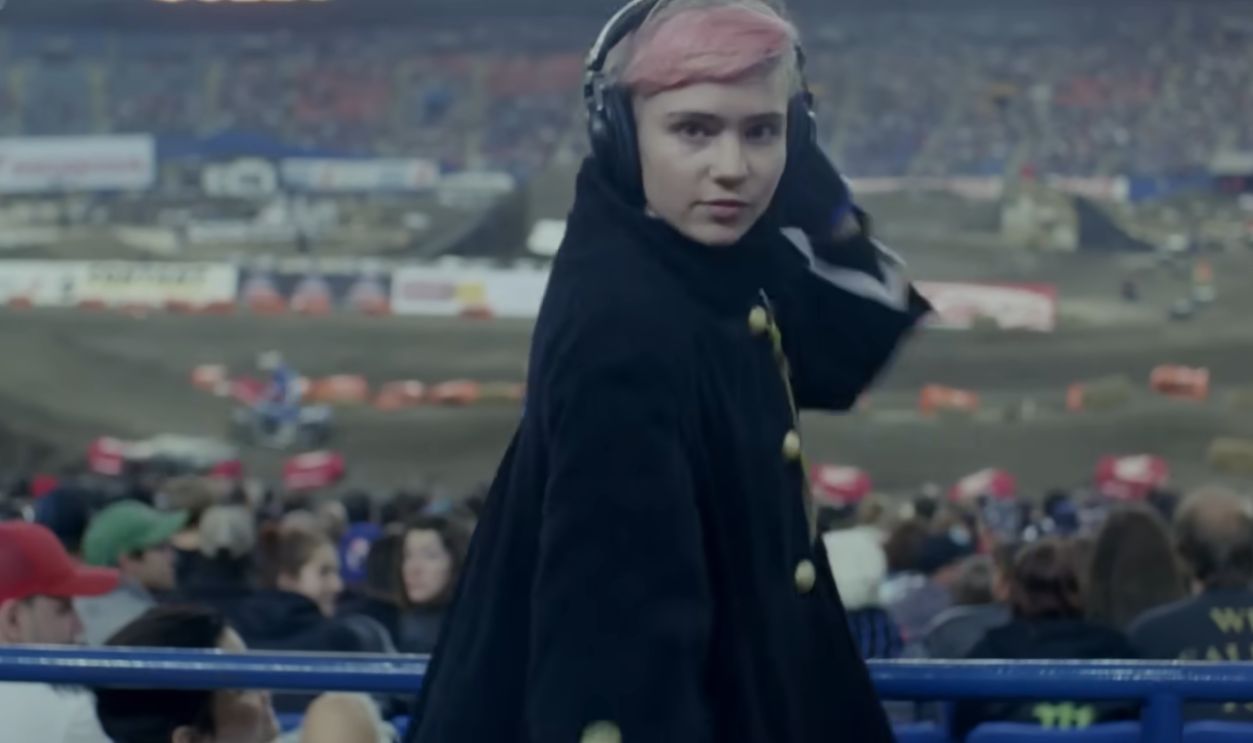 Screenshot from Oblivion, 4AD Records (2012)
Adele – “Rolling In The Deep”
This song was impossible to ignore. Adele’s voice carried anger, heartbreak, and power all at once, and it connected instantly. It was the kind of song that made people stop talking when it came on. Years later, it still feels massive, like a reminder that pure emotion can cut through any trend.
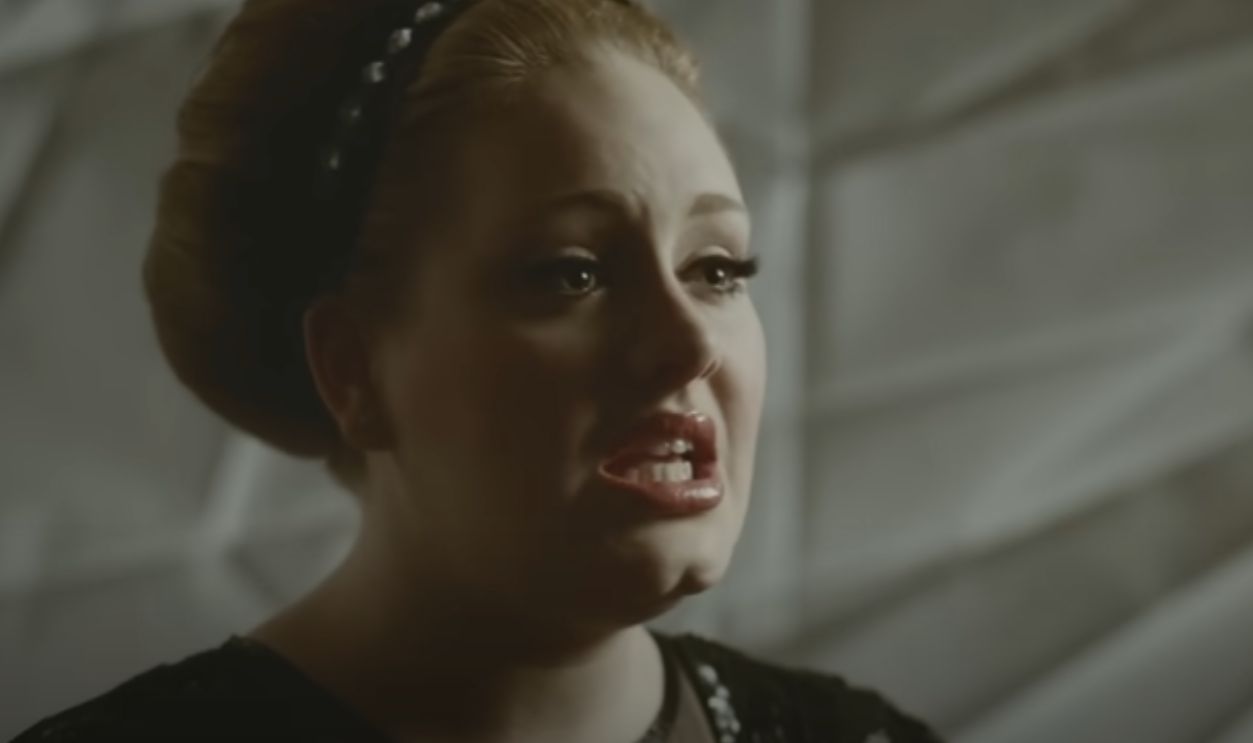 Screenshot from Rolling in the Deep, XL Recordings (2010)
Daft Punk – “Get Lucky”
“Get Lucky” brought disco back without making it feel like nostalgia cosplay. It sounded fresh, smooth, and endlessly replayable. The song became a bridge between generations, playing everywhere from house parties to weddings. Hearing it now feels like remembering a time when the world felt lighter and everything was danceable.
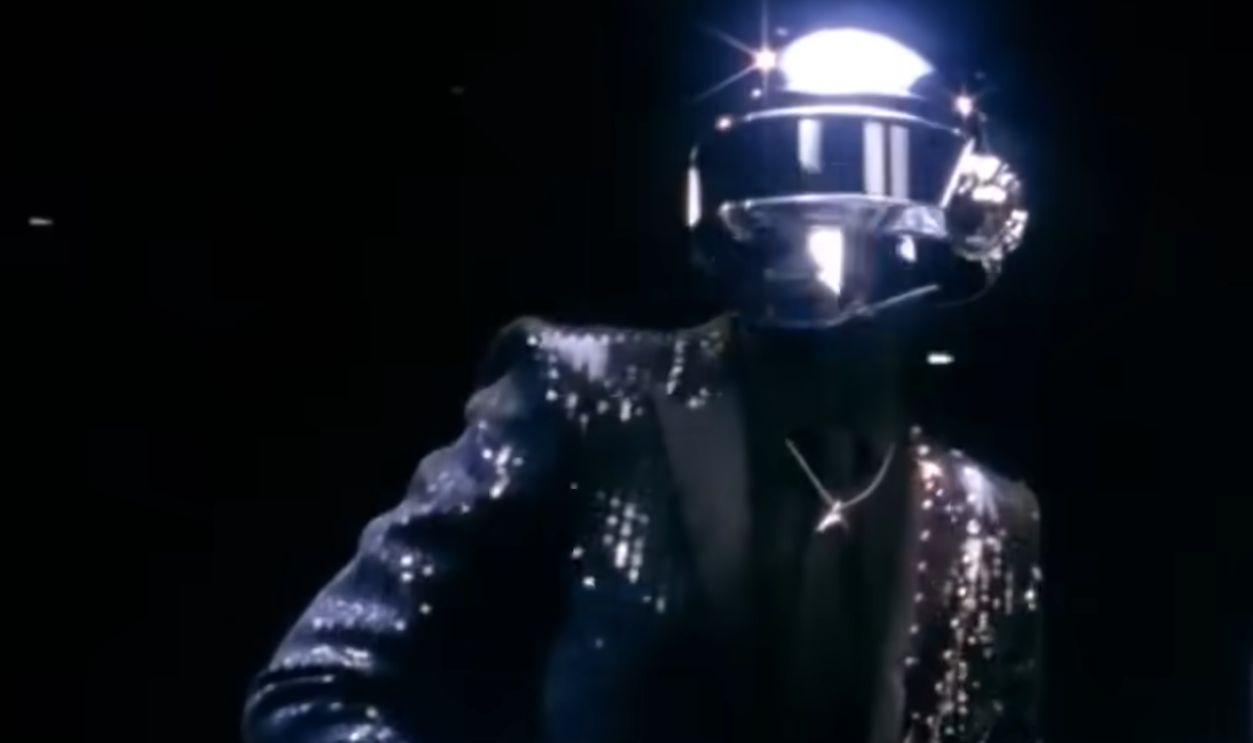 Screenshot from Get Lucky, Columbia Records (2013)
Robyn – “Dancing On My Own”
This song somehow makes heartbreak feel communal. Robyn paired lonely, devastating lyrics with a beat that makes you want to keep moving anyway. It became the ultimate song for feeling sad in public and strong about it. Over the years, it turned into a quiet anthem for people who learned how to survive disappointment without losing themselves.
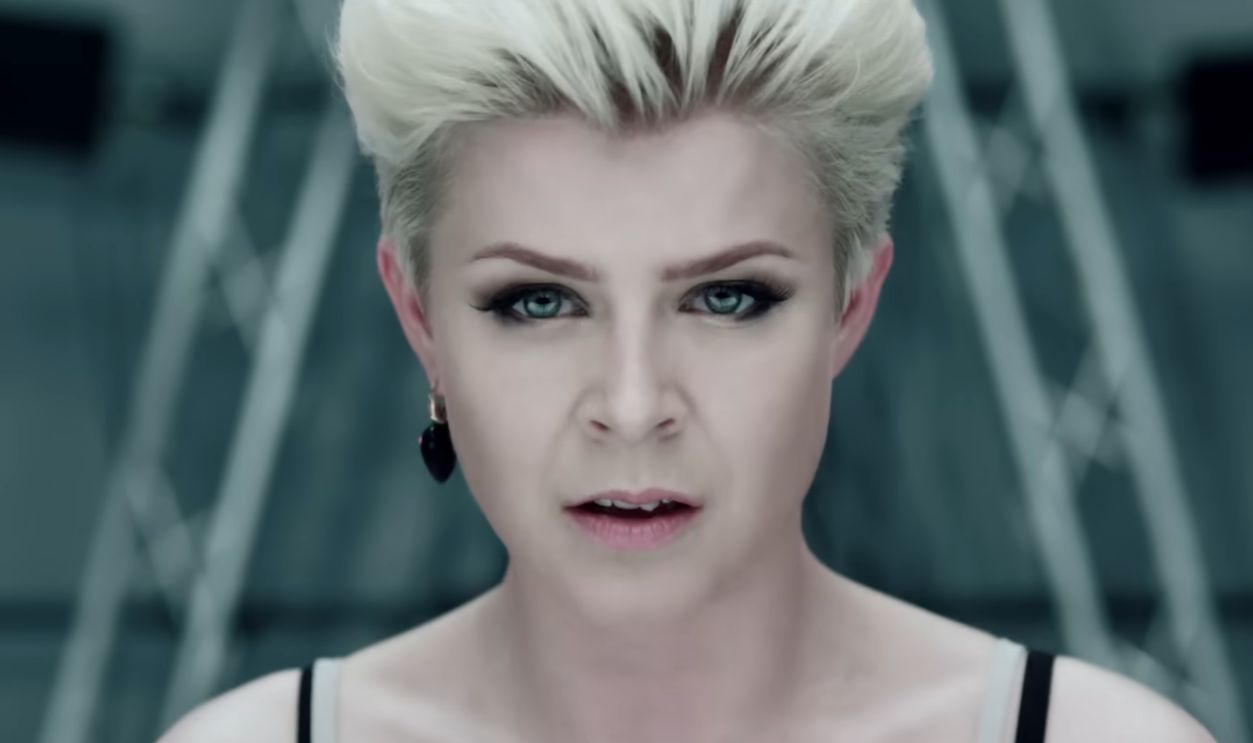 Screenshot from Dancing on My Own, Konichiwa Records (2010)
Sia – “Chandelier”
This track is emotional chaos set to pop perfection. Sia’s vocals feel like they are barely being held together, which made the song impossible to forget. It captured the feeling of pushing yourself too far while pretending you are fine. For a lot of listeners, it felt uncomfortably honest in a way pop music rarely allows.
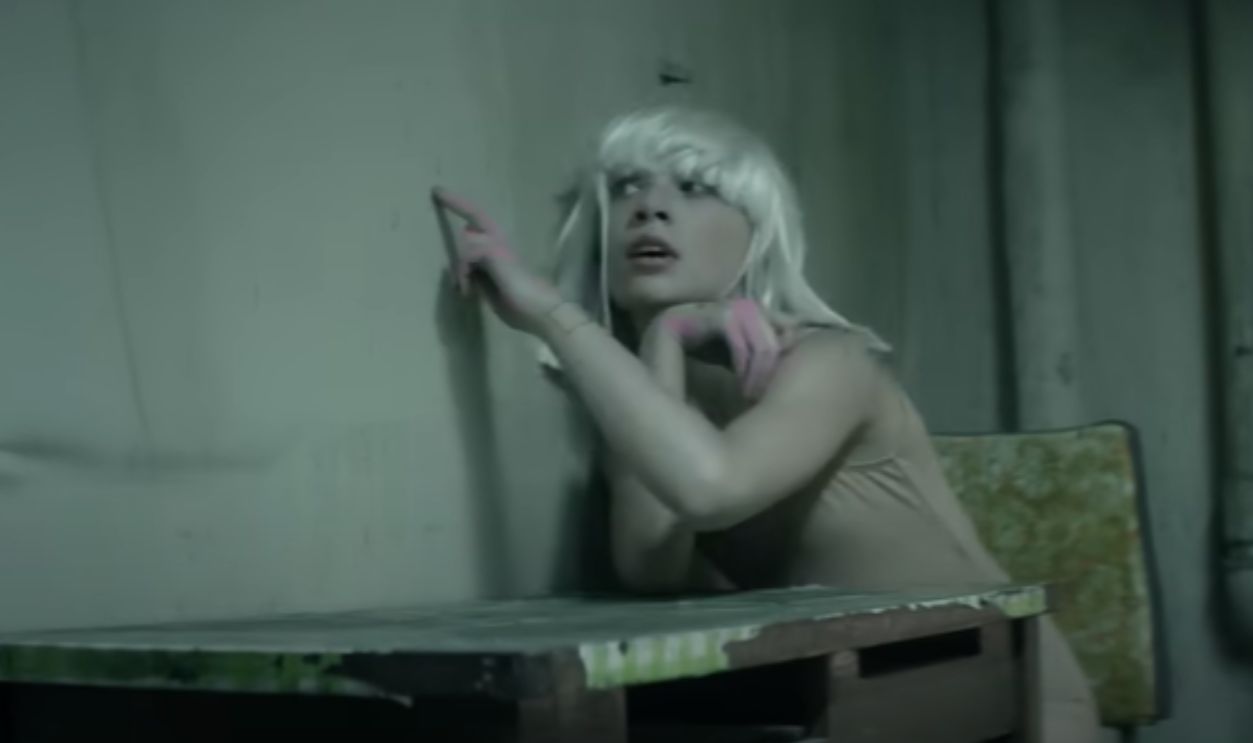 Screenshot from Chandelier, RCA Records (2014)
Frank Ocean – “Novacaine”
“Novacaine” introduced many people to Frank Ocean’s gift for quiet emotional storytelling. The song feels hazy, detached, and deeply reflective, like watching your life from a distance. It resonated with listeners who felt numb rather than dramatic, and it marked a shift toward introspective R&B becoming mainstream.
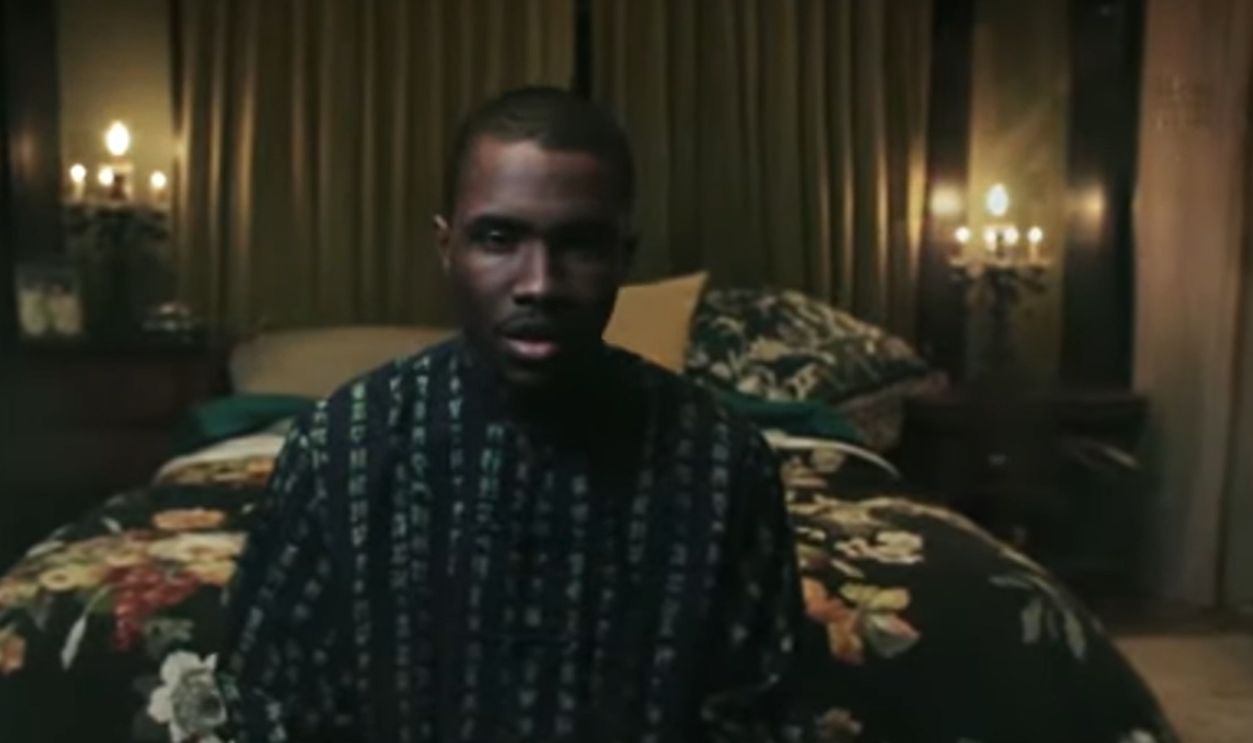 Screenshot from Novacane, Def Jam Recordings (2011)
Drake – “Hotline Bling”
This song lived everywhere at once. Radio, memes, group chats, Halloween costumes. Beyond the jokes, it marked a moment when Drake leaned fully into melody and vulnerability. It also showed how songs could take on lives far beyond music, becoming cultural shorthand almost overnight.
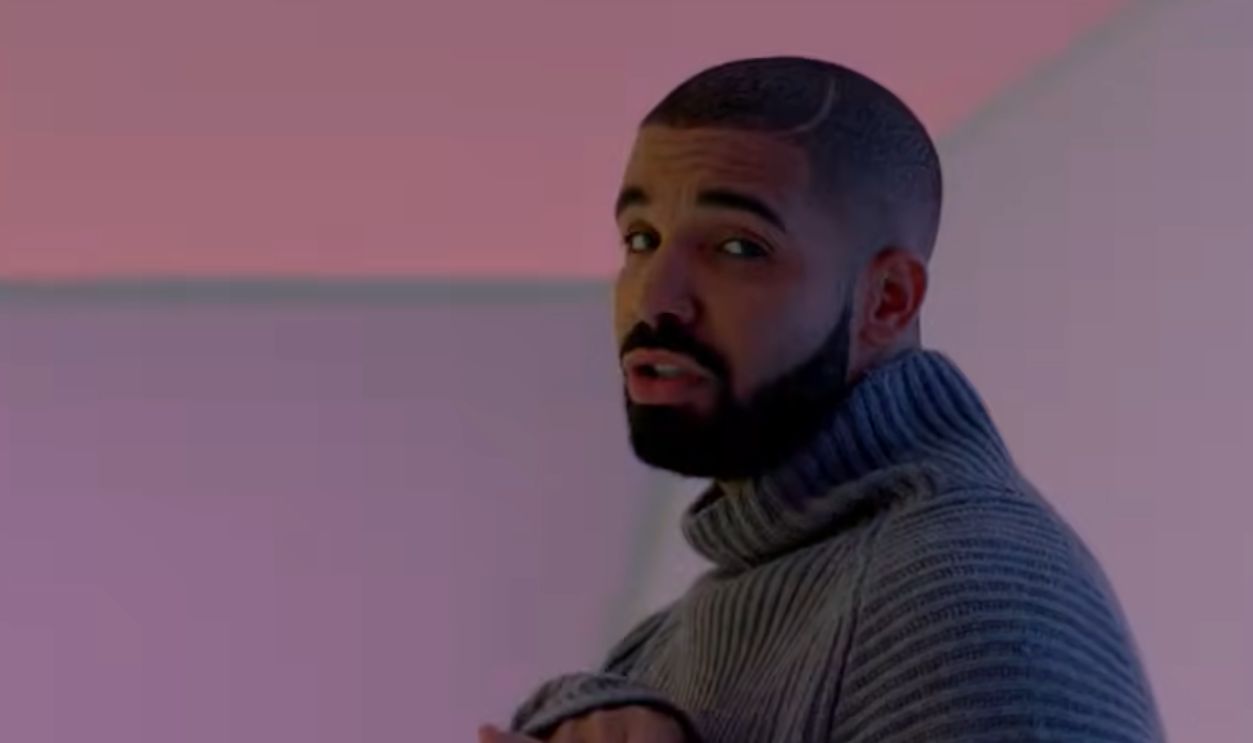 Screenshot from Hotline Bling, Republic Records (2015)
Justin Bieber – “Sorry”
“Sorry” was a comeback moment that felt genuinely sincere. The tropical-inspired beat gave it a lightness that balanced the apology at its center. It became unavoidable in public spaces, but in a way that felt warm rather than overwhelming. It still brings back memories of dance floors and late-night radio drives.
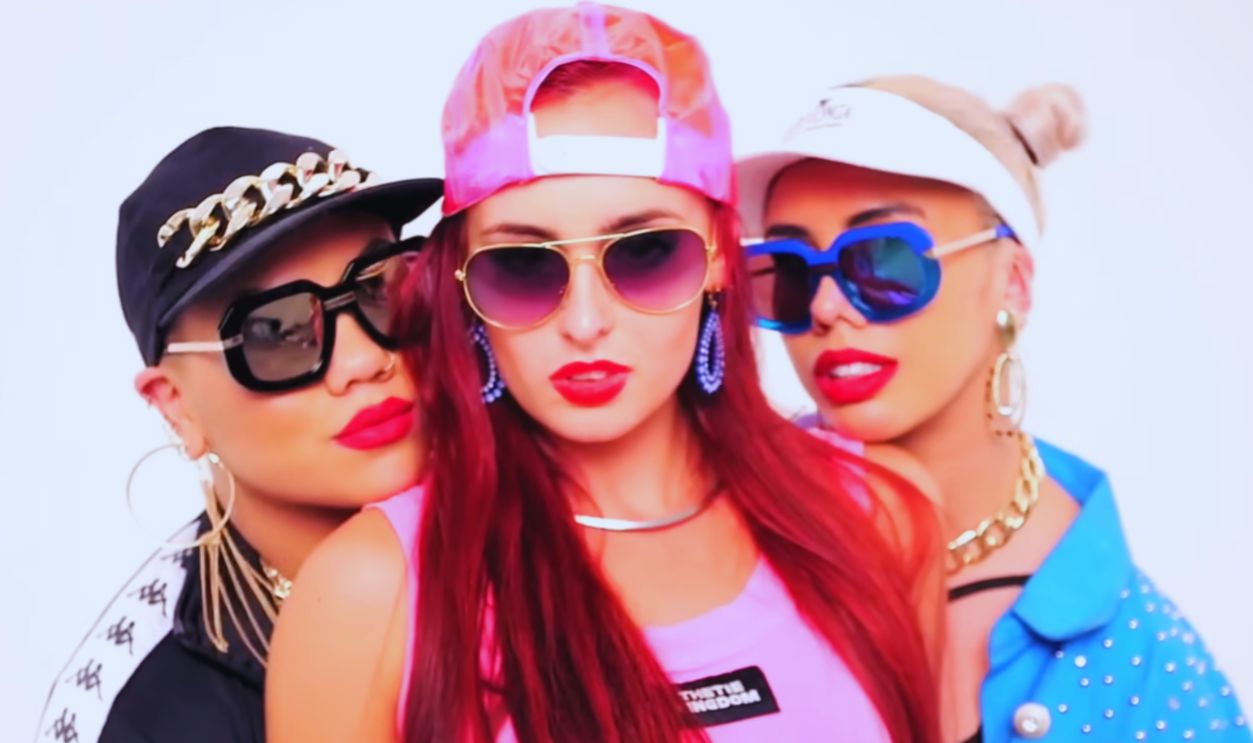 Screenshot from Sorry, Def Jam Recordings (2015)
J Balvin & Willy William – “Mi Gente”
“Mi Gente” exploded because it felt like a celebration without borders. You did not need to understand the lyrics to feel the energy. It represents a decade where global pop became truly global, and where dance music crossed languages effortlessly.
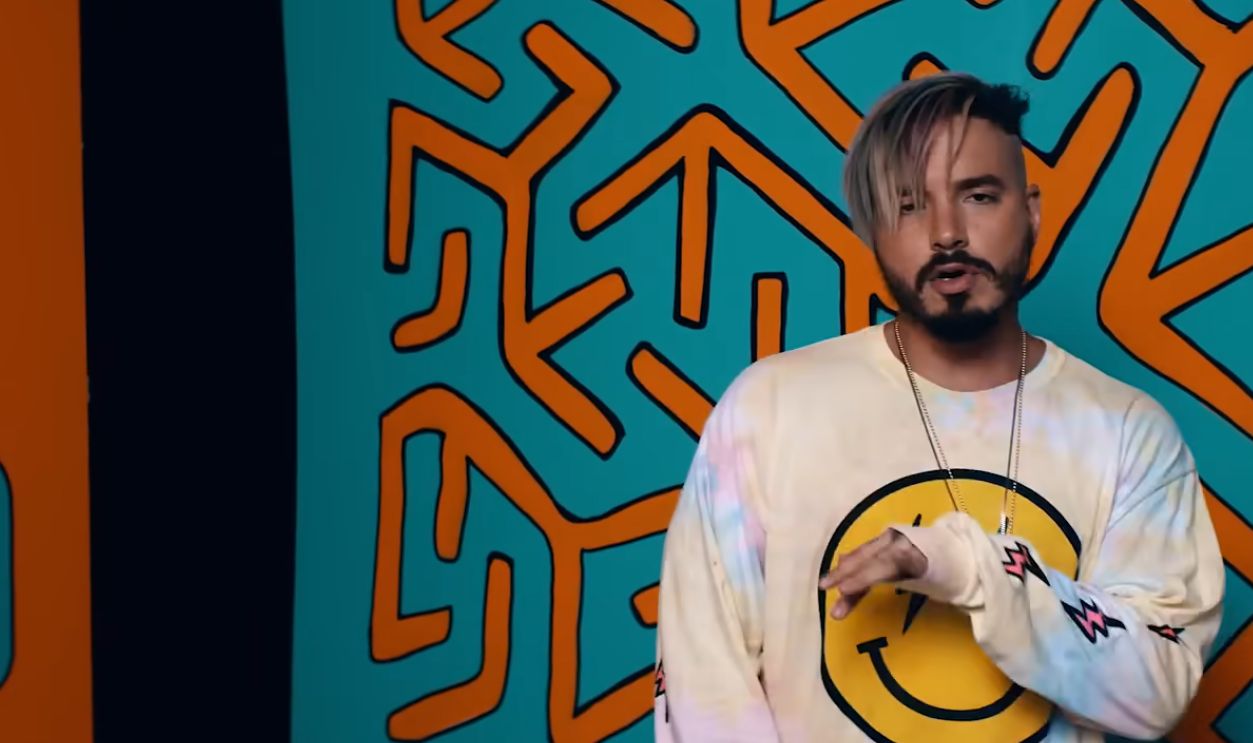 Screenshot from Mi Gente, Scorpio Music (2017)
Luis Fonsi feat Daddy Yankee & Justin Bieber – “Despacito”
For a stretch of time, this song was unavoidable. It dominated charts, playlists, and public spaces worldwide. More importantly, it changed the rules of pop radio, proving that non-English songs could thrive globally. Hearing it now immediately brings back the summer when it felt like the whole world was moving to the same rhythm.
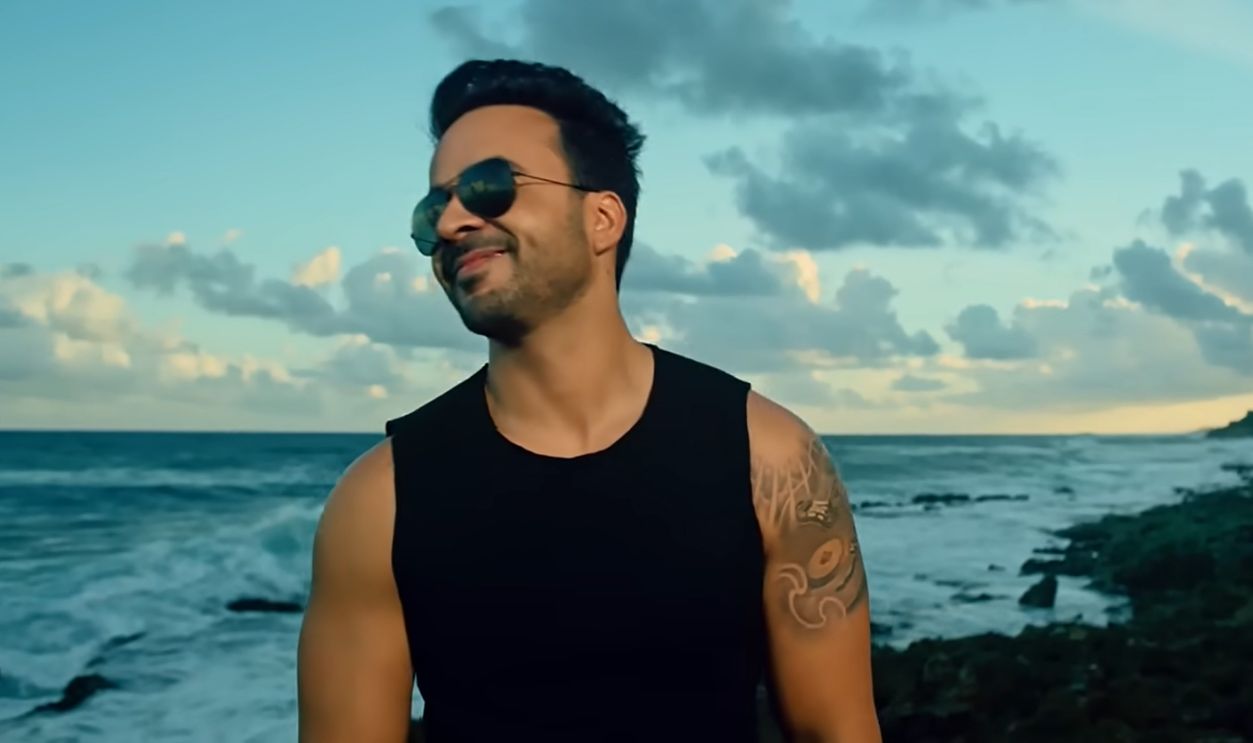 Screenshot from Despacito, Universal Music Latin Entertainment (2017)
Lizzo – “Truth Hurts”
This song took its time becoming a hit, which makes its success even sweeter. “Truth Hurts” resonated because it felt unapologetically confident and self-aware. It became an anthem for putting yourself first and laughing through disappointment. Its late bloom mirrored the decade’s shift toward authenticity over perfection.
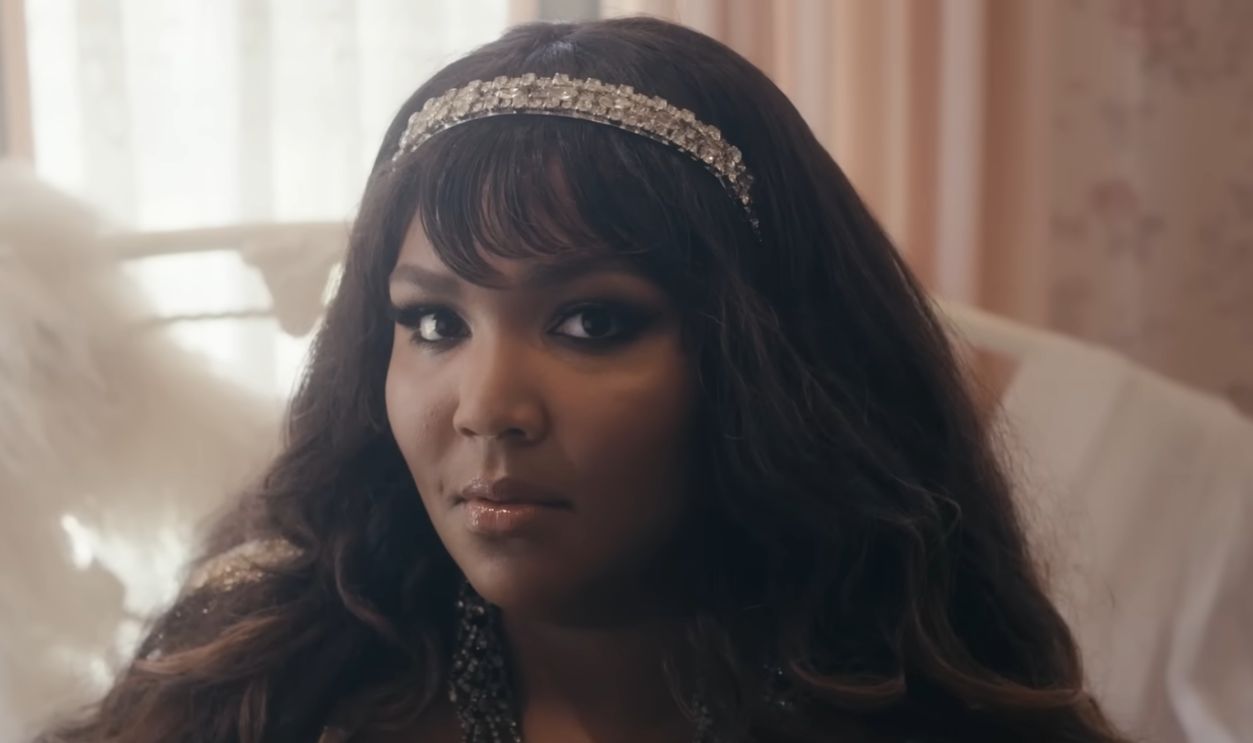 Screenshot from Truth Hurts, Atlantic Records (2017)
Beyoncé feat Jay-Z – “Drunk in Love”
“Drunk in Love” feels intimate and cinematic at the same time. Its slow build and hypnotic production made it unforgettable. It marked a moment when Beyoncé fully embraced artistic control, blending sensuality, confidence, and experimentation in a way that influenced the rest of the decade’s pop landscape.
 Screenshot from Drunk in Love, Columbia Records (2013)
Billie Eilish – “Bad Guy”
“Bad Guy” closed out the decade by flipping pop expectations on their head. Quiet, sarcastic, and intentionally strange, it proved that pop did not need to be loud to dominate. It felt like the beginning of something new, even as the decade was ending.
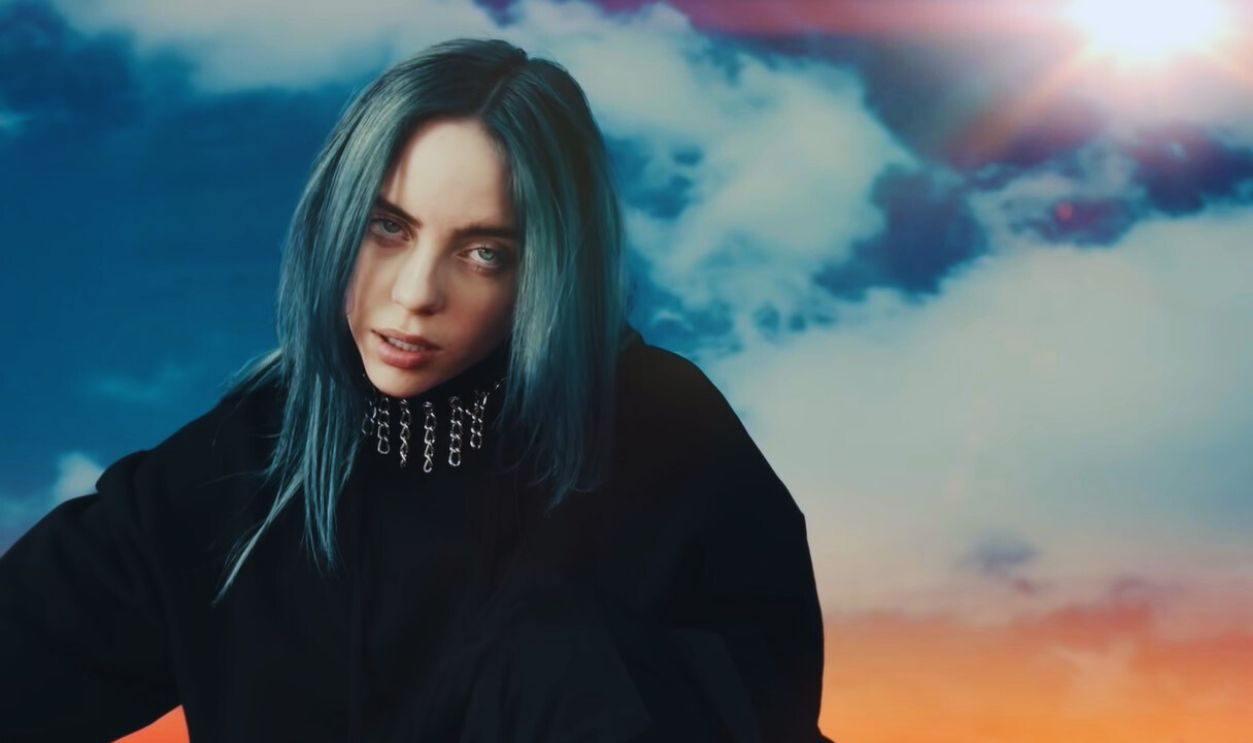 Screenshot from Bad Guy, Interscope Records (2019)
Drake – “Hold On, We’re Going Home”
This song is smooth nostalgia. It is slow, romantic, and emotionally open in a way that made it perfect for late-night listening. It represents the softer side of 2010s pop, where vulnerability became something artists leaned into rather than avoided.
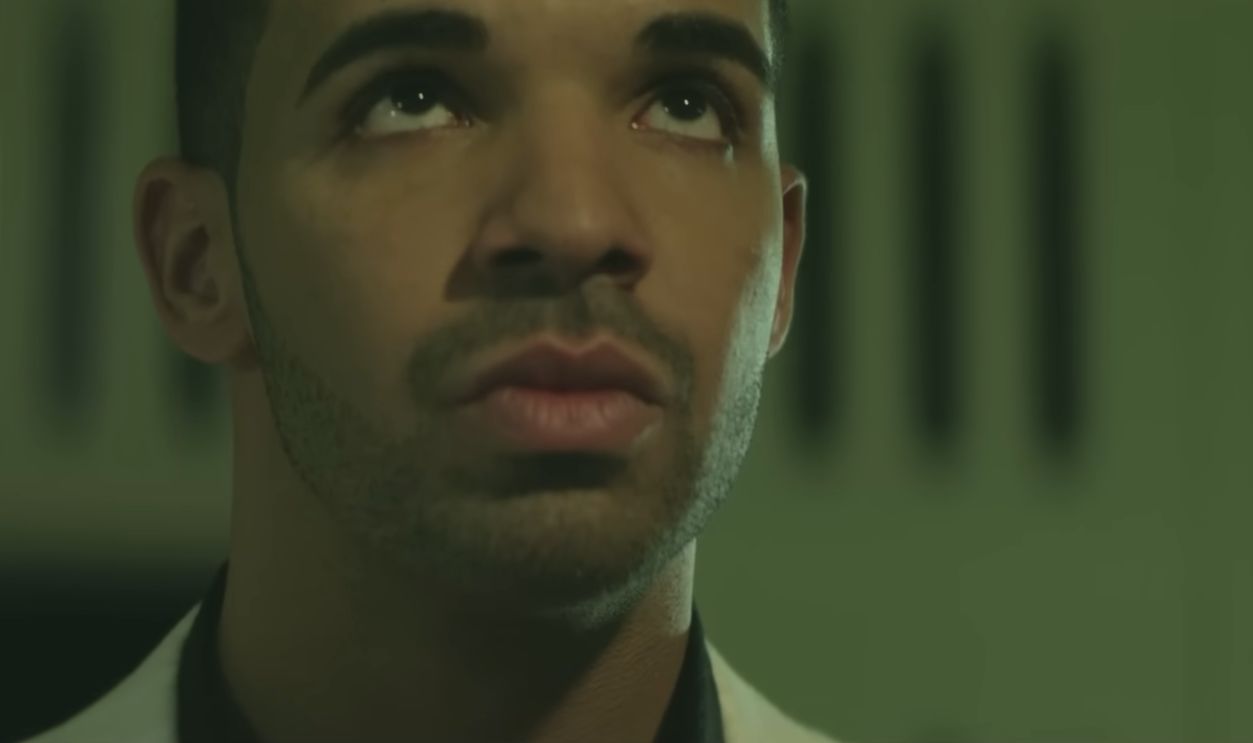 Screenshot from Hold On, We’re Going Home, Republic Records (2013)
Azealia Banks – “212”
“212” captured the raw energy of early internet culture. It was bold, confrontational, and impossible to ignore. The song thrived online, spreading through blogs and YouTube before streaming dominance took over. It represents the part of the 2010s where discovery felt messy, exciting, and unpredictable.
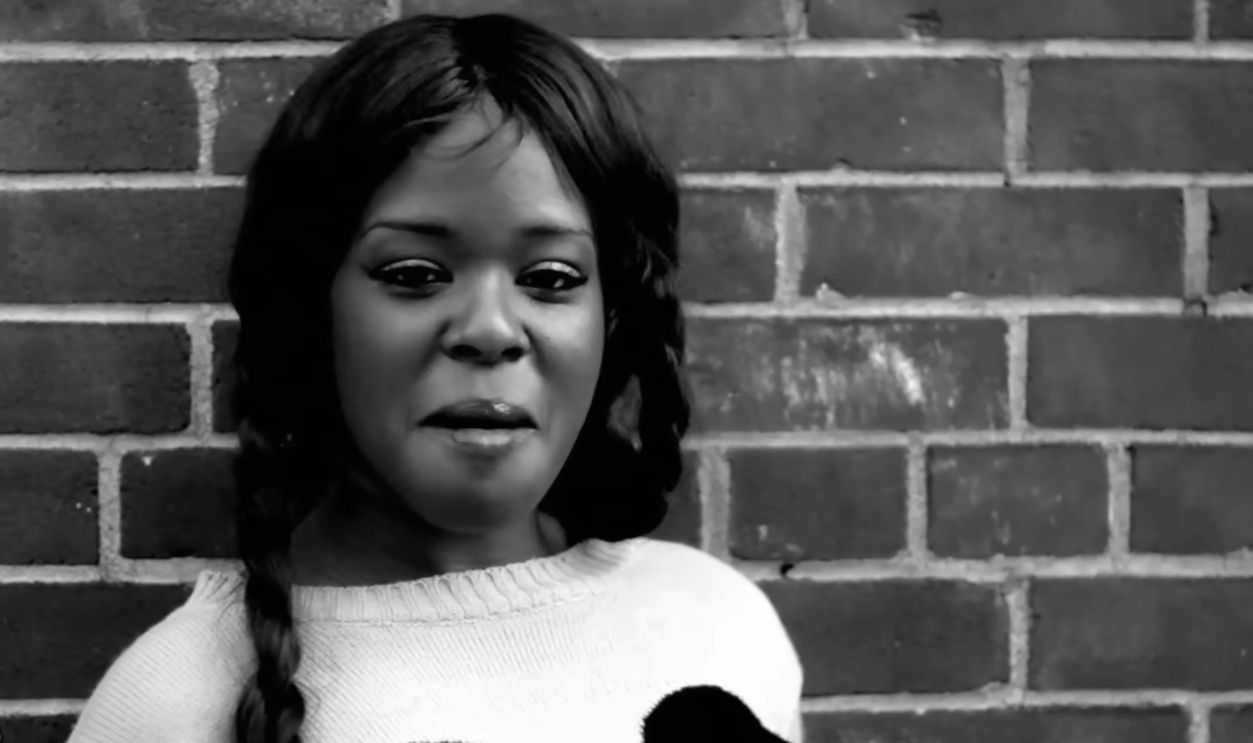 Screenshot from 212, Interscope Records (2011)
You May Also Like:
The Most Influential Jazz Songs Ever
Post-Grunge Songs That Were Actually Good