The Comeback Records Nobody Could Afford To Mess Up
Every artist on this list reached a moment where momentum stalled and the future felt uncertain. Some were battling public backlash, others were navigating lineup changes, personal demons, or shifting musical landscapes. These albums arrived at critical points when another misstep could have completely ended things. Instead, they reconnected artists with audiences, and reminded everyone why their careers mattered in the first place.

Metallica - Death Magnetic (2008)
By the late 2000s, Metallica were dealing with serious fan backlash after Load, Reload, and the polarizing St Anger. Critics questioned whether they had lost touch with their roots. Death Magnetic marked a conscious return to thrash metal, longer compositions, and intricate riffing. It reassured longtime fans and proved the band could still evolve without abandoning what made them iconic.
 Kreepin Deth, Wikimedia Commons
Aerosmith - Permanent Vacation (1987)
Aerosmith’s early promise had nearly collapsed due to addiction and inconsistent releases. By the mid-1980s, they were close to fading out entirely. Permanent Vacation marked a reset, pairing outside songwriters with renewed focus and cleaner production. The album reignited their commercial appeal and kicked off a second career peak that would last well into the 1990s.
 Screenshot from Permanent Vacation, Geffen Records (1987)
Ozzy Osbourne - No More Tears (1991)
Ozzy’s solo career had been uneven after the loss of Randy Rhoads, and fatigue was beginning to show. No More Tears brought tighter songwriting, modern production, and a clearer sense of identity. Tracks like the title song balanced heaviness with melody, helping Ozzy reassert himself as a solo artist capable of longevity beyond his Black Sabbath years.
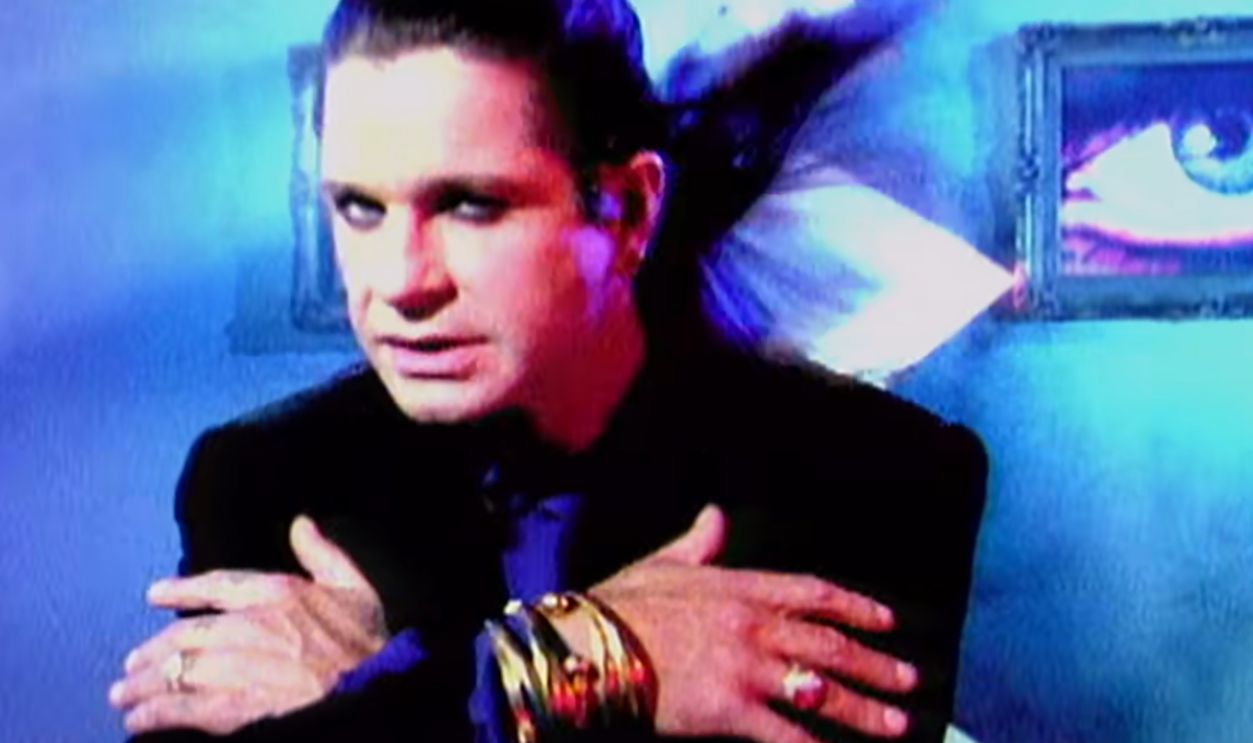 Screenshot from No More Tears, Epic Records (1991)
Daft Punk - Random Access Memories (2013)
After years of silence and a rapidly changing electronic scene, Daft Punk risked feeling outdated. Instead of chasing modern trends, they leaned into analog recording, live musicians, and classic disco and funk influences. Random Access Memories felt deliberate and patient, standing apart from EDM culture. Its massive success and critical acclaim reasserted Daft Punk as innovators rather than nostalgia acts.
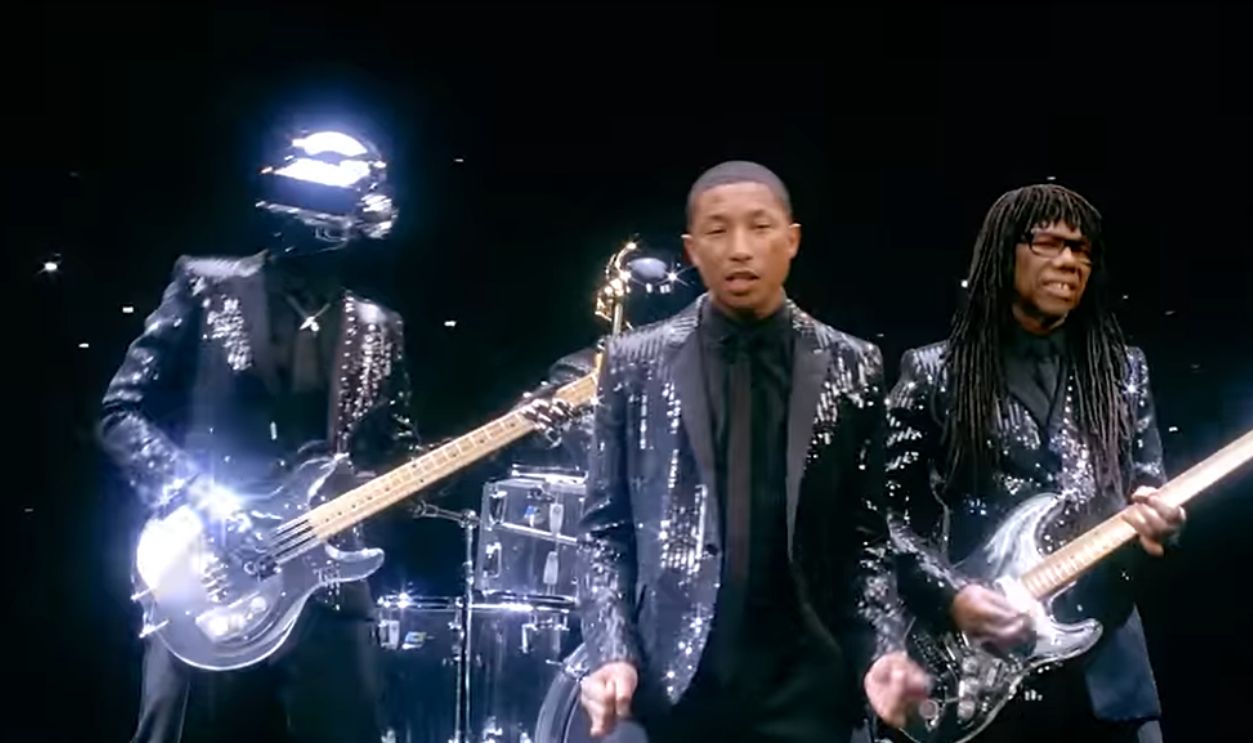 Screenshot from Random Access Memories, Sony Music (2013)
Beastie Boys - Paul’s Boutique (1989)
After the runaway success of Licensed to Ill, the Beastie Boys were at risk of being dismissed as a novelty act. Paul’s Boutique initially confused audiences with its dense, sample-heavy production. Over time, it became recognized as groundbreaking. The album completely reshaped their artistic reputation and allowed them to build a long, respected career on their own terms.
 Screenshot from Paul’s Boutique, Capitol (1989)
U2 - All That You Can’t Leave Behind (2000)
U2 spent much of the 1990s experimenting with irony, electronics, and reinvention, but fans were growing restless. All That You Can’t Leave Behind returned the band to emotional, direct songwriting. Songs like “Beautiful Day” felt earnest rather than ironic, restoring trust and reconnecting U2 with the massive audience that once made them unavoidable.
 Screenshot from All That You Can’t Leave Behind, Interscope Records (2000)
Green Day - American Idiot (2004)
After declining sales and a scrapped album, Green Day faced the possibility of becoming a nostalgia act. American Idiot was a huge gamble, turning punk rock into a politically charged concept album. The risk paid off spectacularly. It revitalized their relevance, earned critical acclaim, and gave the band a second defining era that extended their career by decades.
 Screenshot from American Idiot, Warner Bros. Records (2004)
Bob Dylan - Time Out Of Mind (1997)
By the 1990s, Bob Dylan’s studio output was seen as inconsistent, with flashes of brilliance buried among uneven releases. Time Out of Mind felt purposeful and focused, embracing themes of mortality, regret, and reflection. The album won major awards and sparked a late-career renaissance, reminding listeners that Dylan still had profound things to say.
 Screenshot from Time Out of Mind, Columbia Records (1997)
Red Hot Chili Peppers - Californication (1999)
The band entered the late 1990s fractured and creatively unfocused. John Frusciante’s return brought emotional stability and musical clarity. Californication scaled back chaos in favor of melody and restraint. It became their most successful album and redefined their sound, transforming them from unpredictable funk rockers into enduring mainstream icons.

AC/DC - Back In Black (1980)
The sudden death of Bon Scott left AC/DC’s future in doubt. Many expected the band to dissolve. Instead, Back in Black introduced Brian Johnson and delivered one of the most definitive rock albums ever made. Its confidence and energy turned tragedy into triumph and ensured AC/DC’s place at the very top of rock history.
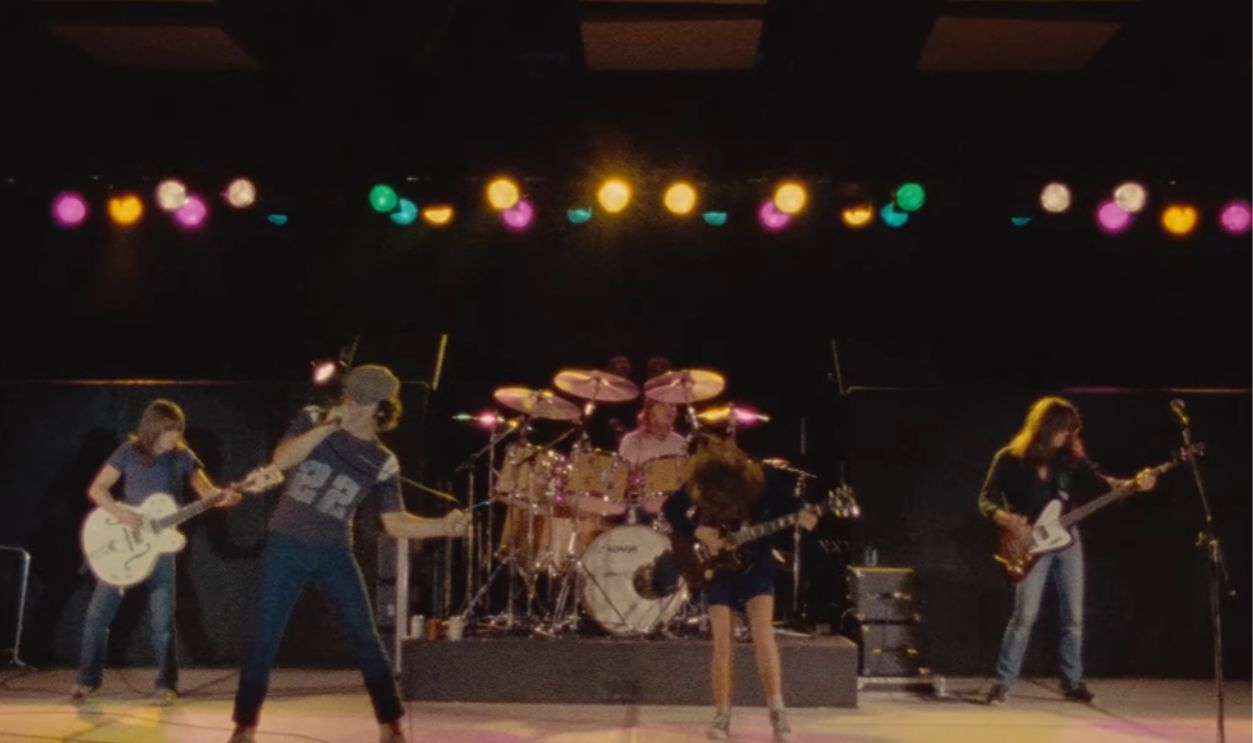 Screenshot from Back in Black, Atlantic Records (1980)
Paul McCartney And Wings - Band On The Run (1973)
Paul McCartney’s early solo work struggled to escape comparisons to The Beatles. Band on the Run changed that narrative. Recorded under chaotic circumstances, the album emerged adventurous and confident. Its success restored McCartney’s critical standing and proved he could thrive creatively outside the world’s most famous band.
 Screenshot from Band on the Run, Apple Records (1973)
Bruce Springsteen - Born To Run (1975)
Springsteen had built critical buzz but failed to break commercially. His label viewed Born to Run as a last chance. The album’s cinematic sound and big emotional themes finally connected. It transformed Springsteen into a star and laid the foundation for one of rock’s most enduring careers.
 Screenshot from Born to Run, Columbia Records (1975)
Alice In Chains - Black Gives Way To Blue (2009)
After years of inactivity and the death of Layne Staley, expectations for Alice in Chains were low. Black Gives Way to Blue addressed grief directly while introducing a new vocalist. The album allowed the band to continue respectfully, proving they could evolve without erasing their history.
 Screenshot from Black Gives Way to Blue, Virgin/EMI Records (2009)
Suede - Bloodsports (2013)
Suede’s influence had waned after years of uneven releases and internal instability. Bloodsports brought urgency, sharp songwriting, and emotional focus back to the forefront. It felt like a band reconnecting with its core identity, reestablishing Suede as a creative force rather than a Britpop footnote

.
D’Angelo - Black Messiah (2014)
After a long absence and immense expectations, D’Angelo returned without compromise. Black Messiah ignored trends in favor of dense, political, deeply musical compositions. The album reframed his career around artistic depth rather than mystique, earning universal acclaim and solidifying his long-term relevance.
 Screenshot from Black Messiah,Legacy Recordings (2014)
Bob Seger - Night Moves (1976)
Bob Seger spent years touring and releasing records without a true breakthrough. Night Moves finally connected, capturing nostalgia, restlessness, and reflection. Its themes resonated widely, turning Seger into a national star and providing the momentum he needed for sustained success.
 Screenshot from Night Moves, Warner Bros. Pictures (1975)
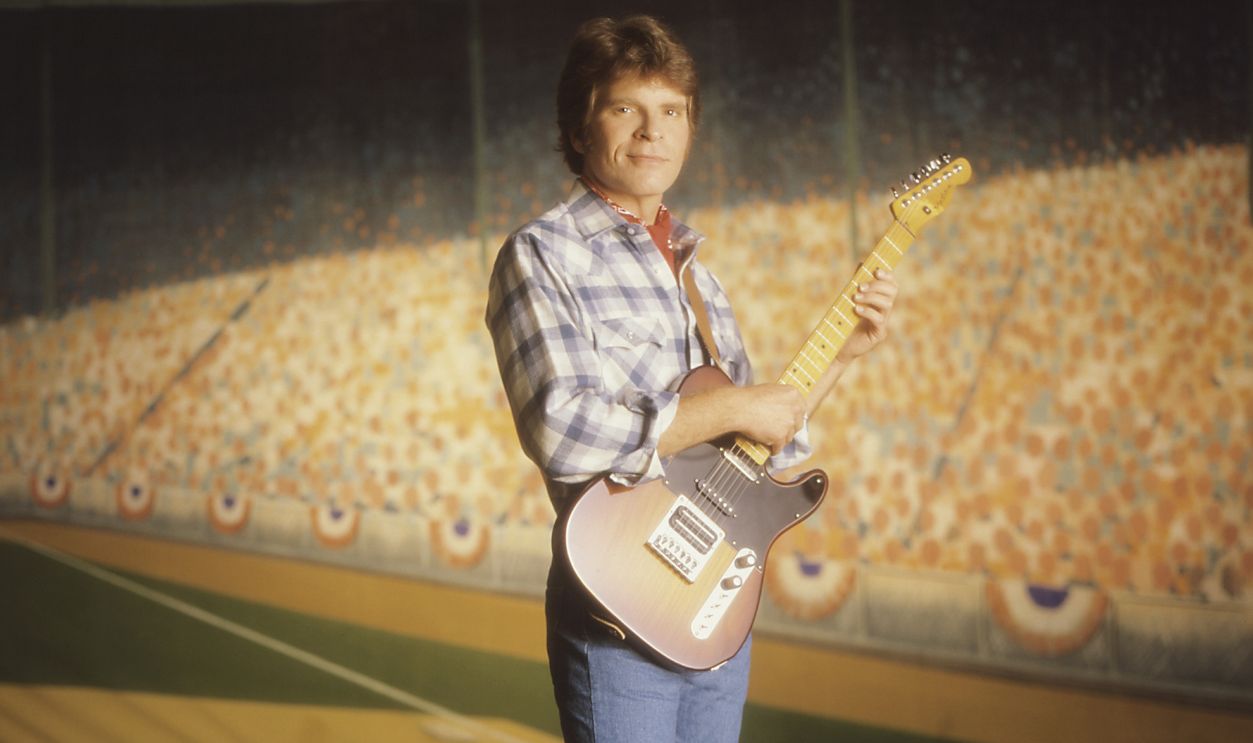
John Fogerty - Centerfield (1985)
After legal disputes and years away from music, Fogerty returned determined to reclaim his voice. Writing and recording everything himself, Centerfield felt confident and direct. The album delivered enduring hits and marked one of the most successful and satisfying comebacks of the decade.
Kiss - Alive! (1975)
Kiss struggled to translate their explosive live shows into studio success. Alive! finally captured their raw energy and crowd interaction. The album turned them into stars almost overnight, proving that performance, not studio polish, was the true heart of the band.
 Screenshot from Alive!, Casablanca Records (1975)
Fleetwood Mac - Rumours (1977)
By the time Rumours was recorded, Fleetwood Mac were emotionally imploding. Breakups, affairs, and nonstop tension threatened to tear the band apart completely. Instead, they channeled that chaos into brutally honest songwriting. The result was one of the best-selling albums of all time, transforming personal collapse into massive commercial and artistic triumph.
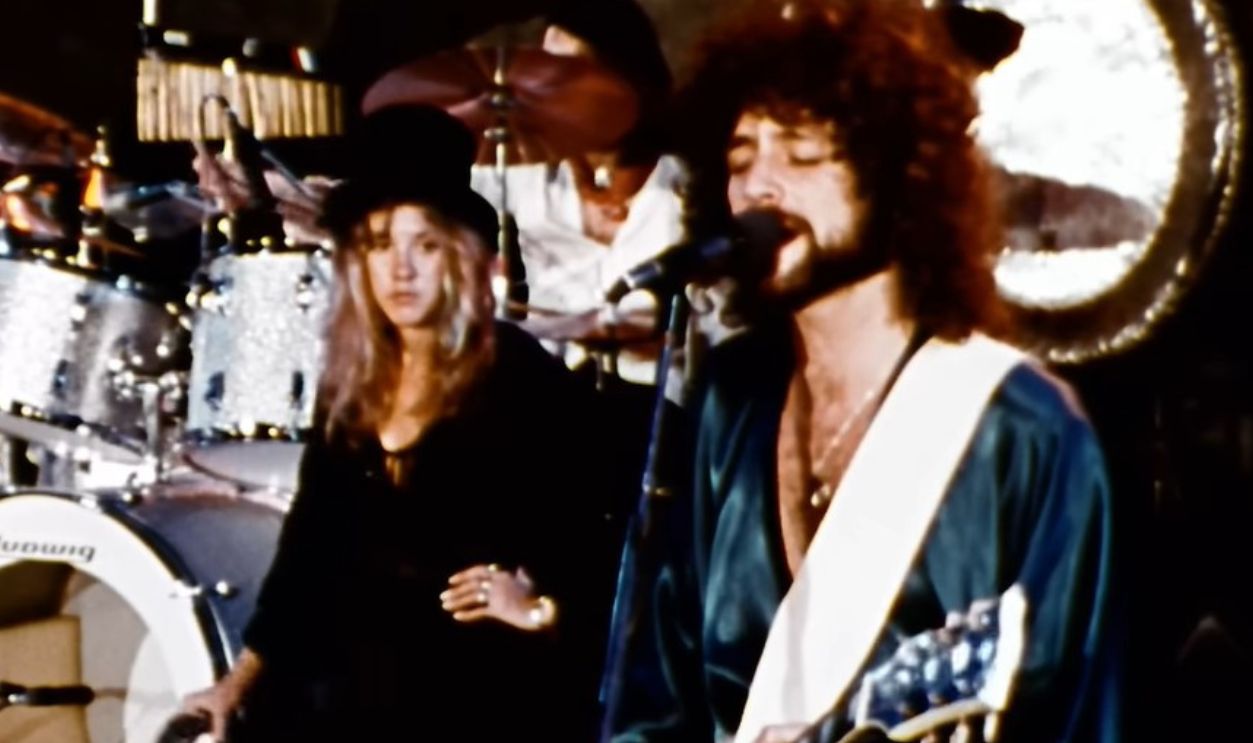 Screenshot from Rumours, Warner Bros. Records (1977)
David Bowie - Let’s Dance (1983)
After a run of challenging, experimental albums that confused mainstream audiences, Bowie’s commercial momentum had slowed. Let’s Dance was a sharp pivot toward accessibility, funk, and pop clarity. With massive singles and heavy MTV rotation, the album reintroduced Bowie to a global audience and secured his relevance for an entirely new decade.
 Screenshot from Let’s Dance, EMI Records / Capitol Records (1983)
You May Also Like:
Albums That Capture The Hangover Of The 1980s
Groundbreaking Albums That Mixed Rock, Rap, And Chaos
Alt-Rock Albums That Rewrote All The Rules And Changed Music Forever