When the Party Ended
By the end of the ’80s, the volume was still loud, but something had changed. The confidence cracked, the gloss wore thin, and music started sounding tired, restless, or reflective. These albums didn’t celebrate excess — they dealt with what came after it.
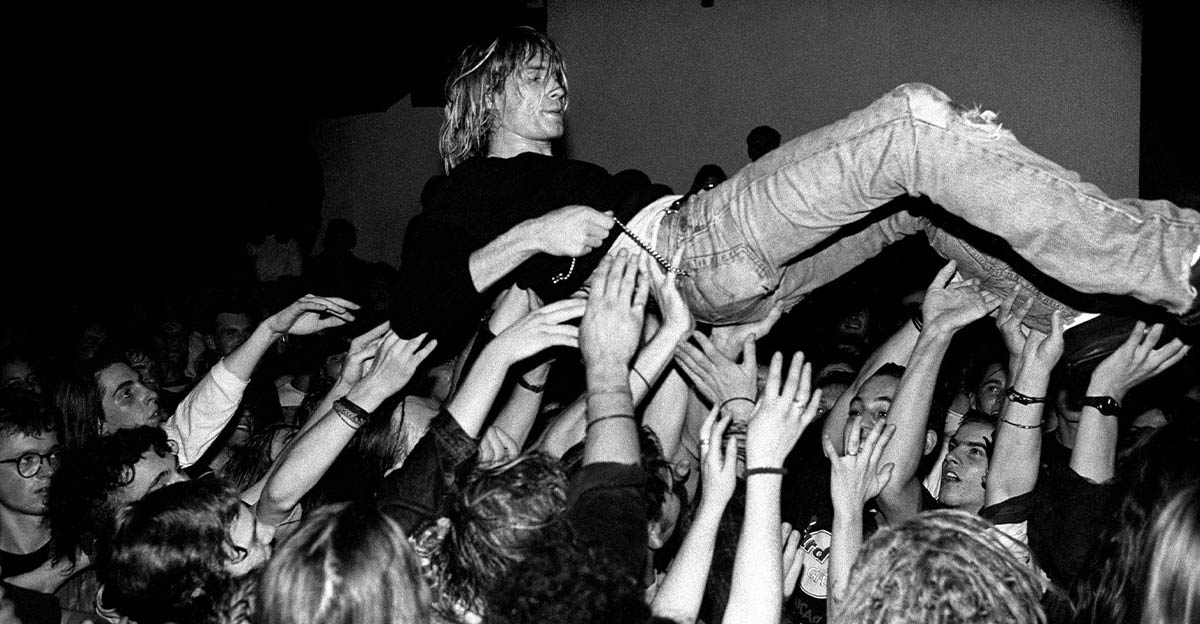
#20. INXS – Kick (1987)
This album still sounds slick and confident, but there’s a sense it’s the last big night out before reality hits. Looking back, it feels like peak ’80s energy right before the comedown, when the fun hasn’t faded yet—but it’s close.
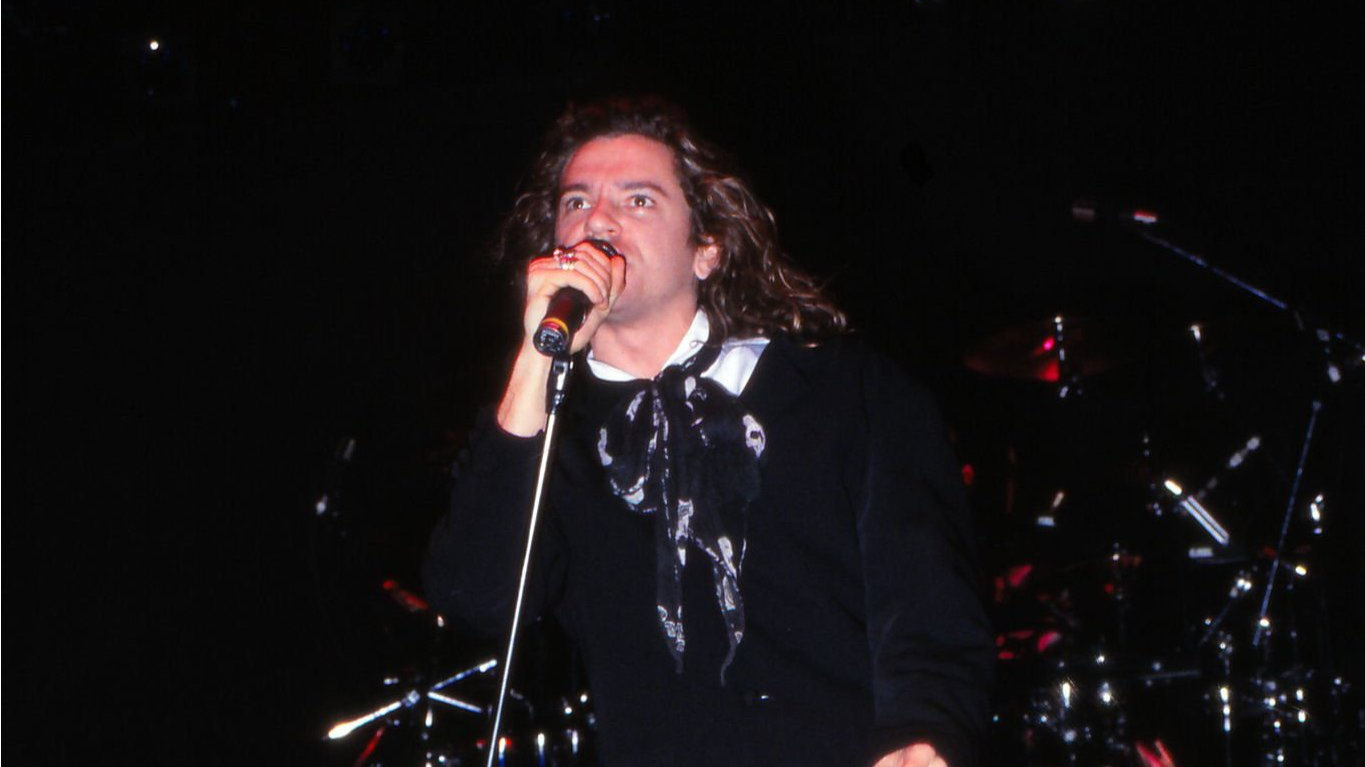
#19. U2 – The Joshua Tree (1987)
Instead of chasing flash, this album looks outward and inward at the same time. It feels like a band realizing success didn’t answer everything, matching the feeling of searching for meaning after a decade obsessed with winning.
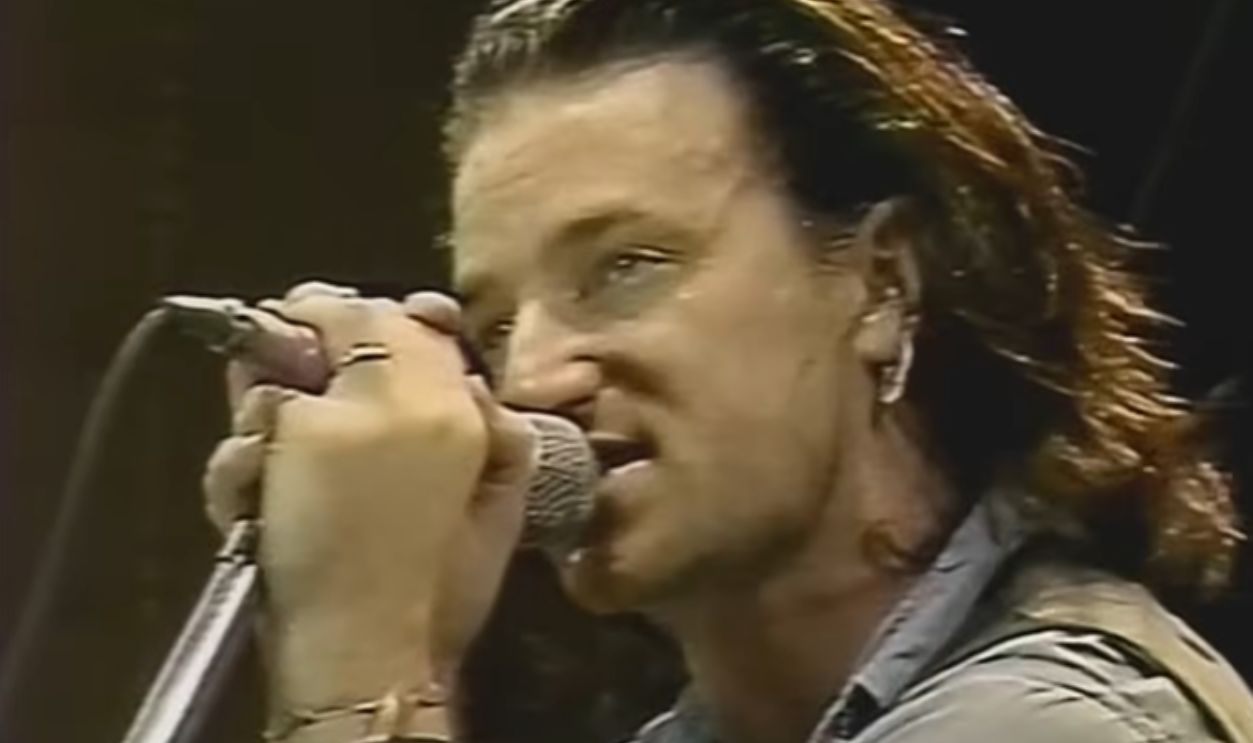 Screenshot from The Joshua Tree, Island Records (1987)
#18. Tears for Fears – The Seeds of Love (1989)
Huge, emotional, and almost overwhelming, this album sounds like artists questioning themselves in real time. It’s polished but unsure, capturing a late‑’80s moment where confidence gives way to reflection.
 Screenshot from The Seeds of Love, Fontana (1989)
#17. Depeche Mode – Violator (1990)
Cool, dark, and restrained, this album quietly shut the door on shiny synth pop. It feels intimate and controlled, like someone sobering up and realizing silence can say more than noise.
 Screenshot from Violator, Mute (1990)
#16. The Cure – Disintegration (1989)
This album sounds like emotional exhaustion set to music. Everything feels heavy and romantic without being dramatic, resonating with listeners burned out on excess and ready to sit with their feelings.
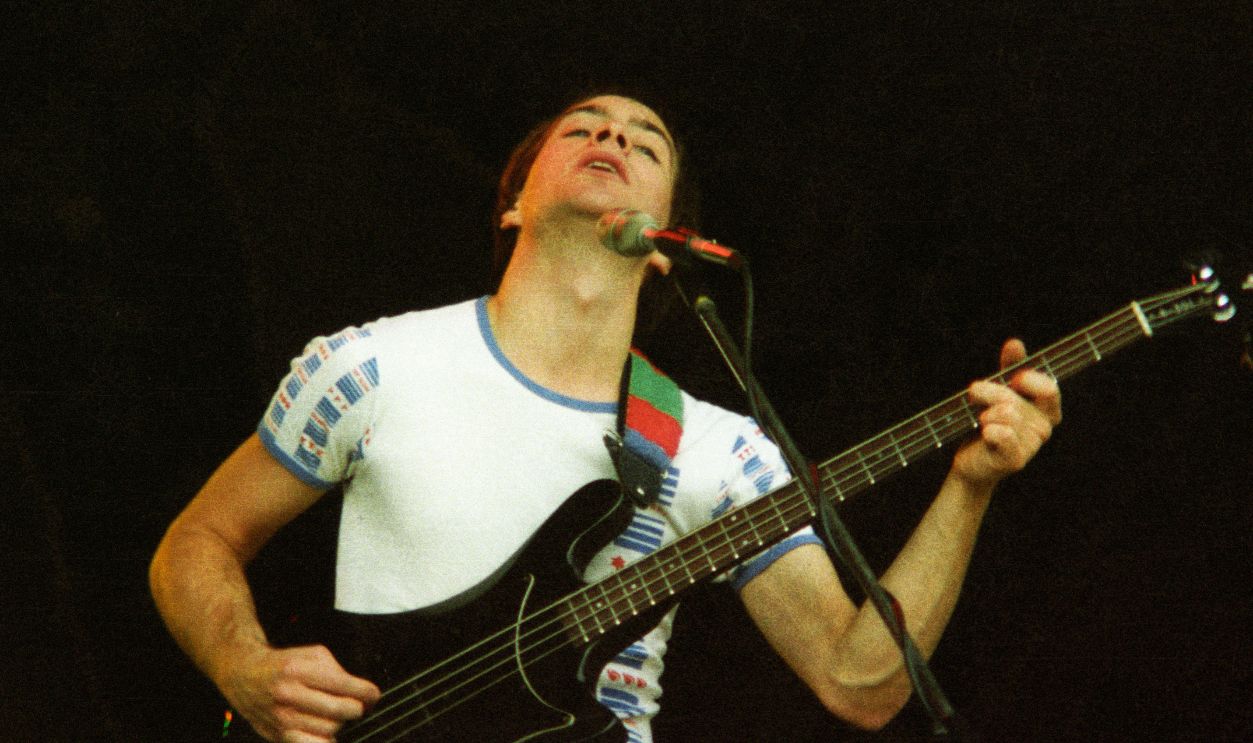
#15. R.E.M. – Green (1988)
There’s still optimism here, but it’s quieter and more thoughtful. This album feels like growing up—caring about the world instead of just yourself as pop music started craving depth again.
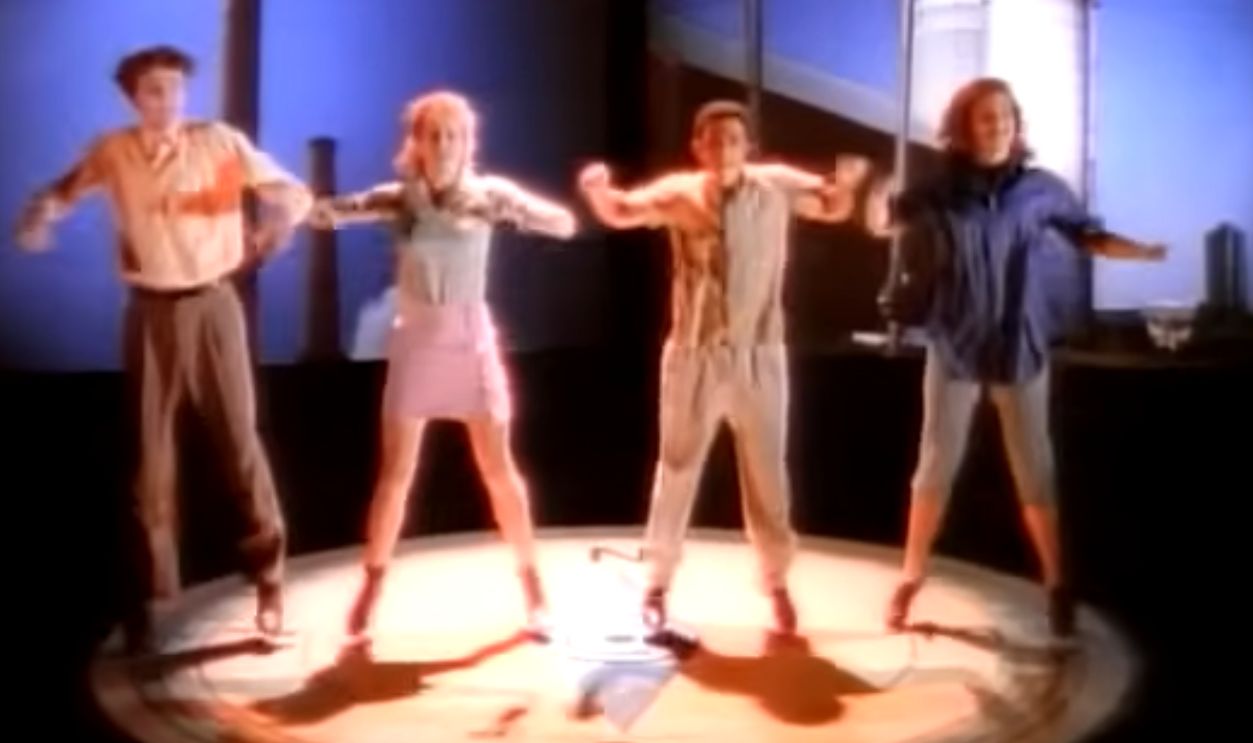 Screenshot from Green, Warner Bros. (1988)
#14. Pixies – Doolittle (1989)
Weird, loud, and unpredictable, this album rejected polish in favor of chaos. It captured a generation itching to tear down what the ’80s had carefully built.
 Screenshot from Doolittle, Elektra (1989)
#13. Nine Inch Nails – Pretty Hate Machine (1989)
Anger and isolation run through this album. It sounds like someone realizing success and image don’t fix loneliness, giving voice to emotions glossy pop culture ignored.
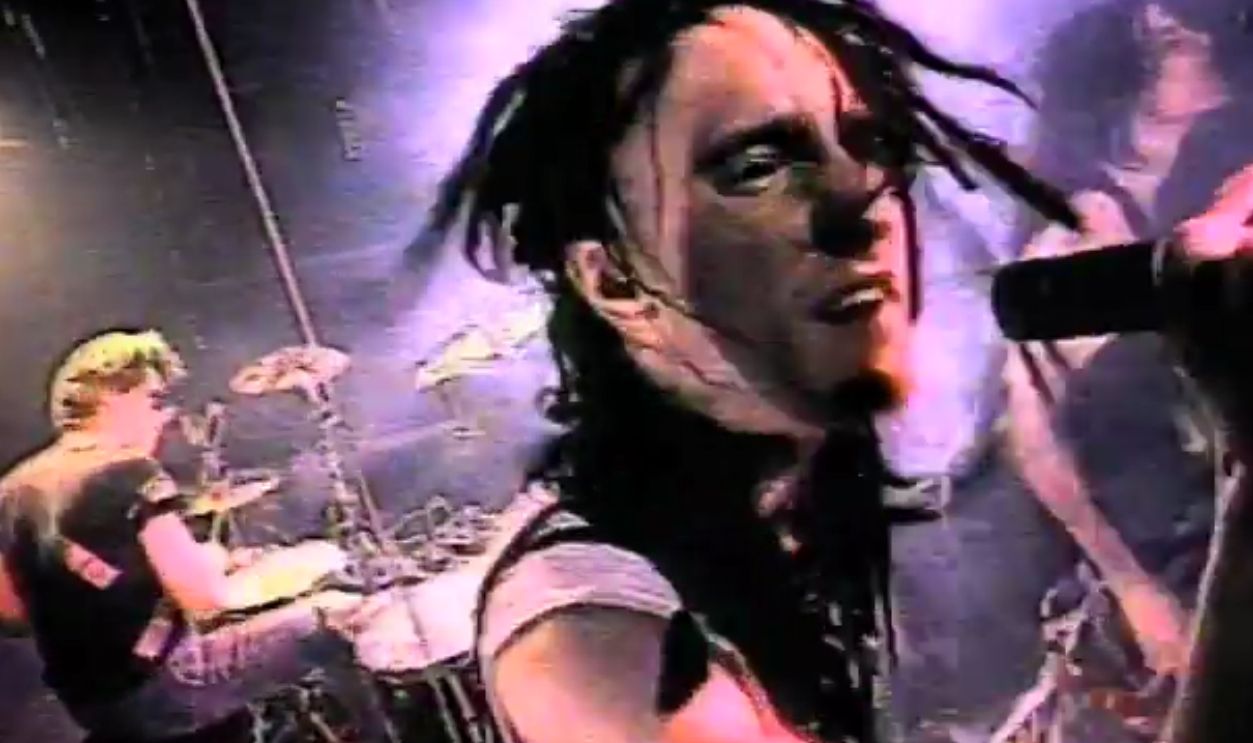 Screenshot from Pretty Hate Machine, TVT (1989)
#12. Sonic Youth – Daydream Nation (1988)
Restless and open‑ended, this album drifts between noise and calm. It reflected a rejection of structure and polish in favor of freedom and authenticity.
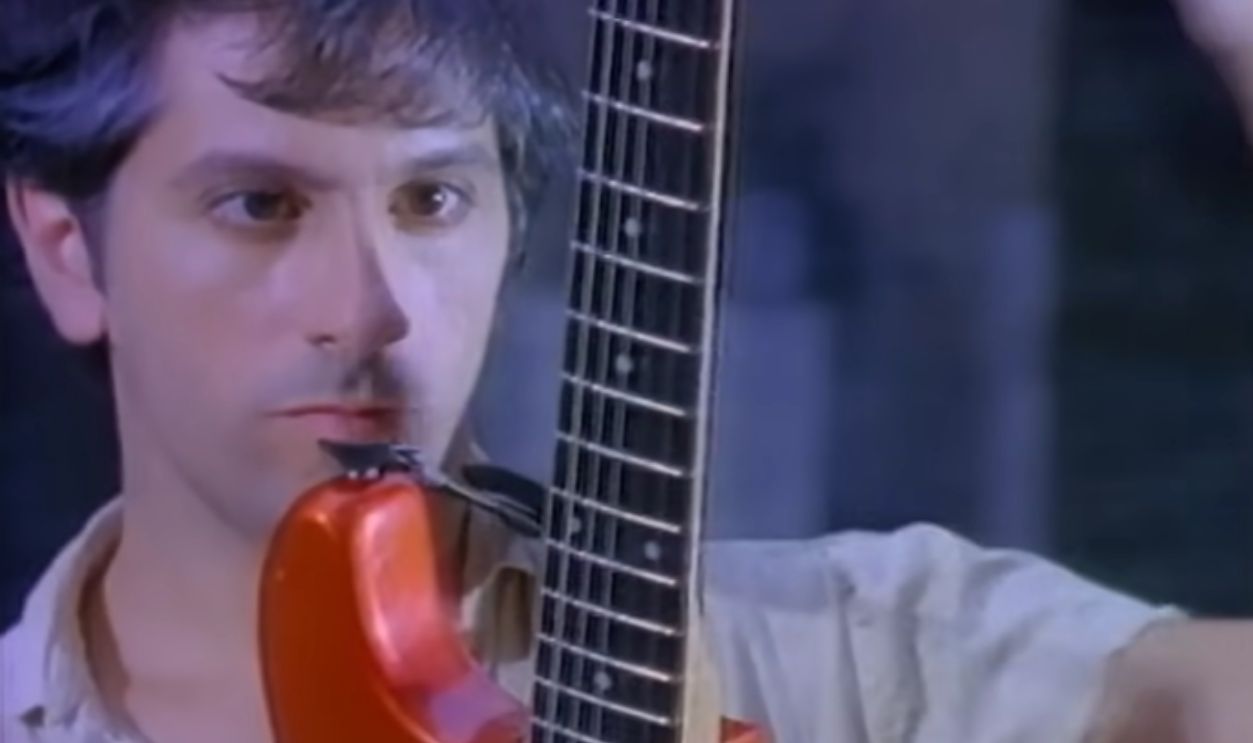 Screenshot from Daydream Nation, Enigma (1988)
#11. Madonna – Like a Prayer (1989)
Stepping away from pure provocation, this album feels personal and conflicted. It explores belief and identity, sounding like an artist realizing image alone wasn’t enough anymore.
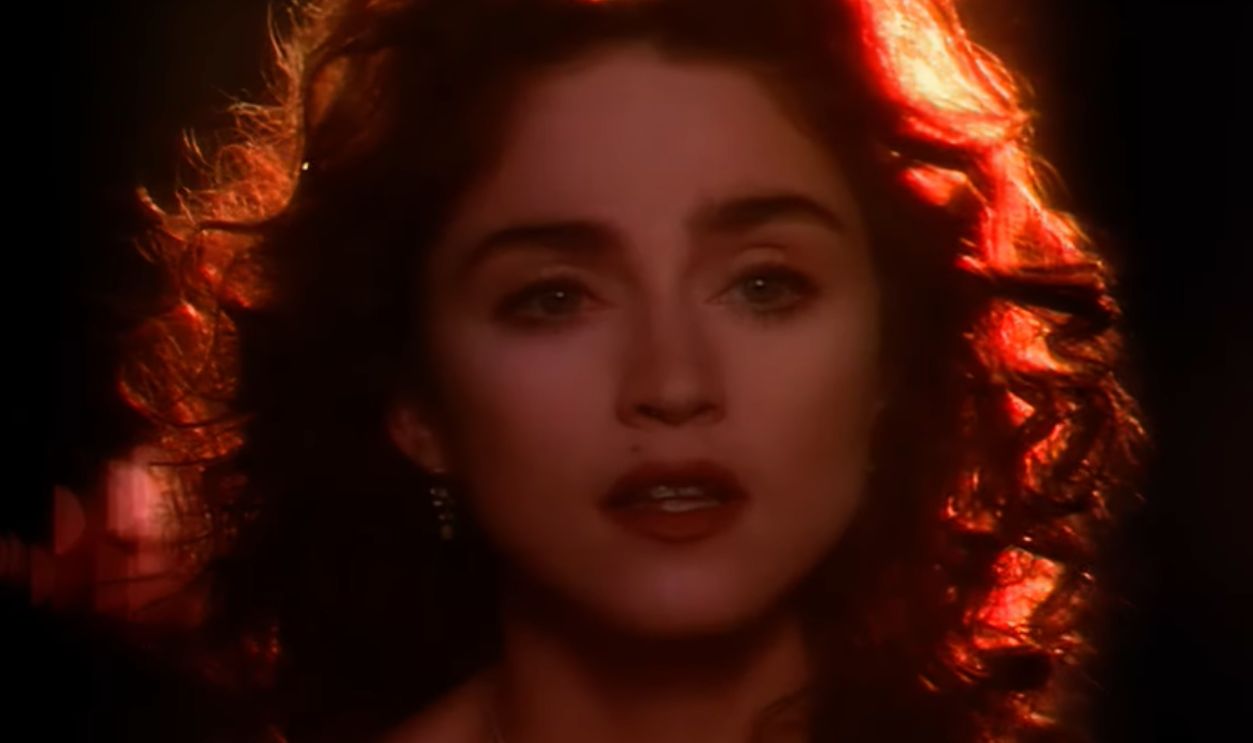 Screenshot from Like a Prayer, Warner Bros. Records (1989)
#10. Metallica – …And Justice for All (1988)
Cold and angry, this album rejects celebration entirely. It mirrors growing distrust in power and authority beneath the decade’s surface confidence.
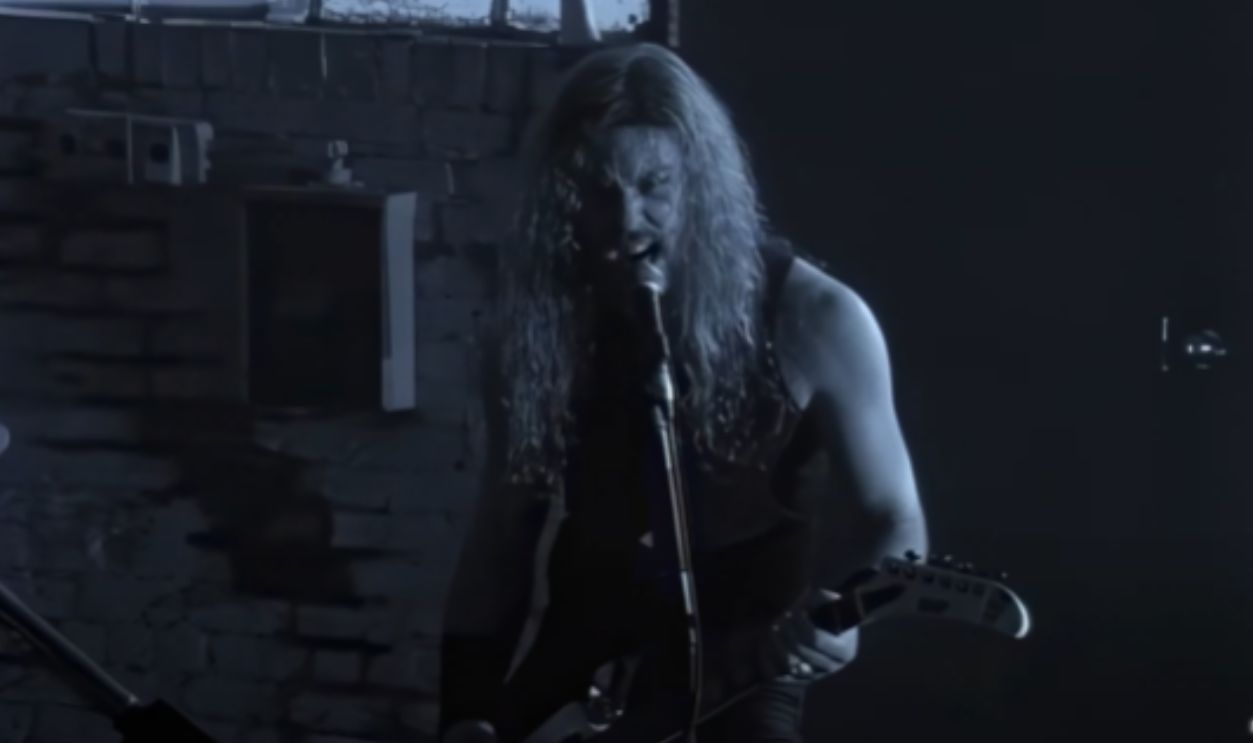 Screenshot from ...And Justice for All, Elektra (1988)
#9. Guns N’ Roses – Appetite for Destruction (1987)
Raw and dangerous, this album exposed the ugly side of excess. It feels like the hangover hitting while the party was still raging.
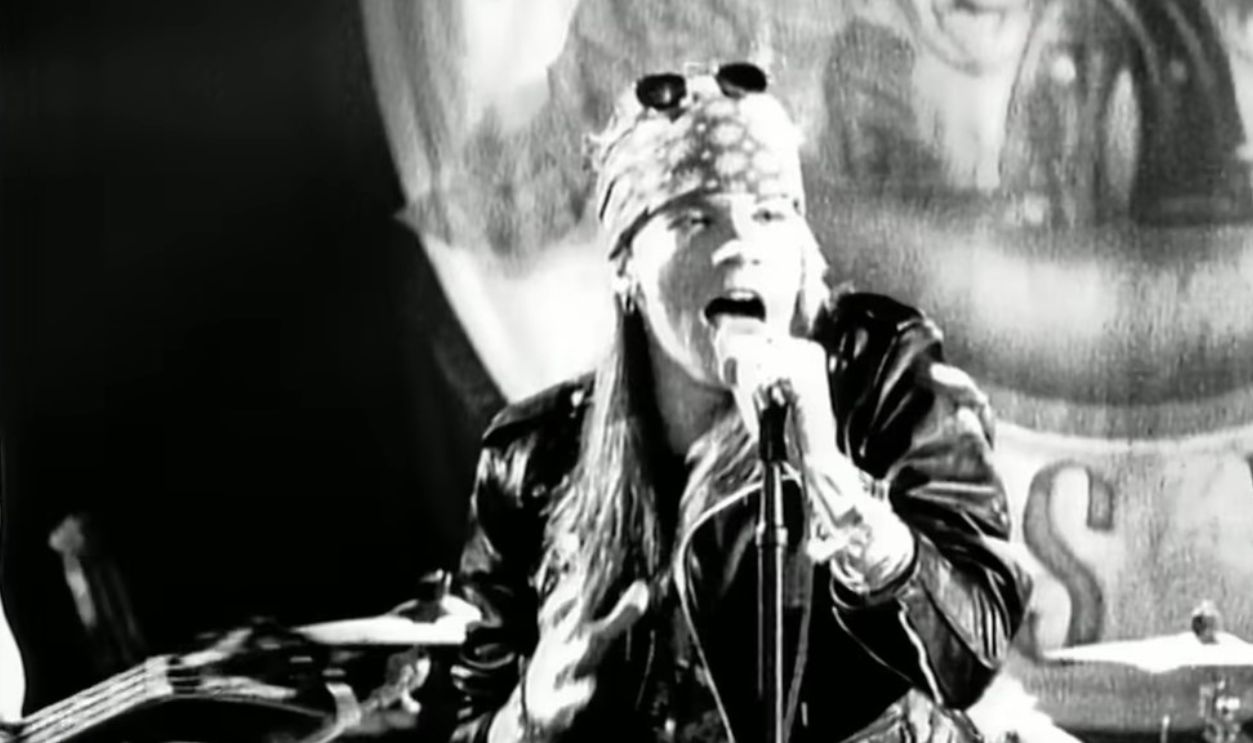 Screenshot from Appetite for Destruction, Geffen (1987)
#8 Beastie Boys – Paul’s Boutique (1989)
Dense and self‑aware, this album turns burnout into reinvention. It rejects easy hype in favor of experimentation and depth.
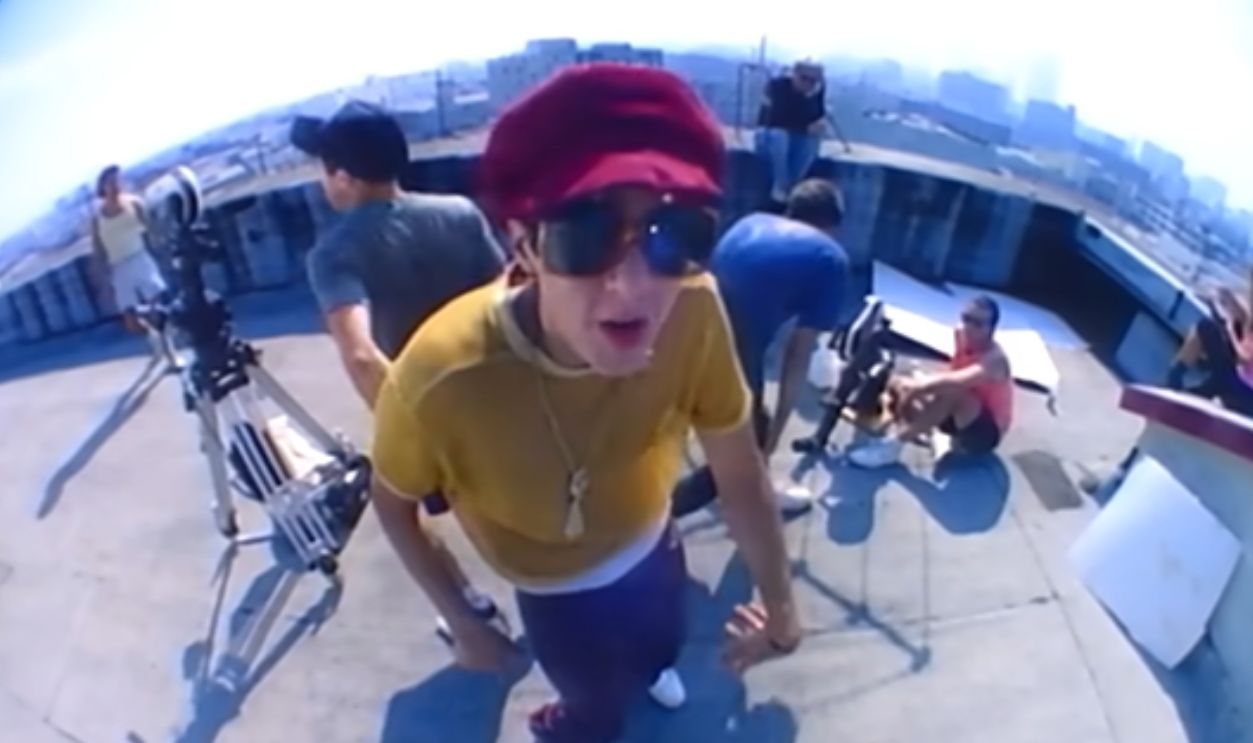 Screenshot from Paul’s Boutique, Capitol (1989)
#7. Nirvana – Bleach (1989)
Gritty and uninterested in success, this album sounds bored with ambition itself, pointing toward a future built on honesty over image.
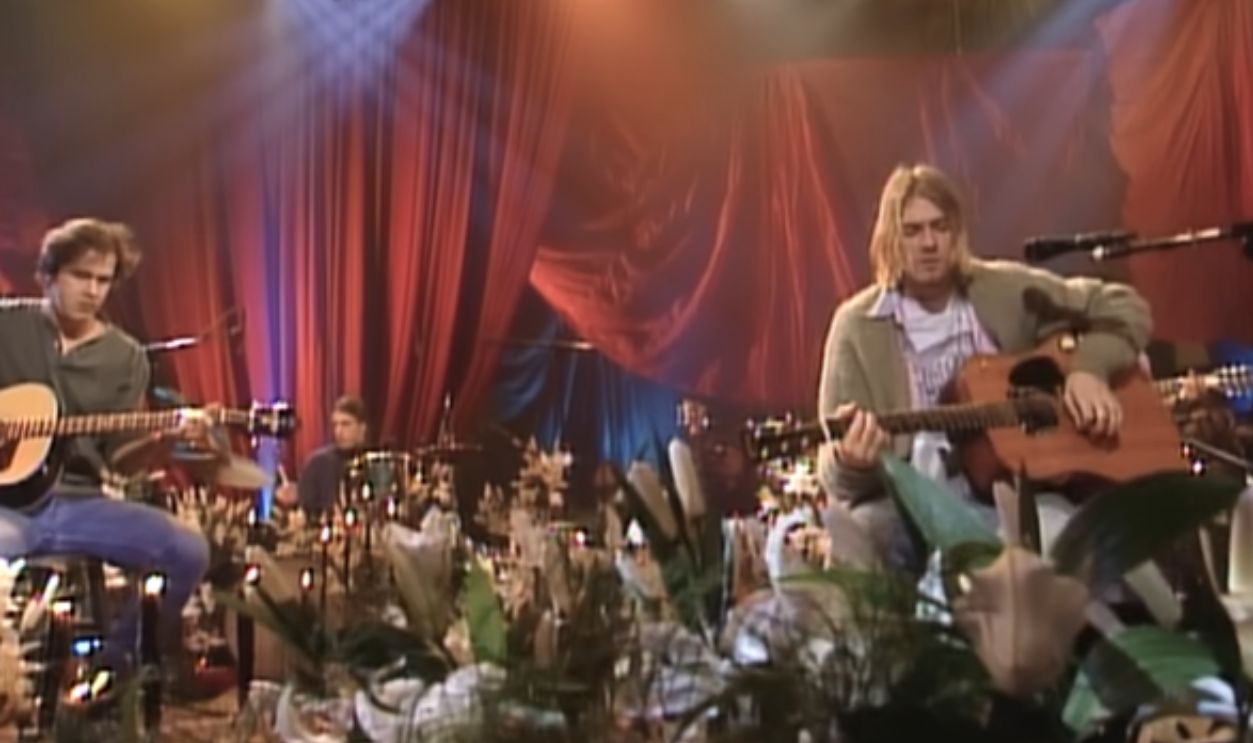 Screenshot from Bleach, Sub Pop (1989)
#6. Jane’s Addiction – Nothing’s Shocking (1988)
Beautiful and uncomfortable at the same time, this album pushes back against marketable rebellion and captures a hunger for something real.
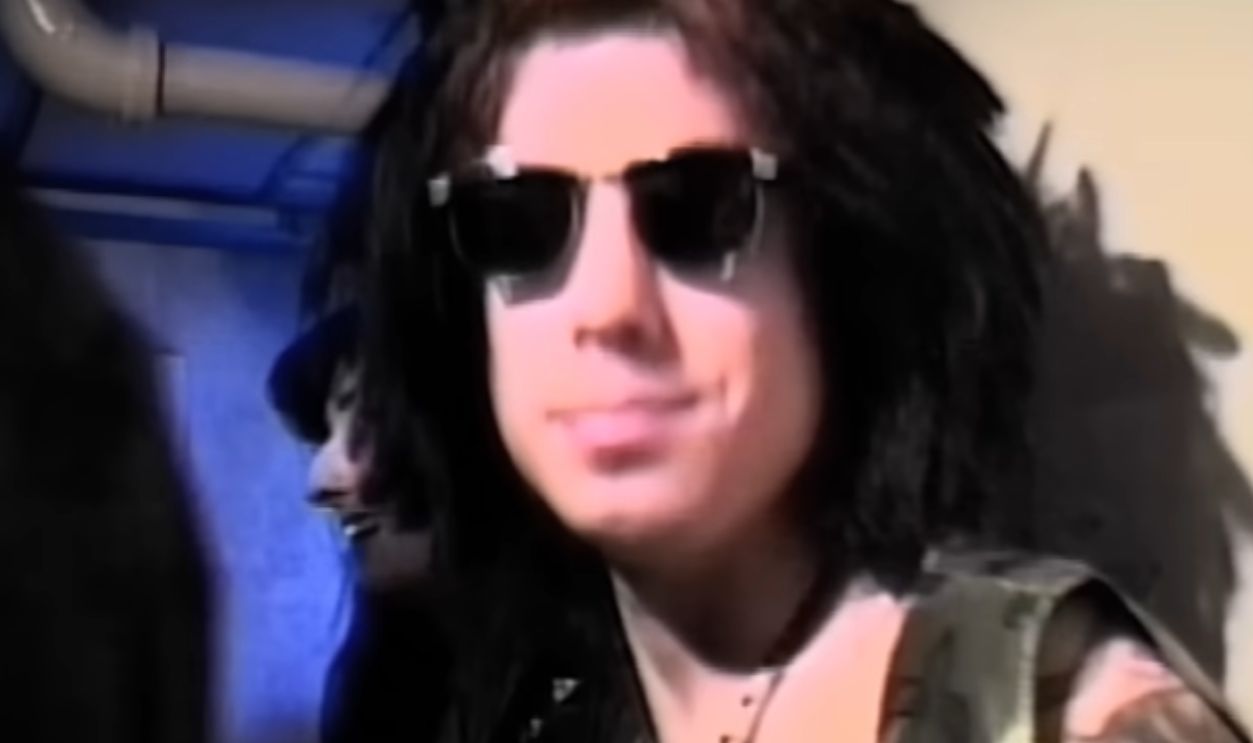 Screenshot from Nothing’s Shocking, Warner Bros. (1988)
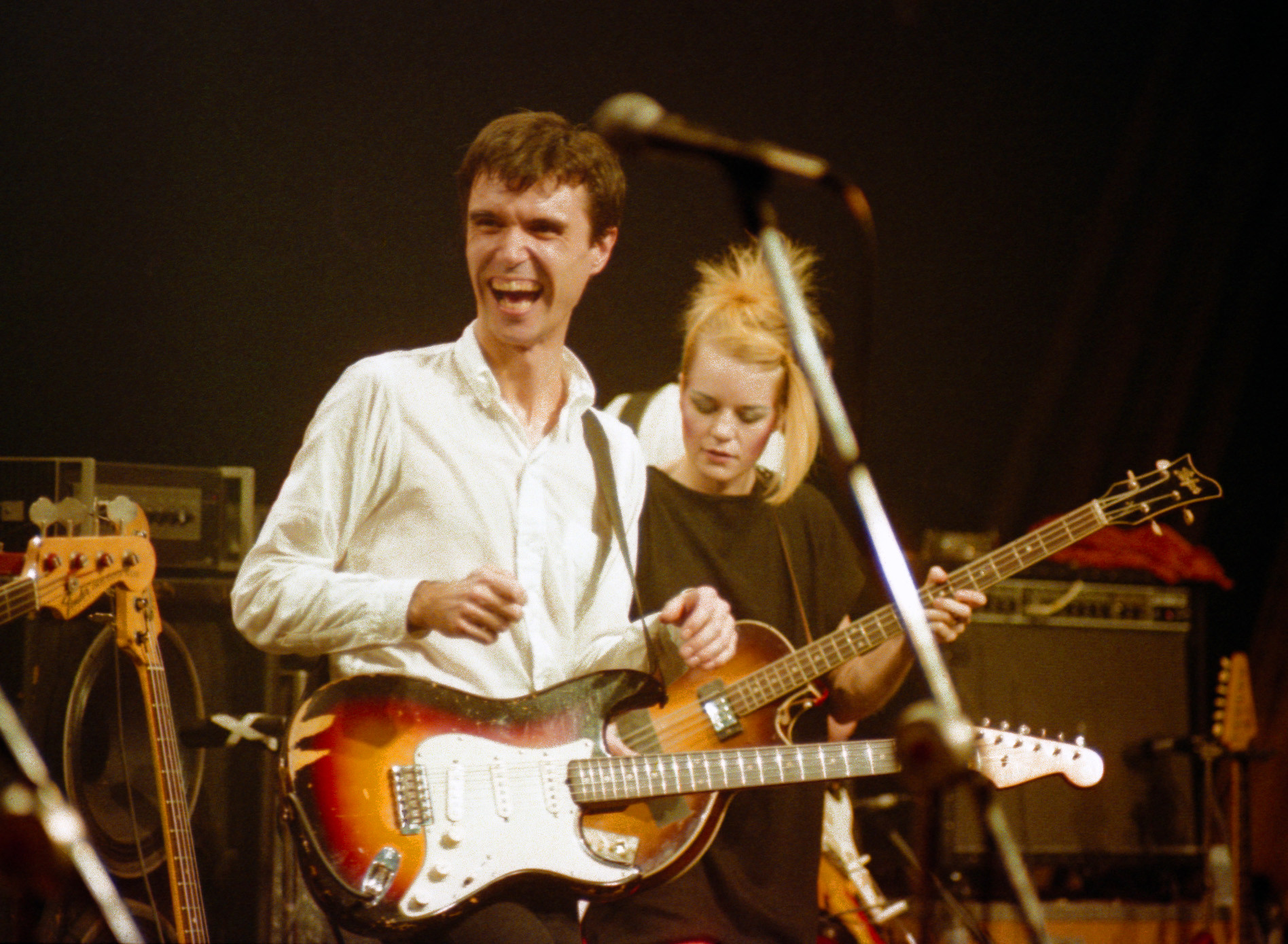
#5. Talking Heads – Naked (1988)
Loose and reflective, this album sounds like stepping away from control. It feels uncertain, vulnerable, and human.
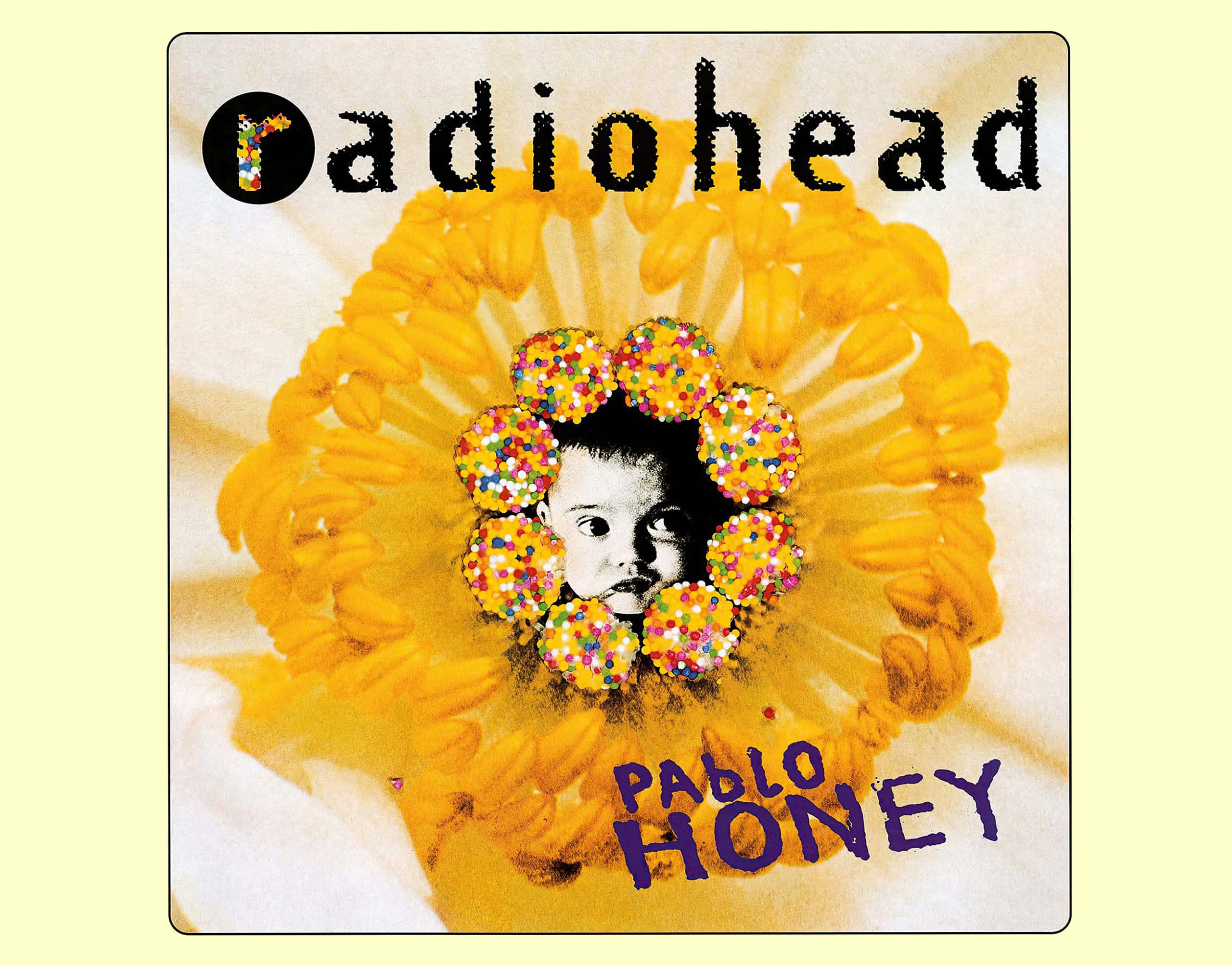
#4. Radiohead – Pablo Honey (1993)
Though released later, its alienation and insecurity reflect emotional fallout from earlier excess, connecting with listeners feeling disconnected.
#3. Smashing Pumpkins – Gish (1991)
Overwhelmed and intense, this album blends beauty and noise, sounding like a generation processing too much stimulation.
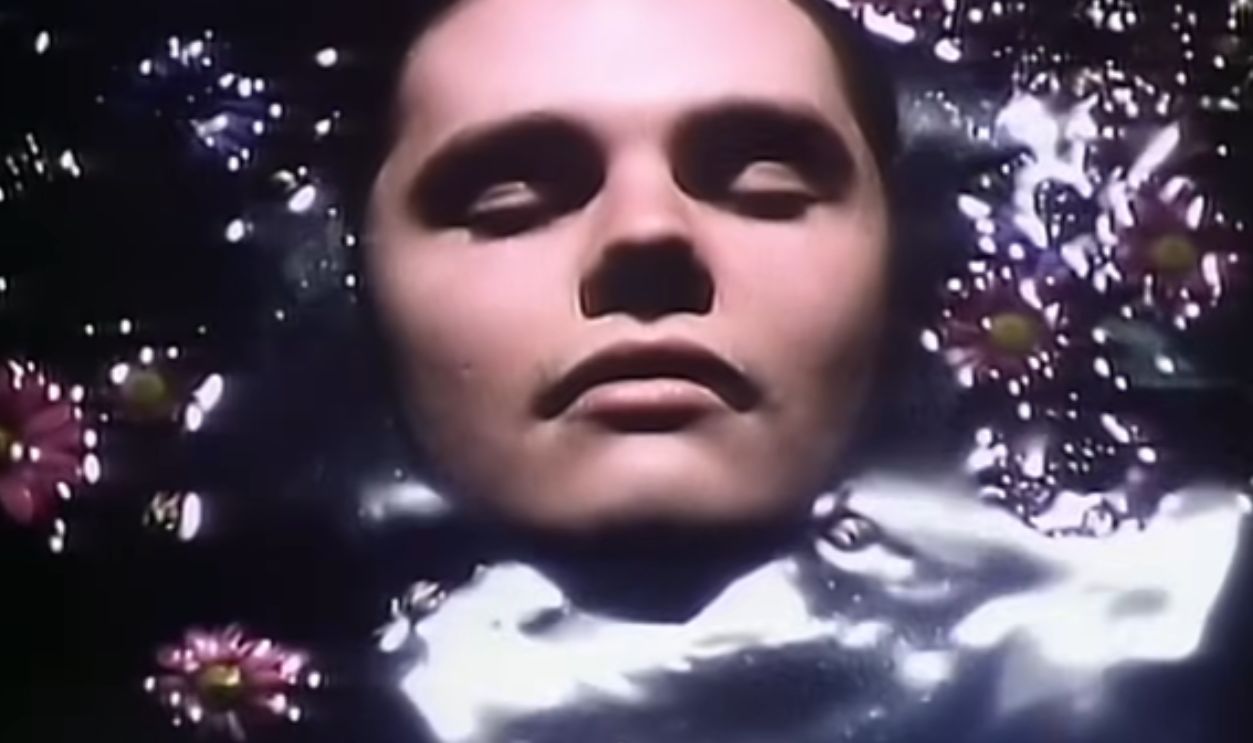 Screenshot from Gish, Caroline (1991)
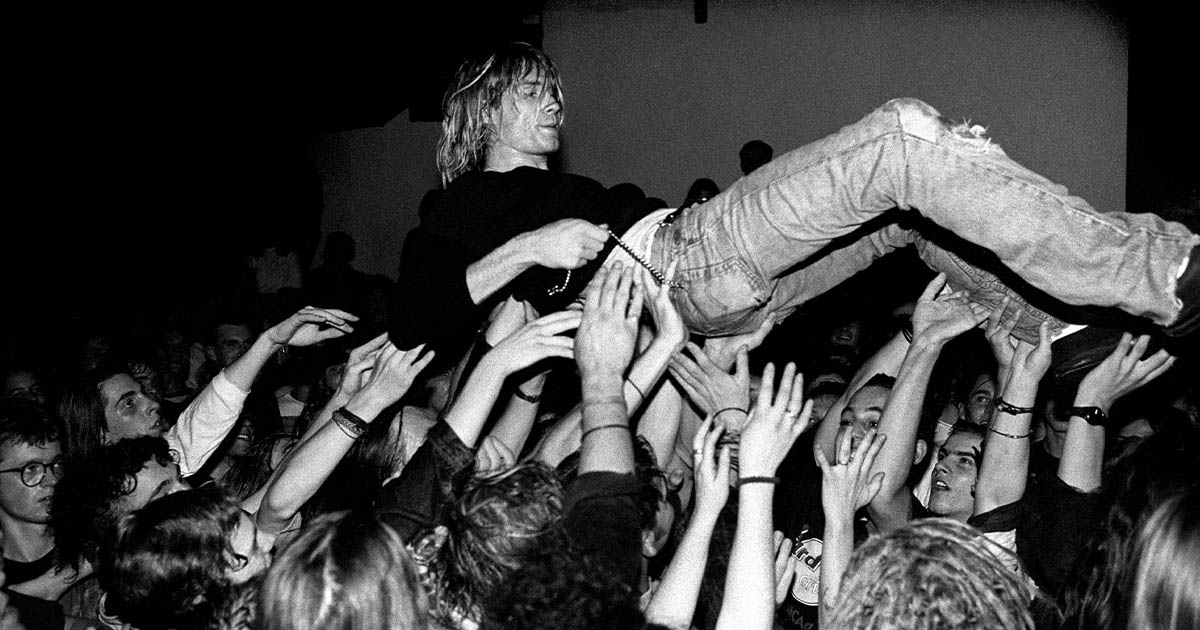
#2. Nirvana – Nevermind (1991)
This album exposed how empty old promises felt. Its honesty cut through image and excess, speaking directly to burned‑out listeners.
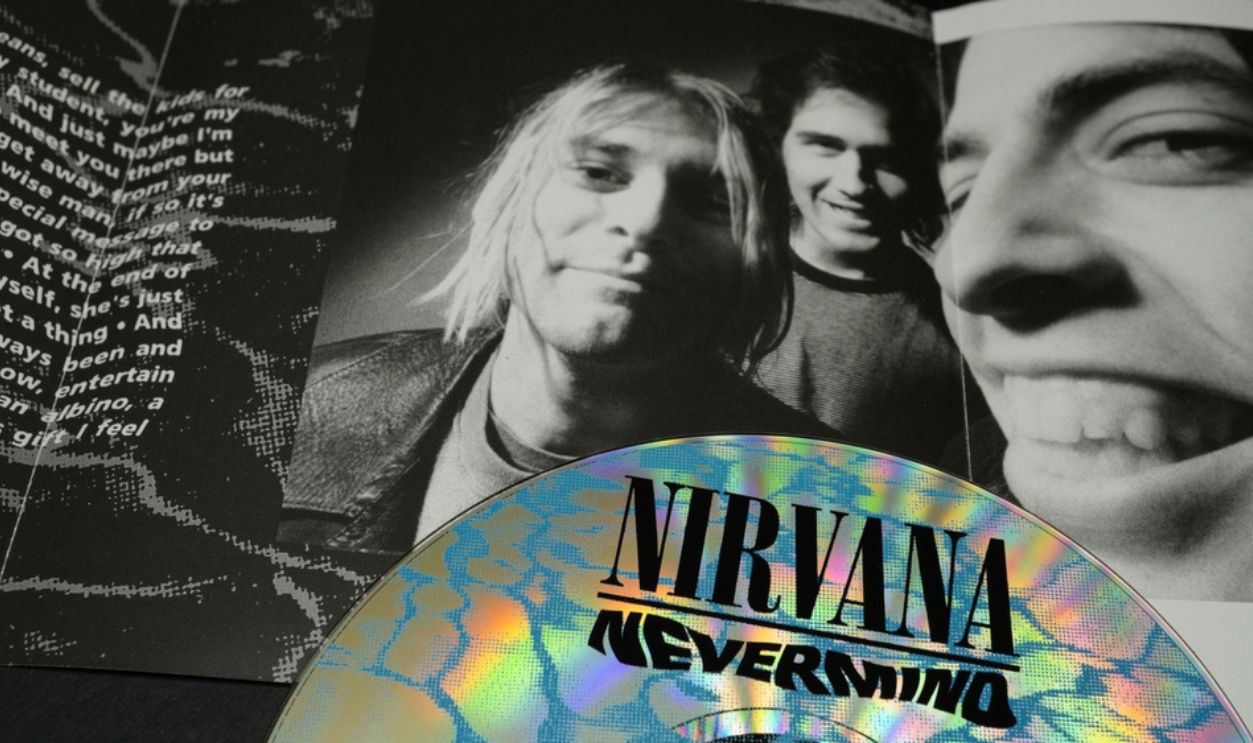 Stefano Chiacchiarini '74, Shutterstock
#1. R.E.M. – Automatic for the People (1992)
Quiet and deeply human, this album feels like acceptance after exhaustion. It perfectly captures the calm after a decade that ran itself ragged.
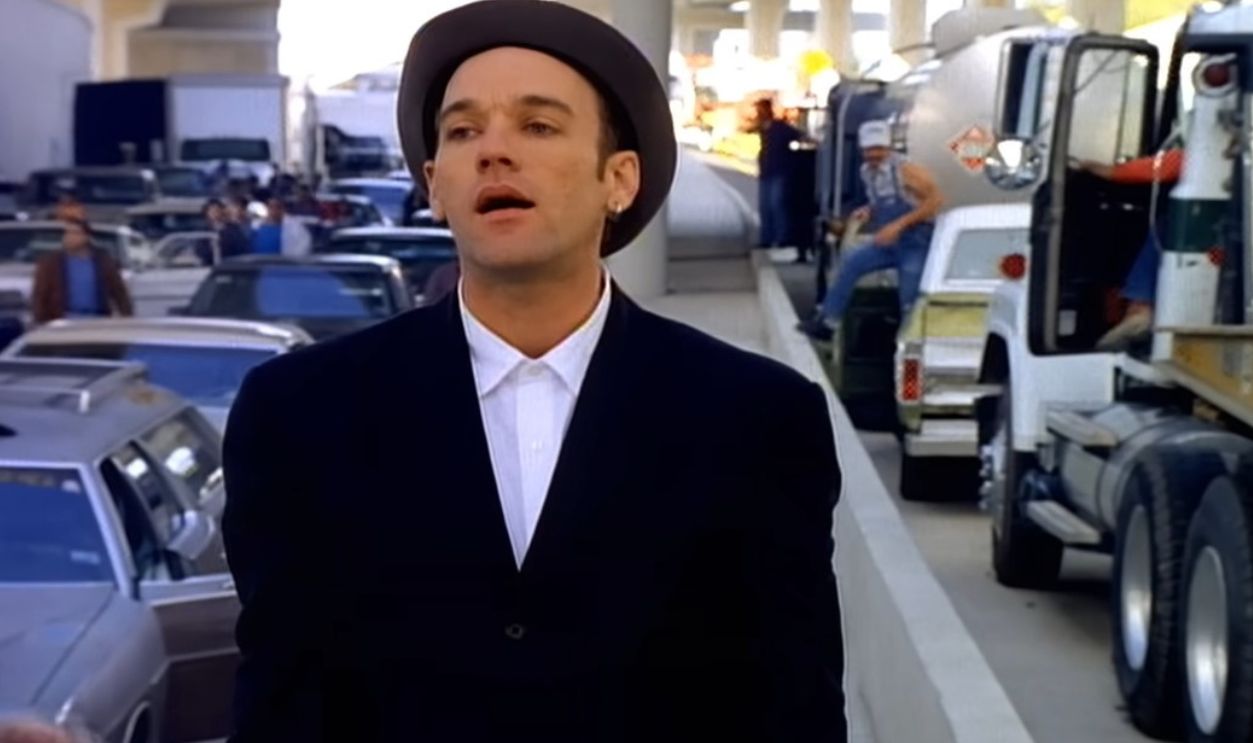 Screenshot from Automatic for the People, Warner Bros. (1992)
You May Also Like:
Songs That Defined The Spirit Of The 1970s
Classic Grunge Songs That Are So Much Better Than Any Hit Today
Songs Every Metalhead Should Know By Heart