

The 70s Had More Hits Than You Remember
Stairway to Heaven. Hotel California. Imagine…Yeah, we all know the 70s produced some of the best—and most talked about—songs in music history. But what about those incredible tracks that slipped through the cracks.
Sure, some of these were Billboard hits back in the day, but when conversations about the decade in music come up, these songs usually don't. How many of them do you remember?

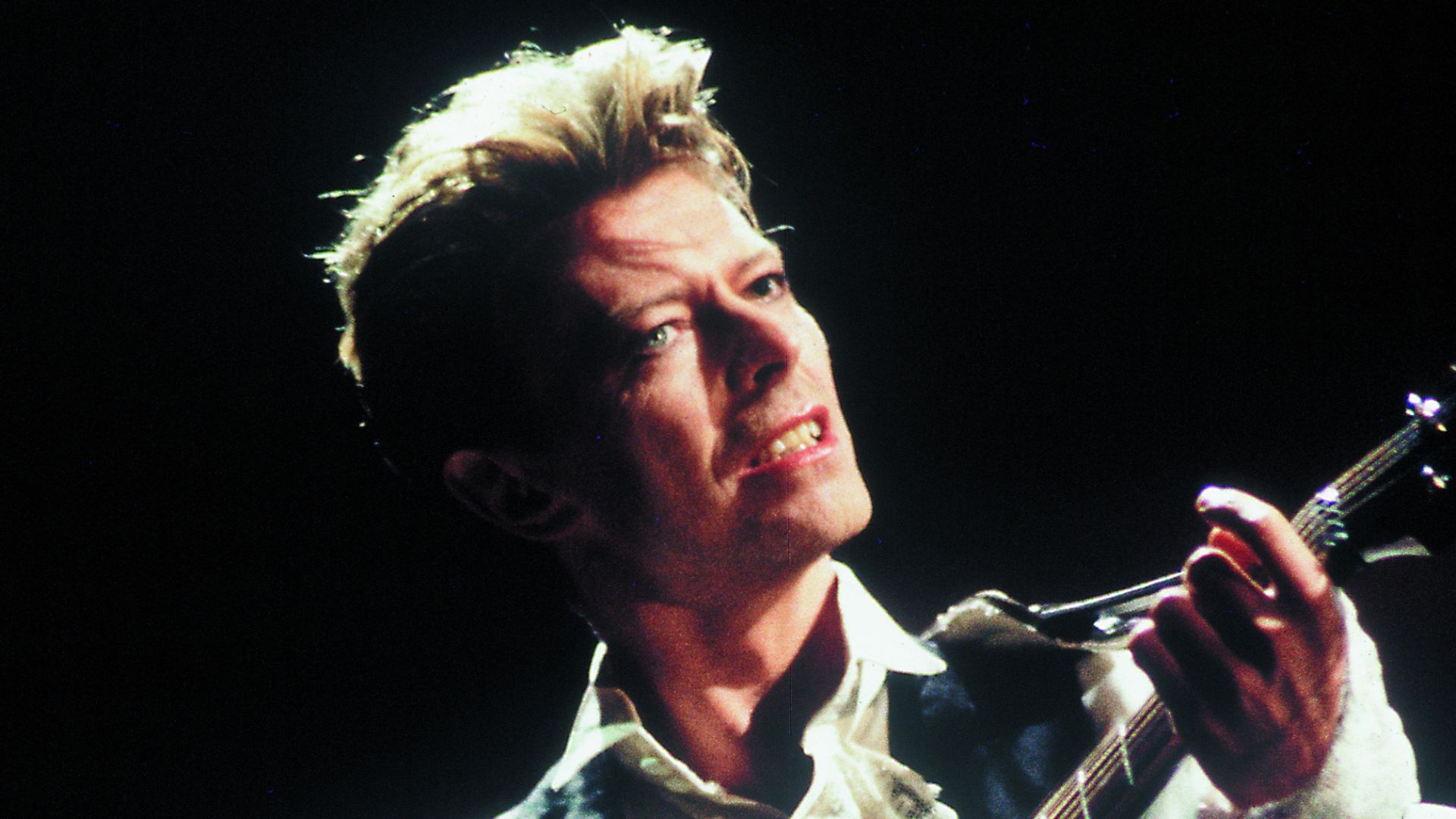
"Moonage Daydream" (David Bowie)
David Bowie’s 1972 album The Rise and Fall of Ziggy Stardust and the Spiders from Mars produced several iconic songs, but Moonage Daydream sometimes gets overshadowed by the massive success of Starman. Mick Ronson’s explosive guitar and Bowie’s theatrical vocals make it one of the album’s most electrifying tracks—and one of the most unforgettable moments of the entire Ziggy Stardust era.
"Silver Springs" (Fleetwood Mac)
Recorded during the sessions for Fleetwood Mac’s legendary 1977 album Rumours, Silver Springs was famously left off the final track list and instead released as the B-side to Go Your Own Way. Stevie Nicks later said she was heartbroken when the song didn’t make the album. Over time, many fans have come to see it as one of the most powerful songs from the entire Rumours era.
![500px provided description: SAMSUNG CSC [#potrait ,#light ,#lights ,#concert ,#music ,#live ,#musician ,#live music ,#stevie nicks ,#fleetwood mac]](https://www.factinate.com/storage/app/media/theshot/2026/3/13/17734308812dc47a5419cf9befe73a5c4743d5f499dcf29702.jpeg) Steffane Lui, Wikimedia Commons
Steffane Lui, Wikimedia Commons
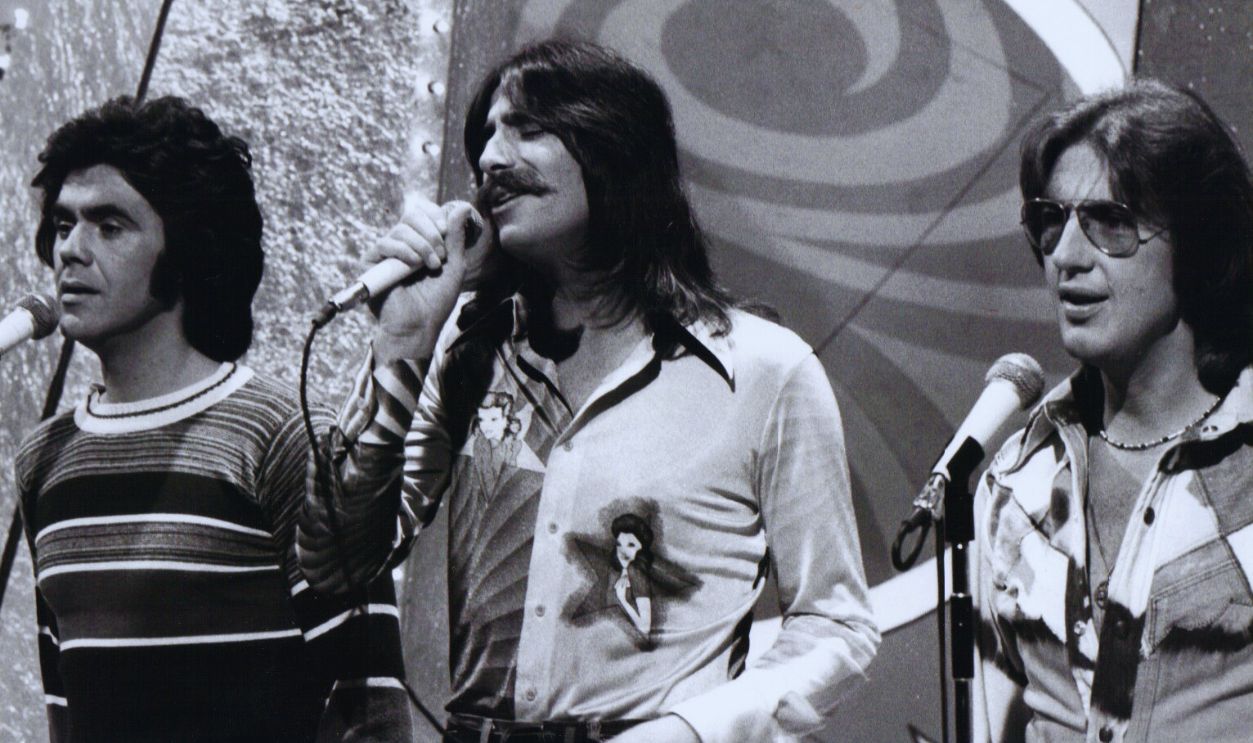
"Shambala" (Three Dog Night)
Three Dog Night scored a major hit in 1973 with Shambala, a joyful song about a mythical paradise. It reached No. 3 on the Billboard charts and became one of the band’s most uplifting recordings. Even though the group had many hits, this particular track doesn’t always get the appreciation it deserves today.
 NBC Television, Wikimedia Commons
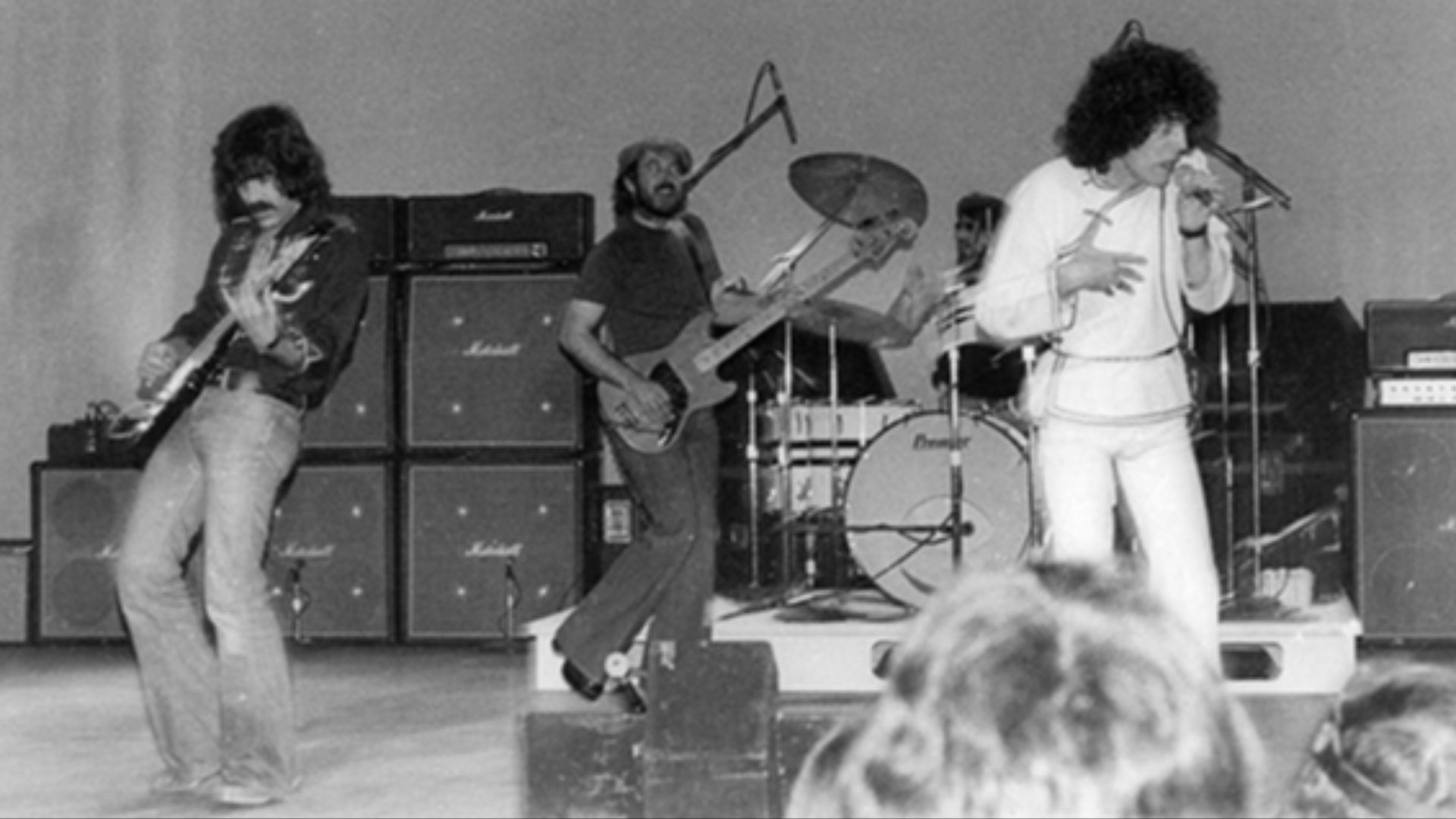
"Love Hurts" (Nazareth)
Nazareth turned Love Hurts into a massive hit in 1975 with their powerful rock ballad version. The song climbed to No. 8 in the U.S. and became a worldwide success. And while it wasn't part of the discussion for years, after Adam Sandlers rendition in The Wedding Singer, it entered the conversation again.
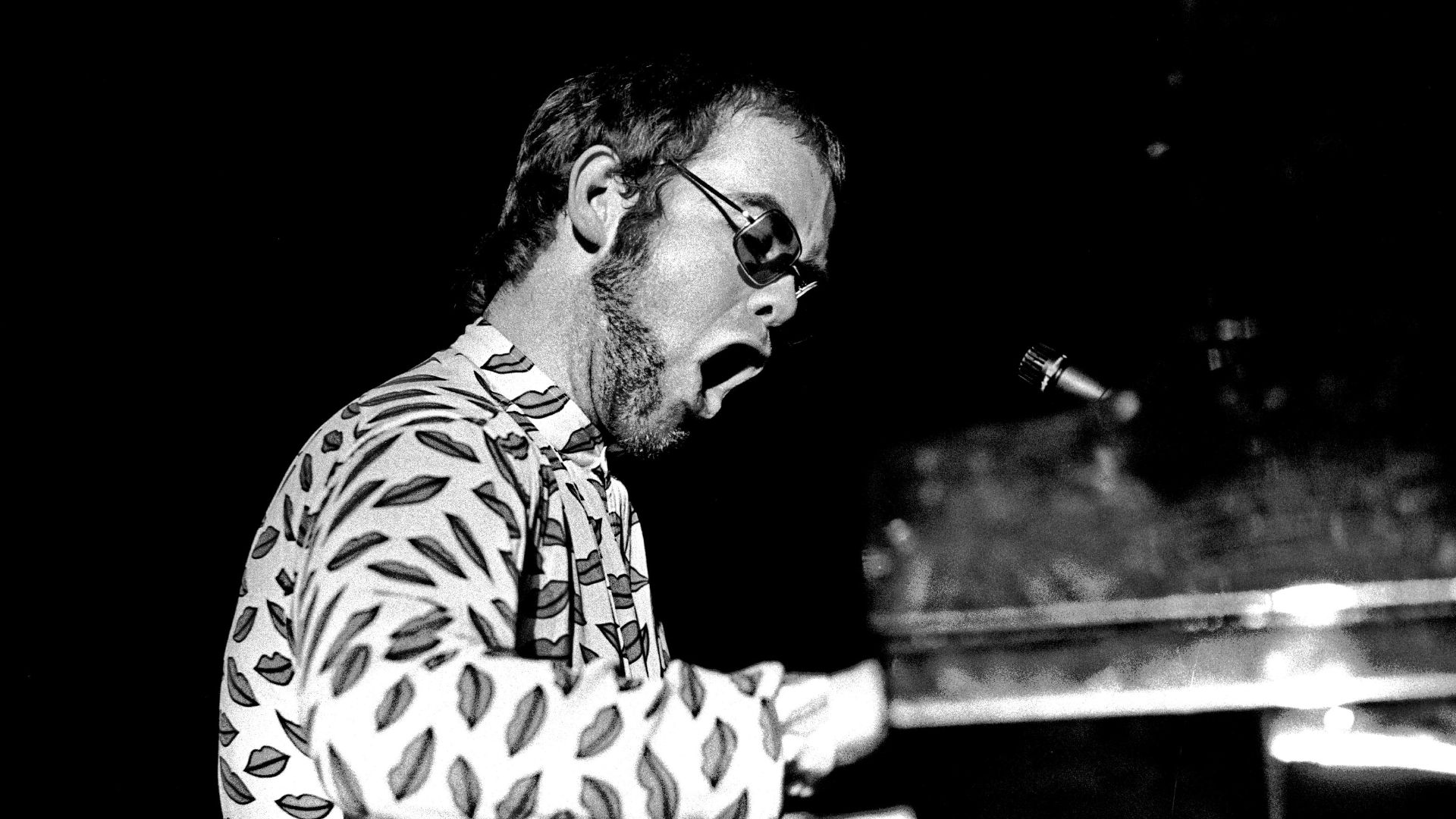
"Levon" (Elton John)
Released in 1971 on Elton John’s album Madman Across the Water, Levon became a Top 40 hit and remains one of the singer’s most powerful early songs. Bernie Taupin’s mysterious lyrics and Elton’s dramatic piano arrangement give the track a sweeping, almost cinematic feel. It may not get talked about as often as his biggest hits, but once that chorus arrives, most listeners instantly remember it.
 Heinrich Klaffs, Wikimedia Commons
"Fearless" (Pink Floyd)
Pink Floyd released Fearless on their 1971 album Meddle, the record that helped bridge the band’s early psychedelic sound with the massive success that would soon follow. The song builds slowly with David Gilmour’s shimmering guitar and a sing‑along Liverpool football crowd recording at the end. It’s a beautiful, understated track that many casual fans overlook.
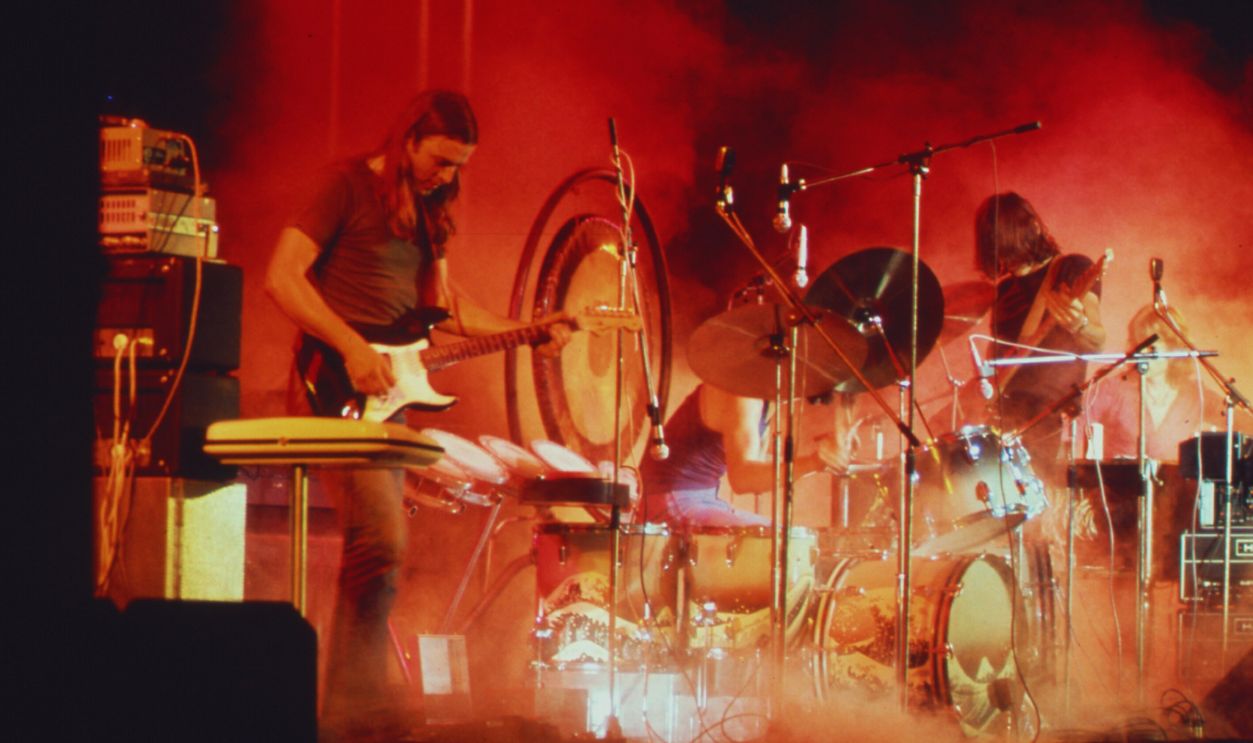 Erik Calonius, Wikimedia Commons
"Telephone Line" (Electric Light Orchestra)
Electric Light Orchestra had many big hits, but Telephone Line from 1977 deserves even more recognition than it usually receives. The song climbed to No. 7 on the Billboard charts and features Jeff Lynne’s signature mix of pop melodies and lush orchestration. The opening “ringing phone” effect alone makes it unforgettable.
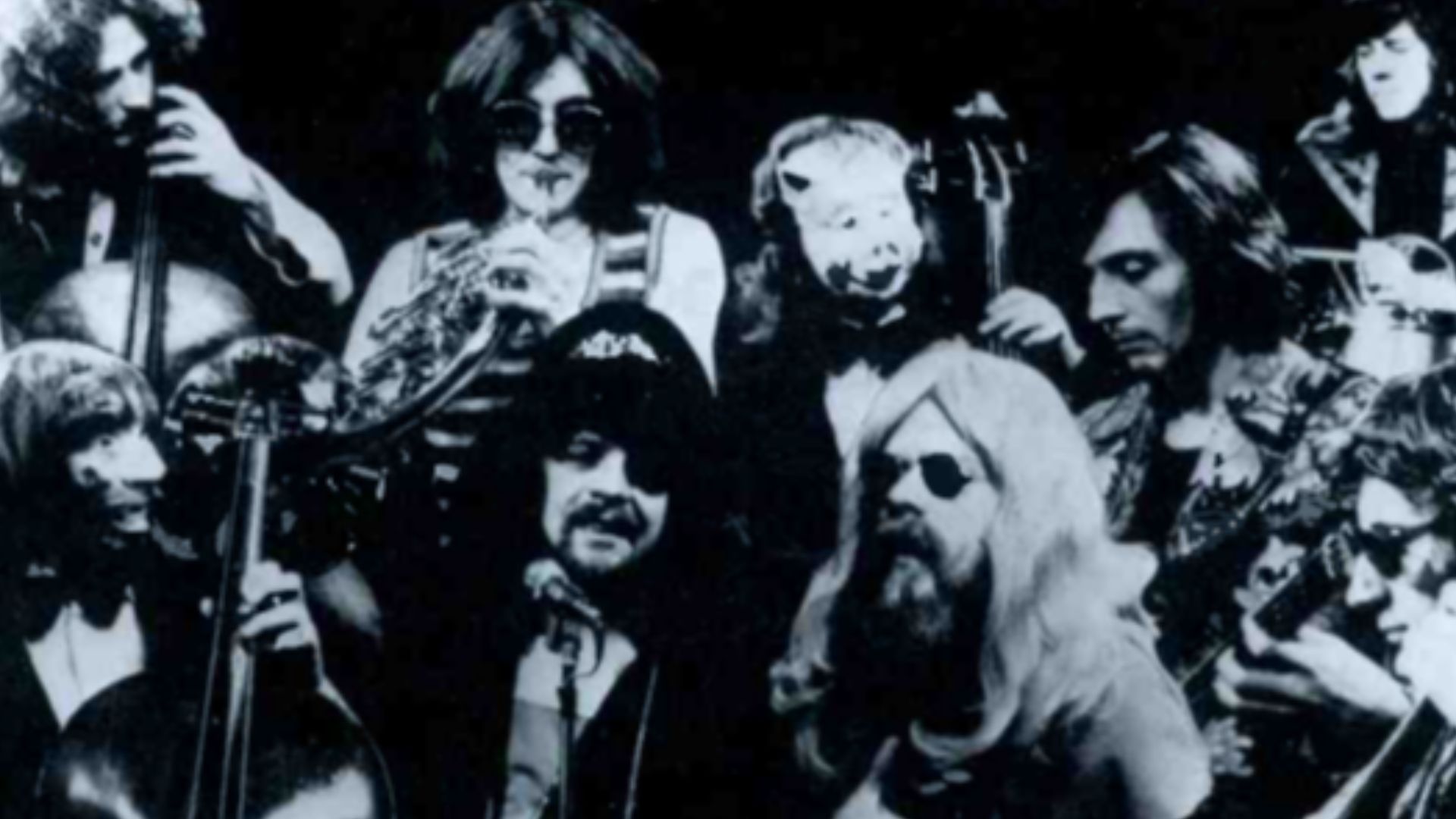 United Artists Records, Wikimedia Commons
"Rock Me Gently" (Andy Kim)
Andy Kim’s 1974 single Rock Me Gently topped the Billboard Hot 100 and delivered one of the most infectious choruses of the decade. With its bright guitars and upbeat rhythm, the song perfectly captured the pop sound of the mid‑70s. Despite its chart success, it often gets left out of conversations about classic 70s hits.
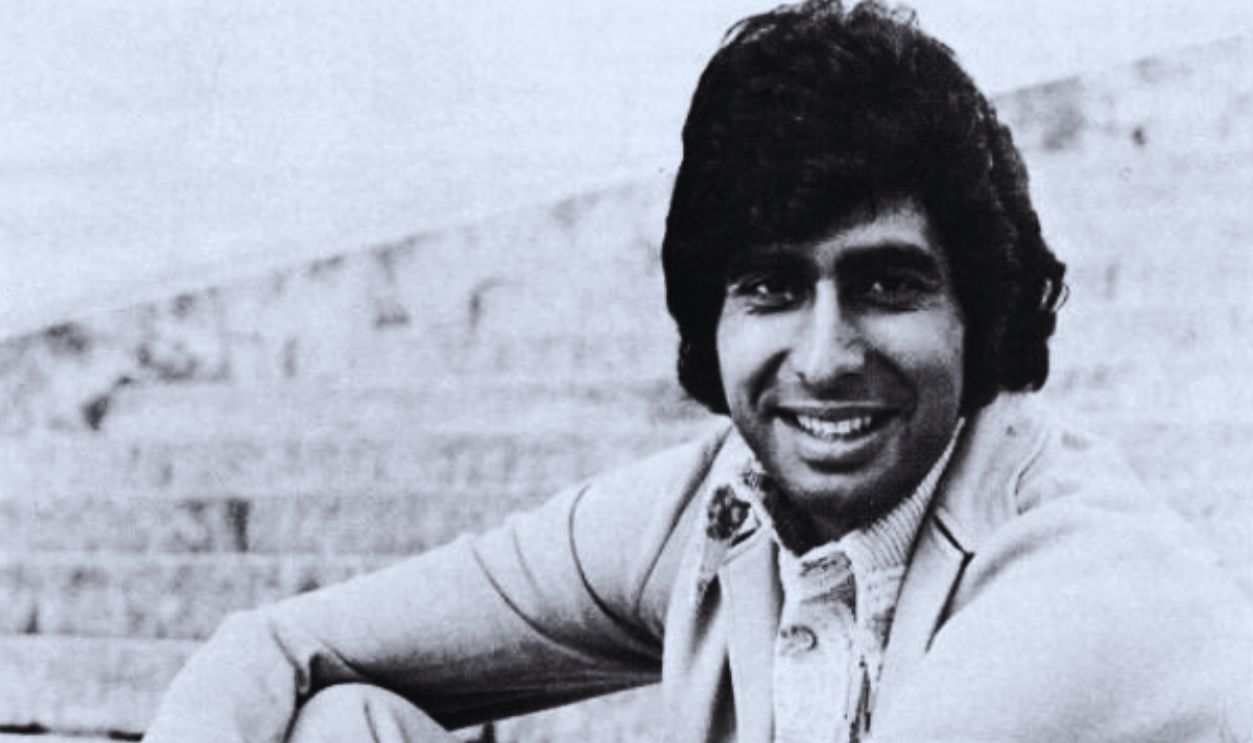 Feld Brothers Management Corp., Wikimedia Commons
"Wasted Time" (Eagles)
The Eagles’ Hotel California album produced one of the most famous songs ever recorded, but Wasted Time is one of the album’s quiet highlights. Don Henley’s reflective vocals and the sweeping orchestral arrangement give the track a deeply emotional feel. It may not get talked about as often as the album’s biggest hits, but it remains one of its most moving moments.
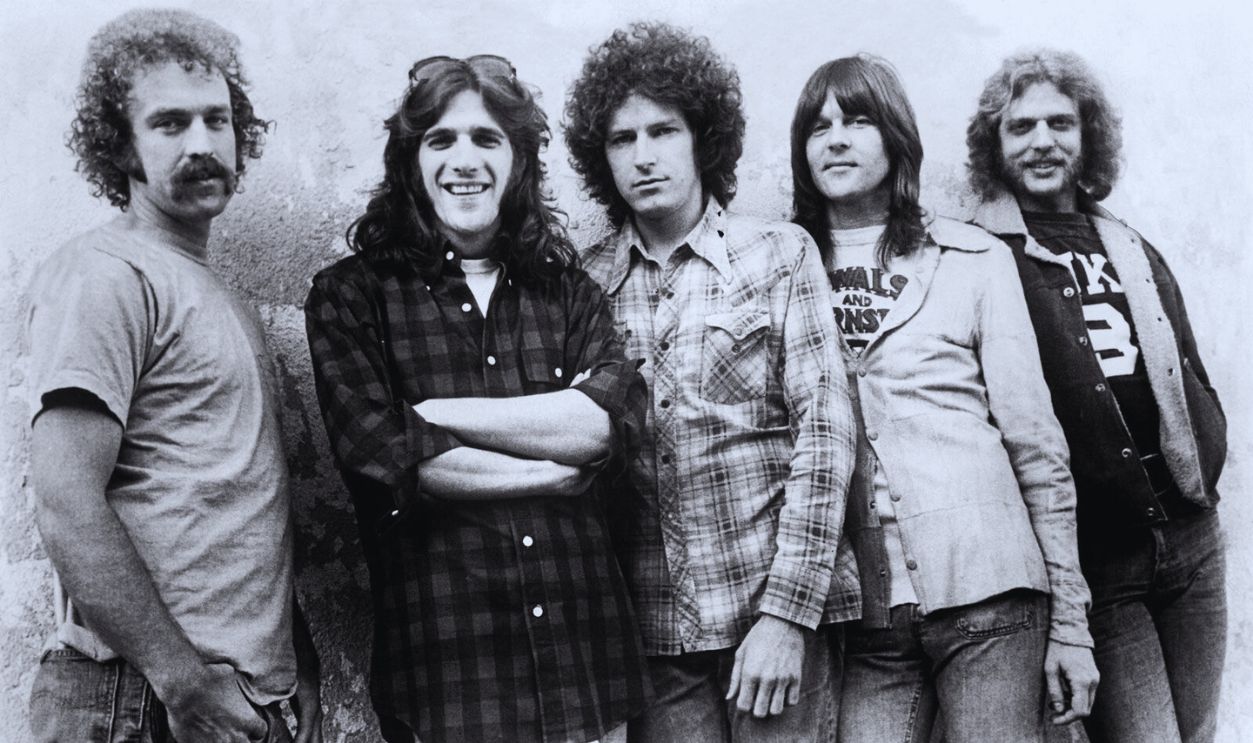 Distributed by Asylum Records, Wikimedia Commons
"Driver’s Seat" (Sniff ’n’ the Tears)
Released in 1978, Driver’s Seat has one of those instantly recognizable openings that still sounds great decades later. The song reached No. 15 on the Billboard Hot 100 but somehow never became a permanent classic radio staple. Its smooth groove, atmospheric keyboards, and memorable chorus make it one of the most overlooked late‑70s gems.
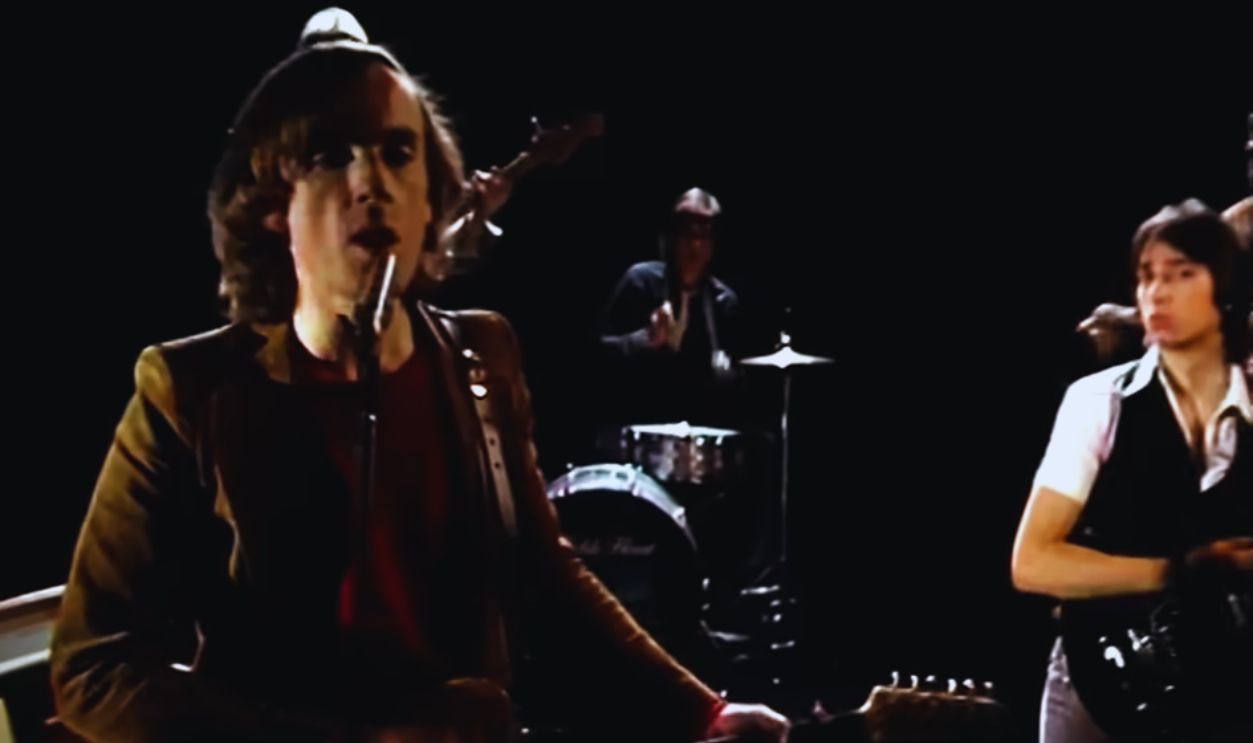 Screenshot from Driver’s Seat, Ace Records (1978)
"Baby Blue" (Badfinger)
Badfinger’s Baby Blue was released in 1972 and reached No. 14 on the Billboard Hot 100. The song combines emotional vocals with a powerful guitar‑driven sound that helped define early‑70s rock.
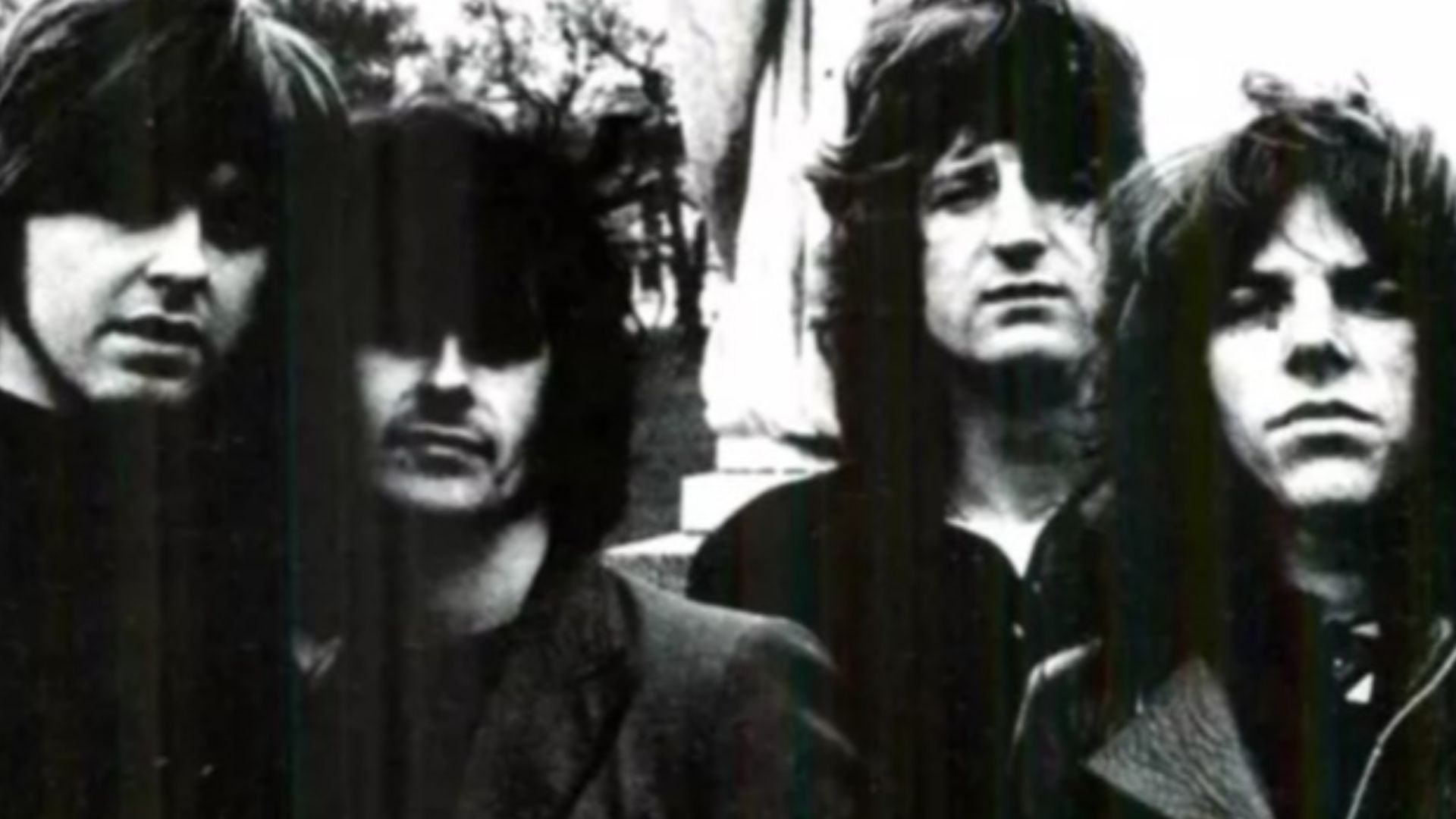 Apple Records, Wikimedia Commons
"Sister Golden Hair" (America)
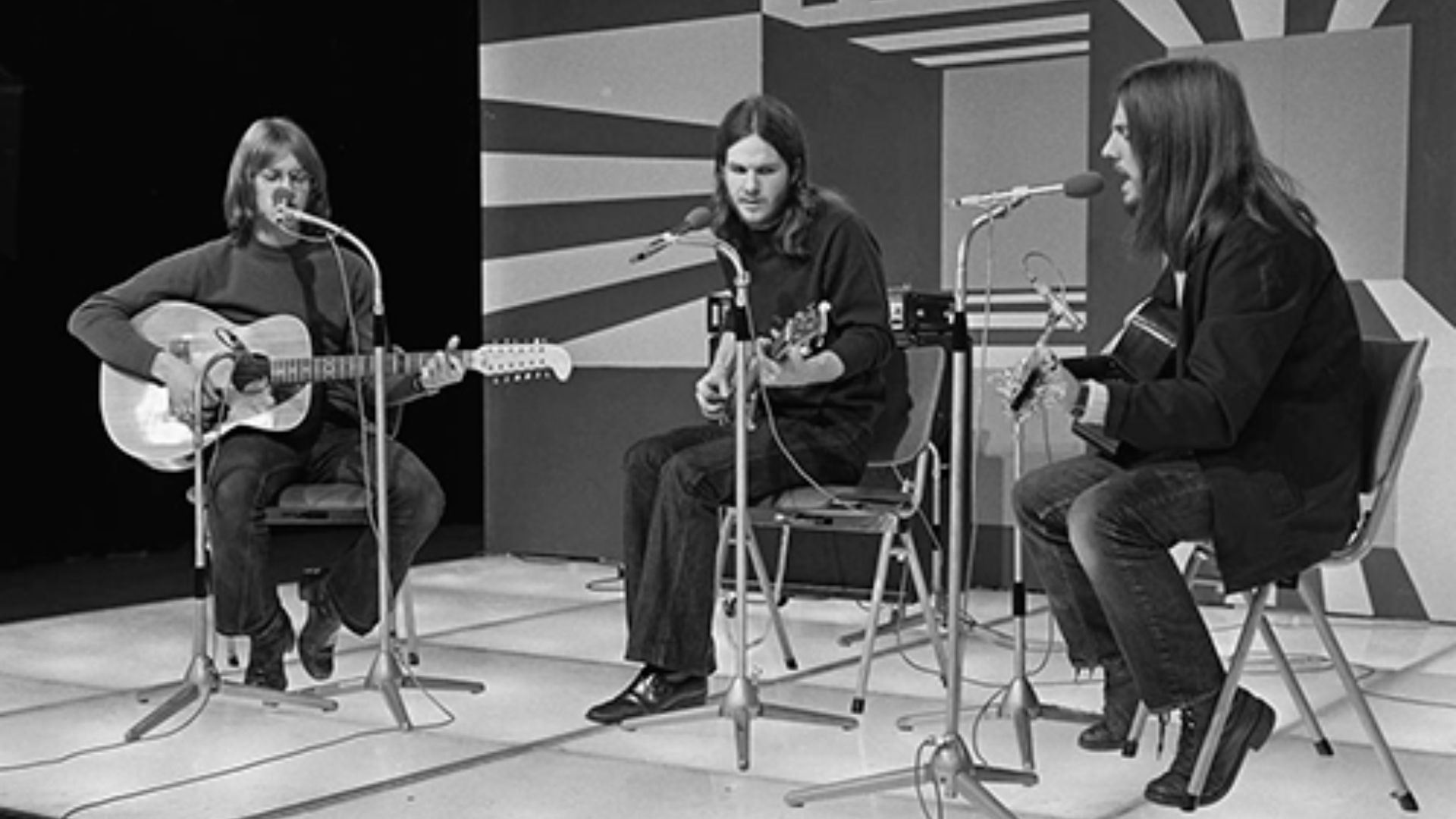
America released Sister Golden Hair in 1975 as part of the album Hearts. The song became the band’s second No. 1 hit on the Billboard Hot 100 and remains one of their most recognizable recordings. With its warm acoustic sound and easygoing California vibe, it’s a perfect snapshot of mid-70s soft rock.
"Baby Come Back" (Player)
Few soft‑rock songs capture late‑70s heartbreak quite like Baby Come Back. Released in 1977, the track reached No. 1 on the Billboard Hot 100 and remains Player’s biggest hit. It’s also one of those songs where the opening piano notes are basically a time machine—suddenly you’re back in a wood‑paneled living room, probably sitting a little too close to the speakers.
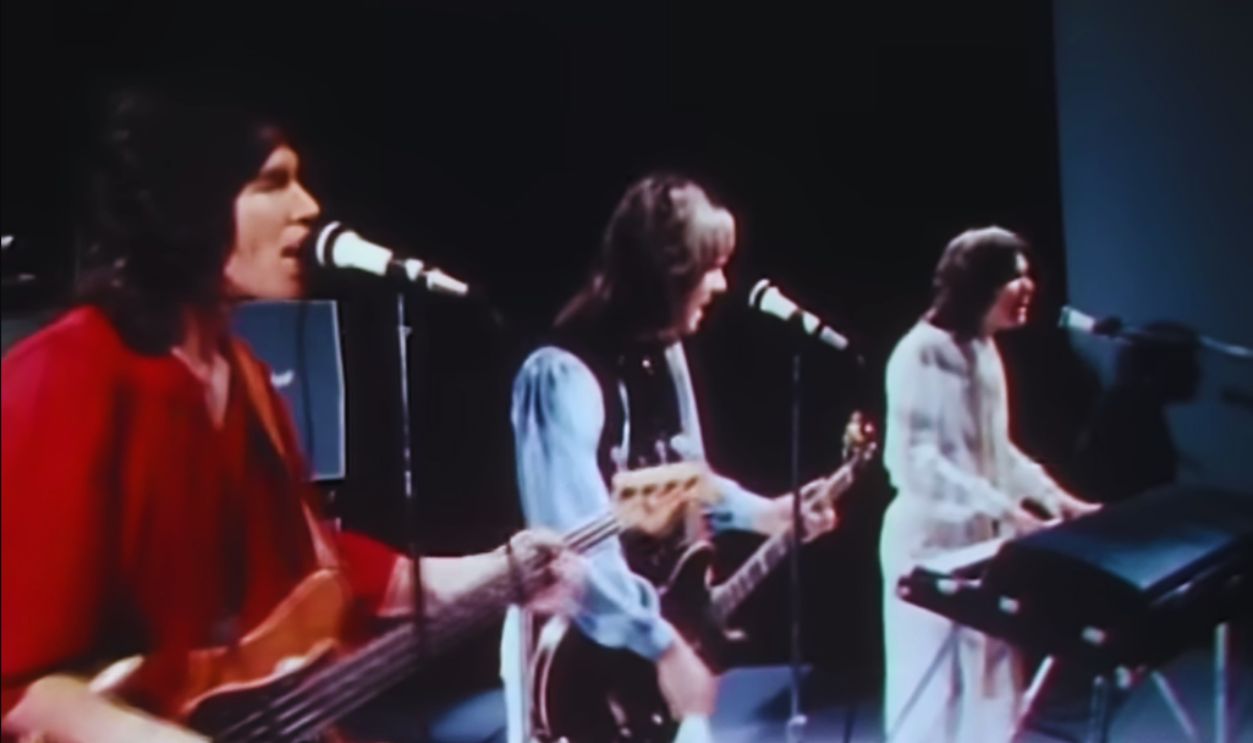 Screenshot from Baby Come Back, Polydor Records (1977)
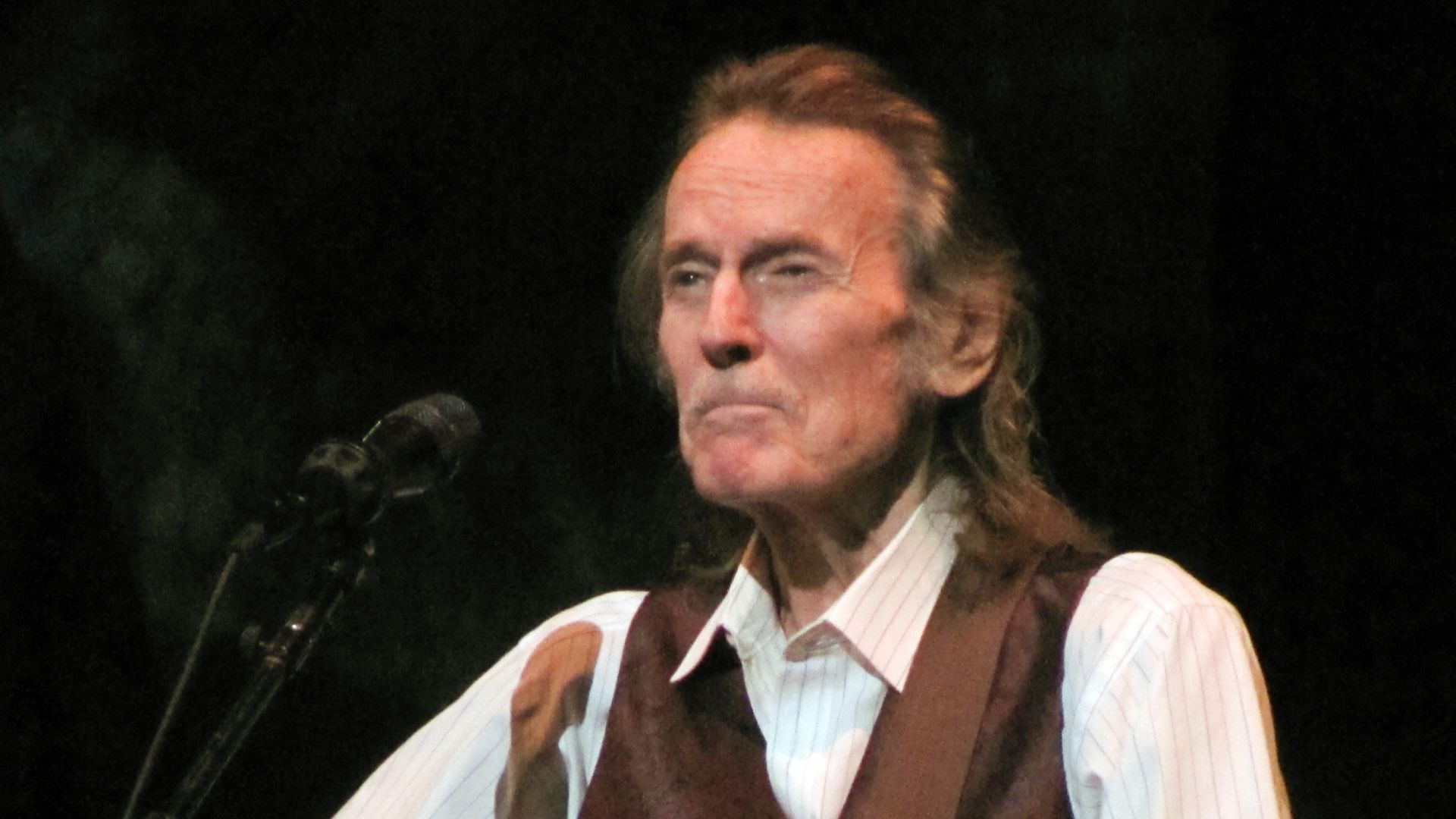
"Sundown" (Gordon Lightfoot)
Gordon Lightfoot released Sundown in 1974, and the song became one of the most memorable folk-rock hits of the decade. It climbed to No. 1 on the Billboard Hot 100 and features Lightfoot’s warm voice and quietly tense storytelling. Even people who don’t immediately recognize the title usually remember it the second that opening guitar line begins.
"Long Cool Woman (In a Black Dress)" (The Hollies)
Released in 1972, Long Cool Woman (In a Black Dress) became The Hollies’ biggest hit in the United States, climbing to No. 2 on the Billboard Hot 100. With its swampy guitar riff and gritty vocals, the song sounds so close to Creedence Clearwater Revival’s style that many listeners have spent years assuming it was actually a CCR song. But it was The Hollies—and it still sounds fantastic blasting out of a car radio.
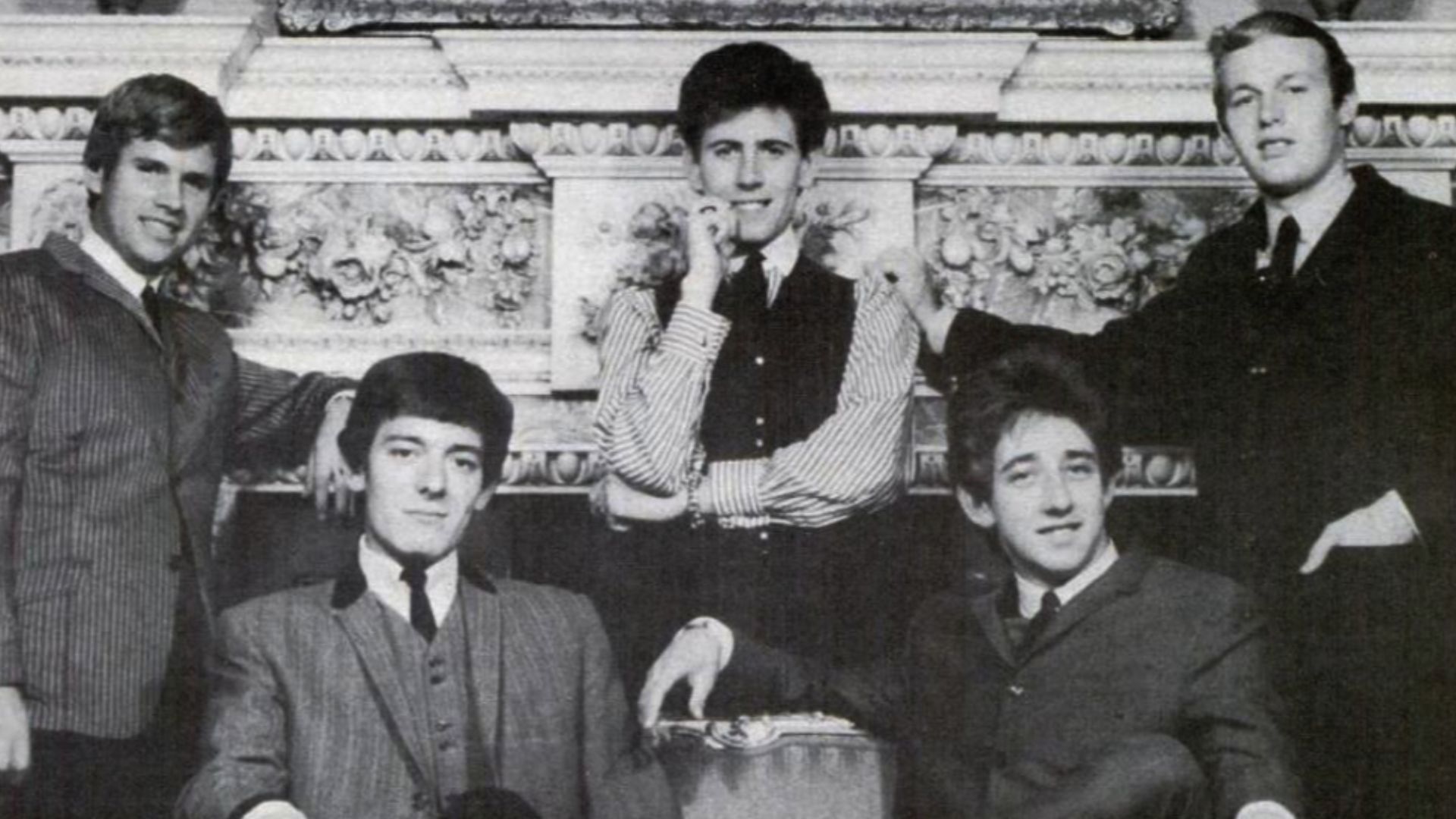 Imperial Records, Wikimedia Commons
"How Long" (Ace)
British band Ace scored a major hit in 1974 with How Long. The smooth groove and Paul Carrack’s soulful vocals helped push the song to No. 3 in the U.S. It’s the kind of track that makes you wonder why more songs don’t sound this effortlessly cool anymore. Once that bass line kicks in, it feels like you’ve just stepped into a smoky 70s bar where the band is somehow always playing perfectly.
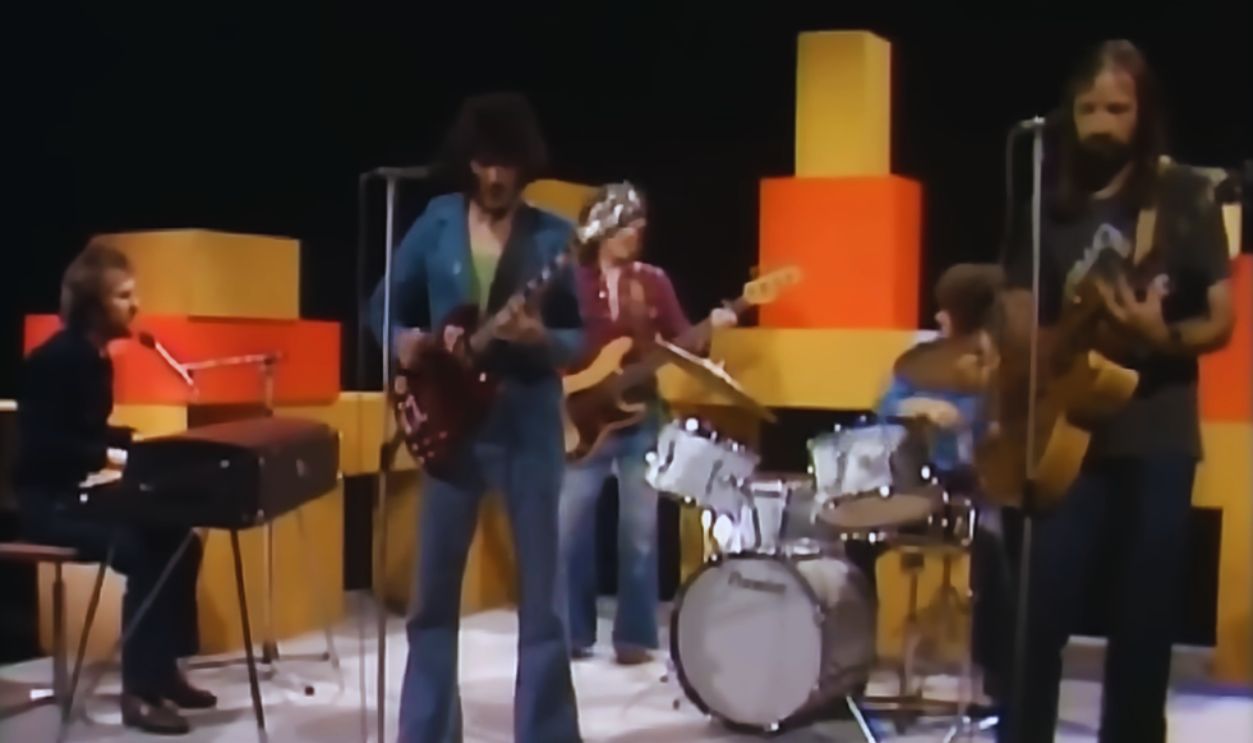 Screenshot from How Long, Anchor Records (1974)
"Moonlight Feels Right" (Starbuck)
The 1976 hit Moonlight Feels Right by Starbuck has a laid‑back summer vibe that instantly transports listeners back to the decade. It reached No. 3 on the Billboard Hot 100 and features one of the most unexpected solos in pop history—the famous marimba break. If you grew up in the 70s, there’s a good chance this song instantly reminds you of warm nights, open windows, and the radio playing somewhere in the background.
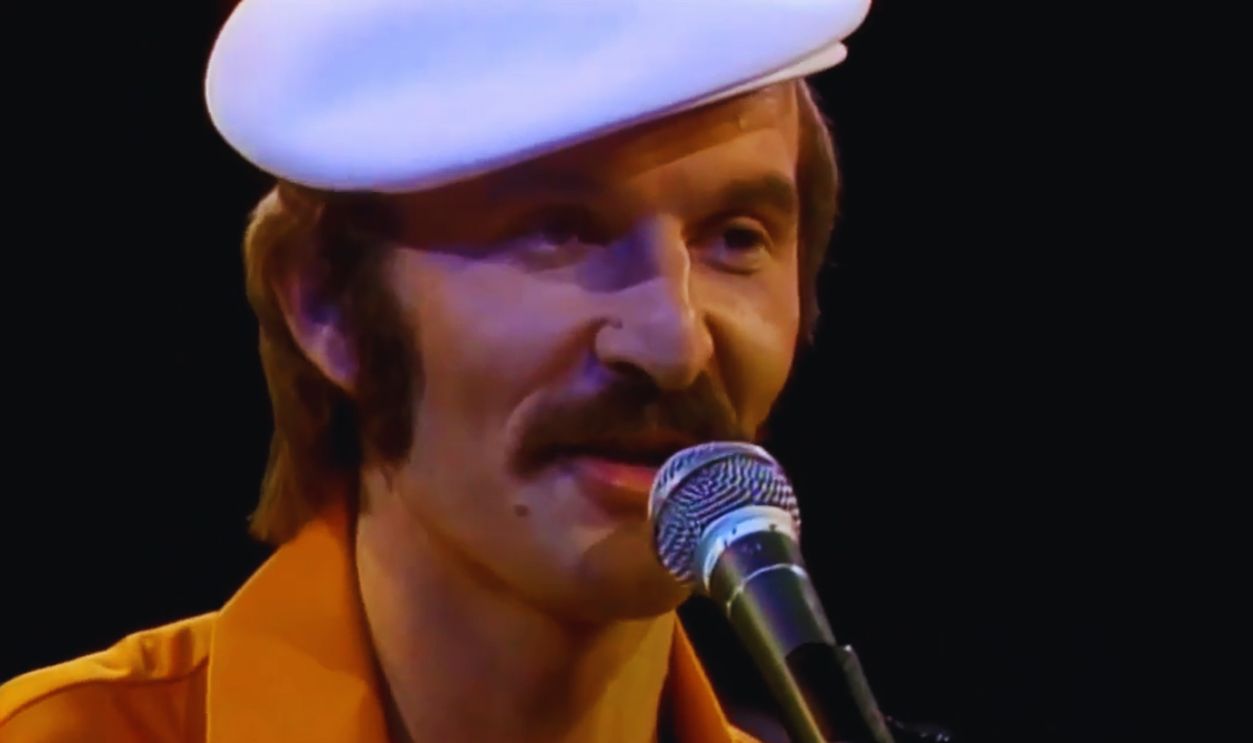 Screenshot from Moonlight Feels Right, Private Stock Records (1976)
"Magnet and Steel" (Walter Egan)
Walter Egan’s 1978 single Magnet and Steel is one of those songs many people recognize instantly—even if they can’t always place it. Featuring backing vocals from Stevie Nicks and Lindsey Buckingham, the track climbed to No. 8 on the Billboard Hot 100. It’s the kind of smooth late‑70s radio hit that probably played while someone in your house was adjusting the rabbit ears on the TV.
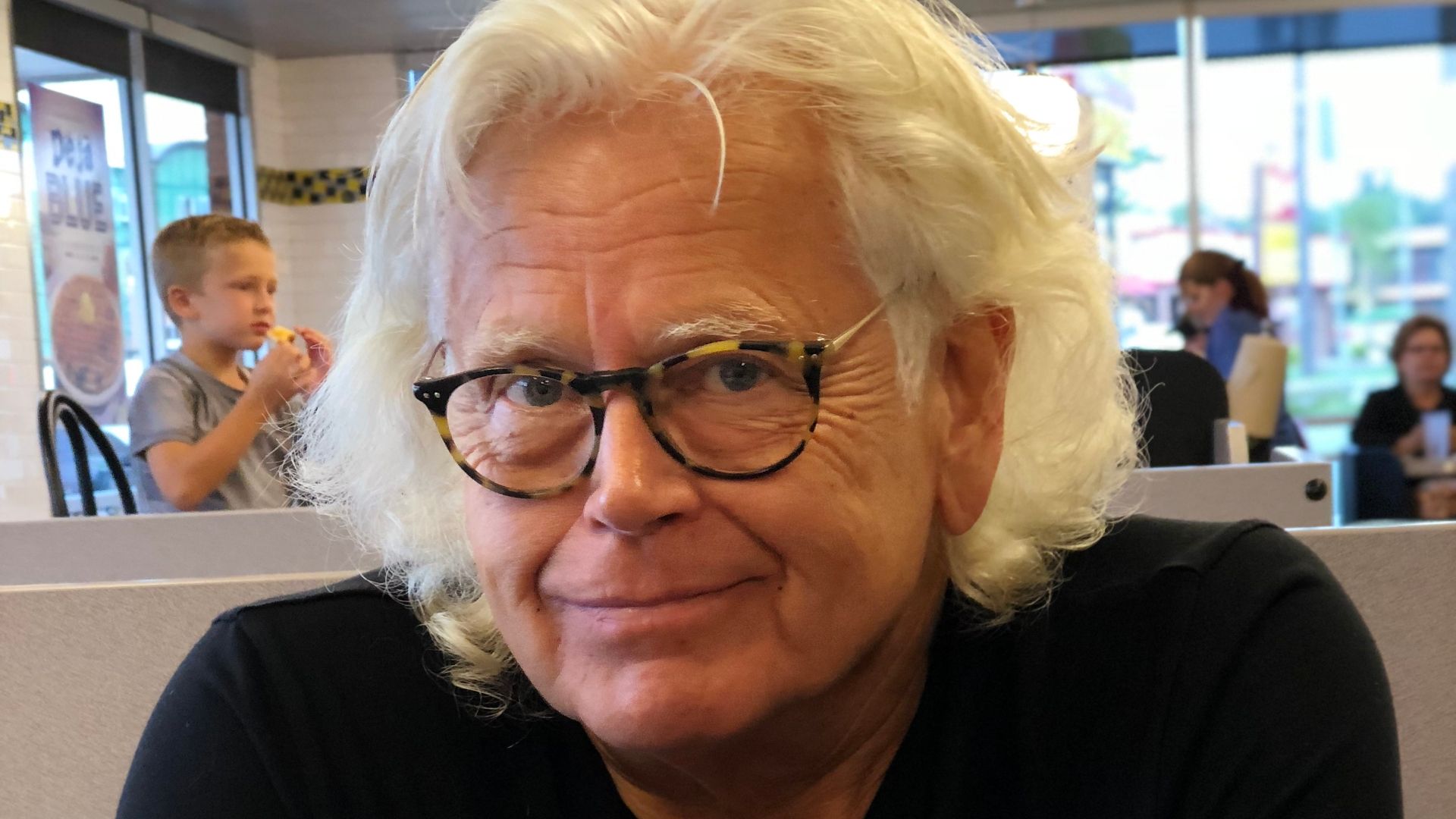
"Right Down the Line" (Gerry Rafferty)
Gerry Rafferty is often remembered for Baker Street, but his 1978 song Right Down the Line is just as impressive. The track reached No. 12 on the Billboard Hot 100 and showcases Rafferty’s warm voice and sharp songwriting. It’s one of those songs that quietly sneaks up on you—by the chorus, you suddenly realize you remember every word.
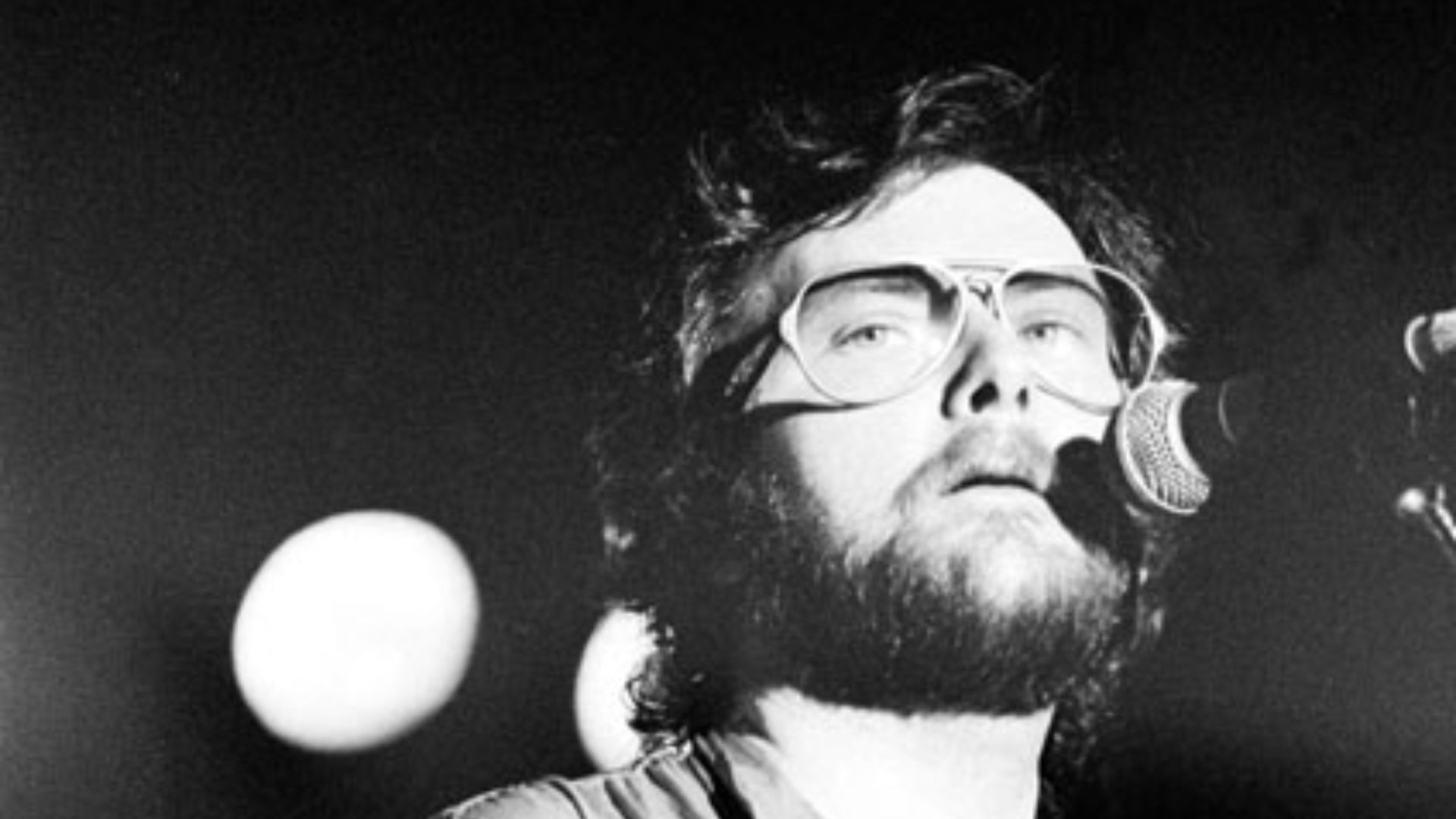 Eddie Mallin, Wikimedia Commons
"Wildfire" (Michael Martin Murphey)
Released in 1975, Wildfire blends country, pop, and folk influences into a haunting ballad about a mysterious horse and ghostly rider. The song climbed to No. 3 on the Billboard Hot 100 and became Murphey’s signature hit. If you heard this one as a kid, there’s a good chance the story gave you chills the first time around.
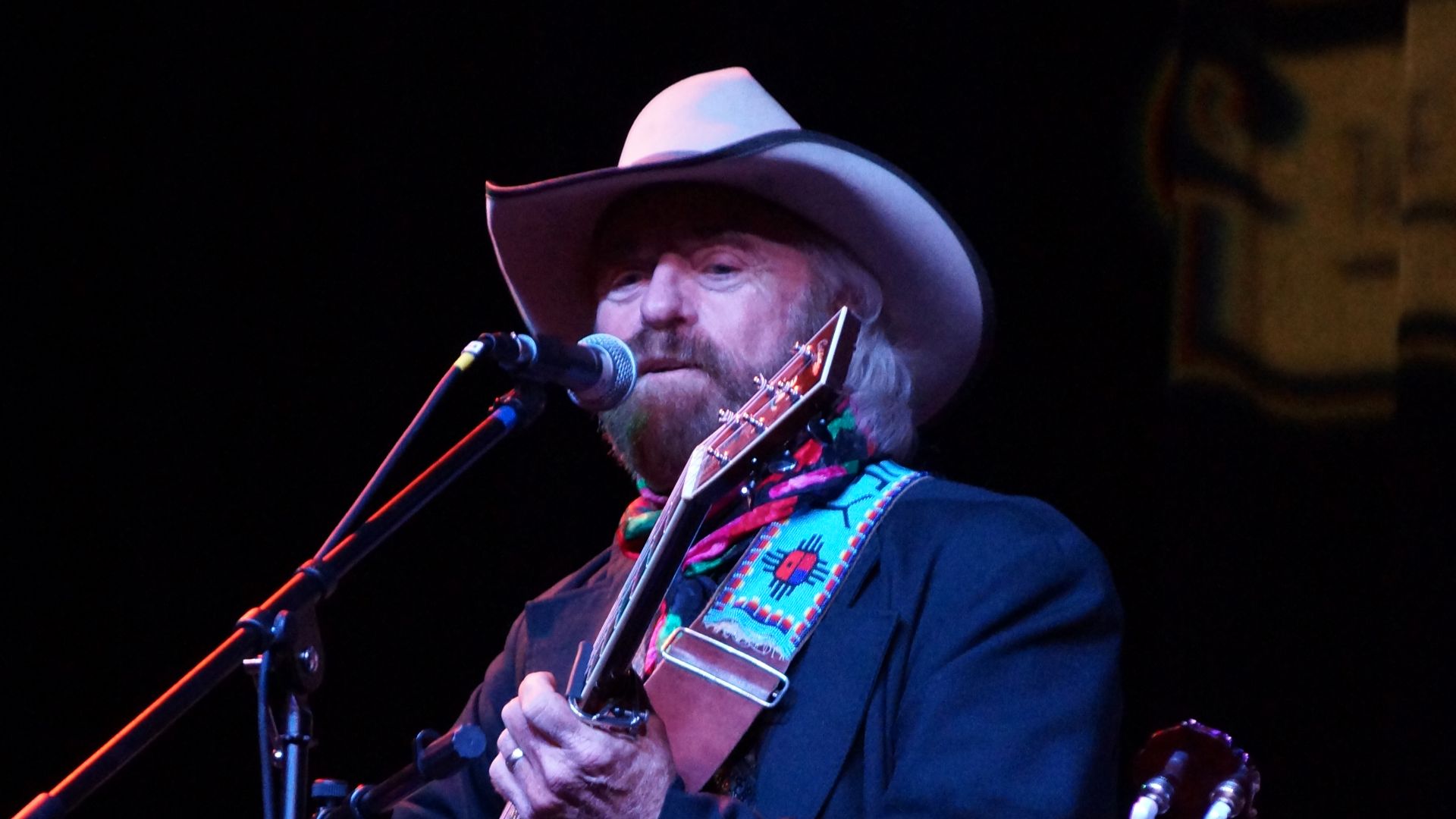
"Dance With Me" (Orleans)
Orleans released Dance With Me in 1975, and the song quickly became a favorite on soft‑rock radio. It reached No. 6 on the Billboard Hot 100 thanks to its breezy harmonies and easygoing melody. It’s the kind of song that feels like it should automatically start playing whenever someone opens the windows on the first warm day of the year.
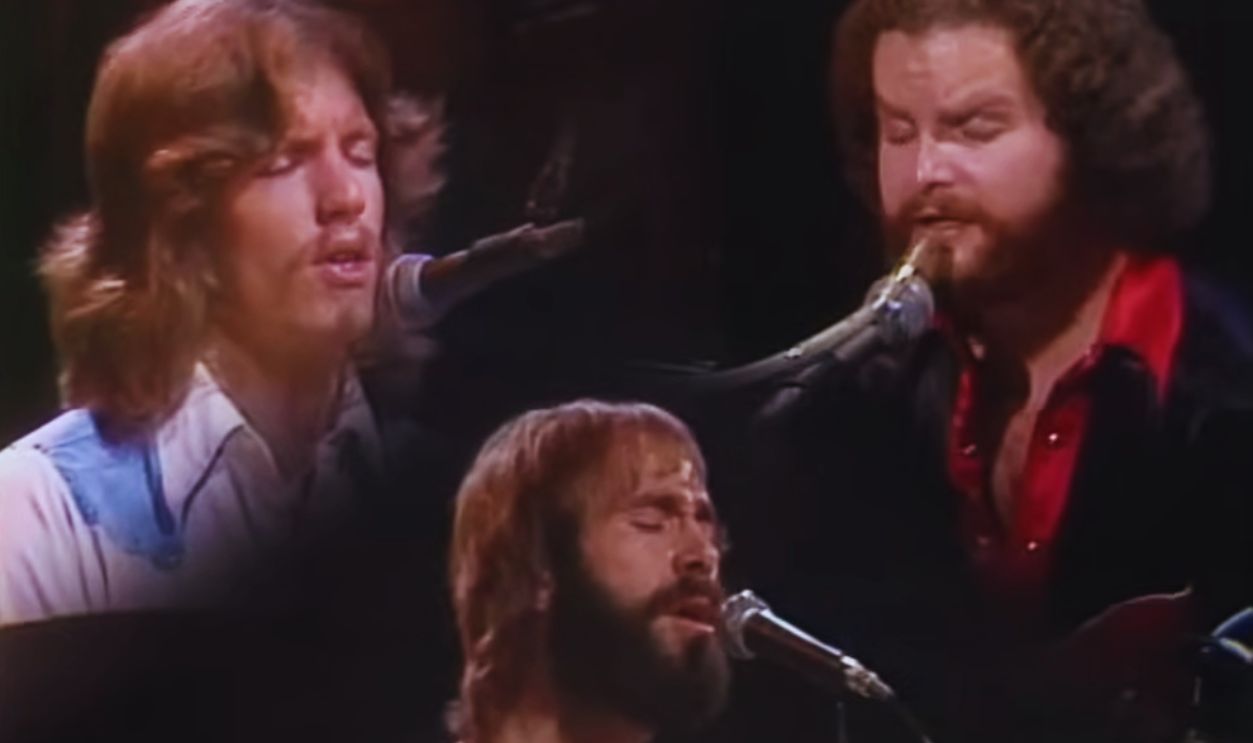 Screenshot from Dance With Me, Asylum Records (1975)
"Couldn’t Get It Right" (Climax Blues Band)
Climax Blues Band found success in 1976 with Couldn't Get It Right, a song that blends rock, blues, and pop elements effortlessly. The track reached No. 3 on the Billboard Hot 100 and became the group’s biggest hit. Its smooth groove and memorable guitar work make it a hidden gem of the decade.
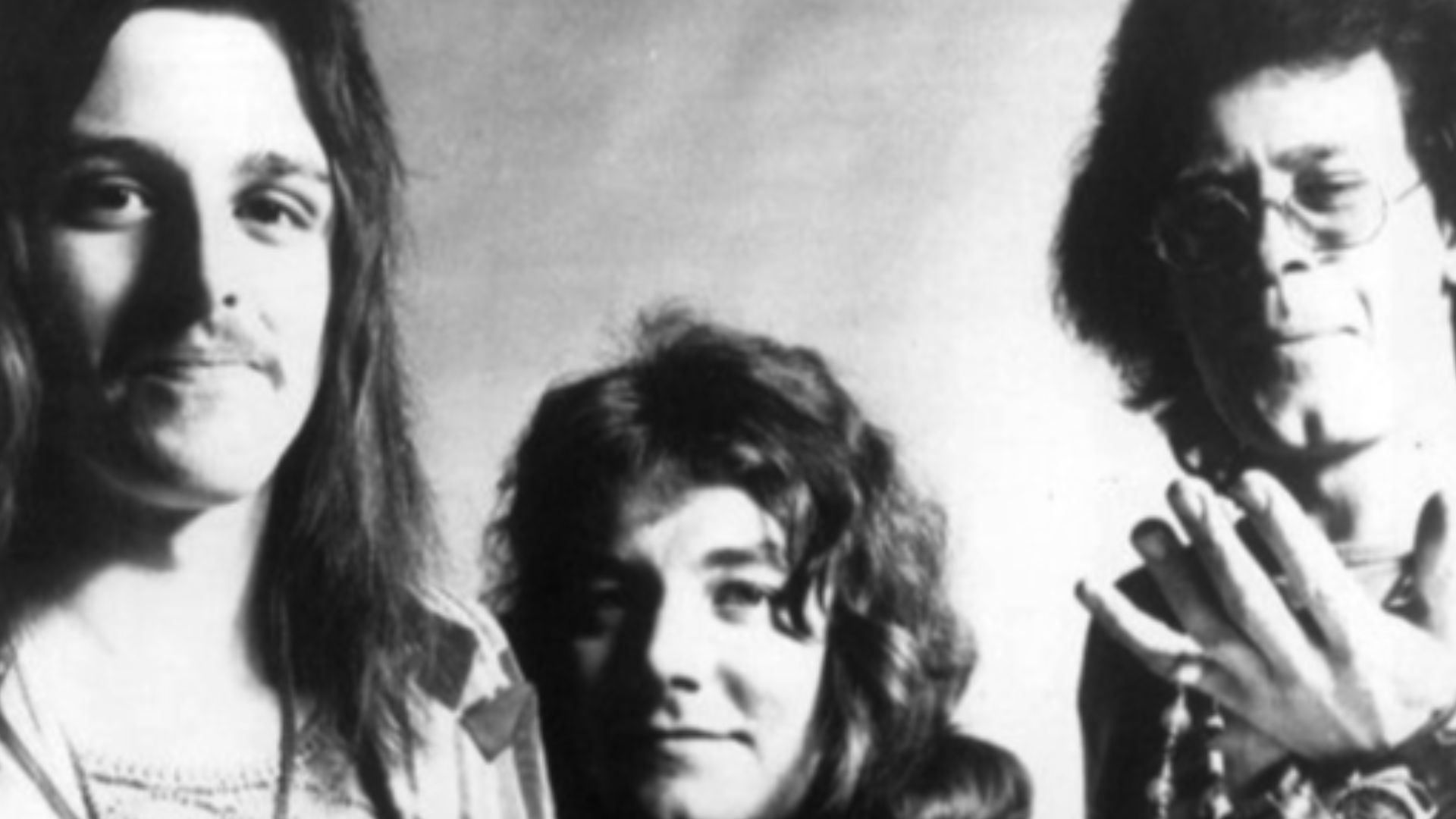 CMA-Creative Management Associates (management), Wikimedia Commons
"Time Passages" (Al Stewart)
Al Stewart followed his hit Year of the Cat with Time Passages in 1978, and the song climbed to No. 7 on the Billboard Hot 100. Its rich production and storytelling lyrics make it one of the most polished soft‑rock tracks of the decade—though it’s rarely mentioned among the era’s greatest songs.

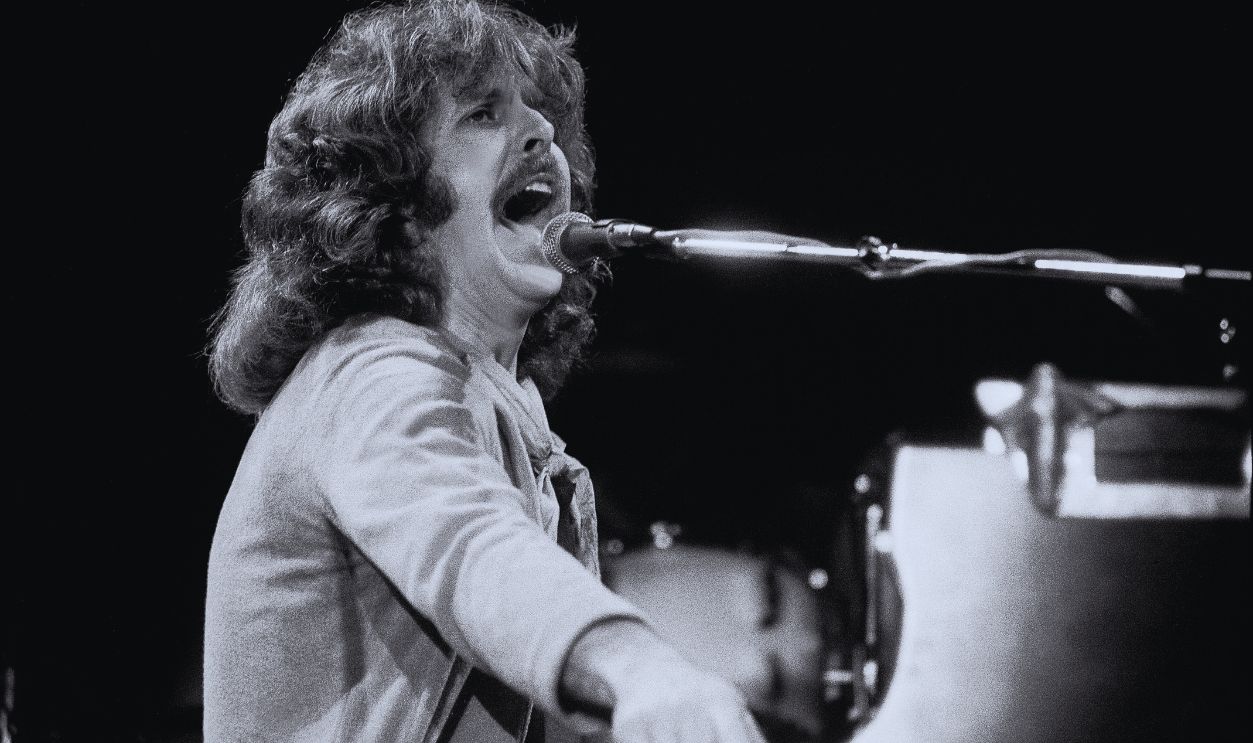
"Thunder Island" (Jay Ferguson)
Jay Ferguson released Thunder Island in 1977, and the breezy track quickly climbed to No. 9 on the Billboard Hot 100. With its tropical vibe and relaxed groove, the song sounds like it was specifically designed for driving with the windows down.
"Lonely Boy" (Andrew Gold)
Andrew Gold released Lonely Boy in 1977, and the song quickly climbed to No. 7 on the Billboard Hot 100. With its punchy piano intro and energetic vocals, it became one of the catchiest pop‑rock songs of the decade.
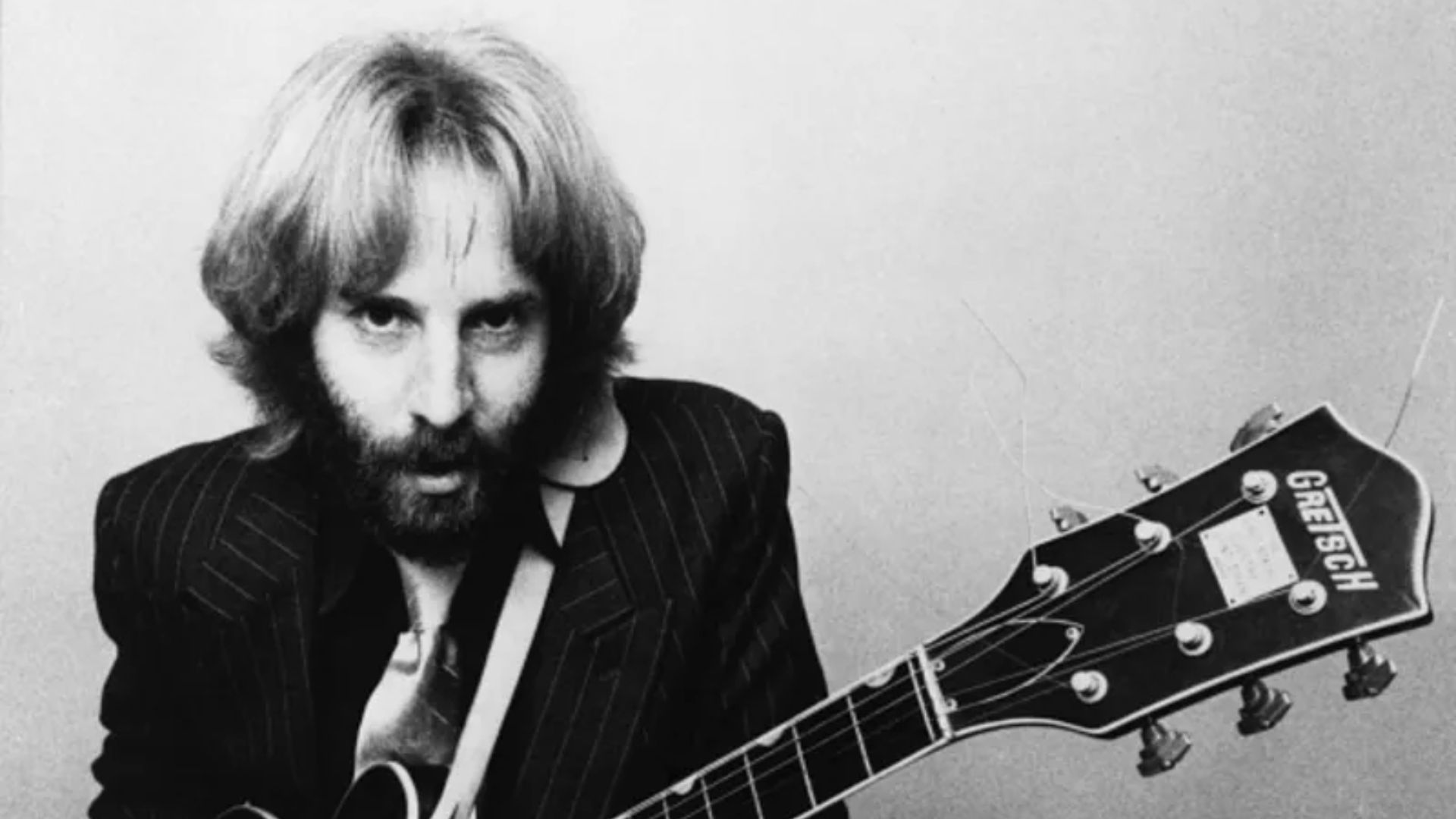 Jim Shea. Published by Asylum Records, Wikimedia Commons
"Surrender" (Cheap Trick)
Cheap Trick released Surrender in 1978, and while it wasn’t a huge chart hit at the time, it quickly became one of the band’s signature songs. With its explosive guitars and unforgettable chorus, it captured the rebellious spirit of late-70s rock and later became a staple of the band’s live shows.
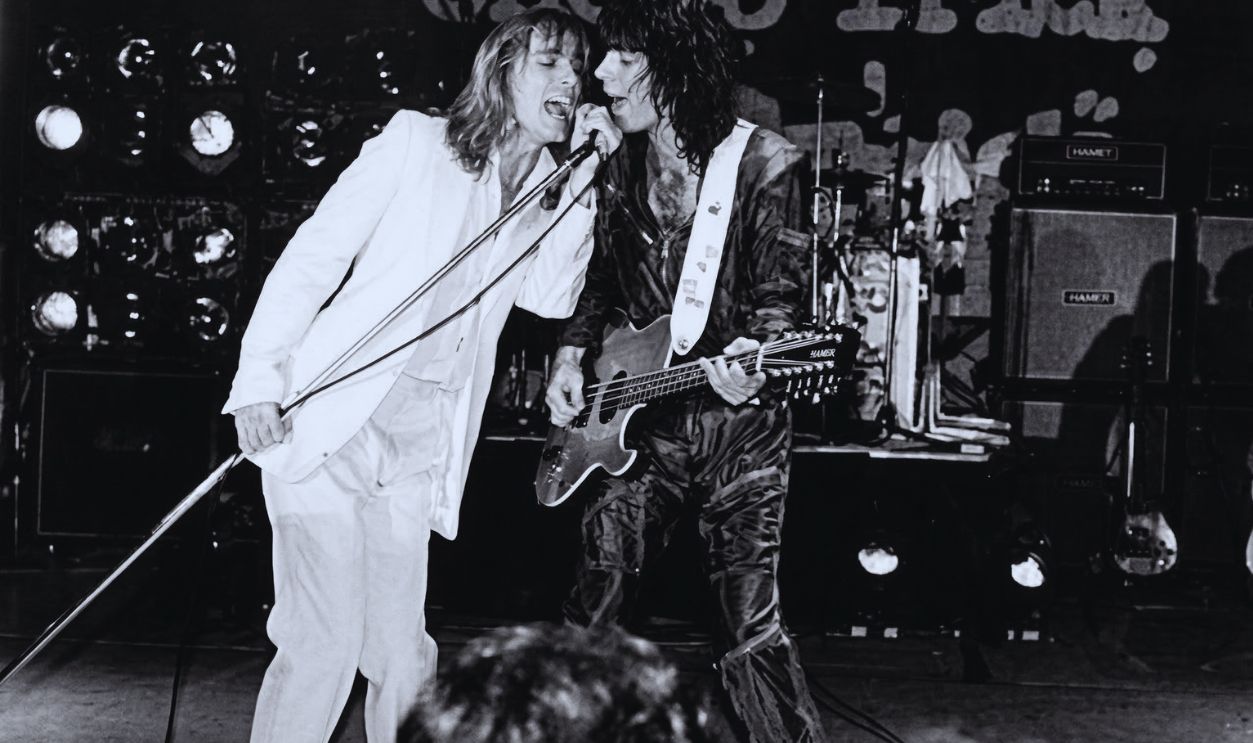 Malco23, Wikimedia Commons, modified
"Tumbling Dice" (The Rolling Stones)
The Rolling Stones released Tumbling Dice in 1972 as part of their classic album Exile on Main St. The loose groove, gospel‑style backing vocals, and Mick Jagger’s swaggering performance make it one of the band’s most distinctive songs.
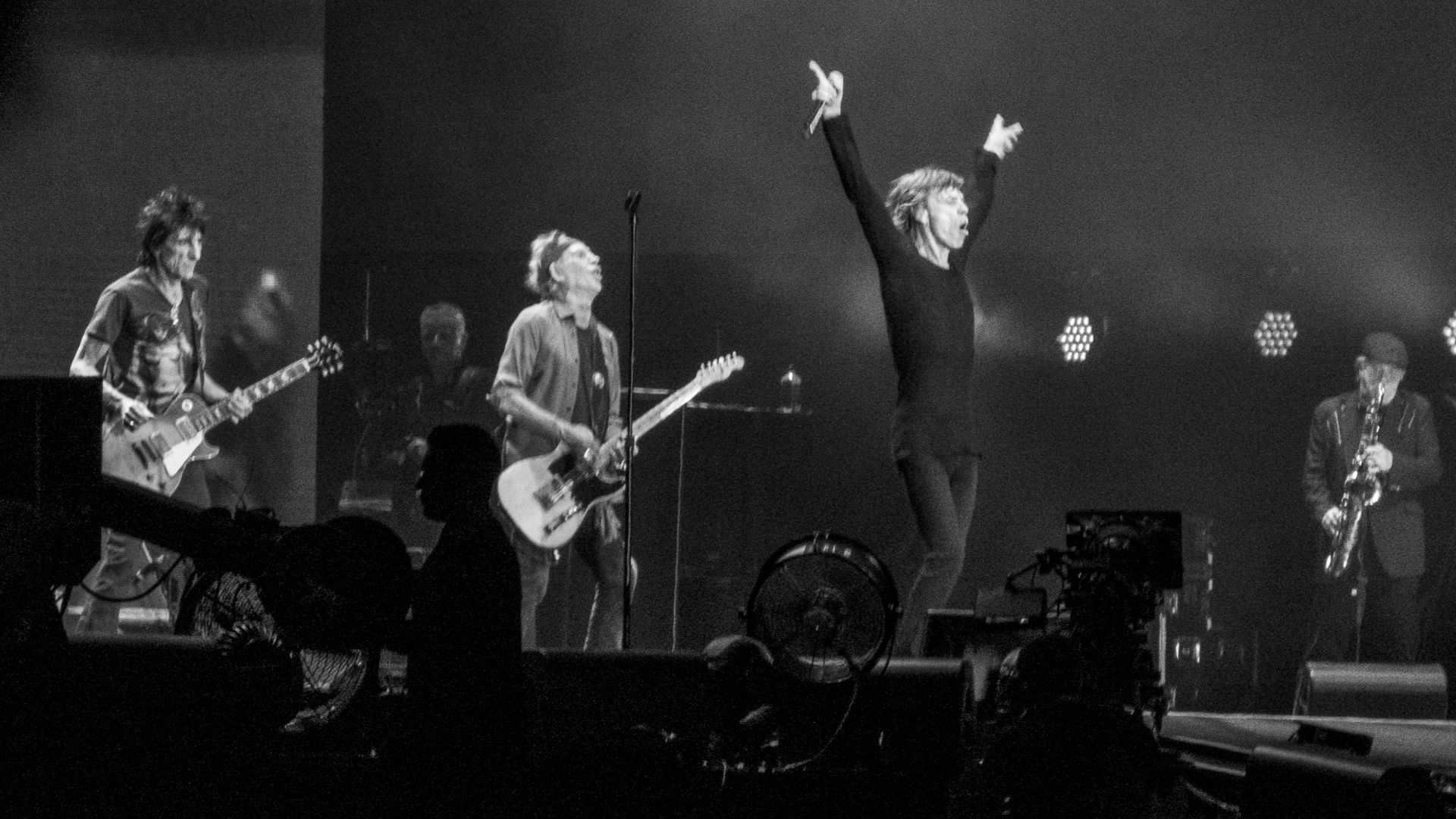 Andrea Sartorati, Wikimedia Commons
"Do It Again" (Steely Dan)
Steely Dan’s debut single Do It Again was released in 1972 and climbed to No. 6 on the Billboard Hot 100. The song’s hypnotic groove and jazz‑influenced guitar work helped introduce the band’s unique sound to a wider audience.
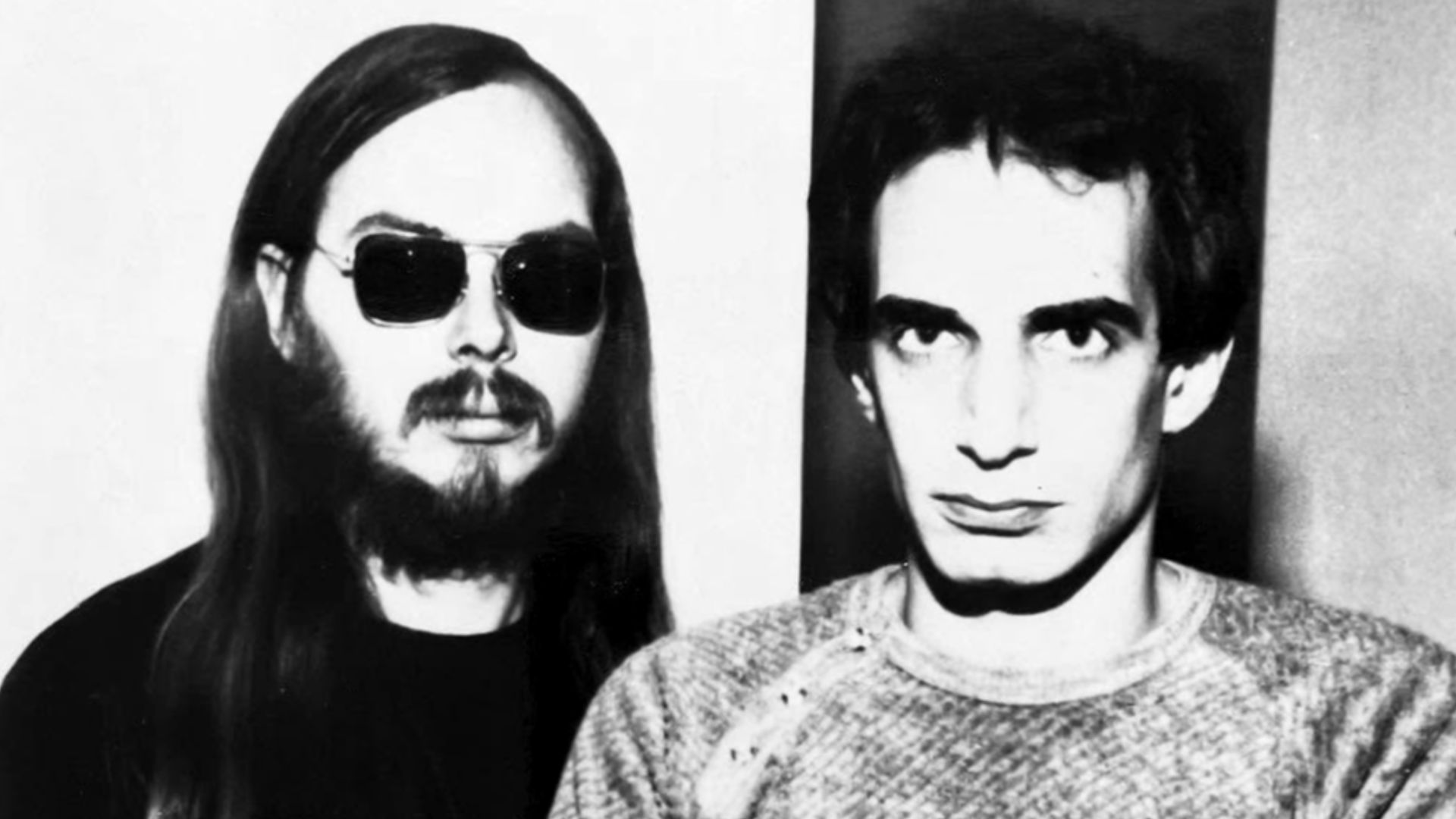 Distributed by MCA Records, Wikimedia Commons
"The Spirit of Radio" (Rush)
Rush released The Spirit of Radio in 1979, and it became the band’s first major mainstream hit in the United States. The track blends progressive rock complexity with a surprisingly catchy chorus and helped introduce the band to a much wider audience.
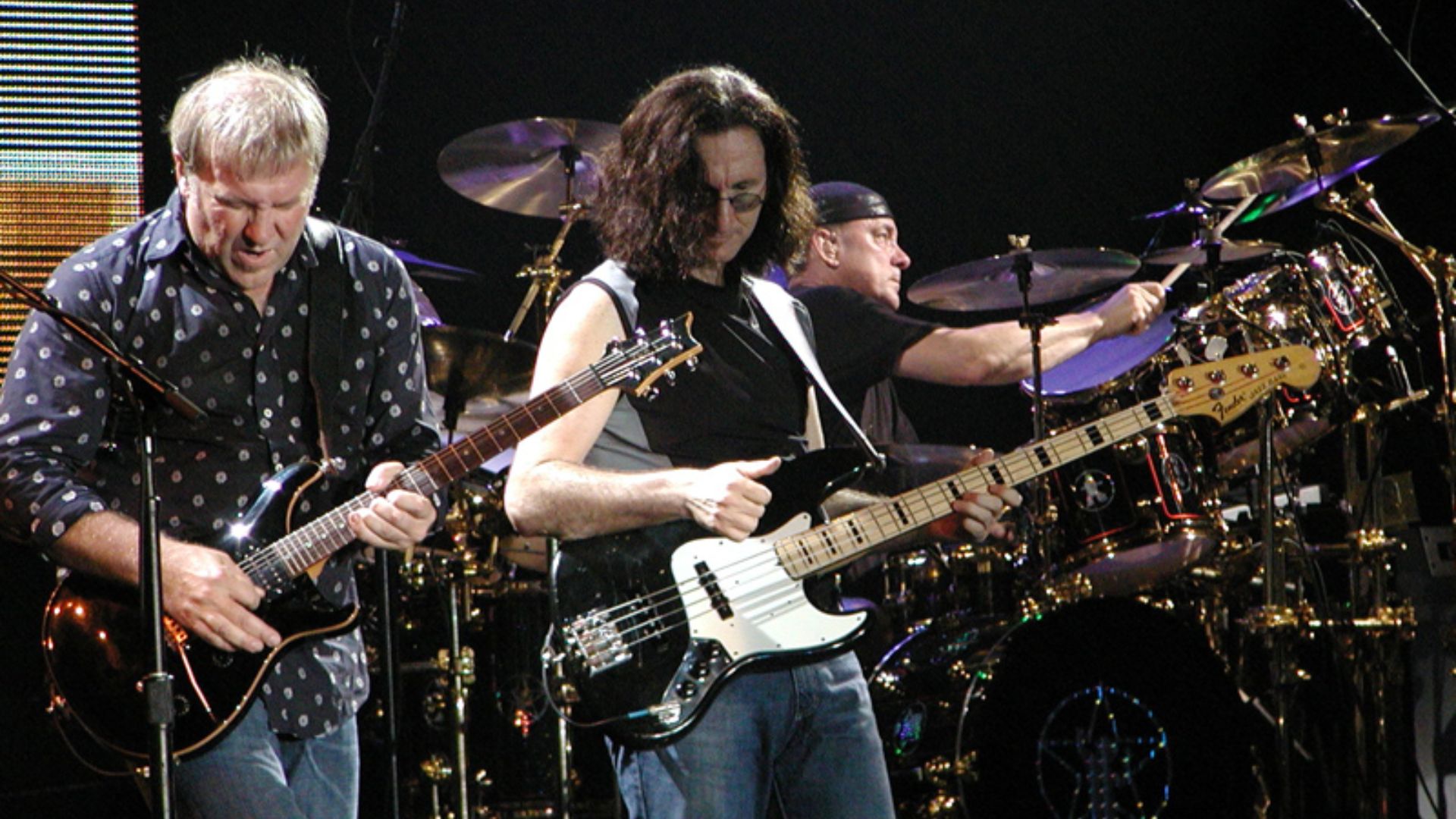 Enrico Frangi, Wikimedia Commons
"Reelin’ in the Years" (Steely Dan)
Released in 1972, Reelin’ in the Years became one of Steely Dan’s earliest hits and remains famous for its blistering guitar solo. The song climbed to No. 11 on the Billboard Hot 100 and helped establish the band’s distinctive blend of rock, jazz, and sharp songwriting.
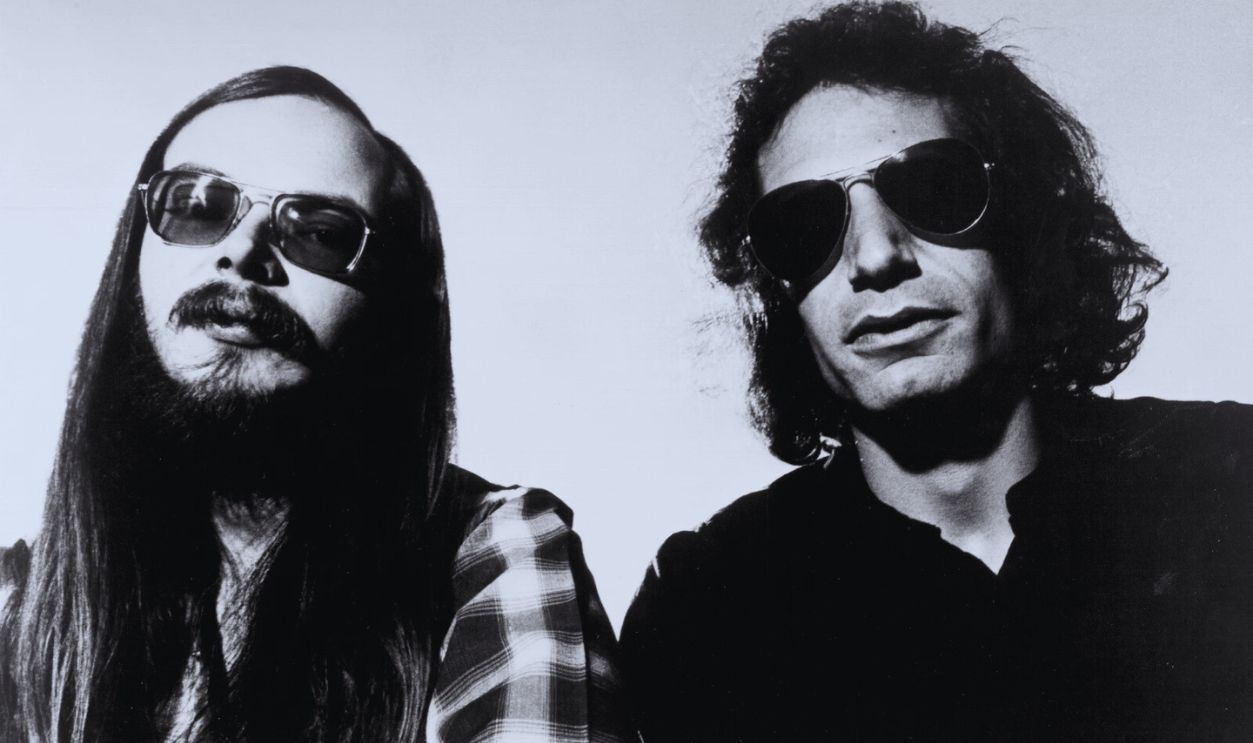 Distributed by ABC Records, Wikimedia Commons
You Might Also Like:
Brilliant Folk Songs That Captured The Heart Of America
Hit Songs From 2008 You’ve Probably Already Forgotten About
Songs That Have The Name Of The Band In The Title—How Many Do You Know?



_-_NARA_-_553890.jpg%20)


.jpg%20)

