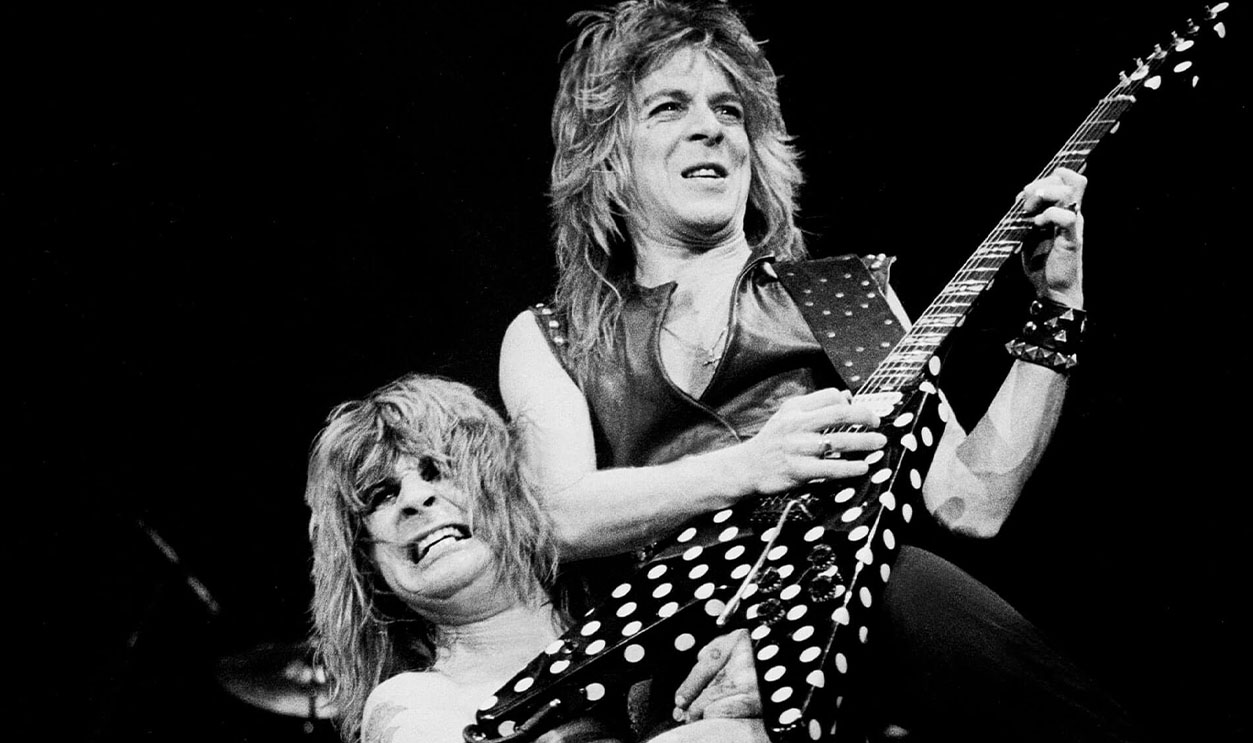
When A Guitar Legend Fell—And Metal Changed Forever
When Randy Rhoads died in a sudden 1982 plane crash, it didn’t just shatter the life of Ozzy Osbourne; it punched a hole in the heart of heavy metal itself. The young virtuoso was gone. What remained was grief, guilt, and a legacy so powerful it helped reshape rock music in ways many still feel today.
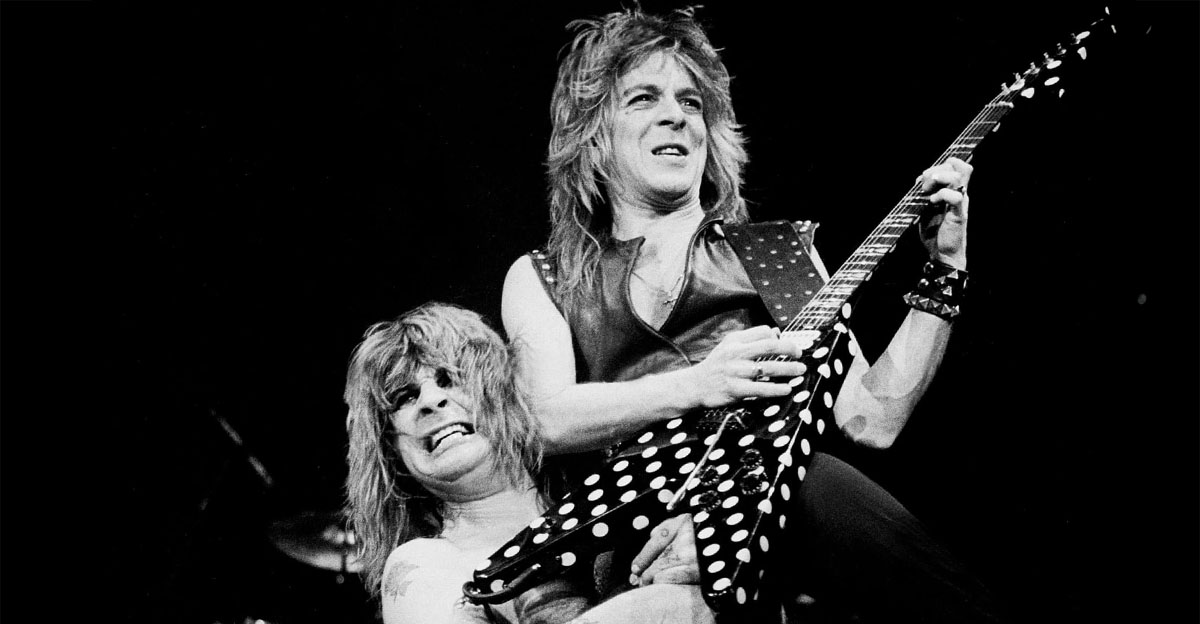
From Quiet Riot To Rock Royalty: How It All Started
Randy Rhoads was born December 6, 1956, in Santa Monica, California. From a young age he was steeped in music, being taught by family, drawn to classical guitar, and fascinated by rock. In his early 20s, he helped found Quiet Riot, crafting a distinctive image and showcasing his skill. But Quiet Riot wasn’t destined to be where Rhoads’ star fully rose. Fate had something bigger lined up when Ozzy Osbourne, fresh out of Black Sabbath and trying to rebuild his career, discovered him.
 Unknown author, Wikimedia Commons
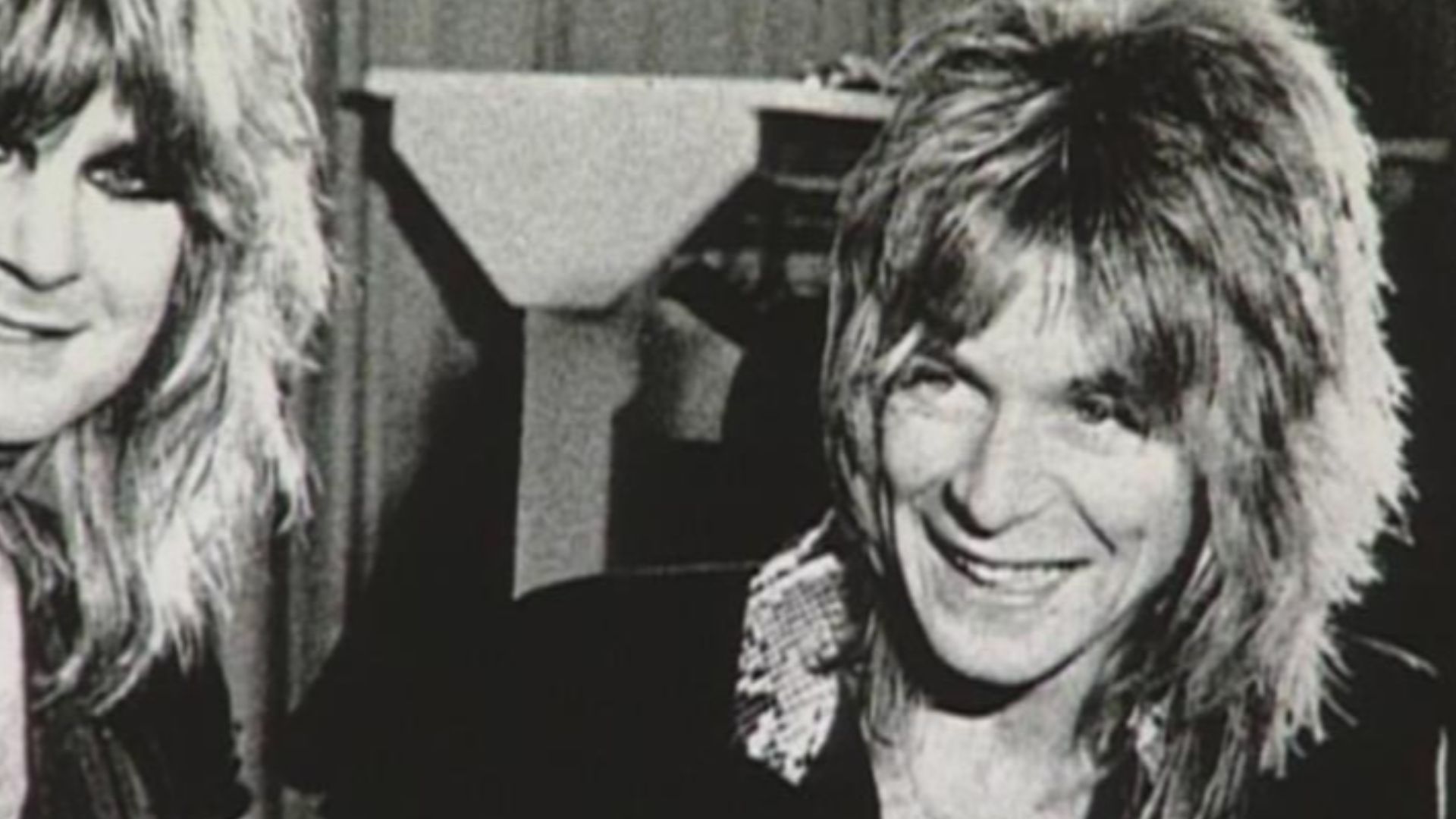
Ozzy Was Drowning, Randy Became The Lifeline
After being fired from Black Sabbath in 1979, Osbourne sank deep. Addiction, depression, and self-doubt plagued him. Then Rhoads arrived. His melodic chops, classical influences, and blistering technical guitar work paired perfectly with Osbourne’s voice and wild energy. On Osbourne’s first solo albums—Blizzard of Ozz (1980) and Diary of a Madman (1981)—Rhoads’ playing turned tracks like “Crazy Train” and “Mr. Crowley” into instant classics. In many ways, Randy Rhoads didn’t just save Ozzy Osbourne’s career, he elevated it.
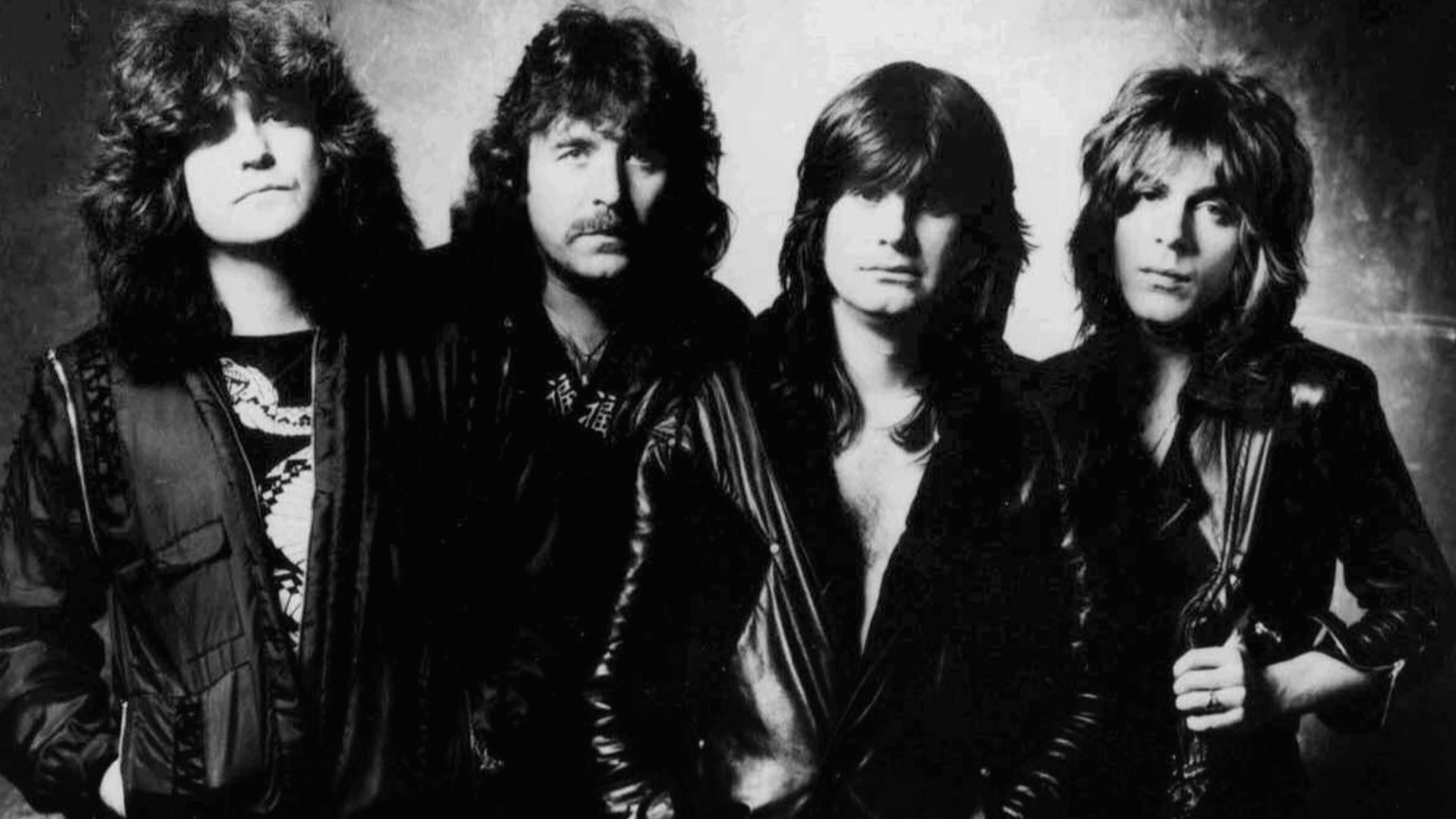 Jet Records, Wikimedia Commons
A Rising Star With Classical Roots
What set Rhoads apart wasn’t just speed or shredding, it was fusion. Raised around classical guitar, he blended those harmonies and scales with hard rock and metal. That combination helped birth what would later be known as neoclassical metal: fast, technical, melodic, but still heavy. He popularized guitar techniques (two-handed tapping, vibrato-bar dive bombs, intricate scale patterns) that became staples for metal guitarists through the 80s and beyond.
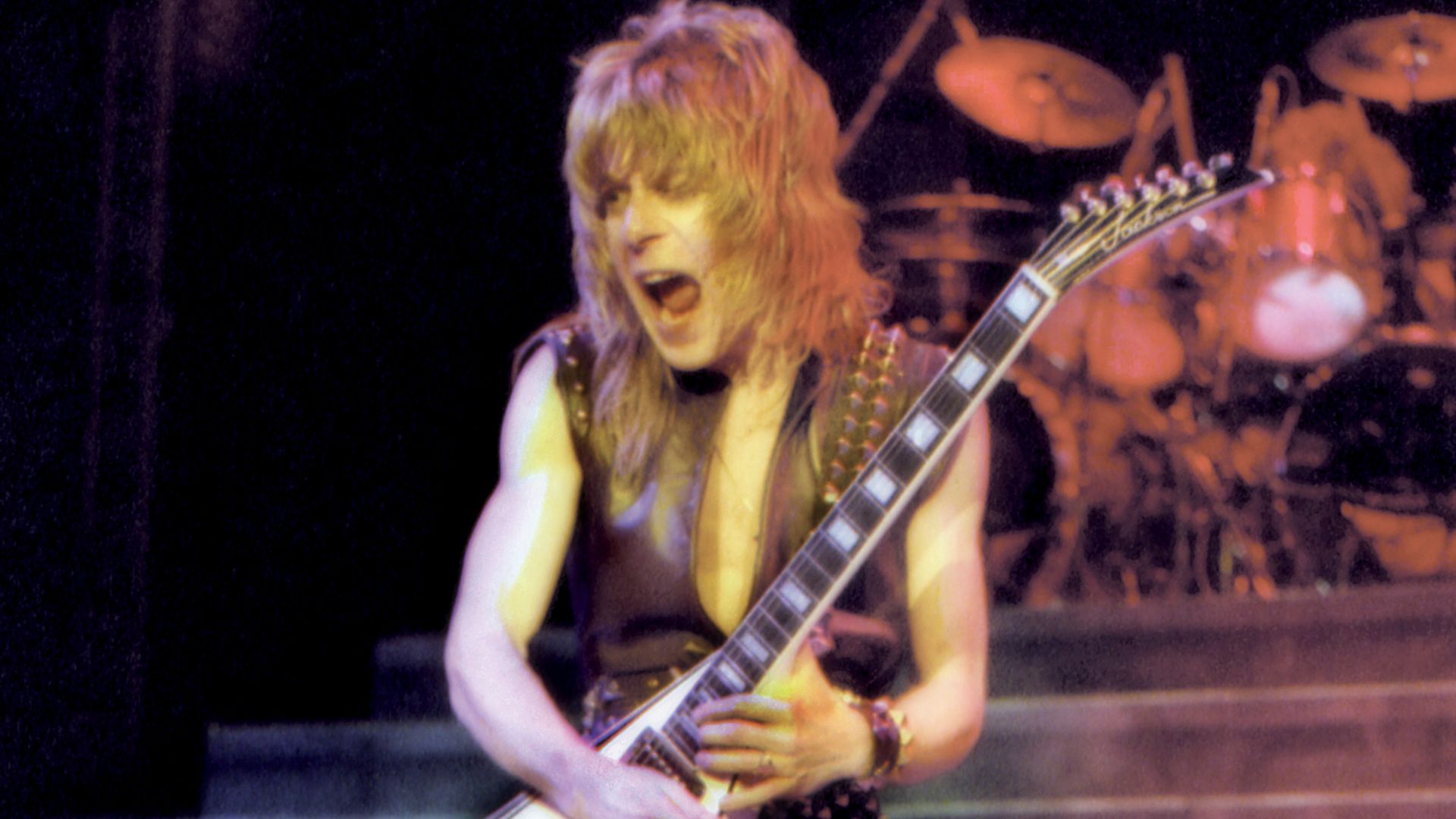 Axeman cometh at English Wikipedia, Wikimedia Commons
The Final Tour
In early 1982, Rhoads and Osbourne’s band were deep into the “Diary of a Madman” tour. On March 18, 1982, Rhoads played what would become his final show at Knoxville Civic Coliseum. They were en route to their next gig, the Rock Super Bowl XIV in Orlando, riding the tour bus toward Florida. As fate would have it, tragedy waited.
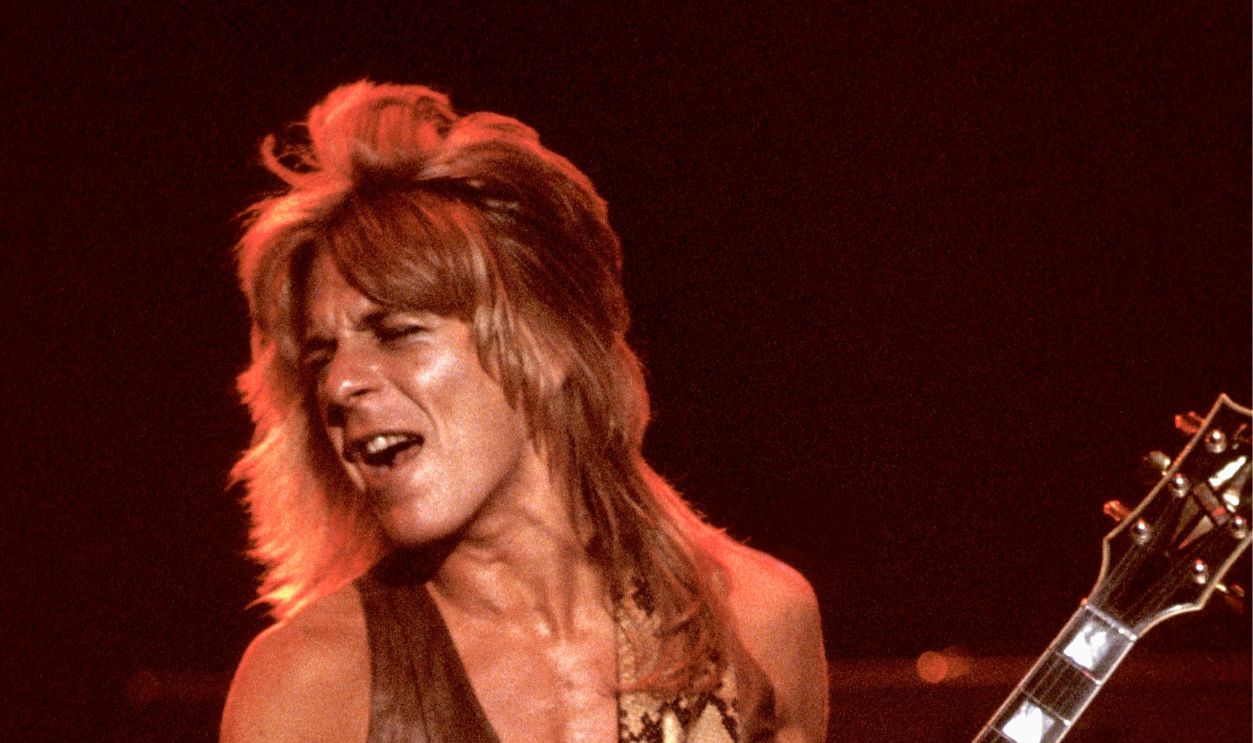
The Morning It All Ended: March 19, 1982
Early in the morning, the bus stopped at Flying Baron Estates, a facility with a small airstrip owned by the bus company. The bus reportedly had a broken air conditioning unit, so the band stopped there. The bus driver, who was also a licensed pilot, decided to take a small plane for a joyride. On the second flight were Randy Rhoads and makeup artist Rachel Youngblood. What followed was chilling: the pilot attempted to buzz the tour bus, clipping the top of it. The plane lost control, caught a wing, spiraled, and crashed into a nearby garage—bursting into flames. All on board died instantly. Rhoads was only 25.

The Aftermath: Horror, Shock, And A Band Shattered
Ozzy Osbourne, asleep in the bus, was jolted awake by the explosion. The scene outside was gruesome: wreckage, fire, devastation. Sharon Osbourne collapsed in grief; bandmates cried; no one could process the magnitude of the loss. For Ozzy, the blow was devastating. He later called the death “the greatest tragedy of my life”.
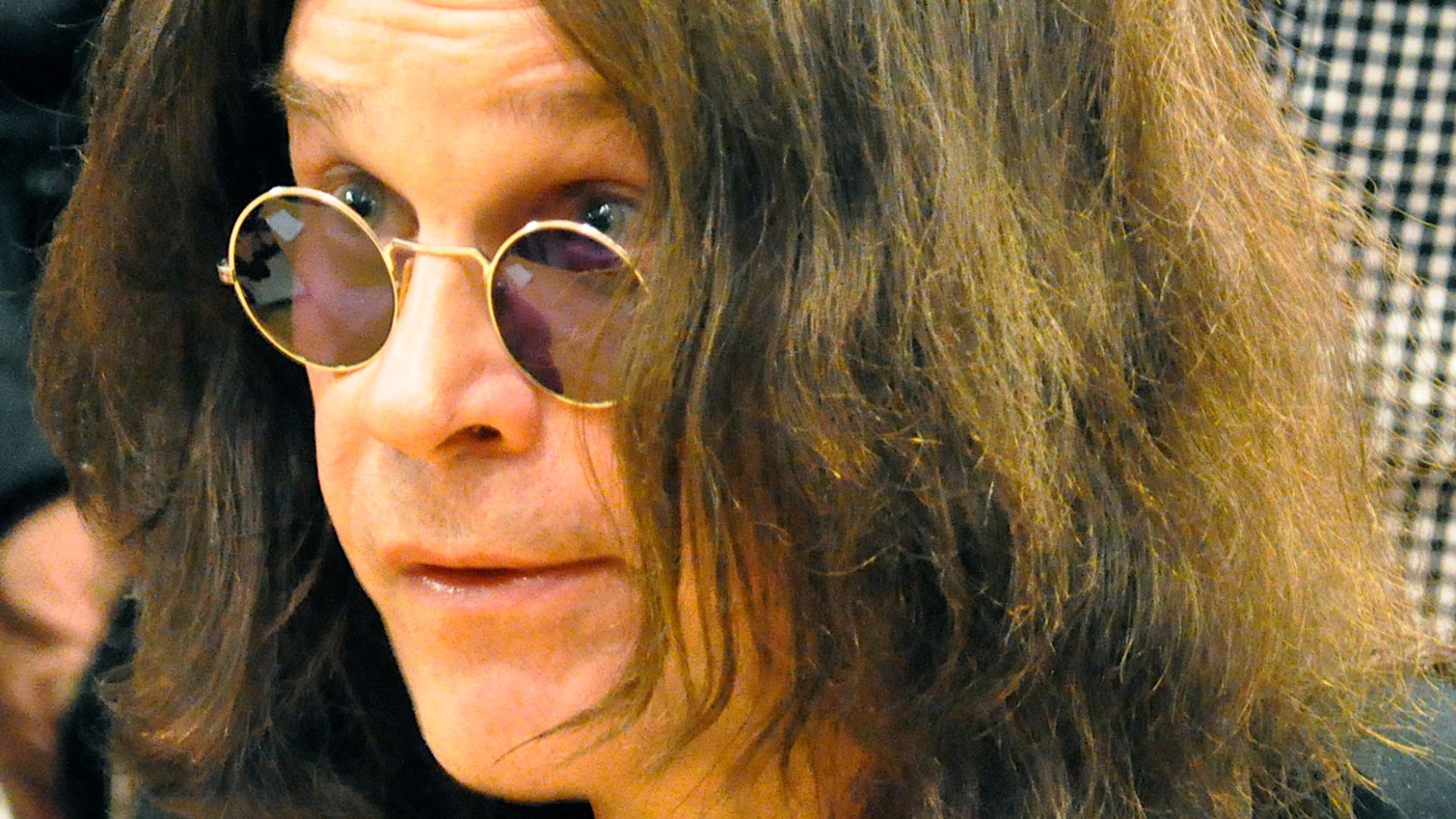 Kevin Burkett, Wikimedia Commons
Guilt, Grief, And A Career In Pieces
Losing Randy Rhoads derailed more than just a tour; it ripped a hole through Ozzy Osbourne’s spirit. After Black Sabbath, Rhoads had been his hope, his rebirth. Now he was gone. Osbourne spiraled back into guilt, depression, and despair. The band canceled shows. Replacing Rhoads wasn’t simply about finding a new guitarist; it was about filling an emotional and artistic void that could never truly be filled.
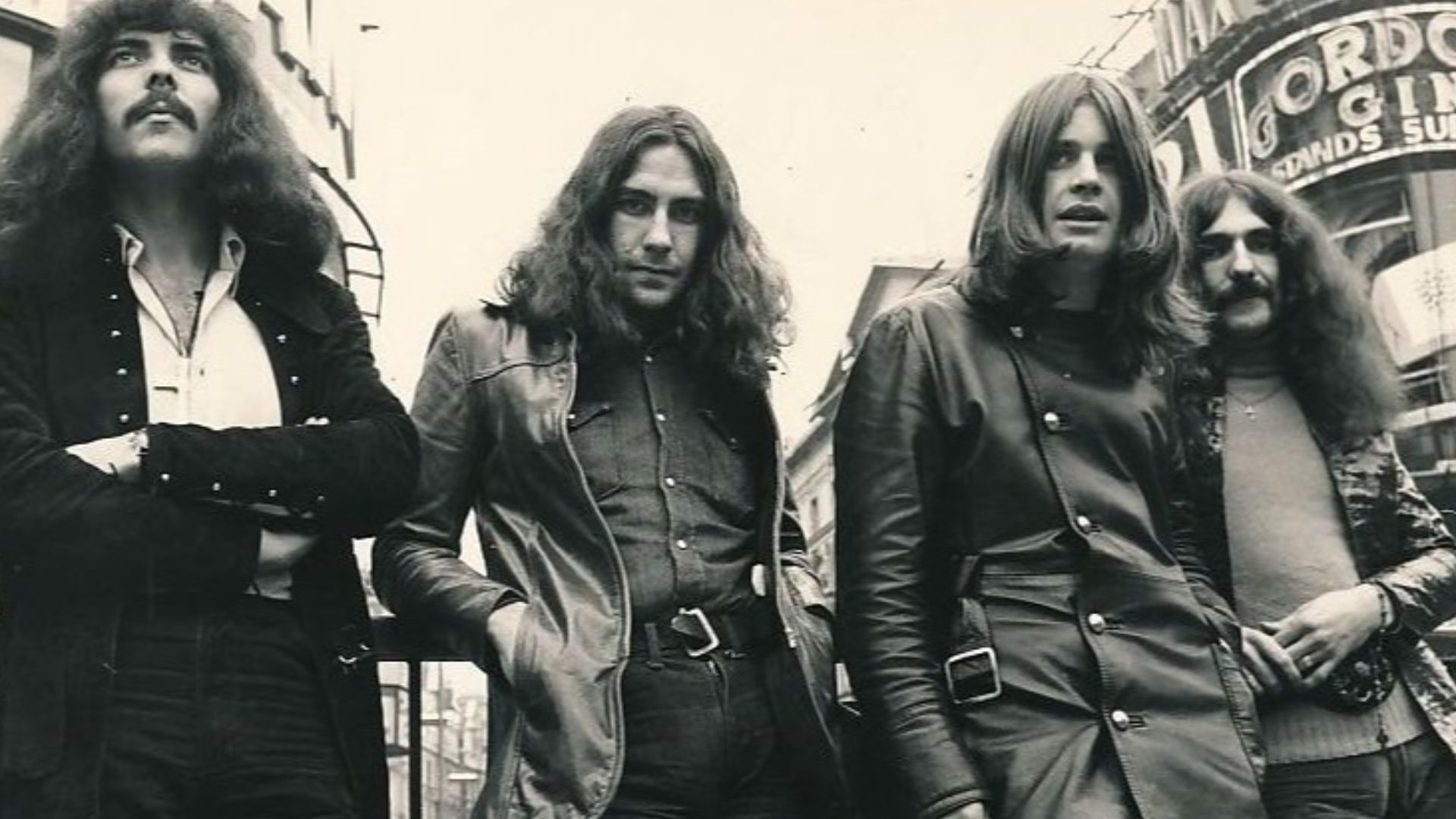 Vertigo Records, Wikimedia Commons
What Could Have Caused It
Investigators revealed the pilot had an expired medical certificate and reportedly cocaine in his system. Some speculated about panic in the cockpit or a heart attack by a passenger, but the official conclusion was simple: reckless low flying. Rhoads, ironically, had reportedly been uneasy about flying that day—he hated small planes.
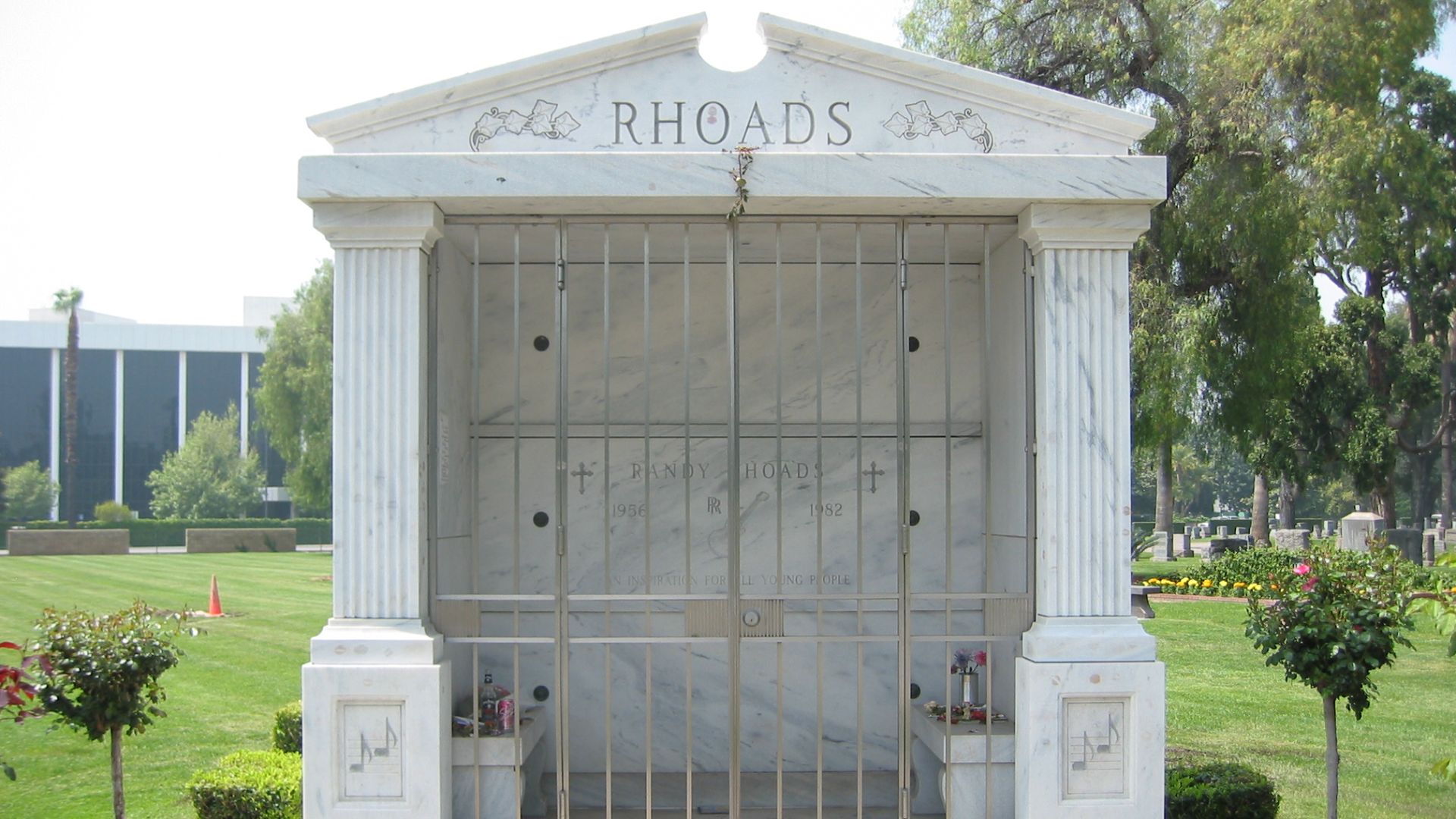
A Talent Gone Too Soon
Rhoads’ death wasn’t just personal tragedy; it was a seismic loss to heavy metal. He had already redefined solos with precision, classical flair, and emotional depth. And at only 25, he was just warming up. The world lost a pioneer whose future innovations will forever remain unknown.
 Unknown authorUnknown author, Wikimedia Commons
The Hole In Ozzy’s Sound—And In Metal’s Soul
For Ozzy Osbourne, Rhoads was more than a guitarist; he was creative partner, lifeline, and friend. After Rhoads’ death, Osbourne’s sound shifted. Though later albums featured great players, none captured the same magic. Heavy metal itself felt the loss: one of its brightest innovators was gone.
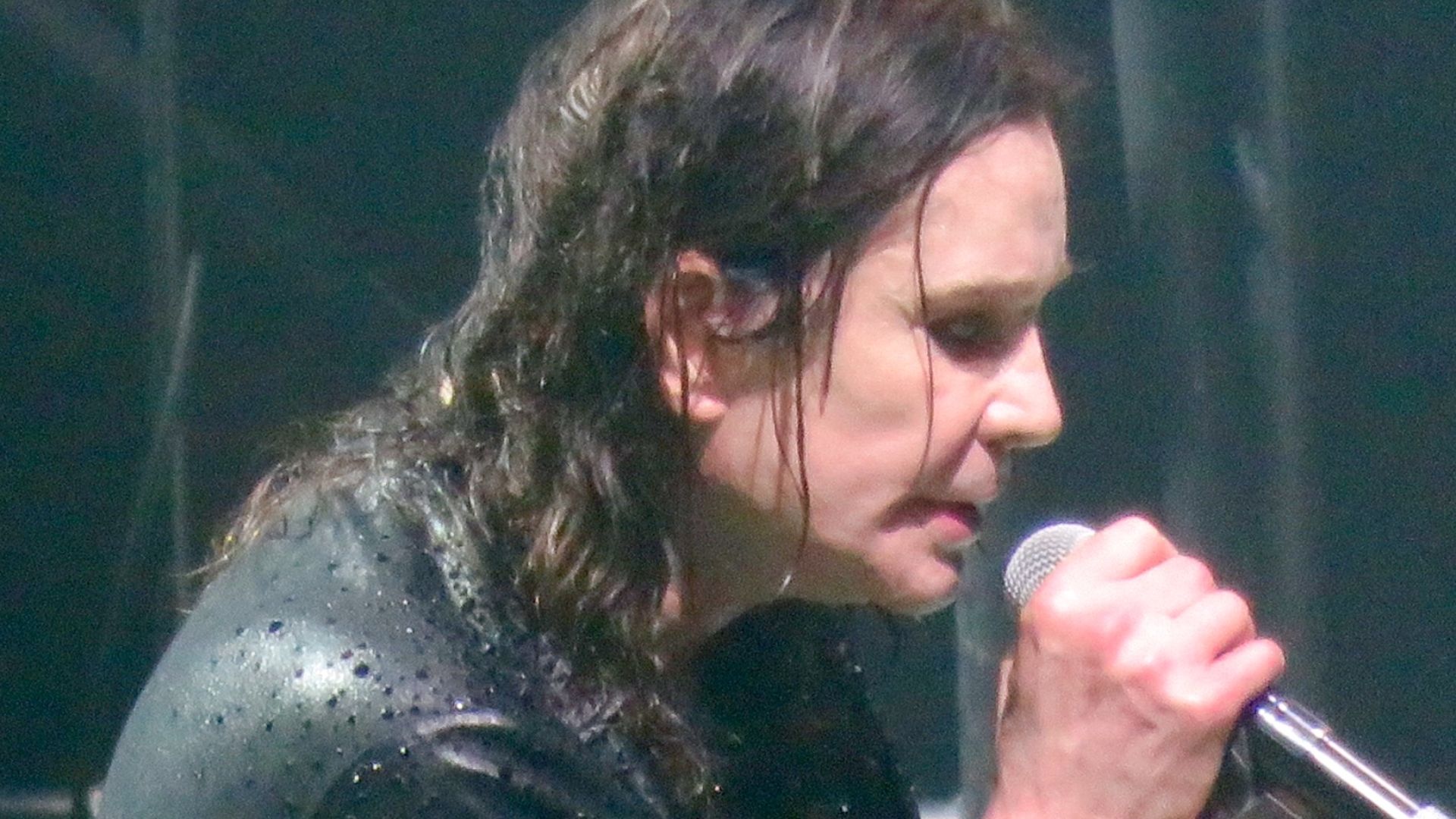
The Birth Of Neoclassical Metal
Rhoads laid the blueprint for neoclassical metal: dramatic arrangements, lightning-fast runs, harmonic minor scales, and classical motifs fused with heavy riffs. Future guitarists like Yngwie Malmsteen, Jason Becker, and countless shredders followed his path. But without Rhoads leading the charge, the style blossomed differently—brilliant, yes, but missing its founding architect.
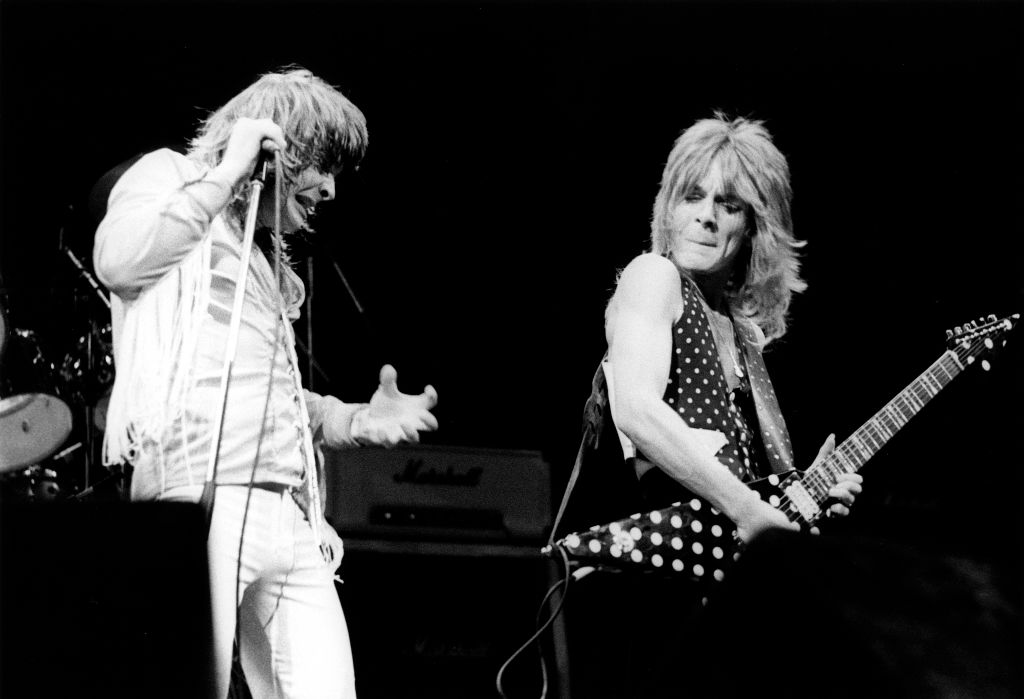
The Industry Reaction: Shock, Mourning, And Moving On
The music world reeled at Rhoads’ death. Tributes poured in; fans held vigils; metal magazines immortalized him. But the tour continued—with a new guitarist—only weeks later. Still, nothing felt the same. A sense of “what could have been” lingered over metal for decades.
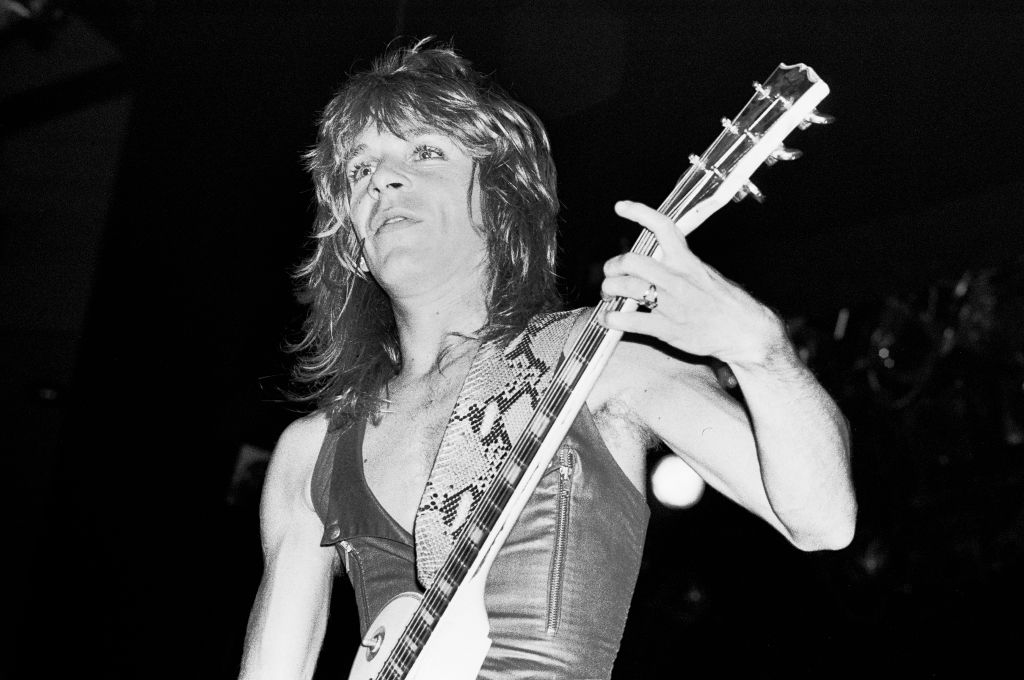
Tribute, Memory, And Legacy
Rhoads’ legacy only grew after death. He became a mythic figure, the gentle, humble guitar genius taken far too soon. Ozzy and Sharon Osbourne kept his memory alive, honoring him constantly. In 2021, Rhoads was inducted into the Rock & Roll Hall of Fame, cementing his immortal status.
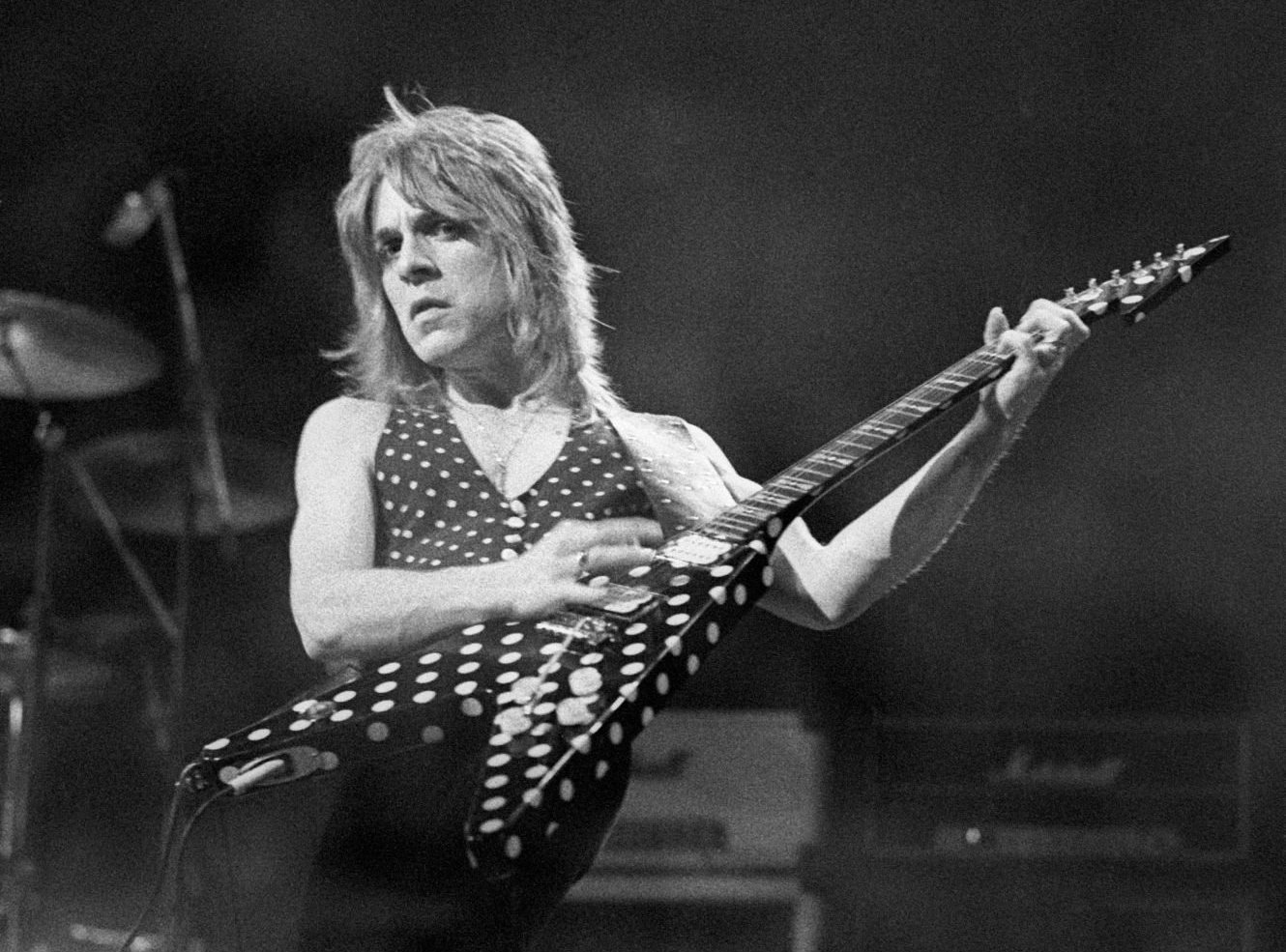
Metal’s “What If?”: Imagining The Path Not Taken
What would metal have become if Rhoads had lived? More classical influence? More melodic depth? More innovation? Fans and musicians will never know. But it’s hard not to imagine a universe where Rhoads pushed the genre to new heights as one of its leading innovators.
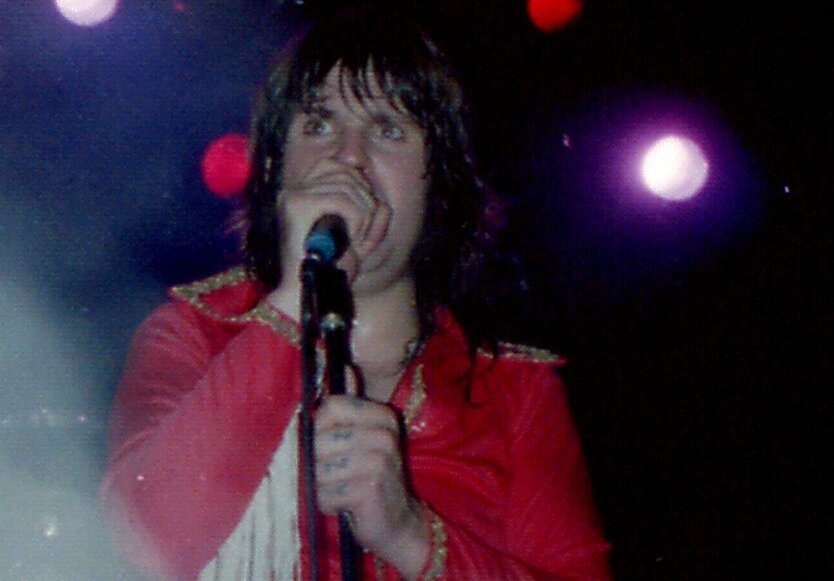 Andrew King, CC BY-SA 2.0, Wikimedia Commons
What Ozzy Lost—And What He Carried Forward
Ozzy Osbourne lost more than a bandmate—he lost a brother. For years, grief shadowed his life and music. But he carried Rhoads’ influence forward, often mentioning him with love, pain, and gratitude. Rhoads didn’t just help Ozzy build a career, he helped shape Ozzy’s soul.
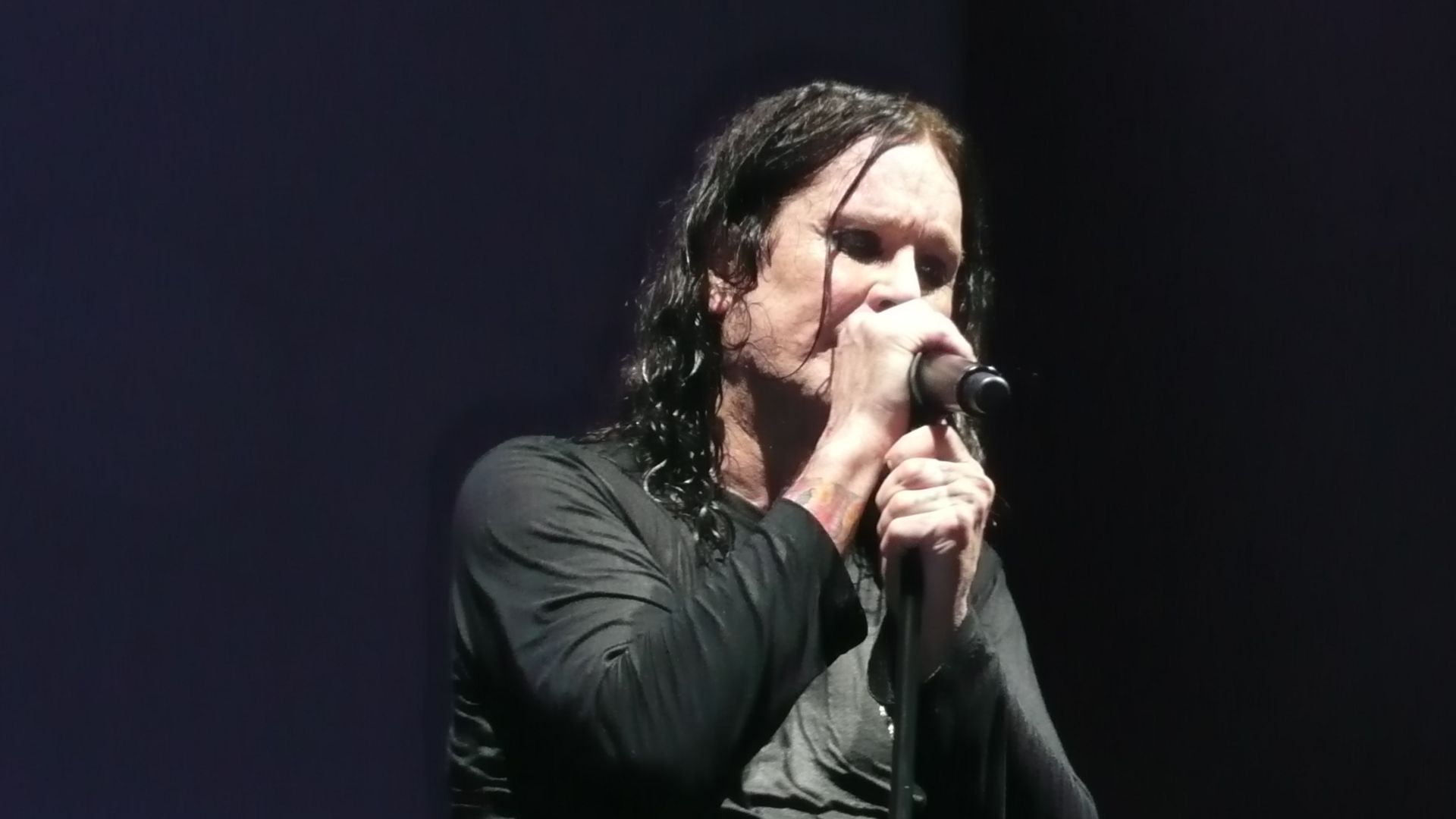 Kyle Overholtzer, Wikimedia Commons
Why Rhoads Still Matters Decades Later
Randy Rhoads proved metal could be beautiful, technical, emotional, and intelligent. Every time a guitarist fuses classical scales with distortion, executes fluid tapping sequences, or creates a soaring solo, they echo Rhoads. His influence pulses through metal’s DNA.
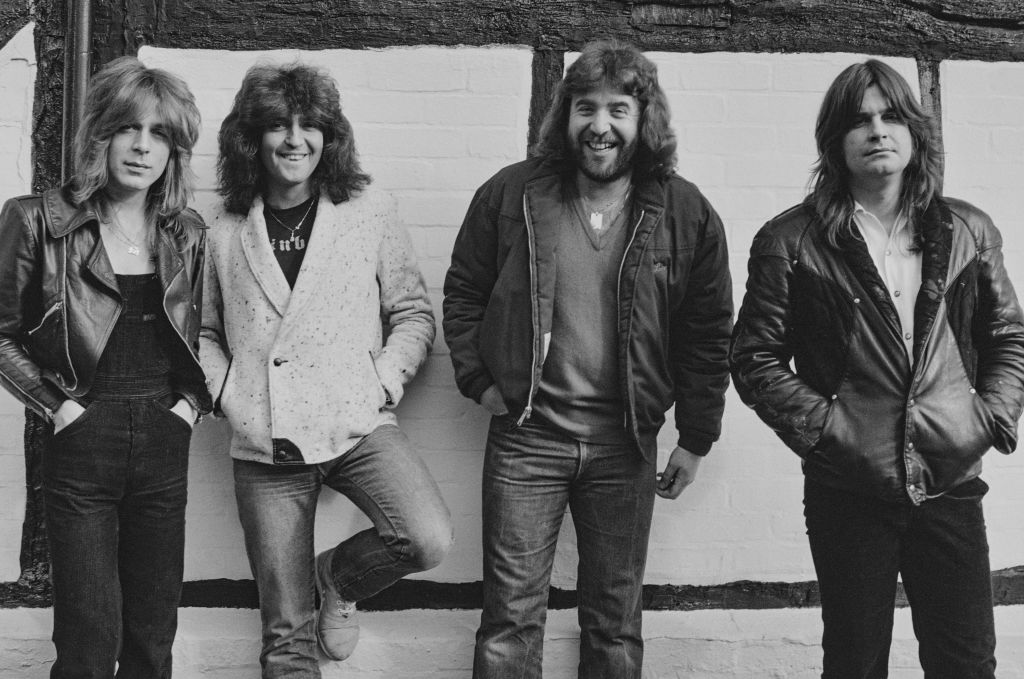 Watal Asanuma/Shinko Music, Getty Images
The Tragedy, The Talent, And The Tenuous Line Between Them
Rhoads’ story is haunting: a brilliant life, ended randomly and violently. But it’s also inspiring. His dedication to practice, humility, passion, and innovation continue to motivate musicians everywhere. His death exposed the dangers of touring life, but his legacy highlights the beauty of musical purpose.
Final Thoughts: A Flash And Forever Echo
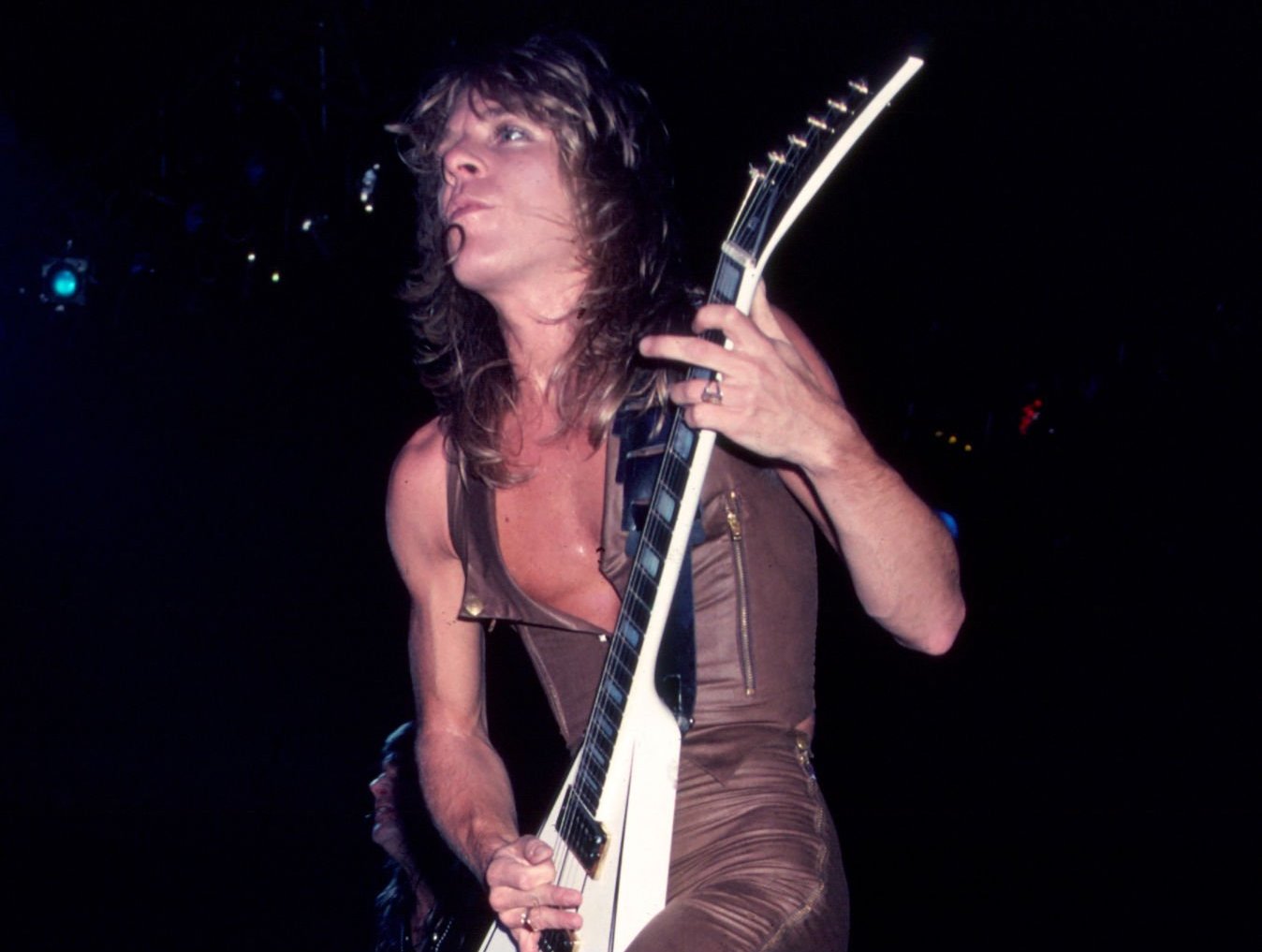
Randy Rhoads lived only 25 years, recorded only a few albums, and toured only a short while. But in that brief time, he changed metal forever. His partnership with Ozzy Osbourne rebuilt a legend. His innovations reshaped guitar history. And though his life ended in fire and tragedy, his music still screams, sings, and soars across generations. Metal has never been the same—and never will be.
You May Also Like:
When Bob Dylan “went electric” in 1965, fans booed, purists fumed—and rock music changed forever.