 When Smoke Became Stardust
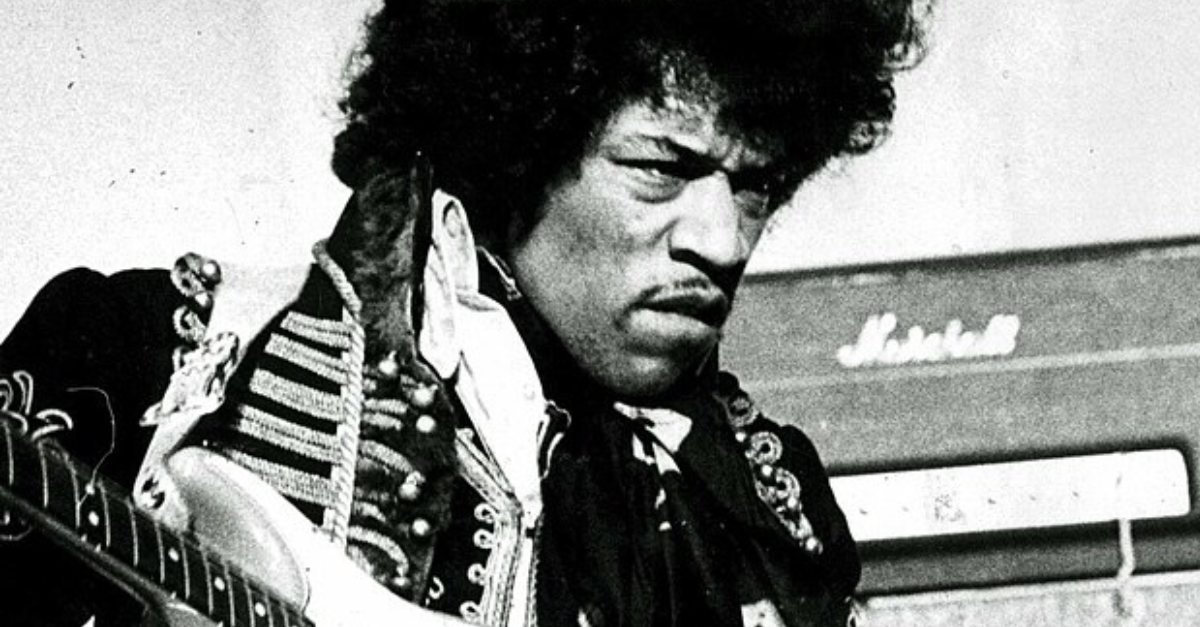
By the summer of 1967, Jimi Hendrix wasn’t just another guitarist—he was a fuse, burning down to a single, explosive moment. His destiny was waiting on a California stage, drenched in sweat, smoke, and distortion. But that night, when Hendrix struck the match and watched his beloved Stratocaster burn, it wasn’t just spectacle. It was rebellion. It was frustration. It was a man saying, “You’ll remember me—even if I have to burn my music alive”.
 Eden, Janine and Jim, Wikimedia Commons
A Star Without A Country
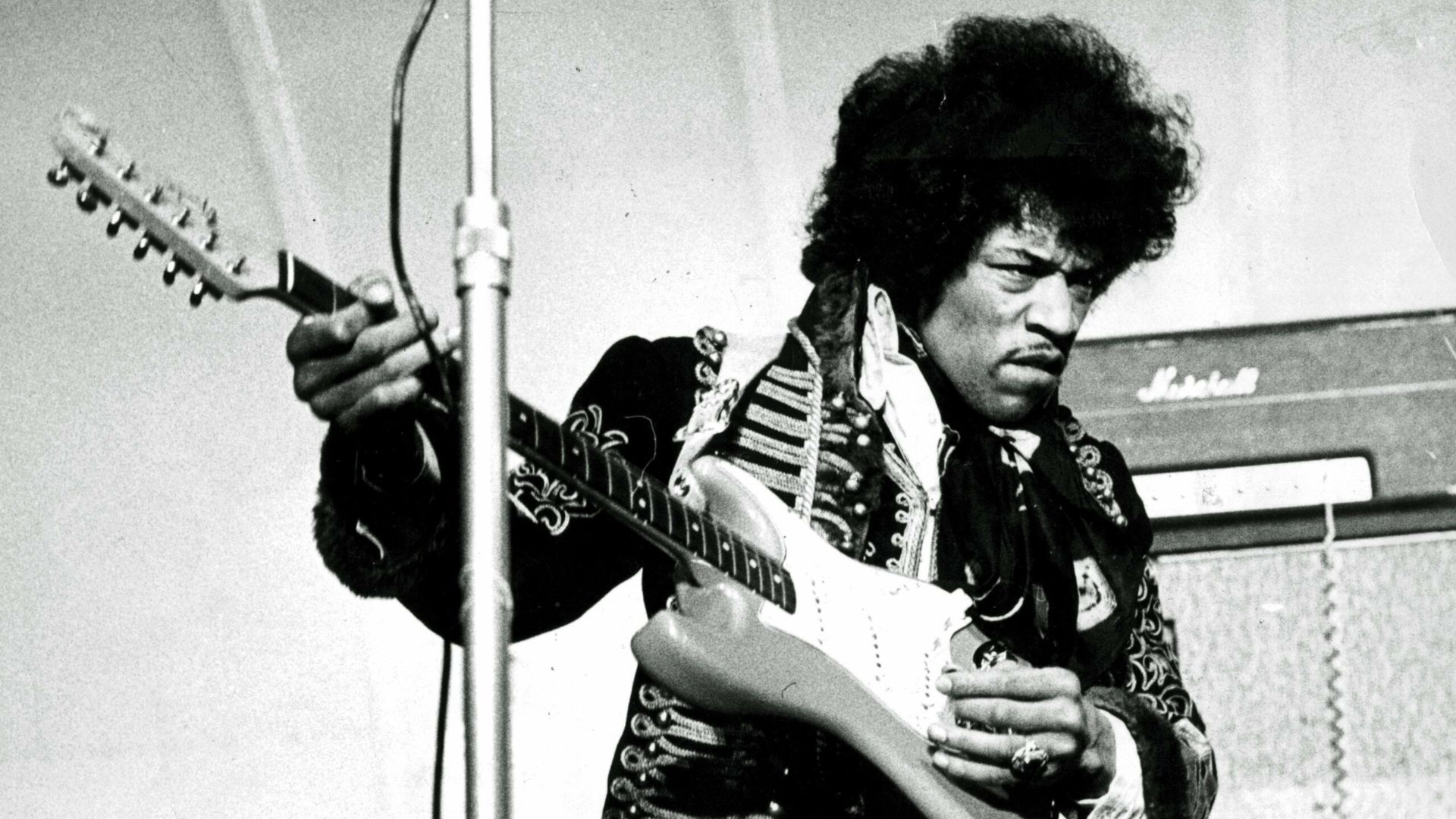
Before the fire, Hendrix was a ghost in his own land. He’d spent years in America playing backup for Little Richard, the Isley Brothers, and other R&B acts who never let him off the leash. His talent terrified them. Too wild. Too free. Too much.
 Original photographer unknown, Wikimedia Commons
The London Resurrection
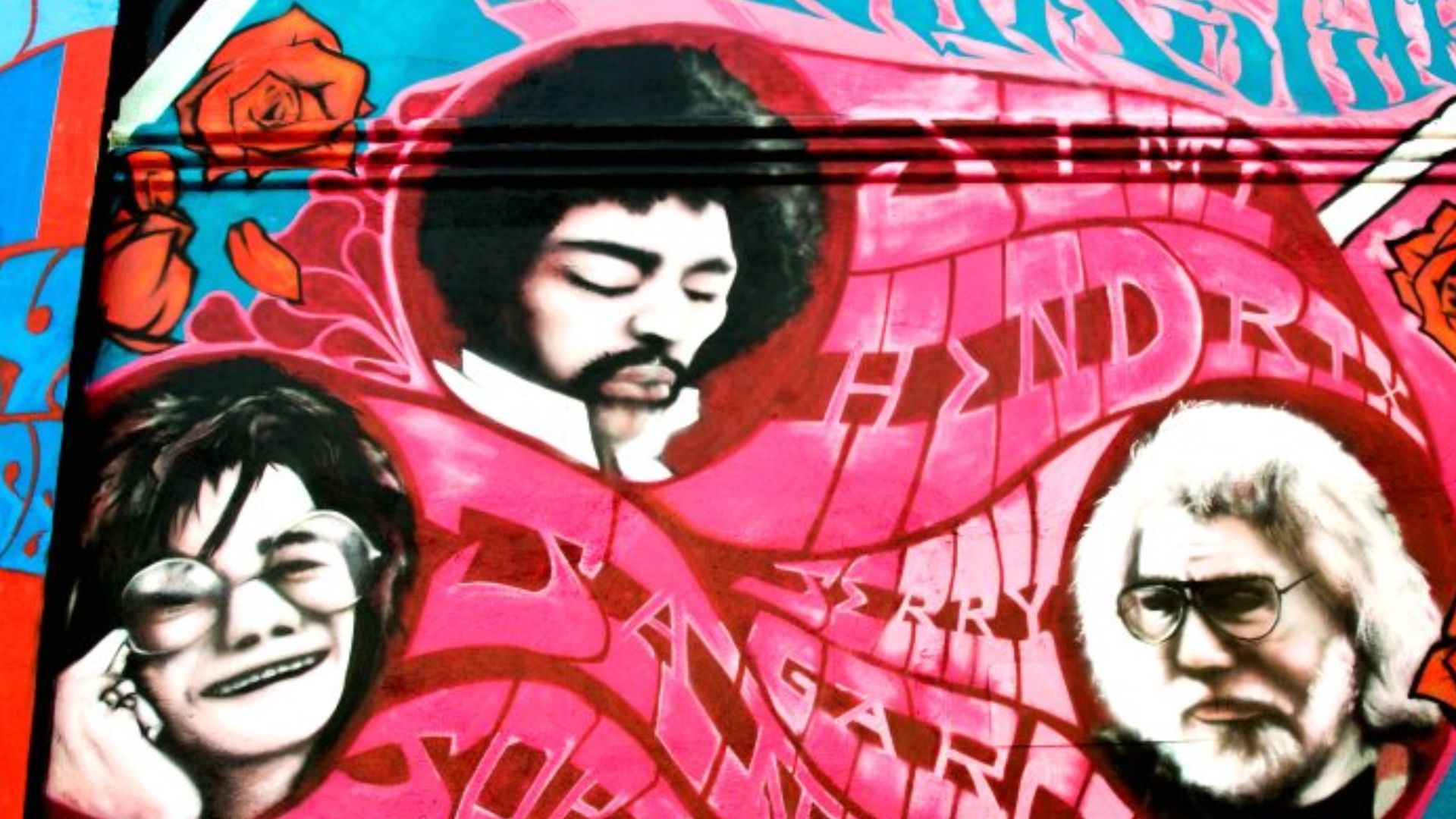
Everything changed when he crossed the Atlantic. In London, he wasn’t too much—he was just enough. Chas Chandler saw in him what America had ignored: a visionary who played guitar like it was an extension of his nervous system. Soon, Hendrix had a band—The Experience—and a reputation that made even the British elite tremble with excitement.
 Tony Fischer, Wikimedia Commons
Coming Home To Prove A Point
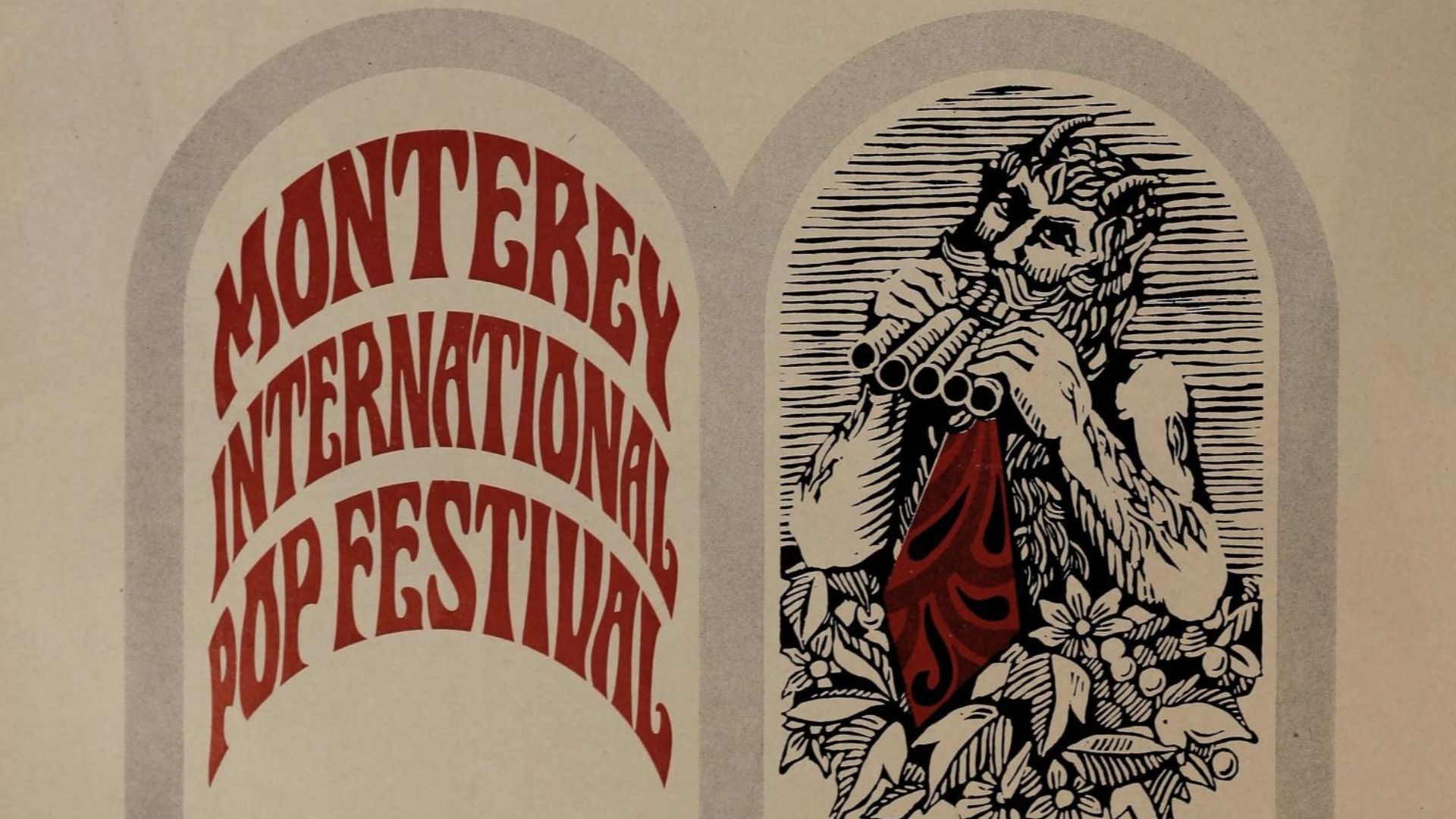
So when Hendrix returned to the United States for the Monterey Pop Festival, it wasn’t nostalgia that brought him back—it was unfinished business. He came to prove that the country that ignored him would now have no choice but to listen.
 Monterey International Pop Festival, Wikimedia Commons
The Rivalry With The Who
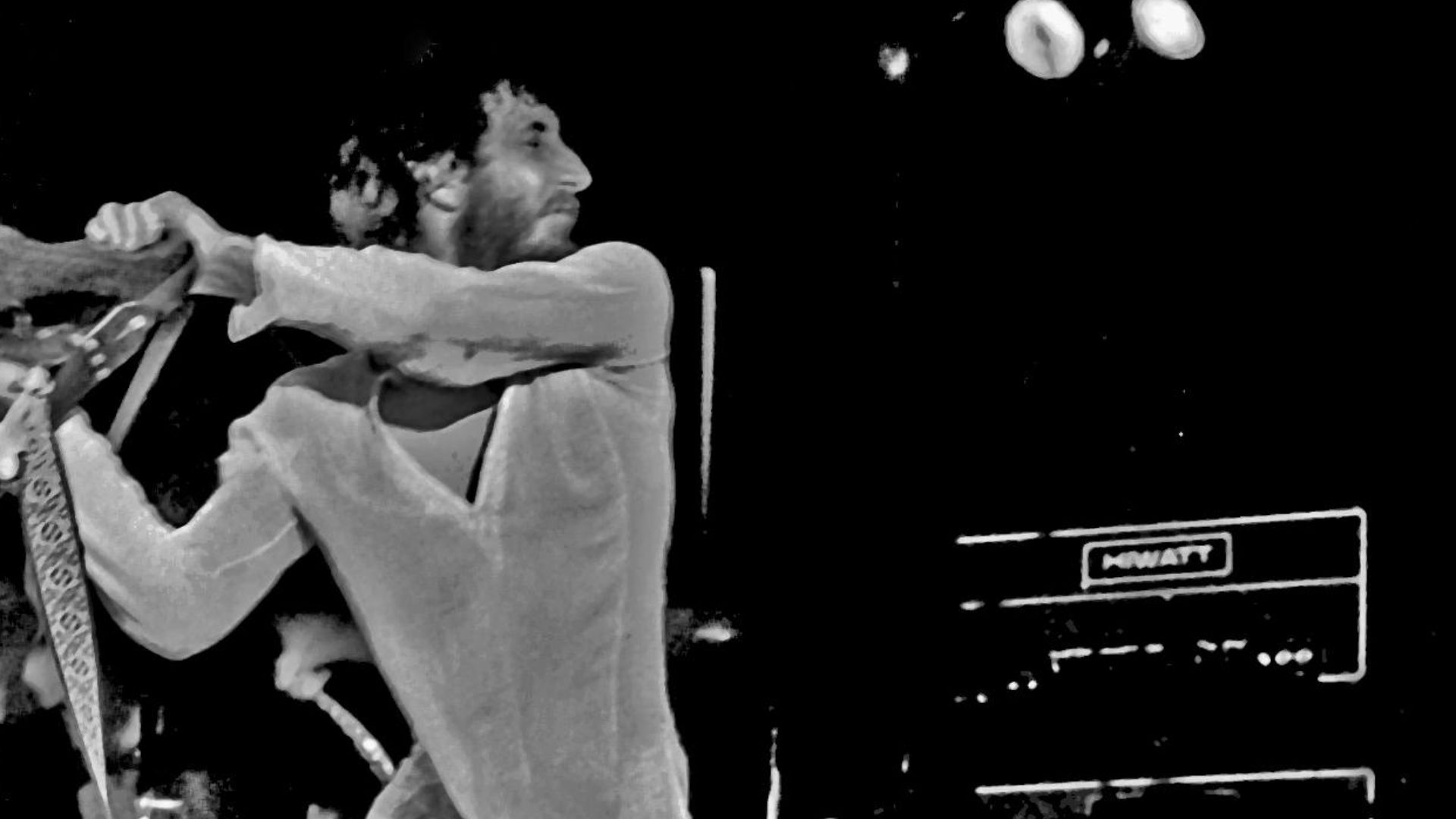
There was only one obstacle: The Who. Pete Townshend’s group had already mastered musical chaos. They smashed guitars, kicked over amps, and made destruction look like art. Hendrix knew the festival was big enough for only one rock god.
 Heinrich Klaffs, Wikimedia Commons
The Infamous Coin Flip
Neither act wanted to follow the other. They both knew whoever went second would have to outdo an apocalypse. A coin was flipped. The Who won. They took the stage, unleashed “My Generation,” and turned their instruments into debris. The crowd went wild. Smoke hung thick in the air. And Hendrix stood backstage, silently plotting.
 Unknown author, Wikimedia Commons
Hendrix Left With Nothing to Lose
He couldn’t just walk out and play “Hey Joe.” Not after that. He needed something that went beyond sound—something mythic. This was his homecoming, and he refused to be overshadowed by a band from England.
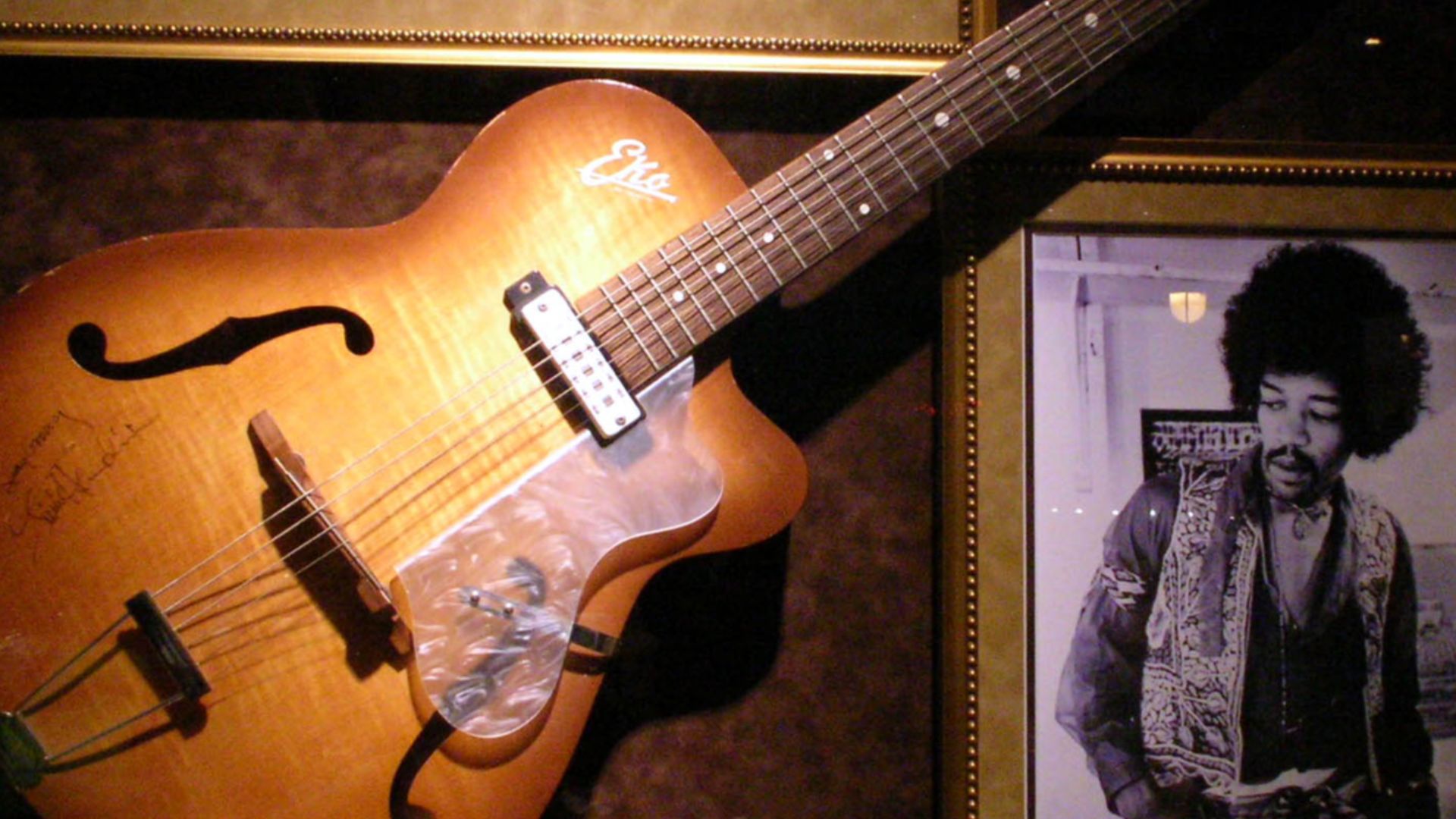 Derral Chen, Wikimedia Commons
Searching for Fire
As the Grateful Dead meandered through their set, Hendrix wandered backstage like a man possessed, searching for lighter fluid. When someone asked what he was doing, he said it plainly: “You sacrifice things you love. I love my guitar”.
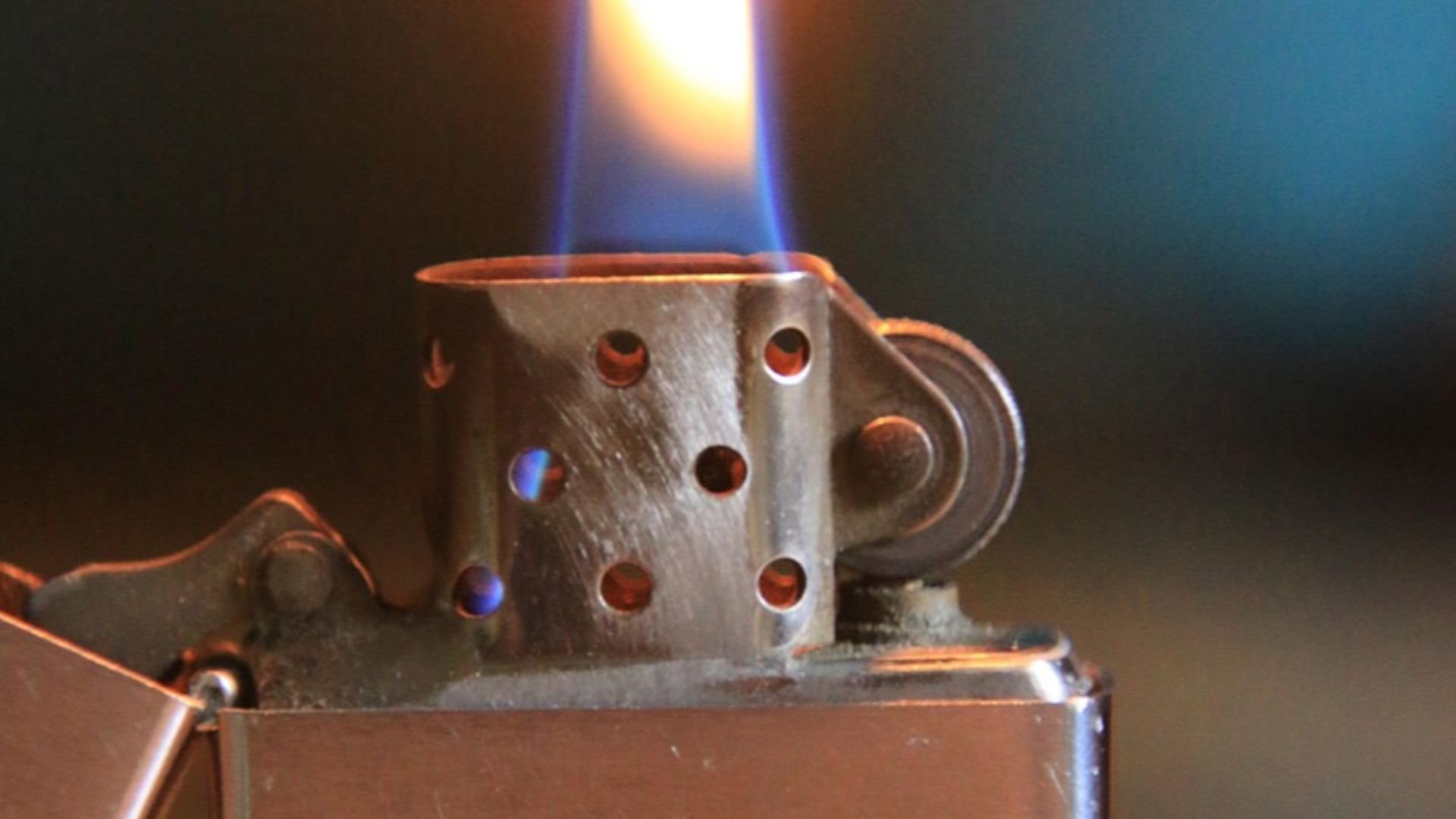
The Ritual Begins
Hendrix wasn’t thinking about headlines or photographs. He was thinking about rituals—about fire as an offering to the gods of music. If no one understood his sound, maybe they’d understand his sacrifice.
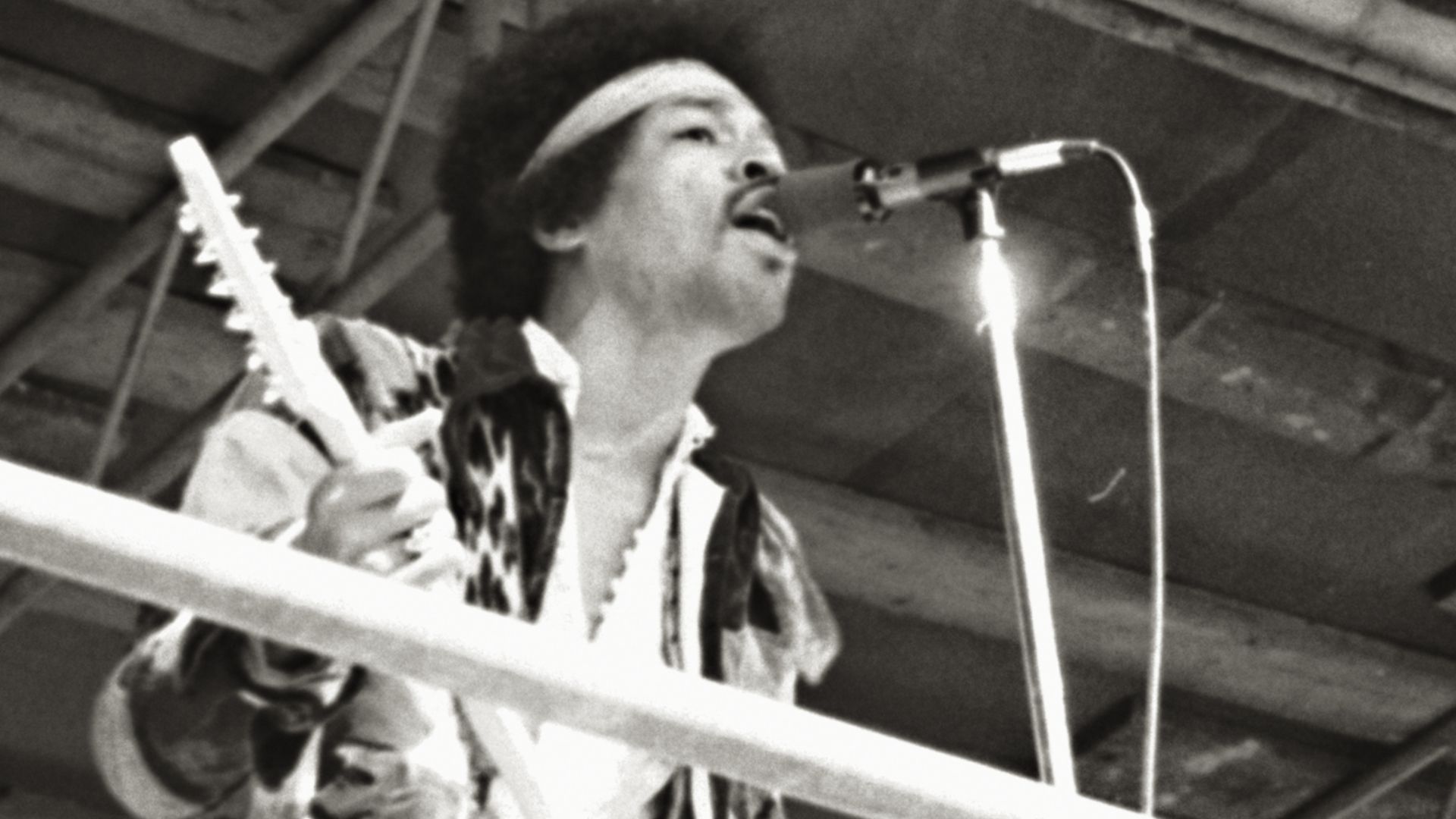 Detlef Hansen, Wikimedia Commons
The Stage Is Set
When The Experience finally took the stage, they looked like aliens dropped into suburbia. Hendrix wore kaleidoscopic colors, his Strat gleamed with psychedelic paint, and the amps loomed like towers ready to fall. The first song, Killing Floor, was a detonation.

Playing Like a Man Possessed
He played behind his back, between his legs, with his teeth. The crowd roared. They’d never seen anyone channel that much electricity through six strings. Every note was both a prayer and a warning He wasn’t performing—he was exorcising something.
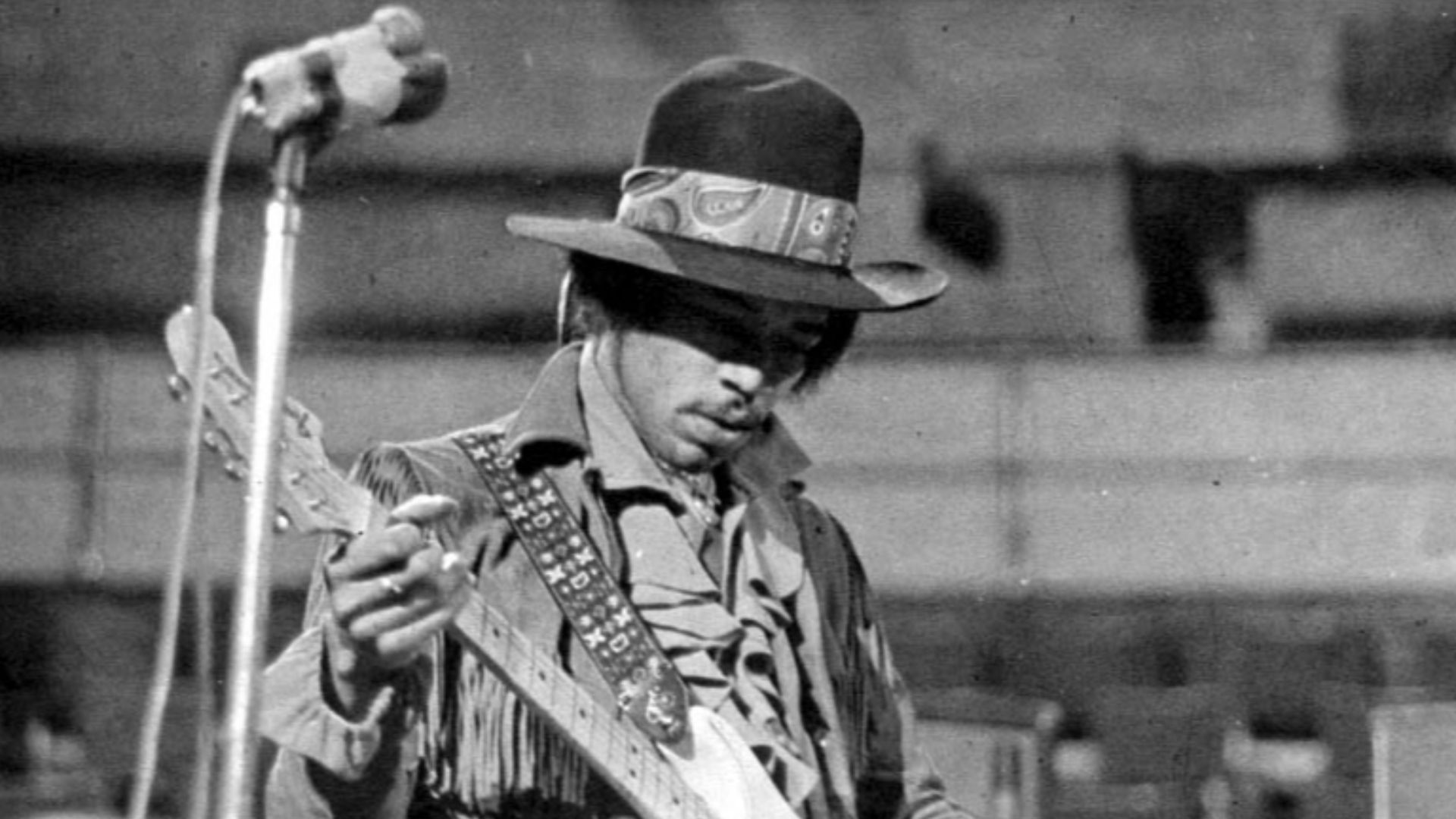 Unknown author, Wikimedia Commons
The Crowd’s Growing Awe
By the time he tore through Hey Joe and Like a Rolling Stone, the audience had stopped blinking. He was part bluesman, part preacher, part trickster spirit. The guitar wailed, and the sky seemed to bend toward the noise.

The Final Song
Then came Wild Thing. The Troggs’ song was simple, almost innocent. Hendrix turned it into a thunderstorm. Drummer Mitch Mitchell hit harder, bassist Noel Redding followed like a heartbeat, and the sound became primal.
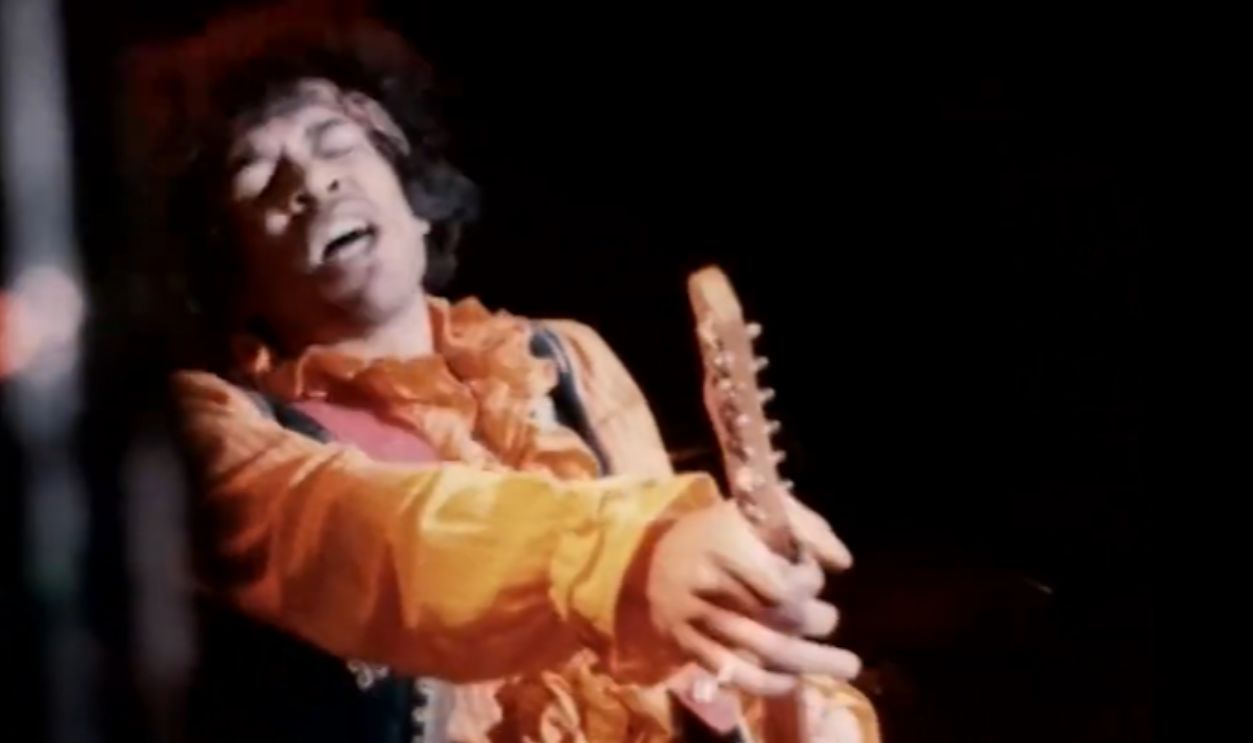
The Moment of the Kiss
As the song reached its frenzied climax, Hendrix dropped to his knees. He whispered something only the guitar could hear. Then, gently, he kissed it. That kiss was the calm before the inferno.
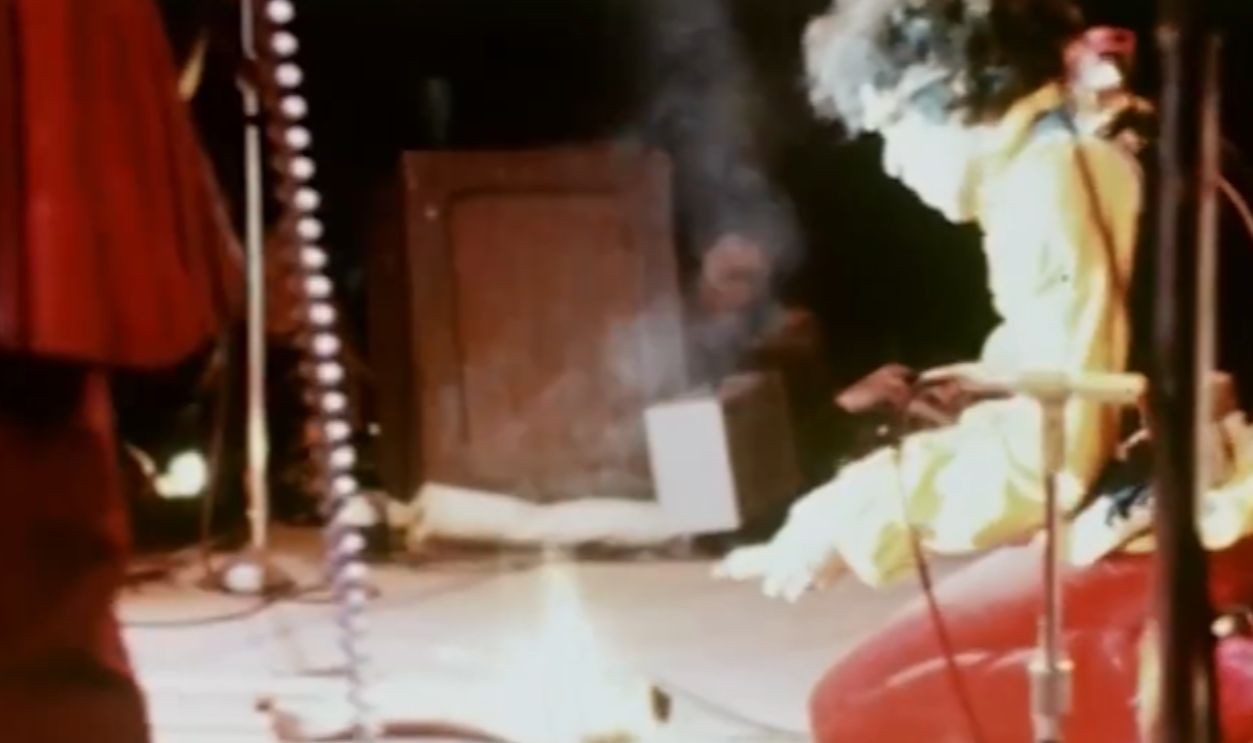
Fire and Fury
He poured the lighter fluid over the instrument and struck a match. For one long second, nothing happened. Then the stage erupted in orange. The flames wrapped around the guitar’s neck like a living thing. Hendrix stared into it, his face glowing in the firelight. It was both terrifying and beautiful.
 Yann SEGALEN, Wikimedia Commons
Sacrificing the Sound
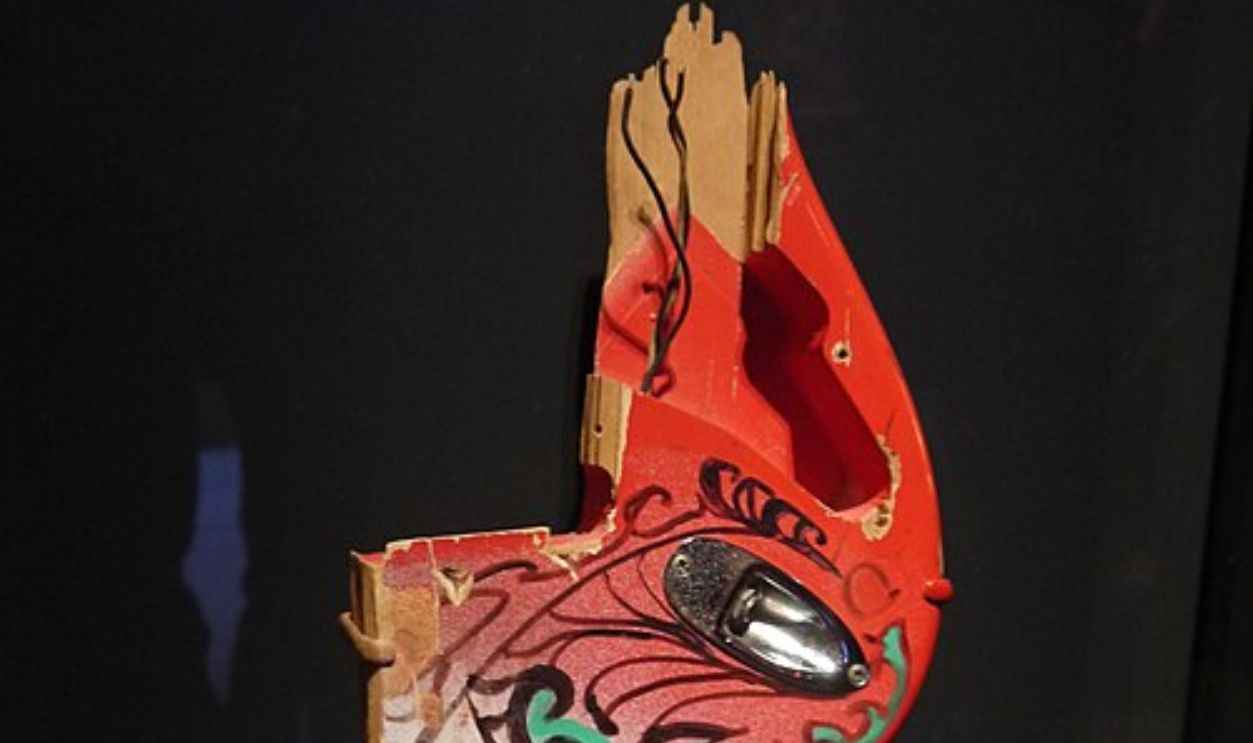
He smashed the burning guitar into the stage until its body splintered. Each hit echoed like thunder. When it finally broke apart, Hendrix stood, tossed the remains into the crowd, and walked off as smoke curled behind him. The ritual was complete.
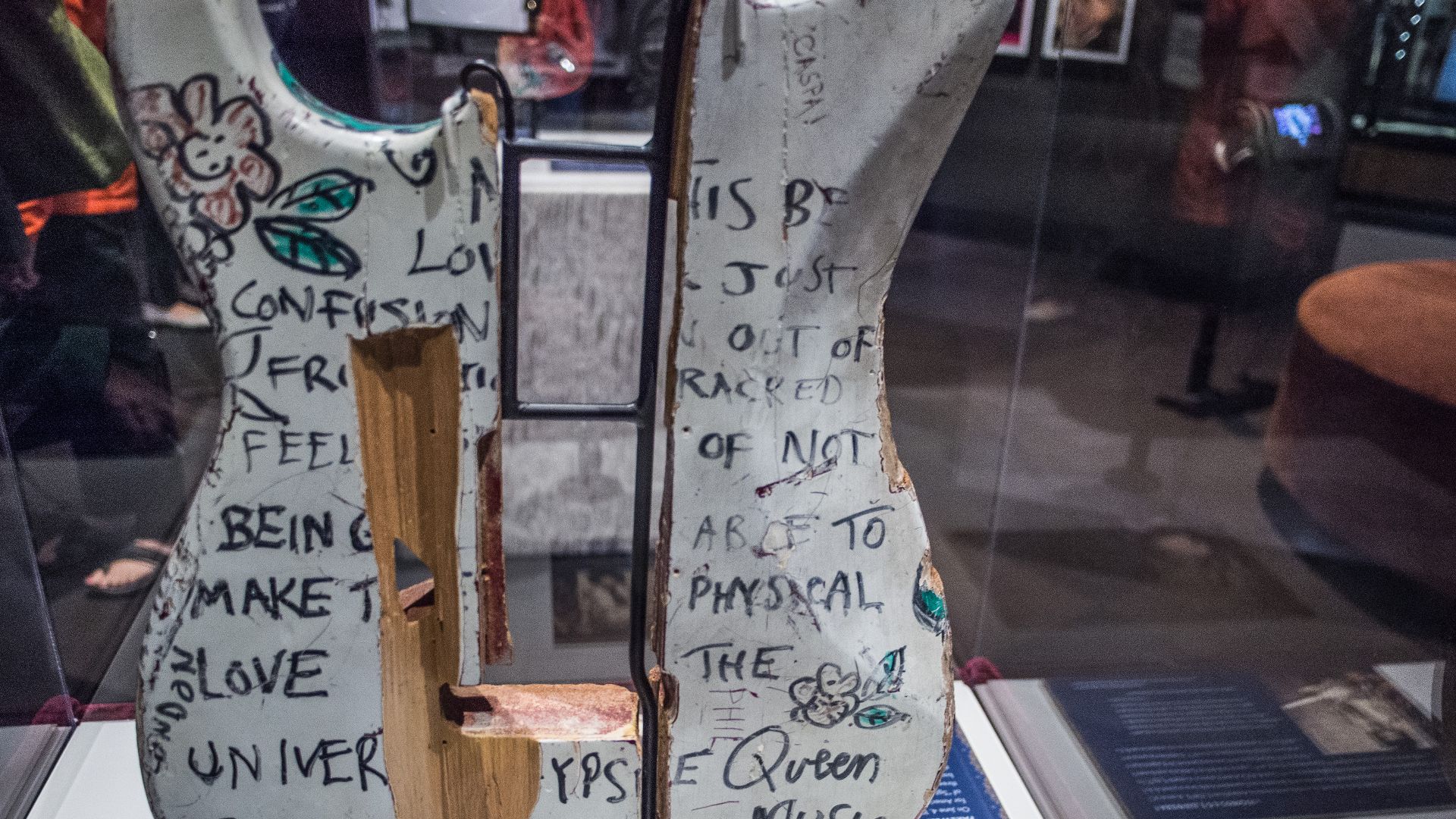 Roland Tanglao from Vancouver, Canada, Wikimedia Commons
The Crowd’s Shock and Awe
The audience went berserk. Some screamed. Some stood in stunned silence. Everyone knew they had witnessed something sacred—a communion between genius and madness.

From Outsider to Icon
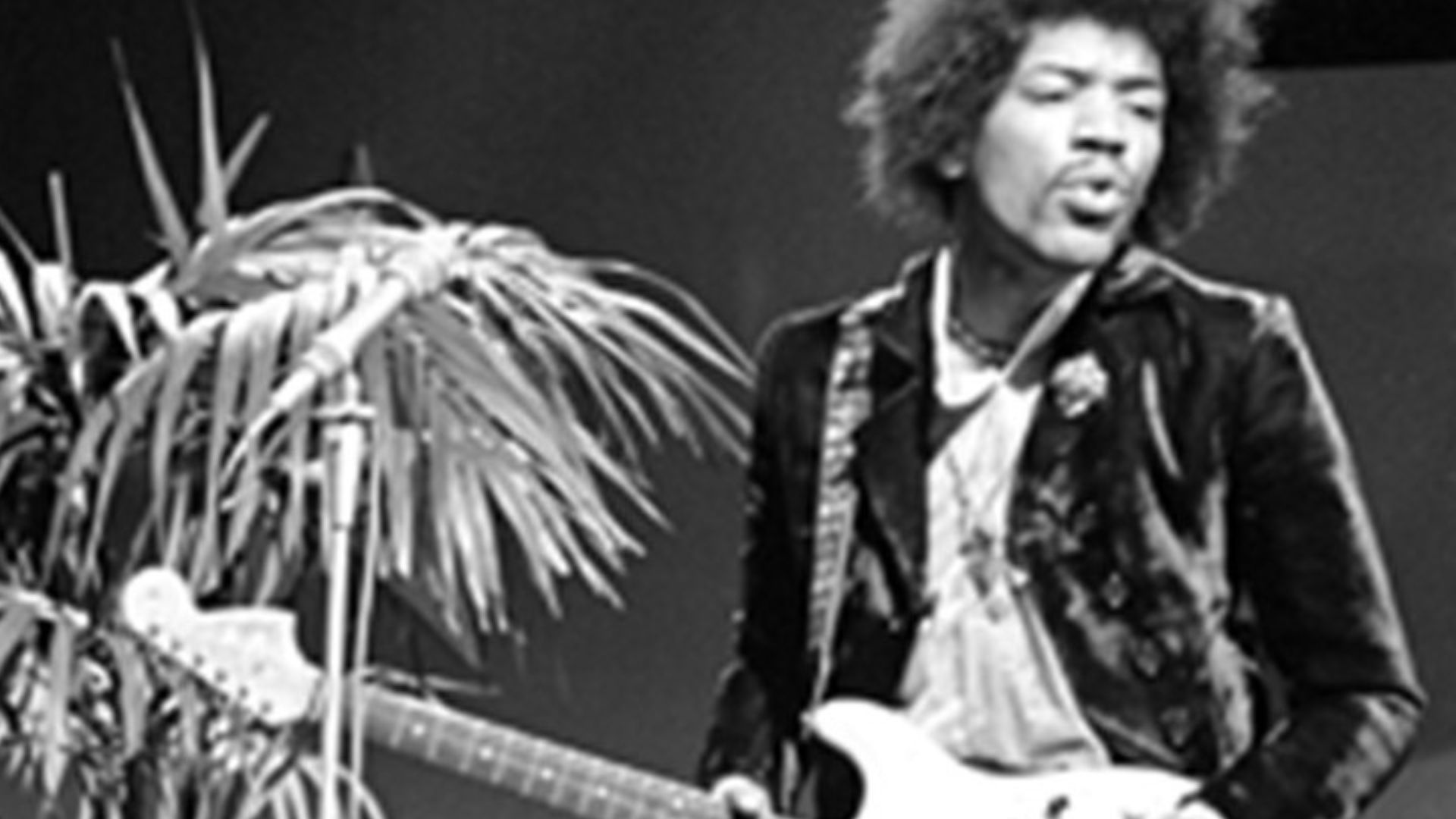
That night transformed everything. Hendrix was no longer the unknown guitarist from the R&B circuit. He was the rock god. Within weeks, The Jimi Hendrix Experience went from openers to headliners, booked at every major venue in the country.
 A. Vente (VPRO), Wikimedia Commons
The Aftermath of Monterey
Soon, Hendrix was sharing bills with The Monkees (a combination that confused everyone) and topping charts worldwide. But fame came too fast, and the cracks began to show. The pressure to keep shocking the world became unbearable.
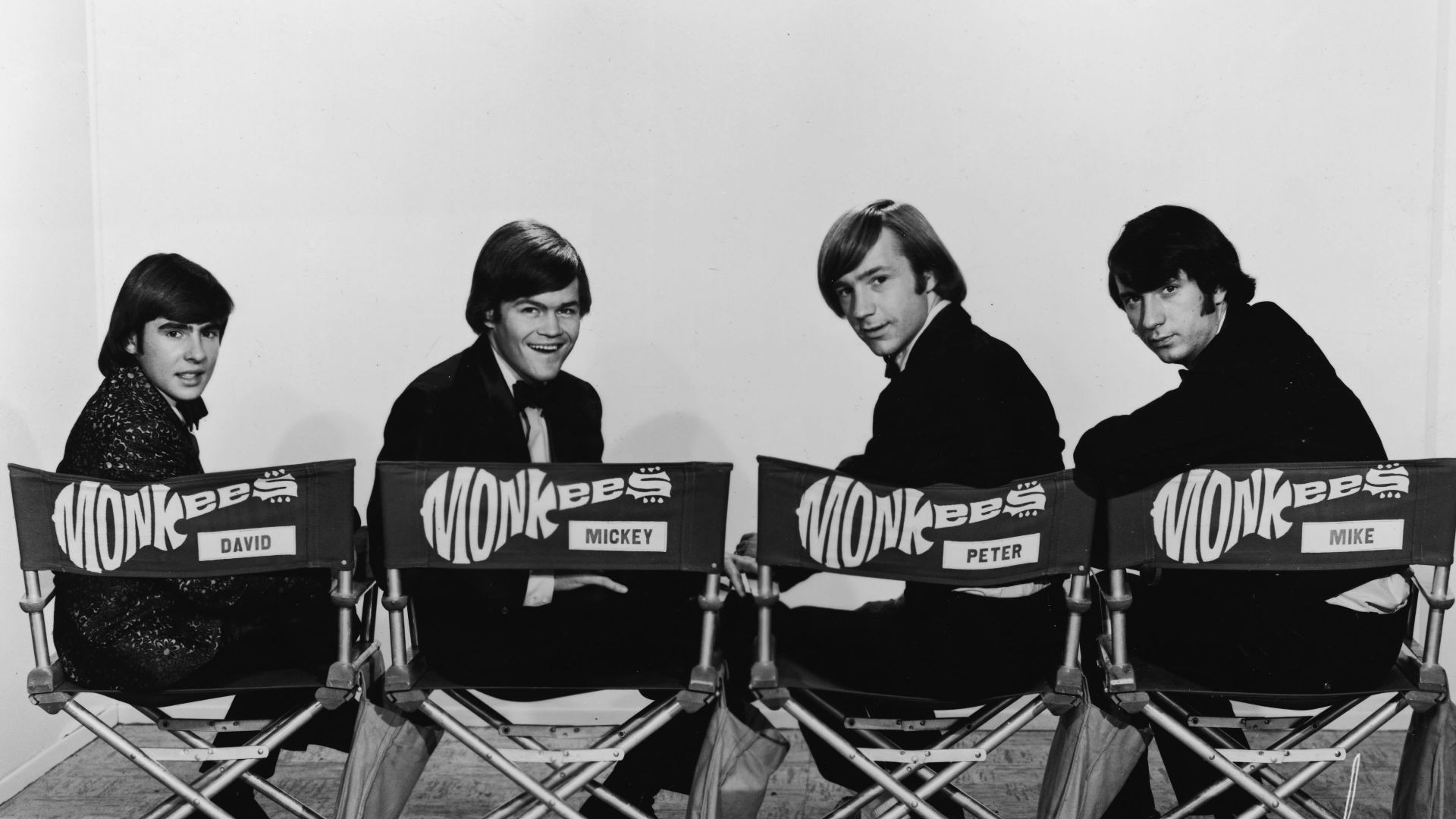 Entertainment International, Wikimedia Commons
Fame’s Double-Edged Sword
Hendrix had become what he once fought against—an image, a brand, a spectacle. The industry wanted the flames, not the man. He burned so brightly that it became impossible not to fade.
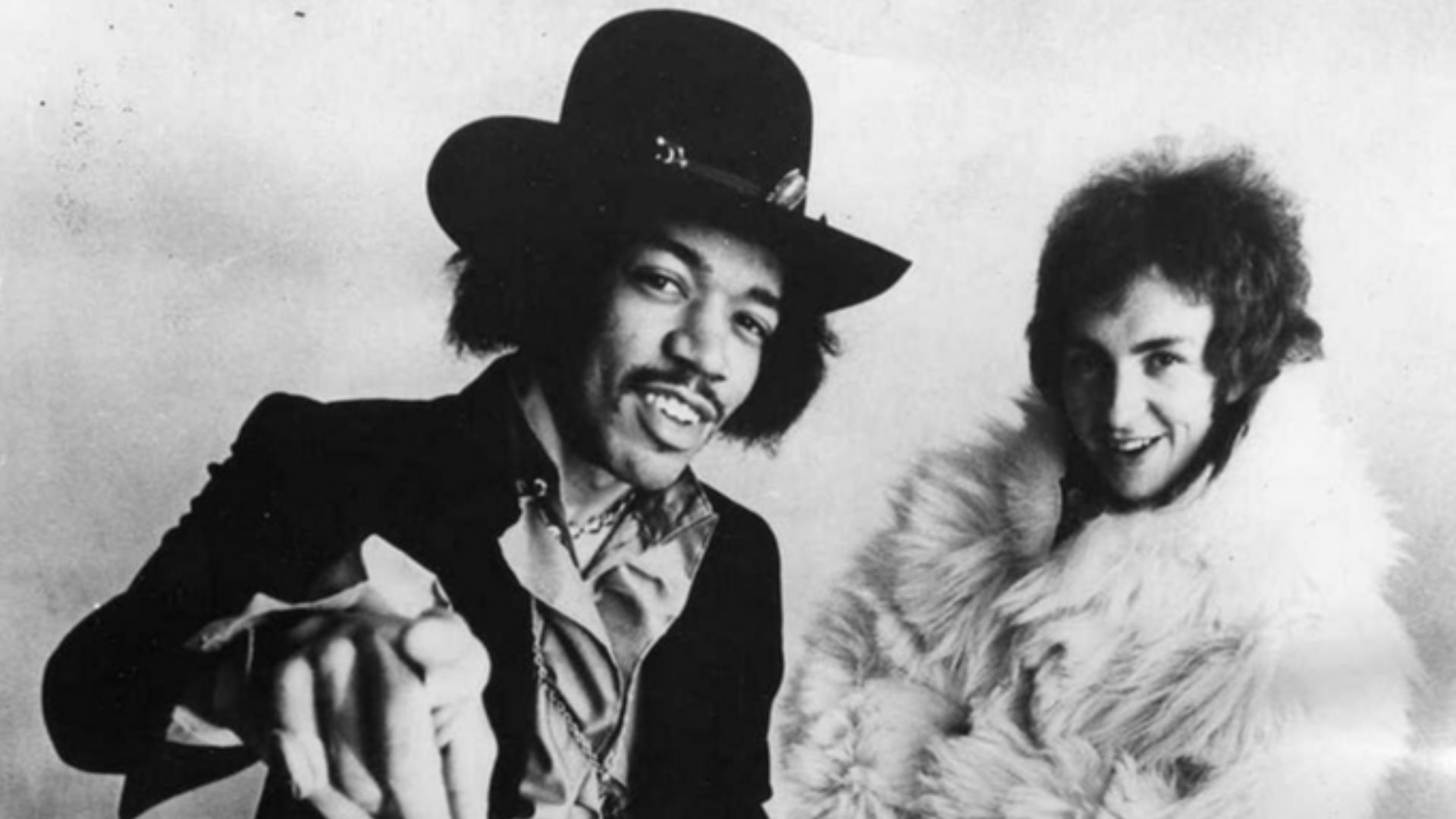 Warner/Reprise Records Uploaded by We hope at en.wikipedia, Wikimedia Commons
The Legacy of the Flame
Still, that single act—kneeling before a burning guitar—became the defining image of the 1960s. It wasn’t just rebellion; it was transcendence. He’d taken pain, alienation, and genius and turned them into light. He showed that destruction, in the right hands, could be art.
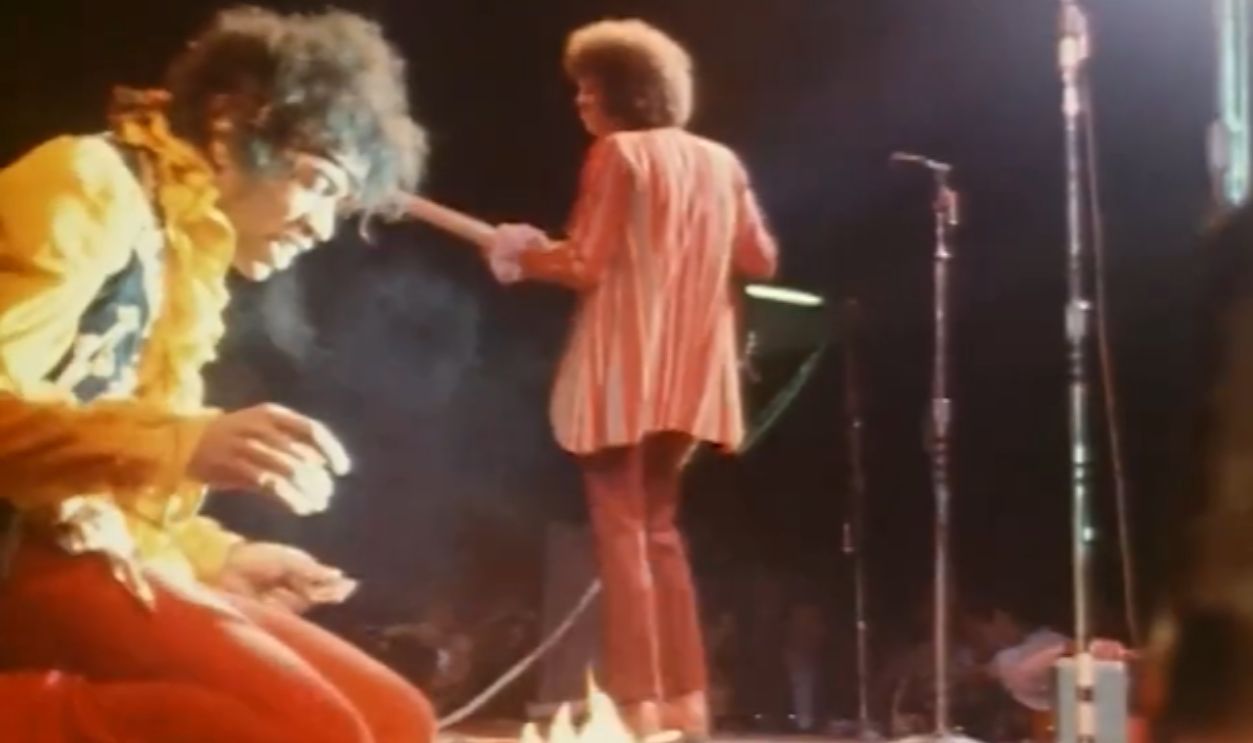
The Eternal Burn
Nearly sixty years later, that moment still flickers in the collective memory of rock. Hendrix wasn’t trying to shock the world—he was trying to make it feel what he felt. Misunderstood, cornered, and desperate to connect. And so, when he lit that match, he didn’t just burn a guitar. He burned himself into history.
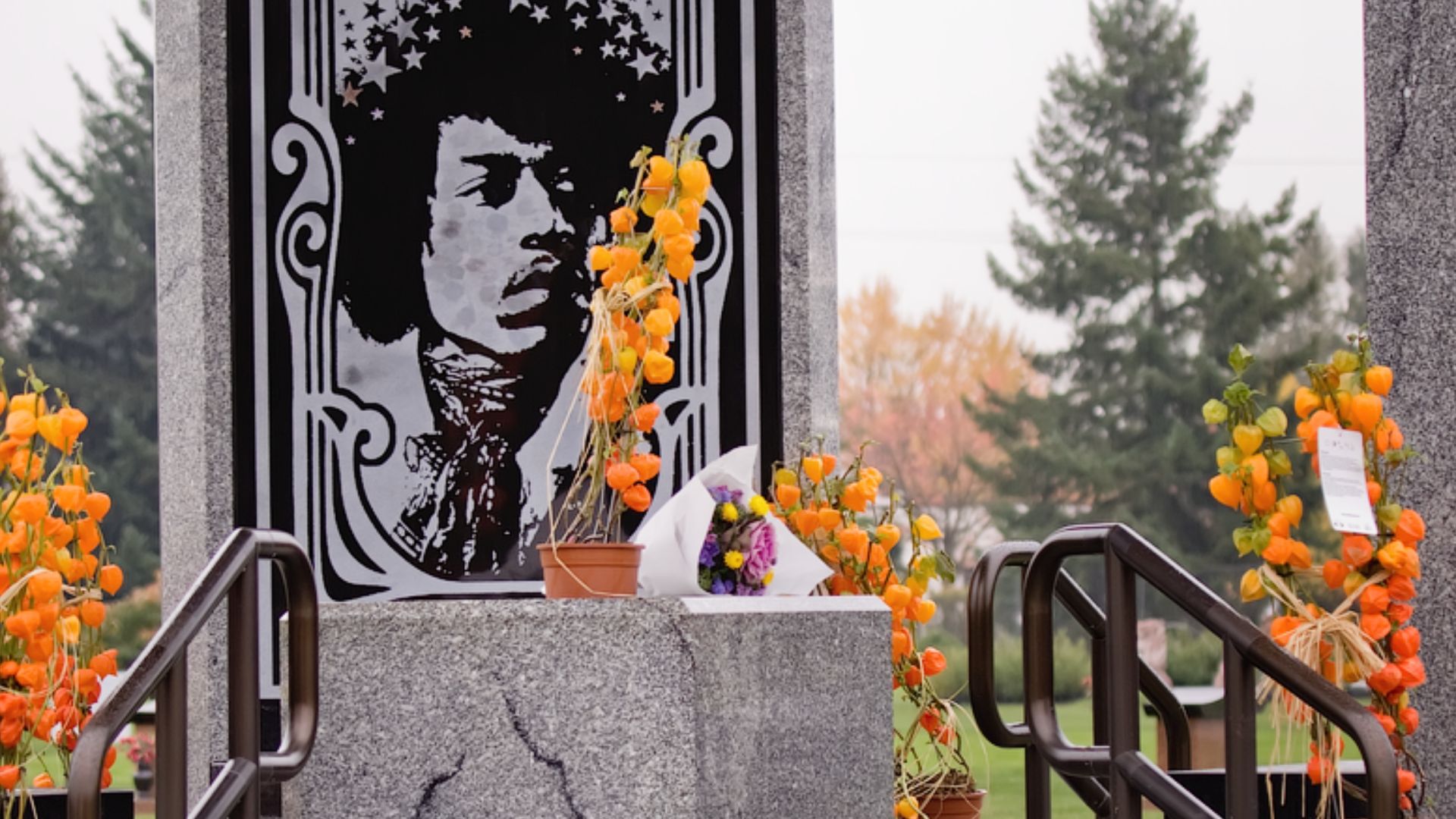 Steven Pavlov, Wikimedia Commons
You May Also Like:
Songs That Completely Defined Political Movements
Live Performances That Became Unforgettable For All The Wrong Reasons
Every New Dad Needs To Listen To These Essential Songs About Fatherhood