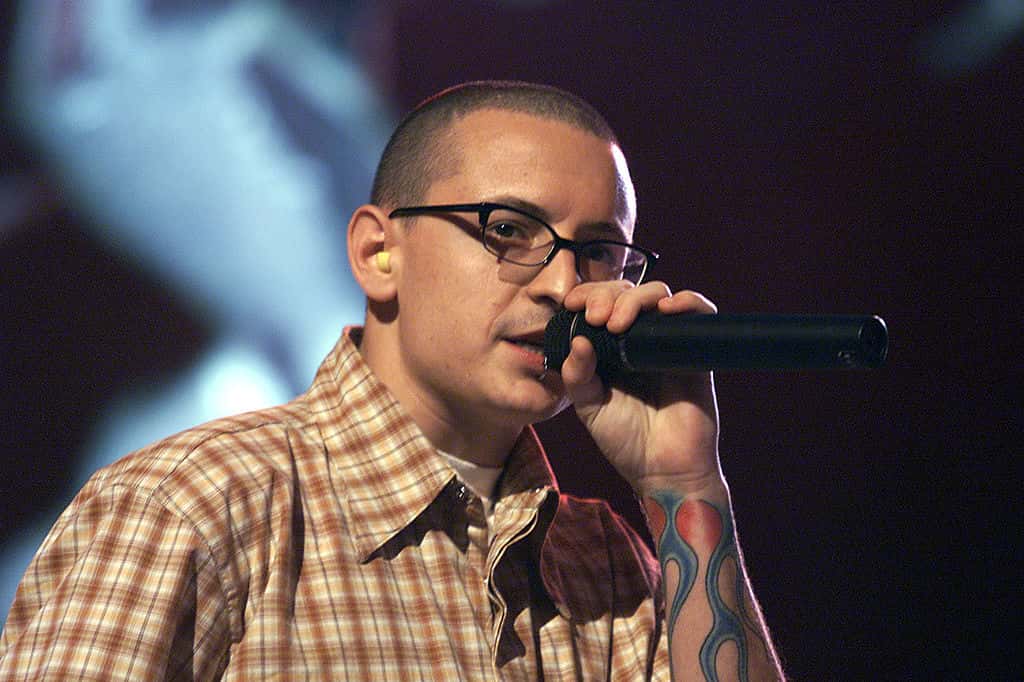
When Genres Collided And Nothing Stayed Clean
Rock and rap were never supposed to get along this well. When distortion met turntables and shouted verses collided with heavy riffs, the results were messy, political, aggressive, and often groundbreaking. ore than just blending genres, these albums challenged audiences, rattled industry norms, and helped create entirely new sounds that still echo today.
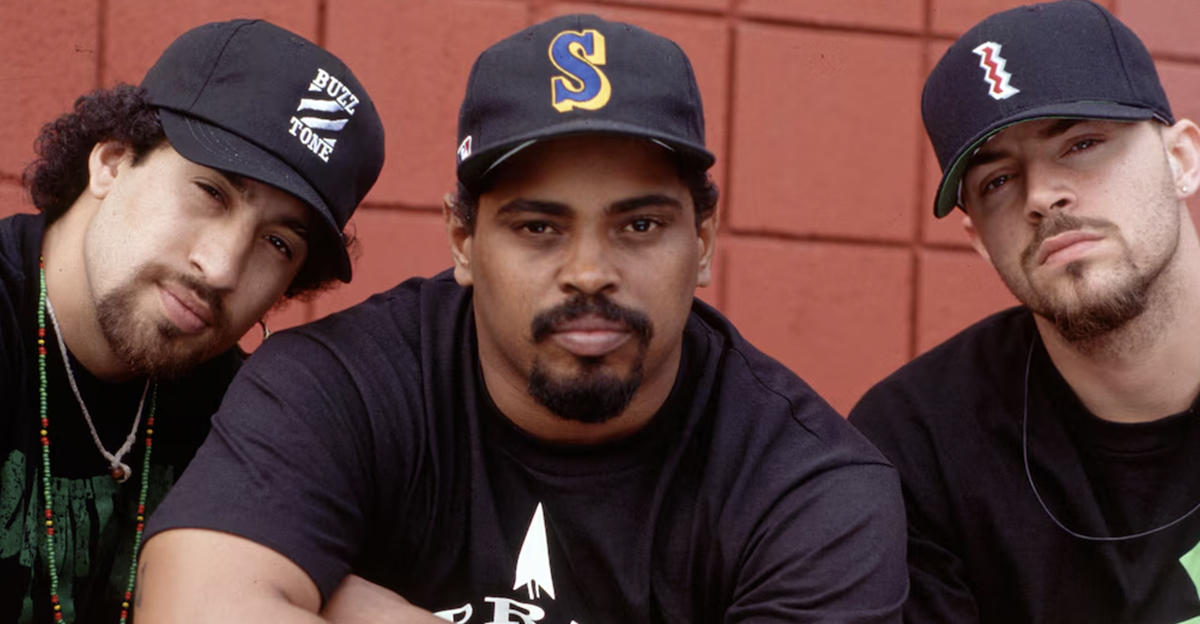
Rage Against The Machine – Rage Against The Machine (1992)
Rage Against The Machine’s debut fused militant rap delivery with crushing guitar riffs and radical politics. Zack de la Rocha’s urgent vocals paired with Tom Morello’s unconventional guitar work created a sound that felt both revolutionary and confrontational. The album became a blueprint for politically charged rap rock.
 Screenshot from Killing in the Name, Epic Records (1992)
Limp Bizkit – Three Dollar Bill, Y’All (1997)
Produced by Ross Robinson, this raw debut leaned heavily into anger, distortion, and chaotic energy. Fred Durst’s aggressive vocals and DJ Lethal’s turntables pushed rap metal toward a more abrasive edge. The album laid the groundwork for Limp Bizkit’s eventual mainstream dominance.
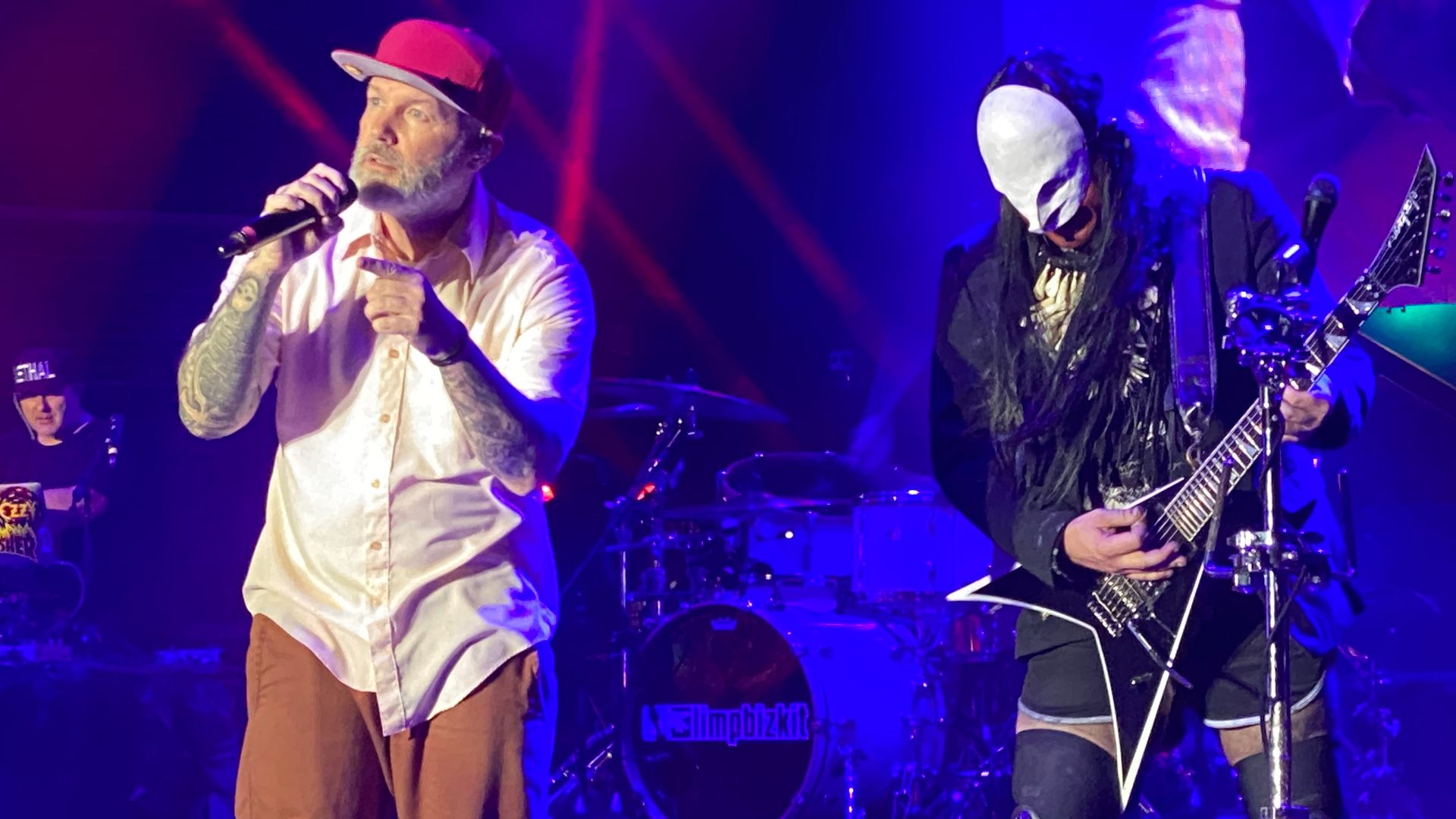 ECarterSterling, Wikimedia Commons
(Hed) P.E. – Broke (2000)
Broke blended punk attitude, metal riffs, rap cadences, and political frustration into a chaotic mix. The album rejected polish in favor of urgency, reflecting turn-of-the-millennium disillusionment while pushing rap rock into more underground, anti-establishment territory.
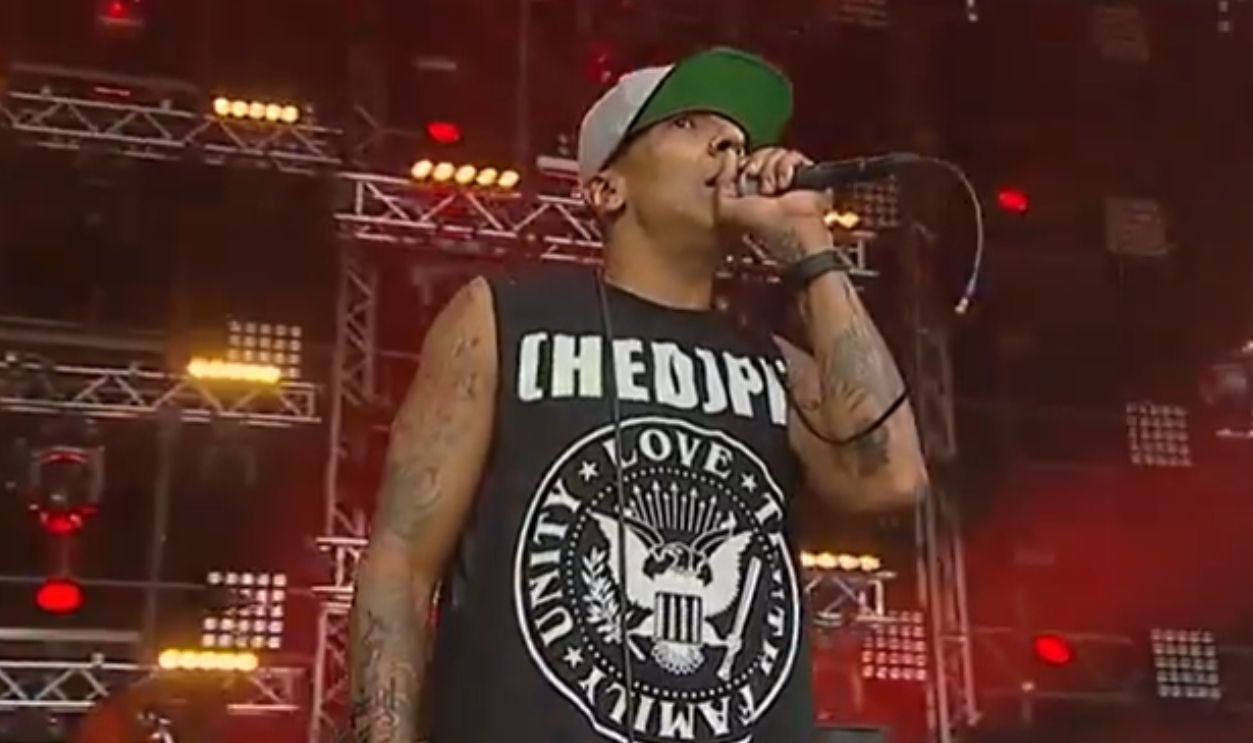 Screenshot from Bartender, Jive Records (2000)
Jay-Z And Linkin Park – Collision Course (2004)
Born from a live mashup performance, Collision Course merged Jay-Z’s verses with Linkin Park’s nu-metal hits. The collaboration felt surprisingly natural and became a commercial success, introducing rap rock hybrids to audiences who might not have otherwise crossed genre lines.
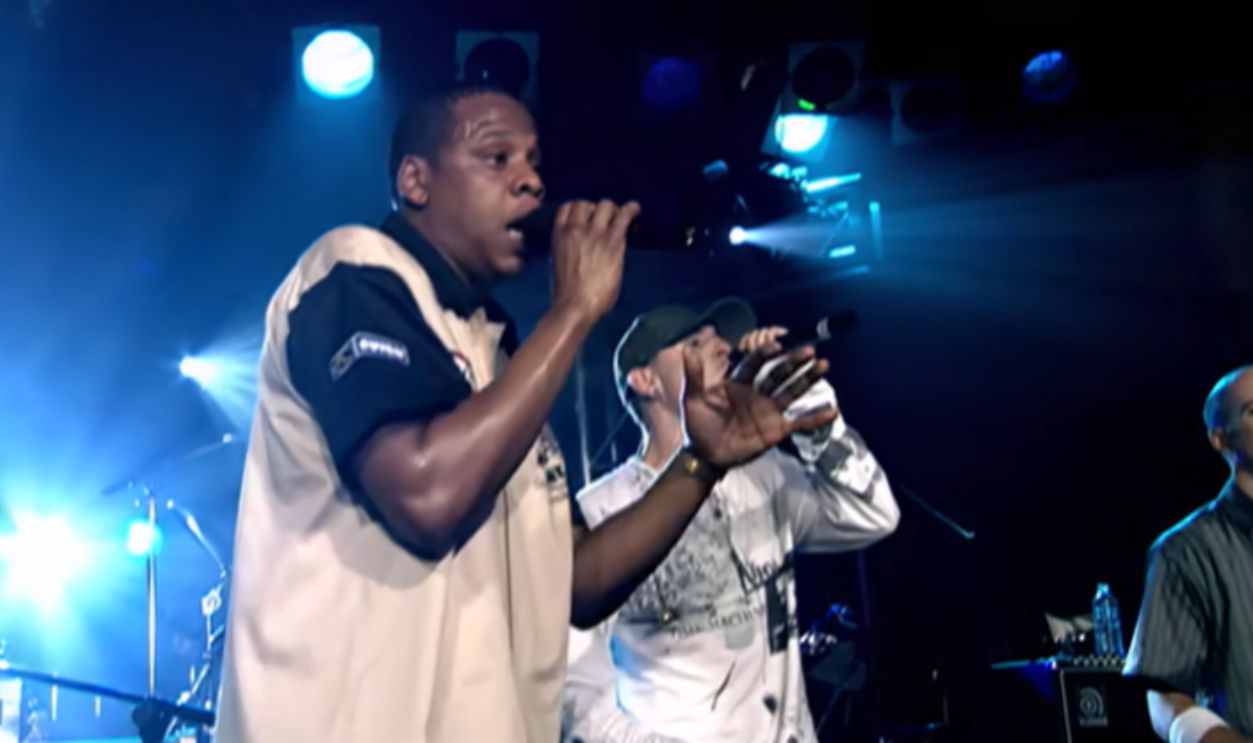 Screenshot from Numb/Encore, Warner Bros. Records (2004)
Cypress Hill – Skull & Bones (2000)
This ambitious double album split Cypress Hill’s sound in two. One disc leaned fully into hip-hop, while the other embraced heavy guitars and metal aggression. The project showed how seamlessly the group could move between rap and rock without losing identity.
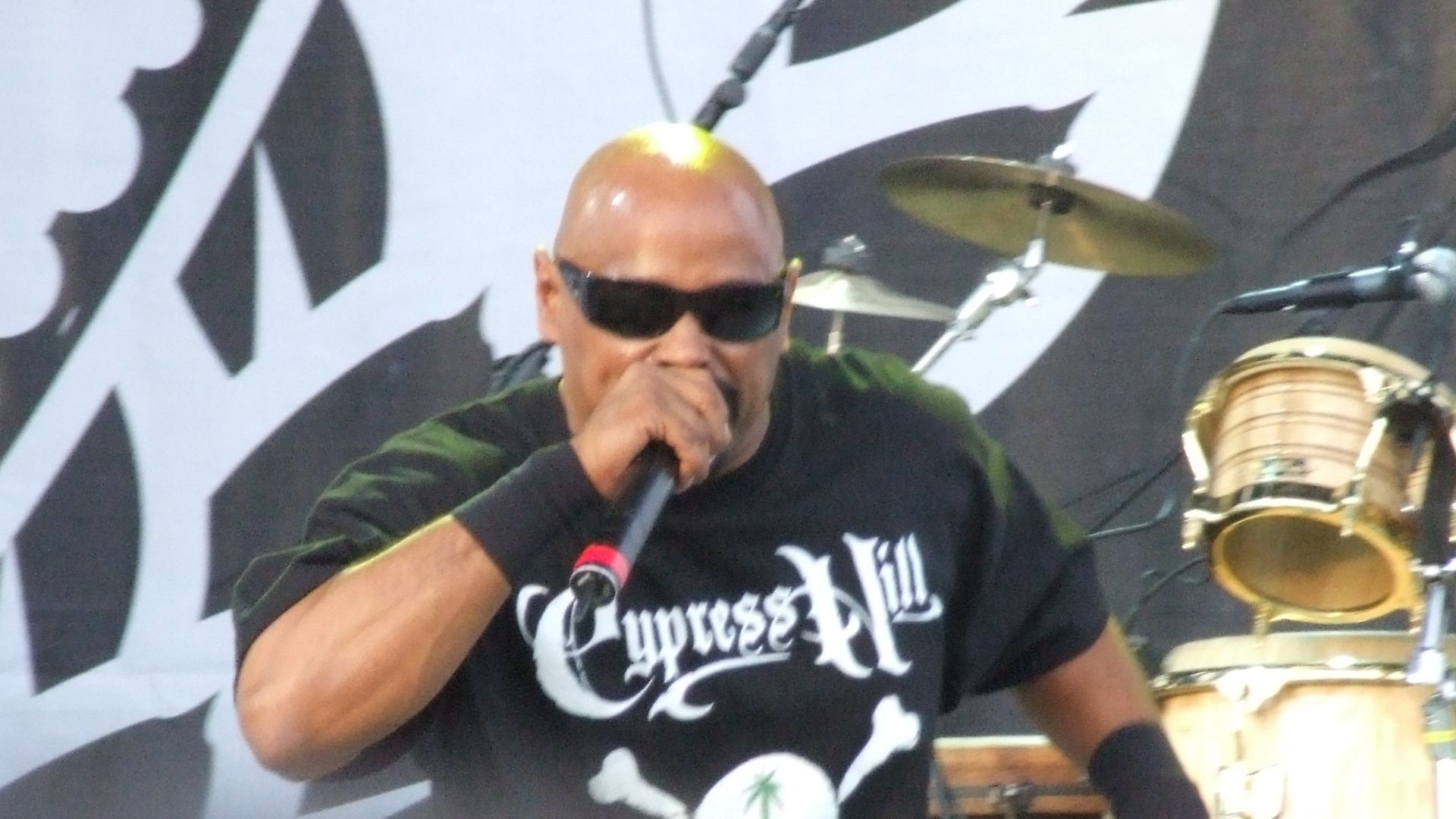 Scott Penner, Wikimedia Commons
Backxwash – God Has Nothing To Do With This Leave Him Out Of It (2020)
Backxwash blended industrial noise, metal textures, and raw rap lyricism into an emotionally devastating album. The record pushed rap rock into darker, more experimental territory, proving the genre hybrid could still evolve and confront deeply personal and societal trauma.
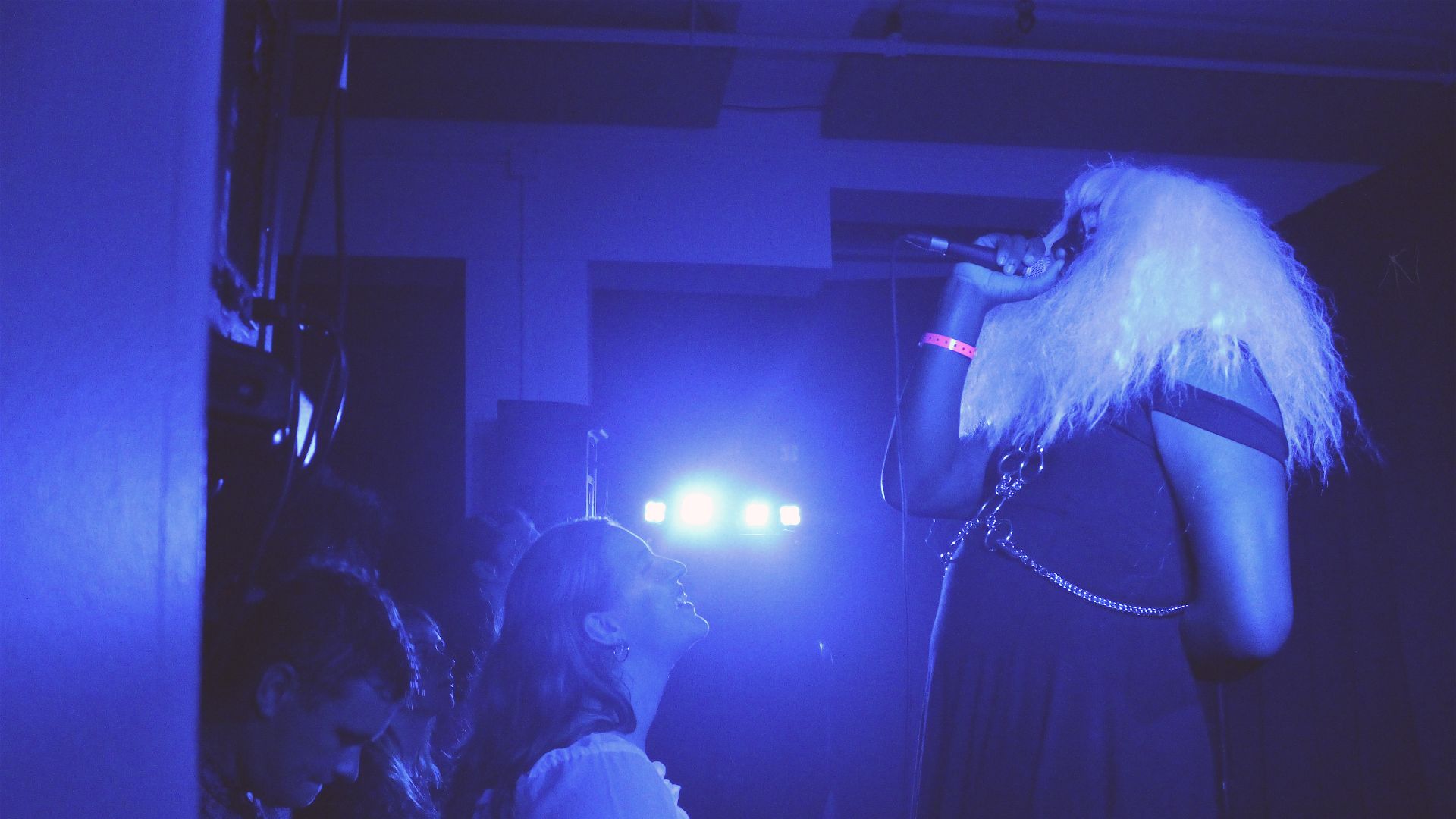 Lawnya Vawnya, Wikimedia Commons
311 – Music (1993)
311’s major-label debut blended funk, rap, reggae, and alt-rock into a laid-back but energetic hybrid. The album emphasized groove and positivity rather than rage, helping carve out a lighter, more melodic lane for rap rock that stood apart from its heavier contemporaries.
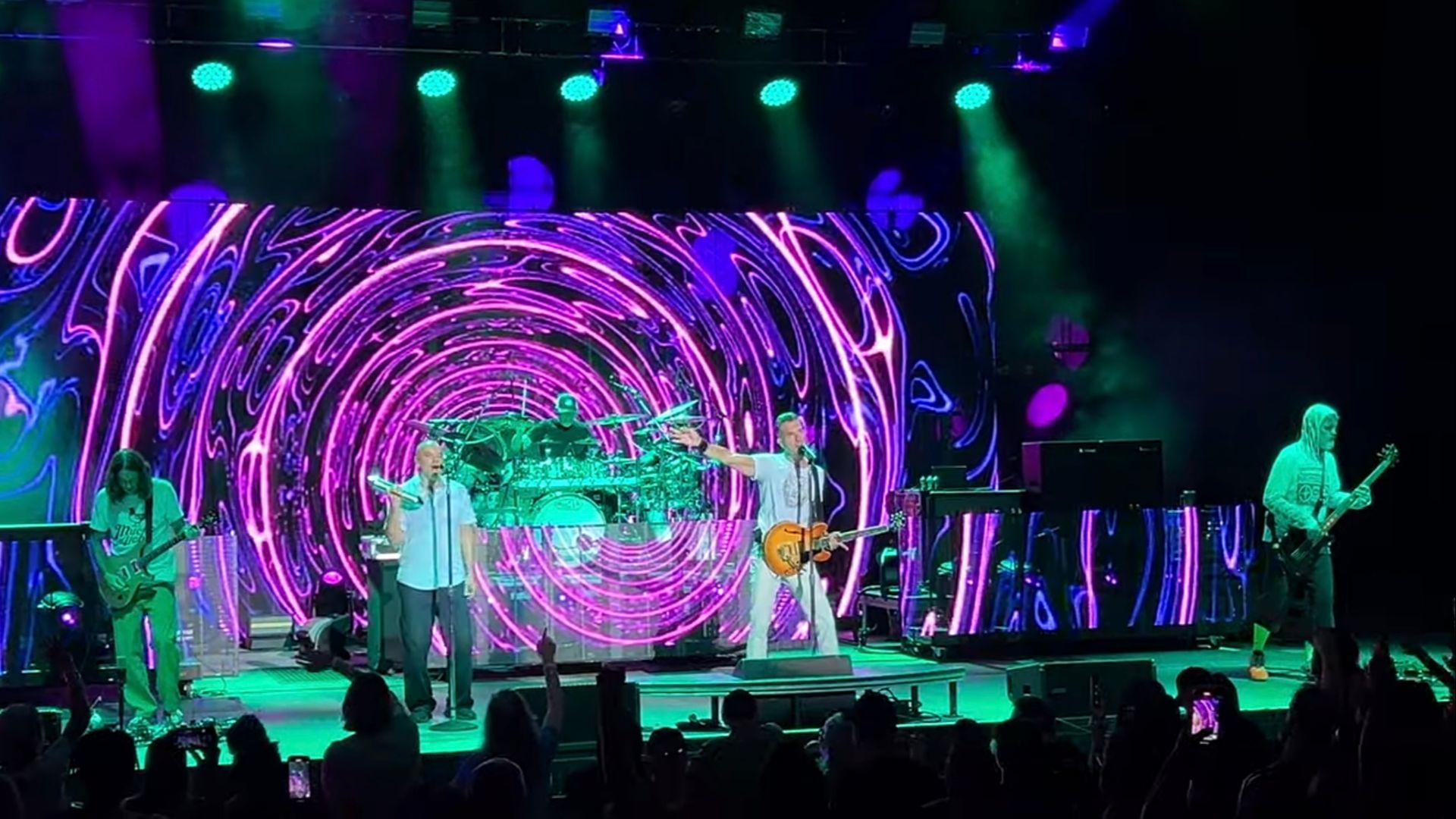 Jdisawsome6969311, Wikimedia Commons
Body Count – Body Count (1992)
Led by Ice-T, Body Count shocked audiences with its aggressive blend of metal riffs and hardcore rap perspectives. The album sparked major controversy, particularly around its confrontational lyrics, but it also proved that hip-hop artists could authentically operate within heavy metal spaces without dilution.
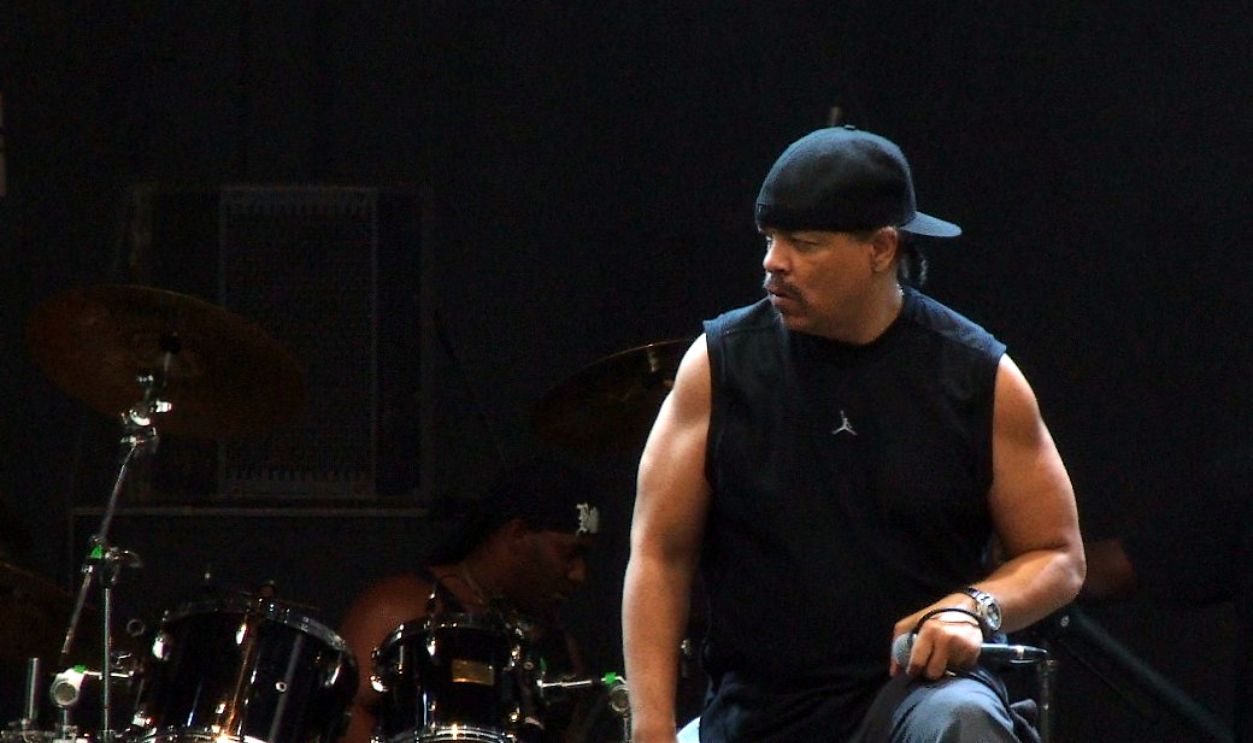 Mohylek assumed, CC BY-SA 3.0, Wikimedia Commons
Various Artists – Judgment Night (1993)
The Judgment Night soundtrack paired rock bands with hip-hop artists on every track. It became one of the most influential crossover projects ever, directly inspiring future rap rock and nu-metal movements by proving genre collaboration could feel organic rather than gimmicky.
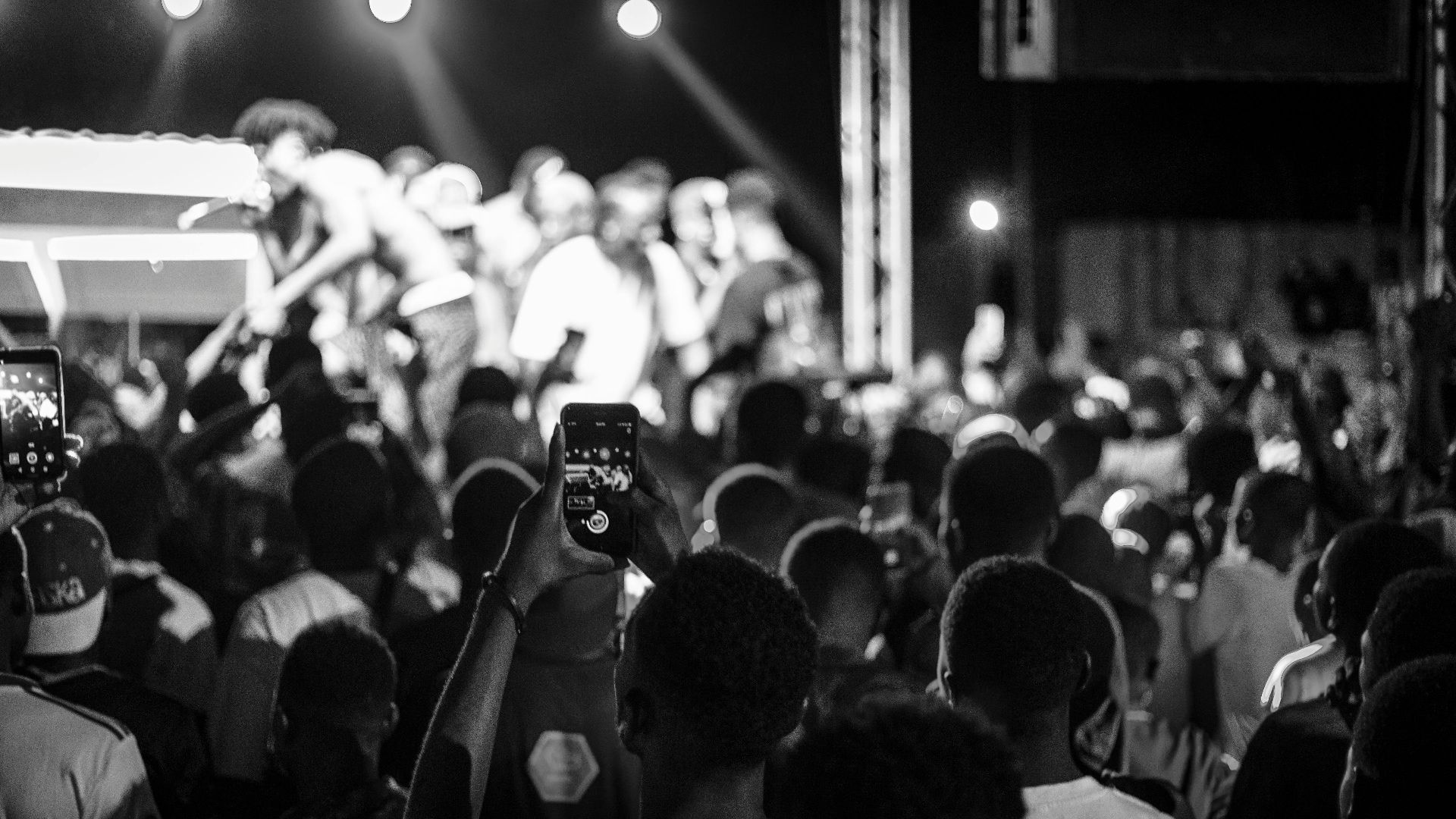
Linkin Park – Hybrid Theory (2000)
One of the best-selling albums of all time, Hybrid Theory balanced rap verses, melodic hooks, and heavy guitars with emotional vulnerability. Its polished yet powerful sound helped rap rock reach unprecedented mainstream success while resonating deeply with a generation of listeners.
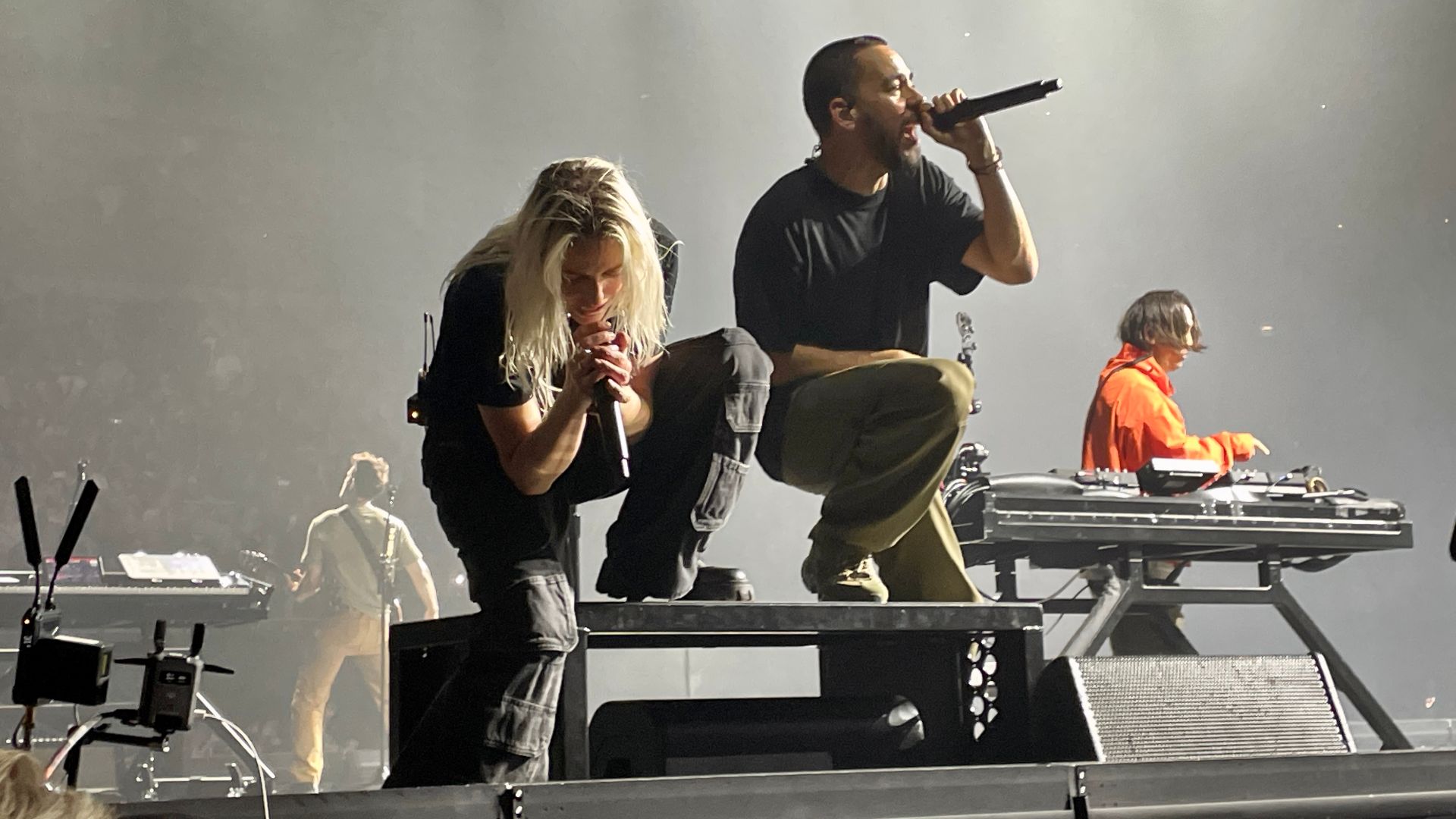 Luca Dell'Orto, Wikimedia Commons
Biohazard – State Of The World Address (1994)
Biohazard fused hardcore punk, metal, and street-level rap influences into a confrontational sound rooted in urban realism. The album leaned heavily into social commentary and aggression, helping solidify the foundation for rap metal before it entered the mainstream.
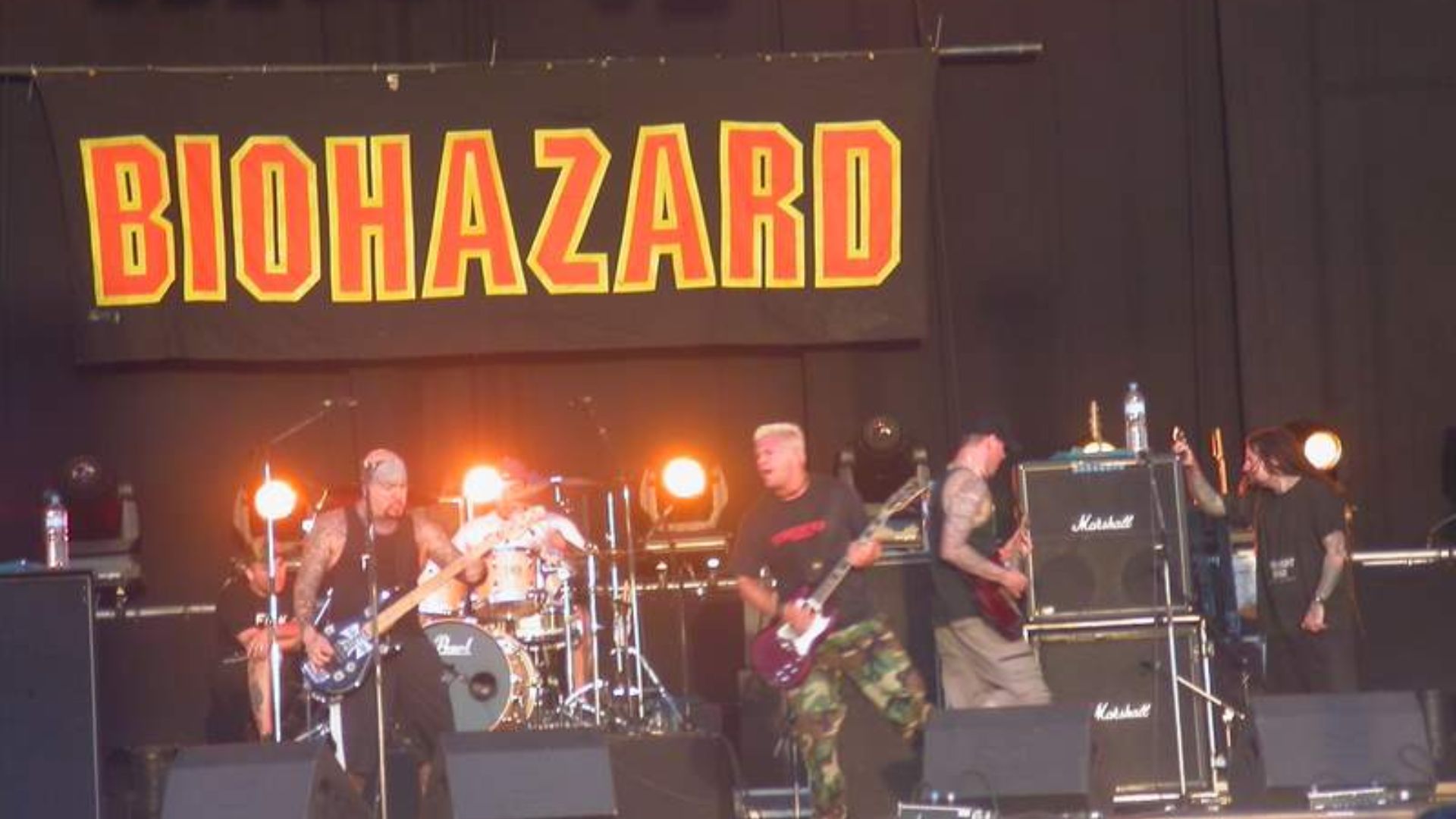 Hunter Desportes, Wikimedia Commons
Senser – Stacked Up (1995)
British group Senser blended rap vocals with alternative rock and electronic textures. Stacked Up offered a more experimental and politically conscious take on rap rock, showing the genre could thrive outside the American metal scene.
 Screenshot from Age of Panic, Ultimate Records (1995)
Bob Vylan – We Live Here (2020)
Bob Vylan’s debut album combined punk energy, heavy rock instrumentation, and rap vocals to deliver blistering social critique. The record addressed racism, class struggle, and political hypocrisy while proving that rap rock still had plenty of fire left.
 Screenshot from We Live Here, Ghost Theatre (2022)
Run-DMC – King Of Rock (1985)
Long before rap rock became a genre label, Run-DMC were already bridging the gap. King Of Rock blended hip-hop beats with rock imagery and guitar-driven attitude, helping normalize crossover sounds and expanding rap’s cultural reach.
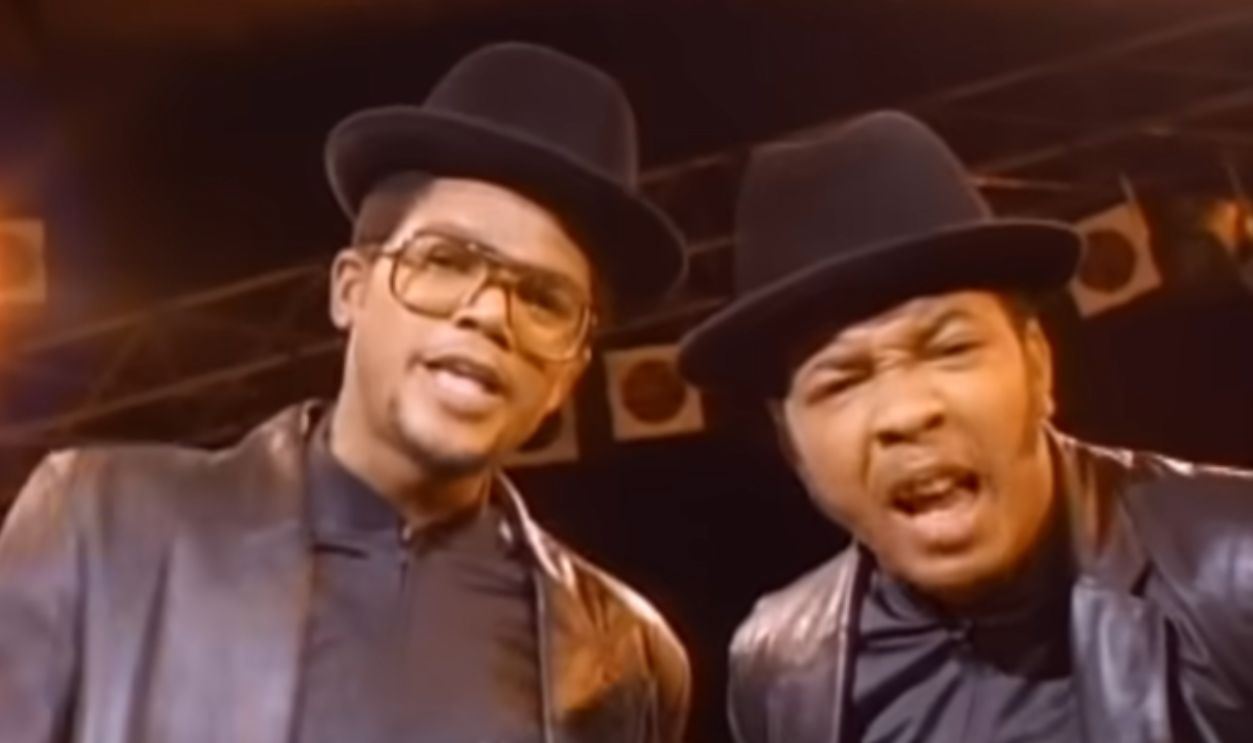 Screenshot from King of Rock, Profile Records (1985)
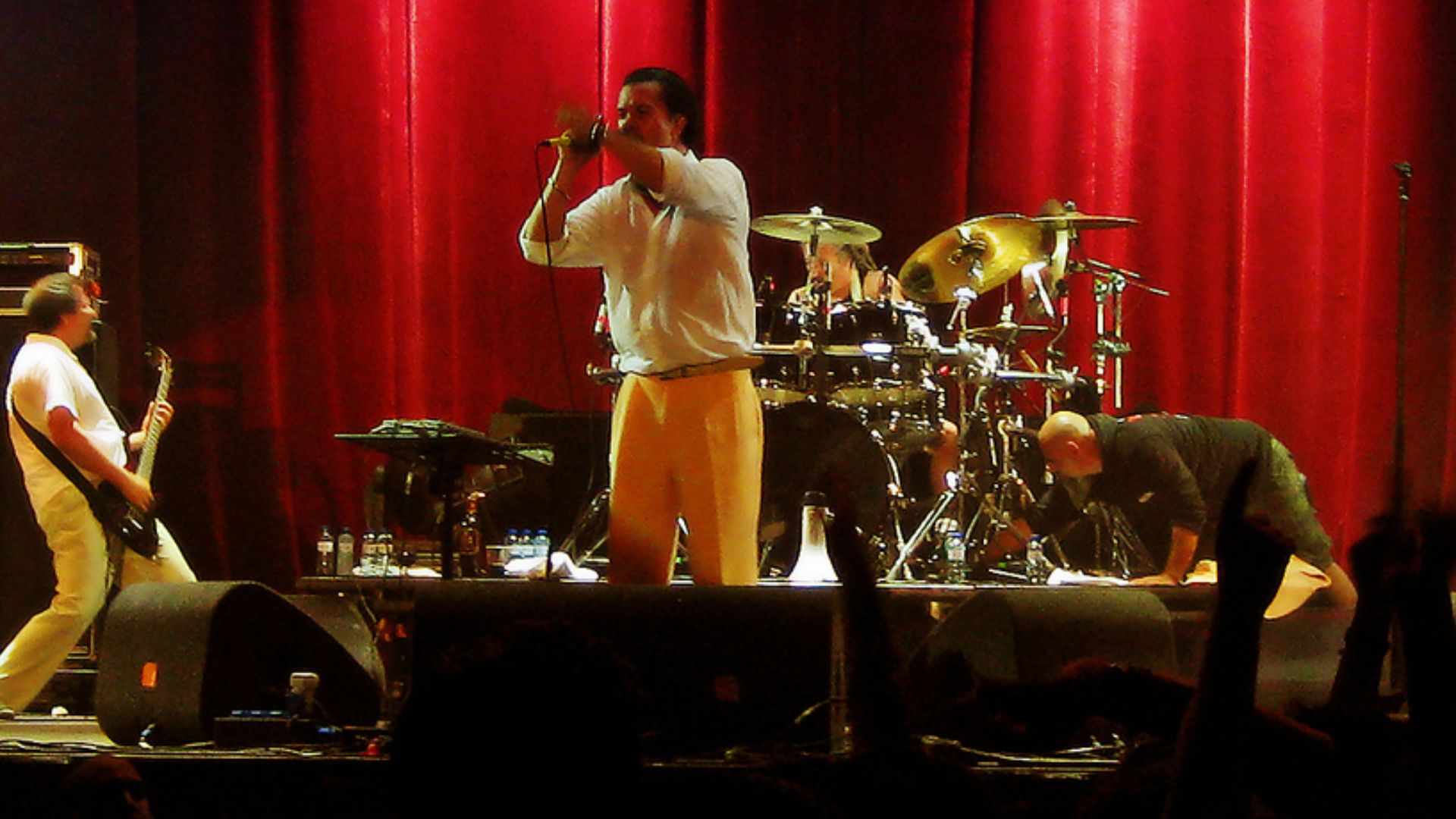
Faith No More – The Real Thing (1989)
Mike Patton’s dynamic vocal range helped Faith No More blur genre boundaries. The album mixed funk, metal, and rap-adjacent rhythms into an unpredictable sound that influenced countless alternative and rap rock acts throughout the 1990s.
Beastie Boys – Check Your Head (1992)
This album marked the Beastie Boys’ return to live instrumentation, blending punk energy, funk grooves, and rap verses. Its playful experimentation helped legitimize genre blending as a creative strength rather than a novelty.
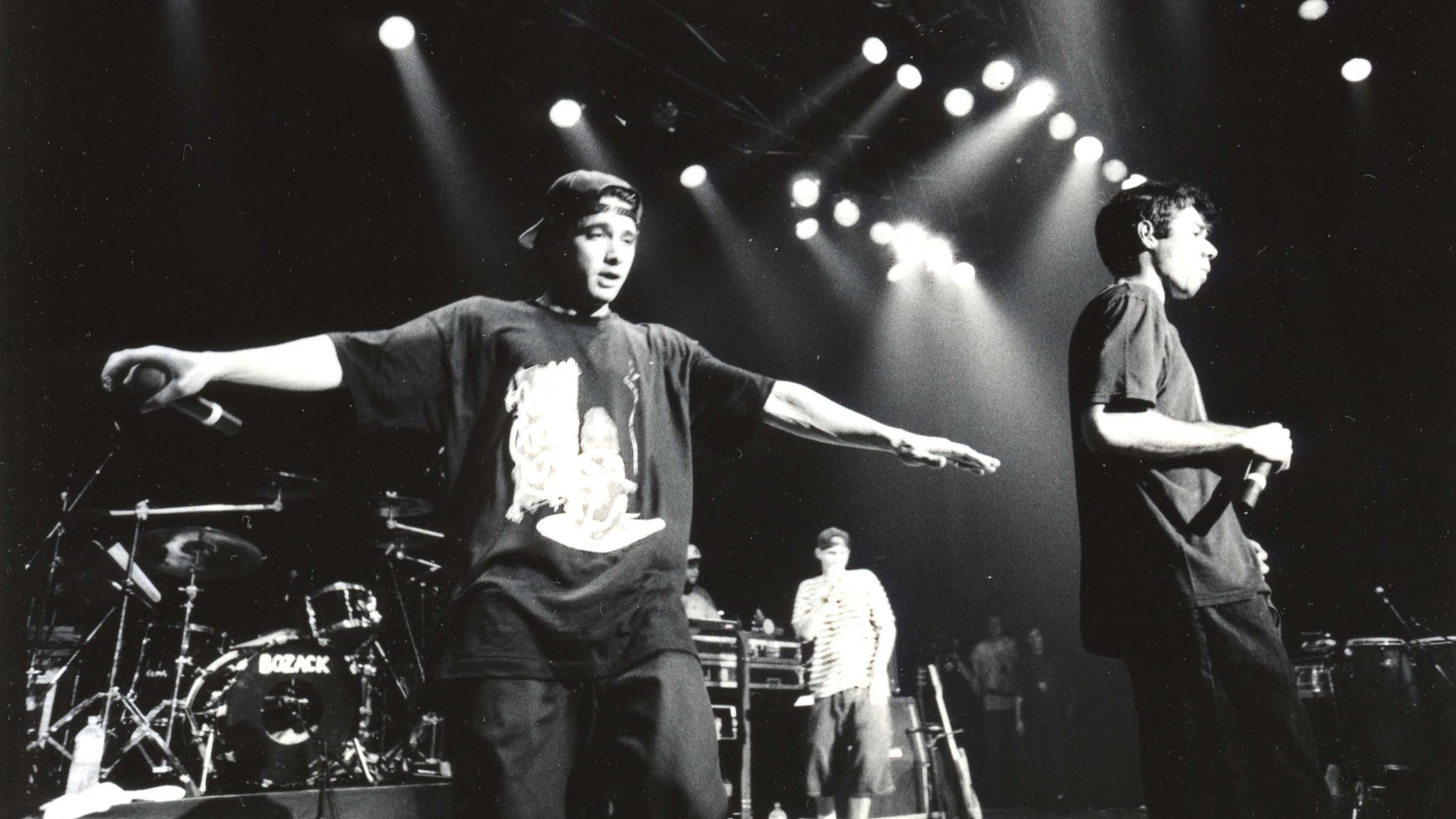 Masao Nakagami, Wikimedia Commons
Various Artists – Take A Bite Outta Rhyme: A Rock Tribute To Rap (2000)
This compilation featured rock bands covering rap classics, flipping expectations and highlighting the structural similarities between the genres. While uneven at times, it reflected how deeply hip-hop had influenced rock culture by the turn of the millennium.

Various Artists – Loud Rocks (2000)
Loud Rocks paired metal bands with rappers and hip-hop producers, leaning into aggressive production and heavy riffs. The album captured rap rock at its commercial peak, documenting a moment when crossover experimentation was fully embraced by the mainstream.

You May Also Like:
These Albums Defined The MTV Generation
The Most Iconic Double Albums In Rock History
Are These Really The Best And Worst Albums By The Greatest Rock Bands Ever?