

Highs and Lows
Every legendary rock band has at least one album fans worship—and at least one they quietly pretend never existed. These are the greatest highs and the most notorious lows from the most iconic bands of all time… or are they? Do you agree with the choices?
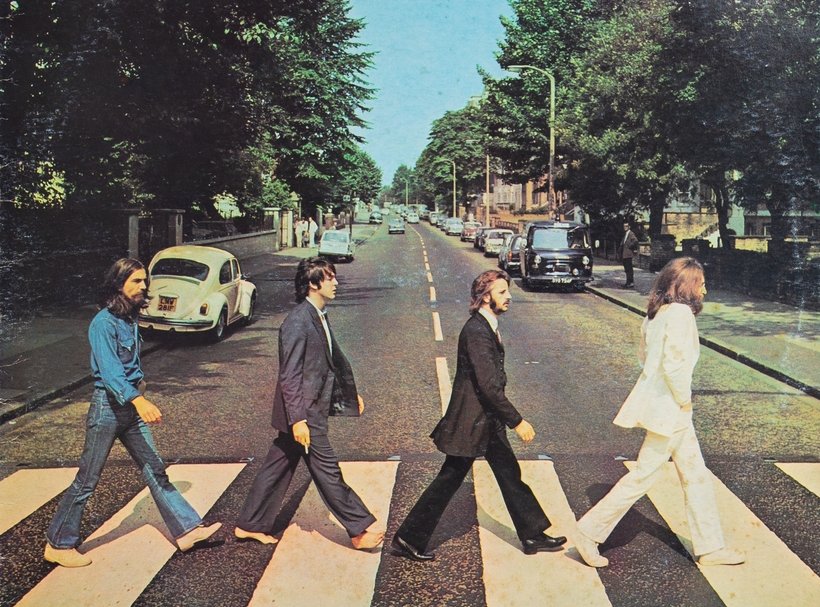
The Beatles—Best: Abbey Road (1969)
A masterpiece made during a breakup. Engineer Geoff Emerick said it was “the first time in months everyone seemed happy,” and the music shows it. The side-two medley alone is iconic, and fans consider Abbey Road the Beatles’ most perfectly polished late-career triumph.
The Beatles—Worst: Yellow Submarine (1969)
Half soundtrack, half leftovers, and only four new Beatles songs. George Martin’s film score is charming, but fans agree this barely counts as a true studio album. Even the band treated Yellow Submarine as a contractual obligation, making it the weakest entry in their classic era.
The Rolling Stones—Best: Exile on Main St. (1972)
Recorded in a humid French basement while evading British taxes, Exile on Main St. became the Stones’ gritty masterpiece. Critics slammed it at first, but today it ranks among the greatest albums ever made. Mick Jagger said, “It’s not perfect—but that’s why it works.” Fans consider it their raw, swaggering peak.
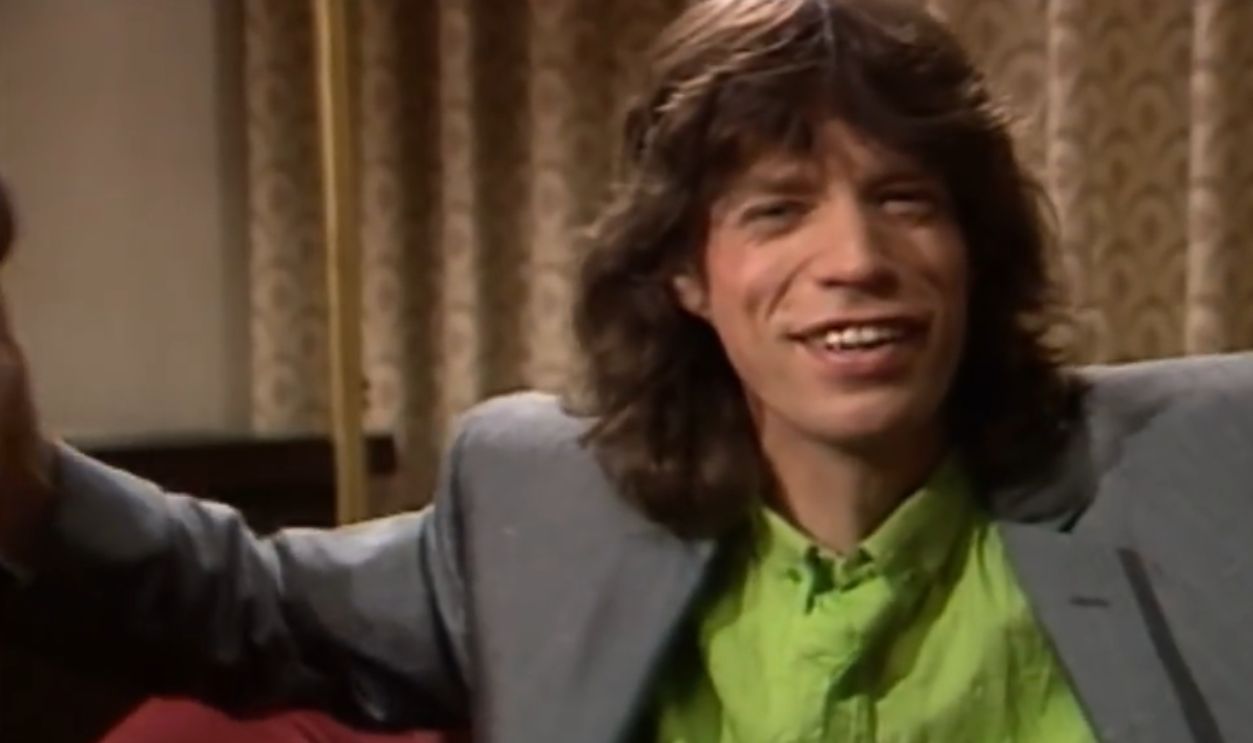
The Rolling Stones—Worst: Dirty Work (1986)
A casualty of the Jagger–Richards feud. The band barely recorded together, and the slick ’80s production hasn’t aged well. Even fans who defend most of the catalog admit Dirty Work doesn’t feel like a true Rolling Stones album, making it the low point of their mid-’80s slump.
 Screenshot from Dirty Work, Columbia (1986)
Led Zeppelin—Best: Led Zeppelin IV (1971)
Containing Stairway to Heaven, Black Dog, and Rock and Roll, this album sold more than 37 million copies worldwide. Jimmy Page called it an attempt to create something “timeless.” Led Zeppelin IV remains their defining statement.
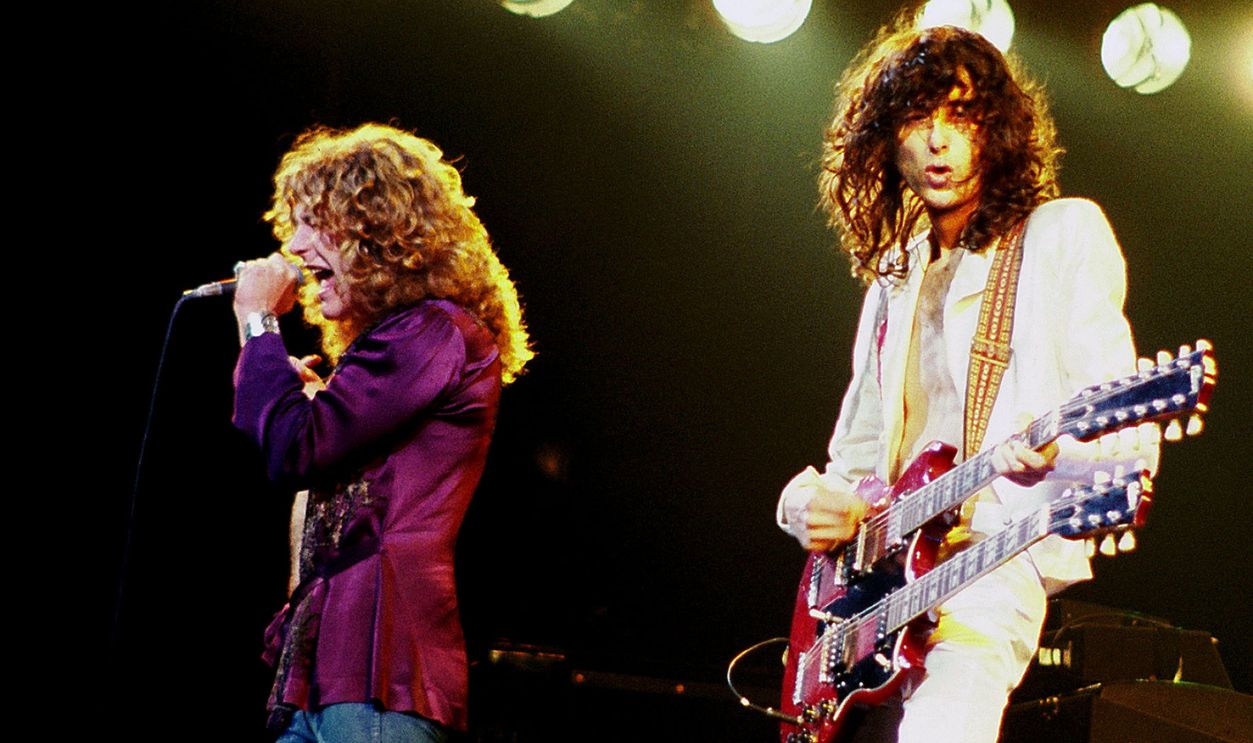 Jim Summaria, CC BY-SA 3.0, Wikimedia Commons
Led Zeppelin—Worst: Coda (1982)
A posthumous compilation assembled after John Bonham’s death, released mainly to satisfy a contract. John Paul Jones openly admitted that Coda wasn’t a “real” Zeppelin record. Fans see it as historical scraps, not a meaningful artistic entry.
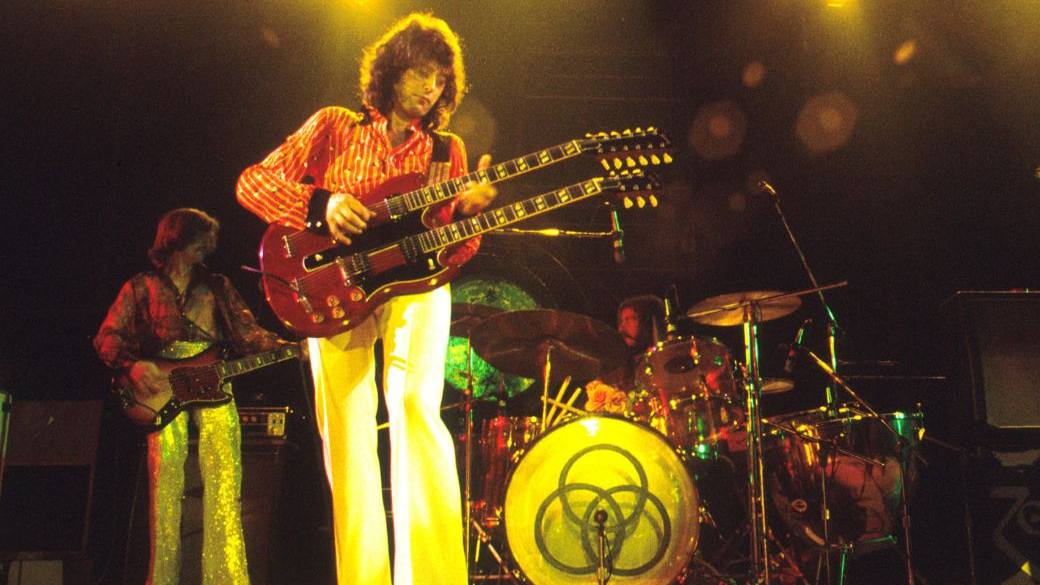
Pink Floyd—Best: The Dark Side of the Moon (1973)
A studio masterpiece that spent more than 900 weeks on the Billboard 200. Engineer Alan Parsons called it “a rare alignment of ideas.” The Dark Side of the Moon remains progressive rock’s towering benchmark and one of the best-selling albums ever.
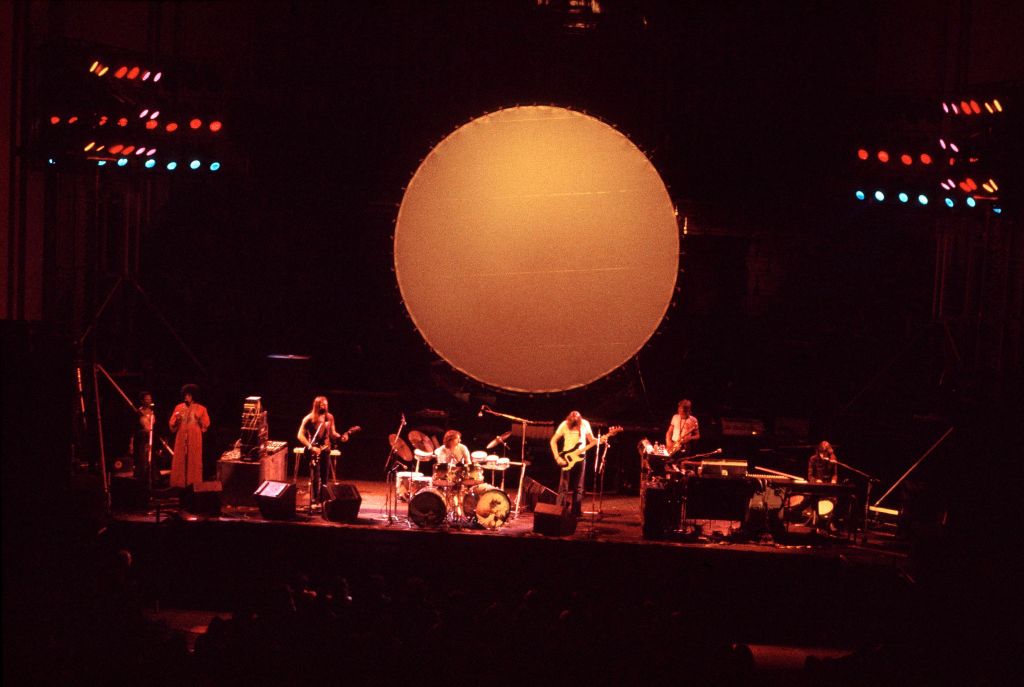
Pink Floyd—Worst: The Final Cut (1983)
Roger Waters took full creative control, and David Gilmour said he “wasn’t really needed.” The Final Cut feels more like a Waters solo project than a Floyd collaboration. Ambitious but fractured, it’s easily their most divisive release.
 Screenshot from The Final Cut, Columbia (1983)
Queen—Best: A Night at the Opera (1975)
Freddie Mercury called it “our most expensive album,” and it sounds like it. With Bohemian Rhapsody anchoring the spectacle, A Night at the Opera stands as Queen’s creative peak—bold and unlike anything any other rock band attempted.
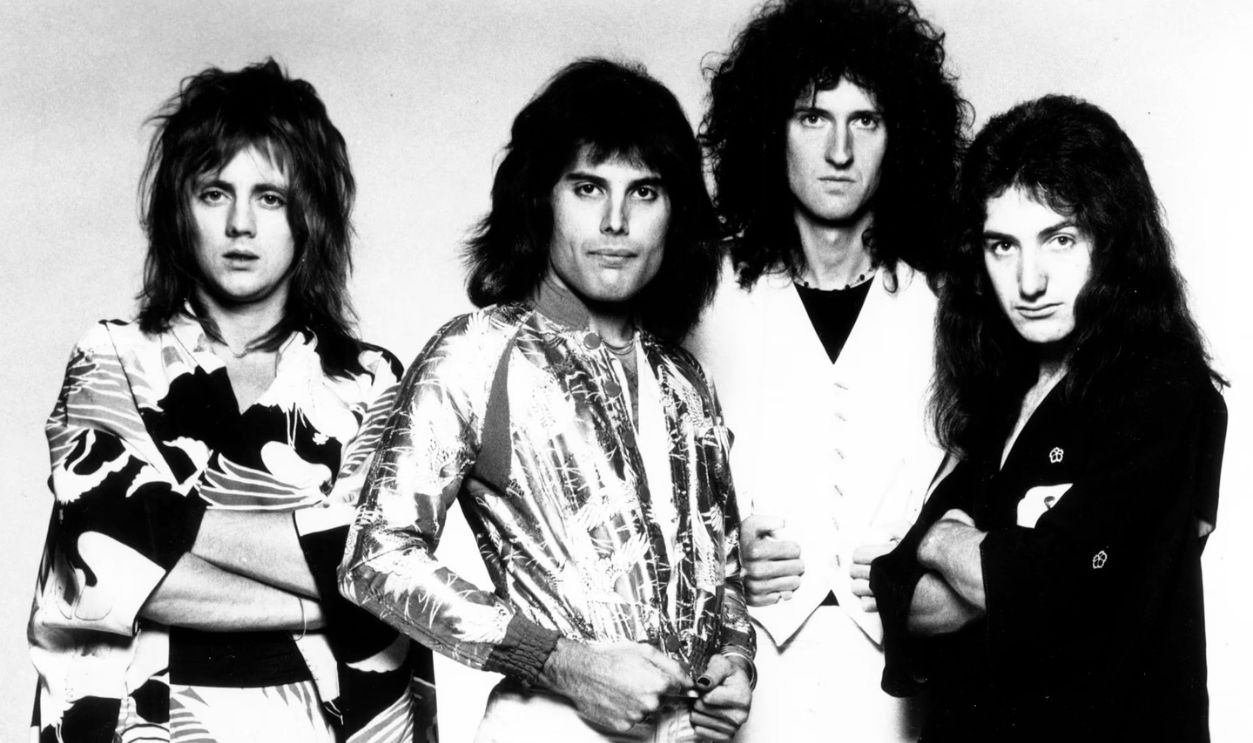 Koh Hasebe; Distributed by Elektra Records, Wikimedia Commons
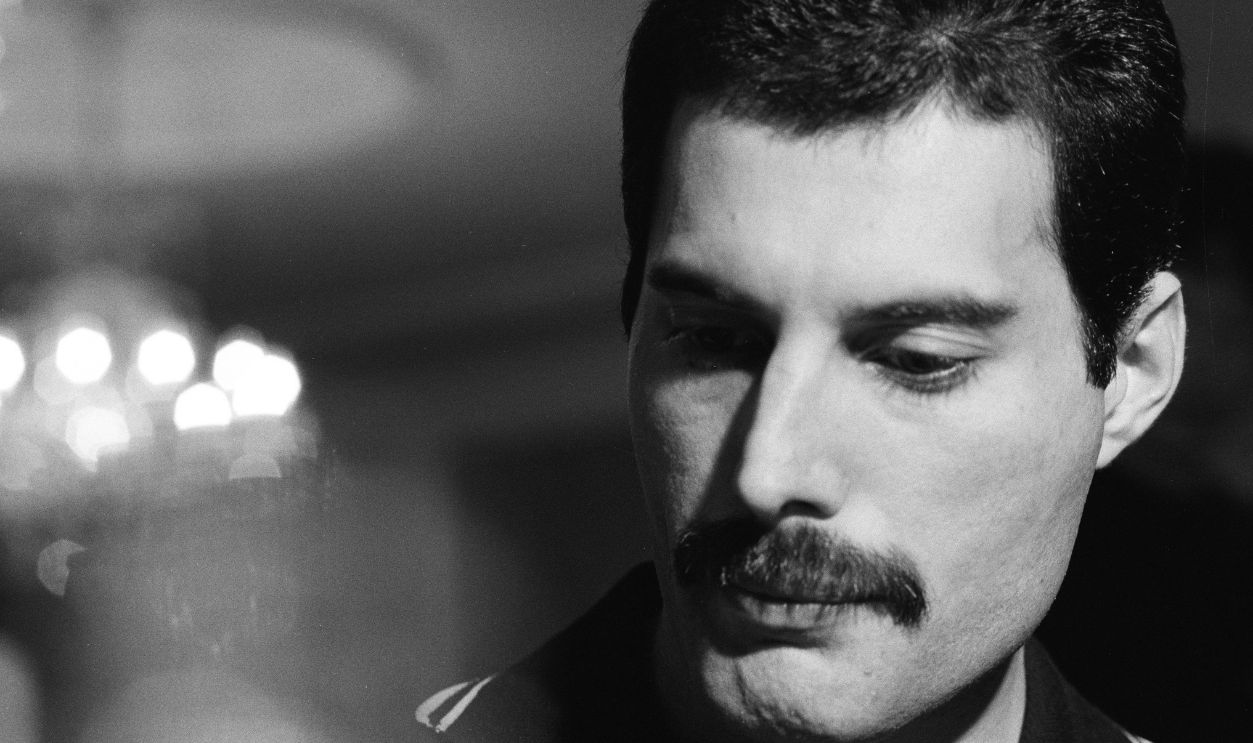
Queen—Worst: Hot Space (1982)
Queen went full dance-pop, and fans weren’t thrilled. Brian May admitted the shift “lost us a lot of fans.” Hot Space remains their biggest stylistic gamble and most divisive moment.
 Midori Tsukagoshi/Shinko Music, Getty Images
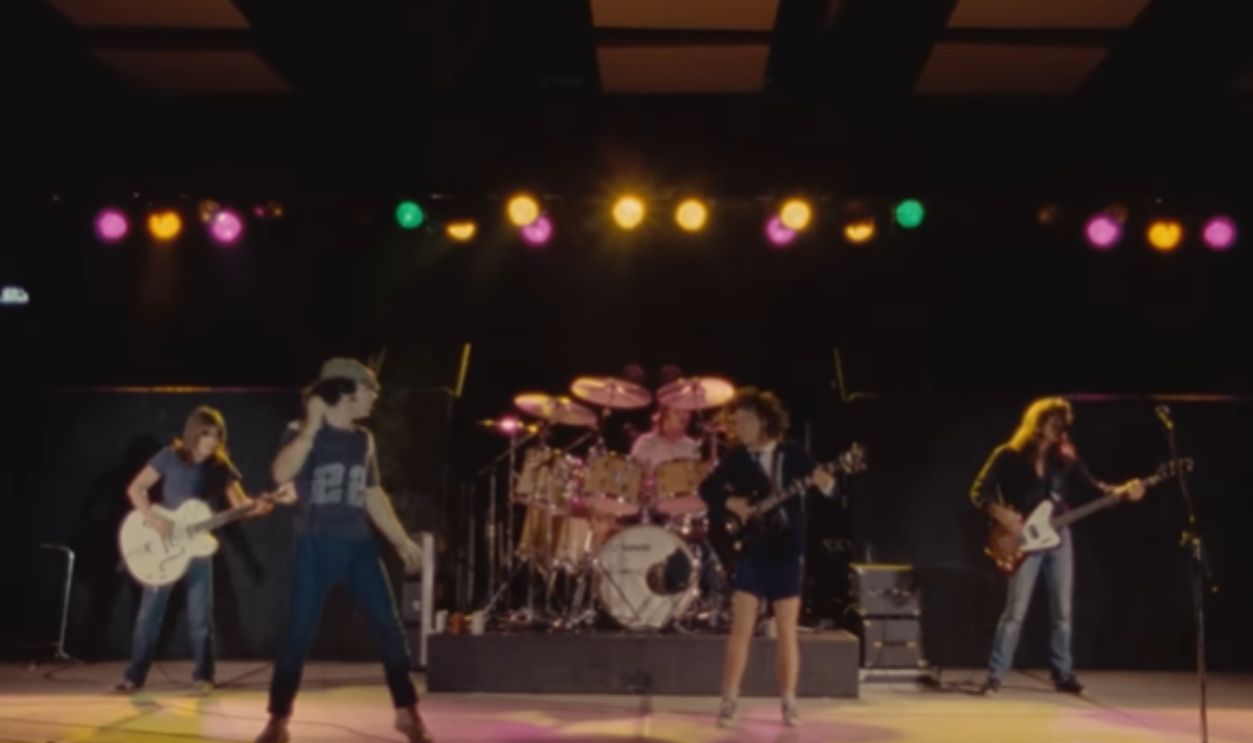
AC/DC—Best: Back in Black (1980)
A thunderous tribute to Bon Scott and one of the best-selling albums of all time. With Hells Bells and You Shook Me All Night Long, Back in Black shaped hard rock for decades.
 Screenshot from Back in Black, Atlantic Records (1980)
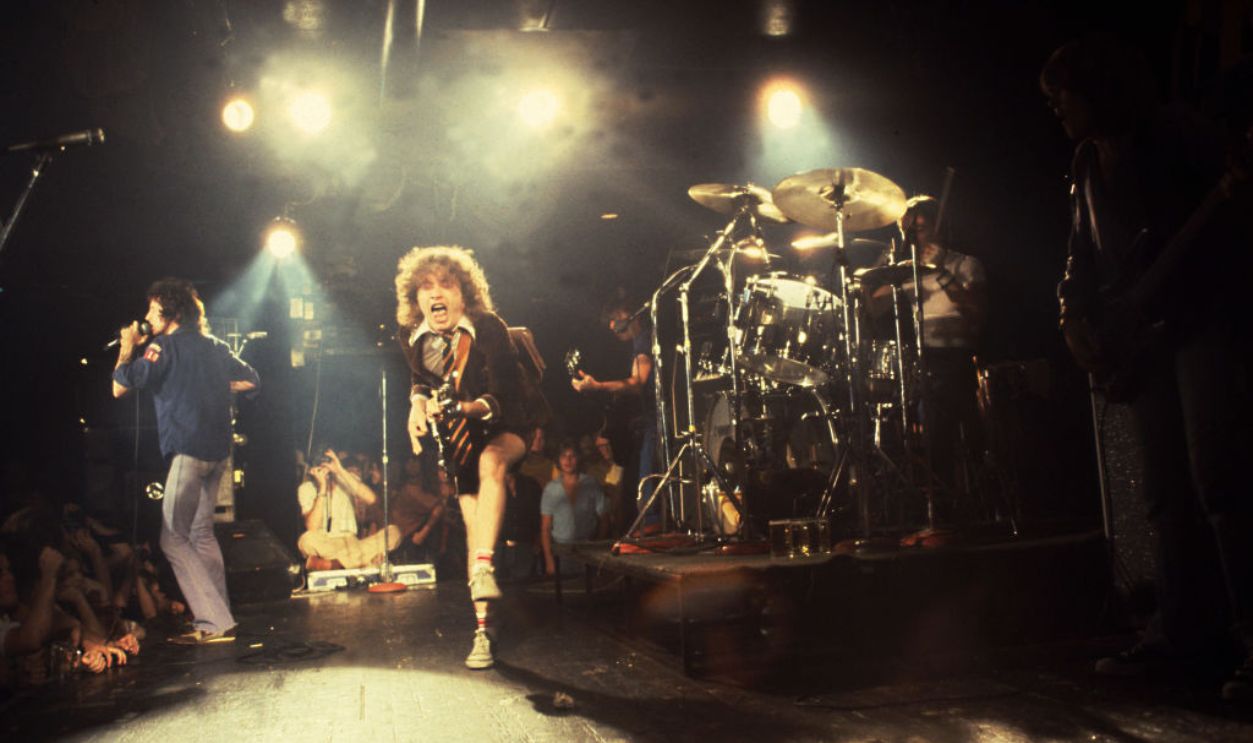
AC/DC—Worst: Fly on the Wall (1985)
Self-produced and muddily mixed, the album feels stuck in low gear. Even devoted fans rank Fly on the Wall among AC/DC’s weakest releases.
Metallica—Best: Master of Puppets (1986)
Often cited as one of the greatest metal albums ever made. The Library of Congress added it to the National Recording Registry. Master of Puppets was Cliff Burton’s final album and remains sacred to fans.
 Screenshot from Master of Puppets, Elektra (1986)
Metallica—Worst: St. Anger (2003)
The infamous “trash-can snare,” no solos, and raw chaos define St. Anger. James Hetfield later admitted parts were “hard to listen to,” making it their most polarizing record.
 aresauburn, CC BY-SA 2.0, Wikimedia Commons
Aerosmith—Best: Toys in the Attic (1975)
The record that cemented Aerosmith as rock royalty. With Sweet Emotion and Walk This Way, Toys in the Attic remains their leanest and most iconic work. Steven Tyler said the band was “starving, angry, hungry—and it shows,” giving the entire album a hungry, electrifying edge.
 Screenshot from Toys in the Attic, Columbia (1975)
Aerosmith—Worst: Just Push Play (2001)
The album that even many die-hard fans skip. Just Push Play chased slick pop trends, and critics called it overproduced and creatively thin. Steven Tyler’s vocals shine, but fans overwhelmingly rank this as the band’s weakest, most overpolished release.
 Photographer's Mate 2nd Class Rob Rubio, Wikimedia Commons
U2—Best: The Joshua Tree (1987)
A global phenomenon blending Americana, spirituality, and stadium-sized ambition. Bono called it “a prayer turned into music.” The Joshua Tree remains U2’s definitive artistic statement.
 Screenshot from The Joshua Tree, Island Records (1987)
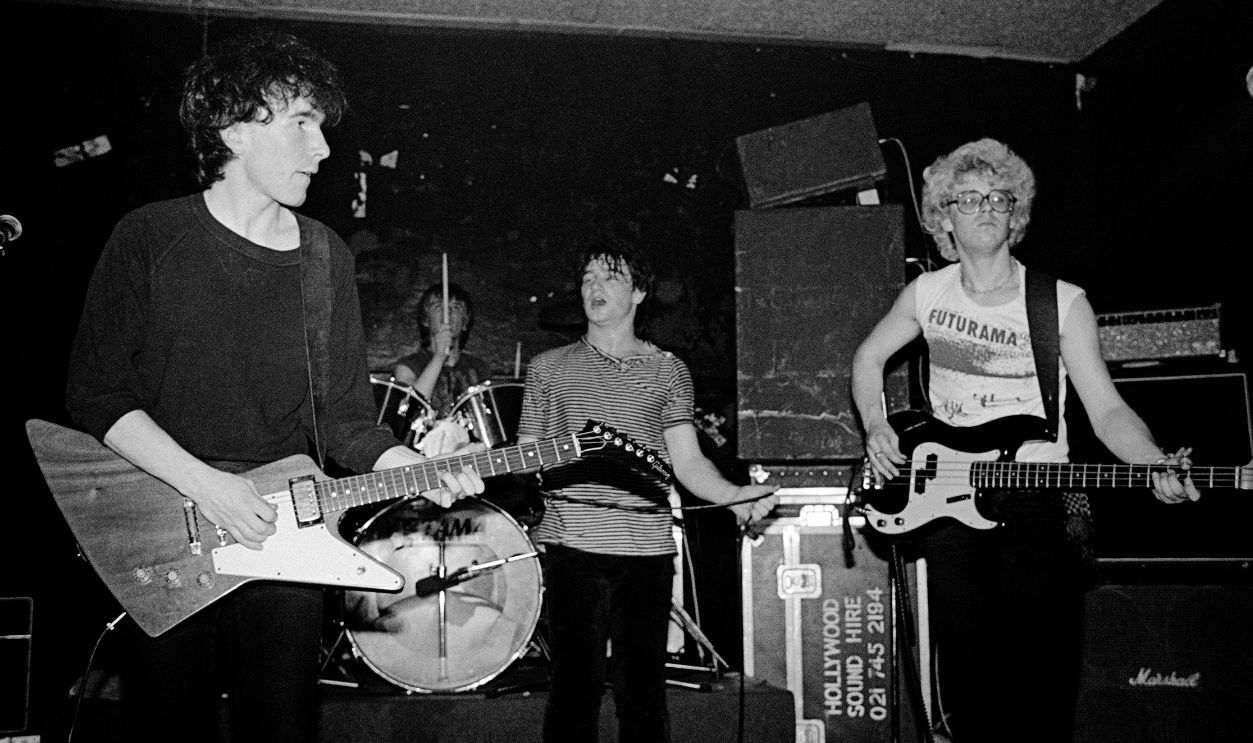
U2—Worst: No Line on the Horizon (2009)
Not terrible—just unfocused. Even the band admitted it didn’t land the way they hoped. Fans rarely revisit No Line on the Horizon, which has become the de facto low point in an otherwise massive catalog, overshadowed by both their classics and later experiments.
 Virginia Turbett, Getty Images
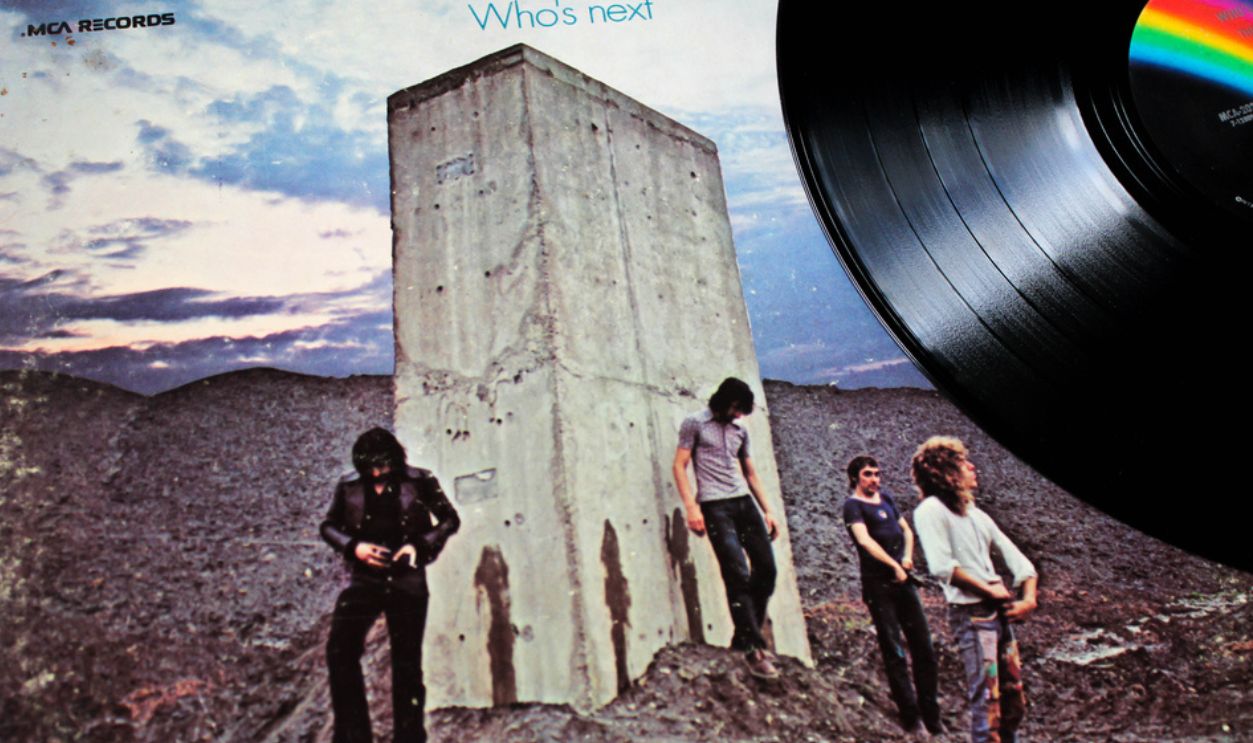
The Who—Best: Who’s Next (1971)
Born from Pete Townshend’s abandoned Lifehouse project, Who’s Next transformed chaos into brilliance. With Baba O’Riley and Won’t Get Fooled Again, it remains their most perfect blend of innovation and power.
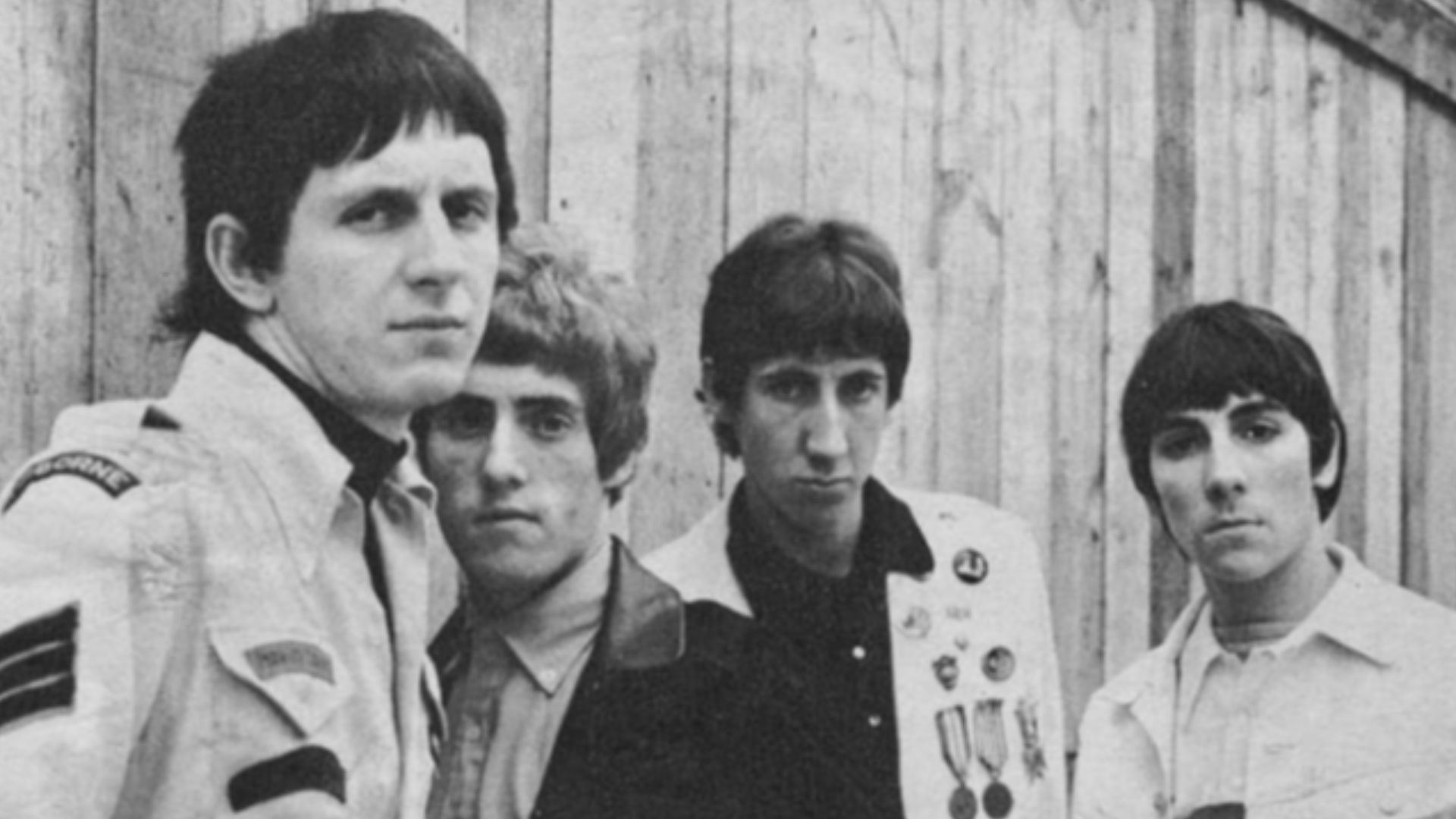
The Who—Worst: It’s Hard (1982)
Released during creative burnout, It’s Hard feels flat and uninspired. Critics labeled it “serviceable,” marking a dull close to their classic era. The band later admitted the spark was dimming, making the album feel more like obligation than inspiration.
 KRLA Beat/Beat Publications, Inc., Wikimedia Commons
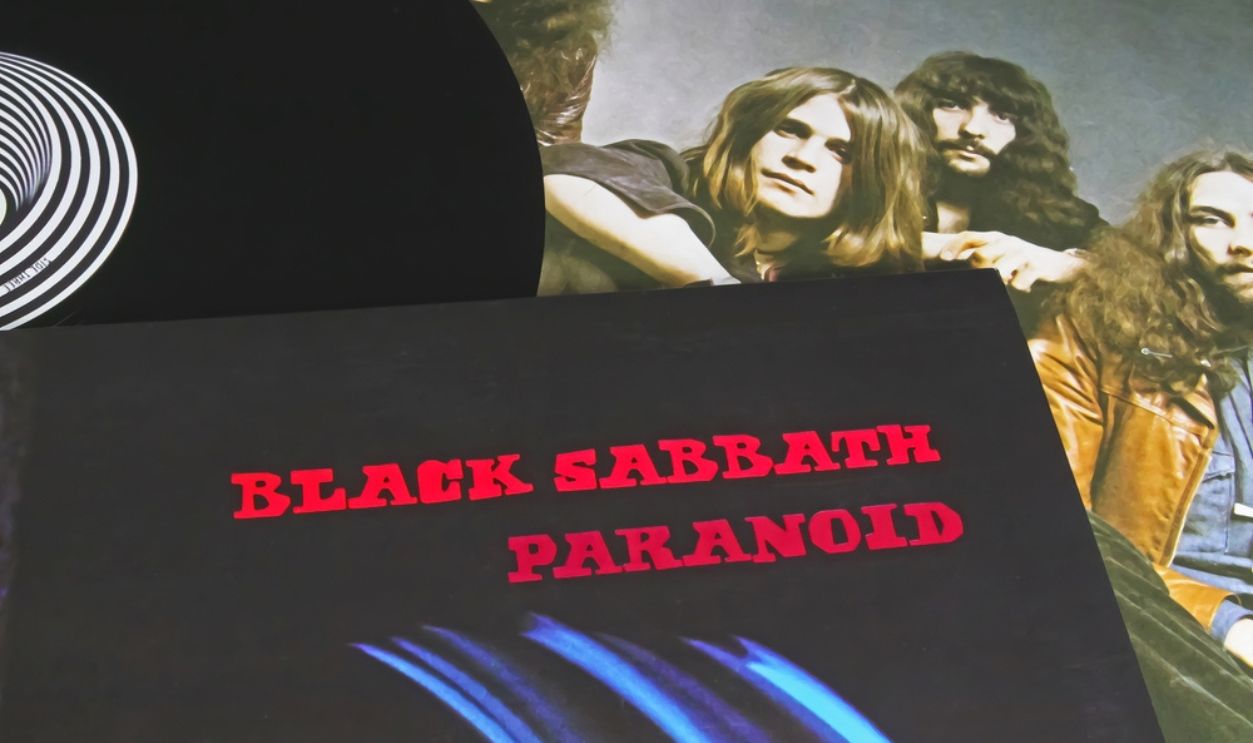
Black Sabbath—Best: Paranoid (1970)
Written at lightning speed—Paranoid itself took about 20 minutes. The album remains Black Sabbath’s most iconic and influential record, a foundation of heavy metal.
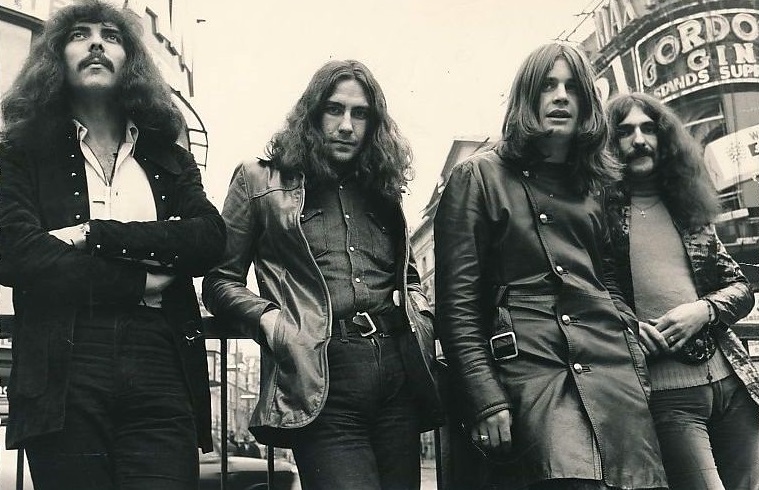
Black Sabbath—Worst: Never Say Die! (1978)
Created amid exhaustion, Never Say Die! sounds strained and unfocused. Fans widely consider it the weakest of the Ozzy-era albums.
 Vertigo Records, Wikimedia Commons
The Band—Best: Music from Big Pink (1968)
The album that influenced Eric Clapton to leave Cream. The rootsy, communal sound of Music from Big Pink shaped Americana, and The Weight became timeless.
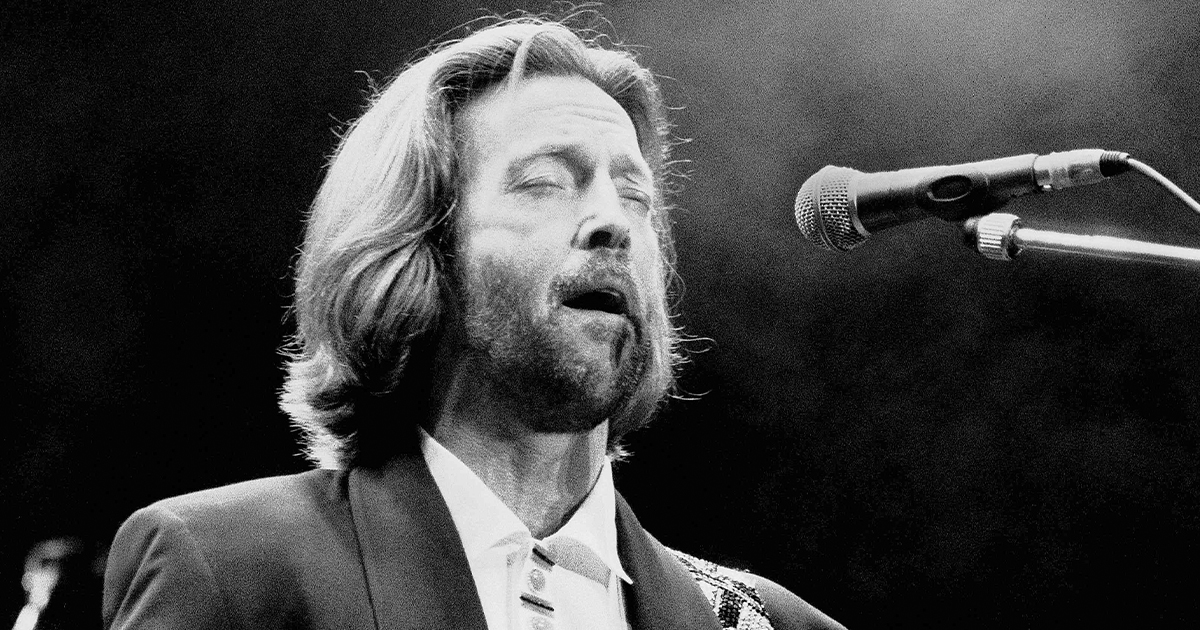
The Band—Worst: Cahoots (1971)
Exhaustion and drift defined the sessions. Rick Danko admitted morale was low, and fans often describe Cahoots as unfocused—the least essential album of their early era.
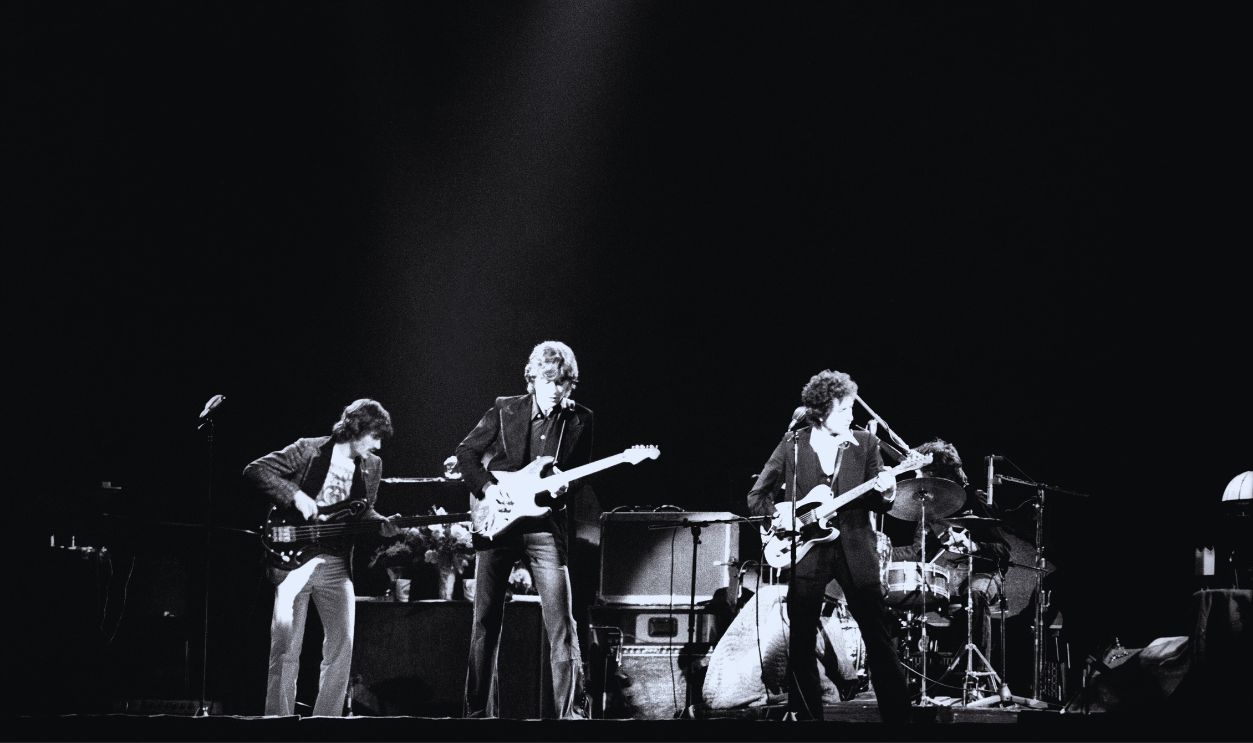
Boston—Best: Boston (1976)
One of the best-selling debuts ever, moving more than 17 million U.S. copies. With layered guitar perfection and More Than a Feeling, Boston plays like a wall-to-wall hits collection.
 Screenshot from Boston, Epic (1976)
Boston—Worst: Corporate America (2002)
A late-era attempt to modernize that never clicked. Corporate America is often forgotten entirely, lacking the soaring melodies and pristine production that defined Boston’s ’70s peak. Its mix of new members and odd stylistic shifts left longtime fans confused.
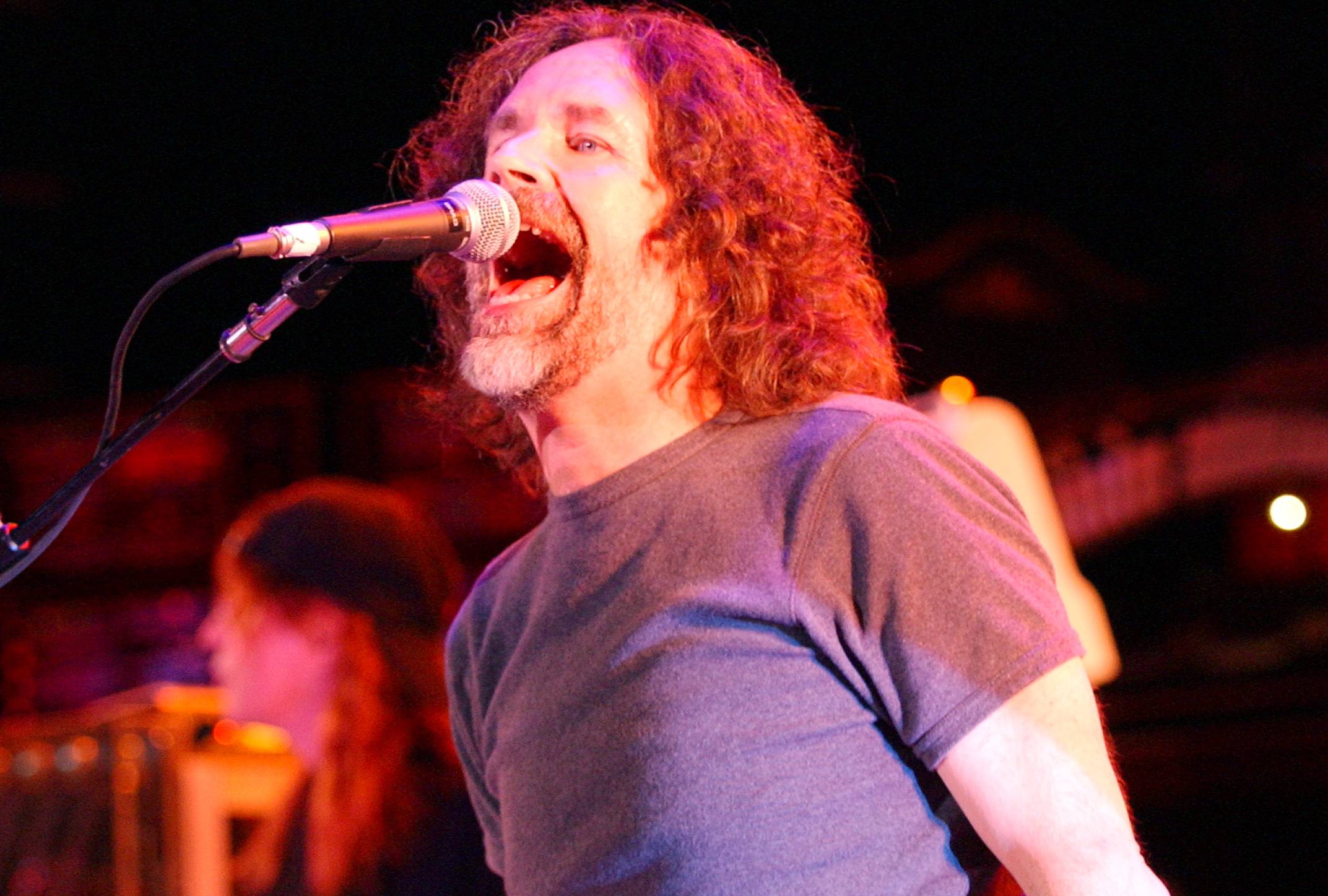
Journey—Best: Escape (1981)
Home to Don’t Stop Believin’, Open Arms, and Stone in Love, Escape went 9× Platinum and cemented Journey as stadium giants.
 Screenshot from Escape, Columbia (1981)
Journey—Worst: Generations (2005)
Journey experimented with having every member sing lead vocals, resulting in an uneven album with no clear identity. Fans and critics routinely rank Generations as their weakest—more curious experiment than essential Journey record, with inconsistent songwriting and no unifying direction.
 Travis Shinn, Wikimedia Commons
Oasis—Best: (What’s the Story) Morning Glory? (1995)
Packed with Wonderwall and Don’t Look Back in Anger, Morning Glory remains Britpop’s biggest triumph. Noel said, “This is the moment we took over the world.”
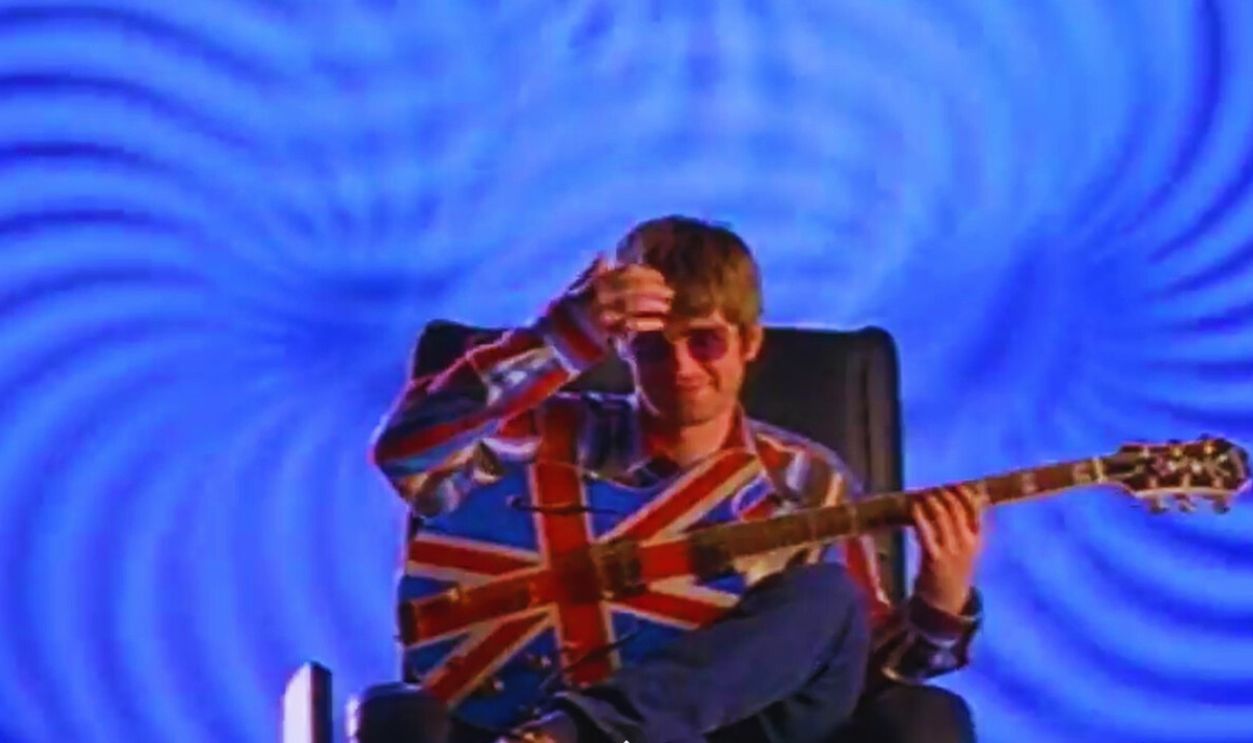 Screenshot from (What’s the Story) Morning Glory?, Creation (1995)
Oasis—Worst: Be Here Now (1997)
A symbol of out-of-control excess. Noel called it “the sound of a band in the biggest bubble in the world.” Bloated and overlong, Be Here Now remains Britpop’s most infamous implosion, with production so dense it borders on parody.

Van Halen—Best: 1984 (1984)
With Jump, Panama, and Hot for Teacher, 1984 became Van Halen’s biggest commercial success. Eddie Van Halen’s synth work reshaped rock radio overnight.
 Screenshot from 1984, Warner Bros. (1984)
Van Halen—Worst: Van Halen III (1998)
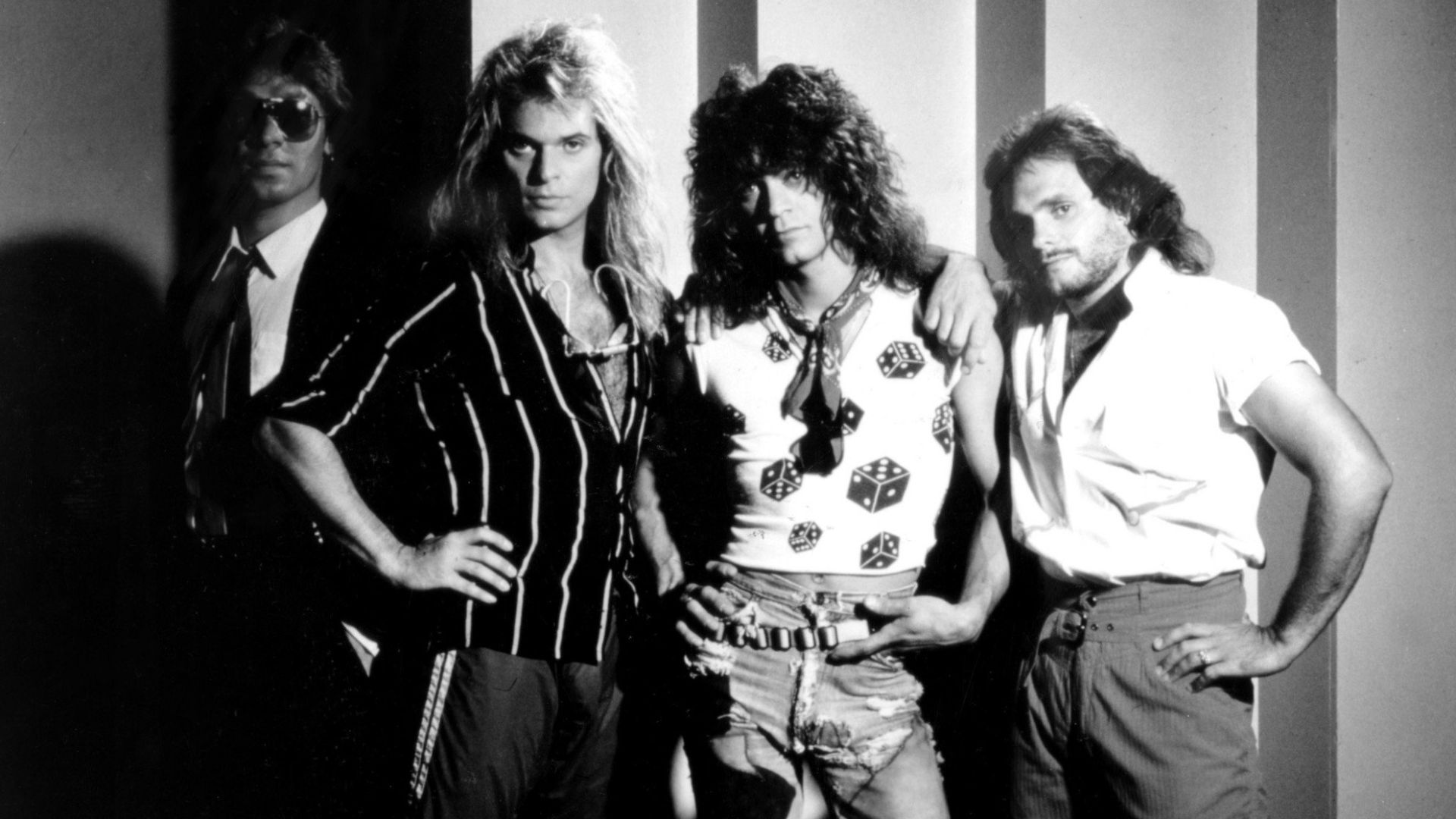
Gary Cherone’s lone album with the band. Even Cherone admitted it “didn't work.” Fans overwhelmingly consider Van Halen III their most misguided release and the clear low point of their catalog.
 Warner Records, Wikimedia Commons
You Might Also Like:
London Calling: The Greatest Songs About The British Capital






.jpg)

.jpg)