What If?
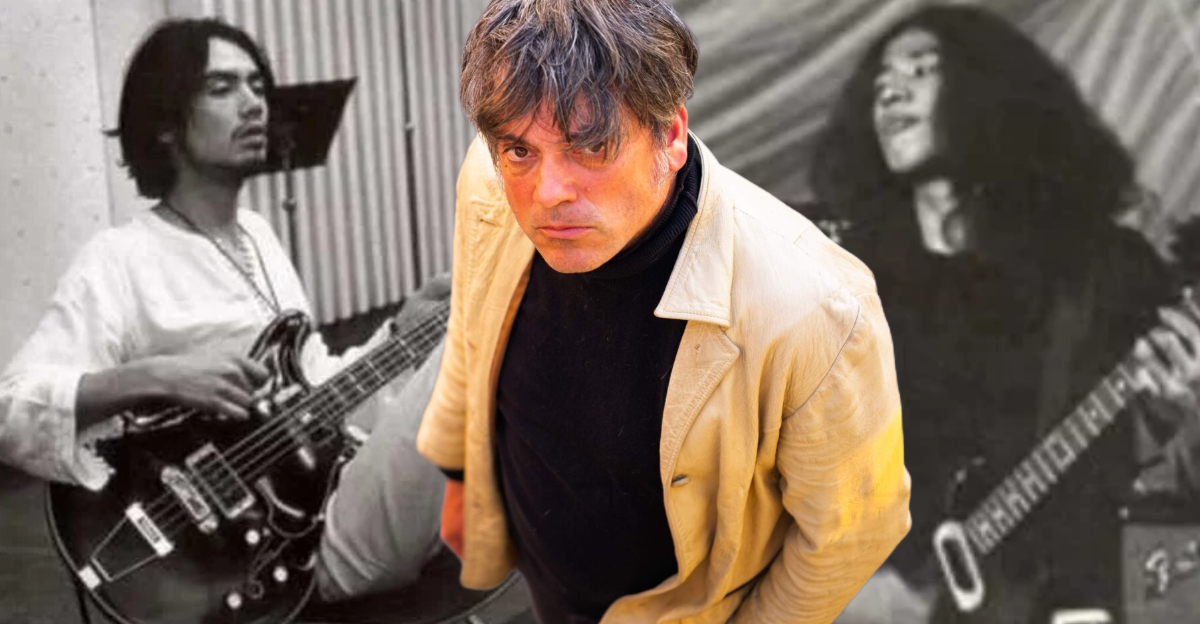
Shinki Chen’s career is one of rock’s most fascinating disappearances. In the early ’70s, he was shredding with the kind of fire that made critics call him “Japan’s Hendrix.” But just as he seemed destined for global fame, he simply turned his back on the industry forever. So what happened? Here’s the wild, true story of a guitar legend who walked away right as he was about to explode.
 Born in Yokohama, Raised on Western Rock
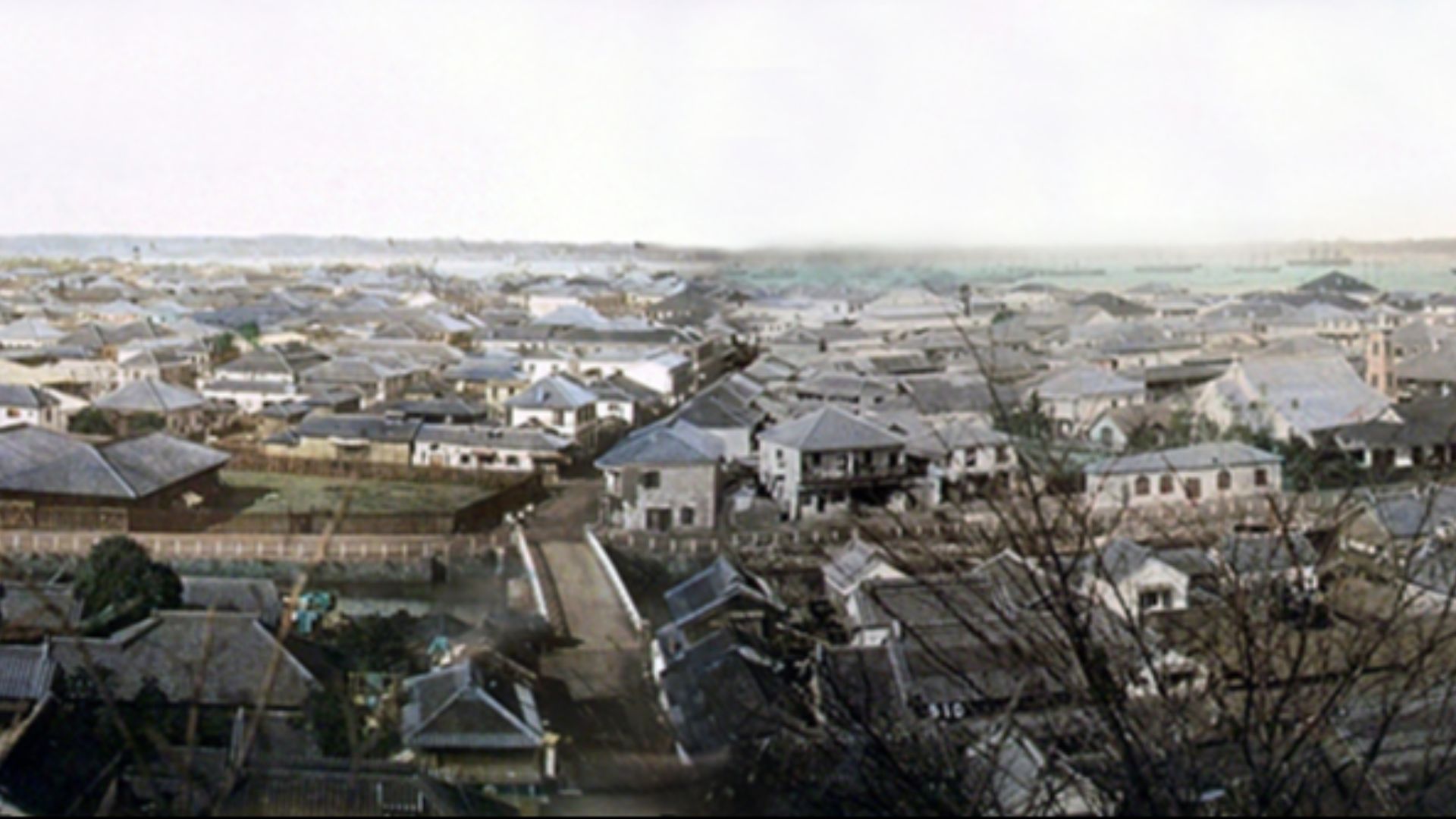
Shinki Chen was born in Yokohama, a port city where Western music hit early. Imported blues and psychedelic rock shaped him from the start, giving him influences most Japanese guitarists didn’t hear until years later. Those sounds seeped into his playing, and by the time he hit the stage, he already sounded like someone who’d absorbed half the late ’60s rock revolution.
A Teenage Prodigy With Scary Talent
By his teens, Shinki was already a phenomenon. Musicians older than him swore he could improvise endlessly without repeating a phrase. His talent felt unfair—like some players get a five-year head start and Shinki got twenty. Other guitarists didn’t just respect him; they were intimidated.

The Tokyo Underground Couldn’t Hold Him
As the ’60s rolled on, Shinki became a force in Tokyo’s club scene. Small rooms, cheap amps, cigarette smoke, sweaty walls—he tore through them all. Crowds packed in just to watch him blister through songs with an intensity nobody else had. Everyone left saying the same thing: this guy is different.

He Jumped Between Bands, Leaving Shocked Musicians Behind
Shinki moved through early groups like Powerhouse and Food Brain, each one louder and more experimental than the last. He’d join, record or perform something unforgettable, then move on. Every time he left a band, people wondered how they’d replace him. The answer was always the same: they couldn’t.
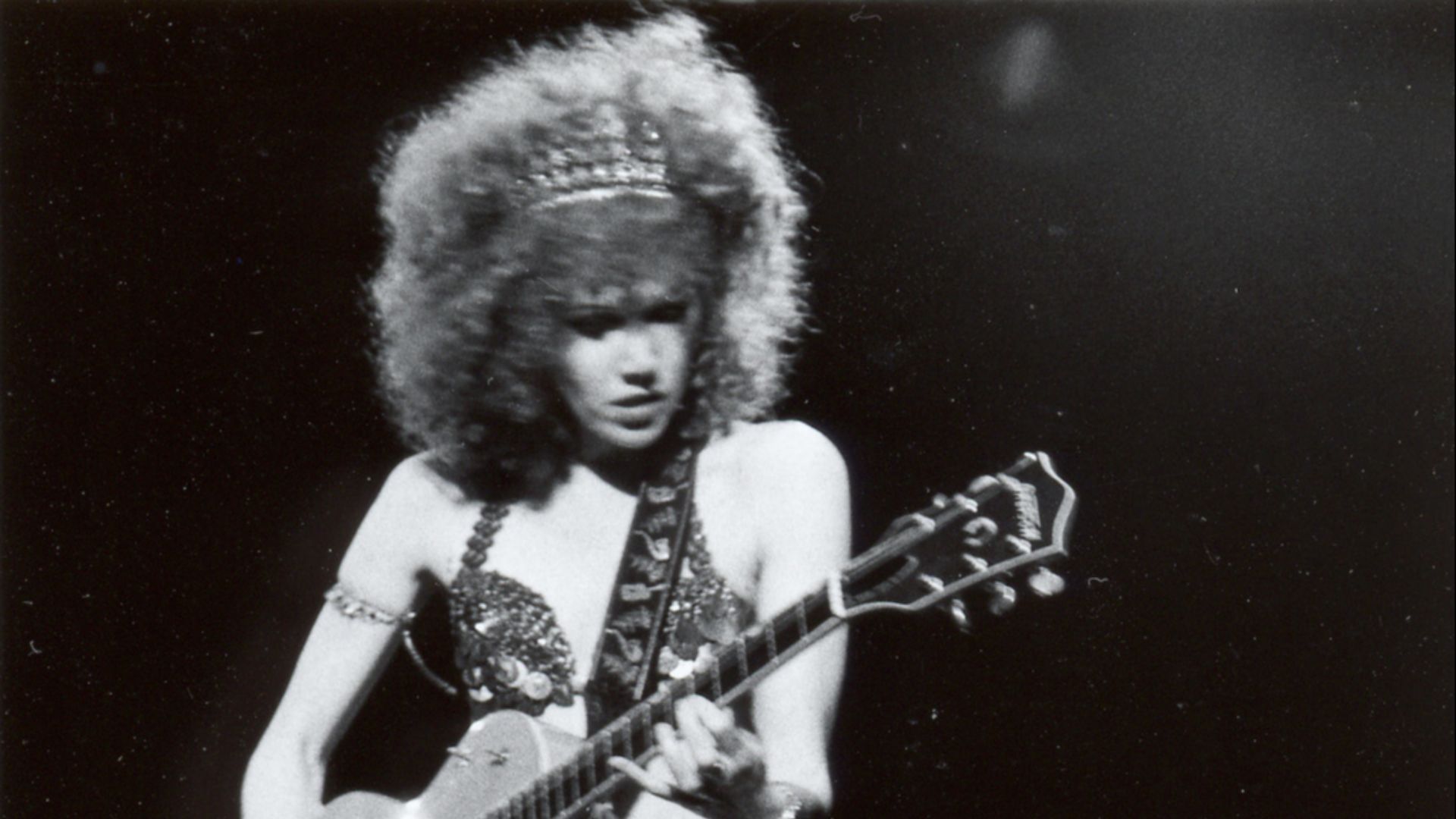 Masao Nakagami, Wikimedia Commons
Speed, Glue & Shinki Arrives—and Chaos Arrives With It
When Shinki teamed up with Joey “Pepe” Smith and Masayoshi Kabe, things got loud, messy, and absolutely iconic. Their band—Speed, Glue & Shinki—became infamous almost instantly. Rock historians later summed them up perfectly: “Speed, Glue & Shinki were pure psychedelic anarchy.”

“Eve”: His Masterpiece Nobody Understood in 1971
Shinki’s 1971 solo album Eve is now considered “a masterpiece of heavy psychedelic rock that has been largely overlooked.” But at the time? Crickets. Japan didn’t know what to do with the heaviest, wildest fuzz-rock they’d ever heard. Today it’s a holy grail LP.
 Philippine Postal Corporation, Wikimedia Commons
His Tone Sounded Dangerous—In the Best Possible Way
Modern reviewers still rave about the way he sounded. One even wrote that “his tone was so raw and distorted it felt dangerous—in the best possible way.” Shinki didn’t just use distortion—he weaponized it.
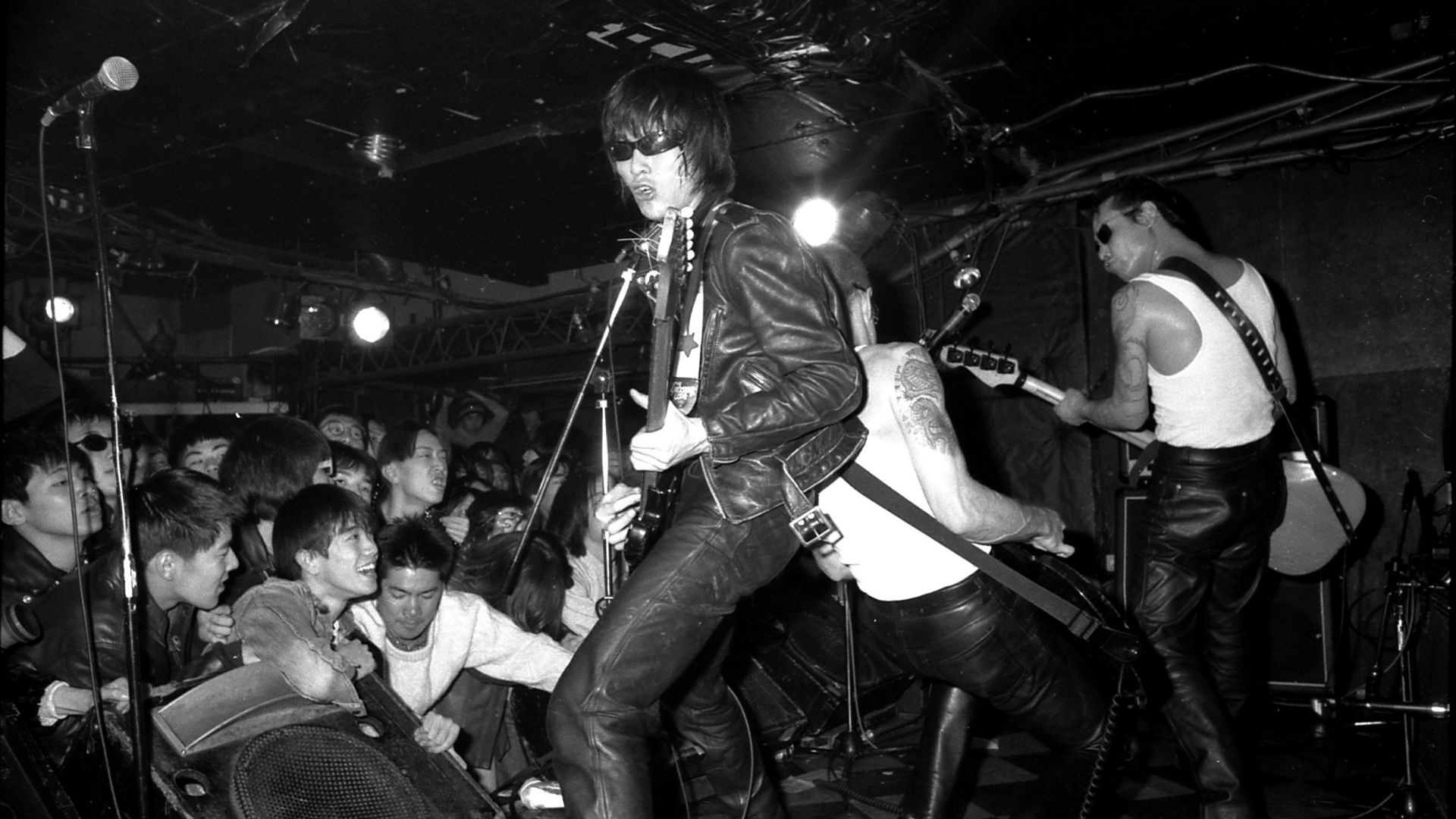 Masao Nakagami, Wikimedia Commons
Japan Wanted Softer Sounds
While Shinki was inventing new ways to melt a speaker, Japan’s mainstream was leaning towards soft pop, folk ballads, and clean, polished arrangements. Shinki was too wild, too raw, too ahead.
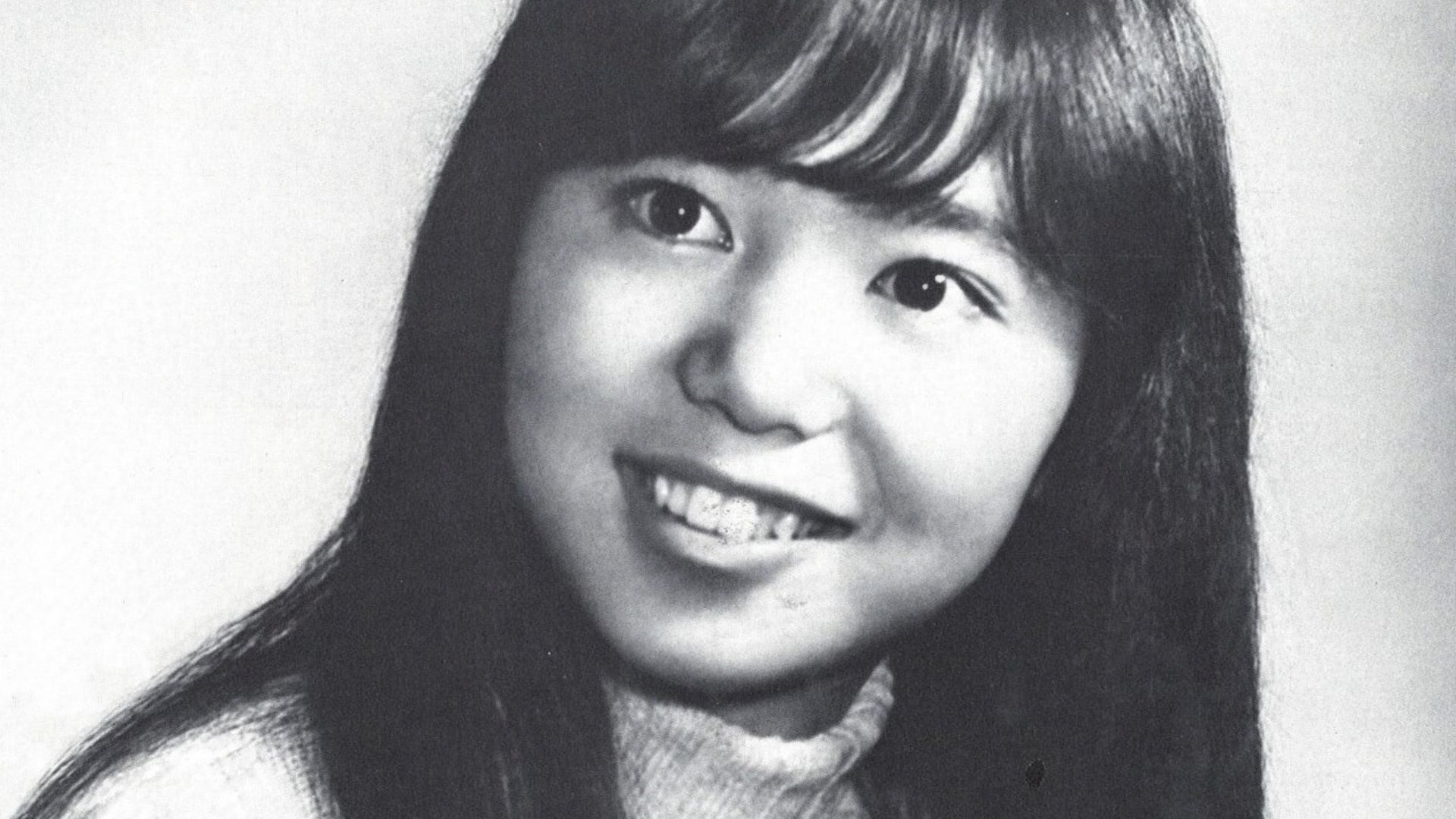 Rock Falls High School, AFS Intercultural Programs, Wikimedia Commons
Behind the Scenes, the Bands Were Imploding
Speed, Glue & Shinki was magical onstage but a mess off it. Members drifted in and out, rehearsals were unpredictable, sessions could be disasters, and shows sometimes bordered on unhinged. It was the kind of brilliance that couldn’t last.
 Albert Lozada from Bacolod City, Philippines, Wikimedia Commons
His Label Didn’t Know What To Do With Him
Polydor loved his talent but hated the instability. Low sales, chaotic bands, and a sound they couldn’t package made him a tough artist to push. A genius with no commercial traction was a hard sell in 1971—and Shinki wasn’t budging on his sound.

Meanwhile, Critics Were Losing Their Minds
Even as the public ignored him, critics saw lightning. Some described him as “one of the wildest, most fuzz-drenched guitarists Japan ever produced.” The Hendrix comparisons weren’t marketing—they were the only language critics had to describe someone this original.
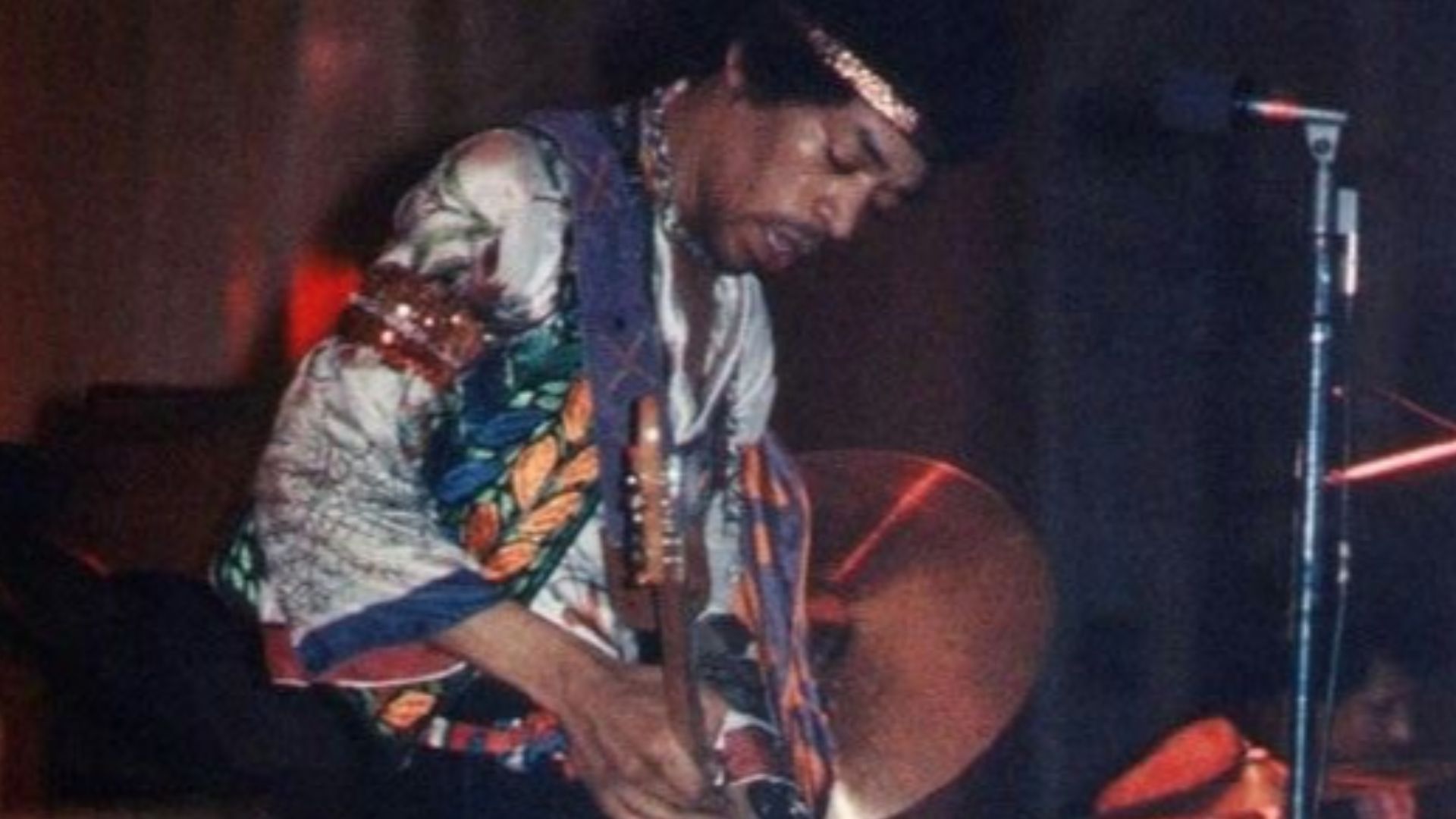 Unknown author, Wikimedia Commons
He Was on the Verge of Something Bigger
Japan’s underground psych scene was gaining international curiosity. If Shinki had stuck around a little longer, he might’ve found the global audience he deserved. He was this close to catching the wave.
 Jake from Manchester, UK, Wikimedia Commons
And Then…He Walked Away Completely
No overdose. No meltdown. No breakup statement. Shinki simply stepped off the stage and never stepped back on. One day he was the most electrifying guitarist in Japan; the next he was gone. Fans were stunned. The industry was confused. It wasn’t chaos—it was a quiet, final exit.

Friends Say He Felt “Disillusioned”
People close to him said he was exhausted—worn down by unstable bands, industry pressure, and the mismatch between his art and the market. The grind killed the joy. He didn’t want more fame; he wanted less noise.
 Francisco Moreno franciscomoreno, Wikimedia Commons
So He Became a Hairdresser
Shinki left music entirely and became a hairdresser in Tokyo. And he wasn’t slumming it—he was good. Fans who recognized him years later said he was warm, humble, and uninterested in being treated like a vanished rock god.
 Nokelainen Joel, Wikimedia Commons
He Chose Privacy, Not a Spotlight
Shinki didn’t tease a comeback, talk about the old days, or ride the nostalgia wave. He stayed out of interviews, documentaries, and reissues. The rock chapter was closed, and he had no desire to reopen it.

Then His Records Became Cult Treasures
By the ’90s and 2000s, vinyl collectors were hunting down his albums like rare treasure. Eve became a rite-of-passage album for serious psych fans. His legend grew without him saying a single word.
 Pedro Ribeiro Simões from Lisboa, Portugal, Wikimedia Commons
A New Generation Made Him a Pioneer
Through online discovery, crate digging, and obsessive fan forums, Shinki developed a new following. Rock historians now call him “a towering figure in the early Japanese psych scene.”

His Disappearance Only Added to the Myth
Rock legends usually burn out in public. Shinki burned bright, then vanished. With no interviews, no updates, and no comeback, fans began filling in the gaps themselves. His absence became part of the art.

Today, Shinki Chen Is Rock’s Greatest “What If”
He could’ve been a global icon, a genre-shaping star, a festival headliner. Instead, he chose a quieter life—and ironically, that choice made his legend burn even brighter.

You Might Also Like:
Pink Floyd vs. Led Zeppelin: Who Is the Greatest Rock Band Ever?