The Records That Made Being Different Sound Incredible
Alternative rock has never been about fitting in. It’s the sound of bands ignoring the rulebook, pulling from punk, pop, noise, emotion, and experimentation, and somehow turning all that mess into something unforgettable. These are the albums that became cherished friends as you played them in bedrooms, cars, basements, and headphones at full volume. Some exploded instantly. Others took time to seep into culture. All of them helped alternative rock become one of the most influential movements in modern music.
Green Day – Dookie (1994)
Dookie sounded like chaos, anxiety, and sarcasm bottled perfectly for the mid-90s. Green Day made punk fast, funny, and painfully relatable without sanding off its rough edges. Songs like “Basket Case” and “Longview” captured boredom, insecurity, and restlessness in a way that felt honest, not performative. It was messy, loud, and impossible to ignore.
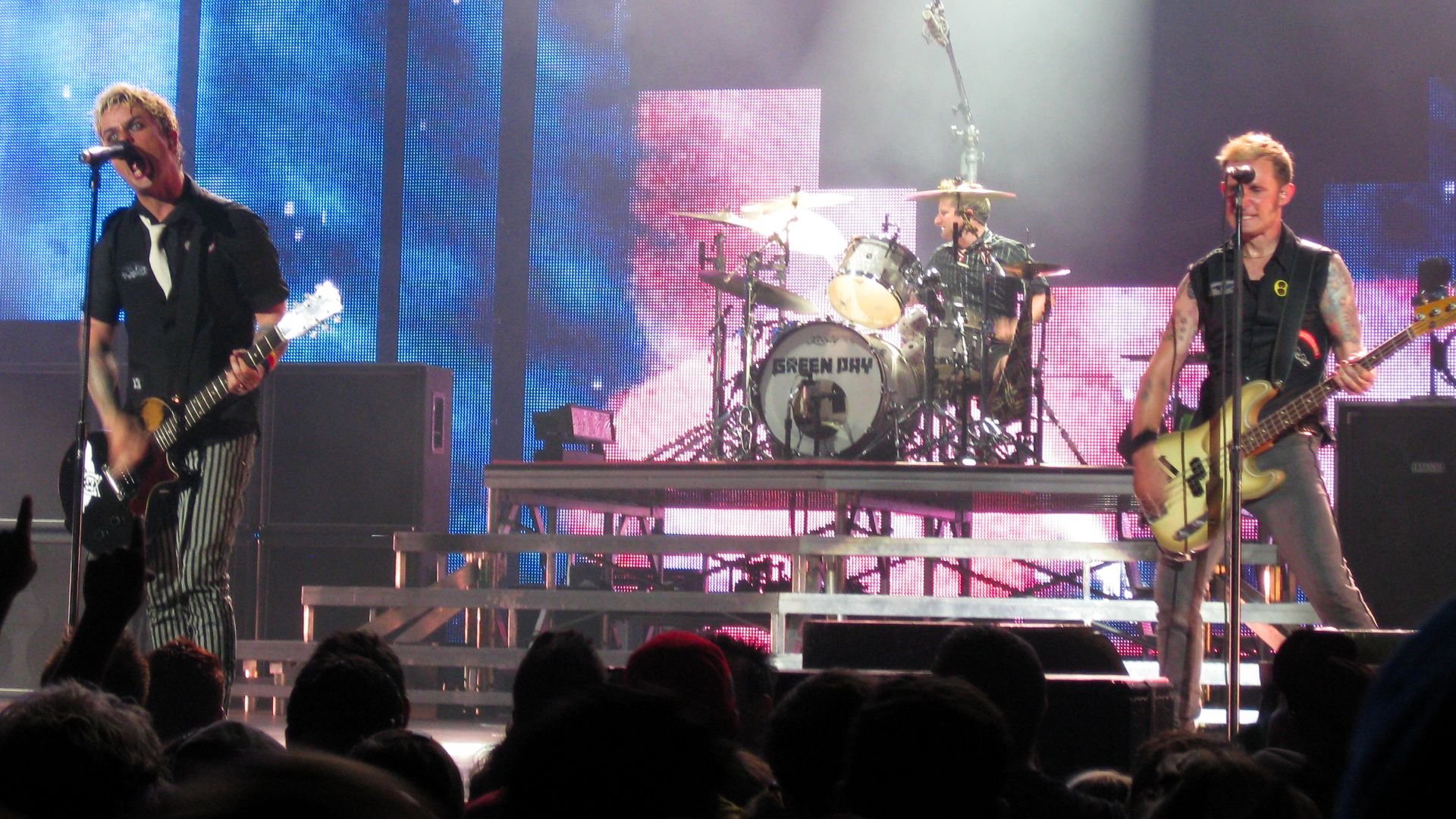 Daniel D'Auria, Wikimedia Commons
The White Stripes – Elephant (2003)
This album felt like a punch to the chest after years of overproduced rock. Elephant was raw, stripped down, and unapologetically loud, with Jack White leaning fully into blues, garage rock, and chaos. “Seven Nation Army” became unavoidable, but deeper cuts proved the album’s real power was its attitude and grit.
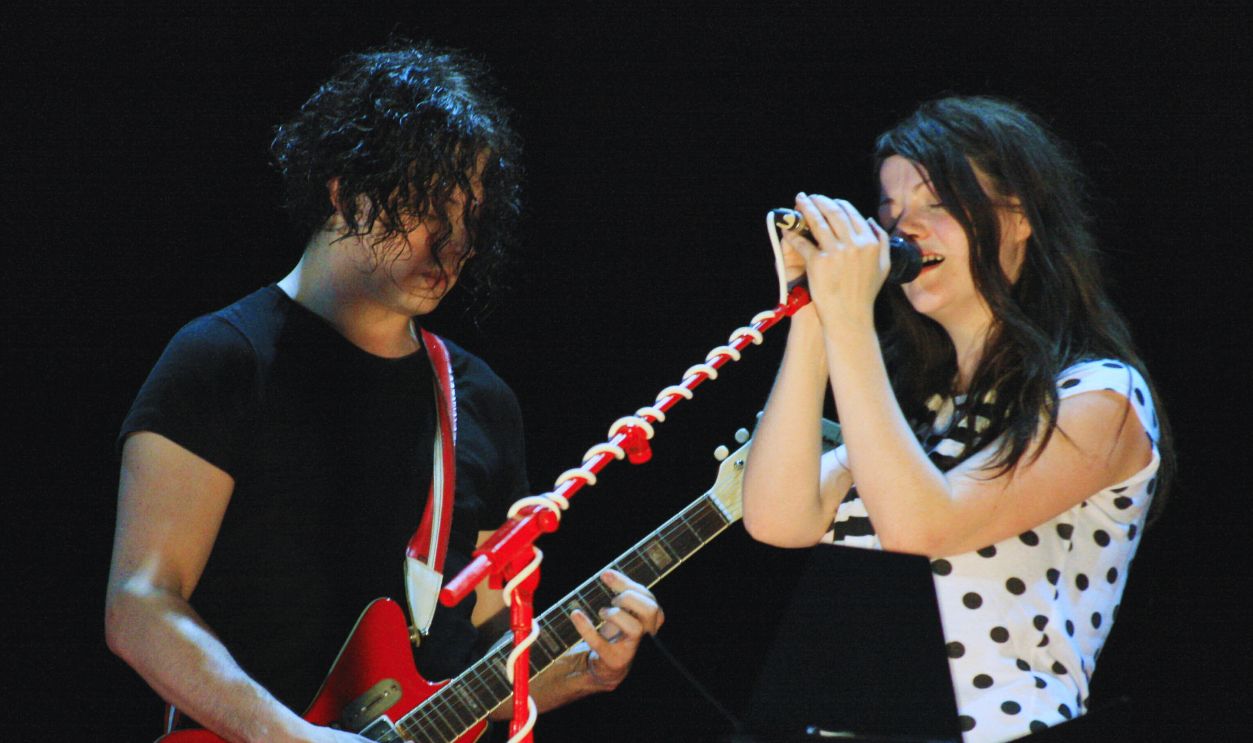 Fabio Venni from London, UK; modified by anetode, Wikimedia Commons
Joy Division – Unknown Pleasures (1979)
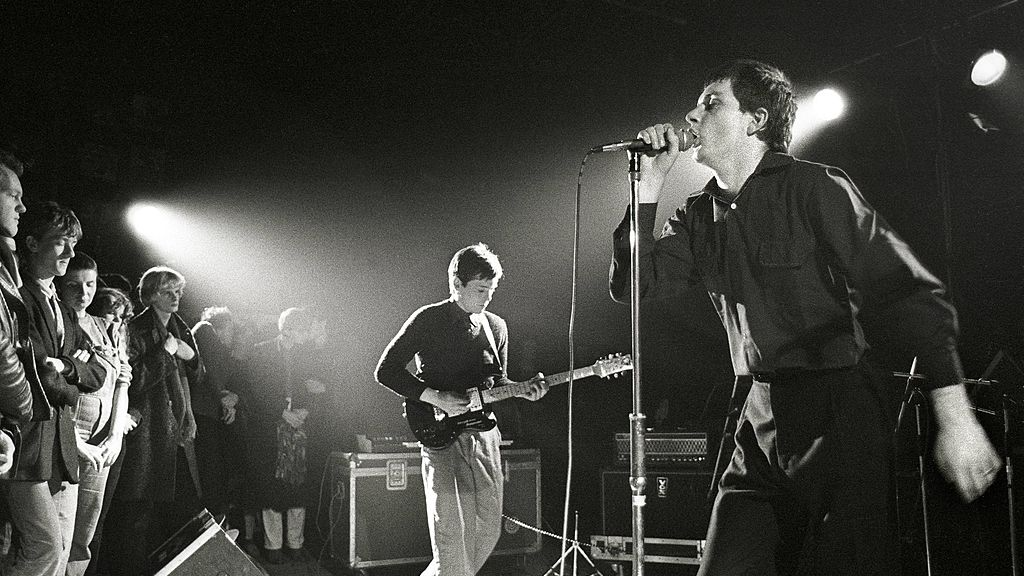
Unknown Pleasures doesn’t sound like anything else—then or now. Its cold basslines, hollow drums, and Ian Curtis’ detached vocals create a sense of isolation that still feels unsettling. This album didn’t chase trends; it created an emotional language that post-punk, alternative, and goth bands would spend decades borrowing from.
Nirvana – Nevermind (1991)
This album detonated. Nevermind dragged underground frustration into the mainstream and made it impossible to go back. Kurt Cobain’s songwriting balanced melody and fury in a way that felt both raw and catchy. It wasn’t polished, it wasn’t trying to be iconic—and that’s exactly why it was.
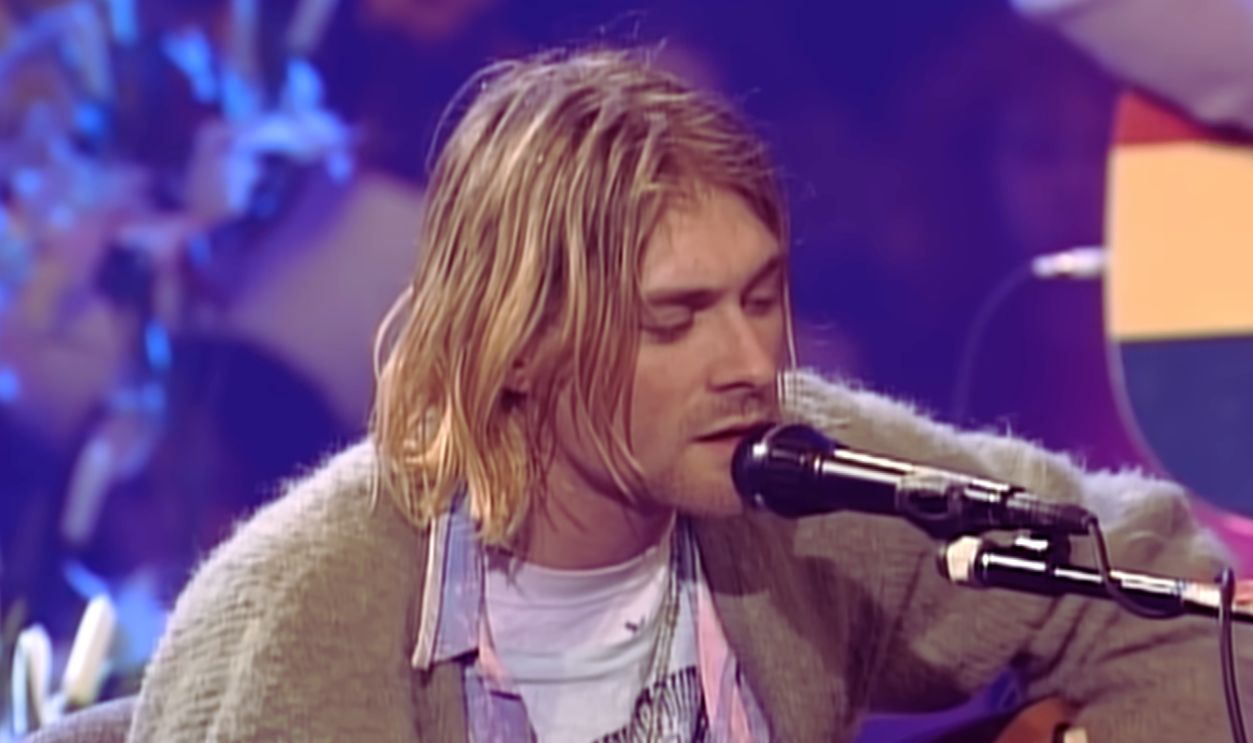 Screenshot from The Man Who Sold the World, DGC Records (1993)
Radiohead – OK Computer (1997)
OK Computer feels like a warning that came true. Paranoid, emotional, and deeply human, it pushed alternative rock beyond guitars and choruses into something more abstract and cinematic. Every track feels carefully constructed yet emotionally fragile. It’s an album that grows heavier the older you get.
 michell zappa, Wikimedia Commons
The Smashing Pumpkins – Siamese Dream (1993)
This record is drenched in feeling. Massive layers of guitar sit next to moments of vulnerability, creating a dreamlike push and pull. Billy Corgan’s songwriting feels exposed but controlled, while tracks like “Cherub Rock” and “Today” balance sweetness and sadness perfectly. It’s lush, emotional, and endlessly replayable.
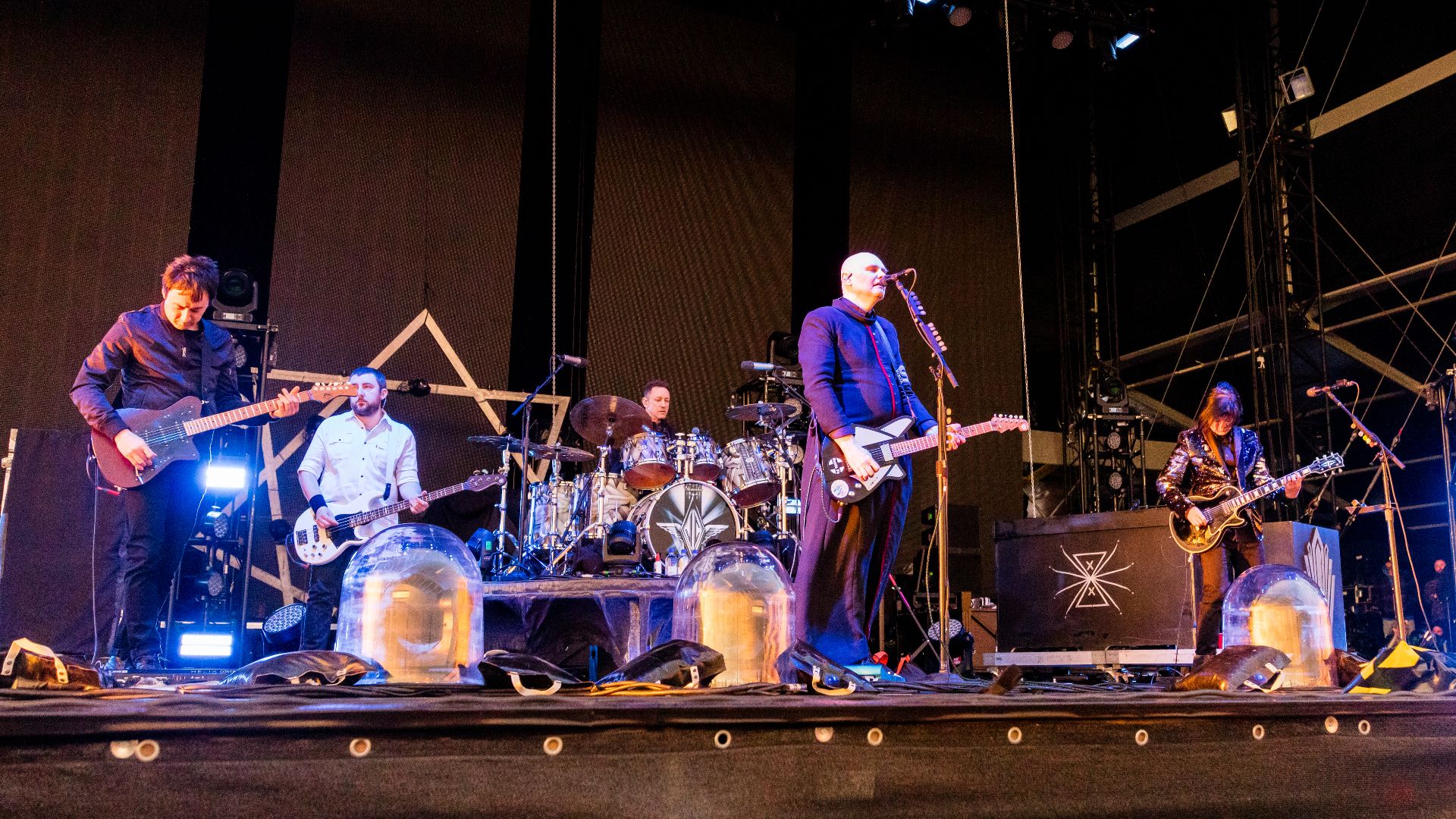 Sven Mandel, Wikimedia Commons
R.E.M. – Automatic For The People (1992)
Quiet doesn’t mean weak. Automatic for the People is introspective, graceful, and devastating in small doses. It’s an album about loss, time, and reflection, delivered without distortion or aggression. Songs like “Man on the Moon” feel comforting, while “Everybody Hurts” still hits like a shared confession.
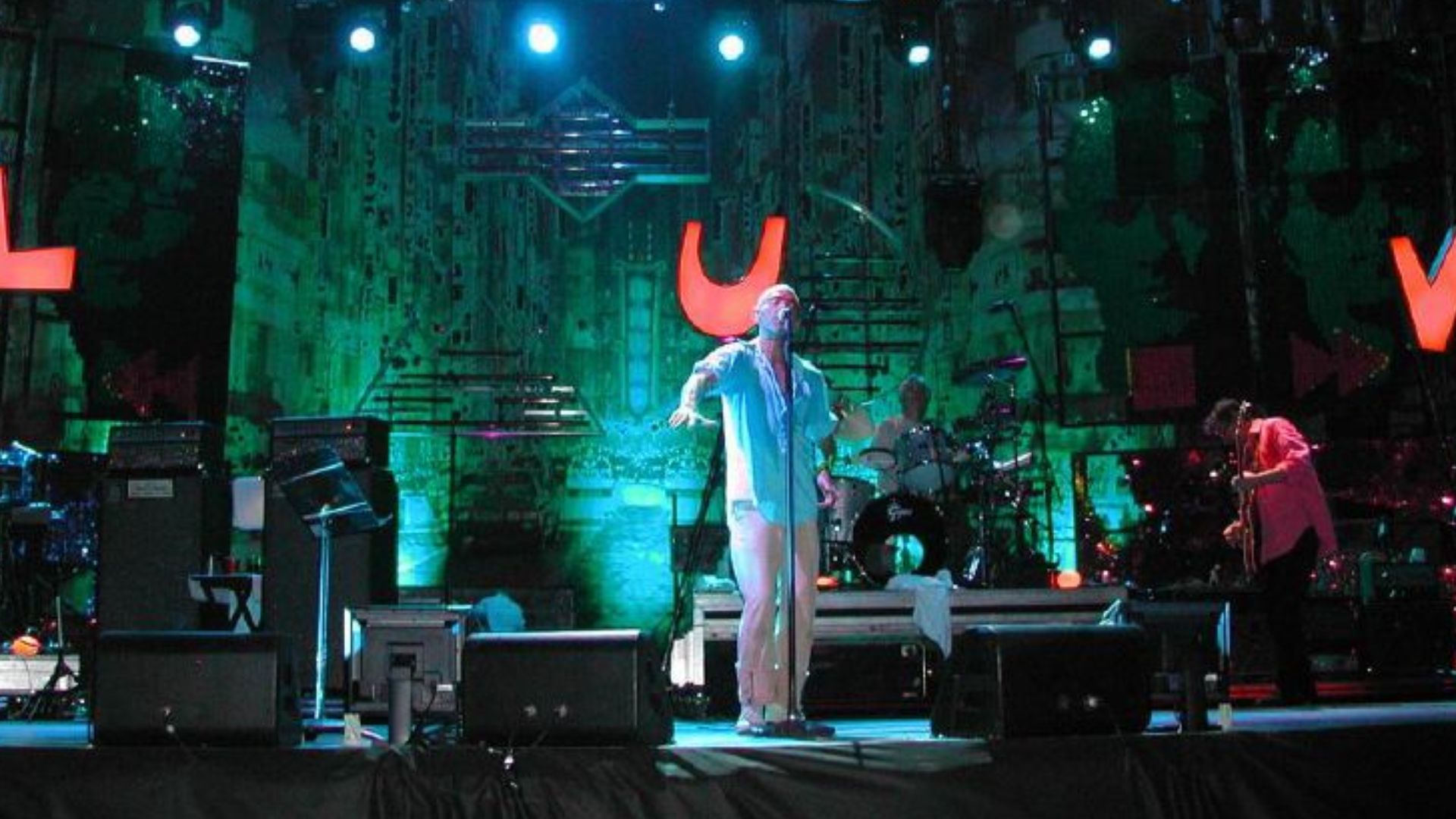
Pearl Jam – Ten (1991)
Ten brought emotional weight and classic-rock muscle to grunge. Eddie Vedder’s voice sounds massive but wounded, giving songs like “Alive” and “Black” a sense of urgency and pain. The album’s polished sound helped it reach a huge audience, but the emotion underneath always feels genuine.
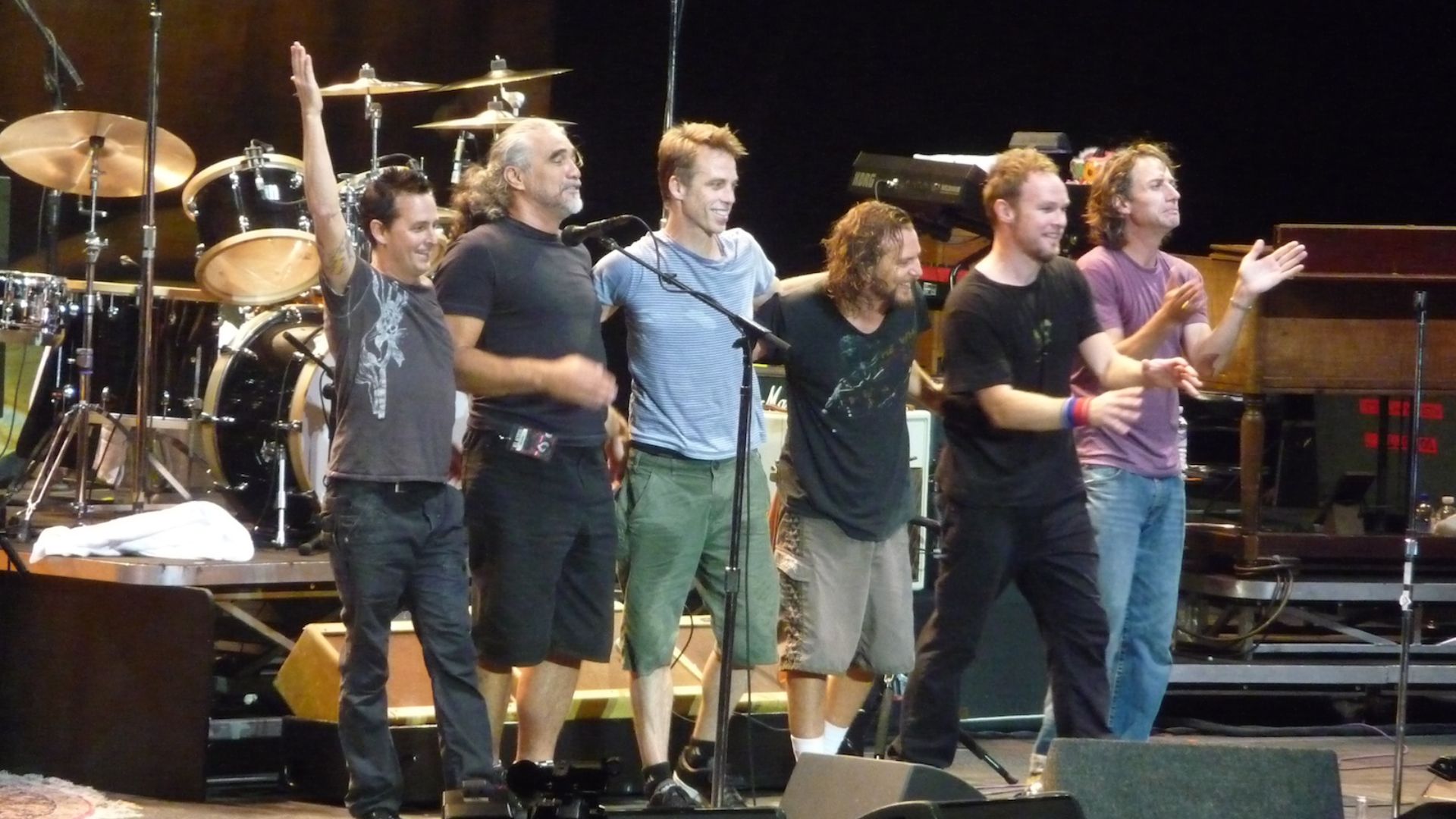 Paul from United Kingdom, Wikimedia Commons
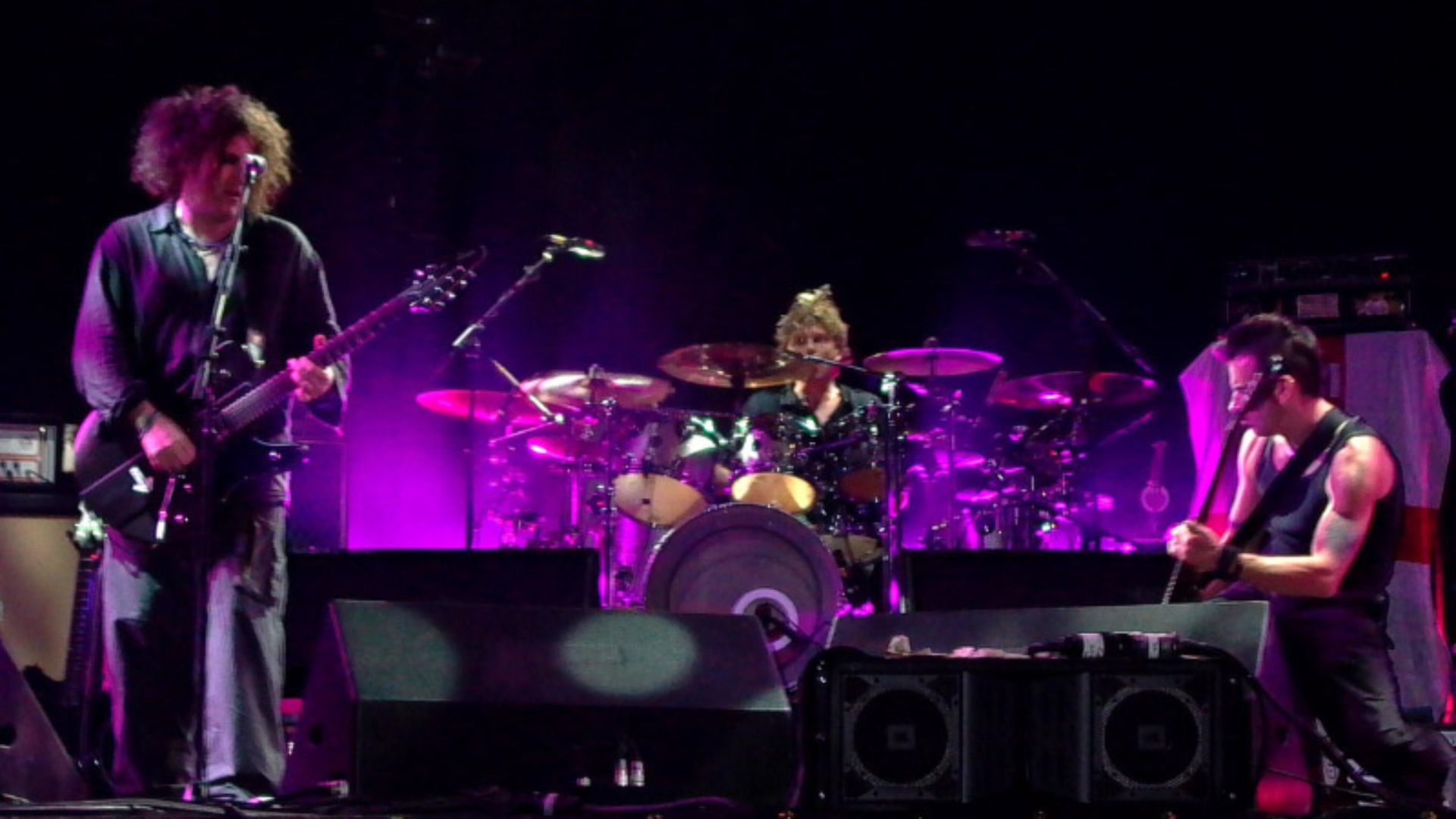
The Cure – Disintegration (1989)
This album feels like being swallowed whole by emotion, in the best way. Disintegration is lush, dramatic, and unapologetically sad, but it never wallows. Robert Smith turns heartbreak and longing into something beautiful, with synths and guitars that feel endless. It’s immersive, romantic, and deeply cathartic.
 Markus Vortkamp, Wikimedia Commons
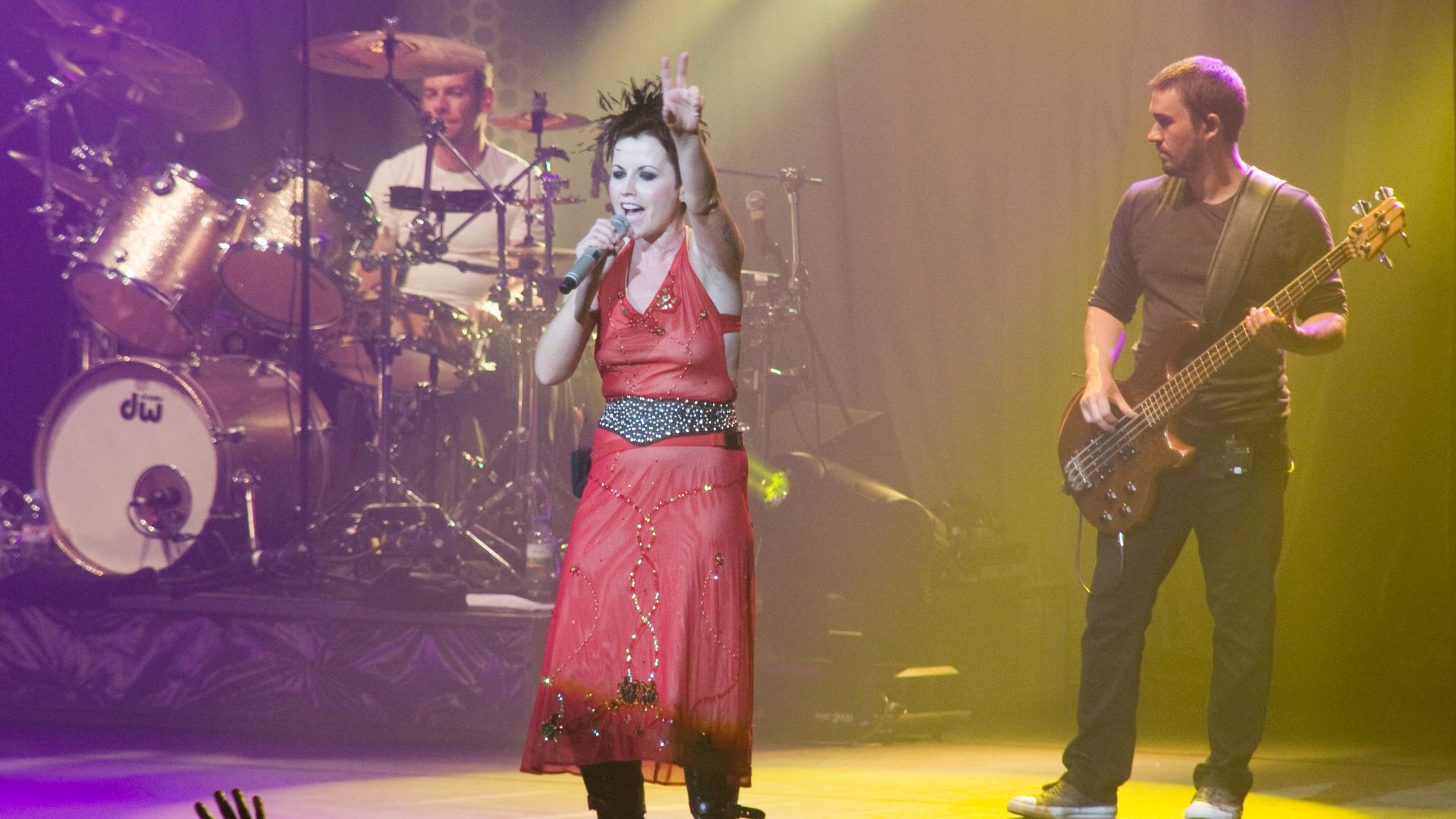
The Cranberries – No Need To Argue (1994)
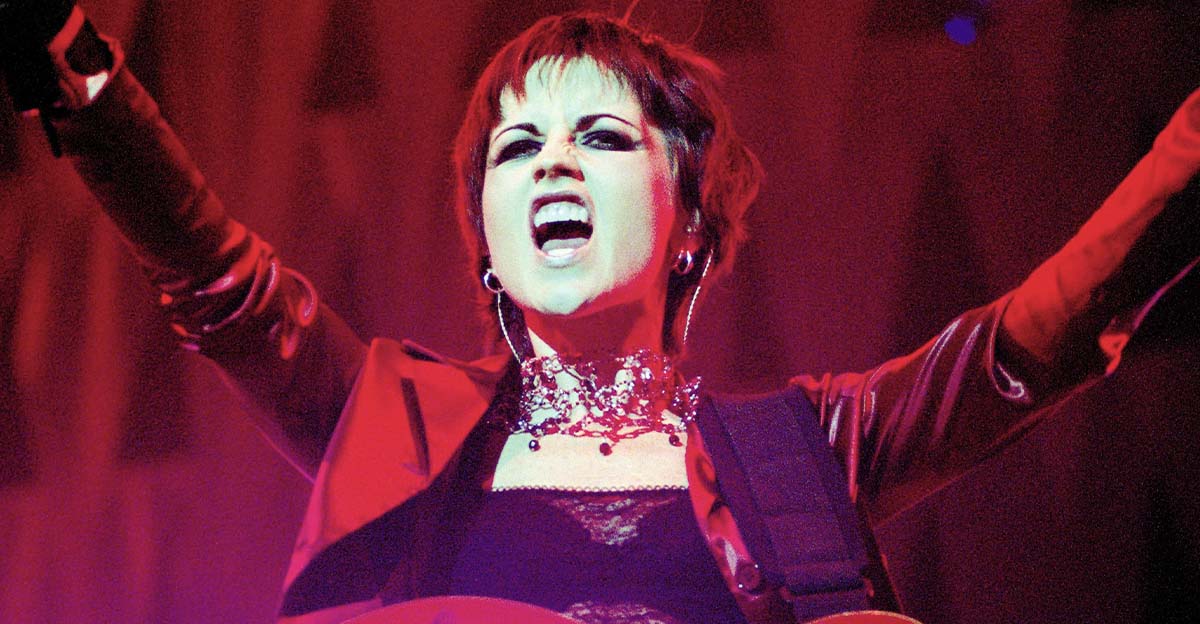
Dolores O’Riordan’s voice carries this album from whisper-soft to explosive. No Need to Argue balances intimate heartbreak with global outrage, especially on “Zombie”. It’s an album that feels personal and political at the same time, grounded in emotion rather than trend-chasing.
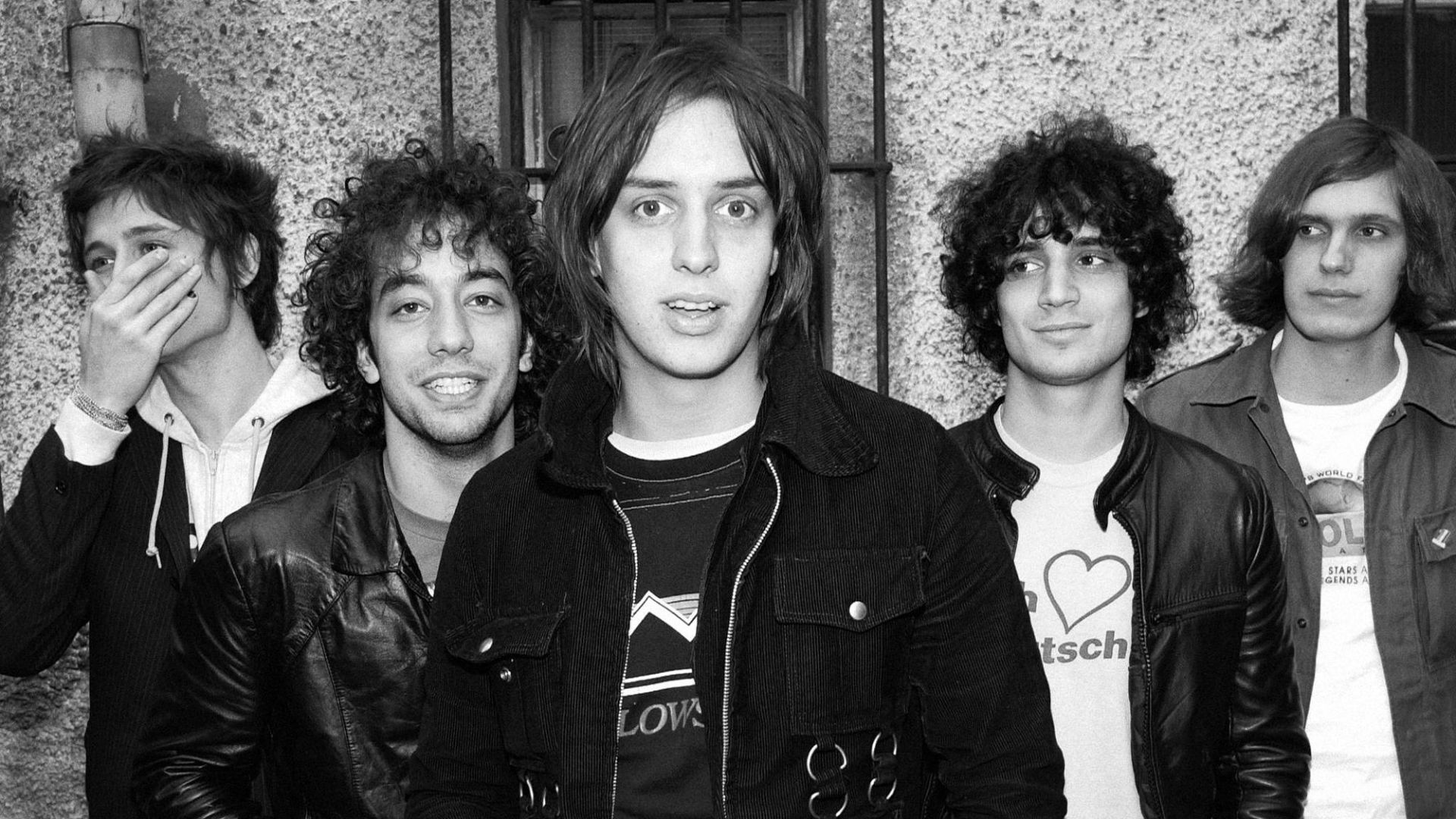
The Strokes – Is This It (2001)
This album arrived at exactly the right moment. Is This It made rock feel cool, dangerous, and effortless again with tight songs and zero excess. The Strokes didn’t overthink anything as short tracks, sharp riffs, and detached vocals did all the work. It changed early-2000s rock overnight.
 Roger Woolman, Wikimedia Commons
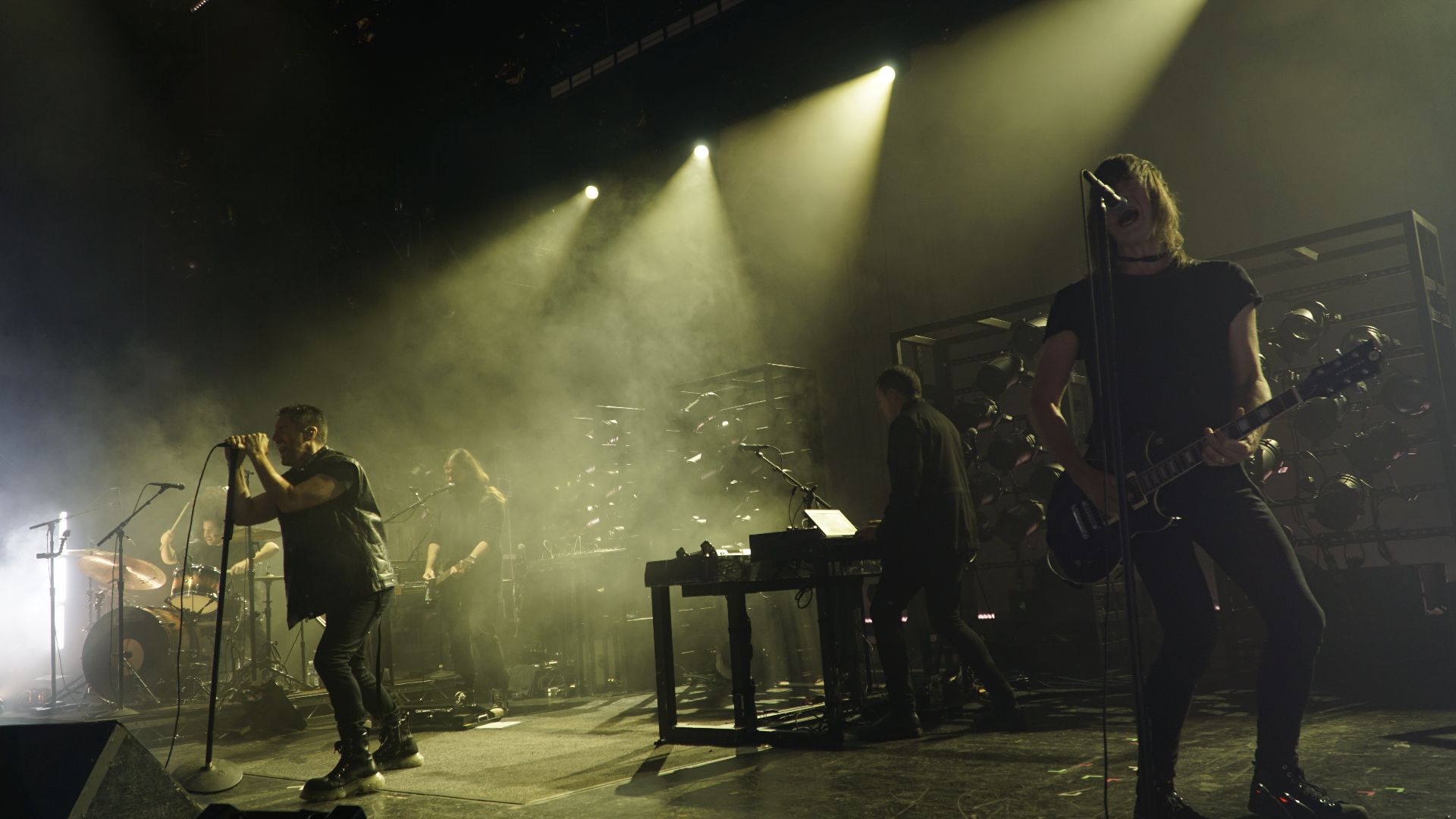
Nine Inch Nails – The Downward Spiral (1994)
This album is uncomfortable by design. The Downward Spiral dives into obsession, control, and self-destruction without offering relief. It’s industrial, abrasive, and emotionally draining but also deeply influential. Trent Reznor proved alternative rock could be brutal, conceptual, and still massively impactful.
Foo Fighters – The Colour And The Shape (1997)
This album feels like survival. Dave Grohl turned grief and frustration into huge, emotional songs that balanced vulnerability with stadium-sized hooks. Tracks like “Everlong” feel intimate and massive at the same time. It cemented Foo Fighters as more than a side project, proving to everyone they were here to stay.
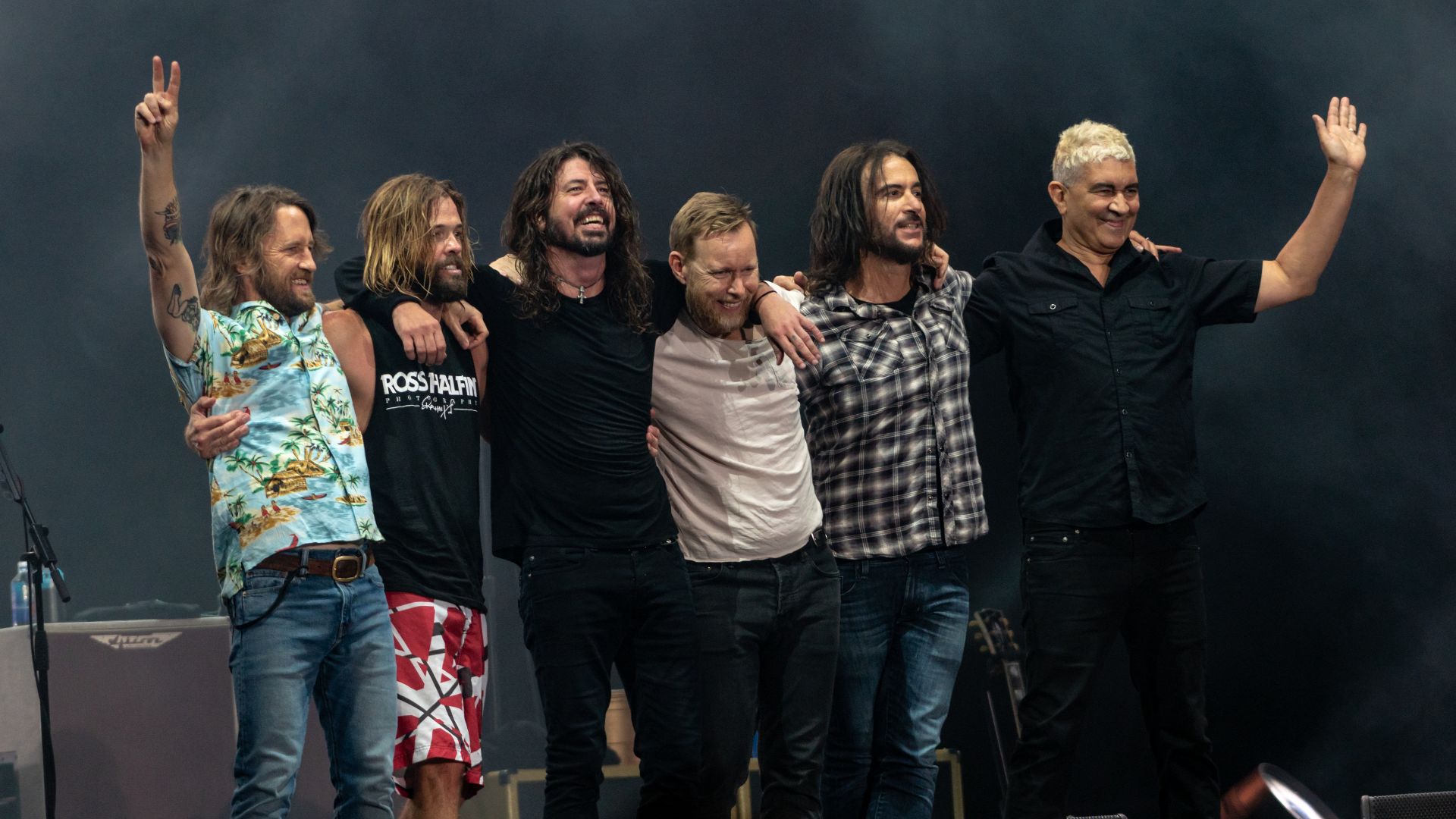 Raphael Pour-Hashemi, Wikimedia Commons
Pixies – Doolittle (1989)
Nothing about Doolittle is predictable. It jumps between sweetness and chaos, softness and screaming, often within the same song. The Pixies’ loud-quiet dynamic became a blueprint for alternative rock, and their weird, surreal lyrics gave the genre permission to be strange without apology.
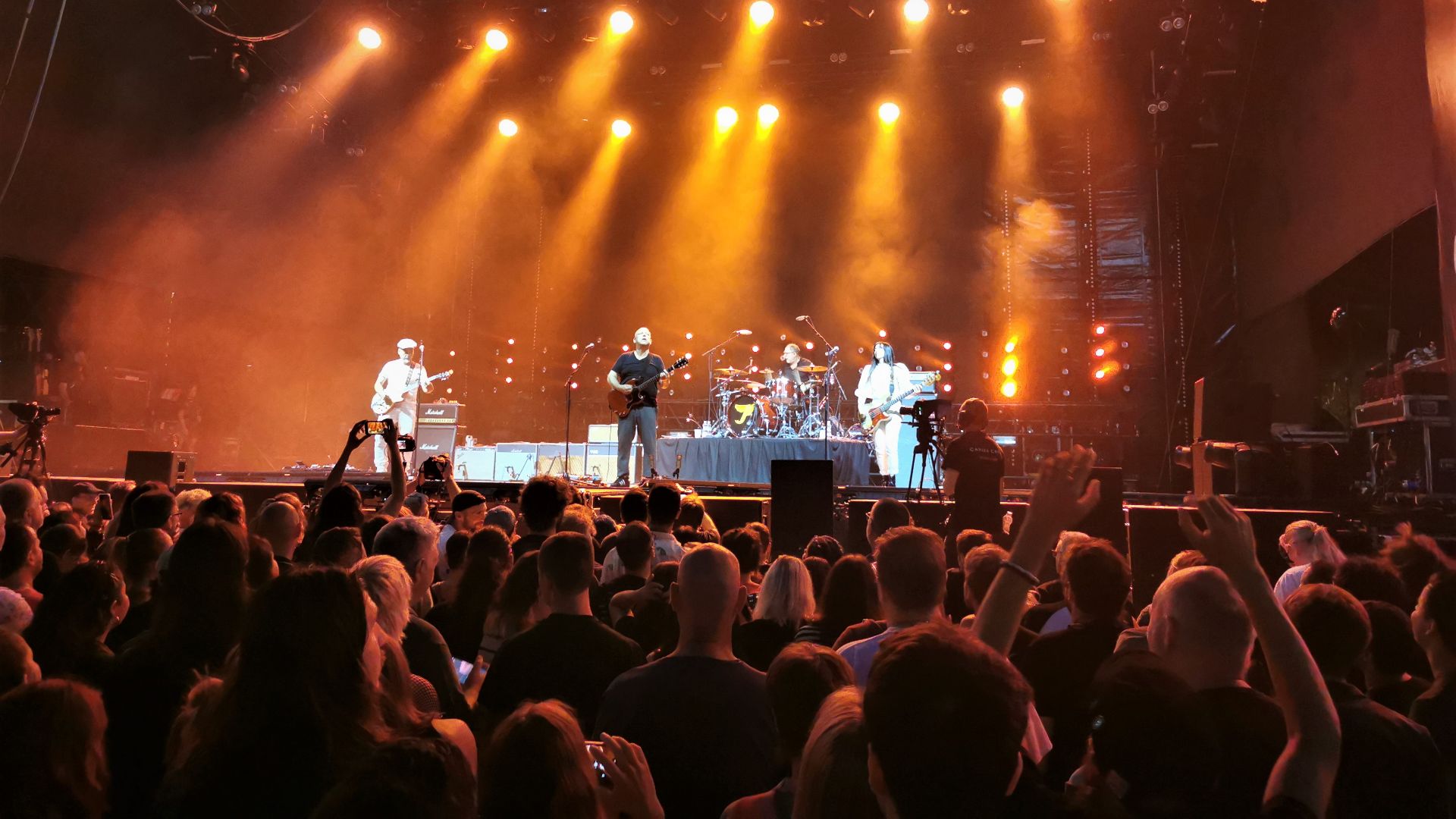 Elekes Andor, Wikimedia Commons
Red Hot Chili Peppers – Californication (1999)
This album sounds like reflection after years of excess. Californication trades frantic funk for melody, atmosphere, and vulnerability. Songs like “Scar Tissue” and “Otherside” feel warm but haunted. It’s one of the band’s most focused records, capturing both the beauty and emptiness of California life.
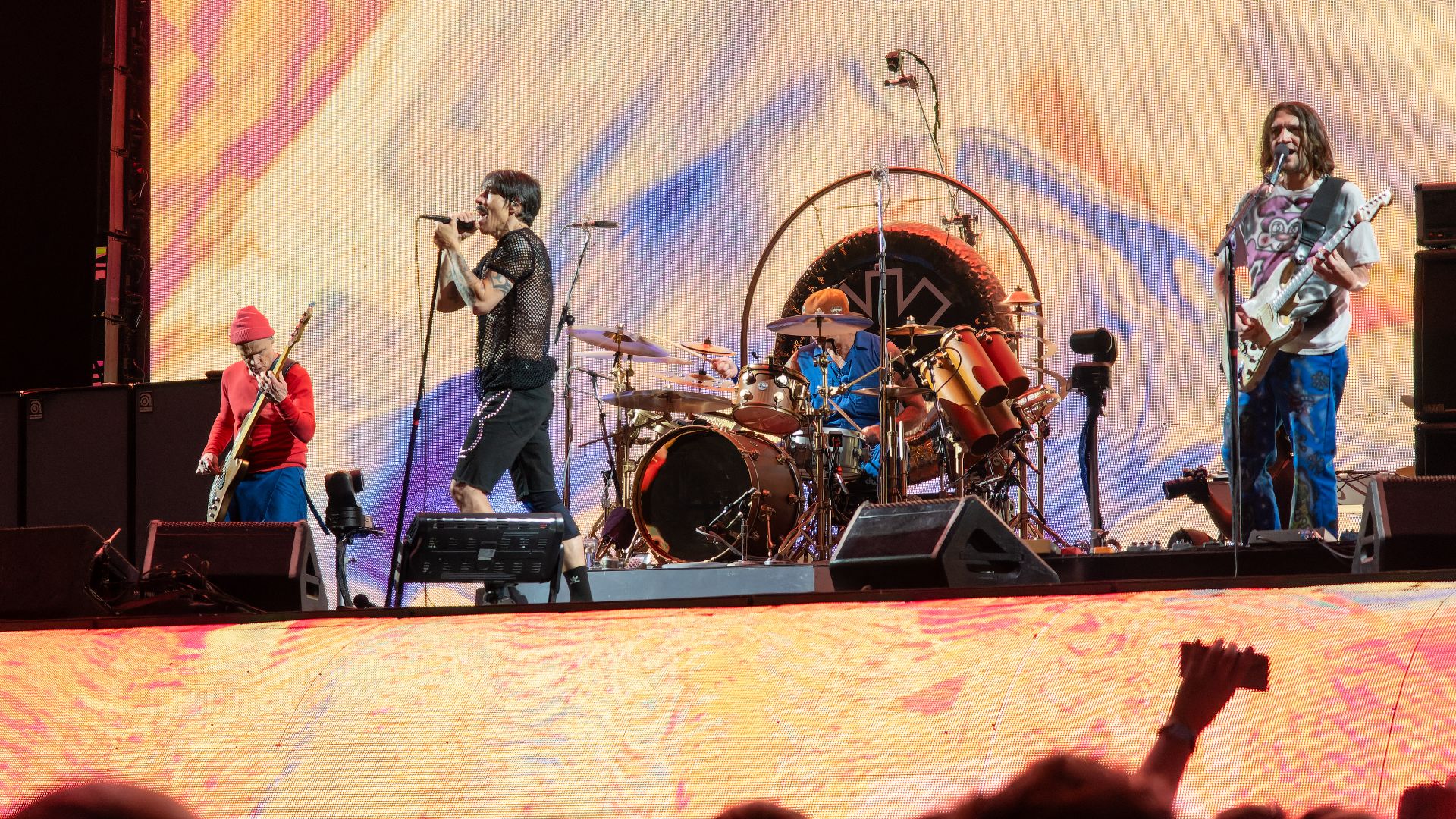
U2 – Achtung Baby (1991)
U2 blew up their own formula here. Achtung Baby is darker, messier, and more experimental than anything they’d done before. It leans into electronic textures, fractured relationships, and emotional uncertainty. The reinvention worked and it kept the band creatively alive.
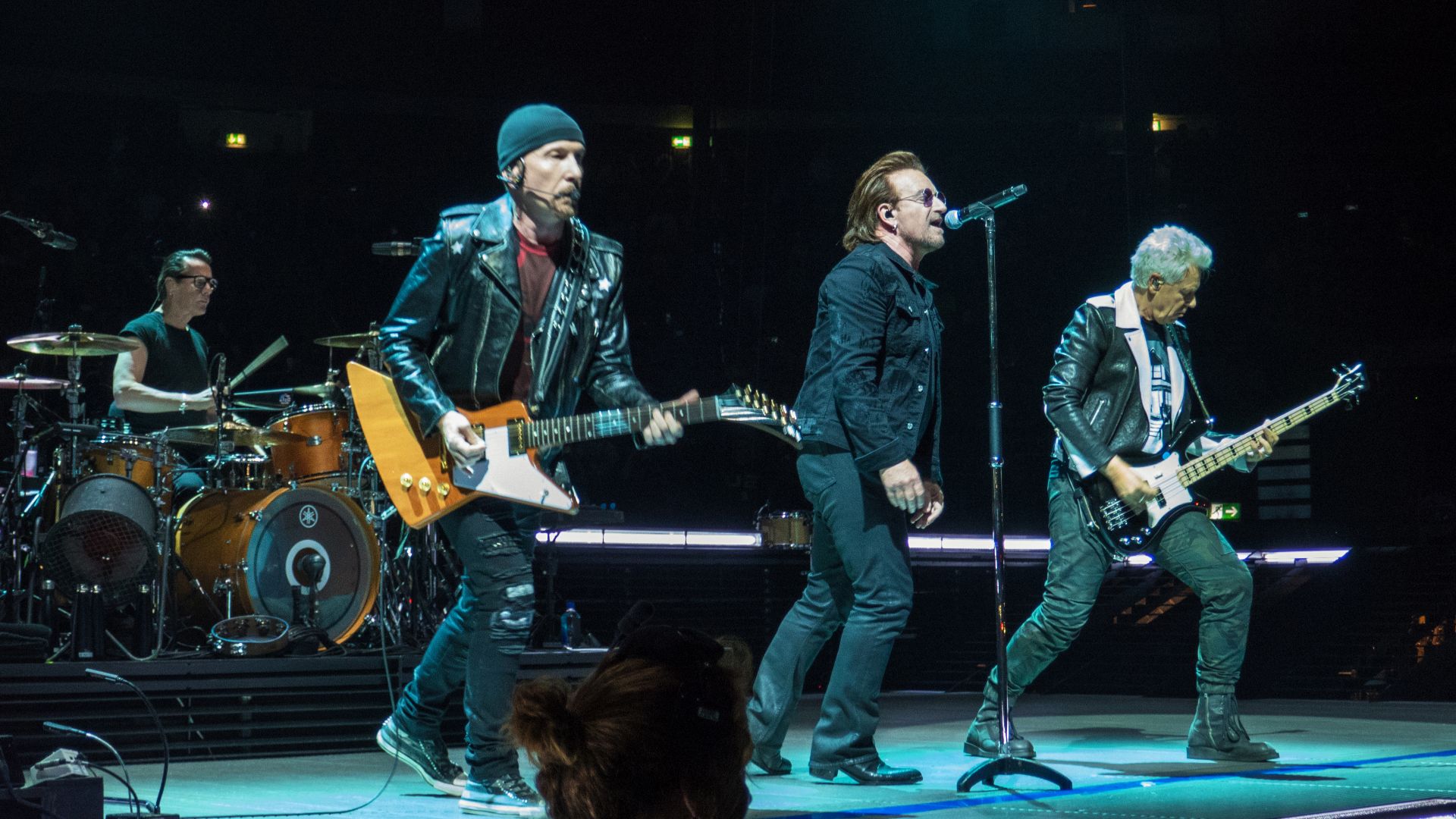 Petr (Happy24), Wikimedia Commons
Soundgarden – Superunknown (1994)
Heavy but adventurous, Superunknown pushed grunge into stranger territory. Chris Cornell’s vocals soar over dense riffs and unusual time signatures, giving the album a psychedelic edge. It’s unsettling, powerful, and surprisingly nuanced, proving heaviness and experimentation don’t have to be separate things.

The Smiths – The Queen Is Dead (1986)
This album perfected indie melancholy. Morrissey’s dramatic, biting lyrics collide with Johnny Marr’s bright, jangly guitar work, creating something bittersweet and endlessly quotable. The Queen Is Dead feels deeply personal yet universally relatable; it’s sad music that somehow feels comforting.
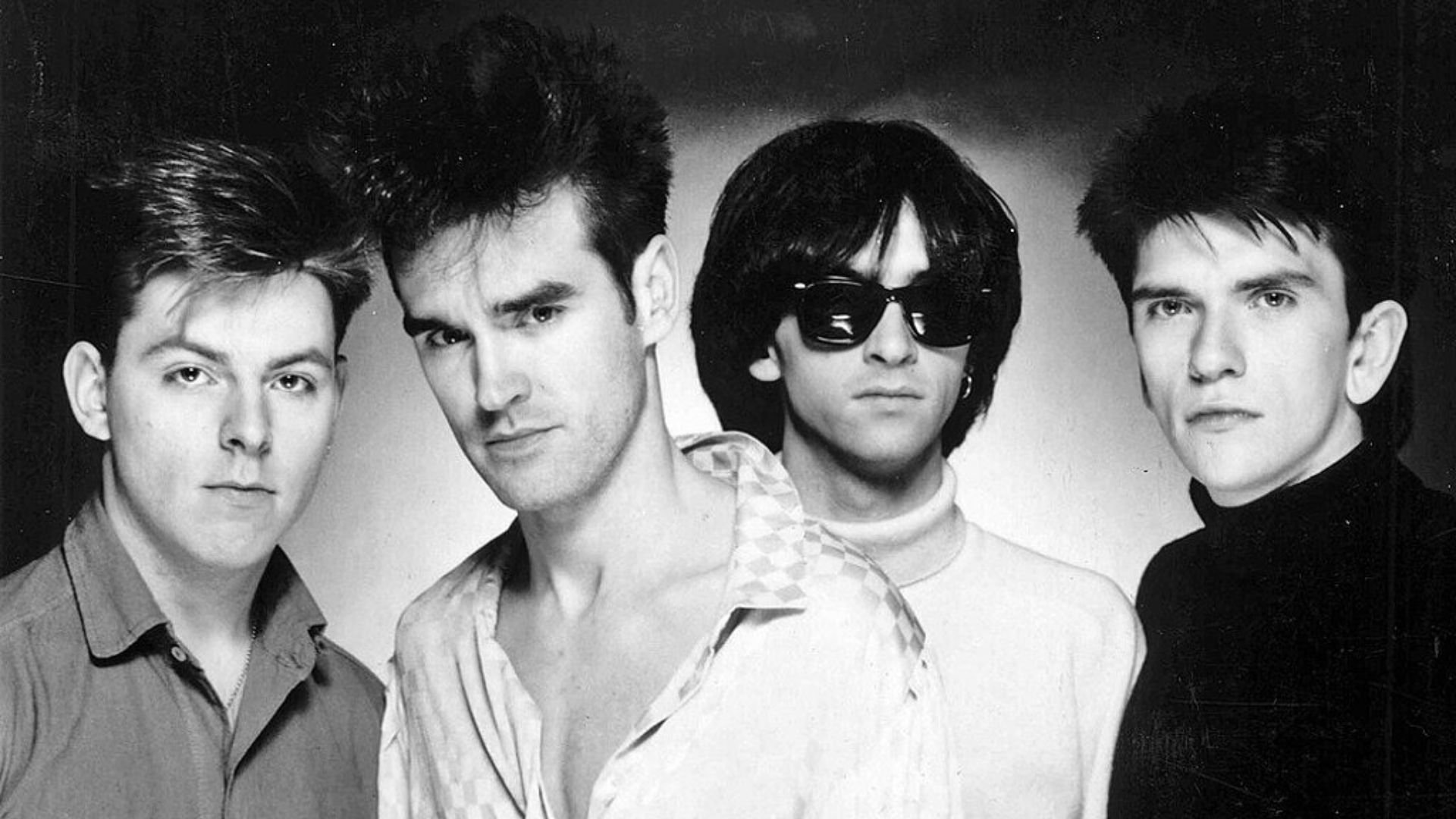 Paul Cox; Distributed by Sire Records, Wikimedia Commons
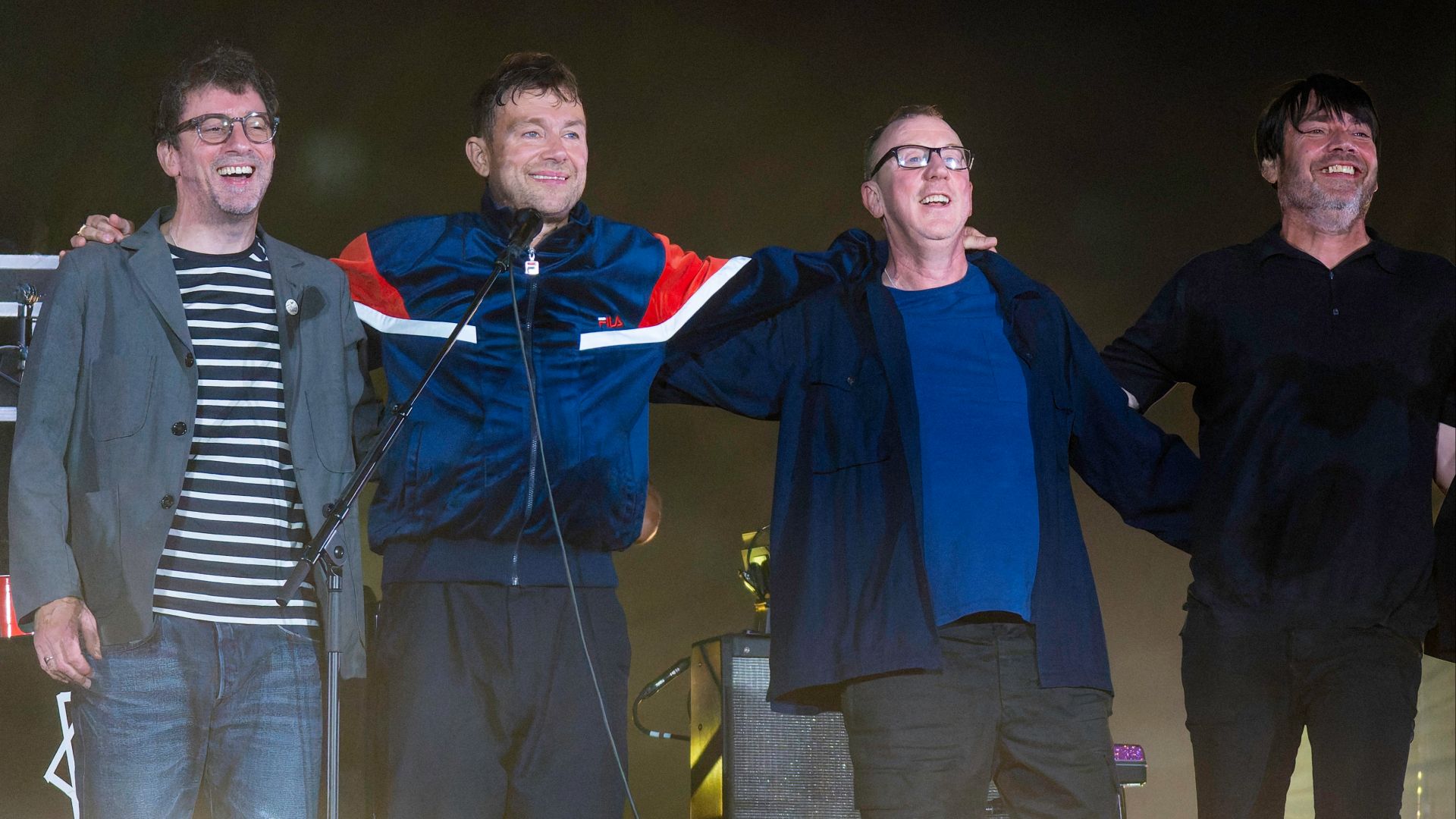
Blur – Parklife (1994)
Parklife sounds like a snapshot of everyday life, filtered through wit and melody. Blur captured British culture with humor and sharp observation, making mundane moments feel cinematic. It’s playful without being shallow, clever without being smug, and endlessly charming.
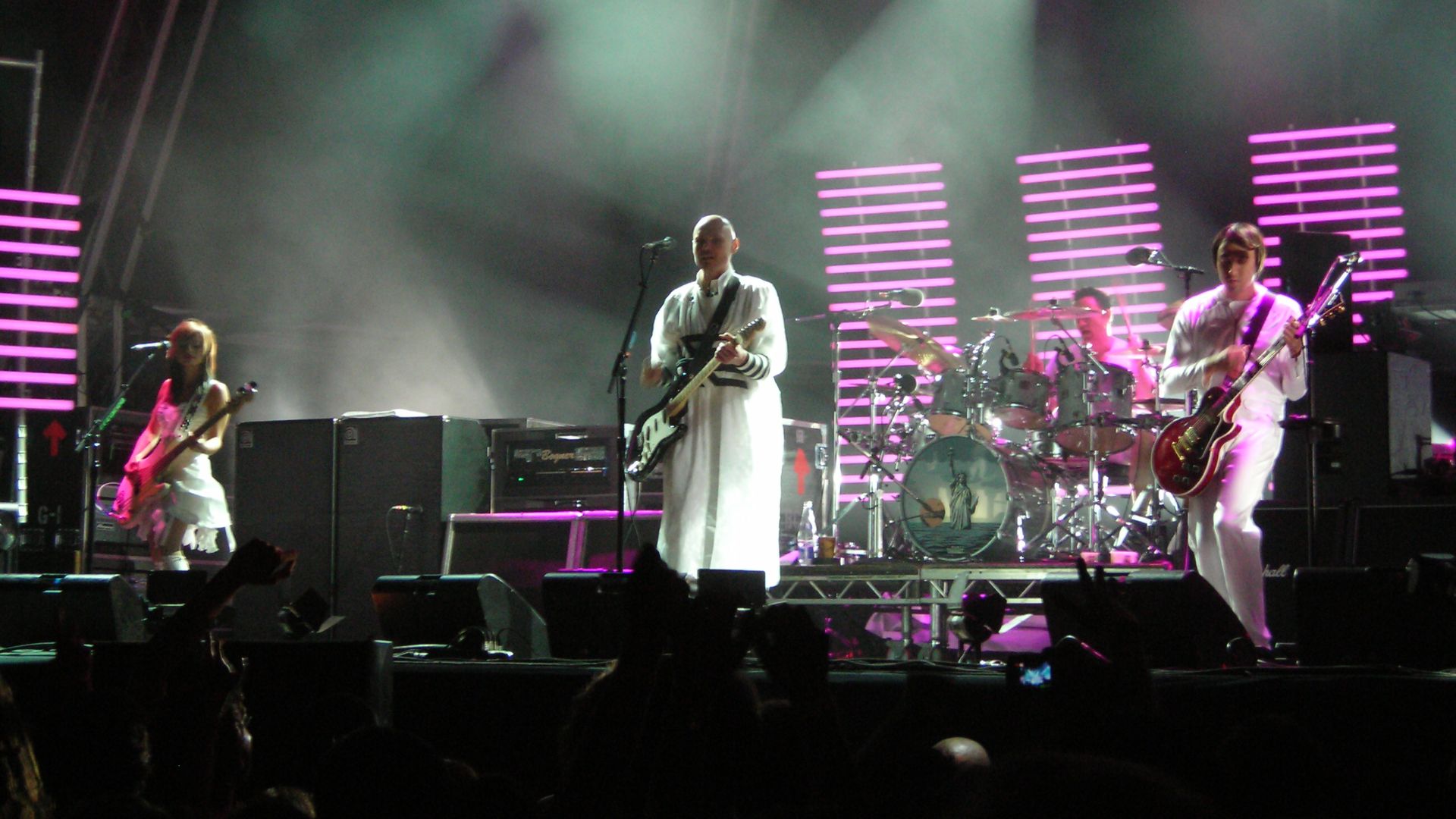
Smashing Pumpkins – Mellon Collie And The Infinite Sadness (1995)
This album swings wildly between extremes, and that’s the point. Mellon Collie is tender, furious, theatrical, and vulnerable all at once. It feels like a band throwing everything they have onto the table, creating a sprawling emotional journey that still feels ambitious decades later.
The Killers – Hot Fuss (2004)
Synth-heavy, dramatic, and endlessly catchy, Hot Fuss turned indie rock into something sleek and danceable. “Mr. Brightside” became unavoidable, but the album’s real strength is its consistency. Every track feels wired with nervous energy and late-night urgency.
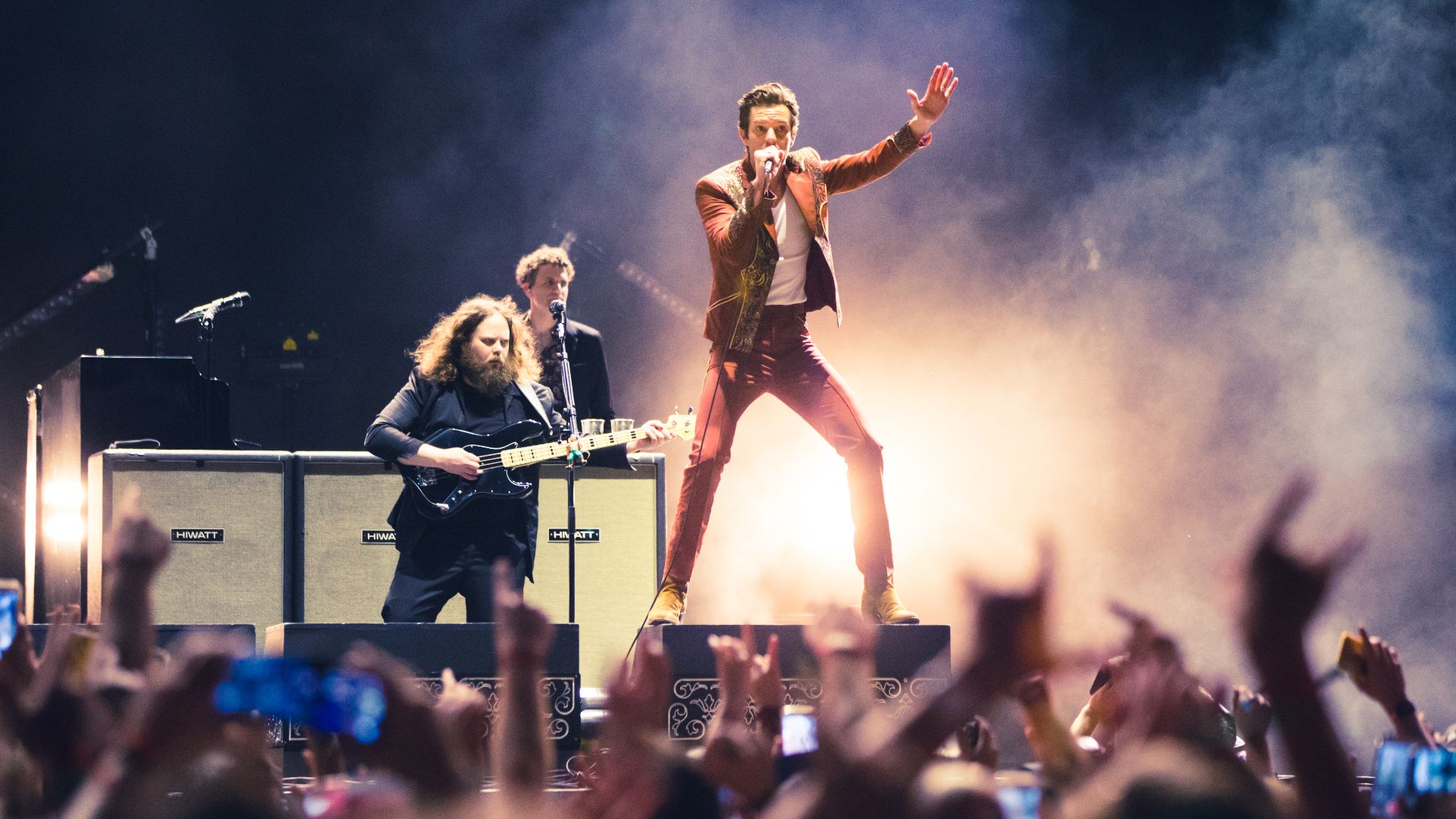 ThorntonDrury, Wikimedia Commons
Arctic Monkeys – AM (2013)
This album oozes confidence. AM blends hip-hop rhythms, desert-rock swagger, and sharp lyrics into something smooth and dark. It’s less frantic than the band’s early work, but far more controlled. The result is an album that feels cool without trying too hard.
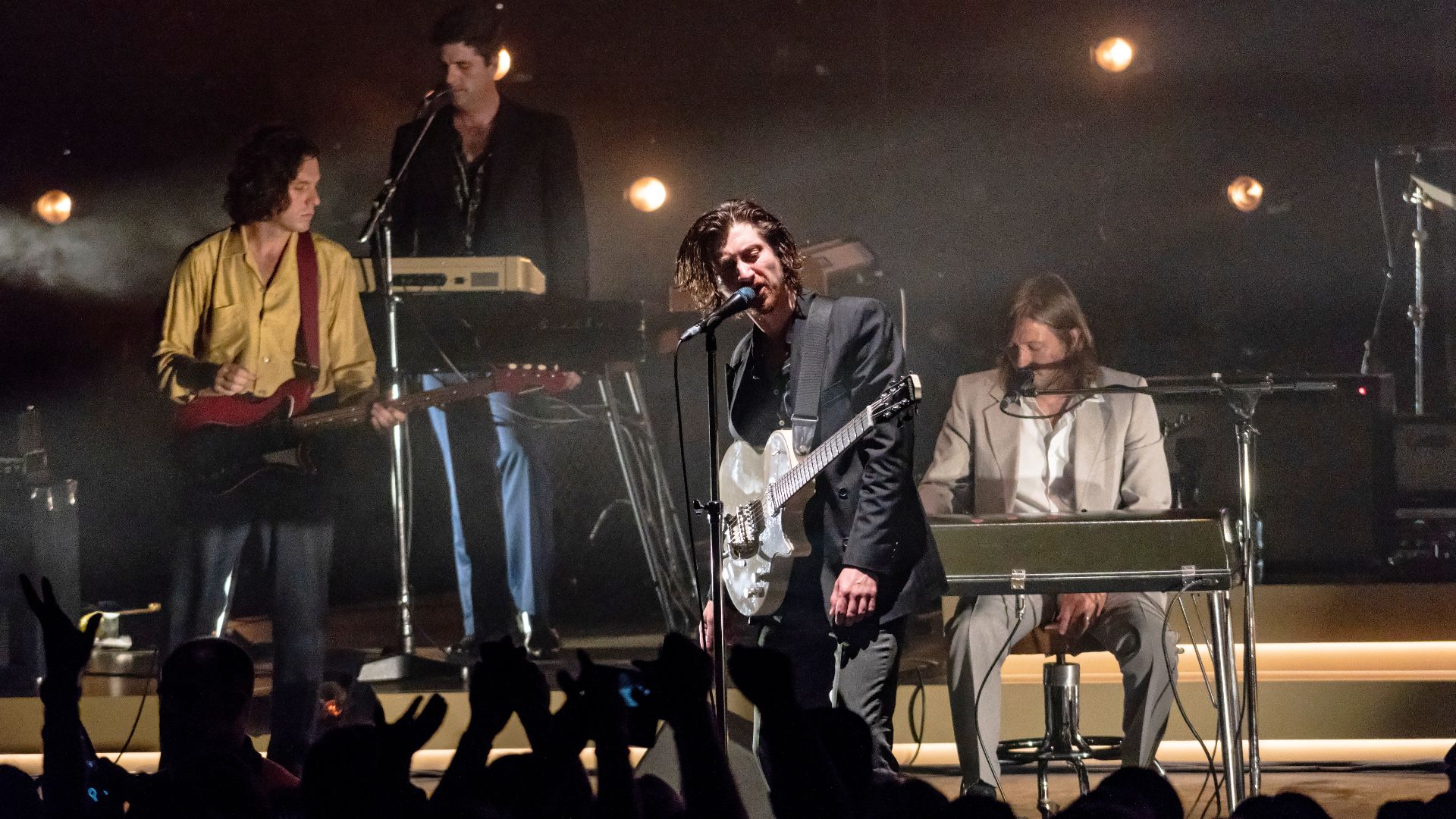
Alanis Morissette – Jagged Little Pill (1995)
This album felt like a release valve. Jagged Little Pill gave anger, heartbreak, and confusion a loud, unapologetic voice. Alanis’ lyrics were raw and confrontational, and people connected immediately. It’s messy, emotional, and fearless—exactly what alternative rock needed at the time.
 livepict.com, Wikimedia Commons
The Cure – The Head On The Door (1985)
This album showed The Cure didn’t have to choose between sadness and joy. Bright melodies sit alongside emotional depth, creating something accessible without feeling shallow. Songs like “In Between Days” made alternative music feel light on its feet while still emotionally grounded.
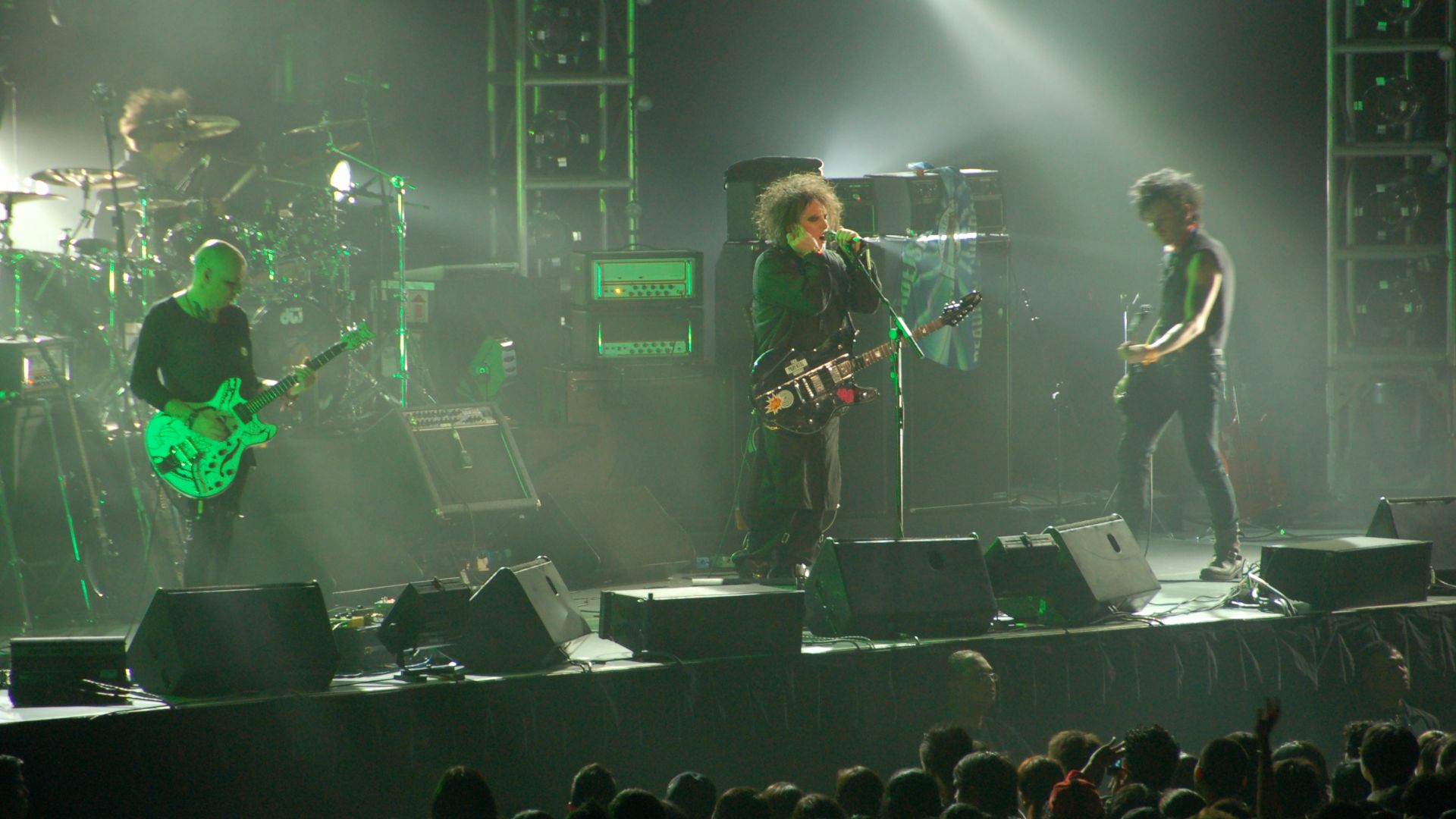 momento mori from Kuala Lumpur, Malaysia, Wikimedia Commons
Muse – Absolution (2003)
Big, dramatic, and relentless, Absolution sounds like the world is ending and Muse are narrating it in real time. The album blends paranoia, politics, and massive hooks into something cinematic and intense. It turned Muse into an arena-level force without sacrificing ambition.
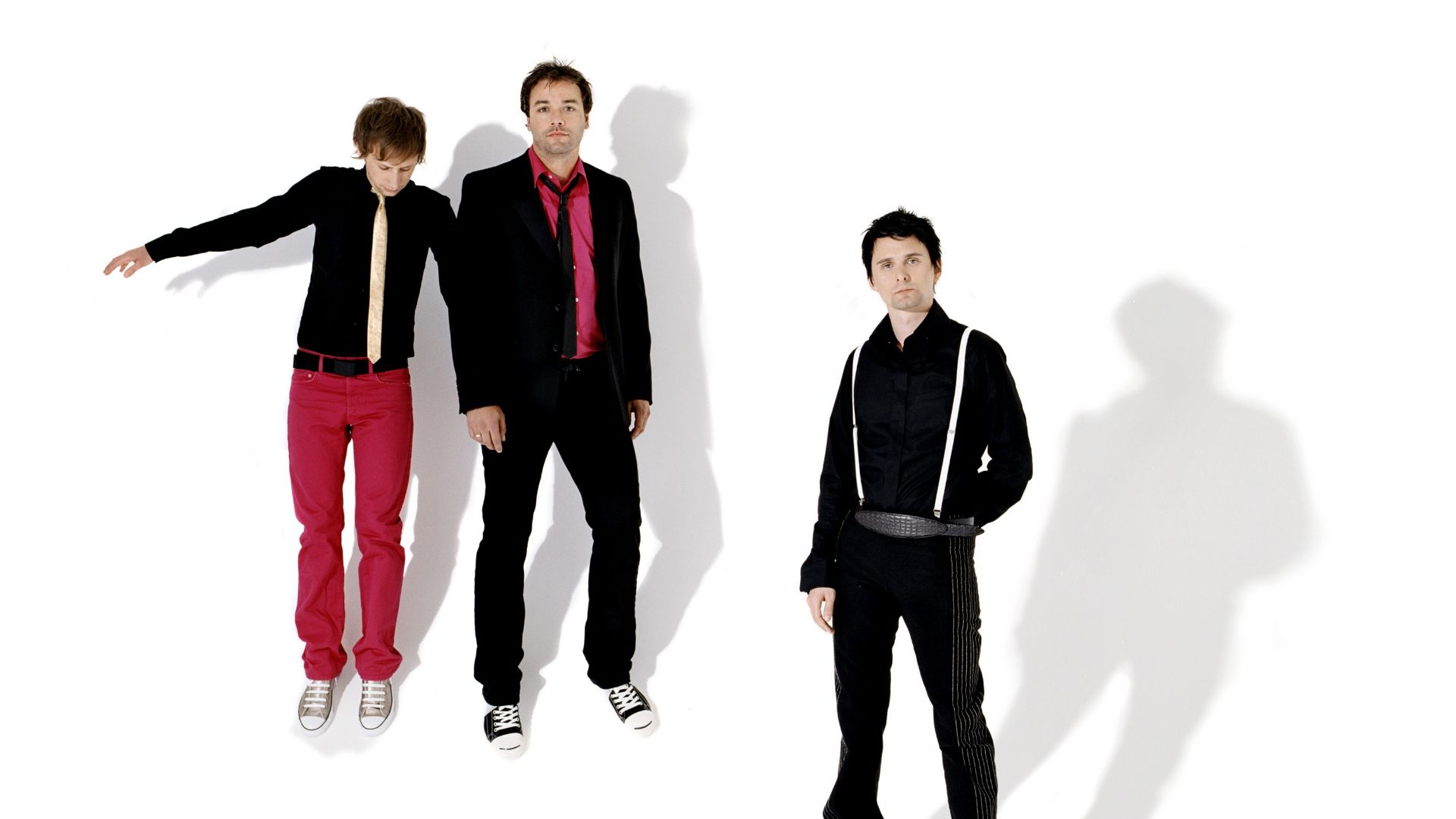 Warner Music Sweden, Wikimedia Commons
You May Also Like:
R&B Ballads That Still Melt Hearts
Groundbreaking Albums That Mixed Rock, Rap, And Chaos
The Best Punk Rock Songs Of All Time
Source: 1