The Year Radio Couldn't Sit Still
In 1966, these songs were impossible to escape. They filled radios, jukeboxes, record players, and living rooms across the country. For Boomers who grew up with them, they were part of the soundtrack of everyday life—but decades later, many have nearly vanished from popular memory.
The Beach Boys - “Good Vibrations”
Brian Wilson turned “Good Vibrations” into one of the most ambitious singles of the decade, recording pieces of the song across multiple studios and assembling them into a finished track. The unusual arrangement mixed Beach Boys harmonies with cello, organ, percussion, and the eerie sound of an Electro-Theremin. Released separately from Pet Sounds, it reached Number 1 in the U.S. and showed just how sophisticated a three-minute pop single could become.
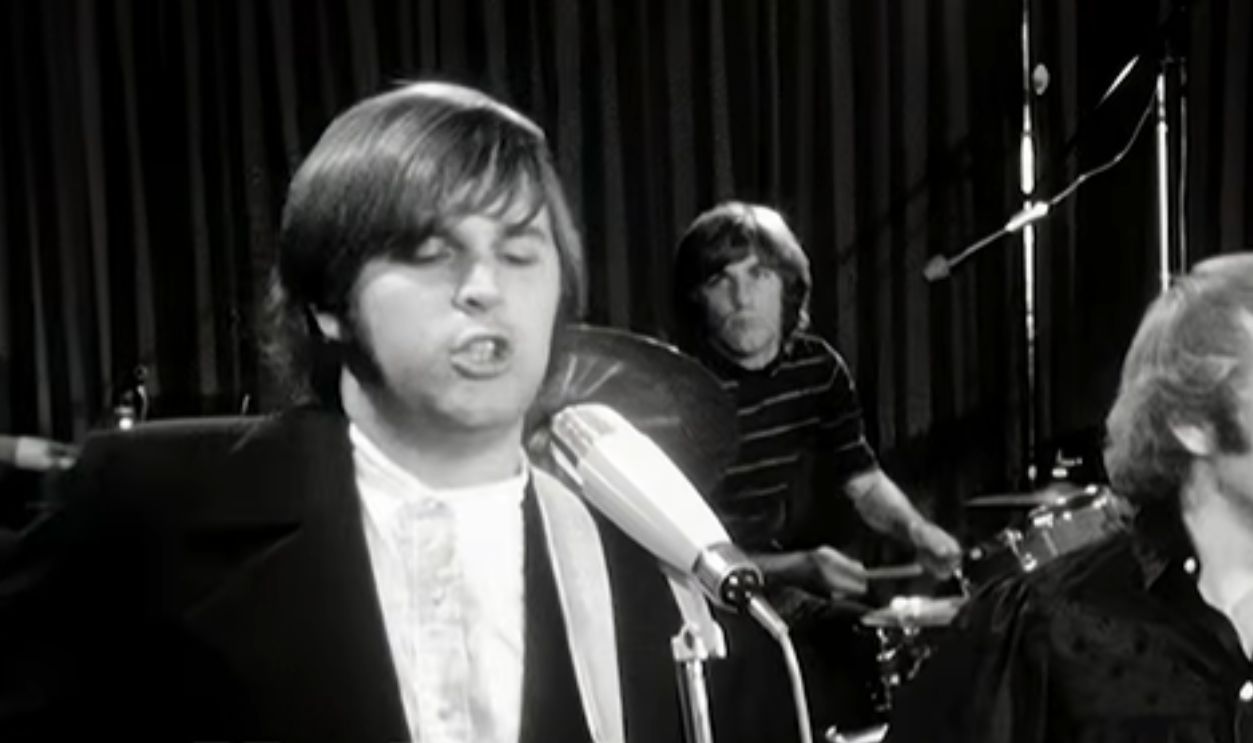 Screenshot from Good Vibrations, Capitol Records (1966)
Percy Sledge - “When A Man Loves A Woman”
Percy Sledge's first major single immediately became his defining recording. Cut in Alabama with musicians connected to the emerging Muscle Shoals scene, “When a Man Loves a Woman” put virtually everything behind Sledge's anguished vocal performance. It reached Number 1 on the Billboard Hot 100 and R&B chart, helping bring Southern soul to a far larger mainstream audience.
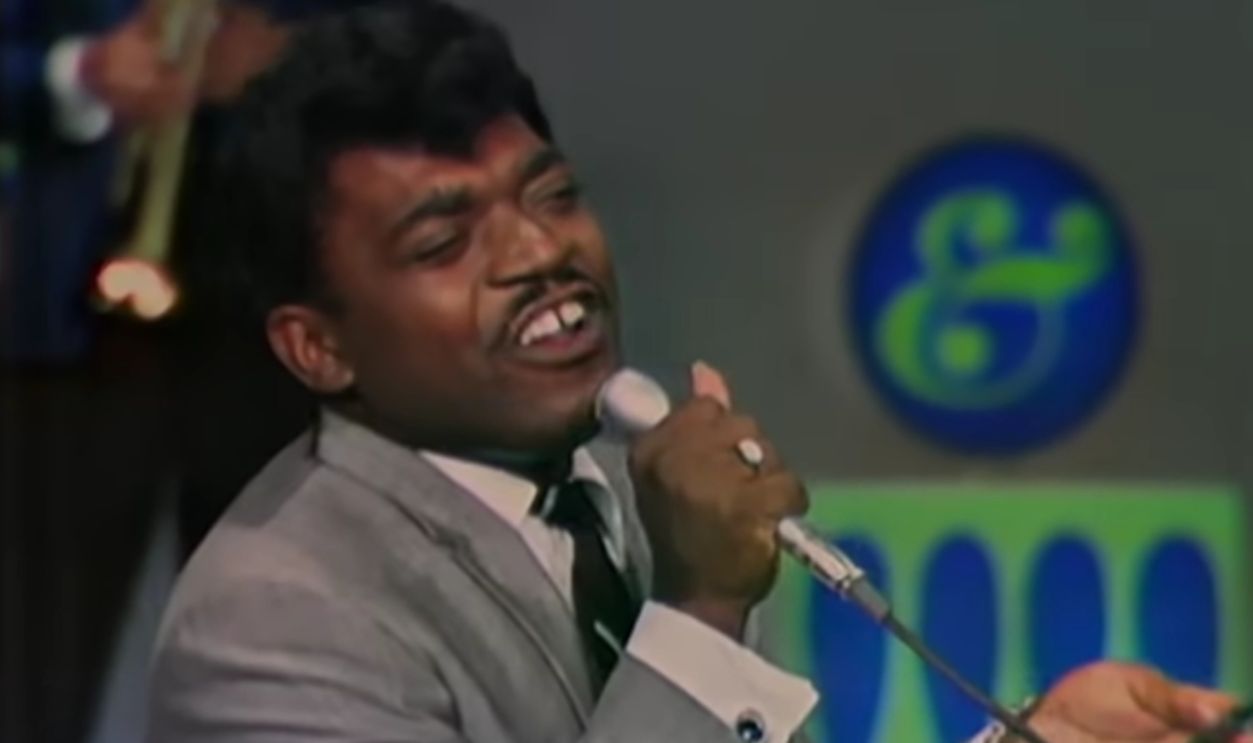 Screenshot from When a Man Loves a Woman, Atlantic Records (1966)
The Four Tops - “Reach Out, I'll Be There”
Holland-Dozier-Holland gave the Four Tops one of Motown's most dramatic arrangements with “Reach Out, I'll Be There”. Levi Stubbs practically shouts his reassurance over pounding percussion, flutes, and the Funk Brothers' relentless groove. The song topped both the American pop and R&B charts, while Motown Museum describes it as the Four Tops' biggest Motown hit. It remains a perfect example of just how intense Motown could sound.
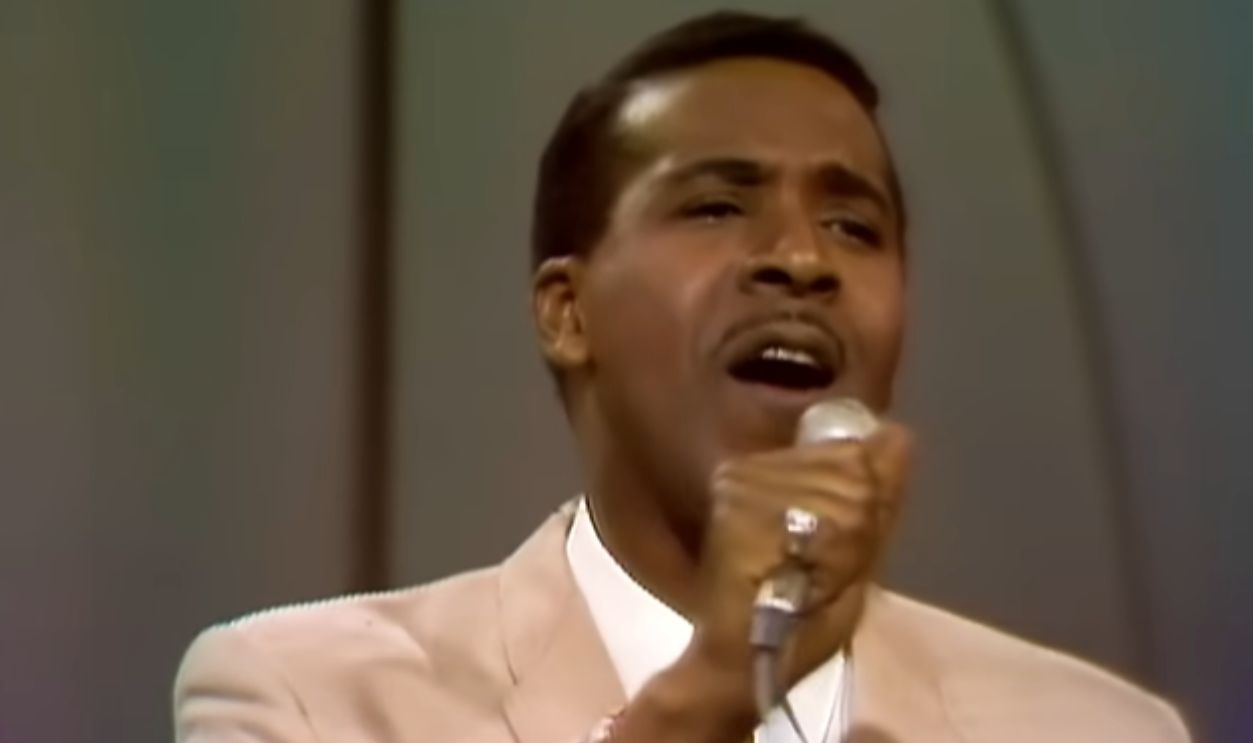 Screenshot from The Ed Sullivan Show, SOFA Entertainment (1948-1971)
The Spencer Davis Group - “Gimme Some Lovin'”
Steve Winwood was still a teenager when his roaring organ and remarkably mature voice helped drive “Gimme Some Lovin'”. The Spencer Davis Group packed rhythm and blues, rock, and soul into an exhilarating few minutes that barely slows down once it starts. The single reached Number 2 in Britain and then cracked the American Top 10, giving the band its biggest U.S. breakthrough.
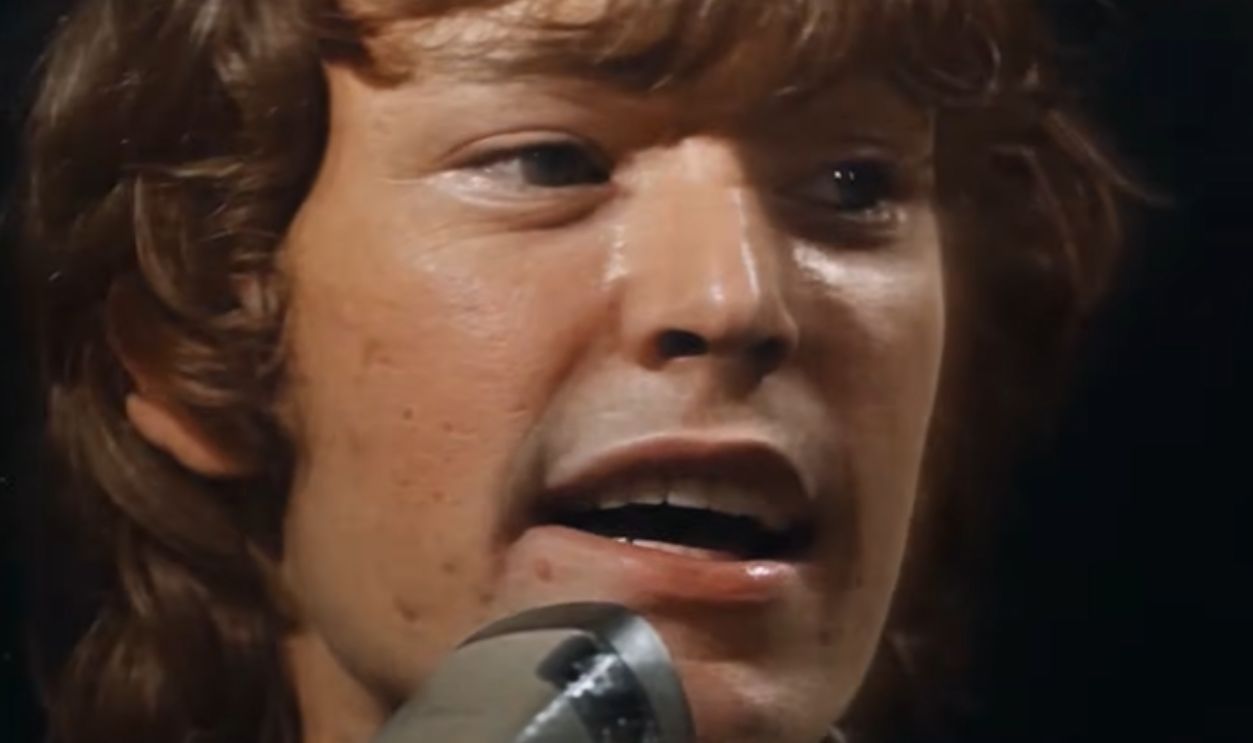 Screenshot from Gimme Some Lovin', United Artists Records (1966)
The Temptations - “Ain't Too Proud To Beg”
“Ain't Too Proud to Beg” marked an important shift behind the scenes for the Temptations, with Norman Whitfield taking over as producer. David Ruffin sounds increasingly desperate as the song unfolds, while the Funk Brothers keep the rhythm impossibly tight underneath him. The record became a major R&B success and helped establish Whitfield as one of the producers who would push Motown into increasingly adventurous territory.
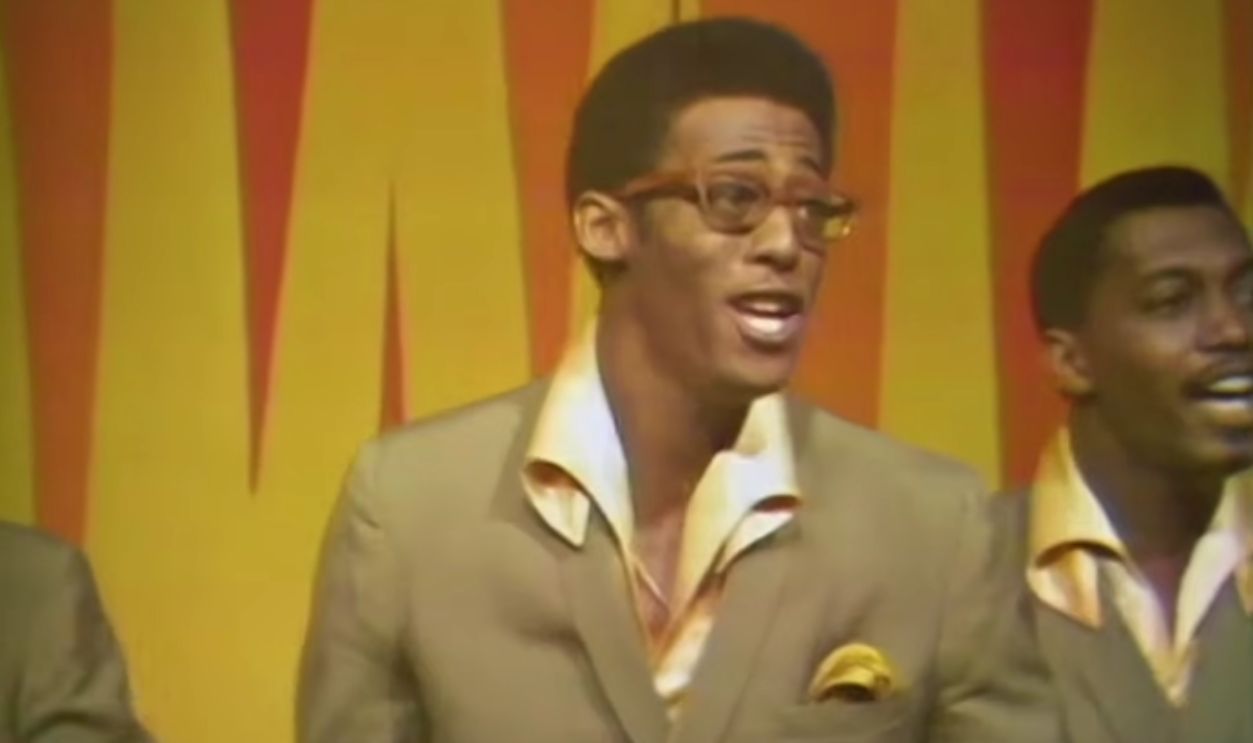 Screenshot from Ain't Too Proud to Beg, Gordy Records (1966)
The Byrds - “Eight Miles High”
“Eight Miles High” sounded unlike almost anything else on American radio in early 1966. Roger McGuinn's chiming guitar drew inspiration from John Coltrane and Indian music, while the band's harmonies remained unmistakably Byrds. Its surreal lyrics fueled drug interpretations that the band disputed, and some radio stations avoided it. Even so, the song reached the Top 20 and became one of folk rock's great leaps toward psychedelia.
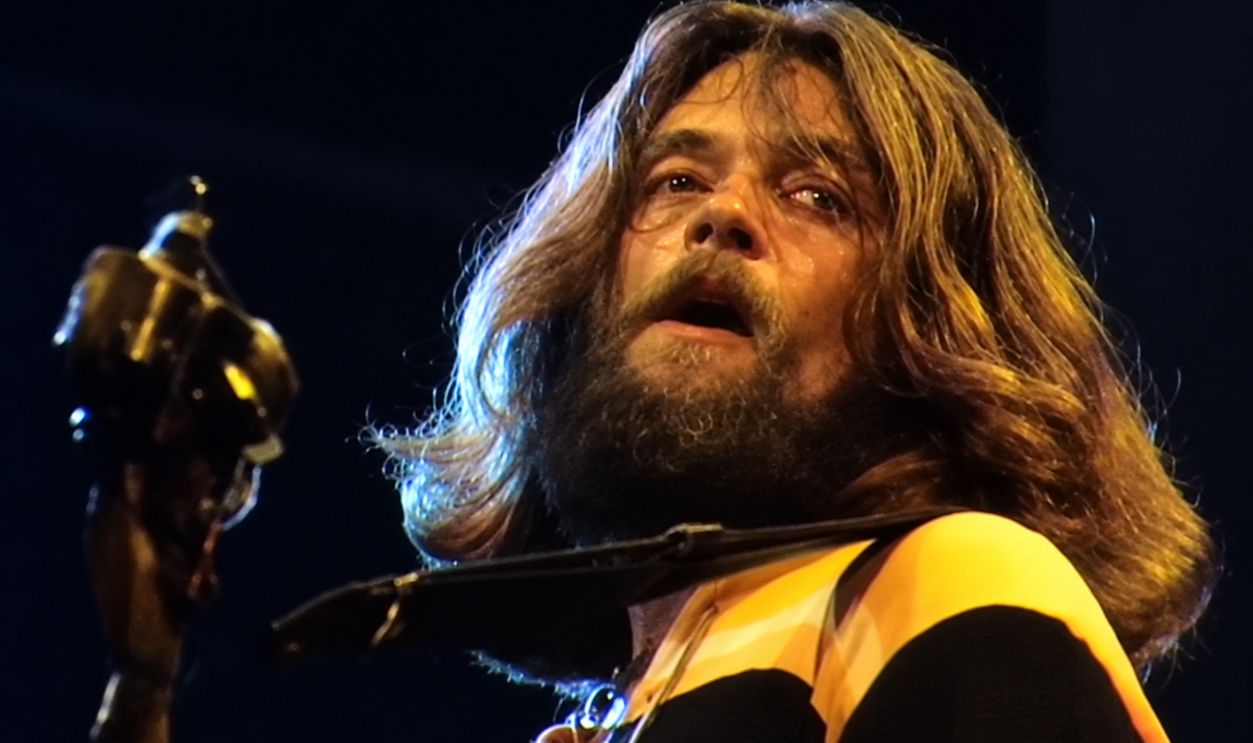 Screenshot from Eight Miles High, Columbia Records (1966), Enhanced
Bob Dylan - “Just Like A Woman”
“Just Like a Woman” arrived on Bob Dylan's sprawling 1966 double album Blonde on Blonde, recorded with musicians in Nashville. Compared with some of the album's surreal epics, the song is relatively direct, with Dylan moving between tenderness, frustration, and malice as a relationship collapses. Released as a single in the United States, it reached the Top 40 while becoming one of the album's most frequently revisited songs.
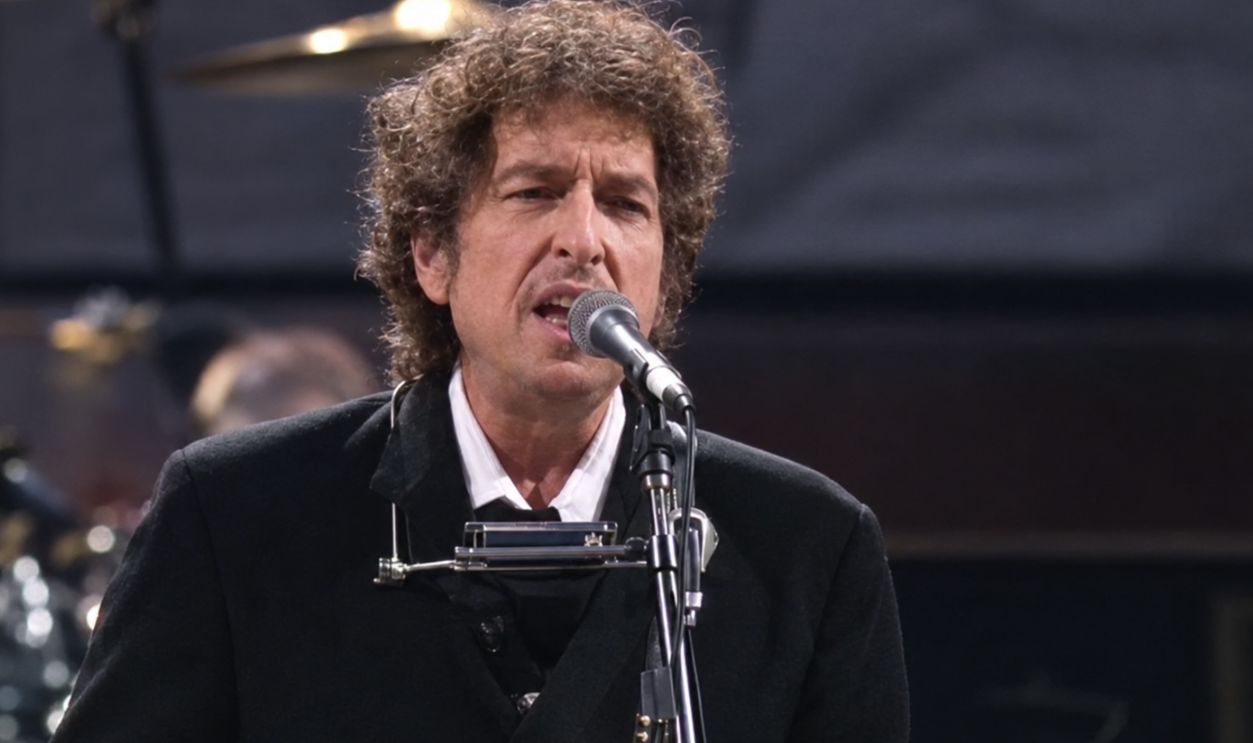 Screenshot from Just Like a Woman, Columbia Records (1966), Enhanced
The Rolling Stones - “Paint It Black”
The Rolling Stones were moving far beyond straightforward blues rock by 1966, and “Paint It Black” made that obvious immediately. Brian Jones' sitar gave the recording its distinctive Eastern texture, while Mick Jagger and Keith Richards supplied unusually bleak lyrics about grief and darkness. The record reached Number 1 on both sides of the Atlantic, demonstrating just how experimental a mainstream Stones single could be.
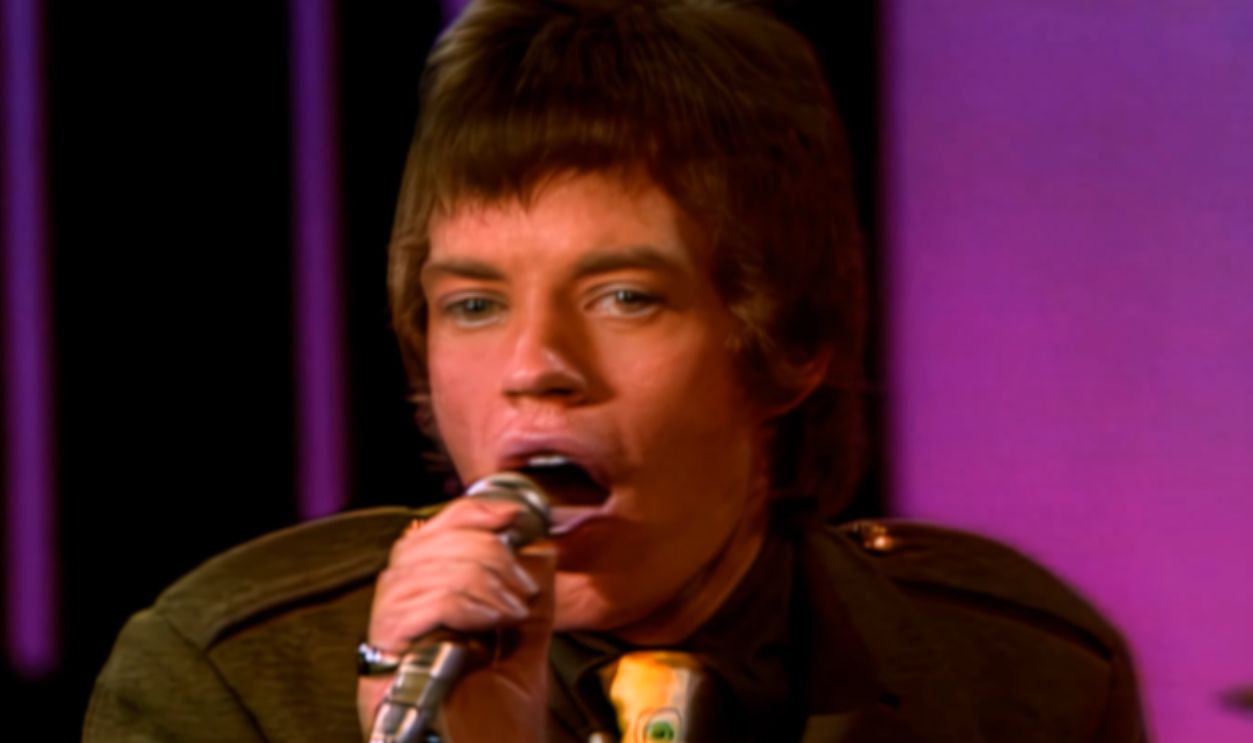 Screenshot from Paint It Black, Decca Records (1966)
The Troggs - “Wild Thing”
There isn't much excess in “Wild Thing,” and that's exactly why it works. The Troggs took Chip Taylor's composition and reduced it to primitive guitar chords, Reg Presley's deadpan growl, and an instantly recognizable instrumental break. It reached Number 1 in America and Number 2 in Britain. Countless garage bands quickly discovered that you didn't need complicated musicianship to make something unforgettable.
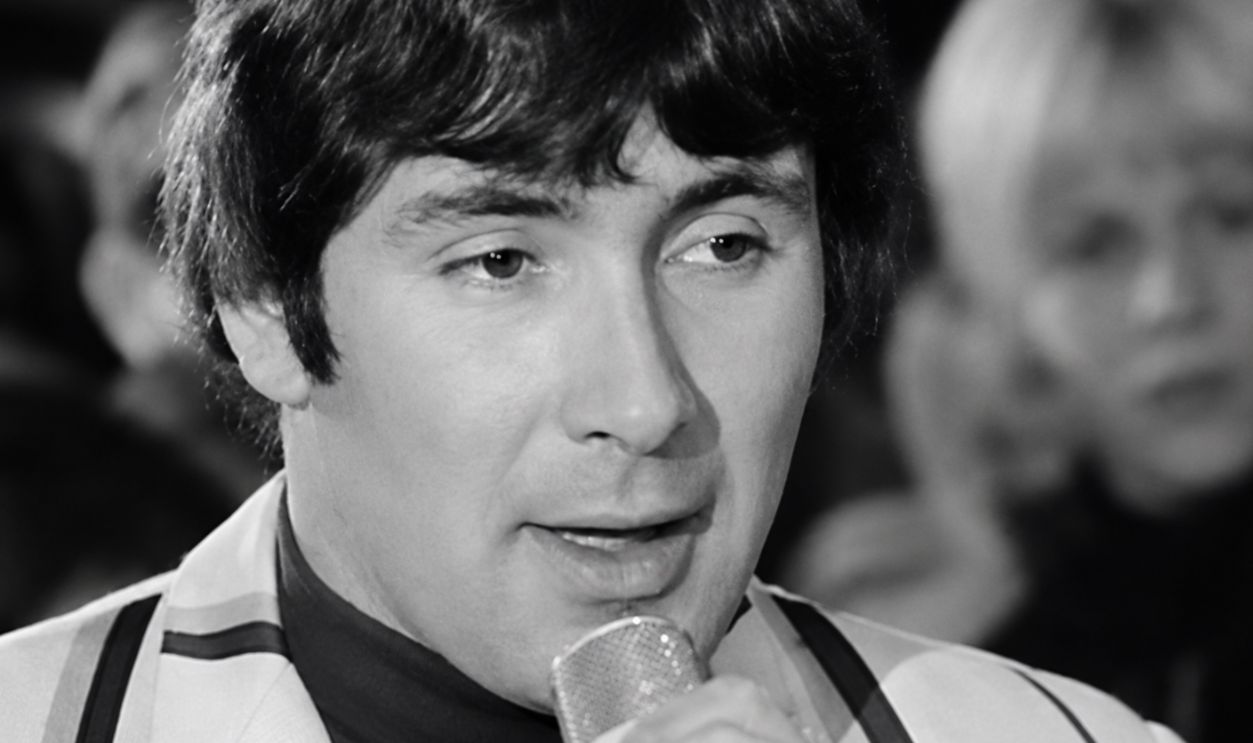 Screenshot from Wild Thing, Fontana Records (1966), Enhanced
The Supremes - “You Keep Me Hangin' On”
The Supremes' polished image sometimes hides how forceful their records could be. “You Keep Me Hangin' On” opens with a sharp guitar figure inspired by the sound of a Morse-code signal before Diana Ross starts demanding freedom from a relationship that refuses to end. Another Holland-Dozier-Holland production, it became yet another Number 1 hit for the group and one of their toughest recordings.
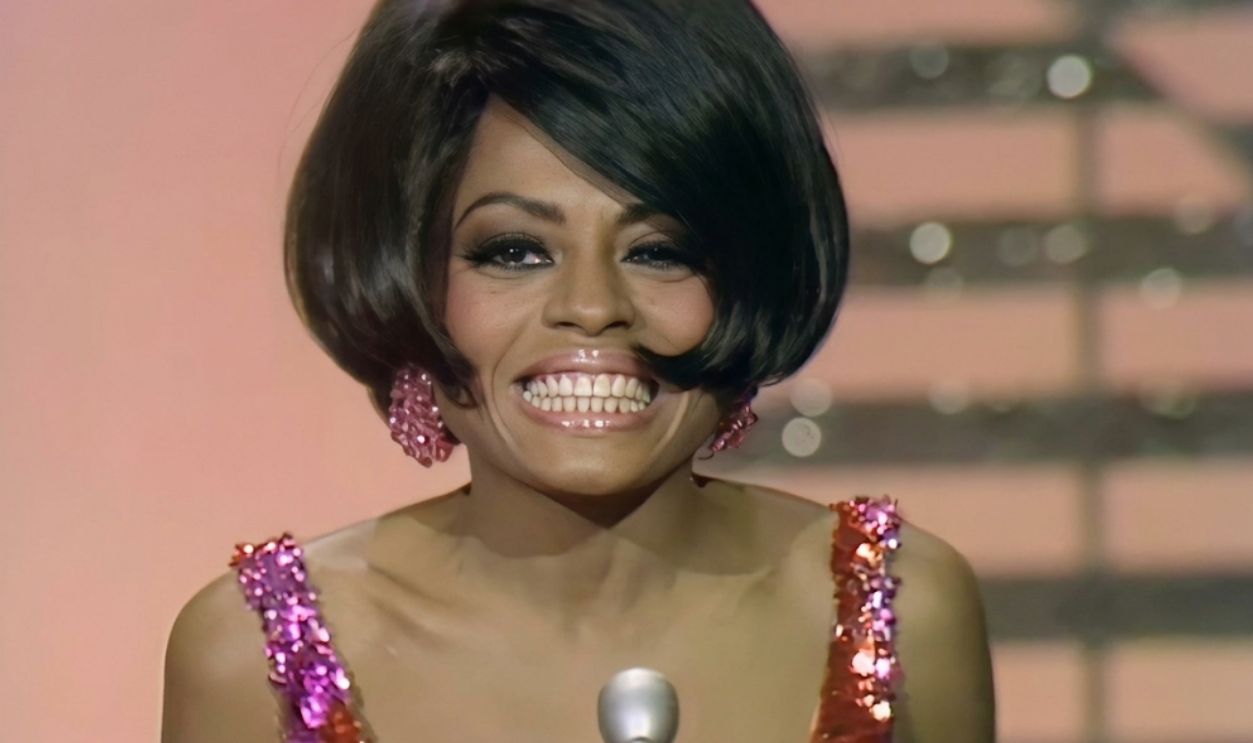 Screenshot from You Keep Me Hangin' On, Motown Records (1966), Modified
Buffalo Springfield - “For What It's Worth”
Stephen Stills wrote “For What It's Worth” after witnessing clashes connected to the Sunset Strip curfew protests in Los Angeles. Released in December 1966, it became a bigger chart hit in 1967, eventually reaching the U.S. Top 10. The opening guitar harmonics and Stills' warning to “stop” gave the song an atmosphere that soon became associated with the turbulence of the entire decade.
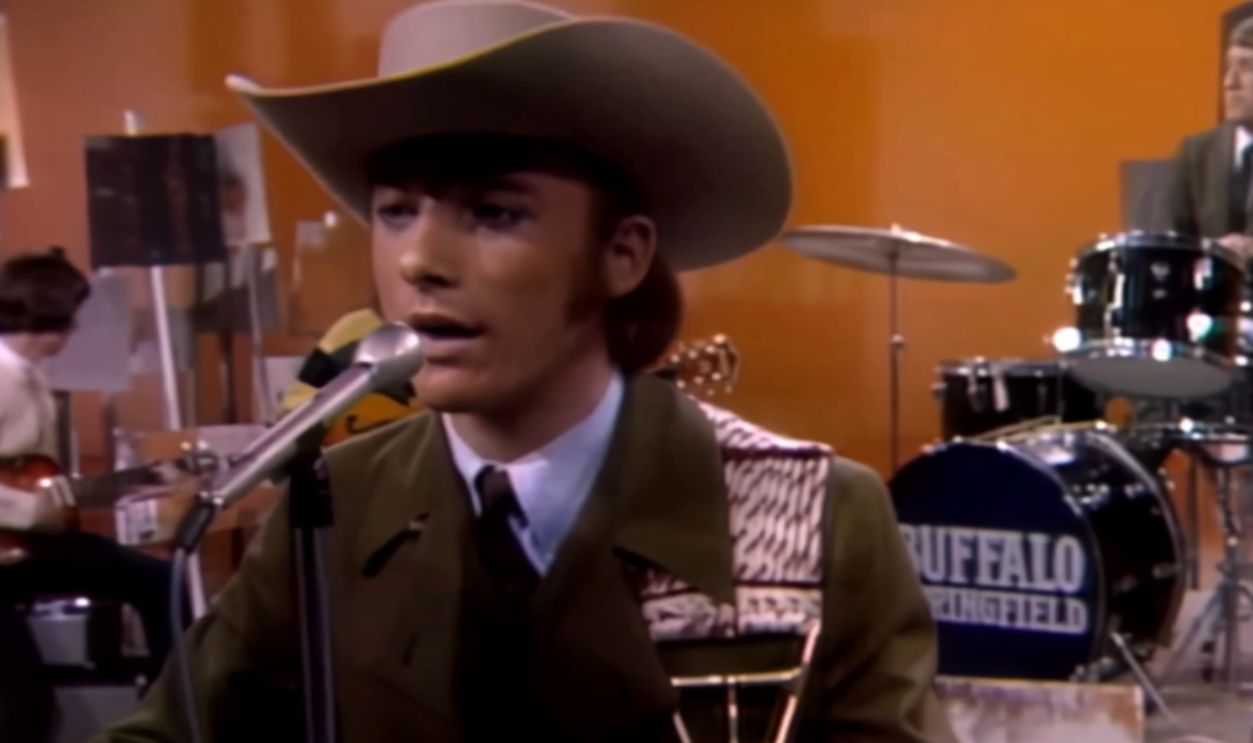 Screenshot from For What It's Worth, Atco Records (1966)
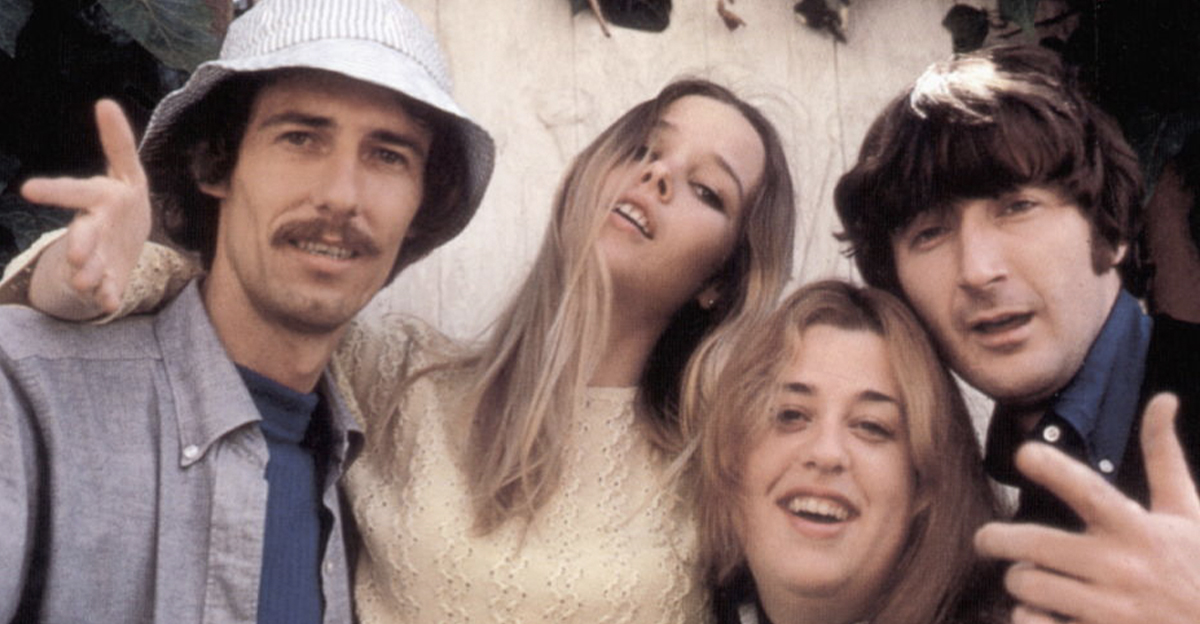
The Mamas & The Papas - “California Dreamin'”
Few songs capture longing quite like “California Dreamin'”. John and Michelle Phillips wrote it while living through a cold New York winter, and the Mamas & the Papas turned that homesickness into layered harmonies and a haunting flute solo. The single peaked at Number 4 on the weekly Hot 100, but Billboard's year-end ranking placed it at the very top of its 1966 list.
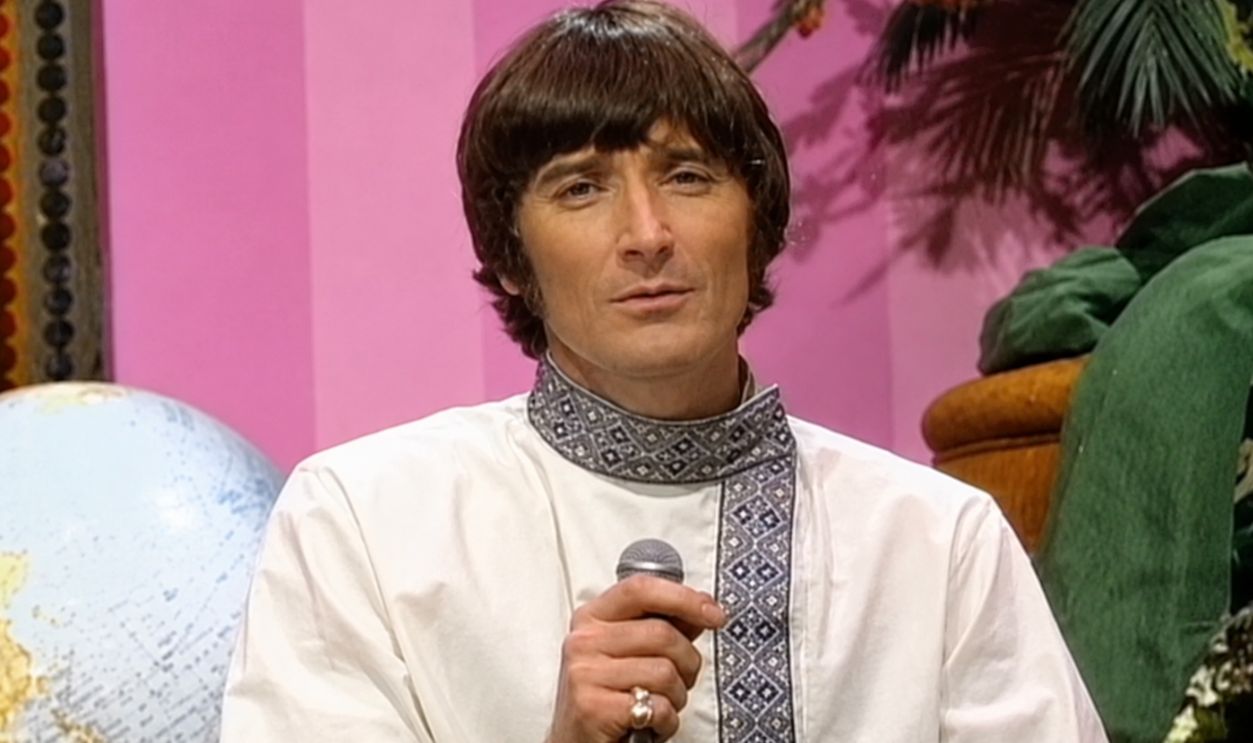 Screenshot from The Ed Sullivan Show, SOFA Entertainment (1948-1971), Enhanced
The Jimi Hendrix Experience - “Hey Joe”
“Hey Joe” wasn't written by Jimi Hendrix, but his version changed the song's identity. Hendrix slowed down the folk-rock standard and filled it with blues phrasing and controlled guitar power, while producer Chas Chandler used it as the Experience's debut single in Britain. Released late in 1966, it climbed into the UK Top 10 and introduced British audiences to a guitarist who seemed to have arrived fully formed.
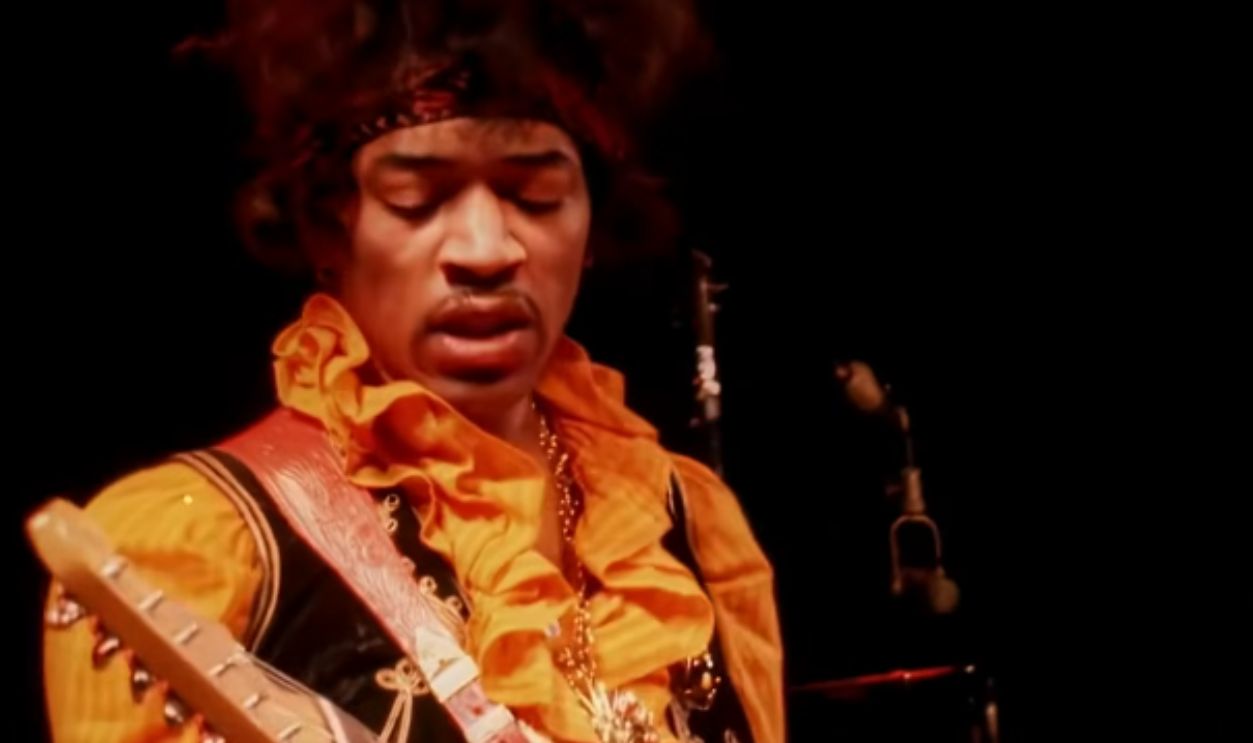 Screenshot from Hey Joe, Polydor Records (1966)
The Monkees - “I'm A Believer”
Neil Diamond wrote “I'm a Believer,” but the Monkees turned it into one of the biggest pop records of the era. Released near the end of 1966, the song raced to Number 1 in the United States and stayed there into 1967. Mickey Dolenz's energetic lead vocal and the relentlessly cheerful melody helped cement the television-created group as genuine hitmakers rather than a novelty built around a sitcom.
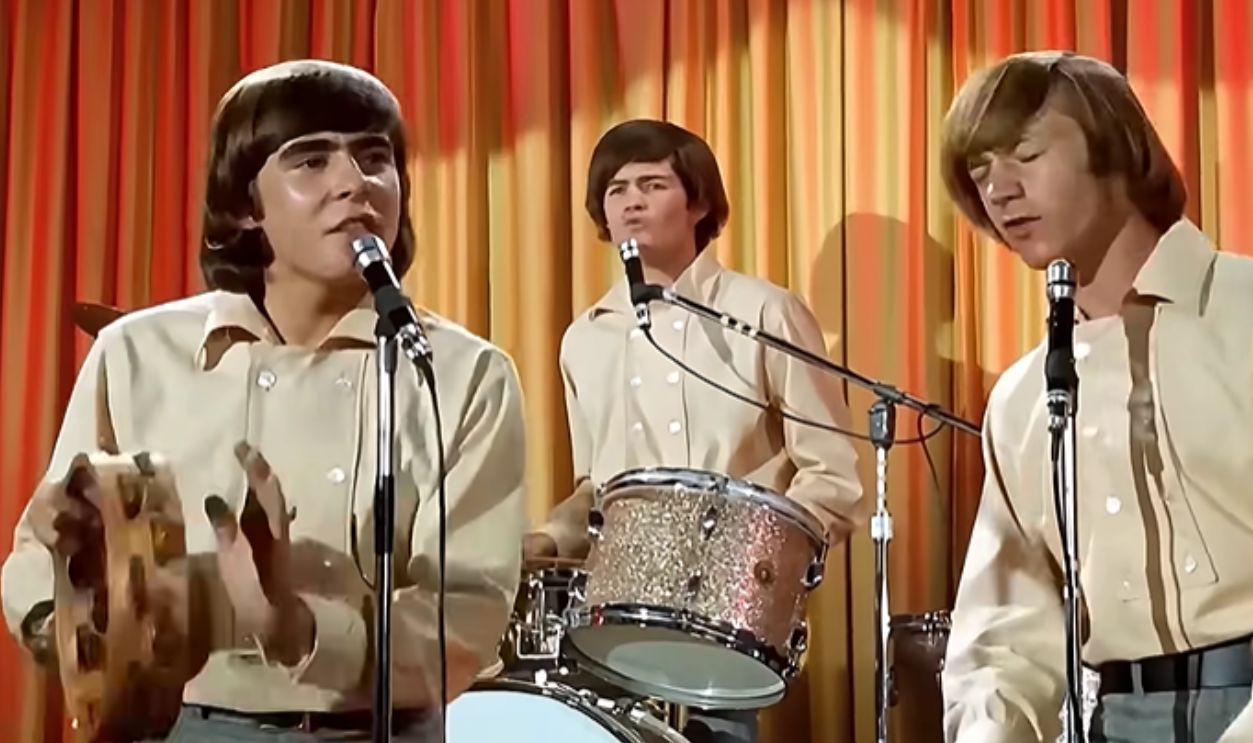 Screenshot from I'm a Believer, RCA Victor (1966)
The Hollies - “Bus Stop”
“Bus Stop” gave the Hollies one of their most memorable mid-60s hits, pairing Graham Gouldman's clever songwriting with the group's trademark harmonies. The story follows a romance that begins beneath an umbrella at a rainy bus stop, giving the song a distinctly everyday charm. Its bright guitar work and polished vocals helped carry it into the Top 5 in Britain and made it one of the Hollies' biggest international breakthroughs.
 Screenshot from Bus Stop, Parlophone Records (1966)
? & The Mysterians - “96 Tears”
That droning organ riff made “96 Tears” unmistakable within seconds. Michigan garage-rock group ? & the Mysterians combined a Vox Continental organ with a rough, repetitive groove and the mysterious personality of singer Question Mark. The formula was simple but enormously effective. “96 Tears” reached Number 1 on the Hot 100 and finished near the very top of Billboard's year-end ranking for 1966.
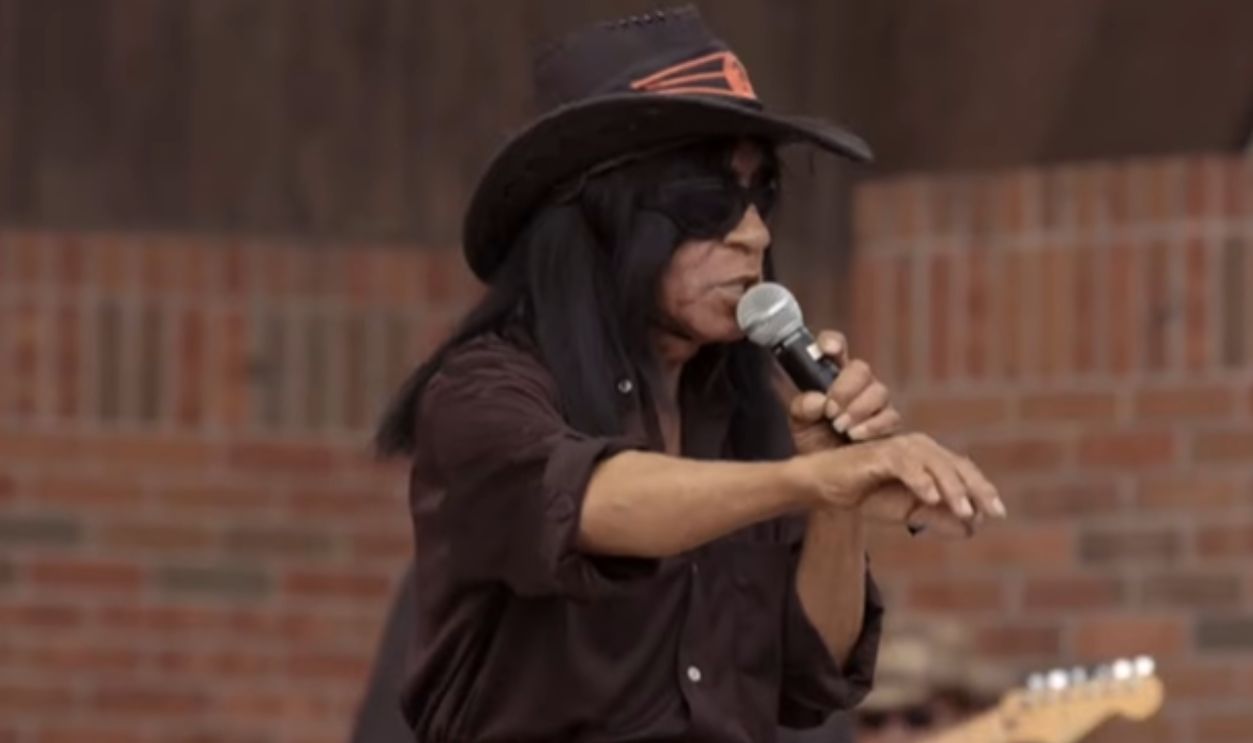 Screenshot from 96 Tears, Cameo-Parkway Records (1966)
Sam & Dave - “Hold On, I'm Comin'”
The title reportedly came from an everyday exchange between songwriters Isaac Hayes and David Porter. Porter had stepped away during a writing session, and Hayes called after him to hurry back. The phrase became “Hold On, I'm Comin'". Sam & Dave then turned it into explosive Southern soul, backed by Booker T. & the M.G.'s and the Mar-Keys horns. It reached Number 1 on the R&B chart.
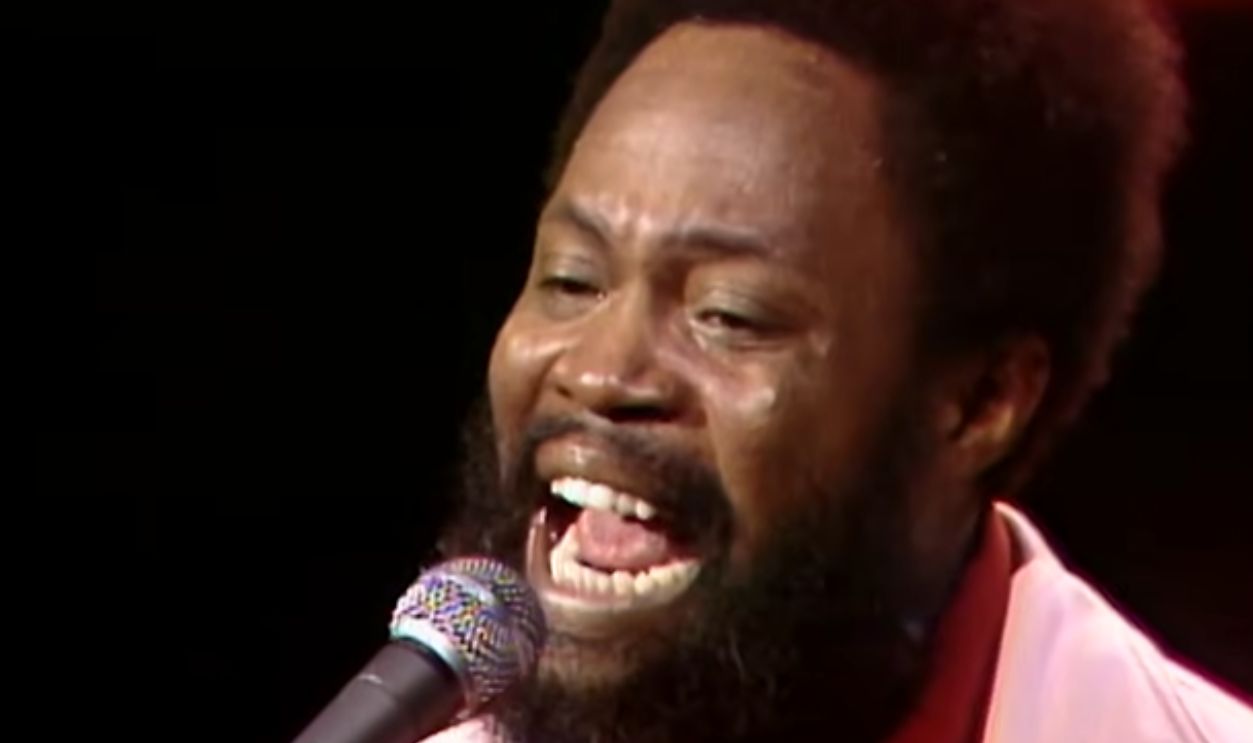 Screenshot from The Midnight Special, NBC (1972-1981)
Paul Revere & The Raiders - “Kicks”
“Kicks” sounded like a great rebellious garage-rock single, but its message was surprisingly cautionary. Barry Mann and Cynthia Weil wrote it as a warning about drug use, which made it unusual in an era when psychedelic culture was becoming increasingly visible. Paul Revere & the Raiders gave the song enough fuzz guitar and momentum to keep it from sounding preachy, carrying it all the way to Number 4 on the Hot 100.
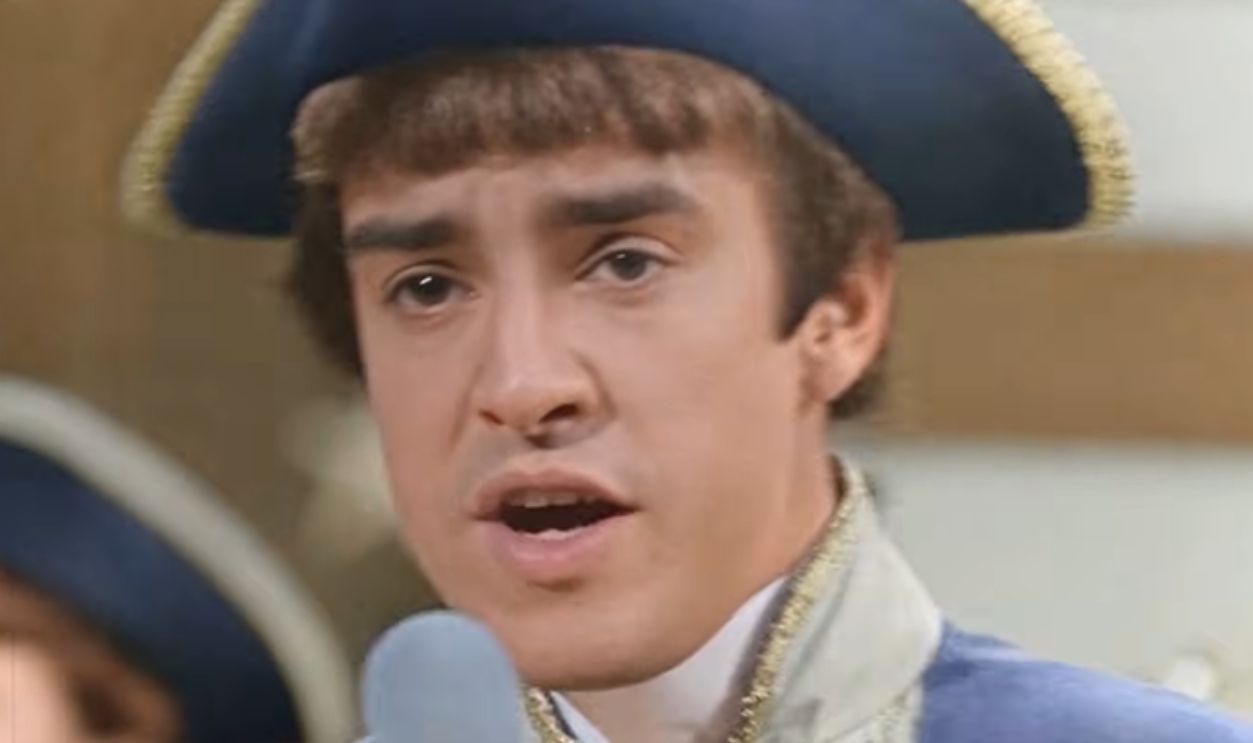 Screenshot from Kicks, Columbia Records (1966)
The Young Rascals - “Good Lovin'”
The Young Rascals weren't the first group to record “Good Lovin',” but their frantic arrangement turned it into a Number 1 hit. Felix Cavaliere's soulful vocal, Dino Danelli's pounding drums, and the band's garage-rock energy made the performance sound like a party barely under control. The song also demonstrated how easily mid-60s American bands could blur the boundaries between R&B, soul, and rock.
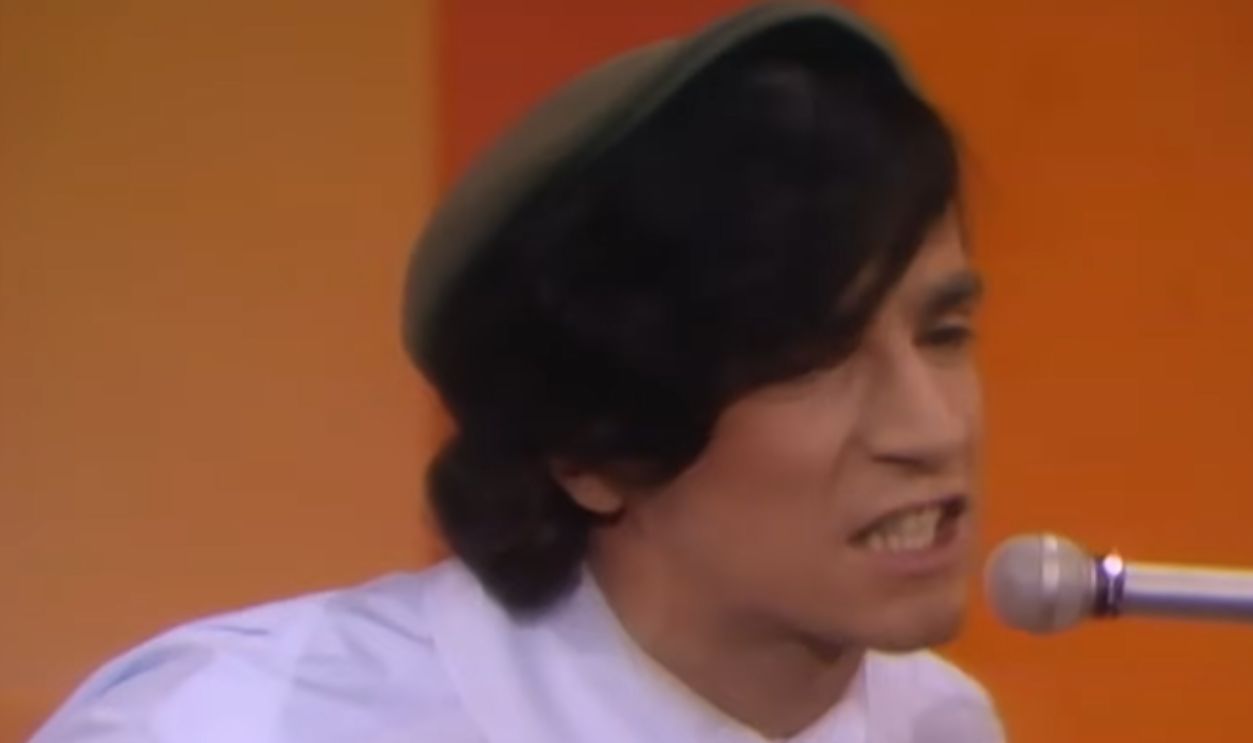 Screenshot from The Ed Sullivan Show, SOFA Entertainment (1948-1971)
Ike & Tina Turner - “River Deep, Mountain High”
Phil Spector poured his Wall of Sound philosophy into “River Deep, Mountain High,” surrounding Tina Turner's enormous vocal with layers of musicians and production. The irony was that American audiences barely responded, with the single peaking surprisingly low on the U.S. chart. Britain reacted very differently, turning it into a major hit. The record's reputation grew until it became one of Tina Turner's defining early performances.
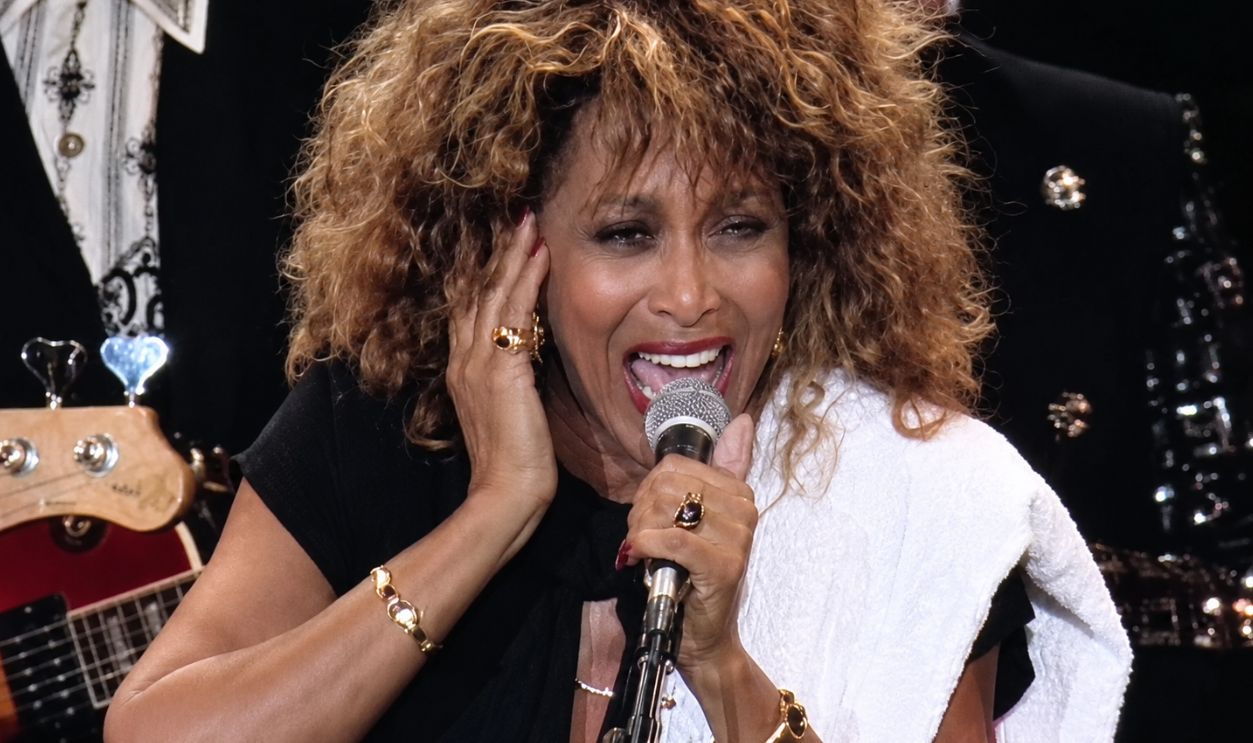 Screenshot from River Deep, Mountain High, London Records (1966), Enhanced
Wilson Pickett - “Mustang Sally”
Wilson Pickett took Mack Rice's “Mustang Sally” and made it sound as though it had been written specifically for him. Recorded at Fame Studios in Muscle Shoals, the track combines an easy groove with Pickett's increasingly forceful vocal. It wasn't Pickett's highest-charting single, but its call-and-response chorus made it a natural live favorite and helped turn the song into a soul and bar-band standard.
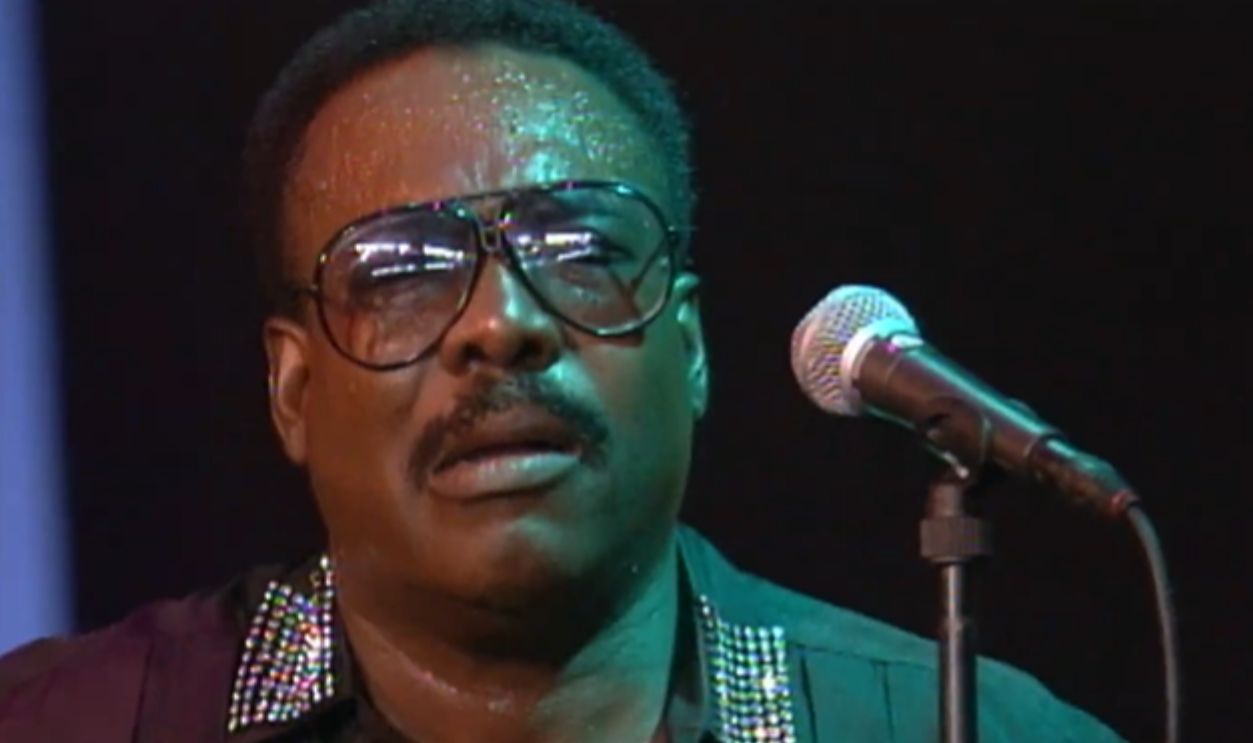 Screenshot from Mustang Sally, Atlantic Records (1966)
The Supremes - “You Can't Hurry Love”
Holland-Dozier-Holland supposedly worked with the title “This Is Where I Came In” before settling on “You Can't Hurry Love”. The finished song pairs Diana Ross' light vocal with one of Motown's most instantly recognizable bass-and-percussion patterns. It climbed from Number 66 to Number 1 on the Hot 100 in just five weeks and gave the Supremes another major chart-topper during an extraordinary run.
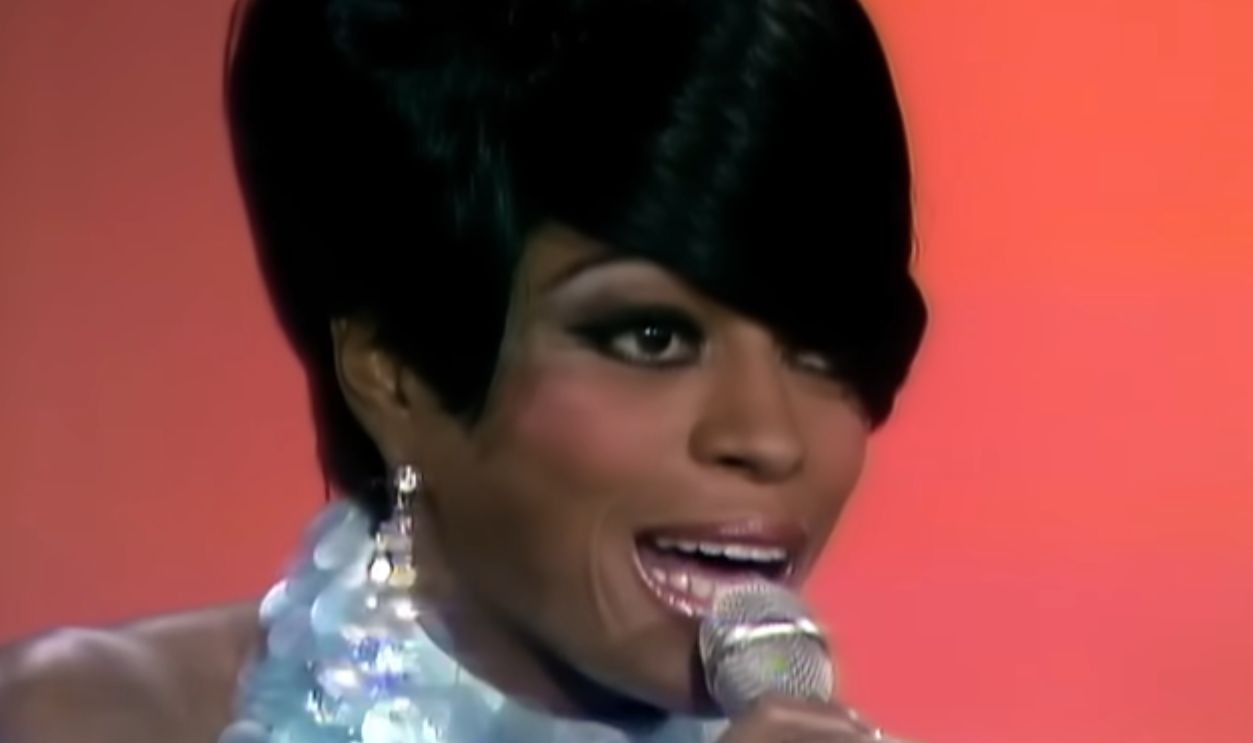 Screenshot from The Ed Sullivan Show, SOFA Entertainment (1948-1971)
Mitch Ryder & The Detroit Wheels - “Devil With A Blue Dress On/Good Golly, Miss Molly”
Mitch Ryder & the Detroit Wheels combined “Devil with the Blue Dress On” with Little Richard's “Good Golly, Miss Molly” and treated the medley like a full-speed sprint. Ryder's rasping vocal and the band's relentless Detroit rock-and-soul attack left almost no room to breathe. The single reached the American Top 5 and became the band's signature recording, capturing the raw excitement of their live performances remarkably well.
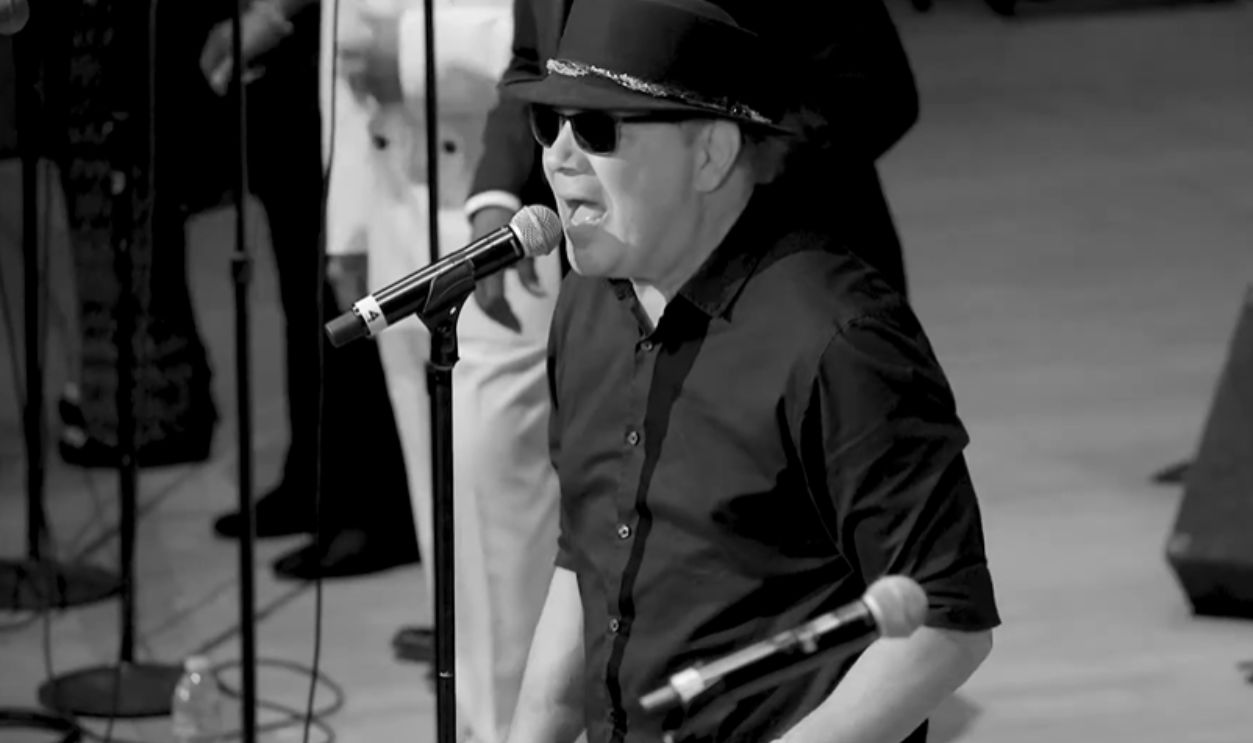 Screenshot from Devil with a Blue Dress On/Good Golly Miss Molly, New Voice Records (1966)
The Beach Boys - “Wouldn't It Be Nice”
Opening Pet Sounds, “Wouldn't It Be Nice” sounds impossibly cheerful until you pay attention to the lyrics. Brian Wilson, Tony Asher, and Mike Love built a song around two young people imagining the adult life they can't yet have. The elaborate production uses accordions, unusual percussion, guitars, and intricate harmonies, creating a bright surface for a song that's actually filled with impatience and longing.
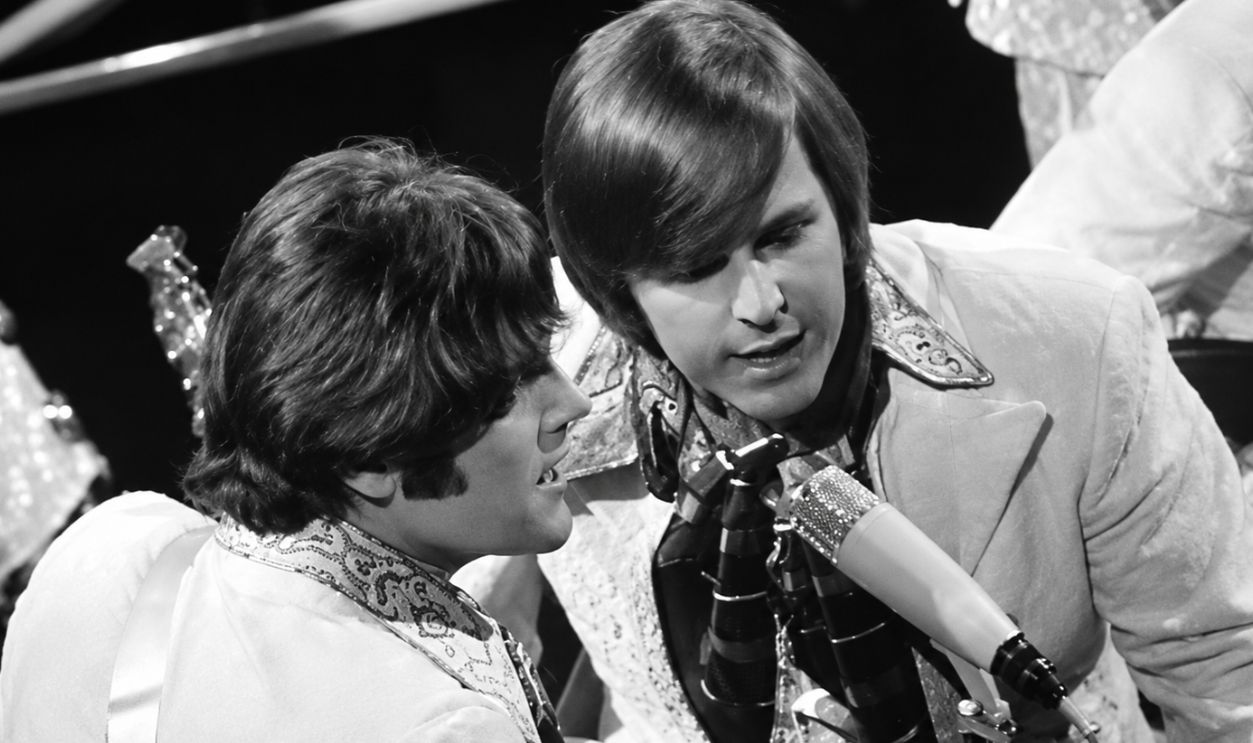 Screenshot from Wouldn't It Be Nice, Capitol Records (1966), Enhanced
The Beatles - “Eleanor Rigby”
There are no traditional rock instruments played by the Beatles on “Eleanor Rigby”. Instead, Paul McCartney's lead vocal and the group's harmonies are backed by George Martin's double string quartet arrangement. Released on Revolver and as part of a double A-side single, the song focused on loneliness, aging, and unnoticed lives. It was another sign that the Beatles no longer considered pop music limited by standard band arrangements.
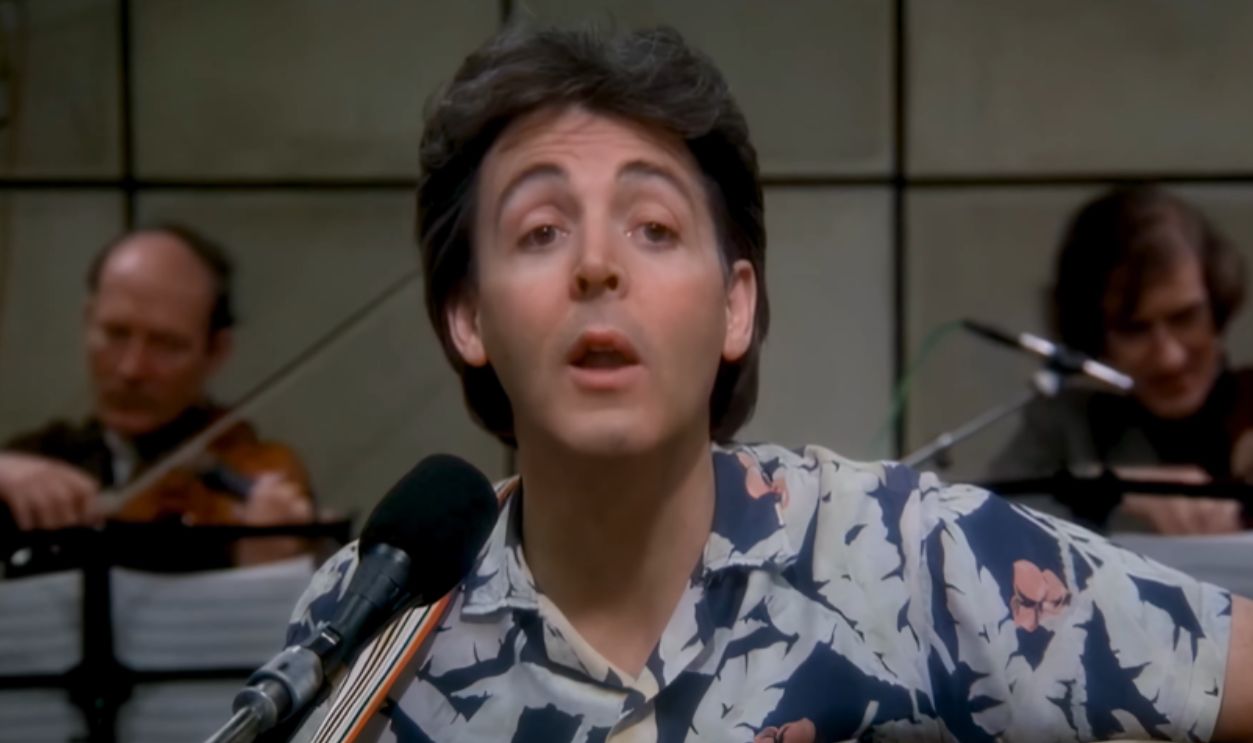 Screenshot from Eleanor Rigby, Parlophone Records (1966)
The Righteous Brothers - “(You're My) Soul And Inspiration”
After splitting from producer Phil Spector, the Righteous Brothers proved they could still deliver a giant record with “(You're My) Soul and Inspiration” .Bill Medley's huge baritone gave it the same emotional sweep listeners associated with “You've Lost That Lovin' Feelin'”. The song reached Number 1 on the Hot 100 in spring 1966, giving the duo another dramatic pop-soul ballad built for maximum impact.
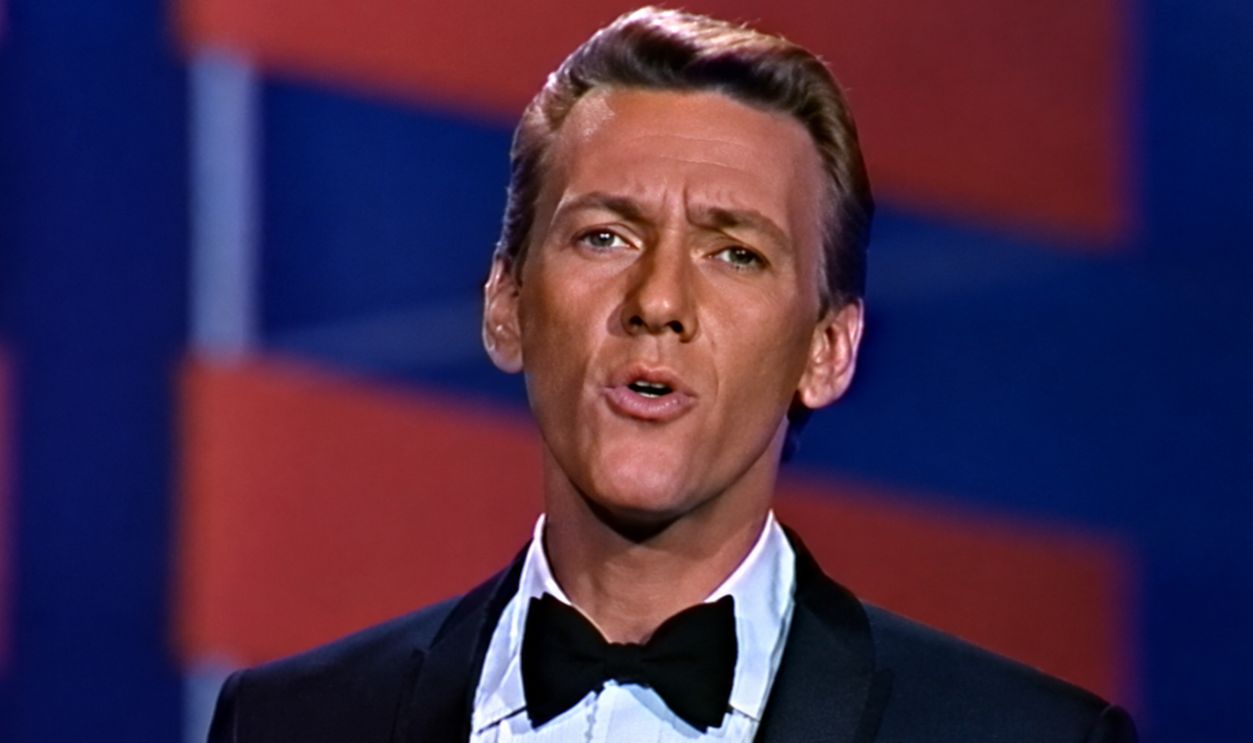 Screenshot from (You're My) Soul and Inspiration, Verve Records (1966), Enhanced
The Kinks - “Sunny Afternoon”
Ray Davies wrote “Sunny Afternoon” from the perspective of a wealthy man complaining about Britain's heavy tax burden. That makes the breezy chorus wonderfully misleading. The Kinks wrapped the satire in relaxed instrumentation that sounded perfect for summer radio, and British listeners responded by sending it to Number 1. Beneath the easygoing melody was one of Davies' increasingly sharp observations about class, money, and English life.
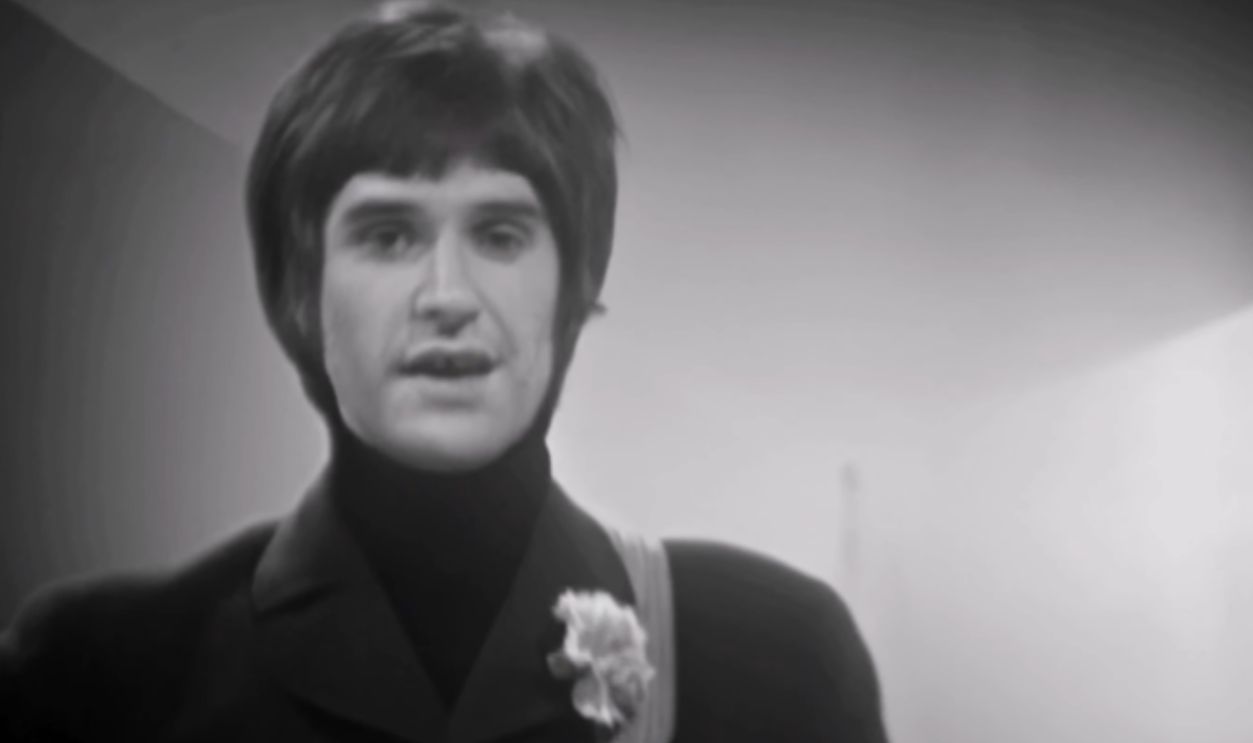 Screenshot from Sunny Afternoon, Pye Records (1966)
Nancy Sinatra - “These Boots Are Made For Walkin'”
Lee Hazlewood's swaggering composition gave Nancy Sinatra the recording that permanently separated her musical identity from her famous father's. The descending bass line, sharp brass, and Sinatra's coolly dismissive vocal made the record instantly distinctive. “These Boots Are Made for Walkin'” reached Number 1 in both the United States and Britain, while its fashion, attitude, and sound became closely tied to mid-60s pop culture.
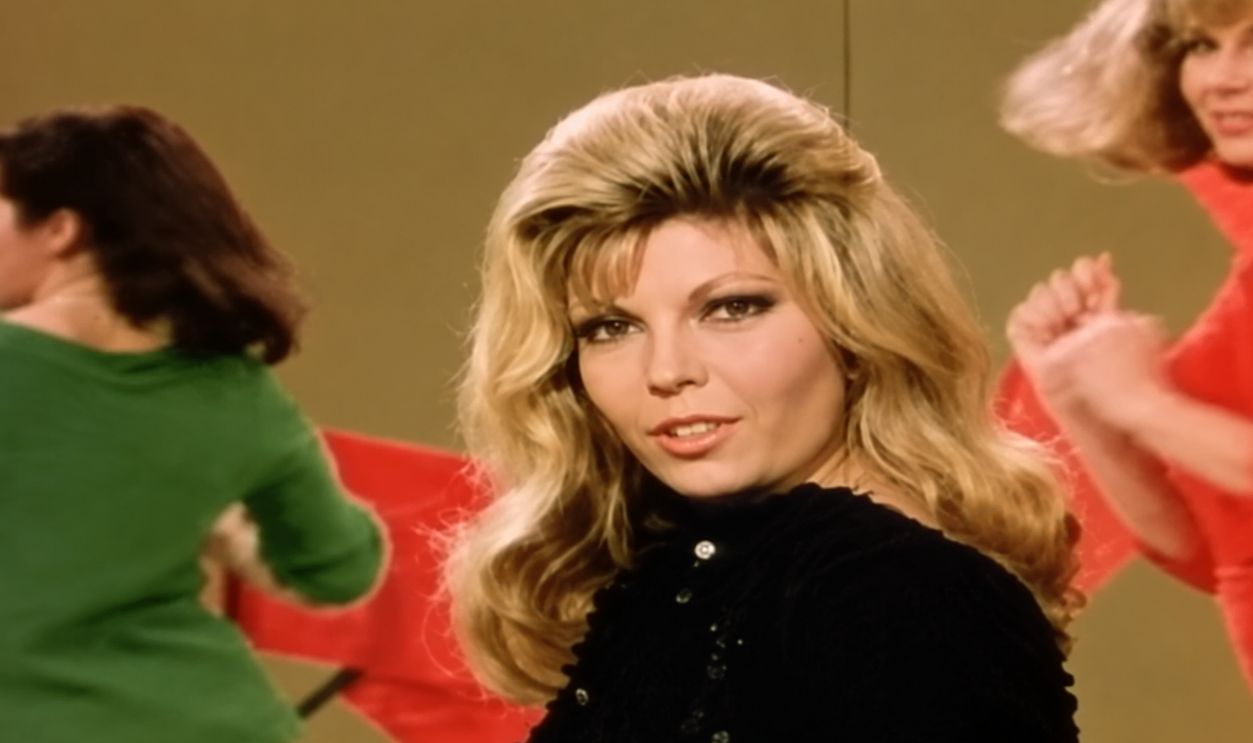 Screenshot from These Boots Are Made for Walkin', Reprise Records (1966), Enhanced
Donovan - “Sunshine Superman”
“Sunshine Superman” helped Donovan move away from his earlier folk image and directly into psychedelic pop. The track combined acoustic songwriting with electric instrumentation, a sinuous groove, and references to comic-book superheroes that fit perfectly into 1966's increasingly colorful culture. It became Donovan's first and only Number 1 single in the United States and reached Number 2 when it was eventually released in Britain.
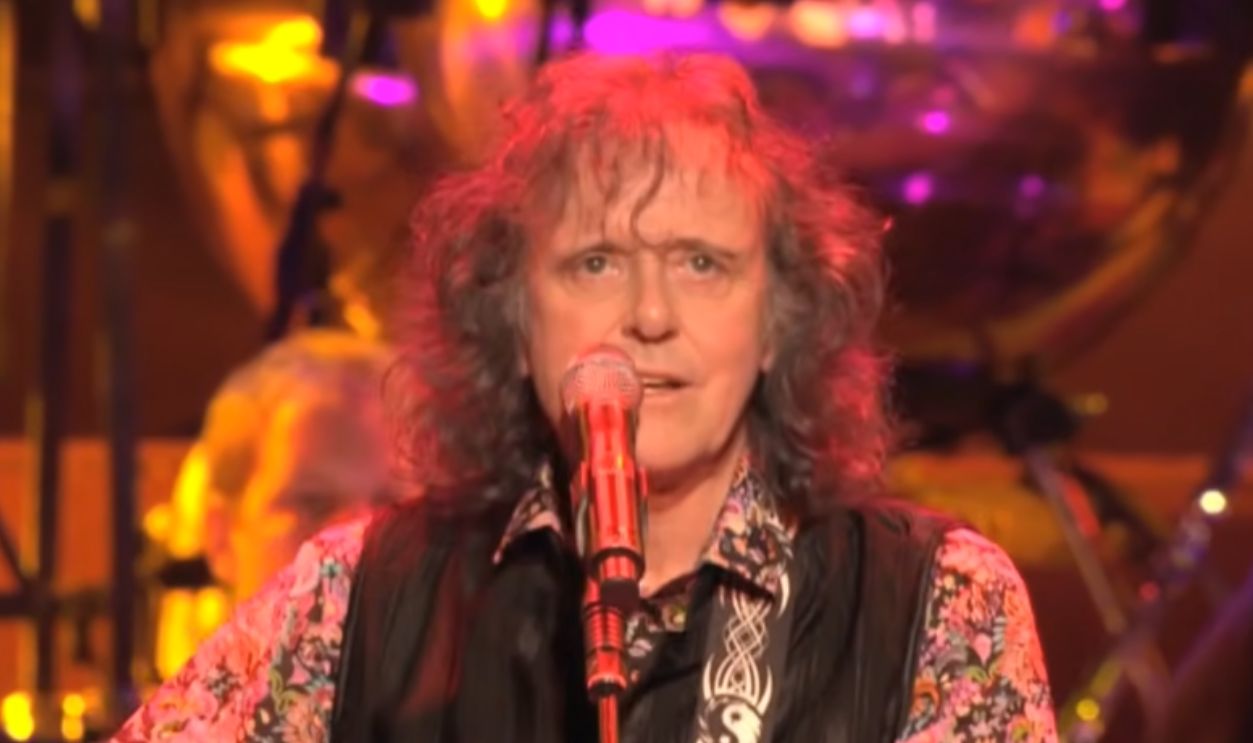 Screenshot from Sunshine Superman, Epic Records (1966)
You May Also Like:
Soft-Rock Hits From 1981 That Boomers Still Know By Heart
Commercial Jingles From The 1980s That Baby Boomers Can’t Get Out Of Their Heads—Even After 40 Years