Gone From The Charts, But Not Forgotten
Remember when MTV was packed with big hair, catchy synth-pop, and handsome singers who seemed destined to be the next Michael Jackson? Some scored massive hits, graced magazine covers, and had fans singing along, only to vanish from the charts. Others had incredible talent but never got the recognition they deserved.
Here are 28 forgotten male pop stars of the 1980s who had all the makings of superstars.
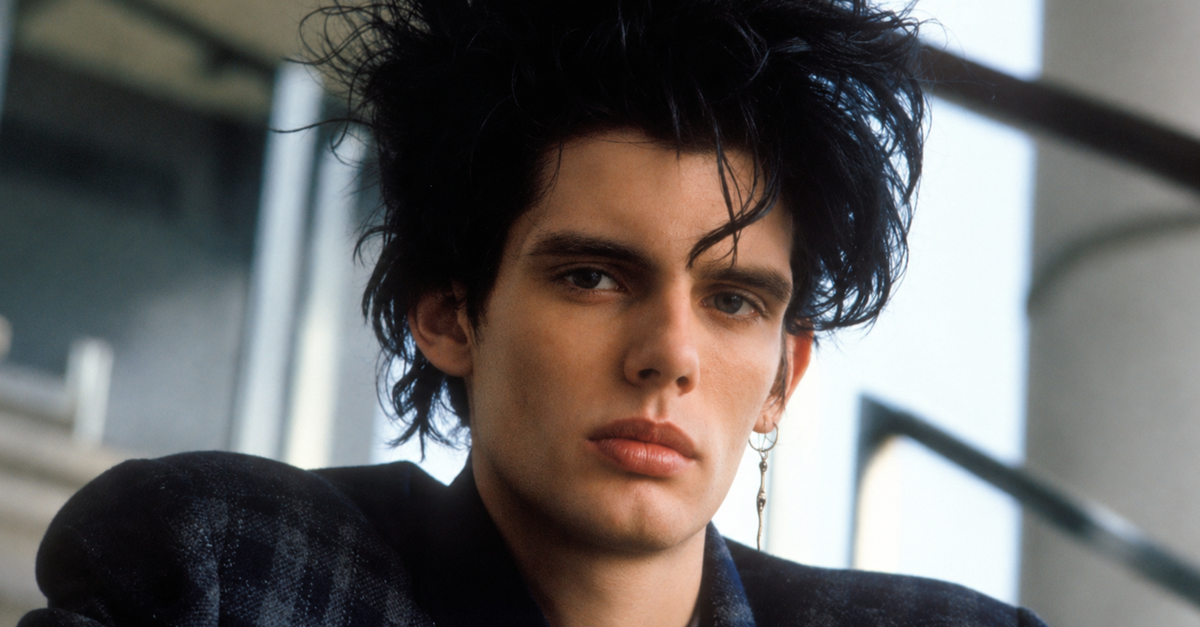
Nik Kershaw
With his distinctive voice and unmistakable hairstyle, Nik Kershaw looked destined for superstardom when "Wouldn't It Be Good" became a hit in 1984. He followed it with catchy singles including "The Riddle" and "I Won't Let the Sun Go Down on Me," becoming a major star in Britain. Despite his impressive songwriting talents, Kershaw never achieved comparable success in America.
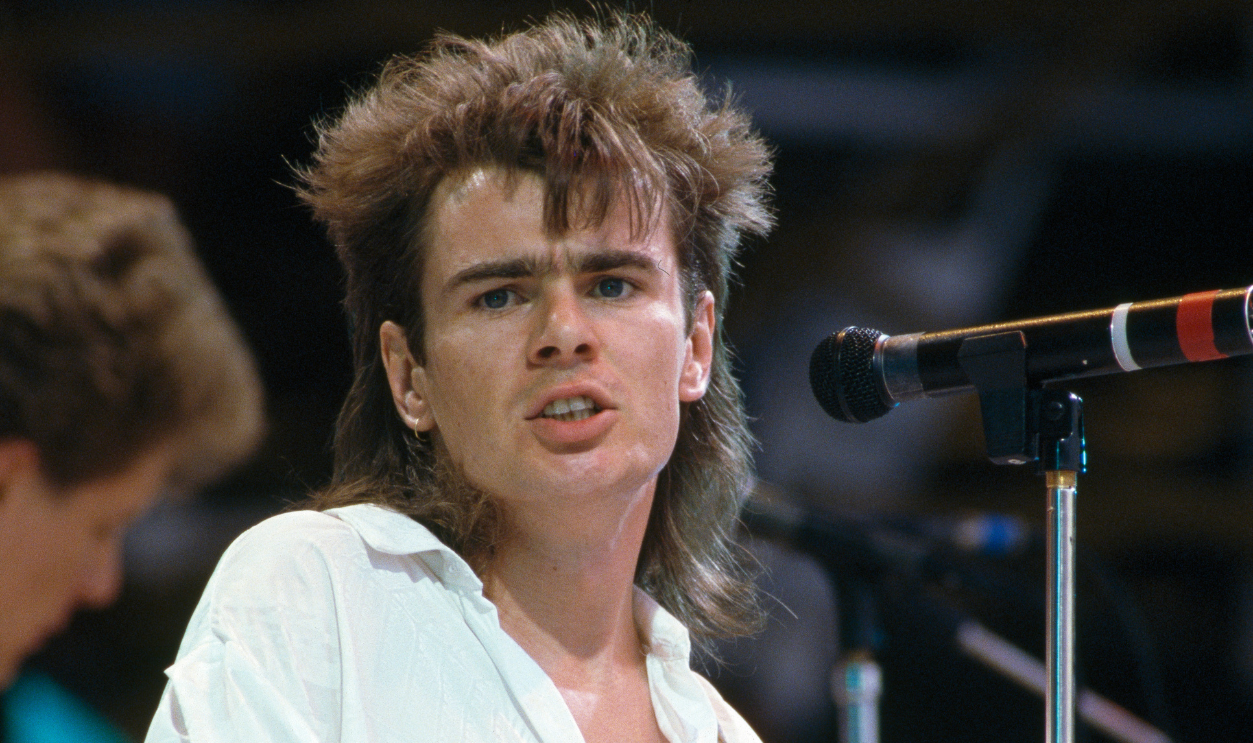 Langevin Jacques, Getty Images
Thomas Dolby
Thomas Dolby became an unlikely MTV sensation when "She Blinded Me with Science" reached number five in America in 1983. His eccentric performances and futuristic synthesizer sounds made him one of the decade's most recognizable new-wave personalities. But Dolby was much more than a novelty act, releasing ambitious albums that demonstrated his remarkable musical creativity.
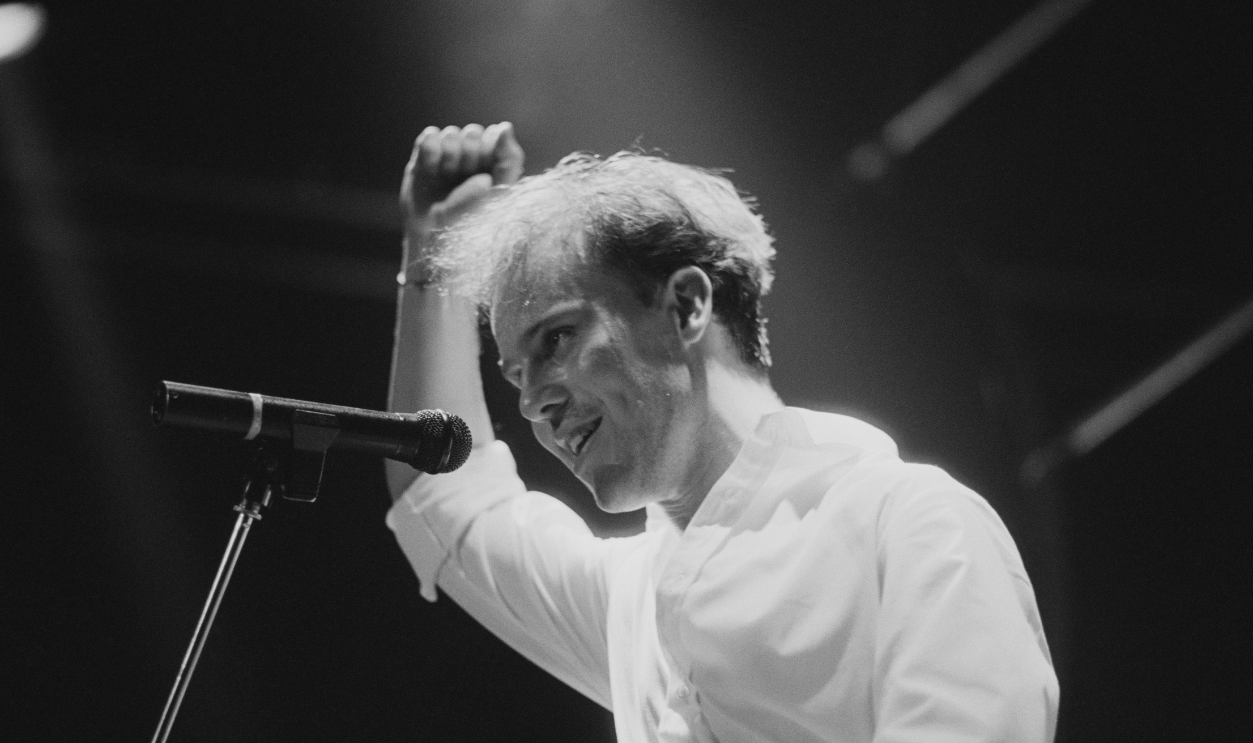
Michael Sembello
Michael Sembello became a pop sensation when "Maniac" appeared in the 1983 movie Flashdance and topped the American charts. The recording earned Grammy nominations for Record of the Year, Song of the Year, and Best Male Pop Vocal Performance. Surprisingly, Sembello had already worked as a guitarist with Stevie Wonder, proving his musical abilities extended far beyond his famous movie anthem.
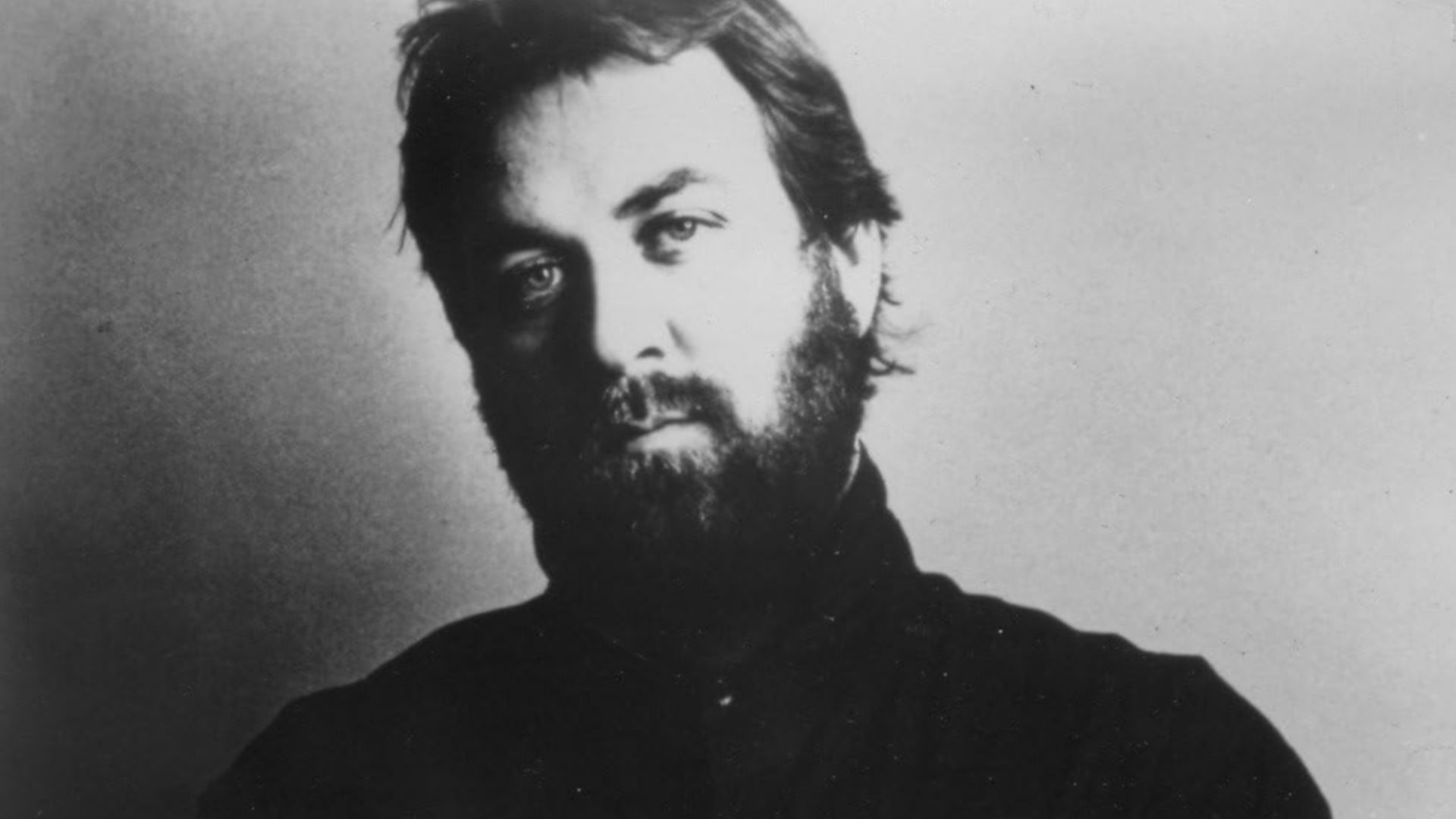 Warner Records, Wikimedia Commons
Peter Schilling
German singer Peter Schilling scored an international breakthrough with "Major Tom (Coming Home)" in 1983. Inspired by the astronaut character from David Bowie's "Space Oddity," the futuristic single reached number 14 on the American charts. Schilling continued recording, but never repeated that level of American success, leaving behind one of the decade's most memorable synth-pop anthems.
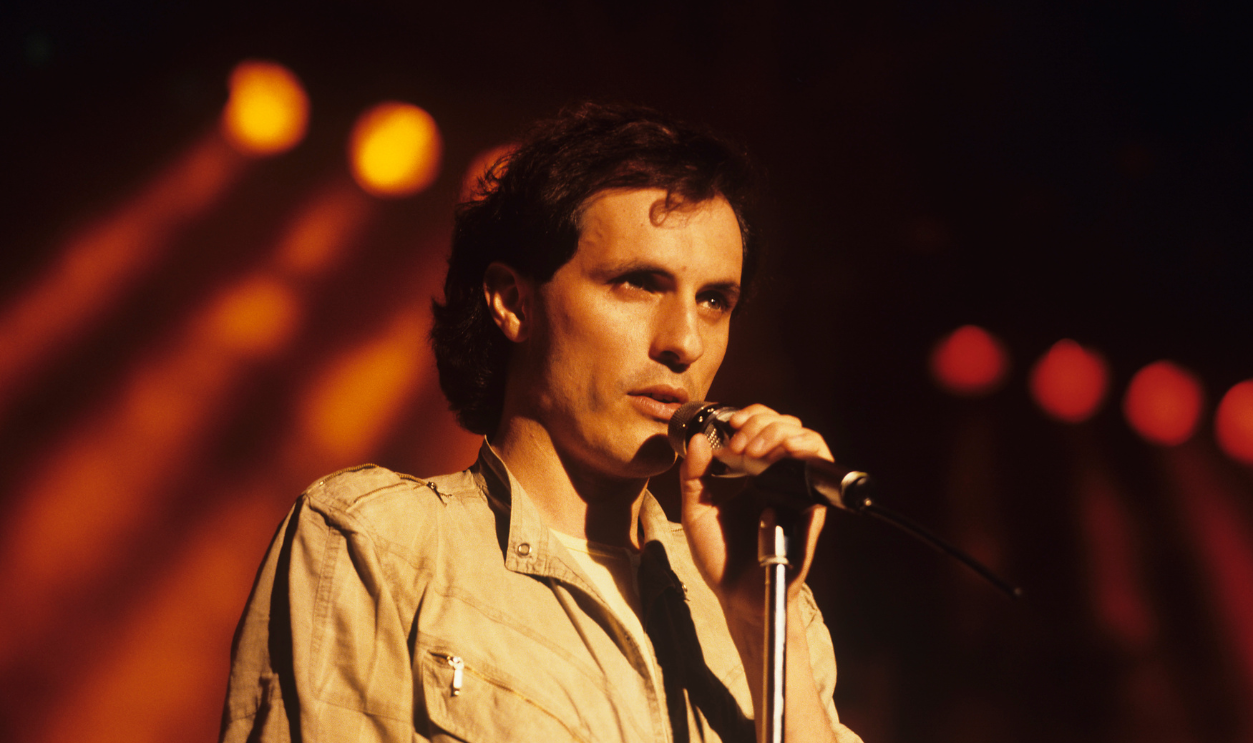
Matthew Wilder
Few songs capture the carefree spirit of the 1980s quite like Matthew Wilder's 1983 hit "Break My Stride." The infectious recording reached number five in America, but Wilder struggled to repeat its success as a solo performer. He eventually became an accomplished producer, working on No Doubt's Tragic Kingdom and helping create music for Disney's Mulan.

Jermaine Stewart
Jermaine Stewart became an international sensation in 1986 with the irresistible dance-pop hit "We Don't Have to Take Our Clothes Off." The single reached number five in America and number two in Britain, introducing audiences to his energetic performances and distinctive style. Although he enjoyed further British chart success, Stewart never repeated that enormous breakthrough and died in 1997 at just 39.
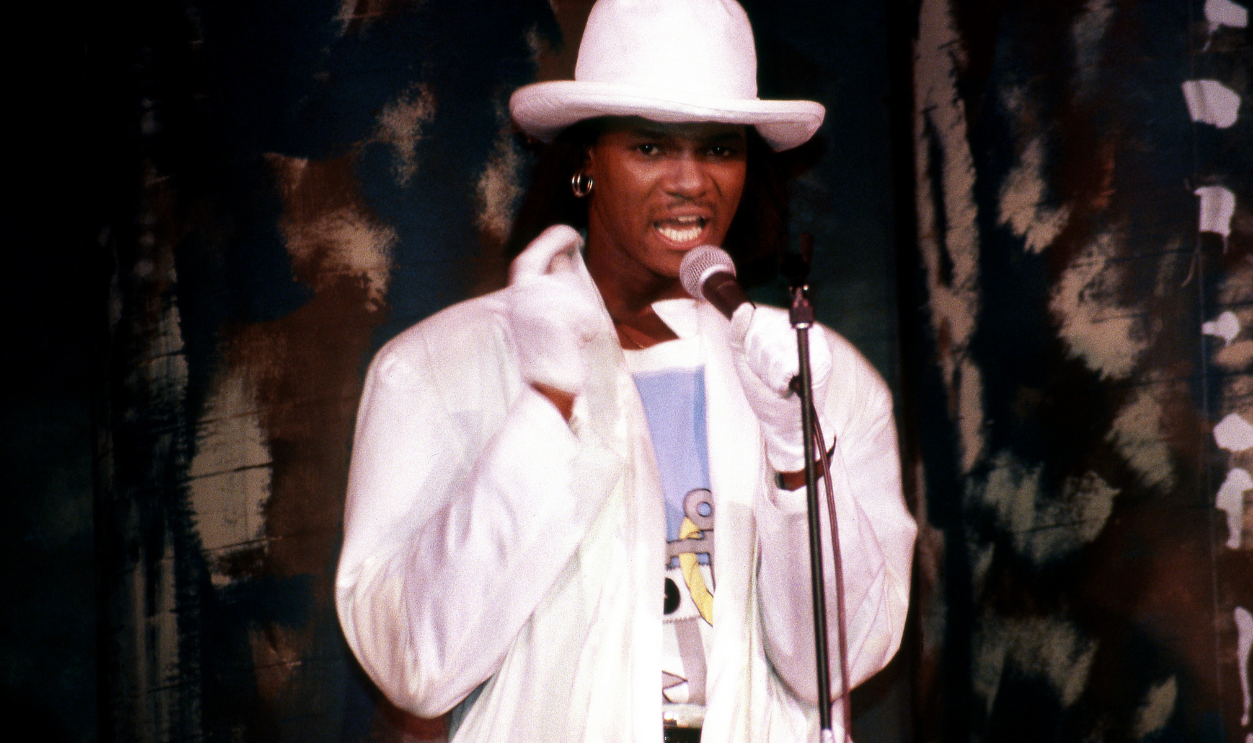
John Parr
British singer John Parr possessed the kind of powerful voice usually associated with arena-filling rock superstars. His 1985 anthem "St. Elmo's Fire (Man in Motion)" topped the American charts, with lyrics inspired by Canadian athlete Rick Hansen's extraordinary wheelchair journey around the world. Despite that massive success and his earlier hit "Naughty Naughty," Parr never established a lasting presence near the top of the American charts.
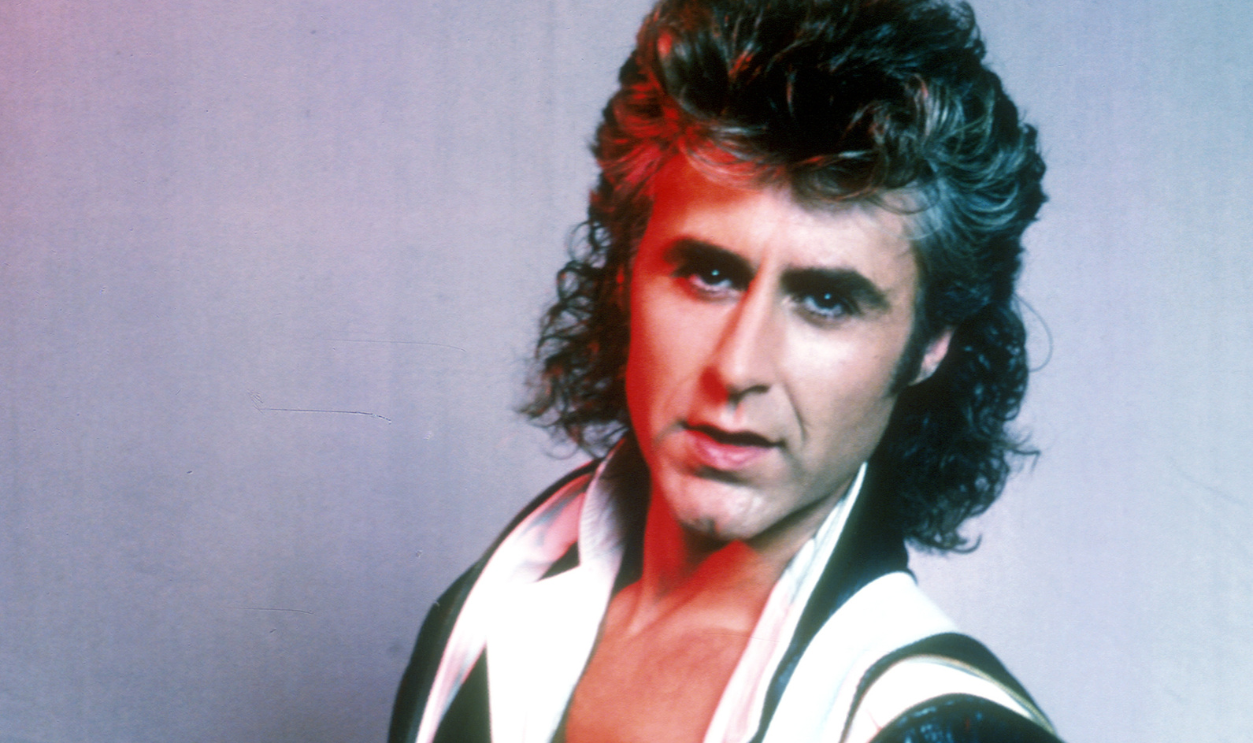 Michael Ochs Archives, Getty Images
Robbie Nevil
Robbie Nevil seemed destined to dominate pop radio when "C'est La Vie" climbed to number two in America in 1987. His combination of pop, rock, and soul produced two additional Top 20 hits, "Dominoes" and "Wot's It to Ya." Unfortunately, his chart success soon faded, although he continued building a career as a songwriter and producer.
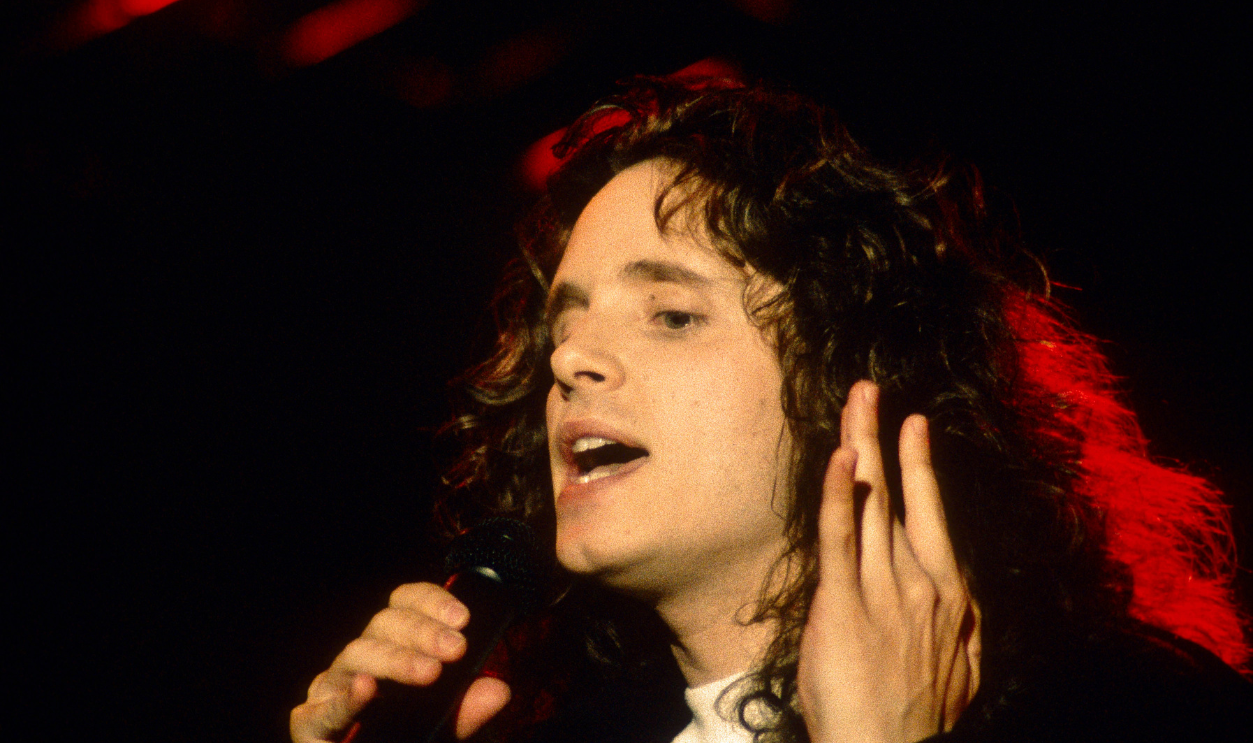
Limahl
With his dramatic two-tone hairstyle, Limahl looked perfectly suited to the early MTV era. He helped Kajagoogoo score an international hit with "Too Shy" in 1983 before leaving the group and launching a solo career. His recording of "The NeverEnding Story" became another pop classic, but he never maintained the lasting solo success those two enormous songs seemed to promise.
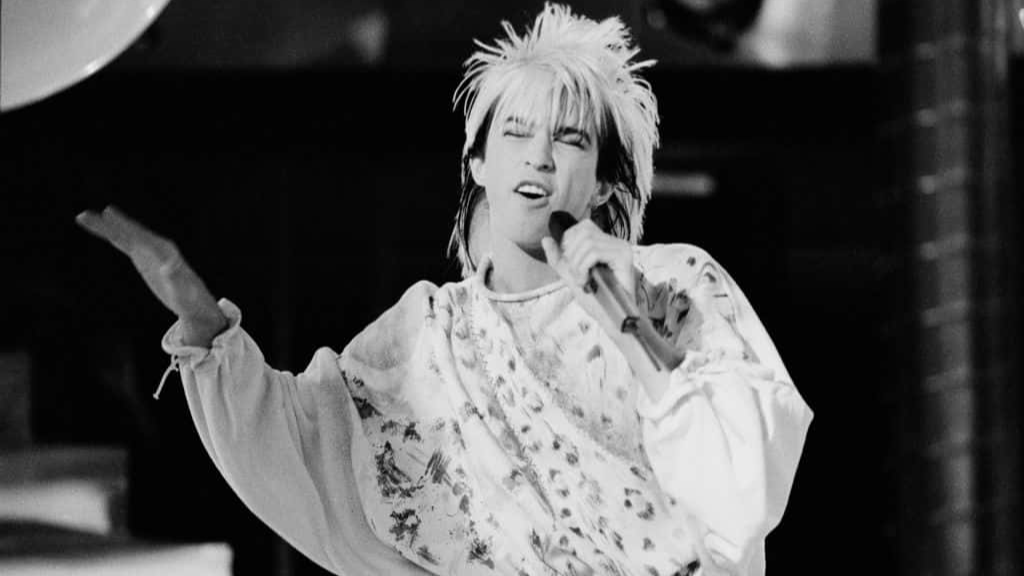
Johnny Kemp
Bahamian singer Johnny Kemp delivered one of 1988's most infectious dance hits with "Just Got Paid." The recording topped Billboard's R&B chart and entered the American pop Top 10, becoming a Friday-night anthem. Although Kemp continued working in music, he never repeated that enormous success and died in 2015 at age 55.
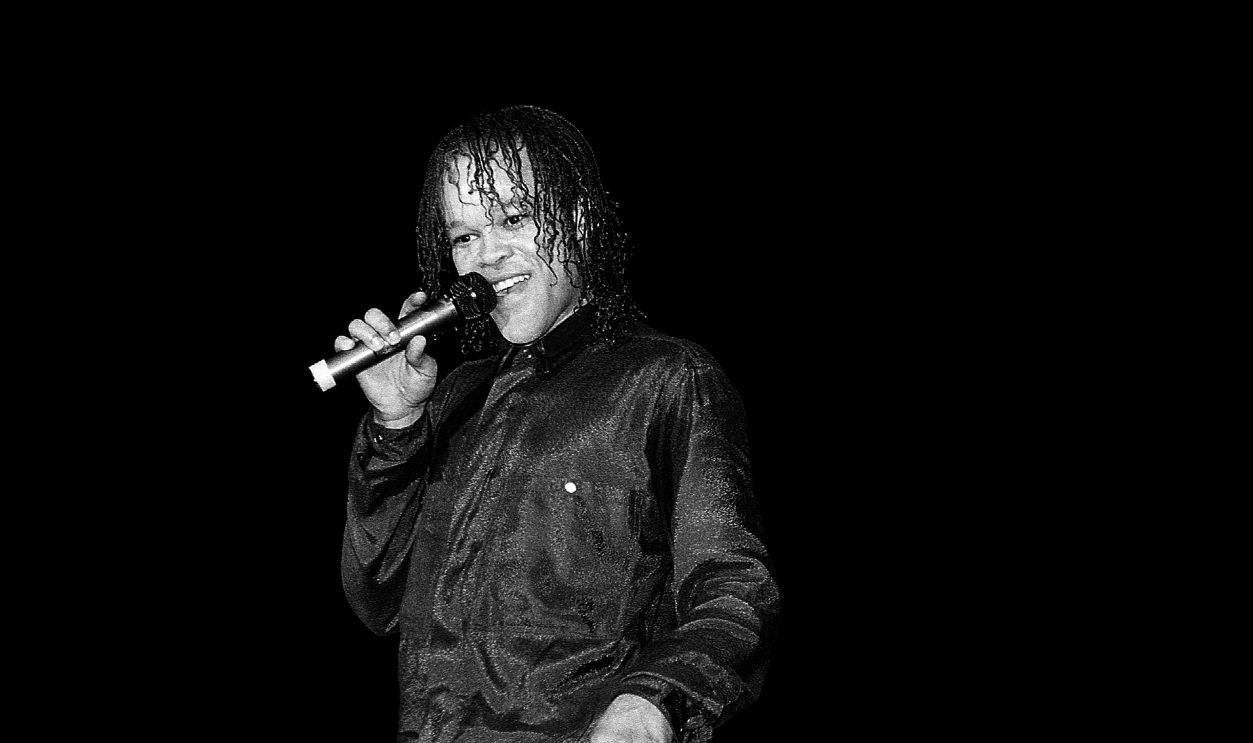
Glenn Medeiros
Hawaiian teenager Glenn Medeiros became an unlikely international heartthrob with his recording of "Nothing's Gonna Change My Love for You." Originally performed by George Benson, the ballad first attracted attention in 1986 before topping the British charts in 1988. Medeiros later scored an American number-one hit with R&B star Bobby Brown in 1990, but eventually left pop stardom behind for a career in education.
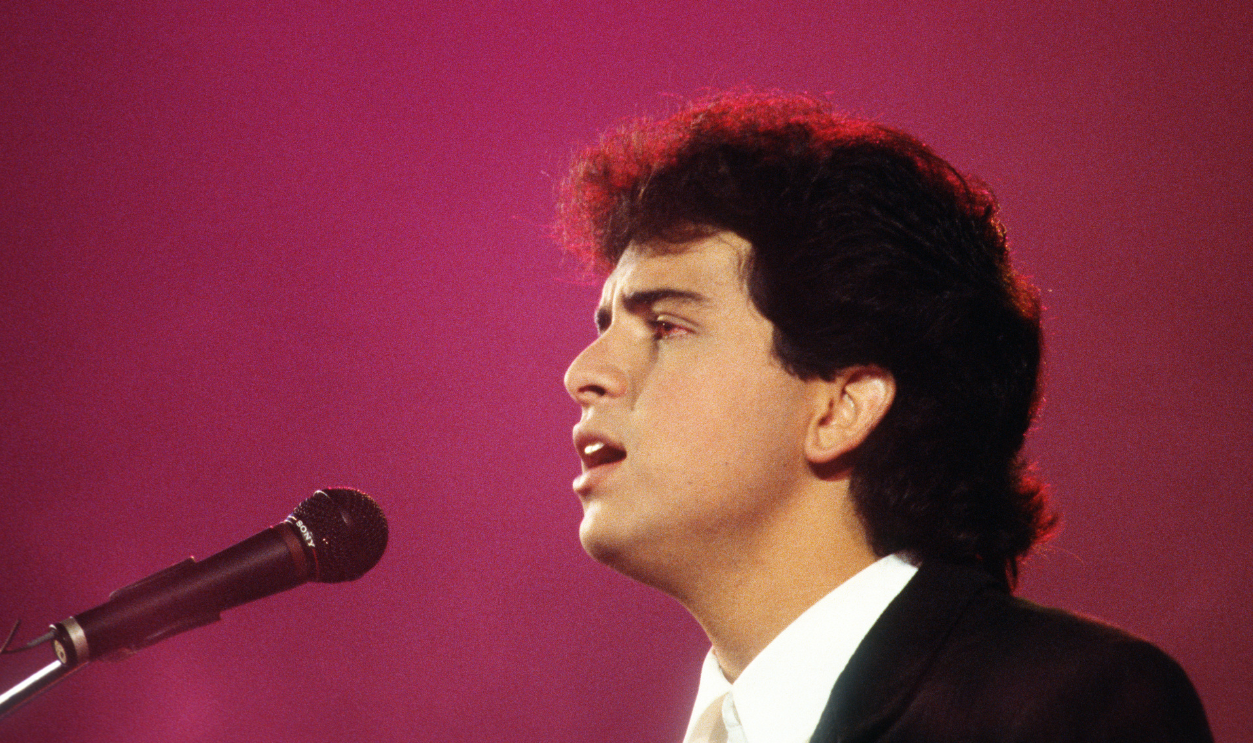
Charlie Sexton
Charlie Sexton was just 17 when his 1985 debut album, Pictures for Pleasure, introduced him as one of music's most promising young performers. His single "Beat's So Lonely" became an American Top 20 hit in 1986, while his good looks and impressive guitar skills attracted considerable attention. Although his solo fame faded, Sexton eventually became a longtime guitarist and collaborator for Bob Dylan.
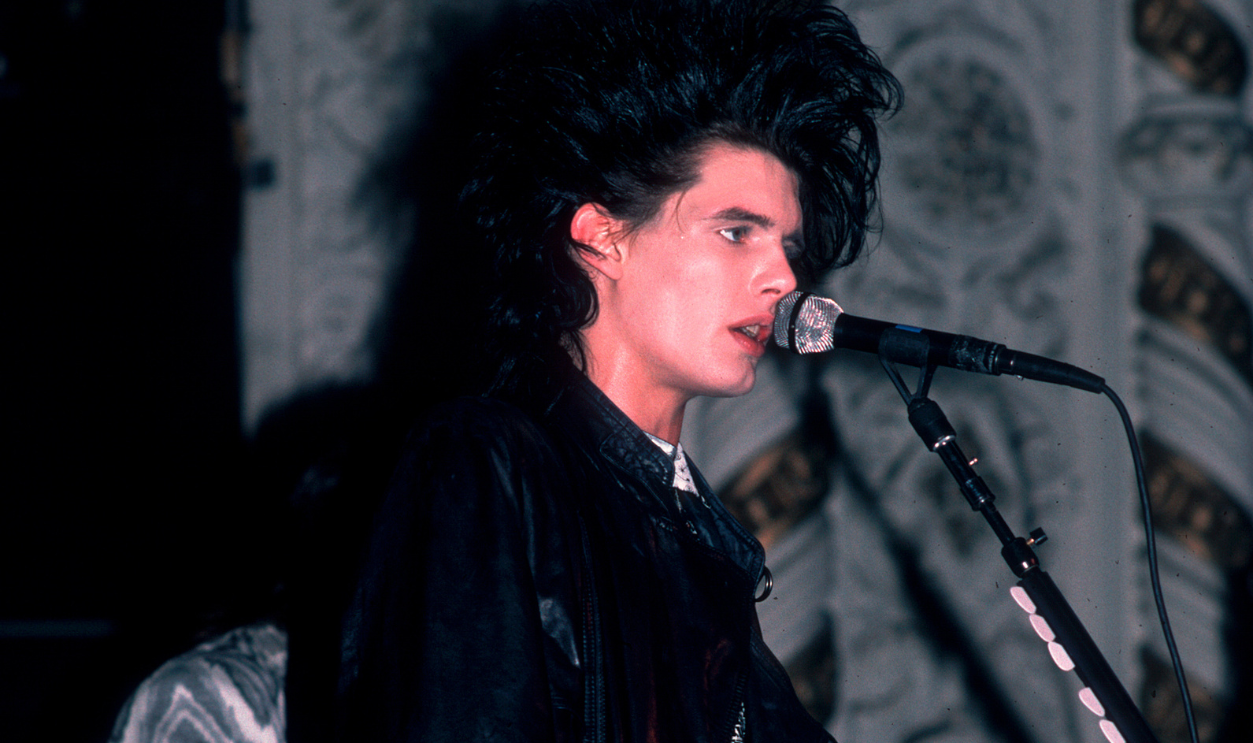
Midge Ure
Midge Ure had already established himself as a major British star with Ultravox when his solo single "If I Was" topped the British charts in 1985. He also co-wrote Band Aid's "Do They Know It's Christmas?" with Bob Geldof and helped organize Live Aid. Despite his tremendous influence on 1980s music, Ure never achieved comparable solo stardom in America.
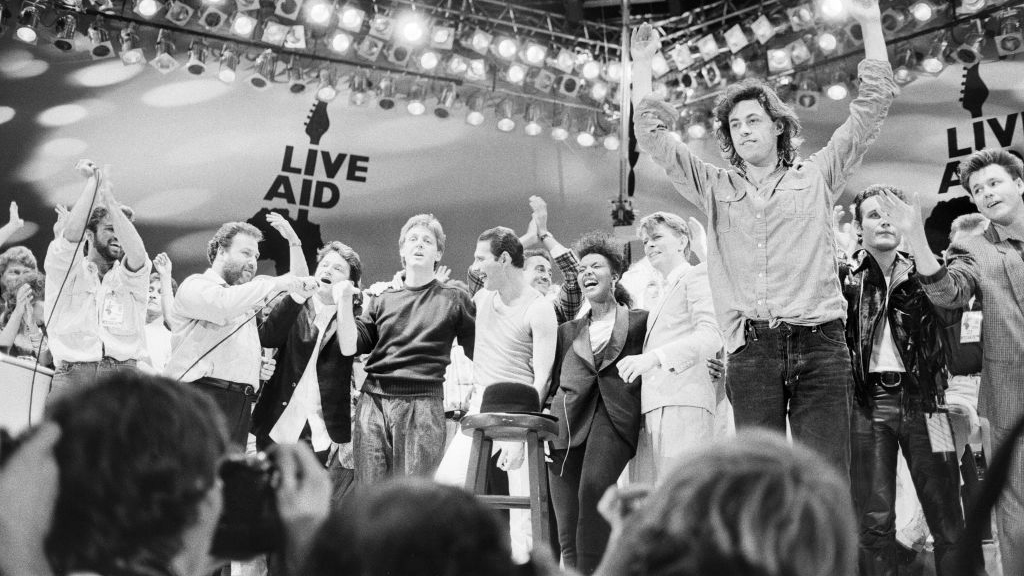
Paul Carrack
Paul Carrack had one of the 1980s' most recognizable singing voices, even if listeners didn't always know his name. He sang on Squeeze's "Tempted" and helped make Mike + The Mechanics famous with recordings including "The Living Years." His solo hit "Don't Shed a Tear" reached number nine in America in 1988, but his many collaborations often attracted more attention than his own recording career.
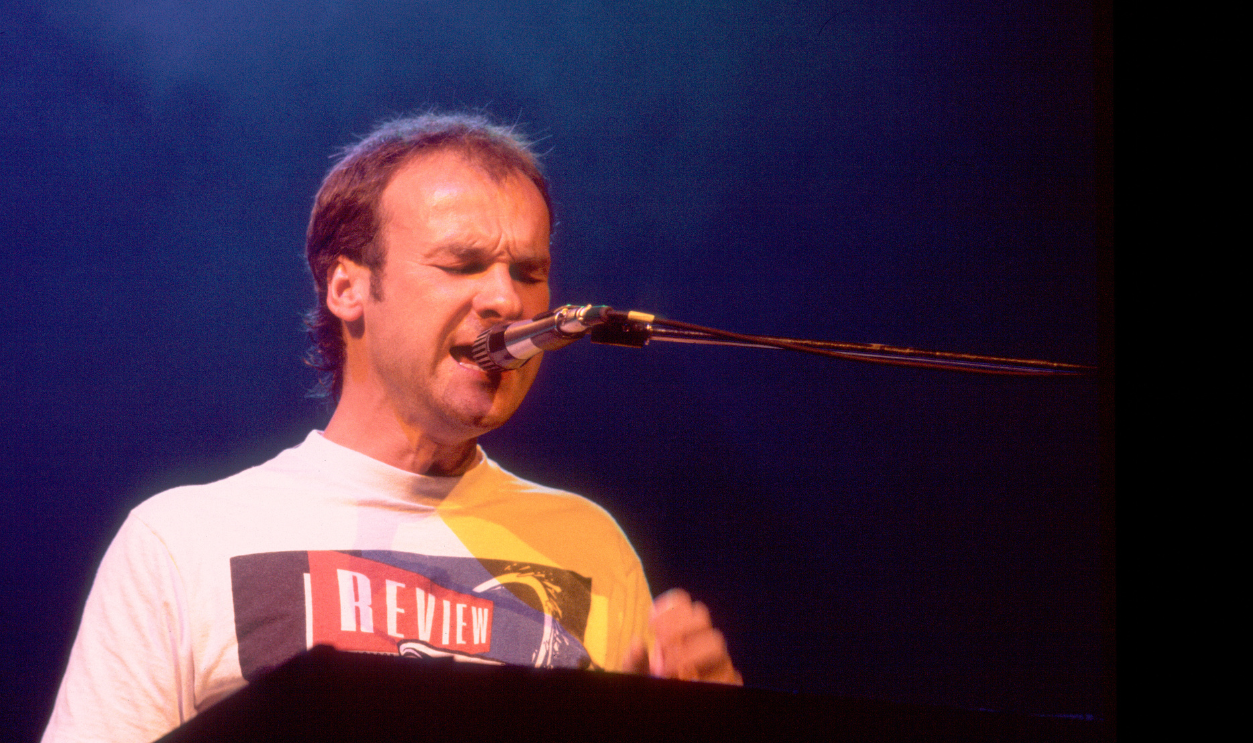
Falco
Austrian singer Falco made pop history when his German-language single "Rock Me Amadeus" topped the American charts in 1986. His unusual mixture of rap-influenced vocals, electronic dance music, and flamboyant performances made him unlike anyone else on the radio. Although Falco remained successful in Europe, he never sustained the same American popularity and died in a car accident in 1998.
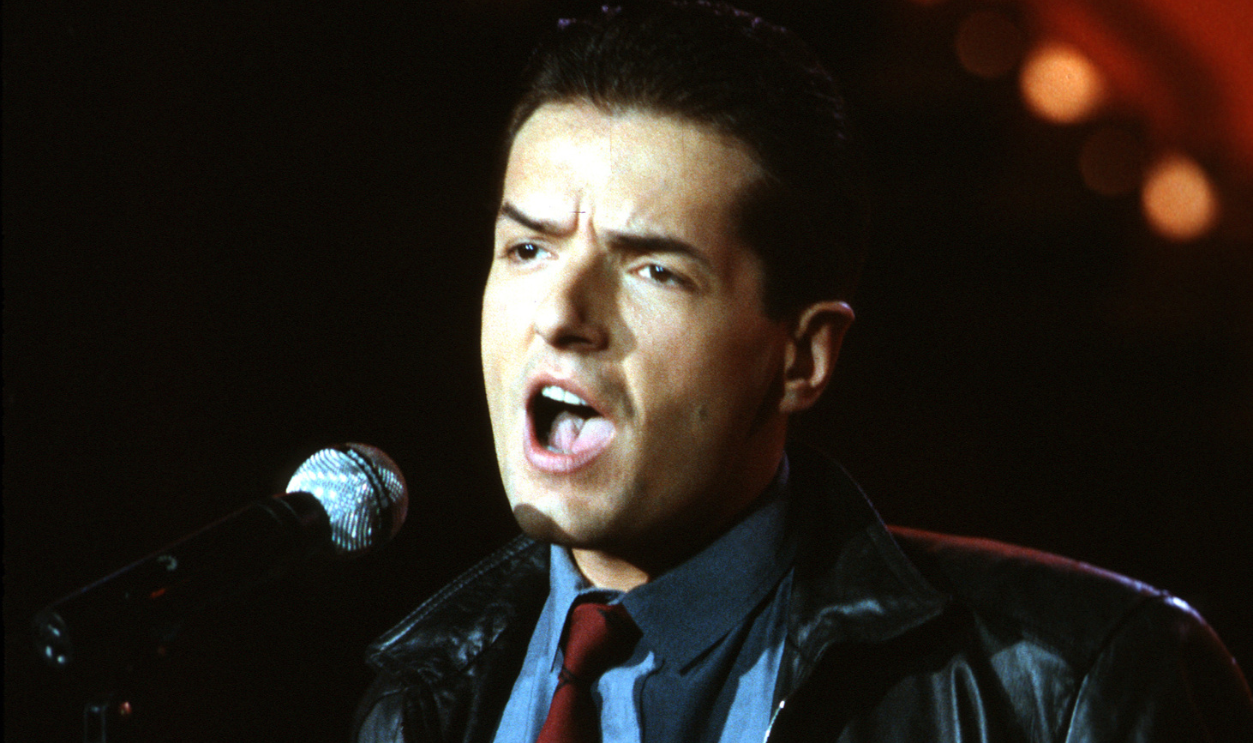 Michael Ochs Archives, Getty Images
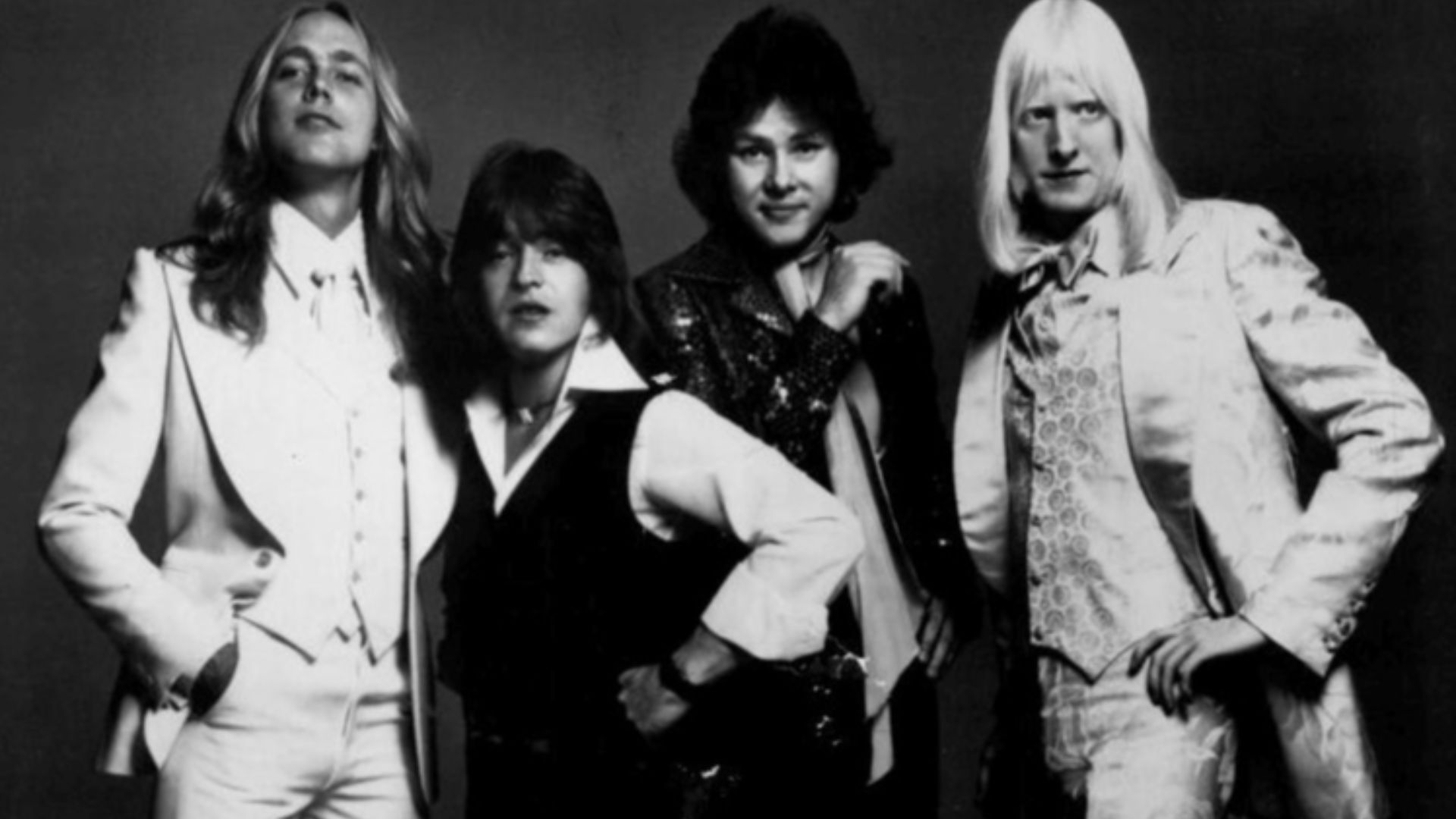
Dan Hartman
Dan Hartman delivered one of 1984's most memorable pop hits with "I Can Dream About You," featured in the movie Streets of Fire. The infectious single climbed to number six in America, introducing a new generation to a musician who had already enjoyed success with the Edgar Winter Group and as a disco performer. Despite his songwriting and production talents, Hartman never became a major long-term solo pop star and died in 1994 at age 43.
 Blue Sky Records, Wikimedia Commons
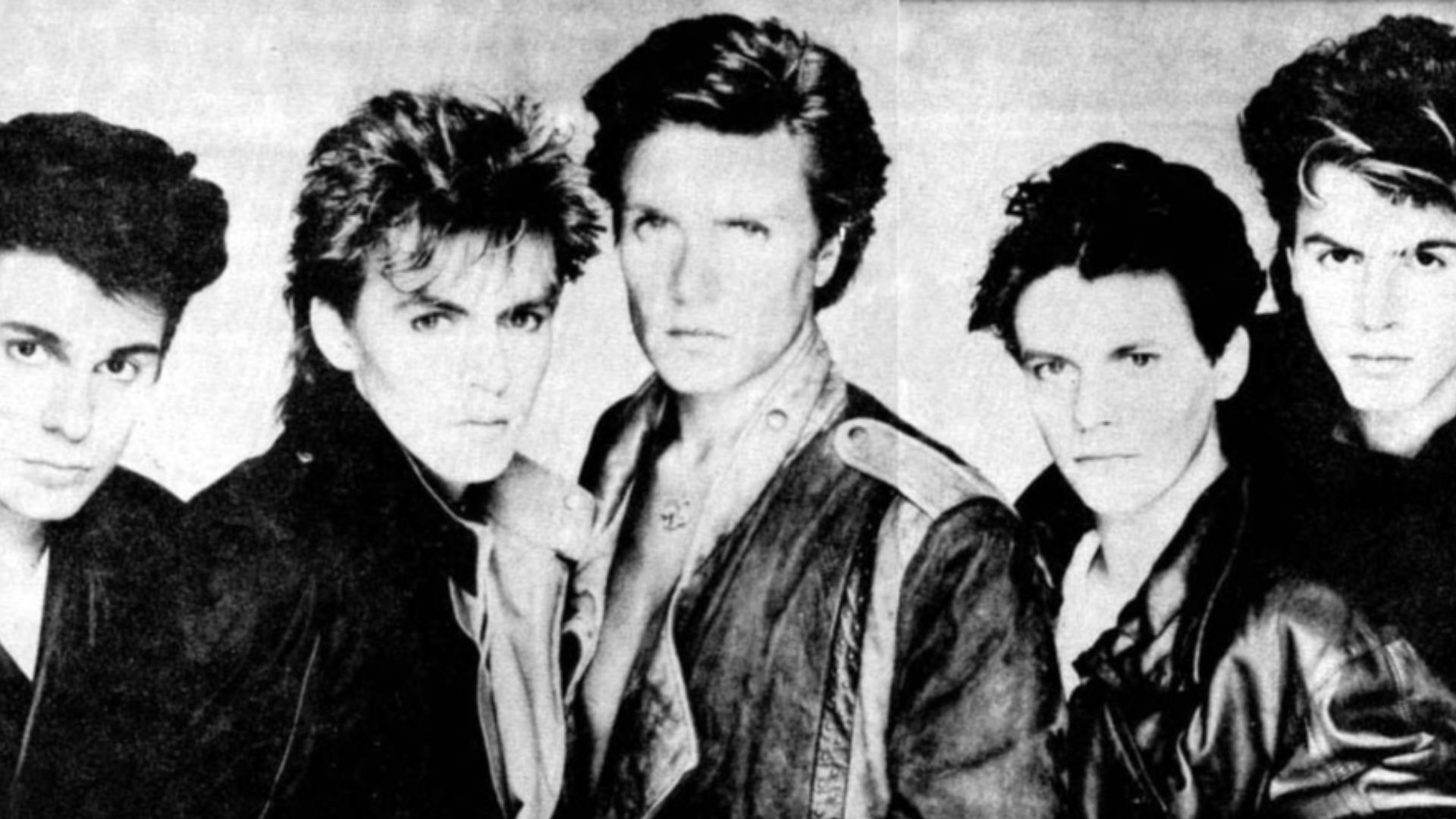
Stephen Duffy
Stephen Duffy scored a British Top 5 hit in 1985 with the irresistible synth-pop single "Kiss Me." Remarkably, he had been one of Duran Duran's founding members before leaving the group prior to its international breakthrough. Although Duffy never became a major solo superstar, he later enjoyed success as a songwriter, including collaborations with Robbie Williams.
 Brian Aris; Distributed by Capitol Records, Wikimedia Commons
Owen Paul
Scottish singer Owen Paul delivered one of 1986's catchiest British hits with "My Favourite Waste of Time." His upbeat version of the Marshall Crenshaw song reached number three in Britain, seemingly announcing the arrival of a promising new pop star. Unfortunately, Paul struggled to repeat that success, leaving him remembered primarily for one enormously infectious summer hit.

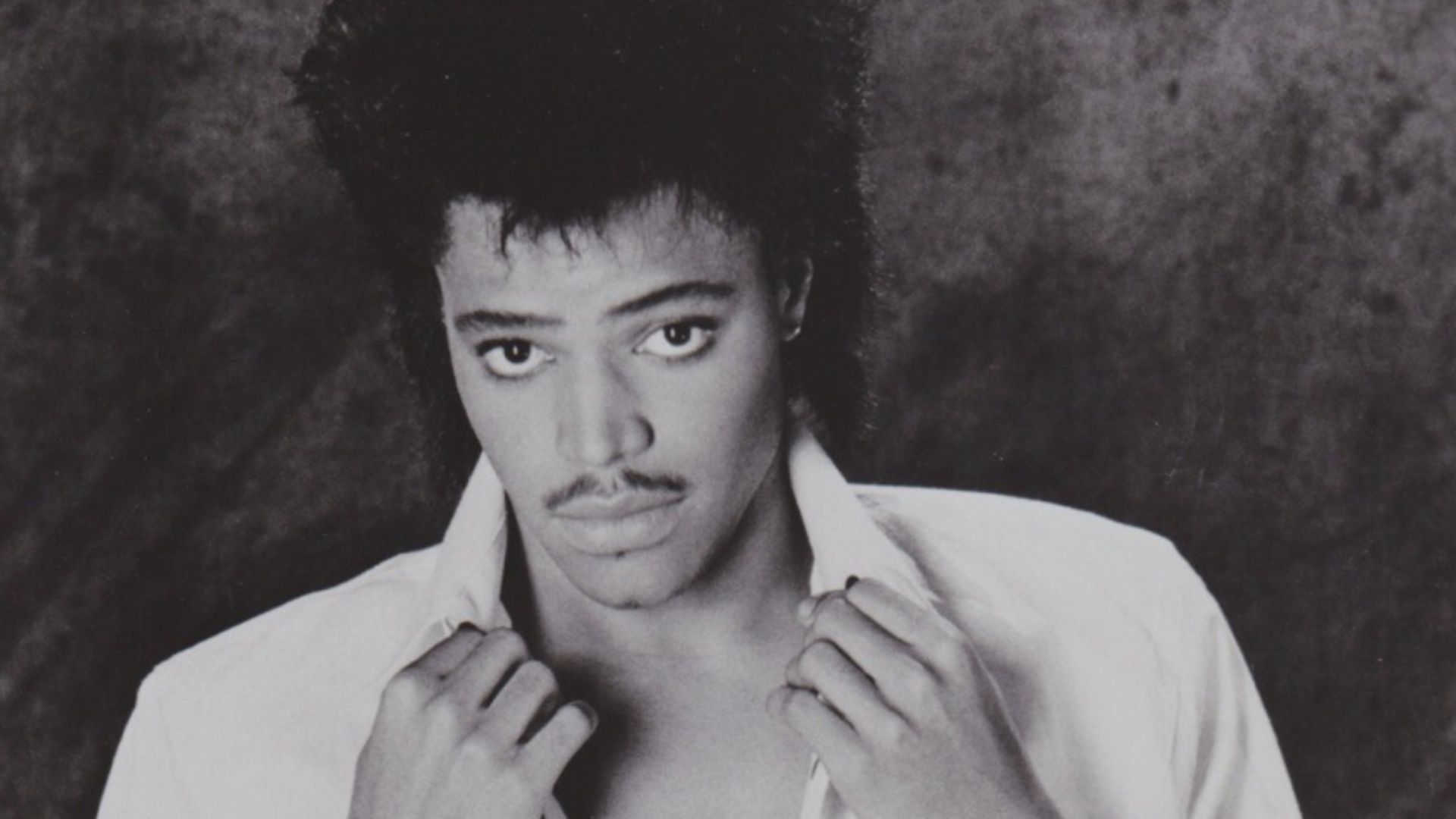
Rockwell
Rockwell became an unexpected sensation in 1984 with "Somebody's Watching Me," a paranoid pop hit featuring Michael Jackson on its unforgettable chorus. The recording reached number two in America, introducing audiences to a singer who was actually Kennedy Gordy, the son of Motown founder Berry Gordy. Despite his extraordinary musical connections, Rockwell never repeated that success and largely disappeared from mainstream pop radio.
 Motown Records, Wikimedia Commons
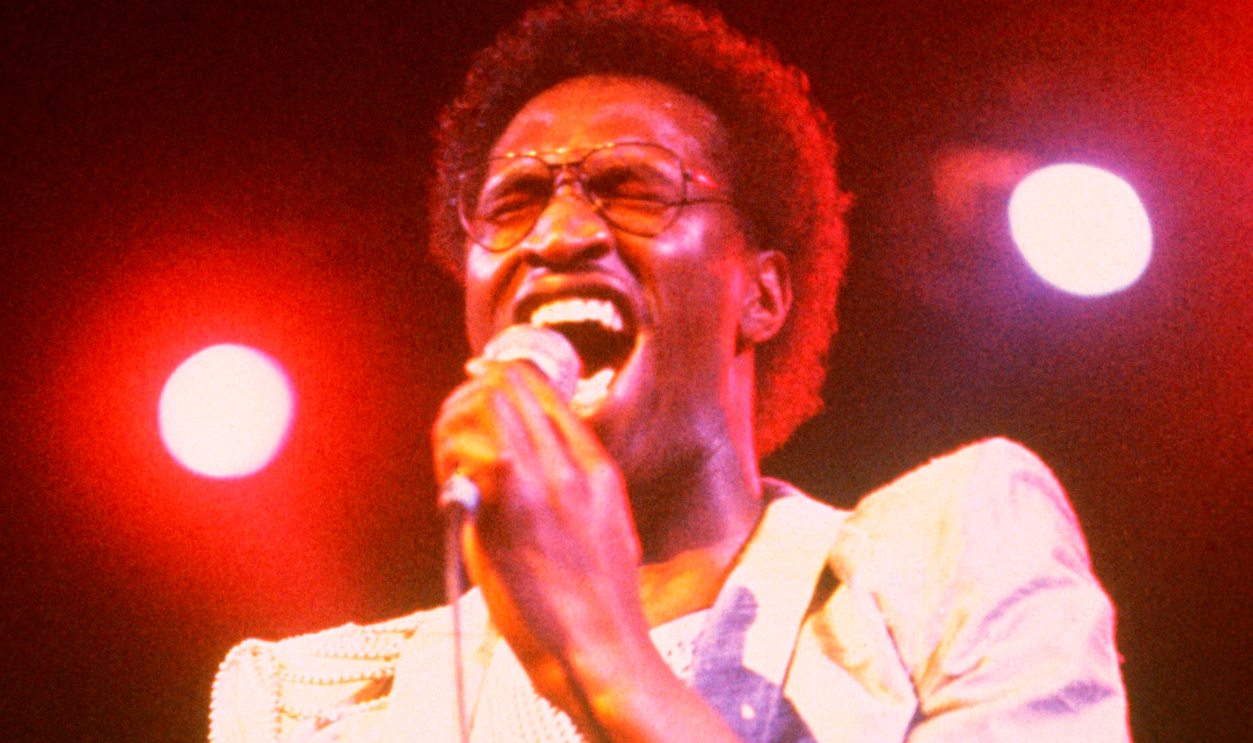
Junior
British singer Junior Giscombe delivered an irresistible blend of soul, funk, and pop with his 1982 hit "Mama Used to Say." The recording became a British Top 10 hit and reached number two on Billboard's R&B chart, introducing Americans to his smooth vocals and upbeat sound. Although Junior continued releasing music, he never matched the international success of that infectious breakthrough.
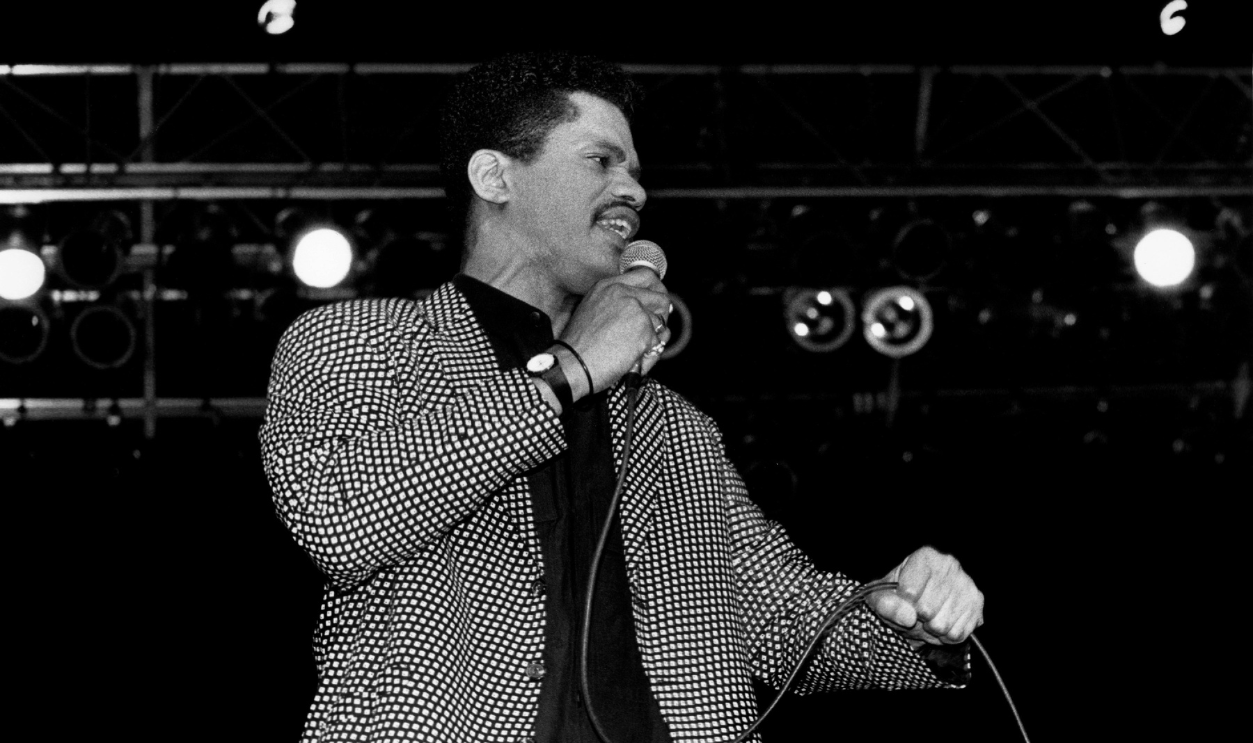
Colonel Abrams
Colonel Abrams became a major dance-music star with his powerful 1985 single "Trapped." The recording reached number three in Britain and topped Billboard's dance chart, helping bridge traditional soul music and the emerging electronic dance sound. Despite his remarkable voice and nightclub success, Abrams never became the mainstream pop superstar his talents suggested.
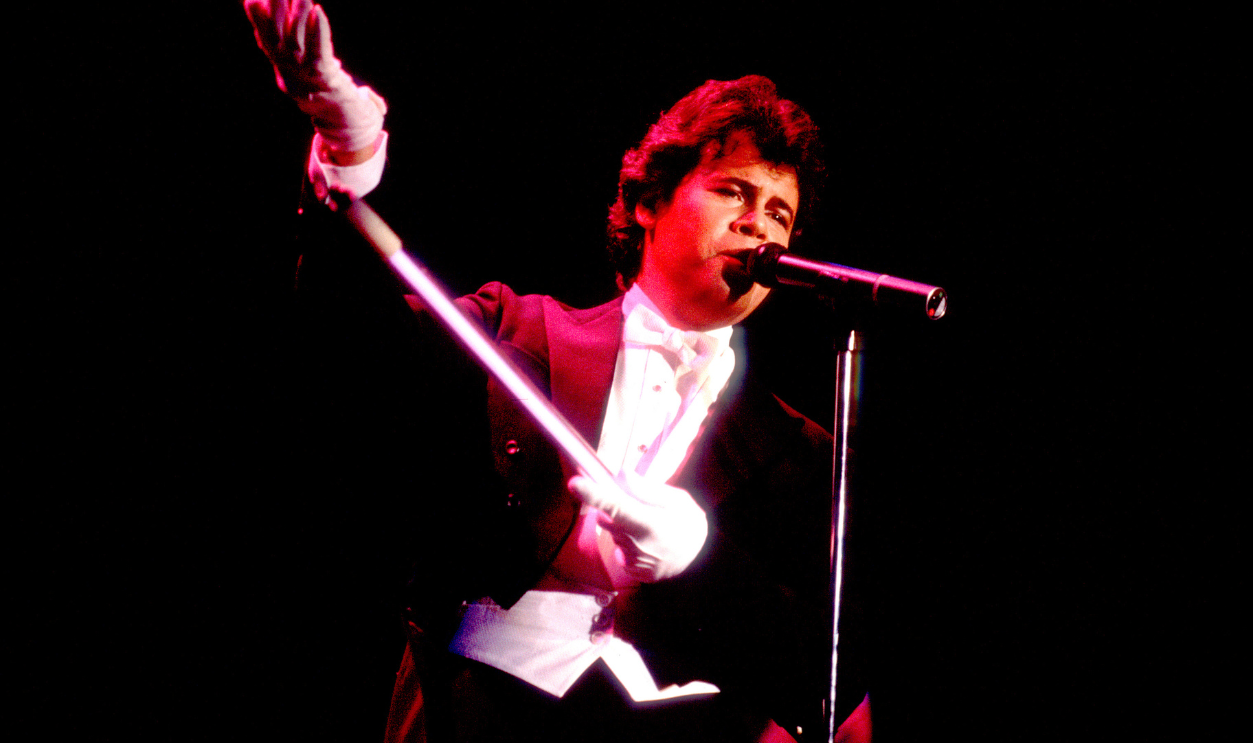
Taco
Dutch singer Taco gave Irving Berlin's "Puttin' on the Ritz" an unexpected synthesizer-driven makeover in 1983. His theatrical performance and old-fashioned appearance made the recording an MTV favorite, helping it reach number four in America. Despite his distinctive style and international success, Taco never enjoyed another American hit of comparable magnitude.
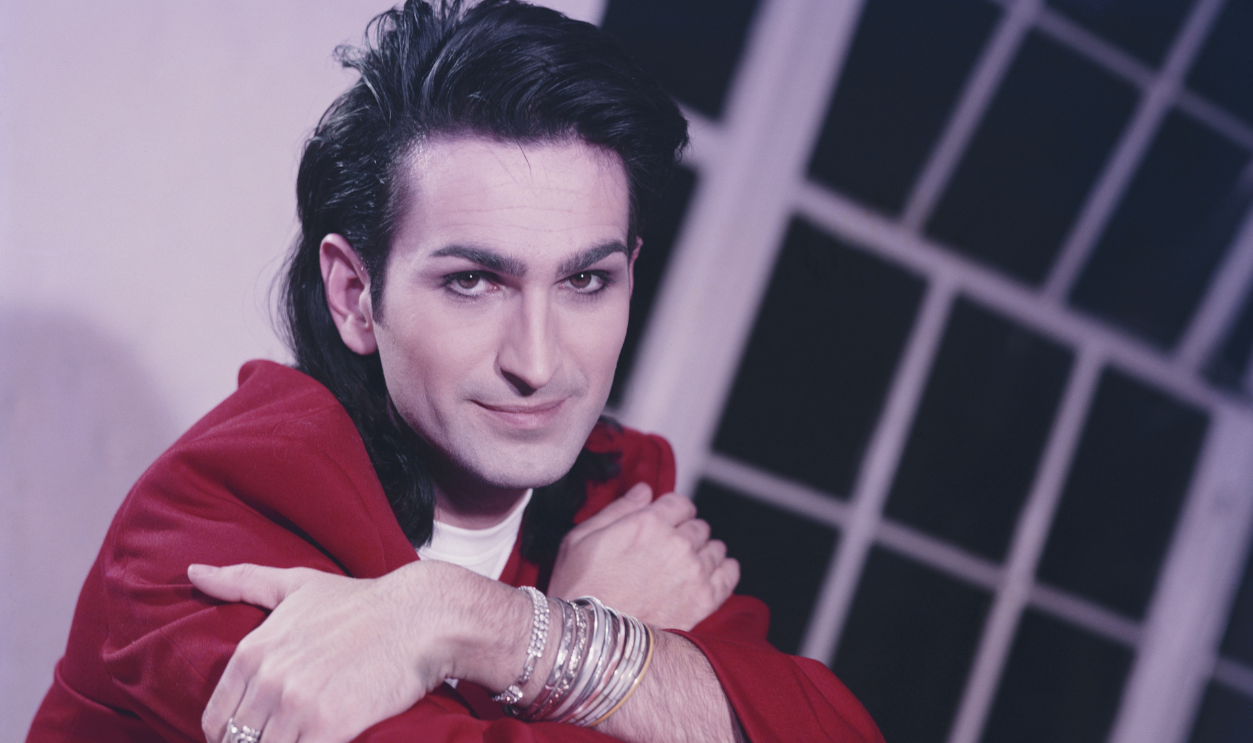
Paul King
With his spectacular hairstyle and colorful clothes, Paul King looked every inch an MTV-era superstar. His band King scored a major British breakthrough with "Love & Pride" in 1985, taking the infectious single to number two on the charts. The group enjoyed further success before splitting in 1986, after which King eventually became a television presenter rather than a lasting pop sensation.
Green Gartside
Green Gartside was the distinctive voice behind Scritti Politti, one of the 1980s' most sophisticated synth-pop groups. Their 1985 album Cupid & Psyche 85 produced several memorable singles, including "Perfect Way," which reached the American Top 20. Despite his delicate vocals and polished songwriting, Gartside never became as famous as many of the decade's more conventional pop frontmen.
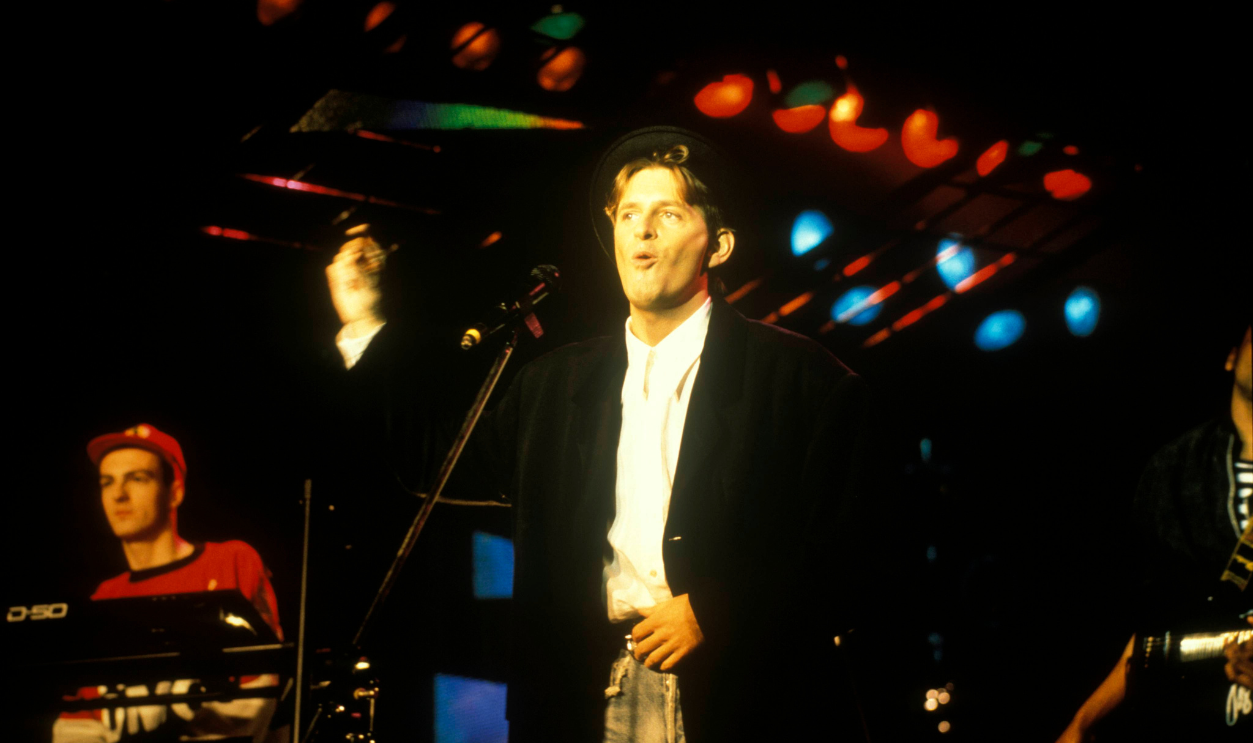
Nick Van Eede
Nick Van Eede became an international pop star as the lead singer of Cutting Crew, whose "(I Just) Died in Your Arms" topped the American charts in 1987. The dramatic ballad was followed by another American Top 10 hit, "I've Been in Love Before," suggesting the group had a promising future. Although Cutting Crew never maintained that momentum, Van Eede's powerful vocals helped create one of the decade's most enduring recordings.
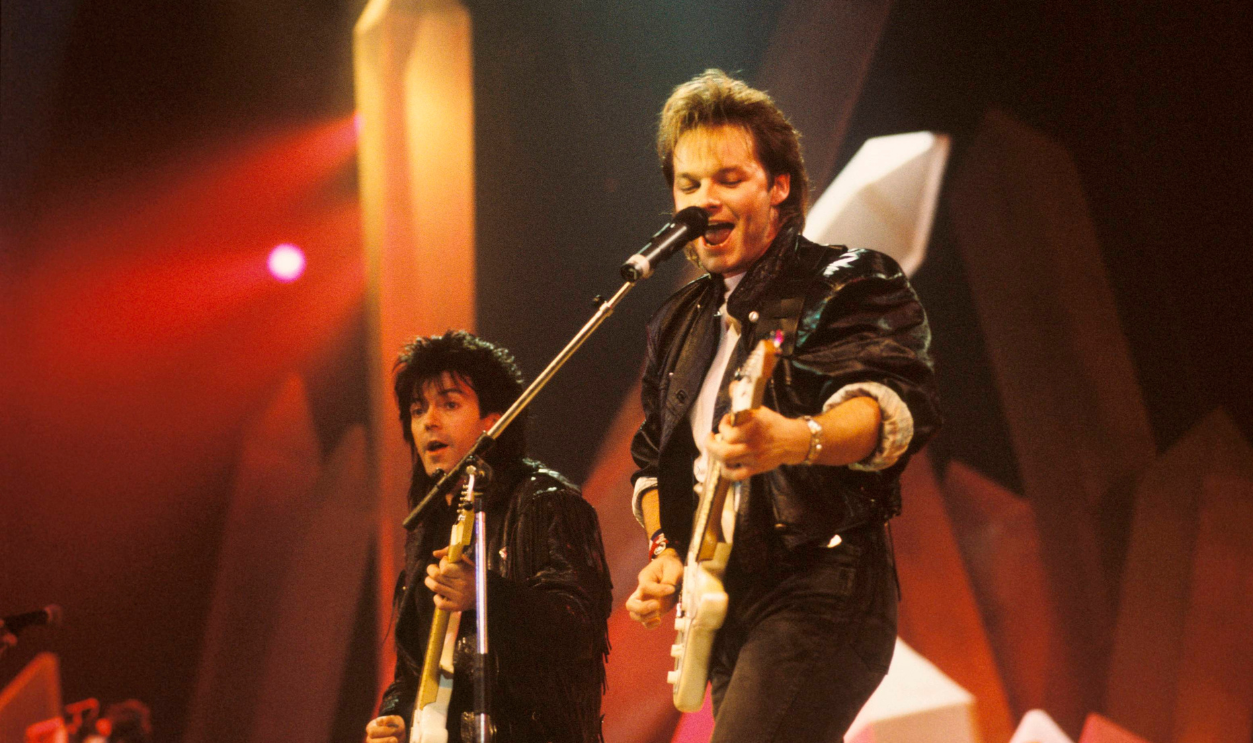
Clark Datchler
Clark Datchler was the smooth-voiced frontman of Johnny Hates Jazz, whose 1987 single "Shattered Dreams" became a major international hit. The song reached number two in America in 1988, while the group's debut album, Turn Back the Clock, topped the British album chart. Surprisingly, Datchler left the band at the end of 1988 to pursue solo projects, never matching his earlier mainstream success under his own name.
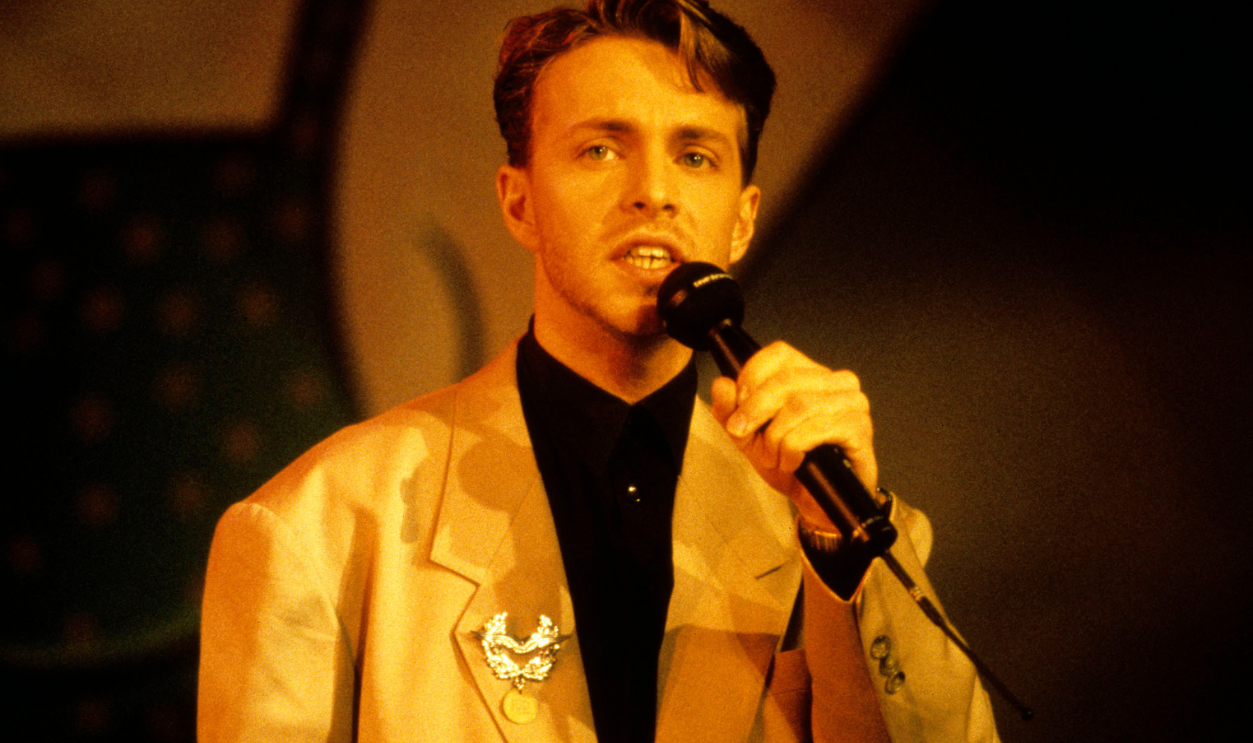
Mark Hollis
Mark Hollis became internationally recognizable as the lead singer of Talk Talk, whose 1984 single "It's My Life" became a new-wave classic. His expressive vocals also distinguished "Such a Shame" and "Life's What You Make It," but he increasingly moved away from commercial pop toward experimental music. Hollis eventually withdrew from the music industry, leaving behind an influential catalog before his death in 2019.
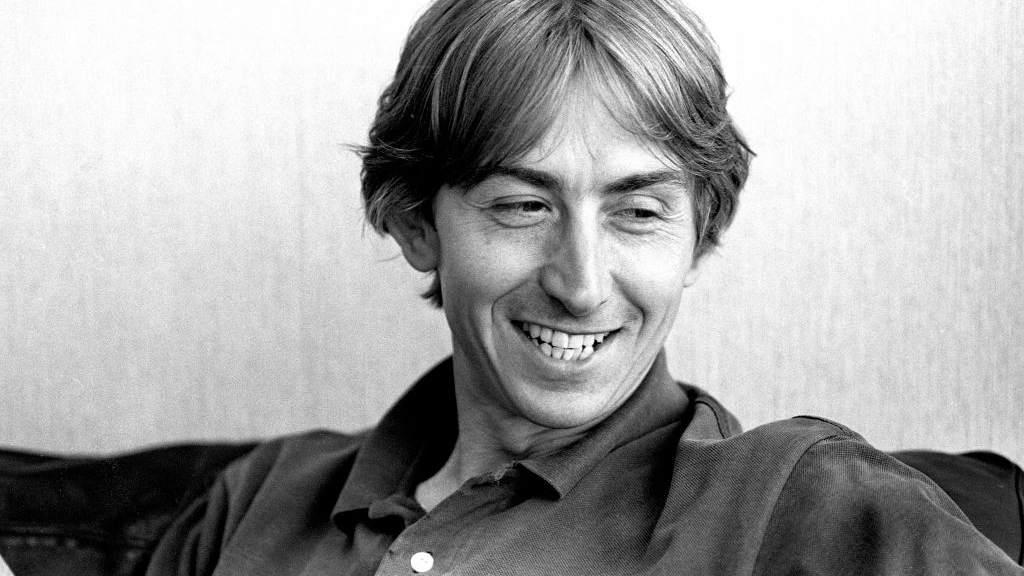
Paul Lekakis
Paul Lekakis became an unexpected dance-pop sensation in 1987 with "Boom Boom (Let's Go Back to My Room)." The energetic recording topped the Australian charts and became a major club favorite, although it reached only number 43 on the American Hot 100. Despite its irresistible chorus and international popularity, Lekakis never enjoyed another mainstream hit of comparable scale.
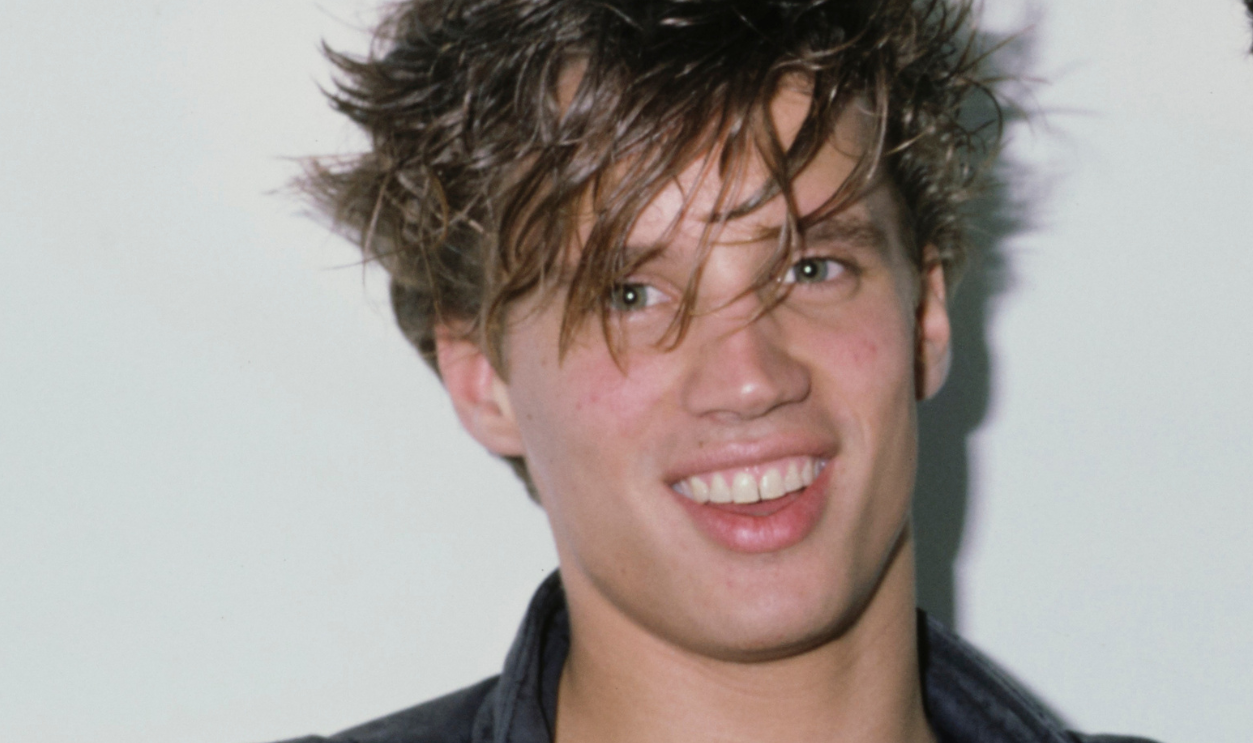
Their Songs Deserve Another Spin
Some of these performers were teenage heartthrobs, others were unlikely chart sensations, and a few became far more successful behind the scenes than in front of the microphone. But they all helped create the unforgettable soundtrack of the 1980s, even if their names aren't mentioned as often as the decade's biggest superstars. Their songs are still worth turning up, whether you're listening on an old cassette player or a modern streaming service.
Which of these forgotten singers do you think deserved a much bigger career?
You May Also Like:
Forgotten Female Rock Singers From The 1980s Who Deserved Careers As Big As The Men
Huge Songs From The 1980s That Were Supposed To Be Hits For Someone Else